Cart
0
80% Also Added this







TL;DR:
- Fewer ingredients in skincare reduce the risk of irritation and barrier stress. A simple routine of cleansing, moisturizing, and sun protection often suffices for healthy skin. Using multifunctional products supports barrier recovery and enhances long-term skin health.
Fewer ingredients in skincare is not a trend. It is a dermatological principle. The term used in clinical practice is “minimalist skincare,” and it describes routines built around a small number of well-chosen, functional ingredients rather than layered multi-step regimens. The reason why less ingredients better skincare outcomes is straightforward: every additional ingredient is a potential irritant, and the more you apply, the greater the cumulative stress on your skin barrier. Dermatologists consistently point to complex formulations as a leading cause of contact dermatitis, persistent redness, and sensitivity. Your skin does not need more. It needs better.
Complex formulations with many ingredients carry a higher risk of skin sensitivity and contact dermatitis. The culprits are rarely the active ingredients. They are the supporting cast: preservatives, synthetic fragrances, emulsifiers, and stabilisers added to keep a product shelf-stable or pleasant to use.

Every ingredient you apply to your skin has the potential to trigger a reaction. When you layer five, eight, or twelve products, you are stacking those risks. The result is cumulative stress on the skin barrier, which can manifest as redness, tightness, breakouts, or chronic sensitivity that is difficult to trace back to a single cause.
Piling on products leads to over-exfoliation and inflammation, and makes it nearly impossible to identify which product is causing a reaction. This is a critical point. When your routine is long, troubleshooting becomes guesswork. When it is short, the answer is usually obvious.
The most common ingredient triggers include:
Synthetic fragrances: Among the most frequent causes of allergic contact dermatitis in leave-on products.
Preservatives such as methylisothiazolinone: Widely flagged by dermatologists for causing sensitisation, particularly in rinse-off and leave-on formulas.
Emulsifiers: Necessary in water-based creams to bind oil and water, but capable of disrupting the skin’s natural lipid barrier over time.
Alcohol-based solvents: Used to improve texture and absorption, but drying and irritating with repeated use on compromised skin.
Multiple exfoliating acids: Overuse of exfoliants leads to micro-tears, persistent dryness, and inflammation.
Pro Tip: If your skin is reactive and you are unsure what is causing it, strip your routine back to a gentle cleanser and a plain moisturiser for two weeks. This “reset” approach is exactly what dermatologists recommend when the barrier is compromised. You can read more about identifying irritating ingredients before reintroducing anything.
The logic is simple. Fewer ingredients mean fewer opportunities for your skin to react. That is not a compromise on results. That is a smarter approach to skin health.
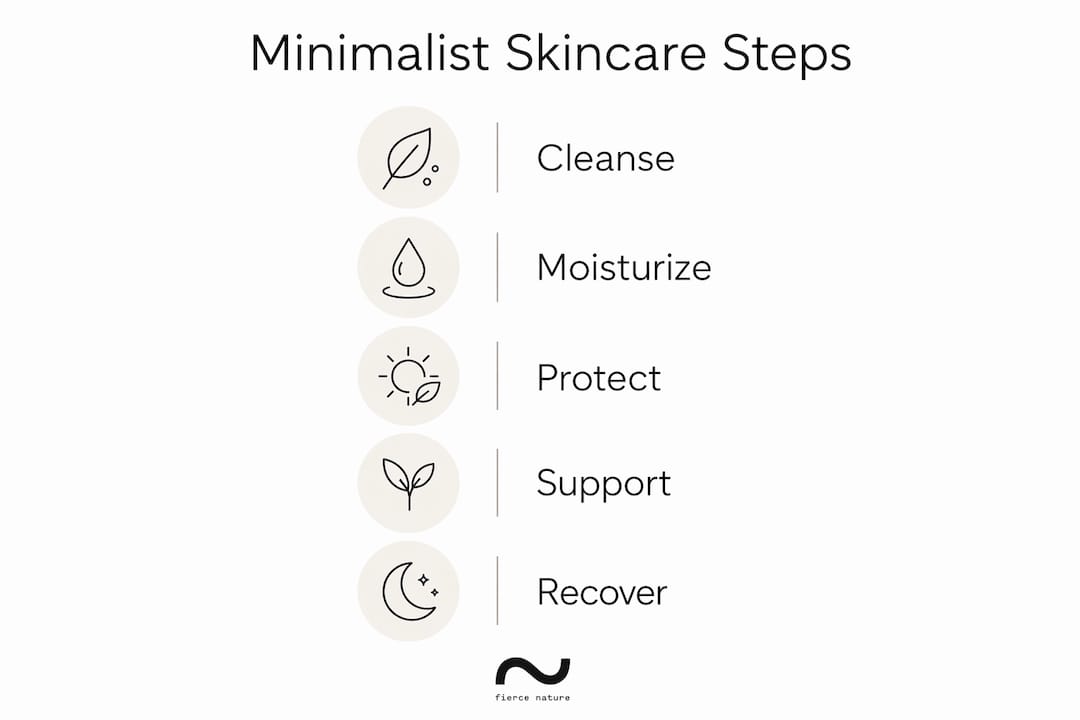
A simple three-step routine covering cleansing, moisturising, and sun protection is often all your skin needs. Board-certified dermatologists recommend this structure consistently, and it works because it addresses the three non-negotiable functions: removing impurities, restoring hydration, and protecting against UV damage.
Here is how to build a genuinely effective minimalist routine:
Cleanse gently. Choose a fragrance-free, low-pH cleanser that removes dirt and excess oil without stripping the skin’s natural moisture. Avoid foaming cleansers with sulphates if your skin is dry or sensitive. A clean face is the foundation of everything that follows.
Moisturise with purpose. Look for a moisturiser that contains barrier-supporting ingredients such as ceramides, niacinamide, or peptides. These are multifunctional: ceramides restore the lipid barrier, niacinamide reduces inflammation and regulates sebum, and peptides support collagen synthesis. One well-formulated product can address several skin concerns at once.
Protect with broad-spectrum SPF. Sun protection is the single most evidence-backed step in any skincare routine. A mineral SPF 30 or above, applied every morning, prevents photoageing, hyperpigmentation, and long-term barrier damage. If your moisturiser contains SPF, you have reduced your routine to two steps.
Choose fragrance-free throughout. Fragrance is the most common non-essential ingredient in skincare. Removing it from every product in your routine immediately reduces your sensitisation risk without sacrificing any functional benefit.
Prioritise quality over quantity. One product with five well-chosen ingredients will outperform five products with fifty combined ingredients. The goal is not to cover every possible skin concern with a separate product. It is to select ingredients that do more than one job well.
This kind of natural skincare routine is also significantly more cost-effective. Fewer products mean less spending, less waste, and less time. Adherence improves when a routine is easy to follow, and consistent application of a simple routine consistently outperforms sporadic use of a complicated one.
Multifunctional skincare products combining barrier supporters like ceramides, niacinamide, peptides, and antioxidants reduce the need for multiple separate products. This is not about cutting corners. It is about reducing the risk of ingredient conflicts and barrier fatigue that comes from layering too many formulas.
When you apply multiple products in sequence, the actives in each one interact. Some interactions are beneficial. Many are not. Mixing acids with retinoids, for example, is a classic case of what dermatologists call “ingredient bingo,” where incompatible actives sabotage the barrier and require a full reset with only a gentle cleanser and moisturiser to repair. A single, well-formulated product avoids this entirely.
Simplified routines improve compliance and long-term skin outcomes because products are gentler and easier to tolerate. Skin that is not stinging or burning after application is skin that is receiving consistent, uninterrupted nourishment.
| Approach | What it does to your skin |
|---|---|
| Multi-step routine with overlapping actives | Increases risk of ingredient conflicts, barrier fatigue, and sensitisation |
| Single multifunctional moisturiser | Delivers barrier support, hydration, and anti-inflammatory benefits in one application |
| Layered exfoliants and acids | Causes micro-tears and chronic inflammation with repeated use |
| Fragrance-free, minimal formula | Reduces cumulative irritant load and supports consistent barrier function |
| Waterless or anhydrous formulation | Requires fewer preservatives and delivers higher active concentrations |
Waterless or anhydrous formulations avoid the preservatives and stabilisers common in water-based products. They often deliver higher concentrations of actives while keeping the ingredient list short. This is one of the clearest examples of fewer ingredients delivering more benefit, not less.
The practical advantage is also worth naming. One product used consistently every day will always outperform three products used inconsistently. Simplicity creates habits. Habits create results.
The skin barrier is the outermost layer of the epidermis. Its job is to keep moisture in and irritants out. When it is compromised, skin becomes reactive, dry, and prone to inflammation. Restoring it requires one thing above all else: consistency in a low-stress environment.
Constant introduction of new products prevents barrier stabilisation and recovery. Every unfamiliar ingredient is a potential challenge to a barrier that is already under stress. The skin cannot repair itself if it is repeatedly exposed to new variables. This is why dermatologists often recommend a full product reset before reintroducing anything, even products that previously seemed well-tolerated.
“Less is more when it comes to avoiding dermatitis and eczema. The skin is a responsive organ, and it benefits enormously from clarity and consistency.” Dr. Pat Nicolas, dermatologist
The skin barrier recovery process is gradual. It requires uninterrupted periods free of new irritants. When the skin is not being repeatedly challenged, it can transition from a reactive state to a balanced one. This transition supports the skin’s microbiome, which plays a direct role in regulating inflammation and hydration.
A healthy microbiome depends on a stable skin environment. Harsh cleansers, alcohol-based toners, and multiple exfoliants disrupt the microbial balance that keeps skin calm and resilient. A minimalist routine, particularly one built on gentle, natural ingredients, creates the conditions for both barrier repair and microbiome recovery simultaneously.
Pro Tip: When your skin is going through a reactive phase, resist the urge to add new products. The instinct to “fix” irritated skin with more products almost always makes it worse. Give your barrier two to four weeks of a stripped-back routine before assessing what, if anything, needs to be reintroduced.
Sensitive skin responds particularly well to this approach. Fewer ingredients mean fewer triggers, and a calm barrier is a resilient one.
Fewer, well-chosen ingredients reduce irritation, support barrier recovery, and deliver better long-term skin health than complex multi-step routines.
| Point | Details |
|---|---|
| Fewer ingredients reduce irritation | Each additional ingredient is a potential irritant; shorter lists lower cumulative skin stress. |
| Three steps are enough | Cleansing, moisturising, and SPF cover the core needs of healthy skin without overloading it. |
| Multifunctional products outperform layering | One well-formulated product avoids ingredient conflicts and supports consistent barrier function. |
| Barrier recovery needs consistency | Introducing new products repeatedly prevents the skin from stabilising and repairing itself. |
| Fragrance-free is non-negotiable | Removing synthetic fragrance from every product immediately reduces sensitisation risk. |
The beauty industry has spent decades convincing people that more products equal better skin. We have seen the opposite to be true, again and again. When we started formulating at Fierce Nature, the guiding principle was not “what can we add?” It was “what does the skin actually need?”
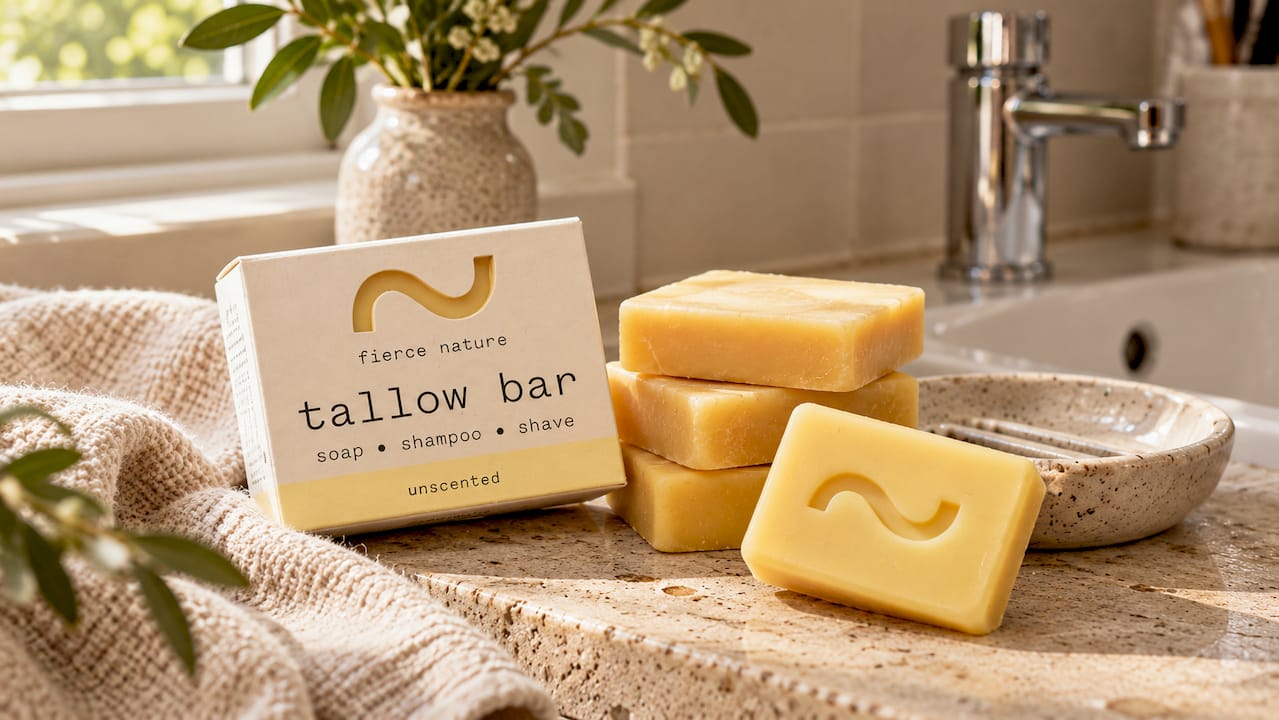
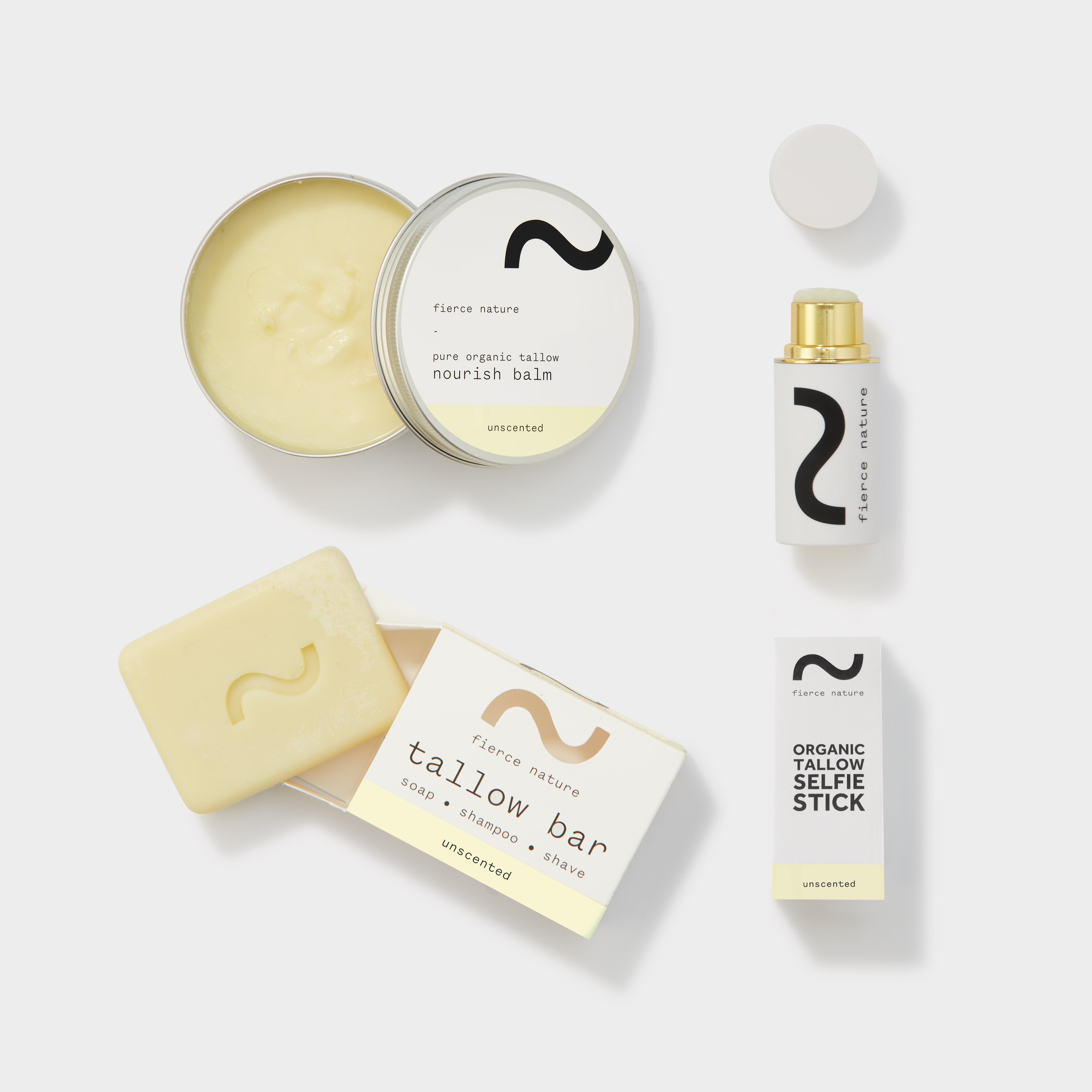
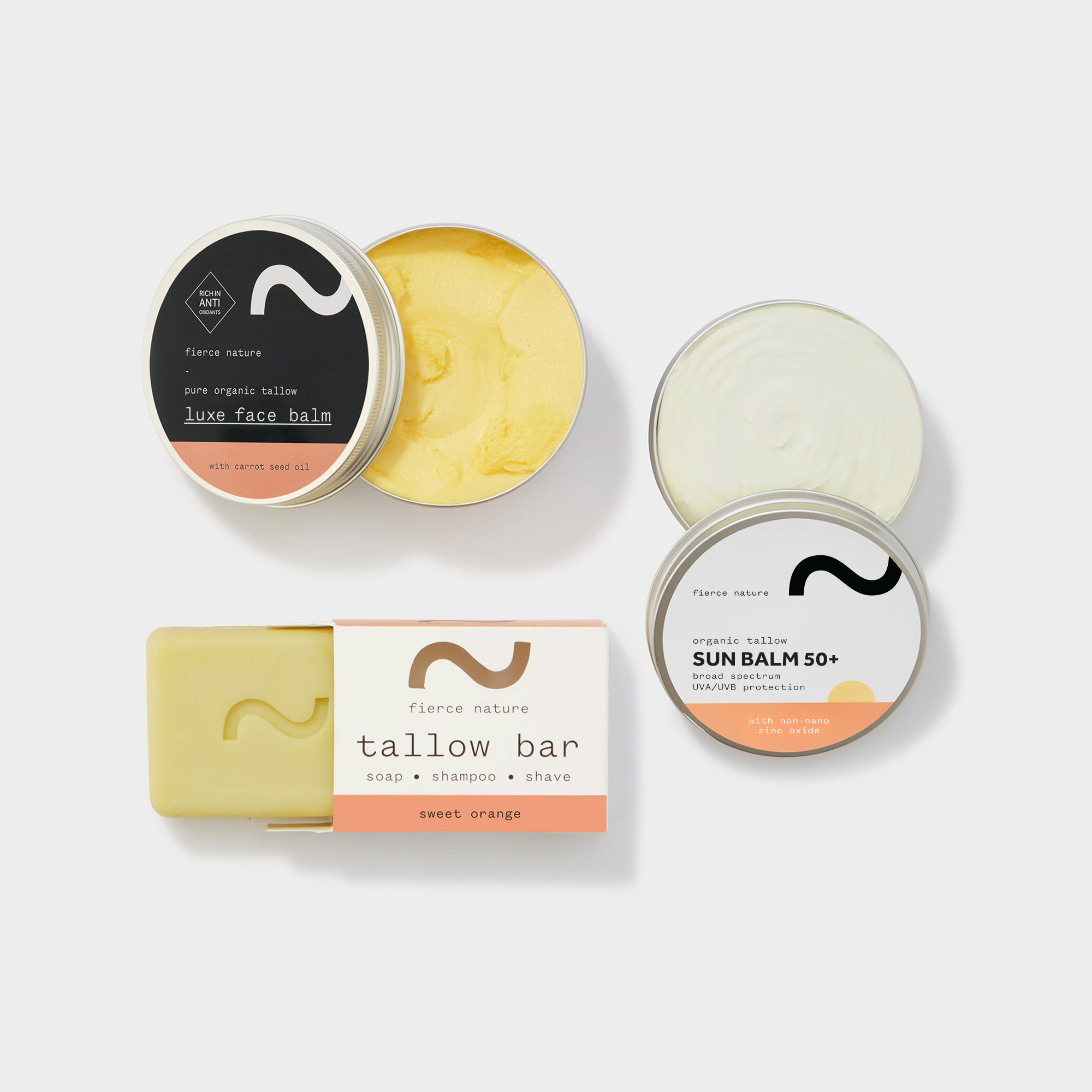
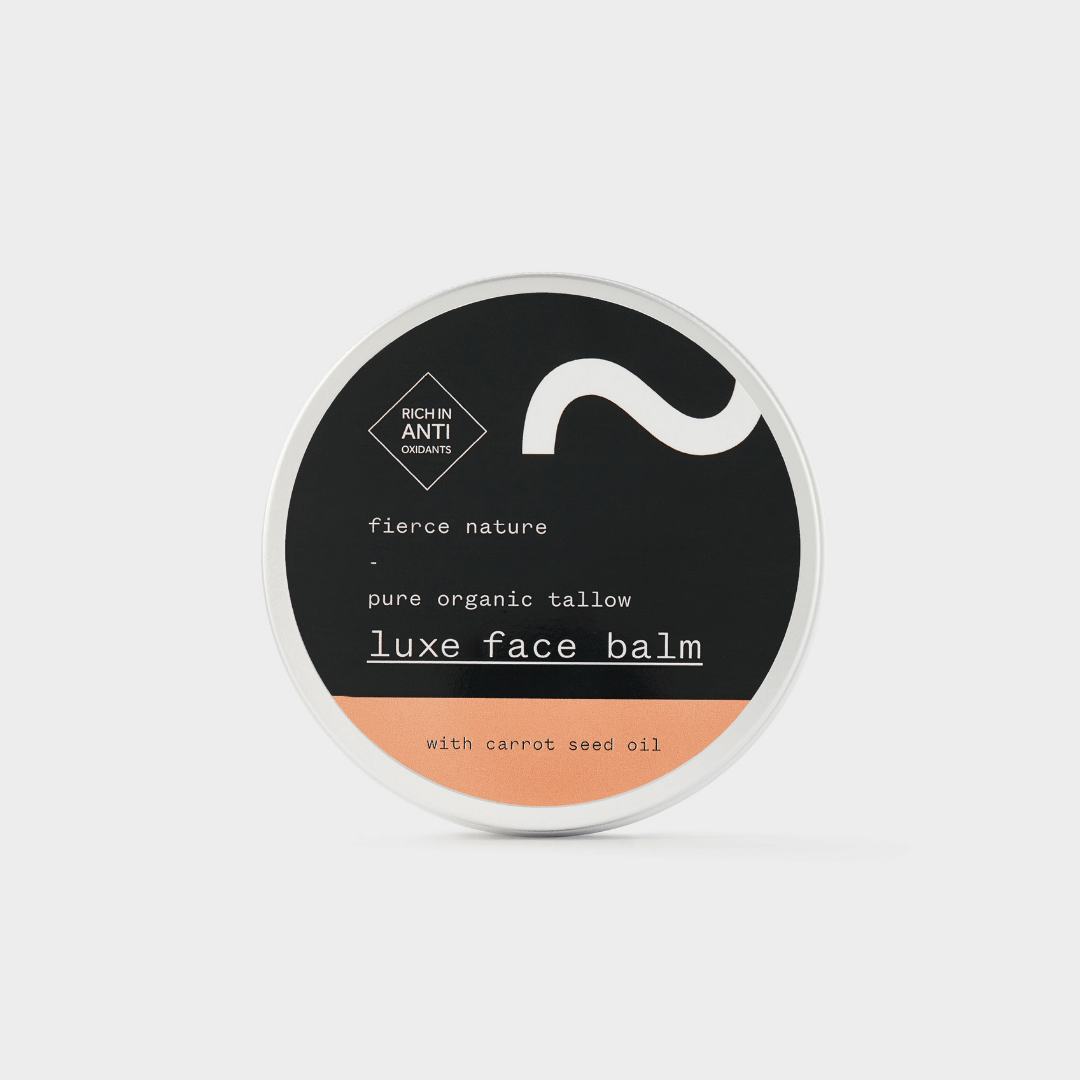
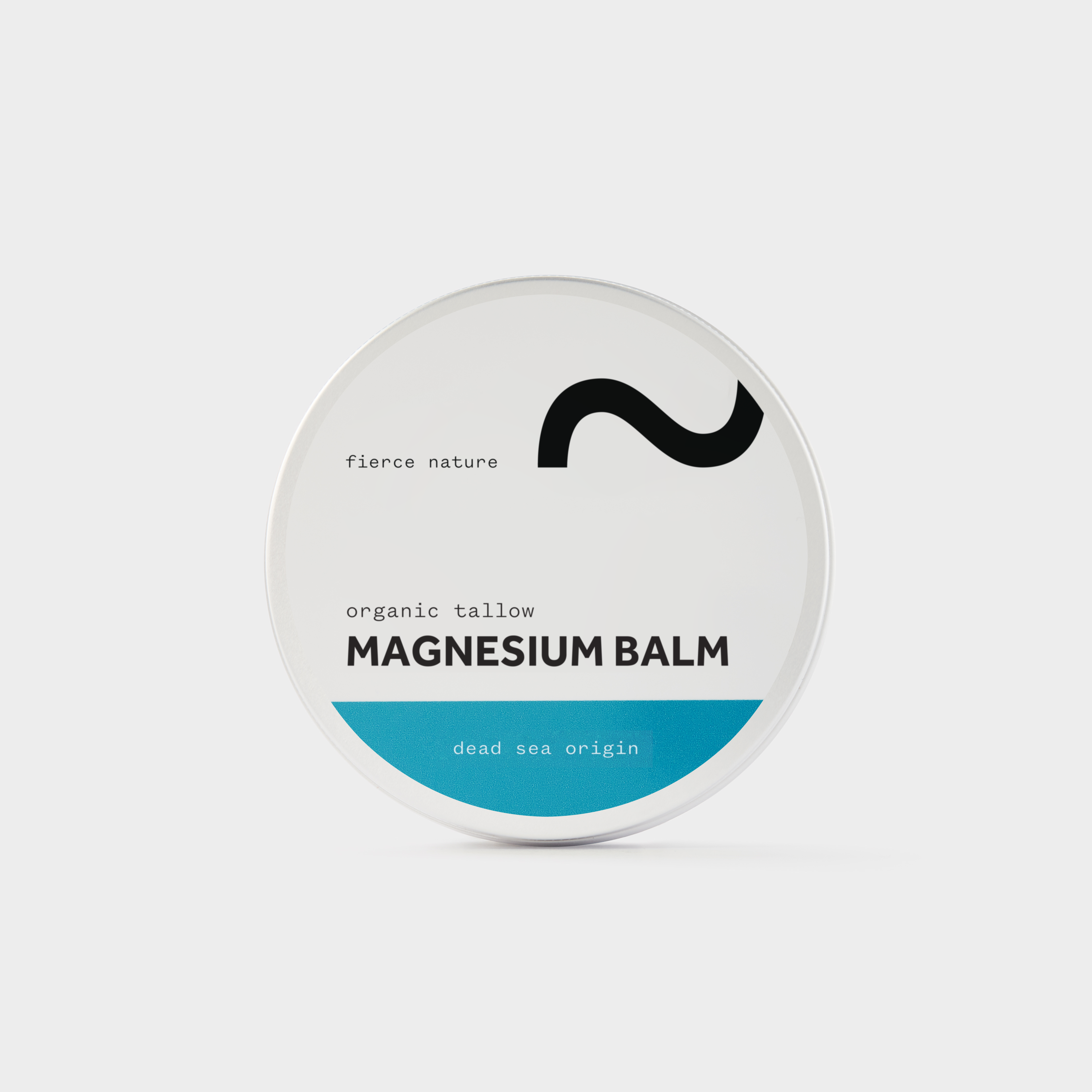
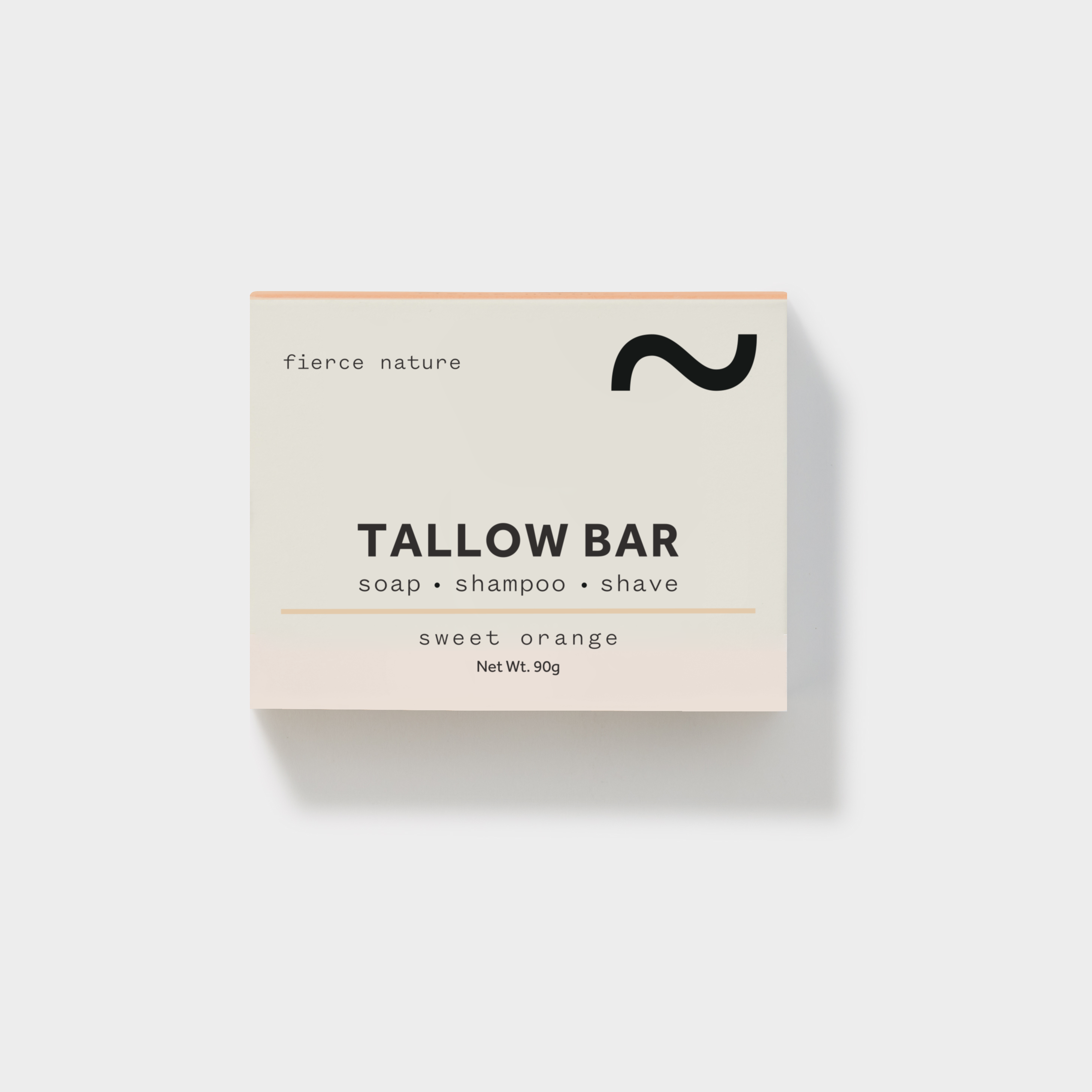
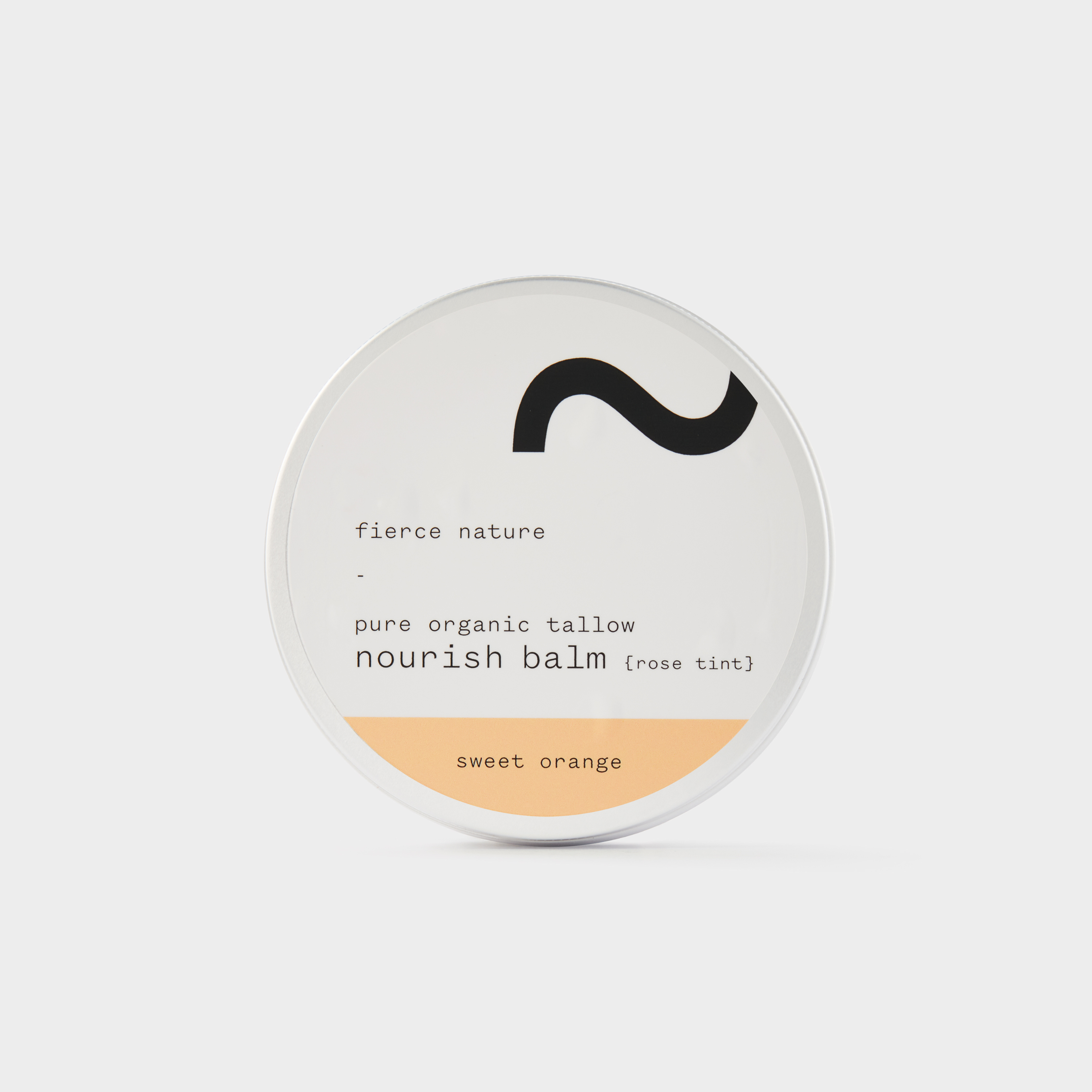
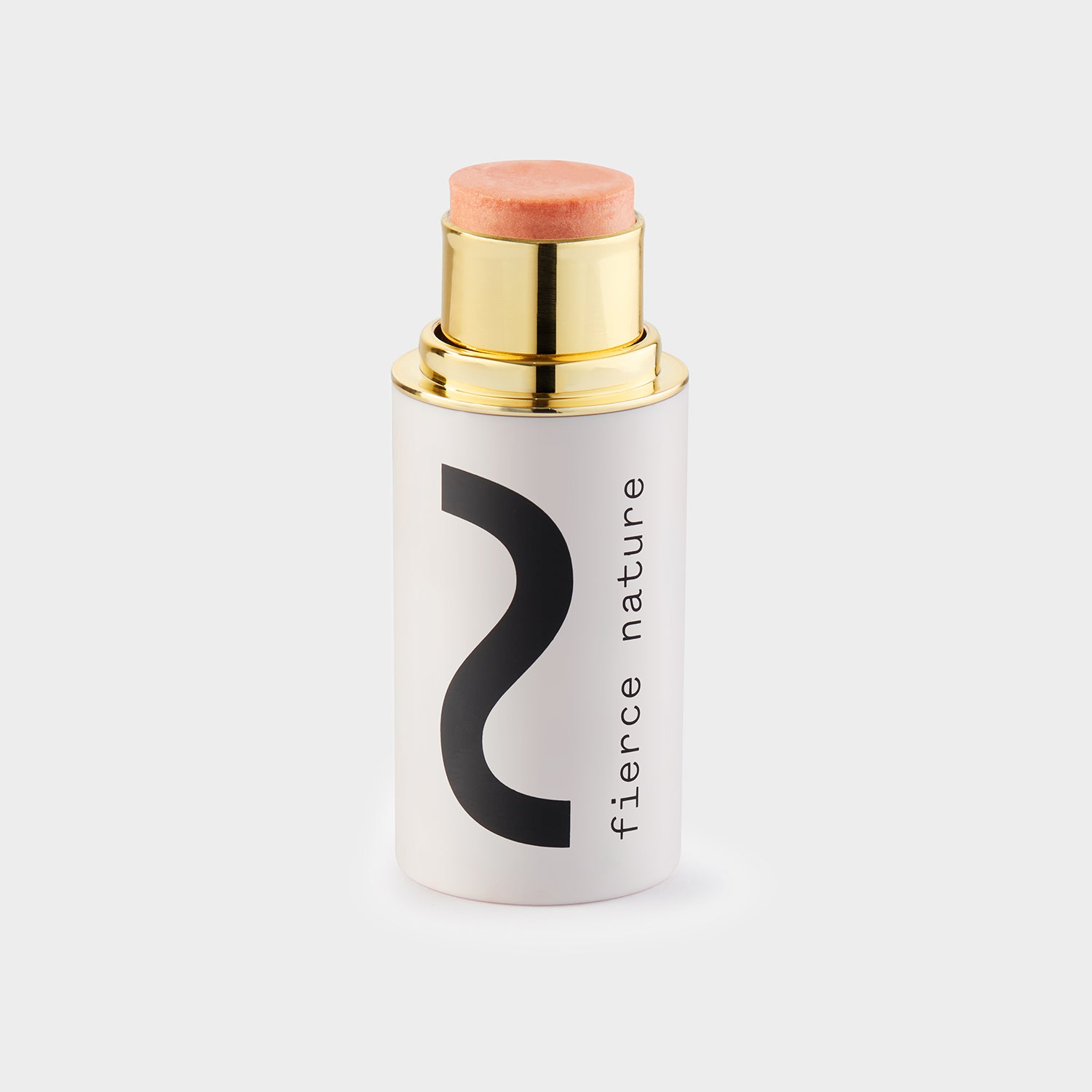
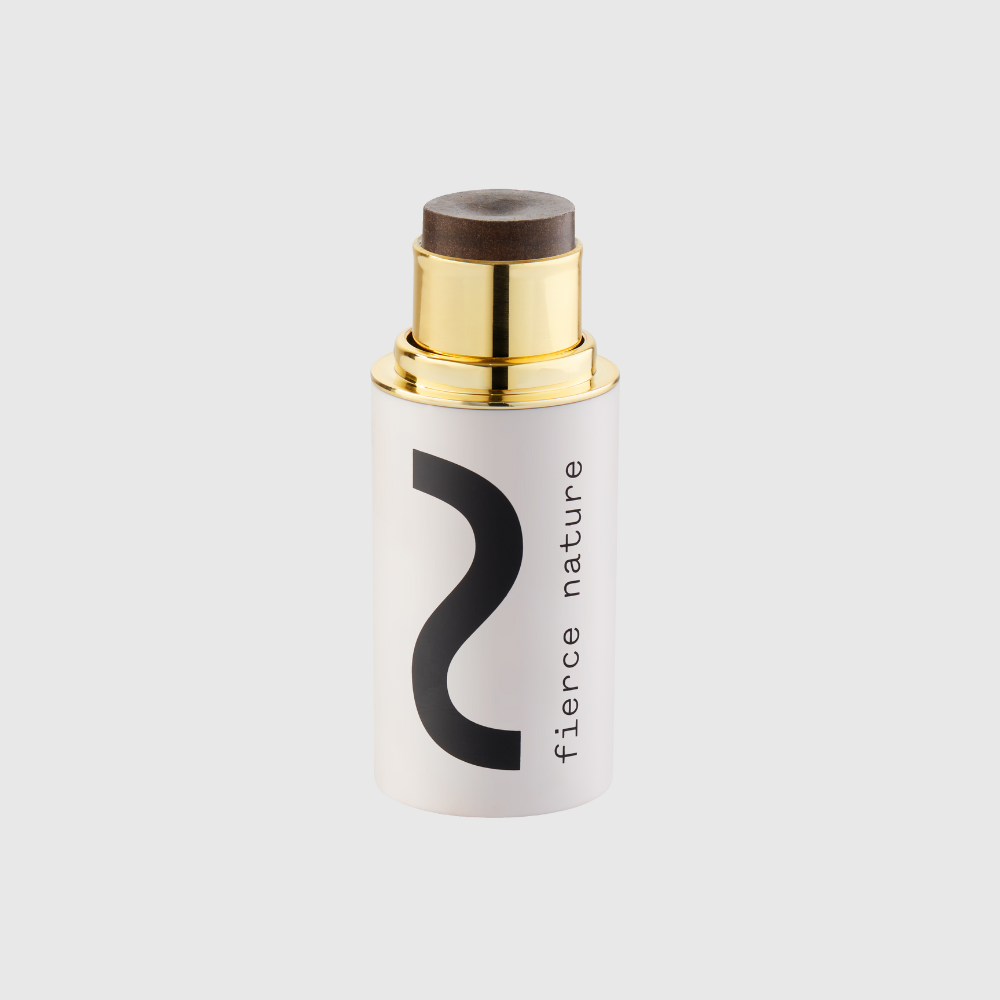
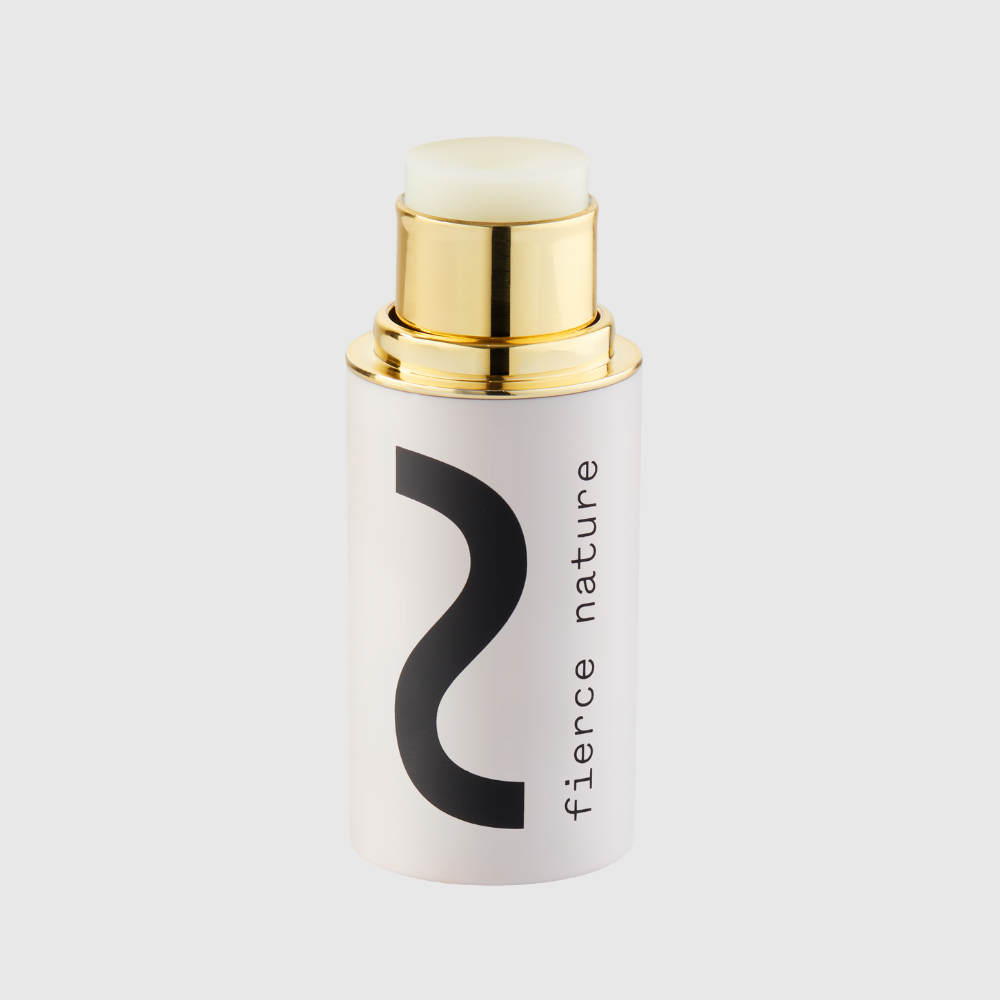
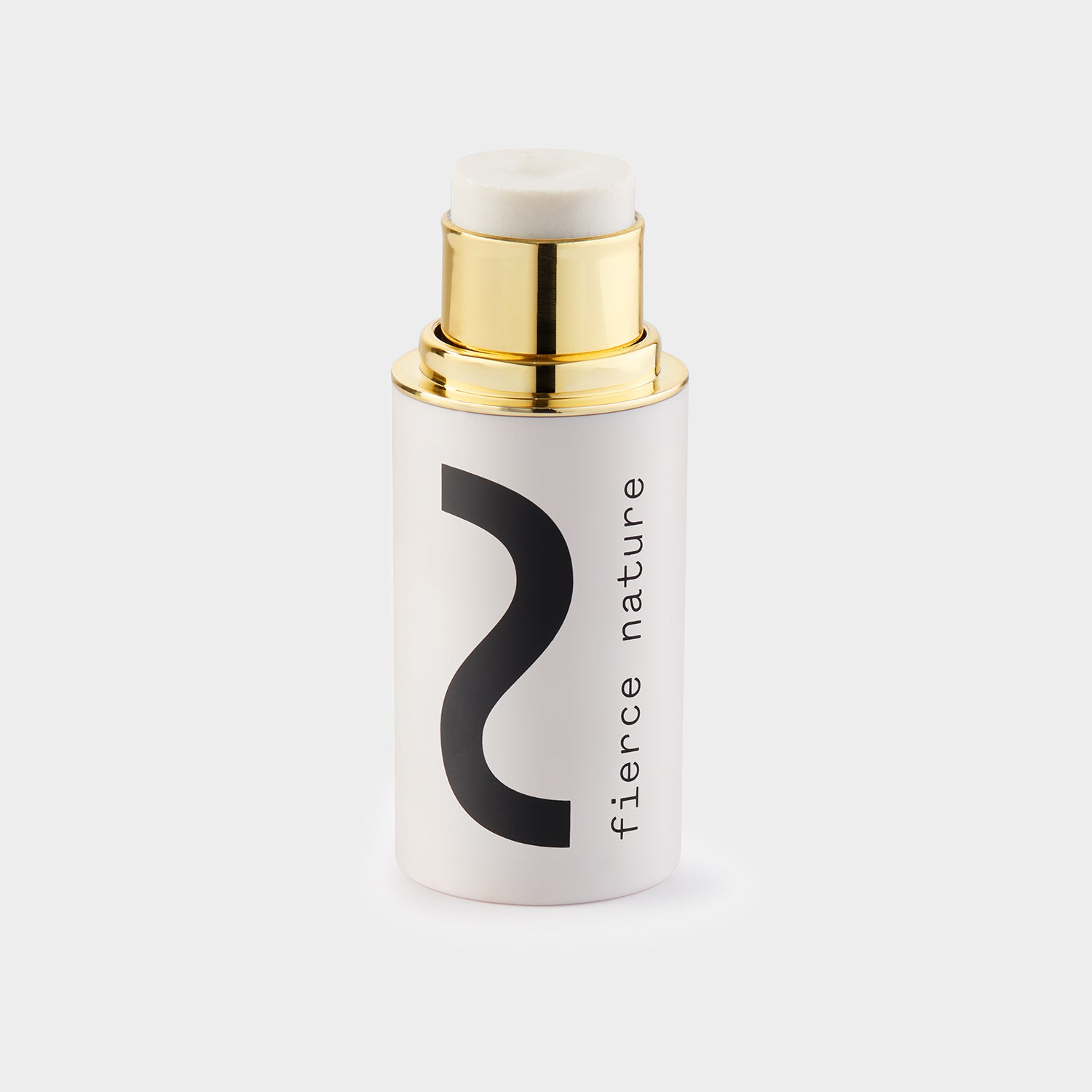
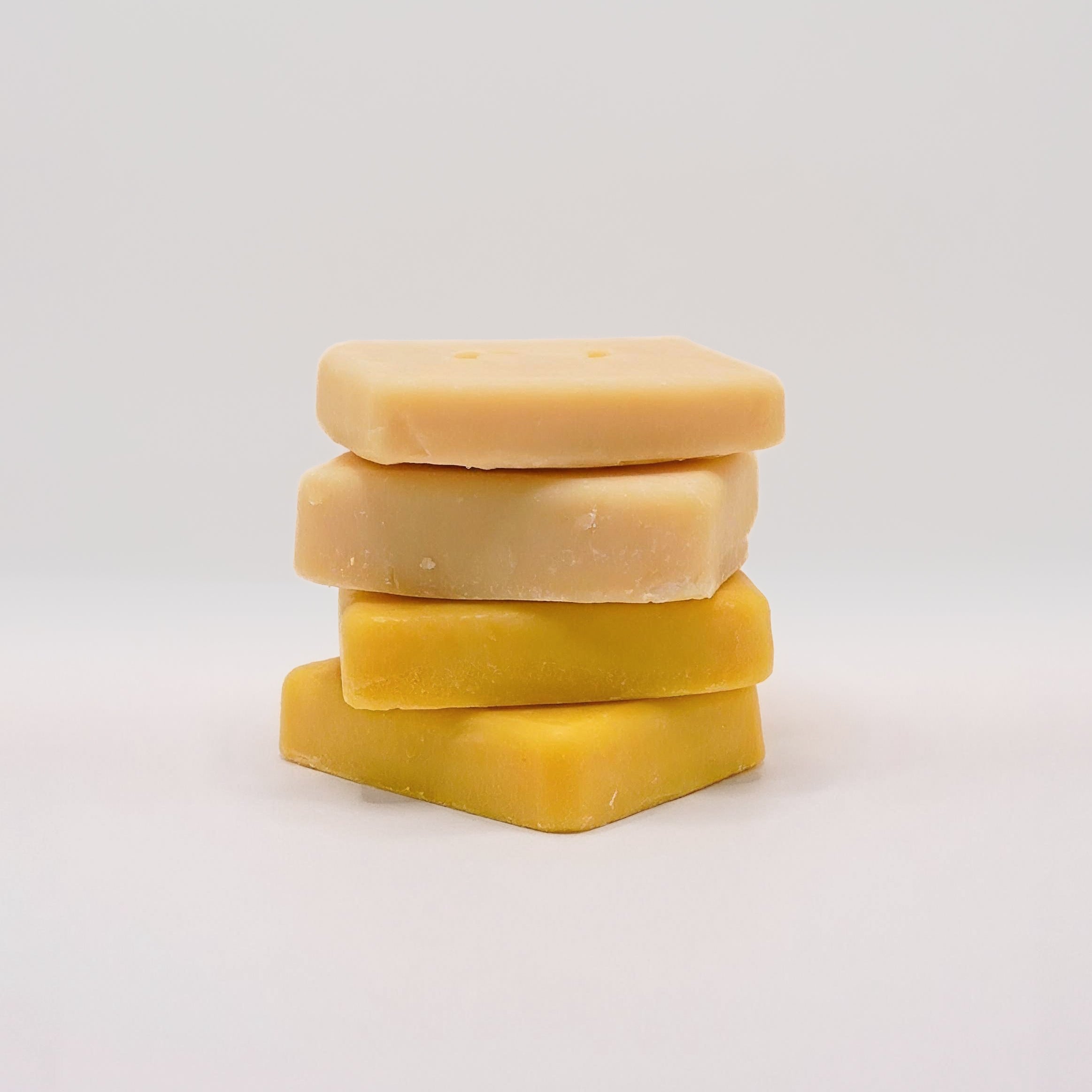
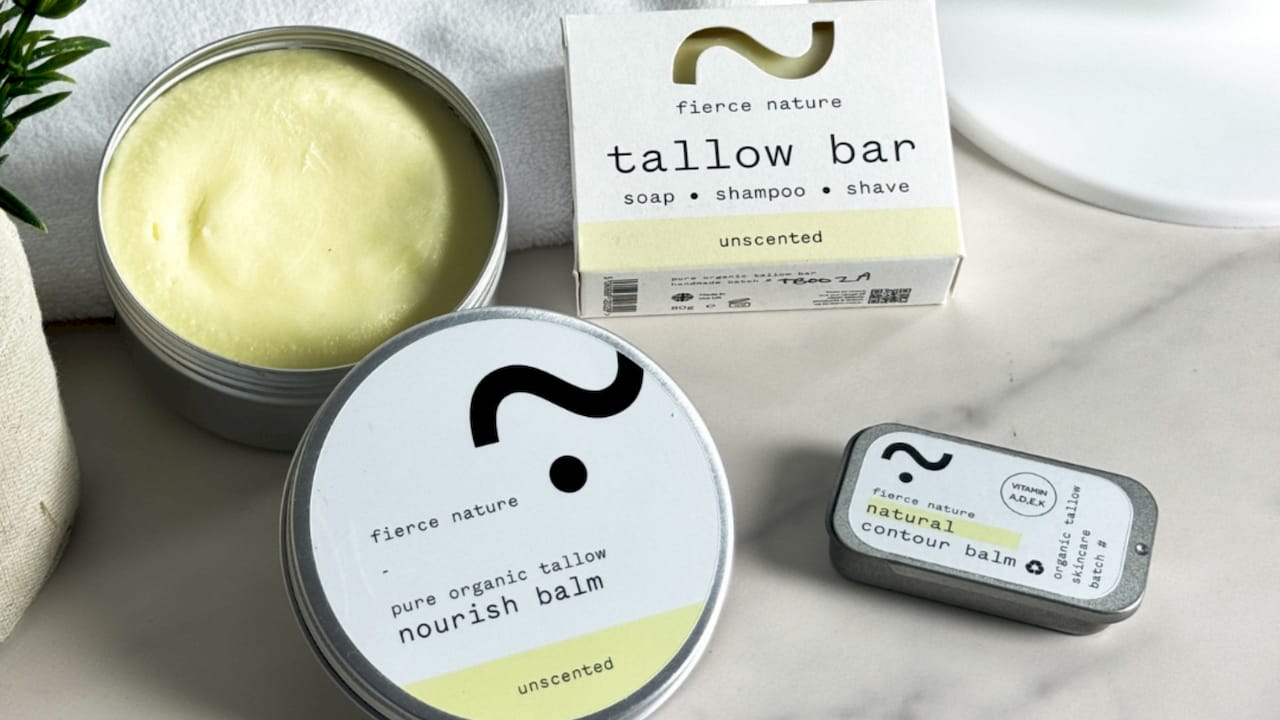
The answer, consistently, is very little. Tallow, for example, is one of the most bioavailable ingredients you can apply to skin. It mirrors the skin’s own lipid profile, absorbs deeply, and nourishes without the need for a long list of supporting ingredients. Our multi-use tallow bars have short ingredient lists by design, not by accident.
What we find most telling is how quickly skin responds when you remove the noise. People who come to us after years of complicated routines often report that their skin settles within weeks of switching to something simpler. The redness calms. The tightness eases. The breakouts reduce. Not because we have added something miraculous, but because we have removed the burden.
The mistake most people make is assuming that a reaction means they need a new product. Usually, it means they need fewer products. Ingredient transparency is not a marketing choice for us. It is a commitment to your skin’s health. If you cannot read the ingredient list and understand what each item does, that is worth questioning.
Transitioning to a simpler routine takes patience. Your skin may go through a brief adjustment period, particularly if it has been relying on heavy formulations. Stick with it. The skin is remarkably capable of restoring itself when given the right conditions and left alone to do so.
— Fierce Nature
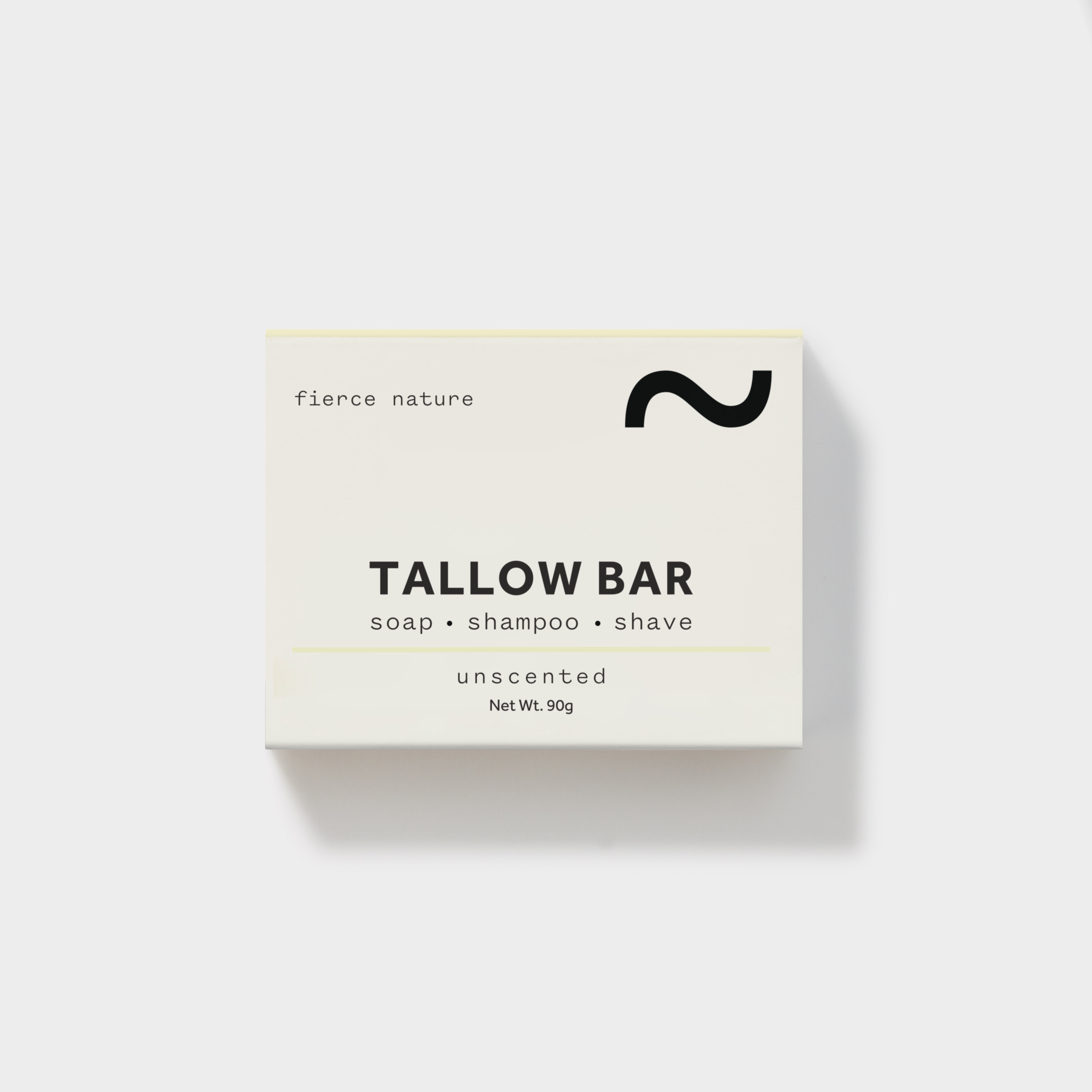
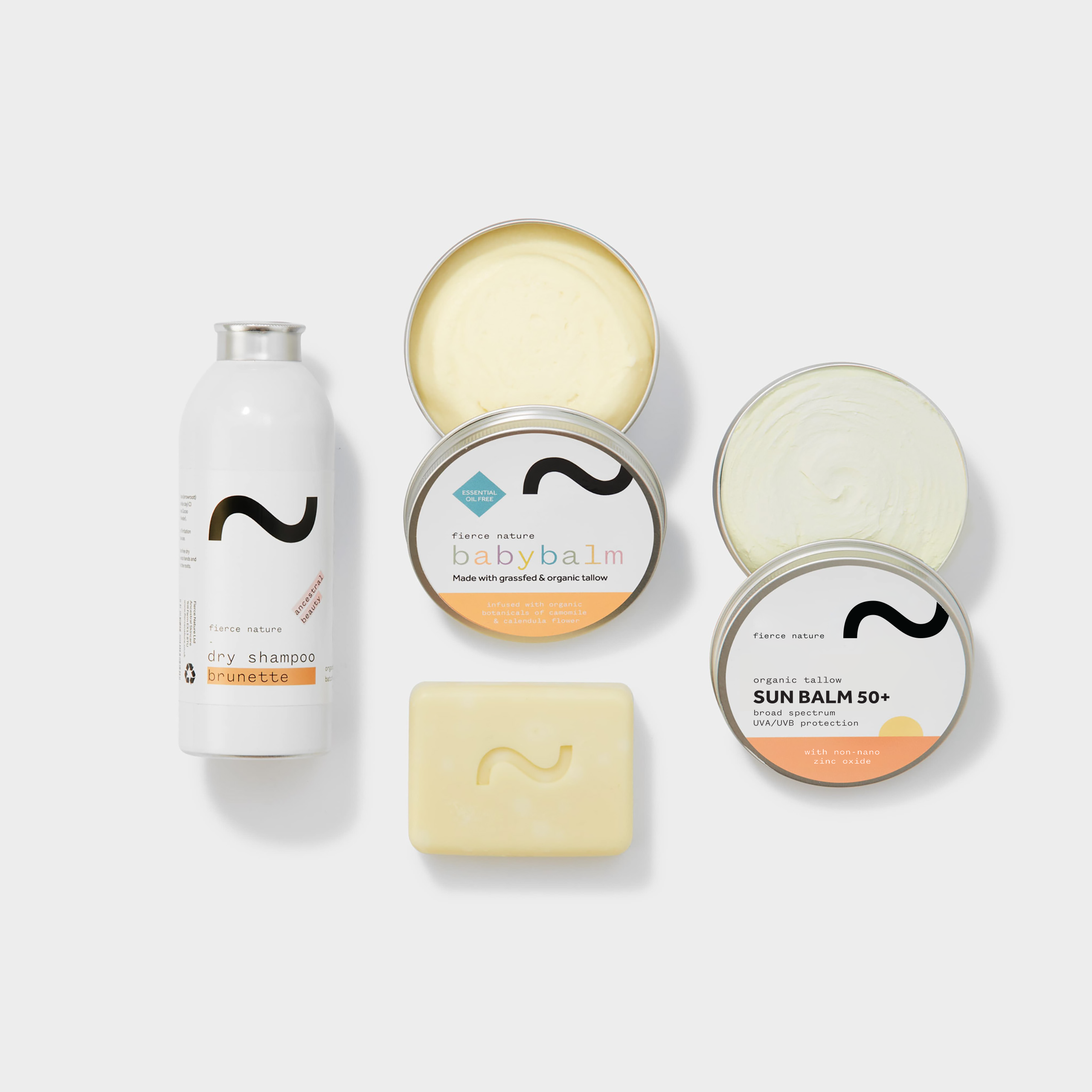
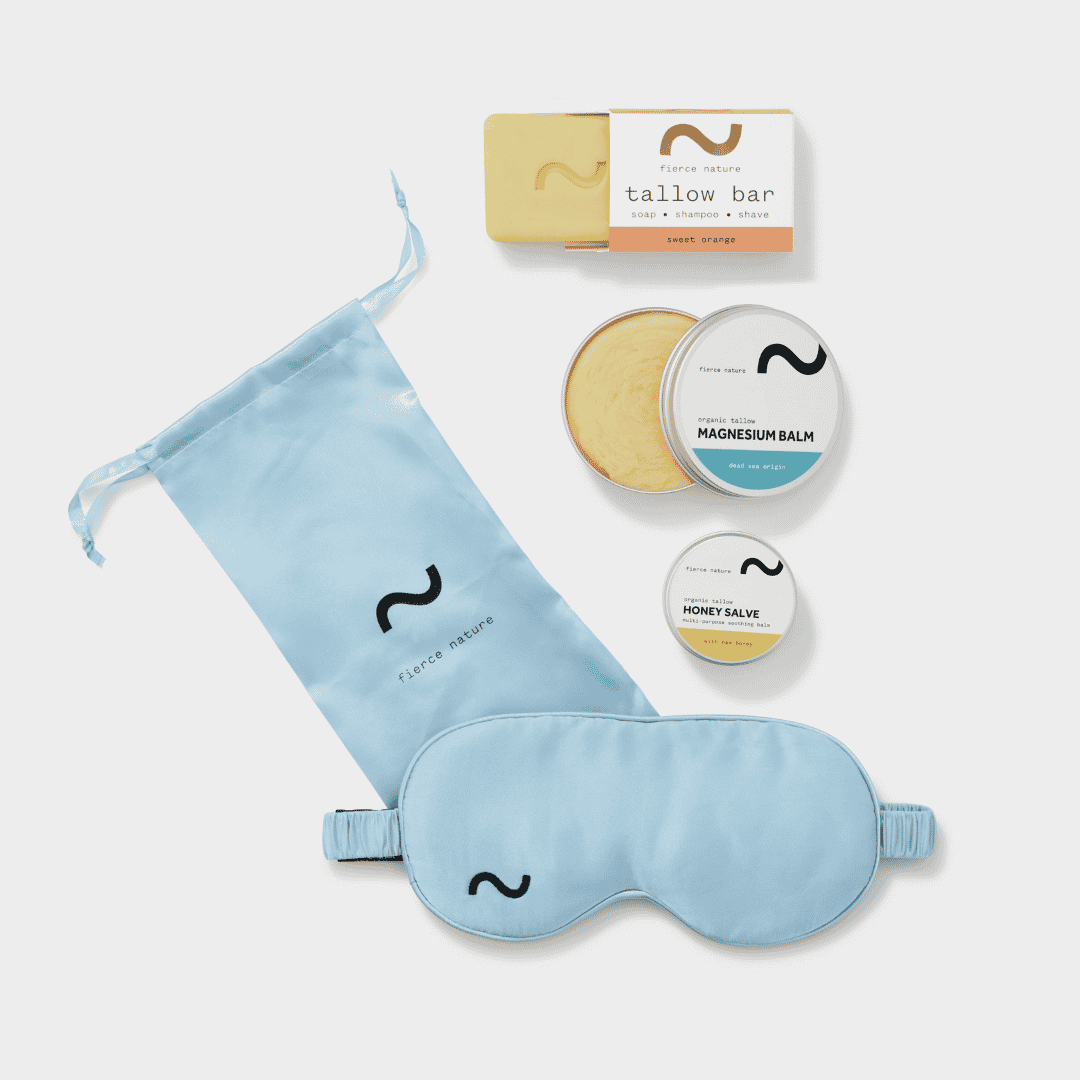
Fierce Nature builds every product around the principle that quality ingredients in small numbers outperform long lists of fillers. The unscented tallow bar is a multi-use product with a short, transparent ingredient list, designed for people who want effective skin nourishment without synthetic additives. For those seeking a complete starting point, the non-toxic skin essentials range offers gentle, minimal formulations suitable for even the most sensitive skin. Every Fierce Nature product is handmade in the UK using naturally sourced ingredients, with organic tallow as the foundation. No fillers, no synthetic fragrances, no unnecessary complexity.
Fewer ingredients reduce the cumulative irritant load on the skin, lowering the risk of contact dermatitis and barrier disruption. Each ingredient removed is one less potential trigger for sensitivity or inflammation.
A gentle cleanser, a fragrance-free moisturiser, and a broad-spectrum SPF 30 form a complete and dermatologist-endorsed routine. This three-step approach supports barrier health without overloading the skin.
Yes. Dermatologists report that some patients see significant skin improvement by reducing their routine to just two products, allowing the skin barrier to recover from the stress of layering. Consistency with fewer products outperforms inconsistent use of many.
Ceramides, niacinamide, and peptides are multifunctional barrier-supporting ingredients that address hydration, inflammation, and skin repair in a single product. Tallow is another deeply nourishing option with a lipid profile closely matched to human skin.
Barrier recovery is gradual and requires an uninterrupted period free of new irritants. Most people notice meaningful improvement within two to four weeks of maintaining a consistent, stripped-back routine.