Cart
0
80% Also Added this





TL;DR:
- Tallow’s fatty acid profile includes mainly saturated fats like palmitic and stearic acids, with monounsaturated oleic acid. The composition varies by breed, diet, and fat depot, affecting its texture, stability, and skin absorption. Knowing the source and processing methods helps tailor tallow use for optimal nutritional and skincare benefits.
Tallow’s fatty acid profile is defined as the specific mix of saturated, monounsaturated, and polyunsaturated fatty acids that make up rendered animal fat. Bovine tallow is primarily 50–55.6% saturated, with monounsaturated fats accounting for 26–42% and polyunsaturated fats around 4%. The key players are palmitic acid (roughly 25–28%), stearic acid (19–35%), and oleic acid (26–36%). Understanding what is tallow fatty acid profile matters whether you are choosing a cooking fat, a skincare balm, or a nourishing body bar. These ratios are not arbitrary. They directly shape how tallow feels on your skin, how long it stays fresh, and what it delivers nutritionally.
Tallow’s fatty acid composition is the technical term used in food science and cosmetic chemistry to describe the precise breakdown of fat types within rendered animal tissue. The informal phrase “tallow fatty acid profile” refers to the same thing. Knowing both terms helps you read product labels and research with confidence.
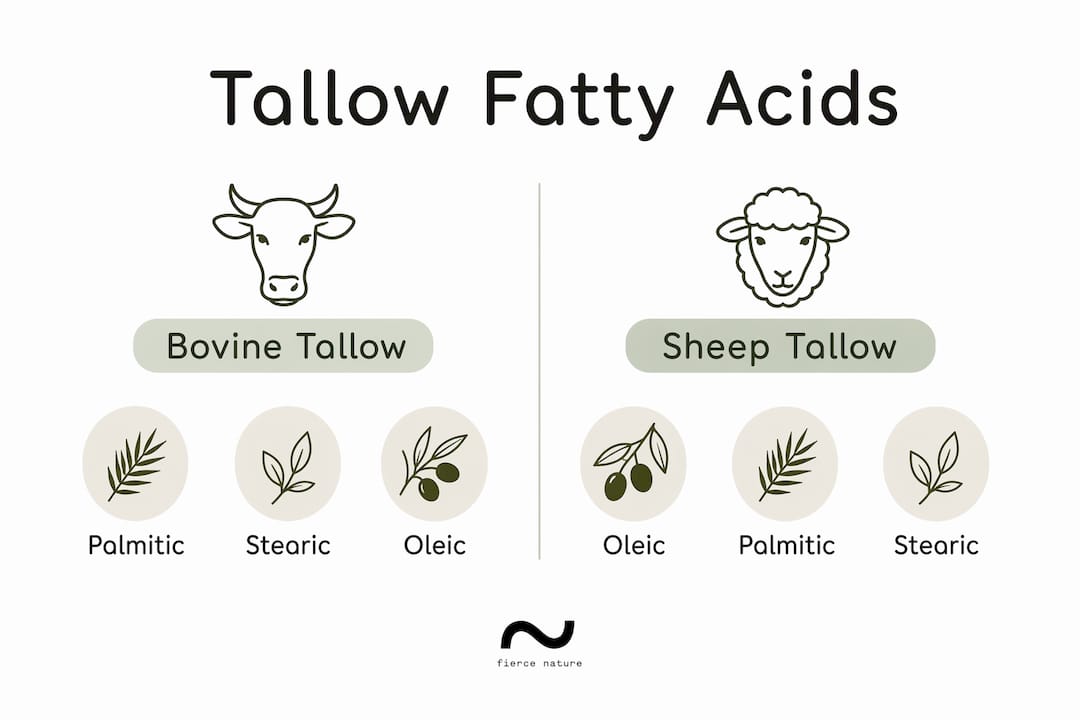
Bovine tallow contains three main categories of fatty acids. Saturated fatty acids dominate, led by palmitic acid at 25–28% and stearic acid at 19–35%. Monounsaturated fatty acids follow, with oleic acid making up the bulk at 26–36%. Polyunsaturated fatty acids, including linoleic and alpha-linolenic acid, appear in small amounts near 4%.
Sheep tallow tells a different story. Sheep tallow contains higher oleic acid at 43.7% and lower stearic acid at just 7.1%. It also carries unique short-chain fatty acids absent in bovine tallow. This makes sheep tallow softer and more fluid at room temperature, which affects both its texture in skincare and its behaviour in cooking.
Minor fatty acids also appear in tallow, including myristic acid and small amounts of palmitoleic acid. These are present in lower concentrations but still contribute to the overall character of the fat. Myristic acid, for instance, is known for its ability to penetrate the skin barrier, adding a subtle emollient quality.
Fatty acid profiles vary by breed, diet, and adipose tissue source, making consistent sourcing critical for predictable skincare and nutritional outcomes. A grass-fed Hereford and a grain-fed Angus will produce tallow with measurably different fatty acid ratios. The fat depot also matters. Kidney fat (suet) tends to be harder and more saturated than back fat, which is softer and higher in oleic acid.
Grass-fed tallow shows much higher omega-3 alpha-linolenic acid and less omega-6 linoleic acid compared to grain-fed tallow. This shift in the omega-3 to omega-6 ratio has real implications for both nutrition and skin inflammation. Grass-fed sources are generally preferred for skincare formulations where antioxidant content matters.
Pro Tip: When choosing a tallow product for skincare, ask whether the source is grass-fed and which fat depot was used. Kidney fat from grass-fed cattle gives the most consistent, nutrient-rich fatty acid composition.
| Fatty acid | Bovine tallow (%) | Sheep tallow (%) |
|---|---|---|
| Palmitic acid (C16:0) | 25–28 | ~22 |
| Stearic acid (C18:0) | 19–35 | 7.1 |
| Oleic acid (C18:1) | 26–36 | 43.7 |
| Linoleic acid (C18:2) | ~2–4 | ~3–5 |
| Myristic acid (C14:0) | ~3–6 | ~4–6 |
The fatty acid composition of tallow directly controls its stability, texture, and how well it nourishes skin. This is not abstract chemistry. It is the reason tallow-based products feel different from plant oil creams and why they last longer on the shelf without preservatives.
Oxidation stability is tallow’s standout quality. Tallow’s high saturation provides superior oxidation stability compared to many plant oils. Saturated fats have no double bonds for oxygen to attack, which means they resist going rancid. Plant oils rich in polyunsaturated fats, such as flaxseed or sunflower oil, oxidise quickly and can release harmful free radicals when they do.
Texture and skin feel are governed by the stearic-to-oleic ratio. High stearic acid yields a harder, more protective texture, while higher oleic acid creates a softer, more penetrative product. Bovine kidney tallow, with its elevated stearic acid, forms a firm balm that sits on the skin and creates a protective barrier. Sheep tallow, with its higher oleic acid, absorbs more readily and feels lighter.
Nutritional value extends well beyond fatty acids alone. Beef tallow contains fat-soluble vitamins A, D, E, and K, plus over 195 volatile compounds that contribute to its nutritional and cosmetic character. These vitamins are oil-soluble, meaning they travel with the fat into your skin or your digestive system. Vitamin A supports cell turnover. Vitamin D is anti-inflammatory. Vitamin E acts as an antioxidant within the skin itself.
Key functional properties of tallow’s fatty acid composition:
Palmitic acid creates a smooth, conditioning feel and supports the skin’s natural barrier function.
Stearic acid gives tallow its solid form at room temperature and contributes a protective, occlusive layer on skin.
Oleic acid penetrates the skin barrier readily, carrying fat-soluble vitamins deeper into the dermis.
Linoleic acid, though present in small amounts, supports the skin’s lipid barrier and reduces transepidermal water loss.
Fat-soluble vitamins A, D, E, and K are preserved in well-rendered tallow and add restorative, anti-inflammatory properties.
Tallow’s biocompatibility with human skin cells is partly explained by this fatty acid mix. Human sebum, the skin’s own oil, contains similar proportions of palmitic, stearic, and oleic acid. Tallow works with your skin rather than sitting on top of it.
Pro Tip: For dry or mature skin, choose a tallow product with higher stearic acid content for a protective, occlusive effect. For oily or combination skin, a sheep-tallow or grass-fed bovine product with higher oleic acid will absorb more cleanly.
Understanding the fatty acid ratios in tallow moves you from passive consumer to informed chooser. The practical steps below help you apply this knowledge directly.
Choose the right tallow type for your skin. Bovine tallow from kidney fat is firmer and more occlusive, making it ideal for dry, cracked, or mature skin. Sheep tallow or grass-fed bovine back fat is softer and more absorbent, suiting normal to combination skin types.
Prioritise grass-fed sources for nutritional use. Grass-fed tallow carries a better omega-3 to omega-6 ratio and higher fat-soluble vitamin content. For cooking or dietary supplementation, this distinction matters for long-term health outcomes.
Check the rendering method. Fat-soluble vitamins A, D, E, and K are sensitive to heat. Low-temperature rendering, often called wet-rendering or slow-rendering, preserves these nutrients far better than high-heat industrial processing. Ask your supplier or brand about their rendering process.
Assess freshness and storage. Even with its superior oxidation stability, tallow can degrade if stored in warm, light-exposed conditions. Choose products in opaque, airtight packaging. A fresh batch of tallow should have a mild, clean scent, not a sharp or rancid odour.
Separate myth from fact about saturated fat. The idea that saturated fats are universally harmful is not supported by current nutritional science. Saturated fatty acids like palmitic and stearic acid give tallow its stable solid form and make it a superior emollient compared to unsaturated plant oils prone to rancidity. Stearic acid in particular is considered metabolically neutral and does not raise LDL cholesterol in the way shorter-chain saturated fats do.
Match the product to the purpose. A tallow balm for skincare and a tallow used for cooking may come from different fat depots and processing methods. Do not assume one product serves both purposes equally well. Read the label and ask the maker.
The practical uses of tallow balm for UK skin conditions are well documented, from eczema-prone skin to post-shave repair. The fatty acid profile is the foundation of every one of those benefits.
Tallow occupies a unique position among cooking and skincare fats. Its high saturation sets it apart from most plant oils, and its specific fatty acid ratios distinguish it from other animal fats such as lard or butter.
| Fat source | Saturated (%) | Monounsaturated (%) | Polyunsaturated (%) | Solid at room temp? |
|---|---|---|---|---|
| Bovine tallow | 50–55.6 | 26–42 | ~4 | Yes |
| Lard (pork fat) | ~39 | ~45 | ~11 | Yes |
| Butter | ~51 | ~21 | ~3 | Yes |
| Coconut oil | ~82 | ~6 | ~2 | Yes |
| Olive oil | ~14 | ~73 | ~11 | No |
| Sunflower oil | ~11 | ~20 | ~63 | No |
Tallow and butter share similar saturation levels, but tallow contains more stearic acid and less butyric acid. Stearic acid is longer-chain and more stable, giving tallow a firmer texture and longer shelf life. Butter’s shorter-chain fats make it more flavourful but less stable for skincare.
Coconut oil has higher overall saturation, but its dominant fatty acid is lauric acid (C12:0), a medium-chain fat with different skin absorption properties. Lauric acid can be comedogenic for some skin types. Tallow’s palmitic and stearic acids are longer-chain and more closely matched to human sebum.
Plant oils such as olive oil and sunflower oil are rich in unsaturated fats. Olive oil’s oleic acid content makes it a reasonable skin oil, but its polyunsaturated fraction makes it more prone to oxidation. Sunflower oil, with its very high polyunsaturated content, oxidises quickly and offers little structural protection for the skin barrier. A common misconception is that plant oils are inherently superior for skin because they are “lighter.” Lighter does not mean more nourishing. Tallow’s fatty acid ratios are simply closer to what human skin already produces.
Tallow’s fatty acid composition, dominated by palmitic, stearic, and oleic acids, makes it one of the most stable and skin-compatible natural fats available for both nutrition and skincare.
| Point | Details |
|---|---|
| Core fatty acid composition | Bovine tallow is 50–55.6% saturated, 26–42% monounsaturated, and around 4% polyunsaturated. |
| Source variation matters | Sheep tallow has higher oleic acid (43.7%) and lower stearic acid (7.1%) than bovine, affecting texture and absorption. |
| Grass-fed is nutritionally superior | Grass-fed tallow carries more omega-3 alpha-linolenic acid and less omega-6 linoleic acid than grain-fed tallow. |
| Rendering method preserves nutrients | Low-temperature rendering retains fat-soluble vitamins A, D, E, and K, which degrade under high heat. |
| Tallow outperforms plant oils in stability | High saturation gives tallow superior oxidation resistance compared to polyunsaturated plant oils prone to rancidity. |
We have worked with tallow long enough to know that not all tallow is equal. The fatty acid variability between breeds, diets, and fat depots is real and measurable. Early on, we noticed that batches from different suppliers produced balms with noticeably different textures and absorption rates. That was not a formulation problem. It was a sourcing problem.
What we found is that grass-fed, kidney-sourced bovine tallow gives the most consistent fatty acid profile batch to batch. The stearic acid content stays high enough to create a firm, protective balm. The oleic acid content stays balanced enough to allow genuine skin penetration. The fat-soluble vitamins are present in meaningful amounts when the rendering is done slowly and at low temperature.
We also noticed something that most articles on this topic skip. The micronutrient content of well-rendered tallow, particularly vitamins A and E, makes a visible difference to skin over time. This is not a marketing claim. It is what we observe when people use our products consistently for four to six weeks. Skin that was dull and reactive becomes calmer and more radiant. That shift is the fatty acid profile and its accompanying nutrients doing their work.
Our advice is simple. Do not buy tallow products without knowing the source. Ask whether it is grass-fed. Ask about the rendering method. A brand that cannot answer those questions is not one we would trust with your skin.
— Fierce Nature
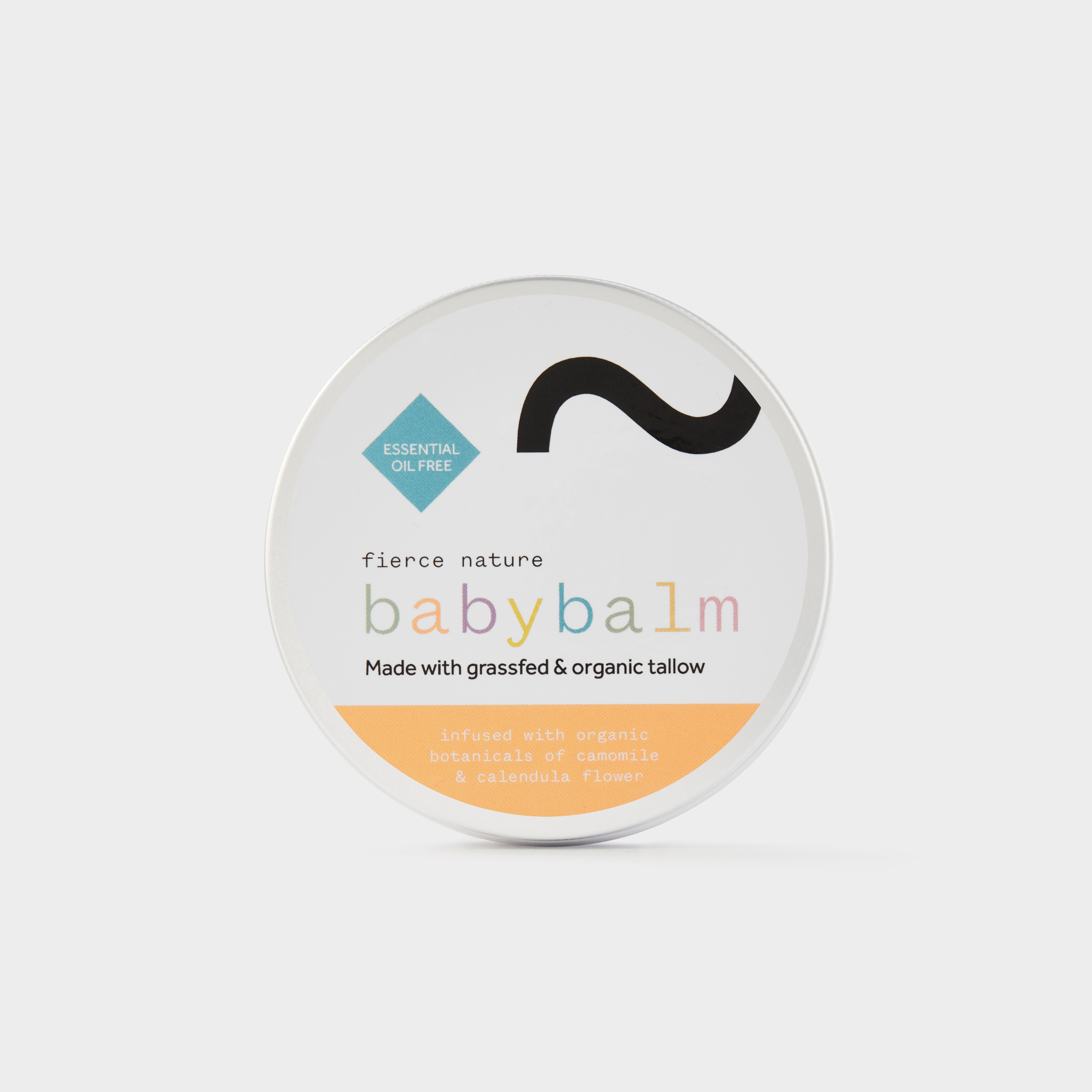
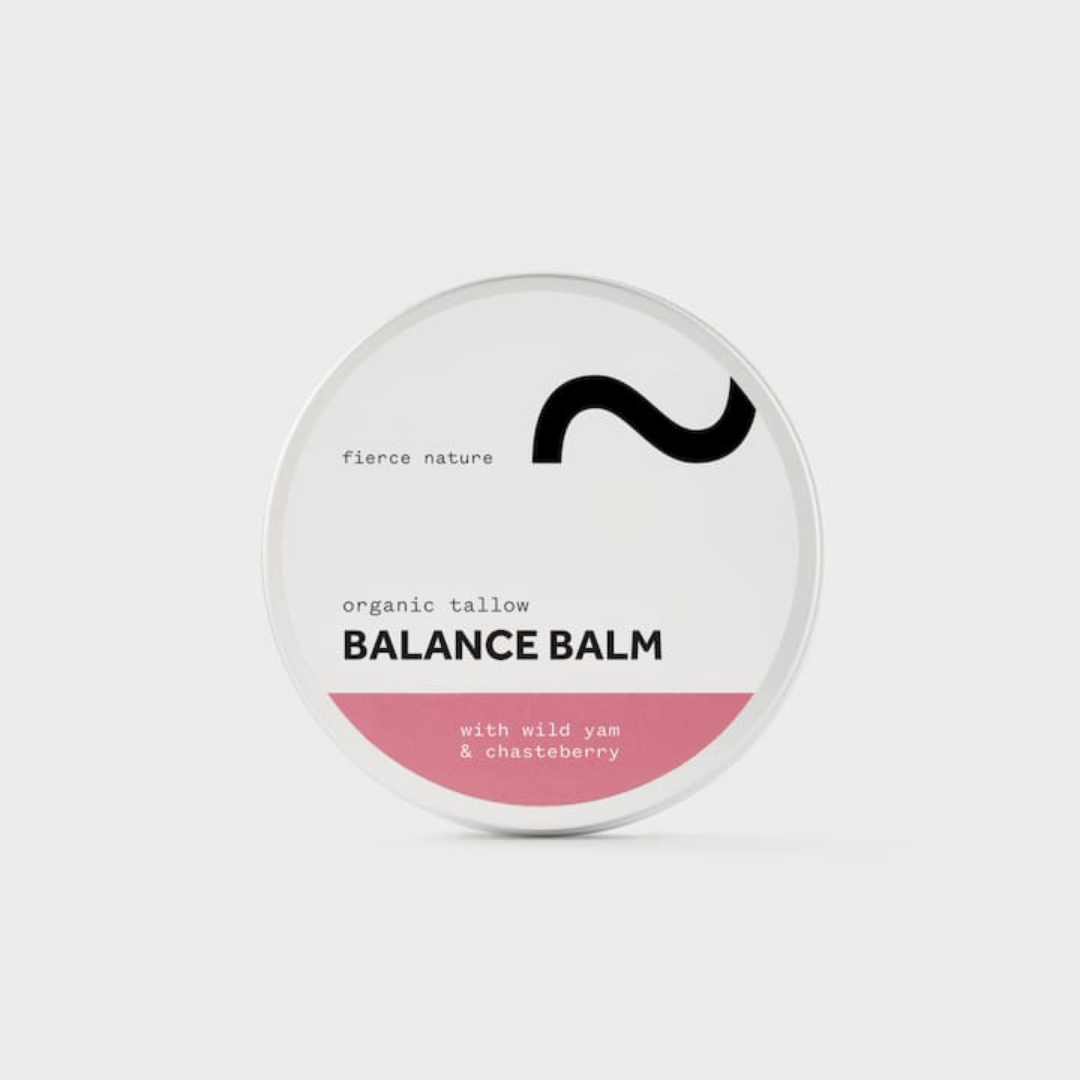
At Fierce Nature, every product starts with the fatty acid profile of the tallow we use. We source grass-fed, minimally processed tallow specifically because the fatty acid composition, including its stearic acid stability and oleic acid penetration, delivers real nourishment rather than surface-level moisture. Our unscented tallow bar is built on a single-ingredient philosophy: let the fatty acids do the work. For those wanting a complete daily routine, our organic face and body balms bring together tallow’s natural fatty acid ratios with carefully chosen botanicals. Skin that is fed well at the fatty acid level does not need a shelf full of products.
The tallow fatty acid profile is primarily saturated and monounsaturated fatty acids. Bovine tallow contains roughly 50–55.6% saturated fats, dominated by palmitic and stearic acid, and 26–42% monounsaturated fats, mainly oleic acid.
Grass-fed tallow contains significantly more omega-3 alpha-linolenic acid and less omega-6 linoleic acid than grain-fed tallow. This makes it nutritionally preferable and potentially less inflammatory for both dietary and skincare use.
Tallow’s high saturated fatty acid content gives it superior oxidation stability. Saturated fats have no double bonds for oxygen to attack, so they resist rancidity far longer than polyunsaturated plant oils such as sunflower or flaxseed oil.
Neither is universally better. Sheep tallow, with its higher oleic acid at 43.7%, absorbs more readily and suits oily or combination skin. Bovine tallow, with higher stearic acid, creates a firmer, more protective barrier suited to dry or mature skin.
Beef tallow contains fat-soluble vitamins A, D, E, and K, along with over 195 volatile compounds. These nutrients are preserved best when tallow is rendered at low temperatures, and they contribute meaningfully to its restorative skincare properties.