Cart
0
You may also like



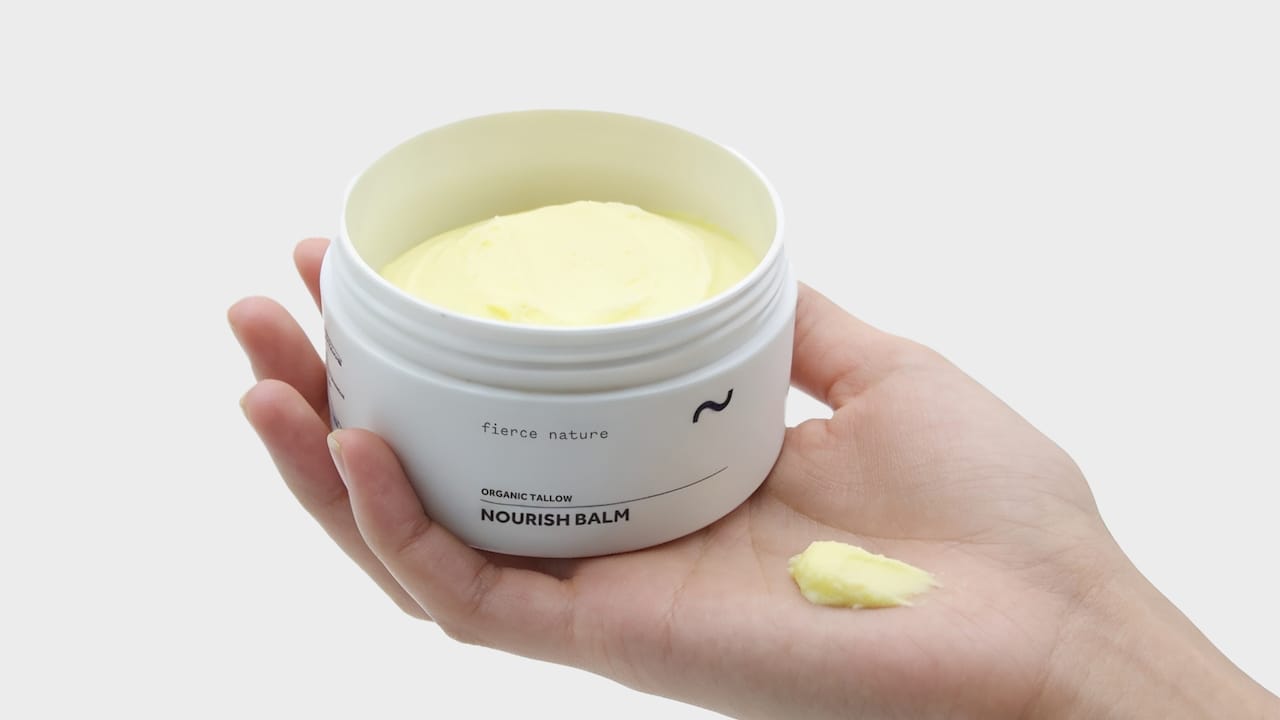
Apply a thin layer of a fragrance-free, gentle balm to clean skin — ideally after a bath or shower while skin is still slightly damp — using a patch test first if the product is new. Repeat regularly for maintenance, or increase frequency during a flare as needed. Stop immediately if redness spreads, blistering appears, or discomfort worsens.
When you apply balm to sensitive skin areas, the basics matter more than the product label. Here is what to do right now:
Wash your hands thoroughly before touching the affected area.
Pat skin gently dry, leaving it slightly damp.
Warm a pea-sized amount between your fingertips until it softens.
Apply in light, downward strokes — never rub vigorously.
Allow a minute or two to absorb before dressing.
Safety note: Do not apply any balm to broken, weeping, or infected skin unless the product guidance explicitly permits it. If the area worsens within 24 hours, stop use and contact your GP or NHS 111.
Applying balm correctly to sensitive skin areas means timing, technique, and ingredient choice working together — not just reaching for the nearest pot.
| Point | Details |
|---|---|
| Apply on damp skin | Use balm immediately after bathing while skin is still slightly damp to lock in moisture. |
| Patch test new products | Apply to the inner elbow and observe for 24–48 hours before wider use. |
| Favour fragrance-free formulas | Avoid synthetic fragrance, essential oils, and unnecessary preservatives on reactive skin. |
| Stop at warning signs | Spreading rash, blistering, or signs of infection mean stop use and contact your GP or NHS 111. |
| Fierce Nature’s approach | Tallow-based, fragrance-free balms handmade in the UK with minimal ingredients for sensitive and inflamed skin. |
This article is general information, not a substitute for advice from a qualified doctor. Consult a qualified healthcare professional about your own circumstances before acting on anything here.
Timing genuinely changes how well a balm works. NHS guidance on contact dermatitis recommends applying emollients immediately after bathing or showering, while skin is still slightly damp. That residual moisture helps the balm lock in hydration rather than sitting on a dry surface.
For maintenance, once or twice daily is usually enough. During a flare, applying up to three times daily or as directed by a healthcare professional is reasonable. Hands and fingertips, which are washed repeatedly throughout the day, often need more frequent reapplication.
A few practical timing notes:
Morning: apply after washing your face or hands; let it absorb before applying anything else.
Evening: a slightly thicker application at night works well, as skin does much of its repair while you sleep.
Cold or windy weather: apply before going outside to protect the barrier from wind chill. Winter conditions strip moisture faster, so cold-weather skin protection becomes especially relevant.
Hot or humid weather: use a thinner layer; heavy occlusion in heat can trap sweat and worsen irritation.
For nappy areas and baby skin, apply at every nappy change. For nipples, apply after feeding and gently wipe before the next feed unless the product is food-safe.
A repeatable routine removes the guesswork. Follow these steps each time.
Wash your hands with a gentle, fragrance-free soap and dry them fully.
Cleanse the skin area with lukewarm water and a mild cleanser, or simply rinse. Pat dry, leaving skin slightly damp. A gentle cleansing approach protects the barrier before you even open the tin.
Patch test if the product is new. Apply a small amount to the inner elbow crease and leave for 24–48 hours. If no redness, itching, or swelling appears, proceed.
Scoop a pea-sized to fingertip amount using a clean spatula or the back of a clean fingernail — never dip fingers directly into a shared pot.
Warm the balm between your fingertips or palms for a few seconds until it softens and becomes slightly fluid.
Apply in gentle, downward strokes following the direction of hair growth. For face folds, under breasts, or around the eyes, use the lightest possible pressure with one fingertip.
Pat rather than rub to finish. Patting encourages absorption without dragging inflamed skin.
Repeat if needed once the first layer has absorbed, rather than applying a thick layer all at once.
Pro Tip: Applying balm to slightly damp skin rather than fully dry skin is the single most effective way to reduce that heavy, greasy feeling. The water acts as a carrier, helping the balm spread further with less product.
For tricky spots like deep skin folds or around the nose, a cotton bud can help place the balm precisely without spreading it to surrounding areas.
The shorter the ingredient list, the lower the risk of a reaction. Unscented balms built on simple emollients — such as extra virgin olive oil and beeswax — avoid the fragrances and essential oils that most commonly trigger irritation.
Ingredients to favour:
Simple emollients: tallow, olive oil, coconut oil, beeswax, shea butter
Minimal or no preservatives
Fragrance-free formulations
No added colour or dye
Ingredients to avoid:
Synthetic fragrance or parfum
Essential oils (even natural ones can irritate reactive skin)
Alcohol, retinoids, or strong acids
Parabens and formaldehyde-releasing preservatives
| Ingredient | Role | Tolerance for sensitive skin |
|---|---|---|
| Organic tallow | Deep emollient, barrier support | Generally well tolerated |
| Beeswax | Occlusive, texture agent | Well tolerated |
| Extra virgin olive oil | Emollient, skin softening | Usually well tolerated |
| Fragrance / parfum | Scent only | High irritation risk |
| Essential oils | Scent and actives | Moderate to high irritation risk |
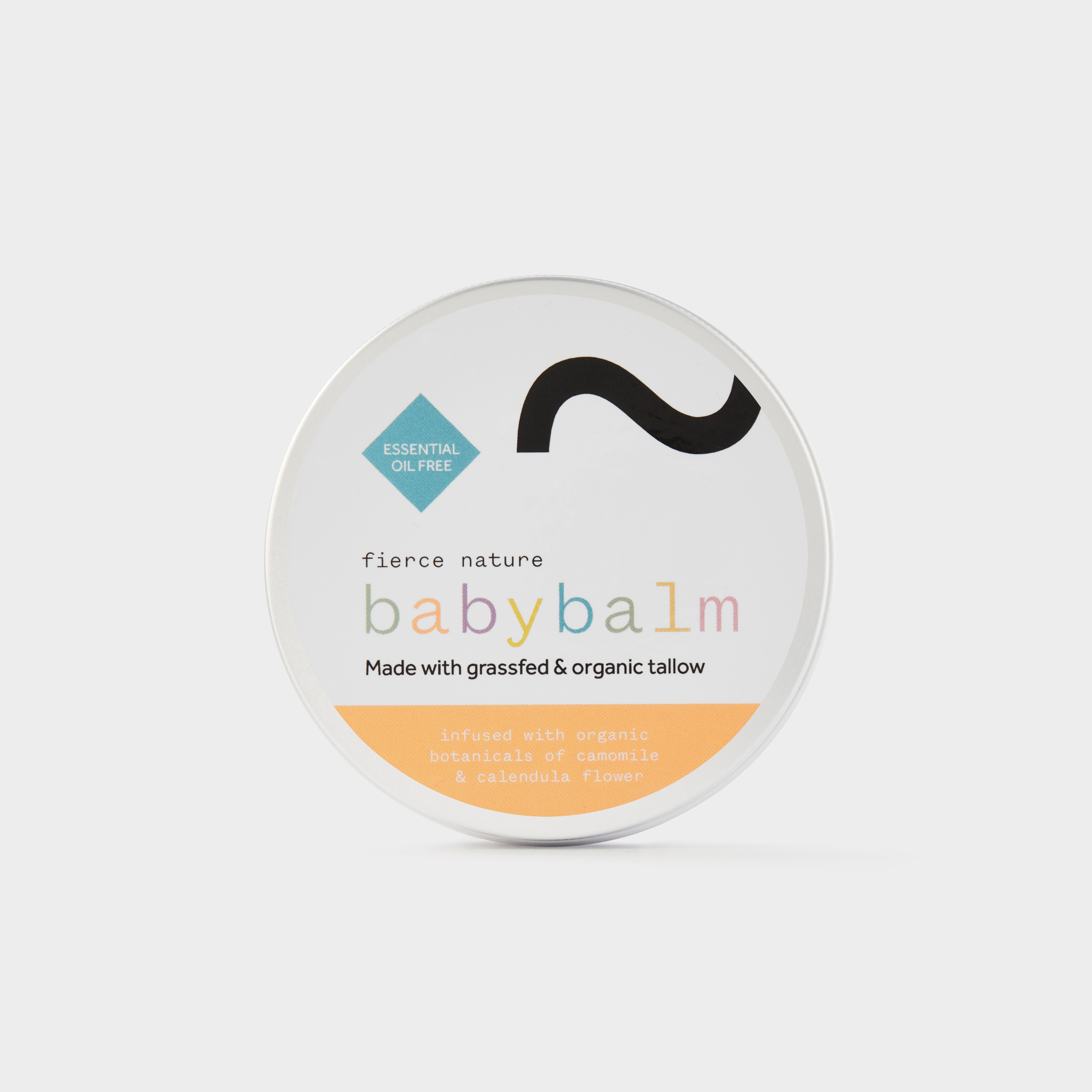
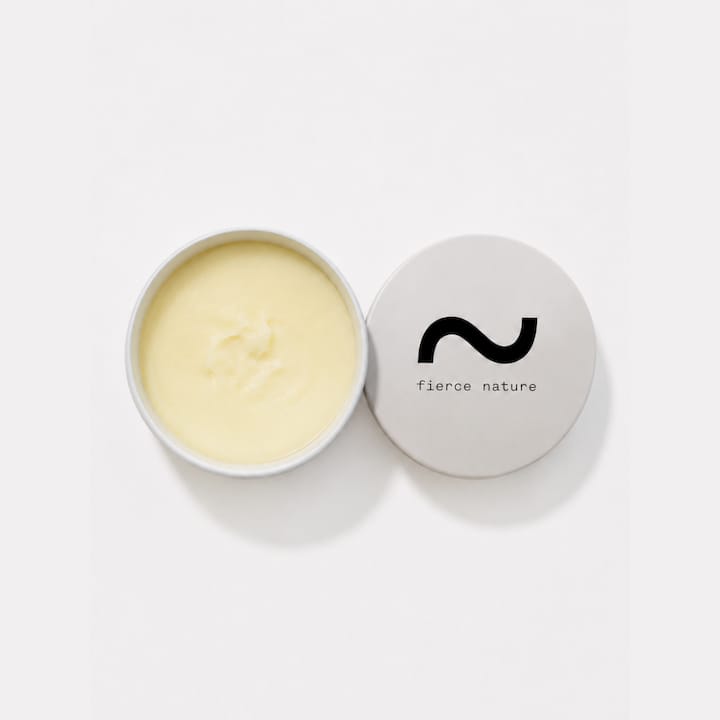
Fierce Nature’s Baby Balm is formulated for the most delicate skin, making it a strong choice for nappy areas, cradle cap, and any area prone to redness. The Nourish Balm (Unscented) suits ultra-sensitive or inflamed skin where even mild fragrance must be avoided. Once skin has calmed and you are in a maintenance phase, the Nourish Balm (Sweet Orange) offers the same nourishing base with a gentle natural scent — suited to skin that tolerates it well.
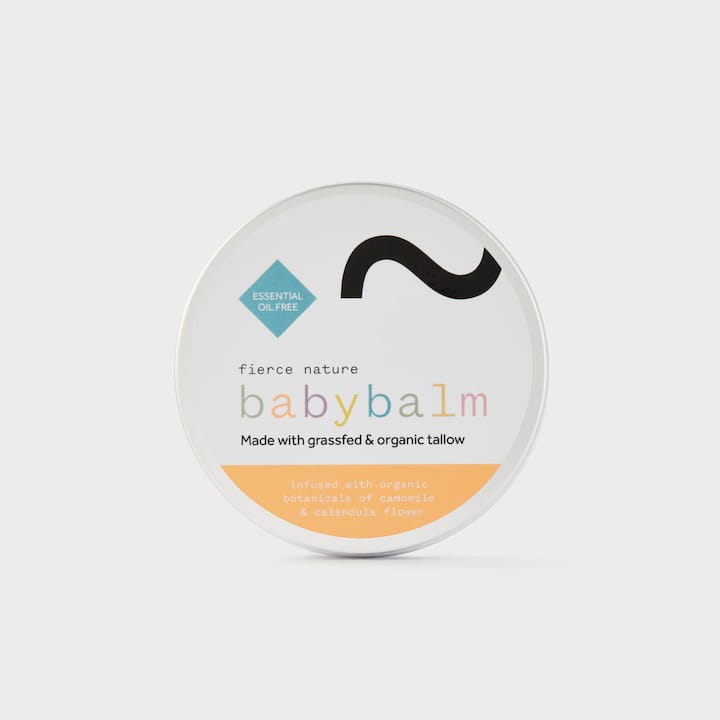
Pro Tip: Multi-use rescue balms are convenient for travel and spot treatment, but always check the label. “Natural” on the front does not mean fragrance-free — turn it over and read the INCI list.
Emollients work by filling the gaps between skin cells, softening the surface and slowing water loss. Semi-occlusive products go a step further, forming a light protective layer that lets skin breathe while reducing moisture evaporation.
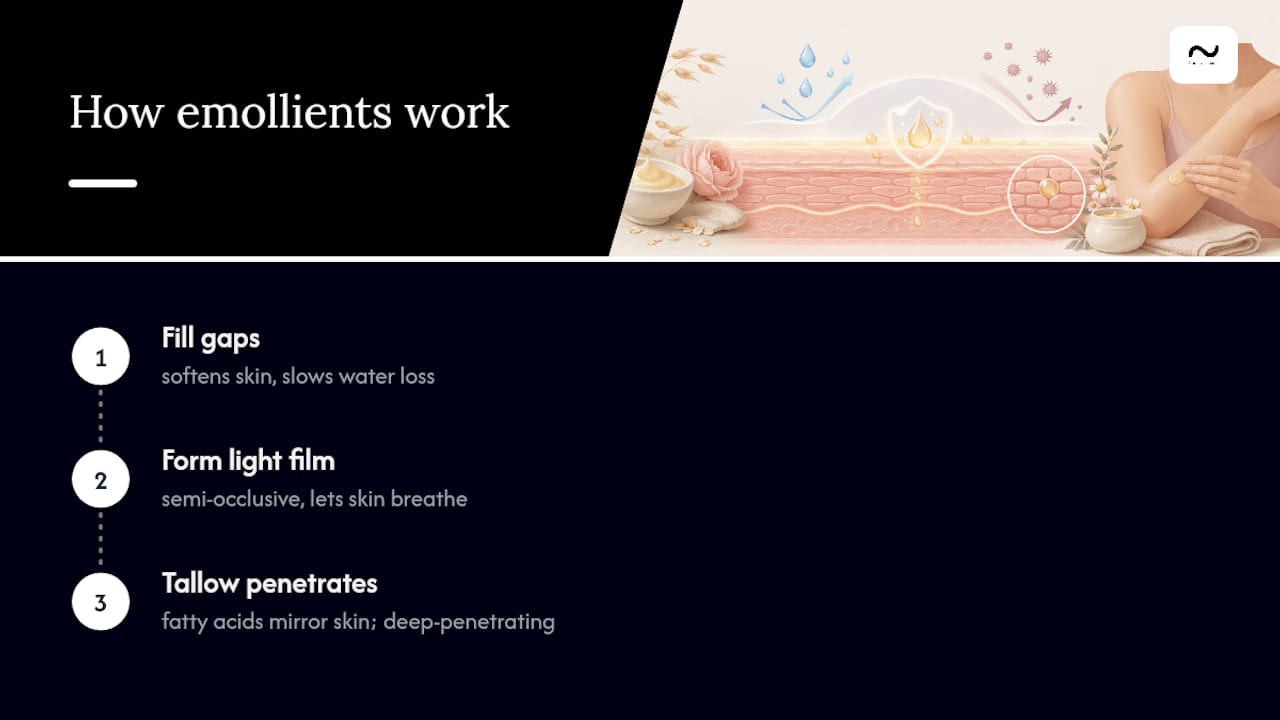
Tallow, the base of Fierce Nature’s formulations, is rich in fatty acids that closely mirror those found in human skin. Fierce Nature describes tallow’s bioavailability as making it a deep-penetrating skin food, with centuries of use as a skin emollient behind it. You can read more about why tallow suits sensitive skin and how it compares to other natural emollients.
Product claims are not the same as clinical evidence. What the research does support is that consistent emollient use, applied correctly and at the right time, is the NHS’s first-line recommendation for managing contact dermatitis and dry, reactive skin.
Stop applying any balm and seek advice if you notice:
Spreading redness or a rash that moves beyond the original area
Blistering, oozing, or weeping skin
Signs of infection: increasing warmth, pus, or pain that worsens over 24–48 hours
Severe swelling or hives
Burning or stinging that does not settle within a few minutes of application
In the UK, your first port of call is your GP. For urgent concerns outside surgery hours, NHS 111 can advise. If you suspect a product reaction, photograph the area, note when you first applied the product, and keep the ingredient list — this information helps a clinician assess the cause quickly. Do not apply balm to open wounds or broken skin unless the product label explicitly states it is safe to do so.
Contamination is a real risk with pot-style balms, particularly when skin is broken or inflamed.
Always wash hands before use, or use a clean spatula to scoop product.
Never double-dip a used spatula back into the pot.
Keep the lid closed between uses to prevent airborne contamination.
Store in a cool, dry place away from direct sunlight. Tallow-based balms soften in heat and firm up in cold, which is normal — repeated melting and re-solidifying can affect texture over time.
Check for changes in smell, colour, or texture before each use. If anything seems off, discard the product regardless of the printed expiry date.
Pro Tip: For travel or treating specific lesions, decant a small amount into a single-use container or use a fresh spatula each time. This keeps your main pot uncontaminated and extends its shelf life.
Most guidance on sensitive skin focuses on what to buy. The more useful question is how and when you apply it. The NHS frames emollient application as a technique, not just a product choice — timing, quantity, and skin preparation matter as much as the formula itself.
The instinct to apply more product when skin feels dry often backfires. A thin, well-absorbed layer on damp skin outperforms a thick layer on dry skin every time. And patch testing is treated as optional by most people, yet it is the one step that prevents the worst reactions.
Natural balms built on simple, recognisable ingredients work with your skin rather than against it. But even the cleanest formulation needs to be applied correctly to do its job.
Fierce Nature’s tallow-based balms are handmade in the UK with the shortest possible ingredient lists, designed for people who have tried conventional products and found them wanting. The Baby Balm covers the most delicate areas, the Nourish Balm (Unscented) handles inflamed or ultra-reactive skin, and the Nourish Balm (Sweet Orange) suits calmer, maintenance-phase skin. Browse the full range and find the right fit for your skin at Fiercenature.
Balm can be applied to any dry, sensitive, or inflamed area including the face, hands, nappy area, under the breasts, and skin folds. Avoid broken or weeping skin unless the product label specifically permits it.
Fragrance-free, simple emollient balms with minimal ingredients — such as tallow, beeswax, or olive oil — are well tolerated by most sensitive skin. Fierce Nature’s Nourish Balm (Unscented) is formulated specifically for this need.
Persistent redness, itching, burning, flaking, or a spreading rash are common signs of a reaction. If these appear after applying a new balm, stop use and allow the skin to settle before trying again or seeking GP advice.
Yes, provided the balm is suitable for facial skin and fragrance-free. Apply a small amount warmed between fingertips, using the lightest possible pressure around the eyes and nose. Always patch test first on the inner elbow.


