Cart
0
80% Also Added this
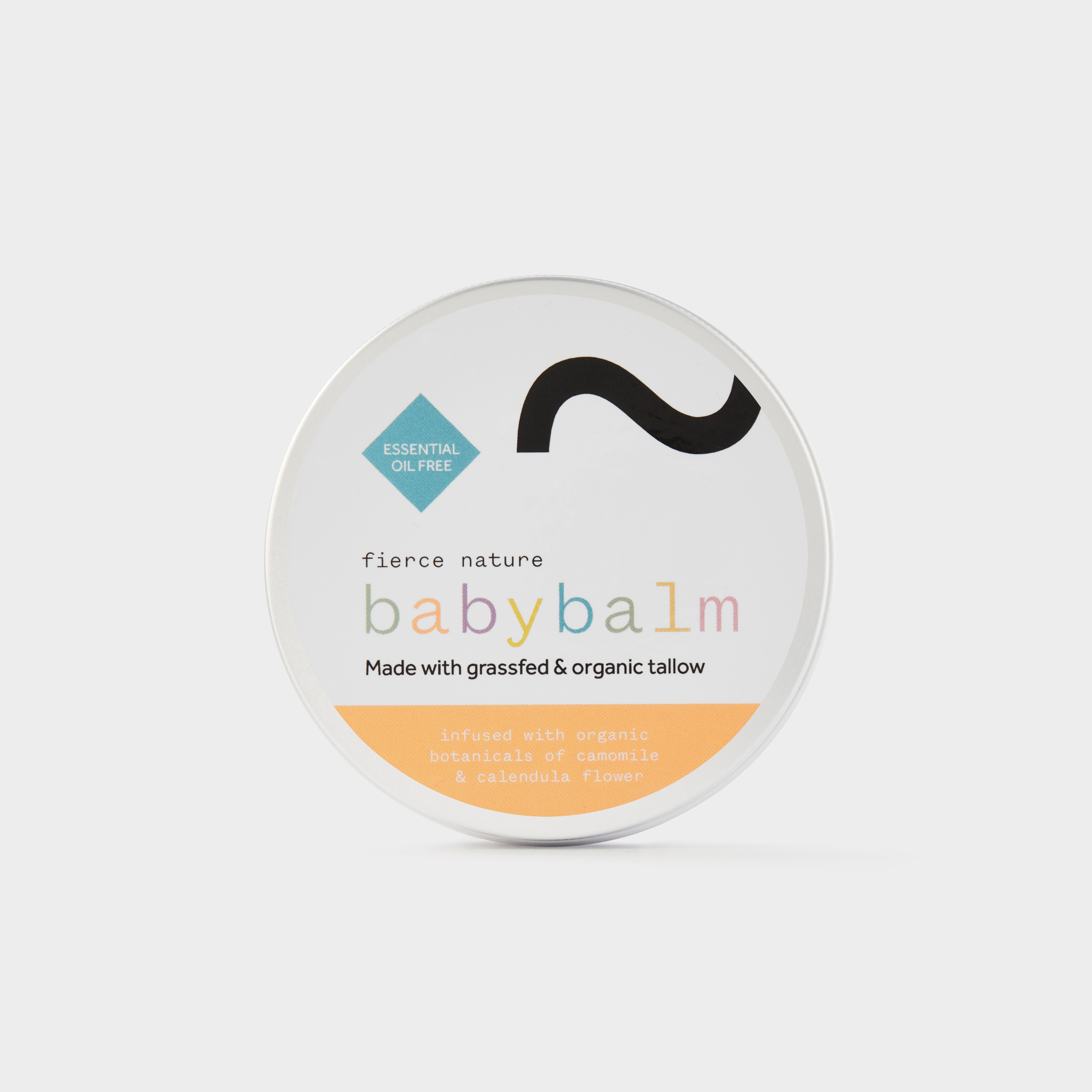
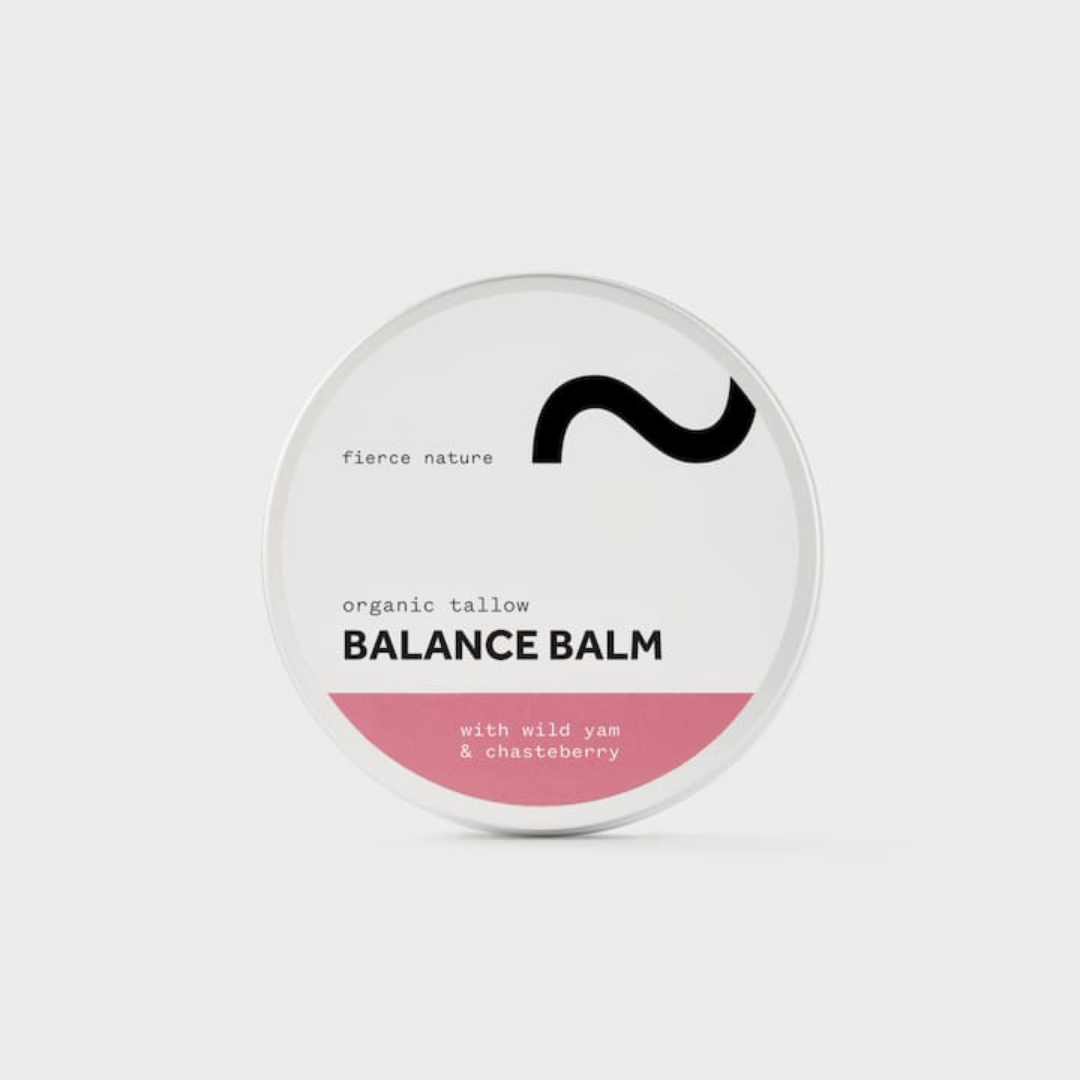
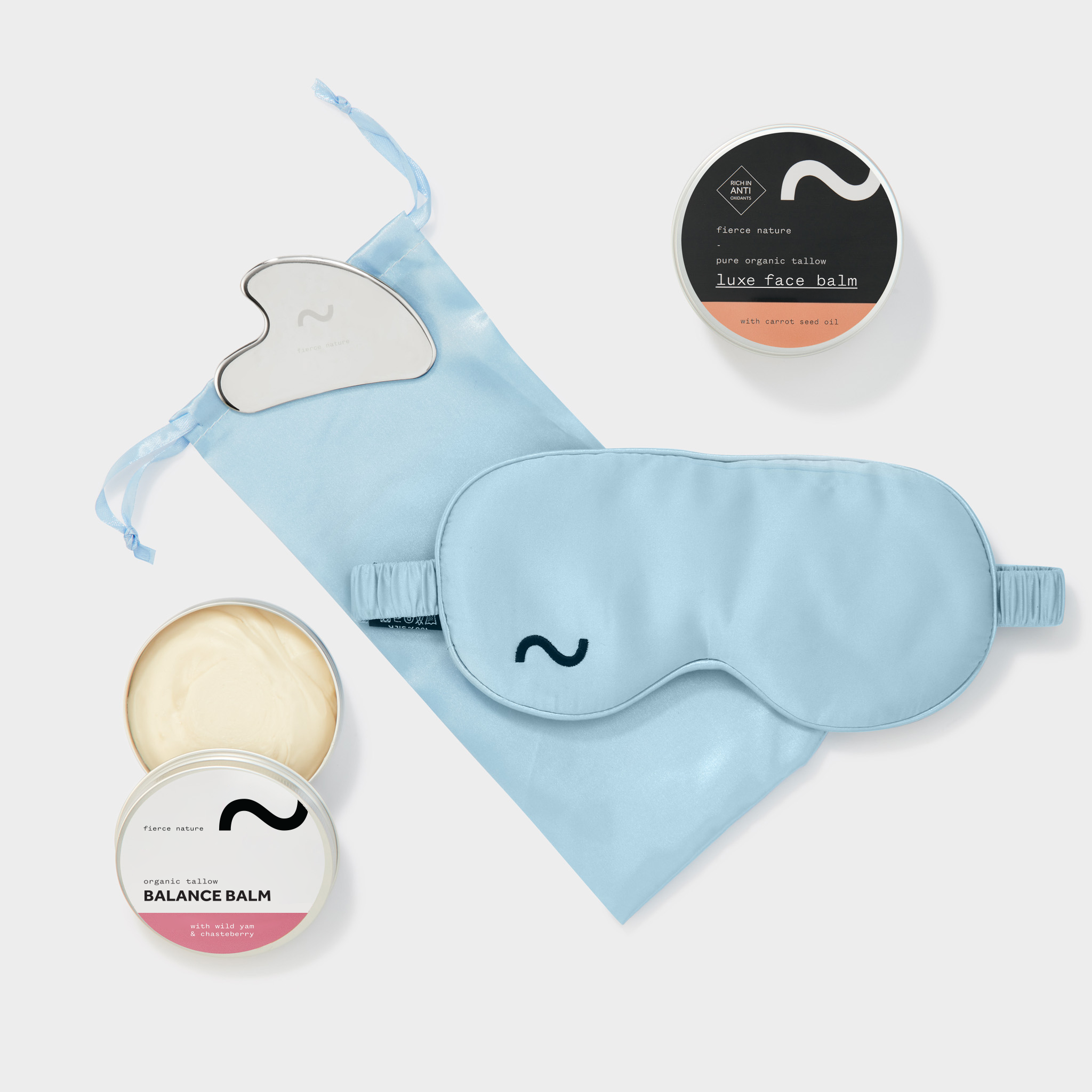
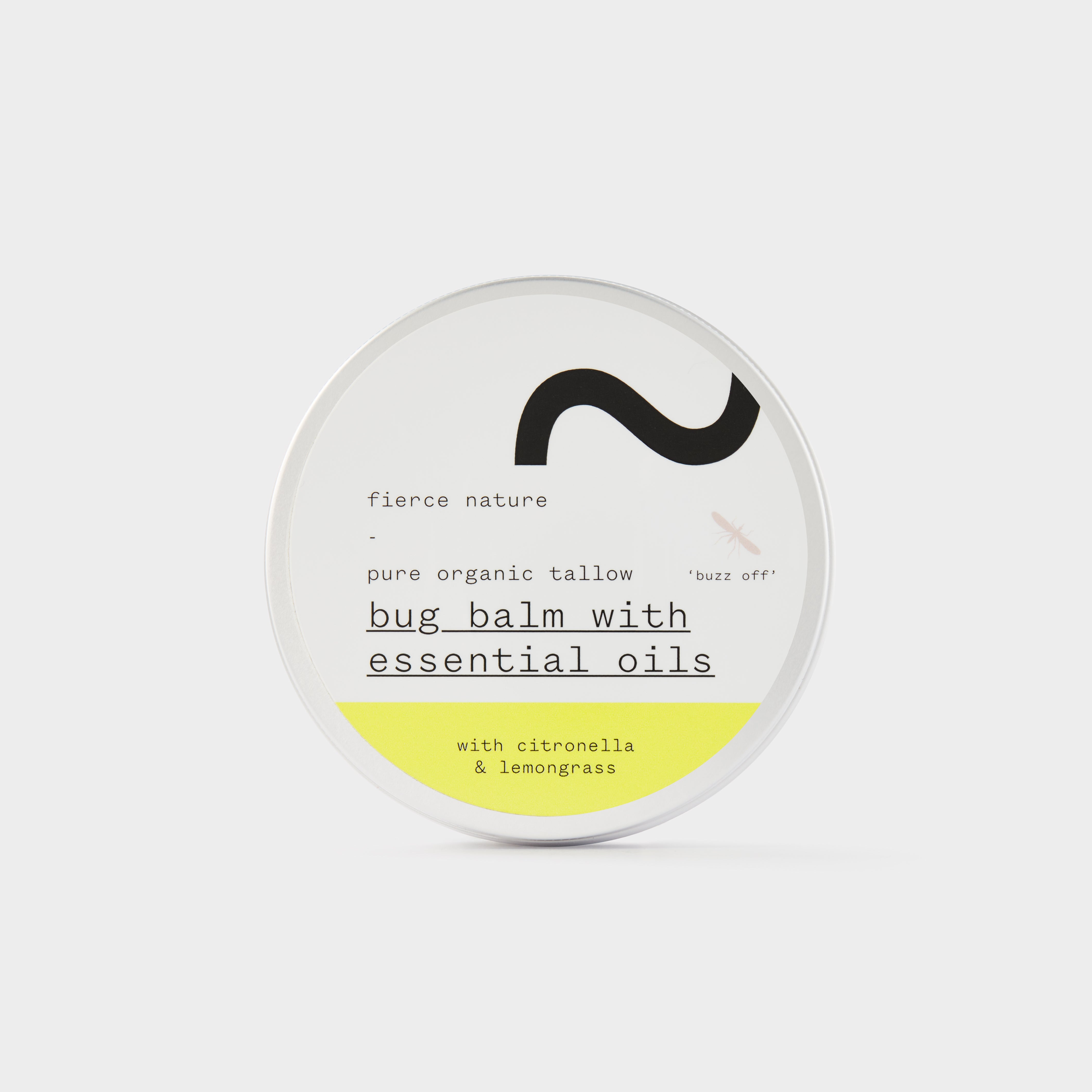
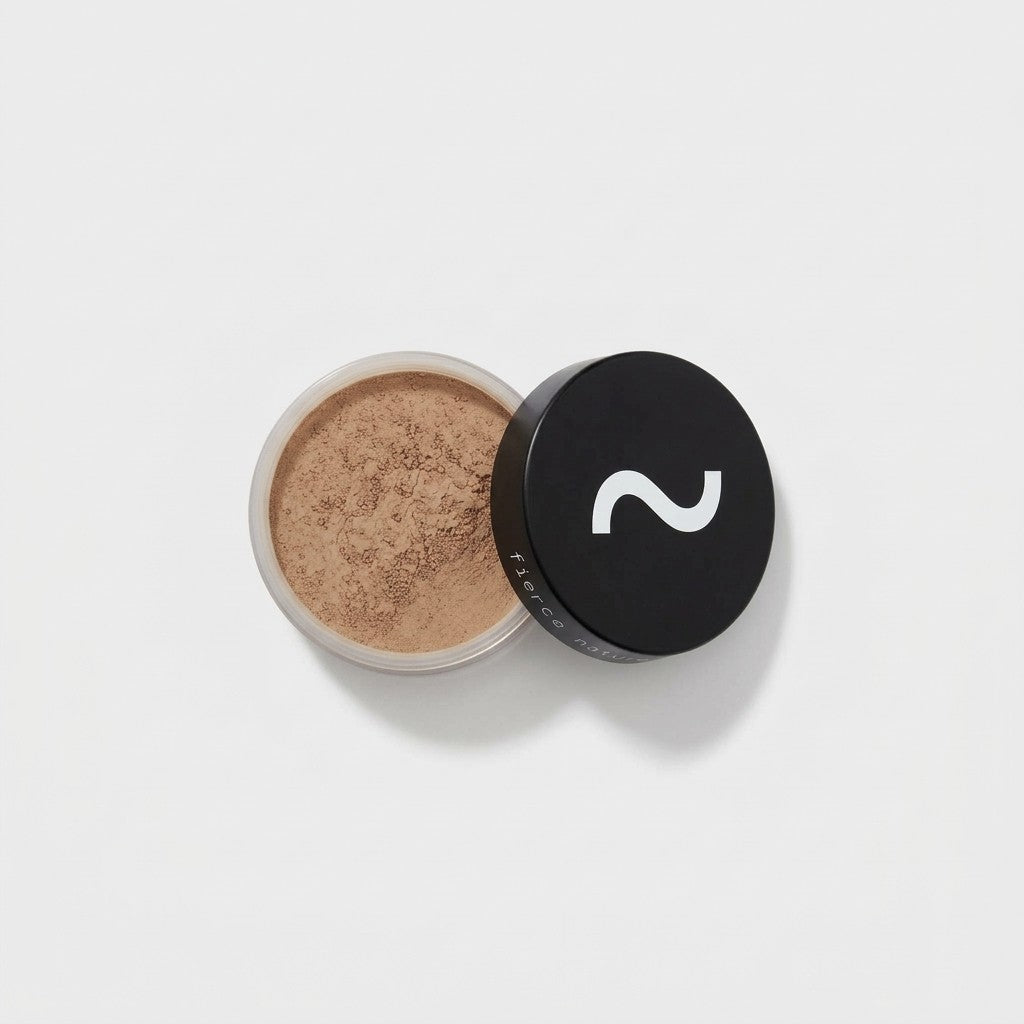
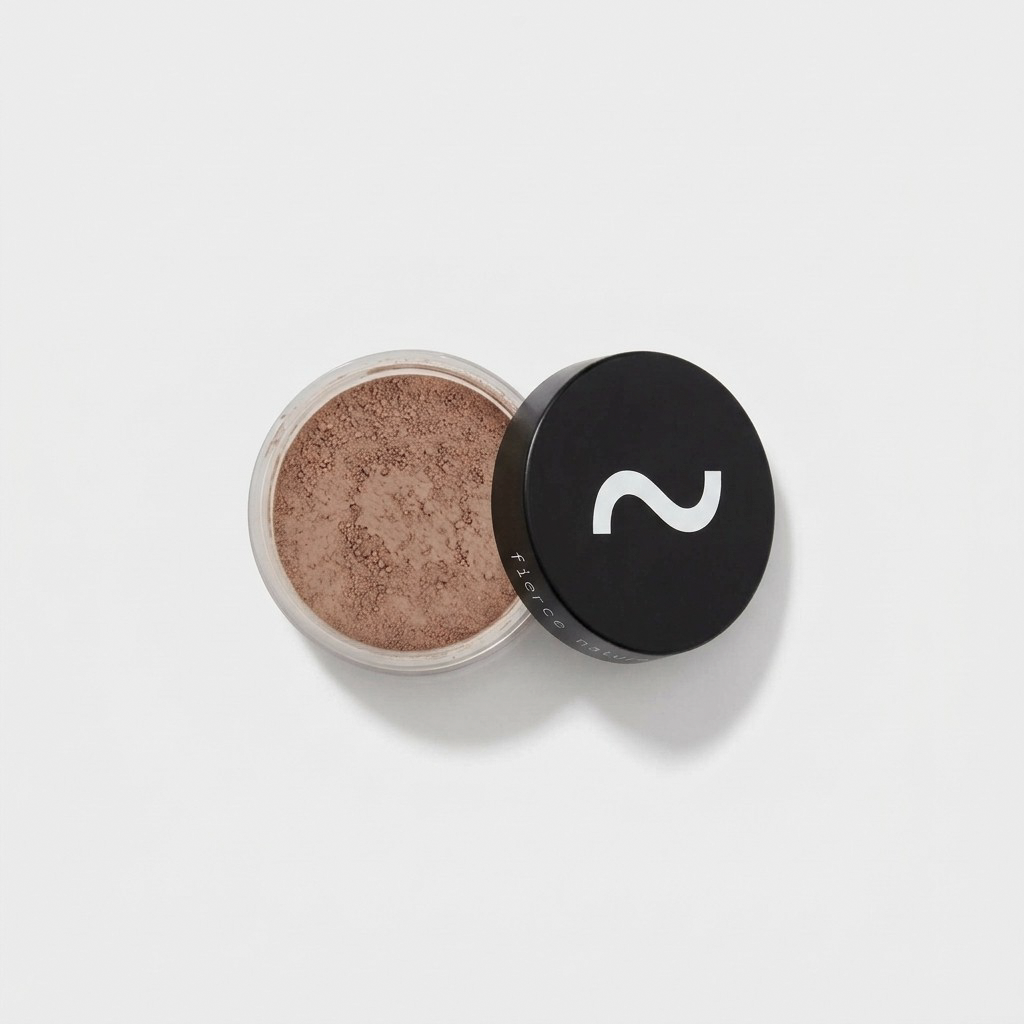

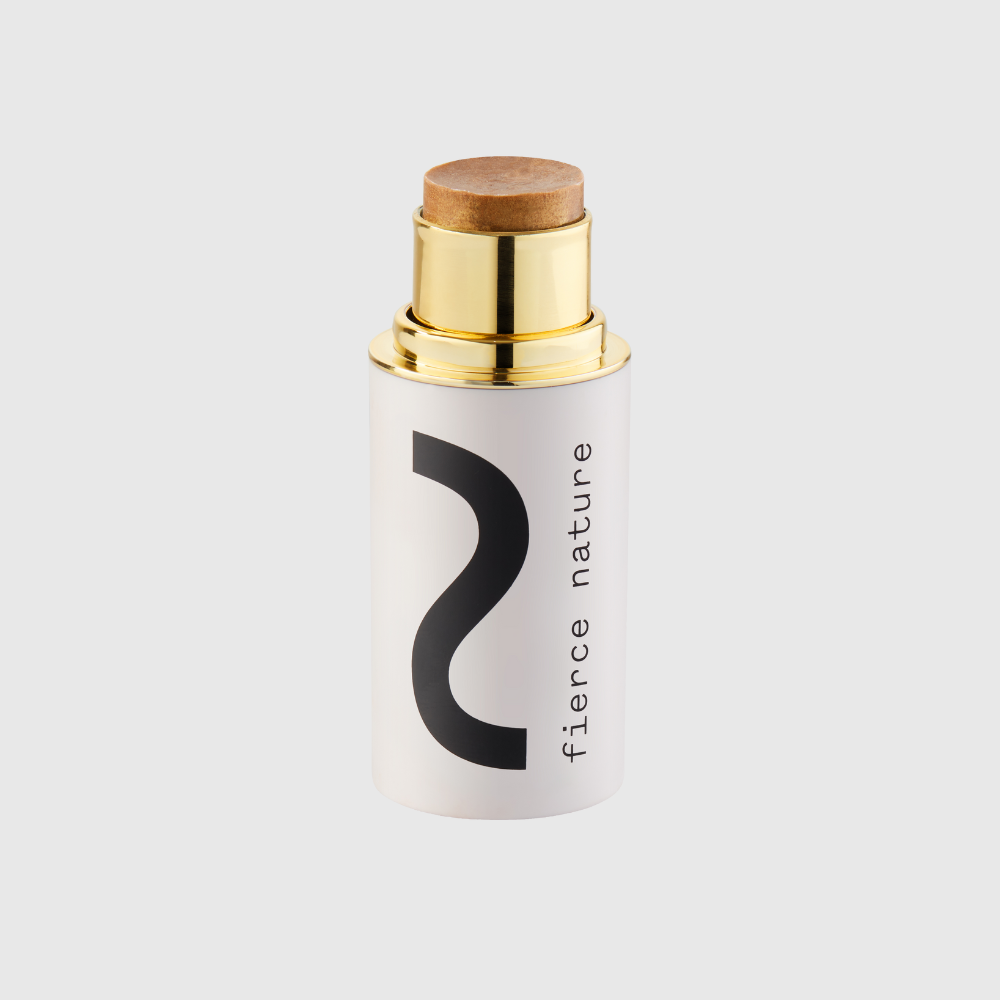
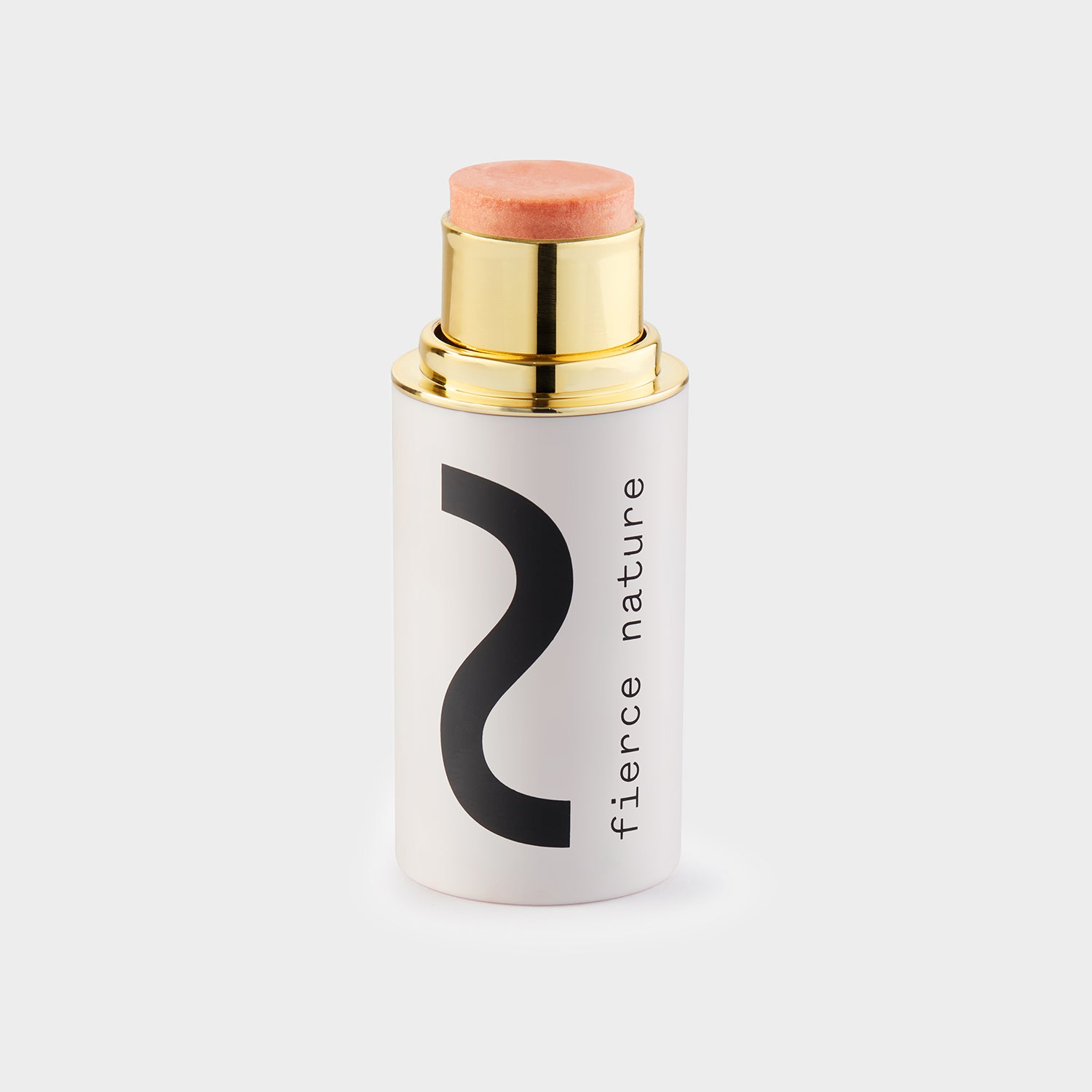
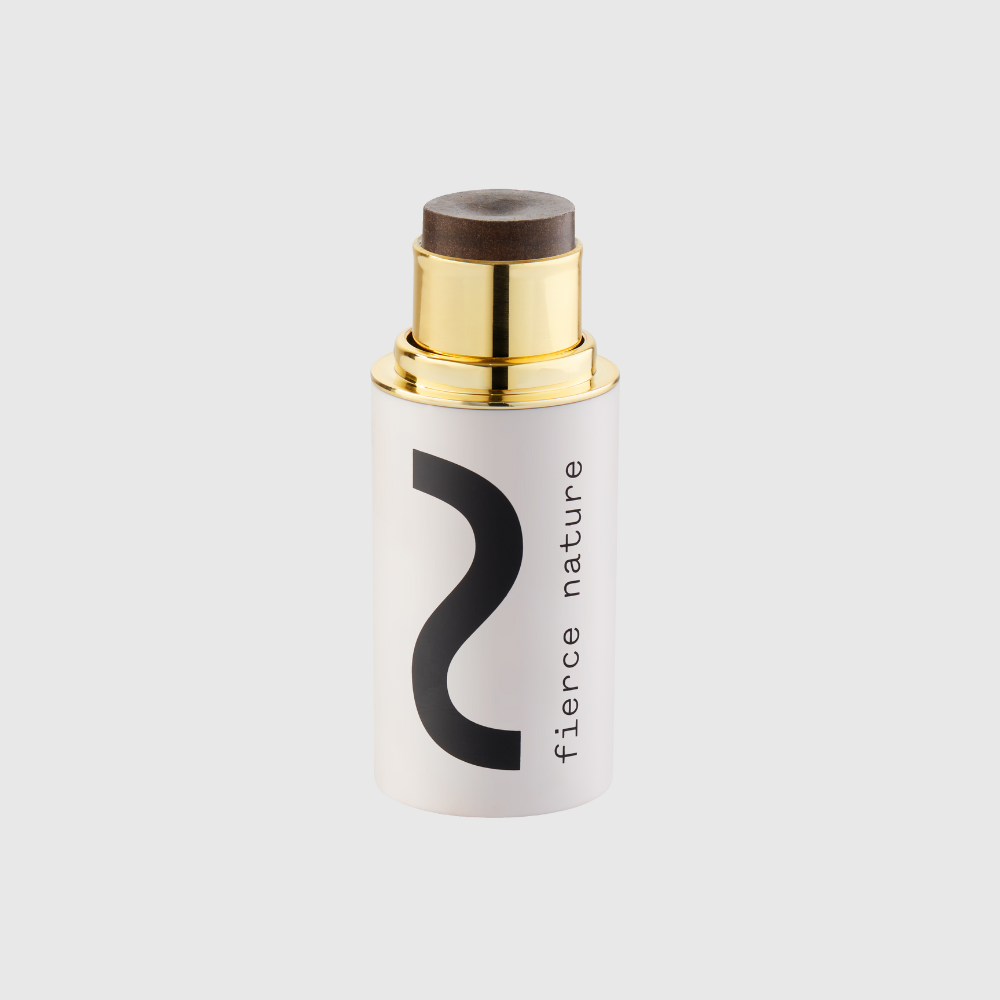
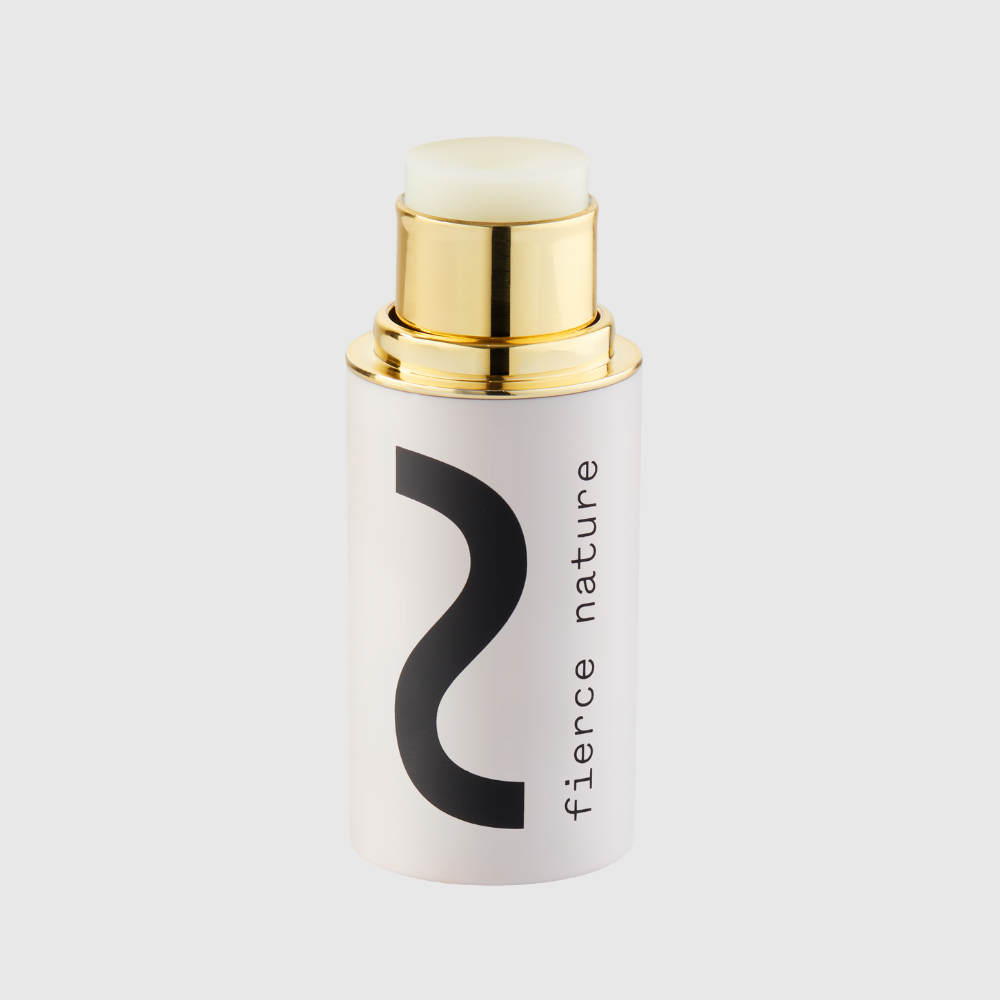
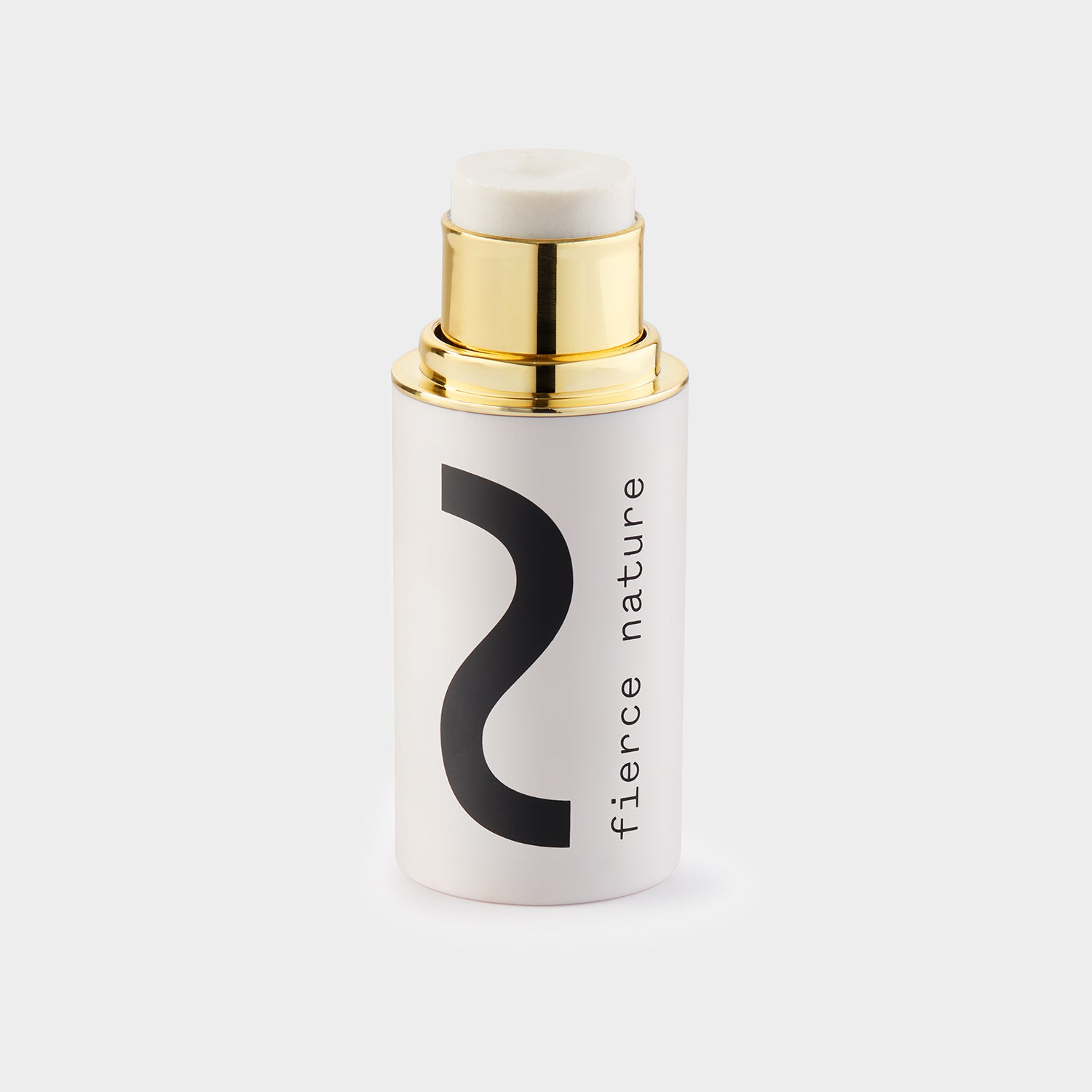
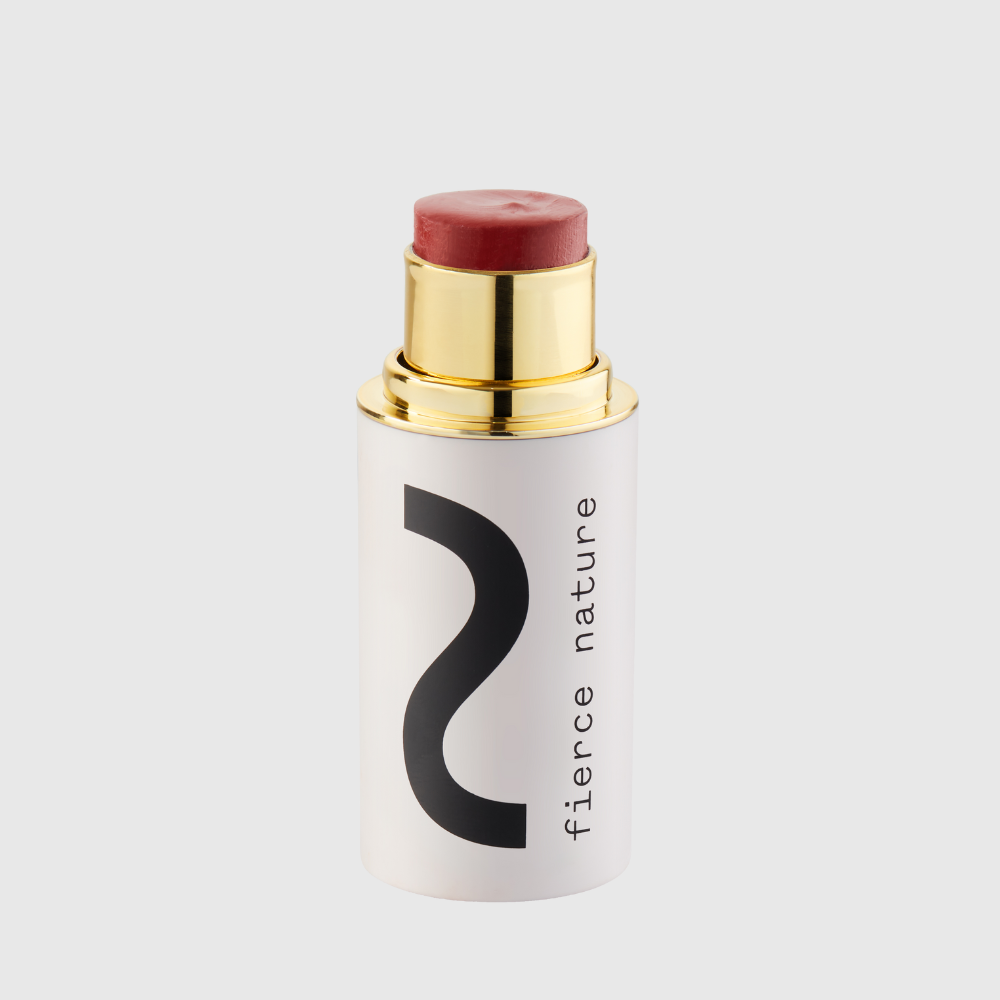
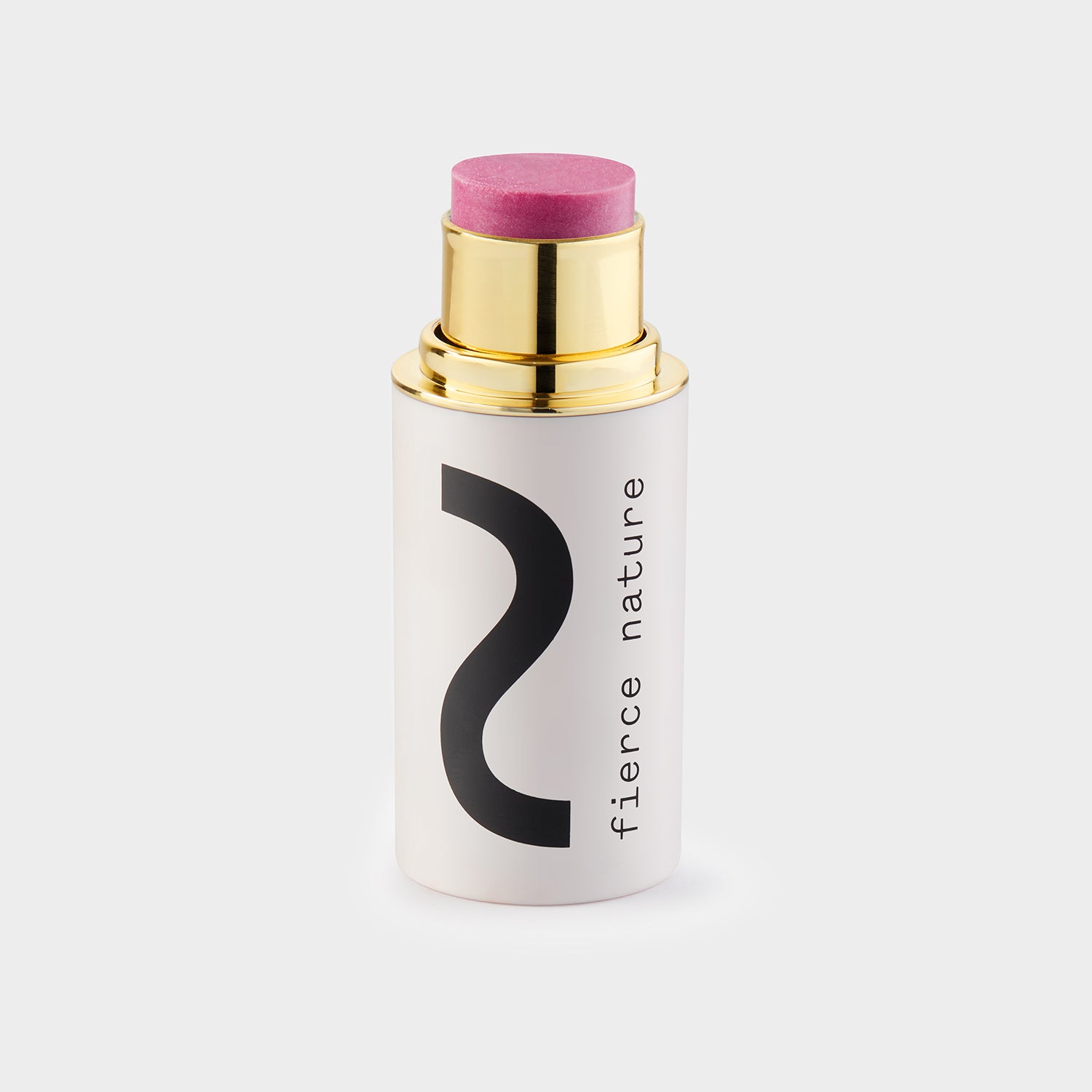
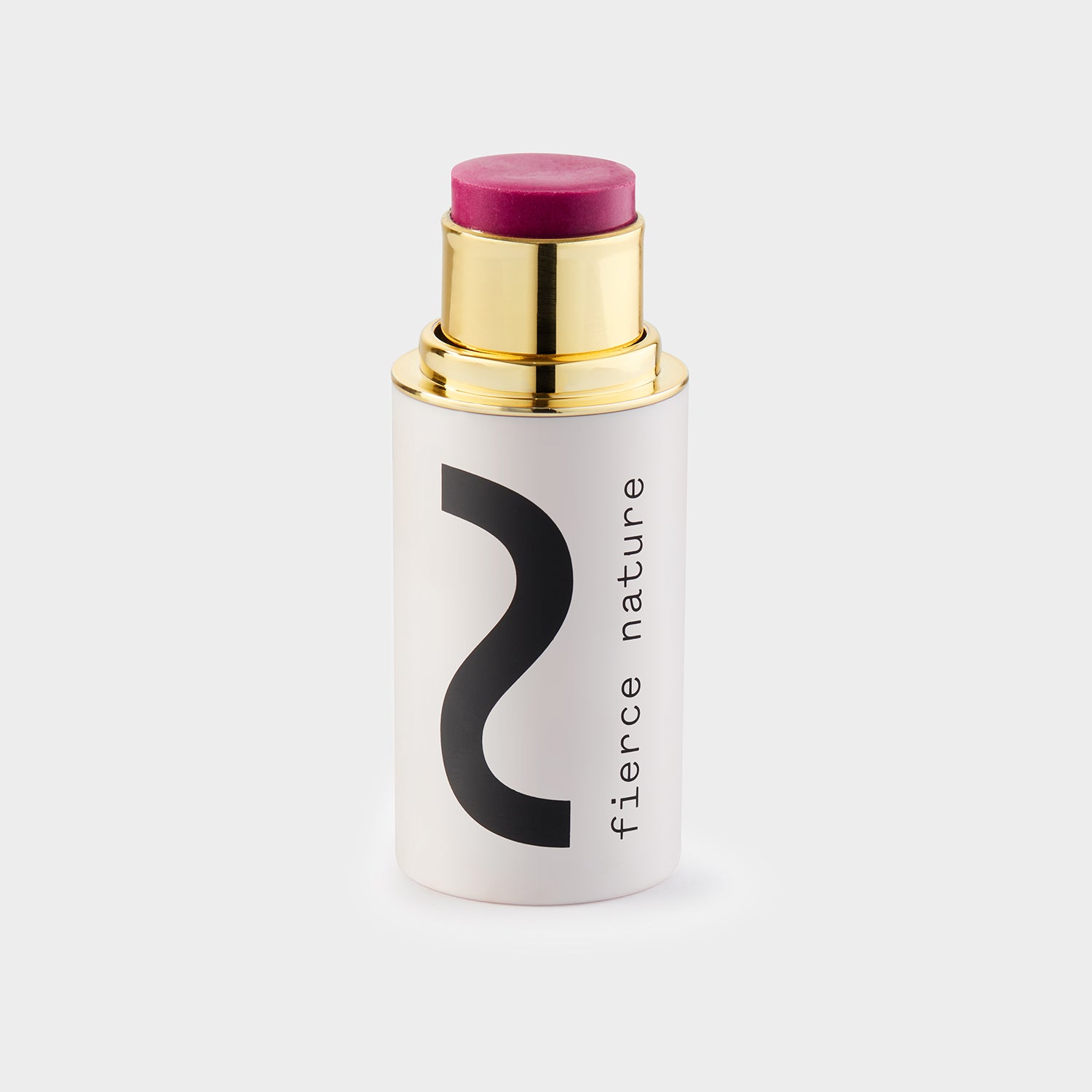
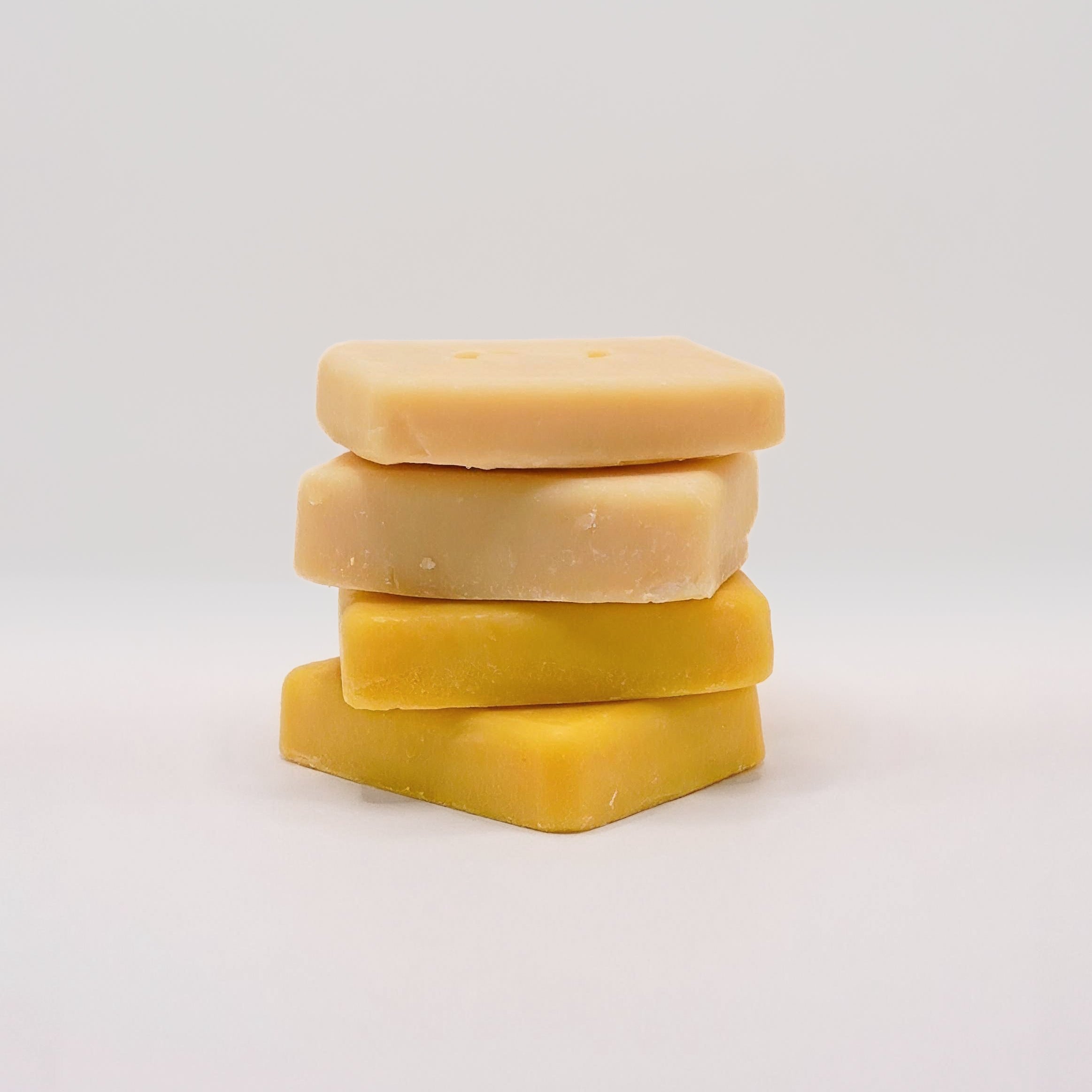




Beard balm is a semi-solid, leave-in paste that combines beeswax, carrier oils and butters to condition beard hair, nourish the skin beneath, and give light hold. Think of it as the structured cousin of beard oil: oil conditions, while balm conditions and shapes. Here is when each product makes sense:
Choose balm when your beard is roughly 1 inch or longer, you have dry or itchy skin, or you want to tame flyaways and keep shape through the day.
Stick with oil for shorter beards under an inch, or when your skin is well-moisturised and you need no hold at all.
Reach for a stronger wax when you want firm sculpting, or a leave-in conditioner when deep softening without any hold is the priority.
The sections below cover every ingredient, the practical benefits, how to apply balm correctly, and what to look for when buying one in the UK.
Beard balm is the most versatile daily grooming product for men with beards of 1 inch or longer: it conditions, protects and shapes in a single step.
| Point | Details |
|---|---|
| Balm vs oil | Balm conditions and gives light hold; oil conditions only with no hold. |
| When to use balm | Beards of 1 inch and above, dry or itchy skin, or persistent flyaways benefit most. |
| How to apply | Warm a pea-sized amount between palms, massage into skin first, then work through hair and comb. |
| What to check on labels | Look for named carrier oils, named butters, disclosed wax type, and no vague “fragrance” entries. |
| Fierce Nature Nourish Balm | Available unscented or in Sweet Orange; tallow-based, handmade in the UK, suited to sensitive skin. |
What goes into a beard balm, and what does each ingredient do?
Beard balm vs beard oil, wax and conditioner: which should you use?
Why tallow-based balms work differently from plant-butter formulas
Understanding the ingredient list is the fastest way to judge any balm’s quality. Most formulas draw from four ingredient families, each with a distinct role.
| Ingredient family | Common examples | Role in the formula |
|---|---|---|
| Wax | Beeswax, carnauba, candelilla | Light hold, moisture barrier, occlusive layer |
| Butters | Shea, cocoa, mango | Long-lasting conditioning, itch and flake reduction |
| Carrier oils | Jojoba, argan, sweet almond | Penetrate hair shaft and skin, nourish and soften |
| Essential oils / fragrance | Sweet orange, cedarwood, lavender | Scent and some skin benefits |
Wax is what separates balm from oil. Beeswax provides light hold and creates a thin barrier that slows moisture evaporation from hair and skin. The percentage of wax in a formula determines how firm the hold feels and how waxy the finish looks. Plant waxes such as carnauba and candelilla offer vegan alternatives with similar occlusive effects.
Butters do the heavy conditioning work. Shea and mango butter penetrate hair and skin, helping reduce the itch and flaking that many men notice as their beard grows out. Their effects are sustained rather than immediate, which is why regular use matters more than a single application.
Carrier oils such as jojoba, argan and sweet almond penetrate the hair shaft itself, delivering nourishment where a surface wax cannot reach. Jojoba is particularly well-regarded because its molecular structure closely resembles the skin’s natural sebum.
Essential oils add scent and, in some cases, skin benefits, but they are also potential irritants. Responsible formulations disclose concentrations and recommend a patch test, especially for anyone with sensitive or reactive skin. If you have a history of fragrance sensitivity, an unscented balm is always the safer starting point.
Safety note: Before using any new balm, apply a small amount to the inside of your wrist and wait 24 hours. Fragrance compounds and nut-derived butters are the most common sources of contact reactions.
The conditioning effect of a well-made balm comes from two complementary mechanisms. Carrier oils penetrate the hair shaft and the skin beneath, delivering fatty acids and vitamins directly where they are needed. Butters sit slightly closer to the surface, providing a sustained conditioning layer that keeps hair soft and pliable for hours. The wax then seals everything in, slowing moisture loss and giving the beard a light, natural hold.
In practical terms, you can expect:
Softer hair that is easier to comb and less prone to splitting at the tips
Reduced itch and beardruff, particularly in the first few weeks of growth when skin is adjusting
Tamed flyaways and a tidier silhouette without the stiffness of a styling wax
Moisture retention that lasts longer than oil alone, because the butter-and-wax formulation stays on the beard surface longer
Scent longevity, since fragrance compounds bind to the wax layer rather than evaporating quickly
Balm is noticeably more beneficial in cold or dry climates, where wind and central heating strip moisture from both skin and hair. Longer beards also benefit more, simply because there is more surface area to protect and more stray hairs to manage.
Pro Tip: Balm conditions and protects, but it does not speed up hair growth. Give it four to six weeks of daily use before judging textural improvements — the change is gradual and cumulative, not overnight.
Each product occupies a distinct position, and the right choice depends on your beard length, skin type and styling goals.
| Product | Main use | Hold level | Best beard length | Frequency |
|---|---|---|---|---|
| Beard oil | Conditioning only | None | Under 1 inch | Daily |
| Beard balm | Conditioning + light hold | Light | 1 inch and above | Daily |
| Beard wax | Sculpting and styling | Medium to firm | Any length | As needed |
| Leave-in conditioner | Deep softening | None | Medium to long | 2–3 times weekly |
A few practical chooser notes:
Short stubble (under 1 inch): Oil is sufficient. Balm can feel heavy and may leave a waxy residue on very short hair.
Medium beard (1–3 inches): Balm is the natural choice. It conditions, controls flyaways and keeps shape without looking overdone.
Long beard (3 inches and above): Balm daily, with a wax for occasions when you want more definition. A leave-in conditioner two or three times a week adds deeper softness.
Dry or sensitive skin: Balm’s occlusive layer helps protect skin that struggles with the drying effects of cold weather or hard water.
The key distinction to hold in mind: oil absorbs, balm stays. Both condition, but balm extends the conditioning window because the wax layer keeps the nourishing ingredients in contact with hair and skin for longer.
Getting the application right makes a real difference to the result. Too much balm leaves a greasy, waxy finish; too little and you lose the conditioning and hold benefits entirely.
Scoop the right amount. For a short beard (under 1 inch), a grain-of-rice-sized amount is plenty. A medium beard (1–3 inches) needs roughly a pea-sized scoop. A long beard (3 inches and above) may need two pea-sized amounts.
Warm it between your palms. Balm is semi-solid at room temperature. Rub it between your palms for 10–15 seconds until it melts into a thin, even layer. Applying cold balm leads to uneven distribution and patchy results.
Massage into the skin first. Press your palms against your face and work the balm into the skin beneath the beard. This is the step most men skip, and it is where the itch-reduction and moisture-sealing benefits actually happen.
Work through the hair. Use your fingers to distribute the balm from root to tip, working with the grain of growth. Pay attention to the moustache and any areas prone to flyaways.
Comb or shape. Use a wide-tooth comb or a boar-bristle brush to distribute evenly and set the shape. A boar-bristle brush also helps work the balm into denser beards more thoroughly.
Common mistakes to avoid:
Applying balm to a completely dry beard. A slightly damp beard (after washing or a light spritz of water) absorbs the product more evenly.
Layering two strongly scented products. If your balm has a fragrance, choose an unscented oil to apply underneath, or the competing scents can become overwhelming.
Using too much. Start with less than you think you need and build up gradually.
Pro Tip: If you use beard oil and balm together, apply the oil first and give it 30 seconds to absorb. Then apply the balm on top. The wax layer locks the oil’s conditioning into the beard, giving longer-lasting moisturisation.
Balm is not a universal necessity, but for many men it fills a gap that oil alone cannot.
Reasons balm genuinely helps:
Your beard is longer than 1 inch and oil alone is not keeping flyaways under control
Your skin feels dry, tight or itchy, particularly in winter or in centrally heated environments
You want a tidier silhouette without committing to a firm styling wax
You are stacking oil and balm together for maximum conditioning and scent longevity
Situations where balm may not be the right fit:
Very short stubble, where the wax can feel heavy and sit on the surface rather than absorbing
Oily skin prone to clogging, where adding an occlusive layer may not be welcome
Minimalist routines where a single product (oil) is preferred
Quick decision checklist:
Is your beard longer than roughly 1 inch? If yes, balm is worth trying.
Do you experience dryness, itch or flaking beneath your beard? If yes, balm’s butter-and-wax layer will help.
Do you want any shaping or flyaway control? If yes, balm gives you that without the stiffness of a wax.
If you answered yes to at least two of these, balm is likely a useful addition to your routine. If you answered no to all three, a quality beard oil may be all you need.
The UK market has a wide range of balms, and the ingredient list tells you far more than the packaging claims.
Buying checklist:
Hold level: Light hold suits most daily routines; medium hold is better for longer or thicker beards. Check whether the wax percentage is disclosed.
Ingredient transparency: A trustworthy brand lists every ingredient in INCI format. Vague entries like “fragrance” or “parfum” without further detail are a red flag.
Primary oils and butters: Look for named carrier oils (jojoba, argan, sweet almond) and named butters (shea, mango, cocoa). Generic “vegetable oil” is a sign of lower-quality formulation.
Wax type: Beeswax is the traditional choice. Carnauba and candelilla are plant-based alternatives for vegan shoppers.
Scent and concentration: Natural essential oils are preferable to synthetic fragrance compounds, particularly for sensitive skin. If the concentration is not disclosed, ask the brand directly.
Tallow vs plant base: Tallow-based balms offer a fatty acid profile that is closely compatible with human skin. Plant-butter formulas are effective but work differently at the skin barrier level.
Red flags to avoid:
“Fragrance” listed without further breakdown
Petroleum-derived ingredients (petrolatum, mineral oil) in a product marketed as natural
No patch test guidance anywhere on the label or product page
Undisclosed preservatives in a water-containing formula
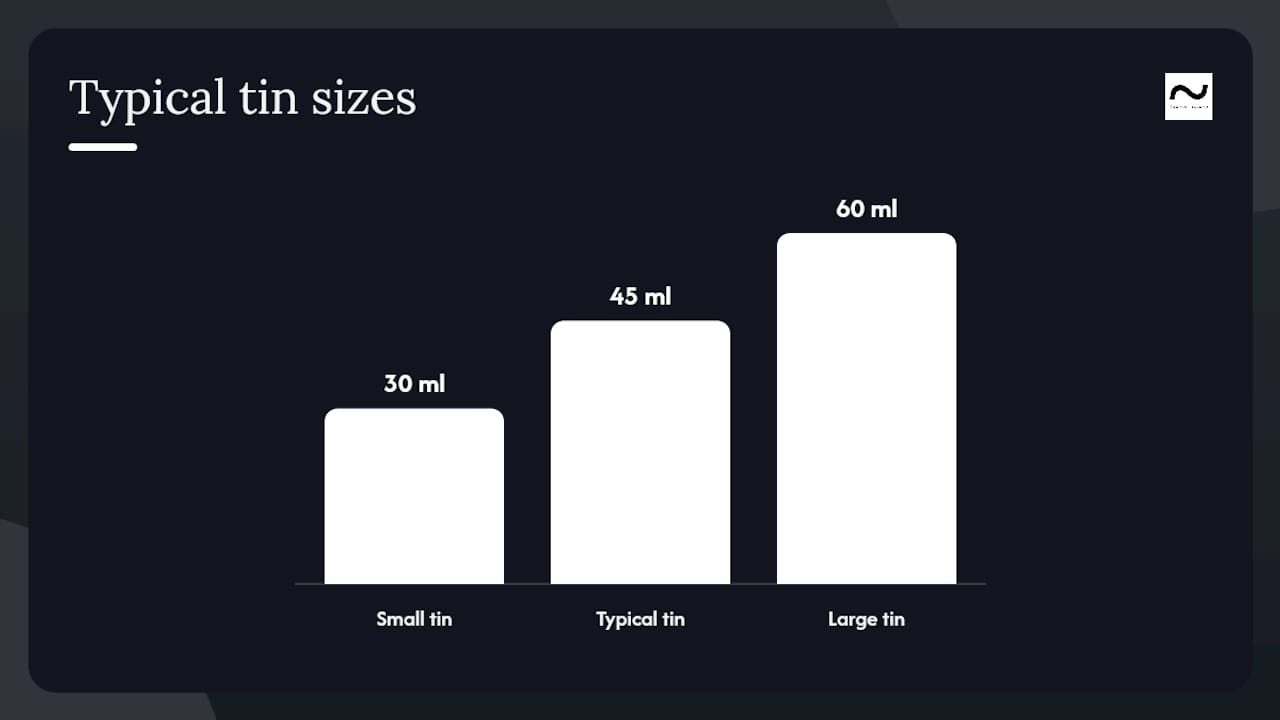
In terms of value, a well-formulated balm in the UK typically comes in 30–60ml tins. A pea-sized daily use means a 30ml tin lasts most men two to three months, so price per use is more meaningful than the headline price.
Most mainstream beard balms rely on plant butters such as shea and cocoa as their conditioning base. These are genuinely effective ingredients, but tallow-based formulas offer something different at the skin level.
Tallow’s fatty acid profile, particularly its oleic and stearic acid content, closely mirrors the composition of human sebum. This structural similarity means it is absorbed readily rather than sitting on the surface, making it a deeply moisturising balm base for both beard hair and the skin beneath. Tallow has been used for centuries as a skin emollient, long before synthetic alternatives existed.
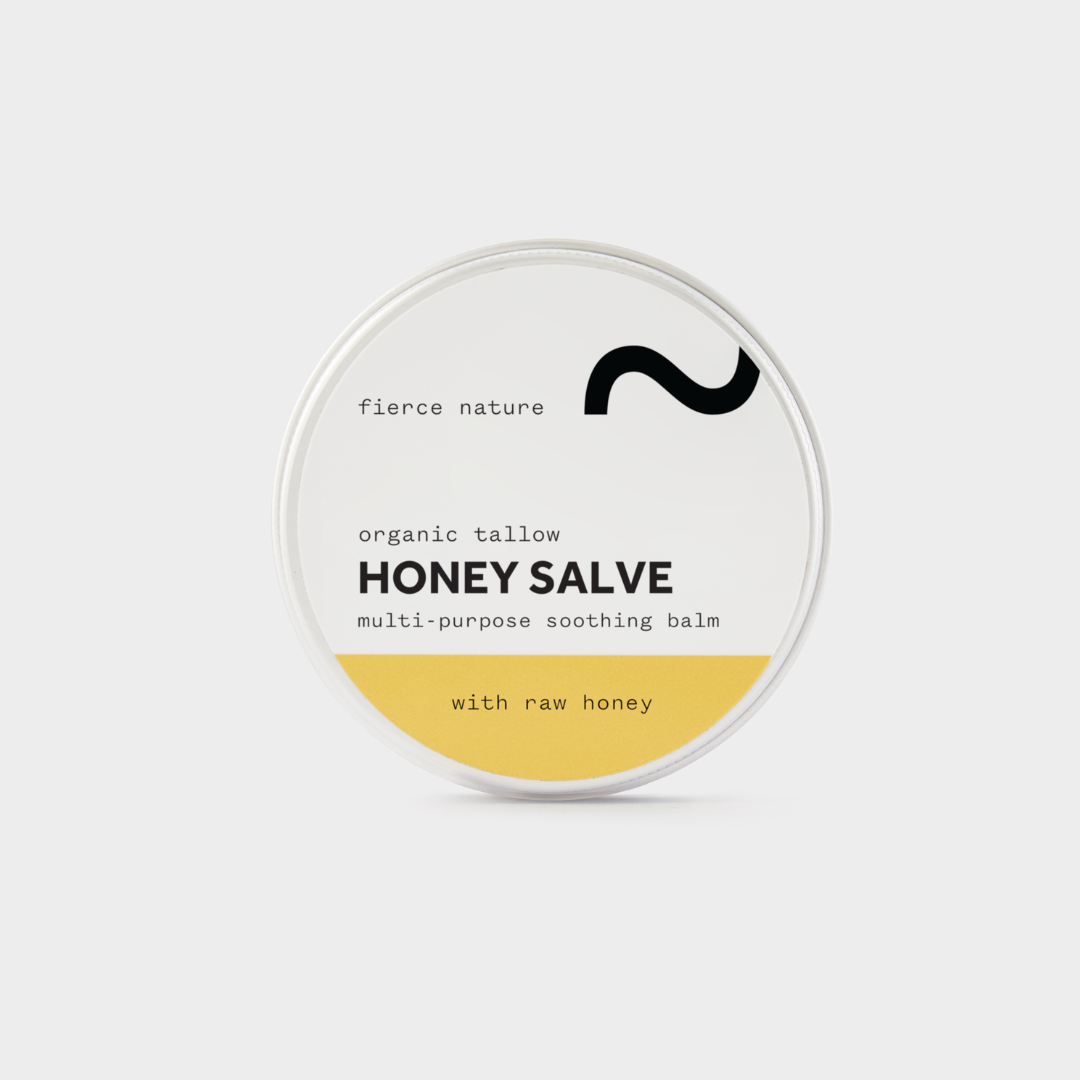
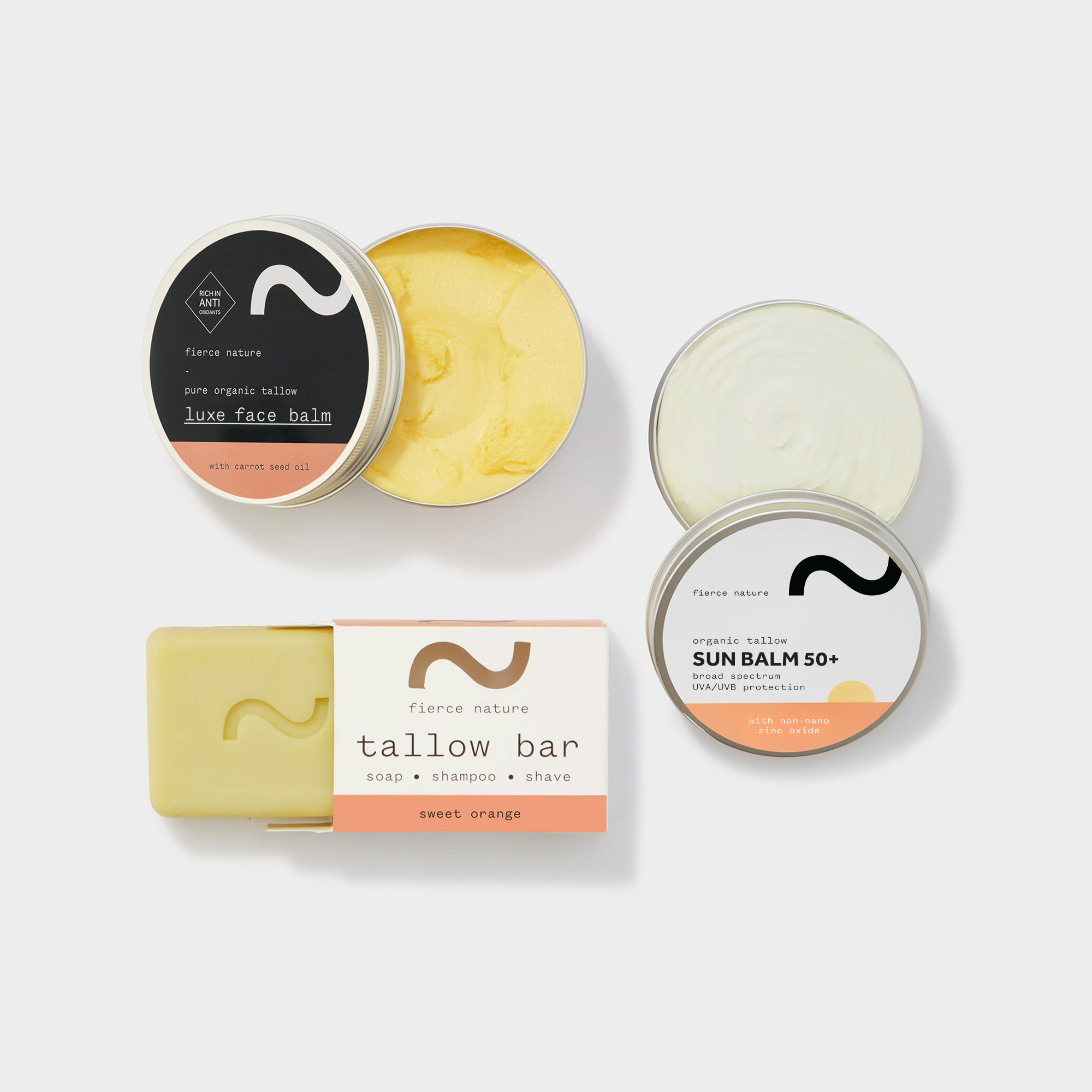
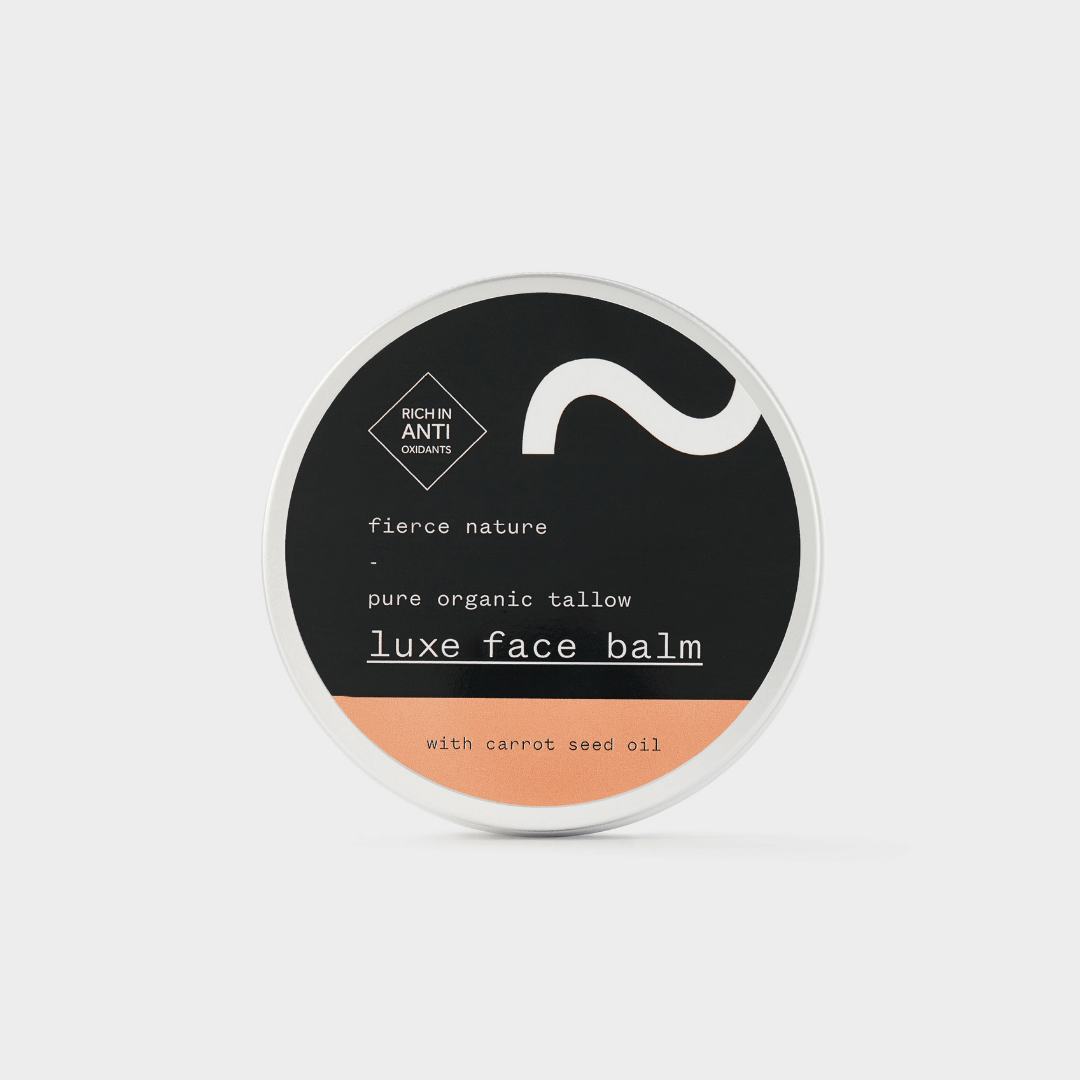
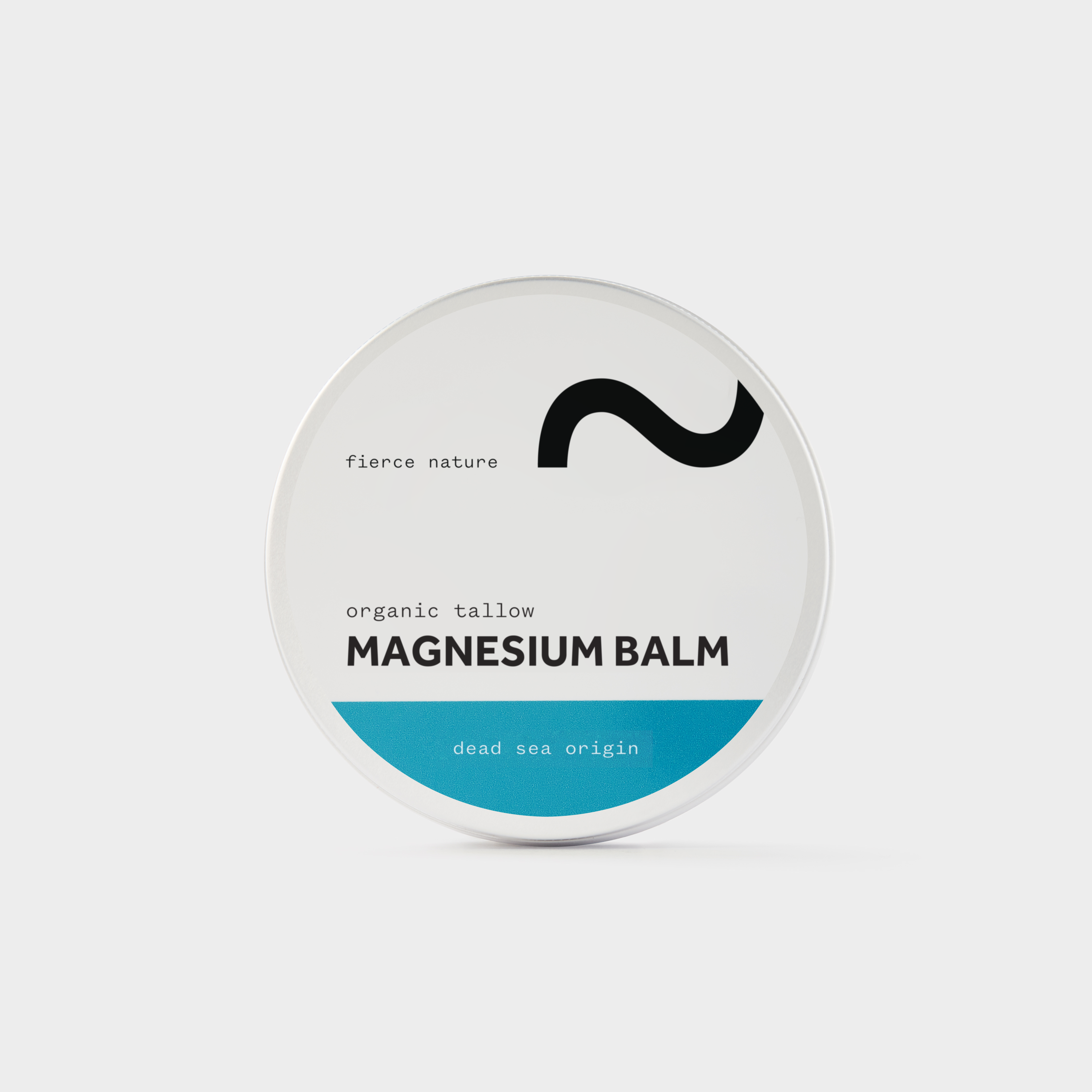
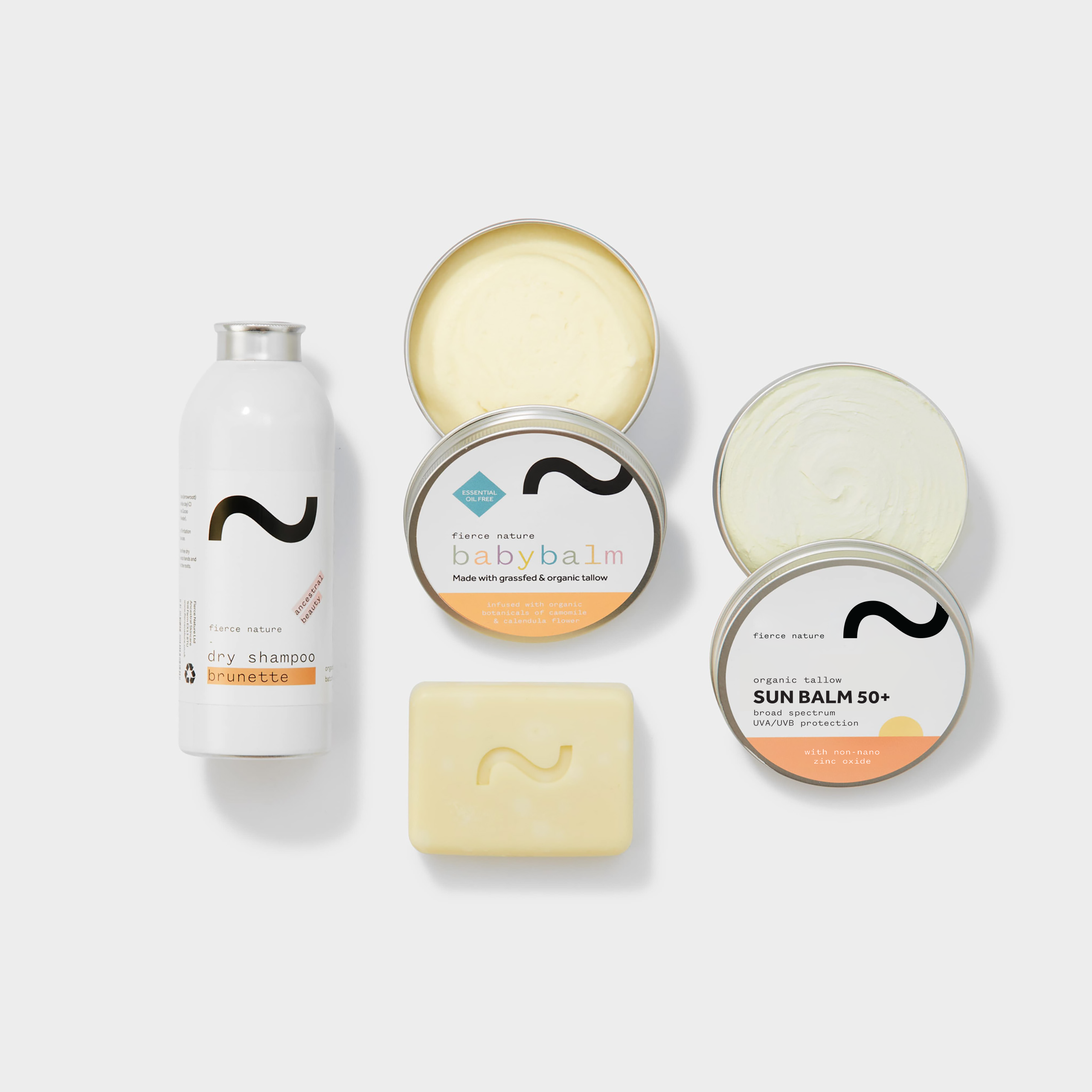
At Fierce Nature, every balm is handmade in the UK using organic tallow as the foundation, combined with naturally sourced carrier oils and butters. There are no synthetic fillers, no undisclosed fragrance compounds, and no petroleum-derived ingredients.
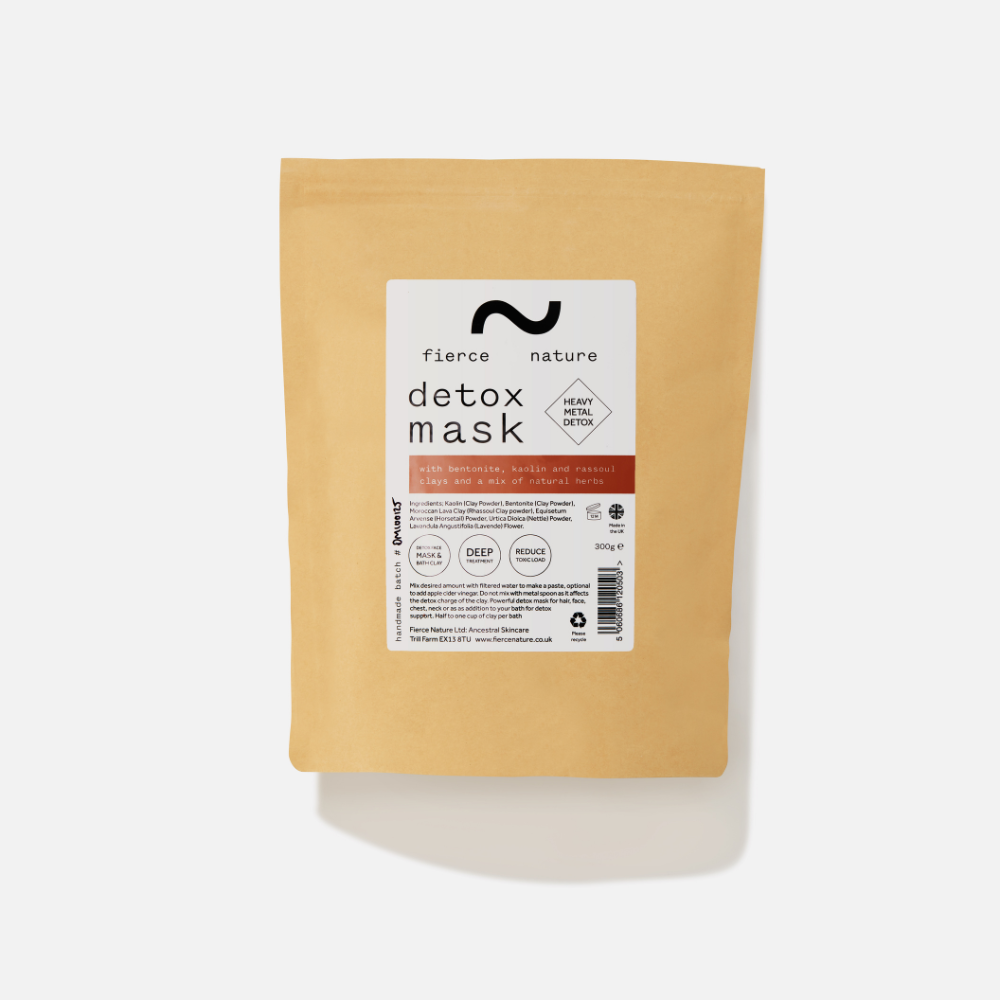
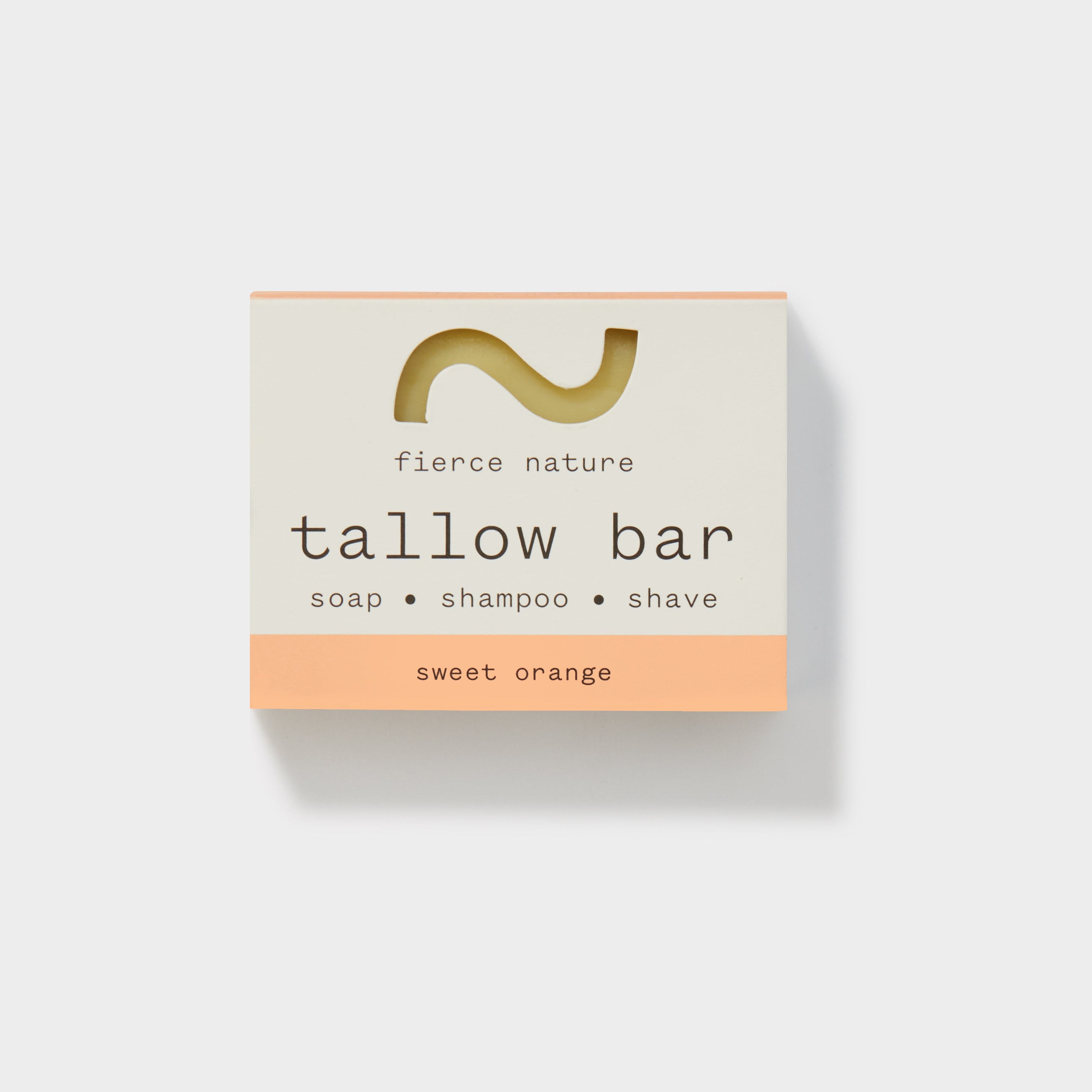
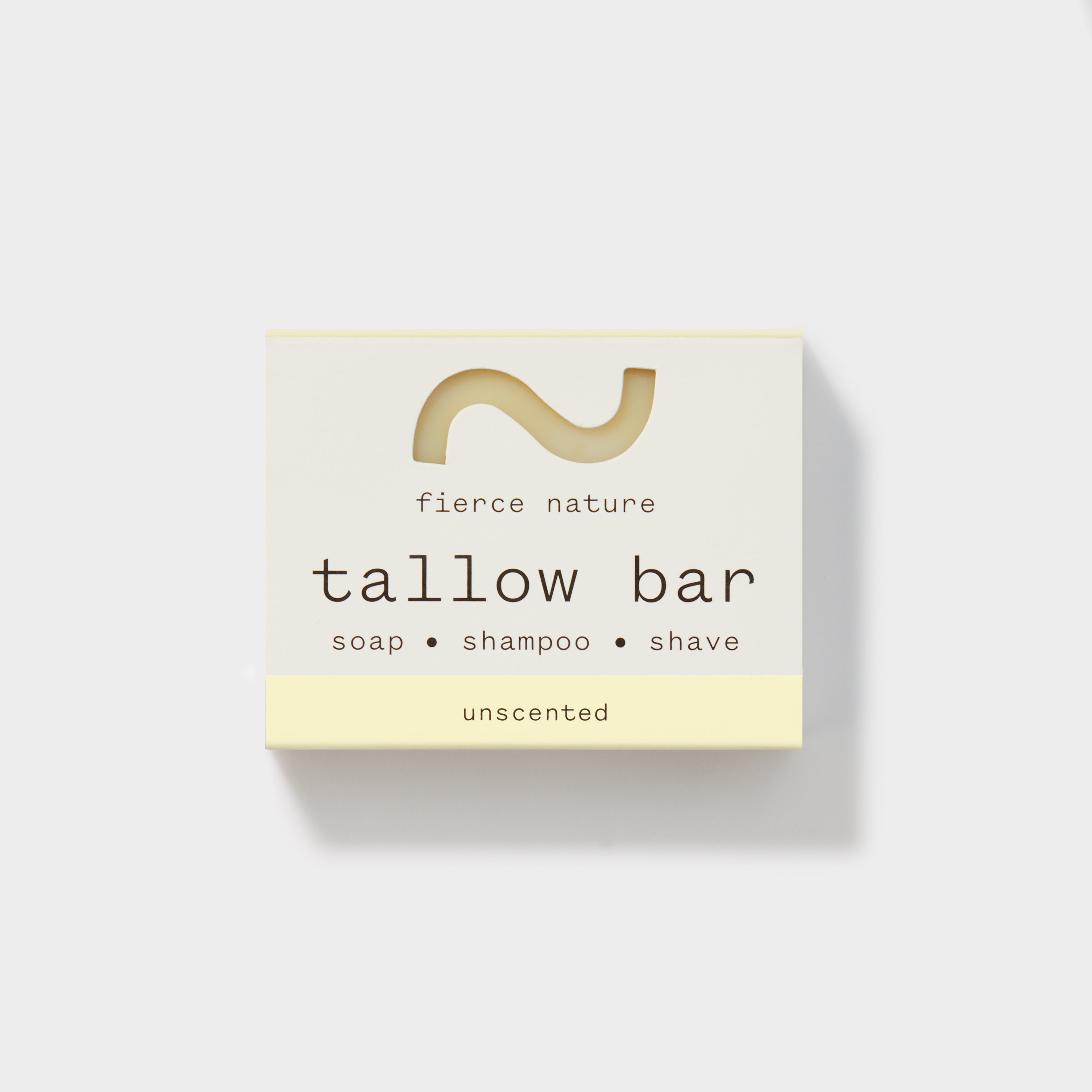
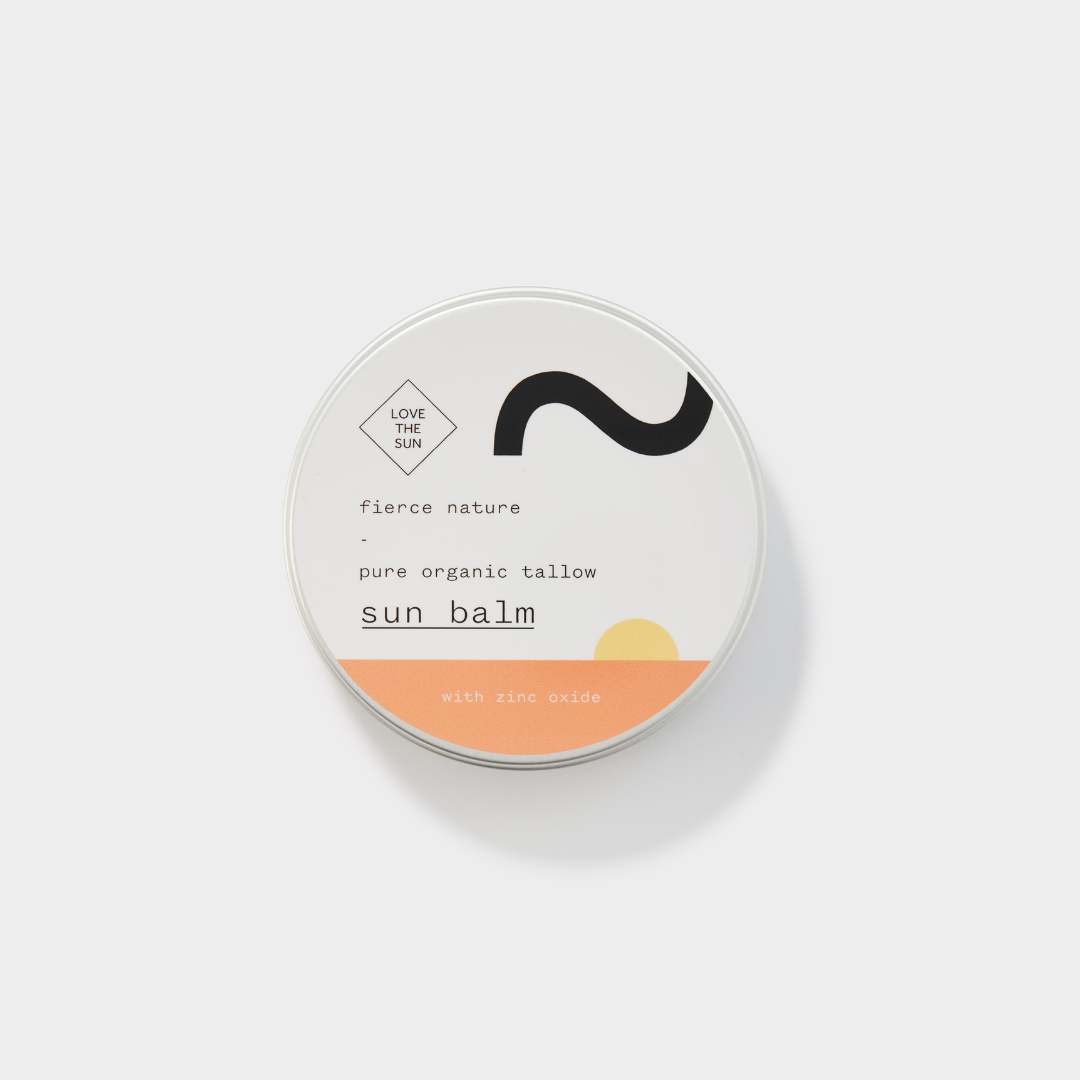
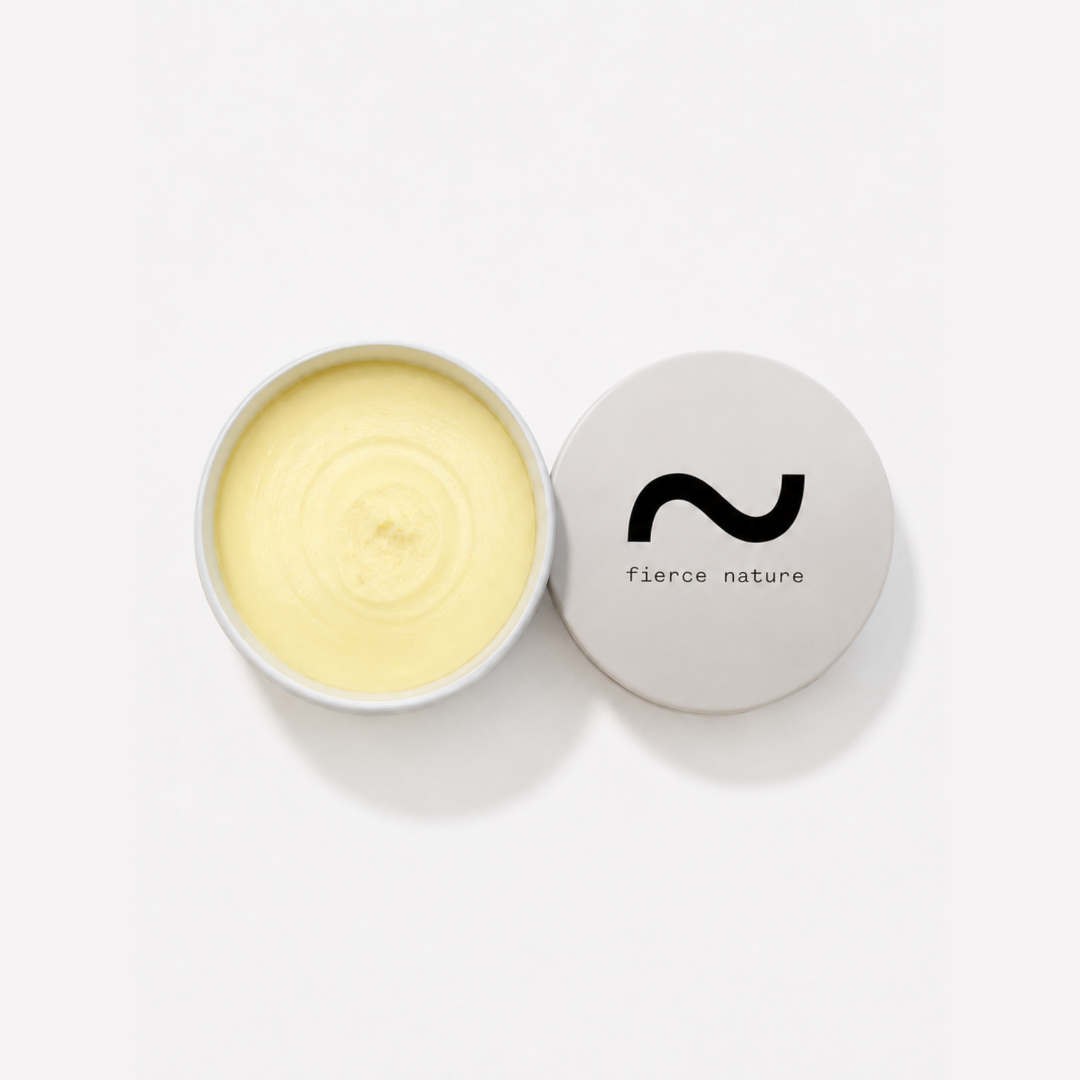
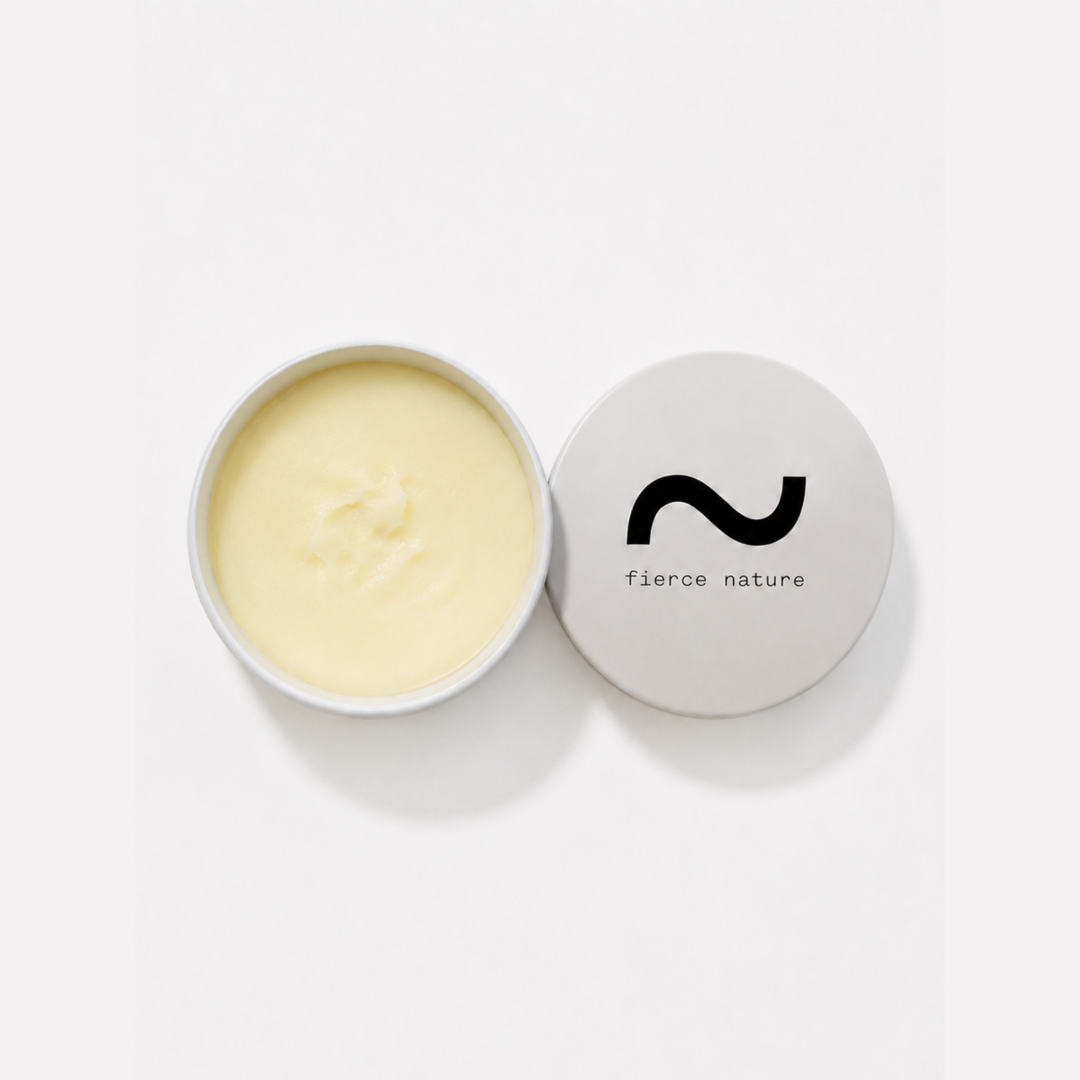
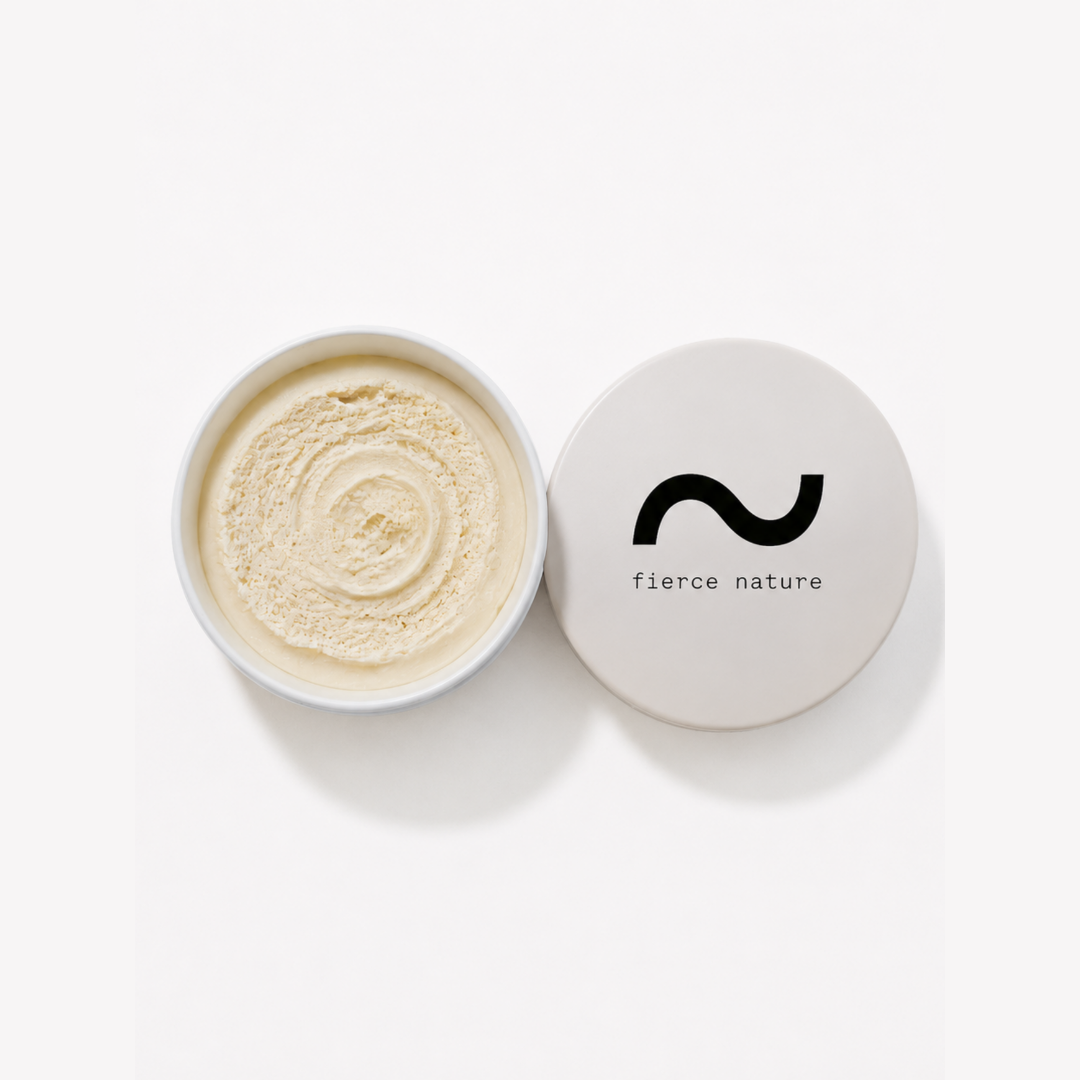
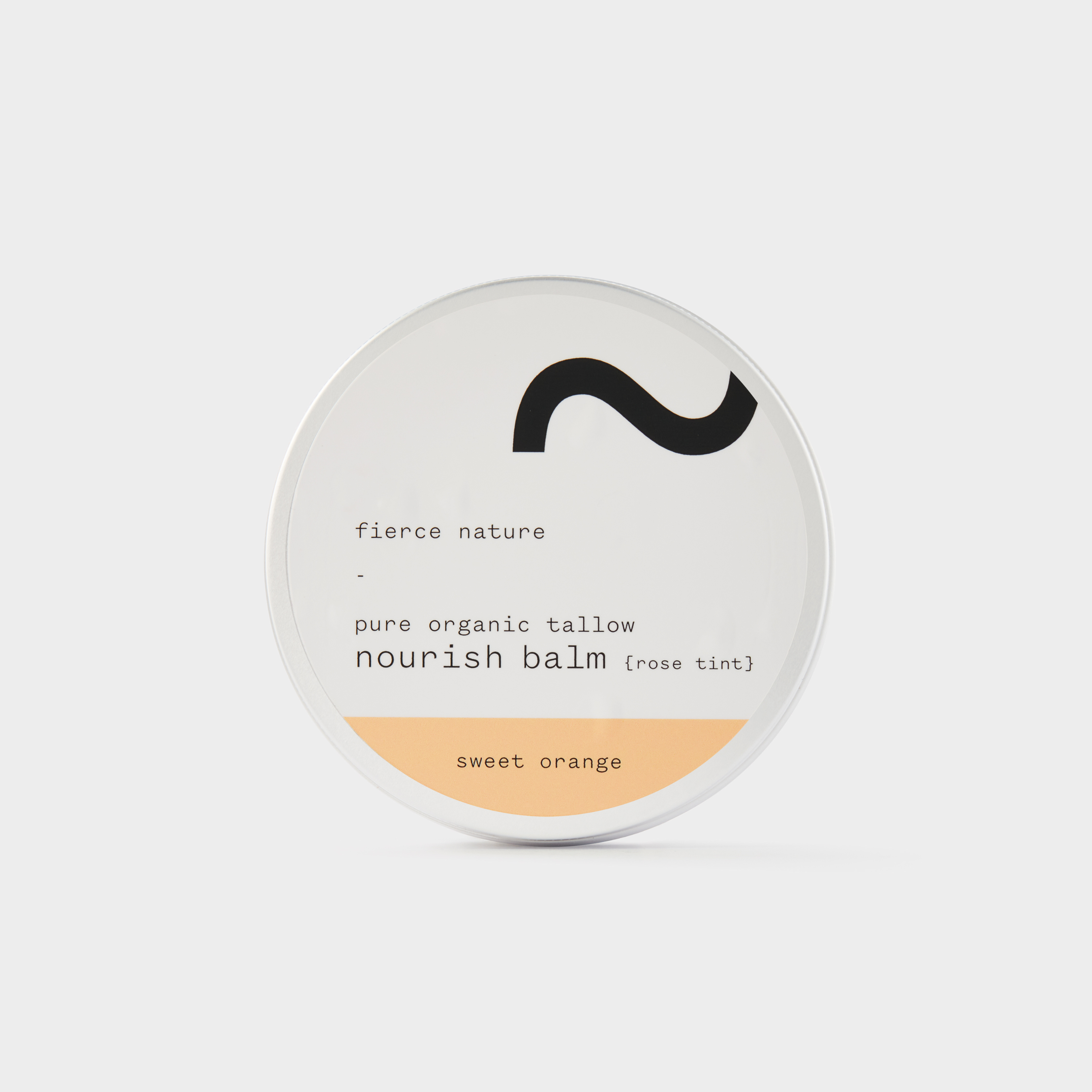
The Fierce Nature Nourish Balm is available in two options: the unscented Nourish Balm for sensitive skin or those who prefer no added fragrance, and the Sweet Orange Nourish Balm for a mild, natural citrus scent from pure essential oil. Both use the same tallow-based formula and are suited to daily beard and skin use. You can read more about tallow balm benefits and safety to understand why this base ingredient is worth considering.
We started Fierce Nature because we had seen, first-hand, what a lifetime of synthetic ingredients does to sensitive skin. Beard balm is a product that sits on your face every single day, pressed into the skin beneath your beard. The ingredient list matters more here than almost anywhere else in a grooming routine.
Our honest view: the natural balm market has improved significantly, but “natural” on a label still means very little without full ingredient disclosure. A balm with a short, transparent ingredient list, named carrier oils, and a clear patch test recommendation is almost always a better choice than one with a long list of unpronounceable compounds dressed up in earthy packaging.
For anyone new to balm, or anyone who has had reactions to fragranced products before, we always recommend starting with an unscented option. Give it two to three weeks of daily use before drawing conclusions. The skin beneath a beard is often more reactive than you expect, and a gentle, fragrance-free formula gives it the best chance to settle and respond well.
Patch test any new balm on your inner wrist for 24 hours before applying to your face
Choose unscented or low-fragrance options if you have a history of skin reactions
Start with a smaller tin to assess how your skin and beard respond before committing to a larger size
Fierce Nature’s Nourish Balm is a tallow-based, handmade balm crafted in the UK with a short, transparent ingredient list. It conditions beard hair and the skin beneath, provides light hold for flyaway control, and works well as a daily leave-in treatment.
The unscented version is formulated for sensitive skin and those who prefer fragrance-free grooming. The Sweet Orange Nourish Balm uses pure sweet orange essential oil for a clean, mild scent that does not compete with other products in your routine. Both are suitable for daily use on beards of 1 inch and above, and for the skin beneath.
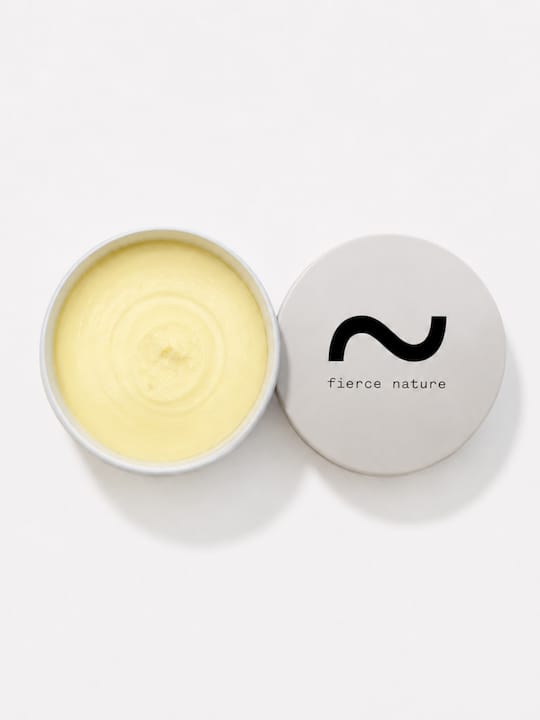
Visit the Fierce Nature product pages to view the full ingredient lists, choose the variant that suits your skin, and place an order directly.
Beard Balm: What It Is, What It Does & How to Use It — ingredient definitions and composition overview
How Beard Balm Works — What It Does, What’s In It & When to Use It (O&G) — beeswax role, butter conditioning, and beard length guidance
How to Use Beard Balm: Full Guide (Knightsmen Grooming) — carrier oil roles and application technique
How to Use Beard Balm: Step-by-Step Guide — warming and application routine
6 Huge Benefits of Using Beard Balm & Butter Daily — oil and balm stacking for moisturisation
What Is Beard Balm? (AskMen) — industry formulator perspective on balm as the structured cousin of oil
Healthline: Carrier Oils and Essential Oils — safety, skin compatibility and patch test guidance
Beard balm conditions beard hair and the skin beneath it, provides light hold to tame flyaways, and creates a moisture barrier that slows drying. It is the most practical daily product for beards of 1 inch or longer.
Not always. For beards under 1 inch, beard oil alone is generally sufficient. Balm becomes genuinely useful once your beard reaches roughly 1–1.5 inches, or if you experience dryness, itch or difficulty keeping stray hairs in place.
The main downsides are waxy residue if too much is applied, potential pore-clogging for men with very oily skin, and the risk of fragrance reactions if the formula uses undisclosed essential oil blends. Starting with a small amount and choosing an unscented option minimises both issues.
The 3-month rule is an informal guideline suggesting you commit to growing your beard for at least three months before shaping or trimming it significantly, allowing the hair to fill in evenly. It is not a grooming standard, simply a widely shared piece of advice among beard growers.


