Cart
0
You may also like



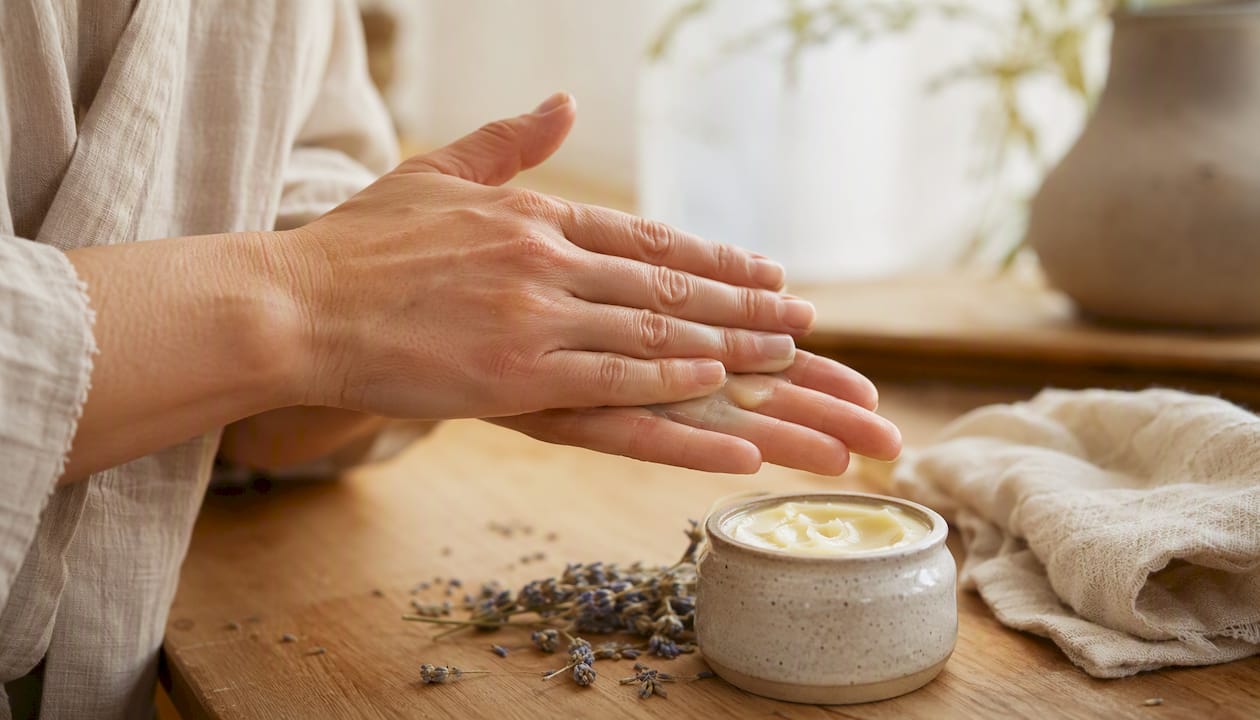
The five most effective types of full-body balm application methods are warm-and-rub, digging/scooping, massage/contouring, pat-and-press, and tool-assisted spreading. The single rule that ties them all together: warm the balm first, apply it to slightly damp skin, and finish with targeted massage strokes. Get that sequence right and your skin will absorb far more nourishment than if you simply swipe cold balm onto dry skin.
Here is a quick reference before we go deeper:
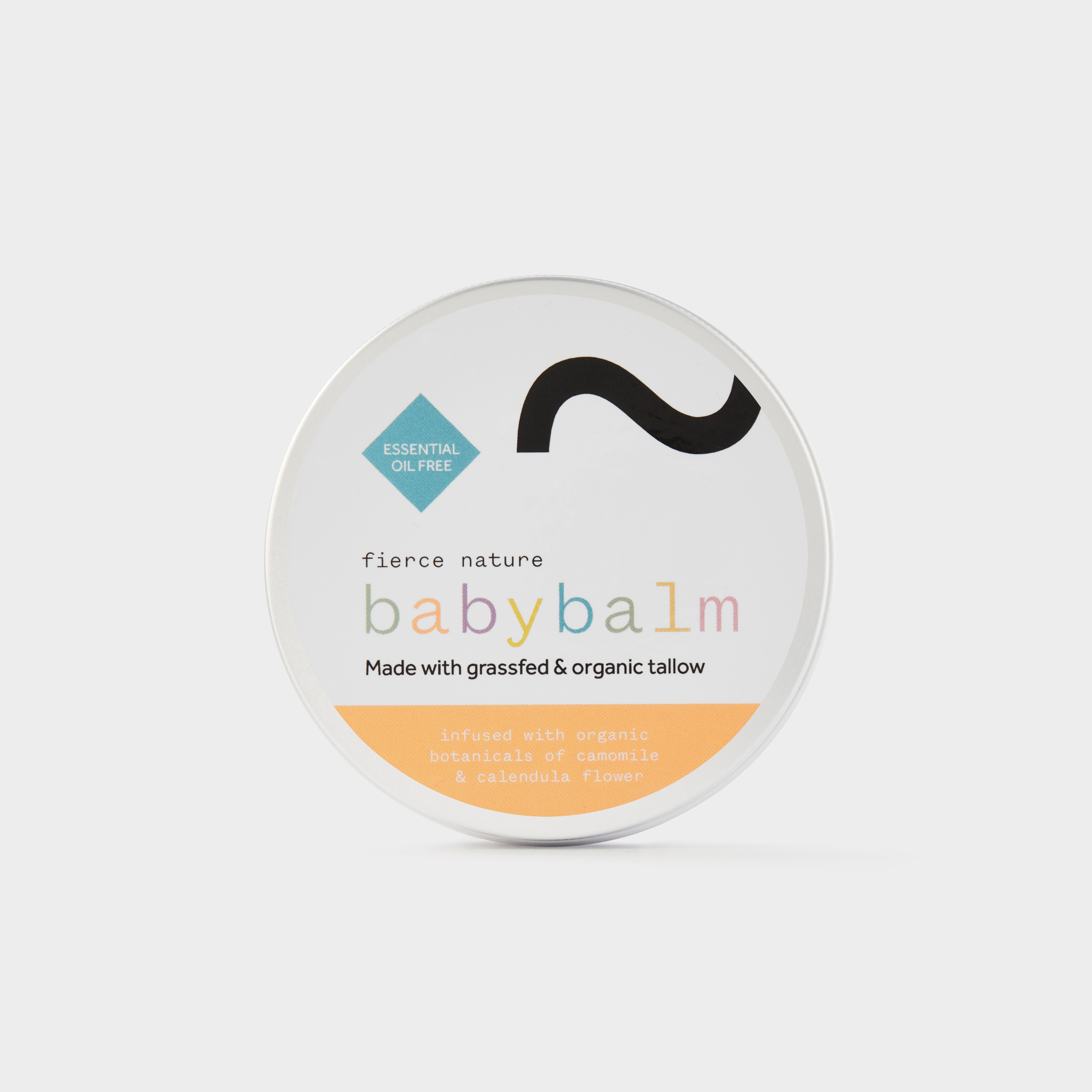
Fierce Nature’s Nourish Balm (Unscented) suits warm-and-rub and massage techniques across the whole body. The Baby Balm is formulated specifically for pat-and-press on delicate newborn skin. The Luxe Balm works beautifully with a light pat-and-press around the face perimeter and décolletage.
Pro Tip: Rub your palms together briskly for five seconds before scooping any balm. That friction alone raises skin-surface temperature enough to soften even a firm tallow balm and make it spread like silk.
Warming balm before application and spreading it on slightly damp skin are the two steps that most reliably improve absorption and skin nourishment across all full-body balm application techniques.
| Point | Details |
|---|---|
| Warm before you apply | Rub balm between palms for several seconds to increase lipid mobility and ease spreading. |
| Apply to damp skin | Slightly damp skin after a shower seals in moisture and improves occlusion. |
| Match technique to area | Use long upward strokes on limbs, clockwise circles on the abdomen, and pat-and-press on sensitive or baby skin. |
| Overnight occlusion for dry patches | A generous nightly layer for 1–2 weeks restores softness to cracked heels and rough elbows. |
| Fierce Nature for clean nourishment | The Nourish Balm, Baby Balm, and Luxe Balm are handmade in the UK on an organic tallow base suited to every technique here. |
Scoop a coin-sized amount onto your fingertips or palm, then press both palms together and rub gently for five to ten seconds until the balm melts and turns translucent. Apply with long, sweeping strokes from ankle to hip on the legs and from wrist to shoulder on the arms. Use moderate, consistent pressure — firm enough to feel the warmth building but never dragging the skin. Three to four strokes per limb is usually enough for even coverage.
When a balm is cold or has a firm, waxy consistency, pressing a fingertip straight in can leave a messy crater. Instead, use a clean thumbnail or a cosmetic spatula to scrape a small amount from the surface. This keeps the remaining product hygienic and gives you better portion control. It is the go-to approach for spot treatments on elbows, knees or cracked heels, where you want a concentrated layer rather than a thin film.
This technique takes a little longer but rewards you with noticeably better absorption and a pleasant ritual. After warming the balm, work it in with:
Spend roughly thirty seconds per limb and sixty seconds on the torso for a meaningful effect.
Warm a small amount between your fingertips, then press lightly onto the skin and lift away cleanly. No rubbing, no dragging. This is the right choice for broken, irritated or very reactive skin, and it is the only technique we recommend for newborns. The Fierce Nature Baby Balm guidance specifically supports this approach for delicate skin.
A silicone scraper or cosmetic spatula lets you spread balm across the back or shoulders without losing product to your palms. A natural-bristle dry brush used before application removes dead cells and primes the skin for better uptake. Keep tools clean between uses (see the hygiene notes in the tools section below).
Pro Tip: If your tin feels too firm to scoop easily, hold it under warm running water for ten seconds. The balm softens from the outside in without melting the whole pot.
The single biggest variable in how well a balm absorbs is skin state at the moment of application.
Best skin state: slightly damp, not soaking wet. After a shower or a warm sink rinse, pat your skin once with a towel and apply balm while a light film of moisture remains. Warmth opens the skin’s surface and the residual water gives the balm something to seal in, which is exactly how occlusion works.
Amount guidelines by area:
Timing options:
Preparation steps to consider:
For infant use, follow the product guidance on the Baby Balm page and consult a paediatrician before introducing any new product to newborn skin. For full-body application, apply balm twice daily with gentle massage until fully absorbed, strictly avoiding the eyes, mouth, nappy area, and scalp, in line with established research protocols.
Balm is an occlusive, which means it belongs at the end of your routine, not the beginning. The layering principle is simple: lightest texture first, heaviest last.
Layering order:
Three practical routines:
| Routine | Order | Best for |
|---|---|---|
| Morning | Shower, damp skin, balm only | Normal to dry skin, quick application |
| Evening | Shower, serum or oil, balm over the top | Dry or combination skin needing extra nourishment |
| Intensive overnight | Shower, rich oil, generous balm layer, cotton pyjamas | Very dry patches, compromised barrier, cracked heels |
When you layer an active serum beneath a balm, the occlusive layer slows evaporation and can intensify the active’s effect. That is useful for nourishing ingredients but means you should patch test any new combination before applying it across a large area.
For sensitive skin, the natural balm guide covers ingredient interactions in more detail.
Most of the time, warm hands are the best tool you have. They transfer heat directly to the balm and give you tactile feedback about how much product you are using. That said, a few tools earn their place:
Hygiene rules: wash spatulas and scrapers with warm soapy water after every use. Dry brushes should be cleaned weekly and left to dry bristle-side down. Never share tools between people, and use a dedicated spatula for any product applied to a baby or broken skin.
For those applying balm to healing or sensitive areas such as new tattoos, the principles of hygiene and gentle technique are especially relevant. A step-by-step guide on applying balm to healing skin covers timing and pressure in detail.
Pro Tip: Label your spatulas. One for face, one for body, one for baby. It takes thirty seconds to set up and removes any risk of cross-contamination.
Long upward strokes, always moving toward the heart, work best here. Apply moderate pressure on the calves and thighs, lighter pressure on the shins where skin sits close to bone. Spend roughly thirty seconds per limb. For the outer thighs, knuckle rolling adds a pleasant depth that standard rubbing cannot replicate.
Clockwise circular strokes on the abdomen follow the natural direction of the large intestine and feel genuinely soothing. Keep pressure gentle here, particularly if you have any tenderness. On the chest and upper back, long sweeping strokes from centre outward work well.
These areas need a thicker application than anywhere else. Work the balm into cuticles and nail beds on the hands, and focus on the heels and ball of the foot for feet. An overnight occlusive layer on cracked heels, covered with cotton socks, can produce visible improvement within a few nights.
Pat-and-press only. Use a pea-sized amount of the Luxe Balm around the jawline and décolletage, pressing gently rather than rubbing. For newborn skin, the Baby Balm guide details stage-appropriate application and areas to avoid; as supported by clinical trial protocol, whole-body balm can be applied to newborns twice daily with massage until fully absorbed, strictly avoiding the eyes, mouth, nappy area, and scalp.
Pro Tip: For very dry elbows, apply a coin-sized amount, then wrap loosely with a warm damp cloth for five minutes. The warmth drives the balm deeper into the thickened skin.
Daily maintenance: once daily after your morning or evening shower is sufficient for most skin types. Twice daily suits very dry skin or harsh winter conditions.
Intensive repair: apply nightly for one to two weeks on dry patches or a compromised skin barrier. An occlusive overnight layer is one of the most reliable ways to restore softness to rough, flaky areas.
What to expect:
For baby skin, follow the product-specific guidance and seek paediatric advice if you have any concerns about frequency or reaction.
The skin can only absorb so much at once. If your skin feels greasy an hour after application, you have used too much. Blot the excess with a clean cloth and reduce the amount next time. A little goes a long way with a dense tallow balm.
Cold balm drags on the skin and distributes unevenly. If it is not spreading smoothly, stop and re-warm it in your palms or run the tin briefly under warm water before scooping again.
If you apply balm before a serum, the occlusive layer blocks the serum from reaching the skin. To fix it: gently blot the balm with a cloth, wait a few minutes, apply your serum, then reapply a lighter layer of balm on top.
Troubleshooting uneven coverage:
If irritation occurs:
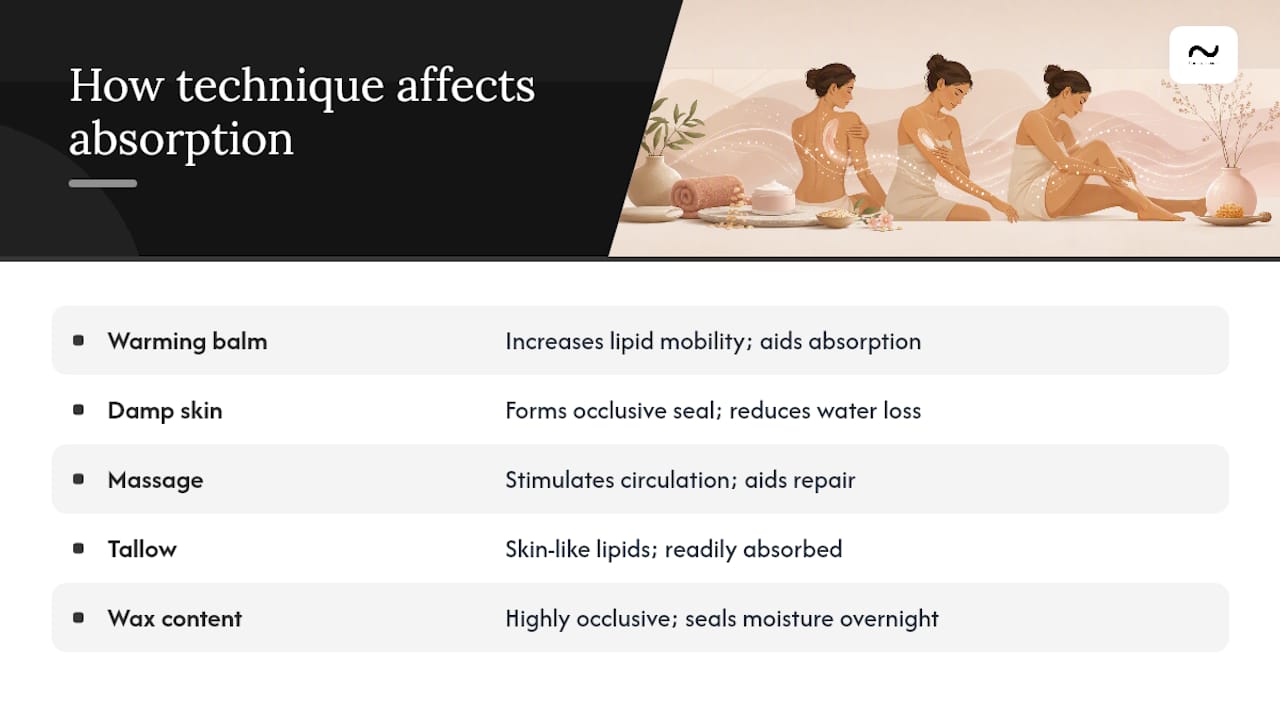
Technique is not just ritual. It directly affects how much nourishment your skin receives.
Warming a balm increases the mobility of its lipid molecules, making them easier for the skin to absorb. Applying to damp skin creates an occlusive seal that reduces transepidermal water loss, the process by which moisture escapes through the outer skin layers. Massage strokes stimulate local circulation, which supports the skin’s own repair processes.
Tallow-based balms, like those in the Fierce Nature range, behave differently from plant butters because tallow’s fatty acid profile closely mirrors the lipids found naturally in human skin. This biocompatibility means the skin recognises and absorbs tallow readily, particularly when it is warmed and applied with consistent pressure.
Body balms with a wax content are more occlusive than body butters, making them especially effective for sealing moisture into dry patches and protecting skin in harsh climates. The wax component is what gives a balm its staying power overnight.
A clinical trial protocol registered on ClinicalTrials.gov (NCT05786209) describes whole-body balm application for newborns, with clear instructions to massage until fully absorbed and to avoid the eyes, mouth, nappy area, and scalp. That level of systematic, safety-conscious application in a controlled research setting reflects the same principles we recommend here: consistent technique, appropriate amount, and strict exclusion zones.
We started Fierce Nature because we had lived through the frustration of skin that reacted to almost everything. The answer was not a more expensive product. It was understanding what the skin actually needs and giving it that, consistently and gently.
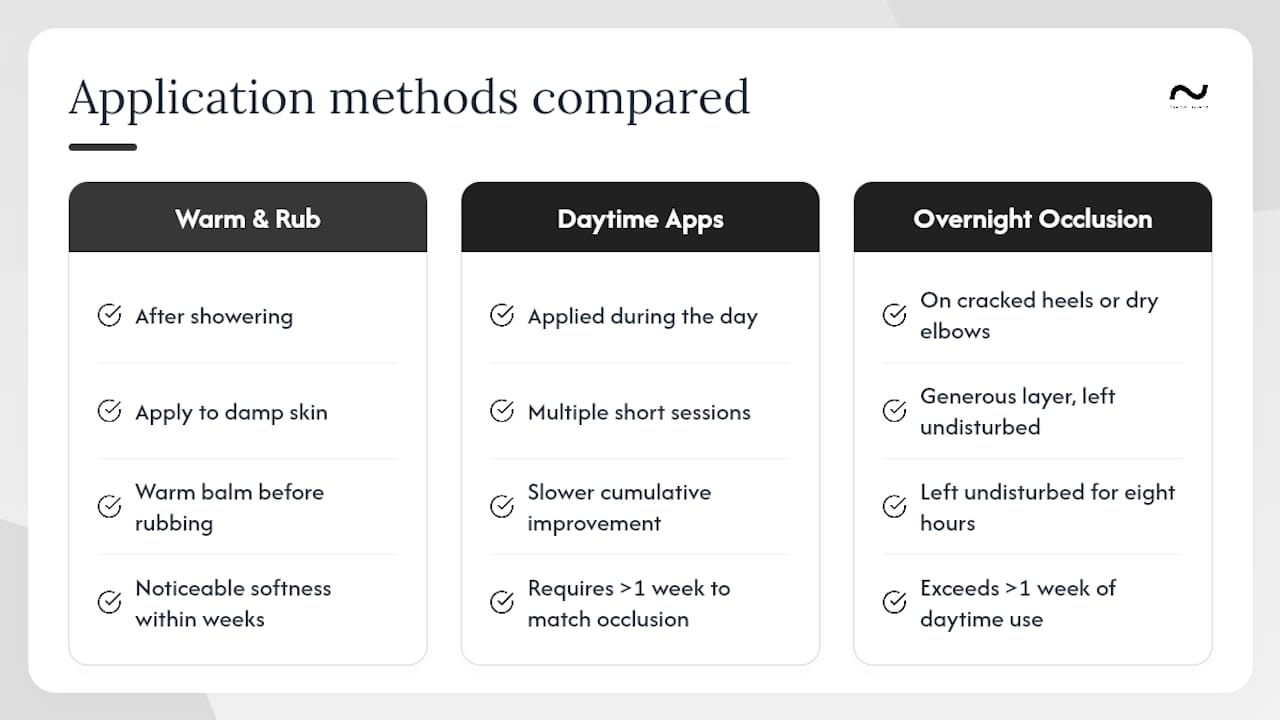
The methods in this article are not complicated. But they do require a moment of intention. Warming the balm, choosing the right stroke for the area, applying to damp skin rather than dry — these small adjustments compound over weeks into genuinely different skin. We have seen it with our own formulations, particularly with the Nourish Balm (Unscented), where customers who follow a consistent warm-and-rub routine after showering report noticeably softer, more resilient skin within a few weeks.
What we find most people underestimate is the overnight occlusion method. A generous layer of balm on cracked heels or very dry elbows, left undisturbed for eight hours, does more than a week of daytime applications. The skin’s repair processes are most active at night, and a well-applied occlusive layer gives them the conditions to work.
Our Baby Balm and Nourish Balm are handmade in the UK from organic tallow and naturally sourced ingredients, as described by Fierce Nature. No synthetic fillers, no hidden chemicals. The technique guidance in this article was written with those formulations in mind, but the principles apply to any quality balm you choose to use.
If you are ready to put these techniques into practice, Fierce Nature’s handmade tallow balms give you a clean, bioavailable base that responds well to every method described here. The Nourish Balm (Unscented) is our most versatile option for full-body warm-and-rub and massage routines. The Baby Balm is crafted specifically for pat-and-press on sensitive and newborn skin. The Luxe Balm suits the face perimeter and décolletage where a richer, more targeted application is needed.
All three are handmade in the UK, free from synthetic additives, and built on an organic tallow base that your skin recognises as nourishment. Browse the full range and find the balm that fits your routine.
Body balms generally fall into three categories: all-purpose balms for full-body use, targeted balms for specific areas such as the face or lips, and specialist formulations for sensitive or baby skin. Fierce Nature’s range covers all three, from the Nourish Balm (Unscented) for full-body application to the Baby Balm for delicate skin.
Scoop a small amount, warm it between your palms for five to ten seconds, then apply to slightly damp skin using long strokes on limbs and circular strokes on the torso. Always massage until fully absorbed.
Use the pat-and-press technique: warm a pea-sized amount on your fingertips and press gently onto the skin without rubbing. For newborns, balm may be applied to the whole body twice daily using gentle massage until fully absorbed, strictly avoiding the eyes, mouth, nappy area, and scalp, as supported by both clinical trial methods and the Baby Balm product guidance.
Balm goes after moisturiser, not before. As an occlusive, it seals in the lighter layers beneath it. The correct order is serum or water-based product first, then moisturiser if used, then balm as the final step.