Cart
0
80% Also Added this
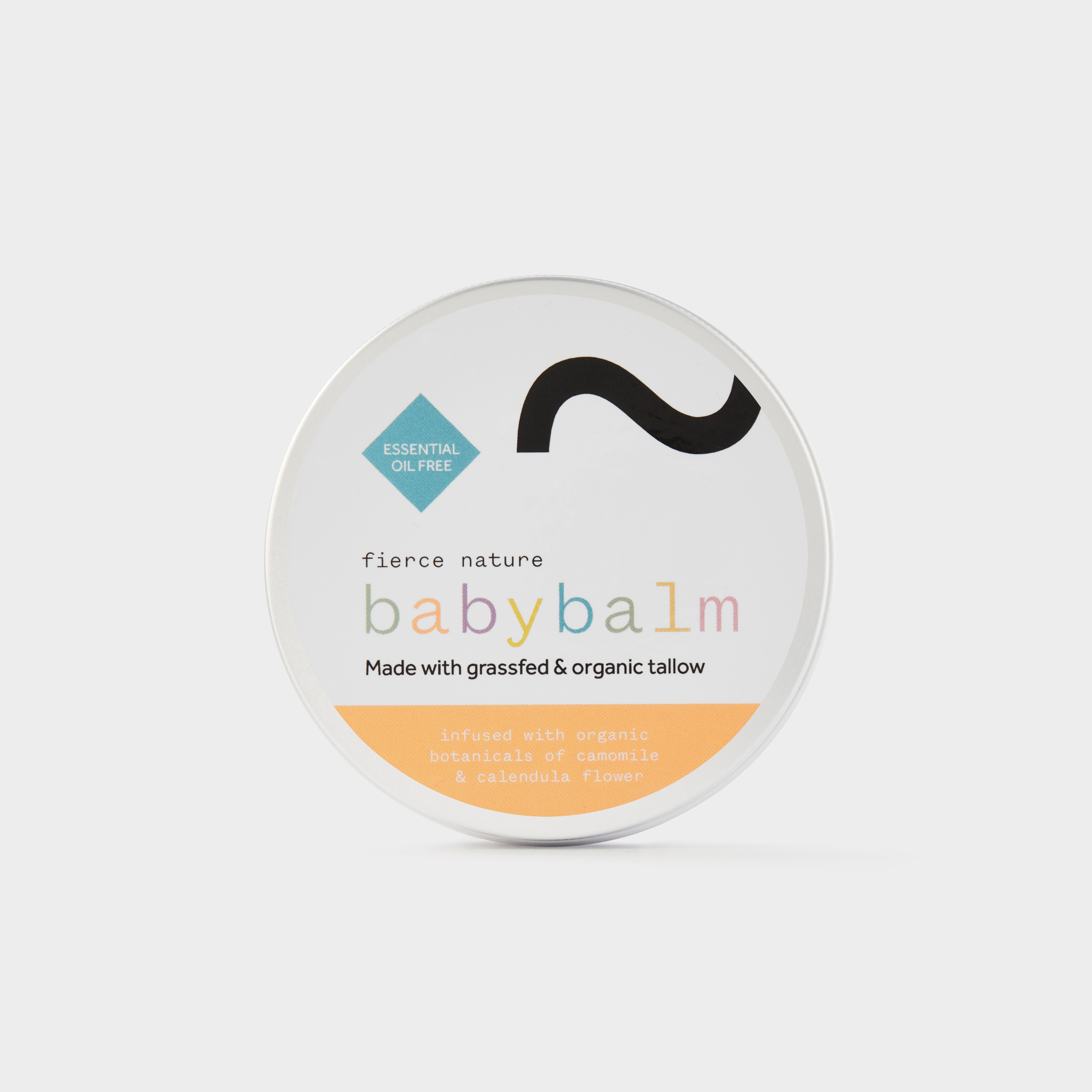
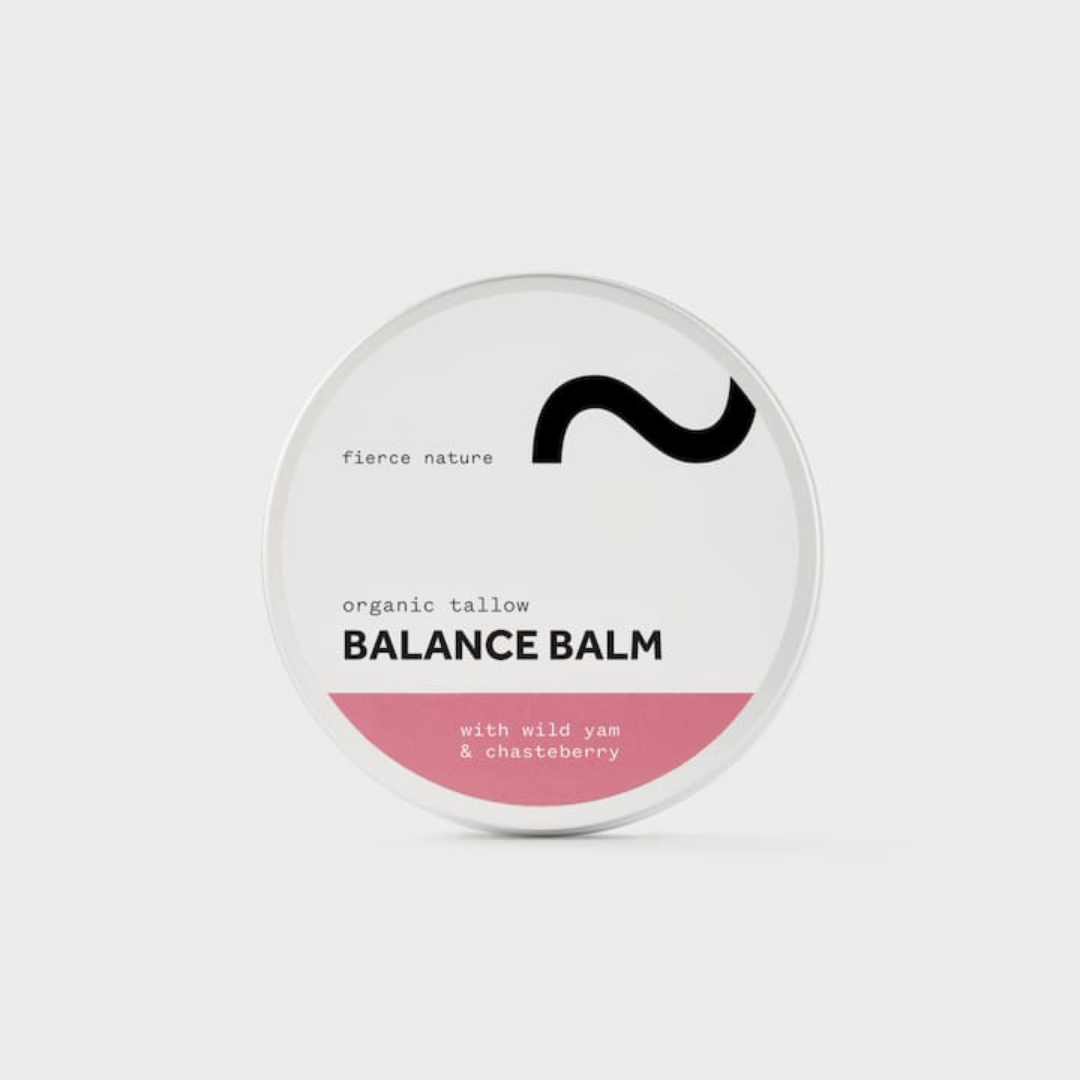
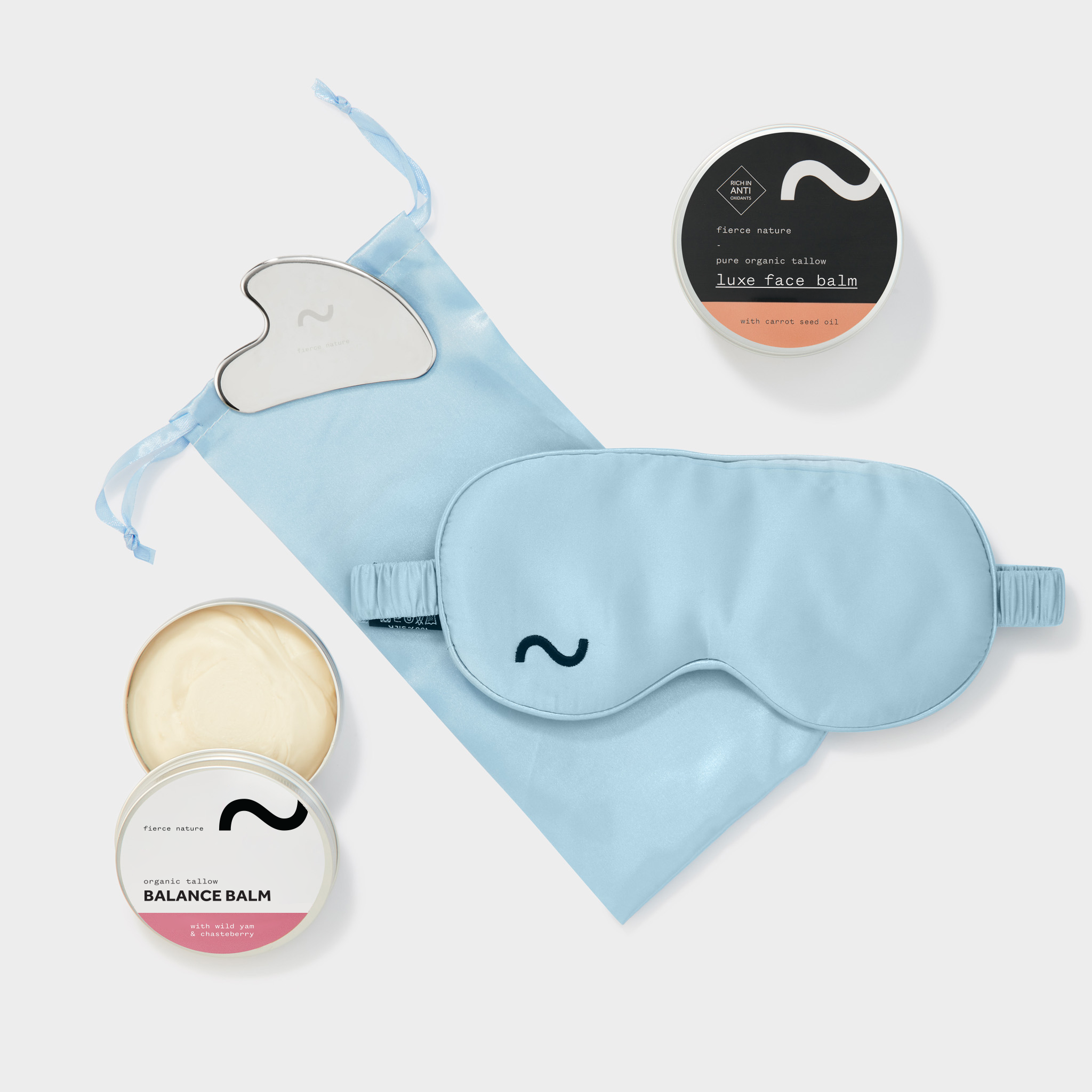
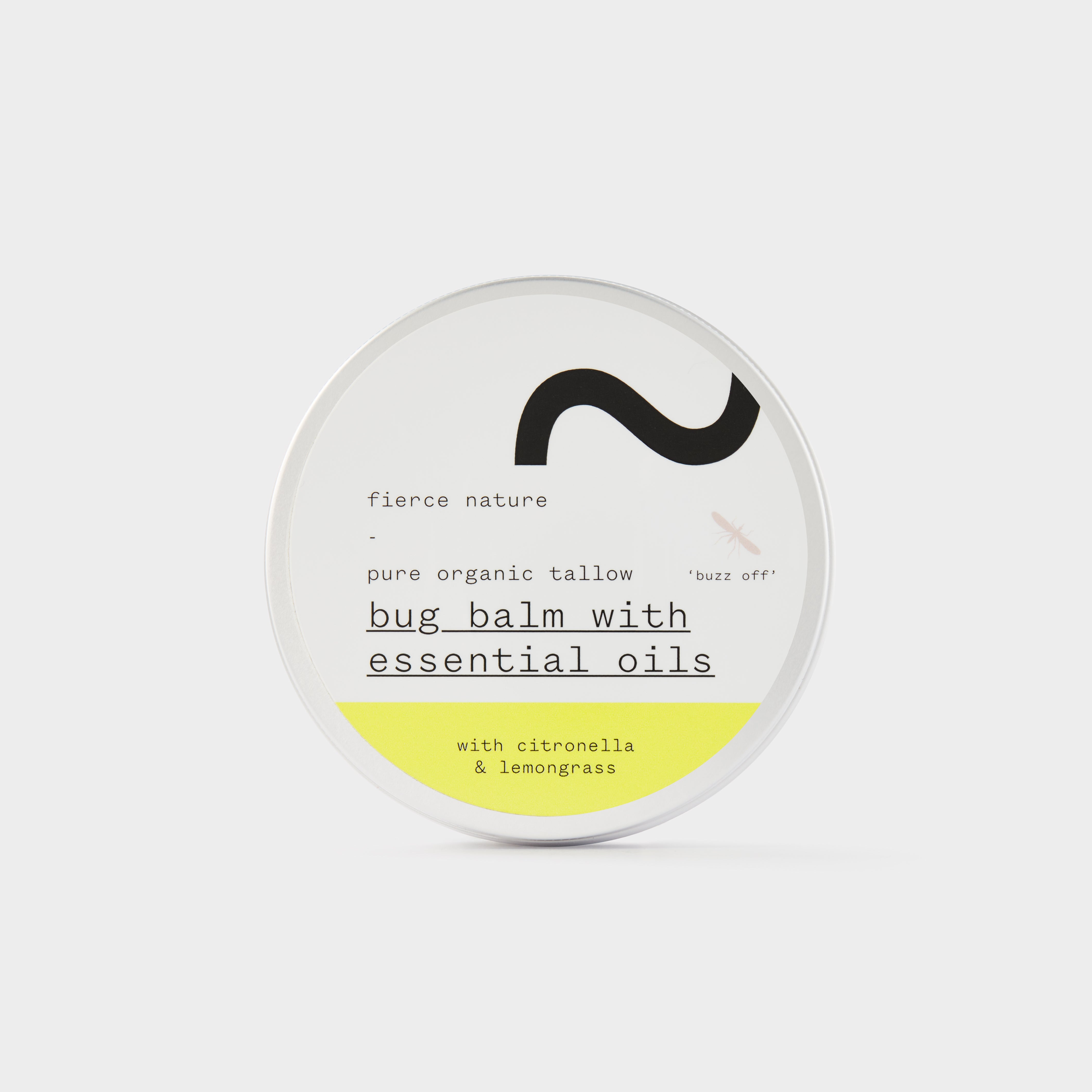

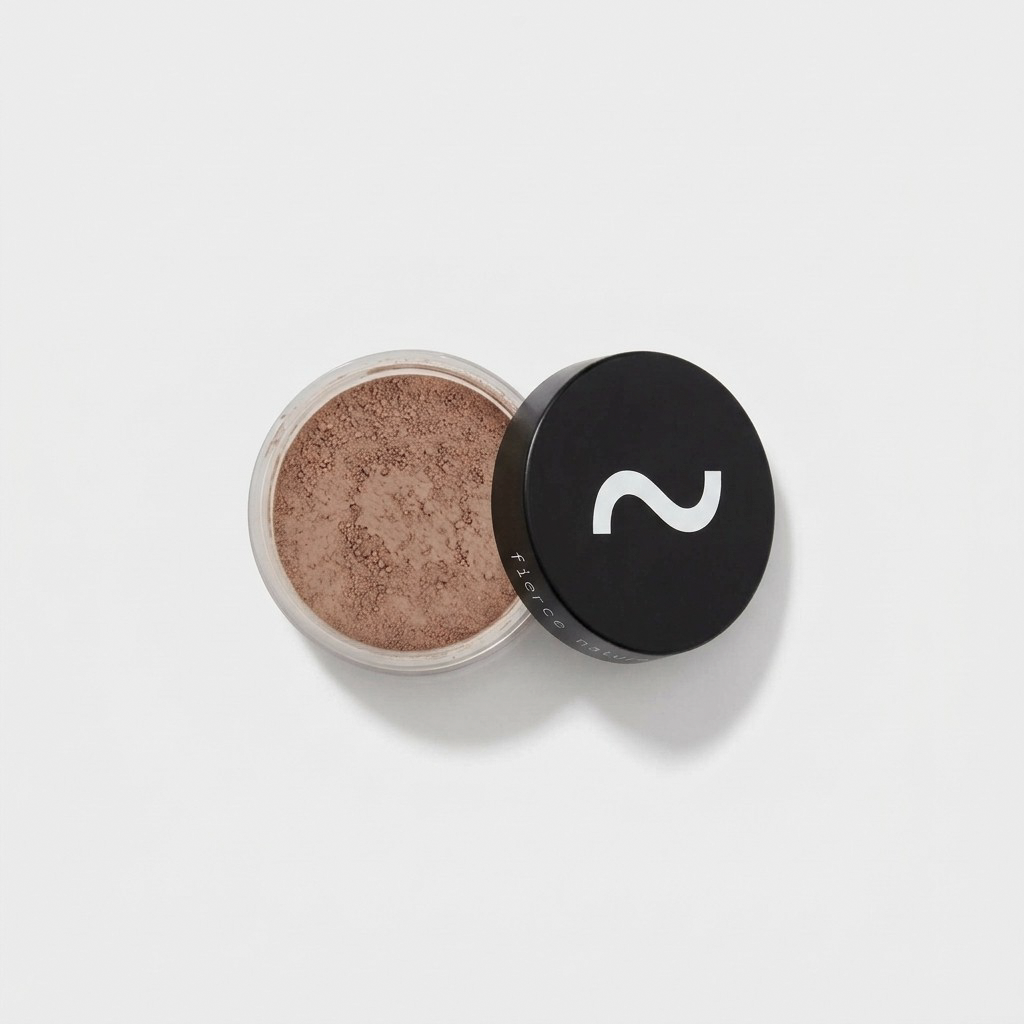
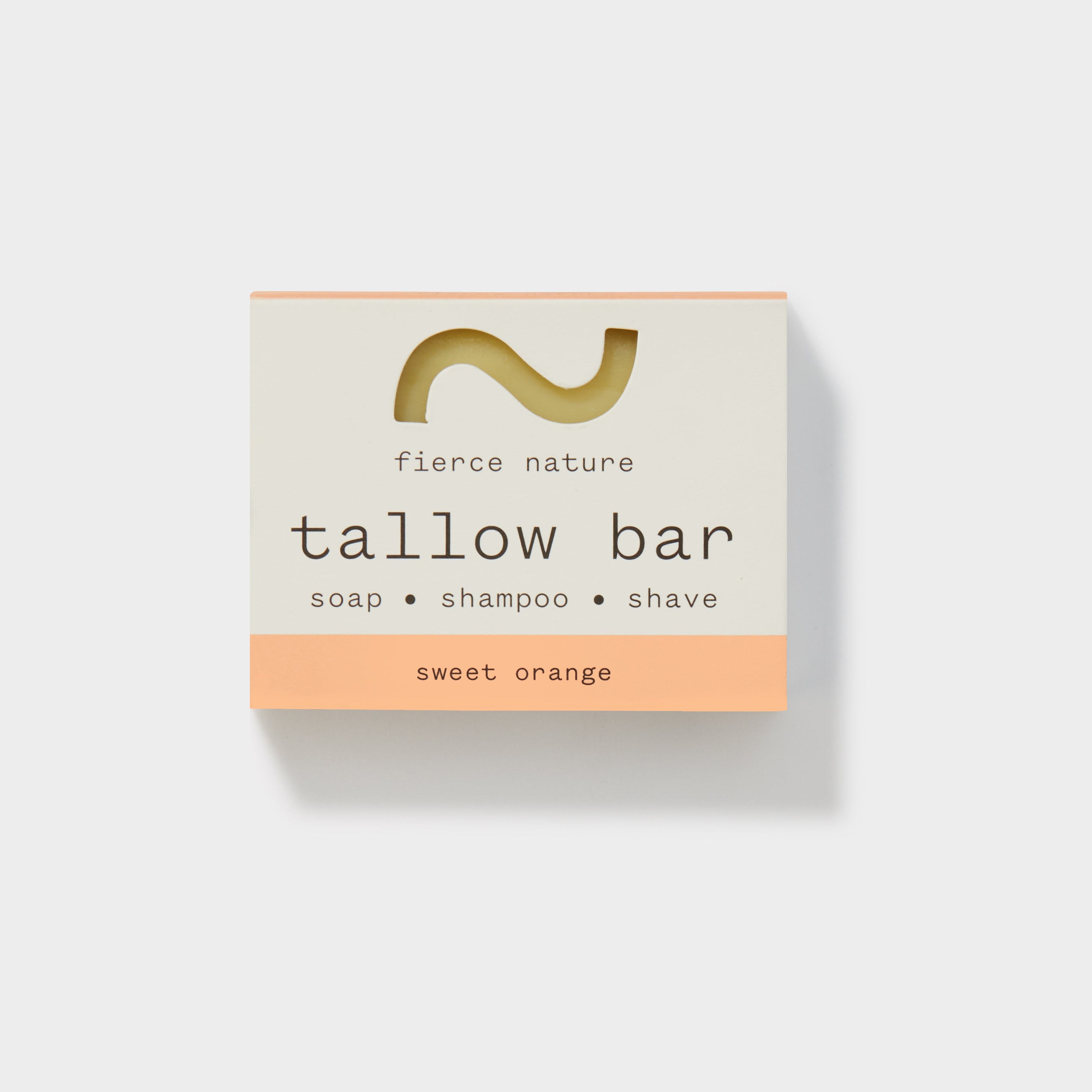
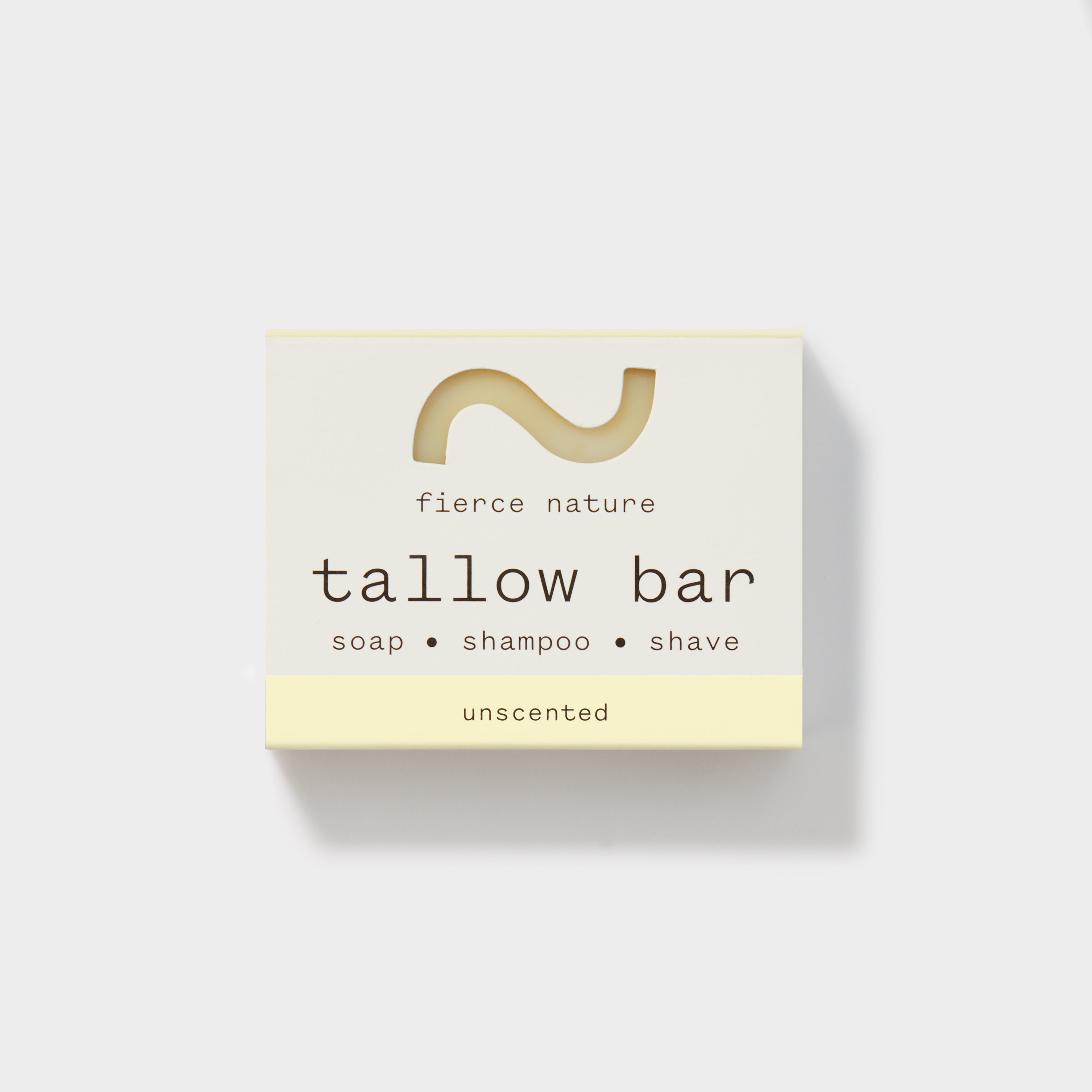
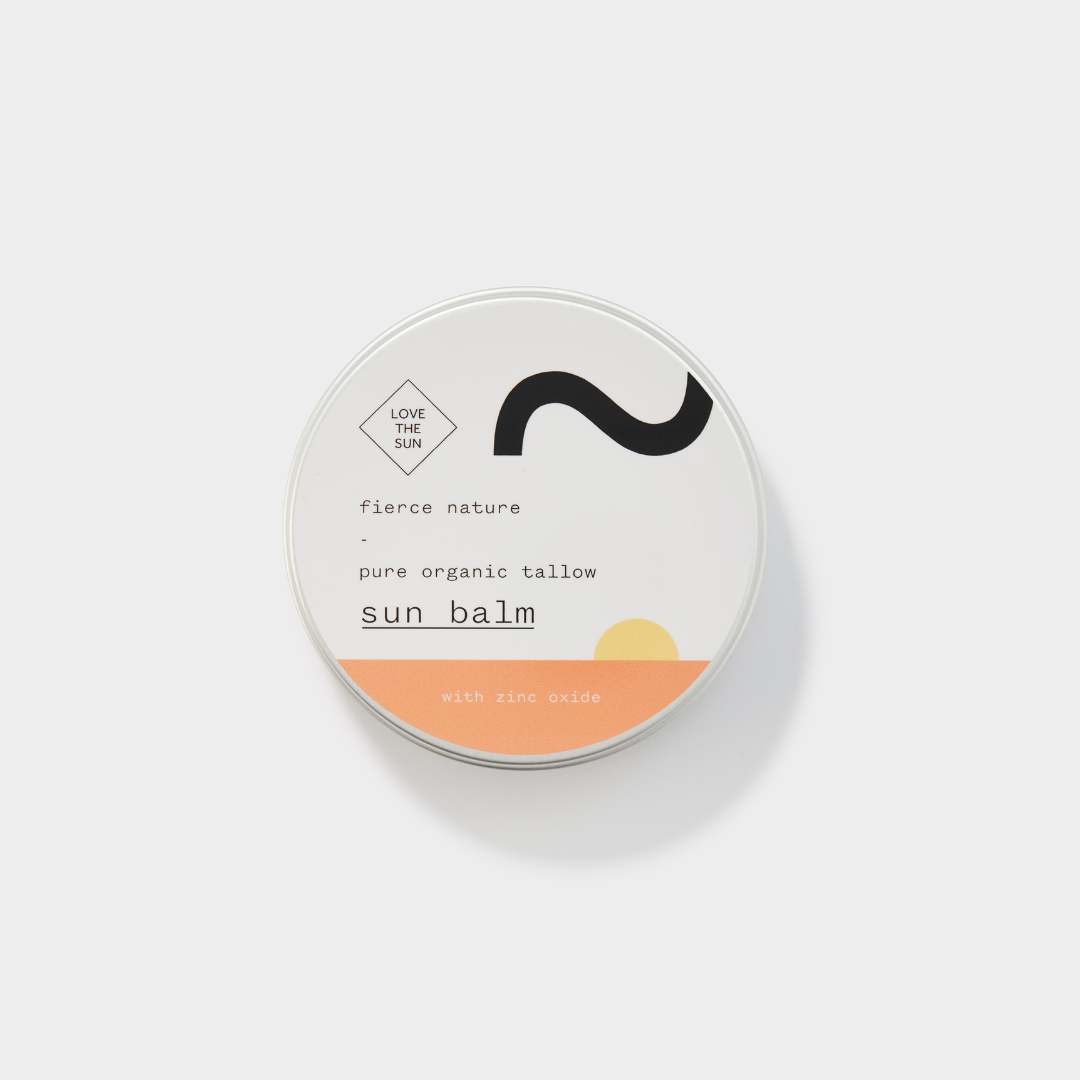
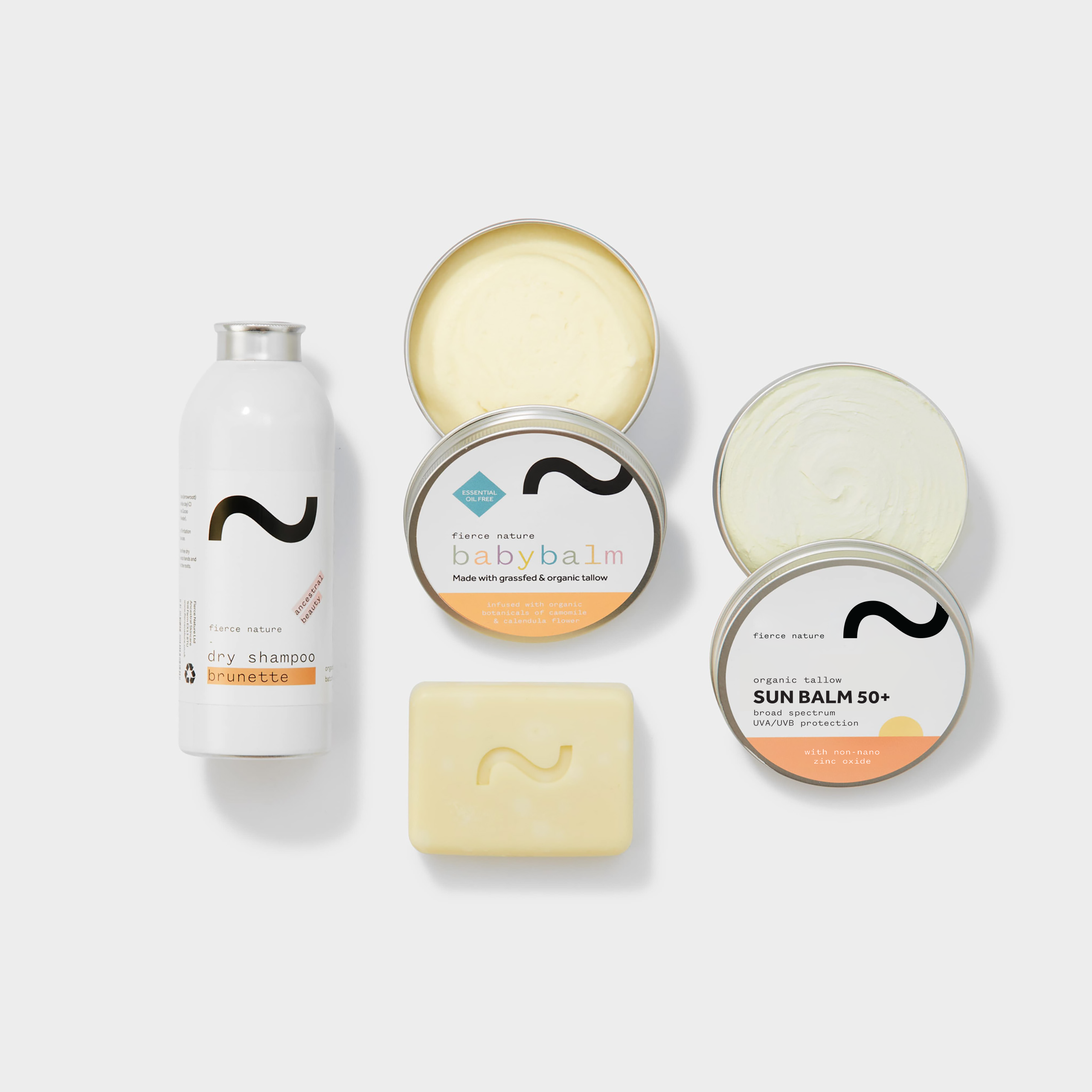
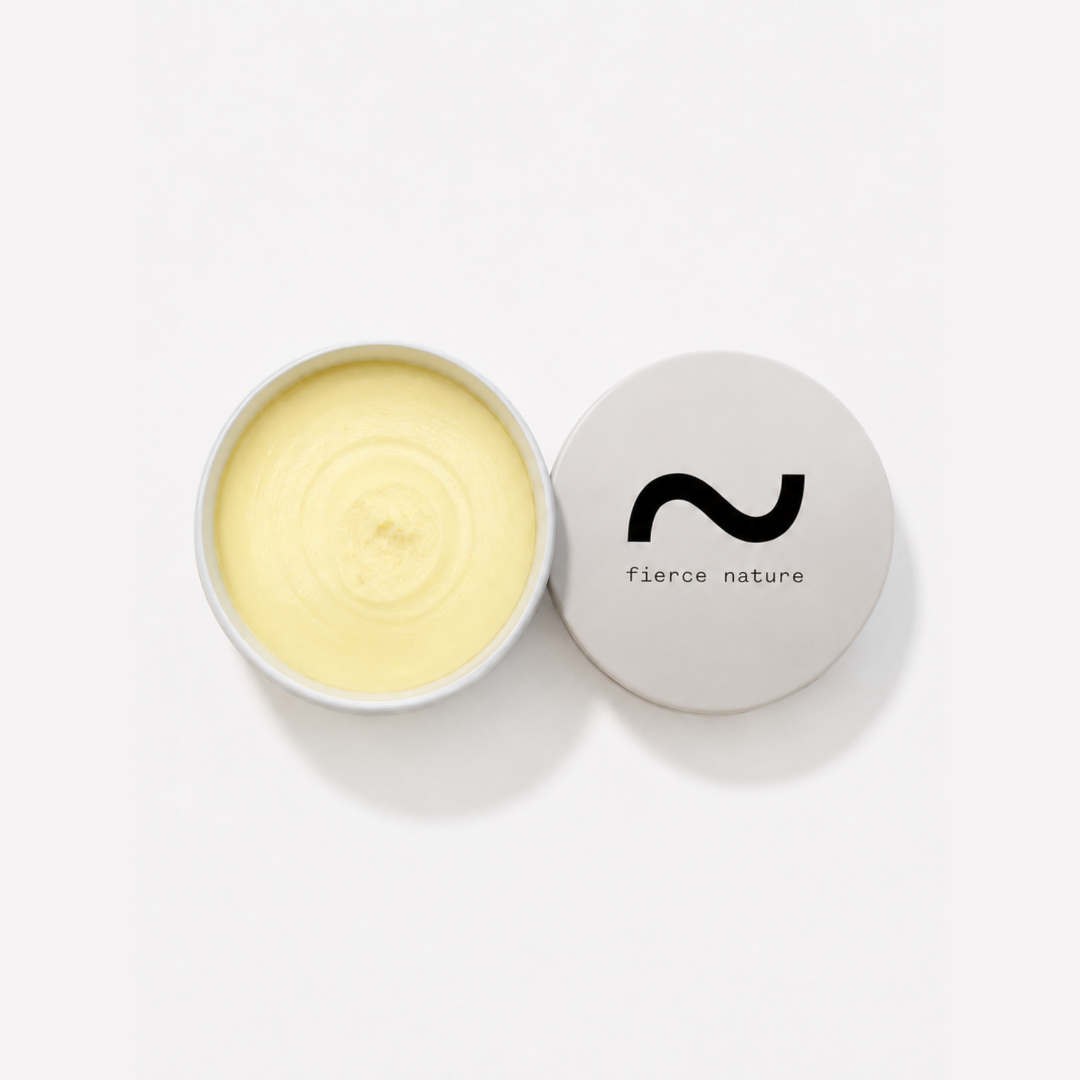
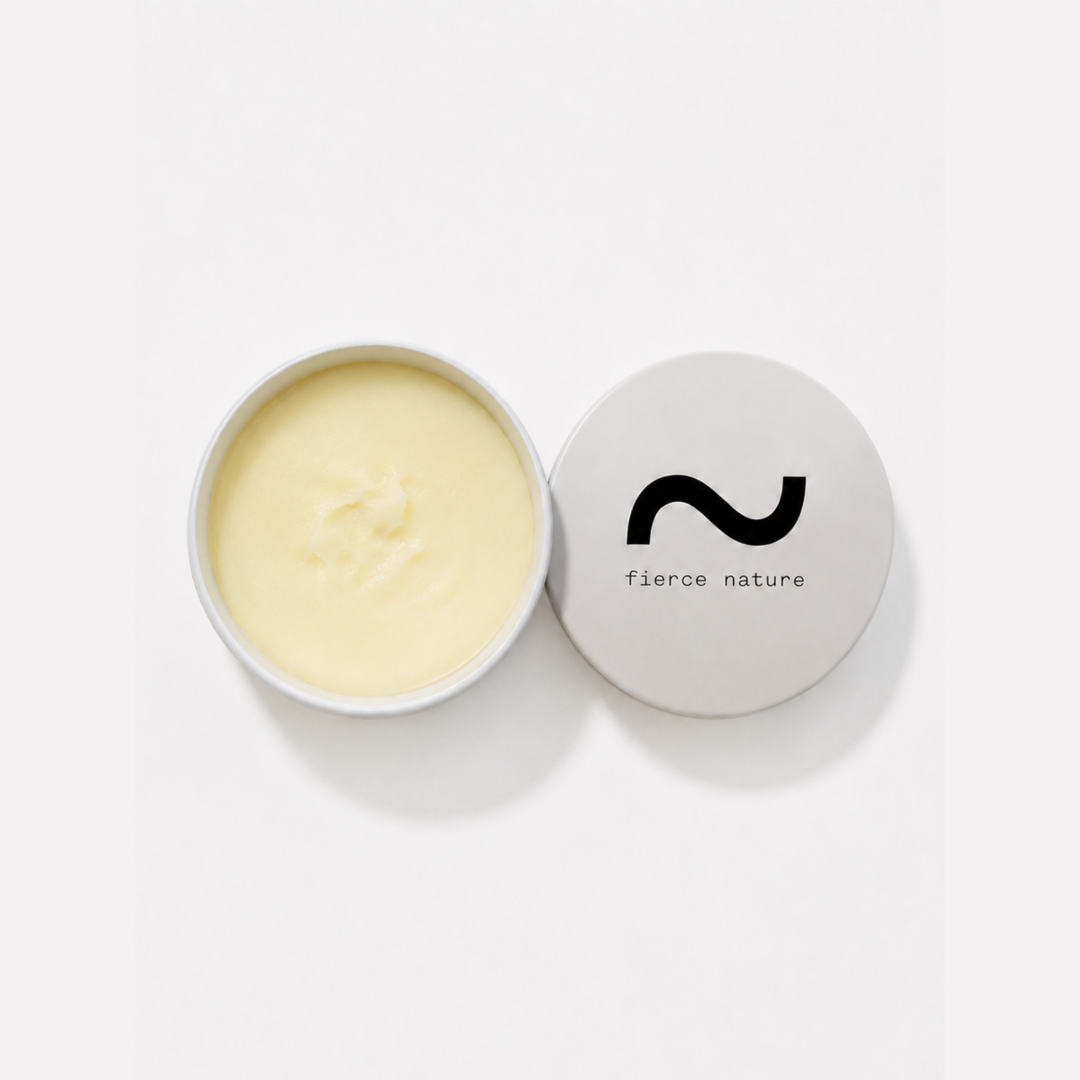
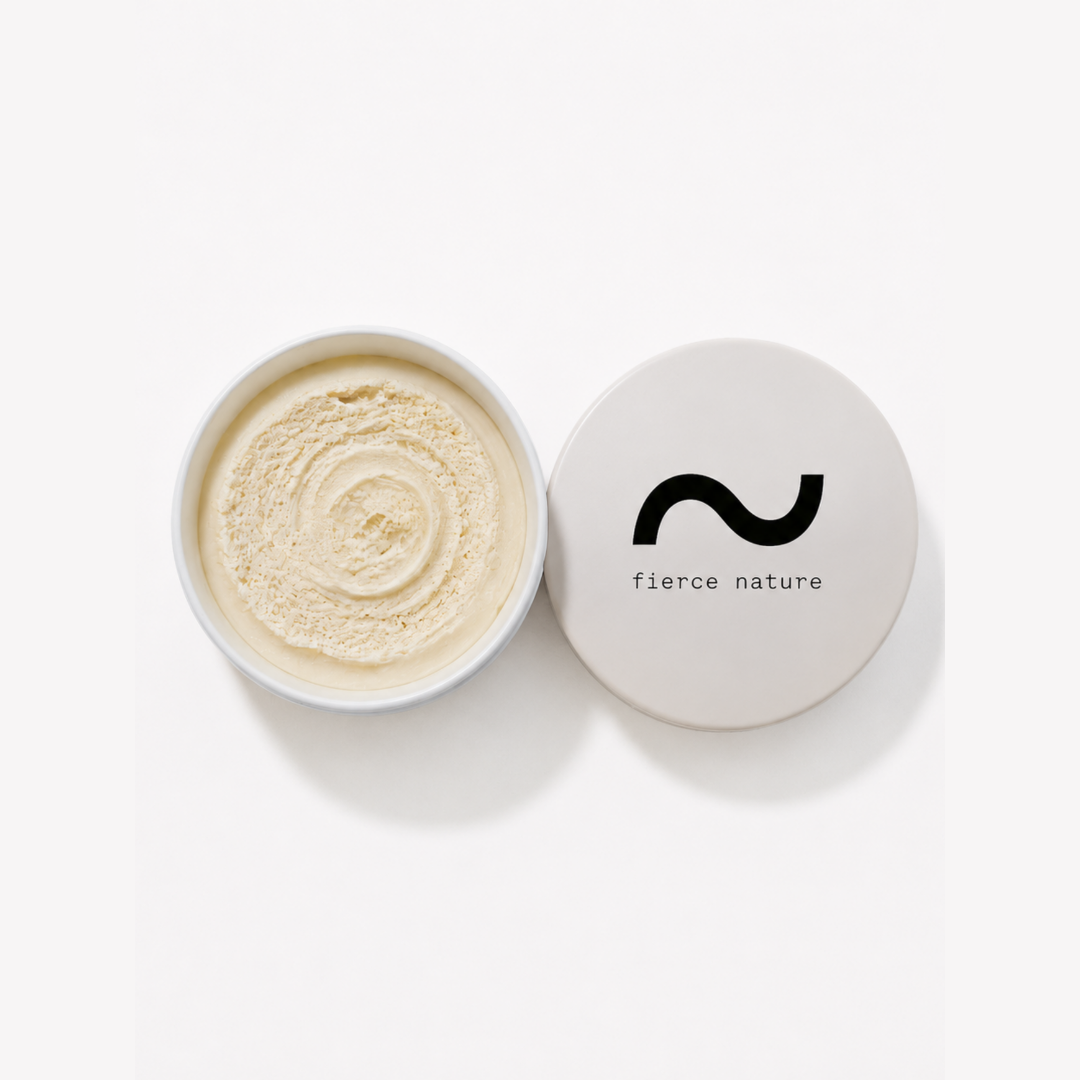

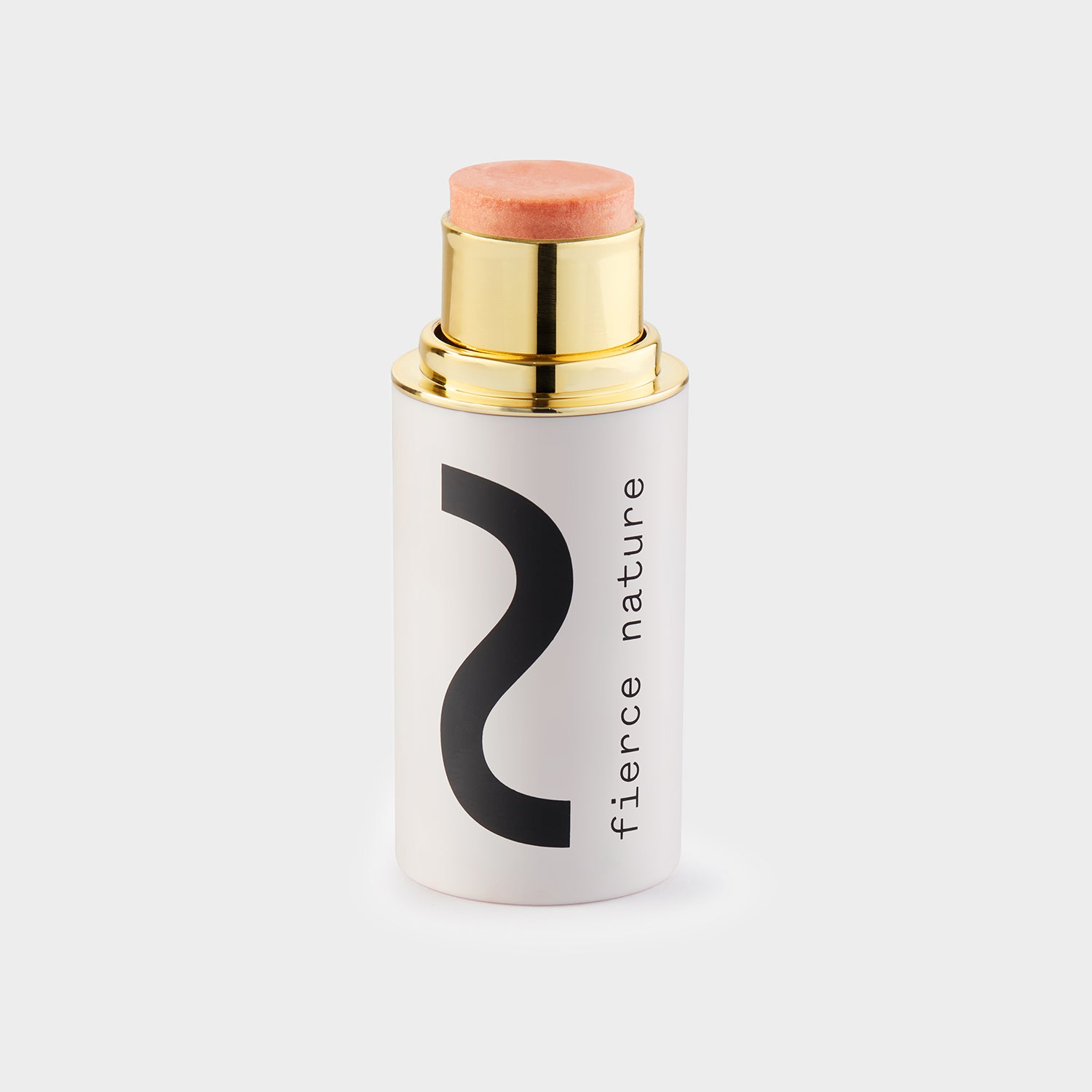
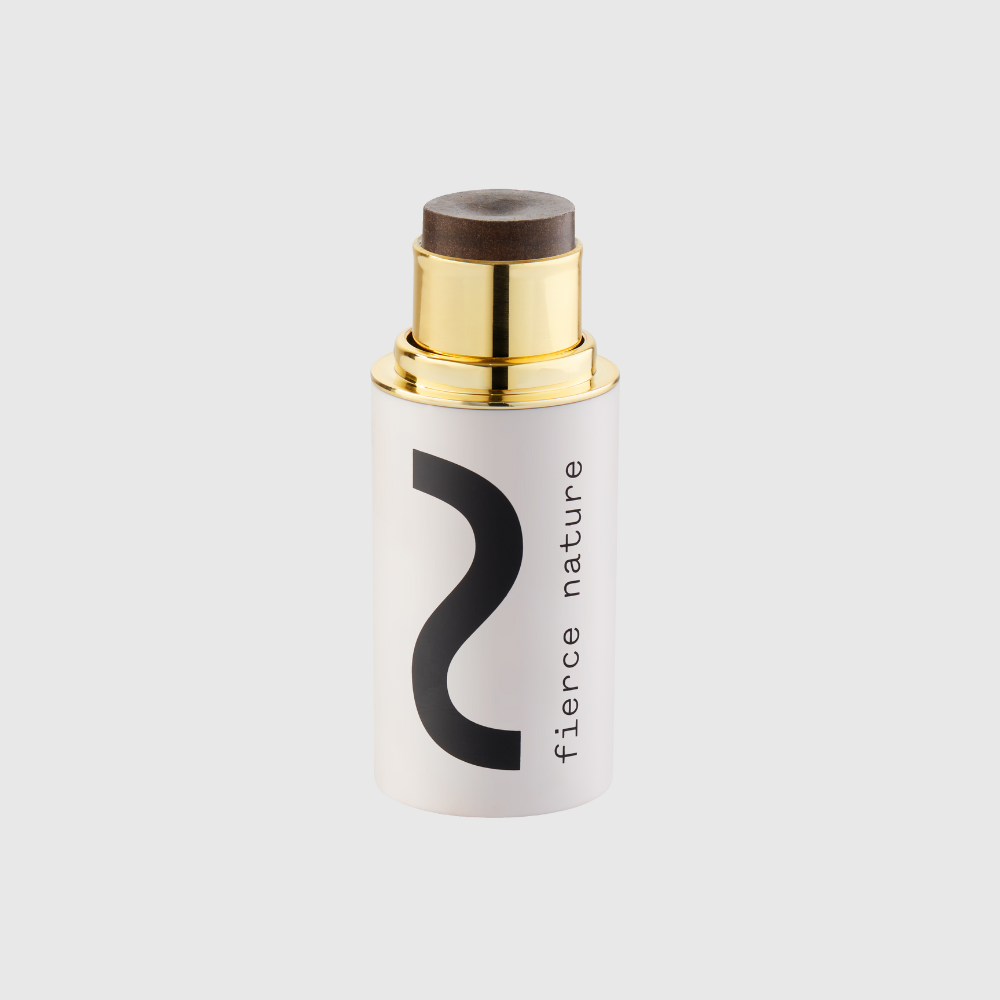
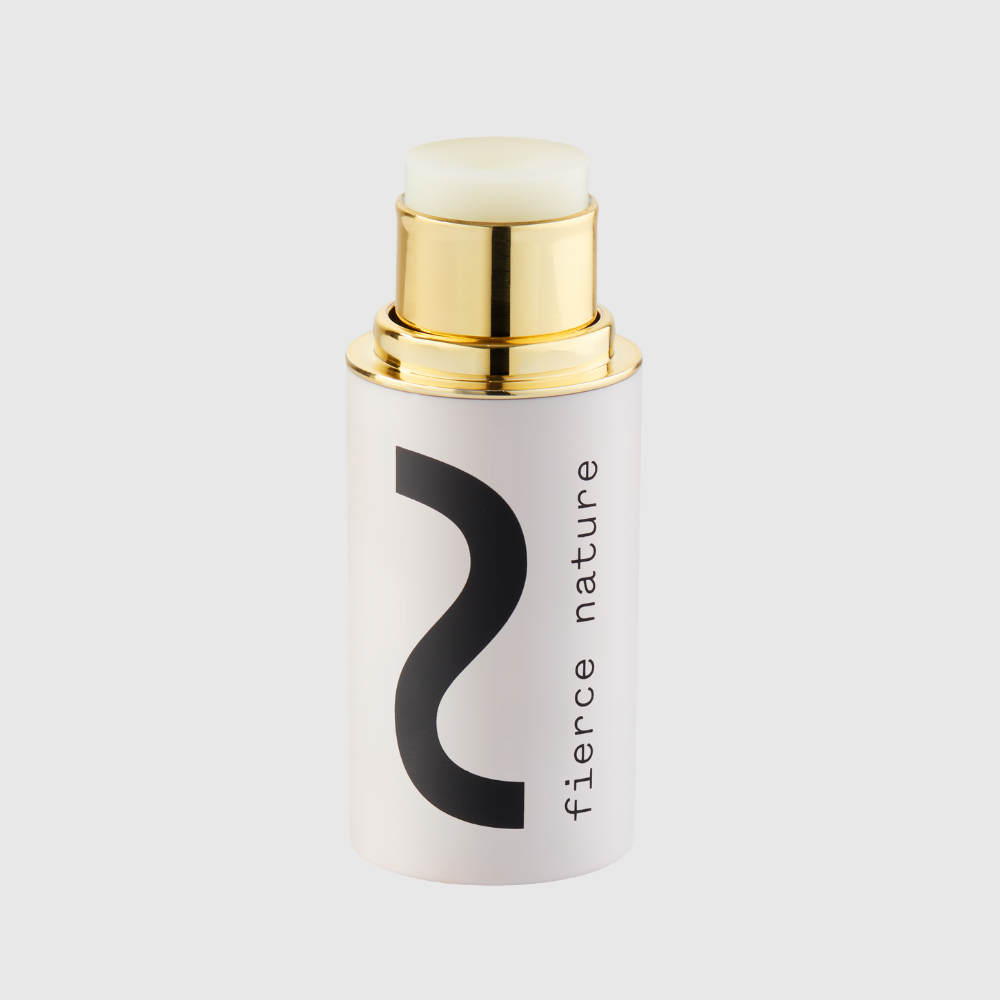
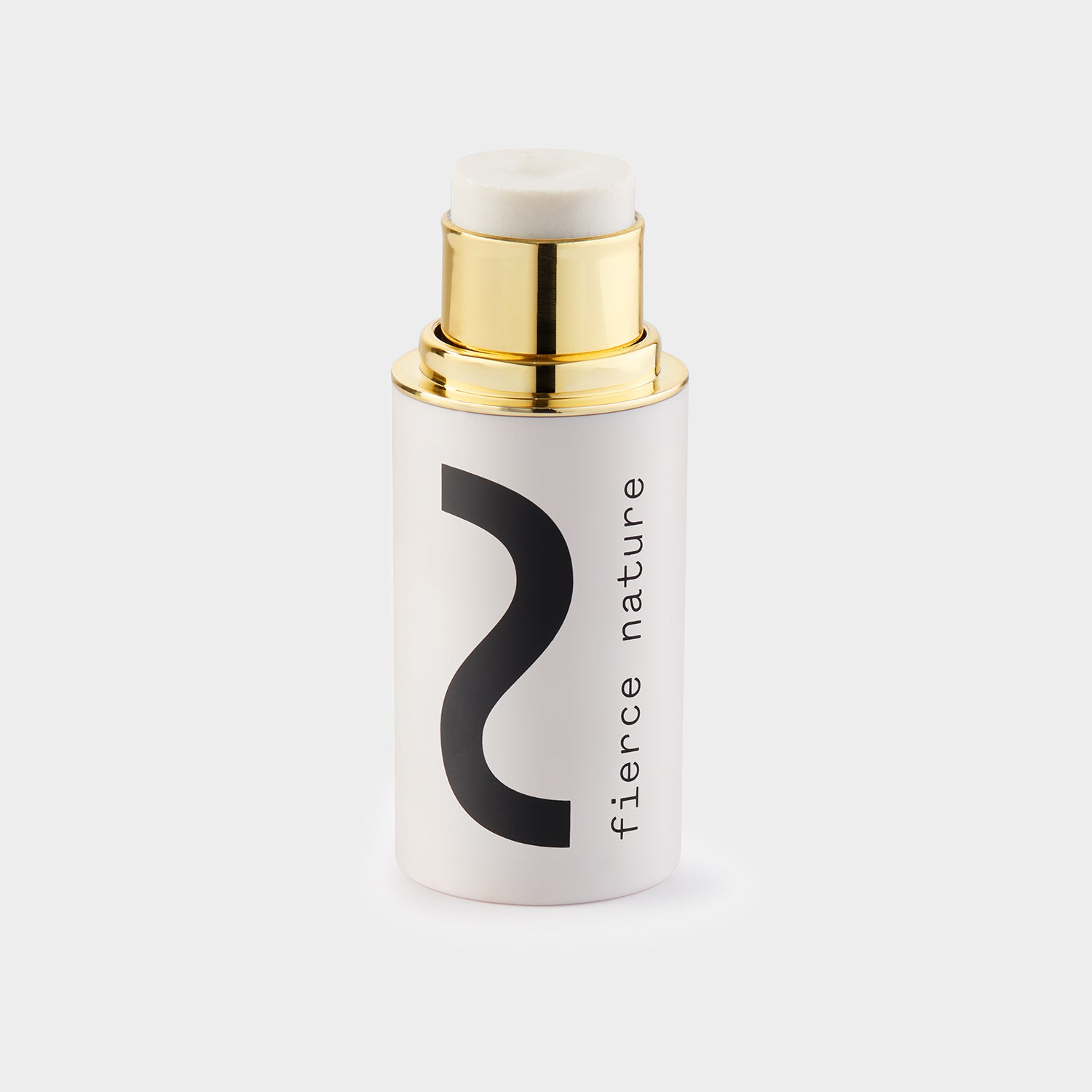
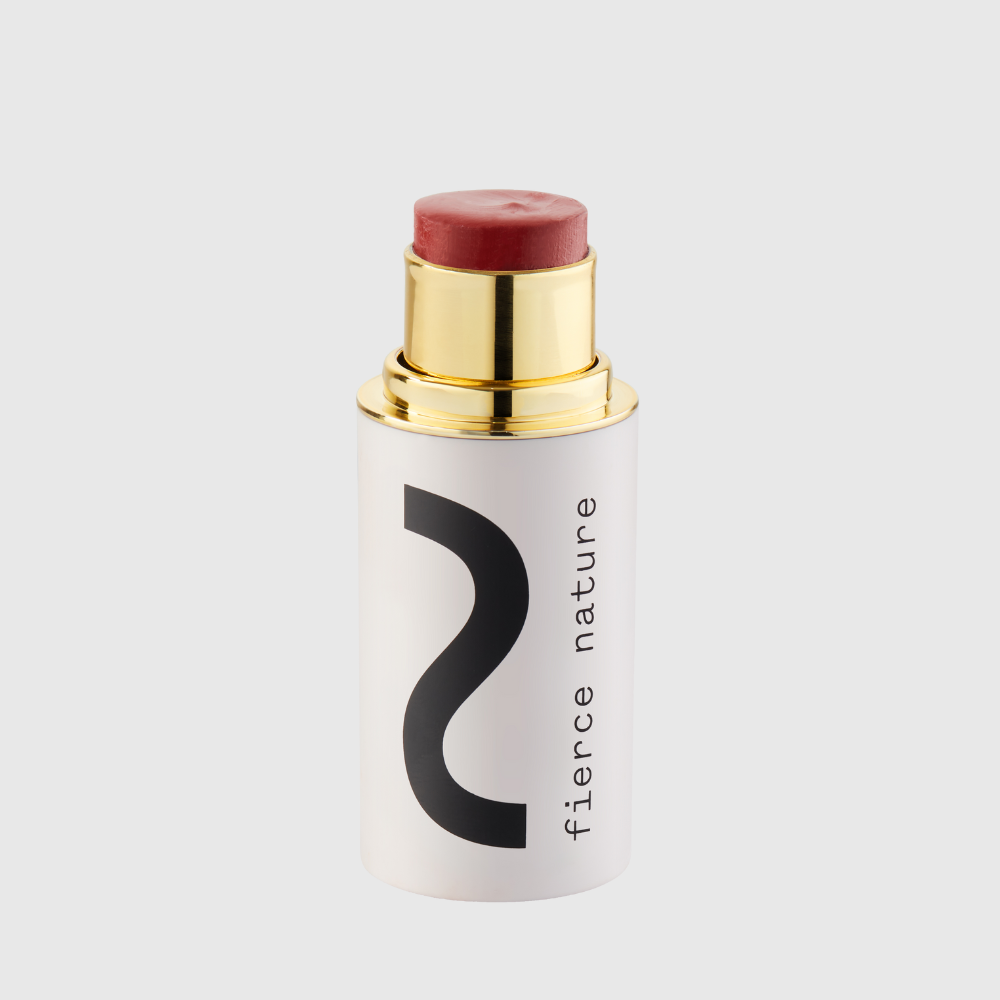
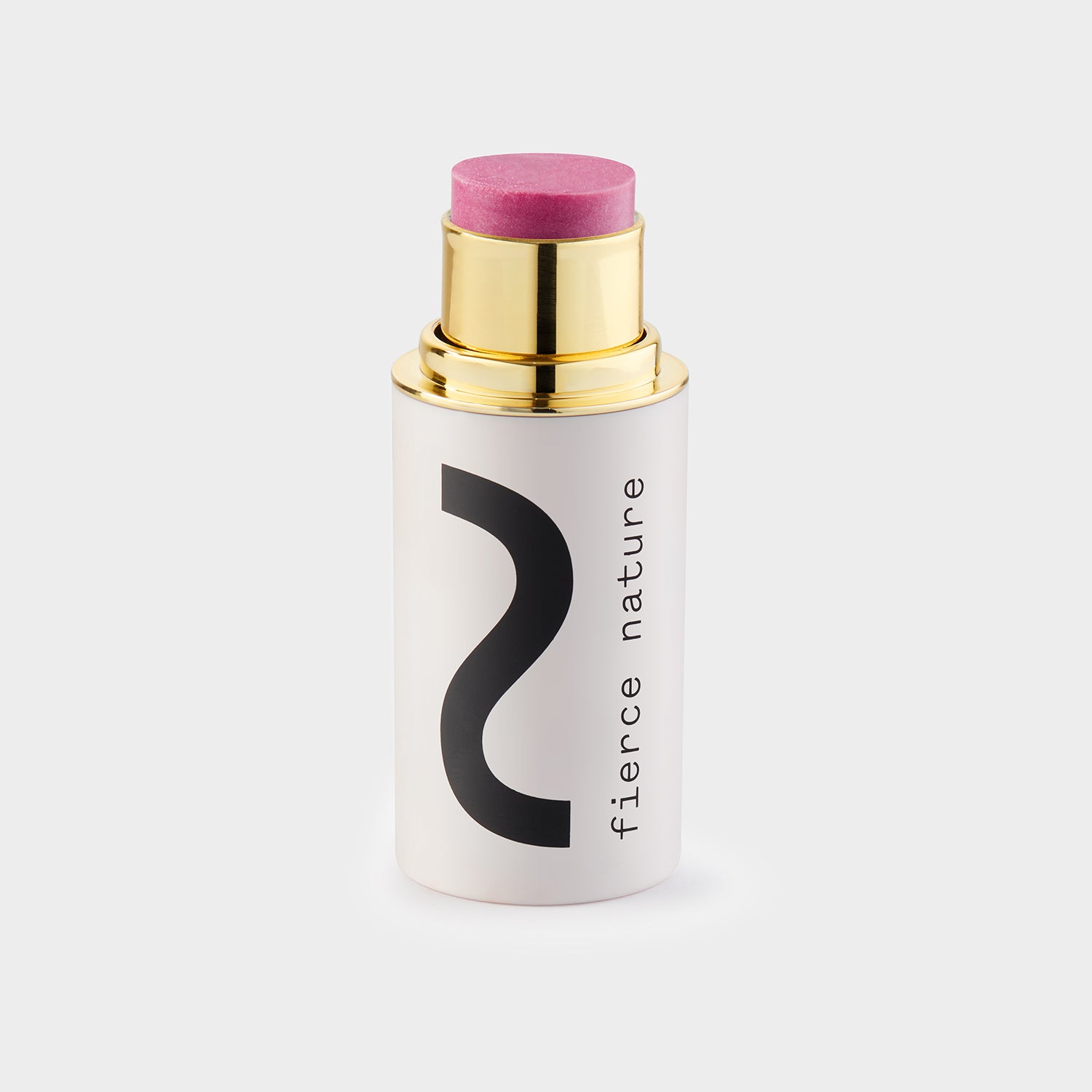
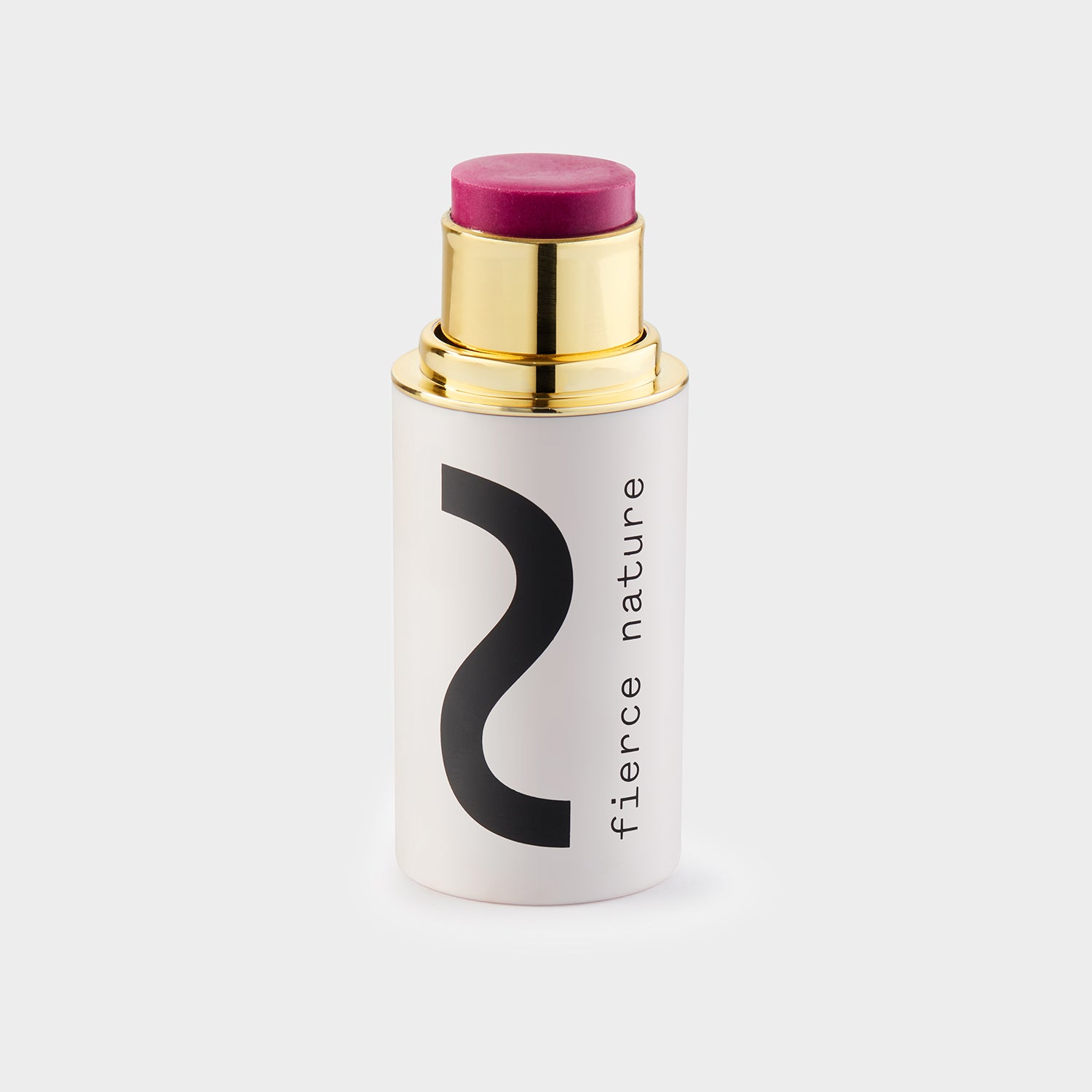
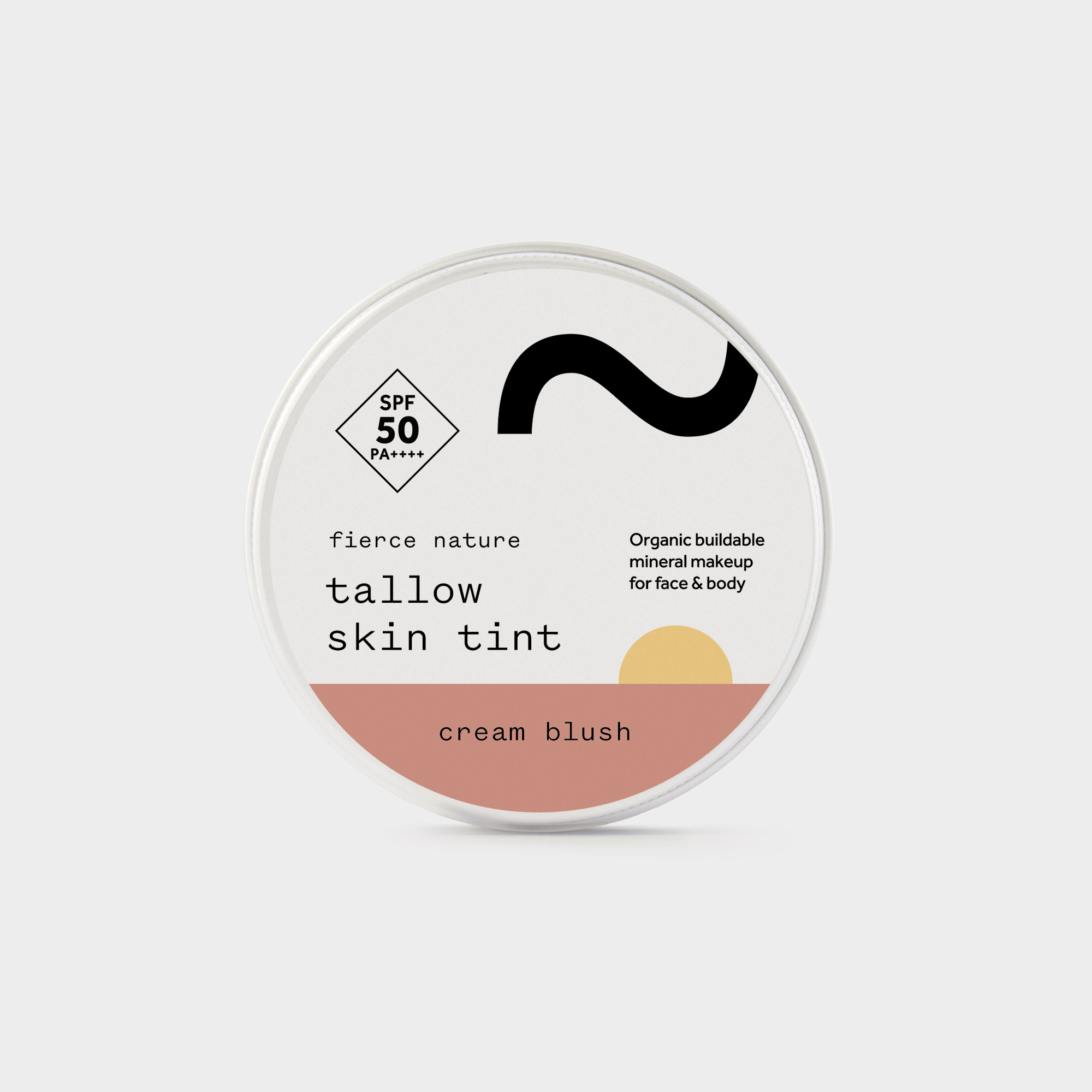




A detox face balm is an oil-based cleansing balm that dissolves makeup, excess sebum, and surface pollutants while protecting your skin barrier. The word “detox” here is a marketing term, not a medical one. Your liver and kidneys handle internal detoxification; what a balm actually does is remove external build-up from the skin’s surface, leaving it cleaner, calmer, and better nourished.
What it is: an oil-based cleanser that melts away makeup, sunscreen, and daily grime
What “detox” means: external cleansing and pore decongestion, not systemic detoxification
Who benefits: all skin types, including sensitive and combination, when the formula is chosen carefully
The real gain: a cleaner surface, a supported skin barrier, and a foundation for the rest of your routine
Why does your skin barrier matter, and how do balms support it?
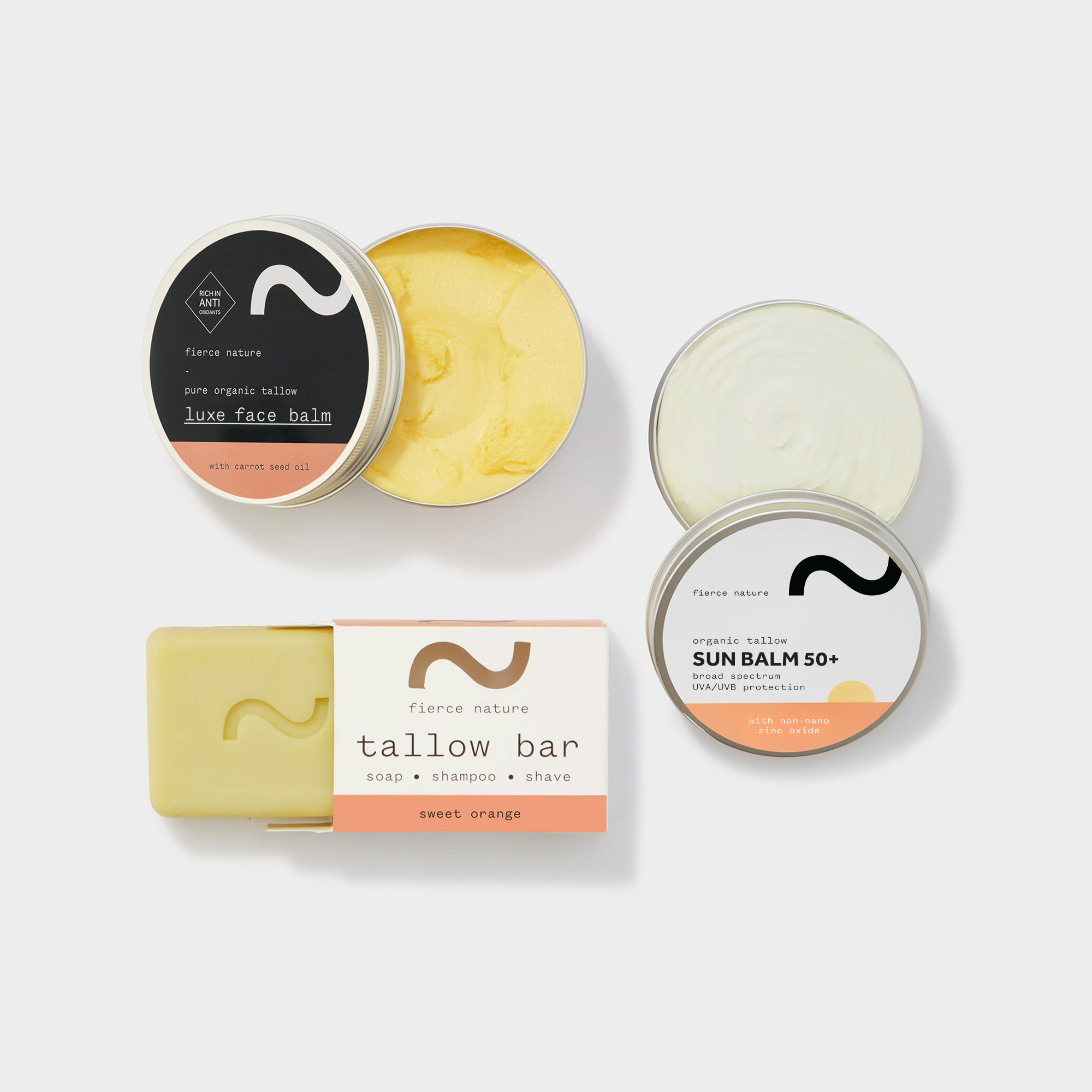
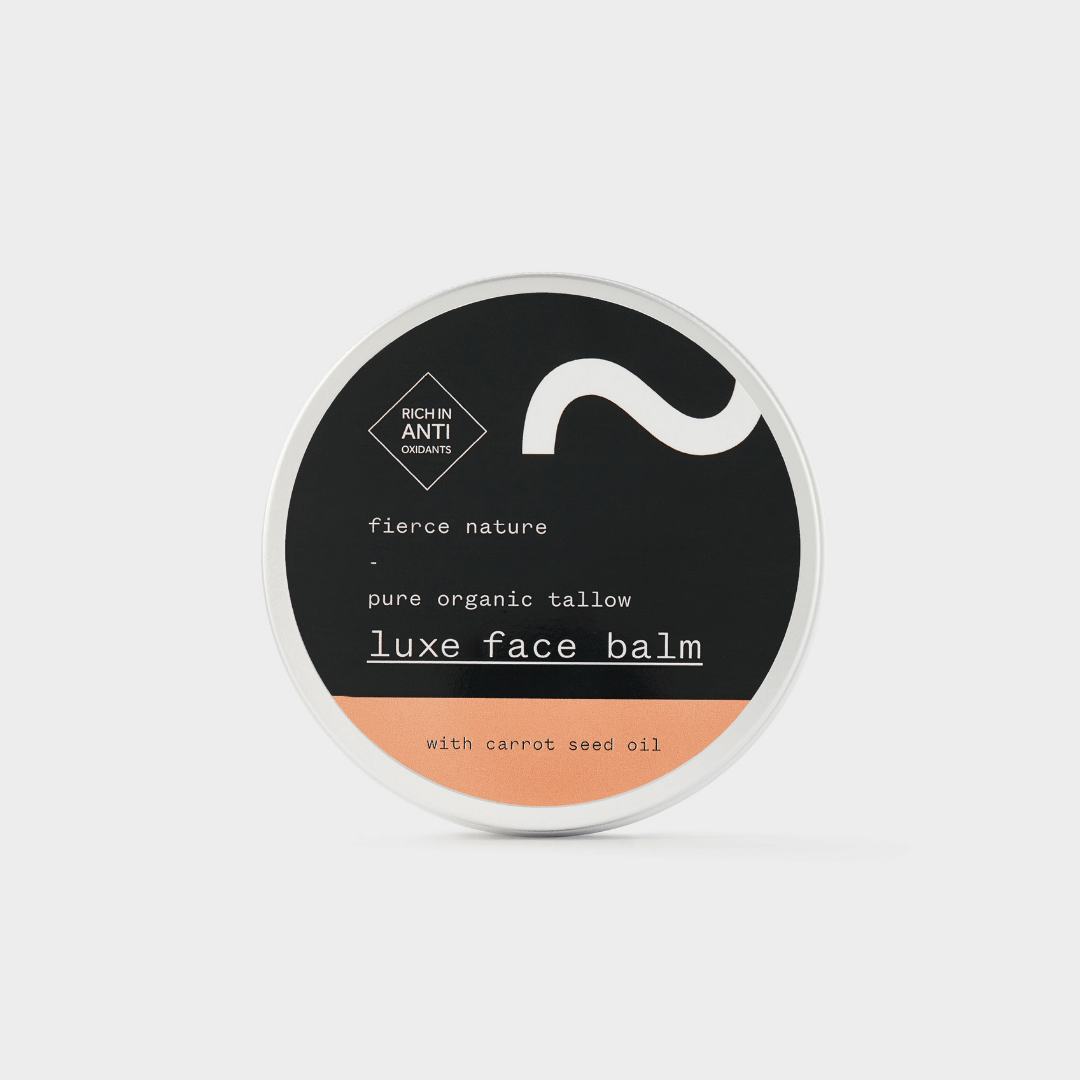
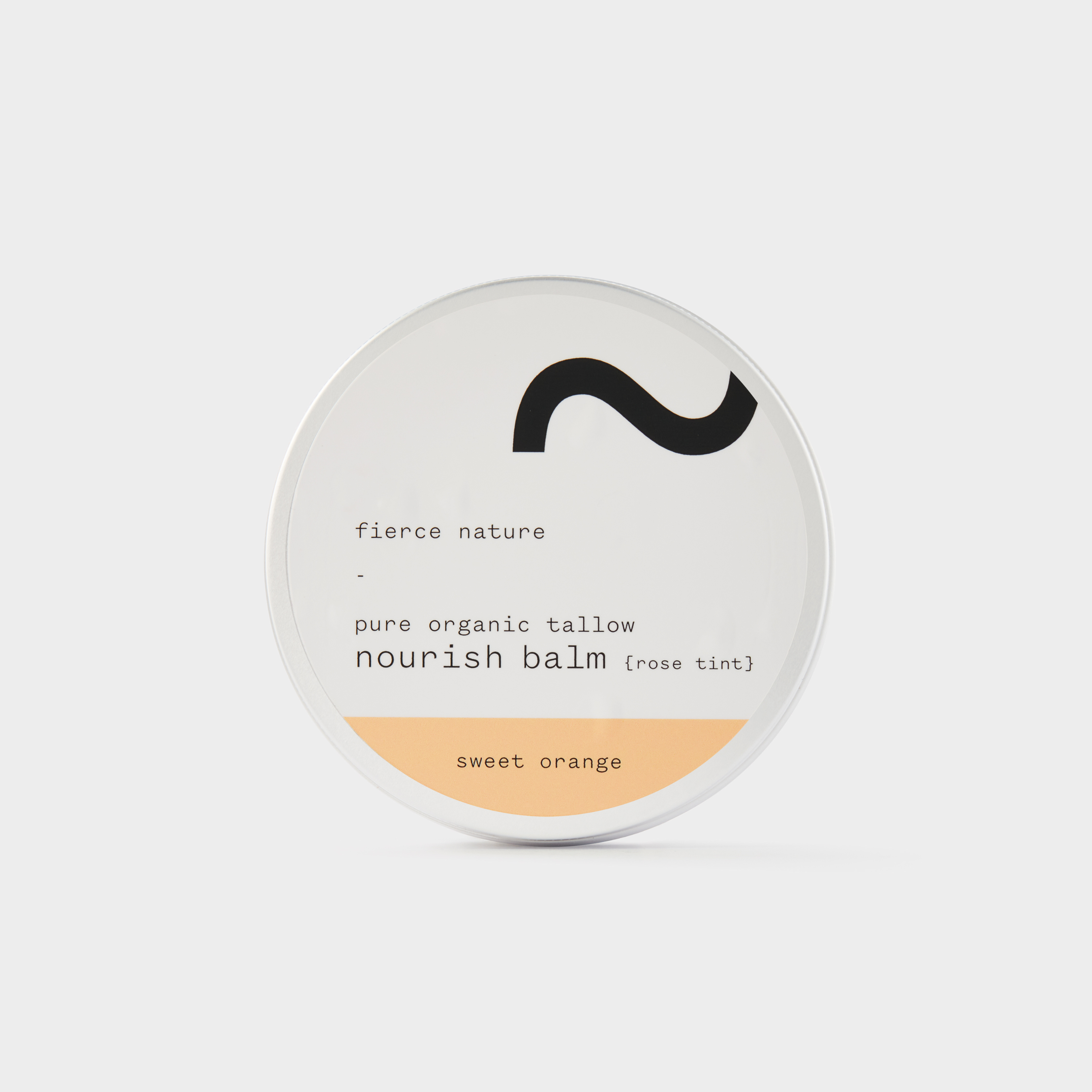
Fierce Nature’s Luxe Balm: barrier-friendly cleansing in one step
The mechanism is elegantly simple: oil dissolves oil. When you massage a balm onto dry skin, its carrier oils bind to oil-based makeup, sebum, and pollution particles through lipid affinity. Those substances lift away from the skin rather than being pushed deeper into pores.
After massaging for a short time, you add a small amount of warm water. The emulsifiers in the formula activate, turning the balm milky and allowing it to rinse cleanly away. That emulsification step is what separates a proper cleansing balm from a plain facial oil; without it, residue sits on the skin and can trap impurities rather than remove them.
Some detoxifying facial balms also include “drawing” actives such as activated charcoal or kaolin clay. These work on the skin surface through adsorption and absorption respectively, binding to excess sebum and environmental particles before the rinse. They do not pull toxins from inside your body; they attract surface-level debris during the cleansing window.
Dermatologists note that oil-based balms cleanse without stripping the skin barrier, making them well suited as the first step in a double-cleanse, particularly when you have been wearing oil-based makeup or SPF.
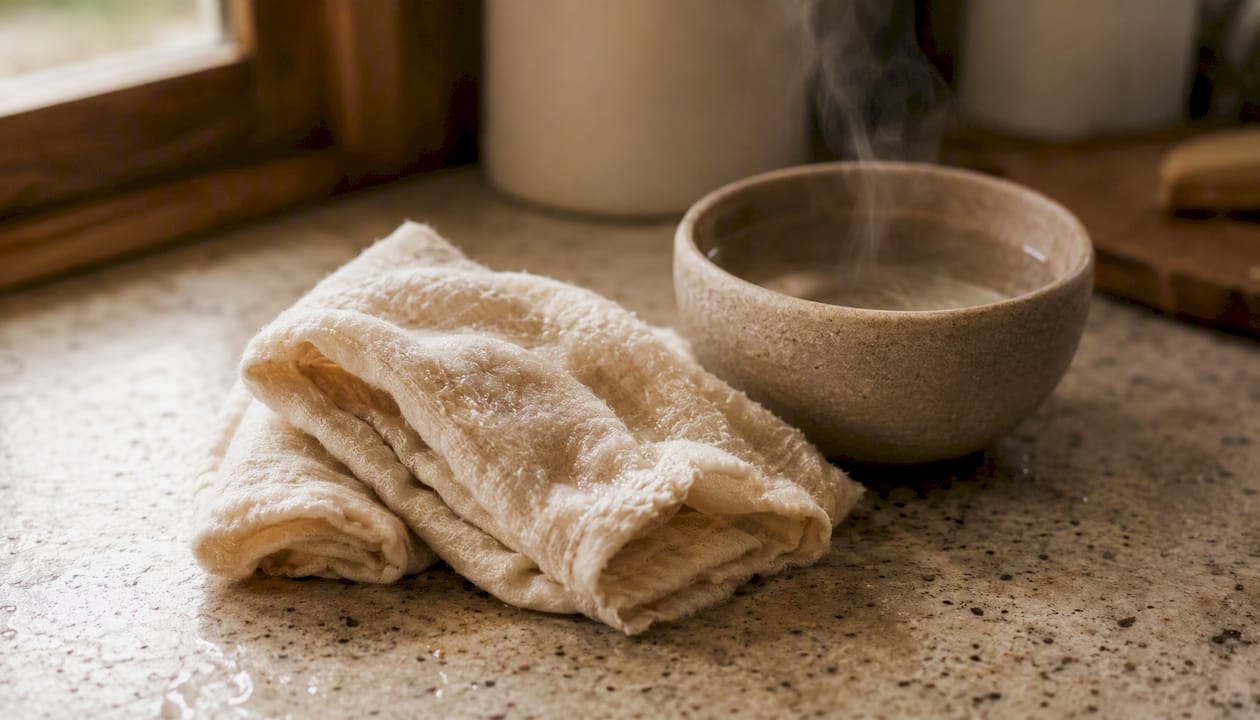
Pro Tip: Use a warm, damp muslin cloth to remove the emulsified balm. The gentle physical action loosens any remaining residue and provides mild exfoliation without irritating the skin.
Understanding the label helps you choose a formula that genuinely works with your skin rather than against it.
| Ingredient group | Role in the balm | Best suited to |
|---|---|---|
| Carrier oils and butters (e.g. jojoba, shea, tallow) | Dissolve oil-based makeup and sebum; replenish lipids | All skin types; tallow suits dry and sensitive skin |
| Emulsifiers (e.g. polysorbate 20, cetearyl olivate) | Allow the balm to rinse cleanly with water | All skin types |
| Activated charcoal | Adsorbs surface pollutants and excess sebum | Oily, combination, congested skin |
| Kaolin or bentonite clay | Absorbs surface sebum; mild drawing action | Oily and combination skin |
| Centella Asiatica (Cica) | Soothes, supports barrier repair, provides antioxidant protection | Sensitive, reactive, or post-cleanse skin |
| Antioxidant botanicals (e.g. rosehip, vitamin E) | Protect against free radical damage from pollution | All skin types, especially urban |
A few ingredients deserve a caution. Lanolin and coconut oil are effective emollients but can be comedogenic for some acne-prone skin types. If your skin breaks out easily, look for non-comedogenic bases such as jojoba, hemp seed oil, or a nutrient-dense tallow alternative. Synthetic fragrances are another common irritant; for sensitive skin, an unscented or naturally scented formula is the safer choice.
Formulators often pair absorbent clays with emollient butters deliberately, so the balm draws surface impurities while simultaneously replenishing the lipids it removes. Some natural formulations carry COSMOS or Soil Association certification, which signals ingredient provenance for UK shoppers who want verified natural sourcing.
| Skin type | Suitability | Key consideration |
|---|---|---|
| Dry | Excellent | Choose a rich, emollient base; tallow or shea-heavy formulas are deeply nourishing |
| Normal | Excellent | Most formulas suit; look for a balanced oil-to-emulsifier ratio |
| Combination | Good | A formula with light clay content helps manage the T-zone without drying cheeks |
| Oily | Good | Charcoal or kaolin actives help; follow with a water-based second cleanse |
| Sensitive | Good with care | Avoid synthetic fragrance and lanolin; patch test first; choose unscented options |
| Acne-prone | Use with caution | Avoid coconut oil and lanolin; non-comedogenic base oils are important |
Patch testing is always worth doing before committing to a new balm. Apply a small amount to the inside of your wrist or behind your ear for 24 hours. If you notice redness, itching, or breakouts, the formula likely contains an ingredient your skin reacts to.
For oily skin, using a detox balm every evening is appropriate. For dry or sensitive skin, every evening is fine too, though some people find every other evening sufficient during winter months when the skin barrier is more vulnerable. Morning cleansing with a balm is generally unnecessary unless you use a heavy overnight treatment.
Pro Tip: If you are acne-prone, check the comedogenic rating of every oil in the formula. Jojoba, hemp seed, and rosehip all rate low; coconut oil and cocoa butter rate high. A pores-friendly tallow-based formula can offer deep nourishment without the comedogenic risk.
The skin barrier, specifically the outermost layer called the stratum corneum, is a lipid-rich matrix that keeps moisture in and irritants out. Beneath it, the acid mantle (a slightly acidic film of sebum and sweat) maintains the pH environment that healthy skin needs. Disrupt either, and you create the conditions for dryness, sensitivity, and reactive skin.
Harsh foaming cleansers with high-pH surfactants strip both the lipid matrix and the acid mantle with repeated use. Oil-based balms work differently: they replenish lipids as they cleanse, leaving the barrier intact rather than depleted.
A tallow-based formula takes this a step further. Tallow’s fatty acid profile closely mirrors the lipids naturally present in human skin, which is why it absorbs so readily and feels nourishing rather than occlusive. This bioavailability means the skin receives genuine nourishment during the cleansing step itself, not just surface lubrication. Our tallow soap guide explains this in more detail.
Pro Tip: After cleansing with a balm, apply your serum or treatment while your skin is still slightly damp. A supported barrier absorbs active ingredients more effectively than a stripped one.
A detox face balm is an oil-based cleanser that removes surface impurities through lipid affinity and emulsification; “detox” refers to external cleansing, not internal detoxification.
| Point | Details |
|---|---|
| Definition | A detox face balm is an oil-based cleanser that dissolves makeup, sebum, and surface pollutants. |
| “Detox” is external | The term describes surface cleansing only; no topical product detoxifies the body internally. |
| Key actives | Charcoal adsorbs surface sebum; kaolin absorbs excess oil; Centella Asiatica soothes and supports the barrier. |
| Correct technique | Apply to dry skin, massage for 60 seconds, emulsify with water, remove with a warm cloth. |
| Fierce Nature approach | The Luxe Balm uses a tallow-based formula for deep nourishment and barrier support without synthetic irritants. |
The beauty industry has spent decades selling the idea that clean skin means squeaky-clean skin, that tight, stripped feeling after a foaming wash. We disagree with that entirely.
Skin that has been stripped of its natural lipids is not clean in any meaningful sense. It is compromised. It overproduces sebum to compensate, becomes reactive to the treatments you apply afterwards, and ages faster because the barrier cannot do its job. The “detox” trend in skincare is, at its best, a correction to that stripping culture. It acknowledges that cleansing should nourish as it purifies.
What we find most telling is how rarely mainstream beauty brands explain the mechanism behind their “detox” claims. Charcoal is added for its visual drama as much as its function. Clay is included because it photographs well as a thick, luxurious texture. The ingredients that genuinely support the skin, the lipid-compatible carrier oils, the barrier-restoring fatty acids, the soothing botanicals, are often the ones listed last.
At Fierce Nature, we start from the opposite end. The base is the point. Organic tallow, with its fatty acid profile that mirrors your own skin’s lipids, is not a carrier for the “active” ingredients. It is the active ingredient. Everything else, the botanicals, the clays, the antioxidants, supports and extends what the base already does naturally. That is what barrier-first cleansing actually looks like.
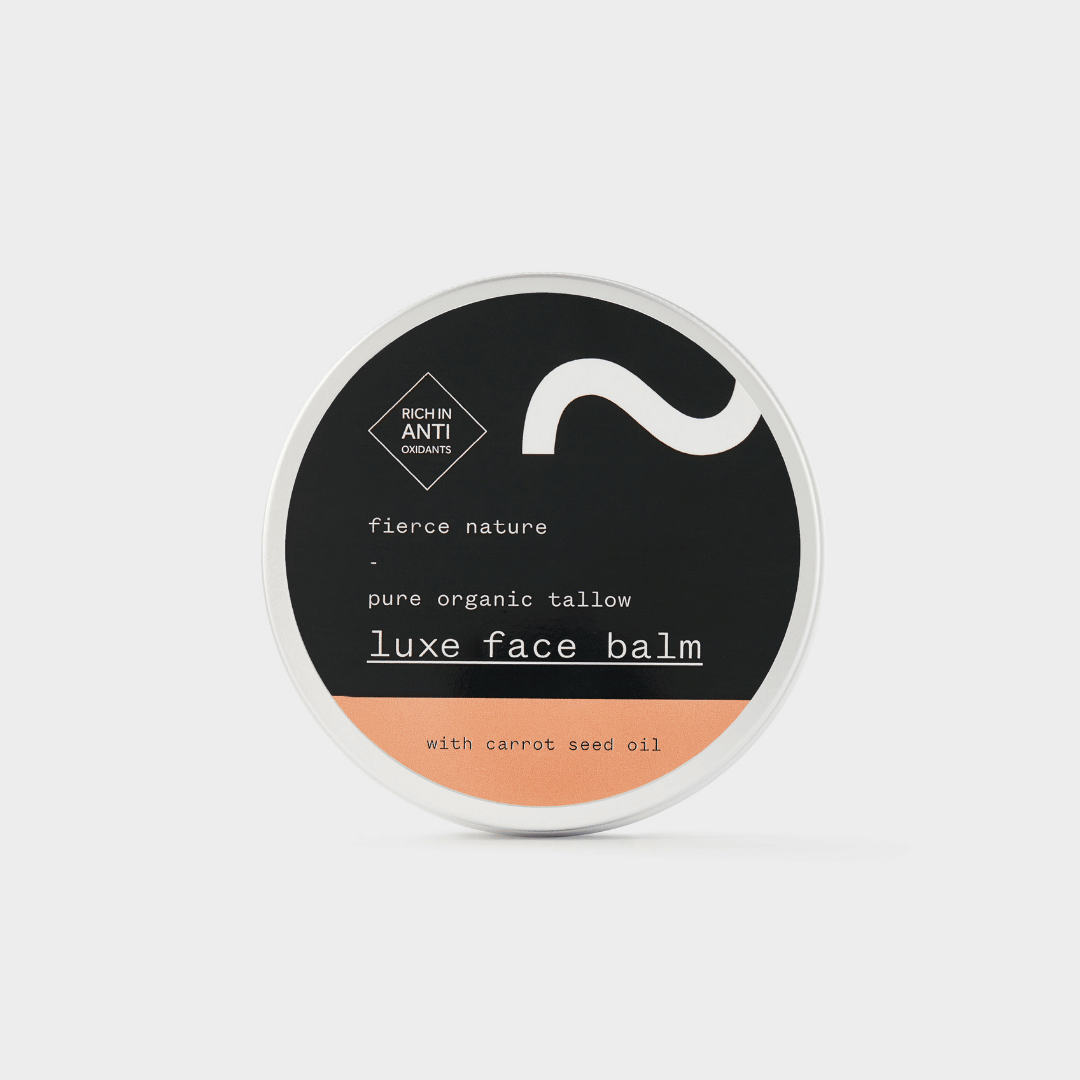
If this article has clarified what to look for in a detox face balm, the Luxe Balm from Fierce Nature is a natural next step. Handmade in the UK with an organic tallow base, it delivers the lipid replenishment and gentle cleansing that the article’s buying checklist calls for: no synthetic fragrance, no comedogenic fillers, and a nutrient-dense base that works with your skin’s own chemistry.
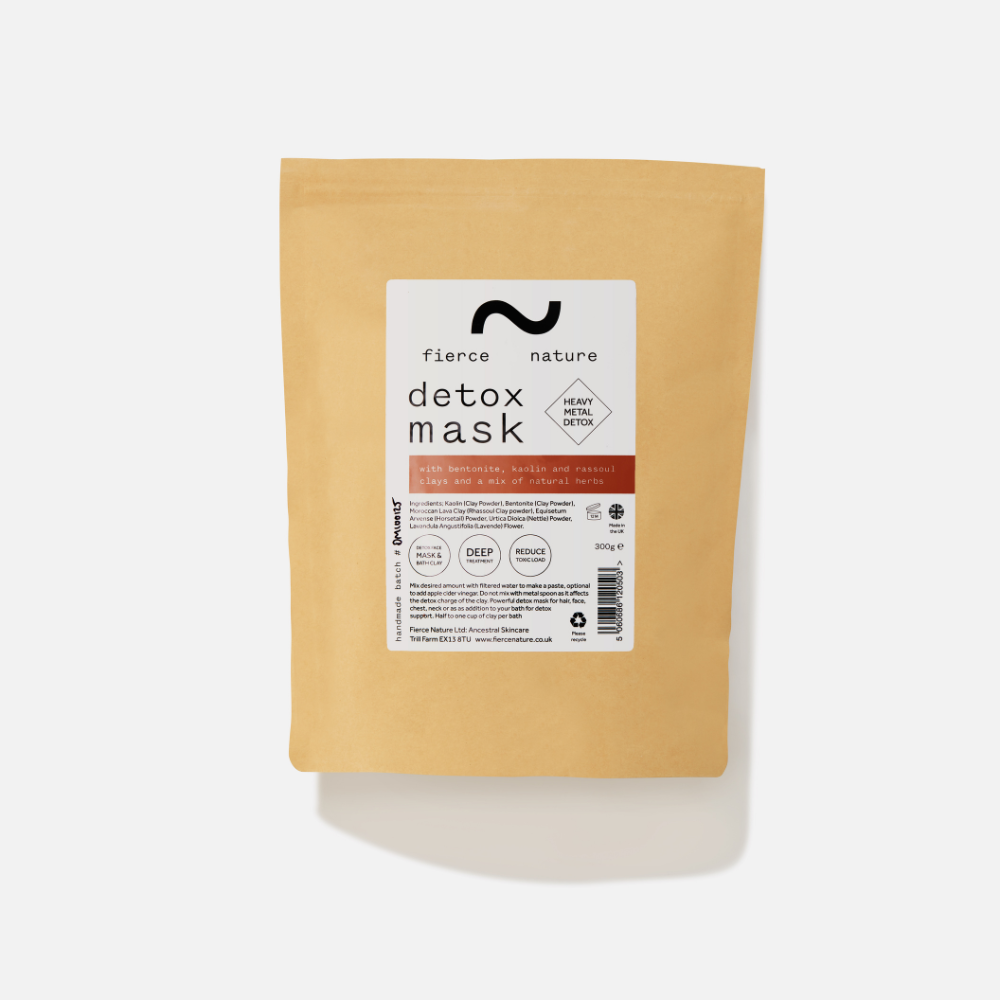
For those who want to go further with topical purification, the Detox Mask for Hair and Skin pairs clay-based drawing action with nourishing ingredients for a weekly treatment that complements your daily cleansing routine.
Browse the full range at Fierce Nature and find the formula that suits your skin.
| Source | Why it is useful |
|---|---|
| Byrdie: The Best Cleansing Balms, Tested and Reviewed | Dermatologist commentary on balm suitability and double-cleansing guidance |
| Provital blog: Detox Cleansing Balm formulation | Formulation detail on charcoal and Centella Asiatica pairing in detox balms |
| Omorovicza: Thermal Cleansing Balm | Practical removal technique and mud-infused balm ingredient context |
| Colonial Chemical Inc.: Detox Cleansing Balm | Formulation basics, drawing actives, and clay-butter pairing rationale |
| Glamour: Best Cleansing Balms | Consumer-facing review evidence for balm efficacy across skin types |
| Clinique: Nighttime Skin Detox Routine | Brand-level explanation of charcoal’s role in external pore detoxification |
Yes. Dermatologists recommend oil-based cleansing balms as a gentle, barrier-preserving option for most skin types, particularly as the first step in a double-cleanse for oily skin or as a standalone cleanser for dry and sensitive skin.
A cleansing balm is effective and gentle for the face because it dissolves makeup and sebum through lipid affinity without stripping the skin’s natural moisture barrier, unlike high-pH foaming cleansers.
You should always emulsify the balm with water and rinse thoroughly. If you wear heavy makeup or SPF, follow with a gentle water-based second cleanser; for dry or sensitive skin, a thorough rinse after emulsifying is usually sufficient.
No topical product removes toxins from inside the body; that is the role of the liver and kidneys. What a detoxifying facial balm does is cleanse the skin surface of makeup, sebum, and environmental pollutants, which supports a clearer, healthier complexion over time.
A detox face balm combines oil-based cleansing with drawing actives such as charcoal or clay, so it removes surface impurities while simultaneously replenishing the skin’s lipids, something a standard foaming cleanser does not do.


