Cart
0
You may also like
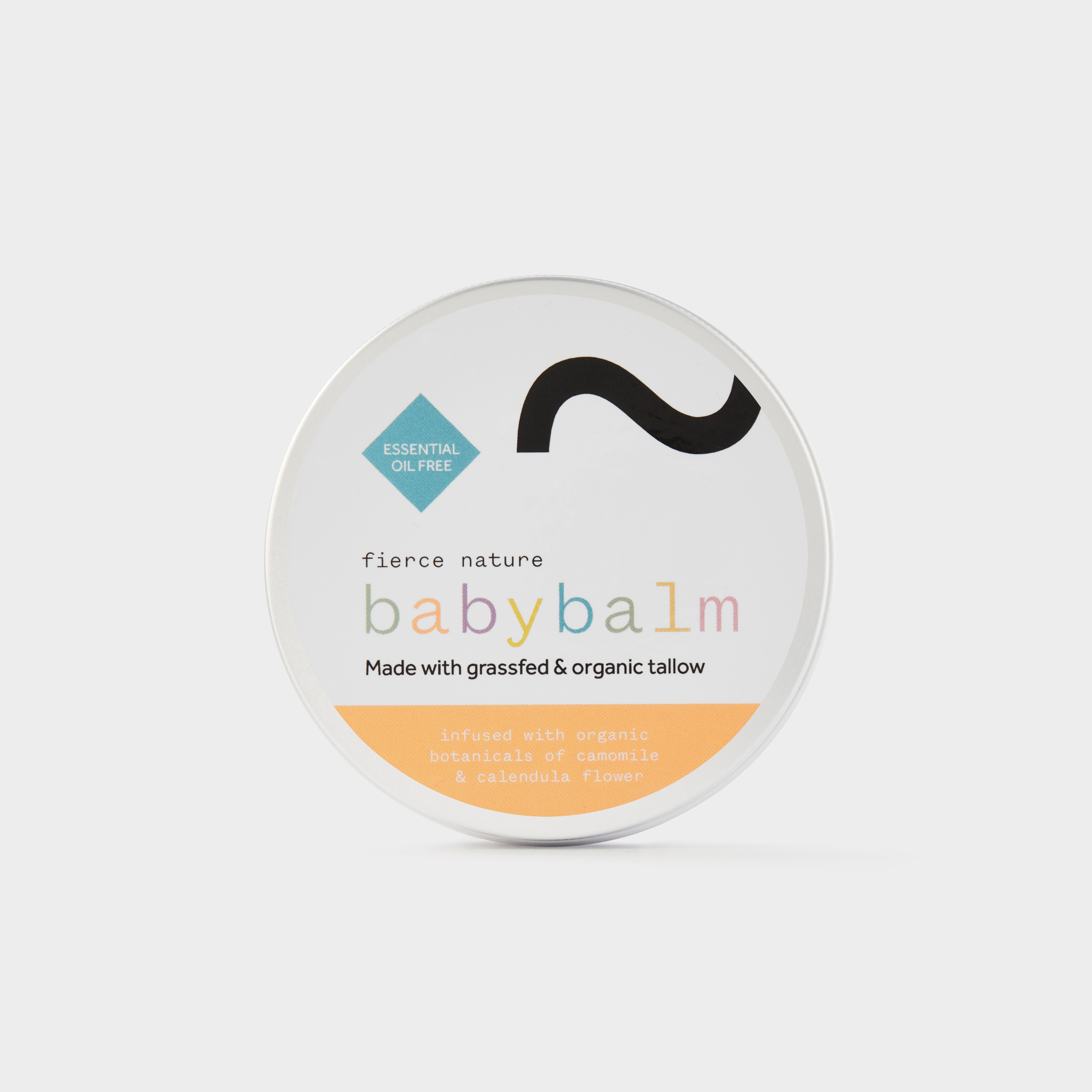
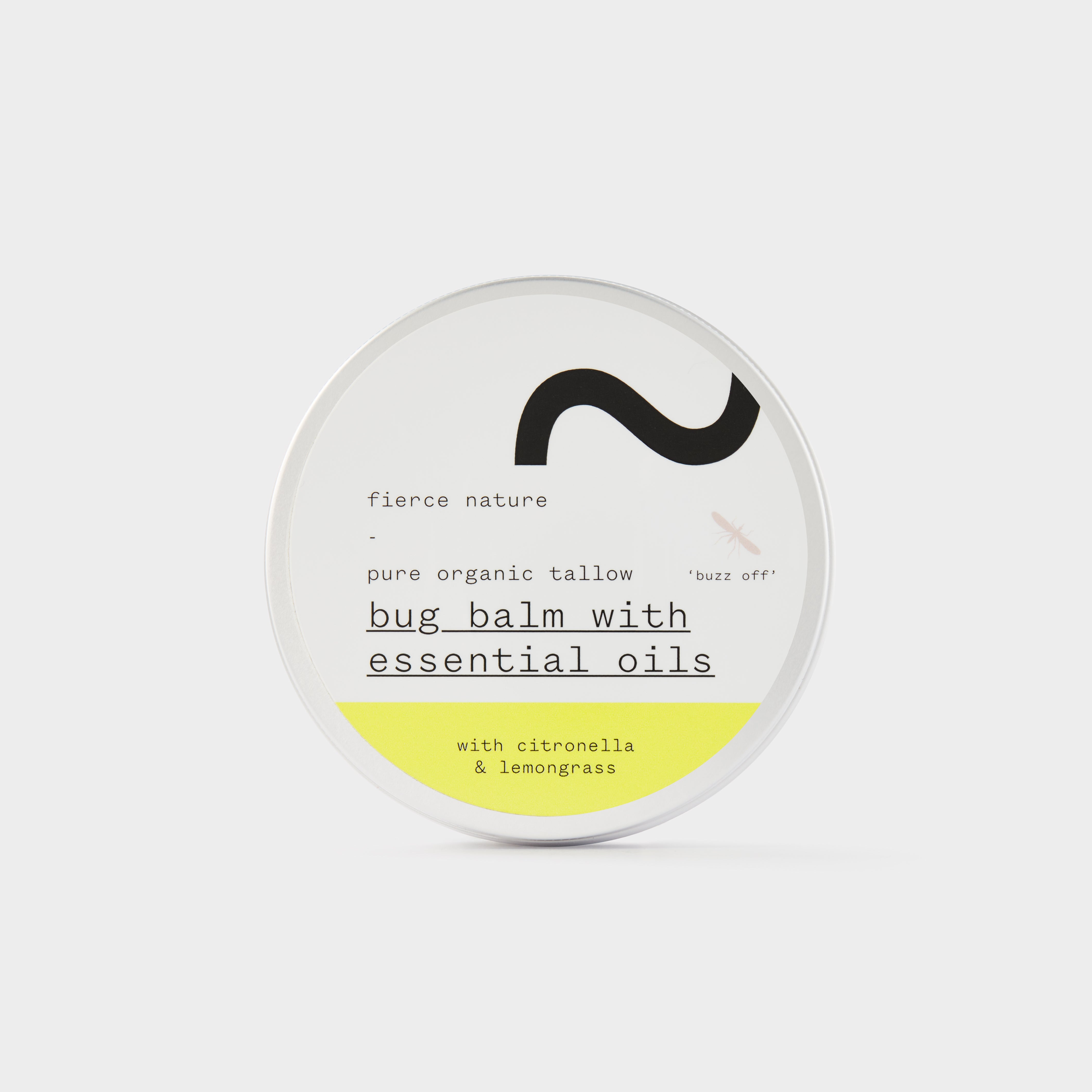



TL;DR:
- Using anhydrous balms and body butters in winter helps repair the skin barrier and provide deep nourishment. Lighter lotions or gel-oils in summer offer breathable hydration, while targeted balms soothe elbows, feet, and lips year-round. Proper application timing, ingredient knowledge, and choosing the right product for each season optimize skin health across the UK climate.
Use a rich, anhydrous balm or body butter in winter for barrier repair and deep nourishment; switch to a lightweight lotion or gel-oil in summer for breathable hydration; and keep a concentrated balm to hand year-round for targeted work on elbows, feet, and lips. The difference comes down to water content: anhydrous balms (no water at all) lock in moisture and reinforce the skin barrier, while water-based emulsions like lotions absorb quickly and feel lighter on warm skin.
Quick seasonal picks:
Winter: heavy balm or body butter (shea, tallow, cocoa butter base)
Summer: lightweight lotion, gel-cream, or fast-absorbing oil
Spring and autumn: medium-weight cream or a dry-finish plant oil
Targeted repair (any season): anhydrous balm on elbows, feet, knees, and lips
The ingredients list on a balm tells you far more than the marketing copy on the front. Knowing what each component does lets you choose by season and skin need rather than by packaging.
Key emollients and occlusives:
Humectants and hydrators often paired with balms:
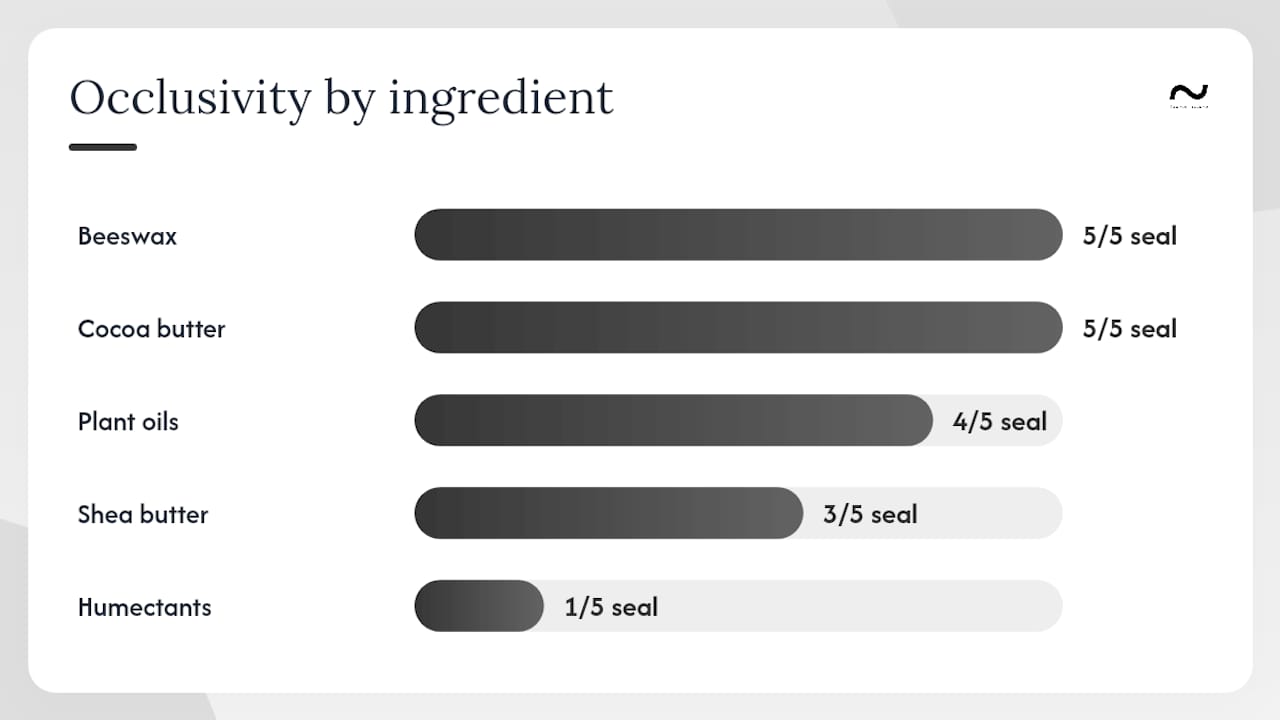
Essential fatty acids in tallow, shea, and plant oils support barrier function and cellular repair at a skin-compatible level. In the cold, wet UK winter, occlusives like beeswax and cocoa butter are the priority because they physically slow the moisture loss that central heating and cold winds accelerate. In summer, lighter emollients and humectants do the work without the heaviness.
Pro Tip: Pair a humectant (glycerin or hyaluronic acid serum) with a thin layer of balm on top. The humectant draws moisture in; the balm seals it there. This two-step approach is especially effective for dry patches in winter without needing a very thick application.
UK weather rarely behaves predictably, but the broad seasonal pattern is consistent enough to build a routine around. The principle is straightforward: cold, dry air strips the barrier; warm, humid air means the barrier needs less help.
This is when a rich, anhydrous balm earns its place. Central heating drops indoor humidity, and cold winds outside accelerate trans-epidermal water loss. Apply a body balm or butter immediately after showering, while skin is still slightly damp, so the balm seals in the residual moisture rather than just sitting on dry skin. Night-time is the best window for a full-body application because skin repair peaks during sleep.
Avoid applying heavy balms to breakout-prone areas like the upper back or chest if your skin tends to congestion. For those zones, a lighter cream or a non-comedogenic oil is a better fit.
These transitional months call for a medium-weight approach. Swap the heaviest butter for a cream or a fast-absorbing plant oil. You can also use this period to exfoliate gently (a sugar or oat scrub works well) before applying a lighter balm, which helps the product absorb rather than sit on a layer of dead skin cells.
Lighter, breathable hydration is the goal. A lotion, gel-cream, or dry-finish oil suits daily full-body use. Heavy balms are still useful in summer, but the approach changes: reduce frequency and volume, and reserve them for targeted barrier repair on sun-exposed or dehydrated zones rather than spreading them all over. Post-sun care is one of the best summer uses for a concentrated balm — it soothes and nourishes skin that has been stressed by UV exposure. For sun protection itself, a dedicated natural sun balm is the appropriate choice.
Hands, feet, elbows, knees, and lips benefit from a concentrated balm regardless of the time of year. These areas have fewer sebaceous glands and lose moisture faster. A small amount of balm on cracked heels at night, covered with cotton socks, can restore softness within a few days.
Seasonal application checklist:
Pro Tip: When you move from winter to spring, halve your balm application amount before switching to a lighter product entirely. Your skin adjusts gradually, and a sudden switch to a thin lotion in March can leave it feeling tight for a week.
Patch-test any new balm on the inner arm for 24 hours before full use, particularly if you have sensitive or reactive skin. If redness, itching, or swelling occurs, discontinue use and check the ingredient list for known sensitisers such as lanolin, certain essential oils, or nut-derived butters.
Making a basic balm at home is genuinely straightforward. This recipe uses UK-friendly ingredients and produces a medium-weight balm suited to autumn and winter use.
Ingredients:
Method:
Storage and safety notes:
Tallow has been used as a skin emollient for centuries, long before the modern cosmetics industry arrived with its synthetic alternatives. Its fatty-acid profile, particularly its oleic, palmitic, and stearic acid content, closely mirrors the lipids found naturally in human skin. That compatibility is what gives tallow-based balms their reputation for deep penetration rather than surface-level moisturisation.
In the UK’s cold, damp winters, tallow’s occlusive and emollient properties make it particularly well suited to barrier repair. It supports the skin’s natural protective function without the synthetic emulsifiers, preservatives, or petrochemical derivatives found in many mainstream moisturisers. In summer, a small amount applied to sun-stressed or dehydrated patches delivers nourishment without the heaviness of a full-body application.
Handmade balms that combine natural waxes, butters, and oils deliver multi-purpose benefits: soothing, barrier repair, and a sensory richness that mass-produced products rarely match. Fierce Nature’s approach centres on ingredient transparency and responsible sourcing, with every product crafted by hand in the UK. Tallow is sourced with care, and the full ingredient list is available on each product page so you can check for anything your skin may not tolerate.
What to expect from a tallow-based balm:
For a closer look at how tallow performs across different skin types, the tallow balm UK guide from Fierce Nature covers the detail.
Matching balm texture to the UK season, and applying it correctly, makes a greater difference to skin health than switching between dozens of products.
| Point | Details |
|---|---|
| Winter calls for occlusives | Use an anhydrous balm or butter to seal in moisture and protect the barrier against cold and central heating. |
| Summer means targeted use | Reserve heavy balms for post-sun repair and dry patches; use a lotion or gel-cream for daily full-body hydration. |
| Application timing matters | Apply to slightly damp skin after showering to seal in moisture rather than applying to dry skin. |
| Patch test every new product | Test on the inner arm for 24 hours before full use, especially with tallow, nut butters, or essential oils. |
| Fierce Nature for seasonal nourishment | The Nourish Balm, Luxe Balm, and Balance Balm each map to a different seasonal need, all handmade in the UK with tallow. |
There is a tendency in natural skincare to treat “heavier” as automatically better, and we would gently push back on that. A thick balm applied to already-congested skin in August does not nourish it; it burdens it. The real skill in seasonal skincare is knowing when to hold back as much as knowing when to layer up.
What we have found, working with tallow-based formulations, is that the ingredient quality matters more than the quantity applied. A small amount of a well-formulated tallow balm, pressed gently into damp skin, outperforms a generous layer of a synthetic-heavy cream in almost every condition the UK year throws at you. That is not a claim about weight or richness; it is about bioavailability and how the skin actually receives what you put on it.
We also think sustainability and ingredient sourcing deserve more attention than they typically get in skincare conversations. Choosing a product made with responsibly sourced, naturally derived ingredients, and made by hand in the UK, is a meaningful choice. It is not about perfection. It is about reducing the toxic load that accumulates quietly over years of using products full of synthetic preservatives and petrochemical fillers.
Patch test. Start with less. Let your skin tell you what it needs.
Fierce Nature makes three balms that map directly onto the seasonal framework this guide describes, all handmade in the UK with organic tallow and naturally sourced ingredients.
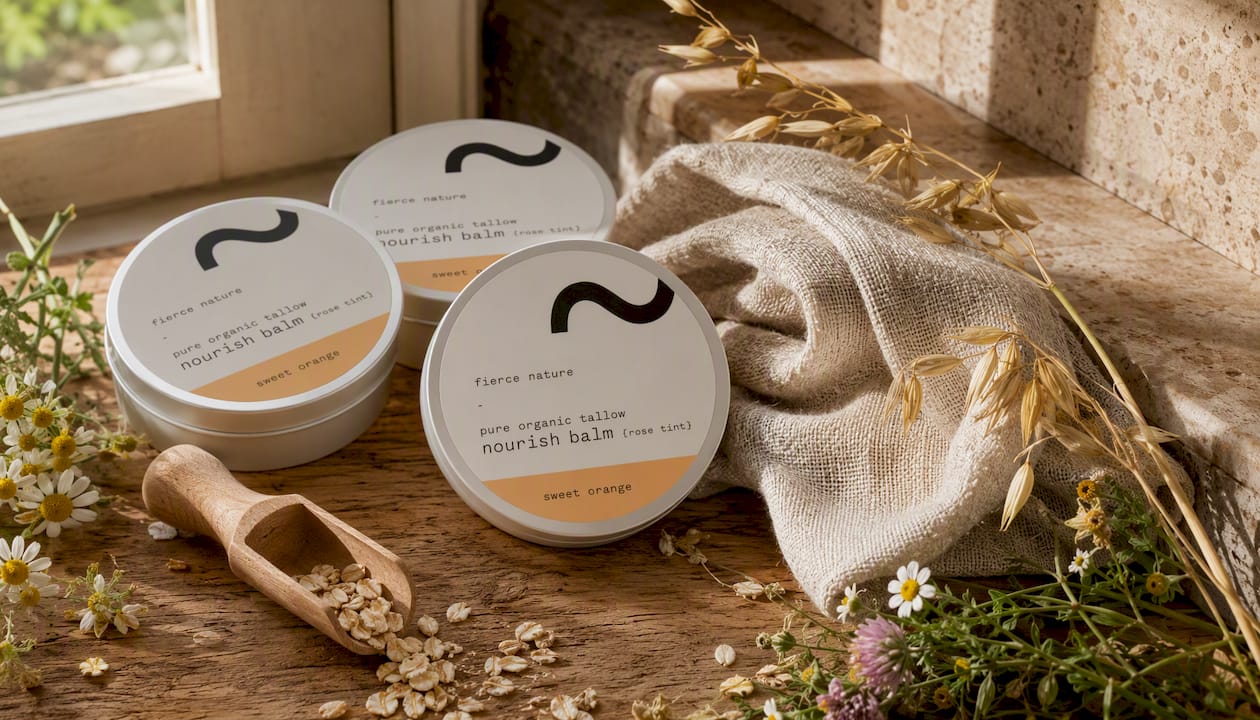
The Nourish Balm (Sweet Orange) is a rich, tallow-based balm built for winter barrier repair and deep hydration on dry patches. It suits elbows, feet, and any area that takes a battering from cold weather. The Luxe Balm offers a premium, targeted option for face and sensitive areas, with a texture that absorbs without heaviness, making it a strong choice for transitional seasons and post-sun care. For spring and autumn, the Balance Balm sits in the middle ground: medium-weight, calming, and well suited to sensitive or reactive skin navigating seasonal shifts.
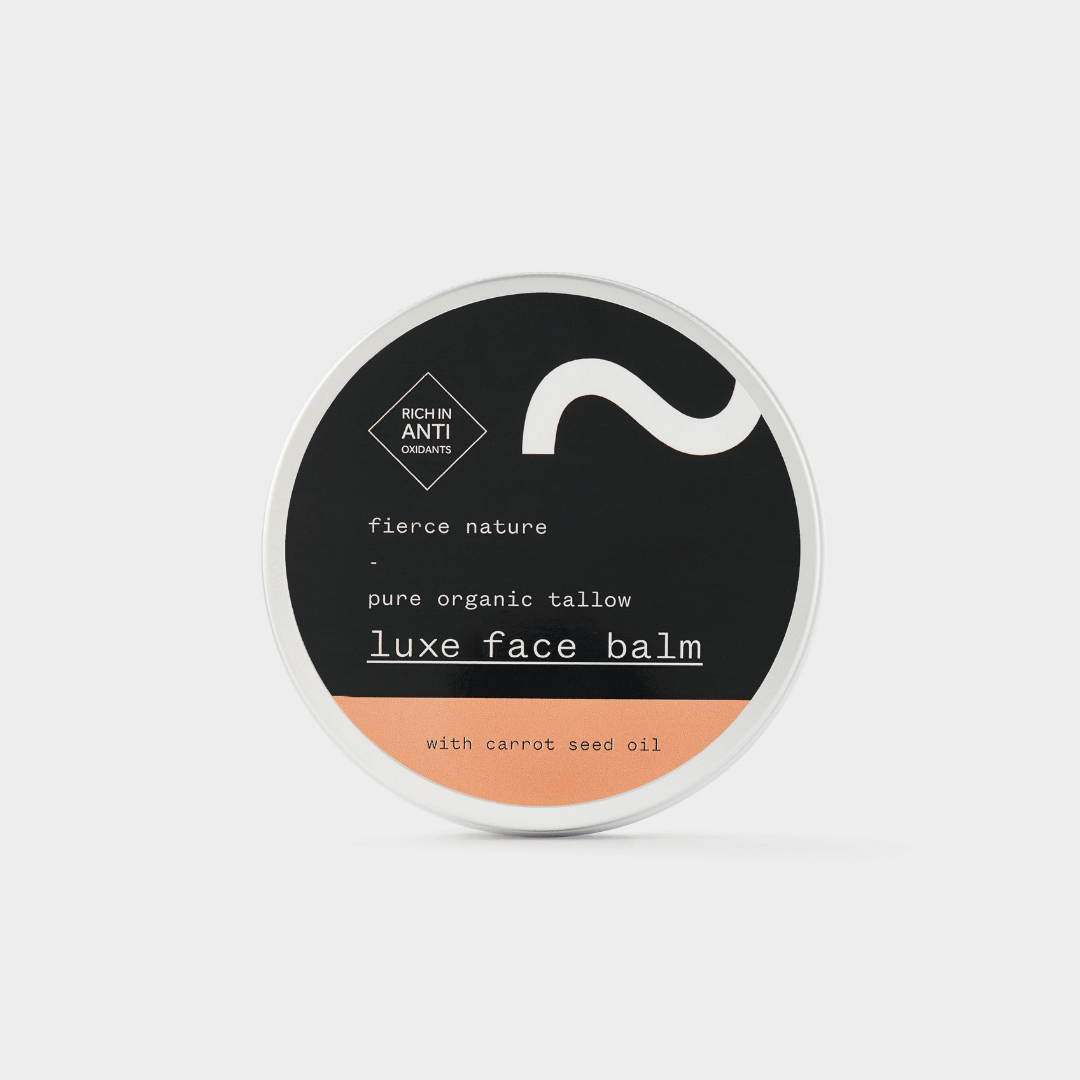
Every product comes with a full ingredient list. Patch test before first use, and if you have questions about which balm suits your skin type, the product pages include guidance. Browse the full range at Fierce Nature’s body balm collection to find your seasonal match.
The recommendations in this guide draw on a range of ingredient science and seasonal skincare references. These are worth exploring if you want to go deeper on specific topics:
Always patch test new ingredients and consult a dermatologist if you have a diagnosed skin condition before changing your routine.
Body balms fall into two broad categories: anhydrous balms (no water, made from oils, waxes, and butters) and water-containing emulsions like creams and lotions. Anhydrous balms are more concentrated and better suited to barrier repair and targeted dry patches.
For dry, cracked, or barrier-compromised skin, an anhydrous balm typically outperforms a lotion because it seals in moisture rather than evaporating. Lotions suit daily full-body use in warmer months when a lighter, faster-absorbing texture is preferable.
A tallow or shea-based anhydrous balm applied to damp skin after showering is the most effective choice for UK winters. Fierce Nature’s Nourish Balm (Sweet Orange) is formulated specifically for this kind of deep, barrier-supporting nourishment.
In winter, daily use on dry or exposed areas is beneficial. In summer, reduce frequency and focus application on targeted zones like elbows, heels, and post-sun skin rather than applying a heavy balm all over every day.
Yes, but change how you use it. Reduce the amount, apply only to dry or sun-stressed patches, and avoid breakout-prone areas. A concentrated balm used sparingly on dehydrated zones is genuinely useful in summer; the same balm spread all over in warm weather is not.