Cart
0
80% Also Added this


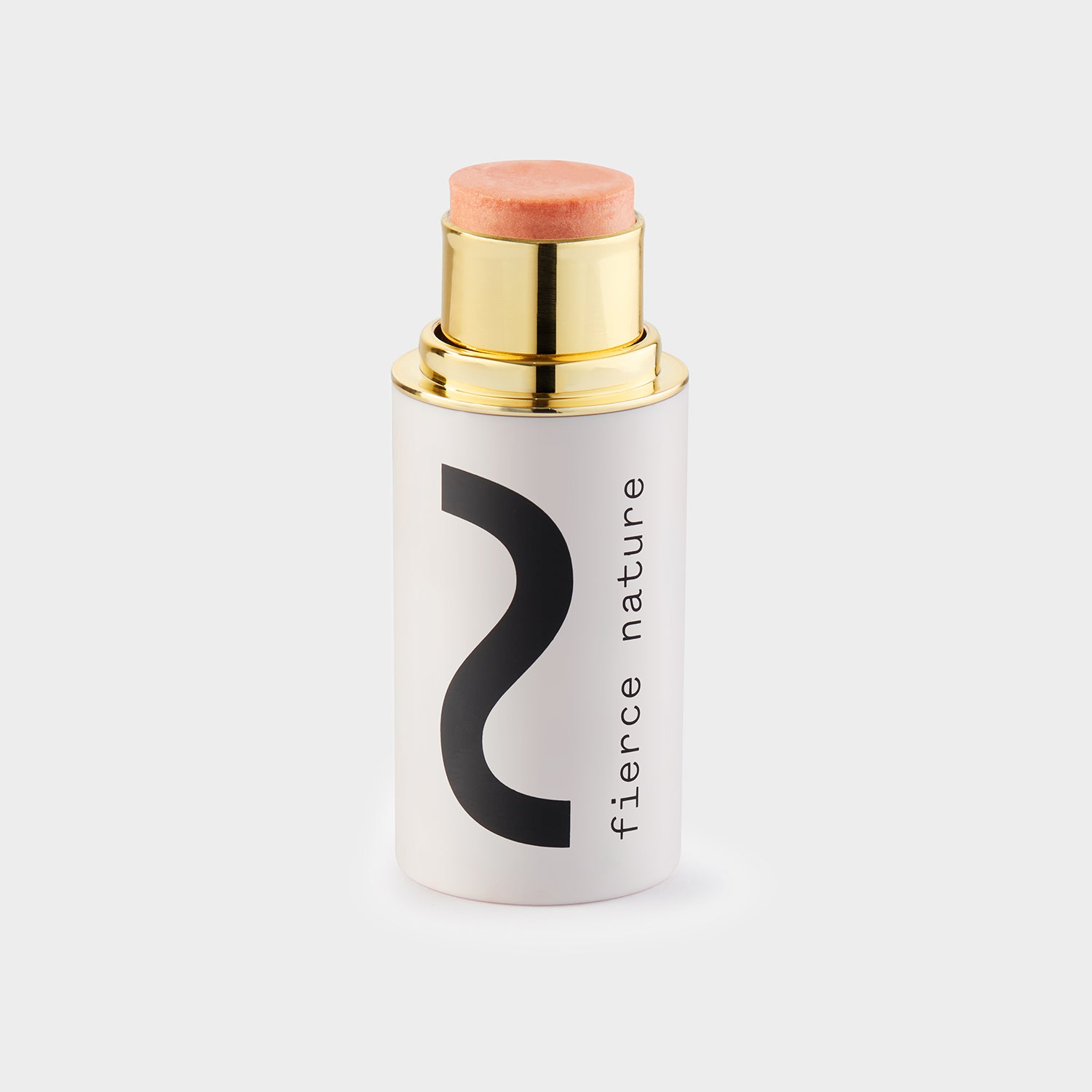
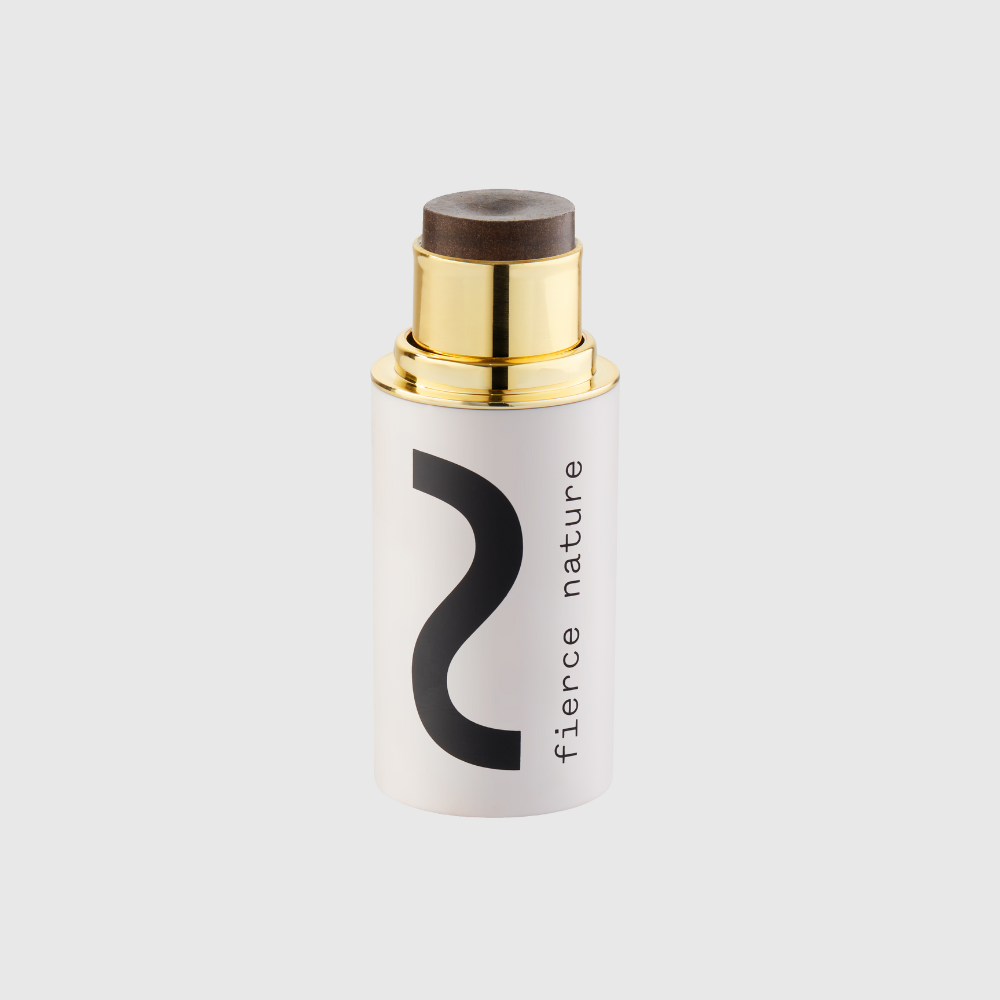
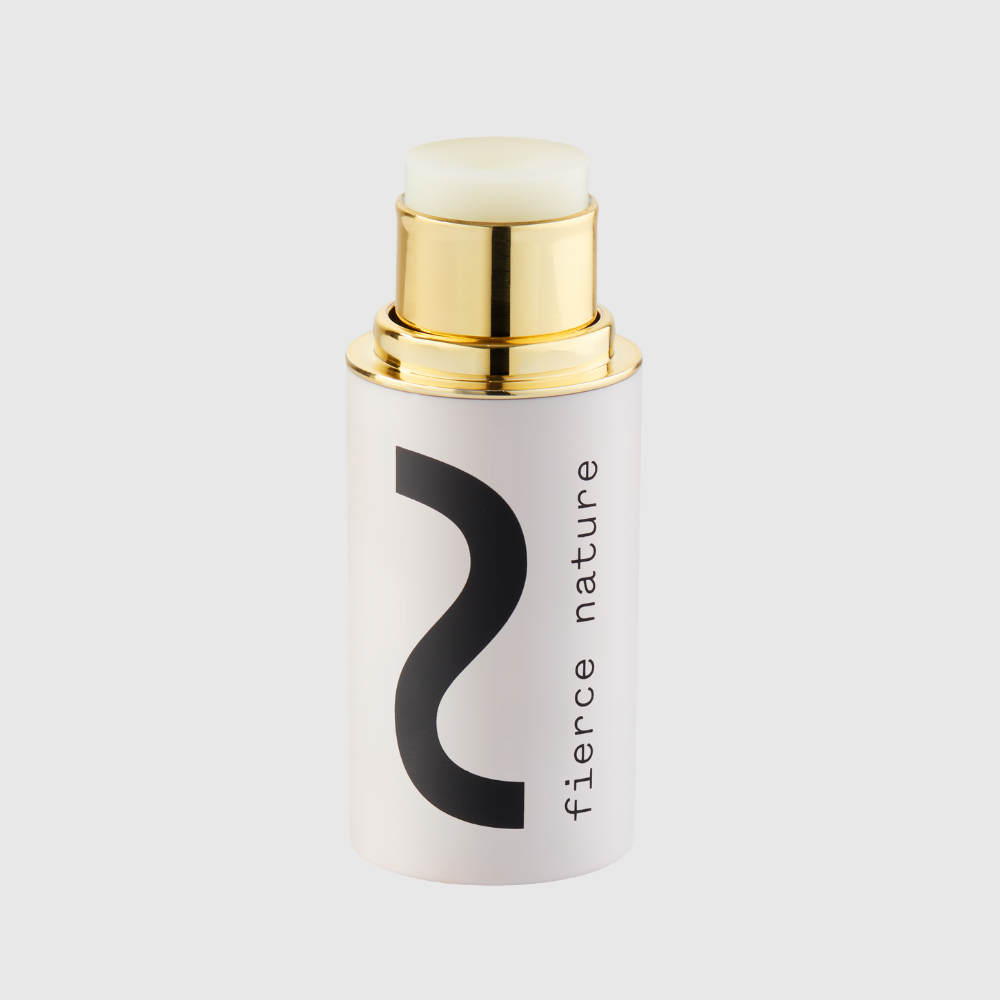
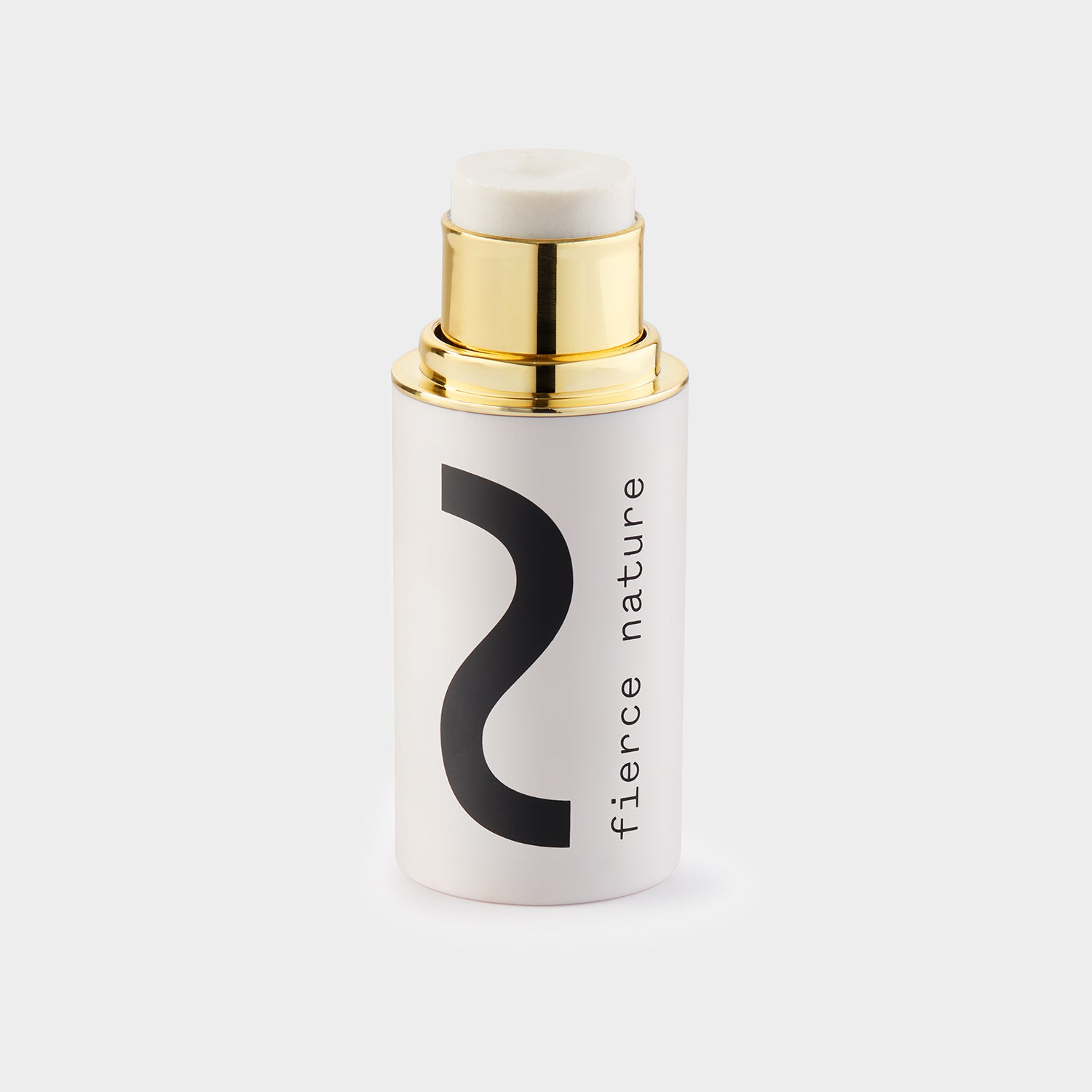




Petroleum derivatives in skincare are not automatically harmful, but the real risk lies in variable purity and inconsistent refining documentation. Highly refined, pharmaceutical-grade petrolatum and mineral oils are considered low risk for topical use by EU and UK regulatory assessments. The problem arises when refining history is unknown, when products are used around the mouth or nostrils, or when cheaper, less-refined grades slip through with measurable levels of polycyclic aromatic hydrocarbons (PAHs) and mineral oil aromatic hydrocarbons (MOAH).
Here is the quick verdict:
Safe in context: Pharmaceutical-grade or food-grade petrolatum and mineral oil with documented refining history, used topically on intact adult skin.
Potentially problematic: Products with no refining claims, lip balms and oral-exposure products lacking food-grade assurances, and any petroleum product applied near a child’s nostrils.
Higher risk: Acne-prone skin, infants, wound care on unclean skin, and frequent lip product users.
Practical next step: Check for explicit pharmaceutical-grade or food-grade claims and ask brands for PAH/MOAH testing documentation. If that transparency is absent, choose a bioavailable natural alternative such as a tallow-based balm.
What are petroleum derivatives and where do you find them on labels?
Why are petroleum derivatives problematic in some skincare products?
Contamination risk: what are PAHs and MOAH, and why do they matter?
Who should be most cautious about petroleum derivatives in skincare?
Do petroleum-free products actually work? Alternatives and how they compare
Fierce Nature’s view: why we choose bioavailability over inert occlusion
“Petroleum derivatives” is a broad, informal term covering a family of refined hydrocarbons extracted from crude oil. On cosmetic labels, you will encounter them under several INCI (International Nomenclature of Cosmetic Ingredients) names:
Petrolatum (also sold as petroleum jelly or Vaseline-type products)
Mineral oil (also listed as paraffinum liquidum or liquid paraffin)
Paraffin wax and microcrystalline wax
Ceresin, ozokerite, and paraffin-derived esters
They appear across a wide range of product types: lip balms, healing ointments, barrier creams, baby lotions, some foundations and concealers, hair serums, and cuticle treatments. The same raw material can appear under different brand or trade names, which makes label reading genuinely confusing. A product marketed as “natural” may still list paraffinum liquidum without any further qualification, and that single INCI name tells you nothing about the grade or refining history of the oil inside.
The core mechanism is occlusion. Petrolatum and mineral oil form a water-repellent film on the skin surface that slows transepidermal water loss (TEWL). That film is largely inert: highly refined mineral oils and petrolatum do not penetrate the deeper dermis in any meaningful quantity, and regulatory reviews confirm they carry low systemic bioavailability when pharmaceutical-grade.
So far, so reassuring. The clinical picture is more nuanced, though.
Where occlusion helps: In wound healing and severe dryness, a well-refined petrolatum creates a protective barrier that supports the skin’s own repair process. Dermatologists have used white petrolatum as a post-procedure occlusive for decades, and it remains a standard in wound care protocols.
Where it becomes a problem:
Occlusion traps whatever is already on the skin surface, including bacteria, sebum, and debris. Applied over unclean skin, it can worsen acne and folliculitis.
The inert film provides no nourishment. Petroleum occlusives retain moisture but contribute no fatty acids, vitamins, or lipids that the skin barrier can actually use. As one way to think about it: sealing a room keeps the warmth in, but it does not heat the room.
Independent testing by the German Federal Institute for Risk Assessment (BfR) has found MOAH levels in some cosmetic petrolatum samples, sometimes reaching up to single-digit percentages, and some lip care products have exceeded Cosmetics Europe’s 5% MOSH recommendation for that category.
The distinction between “occlusive” and “nourishing” is one the beauty industry rarely makes clearly, and it matters enormously for long-term skin health.
This is where the science becomes genuinely important for your purchasing decisions.
Crude petroleum contains polycyclic aromatic hydrocarbons (PAHs), a family of compounds formed during the incomplete combustion or natural decomposition of organic matter. During refining, these are reduced, but not always to negligible levels. The refining process also produces two broader fractions that regulators monitor:
MOAH (Mineral Oil Aromatic Hydrocarbons): the aromatic fraction, which includes PAH-related compounds. IARC and national toxicology programmes classify specific PAHs as known or probable human carcinogens.
MOSH (Mineral Oil Saturated Hydrocarbons): the saturated fraction, considered lower risk but still monitored for accumulation in body tissues.
The contamination pathway is straightforward: if a manufacturer sources petrolatum or mineral oil from a refinery with weaker controls, or if the refining process is incomplete, residual MOAH and PAHs can remain in the finished cosmetic ingredient.
What independent testing has found:
BfR analyses have detected MOAH at levels sometimes in the single-digit percentage range in some cosmetic mineral oil samples.
Consumer organisation testing (BEUC and related bodies) found measurable MOAH in several lip balms on the European market, with some samples at levels flagged by regulators.
Lip products carry a higher concern than simple topical products because they are regularly ingested in small amounts, increasing cumulative oral exposure.
Cosmetics Europe recommends food-grade mineral oils and waxes with very low PAH trace limits—at parts per billion levels—for lip care ingredients, due to the real and ongoing oral exposure route.
| Risk factor | Why it matters |
|---|---|
| Incomplete refining | Leaves residual MOAH/PAHs in the ingredient |
| Lip and oral-exposure products | Ingestion increases cumulative PAH exposure |
| Imported products with no origin data | Weaker regional controls may mean less rigorous refining |
| No PAH testing documentation | Consumer cannot verify safety independently |
Under EU Cosmetics Regulation EC/1223/2009, manufacturers must be able to demonstrate the full refining history of any petrolatum used in cosmetics. If that history cannot be shown, petrolatum is prohibited as a cosmetic ingredient. This is not a voluntary best-practice recommendation; it is a legal requirement.
Post-Brexit, the UK has retained the substantive requirements of this regulation through the UK Product Safety and Metrology etc. (Amendment etc.) (EU Exit) Regulations, meaning the same refining-history obligation applies to products placed on the UK market.
In practice, EU regulatory guidance and pharmacopoeial standards (the European Pharmacopoeia and British Pharmacopoeia) set specifications for white petrolatum and pharmaceutical-grade mineral oil that include tests for PAH content, such as the IP346 test. Products meeting these standards are expected to contain only trace levels of PAHs.
The practical implication for consumers: a compliant product should carry explicit claims such as “pharmaceutical grade”, “white petrolatum”, or “food-grade mineral oil”, and a responsible brand should be able to supply supplier traceability or third-party PAH/MOAH test results on request. If a brand cannot or will not provide this, that is a meaningful red flag.
Regulatory red flags to watch for:
Generic “mineral oil” with no grade or origin information
Lip products listing petrolatum or mineral oil without food-grade assurances
Imported products with no country of origin for raw materials
No mention of refining history anywhere in brand communications
Marketing that describes petroleum derivatives as “natural” without qualification
Random market sampling has shown that not all products on the European market meet stringent refinement and PAH-limit expectations. Imported products from regions with weaker regulatory controls are most likely to be non-compliant.
Risk is not uniform. Some people and some uses carry meaningfully higher concern than others.
Higher-risk groups and scenarios:
Infants and young children: There is a documented aspiration risk associated with petroleum products applied near the nostrils. Lipoid pneumonia, a rare but serious condition, can result from inhaling petroleum-based products. This risk is particularly relevant when parents apply petroleum jelly inside or directly below a child’s nostrils to relieve congestion.
Frequent lip balm users: Regular ingestion of small amounts of lip product means cumulative PAH exposure is higher than for a body lotion applied once daily. Food-grade assurances matter here more than anywhere else.
Acne-prone and follicular skin: Occlusion over sebum-rich or congested skin can trap bacteria and worsen breakouts. This is not universal, but it is a documented risk for susceptible skin types.
Wound care on unclean skin: Applying an occlusive to a wound that has not been properly cleaned can seal in bacteria and delay healing.
Paraffin wax treatments: Paraffin wax used in heated beauty treatments (hand and foot baths) carries a flammability risk if used near open flames or heat sources. This is a practical safety concern, not a toxicological one.
Pro Tip: Before applying any petroleum-based product, cleanse the skin thoroughly. For children, keep petroleum jelly away from the nostrils entirely and choose a food-grade or petroleum-free alternative for nasal areas.
The short answer is yes, and for many people they work better. The longer answer depends on what you need the product to do.
Categories of alternatives:
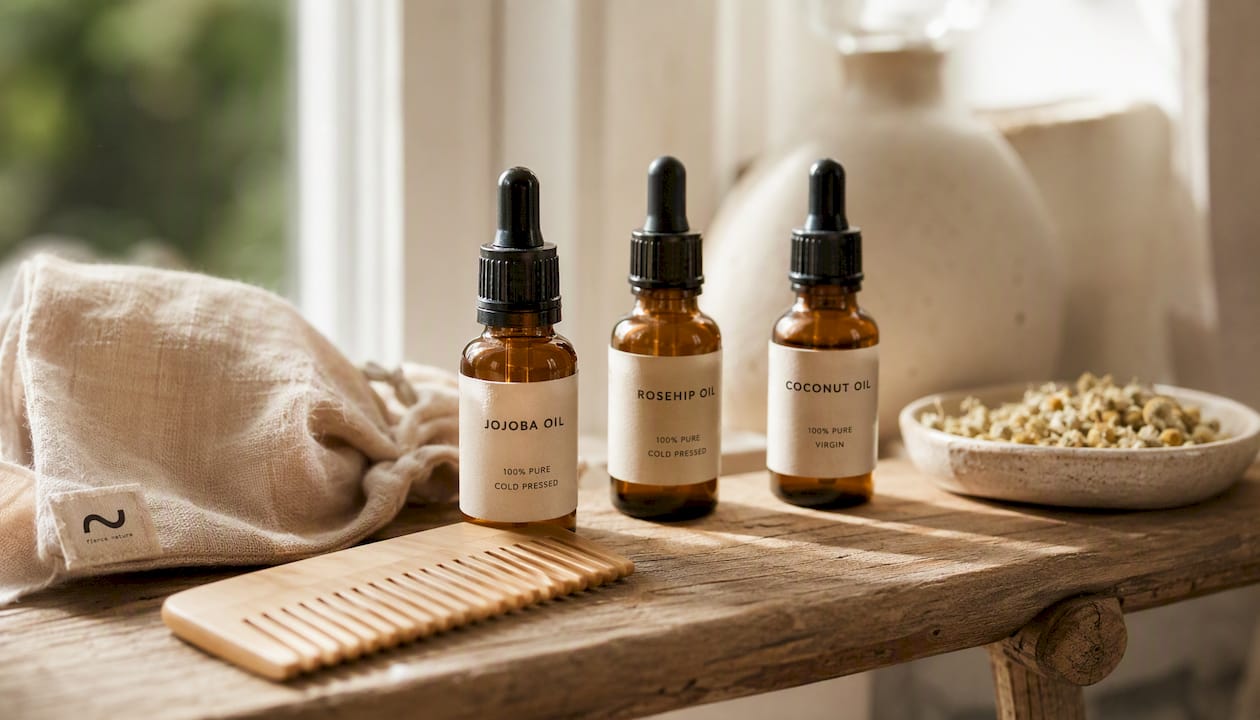
Plant oils and butters (jojoba, shea, rosehip, coconut) provide fatty acids, antioxidants, and fat-soluble vitamins that the skin can actually absorb and use. They are renewable, biodegradable, and generally well-tolerated. The trade-off is that some (coconut oil in particular) have moderate comedogenic potential, so skin type matters.
Silicones (dimethicone, cyclomethicone) are synthetic but non-petroleum. They form a breathable film, are non-comedogenic, and are considered low risk. They do not nourish either, but they are a cleaner occlusive option for those who need barrier function without petroleum contamination risk.
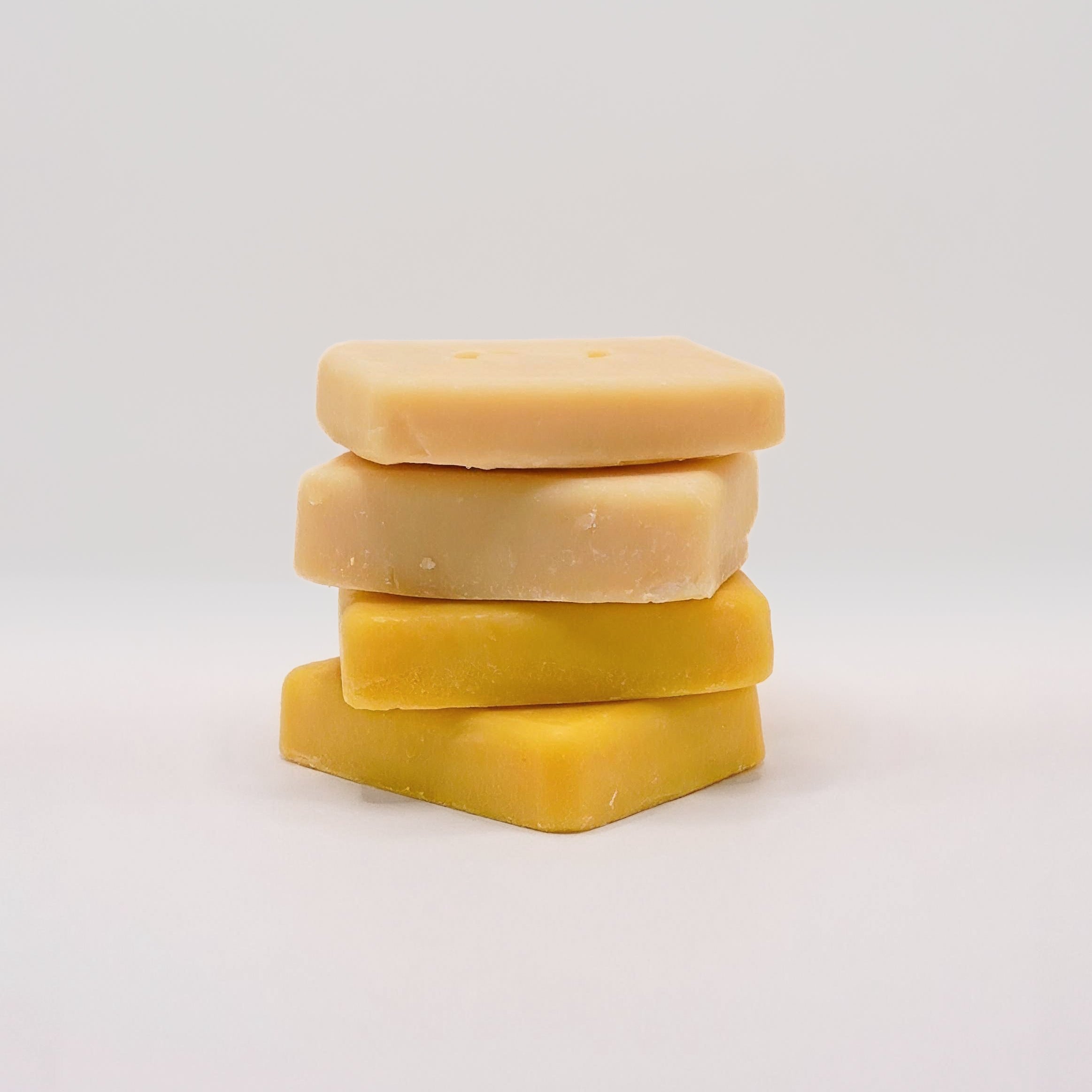
Tallow (rendered animal fat, typically beef suet) is structurally similar to human skin lipids. It contains oleic acid, palmitic acid, stearic acid, and conjugated linoleic acid in ratios that closely mirror the skin’s own sebum. This structural similarity means tallow can penetrate and nourish rather than simply sit on the surface. You can read more about tallow’s role as a skin superfood and the science behind its bioavailability.
| Dimension | Petroleum derivatives | Plant oils/butters | Tallow | Silicones |
|---|---|---|---|---|
| Safety: PAH/MOAH risk | Present if poorly refined | None | None | None |
| Mechanism | Occlusive only | Absorbable and nourishing | Absorbable and nourishing | Occlusive, breathable |
| Comedogenicity | Low to moderate (grade dependent) | Varies by oil | Low for well-sourced tallow | Very low |
| Infant suitability | Caution (refining history needed) | Generally suitable | Suitable | Suitable |
| Environmental impact | Non-renewable, persistent | Renewable, biodegradable | Renewable (by-product) | Synthetic, slow to degrade |
| Supplier documentation | Requires refining history proof | Organic/origin certification | Sourcing and rendering transparency | Manufacturer grade data |
When to choose what:
For short-term wound protection under clinical guidance, a pharmaceutical-grade petrolatum remains a well-evidenced choice.
For daily facial moisture, lip care, or infant skin, a bioavailable alternative (tallow balm, food-grade plant butter) is the more nourishing and lower-risk option.
For acne-prone skin, avoid heavy occlusives entirely and favour lighter, non-comedogenic plant oils or tallow-based formulations.
The central issue with petroleum derivatives in skincare is not the chemical class itself. It is the inconsistency of refining and the near-total absence of transparent supplier documentation in the consumer market. A pharmaceutical-grade white petrolatum with a full refining history and documented PAH testing is a very different product from a generic “mineral oil” listed on a budget lotion with no origin information. Consumers have no reliable way to tell them apart from the label alone.
This is where bioavailable lipids offer a structural advantage. Tallow, for example, does not carry a contamination risk from industrial refining because it is not a petroleum product. Its supply chain is traceable to the animal and the rendering process. When a brand sources organic tallow and can name the farm or the rendering standard, you have a level of transparency that most petroleum ingredient suppliers simply do not offer.
The question worth asking any brand: “Can you show me your supplier’s PAH or MOAH test results for this ingredient?” A brand that sources well will answer without hesitation. One that cannot answer is telling you something important about its supply chain.
Petroleum-based occlusives can also mask poor formulation. A product heavy in petrolatum feels immediately smooth and protective, which creates a sensory impression of efficacy. That sensation can obscure the fact that the formulation contains no nourishing actives. Over time, skin that relies on occlusion without nourishment can become dependent on the product to feel comfortable, rather than building its own resilient barrier.
Pro Tip: Ask any brand you buy from whether their mineral oil or petrolatum is pharmaceutical-grade or food-grade, and whether they hold third-party PAH/MOAH test certificates. A confident, specific answer is a good sign. Vague reassurances are not.
Start with this principle: for any product with oral exposure (lip balms, tinted lip products, anything near the mouth), food-grade mineral oil or petrolatum with documented PAH limits is the minimum acceptable standard. For topical products, pharmaceutical-grade with a known refining history is the benchmark.
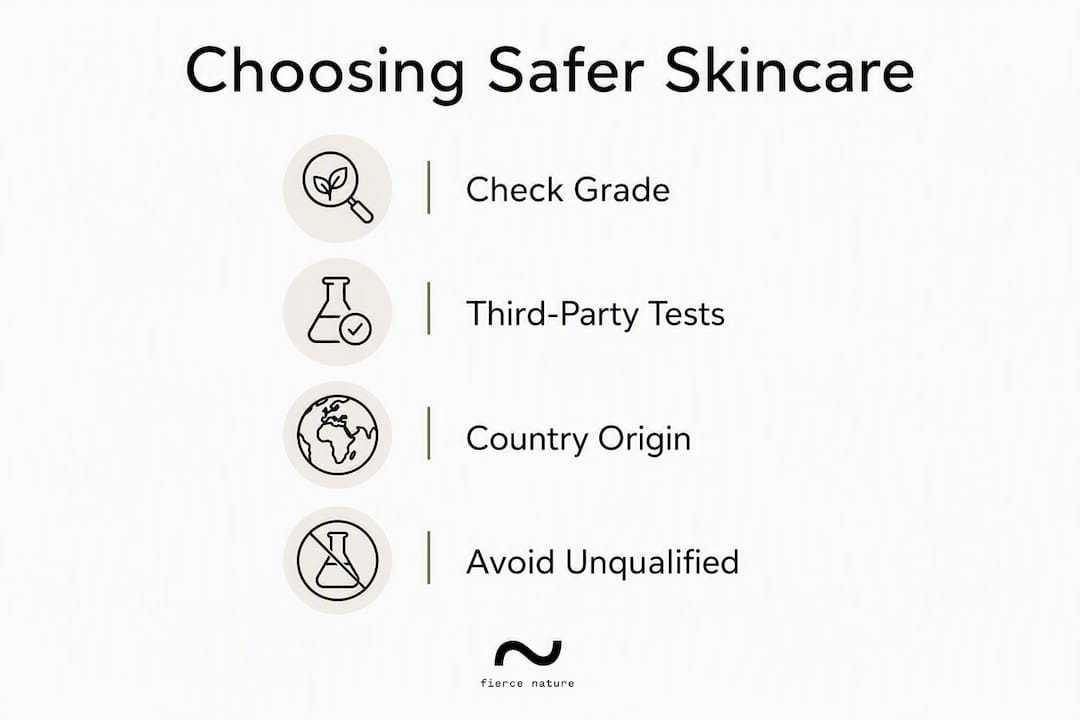
1. Check the grade claim Look for “white petrolatum”, “pharmaceutical grade”, “food-grade mineral oil”, or “BP/USP grade” on the ingredient list or product description. These terms indicate the ingredient meets pharmacopoeial purity standards.
2. Look for third-party testing references Reputable brands will reference independent PAH or MOAH testing, either on the product page or in their ingredient sourcing documentation. This is especially important for lip products.
3. Ask about country of origin for raw materials Imported mineral oils from regions with weaker refining controls carry higher contamination risk. A brand that knows where its raw materials come from and can tell you is operating transparently.
4. Treat “natural” claims with scepticism A product can list petrolatum or mineral oil and still carry a “natural” or “clean” marketing claim. These terms are not regulated in the UK in a way that excludes petroleum derivatives. Read the INCI list, not the front-of-pack marketing.
Red flags to avoid:
“Mineral oil” with no grade, origin, or refining information
Lip products without food-grade assurances for mineral oil or petrolatum
Products marketed as natural that list generic petroleum derivatives without qualification
Brands that cannot or will not share supplier documentation when asked
If you use petroleum-containing products and want to reduce real-world risk, these steps make a meaningful difference:
Cleanse before application. Applying petrolatum or mineral oil over unclean skin seals in bacteria and debris. Always apply to freshly cleansed skin.
Keep petroleum jelly away from children’s nostrils. The aspiration risk for lipoid pneumonia is real. Use a food-grade or petroleum-free alternative for nasal areas in young children.
Reduce lip balm frequency if using non-food-grade products. The more often you apply, the more you ingest. Switching to a food-grade or tallow-based lip product removes this concern.
Do not apply to infected or unclean wounds. Occlusives seal in whatever is present. For wound care, clean the area thoroughly first, and follow clinical guidance.
Store paraffin wax products away from heat sources. Paraffin wax is flammable. This is a practical household safety point, not a toxicological concern.
Pro Tip: A simple label check: if a product lists “petrolatum” or “mineral oil” without any grade qualifier and the brand’s website has no sourcing information, that is a reasonable prompt to look for an alternative, particularly for lip products or anything used on infants.
When to consult a clinician: if you or your child develop persistent skin infections, unusual reactions, or respiratory symptoms after using petroleum-based products near the face or nostrils, seek medical advice promptly.
Myth: All petroleum in skincare is carcinogenic. Fact: Highly refined, pharmaceutical-grade petrolatum has minimal PAH content and is considered low risk by EU and UK regulators. The carcinogenic concern applies to poorly refined or untested grades, not to compliant cosmetic-grade materials.
Myth: Petroleum clogs pores in every product. Fact: Petrolatum is rated low on the comedogenic scale in most formulations. The real risk is applying any heavy occlusive over unclean or congested skin, which traps debris and can worsen acne. On clean skin, well-formulated petrolatum is not inherently pore-clogging. For more on managing comedogenicity with natural alternatives, the tallow and clogged pores guide is worth reading.
Myth: Petroleum derivatives penetrate deeply and accumulate in the body. Fact: Regulatory reviews and academic literature confirm that highly refined mineral oils have restricted penetration to the outer skin layers and no significant systemic bioavailability for topical use. The accumulation concern relates primarily to oral or inhalation exposure, not standard topical application.
Myth: Petroleum-free automatically means better. Fact: An unrefined plant oil with no quality controls can carry its own contaminants. “Petroleum-free” is a meaningful claim only when paired with transparent sourcing and quality documentation for whatever replaces it.
Myth: Petroleum derivatives are natural because they come from the earth. Fact: Petroleum is fossil-derived, non-renewable, and persistent in the environment. It does not biodegrade readily and can negatively affect marine and seafloor ecosystems when released. The “from the earth” framing conflates geological origin with ecological sustainability.
Petroleum derivatives in skincare are problematic primarily when refining history is unknown, when used in oral-exposure products without food-grade assurances, or when applied in high-risk contexts such as near children’s nostrils or over unclean skin.
| Point | Details |
|---|---|
| Purity is the deciding factor | Pharmaceutical or food-grade petrolatum with documented refining history carries low risk; unverified grades do not. |
| Lip products need food-grade assurance | Cosmetics Europe recommends food-grade standards with PAH limits at parts per billion for lip care ingredients. |
| Higher-risk contexts | Infants, nasal application, acne-prone skin, and wound care on unclean skin all carry elevated concern. |
| Occlusives do not nourish | Petroleum derivatives retain moisture but contribute no bioavailable fatty acids or nutrients to the skin barrier. |
| Fierce Nature’s approach | Fierce Nature uses organic tallow, a bioavailable lipid with traceable sourcing, as a nourishing alternative to petroleum occlusives. |
The conversation around petroleum in skincare tends to get stuck in a binary: safe or unsafe. We think that framing misses the more useful question, which is whether an ingredient is actually doing something beneficial for your skin, or simply sitting on top of it.
Petroleum derivatives, even well-refined ones, are inert. They do not feed the skin. They do not contribute to barrier repair at a cellular level. They create a sensation of smoothness and protection, and in specific clinical contexts that is exactly what is needed. However, as the foundation of a daily skincare routine, an ingredient that occludes without nourishing is a missed opportunity at best.
Tallow is the opposite of that. Its fatty acid profile mirrors human sebum closely enough that the skin recognises it as compatible. It absorbs rather than sits. It brings oleic acid, palmitic acid, and conjugated linoleic acid to the skin barrier in ratios the skin can actually use. And because it comes from a traceable, renewable source rather than a petrochemical refinery, the supply chain is transparent in a way that cosmetic mineral oil rarely is.
We started Fierce Nature because we had lived the consequences of not knowing what was in our products. Skin rashes, reactions, and a beauty industry that offered seductive packaging and vague promises instead of honest ingredients. Every product we make is handcrafted in the UK with organic tallow as the foundation, and we are always willing to tell you exactly where our ingredients come from.
That transparency is not a marketing claim. It is the standard we hold ourselves to because we believe you deserve to know what you are putting on your skin.
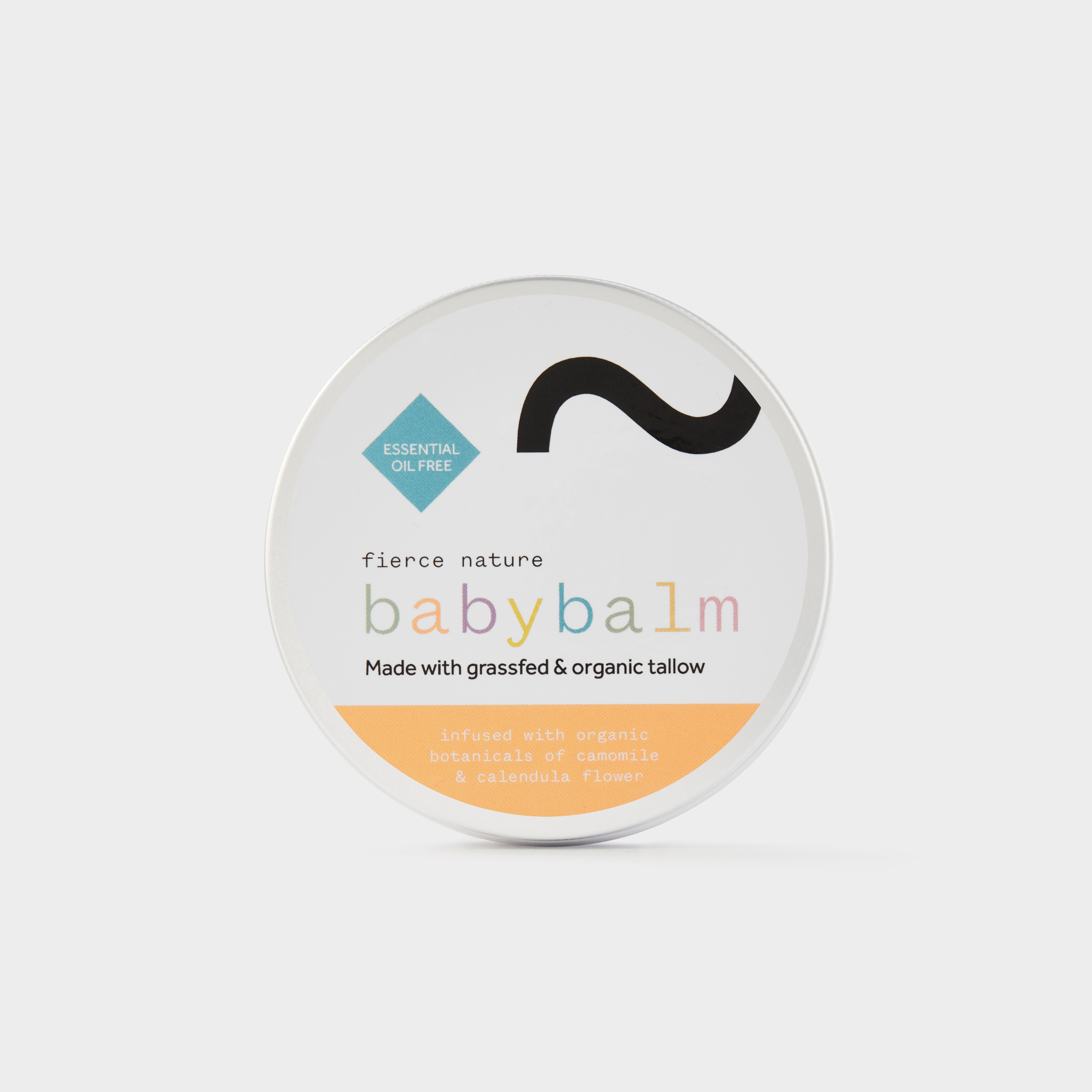
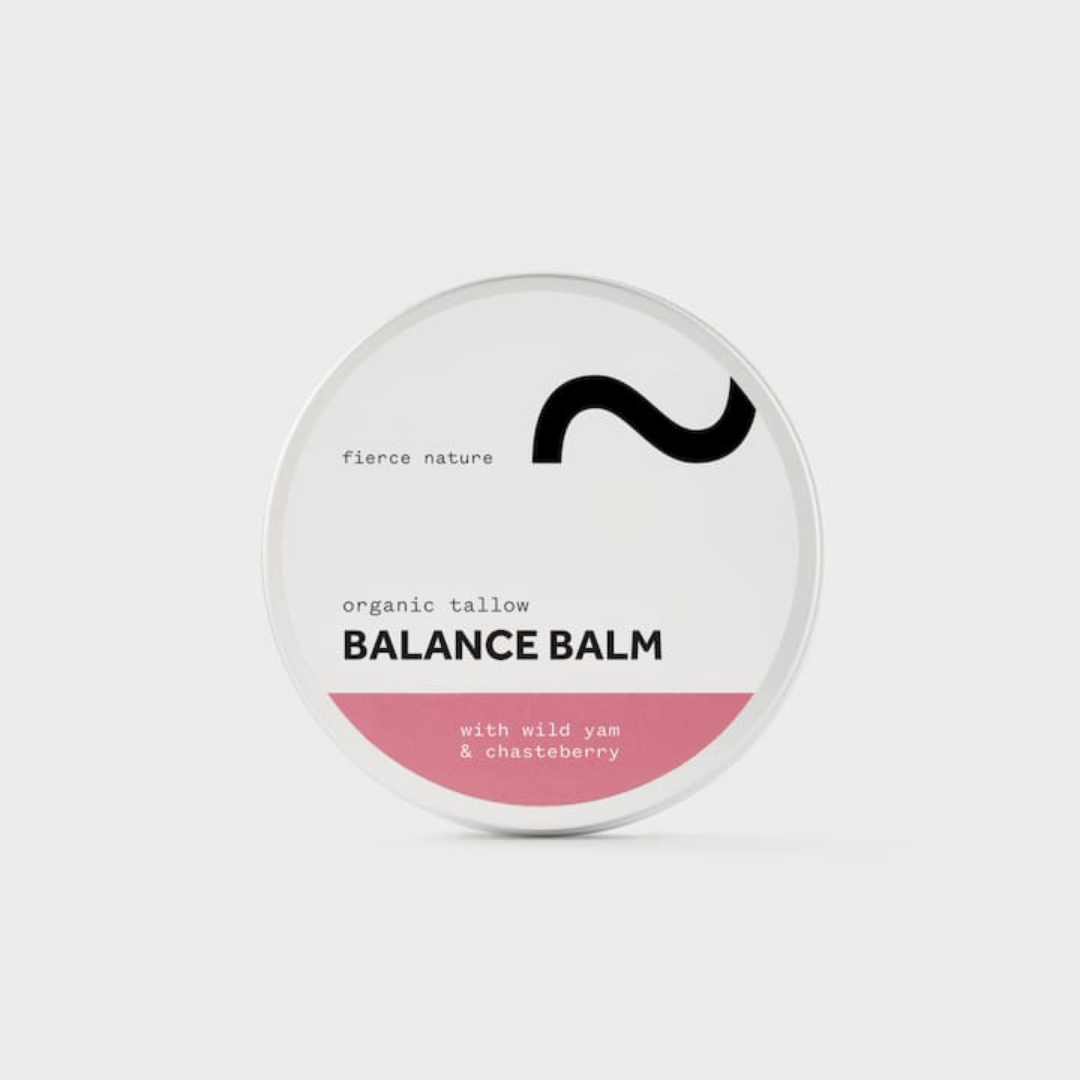
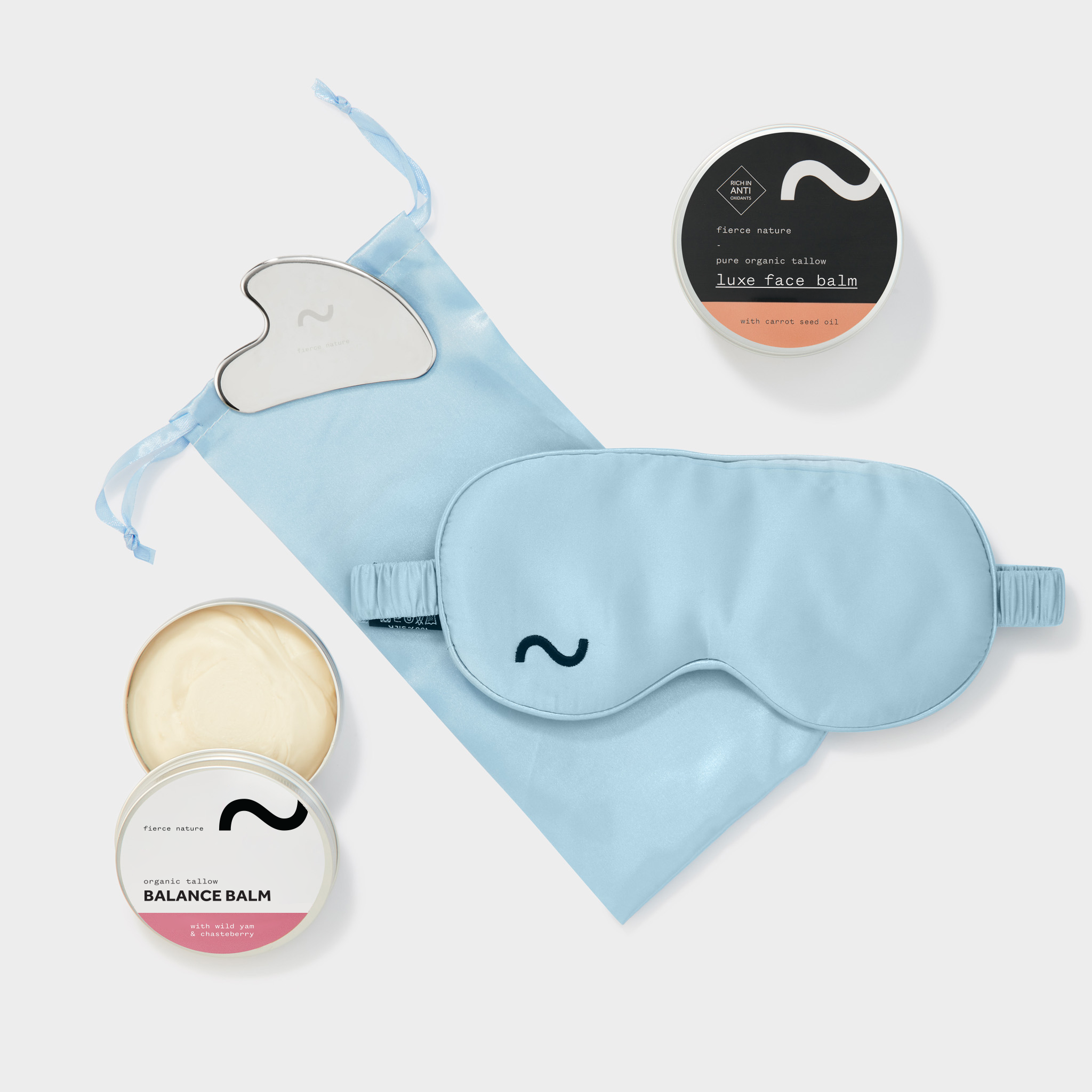
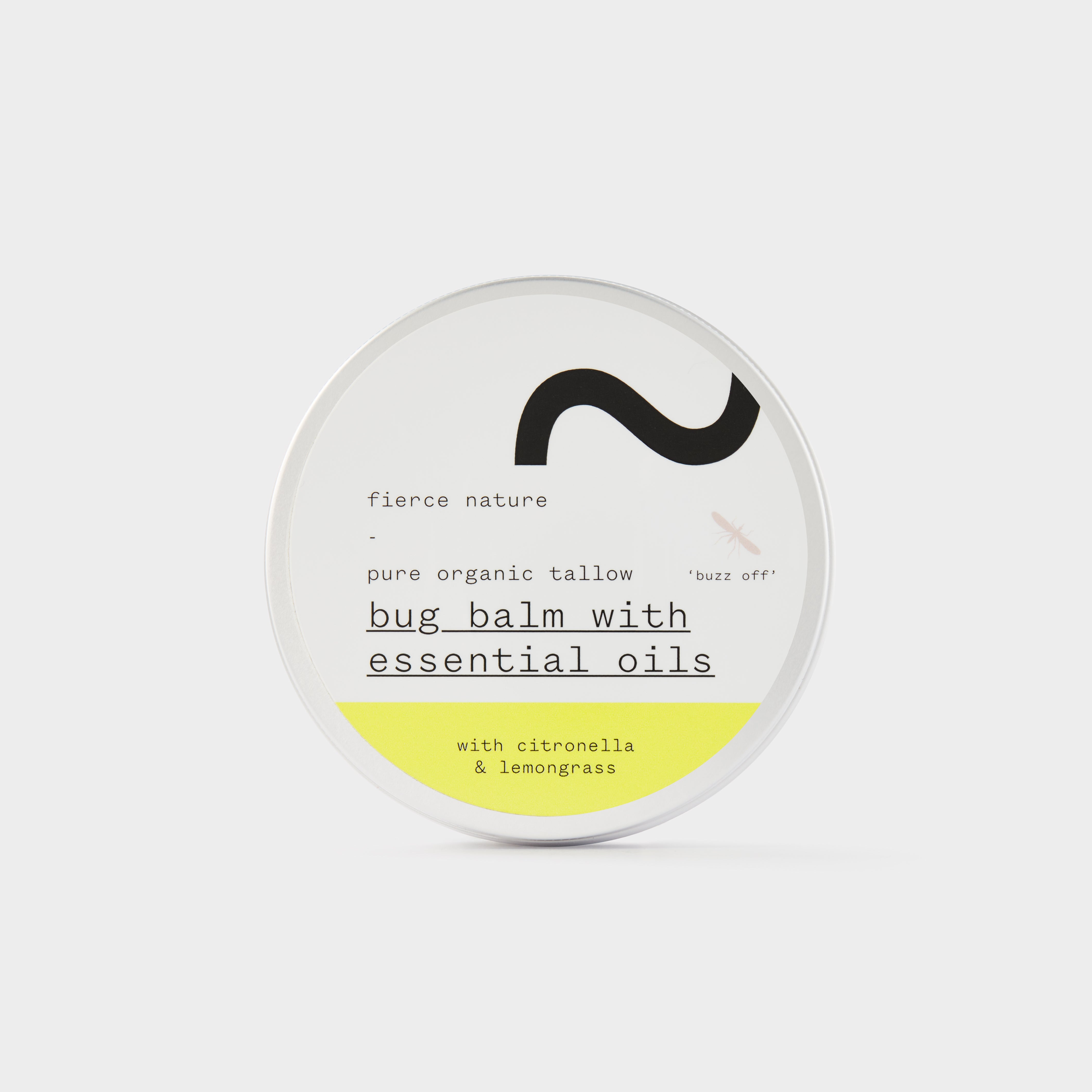
If you are ready to move away from petroleum derivatives, Fierce Nature’s tallow-based range offers a traceable, nourishing alternative for every use case discussed in this article.
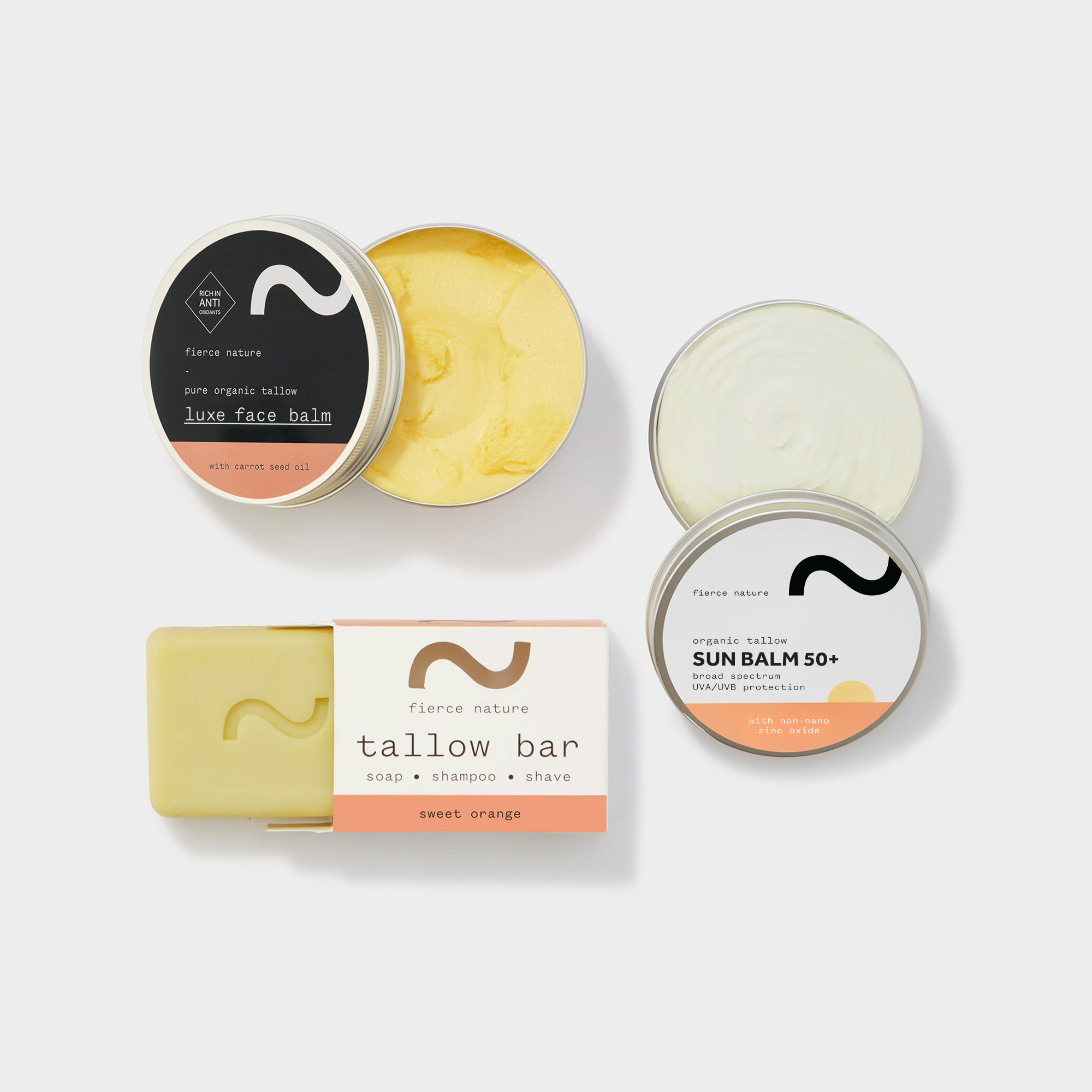
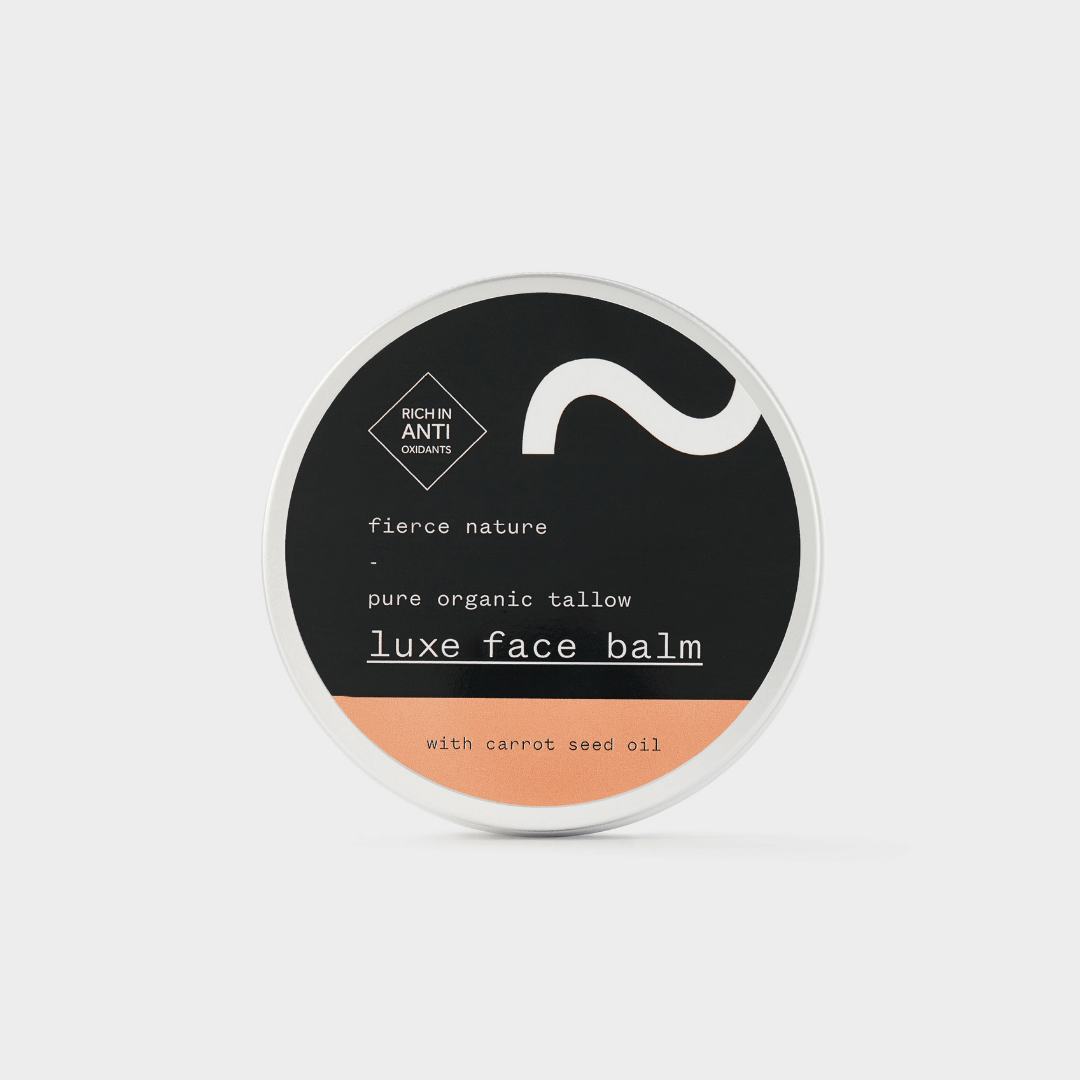
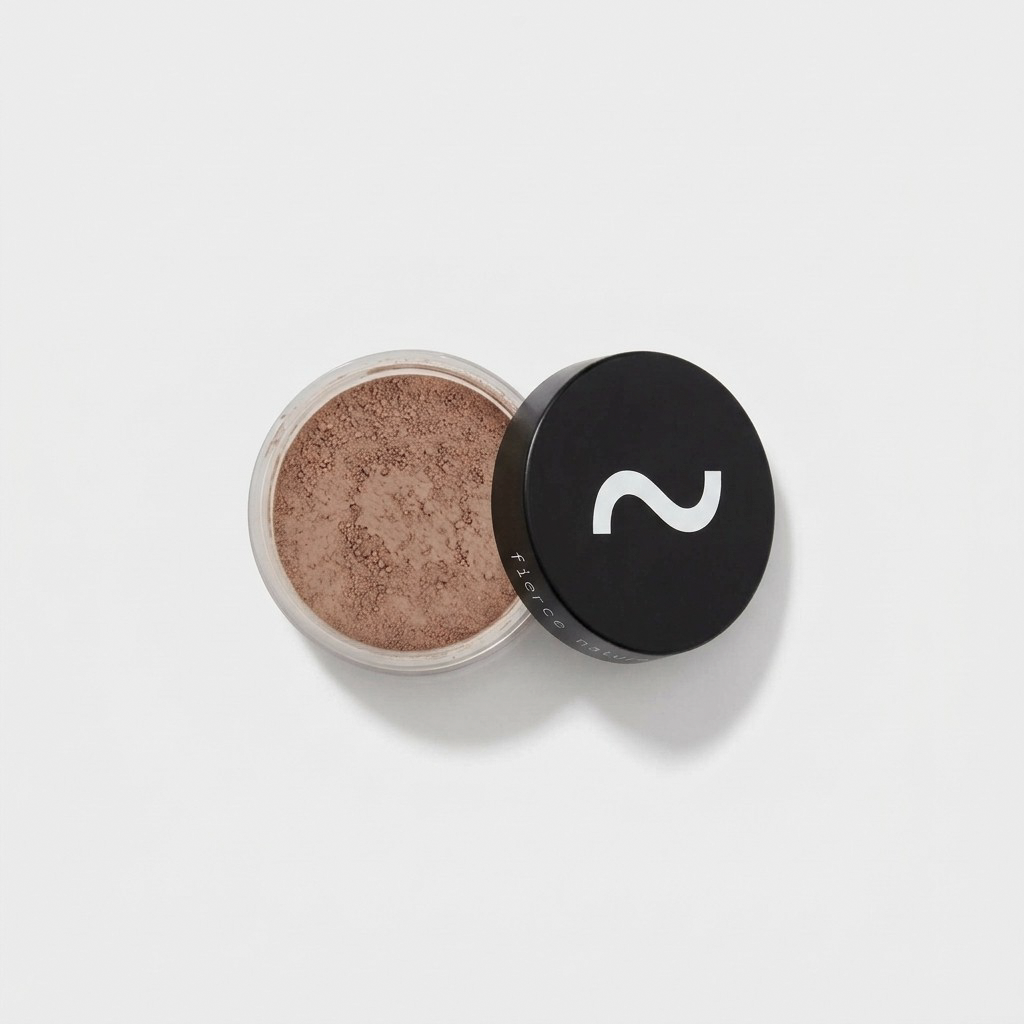
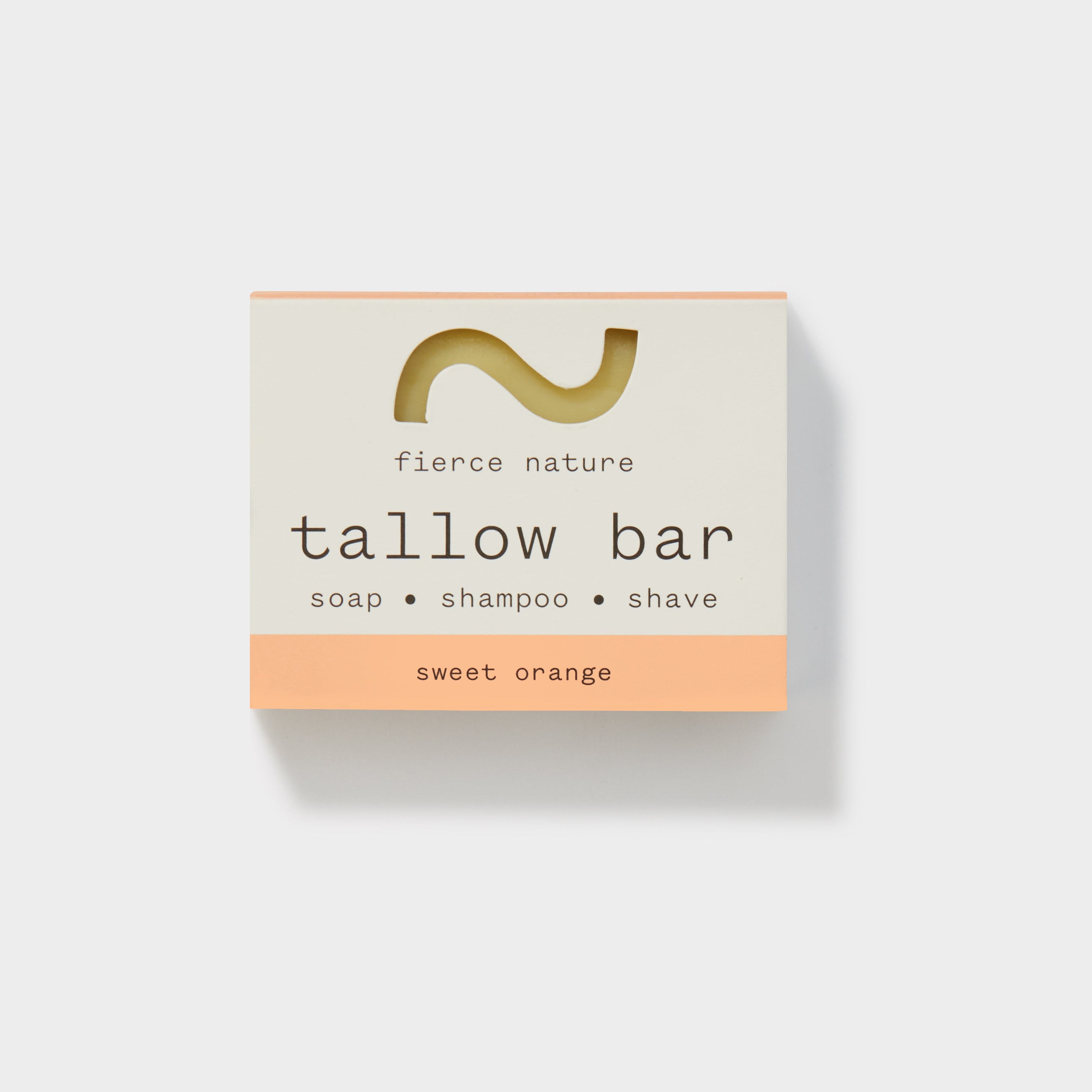
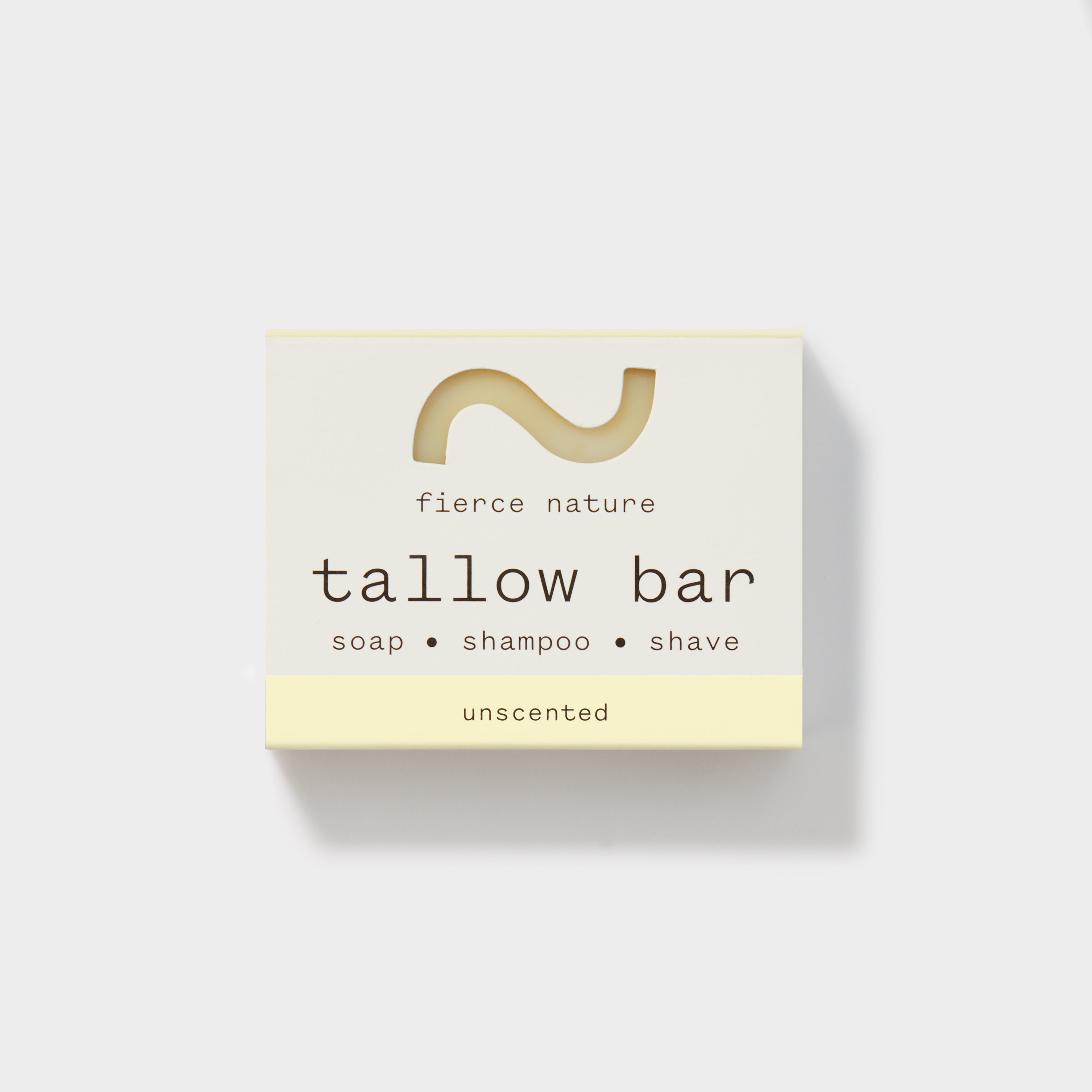
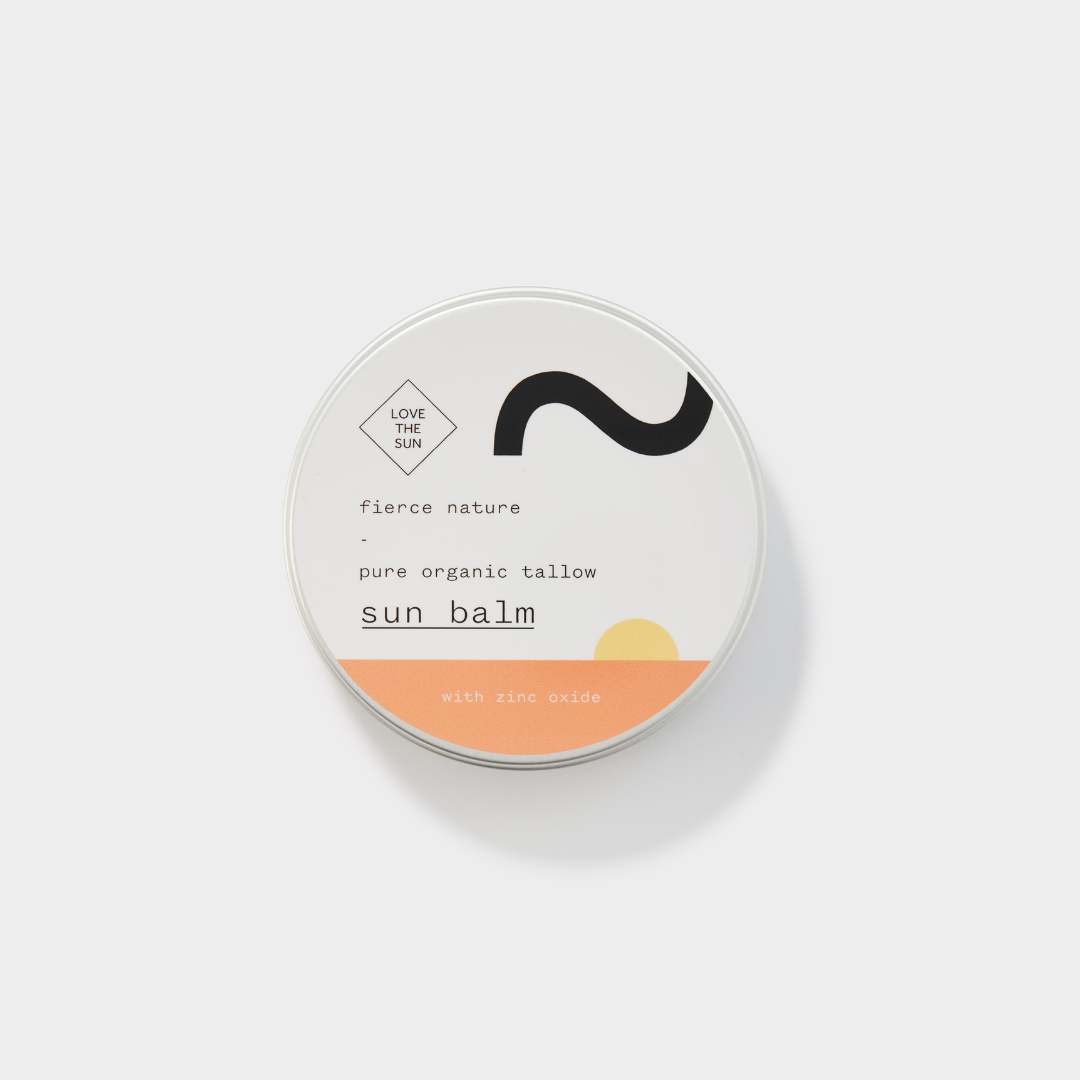
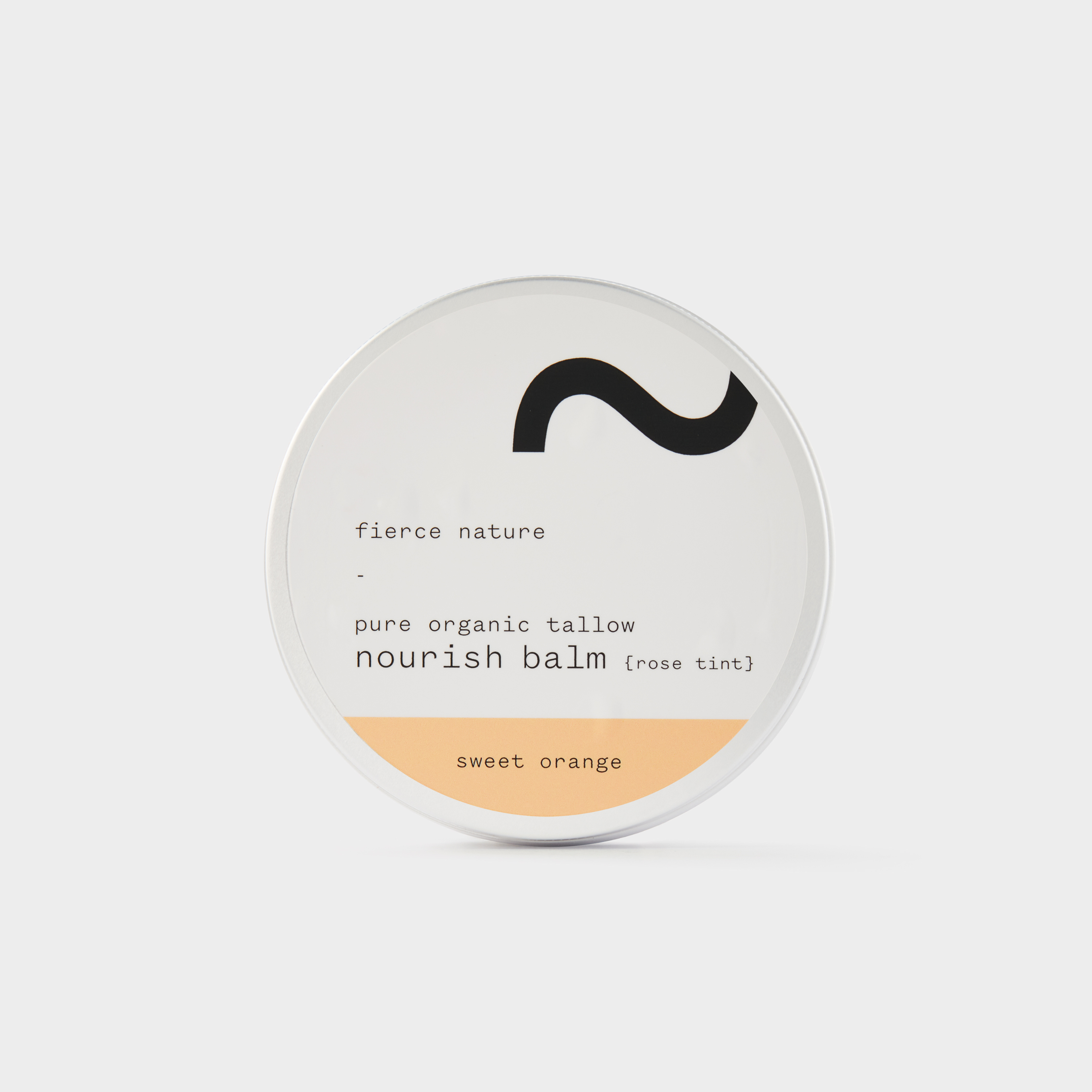
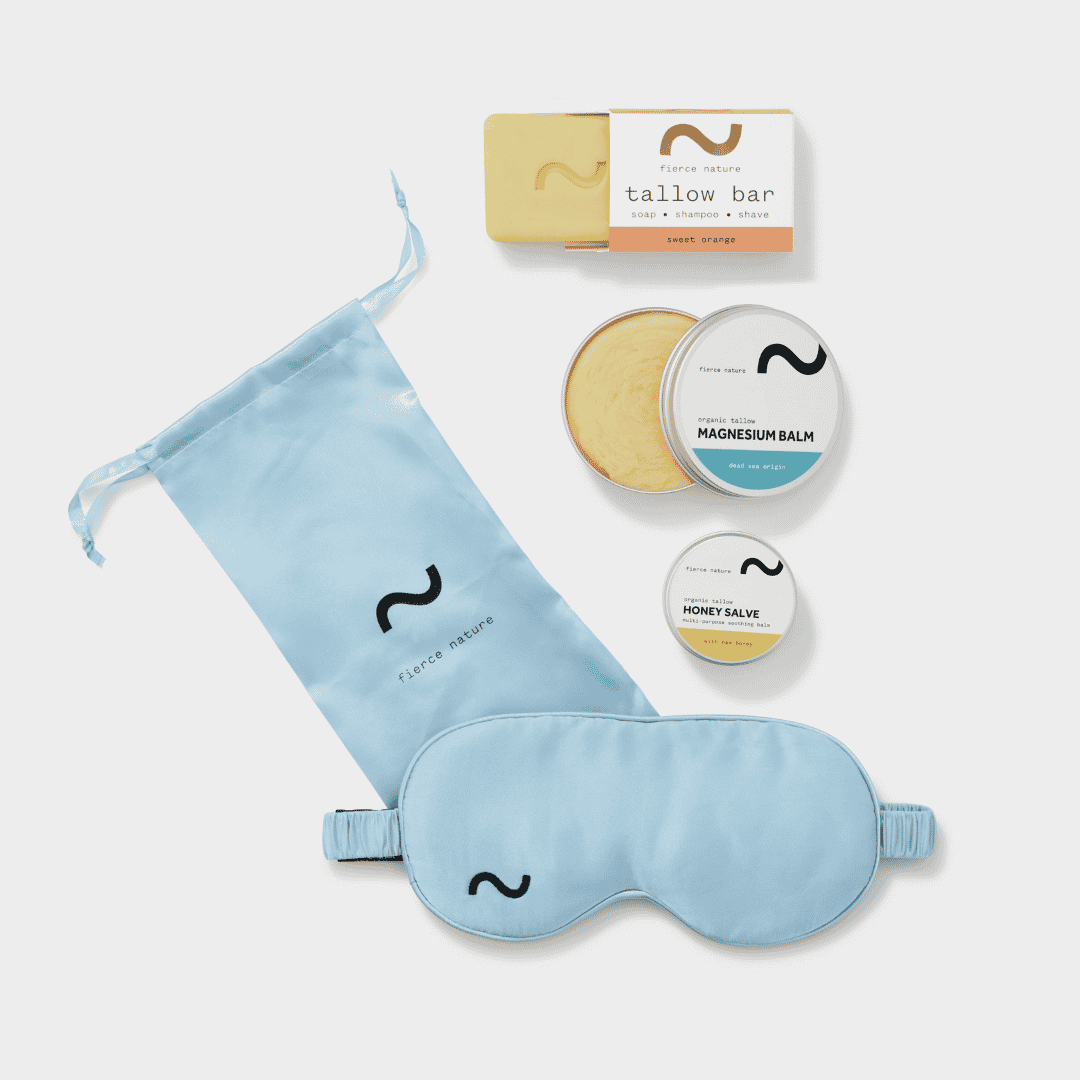
The Nourish Balm (Sweet Orange) is a daily face moisturiser built on organic tallow, delivering bioavailable fatty acids rather than an inert occlusive film. For a versatile option that works across face and body, the Multi-Use Tallow Bar (Unscented) is a single, traceable product that replaces several petroleum-based staples at once. Parents concerned about infant exposure will find the Non-toxic Baby Skin Essentials bundle a reassuring choice: petroleum-free, handmade in the UK, and formulated with the gentlest natural ingredients. For those who want a tinted option, the Nourish Balm with Rose Tint (Sweet Orange) brings a light colour payoff without a single petroleum derivative. The Luxe Balm, Multi-Use Tallow Bar (Scented), Selfie Stick Natural, and Biohacking bundle round out the range for those who want a complete petroleum-free routine.
Every product page lists full ingredients and sourcing details. Browse the Nourish Balms collection to find the right fit for your skin.
For readers who want to go deeper into the primary documents and independent testing behind this article, these are the most authoritative starting points:
EU Cosmetics Regulation EC/1223/2009: the primary legal text governing cosmetic ingredients in the EU and, through retained law, in the UK. Sets the refining-history requirement for petrolatum.
German Federal Institute for Risk Assessment (BfR): publishes testing summaries and risk assessments on mineral oils and waxes in cosmetics, including MOAH and MOSH detection data.
Cosmetics Europe guidance on mineral oils and waxes: industry guidance setting recommended PAH limits and food-grade standards for lip care ingredients.
IARC Monographs on PAHs: the authoritative classification source for carcinogenic potential of specific polycyclic aromatic hydrocarbons.
European Pharmacopoeia / British Pharmacopoeia: pharmacopoeial monographs for white petrolatum and pharmaceutical-grade mineral oil, including IP346 test specifications.
BEUC consumer organisation testing: independent market sampling of lip care products for MOAH content, cited in regulatory and academic reviews.
| Source | Best used for |
|---|---|
| EU Cosmetics Regulation EC/1223/2009 | Legal requirements, refining-history obligation |
| BfR testing summaries | Independent MOAH/PAH detection data in cosmetics |
| Cosmetics Europe guidance | Industry PAH limits, food-grade standards for lip products |
| IARC Monographs | Carcinogenic classification of specific PAHs |
| European/British Pharmacopoeia | Pharmaceutical-grade purity specifications |
| BEUC testing reports | Consumer-facing market sampling data on lip products |
They form an occlusive film on the skin surface that slows water loss, which helps with dryness and wound protection. They do not penetrate deeply or nourish the skin with bioavailable nutrients.
Petrolatum is not banned in the EU, but its use is conditional. EU Cosmetics Regulation EC/1223/2009 requires manufacturers to demonstrate the full refining history; petrolatum without that documentation is prohibited. Pharmaceutical-grade white petrolatum with a known refining history remains permitted.
Poorly refined mineral oils, petrolatum without documented refining history, and paraffin-derived ingredients in lip products without food-grade assurances carry the highest contamination risk from PAHs and MOAH. Independent testing by BfR and BEUC has found MOAH in some lip care products on the European market, sometimes at levels up to the single-digit percentage range.
Highly refined, pharmaceutical-grade petrolatum is considered low risk for topical use by EU and UK regulatory assessments, provided the full refining history is documented and PAH content is within pharmacopoeial limits. The risk increases with lower-grade materials and oral-exposure products.
Food-grade plant butters (such as shea or cocoa butter) and tallow-based lip products are well-tolerated alternatives with no PAH contamination risk. Fierce Nature’s tallow-based balms are handmade in the UK with traceable organic ingredients and carry no petroleum derivatives.


