Cart
0
You may also like
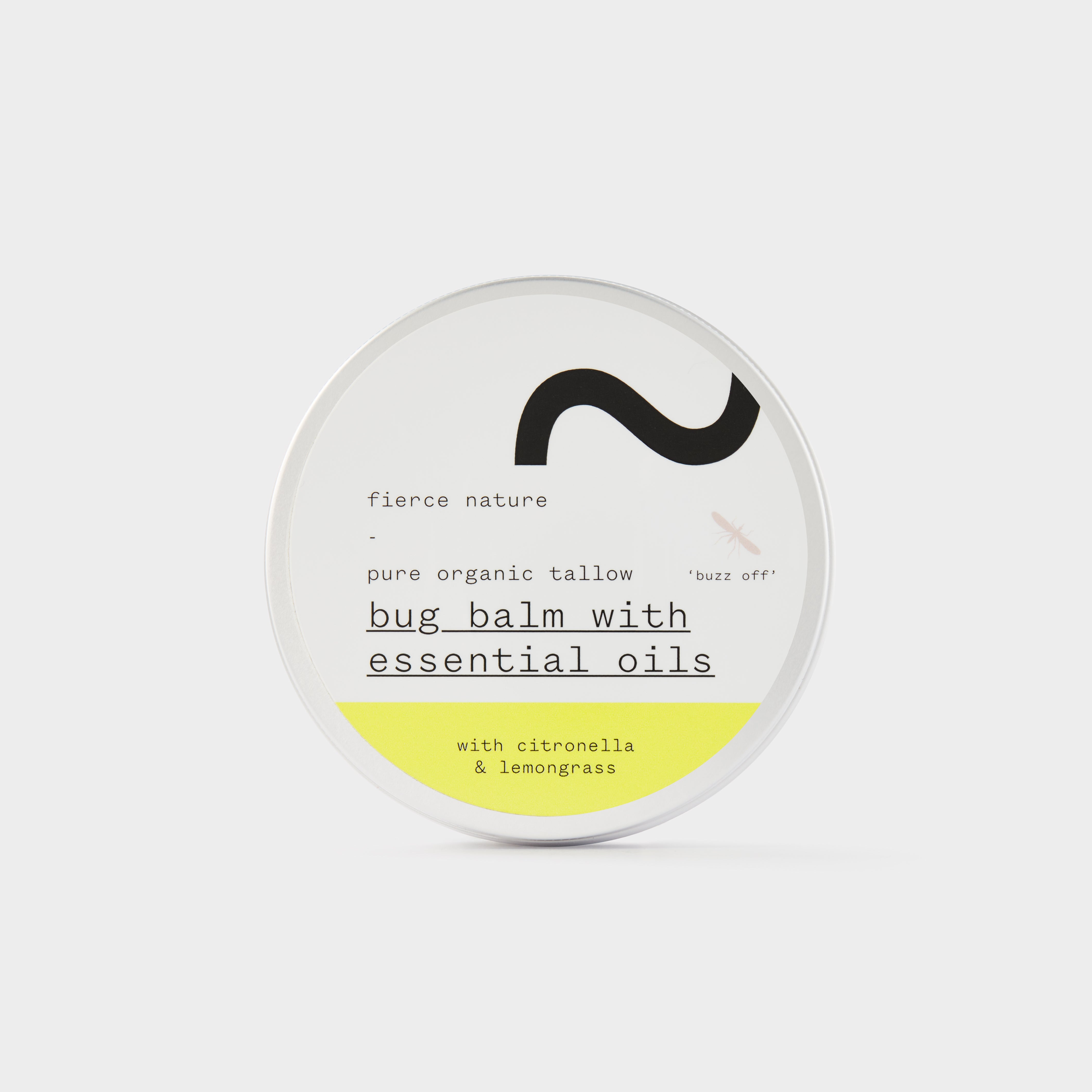
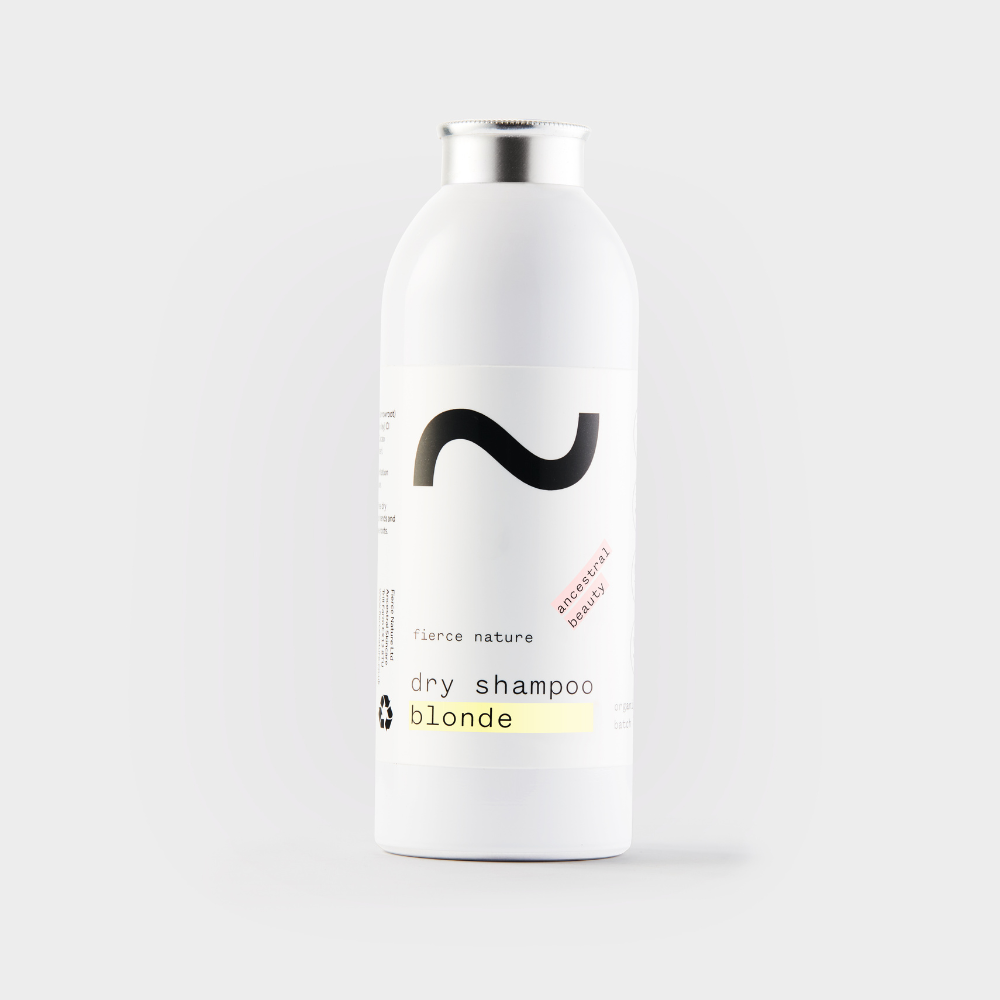
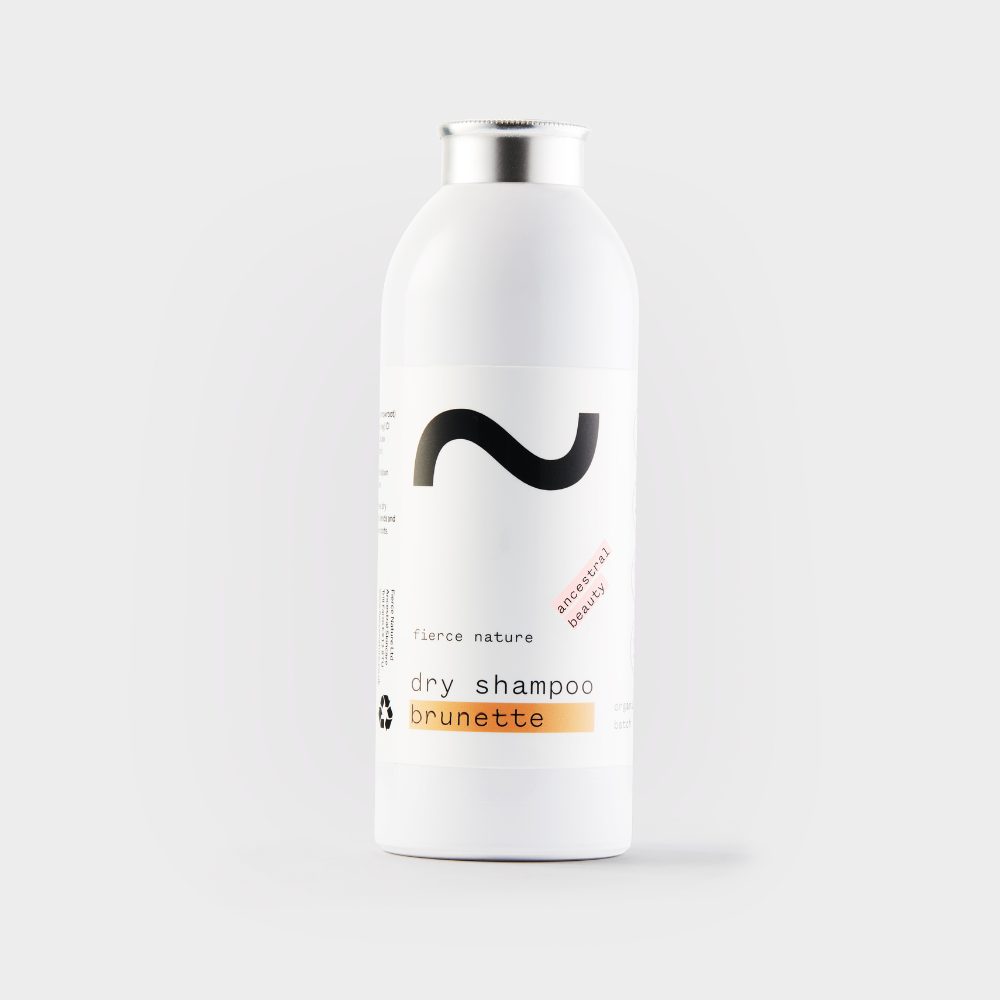
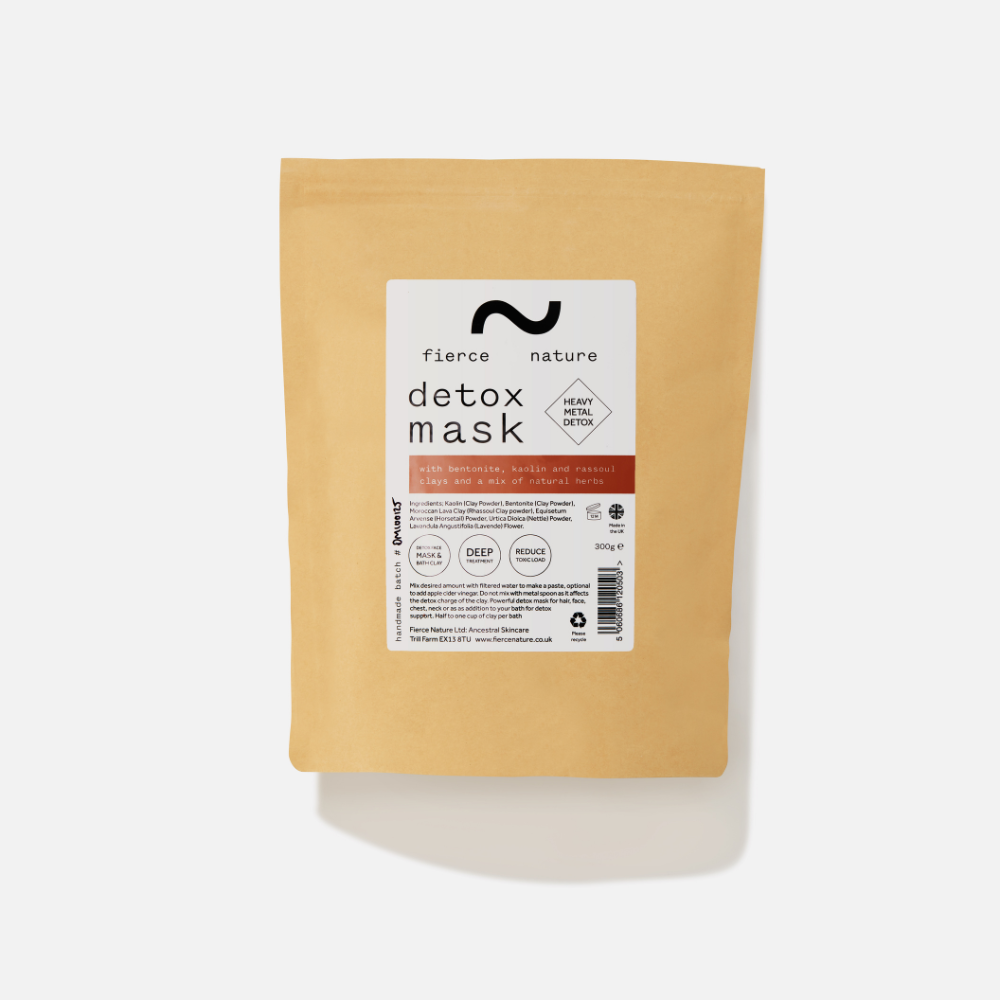
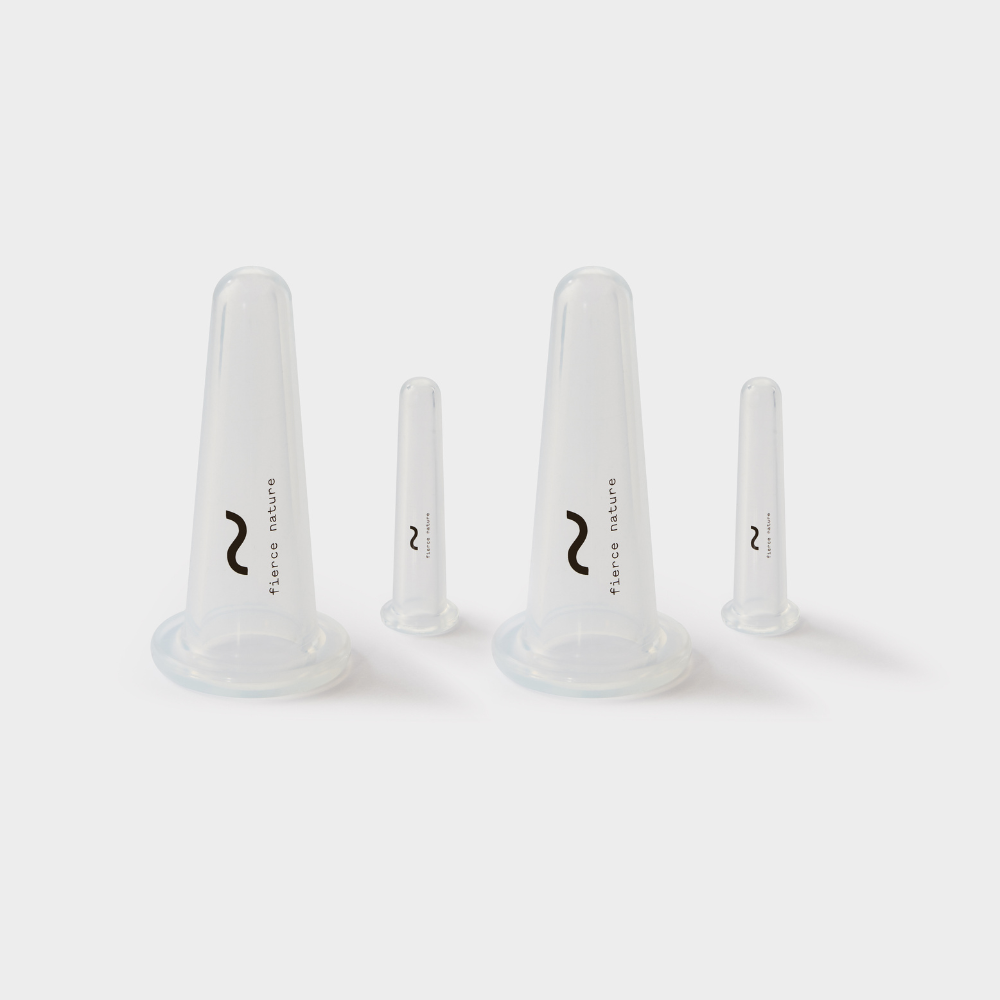
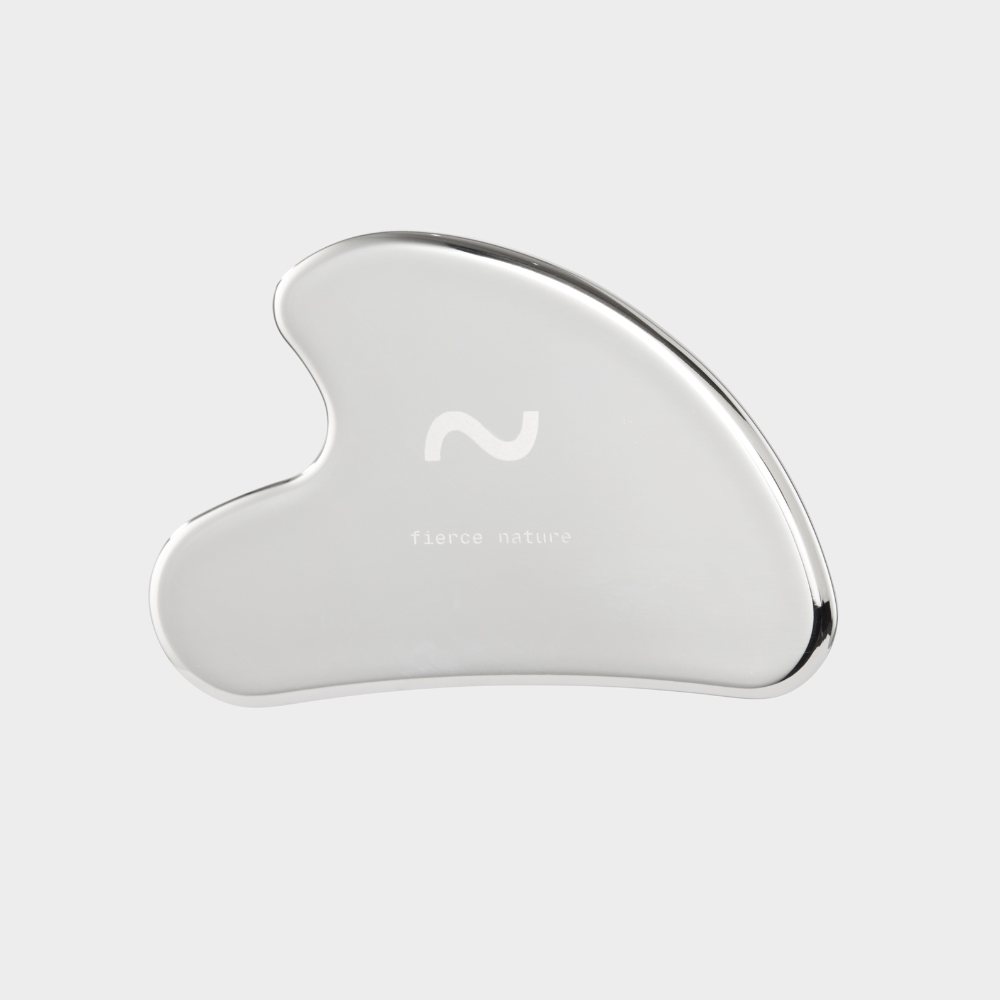



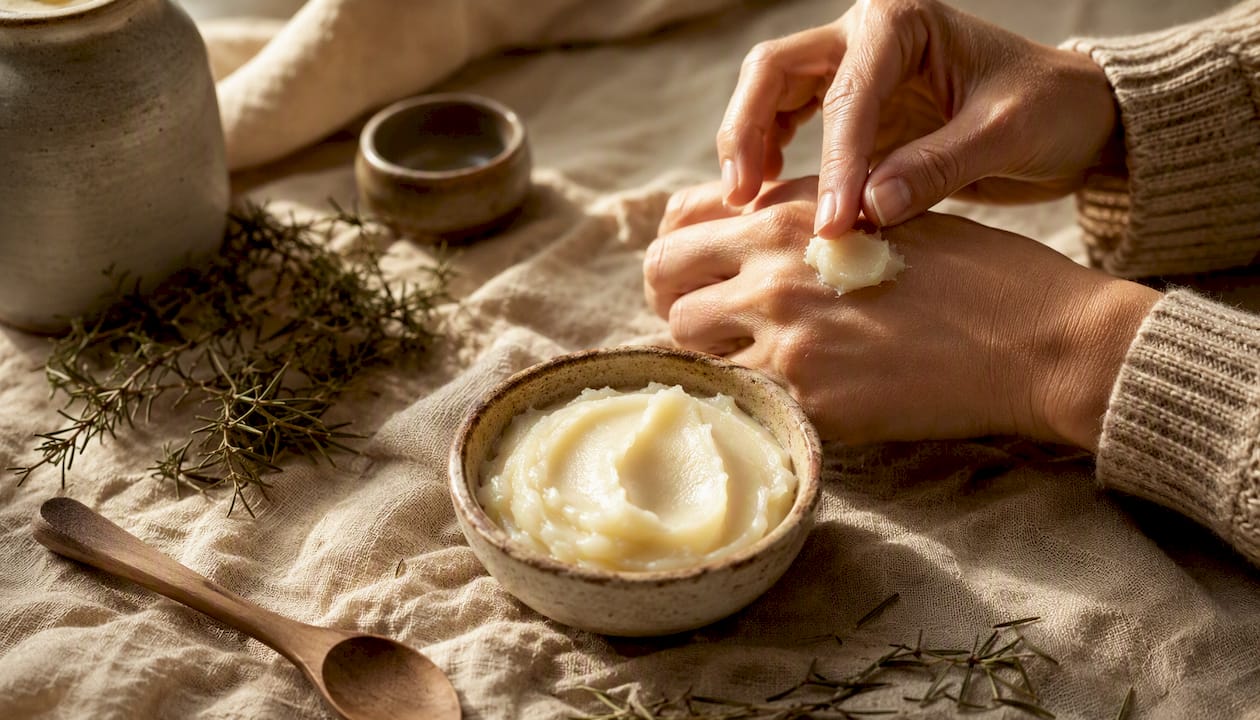
Animal-fat based emollients genuinely benefit very dry, compromised, and barrier-impaired skin, with measured hydration increases recorded in short-term trials. The evidence is real but limited. Most studies are small, and several come from the same research group, so the findings are promising rather than conclusive. If your skin is oily, acne-prone, or prone to inflammatory flare-ups such as rosacea, tallow and similar animal-derived emollients carry meaningful risks and are best avoided or used only with clinical guidance.
Before you try any animal-fat product, here are the key caveats to hold in mind:
Immediate practical action: patch test on your inner forearm for 24–48 hours before applying to your face. Start with a small area, use a pea-sized amount, and if you have a diagnosed skin condition, speak to a clinician first.
Animal-fat based emollients offer measurable, short-term hydration benefits for very dry and compromised skin, supported by a 2024 scoping review and consistent with the known science of occlusion, but they are not clinically superior to modern ceramide or humectant moisturisers and carry real risks for oily, acne-prone, or inflammatory skin types.
| Point | Details |
|---|---|
| Hydration evidence exists | A 2024 scoping review recorded hydration increases in a range observed in short-term tallow emulsion studies. |
| Best for very dry skin | Tallow’s occlusive action suits xerosis, dry mature skin, and compromised barriers; less suited to oily or acne-prone skin. |
| Comedogenic risk is real | Tallow can clog pores; oily and acne-prone skin types should avoid it or choose low-comedogenic plant oil alternatives. |
| Quality and sourcing matter | Grass-fed, organically sourced tallow with microbiological testing reduces contamination and oxidation risk. |
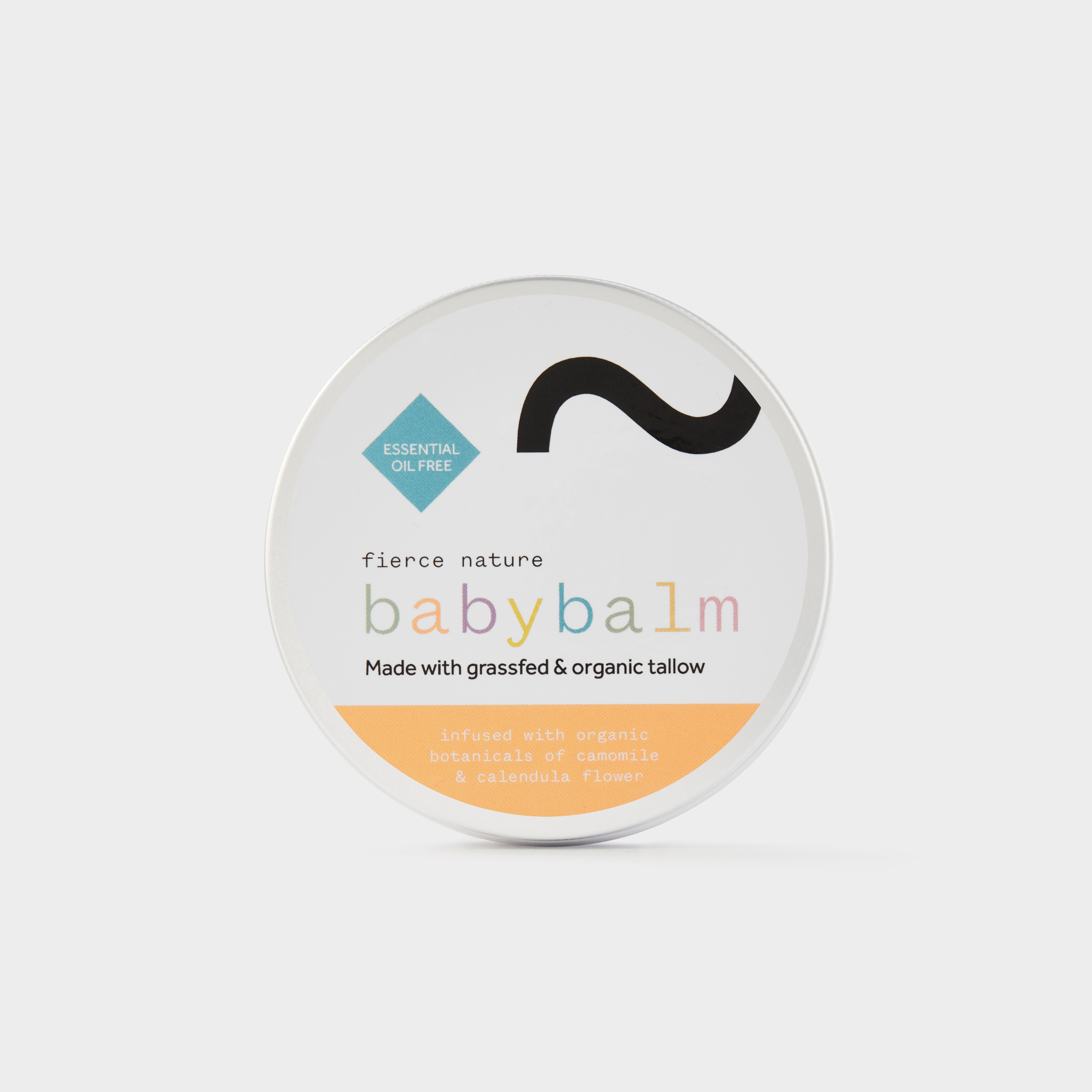
| Fierce Nature’s range | Fierce Nature offers UK-made, grass-fed tallow balms, bars, and sticks for dry, sensitive, and baby skin, with fragrance-free options available. |
The most robust piece of evidence currently available is a 2024 scoping review examining tallow-based emulsions and their effect on skin hydration. Across the studies it analysed, hydration increases were recorded at various timepoints. Individual measurements included moderate to high rises in hydration, depending on formulation and the point at which skin was measured.
Hydration increases were recorded in short-term tallow emulsion studies, but the review’s authors explicitly urged larger, independent trials because several studies were small and often from the same research group.
Those numbers are encouraging. They confirm that tallow emulsions do something measurable to skin moisture in the short term. What they cannot yet tell us is whether those effects hold over weeks or months, or whether tallow outperforms well-formulated modern moisturisers in a head-to-head trial.
Medically reviewed sources from Cleveland Clinic and MD Anderson reach a consistent conclusion: tallow is occlusive and can moisturise dry skin, but there is not enough robust clinical evidence to recommend it over established, tested moisturisers. MD Anderson specifically notes that tallow does not contain ceramides, which limits its value for targeted barrier repair compared with ceramide-containing formulations. Dermatologists quoted in Scripps consumer health content add that many retail and DIY tallow products lack microbial and stability testing, which is a practical safety concern quite separate from the question of efficacy.
Strengths and limitations of the current evidence base:
The honest summary: the benefits of animal-fat based emollients are biologically plausible and supported by early-stage data, but the evidence base is not yet strong enough to position them as clinically superior to modern alternatives.
The moisturising action of animal fats comes down to two things: their fatty-acid composition and their physical ability to form an occlusive film on the skin’s surface.
Key fatty acids in tallow and their roles:
These fatty acids mirror those found naturally in human sebum, which is one reason dermatologists note that tallow can feel compatible with skin rather than sitting on top of it like a synthetic film.
The principal physical mechanism is occlusion: the fat forms a semi-permeable layer over the skin surface that slows transepidermal water loss (TEWL). Reducing TEWL is the core goal of any emollient, and tallow does this effectively. It does not add water to the skin itself; it traps the water already there.
A word on vitamins: rendered animal fat does contain trace fat-soluble vitamins (A, D, E, and K), as confirmed by USDA nutrient composition data. However, these are present in very small, variable amounts. Medically reviewed sources are clear that these traces are unlikely to act like topical retinoids or therapeutic vitamin D preparations. The vitamin content is a minor bonus, not a primary mechanism.
Pro Tip: Blending tallow with a linoleic-acid-rich plant oil (such as rosehip or hemp seed) can improve tolerability for drier skin types and helps balance the fatty-acid profile, particularly if you want to support barrier repair alongside occlusion. Fierce Nature’s formulations use this principle to create balms that work with your skin’s own lipid chemistry.
Not every skin type responds the same way to animal-fat emollients. Here is a condition-by-condition picture, drawing on the available clinical signals and dermatologist input.
Very dry skin and xerosis This is where the evidence is strongest. Tallow’s occlusive action reduces TEWL and the short-term hydration data from the 2024 scoping review is most applicable here. People with chronically dry, flaky, or tight-feeling skin tend to respond well to rich occlusives. Tallow balm for dry skin is a well-established traditional use with a growing evidence base.
Atopic dermatitis and eczema That said, eczema-prone skin is reactive by nature, and some individuals find heavy occlusives aggravate rather than soothe. A dermatologist’s input is strongly recommended before using tallow as a primary eczema treatment.
Wound healing and barrier support Occlusive fats have a long history in wound care. Tallow creates a protective environment that may support the skin’s own repair process, though this is largely based on traditional use and the general science of occlusion rather than tallow-specific wound-healing trials.
Ageing and dry mature skin Mature skin produces less sebum and loses moisture more readily. An occlusive emollient like tallow can meaningfully reduce that moisture loss and improve the feel and appearance of dry, crepey skin. This is one of the most practical use cases.
Baby skin Baby skin has a thinner, more permeable barrier. Gentle, fragrance-free tallow products have been used traditionally for nappy rash and dry patches. Fragrance-free formulations are strongly preferred, and a patch test is non-negotiable for infants.
Acne-prone and oily skin Tallow is comedogenic. Applying a heavy occlusive to oily or acne-prone skin risks clogging pores and worsening breakouts. Dermatologists consistently advise against it for this skin type. If you have oily skin but want a natural moisturiser, a lighter plant oil with a low comedogenic rating is a better starting point.
Rosacea and inflammatory conditions Heavy occlusives can trap heat and irritation, potentially aggravating rosacea and other inflammatory skin conditions. Seek clinical guidance before trialling any new emollient on inflamed skin.
| Skin concern | Likely benefit | Evidence level | Dermatologist caution |
|---|---|---|---|
| Very dry skin / xerosis | High | Small clinical trials | Patch test; avoid if acne-prone |
| Atopic dermatitis / eczema | Moderate (short-term) | Limited, small studies | Consult clinician for chronic cases |
| Dry mature skin | High | Anecdotal + occlusion science | Generally well tolerated |
| Baby dry skin / nappy rash | Moderate | Traditional use | Use fragrance-free only |
| Acne-prone / oily skin | Low / negative | Comedogenicity evidence | Avoid or use with caution |
| Rosacea / inflammatory | Low / negative | Expert opinion | Seek clinical guidance |
The benefits of animal fats in skincare are real, but so are the risks. Understanding them helps you use these products wisely.
Comedogenicity Tallow has a relatively high comedogenic rating. This means it can block pores, particularly in areas where sebum production is already high (forehead, nose, chin). Oily and acne-prone skin types are most vulnerable. Even people with combination skin may find tallow problematic on the T-zone while tolerating it well on drier cheeks or body areas.
“Natural does not mean universally safe. Heavy occlusives like tallow can aggravate inflammatory skin conditions, and the absence of synthetic ingredients does not remove the need for individual patch testing.” Dermatologists quoted in consumer health reporting consistently make this point, and it is worth taking seriously.
Allergy and sensitisation Tallow (rendered beef fat) and lanolin (derived from sheep’s wool) carry different allergy profiles. Lanolin is a more common sensitiser and is a recognised allergen in contact dermatitis. Tallow allergy is less common but possible, particularly in people with existing meat or animal-product sensitivities. Red-flag symptoms to watch for include redness, itching, swelling, or a burning sensation within 24–48 hours of application.
Contamination and oxidation risks Poorly rendered or improperly stored animal fat can go rancid. Oxidised fat produces free radicals that may irritate skin rather than nourish it. DIY tallow products and small-batch items without microbial testing carry a higher risk of contamination. Dermatologists interviewed in Scripps content specifically flag this as a concern with retail and homemade products.
Patch test guidance:
Using a tallow or animal-fat balm well makes a real difference to both results and safety. Follow these steps when trialling a new product.
When to stop and seek advice: persistent redness, new breakouts, or a burning sensation after application are all reasons to pause and consult a dermatologist or GP.
Expected timeline: most people with dry skin notice improved softness and reduced tightness within a few days of consistent use. Meaningful barrier repair, where the skin holds moisture better on its own, typically takes two to four weeks of regular application. Animal-fat emollients are not pharmacological treatments; they work gradually and work best as part of a consistent routine.
Pro Tip: For facial use, the Selfie Stick Natural format from Fierce Nature offers precise, controlled application without transferring product from fingers to face, which reduces the risk of contamination and makes it easier to use a small, appropriate amount.
Cost and format pointers: tallow balms and bars vary in price depending on sourcing and formulation. A small tin or bar is a sensible first purchase, letting you assess your skin’s response before committing to a larger quantity. Bars tend to be more economical per gram; balms in tins offer easier application for facial use.
Not all animal-fat emollients are made equally. Sourcing, rendering method, and testing standards vary widely, and those differences matter for both safety and efficacy.
What to look for on the label and in the product description:
Questions worth asking your vendor:
Storage guidance: keep tallow products in a cool, dark place. Amber glass jars and sealed tins offer better protection against light-induced oxidation than clear packaging. Shelf life for a well-formulated, preserved tallow balm is typically six to twelve months. If a product smells rancid (sour, crayon-like, or sharp), discard it.
A note on ethics and vegan alternatives: animal-fat emollients are not suitable for vegan skincare routines. Plant-based alternatives with comparable occlusive properties include shea butter, cocoa butter, and mango butter. These do not replicate tallow’s exact fatty-acid profile but offer meaningful occlusion without animal-derived ingredients.
Pro Tip: When buying a tallow product for the first time, look for a maker who publishes their sourcing and testing information openly. Transparency about rendering temperature and batch testing is a reliable signal of quality and care.
Understanding where animal-fat emollients sit relative to other moisturising options helps you choose the right product for your skin’s actual needs.
Animal fats (tallow, lard):
Lanolin:
Plant oils (jojoba, rosehip, hemp seed):
Modern ceramide and humectant moisturisers:
| Category | Best for | Occlusion strength | Comedogenic risk | Evidence level |
|---|---|---|---|---|
| Tallow / animal fat | Very dry, mature, compromised skin | High | Moderate–high | Small trials / scoping review |
| Lanolin | Very dry skin, medical emollient use | High | Low–moderate | Established pharmaceutical use |
| Plant oils | Normal to combination, acne-prone | Low–moderate | Varies by oil | Moderate |
| Ceramide moisturisers | Barrier repair, eczema, sensitive skin | Moderate | Low | Strong clinical evidence |
| Humectant moisturisers | All skin types, dehydrated skin | Low | Very low | Strong clinical evidence |
Quick choice guide: if your goal is barrier repair for very dry or compromised skin and you want a natural, minimal-ingredient product, a well-sourced tallow balm is a reasonable starting point. If you have acne-prone skin, a lightweight plant oil or non-comedogenic ceramide moisturiser is a better fit. For eczema or a diagnosed skin condition, ceramide-based formulations have the strongest clinical backing. You can read more about natural moisturiser categories to help map your options.
Fierce Nature’s products are handmade in the UK using organic, grass-fed tallow as the base ingredient. The tallow is rendered from pasture-raised animals, a process that affects the final fatty-acid profile and the purity of the finished fat. Grass-fed sourcing tends to produce a fat with a more balanced fatty-acid composition, as noted in lipid research on how animal diet influences ruminant fat quality.
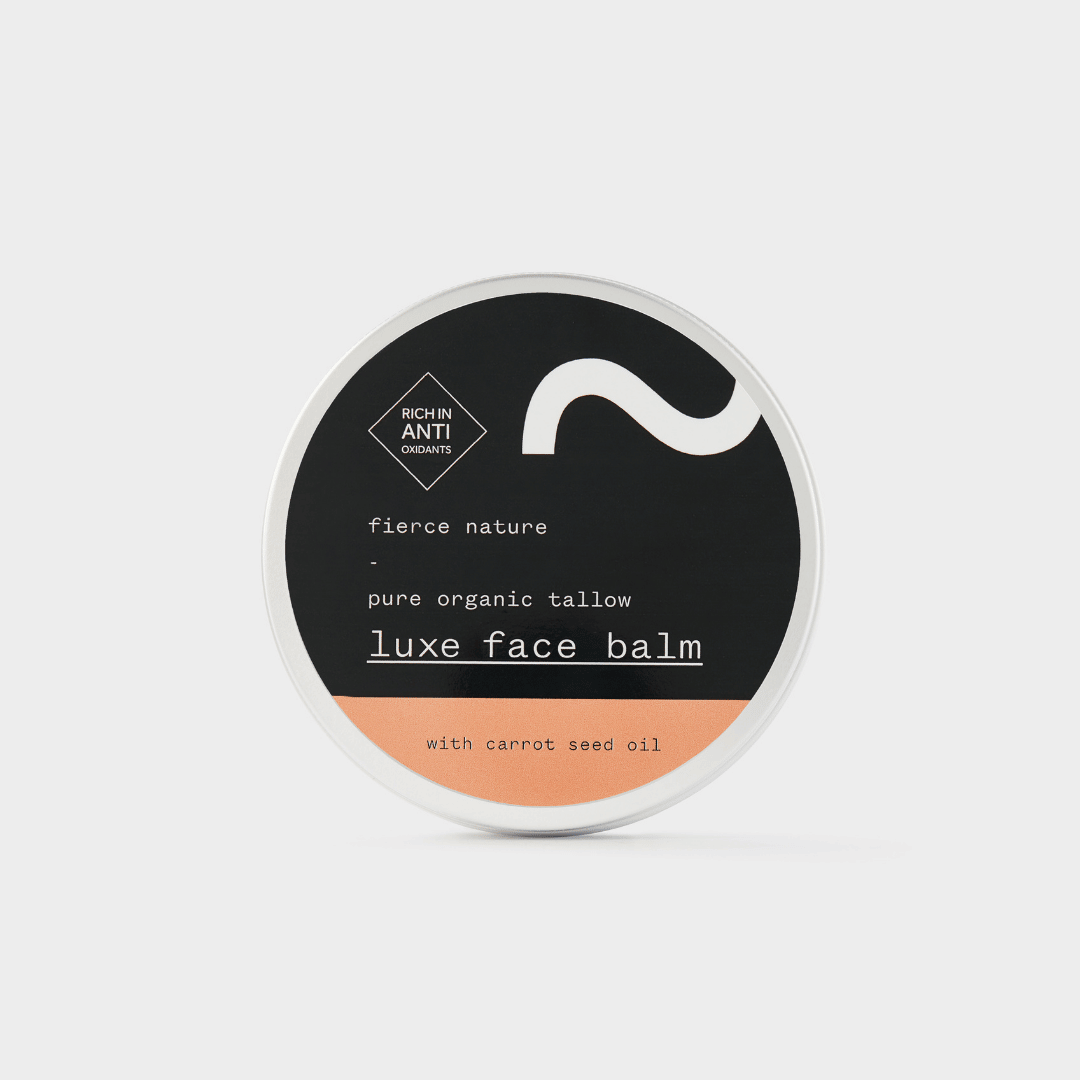
Each product is formulated with a small number of naturally sourced ingredients, keeping the ingredient list clean and the risk of sensitisation low. Batch labelling and storage guidance are provided with each product, and the range is designed for people who want to move away from synthetic-ingredient skincare without sacrificing efficacy.
Fierce Nature’s current tallow-based range includes:
Pro Tip: If you are new to tallow skincare, the Multi-Use Tallow Bar (Unscented) is a low-risk starting point. Its fragrance-free formula reduces sensitisation variables, and the bar format makes it easy to control how much product you use.
For facial use, bars and sticks offer more controlled application than tins. For body use, particularly very dry areas like heels, elbows, and shins, a balm tin applied after bathing gives the richest coverage. Baby products should always be patch-tested on a small area of the infant’s skin before wider use.
These sources informed this article. Each is listed with a brief note on its type and relevance.
There is a tendency in natural skincare circles to treat “traditional” as a synonym for “proven.” Tallow has been used on skin for centuries, and that history is meaningful. But centuries of use did not come with controlled trials, and the 2024 scoping review, while genuinely encouraging, is not the same as a body of independent, large-scale clinical evidence.
What the research actually supports is this: tallow is a competent occlusive emollient that reduces transepidermal water loss and can measurably improve short-term skin hydration. For people with very dry, non-acne facial skin or body xerosis, that is a real and useful benefit. The fatty-acid profile is genuinely compatible with human skin lipids, and the minimal-ingredient nature of a well-made tallow balm reduces the sensitisation risk that comes with complex synthetic formulations.
Where the conventional enthusiasm falls short is in the overclaiming. Tallow does not contain ceramides. Its vitamin content is trace and variable. It will not replace a targeted barrier-repair prescription for severe eczema, and it is not a treatment for any skin condition. The dermatologists who caution against it for acne-prone and inflammatory skin are right to do so, and those cautions deserve equal weight alongside the hydration data.
The most honest position is this: animal-fat emollients occupy a legitimate, useful niche in skincare for the right skin types. They are not a revolution, and they are not a regression. They are a well-sourced, thoughtfully formulated option for people whose skin responds better to simple, fat-based nourishment than to the synthetic-ingredient mainstream. The key is knowing whether your skin is one of them.
Fierce Nature was built on exactly this principle: that your skin deserves ingredients it recognises, not a list of chemicals it has to fight. Every product in the range is handmade in the UK using organic, grass-fed tallow as the foundation, with a short, clean ingredient list and no synthetic fillers.
If you have very dry, sensitive, or compromised skin and you are ready to try a natural emollient that works with your skin’s own lipid chemistry, the natural beauty collection is a good place to start. The Multi-Use Tallow Bar (Unscented) is a practical, fragrance-free entry point for new users, while the Luxe Balm suits those wanting a richer, dedicated face treatment. For families, the Non-toxic Baby Skin Essentials bundle brings the same clean formulation philosophy to infant skin care.
Browse the full range at Fierce Nature and find the format that fits your skin and your routine.
This article is general information, not a substitute for advice from a qualified doctor. Consult a qualified healthcare professional about your own circumstances before acting on anything here.
Animal fat, particularly tallow, can be a good moisturiser for very dry or compromised skin.
Dermatologists flag two main concerns: tallow is comedogenic and can clog pores on oily or acne-prone skin, and many retail or DIY tallow products lack the microbial and stability testing that established moisturisers undergo.
For very dry, non-acne skin, animal fat is an effective occlusive moisturiser. It reduces transepidermal water loss by forming a protective layer on the skin’s surface, which helps retain moisture, though it does not add water to the skin directly.
A dermatologist’s guidance is recommended before using tallow as a primary treatment for atopic dermatitis.