Cart
0
80% Also Added this
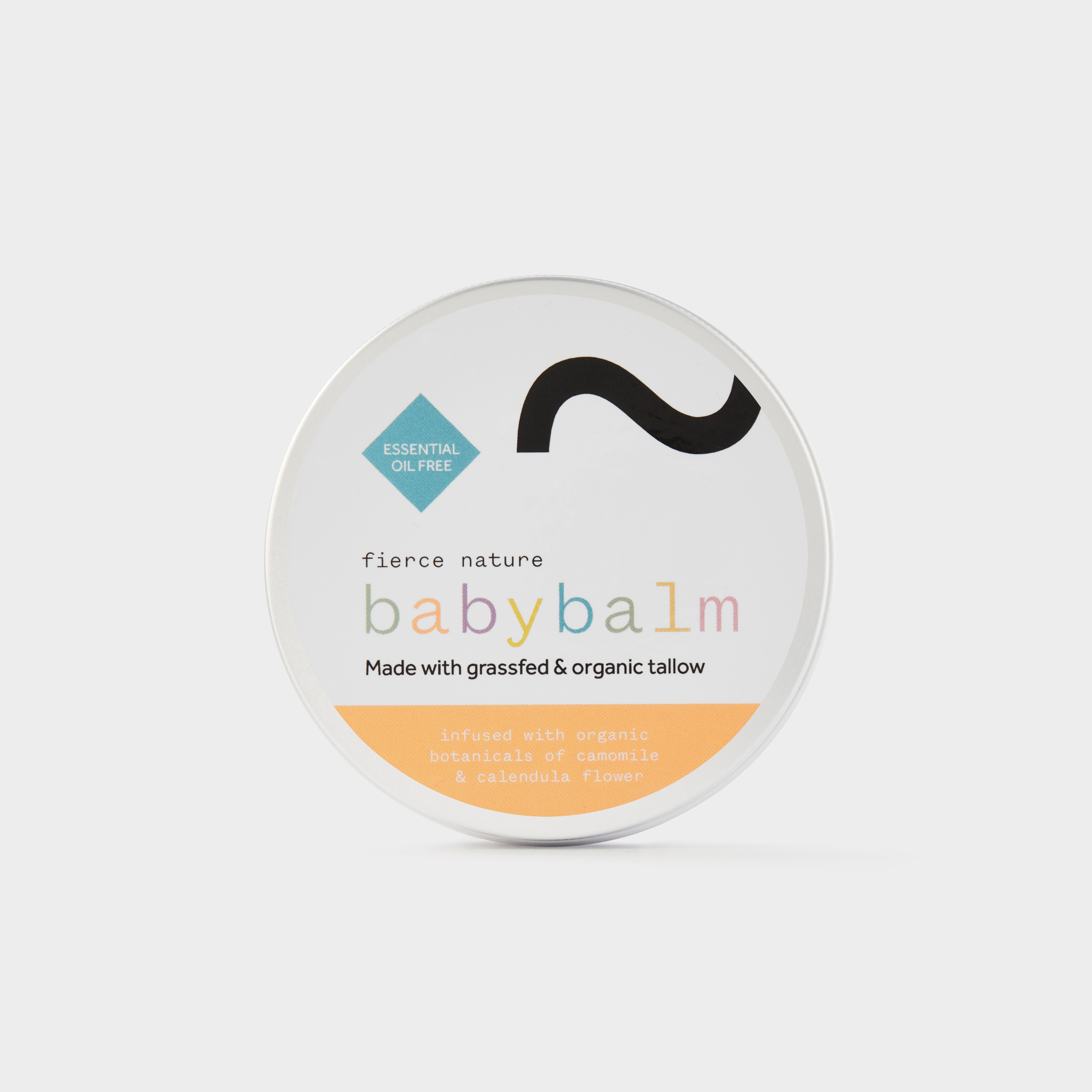
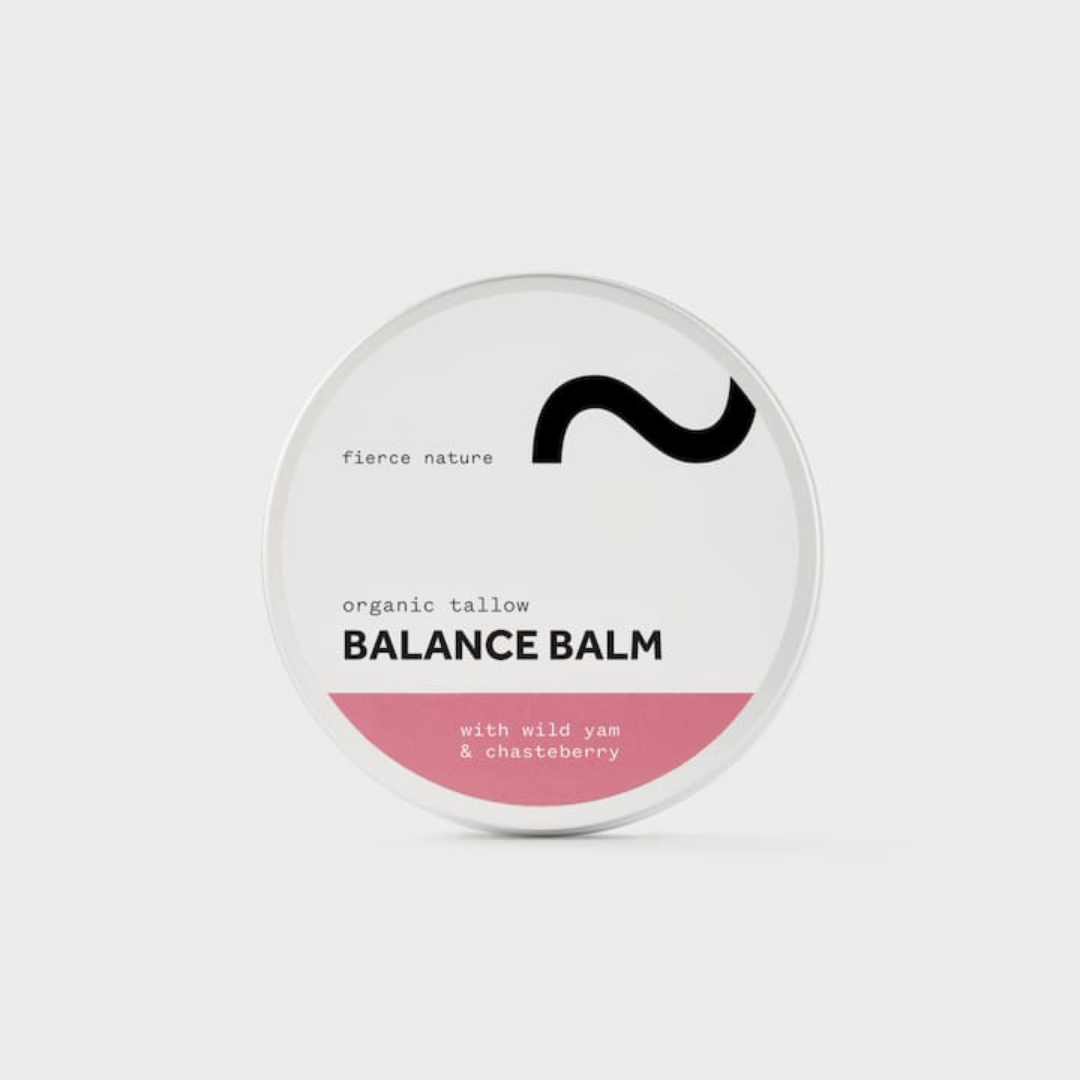
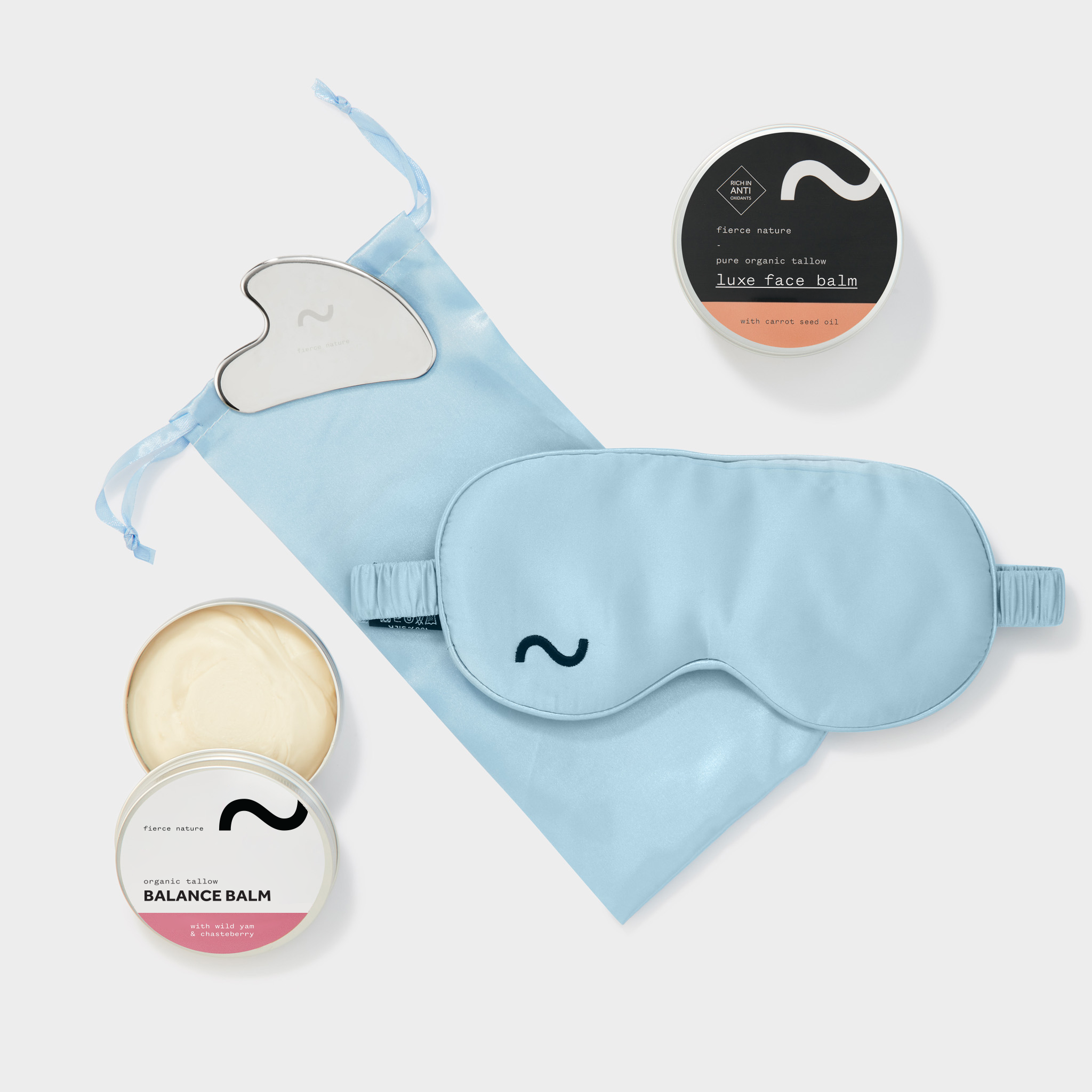
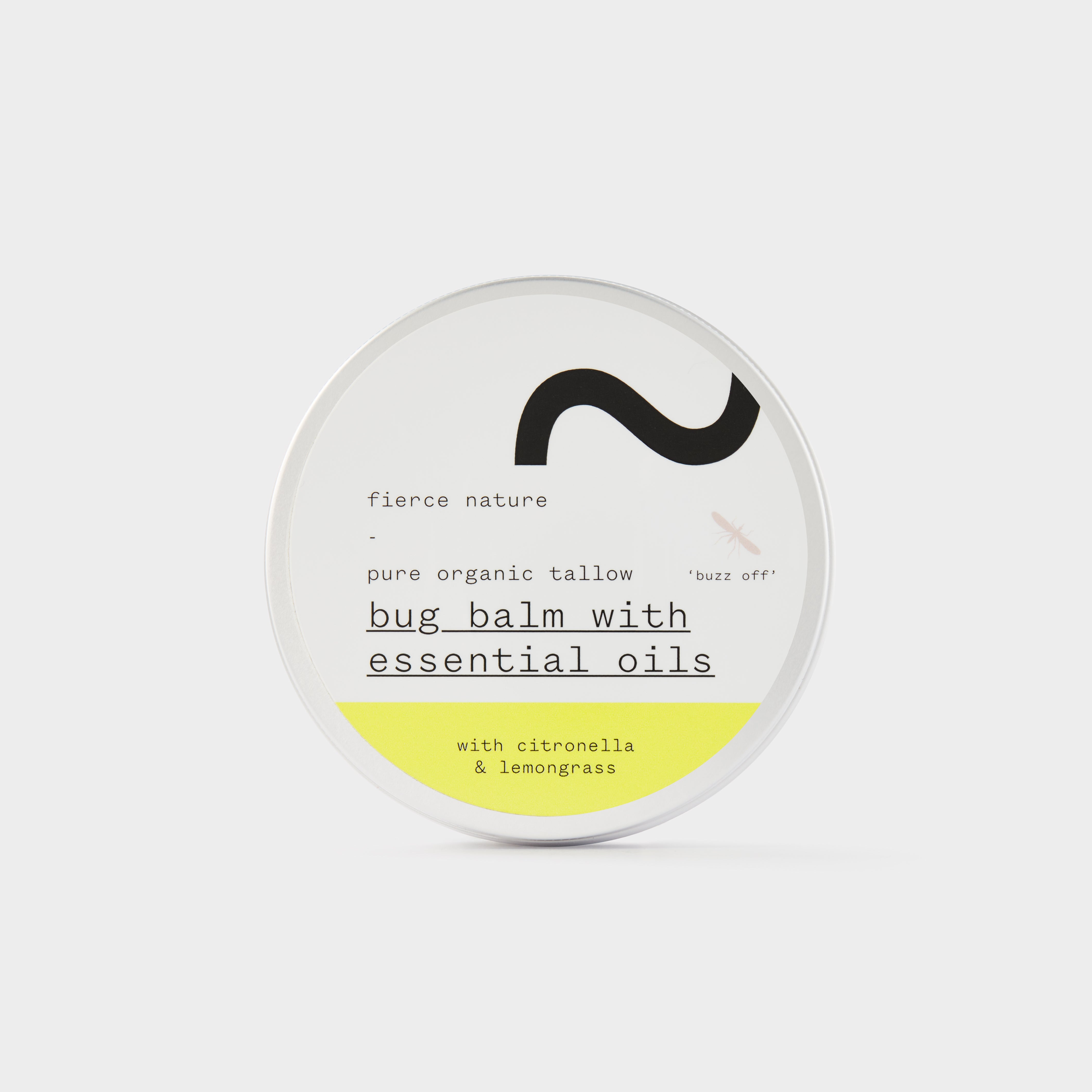
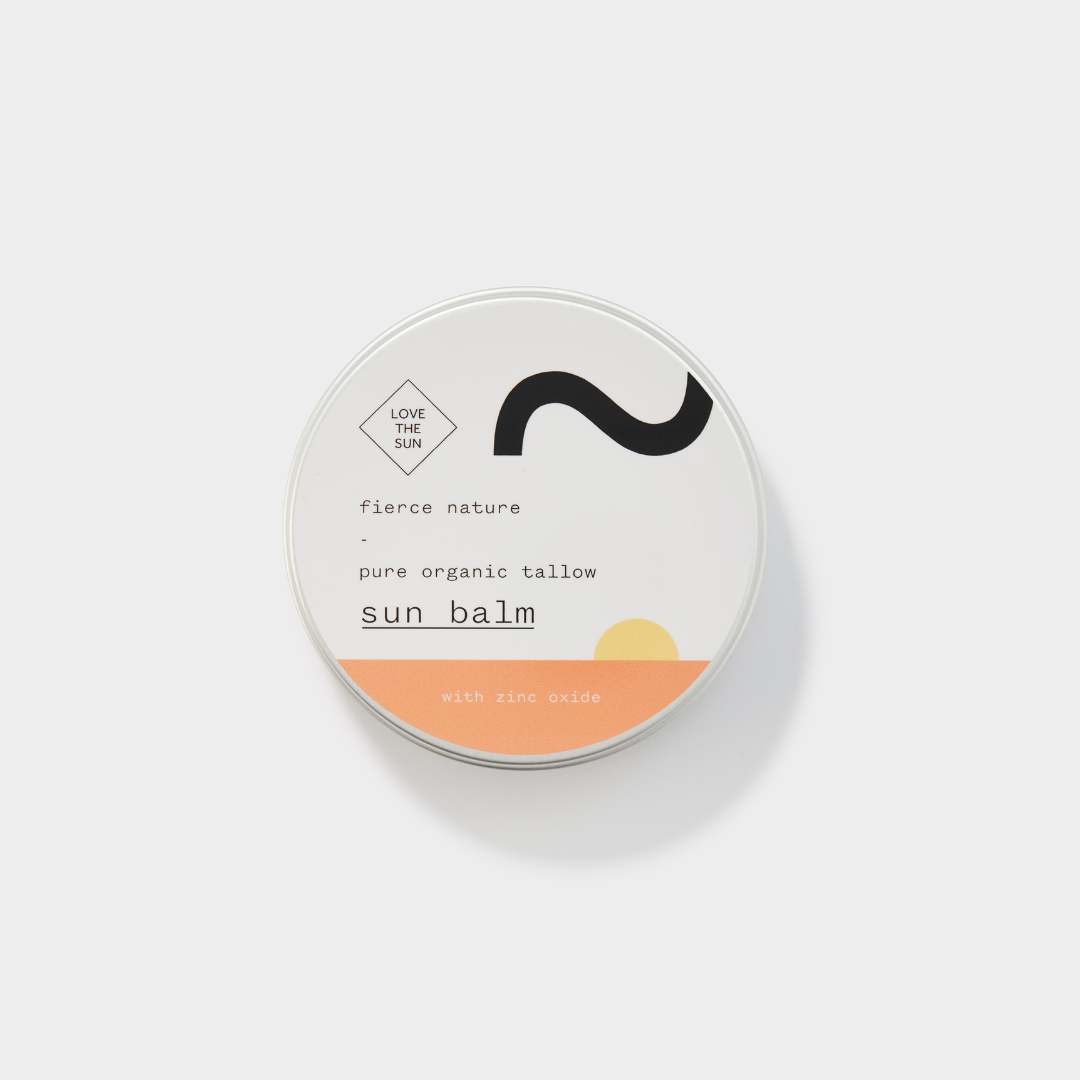
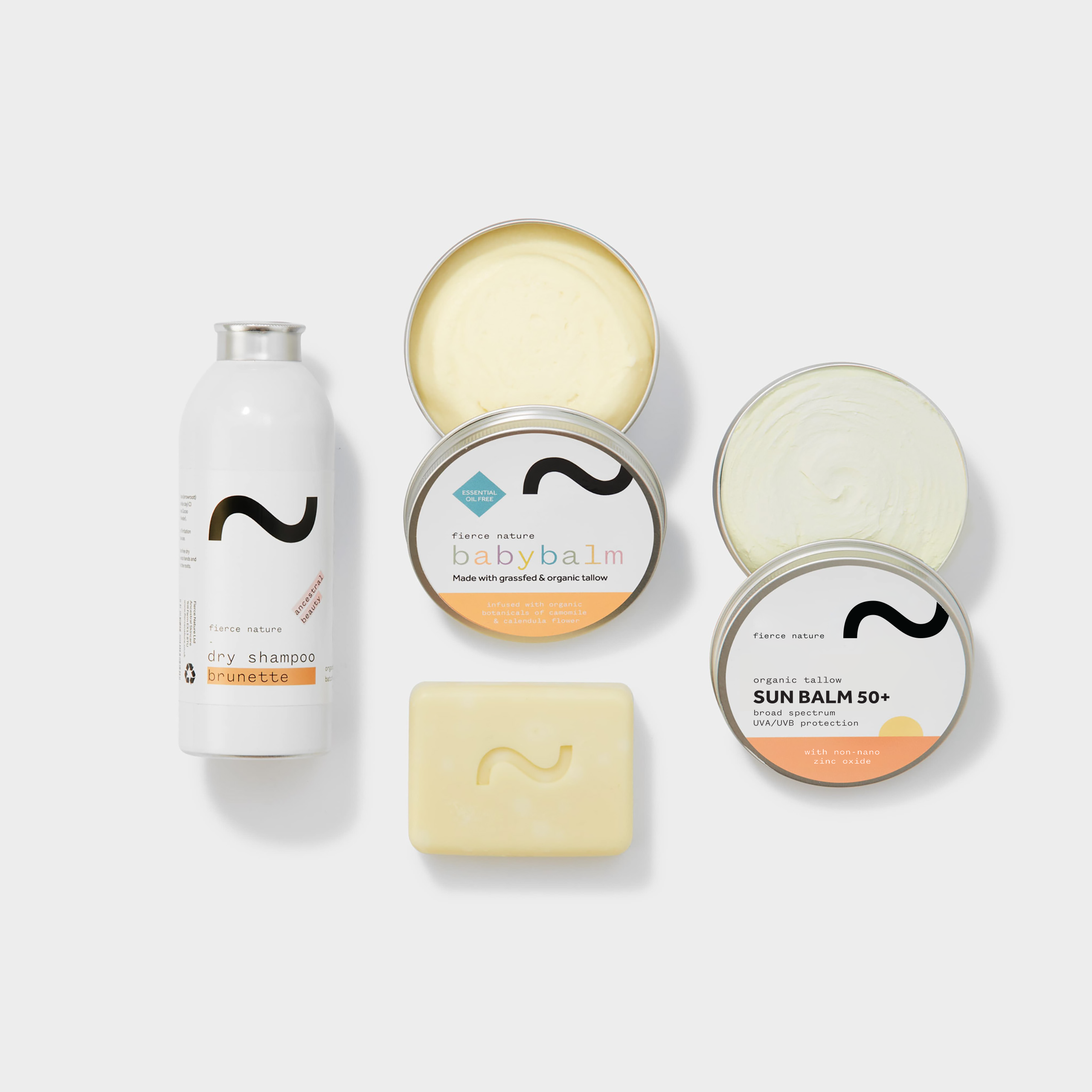
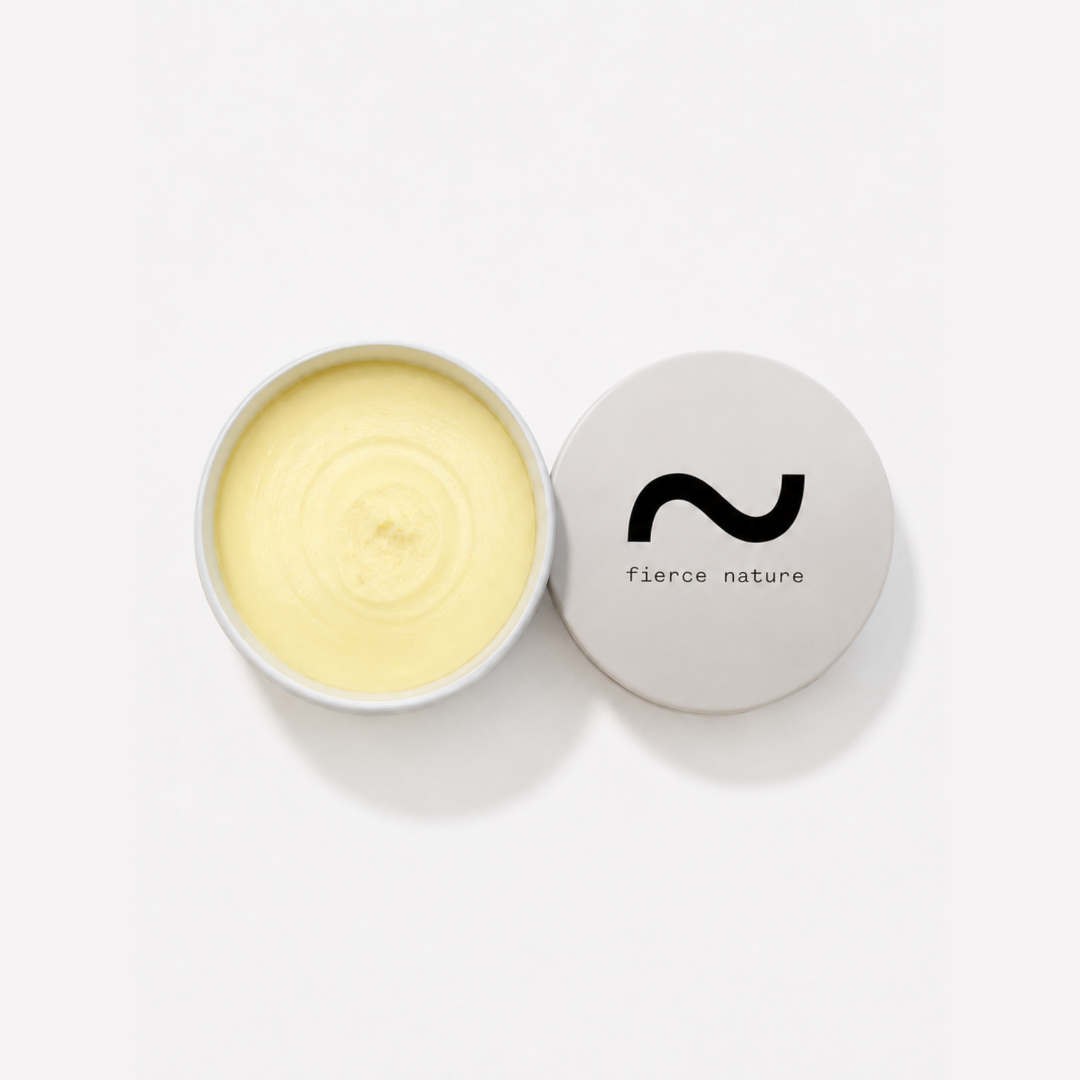
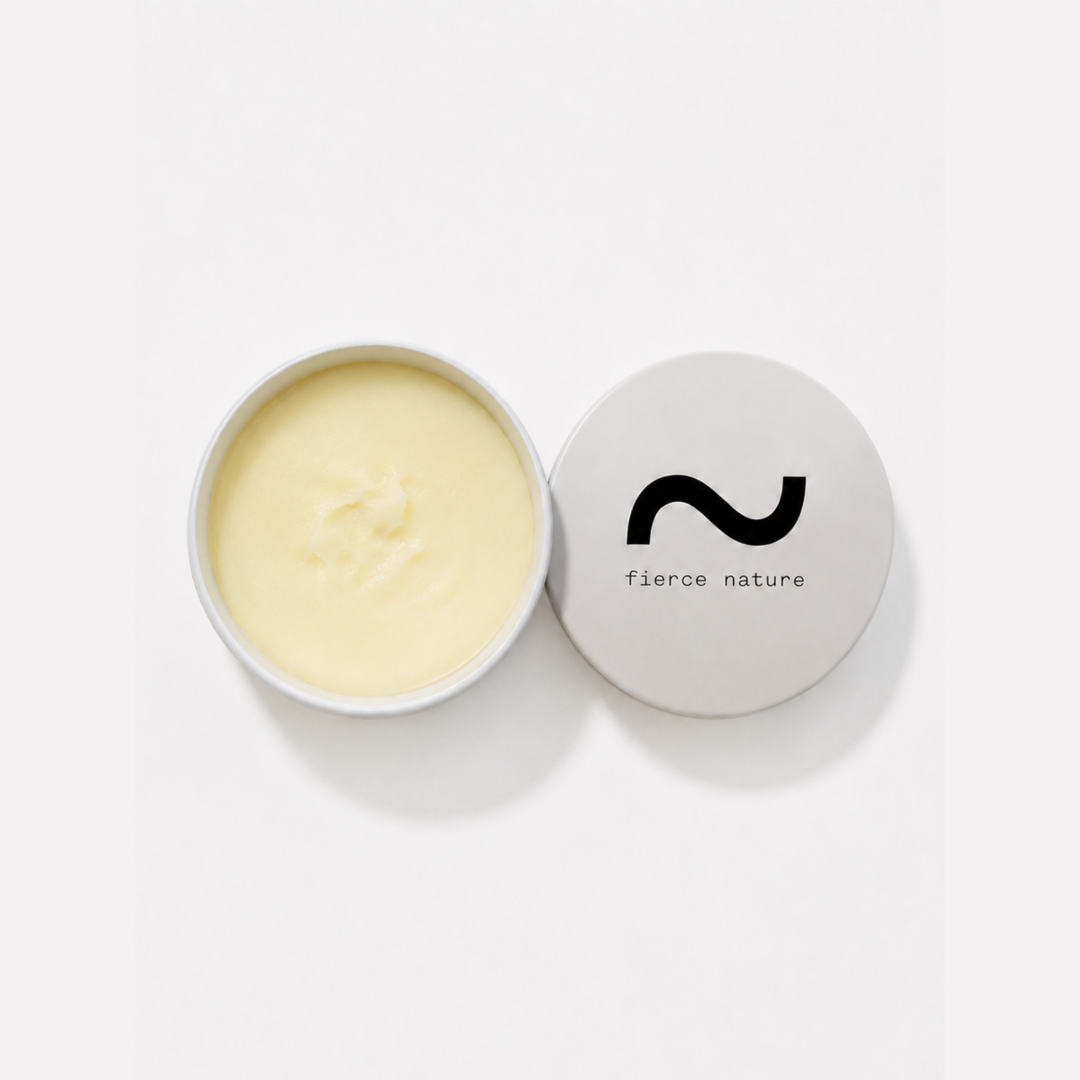
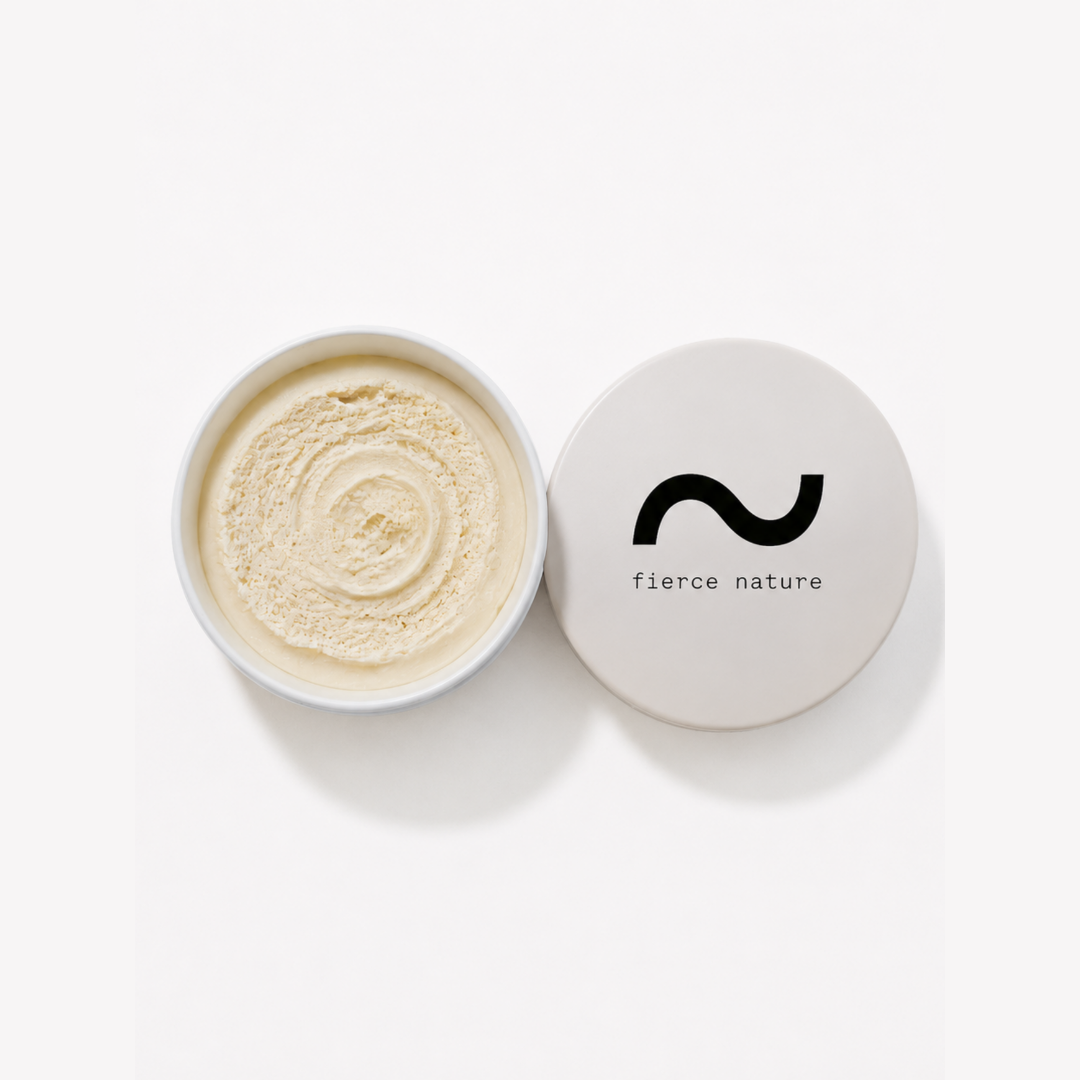
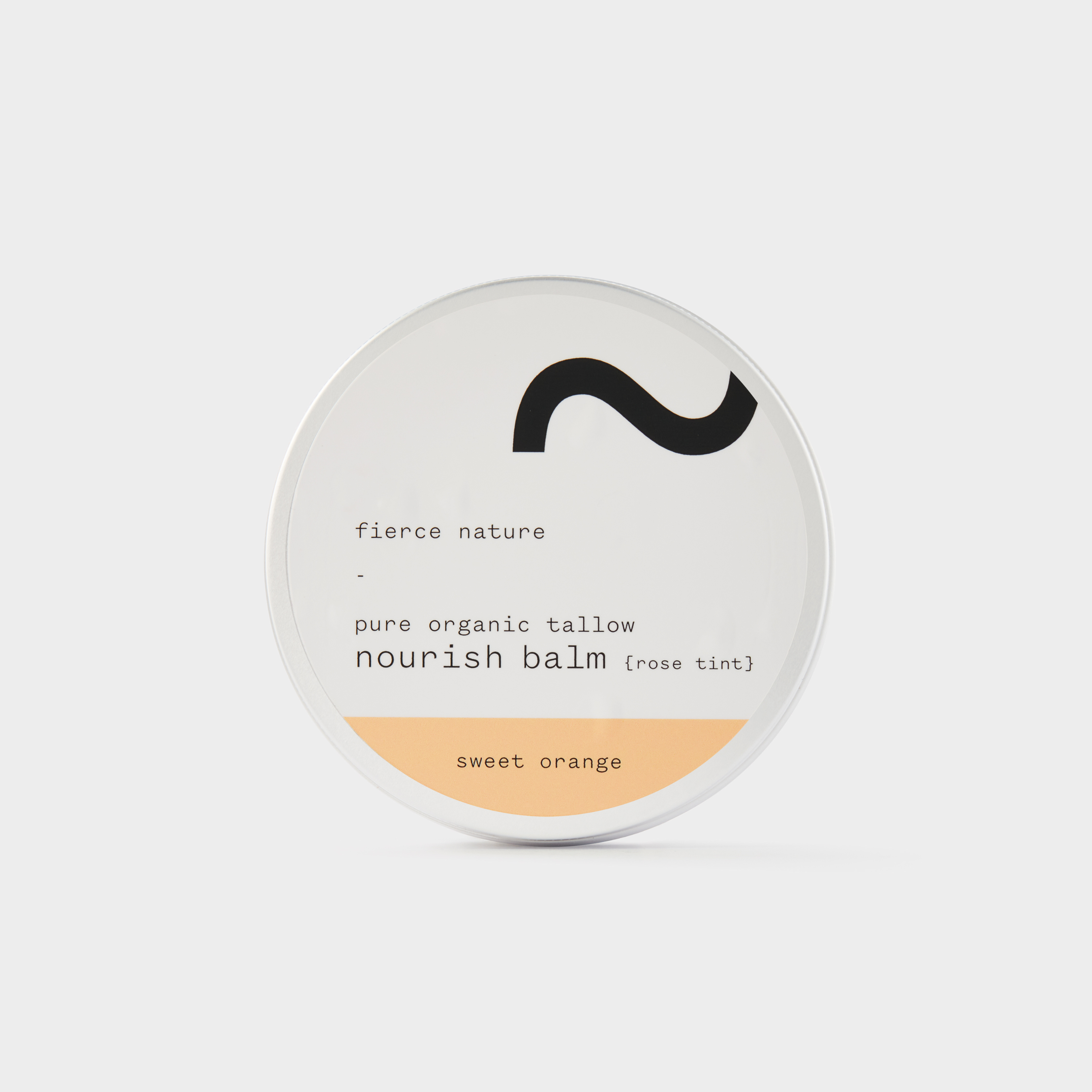

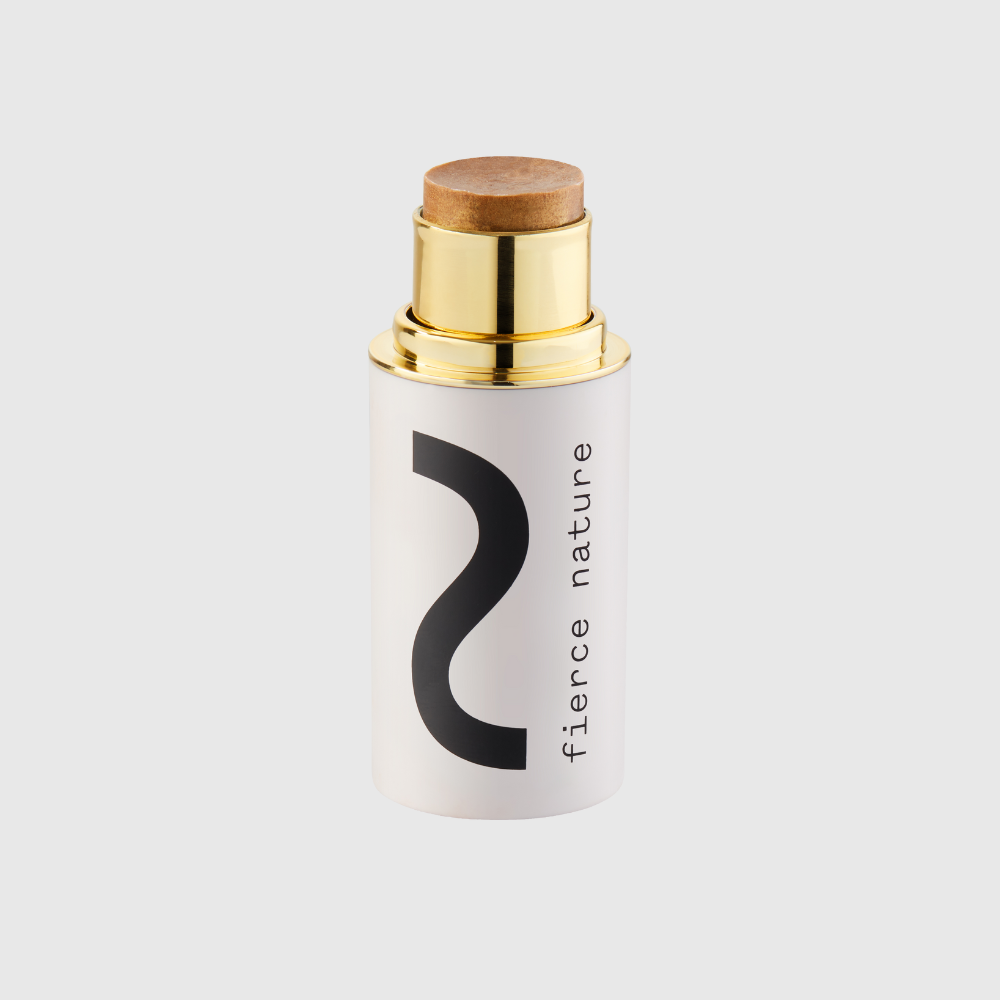
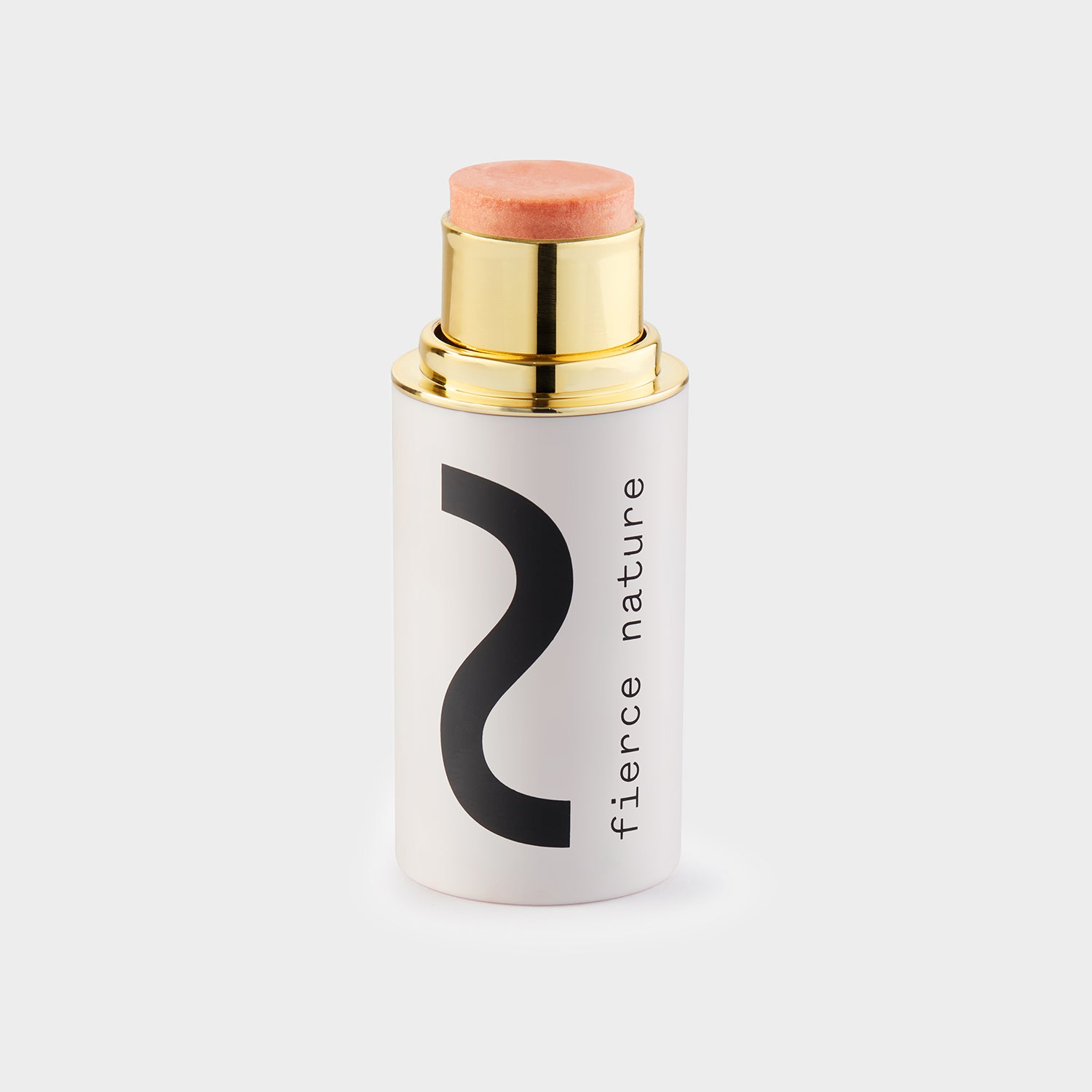
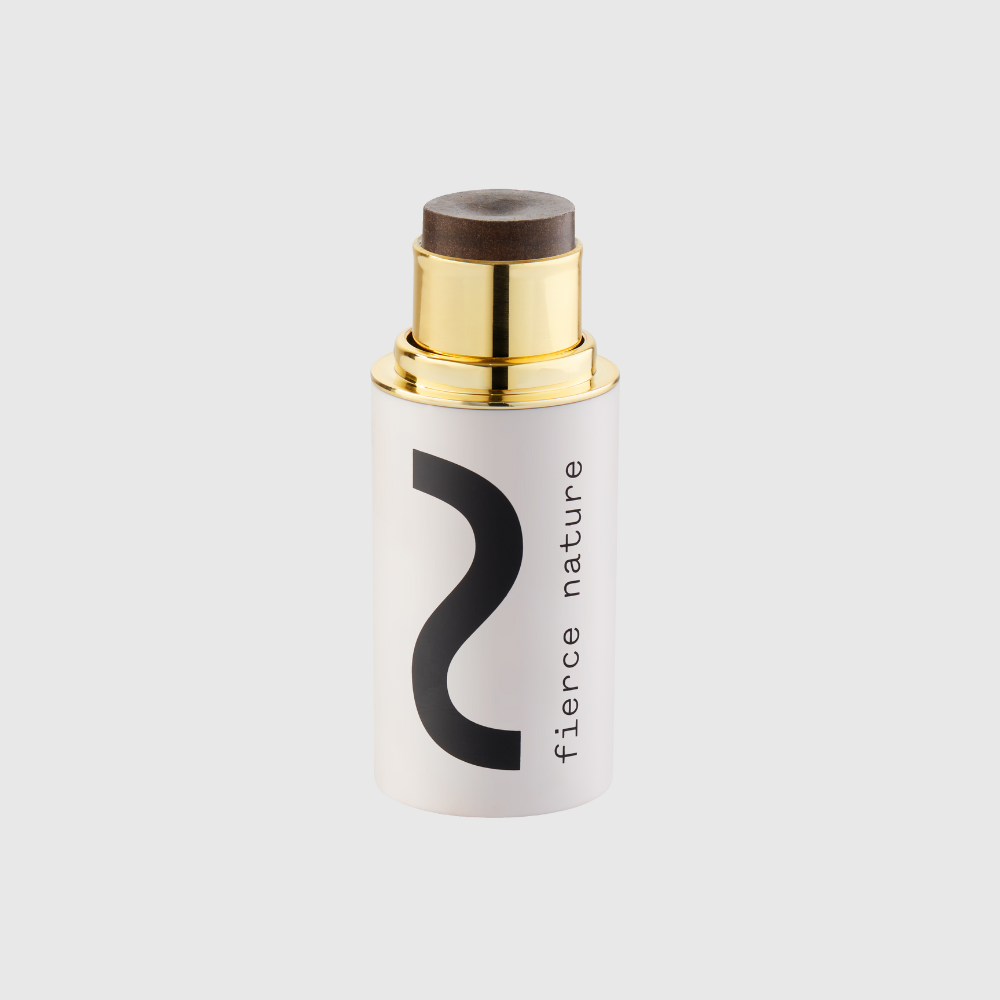
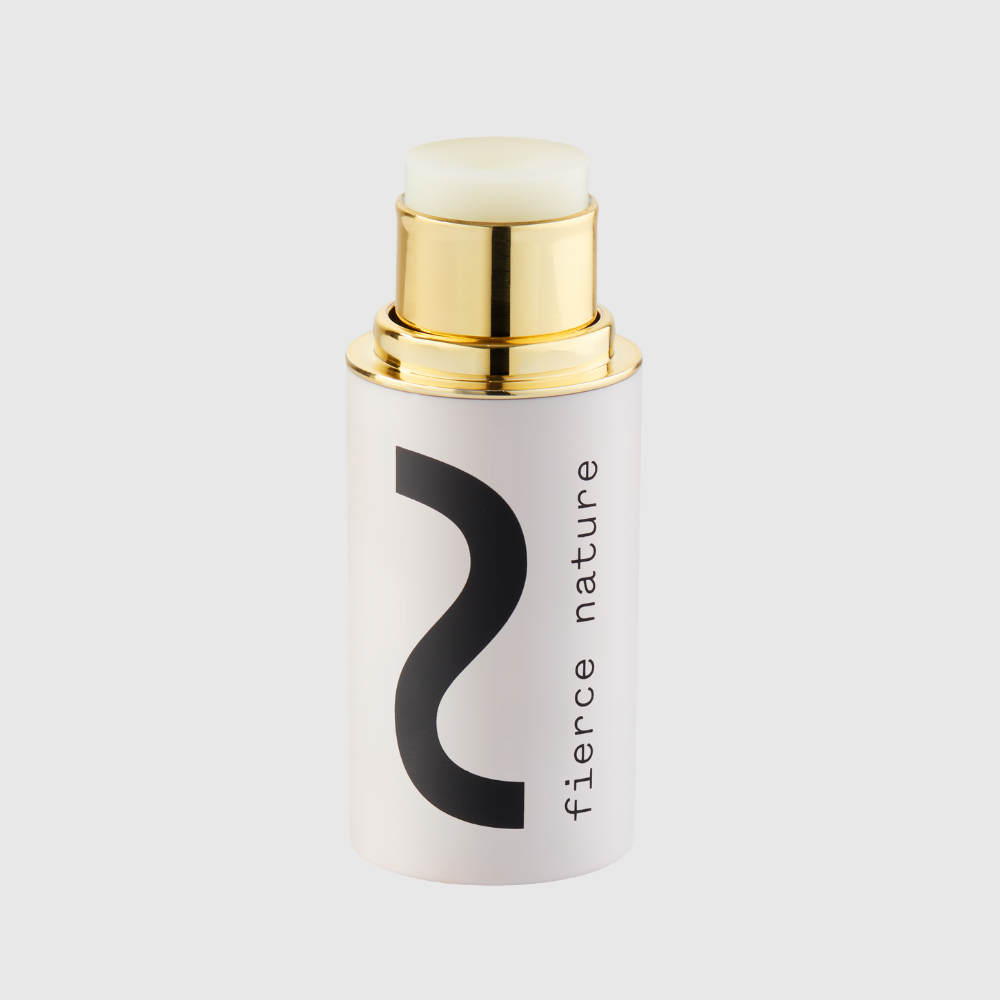
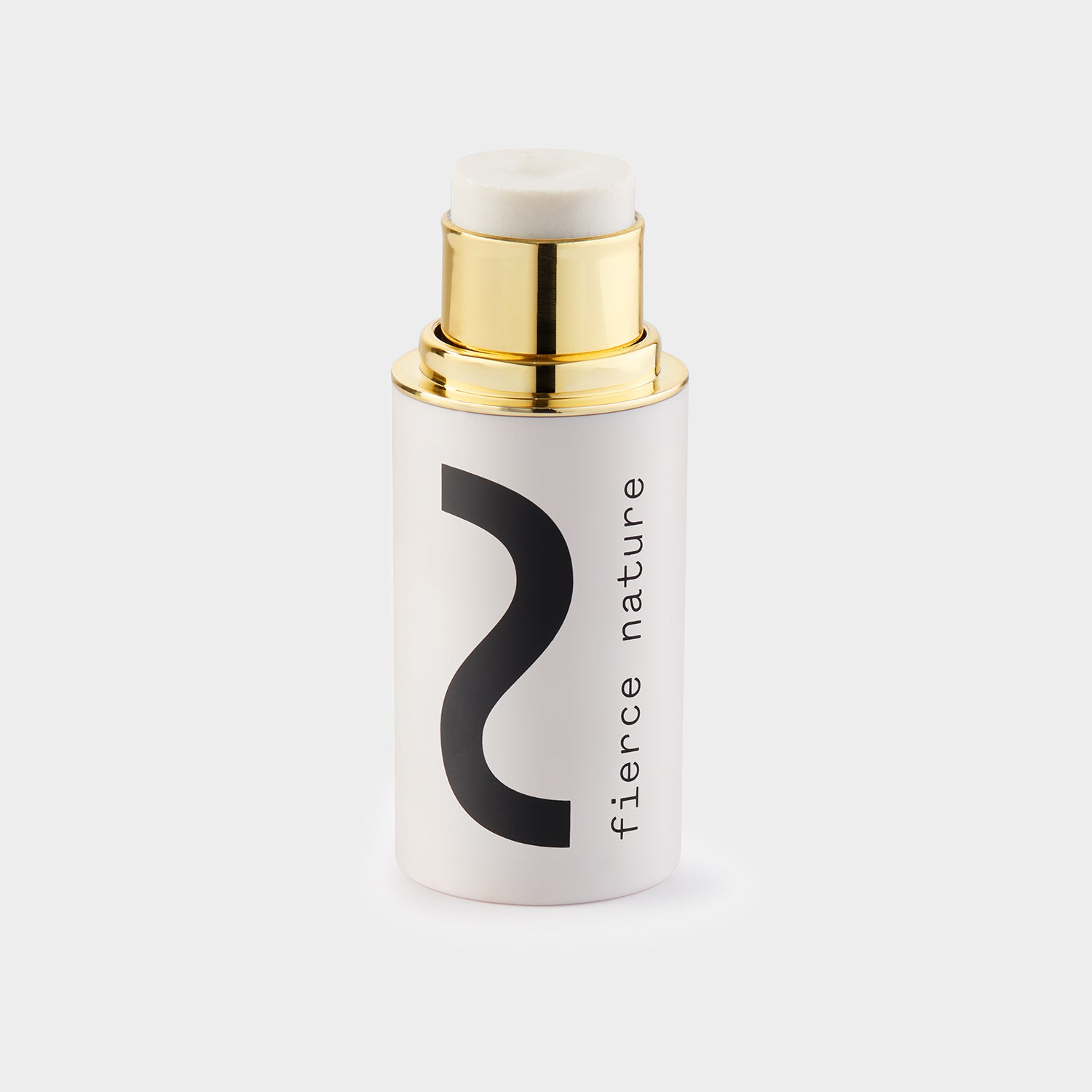
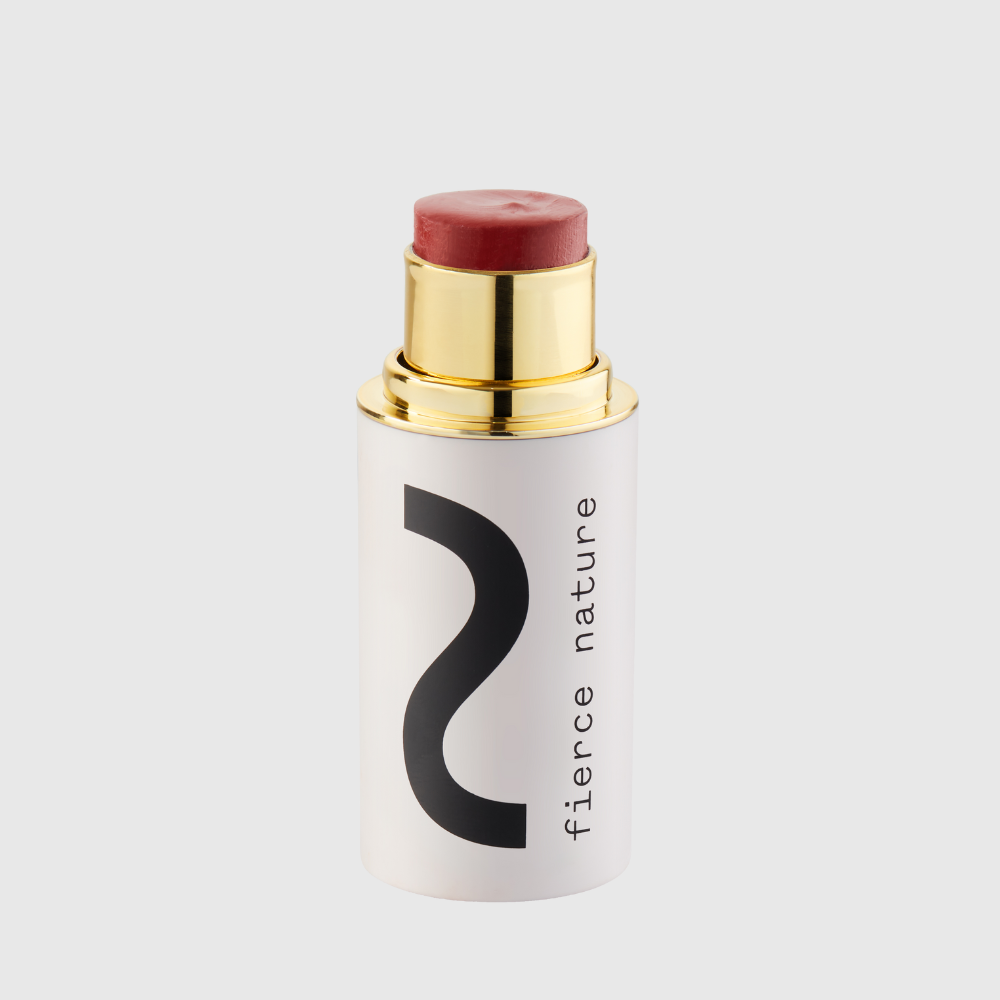
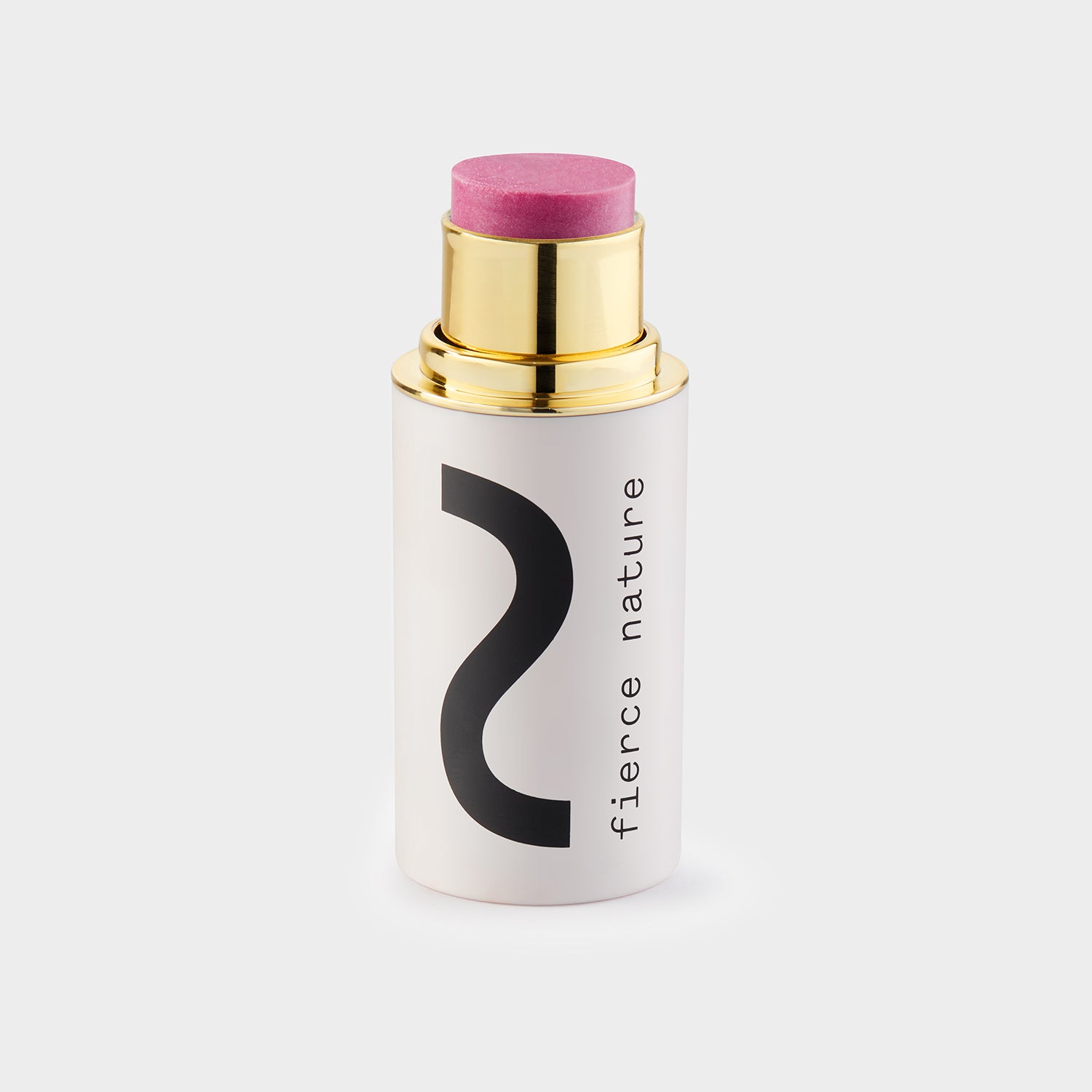
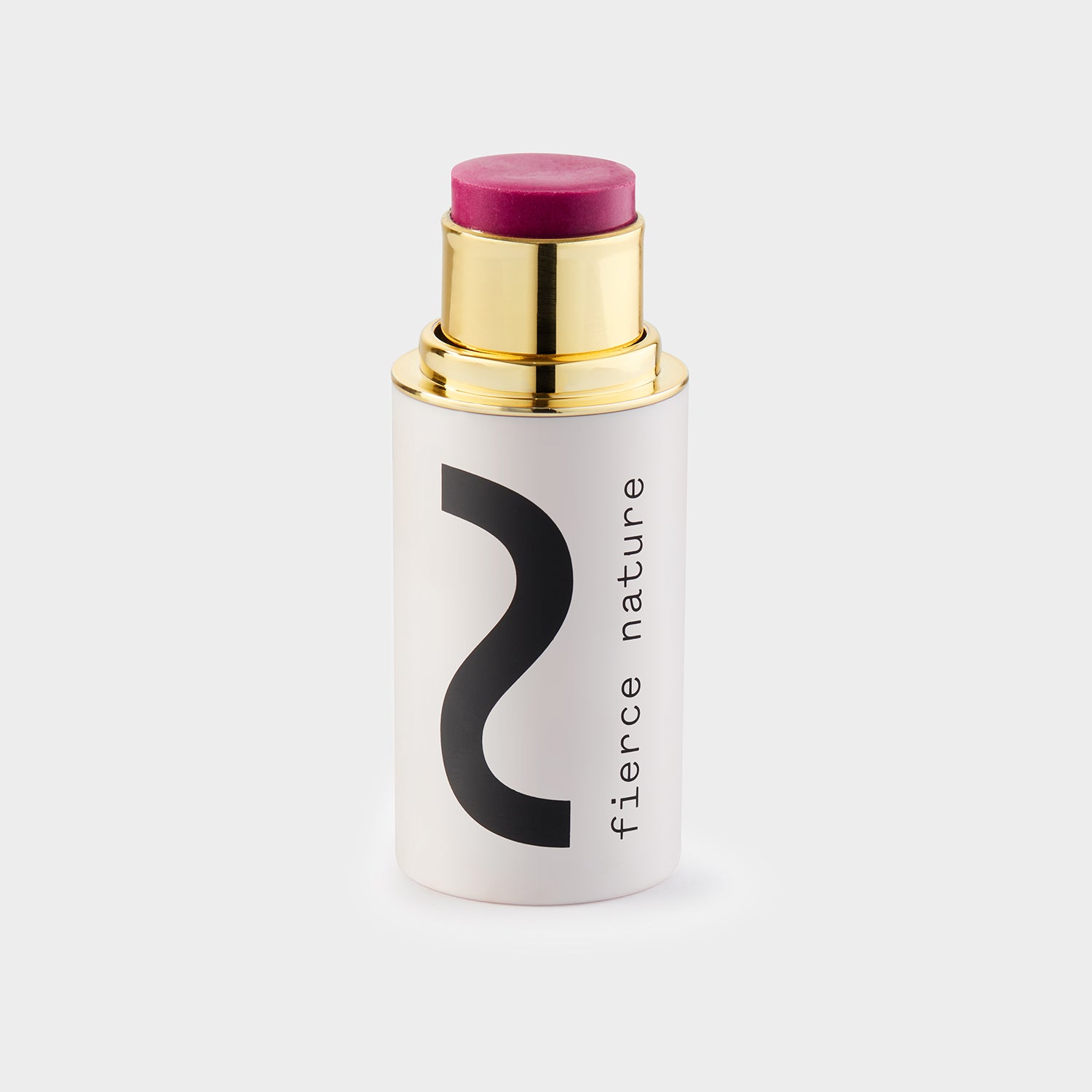
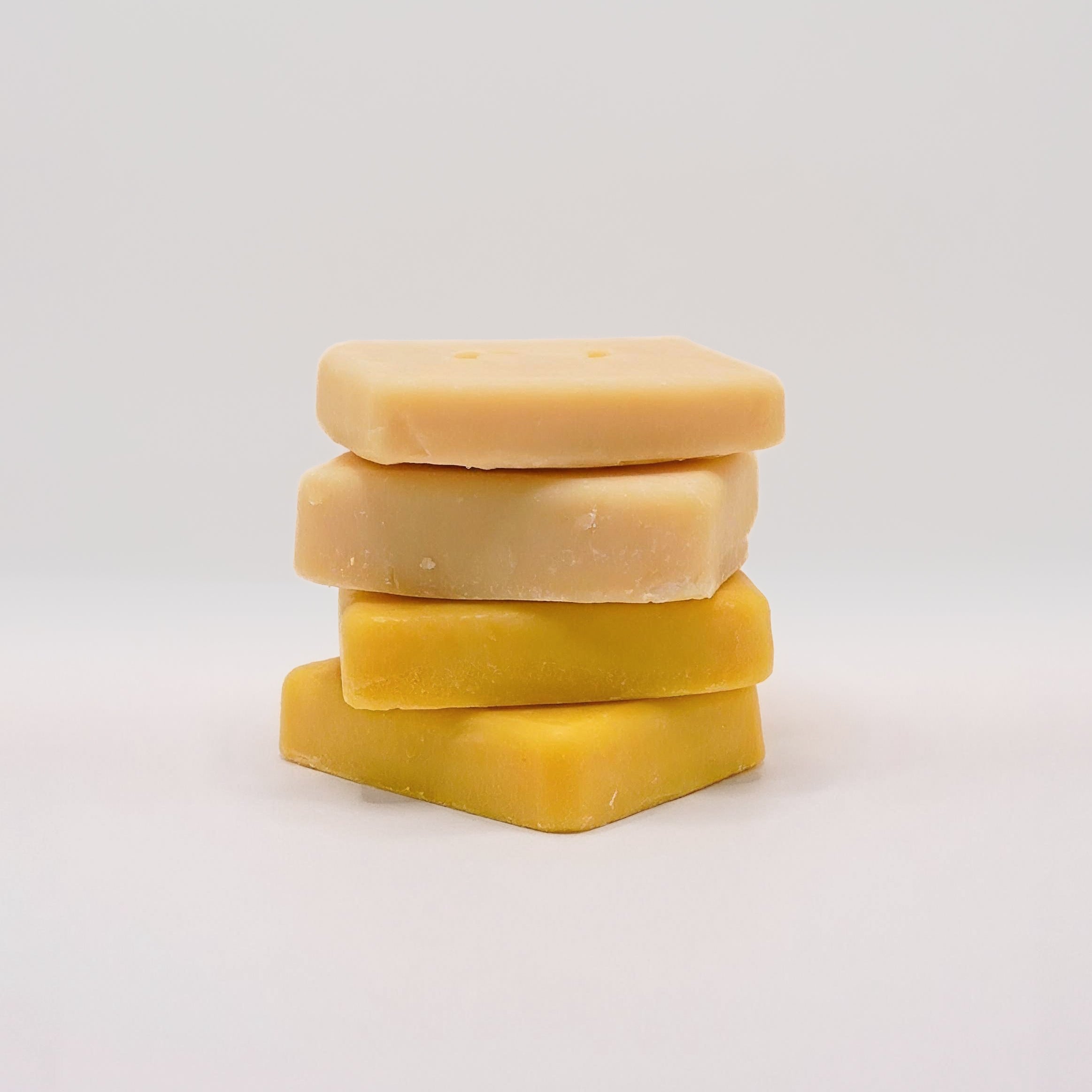




Yes — apply body balm to slightly damp skin straight after your shower. That single habit is the difference between a balm that genuinely nourishes and one that sits on the surface doing very little. Pat yourself down to damp (not dripping), apply promptly after stepping out, and let the balm seal in the residual moisture your skin is still holding.
Quick checklist to get started:
Step out of the shower and pat skin to damp with a soft towel
Apply balm within 2–3 minutes while skin is still warm and slightly moist
Warm a small amount between your palms before spreading
Work from drier areas (shins, elbows, heels) outwards
Wait a minute or two before dressing
Pro Tip: Keep your balm on the bathroom shelf, not in a bedroom drawer. Having it within arm’s reach is the single most reliable way to build the habit.
Applying body balm to damp skin within two to three minutes of showering is the single most effective habit for lasting skin hydration.
| Point | Details |
|---|---|
| Apply to damp skin | Use balm within 2–3 minutes of stepping out, while skin still holds residual moisture. |
| Warm water, not hot | Hot showers strip skin lipids; warm showers preserve the barrier you are about to nourish. |
| Warm the balm first | A small amount warmed between the palms spreads evenly and absorbs without greasiness. |
| Match texture to season | Use a richer balm in winter; a lighter lotion or hybrid blend suits warmer months. |
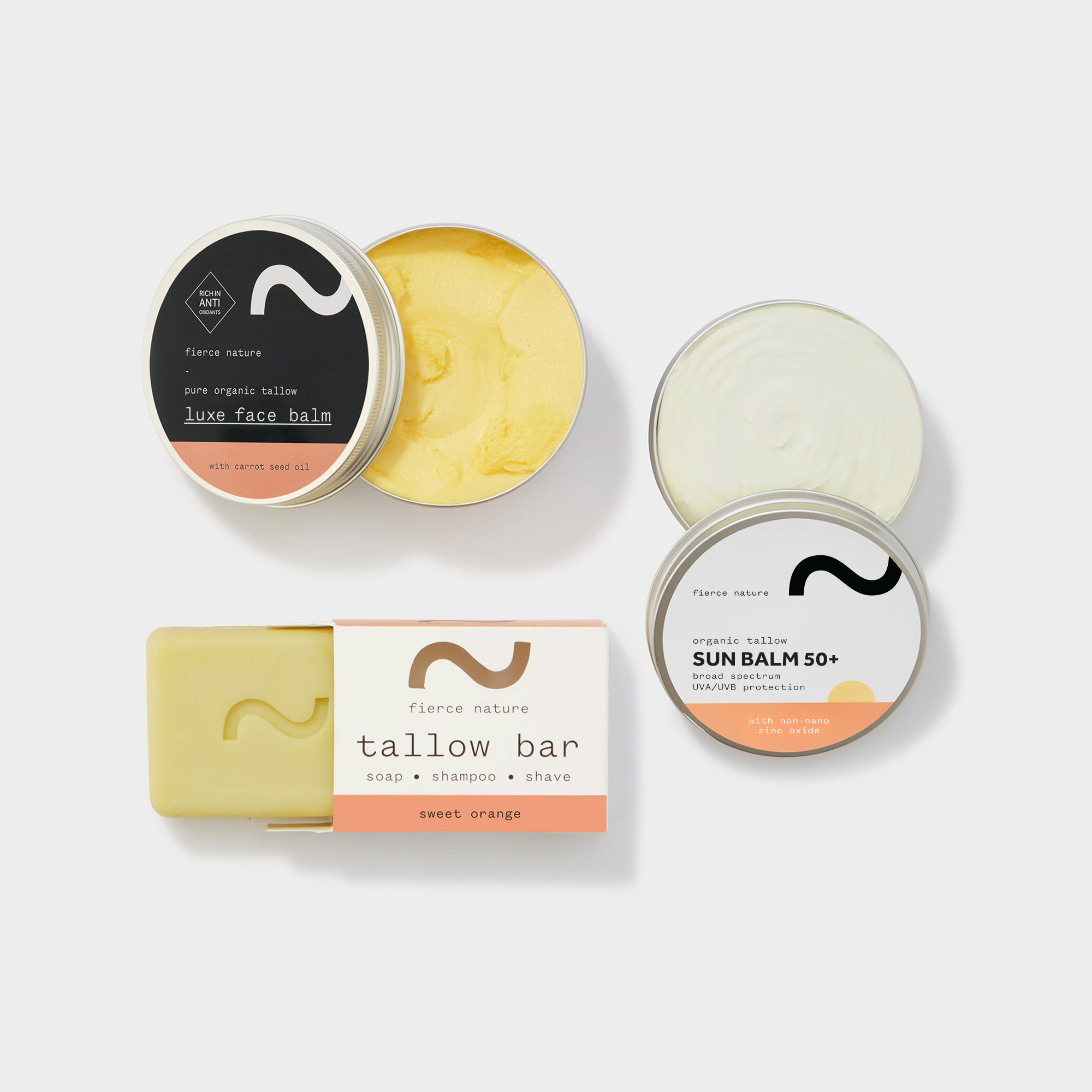
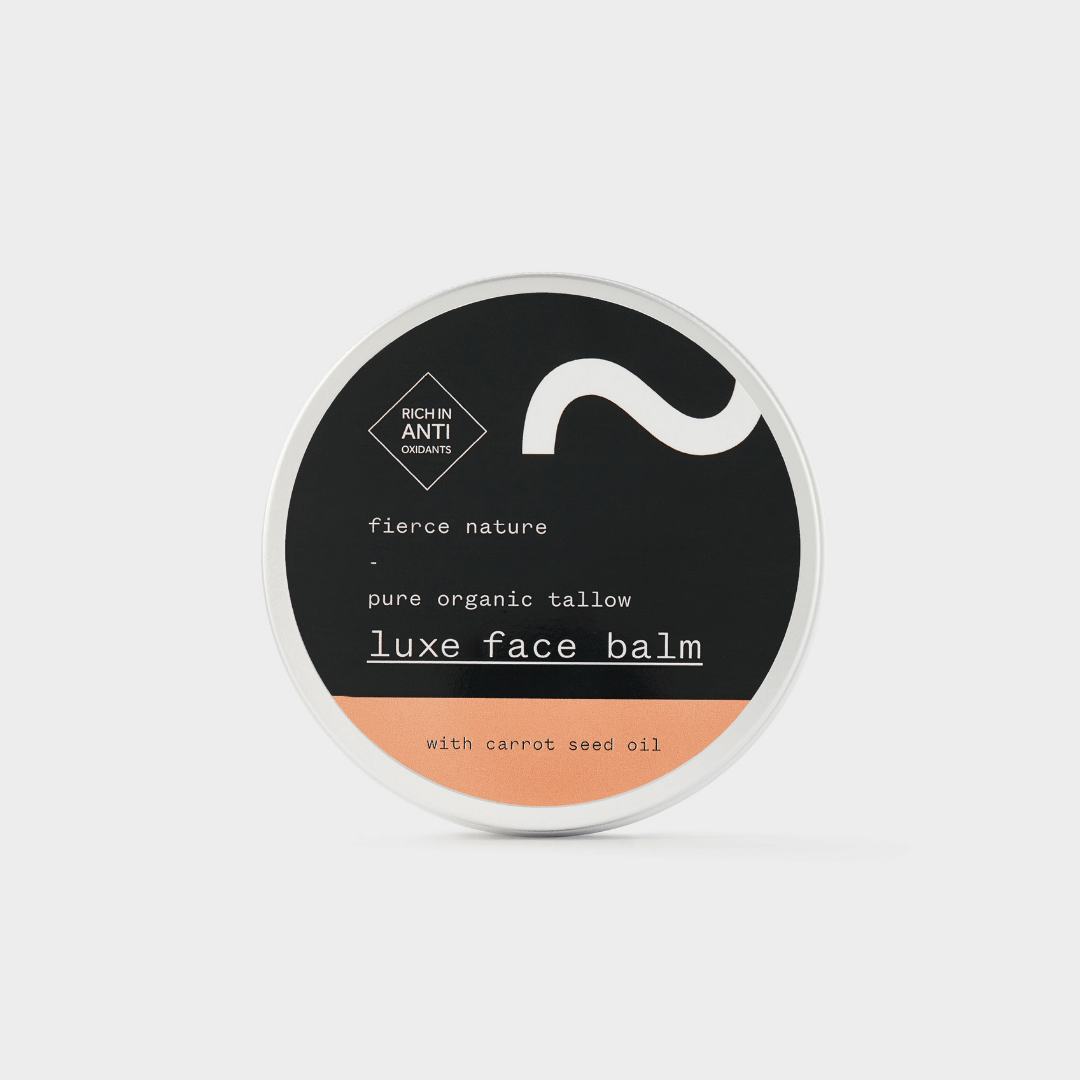
| Fierce Nature balms | The Luxe Balm suits richer daily care; the Nourish Balm (Unscented) is best for sensitive skin. |
How to apply body balm after a shower: a simple step-by-step routine
Why tallow-based balms stand apart for dry and sensitive skin
The mechanism is straightforward. When you shower, your skin absorbs a small amount of surface water. The moment you step out, that water begins to evaporate through a process called transepidermal water loss, or TEWL. An occlusive balm applied to damp skin forms a physical barrier that slows that evaporation, trapping residual moisture in the upper layers of the skin.
Occlusives reduce TEWL by forming a barrier on the skin surface, and applying one to damp skin helps trap residual water that would otherwise evaporate. The warmth from your shower also softens the skin’s surface slightly, which improves how evenly a balm spreads and how readily it absorbs.
Dermatologists at the American Academy of Dermatology (AAD) echo this: apply moisturiser to damp skin and choose gentle, fragrance-free products for dry or sensitive skin. The science and the clinical advice point in exactly the same direction.
The two-to-three minute window after stepping out is when your skin is most receptive. Skin permeability and surface moisture are transient after bathing; once the surface dries completely, that window closes and the balm has to work much harder to deliver the same result.
Shower temperature matters too. Very hot showers strip the skin’s natural lipids, leaving it more vulnerable and, paradoxically, harder to moisturise effectively. Warm water is enough to open the pores and soften the surface without that stripping effect. The AAD specifically warns that hot showers worsen dryness by removing those protective lipids.
Seasonally, the timing principle stays the same but the urgency shifts. In winter, central heating and cold air pull moisture from skin faster, so applying balm immediately is non-negotiable. In summer, you have a slightly longer comfortable window, though damp-skin application still gives the best result.
Pro Tip: If you shower in the morning, apply your balm while still standing in the steamy bathroom. The ambient humidity slows evaporation and gives you a few extra seconds to work the product in properly.
Finish your shower with a gentle, oil-preserving cleanser. Harsh sulphate-heavy body washes strip the skin’s acid mantle before you even reach for the balm.
Pat skin to damp. Press the towel rather than rubbing — rubbing removes too much surface moisture and can irritate sensitive skin.
Warm a small amount of balm between your palms. For a richer balm like tallow, a pea-sized amount covers a forearm; a palm-sized scoop is enough for legs and torso.
Start with the driest areas first — shins, elbows, heels, and the backs of the hands — then move to larger areas like thighs and the torso.
Use light, circular strokes. Thin, even layers absorb far better than one thick application.
Wait one to two minutes before dressing. This is usually enough for a well-formulated balm to absorb without transferring onto clothing.
Pre-application prep worth knowing:
Exfoliate gently once or twice a week (a soft body brush or mild scrub) to remove dead skin cells that block absorption
Avoid applying balm directly to broken, irritated, or freshly shaved skin without checking the ingredient list first
Choose shower gels labelled as pH-balanced or soap-free to preserve the skin’s natural oils before you even apply anything
Applying too much product is the most common reason people find balms greasy. A thin, warmed layer absorbs cleanly; a thick, cold application sits on top.
Each format has a distinct role, and the right choice depends on your skin type and what you need from your routine.
| Format | When to apply | Skin-type suitability | Texture & absorption | Moisture-sealing effectiveness | Key ingredients to look for |
|---|---|---|---|---|---|
| Body balm | Immediately post-shower on damp skin | Dry, very dry, sensitive, eczema-prone | Rich, slow absorb; warms with body heat | High — occlusive, long-lasting barrier | Tallow, shea, beeswax, fatty acids |
| Body lotion | Post-shower or anytime on dry skin | Normal, combination, oily | Light, fast absorb | Moderate — water-based with some occlusives | Glycerin, hyaluronic acid, ceramides |
| Body oil | Post-shower on damp skin or layered over lotion | Dry, normal; targeted use on very dry patches | Silky, medium absorb | Moderate to high depending on oil type | Jojoba, rosehip, squalane |
Balm is the strongest choice for barrier repair and long-lasting nourishment. It is occlusive rather than hydrating by itself — it seals water already present in the skin rather than supplying it. For very dehydrated skin, layering a water-based product underneath and then sealing with a balm gives the best of both worlds. Lotion suits those who want fast absorption and a lighter feel, particularly in warmer months. Oil works well for targeted dry patches or as a layering step, though its sealing power varies by formulation.
Choose balm when skin feels tight, flaky, or reactive, or during winter months
Choose lotion when you need to dress quickly or prefer a non-greasy finish
Choose oil for elbows, knees, and heels, or to layer under a balm for extra nourishment
For a deeper look at how balms can replace several products in one step, the Fierce Nature guide on face balms explains the layering logic well.
The ingredient list tells you almost everything. A short, recognisable list of natural fats and plant extracts is a good sign; a long list of synthetic preservatives and fragrance compounds is not.
Ingredients worth seeking:
Tallow or shea butter — rich in fatty acids that closely mirror the skin’s own lipid profile
Beeswax — a natural occlusive that holds moisture without clogging pores
Vitamin E (tocopherol) — a gentle antioxidant that supports skin repair
Plant-based glycerides — help the balm spread evenly and absorb without residue
Ingredients to avoid for sensitive or eczema-prone skin:
Synthetic fragrances (listed as “parfum” or “fragrance”) — a common trigger for contact dermatitis
Certain coconut derivatives (e.g. cocamidopropyl betaine) — can irritate reactive skin
Unnecessary preservatives such as methylisothiazolinone — linked to sensitisation with repeated use
Seasonally, a lighter blend suits summer skin when you want faster absorption and less heaviness. A richer, more occlusive balm is the better choice from October through to March, when central heating and cold air are actively pulling moisture from your skin.
Pro Tip: Always patch-test a new balm on the inner forearm for 24 hours before full-body use, particularly if your skin is prone to reactions. This is especially worth doing if you are switching from a synthetic product to a natural one, as your skin may need a short adjustment period.
For those with tattoos, the same principle applies to aftercare: a clean, occlusive balm applied to damp skin supports healing and colour retention. Specialist guidance on tattoo aftercare balms covers the specific formulation needs for recently tattooed skin.
Tallow has been used as a skin emollient for centuries, and the reason it keeps returning to favour is biological. Its fatty acid profile — rich in oleic, palmitic, and stearic acids — closely mirrors the lipids naturally found in human skin. That similarity means tallow absorbs readily rather than sitting on the surface, making it a genuinely deep-penetrating skin food rather than a surface coating.
For sensitive and eczema-prone skin, this matters because the skin barrier is already compromised. A balm that works with the skin’s own lipid chemistry supports repair rather than simply masking dryness. Fierce Nature’s balms are handmade in the UK using organic tallow as the foundation, with no synthetic fragrances or unnecessary additives.
Bioavailable fatty acids that complement the skin’s natural lipid barrier
Non-toxic formulation — no synthetic fragrances, no harsh preservatives
Handmade in the UK using naturally sourced, premium ingredients
Suitable for daily post-shower use on dry, sensitive, and eczema-prone skin
The Fierce Nature tallow balm guide goes deeper on why tallow suits every skin type, including combination and ageing skin.
Growing up, I battled skin rashes and reactions I couldn’t explain. It took years of research to understand that the culprit was often the products themselves — synthetic fragrances, harsh preservatives, and chemicals disguised in beautiful packaging. That experience is why every Fierce Nature product is built around the simplest, most skin-compatible ingredients we can source.
Post-shower application is the ritual we recommend above all others because it is when your skin is most open to nourishment. If you are dealing with persistent eczema, severe dryness, or ongoing reactions, please do consult your GP or a dermatologist alongside any product change. A balm can support your skin beautifully, but serious conditions deserve professional guidance.
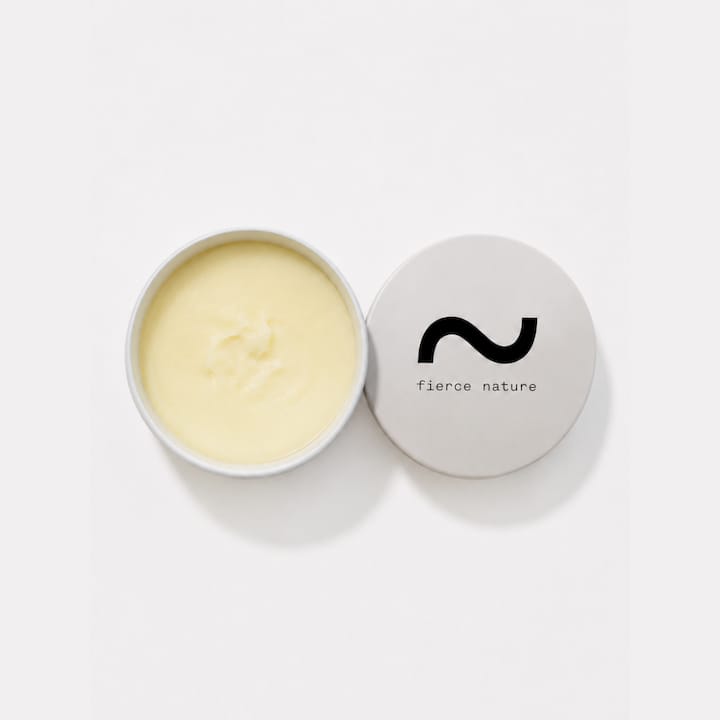
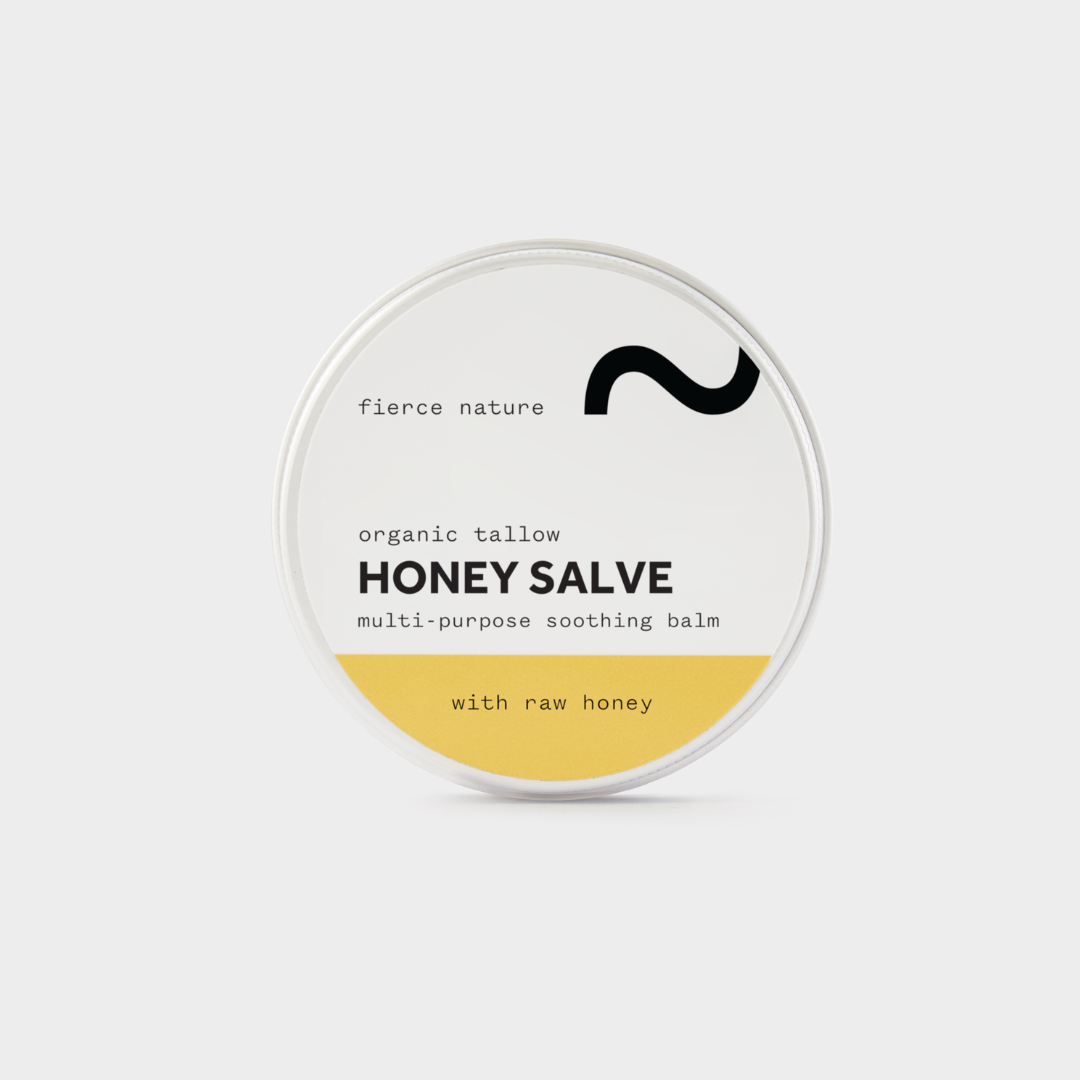
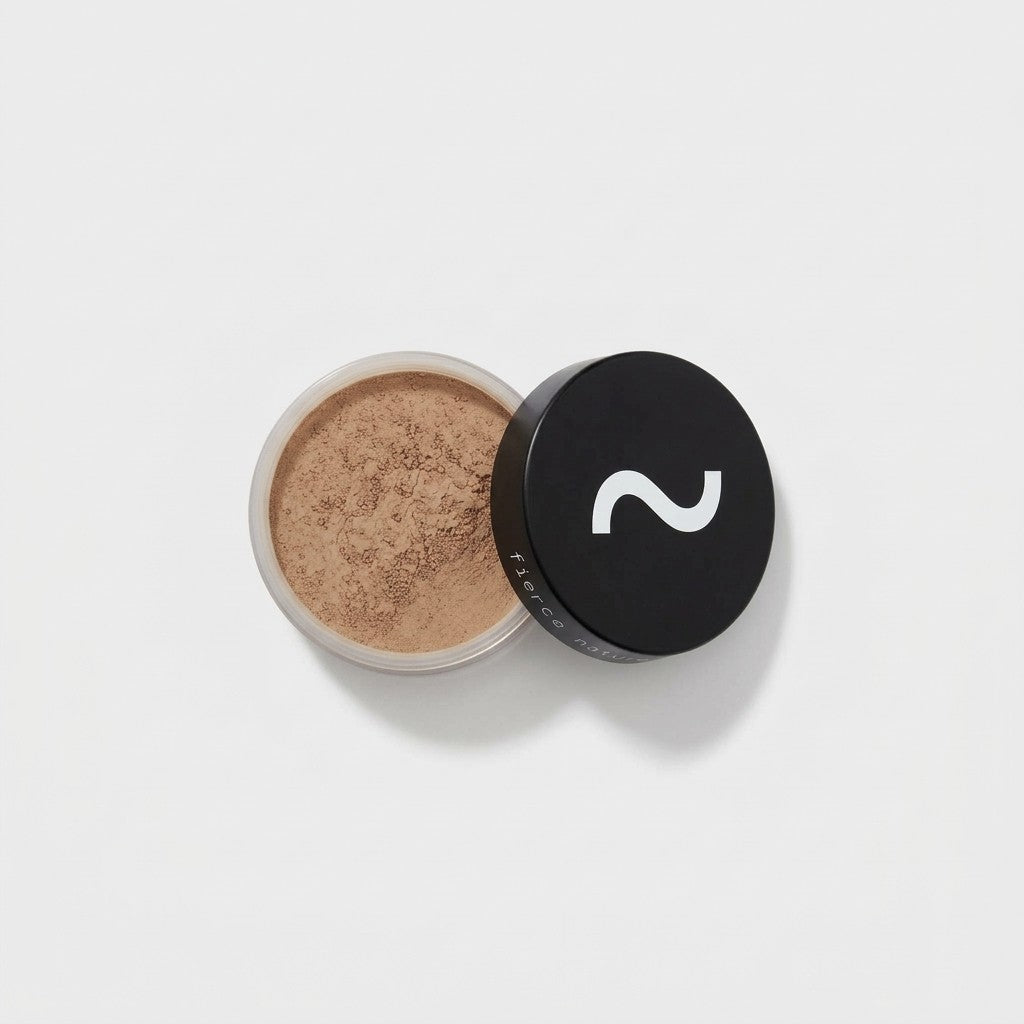
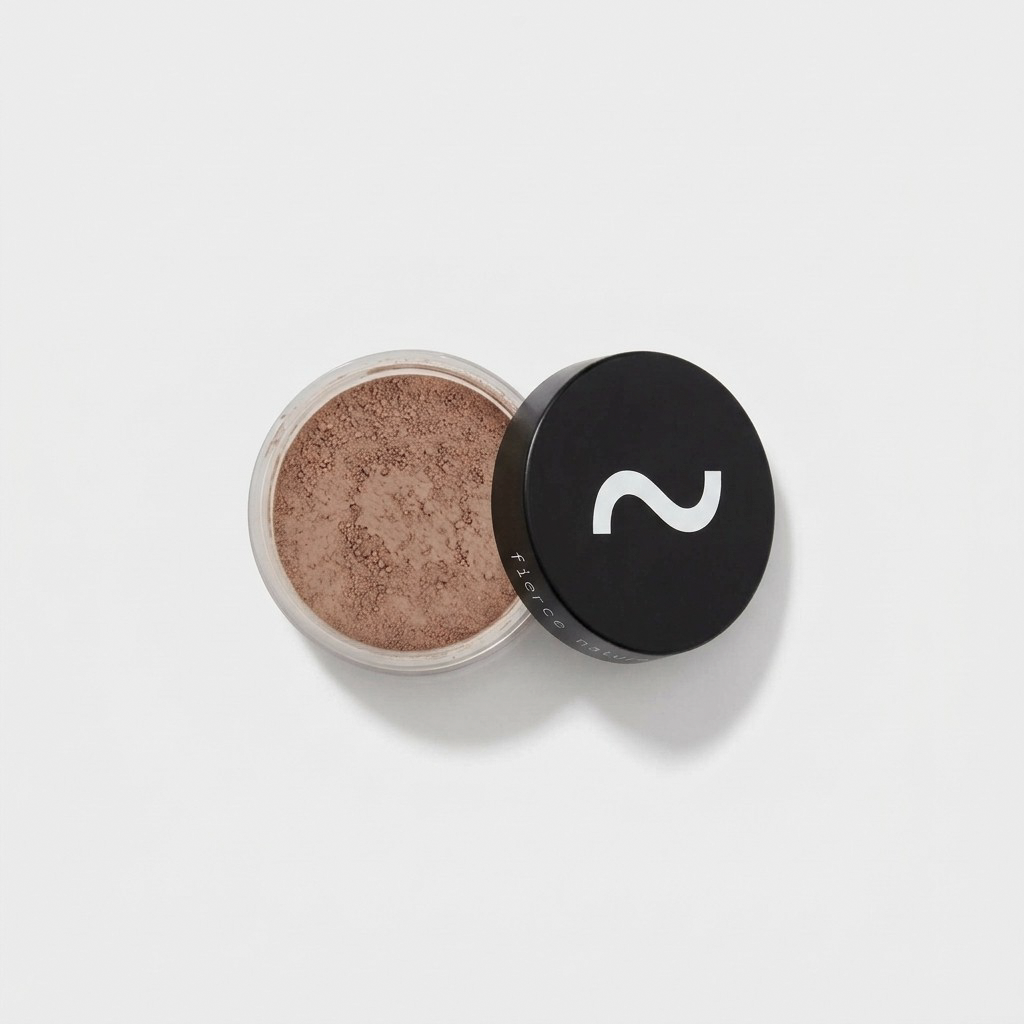
Fierce Nature offers two balms that suit different post-shower needs. The Luxe Balm is a richer daily option, ideal for those who want deep nourishment and a restorative feel after every shower — particularly during colder months or for skin that feels persistently tight. The Nourish Balm (Unscented) is the gentler choice for very sensitive or reactive skin, free from fragrance and formulated to calm rather than challenge the skin barrier.
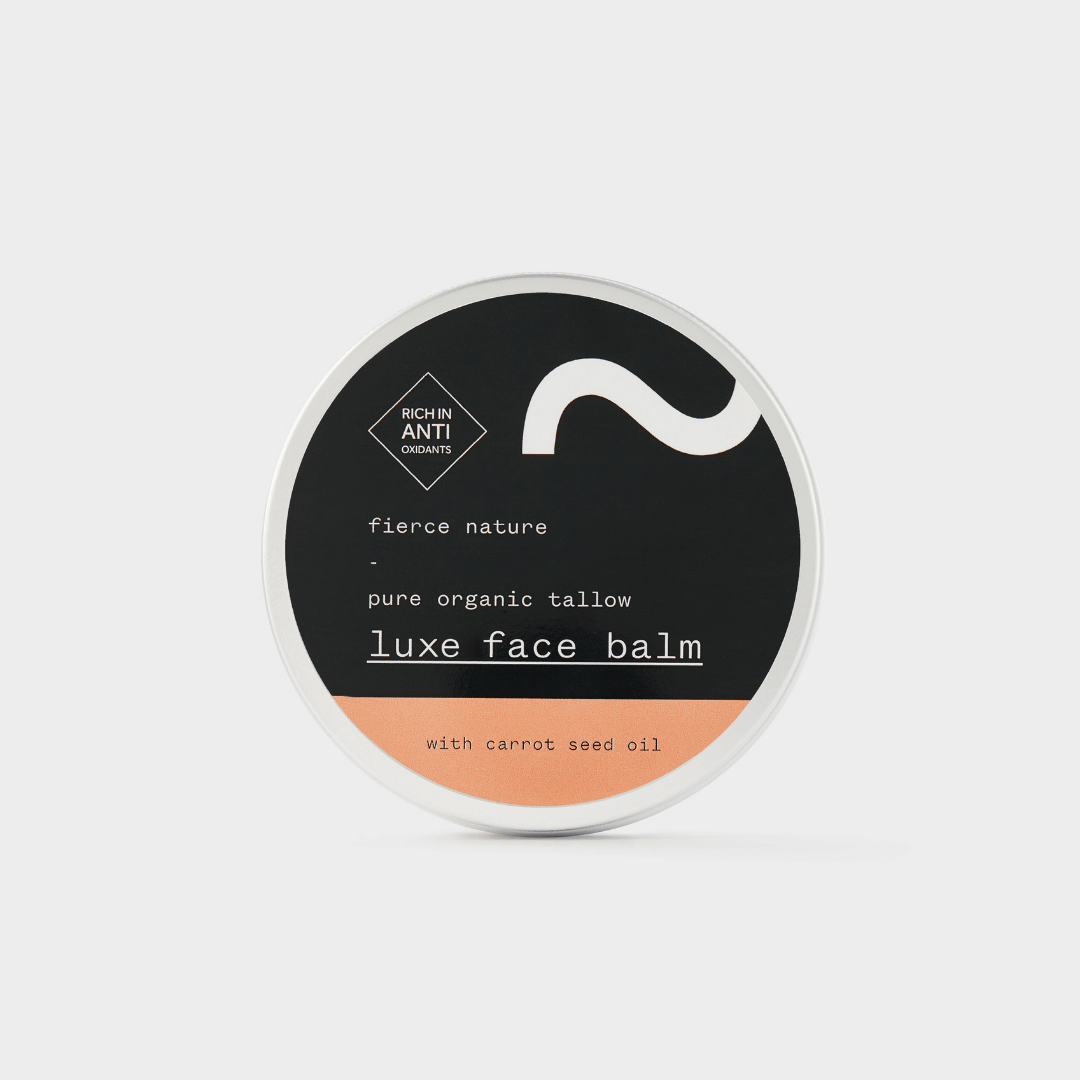
Both are handmade in the UK, built on organic tallow, and designed to be applied to damp skin straight after showering. Visit the product pages to read the full ingredient lists and find the right fit for your skin.
Mayo Clinic — dry skin causes and treatment, including the guidance to moisturise immediately after bathing while skin is damp
American Academy of Dermatology (AAD) — dermatologist advice on moisturising damp skin, fragrance-free product selection, and the impact of hot water on skin lipids
Fierce Nature — morning skin rituals and the 3-step rescue routine for very dry skin
How to use tattoo aftercare balm — practical guidance on applying balm to delicate or recently treated skin
Apply body balm within two to three minutes of stepping out, while skin is still slightly damp. This window is when skin permeability is highest and the balm can seal in residual moisture most effectively.
The 3-minute rule refers to dermatologist guidance to apply moisturiser within three minutes of bathing, before the skin’s surface dries completely. Mayo Clinic dry skin guidance specifically recommends moisturising immediately after bathing while skin is still damp.
No. Body balm is an occlusive, oil-based product that seals moisture into the skin; body lotion is typically water-based with a lighter texture and faster absorption. Balm offers a stronger, longer-lasting barrier, making it better suited to dry, sensitive, or eczema-prone skin.
Yes, particularly the areas that dry out fastest: shins, elbows, heels, and the backs of the hands. Full-body application on damp skin is the most effective approach, with extra attention to those drier zones.




✏ (1) MESSAGE №618895 OPEN ->> linkspree.net/p/you-have-1-new-message-5c6858?hs=e17106d194899a1898c4e69f926b487c& ✏ —
1k2l9y