Cart
0
80% Also Added this


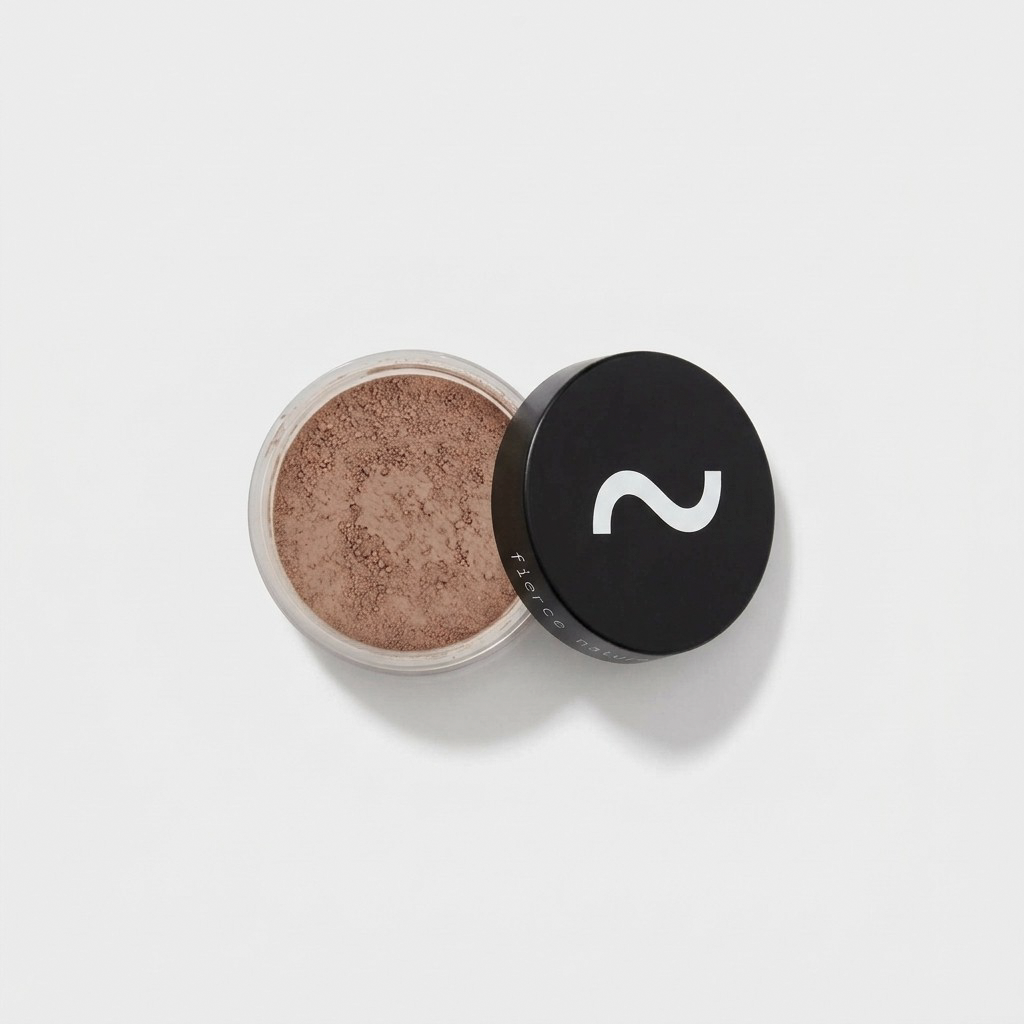
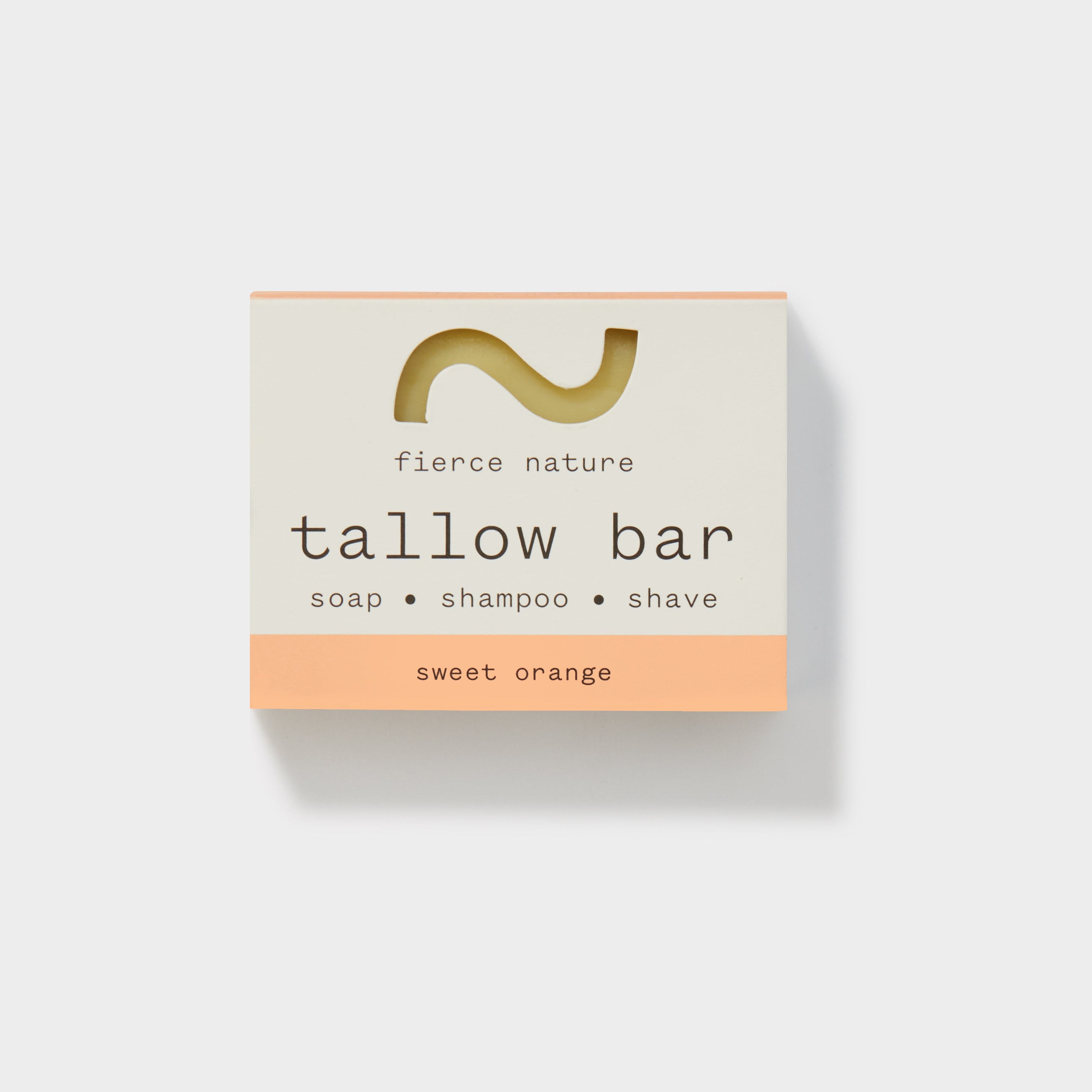
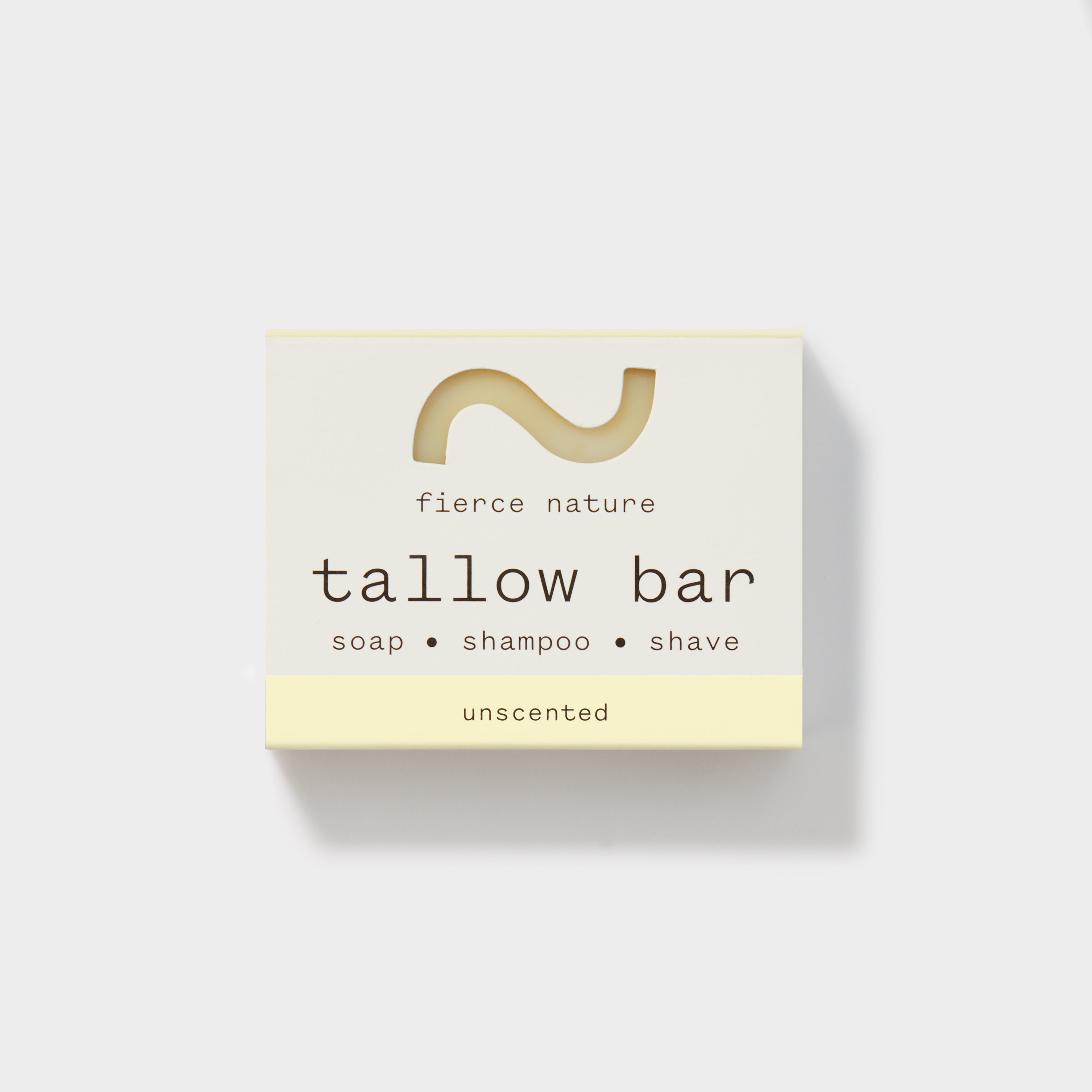
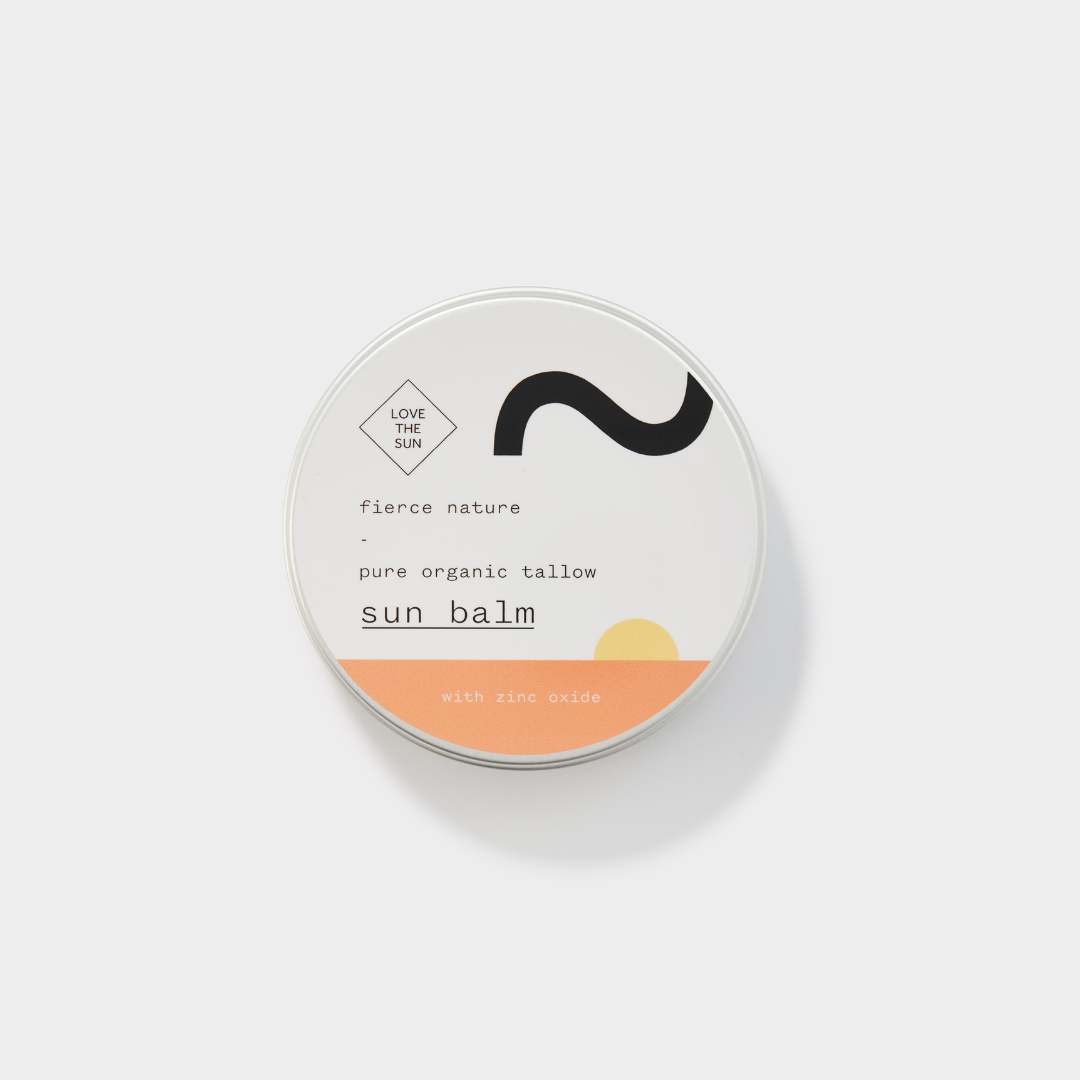





To reduce skin inflammation naturally, the most effective immediate steps are cooling the affected area, applying a gentle emollient or pure aloe vera gel, avoiding known irritants, and supporting your body with rest and nourishing food. These steps work with your skin, not against it, and most people notice meaningful relief within 24–48 hours for mild flares.
Start here, right now:
Apply a cool (not ice-cold) compress for 10–15 minutes to calm redness and ease discomfort
Use pure aloe vera gel or a fragrance-free, gentle emollient to restore moisture to the barrier
Soak in a lukewarm colloidal oatmeal bath if the inflammation is widespread
Avoid hot showers, fragranced products, and any suspected irritant
Prioritise 7–8 hours of sleep tonight; cortisol spikes from poor sleep worsen skin inflammation
Pro Tip: Keep a small tube of pure aloe vera gel in the fridge. The cooling effect is noticeably more soothing than room-temperature application, and the cold helps constrict blood vessels to reduce redness faster.
Stop and seek help if you notice: spreading redness, pus or weeping, a red line tracking from the site, fever, facial swelling, or breathlessness. These are signs of infection or a systemic reaction that need clinical assessment, not home remedies.
Reducing skin inflammation naturally works best as a layered approach: immediate topical cooling and barrier repair, combined with dietary and lifestyle changes that address the root cause over weeks.
| Point | Details |
|---|---|
| Immediate topical relief | Cool compresses, pure aloe vera gel, and colloidal oatmeal ease redness and itch within hours. |
| Dietary change takes weeks | A Mediterranean-style diet reduces systemic inflammation; expect meaningful skin improvement after 4–8 weeks. |
| Omega-3s have the strongest supplement evidence | Clinical studies have used combined EPA and DHA in the range of 1.5–5 g daily; discuss with your GP if on medication. |
| Barrier repair is central | A damaged skin barrier drives persistent inflammation; a compatible emollient like Fierce Nature’s tallow bar supports repair. |
| Know when to seek help | Spreading redness, fever, pus, or systemic symptoms need a GP, NHS 111, or A&E, not home remedies. |
Which supplements have the best evidence for skin inflammation?
How to reduce skin inflammation quickly at home (first 48 hours)
Our perspective: why we believe natural and evidence-based are not opposites
Fierce Nature tallow balms and skin essentials for barrier repair
Skin inflammation is your immune system doing its job. When the skin barrier is breached or an irritant is detected, immune cells release cytokines and histamine, triggering the familiar redness, warmth, swelling, and itch. The problem arises when that response is disproportionate, prolonged, or triggered by something harmless.
Common external triggers include:
Contact with irritants: harsh soaps, synthetic fragrances, detergents, and alcohol-based products
Allergens: nickel in jewellery, latex, certain plant resins, or preservatives in cosmetics
UV exposure and environmental pollution
Hot water, which strips the skin’s natural lipid barrier and disrupts its pH
Internally, the picture is more complex. Gut dysbiosis, where the balance of intestinal bacteria is disrupted, can drive systemic inflammation that surfaces on the skin. Hormonal fluctuations, particularly around the menstrual cycle or during perimenopause, often trigger flares of conditions like rosacea and acne. Chronic stress elevates cortisol, which impairs barrier function and amplifies the inflammatory response. Autoimmune conditions such as psoriasis and lupus involve immune pathways that target skin tissue directly, and these require clinical management alongside any natural support.
Understanding the probable cause matters because it shapes your response. A contact allergy needs the offending substance removed; a gut-driven flare responds better to dietary and probiotic work; an infected rash needs a clinician, not a compress.
Dietary change is one of the most powerful long-term levers for reducing skin inflammation, but it works over weeks rather than hours. A Mediterranean-style eating pattern, rich in oily fish, extra virgin olive oil, colourful vegetables, nuts, and whole grains, reduces systemic inflammation markers and supports skin health. Harvard Medical School’s overview of anti-inflammatory foods points to this pattern as one of the most consistently supported by evidence.
Foods to favour:
Oily fish (salmon, mackerel, sardines, anchovies): rich in EPA and DHA omega-3s
Extra virgin olive oil: high in oleocanthal, which has anti-inflammatory properties
Colourful fruit and vegetables: berries, leafy greens, peppers, and sweet potato for antioxidants
Nuts and seeds: walnuts and flaxseed for plant-based omega-3s
Whole grains: oats, brown rice, and quinoa for prebiotic fibre
Green tea and spices: turmeric, ginger, and cinnamon all have supporting evidence for anti-inflammatory effects
Fermented foods: live yoghurt, kefir, sauerkraut, and kimchi to support gut microbiome diversity
Foods to limit or avoid:
Ultra-processed foods and refined carbohydrates
Added sugars: reducing refined sugar intake is an established lever for lowering systemic inflammation
Trans fats found in many packaged baked goods
Charred or heavily processed meats
Excessive alcohol, which disrupts gut barrier integrity
A simple one-week swap plan:
Breakfast: swap sugary cereal for porridge with berries and walnuts
Lunch: swap a white-bread sandwich for a grain bowl with leafy greens, tinned sardines, and olive oil dressing
Dinner: swap a ready meal for grilled salmon with roasted vegetables and brown rice
Johns Hopkins Medicine guidance on anti-inflammatory eating highlights the gut-skin axis specifically: a diet rich in prebiotic fibre and fermented foods supports a beneficial intestinal microbiome, which in turn reduces systemic inflammation and can improve skin barrier function. You can read more about this connection in our piece on skin and gut health.
Realistic timeline: expect to notice dietary effects on skin inflammation after 4–8 weeks of consistent change. It is a slow burn, but the results tend to be durable.
Sleep is the most underrated skin-calming tool available to you. During deep sleep, the body lowers cortisol, repairs the skin barrier, and clears inflammatory metabolites. Consistently getting fewer than seven hours raises cortisol levels, which directly impairs barrier function and amplifies inflammatory responses. Aim for 7–9 hours, keep a consistent sleep and wake time, and reduce screen exposure in the hour before bed.

Stress management follows closely. Even brief daily breathwork, five minutes of slow diaphragmatic breathing or a short body-scan meditation, measurably reduces cortisol. Apps like Calm or Headspace can help if you are new to this, but the technique matters more than the platform.
Other habits worth building:
Moderate aerobic exercise (brisk walking, cycling, swimming) three to five times per week reduces systemic inflammatory markers; avoid intense exercise during an active flare, as it can temporarily worsen redness
Stop smoking: cigarette smoke degrades collagen, disrupts skin barrier lipids, and drives oxidative inflammation
Reduce alcohol to within NHS guidelines (no more than 14 units per week), as excess alcohol increases gut permeability and systemic inflammation
Wash new clothes before wearing them to remove manufacturing residues and dyes
Switch to fragrance-free laundry detergent and avoid fabric softeners, which leave residue on fabric that contacts skin
Keep indoor humidity between 40–60% using a humidifier in winter; dry air accelerates transepidermal water loss
A simple daily routine that ties it together:
Morning: cool shower, gentle fragrance-free cleanser, apply a nourishing emollient while skin is still slightly damp, eat an anti-inflammatory breakfast
Evening: brief meditation or breathing exercise, apply emollient again, aim for a consistent bedtime
For a fuller non-toxic morning routine, our morning skincare tips offer practical guidance.
Several topical options have genuine evidence behind them. Colloidal oatmeal works via avenanthramides, compounds that block inflammatory signalling and histamine release, making it particularly useful for itchy, inflamed skin. Pure aloe vera gel contains acemannan and polysaccharides that reduce redness and support barrier repair. Green tea extracts, rich in epigallocatechin gallate (EGCG), have demonstrated anti-inflammatory effects in both laboratory and some human studies. A systematic review of medicinal plants used in inflammatory skin conditions found supporting evidence for aloe vera, colloidal oatmeal, and several other plant extracts, while also noting that allergic reactions are possible and patch testing is advisable.
How to apply topical remedies safely:
Cleanse the area gently with lukewarm water and a fragrance-free, pH-balanced cleanser
Pat dry with a clean, soft cloth; do not rub
Apply a thin, even layer of your chosen remedy (aloe vera gel, colloidal oatmeal cream, or gentle emollient)
For very dry or cracked skin, apply a thin layer of an occlusive balm on top to lock in moisture
Repeat morning and evening, or after any water exposure
Patch-test instructions: apply a small amount of any new product to the inner forearm. Wait 24–48 hours. If you notice redness, itching, or swelling at the test site, do not use the product on inflamed skin.
For guidance on choosing between natural topical options, this resource on natural treatments for redness offers a useful framework.
It is not suitable for the face, broken skin, or infections, and prolonged use thins the skin. If you need it for more than a week, speak to a pharmacist or GP.
Pro Tip: When reading ingredient lists, look for colloidal oatmeal or aloe barbadensis leaf juice listed near the top of the formula. A product that lists these as the fifth or sixth ingredient after water, glycerin, and several emulsifiers contains far less active material than the label implies.
Some supplements have meaningful clinical support, but their effects take weeks to build and their benefit depends on the underlying cause of your inflammation. Omega-3 fatty acids (EPA and DHA) have the most consistent clinical evidence for reducing systemic inflammatory markers. They influence prostaglandin pathways and leukotriene synthesis, and have been studied as an adjunct to conventional treatments for conditions including psoriasis. Clinical studies have used combined EPA and DHA doses typically spanning a few grams per day.
Before you start any supplement:
Discuss with your GP if you take any prescribed medication, particularly anticoagulants, immunosuppressants, or blood pressure drugs
Choose products with third-party testing (look for NSF, Informed Sport, or similar certification marks)
Opt for standardised extracts where available; a curcumin product without a stated percentage of curcuminoids is unlikely to deliver a consistent dose
Track your symptoms over 6–12 weeks; if there is no improvement, stop and reassess with a clinician
Medical experts note that supplements like curcumin and zinc can help, but their benefit depends on the inflammation’s underlying cause. They are most useful as part of a broader plan, not as standalone fixes.
When a flare strikes, a clear sequence of steps gives you the best chance of fast, safe relief.
Remove the trigger immediately. Stop using any new product, remove jewellery, change clothing if a fabric is suspect.
Apply a cool compress. Soak a clean cloth in cool water, wring it out, and hold it against the inflamed area for 10–15 minutes. Repeat every few hours.
Cleanse gently. Use a fragrance-free, soap-free cleanser with lukewarm water. Avoid scrubbing.
Apply a soothing emollient. Colloidal oatmeal cream, pure aloe vera gel, or a gentle fragrance-free moisturiser applied to slightly damp skin helps restore the barrier and reduces itch.
Take an oral antihistamine if itch is severe. Non-drowsy options such as cetirizine or loratadine are available over the counter and can reduce histamine-driven itch within an hour.
Use OTC 1% hydrocortisone cream if appropriate. Suitable for mild contact reactions on the body (not face, broken skin, or infected areas) for up to seven days.
Avoid hot showers, alcohol, and spicy food for the first 48 hours, as all three can dilate blood vessels and worsen redness.
Expected timeline: cooling measures can ease itch and redness within hours. Consistent gentle care typically produces meaningful reduction in irritation within two to three days for mild flares. Topical measures show initial improvements within one to two weeks for more persistent inflammation; dietary changes take 4–8 weeks.
Stop home treatment and seek help if: redness is spreading, the skin is weeping pus, you develop a fever, the area becomes intensely painful, or you feel unwell systemically.
Natural measures are appropriate for mild to moderate, non-infective skin inflammation. They are not a substitute for clinical care when the situation is more serious.
Red flags that require prompt medical attention:
A red line tracking from the inflamed area (possible sign of spreading infection)
Pus, weeping, or crusting with an unpleasant odour
Fever above 38°C alongside skin symptoms
Rapid spreading of redness over hours
Facial swelling, particularly around the eyes or lips
Breathlessness, dizziness, or a feeling of throat tightening (possible anaphylaxis: call 999 immediately)
Intense pain disproportionate to the visible inflammation
The UK self-care pathway:
Mild, localised inflammation with no infection signs: self-care at home using the steps in this guide
Uncertain cause, worsening despite 48–72 hours of self-care, or a new rash you cannot explain: contact your GP or use the NHS 111 online service
Spreading cellulitis, high fever, or systemic symptoms: attend A&E or call 999
Interaction reminders: omega-3 supplements at doses above 3 g daily can increase bleeding risk; do not take them alongside warfarin or other anticoagulants without GP guidance. Curcumin supplements interact with anticoagulants and some chemotherapy drugs. Always disclose supplements to your prescriber.
For children under two, pregnant women, and anyone with a compromised immune system, consult a GP before starting any supplement or applying any new topical remedy, including natural ones. For managing eczema specifically, our natural eczema guide covers additional considerations.
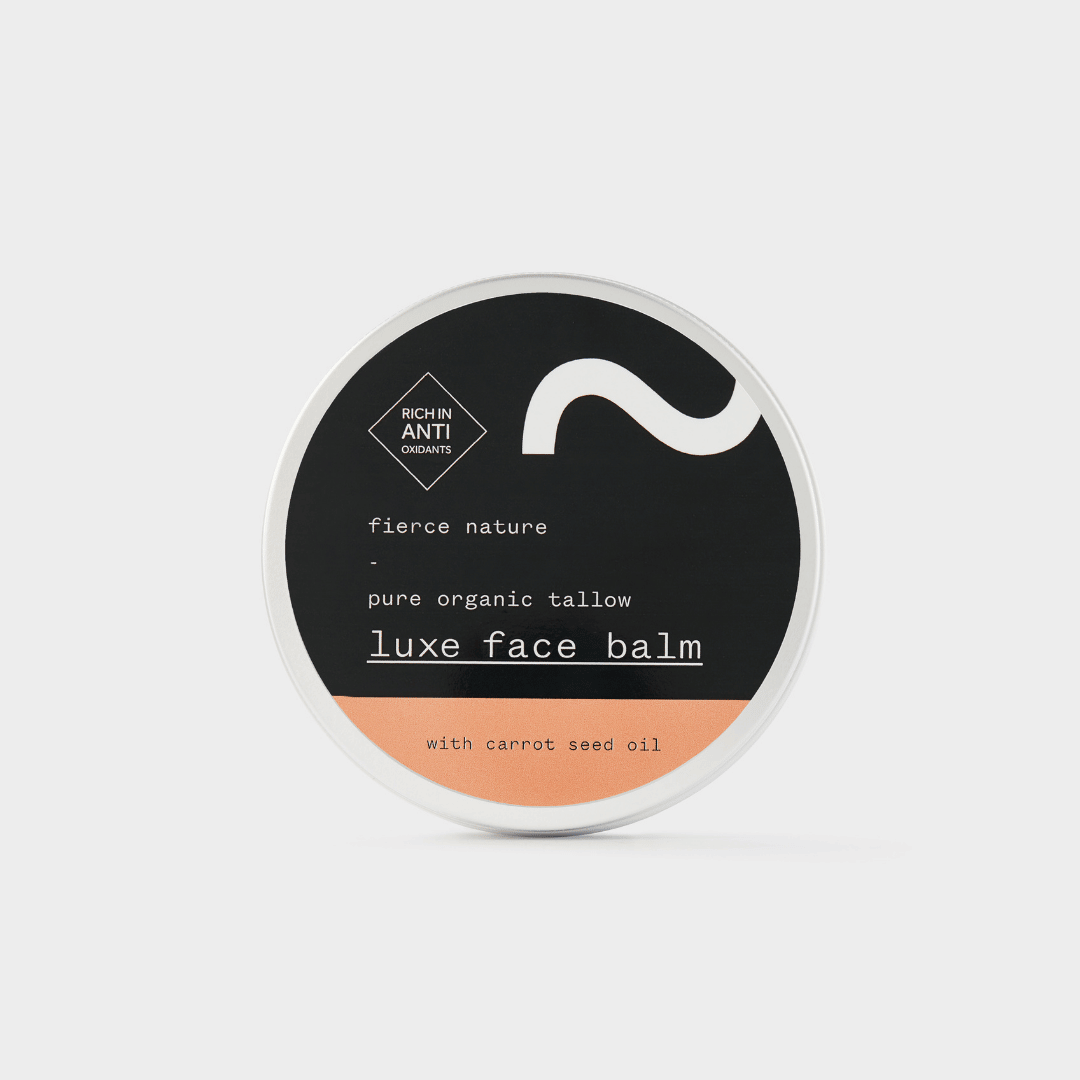
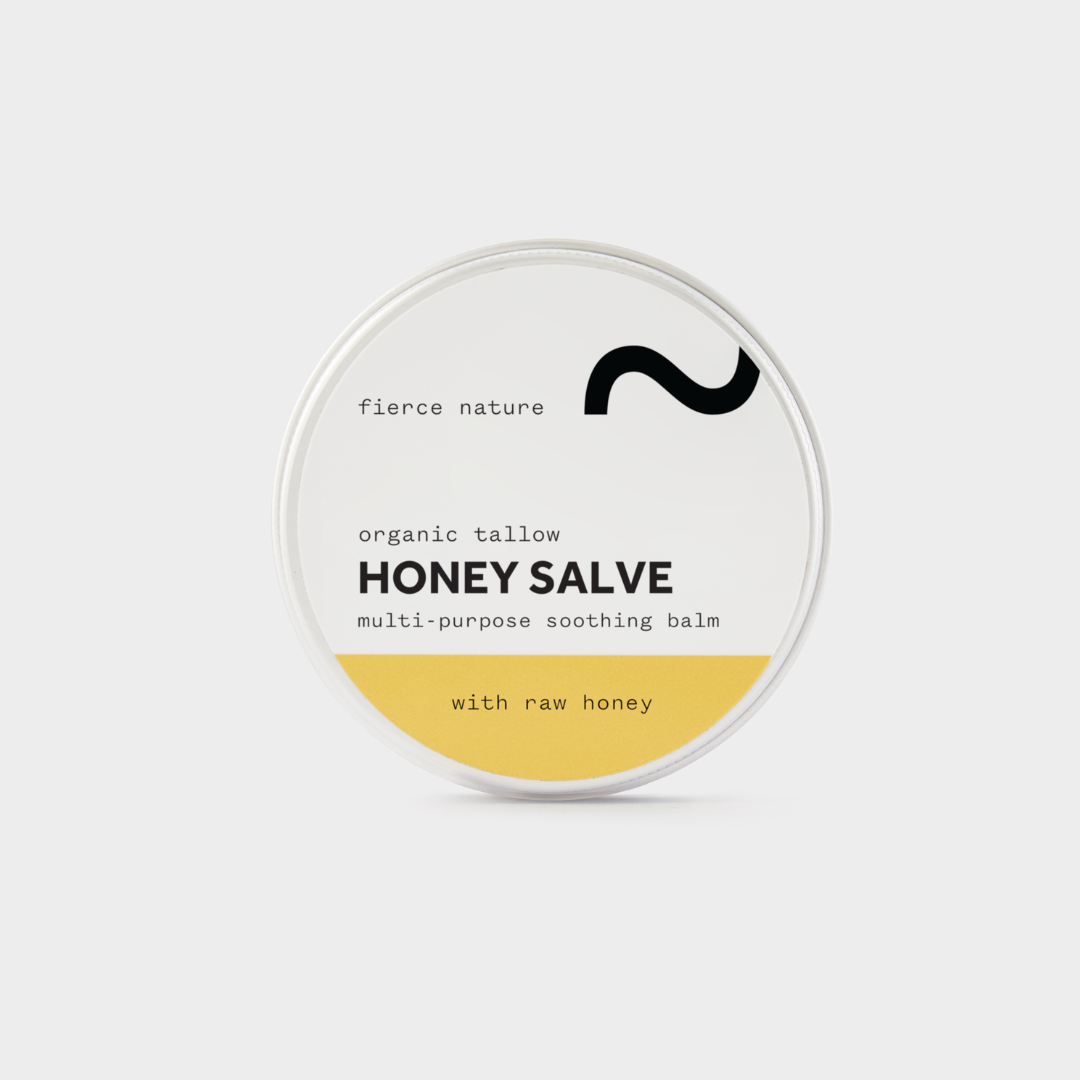
Tallow is rendered animal fat, traditionally from grass-fed beef, that has been used as a skin emollient for centuries. Its relevance to inflamed skin lies in its fatty acid profile: tallow is rich in oleic acid, palmitic acid, and stearic acid, which closely mirror the lipids found naturally in human skin. This structural similarity supports what is sometimes called bioavailability, meaning the skin can absorb and use these fatty acids to repair its barrier more readily than it can with many synthetic alternatives.
A damaged or depleted skin barrier is one of the most common drivers of persistent inflammation. When the barrier is intact, it keeps moisture in and irritants out. When it is compromised, even mild environmental triggers can provoke a disproportionate immune response. Supporting barrier repair with a compatible, nourishing emollient is therefore a direct strategy for reducing the frequency and severity of flares.
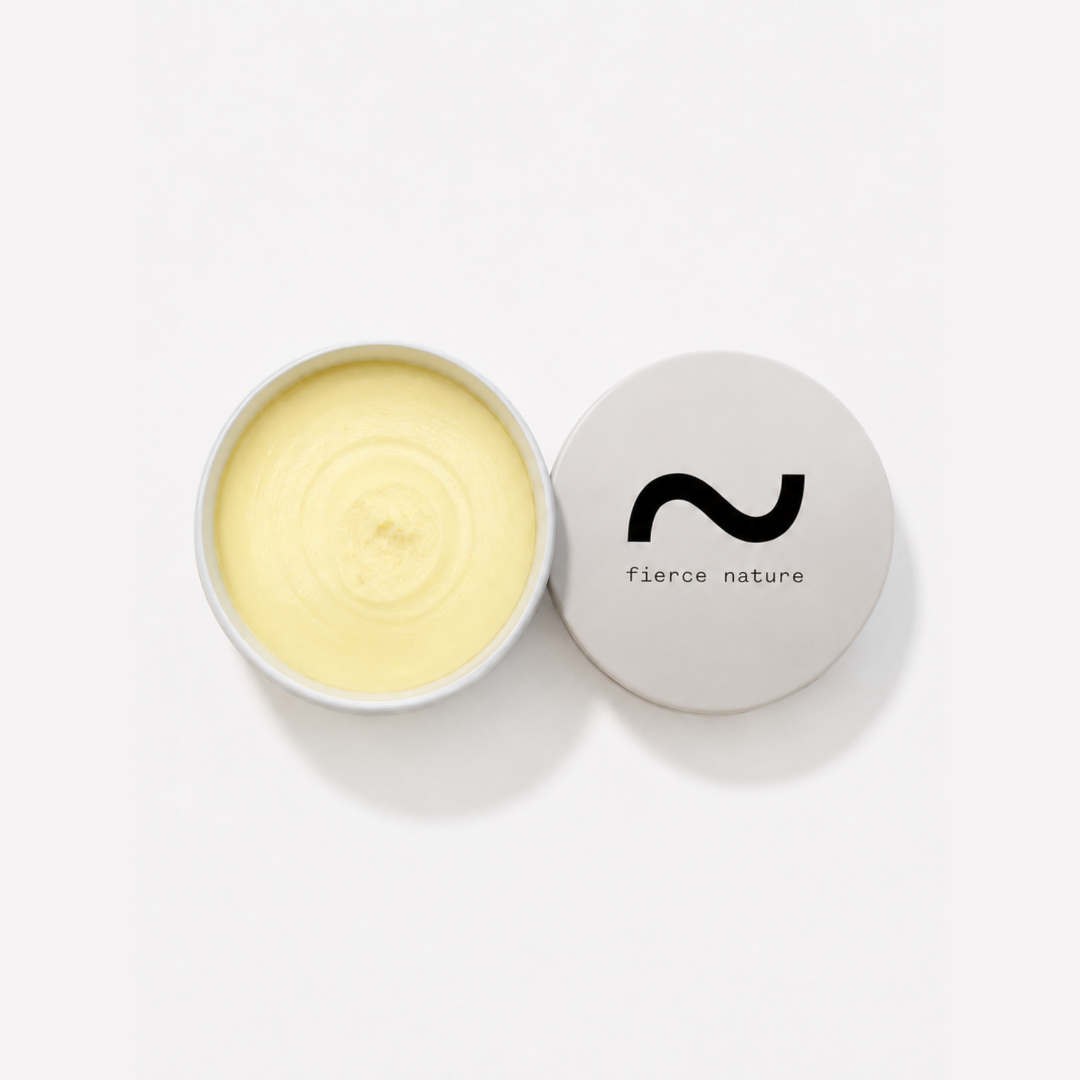
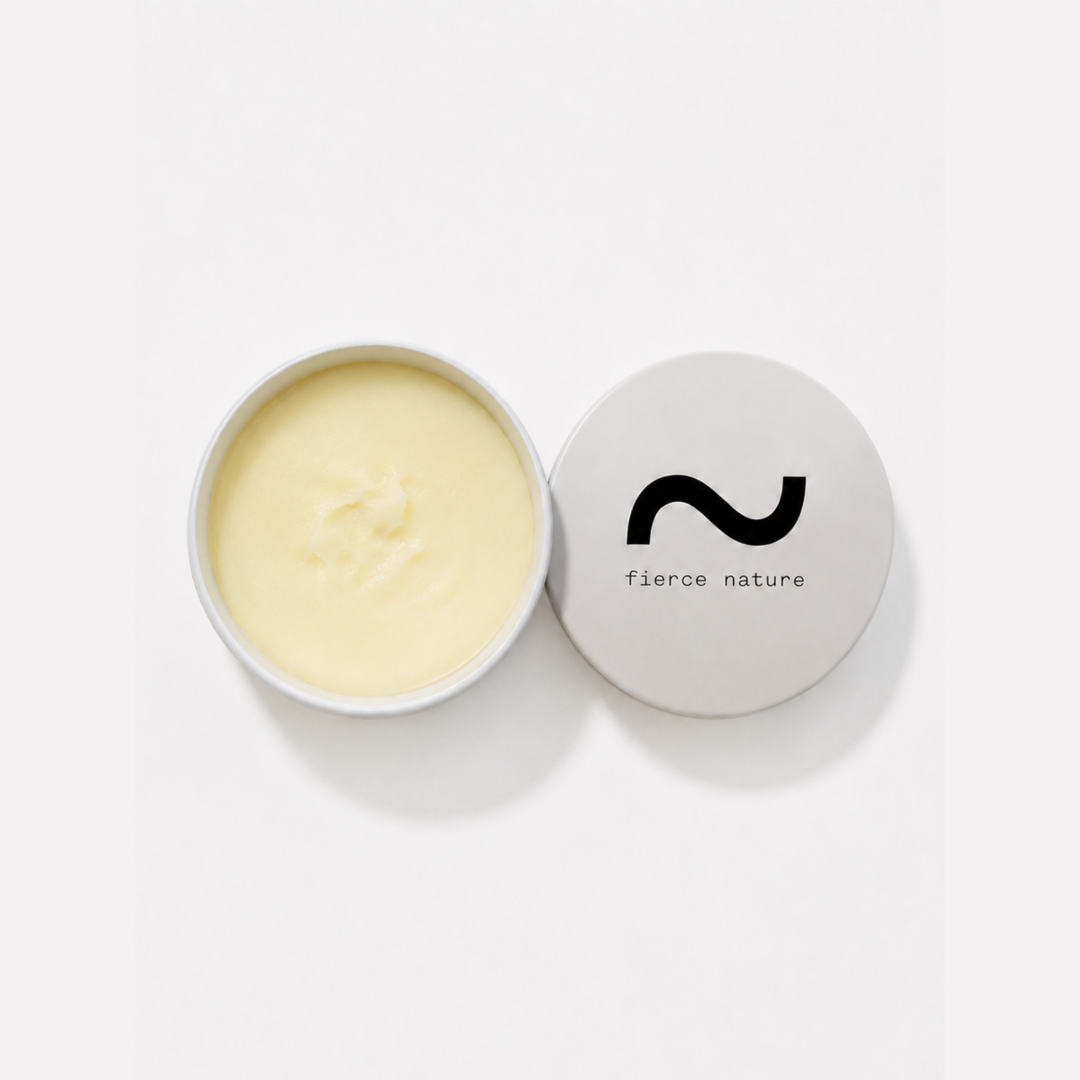
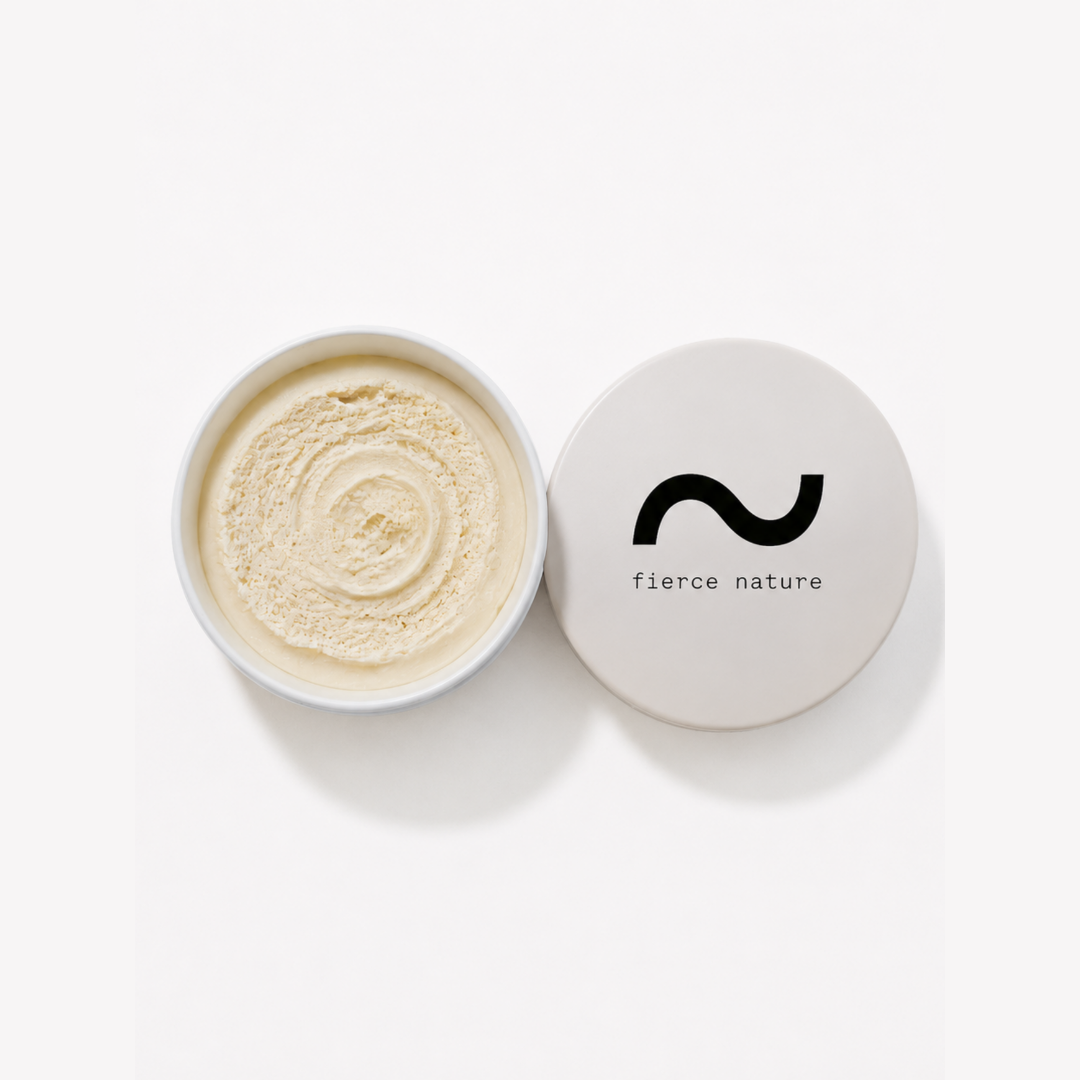
Tallow’s fatty acid composition mirrors the lipids naturally present in human skin, which is why it has been valued as a skin emollient for centuries. At Fierce Nature, we use pure organic tallow as the foundation of our formulations because we believe the skin responds best to ingredients it recognises. Our founder grew up battling unexplained skin rashes and reactions, and it was only after understanding the impact of toxic load and synthetic ingredients that the connection became clear. Every Fierce Nature product is handmade in the UK with naturally sourced ingredients, and full ingredient lists are available on each product page so you can make an informed choice.
How to use tallow-based products safely:
Always patch test on the inner forearm for 24–48 hours before applying to an inflamed area
Start with the unscented formulation if your skin is reactive; fragranced versions contain additional botanicals that, while natural, can occasionally trigger sensitivity
Apply to slightly damp skin after cleansing for best absorption
Full ingredient lists are published on every Fierce Nature product page
For more on why tallow works so well for sensitive skin, our piece on tallow-based skincare for sensitive skin goes deeper into the formulation rationale.
There is a persistent assumption in skincare that “natural” and “clinically supported” sit in different camps. We think that framing does a disservice to both. The evidence for colloidal oatmeal, omega-3 fatty acids, Mediterranean-style eating, and barrier-repair emollients is genuinely strong, and none of it requires synthetic chemistry to work. What it does require is honesty about timelines, realistic expectations, and the willingness to seek clinical help when the situation calls for it.
What we see too often is people cycling through harsh, chemical-laden products that strip the barrier, then wondering why their skin keeps reacting. The answer is usually not a new serum. It is a quieter, more consistent approach: nourish the barrier, support the gut, reduce the toxic load, and give the skin the conditions it needs to do what it does naturally.
We also want to be clear: natural approaches are not a replacement for medical care when infection, autoimmune disease, or a serious allergic reaction is involved. We encourage everyone to consult a GP or dermatologist for new, severe, or infected inflammation. The goal of this guide is to give you a well-evidenced, practical toolkit for the majority of mild to moderate flares, and to help you recognise when that toolkit has its limits.
If you are ready to put this guide into practice with a product you can trust, Fierce Nature’s tallow-based range offers a genuinely clean, nourishing option made entirely in the UK.
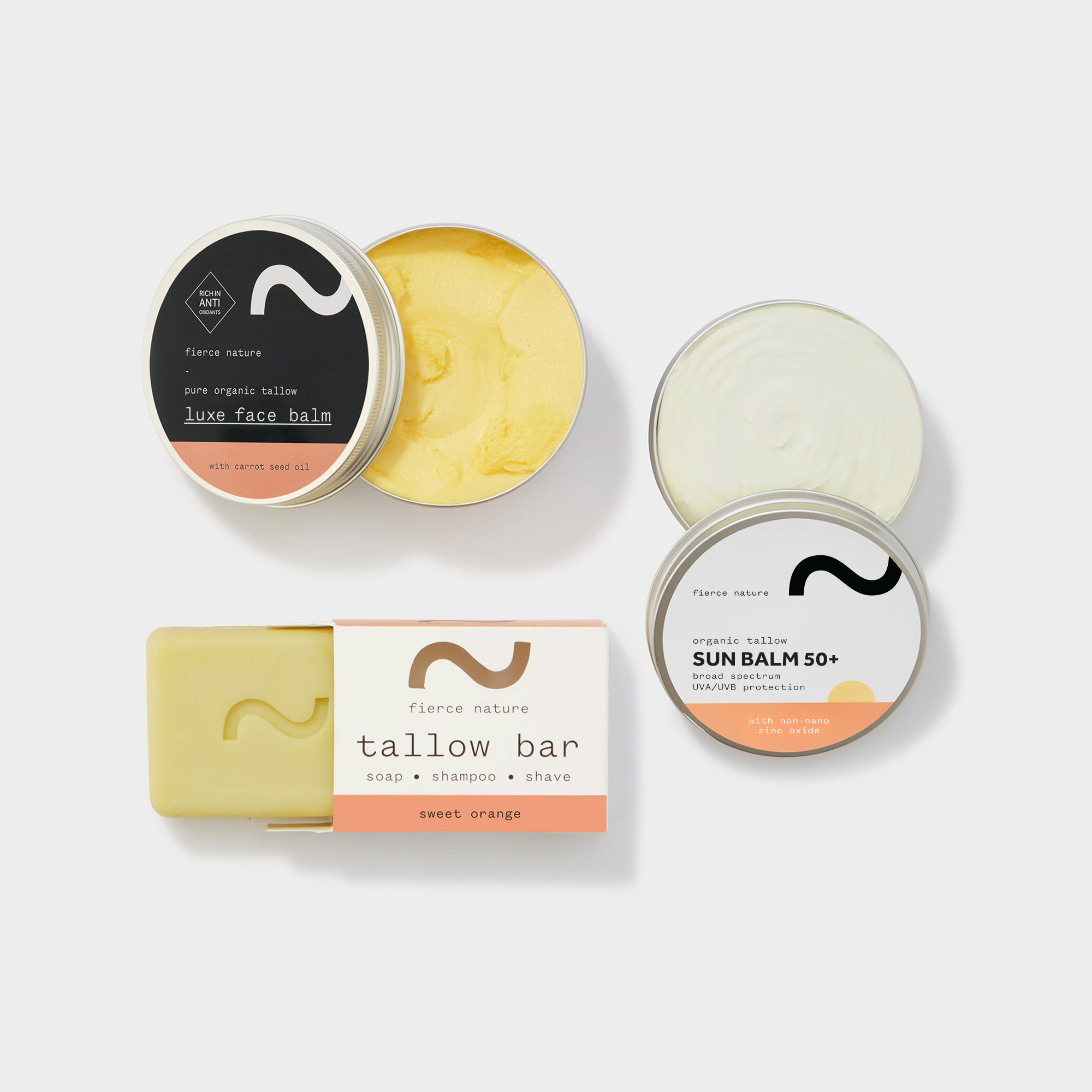
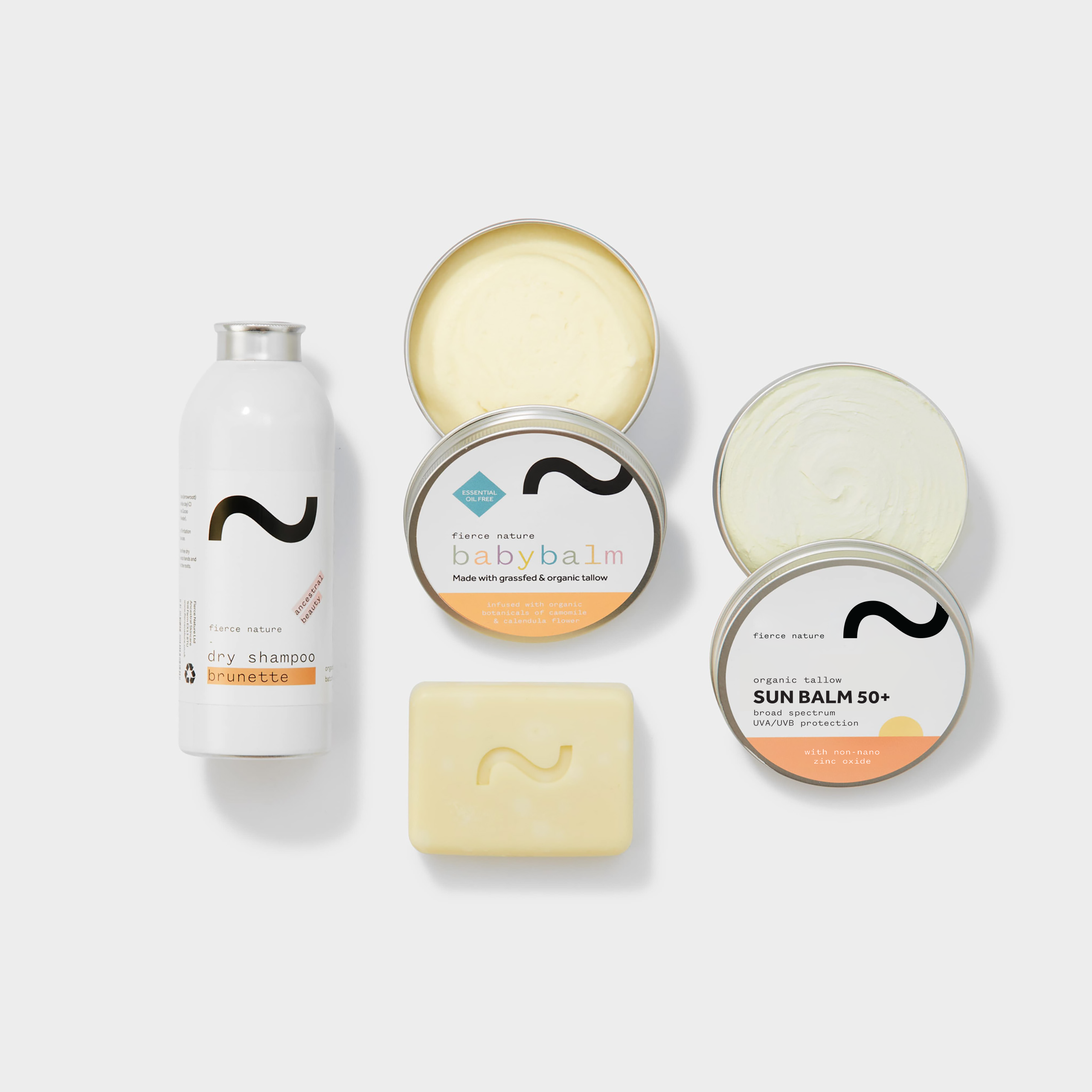
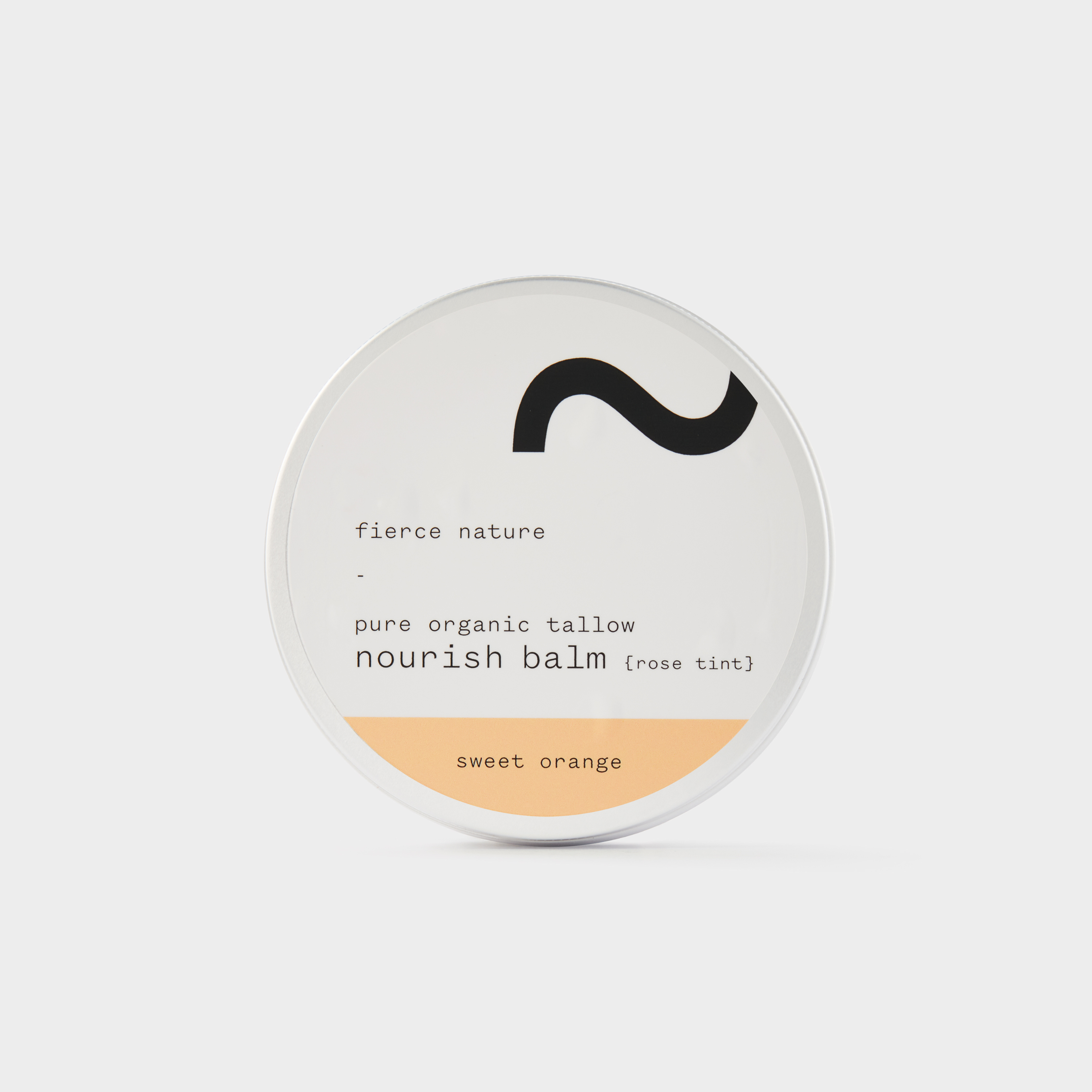
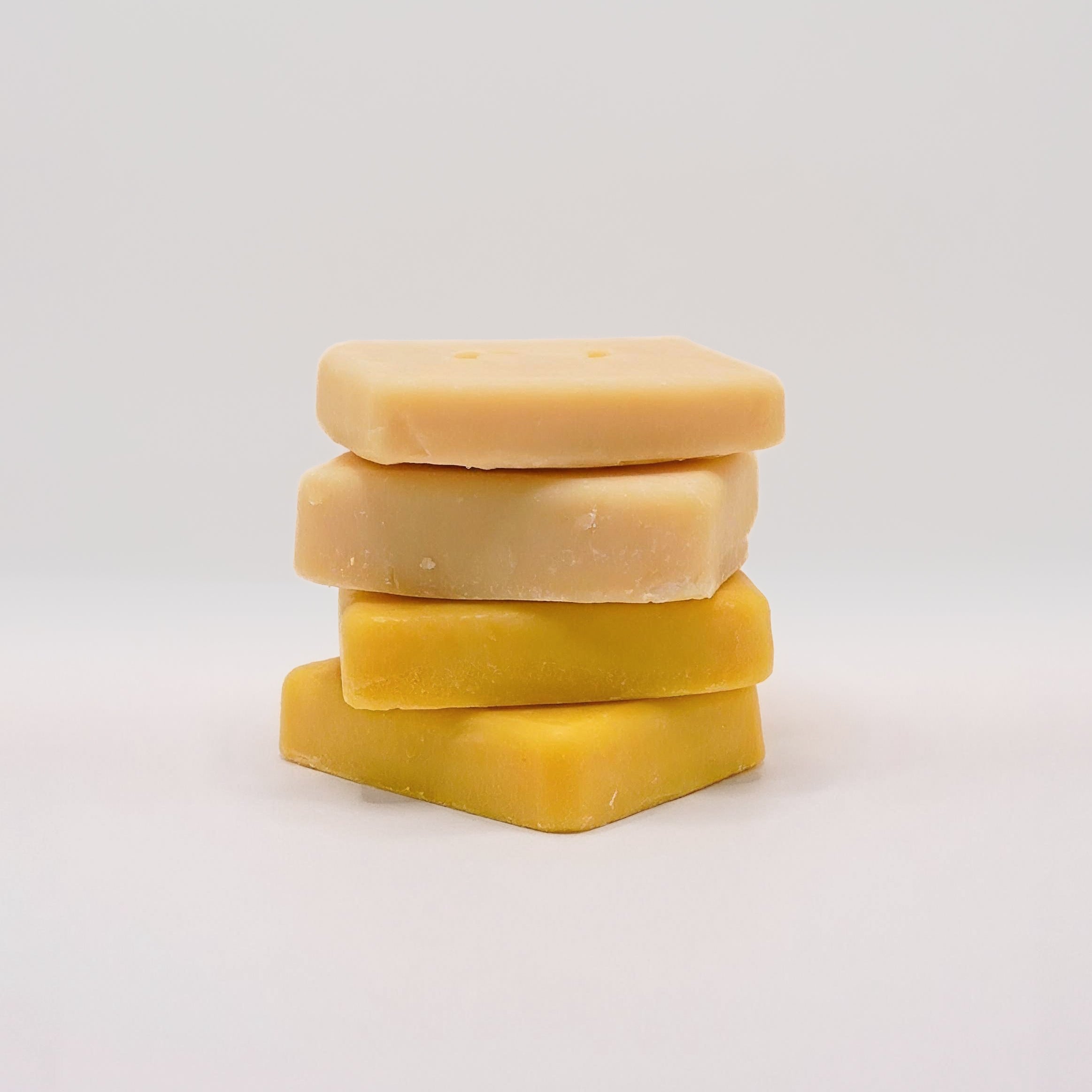
Multi-Use Tallow Bar (Unscented): the first choice for reactive or inflamed skin; no added fragrance, just pure organic tallow and skin-compatible fatty acids for barrier repair
Multi-Use Tallow Bar (Scented): for those who tolerate botanicals well; patch test first
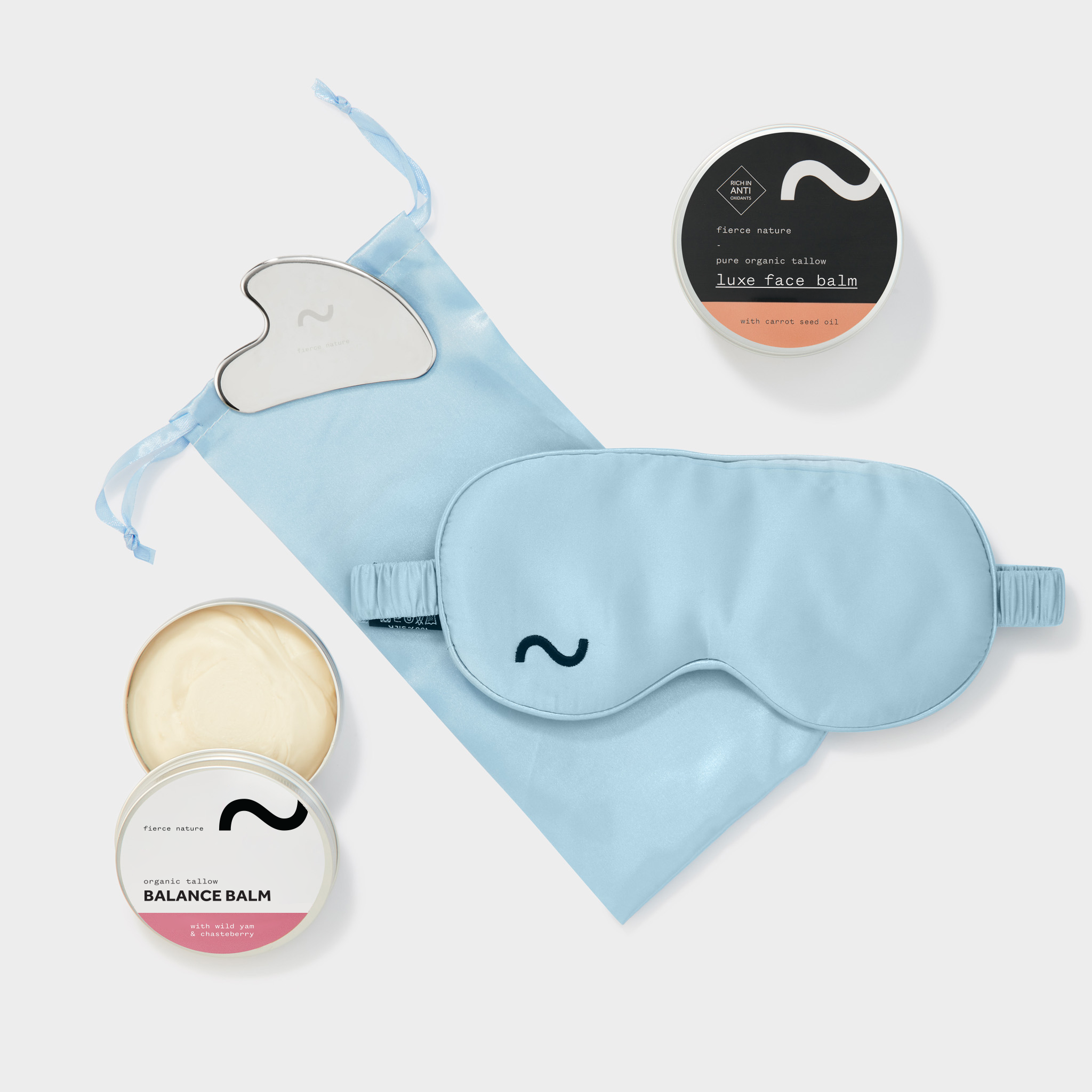
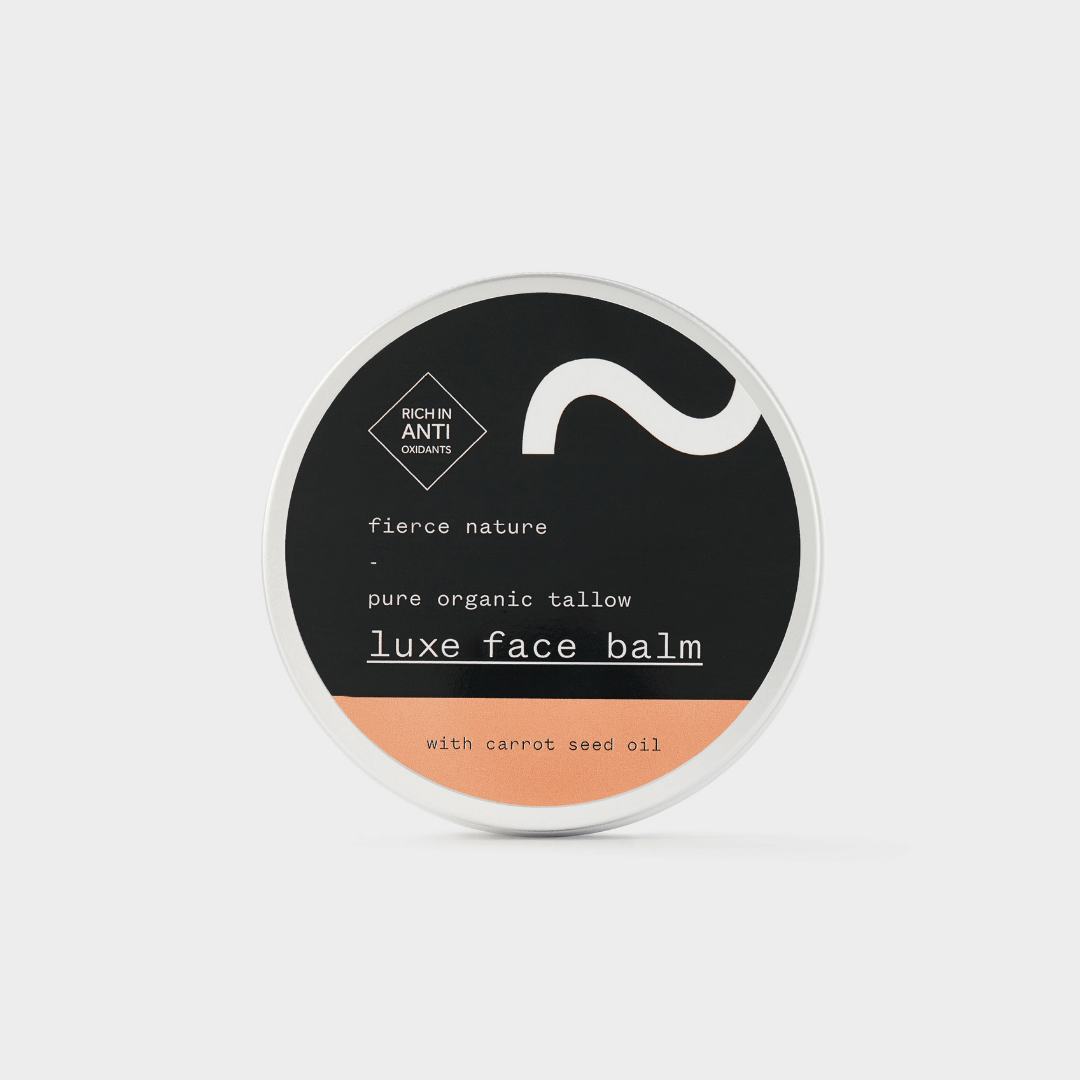
Luxe Balm: a rich facial balm for dry, inflamed facial skin; apply a small amount to damp skin after cleansing
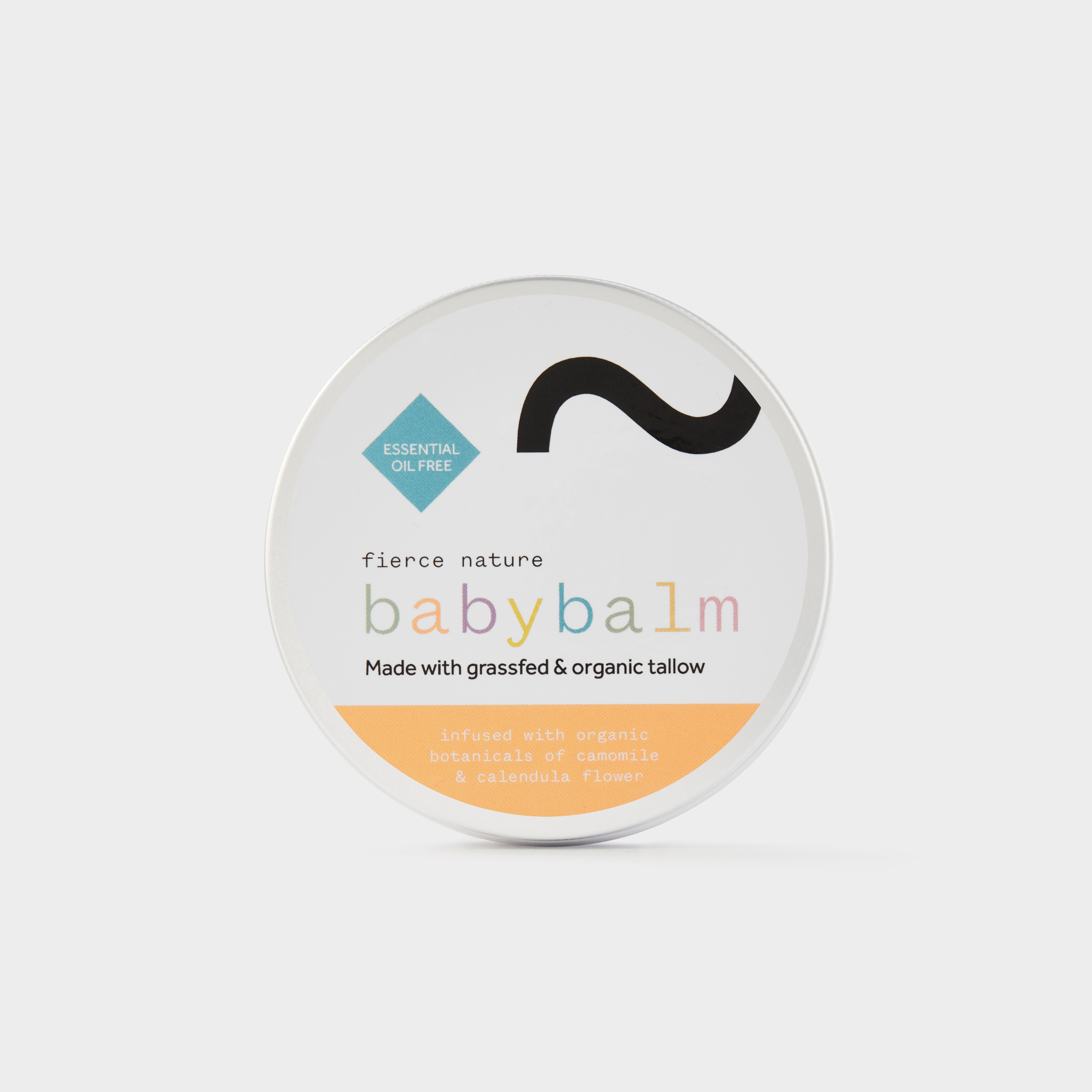
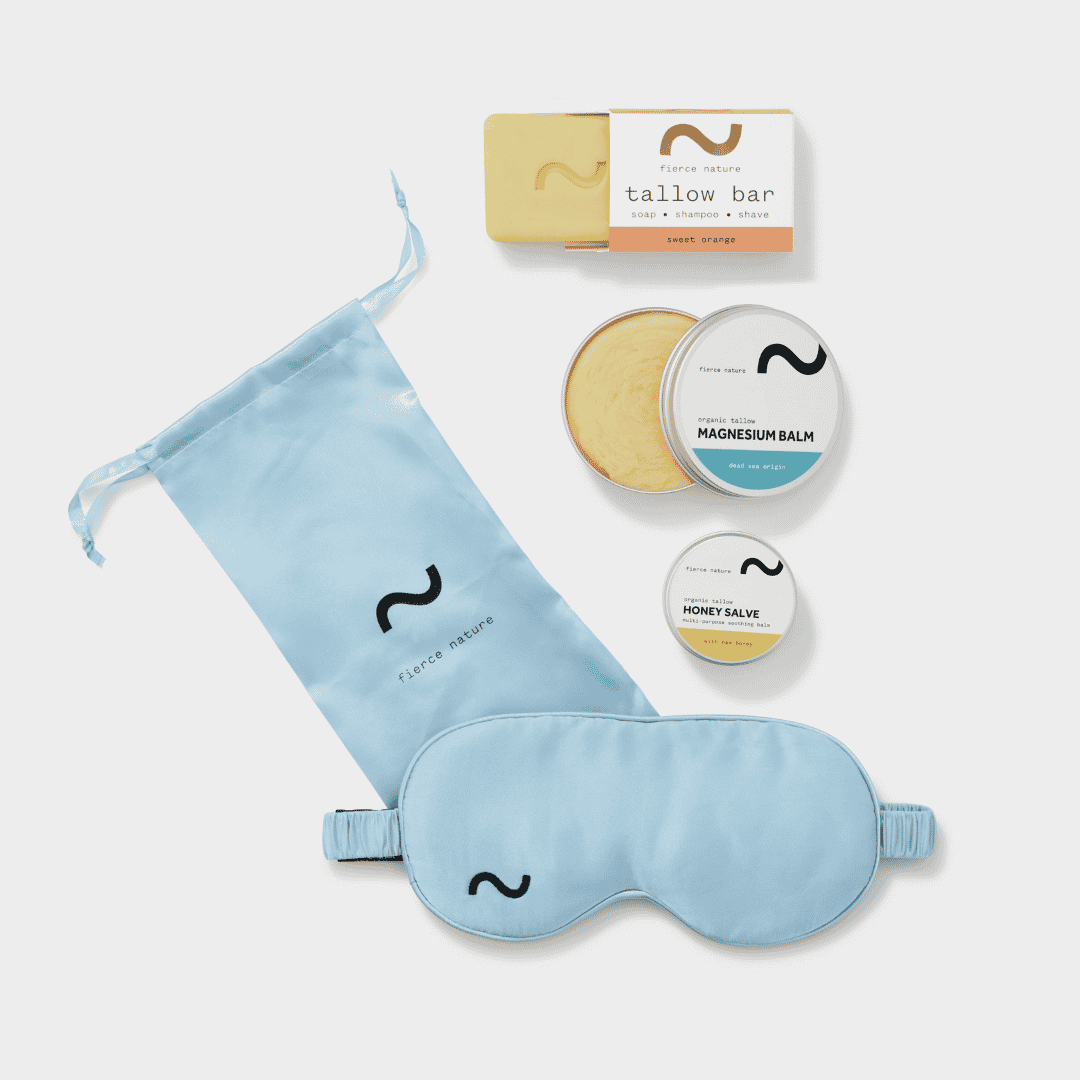
Non-toxic Baby Skin Essentials: a curated bundle for infants and those with the most sensitive skin
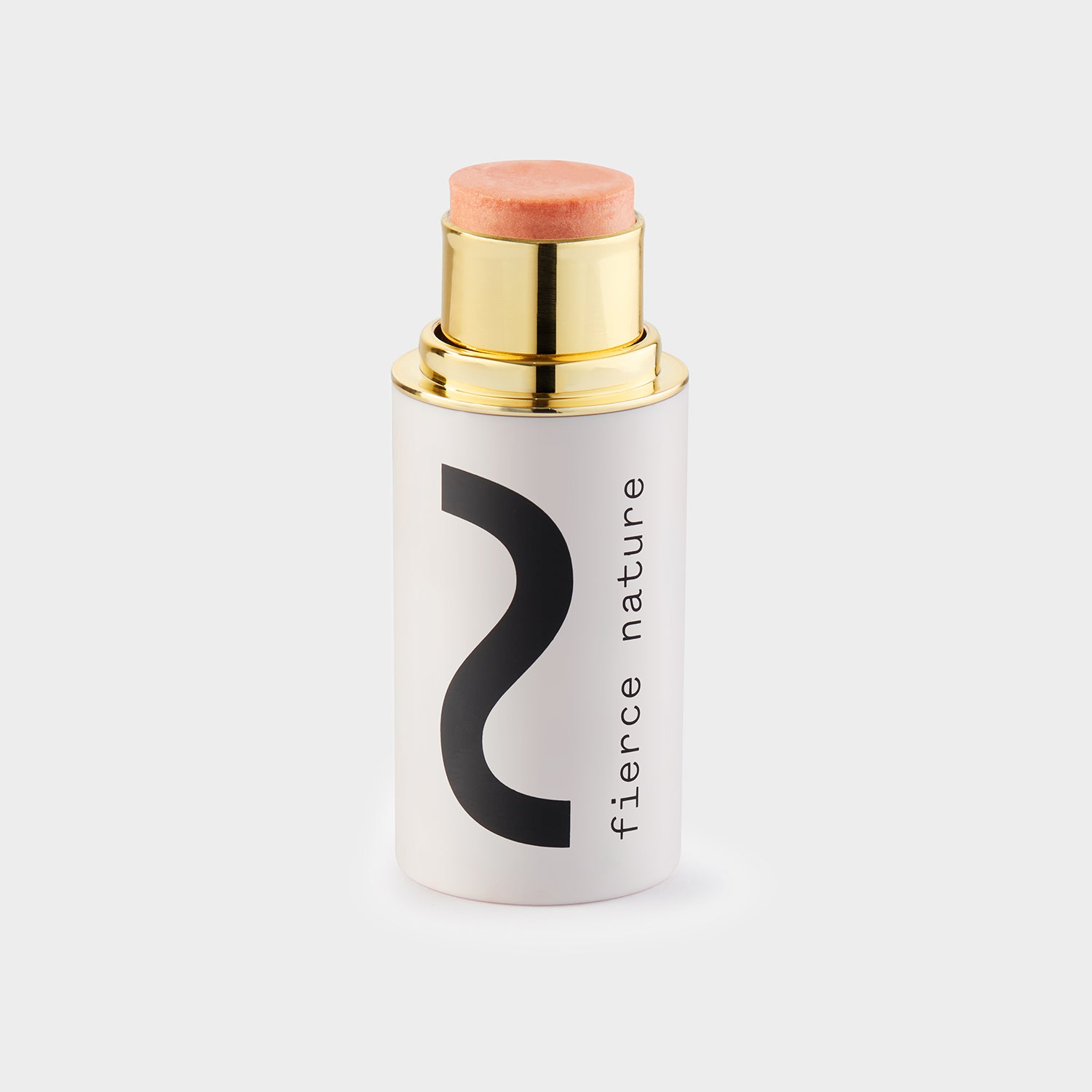
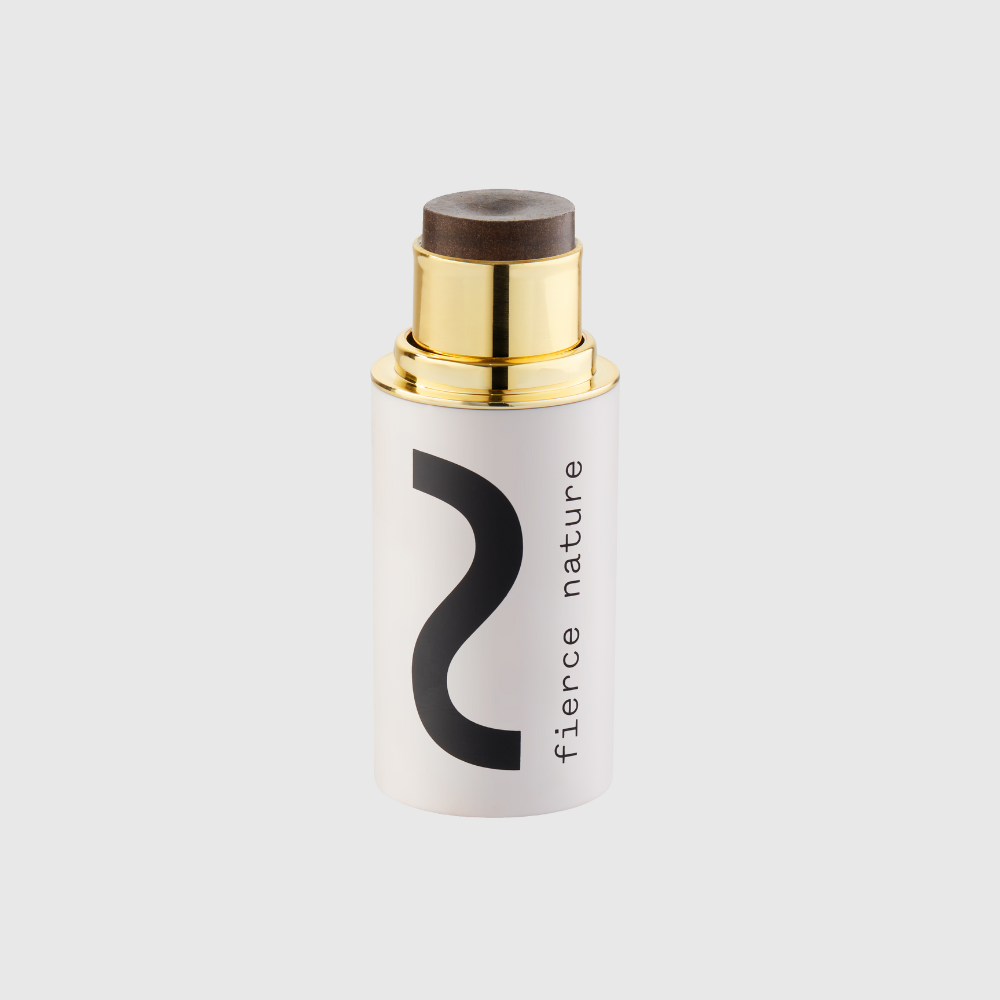
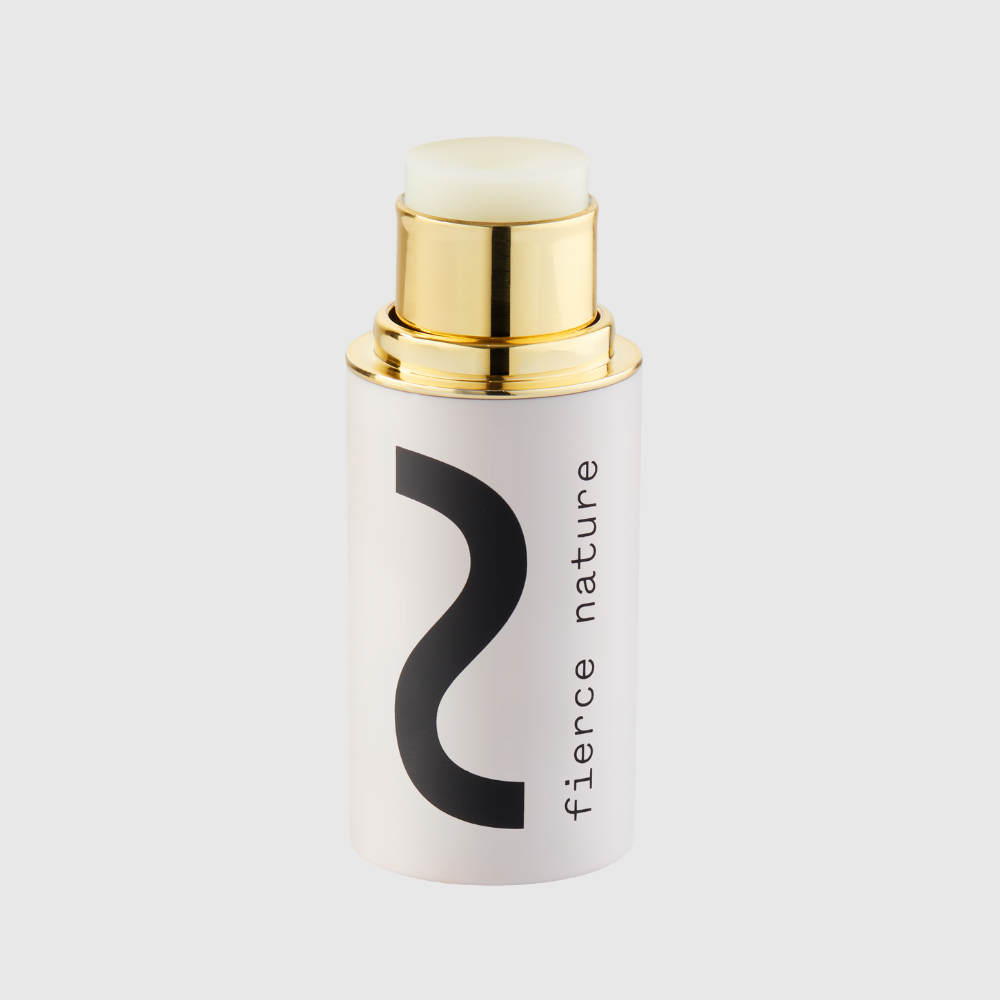
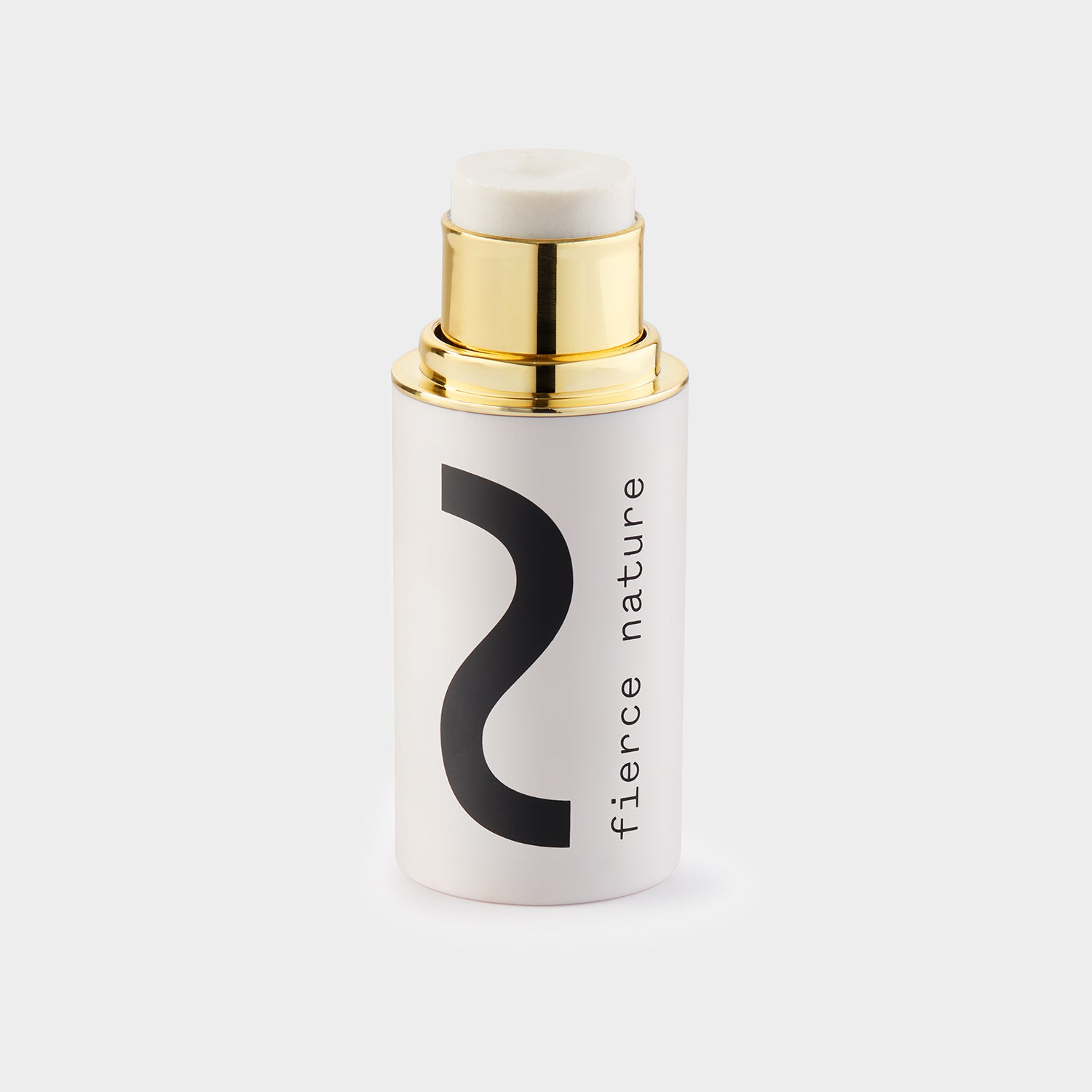
Selfie Stick Natural: a convenient on-the-go stick for quick reapplication during a flare
Biohacking bundle: a multi-product approach for those who want to support skin repair from several angles at once
All products are handmade in the UK with full ingredient transparency. Patch test any new product before applying to inflamed skin, and if you are managing a complex or infected condition, please check with your clinician first. Browse the full range and place your order at Fierce Nature.
These sources informed this guide and are worth bookmarking if you want to check the evidence or read further.
Harvard Medical School, Foods That Fight Inflammation: an accessible overview of anti-inflammatory dietary patterns and specific foods to favour or avoid
Johns Hopkins Medicine, Anti-Inflammatory Diet: covers the gut-skin axis, prebiotic and probiotic foods, and practical eating guidance
Mayo Clinic, Dermatitis and Eczema: Symptoms and Causes: clinical overview of common inflammatory skin conditions, triggers, and when to seek care
Medical News Today, Anti-Inflammatory Supplements: 8 Natural Options: evidence summaries for omega-3s, curcumin, zinc, and other supplements with interaction cautions
PubMed / PMC, Medicinal Plants Used in Treatment of Inflammatory Skin Diseases: systematic review of plant-derived topical agents including aloe vera and colloidal oatmeal
NHS 111 online (111.nhs.uk): for urgent but non-emergency skin concerns in the UK
These sources are background reading. For personalised advice, particularly if your inflammation is severe, recurring, or of unknown cause, please consult a GP or dermatologist.
Colloidal oatmeal and pure aloe vera gel have the most consistent topical evidence for calming inflamed skin, while omega-3 fatty acids (EPA and DHA) have the strongest clinical support for reducing systemic skin inflammation when taken orally.
Apply a cool compress for 10–15 minutes, remove any suspected irritant, cleanse gently with a fragrance-free wash, and apply a soothing emollient or colloidal oatmeal cream. Most people notice a reduction in redness and itch within a few hours of consistent care.
The most common root causes are a damaged skin barrier, contact with an irritant or allergen, gut dysbiosis, chronic stress, hormonal fluctuations, and underlying conditions such as eczema or psoriasis. Identifying the trigger is the key step in choosing the right approach.
No single action flushes inflammation instantly, but combining adequate hydration, a meal rich in omega-3s and antioxidants, reduced sugar intake, and a good night’s sleep creates the conditions for your body to lower inflammatory markers more rapidly. Dietary effects on skin inflammation typically build over 4–8 weeks of consistent change.