Cart
0
80% Also Added this
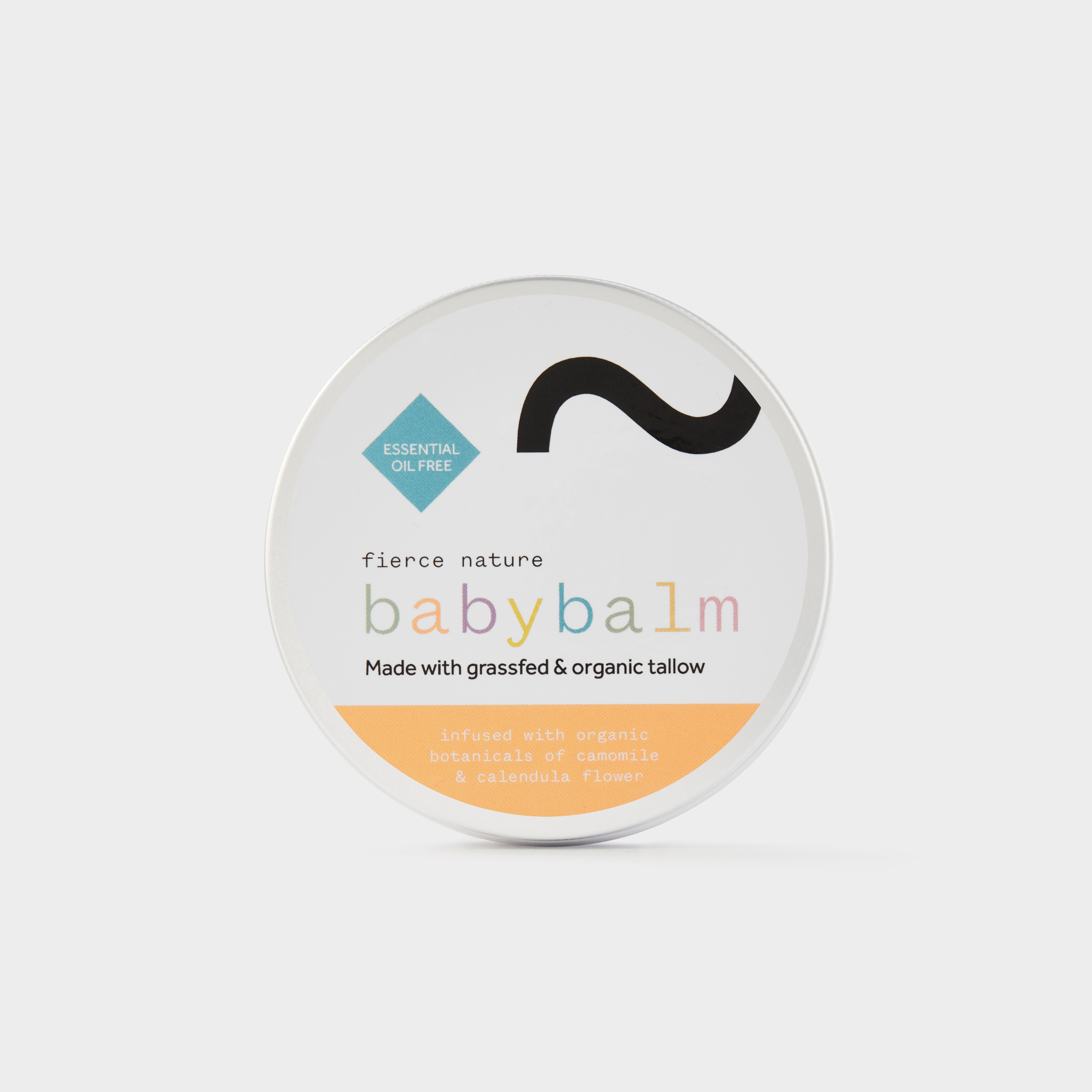
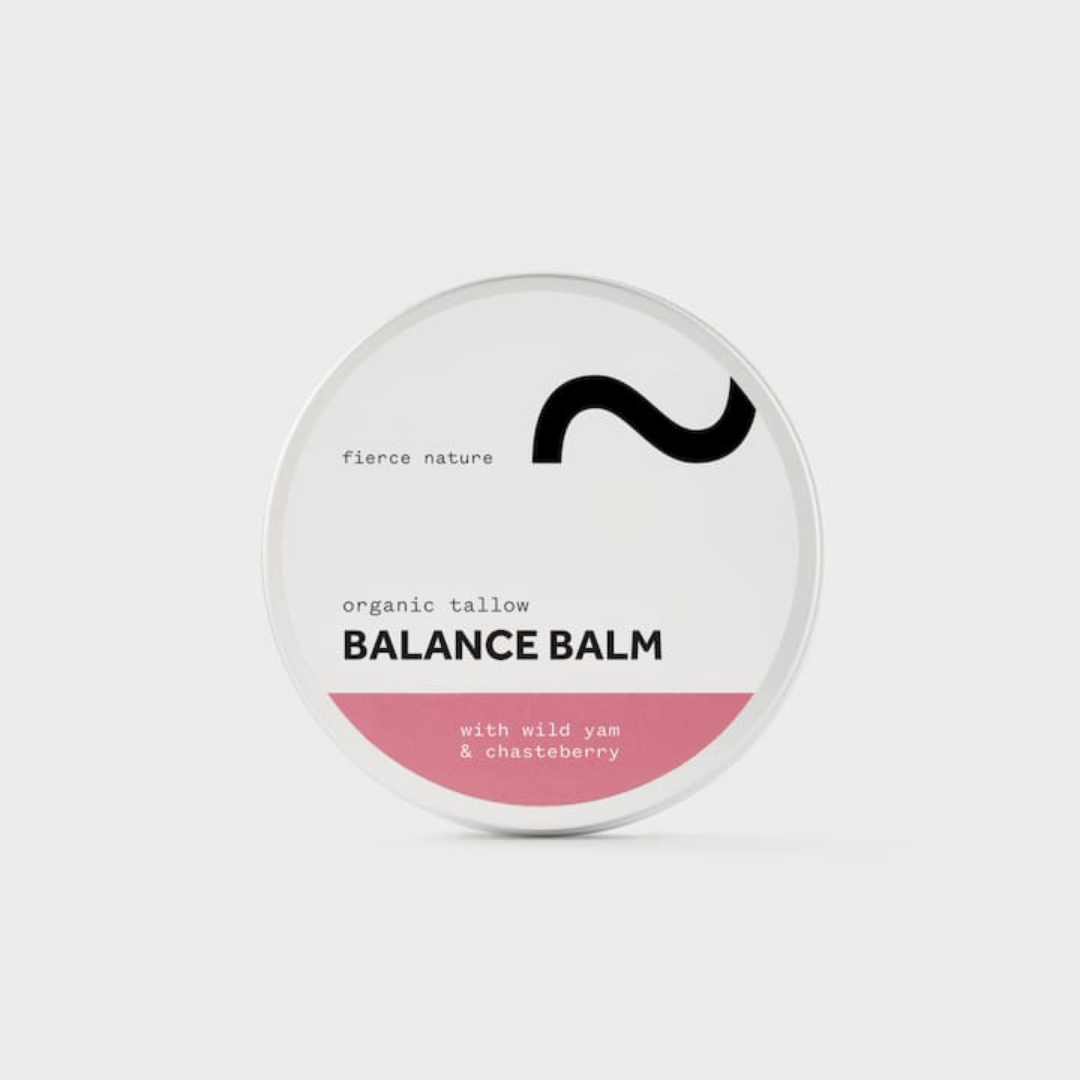
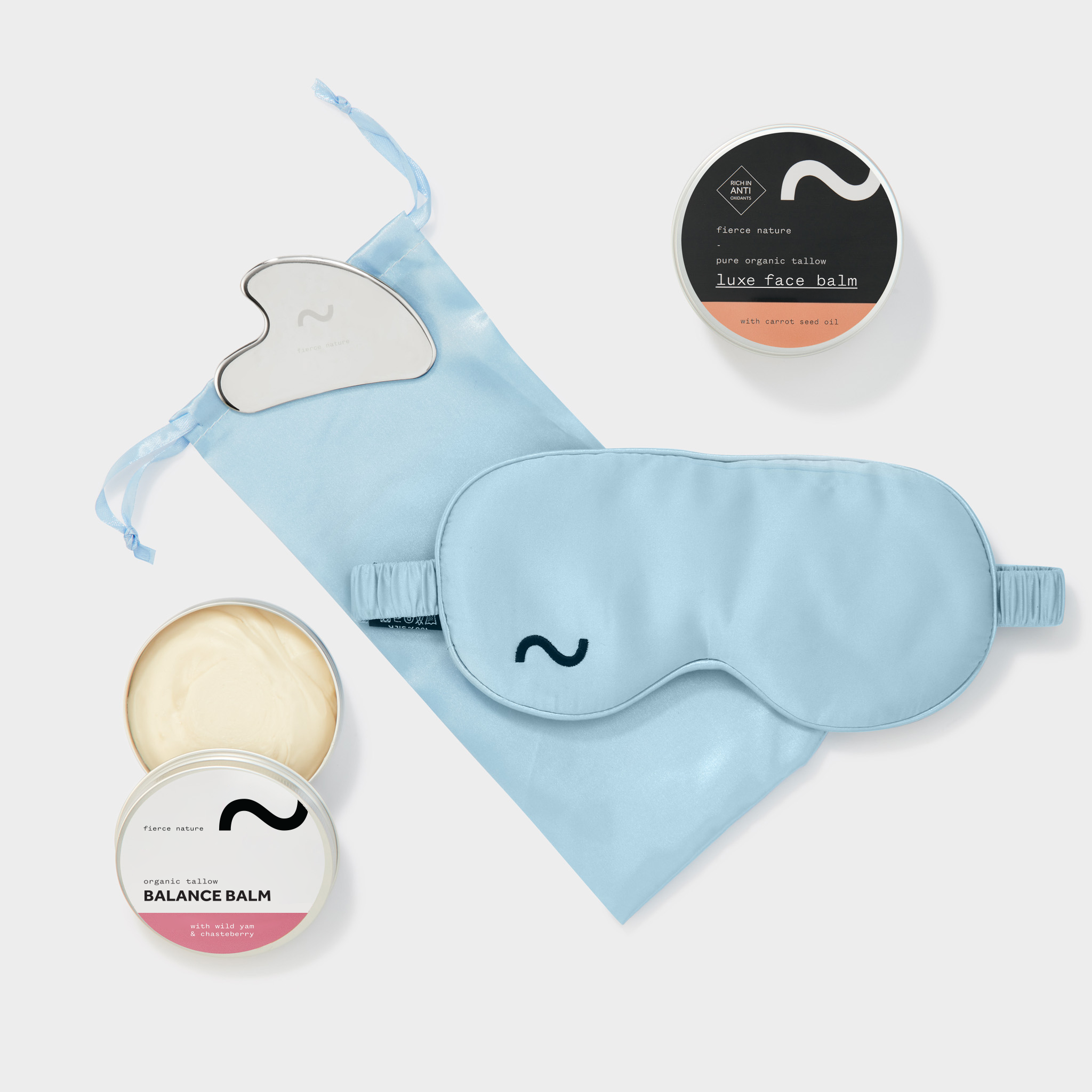
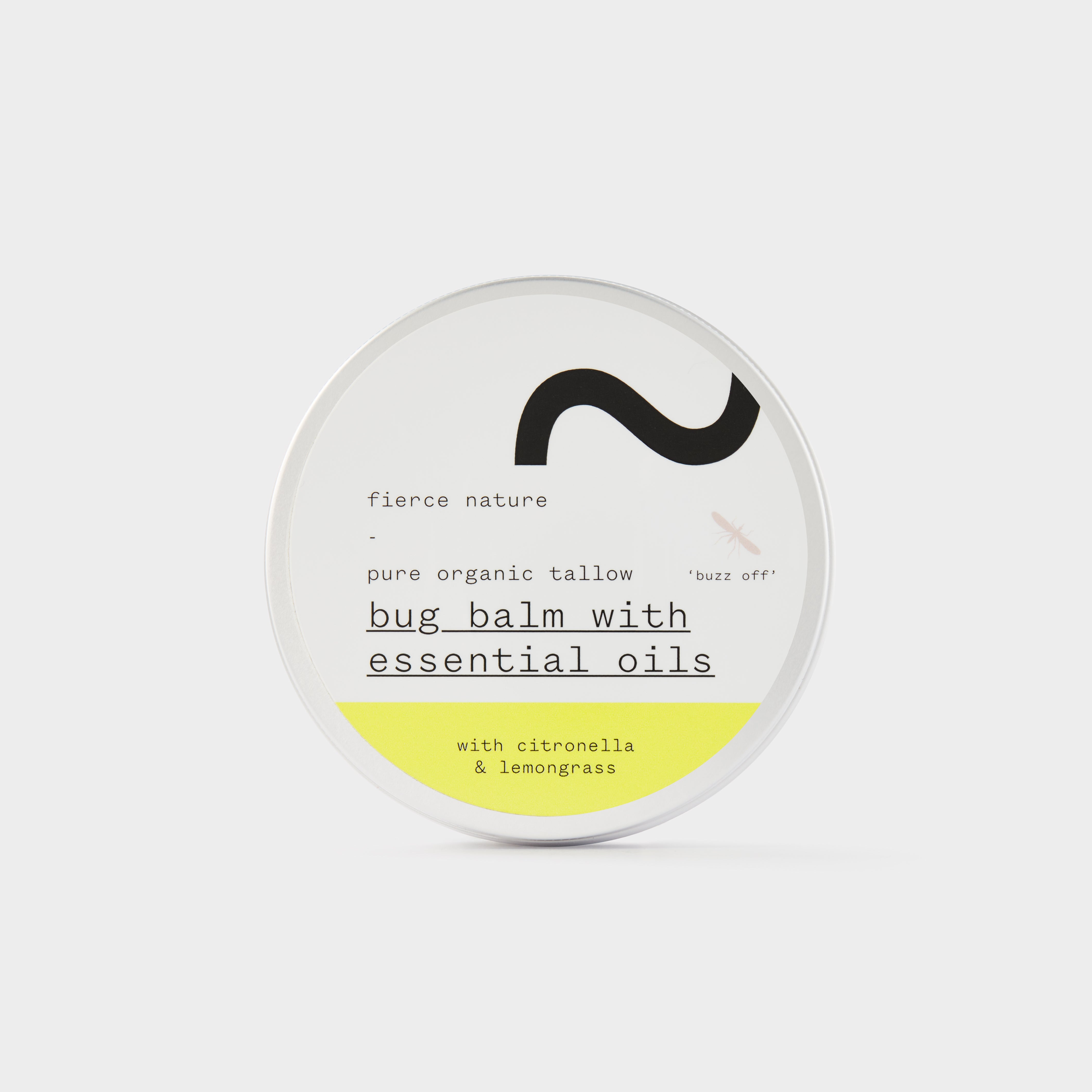
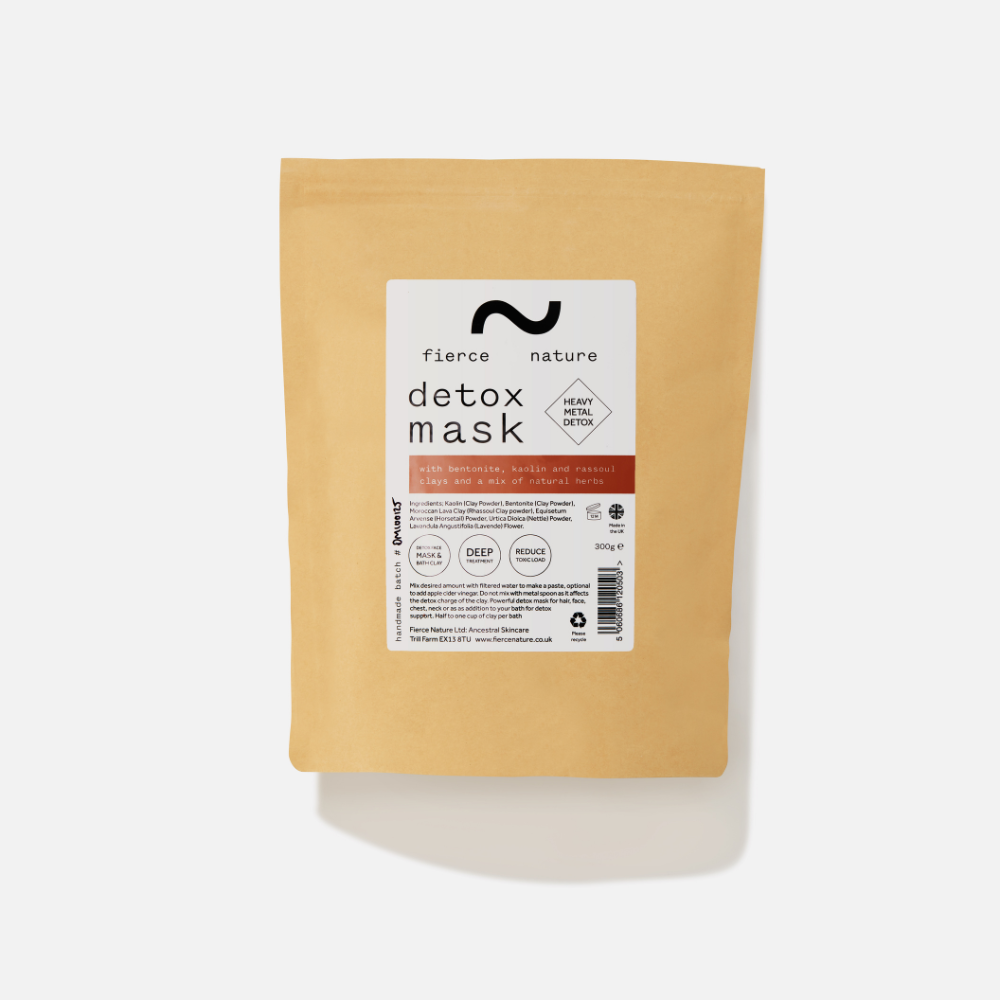
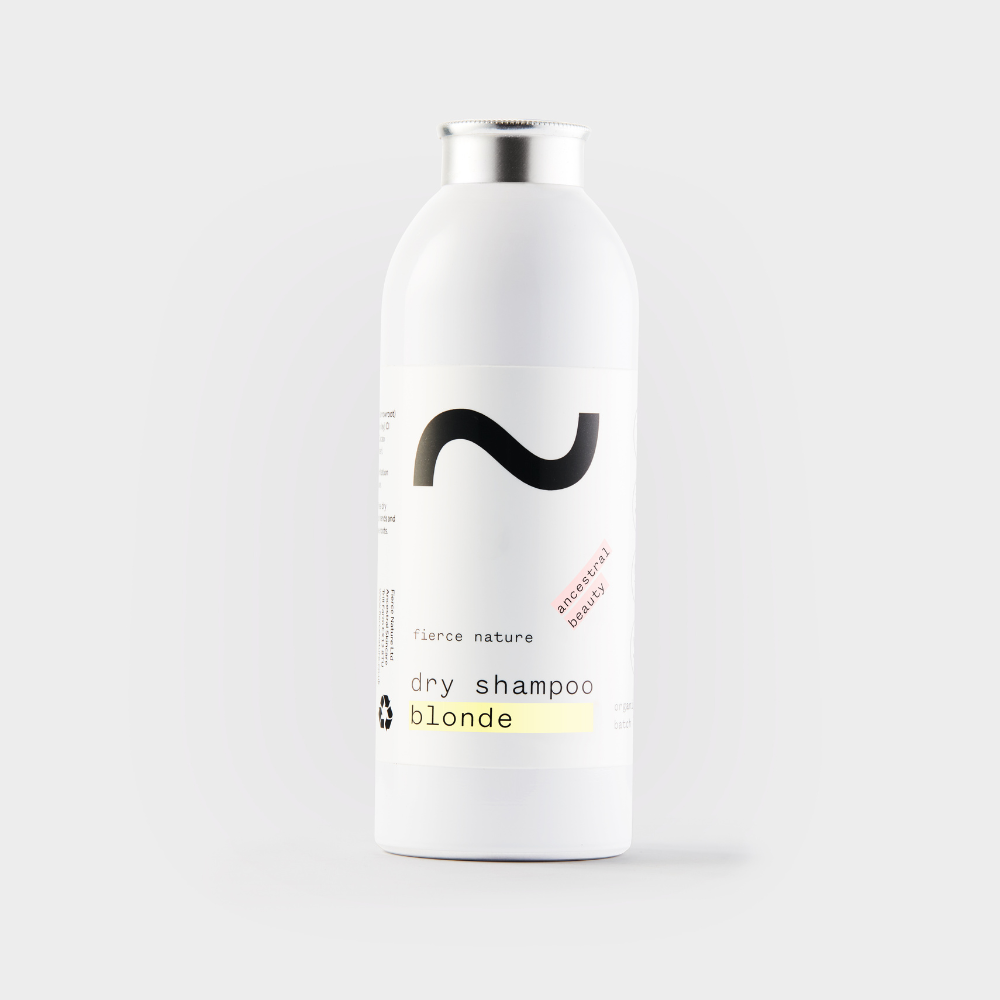
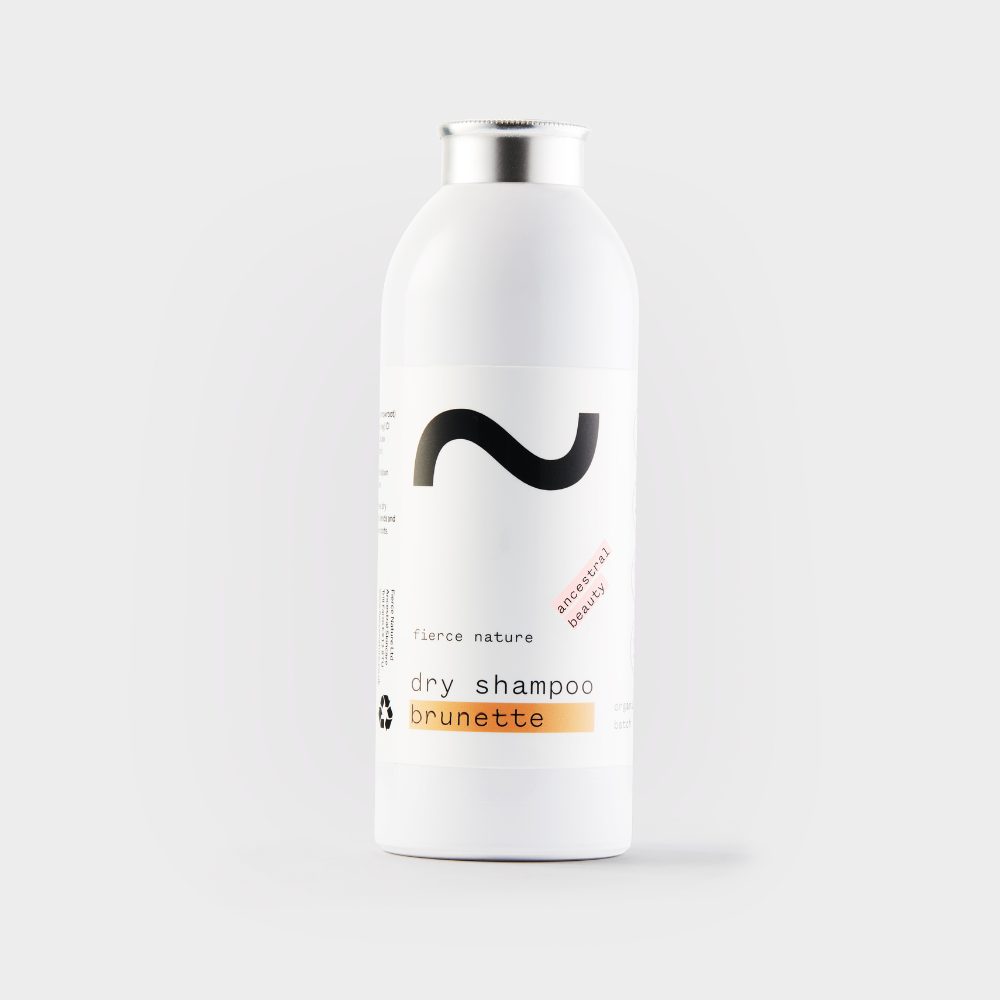
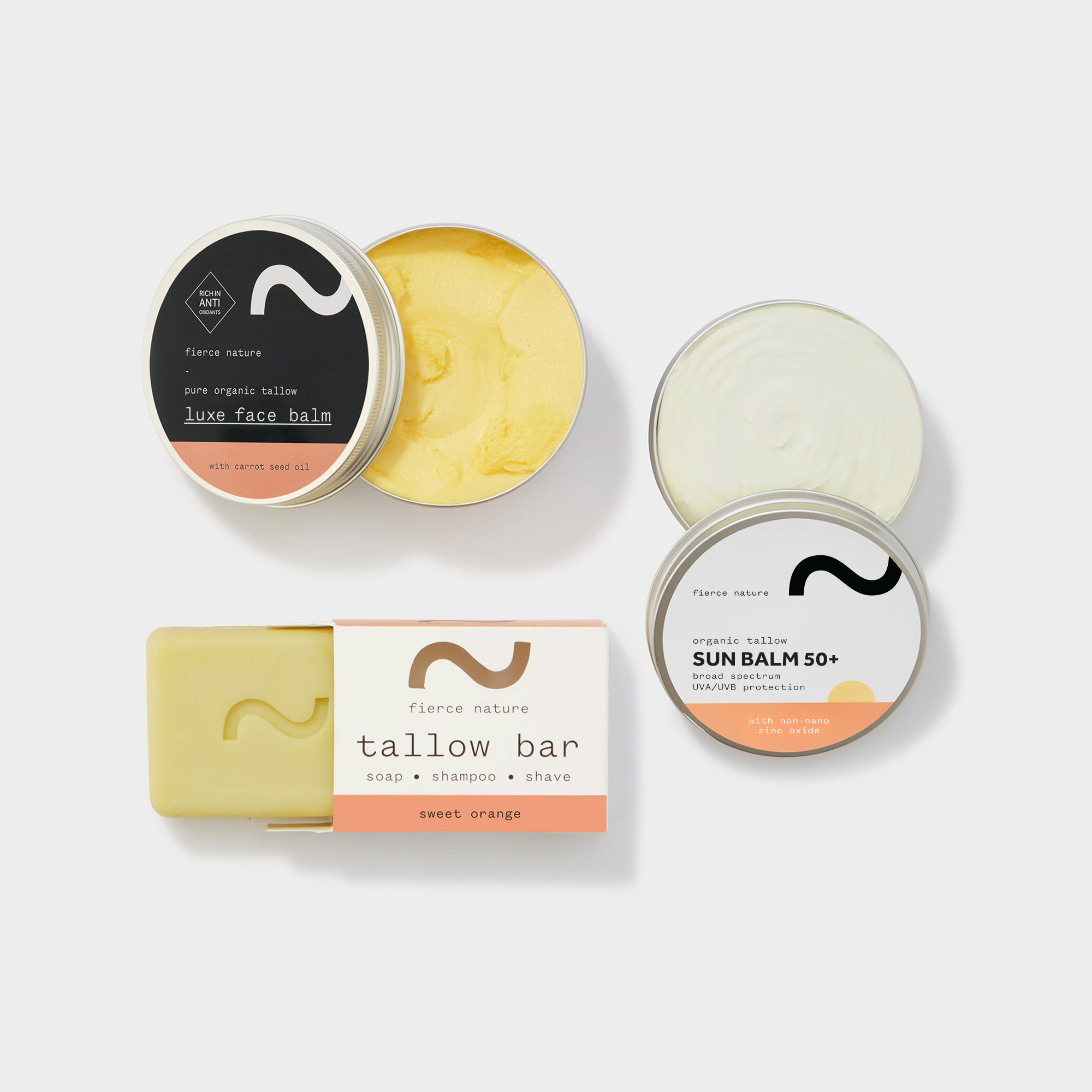
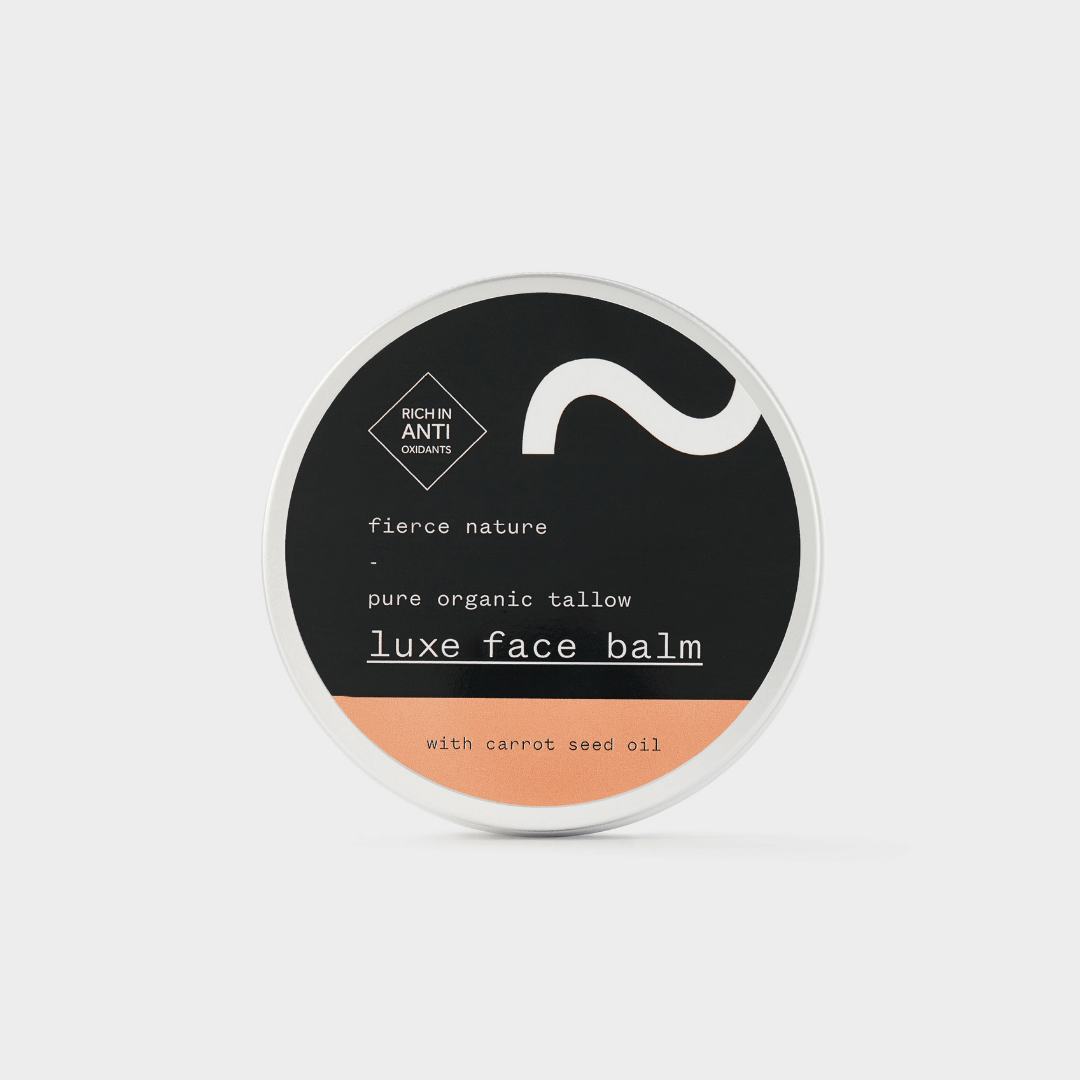
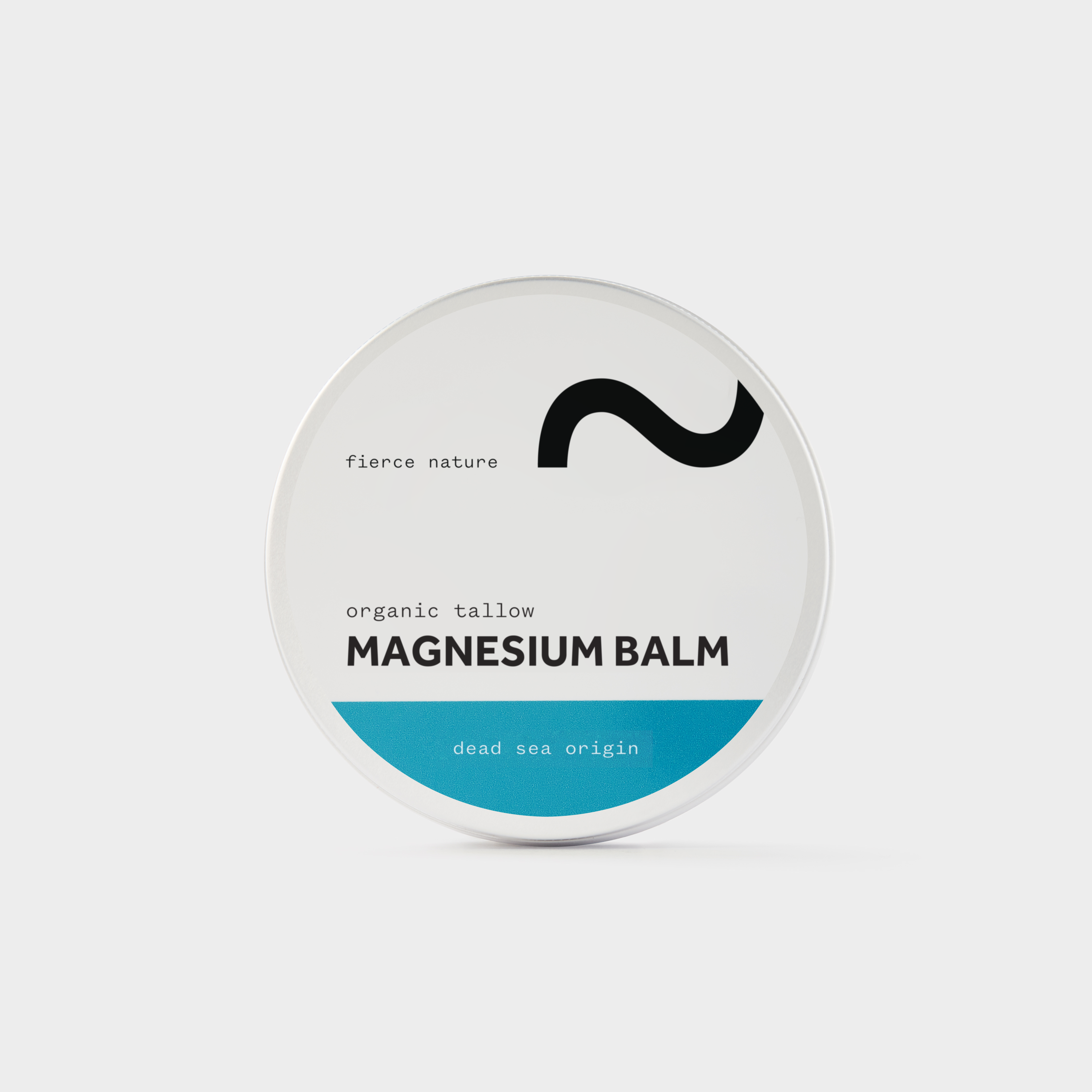
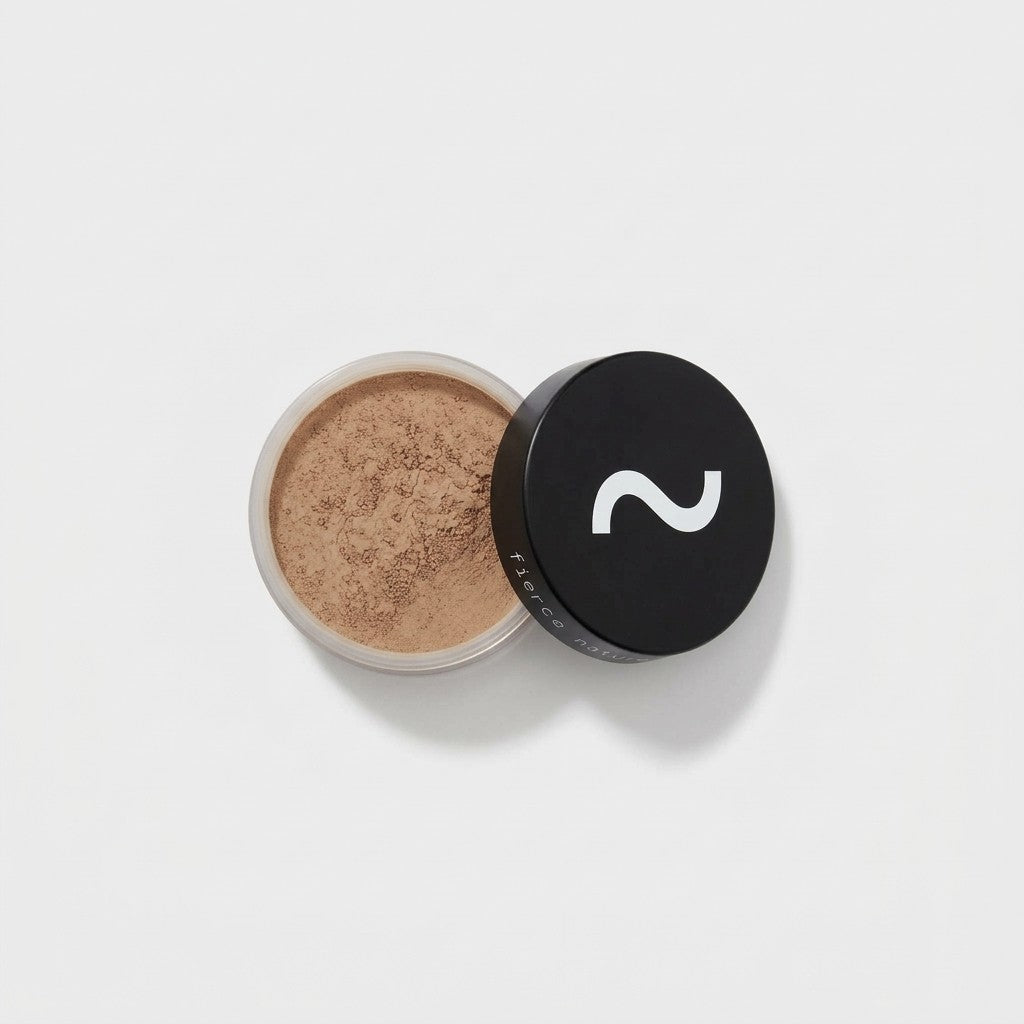
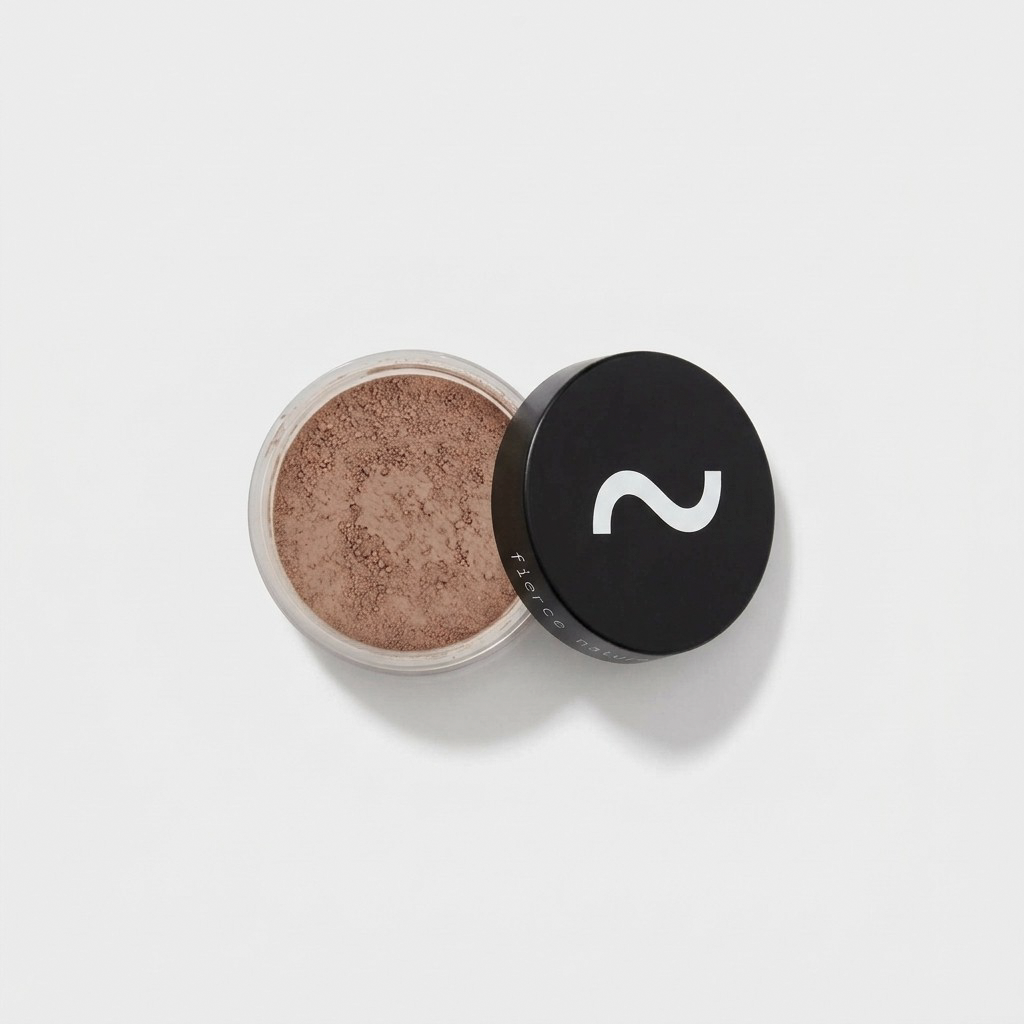
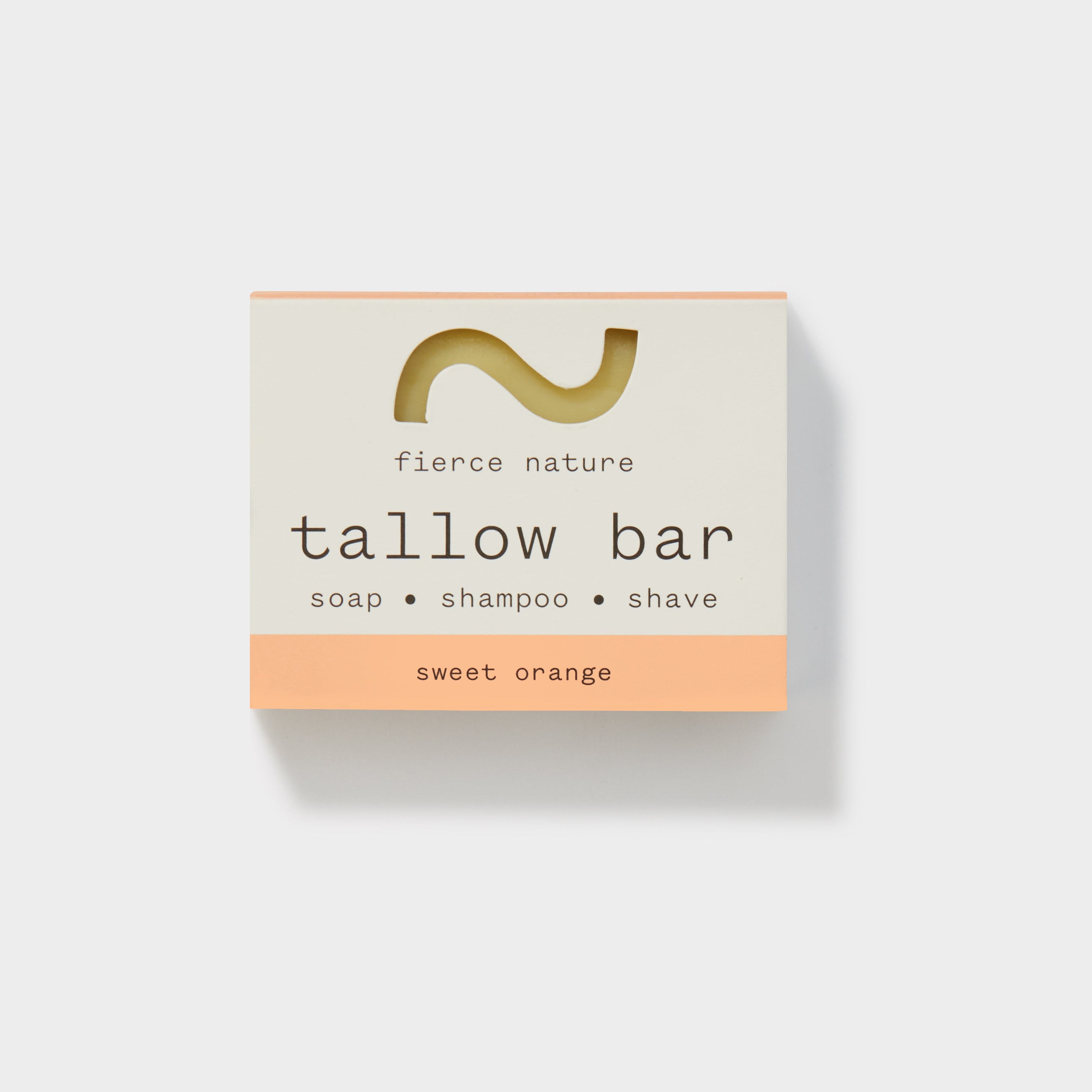
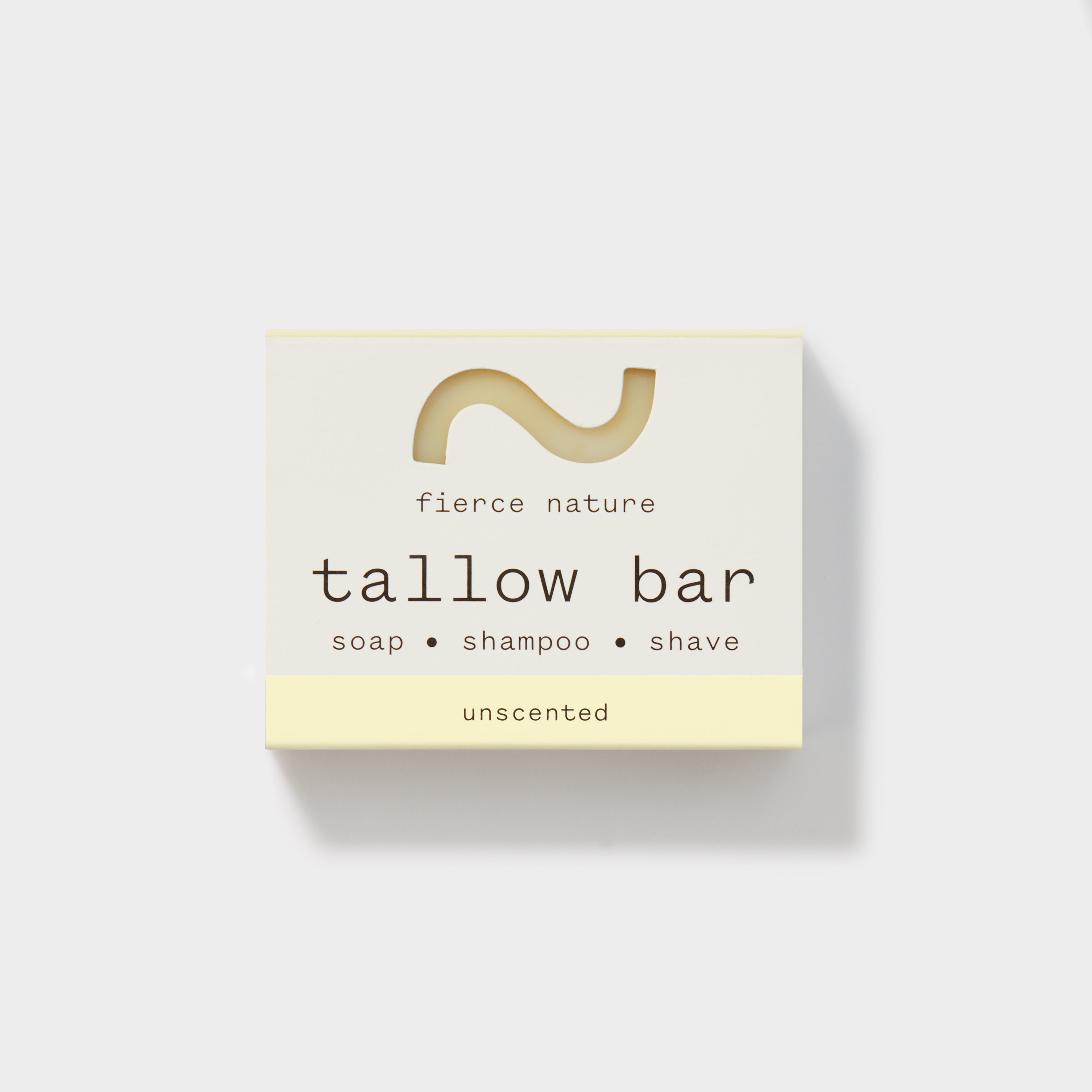
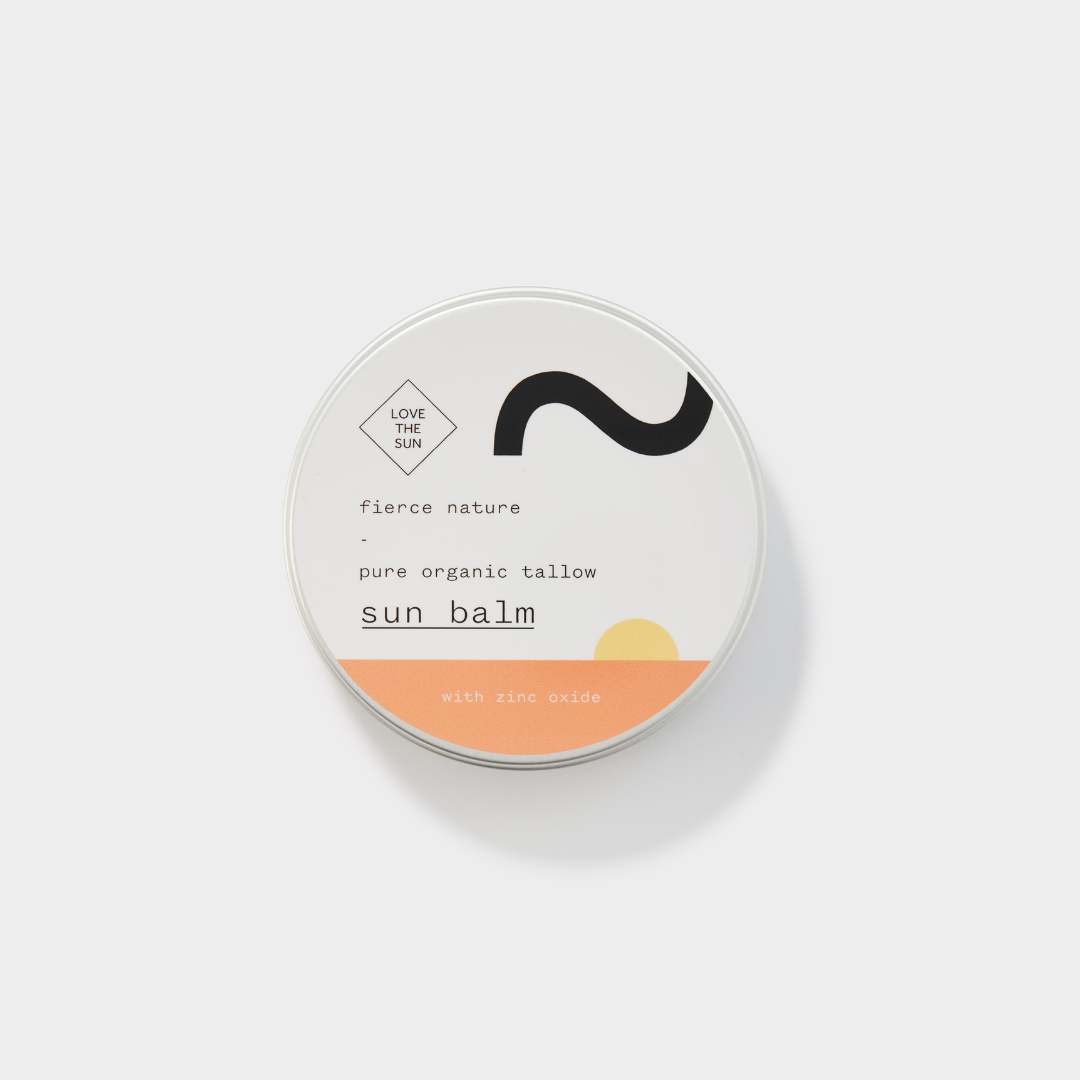
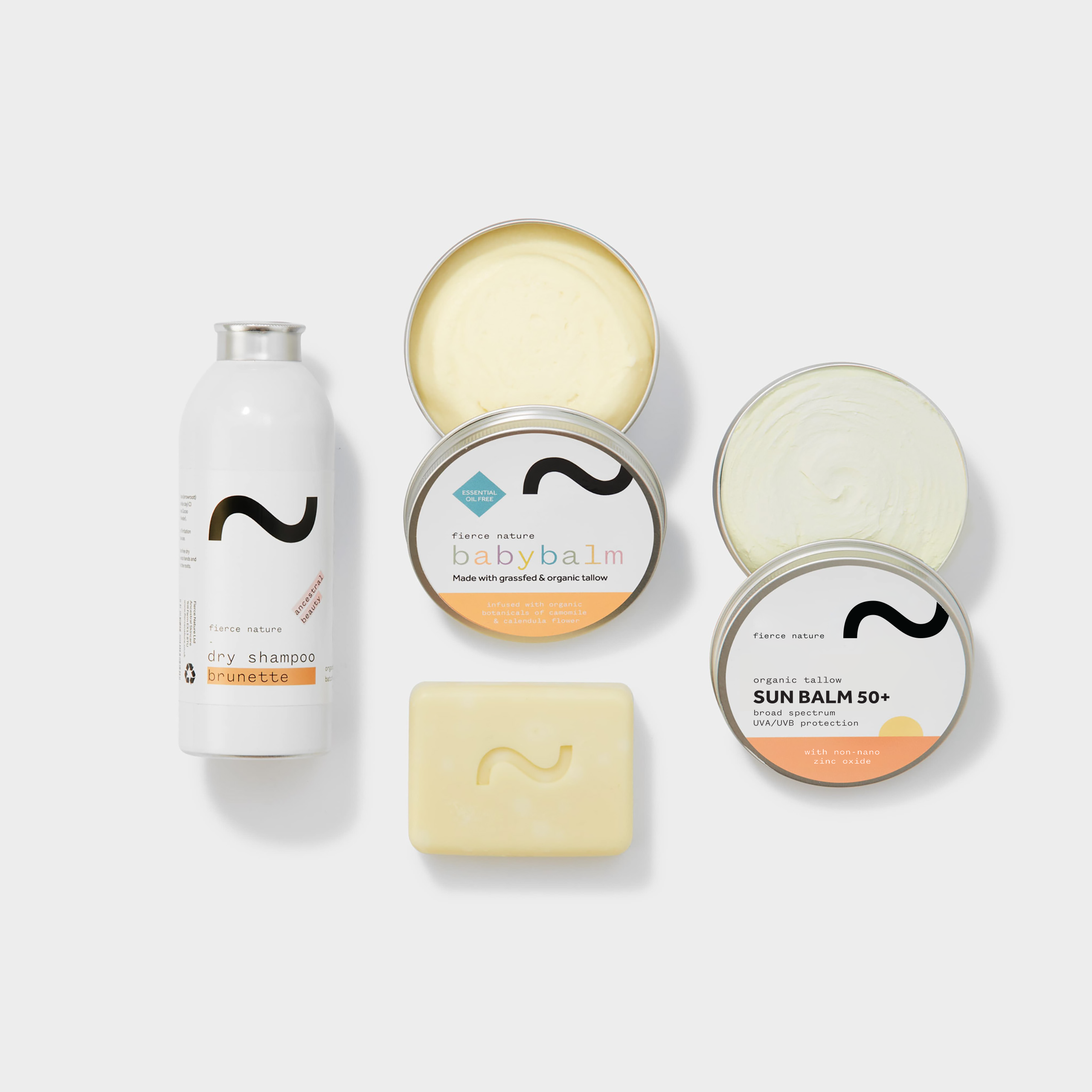
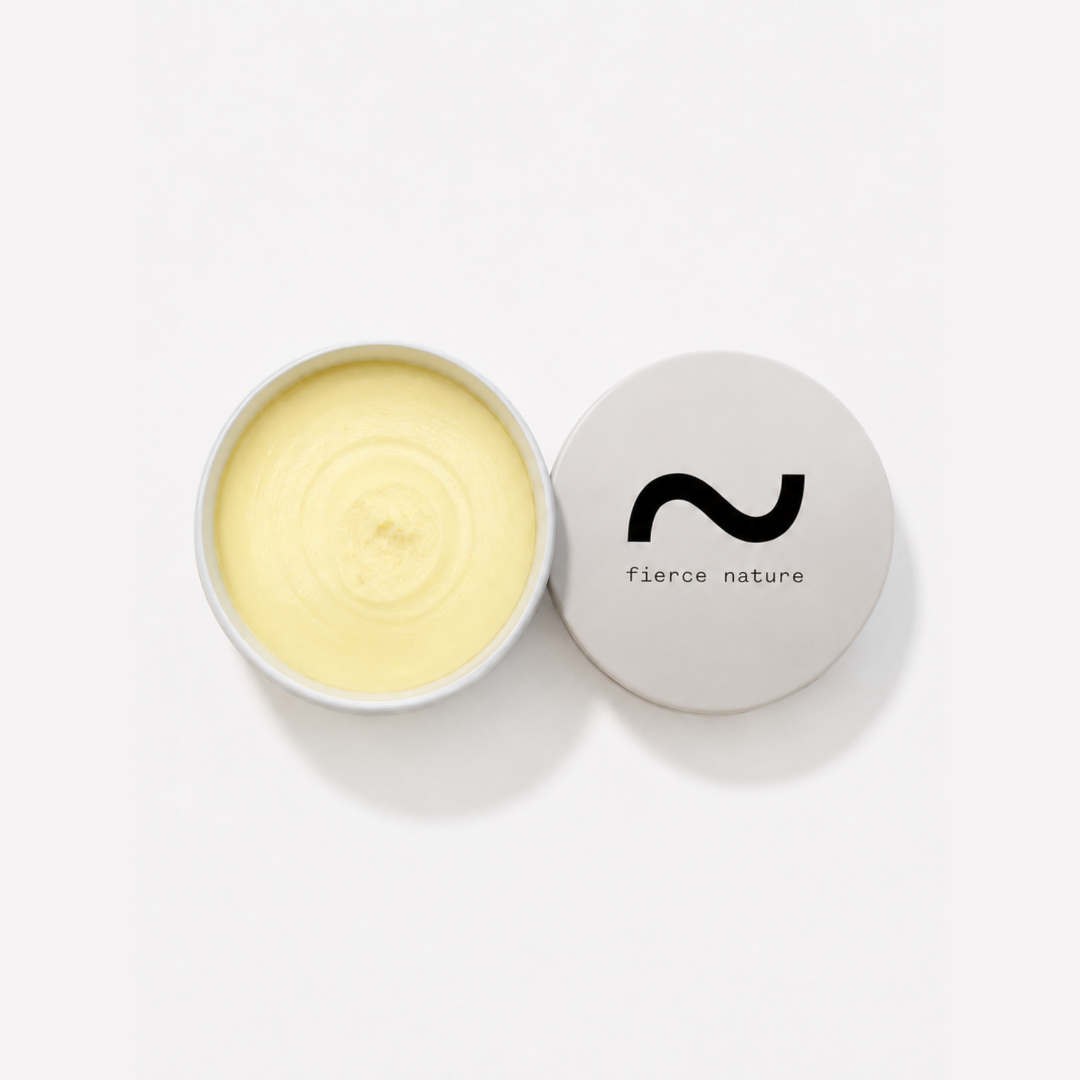
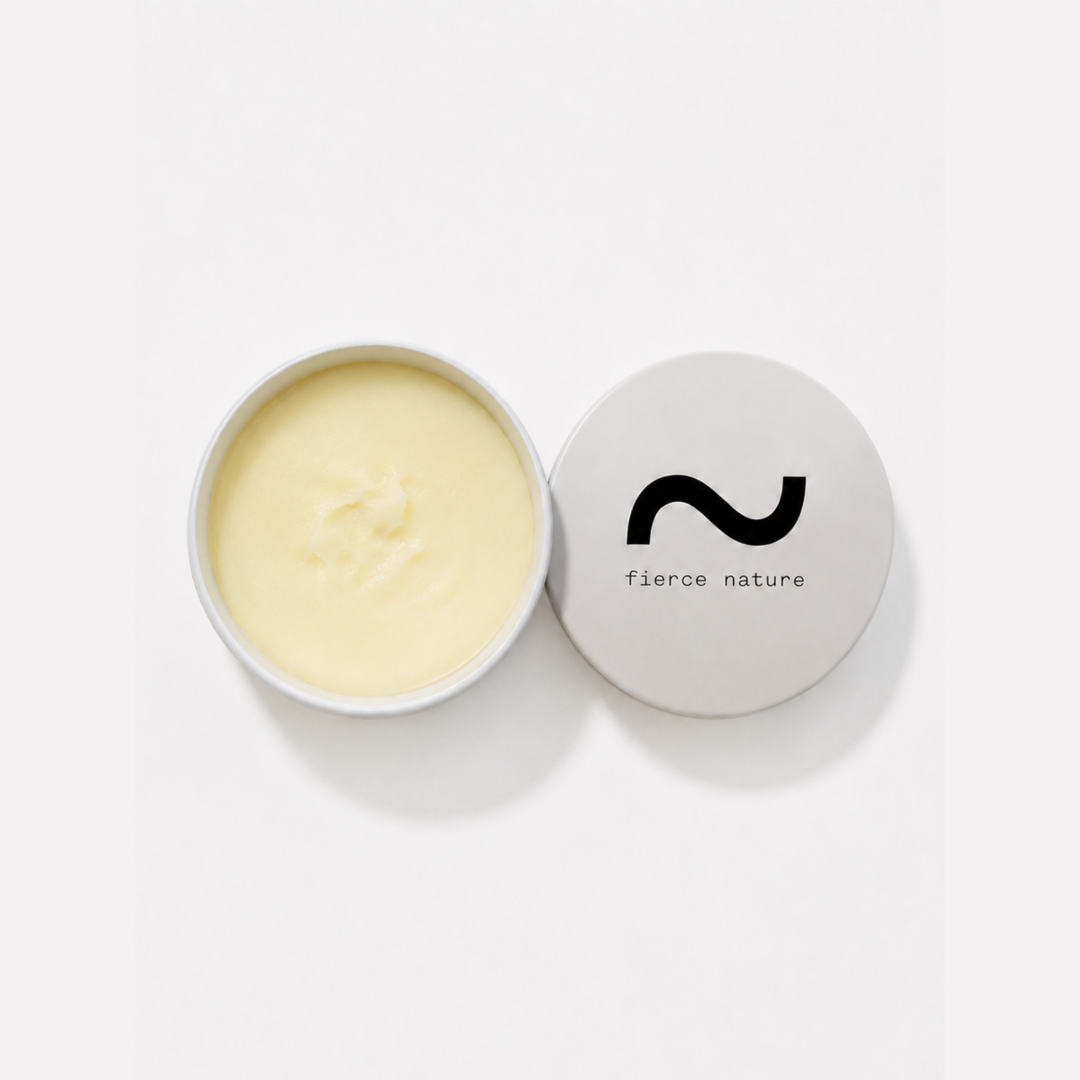
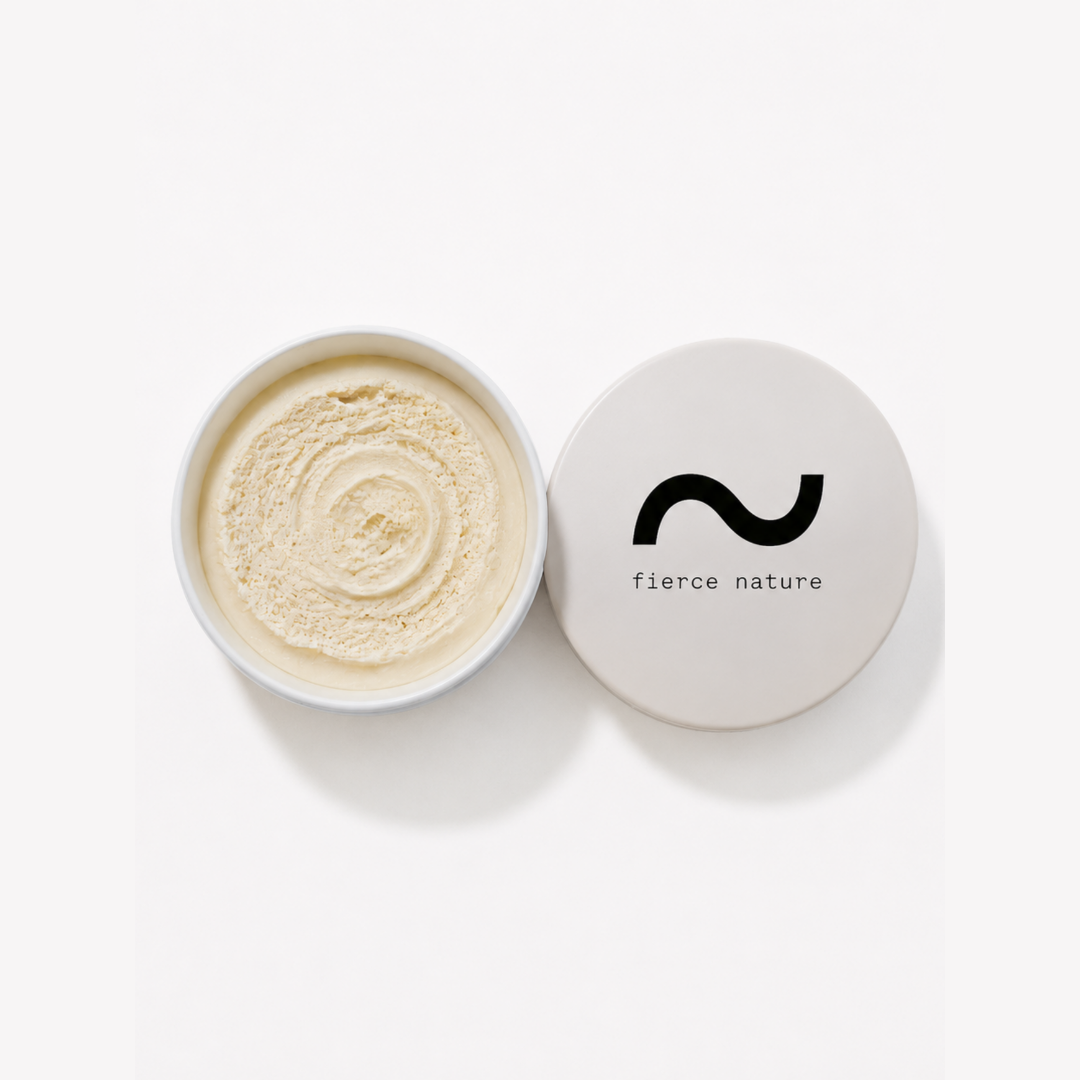
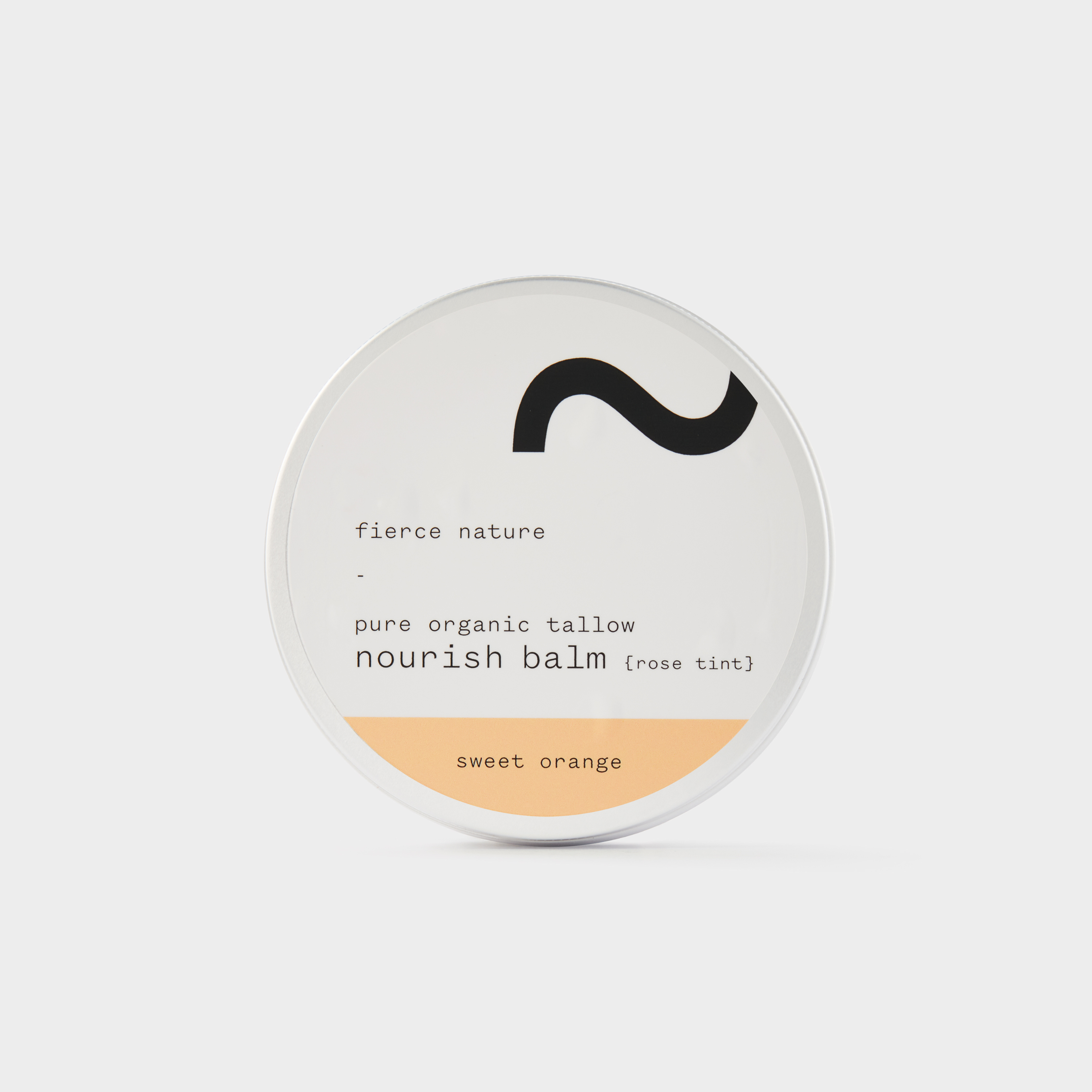

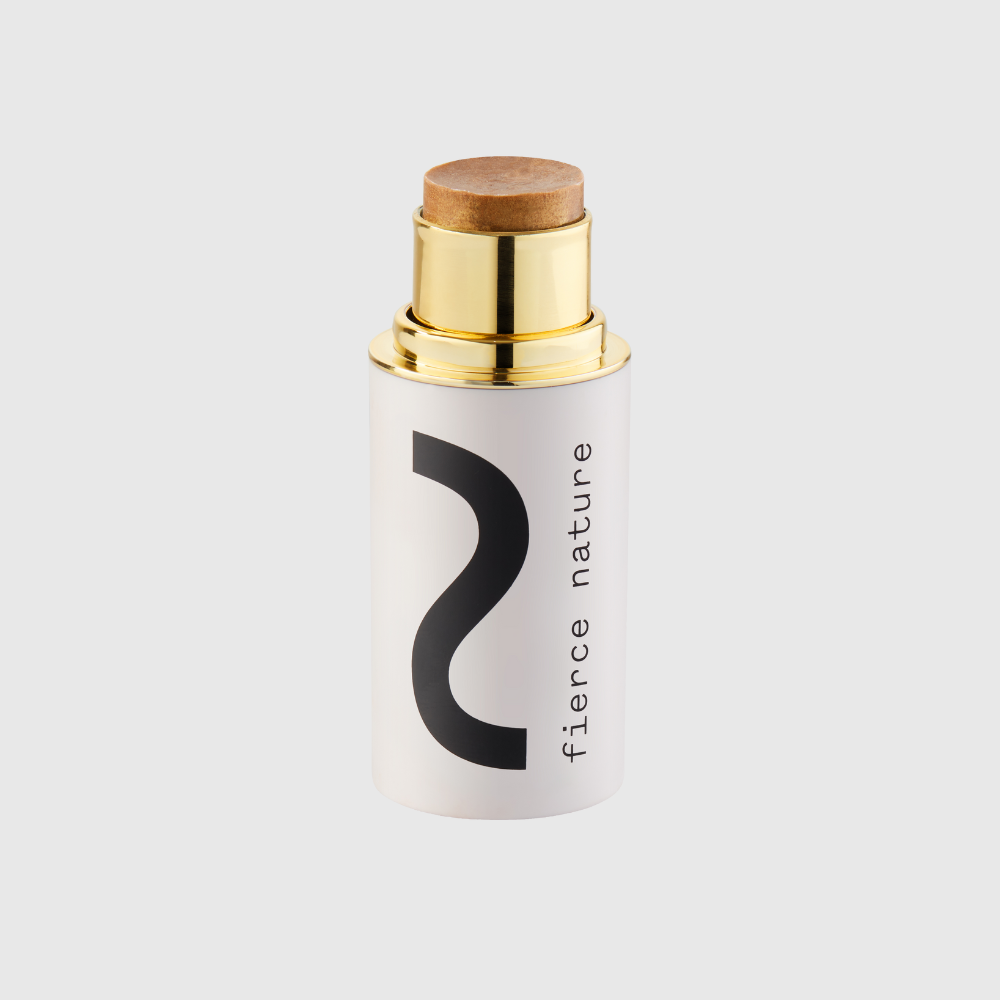
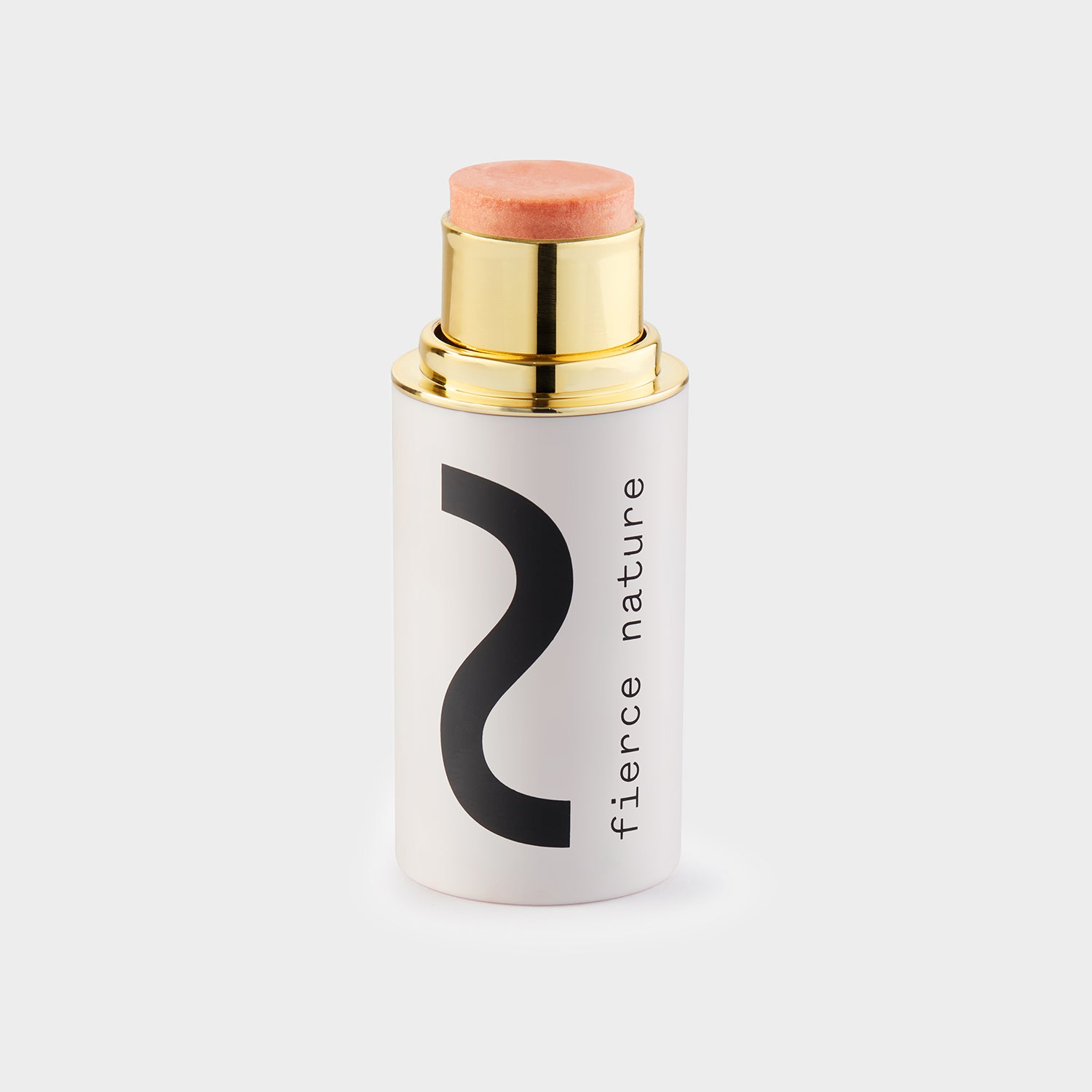
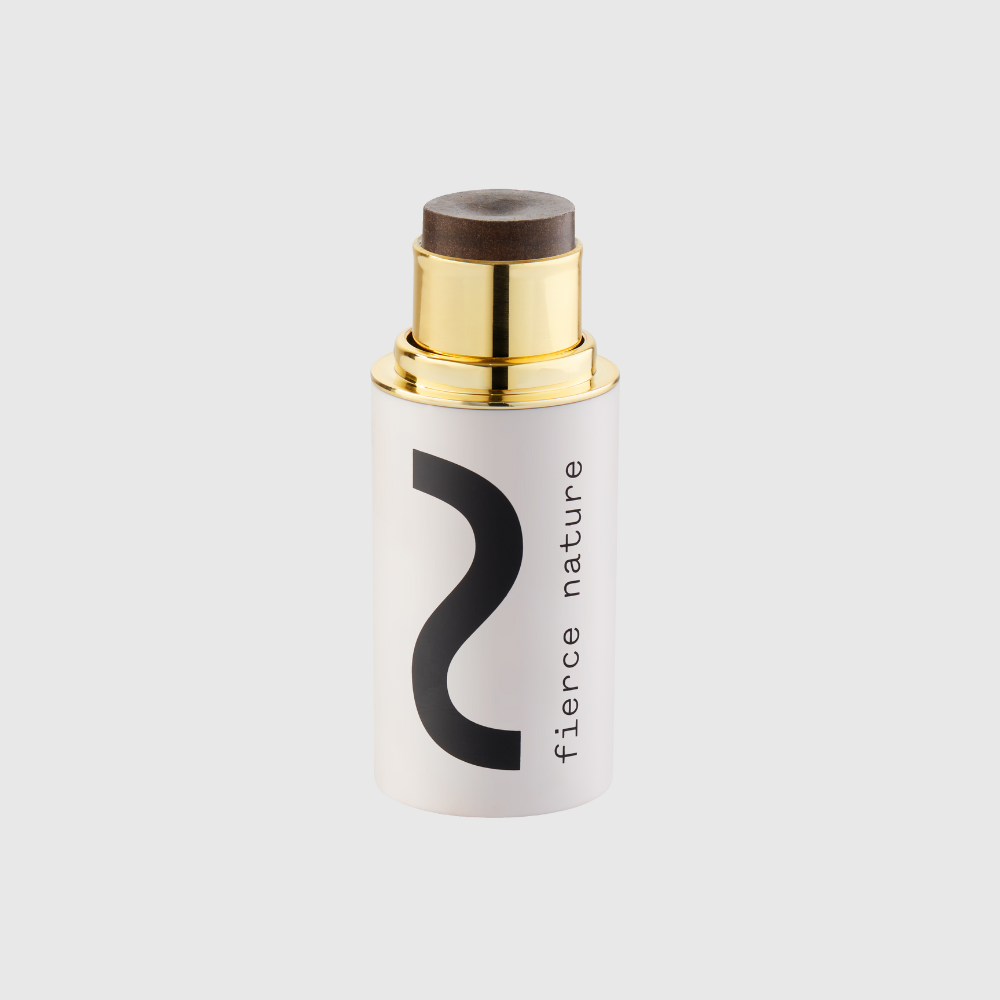
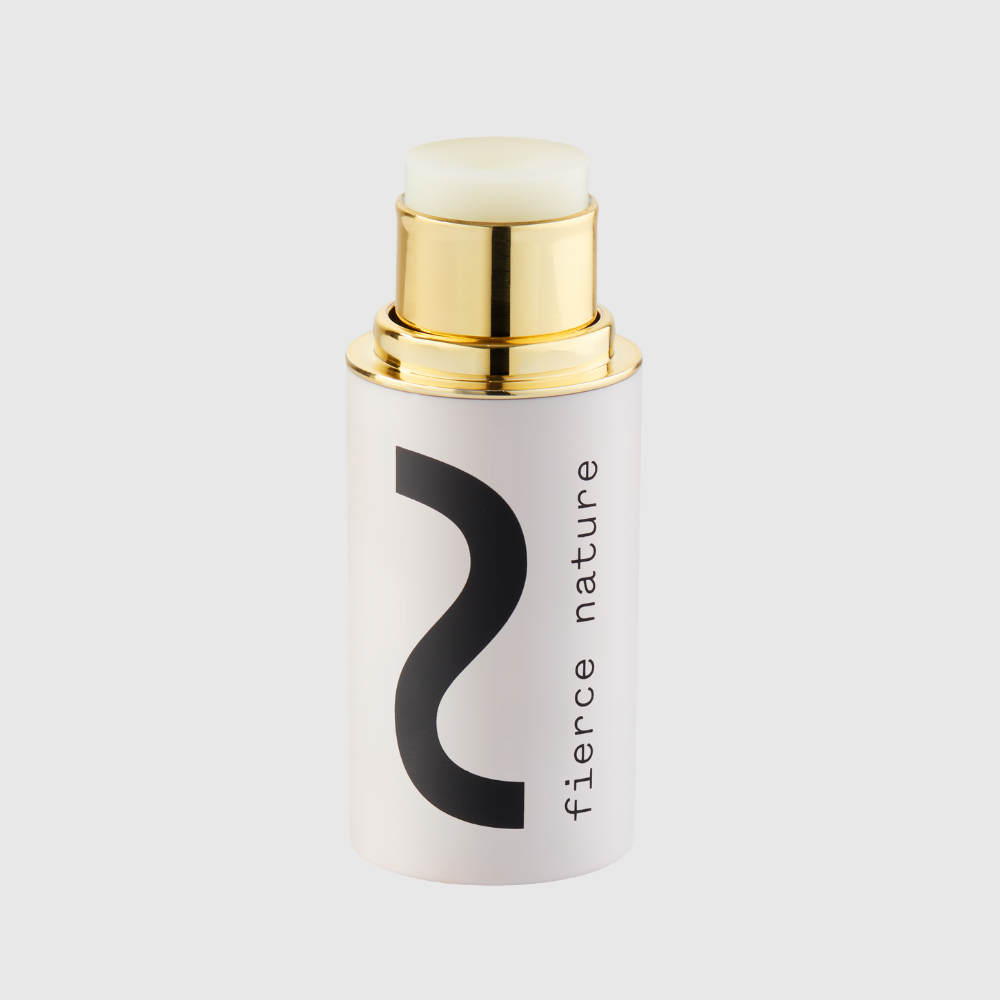
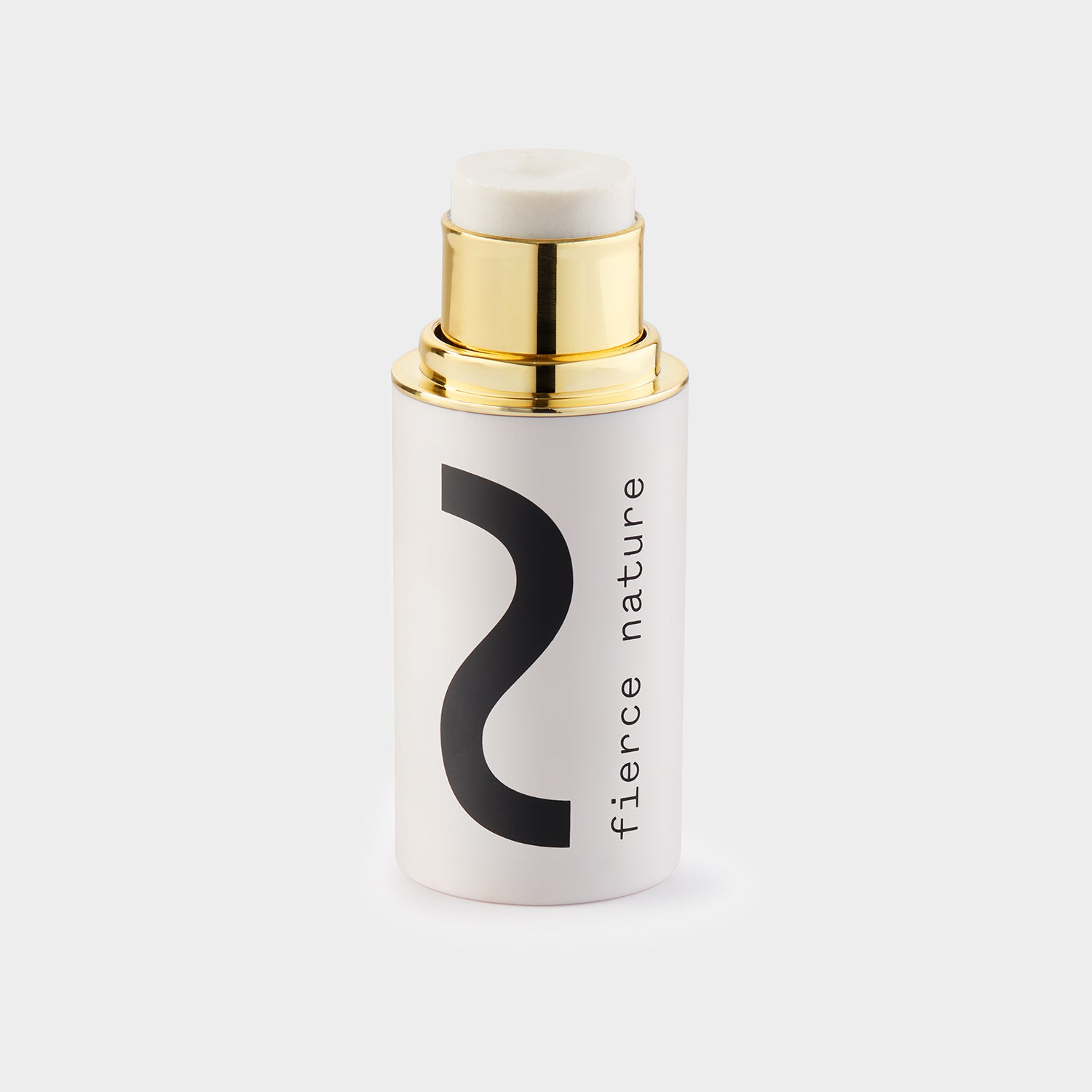
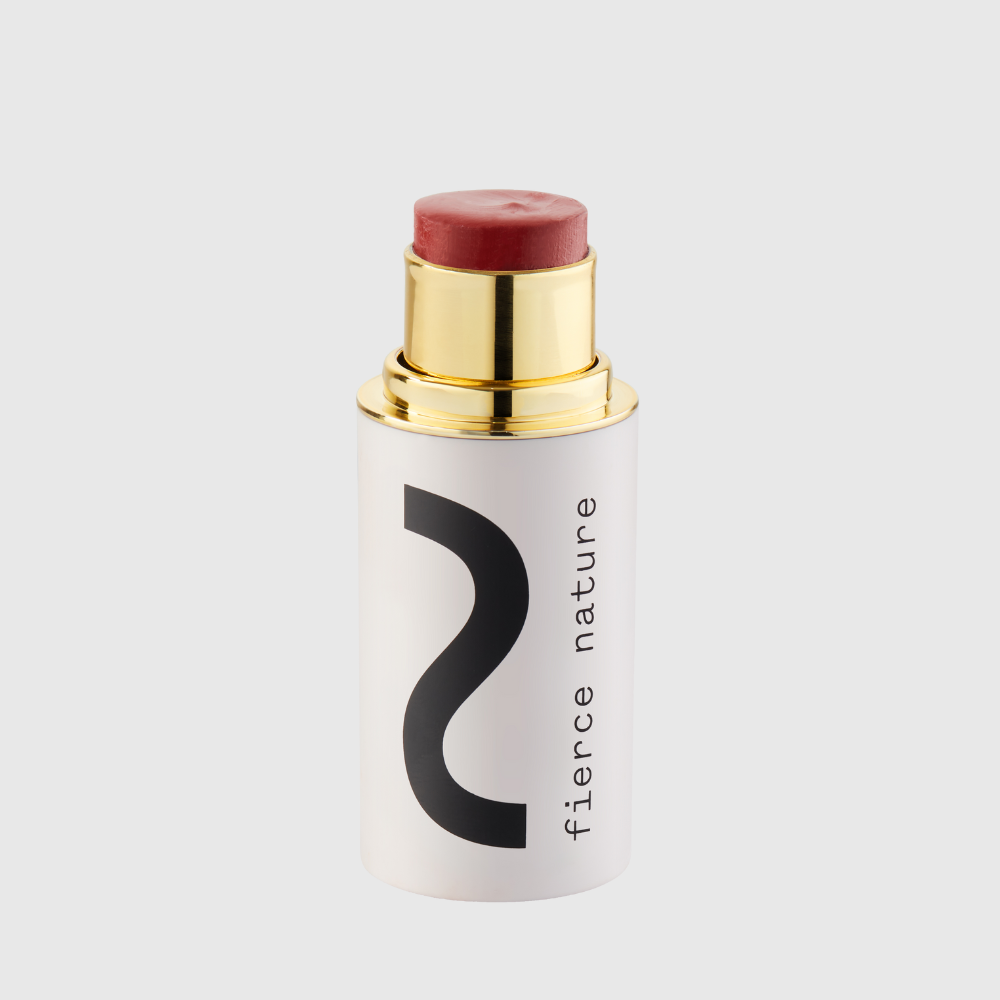
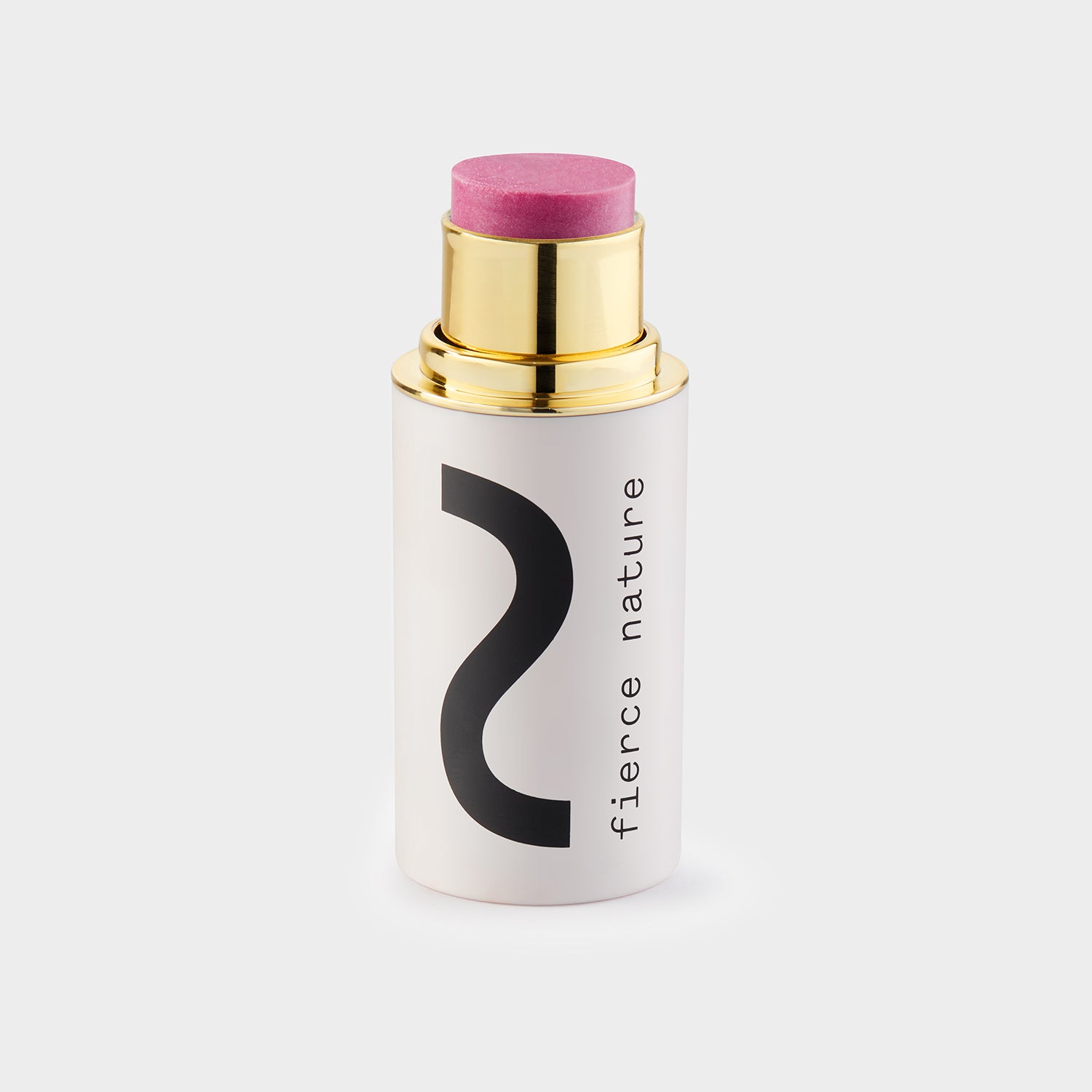
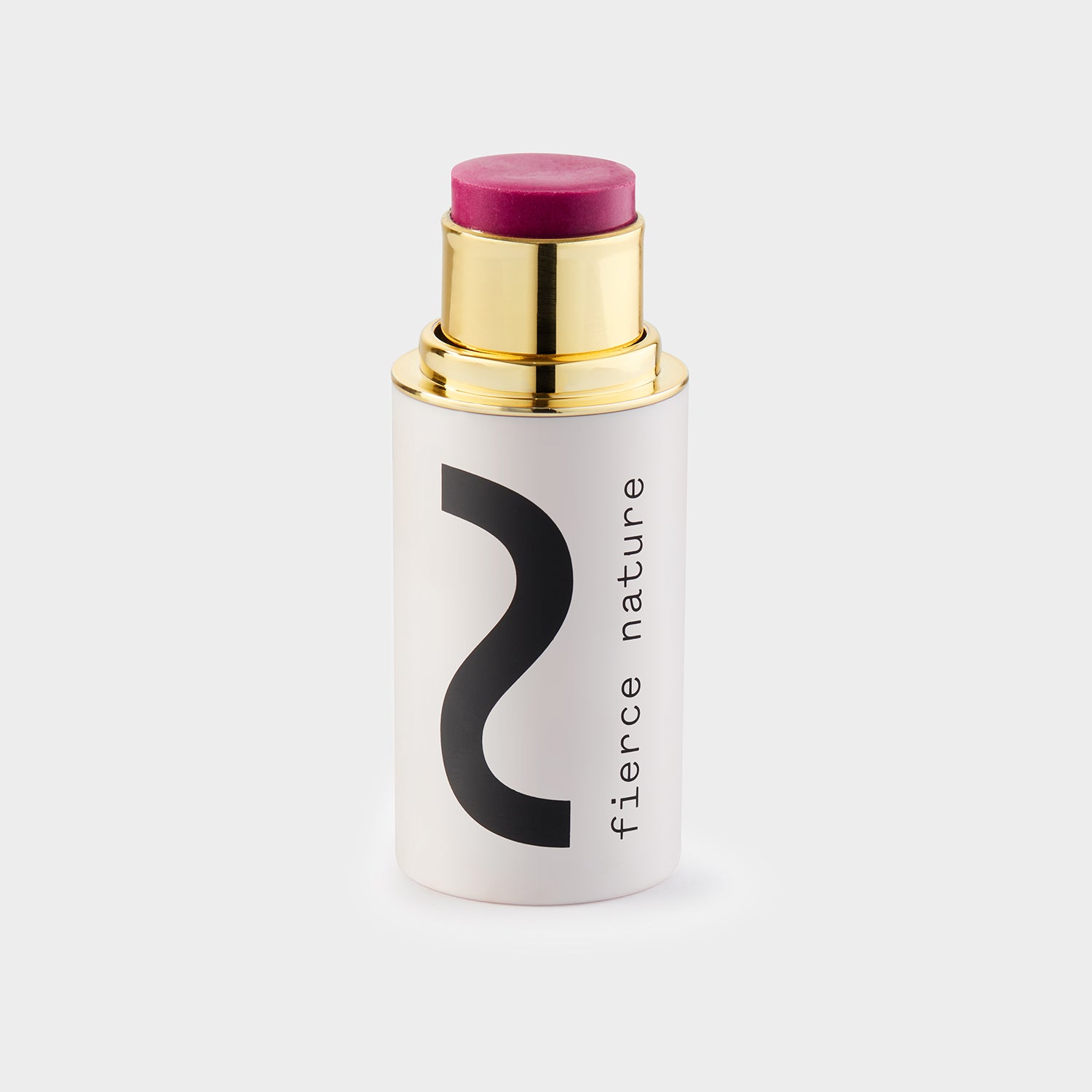
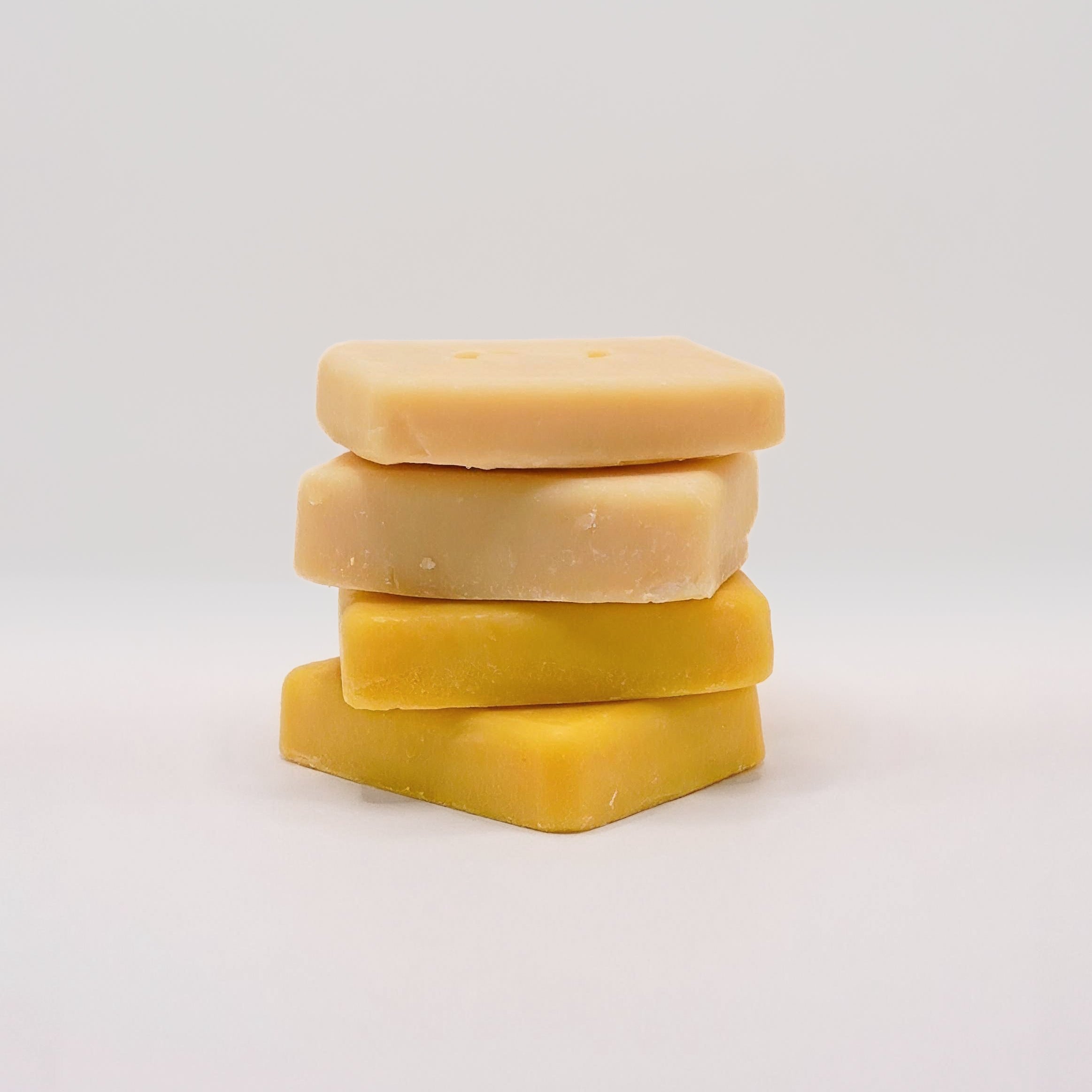



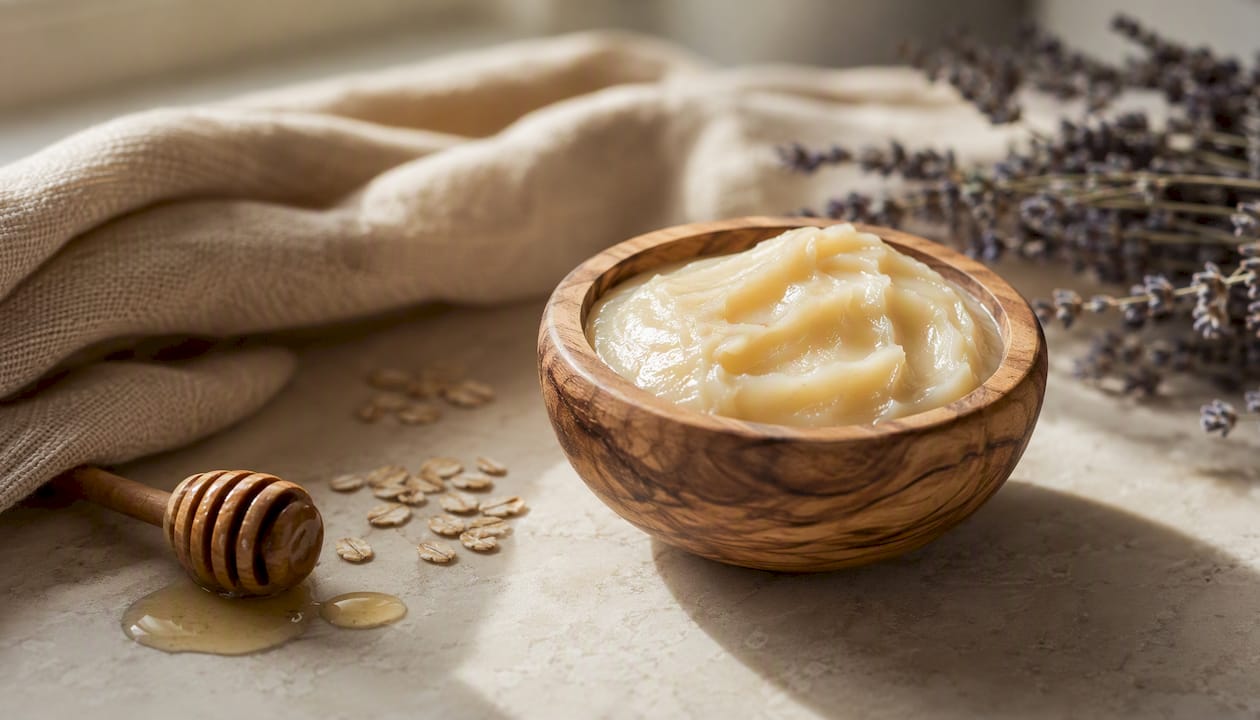
Nutrient-dense skincare refers to topical formulations concentrated with skin-nourishing molecules — lipids, fat-soluble vitamins, antioxidants, and bioavailable plant or marine actives — applied directly to the skin’s surface to support its barrier and function. These are not dietary supplements; they work from the outside in. People with very dry, flaky, or barrier-compromised skin tend to benefit most. A 2024 scoping review published in PMC confirms that tallow, one of the most discussed nutrient-dense ingredients is rich in triglycerides and fat-soluble vitamins A, D, E, and K, with evidence pointing to hydrating and emollient effects. Dermatology commentary from UT MD Anderson reinforces this, describing tallow as an intensely occlusive moisturiser suited to very dry skin. NATRUE, a recognised natural cosmetics certification body, highlights the growing importance of transparent labelling and third-party certification as consumer trust signals in this space.
Nutrient-dense skincare means topical formulations concentrated with lipids, fat-soluble vitamins, and antioxidants that support the skin’s barrier from the outside in, with tallow-based balms among the most biocompatible options for very dry or compromised skin.
| Point | Details |
|---|---|
| Definition | Nutrient-dense skincare delivers lipids, vitamins, and antioxidants topically to support the skin barrier. |
| Key nutrients to look for | Oleic, linoleic, palmitic, and stearic fatty acids plus vitamins A, D, E, and K near the top of the INCI list. |
| Who benefits most | Very dry, flaky, or barrier-compromised skin responds best; oily and acne-prone skin should use with caution. |
| Safety first | Always patch-test for 24–48 hours; consult a dermatologist for active skin disease before use. |
| Fierce Nature | Handmade in the UK with organic tallow, the Luxe Balm and Biohacking bundle offer a practical entry point into nutrient-dense skincare. |
The phrase “nutrient-dense” in a topical context means the formulation is concentrated with molecules that the skin can recognise and use. Here are the core groups to look for:
| Nutrient group | Primary skin role |
|---|---|
| Oleic acid | Softens and conditions; supports barrier permeability |
| Linoleic acid | Barrier repair; reduces transepidermal water loss |
| Vitamins A and E | Cell renewal and antioxidant protection |
| Vitamin D and K | Barrier support and anti-inflammatory signalling |
| Phospholipids | Emulsification; upper-layer penetration of actives |
| Carotenoids | Free-radical neutralisation |
| Marine polysaccharides | Hydration and film-forming barrier support |
Tallow sits at the centre of this conversation because its fatty acid profile closely mirrors human sebum with oleic acid as a dominant component alongside palmitic and stearic acids. That biocompatibility with skin lipids is why formulators describe it as a skin food rather than a simple emollient. Trace fat-soluble vitamins are present, though at modest concentrations — the main benefit is lipid supplementation, not high-dose vitamin delivery.
These products act primarily at the skin’s surface and within the stratum corneum, not at a deep dermal or systemic level. Three mechanisms explain most of the benefit:
Absorption is largely paracellular — molecules move between cells rather than through them. This means nutrient-dense products work best as barrier support and surface nourishment. They are not a route to systemic vitamin supplementation.
Pro Tip: Occlusion is deeply restorative for dry, tight skin — but if you are acne-prone, a heavy occlusive balm applied over congested pores can trap sebum and worsen breakouts. On oily or blemish-prone areas, use a lighter plant oil or skip the balm entirely.
The evidence base is promising but still developing. Here is an honest summary:
| Ingredient | Evidence type | Key finding | Main caveat |
|---|---|---|---|
| Tallow | Scoping review (2024) | Hydrating, emollient; sebum-compatible lipid profile | Limited clinical trials; mixed irritation data |
| Krill oil | Narrative review | Anti-inflammatory potential; phospholipid-rich | Preliminary; needs further mechanistic study |
| Microalgae | Emerging/practitioner | Antioxidant and hydrating properties | Bioactivity varies by extraction method |
| Borage/rosehip oil | Industry and clinical | Barrier repair via linoleic acid | Mostly short-term studies |
Where evidence is strongest: occlusion and short-term hydration for dry skin. Where more research is needed: long-term safety, skin-type-specific outcomes, and comparative trials against established actives like ceramides.
Good candidates:
Use with caution if you have:
Patch-test checklist:
Seek clinician review if you experience a spreading rash, blistering, signs of infection, or sustained irritation beyond 48 hours. For active skin disease such as infected eczema or psoriasis, consult a dermatologist before introducing any new topical.
Reading the INCI (International Nomenclature of Cosmetic Ingredients) list is your most reliable tool. Ingredients are listed in descending order of concentration, so a truly nutrient-dense product will show its key lipids and actives near the top, not buried after water and glycerin.
Shopping checklist:
Red flags to avoid:
One distinction worth knowing: tallow in soap is saponified — the fats are chemically transformed during soap-making, so the fatty acid profile changes. Leave-on tallow balms are unsaponified and retain the full lipid and vitamin content. Claims about deep nourishment apply to leave-on formats, not rinse-off soaps.
Pro Tip: NATRUE-certified products must meet independently verified standards for natural and organic ingredients. Searching for the NATRUE mark is one of the fastest ways to filter out marketing-first brands.
Pro Tip: In winter, when central heating strips moisture from the air, increase application frequency rather than switching products. Layering a tallow balm over a hyaluronic acid serum creates a two-step moisture-lock that works with your skin’s own repair cycle overnight.
Seasonal adaptation matters. In summer, a lighter application or a plant-oil-only formula may feel more comfortable on the face, while a richer tallow balm remains ideal for body and hands year-round.
Choosing a nutrient-dense product also means thinking about where its ingredients come from.
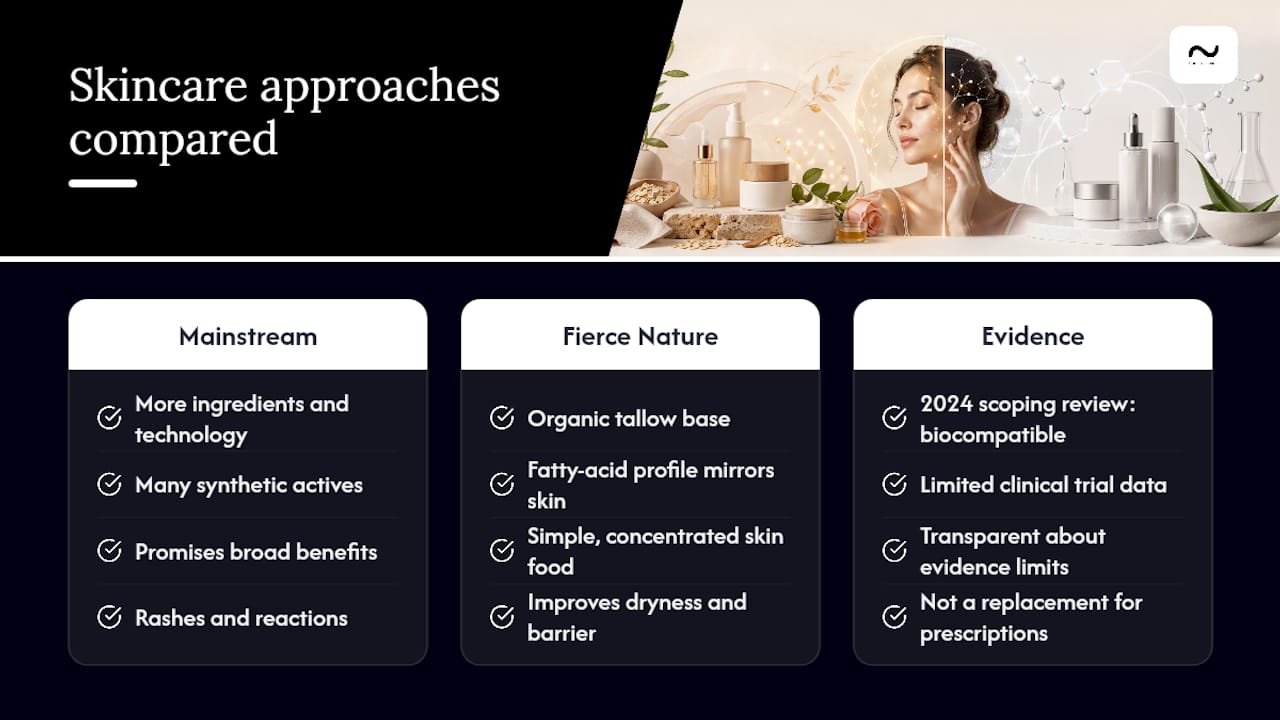
The mainstream beauty industry spent decades convincing us that more ingredients, more technology, and more synthetic actives meant better skin. We have seen the opposite play out — in the rashes, the reactions, and the frustrated customers who arrived at Fierce Nature after years of trying products that promised everything and delivered irritation.
Tallow is not a trend for us. We formulate with organic tallow because its fatty acid profile genuinely mirrors what skin already produces. The 2024 scoping review’s finding that tallow is biocompatible with skin lipids aligns with what we observe in practice: skin that has been stripped by harsh cleansers and synthetic emulsifiers responds quickly to a lipid-rich, low-ingredient balm. We are not claiming tallow replaces ceramide therapy or prescription actives for clinical conditions. What we are saying is that for the majority of people dealing with dryness, tightness, and a compromised barrier, returning to a simple, concentrated skin food is often the most direct route to visible improvement.
We also believe the evidence conversation needs to stay honest. Tallow’s clinical trial data is limited. We say that plainly, because trust is built on transparency, not on overstating what a single ingredient can do. Our products are handmade in small batches in the UK, using organic tallow as the base, and we are committed to sourcing and formulation practices we can stand behind.
If you are ready to try nutrient-dense skincare, starting with one well-formulated product is the most sensible approach. Fierce Nature’s range is handmade in the UK with organic tallow as the foundation, and each product is designed to deliver real lipid nourishment without synthetic fillers.
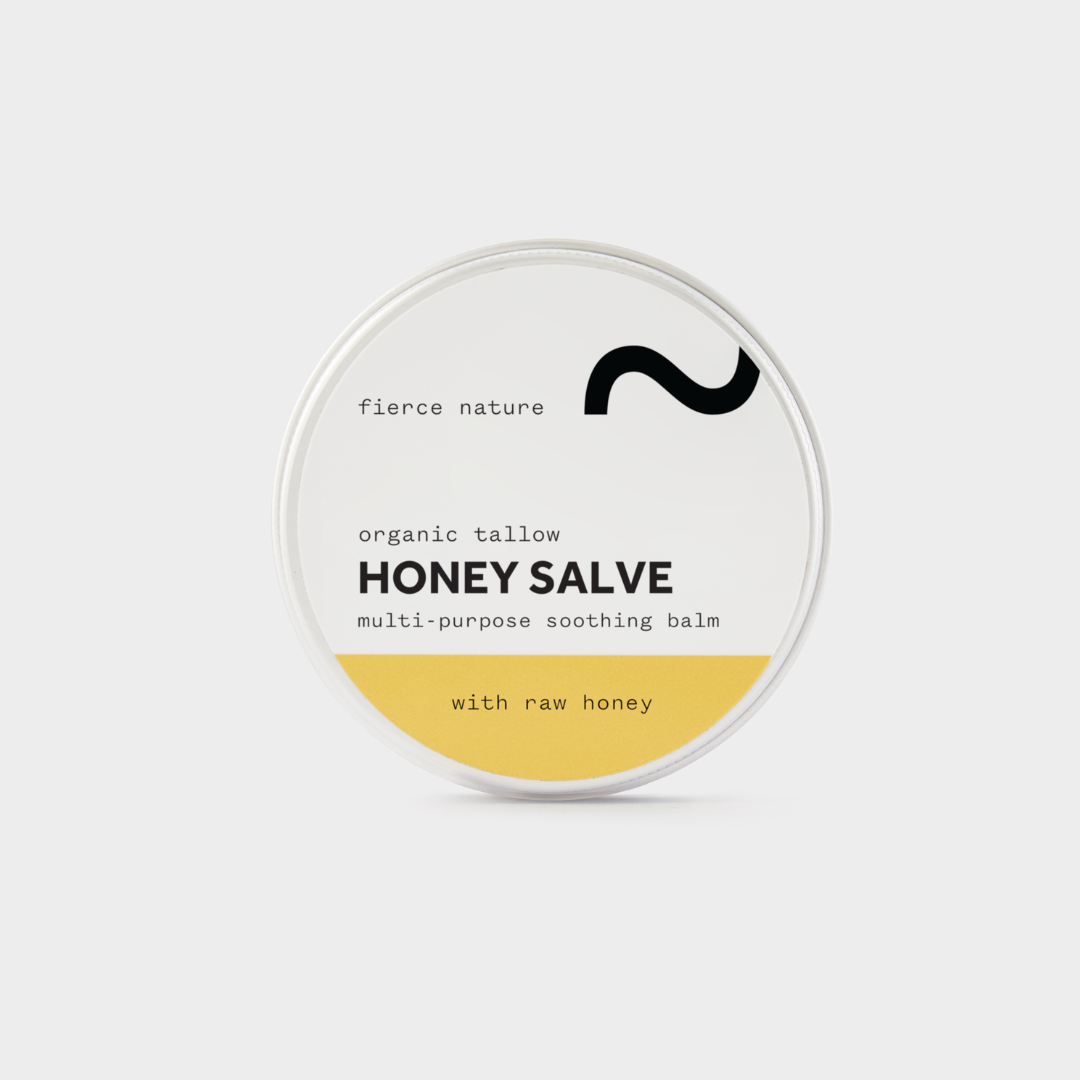
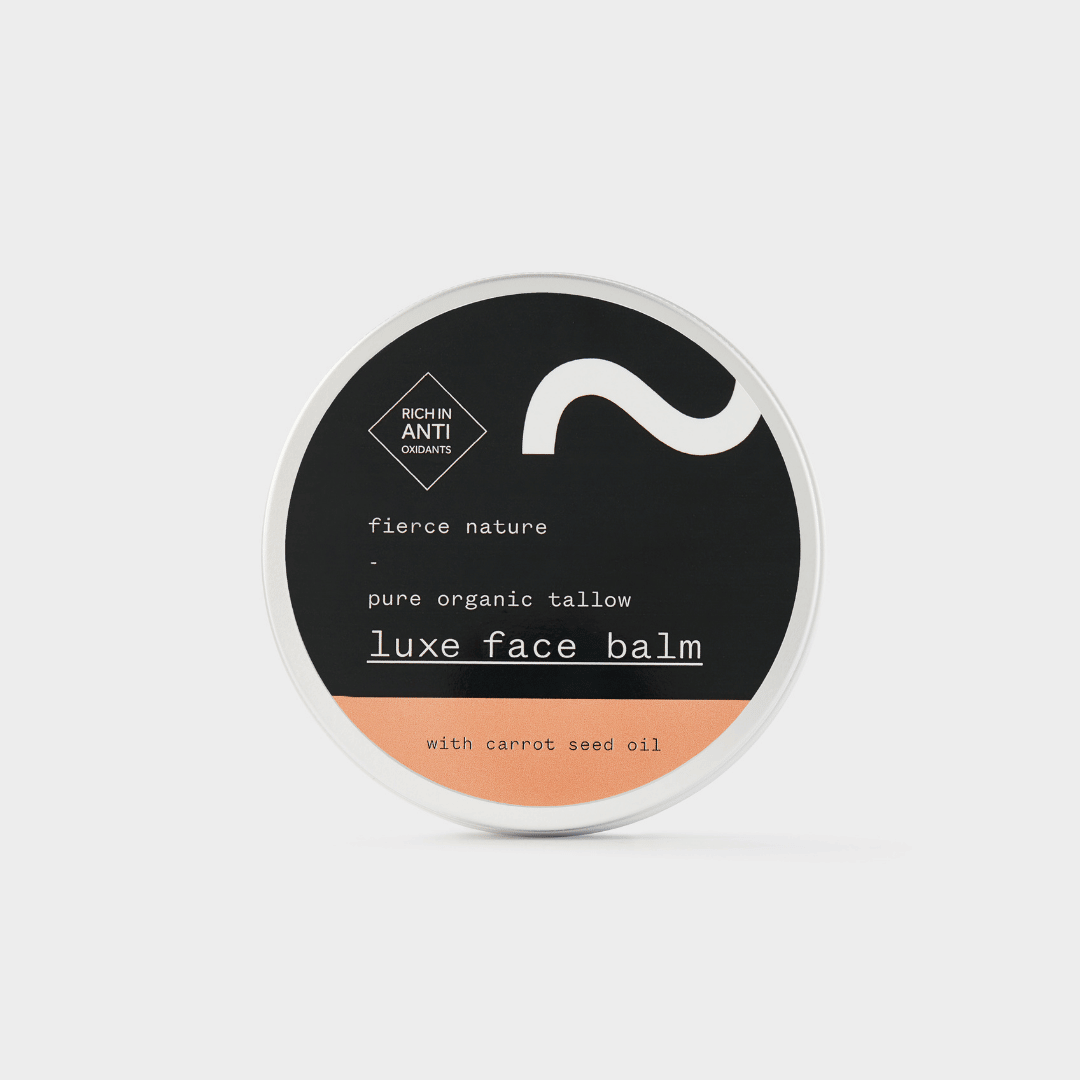
The Luxe Balm is the natural starting point for dry or mature facial skin — a concentrated leave-on balm that puts the full tallow lipid profile to work overnight or as a day moisturiser under SPF. For parents, the Non-toxic Baby Skin Essentials bundle brings the same clean formulation philosophy to delicate infant skin. The Selfie Stick Natural is unscented and suited to sensitive areas, while the Biohacking bundle gives curious buyers a concentrated introduction to the full nutrient-dense range.
Always patch-test before full use. If you have an active skin condition, speak to a dermatologist before introducing any new topical. This article is general information, not medical advice.
The following sources informed this article. Where evidence is strongest — tallow’s lipid composition and short-term hydration — the research is consistent. Where gaps remain — long-term safety, skin-type-specific outcomes, and comparative clinical trials — further peer-reviewed work is needed.
Nutrient-dense skincare means formulations concentrated with skin-compatible lipids, fat-soluble vitamins, and antioxidants applied directly to the skin’s surface to support barrier function and hydration — not dietary nutrition.
A 2024 scoping review confirms tallow contains oleic, palmitic, and stearic acids alongside vitamins A, D, E, K, and B12, making it lipid-rich and biocompatible with human sebum, though large-scale clinical trials remain limited.
Heavy occlusive balms can worsen congestion on oily or acne-prone skin; always patch-test for 24–48 hours and avoid applying rich balms over active blemishes or open skin.
Check the INCI list: key lipid and vitamin ingredients should appear in the first five entries, and look for third-party certification marks such as NATRUE, since “natural” and “clean” are unregulated terms in the UK.
The Luxe Balm is formulated as a concentrated tallow-based face balm for dry or mature skin; the Biohacking bundle suits those wanting to explore the broader nutrient-dense range from a single starting point.




📮 NEW MESSAGE №358464 OPEN ->>> linkspree.net/p/you-have-1-new-message-5c6858?hs=a9419354ba2512b8123ce3a4cfcfe7e2& 📮 —
l7l2rw