Cart
0
80% Also Added this

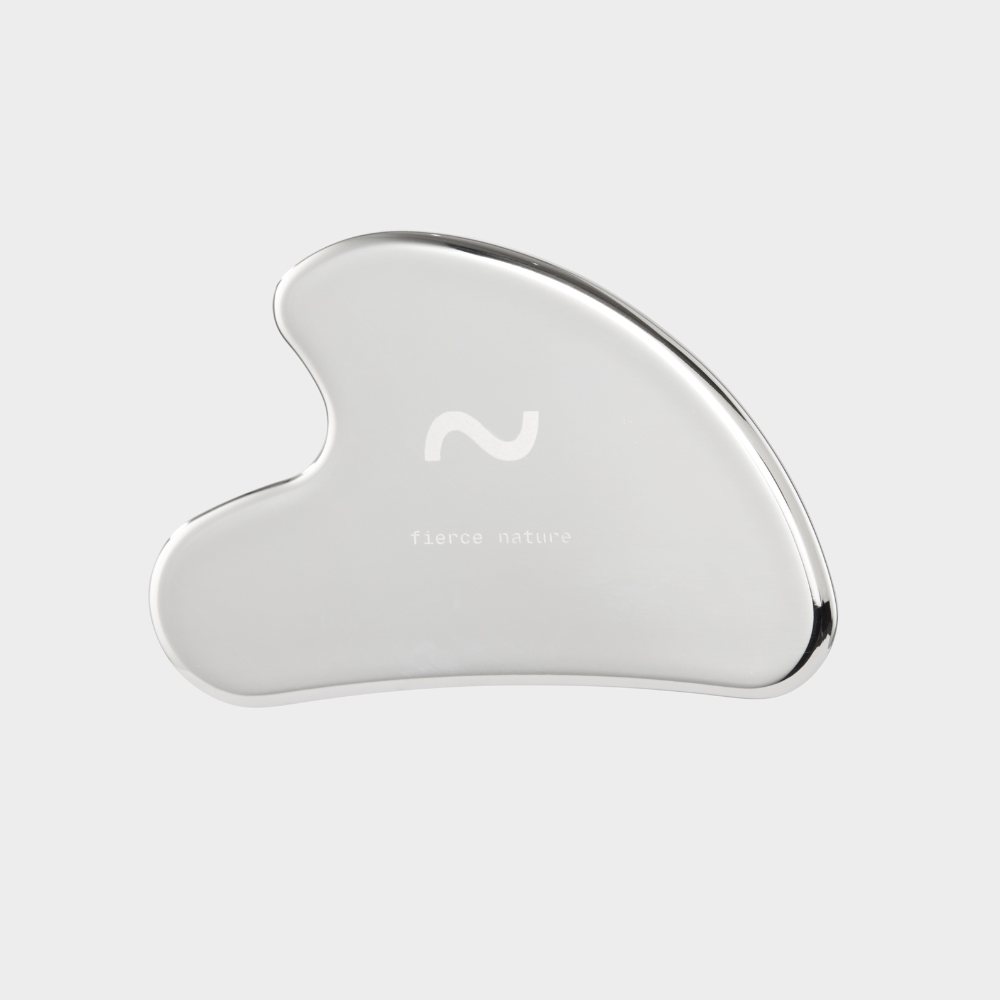
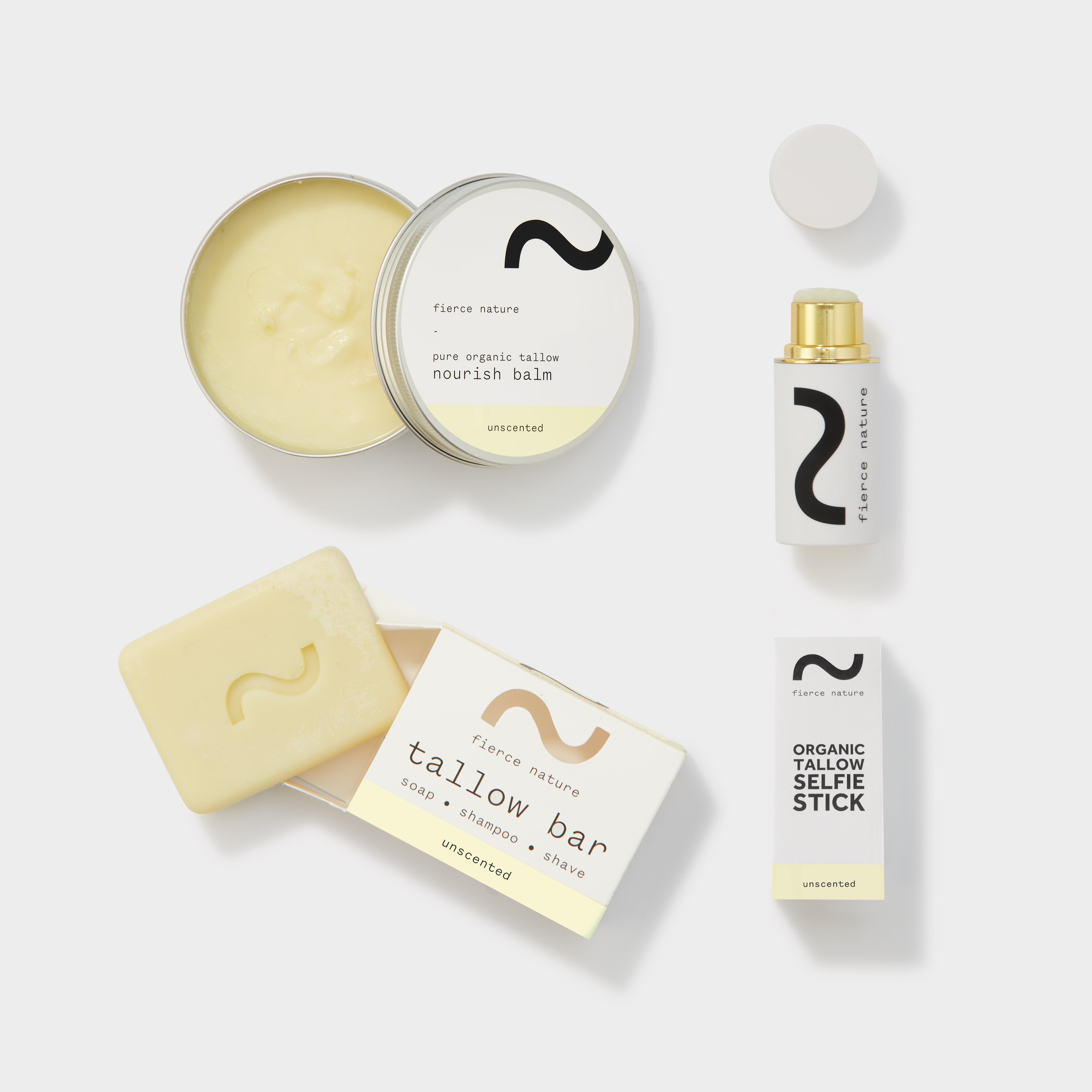
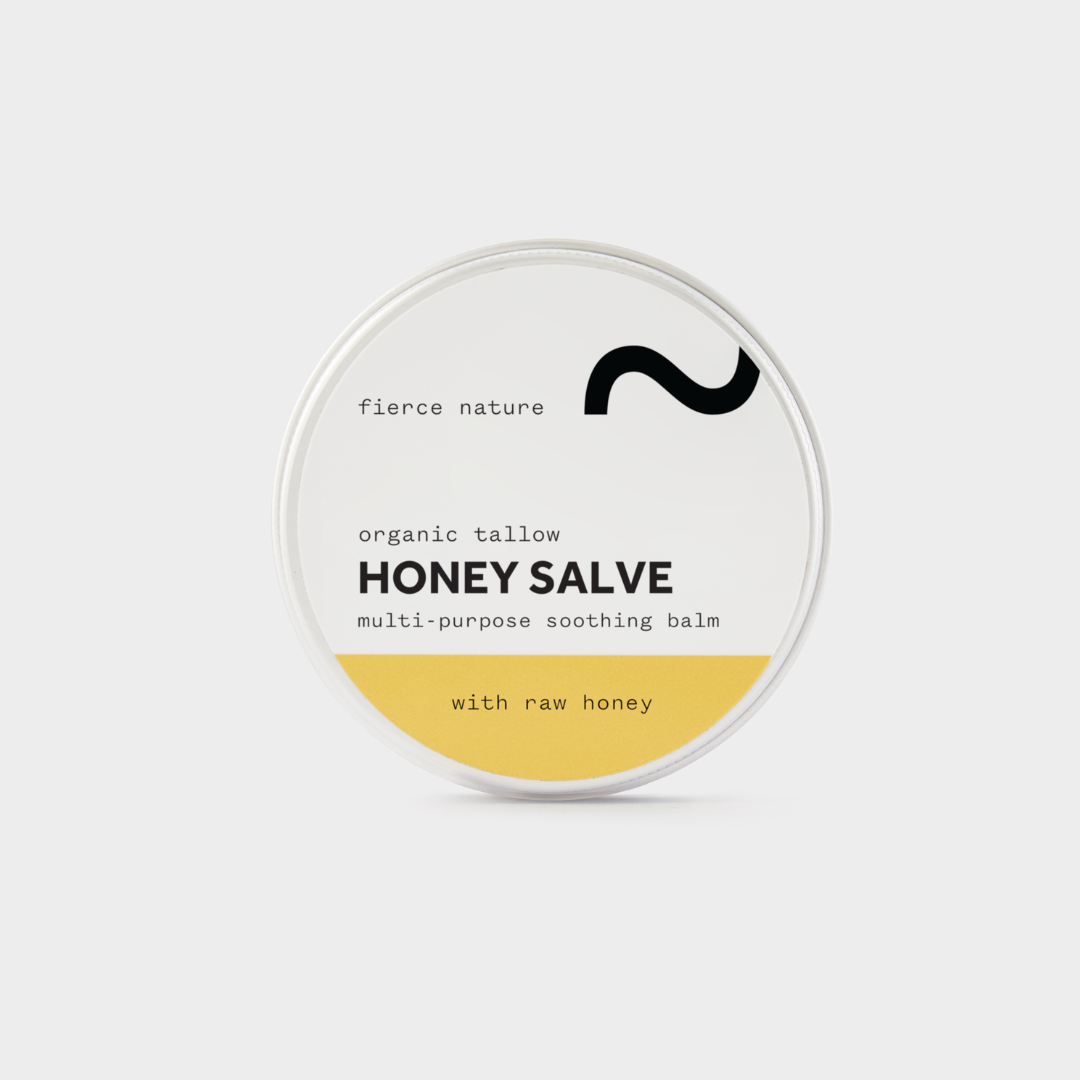
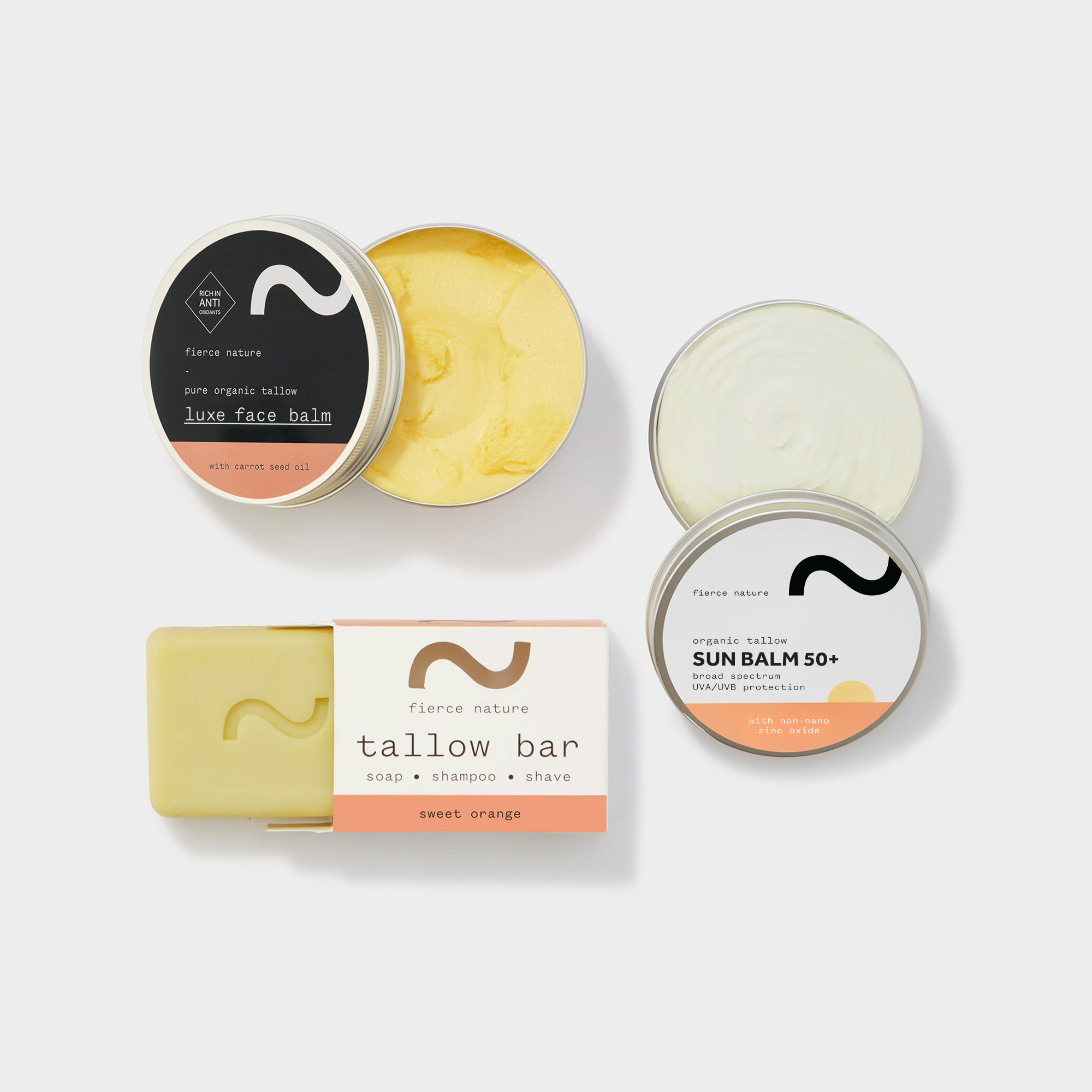





The most effective way to apply a body balm massage technique is a warm-palmed, broad-stroke routine moving from feet to torso to neck, spending a few minutes on each major zone. Done consistently multiple times weekly, this approach improves skin hydration, supports barrier function, and encourages genuine relaxation.
Before you begin, run through this quick checklist:
Clean, slightly damp skin (post-shower is ideal for absorption)
Warmed balm between your palms before it touches skin
Patch test completed at least 24 hours before a full session
Comfortable room temperature so muscles stay relaxed
3–5 minutes per main area as your timing guide
Pro Tip: The British Association of Dermatologists recommends patch testing any new topical product on the inner arm before wider use. With a tallow-based balm like Fierce Nature’s Balance Balm, this step takes seconds and saves potential frustration.
A warm-palmed, distal-to-proximal balm massage technique done 3–5 times weekly is the most reliable way to improve skin hydration, support barrier function, and build a restorative self-care ritual.
| Point | Details |
|---|---|
| Stroke order | Work from feet upward to neck; always move strokes toward the heart. |
| Prep and patch test | Use clean, slightly damp skin and complete a 24–48 hour patch test before any new balm. |
| Frequency | Short daily sessions or full sessions 3–5 times weekly produce cumulative results over 4–6 weeks. |
| Safety limits | Avoid broken skin, active DVT, severe eczema flares, and deep abdominal work during pregnancy. |
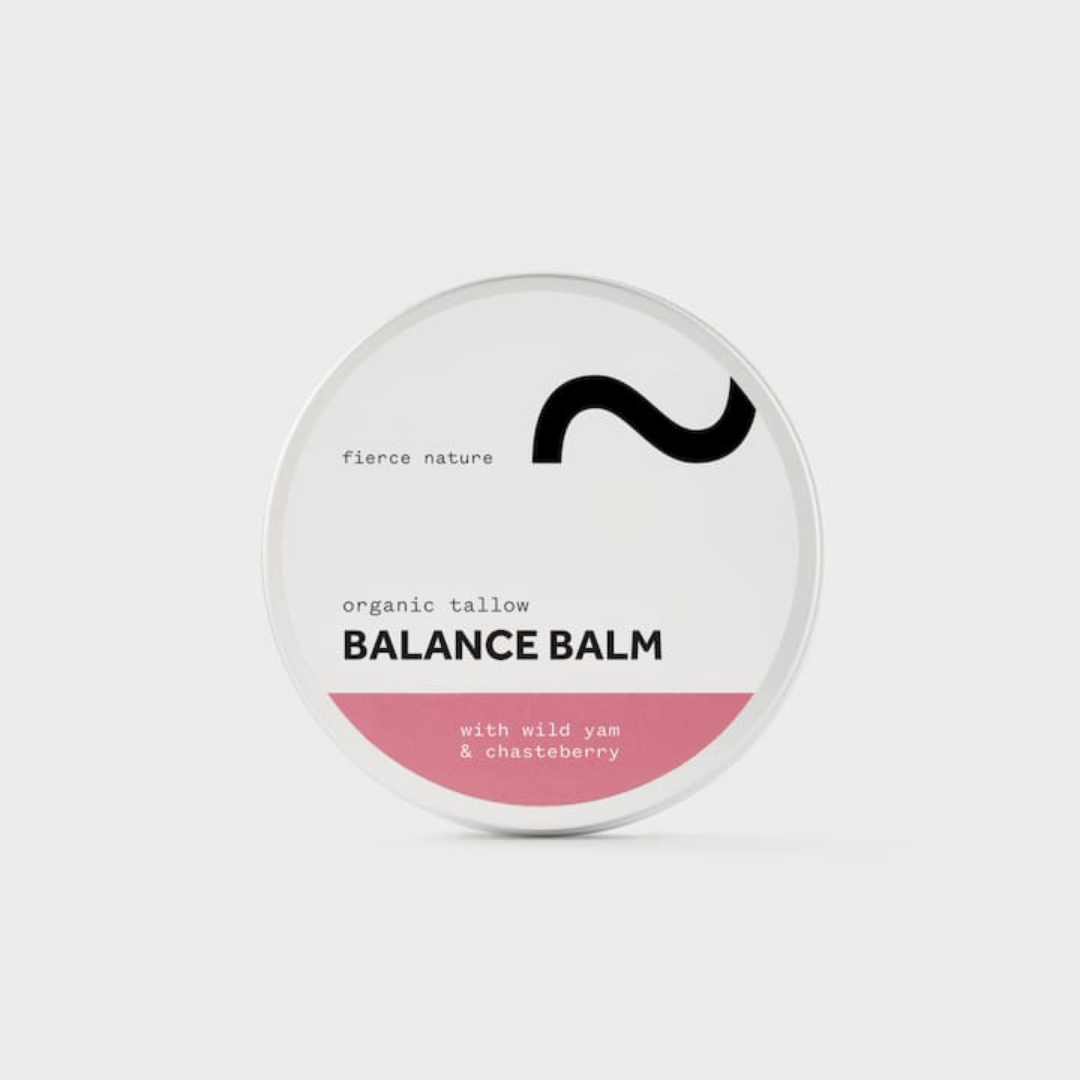
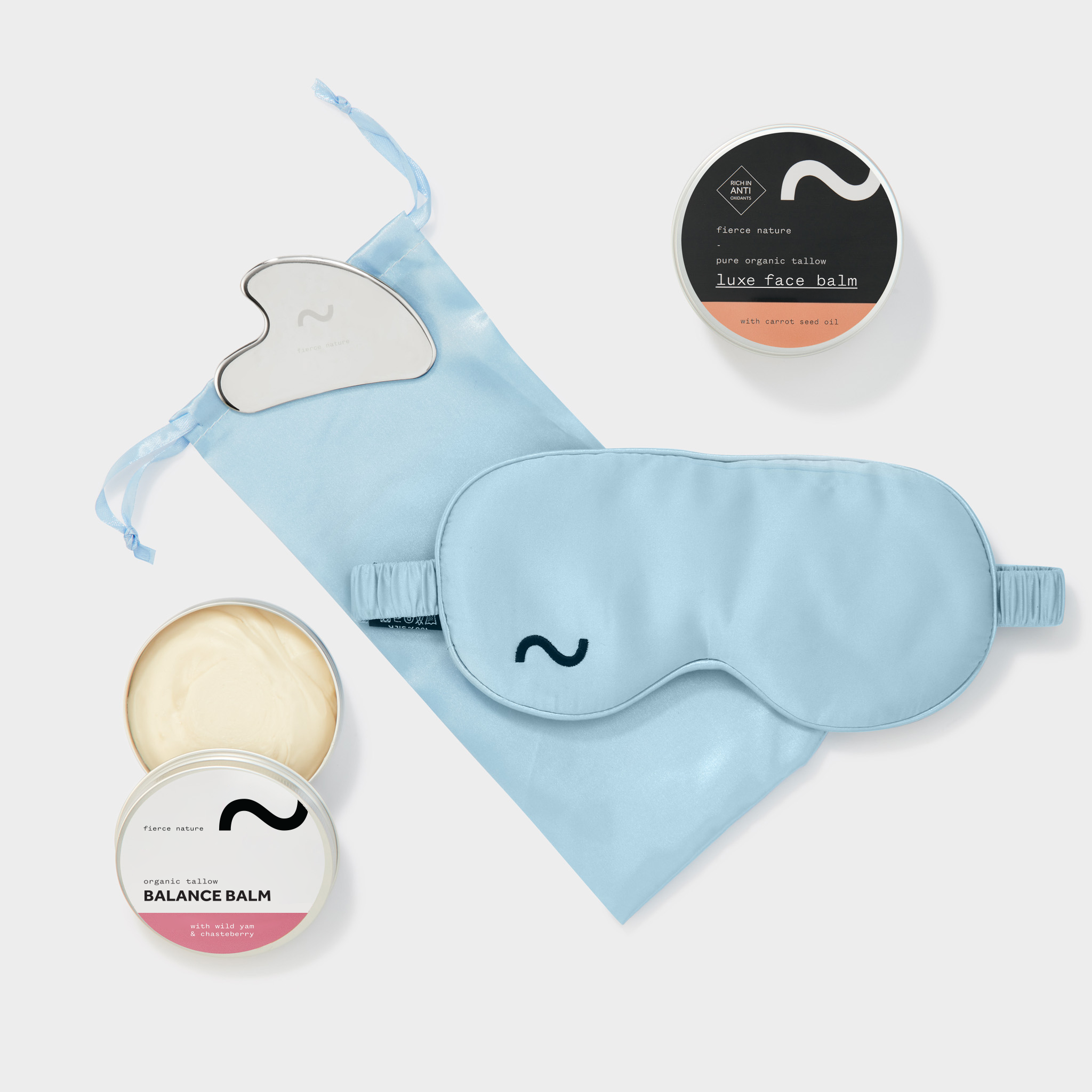
| Fierce Nature Balance Balm | Organic tallow base, handmade in the UK; suited to the full routine with good glide and barrier support. |
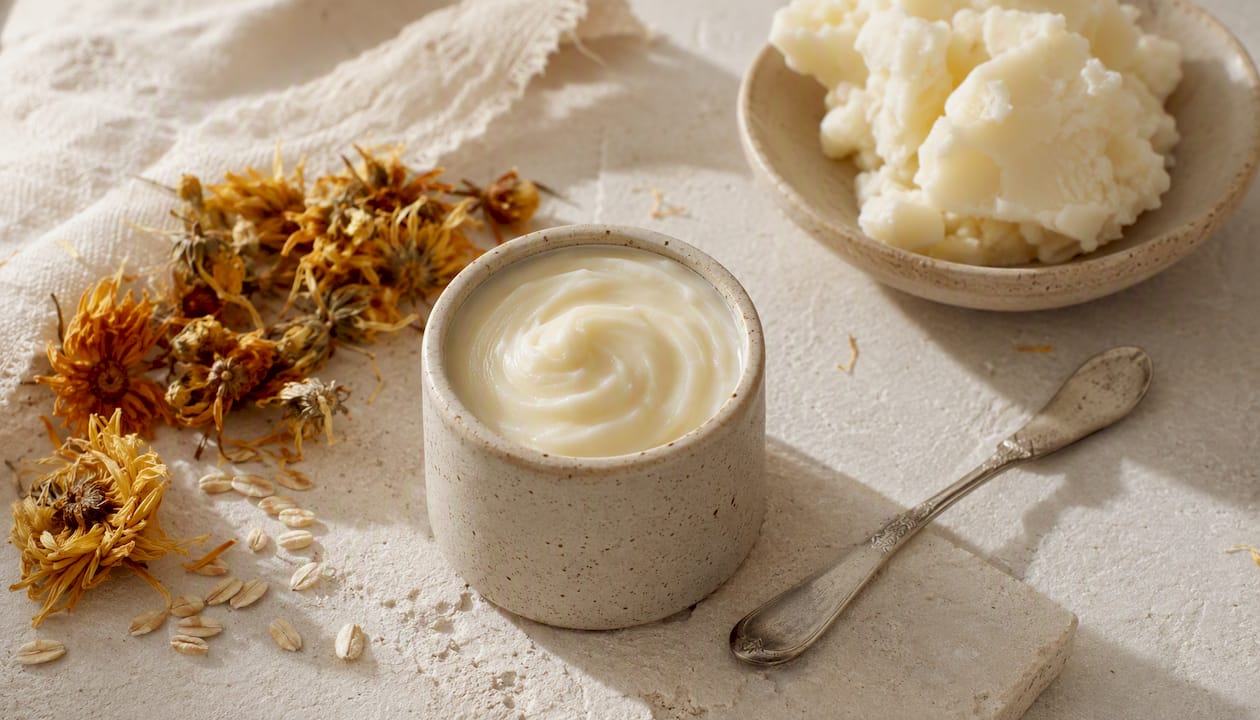
Choosing the right balm matters as much as the technique itself. For massage, you want a balm dense enough to provide glide without absorbing instantly. Tallow-based formulas work particularly well here: tallow’s fatty acid profile closely mirrors the skin’s own lipids, which supports deeper moisturisation and barrier repair. Natural butters such as shea or cocoa add slip, while soothing essential oils like lavender can enhance the calming effect when tolerated.
| What to look for | Why it matters |
|---|---|
| Tallow or plant butters as base | Provides glide and bioavailable nourishment |
| Simple, short ingredient list | Reduces irritation risk for sensitive skin |
| Lavender or chamomile essential oil | Adds calming aromatherapeutic benefit |
| No synthetic fragrance or parabens | Avoids common sensitisers |
Patch-test method: apply a small amount to your inner arm, leave for 24–48 hours, and check for redness, itching, or swelling before using it across your body.
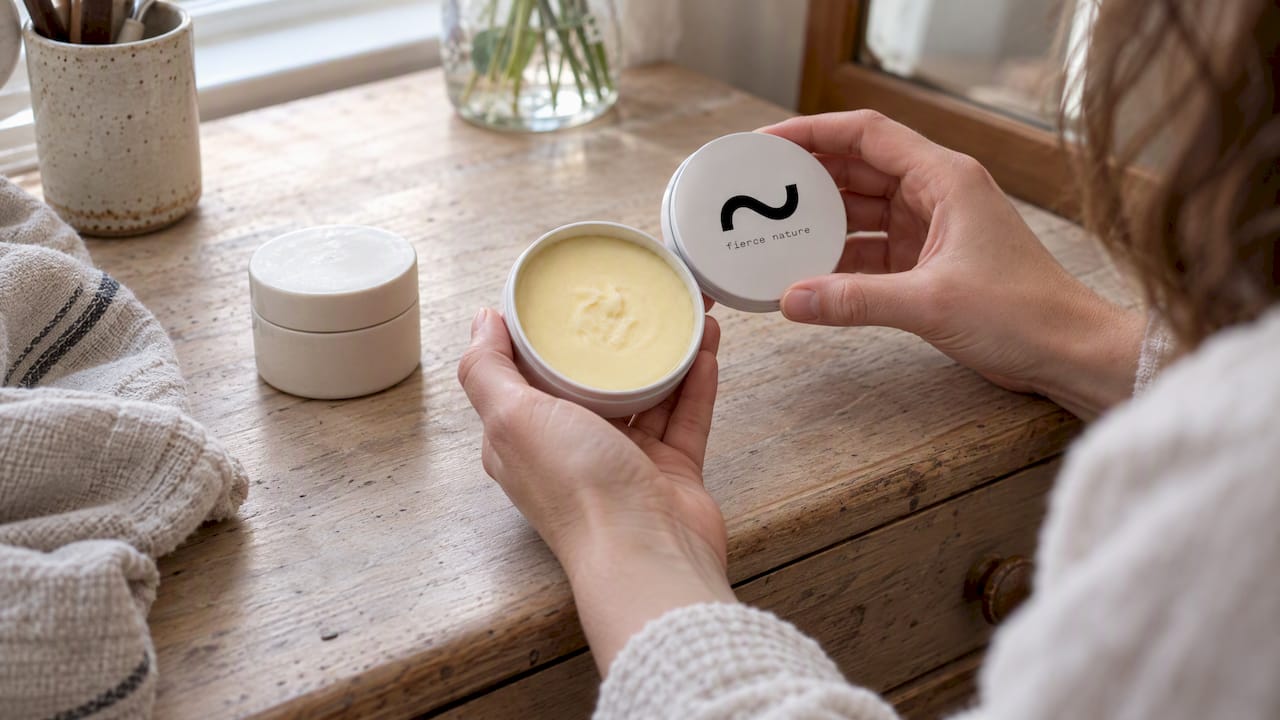
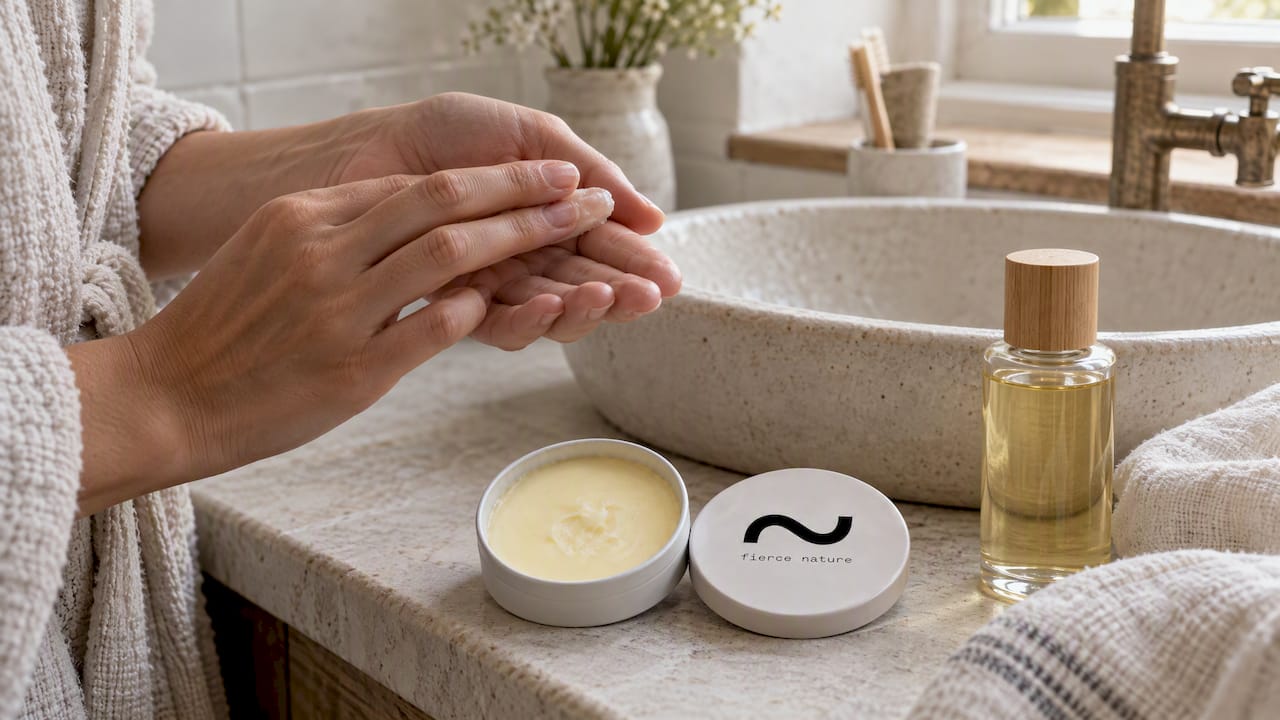
Slightly damp skin after a shower absorbs balm more readily than dry skin. Set up in a warm room, place a towel beneath you, and have a glass of water nearby. Warming the balm between your palms for 10–15 seconds before application improves spreadability and means it meets your skin at a comfortable temperature rather than a cold shock.
Pro Tip: A denser balm can leave a heavier residue if over-applied. Start with a small amount, warm it thoroughly, and build up only if needed. Less is genuinely more here.
A structured routine produces far better results than random application. Firming and nourishing balms work better when paired with a consistent massage routine; the physical stimulation improves distribution, absorption, and leaves skin with a healthy glow. Follow this sequence:
Feet and calves: Begin with broad palm strokes from the sole upward to the knee. Use firm, sweeping movements toward the heart. Spend a few minutes per leg.
Thighs: Shift to kneading strokes on the outer and front thigh, using both hands in alternating squeezes. This is a larger muscle zone, so slightly more pressure is appropriate.
Abdomen: Use slow, clockwise circular strokes following the natural direction of digestion. Keep pressure light to moderate.
Chest and décolletage: Broad, outward palm strokes from the sternum toward the shoulders. Avoid deep pressure over the sternum.
Arms: Start at the hands and wrists, moving upward with long strokes toward the shoulder. Knead the forearm and upper arm gently.
Back: Use long downward strokes from the neck to the lower back where you can reach. A partner can apply more thorough coverage here.
Neck and shoulders: Finish with slow, circular thumb pressure along the base of the skull and across the trapezius. This is where most people carry tension.
For self-massage, single-handed strokes on the back are limited, so focus effort on legs, arms, and abdomen where you have full reach. If irritation appears at any point, stop and rinse the area with cool water.
Consistency matters more than intensity. Gentle, regular sessions produce cumulative improvements in skin texture and elasticity over time.
Pro Tip: For full-body application methods, Fierce Nature’s own guide covers additional stroke variations worth bookmarking.
Not every session needs to follow the same template. Three clear variations cover the most common goals.
Use very light pressure, barely heavier than the weight of your hand. Slow, sweeping strokes always move toward the nearest lymph node cluster (groin, armpits, neck). The goal is gentle encouragement of fluid movement, not deep tissue work. Avoid kneading entirely.
Increase pressure on targeted zones, particularly the calves, thighs, and shoulders. Balms containing warming botanicals such as ginger or peppermint can support comfort during this variation, though only use these if your skin tolerates them well. Herbal balm traditions combining menthol and camphor with massage have long been used to support muscle recovery and circulation. The science behind massage and skin tone applies here too: manual stimulation increases local circulation and supports a healthier-looking complexion.
Choose fragrance-free or very mildly scented formulas
Avoid essential oils including rosemary, clary sage, and peppermint during pregnancy
Reduce pressure throughout and skip deep abdominal strokes entirely
Always consult your midwife or GP before starting any new massage routine during pregnancy
Shorter sessions of 5–7 minutes total are preferable to full-body routines
Some situations call for caution or a pause. Knowing when to stop protects your skin and your health.
Broken or infected skin: never apply balm over open wounds, active infections, or weeping eczema
Recent deep vein thrombosis (DVT): massage over affected limbs can be dangerous; seek medical clearance first
Severe active eczema flare: wait until the flare has settled before resuming
Known ingredient allergy: check every ingredient against known sensitivities before use
Pregnancy: avoid deep abdominal massage and certain essential oils; consult your midwife or GP if uncertain
Stop immediately if you experience burning, intense itching, or spreading redness. Rinse the area with cool water and do not reapply until you have identified the cause.
Pro Tip: The 24–48 hour patch test on the inner arm is your single most reliable safety check. It takes almost no time and removes most of the guesswork around new formulations.
Frequency shapes results more than any single session. A short daily routine of 5–10 minutes delivers cumulative hydration and relaxation benefits. For more thorough full-body sessions, several times weekly is a practical and sustainable rhythm.
| Routine type | Frequency | Expected benefit timeline |
|---|---|---|
| Short daily (5–10 min) | Daily | Immediate softness; texture improvement over 2–4 weeks |
| Full-body session | 3–5 times weekly | Measurable elasticity and hydration gains over 4–6 weeks |
| Targeted muscle relief | As needed | Comfort improvement within the session |
Aftercare steps:
Allow the balm to absorb for at least 15–20 minutes before dressing
Avoid cold showers immediately after a session
Drink water to support circulation
Note any skin reactions in a simple log so you can track progress
Morning sessions suit energising routines; evening sessions work better for relaxation and wind-down. Pick whichever time you will actually stick to.
Warm a small amount of balm between your palms.
Broad upward strokes from ankles to thighs, both legs, 90 seconds.
Long arm strokes from wrists to shoulders, 60 seconds each arm.
Finish with three slow circular strokes across the abdomen.
Lighter pressure throughout. The goal is circulation and wakefulness, not deep tissue work.
Warm balm and begin with slow, deliberate strokes up both legs, 2 minutes.
Clockwise abdominal circles, 1–2 minutes, very light pressure.
Long palm strokes across the chest and décolletage, 1 minute.
Finish with circular thumb pressure at the base of the skull and across the shoulders, 2–3 minutes.
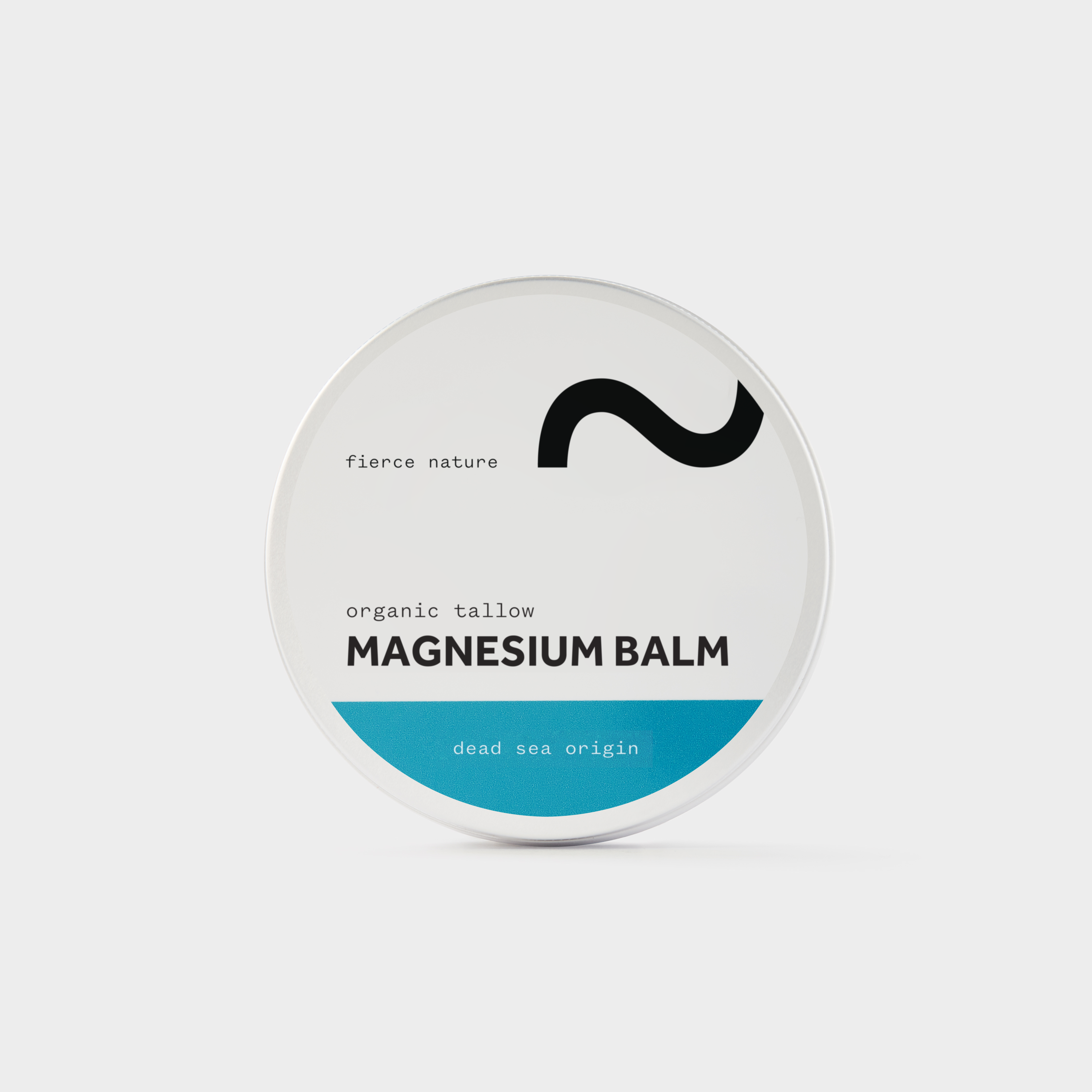
If you tolerate lavender essential oil, a balm containing it adds a calming aromatherapeutic layer to this routine. The magnesium balm benefits guide from Fierce Nature is worth reading alongside this for evening routines specifically.
Pro Tip: Dim the lights and keep your phone face-down during the evening routine. The physical ritual works better when your nervous system is already signalled to slow down.
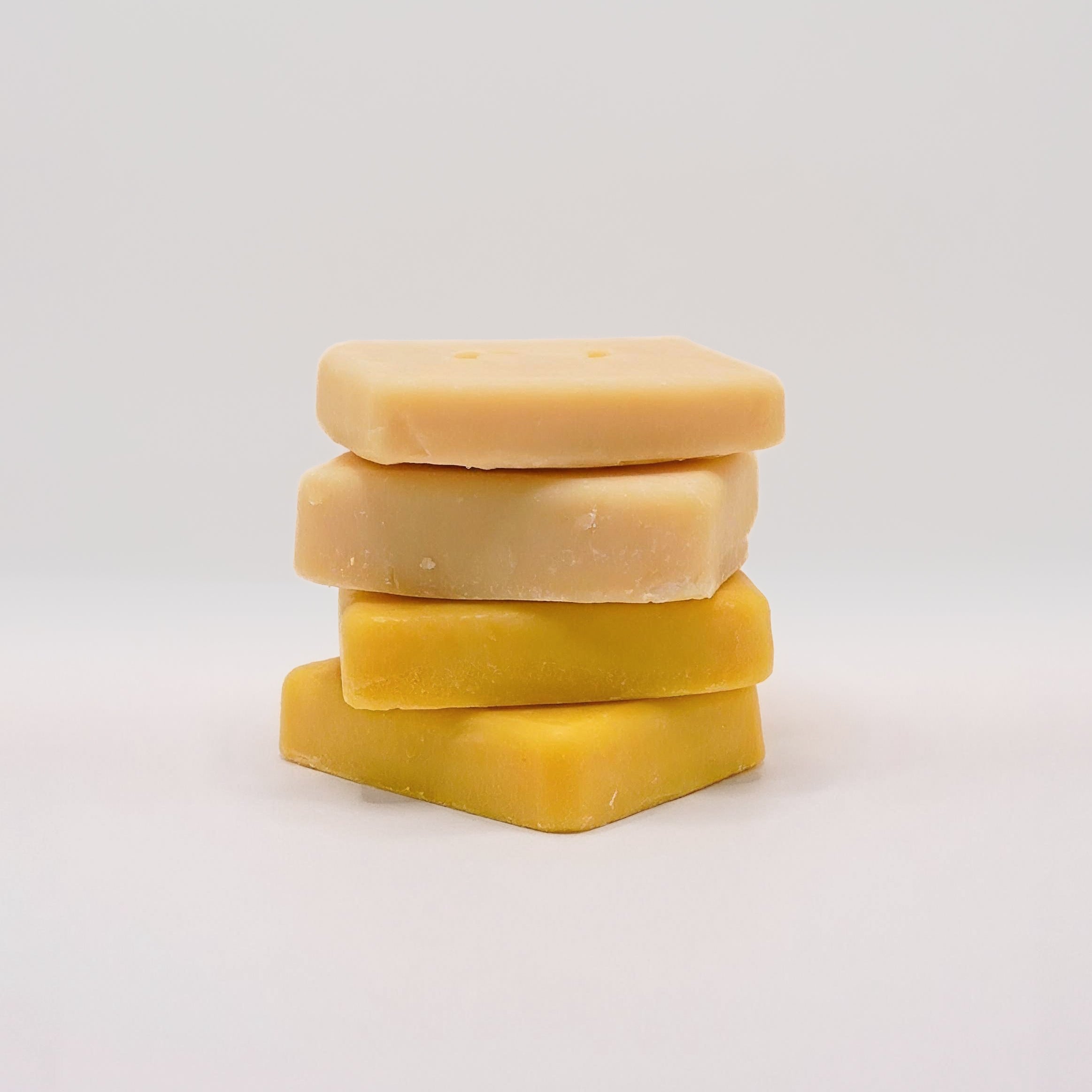
Tallow’s fatty acid composition, particularly its oleic and palmitic acid content, closely mirrors the lipids naturally present in human skin. This bioavailability means the balm penetrates rather than sitting on the surface, supporting genuine barrier repair and deep moisturisation rather than a temporary surface sheen. For skin barrier repair, this distinction between surface hydration and actual barrier support matters considerably.
A denser balm also provides better glide during massage than a lightweight oil, meaning you can work an area for the full 3–5 minutes without the product disappearing mid-stroke. Regular balm massage improves skin texture and elasticity over time, and natural formulations avoid the synthetic sensitisers that trigger reactions in many people.
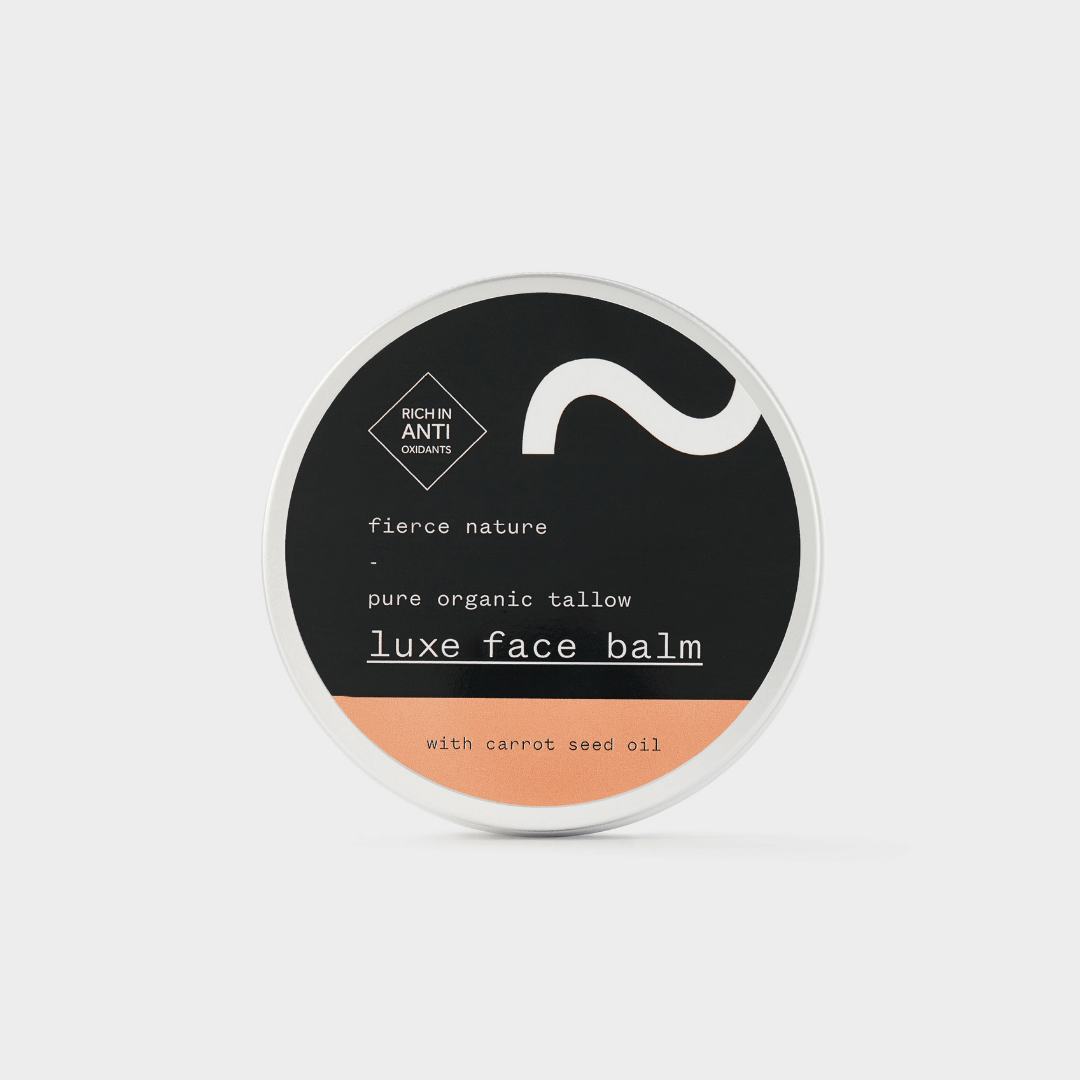
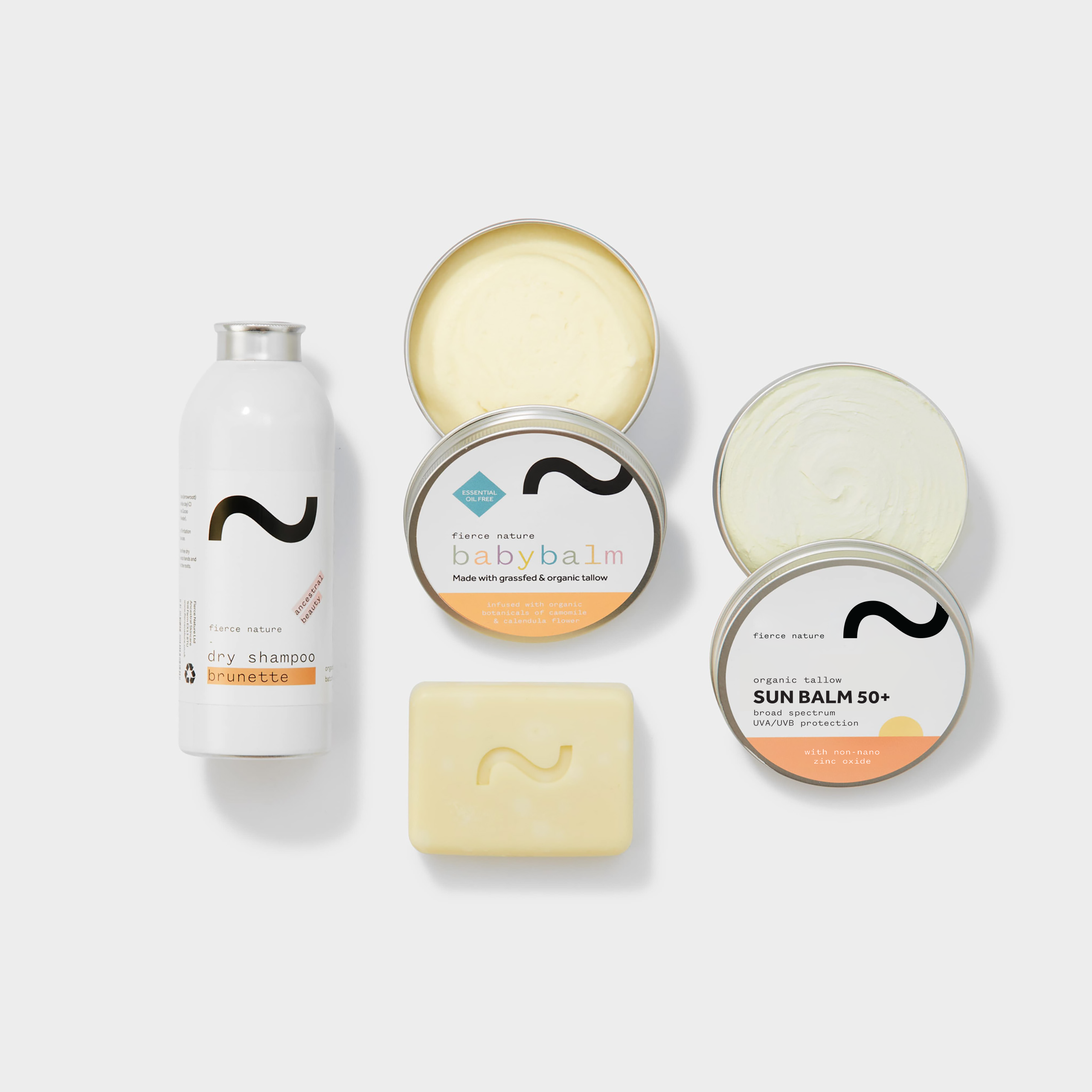
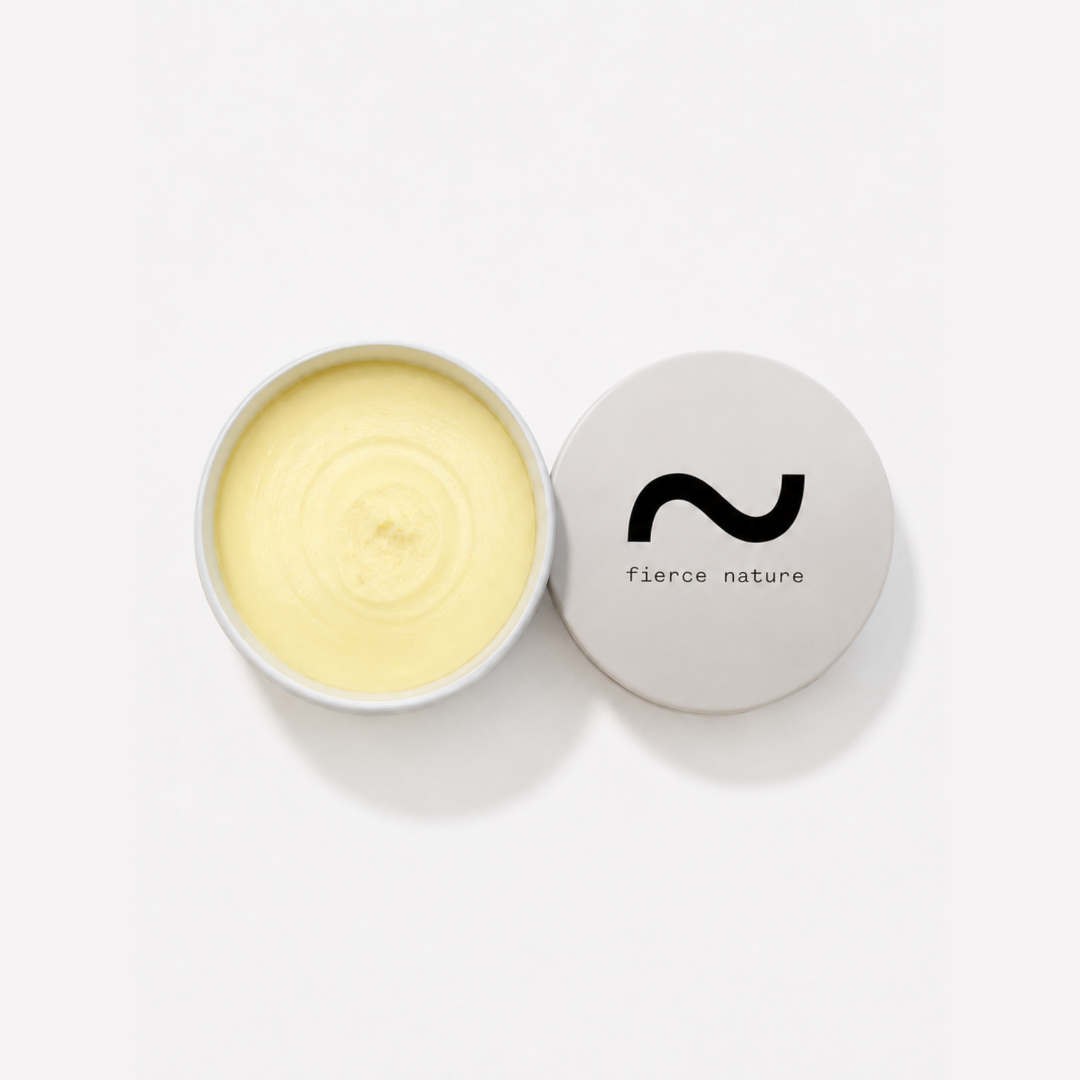
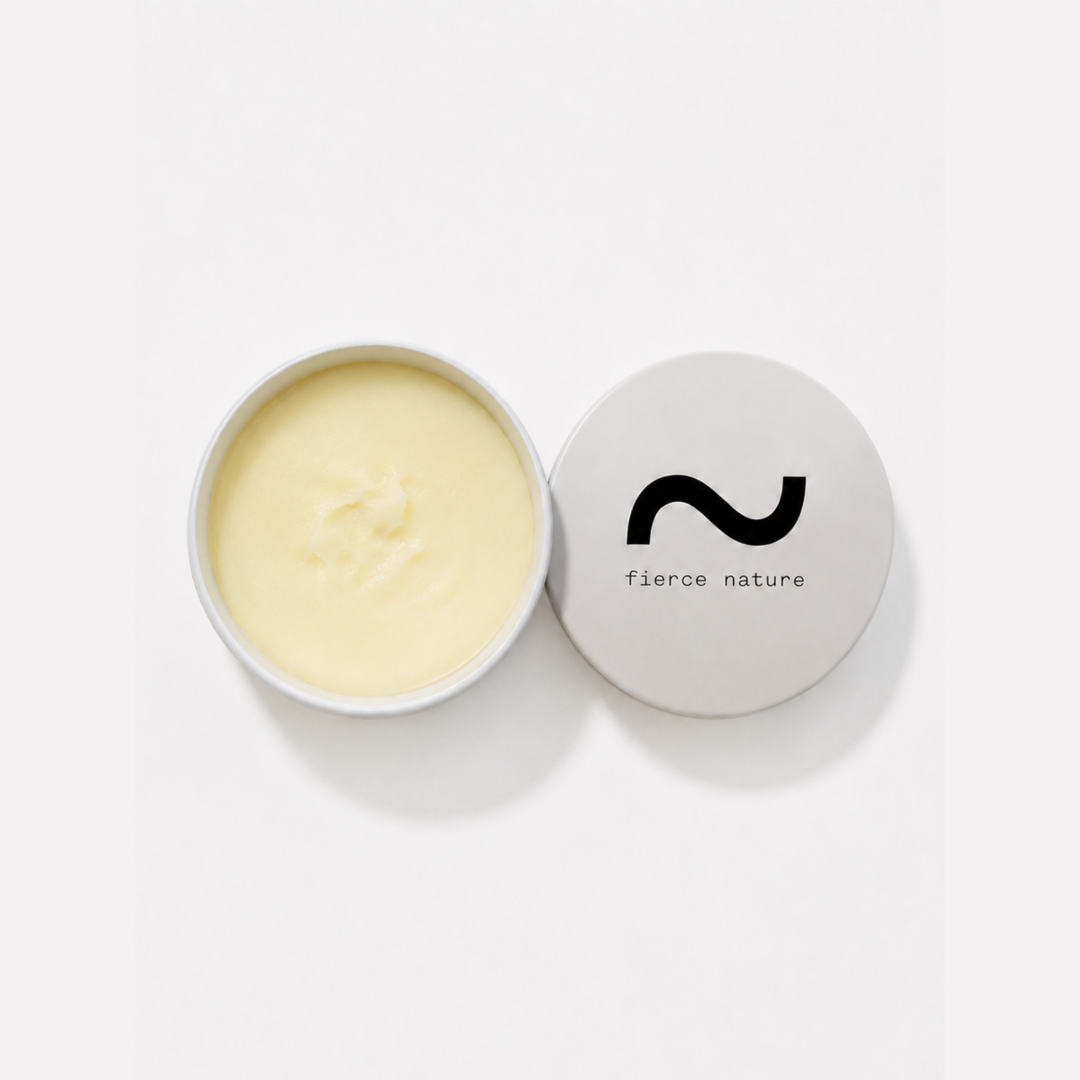
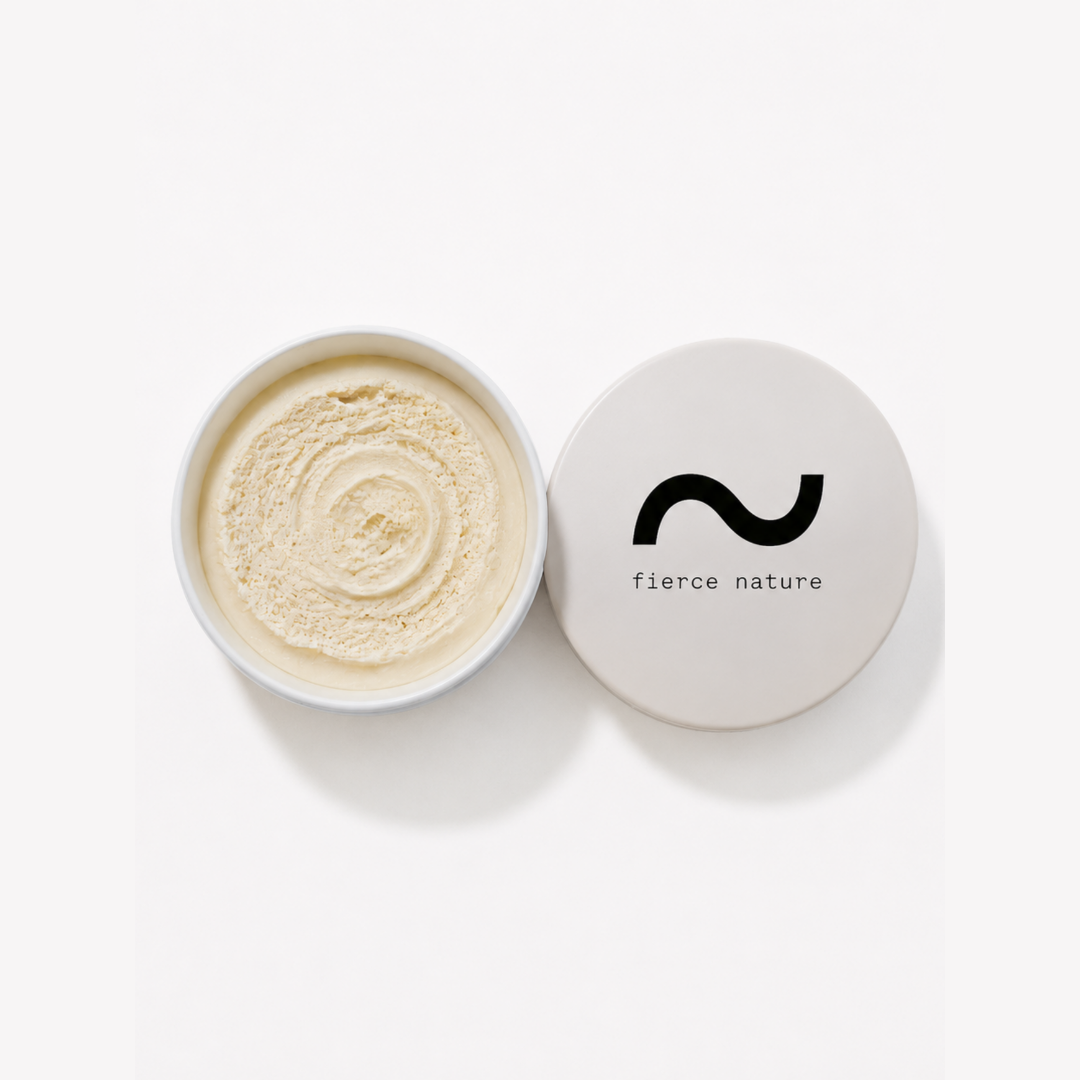
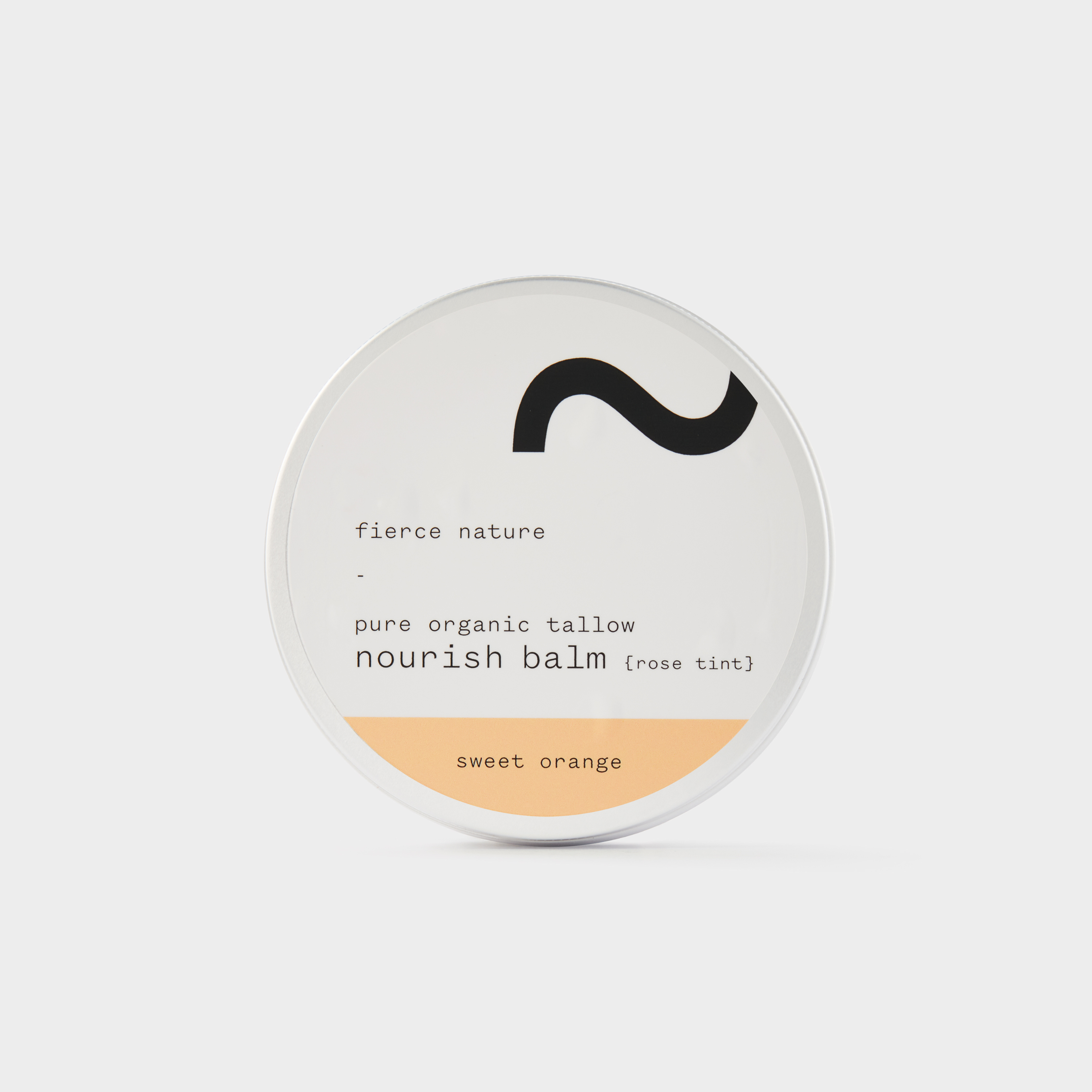
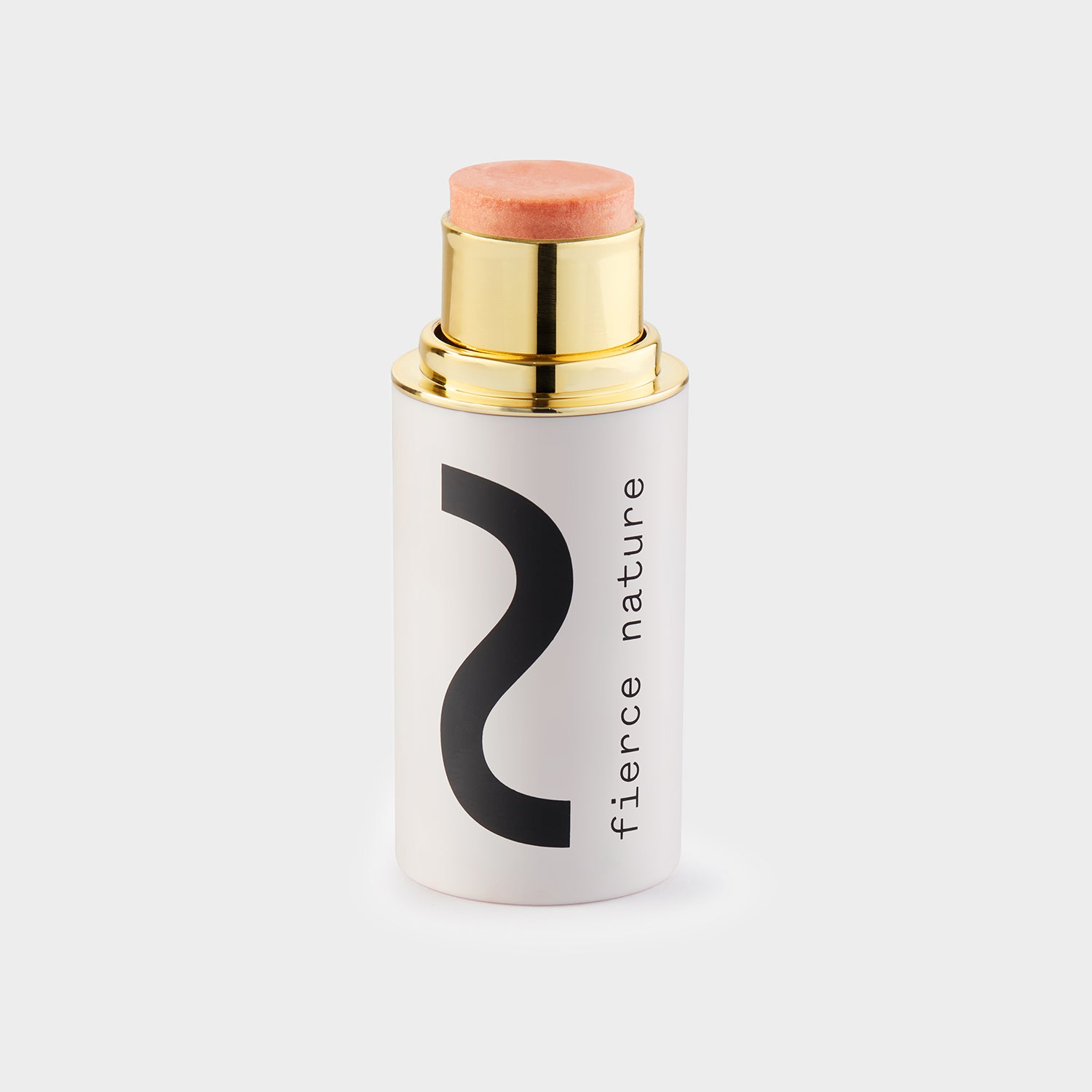
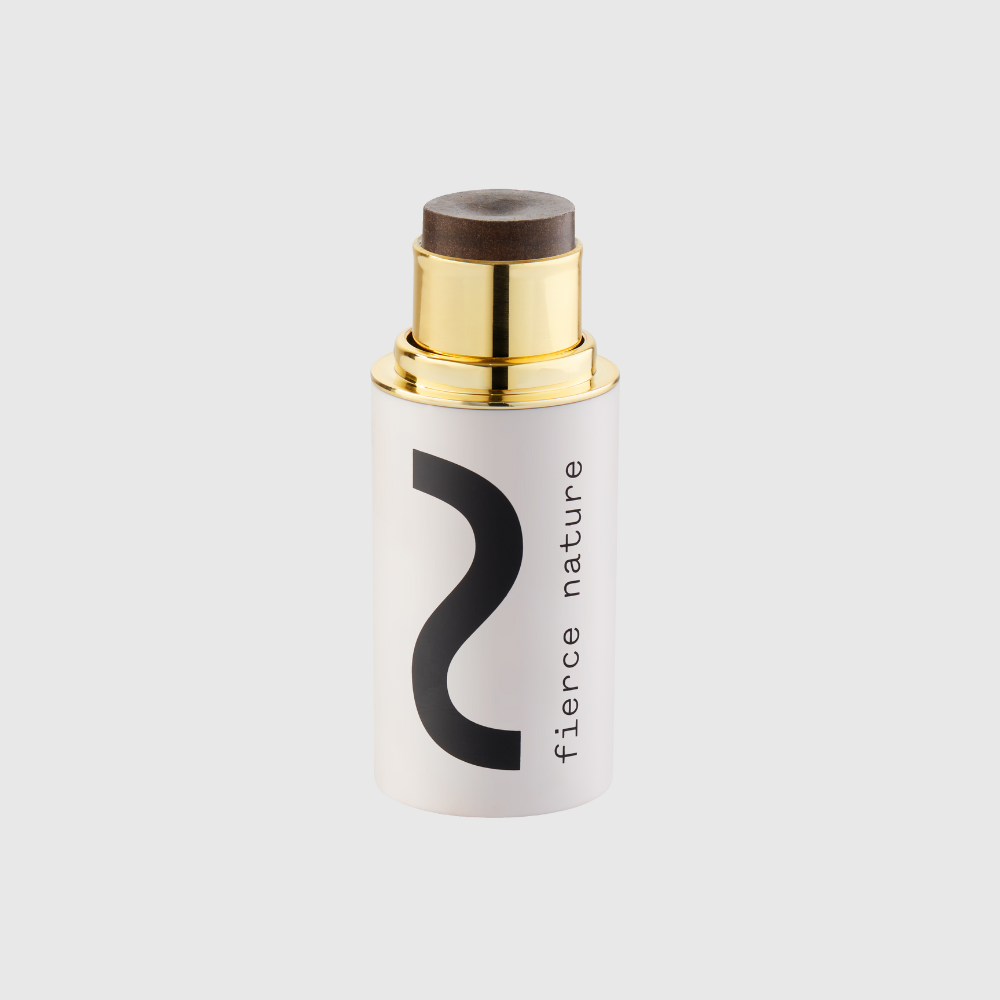
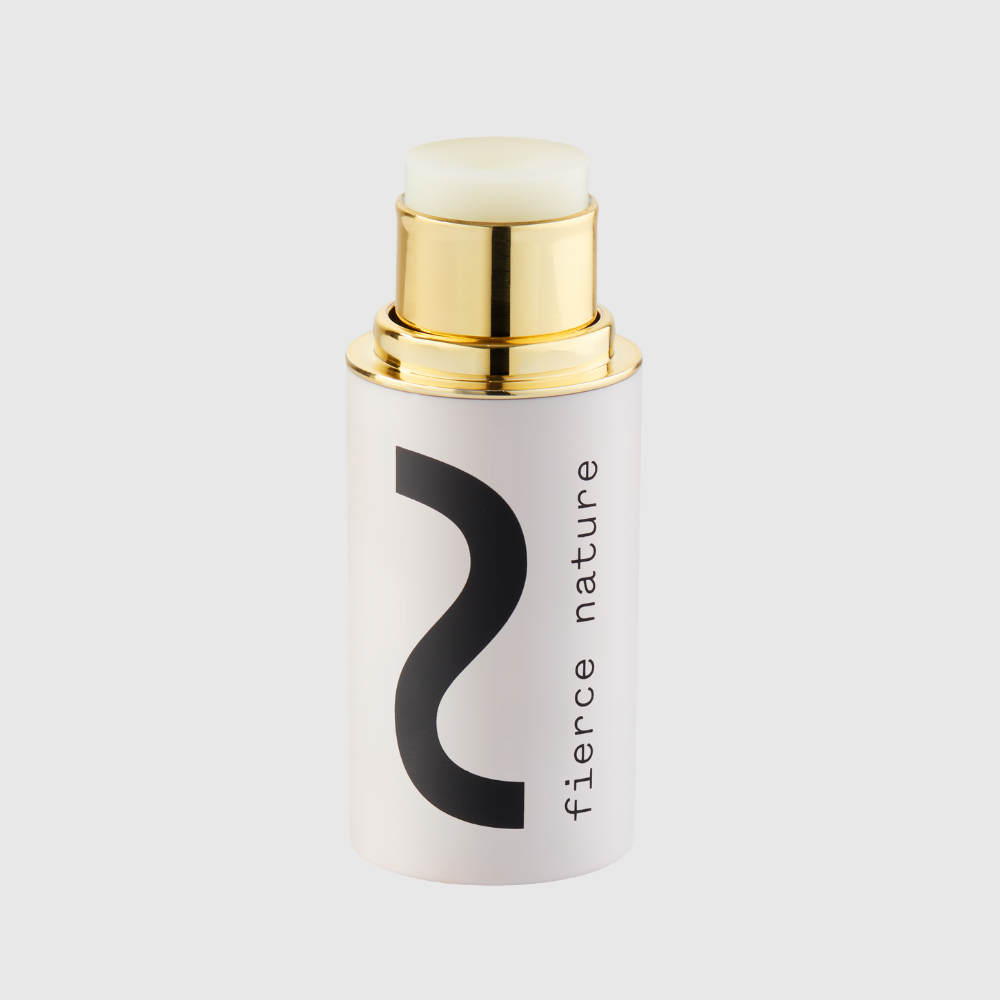
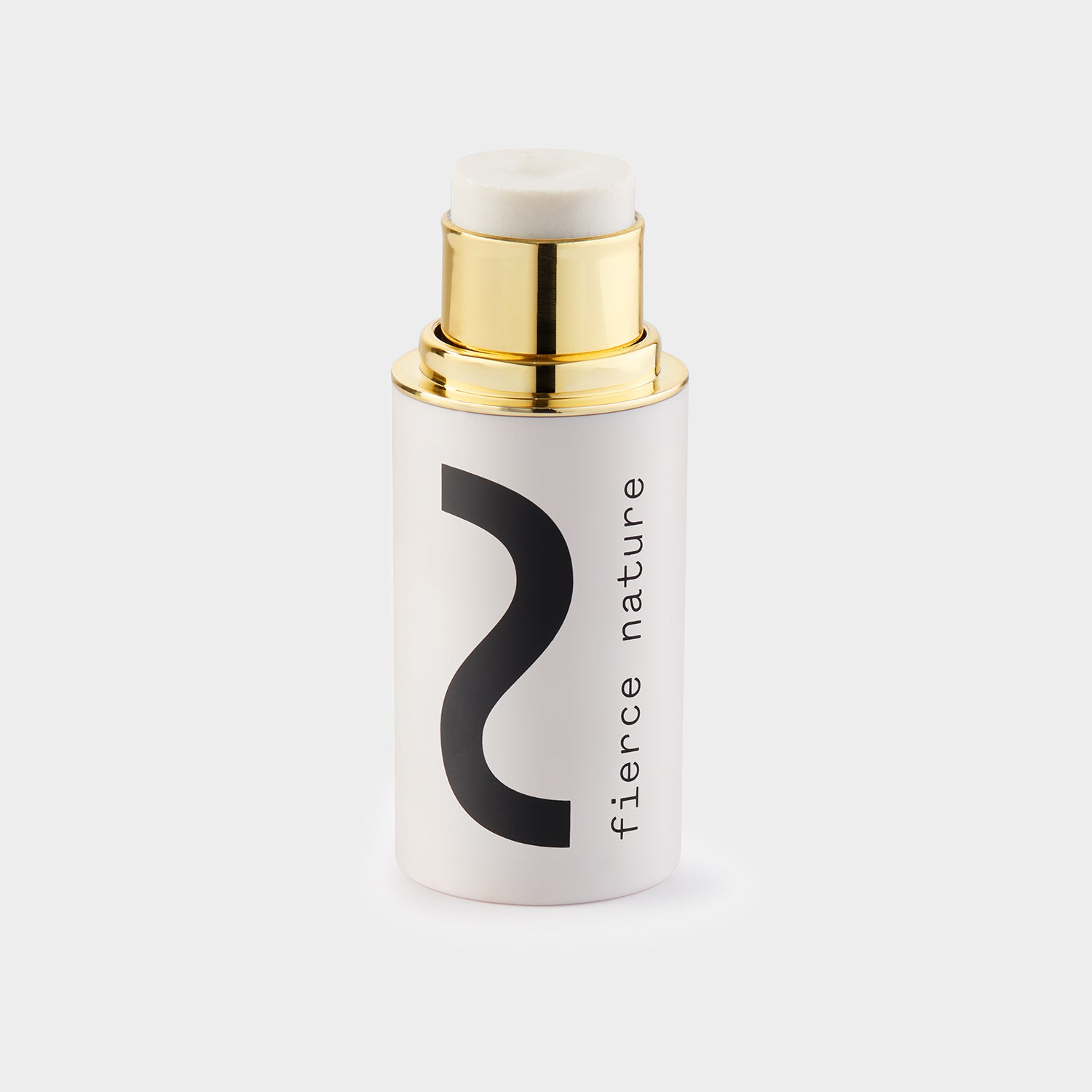
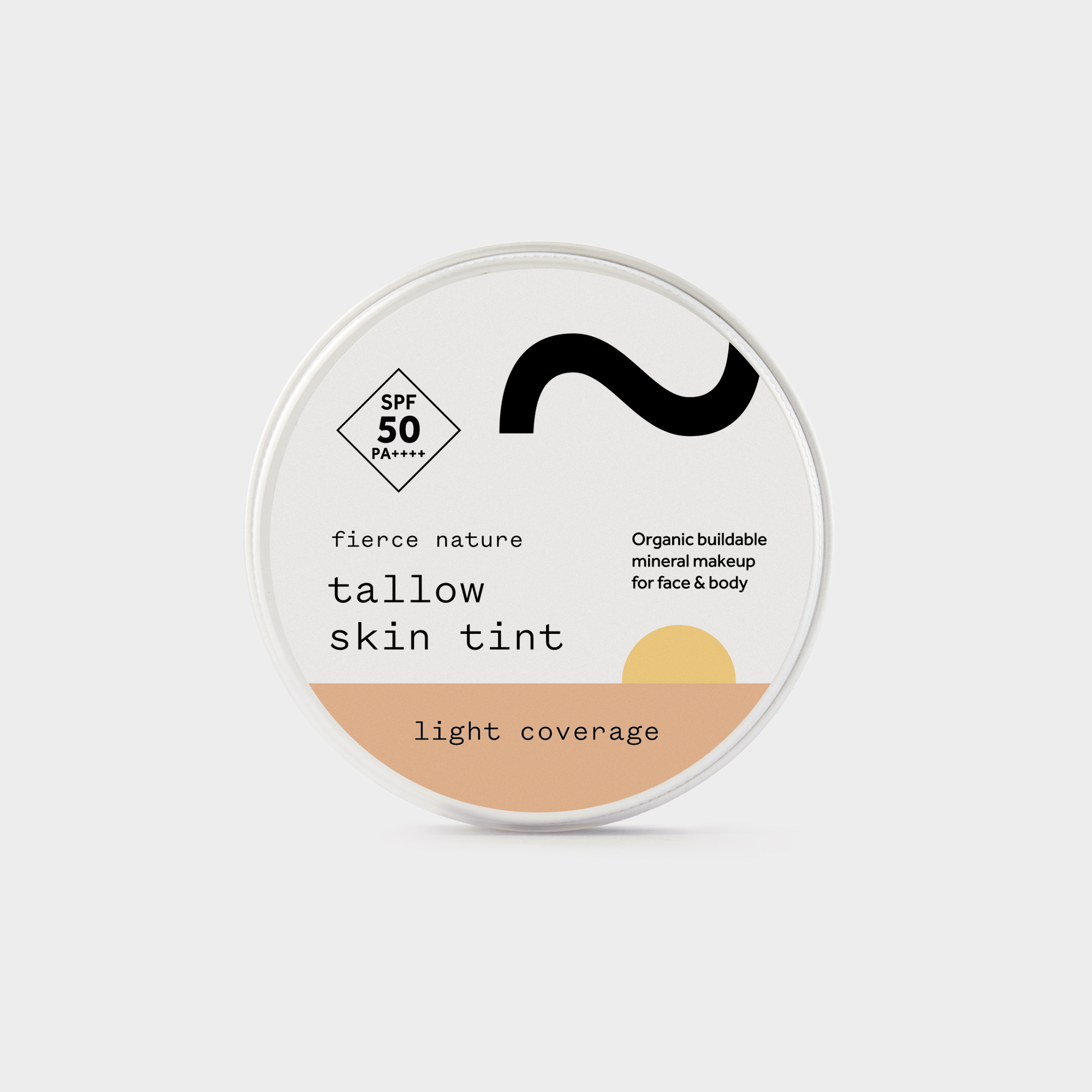
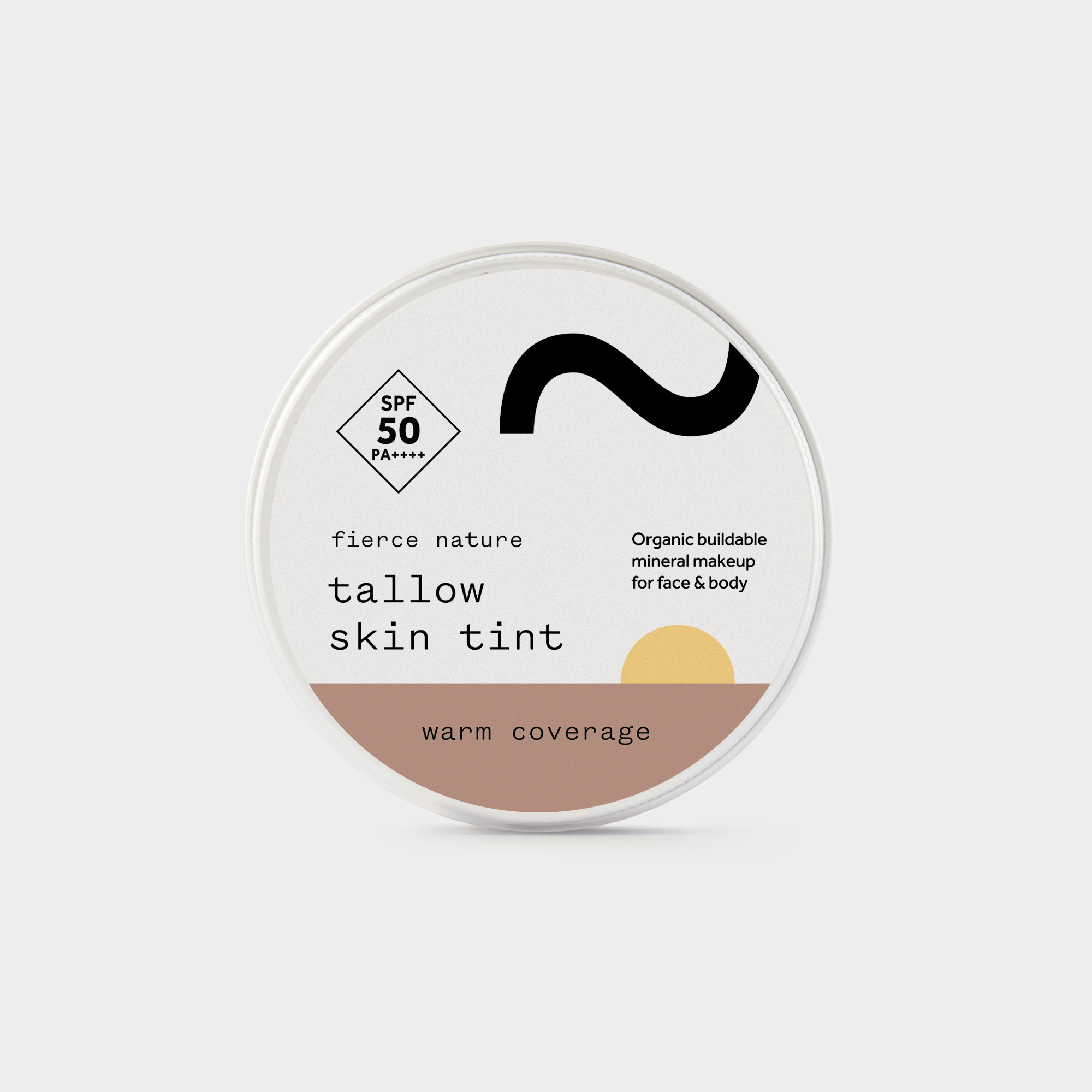
Fierce Nature’s Balance Balm is handmade in the UK using organic tallow and naturally sourced ingredients. It suits the full-body routine described here, providing the glide needed for longer strokes and the nourishment for genuine skin improvement.
Organic tallow base for bioavailable moisturisation
Simple, short ingredient list to minimise sensitisation risk
Handmade in the UK with naturally sourced ingredients
Suitable for face and body use
Always complete a 24–48 hour patch test before your first full session with any new balm.
Growing up with sensitive skin that reacted to almost every mainstream product, I came to understand that the problem was rarely the skin itself. It was what we were putting on it. Developing tallow-based skincare was a direct response to that experience: going back to ingredients that work with the skin rather than overwhelming it with synthetic compounds.
The massage ritual described here is not just about product absorption. It is a few minutes of genuine attention to your own body, which has its own value entirely separate from the skincare benefits. We source every ingredient with that intention in mind, and we make everything by hand in the UK so we can stand behind what goes into each tin.
Fierce Nature’s Balance Balm is the natural starting point for the routine in this guide. Made by hand in the UK from organic tallow and naturally sourced ingredients, it provides the glide and nourishment the technique calls for, without synthetic fragrance, parabens, or unnecessary fillers.
Start with a patch test on your inner arm, wait 24–48 hours, then work through the evening relaxation routine described above. Three to five sessions weekly is the rhythm that produces visible results over 4–6 weeks.
View the Balance Balm product page to check ingredients and order. Patch test first, every time.
Fierce Nature blog: full-body application methods and magnesium balm for relaxation
Glowera: massage and skin tone science for the evidence base behind circulation and skin appearance
Spend 3–5 minutes on each major area, giving a full-body session of roughly 20 minutes. A shorter daily routine of 5–10 minutes still delivers cumulative benefits when done consistently.
Yes, provided you choose a fragrance-free or mildly scented formula with a short ingredient list, and complete a 24–48 hour patch test first. Tallow-based balms with no synthetic additives tend to suit sensitive skin well.
Use lighter pressure, skip deep abdominal strokes, and avoid essential oils including rosemary, clary sage, and peppermint. Always consult your midwife or GP before starting a new massage routine during pregnancy.
Broad palm strokes distribute the balm, kneading targets muscle zones, and slow clockwise circles suit the abdomen. Always stroke toward the heart for circulation support.
Skin feels softer immediately after a session. Measurable improvements in texture and elasticity typically develop over 4–6 weeks of sessions done 3–5 times weekly.