Cart
0
80% Also Added this
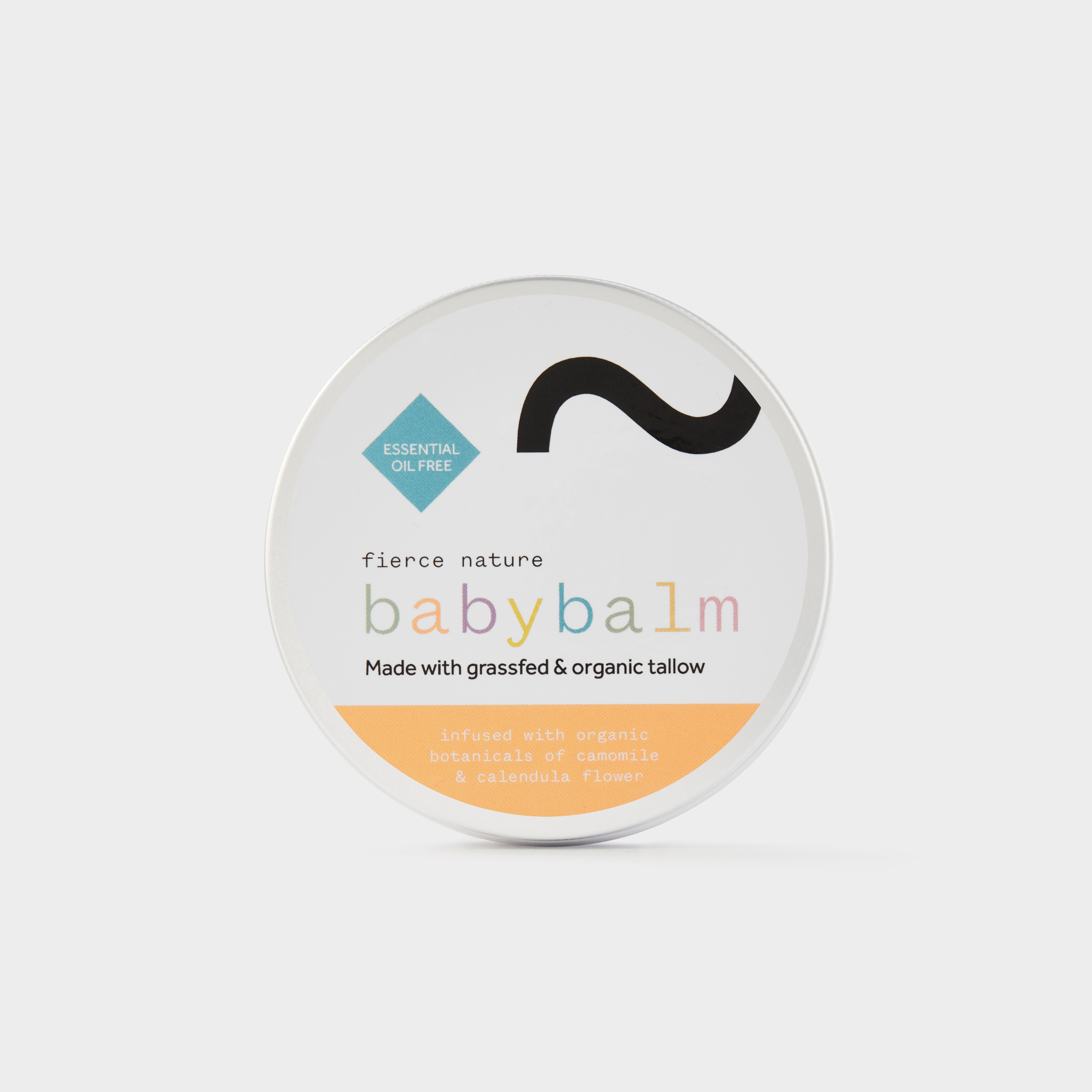
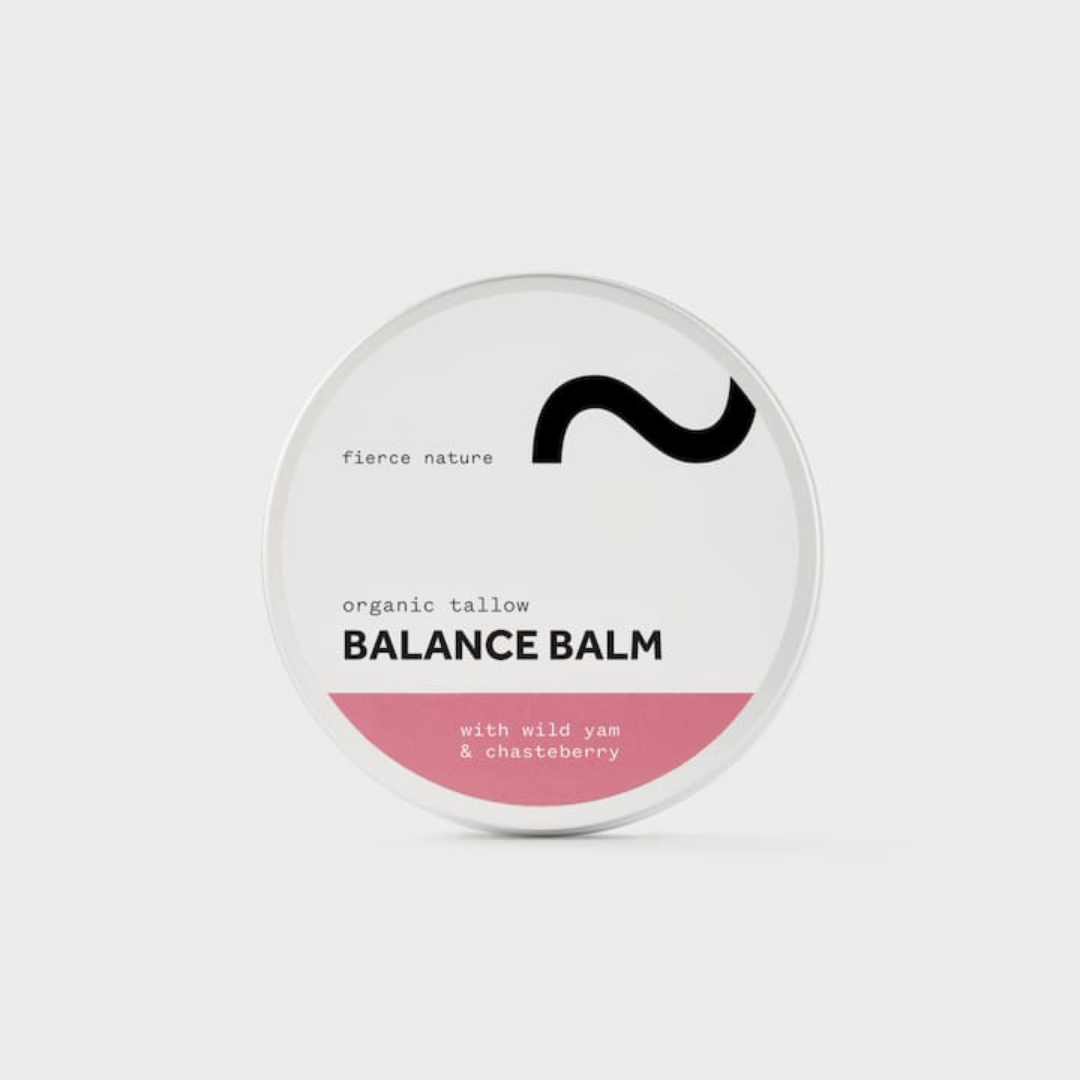
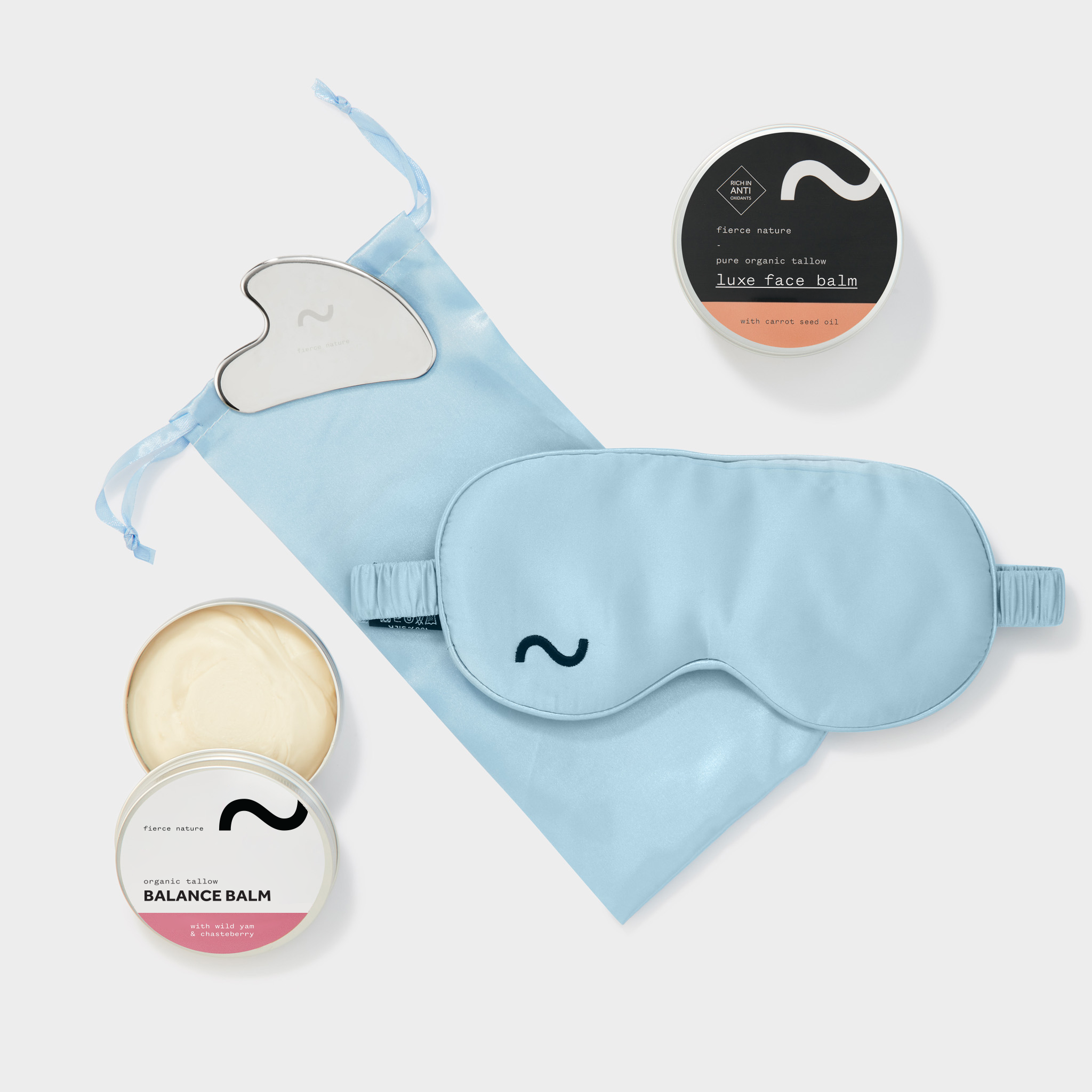
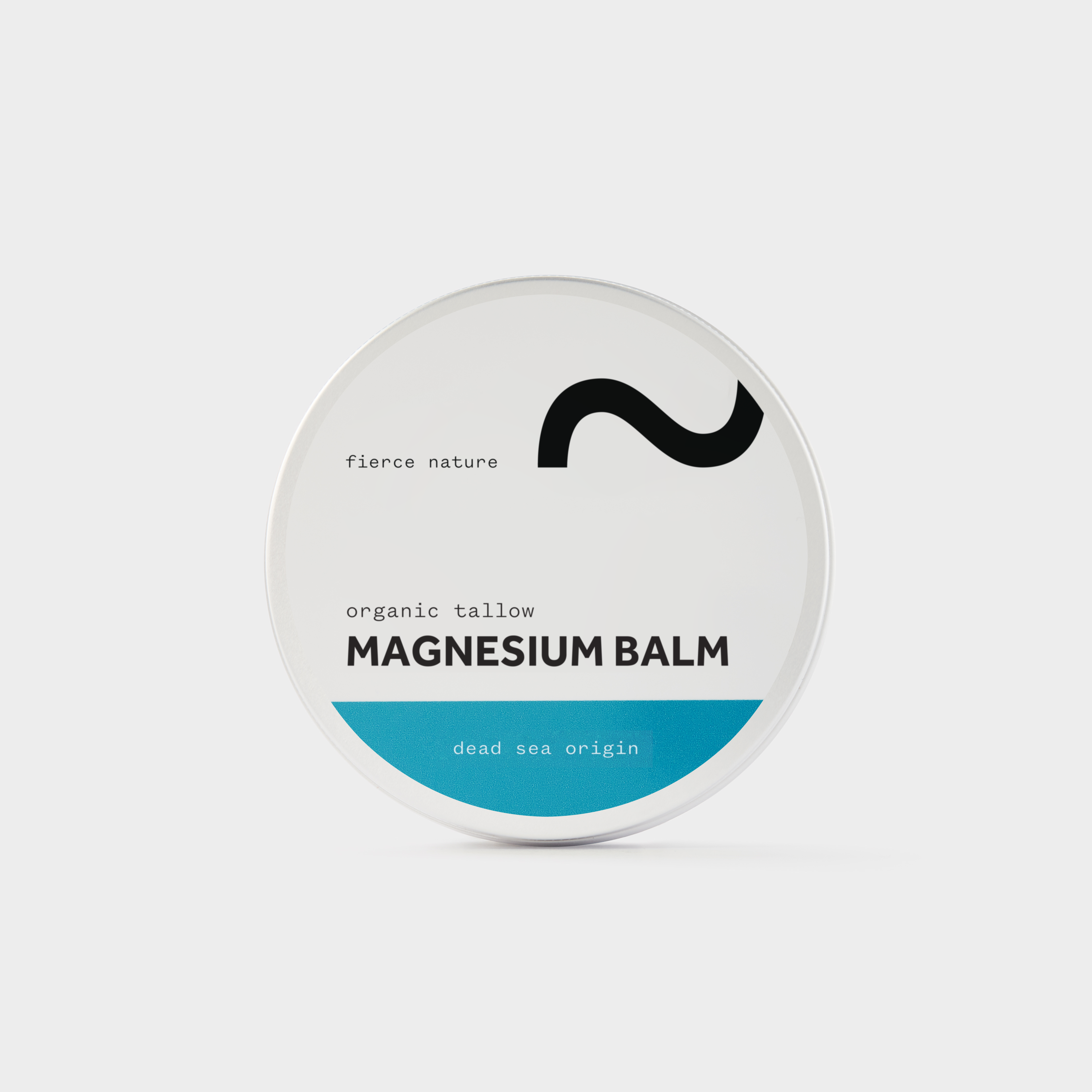
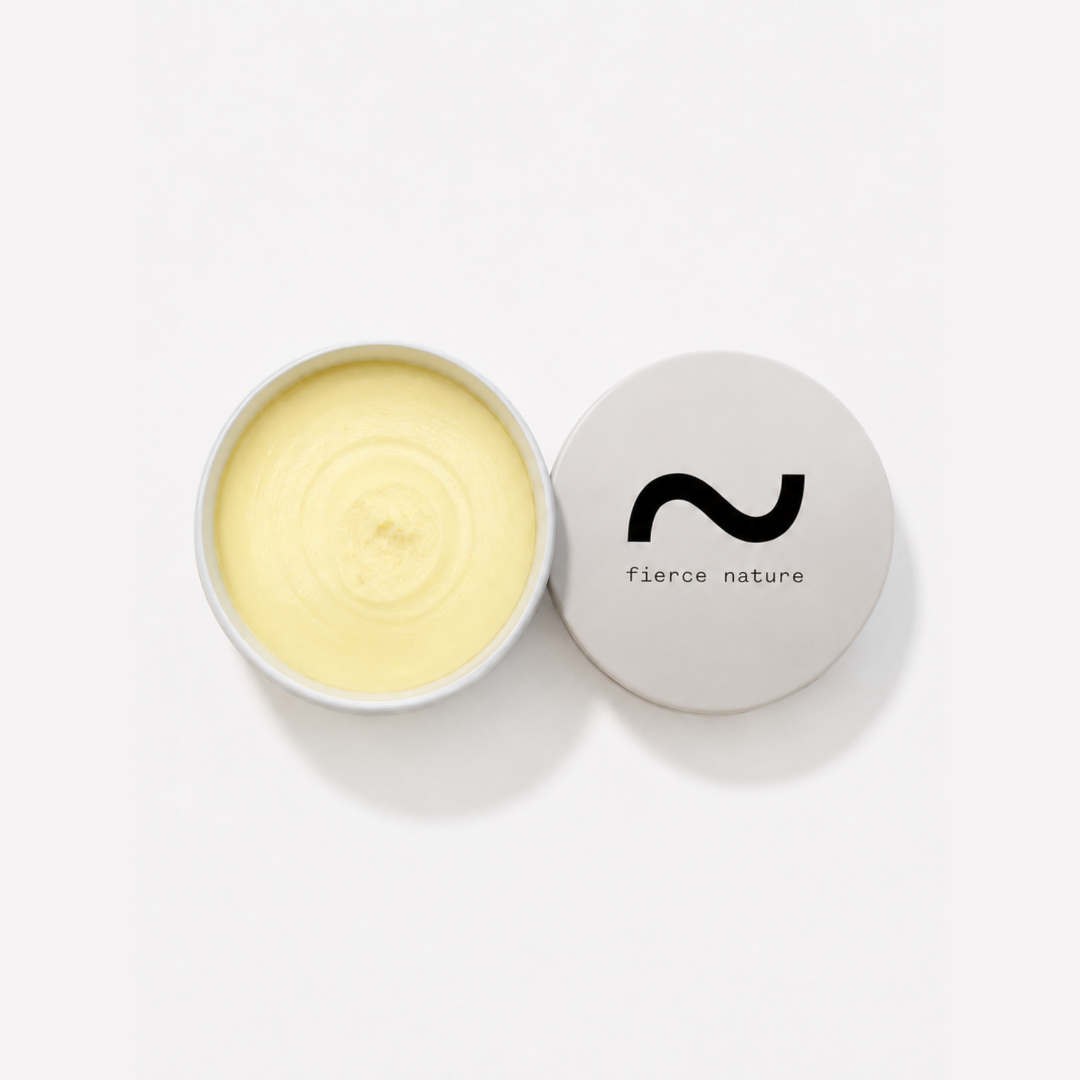
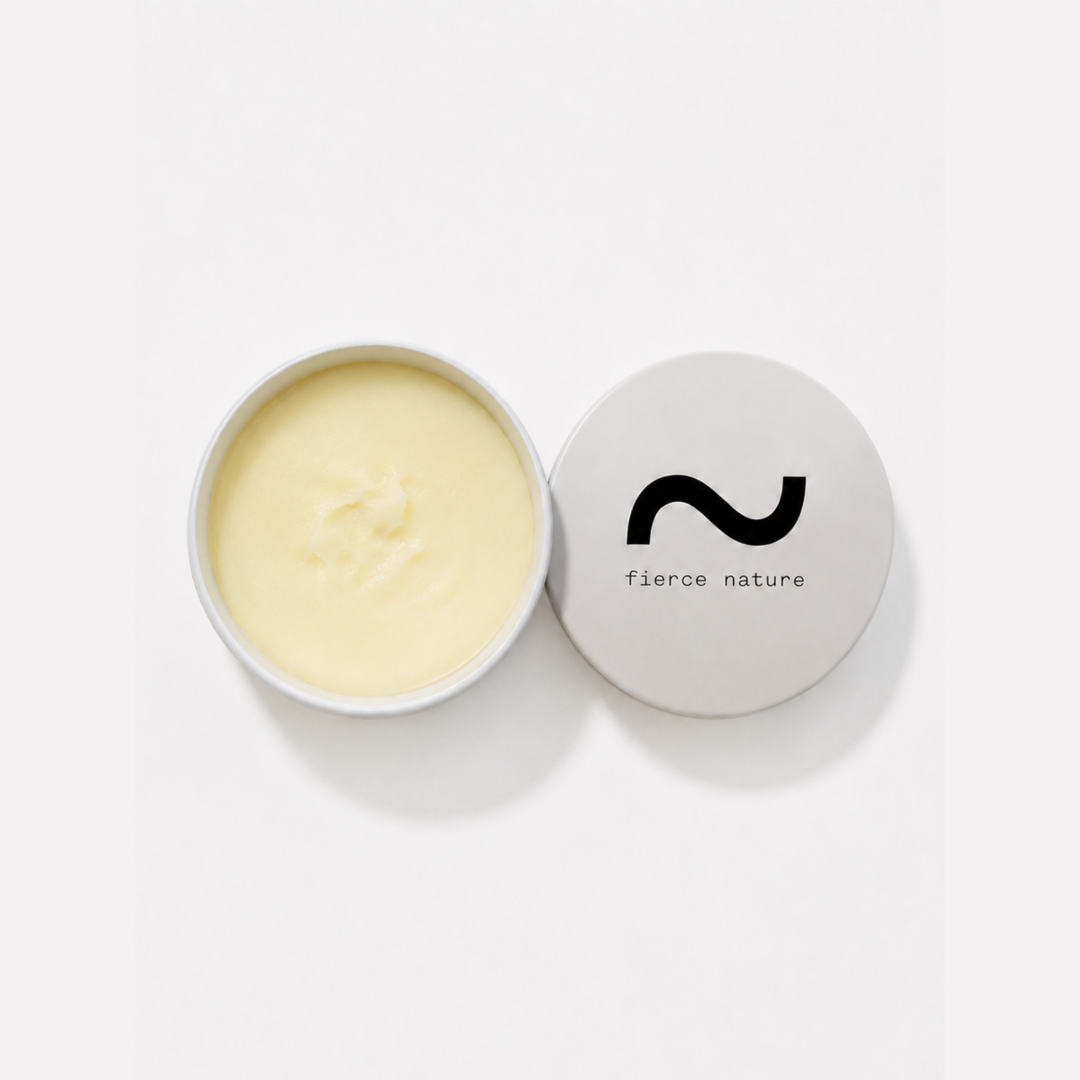
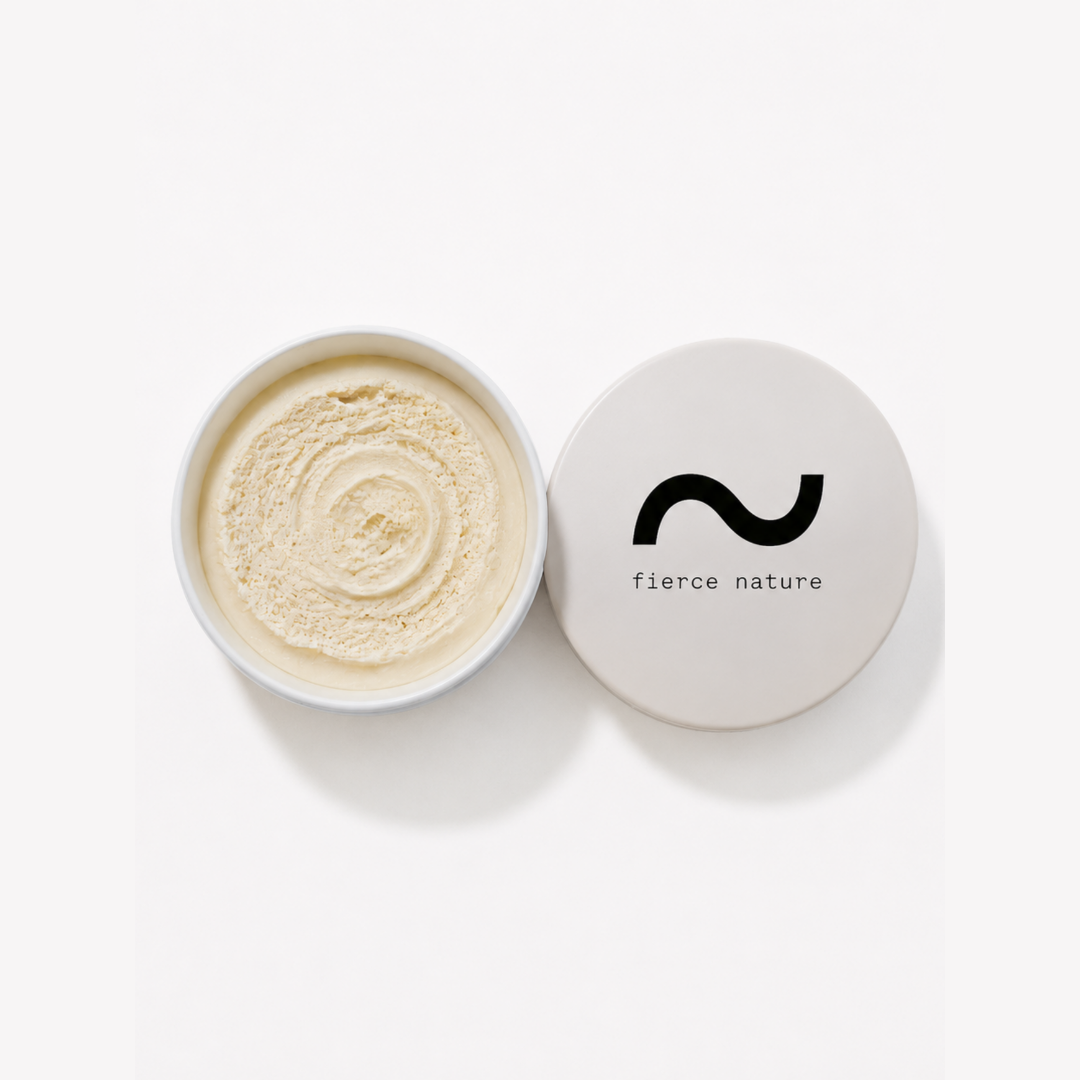
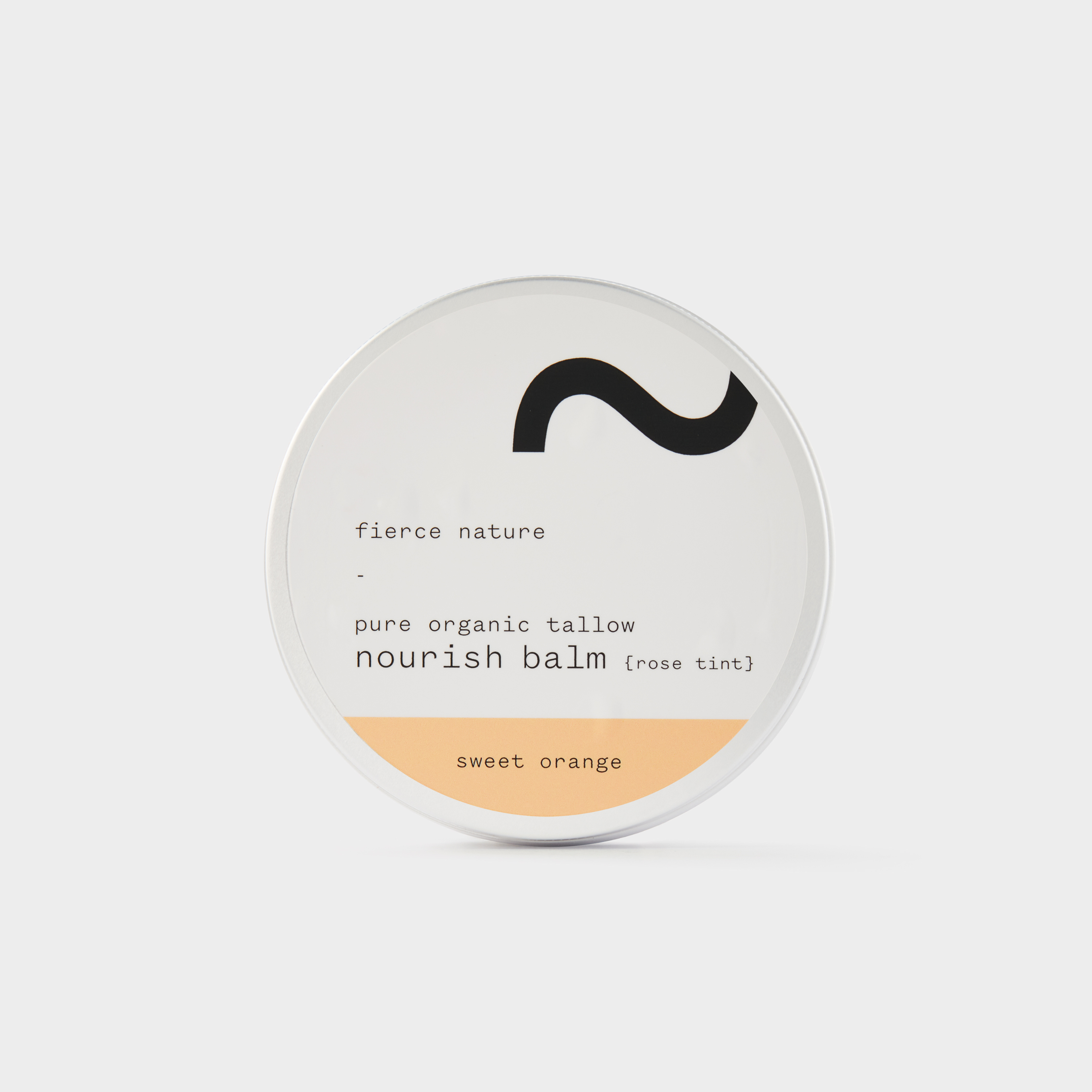

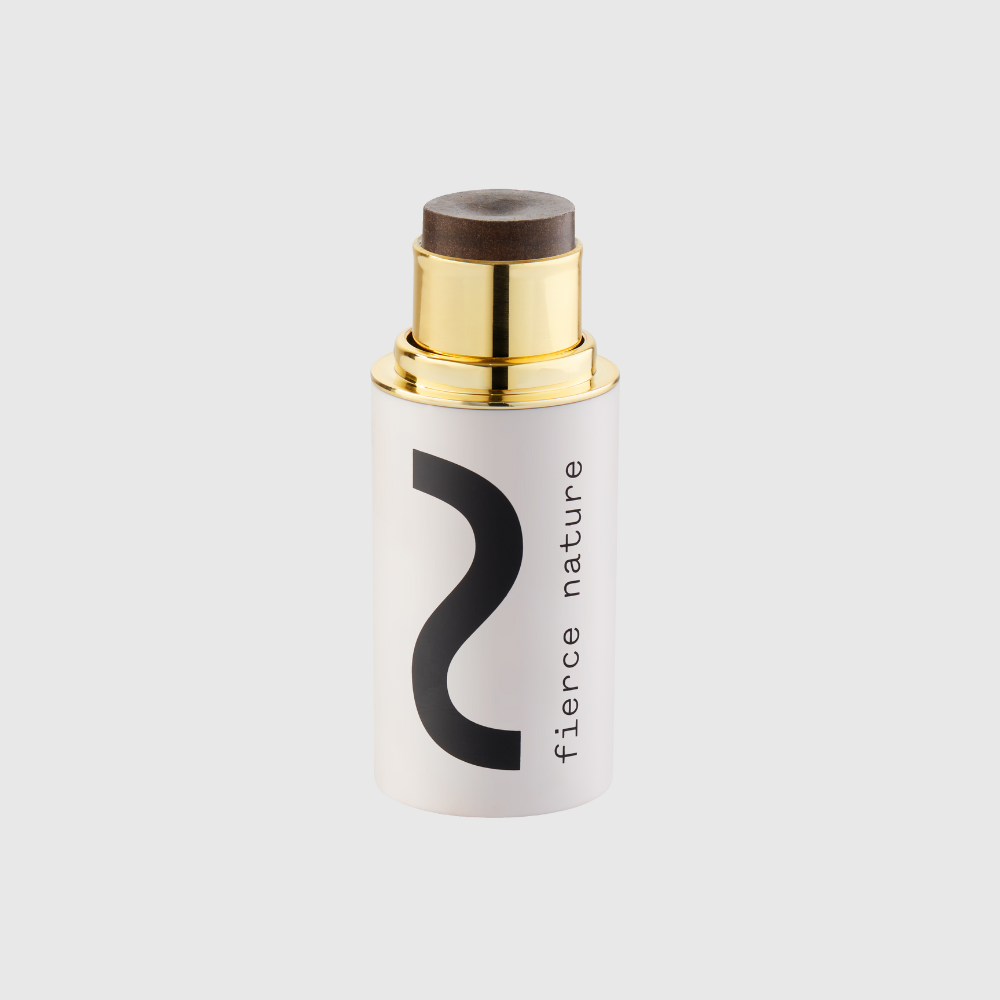
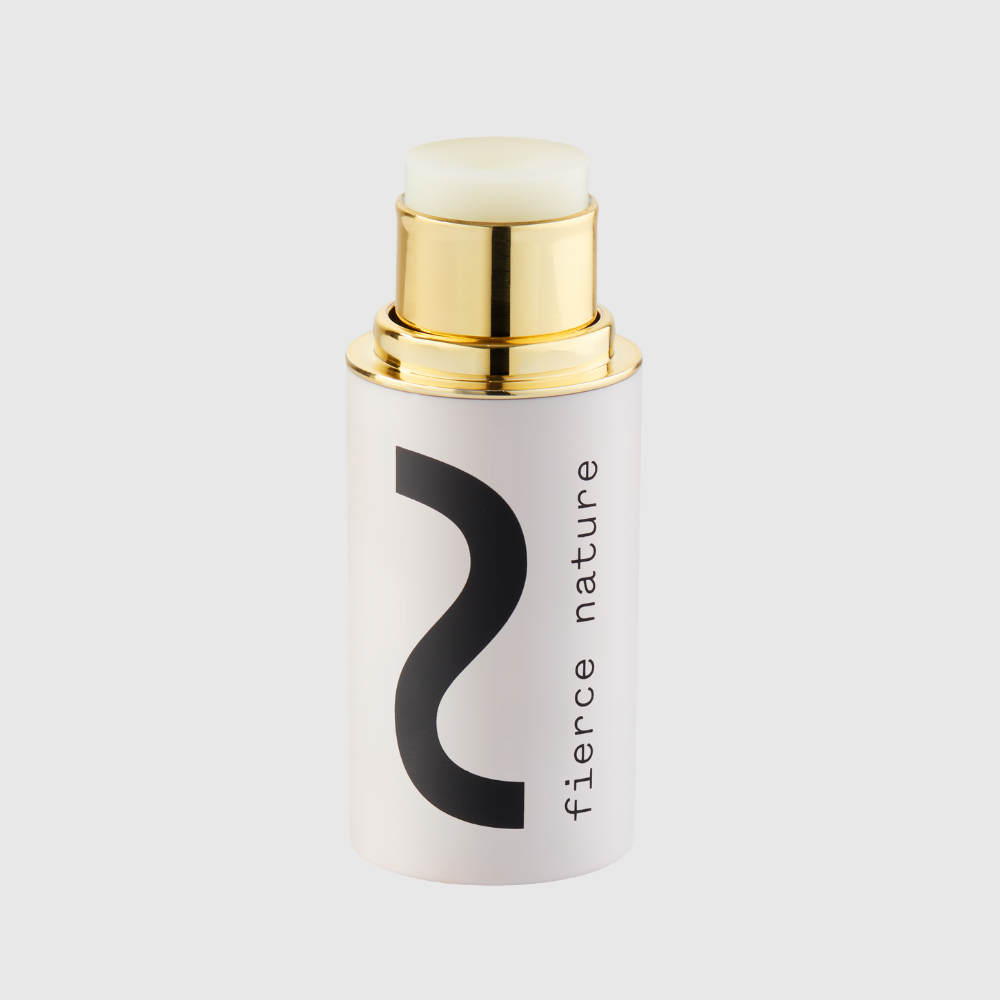
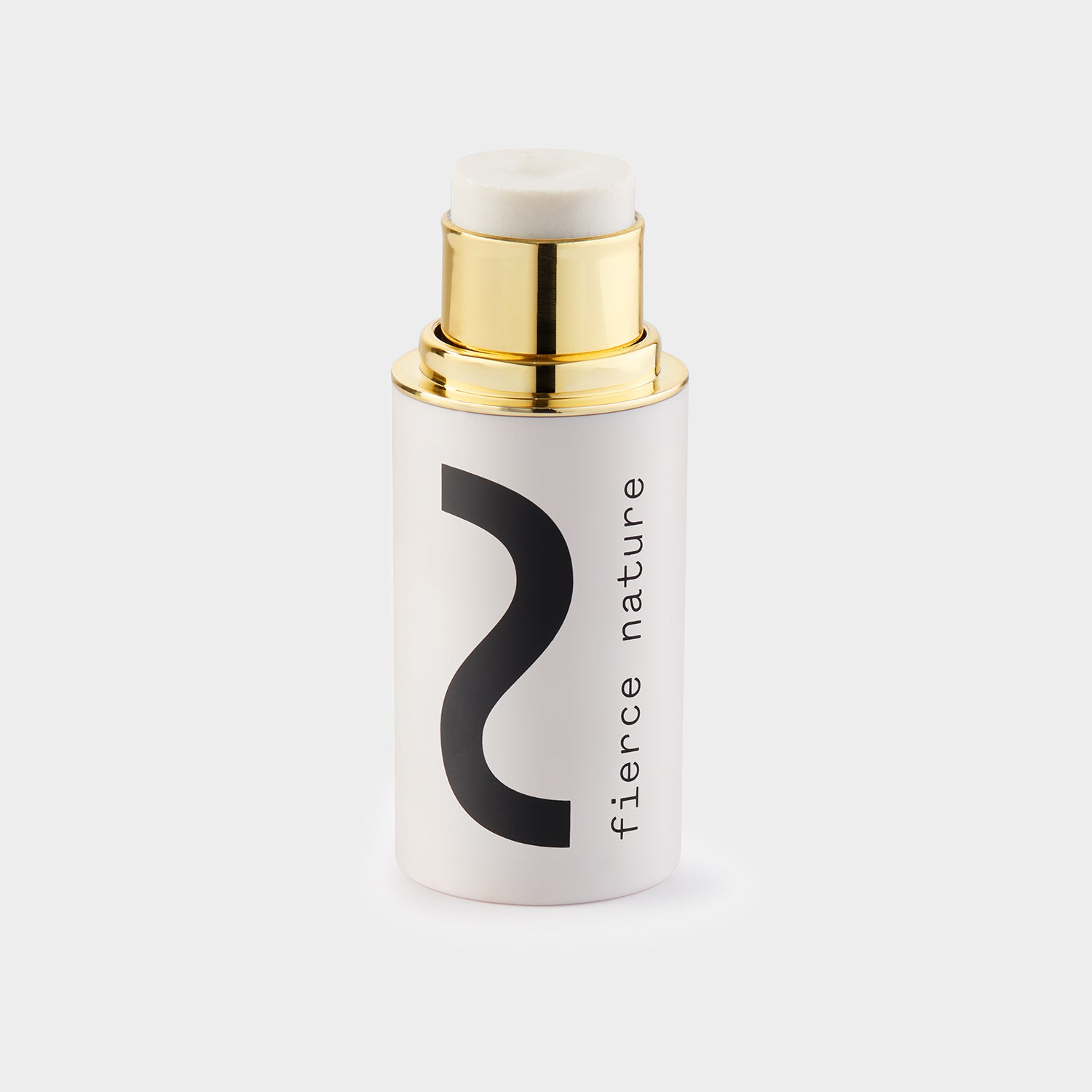
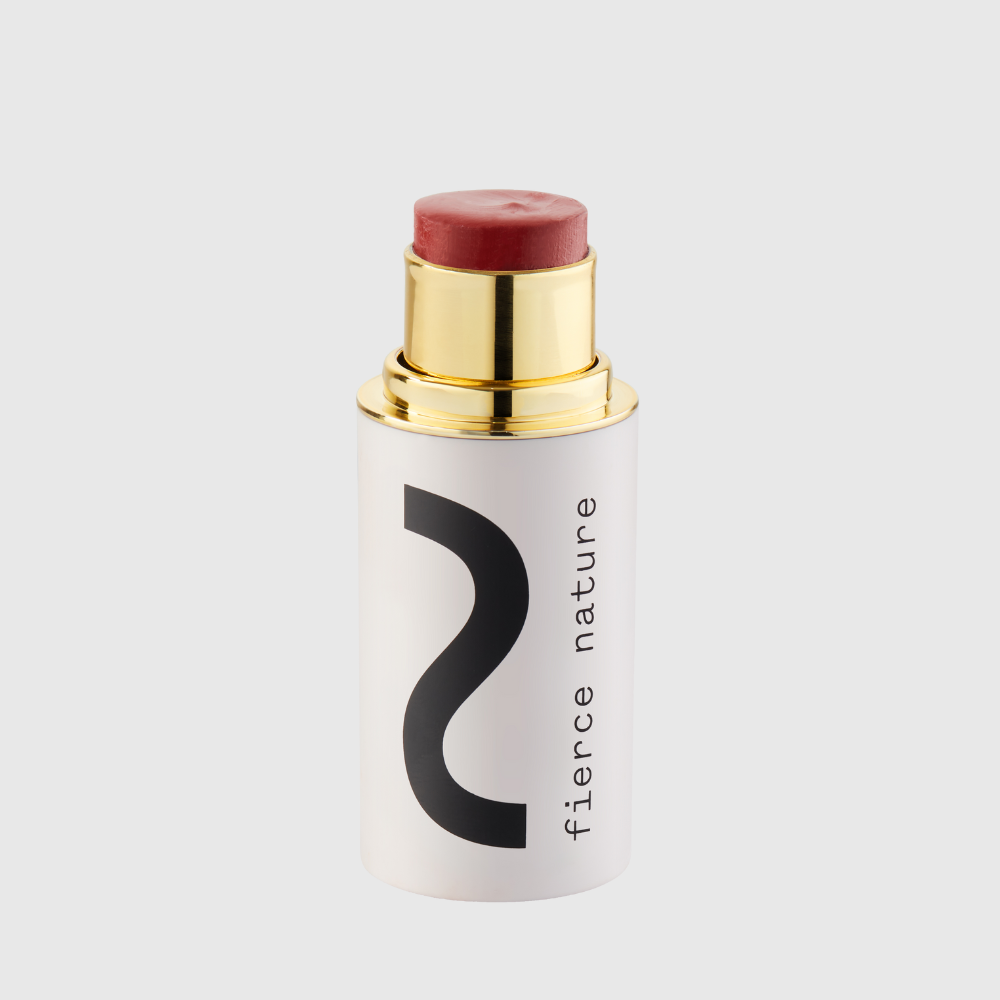
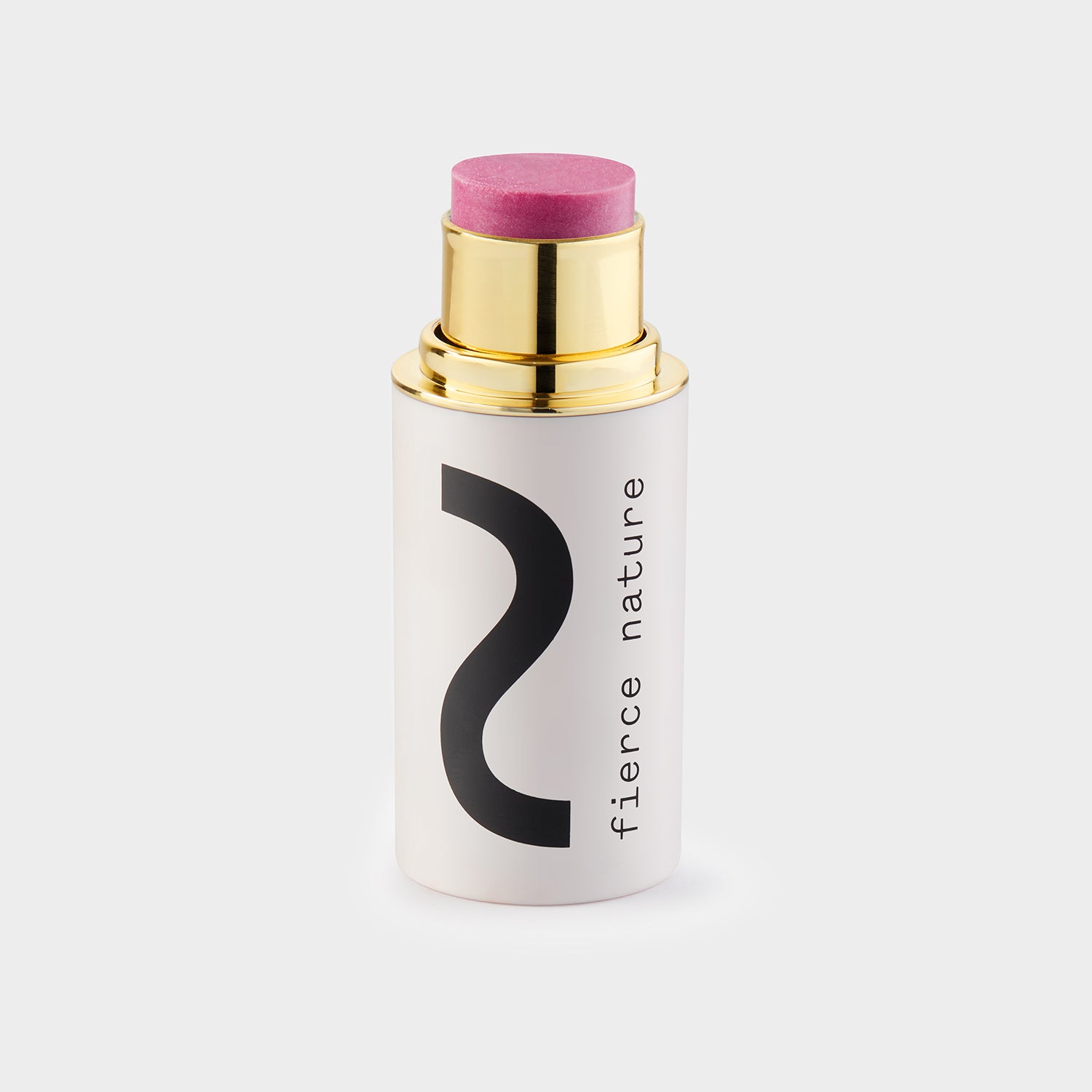
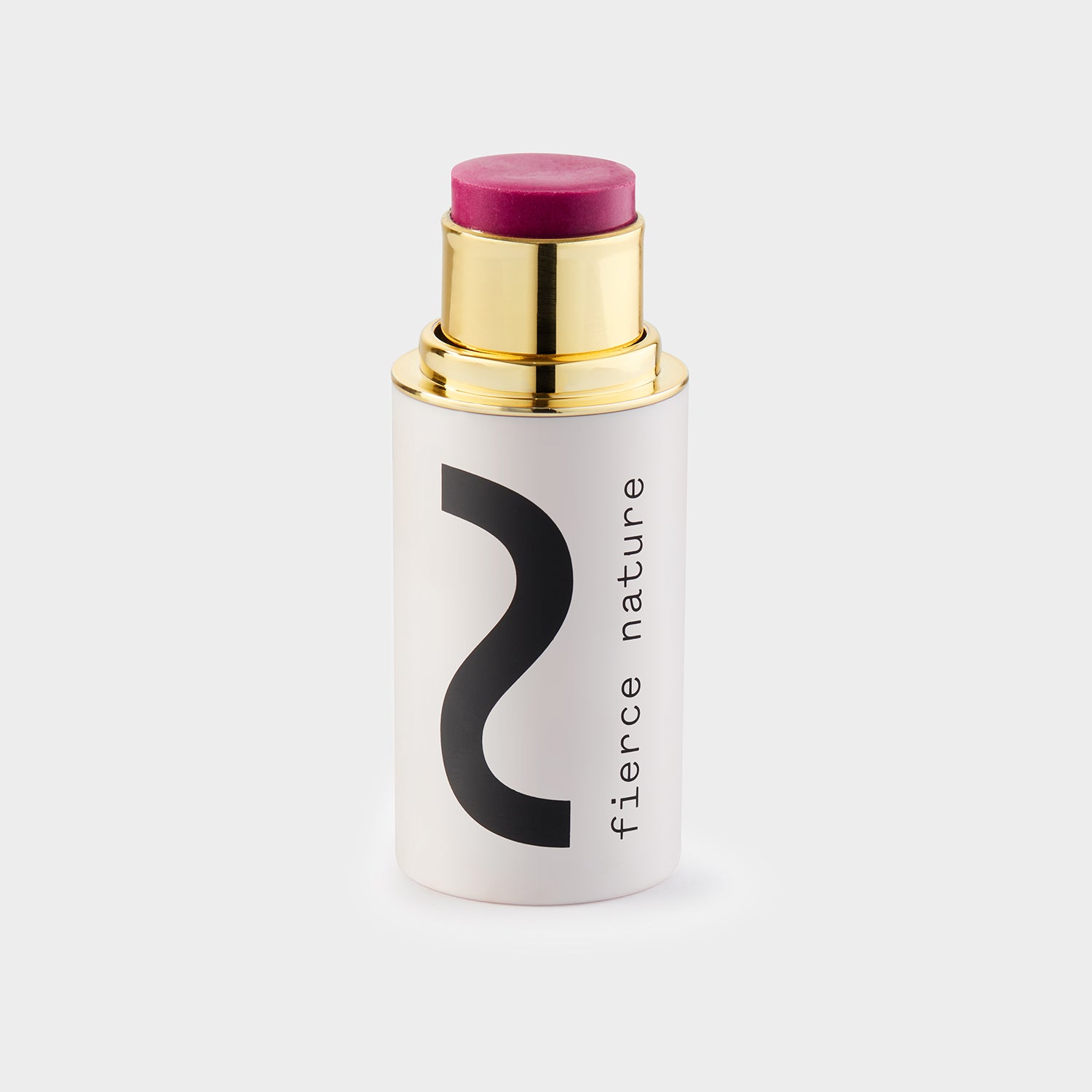
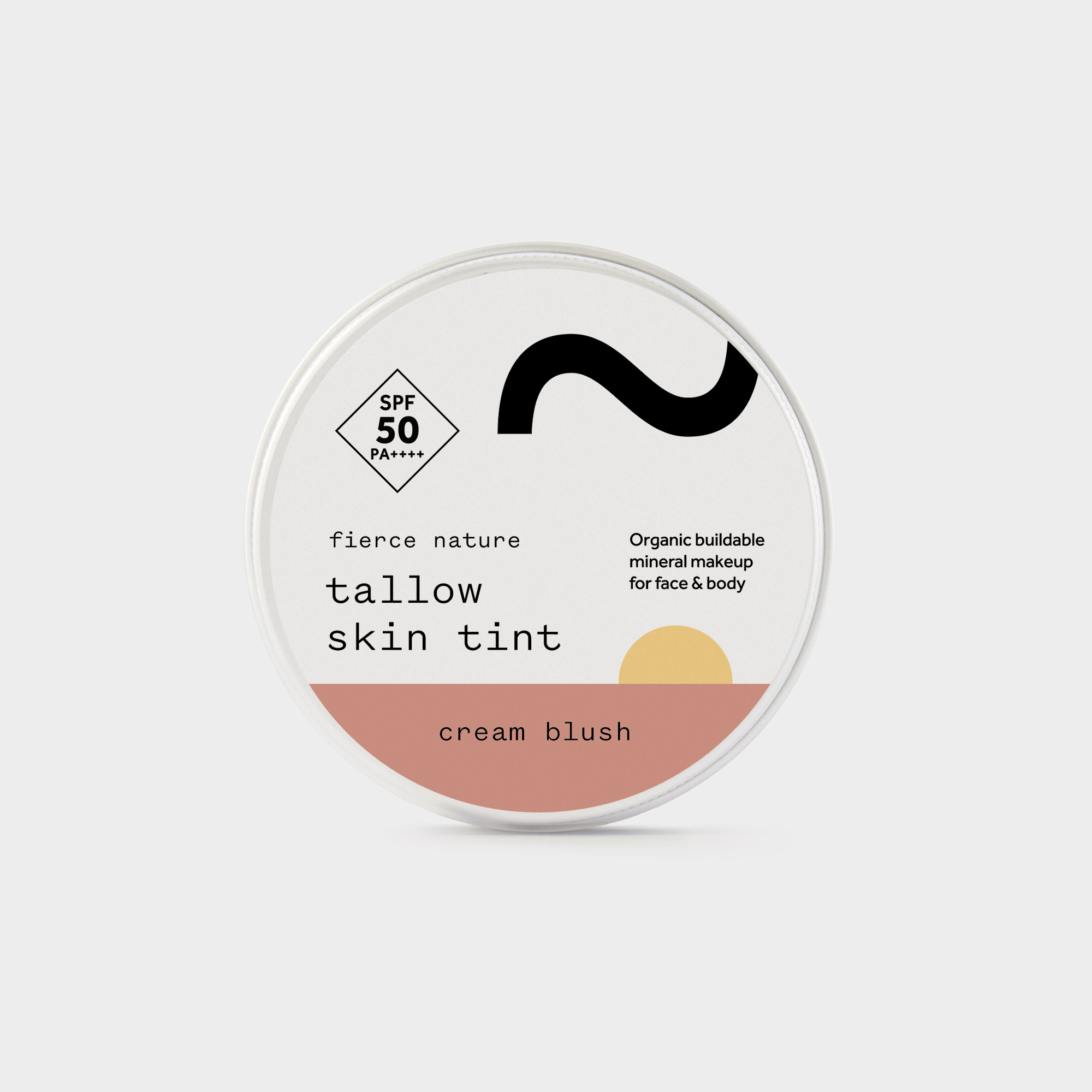
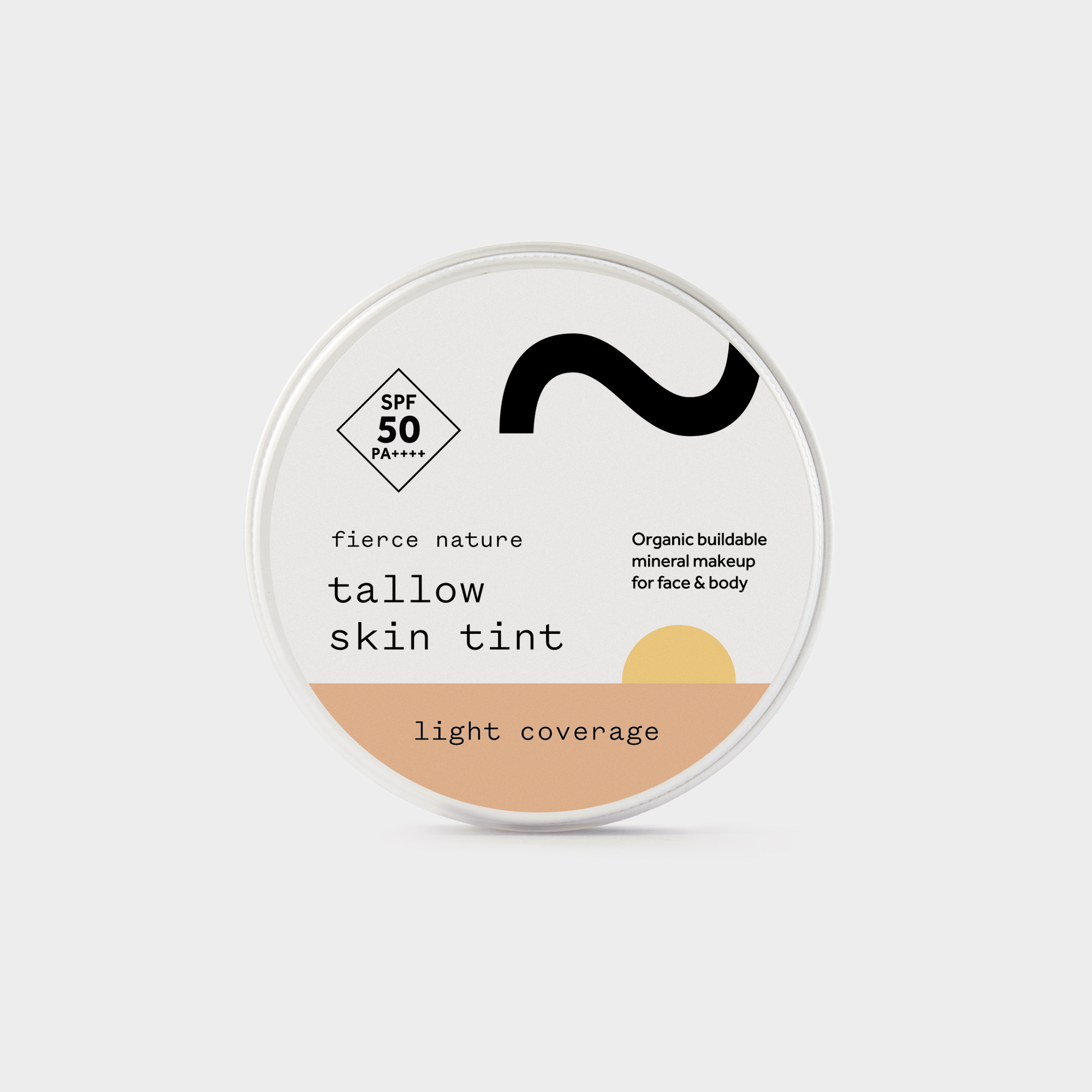



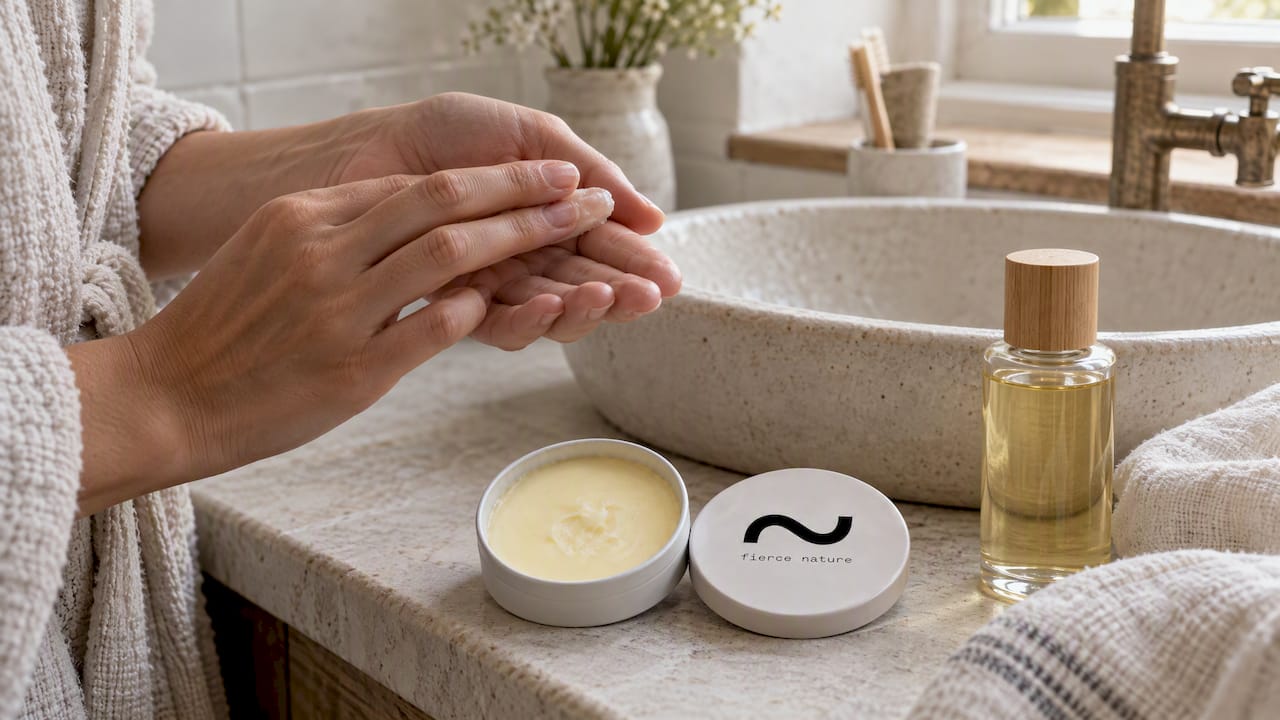
Balms suit those who want a richer, more nourishing cleanse, while oils suit those who prefer a lighter, faster step: neither wins outright, because the right pick depends on texture preference and skin type. Both work on the same oil-attracts-oil principle, but a balm melts from solid to liquid on contact with skin, while an oil starts liquid and stays that way. Many people use either as the first step in a double cleanse, and we think a nourishing balm is a lovely place to start.
TL;DR:
- Balms tend to feel richer and more nourishing, making them suitable for dry, sensitive, or overtreated skin that needs extra cushioning.
- Oils are lighter and quicker to use, preferred for oily or reactive skin that desires a fast, non-greasy cleanse without causing breakouts.
- Both formats rely on emulsifiers to rinse clean, but poorly emulsified oils may leave residue, while balms usually emulsify more effectively if formulated well.
- Non-comedogenic ingredients matter more than the product form, as neither balm nor oil inherently clogs pores.
- Patch testing is recommended when trying new products, especially for those with sensitive or reactive skin.
A cleansing balm starts solid, often set with waxes or butters, and melts into a slip of oil the moment it meets warm hands or skin. A cleansing oil is already liquid, poured or pumped straight from the bottle. Despite that difference in form, both work the same way once they’re on your face.
Oil dissolves oil. Sebum, sunscreen and makeup are oil-based, so an oil-based cleanser breaks them down far more gently than a foaming, water-based wash ever could. Add water, and most formulas turn milky, a sign that the emulsifiers in the mix are doing their job, binding oil and water so everything rinses away rather than sitting on your skin.
That emulsifying step matters because without it, you’re left massaging oil around your face with nowhere for it to go. When you’re reading labels, a few things are worth watching:
Understanding these basics explains why some balms feel heavier and more “spa-like,” while oils tend to feel quicker and lighter from the first touch, a difference we unpack further in our piece on how a detox face balm cleans skin.
Choosing between the two often comes down to five practical factors.
Neither format is inherently more likely to clog pores. That comes down to the individual ingredients, so a non-comedogenic label matters far more than whether the product started life as a solid or a liquid.
Your skin type and concerns should guide the choice more than trends or packaging.
Reach for a balm when you want a heavier-duty, more nourishing removal, particularly for a full face of makeup or SPF. Reach for an oil when you want something lighter for a quick daily cleanse.
Pro Tip: If you’re trying a new balm or oil for the first time, patch test on your inner arm for 24 hours before applying it to your face, especially if it contains fragrance or unfamiliar esters.
Getting the technique right matters as much as the product itself.
A full double cleanse suits the evening, when makeup, sunscreen and the day’s build-up need a proper lift. In the morning, a single gentle cleanse is usually enough, since there’s less to remove.
We’ve always leaned towards balms, largely because of what goes into ours. Tallow has been used for generations as a skin emollient, and we believe its bioavailability makes it a particularly deep-penetrating one, which is why it sits at the centre of our formulations rather than as an afterthought.
A gentle, low-irritation balm should list recognisable emollients, a mild emulsifier, and little else, with fragrance-free and non-comedogenic claims clearly stated.
When you’re checking a label, that simplicity is the thing to look for. Fewer, more purposeful ingredients generally mean less chance of irritation, particularly for skin that reacts easily. We talk more about this approach in our guide to sensitive skin cleansing balms and our thoughts on why ingredient transparency matters.
I’ve always reached for a tallow balm on the nights my skin feels tight, stripped or overdone by the day. A friend once asked me why I’d switched from a light oil to a balm after a particularly harsh winter, and the answer was simple: her skin, like mine, needed more cushioning, not less. That’s the whole decision in one sentence.
— Fierce Nature
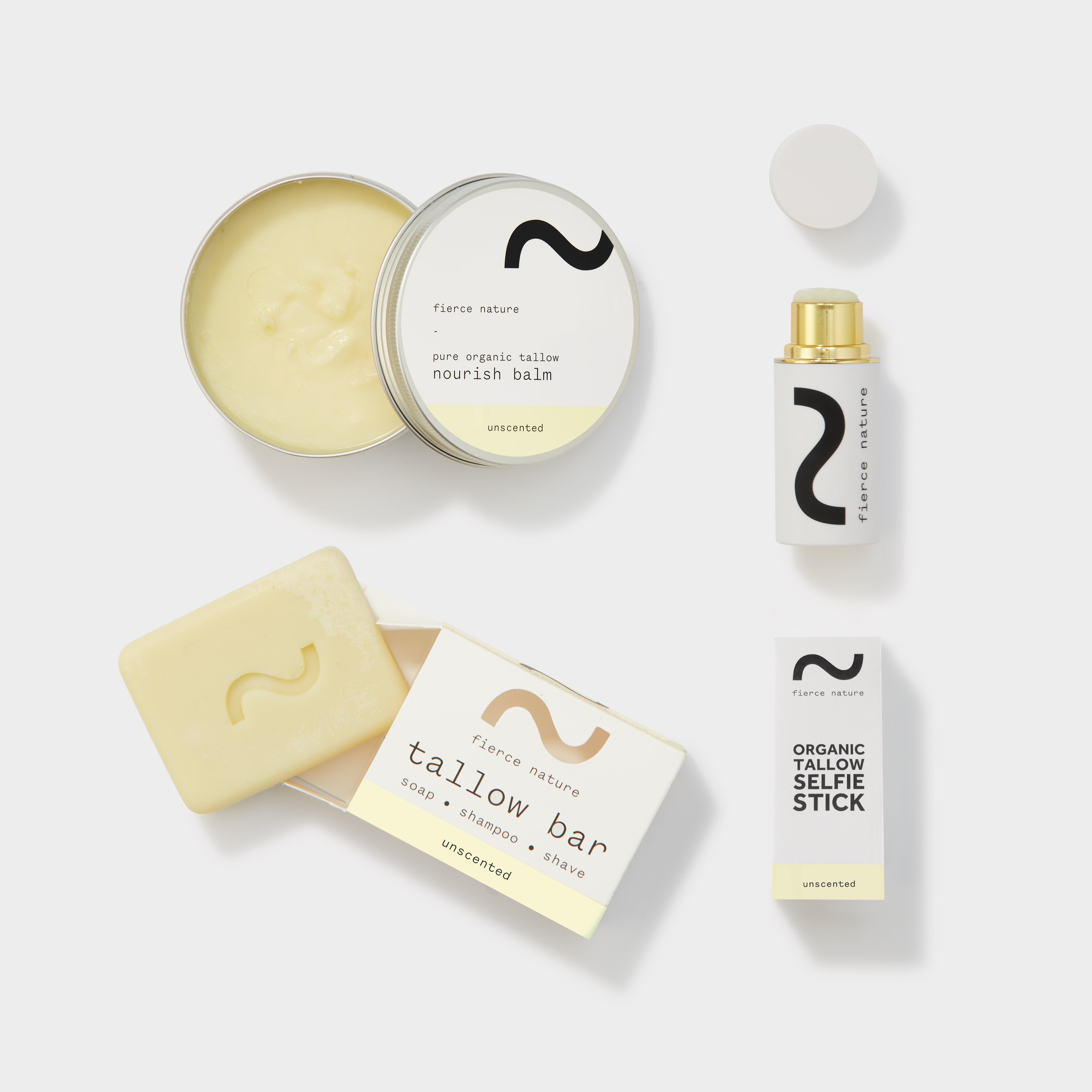
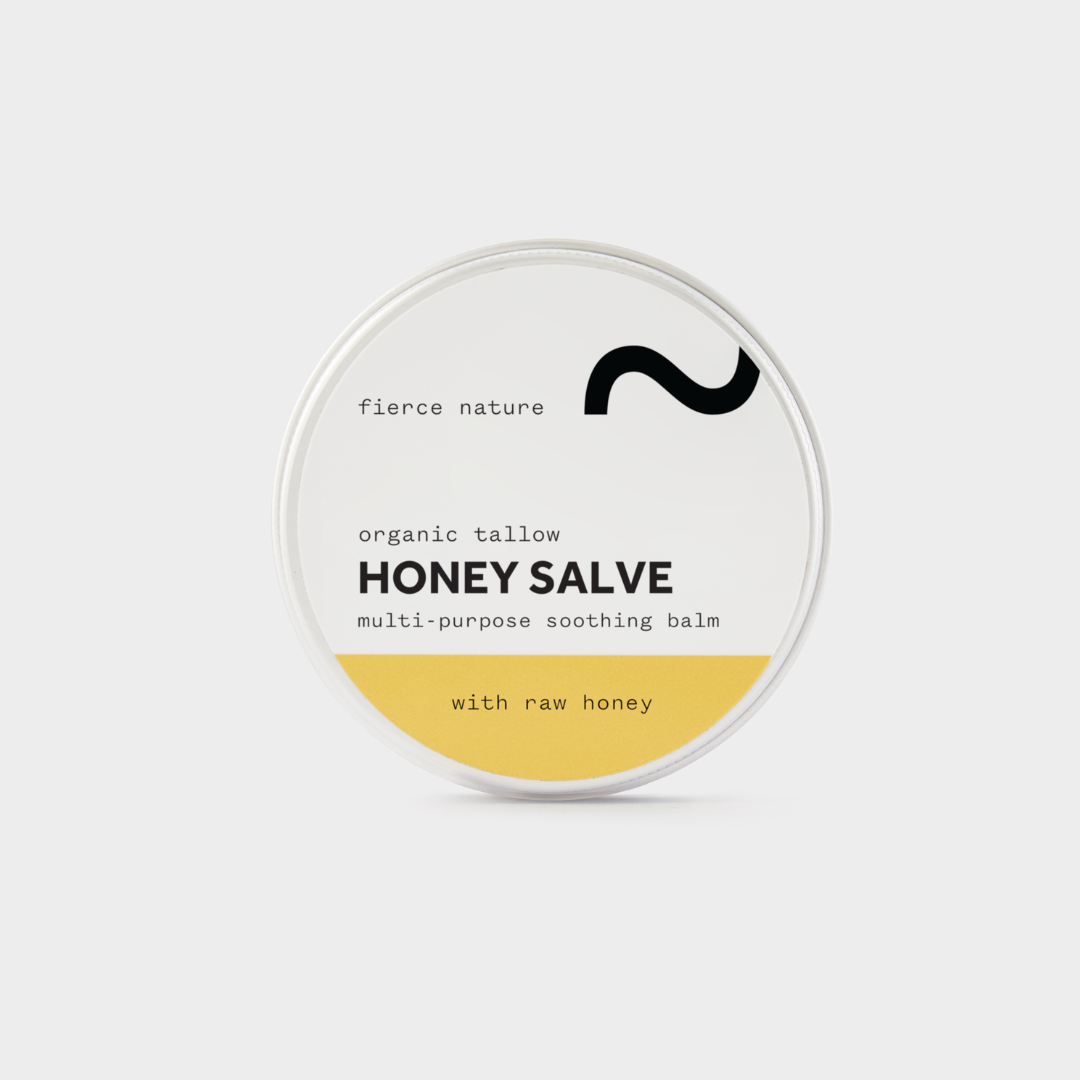
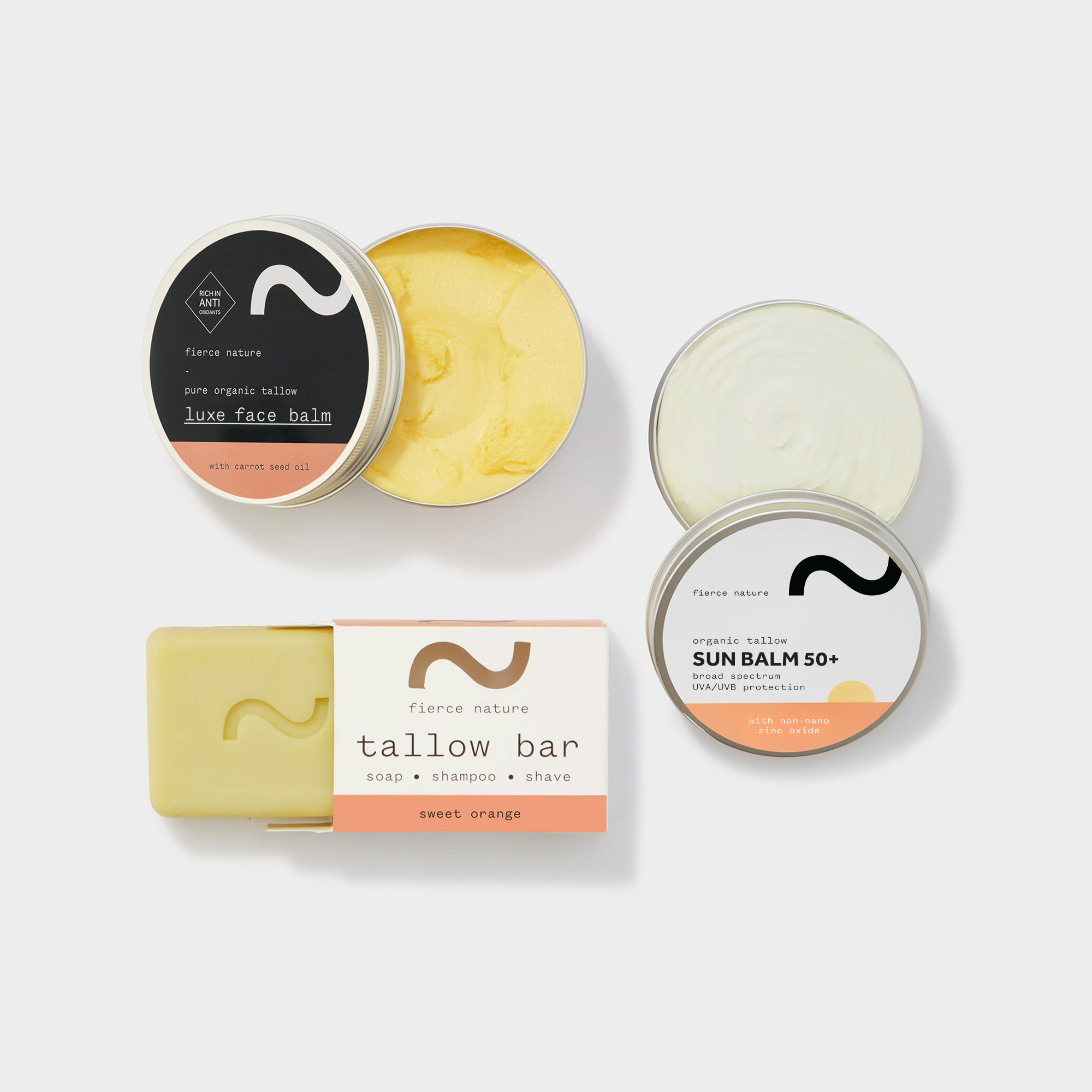
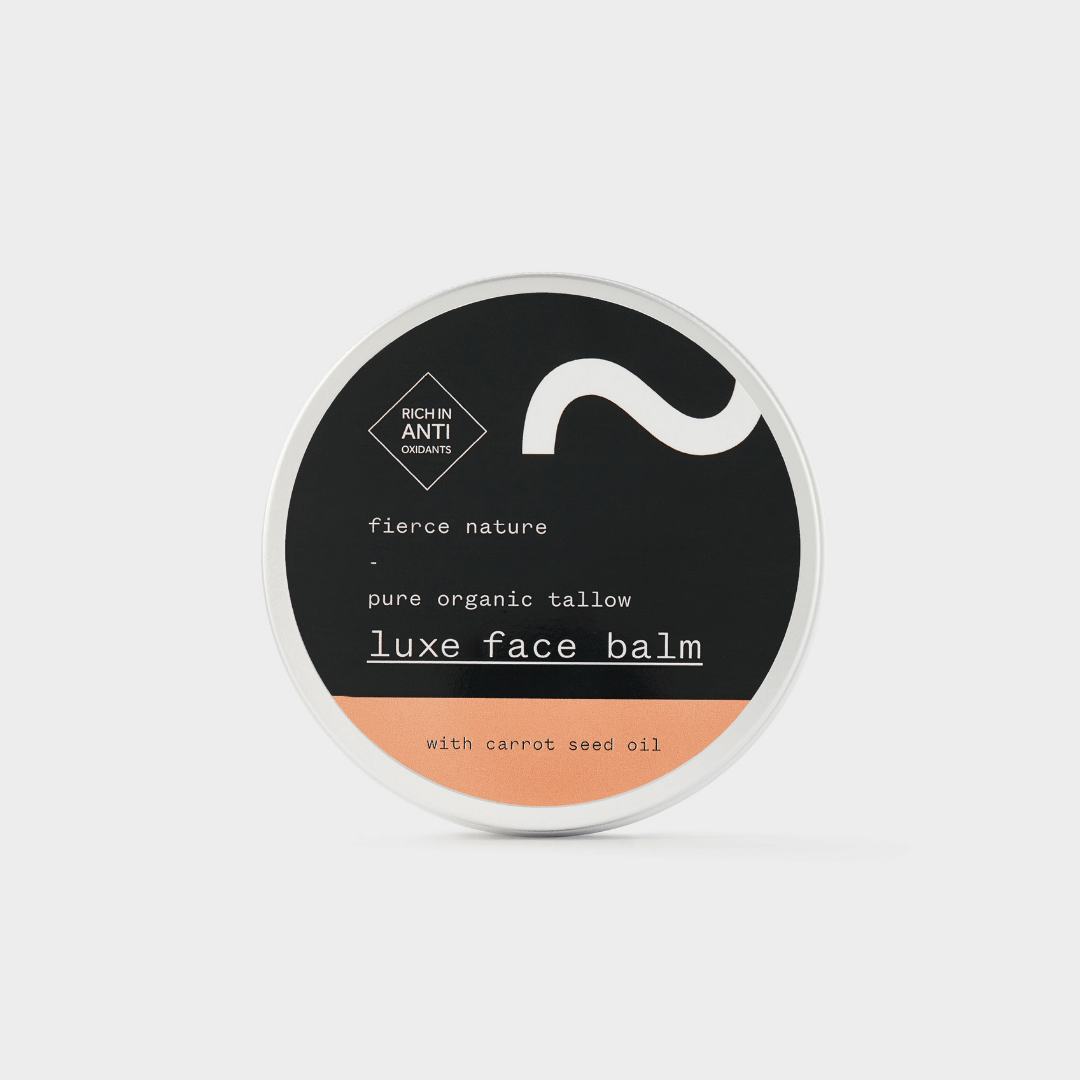
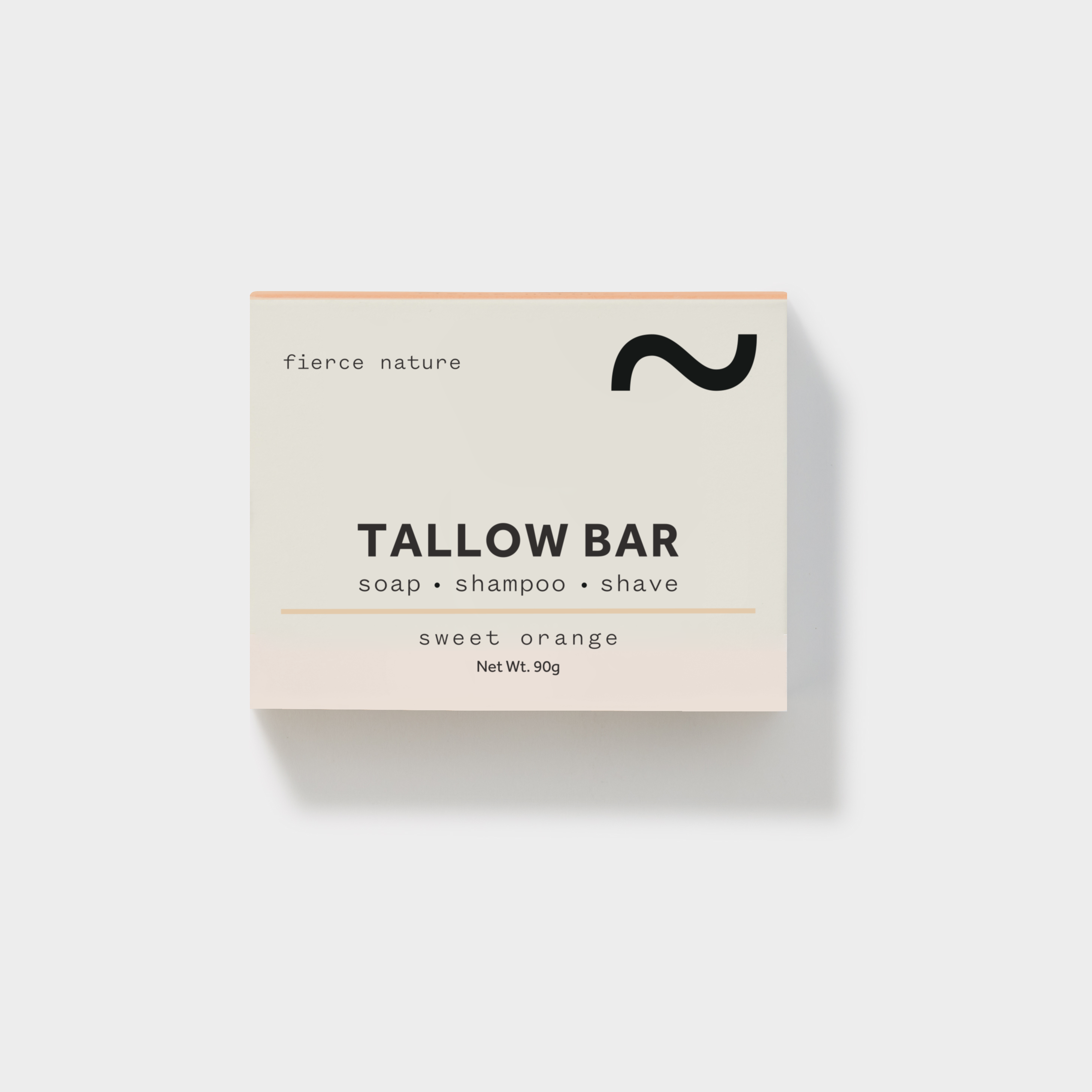
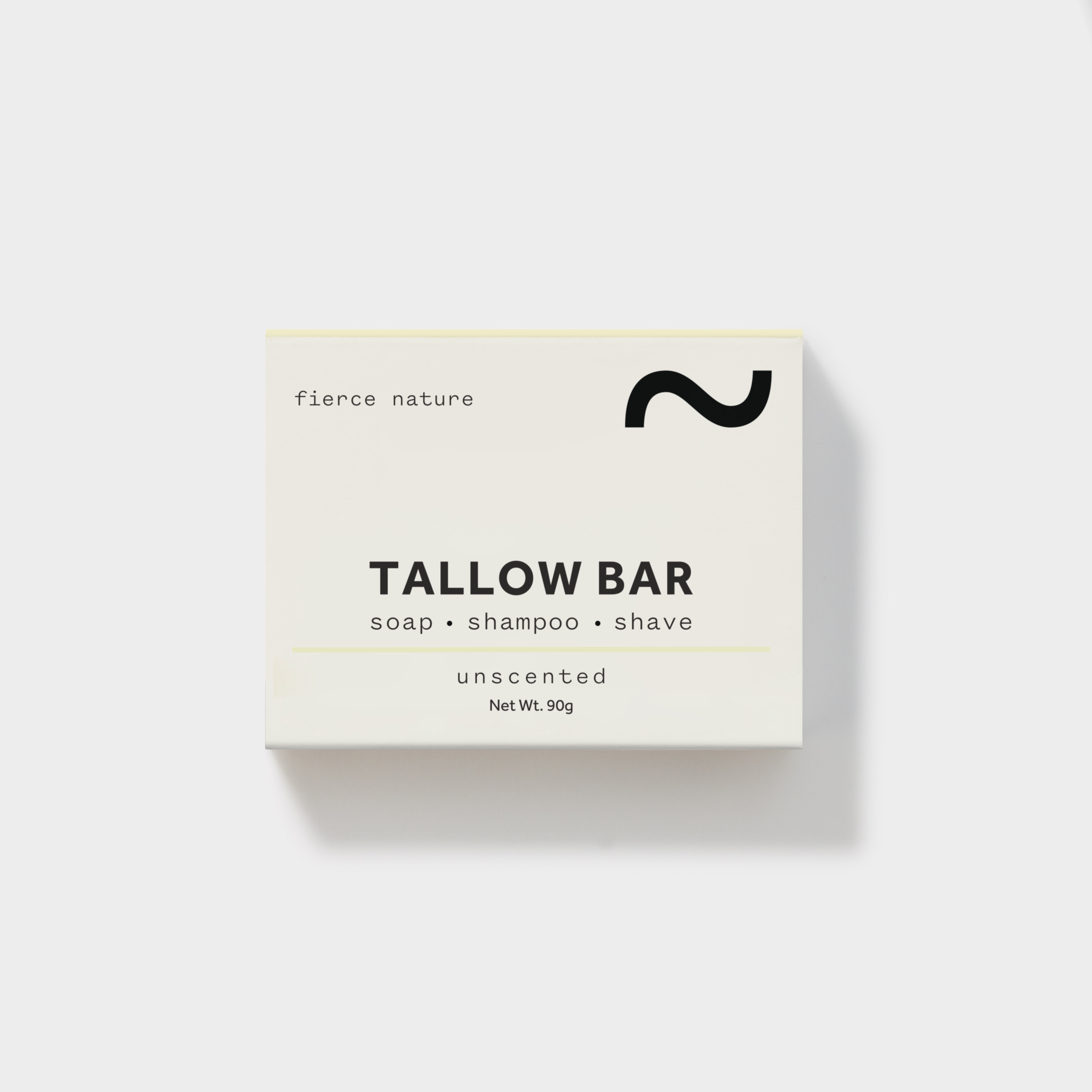
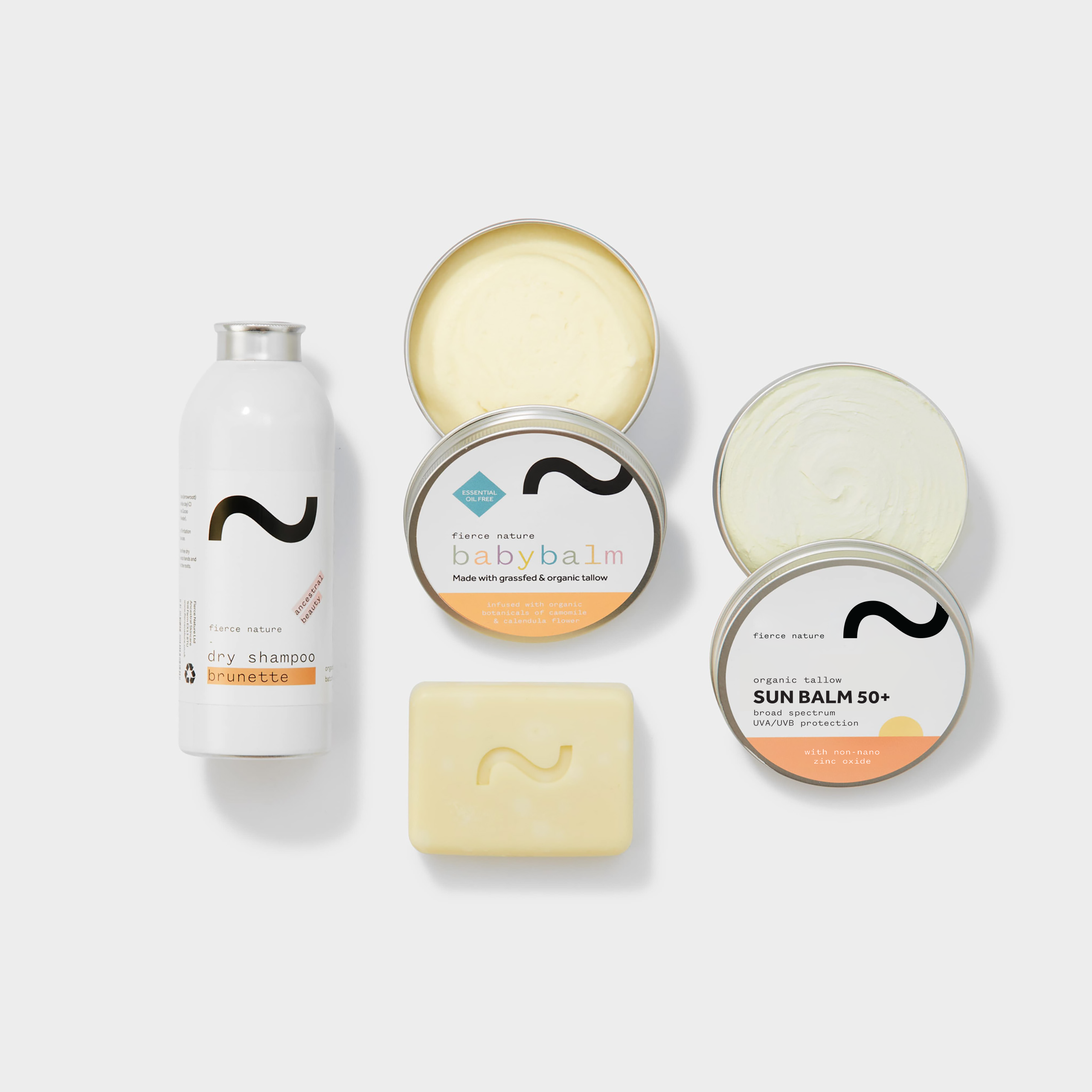
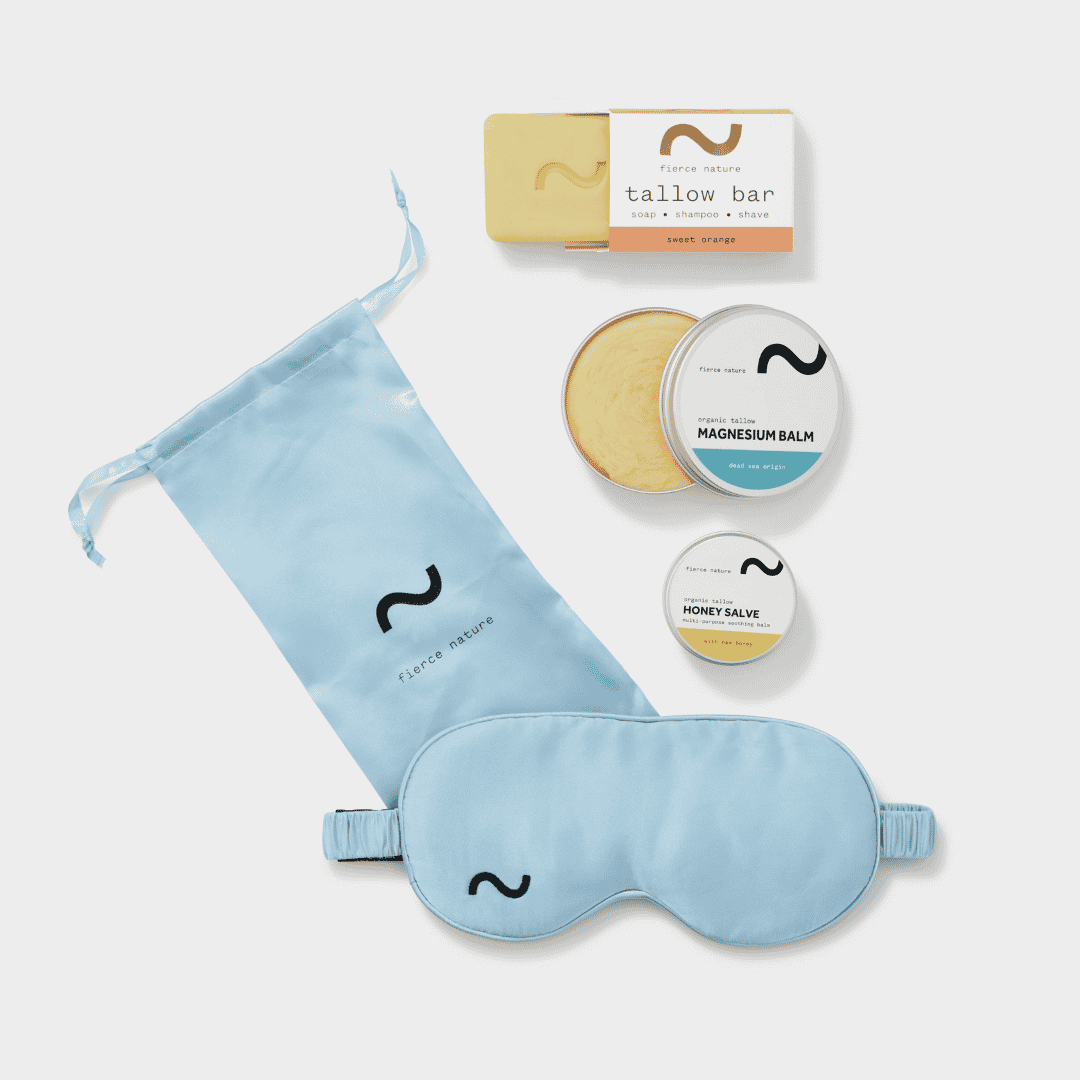
If a richer, more nourishing cleanse sounds like what your skin’s been asking for, we’d love for you to try one of ours. Our Multi-Use Tallow Bar (Unscented) suits those wanting a fragrance-free, do-it-all option for face and body. The Nourish Balm (Unscented) is built for dry or reactive skin that needs deep comfort without added fragrance. Our Luxe Balm is the richest of the three, ideal for an indulgent evening cleanse. Browse the full Face and Body Balms collection to find your match.

A balm itself doesn’t clog pores. Whether it does depends on its individual ingredients, so a non-comedogenic label matters far more than the product’s texture.
Yes, in practical terms. A balm is simply an oil-based cleanser in solid form, melting into oil once it meets your skin, and it works through the same oil-dissolves-oil mechanism.
It depends on your skin type and concerns rather than one format being universally better. Dry or sensitive skin tends to suit a richer balm, while oily skin often prefers a lighter, non-comedogenic oil.
Not strictly, but many people find a balm a gentle and effective first step for removing makeup and hydration, SPF and the day’s build-up before a second, water-based cleanse. If your skin leans dry or sensitive, a balm’s richer texture can feel more comfortable than a thinner oil.