Cart
0
80% Also Added this







The chemical filters most often flagged for concern are oxybenzone, octinoxate, octocrylene, homosalate and avobenzone, and the straightforward alternative is a mineral sunscreen built on non-nano zinc oxide or titanium dioxide. Below, we walk through the evidence on each ingredient, what the regulators currently allow, and how to choose a formula that works with your skin rather than against it.
TL;DR:
- Chemical filters like oxybenzone, octinoxate, and octocrylene can be absorbed into the bloodstream, but current evidence does not prove they cause harm at normal exposure levels.
- UK regulations will soon cap oxybenzone concentrations in sunscreens to reduce potential health risks, while limits on octocrylene vary by product type.
- Mineral sunscreens based on non-nano zinc oxide or titanium dioxide are the safest alternatives, especially for sensitive skin, but may cause a white cast unless tinted or hybrid formulas are used.
- Formulating sunscreens transparently without chemical stabilisers or penetration enhancers aligns with safety and skin compatibility, particularly for children and reactive skin.
- Always read the full ingredient list and consult a healthcare professional if skin irritation or sensitivity occurs, rather than relying solely on marketing claims.
Chemical UV filters work by absorbing ultraviolet rays and converting them into heat. They do the job, but several have drawn scrutiny from toxicologists and dermatologists over the past decade, and it helps to know exactly what you are looking at on a label.
Oxybenzone (benzophenone-3) is one of the most studied filters and the most frequently detected in blood and breast milk after use. It appears under “oxybenzone” or “benzophenone-3” on ingredient lists, and it is the filter most associated with environmental concern as well as skin absorption.
Octinoxate (octyl methoxycinnamate) is a UVB filter often paired with oxybenzone. Animal studies have raised endocrine-related questions, though the evidence in humans remains limited.
Octocrylene is valued for photostability, meaning it helps other filters, particularly avobenzone, hold up under sunlight. Regulatory reviewers have flagged that it can degrade into benzophenone over time, which is one reason it receives closer monitoring despite being broadly authorised.
Homosalate absorbs UVB rays and has been studied for its potential to disrupt hormone signalling at high concentrations, though real-world exposure through sunscreen is far lower than in laboratory models.
Avobenzone is the most common UVA filter in Western sunscreens and genuinely effective at broad-spectrum protection. Its drawback is chemical instability: it breaks down under UV exposure unless formulators add stabilisers, which is why it rarely appears alone.
Octisalate (octyl salicylate) is usually a supporting filter rather than a primary one, with a milder safety profile than oxybenzone or octinoxate, though it can still trigger contact sensitivity in people with reactive skin.
Sulisobenzone, padimate O, dioxybenzone and cinoxate are older-generation filters, less common in current UK and EU formulations, that share structural similarities with oxybenzone and carry comparable absorption concerns.
Ensulizole and meradimate are water-soluble filters sometimes used in combination products. Data on them is thinner than for the better-known filters, which is itself worth noting: a lack of scrutiny is not the same as a clean bill of health.
Who should pay the closest attention to this list:
When reading a label, check the “active ingredients” panel rather than the marketing copy on the front. A product can call itself “clean” or “reef-friendly” while still containing several of the filters above.
The evidence here is genuinely mixed, and it helps to separate detection from harm. A JAMA study linked to the FDA found that several chemical sunscreen actives could be detected in the bloodstream under maximal use conditions, meaning repeated, generous application across most of the body.
Statistic: the study that prompted the FDA’s renewed interest in sunscreen absorption involved just 24 adults under maximal use conditions, large enough to show that chemicals cross into the bloodstream, far too small to draw conclusions about clinical harm.
That distinction matters. Detecting a chemical in blood or breast milk confirms absorption, not toxicity. The study was never designed to prove harm, and its authors called for further research rather than a change in sunscreen use.
Separately, contemporary peer-reviewed reviews have documented neurotoxic effects for several active ingredients in animal and cell-based experiments. These findings are real within their own systems, but translating them to human risk at typical sunscreen exposure levels is not straightforward: animal studies often use doses and routes of exposure that do not mirror how people actually use sunscreen.
The honest summary is this: there is enough signal to justify caution and continued research, not enough to call any of these filters proven hazards at normal use levels. That gap between “detected” and “dangerous” is exactly where a lot of public confusion sits, and it is worth holding onto as you read further regulatory and marketing claims.

As of January 2026, the UK has introduced firmer limits on oxybenzone (benzophenone-3) following recommendations from the Scientific Advisory Group on Chemical Safety. Oxybenzone is now capped at a low concentration total in many body and spray products, dropping to a smaller amount when it is used only as a UV-stabilising ingredient rather than a primary filter.
Octocrylene sits in a different position.
A few practical points follow from this:
For a broader look at how recent UK rule changes affect skincare shelves generally, our toxic cosmetics awareness checklist covers the wider context beyond sunscreen alone.
Non-nano zinc oxide and titanium dioxide sit at physically different ends of the mineral spectrum but share the same basic mechanism: they sit on the skin’s surface and reflect UV rays rather than absorbing them. Zinc oxide covers a wider range of UVA and UVB wavelengths on its own, while titanium dioxide leans more towards UVB and shorter UVA, which is why many mineral formulas combine both.
The classic objection to mineral sunscreen is the white cast, a visible film left on the skin, particularly on deeper skin tones. Tinted mineral formulas address this directly by adding iron oxides, which also offer some protection against visible light.
Hybrid formulas, blending a mineral filter with one or two stabilised chemical filters, try to capture broad-spectrum strength without the full white cast. The trade-off is that they still contain the ingredients discussed above, just usually at lower concentrations.
Avobenzone’s instability under UV light is a known formulation headache. Manufacturers typically pair it with octocrylene or other stabilisers to stop it breaking down mid-wear, which is one reason the two filters so often appear together on a label.
Pro Tip: Apply spray sunscreens to your hands first and rub them in, rather than spraying directly onto the face, to cut down on inhaled particles.
Our guide to mineral versus chemical sunscreen goes deeper into reapplication timing and how the two formats perform side by side.
Chemical UV filters do not sit in isolation on your skin. Retinoids and exfoliating acids such as glycolic or salicylic acid can thin the outer skin layer slightly, which may increase how readily some chemical filters penetrate, so applying sunscreen as the final step in your morning routine matters more than usual on retinoid nights or mornings.
Benzoyl peroxide, a common acne treatment, can interact with certain chemical filters and reduce their effectiveness or cause discoloration in some formulas, which is one reason dermatologists often steer acne patients towards mineral sunscreen instead.
Photosensitising medications, including some antibiotics, retinoid prescriptions and certain blood pressure medicines, increase the skin’s sensitivity to UV light itself. In that situation, the choice of filter matters less than the fact that broad-spectrum protection becomes non-negotiable, and checking with a pharmacist about any photosensitivity warning on a new prescription is worth the five minutes it takes.
Layering multiple active skincare products, vitamin C, niacinamide, chemical sunscreen filters, can occasionally destabilise one another or reduce efficacy. Keeping routines simple, and allowing a short interval between layers to let each product settle, reduces the odds of irritation or reduced protection. If you have sun-triggered flare-ups alongside a skin condition, our piece on sunscreen for sun allergy looks at how antioxidants in a formula can help calm reactions.
The formulation approach grew out of a personal history of struggling with unexplained skin rashes and a career spent since then learning how toxic load builds up in the body from birth. That history shapes a simple rule: every ingredient on the labels is there for a reason, favoring grass-fed tallow and mineral filters because they work with the skin’s own structure rather than against it.
— Fierce Nature
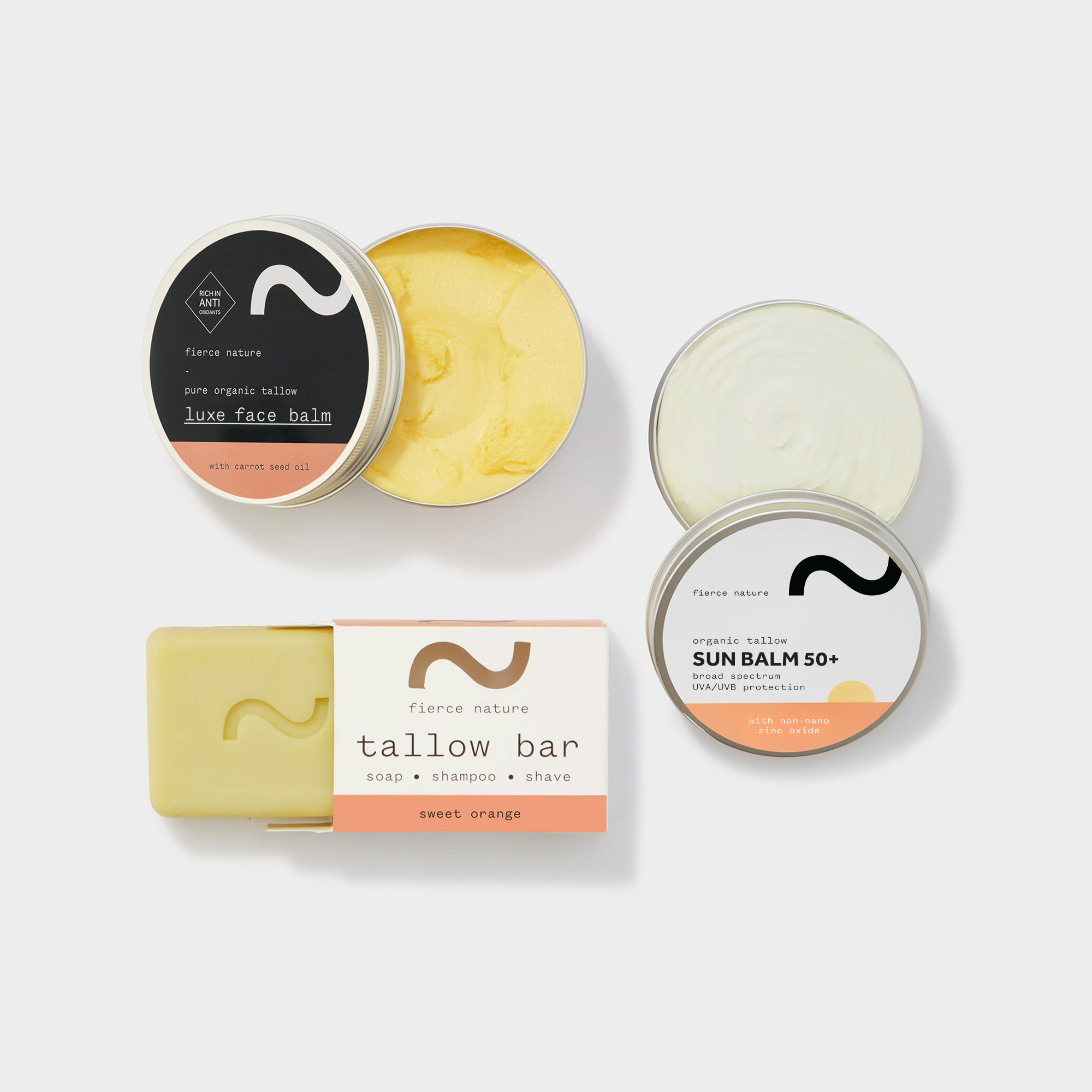
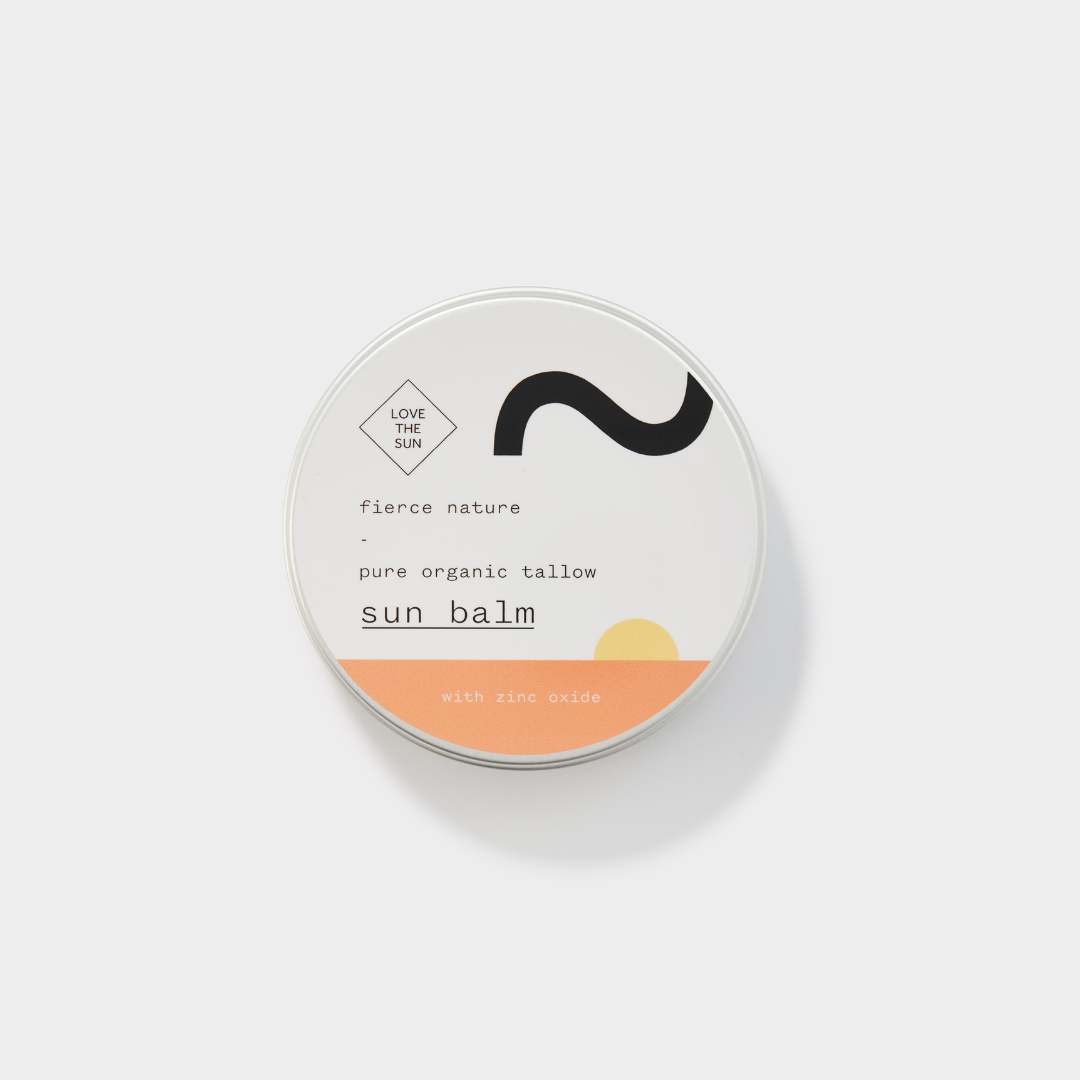
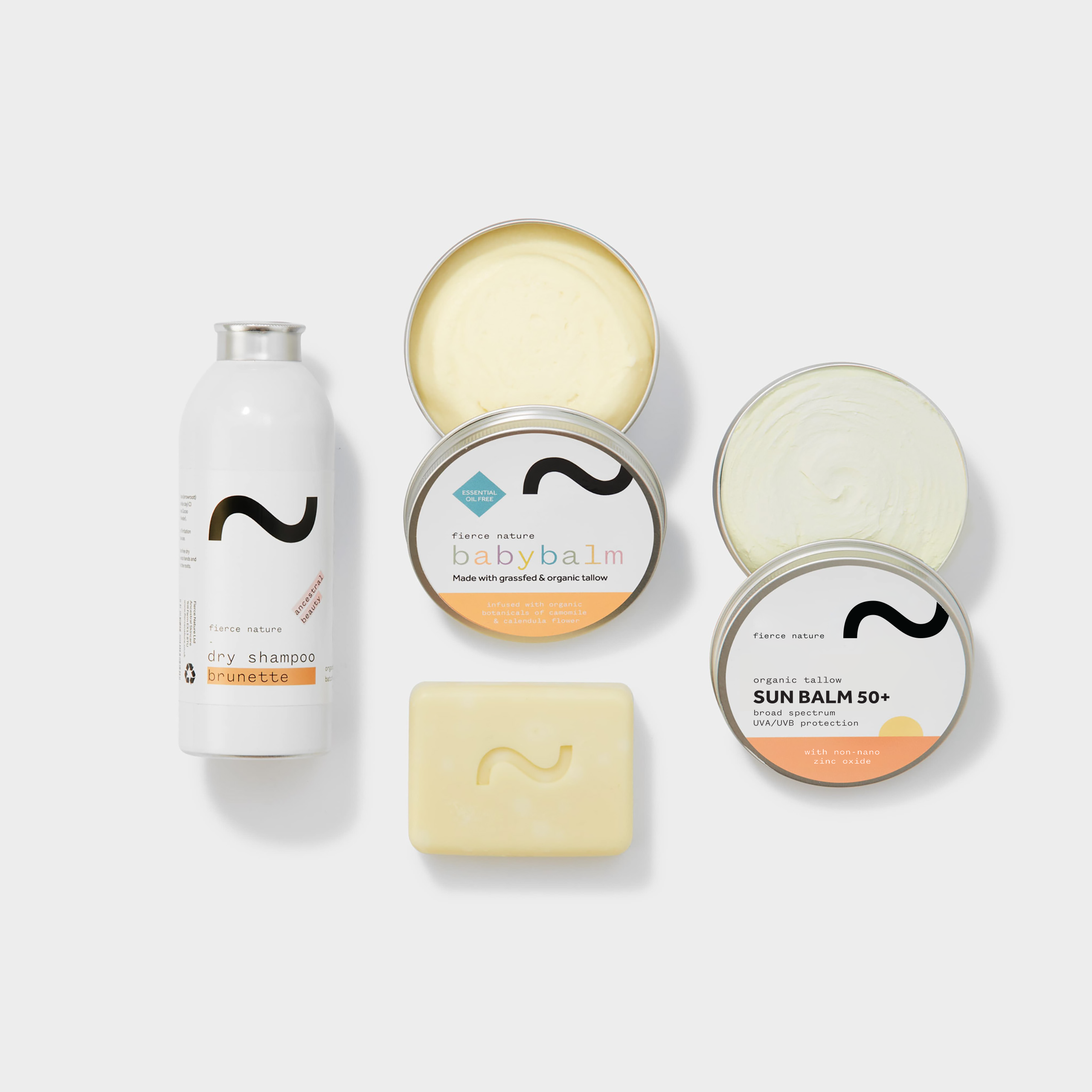
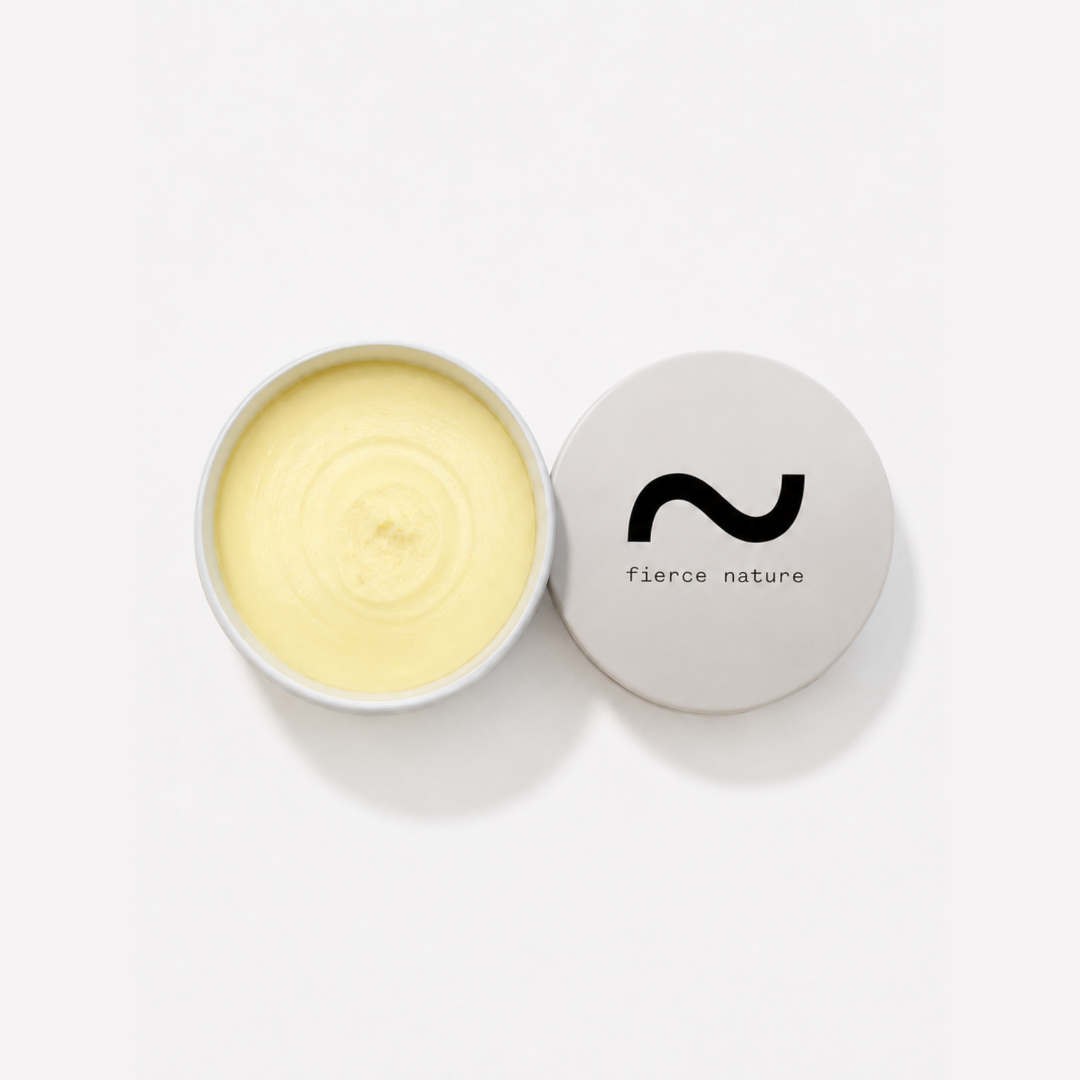
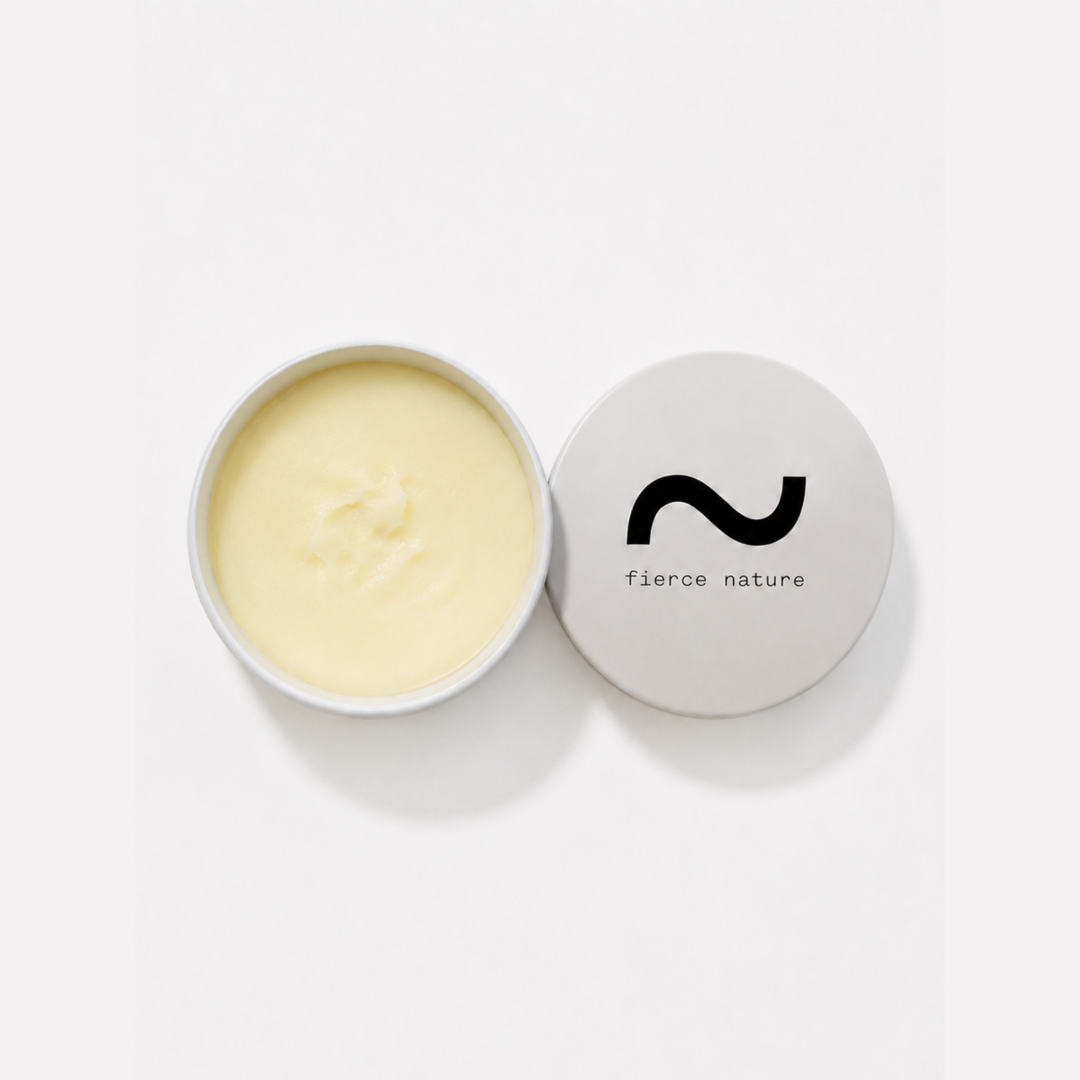
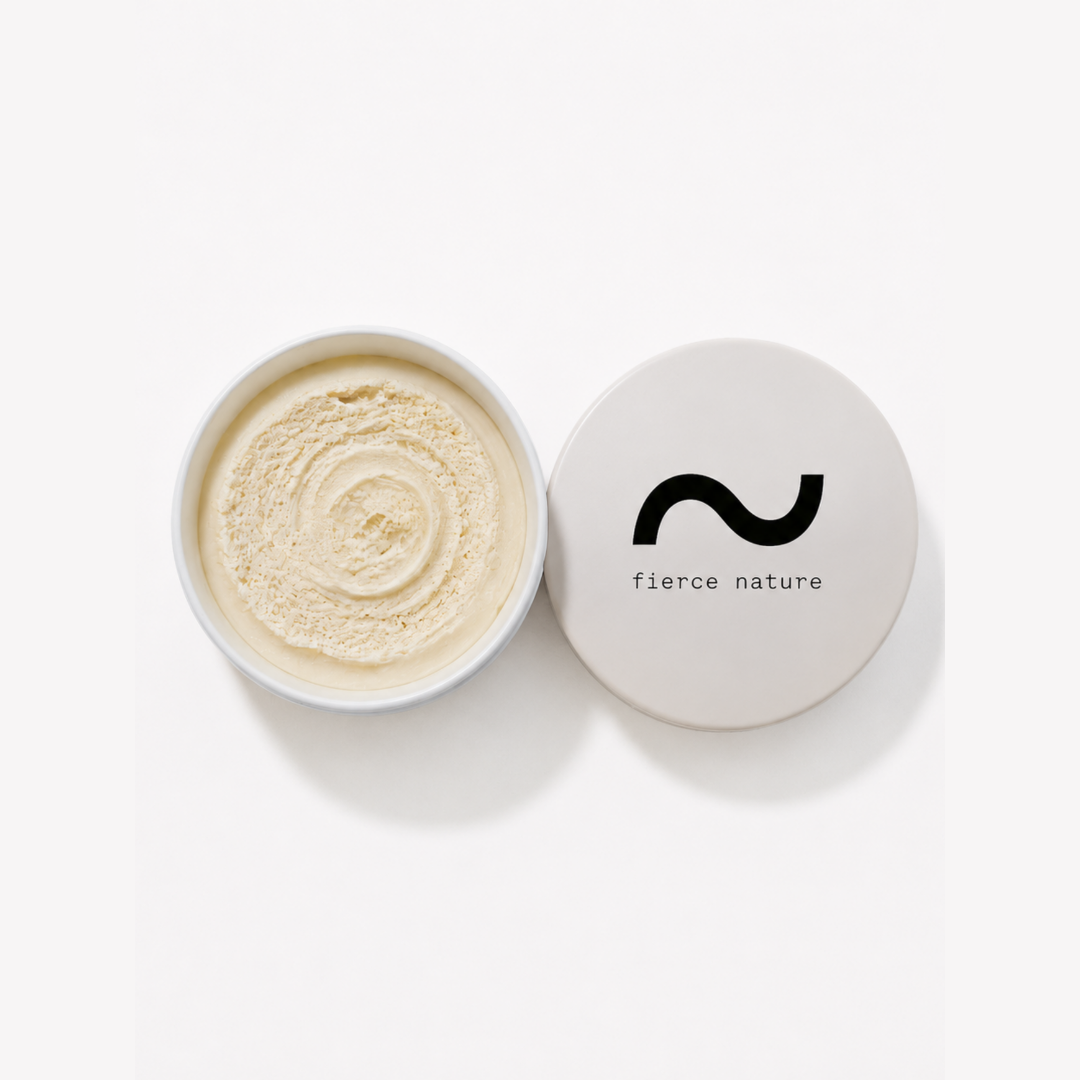
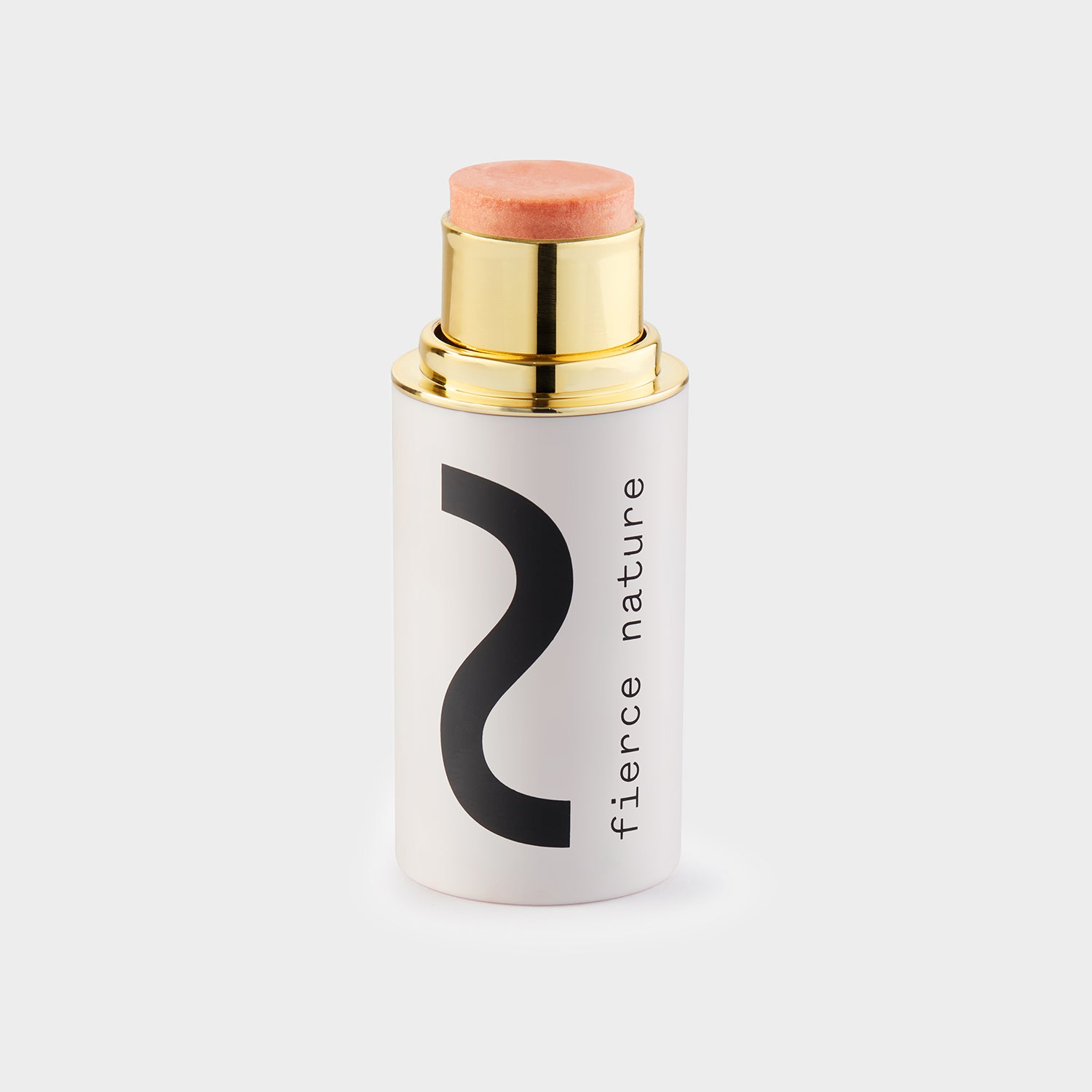
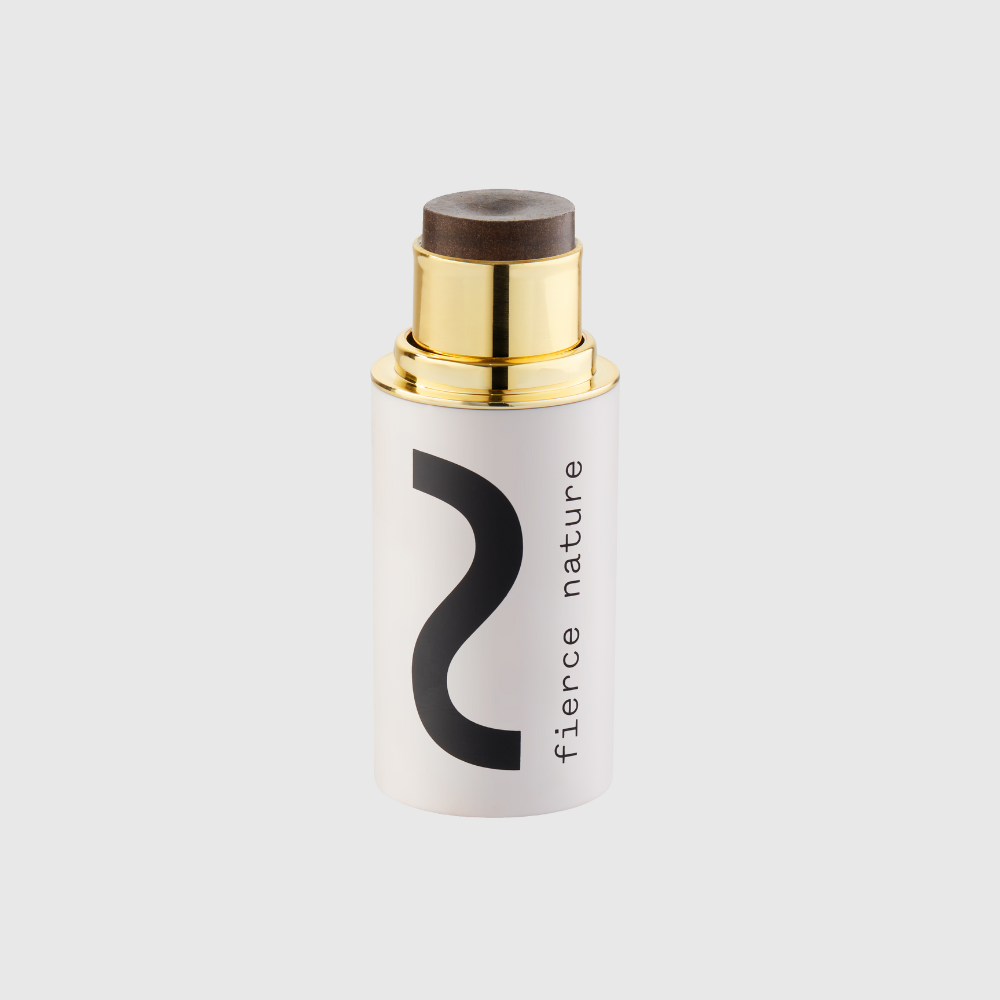
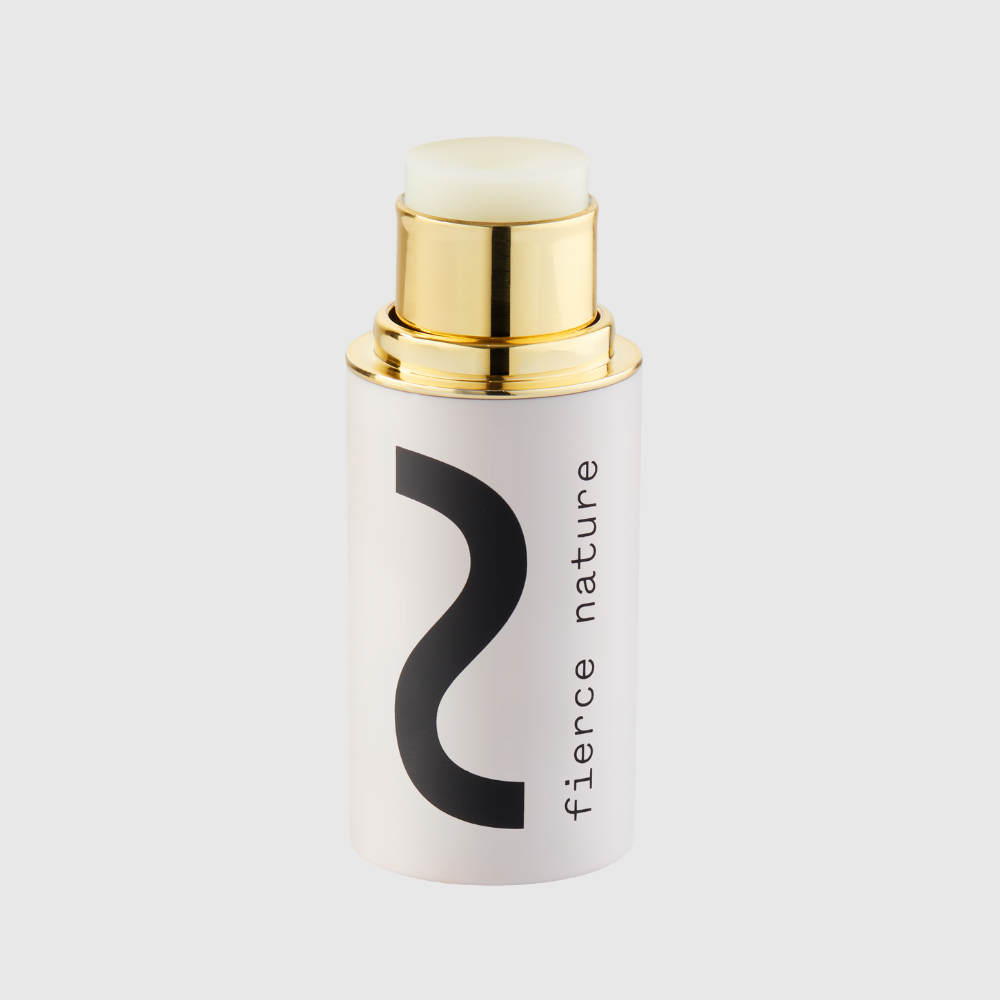
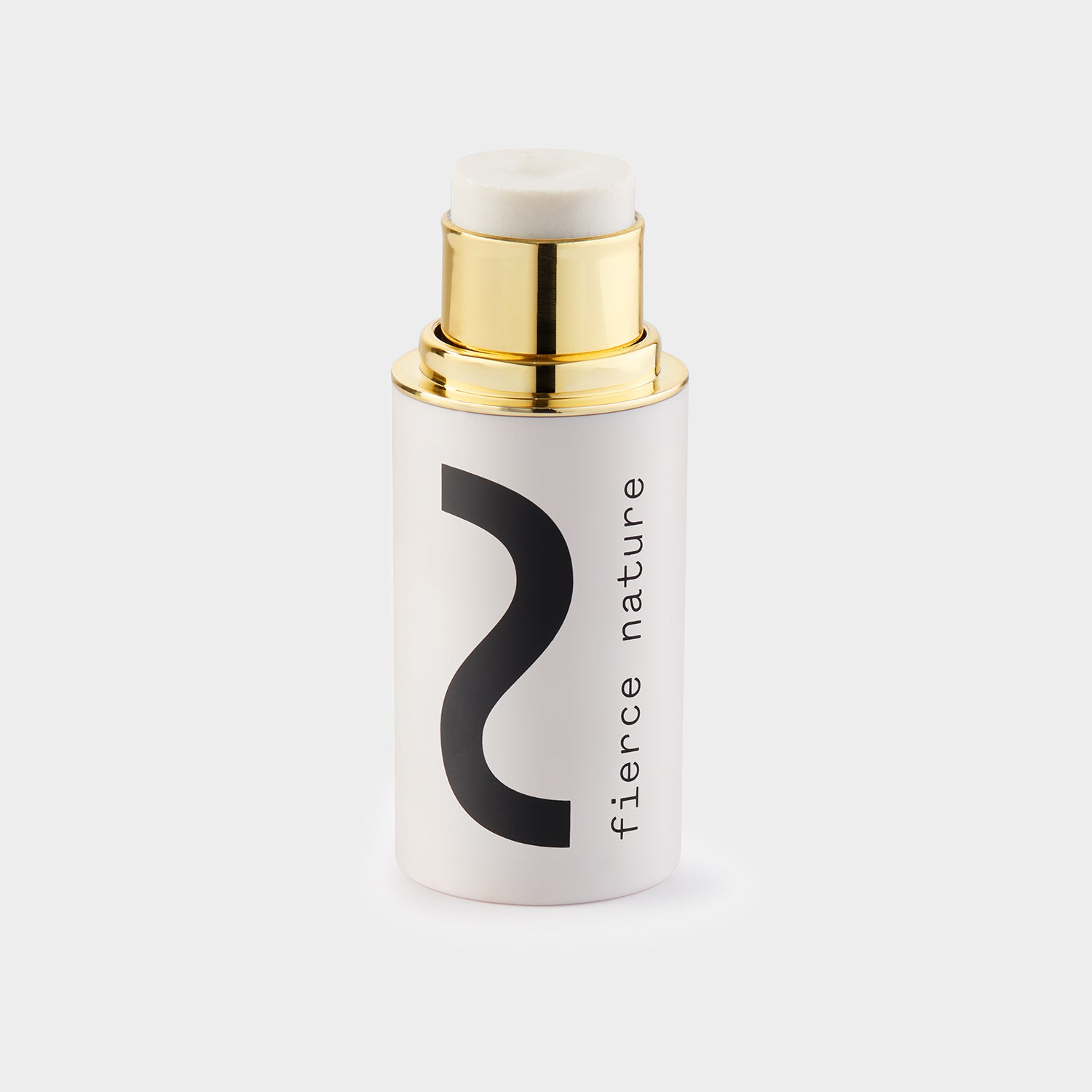
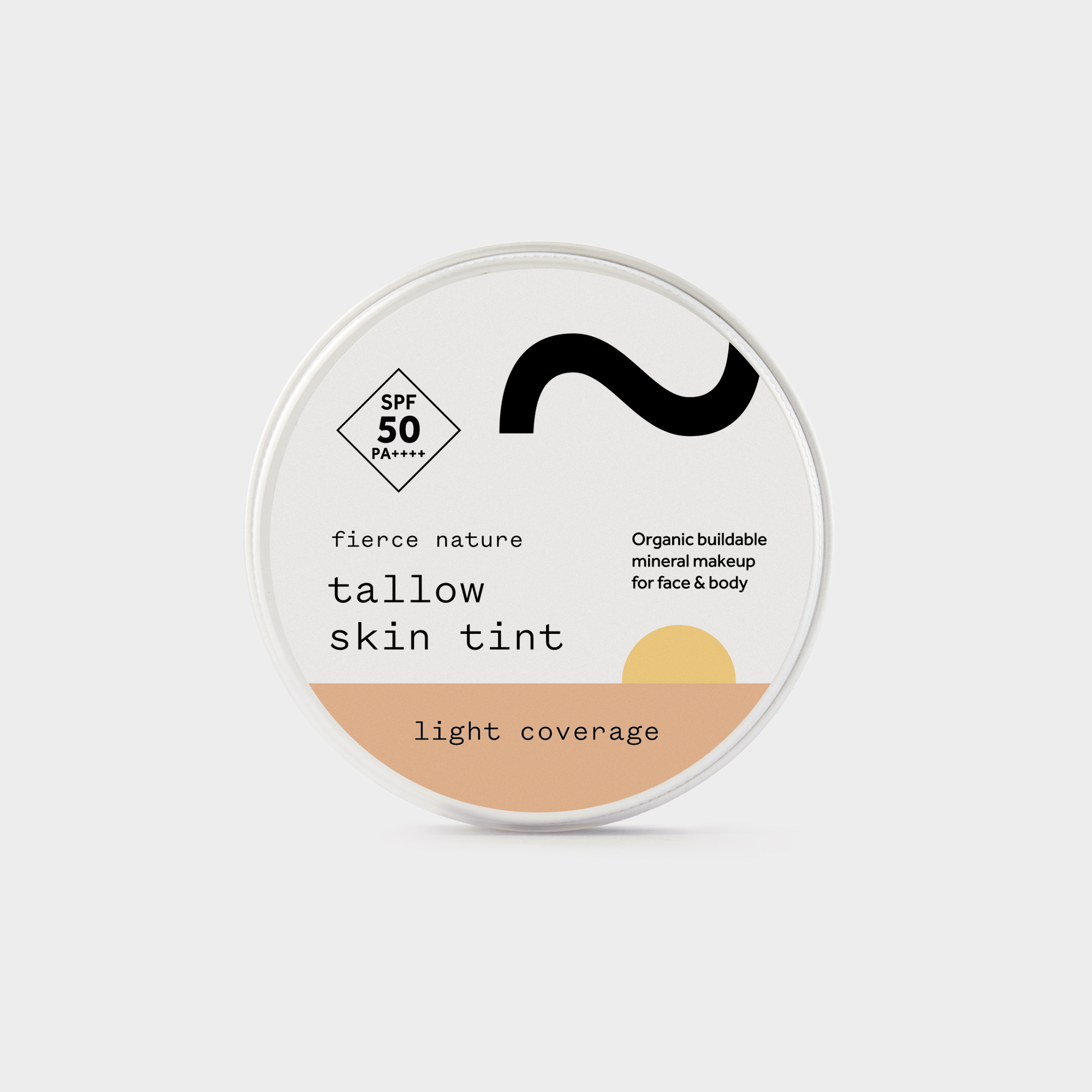
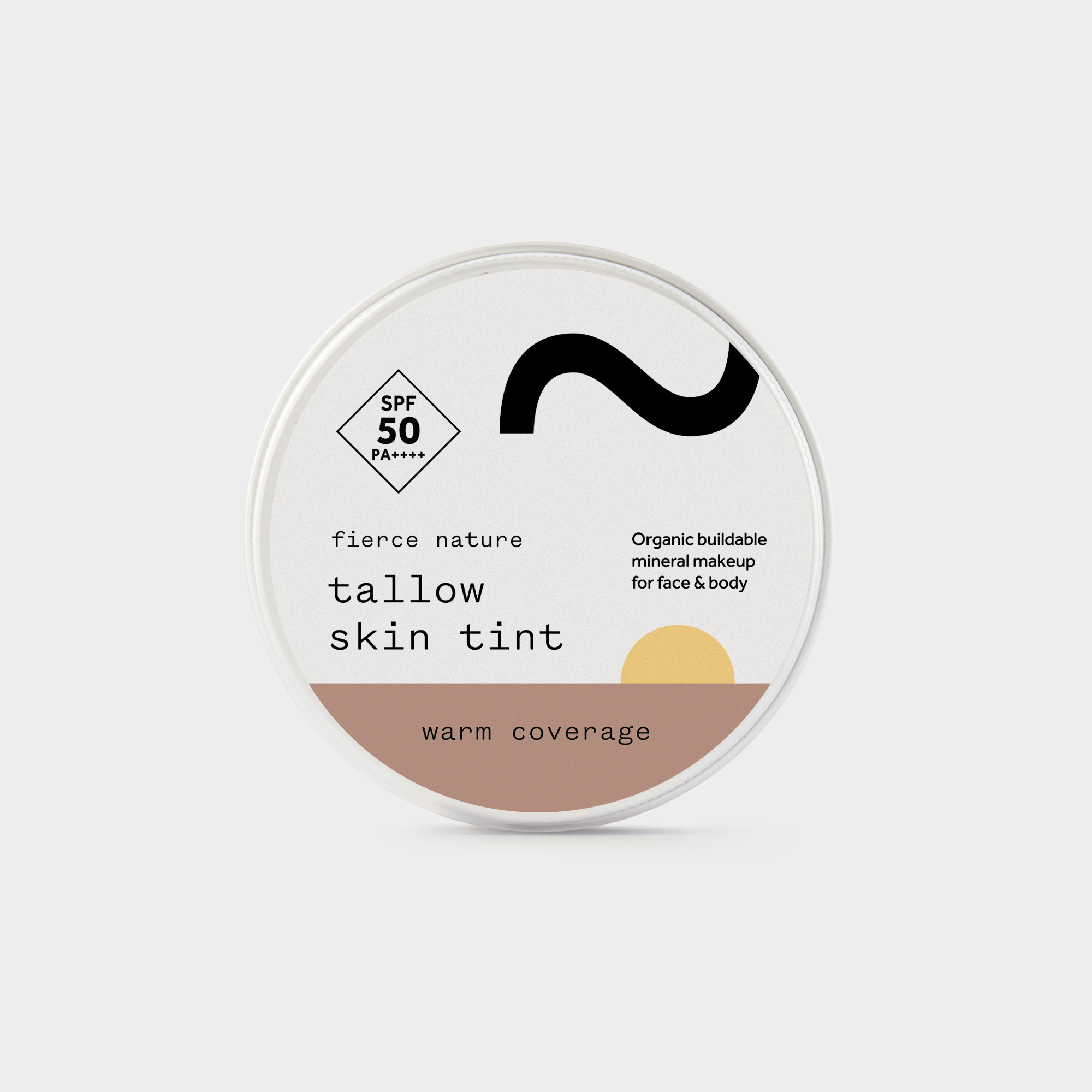
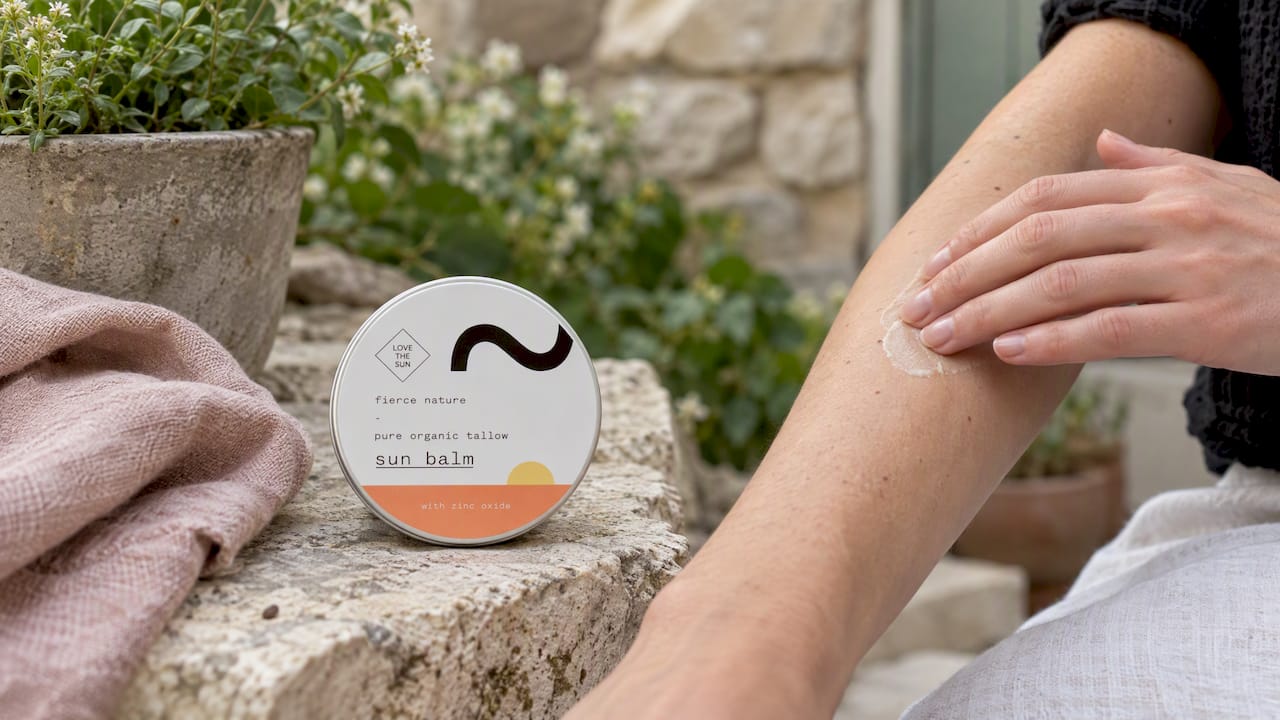
If everything above has you hunting for a mineral formula with a transparent ingredient list, that is exactly what we built. Our New Sun Balm SPF 50+ PA++++ is formulated without the chemical filters discussed in this guide, pairing broad-spectrum mineral protection with a nourishing tallow base rather than a long list of stabilisers and penetration enhancers.
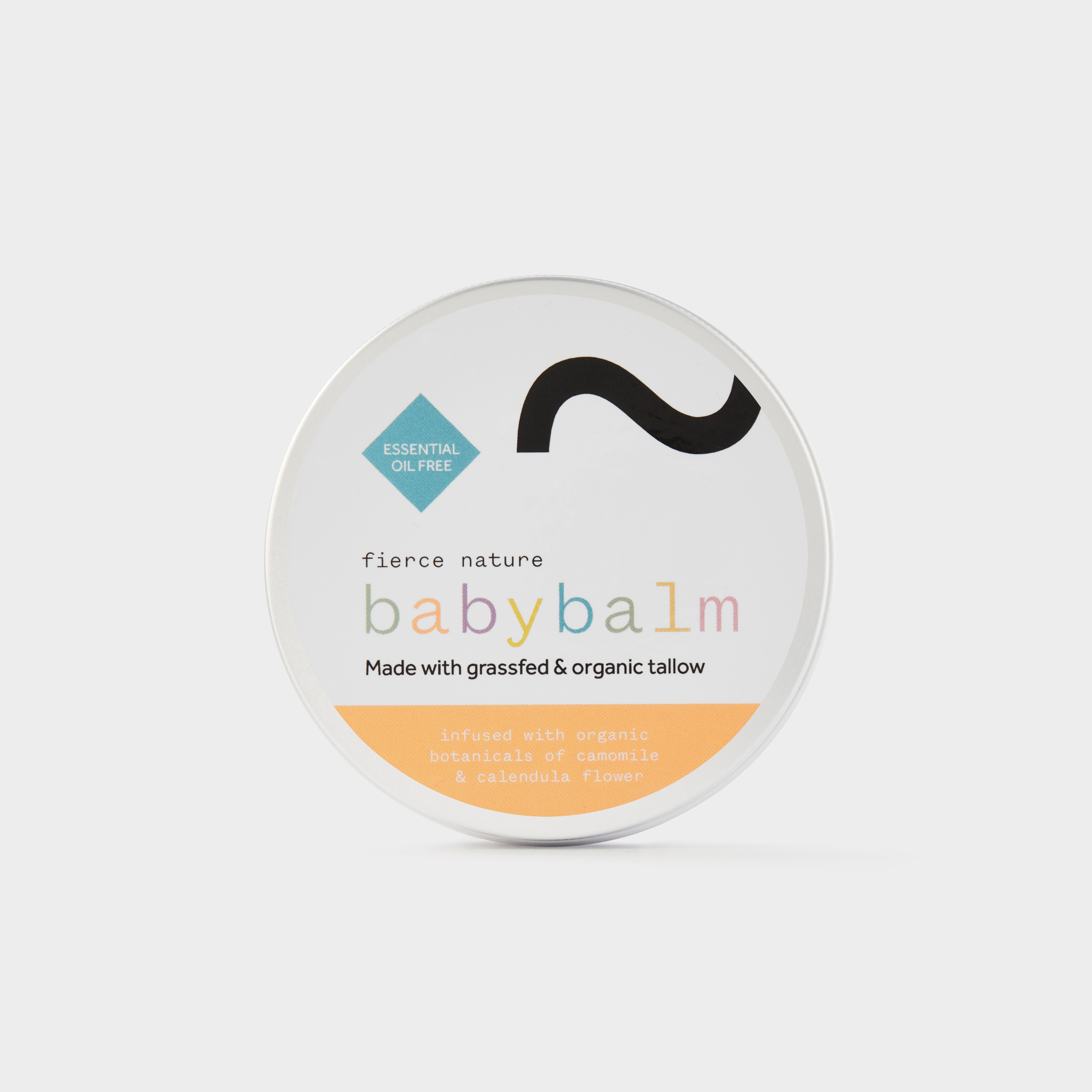
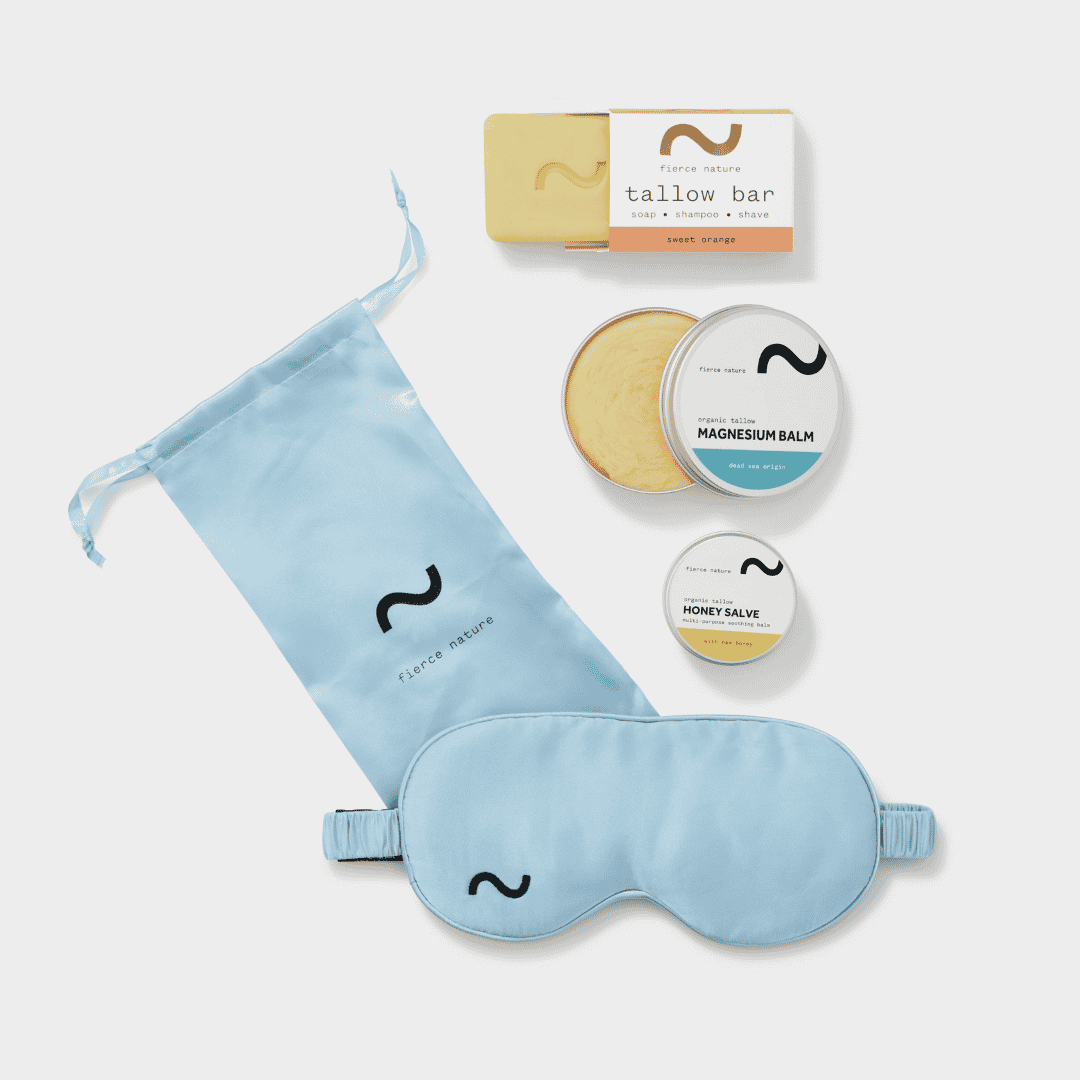
For the smallest and most sensitive skin in the house, our Non-toxic Baby Skin Essentials bundle applies the same ingredient-transparency approach to everyday baby care, not just sun protection.
Browse either product page to see the full ingredient list before you buy, which is exactly how we think sunscreen shopping should work.
This article is general information, not a substitute for advice from a qualified doctor. Consult a qualified healthcare professional about your own circumstances before acting on anything here.
The three most frequently flagged chemical filters are oxybenzone, octinoxate and octocrylene, mainly due to absorption into the bloodstream and, for octocrylene, its tendency to degrade into benzophenone over time. None of these has been proven harmful at typical sunscreen exposure levels, but all three face tighter regulatory scrutiny than most other filters.
Non-nano zinc oxide and titanium dioxide are generally considered the gentlest options because they sit on the skin’s surface and reflect UV rays rather than being absorbed. Dermatologists often recommend these mineral filters for young children and people with eczema for that reason.
Oxybenzone, octinoxate and homosalate are the examples most often raised in toxicology discussions, largely because of hormone-related questions in animal studies and detection in human blood and breast milk. The evidence shows absorption and biological activity in lab settings, not confirmed harm in humans at normal use levels.
Certain jurisdictions restrict oxybenzone and octinoxate specifically over environmental concerns, including links to coral bleaching, rather than direct evidence of human harm. These bans are localised policy decisions tied to marine conservation, not a universal verdict on the ingredients’ safety for skin.
It means the product does not contain that one specific chemical, nothing more. A sunscreen can be oxybenzone-free and still contain other chemical filters such as octocrylene or homosalate, so the full active ingredients list is the only reliable way to judge a formula.