Cart
0
80% Also Added this


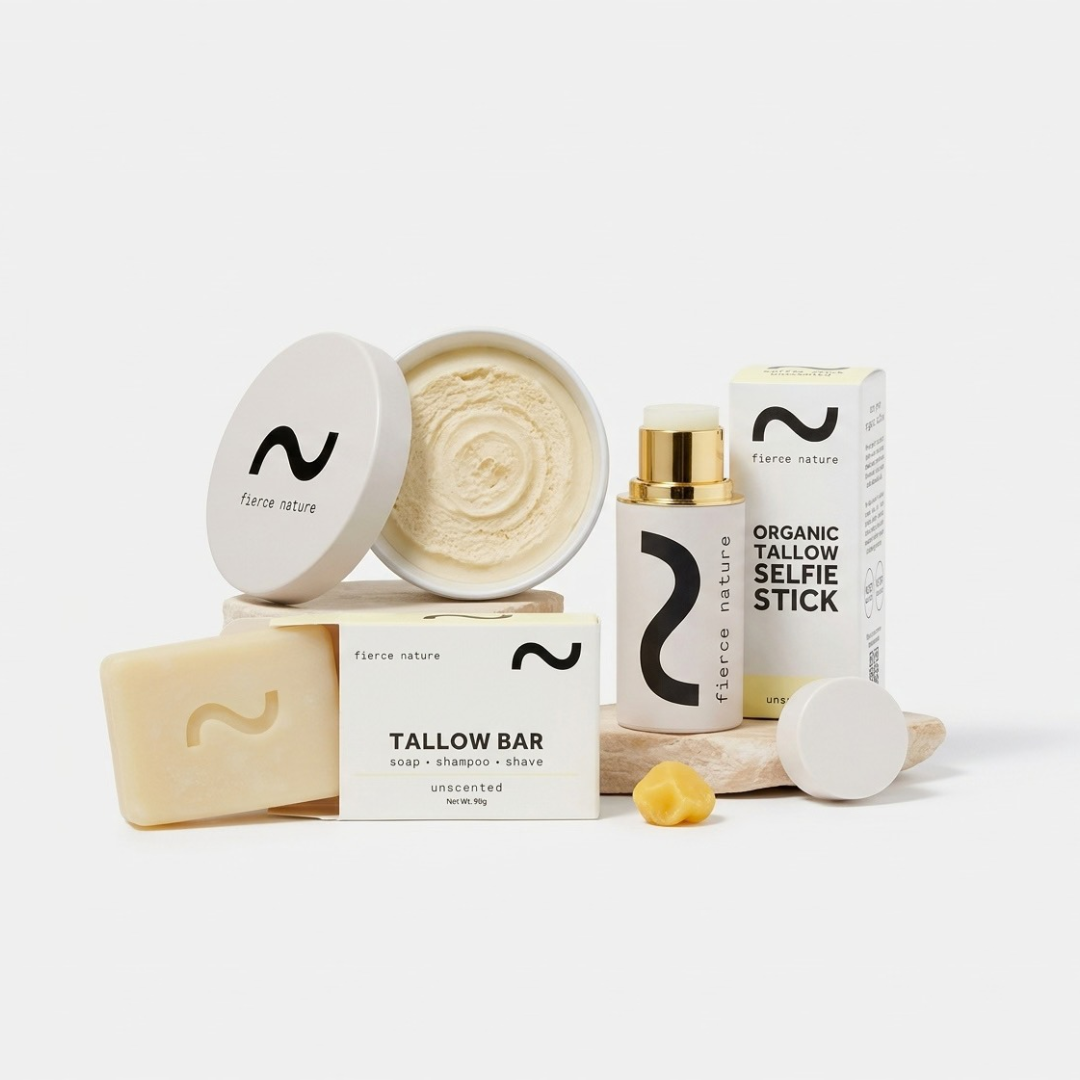
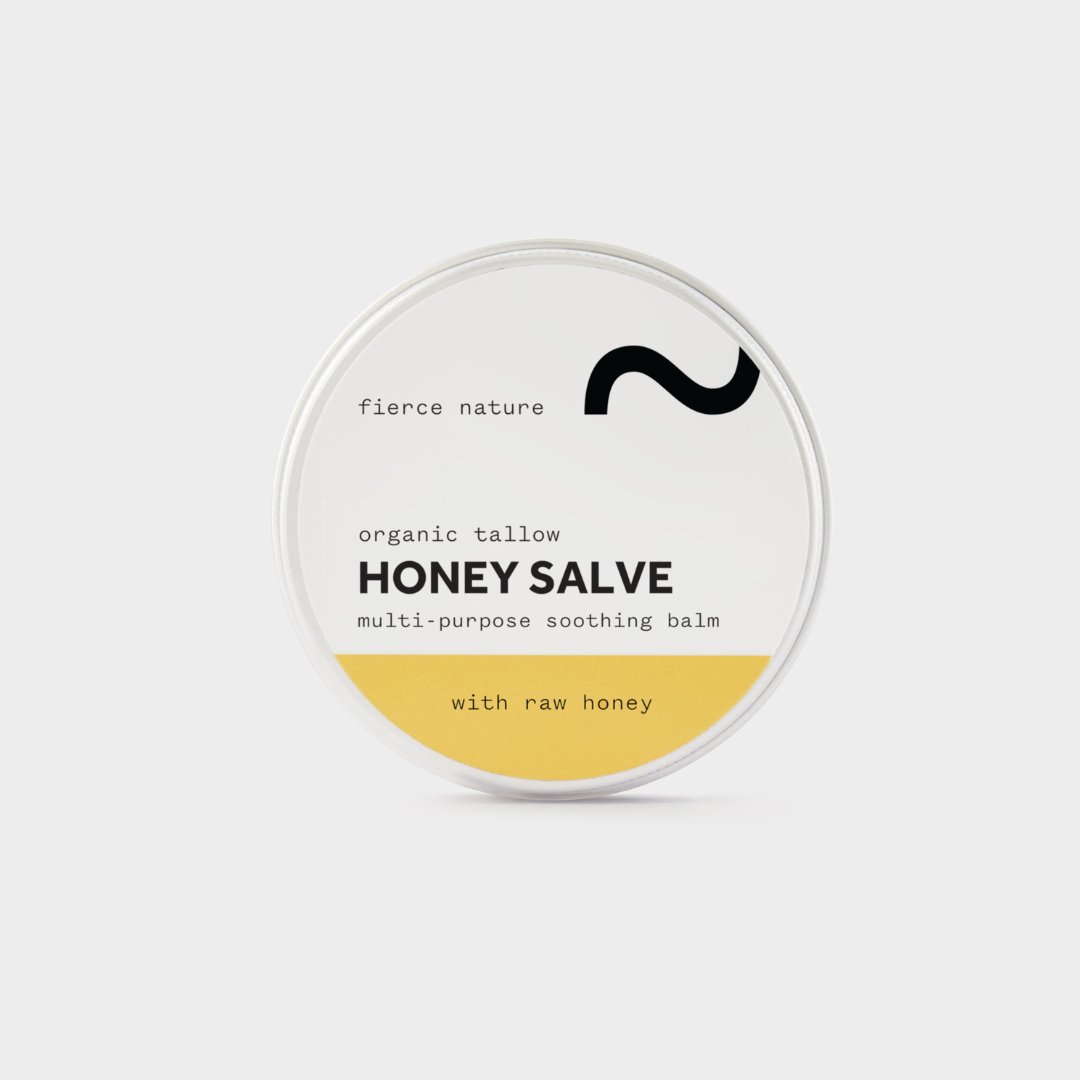
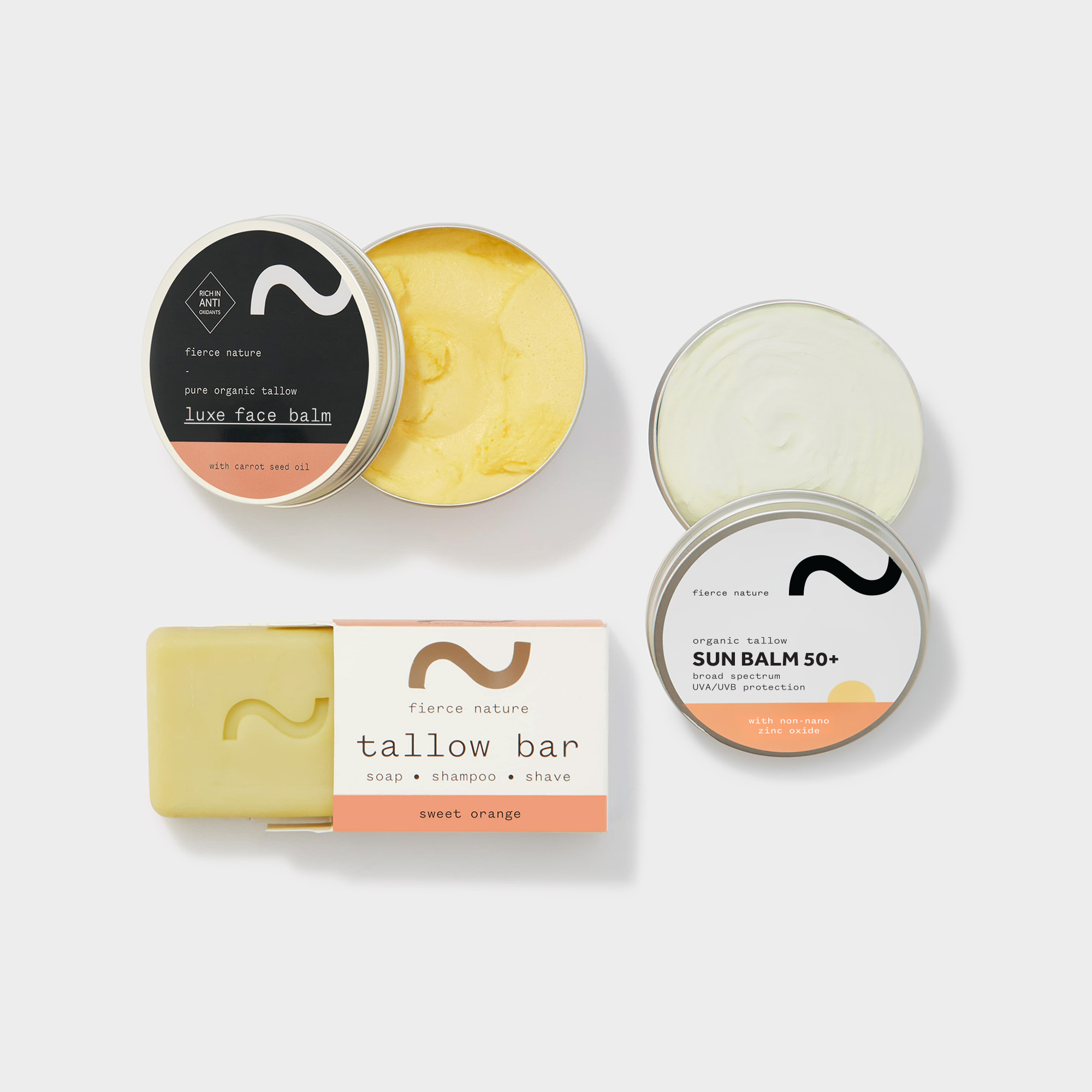
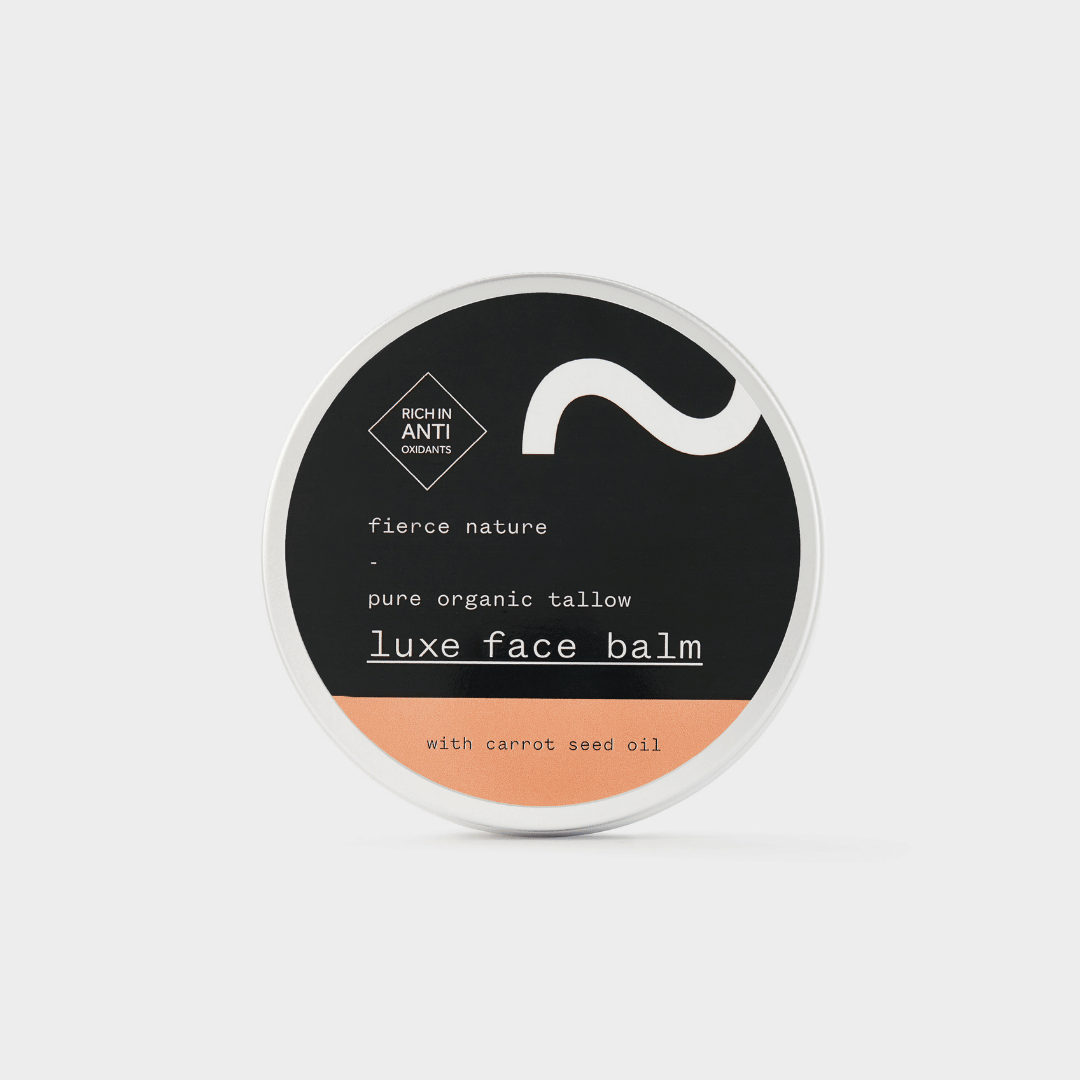
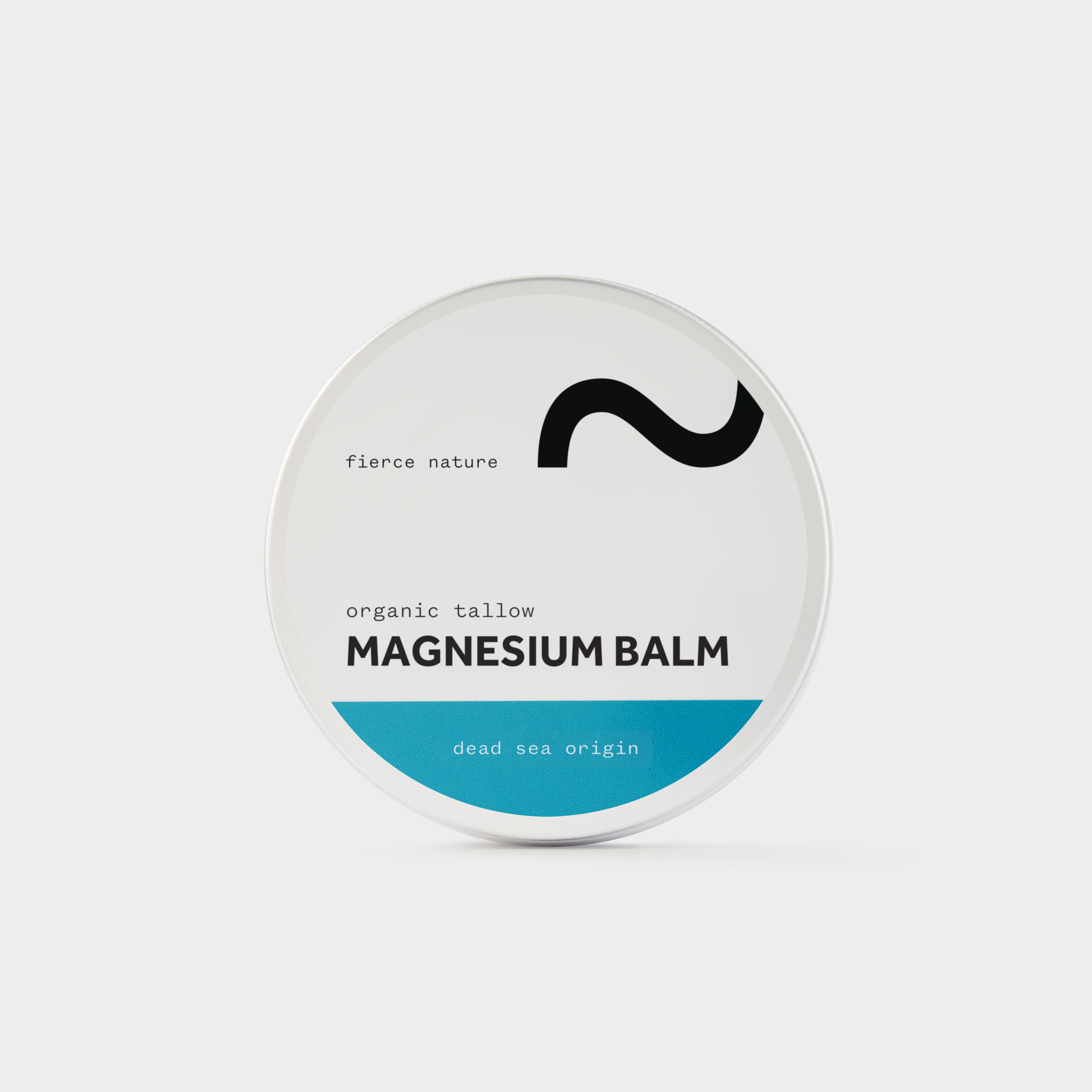
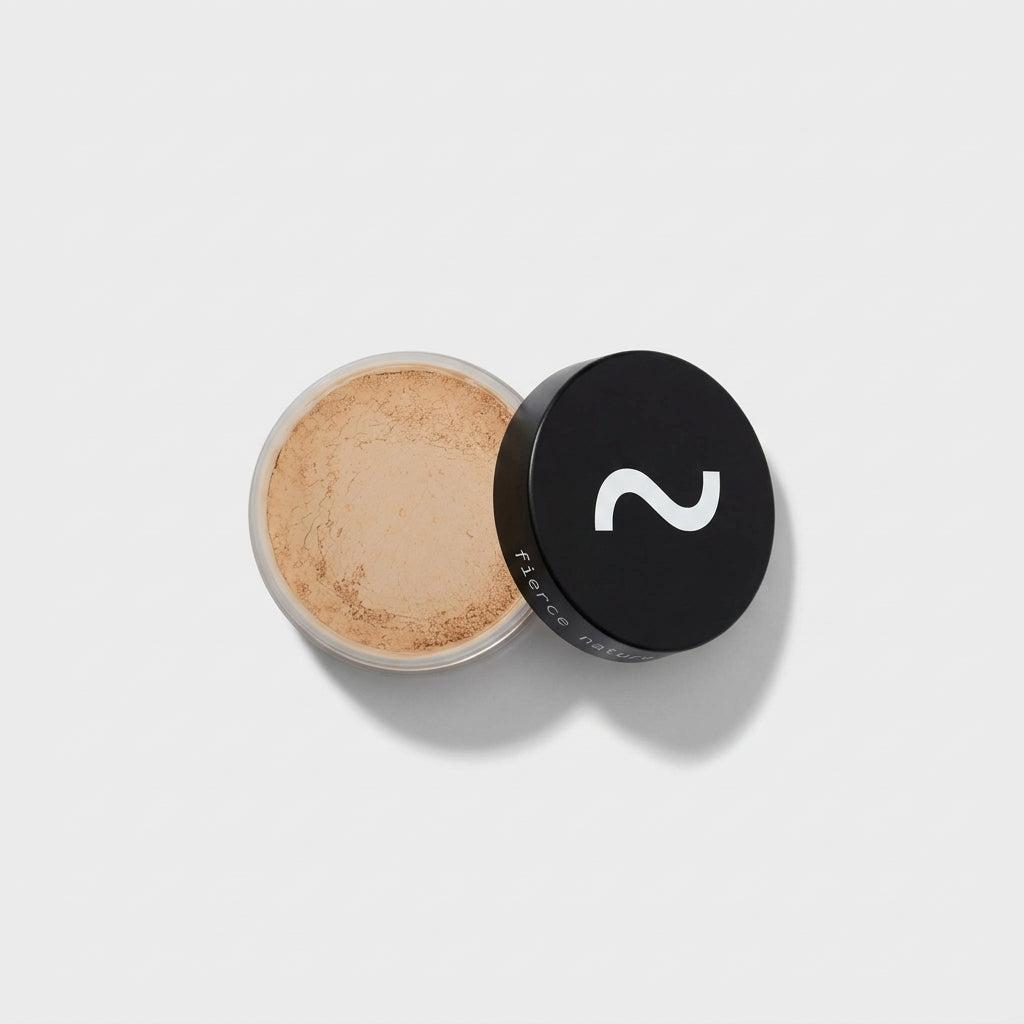
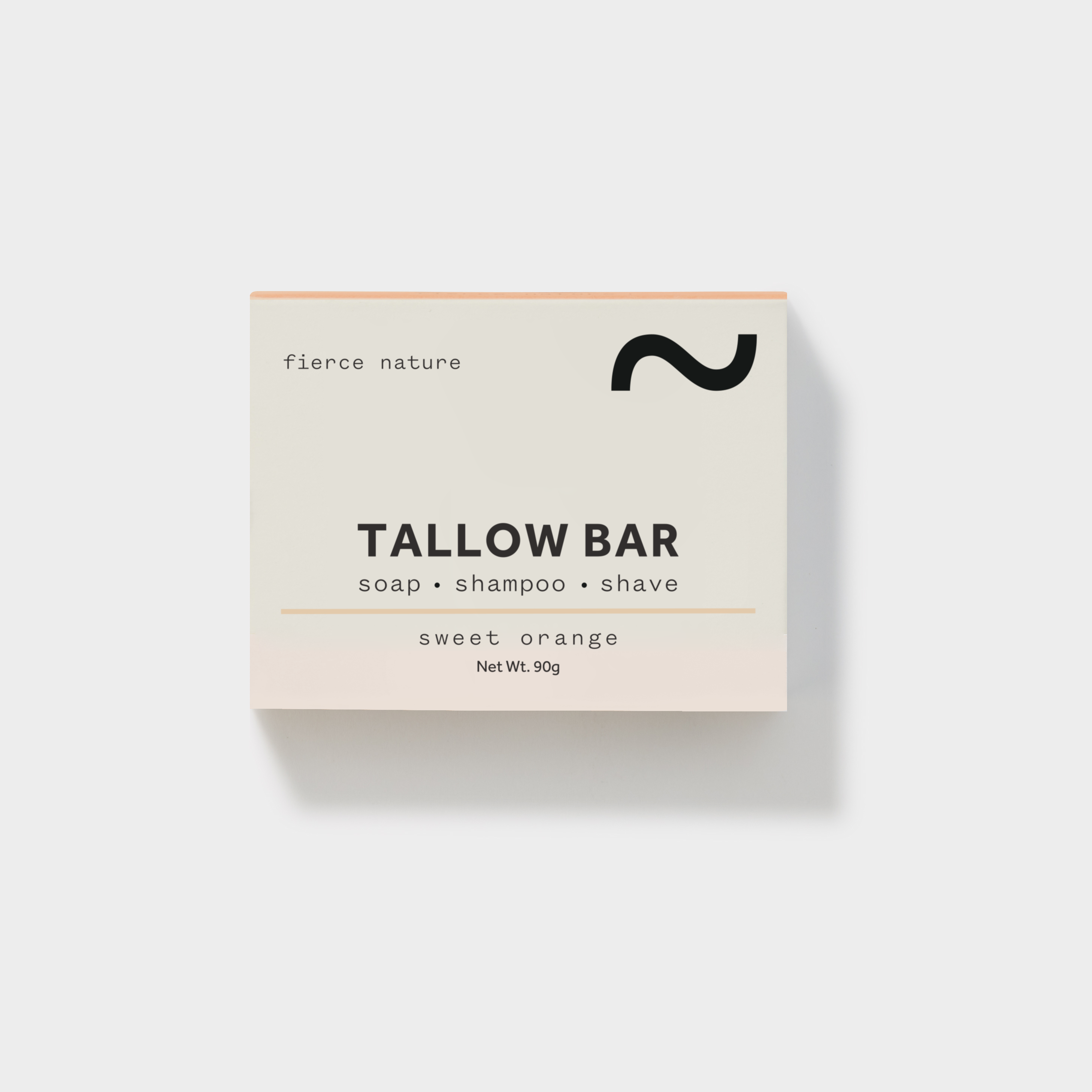
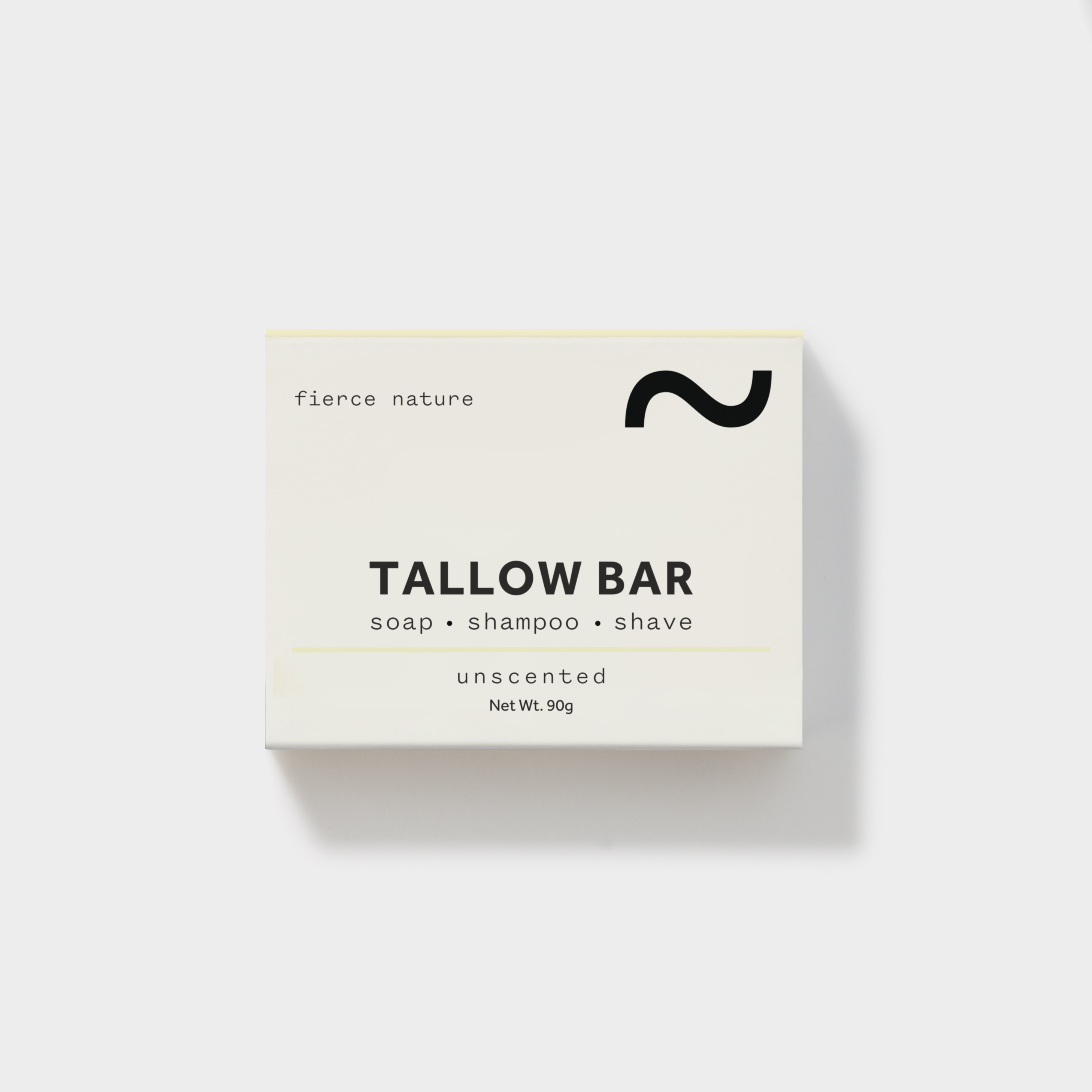
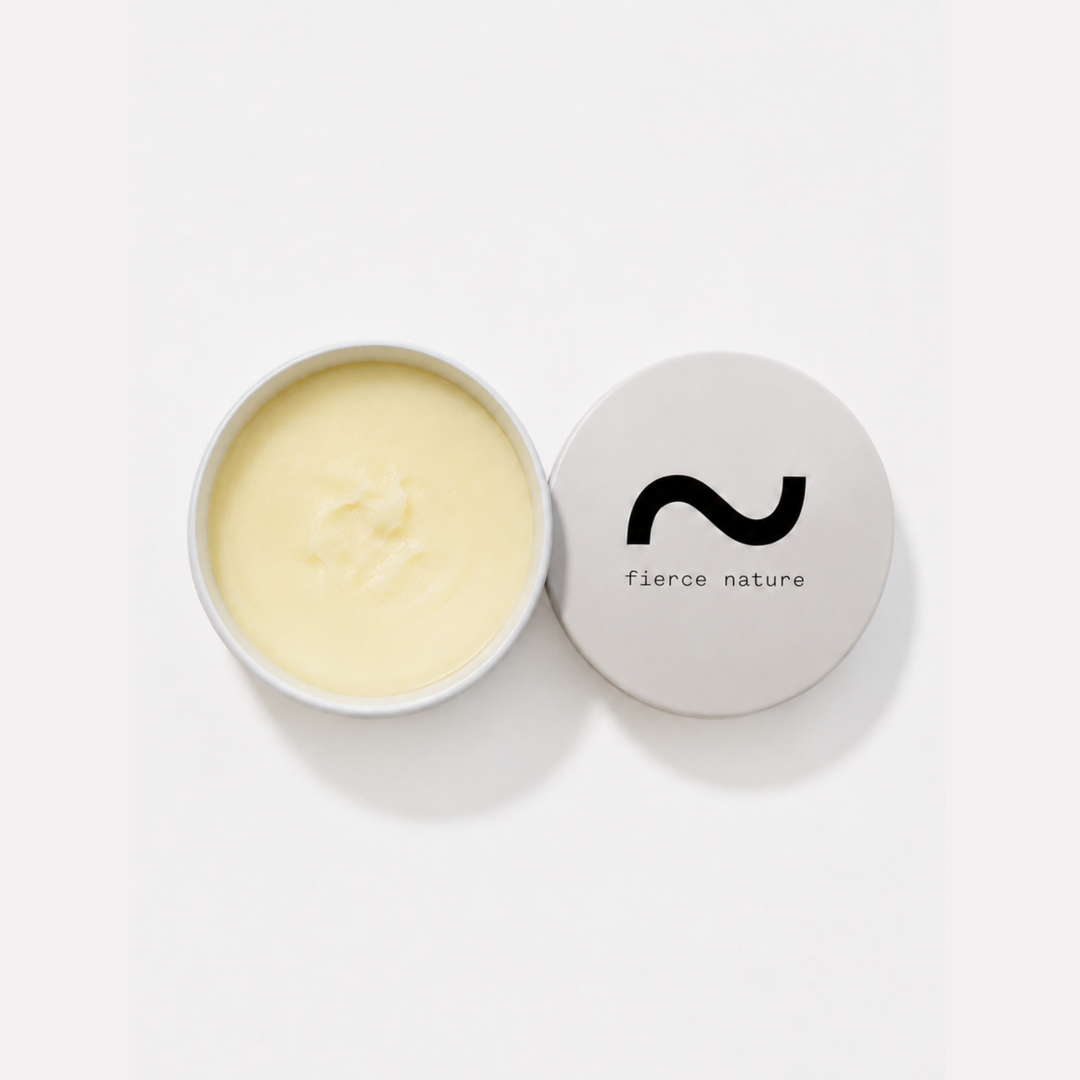
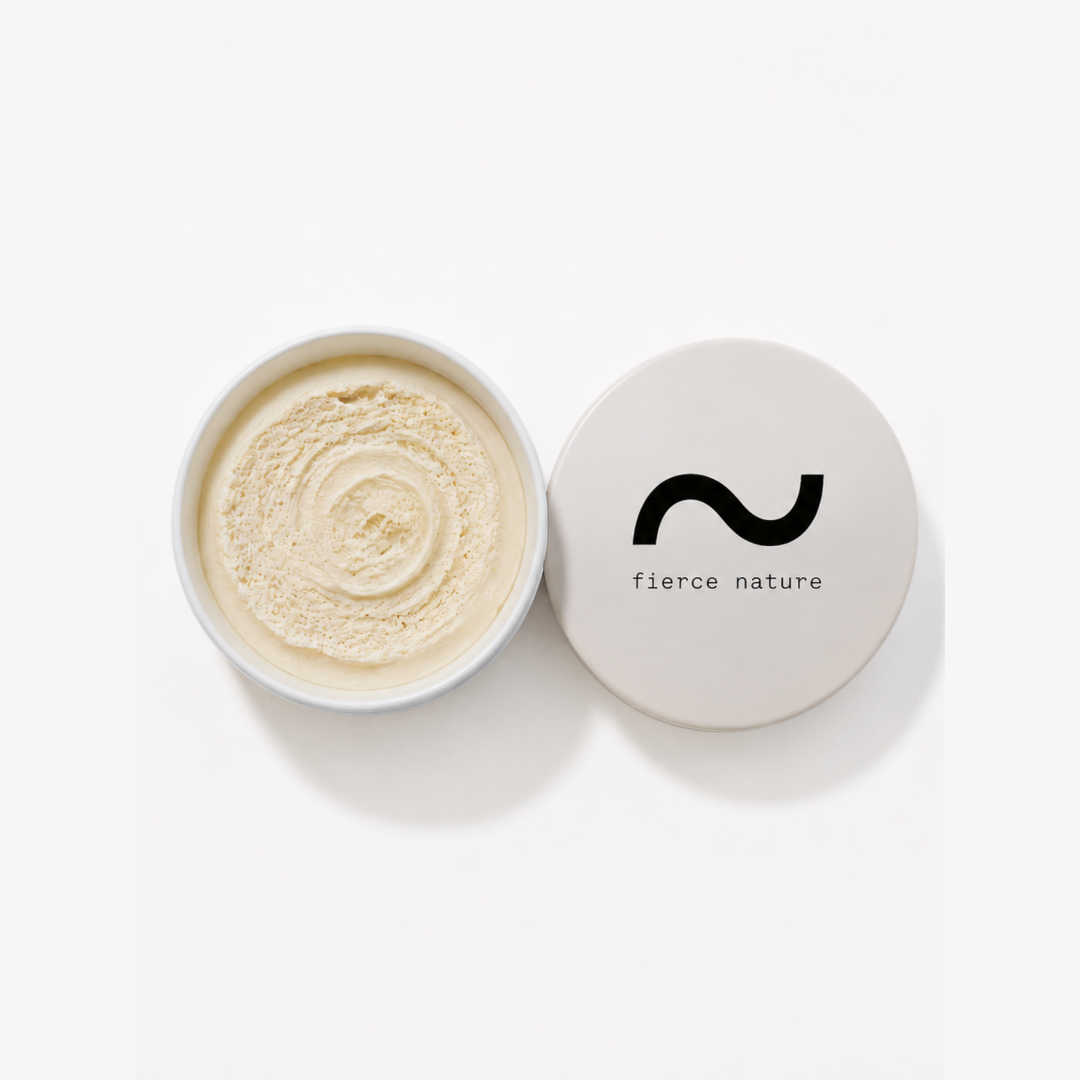
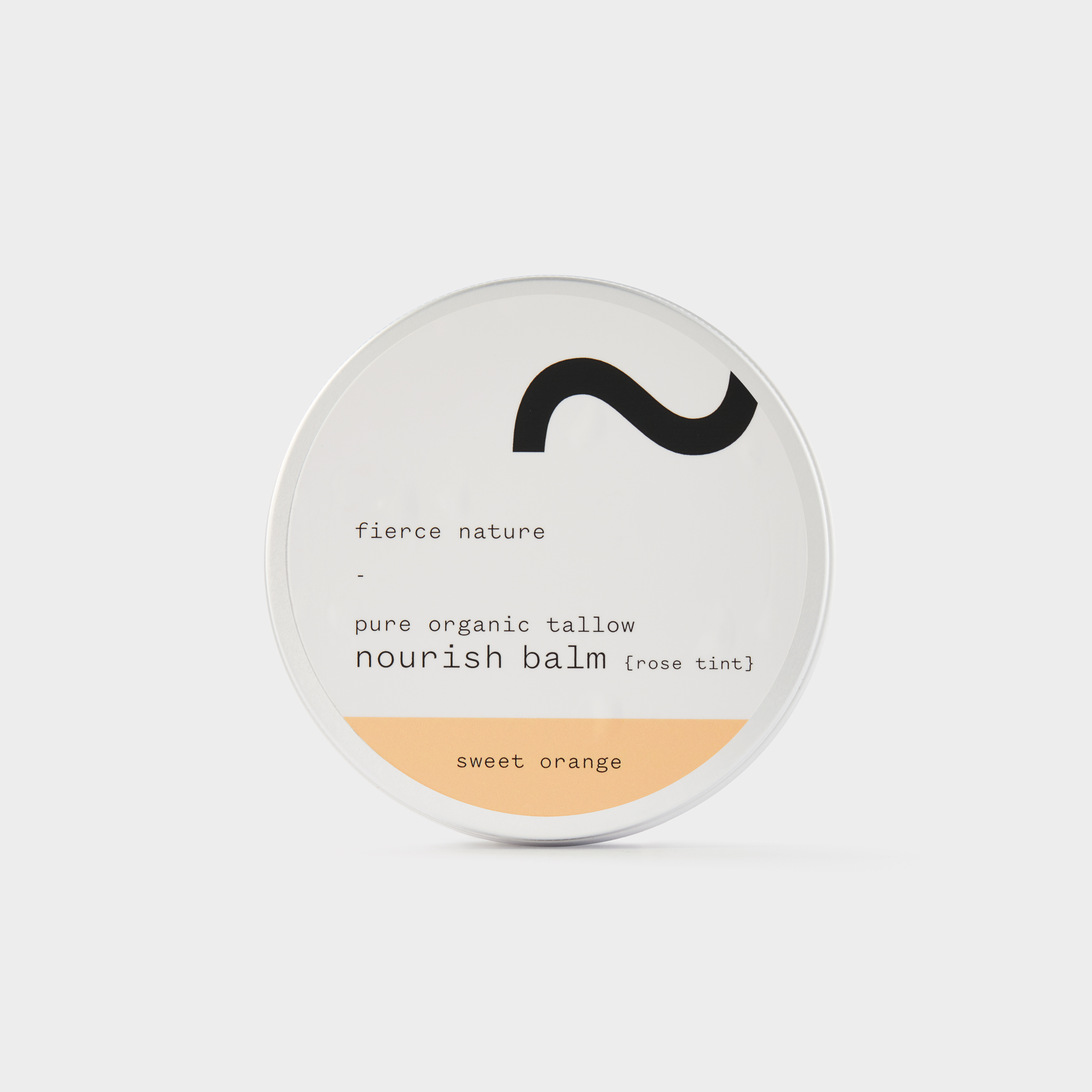
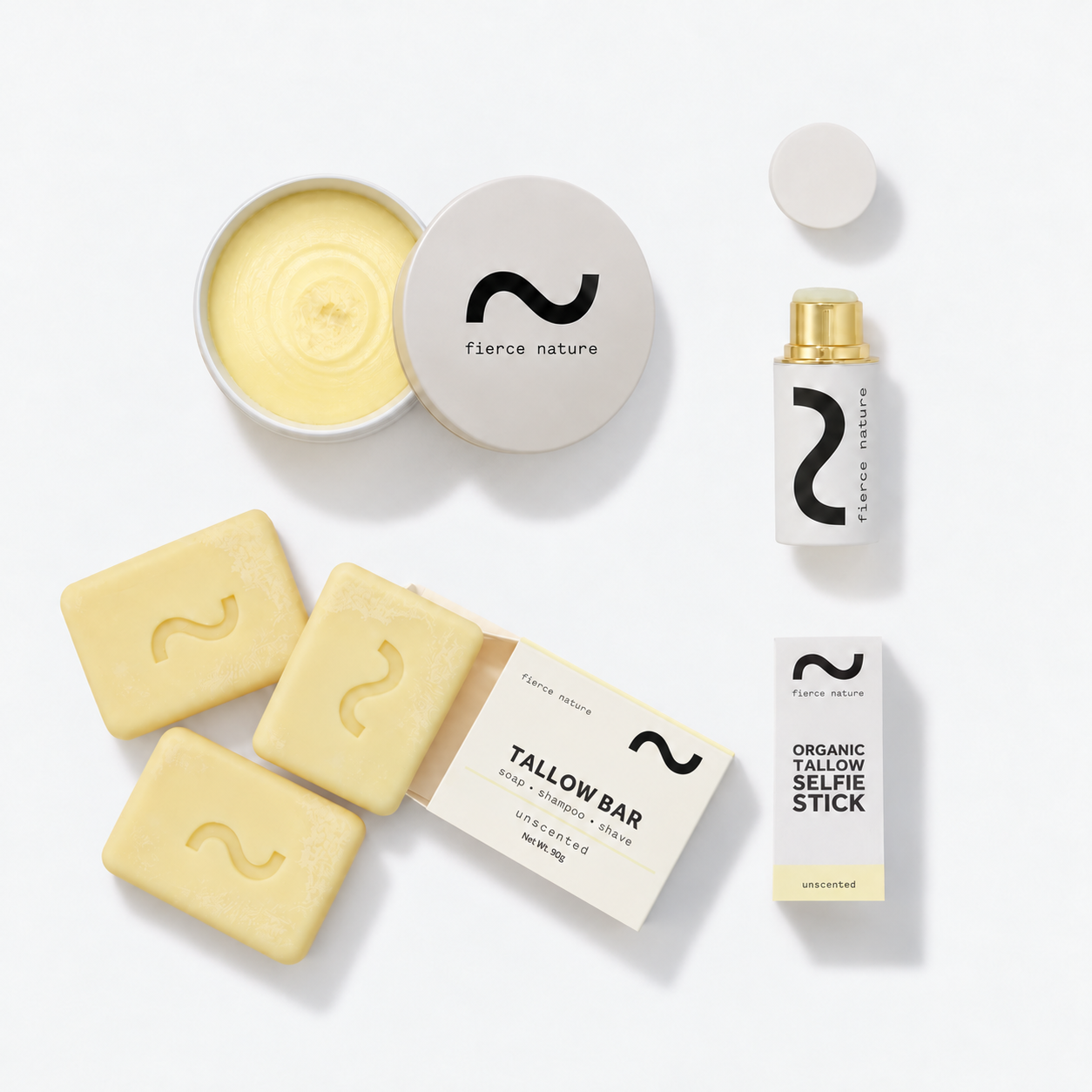

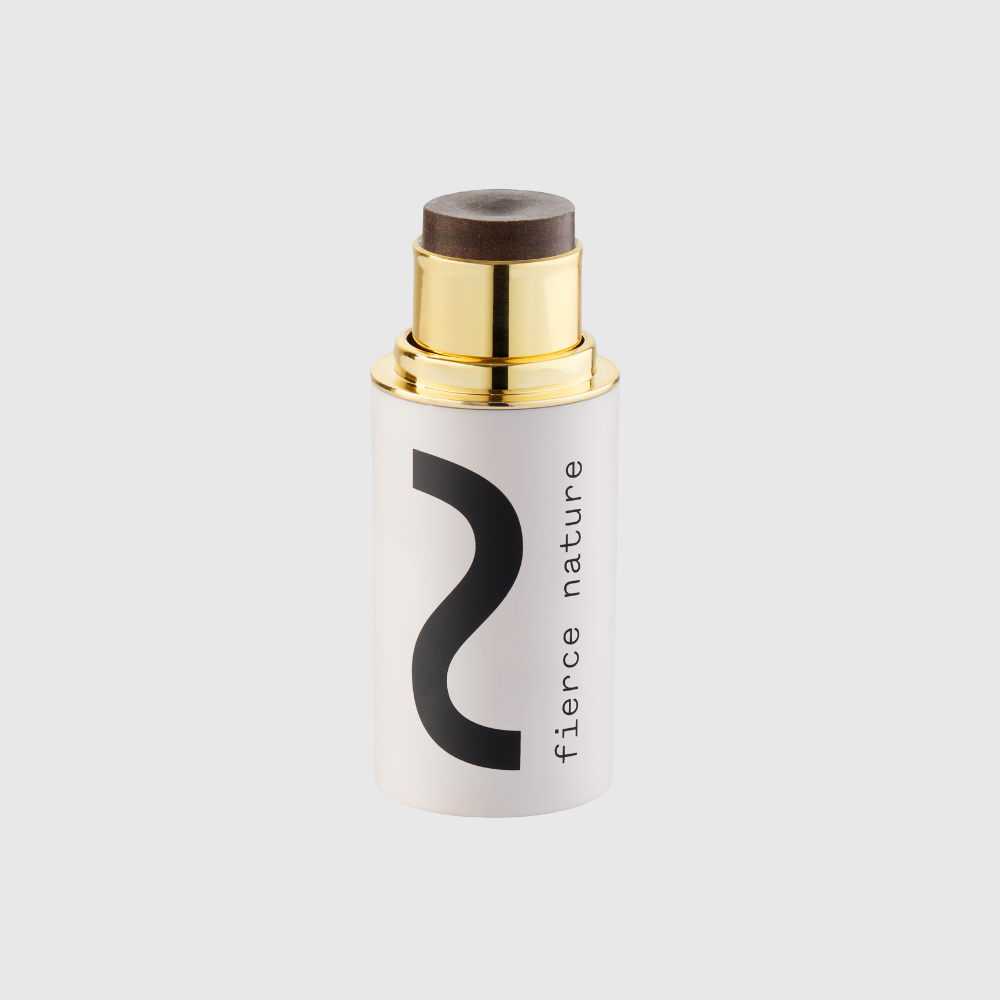
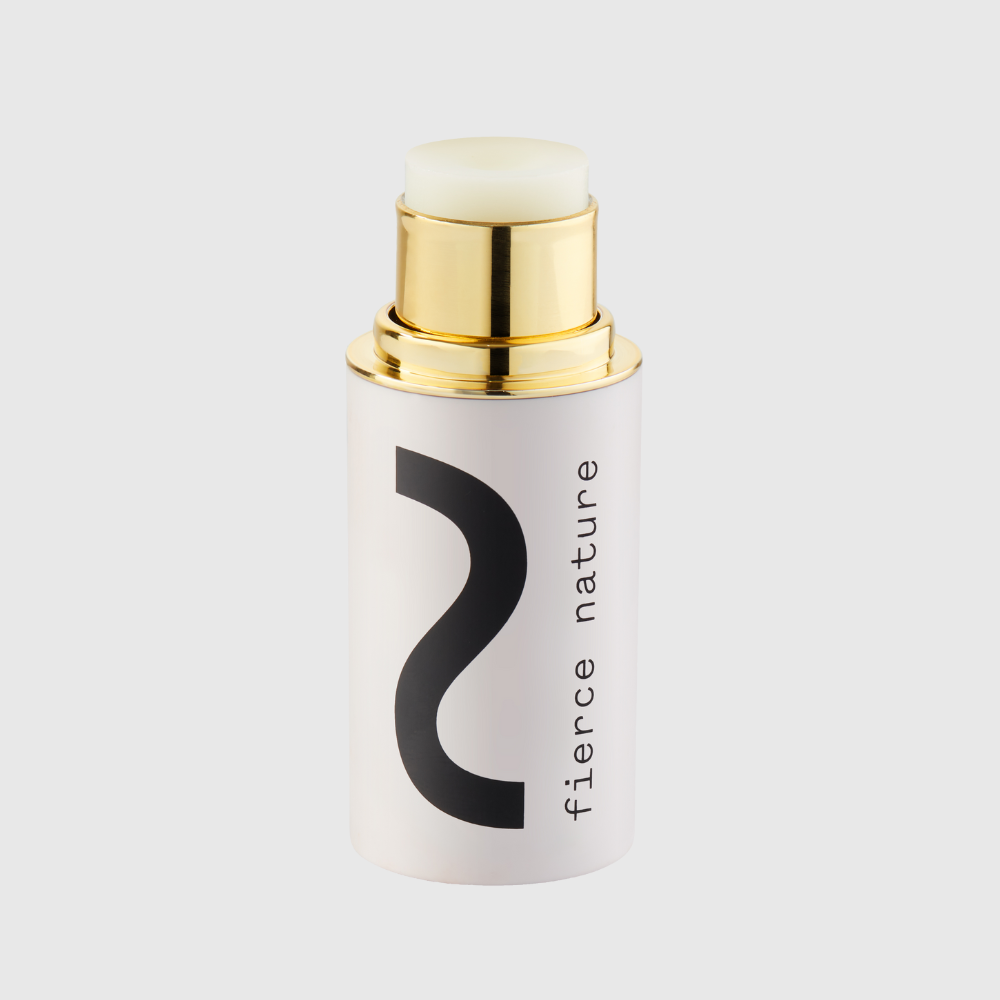
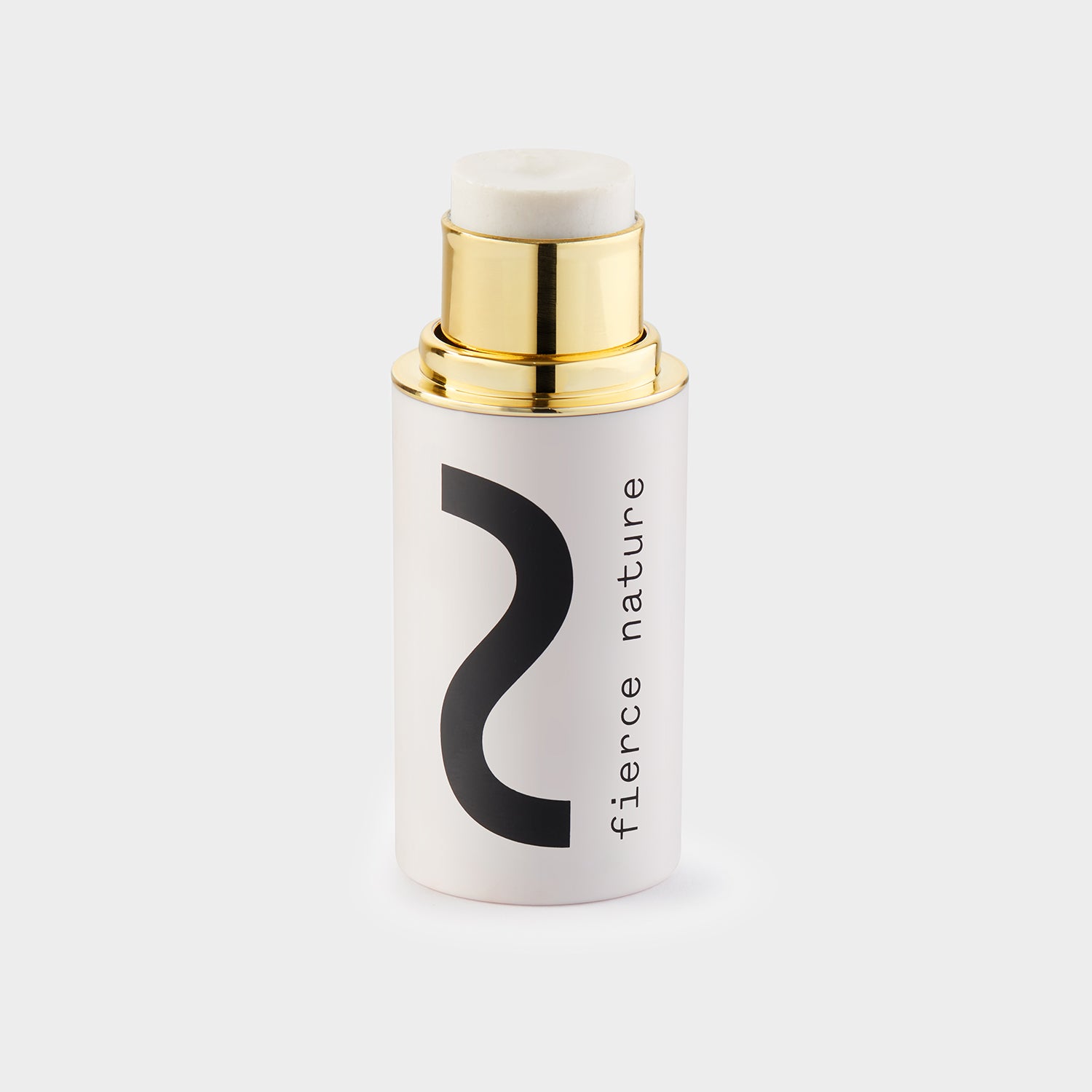
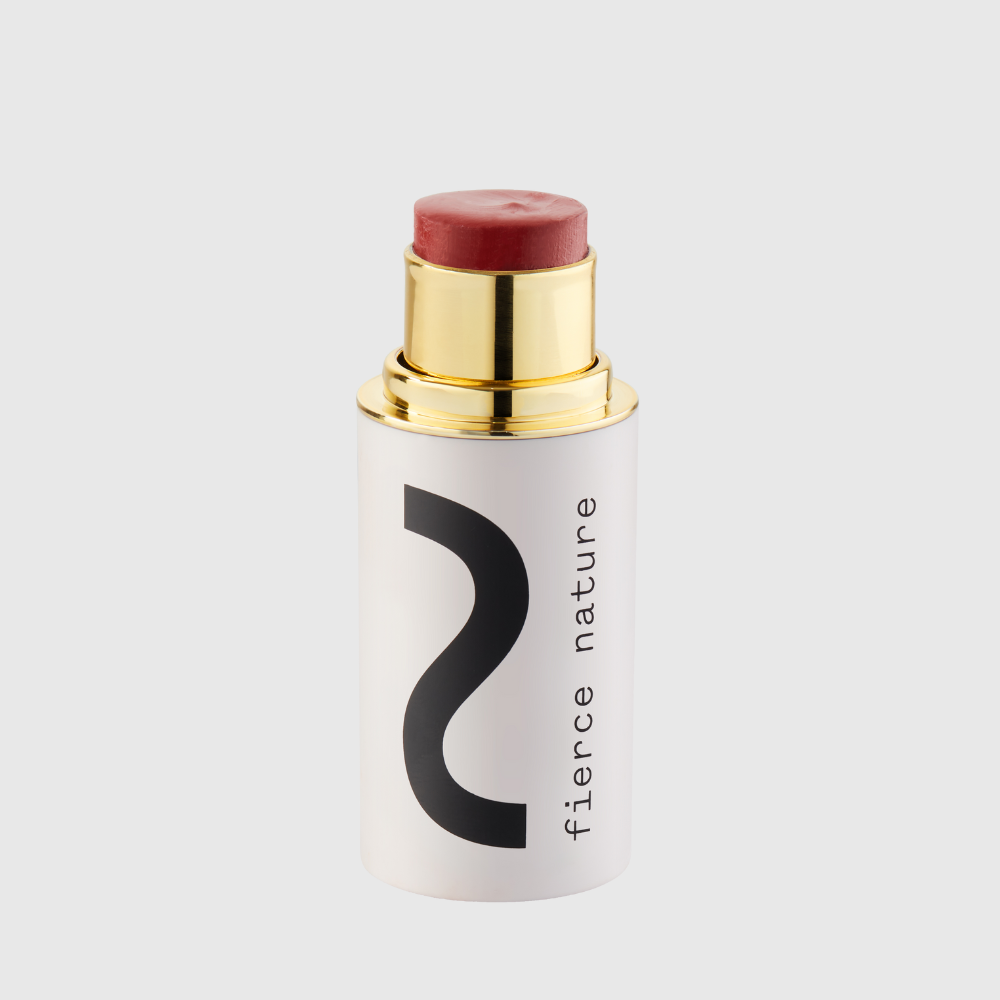

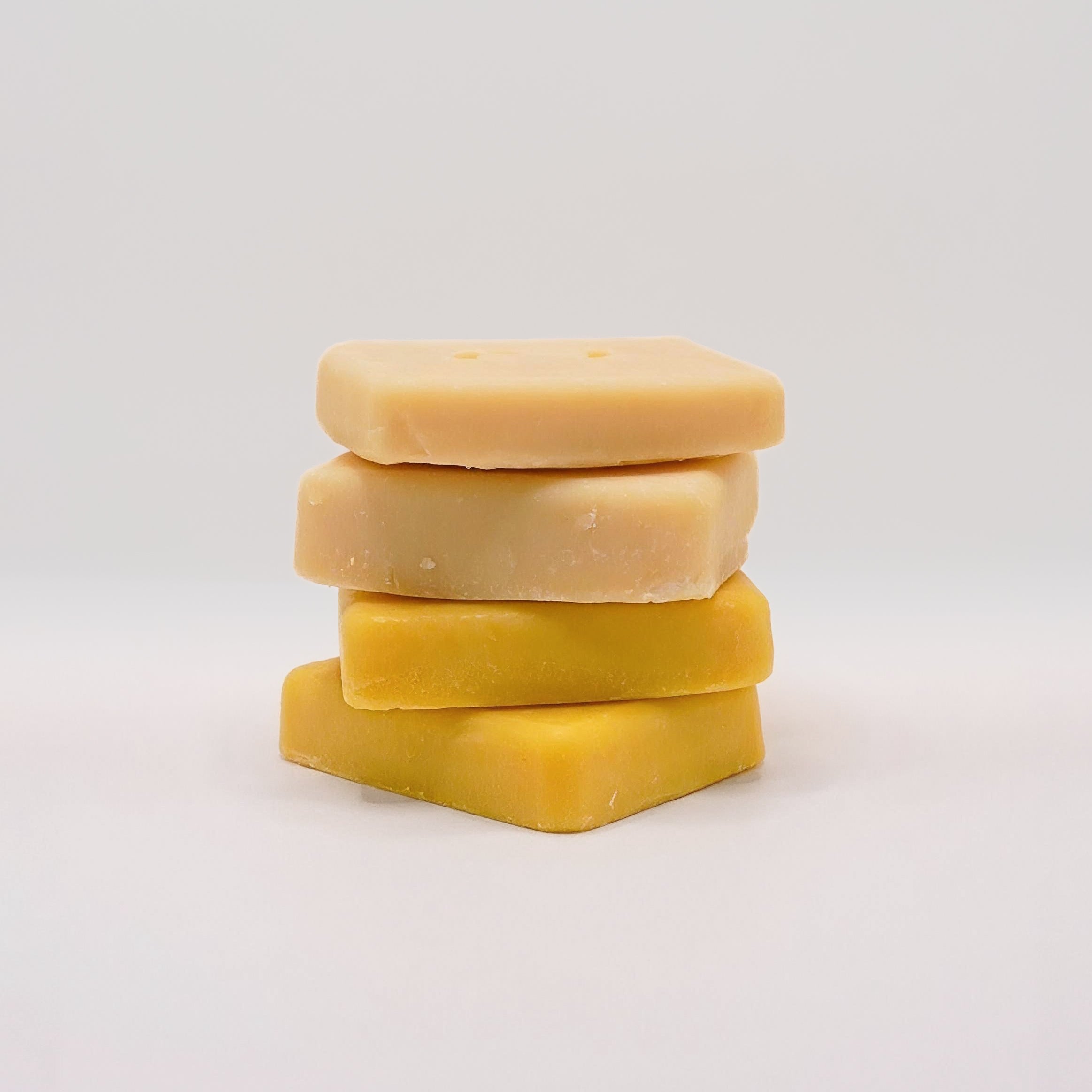


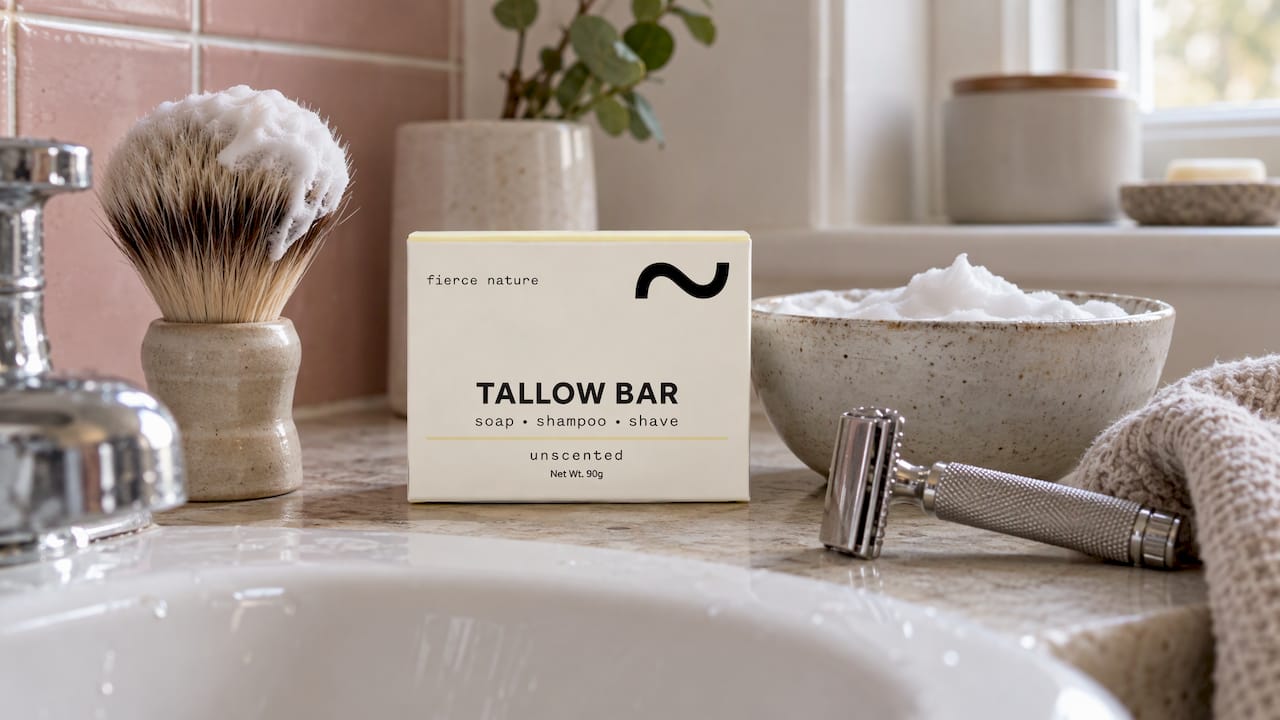
Tallow shaving soap gives you a dense, creamy lather that cushions the razor, and a fatty-acid profile that leaves skin feeling nourished rather than stripped. Those are the two benefits that matter: a smoother, more comfortable shave while the blade is moving, and skin that feels softer once you have rinsed. Tallow is rendered beef fat, and it has been used in soap making for centuries because it makes a hard, long-lasting bar with a rich, stable lather.
We make handmade tallow soap in the UK from organic tallow, so this is a subject close to our hearts. Below we explain what tallow actually brings to a shave, how to build a lather that makes the most of it, what to look for on the ingredient list and how to fit a tallow bar into your wider skincare routine, especially if you already love a good face and body balm.
Tallow is the rendered fat of cattle. In soap making, the fat is combined with an alkali in a process called saponification, which turns oils and fats into soap. The type of fat you start with decides how the finished bar behaves: how hard it is, how it lathers and how it feels on the skin.
A 2024 scoping review of tallow in skincare describes tallow as rich in triglycerides, mainly built from oleic, palmitic, stearic and linoleic acids. Each plays a part in a shaving soap:
The result is a soap that behaves very differently from a thin, quick-foaming bubble bath style cleanser. A good tallow lather is thick, creamy and slick, which is exactly what you want between your skin and a razor.
The first thing most people notice is the lather itself. Tallow soap tends to produce a thick, creamy foam that sits on the skin and holds its shape. That cushion does three jobs: it softens the facial or body hair so it cuts more cleanly, it lifts the hairs slightly so the razor catches them evenly, and it puts a layer of slip between the blade and your skin.

When the razor glides instead of dragging, you need fewer passes. Fewer passes mean less scraping of the surface of the skin, and that is where much of the soreness of a shave comes from.
A dermatology review of men’s shaving found that the neck is the area where the majority of men feel the most soreness and irritation, and it lists redness, nicks and cuts, burning, stinging, tightness, dryness and itching among the signs of a shave-stressed skin. It also notes that “does not nick or cut” is the number-one priority men have for blade shaving products. You can read the paper itself, Insights into shaving and its impact on skin.
That priority is where a slick, protective lather earns its place. A razor that glides over a cushioned surface is less likely to snag, so careful technique plus a rich lather is a sensible way to look after the areas that react most, such as the neck and jawline.
The same applies well beyond the face. Legs, underarms and bikini line are all places where the same slip and cushioning make a shave more comfortable.
Shaving removes hair, but it also takes a little of the skin’s surface oils with it. Regular soaps built around harsh detergents can leave skin feeling tight straight after the rinse. A tallow bar is made from a fat that is naturally similar to the lipids in skin, so it tends to leave a soft, comfortable feel instead.
There is useful research on the principle behind this. A dermatology paper on male skin, Male skin and ingredients relevant to male skin care, reports that 60 minutes after shaving, a test regimen with proper shaving preparation showed a statistically significant increase in skin moisture and a decrease in transepidermal water loss (the amount of water escaping through the skin) compared with a control bar soap. The improvement was still significant 24 hours later on study day 5. The takeaway for you: how you prepare the skin and what you lather with really does show up in how hydrated and comfortable the skin is after the shave.
The 2024 scoping review also reports evidence of tallow’s moisturising properties, and dermatology professor Adam Friedman has said in National Geographic that tallow’s fatty acids could help reinforce the skin barrier and trap moisture. That fits what many people describe from using tallow: a shave that leaves skin feeling softer rather than dry and tight.

Many mass-market shaving foams and gels contain long lists of synthetic ingredients, fragrances and propellants. A traditional tallow soap can be made from very few ingredients, so it is simple to see what is on your skin. For us this is central. We believe in full ingredient transparency and in products that work with your skin, not against it.
Tallow makes a hard, long-lasting bar. It does not dissolve into a puddle in the shower, and because a little goes a long way when you use a brush or your hands to build lather, a bar can serve you for a good while. It is also a single product for several jobs: you can wash with it, shave with it and lather it onto a brush, which keeps the bathroom shelf simple.
A solid bar needs no plastic bottle, no aerosol can and no pump. If you want to cut down on disposable plastic in your routine, swapping foam cans and gel tubes for a bar is one of the easiest changes.
Every shave is a small act of exfoliation. The blade removes hair at skin level, but it also lifts away dead cells and a little of the protective surface oil. If the skin is dry, the hair is stiff or the razor is dull, the blade drags and the skin reacts with redness, tightness or tiny nicks.
Three things make the difference:
A tallow lather addresses the first two, and the fatty acids in the soap support the third. Finishing with a balm adds a further layer of comfort. If you want to read more about how tallow behaves on skin cells, our article on why tallow is biocompatible with human skin cells goes deeper, and the science behind tallow covers its skincare benefits in more detail.
The best soap in the world still needs good technique. The method below works with a shaving brush, which is the traditional way to get a rich, thick lather. A brush is not essential, though: you can build a lather in your hands.
A few small habits help: keep your blade sharp, never press hard, and rinse your brush and let it dry fully between uses. Let the bar dry on a draining dish rather than sitting in water, and it will last longer.
The appeal of a tallow soap is its versatility. The thick lather that cushions a razor along the jaw does the same job on legs and underarms, where it is easy to nick or irritate skin. Many people find that one bar replaces a shaving foam, a body wash and a hand soap, and that fewer products on the shelf means fewer things to react to.
If you shave your head or an area with sensitive skin, apply the lather generously, use short, light strokes and avoid going over the same patch repeatedly. Our guides to tallow soap for men and natural tallow soap for healthy skin show how a bar fits into a grooming routine.
Because tallow soap is made from so few ingredients, the label tells you a lot. Here is what to look for.
When you try any new product on your face, start by using it on a small area for a few days, and use it first on a day when you are not rushing. If you have a skin condition such as eczema, rosacea or dermatitis, or if skin has been reactive in the past, talk to your GP or a dermatologist before changing your shaving routine.
Tallow soap suits people who like a traditional wet shave and want a rich lather, people who prefer a short ingredient list, and anyone looking to move away from foams and gels with long lists of synthetic ingredients. It is a natural fit for those who already use tallow balms and enjoy skin that feels nourished rather than stripped.
It also suits people shaving more than the face. Because a bar works for the body too, it is handy for travel, for the gym bag and for anyone simplifying their routine.
If your skin is on the dry side, pair the soap with a balm after every shave. Our guide to tallow for sensitive skin explains how to introduce tallow gently, and the article on animal-fat emollients for dry skin looks at what the evidence shows about nourishing dry skin.
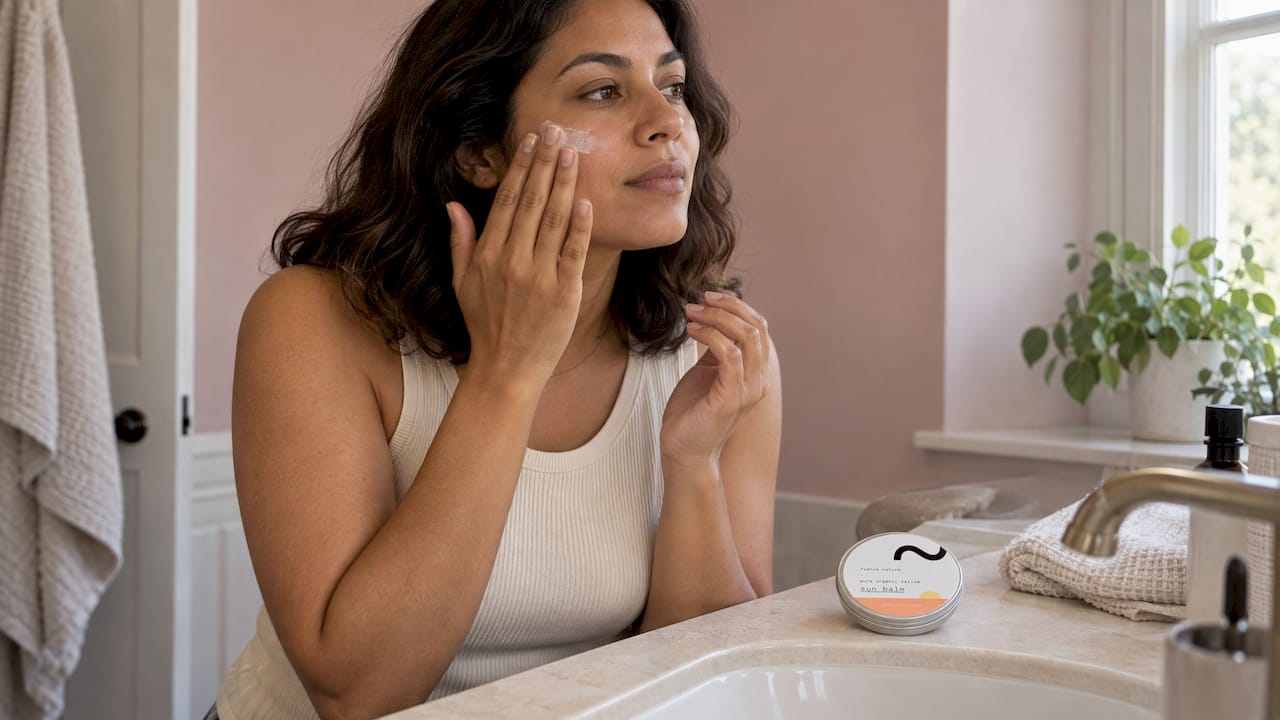
The most overlooked part of a good shave is the minute after it. Freshly shaved skin has lost some of its surface oils, so a small amount of nourishing balm helps it feel comfortable and supple.
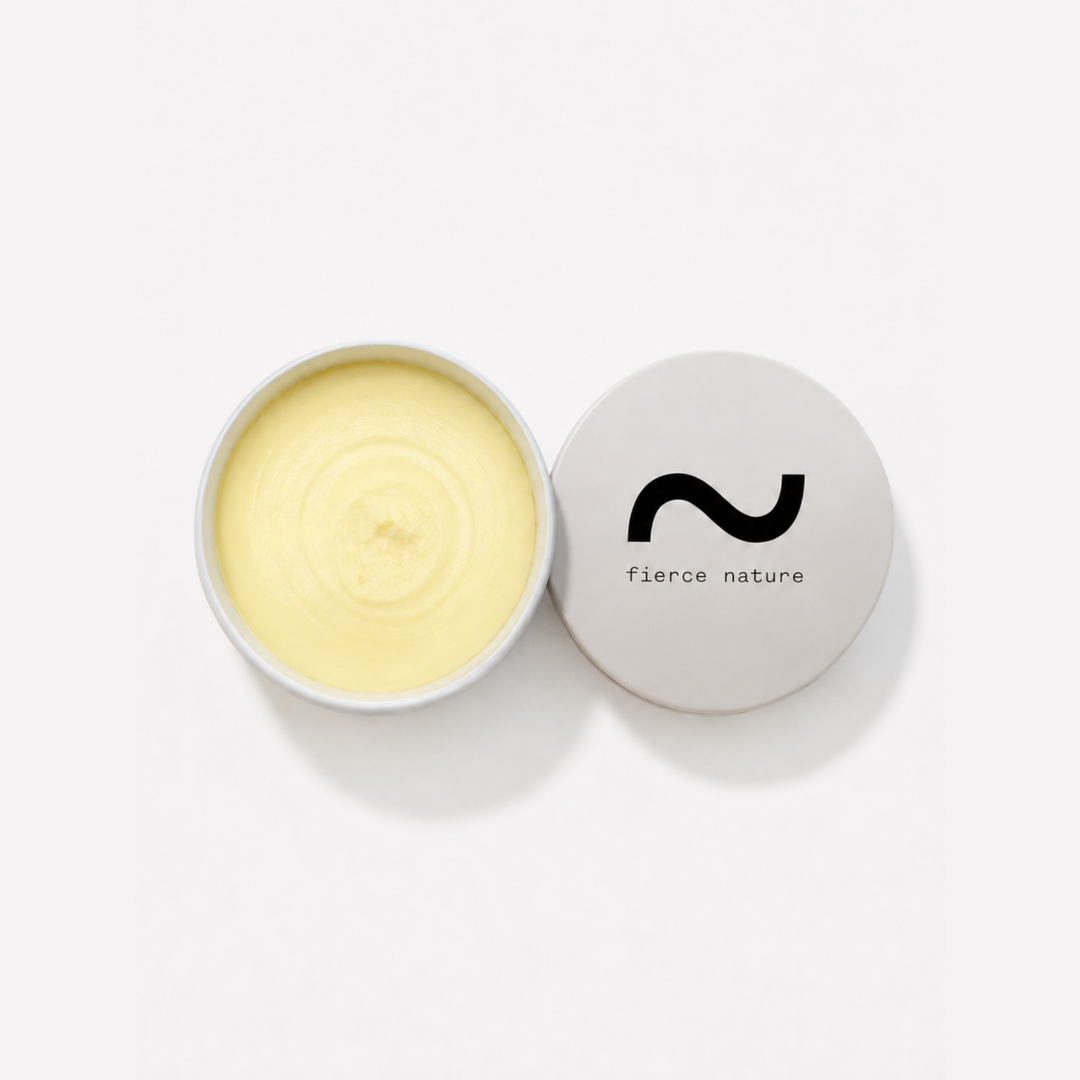
Tallow is the foundation of our face and body balms. Warm a tiny amount between your fingertips until it melts, then press it onto the shaved area rather than rubbing. A little goes a long way, and the skin should feel soft rather than greasy. Use it again in the evening if the area feels tight. Our guide to tallow balm benefits, uses and safety for UK skin walks through how to use it day to day.
We started Fierce Nature because we believe your skin deserves better than harsh chemicals dressed up in seductive packaging. Tallow is one of the oldest skin foods there is, and it has been used for centuries in soap making and as an emollient to leave skin smoother, richer and well nourished.
A shave is one of the most direct things you do to your skin. A blade passes over it, often daily, so what you put between the two matters. That is why we like to see a thick, creamy tallow lather doing the work: it softens, it cushions and it leaves behind the kind of fats skin recognises.
Every bar we make is handmade in the UK with organic tallow as the foundation and naturally sourced ingredients. We are open about what goes into our products because you should always know what you are putting on your skin. Our formulas are designed to give deep nourishment, and we love hearing how a simple bar and a balm can change a daily routine into a small moment of self-care.
Work with your skin, not against it. Start simple, build a good lather, and finish with something nourishing.
Fierce Nature
If you would like to bring tallow into your shave, our Multi-Use Tallow Bar (Unscented) is a simple place to begin, and the Multi-Use Tallow Bar (Scented) is there if you like a gentle fragrance. You can browse everything in our tallow soaps collection, and our face and body balms are made to follow a shave. Everything is handmade in the UK with organic tallow as the foundation.
Yes. Tallow makes a dense, creamy lather with plenty of slip, which cushions the razor and helps it glide over the skin. Its fatty acids also leave skin feeling soft and nourished after you rinse. Build the lather with a brush or your hands and let it rest for about a minute before you shave.
Yes, that is one of its charms. The same lather works on the face, legs, underarms and other areas, so one bar can replace several products. If you are new to tallow, try it on a small area first, and begin with an unscented bar.
A brush is the traditional tool and it builds a thicker, creamier lather than hands alone, because the bristles whip air and water into the soap. You can still get a good lather with wet hands by working the bar and rubbing your palms together until the foam is creamy.
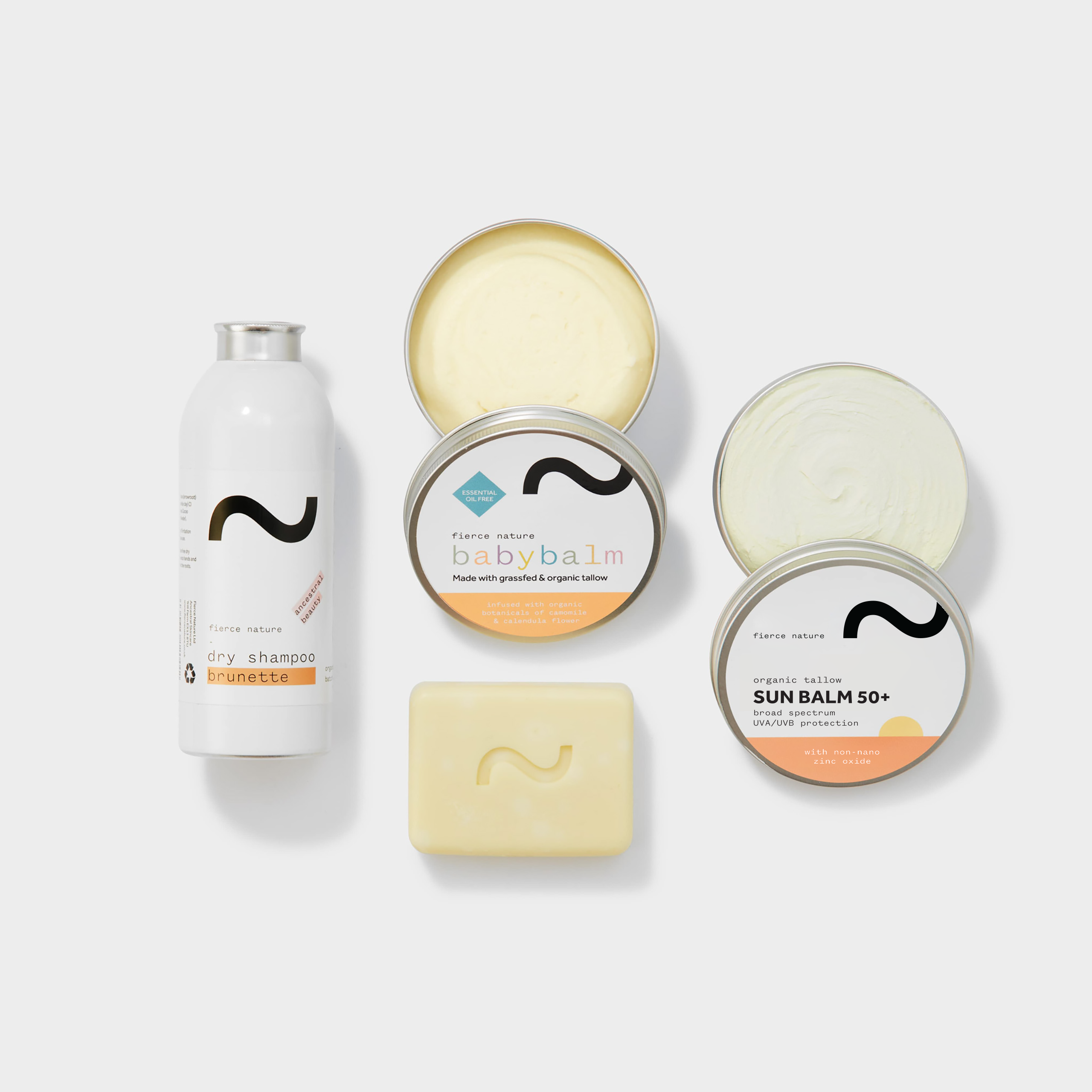
A small amount of nourishing balm. Warm it between your fingertips and press it onto the shaved skin so it feels comfortable and supple. Our tallow-based face and body balms are made for exactly this kind of everyday care.
Tallow makes a hard bar, and a hard bar lasts well, especially if you let it dry between uses on a draining dish rather than leaving it in standing water. Because you only need a little soap on the brush to build a full lather, a bar goes a long way.