Cart
0
80% Also Added this
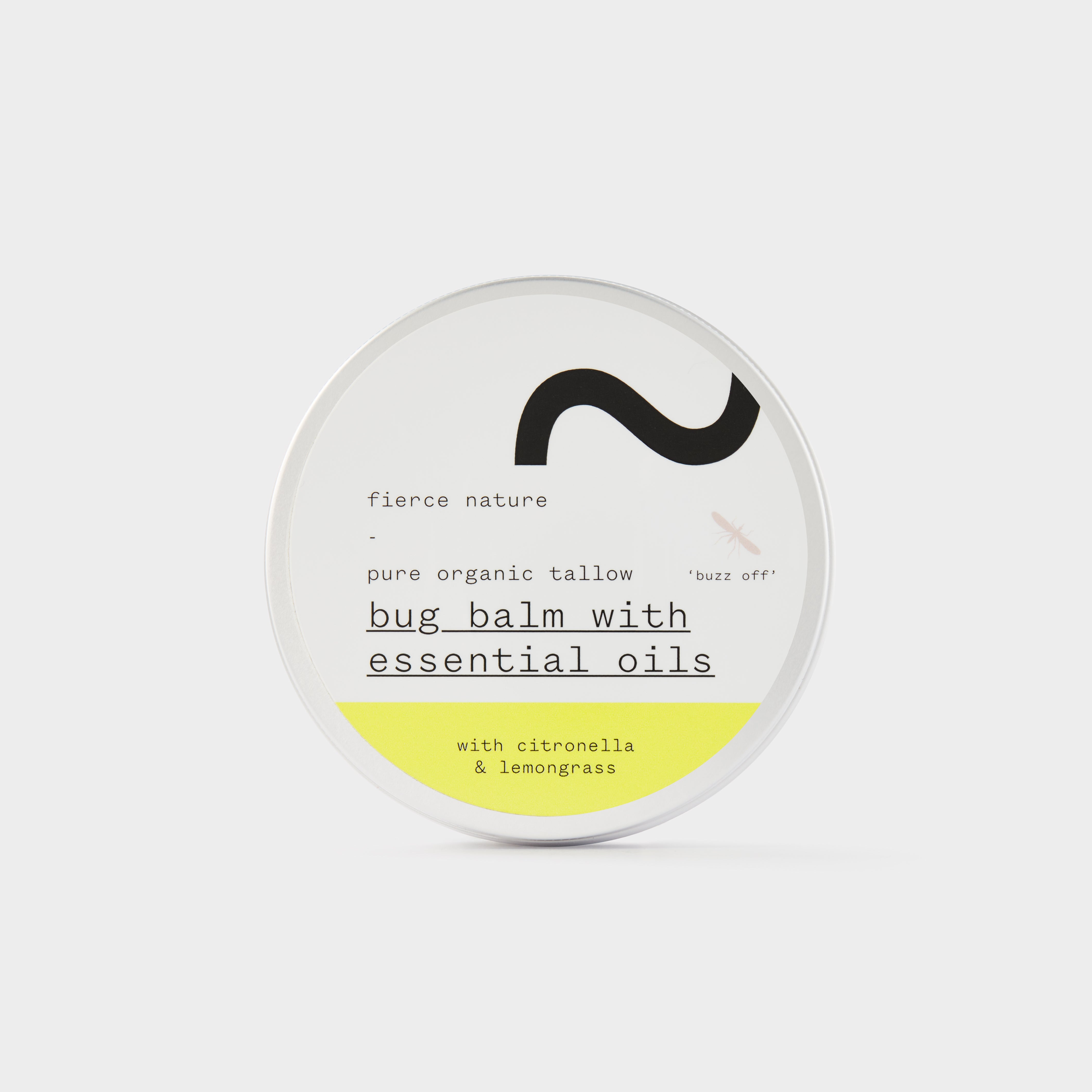


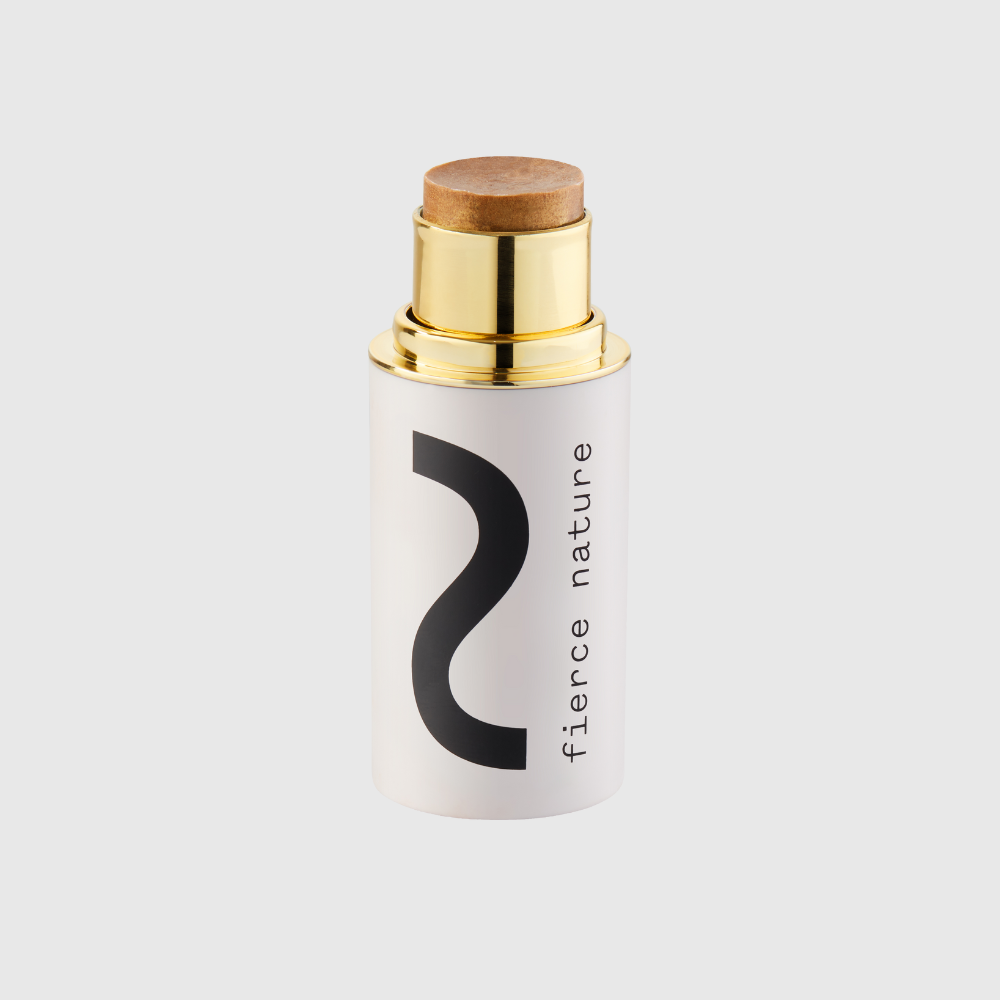
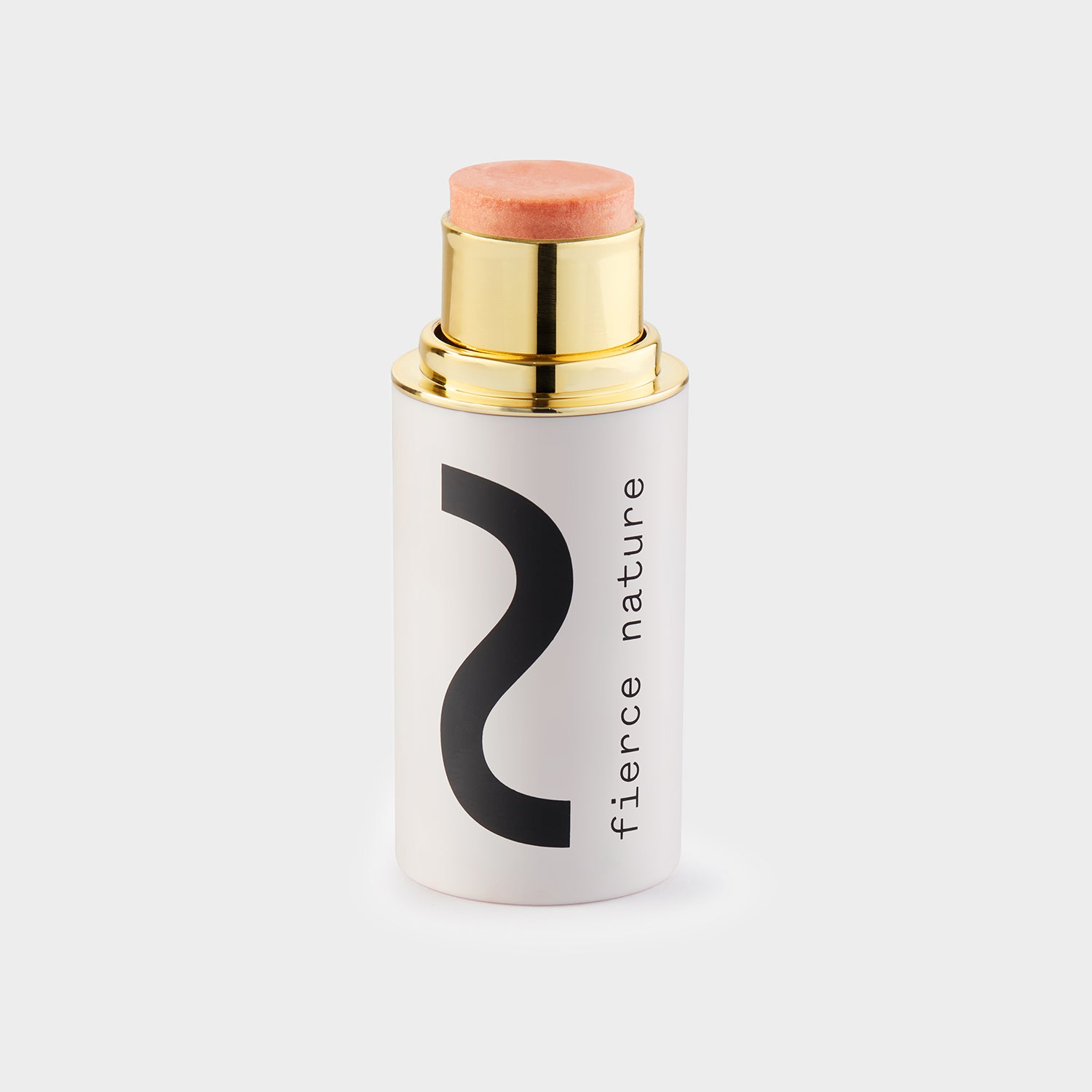
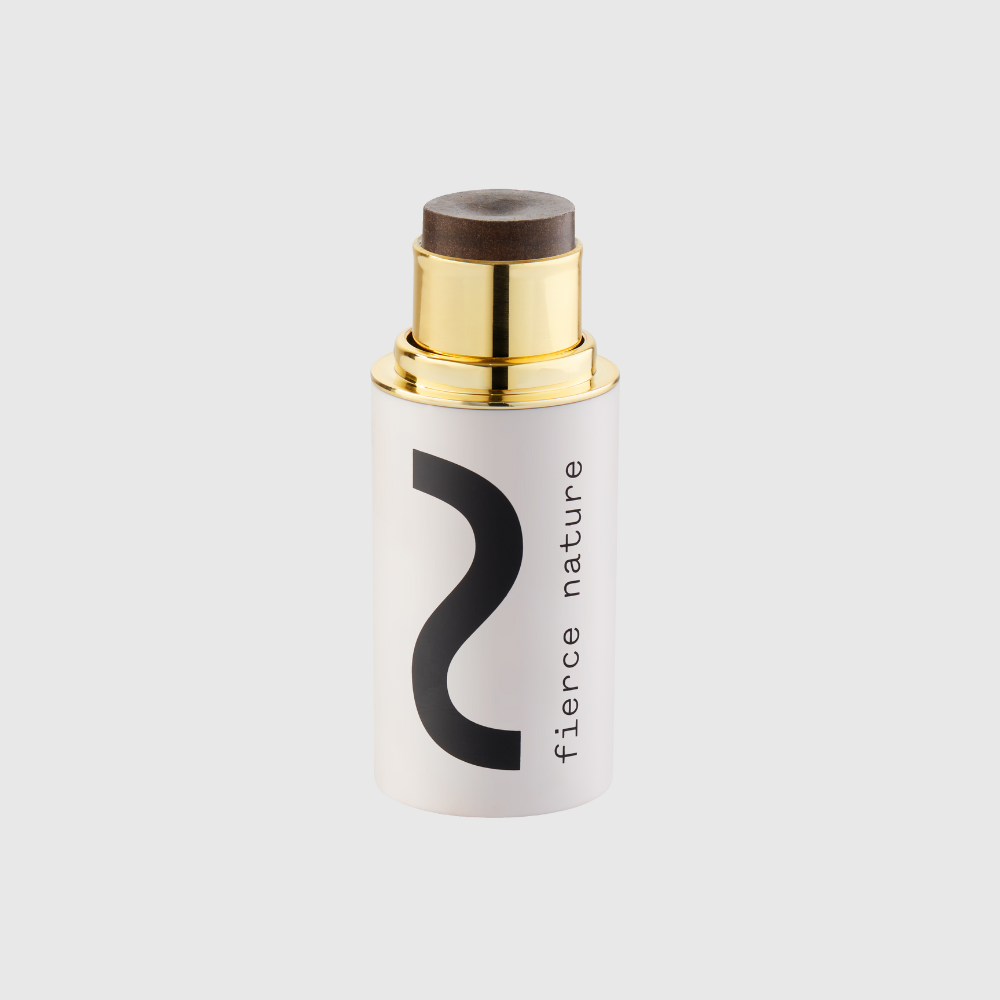
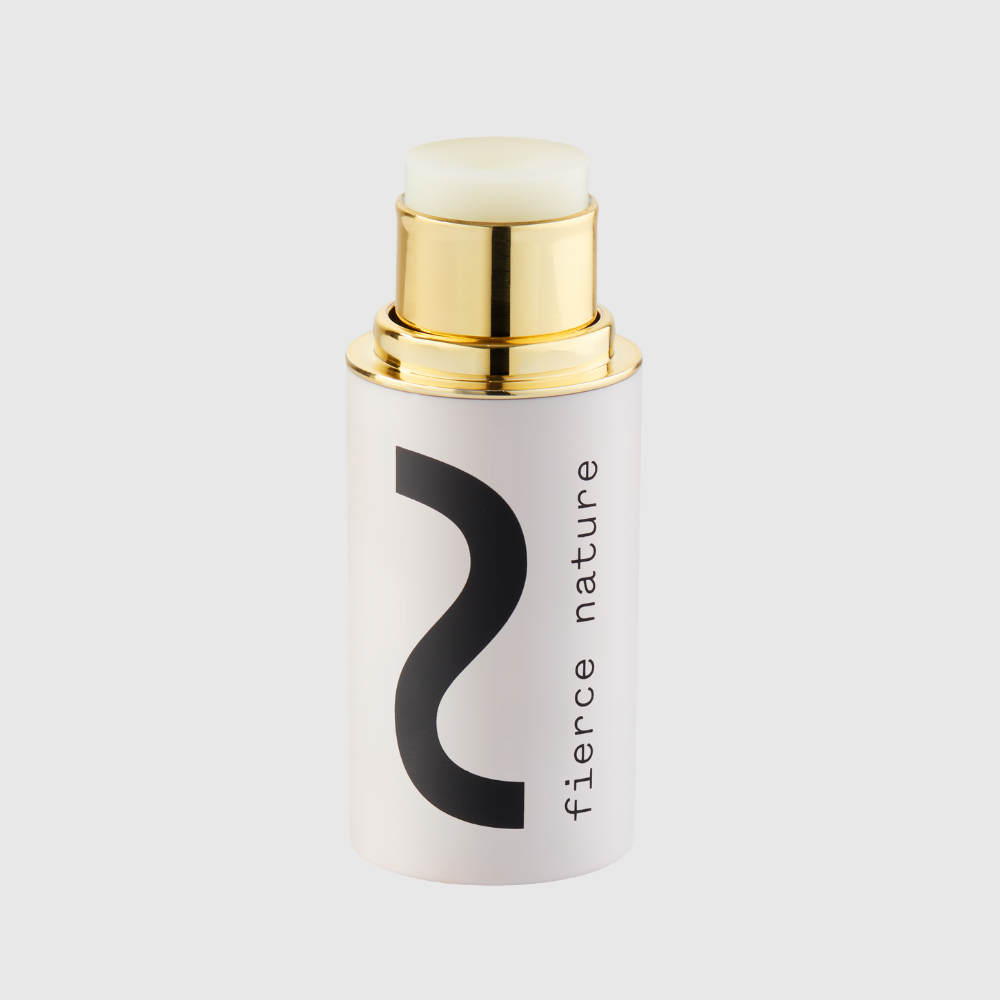
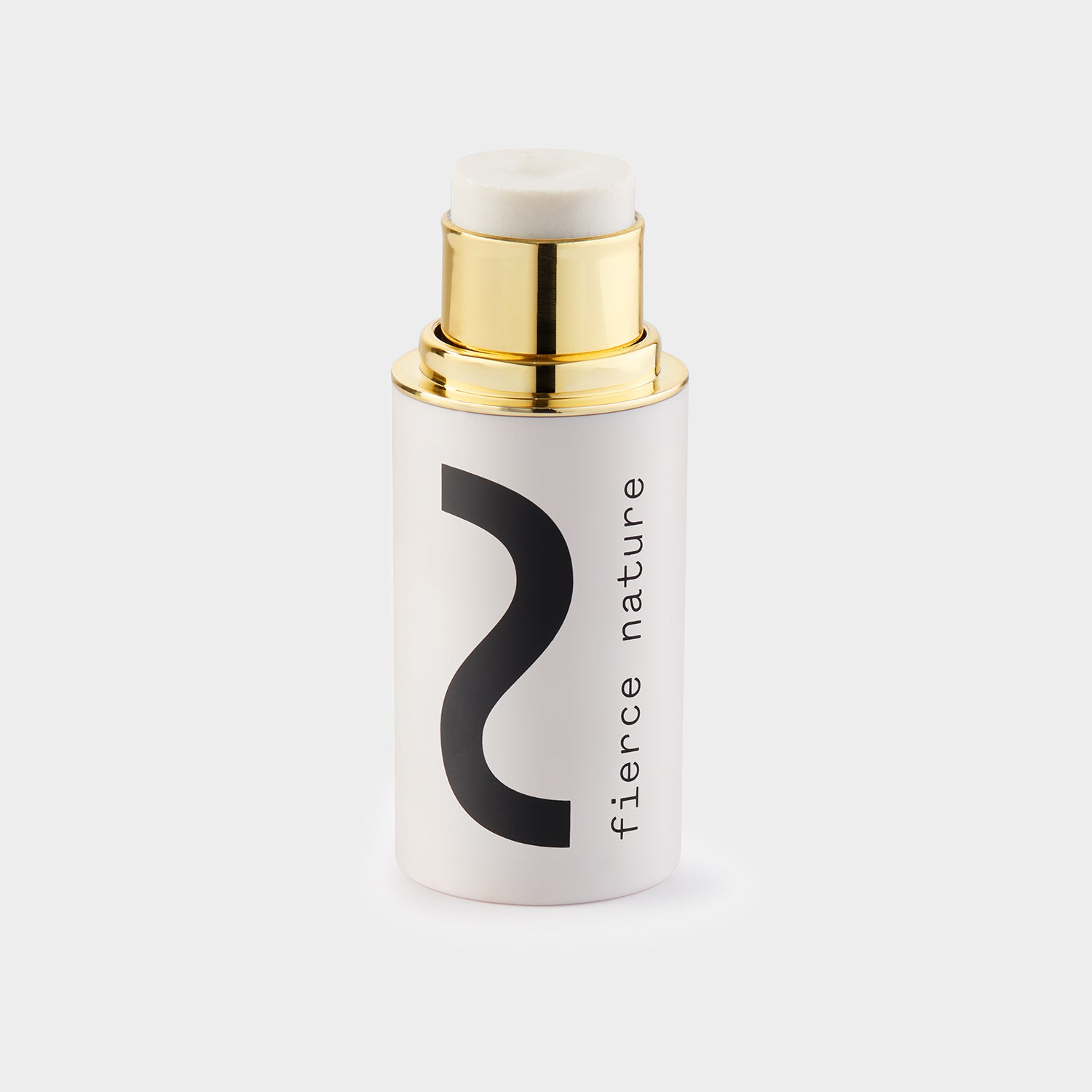
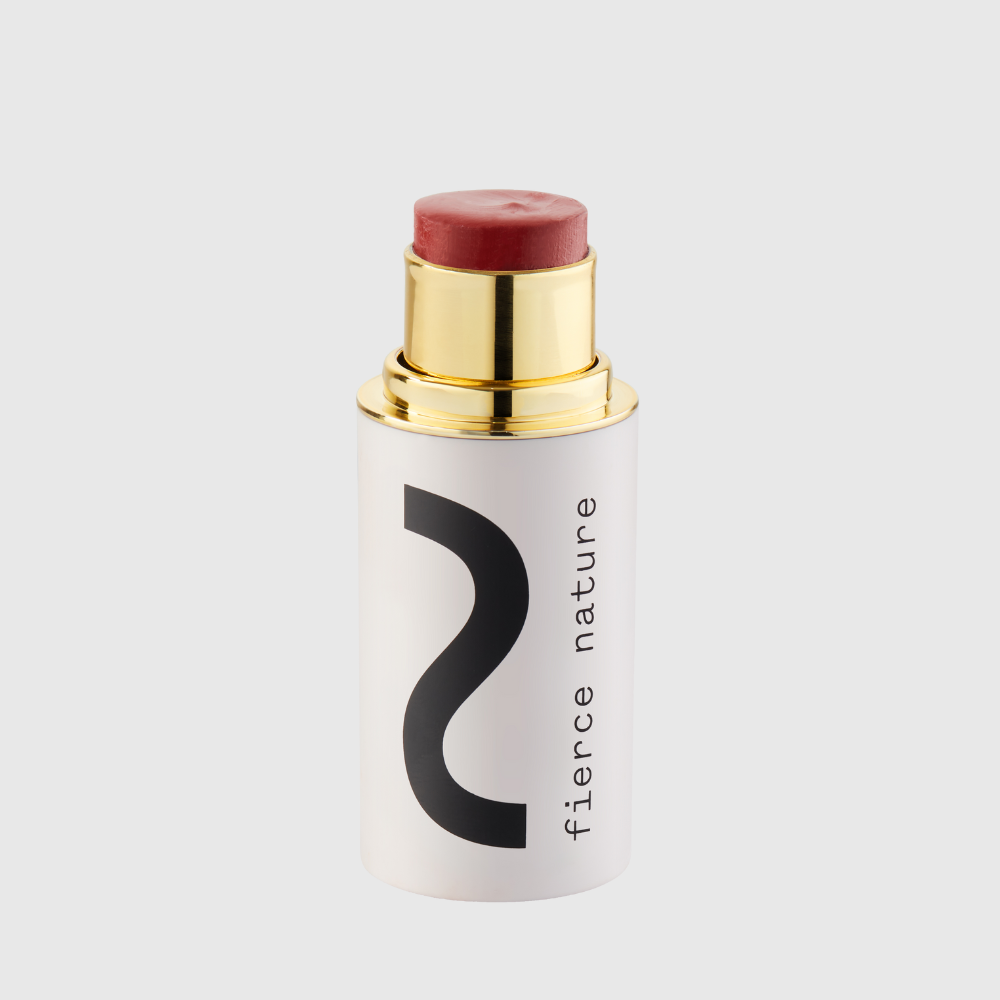
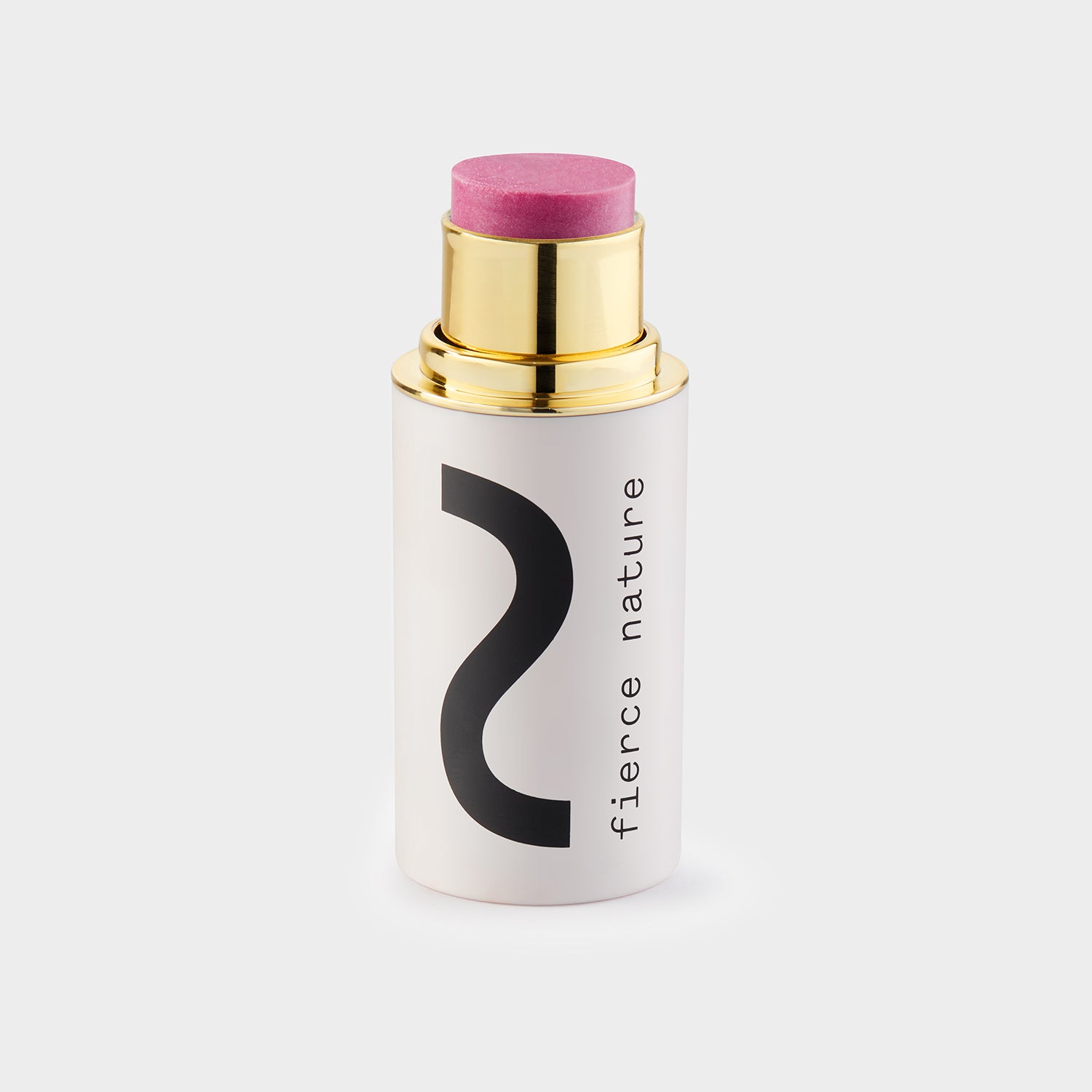
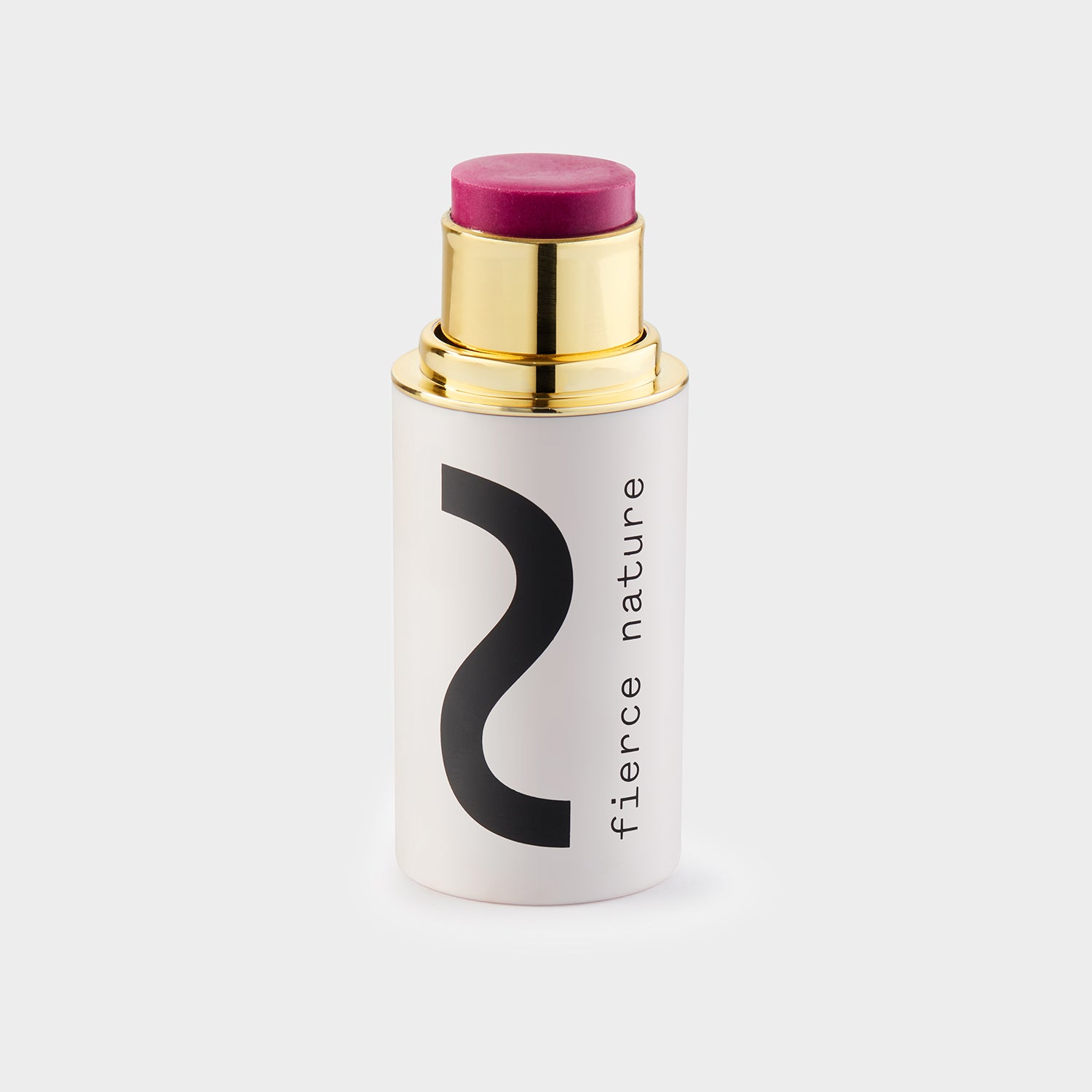
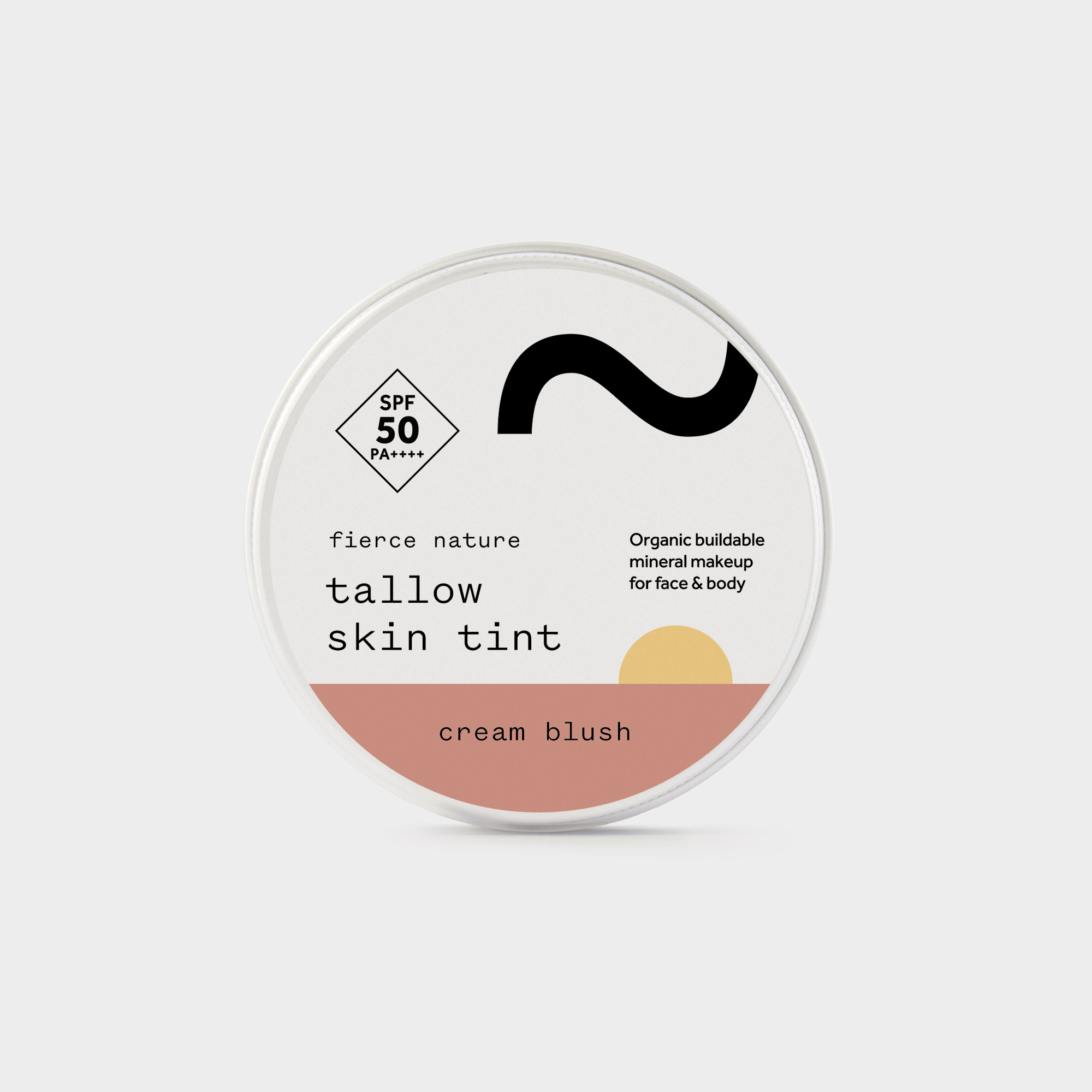
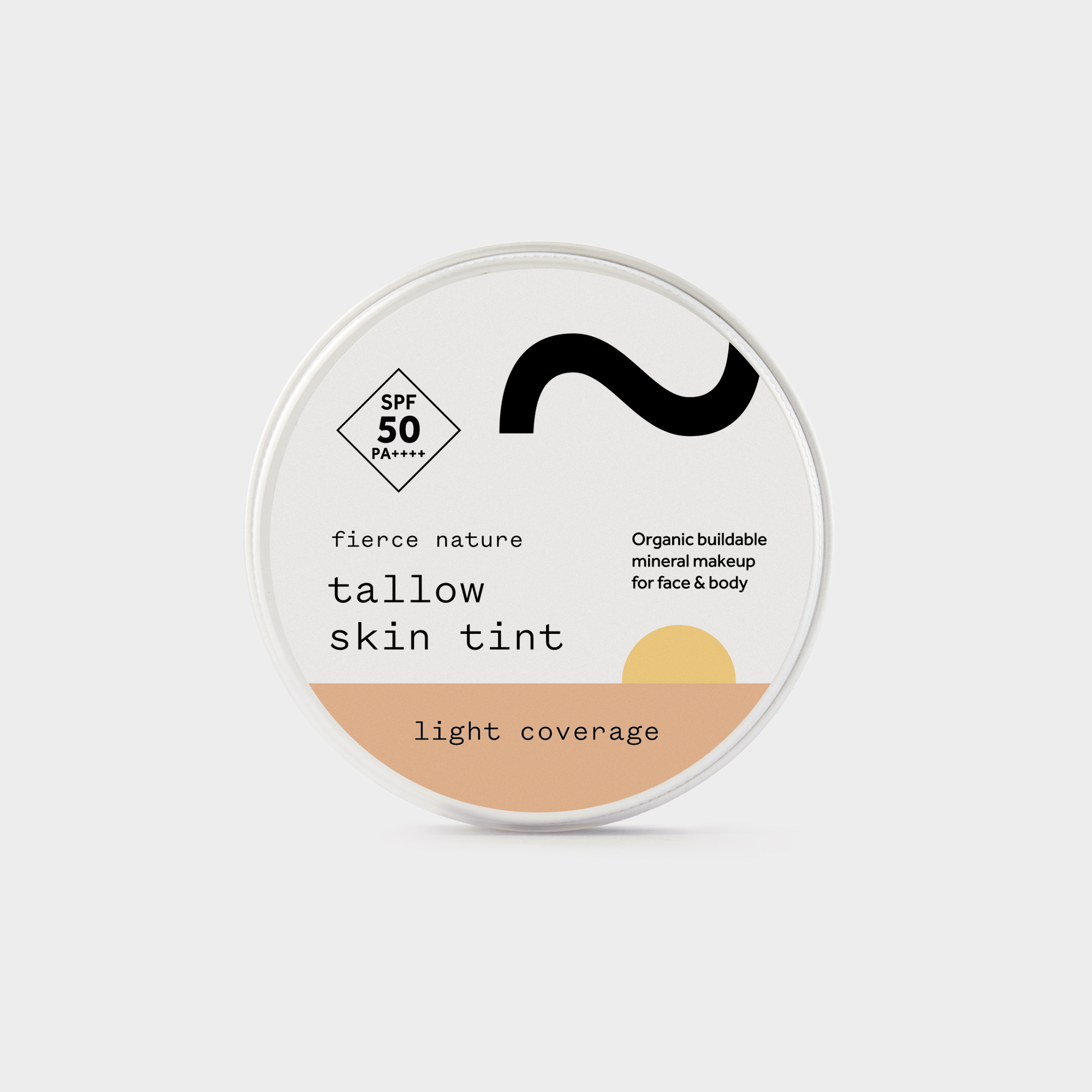
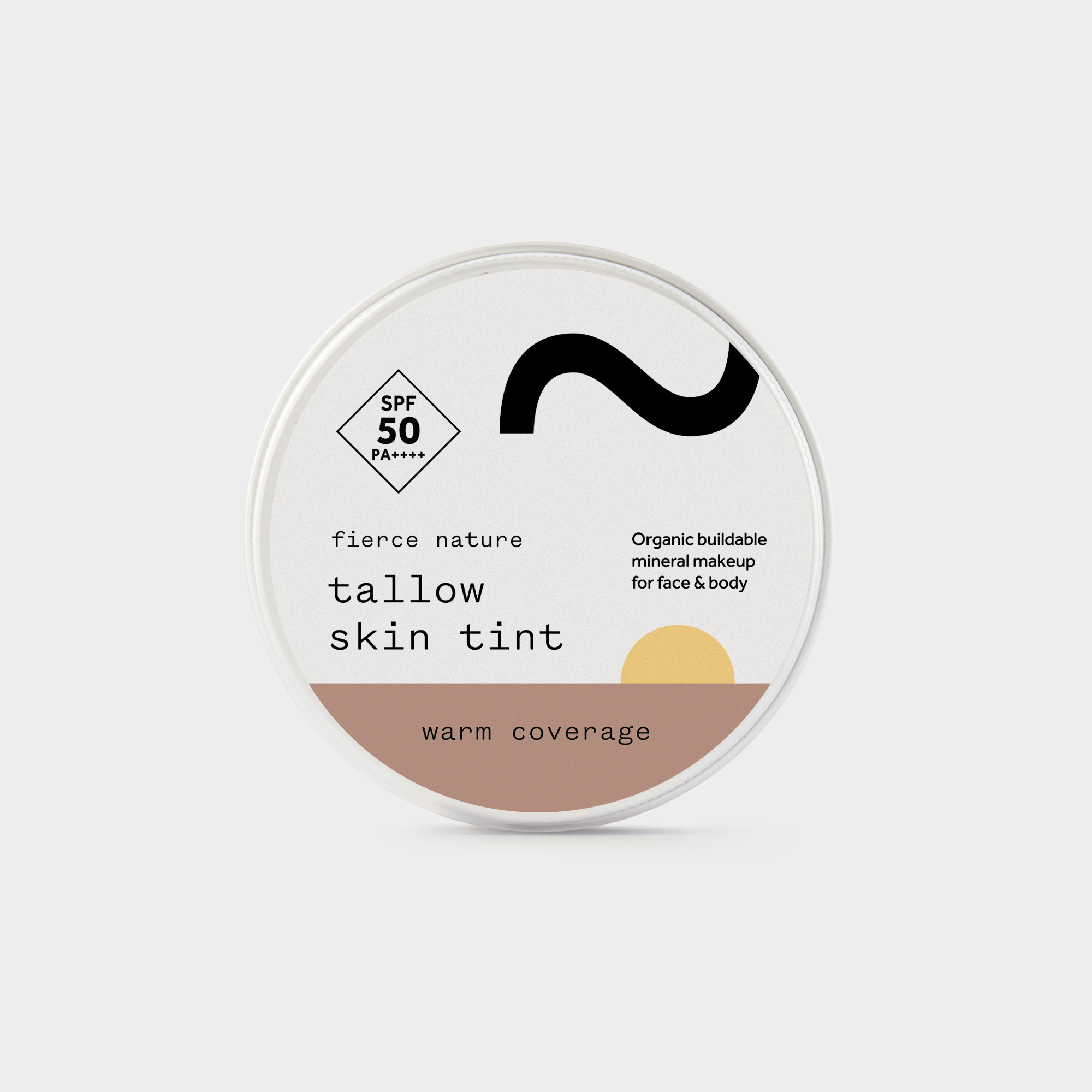
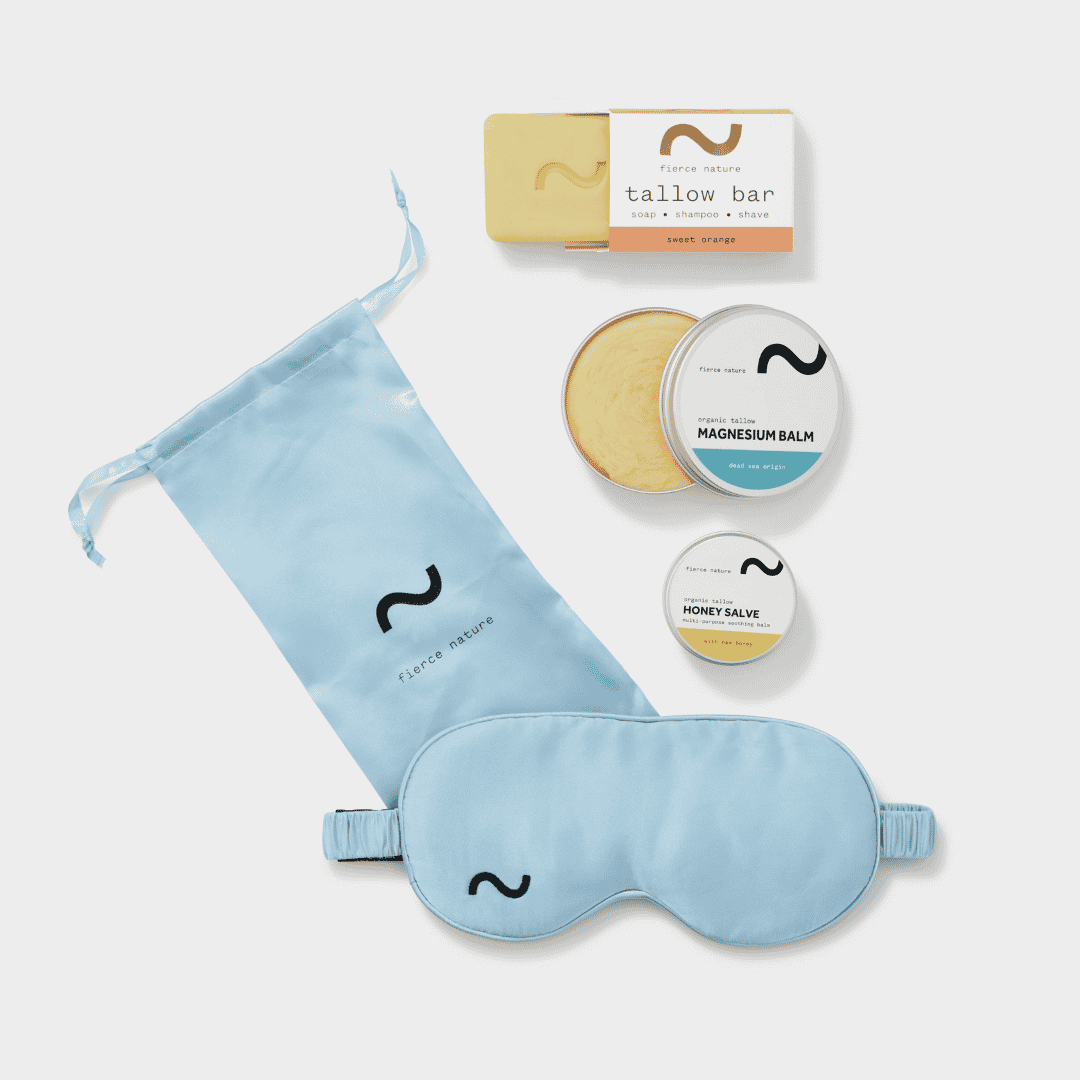




The fastest way to calm winter itch is to apply a leave-on emollient to damp skin straight after washing, then keep using it daily rather than only when your skin flares. For sudden itching, a cool compress and a lukewarm shower work quickly. The habit that keeps winter itch away for good is regular emollient use paired with a few simple changes to your home and washing routine.
TL;DR:
- Regular application of a leave-on emollient immediately after bathing significantly reduces winter itch and prevents flare-ups if maintained daily.
- Using a humidifier and switching to fragrance-free detergents help maintain skin hydration and minimize irritation caused by indoor heating and harsh washing routines.
- Short, lukewarm showers combined with cooling compresses and avoiding hot water or soap-based cleansers provide quick relief from sudden itching episodes.
- Signs such as spreading redness, weeping, or cracking that causes pain require medical assessment, with corticosteroids and prescription emollients often recommended.
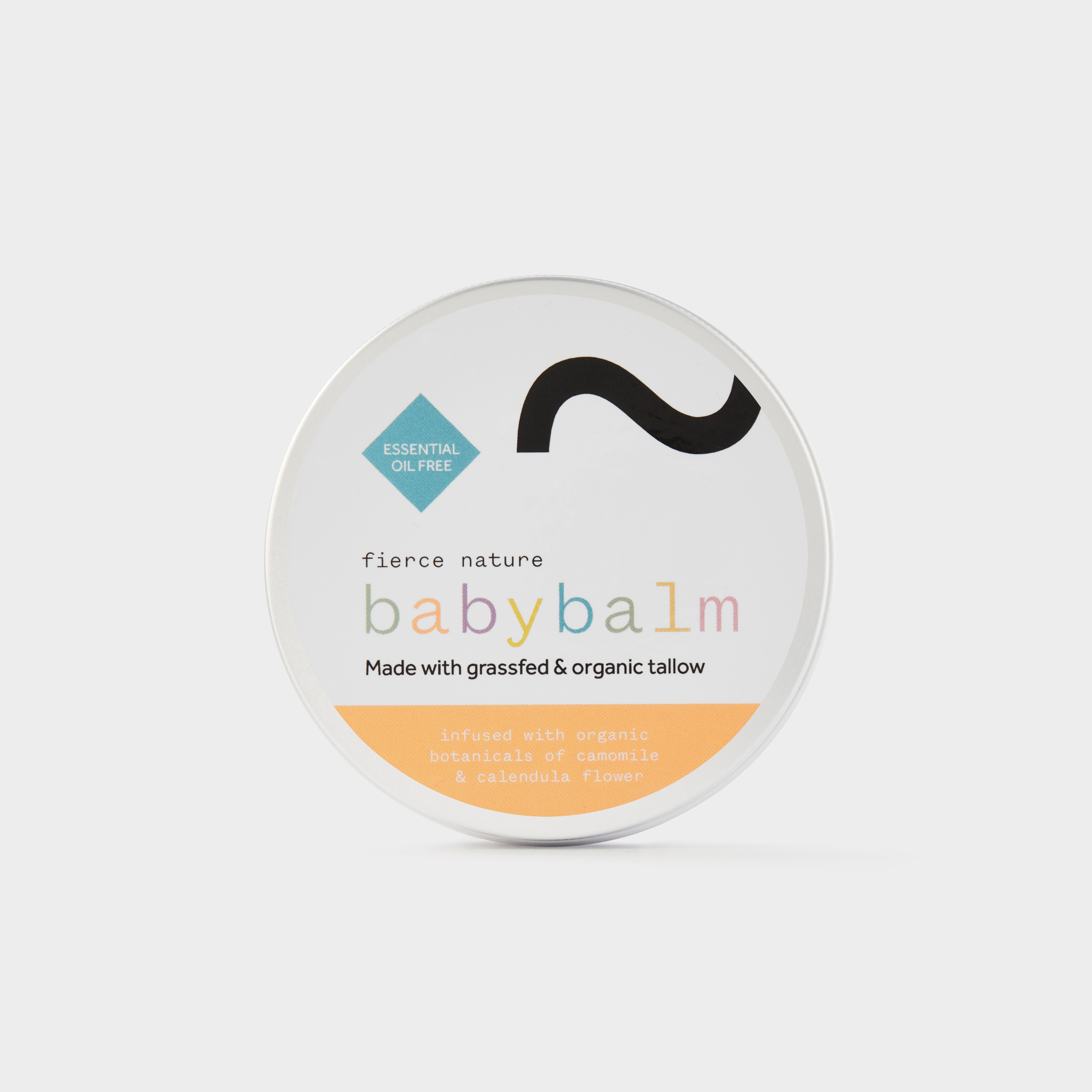
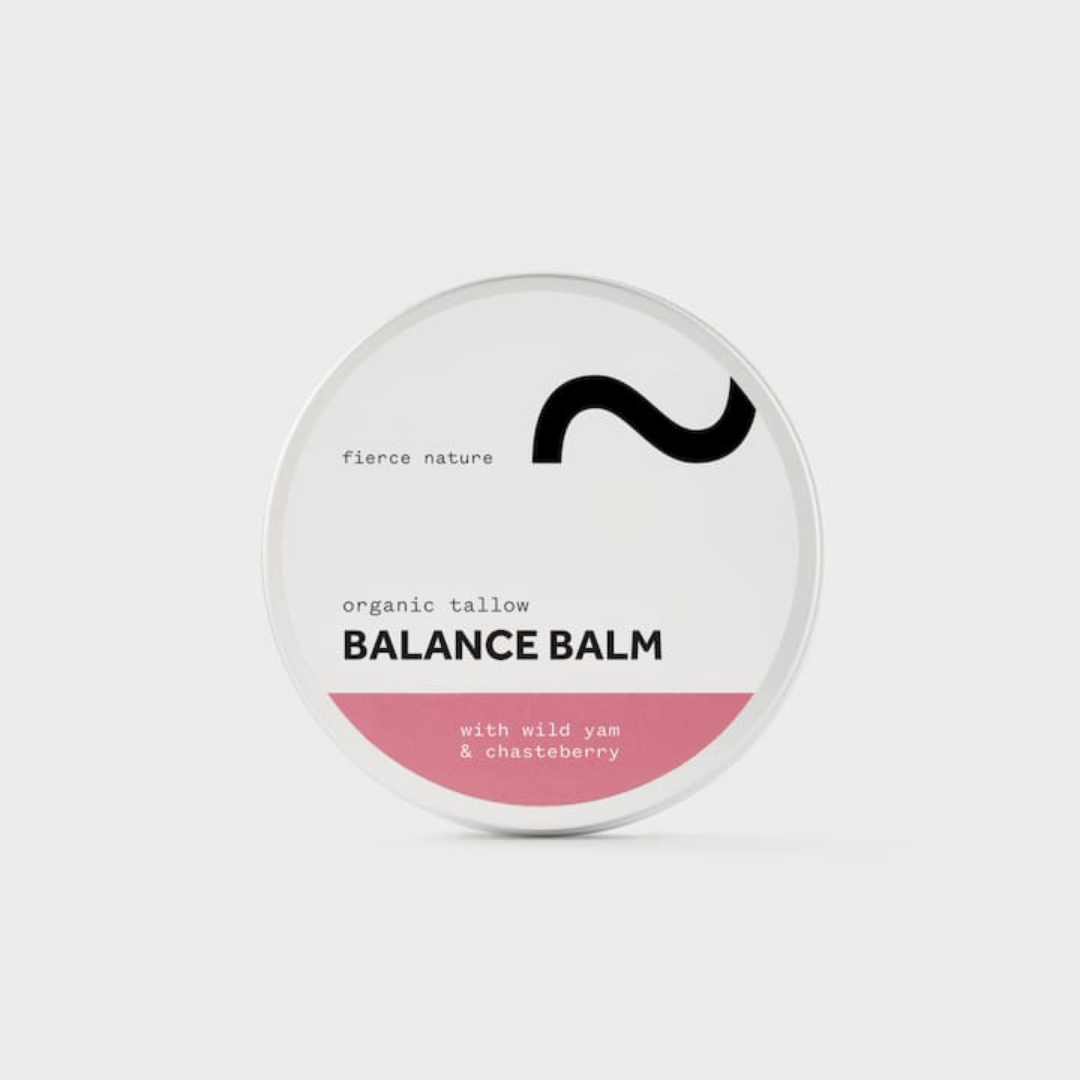
- Incorporating tallow-based balms can reinforce the skin barrier, with unscented formulas preferred for sensitive skin, and applying them overnight for optimal absorption.
Winter itch, known clinically as xerosis, is the dry, flaky, sometimes cracked skin that appears when the air turns cold and dry. It tends to show up on the legs, arms and trunk first, where natural oils are thinner and skin has less protection.
A few things conspire against your skin barrier at this time of year. Central heating and cold outdoor air both pull moisture from the skin, hot showers strip away natural oils, and strong detergents or wool fabrics add friction and irritation on top. Skin barrier function also changes with age, which is why winter itch tends to hit harder as the years go on.
You will usually notice:
Watch for signs that point to something beyond simple dryness: spreading redness, weeping or crusted patches, or skin that feels hot to the touch. These can suggest infection or an eczema flare that needs a different approach than moisturising alone.
When the itch strikes, the order you do things in matters. Here is a practical sequence:
Pro Tip: Keep a small emollient tub or balm by the shower so you never miss the damp-skin window after washing.
Emollients work as maintenance therapy, not a rescue remedy, so the biggest gains come from using one every day rather than only during a flare. Swapping soap for an emollient wash and applying a leave-on product straight after is the simplest habit to build.
A handful of home changes make a real difference too:
Hands take a particular beating in winter from washing and cold air, so keep a hand balm at every sink. It is also worth considering the NHS’s winter guidance on vitamin D, since sunlight is not strong enough between October and early spring for the body to make what it needs, and skin health benefits from good overall nutrition and hydration alongside topical care.
One small but important habit: always scoop moisturiser out with a clean spatula rather than fingers. It sounds fussy, but repeated finger contact with a shared tub is a genuine route for bacteria to multiply in the product, which then goes straight onto broken or irritated skin.
Pro Tip: Keep two pots on the go, one for hands by the sink and one for the body by the shower, so hygiene never gets in the way of consistency.
Most winter itch settles with consistent moisturising and the home changes above, but some signs mean it is time to get it checked rather than push on alone.
A GP will often start with a topical corticosteroid for inflamed patches, alongside a prescription-strength emollient to use daily once things calm down. For itching concentrated in one area, a menthol-containing cream may be suggested for short periods under supervision, and a short trial of antihistamines is sometimes used to help with sleep when night-time itching is the main problem. Tablets and other systemic medicines are not typically needed for straightforward winter itch, since it usually responds to topical care. If symptoms persist despite this, a GP may refer on to a dermatologist for further assessment.

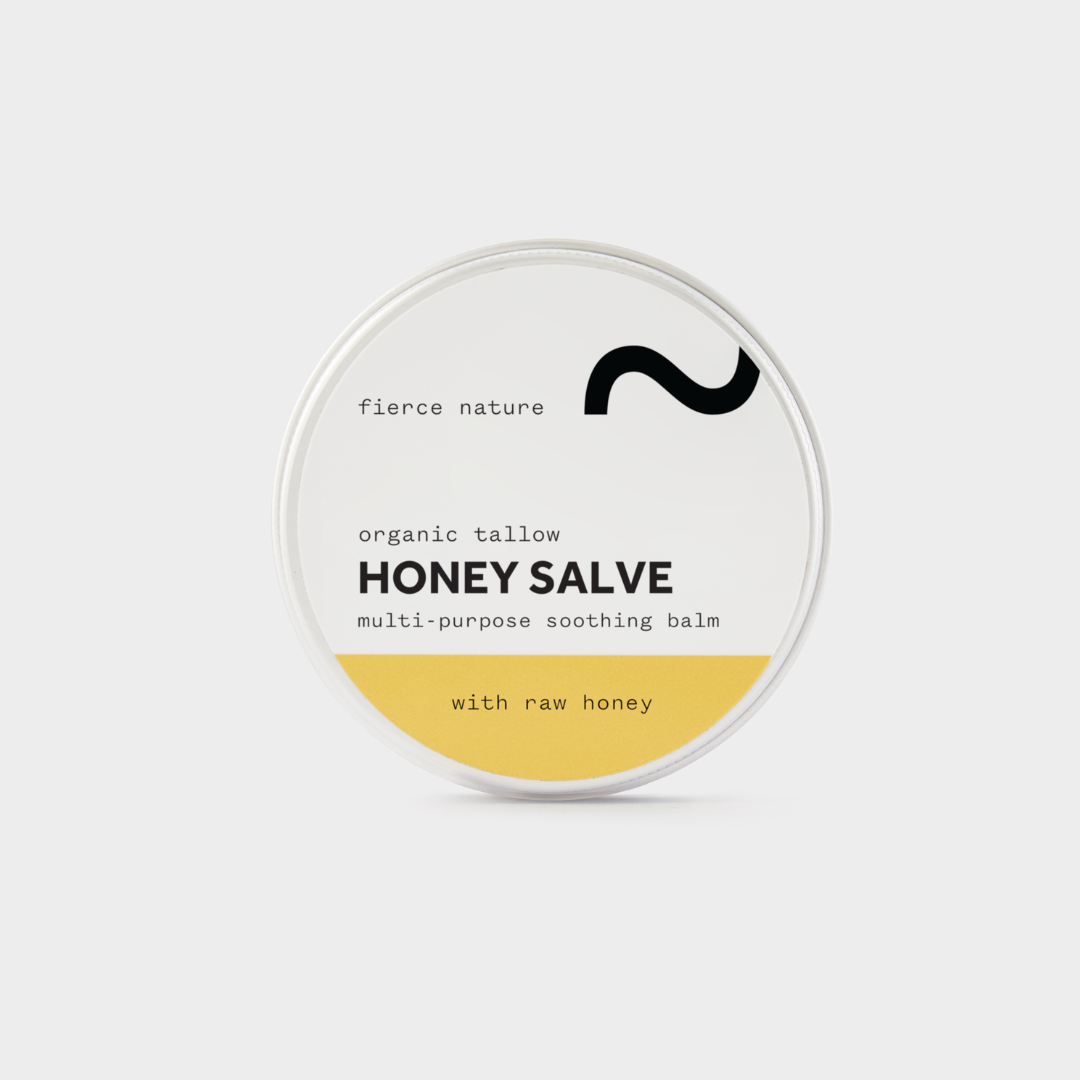
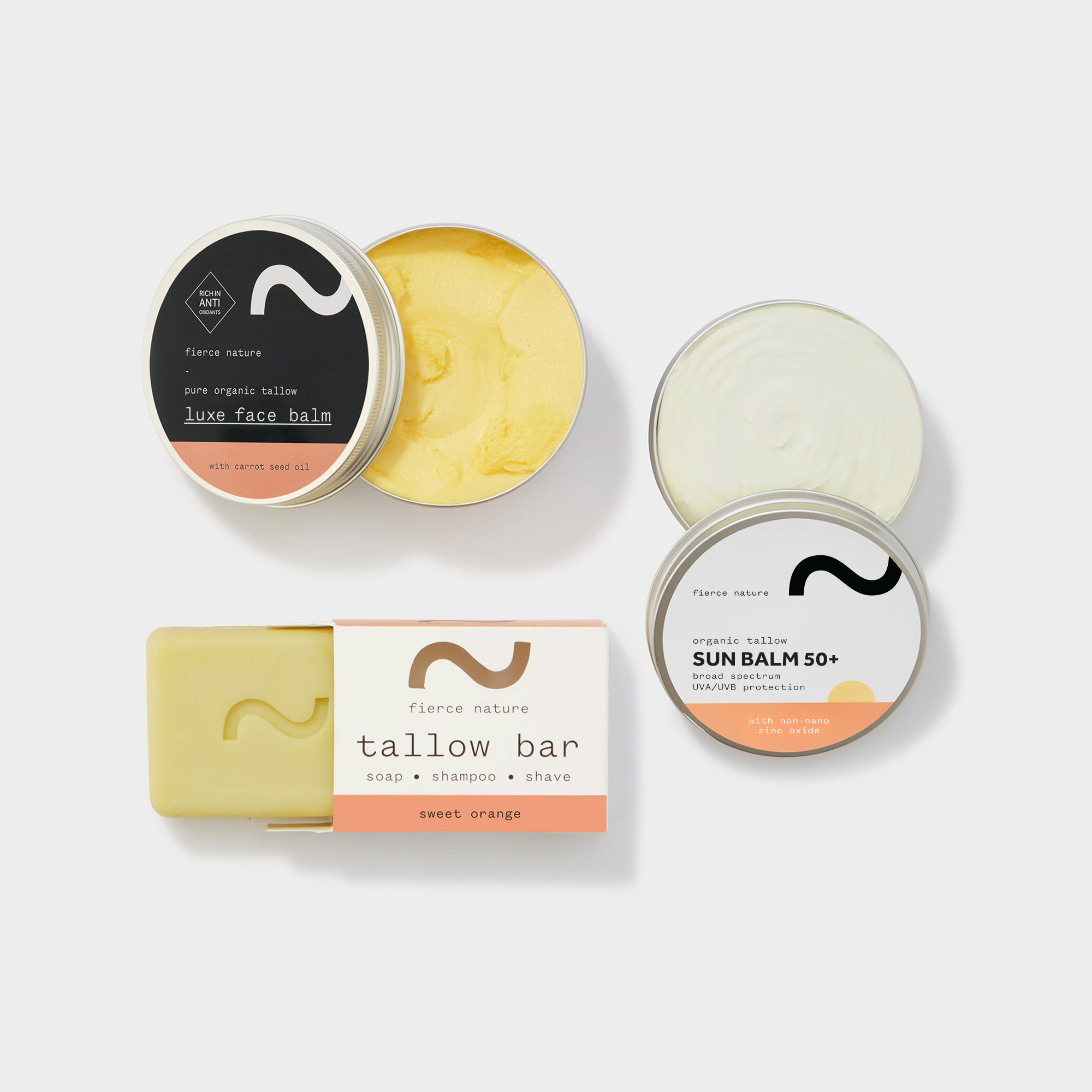
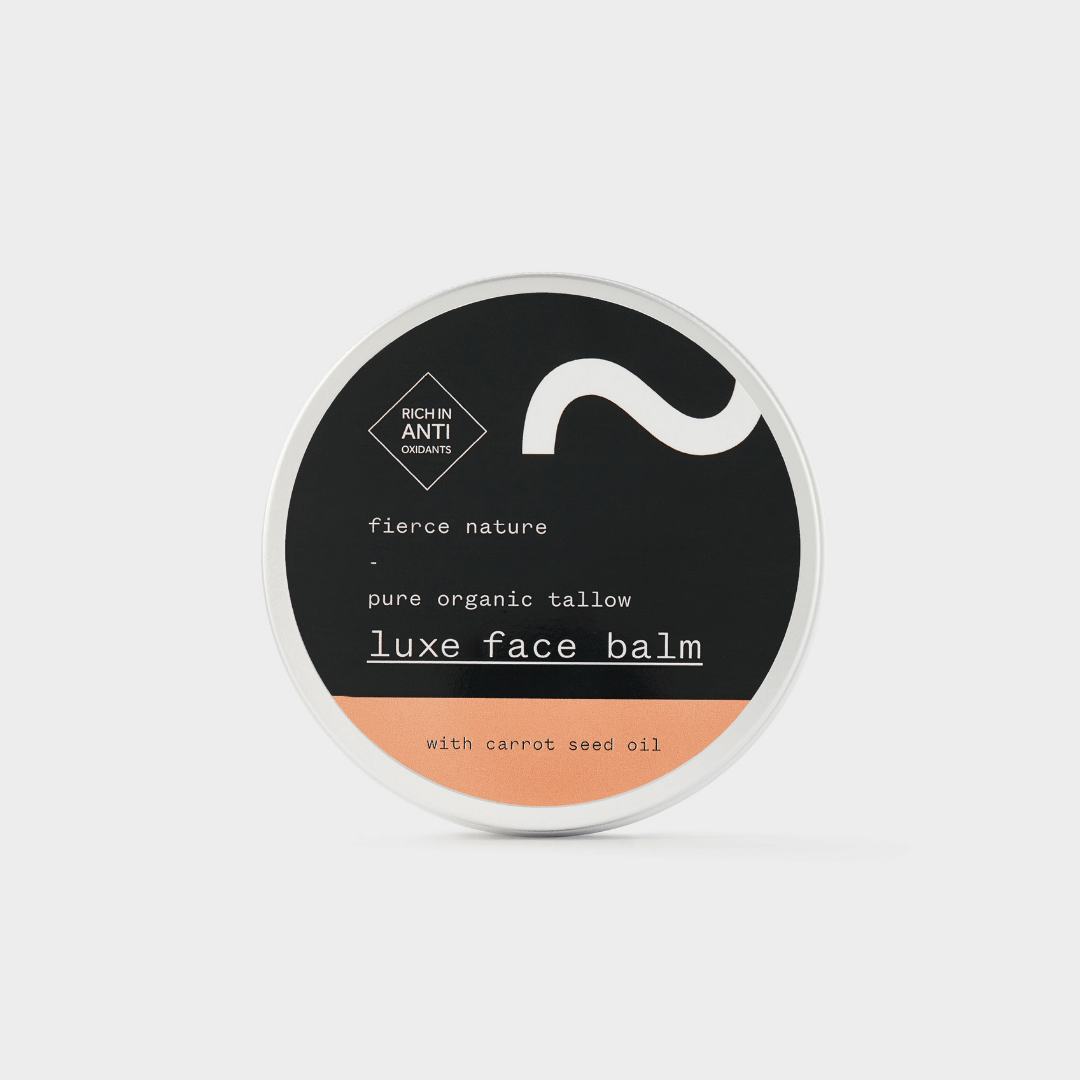
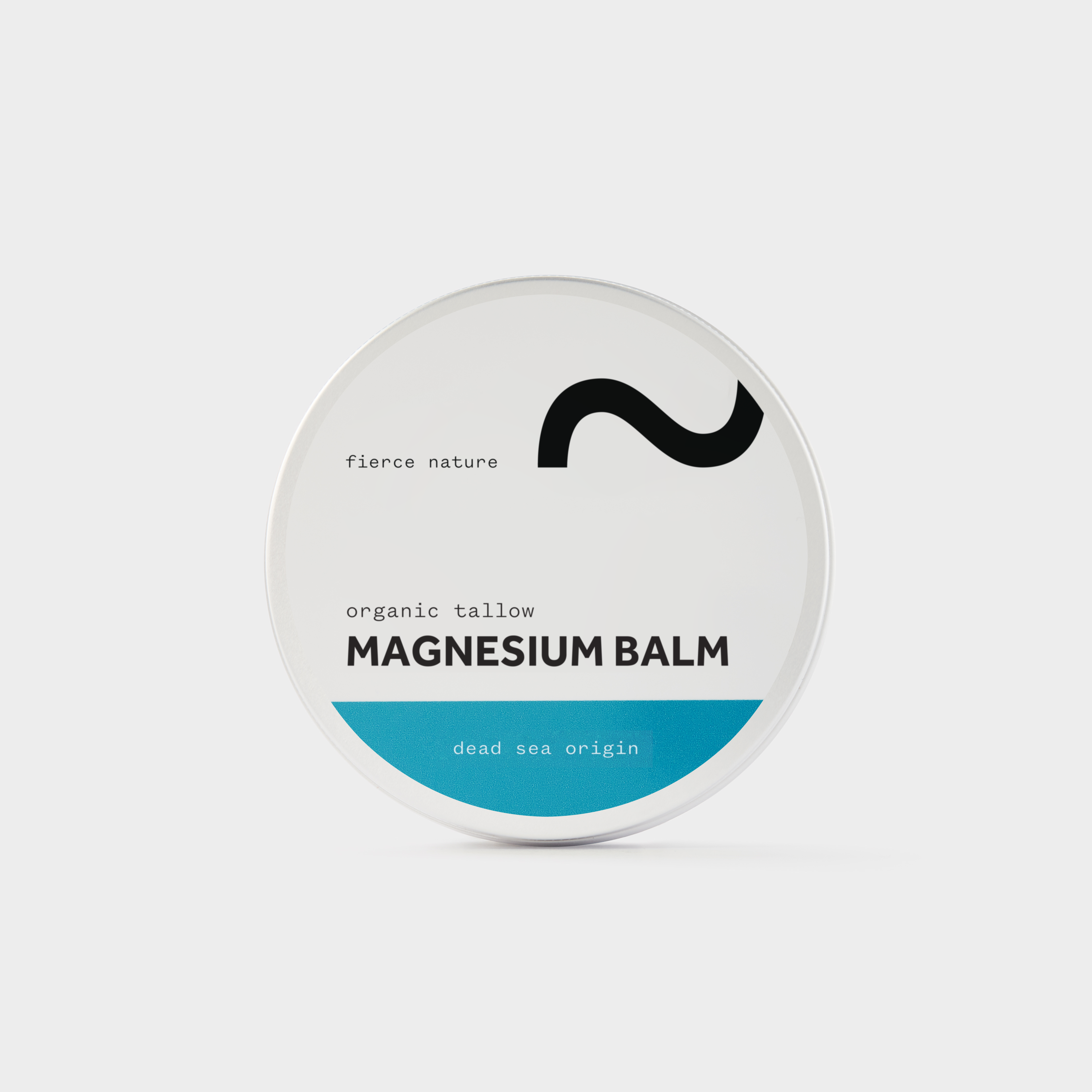
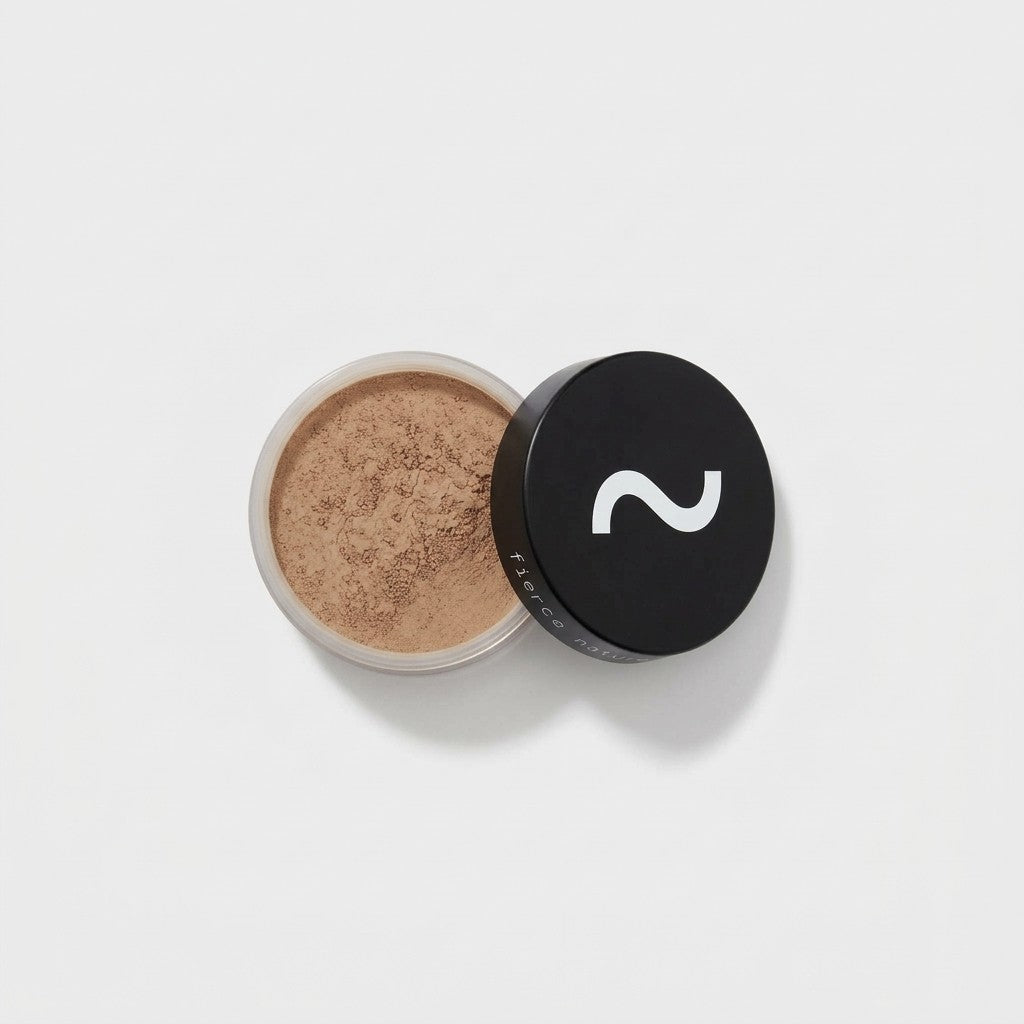
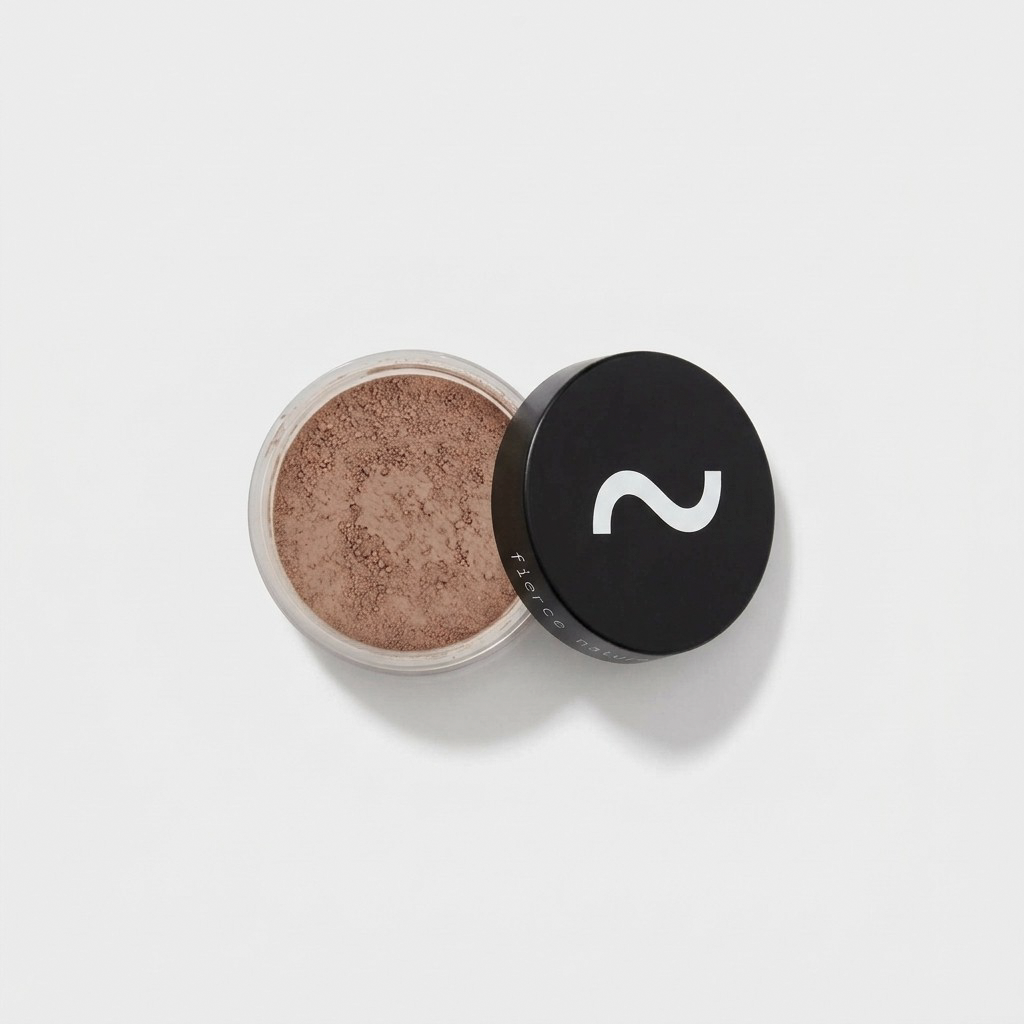
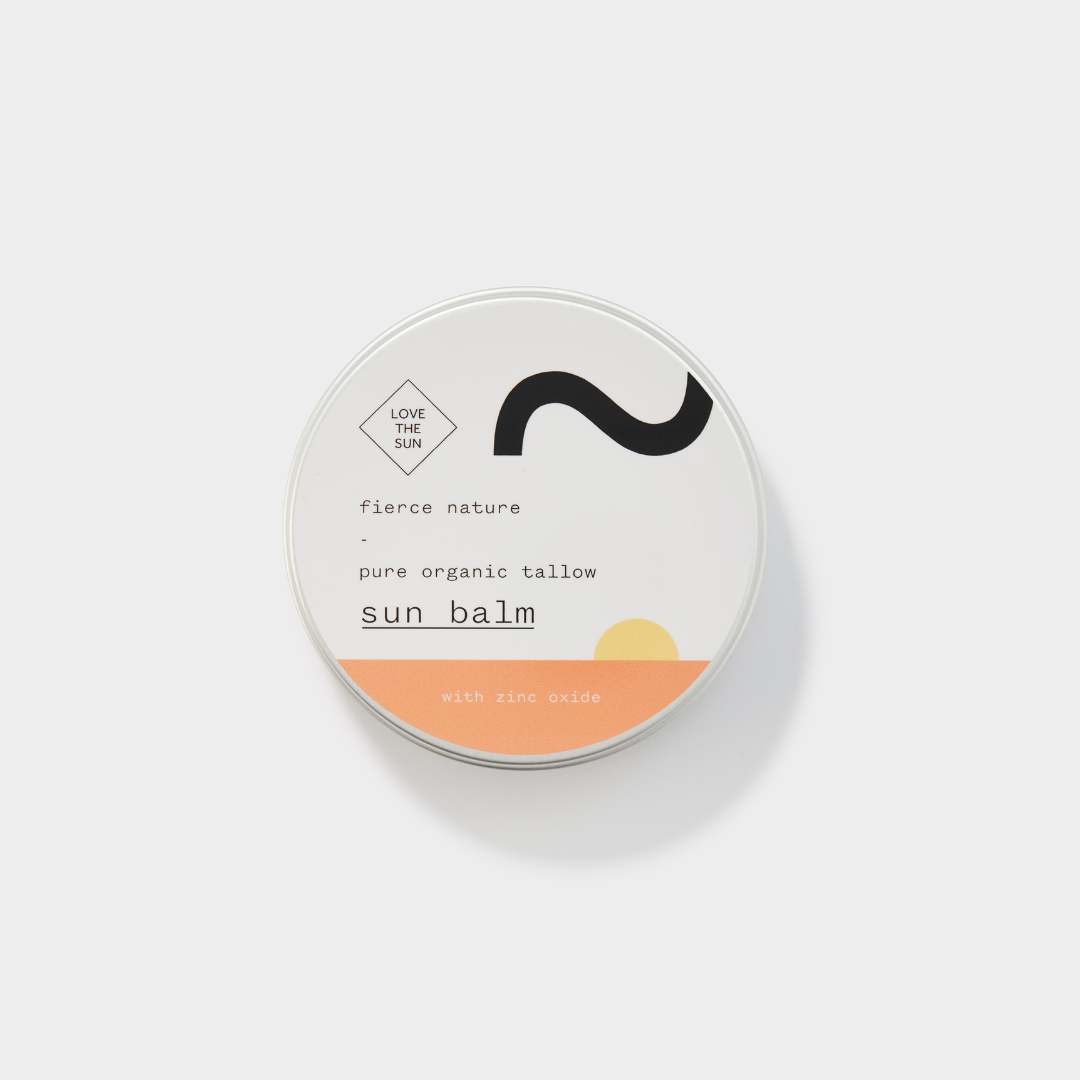
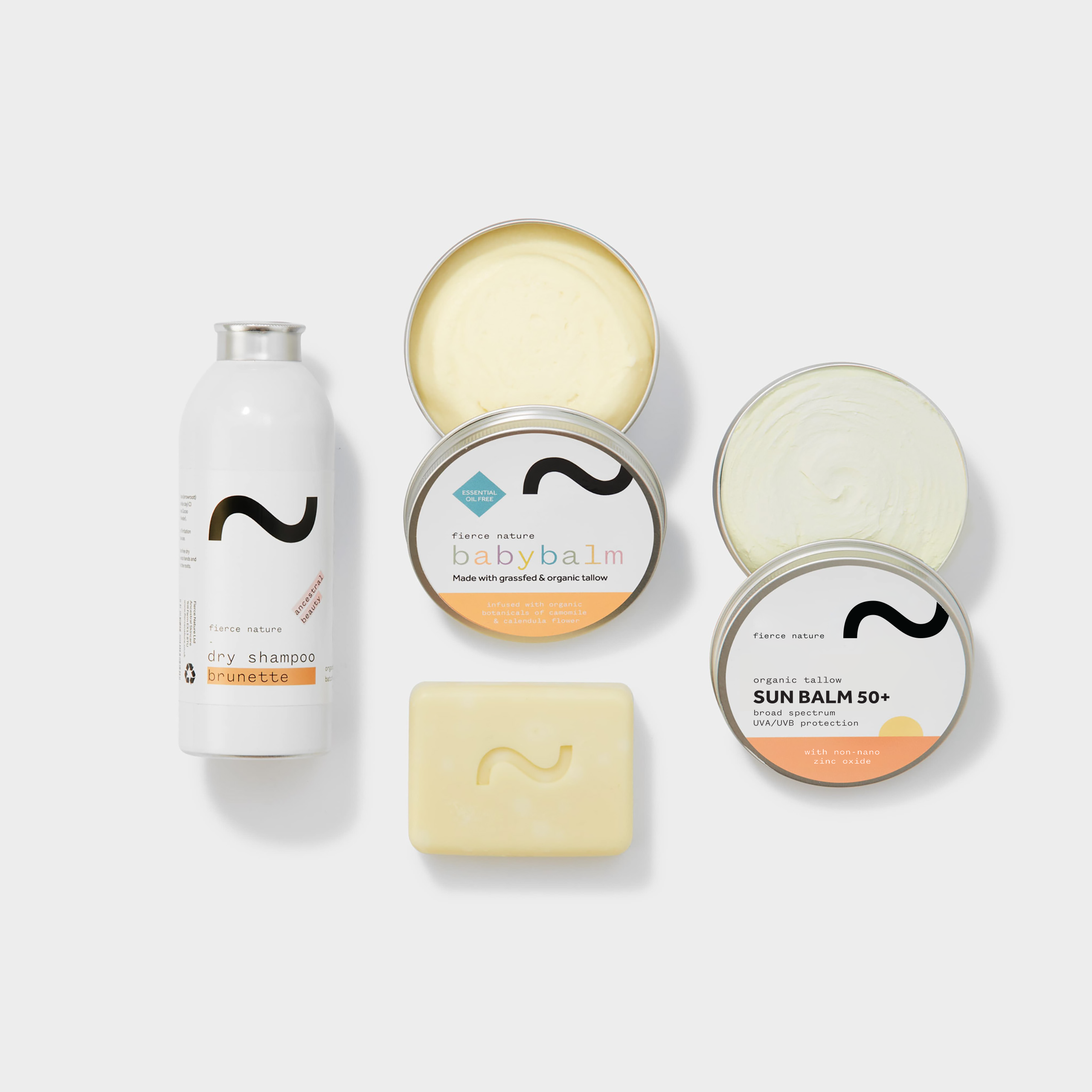
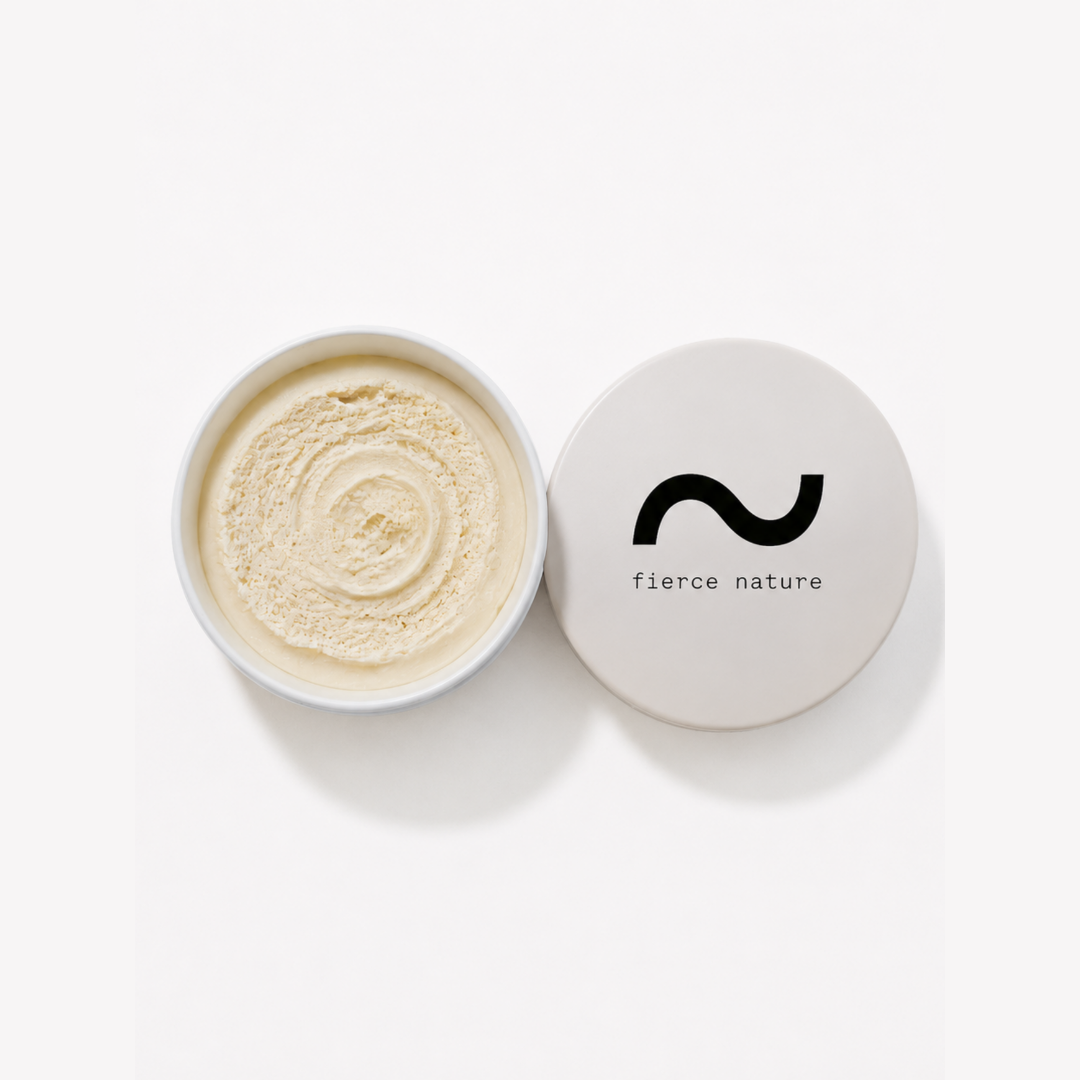
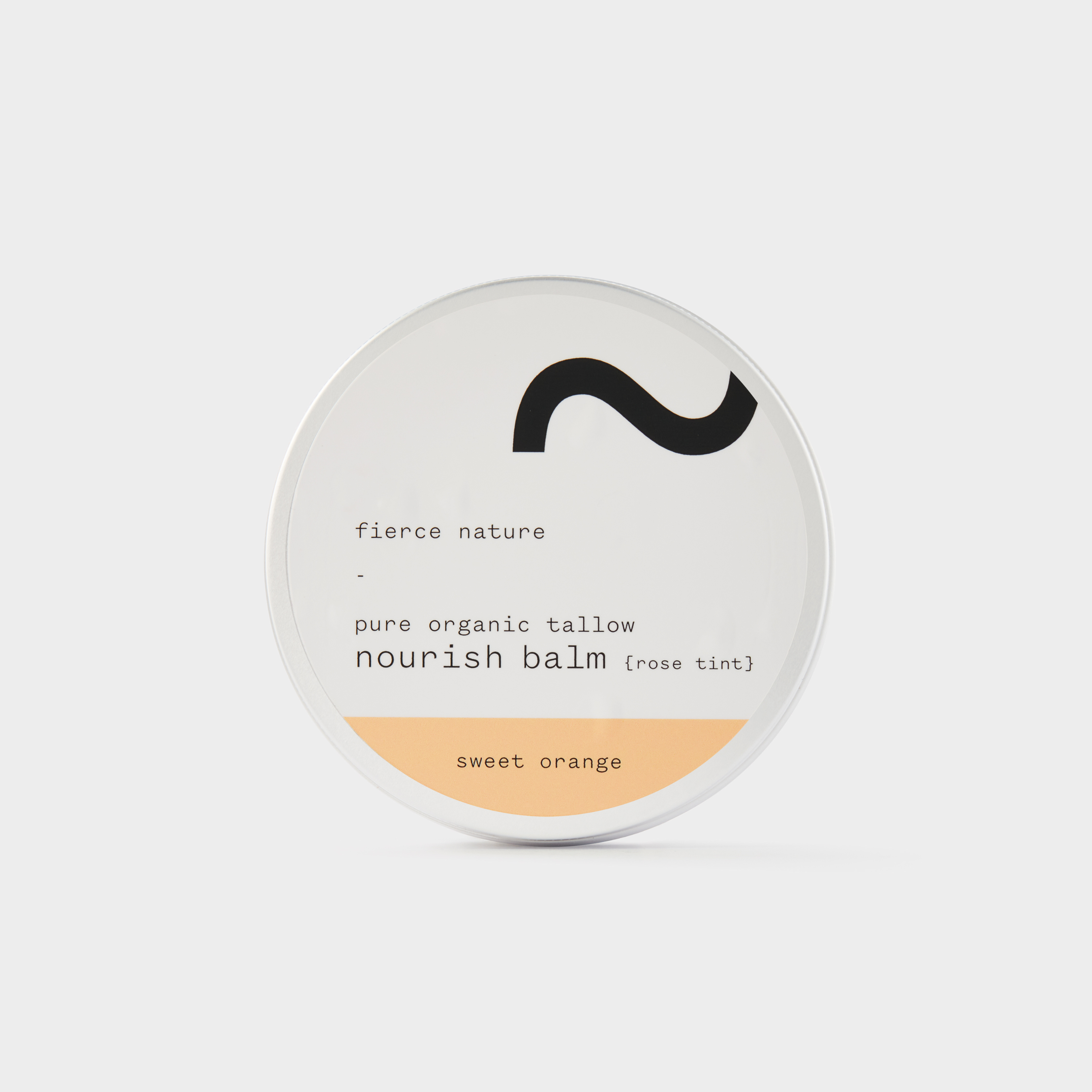
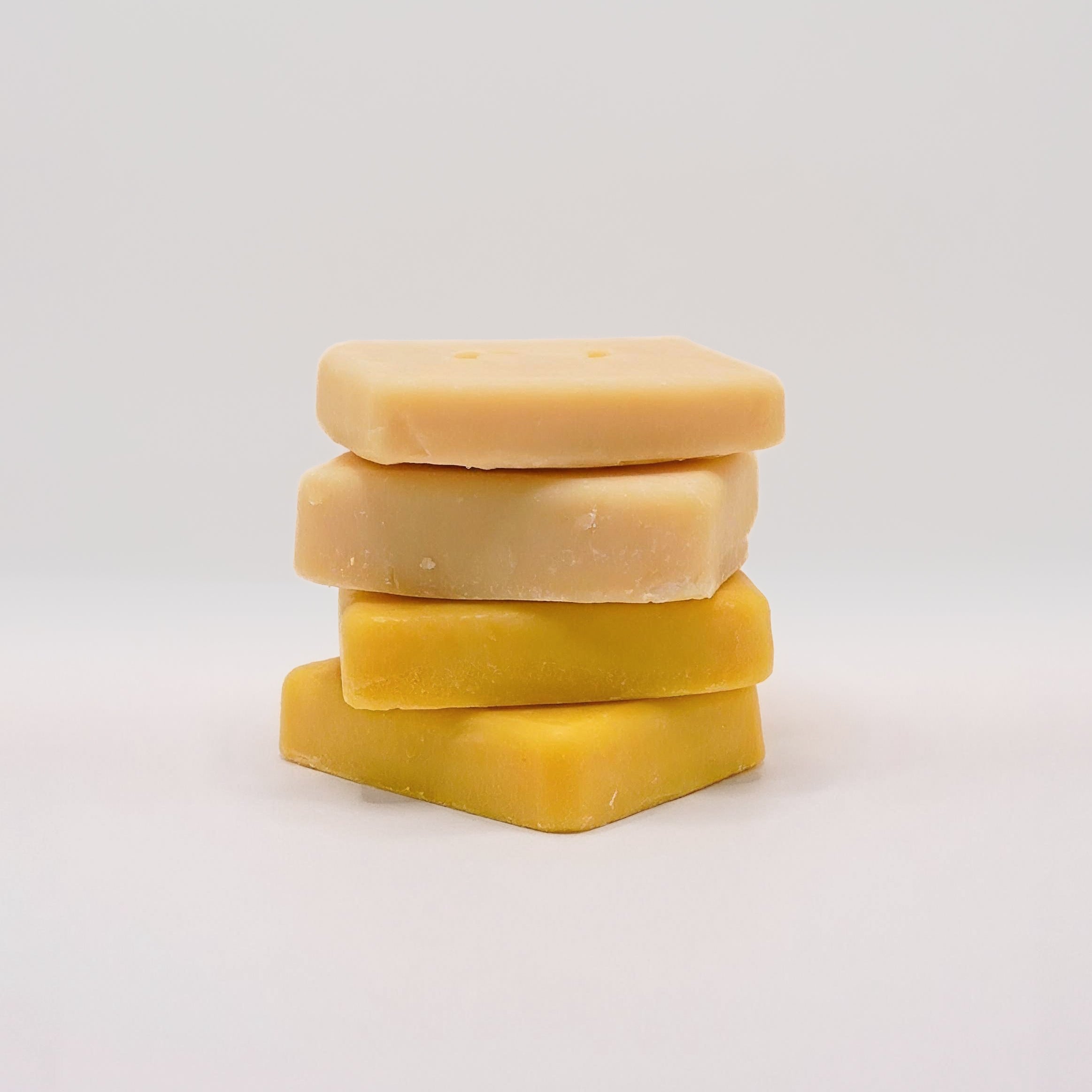
Tallow is a lipid-rich emollient, and its fatty acid profile is close to what your skin already produces, which is why we designed Fierce Nature’s balms around it as a way to help rebuild the skin barrier and hold moisture in rather than just sitting on the surface.
A few notes on getting the most from a tallow balm this winter:
Our winter skincare guide and our piece on why tallow works go into more detail on choosing the right product for your skin.
Many people with sensitive skin find relief by applying a simple, consistent emollient every day, not just during flare-ups.
Three habits that often help include moisturizing on damp skin within minutes of washing, using products simple enough to maintain consistent use, and treating winter skincare as ongoing maintenance rather than a quick fix.

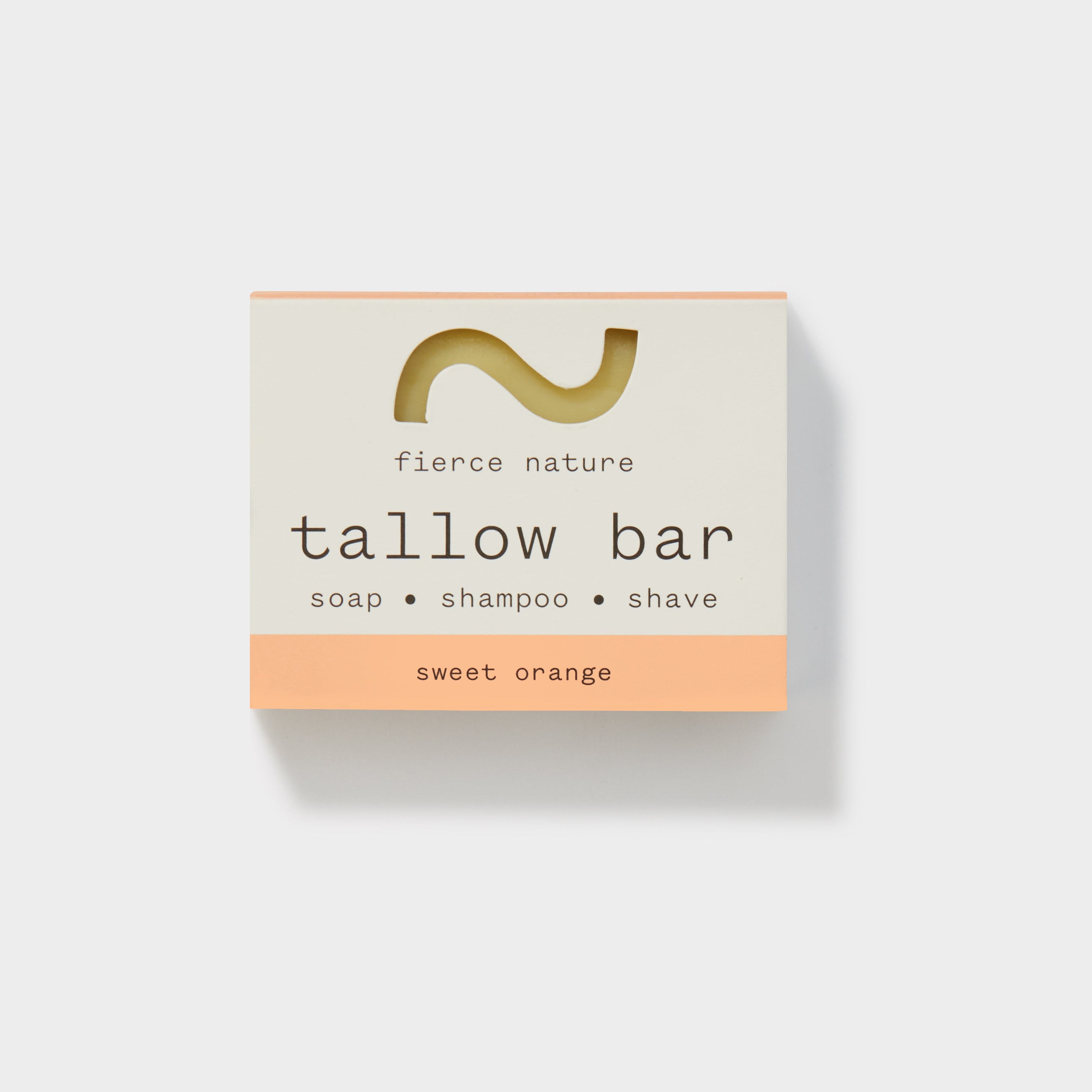
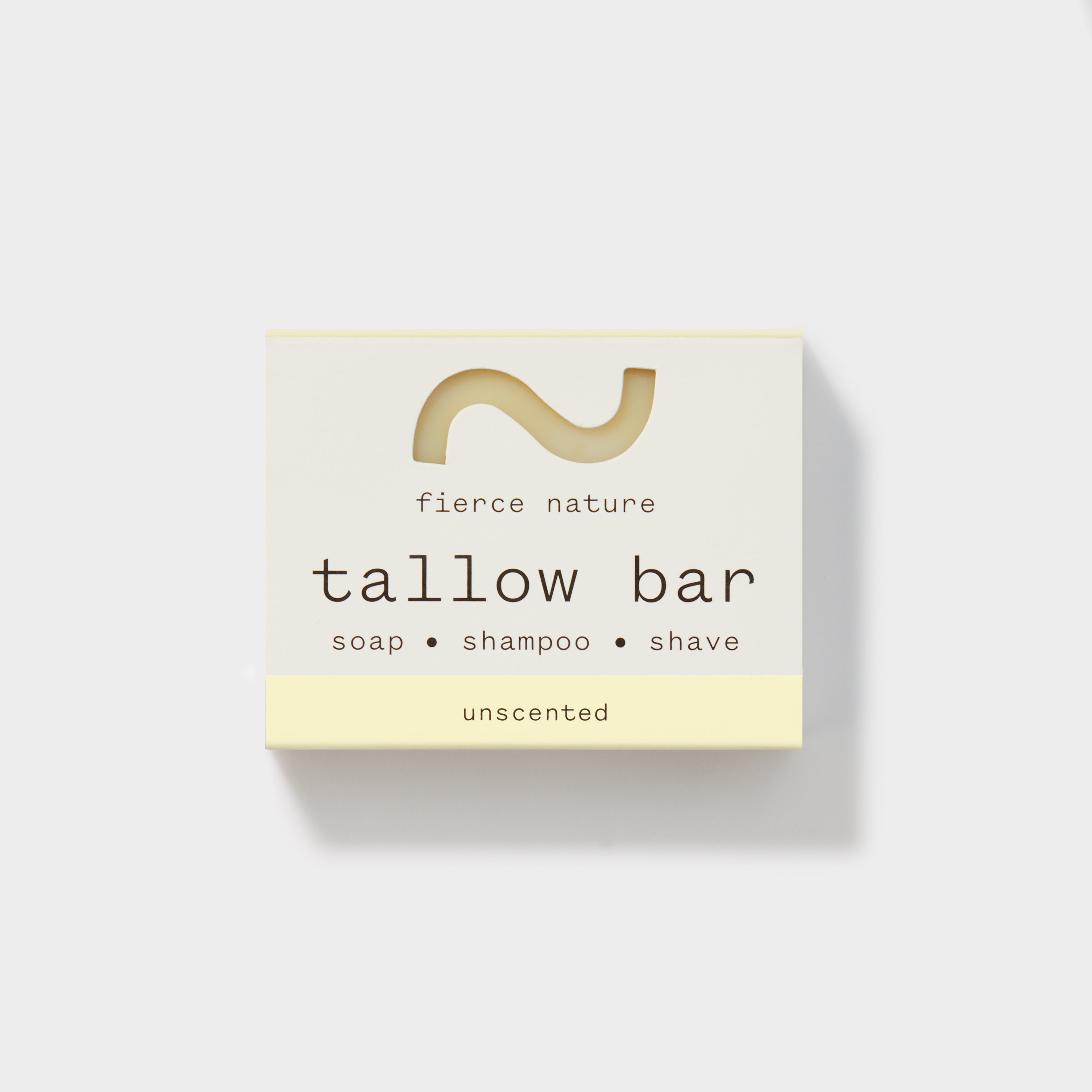
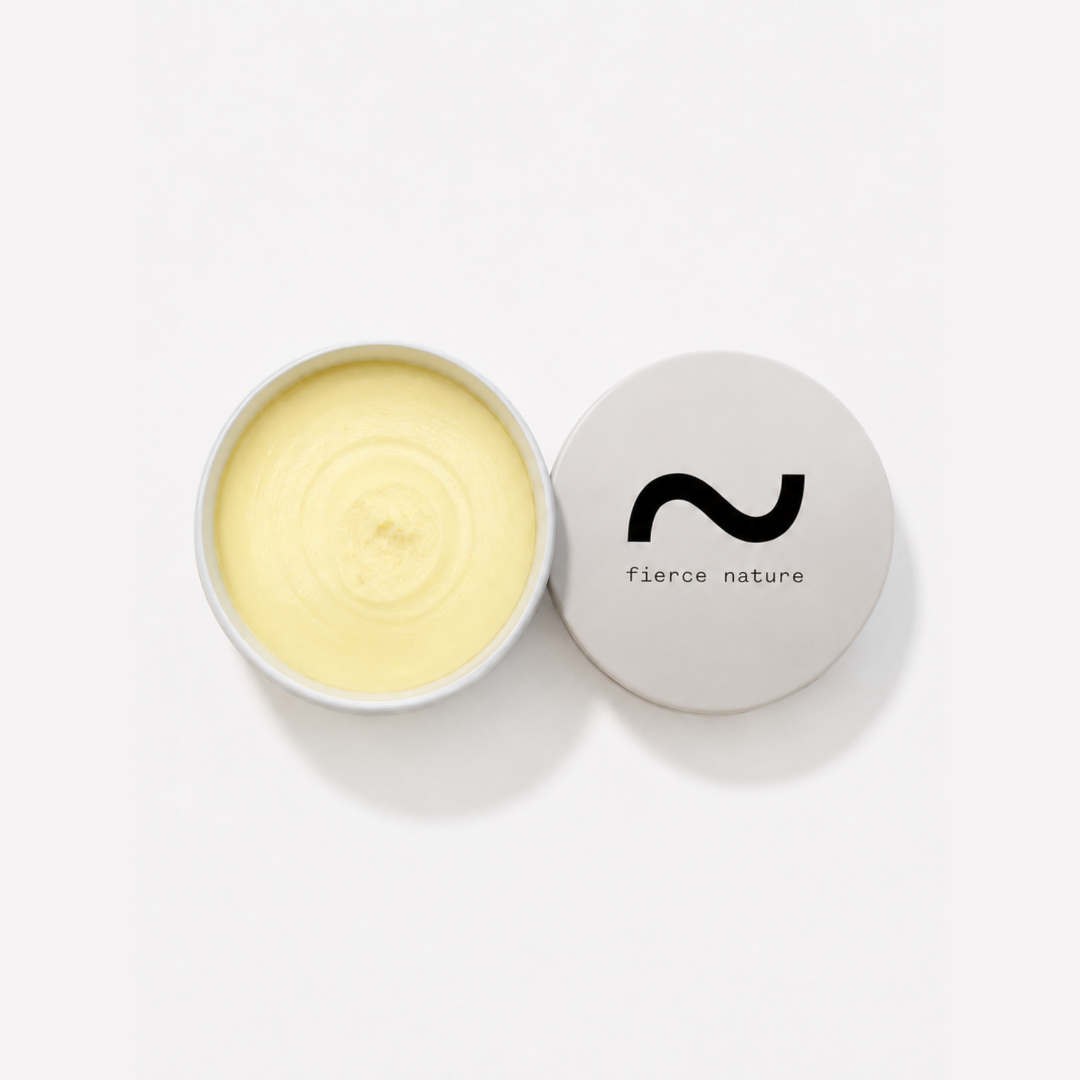
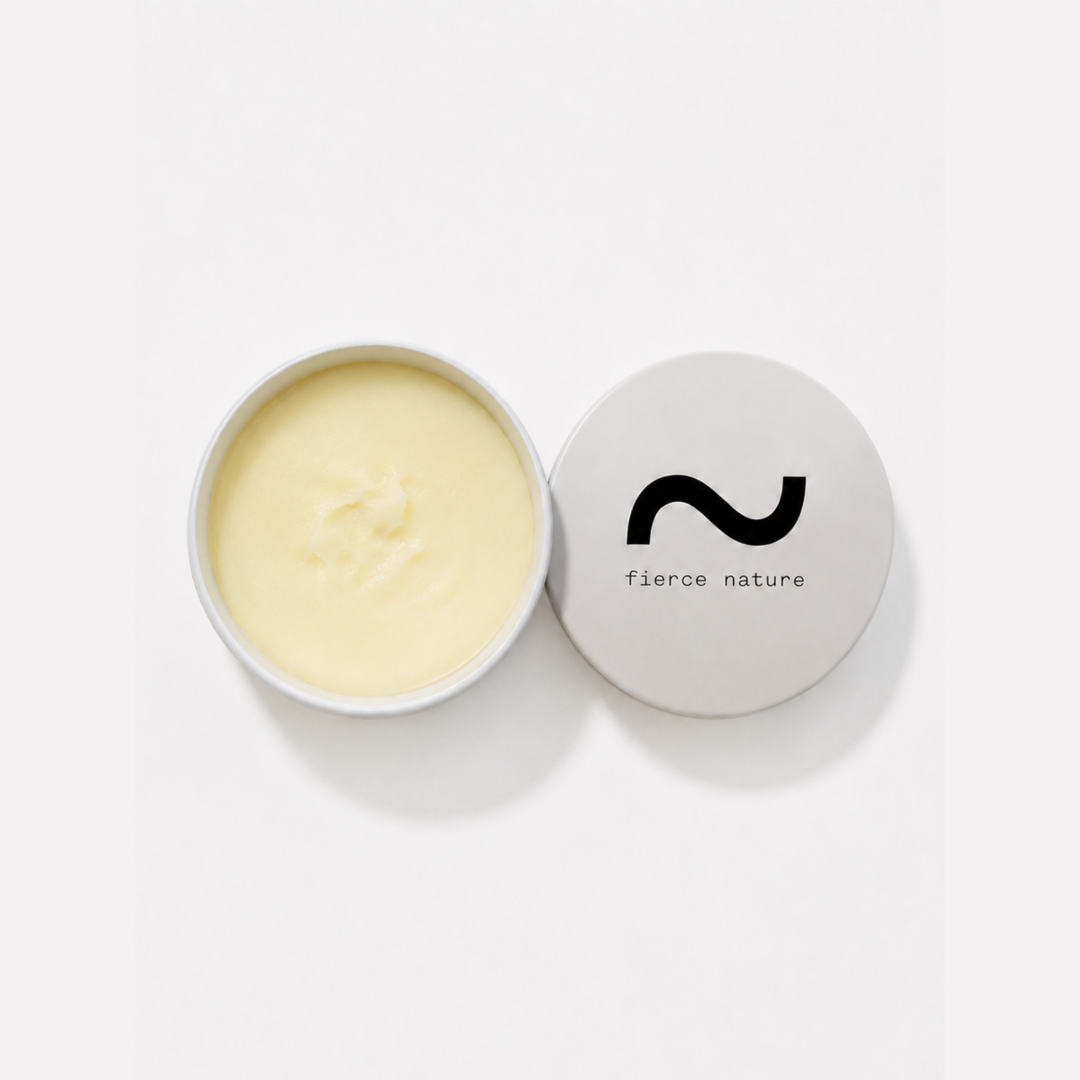
For sensitive or reactive skin, start with the Nourish Balm (Unscented) as your daily leave-on emollient, since it carries no fragrance to add to already irritated skin. If you prefer a solid format over a jar, the Multi-Use Tallow Bar (Unscented) works well for overnight or intensive repair on elbows, knees and shins.
Browse the full Nourish Balms Collection to find the texture that matches your skin this winter.
For further reading on emollient use, menthol-containing treatments, and botanical antipruritic research, NHS, British Association of Dermatologists and primary care formulary guidance are good starting points.
Itching is not typically caused by a single vitamin deficiency, though very low vitamin D during winter months is worth addressing as part of general skin health. The NHS recommends considering a daily vitamin D supplement in autumn and winter since sunlight alone is not enough at that time of year.
No fruit is established as a direct itch treatment. Some botanical ingredients, including aloe vera, have shown antipruritic potential in early research, but evidence remains limited and dosing is not standardised.
A cool compress or a short, lukewarm shower calms itching fastest by soothing the nerve endings involved. Following straight away with a leave-on emollient on damp skin then locks in moisture and prevents the itch returning as quickly.
There is no specific drink proven to relieve itchy skin, though staying well hydrated supports overall skin condition through winter. Herbal teas such as chamomile are sometimes used for their calming properties, though this is not a substitute for topical care.