Cart
0
80% Also Added this

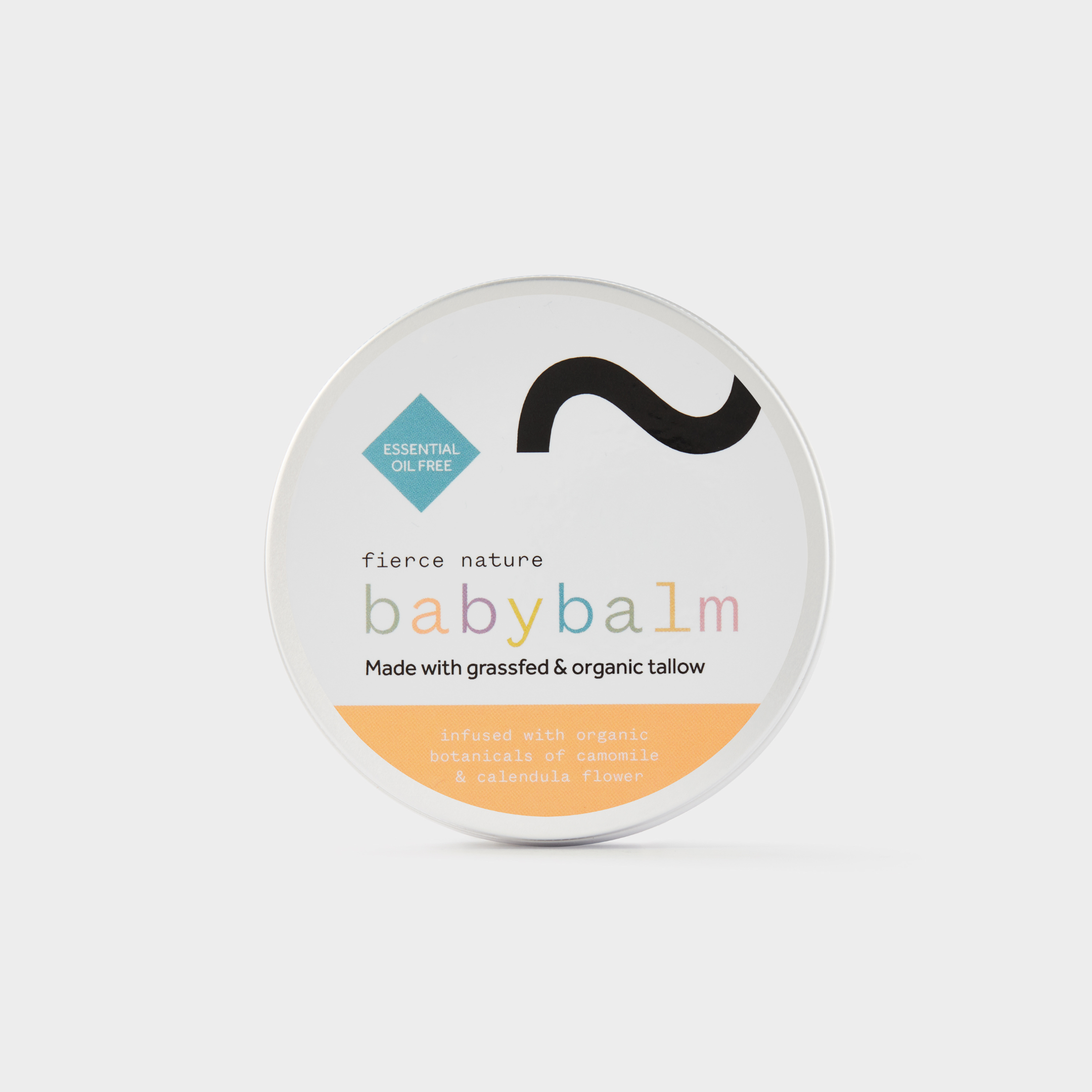
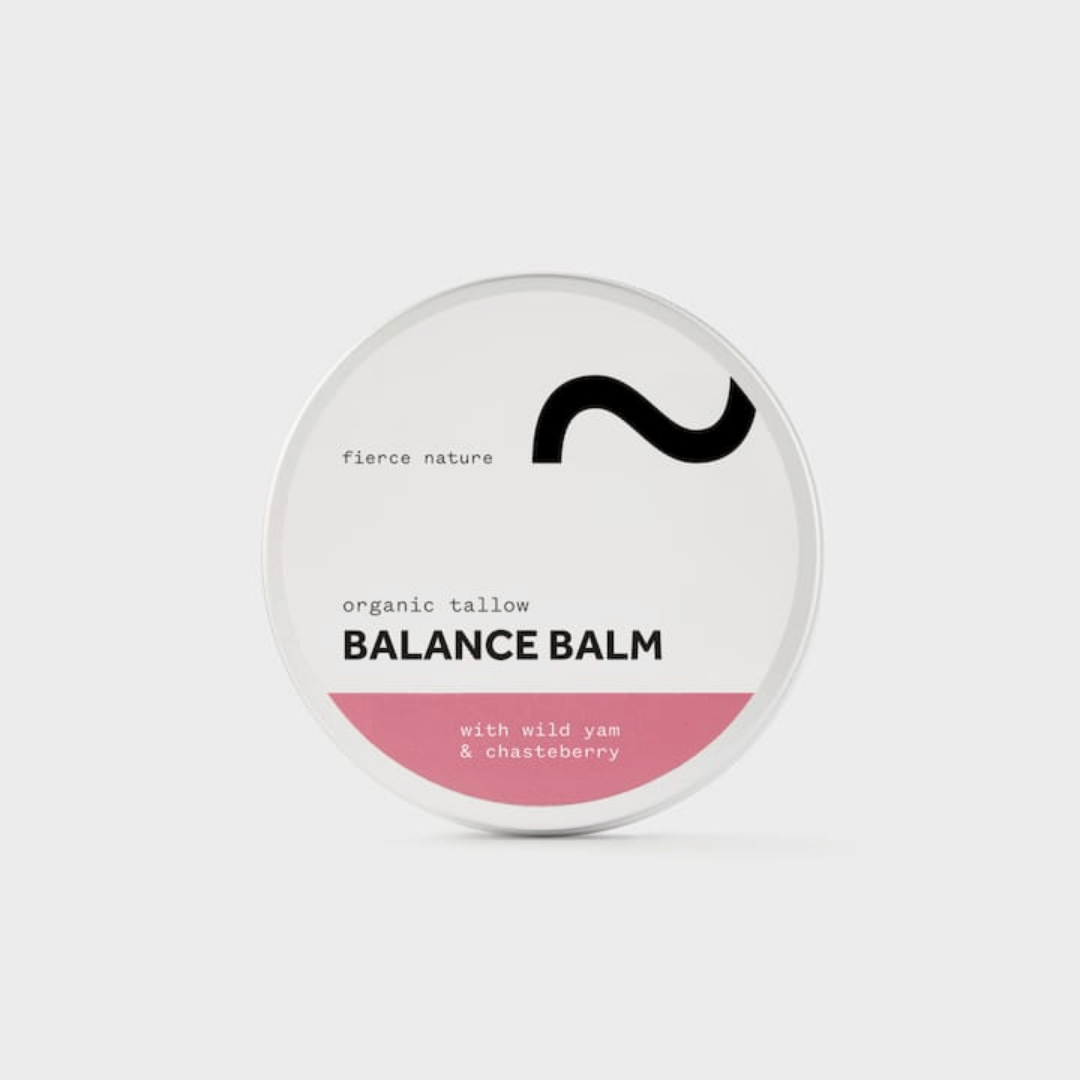
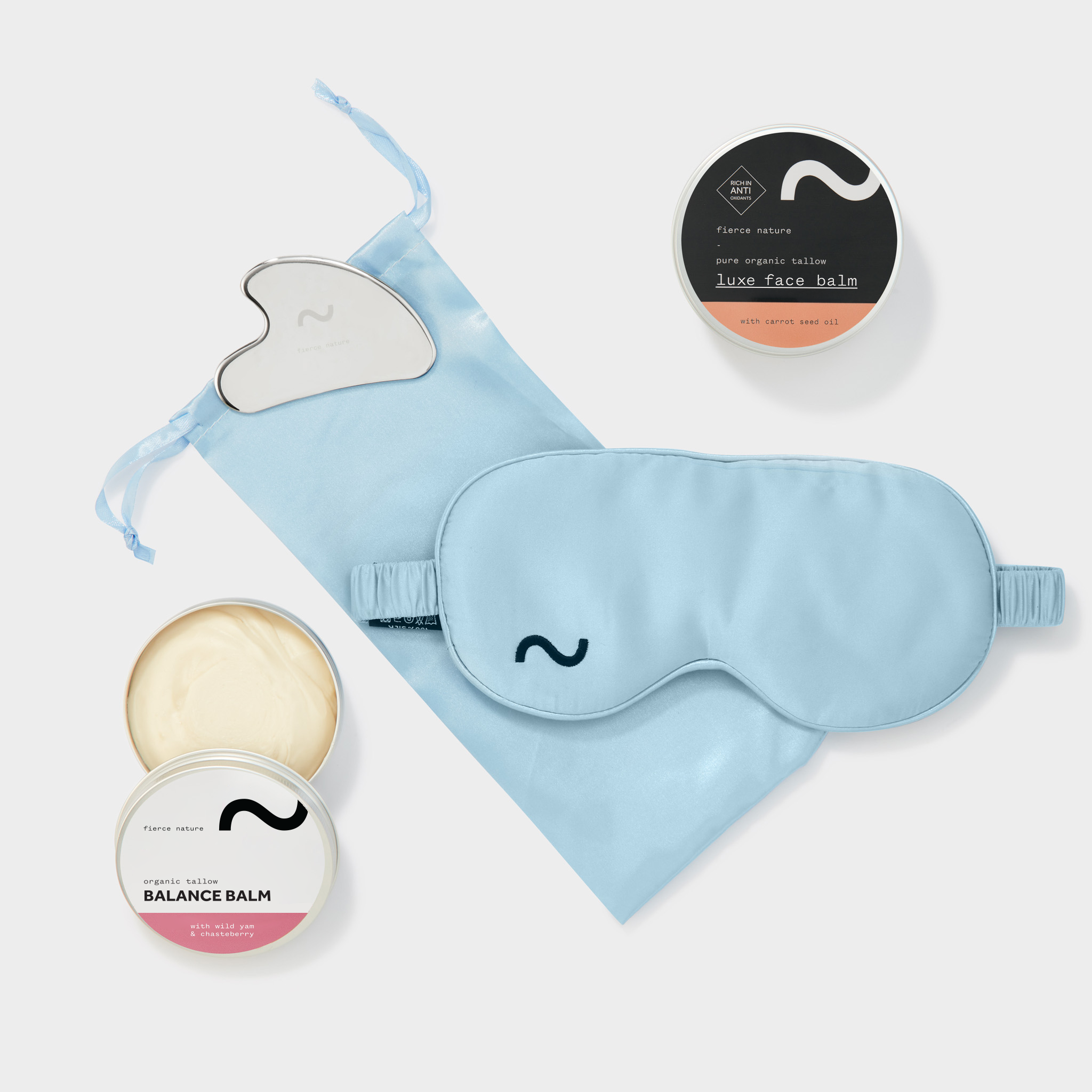
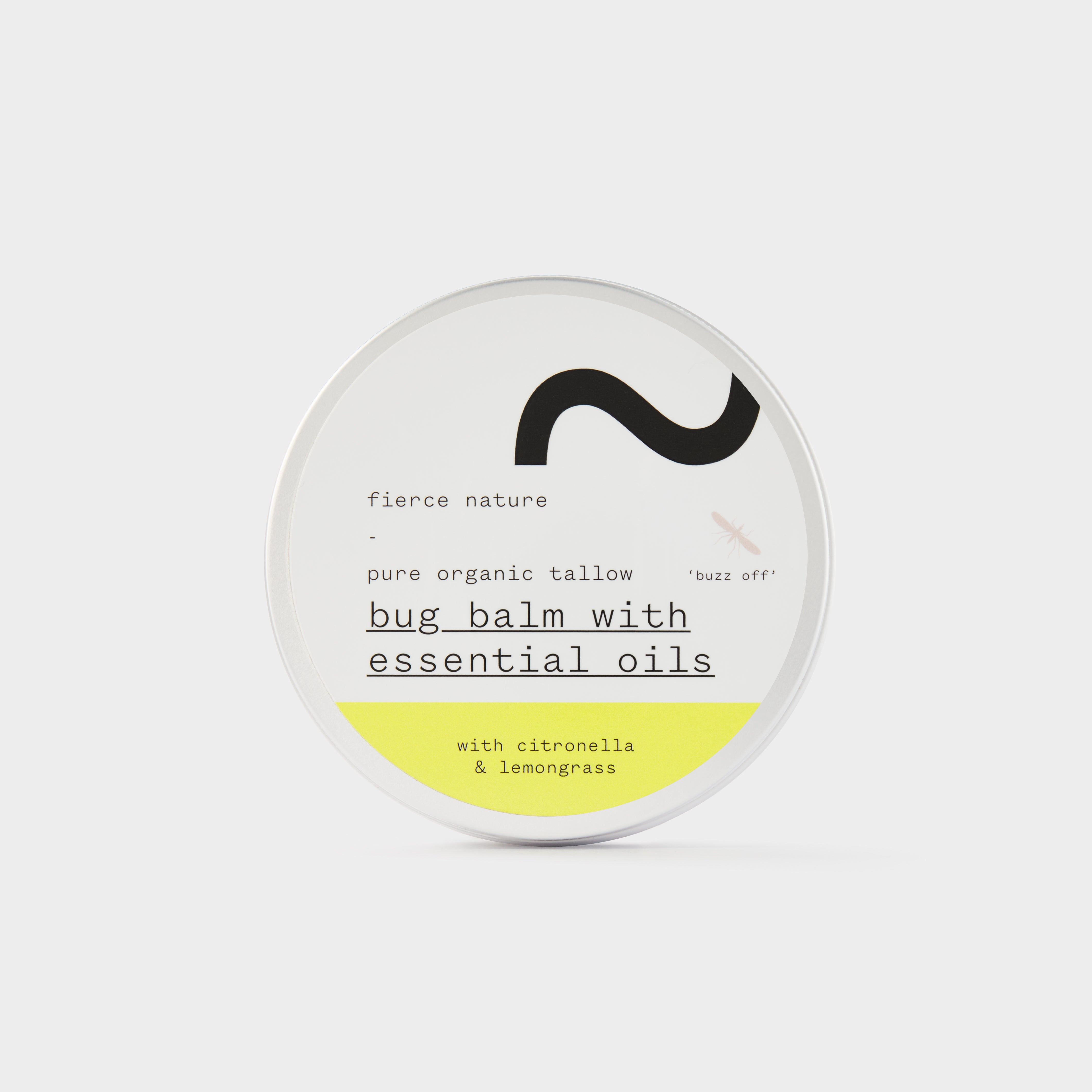

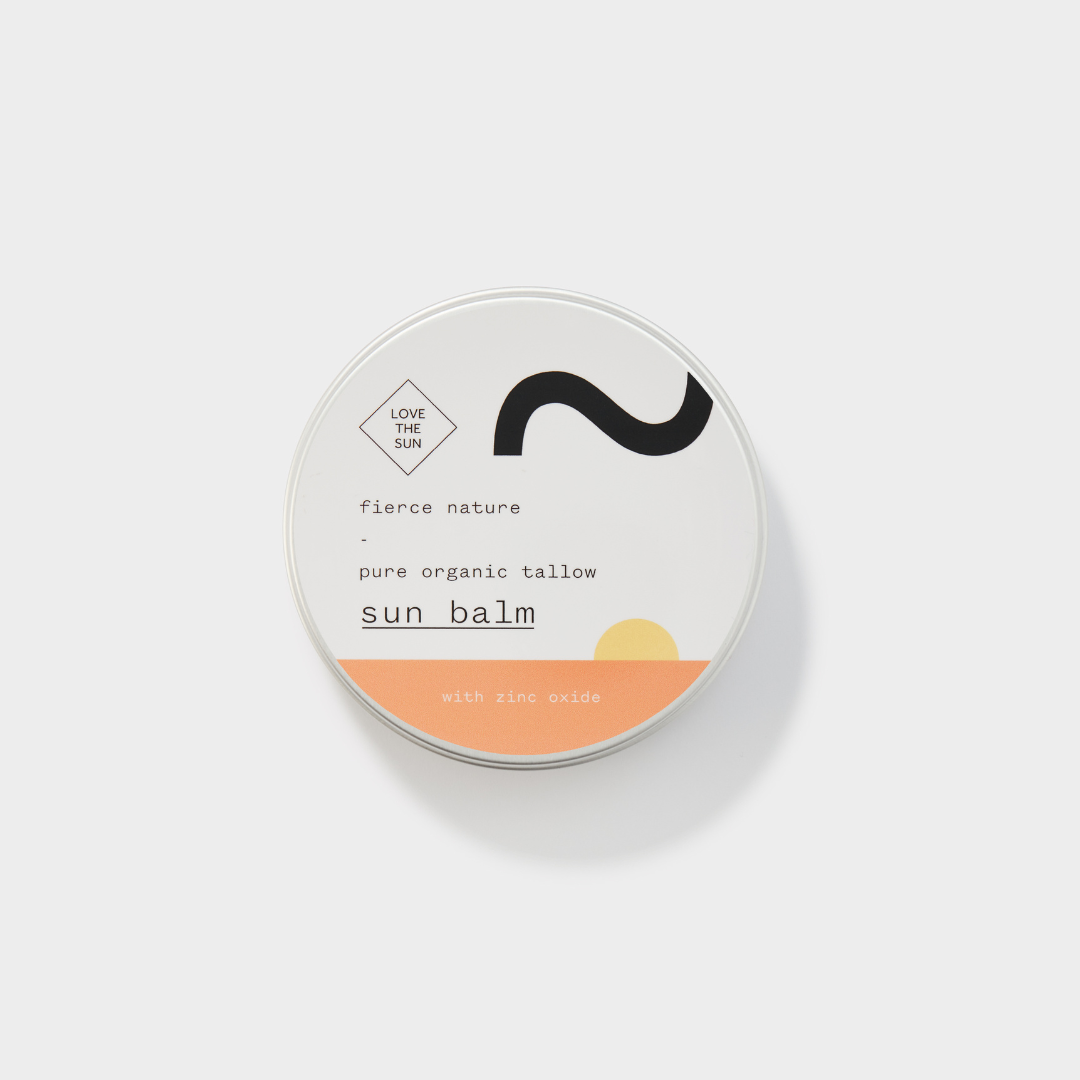
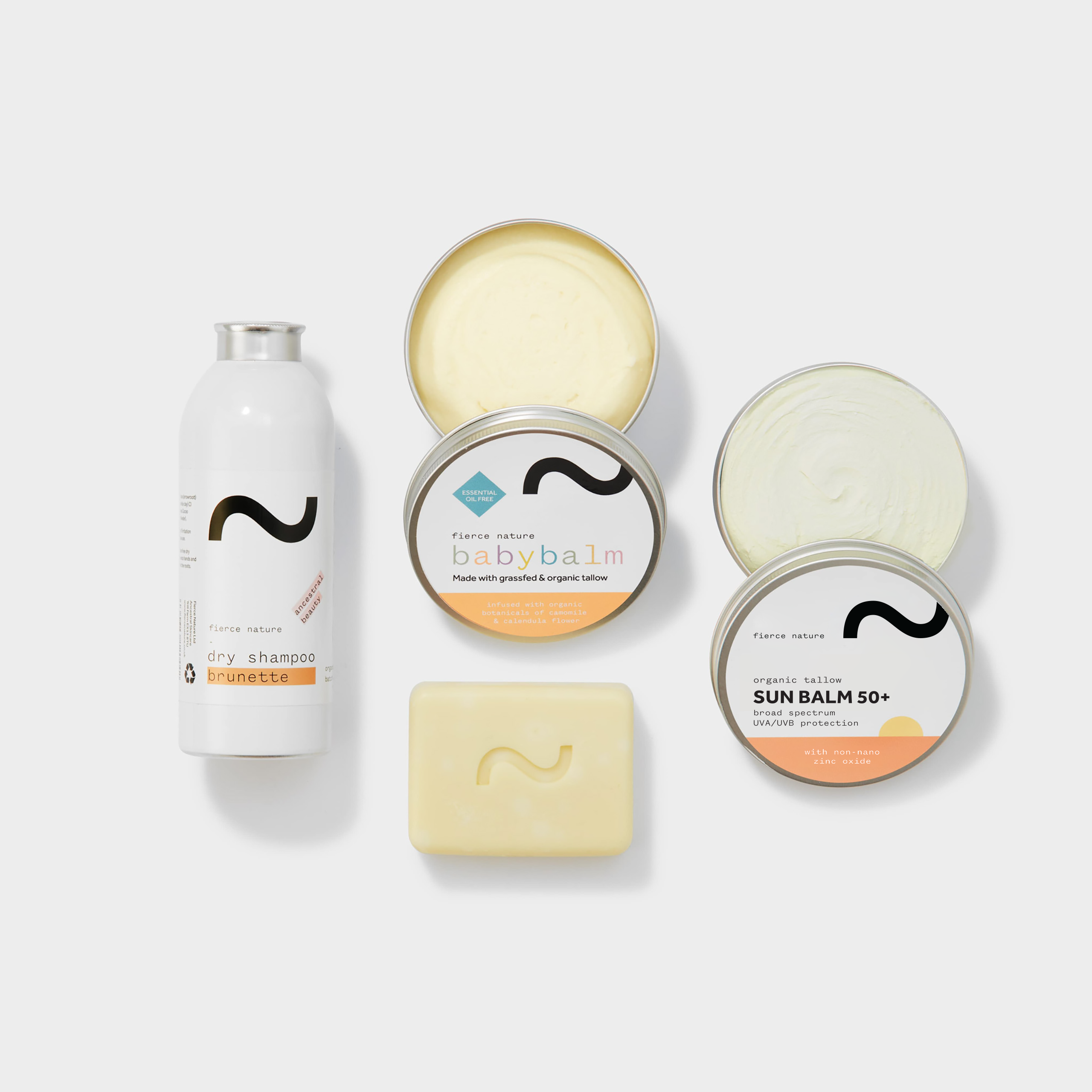
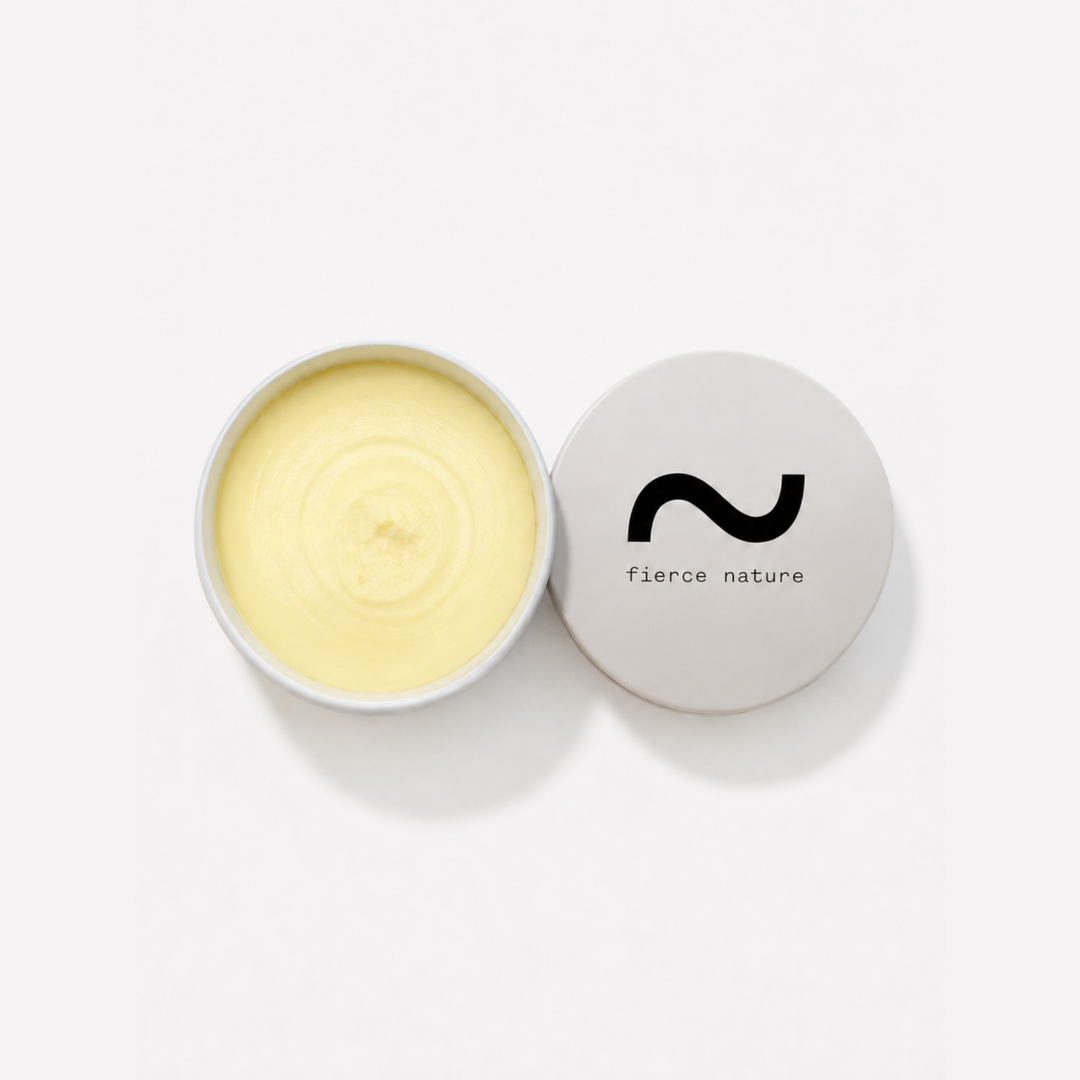
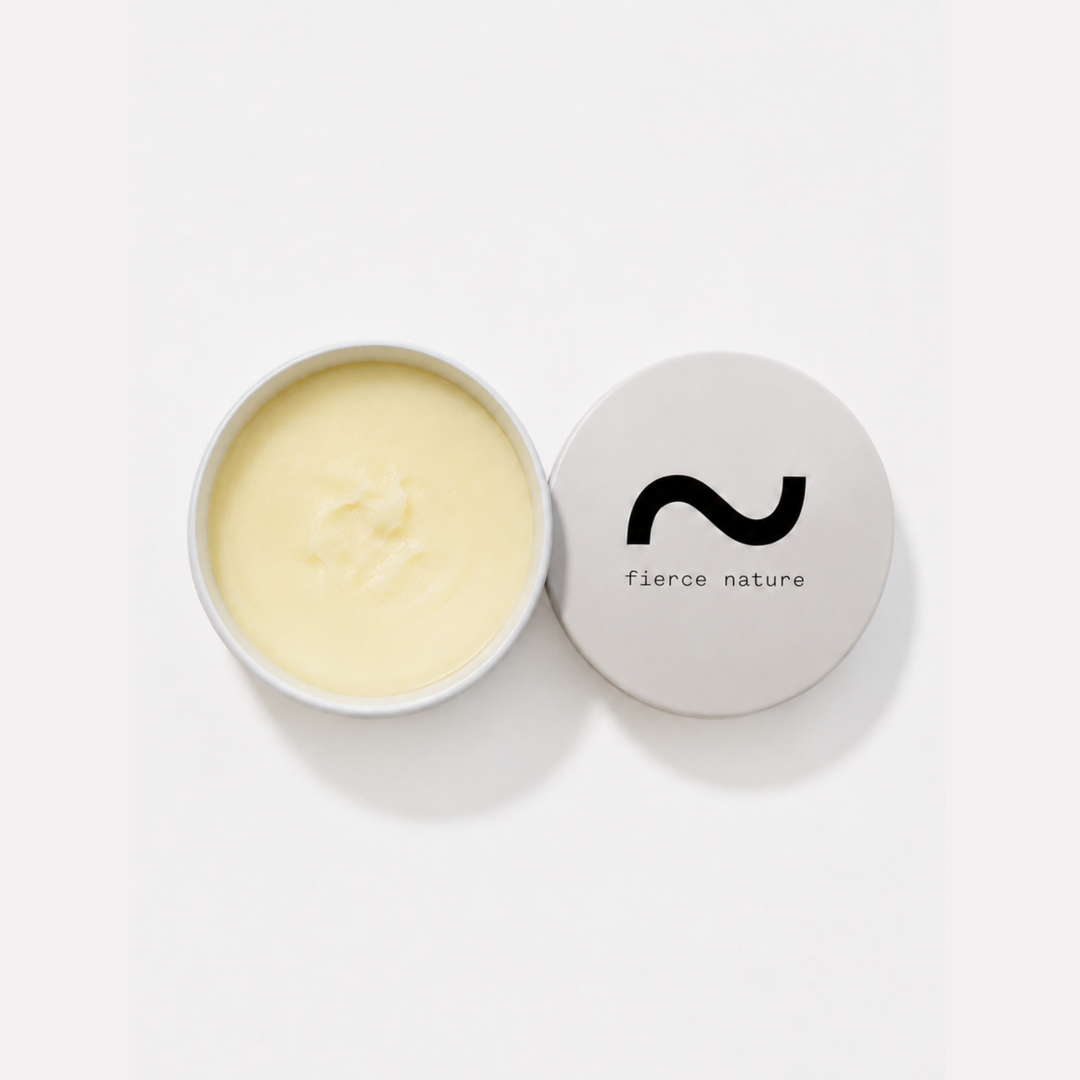
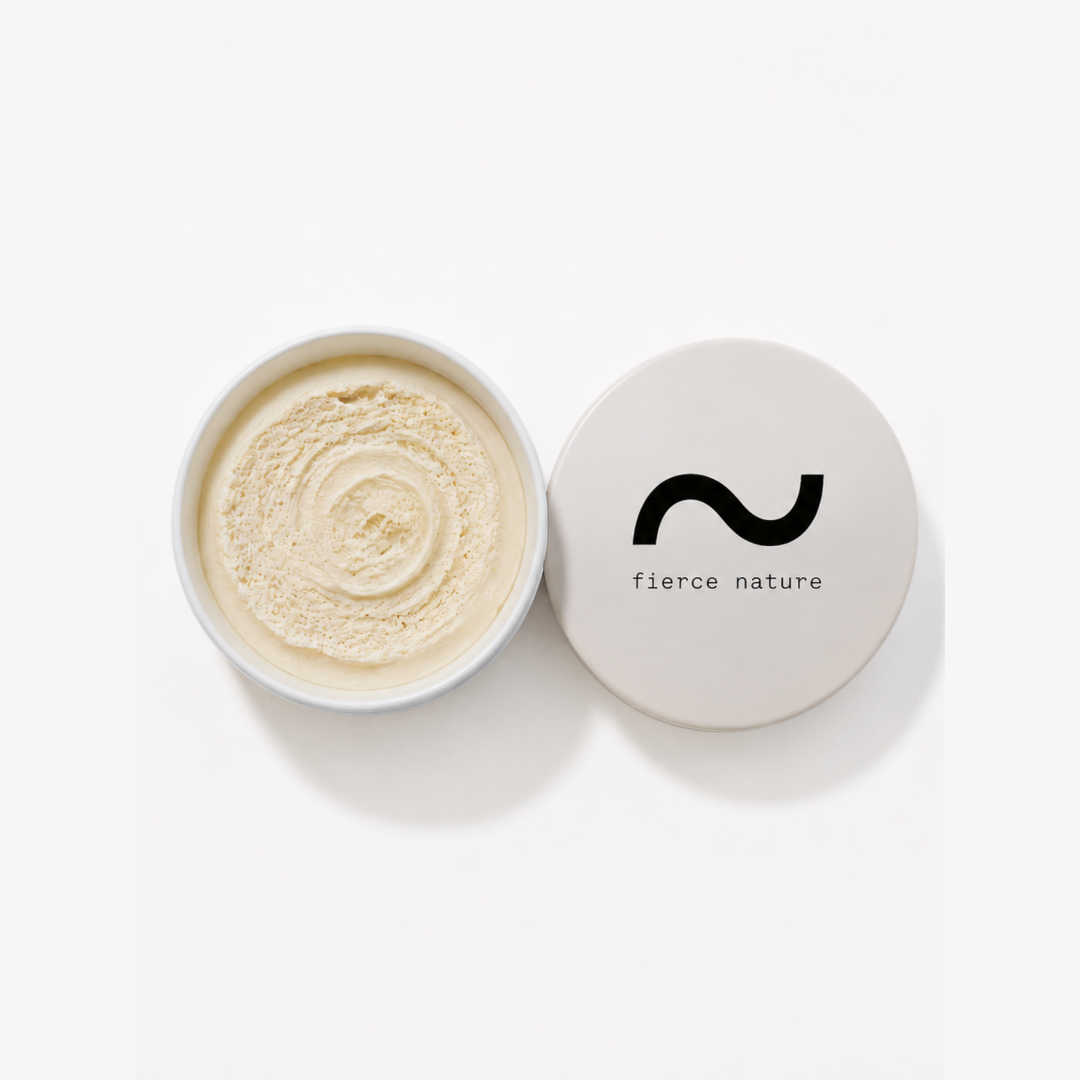
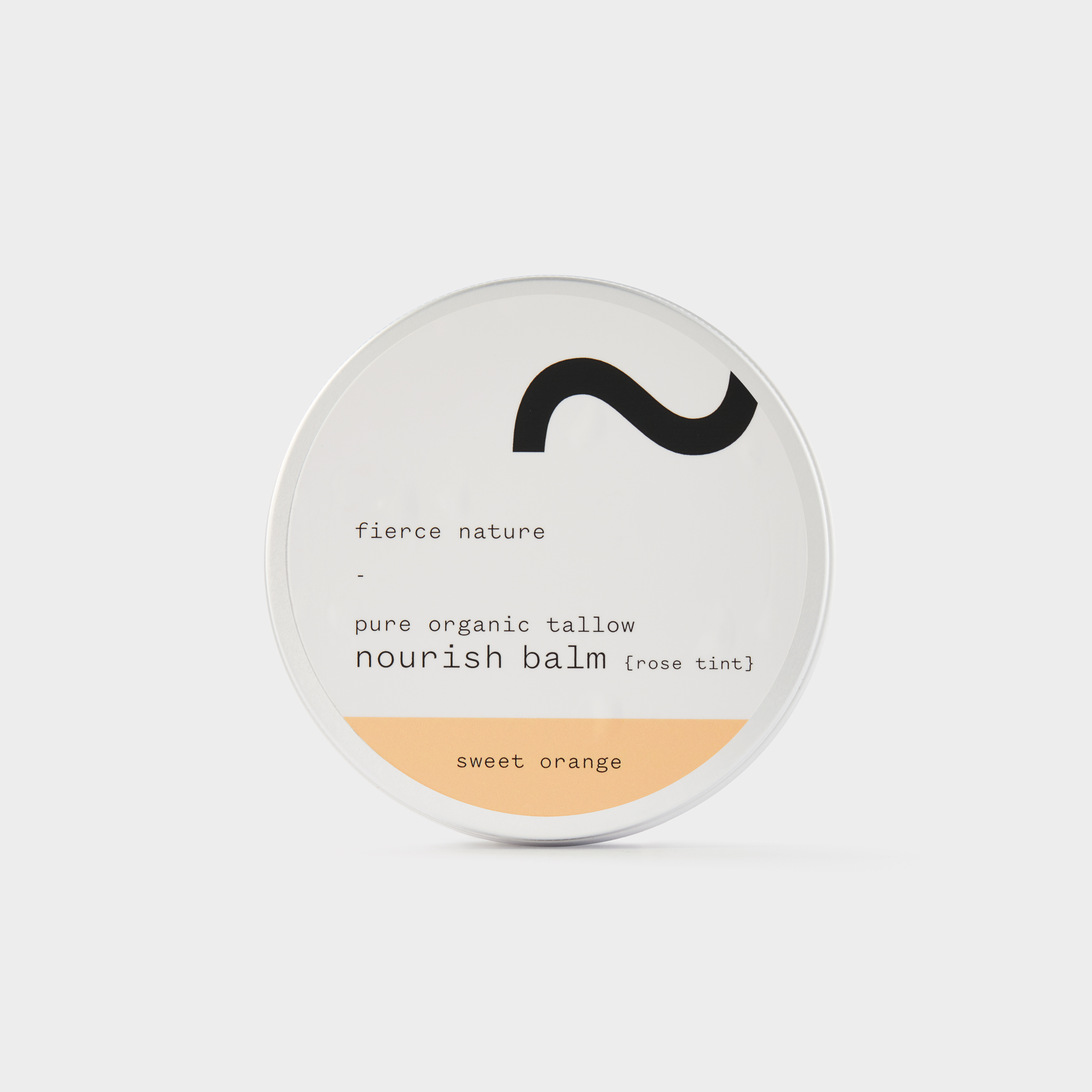
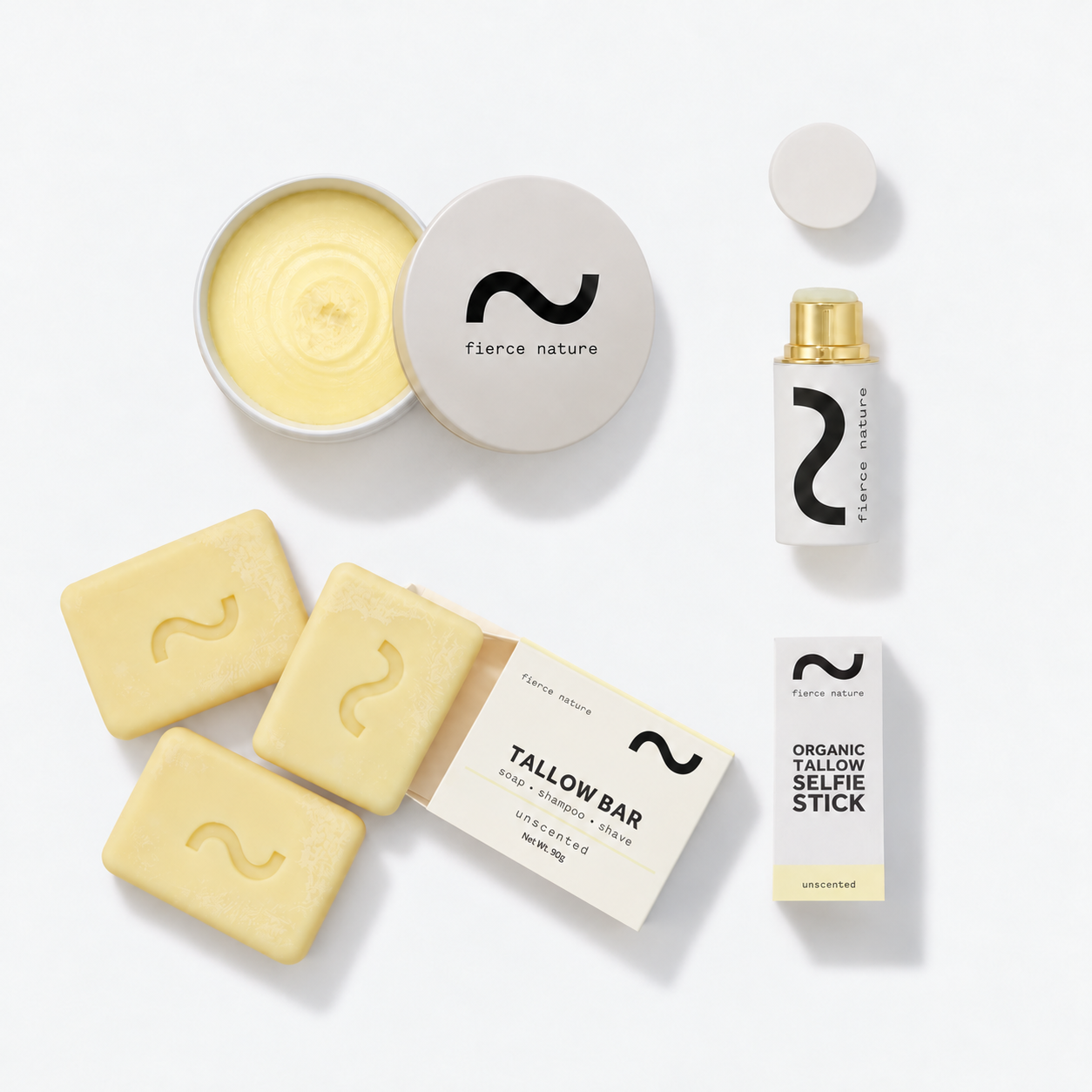

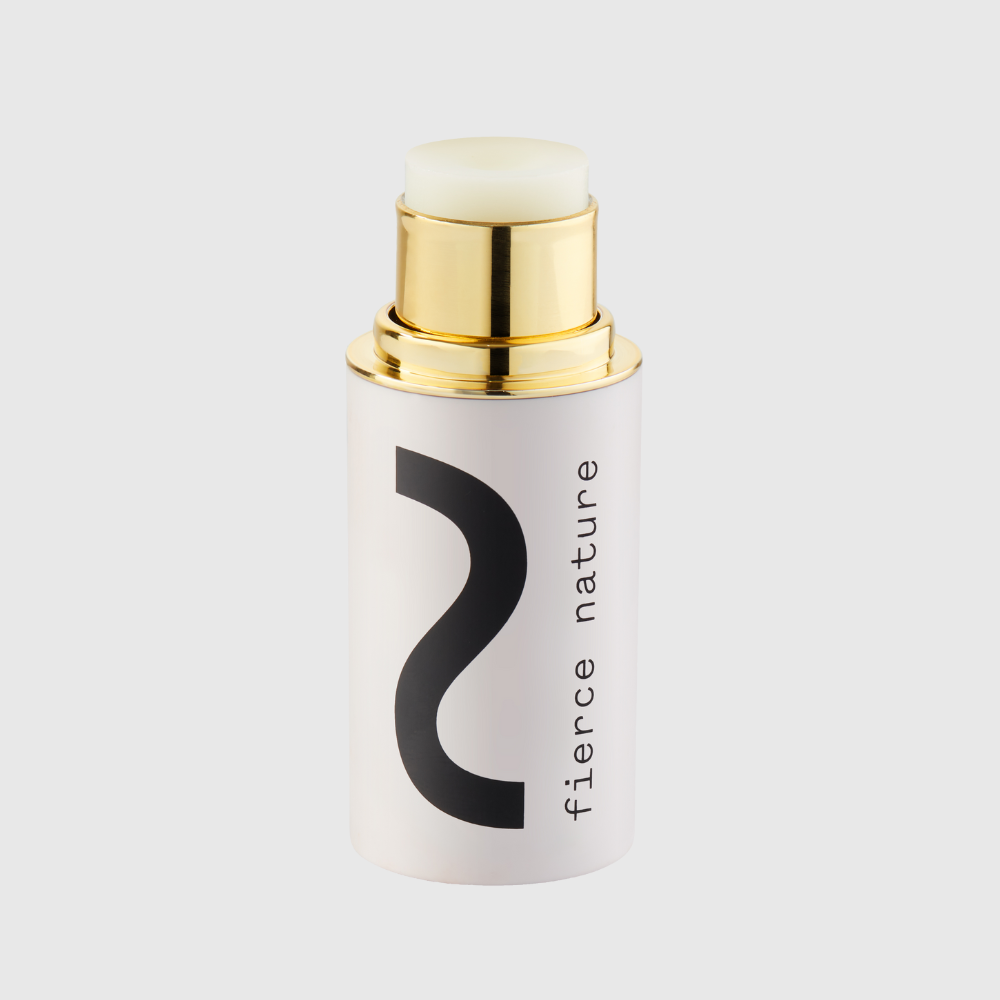
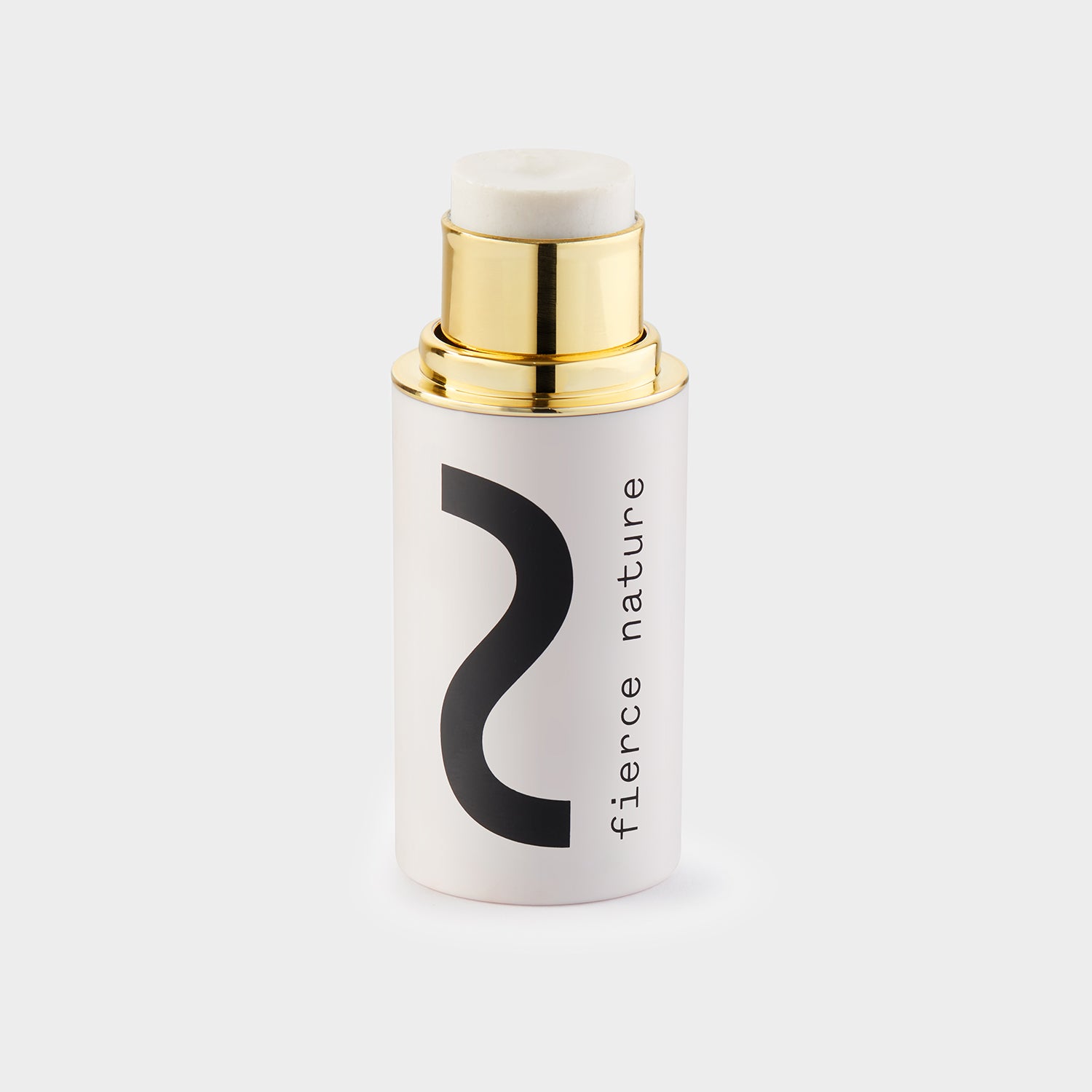
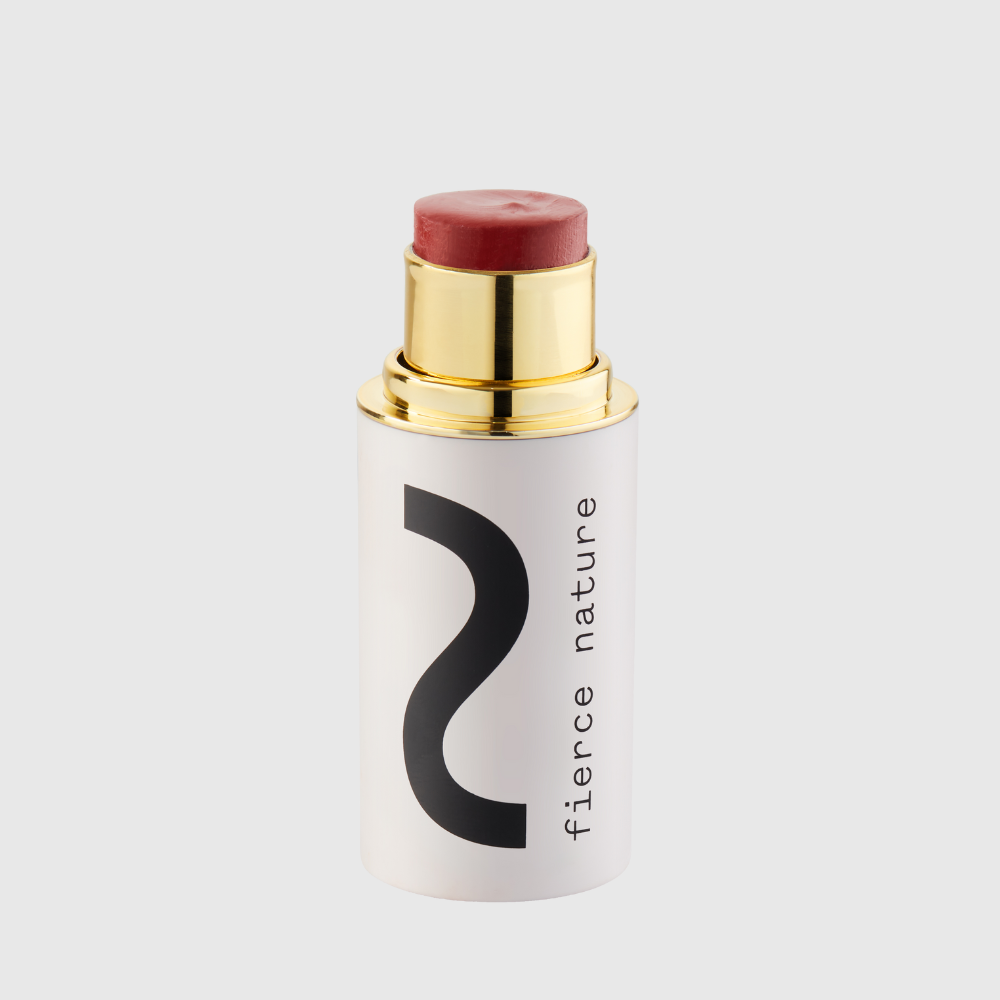
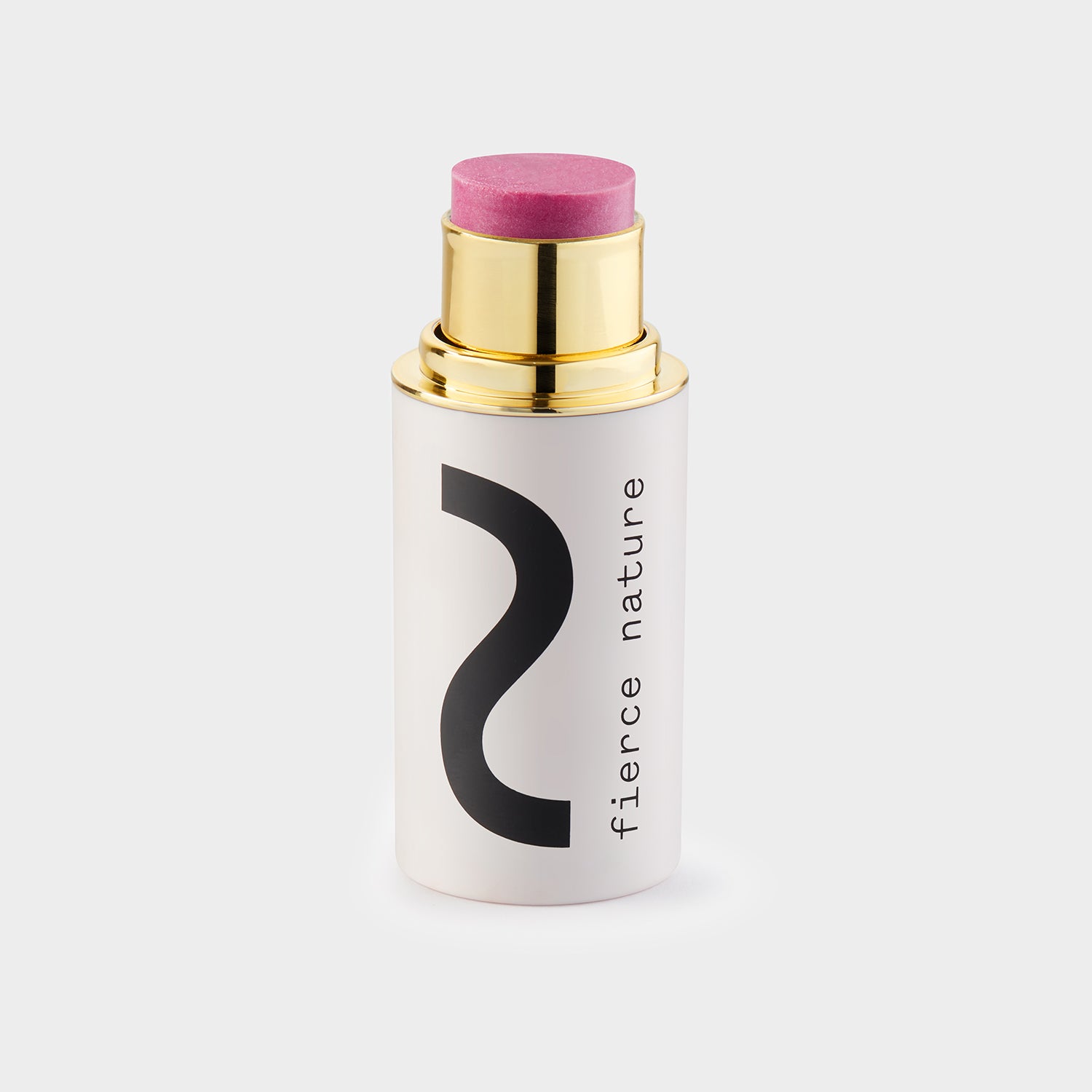
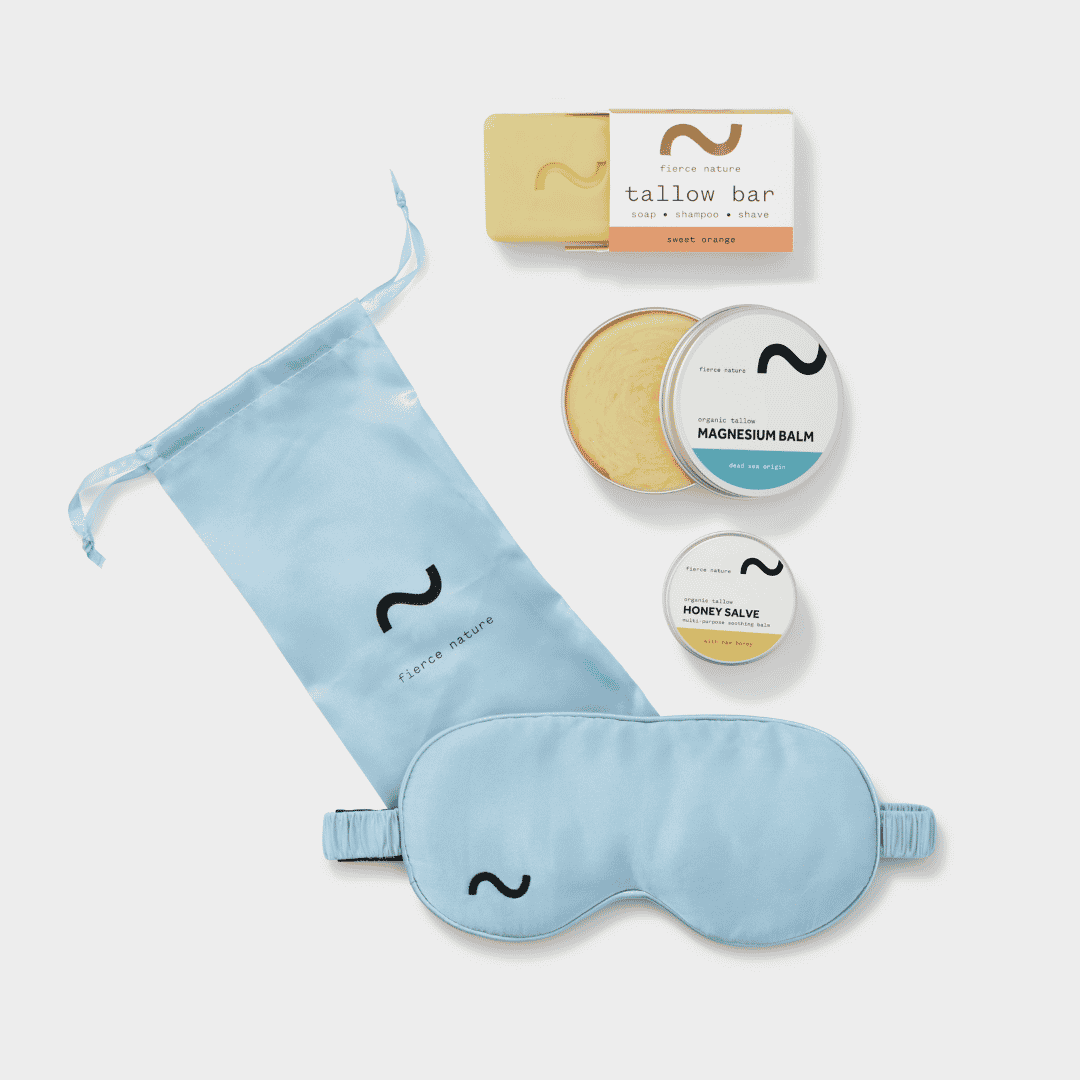

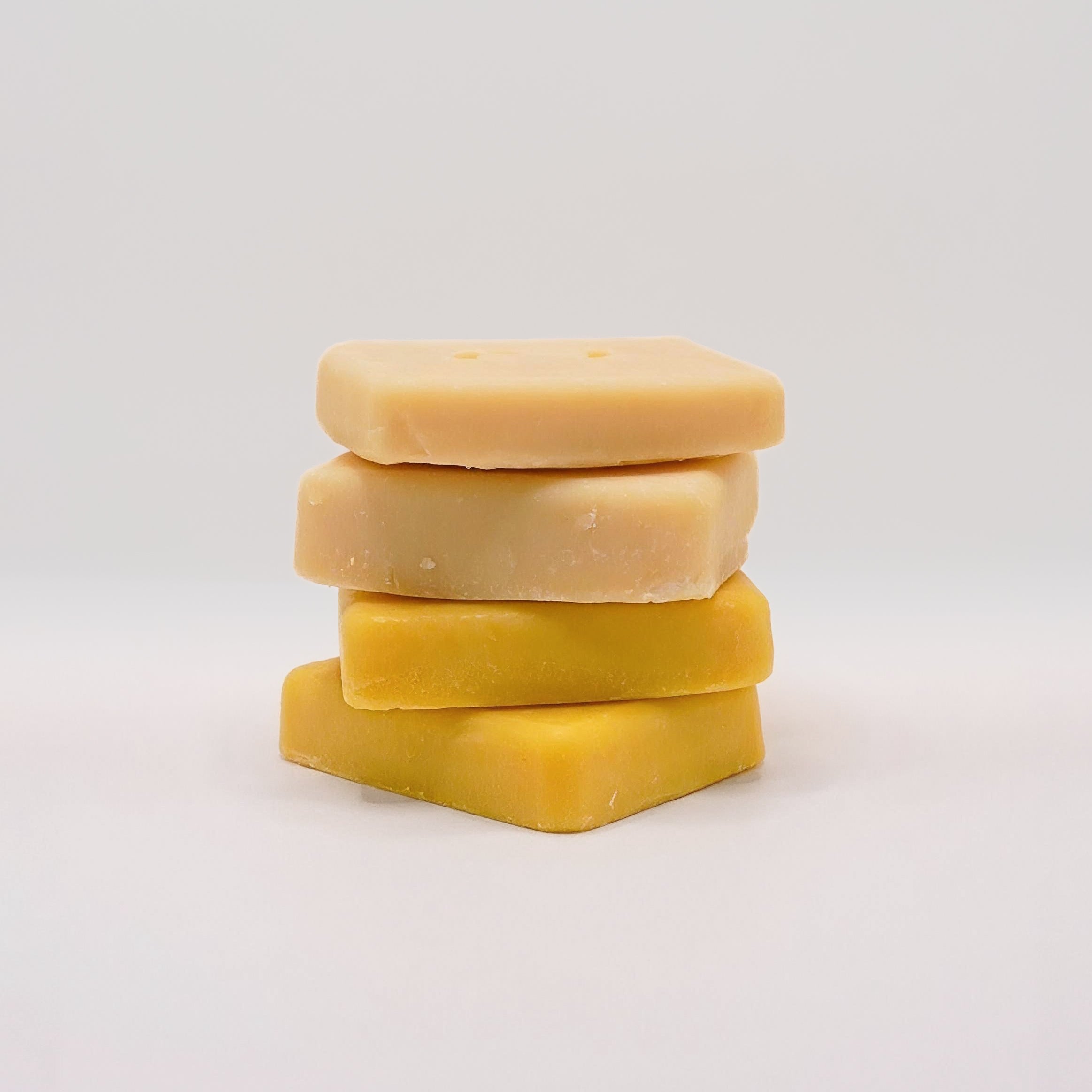


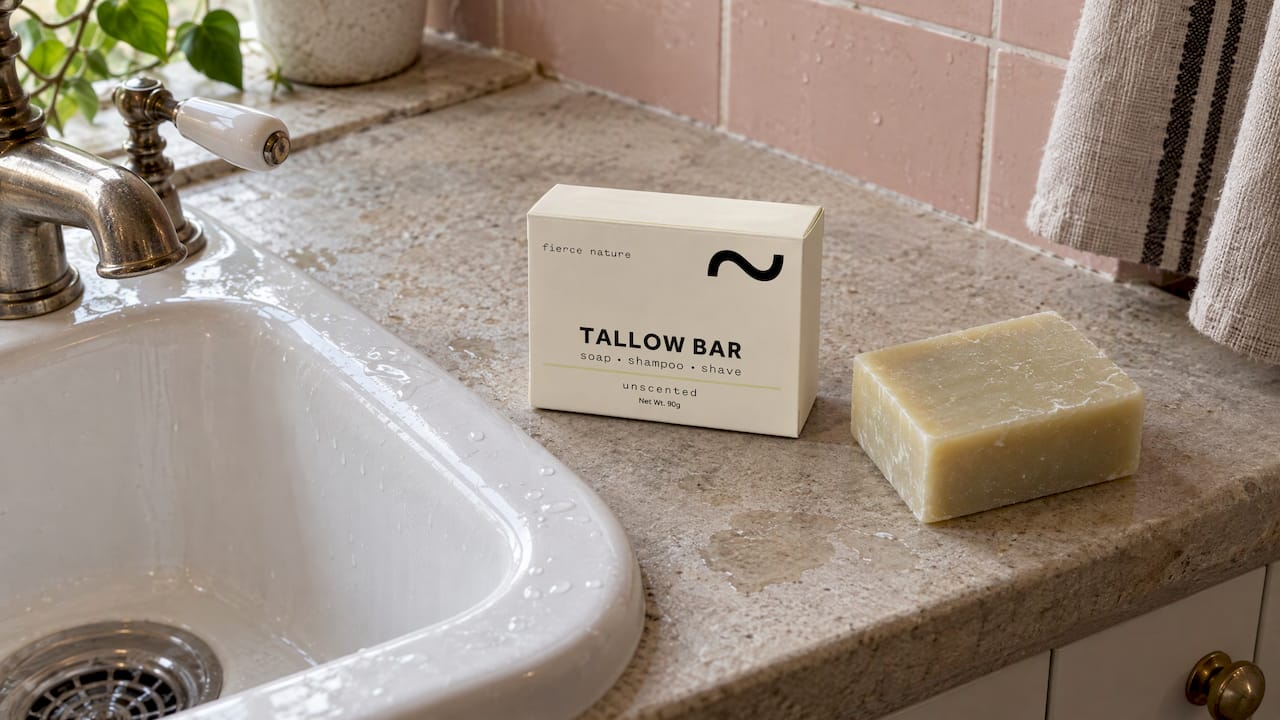
Both are real soaps, made by the same chemical reaction, and the difference comes down to the fat. Tallow soap is built on rendered beef fat. Castile soap is traditionally built on olive oil. For a bar you will use on your face and body, we think tallow is the stronger choice: it gives a dense, creamy bar that cleanses without the squeaky, stripped feel many people dislike, and it sits naturally alongside a tallow balm in the same routine.
This guide explains what each soap is, how they behave in the shower and at the basin, and how to choose well for your skin. It is written for UK readers who care about what goes on their skin and want a simple, practical answer.
To compare the two, it helps to know what a soap is. Soap is made by mixing a fat or oil with an alkali. The reaction, called saponification, produces glycerine and fatty-acid salts, and those salts are the cleansing part. The fat can be animal, such as tallow, or vegetable, such as olive, coconut or palm oil.
The alkali decides the form. Sodium hydroxide is used for solid bars. Potassium hydroxide is used for liquid soap. This matters for the comparison, because it explains something that confuses a lot of shoppers: Castile soap is a type of recipe, while tallow soap is another type of recipe. Neither name tells you whether you are holding a bar or a bottle.
Once the reaction is complete, no free alkali is meant to remain in a properly made bar. What remains is soap, glycerine and whatever the maker has added.
Tallow is rendered beef fat. People have been making soap from it for centuries, because it is a stable, hard fat that saponifies well and gives a firm bar. It contains fatty acids such as oleic, palmitic and stearic acid, which is part of why it produces a dense, creamy lather and a bar that does not turn to mush.
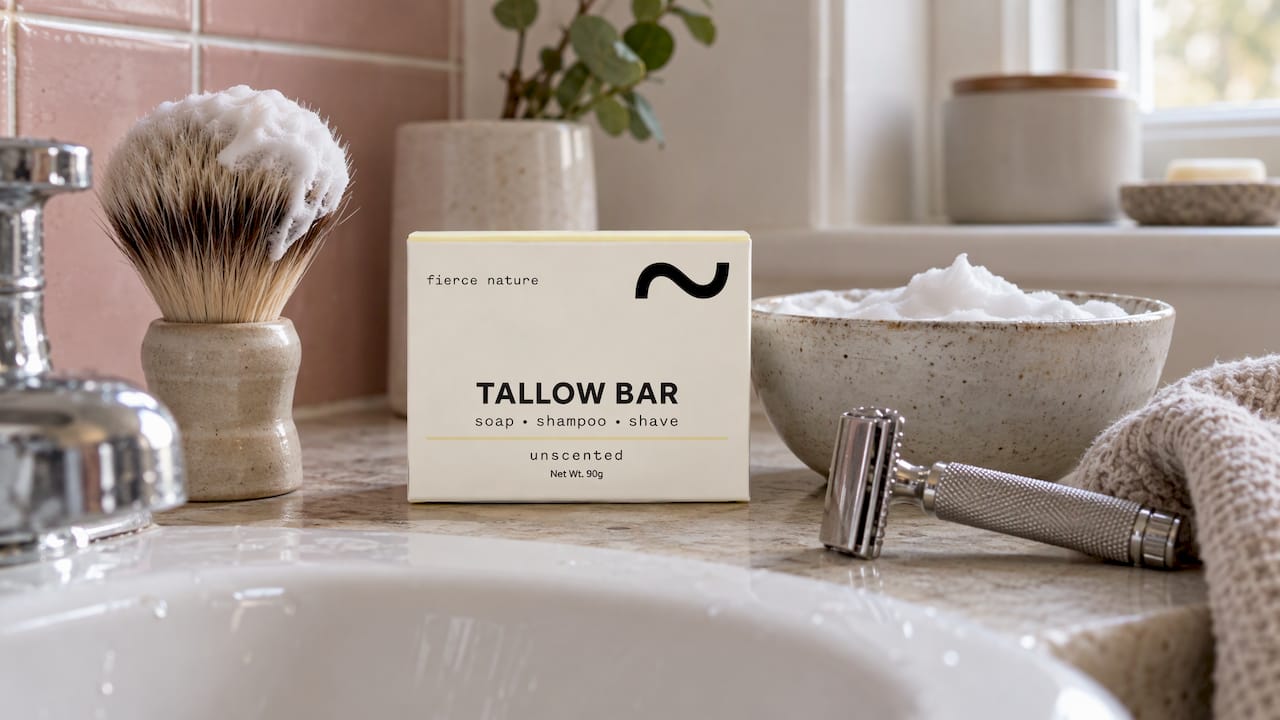
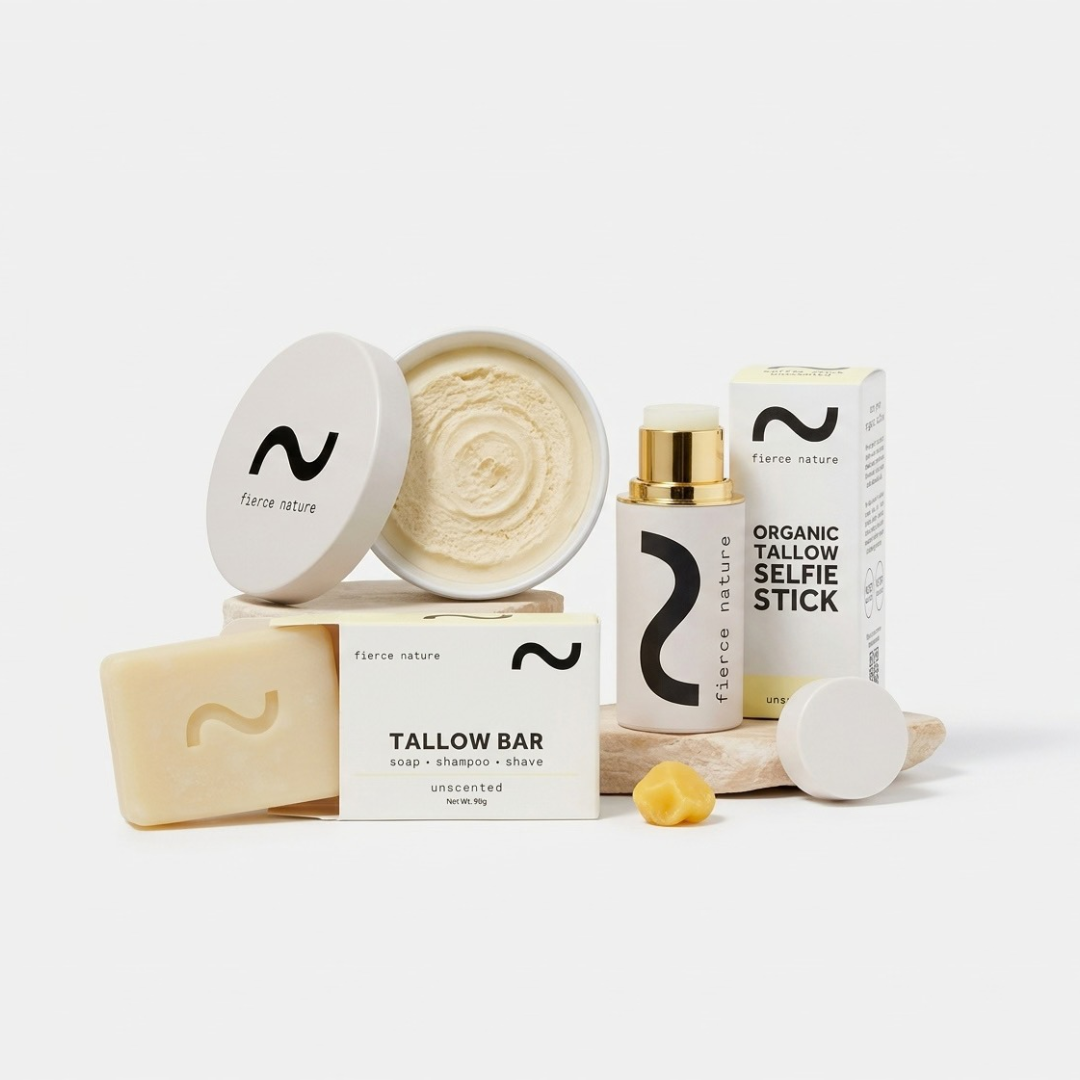
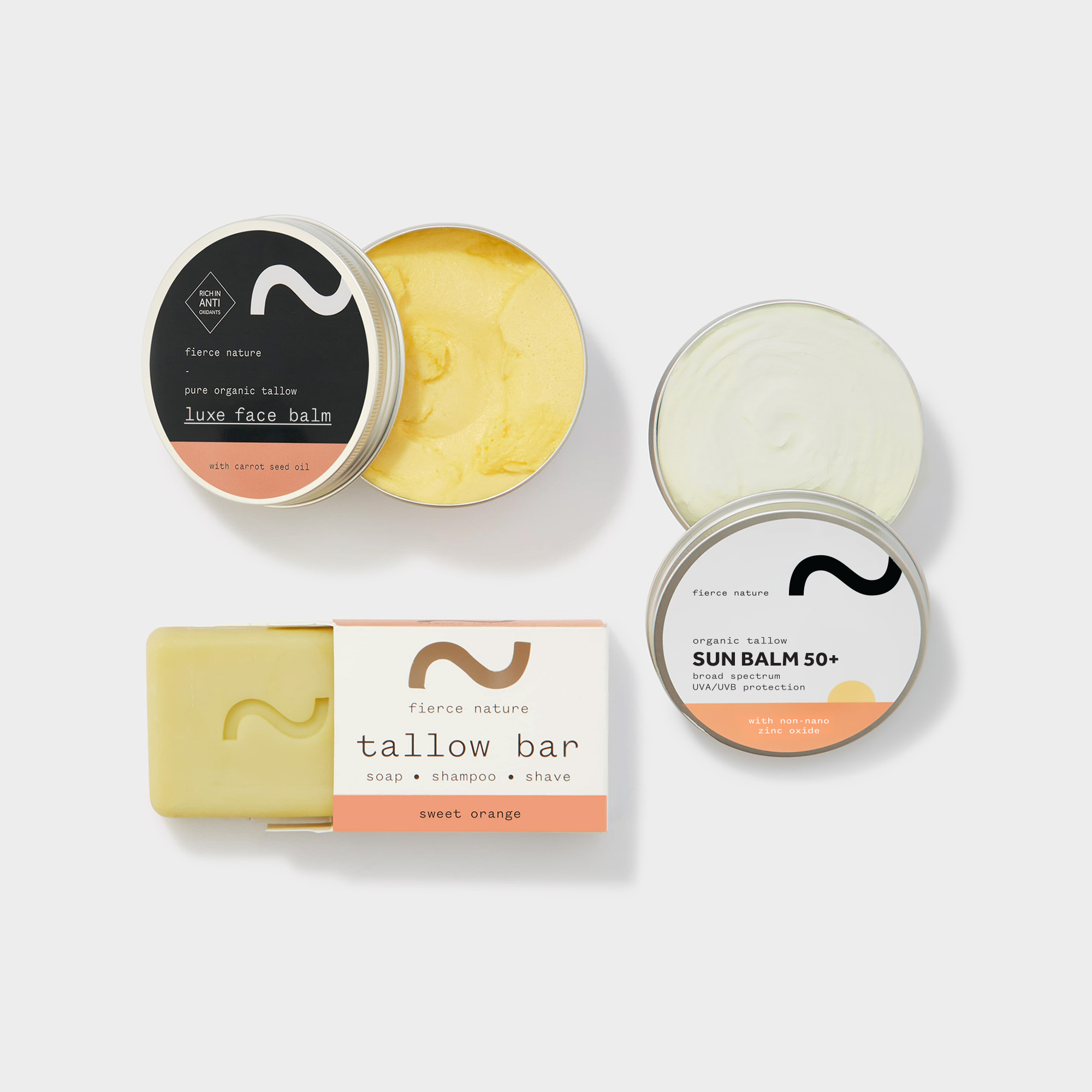
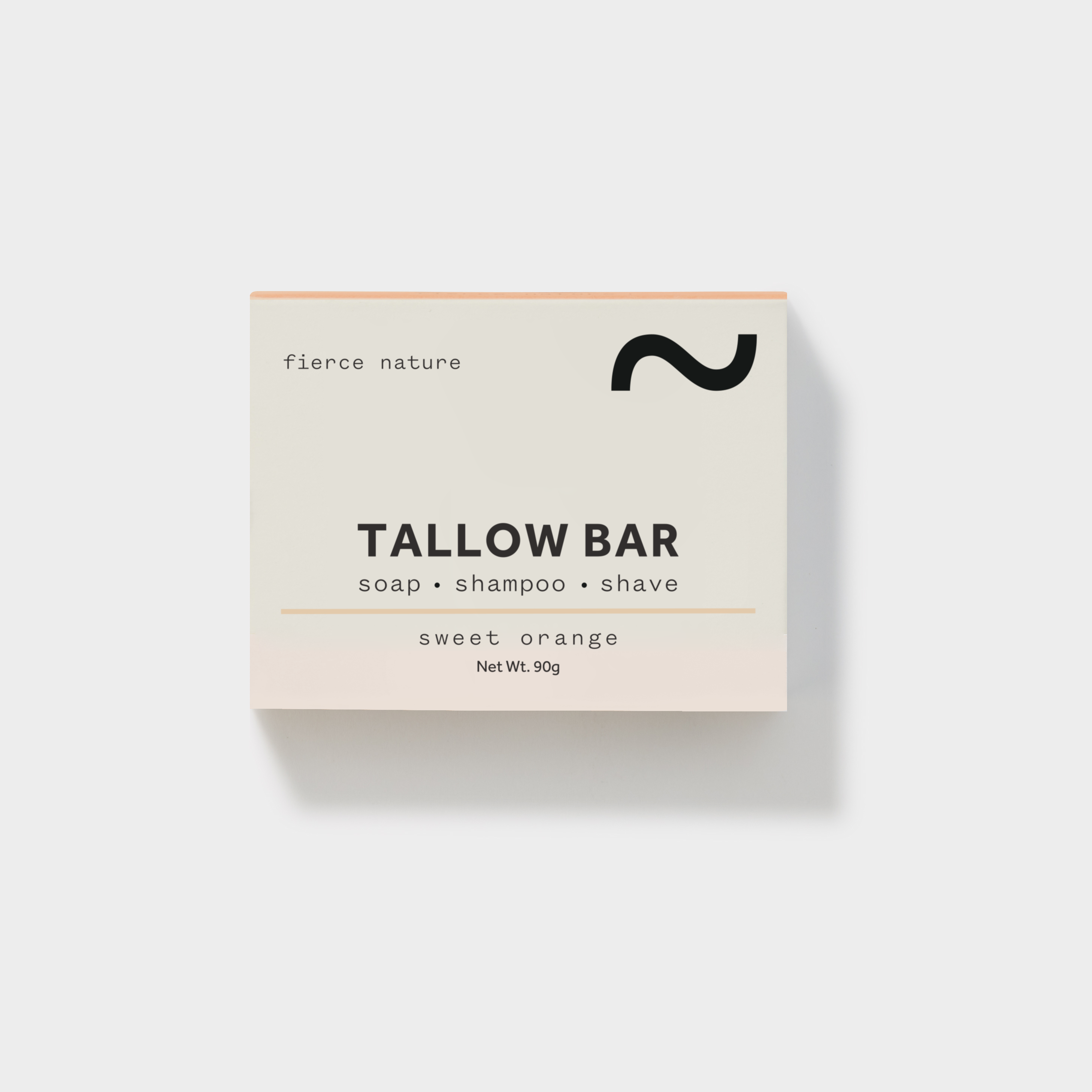
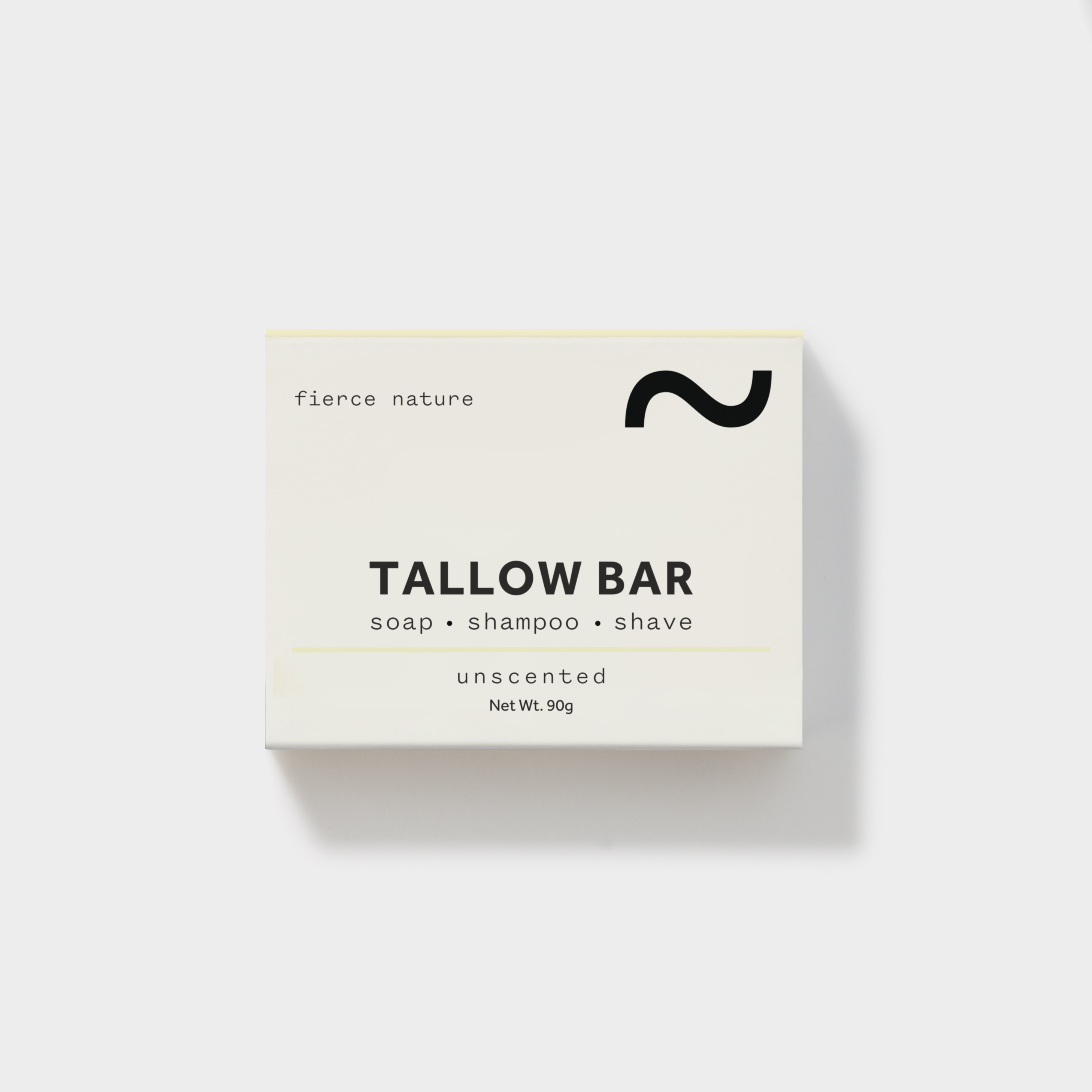
The quality of the tallow matters. We use organic, grass-fed tallow as the foundation of our products, and our soaps are handmade in the UK. If you want to see what that looks like in a bar, our Multi-Use Tallow Bar (Unscented) is the simplest place to start, and the Multi-Use Tallow Bar (Scented) is there if you prefer fragrance.
We have written separately about soap from tallow and how it nourishes the skin if you want more on the background.
Castile soap takes its name from the Castile region of Spain, and the traditional recipe uses olive oil as the fat. Modern products labelled Castile sometimes use other vegetable oils too, such as coconut, hemp or jojoba, so the label is worth reading.
There are two things to know about Castile soap that make it feel different from a tallow bar:
Olive oil soap has a long history and plenty of loyal users. It is a genuine soap, and it makes a pleasantly mild, low-lather wash for many people.
| Tallow soap | Castile soap | |
|---|---|---|
| Main fat | Rendered beef fat | Olive oil, traditionally |
| Usual form | Solid bar | Liquid or bar |
| Lather | Dense, creamy, stable | Lighter, often thinner, more slippery |
| Bar hardness | Firm | Softer in a pure olive oil bar |
| How long a bar lasts | Long when kept dry | Shorter if the bar is soft |
| Typical use | Face, body, hands, shaving | Body, hands, home and laundry |
| Needs diluting | No | Yes, for liquid versions |
Treat this table as a guide to typical behaviour. Hardness, lather and transparency all vary with the combination of ingredients in a given bar, so two soaps with the same name can feel different.
This is where you notice the difference first.
Lather. Tallow soap makes a creamy lather that holds together on the skin, which many people find more comfortable than a thin, slippery one. Pure olive oil soap generally produces a lighter, lower foam. It cleans well, but it feels different, and people who expect big bubbles are sometimes disappointed.

Hardness. The fatty acids in tallow, particularly stearic and palmitic acid, help make a hard bar. A hard bar resists softening in a wet soap dish, which is useful in a UK bathroom where the soap often sits in damp conditions.
Wear. A harder bar generally wears down more slowly. Whichever soap you pick, the best thing for its lifespan is a draining dish that lets it dry between uses. A bar left sitting in water dissolves quickly, however good the recipe.
If you want to get more from your bar, cut it in half when it is new, use one half at a time, and keep the spare dry. It is a small habit that adds up over weeks.
A large part of the UK has hard water, with the highest levels across much of the south and east of England. Hard water contains dissolved calcium and magnesium, and these react with soap to form a scum. That scum is soap that is no longer doing its cleansing job, so you tend to use more of it to get the lather you want.
That has three practical consequences, whichever soap you choose:
To manage it, wet the skin and the bar thoroughly, work up the lather before applying, and rinse for a little longer than you think you need. The same principle applies to washing fabrics, and an extra rinse cycle is a common way to deal with stiffness from residue. If you are making a switch because your skin feels tight after washing, rinsing well is as important as the soap you choose.
Following a wash with a balm helps too, which we come back to below.
Here is the honest, useful point about any soap: it is alkaline. Skin sits at a slightly acidic pH, and an alkaline wash can shift that, remove some surface oils and increase water loss from the skin. For some people that shows up as dryness, tightness or irritation, especially with frequent washing.
That is true of tallow soap, Castile soap and every other true soap. It is not a reason to avoid either. It is a reason to choose a well-made bar, keep washing short and gentle, and replace what the wash takes away.
A few things influence how a bar feels on you:
We are often asked whether tallow soap is the answer for sensitive or reactive skin. Our honest view is that tallow suits a lot of people because it is a simple, traditional fat, and our guide to tallow for sensitive skin goes into how to approach it sensibly. As with any new product, introduce it gradually.
On the body. Either soap works. Tallow gives a firm, creamy bar that is easy to hold and lasts well in the shower. Castile, particularly diluted liquid, is a light everyday body wash.
On the face. Facial skin is thinner and more easily affected by washing. Diluted Castile is sometimes used on the face, and medical guidance says that if it is not diluted enough, it could in theory affect skin pH. A solid tallow bar avoids the dilution question altogether: you wet your hands, build a small lather and apply it, which makes a face wash routine simple and repeatable.
If you are prone to breakouts, be thoughtful about any rich product on the face, soap or balm. We take a careful look at this in our article on tallow for acne, and the same sensible approach applies: start small, watch how your skin responds, and build up.
For shaving. A tallow bar produces a dense, cushioning lather, which is why it works well for shaving. Our piece on tallow shaving soap benefits covers glide and comfort.

These are the other comparisons people tend to search next.
Goat milk soap. Tallow is a fat, the building block of a bar. Goat milk is an additive that replaces some of the water or liquid in a recipe. The two are not really rivals, and a bar can contain both. We explain this properly in goat milk soap vs tallow soap.
Lard soap. Lard is rendered pork fat and makes a soft, mild bar, but it is a different animal fat from tallow and gives a slightly different result. Tallow produces a harder bar with a creamier, longer-lasting lather. Tallow is the fat we have chosen to build our range on.
Commercial “soap” bars and body washes. Many mainstream products are not true soap at all. They are made from synthetic detergents, which is a different thing from the fat-and-alkali soaps above. Read the label: a true soap lists its fats or their saponified forms, while a synthetic wash lists a long line of surfactants.
Use these questions to decide.
Before using any new soap on your face, do this:
If you have eczema, a diagnosed skin condition or a history of reactions, speak to your GP or pharmacist before changing your wash, and see a doctor if irritation persists.
Any true soap takes some oils from the skin with the dirt. That is what cleansing is. The simple answer is to put something nourishing back, and this is where a tallow balm comes in.
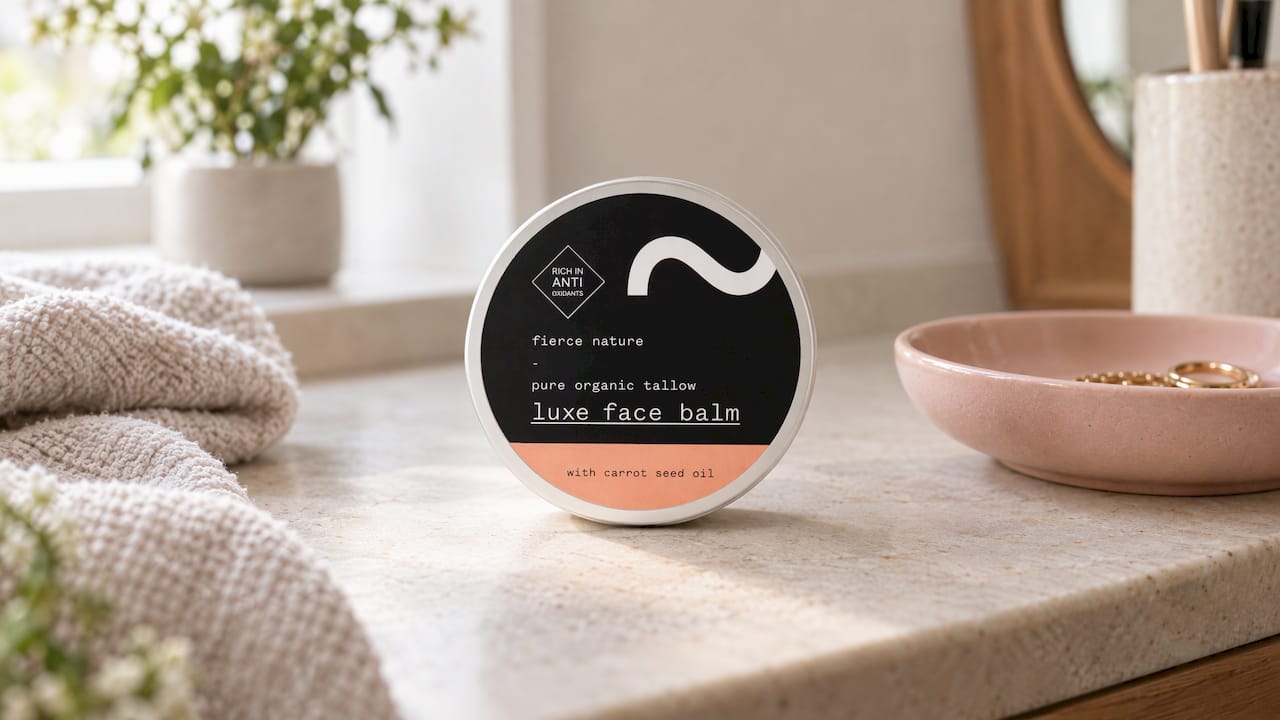
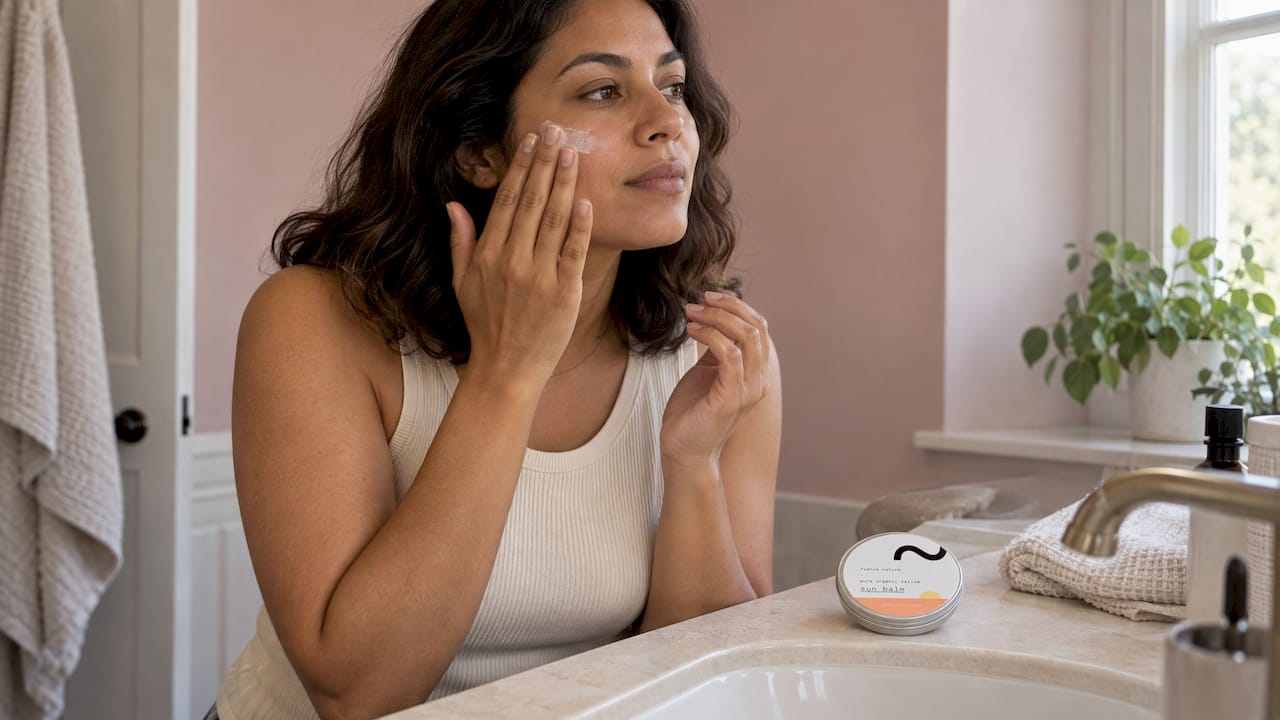
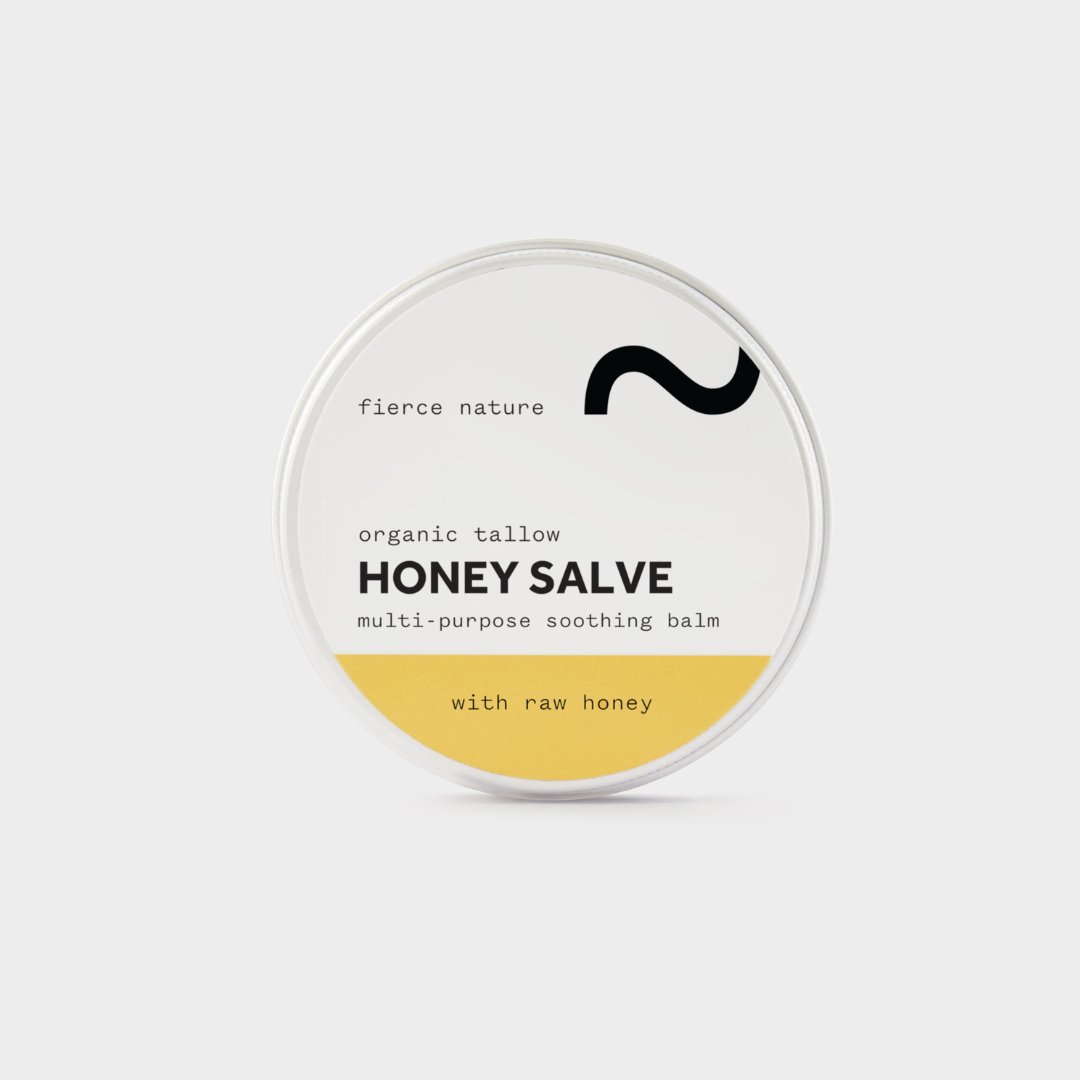
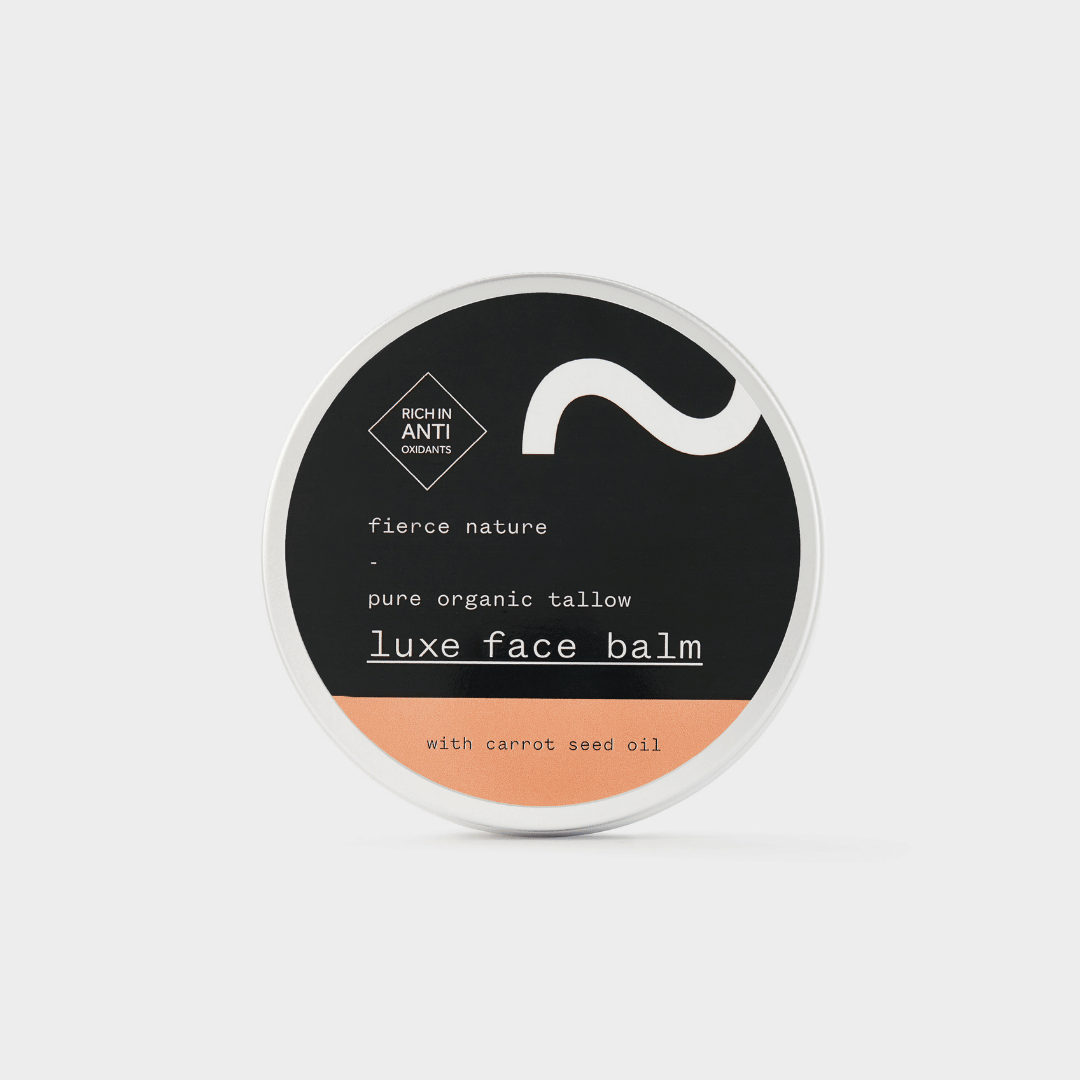
Tallow’s fatty-acid profile is similar to the skin’s own oils, which is why people have used it as a skin emollient for centuries. We make our balms with organic tallow as the base, handmade in the UK, and our Face and Body Balms are designed to be used straight after washing, while the skin is still slightly damp.
A simple routine looks like this:
If you want to understand how to use a balm, our tallow balm guide for UK skin walks through benefits, uses and safety.
We started Fierce Nature because we wanted skincare that works with your skin, not against it. Growing up, mainstream shaving gels, hair removal creams and cosmetics left us with rashes and reactions, and we could never work out why. Years of learning about gut health and the toxic load our bodies carry made us look at what we put on our skin with fresh eyes.
That is why we begin with tallow. It has been used for centuries in soap making and as a skin emollient, and we believe its nourishing character makes a soap that cleanses and a balm that feeds. Our tallow is organic and grass-fed, our products are handmade in the UK, and we believe in showing you exactly what goes into them.
Castile soap is a classic, and olive oil has its place. But when we ask which bar we would reach for on our own faces and bodies, and which one we would want next to a balm in the bathroom, the answer is tallow. A single bar that lathers creamily, lasts, and pairs with a balm is a simple ritual, and simple rituals are the ones people keep.
Fierce Nature
If you are ready to try one, our Tallow Soaps collection brings together the bars we make by hand in the UK. The Wonky Soap (Pack of 3) is a good way to stock up, and you can pair a bar with a balm from our Nourish Balms Collection so that your wash and your moisturiser come from the same simple, tallow-based approach.
For most people who want a solid bar for face and body, we think tallow is the better pick. It makes a creamy lather, forms a firm bar and needs no dilution. Castile soap is a respected olive oil soap and suits those who prefer a lighter liquid wash.
Castile soap is traditionally made from olive oil rather than animal fat, and it is often sold as a concentrated liquid. Modern versions may include other vegetable oils. Liquid Castile is usually diluted before use, particularly on the face.
There is no single healthiest soap, because the full recipe matters more than the name. Look for a short ingredient list you recognise, gentle fragrance or none, and a bar that suits your skin when you patch test it. Washing briefly in warm water and moisturising afterwards helps whichever soap you choose.
Both are traditional soap fats, but they behave differently. Tallow gives a harder bar with a creamy, lasting lather, while lard gives a softer bar. We build our range on organic tallow for its firmness, its lather and its long history as a skin emollient.
Many people do. Use a small amount of lather, rinse well, and patch test before your first use. If your face feels tight afterwards, follow with a little balm while the skin is still damp.