Cart
0
80% Also Added this
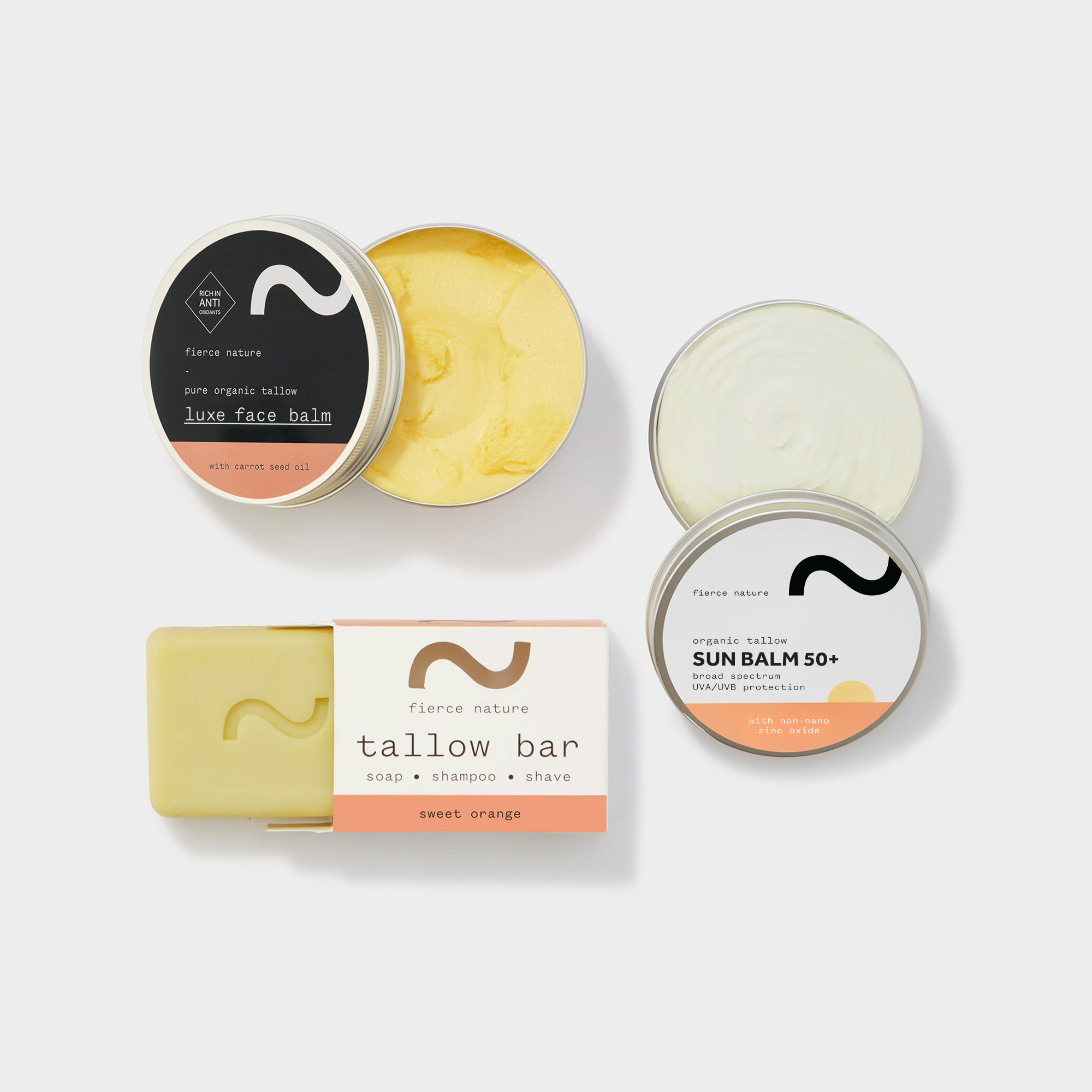





Not all alcohols behave the same way on your skin. Fatty alcohols like cetyl and stearyl alcohol are emollient and generally safe, while volatile alcohols such as ethanol or isopropyl alcohol can dry or disturb the skin barrier when used at higher concentrations. A pilot clinical study found moderate ethanol levels in a moisturiser were well tolerated on non-inflamed atopic skin over 30 days, with no meaningful change to hydration. Formulation matters as much as the ingredient itself.
TL;DR:
- Moderate ethanol in well-formulated creams does not significantly affect skin barrier or hydration in non-inflamed skin.
- Volatile alcohols like ethanol and isopropyl can dry skin if used frequently or at high concentrations, especially in high-alcohol toners.
- Fatty alcohols such as cetyl and stearyl are emollients that soften skin and improve product texture, unlike drying volatile alcohols.
- Alcohol serves roles like dissolving actives, modifying texture, aiding preservation, and enhancing penetration, but heavy use is suited only for specific medical functions.
- Sensitive or barrier-damaged skin should limit high volatile alcohols and favor barrier-supportive, fatty alcohol-based products to reduce irritation risk.
Scanning an ingredient list can feel like reading a different language, but once you know the groups, the names start to make sense. Alcohols in skincare fall into a few distinct families, and each one plays a different role.
Volatile or simple alcohols, including ethanol, alcohol denat. and isopropyl alcohol, evaporate quickly once applied. That evaporation creates the light, quick-dry feel many toners and gel formulas rely on, but it can also pull moisture from the skin’s surface if used frequently or at high concentrations.
Fatty alcohols sit at the opposite end of the spectrum. Cetyl alcohol, stearyl alcohol and cetearyl alcohol are derived from fats and waxes, and rather than drying the skin, they soften it. These ingredients thicken creams, stabilise emulsions and leave a cushioned, nourishing finish, which is why we lean on similar fat-based structures in our own tallow formulations.
Then there are the alcohols that do not fit neatly into either camp:
Knowing which family a name belongs to turns a confusing label into a useful shopping tool.
The research on alcohol and skin barrier function is more nuanced than most headlines suggest. Outcomes depend heavily on concentration, formulation and the condition of the skin being treated.
That is a meaningful data point: it suggests moderate ethanol levels, when embedded in a well-balanced cream, do not automatically compromise the barrier.
Mechanistic and ex vivo research helps explain why concentration and formulation change the outcome so much:
The common thread is that ethanol on its own, in a water-based solution, behaves very differently from ethanol folded into a cream rich in glycerol and oils. Humectants and emollients help rebuild the hydrolipidic layer that volatile alcohols can otherwise disturb, which is part of why a toner stings while a cream with a similar alcohol content does not.
Alcohol is not included in skincare by accident. It does genuine formulation work, and understanding that work helps you judge when its presence makes sense.
Formulators reach for alcohol for a handful of practical reasons:
That last use deserves a closer look. This is a world away from your daily moisturiser.
Pro Tip: If a product’s main selling point is “fast-absorbing” or “mattifying” thanks to a high alcohol content, ask whether you actually need that effect daily, or just occasionally.
Heavy ethanol use belongs in medical and research contexts where deep penetration is the goal, not in the serum you reach for every morning.
Reading labels gets easier with a simple rule of thumb and a short checklist.
If your skin feels tight, tingly or visibly flushed within minutes of applying a product, that is your barrier telling you something, not just a sign the product is “working”.
Our guide to reading cosmetic ingredient labels walks through INCI order in more detail if you want to go further.
The phrase “alcohol in skincare” tends to trigger an instant, blanket reaction, but a lot of what circulates online does not hold up.
Myth: all alcohol dries out skin. Fact: fatty alcohols like cetyl and cetearyl alcohol are emollients, not drying agents. They are added specifically to soften and smooth.
Myth: any amount of ethanol is harmful. Fact: concentration and formulation decide the outcome. Moderate ethanol levels within a well-balanced cream showed no significant barrier disruption in a recent pilot trial.
Myth: alcohol-free always means gentler. Fact: a product can be free of volatile alcohol and still irritate sensitive skin through fragrance, essential oils or acids. “Alcohol-free” is one data point, not a guarantee.
Myth: natural alcohols are automatically safer. Fact: ethanol derived from grain or fruit behaves the same way on skin as synthetically produced ethanol. Origin does not change its chemistry or its effect on the lipid bilayer.
Fact worth repeating: the real question is never “does this contain alcohol” but “which alcohol, how much, and in what kind of formula”. That single shift in thinking cuts through most of the noise.
Alcohol rarely works in isolation, and its presence can change how other ingredients behave on your skin.
With retinoids, volatile alcohol can amplify irritation. Retinoids already thin and sensitise the outer skin layer as they work, so pairing them with a high-alcohol toner or serum often increases dryness, flaking and stinging rather than improving results.
With exfoliating acids such as glycolic or salicylic acid, the combination can be similarly harsh. Both acids and volatile alcohols can raise transepidermal water loss on their own, so stacking them can compound barrier stress, particularly on skin that is already compromised.
Mechanistic research on ethanol helps explain why: because it extracts fatty acids from the skin’s lipid bilayer, it can temporarily increase how much of an active ingredient penetrates, for better or worse. That is useful when a formulator wants deeper delivery of a beneficial active, but less useful when it simply means more irritation alongside an already potent ingredient.

Fatty alcohols behave quite differently in these pairings. Because they reinforce rather than disrupt the lipid layer, they tend to buffer the drying effects of acids and retinoids rather than add to them, which is one reason many retinol creams are built on a cetearyl alcohol base rather than an ethanol one.
Alcohol has a long history in personal care, going back to simple alcohol-based tonics and astringents used to cleanse and tighten skin before modern emulsifiers existed. For much of the twentieth century, high-alcohol toners and aftershaves were marketed as signs of a product “working,” with the sting taken as proof of effectiveness.
That thinking has shifted considerably. As barrier science matured and terms like transepidermal water loss entered mainstream skincare conversation, formulators moved away from alcohol-forward astringents towards barrier-supporting alternatives built on humectants, ceramides and fatty alcohols.
Recent research reflects that shift. Pilot studies on moderate ethanol concentrations in creams, alongside mechanistic work on lipid bilayer disruption, show a formulation industry trying to use alcohol with intention rather than by habit, favouring the small amounts that serve texture and preservation over the large amounts once used for a dramatic, astringent feel. Specialist delivery systems, such as ethosomes, represent the other end of that intentional approach, using high ethanol concentrations deliberately for deep penetration rather than everyday use.

We started Fierce Nature after years of frustrated searching for skincare that nourished rather than stripped. Growing up with reactive, rash-prone skin taught us to distrust anything that promised results through a sting or a squeaky-clean feel.
Pure organic tallow is naturally rich in the same fatty compounds the skin produces itself, which is part of why it pairs so well with a barrier-first approach rather than a volatile-alcohol one. We craft our formulas with ingredients we can name and explain, not hide behind a seductive label. For a longer look at why we build around tallow, our piece on tallow-based skincare for sensitive skin goes into more depth.
— Fierce Nature
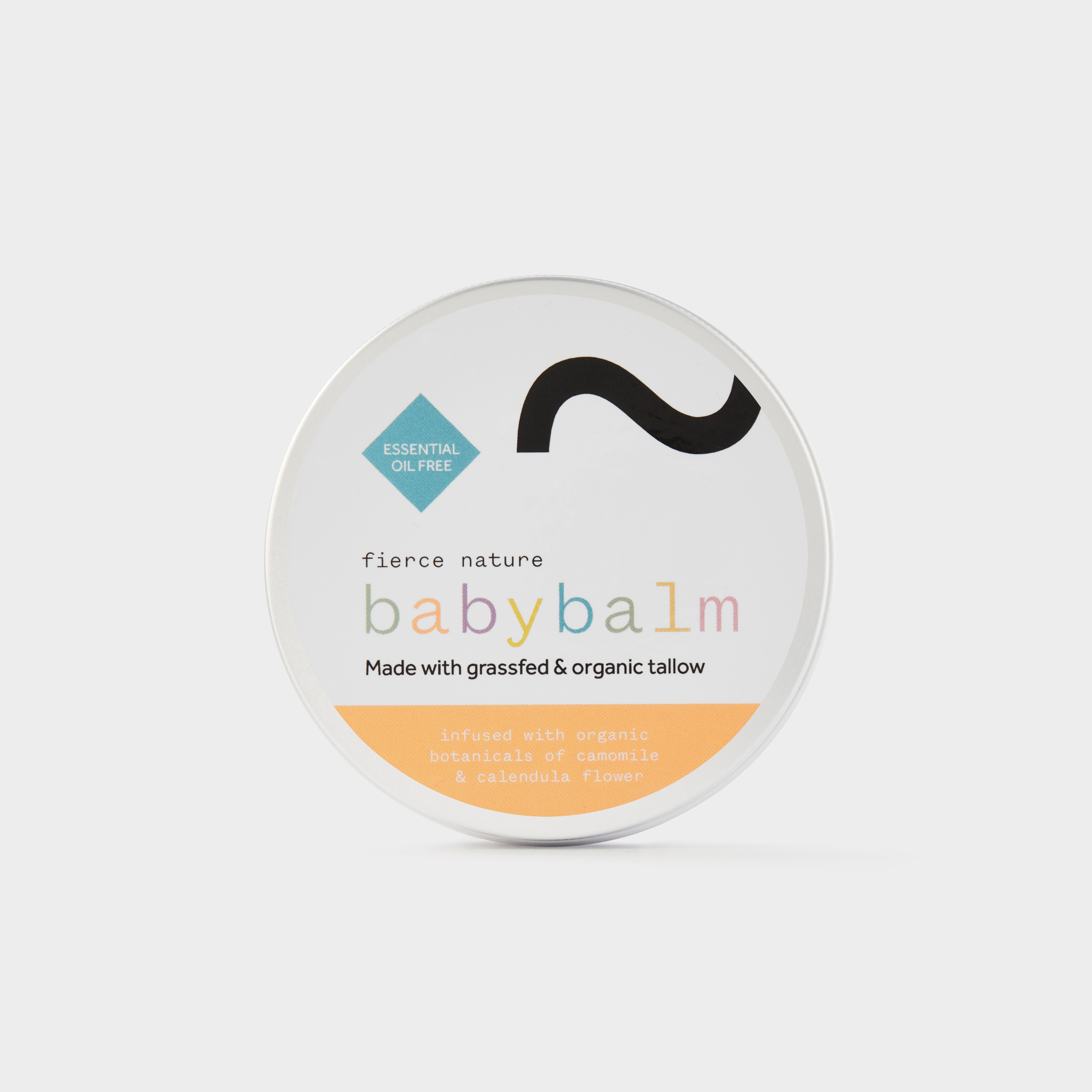
If you are looking to reduce your reliance on volatile alcohols, our tallow-based range is built with that goal in mind. Every formula leans on fatty, barrier-supporting ingredients rather than quick-evaporating ones.
As with any new product, check the full ingredient list and patch-test before regular use. Explore our Nourish Balms Collection to find the right fit for your skin.
This article is general information, not a substitute for advice from a qualified doctor. Consult a qualified healthcare professional about your own circumstances before acting on anything here.
It depends on the type and the amount.
If you have sensitive, atopic or barrier-damaged skin, be cautious of products listing ethanol, alcohol denat. or isopropyl alcohol near the top of the ingredient list, since UK labelling rules require ingredients in descending order of weight. Fatty alcohols like cetearyl, cetyl and stearyl alcohol are not the ones to worry about.
Alcohol serves several formulation roles, including dissolving active ingredients, creating a lightweight texture and helping preserve the product. In many creams it appears alongside glycerol and oils, which can offset its drying tendency and keep the overall formula balanced.
Occasional use of a product containing a moderate amount of alcohol is unlikely to cause lasting harm for most people, particularly within a well-formulated cream. Frequent use of high-concentration, alcohol-forward products, such as astringent toners or repeated hand sanitising, carries a higher risk of raising water loss and irritation over time.