Cart
0
80% Also Added this
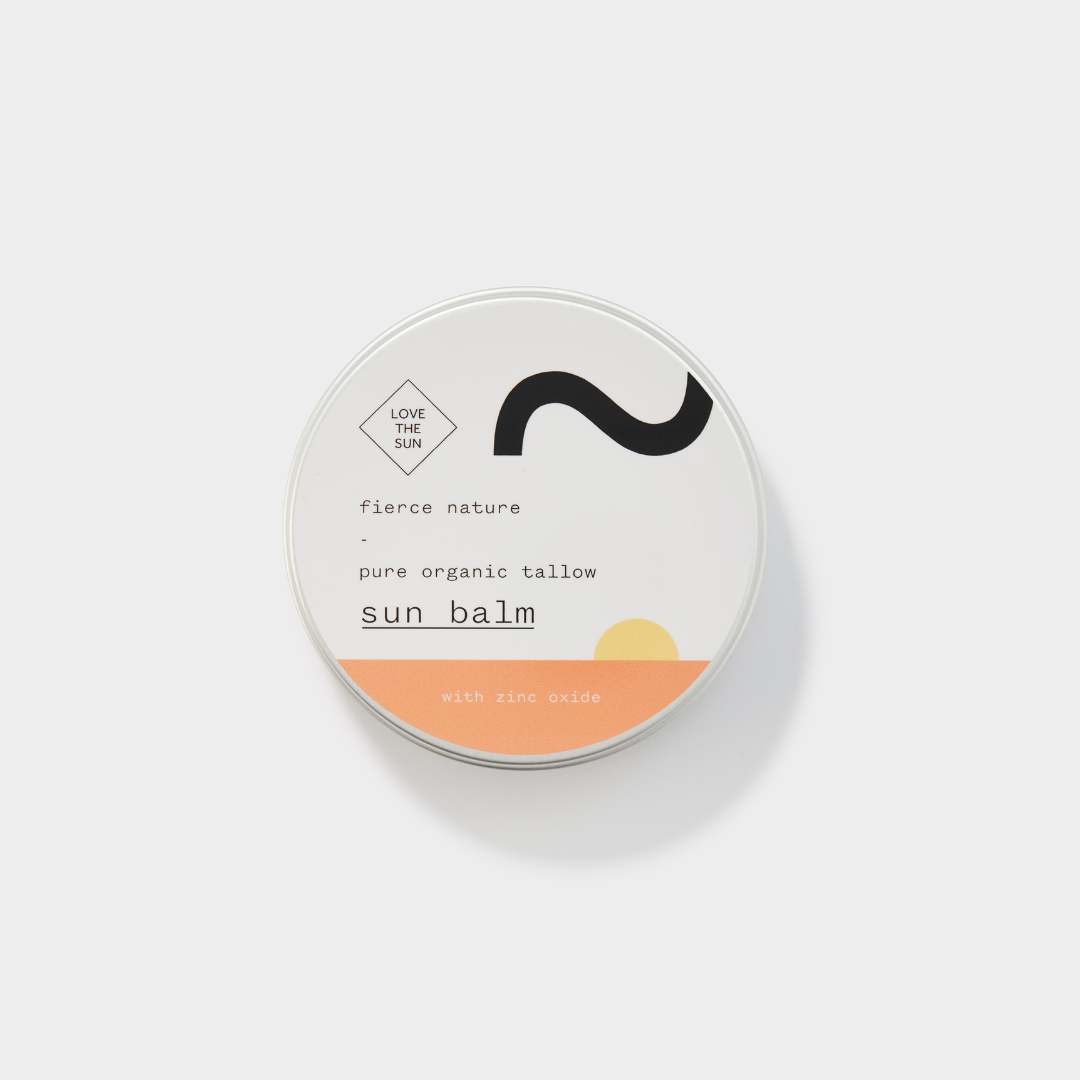
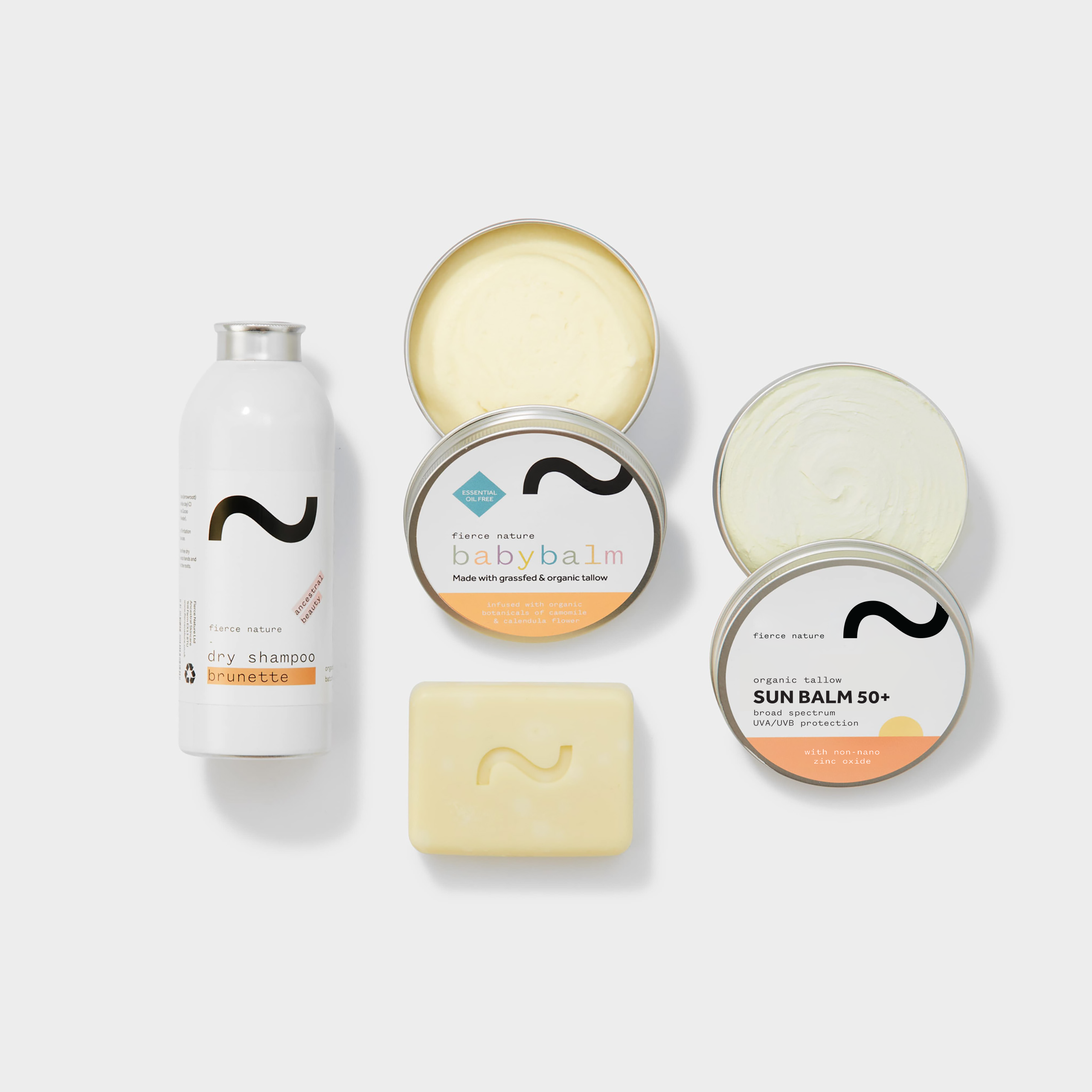
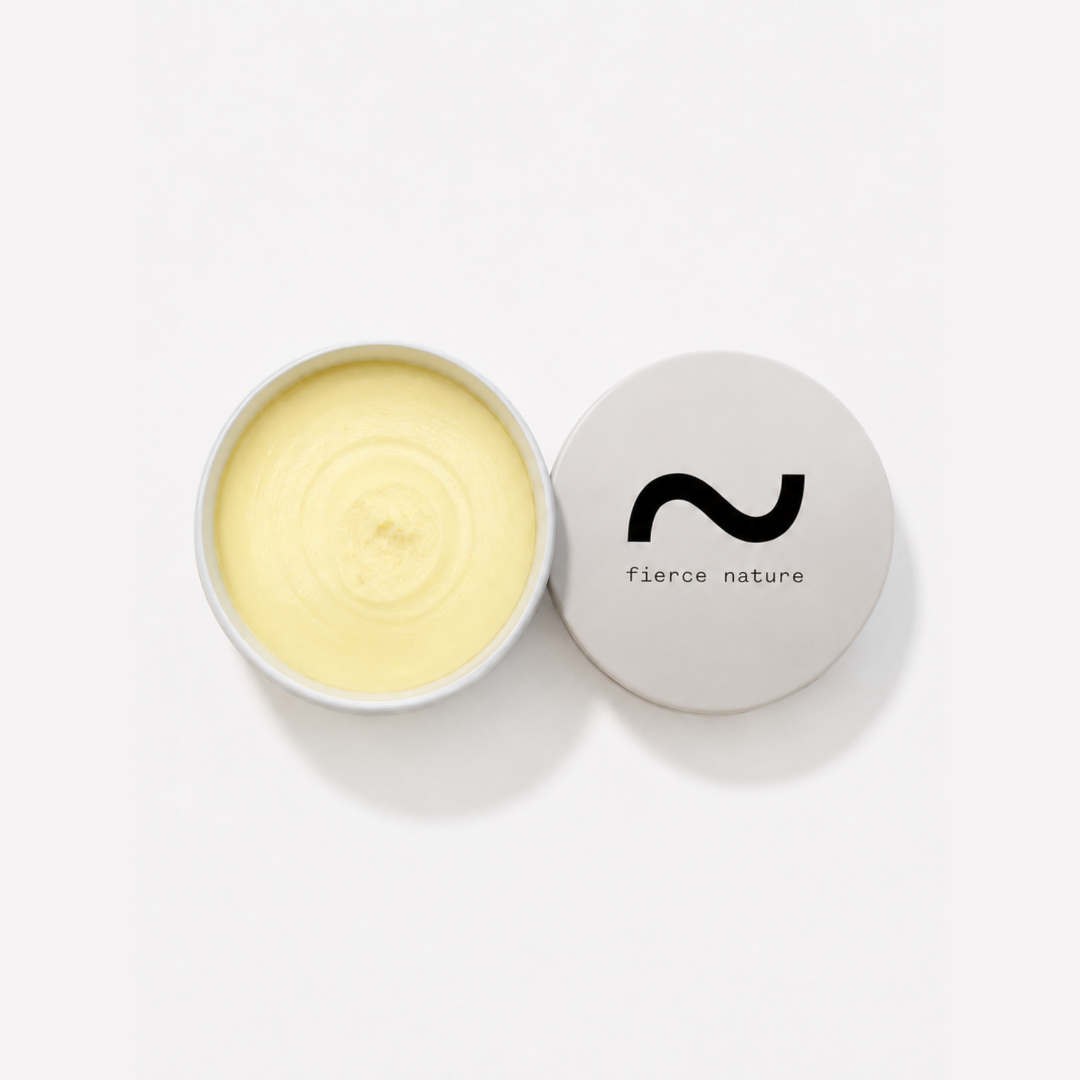
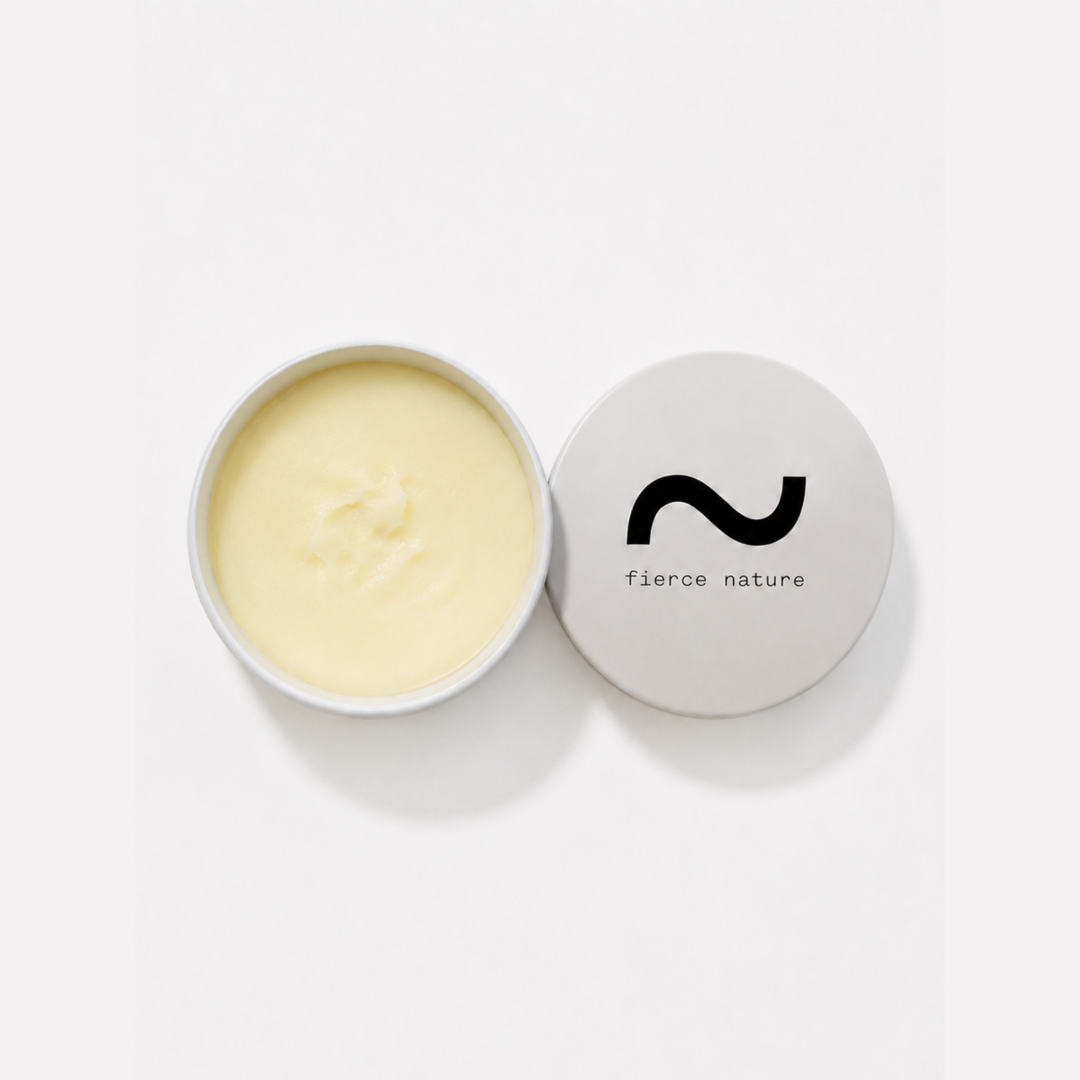
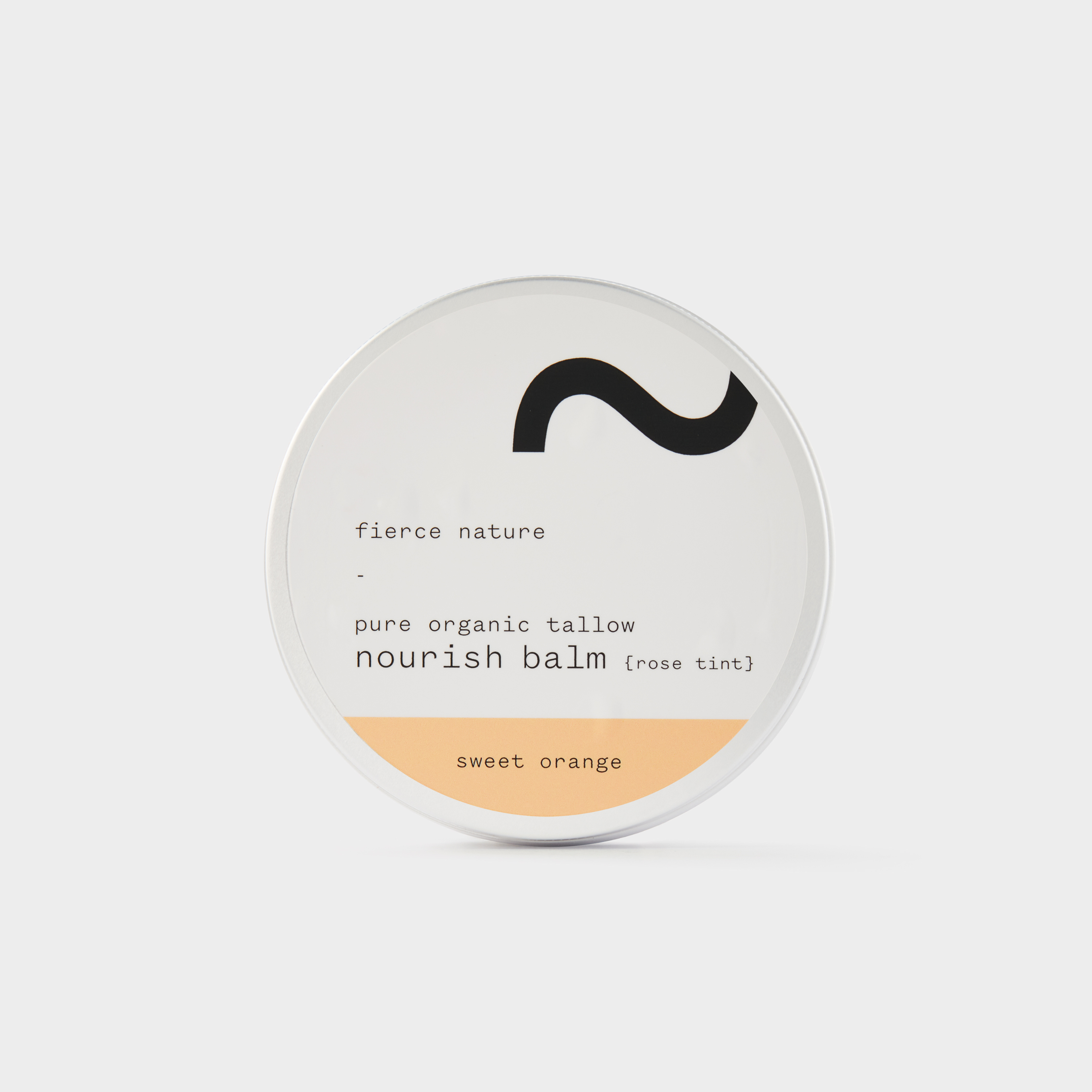

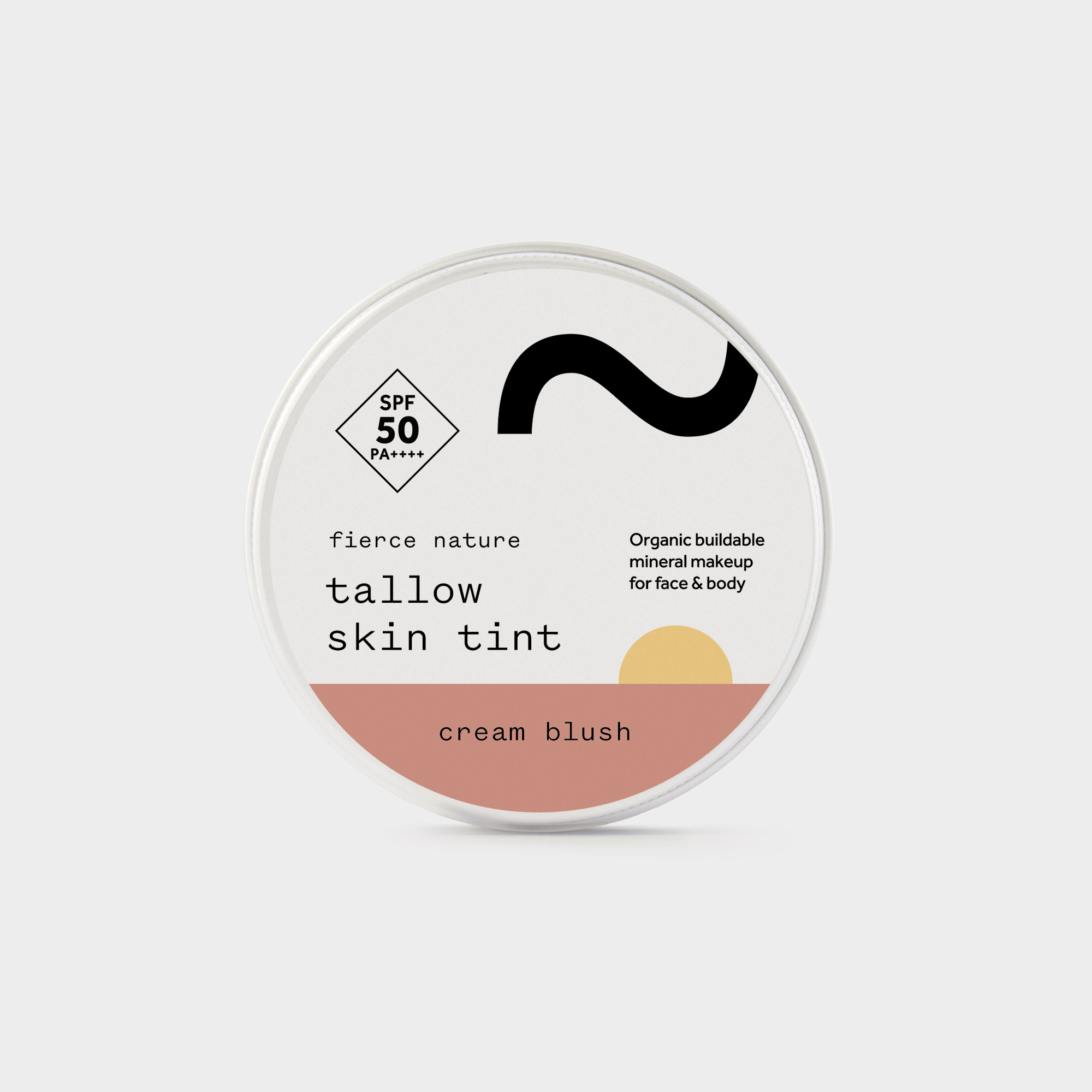
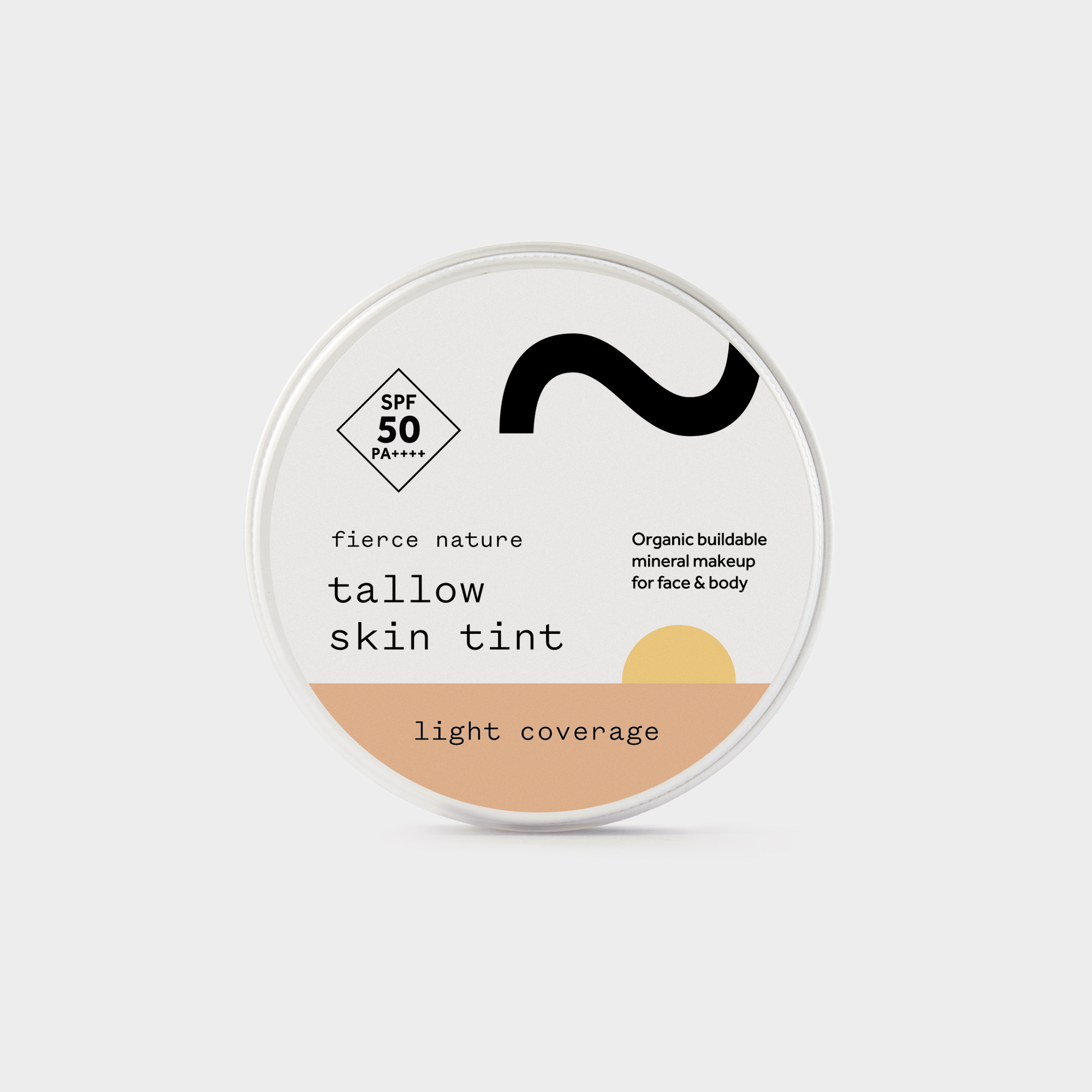
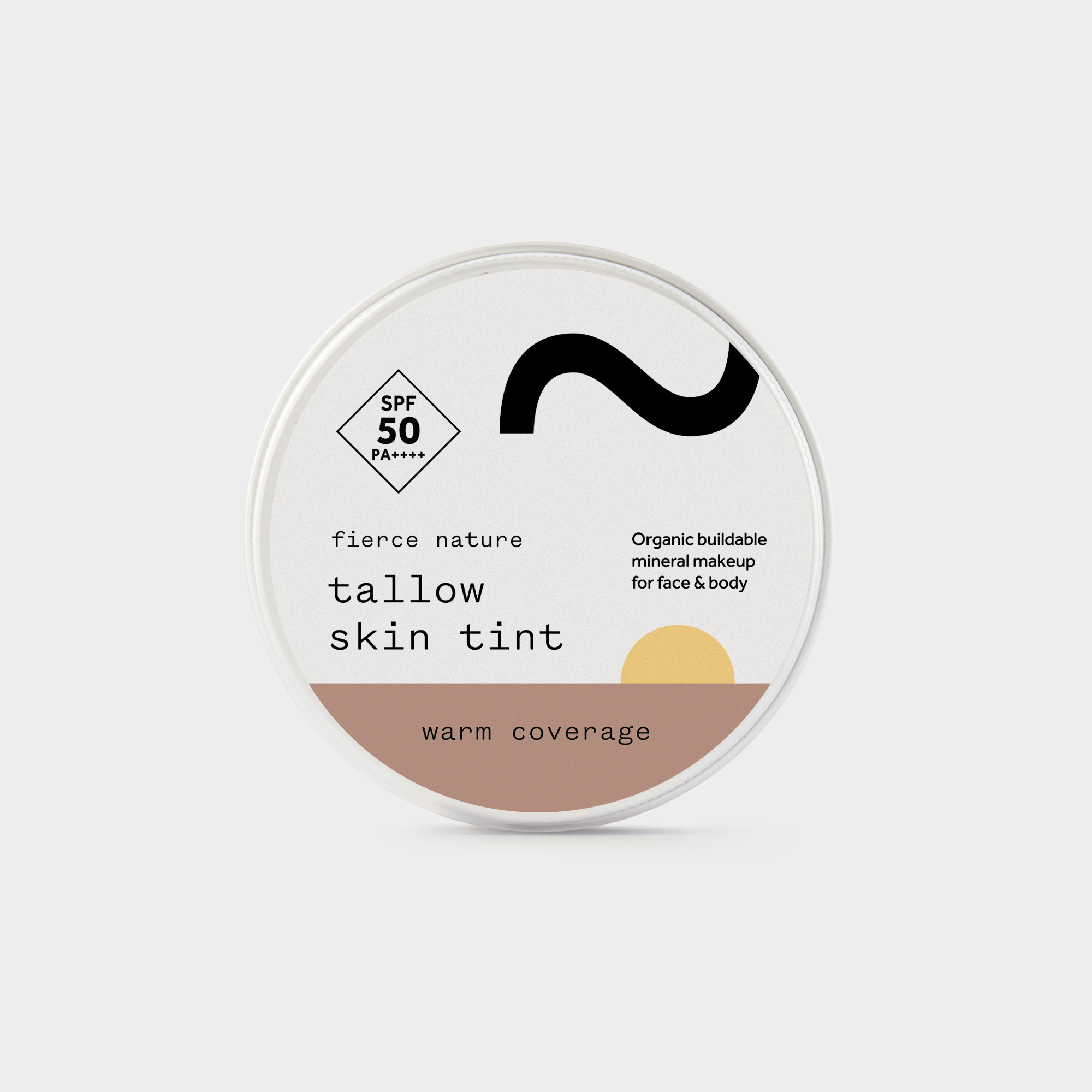
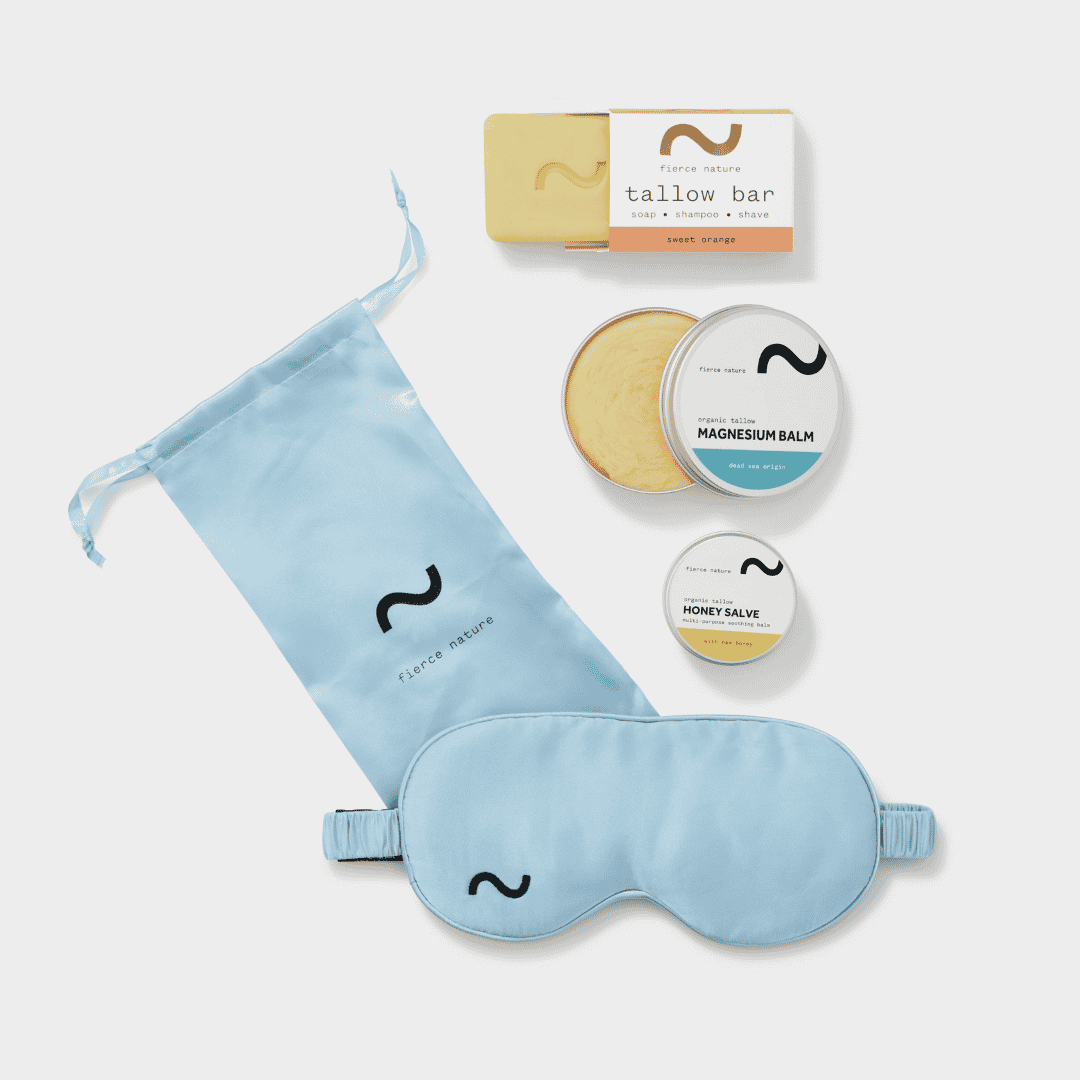
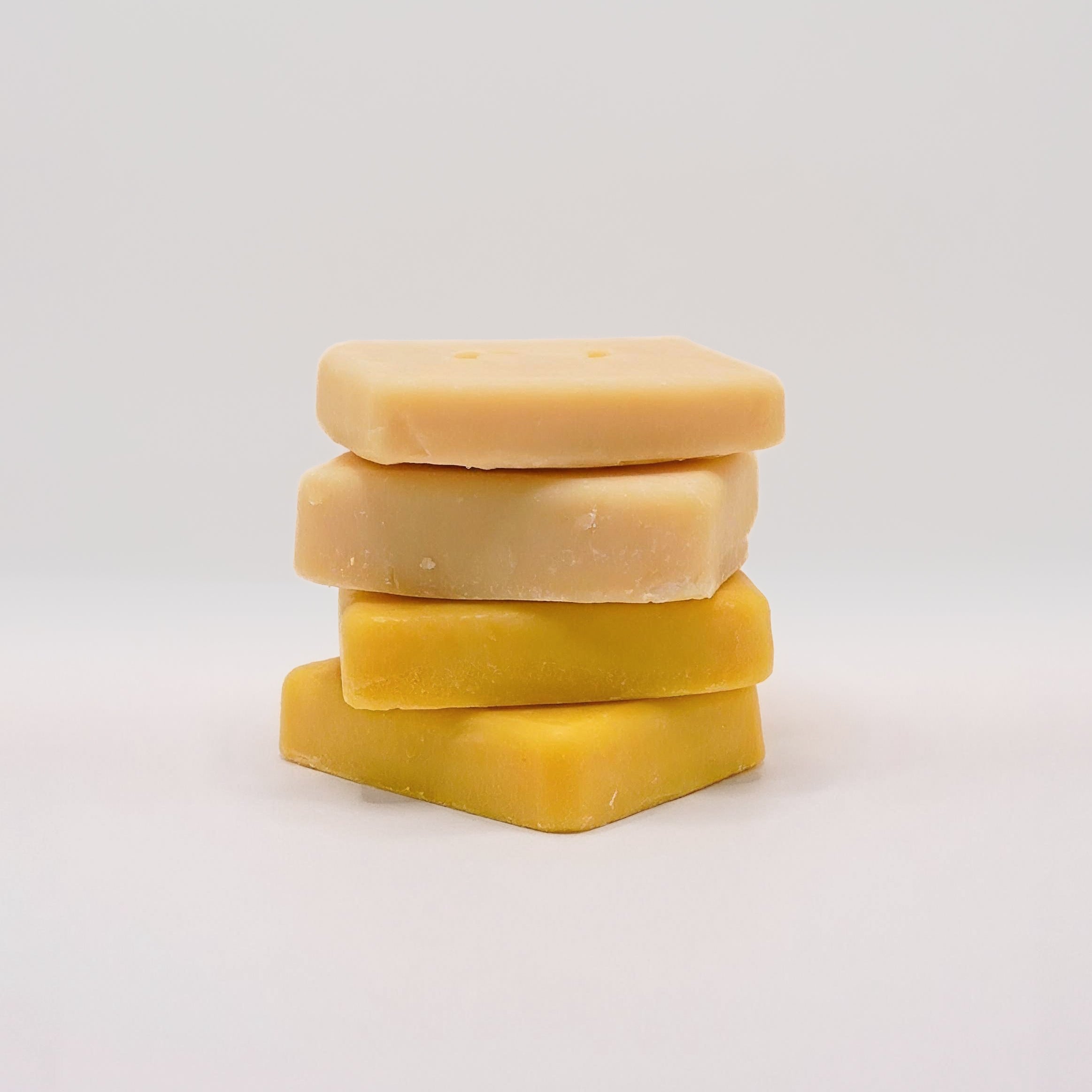




Tallow can help soothe and gently support recovery of mild sunburn once you’ve done proper first-aid, but it’s not a substitute for medical treatment when burns are severe. Think of it as the second act, not the opening move. Cool the skin, hydrate from the inside, manage the pain, then reach for something like tallow to help calm what’s left behind.
Before you touch any balm, run through this:
Cool it down. Lukewarm or cool water on the skin for 10 to 15 minutes eases heat and slows further tissue stress.
Hydrate. Sunburn pulls fluid to your skin’s surface and away from the rest of your body, so drink water steadily over the next few hours.
Check for blisters or broken skin. If you see them, hold off on any topical balm until the skin has settled.
Manage pain with an over-the-counter analgesic if you need it, and keep the area uncovered and loose where possible.
Once the heat has genuinely settled and the skin is intact, that’s your window for something like tallow to earn its place in your after-sun routine.
Tallow supports recovery from mild, unbroken sunburn as a moisturising after-care step, but it never replaces cooling, hydration, and medical attention for severe burns.
| Point | Details |
|---|---|
| First-aid comes first | Cool the skin, hydrate orally, and manage pain before applying any balm. |
| Tallow suits mild, unbroken burns | Its lipid profile resembles sebum, helping replenish moisture once heat has settled. |
| Patch test every time | Test on a small area first, especially if trying tallow for the first time. |
| Watch for warning signs | Spreading redness, fever, or pus mean it’s time to see a clinician, not apply more balm. |
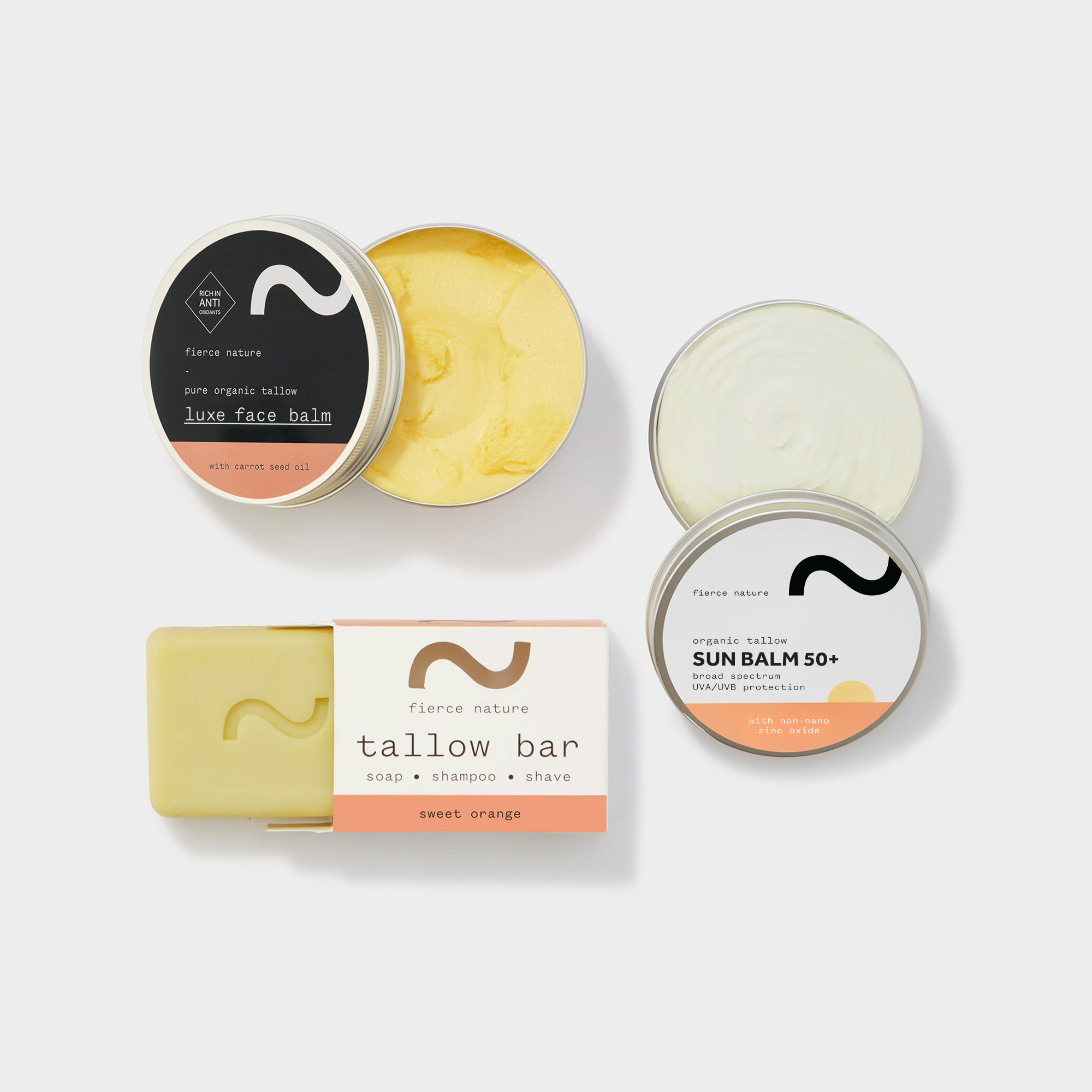
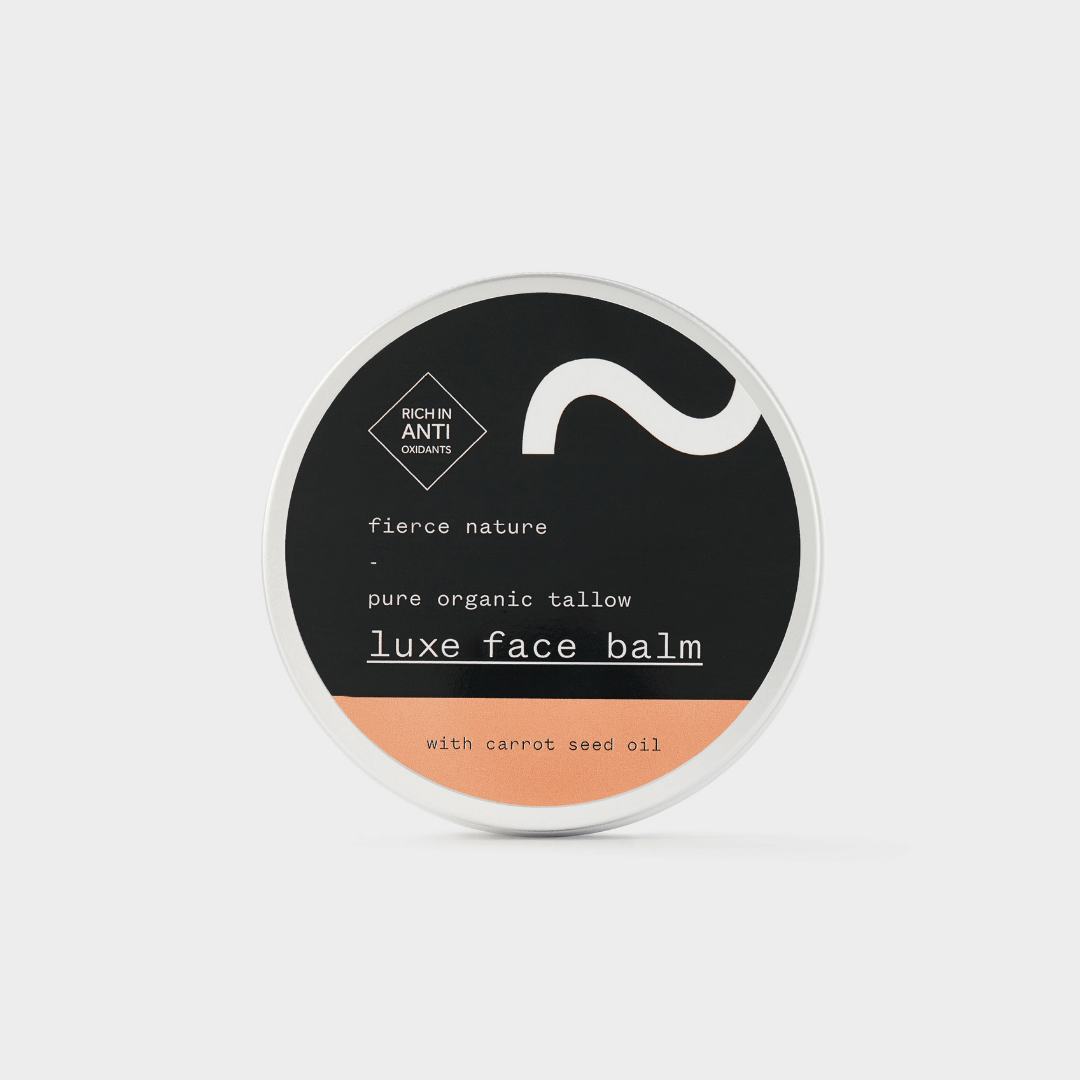
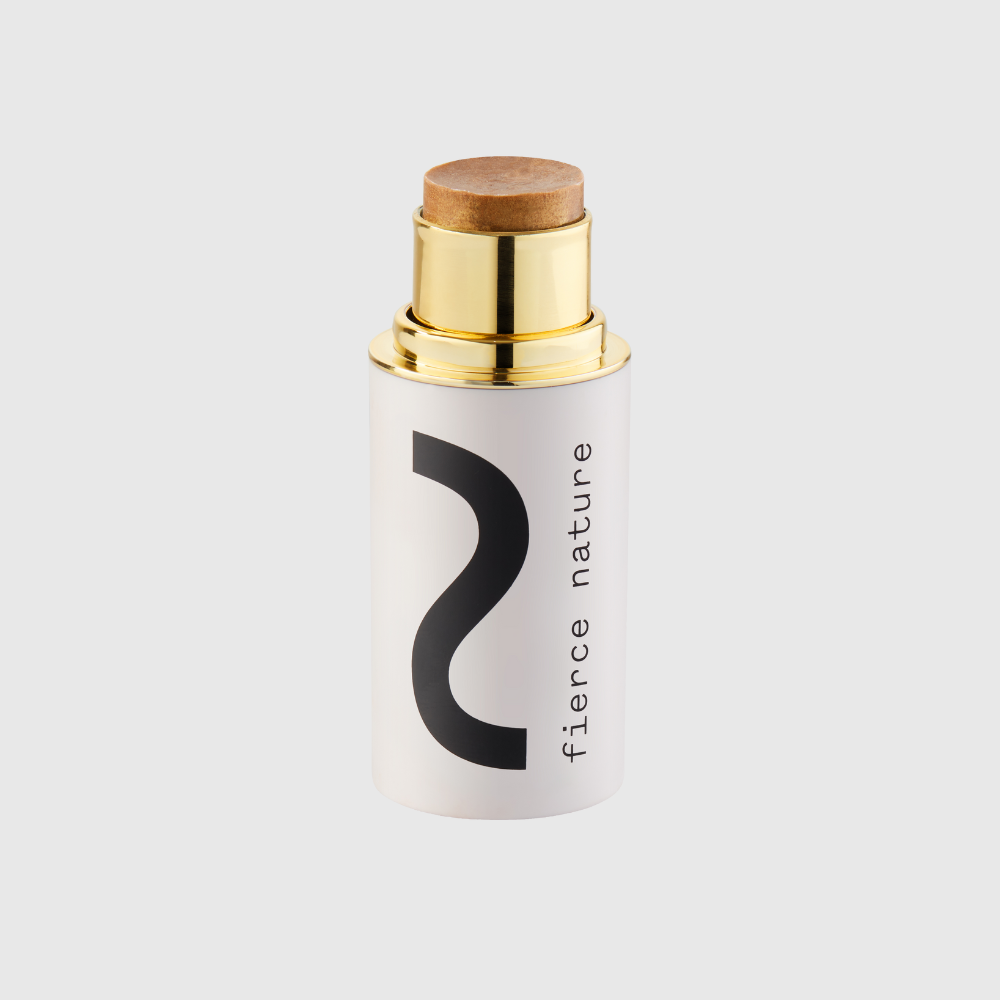
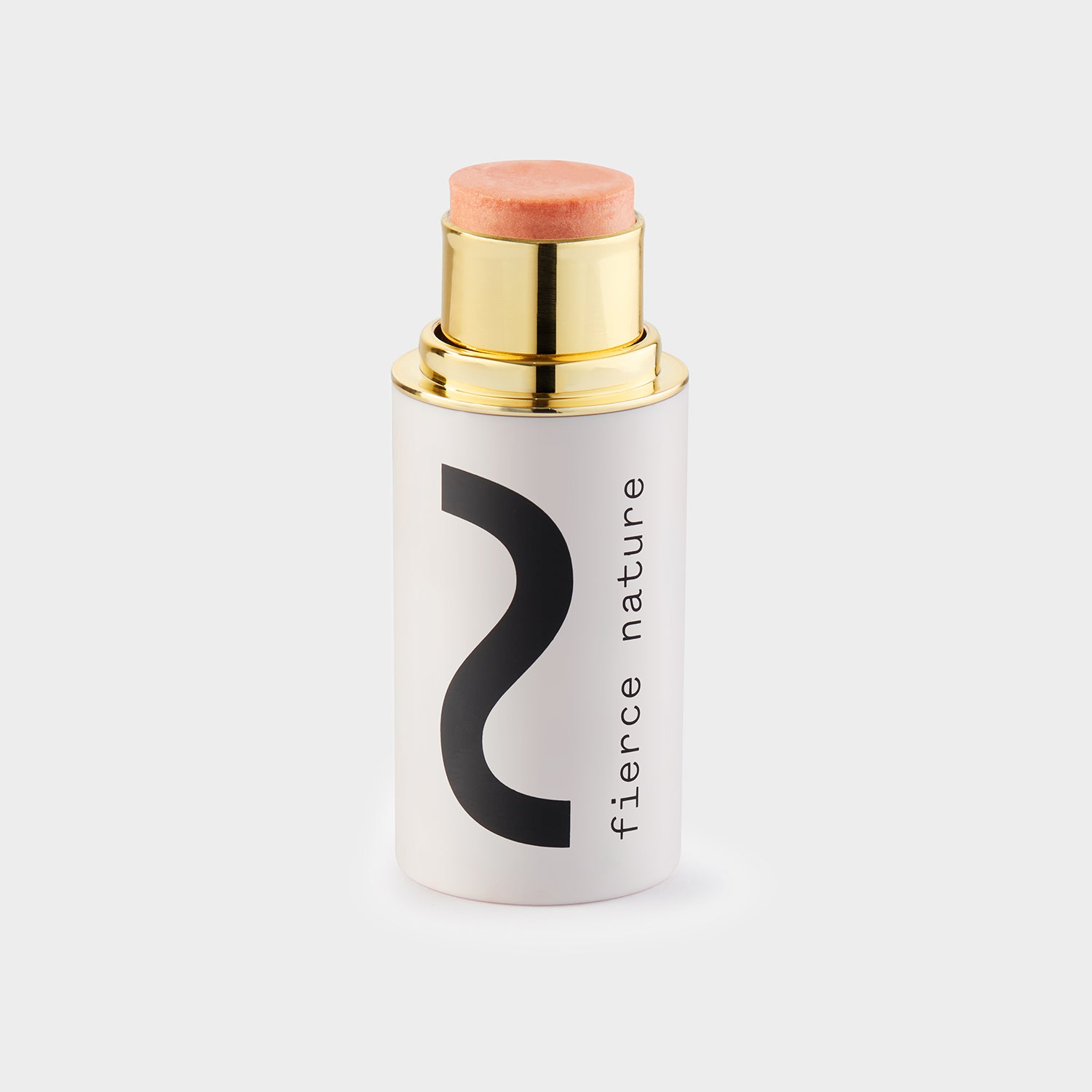
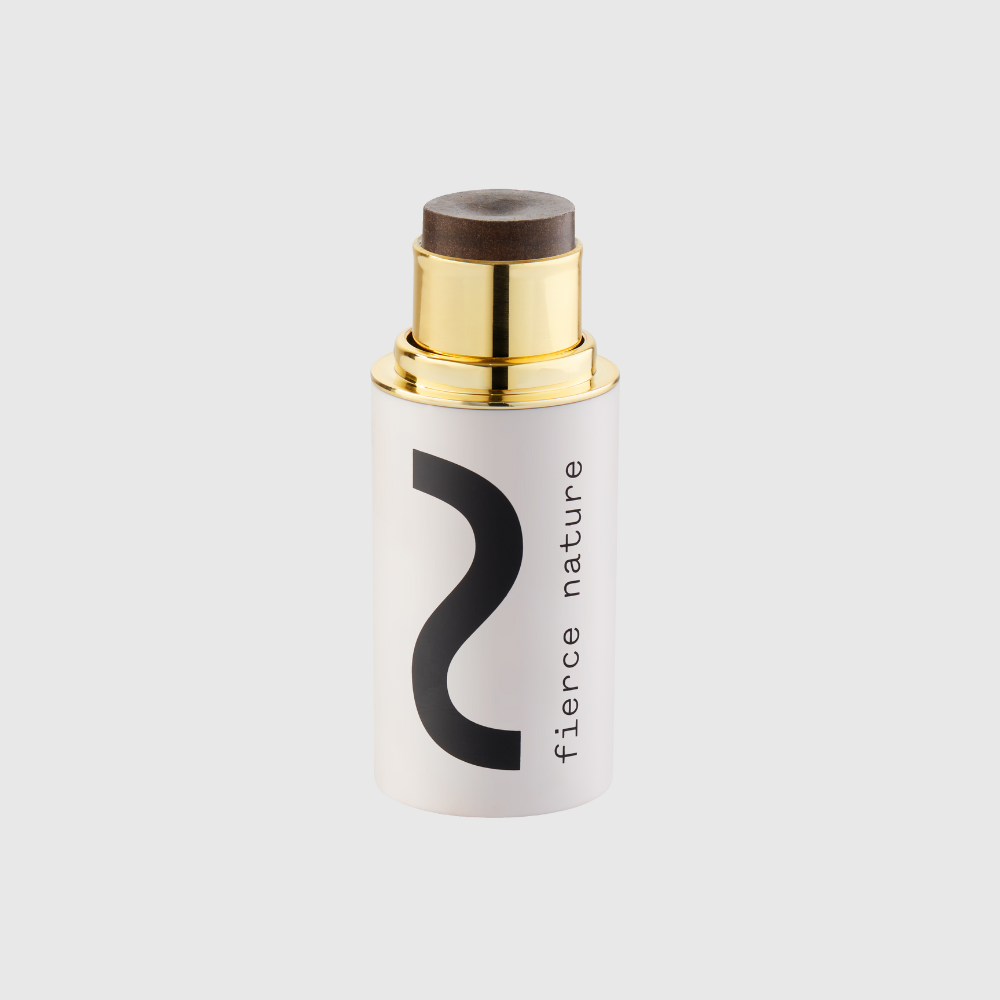
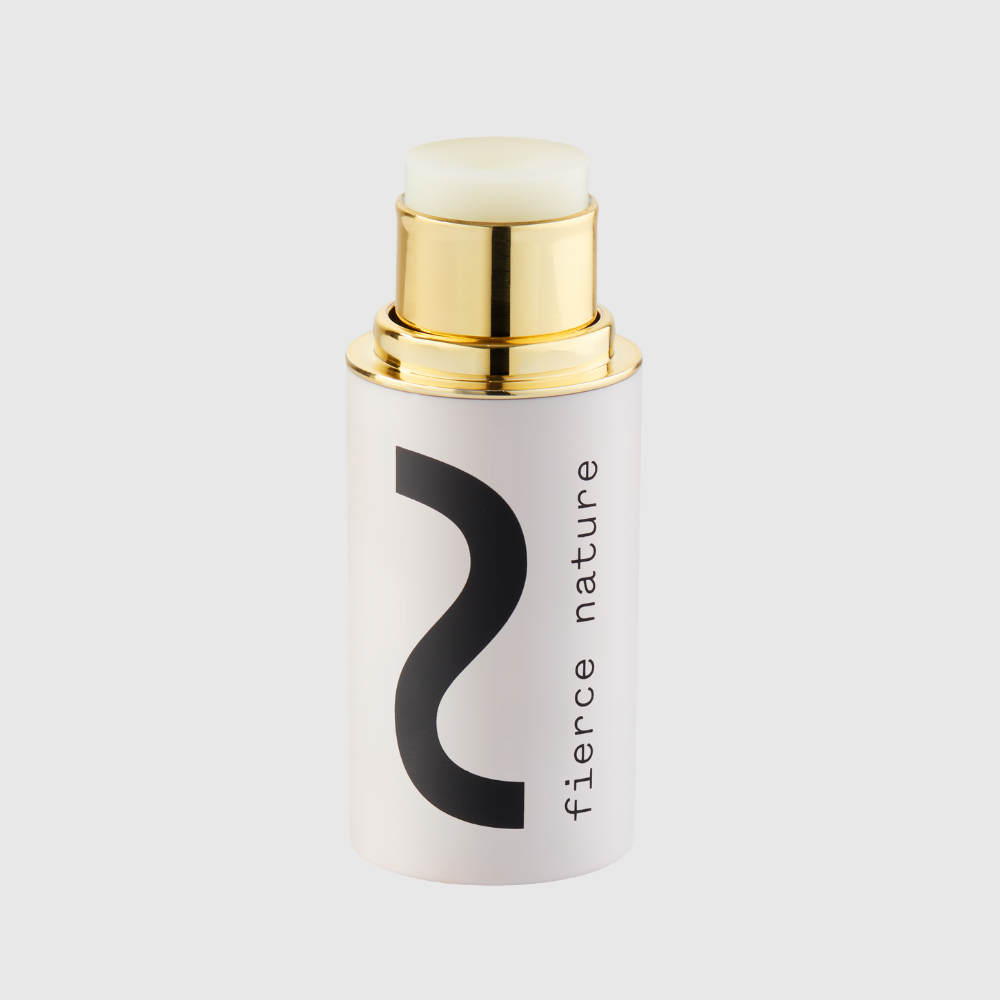
| Fierce Nature offers minimal-ingredient options | The Luxe Balm and unscented Multi-Use Tallow Bar suit sun-stressed face and body skin respectively. |
Why use tallow for sunburn: the real benefits and honest limits
What does the evidence actually say about sunburn care and topical lipids?
Tallow is rendered beef fat, purified and settled into a soft, spreadable emollient. It’s not a modern invention dressed up in new packaging. It’s one of the oldest skin-care ingredients we know of, used across cultures for centuries before petroleum jelly or plant-based lotions ever existed.
What makes tallow interesting from a skin perspective is its make-up. It’s rich in saturated fats alongside fat-soluble vitamins A, D, E and K, and its fatty acid profile sits remarkably close to human sebum, the natural oil your own skin produces. That closeness matters more than it might sound. Skin tends to recognise and absorb something that resembles its own chemistry more readily than it absorbs mineral oils or heavier plant butters that sit on the surface.
For sun-damaged skin specifically, that matters because a sunburn isn’t just redness. It’s a genuine injury to your skin’s outer barrier, the layer that normally keeps moisture in and irritants out. When that barrier is compromised, what you put on it either helps rebuild the structure or just sits there doing very little. Tallow’s lipid structure gives it a plausible edge here, because it’s working with familiar material rather than foreign material.
The case for tallow after sunburn rests on three things: it replenishes lipids the skin has lost, it holds moisture at the surface for longer than a water-based gel, and it delivers fat-soluble vitamins that play a role in how skin manages inflammation and repair. Vitamin D in particular has a documented relationship with skin health, which helps explain why nutrient-dense animal fats have such a long history in topical care.
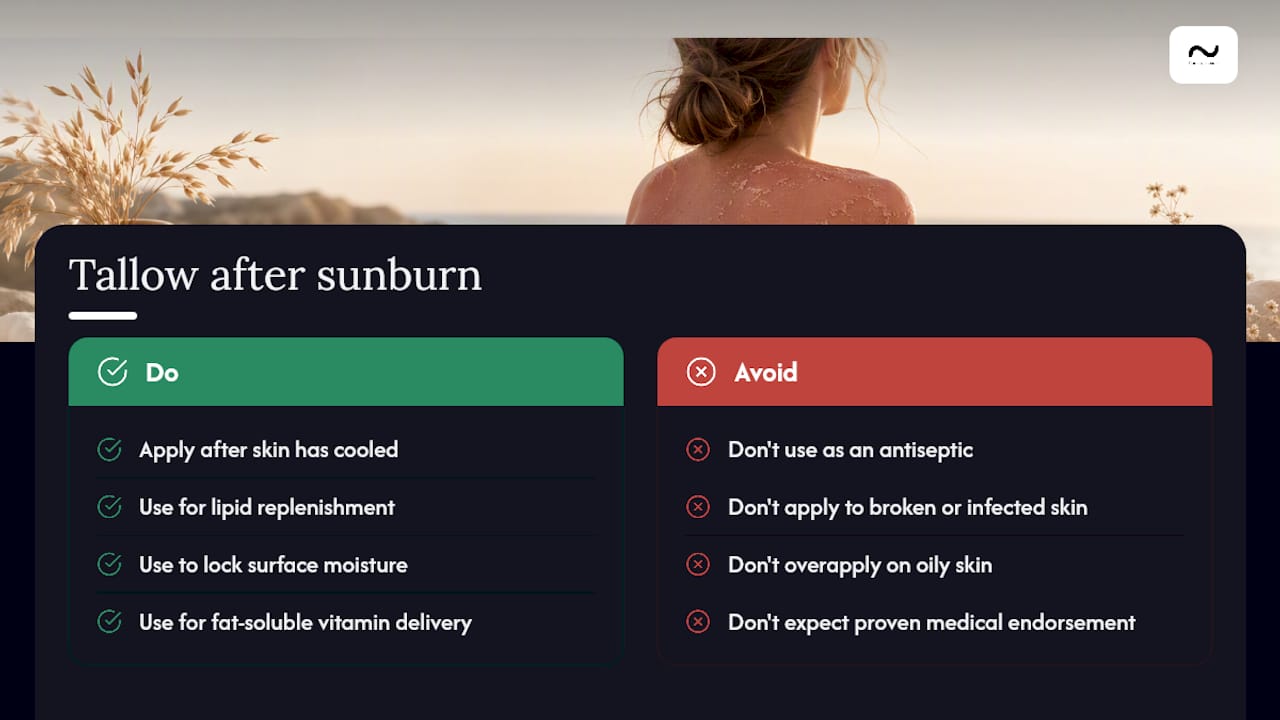
But let’s be straightforward about where the evidence stops. There is no large clinical trial proving that tallow, specifically, speeds up sunburn recovery. What exists is mechanistic and historical: we know lipid-based therapies support barrier repair in general, we know tallow’s composition is favourable, and we know generations of traditional use back it up anecdotally. That’s a coherent case, not a guarantee.
There are also limits worth respecting. Tallow is not an antiseptic, so it does nothing to treat infection. A small number of people find it too rich and experience breakouts or irritation if they overapply it, particularly on oilier skin types. And no professional body currently recommends tallow as a standard medical treatment for burns, because the targeted research simply hasn’t been done yet.
Pro Tip: Treat tallow as your after-sun moisturiser, not your first-aid kit. Its job starts once the skin has cooled and calmed, not while it’s still hot and inflamed.
The practical takeaway: tallow works best as a follow-up step for dry, tight, inflamed but unbroken skin, applied after you’ve already handled the urgent stuff.
The mechanism is simpler than it sounds. Your skin’s outer layer is built from lipids arranged in a brick-and-mortar pattern, cells held together by fats. Sunburn damages that structure, which is why sunburnt skin feels tight, flakes, and loses moisture so fast. A peer-reviewed review on epidermal lipids and barrier repair supports the idea that topical lipid therapies can assist this rebuilding process, giving genuine biological plausibility to using a lipid-rich balm on compromised skin.
Lipid-based topical therapies have mechanistic support for helping repair a damaged skin barrier, though this evidence describes lipids in general rather than tallow specifically, and no dedicated clinical trial has tested tallow against sunburn.
That distinction is worth sitting with. The science backs the category, not the specific product. Fat-soluble vitamins, meanwhile, are understood to play supporting roles in skin inflammation and cellular repair, which adds a second layer of plausibility to tallow’s traditional reputation. What we don’t have is a randomised trial comparing tallow against, say, aloe vera or aqueous cream on sunburnt volunteers. Most of what supports tallow specifically comes from mechanistic science, historical use, and consistent anecdotal reporting rather than targeted clinical research.
Get the fundamentals right first, because no balm compensates for skipping them.
Cool the skin. Use lukewarm or cool (not ice-cold) water for 10 to 15 minutes, or apply a damp cloth repeatedly. This is the single most effective early step, echoed consistently in medical first-aid guidance for burns.
Remove restrictive clothing from the burnt area so nothing rubs or traps heat against the skin.
Hydrate orally. Sunburn draws fluid towards the skin’s surface, so replacing that with water helps your whole body recover, not just the burnt patch.
Take an over-the-counter analgesic if pain is significant, following the packet’s dosing guidance.
Leave blistered skin alone. Don’t pop blisters, and don’t apply balm directly over them.
Some situations need more than home care. Seek medical attention if you notice large or widespread blistering, severe pain that doesn’t ease with basic analgesia, fever or chills, signs of infection such as pus or spreading redness, or if the burn covers a large portion of the body. Sunburn affecting the eyes, face in young children, or accompanied by dizziness and confusion warrants urgent care, and genuinely severe cases need emergency treatment. This guidance mirrors what you’ll find in mainstream medical advice on sunburn treatment, and it’s the baseline every after-sun product, tallow included, sits on top of.
Timing and technique both matter here, so don’t rush this part.
Wait until the heat has genuinely settled. If the skin still feels hot to the touch or is actively weeping, hold off. Apply tallow once the burn has calmed to a warm, tight, dry-feeling stage.
Do a patch test first, especially if you haven’t used tallow before. A small amount on your inner forearm, left for a few hours, tells you whether your skin tolerates it before you commit to a wider area.
Start with clean hands or a clean utensil. Sunburnt skin is compromised skin, and introducing bacteria is the last thing it needs.
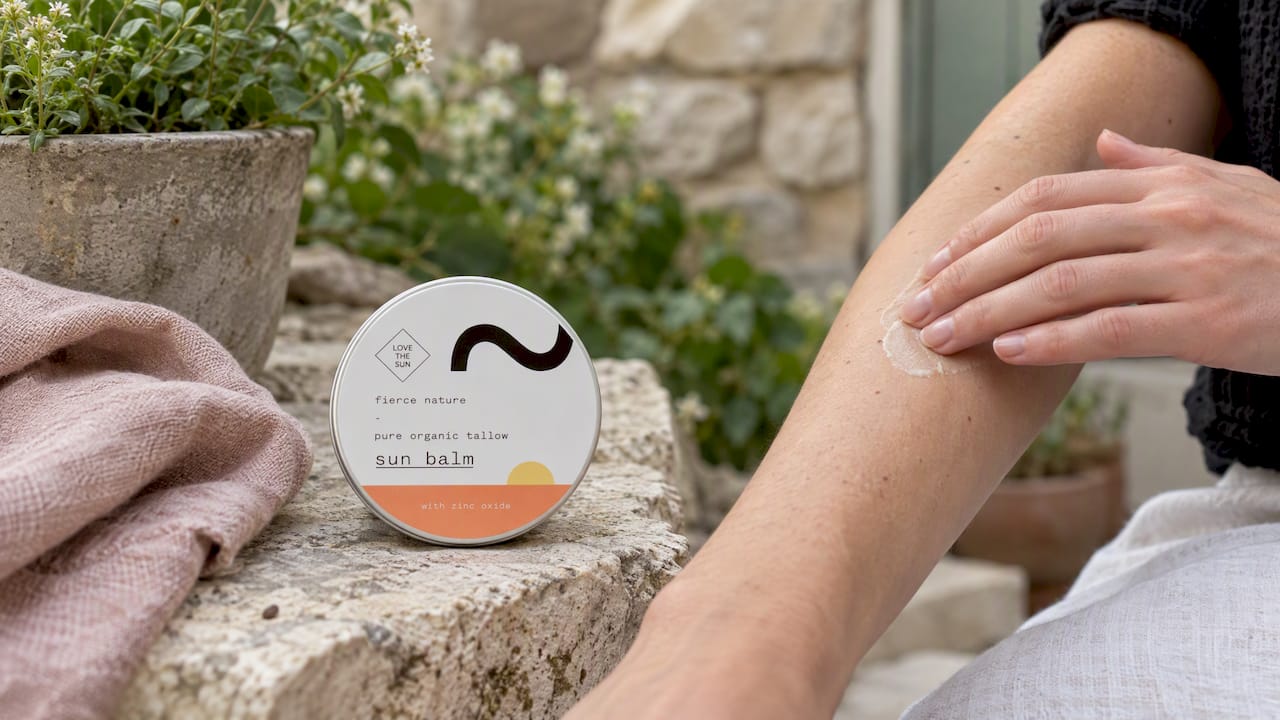
Warm a small amount between your palms until it turns soft and slightly liquid, then pat it onto the skin rather than rubbing it in. Rubbing on tender, sun-stressed skin causes unnecessary friction and discomfort.
Use a thin layer. A little goes further than you’d expect, and a thick coating can feel heavy or trap heat rather than helping.
Reapply two to three times daily, adjusting downward if you notice any tightness, breakouts, or increased sensitivity after use.
Pro Tip: If your skin starts peeling, apply tallow more lightly and more often rather than in one heavy layer. Thin, frequent applications work with the natural shedding process instead of against it.
A few firm warnings: never apply tallow to broken skin, open blisters, or anywhere showing signs of infection. If you’ve applied chemical sunscreen earlier in the day, be aware that residue can interact oddly with a fresh layer of balm, so a gentle cleanse beforehand helps. And if irritation increases rather than settles after a couple of applications, stop and reassess rather than pushing through.
A minimal routine beats a crowded one when skin is inflamed. Cool compresses alongside tallow application, steady oral hydration, and a small amount of aloe-based product (if your skin tolerates it) round out a sensible after-sun approach without overwhelming compromised skin with too many active ingredients.
What to actively avoid is just as important as what to add.
Alcohol-containing lotions or sprays, which dry out already-stressed skin further.
Harsh exfoliants or scrubs on or near sunburnt areas.
Topical antibiotics unless a clinician has specifically prescribed them.
Heavily fragranced products layered directly onto inflamed skin.
Essential oils used at high concentration, which can irritate skin that’s already compromised.
| Approach | Why it works or doesn’t |
|---|---|
| Cool compress + tallow | Cooling calms heat first; tallow follows once skin has settled, replenishing lost lipids. |
| Aloe (small amount) + tallow | Light, tolerated combination for extra soothing, best patch-tested separately first. |
| Alcohol-based lotion + tallow | Alcohol dries and irritates; layering tallow on top doesn’t undo that damage. |
| Multiple active ingredients at once | Increases irritation risk on already-compromised skin; minimalism serves you better. |
If you’re building a broader sun-safety routine, resources like this caregivers’ checklist on sun safety products cover practical prevention steps worth pairing with any after-sun care plan.
Many people notice a soothing, calming effect within a few hours of applying tallow to settled sunburn, mainly a reduction in that tight, dry sensation rather than a dramatic transformation. Visible improvement in redness and comfort for mild sunburn typically unfolds over several days to about a week, alongside your skin’s natural healing process.
Watch for signs that things are heading the wrong way rather than improving:
Pain that intensifies rather than eases after a day or two.
Redness that spreads beyond the original burnt area.
Pus, unusual warmth, or a foul smell from the skin, which point to infection.
Fever, chills, or feeling generally unwell alongside the burn.
Any of these warrant medical attention rather than more balm. Assuming things are progressing normally, taper your tallow use as the skin returns to its usual texture and stops feeling tight or flaky. There’s no need to keep applying heavily once your skin has recovered its normal moisture balance.
Mainstream medical guidance is consistent and worth repeating precisely: cool the skin, hydrate, manage pain, and escalate to professional care for anything severe or extensive. That’s the backbone of sunburn treatment regardless of what moisturiser follows it, and it’s not something any balm, tallow or otherwise, replaces.
Skin barrier repair research shows topical lipid therapies have plausible mechanistic value for damaged skin, but this remains general lipid science rather than sunburn-specific, tallow-specific proof.
Healthcare commentary on tallow is equally clear about where caution belongs: some people experience allergic reactions or breakouts from overuse, and tallow isn’t currently endorsed as standard medical burn treatment precisely because more rigorous, targeted research is still needed. That’s not a reason to dismiss it. It’s a reason to use it sensibly, as part of gentle after-care rather than as medicine.
Put together, the pragmatic position looks like this: patch test before wider use, never apply to broken or infected skin, watch how your individual skin responds, and stop immediately if things worsen instead of improve. That’s not a hedge. It’s simply how any topical, however well-regarded historically, should be treated until dedicated clinical research catches up with centuries of practical use.
We built our range around one conviction: sun-stressed skin doesn’t need a long ingredient list, it needs biocompatible, minimally processed nourishment. Every product starts with grass-fed organic tallow because its lipid profile sits close to your skin’s own sebum, which is exactly what compromised, sun-damaged skin responds well to. You can read more about that formulation logic in the science behind tallow.
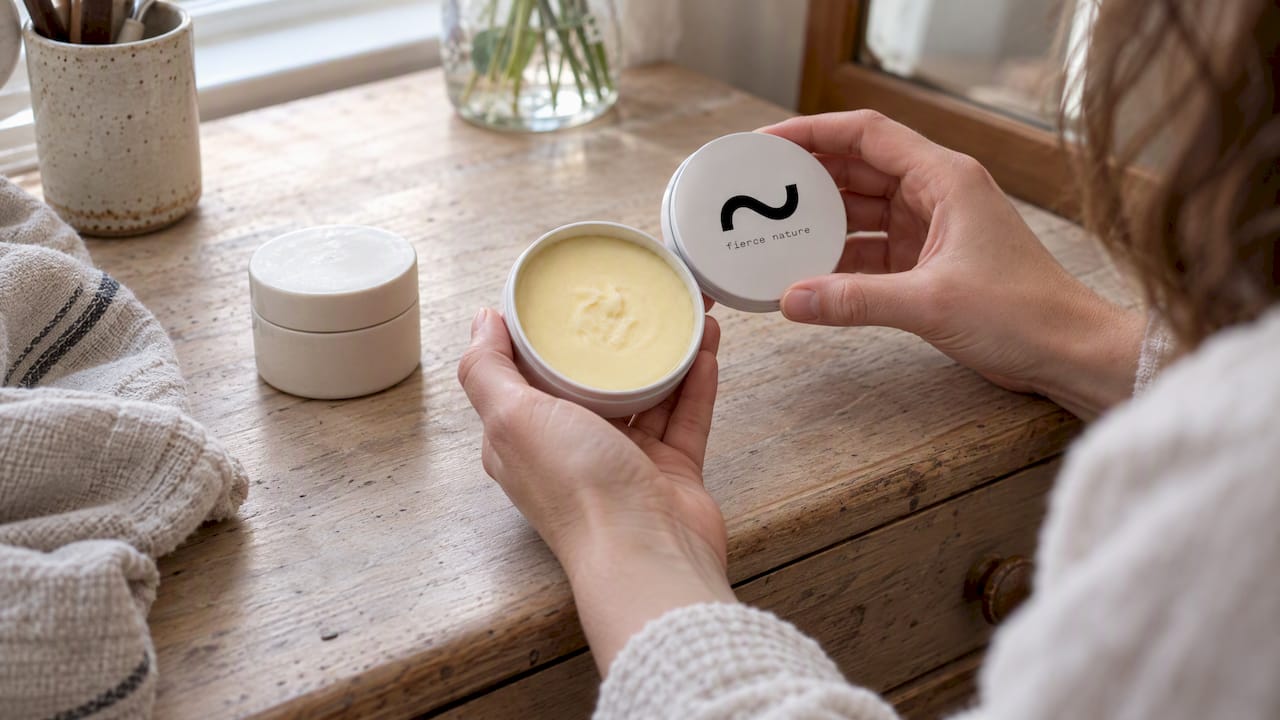
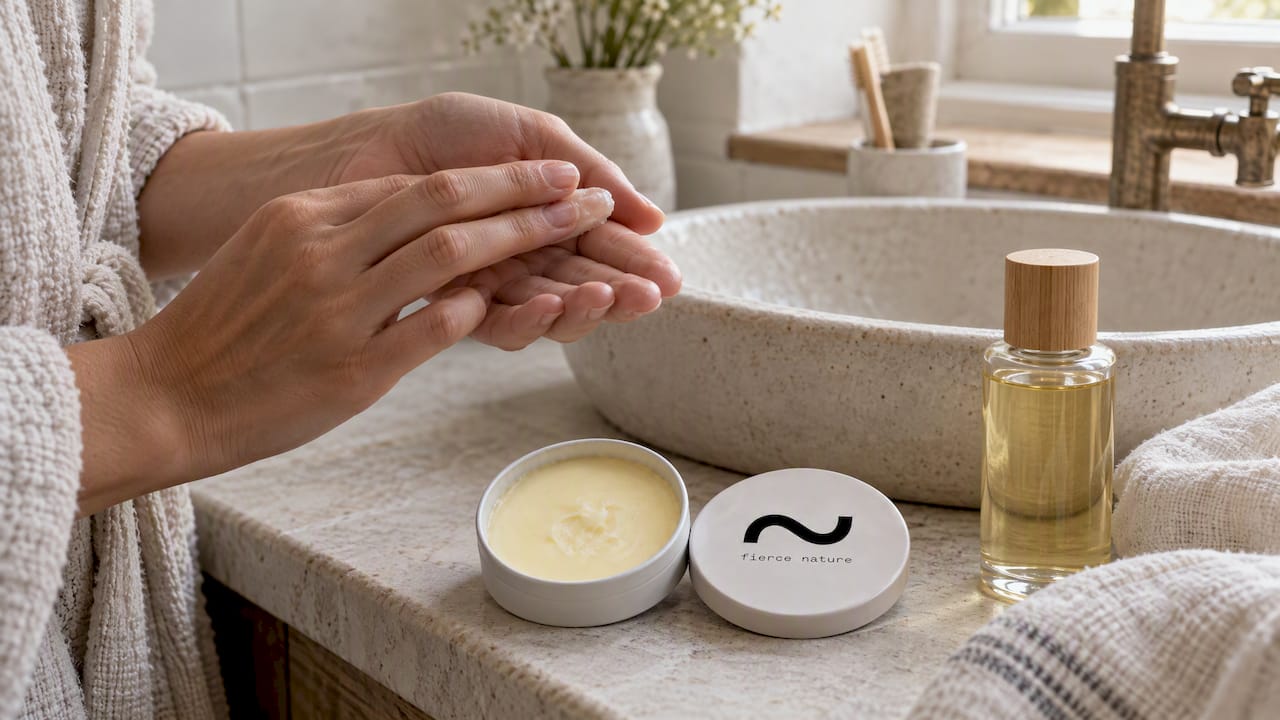
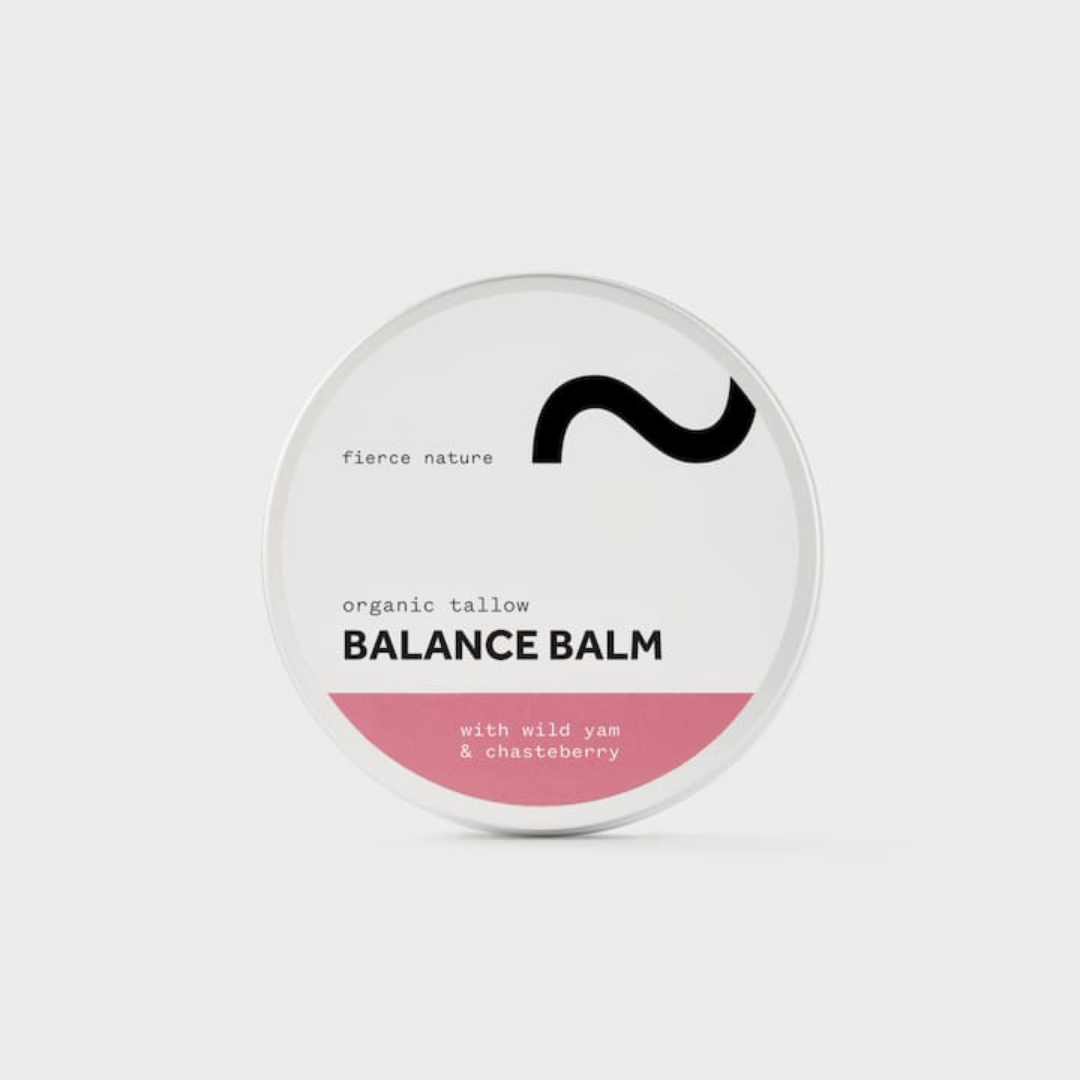
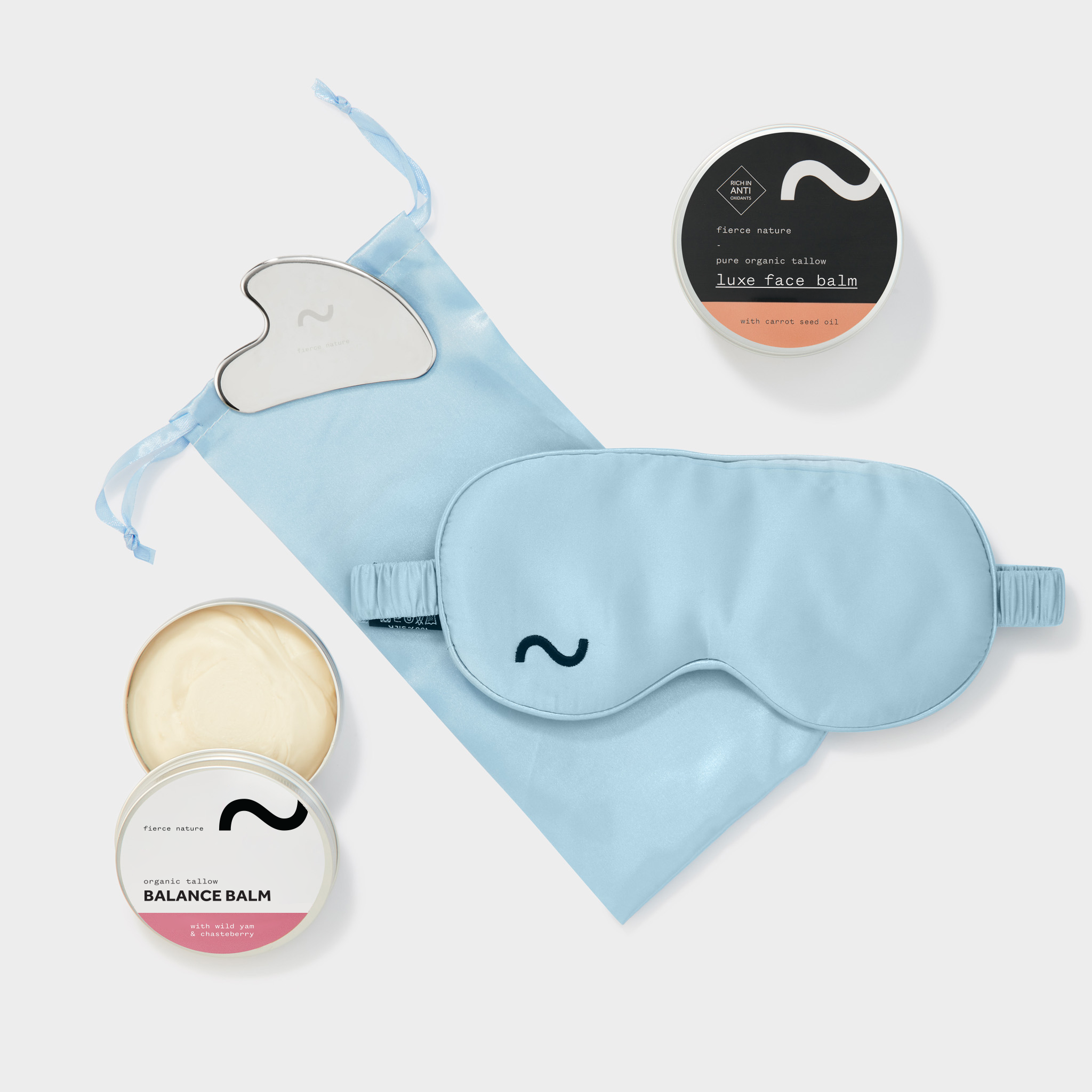
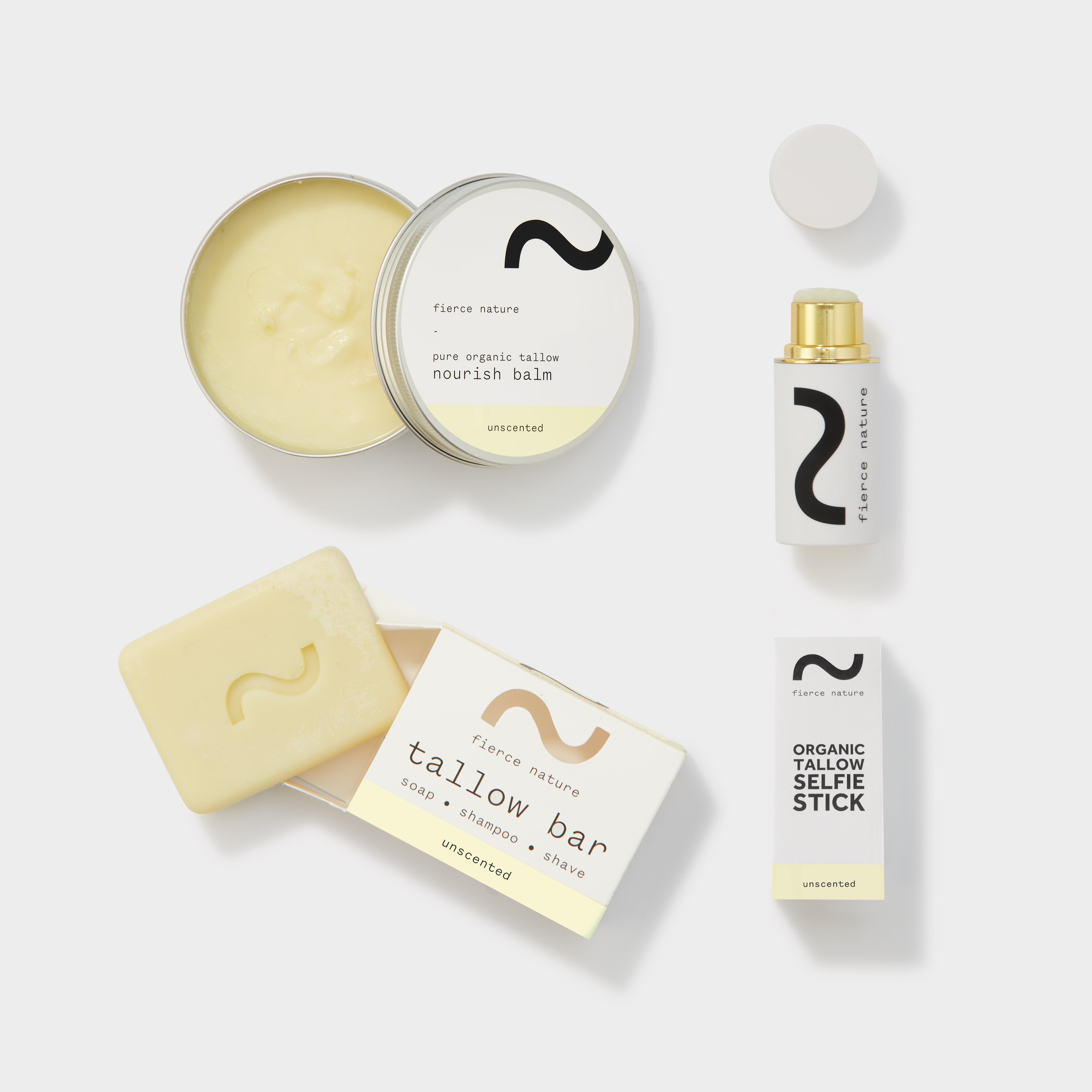
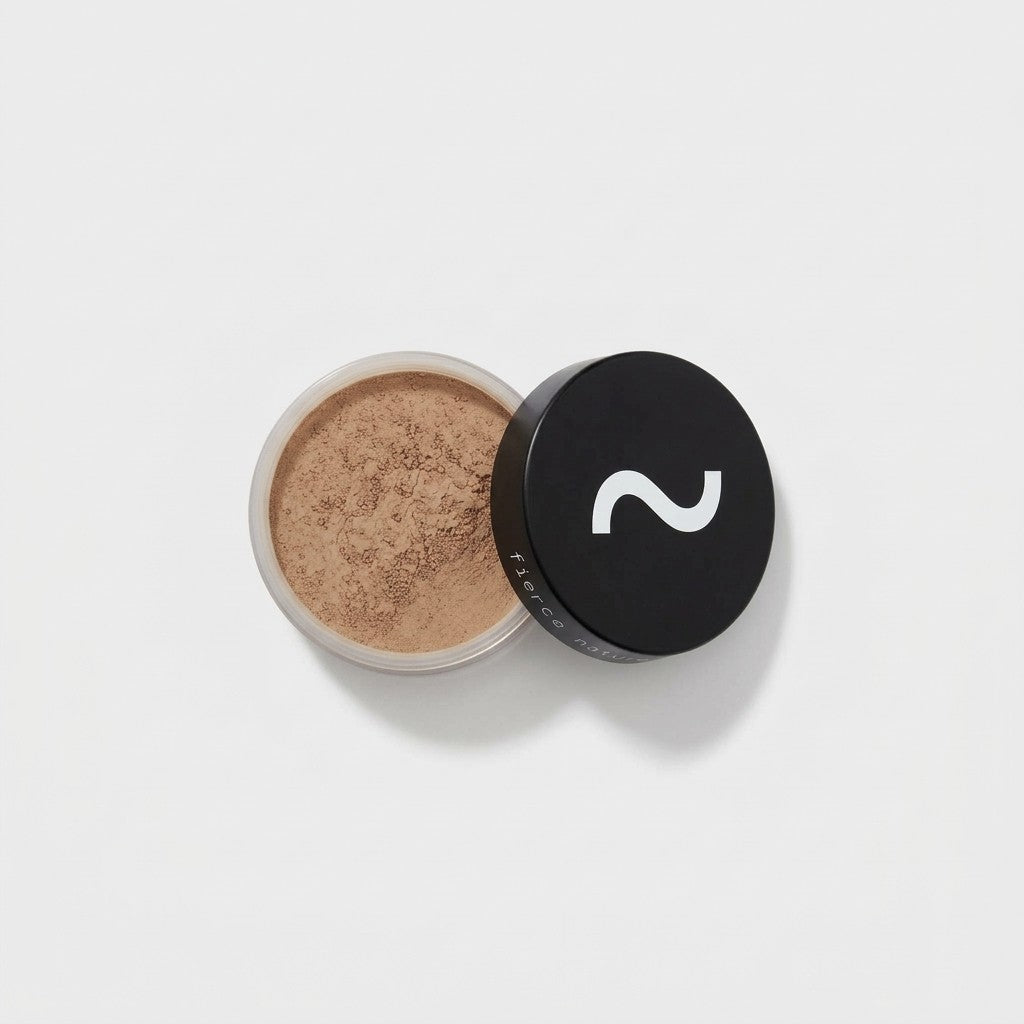
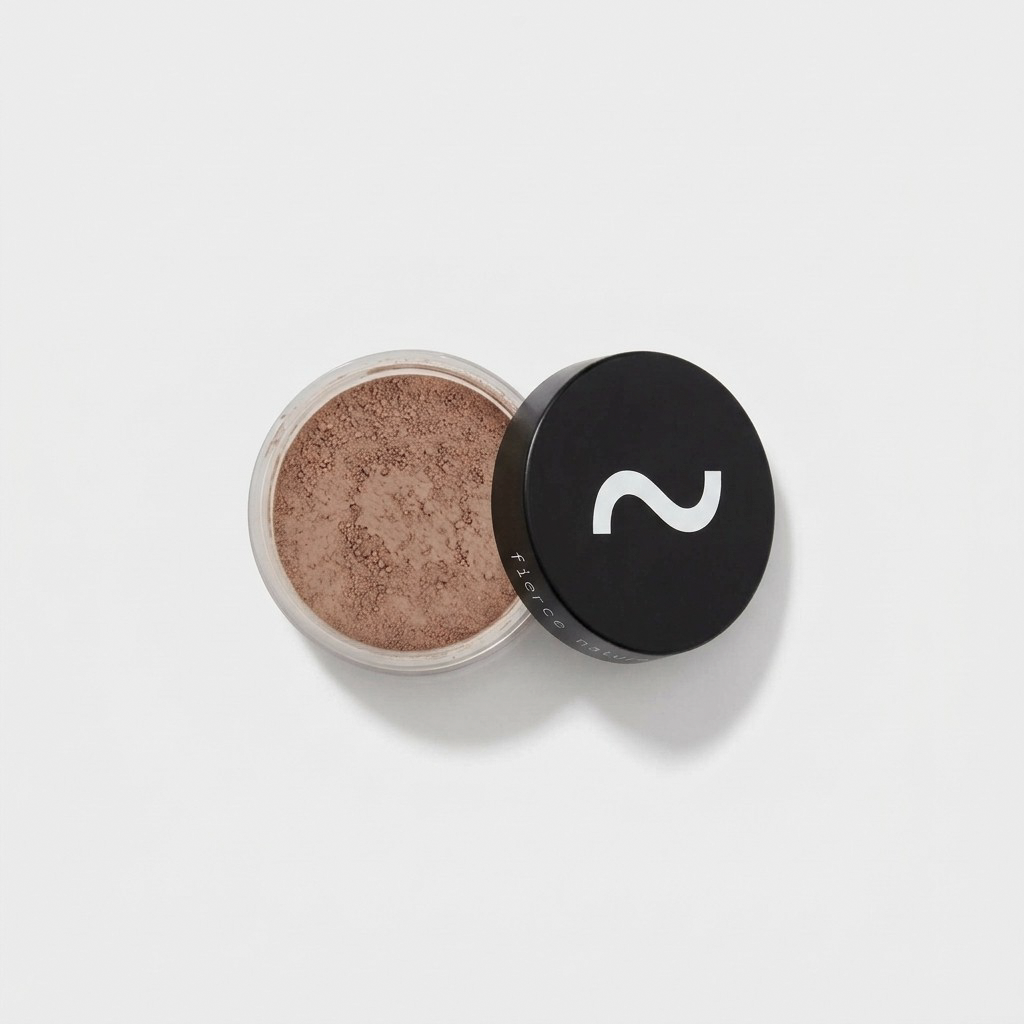
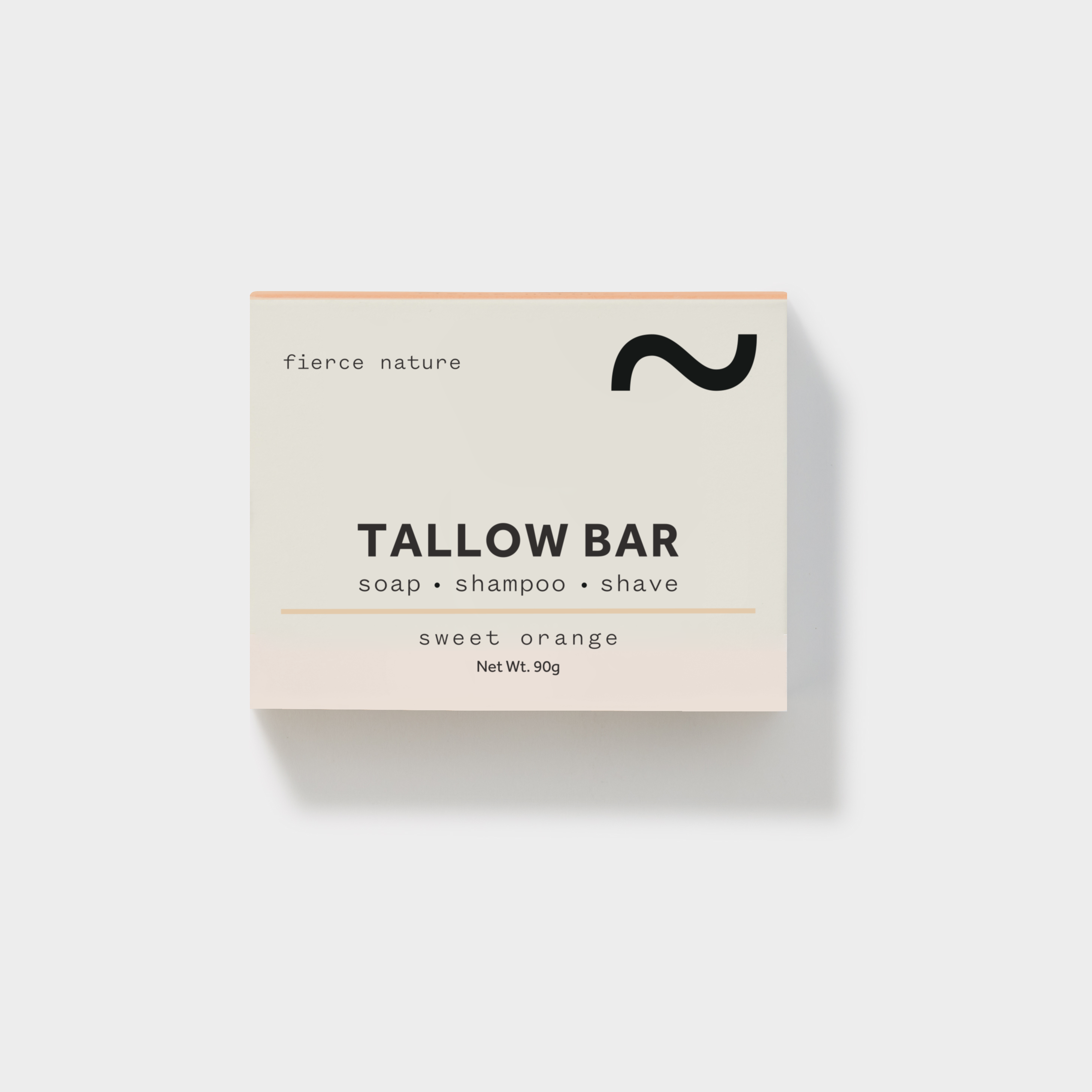
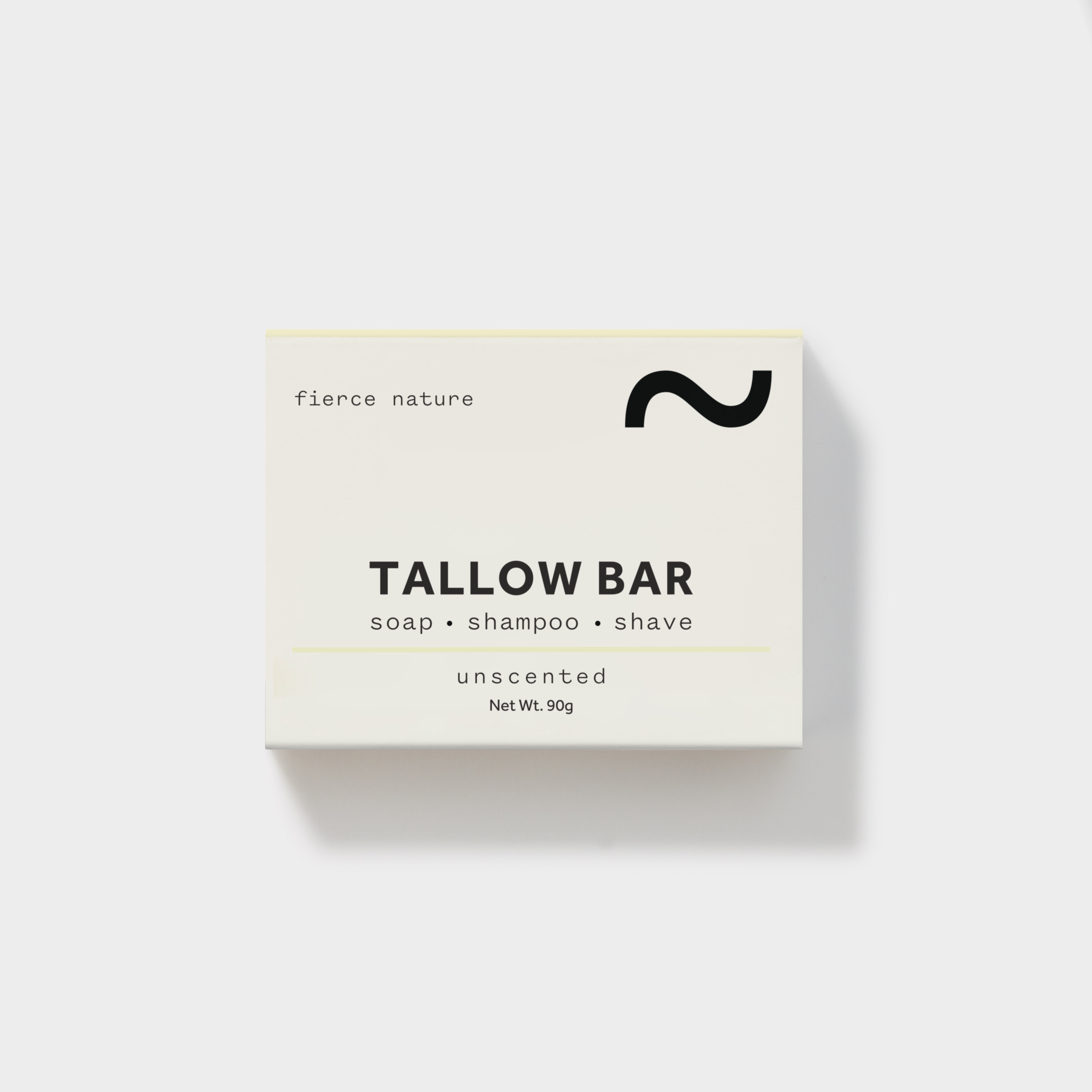
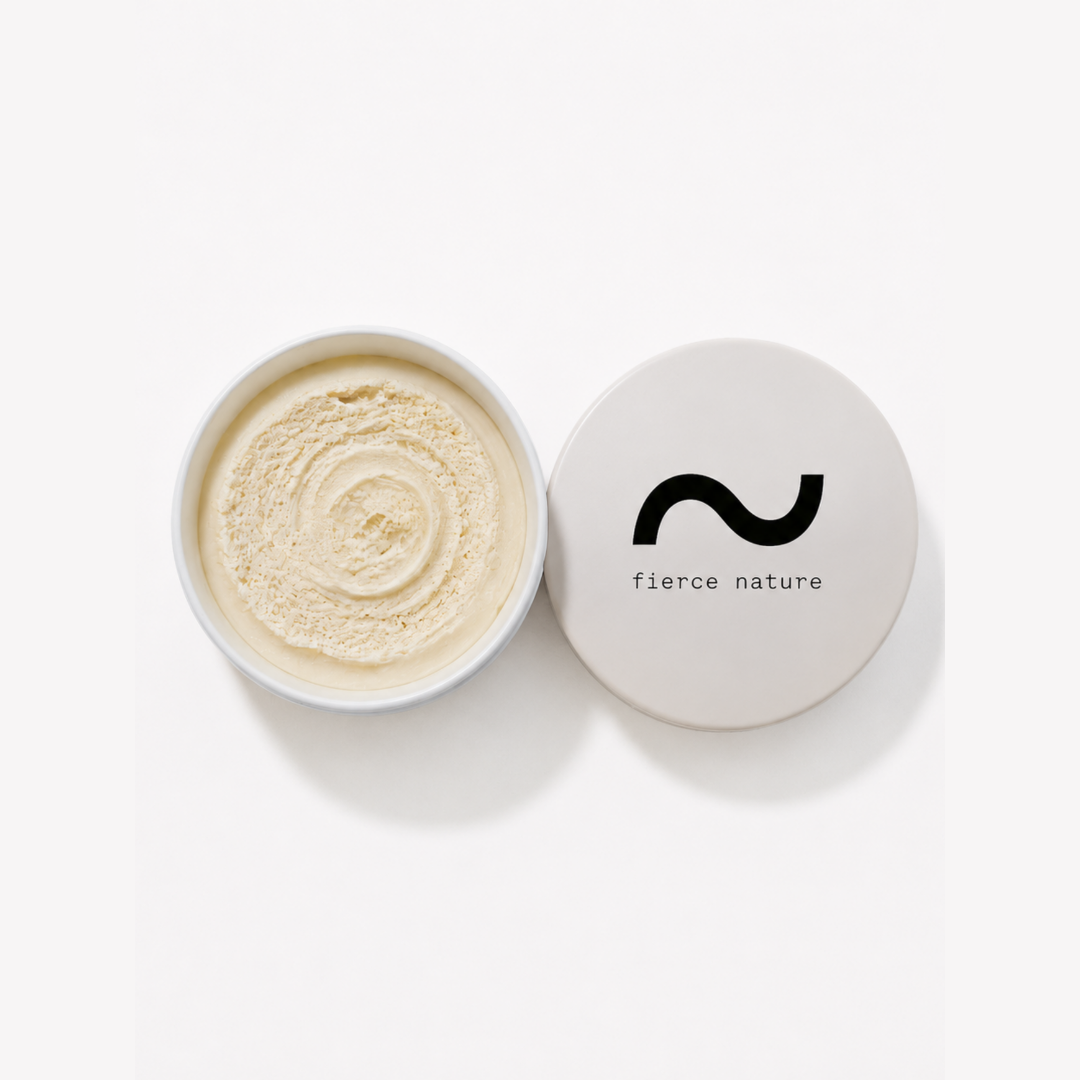
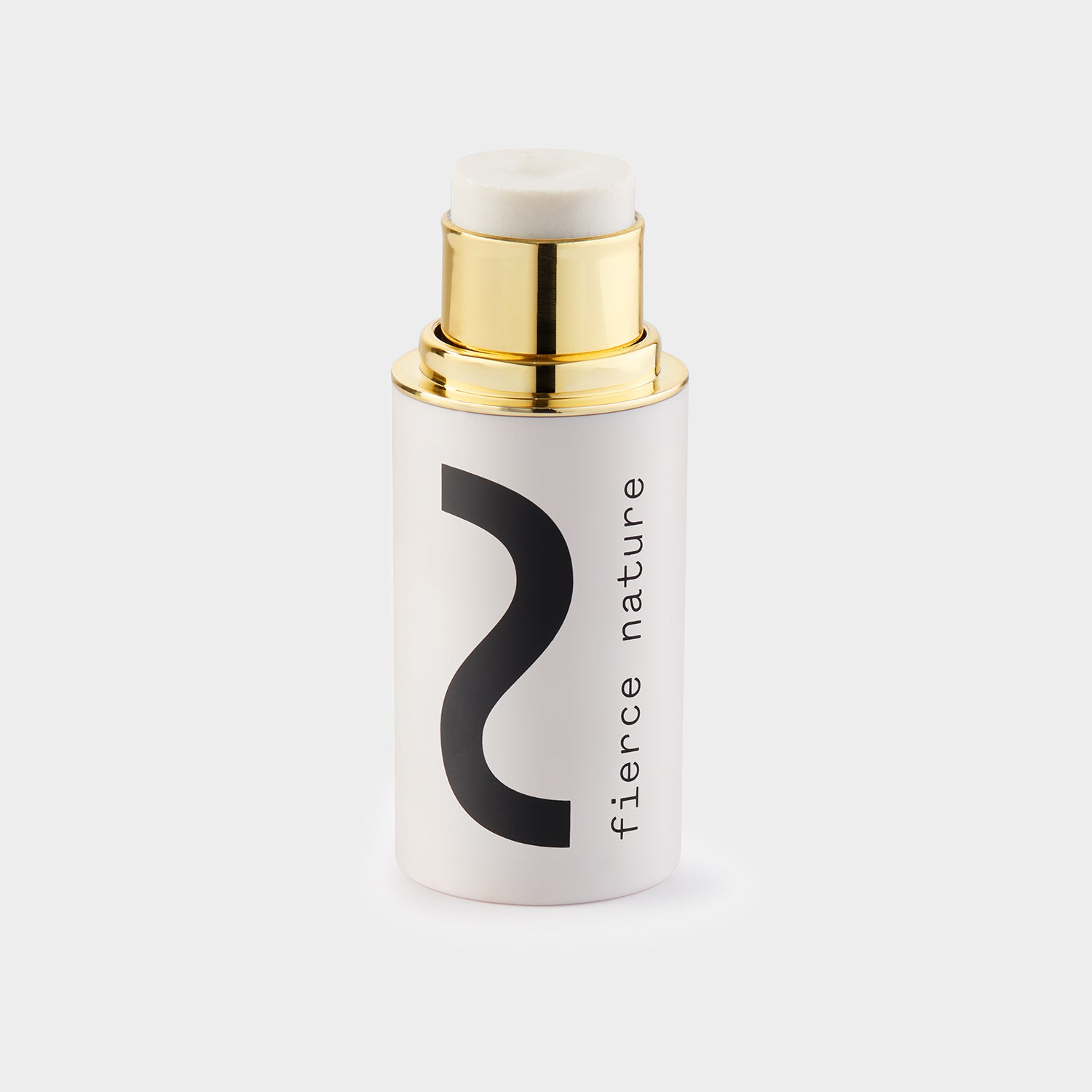
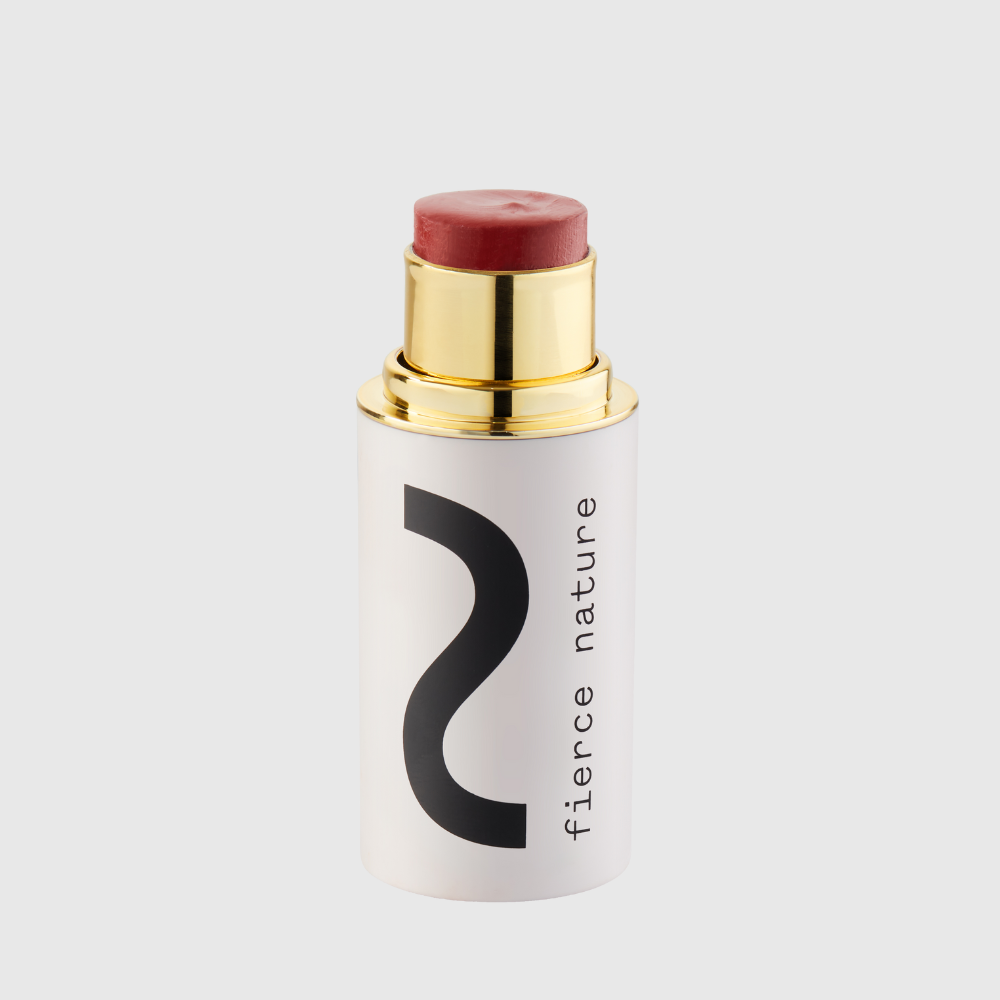
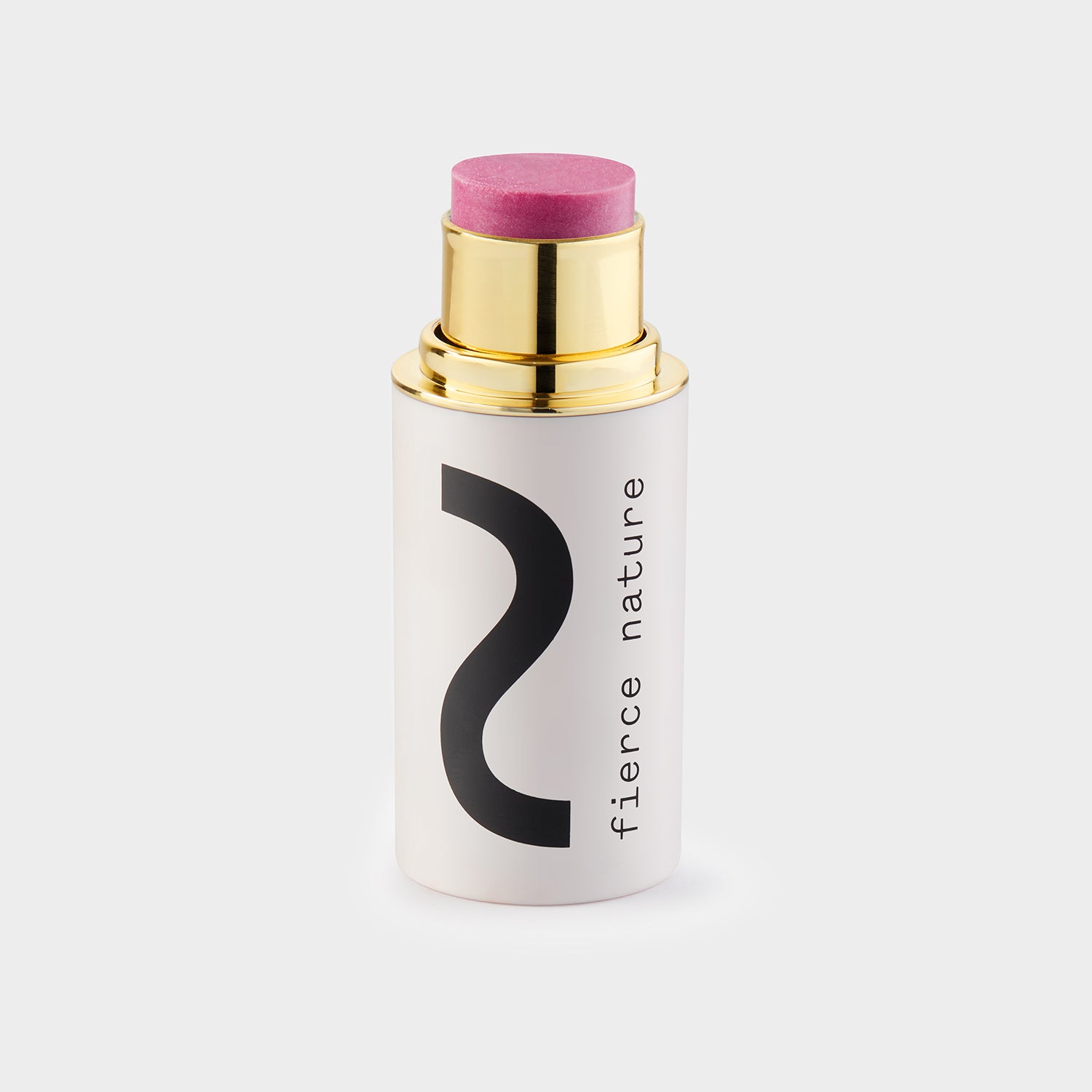
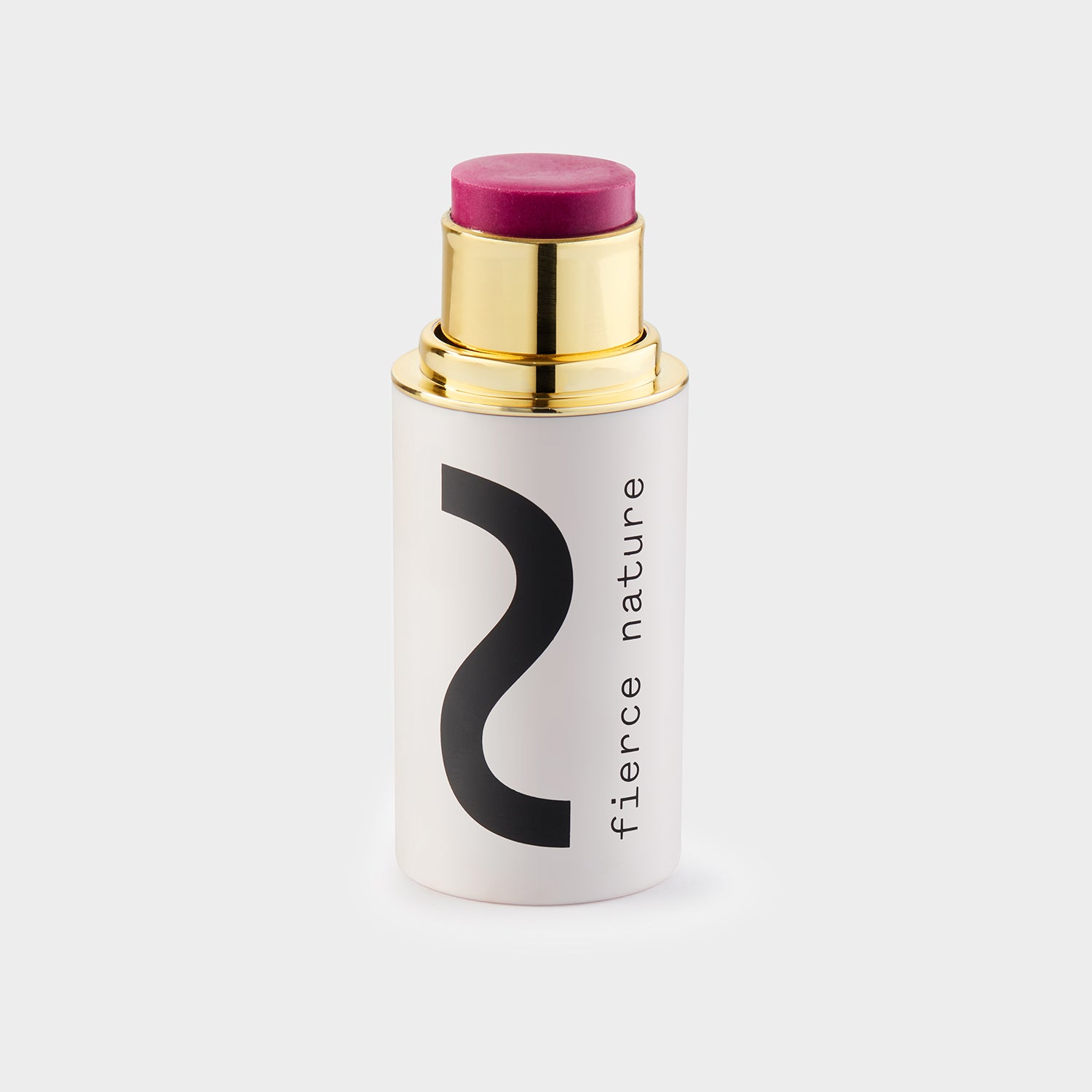
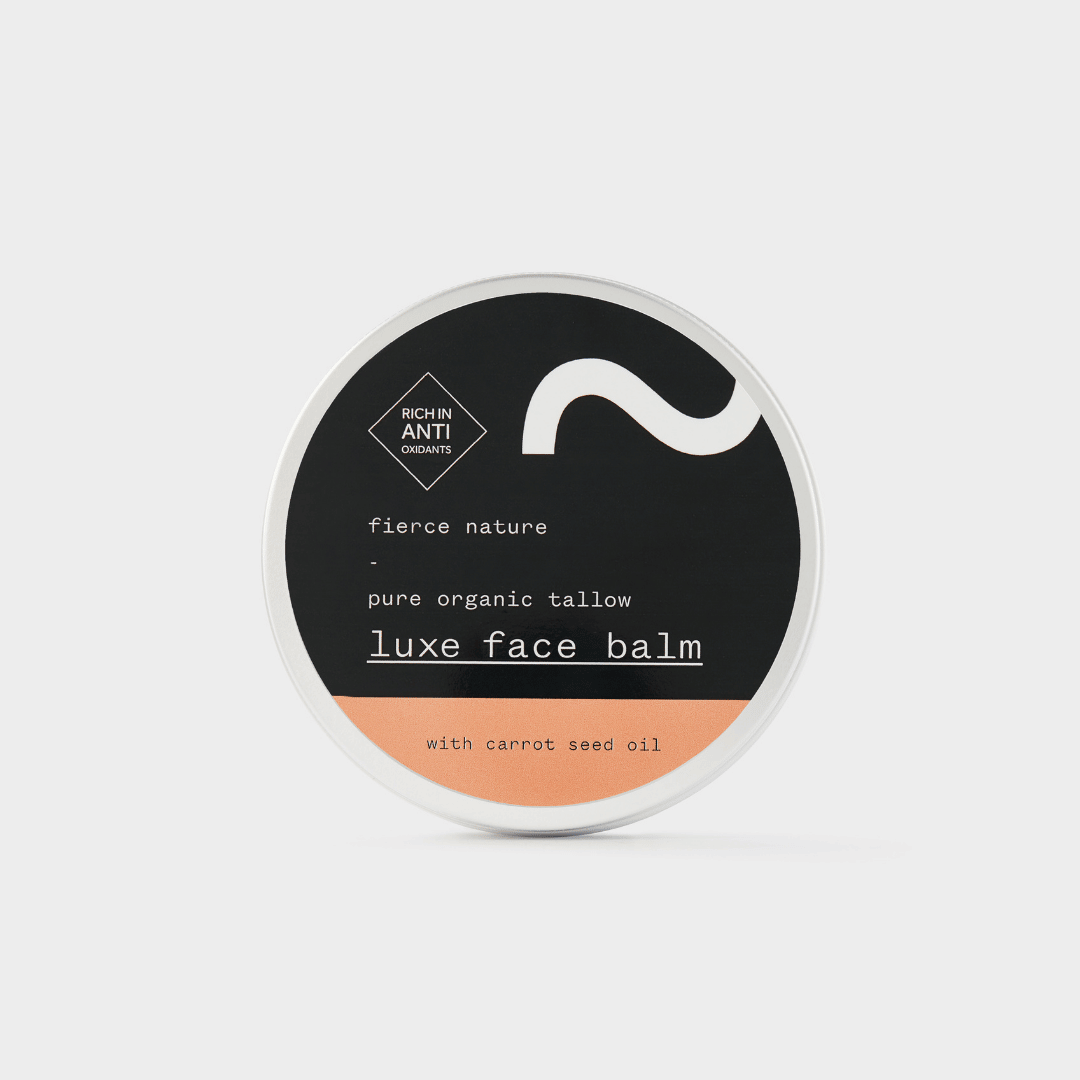
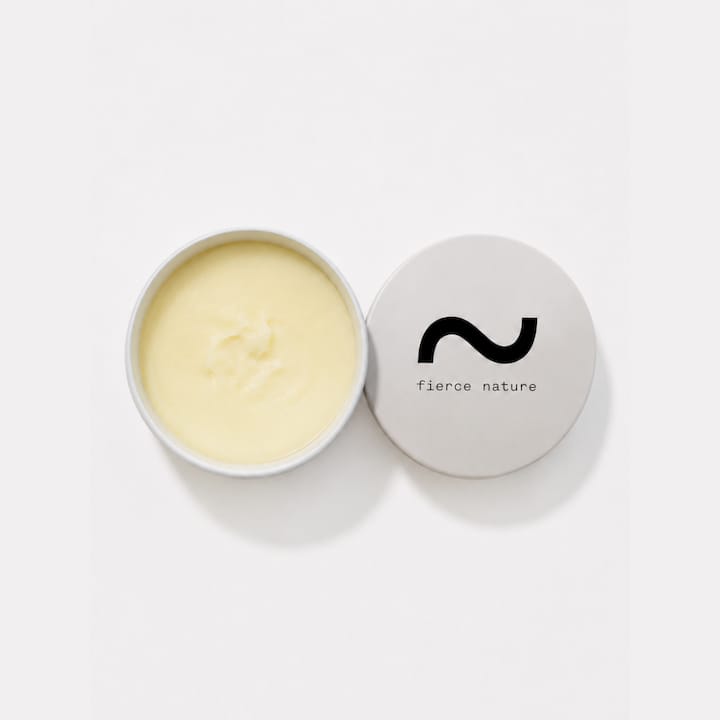
For the face, our Luxe Balm is formulated for dry, sensitive, or sun-stressed skin, applied in a thin layer once heat has settled. On the body, the Multi-Use Tallow Bar in its unscented form suits larger sunburnt areas where you want zero added fragrance against inflamed skin, while the scented version works for general after-sun moisturising once skin has calmed and isn’t especially reactive.
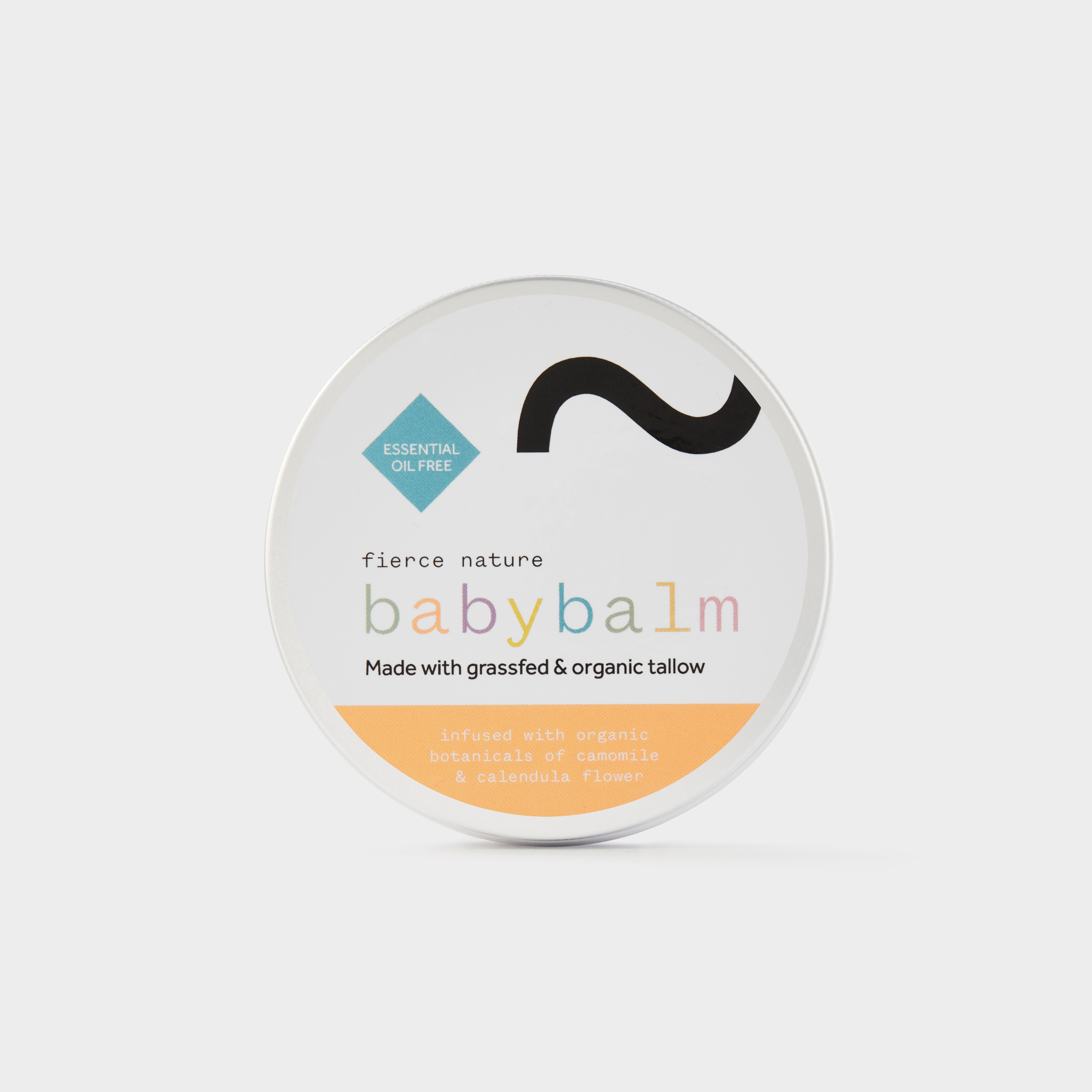
If you’re caring for a child’s sunburn, our Non-Toxic Baby Skin Essentials bundle was built for exactly that level of caution, and our guide on tallow for babies covers dosage and application specifics in more depth.
For on-the-go application or smaller patches, the Selfie Stick range, including the Pearl Shimmer, Natural, and Dew variants, offers a mess-free glide format, though we’d still recommend the unscented bar or Luxe Balm for anything genuinely inflamed rather than the shimmer or dew versions, which include added finish. Whichever product you choose, patch test first and never apply over broken or weeping skin. Our full tallow balm safety guide covers this in more detail.
We didn’t arrive at tallow through trend-chasing. We arrived at it through frustration with mainstream skincare’s habit of dressing up synthetic ingredients in reassuring language, and through genuine curiosity about what skin actually responds to when you strip the marketing away. Tallow’s biocompatibility isn’t a slogan for us. It’s the reason we built an entire brand around it, because fat that so closely resembles your own skin’s sebum tends to work with your skin rather than against it.
Where we differ from some of the enthusiasm around tallow online is in how firmly we hold the line on safety. We won’t tell you tallow replaces proper burn first-aid, because it doesn’t, and any brand implying otherwise is overselling a genuinely good ingredient into territory it hasn’t earned. Formulating with tallow means constantly weighing richness against restraint: enough lipid content to genuinely support barrier repair, without overloading skin that’s already inflamed and vulnerable. That’s why our products stay deliberately short on ingredients rather than long on claims. You can read more about our reasoning in why tallow is the skincare revolution you need.
The honest position is that tallow deserves its long history, but it also deserves scrutiny, patch tests, and a healthy respect for what it can’t do.
If you’ve been reaching for aloe gels or water-based after-sun sprays that evaporate within the hour, tallow works differently: it sits on the skin longer, replenishing lipids rather than just cooling on contact. That’s the practical difference for anyone dealing with the tight, flaky aftermath of sunburn rather than the initial sting.
Our Luxe Balm suits facial sunburn and sensitive skin types, while the Multi-Use Tallow Bar, unscented, covers larger areas of the body where fragrance-free matters most. Both are handmade in the UK with genuinely short ingredient lists, no filler, no synthetic emulsifiers hiding behind a natural-sounding label.
As with anything applied to sun-stressed skin, patch test first and never use on broken or weeping skin. If your sunburn is mild, settled, and simply needs ongoing moisture, browse the Natural Beauty Collection and pick the format that suits how and where you’ll use it.
Mayo Clinic’s sunburn guidance — covers the first-aid fundamentals of cooling, analgesia, and hydration that should always come before any topical product.
Healthline’s overview of tallow’s uses and side effects — offers a balanced consumer-health perspective, including where caution is warranted.
Henry Ford Health’s coverage of vitamin D and skin — explains the broader role fat-soluble vitamins play in skin health and inflammation.
Cooling the skin promptly, staying well hydrated, and taking an over-the-counter analgesic for pain are the fastest ways to ease symptoms; a lipid-rich moisturiser like tallow can support comfort afterwards, but nothing accelerates healing faster than these early steps.
Avoid alcohol-based lotions, harsh exfoliants, high-concentration essential oils, and anything applied over blistered or broken skin, since these all risk worsening irritation or introducing infection.
Some people experience breakouts or irritation from overapplying tallow, and it isn’t currently recommended as a standard medical burn treatment because targeted clinical research is still limited.
Tallow is generally suitable for mild sunburn once the skin has cooled and remains unbroken, but it should never be applied to blistered, weeping, or infected skin, and severe burns need medical care rather than a topical balm.