Cart
0
80% Also Added this





The fastest way to calm an under breast rash is to stop the friction, wash and pat the area completely dry, then apply an antifungal cream if it looks fungal, or a short course of low strength hydrocortisone if it’s simply very inflamed.
Remove the trigger first: swap tight or synthetic bras for cotton
Wash gently twice a day and pat (never rub) the fold dry
Use an OTC antifungal for redness with scalloped edges or itching
Try hydrocortisone only briefly, and only for heavy inflammation
If there’s no real improvement within two weeks of consistent home treatment, it’s time to speak to a pharmacist or GP.
Under breast rash relief depends on removing moisture and friction first, treating fungal infection with an antifungal, and protecting healed skin with a proper barrier afterwards.
| Point | Details |
|---|---|
| Act on the trigger first | Cotton fabrics and gentle, thorough drying stop most mild rashes progressing. |
| Match the treatment to the cause | Antifungals for fungal signs, short-course hydrocortisone only for heavy inflammation. |
| Watch the two-week mark | See a pharmacist or GP if there’s no real improvement within two weeks. |
| Barrier only on dry skin | Apply zinc oxide, petrolatum, or a balm once weeping has fully stopped. |
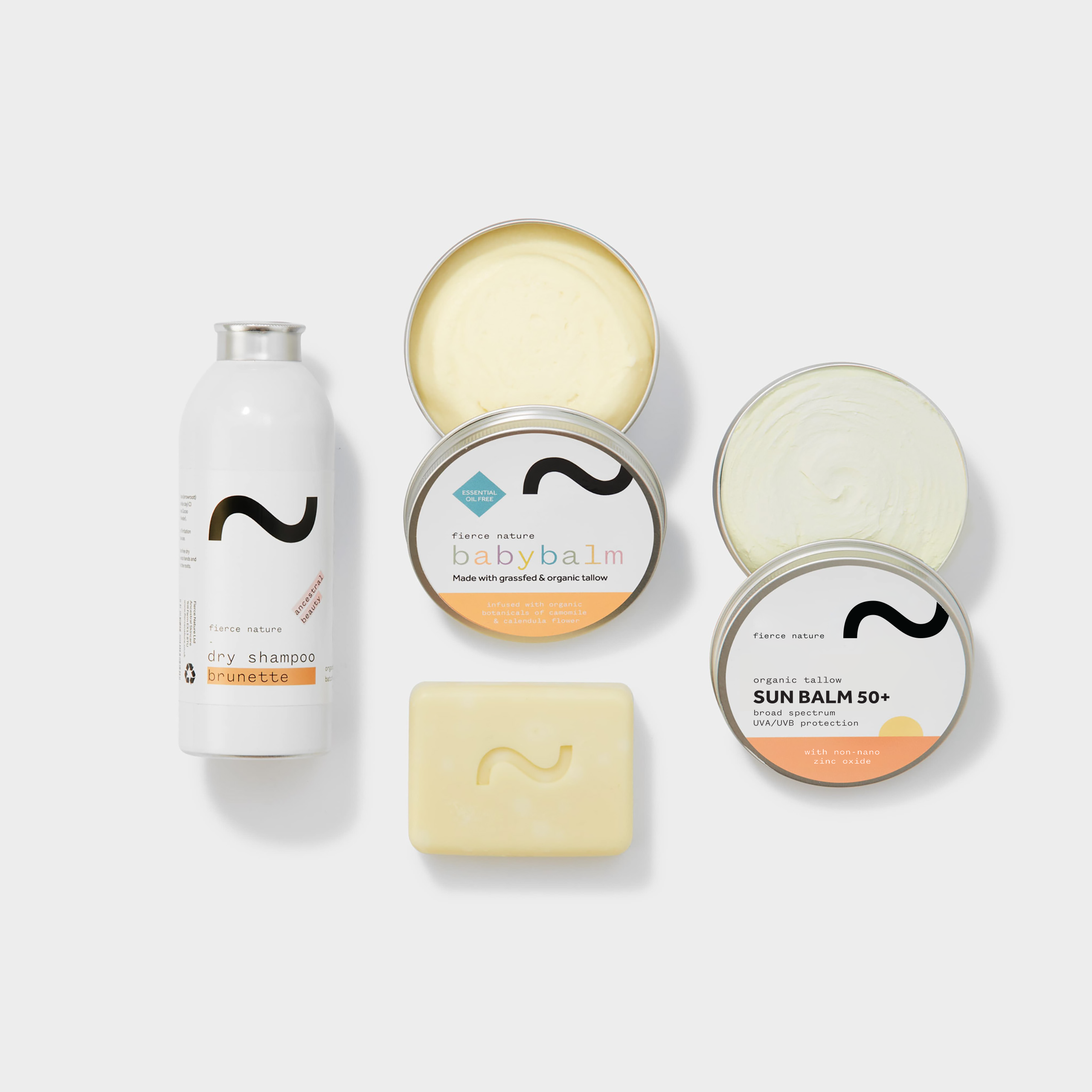
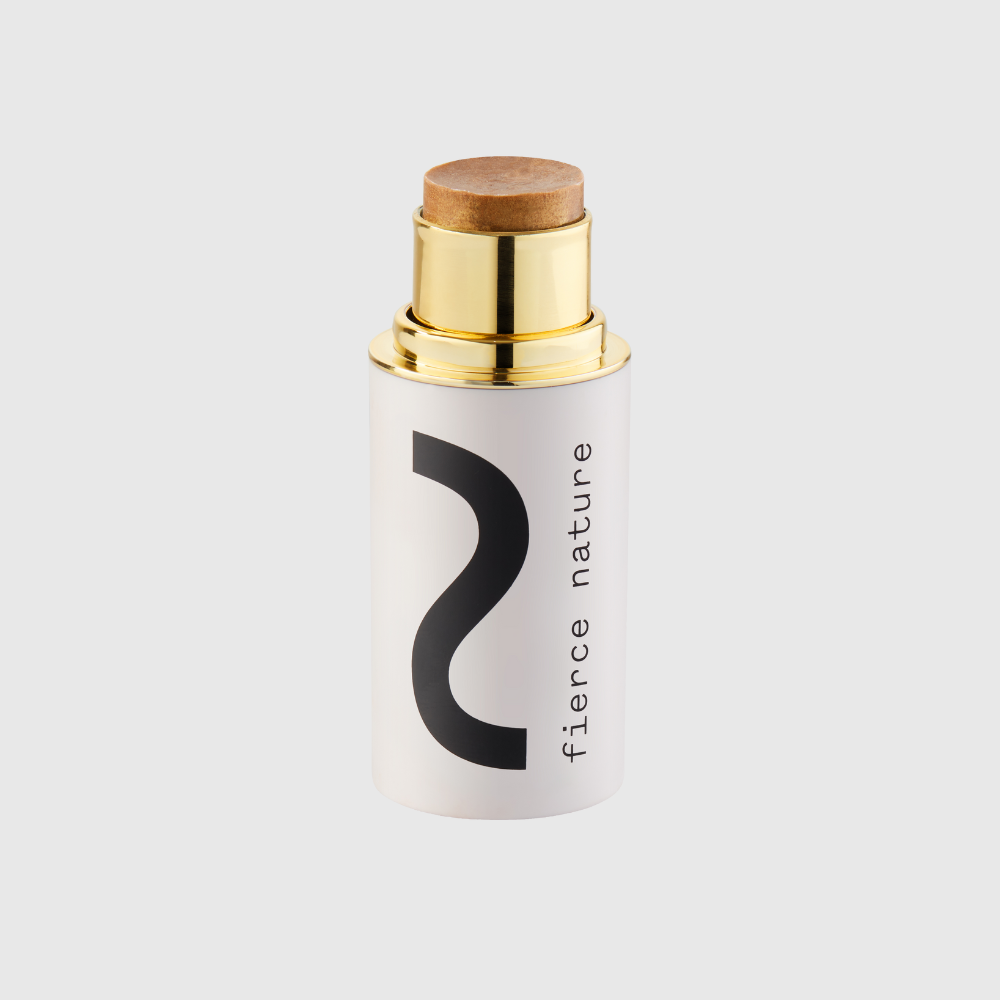
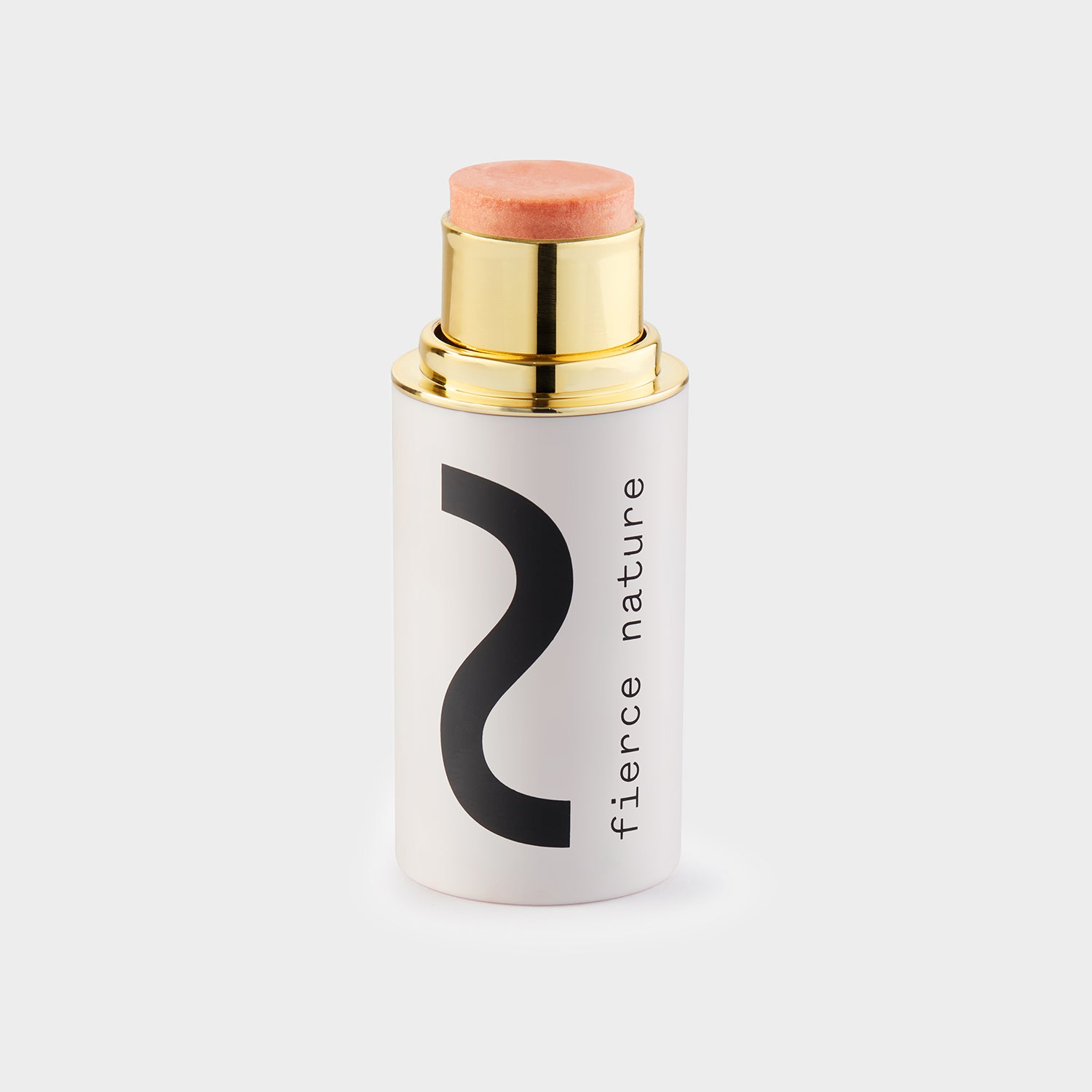
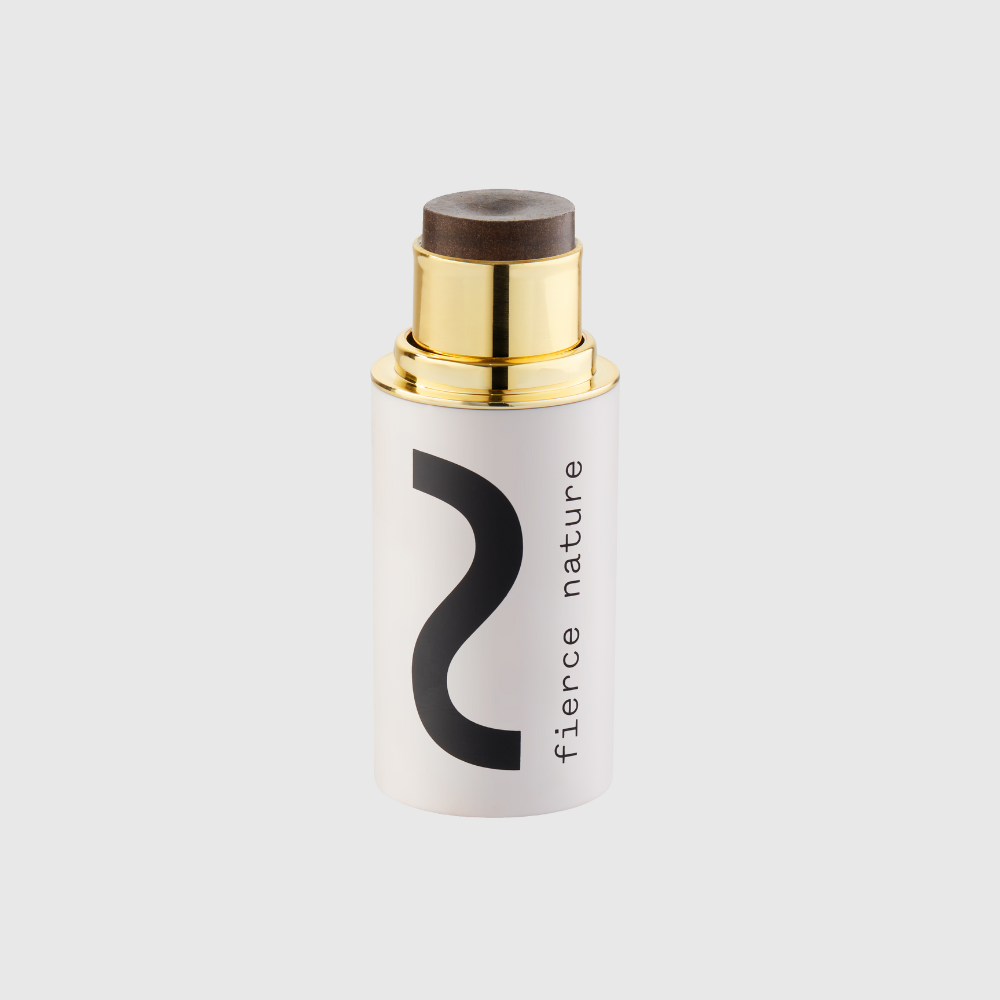
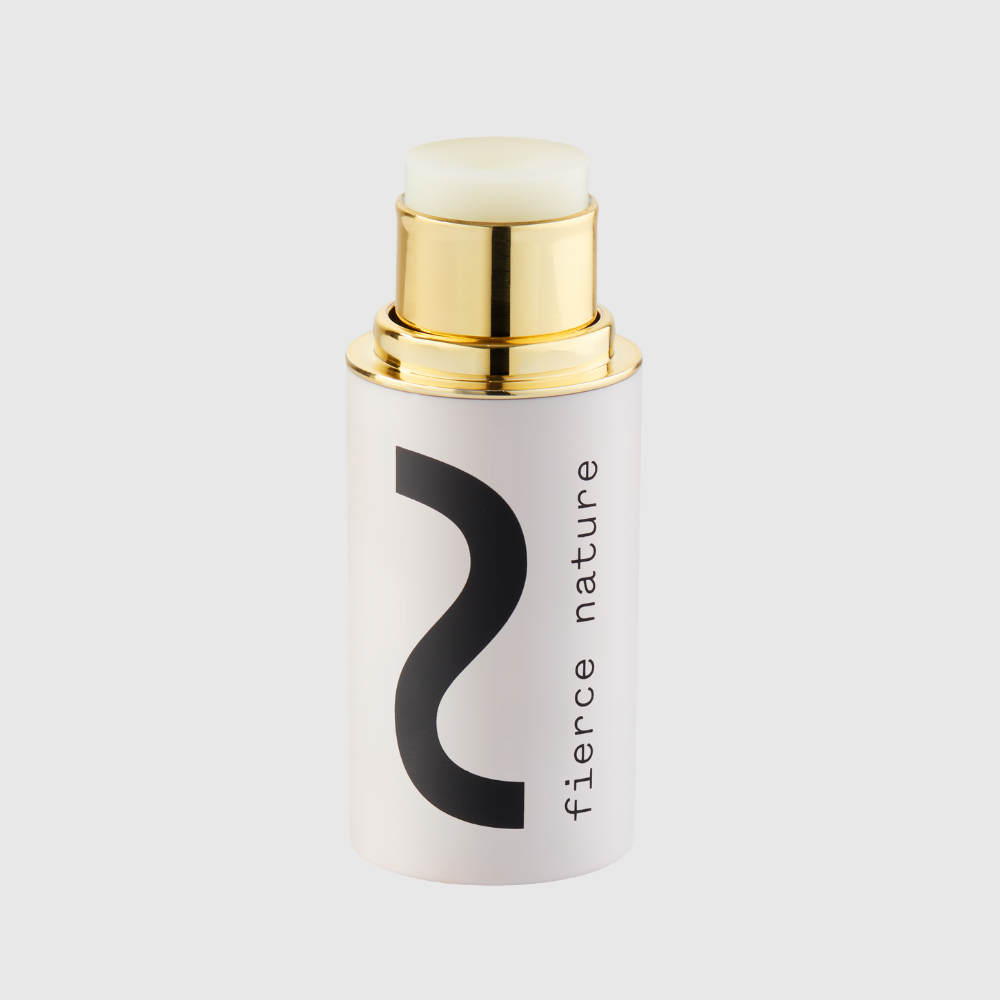
| Aftercare matters | Fierce Nature’s Nourish Balm range supports barrier repair once skin has healed. |
NHS and Frimley Health NHS Foundation Trust patient information on intertrigo
StatPearls (NCBI Bookshelf) clinical overview of intertrigo
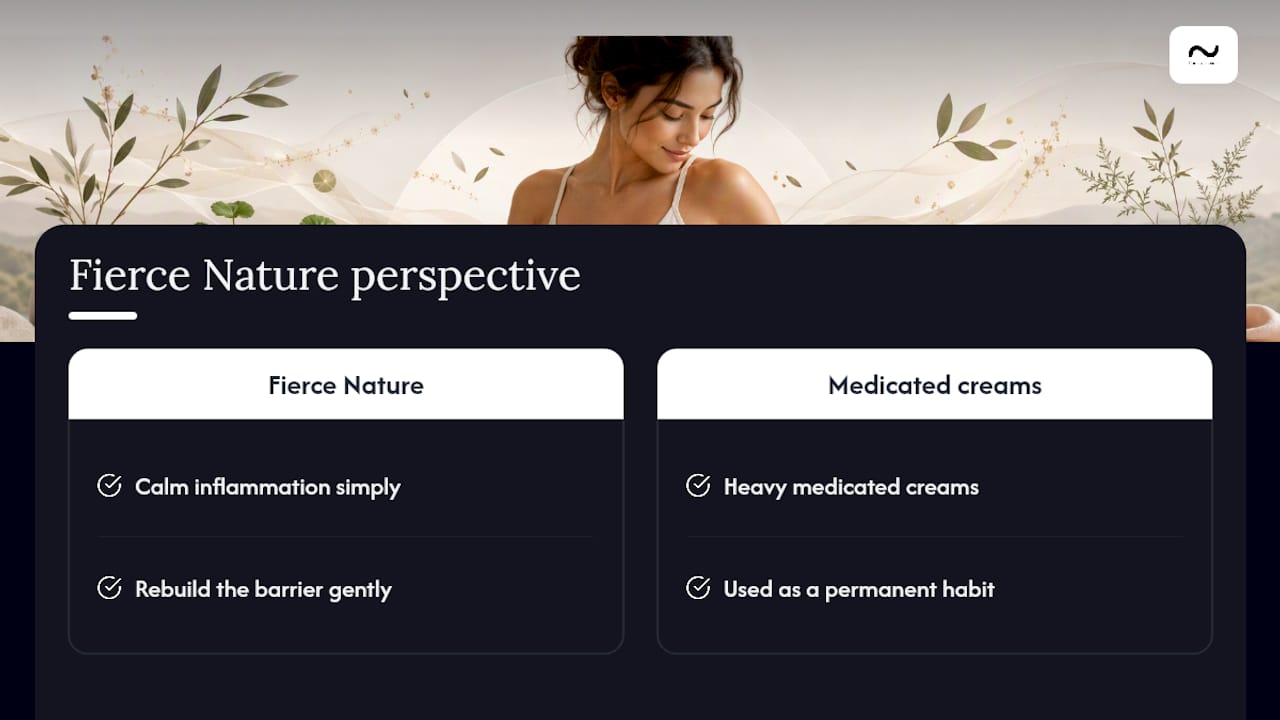
We’ve spent years thinking about sensitive, reactive skin, and we’d rather see people calm inflammation simply, then rebuild the barrier gently, than reach for heavy medicated creams as a permanent habit.
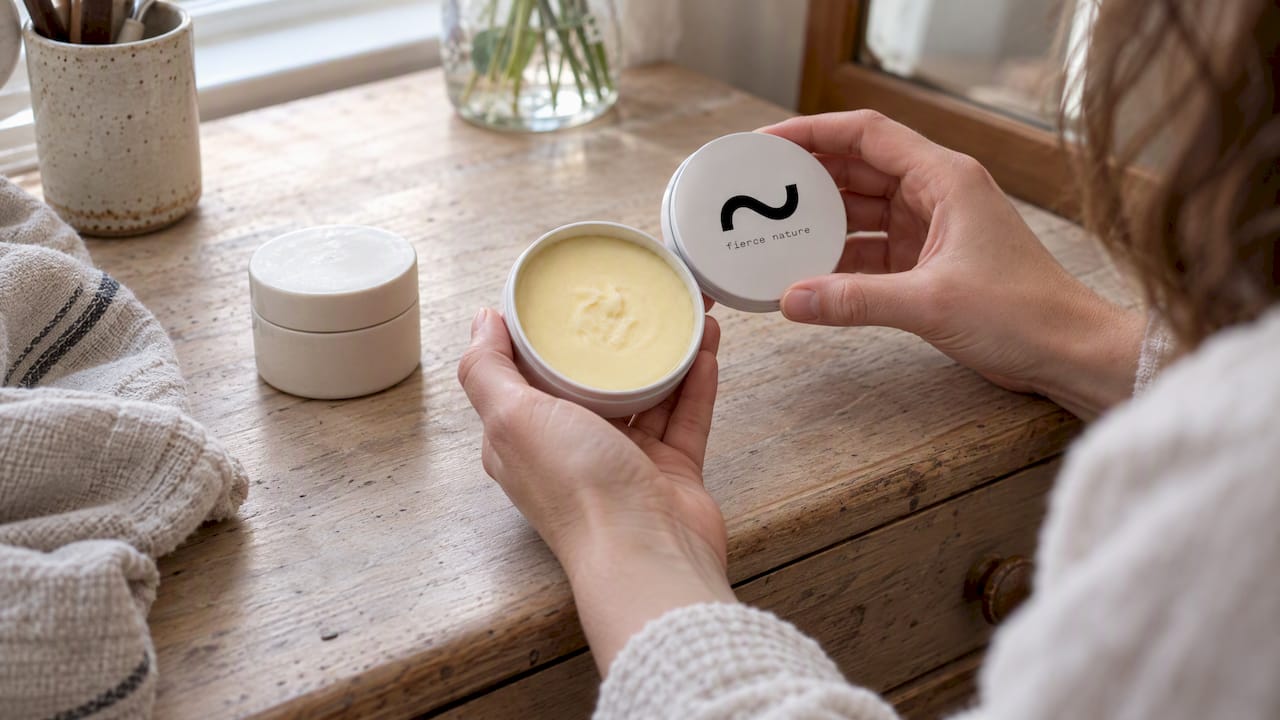
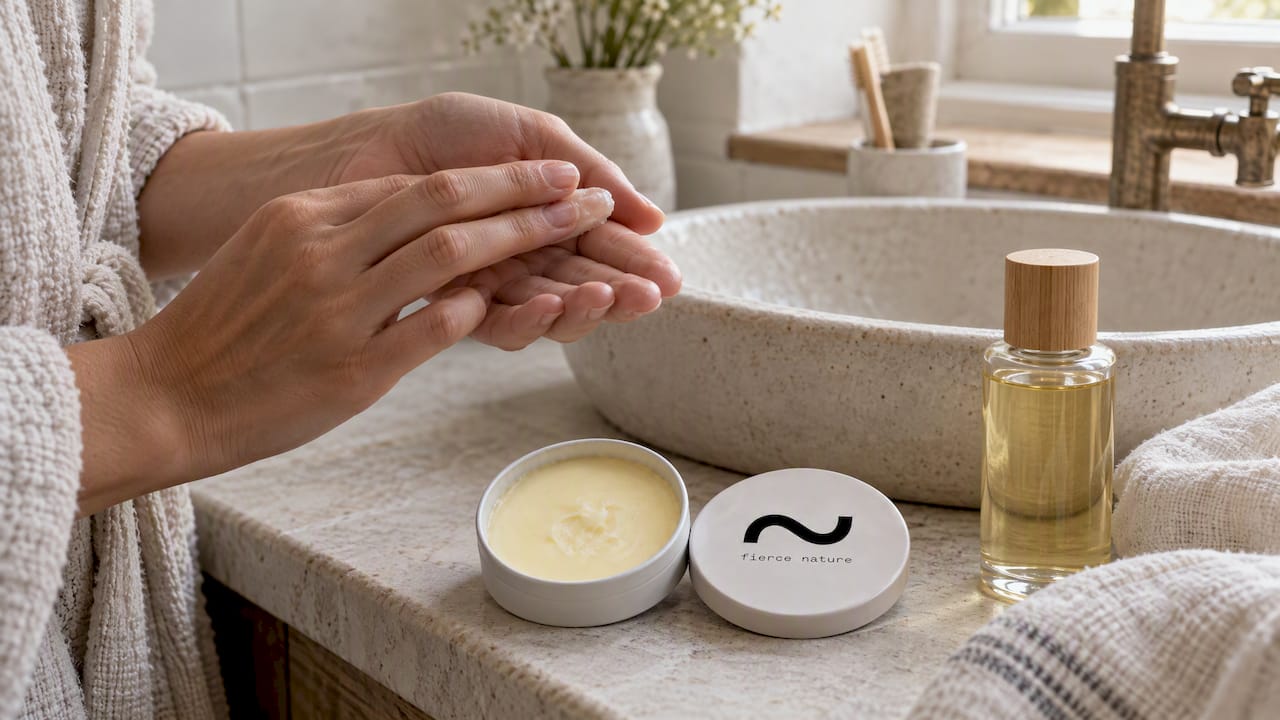
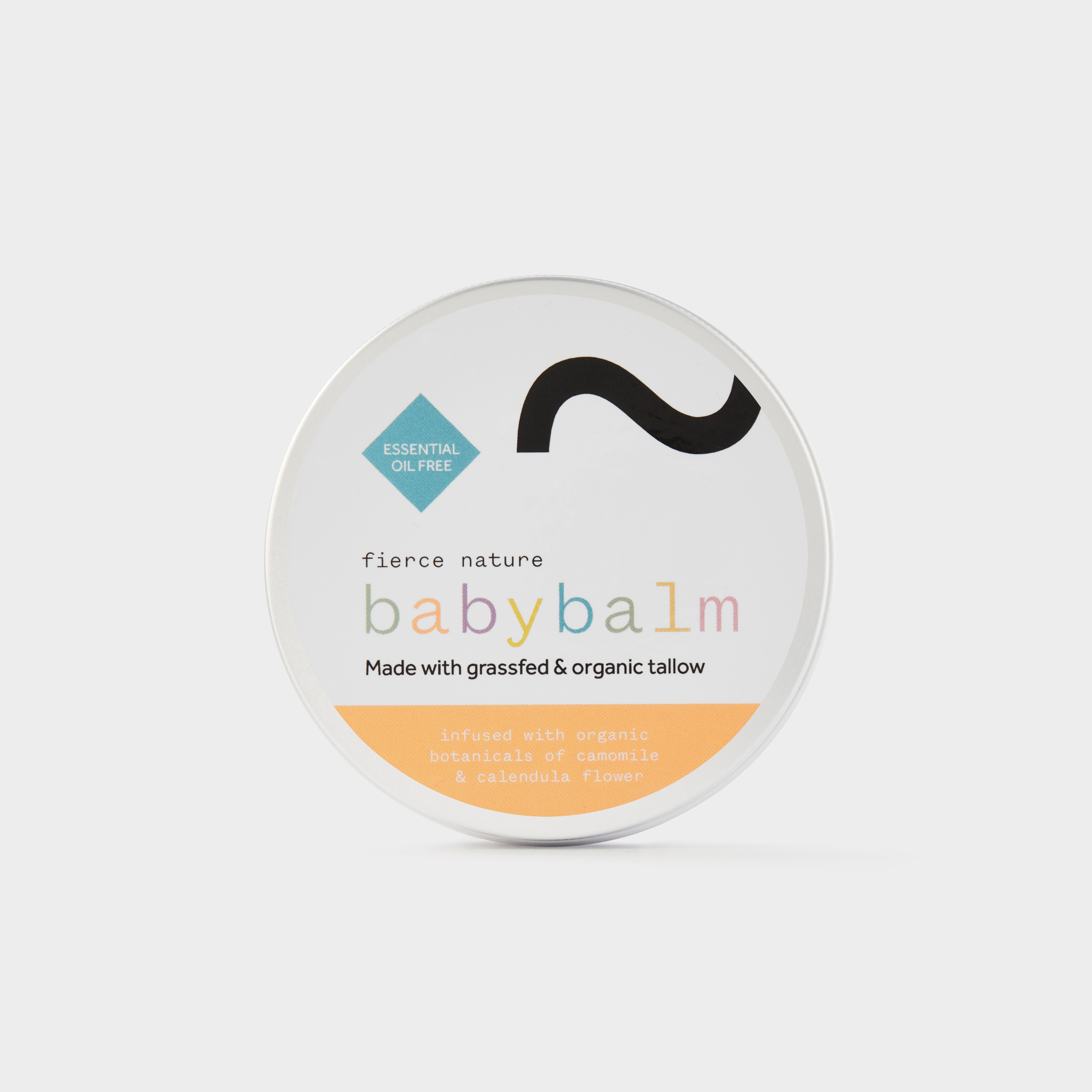
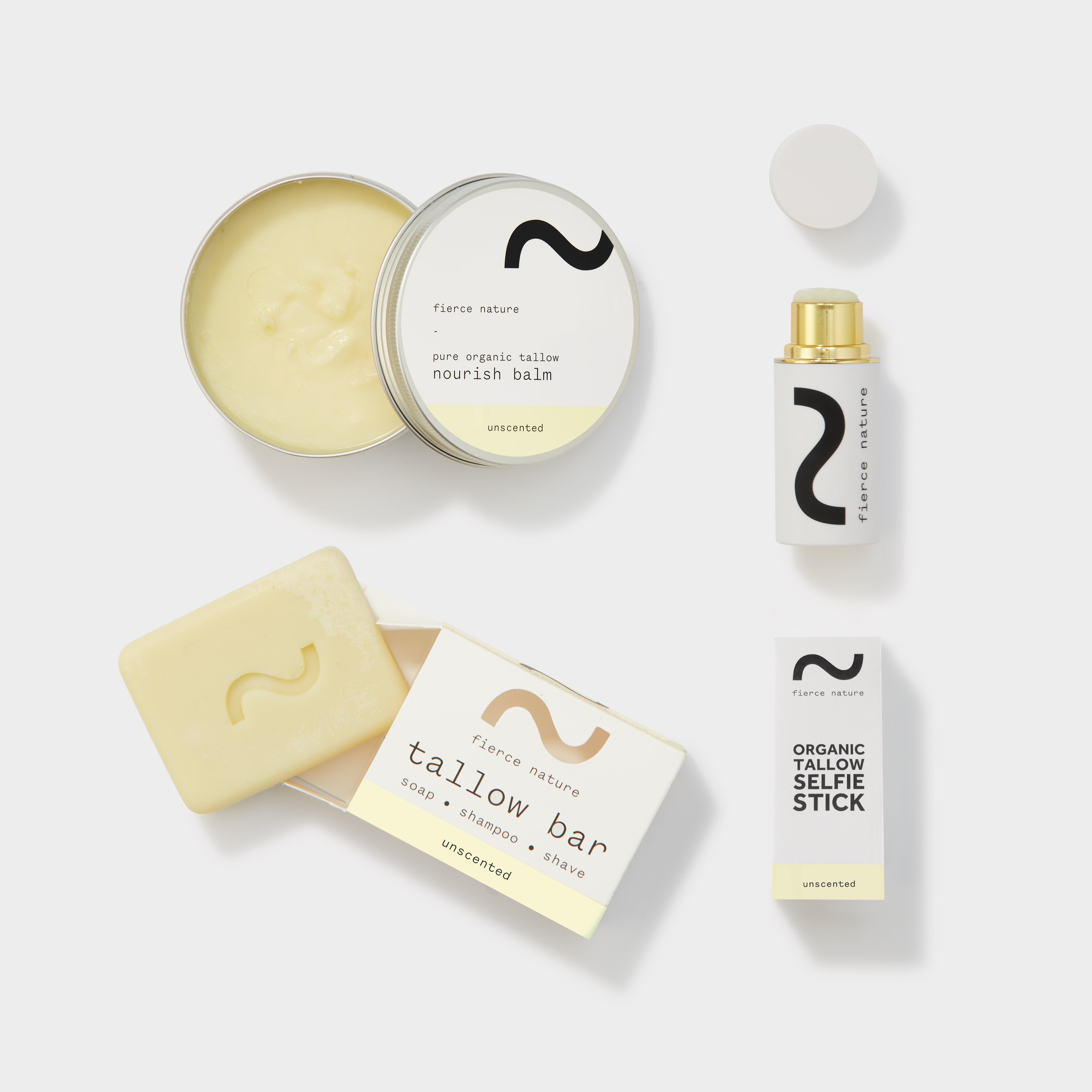
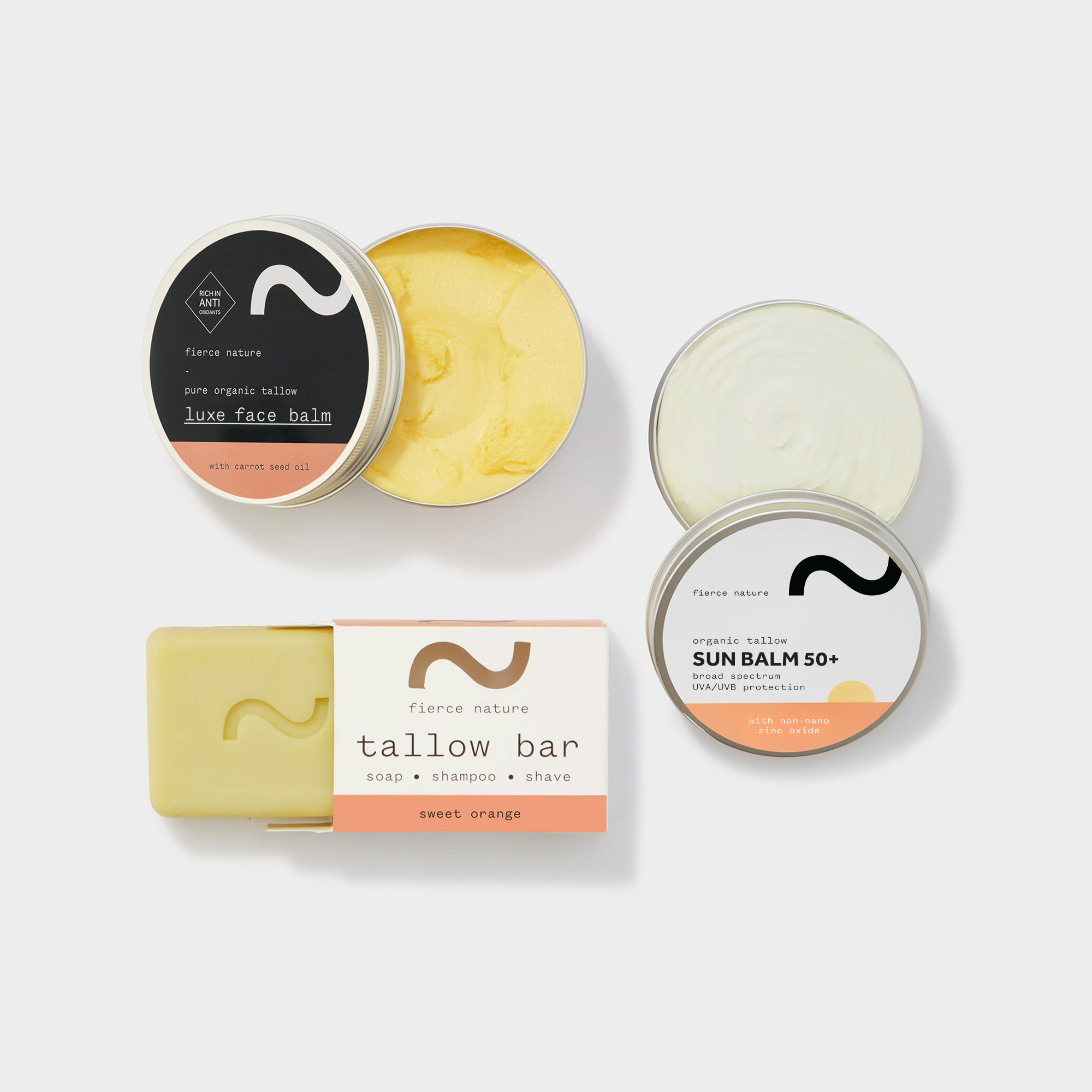
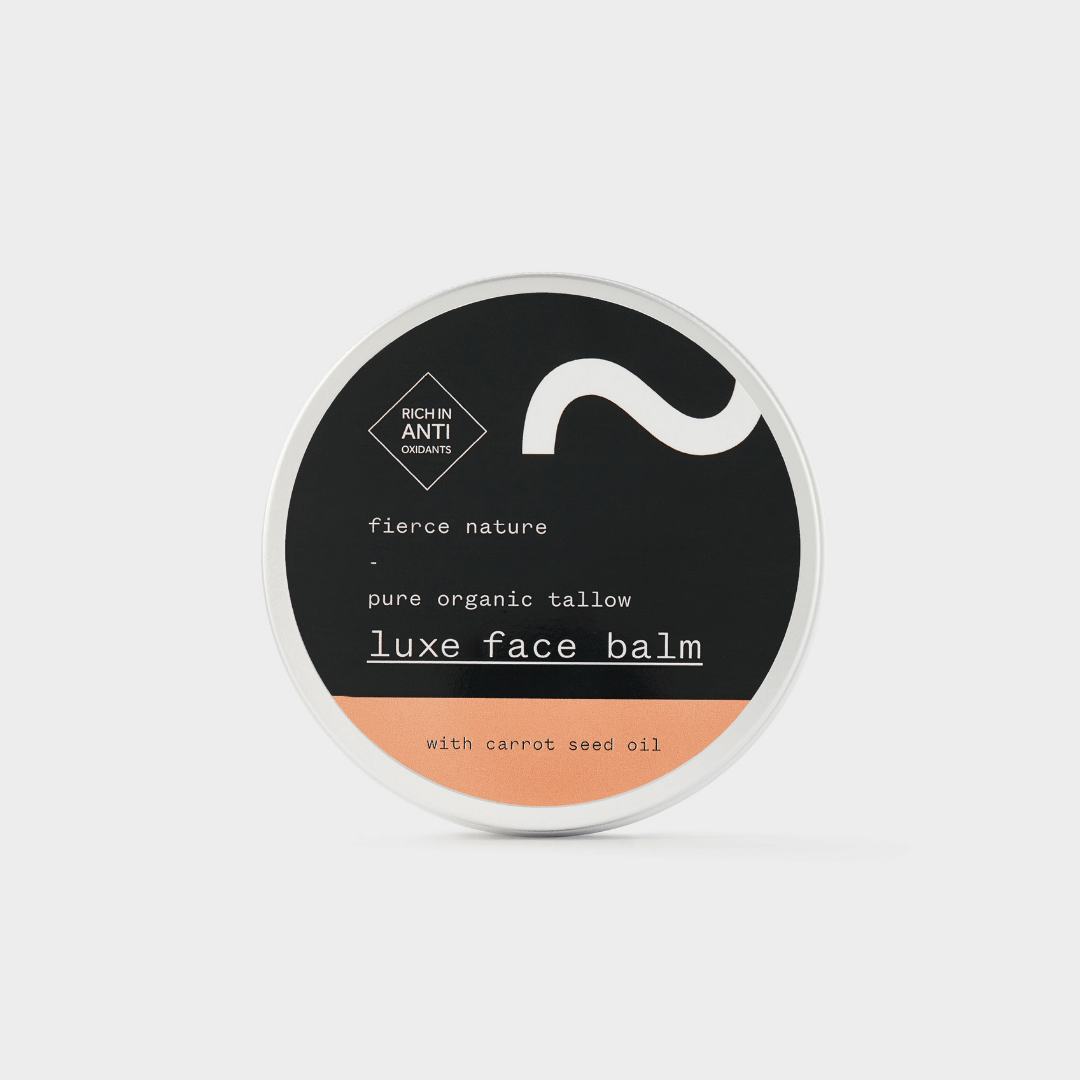
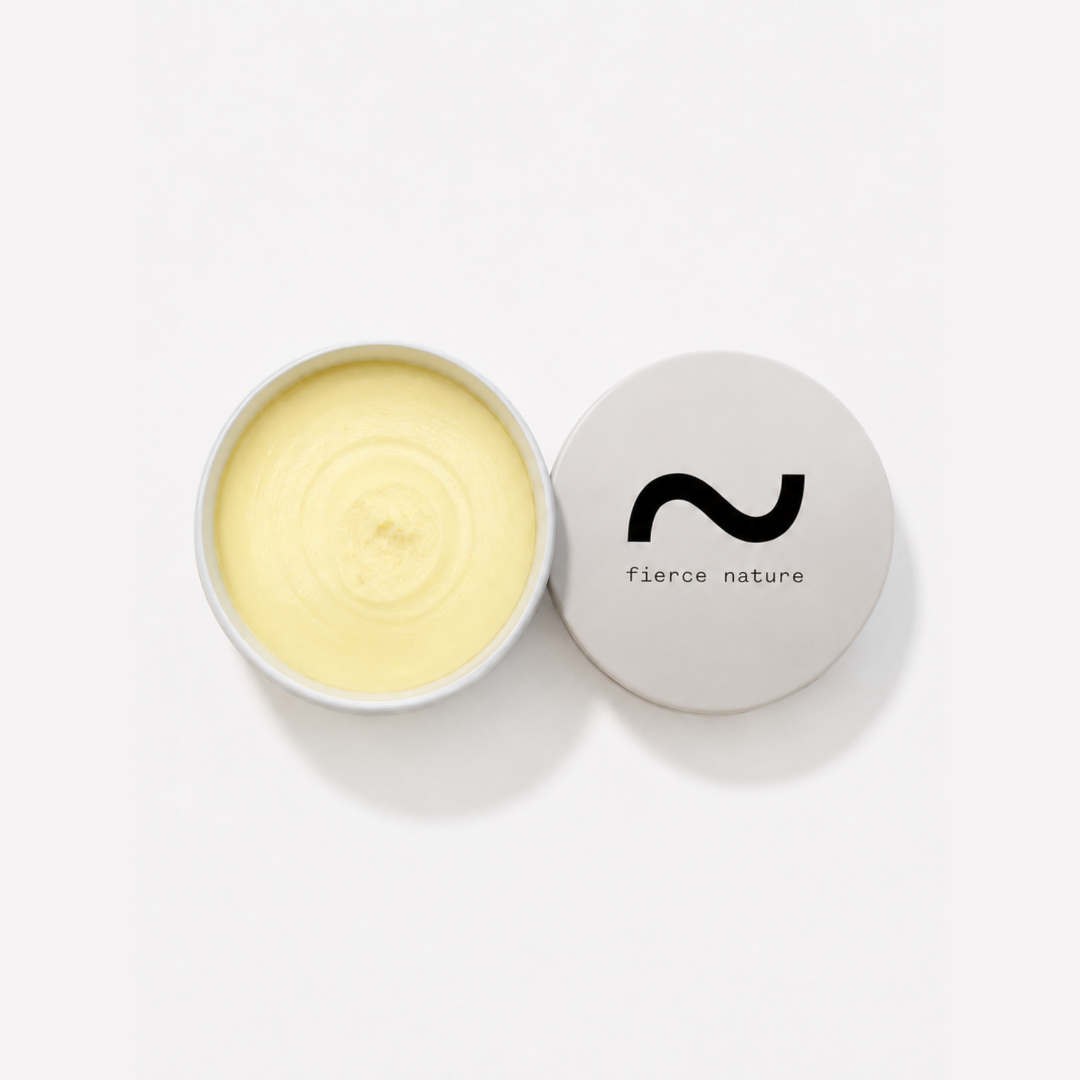
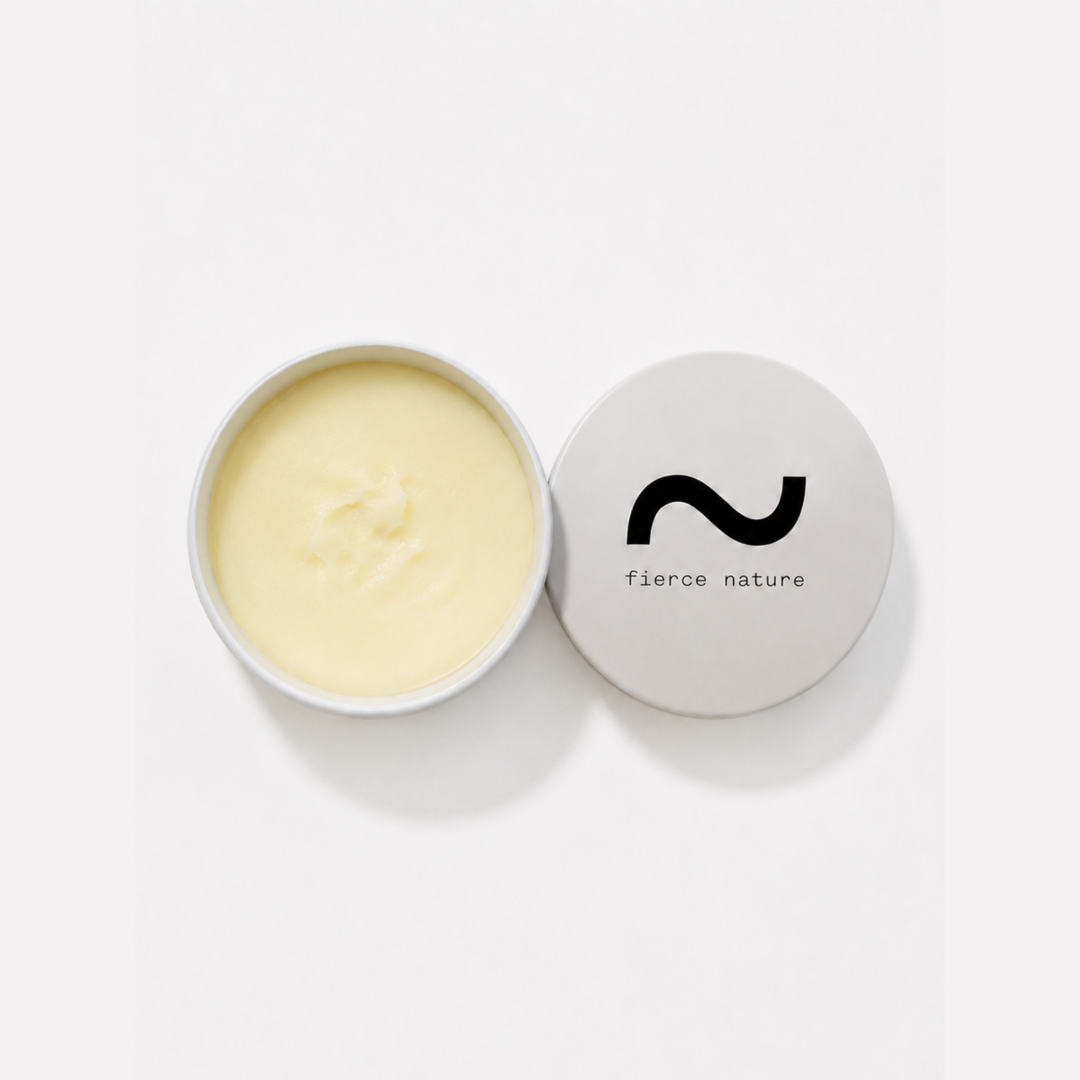
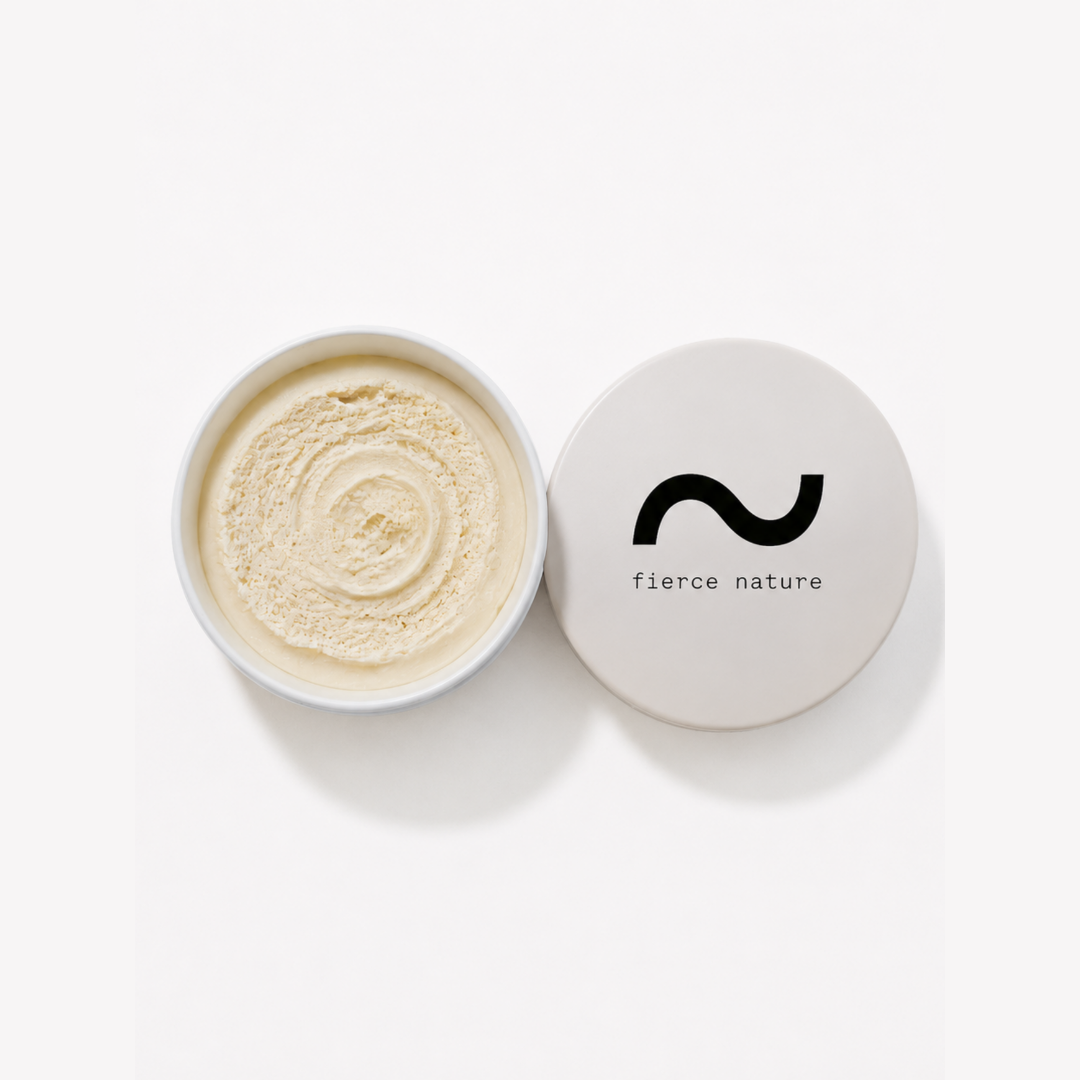
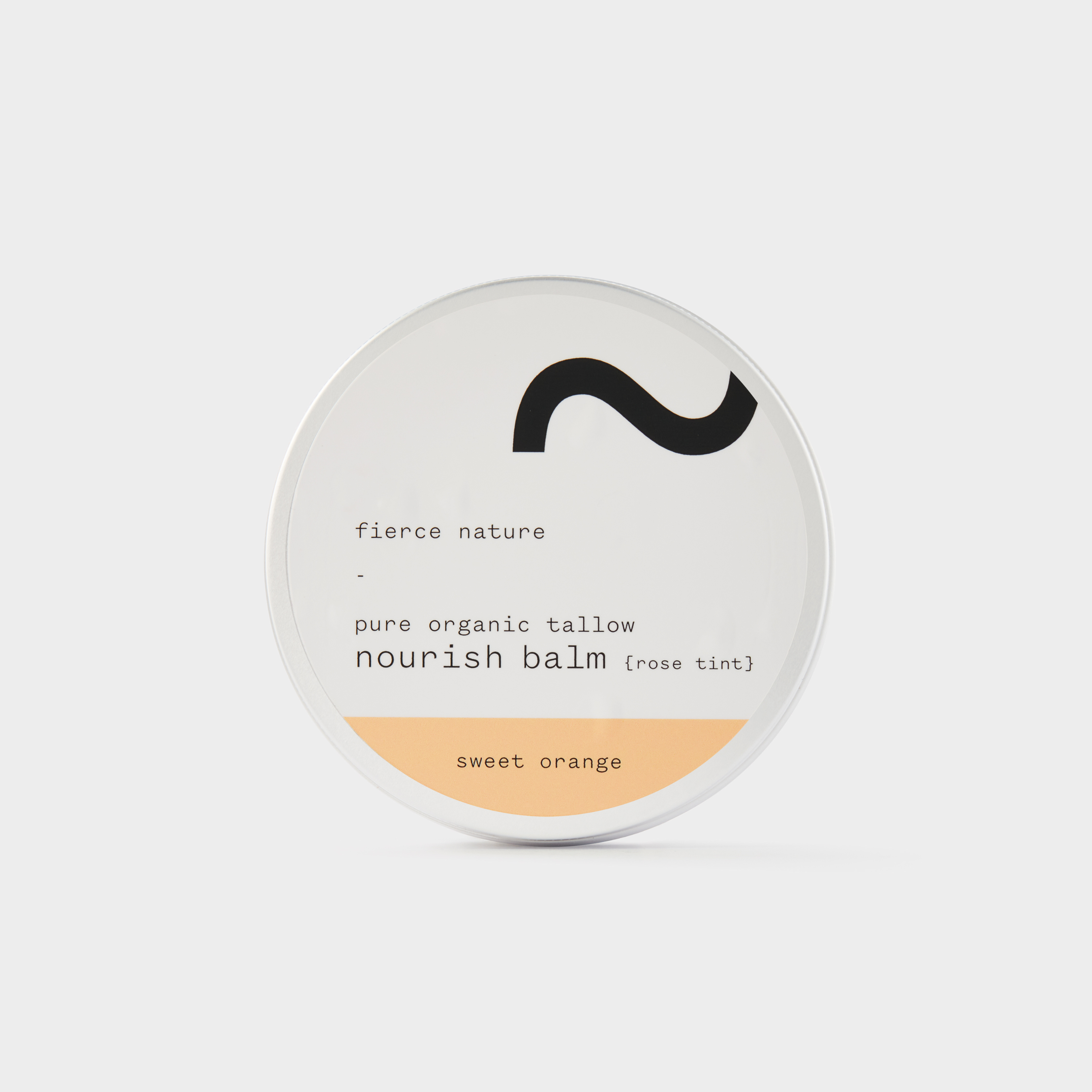
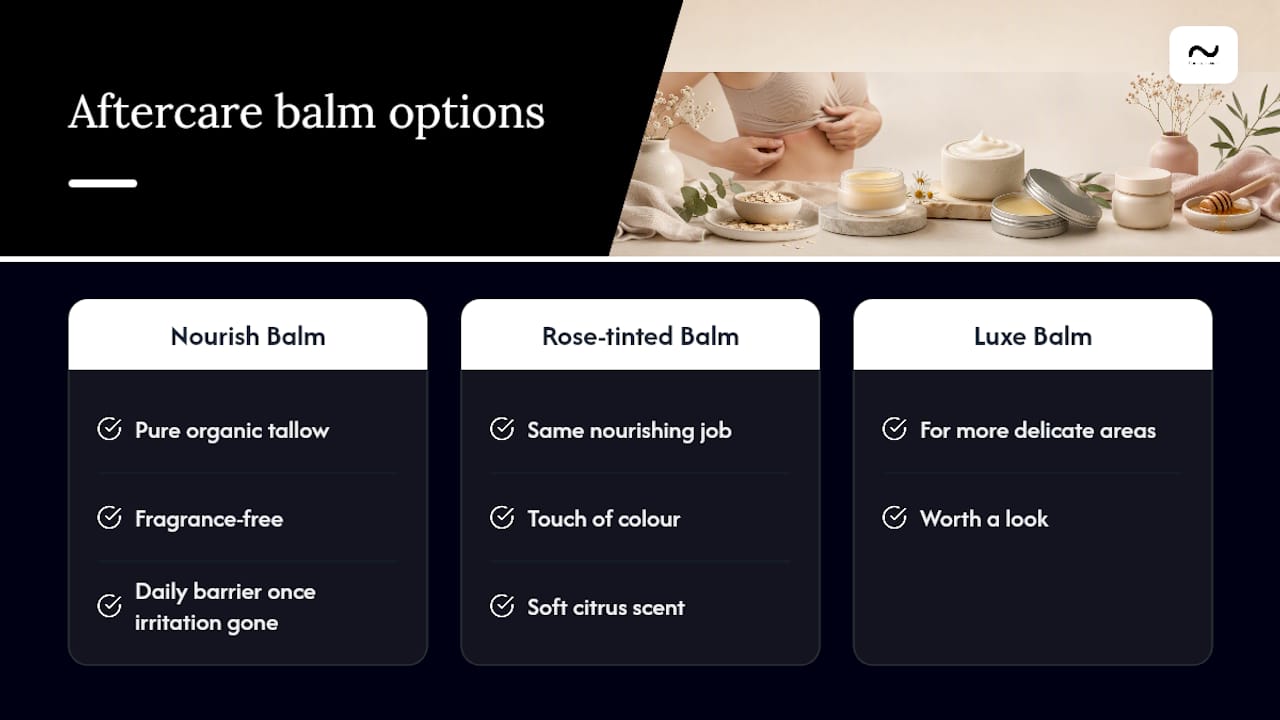
Once the rash has cleared and skin is dry, that’s the moment to think about nourishment rather than treatment. Our Nourish Balm is built on pure organic tallow, formulated without fragrance for skin that’s still settling, and works well as a daily barrier once irritation has genuinely gone. If you’d prefer a touch of colour and a soft citrus scent, the rose tinted balm does the same nourishing job. For anywhere more delicate, our Luxe Balm is worth a look too. Browse the full range on Fierce Nature and pick the aftercare balm that fits your skin.
This article is general information, not a substitute for advice from a qualified doctor. Consult a qualified healthcare professional about your own circumstances before acting on anything here.
What causes an under breast rash (intertrigo) and who gets it
How to tell if it’s fungal, chafing, or something more serious
Intertrigo is the medical term for the redness, soreness and sometimes weeping skin that develops when two skin surfaces rub together in a warm, moist fold. Under the breast, that fold traps heat, sweat and fabric friction, creating exactly the environment yeast like Candida thrives in, which is why so many under breast rashes turn fungal within days of starting.
The usual culprits are:
Sweat and heat that can’t evaporate, especially in summer or after exercise
Skin-on-skin friction, worsened by ill-fitting bras
Synthetic fabrics that trap moisture instead of wicking it away
Weight gain, larger breasts, or anything that deepens the skin fold
Anyone can develop it, but people with fuller breasts, athletes, and those in humid climates see it most often.
A candidal (fungal) rash under the breast has a fairly distinctive look. It’s usually bright red, with a well-defined, scalloped border, and often small “satellite” spots scattered just beyond the main patch. Itching, burning and a faint yeasty smell or creamy discharge are common companions.
Simple chafing looks different: it’s more diffuse, with raw or stinging skin but no sharp border and no satellite spots. Bacterial infection is the one to watch for, with pus, spreading warmth, or a rash that gets worse rather than better despite home care.
Fungal signs: bright red, scalloped edge, satellite spots, itching, discharge
Friction/chafing: raw, poorly defined edges, stinging rather than itching
Bacterial red flags: pus, spreading redness, fever, increasing pain
Fungal intertrigo often appears as a bright red rash with scaling at the edges and sometimes satellite lesions or creamy discharge, a pattern that generally points straight to an antifungal cream rather than a steroid.
Any spreading redness, fever, or non-healing sores warrant a same-week GP visit, not another week of waiting.
Getting the fold clean and properly dry does more for symptom relief than almost anything else in the first few days.
Wash gently, twice daily, using a mild, fragrance-free cleanser rather than anything harsh enough to strip the skin further.
Pat the area completely dry rather than rubbing, then let it air out for a few minutes before dressing if you can.
Switch your bra fabric. Cotton or genuine moisture-wicking blends outperform nylon and lace for keeping the fold cool.
Add a soft cotton barrier inside the fold on particularly humid days or during exercise, to reduce direct skin contact.
Finish drying with a cool hairdryer on low, held a short distance away, if the fold still feels damp after towelling.
Skip vigorous scrubbing. It irritates already inflamed skin and slows healing.
Don’t layer a thick ointment onto weeping or actively sore skin. It traps moisture underneath.
Never share towels or flannels while the rash is active. Reintroducing yeast or bacteria via laundry is a common reason rashes come back.
Pro Tip: Keep a small absorbent powder in your bag for after gym sessions or hot commutes. A few seconds of drying attention straight after sweating prevents hours of irritation later.
If your current cleansing routine feels like it’s part of the problem rather than the solution, it’s worth reviewing your skincare routine for hidden irritants like fragrance or harsh detergents.
Once you’ve established the rash looks fungal, an antifungal cream is generally the right first move. Options such as clotrimazole, miconazole and nystatin are widely available OTC and work by tackling the yeast overgrowth directly rather than just calming inflammation.
Antifungal creams (clotrimazole, miconazole, nystatin): apply twice daily, and keep going for a few days after the rash visibly clears to stop it returning.
Low strength hydrocortisone: useful for a short burst when inflammation is severe, but it should never become a long-term fix in a skin fold, since prolonged steroid use there carries its own risks.
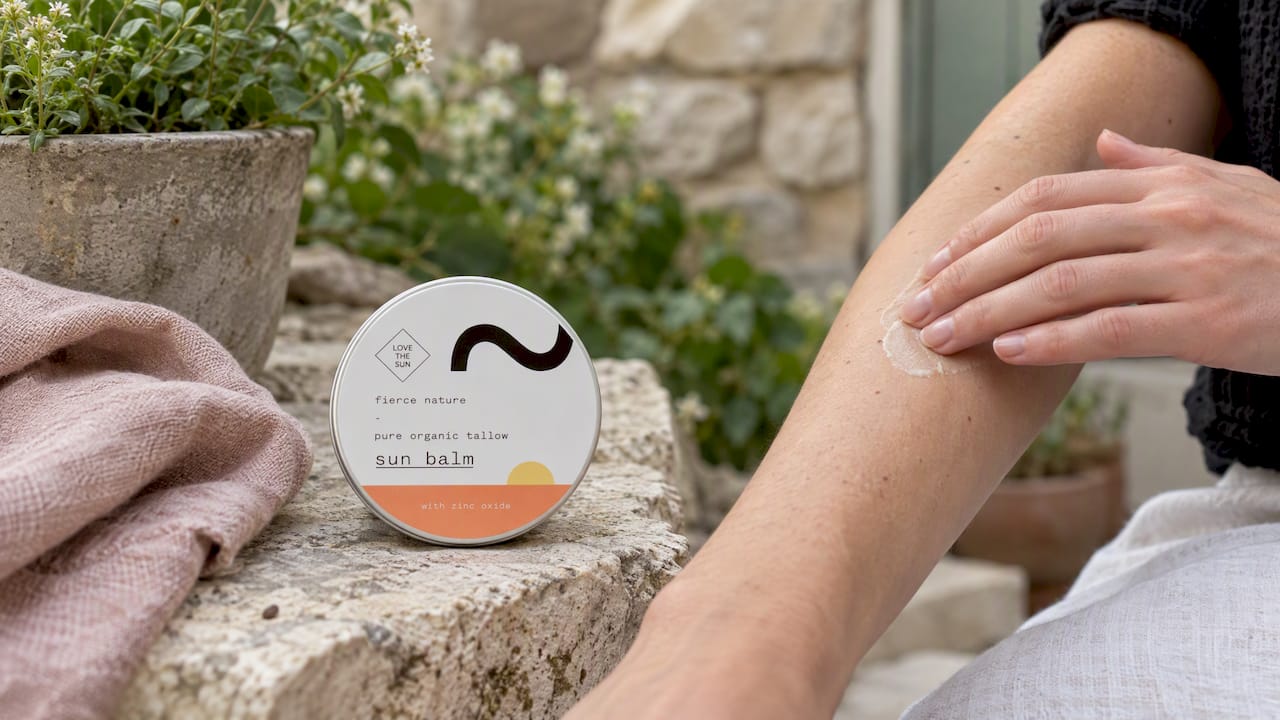
Barrier protectants (zinc oxide, petrolatum): brilliant for prevention, but only once the skin is dry and the infection is under control. Applied too early, they seal moisture in rather than out.
Combining a powder and an ointment on the same patch of skin at the same time tends to create a tacky paste that does neither job well, so pick one and follow the instructions rather than doubling up. Expect some improvement over time with consistent antifungal use, but the exact timing varies. If a rash proves stubborn, a clinician may consider a short oral antifungal course, but that decision sits firmly with a prescriber, not a pharmacy shelf.
Give correct OTC treatment about a week before expecting a real change, and reassess at two weeks. If things haven’t moved by then, home care alone probably isn’t going to finish the job.
See a pharmacist quickly if you’re unsure what’s causing the rash, if you’re pregnant or breastfeeding, or if you simply want a second opinion on product choice.
Book a GP appointment if you notice spreading redness, fever, pus, severe pain, or a rash that keeps worsening despite proper care.
Pharmacist input is genuinely useful here. It helps you pick the right product for your situation and avoids the common mistake of using a steroid cream for too long in a delicate skin fold.
Long-term success comes down to changing the environment under the fold, not just treating flare-ups as they happen.
Change into a fresh bra daily, and wash bras regularly enough that sweat and bacteria don’t build up in the fabric.
Choose cotton or genuine moisture-wicking materials over synthetics, and avoid anything so tight it presses the fold closed all day.
Dry off properly straight after exercise or a shower. Don’t let damp skin sit under fabric for hours.
Never share flannels or towels while you’re symptomatic, and wash any that touched the area hot enough to kill off yeast spores.
Once skin is fully healed, an occasional light dusting of absorbent powder or a barrier cream on high-risk days (hot weather, long workouts) keeps the fold protected without smothering it.
Loose, breathable clothing and a cooler bedroom at night also make a bigger difference than most people expect, since heat build-up overnight is a quiet, common trigger.
Prevention really does rely on rebuilding a proper moisture barrier once the infection has cleared, not on medicating indefinitely.
The skin only needs protecting once it’s dry. Sealing in moisture too early undoes the work the antifungal has just done.
Apply a barrier balm only once skin is dry and no longer weeping or sore
Use it sparingly, once or twice daily, as part of settling the skin back to normal
Favour simple, non-toxic formulations without added fragrance while skin is recovering
We formulate our balms around organic tallow precisely because it’s biologically close to what skin already produces, which makes it easy for irritated, recovering skin to accept. For a gentler transition into any new aftercare product, our guide on introducing natural skincare gradually is worth a read before you start.
Wash the area gently twice daily, dry it thoroughly, switch to cotton bras, and apply an antifungal cream if the rash looks fungal, expecting partial improvement within one to two weeks.
Yes. A sweaty or unwashed bra keeps moisture and bacteria trapped against the skin, which encourages both friction irritation and fungal overgrowth, so washing bras regularly matters as much as treatment.
Fungal rashes tend to be bright red with a well-defined, scalloped edge, often with small satellite spots and itching, while simple chafing looks more diffuse without those satellite patches.
With correct antifungal or barrier care, most rashes show real improvement within one to two weeks; if nothing’s changed by then, a pharmacist or GP should take a look.