Cart
0
80% Also Added this






Gentle, consistent home care can noticeably soften the rough texture and redness of keratosis pilaris, but it will not cure it. Start today with a three-step routine: mild exfoliation, a keratolytic or humectant to loosen dead skin, then a rich moisturiser to seal it all in. That sequence, repeated patiently, is the closest thing to a natural fix this condition has.
A few things to know before you start:
Who benefits most: people with dry or atopic-prone skin tend to see the biggest improvement from consistent moisturising.
Patch-test first: trial any new product on a small area for 48 to 72 hours before applying it more widely.
Be patient: most people notice smoother skin after several weeks of daily care, not days.
Natural treatment for keratosis pilaris works by combining gentle exfoliation, keratolytics, and occlusive moisturising, but it manages symptoms rather than curing the underlying condition.
| Point | Details |
|---|---|
| No permanent cure exists | Natural and medical treatments both manage appearance, not the underlying keratin plug formation. |
| Gentleness beats intensity | Vigorous scrubbing or strong DIY acids like baking soda worsen inflammation rather than clearing it. |
| Order of application matters | Exfoliate first, apply a keratolytic second, then seal with a moisturiser to support the skin barrier. |
| Expect weeks, not days | Most people notice smoother skin after four to eight weeks of consistent daily care. |
| Tallow supports barrier repair | Fierce Nature’s Multi-Use Tallow Bar offers a bioavailable, occlusive option to layer after keratolytic steps. |
NHS guidance covers self-care steps and clear warnings against harsh DIY treatments.
Mayo Clinic outlines diagnosis, moisturiser recommendations, and bathing habits.
Harvard Health details treatment options and realistic expectations for improvement.
StatPearls (NCBI Bookshelf) gives a clinical overview of keratolytic strengths and escalation options.
American Academy of Dermatology (AAD) explains why vigorous scrubbing worsens the condition.
This article is general information, not a substitute for advice from a qualified doctor. Consult a qualified healthcare professional about your own circumstances before acting on anything here.
Keratosis pilaris happens when keratin, the protein that protects skin, builds up and plugs individual hair follicles. The result is a scatter of tiny, rough bumps that many people describe as “chicken skin”, often with a faint sandpaper feel when you run a hand across it.
It shows up most often on the upper arms, thighs, cheeks, and buttocks, usually in a fairly symmetrical pattern on both sides of the body. It’s extremely common and entirely harmless. For most people it’s a cosmetic concern rather than a medical one, and it frequently fades on its own with age. That doesn’t make it any less frustrating to live with day to day, which is exactly why a sensible natural treatment for keratosis pilaris is worth building into your routine.
Spotting KP is usually straightforward once you know what to look for:
Small, rough, flesh-coloured or reddish bumps, rarely itchy or painful.
A sandpaper-like texture across patches of skin rather than isolated spots.
Symmetrical distribution, appearing on both arms or both thighs at once.
Sometimes mild redness or dryness surrounding the bumps.
KP is often mistaken for eczema, folliculitis, or other keratinising skin disorders, so it’s worth a second look if things seem off. See a clinician or pharmacist if the rash spreads rapidly, becomes painful or swollen, or shows signs of infection such as pus or warmth, since none of those fit the usual KP picture.
The mechanism is simple: dead skin cells clump together with keratin and block the opening of a hair follicle, creating that small, hard bump. The trapped follicle can become mildly inflamed, which is what gives many bumps their pink or red tinge.
Certain factors make this more likely:
Associated conditions: atopic dermatitis (eczema), ichthyosis vulgaris, and a family history of KP all raise the odds of developing it.
Age patterns: it often appears in childhood or the teenage years and tends to ease off by your thirties or forties.
Environmental triggers: dry air, harsh soaps, over-exfoliation, and some hair removal methods can all aggravate the follicles.
Understanding these risk factors matters because it points you towards the fixes that actually help: hydration, gentleness, and calming inflammation rather than fighting it.
Natural care is the right starting point for most people, but it isn’t the only option; exploring natural scalp treatments for adults can also offer safe plant-based approaches. Clinicians typically reach for:
Topical keratolytics such as lactic acid, salicylic acid, or urea, which loosen the keratin plugs.
Topical retinoids, used to speed up skin cell turnover.
Short courses of mild topical steroids for particularly inflamed patches.
Phototherapy or laser treatment, reserved for stubborn or cosmetically distressing cases.
Some reports describe skin texture improving with salicylic acid or urea, applied consistently over weeks. The general rule is to try a gentle, consistent home routine first, and see your GP or a dermatologist if the skin stays inflamed, doesn’t respond after a reasonable trial, or covers a large area.
Statistic callout: There’s no cure for keratosis pilaris. Every treatment path, natural or prescription, manages the appearance rather than resolving the underlying cause.
Prescription-strength keratolytics and retinoids can irritate the skin, especially on children, large body areas, or during pregnancy, so they need proper clinician supervision rather than DIY experimentation.
This is where most of the real work happens, and it rewards patience over intensity. Think of your skin here less like something to scrub clean and more like something to coax back into balance. Below is a routine you can build day by day.
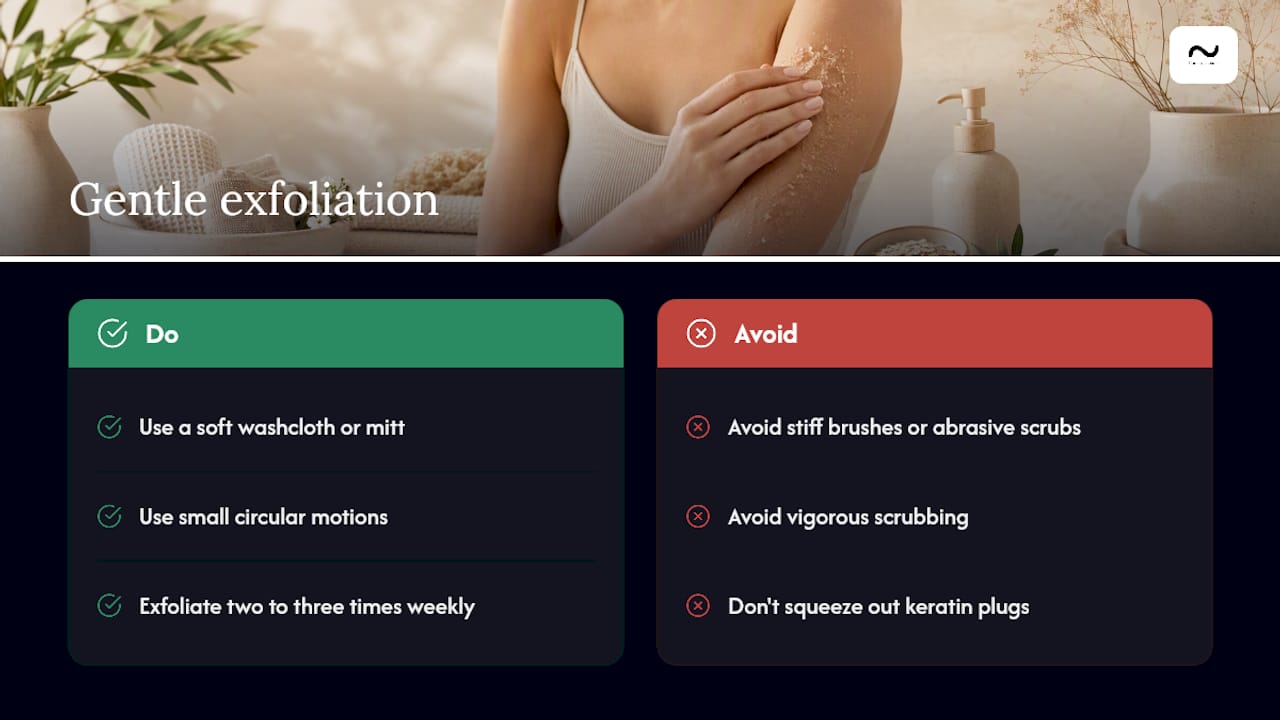
Use a soft washcloth or a mild exfoliating mitt in small circular motions, never a stiff brush or an abrasive scrub. Do this two to three times a week at most. Vigorous scrubbing or attempting to squeeze out the keratin plugs is one of the most common mistakes with KP, and dermatology guidance is clear that it tends to increase inflammation rather than clear it.
Over-the-counter options containing alpha hydroxy acids (like lactic acid) or urea are genuinely effective and count as a legitimate part of a natural remedy for keratosis pilaris, since they work with your skin’s own exfoliation process rather than against it. Apply a thin layer to affected areas once daily, ideally in the evening, and patch-test on your inner forearm for 48 to 72 hours first. If you notice stinging that doesn’t settle within a minute, or ongoing redness the next day, stop and dilute your frequency to every other day.
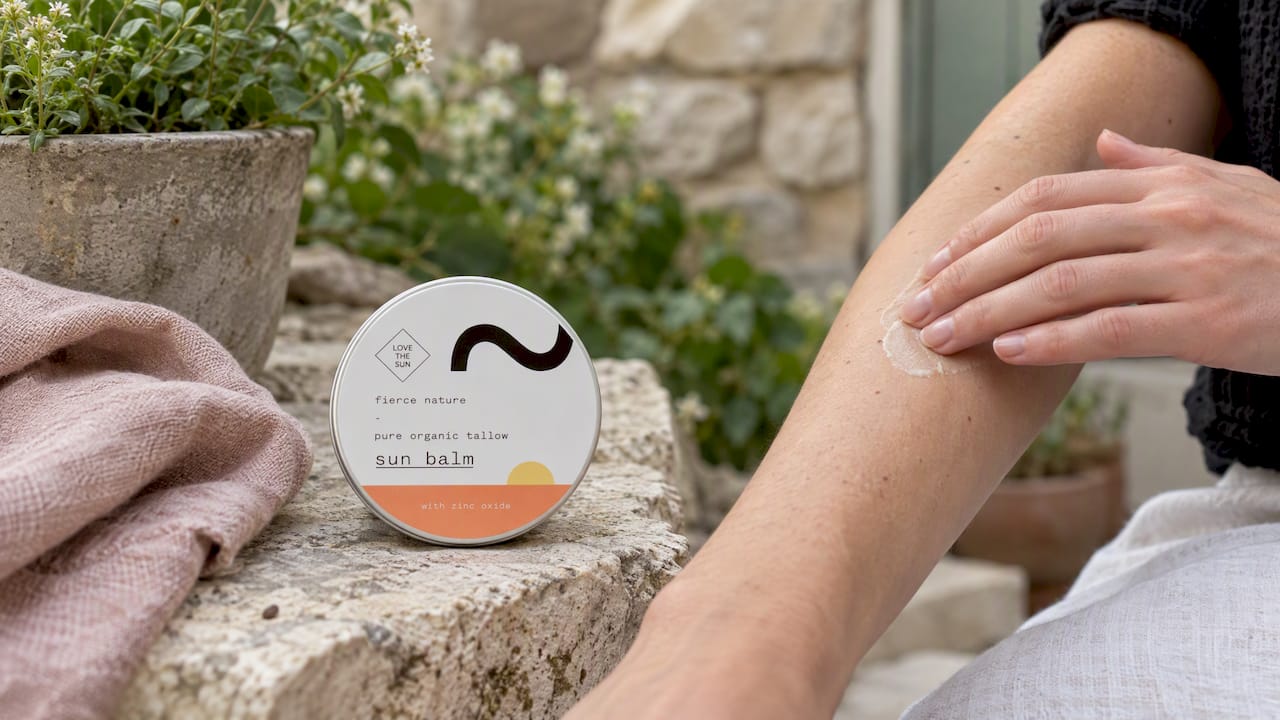
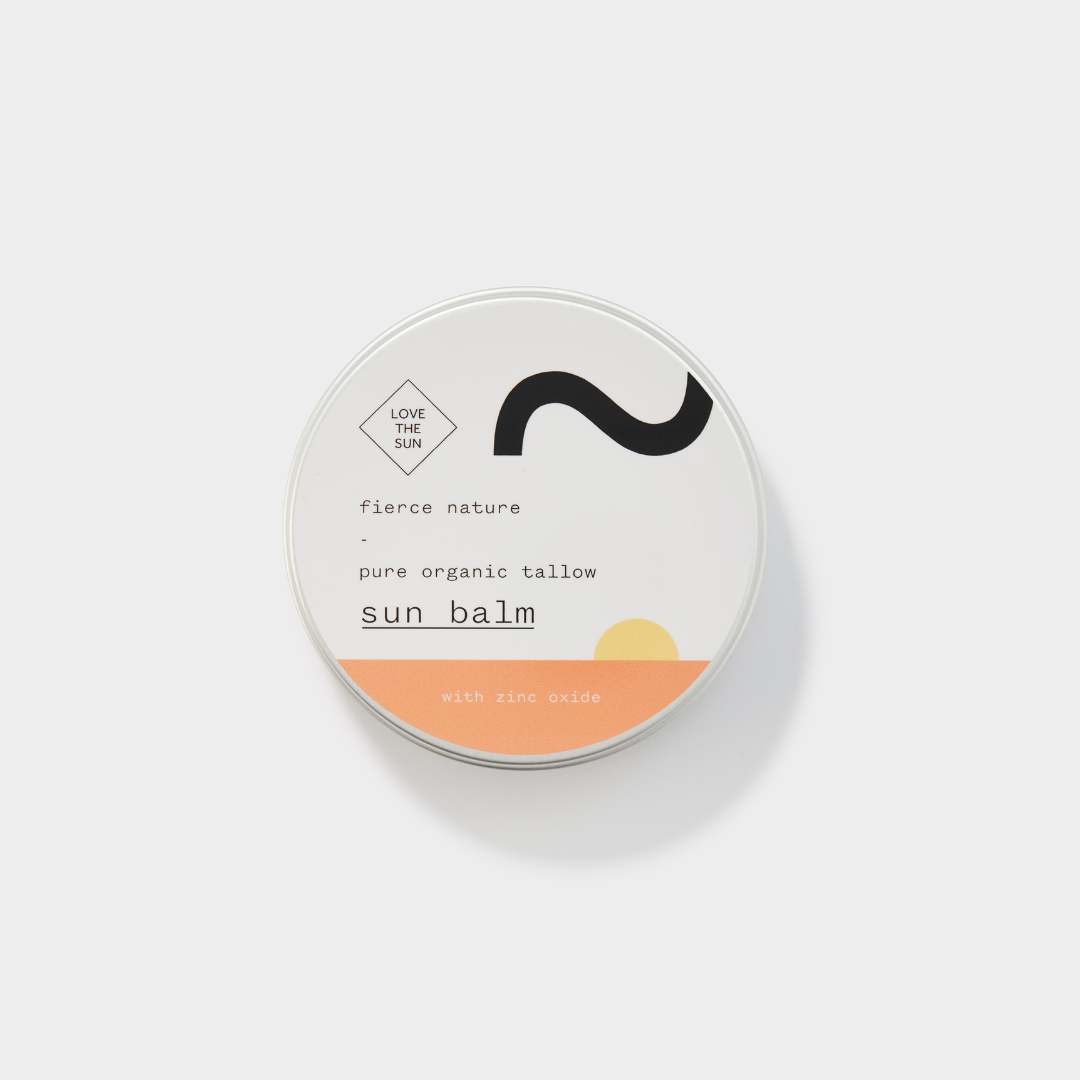
This is the step most people underplay. Occlusive, nutrient-dense balms, tallow-based ones included, seal moisture into skin that’s already dry and prone to plugging. Apply generously within a few minutes of bathing, while skin is still slightly damp, and again before bed.
Ingredients like glycerin or hyaluronic acid draw water into the skin’s surface layer. Layer a humectant serum under your balm on particularly dry days, especially in winter.
Keep showers short and warm rather than hot, and choose a mild, unperfumed cleanser. Hot water and fragranced soap both strip the skin’s natural oils, which worsens the dryness that feeds KP in the first place.
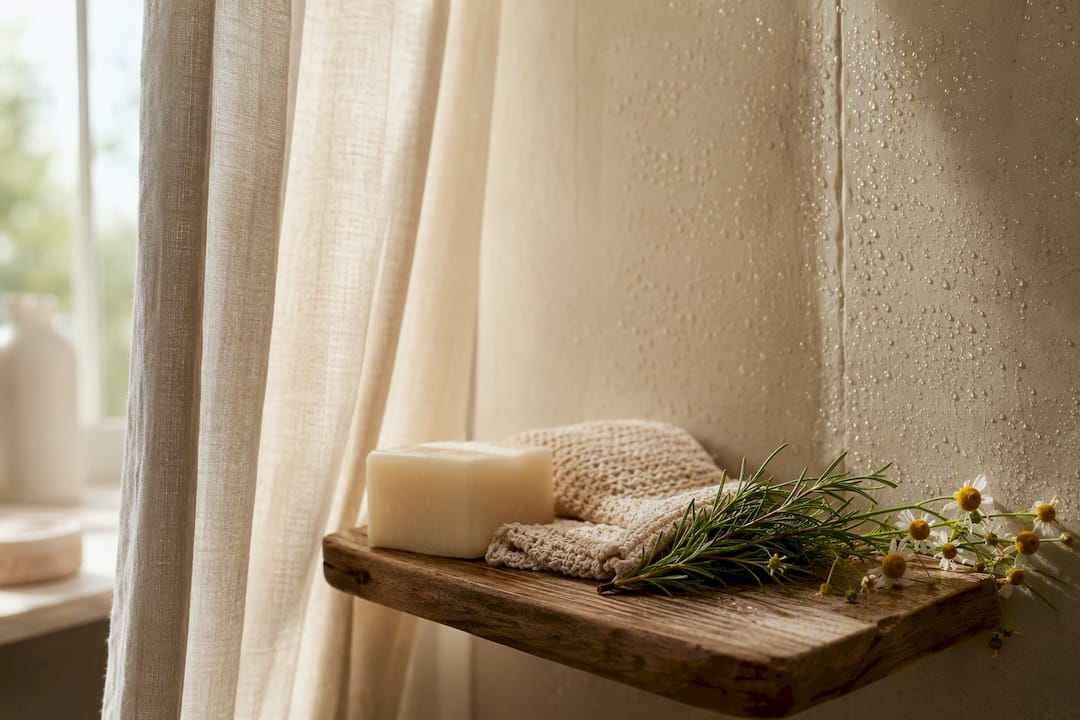
Run a humidifier in dry rooms, particularly overnight, and choose breathable, non-restrictive fabrics over anything stiff or synthetic that rubs against affected patches.
An anti-inflammatory pattern of eating, rich in oily fish, vegetables, and healthy fats, along with steady sleep and manageable stress levels, supports skin barrier repair generally. None of this replaces topical care, but it works alongside it.
Pro Tip: Apply products in this order every time: exfoliate, then keratolytic, then moisturiser last. Keratolytics need contact with skin to work, and a heavy balm applied too early can block that.
A word of caution: avoid baking soda scrubs, undiluted vinegar, or lemon juice, however tempting the “natural” label sounds. These are aggressive acids that can burn or damage the skin barrier, which makes keratosis pilaris look worse, not better.
Most flare-ups trace back to a handful of avoidable habits:
Scrubbing vigorously or trying to extract the bumps.
Using strong DIY acids like baking soda paste or undiluted vinegar.
Long, hot showers.
Perfumed soaps and body washes.
Shaving over affected areas without a barrier product first.
Before trying anything new, apply a small amount to your inner arm or behind the ear and wait 48 to 72 hours, watching for redness, itching, or spreading irritation.
“Gentleness is the core principle for long-term improvement,” is the consistent message from clinical guidance on keratosis pilaris, and it’s a fair summary of everything above.
Stop immediately and speak to a clinician if you notice severe redness, swelling, pain, or any sign of infection such as warmth or discharge.
Expect weeks, not days. Most people notice smoother skin after several weeks of consistent daily care, with fuller improvement building over time.
Costs vary depending on how far you take it:
Low cost: daily moisturising and better bathing habits, using products you likely already own.
Medium cost: over-the-counter keratolytics containing urea or lactic acid.
Higher cost: dermatologist-led procedures such as chemical peels or laser sessions, reserved for stubborn cases.
Statistic callout: Keratosis pilaris has no known cure, so stopping your routine once skin clears usually means the bumps return within weeks. Consistency, not intensity, is what keeps results.
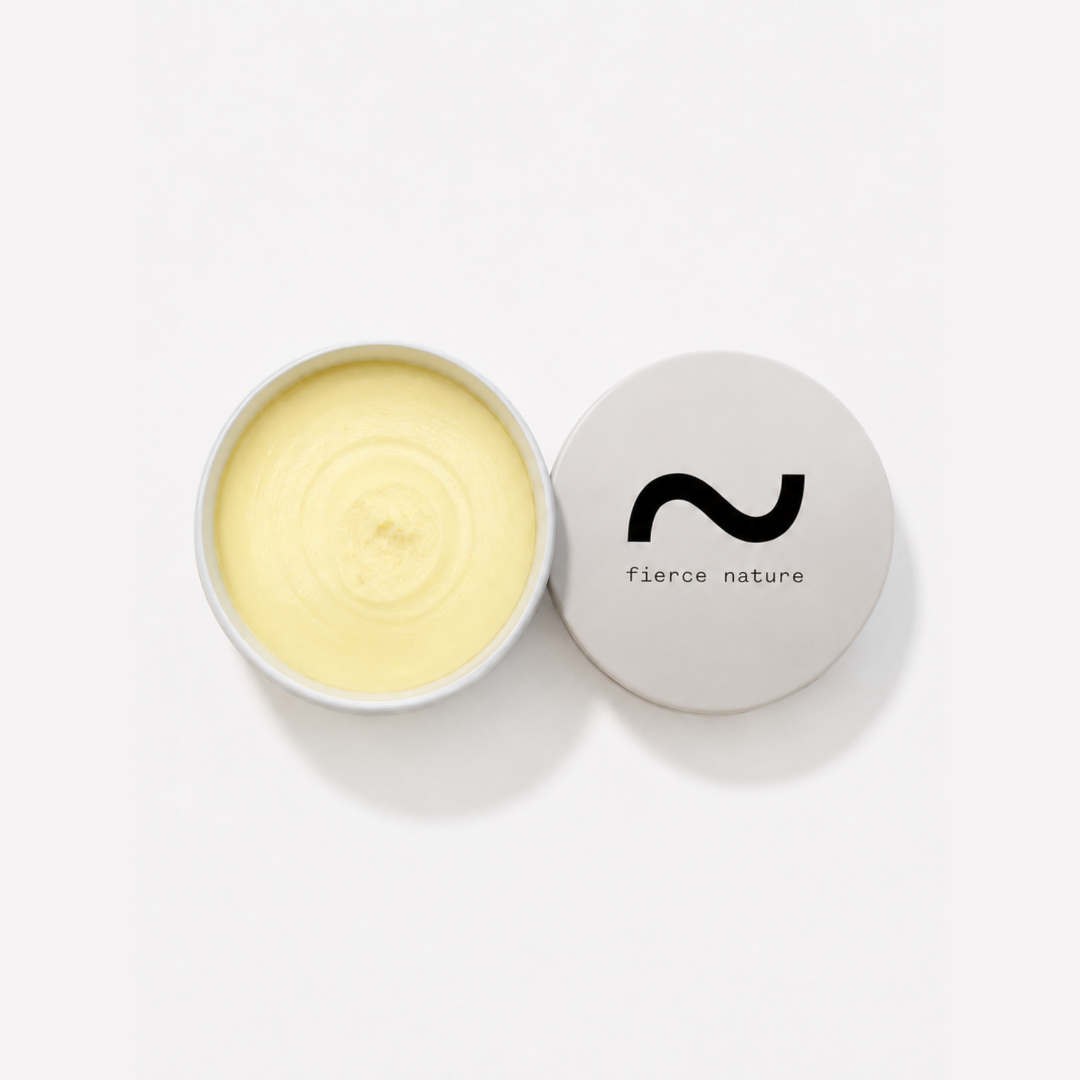
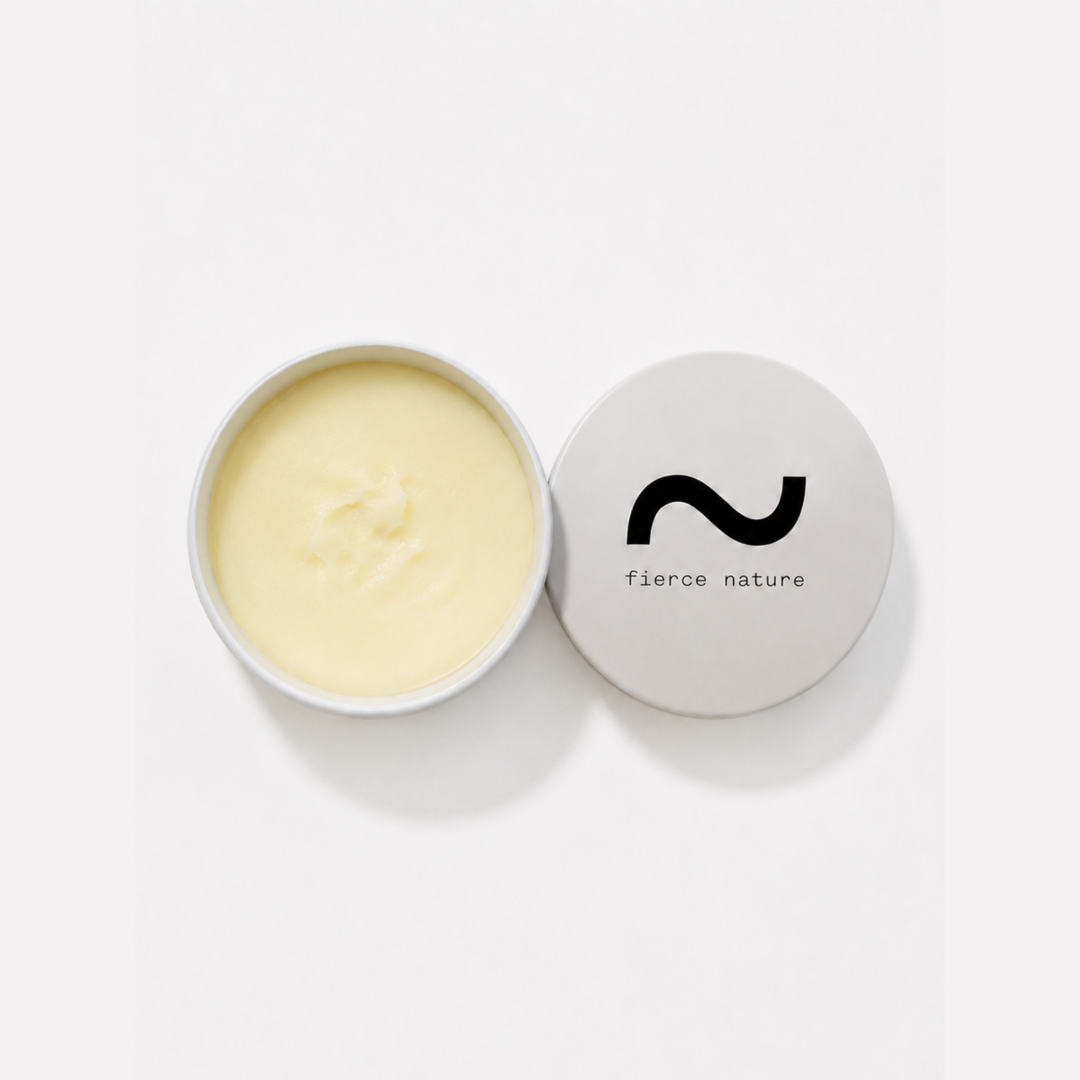
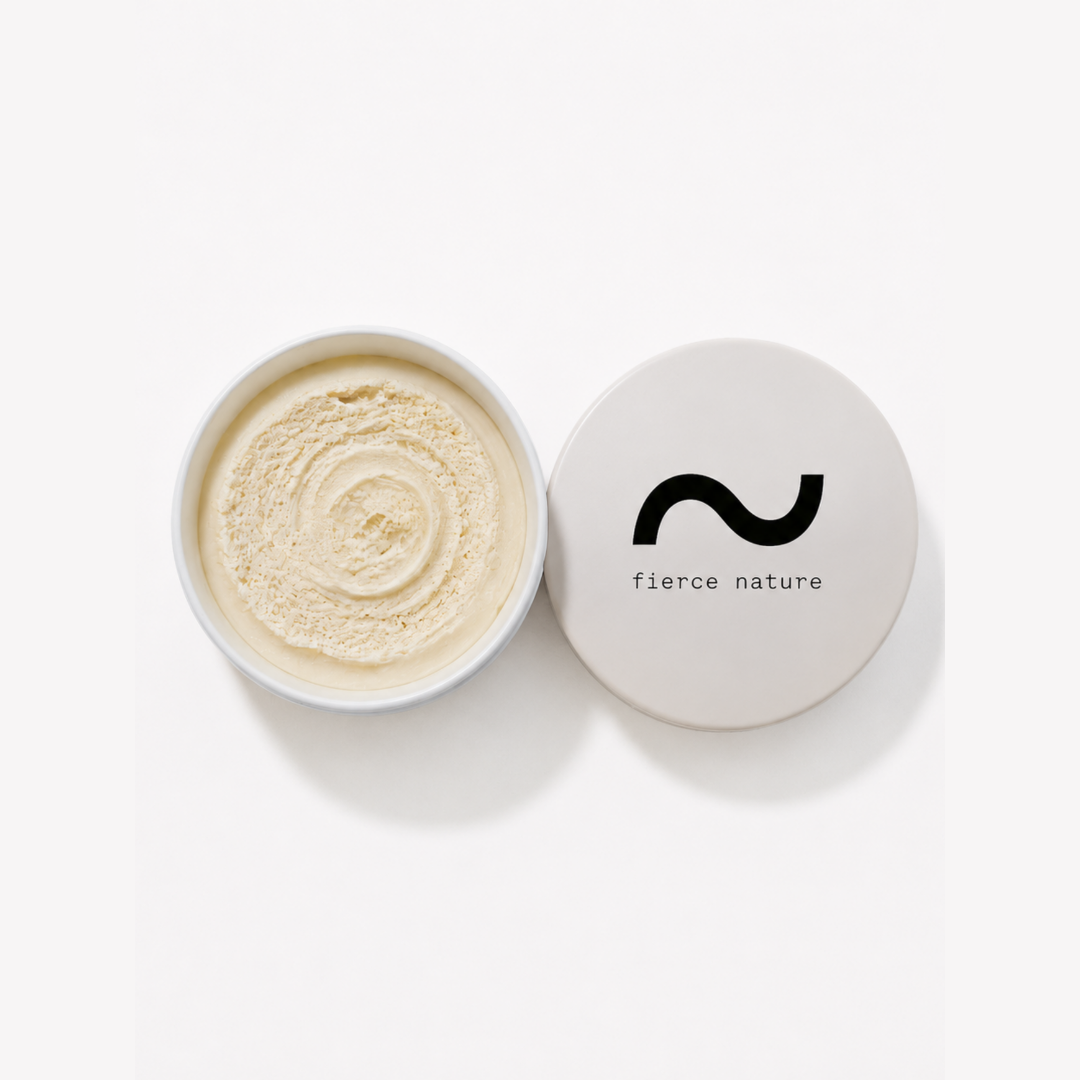
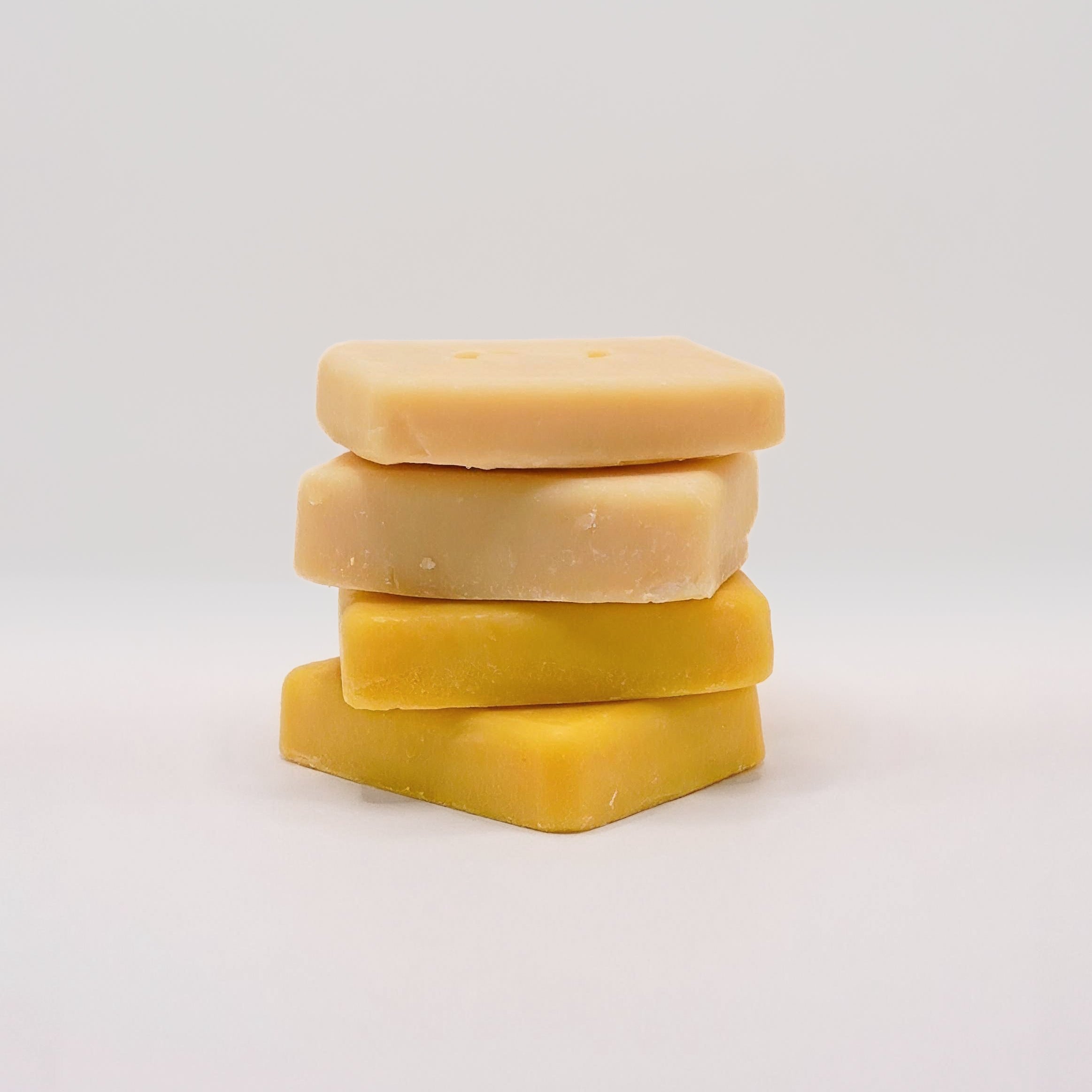
Tallow’s molecular structure closely resembles the lipids already found in human skin, which is why it absorbs so readily rather than sitting on the surface like many plant oils. That bioavailability matters enormously for KP, where the skin barrier is already compromised by dryness and follicular plugging. It behaves as both an occlusive, sealing moisture in, and a nourishing emollient, softening the rough texture over time.
To use it well:
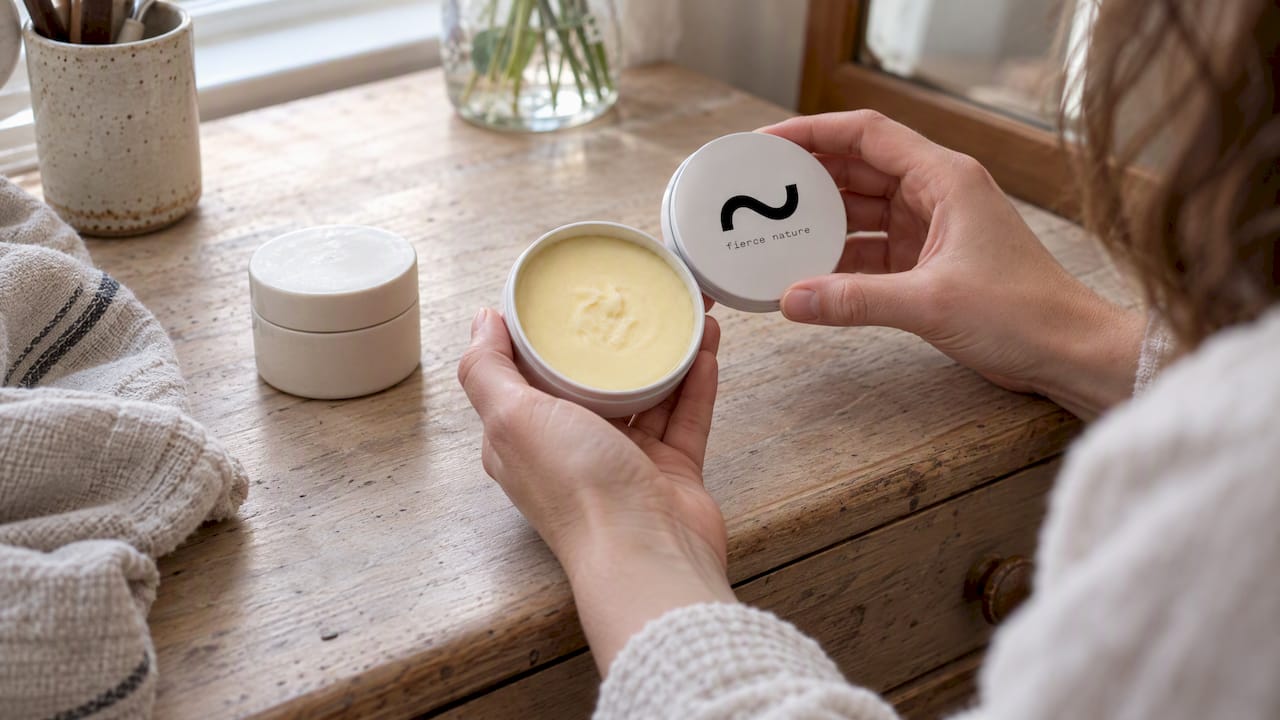
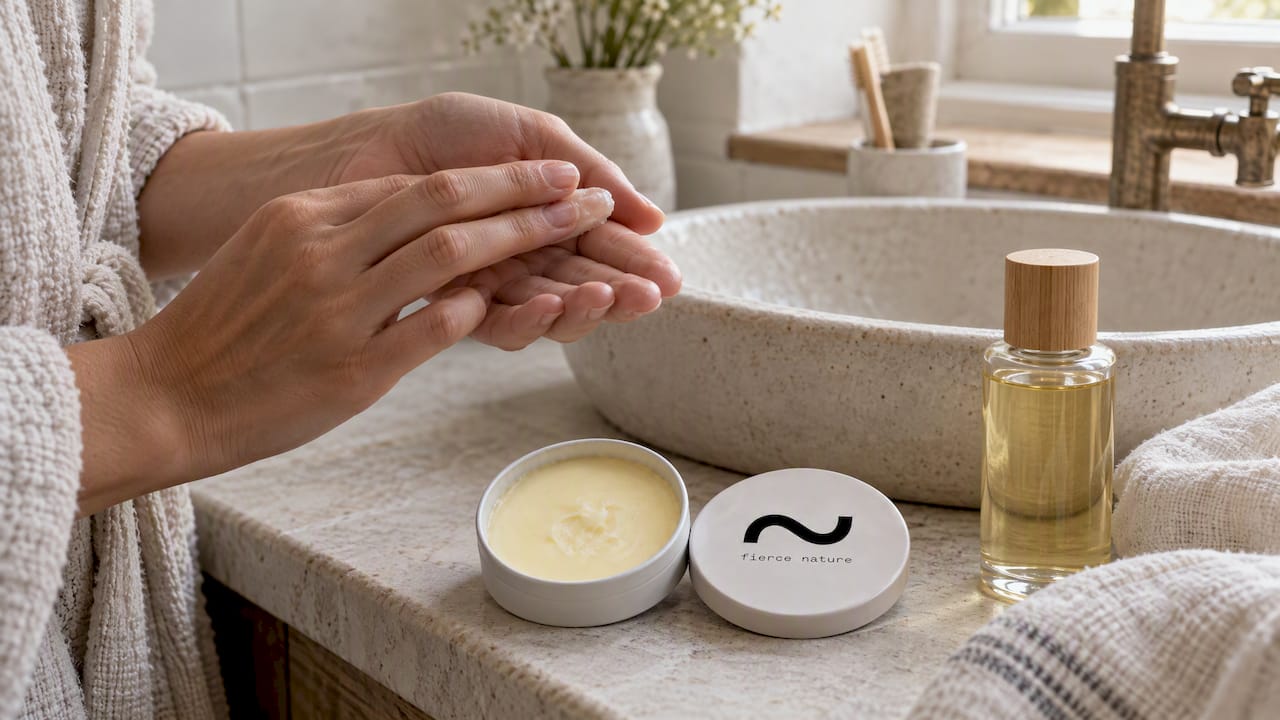
Warm a small amount of our Multi-Use Tallow Bar between your palms until it melts slightly.
Massage it into damp skin using gentle, circular strokes, focusing on affected patches.
Apply once or twice daily, always after any keratolytic step, never before.
Patch-test first, and choose the unscented version if your skin reacts to fragrance.
Every bar is handmade in the UK from naturally sourced ingredients, and you can read more about the science behind tallow’s barrier-repairing qualities if you want the fuller picture.
Pro Tip: If you’re using a keratolytic in the evening, apply your tallow balm about ten minutes later, once the active ingredient has had a chance to sink in properly.
Growing up battling unexplained skin rashes taught me that most mainstream products promise transformation while quietly working against the skin’s own barrier. That’s the thinking behind Fierce Nature: strip things back to ingredients the skin actually recognises. If you’re managing keratosis pilaris, the goal isn’t to fight your skin into submission. It’s to give it what it needs to calm down and repair itself, patiently, with products made by hand in the UK.
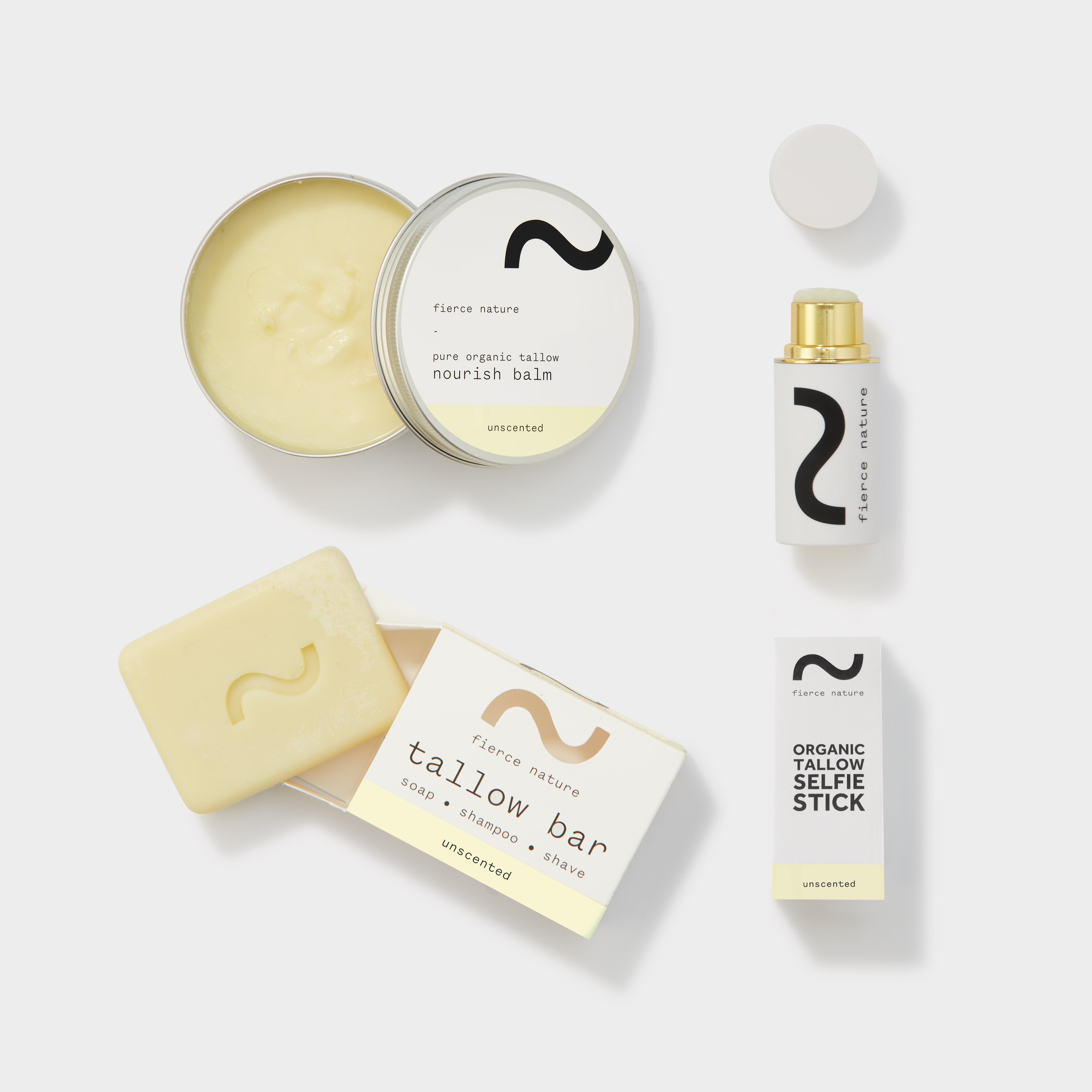
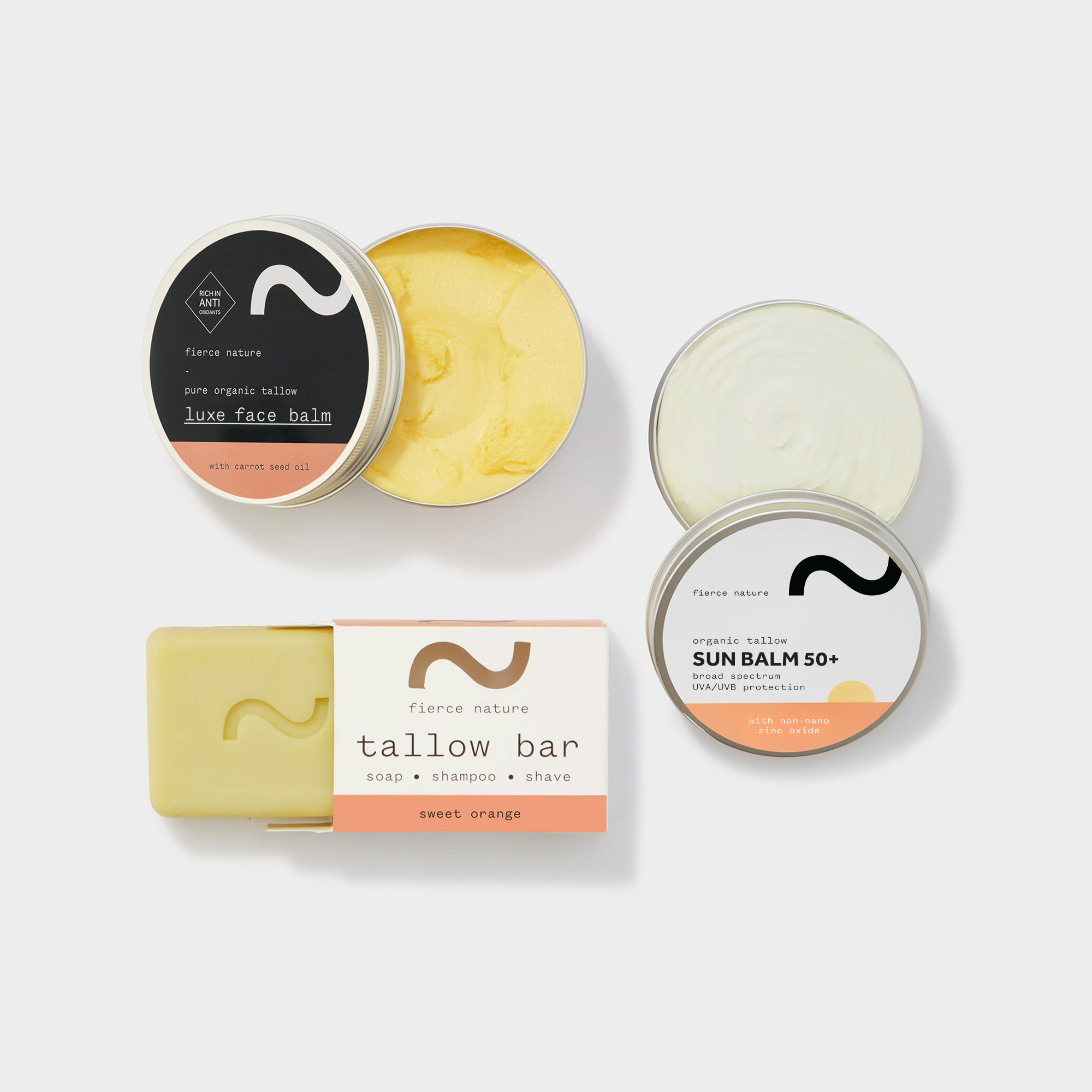
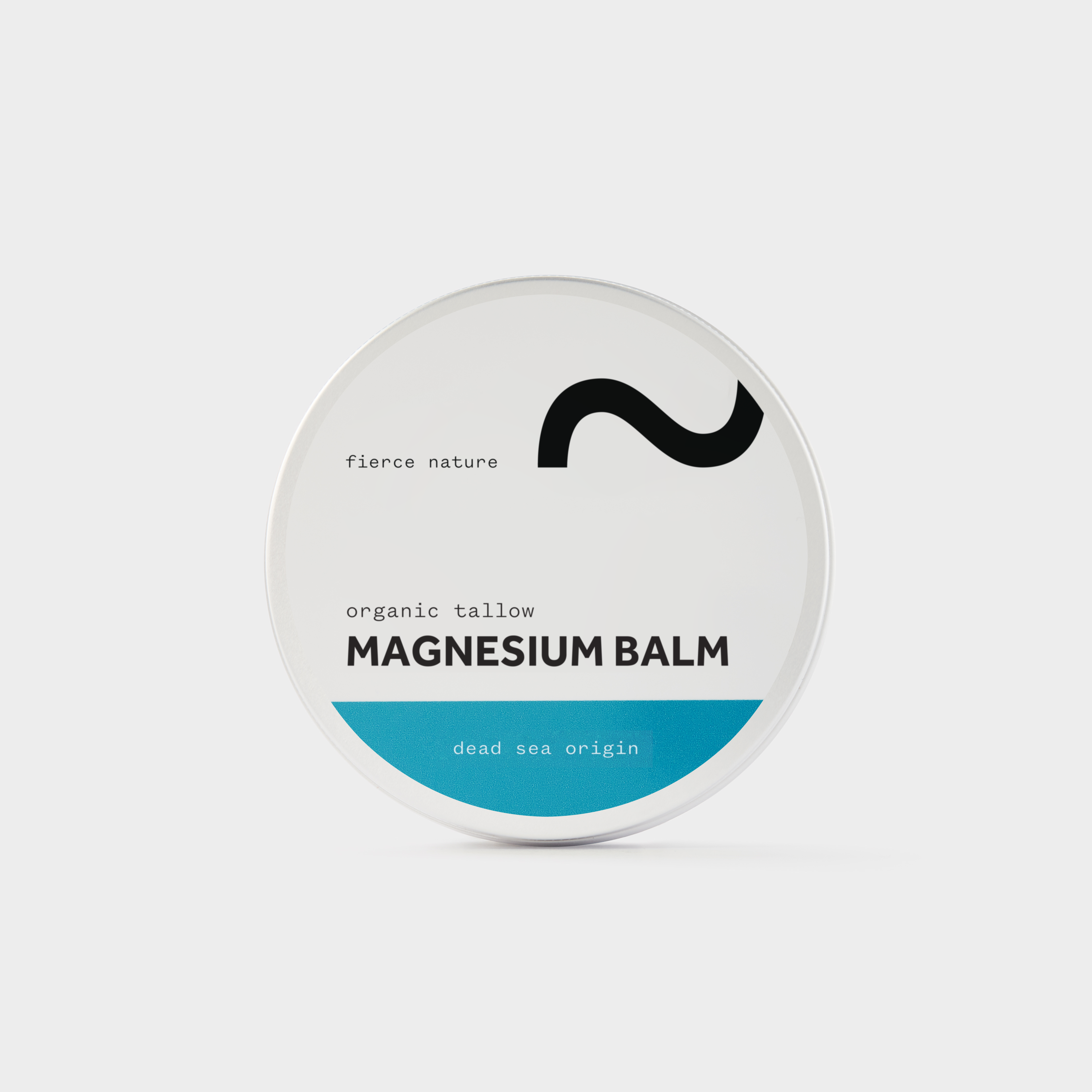
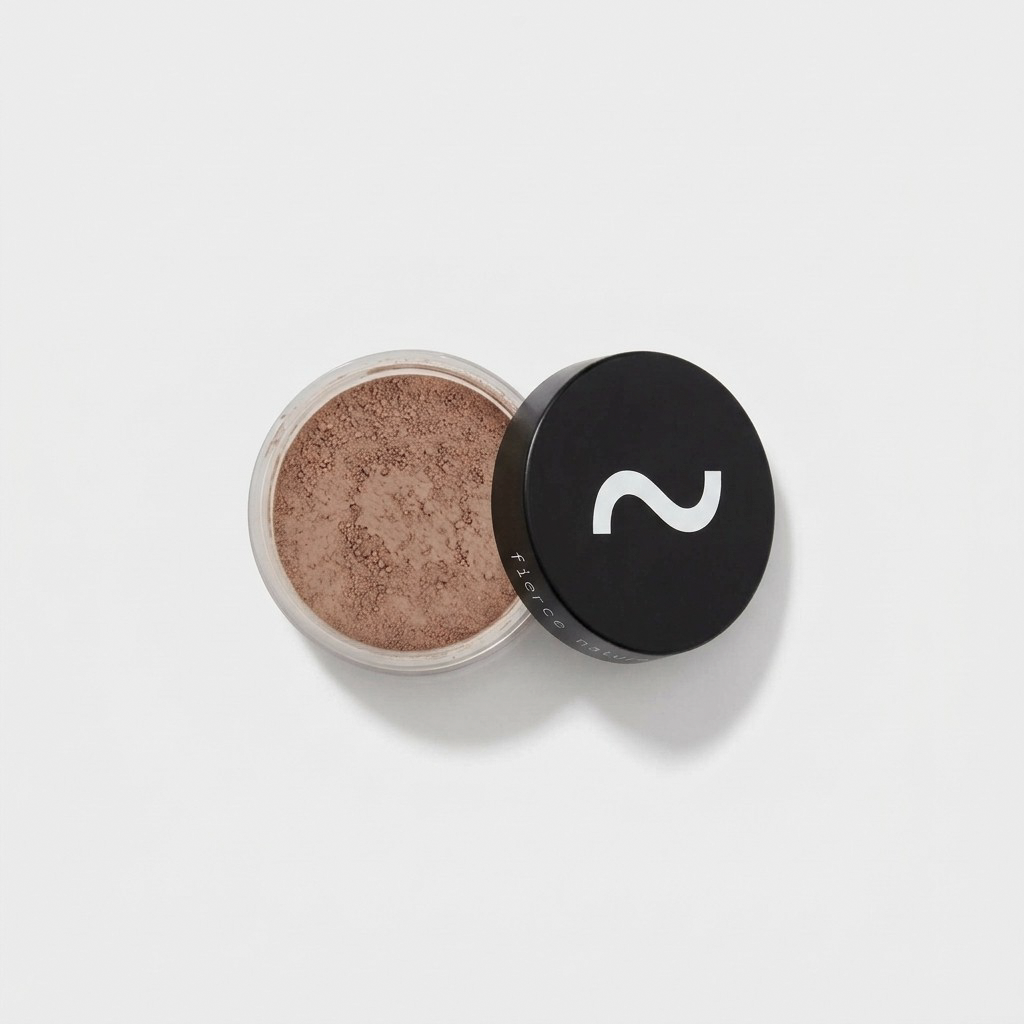
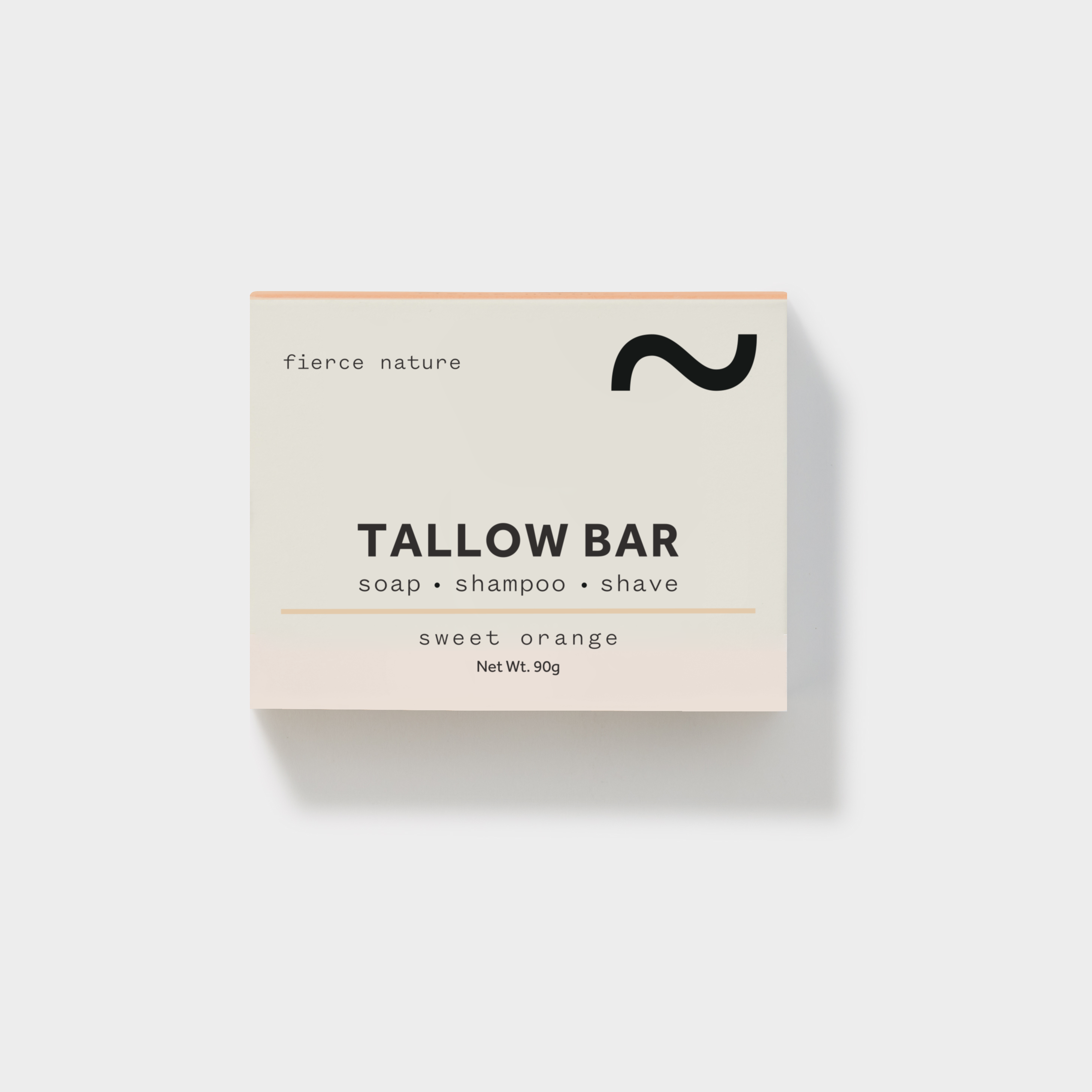
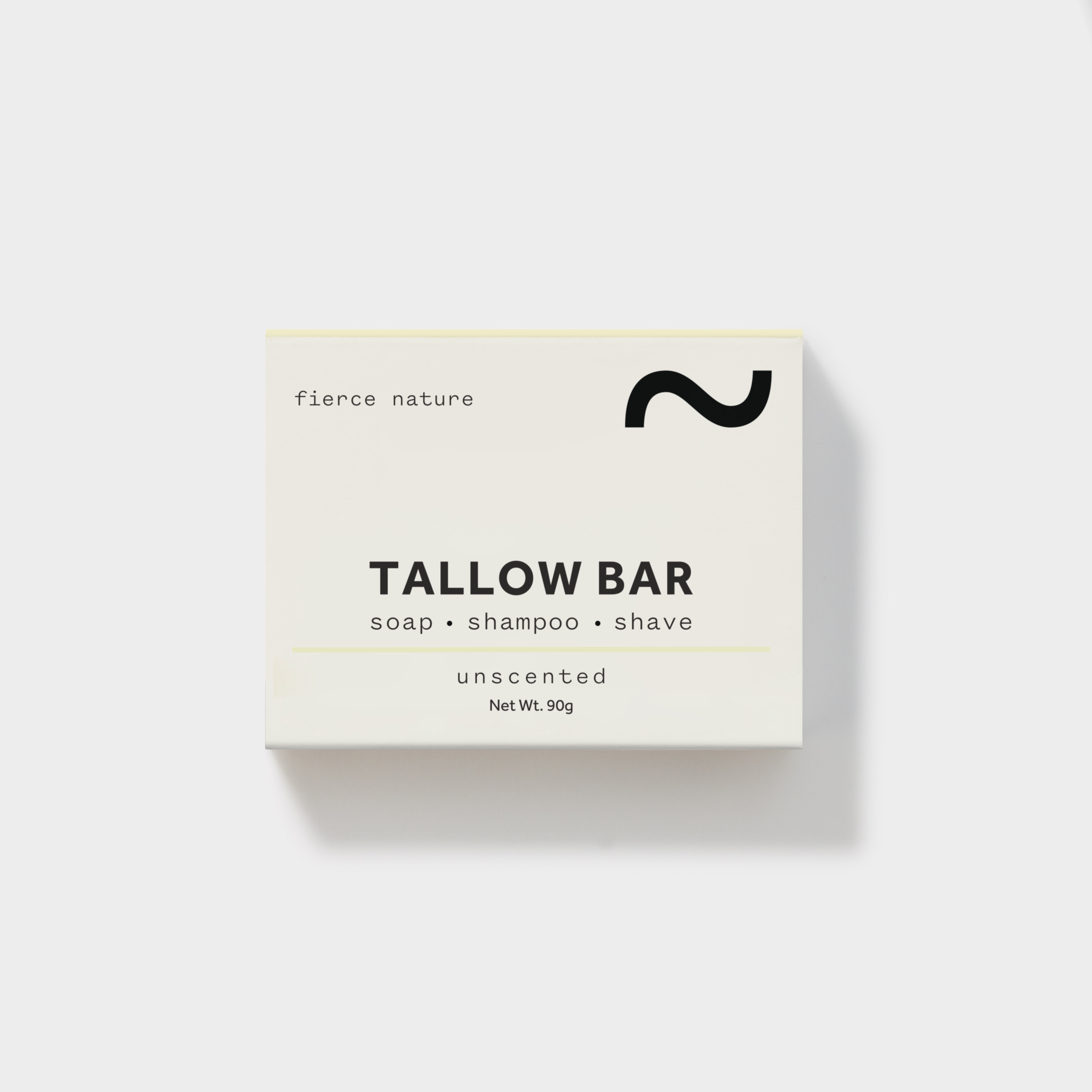
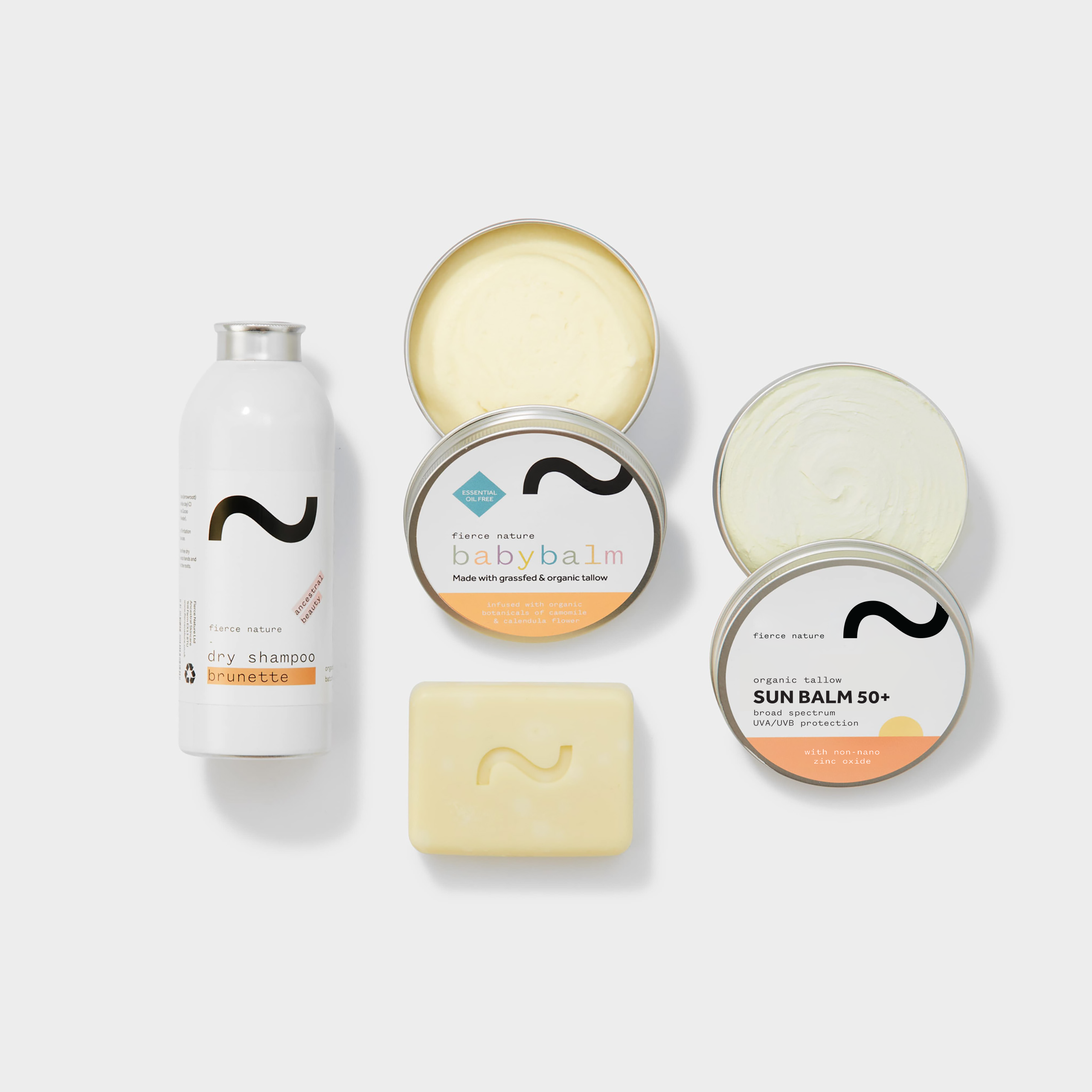
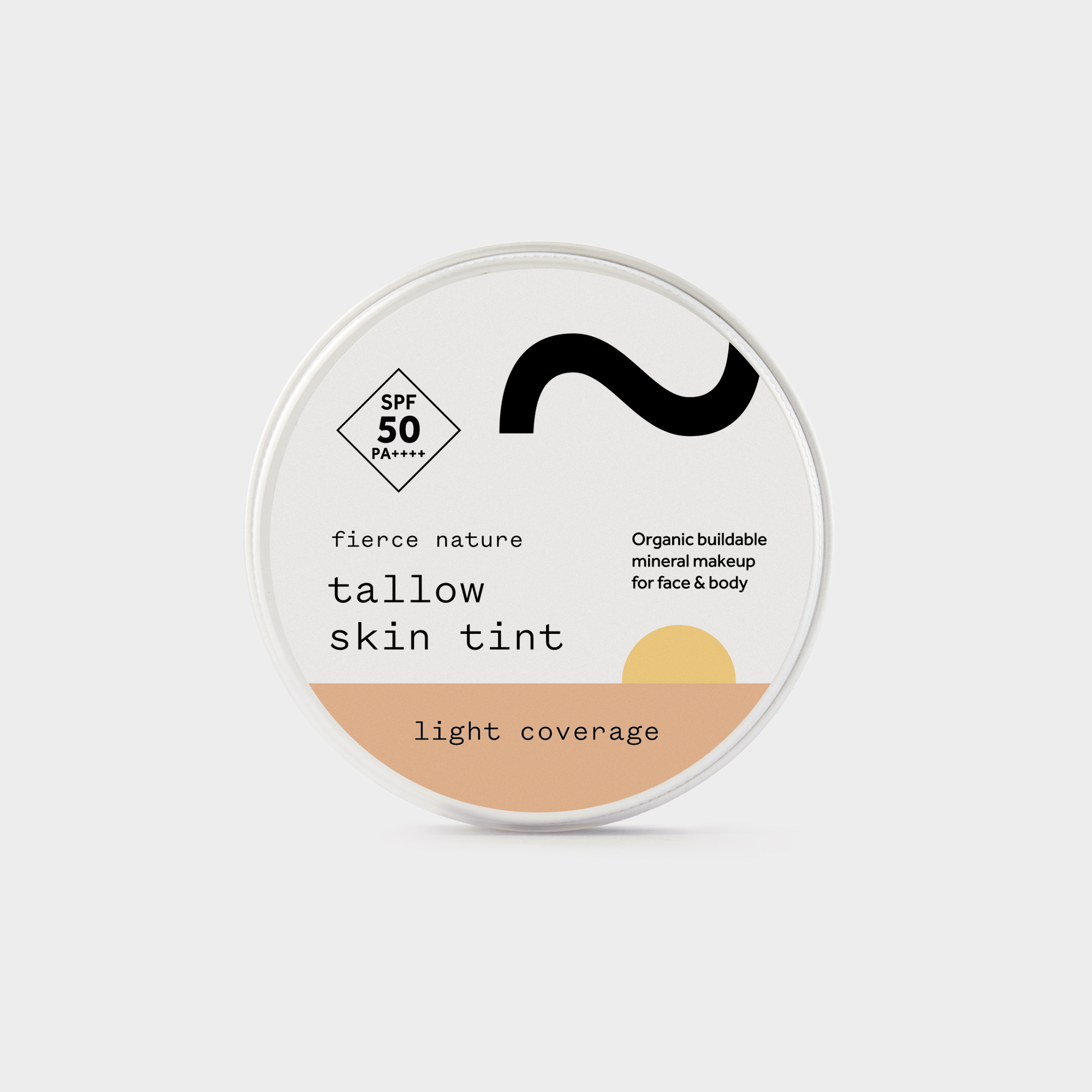
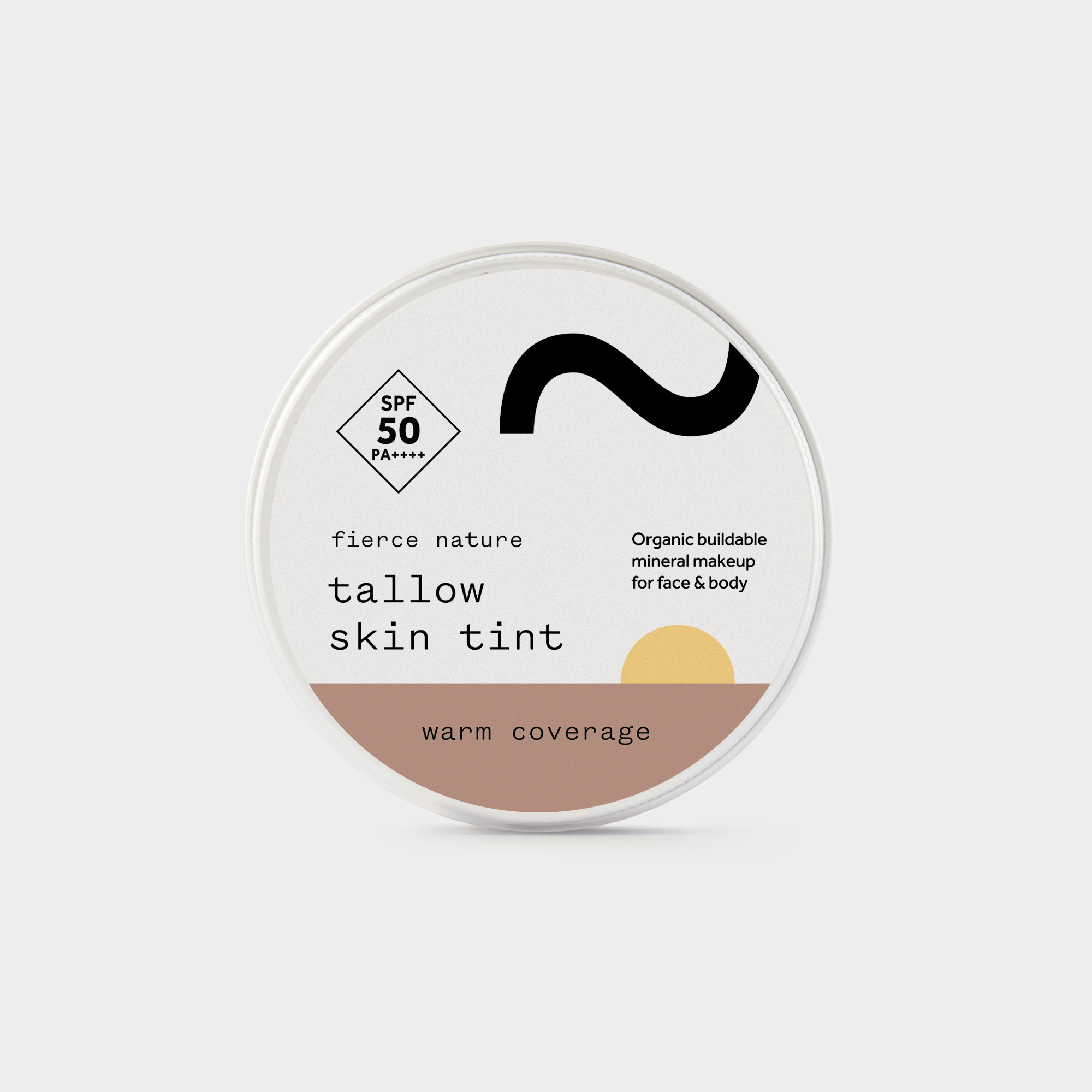
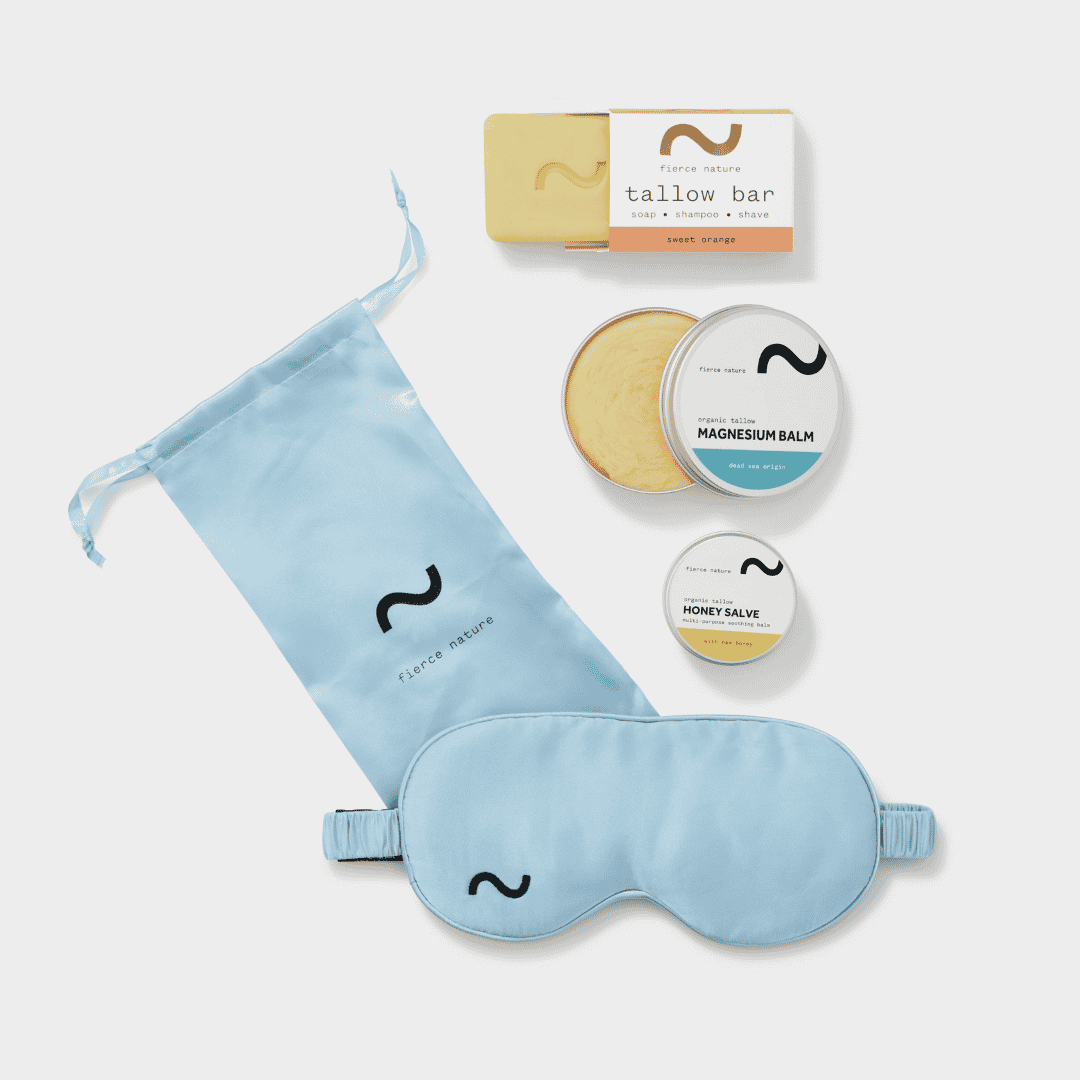
If you’d rather not build a routine from scratch, a handful of ready-made products can slot straight into the steps above. Our Multi-Use Tallow Bar (Unscented) is the safest starting point for patch-testing, since it carries no added fragrance to complicate a reaction. Once you know your skin tolerates tallow well, the Multi-Use Tallow Bar (Scented) offers the same barrier support with a lighter, natural scent.
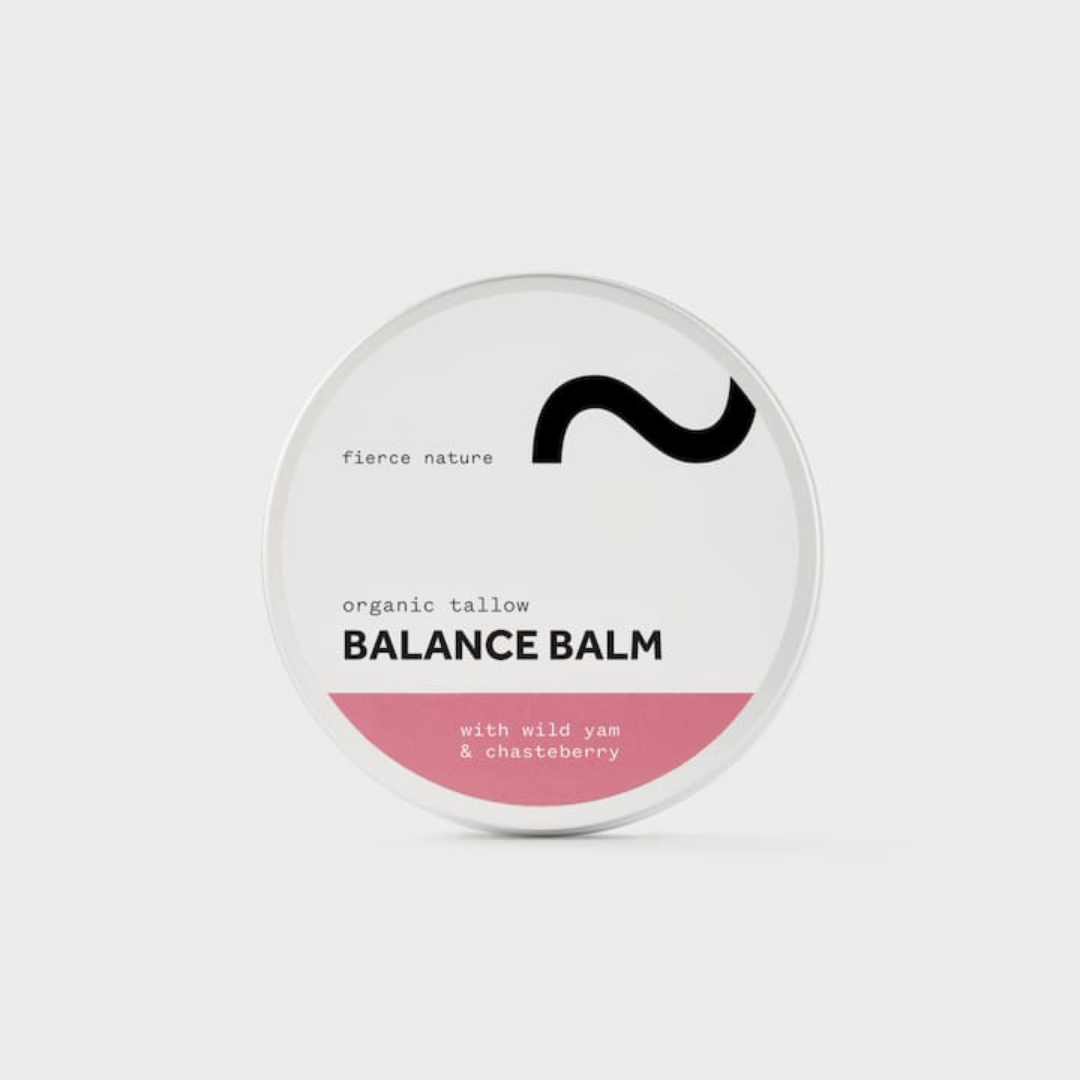
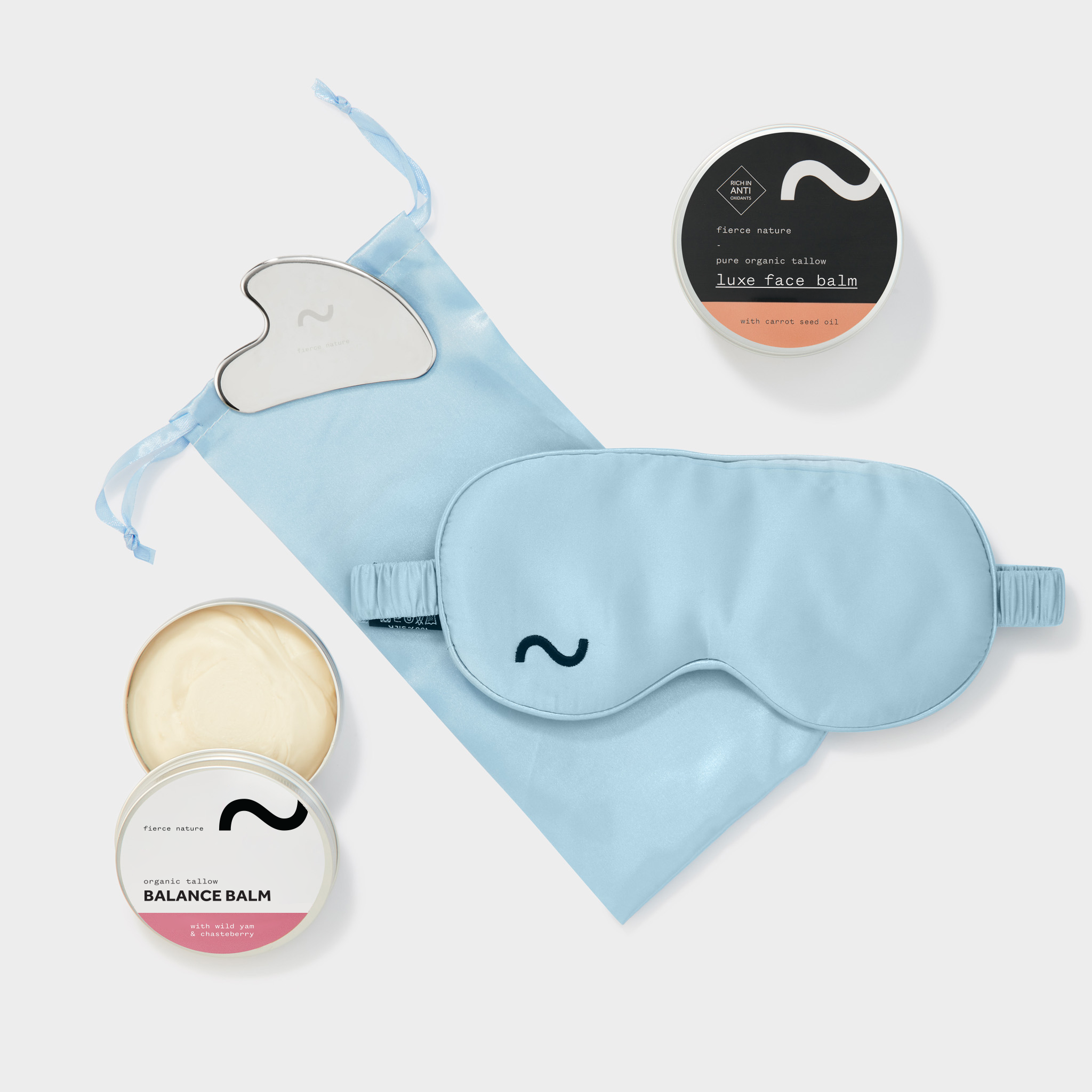
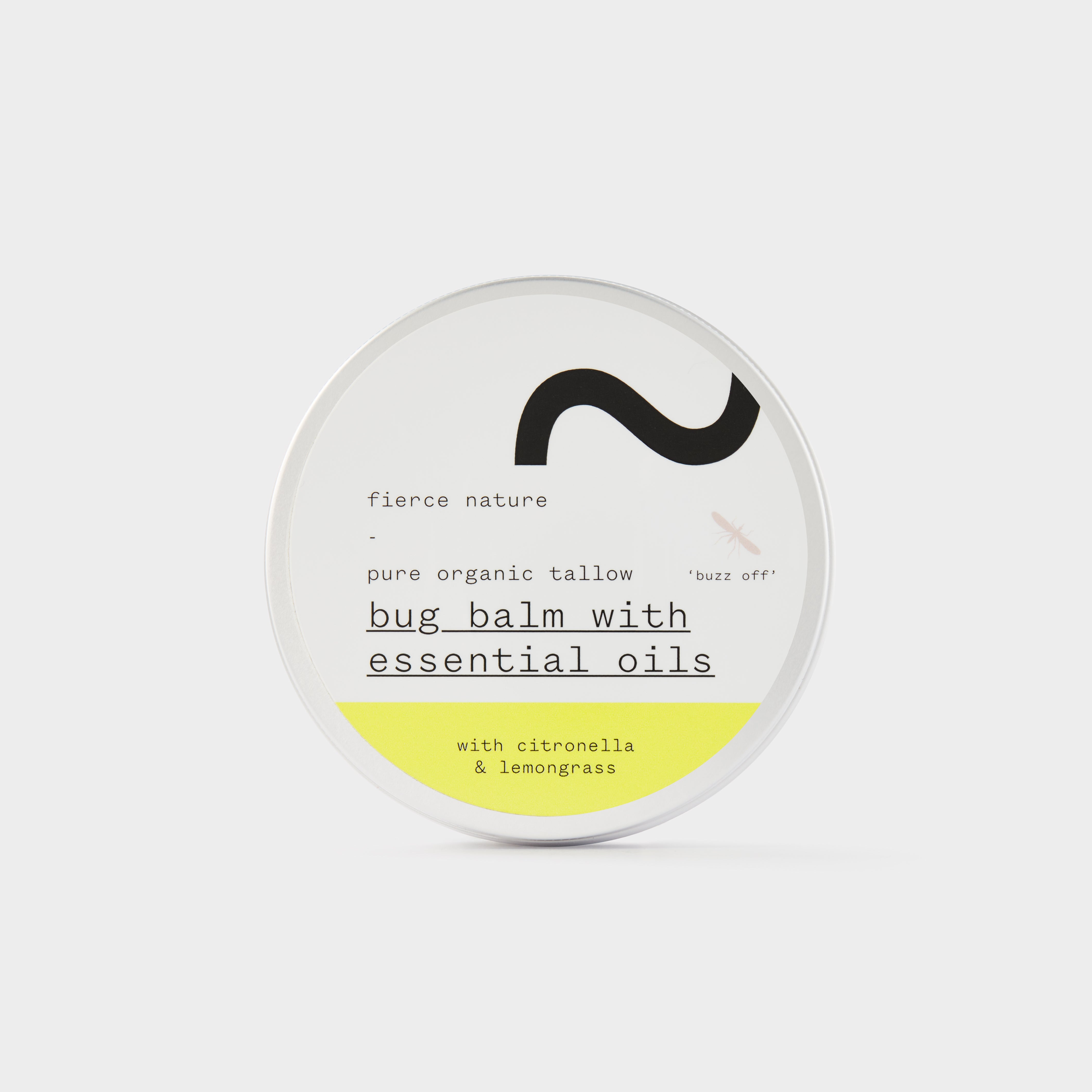
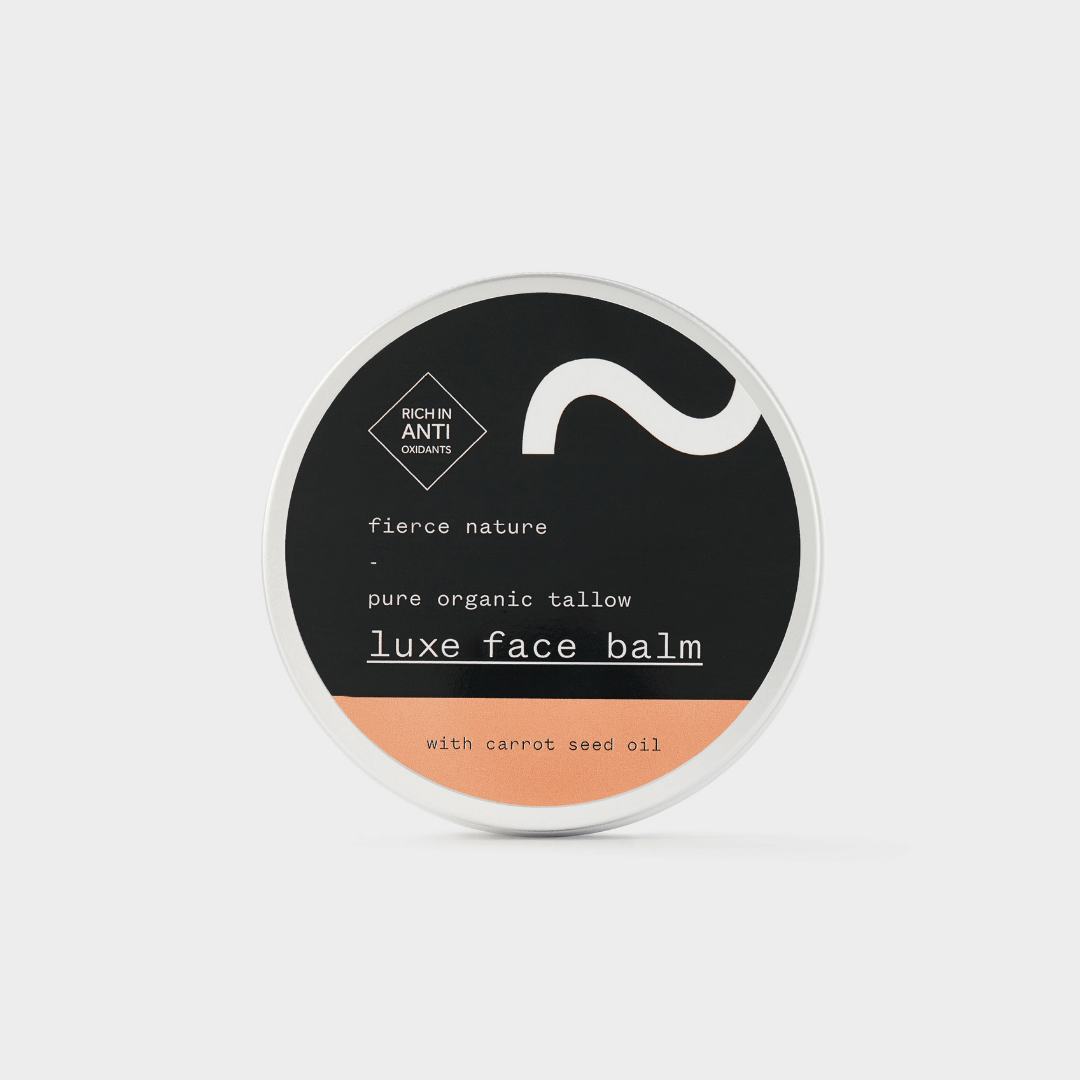
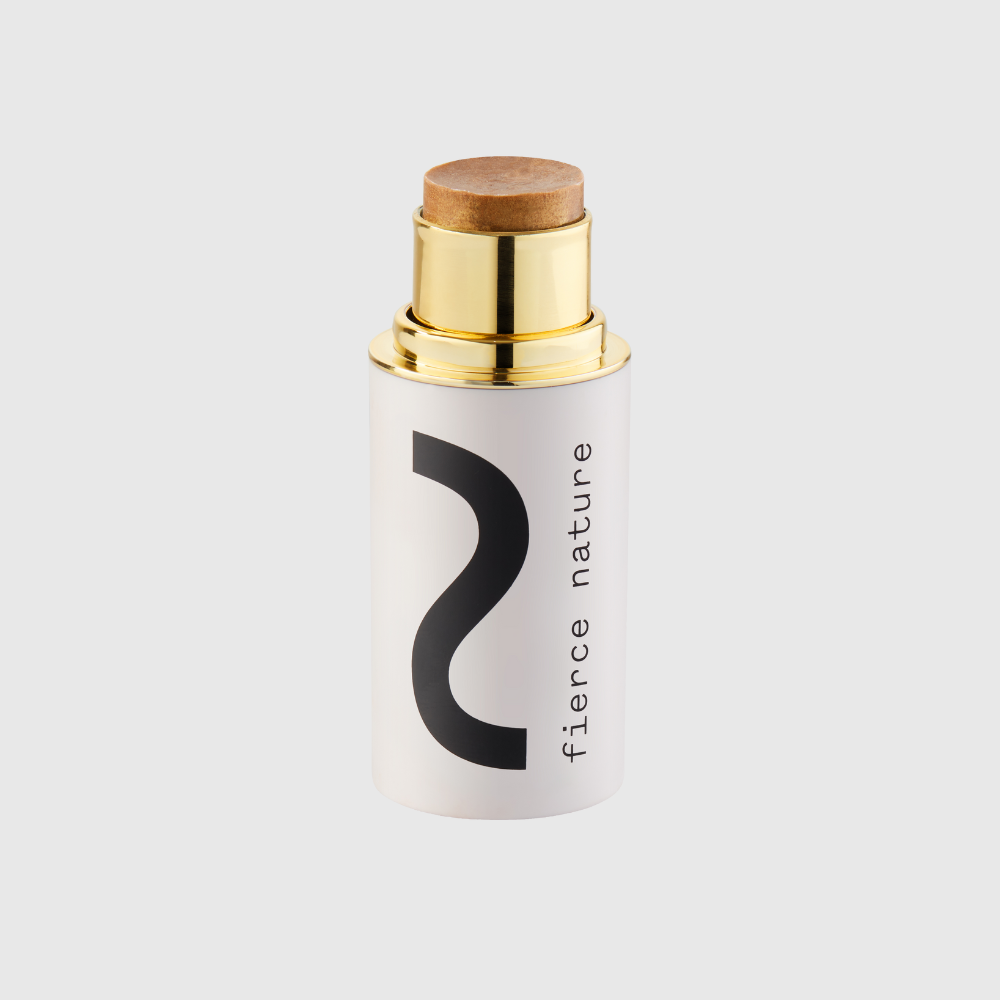
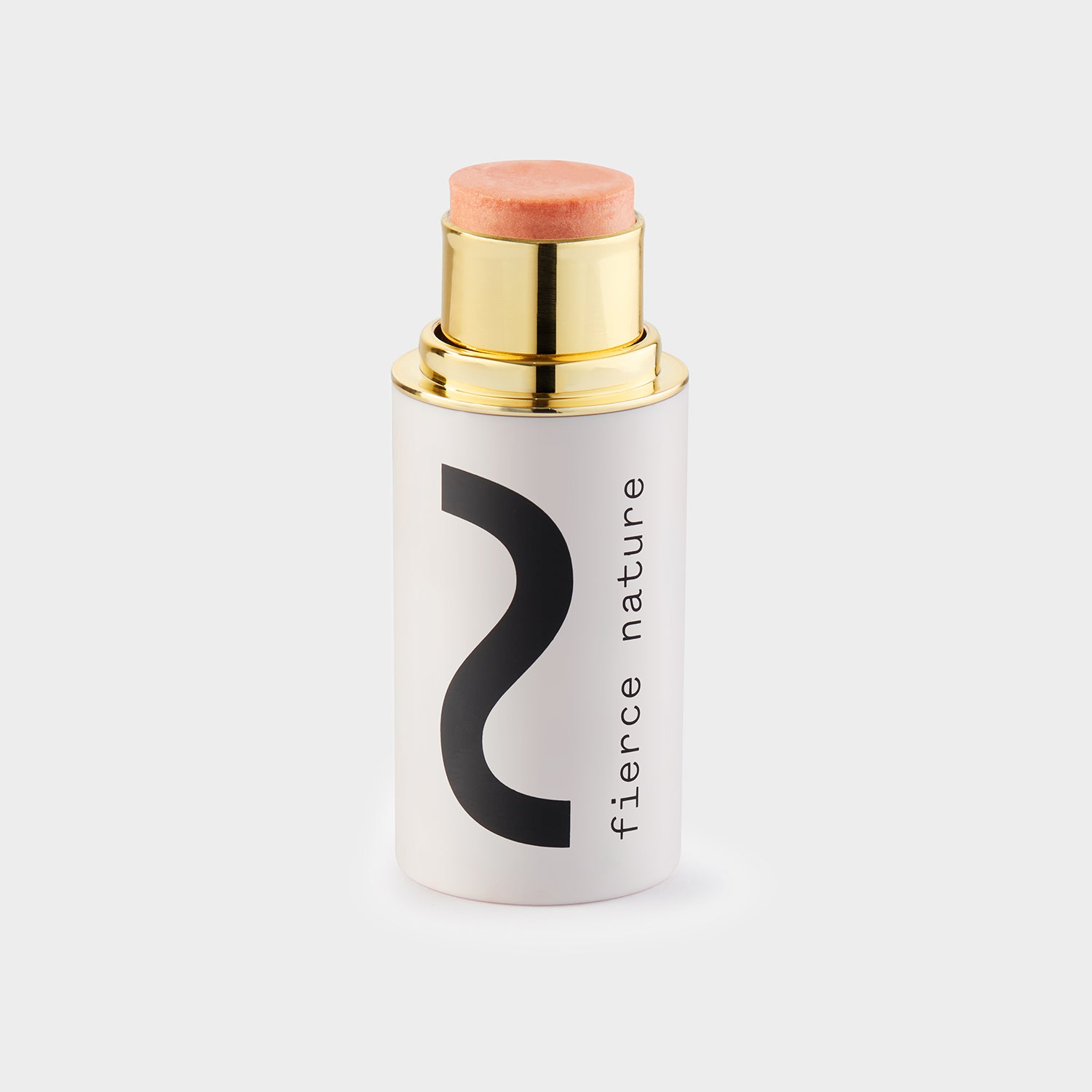
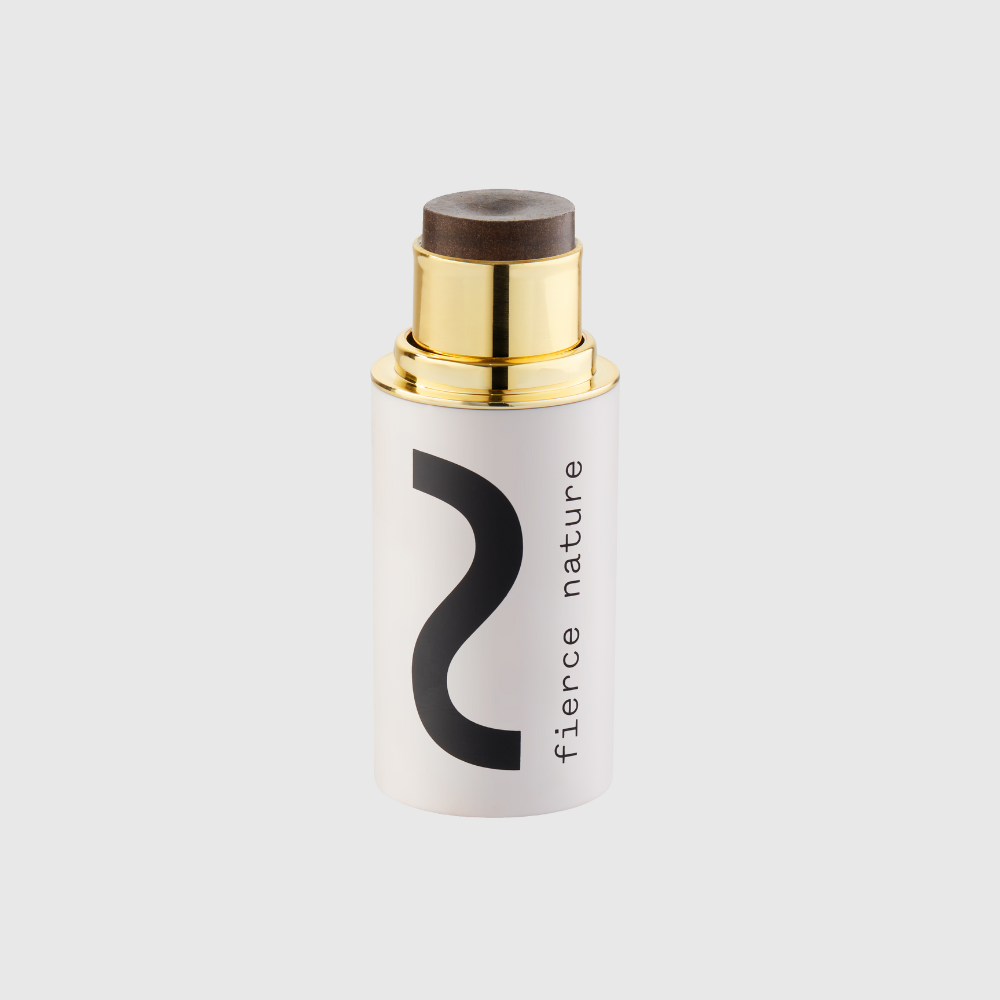
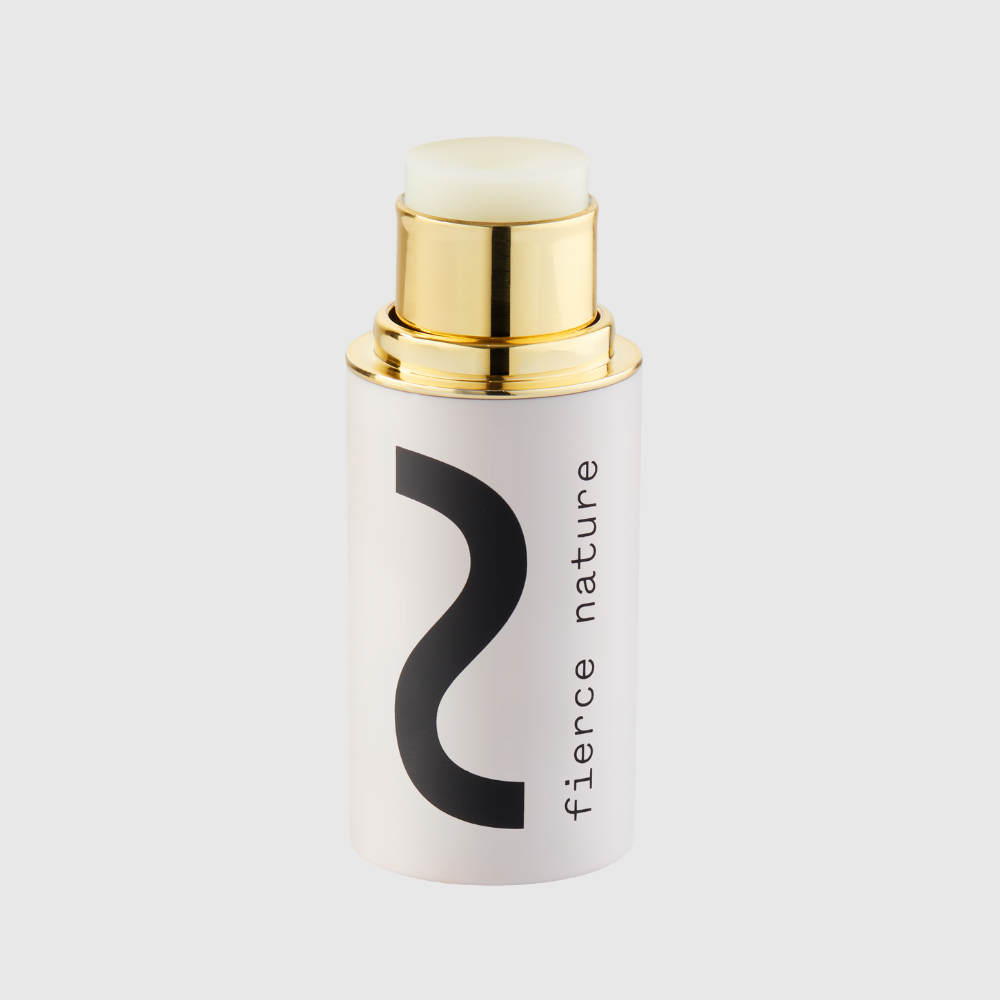
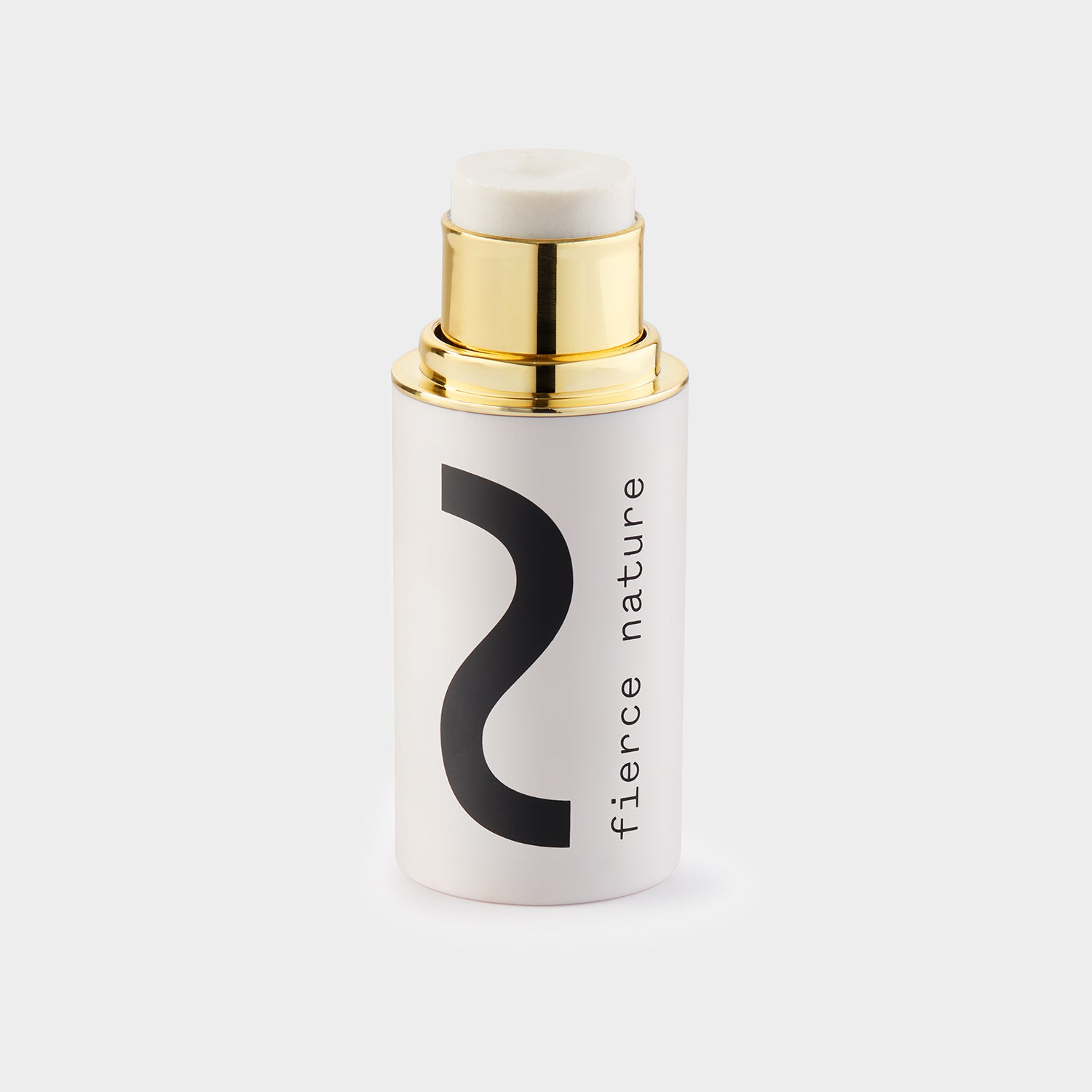
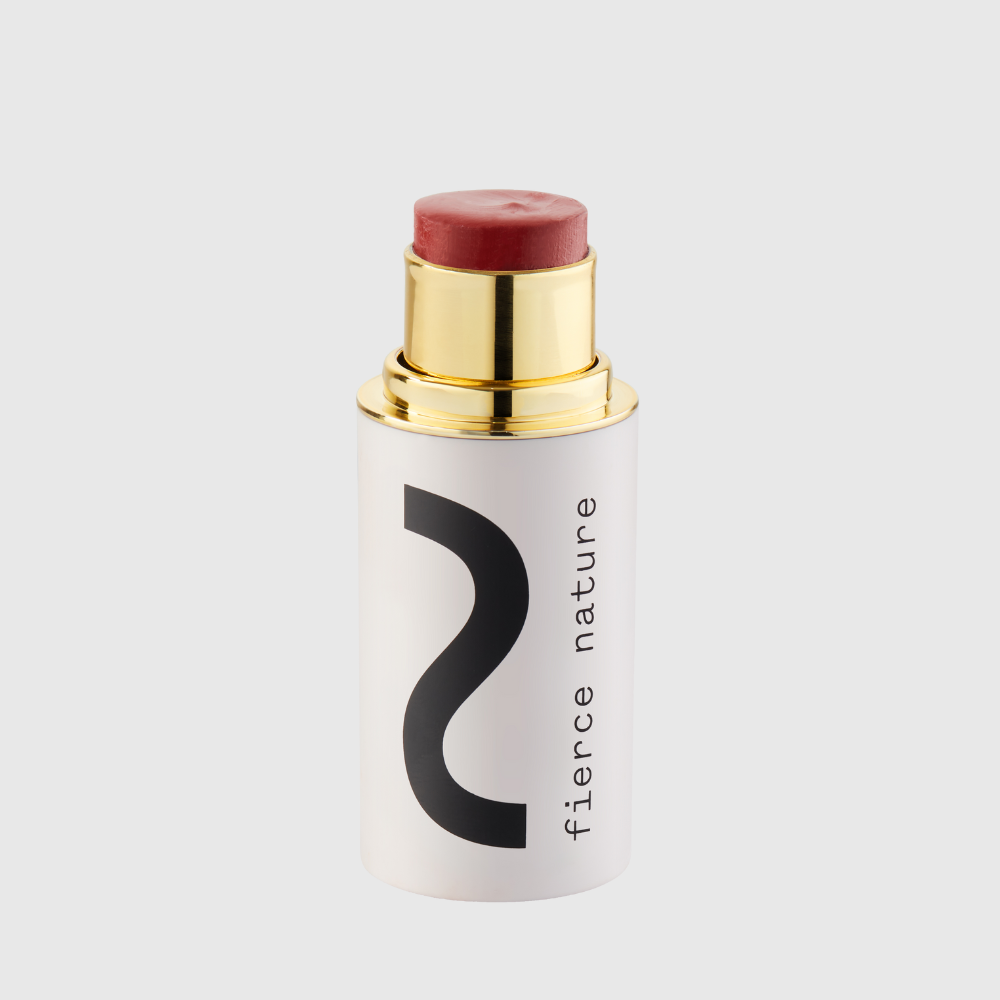
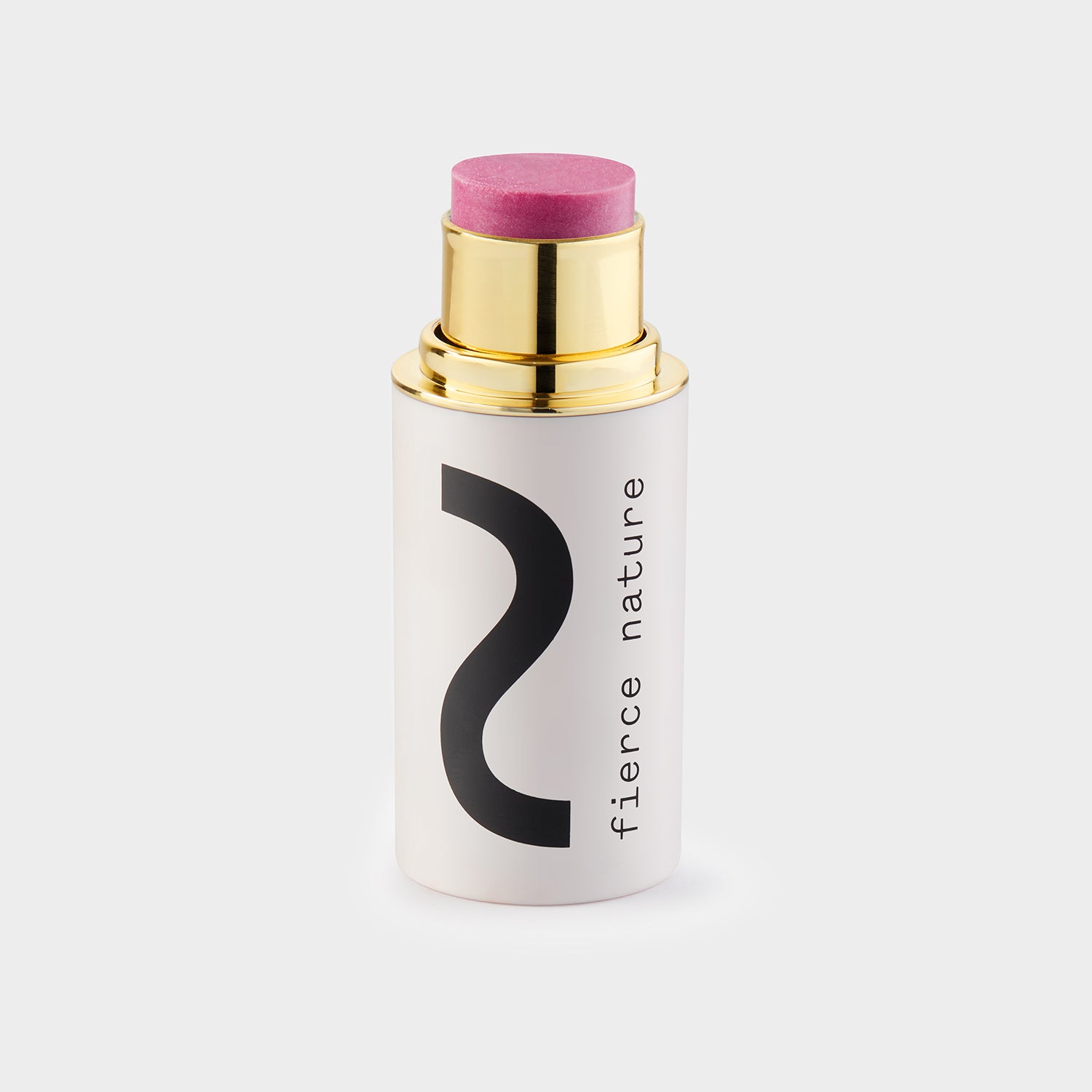
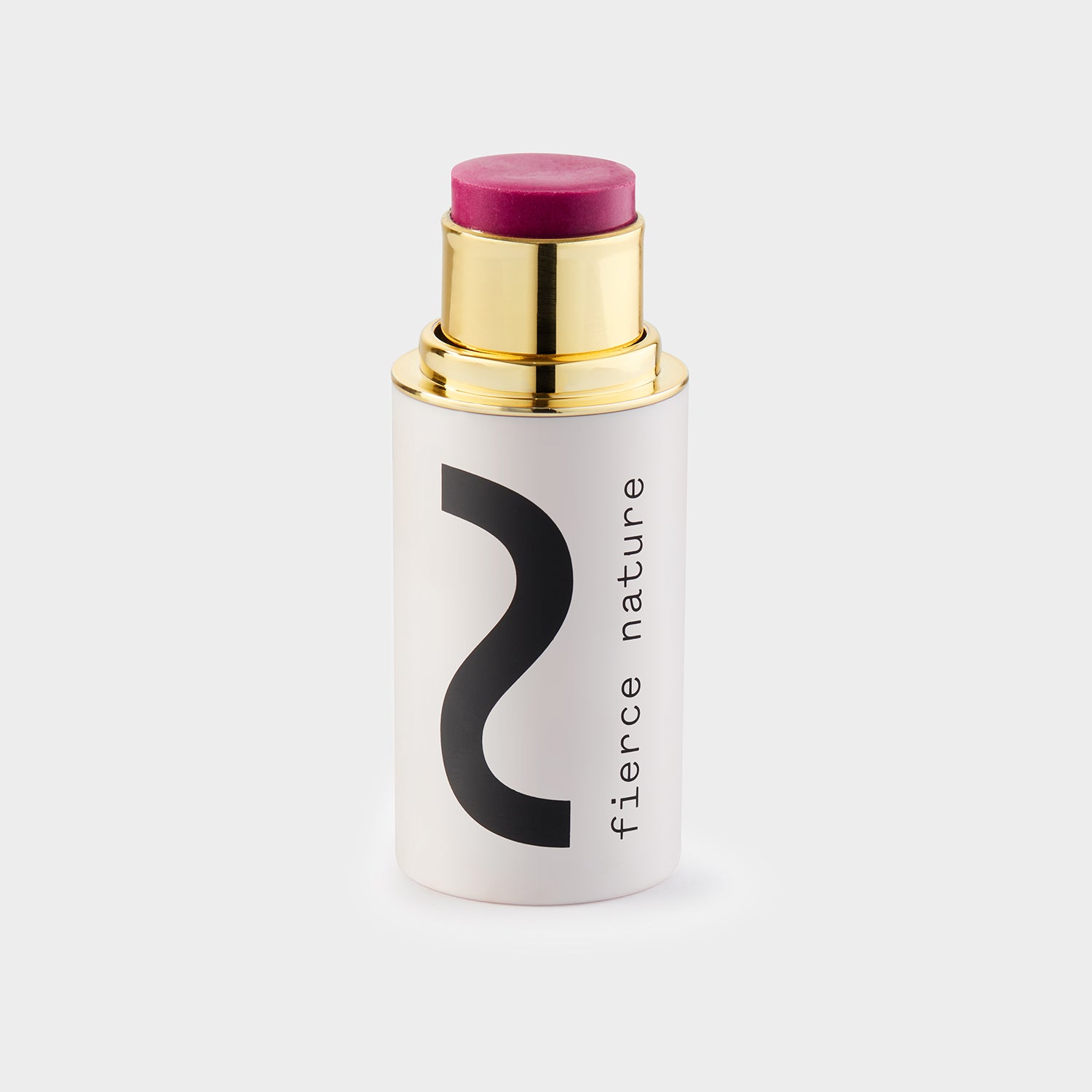
For targeted dry patches, particularly on the cheeks or anywhere skin feels tighter than usual, the Luxe Balm is a concentrated option best used at night to seal in moisture while you sleep. If you’re often out and about, the Selfie Stick Natural is a solid stick balm that fits in a bag for quick touch-ups on arms or thighs, while the Selfie Stick Pearl Shimmer suits visible areas where a subtle sheen is welcome, though we’d still suggest the unscented version first if your skin is reactive.
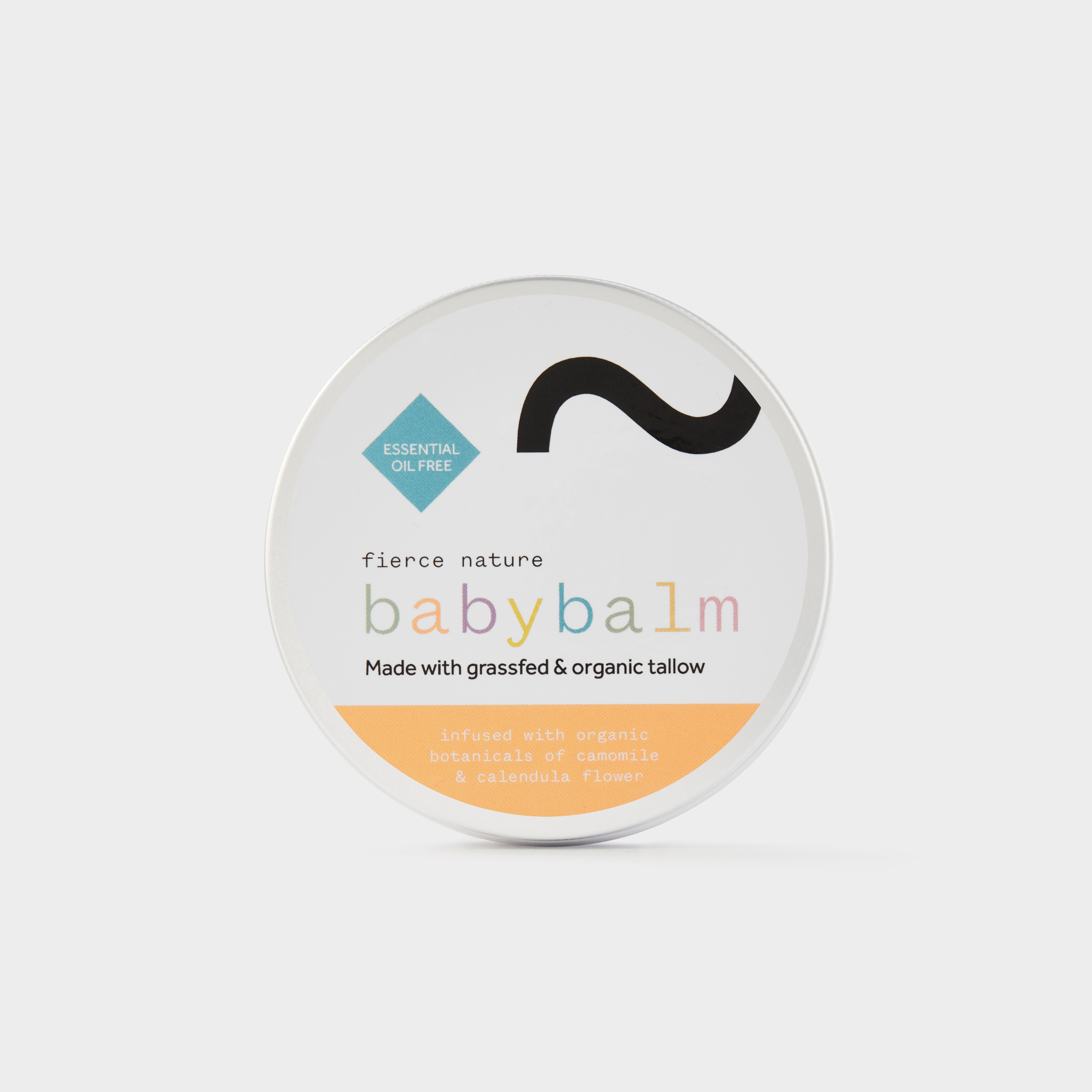
For babies or anyone with especially delicate skin prone to KP-like texture, the Non-toxic Baby Skin Essentials bundle is fragrance-free and formulated for sensitive areas from the start.
Whichever you choose, buy the smallest size first, patch-test for 48 to 72 hours, and browse the full natural beauty collection if you want to compare textures before committing.
It’s caused by a build-up of keratin blocking hair follicles, often linked to dry skin, eczema, or a family history of the condition.
Coconut oil can offer some surface moisturising, but evidence on natural oils generally is limited, so it’s best used alongside proven measures like gentle exfoliation and occlusive balms rather than as a sole treatment.
Many favour soft exfoliation, mild cleansers, and rich moisturisers such as tallow balms over harsh scrubs, prioritising consistency and skin barrier repair over aggressive treatment.
No. There’s no cure, natural or medical, but consistent gentle care can significantly improve texture and reduce redness over time.
Most people see visible improvement within four to eight weeks of daily care, with fuller results building over two to three months of consistent use.