Cart
0
80% Also Added this
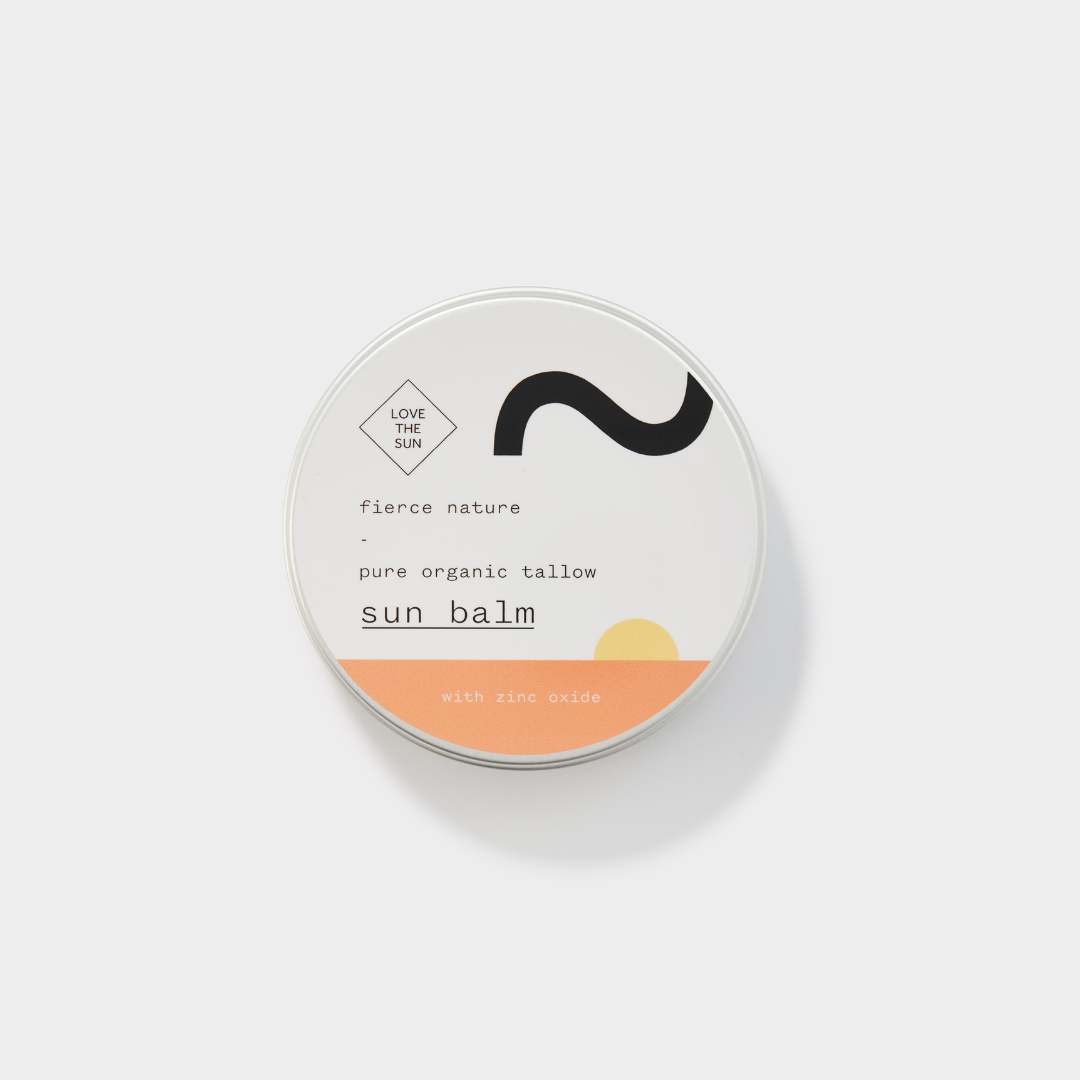
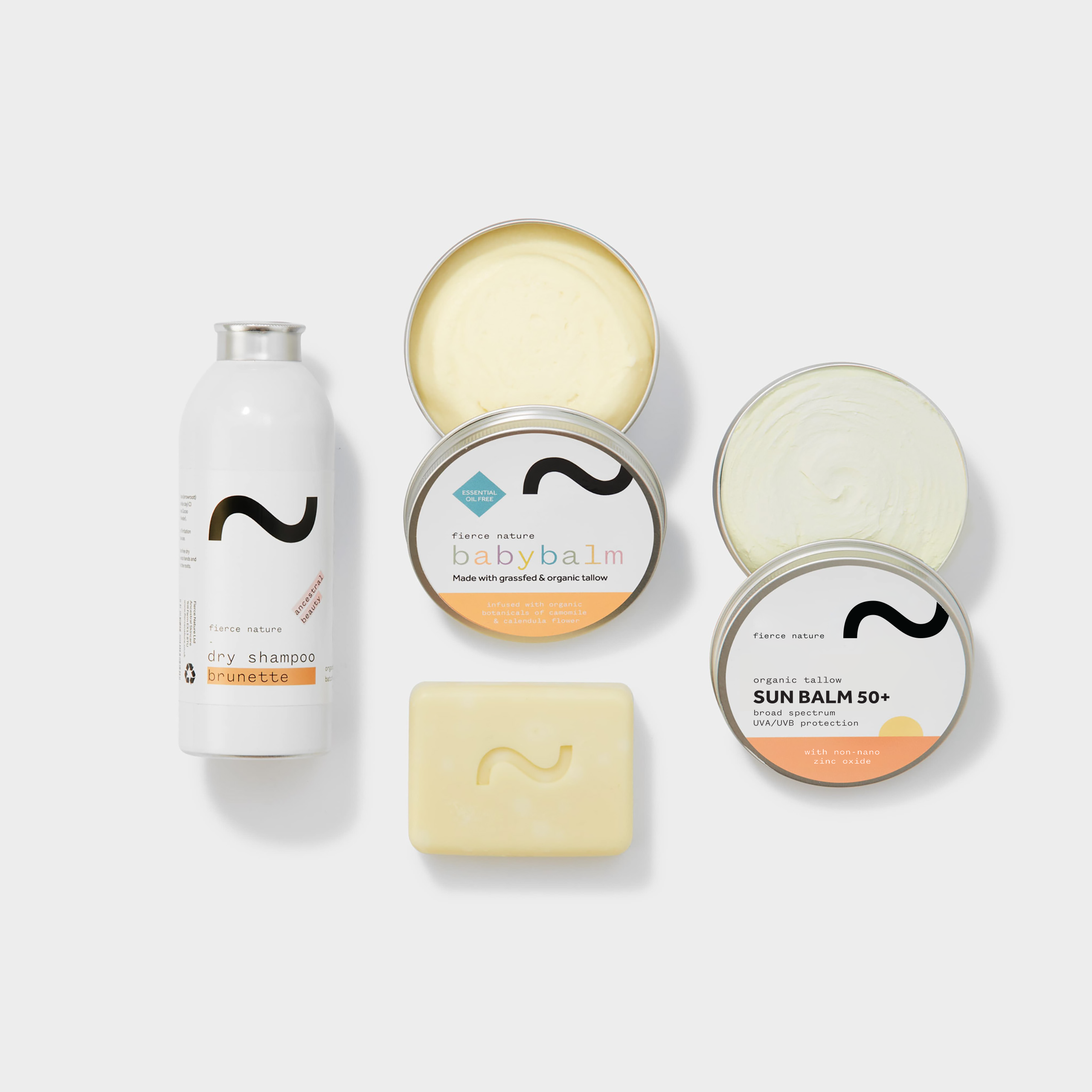
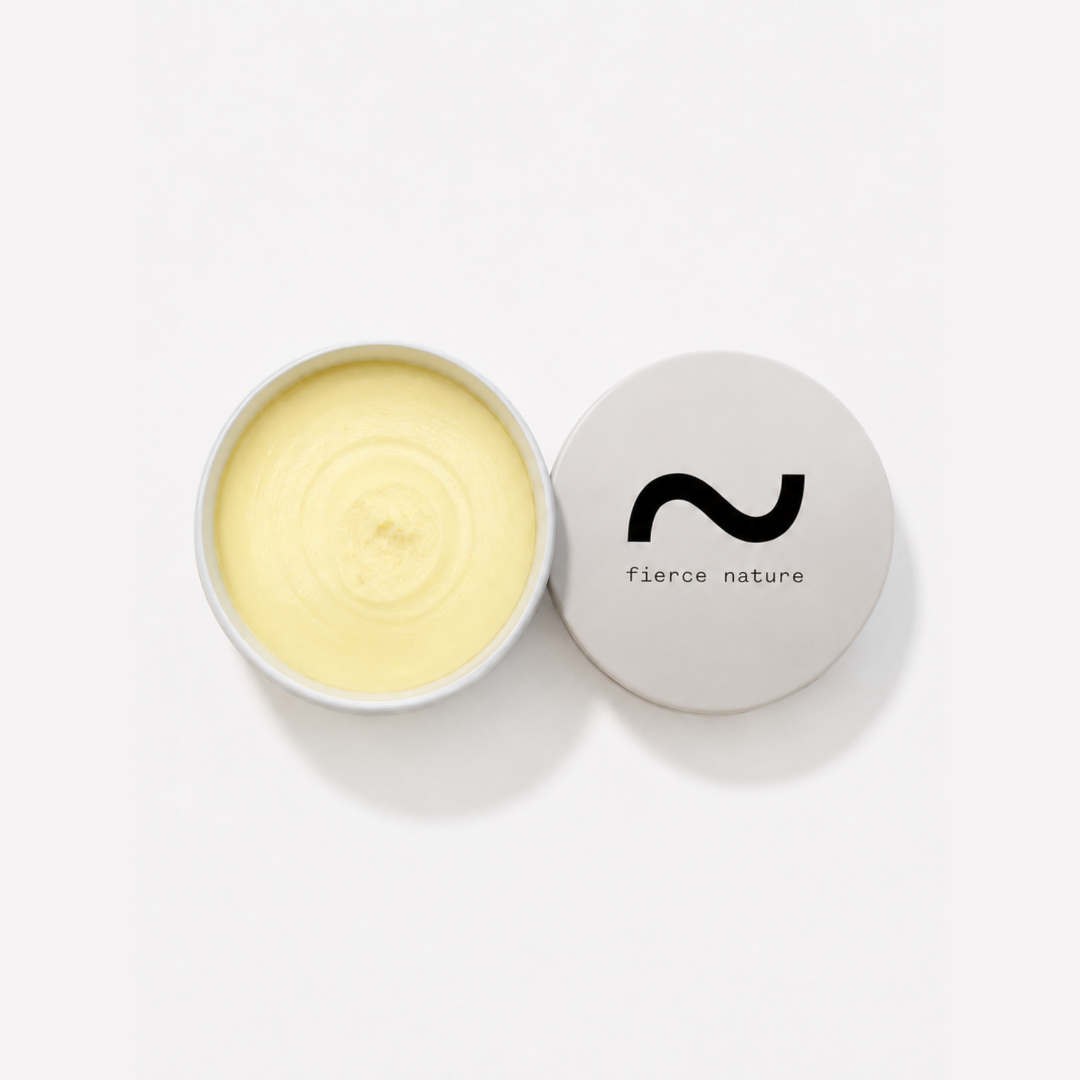
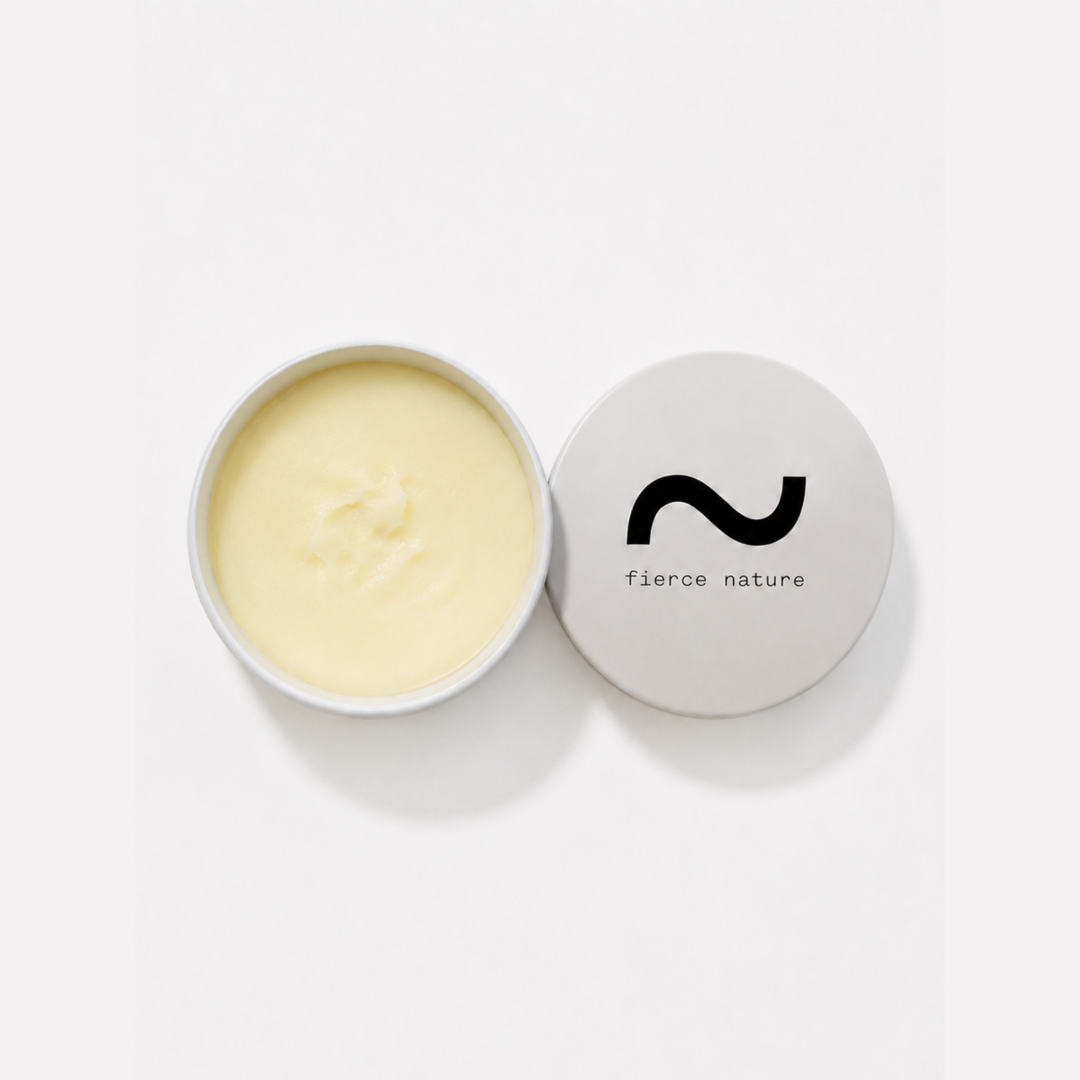





If your skin flushes, stings, or flares at the smallest provocation, the safest route forward is a minimal routine built on a gentle cleanser, a barrier-repair moisturiser (think oat, aloe, niacinamide, and squalane) and a mineral SPF, worn daily, while you identify and drop your personal triggers. NHS guidance and dermatology panels both point the same way: less product, fewer ingredients, and consistent barrier support beat a crowded shelf of “natural” actives every time. A randomized controlled trial found a botanical moisturiser with oat and aloe outperformed metronidazole cream for redness and lesions in a clinical study, which tells you gentle really can mean effective.
Rosacea natural skincare works when it respects the skin barrier first and treats symptoms second, as detailed in skincare for rosacea redness that calms.
Cool the skin immediately if it’s flushed (a damp compress works in minutes)
Swap to a fragrance-free, barrier-repair moisturiser this week
Patch test anything new for at least 48 hours before applying it to your face
Add mineral SPF every morning, rain or shine
Rosacea calms most reliably with a minimal, fragrance-free routine that repairs the skin barrier and avoids known irritants, not with a long list of active ingredients.
| Point | Details |
|---|---|
| Start minimal | Use a gentle cleanser, barrier moisturiser, and mineral SPF; add nothing else until skin settles. |
| Trust the trial data | A botanical oat and aloe moisturiser outperformed metronidazole cream for redness over twelve weeks. |
| Avoid essential oils | Even natural oils like lavender and tea tree can trigger the same inflammatory response as synthetic irritants. |
| Patch test everything | Wait 48 hours on your forearm before trying anything new on your face. |
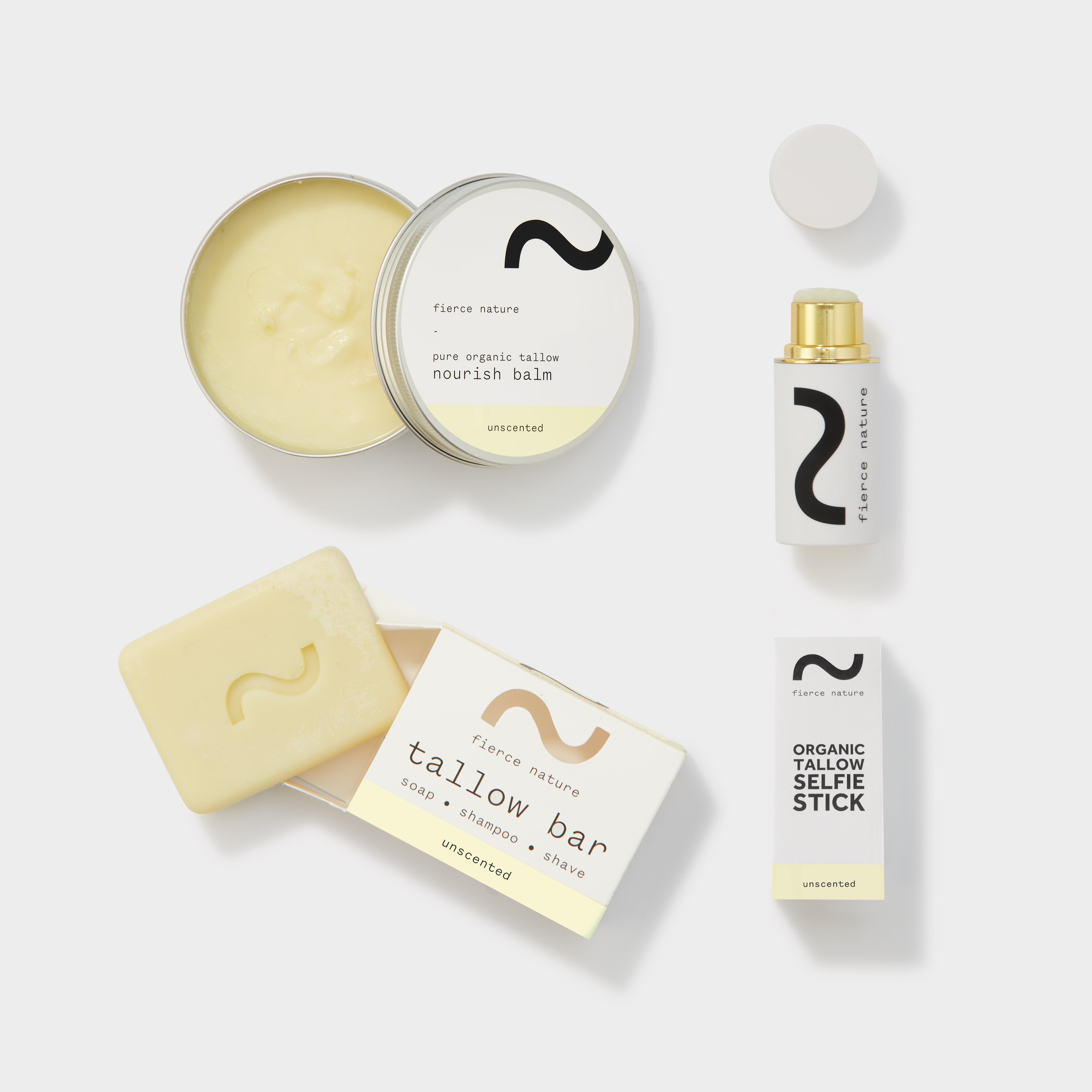
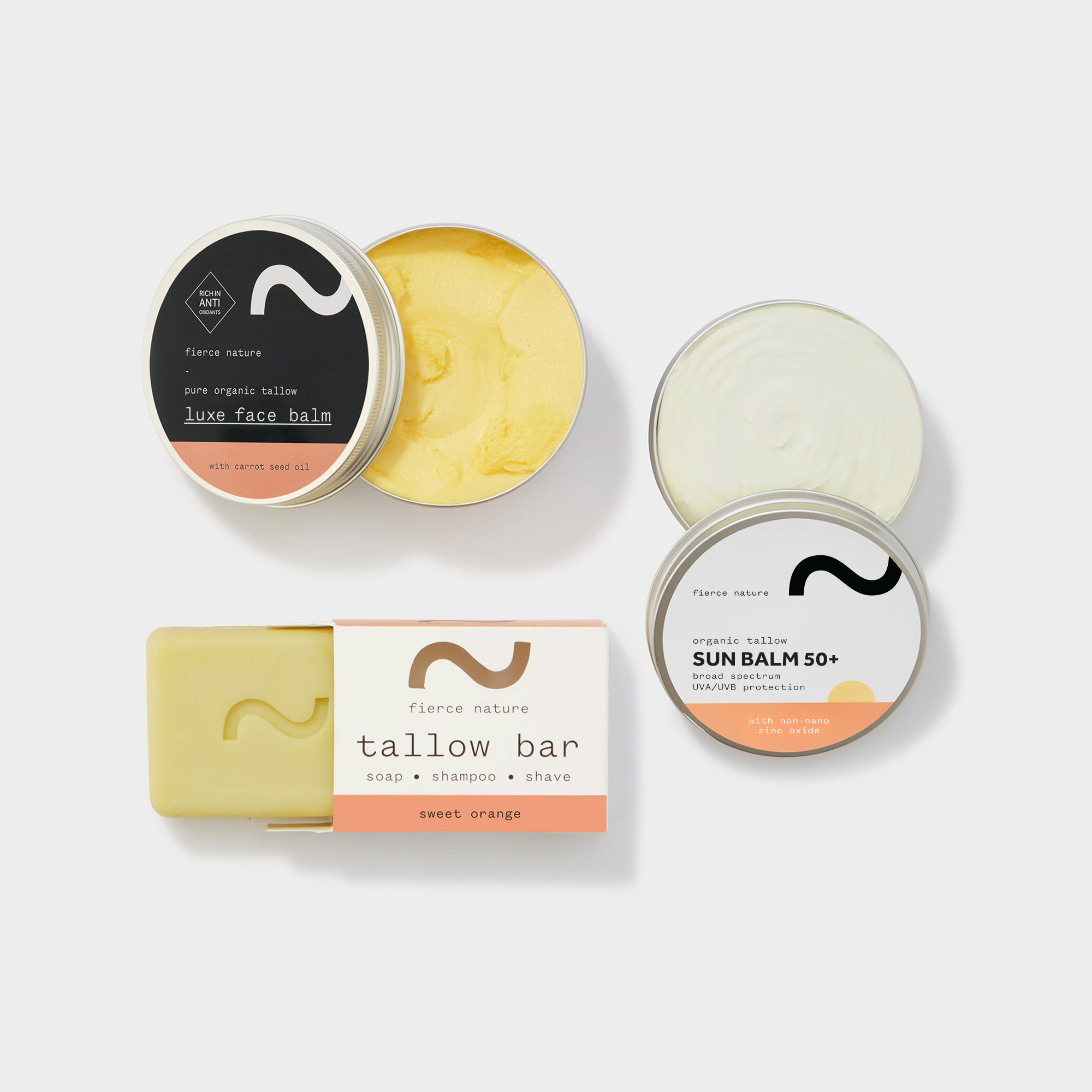
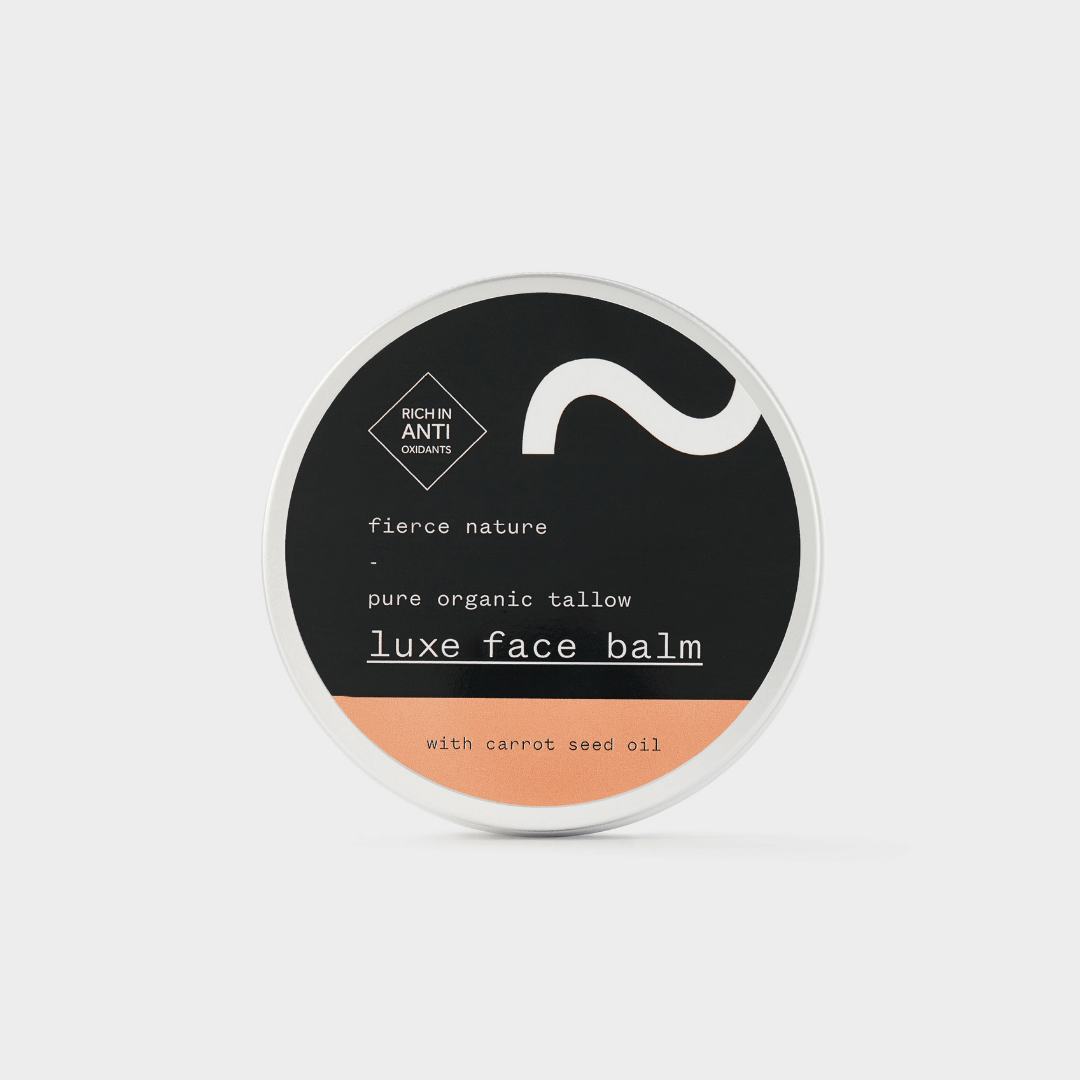
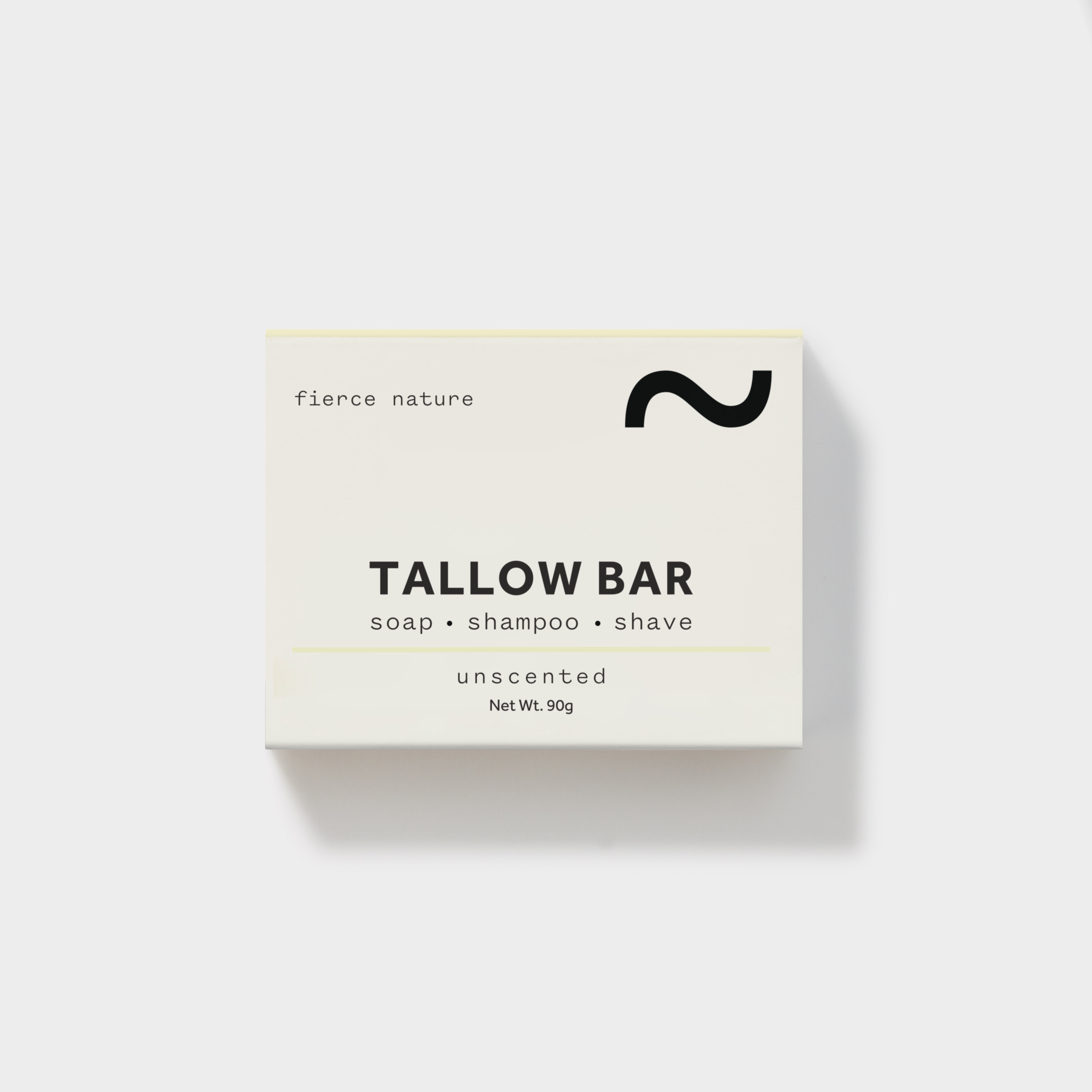
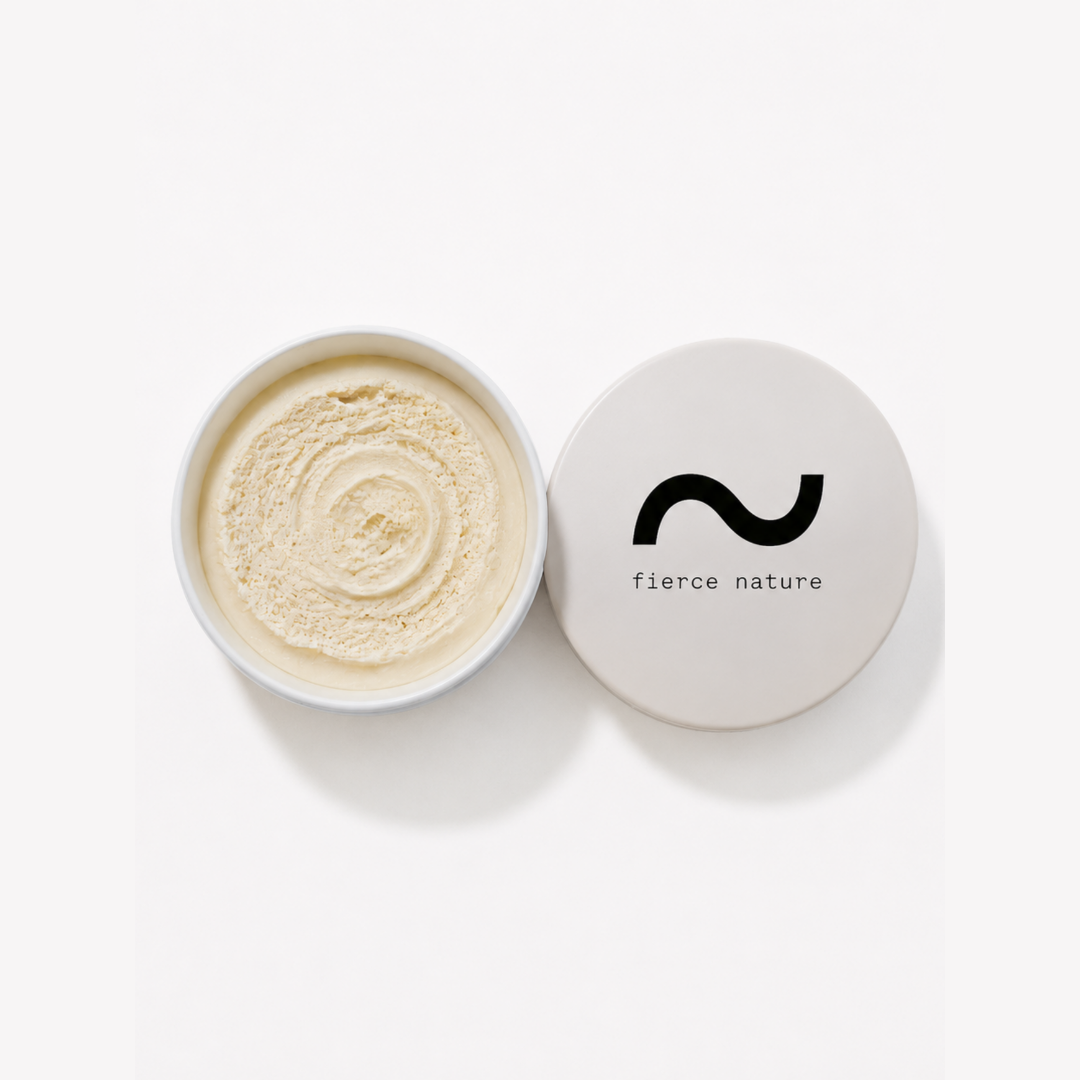
| Choose transparent brands | Fierce Nature’s unscented tallow bar and Luxe Balm suit rosacea-safe routines with short, honest ingredient lists. |
NHS rosacea guidance — core medical advice on triggers, cleansing, and sun protection.
PMC review on rosacea pathophysiology — explains barrier dysfunction in reactive skin.
This article is general information, not a substitute for advice from a qualified doctor. Consult a qualified healthcare professional about your own circumstances before acting on anything here.
When your face is burning or visibly flushed, you don’t need a five-step regimen. You need to stop the irritation and give your skin room to settle.
Press a cool (not icy) compress against the skin for five to ten minutes.
Identify and pause the likely trigger, whether that’s a hot drink, wine, sun exposure, or a new product.
Cleanse with lukewarm water only, using your fingertips instead of a cloth or brush.
Pat on a calming moisturiser or emollient balm while skin is still slightly damp.
Skip exfoliants, acids, and anything active until the redness has properly settled.
Pro Tip: Brew chamomile tea, let it cool fully in the fridge, then soak a soft cloth and hold it against your cheeks for a few minutes. Or smooth on a thin layer of unscented tallow balm, which sits close to the skin’s own lipid makeup and rarely stings even on reactive days.
Seek medical attention if you notice sudden swelling, spreading redness across new areas, or any eye involvement (grittiness, redness, or light sensitivity), as this can signal ocular rosacea, which needs a clinician’s input.
Rosacea-prone skin has a compromised barrier, so the ingredients that help are the ones that calm inflammation without stripping what little protection you have left. Look for these on a label:
Colloidal oat: anti-inflammatory and barrier-supporting, with trial evidence behind it
Aloe vera: cooling and soothing, often paired with oat in tested formulas
Niacinamide: strengthens the barrier and reduces visible redness over time
Squalane: mimics your skin’s natural oils without clogging or irritating
Ceramides: rebuild the lipid layer that rosacea skin loses too easily
Hyaluronic acid: draws in moisture without any active irritation risk
Azelaic acid: helpful at low, correctly formulated strengths, but worth introducing slowly
Licochalcone A: a licorice-root derivative shown to calm visible redness
Green tea extract: carries antioxidant and vasoprotective properties
Probiotics/postbiotics: support the skin’s microbial balance, which rosacea disrupts
A 2024 review of natural compounds in rosacea found licorice, green tea, aloe, and oats all show anti-inflammatory and vasoprotective effects in early research, though the authors were clear that more robust clinical trials are still needed before any single botanical can be called a standard treatment.
Concentration matters more than the ingredient list looks. Azelaic acid, for instance, behaves very differently at 10% versus 15% or 20%, so a simple formulation with fewer actives at sensible strengths usually outperforms a “kitchen sink” product crammed with promising names.
“Natural” on a label means nothing if the formula still contains ingredients known to aggravate rosacea. The worst offenders show up in products marketed as gentle just as often as in mainstream ones.
Added fragrance, including anything labelled “natural fragrance” or “parfum”
Denatured alcohol (common in toners and setting sprays)
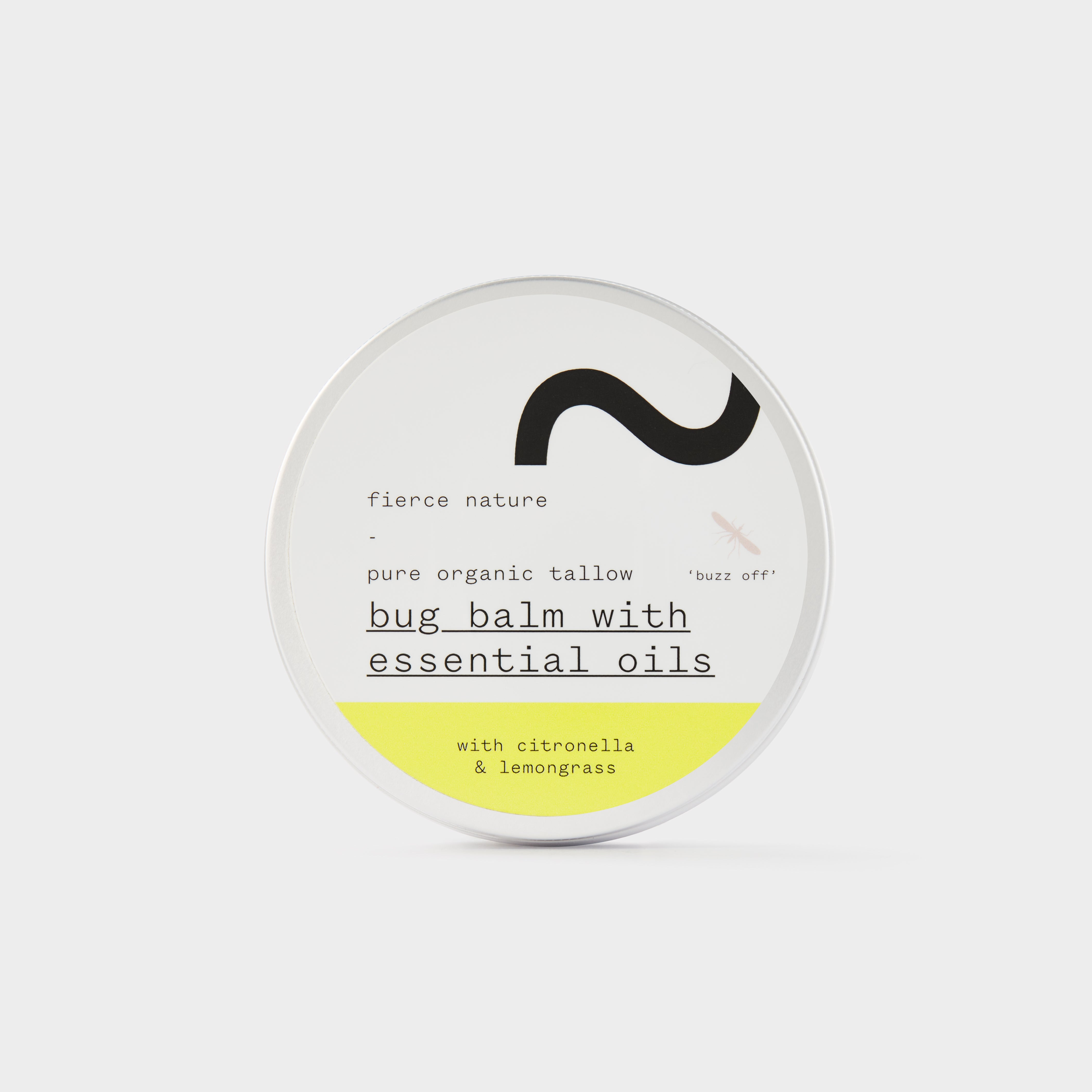
Essential oils with high allergen potential, particularly lavender and tea tree at strong concentrations
Harsh surfactants like sodium lauryl sulfate
Strong AHAs, BHAs, and retinoids unless specifically prescribed
Menthol and menthyl derivatives, which create a cooling sensation that actually signals irritation
High-concentration citrus extracts, which are phototoxic and inflammatory for reactive skin
Essential oils confuse a lot of people because they sound wholesome. But rosacea skin has a compromised barrier that lets these volatile compounds penetrate more deeply and trigger the same inflammatory cascade a synthetic irritant would.
If a product stings, tingles, or burns on application, even mildly, that is not your skin “adjusting.” Stop using it and rinse with lukewarm water. Rosacea-prone skin rarely benefits from pushing through discomfort.
Consistency beats complexity here. A tight two or three product routine, used every single day, will do more for your skin than eight products used sporadically.
Morning:
Cleanse with a lukewarm-water rinse or a fragrance-free, low-foam cleanser.
Apply any prescribed treatment first, if you have one, and let it absorb.
Follow with a barrier-repair moisturiser containing ceramides, niacinamide, or squalane.
Finish with a mineral SPF as the final step, applied generously.
Evening:
Cleanse again to remove sunscreen and daily buildup.
Apply treatment (if prescribed) once skin is fully dry.
Seal in moisture with the same barrier-repair balm or cream you use each morning.
Niacinamide pairs well with ceramides and squalane; they work together rather than competing. Avoid layering a drying active, such as azelaic acid, with an essential-oil-heavy product on the same day, as the combined irritation can outweigh any individual benefit. If your skin is having a difficult month, strip the routine right back to a gentle cleanser and a single barrier balm, such as a skin barrier repair moisturiser formulated for reactive skin, and rebuild from there once things calm down.
Reading a label properly matters more than reading the front of the packaging. Look past the word “natural” and check for:
A short ingredient list you can actually pronounce and understand
Fragrance-free, not “unscented” (which can still contain masking fragrance)
A pH close to skin’s own (roughly 4.5 to 5.5) where the brand states it
Mineral (physical) SPF using zinc oxide or titanium dioxide rather than chemical filters
Evidence the product has been tested on sensitive or reactive skin
“All natural” without a full ingredient list is a marketing phrase, not a safety claim. Genuine trust signals include the National Rosacea Society Seal of Acceptance, dermatologist testing, and clinical trial data with real numbers attached, not vague adjectives.
If a brand can’t tell you what’s in the jar, that’s your answer.
The strongest single piece of evidence in this space is a double-blinded randomised controlled trial comparing a botanical moisturiser containing oat and aloe against 0.75% metronidazole cream, a standard prescription treatment. In a clinical trial, the botanical formula reduced erythema and lesion counts more than the metronidazole did, showing effectiveness for an over-the-counter option.
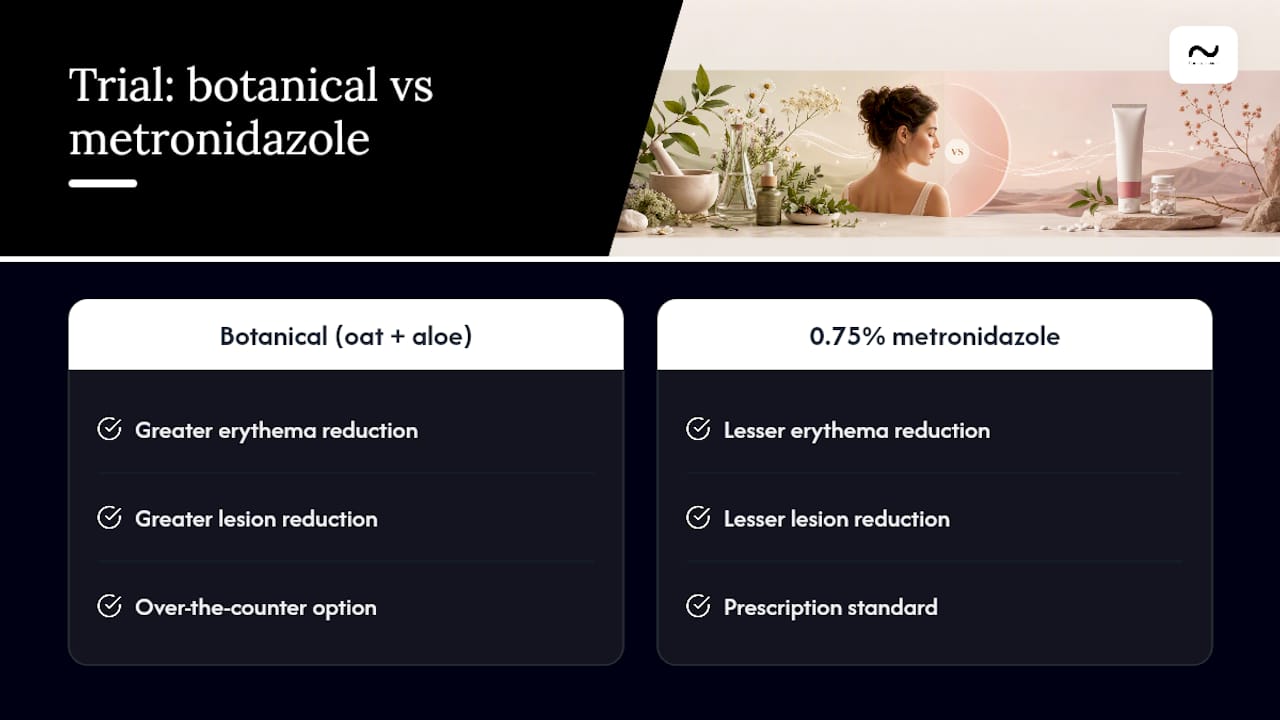
Dermatology consensus guidance backs this up more broadly, recommending barrier repair through moisturisers, humectants, ceramides, and daily mineral sunscreen as the foundation of rosacea management, whatever else a patient is using alongside it.
That said, the evidence base for most individual botanicals (green tea, licorice, various plant extracts) still leans on promising laboratory mechanisms rather than large-scale human trials. One 2024 review of natural compounds in rosacea care concluded exactly that: real anti-inflammatory potential, but a genuine gap in high-quality clinical data. Treat natural skincare as a strong first line, not a replacement for a dermatologist’s input when symptoms persist.
Patch testing feels like an extra step until the one time it saves you a week of flared skin. The process takes minutes and costs you nothing but a little patience.
Apply a small amount of the product to your inner forearm or behind the ear, not your face.
Leave it undisturbed for 48 hours, avoiding water and other products on that patch of skin.
Check for stinging, itching, or redness at the 20 minute mark, then again at 24 and 48 hours.
If clear, introduce the product to your face alone, with nothing new alongside it, for a minimum of two weeks.
Give any azelaic acid or prescription combination longer, closer to three to four weeks, before judging results.
If the patch test reacts, stop and wash the area with lukewarm water. Wait until any flare has fully settled before trying a different, simpler product, and if reactions keep happening across multiple items, that’s a signal to speak with a clinician rather than keep testing alone.
We’ve spent years working with tallow, a fat that’s been used on skin for centuries, and one thing has struck us repeatedly: the fewer ingredients a formula needs, the better reactive skin tends to respond. Natural doesn’t mean effortless, though. It means choosing ingredients with genuine evidence behind them and pairing that with a dermatologist’s guidance whenever a flare won’t settle on its own.
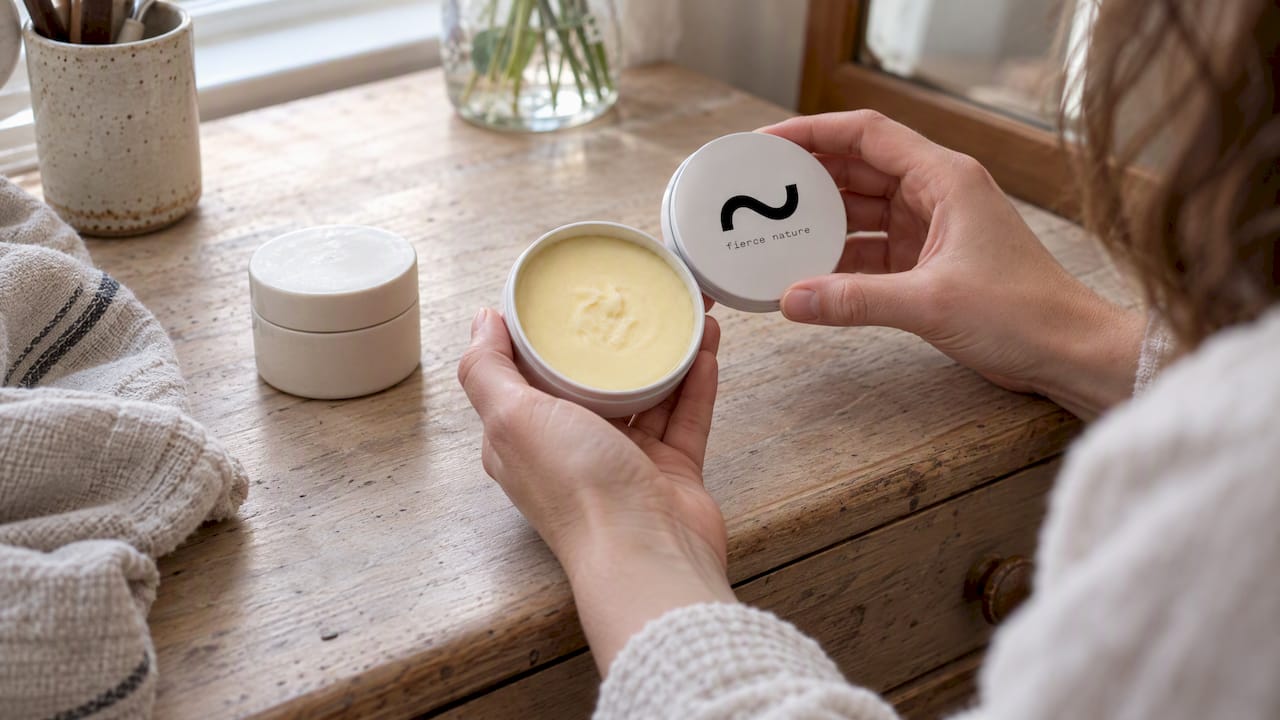
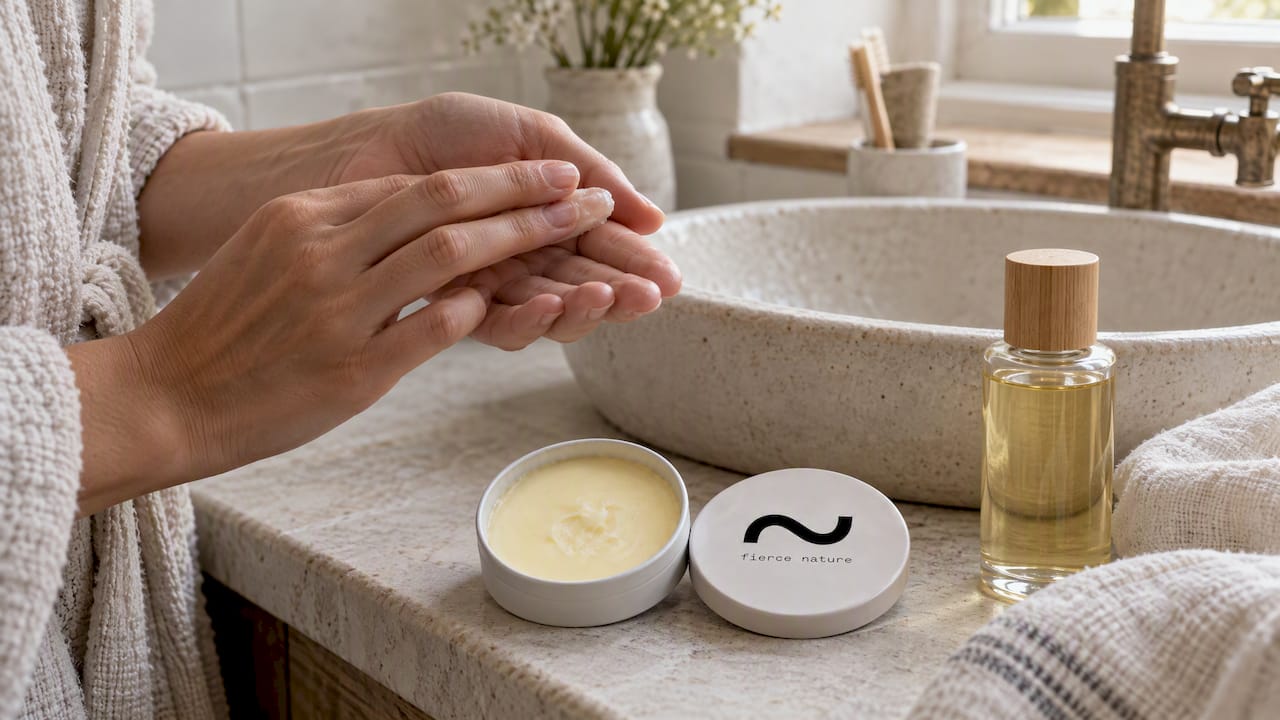
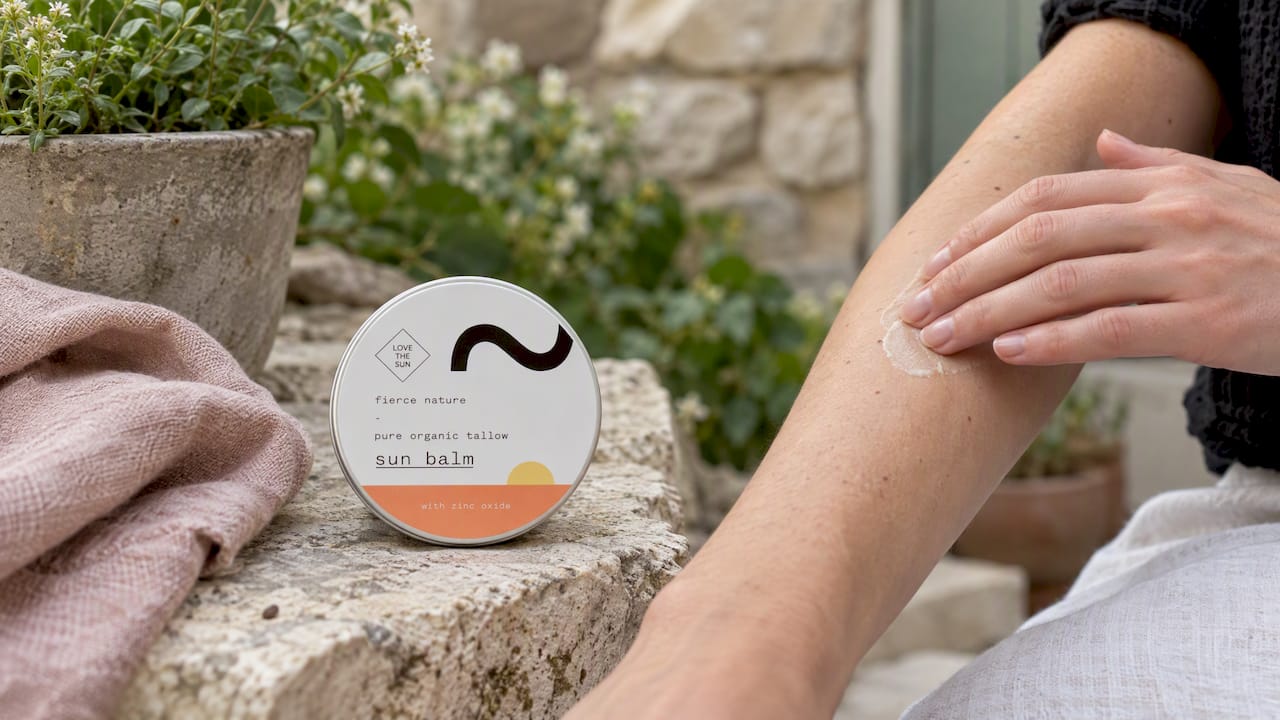
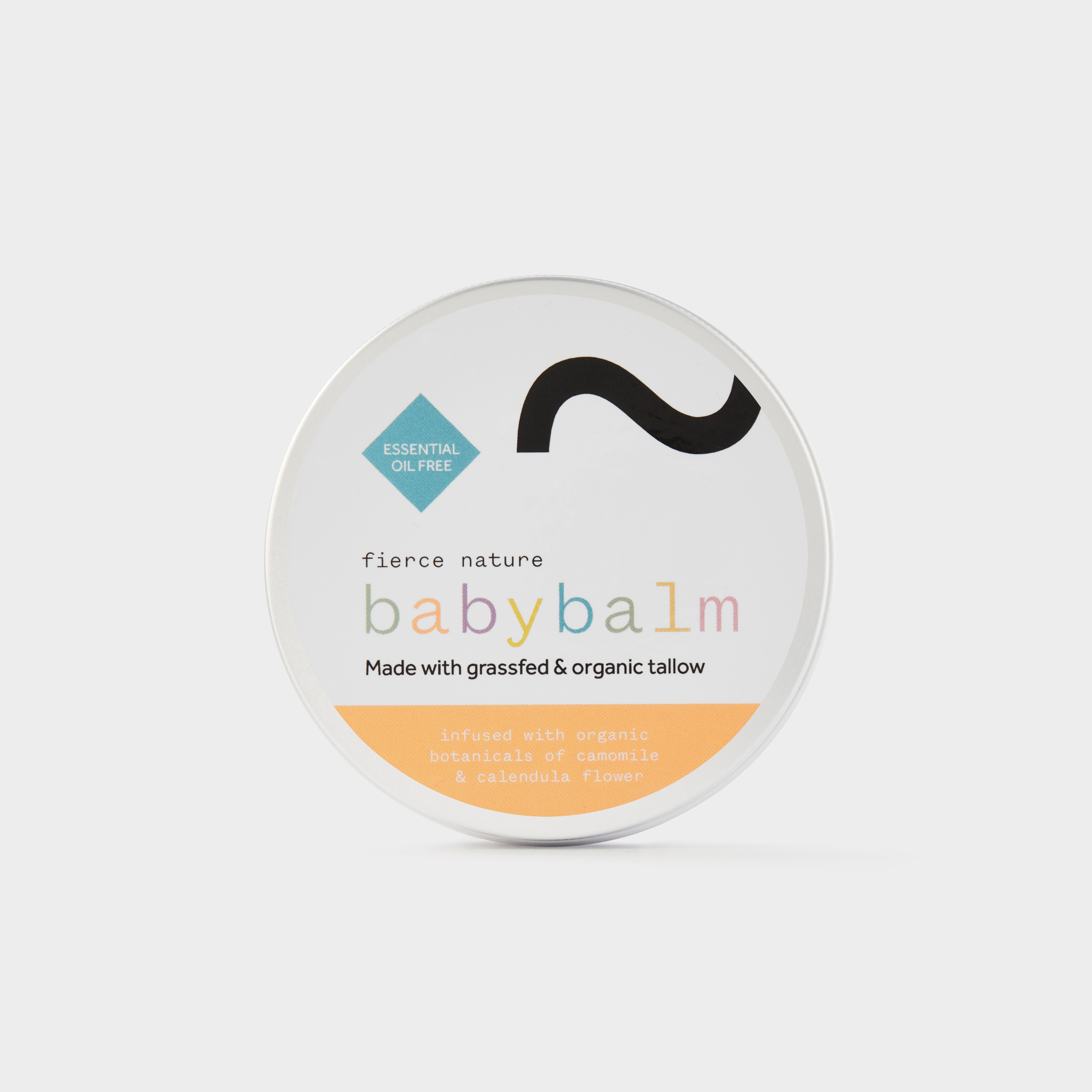
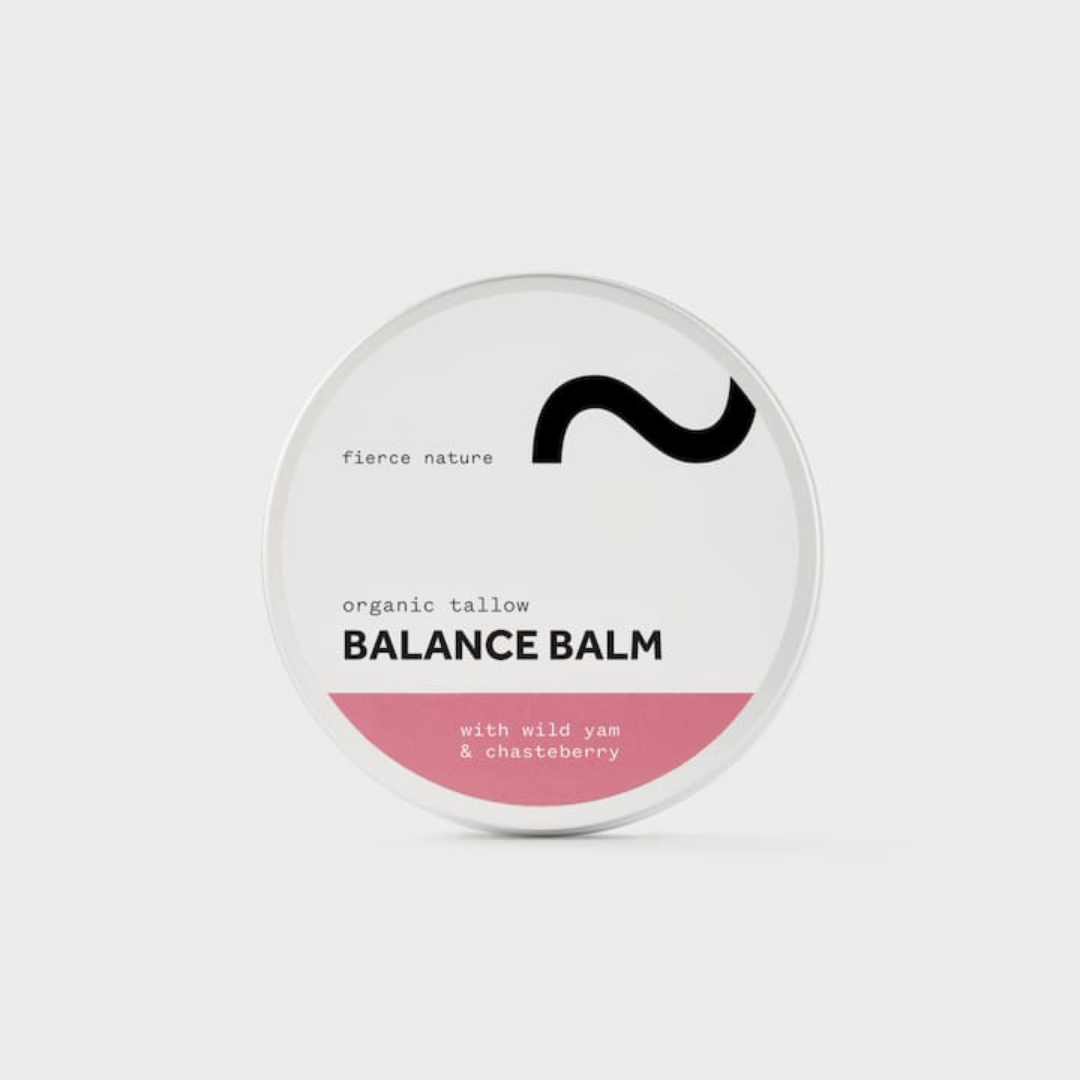
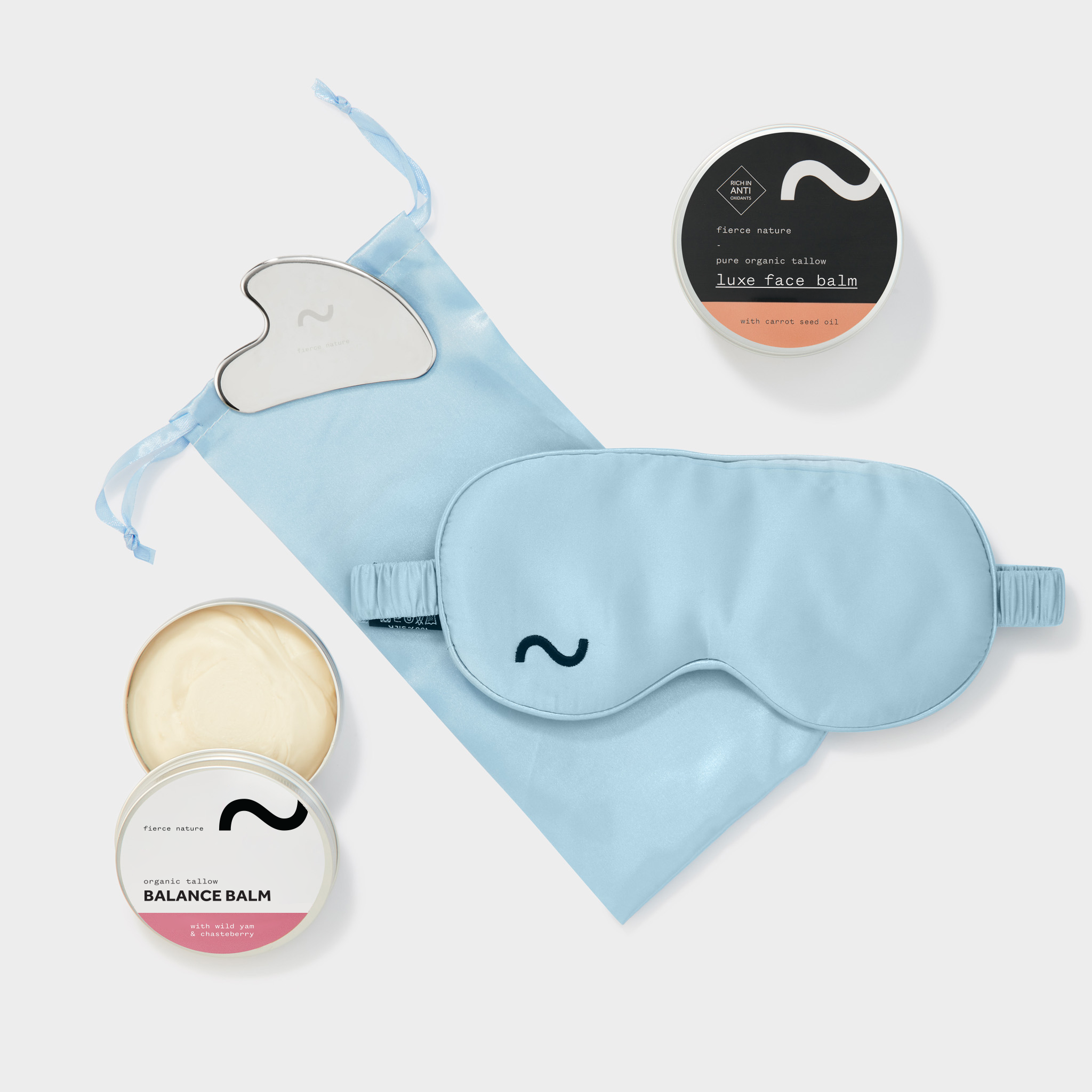
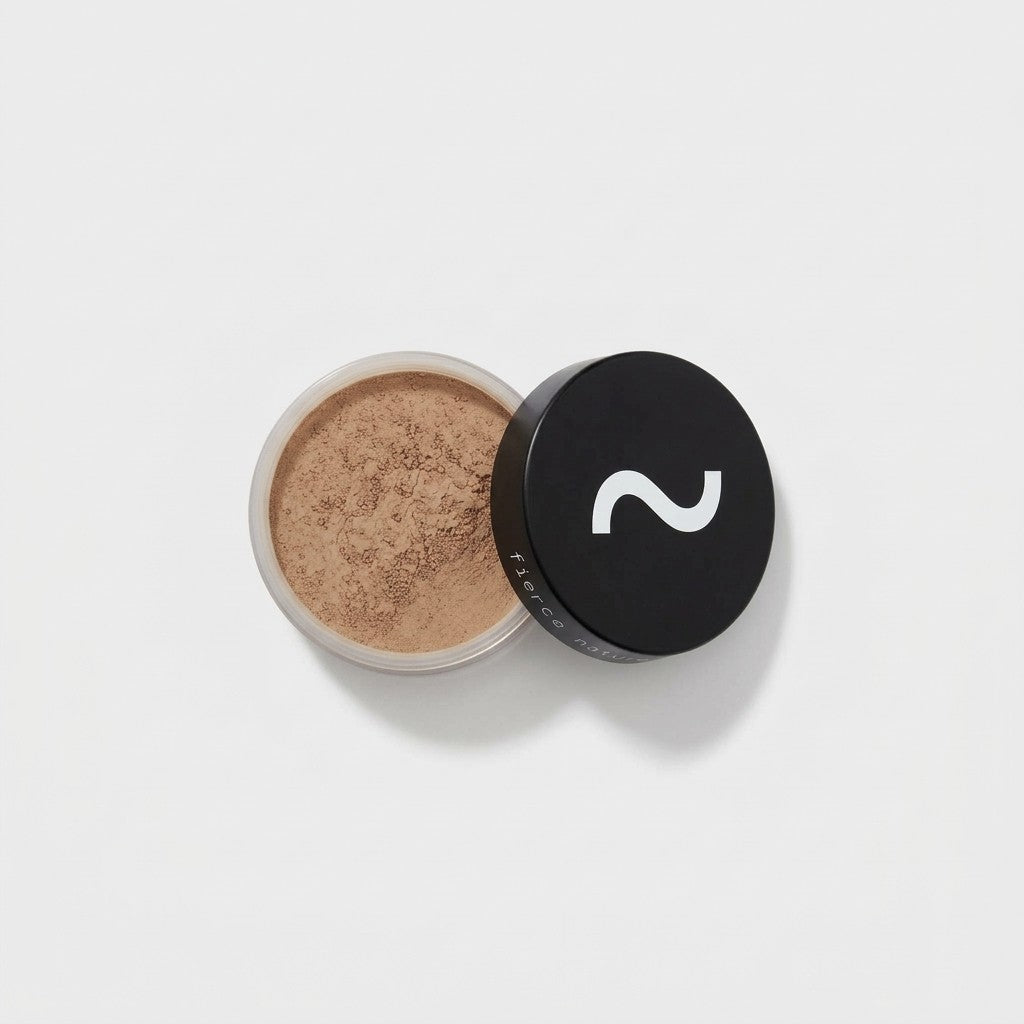
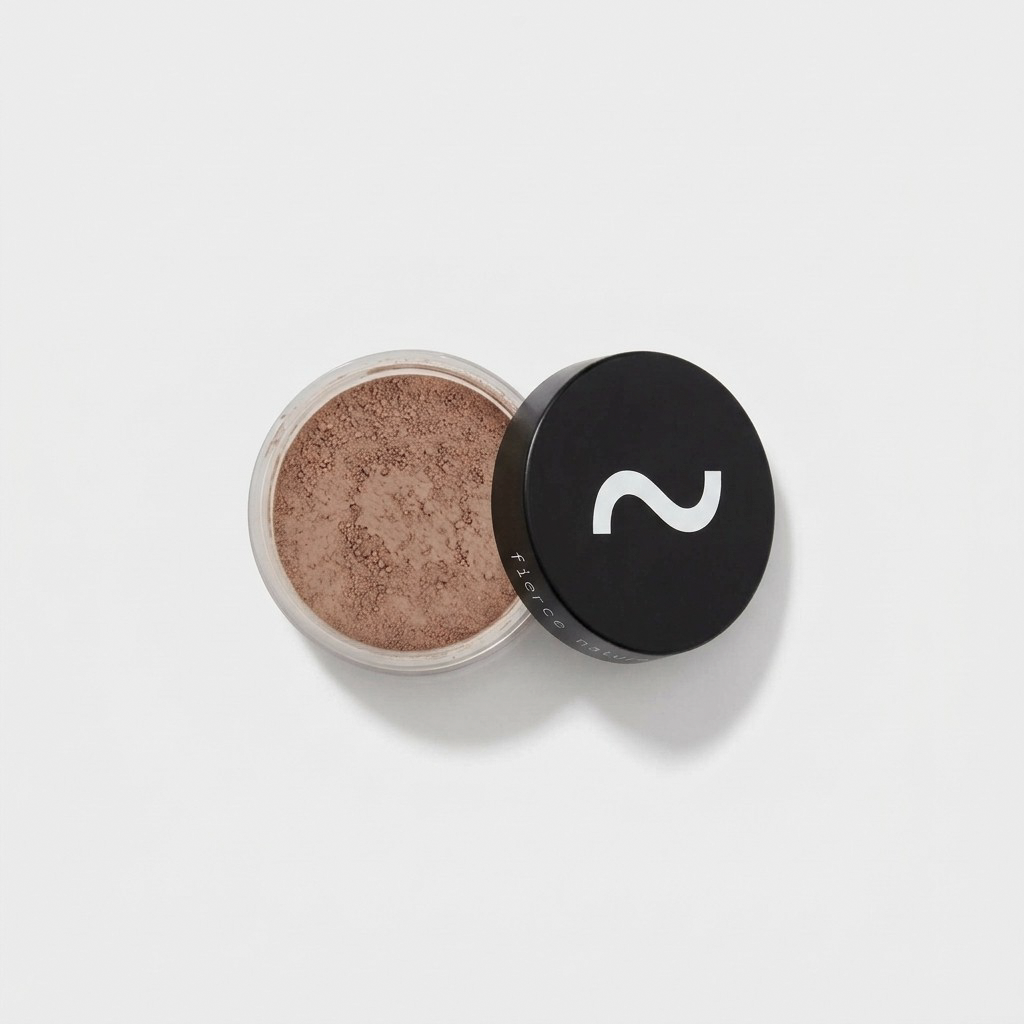
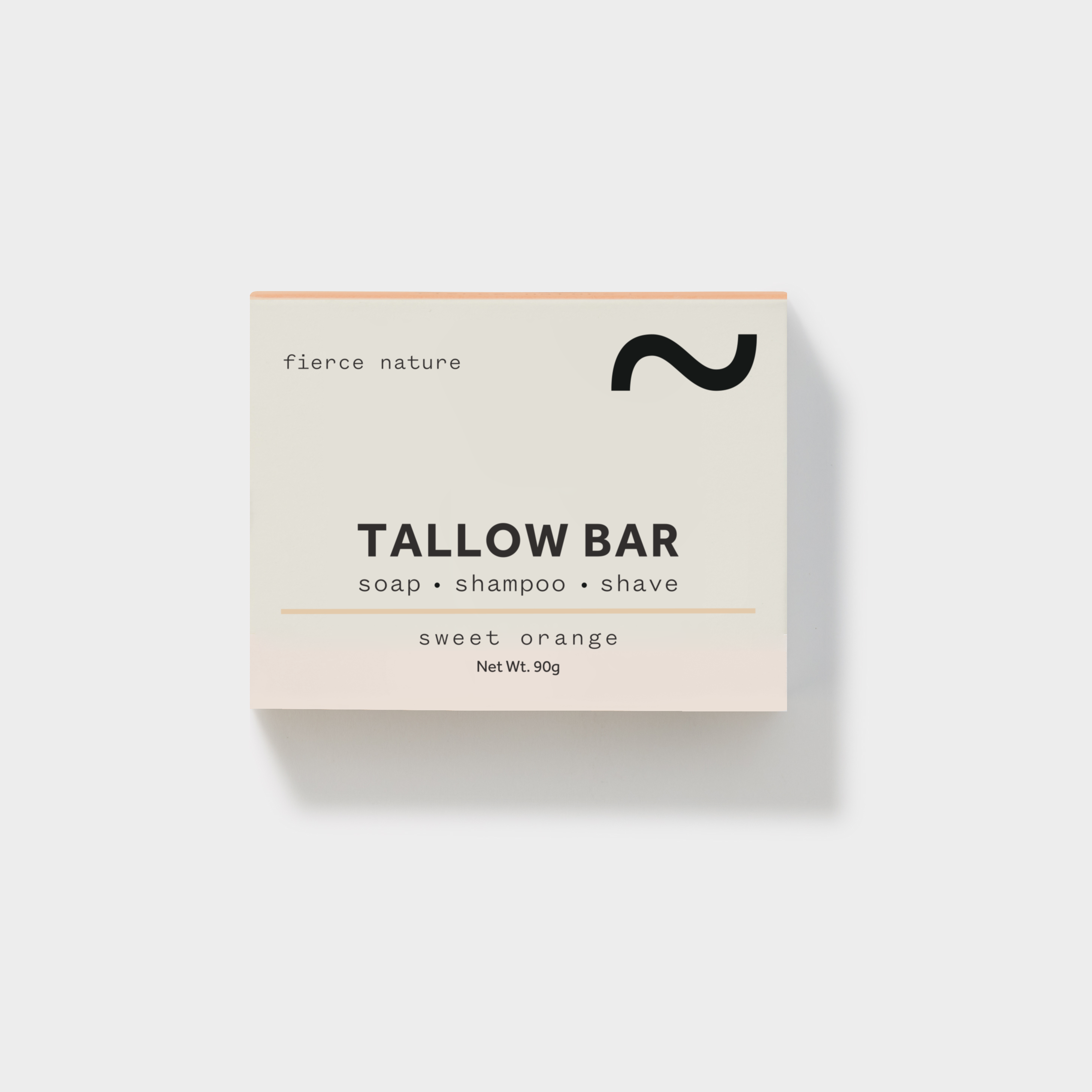
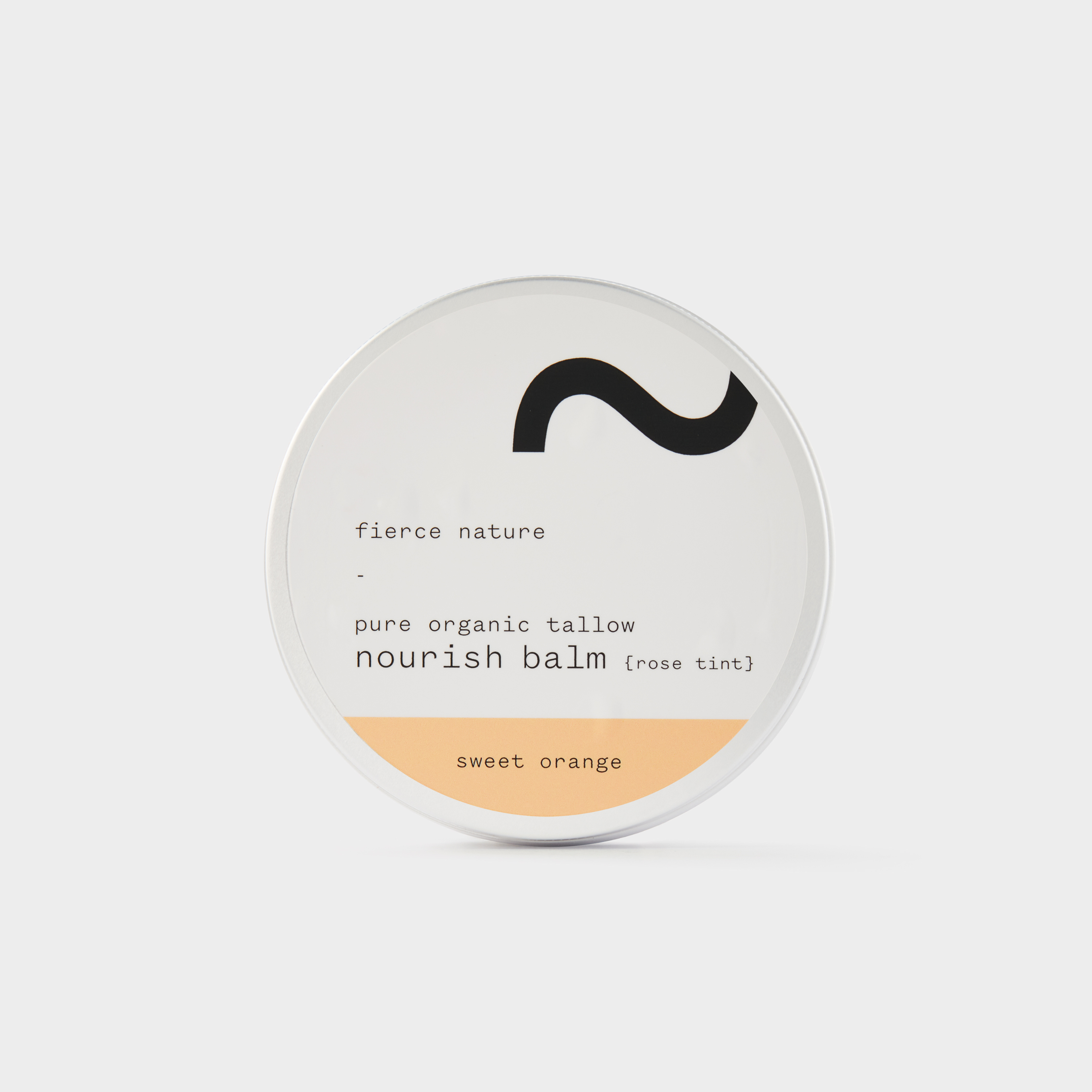
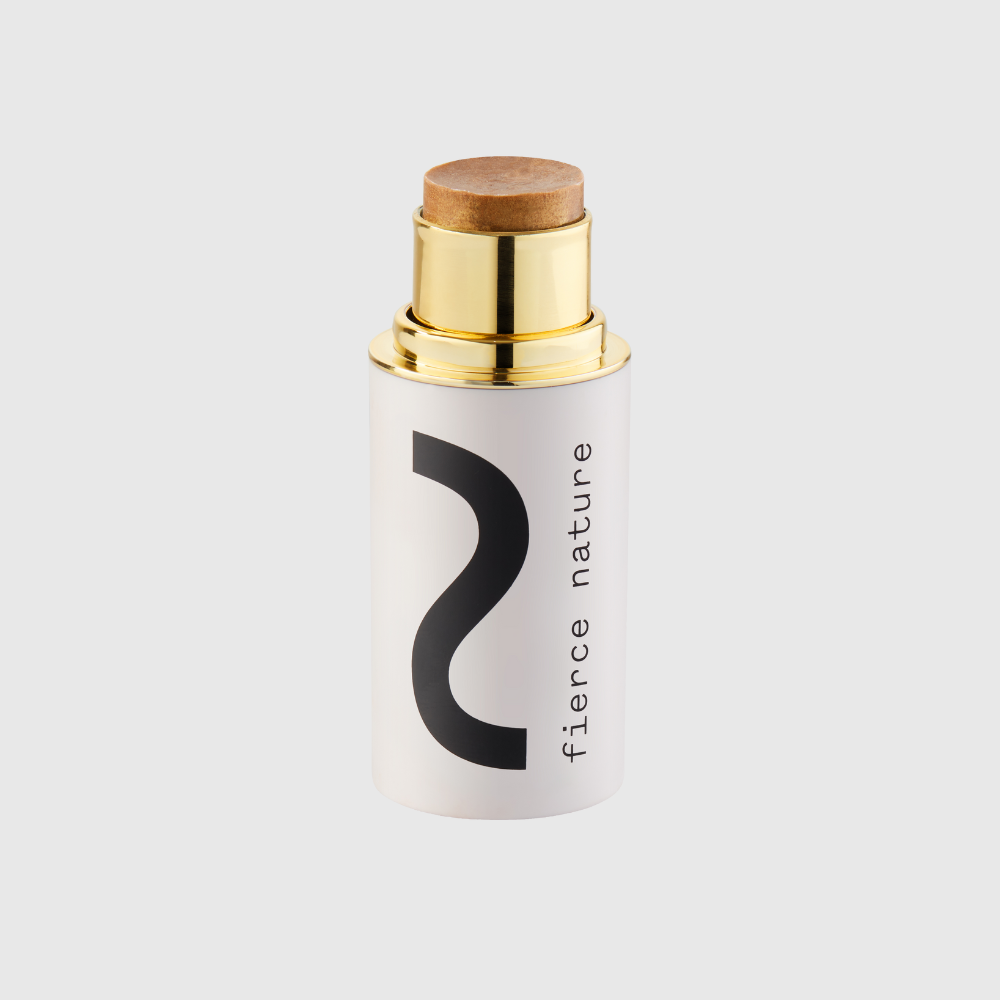
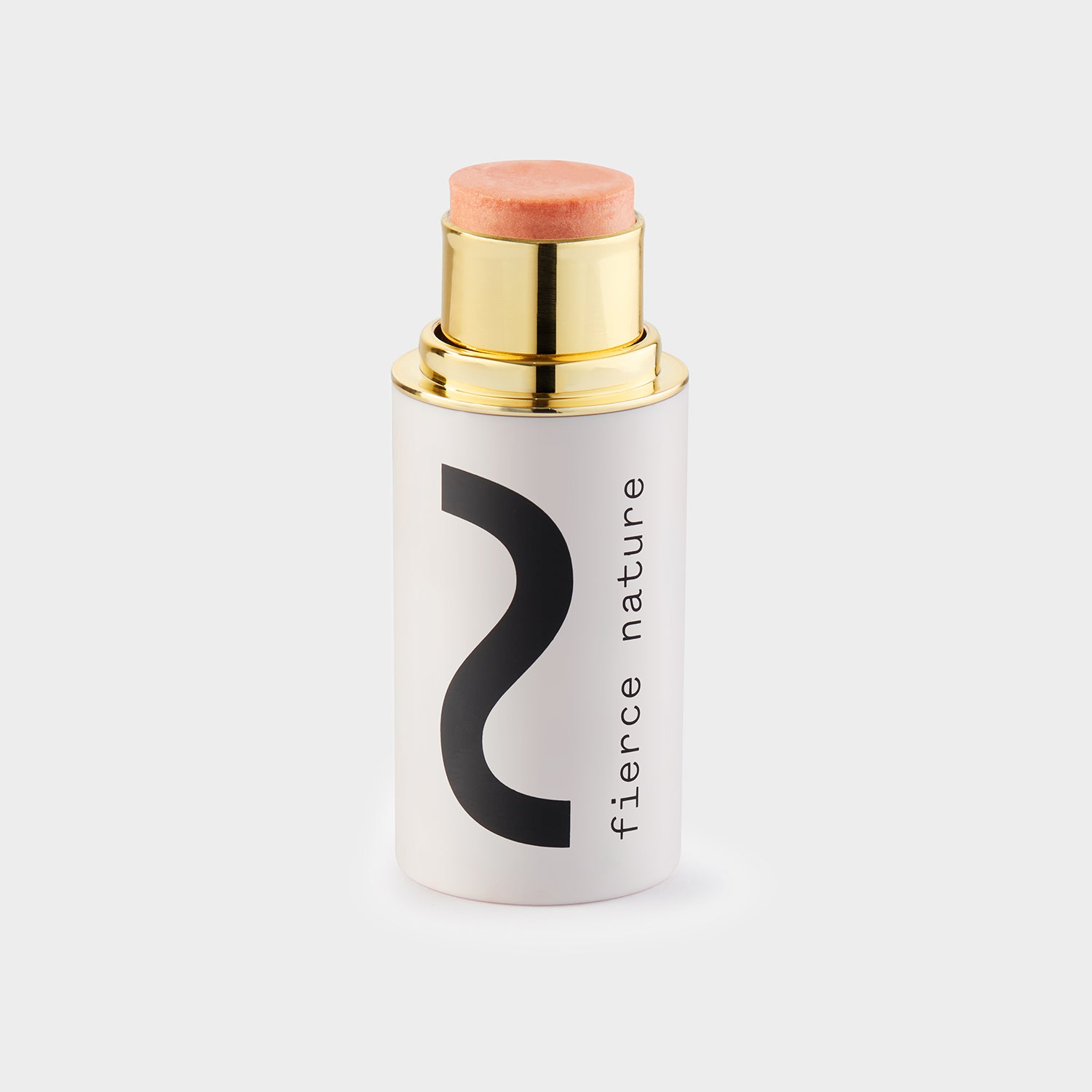
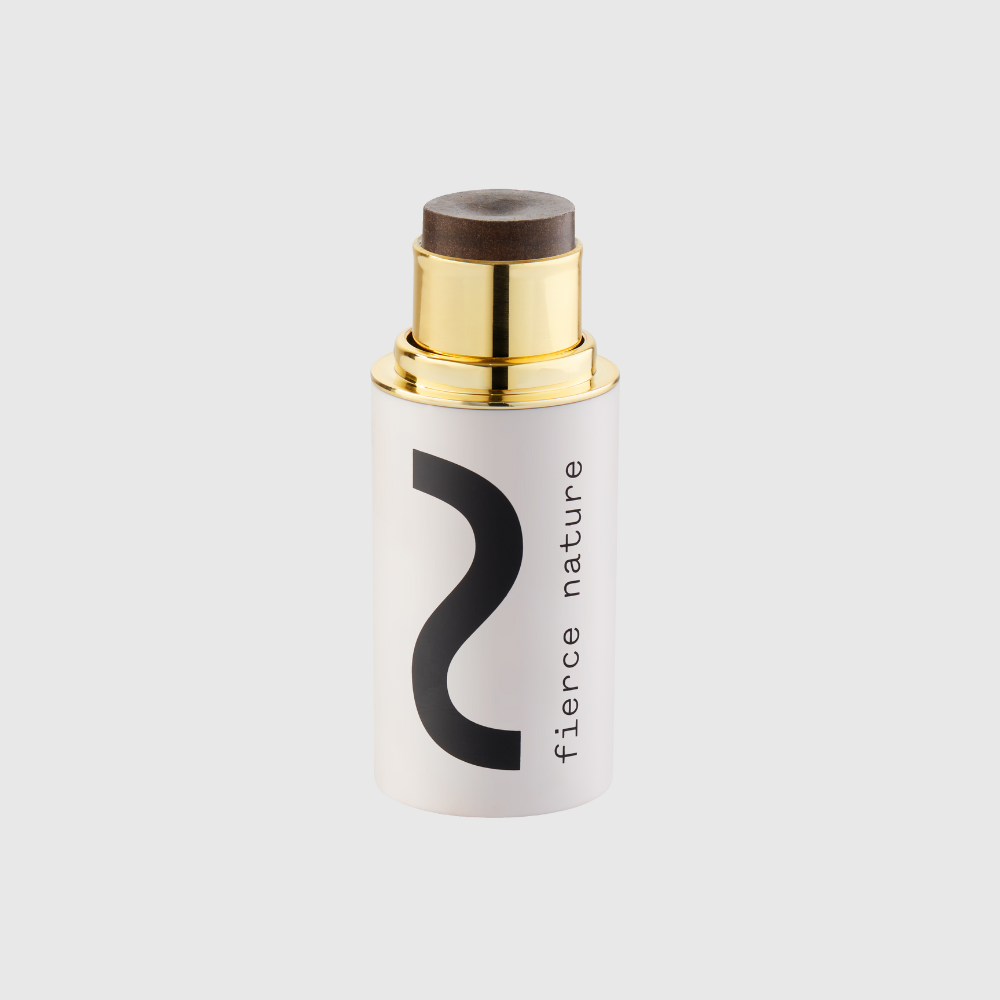
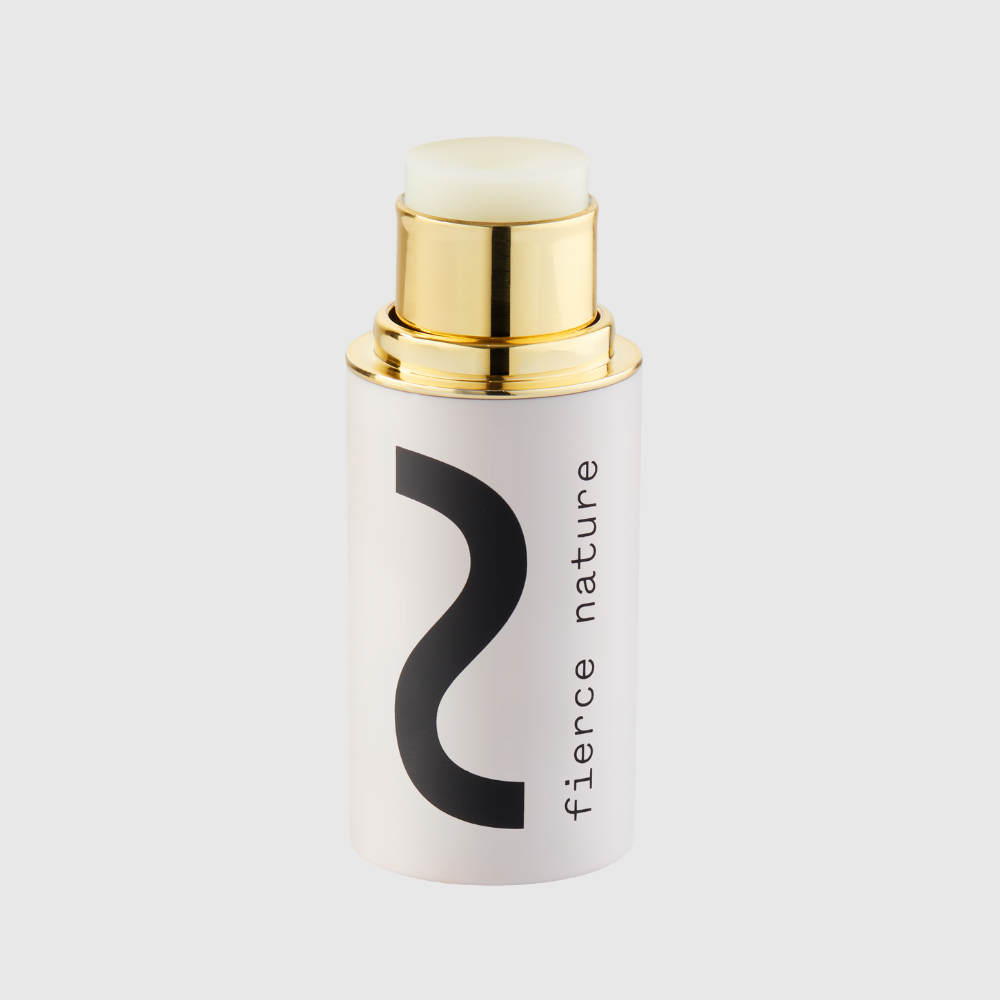
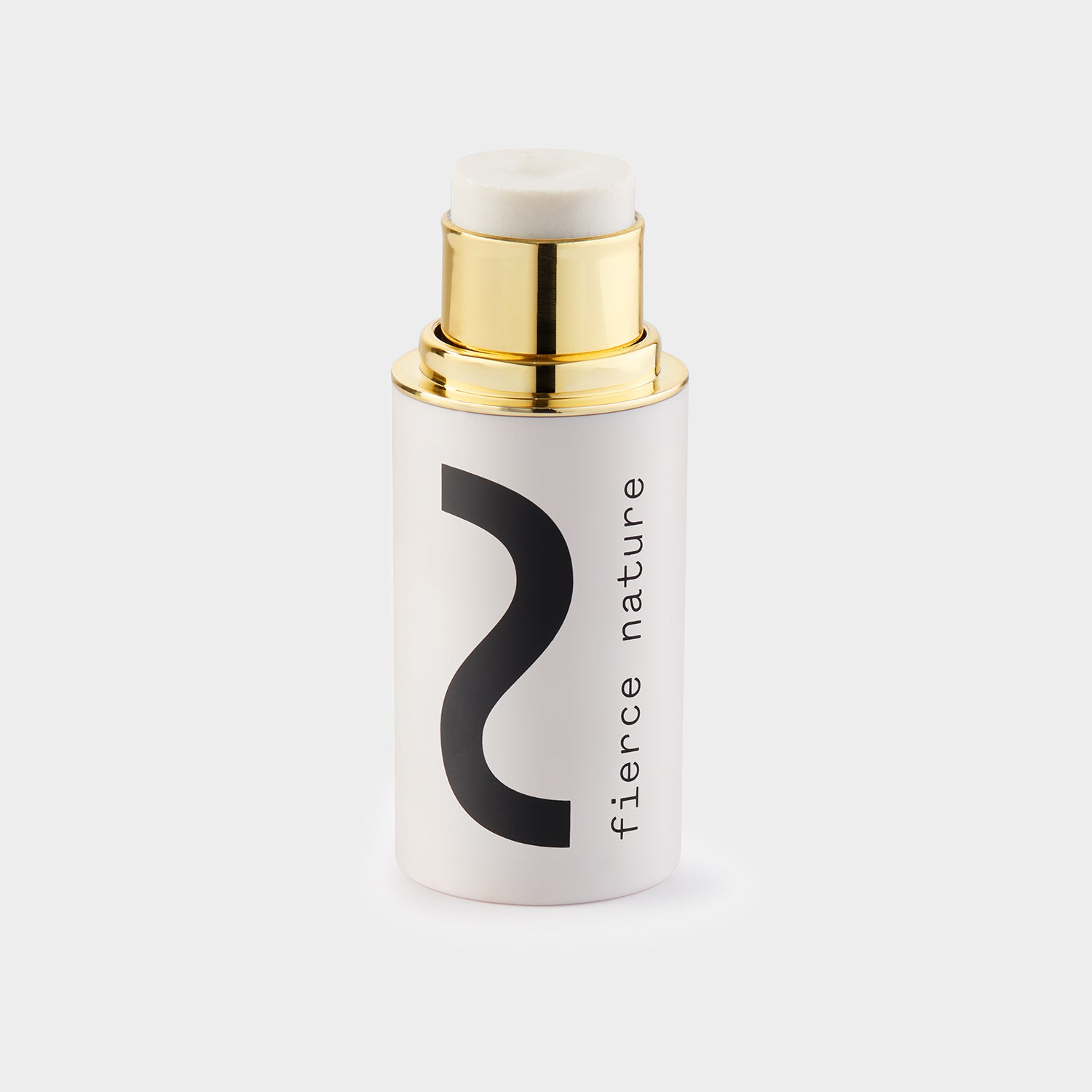
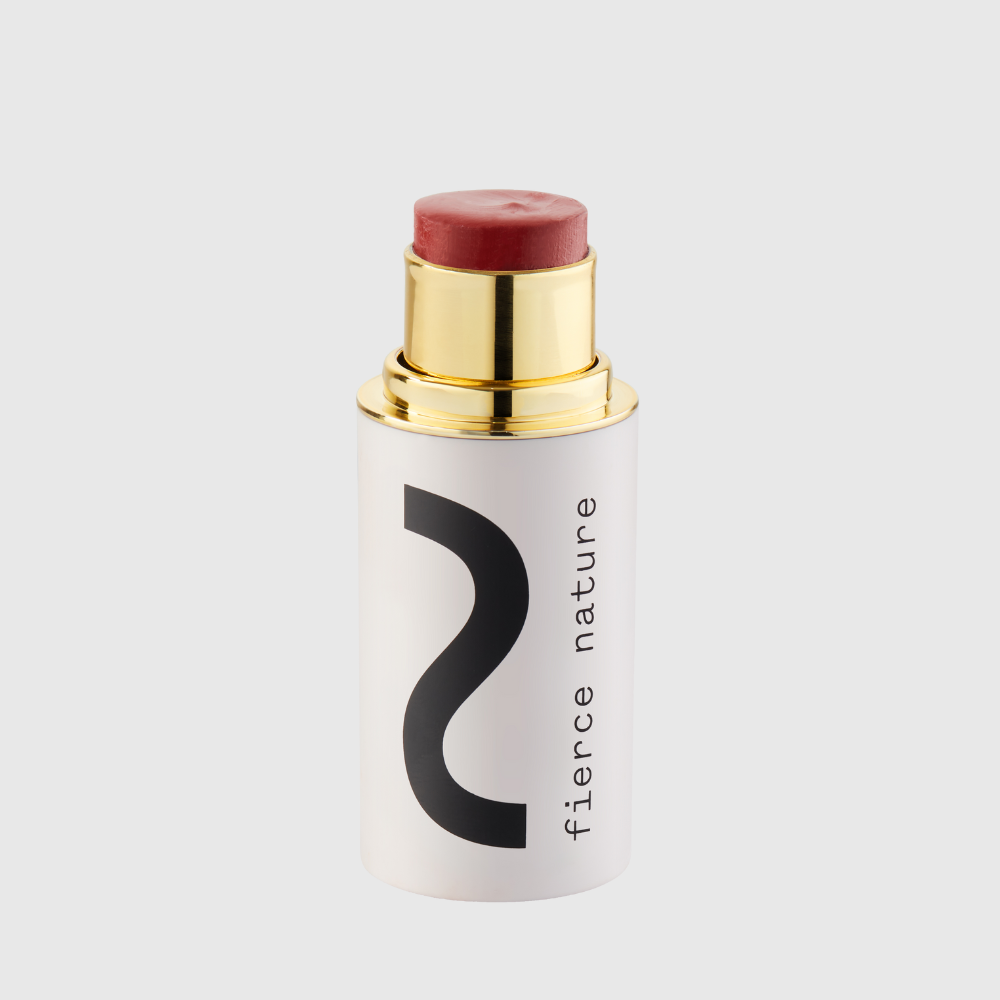
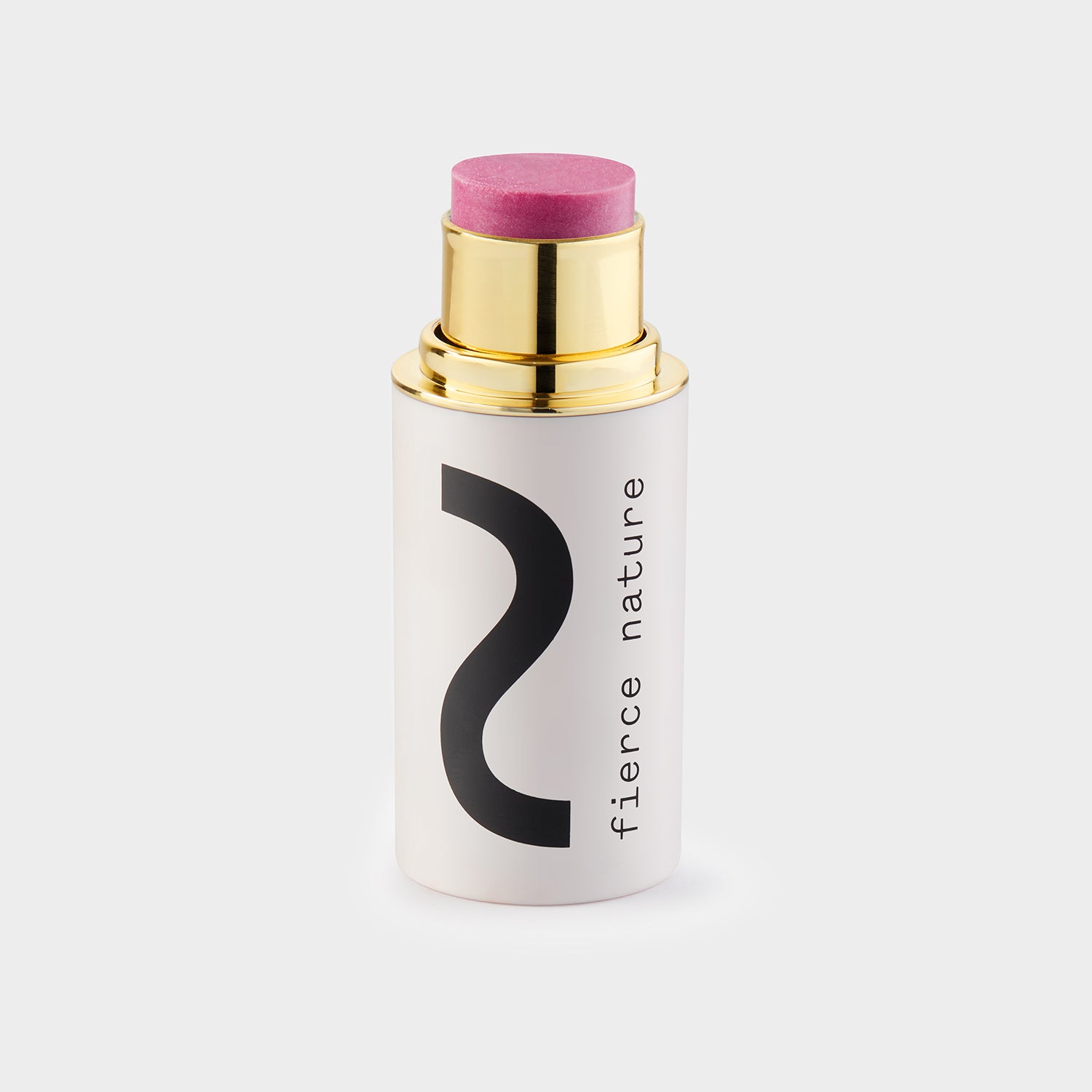
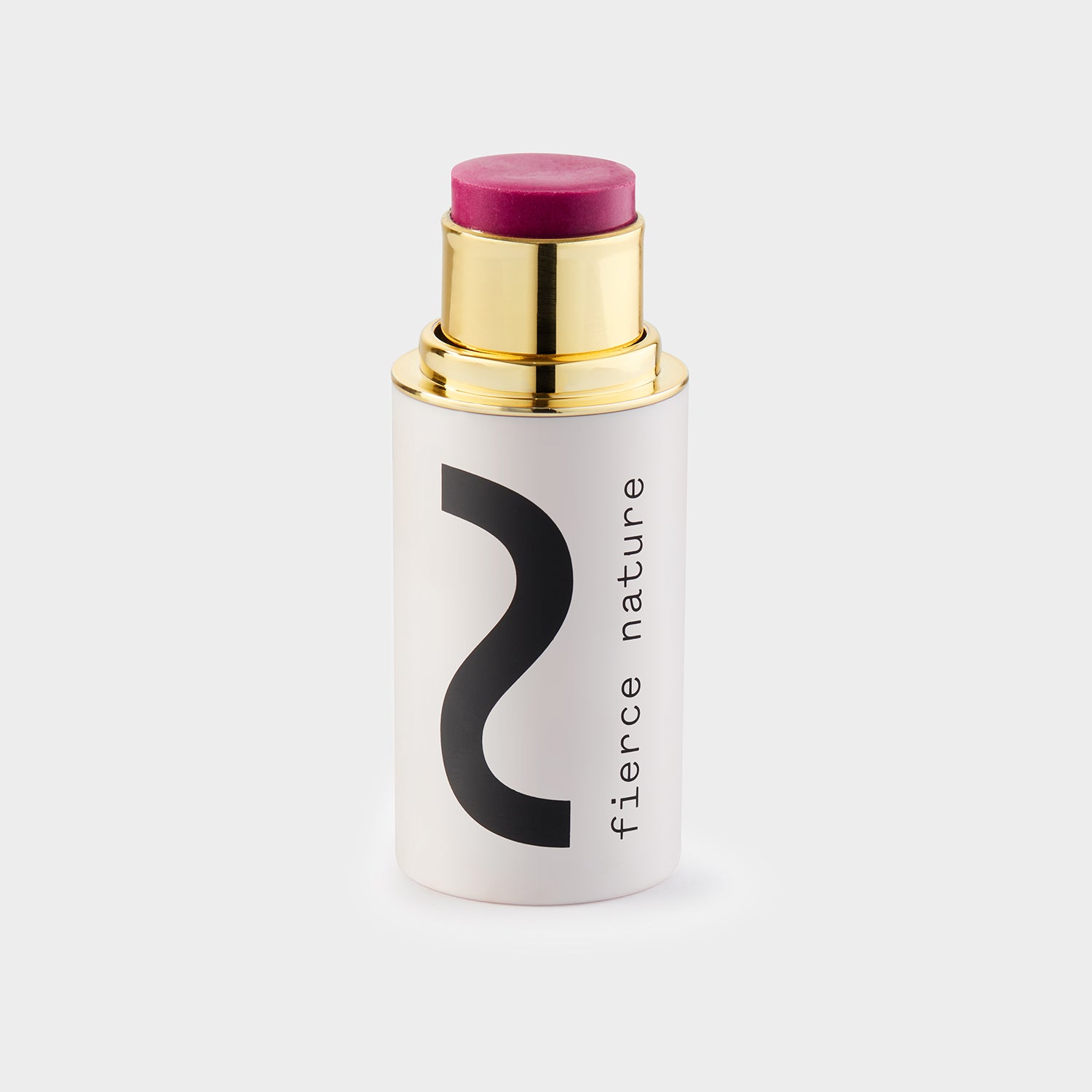
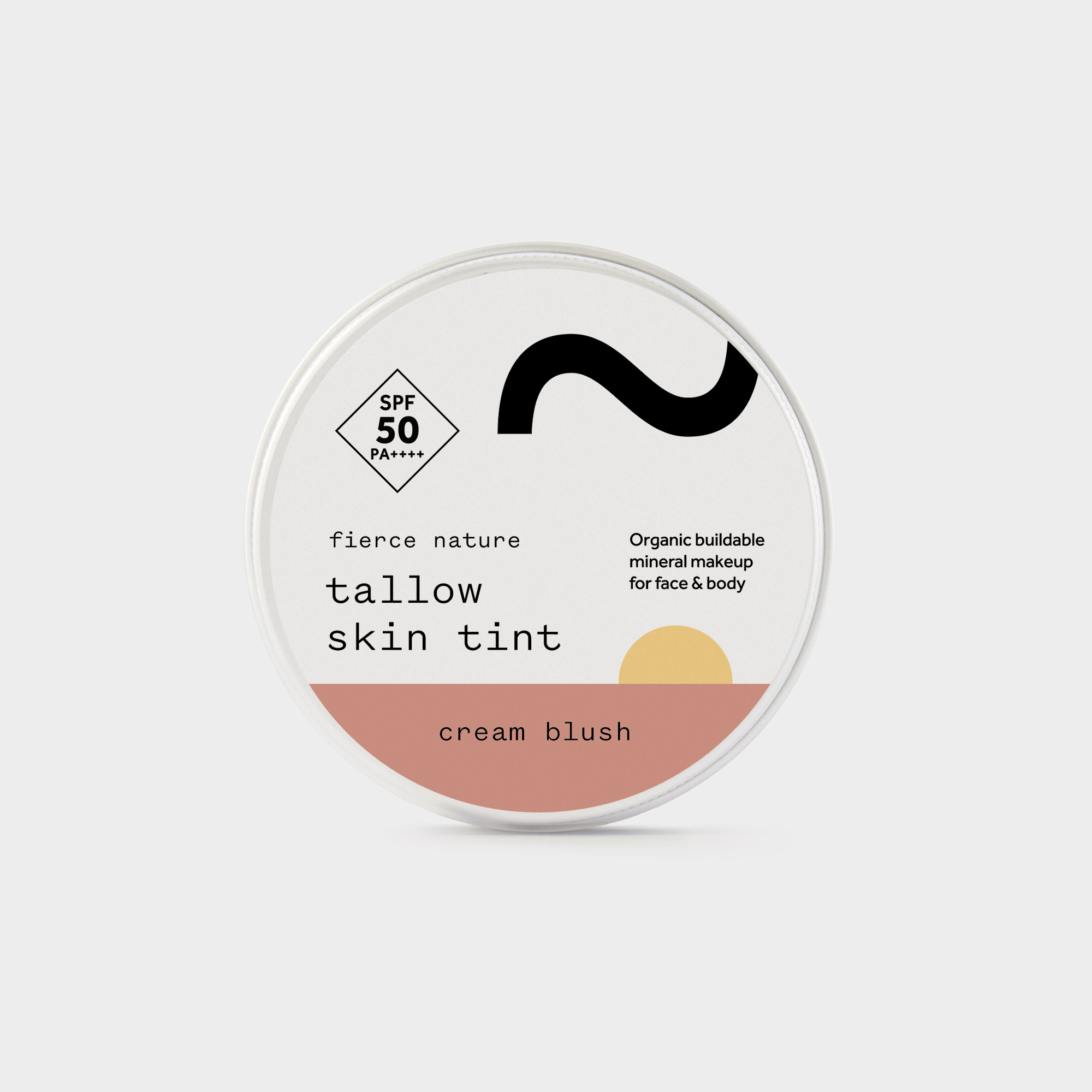
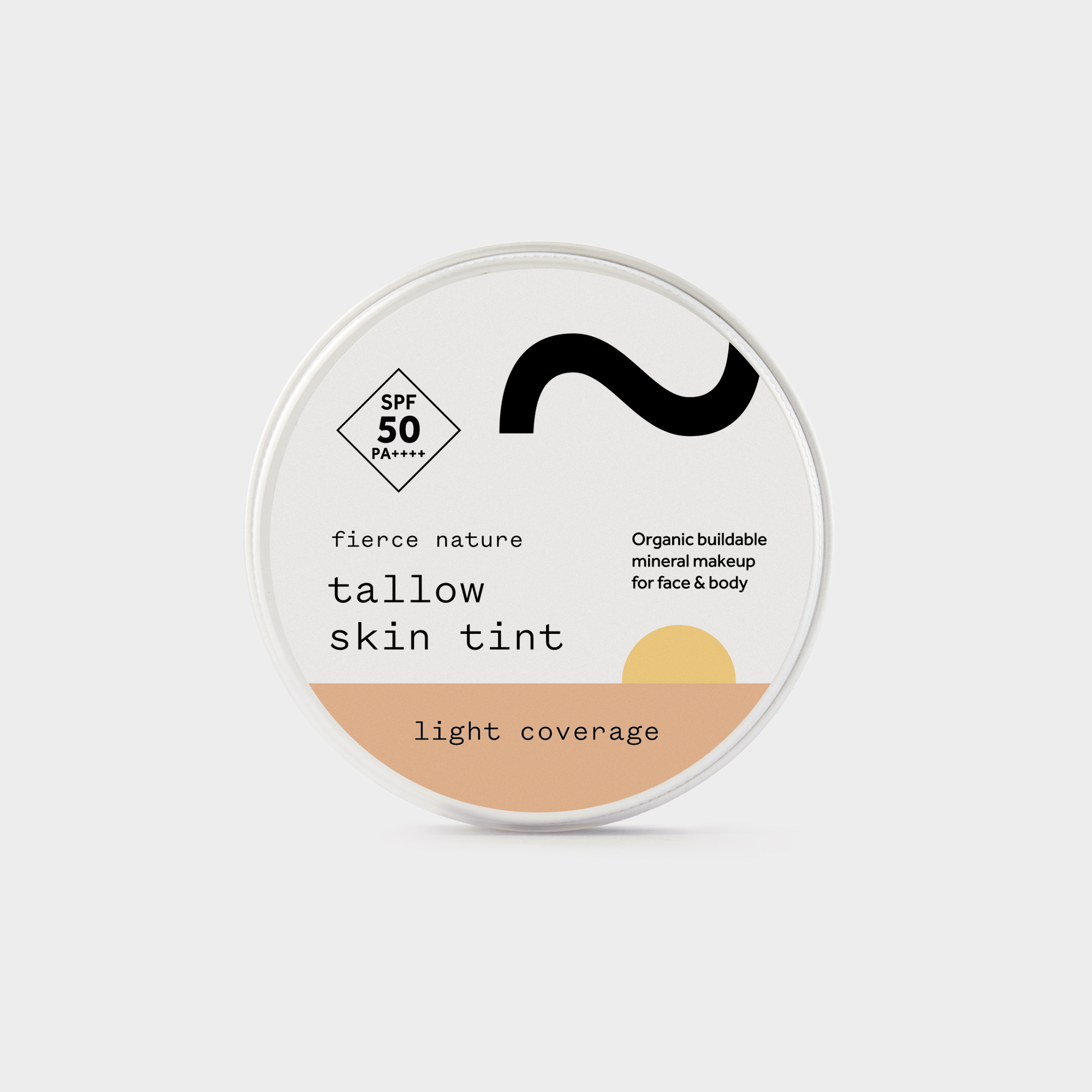
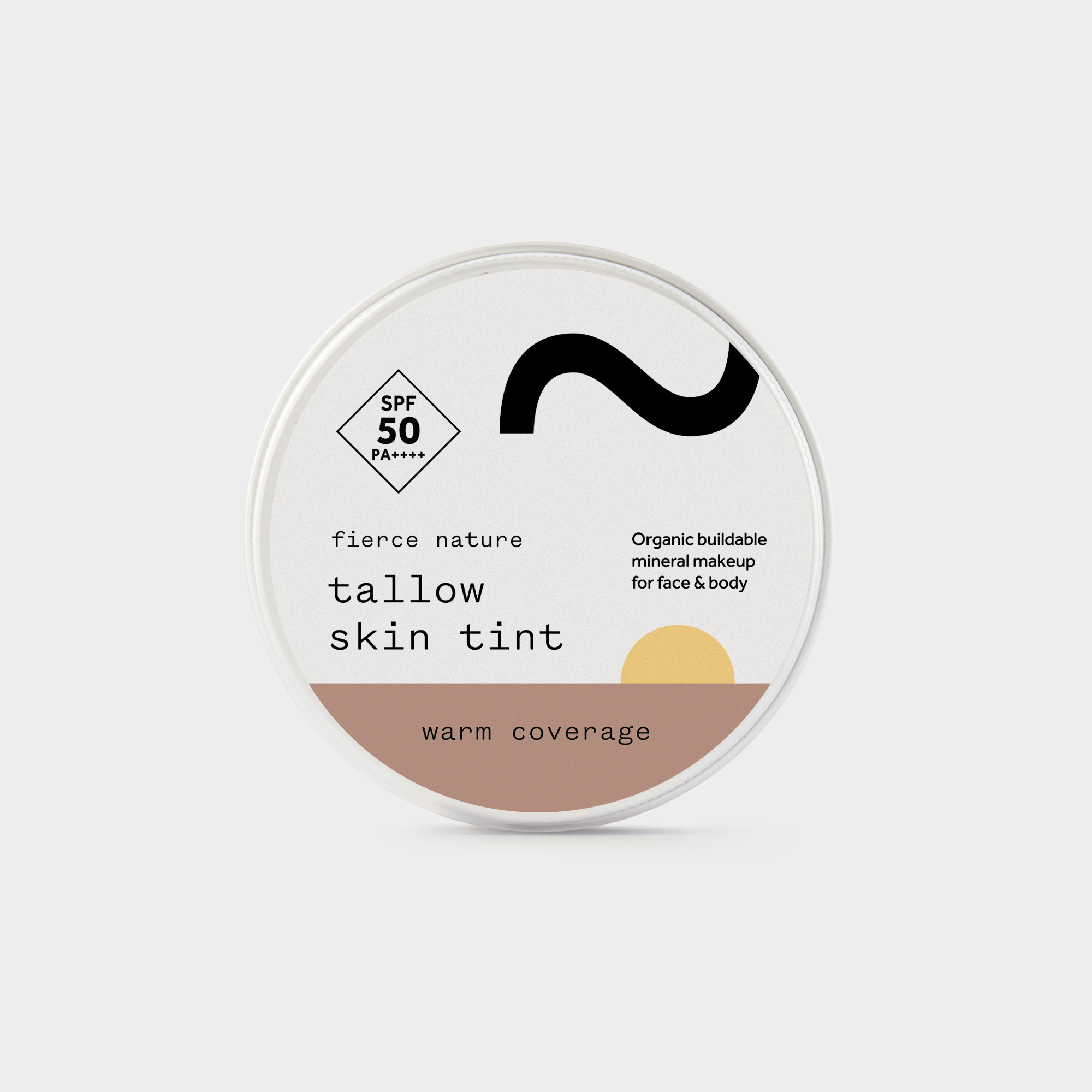
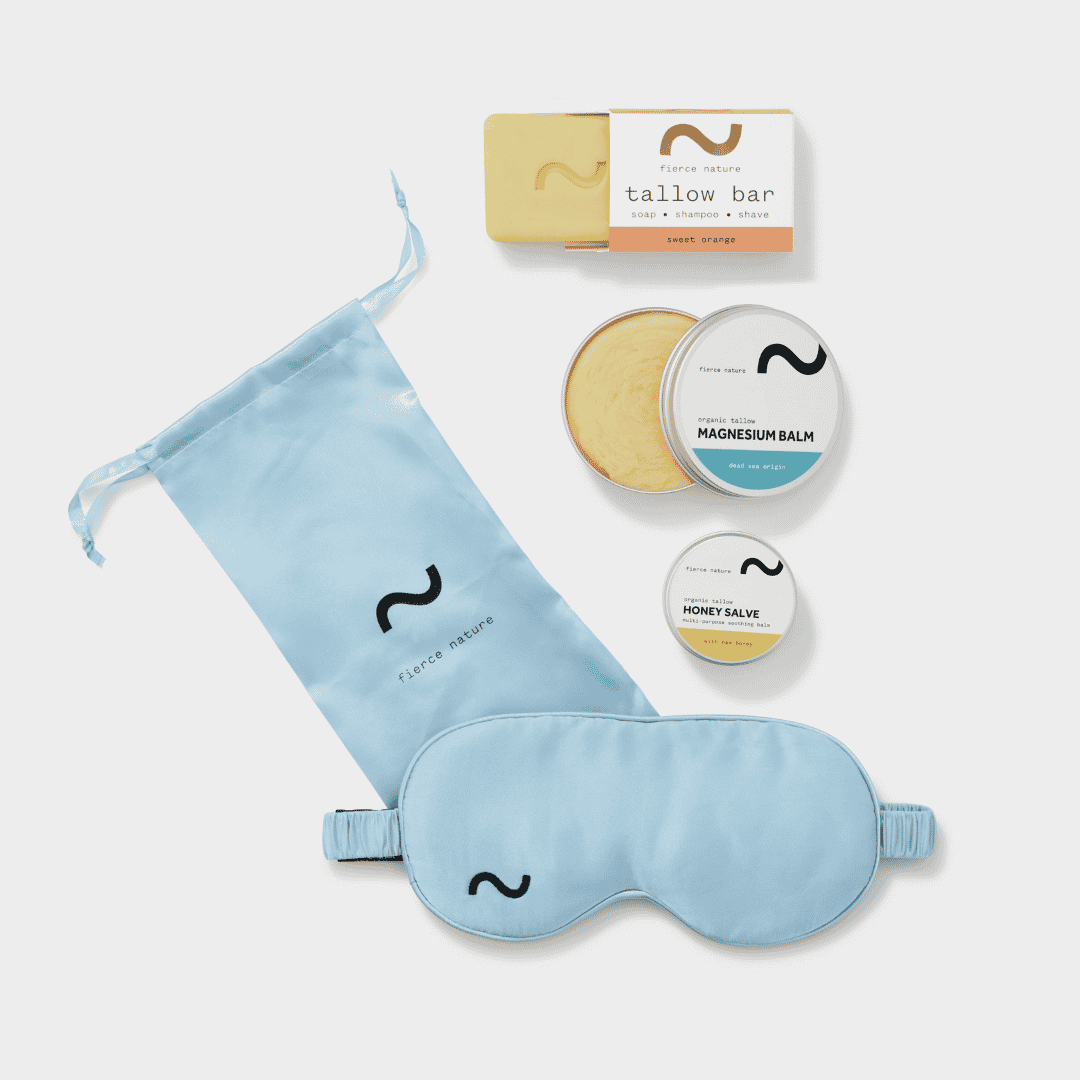
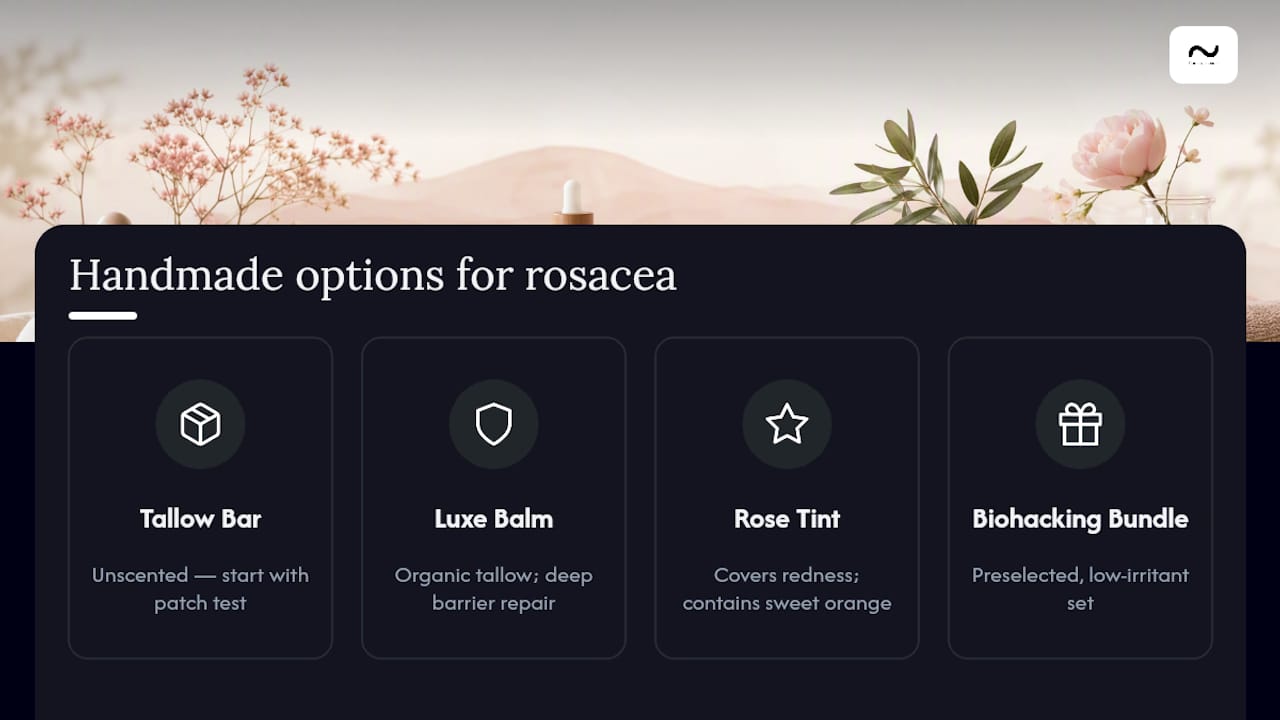
Fierce Nature exists precisely for skin that mainstream cosmetics have let down, and our tallow-based range was built around the same principle this whole guide rests on: fewer ingredients, more tolerance. Our Luxe Balm uses organic tallow for deep, bioavailable barrier repair, ideal for the moisturising step in any rosacea-safe routine. The Multi-Use Tallow Bar in unscented is our recommended starting point for patch testing, since it carries minimal added ingredients and pure emollience. If you want colour without fragrance risk, the scented Multi-Use Tallow Bar suits those without fragrance sensitivity, while the Nourish Balm with Rose Tint offers cosmetic redness coverage (it contains sweet orange, so patch test first). For touch-ups on the go, the Selfie Stick Natural is unscented and portable, and the Biohacking bundle gives you a preselected, low-irritant set if you’d rather not build a routine from scratch. Families managing a little one’s sensitive skin alongside their own can look at our Non-toxic Baby Skin Essentials. Every product is handmade in the UK with a transparent, short ingredient list. Start by building your own natural skincare routine, patch testing first, and layer in what suits your skin from there.
Botanical moisturisers combining colloidal oat and aloe have the strongest clinical support, having outperformed a standard prescription cream for redness and lesions in a randomised trial. Fragrance-free barrier balms with ceramides or squalane, such as an unscented tallow-based balm, follow closely behind for daily tolerability.
Focus on gentle cleansing, a barrier-repair moisturiser, daily mineral SPF, and avoiding fragrance, alcohol, and strong essential oils. Identifying and limiting personal triggers, whether that’s heat, alcohol, or certain foods, matters just as much as any product you apply.
A cool compress, stopping the suspected trigger, and switching to a fragrance-free emollient balm are the fastest ways to bring visible redness down. Avoid exfoliants or active ingredients entirely until the flare has settled.
Many gentle-skincare traditions favour simplicity over layering multiple actives, relying instead on hydration, barrier repair, and sun avoidance. That principle holds up well for rosacea specifically, since fewer ingredients generally means fewer chances to trigger a reaction.