Cart
0
80% Also Added this






UVA and UVB rays damage your skin in different ways, but both require daily protection. UVA (315–400 nm) penetrates deep into the dermis and drives premature ageing, while UVB (280–315 nm) burns the surface and causes most direct DNA damage. The World Health Organization and the NHS both recommend broad-spectrum SPF 30 or higher sunscreen every single day, regardless of the season.
Three things you can do right now:
UVA ages skin through deep, cumulative exposure while UVB burns it directly, so broad-spectrum SPF 30+ applied daily is the single most effective everyday defence against both.
| Point | Details |
|---|---|
| UVA dominates exposure | UVA makes up around 95% of surface UV and penetrates deep into the dermis, driving premature ageing. |
| UVB causes burning | UVB is only about 5% of surface UV but carries higher energy, causing sunburn and direct DNA damage. |
| UV strength varies | Time of day, season, altitude, and reflective surfaces like water and snow all raise exposure levels. |
| Broad-spectrum is essential | Only a broad-spectrum label confirms protection against both UVA and UVB, not just one. |
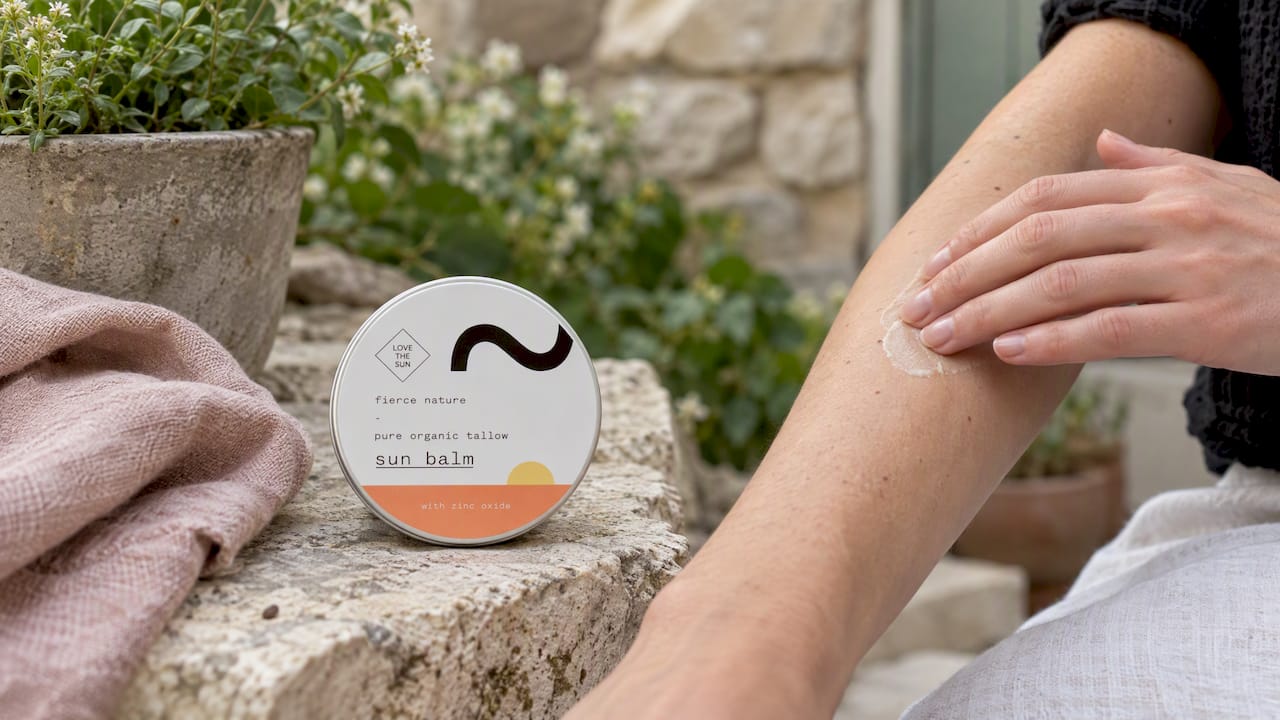
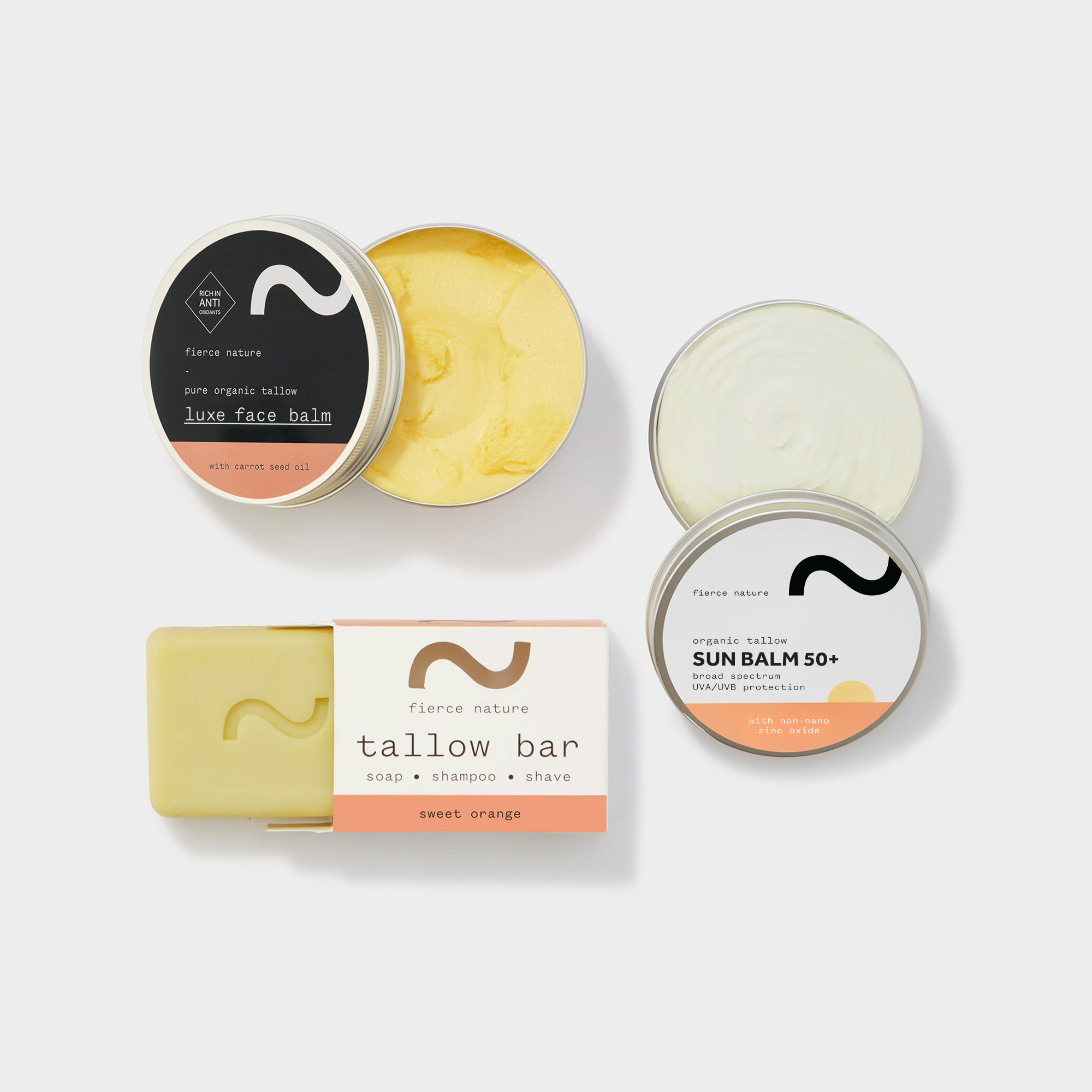
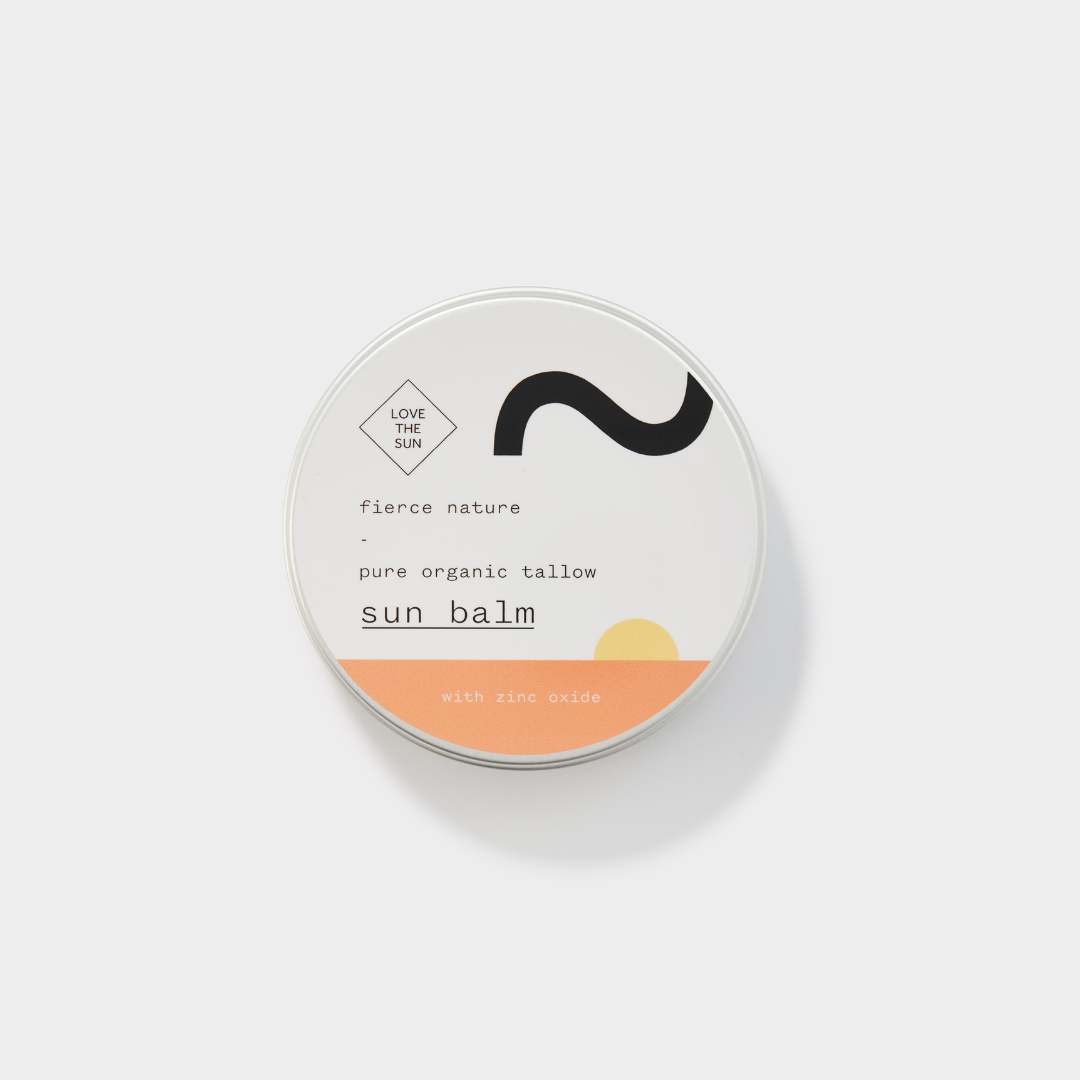
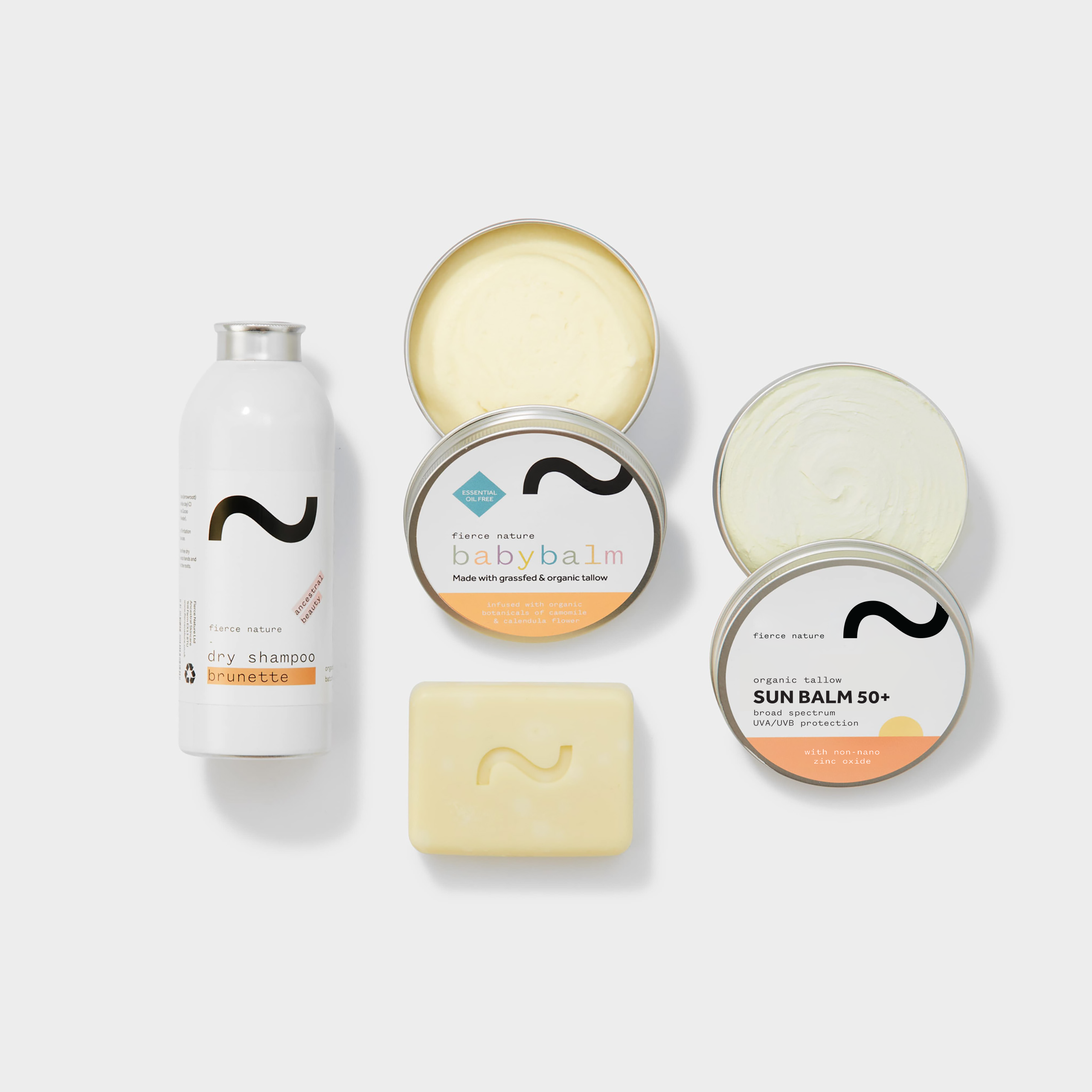
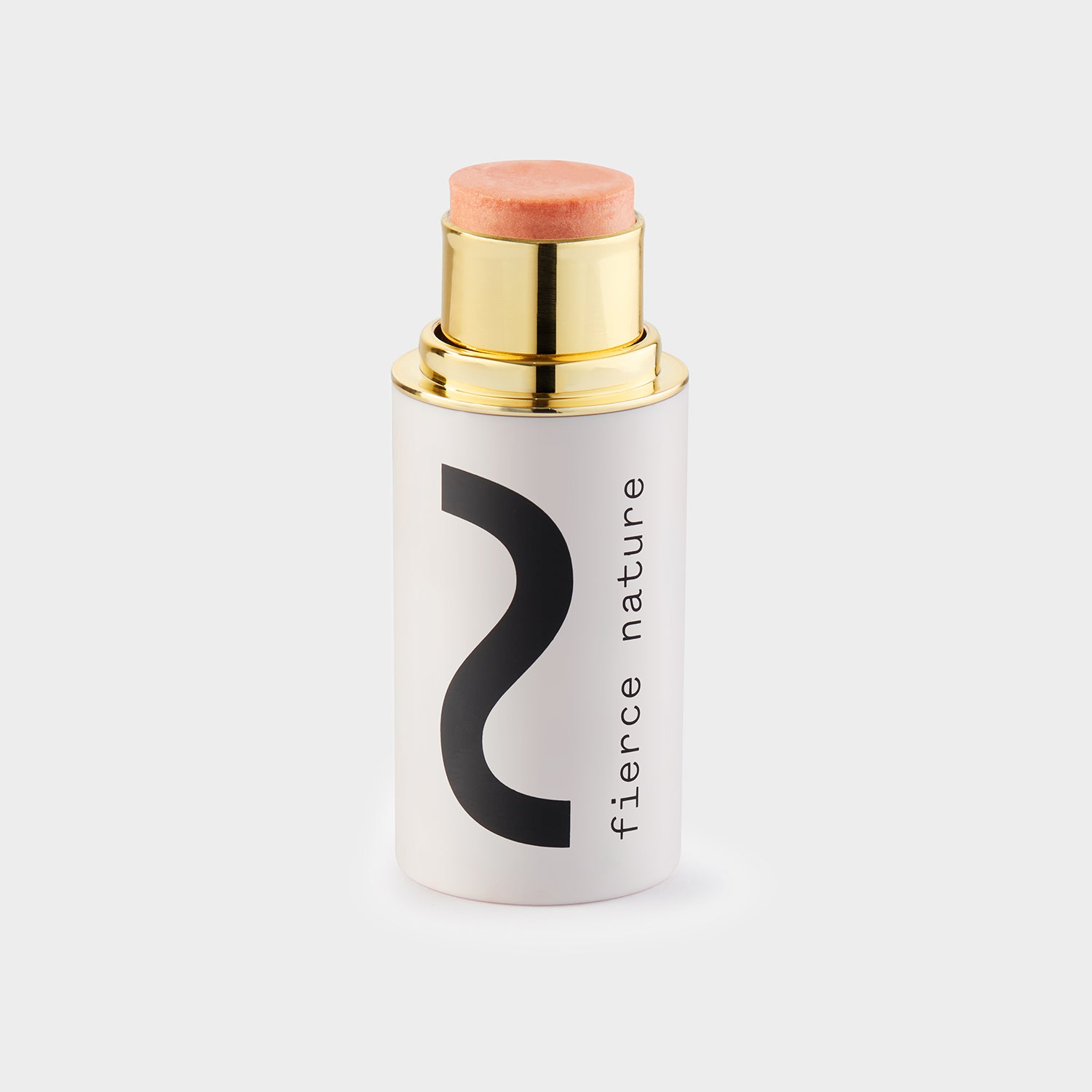
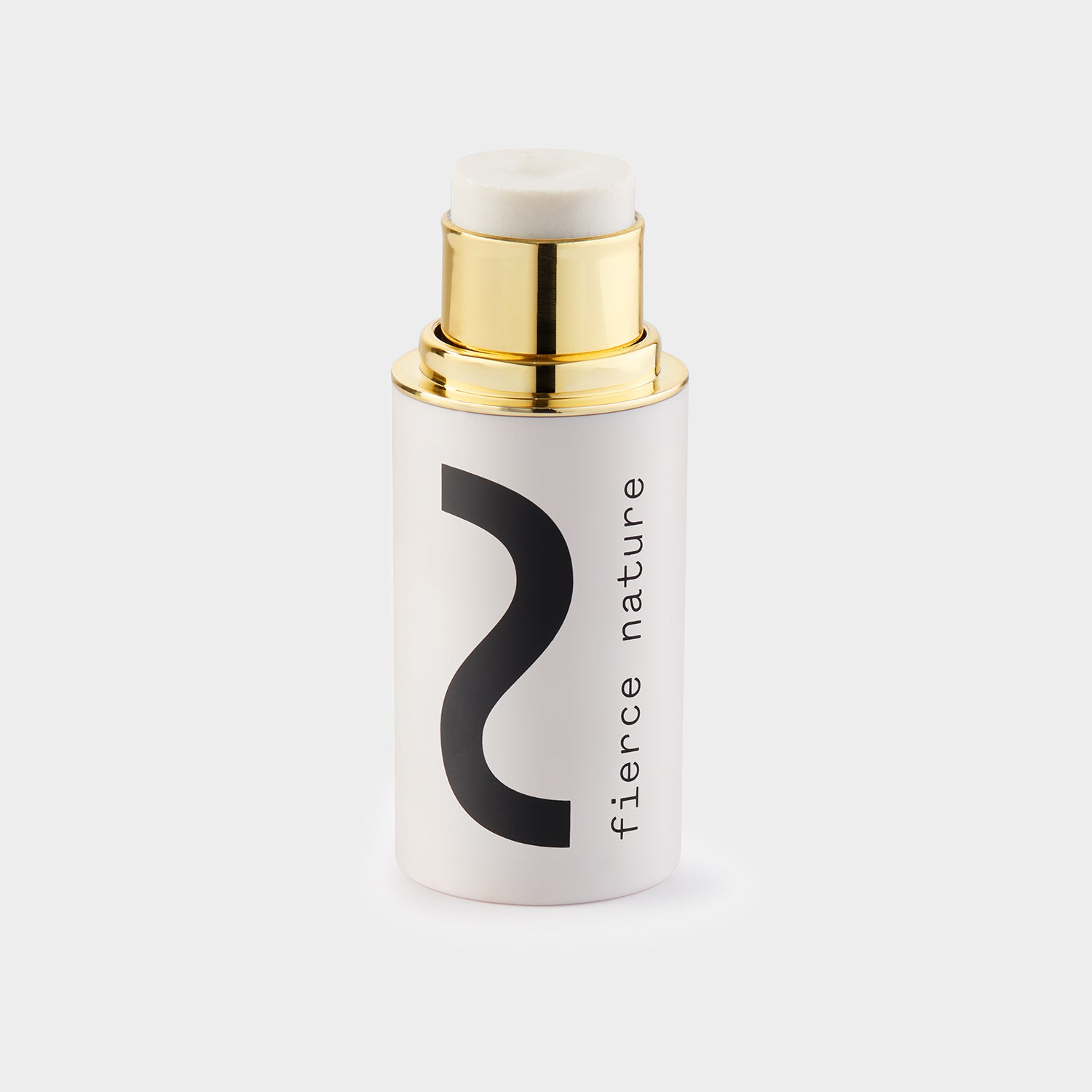
| Choose non-toxic daily protection | Fierce Nature’s Sun Balm SPF 50 offers broad-spectrum, tallow-based protection without synthetic filters. |
This article is general information, not a substitute for advice from a qualified doctor. Consult a qualified healthcare professional about your own circumstances before acting on anything here.
Ultraviolet (UV) radiation is invisible energy from the sun that sits just beyond violet light on the electromagnetic spectrum, spanning roughly 100 to 400 nanometres. It splits into three bands: UVA (315–400 nm), UVB (280–315 nm), and UVC (100–280 nm). UVC carries the shortest wavelength and the most energy, but the ozone layer absorbs nearly all of it before it reaches us. That’s why your everyday sun exposure is really a conversation between just two bands—UVA and UVB—not three.
UVA makes up the vast majority of the ultraviolet radiation that reaches the Earth’s surface. Its longer wavelength lets it slip through clouds, glass, and deep into the dermis, the skin layer that holds your collagen and elastin. That’s why UVA is the main driver of premature ageing: fine lines, sagging, and sun spots that show up years after the exposure that caused them.
UVA doesn’t announce itself. You won’t feel it burning, which is exactly what makes it so easy to underestimate.
Pro Tip: If you sit near a window at home or in the car for long stretches, that’s UVA exposure clocking up quietly. A broad-spectrum balm applied in the morning covers you even on days you never step outside.
UVB makes up a much smaller portion of ground-level UV, but it carries far more energy per photon than UVA. That energy is absorbed largely in the epidermis, your outer skin layer, which is why UVB is the ray responsible for sunburn and the most direct form of UV-related DNA mutation.
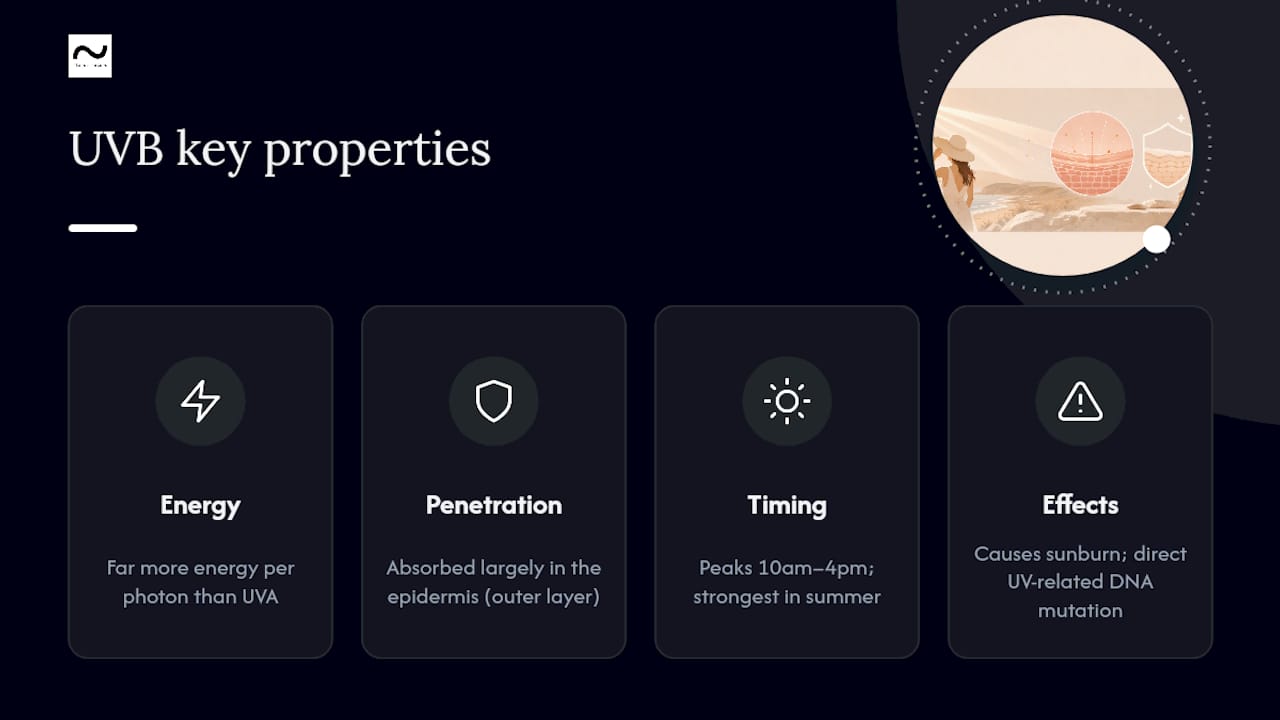
UVB intensity swings dramatically with the clock and calendar. It peaks between 10am and 4pm and is strongest in summer, which is why a lunchtime walk in July carries far more UVB risk than the same walk in November. UVB also triggers vitamin D synthesis in the skin, though brief, incidental exposure during normal daily life is usually enough for that process; it isn’t a reason to skip sunscreen. Tanning beds emit concentrated UVB alongside UVA, and dermatologists are consistent on this point: no tanning bed is a safe way to get colour.
UVC has the shortest wavelength and highest energy of the three bands, but the atmosphere filters it out before it reaches ground level. You’ll only encounter it from artificial sources like germicidal lamps, not sunlight.
UV exposure isn’t constant. Several environmental factors push it higher:
The UV Index gives a daily rating of expected UV strength, but daily protection matters regardless of that number, because damage accumulates over years, not single high-index days. Cloud cover blocks some UVB but lets much of the UVA through, and glass behaves the same way, filtering UVB more effectively than UVA.
Short-term harm shows up fast: sunburn from UVB, and photokeratitis (a painful, temporary burn to the eye’s surface) from overexposure to either band. The cumulative effects run deeper. Photoageing from UVA builds over decades. Both UVA and UVB contribute to skin cancer risk, and UVB in particular is effective at suppressing immune activity in the skin, meaning the damage isn’t limited to what you can see in the mirror.
Cataracts are another long-term consequence of unprotected UV exposure to the eyes. Children face a specific version of this risk: a child’s eye can transmit substantially more UVA through to the retina than an adult’s, which is one reason proper sunglasses matter earlier than most parents assume, not just a hat.
Tanning beds deserve a direct mention here. Dermatologists and cancer researchers are unambiguous that tanning beds mirror, and often intensify, the same harms as unprotected solar exposure. There’s no version of an indoor tan that sidesteps the biology.
Protection works best as a routine, not a one-off decision on sunny days. Here’s the order that actually holds up:
Reading a sunscreen label properly makes a real difference. Broad-spectrum means the product protects against both UVA and UVB, which matters because SPF numbers only measure UVB defence. Some products carry a separate UVA rating, such as a circled “UVA” mark or a star system, to indicate how well they handle the other band. A high SPF with no broad-spectrum claim can still leave you exposed to the ray doing the most long-term ageing damage.
On amounts: most adults need roughly a teaspoon for the face and neck, and about a shot glass’s worth for the body, applied generously rather than rubbed in thinly. A quick label checklist:
Fierce Nature takes the same broad-spectrum principle and applies it to a natural sun balm built without the synthetic filters found in many conventional formulas, an approach explained further in our piece on natural sunscreens in the UK.
The claims in this article rest on established public health guidance rather than opinion. The World Health Organization and the CDC both publish detailed breakdowns of the UV spectrum and its documented health effects, including the immune-suppressing role of UVB and the mechanisms behind photoageing. The NHS frames daily sun protection as a year-round habit rather than a summer-only concern, precisely because UVA exposure doesn’t pause for cloudy days or cooler months.
Clinical and dermatological literature consistently links cumulative UV exposure, from both UVA and UVB, to melanoma and non-melanoma skin cancers, and organisations including Cancer Research UK have been explicit that tanning beds carry the same risks as unprotected solar exposure, not a safer substitute. A dermatology-focused resource, the Enriched Med Spa guide on daily sunscreen use, reinforces the same point from a clinical skincare perspective: consistency matters more than any single high-UV day.
None of this is designed to alarm you. It’s designed to make the daily habit feel worth keeping, even when the sky looks grey and the risk feels invisible.
We built Fierce Nature because harsh, chemical-laden products caused real reactions on real skin, mine included, growing up. Daily sun protection deserves the same scrutiny: it should defend your skin without introducing new irritants. Our tallow-based formulas are made to nourish while they protect, so you’re never trading one skin problem for another. Explore our full balm range to see what that looks like in practice.
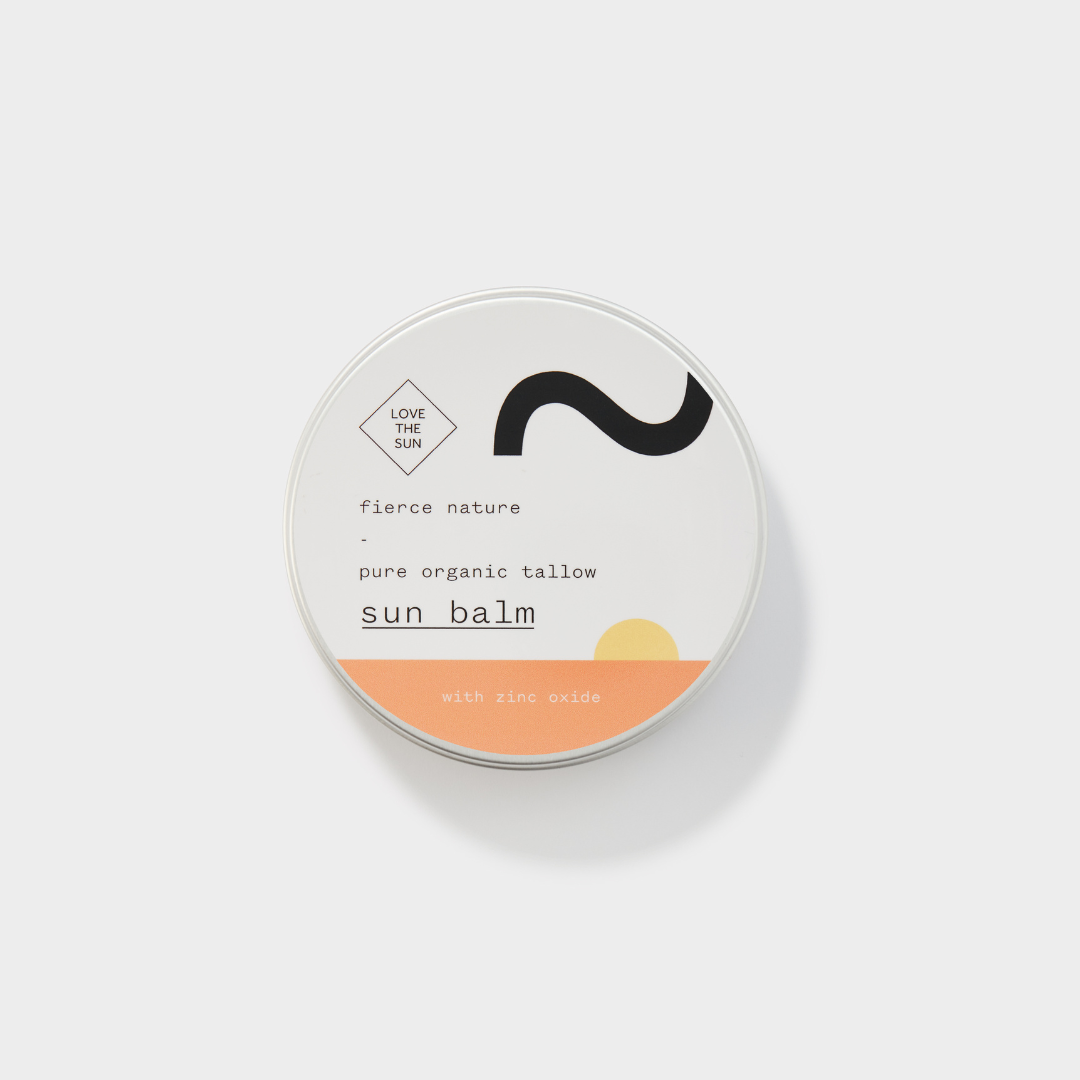
If you’re looking to build broad-spectrum protection into your routine without synthetic filters or a long ingredients list you can’t pronounce, our Sun Balm SPF 50 is worth a look. It’s formulated on our organic tallow base, the same skin-food foundation behind everything we make, so it works with your skin rather than sitting on top of it. We’re not claiming it outperforms every product on the shelf, only that it gives you broad-spectrum coverage without the trade-offs that sent many of our customers looking for an alternative in the first place. Visit the product page to check the details and see if it fits your routine.
Neither is strictly “worse”, they cause different harm. UVB burns and drives direct DNA damage linked to cancer, while UVA causes deeper, cumulative ageing damage that’s harder to notice until years later.
Both contribute to tanning. UVB triggers the skin’s initial pigment response, while UVA causes the pigment already present to darken, which is why tanning beds that rely heavily on UVA still produce colour.
Vitamin D synthesis is triggered by UVB exposure on the skin. Brief, incidental daily exposure is typically enough, so it isn’t a reason to skip sunscreen.
UVA passes through most standard window glass largely unfiltered, which is why UVA exposure continues indoors near windows or while driving. UVB is mostly blocked by glass.