Cart
0
80% Also Added this

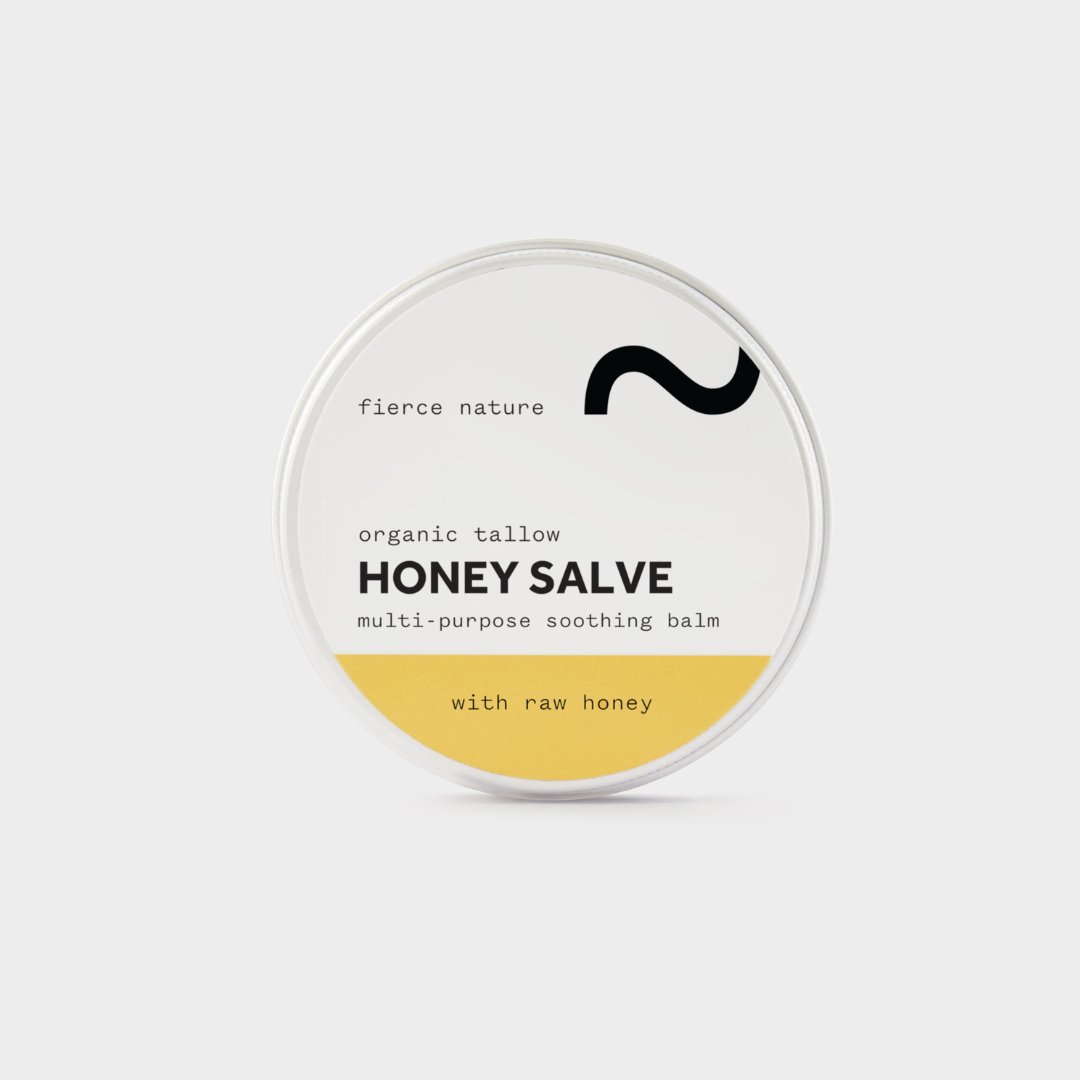
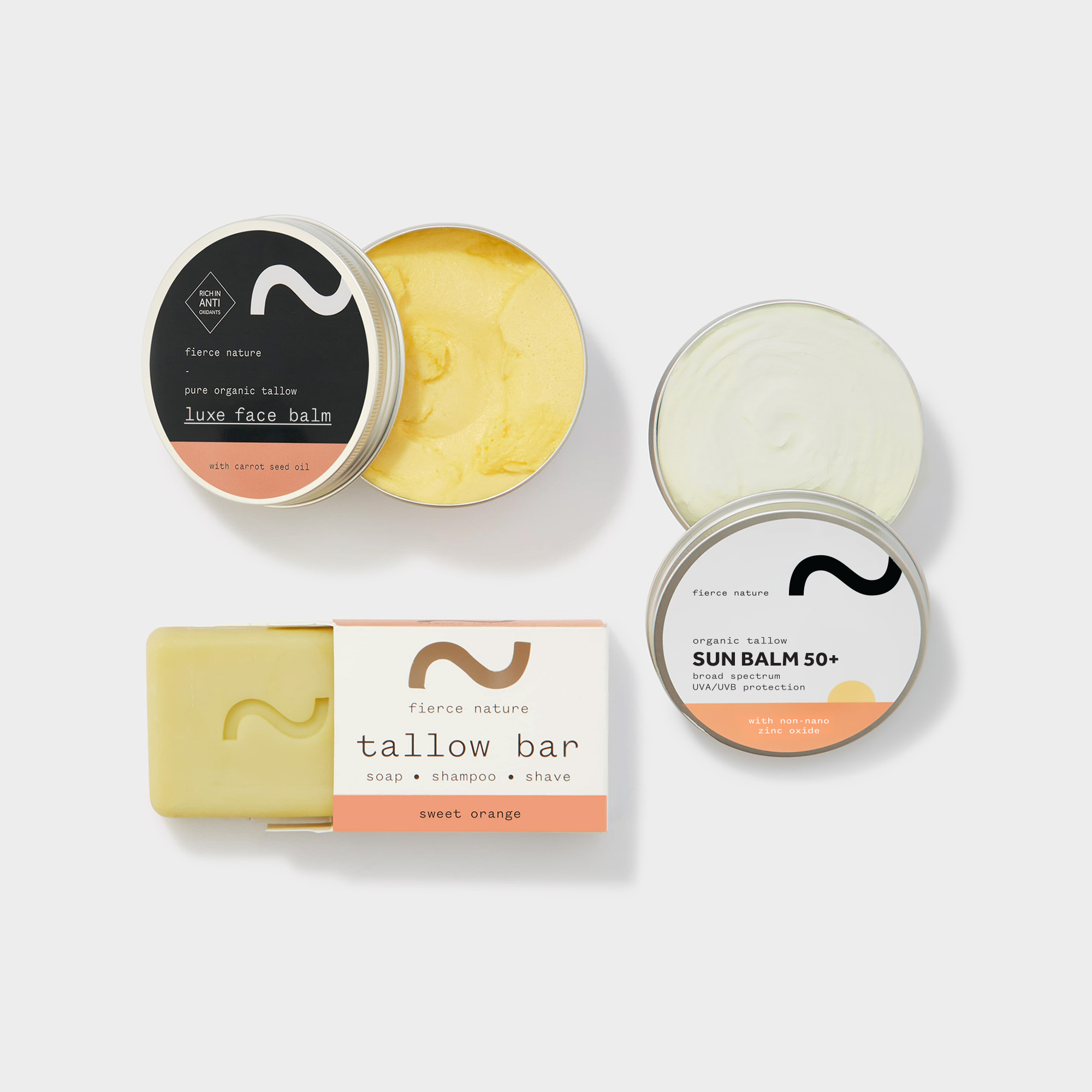
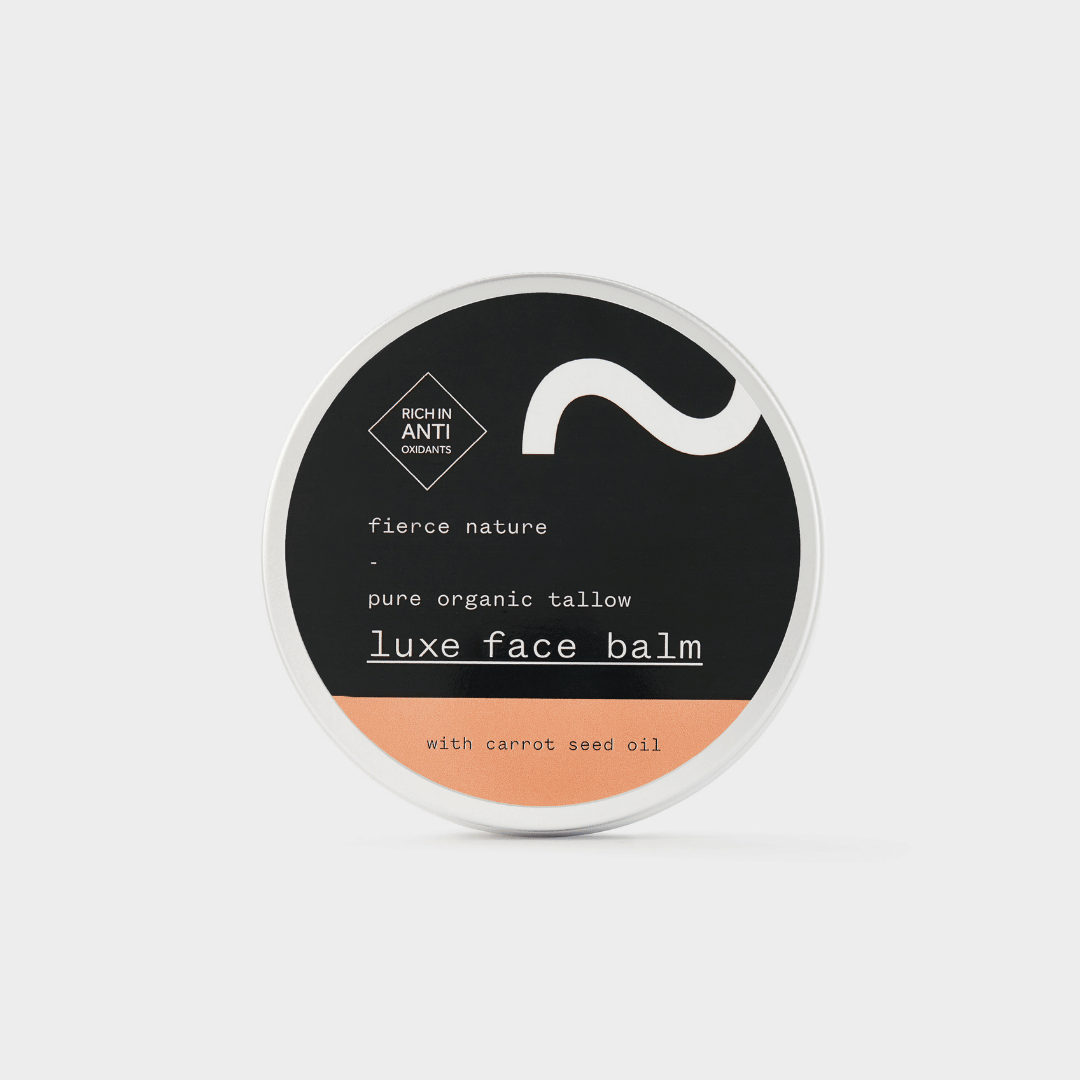
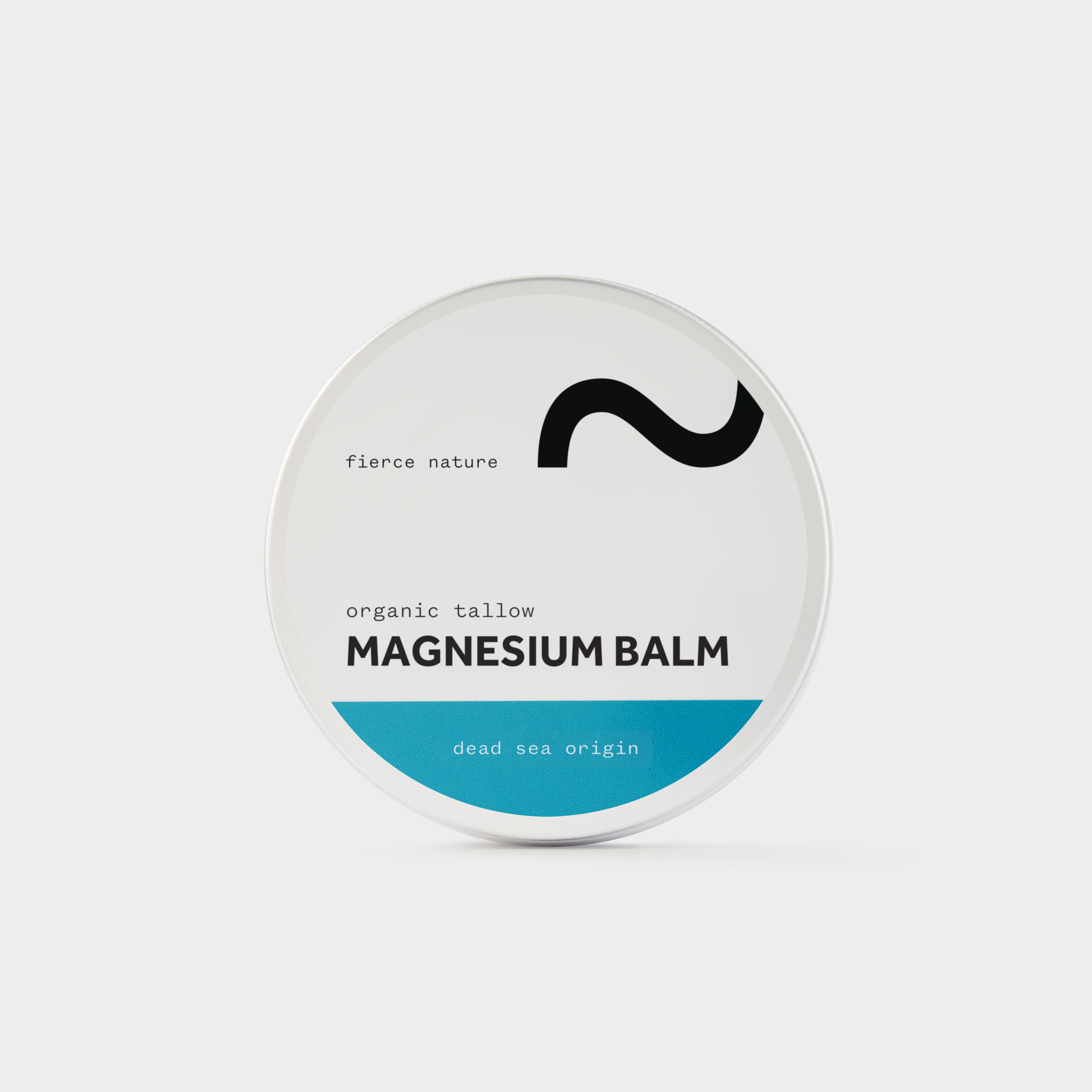
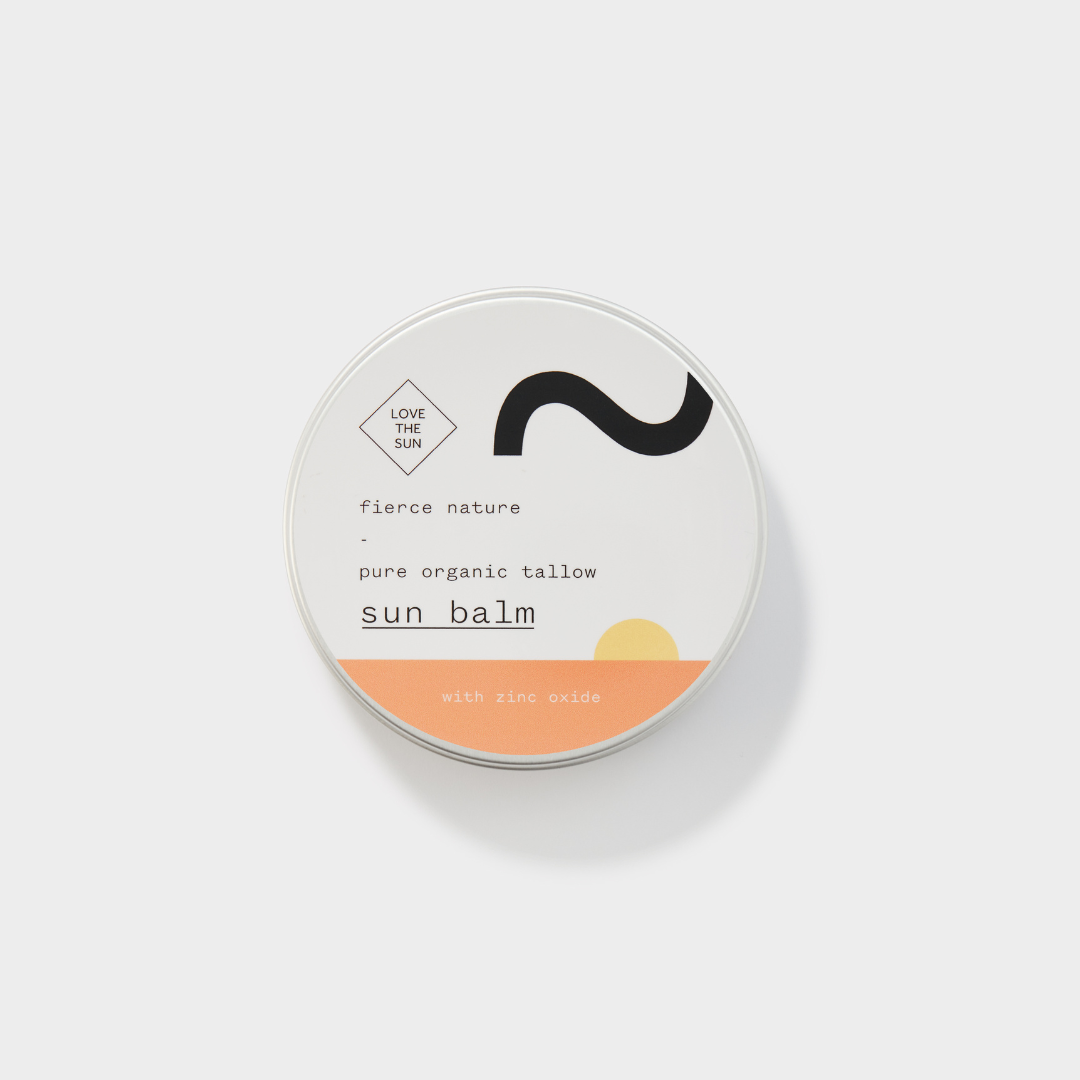
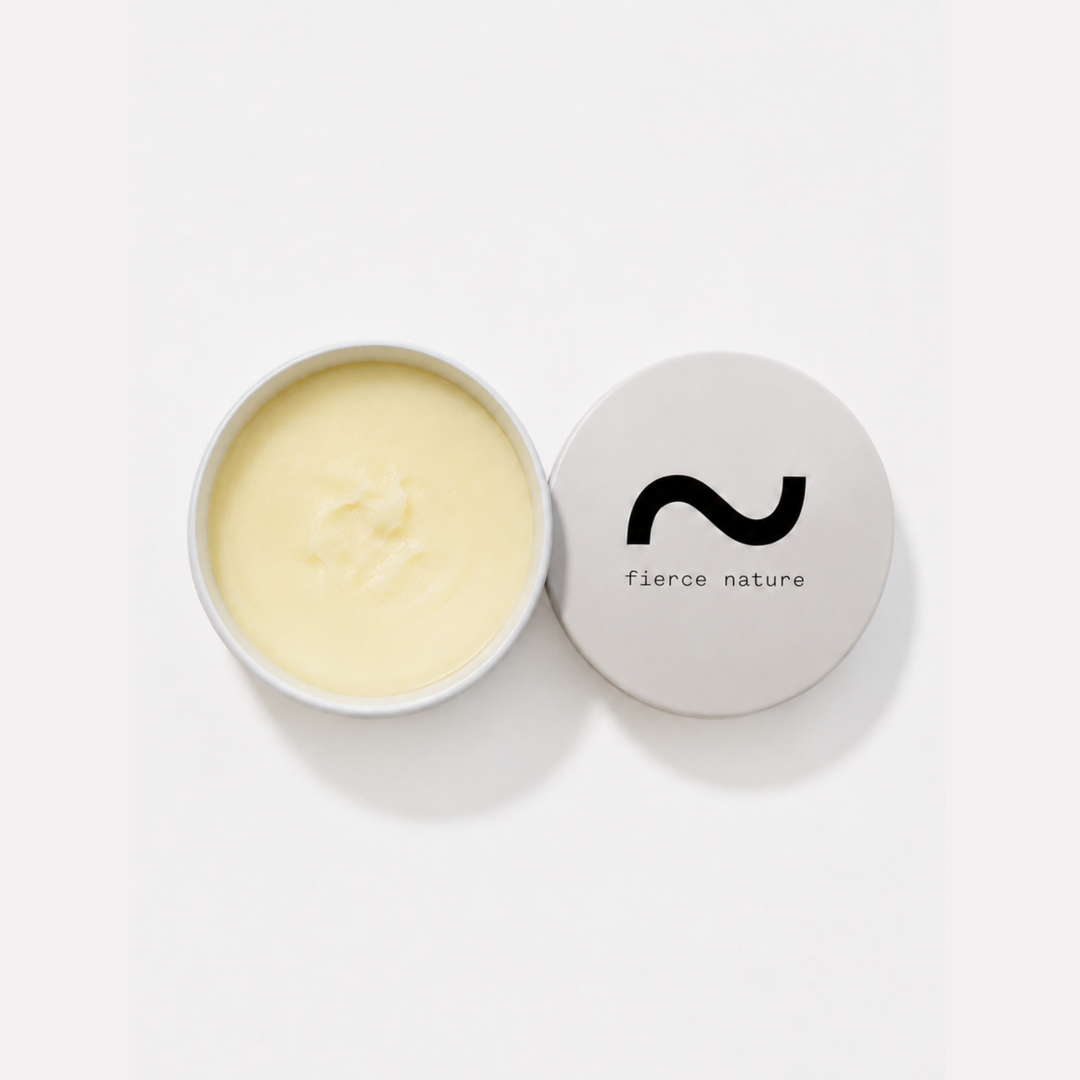
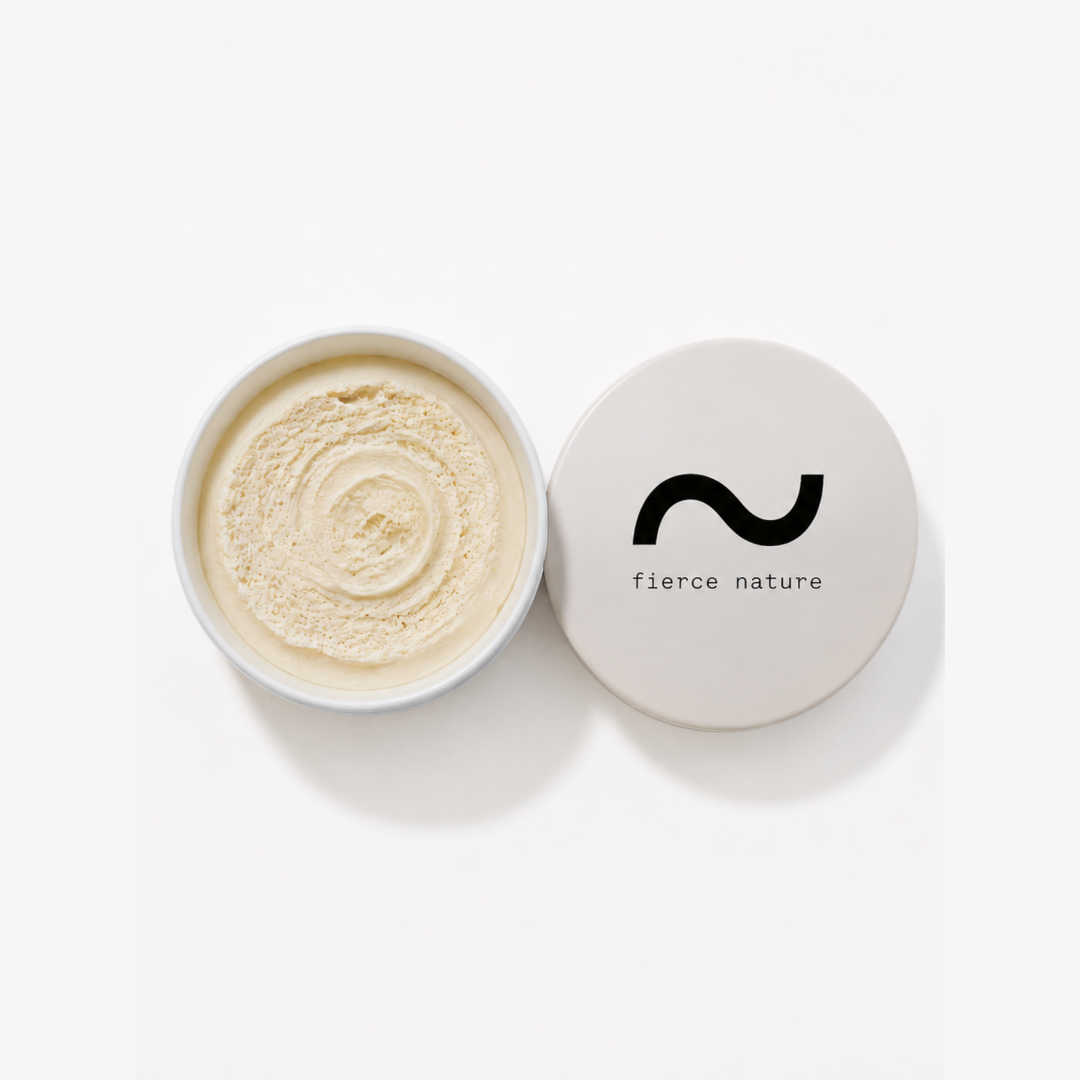
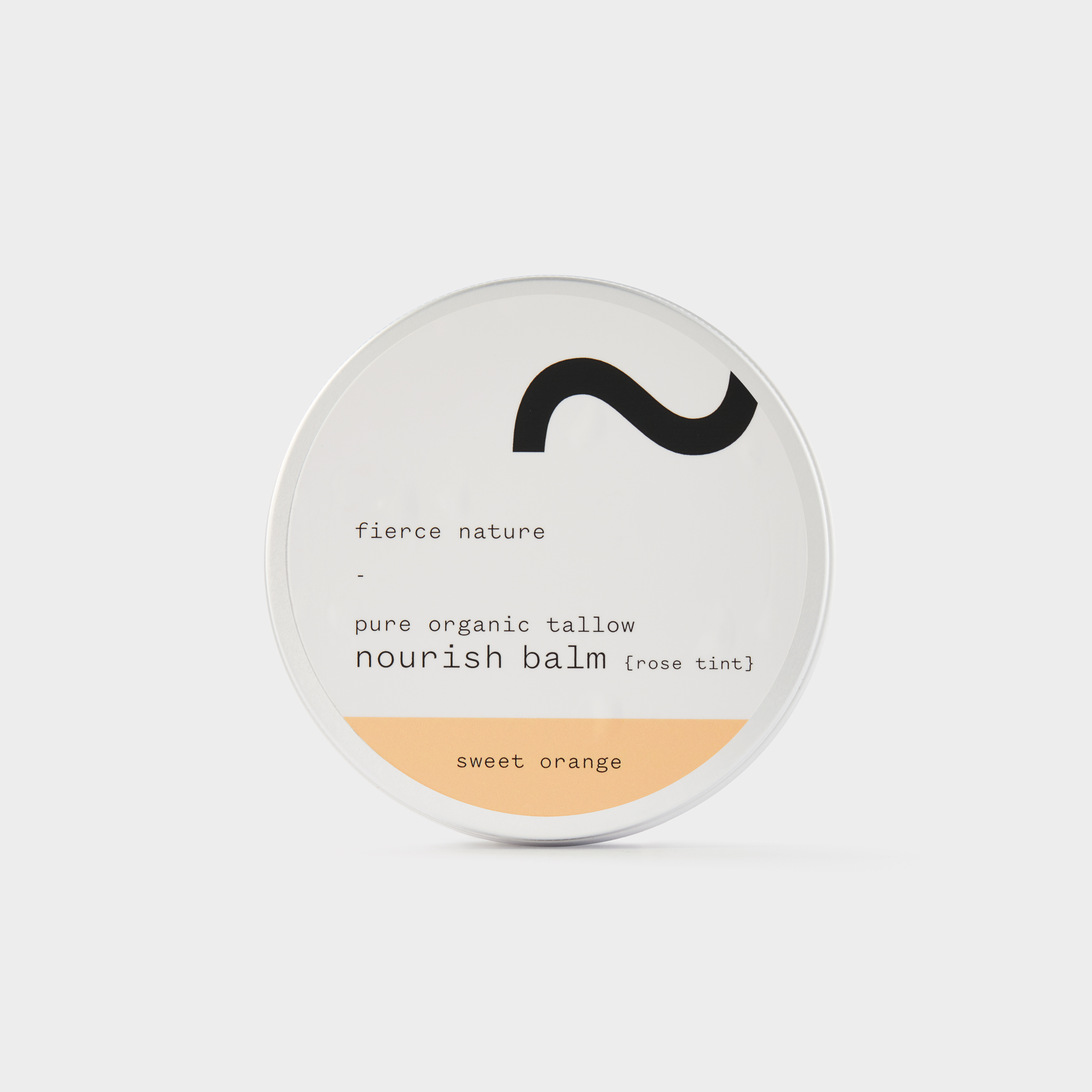
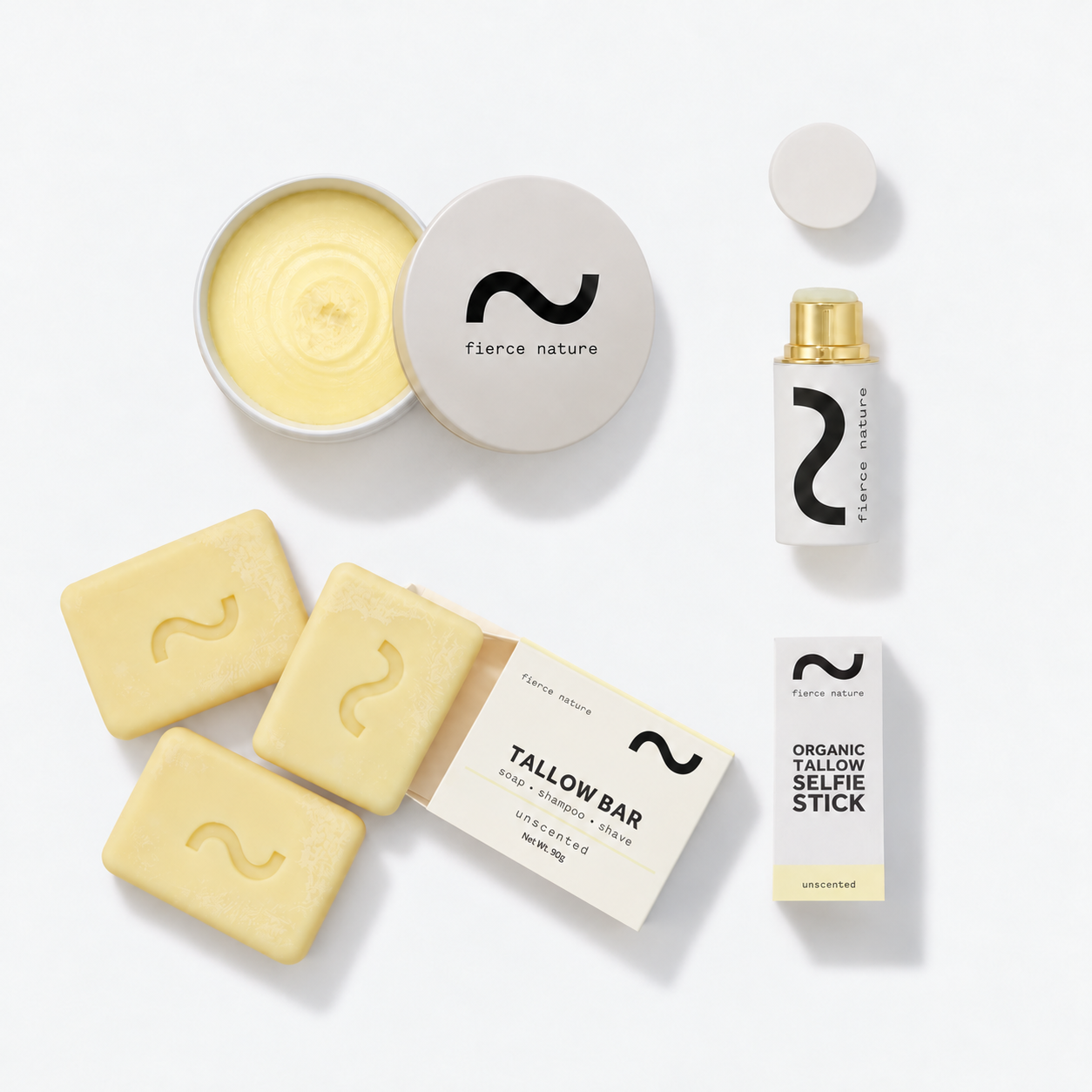

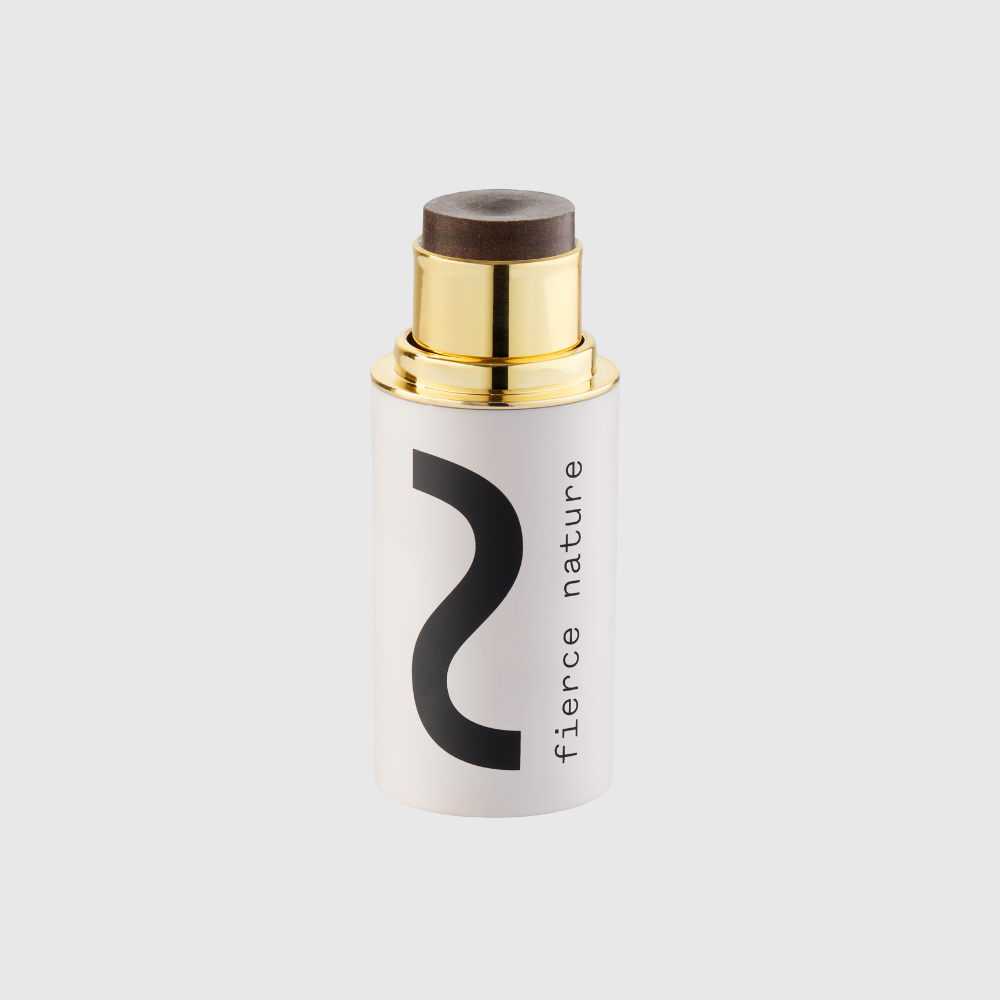
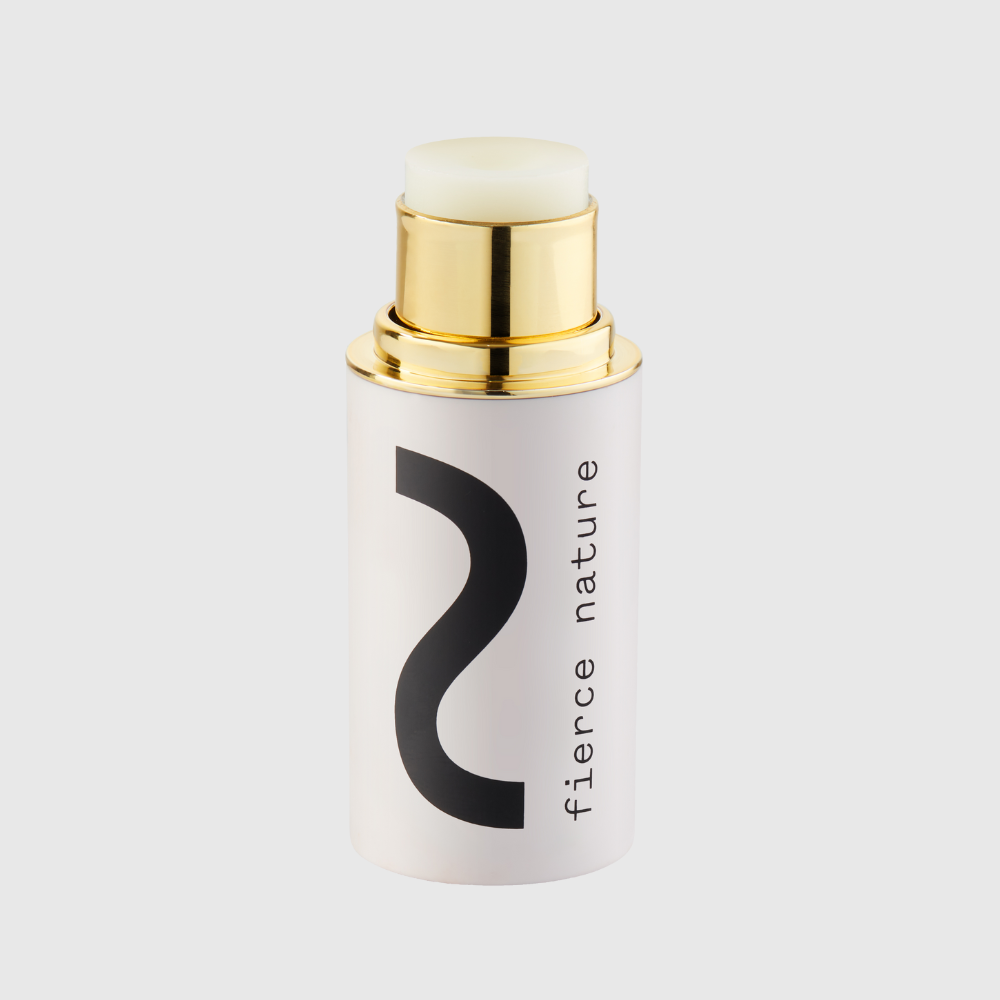
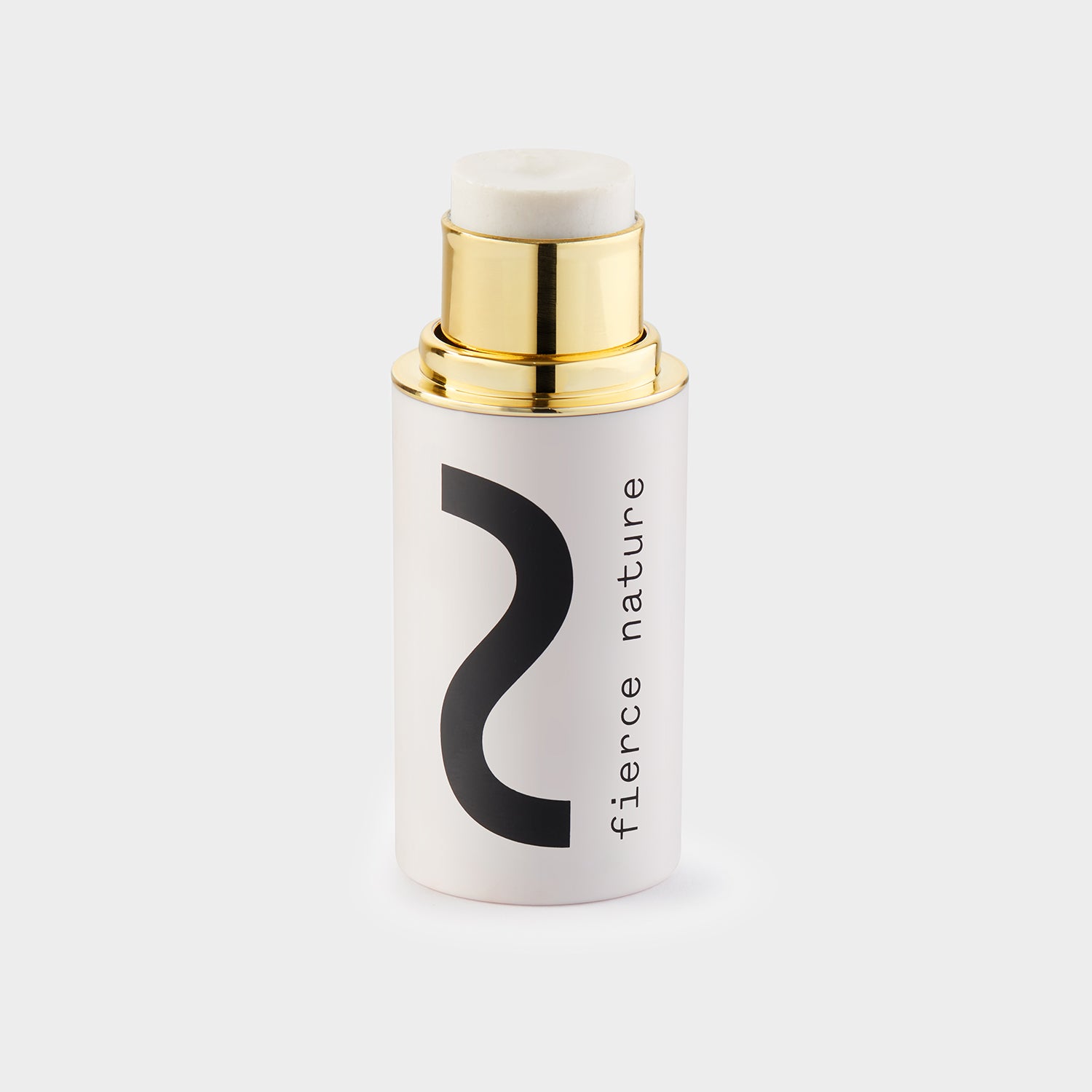
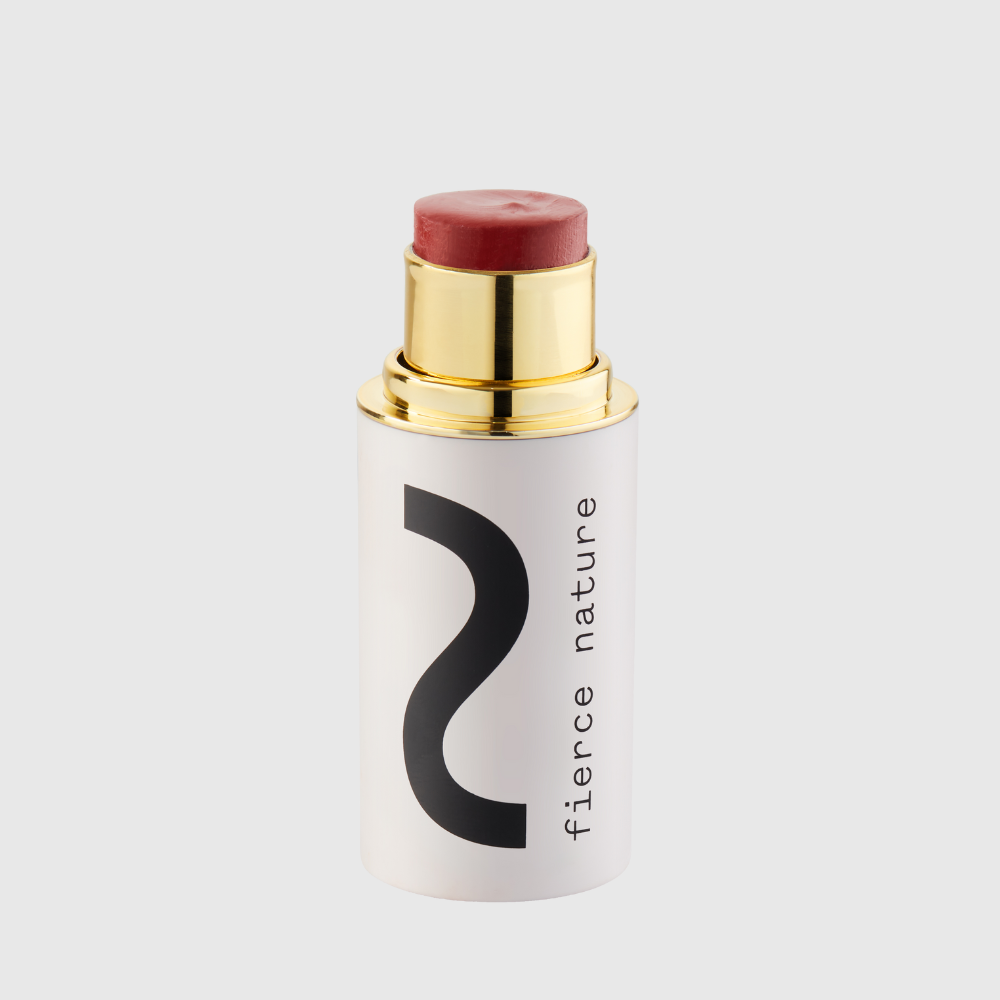



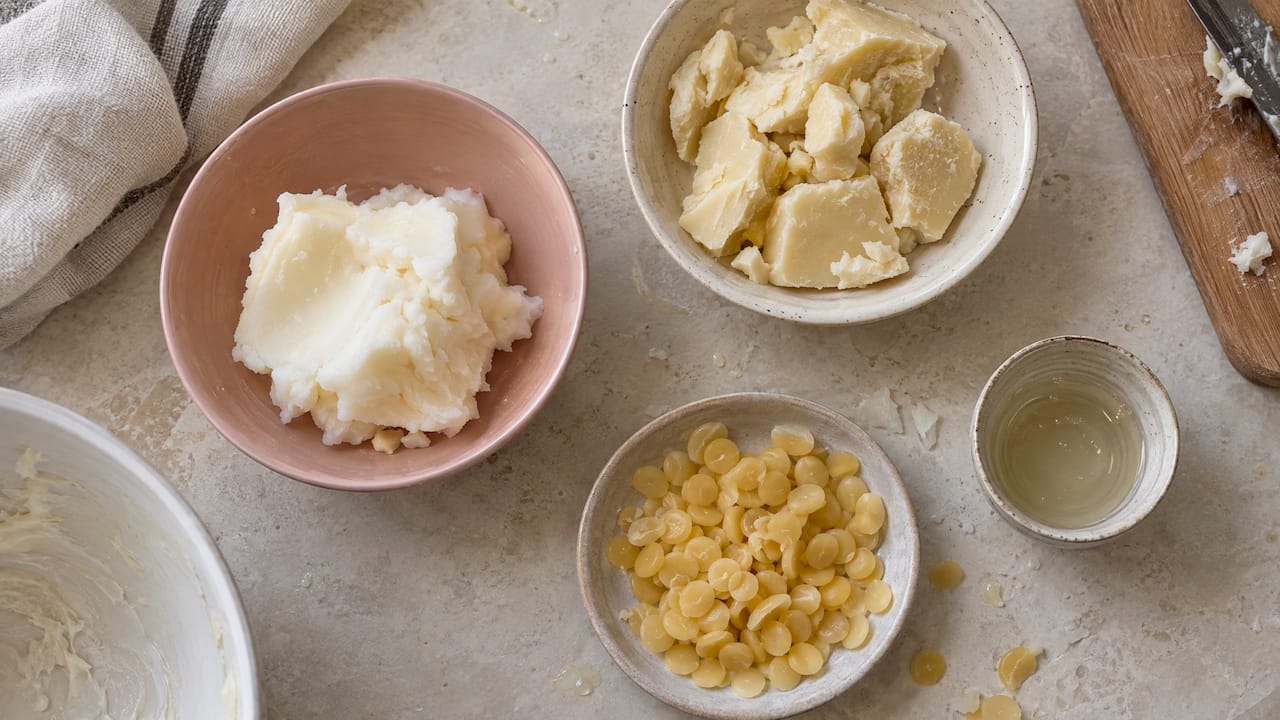
A good eczema balm does three jobs: it softens dry, cracked skin, it seals in moisture, and it keeps out the things that set your skin off. The ingredient list tells you whether it can do that. Look for a short, unperfumed list built on a rich, nourishing base (such as organic tallow, shea butter or ceramides), and be wary of fragrance, essential oils and a long tail of preservatives. For a baby, the same rules apply with extra care, and a GP or pharmacist should see any rash that worries you.
We make handmade, tallow-based balms in the UK, so we read ingredient lists closely. Here is how we would read one with you, ingredient by ingredient.
Eczema-prone skin has a weakened outer layer. The skin loses water more easily and lets irritants in more easily, which is why it feels tight, itchy and sore. A balm is there to support that barrier, so it helps to know what each type of ingredient does.
The National Eczema Society’s guide for health professionals (2024) groups moisturising ingredients into three families.
Emollients are oily or fatty substances that fill the tiny gaps between cells in the outermost layer of skin, leaving it smoother and more supple. Common examples include shea butter, cocoa butter, ceramides, lanolin and glyceryl stearate. In a natural balm, plant butters and animal fats such as tallow do this job.
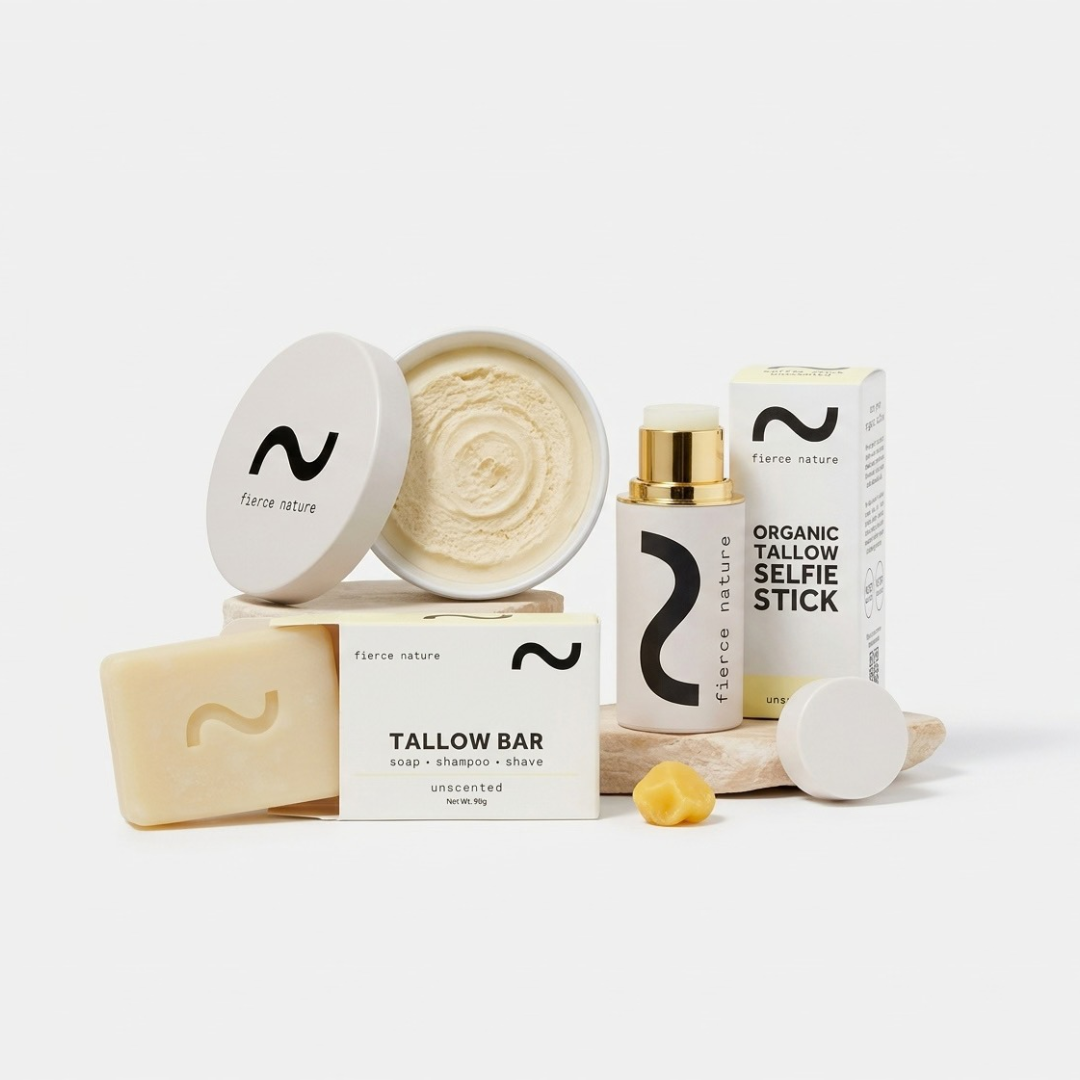
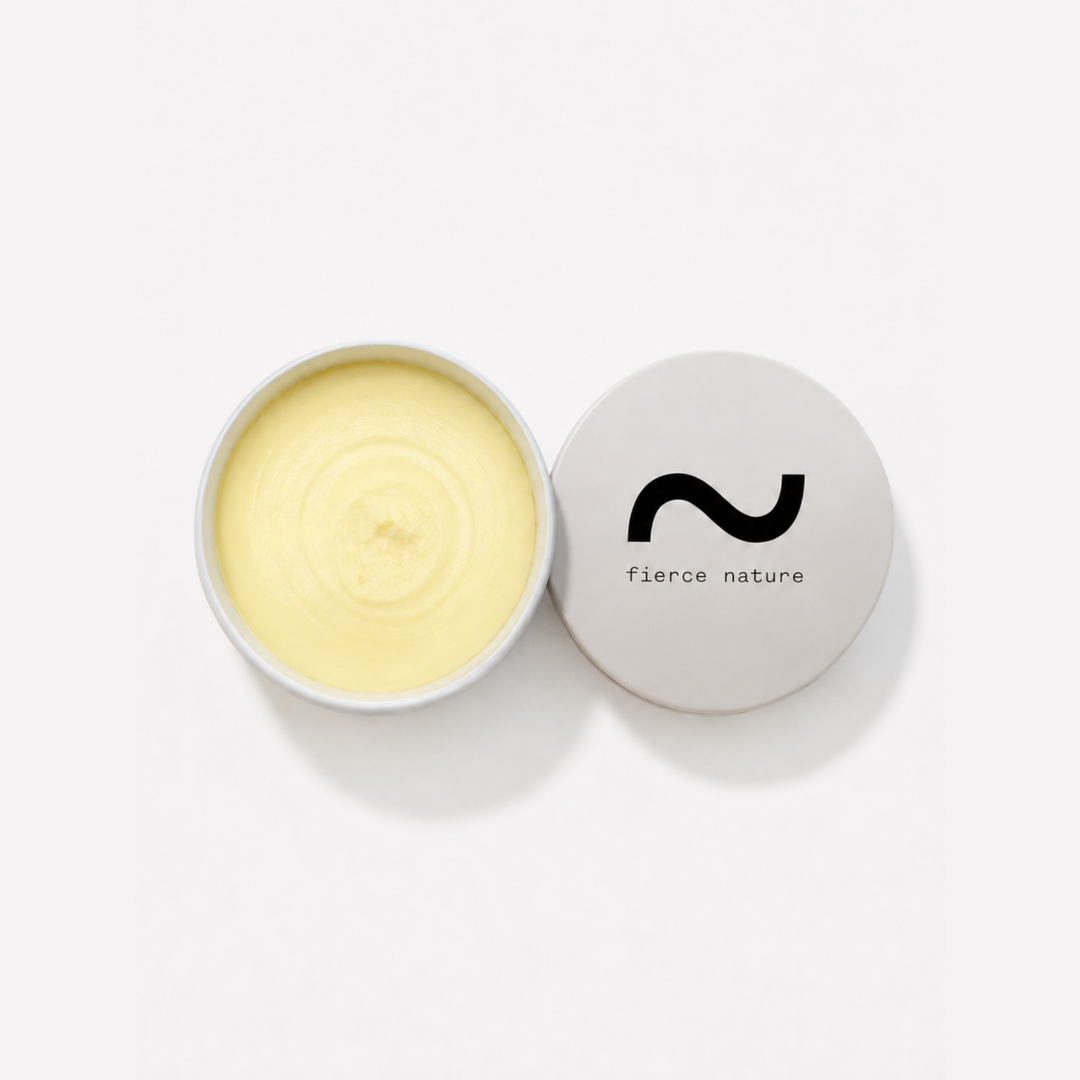
Tallow is close to the fats found naturally in human skin, which is why it has been used for centuries as a skin emollient. Our own view is that tallow’s bioavailability makes it a deeply nourishing skin food, and it is the foundation of every balm we handcraft in the UK. We use organic, grass-fed tallow because the quality of the fat matters when it is the main ingredient.
Occlusive ingredients sit on the surface and form a protective layer that slows evaporation of water from the skin. Petrolatum, paraffin, mineral oil and dimethicone are the best-known examples. Beeswax and some butters also have a sealing effect, and richer, greasier balms in general behave as occlusives.
The point worth remembering is that a sealing layer locks in what is already there. Dermatologists describe it as moisture first, then a topcoat to keep it in. That is why many people apply balm straight after a bath or shower, while the skin is still slightly damp.
Humectants such as glycerine, urea, lactic acid and propylene glycol attract water and hold it in the upper layer of skin. They are common in lighter creams and lotions. Some acidic humectants and urea can sting on skin that is scratched or split, so they suit intact skin better than raw patches.
Dermatology guidance describes ointments and balms as best for dry, thick, scaly skin, creams as easier for broad daytime use and for weepy areas, and lotions as handy on hairy skin. Greasy emollients are generally preferred for children, because they stay on the skin longer. A balm is, in effect, the richer end of that range: it is what you reach for on the driest patches, such as hands, elbows, knees, shins and behind the ears.
When you read a label, these are the names that usually signal a barrier-friendly balm.
| Ingredient | What it does | Where you will see it |
|---|---|---|
| Tallow (organic, grass-fed) | Rich emollient base, deeply nourishing | Our face and body balms |
| Shea butter | Softens and smooths, adds richness | Many natural balms |
| Cocoa butter | Softens, forms a gentle protective layer | Body butters, balms |
| Ceramides | Replace fats naturally found in the skin barrier | Creams, some balms |
| Glycerine | Draws water into the skin | Lotions, creams |
| Beeswax | Adds body and a light seal | Natural balms |
| Plain plant oils (e.g. sunflower seed) | Soften and spread easily | Natural balms |
Ceramides are fats that make up a large share of the skin’s natural barrier, and products rich in them are widely recommended for eczema-prone skin. If you want to understand how they differ from humectants like hyaluronic acid, the short version is that ceramides rebuild the barrier’s structure, while hyaluronic acid pulls in water.
The fewer ingredients a balm contains, the fewer chances there are for something to irritate you. A balm with a handful of recognisable ingredients is also far easier to check against your own history of reactions. We are fully transparent about what goes into ours, and we think that is the standard every balm should meet.
People with atopic eczema are at higher risk of irritant contact dermatitis, which is skin inflammation caused by things that touch it. The NHS lists the common irritants for eczema-prone skin as soaps and detergents, antiseptics, perfumes and preservatives in toiletries, solvents, disinfectants and hard or chlorinated water. Common allergens include cosmetic preservatives, fragrances, hair dye, nickel, latex and dyes in clothing.
In a balm, that translates into a practical shortlist.

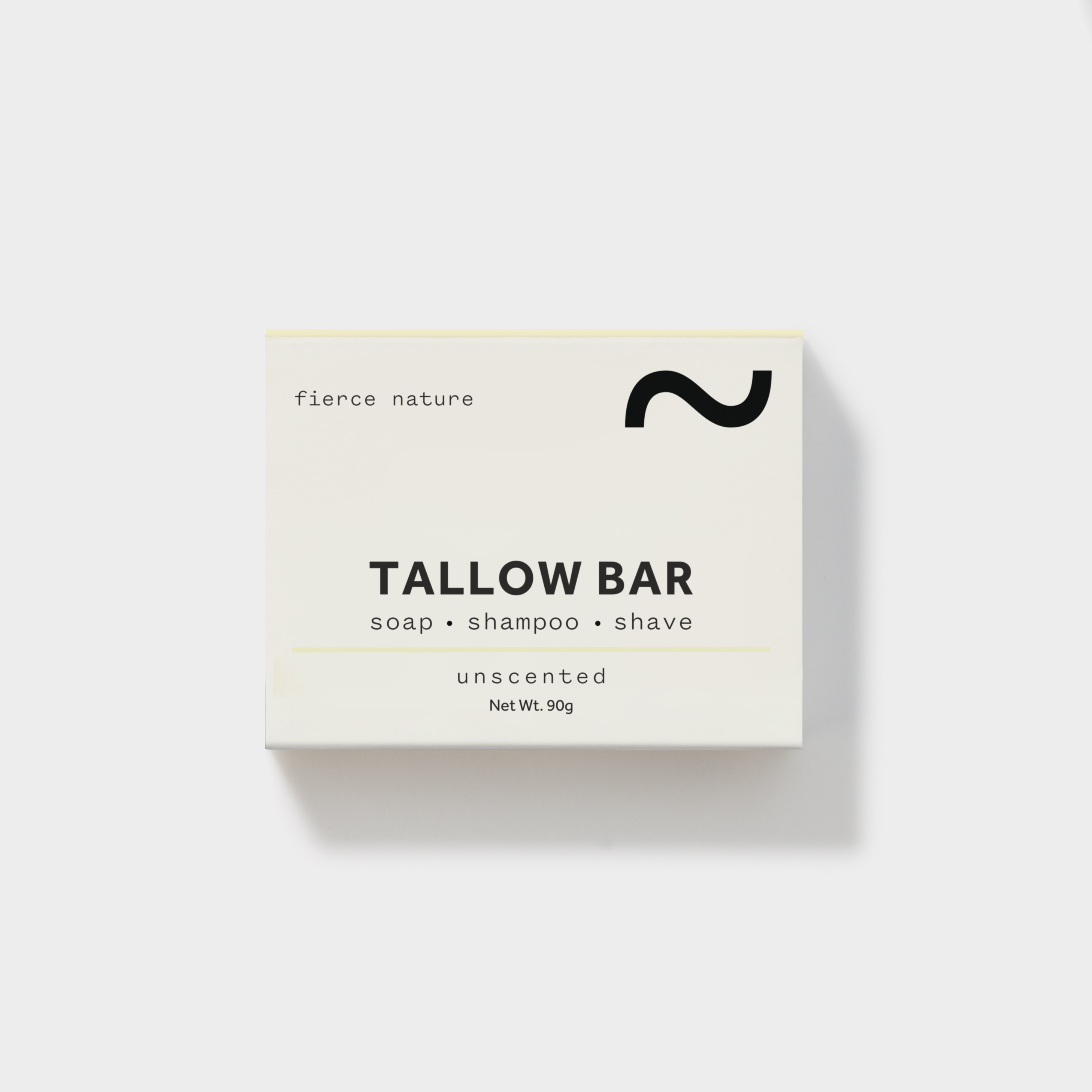
Perfume is one of the most frequent culprits, and it appears on labels as “parfum” or “fragrance”. It adds nothing to the balm’s job. If your skin is reactive, choose a balm that is genuinely unscented. We make an unscented Nourish Balm for exactly this reason, and we have written about why fragrance-free balm and soap suit ultra-sensitive skin.

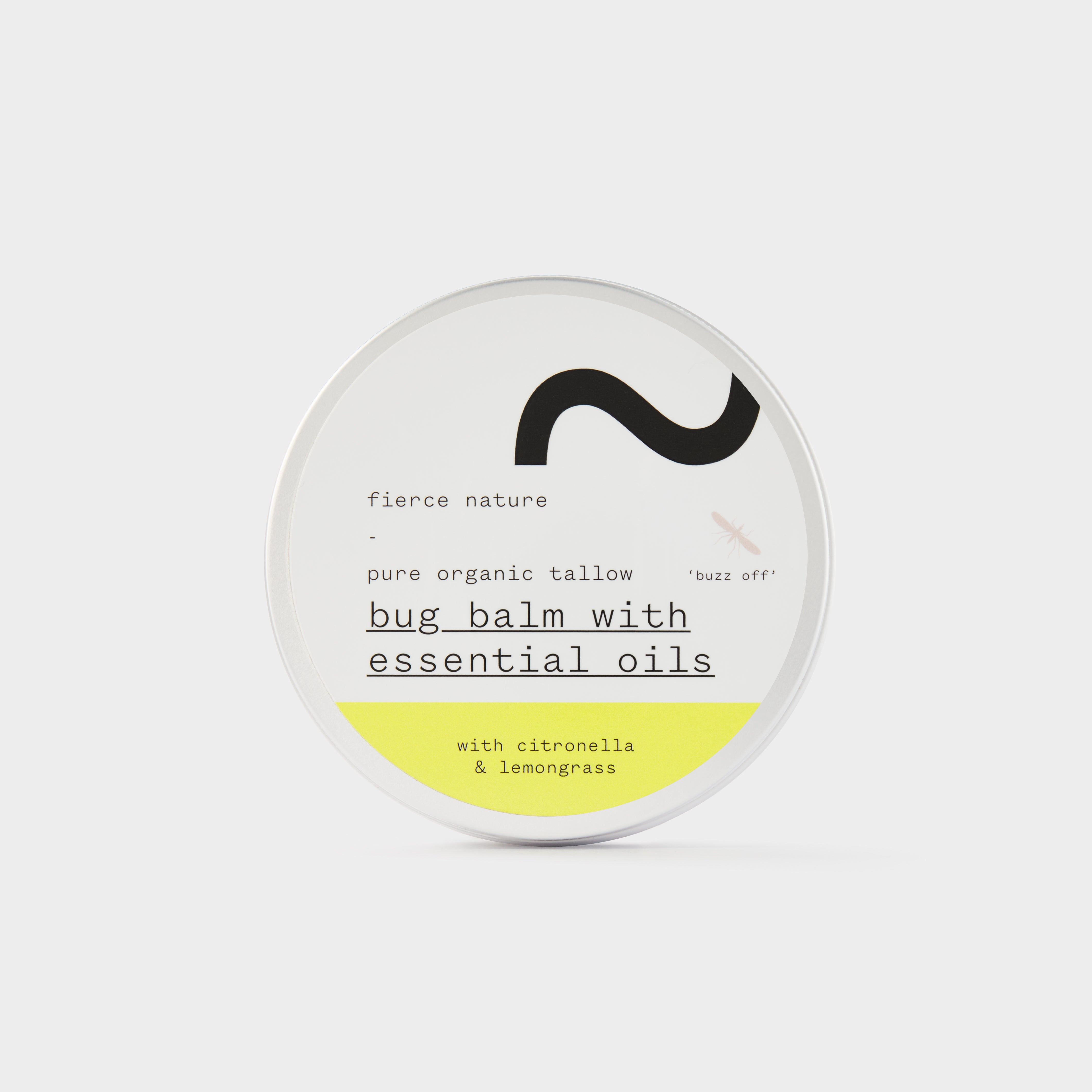
Natural does not automatically mean gentle. Essential oils are concentrated plant extracts and can be just as irritating as synthetic perfume for some people. A label that says “lavender” or “tea tree” in a balm for eczema is worth a second look.
Water-based creams need preservatives to stop microbes growing, and preservatives are a known cause of contact reactions. Balms built on fats and butters with little or no water have different needs. When you compare products, look at how many preservative names appear and whether you have reacted to any of them before.
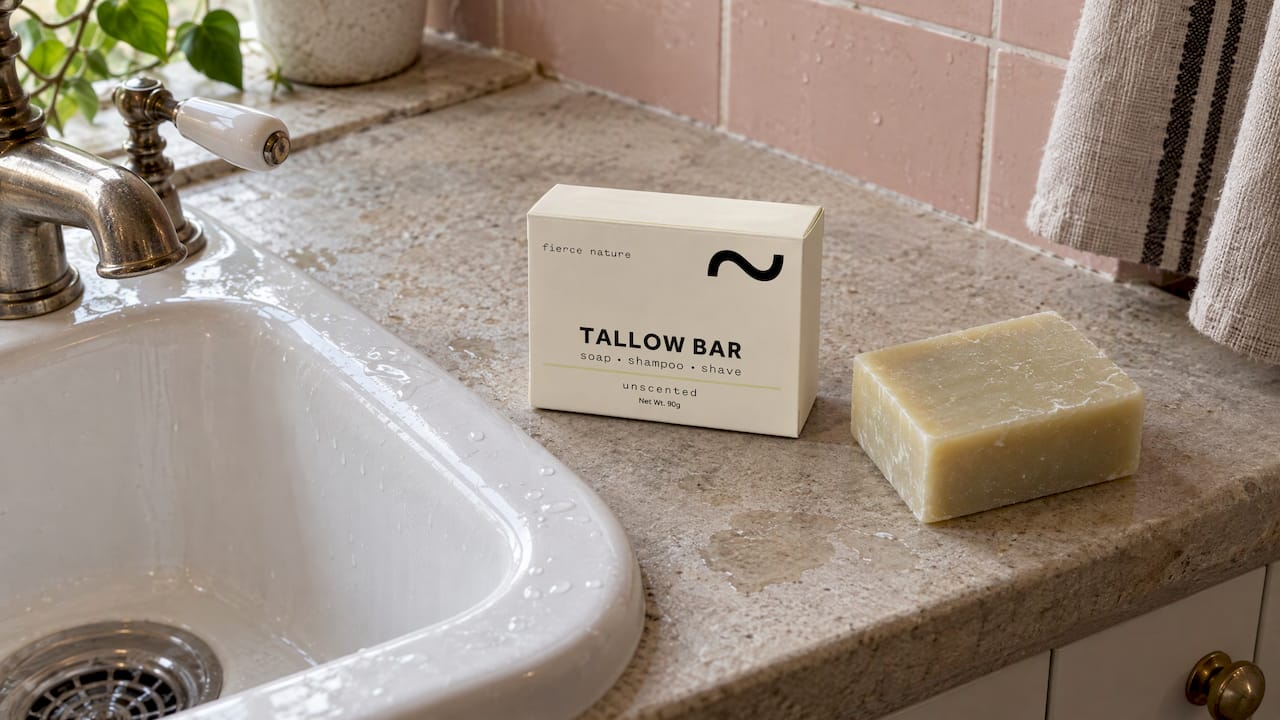
This is not strictly a balm ingredient, but it matters. Ordinary soap and foaming washes strip the skin’s natural oils. NICE guidance for children says emollients should replace soaps, bubble baths and shower gels, and that a gentle, unscented option should be used for washing. Our tallow soaps are made for people who want a gentler bar.
Check for added colours, menthol or camphor (a cooling feel can sting broken skin), and sharp acids. Alpha hydroxy acids applied alone to eczema-prone skin can sting or burn.
If a product passes all five, it is a sound candidate. If your skin is already inflamed, talk to a pharmacist or GP before you introduce anything new.
Baby skin is thinner and loses moisture faster, so the label matters even more. NICE guidance for children under 12 with atopic eczema says leave-on emollients should be used in large quantities, with at least 250 g a week, and that families should be offered a choice of unperfumed emollients for moisturising, washing and bathing. Emollients should replace soaps, bubble baths and shower gels, and shampoo for children under one year old.
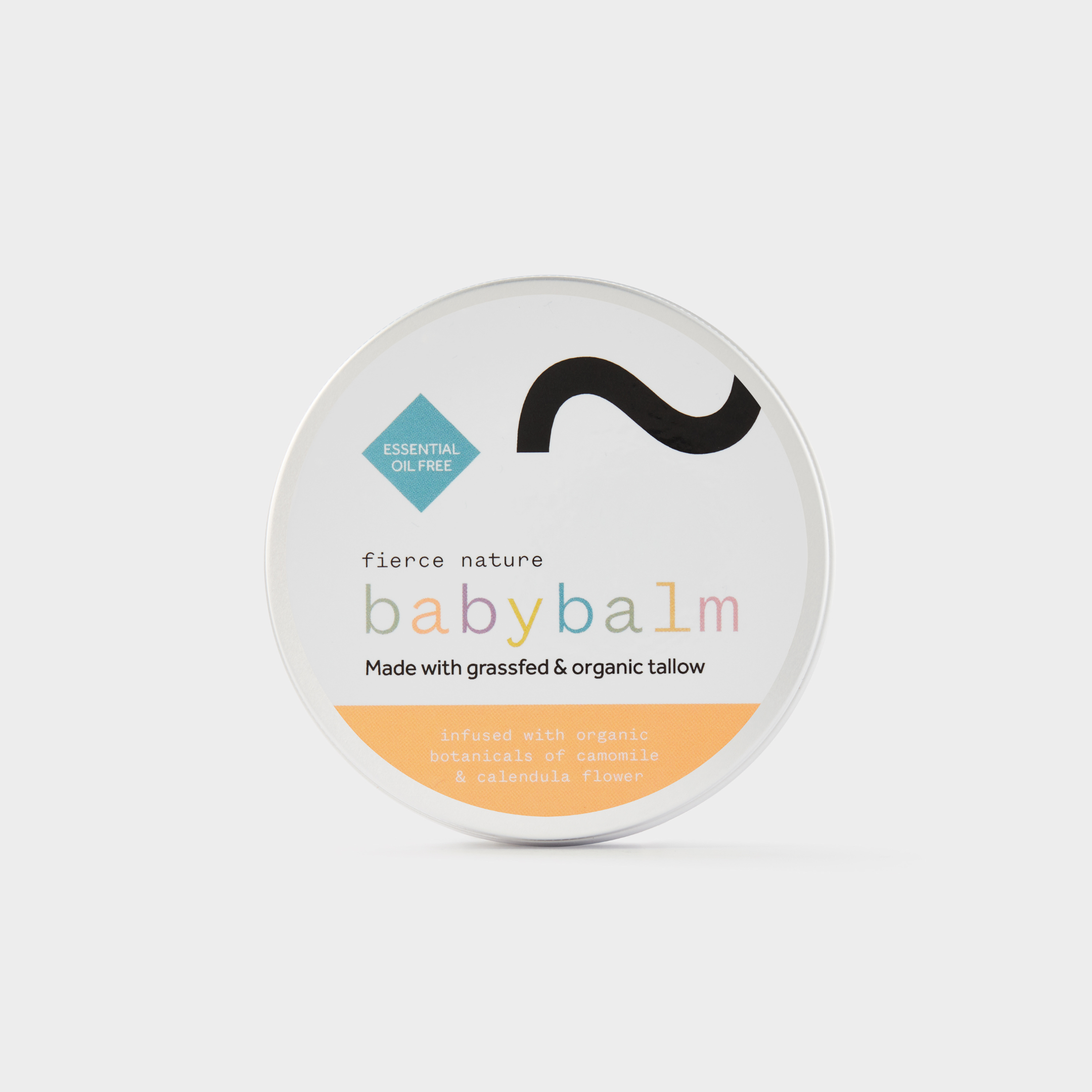
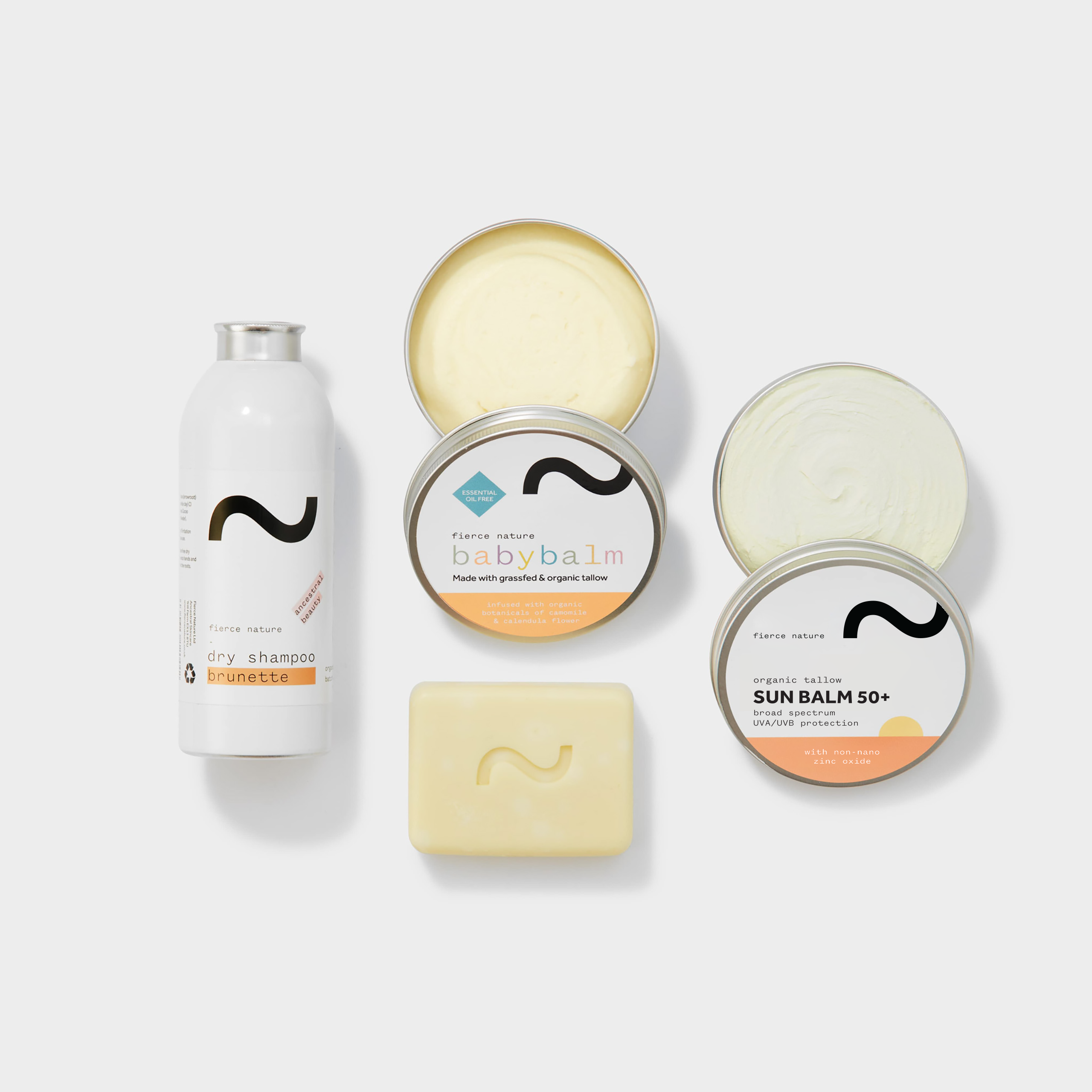
Our Baby Balm is made in the UK with organic tallow as its foundation. If you want more detail, our guides cover how tallow balm compares with conventional creams for infant skin and eczema in babies and how grass-fed tallow offers comfort and protection.
The NHS suggests protecting a baby’s cheeks and hands with emollient before meals, so that food and drink do not make the skin sore. A thin layer of balm is enough.
If your baby appears to have eczema, speak to a GP, who can confirm the diagnosis and advise on treatment. Get an urgent GP appointment or call 111 if a rash worries you, or if your baby has a temperature of 38°C or above and is under 3 months old, or 39°C or above and is over 3 months old.
The NHS says emollients are safe to use as often as you like, and ideally at least three or four times a day. Here is a routine that works well in practice.
Our guide to applying balm to sensitive skin areas safely goes into the face, eyelids and other delicate spots. If you want a simple daily routine, we outline a two-step regimen with unscented soap and Nourish Balm.
You may have heard of a three-minute rule: moisturise within about three minutes of leaving the bath or shower, while the skin still holds water. It is a handy habit rather than a strict deadline. If you are also using a prescribed treatment such as a steroid cream, UK prescribing guidance suggests applying products one at a time with a gap of around 12 to 20 minutes between them, and your pharmacist or GP can tell you the order that suits your plan.
The NHS warns that all emollients, whether paraffin-based or paraffin-free, are a fire hazard. Clothing, dressings and bedding that have come into contact with an emollient can catch fire easily. Keep away from naked flames and cigarettes, and wash fabrics at a high temperature to reduce the build-up, though washing does not remove it completely.
A balm supports the skin, but some signs call for a professional. The NHS advises talking to a GP, nurse or pharmacist if an emollient causes:
Also see your GP if the skin is weeping, crusted or painful, which can mean infection, if flare-ups are frequent, or if sleep is being disturbed. Medical guidance also notes that people on medical oxygen should not use paraffin-based products, so tell your pharmacist or GP if that applies to you.
Guidance for prescribers adds that emollients are prescribed for diagnosed skin conditions such as eczema or psoriasis, while people with simply dry skin are generally expected to buy them over the counter. If you have a diagnosis, a balm you like can sit alongside whatever your GP has recommended.
Most of what we hear from people with sensitive skin starts the same way: they have tried one product after another, and each came with a long list of names they could not read.
That is why we start from the other end. Our balms are handmade in the UK with organic, grass-fed tallow as the foundation, because it is a rich, familiar fat that suits the skin and has been used as a skin emollient for centuries. We believe tallow’s bioavailability makes it a deeply nourishing food for the skin.
We grew up with mainstream cosmetics, and we know how disappointing it is when a product promises the earth and your skin reacts. Our approach is to keep formulas honest, transparent and simple, so you can see what you are putting on yourself or your baby.
Work with your skin, not against it. Choose unscented where you can, apply generously and often, and let the ingredients do the quiet work of nourishing.
Fierce Nature
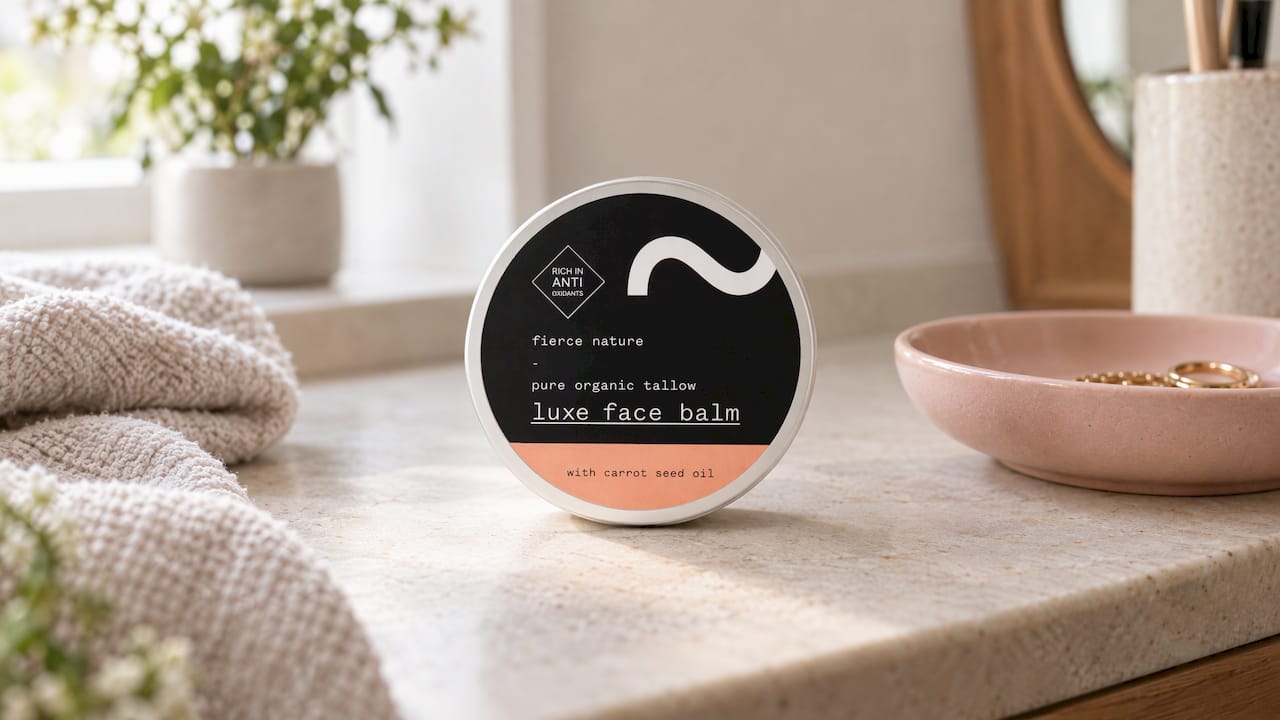
If you want a balm that is built on organic tallow, handmade in the UK and made with full ingredient transparency, start with our face and body balms. Our Nourish Balms collection is where to look for rich everyday care, and our dry, itchy skin guide to Nourish Balm explains how to use it. For parents, the Baby Balm is the place to begin. For a fuller picture of caring for reactive skin, our complete guide to skincare for eczema is a good next read.
There is no single best one, because each family does a different job. A rich emollient base such as tallow or shea butter softens the skin, and a sealing layer keeps moisture in. For most people with reactive skin, the most important thing is what is missing: no fragrance and no essential oils.
Babies do best with unperfumed emollients used generously, as UK guidance for children advises. Our Baby Balm has organic tallow as its foundation and is made for delicate skin. If your baby has a rash that worries you, see a GP first.
Lip balms are formulated for the lips, and many contain flavours or fragrance that can bother eczema-prone skin. For patches of dry skin on the face or body, a plain, unscented balm made for sensitive skin is the better match.
The NHS says emollients are safe to use as often as you like, ideally at least three or four times a day. Smooth it on gently in the direction of hair growth, and keep using it when the skin looks clear.
Not automatically. Fragrance and essential oils are natural in origin yet can still trigger reactions. A short, unscented list, with a patch test before wider use, is a more dependable guide than the word natural on the front of the jar.