Cart
0
80% Also Added this
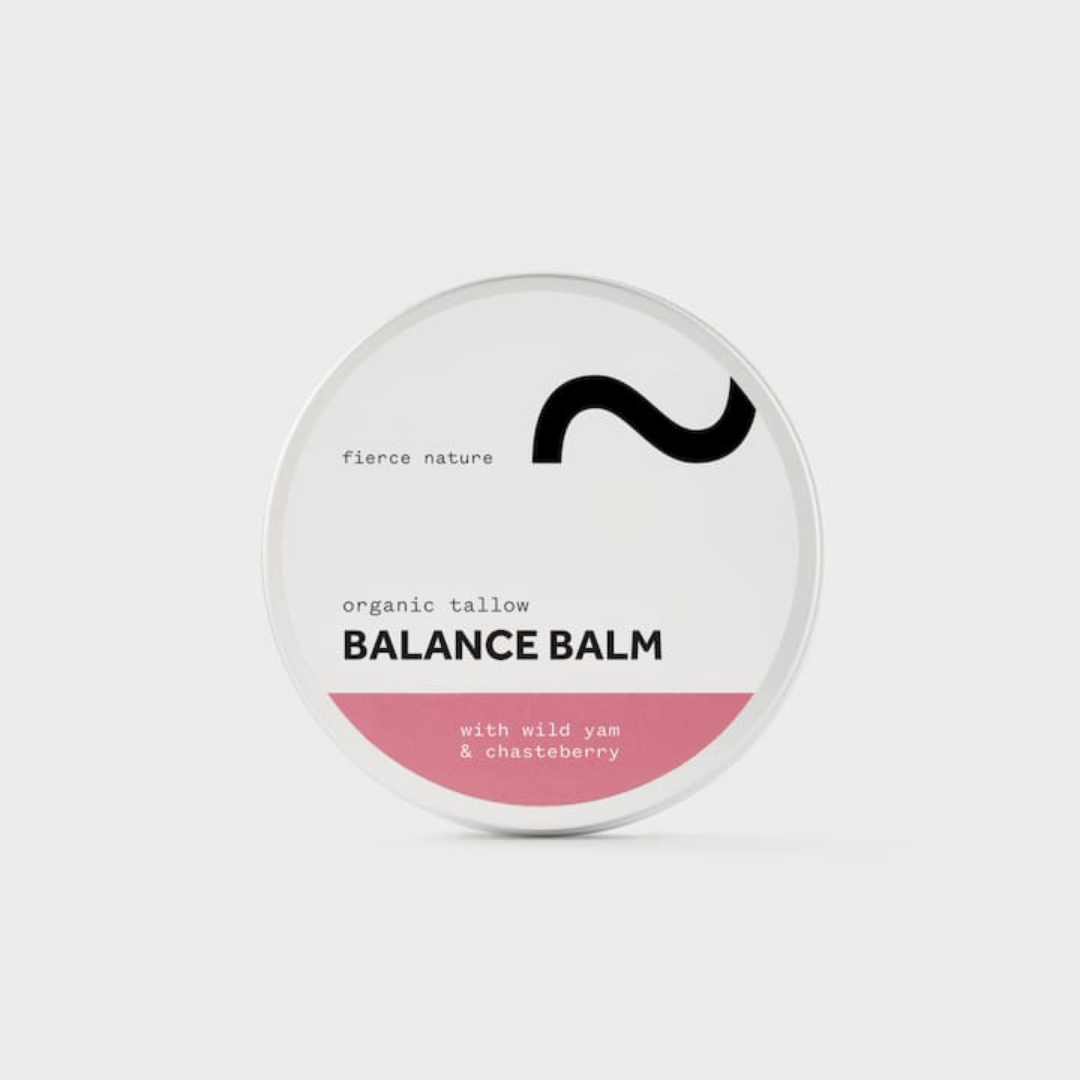
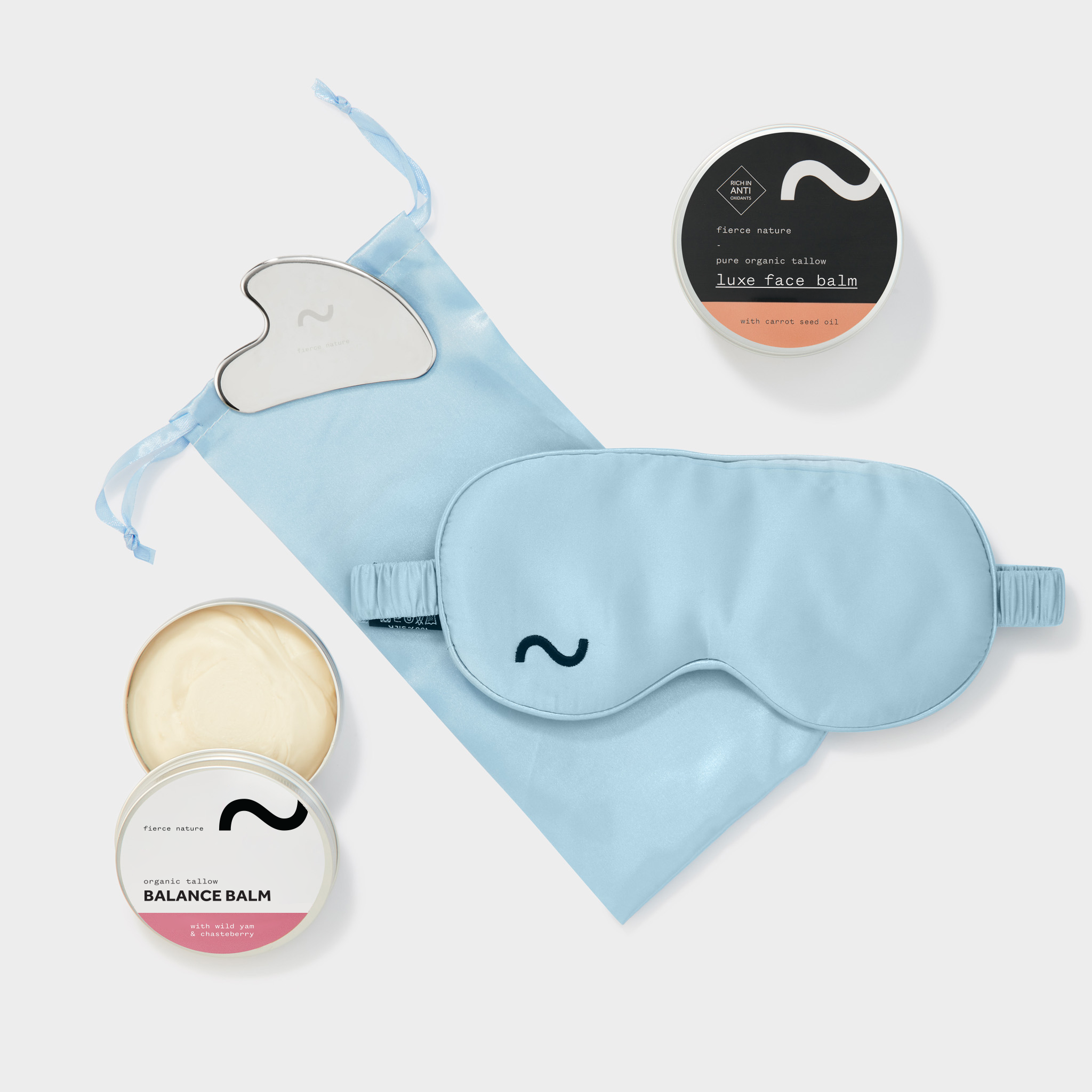
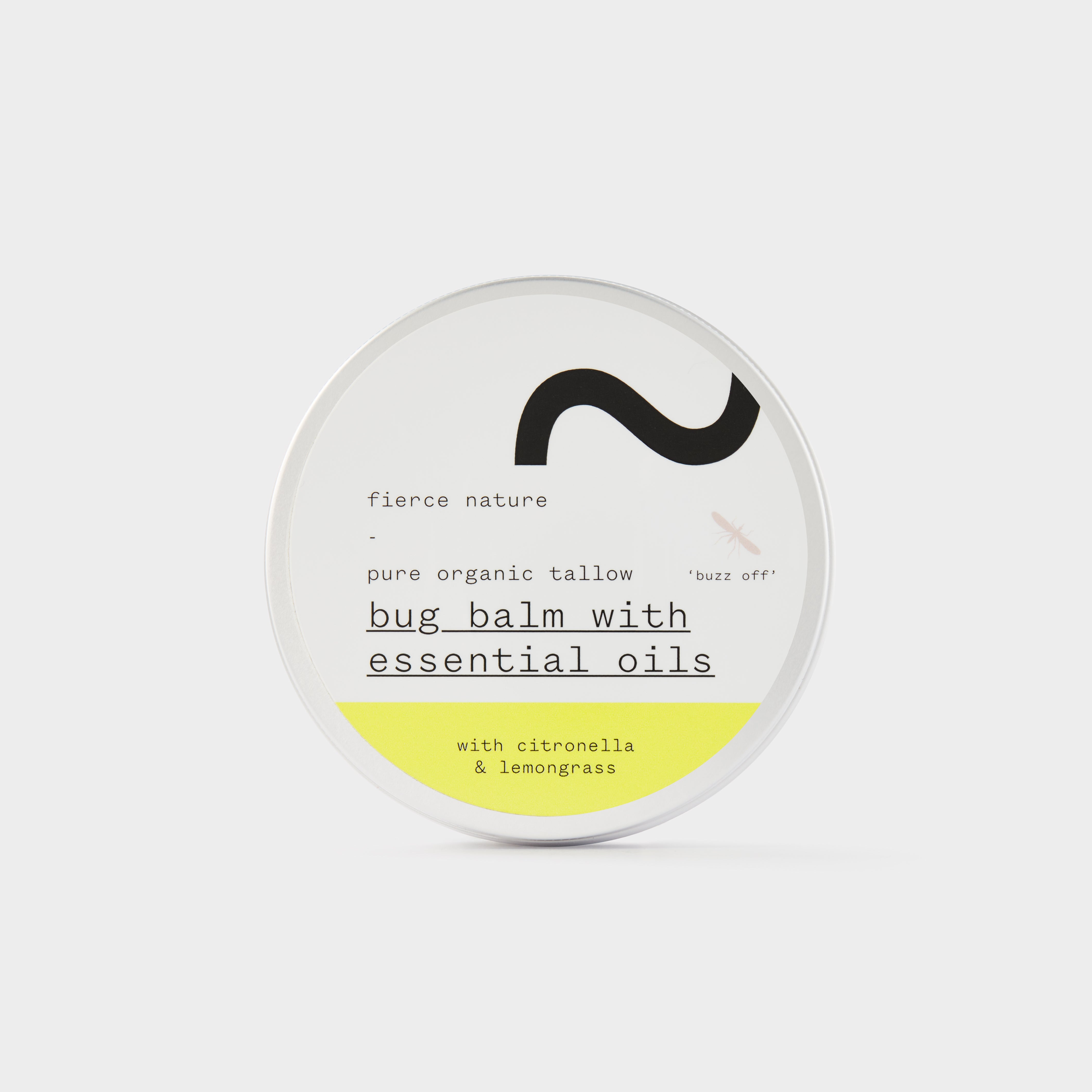
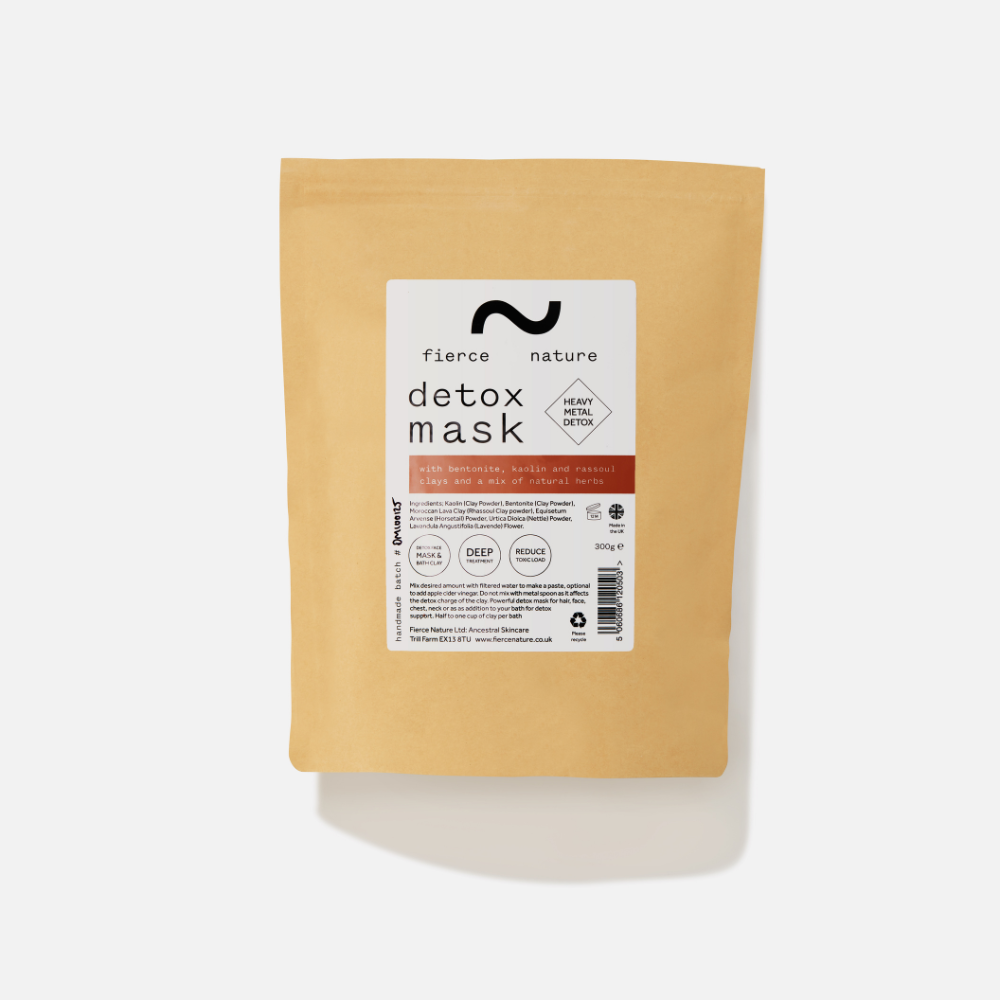

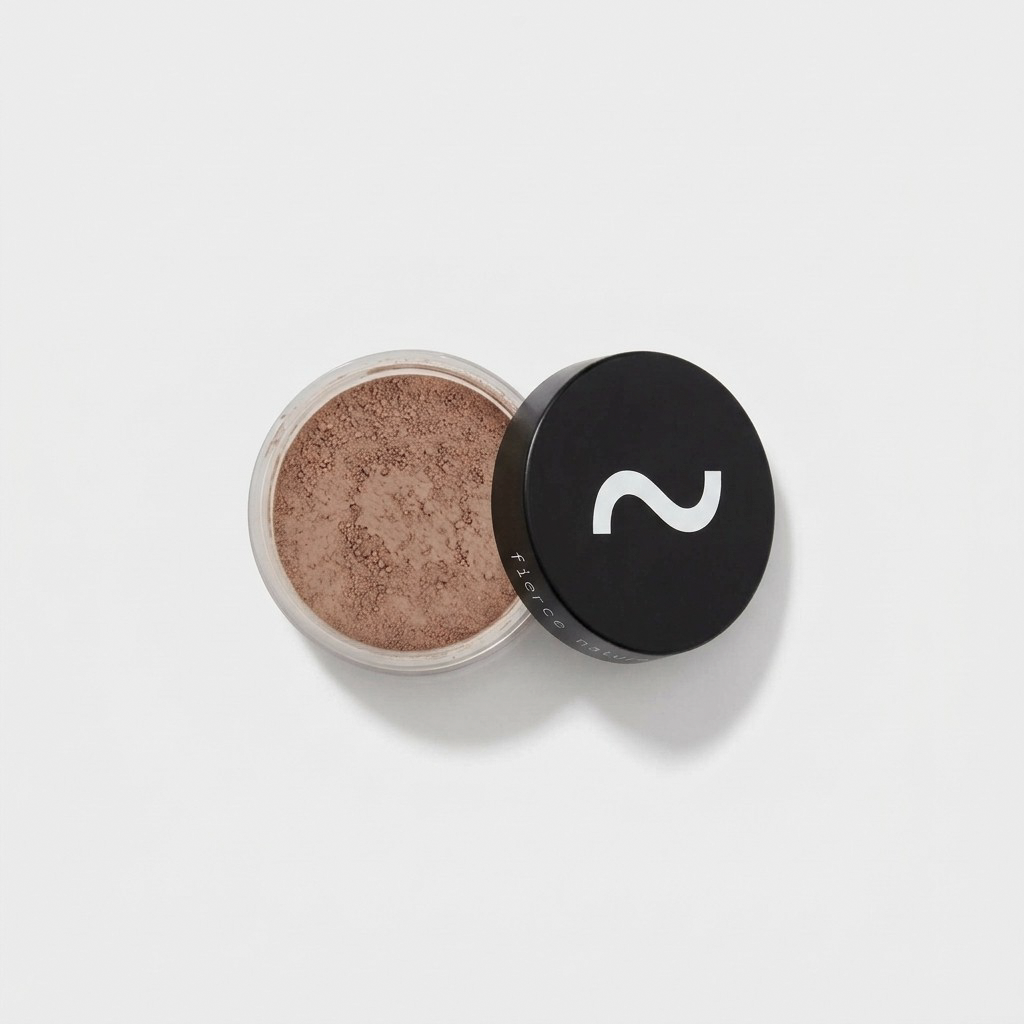
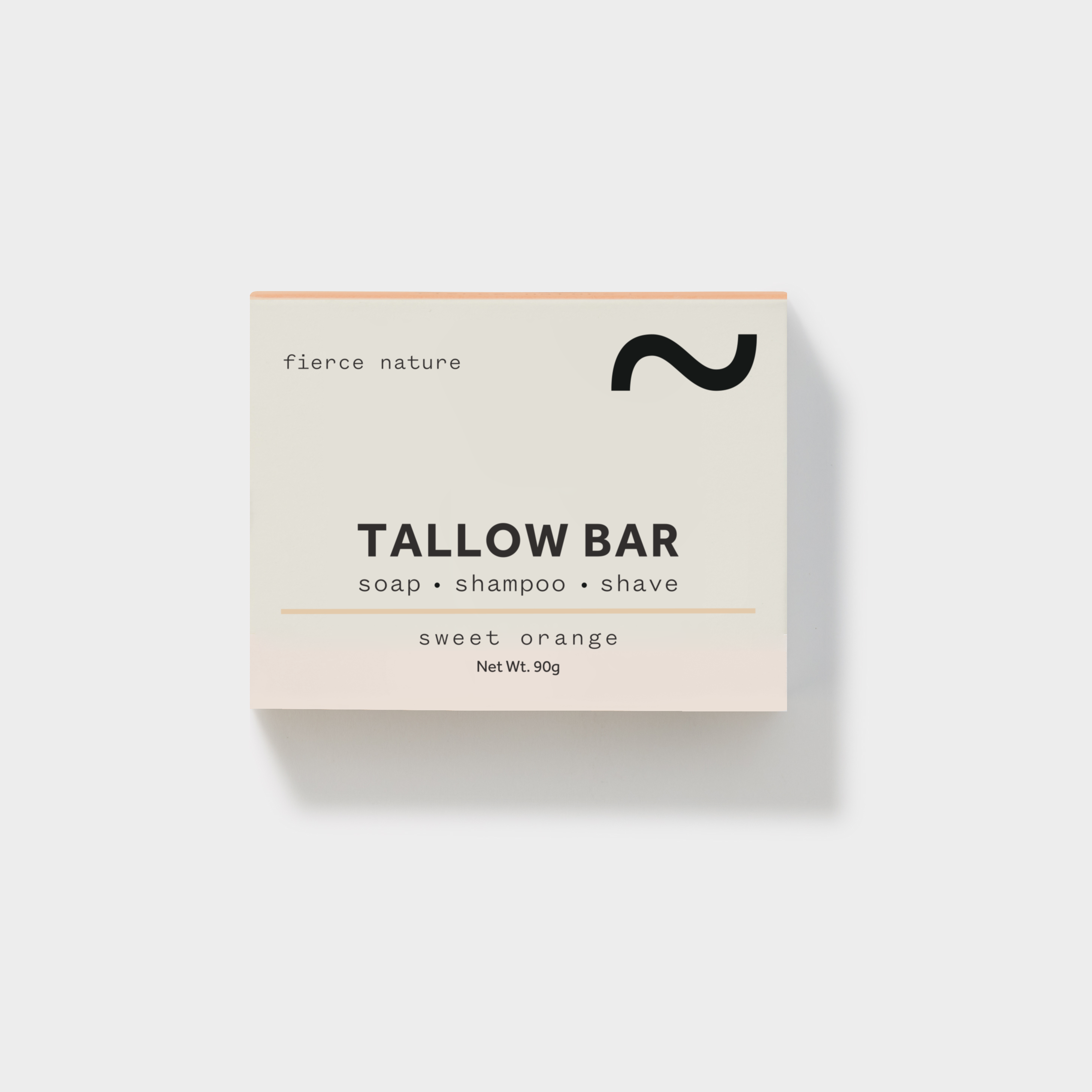
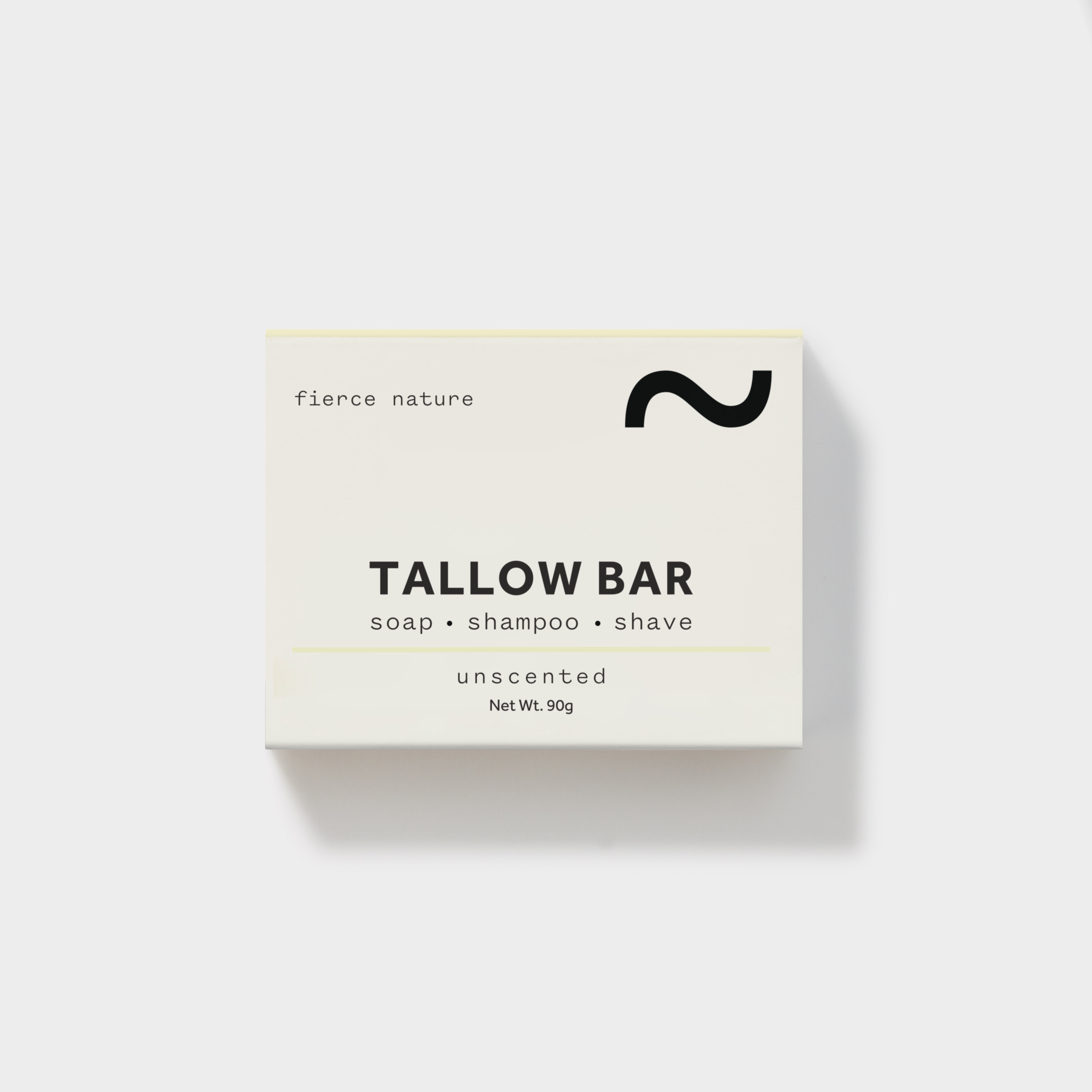
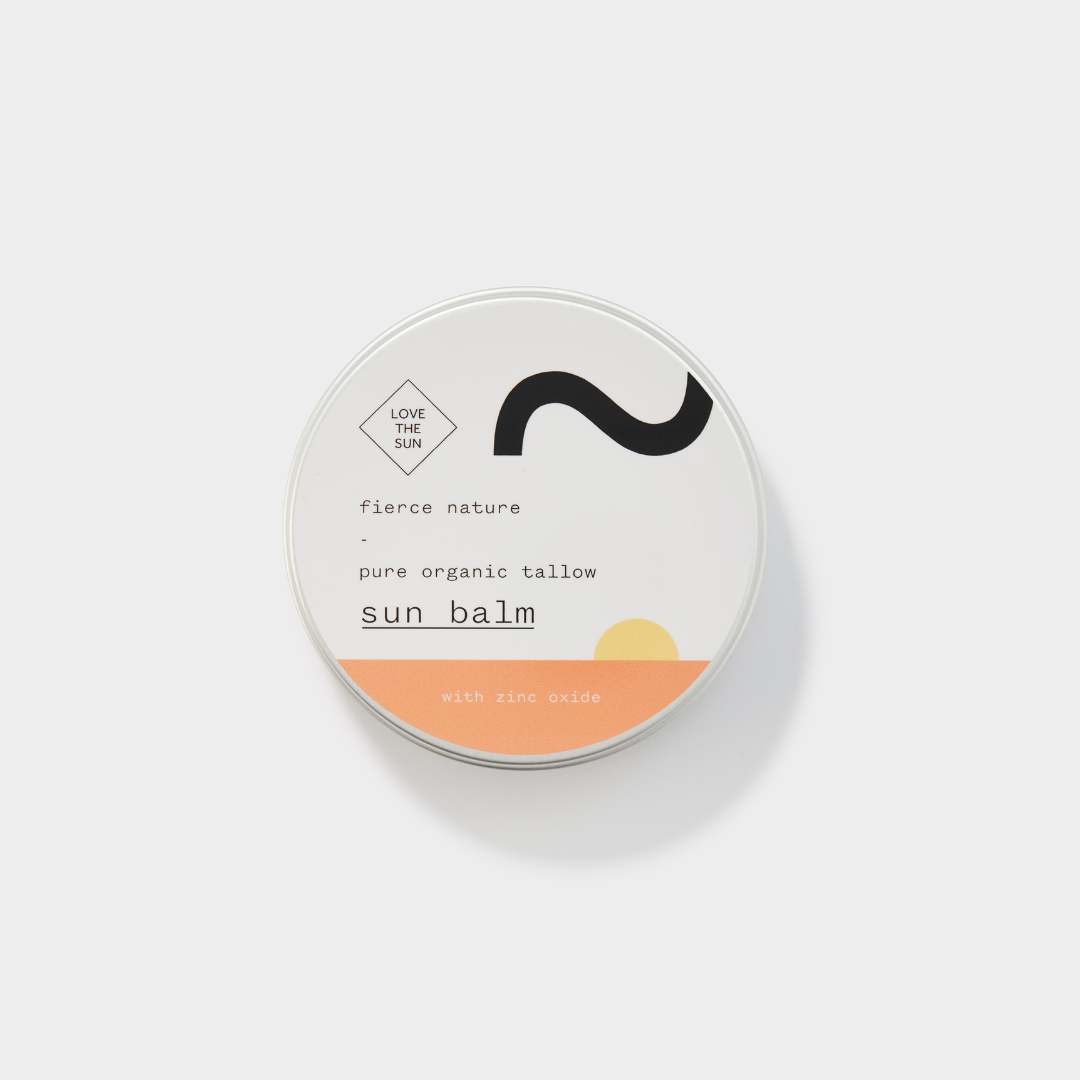
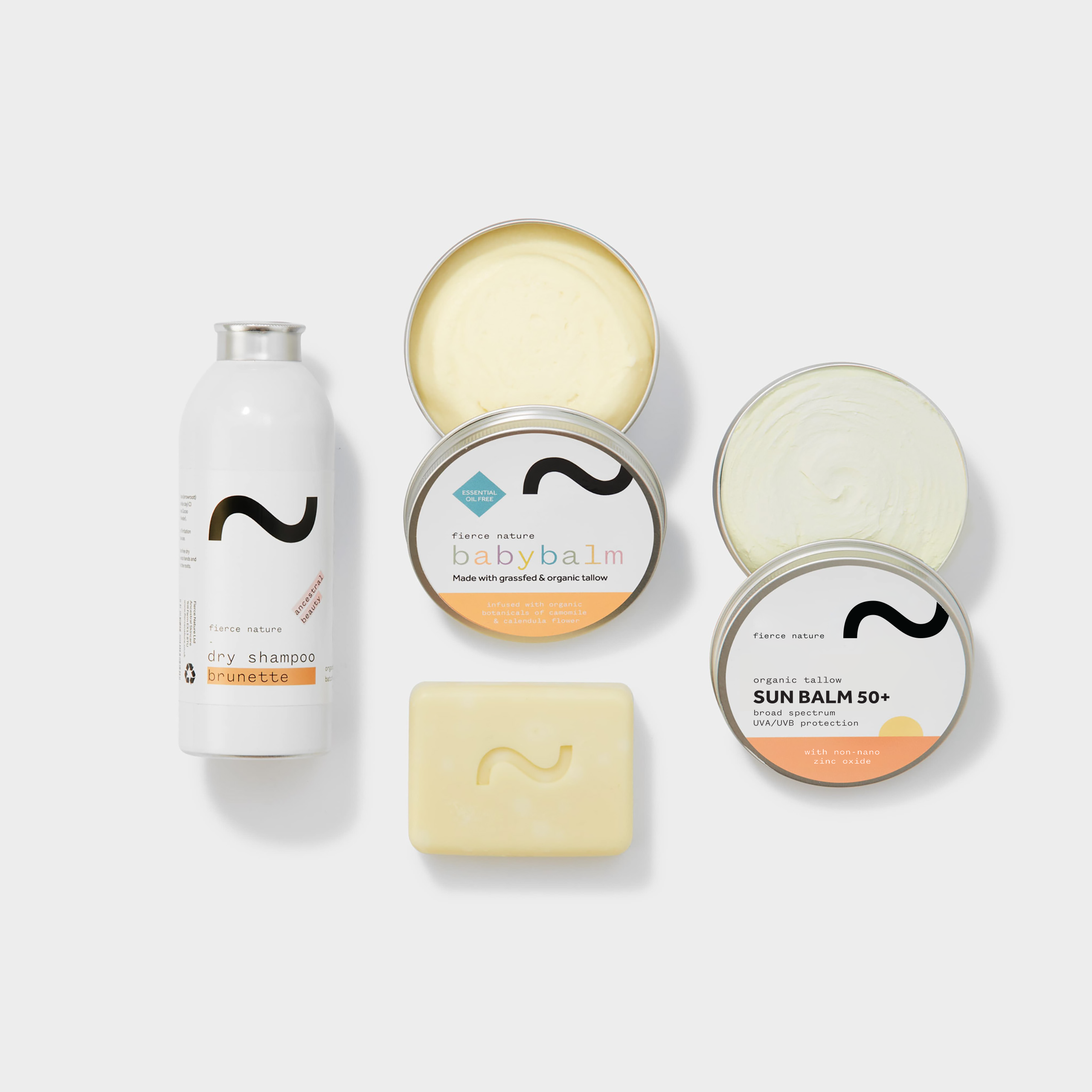
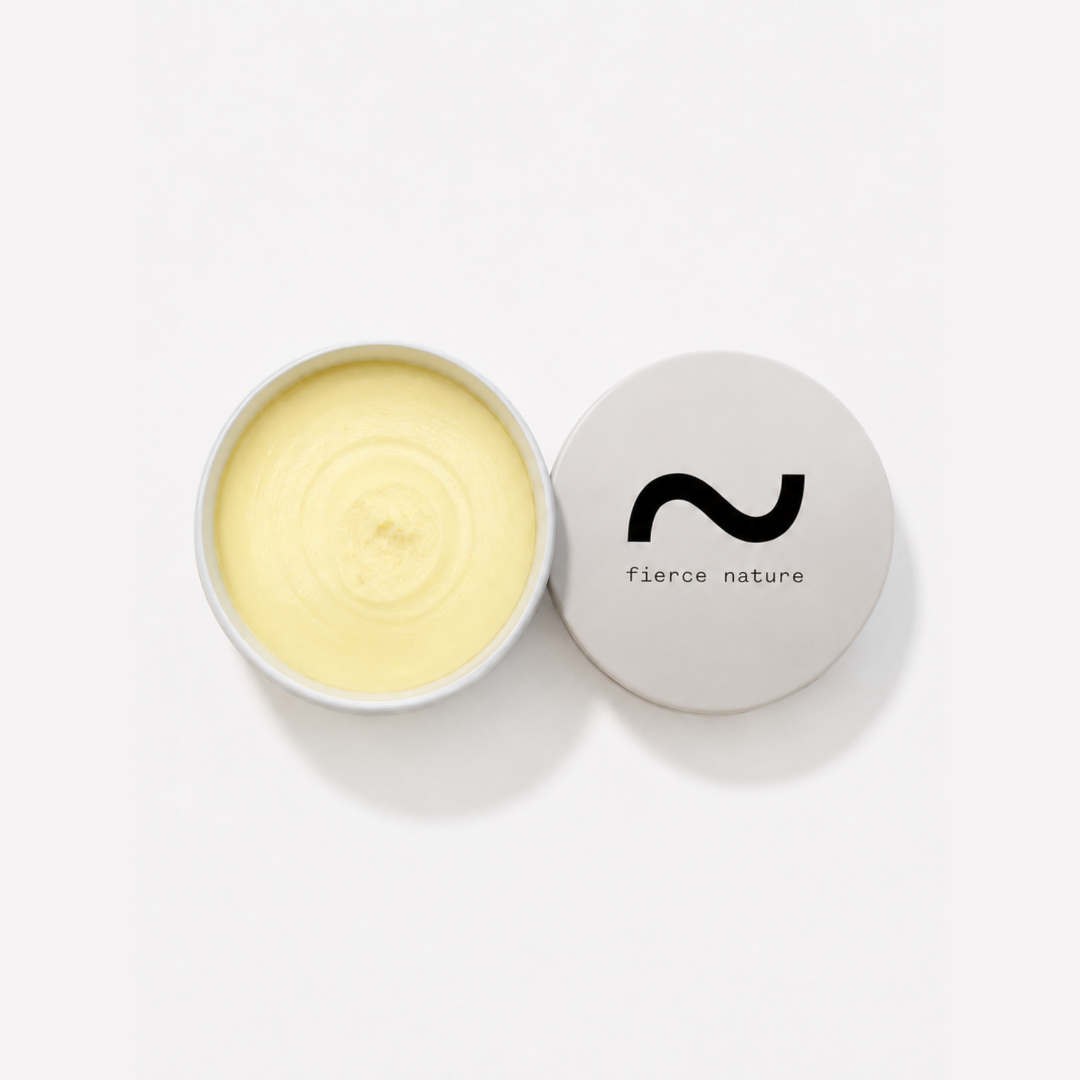
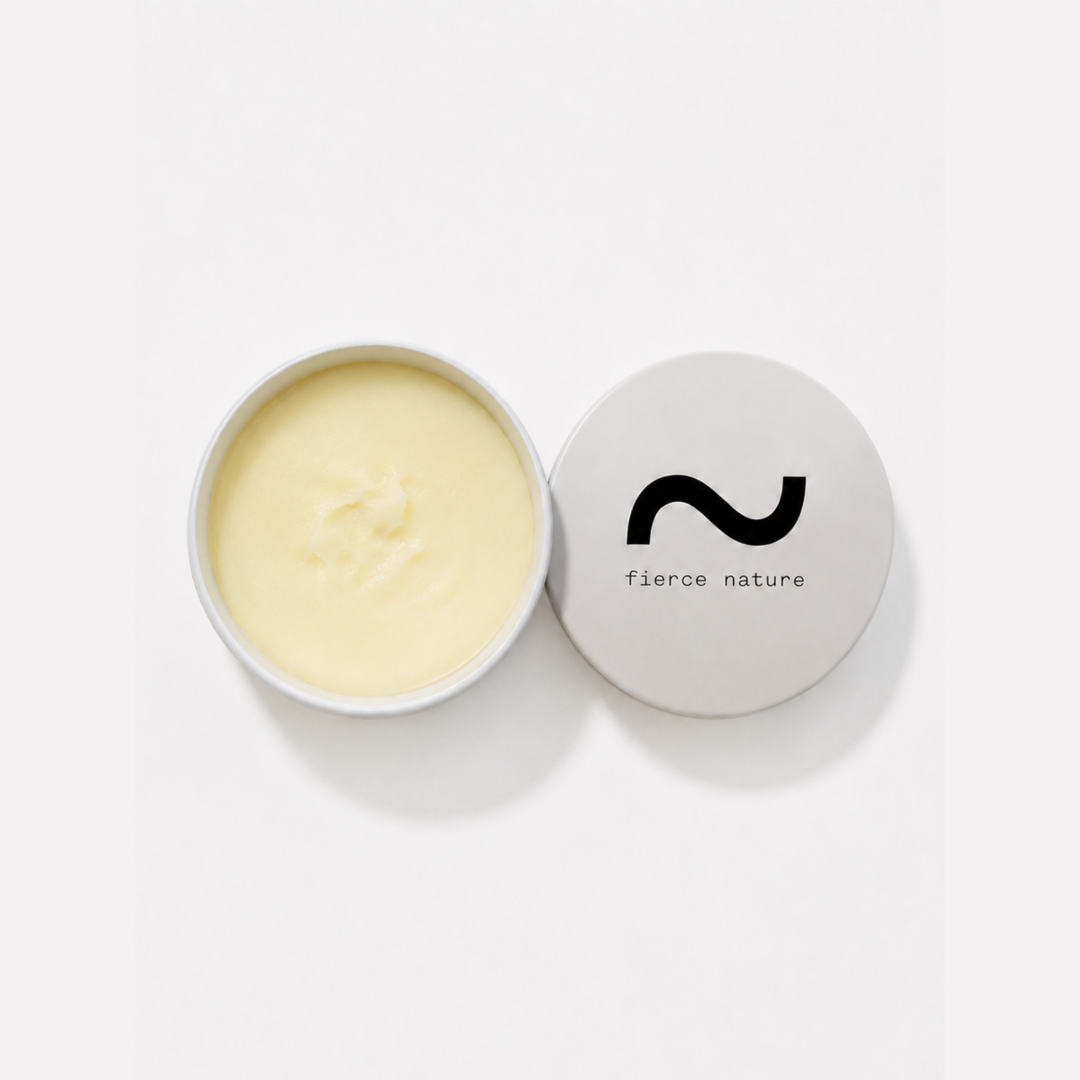
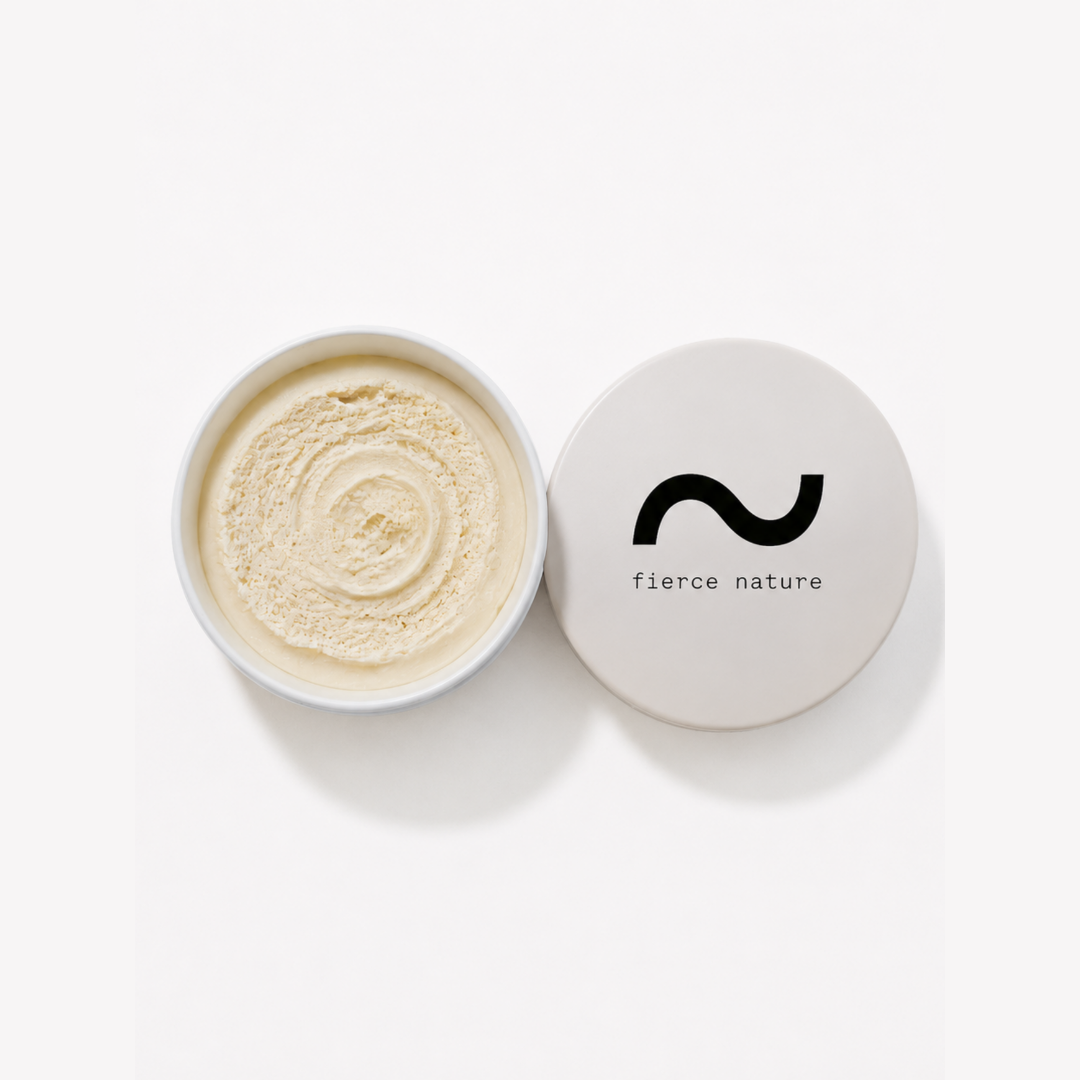

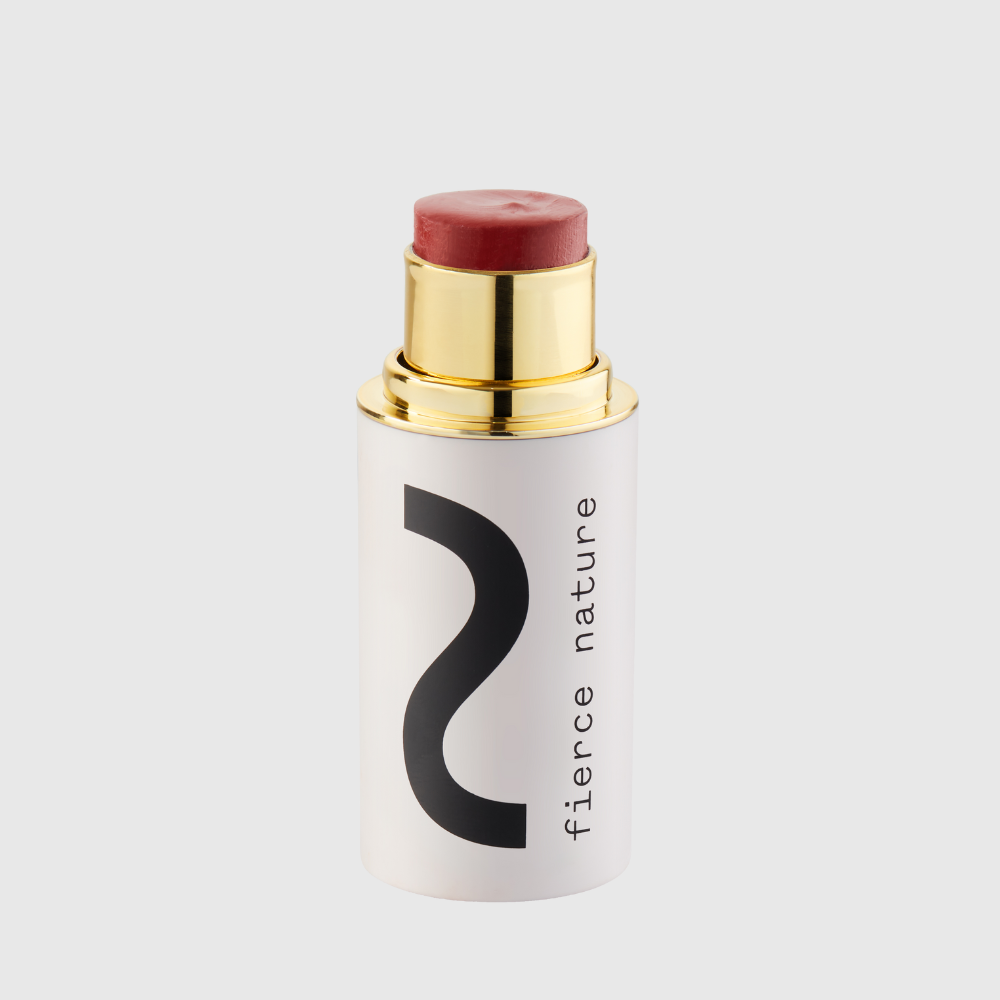
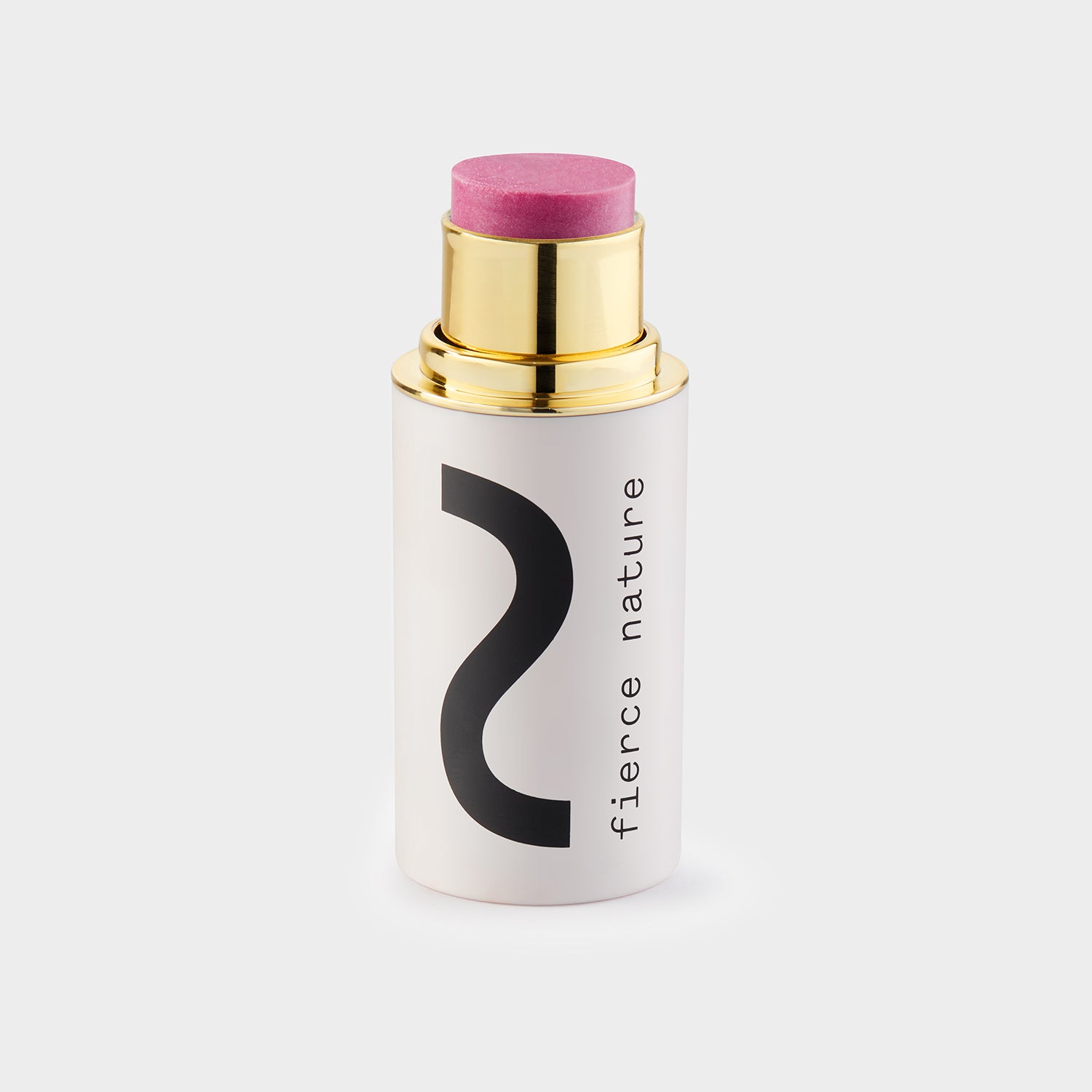
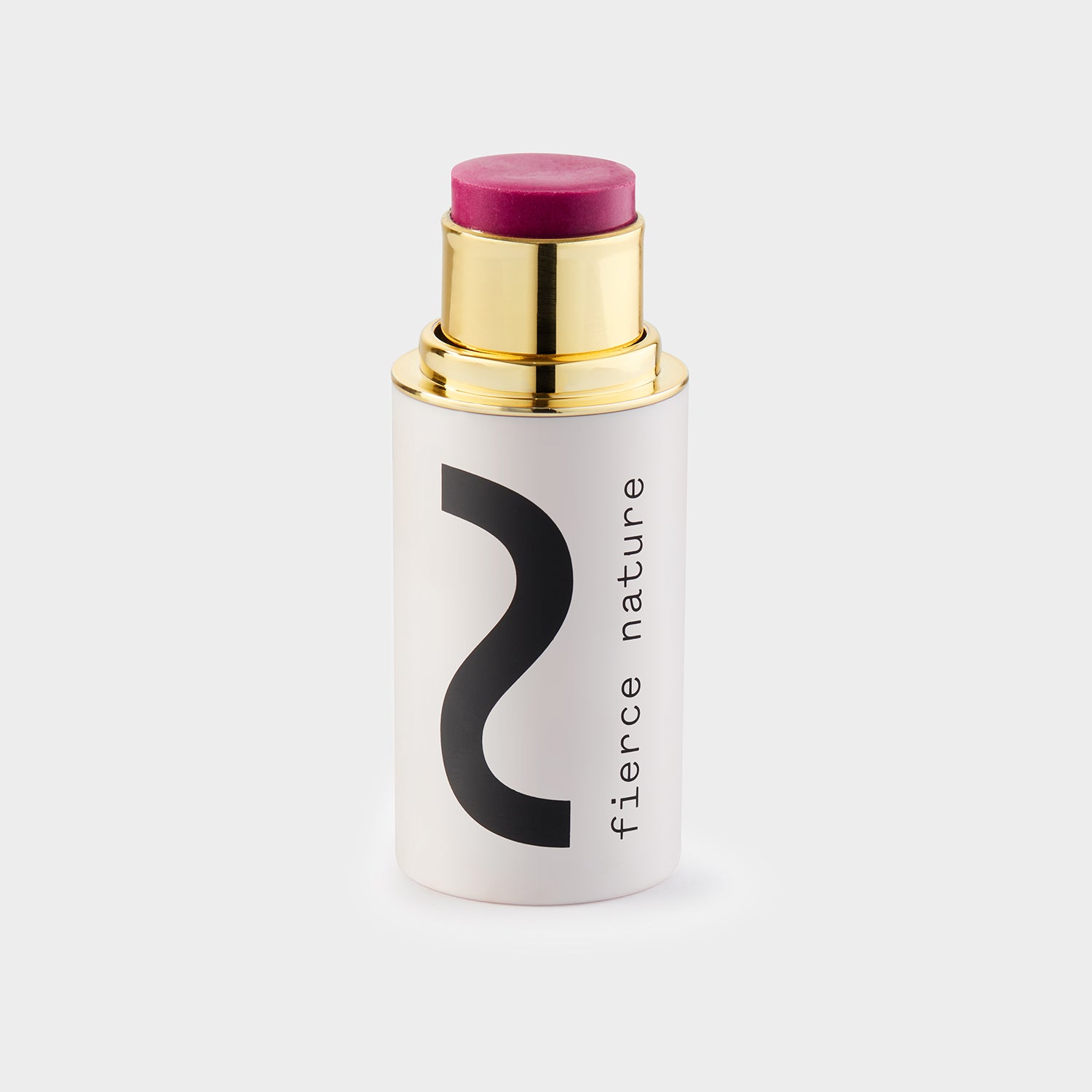
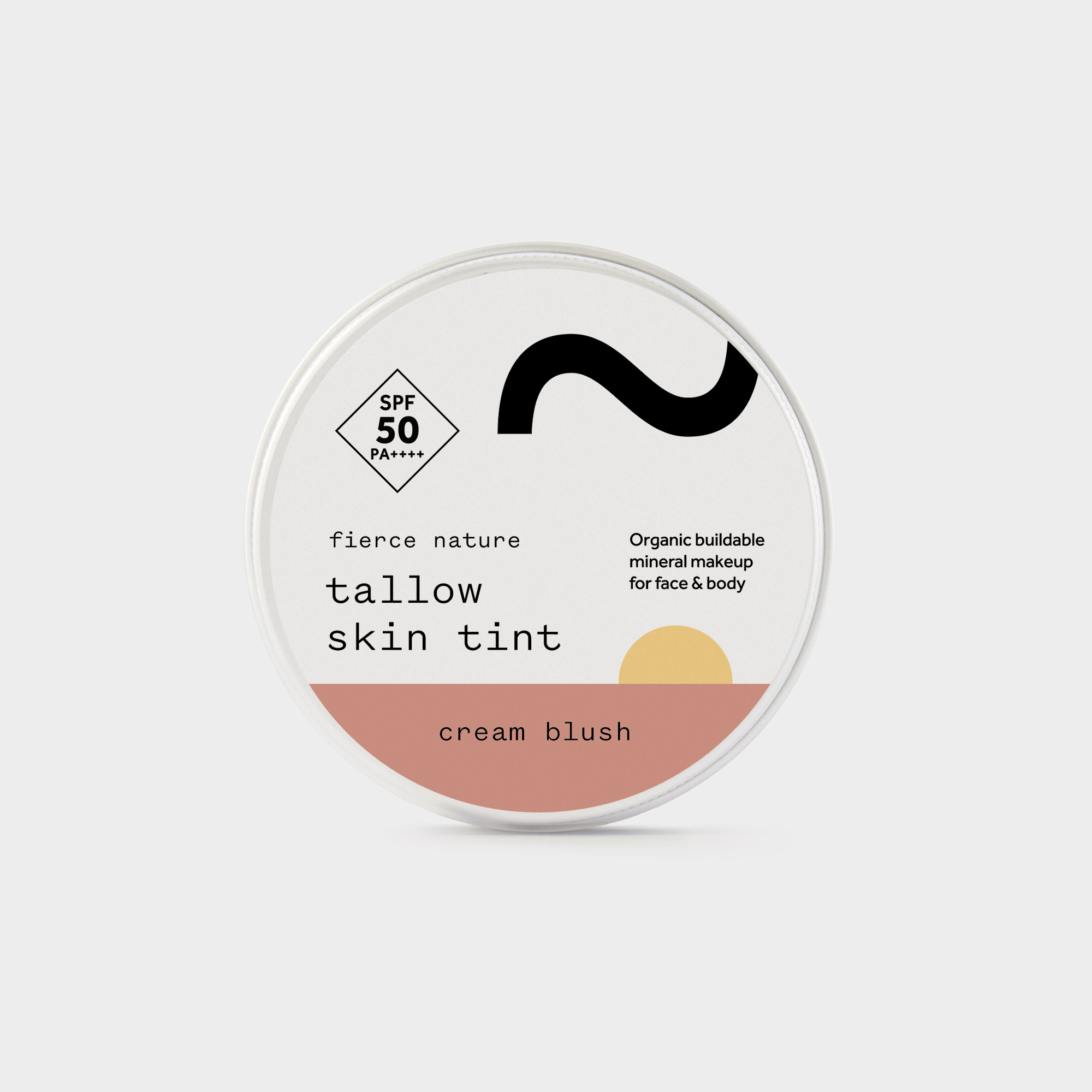




A pared-back, natural routine solves most postpartum skin changes: cleanse gently, repair the barrier with a nourishing emollient, treat specific concerns with one low-risk active, and protect with mineral SPF every single day. That last step matters more than any serum you’ll be tempted to buy.
Cleanse: a soft, fragrance-light cleanser, morning and evening
Moisturise: a barrier-repairing balm or cream (tallow, ceramides, squalane)
Treat: one targeted active if needed, such as azelaic acid for acne or pigmentation
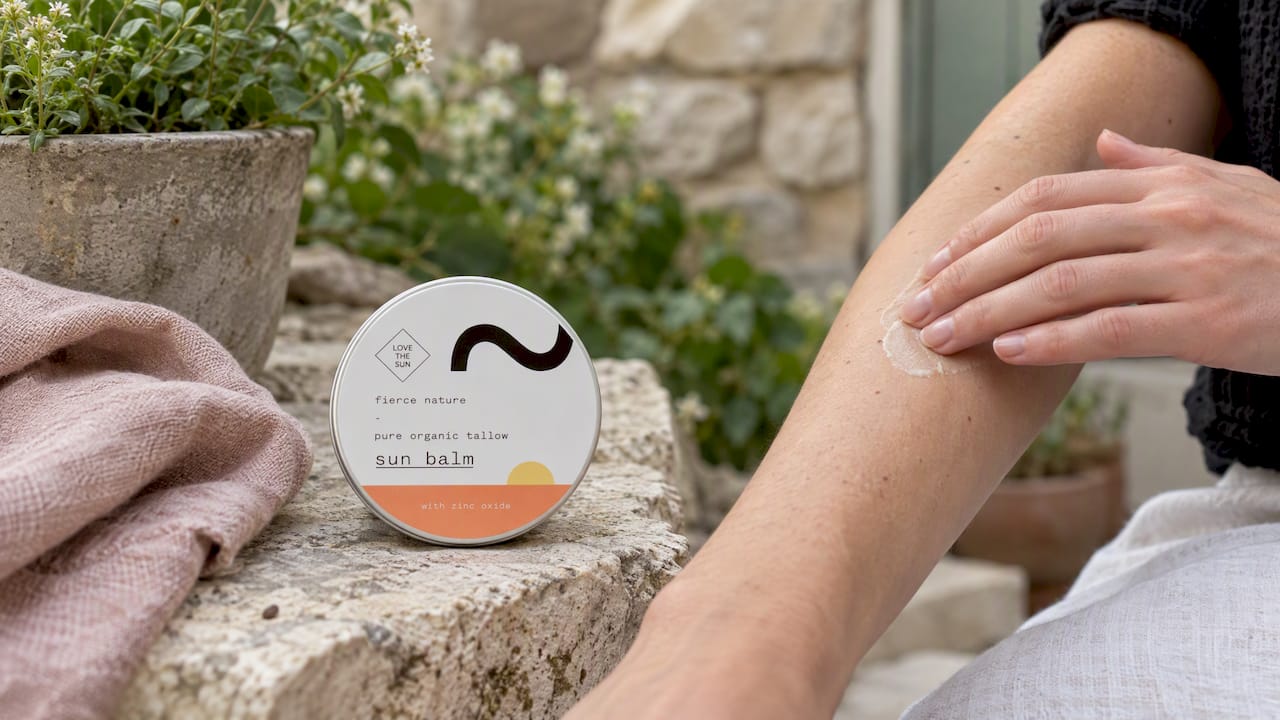
Protect: mineral SPF 30+, reapplied through the day
Pro Tip: Postpartum skin doesn’t need more products, it needs the right few. Adding one active at a time makes it easy to spot what’s actually working.
Before you reach for anything stronger, know this: prescription retinoids and hydroquinone are generally advised against while breastfeeding, and any potent active is worth running past your GP or pharmacist first. Daily mineral sunscreen is one of the highest-impact habits for preventing pregnancy-related pigmentation from deepening, dermatology sources consistently point to sun protection, including protection from visible light, as one of the most effective ways to stop melasma darkening further.
A pared-back natural routine built on barrier repair and daily mineral SPF addresses the vast majority of postpartum skin changes safely during breastfeeding.
| Point | Details |
|---|---|
| Keep the routine short | Cleanse, moisturise, treat, protect, four steps outperform a crowded shelf of products. |
| Prioritise daily SPF | Mineral SPF containing zinc oxide or titanium dioxide is a key defence against worsening melasma. |
| Check potent actives first | Avoid retinoids and hydroquinone without medical guidance while breastfeeding, as they have higher absorption or less established safety profiles. |
| Introduce one active at a time | This makes it easier to identify what’s working and what’s irritating your skin. |
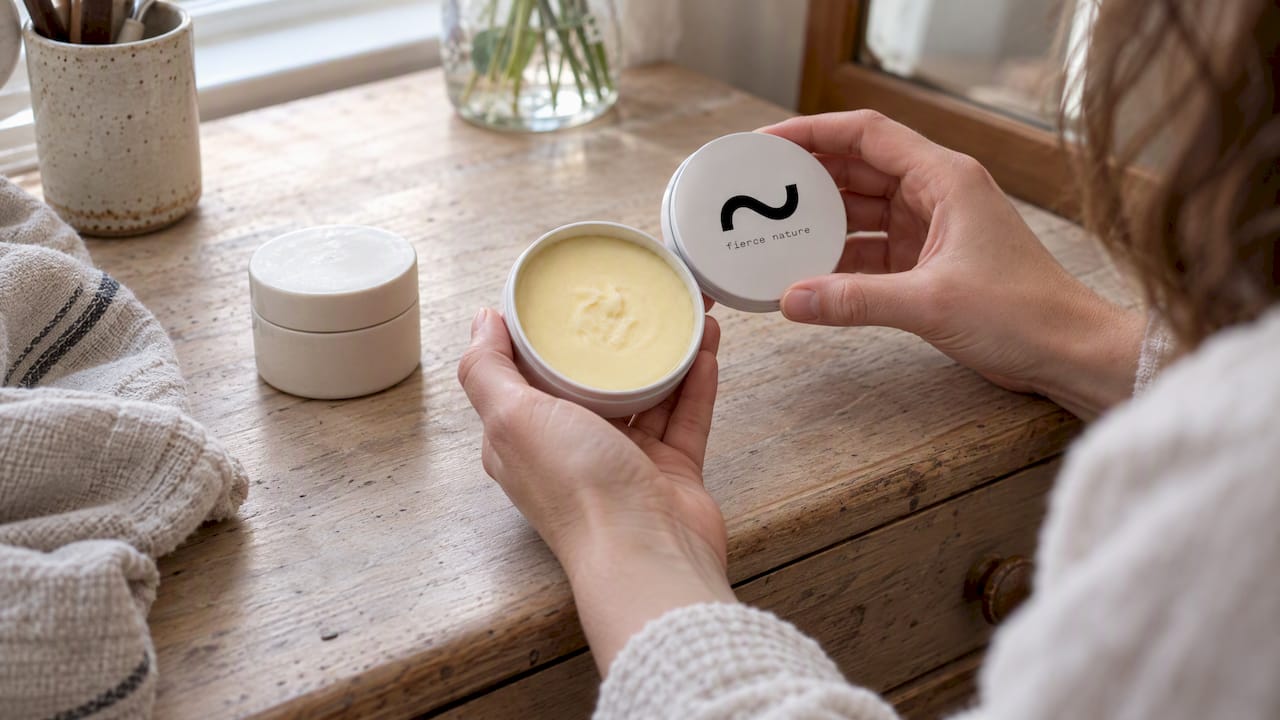
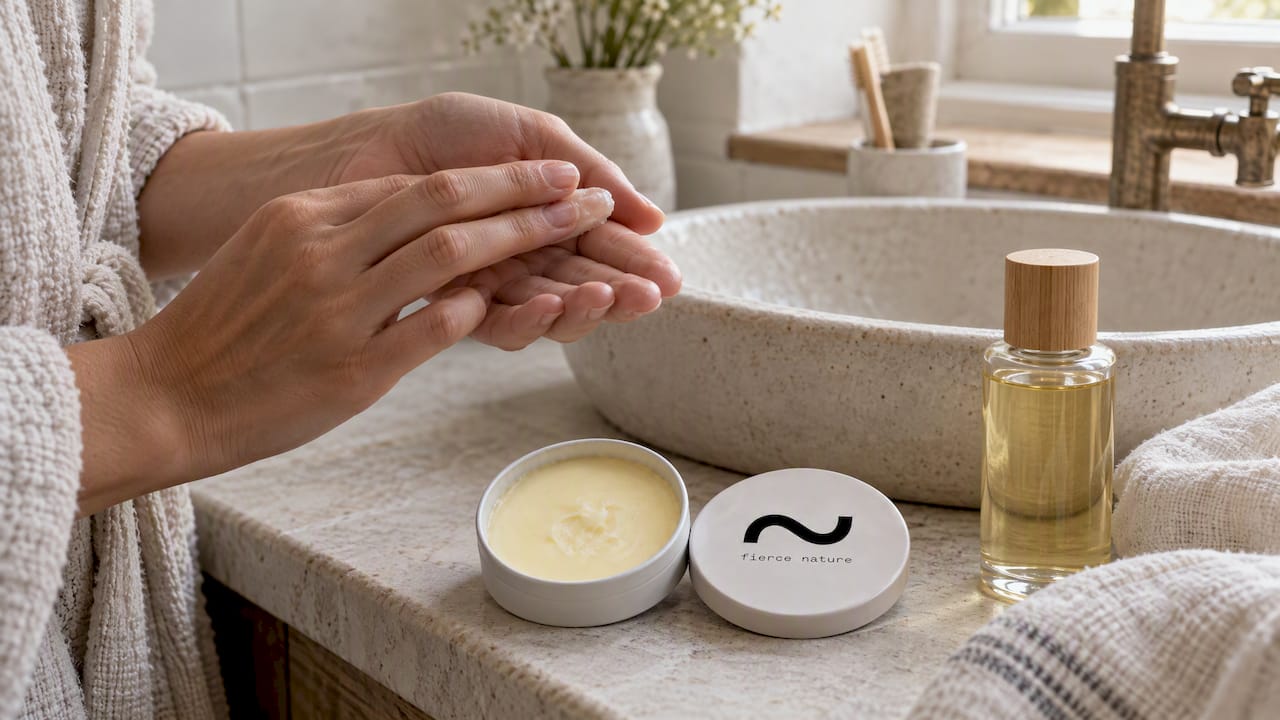
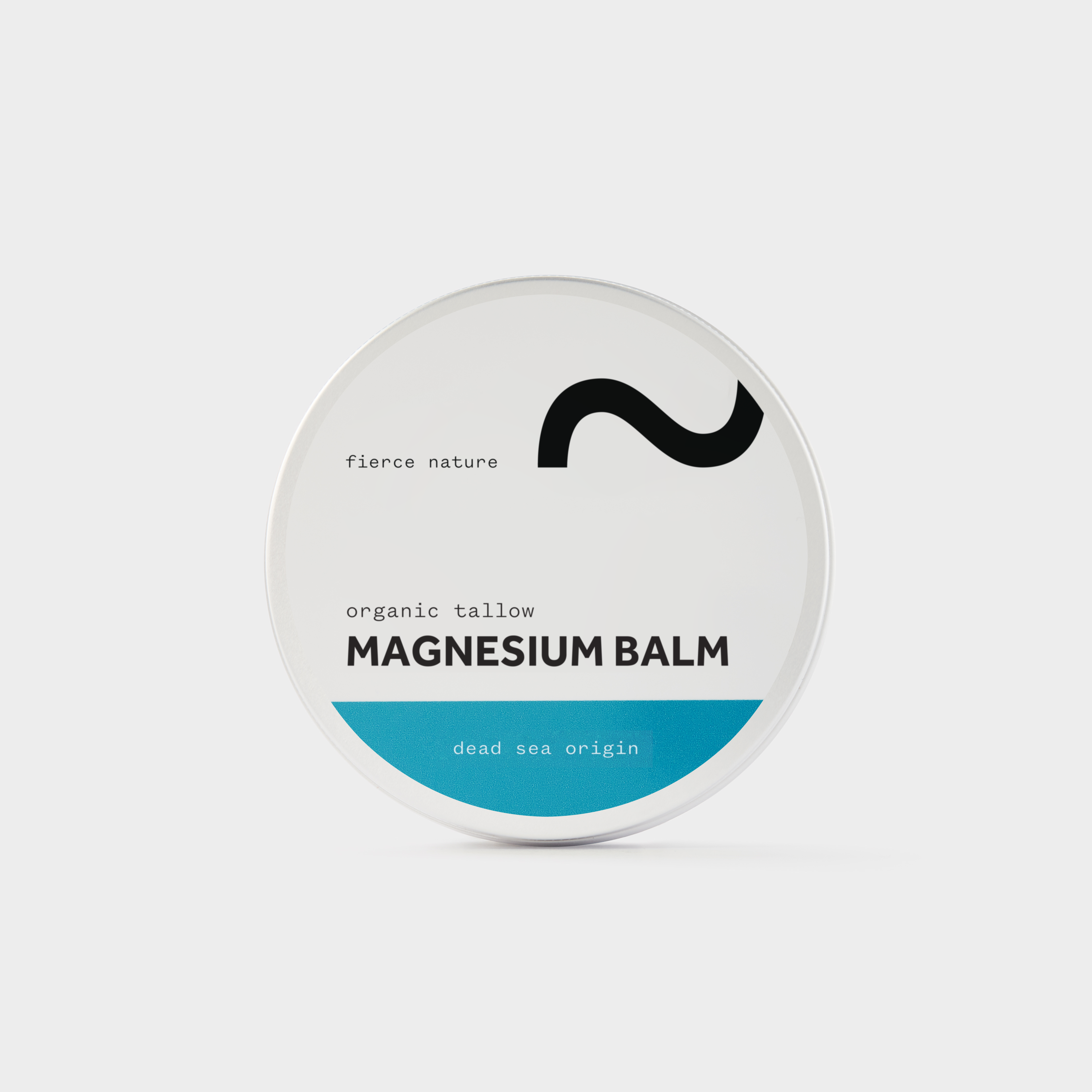
| Choose tallow-based emollients | Fierce Nature’s tallow bars and balms offer barrier repair with short, transparent ingredient lists. |
When should you see a GP or dermatologist about postpartum skin?
Does daily SPF really make a difference to postpartum pigmentation?
Your oestrogen and progesterone levels drop sharply within days of delivery, and that sudden fall affects sebum production, pigment regulation and how your skin holds onto water. It’s a bigger hormonal swing than most women experience at any other point in life, which is exactly why skin can feel unrecognisable within weeks of giving birth.
The skin barrier often takes a hit too. Many new mothers notice their skin turning drier, tighter or more reactive to products that never used to bother them, a sign the barrier isn’t holding moisture the way it did before.
Layer on the practical realities of early motherhood and the picture becomes clearer:
Fragmented sleep raises stress hormones, which can worsen inflammatory skin conditions
Nutritional gaps, common when eating around a newborn’s schedule, slow skin repair
Postpartum thyroiditis, a recognised condition affecting the thyroid after birth, occasionally shows up as hair thinning or changes in skin texture, and is worth mentioning to your GP if you notice it alongside fatigue or mood changes
Most of what you’re seeing has a name, and a simple first step:
Postpartum acne, often along the jaw and chin, tends to respond well to a gentler cleanser and, where needed, azelaic acid rather than harsher spot treatments
Dry, sensitive skin usually improves with a barrier moisturiser used consistently, rather than switching products every few days
Melasma or hyperpigmentation, the darker patches many women notice on the forehead or cheeks, benefits from a tinted mineral SPF worn daily and, in time, azelaic acid, which is well tolerated for pigmentation and low in systemic absorption
PUPPP (pruritic urticarial papules and plaques), an intensely itchy rash that sometimes lingers briefly after birth, calms with cool compresses and fragrance-free moisturising, though persistent cases need a dermatologist’s input
Scalp and hair changes, including shedding a few months postpartum, are usually temporary and settle without intervention
Many of these changes fade over months rather than years, though melasma can be more stubborn and occasionally needs specialist treatment.
Pro Tip: If your skin is dry, sensitive and slightly patchy all at once, resist the urge to layer five products at it. Add one active, wait two to three weeks, then decide if you need another.
You don’t need twelve steps. You need the right four, done consistently, morning and night.
Morning:
Cleanse with a mild, low-lather formula
Apply a barrier-repairing moisturiser while skin is still slightly damp
Layer a targeted treatment only if you’re using one (see below)
Finish with a mineral SPF 30 or higher, non-nano zinc oxide or titanium dioxide
Evening:
Cleanse to remove the day’s SPF and grime
Apply your treatment, if any
Seal everything in with a richer emollient balm
For the moisturising step, look to ingredient classes rather than brand promises. Ceramides, hyaluronic acid, niacinamide and squalane are all well tolerated during breastfeeding, and azelaic acid is one of the better-studied treatment actives for both acne and pigmentation, with low absorption into breast milk. Tallow, used for centuries as a skin emollient, works particularly well here too, its fatty acid profile is close to what’s found in human sebum, which is part of why it absorbs so readily rather than sitting on the surface. Reading through Fierce Nature’s pregnancy and postpartum skincare guidance is a good starting point if you want to understand why fewer, better-chosen products tend to outperform a crowded shelf.
A few dos and don’ts worth keeping in mind:
Do patch-test any new product on your inner arm for 48 hours before using it on your face
Do introduce one new active at a time, giving your skin two to three weeks to respond
Don’t stack heavy fragrance or high-concentration essential oils onto already-reactive skin
Don’t assume “natural” means risk-free, concentration and dose still matter
Pro Tip: Write down what you introduce and when, even a note on your phone works. New mothers rarely remember which product caused which reaction three weeks later, and this makes cause and effect much easier to trace.
A short list, but worth knowing well. Some ingredients carry higher systemic absorption or a less established safety profile during lactation, so they sit firmly in the “avoid or check with a professional” category:
Oral isotretinoin – contraindicated while breastfeeding
Topical retinoids – generally advised against as a precaution, despite lower absorption than the oral form
Hydroquinone – shows notably high systemic absorption in some reviews, and is typically not recommended without specialist oversight
Oxybenzone and other chemical UV filters – mineral alternatives are the safer default
High-strength chemical peels and large-area use of concentrated essential oils – best deferred or discussed with a professional first
Certain procedures, aggressive laser treatments and deep peels among them, are worth postponing in the immediate postpartum period, or at minimum discussing with a dermatologist first. If you’re on any prescription active or considering a clinical treatment, your GP, dermatologist or pharmacist is the right person to check with before you start, not a forum thread or product label.
Yes, and this is where a lot of new mothers underestimate their own leverage. Skin health tracks closely with sleep, hydration, stress and diet, dermatology sources consistently link nutrition and overall systemic health to how well skin repairs itself and how inflamed conditions like acne behave.
Drink water consistently through the day rather than in one large catch-up dose
Prioritise protein and micronutrient-dense foods where you can, even in small, quick meals
Manage stress with short, realistic resets rather than aiming for an hour you don’t have
Speak to your GP before adding any new supplement, particularly while breastfeeding
Pro Tip: Instead of chasing eight hours you won’t get, protect two shorter blocks of proper rest and nap when the baby naps. Consistent, if broken, sleep supports skin recovery far better than one exhausted stretch followed by days of running on empty.
Most changes are ordinary and settle within months. See a professional sooner if you notice any of the following:
A rash that’s spreading, severe, or accompanied by intense itching or pain
Acne that’s rapidly worsening and not responding to a simplified routine
Sudden or unusually heavy hair loss
Signs of infection: warmth, swelling, or pus around any skin lesion
Persistent melasma sometimes needs a dermatologist’s input beyond what topical care and SPF alone can achieve. When in doubt, particularly before starting any prescription active while breastfeeding, ask your GP.
It’s the one step dermatology sources return to again and again. Melasma darkens under UV exposure and even visible light, which is why sunscreen alone, applied inconsistently, often isn’t enough to keep pigmentation from creeping back.
Choose non-nano zinc oxide or titanium dioxide formulas, both show no detectable systemic absorption in maximal-use studies, making them a sound breastfeeding-safe default
Look for a tinted mineral SPF containing iron oxides, these add a layer of protection against visible light that plain mineral sunscreen doesn’t cover
Apply generously, roughly a generous amount for your face and neck, and reapply if you’re outdoors for extended periods
Reviews of postpartum skin health repeatedly flag daily photoprotection as the highest-leverage habit for anyone managing pregnancy-related pigmentation, more consistently useful than most treatment actives on their own.
Postpartum skin doesn’t need aggression, it needs consistency and ingredients your body already recognises. That’s the thinking behind Fierce Nature from the start: pure organic tallow as a base, because its fatty acid profile mirrors what’s naturally found in human skin, making it easy for the skin to absorb rather than something that simply sits on top.
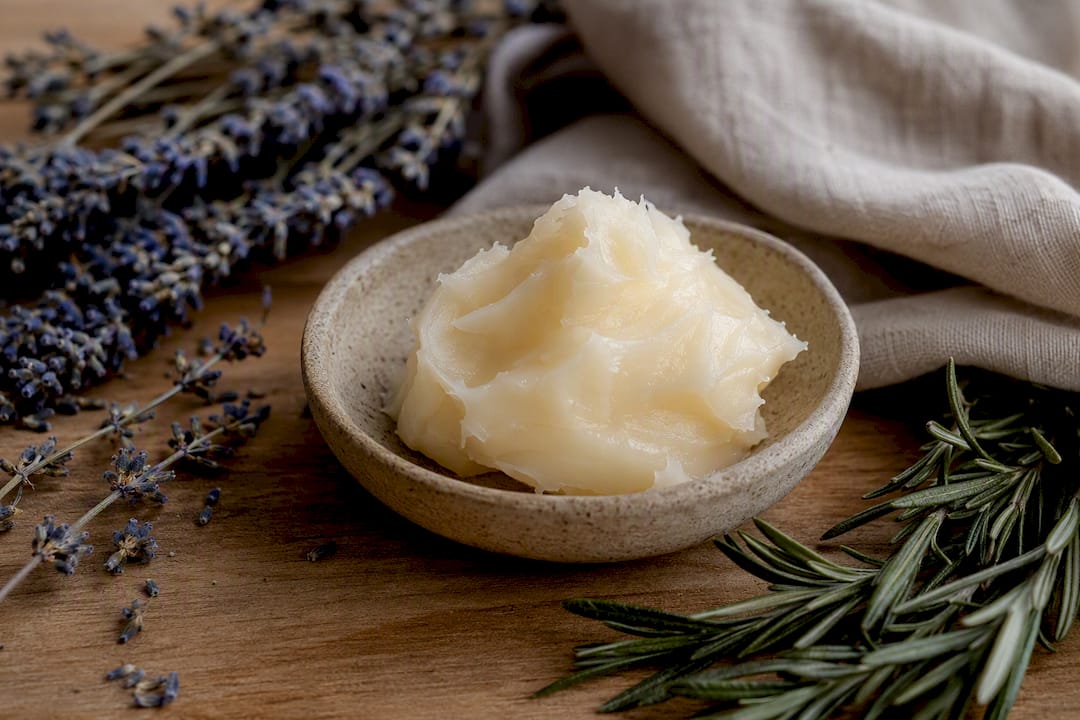
Every product is handmade in the UK with a short, legible ingredient list, because new mothers deserve to know exactly what’s touching their skin and their baby’s. If you’re ever unsure whether an ingredient suits your postpartum routine, reach out, we’d rather answer that question honestly than have you guess.
Once you know the four steps your skin needs, cleanse, moisturise, treat, protect, choosing products gets much simpler. Fierce Nature’s range was built around exactly that pared-back philosophy, using pure organic tallow instead of synthetic fillers or long ingredient lists you can’t pronounce.
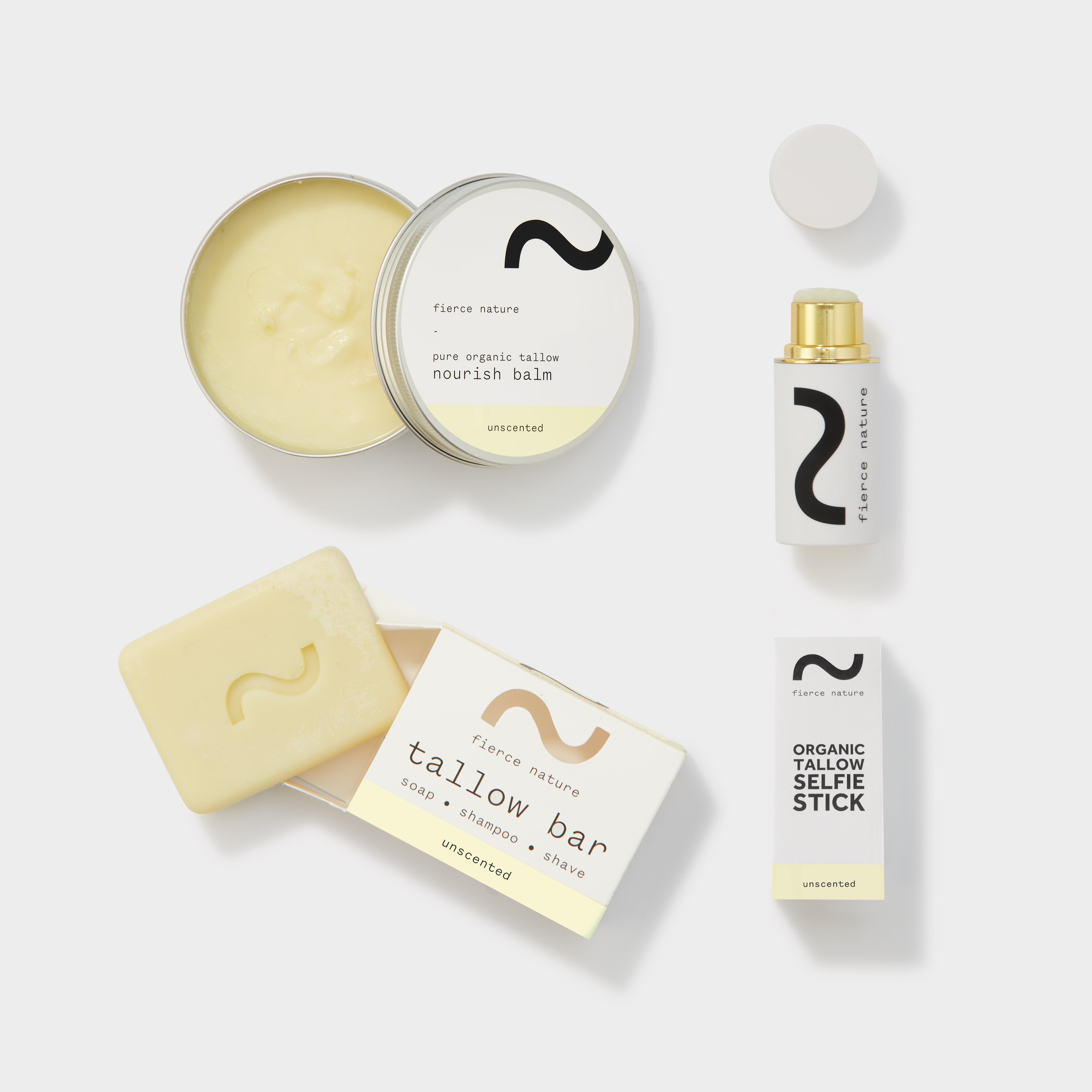
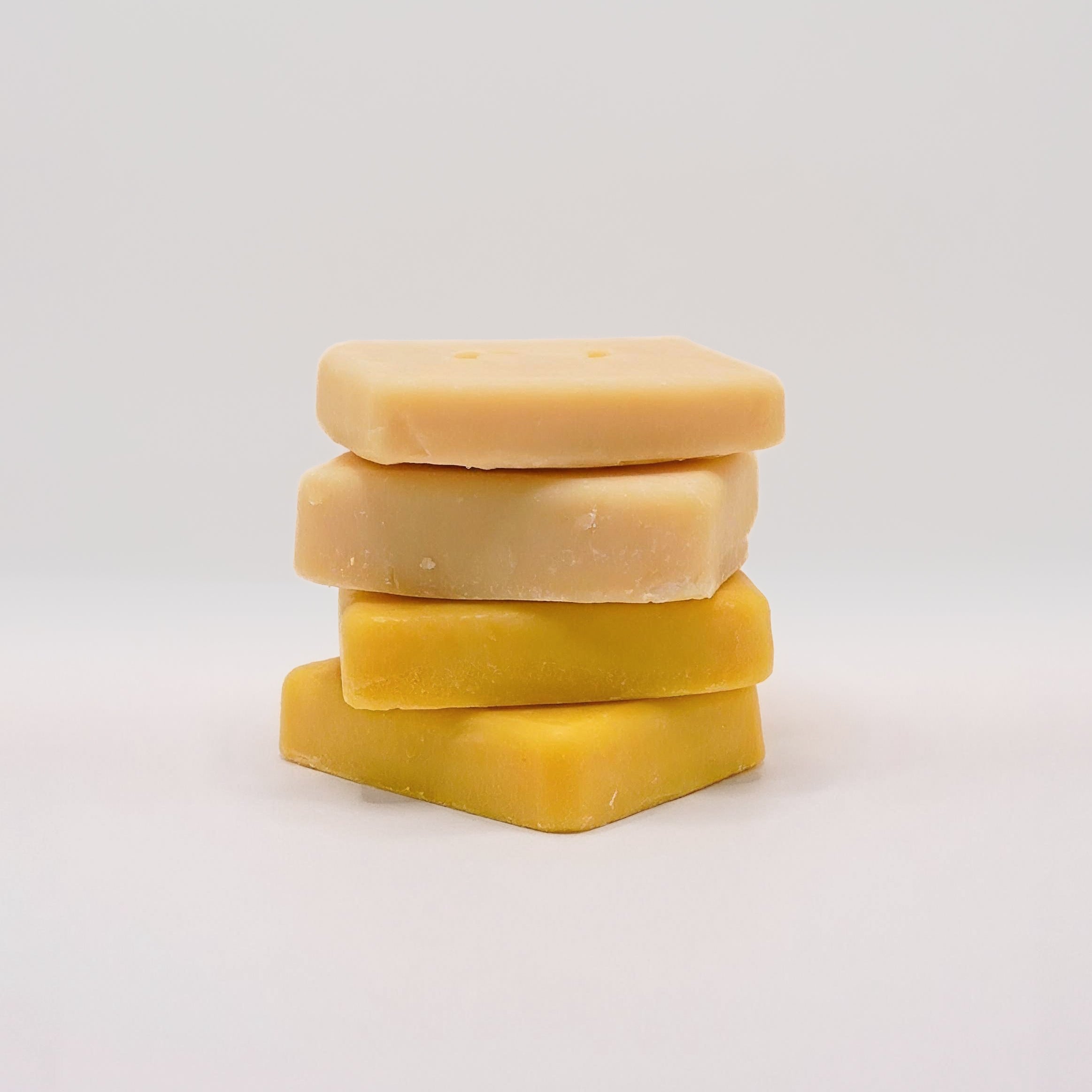
For barrier repair after cleansing, the Multi-Use Tallow Bar (Unscented) works as a simple, single-ingredient-led moisturiser, with a scented version if you tolerate fragrance well
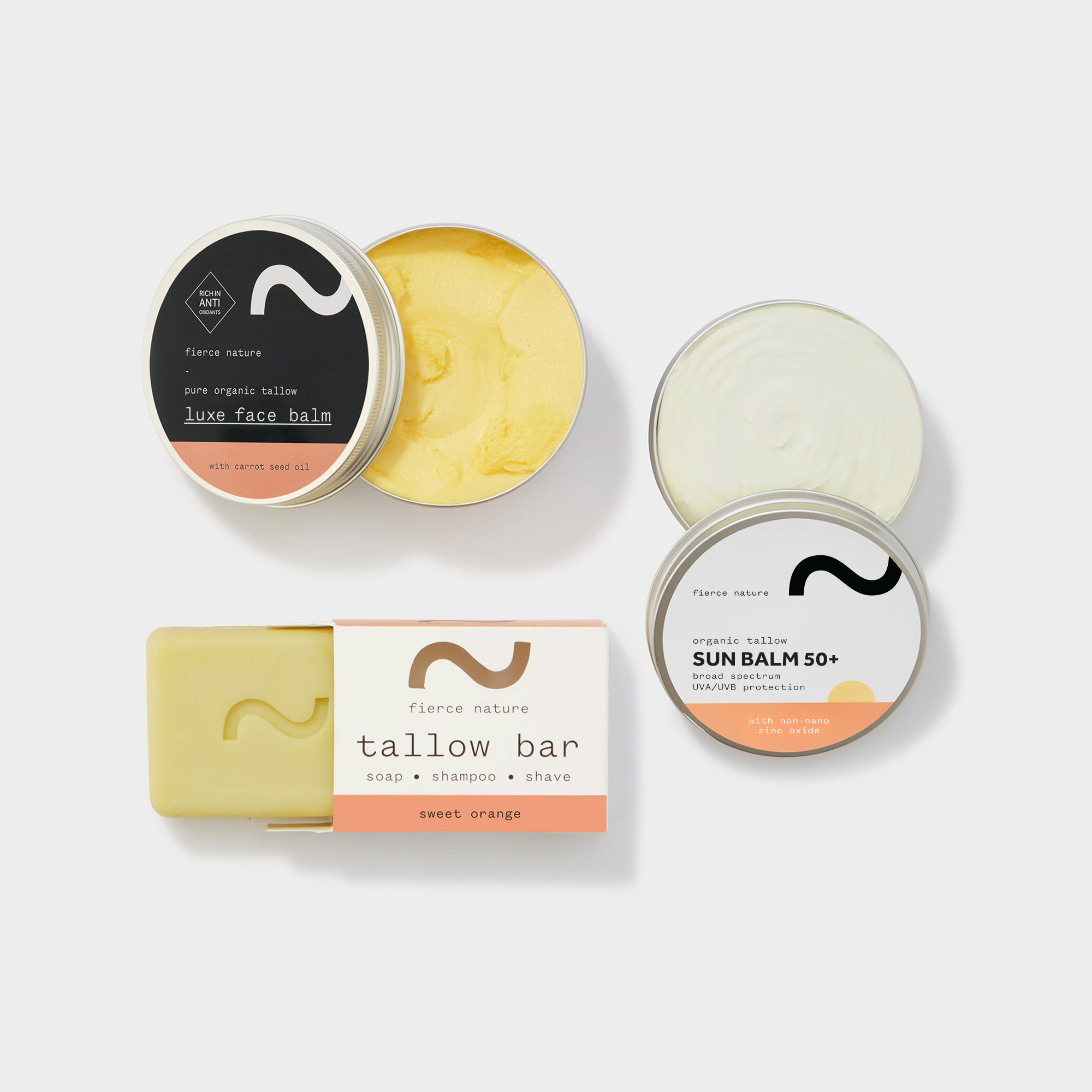
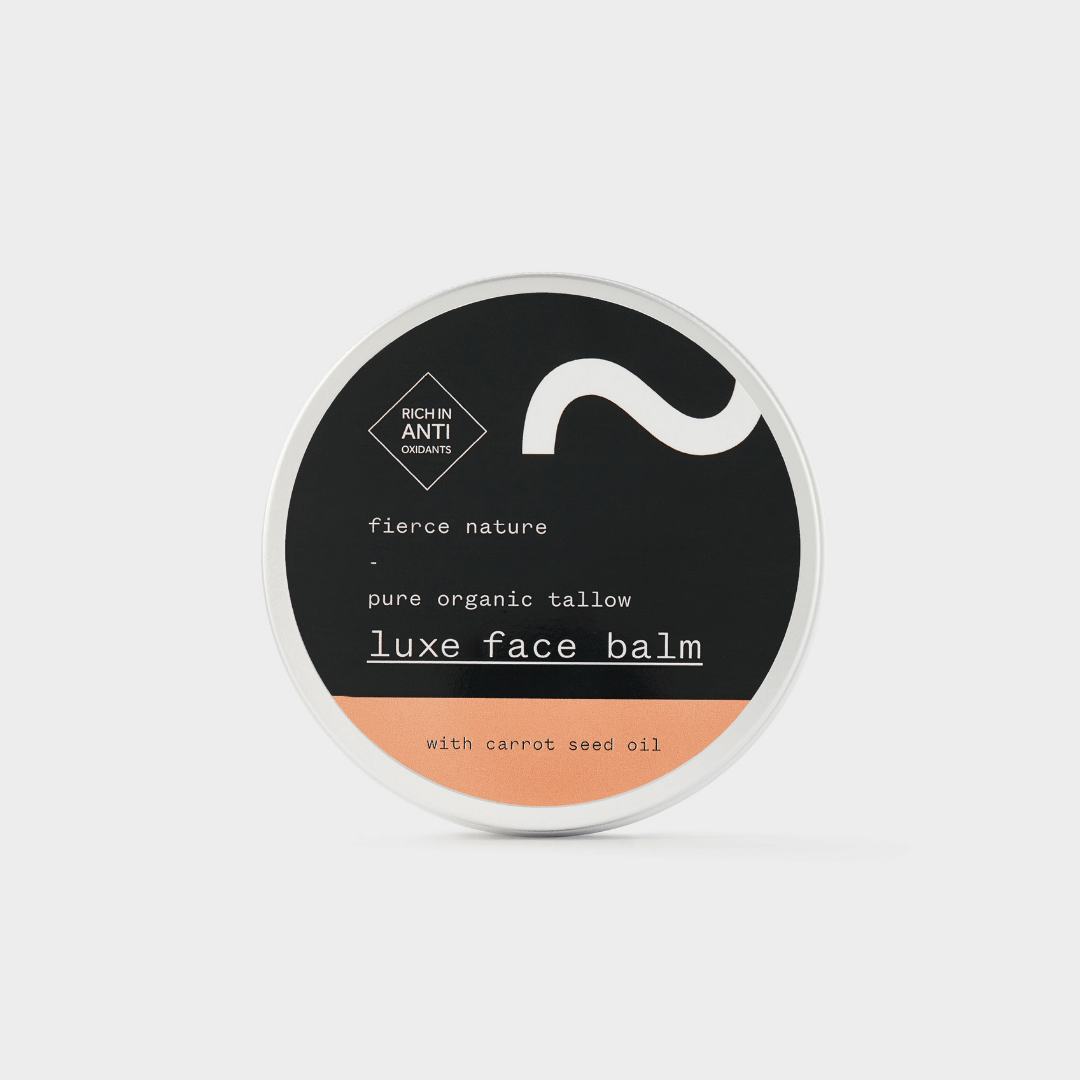
For night-time nourishment on drier patches, the Luxe Balm offers a richer texture suited to postpartum dryness
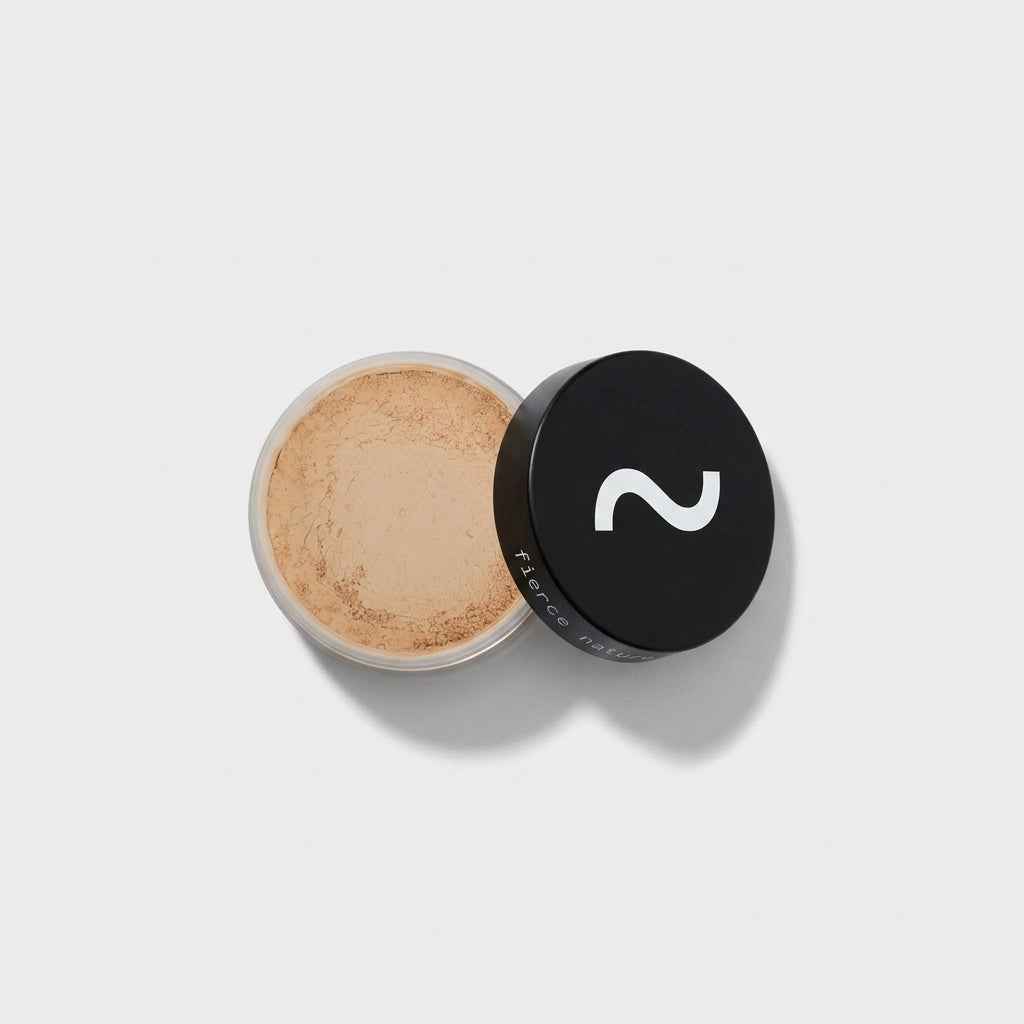
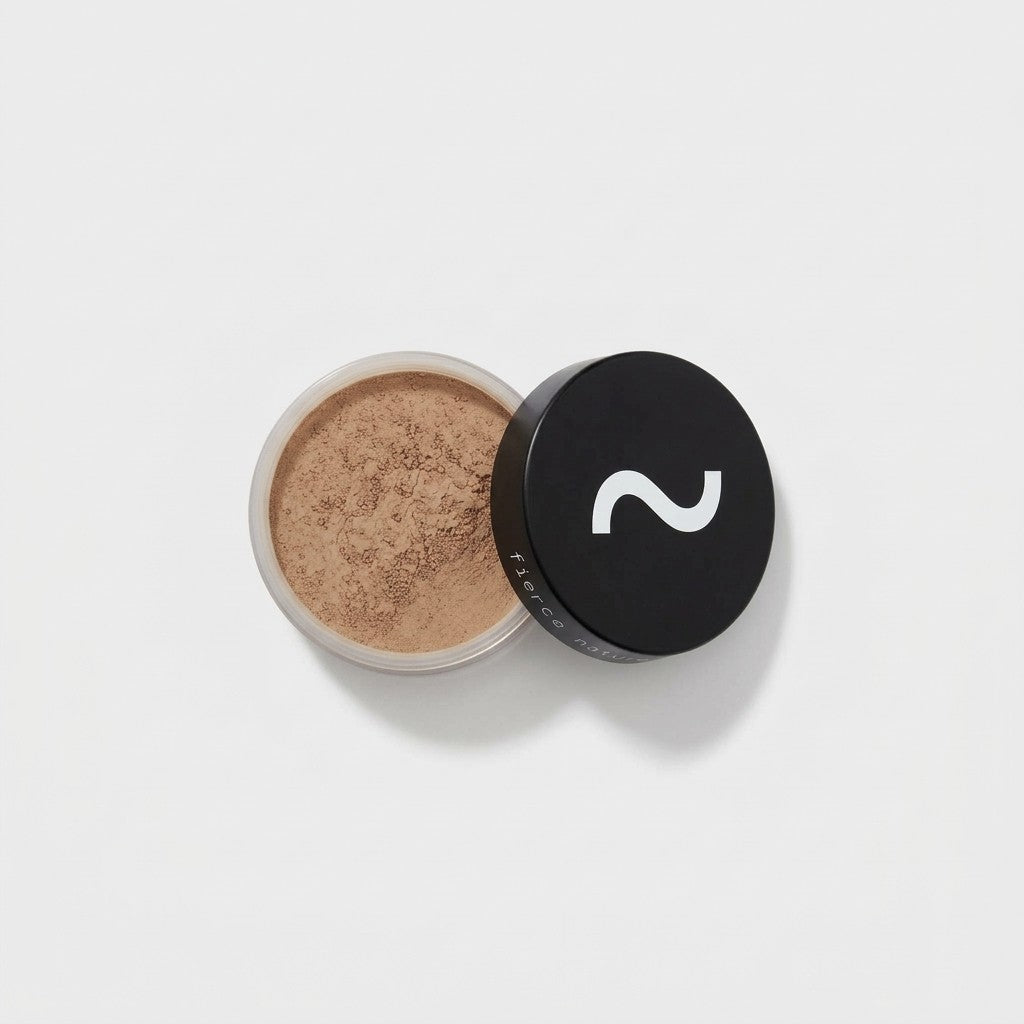
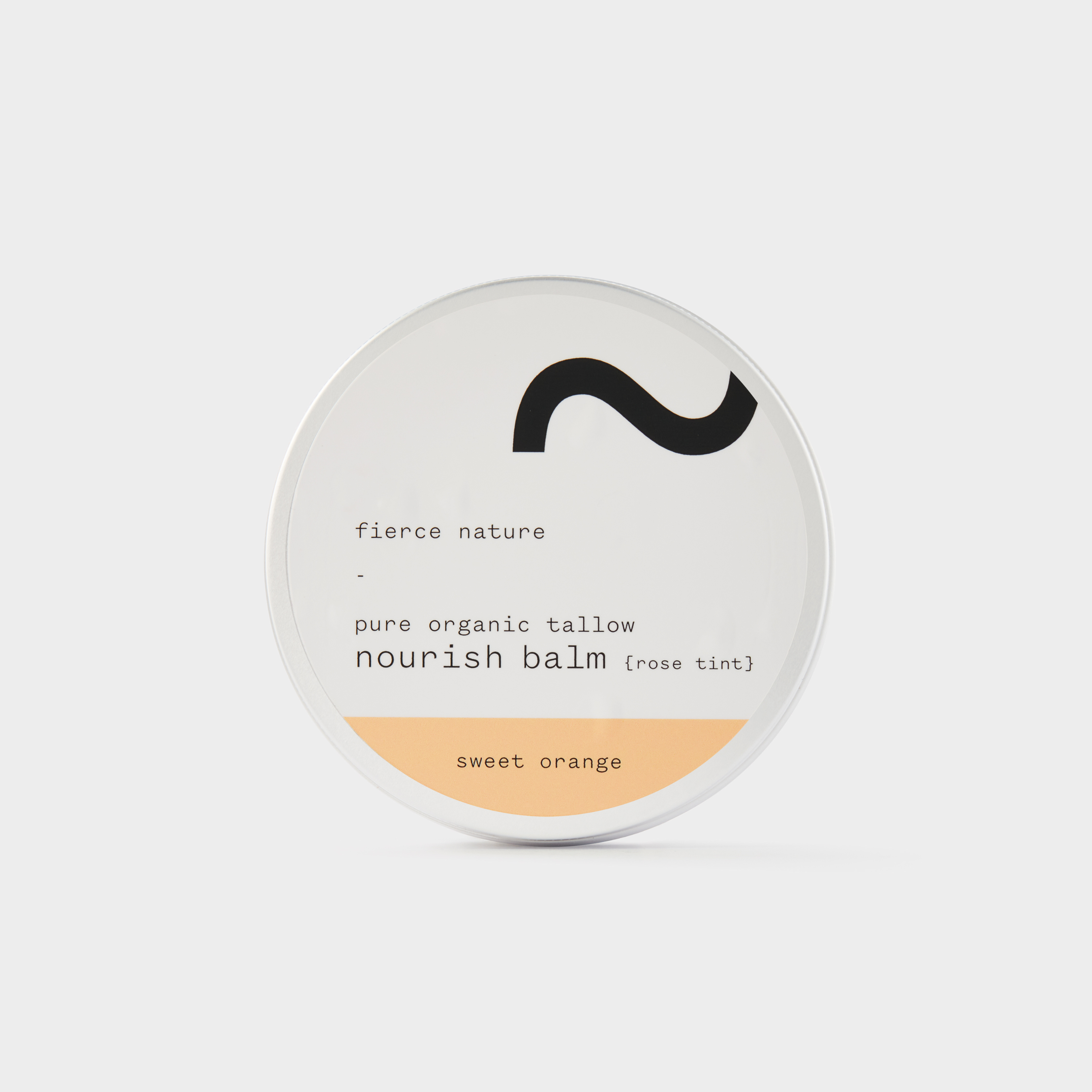
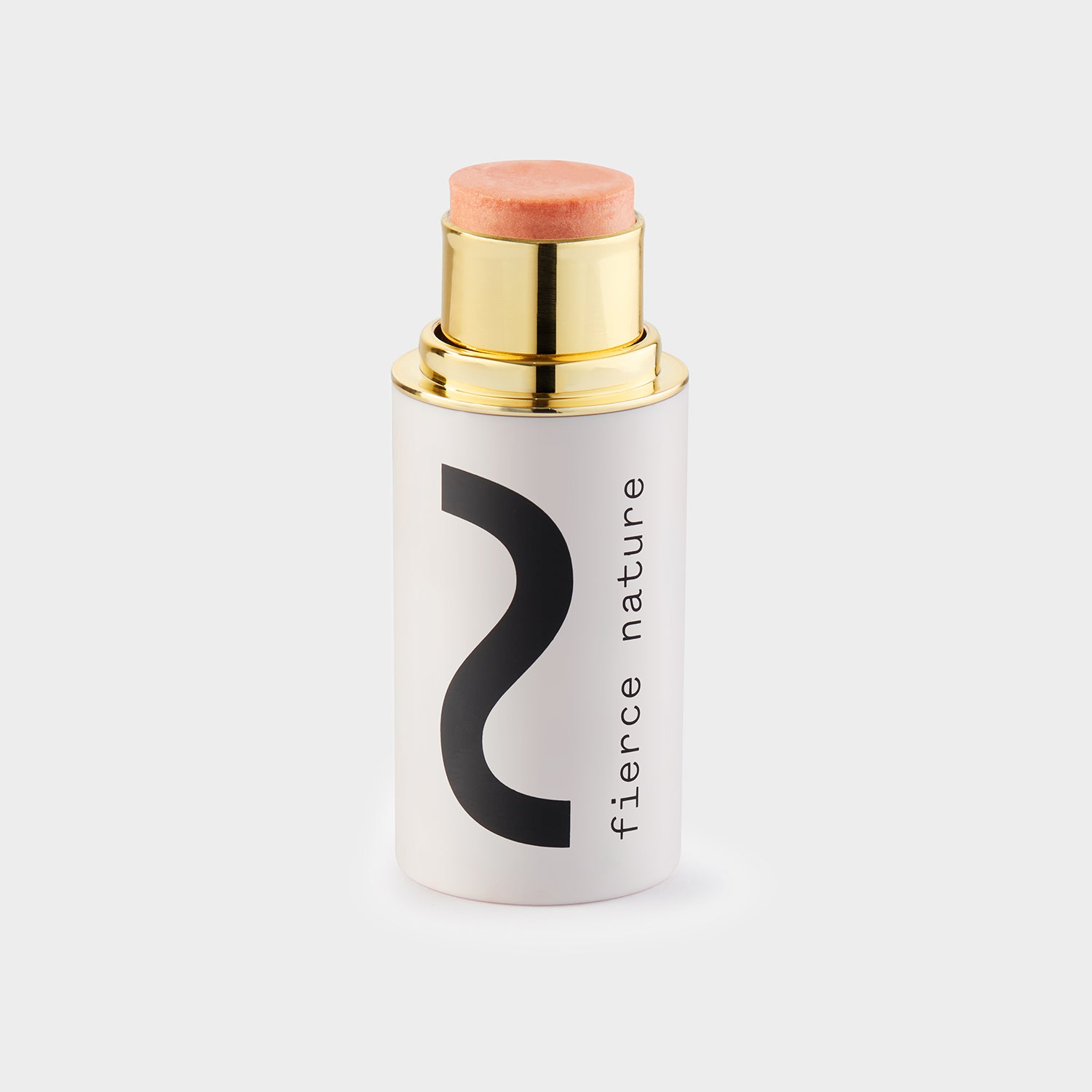
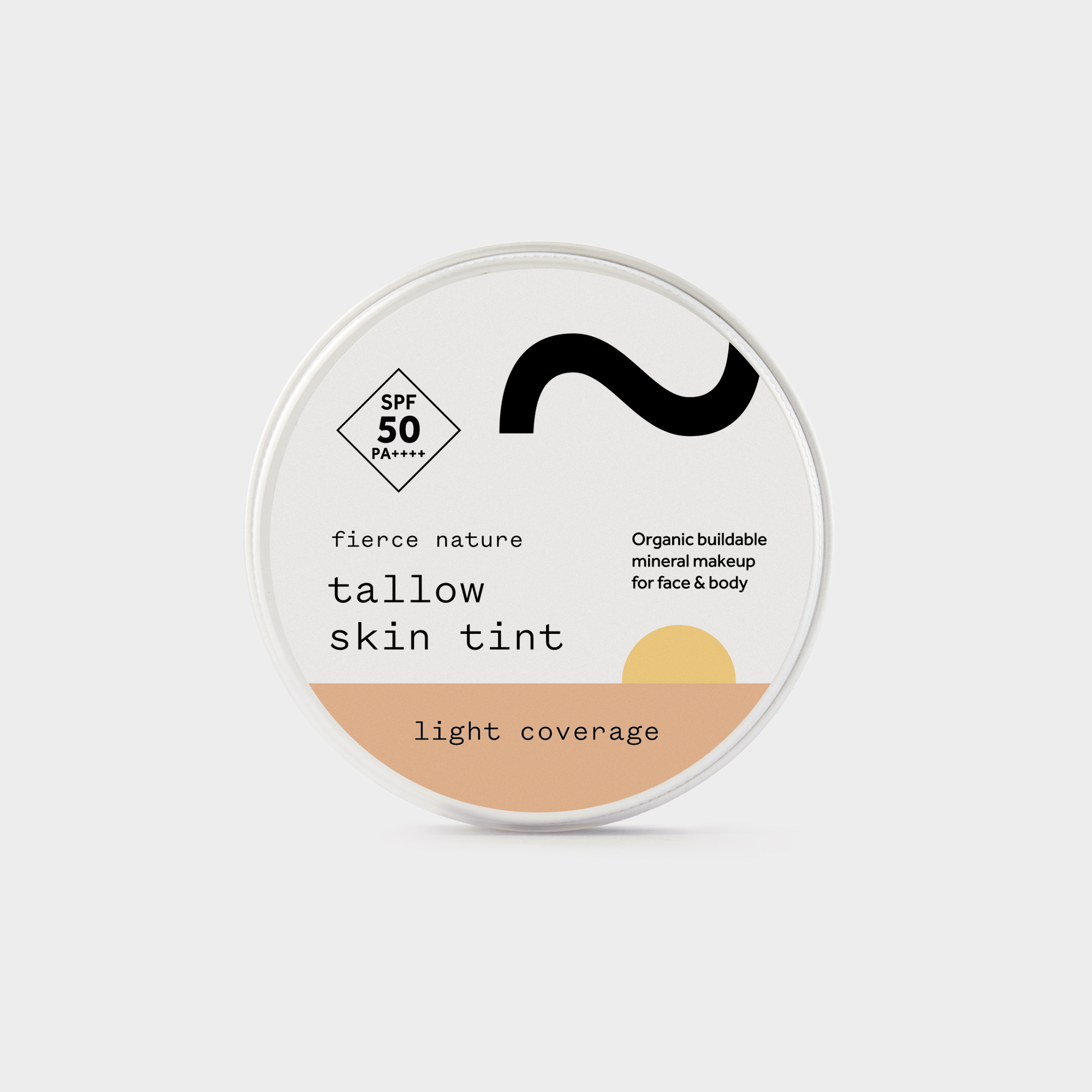
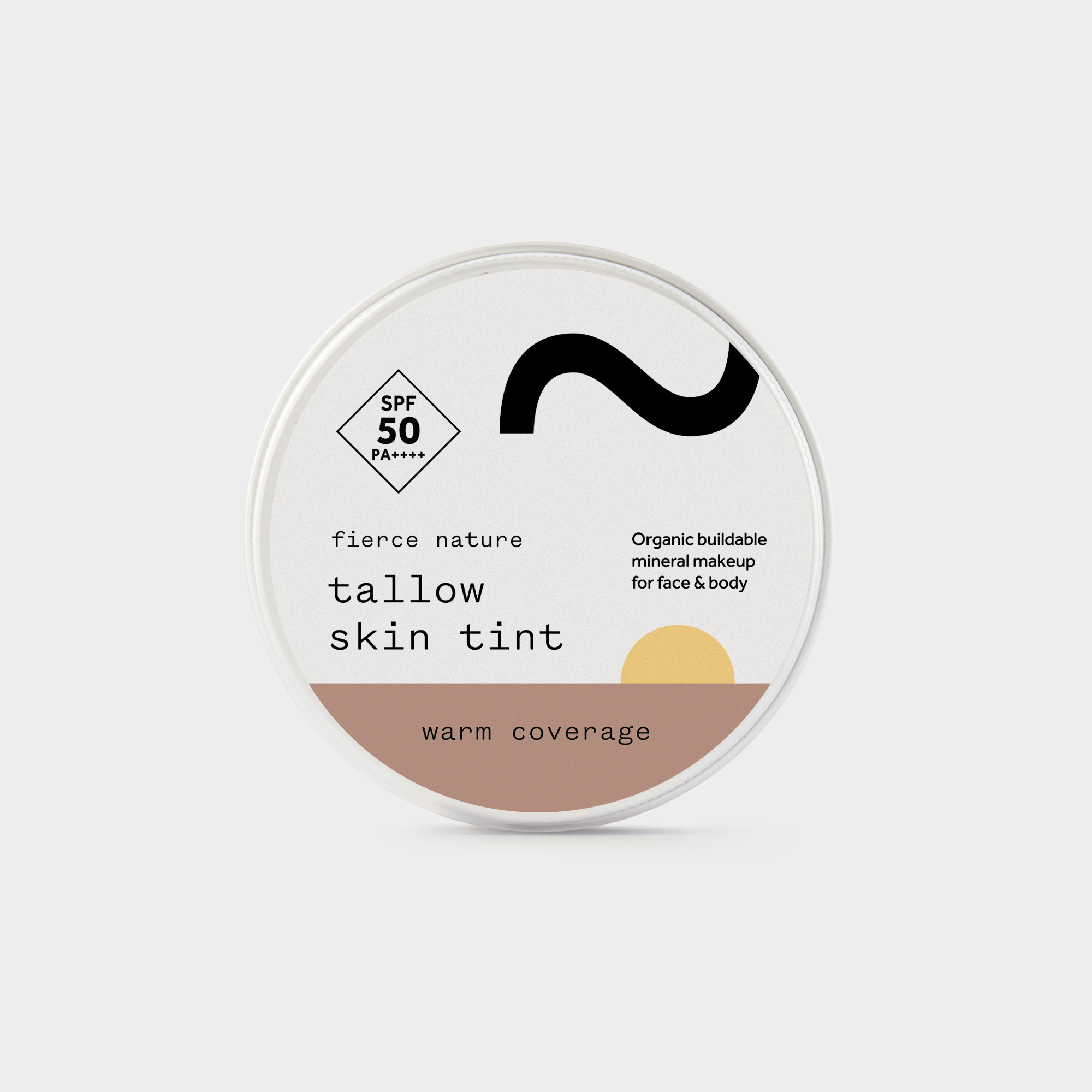
For a subtle daytime tint alongside your SPF routine, the Nourish Balm with Rose Tint adds light coverage without heavy actives
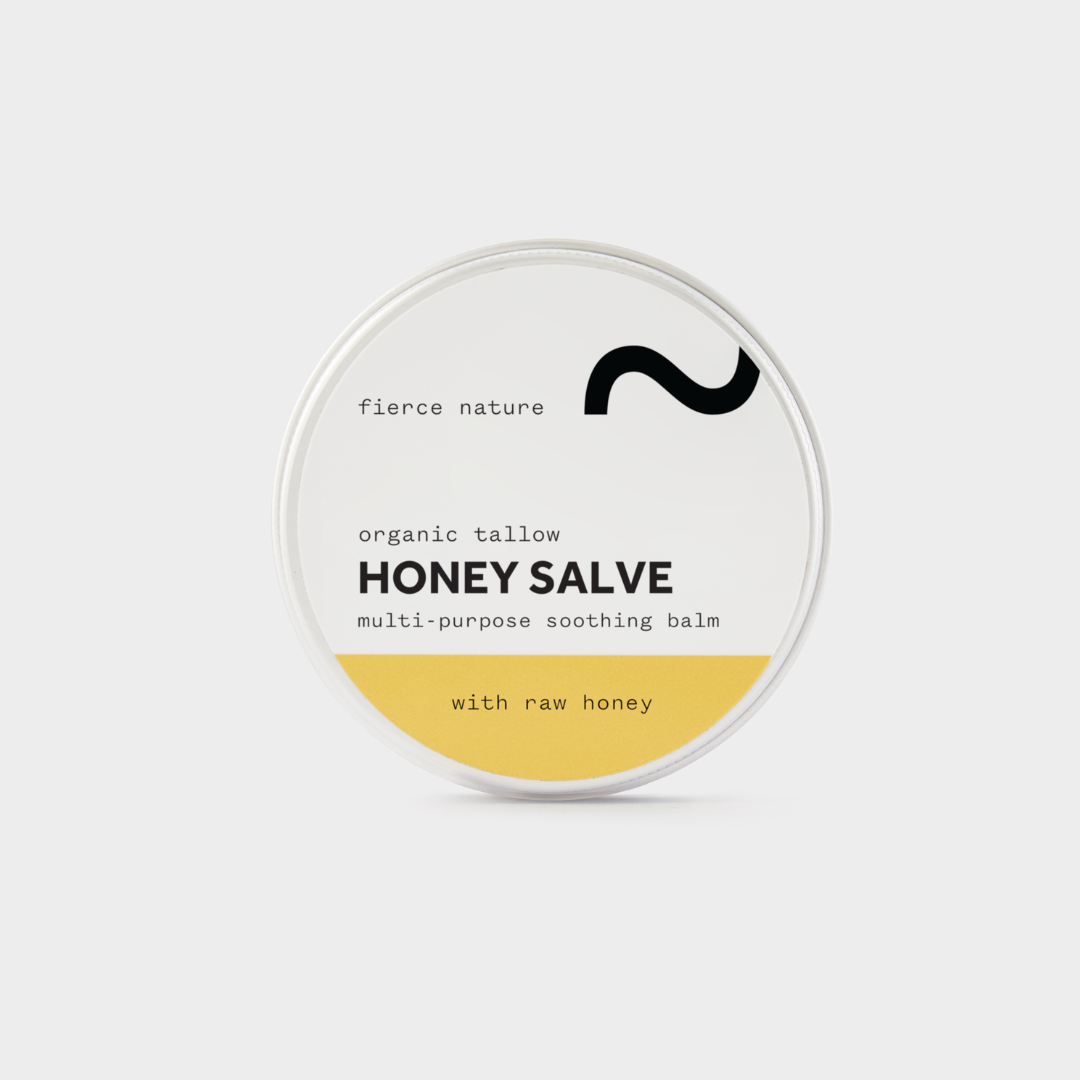
For localised dry patches or irritation, the Honey Salve offers a gentle, soothing option
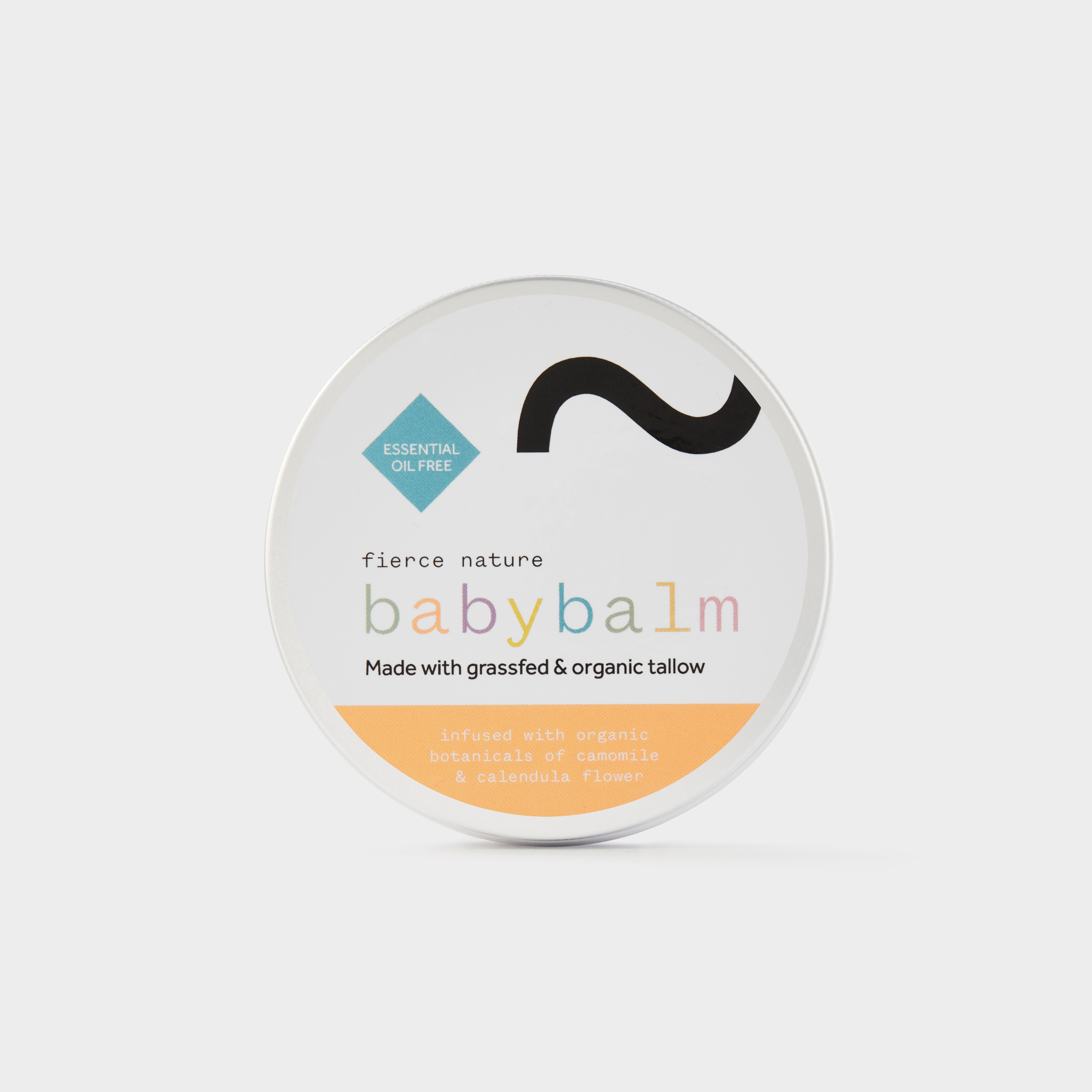
For sensitive newborn skin, the Non-Toxic Baby Skin Essentials bundle keeps things equally simple for your baby
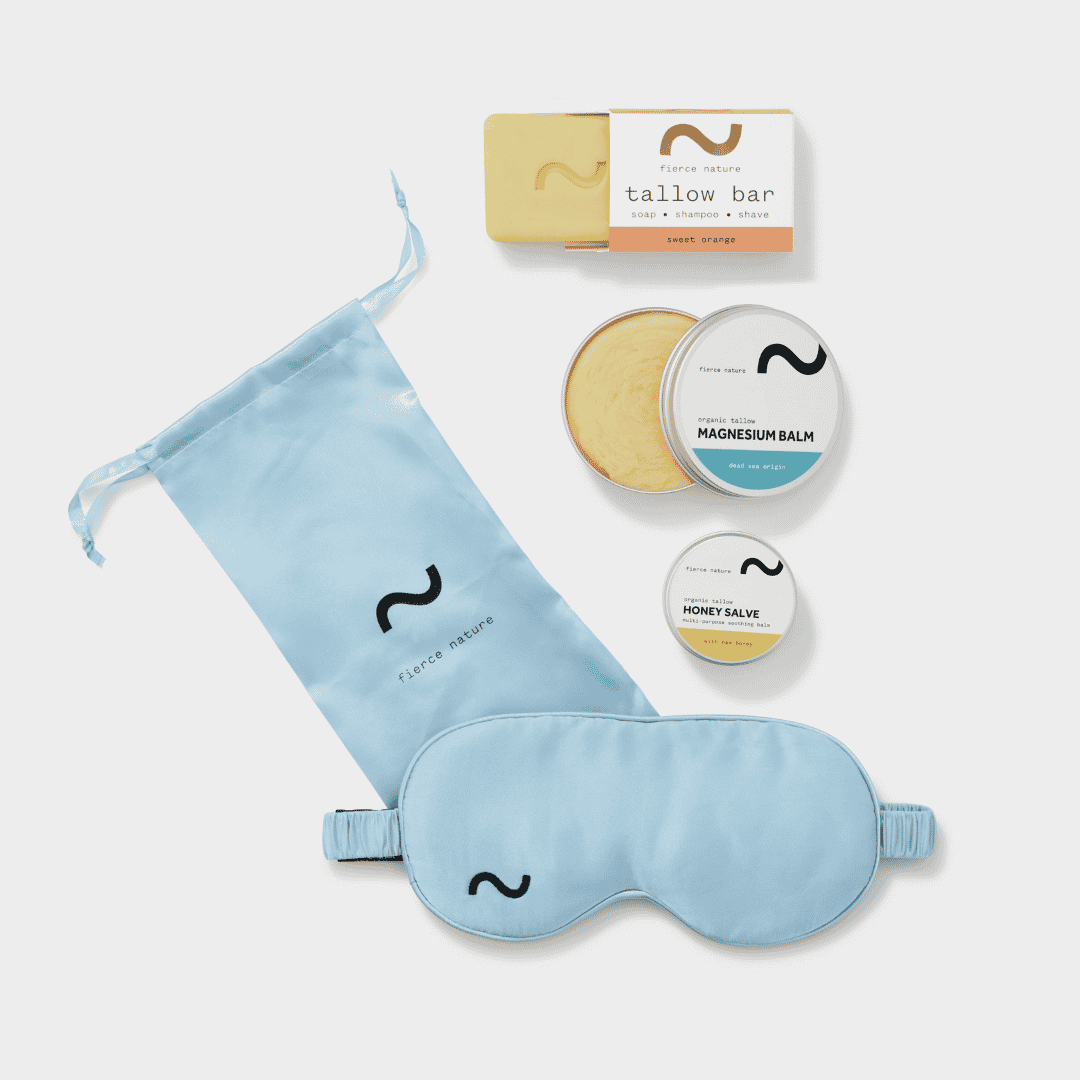
If you want a curated starting point across the range, the Biohacking bundle brings several essentials together, and the Selfie Stick Natural is a handy unscented option for topping up on the go
Every formula is handmade in the UK, and the ingredient list on each product page is deliberately short enough to actually read. If you’re unsure what fits your skin right now, check the full tallow bar landing page or get in touch. We’re happy to talk you through what suits postpartum, breastfeeding-safe skincare best.
NCBI clinical review on azelaic acid safety and efficacy in lactation
American Academy of Dermatology guidance on diet and skin health
American Thyroid Association patient information on postpartum thyroiditis
Always check with your GP or pharmacist before starting any new active while breastfeeding.
A simple routine of gentle cleansing, barrier-repairing moisturiser, one low-risk treatment active such as azelaic acid, and daily mineral SPF covers most postpartum concerns safely.
Definitions vary depending on where you’ve seen it used, some apply it to feeding schedules, others to recovery pacing, so it’s worth checking the specific source rather than assuming one meaning applies universally.
Barrier-repairing emollients like tallow, cool compresses for itchy rashes, consistent hydration and gentle, fragrance-light cleansers are among the most reliable natural approaches for postpartum skin.
Stick to ingredient classes known to be low risk during breastfeeding, ceramides, niacinamide, azelaic acid and mineral SPF, and avoid prescription retinoids or hydroquinone unless a GP advises otherwise.
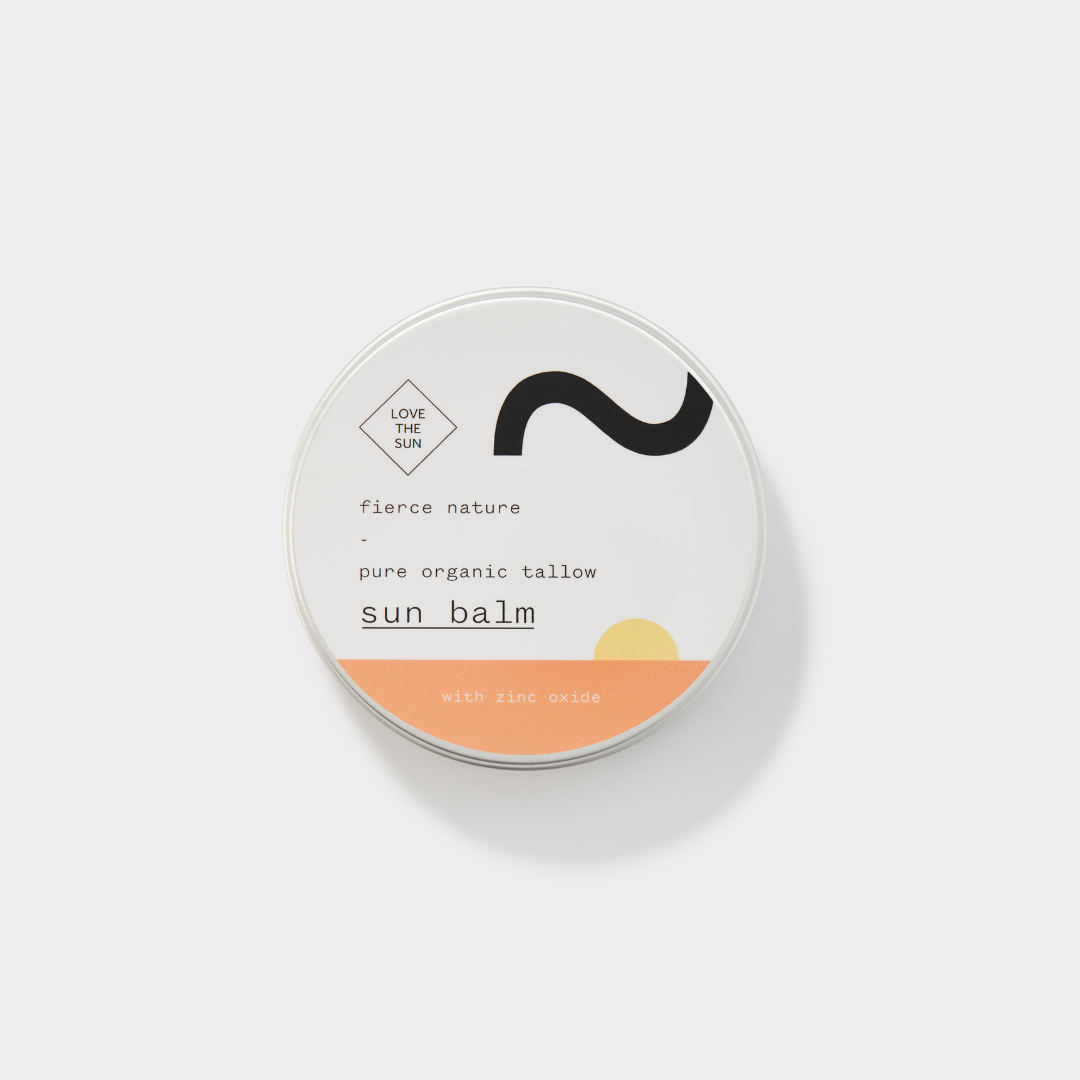
Tallow’s fatty acid profile closely resembles the skin’s own sebum, making it a well-tolerated, breastfeeding-safe emollient for barrier repair, including on sensitive postpartum skin.