Cart
0
80% Also Added this







Short answer: tallow is an occlusive moisturiser, not a proven acne treatment, and it can worsen breakouts for a meaningful number of people. There are no tallow-specific randomised controlled trials showing it clears spots. Most of what circulates online is anecdotal, shared by people whose skin happened to tolerate it well.
That doesn’t mean tallow has no place in a skincare routine. It just means the place is narrower than social media suggests.
Best evidence available: anecdotal reports and dermatologist commentary, not clinical trials
Who it may suit: dry, non-acne-prone skin; not active breakouts
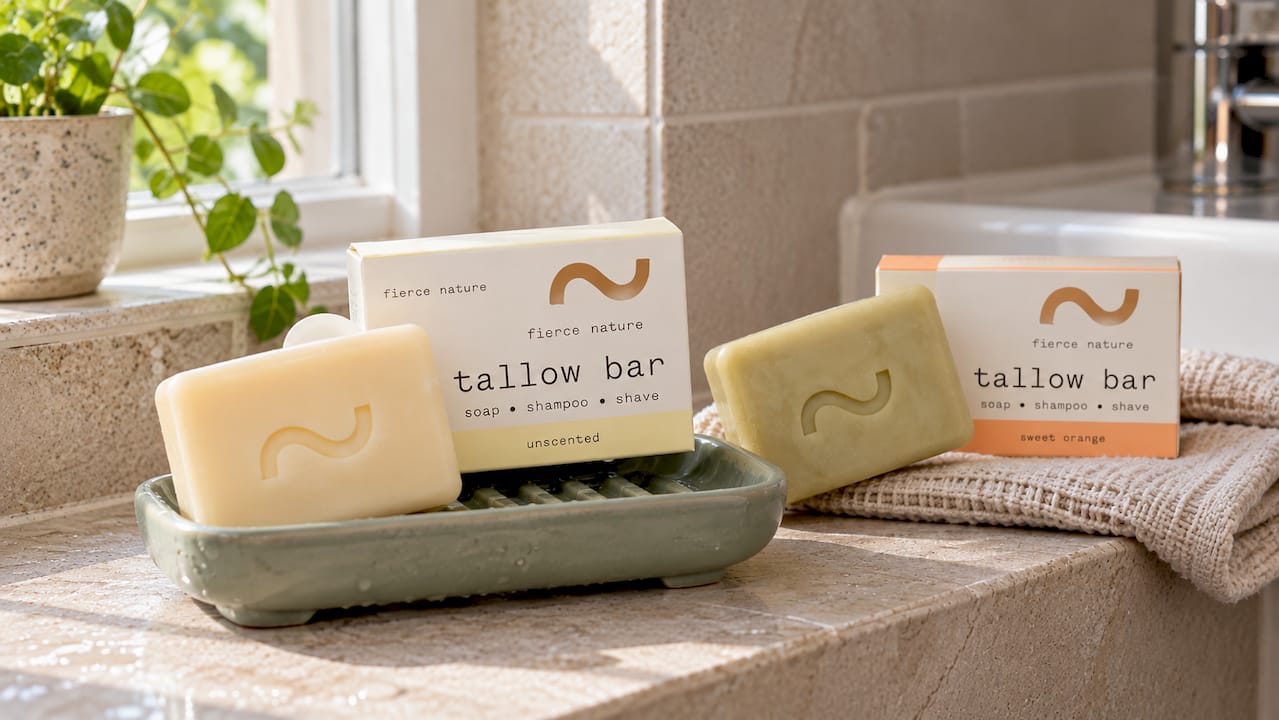
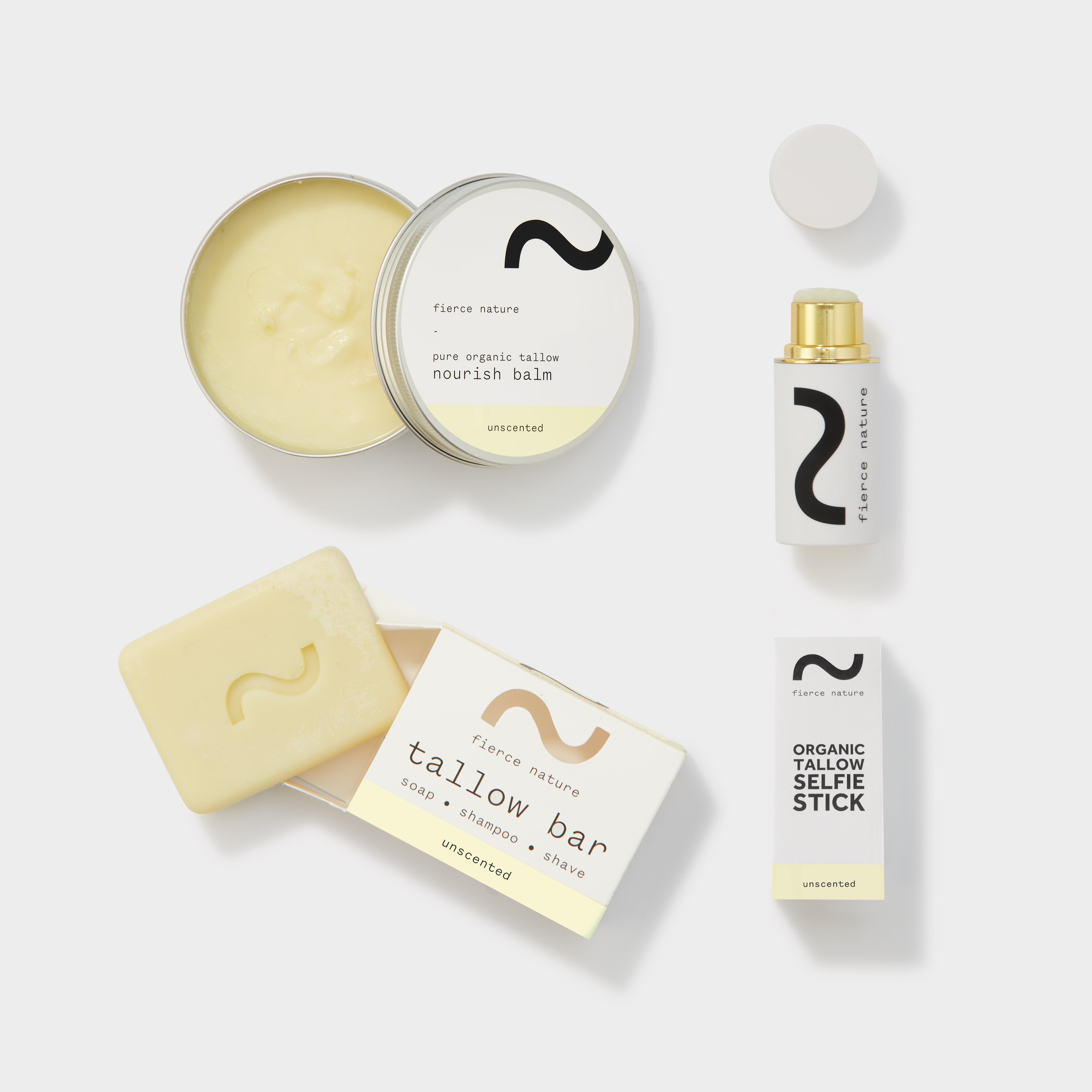
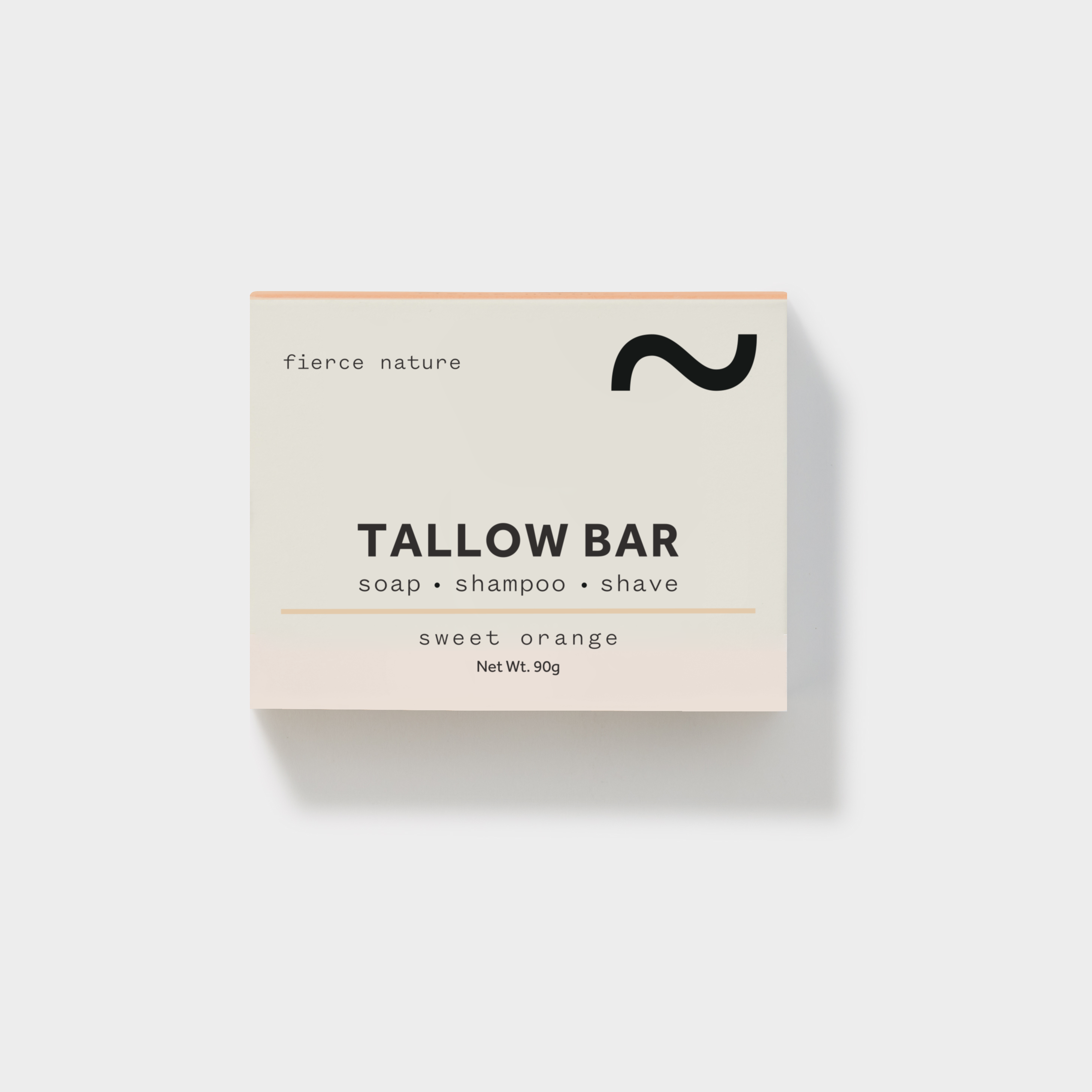
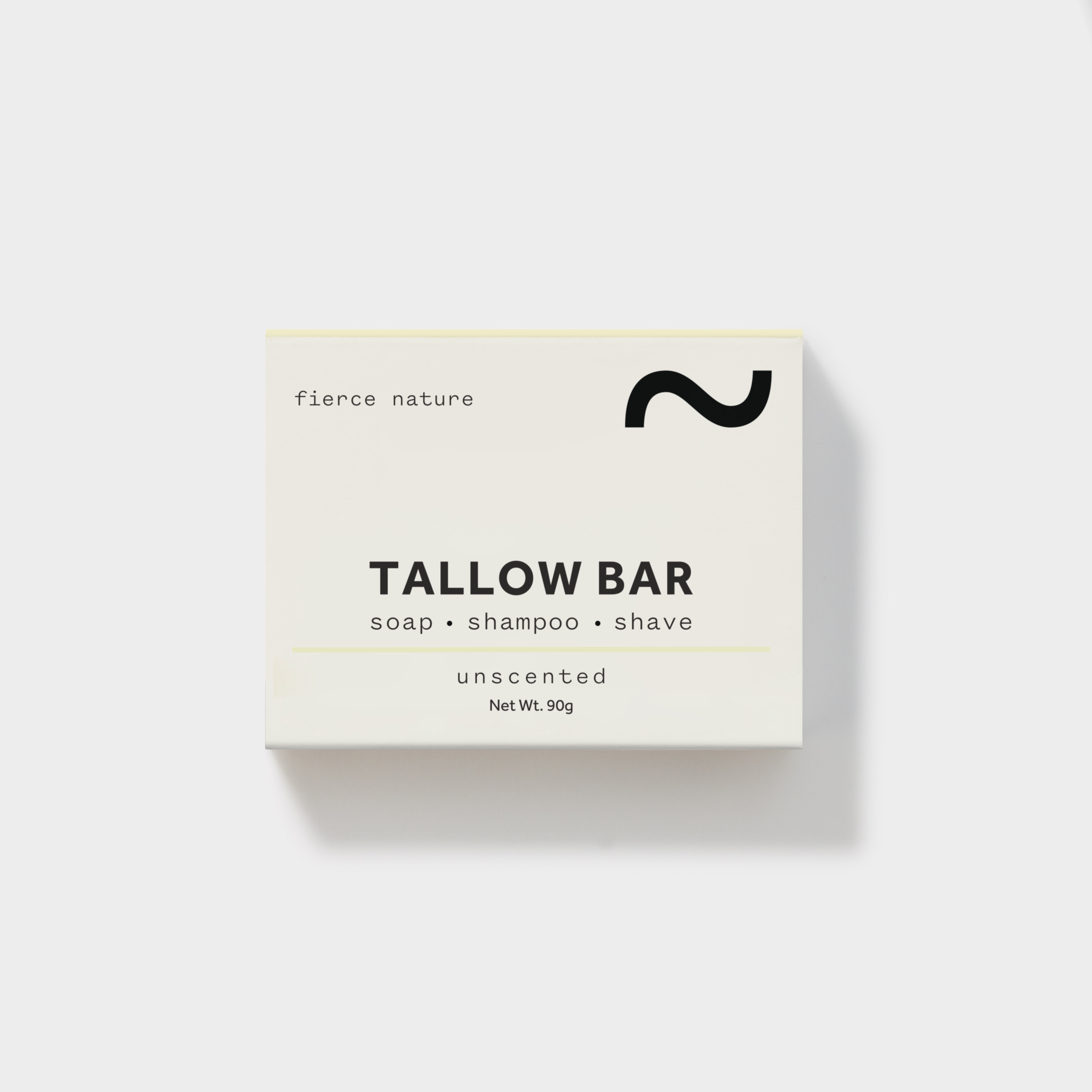
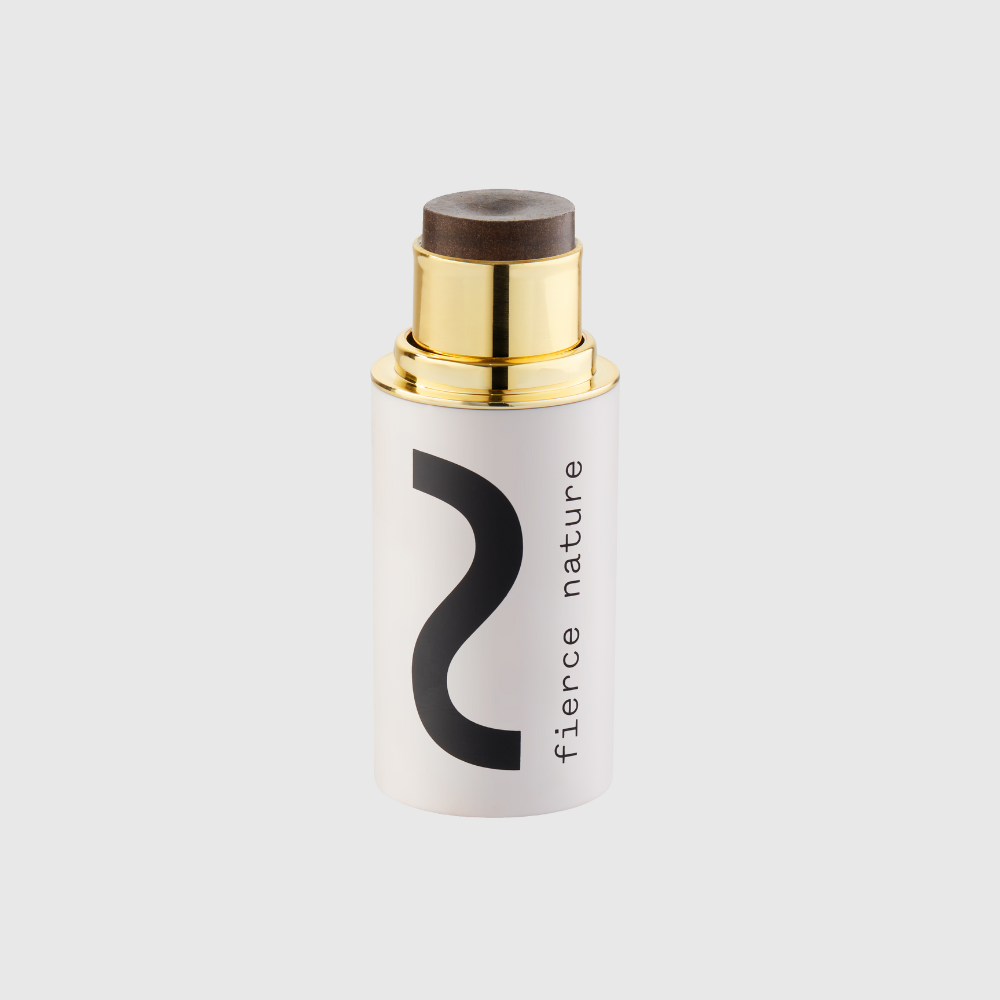
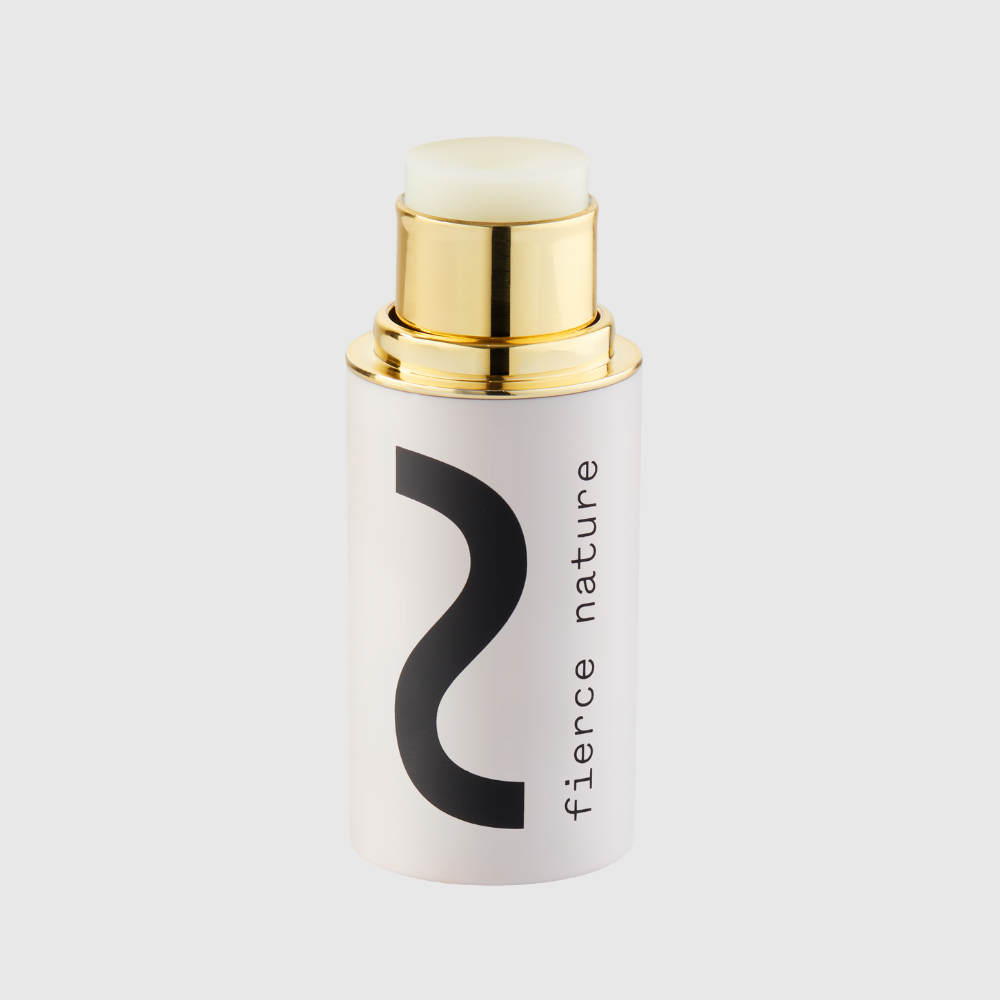
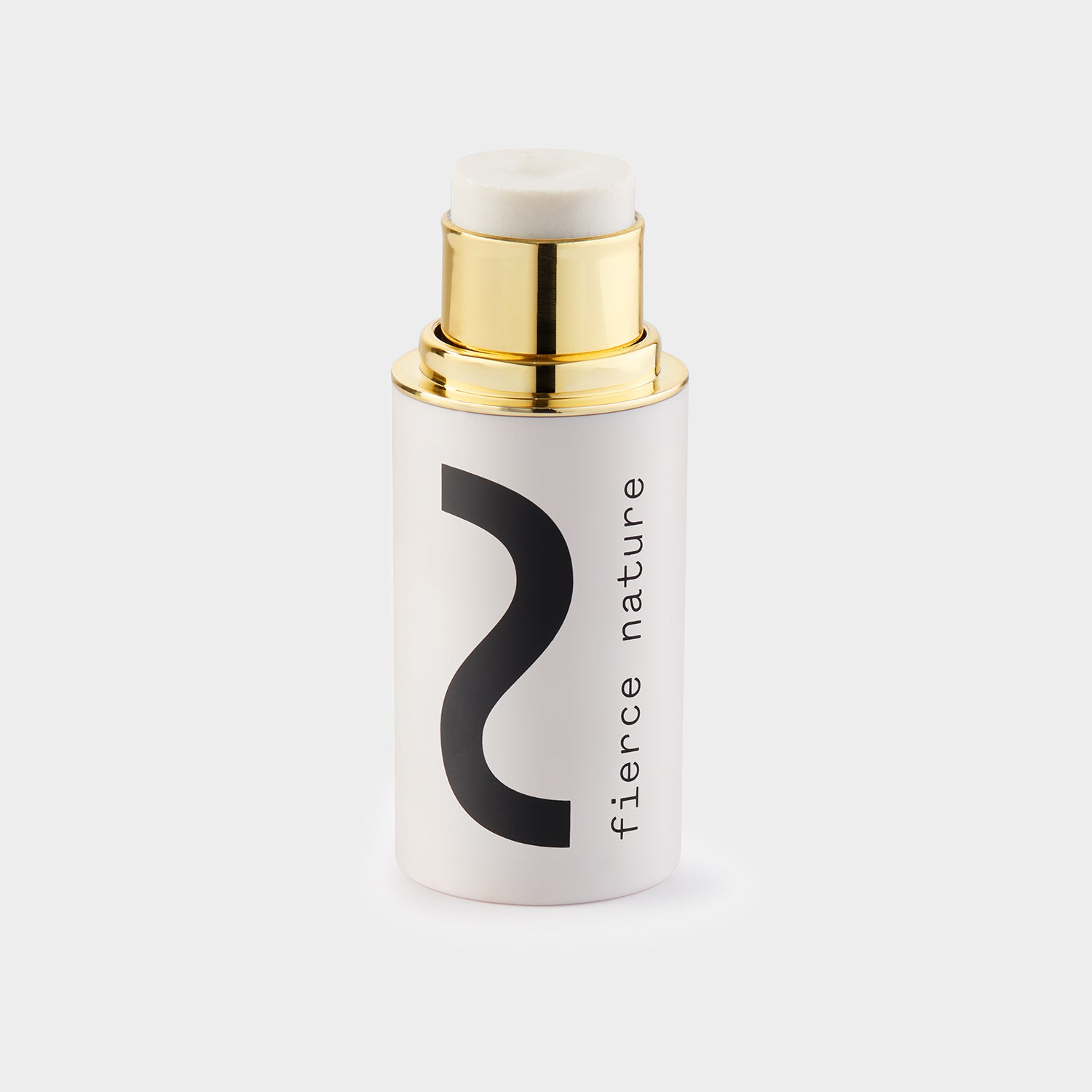
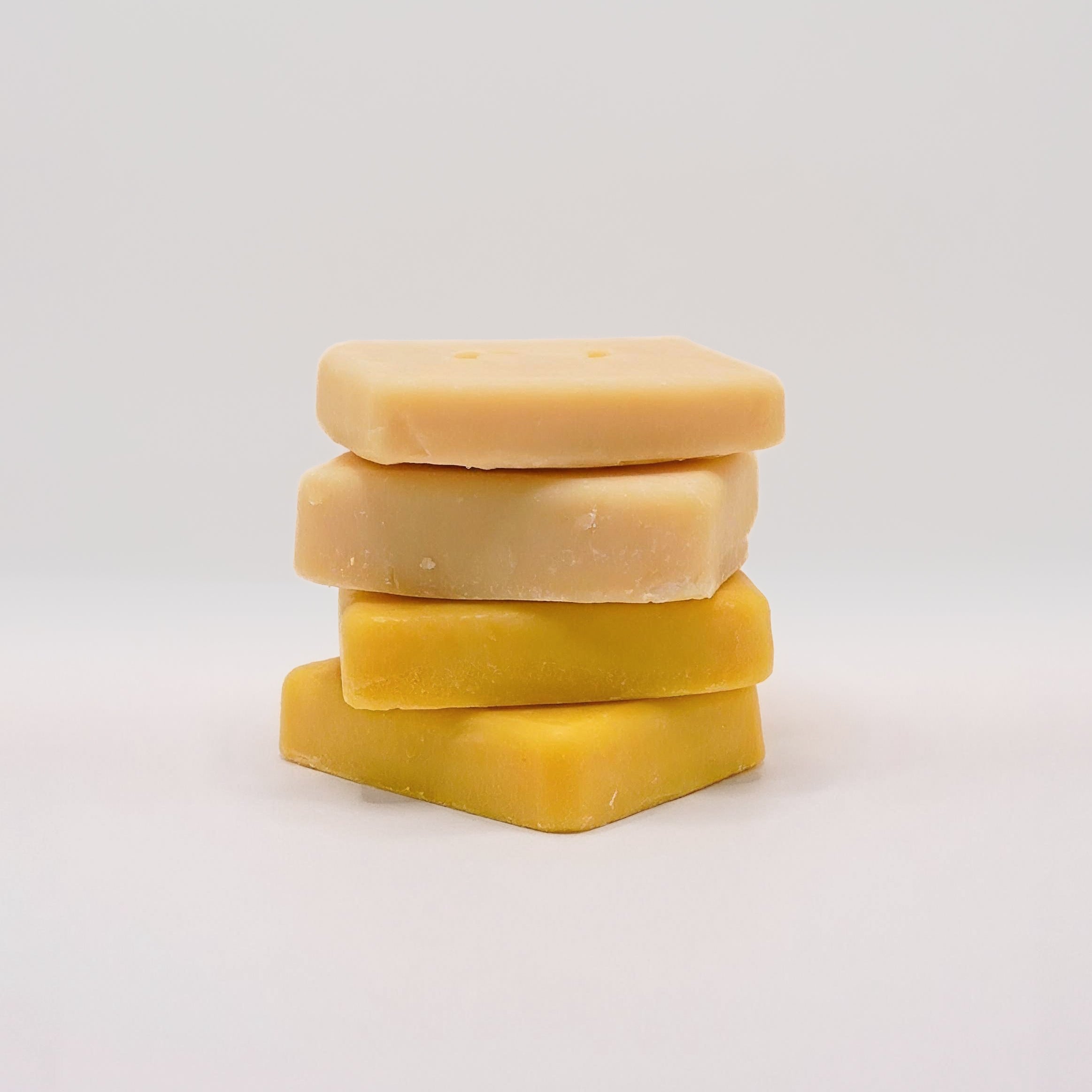
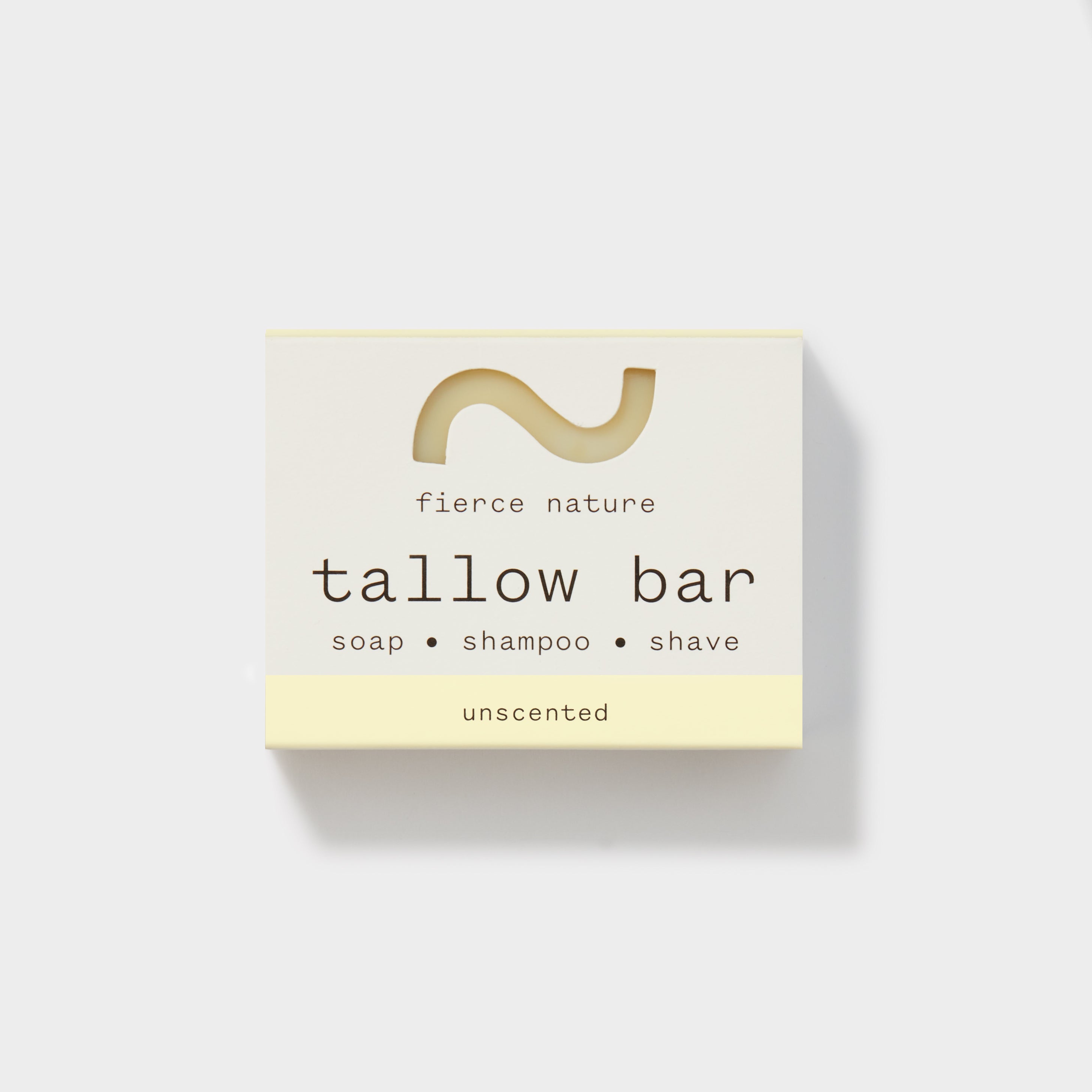
What to do if curious: patch test first, using an unscented, properly rendered product such as our own New Tallow Bar (Unscented)
Tallow moisturises through occlusion, but no clinical trial has shown it treats acne, and its comedogenic reputation makes it a genuine risk for breakout-prone skin.
| Point | Details |
|---|---|
| No clinical proof | No randomised controlled trials show tallow clears or prevents acne. |
| Occlusion cuts both ways | It helps dry skin retain moisture but can trap sebum in oilier, acne-prone skin. |
| Highest-risk groups | Avoid or trial cautiously if you have active acne, dermatitis, beef or lanolin allergies, or are pregnant. |
| Sourcing matters | Unscented, properly rendered tallow reduces the irritation risk tied to fragrance and inconsistent small-batch production. |
| Fierce Nature’s role | Its unscented Multi-Use Tallow Bar is positioned for cautious patch testing, not as an active-acne treatment. |
For primary reporting and clinical perspectives on tallow and skin, see coverage from National Geographic, Cleveland Clinic, Allure, and CNBC.
Not reliably. It’s an occlusive moisturiser with no clinical trials proving it clears acne, and dermatologists warn it can worsen breakouts for people with oily or acne-prone skin.
Its comedogenic potential is the main concern, meaning it can clog pores, alongside a lack of trial evidence and inconsistent quality in unregulated small-batch products.
Korean skincare routines typically favour lightweight, layered hydration, gentle exfoliation, and evidence-based actives like salicylic acid or niacinamide rather than heavy occlusive animal fats.
No. Retinoids have demonstrated cell-turnover effects that directly address acne formation, while tallow offers moisture and barrier support with no comparable mechanism for treating breakouts.
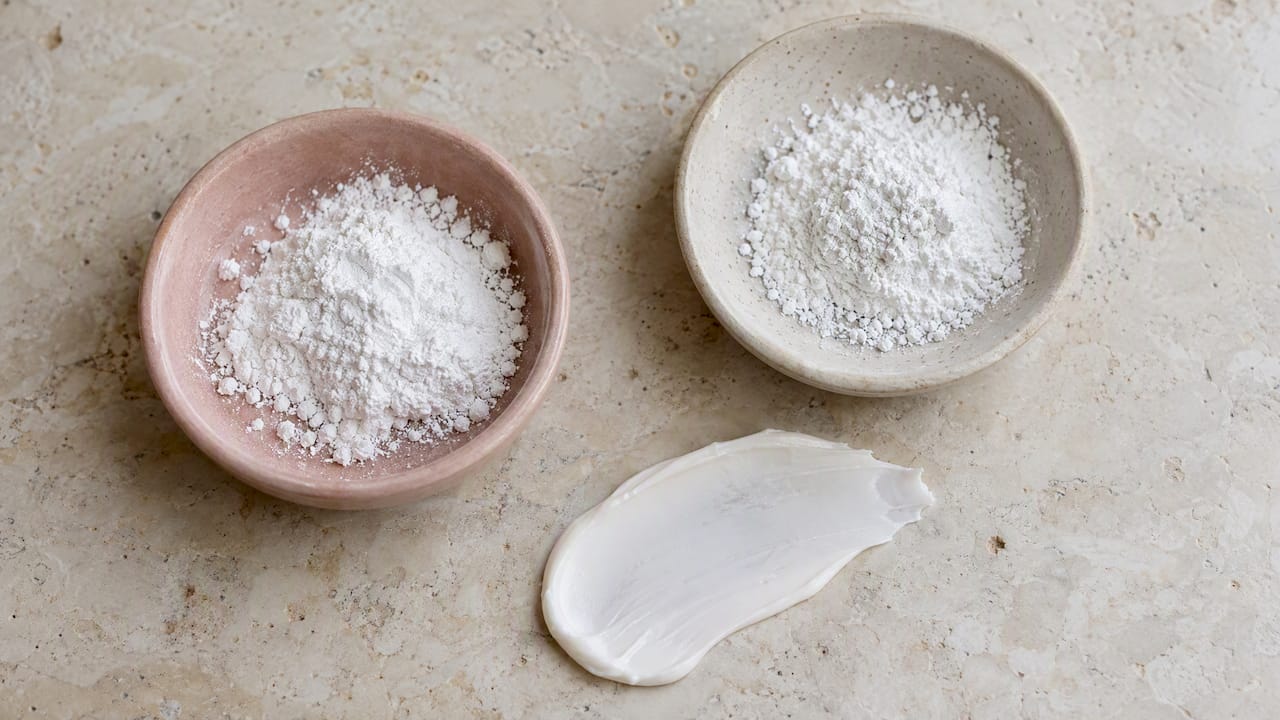
Rendered tallow is purified beef fat, mostly saturated fatty acids, with a meaningful share of oleic acid and smaller amounts of palmitic and stearic acid. Once rendered and cooled, it sets into a solid, buttery balm that melts on contact with skin.
Its main job on skin is occlusion. Occlusives sit on the surface and slow transepidermal water loss, the process by which moisture escapes through the outer skin layer. For genuinely dry skin, that can mean less flaking, less tightness, and a softer feel within days.
Forms a physical layer that reduces water loss
Works alongside humectants (like hyaluronic acid) rather than replacing them
Melts at close to body temperature, so it spreads and absorbs easily
Tallow does contain trace amounts of vitamins A, D, E and K, and product marketing leans on this heavily. The reality is more modest: these vitamins exist in quantities far below what’s used in tested topical treatments, and nobody has established that skin absorbs them at concentrations that do anything therapeutic. Trace presence is not the same as clinical potency.
It doesn’t, at least not yet. No published randomised controlled trial has tested tallow specifically against acne, which means every claim you’ve seen about it “clearing” breakouts rests on personal experience rather than controlled comparison. National Geographic’s reporting on the trend puts it plainly: tallow works as an occlusive emollient, but clinical evidence that it treats acne simply doesn’t exist.
The mechanistic picture is genuinely mixed. Occlusion helps dry skin retain moisture, but on oilier or acne-prone skin, that same sealing effect can trap sebum and dead skin cells inside the follicle, which is one route to a blocked pore. Oleic acid, one of tallow’s more abundant fatty acids, has been linked in some studies to disruption of the stratum corneum, the skin’s outermost barrier layer. A disrupted barrier can leave follicles more vulnerable, not less.
Dermatology consensus, as reflected in National Geographic’s coverage of the trend, holds that tallow is not a targeted acne therapy. At best, it’s a moisturiser that may suit a narrowly defined group: people with dry skin and no history of acne.
Why do the success stories keep circulating, then? Social media rewards dramatic before-and-afters, and a single person with naturally dry, non-reactive skin posting a glowing result will always travel further than the quieter majority whose skin didn’t respond, or got worse. Forums and comment sections aren’t representative samples. They’re survivorship bias with good lighting.
No RCTs exist specifically testing tallow against acne
Occlusion can help dry skin but may aggravate oily or acne-prone skin
Oleic acid content is a plausible mechanistic concern, not a proven one
Anecdote-heavy platforms overrepresent success and underrepresent failure
Dermatologists interviewed for outlets like Allure have been consistent on this point: tallow carries a comedogenic reputation, often cited in the same range as coconut oil, meaning it has a real capacity to clog pores in the wrong skin type. That single fact should guide most of your decision-making here.
Certain groups face higher risk and should be more cautious, or skip tallow altogether:
Oily or acne-prone skin, especially anyone dealing with active breakouts on the T-zone, where sebum production is already high.
Anyone with current dermatitis or eczema flares, since occlusive layers can trap irritants against already-compromised skin.
People with known allergies to beef products, or lanolin, given the cross-reactivity some allergists report between animal-derived fats.
Pregnant readers, simply because research on topical animal fats during pregnancy is thin enough that caution is the sensible default; check with a midwife or doctor first.
Sourcing matters as much as the fat itself. CNBC’s reporting on the tallow skincare trend flagged a real gap: homemade or small-batch products often skip proper preservation, consistent rendering temperatures, or exclusion of added fragrance, any of which can turn a simple moisturiser into an irritant. Rancid or poorly stored tallow can also harbour bacteria.
Pro Tip: If a tallow product smells even faintly “off,” sharp, sour, or waxy in a way that wasn’t there when you opened it, stop using it. Rancidity is a spoilage marker, not a texture quirk.
If you’ve weighed the risks and still want to see how your own skin responds, do it in a structured way rather than slathering it on your whole face overnight.
Patch test first. Apply a small amount to your inner forearm or jawline and leave it for 48 to 72 hours. Watch for redness, itching, or small bumps.
Choose unscented, properly rendered tallow. Added fragrance is one of the most common irritant triggers dermatologists flag, so an unscented bar like our New Tallow Bar (Unscented) removes one variable from the test.
Apply sparingly, and avoid the T-zone. Start on drier areas, cheeks, jaw, neck, rather than the forehead and nose, where sebum production is naturally higher.
Start with once every few days, not daily. Give your skin time to show a reaction before you increase frequency.
Track for 2 to 4 weeks. Note any new congestion, breakouts, or texture changes in a simple log, photos help more than memory.
Don’t layer it over active acne treatments unless a clinician has advised you to. Tallow sitting on top of benzoyl peroxide or a retinoid can trap the active ingredient against skin in unpredictable ways.
Stop immediately if you notice new breakouts, increased oiliness, or irritation, and see a GP or dermatologist if anything persists beyond a week or looks like it’s spreading.
Pro Tip: Keep the trial to one variable at a time. If you introduce a new cleanser and tallow in the same week, you won’t know which one caused the reaction.
Standard acne treatments work because they target specific drivers of breakouts, not just surface hydration.
Salicylic acid is keratolytic. It helps exfoliate inside the pore lining, reducing the build-up that leads to blockages.
Benzoyl peroxide has antimicrobial and anti-inflammatory action, directly reducing the bacteria linked to inflamed acne lesions.
Topical retinoids speed up cell turnover, which prevents dead skin cells from accumulating and clogging follicles in the first place.
Tallow does none of these things. It has no keratolytic action, no meaningful antimicrobial effect, and no impact on cell turnover. It’s a barrier and moisture layer, full stop. That’s a legitimate function, but it addresses a different problem than the one active acne actually presents.
Where tallow might reasonably fit is after the fact: on skin that’s already healed from a breakout and just feels dry or tight, a light layer can soothe without interfering with active treatment. It’s a complement to a good routine, not a substitute for one.
Fierce Nature grew out of a personal frustration with mainstream cosmetics, years of unexplained skin rashes and reactions that never had a clear answer, and a slow realisation that many “clean” claims in beauty are marketing dressed up as science. That’s why we’re straightforward with you here rather than overselling tallow as an acne cure it isn’t.
Every product is handmade in the UK using organic tallow as the base, with clear ingredient lists rather than vague “proprietary blends.”
We recommend our unscented bar for anyone patch testing, since fragrance is the most common trigger for irritation.
We’re transparent about sourcing and storage, and we’d rather you trial a small bar carefully than commit to a large jar you can’t easily bin if it doesn’t suit you.
If sensitive skin is your main concern rather than active acne, our piece on why tallow-based skincare suits sensitive skin covers that distinction in more depth.
There’s a plausible, if modest, case for tallow supporting skin barrier repair, separate from any claim about treating acne itself. A compromised barrier, dry, flaky, or irritated skin, tends to heal better with consistent moisture, and occlusives are one reliable way to deliver that.
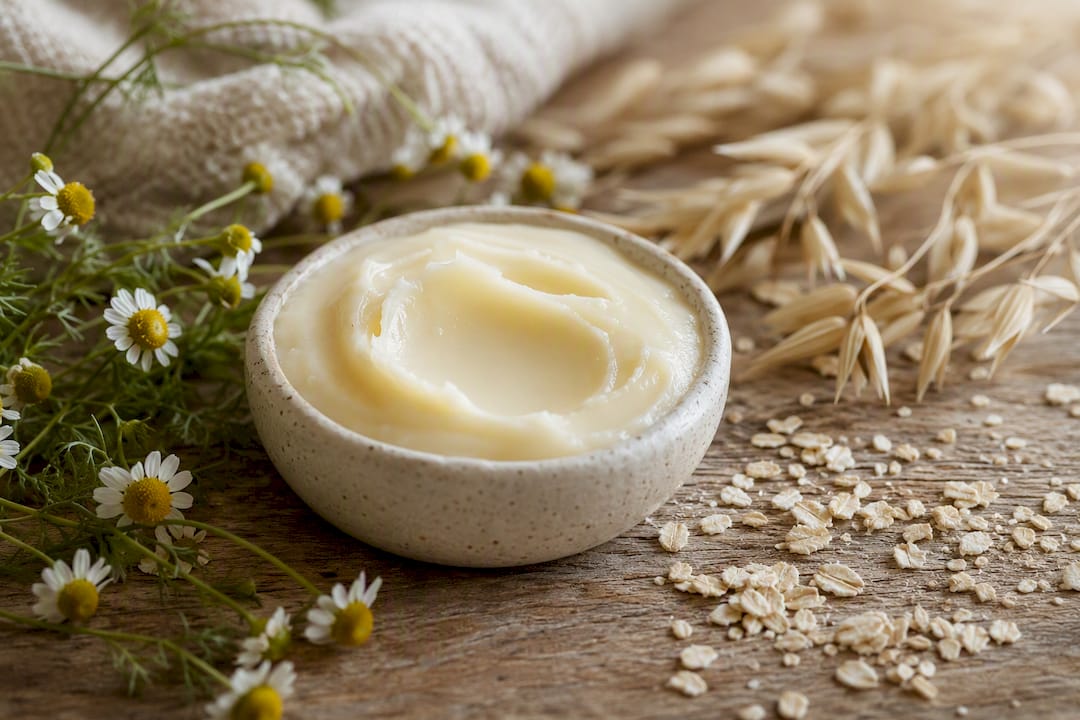
Clinical commentary from centres like MD Anderson has acknowledged this narrower role: tallow’s emollient properties might calm redness on already-healed skin or dry patches, even while cautioning against applying it to active acne. That’s a meaningful distinction. Soothing post-inflammatory redness on skin that’s no longer actively breaking out is a different job to preventing new blemishes from forming.
The “anti-inflammatory” framing you’ll see in some marketing overstates what’s actually demonstrated. Tallow hasn’t been shown to reduce the inflammatory cascade that drives acne lesions, the way benzoyl peroxide’s antimicrobial action does, for instance. What it may do is reduce the mechanical irritation and water loss that make already-inflamed skin feel worse, which is a supportive role rather than a treatment mechanism.
If you’re dealing with post-acne marks or lingering dryness after a breakout has cleared, that’s the context where a light tallow balm makes the most sense, applied to fully healed skin, not active lesions. Think of it as aftercare for the skin barrier rather than a frontline defence against new spots.
Tallow’s use in skin and body care isn’t a TikTok invention. Rendered animal fat has featured in soap making and topical balms across cultures for centuries, long before synthetic emulsifiers existed. Traditional soap production across Europe relied heavily on tallow combined with lye, precisely because the fat’s structure made it saponify reliably and produce a firm, long-lasting bar.
Pastoral and farming communities across multiple continents used rendered fat, whether from cattle, sheep, or other livestock, as a practical remedy for cracked hands, dry weather-worn skin, and minor wounds, simply because it was the emollient they had on hand. There was no laboratory validation behind that use. It persisted because it worked well enough for basic dryness and chapping, which is exactly the use case the evidence still supports today.
What’s changed is the framing. Historical tallow use was almost always about protection and basic moisture, keeping working skin from cracking in harsh conditions, not about clearing blemishes or treating a specific dermatological condition. The modern pivot toward marketing tallow as an acne solution is a newer claim layered onto an old ingredient, and it’s the layer that lacks support, not the ingredient’s long-standing role as a basic emollient.
That history is worth holding onto. It explains why tallow earns trust as a moisturiser and why that trust doesn’t automatically extend to treating acne.
If tallow’s occlusive weight feels risky for your skin, several other natural emollients carry a lower comedogenic reputation and may suit oilier, breakout-prone skin better.
Jojoba oil closely mimics human sebum and is widely considered non-comedogenic, making it one of the gentler plant-based options for acne-prone skin.
Squalane (plant-derived) is lightweight, absorbs quickly, and rarely triggers congestion, a reasonable middle ground between heavy oils and pure humectants.
Hyaluronic acid works as a humectant rather than an occlusive, drawing moisture into skin without sealing the surface, which suits acne-prone skin that still needs hydration.
Niacinamide-based lotions aren’t emollients in the same sense, but they pair well with lighter moisturisers and offer some calming benefit without pore-clogging risk.
None of these carry the same evidence gap as tallow for acne specifically, and none claim to treat breakouts outright either. The honest comparison isn’t “tallow versus a miracle alternative.” It’s heavier, more occlusive options against lighter, faster-absorbing ones, and acne-prone skin generally does better with the latter category as a default, reserving something like tallow for genuinely dry, non-active areas.
We understand tallow’s appeal: it’s simple, traditional, and feels honest compared to synthetic alternatives. But appeal isn’t evidence. If your acne is persistent or severe, see a dermatologist first. If it’s mild and you’re curious, test cautiously and watch your skin, not the trend.
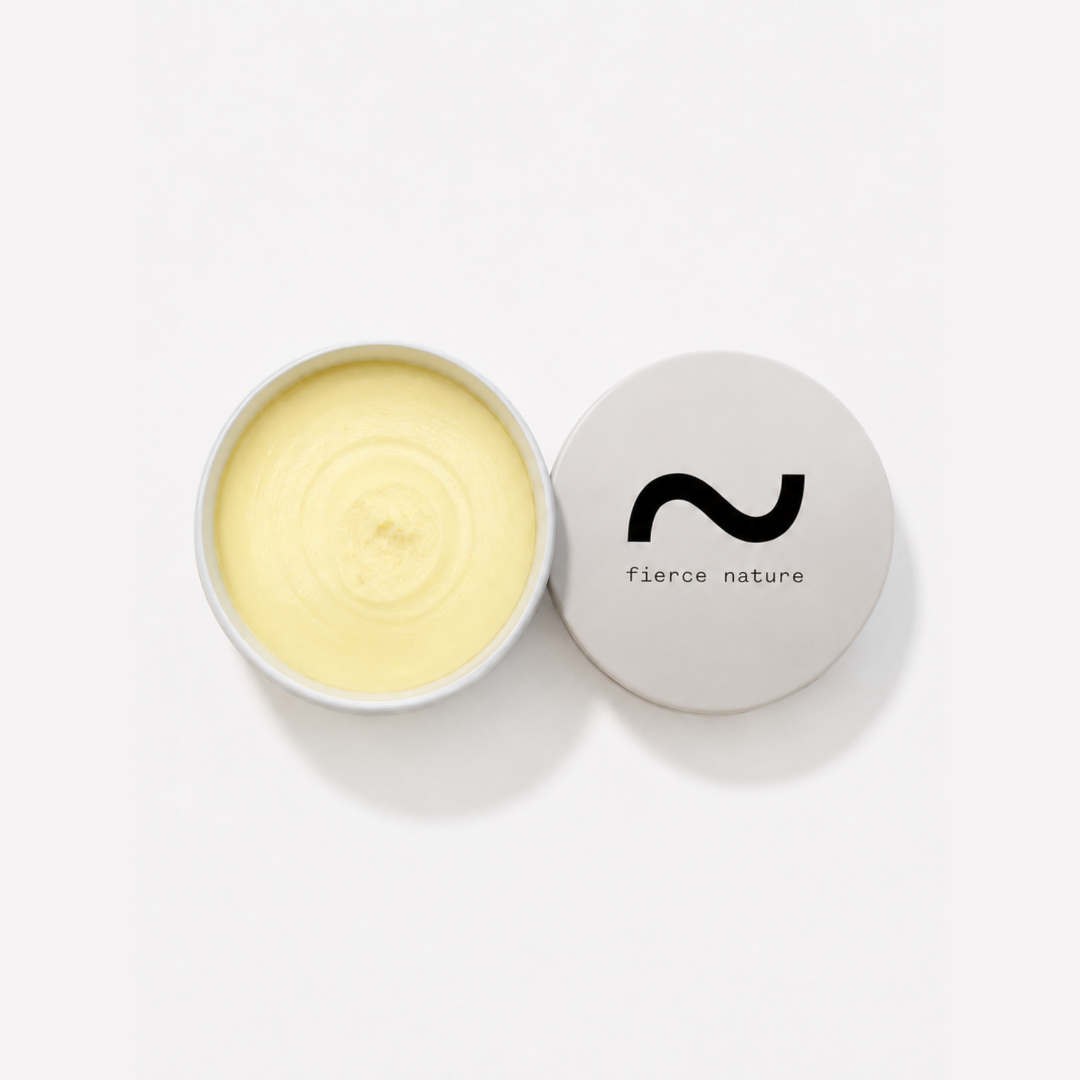
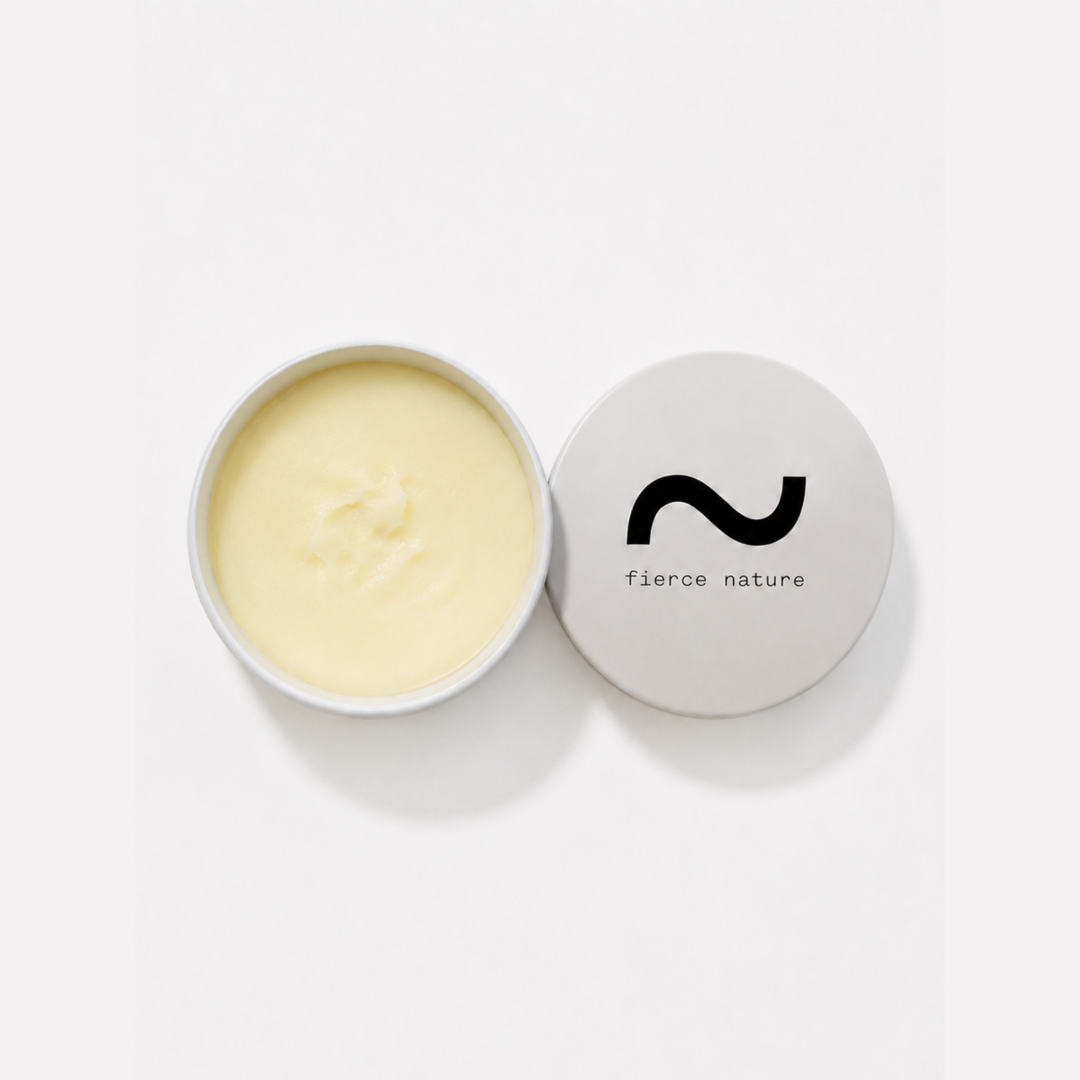
If you want to test tallow without gambling on your skin, start small and start unscented. Our Multi-Use Tallow Bar (Unscented) is exactly what we’d recommend for a first patch test, no fragrance, no colourants, just rendered tallow and nothing to muddy your results if a reaction shows up.
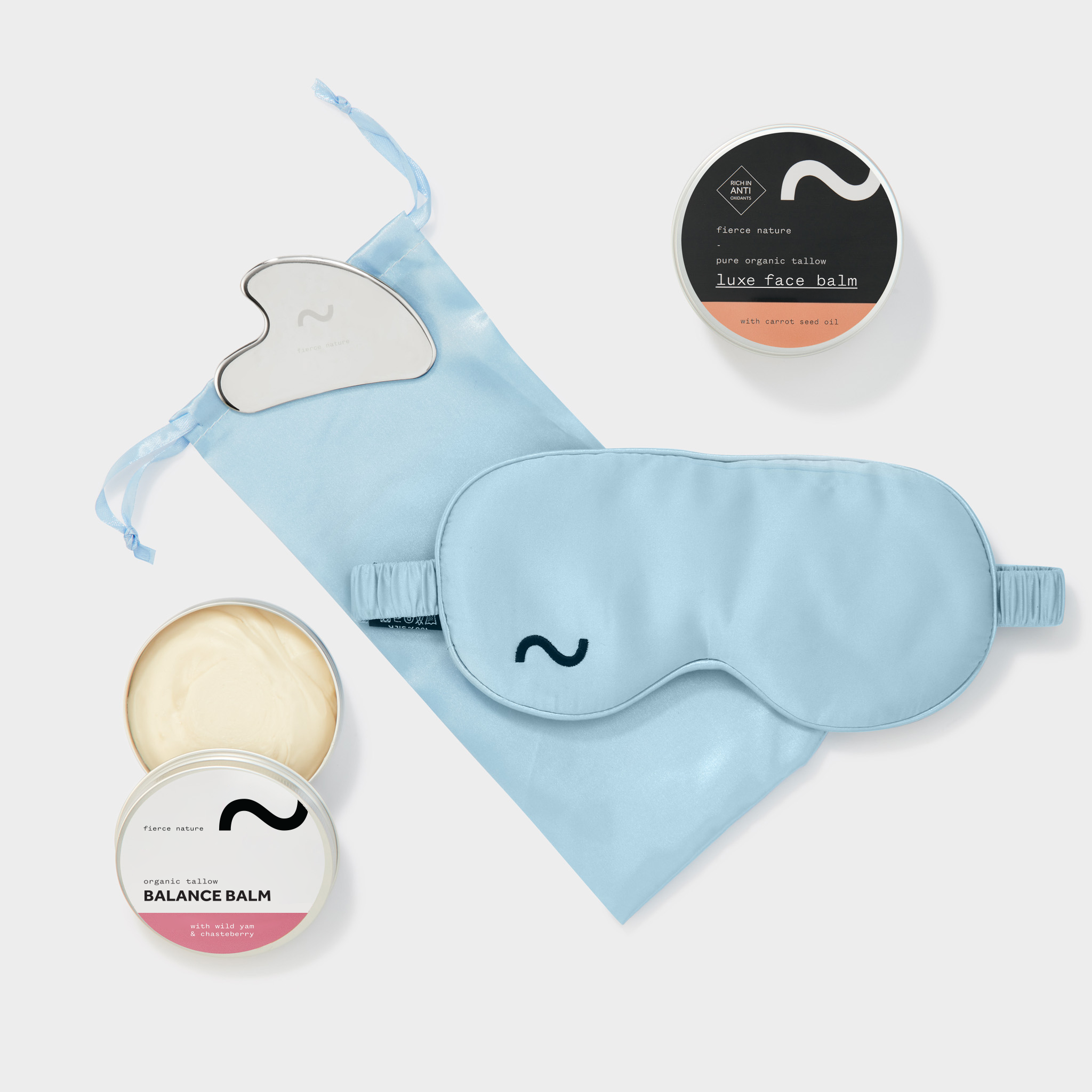
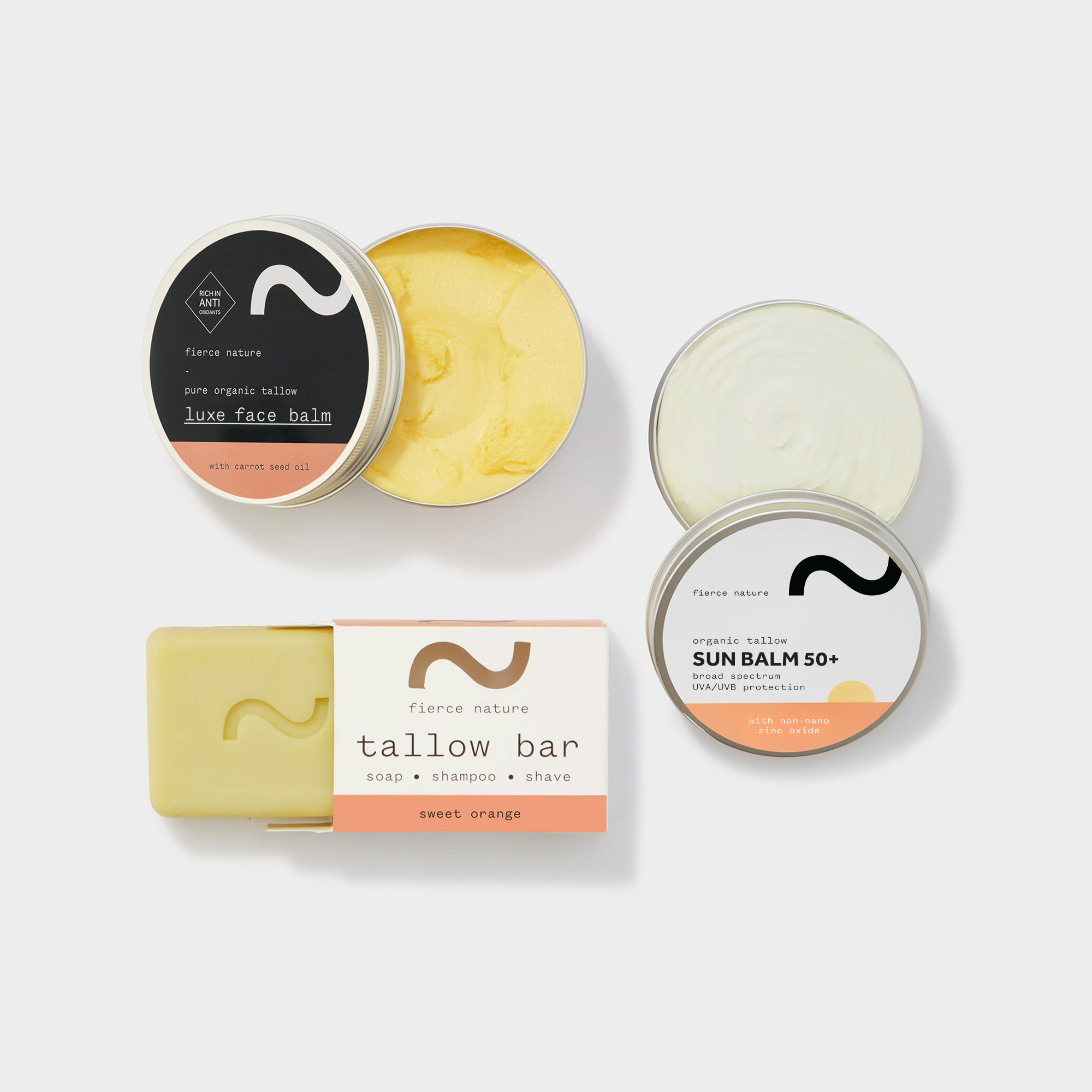
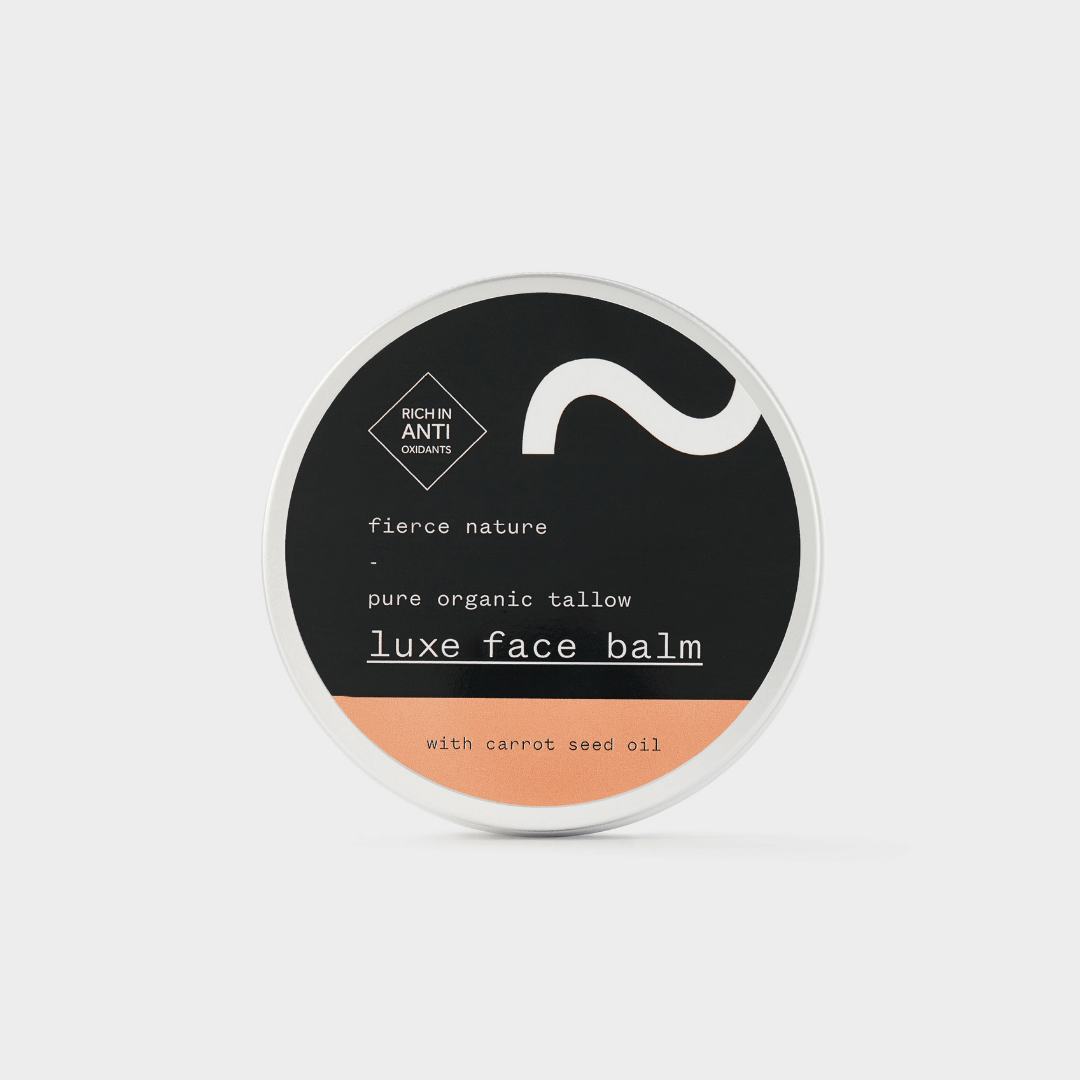
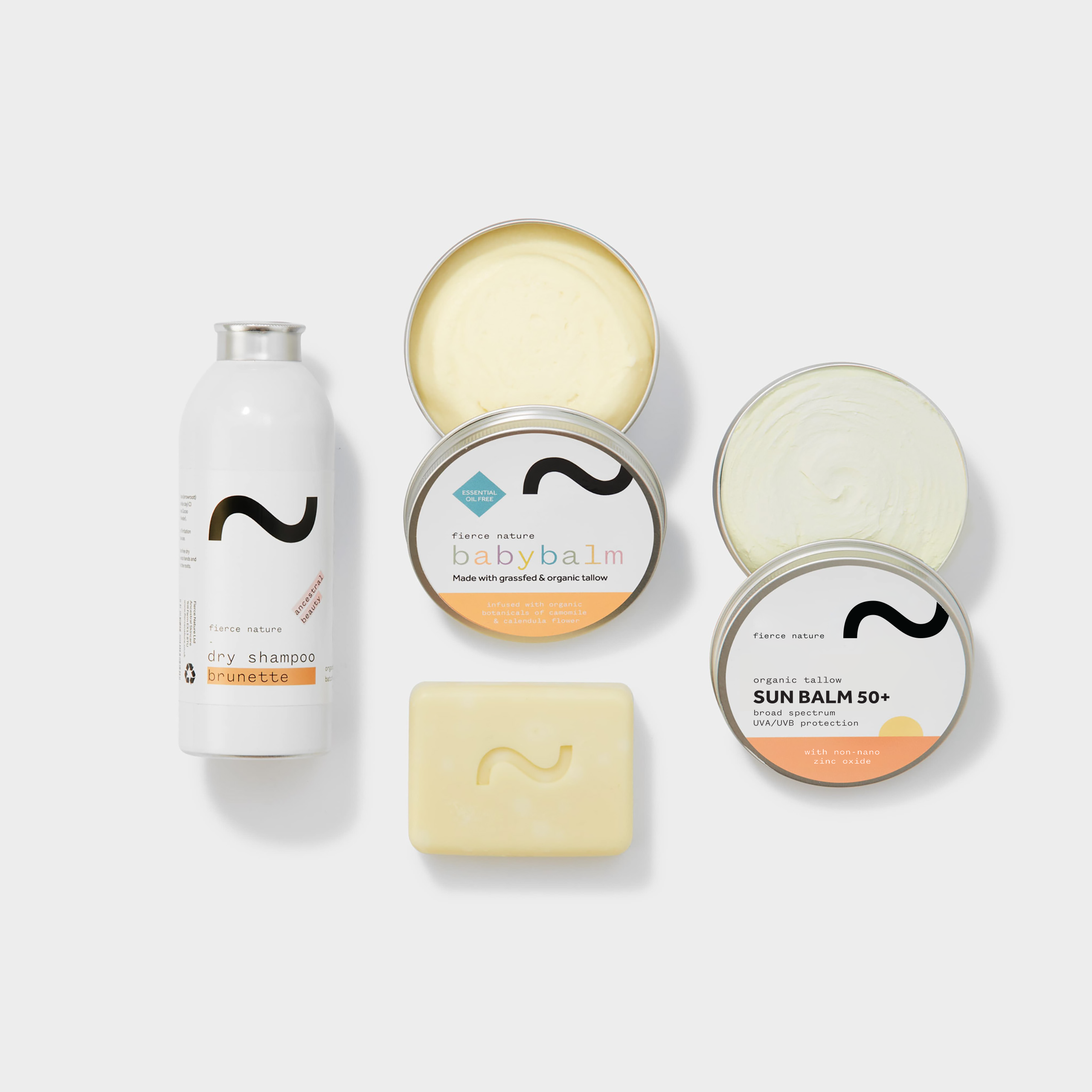
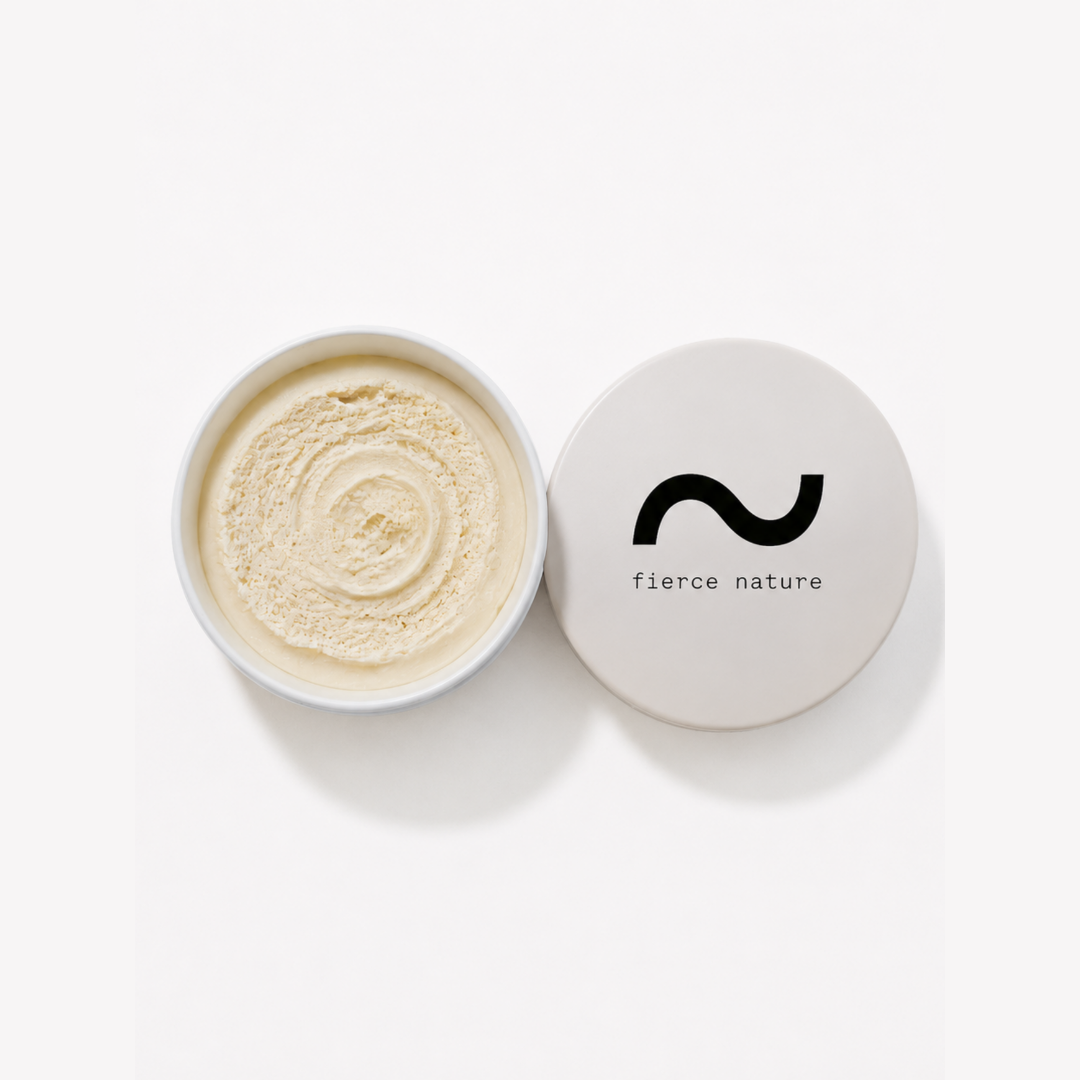
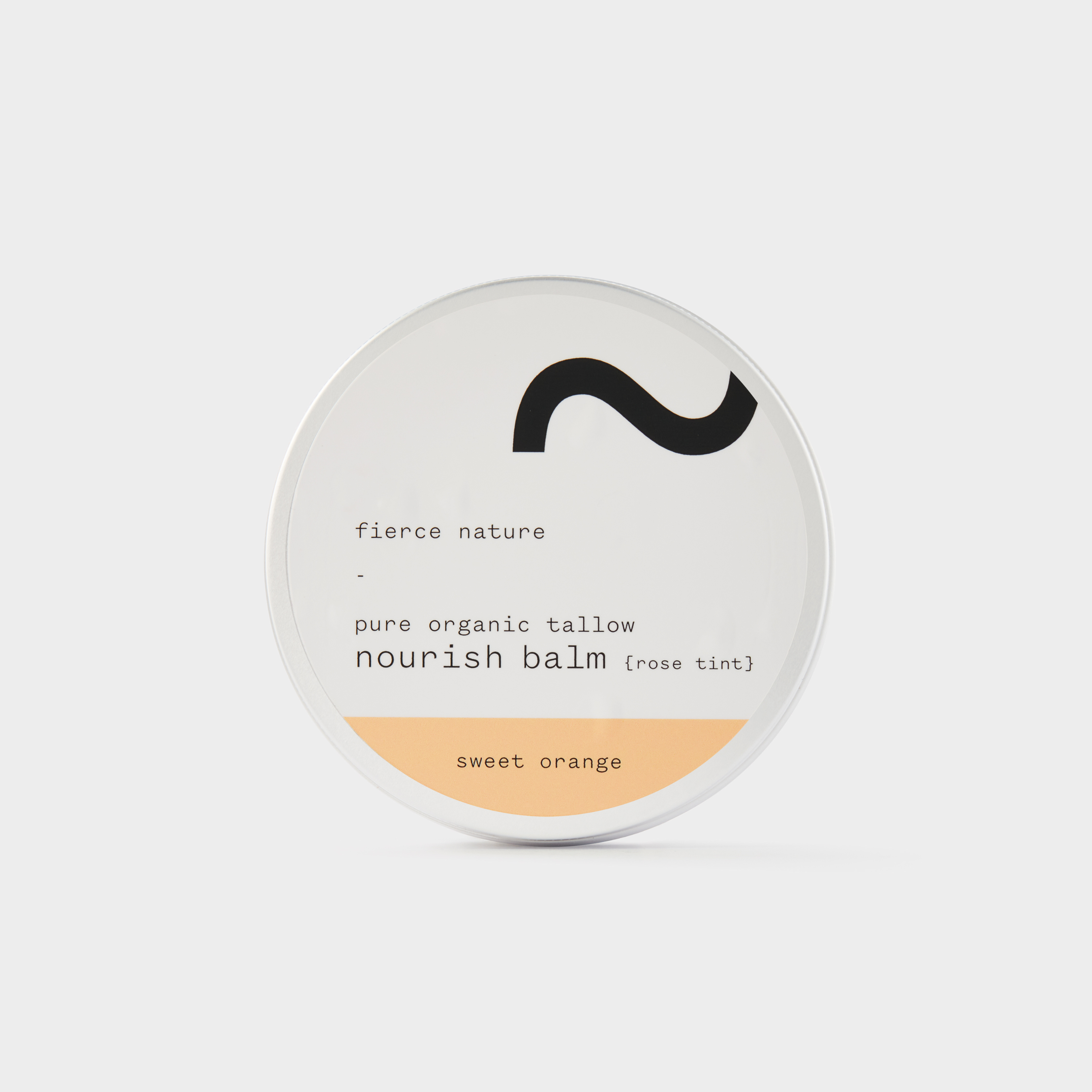
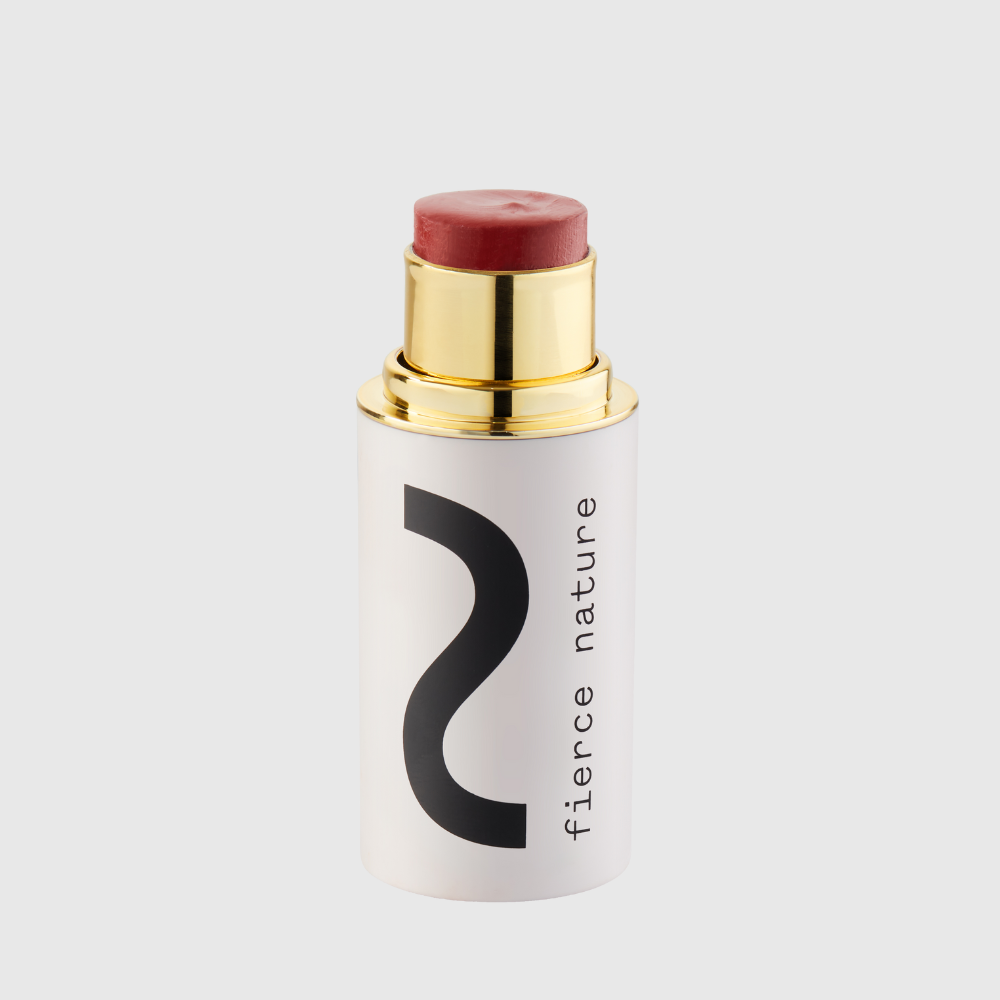
For skin that’s already healed after a breakout and just needs softening, our Luxe Balm or Nourish Balm with Rose Tint (Sweet Orange) work well on cheeks, jaw, and neck, areas away from active lesions where a little richness helps rather than hinders. We wouldn’t put either directly on inflamed spots, and we’d say the same about any occlusive balm from any brand.
If you’d rather browse the full range and see what suits your skin type before committing, our tallow bar product page is the place to start, small batch, handmade in the UK, and priced for a proper trial rather than a leap of faith.