Cart
0
You may also like



TL;DR:
- Choosing non-toxic skincare for teenagers involves selecting gentle products free from endocrine disruptors like parabens and phthalates to protect sensitive skin. A simple routine of a pH-balanced cleanser, a non-comedogenic moisturizer, and broad-spectrum SPF 30+ supports healthy adolescent skin. Prioritize fragrance-free, third-party certified products and avoid complicated, adult-focused routines or products with harmful ingredients.
Choosing non-toxic skincare for teenagers means selecting gentle, hormone-conscious products free from parabens, phthalates, and synthetic fragrances to protect sensitive skin and support natural development. The industry term for this approach is “clean formulation,” though that label carries no clinical definition, so understanding what to actually look for matters far more than trusting a marketing badge. Teenage skin is thinner and more permeable than adult skin, which means it absorbs ingredients more readily and reacts more strongly to irritants. A simple three-step routine built around a gentle cleanser, a lightweight moisturiser, and a broad-spectrum SPF 30+ sunscreen is the dermatologist-backed foundation for healthy teen skin.
The most harmful ingredients in mainstream skincare for teenagers are endocrine disruptors. Parabens, phthalates, and synthetic fragrances interfere with natural hormonal fluctuations during adolescence. That matters because the teenage years are a critical window for hormonal development, and repeated exposure to these chemicals adds unnecessary stress to a system that is already working hard.
Synthetic fragrance is particularly deceptive. It appears on ingredient lists as a single word, yet it can represent a blend of dozens of undisclosed chemicals, including known allergens and sensitisers. Fragrance-free is not the same as unscented. “Unscented” products sometimes contain masking fragrances to neutralise odour, so fragrance-free is the safer label to seek out.
Retinols, AHAs (alpha hydroxy acids), and high-strength BHAs (beta hydroxy acids) are equally unsuitable for teenage skin. These active anti-ageing ingredients cause irritation and compromise the skin barrier in young skin. They are formulated for adult concerns and have no place in a teen routine. The one exception is salicylic acid at 0.5–2%, which is considered safe for managing acne in teenagers.
Harsh preservatives such as methylisothiazolinone and formaldehyde-releasing agents are also worth avoiding. They are common in budget cleansers and toners and are linked to contact dermatitis, which is a type of skin rash triggered by direct contact with an irritant.
Here is a quick reference list of ingredients to avoid:
Parabens (methylparaben, propylparaben): endocrine disruptors
Phthalates (often hidden under “fragrance”): hormone disruptors
Synthetic fragrance or “parfum”: allergen risk and undisclosed chemicals
Retinol and retinoids: too strong for developing skin
AHAs (glycolic acid, lactic acid at high concentrations): barrier damage risk
High-strength BHAs (salicylic acid above 2%): irritation risk
Methylisothiazolinone: linked to contact dermatitis
Formaldehyde-releasing preservatives (DMDM hydantoin, quaternium-15): sensitisers
Pro Tip: Read the full ingredient list, not just the front of the packaging. Ingredients are listed in descending order of concentration, so the first five ingredients tell you the most about what you are actually putting on your skin.
A safe, effective routine for teenage skin is built on three steps. Dermatologists recommend starting a routine around ages 10–12, when puberty-related skin changes begin. Simplicity is not a compromise. It is the most protective choice you can make for skin that is still developing.
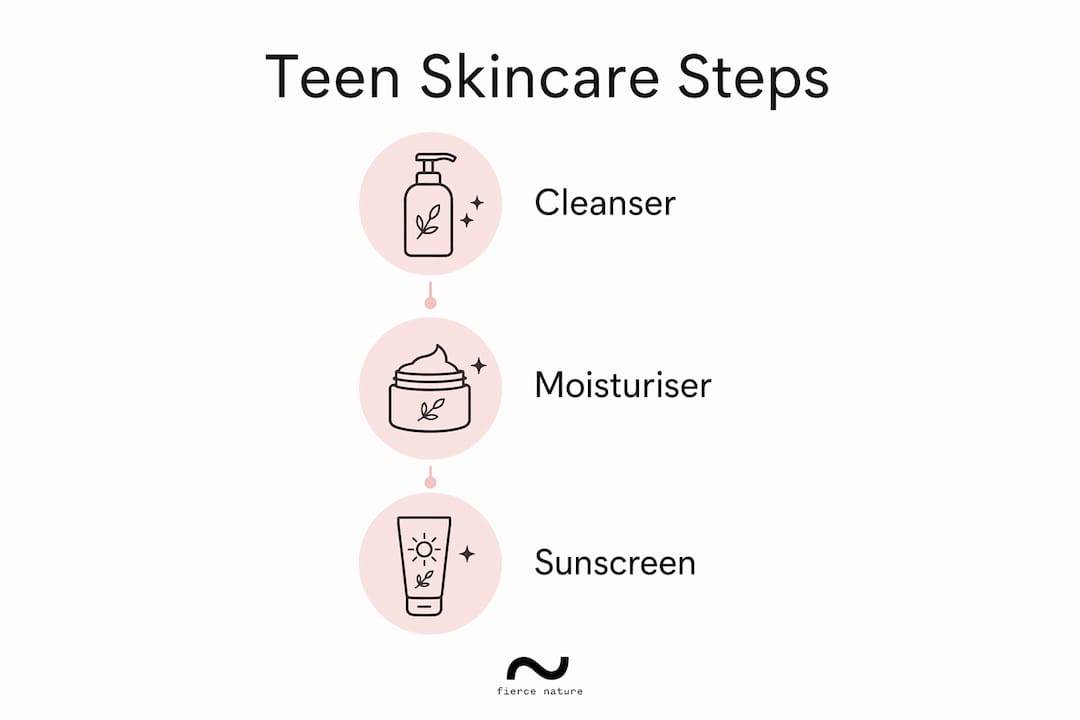
Use a mild, pH-balanced cleanser twice daily, morning and evening. Avoid foaming cleansers with sodium lauryl sulphate (SLS), which strip the skin’s natural oils and trigger increased oil production as a response. A gel or cream cleanser with a pH close to the skin’s natural level of around 5.5 keeps the barrier intact.
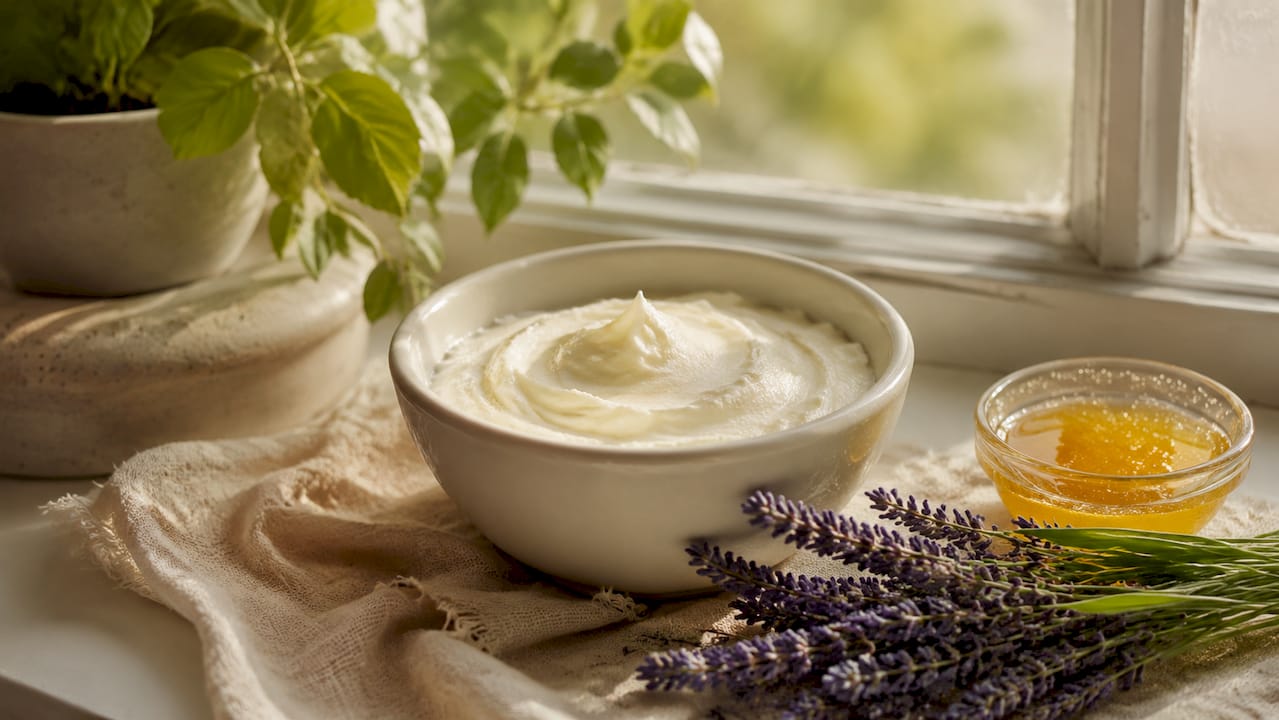
Every skin type needs hydration, including oily skin. Oily teenage skin still requires moisture; stripping it with harsh products worsens oil production because the barrier becomes compromised. A lightweight, non-comedogenic moisturiser, meaning one that does not block pores, supports the skin barrier without adding congestion. Gel-based or water-based formulas work well for oilier skin types. Richer balms suit drier or more sensitive skin.
Sunscreen is foundational for healthy teen skin, not optional. It protects against UV damage and reduces inflammation and redness, which are common concerns for sensitive teenage skin. Mineral sunscreens containing zinc oxide or titanium dioxide are preferable to chemical filters for sensitive skin, as they sit on top of the skin rather than being absorbed.
The table below summarises the three steps with product texture guidance:
| Step | Product type | Best texture for oily skin | Best texture for dry or sensitive skin |
|---|---|---|---|
| Cleanse | pH-balanced cleanser | Gel cleanser | Cream or milk cleanser |
| Moisturise | Non-comedogenic moisturiser | Lightweight gel or water-based | Balm or richer cream |
| Protect | Broad-spectrum SPF 30+ | Fluid mineral sunscreen | Mineral balm or tinted SPF |
Pro Tip: Apply sunscreen as the final step every morning, even on cloudy days and when spending time indoors near windows. UV rays pass through glass and contribute to skin inflammation over time.
The natural skincare for sensitive skin guide from Fierce Nature offers further detail on choosing textures suited to reactive skin types.
Selecting genuinely safe products requires looking past the marketing. The word “clean” carries no clinical or regulatory definition. Prioritising fragrance-free, non-comedogenic labelling over “clean” or “natural” badges gives you a far more reliable measure of product safety. This is one of the most misunderstood points in teen skincare.
Third-party certifications offer a more trustworthy signal. The EWG Verified® mark, awarded by the Environmental Working Group, indicates that a product has been assessed against a database of ingredient safety data. It is not the only credible certification, but it is one of the most transparent and widely recognised in the UK and internationally.
Where you buy matters as much as what you buy. Purchasing from multi-seller online platforms risks counterfeit or unsafe products that do not meet professional safety standards. This is a genuine and growing concern for teens buying skincare online. Buying directly from a brand’s own website or from a verified retailer significantly reduces that risk.
Here is a practical checklist for evaluating any product before you buy:
Fragrance-free: not just “unscented”
Non-comedogenic: confirmed on the label or product description
Short ingredient list: fewer ingredients mean fewer potential irritants
Third-party certification: EWG Verified® or equivalent
Purchased from a verified source: brand website or trusted retailer, not a multi-seller marketplace
No retinol, AHAs, or high-strength BHAs: check the full ingredient list
No parabens or phthalates: listed as methylparaben, propylparaben, or “fragrance”
The guide on how to choose organic skincare in the UK provides additional context on reading certifications and ingredient sourcing for 2026.
| Claim on packaging | What it actually means | Reliable? |
|---|---|---|
| “Clean” | Marketing term, no clinical definition | No |
| “Natural” | No regulated standard in the UK | No |
| “Fragrance-free” | Contains no added fragrance compounds | Yes |
| “Non-comedogenic” | Formulated not to block pores | Generally yes |
| EWG Verified® | Assessed against ingredient safety database | Yes |
| “Dermatologist-tested” | Tested by at least one dermatologist | Partially |
The most damaging mistake in teen skincare is over-cleansing. Washing the face more than twice daily strips the skin’s protective barrier. The skin responds by producing more oil, which worsens breakouts and creates a cycle that is difficult to break. A gentle cleanser used twice daily is sufficient.
Over-exfoliation is equally problematic. The market is saturated with adult-focused products that can do more harm than good for young skin. Exfoliating scrubs and acid toners marketed to teens often contain concentrations designed for adult skin. Using them too frequently damages the barrier and causes redness, sensitivity, and breakouts.
Neglecting sunscreen is another common error. Many teenagers skip it because they associate it with beach days or because they dislike the texture of older formulas. Modern mineral sunscreens are lightweight and non-greasy. Skipping sunscreen allows UV-driven inflammation to build up quietly, contributing to long-term skin concerns.
Chasing viral skincare routines is a real risk. Social media platforms regularly promote multi-step adult routines using retinols, vitamin C serums, and exfoliating acids. These routines are not designed for teenage skin and can cause significant barrier damage within weeks.
“Teenage skin is not adult skin in miniature. It is more permeable, more reactive, and more sensitive to hormonal shifts. A routine that works for a 35-year-old can genuinely harm a 15-year-old.”
Skin hydration needs fluctuate throughout hormonal cycles, which means your routine should not be completely fixed. During drier phases, a slightly richer moisturiser supports the barrier. During oilier phases, a lighter gel formula keeps skin balanced without congestion. Adjusting your routine to match your skin’s current state is not inconsistency. It is good skin care.
Non-toxic skincare for teenagers works best when it is simple, fragrance-free, and built around three steps: a gentle cleanser, a non-comedogenic moisturiser, and a broad-spectrum SPF 30+ sunscreen.
| Point | Details |
|---|---|
| Avoid endocrine disruptors | Exclude parabens, phthalates, and synthetic fragrances to protect hormonal health during adolescence. |
| Keep the routine to three steps | A gentle cleanser, lightweight moisturiser, and SPF 30+ sunscreen covers all teenage skin needs. |
| Ignore “clean” and “natural” labels | Prioritise fragrance-free and non-comedogenic labelling, plus third-party certifications like EWG Verified®. |
| Buy from verified sources | Avoid multi-seller marketplaces to reduce the risk of counterfeit or unsafe products. |
| Adjust for hormonal changes | Adapt moisturiser texture as skin shifts between drier and oilier phases throughout the month. |
I grew up in South Africa using mainstream cosmetics, shaving gels, and hair removal creams from a young age. I battled skin rashes and reactions for years and could never understand why. Nobody told me that the products I was using contained chemicals that were working against my skin, not for it. That experience is what eventually led me to build Fierce Nature.
What I have come to understand is that the skincare industry has a particular problem when it comes to teenagers. Young people are sold complexity. They are shown ten-step routines, serums with clinical-sounding names, and products that promise to fix skin that does not need fixing. The result is barrier damage, sensitisation, and a generation of teenagers who believe their skin is broken when it is not.
The skin barrier is not a problem to be solved. It is a living system to be supported. Teenage skin is especially responsive to nourishment from ingredients that the body already recognises, such as tallow, which has been used for centuries as a skin emollient and shares a fatty acid profile remarkably close to human sebum. That bioavailability means it absorbs deeply without disrupting the barrier.
My honest advice is this: resist the pull of complexity. A three-step routine with genuinely non-toxic ingredients will outperform a ten-step routine full of synthetic actives every single time for teenage skin. Consult a dermatologist if you are dealing with persistent acne or eczema, because some conditions do need professional guidance. But for most teenagers, the answer is less, not more.
— Fierce Nature
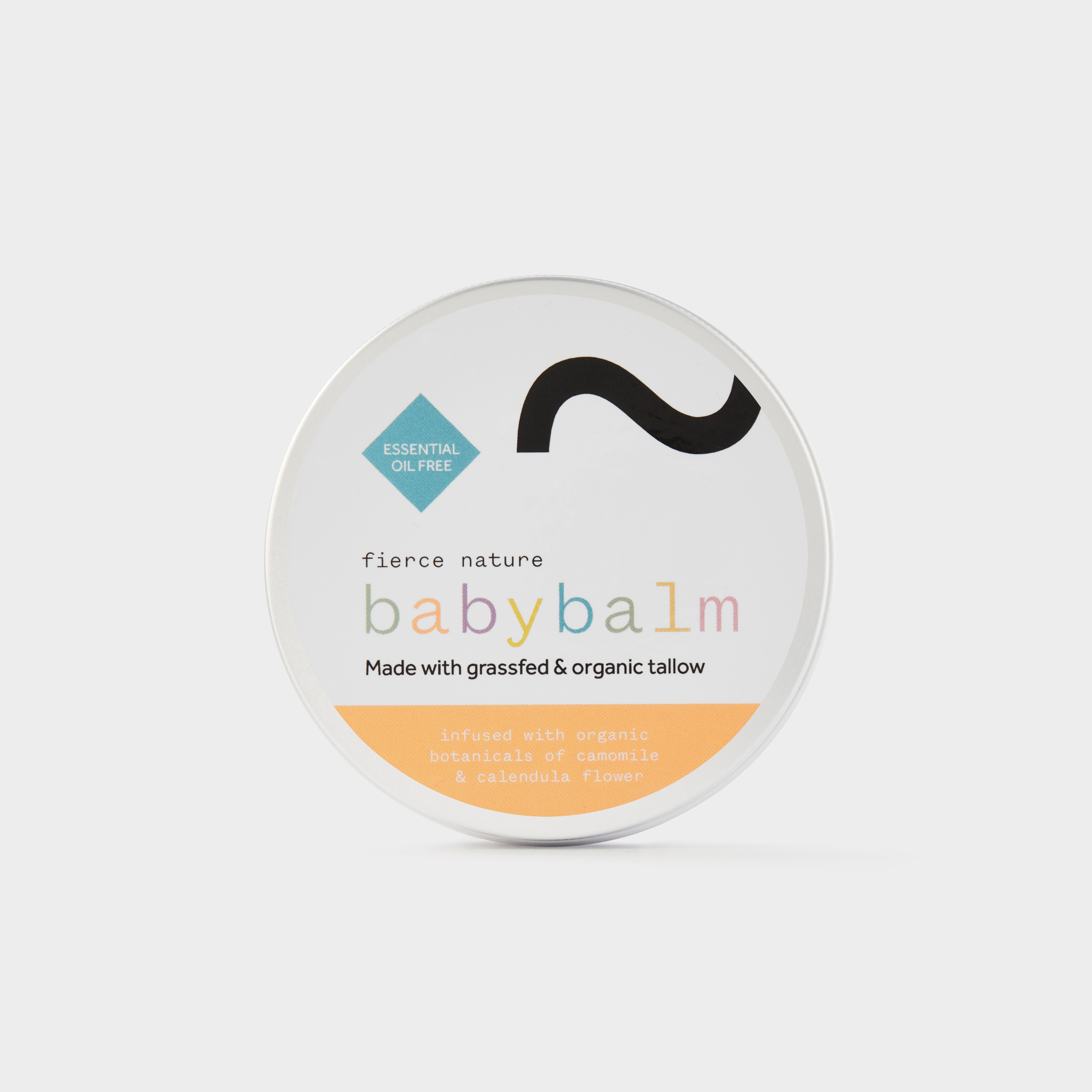
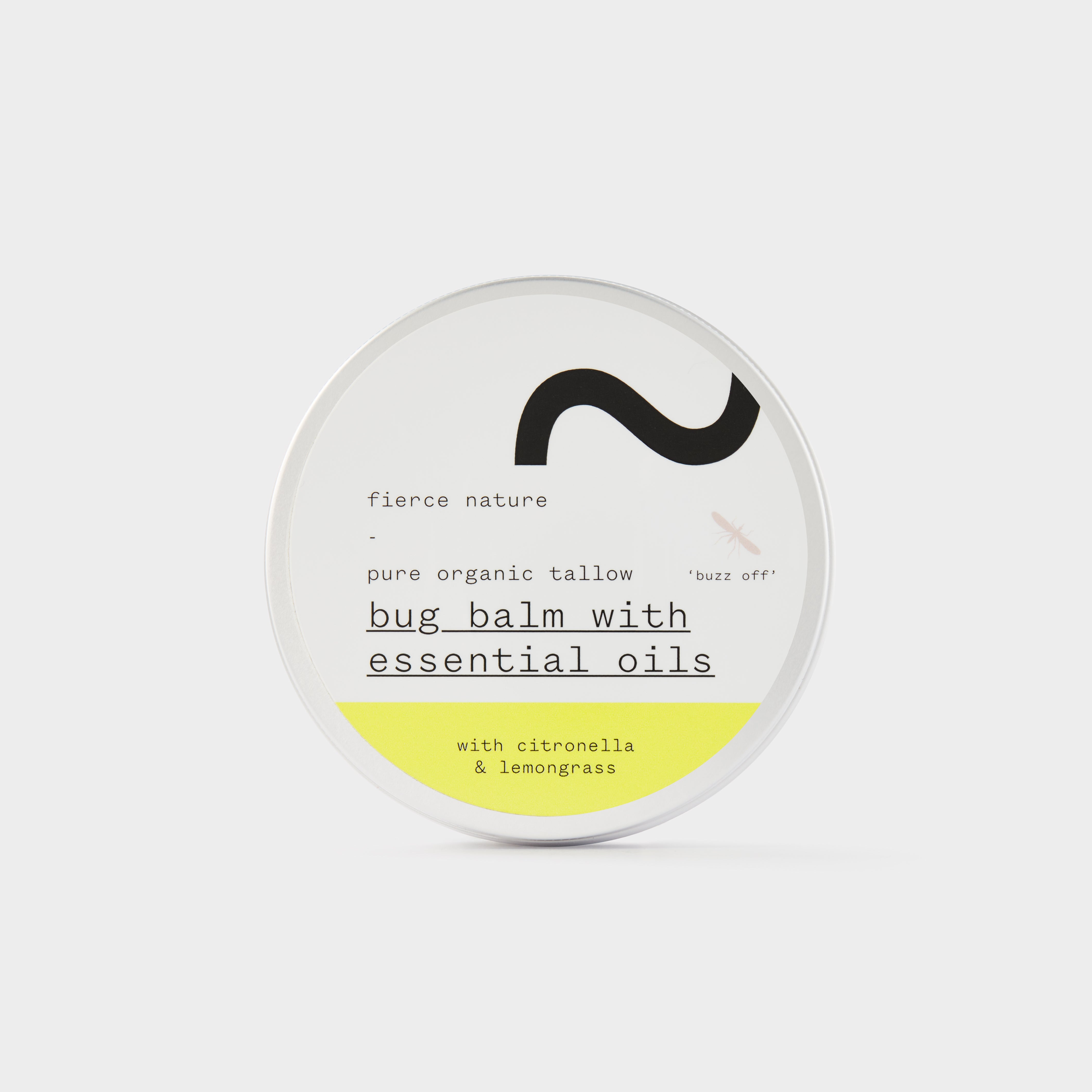
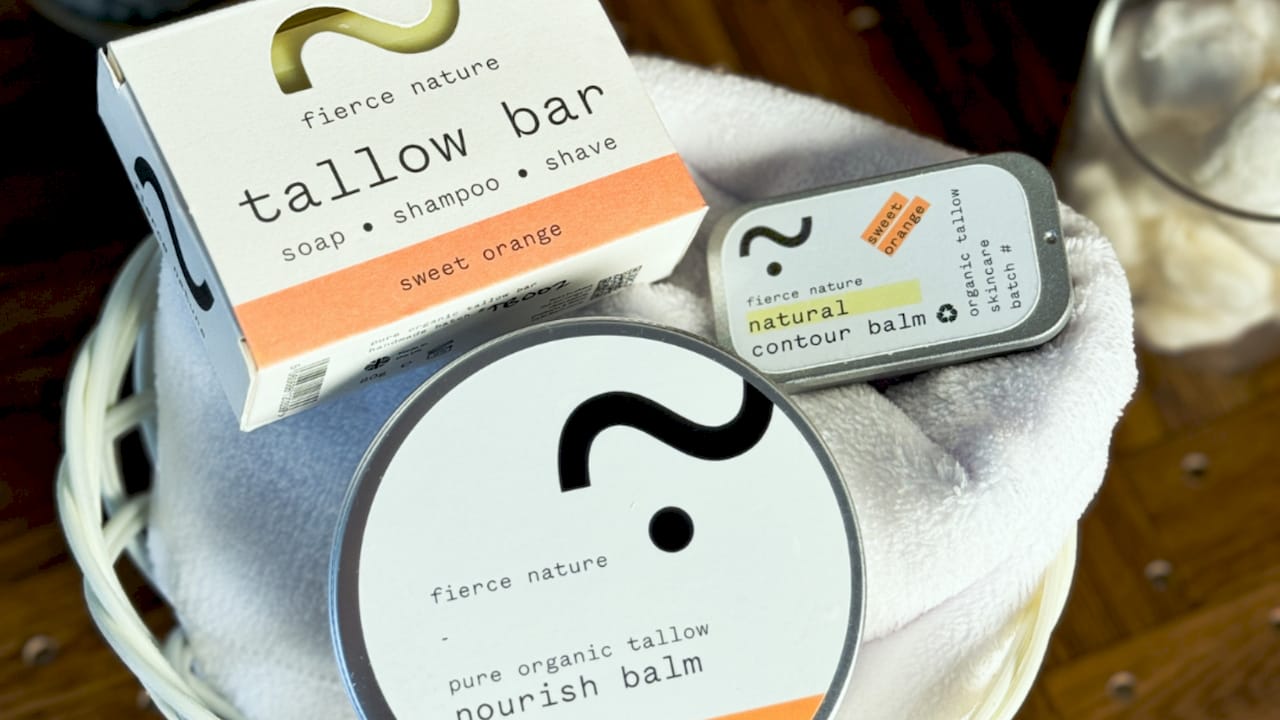
Fierce Nature handcrafts every product in the UK using naturally sourced, non-toxic ingredients, with pure organic tallow as the foundation. Tallow’s bioavailability makes it a deeply nourishing skin food that works with the skin’s own chemistry rather than against it. For teenagers with sensitive or reactive skin, the Non-toxic Baby Skin Essentials range offers a gentle starting point, formulated without synthetic fragrances, parabens, or harsh preservatives. You can also build your own natural routine using Fierce Nature’s toxin-free products, designed to keep things simple, nourishing, and genuinely safe for developing skin.
Non-toxic skincare for teenagers means products free from endocrine disruptors such as parabens, phthalates, and synthetic fragrances, which can interfere with hormonal development. It prioritises gentle, fragrance-free formulations that support rather than disrupt the skin barrier.
Salicylic acid at 0.5–2% is considered a safe option for managing teenage acne and is the one active ingredient dermatologists generally approve for teen use. Concentrations above 2% risk irritation and barrier damage.
Retinol and other retinoids are anti-ageing actives formulated for adult skin concerns. They cause irritation and compromise the skin barrier in younger, more permeable teenage skin and offer no benefit for adolescent skin health.
Look for fragrance-free and non-comedogenic labelling, check the full ingredient list for parabens, phthalates, and synthetic fragrance, and seek products carrying the EWG Verified® certification. Buying directly from a brand’s own website also reduces the risk of counterfeit products.
Yes. Oily teenage skin still requires hydration because stripping it with harsh cleansers damages the skin barrier and triggers increased oil production. A lightweight, non-comedogenic gel moisturiser balances the barrier without adding congestion.