Cart
0
80% Also Added this






Itchy skin can turn an ordinary day into an uncomfortable experience. Whether it's persistent dryness on your legs, rough patches on your hands or an irritating itch that seems to worsen at night, finding effective itchy skin relief can become a daily priority.
Sometimes the solution is as simple as changing your cleanser or applying a richer moisturiser. Other times, itching may be linked to environmental triggers, skin conditions or changes in the skin's protective barrier.
When skin becomes dry, it can feel tight, flaky and uncomfortable. Scratching may provide momentary satisfaction, but repeated scratching can damage the skin further, creating a frustrating cycle of irritation.
That's why understanding the cause of itchy skin is just as important as choosing the right moisturiser.
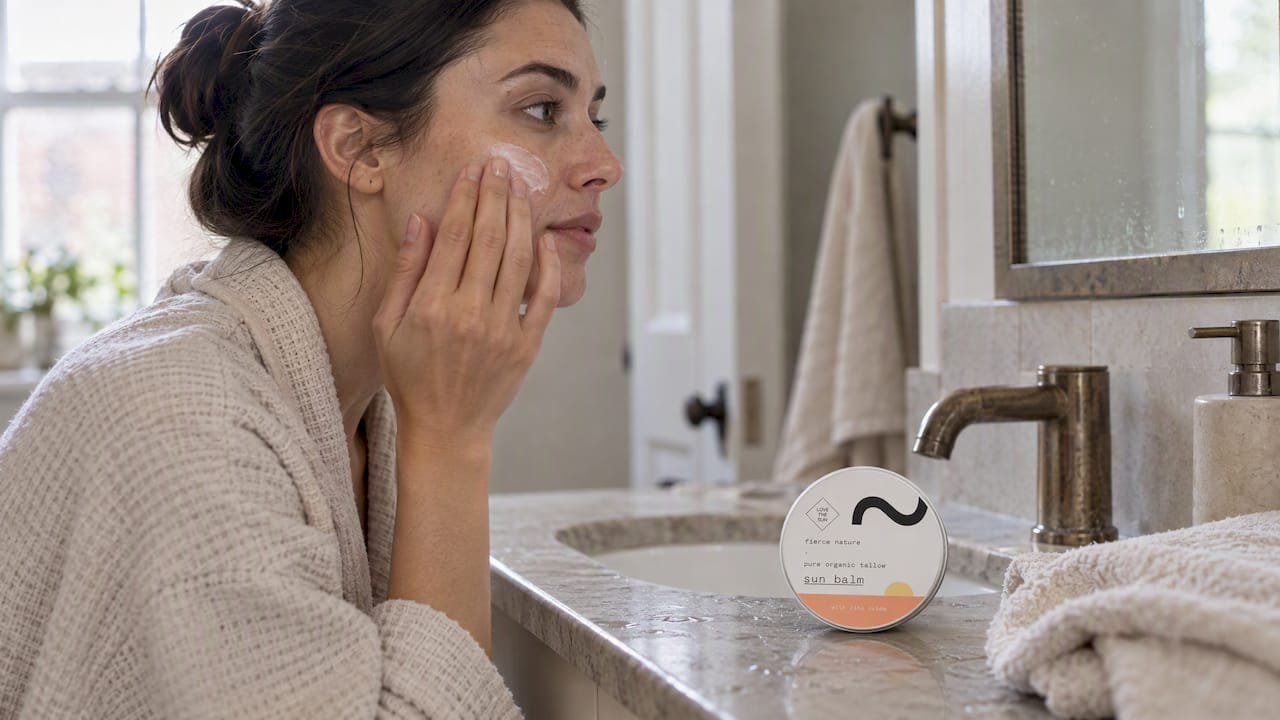
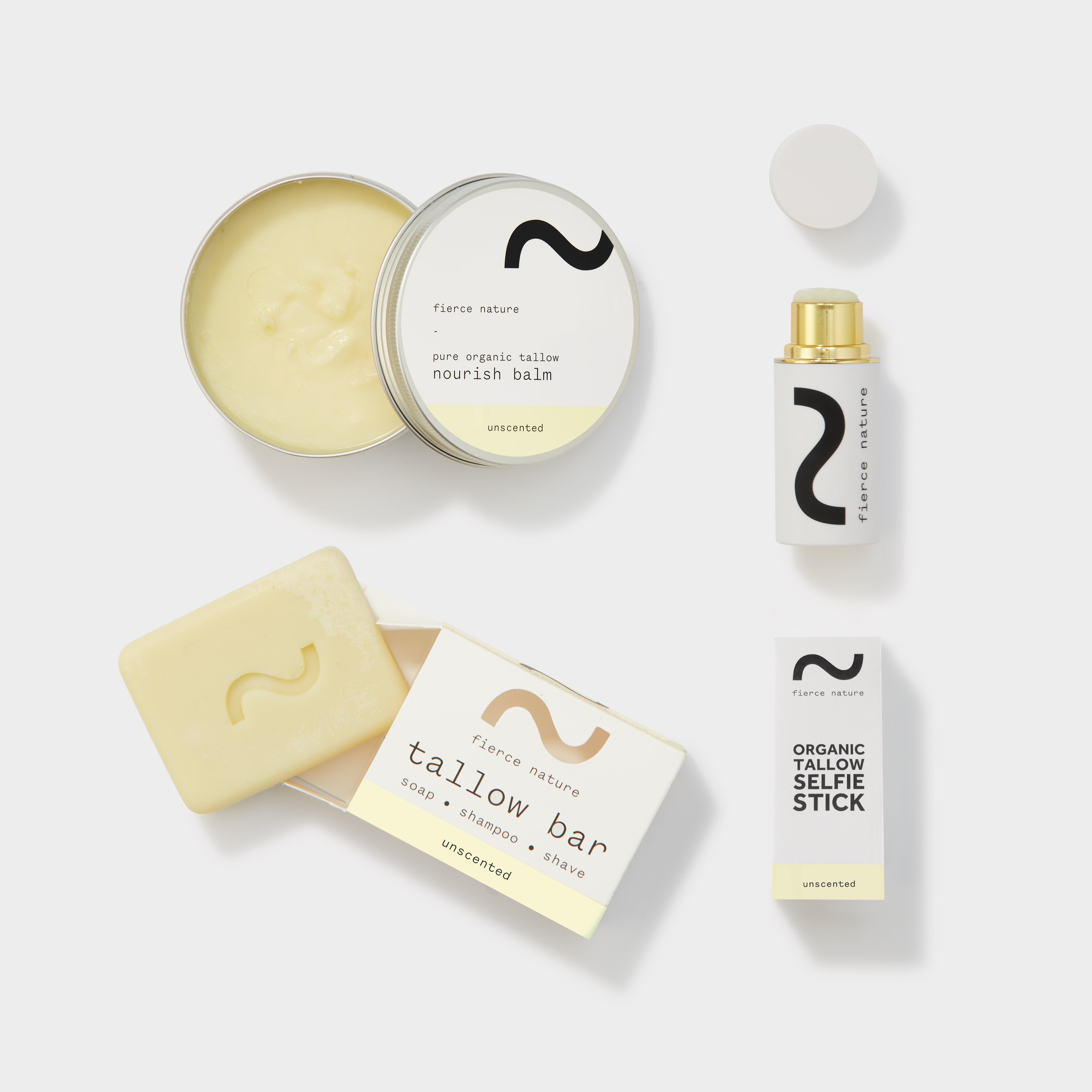
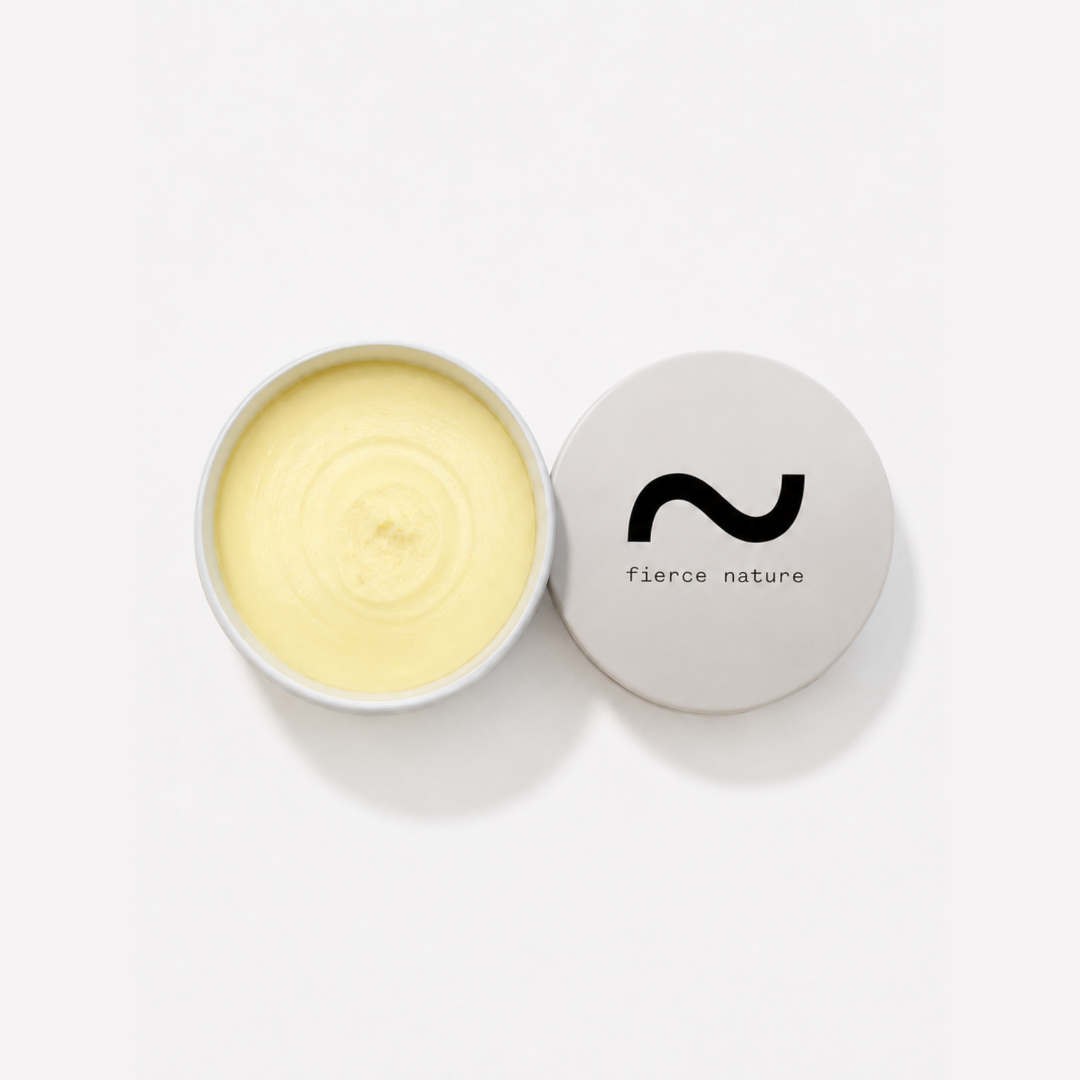
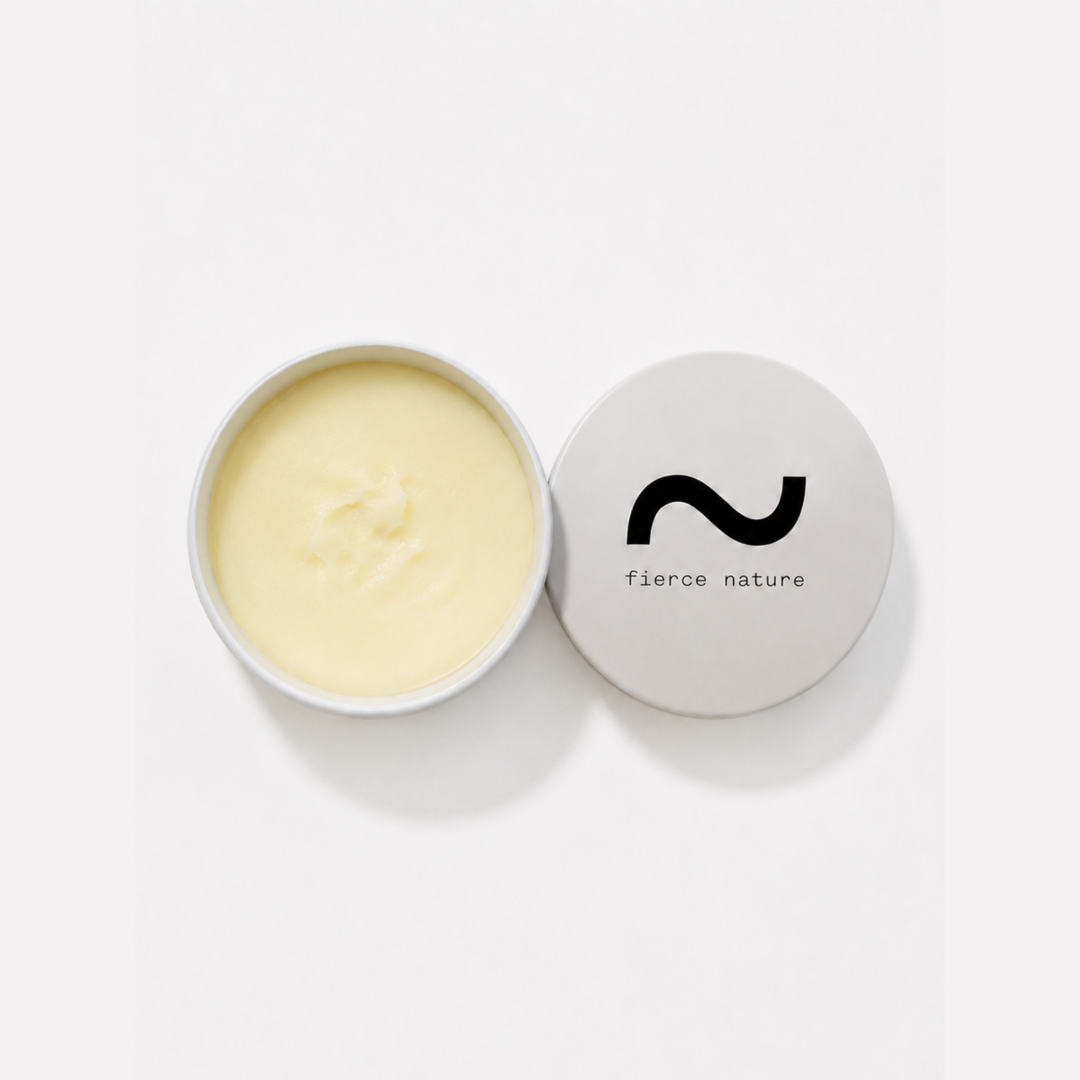
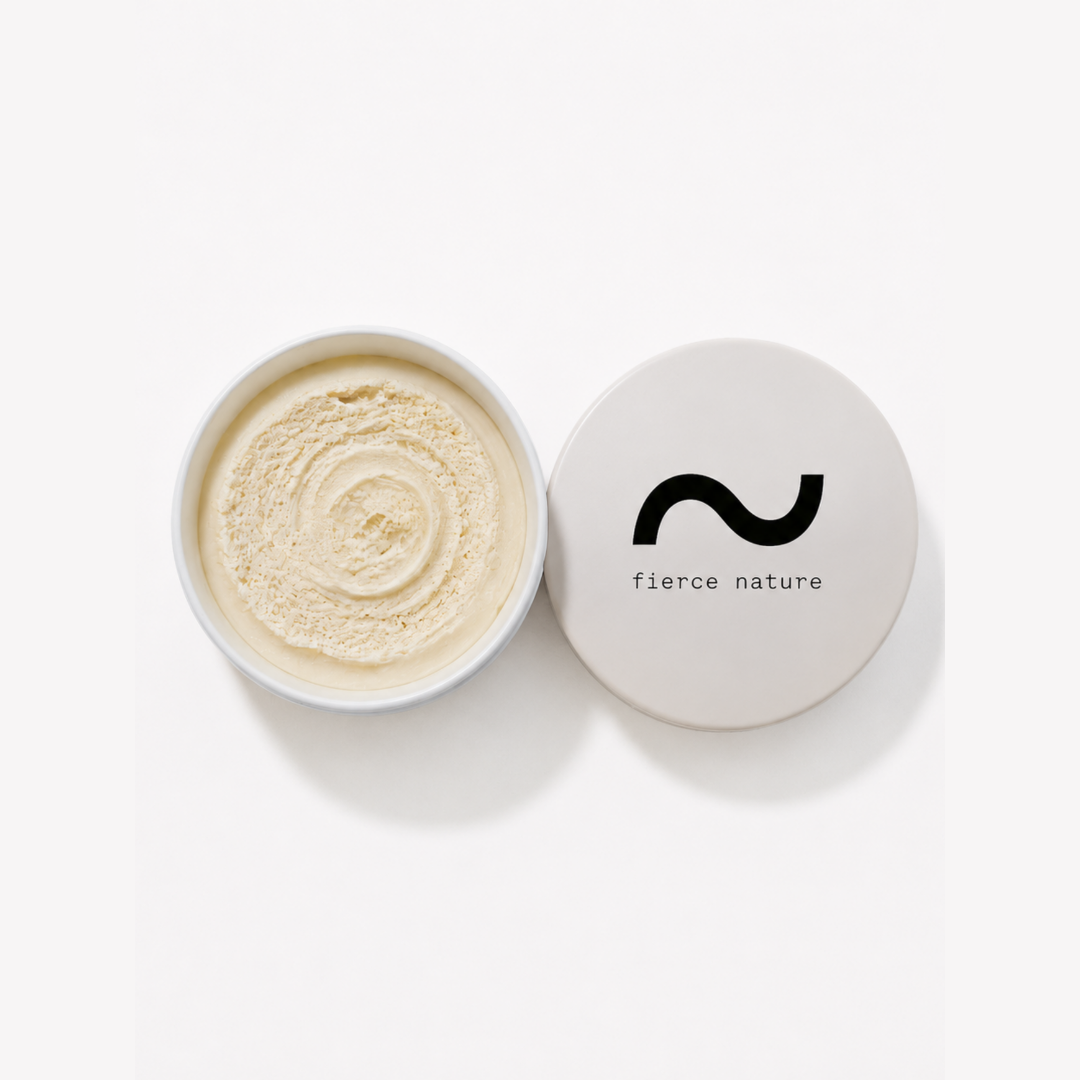
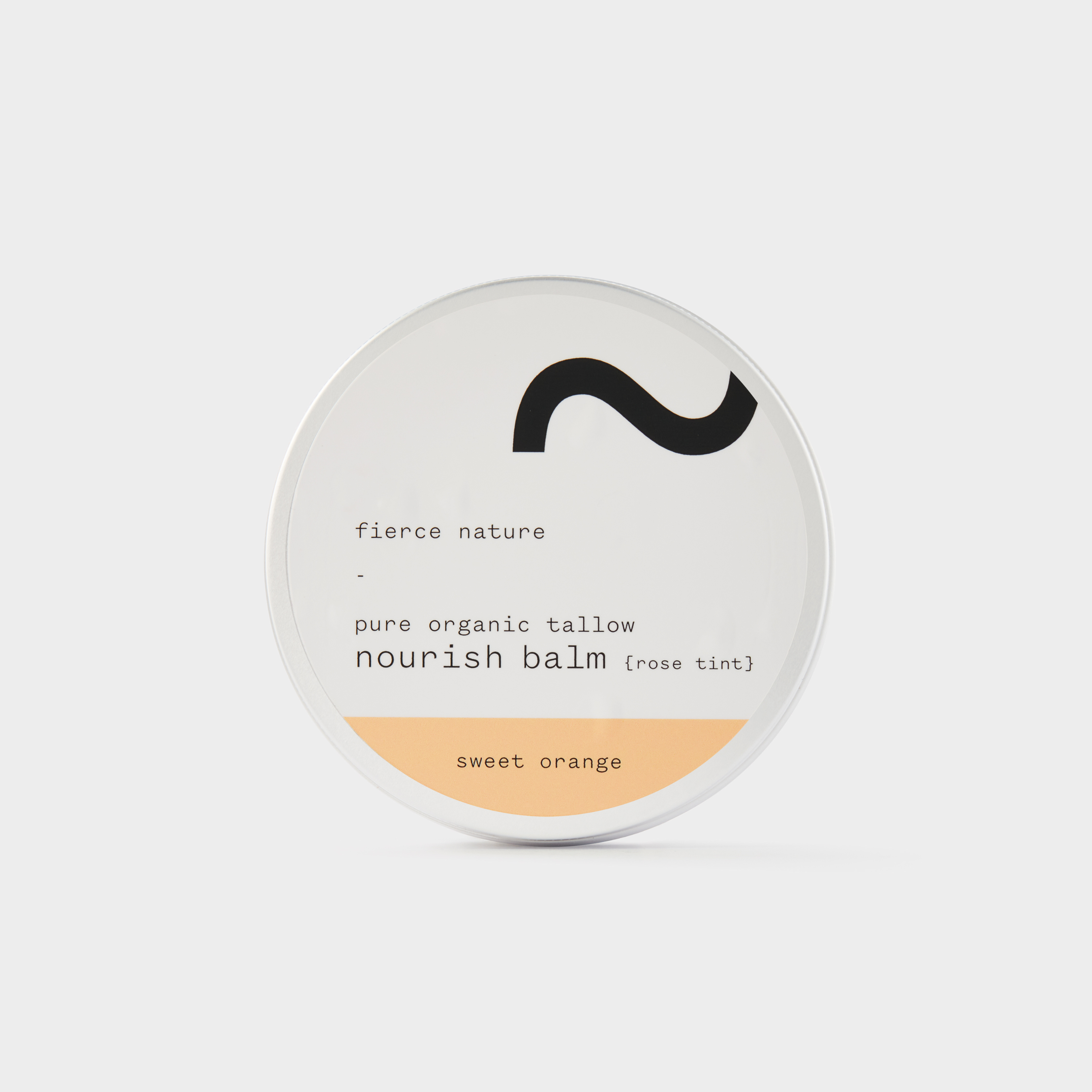
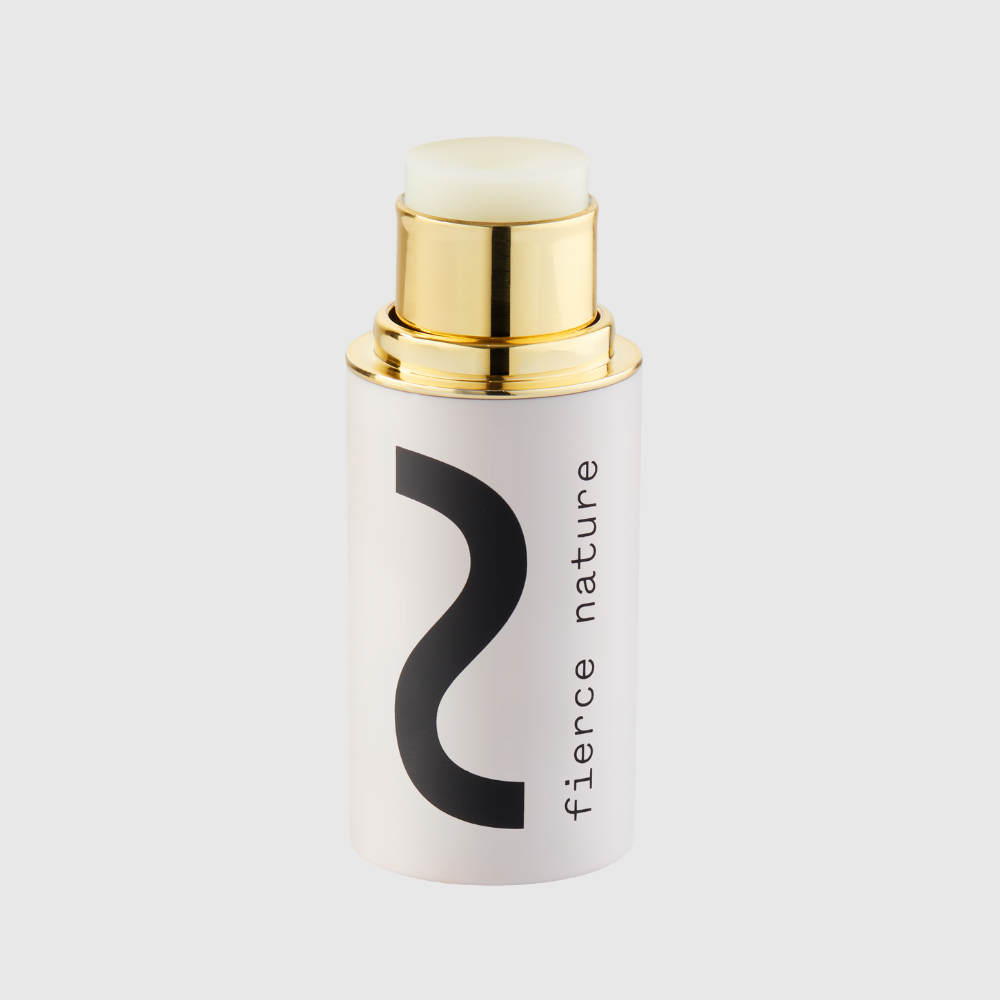
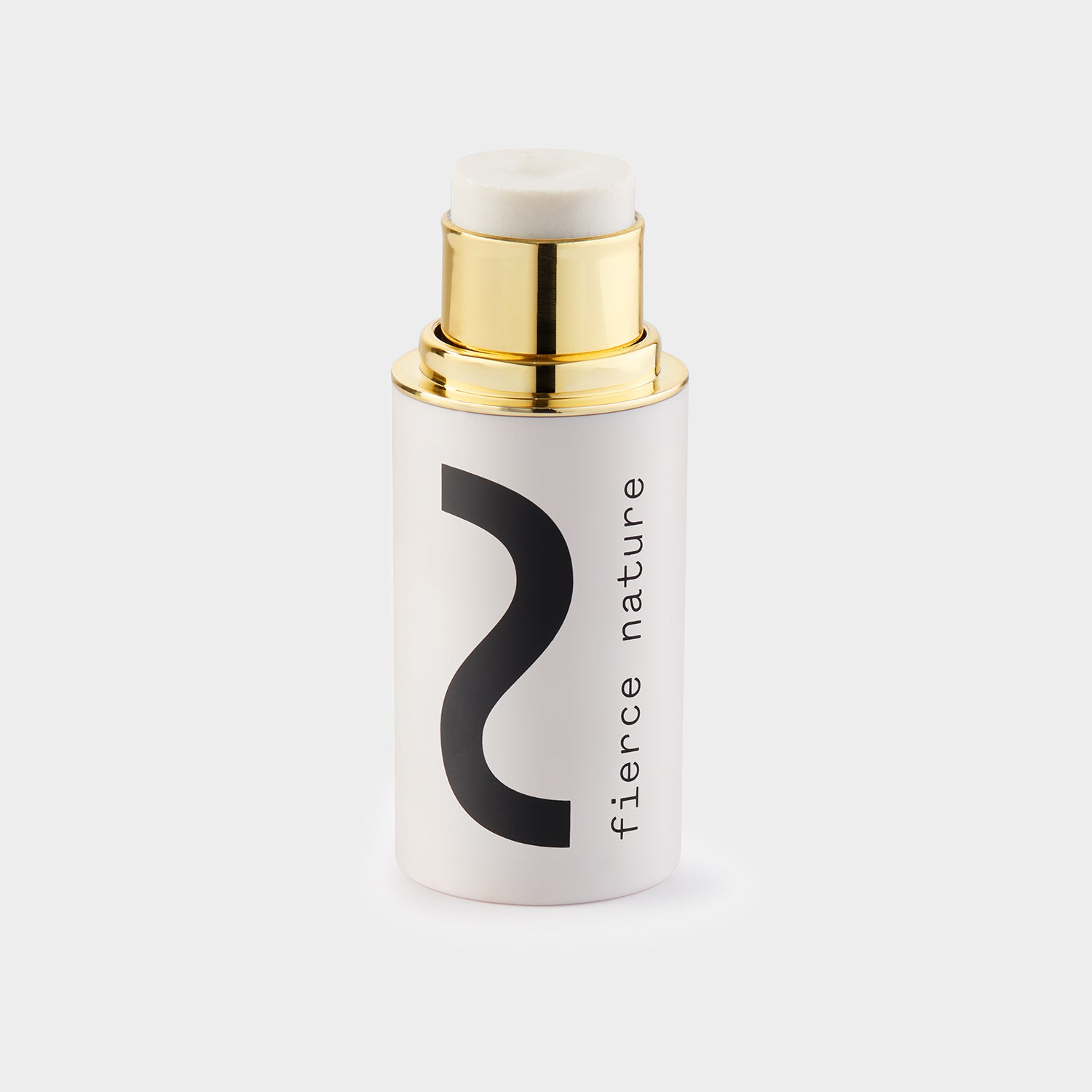
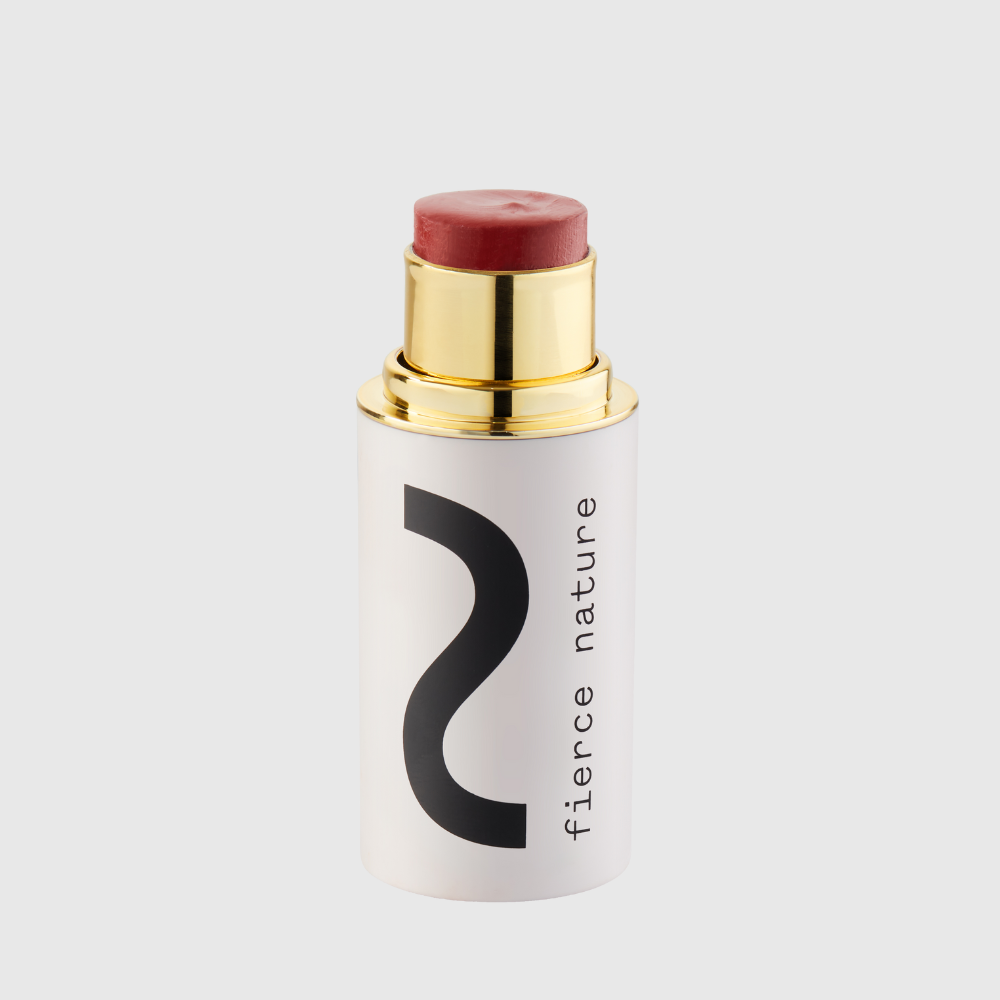
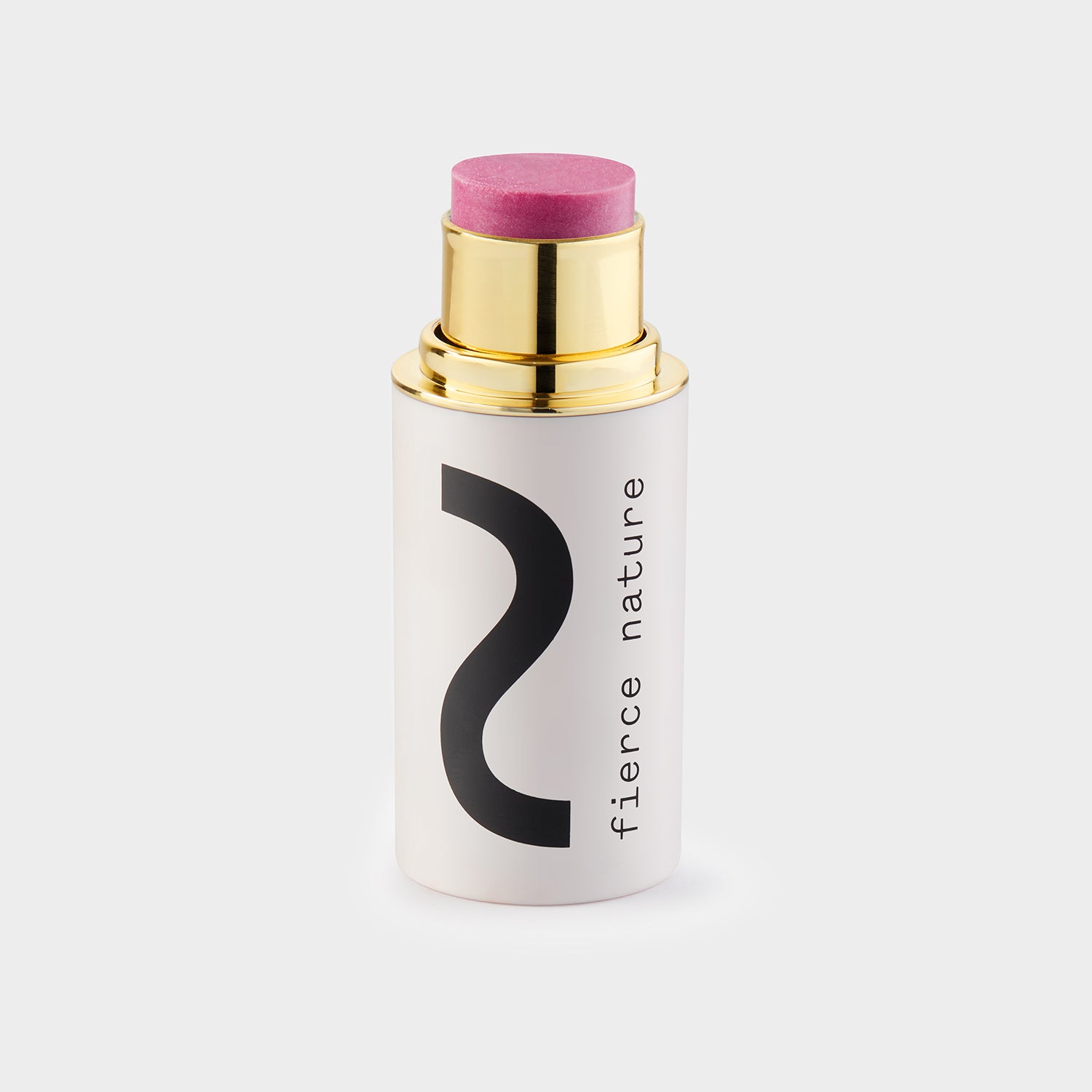
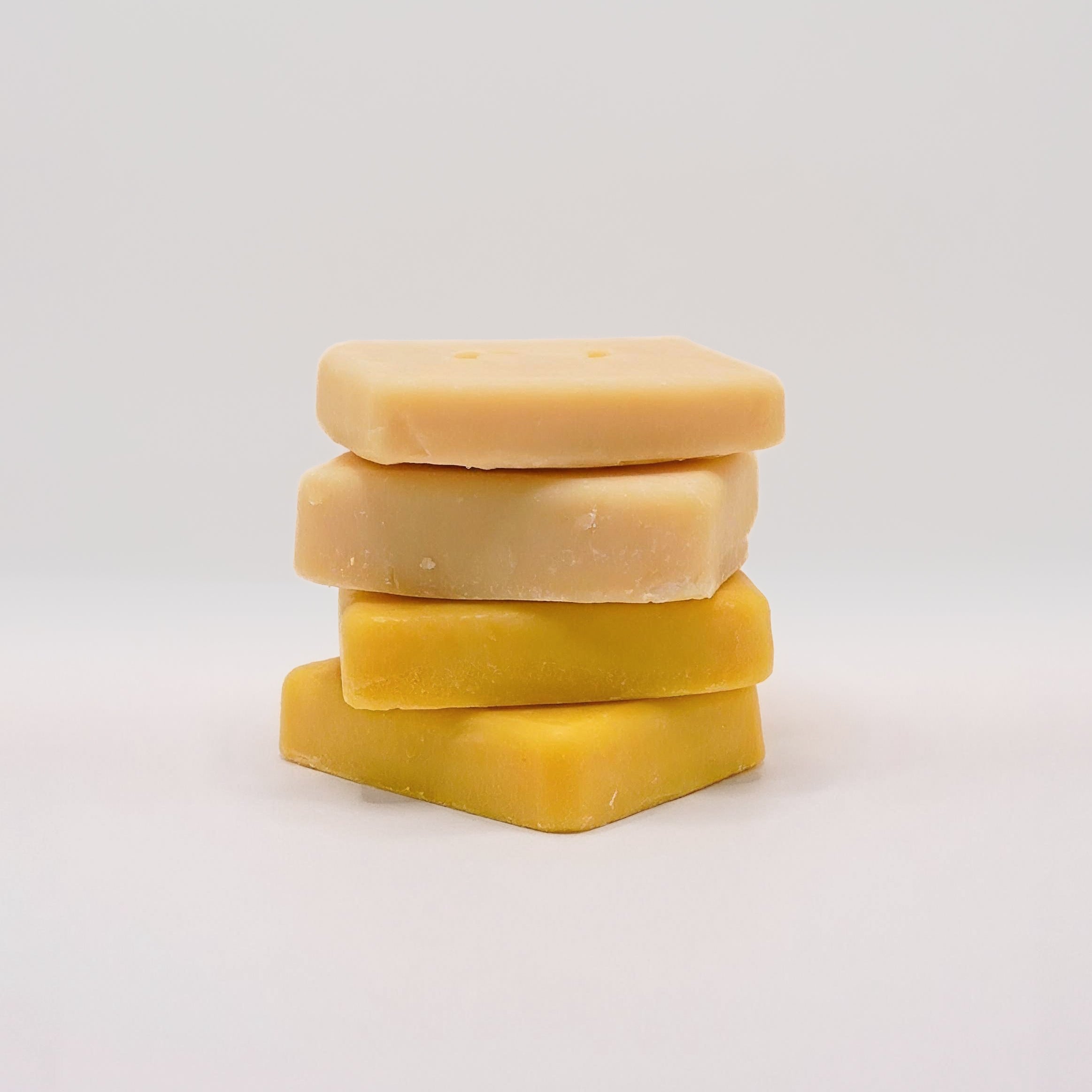
At Fierce Nature, we believe in a thoughtful, minimalist approach to skincare. Our Nourish Balm is made with grass-fed tallow and designed to provide rich moisturising care for dry skin.
But what actually causes itching? Which ingredients help maintain a healthy skin barrier? And where does tallow balm fit into a routine focused on hydration and comfort?
In this comprehensive guide, we'll explore the causes of dry, itchy skin, practical ways to soothe discomfort, the science of skin-barrier care and how to build a gentle skincare routine.
What causes itchy skin? Common causes include dry skin, cold weather, irritating skincare products, frequent washing and conditions such as eczema or contact dermatitis. Itching can also have causes unrelated to the skin.
What provides quick itchy skin relief? A cool compress, a fragrance-free moisturiser and avoiding hot water or scratching may help relieve mild dryness-related itching.
Why is the skin barrier important? The skin barrier helps retain moisture and protect against irritants. When disrupted, the skin may become dry, flaky and more sensitive.
Can tallow balm help itchy skin? Tallow-based balms contain fats that may help soften dry skin and reduce moisture loss, depending on their formulation. They are not proven treatments for eczema or other causes of persistent itching.
What ingredients should you look for? Glycerin, ceramides, petrolatum and suitable emollients are commonly used in moisturisers for dry skin.
What should you avoid? Very hot showers, harsh cleansers, irritating fragrances, aggressive exfoliation and repeated scratching.
How often should you moisturise? Apply moisturiser regularly, especially after washing or bathing, and reapply when your skin feels dry.
When should you seek medical advice? Consult a healthcare professional if itching is severe, widespread, unexplained, persistent or accompanied by other concerning symptoms.
Where can you explore tallow skincare? Fierce Nature Nourish Balm offers a traditional-inspired option for moisturising dry skin.
What Is Itchy Skin and Why Does It Happen?
Understanding the Skin Barrier and Moisture Loss
Common Causes of Dry, Itchy Skin
How to Get Itchy Skin Relief at Home
Best Moisturising Ingredients for Itchy Skin
Tallow Balm for Dry, Itchy Skin: How Does It Work?
Grass-Fed Tallow vs Conventional Moisturisers
Fierce Nature Nourish Balm for Everyday Skin Comfort
How to Use Tallow Balm on Dry Skin
Itchy Skin Relief for Different Parts of the Body
Common Mistakes That Can Make Itching Worse
How to Build a Skin-Barrier-Friendly Routine
When Itchy Skin Needs Medical Attention
Frequently Asked Questions
Final Thoughts
Itchy skin, medically known as pruritus, is an uncomfortable sensation that creates the urge to scratch.
Itching can affect a small area, such as the hands or legs, or occur across larger parts of the body.
For some people, the sensation is mild and temporary. For others, itching can become persistent enough to interfere with sleep, concentration and everyday activities.
Itchy skin can present in several ways:
A persistent urge to scratch
Tightness or dryness
Rough or flaky patches
Redness or irritation
A prickling or tingling sensation
Discomfort that worsens after bathing
Itching that becomes more noticeable at night
Not everyone who experiences itching has visibly dry skin.
Some causes of pruritus occur without an obvious rash, which is why unexplained or persistent symptoms should not automatically be attributed to dryness.
Scratching may briefly interrupt the sensation of itching.
However, repeated scratching can damage the outer layers of the skin, leading to more inflammation, irritation and sometimes infection.
This creates what is often called the itch-scratch cycle.
Breaking this cycle involves identifying possible triggers, reducing irritation and addressing the underlying cause.
For dryness-related itching, moisturising is often an important part of care.
Your skin does more than cover your body.
Its outermost layer acts as a protective barrier, helping maintain hydration while limiting exposure to environmental irritants.
The skin barrier is primarily associated with the outermost layer of the epidermis, known as the stratum corneum.
It is often described using a brick-and-mortar analogy.
The skin cells act like bricks, while surrounding lipids help form the mortar that holds the structure together.
These lipids include:
Ceramides
Cholesterol
Free fatty acids
Together, they contribute to the skin's protective function.
When barrier function is impaired, the skin may lose water more readily through a process known as transepidermal water loss, or TEWL.
This can contribute to:
Dryness and rough texture
Increased sensitivity
Tightness after washing
Flaking
Greater susceptibility to irritation
A disrupted barrier can also make existing inflammatory skin conditions more uncomfortable.
Moisturisers help manage dry skin through different mechanisms.
Some ingredients attract water, others soften the skin, and others help reduce evaporation.
A well-formulated moisturiser may contain a combination of these ingredients.
Regular moisturising can improve skin comfort and help reduce itching caused by dryness.
However, it is important to remember that not all itching is caused by a damaged skin barrier.
Understanding what is triggering your symptoms can help you choose appropriate skincare habits.
Cold weather and dry indoor air can contribute to moisture loss.
During winter, skin may become rougher, tighter or more prone to flaking.
Hands, legs and other exposed areas can be particularly affected.
What may help: Use a suitable moisturiser regularly, avoid prolonged hot showers and consider maintaining comfortable indoor humidity.
Some soaps and body washes can remove too much of the skin's natural oils.
This may leave the skin feeling tight and uncomfortable after washing.
What may help: Choose a mild, preferably fragrance-free cleanser and avoid excessive scrubbing.
Repeated handwashing, long showers and frequent exposure to cleaning products can contribute to dryness.
What may help: Moisturise after washing and wear appropriate protective gloves when using household cleaning products.
Eczema, including atopic dermatitis, can cause dry, inflamed and intensely itchy skin.
Contact dermatitis may develop when the skin reacts to an irritant or allergen.
Moisturisers are an important part of eczema care, but some people also require prescribed treatment.
A cosmetic balm should not be presented as a replacement for appropriate eczema medication.
As skin ages, changes in its structure and oil production can contribute to dryness.
Older adults may therefore experience itching associated with dry skin.
However, persistent itching in older adults should still be assessed rather than automatically attributed to ageing.
Certain skincare ingredients, fragrances, fabrics or environmental exposures may trigger itching.
An allergic reaction can sometimes cause a rash, redness or swelling.
If you suspect a particular product is responsible, stop using it and seek advice if symptoms persist.
Itching can also occur with medication reactions, infections and certain internal medical conditions.
This is particularly relevant when itching is widespread, persistent or occurs without an obvious skin problem.
In these situations, moisturising alone may not address the cause.
For mild itching associated with dryness, several simple steps may help improve comfort.
A cool, damp cloth may temporarily soothe an itchy area.
Place it gently against the skin for several minutes.
Avoid applying ice directly to the skin, as this can cause injury.
Moisturising is one of the most useful everyday strategies for managing dry skin.
Apply a suitable product after washing, while the skin is still slightly damp.
This can help reduce moisture loss.
Hot water may worsen dryness and irritation.
Use lukewarm water for showers and bathing.
Fragrance is a common source of irritation or allergic reactions in sensitive individuals.
For reactive skin, fragrance-free products are often a sensible starting point.
Soft, breathable fabrics may reduce friction against irritated skin.
Some people find wool or rough synthetic materials uncomfortable when their skin is dry or inflamed.
Keeping nails short and using a cool compress can help reduce damage from scratching.
If itching is intense or persistent, seek advice about appropriate treatment rather than continuing to scratch.
Depending on the cause, a pharmacist or healthcare professional may recommend a specific treatment.
Antihistamines, topical anti-inflammatory medicines and other treatments are not interchangeable, and their usefulness depends on the underlying condition.
Not all moisturisers work in exactly the same way.
Understanding the main ingredient categories can help you select products suited to dry skin.
Humectants help attract and retain water.
Examples include:
Glycerin
Hyaluronic acid
Urea
These ingredients can help improve hydration in suitable formulations.
Urea products may sting on cracked or inflamed skin, particularly at higher concentrations.
Emollients help smooth the skin's surface and improve its feel.
Examples include:
Shea butter
Certain plant oils
Fatty alcohols
Suitable animal-derived fats
They can be useful in products designed for dry or rough skin.
Occlusive ingredients form a protective layer that helps limit moisture evaporation.
Examples include:
Petrolatum
Mineral oil
Dimethicone
Certain waxes and oils
Rich balms often rely partly on occlusive properties.
Ceramides, cholesterol and certain fatty acids are important components of the skin barrier.
Products containing these ingredients may be helpful in routines designed for dry or barrier-impaired skin.
| Ingredient | Main Function | Common Use |
|---|---|---|
| Glycerin | Humectant | Attracting and retaining water |
| Ceramides | Barrier-supporting lipids | Dry and barrier-impaired skin |
| Petrolatum | Occlusive | Reducing moisture loss |
| Shea butter | Emollient | Softening dry skin |
| Hyaluronic acid | Humectant | Supporting hydration |
| Tallow | Fat-based emollient/occlusive ingredient | Rich moisturising balms |
The overall product formulation is more important than the presence of any single ingredient.
Tallow-based skincare has become increasingly popular among people who prefer traditional ingredients and simpler product formulations.
But how does tallow fit into a routine for dry, itchy skin?
Tallow is a rendered animal fat, commonly obtained from beef.
It has a long history of use in soapmaking and skincare preparations.
Tallow contains a mixture of fatty acids, including palmitic, stearic and oleic acids.
These contribute to its texture and behaviour in skincare formulations.
Tallow is a rich fat that can function as an emollient and contribute to the occlusive properties of a balm.
When applied to the skin, a suitable tallow-based product may help soften dry areas and reduce the sensation of tightness.
Like other rich moisturising products, its effectiveness depends on the complete formula and individual skin tolerance.
Tallow and human sebum both contain lipids, but their compositions are not identical.
Human sebum includes substances such as wax esters and squalene, which are not present in the same proportions in tallow.
Claims that tallow is virtually identical to human skin oils or automatically integrates into deeper skin layers are not supported by strong clinical evidence.
A moisturising balm containing tallow may help reduce dryness and support skin comfort by providing emollient and occlusive effects.
However, there is limited high-quality clinical evidence demonstrating that tallow itself is superior to established moisturising ingredients for skin-barrier repair.
It is more accurate to describe tallow balm as a moisturising skincare option than as a proven treatment for skin disease.
If itching is caused by simple dryness, moisturising the skin may help reduce discomfort.
A well-tolerated tallow balm may contribute to that moisturising routine.
However, tallow is not an established treatment for eczema, psoriasis, allergic reactions or unexplained pruritus.
Consumers often compare traditional animal-fat-based skincare with modern moisturisers.
But the difference is not simply natural versus synthetic.
Both types of products can contain ingredients that help soften skin and reduce moisture loss.
| Feature | Tallow-Based Balm | Conventional Moisturiser |
|---|---|---|
| Main formulation | Often fat- and oil-rich | May combine water, oils, humectants and occlusives |
| Texture | Usually rich and balm-like | Ranges from light lotion to thick ointment |
| Moisturising function | Emollient and potentially occlusive | Depends on formulation |
| Ceramides | Not necessarily included | May be specifically formulated with ceramides |
| Fragrance | Depends on product | Fragrance-free options available |
| Suitability for eczema | Not established as a treatment | Certain formulations are recommended for eczema care |
| Best choice | Depends on tolerance and preference | Depends on tolerance and skin needs |
The diet of cattle can influence aspects of animal-fat composition.
However, there is insufficient clinical evidence to conclude that grass-fed tallow produces better skincare outcomes than other appropriately formulated moisturisers.
Grass-fed sourcing may be relevant to a brand's ingredient philosophy or customer preferences, but it should not be treated as proof of superior barrier repair or anti-inflammatory benefits.
Not necessarily.
Many effective and well-tolerated skincare ingredients are manufactured or refined.
For example, petrolatum, glycerin and dimethicone are widely used in products intended for dry skin.
Likewise, natural ingredients can cause irritation or allergic reactions.
The most useful consideration is whether the finished product is safe, suitable and effective for your individual skin.
At Fierce Nature, we believe that skincare should feel uncomplicated and considered.
Our Nourish Balm is made with grass-fed tallow and designed for those who appreciate rich, traditional-inspired moisturising care.
For people dealing with everyday dryness, a balm can be a useful addition to a simple skincare routine.
Balms typically have a thicker texture than lotions.
This makes them appealing for areas that need additional moisturising attention, such as:
Dry hands
Rough elbows
Flaky legs
Dry knees
Areas exposed to cold weather
Skin that feels tight after washing
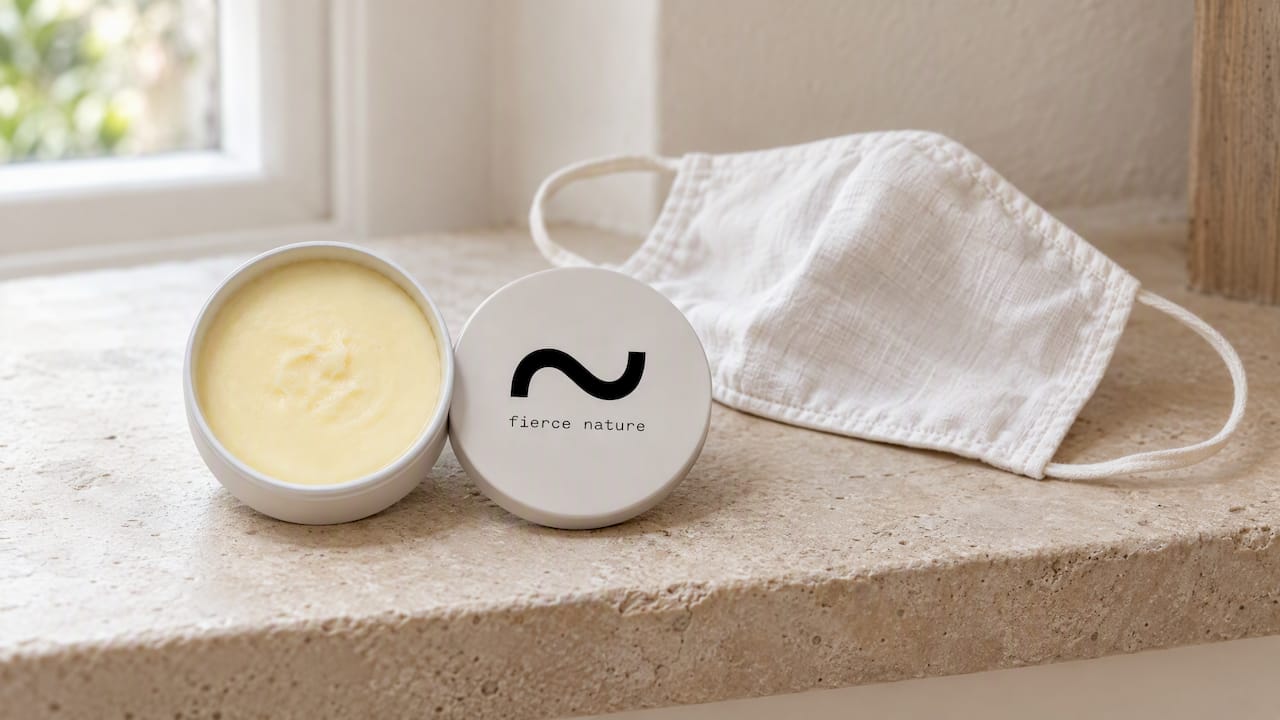
Nourish Balm centres its formulation around grass-fed tallow, reflecting Fierce Nature's interest in traditional skincare ingredients.
It offers an alternative format for customers who prefer richer moisturising products over lightweight lotions.
Its suitability for sensitive skin depends on the complete ingredient list and individual tolerance.
People with eczema often need regular emollient use, but not every cosmetic balm is suitable for eczema-prone skin.
Nourish Balm should not be described as an eczema treatment without appropriate clinical evidence and regulatory authorisation.
If you have eczema, consult your healthcare professional about suitable products and prescribed treatments.
For everyday dry skin, you can explore Fierce Nature Nourish Balm as a moisturising option.
Using a balm correctly can help you make the most of its moisturising properties.
Wash with lukewarm water and a mild cleanser.
Avoid excessive scrubbing or products that leave your skin feeling tight.
Use a clean, soft towel.
Leave the skin slightly damp rather than rubbing it completely dry.
Warm a small amount between clean fingertips and spread it gently over dry areas.
Start with a thin layer and add more if needed.
Pay particular attention to areas such as the hands, elbows, knees and lower legs.
Avoid applying cosmetic balms to infected, weeping or unexplained skin lesions unless advised by a healthcare professional.
If the product is well tolerated, it may be reapplied when the skin feels dry.
Always follow the product's usage instructions.
Stop using the product if you develop increased redness, burning, a rash or worsening itching.
Patch-testing a new product on a small area before broader use can help identify some reactions, although it does not guarantee that a reaction will not occur.
The location of itching can sometimes provide clues about its cause.
Dry legs are common, especially during colder weather or after frequent hot showers.
Gentle cleansing and regular moisturising may help.
If itching is accompanied by significant swelling, colour changes or persistent discomfort, seek medical advice.
Frequent washing and exposure to cleaning products can contribute to hand dryness.
Use a mild cleanser, moisturise after washing and wear protective gloves when appropriate.
Rough, dry patches may develop around the elbows and arms.
A suitable moisturiser may improve comfort, but persistent inflamed patches should be assessed for conditions such as eczema or psoriasis.
Hot water, strong cleansers and prolonged bathing can aggravate dryness.
Try shorter, lukewarm showers and moisturise promptly afterwards.
If itching occurs after water exposure without visible dryness or rash, seek medical advice, as there may be other causes.
Itching may feel more noticeable at night because there are fewer distractions.
Dryness, eczema and other conditions can also contribute to nighttime itching.
If it regularly disrupts sleep, professional assessment is advisable.
Even well-intentioned skincare habits can sometimes aggravate discomfort.
Scratching can damage the skin and increase inflammation.
Better approach: Use a cool compress and seek appropriate treatment for persistent itching.
Hot water can worsen dryness.
Better approach: Keep showers short and comfortably warm.
Fragrance can irritate sensitive skin.
Better approach: Choose fragrance-free products when your skin is reactive.
Aggressive exfoliation can worsen a compromised skin barrier.
Better approach: Avoid exfoliating inflamed or actively itchy skin.
Itching can have many causes.
Better approach: Seek medical assessment when symptoms are unexplained, persistent or severe.
Moisturisers can support dry-skin care, but they do not replace prescribed treatment for inflammatory skin conditions.
Better approach: Follow professional treatment advice and use suitable moisturisers as part of your routine.
A consistent skincare routine can help manage dryness and reduce unnecessary irritation.
1. Gentle cleansing
Use lukewarm water and a mild cleanser when needed.
2. Moisturising
Apply a suitable moisturiser to dry areas.
3. Sun protection
Use broad-spectrum SPF 30 or higher on exposed skin.
1. Cleanse without stripping
Remove dirt and everyday impurities using a gentle cleanser.
2. Moisturise
Apply a suitable cream, lotion or balm.
3. Give dry areas extra attention
A richer product may be useful for particularly dry areas if your skin tolerates it.
Use a mild cleanser consistently.
Avoid long, hot showers.
Moisturise after washing.
Reduce exposure to known irritants.
Avoid scratching or aggressively exfoliating itchy areas.
Monitor persistent or worsening symptoms.
For those interested in traditional-inspired moisturising products, Fierce Nature Nourish Balm may be incorporated into a routine for everyday dry skin.
Although dryness is a common cause of itching, not all itching can be managed with moisturiser.
Seek medical advice if:
Itching is severe or persistent.
It affects large areas of the body without an obvious cause.
It regularly disrupts sleep.
The skin becomes infected, painful or increasingly inflamed.
You experience unexplained weight loss, fever or night sweats.
Itching begins after starting a new medication.
Symptoms do not improve with appropriate basic skincare.
Seek urgent medical assistance if itching is accompanied by difficulty breathing, swelling of the lips or tongue, or other signs of a serious allergic reaction.
If you are pregnant and develop significant itching, particularly on the palms or soles, contact your maternity healthcare team promptly.
For mild dryness-related itching, a cool compress and a suitable fragrance-free moisturiser may provide temporary comfort. The best treatment depends on the underlying cause.
Possible causes include dry skin, medication effects and certain medical conditions. Persistent unexplained itching should be assessed by a healthcare professional.
A tallow-based balm may help moisturise dry skin and reduce dryness-related discomfort if the formula is well tolerated. It is not a proven treatment for every cause of itching.
Grass-fed tallow can be used in rich moisturising formulations, but there is insufficient clinical evidence that it is superior to other established emollient ingredients.
A suitable tallow balm may help soften skin and reduce moisture loss. However, claims of superior or long-term barrier repair specifically from tallow are not established by strong clinical evidence.
For dryness-related itching, fragrance-free moisturisers containing ingredients such as glycerin, petrolatum, ceramides or other suitable emollients are commonly recommended.
Itching can become more noticeable at night, and conditions such as eczema or dry skin may contribute. Persistent nighttime itching warrants medical assessment.
Staying adequately hydrated supports general health, but drinking extra water does not necessarily resolve itching caused by dry skin or an underlying medical condition.
Yes. Hot water and prolonged washing can aggravate dryness and irritation.
No. Itching can be caused by dryness, irritation, allergies, infections, medications and other conditions.
There is insufficient comparative clinical evidence to conclude that tallow balm is better. Petrolatum is a well-established occlusive ingredient for reducing moisture loss.
A cosmetic tallow balm may be used daily if the product instructions permit and your skin tolerates it. Discontinue use if irritation develops.
Avoid known personal triggers. Strong fragrances, irritating exfoliants and harsh cleansing products may aggravate sensitive or dry skin.
Stress can influence the perception of itching and may aggravate some inflammatory skin conditions. Persistent itching should still be evaluated for other causes.
Seek medical advice if itching is persistent, severe, unexplained, widespread or associated with other concerning symptoms.
Finding effective itchy skin relief begins with understanding why your skin feels uncomfortable.
For many people, dryness, frequent washing and environmental conditions can contribute to itching. Gentle cleansing, regular moisturising and avoiding unnecessary irritation may help improve everyday skin comfort.
The skin barrier plays an important role in maintaining hydration, and moisturisers containing suitable humectants, emollients and occlusives can support dry-skin care.
Tallow-based balms offer one traditional-inspired approach to moisturising. Their rich texture may appeal to people who prefer simple, fat-based skincare products.
At Fierce Nature, our philosophy is centred around considered ingredients and uncomplicated routines.
Our Nourish Balm, made with grass-fed tallow, is designed for those who want to explore rich moisturising care for everyday dry skin.
Discover Fierce Nature Nourish Balm and explore a simpler approach to keeping dry skin feeling soft and comfortable.
Disclaimer: This article is for general educational purposes and is not intended to diagnose or treat medical conditions. Nourish Balm is a cosmetic moisturising product, not an established treatment for eczema, psoriasis, dermatitis or other medical causes of itching. Seek advice from a qualified healthcare professional for persistent or unexplained symptoms.