Cart
0
You may also like
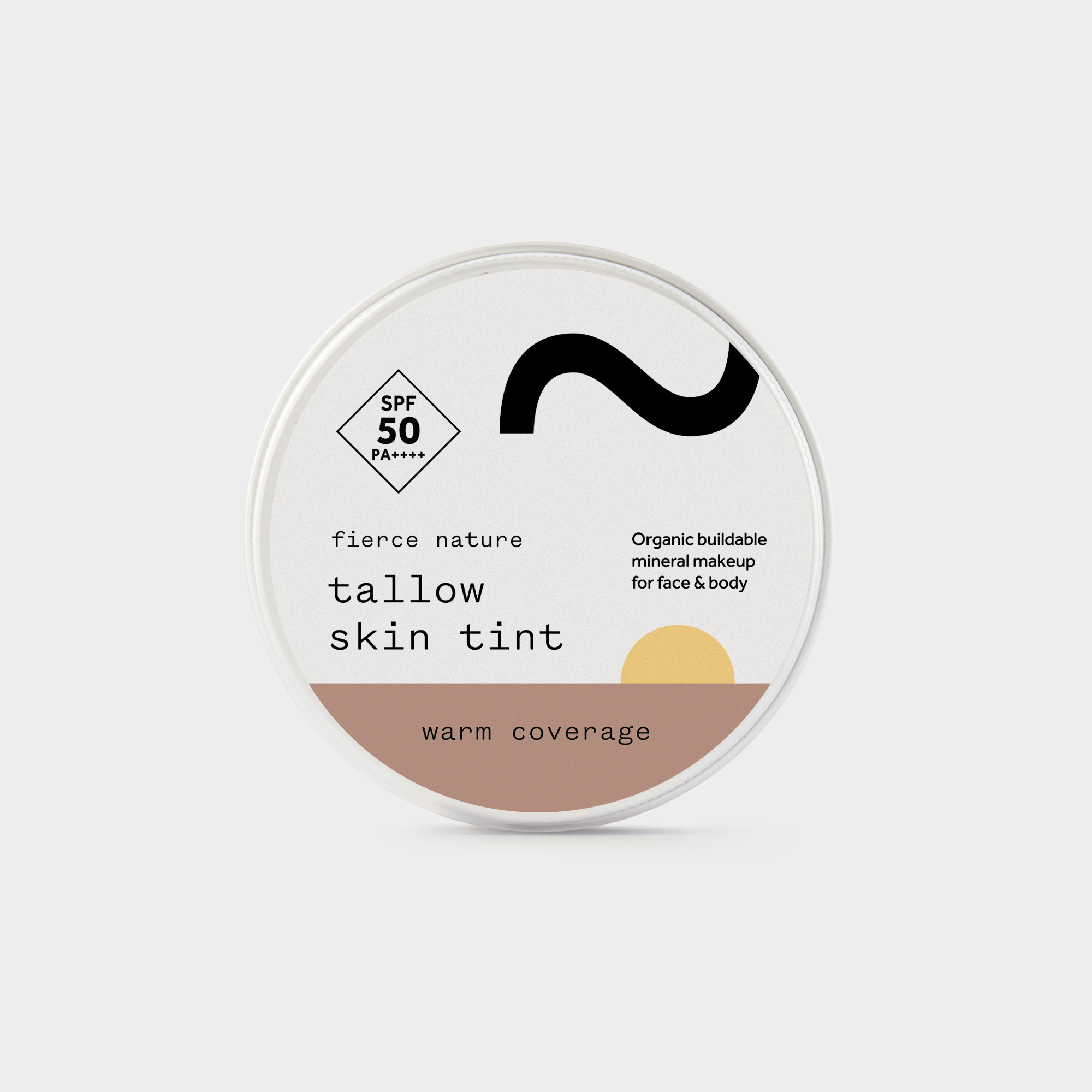
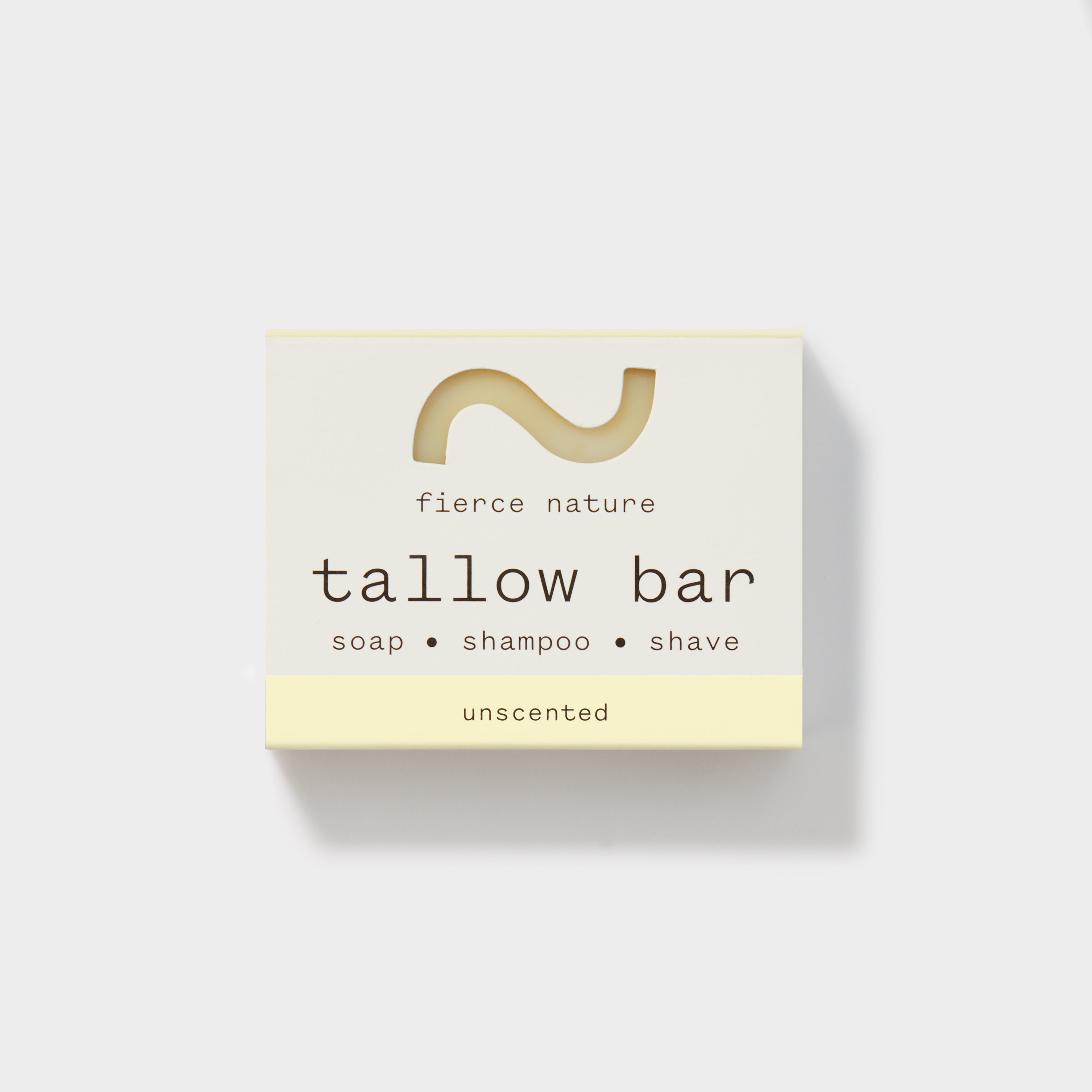



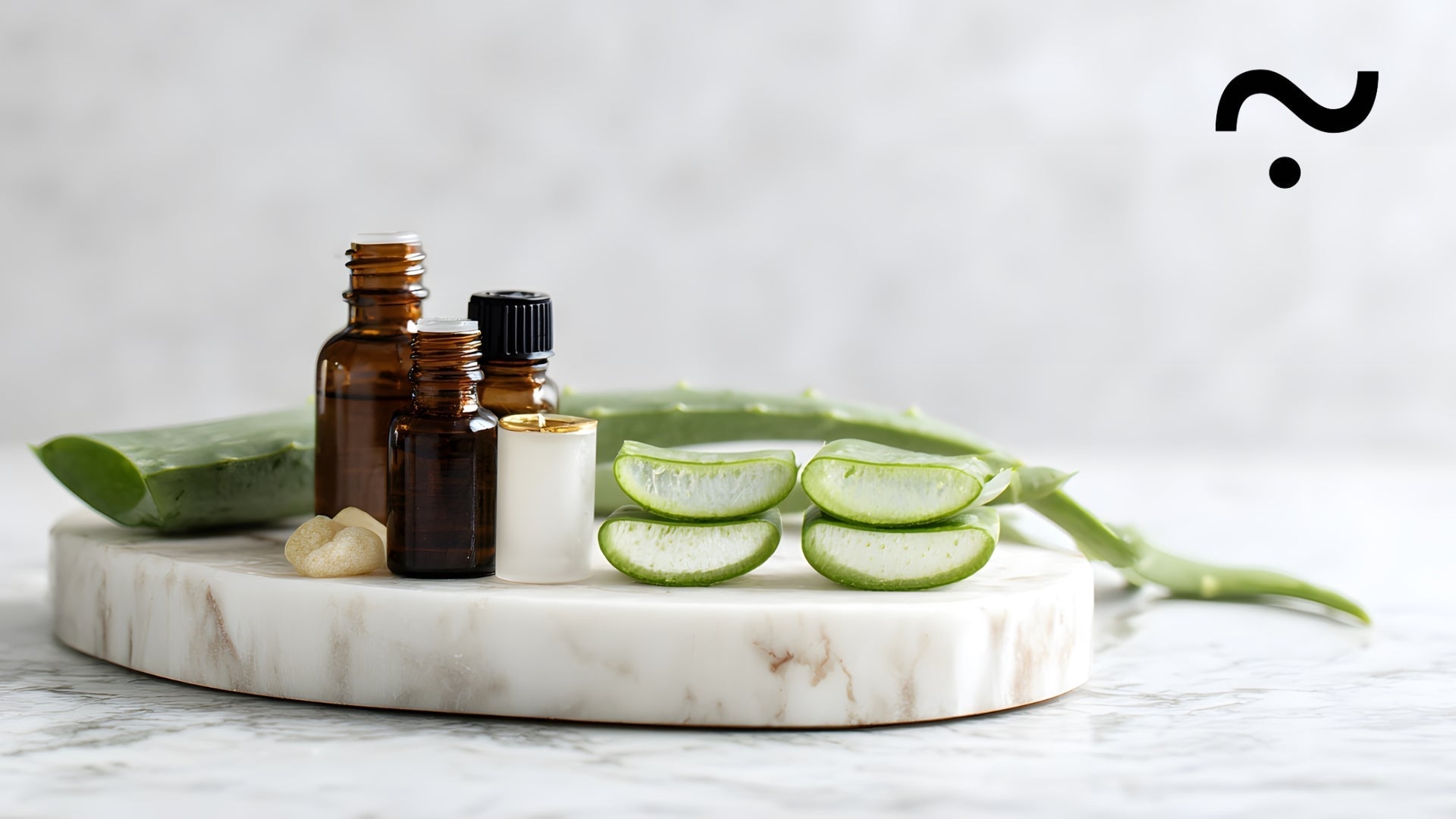
With more people ditching synthetic ingredients in favor of clean beauty routines, the demand for the best natural skincare lines has never been higher. But navigating through labels, marketing buzzwords, and “greenwashed” products can be overwhelming. So how do you actually find the real deal—products that are truly natural, effective, and safe for your skin?
This guide breaks down what to look for, what to avoid, and how to build a natural skincare routine that works for your specific needs.
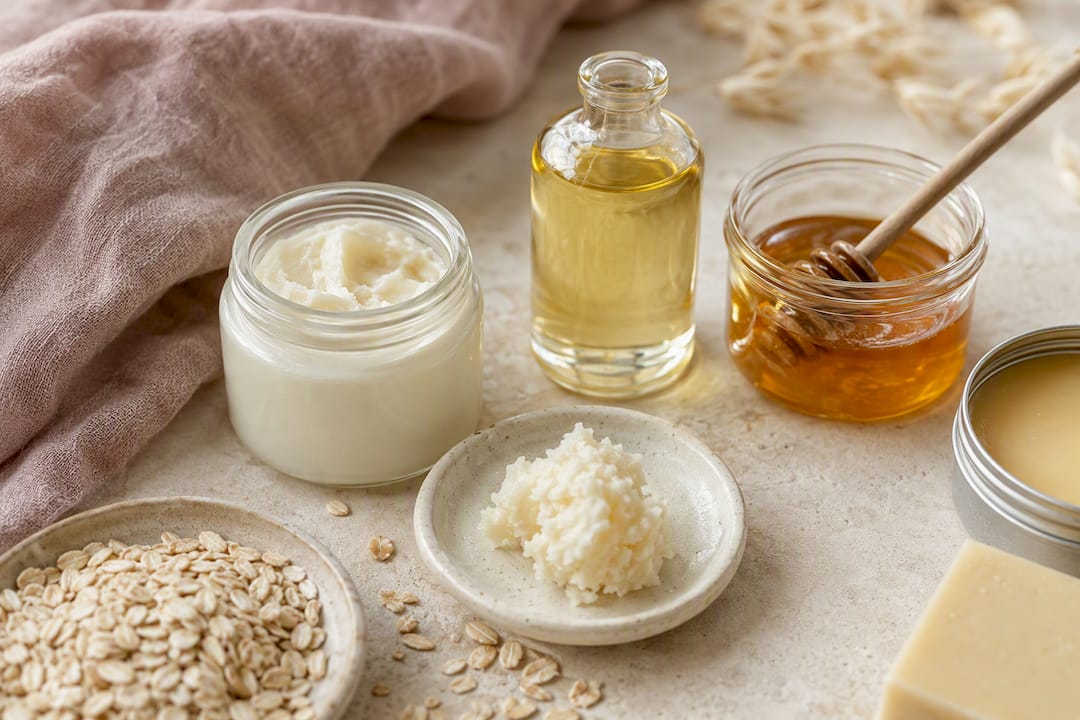
The best natural skincare brands are upfront about what goes into their products. Always check for short, readable ingredient lists. Look for whole ingredients like plant oils (jojoba, argan, rosehip), natural butters (shea, cocoa), clays, and essential oils. These are not only recognizable but also packed with skin-nourishing properties.
Avoid vague terms like “fragrance,” “perfume,” or “proprietary blend,” as these often hide synthetic chemicals.
Many mainstream products contain hidden ingredients that can irritate skin or cause long-term health issues. Here are common offenders:
Parabens
Sulfates (like SLS or SLES)
Phthalates
Formaldehyde-releasing preservatives
Synthetic fragrances and dyes
Opting for products without these ensures your skincare is gentle, safe, and non-toxic.
Natural doesn’t always mean ethical. The best natural skincare lines often go a step further, sourcing ingredients that are organic, wild-harvested, or ethically traded. This not only benefits your skin but also supports sustainable farming and biodiversity.
Check for third-party certifications like USDA Organic, Ecocert, COSMOS, or Leaping Bunny for cruelty-free assurance.
Even within the world of natural skincare, there’s no one-size-fits-all. Tailor your routine based on what your skin truly needs:
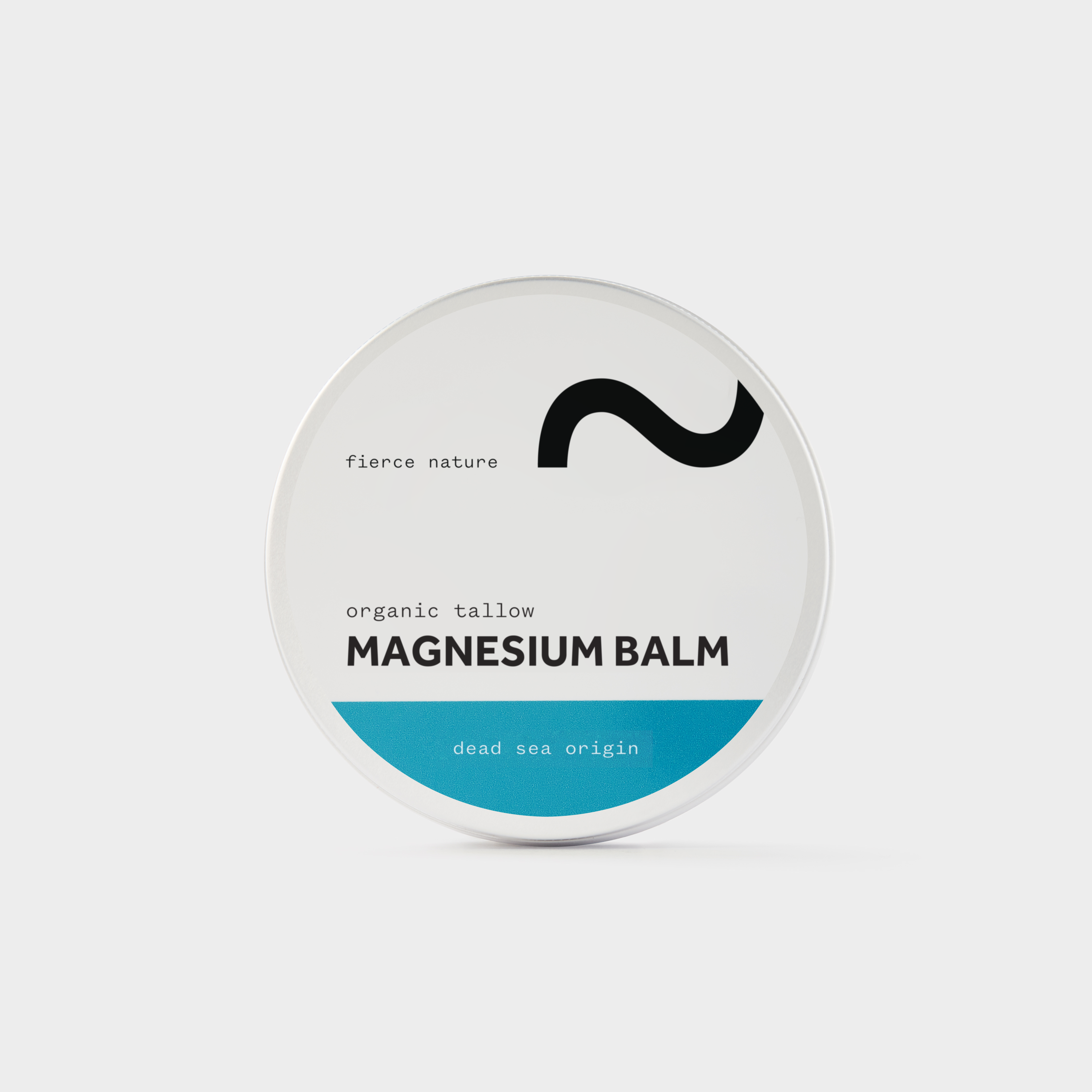
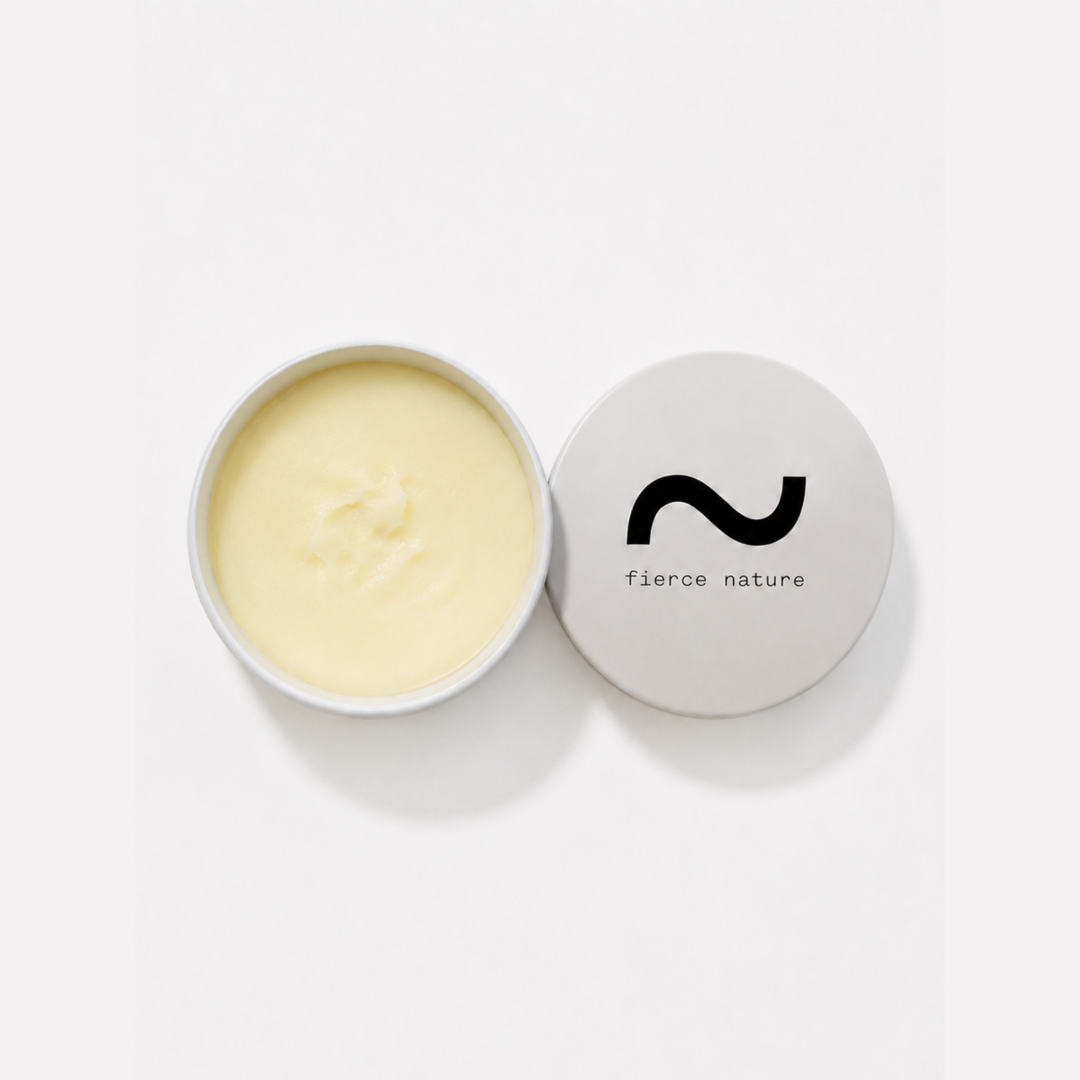
Dry Skin: Choose tallow balms, shea butter, and oils like avocado or almond.
Oily/Acne-Prone Skin: Go for lightweight oils (jojoba, hemp seed), clay masks, and herbal toners like witch hazel or tea tree hydrosol.
Sensitive Skin: Look for chamomile, calendula, and oat-based products with minimal essential oils.
Aging Skin: Antioxidant-rich options like rosehip oil, bakuchiol (natural retinol alternative), and hyaluronic acid from plant sources.
A solid routine doesn’t need to be complicated. Start with these essentials:
Cleanser: Use a gentle oil or honey-based cleanser that doesn’t strip the skin.
Toner: Choose a hydrosol like rose or lavender to refresh and balance pH.
Serum or Oil: Cold-pressed botanical oils provide deep nourishment.
Moisturizer: A whipped butter or balm seals in hydration.
Exfoliant: Use fruit enzyme masks or fine oat scrubs once or twice a week.
This minimalist routine can be adapted seasonally or as your skin’s needs change.
Sustainability doesn’t stop at ingredients. Leading brands in the best natural skincare space are switching to biodegradable, refillable, or recyclable packaging. Glass jars, aluminum tins, and compostable boxes are all signs of an eco-conscious company that values the planet as much as your skin.
Just because a product says “natural” or “clean” on the label doesn’t mean it truly is. Many brands use marketing to appear green while still using synthetic or harmful ingredients. Always read the full ingredient list, not just the front of the label.
Pro tip: If water (aqua) is the first ingredient and it's loaded with synthetic preservatives, it may not be as “natural” as it claims.
Even the most natural product can cause reactions if it doesn’t suit your skin. Always patch test new items, especially those with essential oils or active botanical extracts. Start with travel-sized kits or sample packs to trial products without waste.
Look beyond brand marketing. Seek out reviews on skincare forums, Reddit threads, or social platforms where users share honest feedback. Trusted influencers and holistic estheticians can also point you toward high-performing brands that align with your values.
Some of the most effective, cleanest skincare comes from smaller, handmade brands that prioritize quality over mass production. These creators often use local ingredients, sustainable methods, and transparent processes—resulting in high-quality natural products with real integrity.
Finding the best natural skincare line doesn’t mean following trends—it means choosing products that are clean, effective, and aligned with your skin’s unique needs. With the right knowledge and attention to detail, you can build a regimen that supports healthy, radiant skin while staying true to natural values.
Consistency, patience, and ingredient awareness are your best tools. When in doubt, keep it simple, stay informed, and let nature do the work.
for more information about us feel free to visit -> Fierce Nature