Cart
0
80% Also Added this

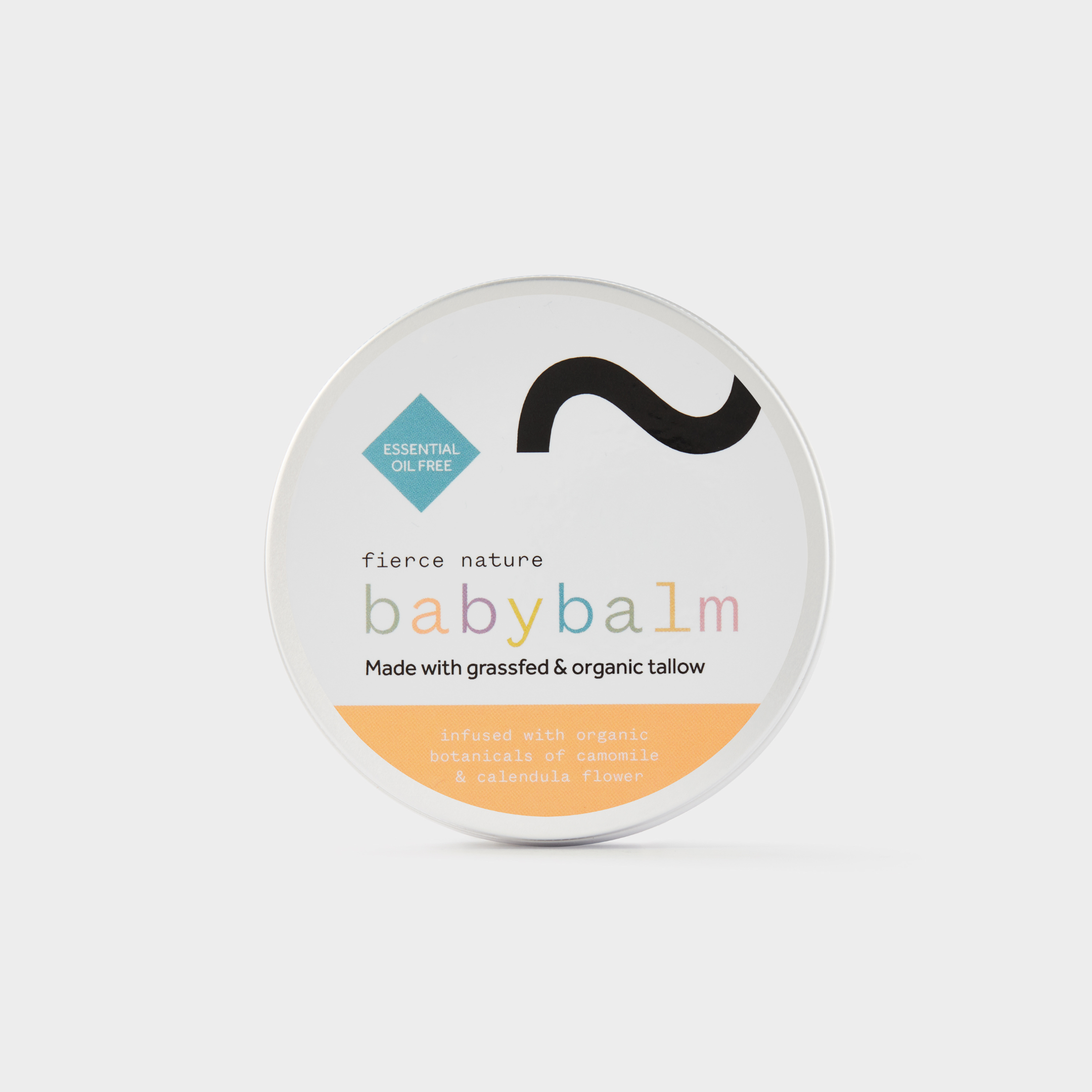
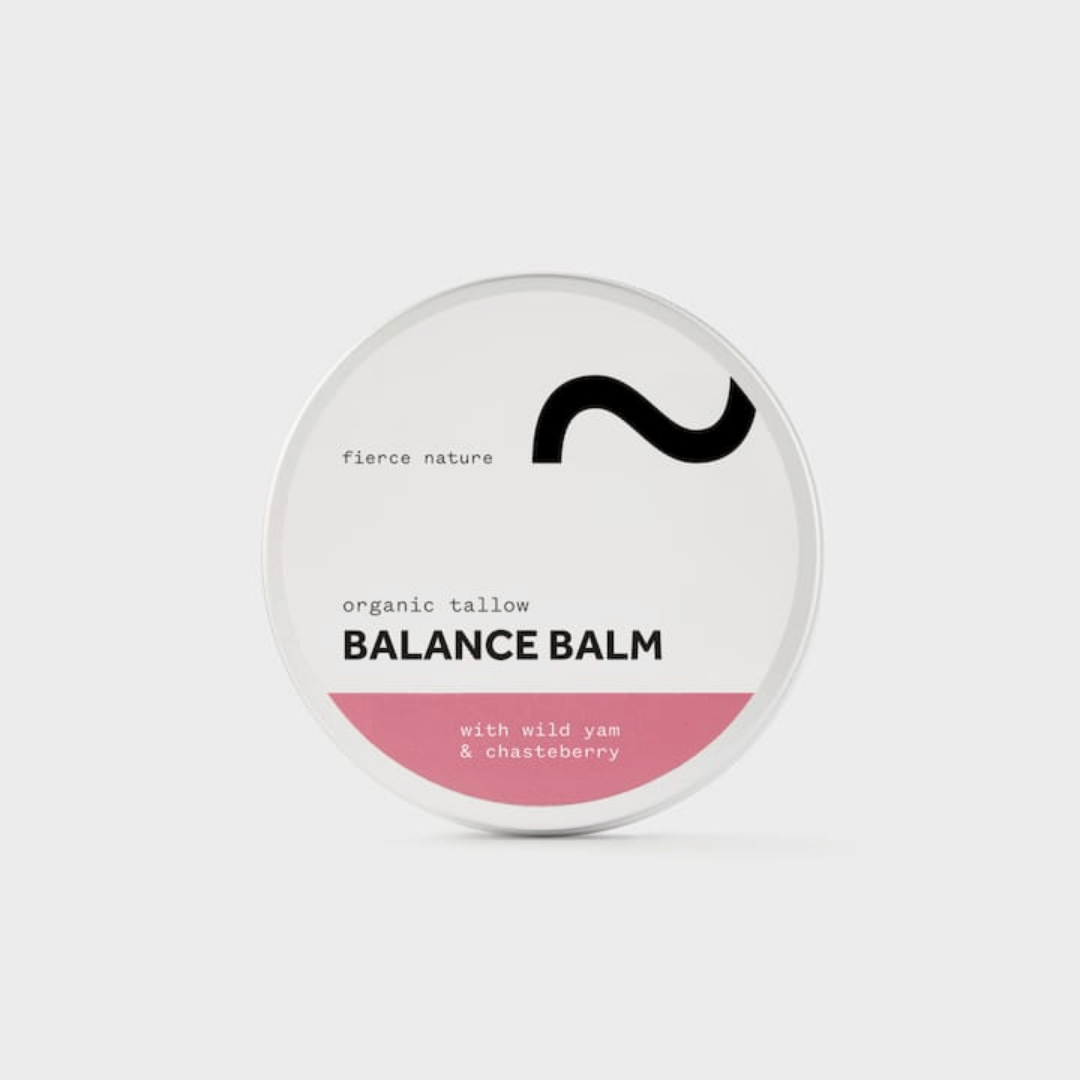
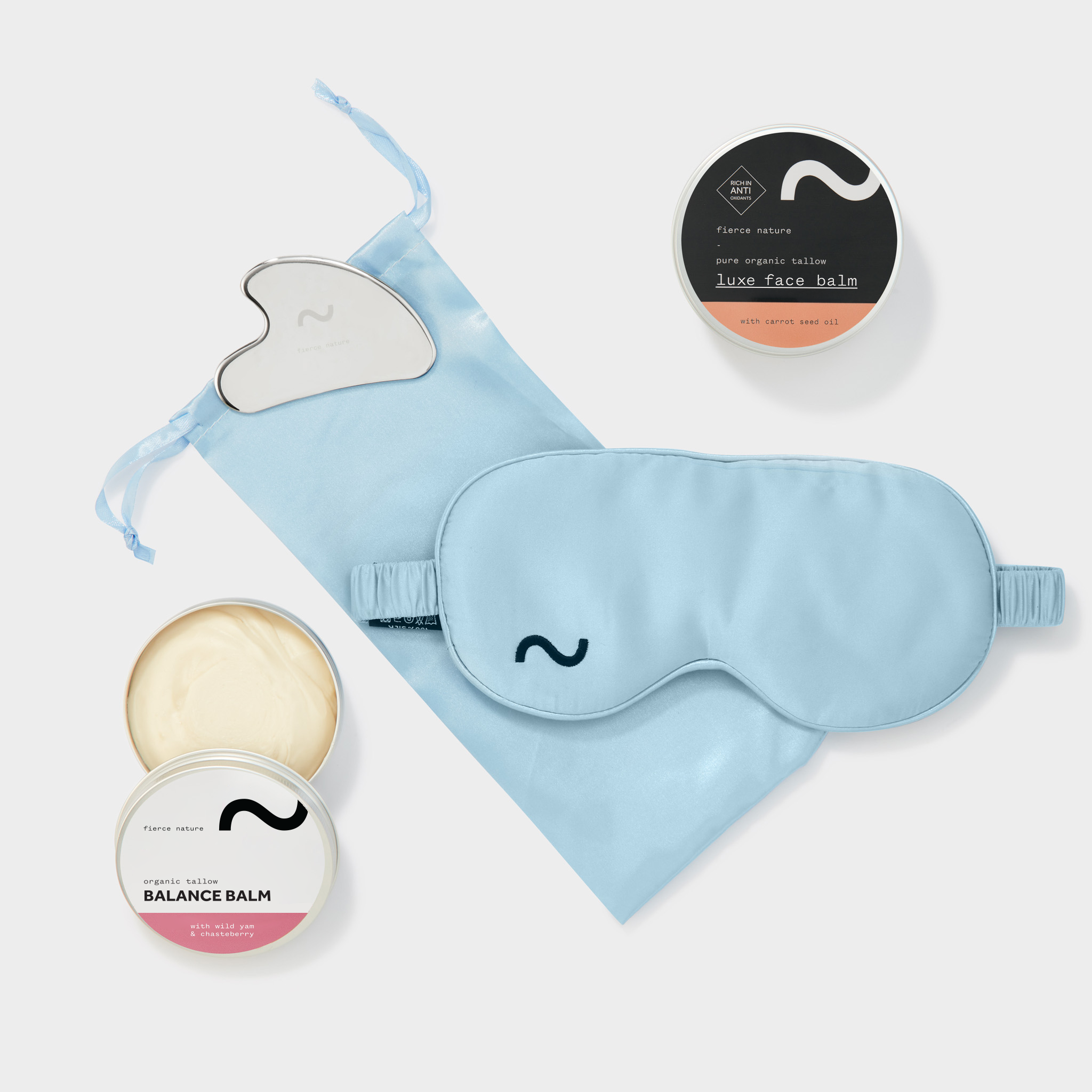
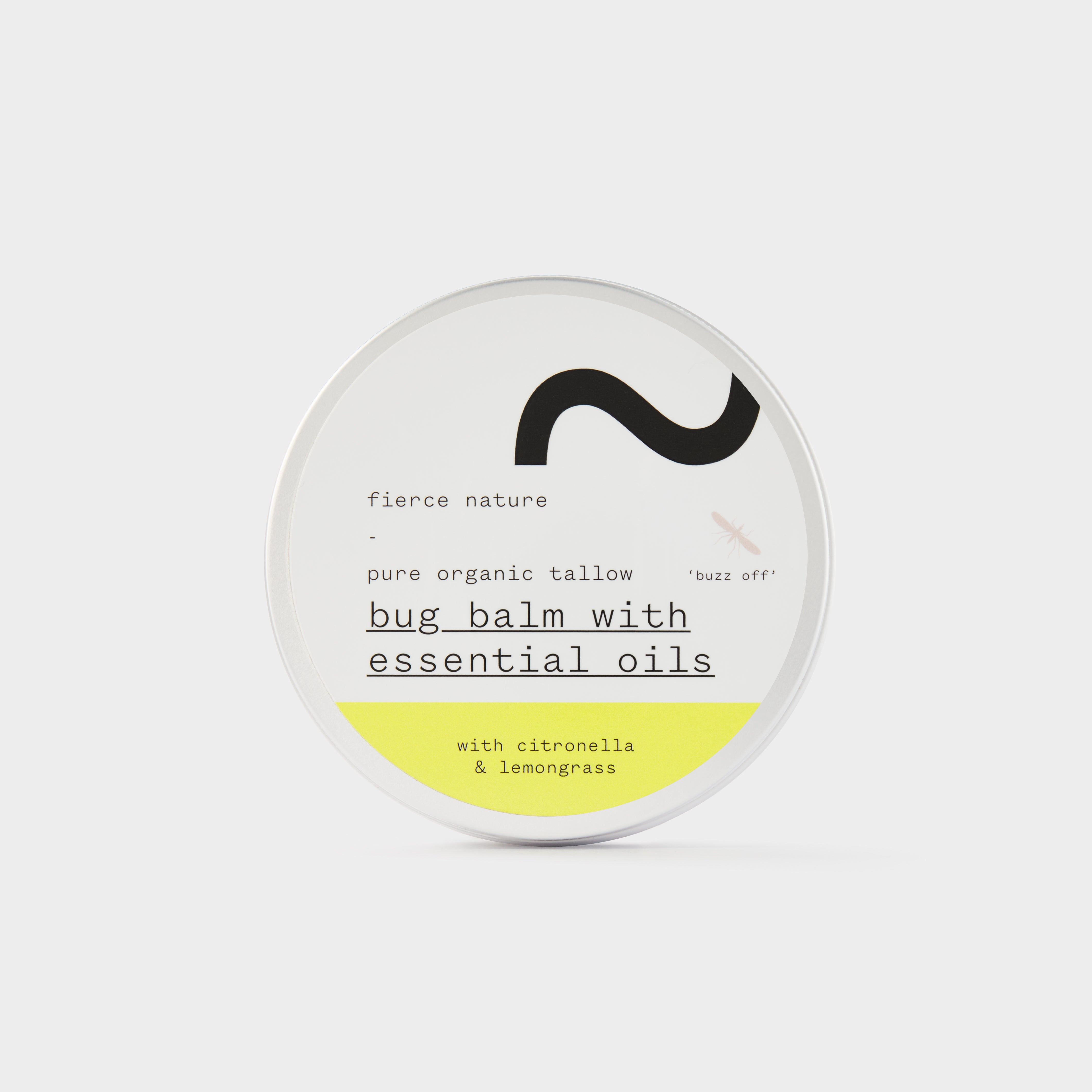

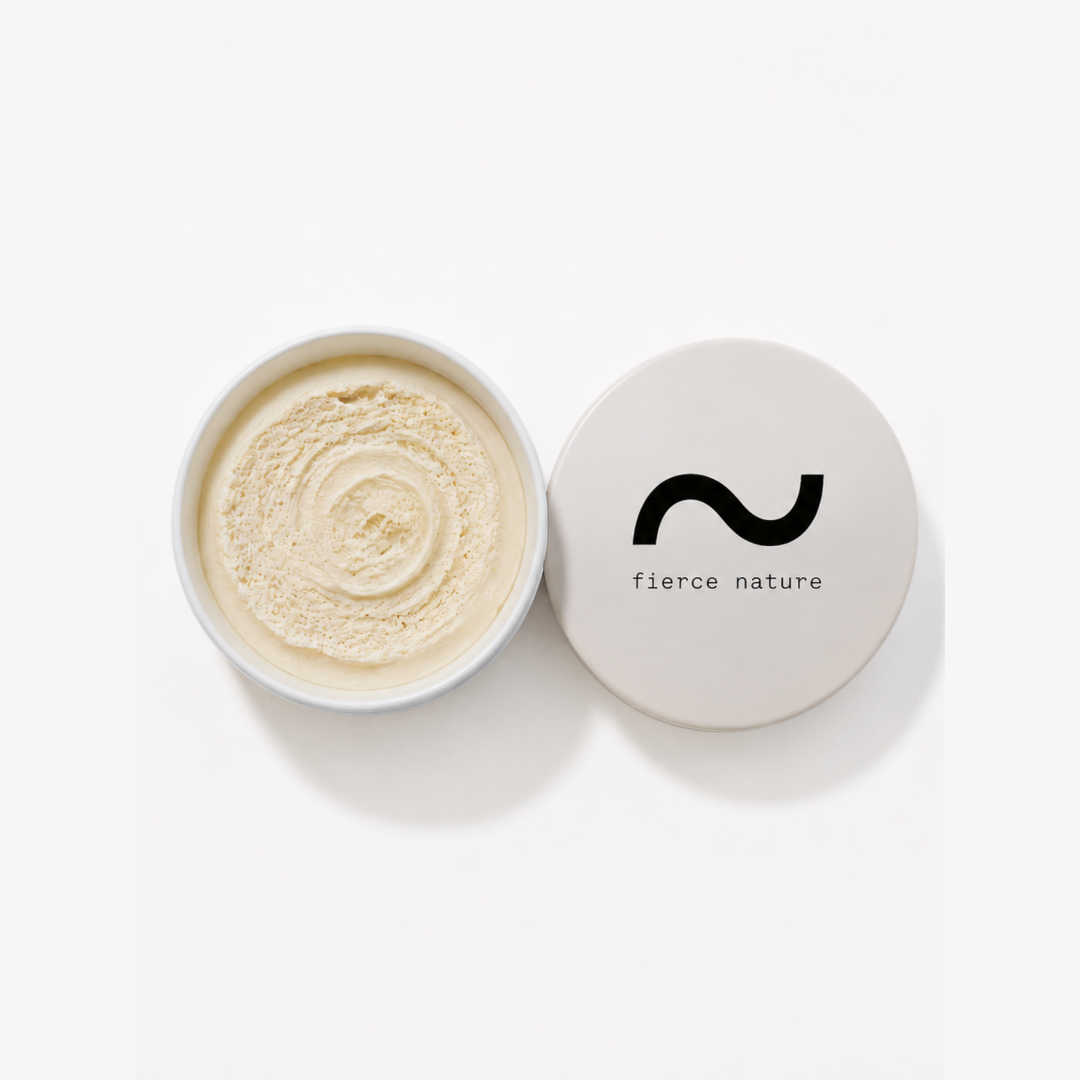
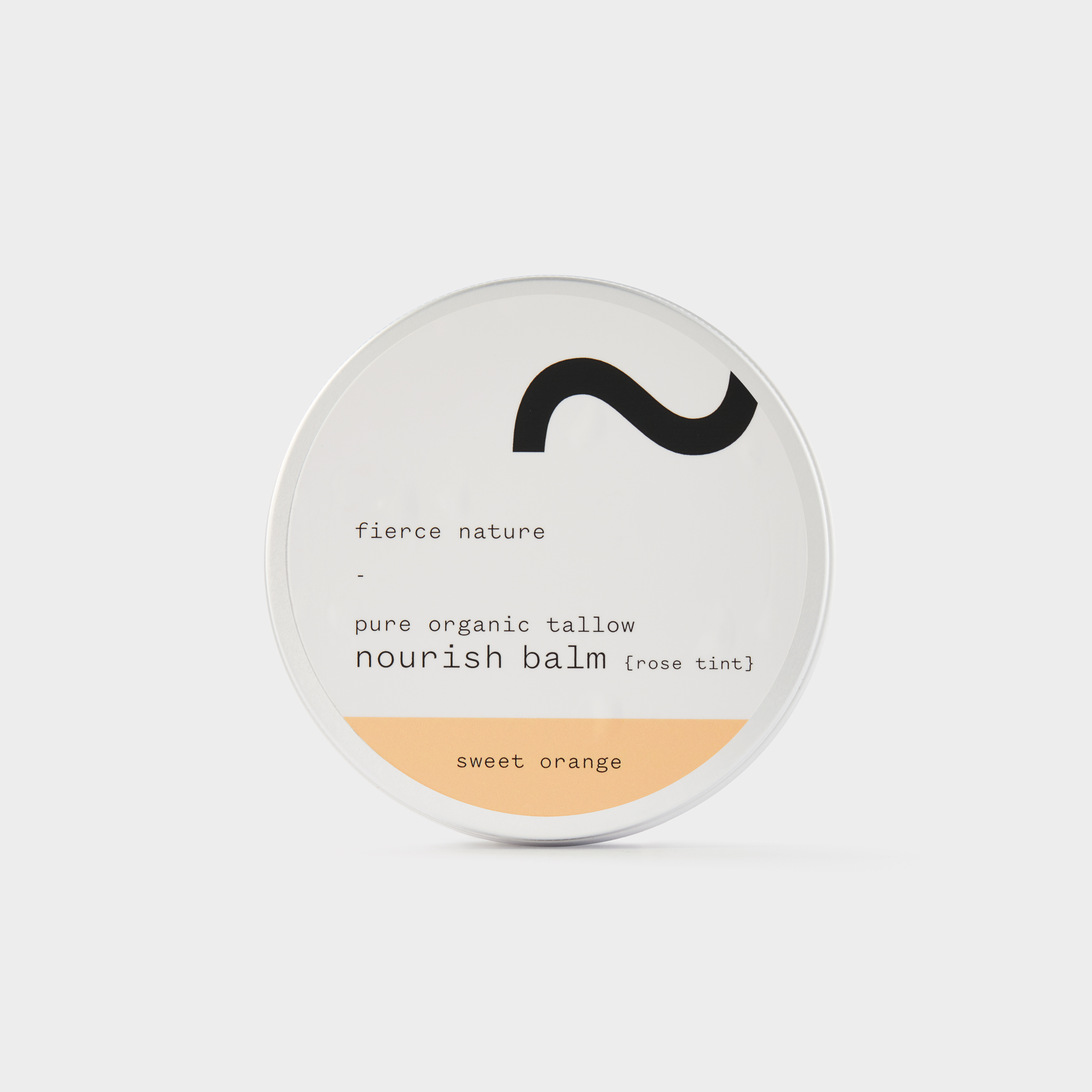
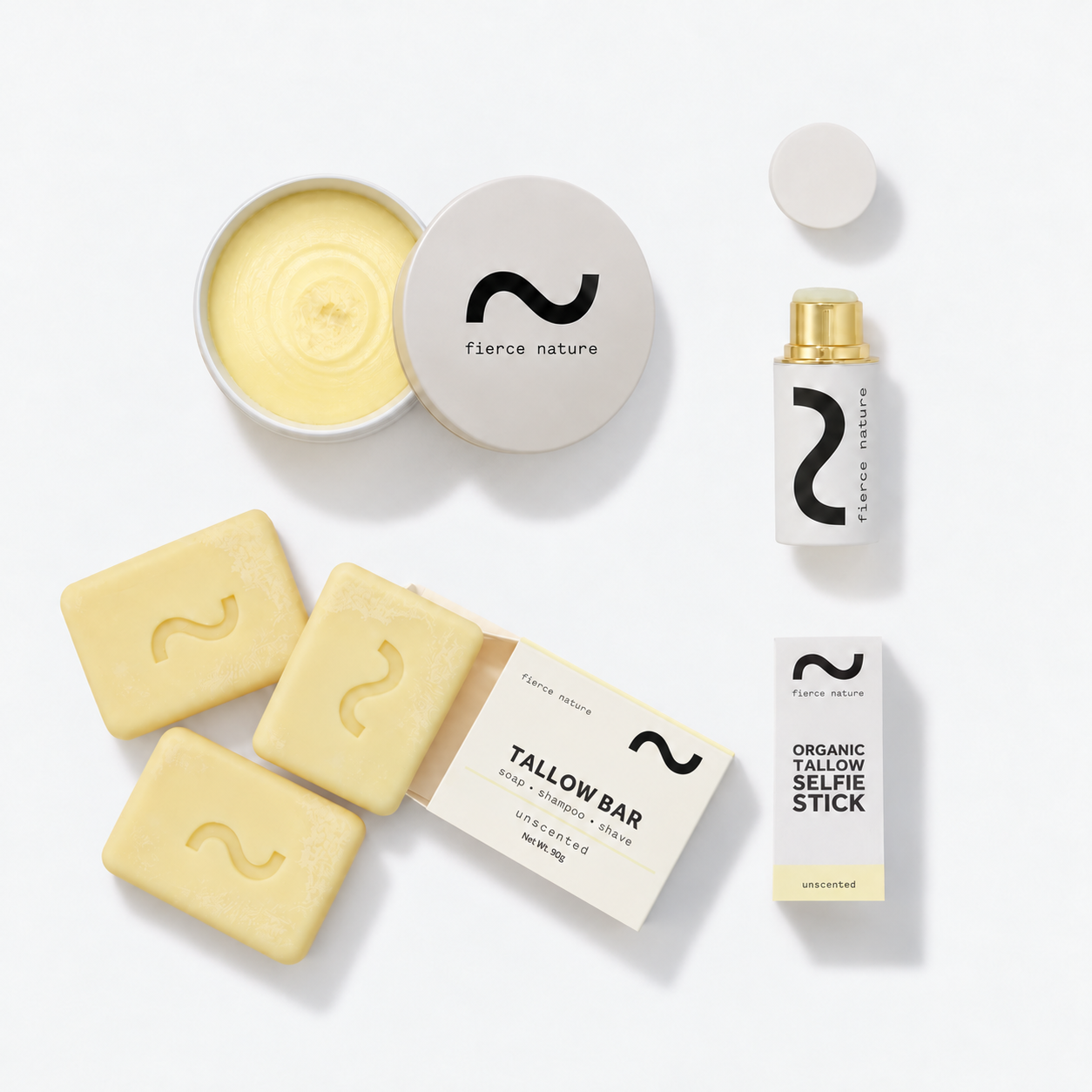
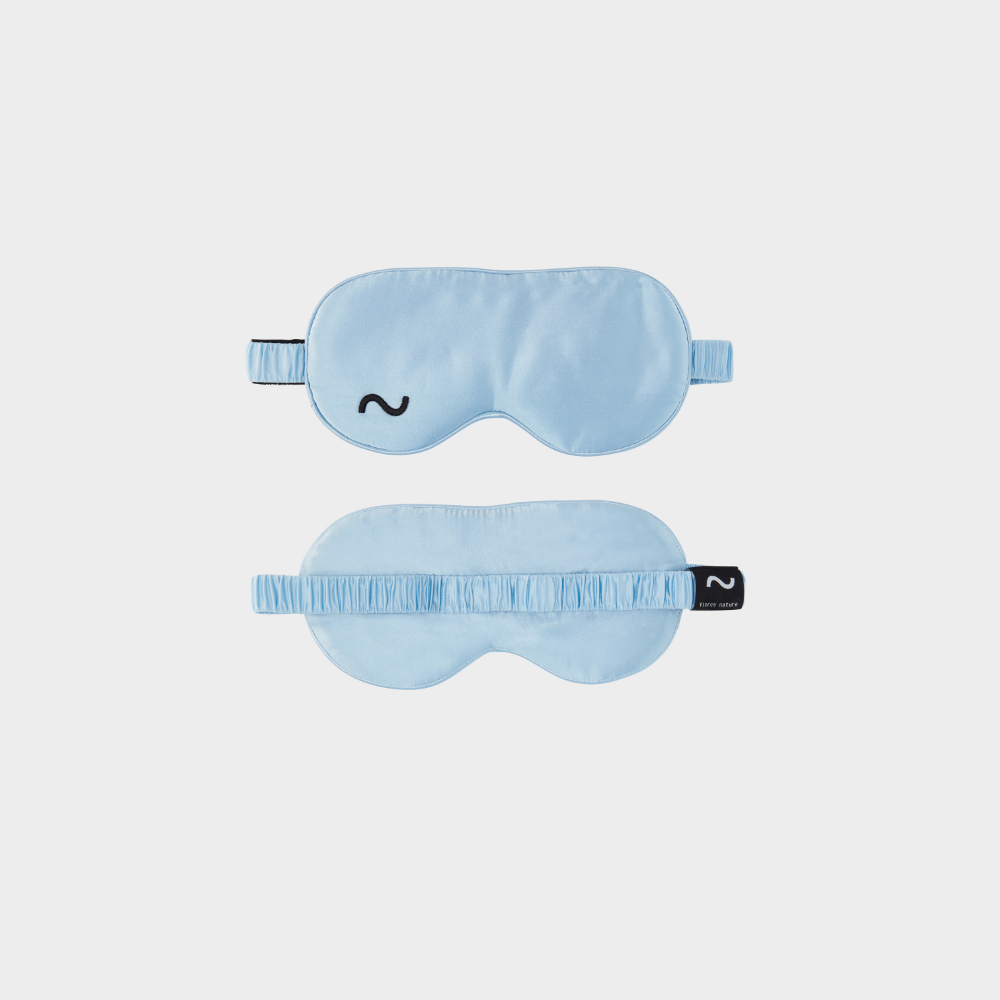





Facial cupping has become an increasingly popular addition to natural skincare routines, offering a gentle, hands-on approach to facial massage, relaxation and skin radiance. Inspired by traditional cupping practices, this technique uses small silicone cups to create light suction against the skin, helping to temporarily stimulate surface circulation and provide a soothing massage.
From puffy-looking cheeks to tension around the jawline, facial cupping appeals to those looking for a simple way to care for their skin without relying on complicated beauty routines.
But what exactly is facial cupping? Does it really help sculpt the face? And how can you use facial cups safely at home?
At Fierce Nature, we believe that skincare should be thoughtful, uncomplicated and centred around nourishing the skin. Our Fierce Nature Facial Cup Set is designed to make facial massage an accessible part of your self-care routine.
In this comprehensive guide, we'll explore how facial cupping works, its potential benefits, the differences between facial cupping and gua sha, common mistakes to avoid and how to incorporate this traditional technique into a modern skincare routine.
What is facial cupping? Facial cupping is a traditional-inspired skincare technique that uses gentle suction from silicone cups to massage the face and temporarily stimulate surface circulation.
What are the benefits of facial cupping? It may help skin appear refreshed, provide a relaxing facial massage and temporarily improve the appearance of mild puffiness. Long-term lifting and anti-ageing benefits are not scientifically established.
Does facial cupping help sculpt your face? Facial cupping may temporarily improve the appearance of facial contours, but it cannot permanently reshape cheekbones, tighten loose skin or remove facial fat.
How do you use facial cups? Apply a suitable facial oil or balm, use very light suction and gently glide the cups across the cheeks, jawline and forehead. Never leave the cups stationary.
How often should you do facial cupping? There is no scientifically established ideal frequency. Beginners should start with a brief session and monitor their skin's response before repeating.
Is facial cupping safe? It can cause bruising or irritation if used incorrectly. Avoid using facial cups over active acne, rosacea, broken capillaries, inflamed skin or recently treated areas.
What products do you need? A flexible silicone facial cupping set and a suitable facial oil or balm to help the cups glide comfortably.
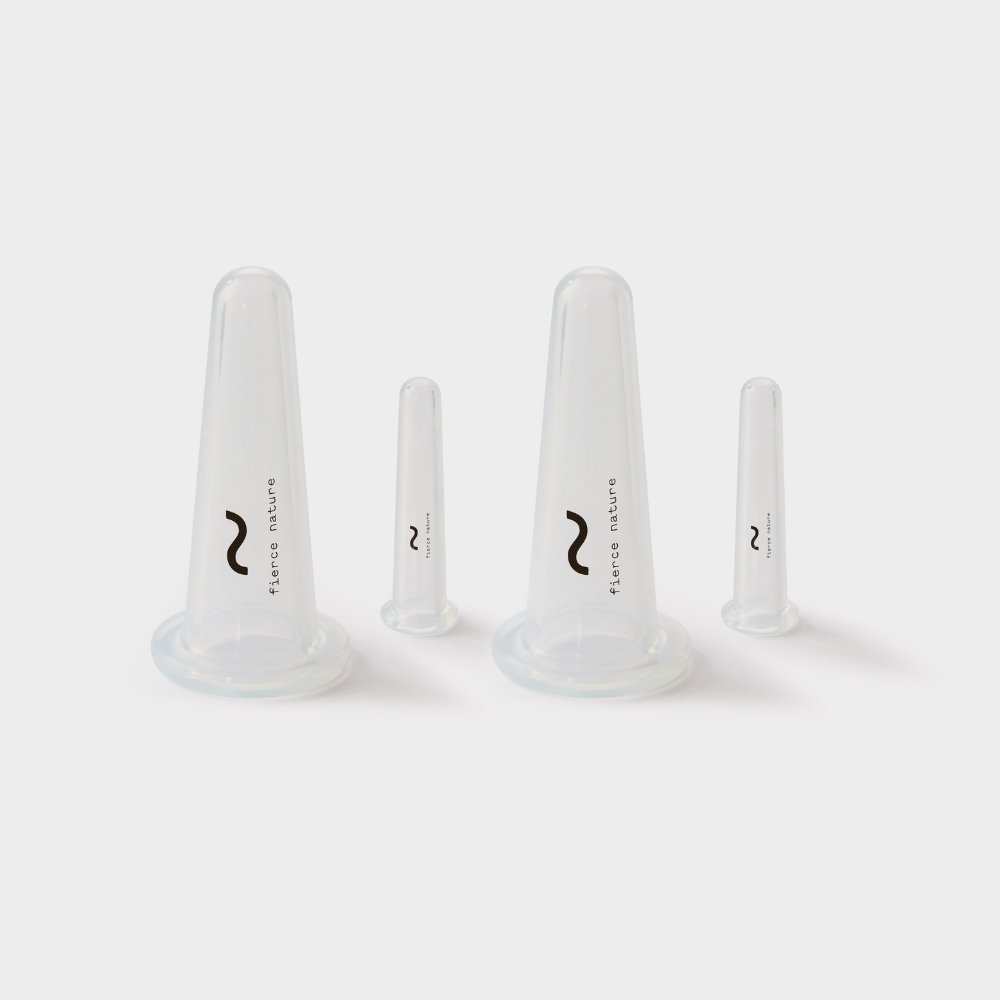
Where can you get started? The Fierce Nature Facial Cup Set includes two large and two small silicone cups for a simple at-home facial massage routine.
What Is Facial Cupping?
How Does Facial Cupping Work?
The Potential Benefits of Facial Cupping
Facial Cupping for Puffiness and Lymphatic Drainage
Can Facial Cupping Help Sculpt Your Face?
Facial Cupping vs Gua Sha: What's the Difference?
How to Do Facial Cupping at Home
How Often Should You Do Facial Cupping?
Common Facial Cupping Mistakes to Avoid
Is Facial Cupping Safe for Every Skin Type?
Choosing the Right Facial Cupping Set
Why Use a Balm or Oil for Facial Cupping?
Building a Natural Facial Cupping Skincare Routine
Frequently Asked Questions
Final Thoughts
Facial cupping is a massage technique that uses small, flexible cups to create gentle suction on the surface of the skin. The cups are typically made from silicone and are designed to move across the contours of the face with the help of a suitable facial oil or balm.
Unlike traditional body cupping, which may involve stronger suction and cups left in place, cosmetic facial cupping generally uses lighter pressure and continuous movement.
The technique is inspired by cupping practices associated with Traditional Chinese Medicine, although modern cosmetic facial cupping is primarily used as a beauty and relaxation treatment.
During a facial cupping session, the cup is gently squeezed and placed against the skin. Releasing the pressure creates suction, allowing the cup to grip the skin lightly. It is then glided across the face in controlled movements.
These movements can provide a relaxing massage and may temporarily increase blood flow near the skin's surface.
Although both techniques use suction, their purposes and application differ.
| Facial Cupping | Traditional Body Cupping |
|---|---|
| Uses smaller cups | Typically uses larger cups |
| Applies very light suction | May use stronger suction |
| Cups are generally kept moving | Cups may remain stationary |
| Focuses on cosmetic massage | Used in various traditional therapeutic practices |
| Aims to minimise marks | Can leave circular marks |
Facial skin is comparatively delicate, so the amount of suction matters. Even light facial cupping can cause redness or bruising if performed incorrectly.
The aim is not to pull the skin aggressively but to create a comfortable, controlled massage.
Facial cupping works by creating negative pressure, or suction, between the cup and the skin.
When a silicone cup is squeezed and released against the face, it gently lifts the superficial tissue. Moving the cup creates a different mechanical sensation from conventional facial massage, which usually involves pressing or stroking the skin with the fingers.
One of the most commonly discussed effects of facial cupping is increased local blood circulation.
The suction and movement may temporarily increase blood flow in the treated area, sometimes creating a mild pink appearance.
This temporary increase in surface circulation may contribute to the refreshed appearance some people notice after a session.
However, increased redness or circulation does not necessarily mean that the skin is producing more collagen, repairing itself faster or reversing ageing.
The face contains numerous muscles involved in everyday expressions, including smiling, speaking, chewing and frowning.
Gentle massage around areas such as the jaw, cheeks and forehead can feel relaxing, particularly after a long day.
Facial cupping provides one method of massage, although scientific evidence specifically examining its effects on facial muscle tension remains limited.
Collagen is an important structural protein that contributes to skin firmness and elasticity.
Facial cupping is sometimes marketed as a treatment that stimulates collagen production. However, there is currently insufficient high-quality clinical evidence to establish that at-home facial cupping meaningfully increases collagen or produces lasting improvements in skin firmness.
It is therefore more accurate to view facial cupping as a cosmetic massage technique rather than a proven collagen-boosting treatment.
Facial cupping is often associated with glowing skin, reduced puffiness and a more defined-looking complexion.
Some of these effects may be temporary and individual results can vary.
Gentle suction may temporarily increase superficial blood flow, which can make the skin appear slightly pinker or more refreshed.
When combined with a moisturising balm, facial cupping can also leave the skin looking smoother and more luminous.
This makes it an appealing addition to a relaxing evening skincare routine.
Mild facial puffiness can be influenced by sleep, salt intake, allergies and normal changes in fluid distribution.
Gentle facial massage may temporarily improve the appearance of some mild puffiness, although direct research into facial cupping for this purpose is limited.
Persistent, painful or sudden swelling should not be treated with facial cupping and may require medical assessment.
Facial cupping encourages slow, deliberate movements across the face.
For some people, this can provide a relaxing sensation, particularly around the cheeks and jawline.
The process also encourages a few minutes of uninterrupted self-care, which may be beneficial for general relaxation.
Some people report that their face looks more defined immediately after facial massage.
This may relate to temporary changes in puffiness, skin appearance or lighting rather than any permanent alteration to facial structure.
Facial cupping cannot change the position of your cheekbones, remove facial fat or permanently tighten loose skin.
One of the practical advantages of facial cupping is its simplicity.
With a suitable set of facial cups and a compatible skincare product, it can be incorporated into an existing routine without introducing numerous new steps.
One of the most popular reasons people try facial cupping is to address a puffy-looking face.
The lymphatic system is part of the body's natural fluid-balance and immune processes. It helps transport fluid from tissues back into circulation.
Unlike the cardiovascular system, which uses the heart to pump blood, lymphatic fluid moves through mechanisms that include muscle movement, breathing and vessel contractions.
Facial cupping is often described as a lymphatic drainage treatment.
However, it is important to distinguish between general facial massage and professionally performed manual lymphatic drainage, which is a specialised technique.
There is limited clinical evidence that cosmetic facial cupping significantly increases lymphatic drainage or removes toxins from the face.
The body's liver, kidneys and other systems are responsible for processing and eliminating waste products.
Facial cupping should not be considered a detoxification treatment.
Common situations include:
After a poor night's sleep
Following a salty meal
During normal hormonal fluctuations
After travelling
During periods of temporary fluid retention
For mild everyday puffiness, gentle massage may feel pleasant, but results should not be expected to be dramatic or permanent.
If swelling is persistent, one-sided, painful or accompanied by other symptoms, seek medical advice rather than attempting to massage it away.
The idea of achieving a naturally sculpted jawline and lifted cheekbones is one of the biggest attractions of facial cupping.
But can a silicone cup actually reshape your face?
The visible contours of the face depend on several factors, including:
Bone structure
Facial fat distribution
Skin elasticity
Muscle anatomy
Age-related changes
Temporary fluid retention
Facial cupping does not change bone structure or redistribute facial fat.
However, if the face appears temporarily puffy, gentle massage may create a subtle change in its appearance.
The jawline is a common area for facial massage.
A large facial cup can be moved gently from the chin towards the area in front of the ear, provided the skin is well lubricated.
The movement should be slow, controlled and comfortable.
While this can feel relaxing, there is no strong evidence that it permanently defines the jawline.
The cheeks are another popular area because they provide a relatively broad surface for the larger cups.
Light outward movements can be used across the cheeks without pulling aggressively on the skin.
Avoid excessive suction, especially if you are prone to redness, bruising or visible broken capillaries.
The forehead is an area where people may hold tension during concentration or facial expressions.
Gentle massage can feel soothing, but facial cupping has not been proven to eliminate forehead wrinkles or expression lines.
Facial cupping and gua sha are often discussed together because both are inspired by traditional practices and have become popular in modern skincare.
However, they use different techniques.
| Feature | Facial Cupping | Facial Gua Sha |
|---|---|---|
| Tool | Silicone suction cups | Smooth-edged stone or other tool |
| Technique | Gentle suction and gliding | Gentle scraping or stroking |
| Sensation | Light lifting and pulling | Smooth pressure across the skin |
| Lubrication | Needed for comfortable gliding | Usually recommended |
| Main cosmetic use | Facial massage and relaxation | Facial massage and relaxation |
| Potential risks | Bruising, irritation, broken capillaries | Irritation or bruising from excess pressure |
Neither technique has strong clinical evidence showing that it permanently lifts the face or reverses ageing.
The better choice depends on personal preference, skin tolerance and the sensation you enjoy.
Facial cupping may appeal to people who prefer gentle suction, while gua sha may suit those who prefer a smooth massage tool.
Both should be used carefully, particularly on sensitive or reactive skin.
Learning how to use facial cups correctly is essential for avoiding unnecessary irritation.
If you are new to facial cupping, start with minimal suction and a short session.
Before beginning, prepare:
A clean facial cupping set
A gentle facial cleanser
A suitable facial oil or balm
A clean towel
A mirror
Clean hands
The Fierce Nature Facial Cup Set contains two larger cups and two smaller cups, allowing you to select an appropriate size for different facial areas.
Start by washing your face with a gentle cleanser to remove makeup, sunscreen, excess oil and everyday impurities.
Pat the skin dry with a clean towel.
Avoid facial cupping immediately after strong exfoliating treatments or when your skin feels irritated.
Apply enough suitable oil or balm to allow the cups to glide smoothly.
This step is particularly important because dragging a suction cup across dry skin can cause unnecessary friction.
A moisturising balm may help create a smoother surface for massage.
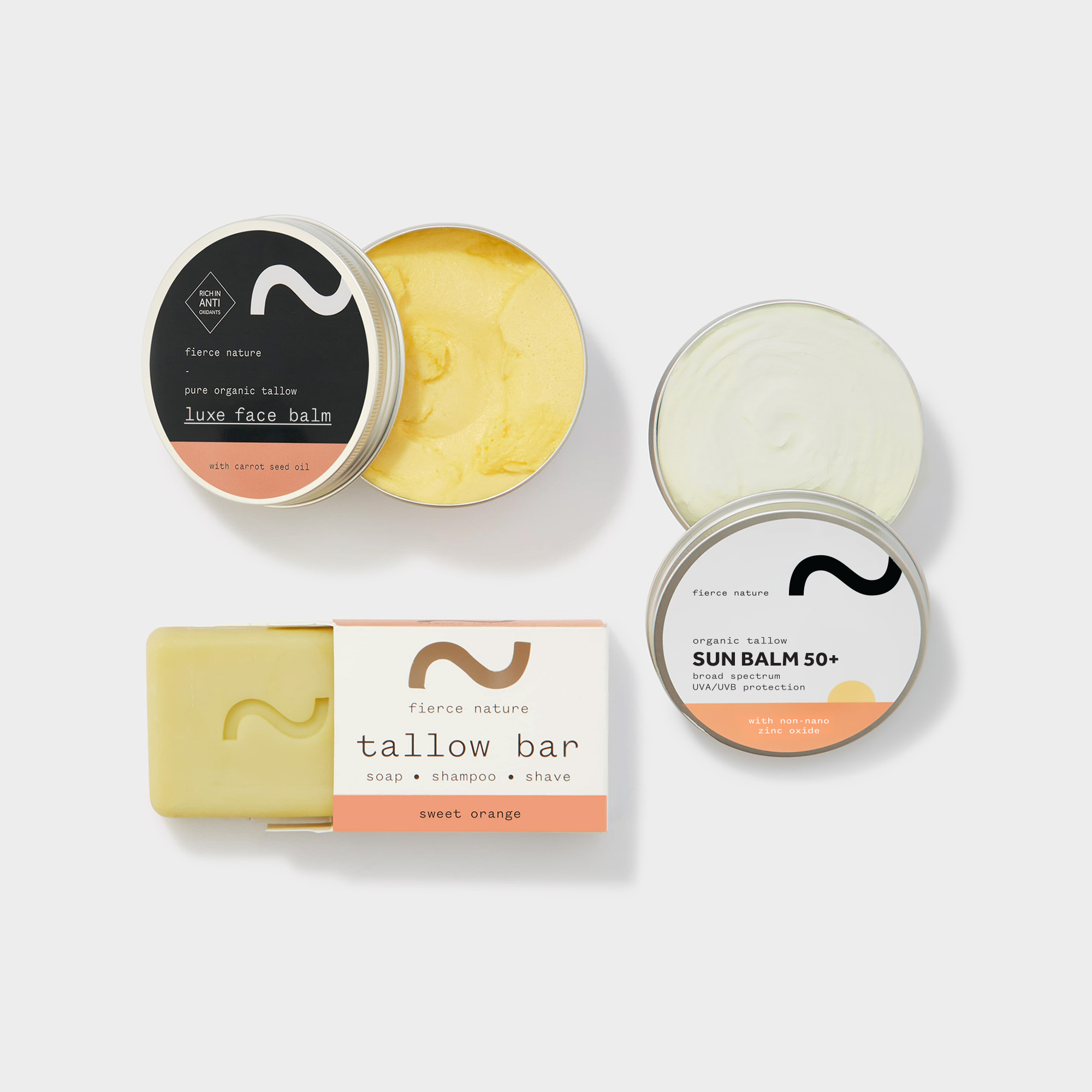
For those who enjoy tallow-based skincare, a suitable Fierce Nature Tallow Balm may be an option, provided it agrees with your skin and offers sufficient slip.
Always patch-test unfamiliar skincare products before using them across the face.
Gently squeeze the large cup and place it against a well-lubricated area of the cheek.
Release only enough pressure to create very light suction.
Slowly glide the cup outward towards the ear.
Use your free hand to support the skin if necessary.
If the cup feels difficult to move, release the suction and add more lubricant rather than pulling harder.
Place the cup near the centre of the chin and glide gently along the jawline towards the ear.
Keep the pressure light.
Avoid pressing or cupping directly over painful, swollen or irritated areas.
Use light suction on the forehead and glide the cup from the centre outwards towards the temples.
Avoid repeated passes over the same area if redness begins to develop.
The skin around the eyes is particularly delicate.
Although smaller facial cups are often marketed for the eye and lip areas, beginners should avoid direct cupping on the eyelids, immediately beneath the eyes and on the lips.
These areas are more vulnerable to bruising and irritation.
If you wish to treat delicate areas, seek guidance from a suitably qualified professional before attempting it at home.
Release the suction fully before removing the cup.
After your session, gently remove any excess skincare product if needed.
Wash the cups according to the manufacturer's care instructions and allow them to dry completely before storage.
Never share unclean facial cups with another person.
Use the lightest effective suction.
Keep the cup moving.
Never leave a cup attached to one area of the face.
Stop immediately if you experience pain, bruising or significant redness.
Avoid broken skin, inflamed spots and irritated areas.
Do not cup over prominent blood vessels or visible broken capillaries.
There is no scientifically established ideal frequency for cosmetic facial cupping.
Although some beauty routines recommend several sessions per week, this is not a clinically validated schedule.
For beginners, a cautious approach is to try a short session, then allow time to assess how the skin responds.
First session: Try a very brief massage on a small, less sensitive facial area.
After the first session: Observe the skin for irritation, prolonged redness or bruising.
Future sessions: Only repeat the technique if your skin tolerates it comfortably, avoiding frequent or prolonged use.
More suction, longer sessions and more frequent treatments do not necessarily produce better results.
Using facial cups incorrectly can increase the likelihood of bruising and irritation.
Strong suction is unnecessary for a cosmetic facial massage.
It can damage small blood vessels and increase the risk of bruising.
Better approach: Start with very light suction and release the cup if it feels uncomfortable.
Without adequate lubrication, silicone cups may drag against the skin.
This can create unnecessary friction and irritation.
Better approach: Use a suitable balm or facial oil to help the cups glide smoothly.
Stationary suction increases the risk of visible marks.
Better approach: Keep the cup moving and release it before stopping.
Using suction over inflamed acne, open spots or broken skin may worsen irritation.
Better approach: Avoid affected areas and wait until the skin has recovered.
Facial cupping is sometimes presented as a substitute for cosmetic lifting treatments.
However, there is insufficient evidence that it permanently reduces wrinkles, reshapes facial contours or increases collagen.
Better approach: Treat facial cupping as an optional massage ritual rather than a guaranteed anti-ageing solution.
Facial cupping is not suitable for everyone.
Even when performed gently, suction can cause bruising, redness, irritation and broken capillaries.
If your skin reacts easily to pressure, friction or skincare products, facial cupping may cause irritation.
Consider avoiding the technique or consulting a dermatologist before trying it.
People with rosacea often experience flushing, redness and heightened skin sensitivity.
Suction may aggravate these symptoms.
Facial cupping is generally best avoided on rosacea-affected areas unless a dermatologist advises otherwise.
Avoid cupping over active inflammatory acne, painful spots or broken skin.
The combination of suction and friction may worsen discomfort.
Ageing skin may be thinner or more prone to bruising.
Anyone with fragile skin should be particularly cautious, and some people may be better off avoiding suction-based facial massage altogether.
Do not use facial cups over sunburn, eczema flares, infections, unexplained swelling or recently injured skin.
Seek professional medical advice before facial cupping if you have a bleeding disorder, take blood-thinning medication, bruise easily or have recently undergone cosmetic procedures such as fillers, injectables, laser treatments or surgery.
Not all facial cups are the same.
When selecting a set for home use, consider the material, size, flexibility and ease of cleaning.
A flexible silicone cup allows the user to control suction by gently squeezing and releasing the material.
A cup that is too rigid or difficult to control may be less suitable for beginners.
Facial contours vary considerably.
Larger cups are generally more practical for broader areas such as the cheeks and forehead.
Smaller cups may be designed for more targeted use, although extra caution is required around delicate skin.
Because facial cups come into direct contact with skincare products and skin, hygiene matters.
Choose cups that can be cleaned thoroughly and dried between uses.
A reusable pouch can help keep the cups organised when they are clean and completely dry.
At Fierce Nature, we favour practical skincare tools that complement simple, considered routines.
Our Fierce Nature Facial Cup Set includes:
Two large silicone cups: Designed for broader facial areas, including the cheeks, jawline and forehead.
Two small silicone cups: Intended for smaller areas, where especially careful use is required.
A reusable organic cotton pouch: For convenient storage.
The flexible silicone design makes it possible to control the suction with a gentle squeeze.
Whether you're exploring facial massage for the first time or looking to simplify your existing routine, the set offers a practical way to incorporate facial cupping into your skincare ritual.
One of the most important parts of facial cupping is preparing the skin properly.
Without adequate lubrication, the cups may pull or drag across the surface.
A suitable balm or oil can help reduce friction and make the massage more comfortable.
Facial oils are often used because they spread easily and can provide a smooth surface for gliding movements.
Choose a formula appropriate for your skin type and avoid ingredients that you know cause irritation.
Balms tend to have a richer texture than many facial oils.
Depending on their formulation, they may help provide both lubrication and moisturising benefits.
However, not every balm is suitable for facial cupping. Some may be too thick or tacky to allow the cup to move freely.
Tallow-based balms are often used as rich moisturisers.
If a particular tallow balm is well tolerated by your skin and provides sufficient slip, it may be suitable for gentle facial massage.
However, tallow is not clinically proven to enhance facial cupping results, and individual skin tolerance varies.
Fierce Nature's tallow-based skincare can be considered as part of a minimalist routine, but the priority should always be comfort, adequate lubrication and avoiding irritation.
Facial cupping works best as an optional addition to a sensible skincare routine, rather than a replacement for essential skincare habits.
Begin with a cleanser that removes daily impurities without leaving the skin feeling excessively tight or dry.
Apply a suitable moisturiser or balm to support the skin barrier.
Healthy skin-barrier function is important for maintaining hydration and limiting irritation.
If your skin tolerates facial cupping, perform a brief session using light suction and adequate lubrication.
Avoid cupping on days when the skin is irritated or unusually sensitive.
For daytime skincare, finish with a broad-spectrum sunscreen offering at least SPF 30.
Sun protection has substantially stronger evidence for helping prevent premature photoageing than cosmetic facial cupping.
You do not need an elaborate skincare routine to care for your skin.
Gentle cleansing, moisturising, sun protection and products suited to your individual needs are more important than following every new beauty trend.
Facial cupping can provide a form of facial massage and may temporarily increase superficial blood flow. Some people notice a refreshed appearance after treatment. However, high-quality research demonstrating lasting cosmetic benefits is limited.
There is insufficient clinical evidence that facial cupping permanently reduces wrinkles or reverses skin ageing. Any temporary smoothing effect should not be confused with structural changes to the skin.
Facial cupping has not been shown to remove fat beneath the chin or permanently change facial contours. It should not be considered a treatment for a double chin.
Gentle facial massage may temporarily affect the appearance of mild puffiness, but evidence specifically supporting facial cupping is limited. Persistent or unexplained facial swelling should be medically assessed.
Facial cupping should not be painful. Strong pulling, discomfort or significant redness may indicate excessive suction. Stop immediately if you experience pain.
Yes. Suction can break small blood vessels beneath the skin and cause bruising, even when using smaller facial cups. Light suction and continuous movement may reduce the risk but cannot eliminate it.
Some people notice temporary redness or a refreshed appearance immediately after massage. There is no established timeline for lasting cosmetic improvements because these benefits have not been reliably demonstrated.
Daily facial cupping is not necessary, and there is no established evidence-based schedule. Frequent suction may increase irritation or bruising, particularly in sensitive skin.
There is no proven advantage to either time of day. Choose a time when you can perform the technique gently and monitor how your skin responds.
Using facial cups on dry skin may increase friction and pulling. A compatible oil or balm is generally recommended to help the cups glide comfortably.
Neither technique has been conclusively shown to provide superior long-term anti-ageing or facial sculpting results. The choice depends on personal preference and skin tolerance.
There is not enough high-quality clinical evidence to conclude that cosmetic facial cupping significantly stimulates collagen production in human facial skin.
Facial cupping is not an established acne treatment. Avoid using cups over active acne, inflamed spots or broken skin, as suction and friction may worsen irritation.
Do not perform facial cupping over recently treated areas without clearance from your qualified medical practitioner. Suction and massage may be inappropriate during recovery.
Look for soft, flexible silicone cups that are easy to control, appropriately sized for the face and simple to clean. Beginners should prioritise light suction and safe technique rather than stronger pressure.
Facial cupping offers a distinctive approach to facial massage, combining gentle suction with slow, controlled movements.
Although it is frequently associated with sculpted cheekbones, tighter skin and reduced wrinkles, the scientific evidence for long-term cosmetic improvements remains limited.
Its most realistic appeal lies in the experience of facial massage, the possibility of temporary changes in skin appearance and the opportunity to enjoy a simple self-care ritual.
At Fierce Nature, we believe that caring for your skin does not need to be complicated.
A thoughtful routine built around gentle cleansing, moisturising, sun protection and suitable skincare tools can help you focus on what your skin actually needs.
If you would like to explore facial cupping at home, discover the Fierce Nature Facial Cup Set, featuring flexible silicone cups and a reusable cotton storage pouch.
Explore the Fierce Nature Facial Cup Set and discover a gentler approach to your facial massage routine.
Disclaimer: This article provides general skincare information and is not a substitute for medical advice. Cosmetic facial cupping has limited clinical evidence, and results vary. Consult a qualified healthcare professional if you have a skin condition, recent cosmetic treatment or concerns about whether facial cupping is appropriate for you.
With the Fierce Nature Facial Cup Set, you can bring this powerful, ancestral practice into your own hands — and transform your skincare routine into a self-respect, sculpting, and radiance.






Ava Lee —
Facial cupping is a brilliant way to sculpt and glow naturally! Loved the detailed guide—perfect for anyone exploring natural skincare routines. For more insights into health and beauty, reliable resources are always handy.