Cart
0
80% Also Added this







TL;DR:
Skincare tools improve cleansing, absorption, and treatment at home, with the market exceeding £76 billion by 2026.
Effective tools include sonic cleansers for deep dirt removal and LED devices for collagen and bacteria control, with proper use yielding measurable results.
Skincare tools are devices designed to improve your routine by enhancing cleansing, treatment delivery, and product absorption. The global at-home skincare device market exceeds £76 billion in 2026, with projected growth of 53% by 2030. That figure reflects a clear shift: people want results they can achieve at home, without clinic appointments. At-home skincare devices, from sonic cleansers to LED masks, are now backed by clinical evidence showing measurable improvements in skin texture, tone, and product absorption. This guide covers the most effective types of skin treatment gadgets, how they work, and how to use them well.
Facial cleansing tools are the most widely used category of at-home skincare devices, and for good reason. Ultrasonic and sonic devices remove up to 99.5% of dirt, oil, and makeup residue, far outperforming manual cleansing. That level of thoroughness means your skin is genuinely clean before serums and moisturisers are applied, which matters more than most people realise.
Sonic cleansing devices enable 98% of people to experience better absorption of skincare products. Better absorption means the nourishing ingredients in your products actually reach the skin layers where they can do their work. Without proper cleansing, even the finest natural balm sits on a layer of residue rather than feeding your skin.
Silicone cleansing tools carry a significant hygiene advantage over nylon-bristled alternatives. Silicone tools are 35 times more hygienic than nylon bristles, reducing the risk of bacterial buildup on the device itself. Nylon bristles trap moisture and dead skin cells between uses, creating conditions where bacteria thrive.
Key benefits of facial cleansing tools:
Remove impurities that manual washing leaves behind
Improve serum and moisturiser penetration after cleansing
Silicone heads resist bacterial growth between uses
Gentle vibration stimulates circulation without harsh scrubbing
Suitable for most skin types, including sensitive skin when used correctly
Pro Tip: Use your cleansing device for no longer than 60 seconds per session. Overuse disrupts the skin barrier, leading to redness and sensitivity rather than the radiant result you are after.
Cleansing tools also boost serum penetration by removing dead cells and surface oils that block absorption. Pairing a clean, well-prepared skin surface with a high-quality serum, such as a hyaluronic serum, maximises the nourishment your skin receives. Think of cleansing as the foundation that every other step in your routine builds upon.
LED light therapy is one of the most clinically studied categories of skin treatment gadgets available for home use. Different wavelengths of light penetrate the skin at different depths, triggering specific biological responses. The key is matching the right wavelength to your skin concern.
Red light, typically in the 630–700 nm range, stimulates collagen production and reduces inflammation. Blue light, at 400–470 nm, kills acne-causing bacteria without the dryness or irritation associated with topical treatments. Near-infrared light penetrates more deeply, supporting tissue repair and reducing redness over time.
Common uses for light-based devices:
Red light: collagen stimulation, fine line reduction, and skin repair
Blue light: acne reduction by targeting bacteria at the skin’s surface
Near-infrared: deeper tissue repair and inflammation control
Combined wavelength masks: address multiple concerns in one session
Effective LED therapy depends on precise light wavelength and irradiance. Affordable devices that do not meet clinical wavelength thresholds fail to produce meaningful results. Before purchasing an LED device, check that the manufacturer publishes the wavelength range and irradiance output. If those figures are not listed, the device is unlikely to deliver the cumulative skin health benefits that consistent LED use can offer.
Frequency matters as much as the device itself. Most LED protocols recommend sessions of 10–20 minutes, three to five times per week, to see cumulative improvement. Results build gradually over weeks rather than appearing overnight. Anyone who is pregnant, taking photosensitising medication, or managing a light-sensitive condition should seek medical advice before using LED devices.
Microcurrent devices deliver low-level electrical currents that mimic the body’s own bioelectrical signals. These currents stimulate the facial muscles, improving tone and definition in a way that is often described as a non-surgical facial workout. Microcurrent devices tone facial muscles and improve skin texture, though medical advice is recommended for pregnant people or those with certain medical conditions.
Radiofrequency (RF) devices work differently. They deliver heat energy into the deeper layers of the skin, stimulating collagen and elastin production. The result is gradual skin tightening and improved texture over a course of treatments. RF is particularly well suited to addressing skin laxity around the jaw, cheeks, and neck.
Benefits of microcurrent and RF devices:
Microcurrent improves muscle tone and facial contour over time
RF stimulates collagen for firmer, smoother skin texture
Both technologies show cumulative results with consistent use
Short sessions of 5–15 minutes fit easily into a weekly routine
Results are subtle and progressive, not dramatic overnight changes
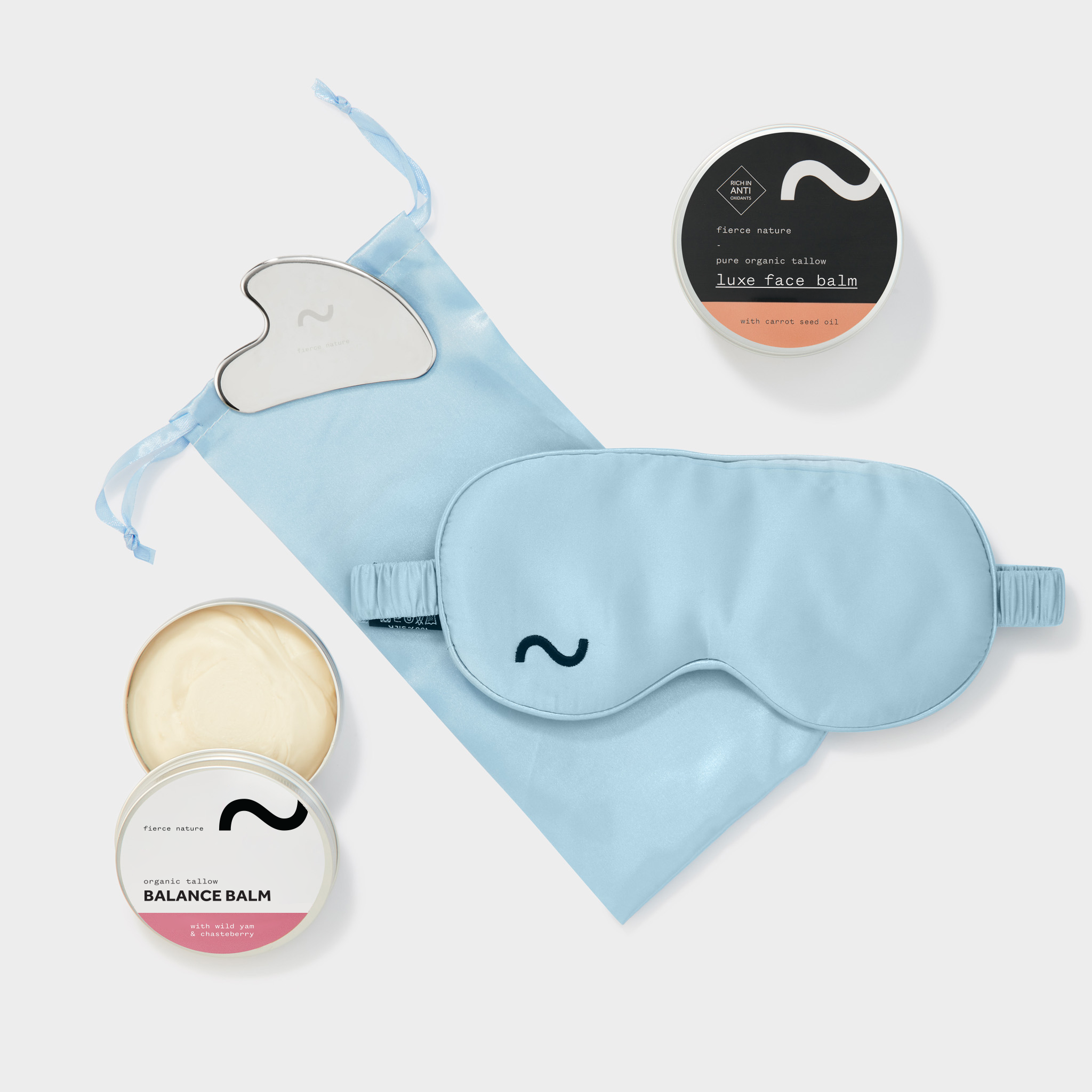
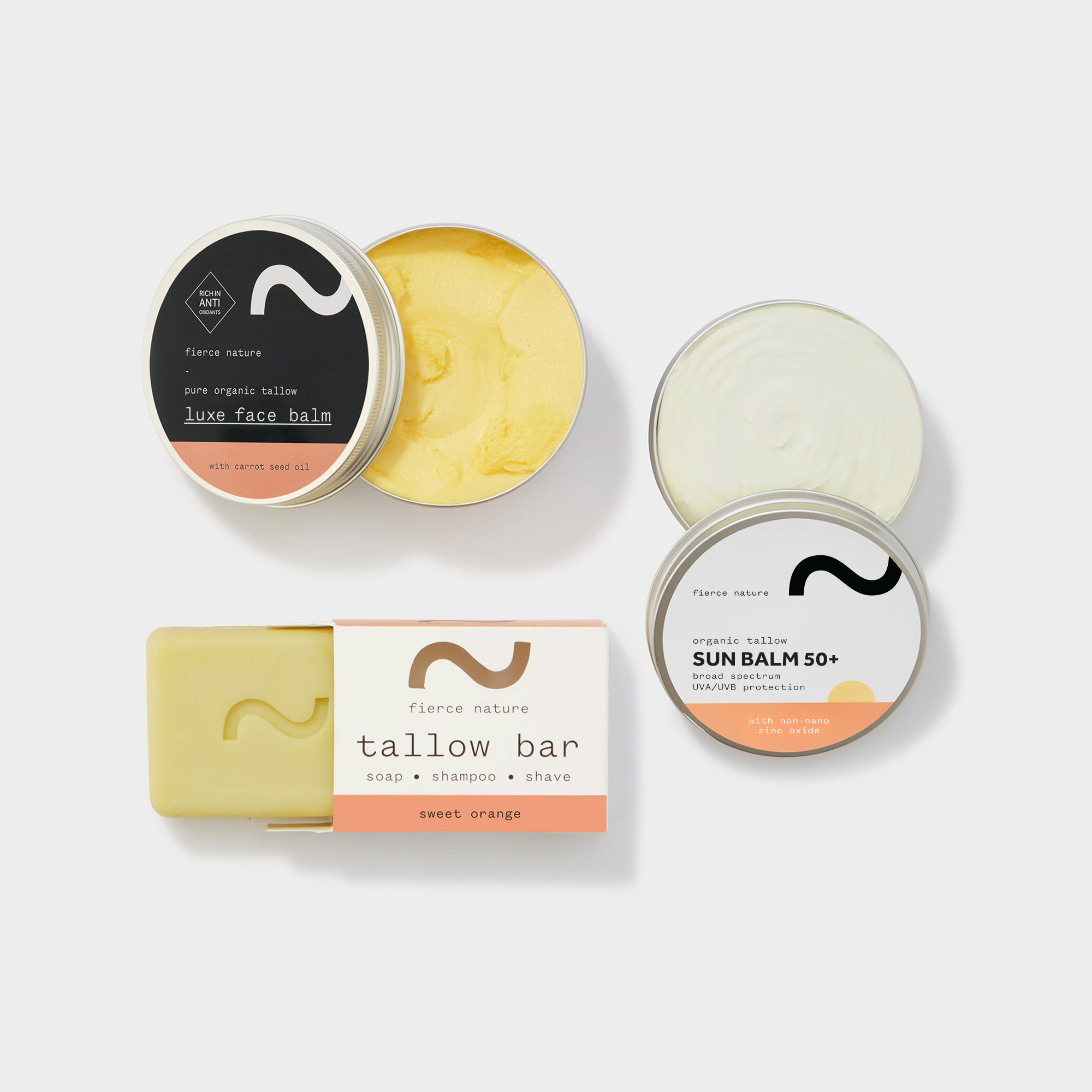
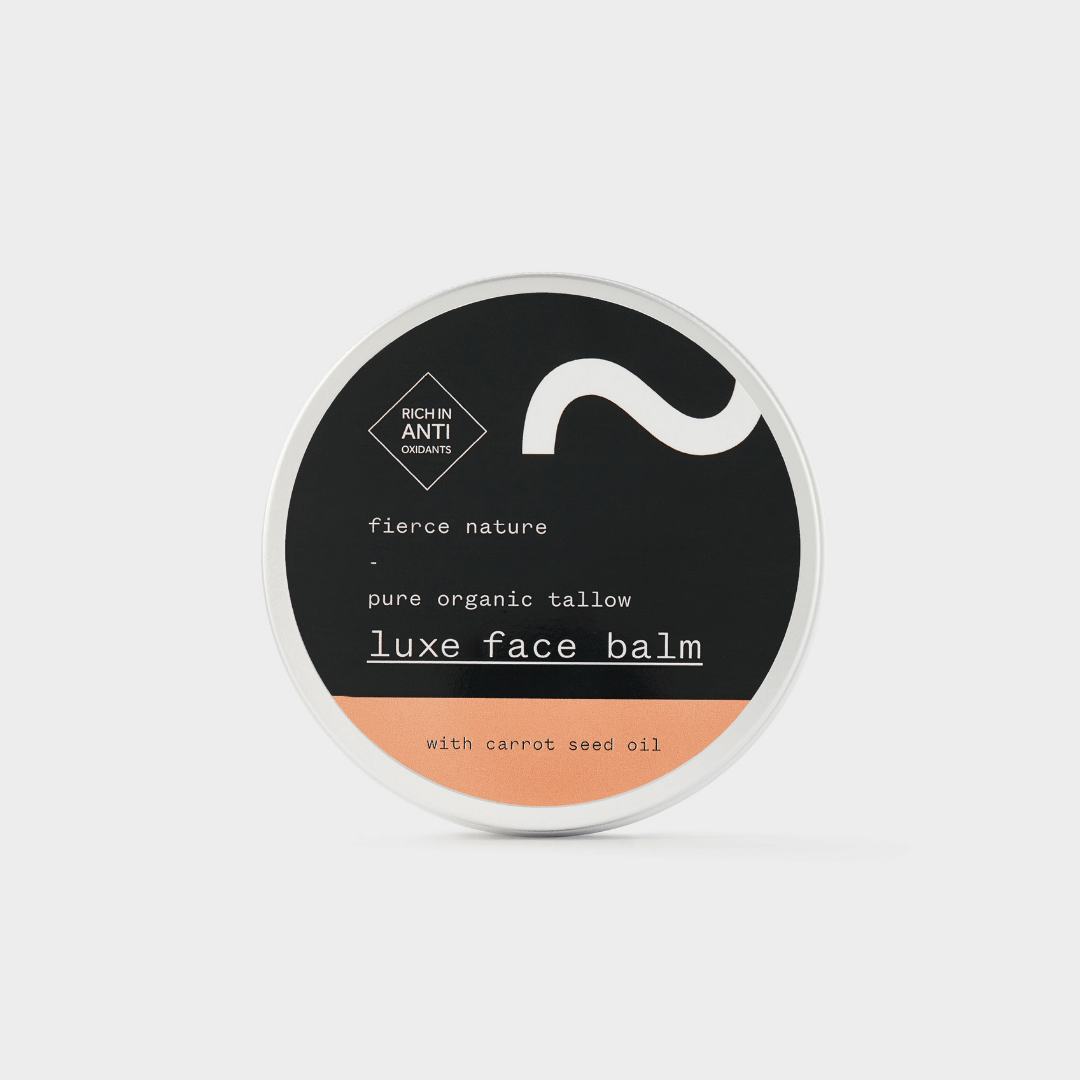
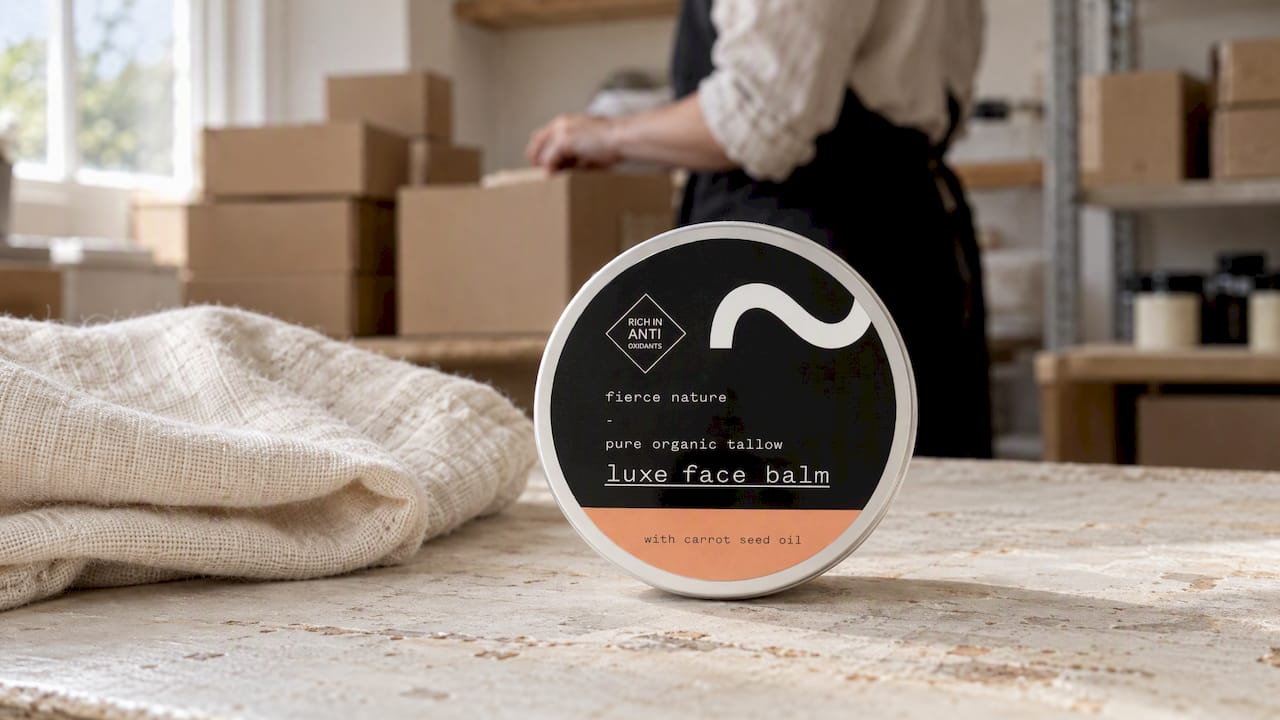
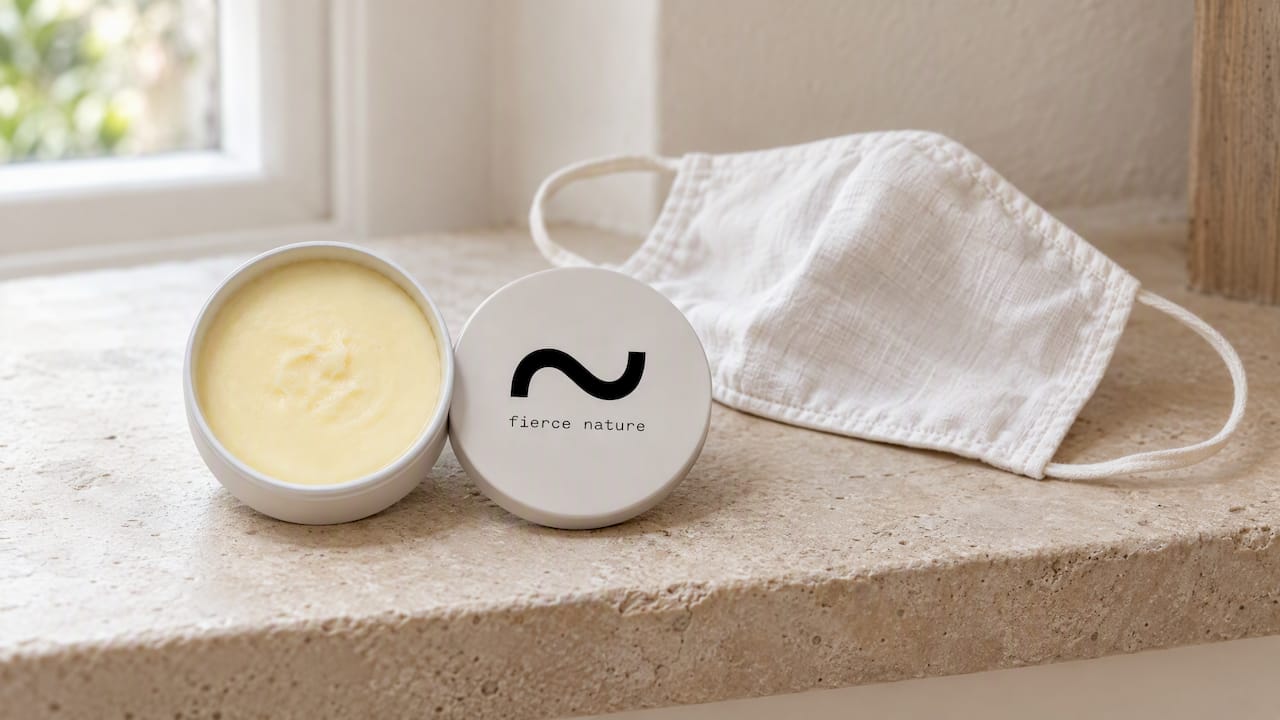
Pro Tip: Apply a conductive gel or a lightweight natural balm before using a microcurrent device. Dry skin increases resistance and reduces the effectiveness of the electrical current. A Luxe Face Balm with nourishing oils can serve as an excellent base that also feeds your skin during treatment.
Ease of use strongly influences how consistently people commit to their devices. A microcurrent tool that requires a 20-step setup will gather dust within a fortnight. Choose a device that fits naturally into your existing routine, and you are far more likely to see the long-term improvements these technologies can deliver.
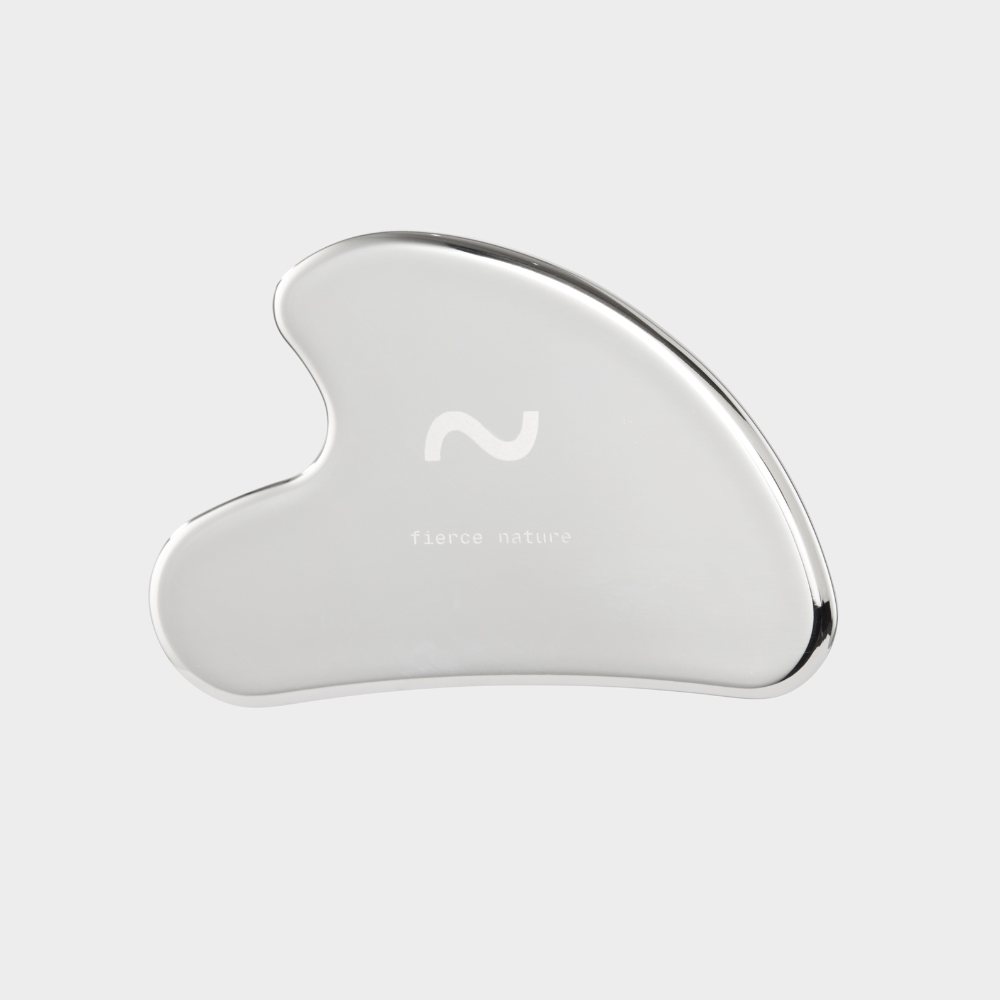
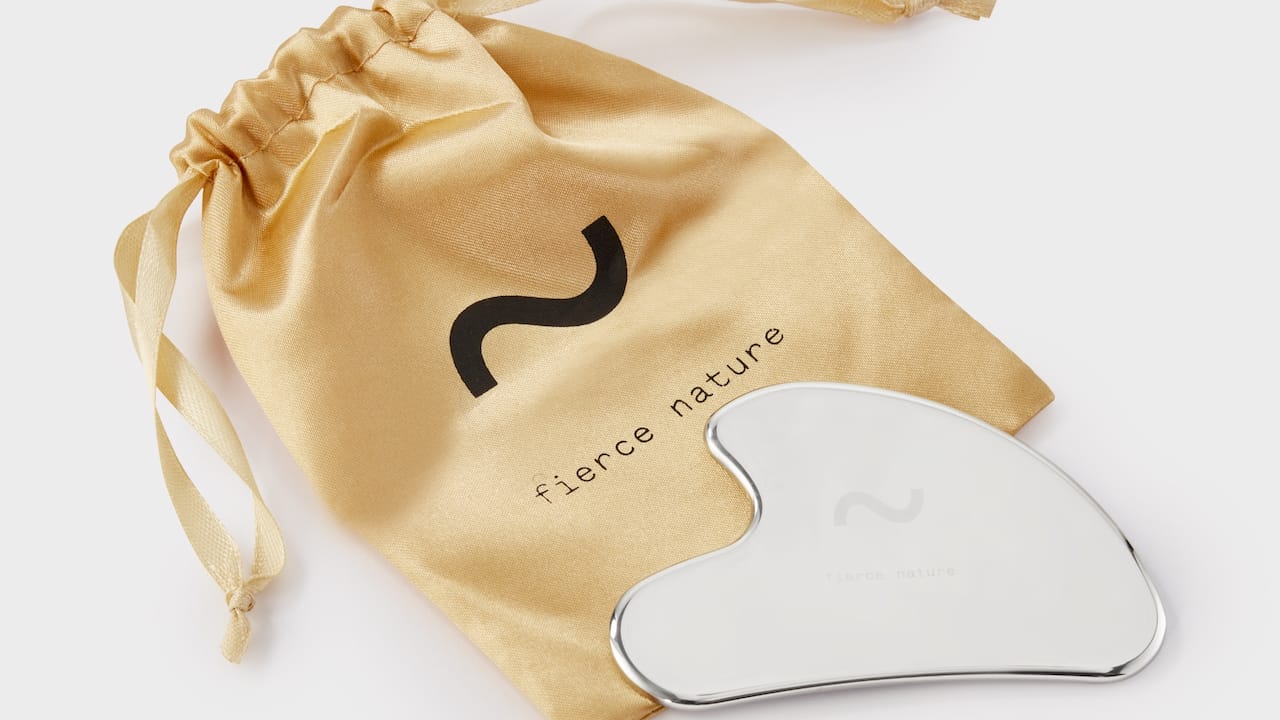
Manual skincare tools do not require charging or settings, yet they deliver real, measurable benefits. Jade rollers, rose quartz rollers, and gua sha stones promote lymphatic drainage and improve circulation when used with consistent, deliberate technique. Better circulation means more oxygen and nutrients reaching skin cells, which supports a naturally healthy glow.

Microneedling pens, also called dermarollers, create micro-channels in the skin’s surface. At-home microdermabrasion can enhance skincare product penetration by up to 20 times. Microneedling works on a similar principle: controlled micro-injury triggers the skin’s repair response and dramatically increases the depth to which serums and balms can penetrate. Pairing a microneedling session with a collagen lift cream amplifies the nourishing effect.
| Tool | Primary benefit | Best suited to |
|---|---|---|
| Jade or rose quartz roller | Lymphatic drainage, depuffing | All skin types, especially morning use |
| Gua sha stone | Circulation, facial contouring | Normal to dry skin, experienced users |
| Microneedling pen | Product absorption, skin repair | Mature or dull skin, not active acne |
| Facial massage tool | Muscle relaxation, circulation | All skin types |
| Konjac sponge | Gentle exfoliation, cleansing | Sensitive and dry skin |
Safe use of manual tools depends on technique. Always apply a natural oil or balm before using a roller or gua sha stone to reduce friction. Use light, upward strokes rather than pressing hard into the skin. Clean every tool after each session with warm water and a gentle cleanser, then allow it to air dry fully before storing.
Choosing the right popular skincare accessories starts with being honest about your skin concerns and your lifestyle. A person managing active acne needs different tools from someone focused on anti-ageing. Matching the tool to the concern prevents wasted investment and reduces the risk of irritation.
Key criteria for selecting a skincare tool:
Skin type: Sensitive skin benefits from silicone cleansers and gentle rollers. Oily or acne-prone skin responds well to blue light and sonic cleansing. Mature skin benefits from microcurrent and RF devices.
Skin goals: Define whether your priority is cleansing, toning, treating acne, or improving texture. One well-chosen tool used consistently outperforms five devices used sporadically.
Ease of use: A device that fits into your existing routine is one you will actually use. Ease of use is a proven driver of long-term commitment and results.
Hygiene requirements: Clean devices after each use to prevent bacteria accumulating on the surface. Silicone tools are easier to clean and resist microbial growth better than bristle-based alternatives.
Budget: Entry-level tools such as rollers and konjac sponges deliver genuine benefits at low cost. Advanced devices such as RF and LED masks require a higher investment but offer clinically supported results.
Pro Tip: Start with one tool and use it consistently for four to six weeks before adding another. Layering multiple new devices at once makes it impossible to know what is working, and increases the risk of overloading your skin.
Regular use of 2–15 minutes several times weekly is the standard protocol for most devices. Skincare tools boost your routine but do not replace the nourishing products your skin depends on. Think of them as the delivery mechanism, and your natural skincare products as the nourishment itself. A well-maintained tool used alongside a clean, ingredient-led product range is the most effective combination. For those building a routine from the ground up, a skincare starter kit is a practical place to begin before adding devices.
The most effective approach to skincare tools is choosing one device matched to your skin concern, using it consistently, and pairing it with clean, nourishing products.
| Point | Details |
|---|---|
| Cleansing tools remove more impurities | Sonic and ultrasonic devices remove up to 99.5% of dirt, far beyond manual cleansing. |
| LED therapy requires the right wavelength | Check that any LED device publishes its wavelength range; inadequate devices produce no measurable results. |
| Microcurrent and RF deliver gradual results | Consistent use over weeks builds cumulative improvements in tone and texture. |
| Manual tools enhance product absorption | Microneedling can increase product penetration by up to 20 times when used correctly. |
| Hygiene determines long-term performance | Clean every tool after each use to prevent bacterial buildup and maintain effectiveness. |
We have watched the skincare device market grow rapidly, and we have also watched people buy impressive-looking gadgets that end up unused after two weeks. The honest truth is that no device replaces the daily discipline of a clean, nourishing routine. Tools amplify what you already do well. They do not compensate for poor product choices or inconsistent habits.
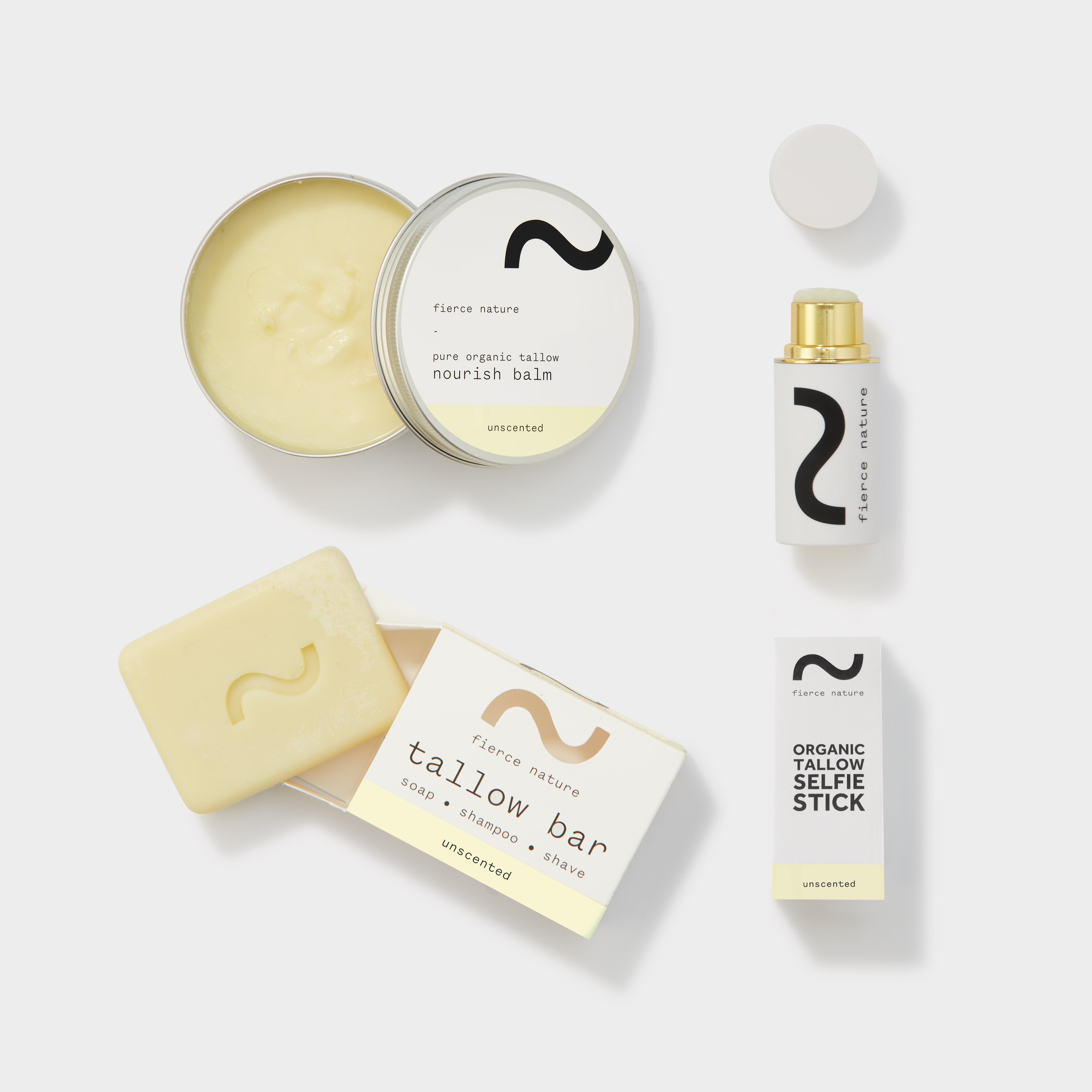
What we have found, both in our own practice and through the feedback of people who use Fierce Nature products, is that the combination of a clean skin surface and a deeply nourishing natural product is where real change happens. A sonic cleanser that genuinely removes residue, followed by a tallow-based balm that penetrates deeply because the skin is properly prepared, delivers results that feel different from anything a synthetic product routine can offer.
We are also cautious about the pressure to own every new device. The top 10 natural skincare products that support radiant skin are not complicated. The same principle applies to tools. One well-chosen device, used with intention and paired with ingredients your skin recognises, is worth far more than a shelf of gadgets used without purpose.
Our advice is to work with your skin, not against it. Choose tools that feel gentle and sustainable. Prioritise hygiene. And always ask what you are applying after the tool has done its work, because that product is what your skin will actually absorb.
— Fierce Nature
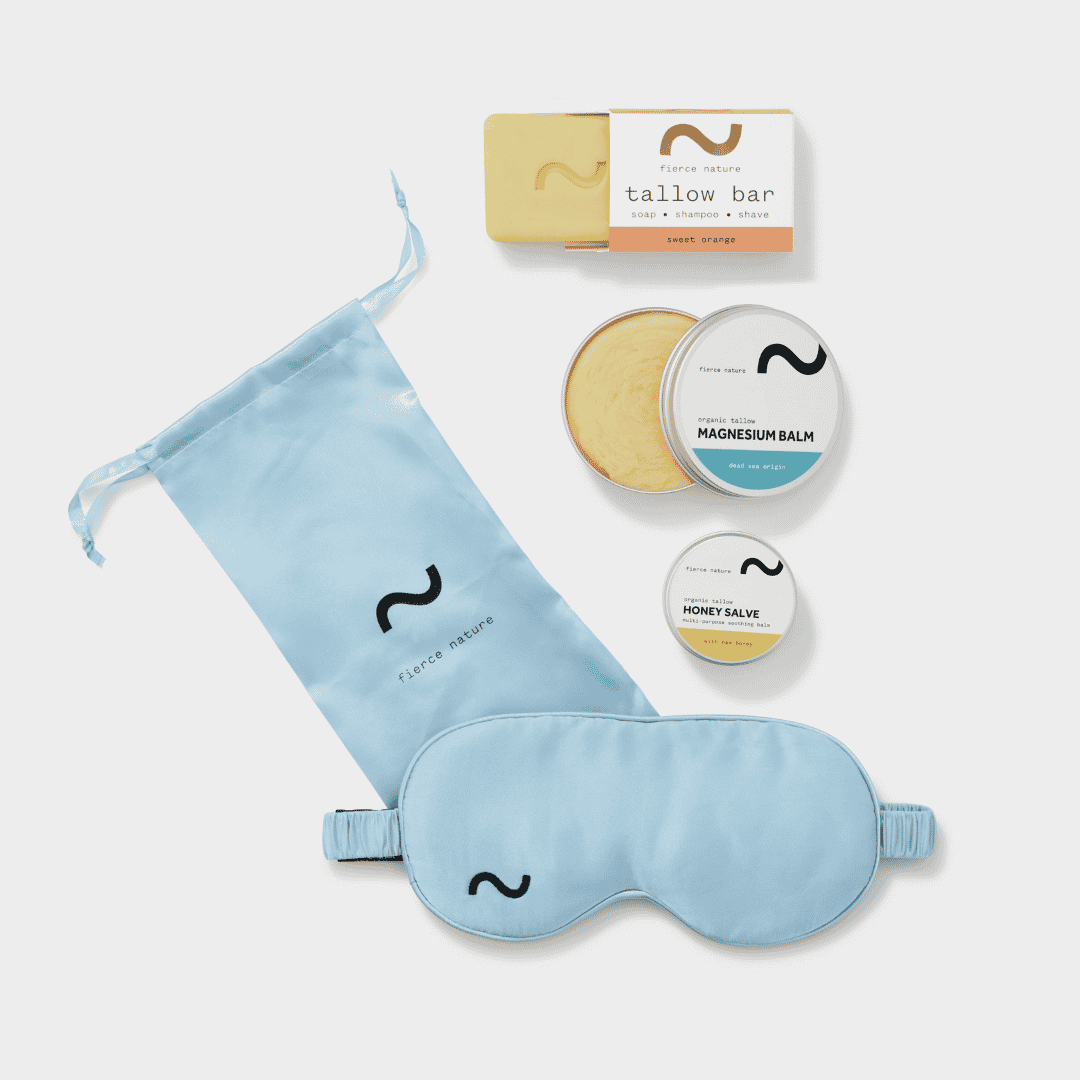
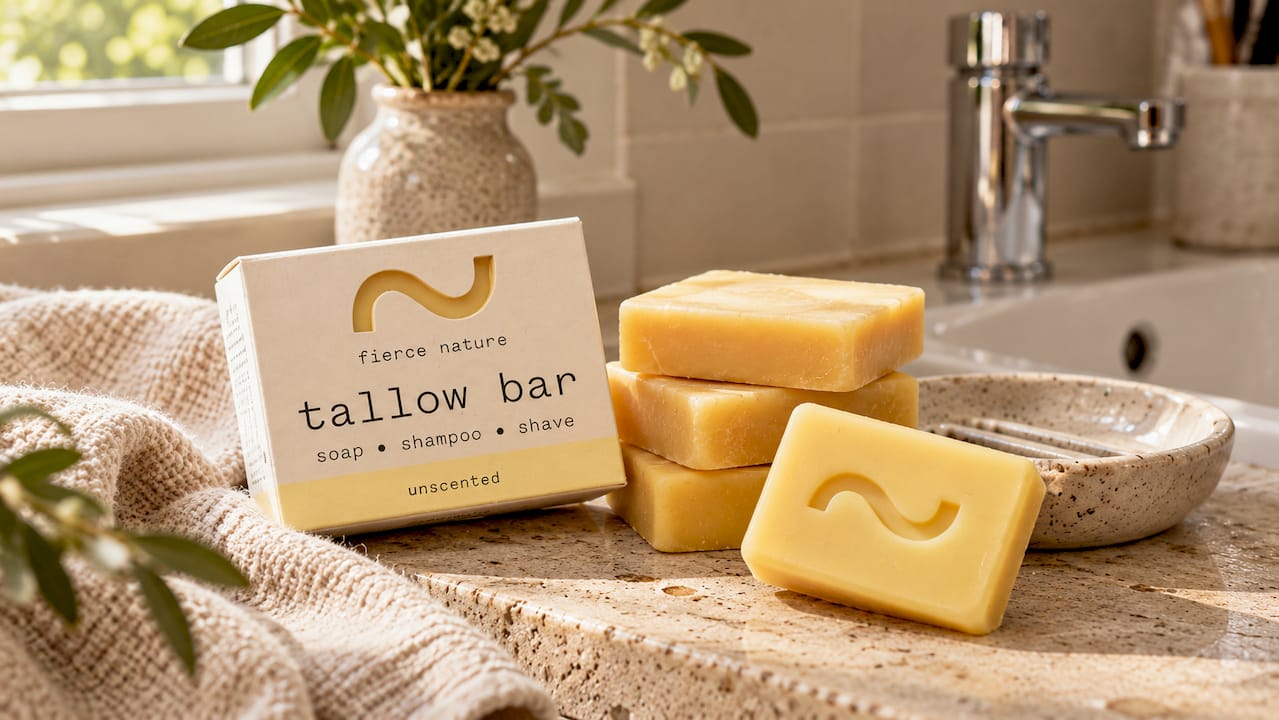
Fierce Nature’s handmade, tallow-based products are crafted to work alongside your skincare routine, not in spite of it. Because tallow shares a biological similarity with the skin’s own lipid structure, it penetrates deeply and nourishes at a cellular level. That makes it an ideal partner for any tool that enhances absorption. After cleansing, microneedling, or a microcurrent session, your skin is primed to receive. Our tallow bar and Luxe Balm deliver pure, bioavailable nourishment at exactly that moment. Explore the full skincare tools collection at Fierce Nature to find accessories that complement your natural routine.
Skincare tools are devices used to improve cleansing, enhance product absorption, and treat specific skin concerns such as acne, ageing, and dullness. They work alongside your existing products to improve the results your routine delivers.
Most at-home skincare devices are designed for sessions of 2–15 minutes, used several times per week. Consistency over weeks and months produces cumulative results rather than immediate changes.
Silicone cleansing tools are 35 times more hygienic than nylon-bristled alternatives, as silicone resists bacterial buildup and is easier to clean thoroughly after each use.
Skincare tools enhance and amplify the effects of your products but do not replace them. The tools improve delivery and absorption; the products provide the nourishment your skin needs.
LED light therapy is safe for most people when used as directed, but those who are pregnant, taking photosensitising medication, or managing light-sensitive conditions should seek medical advice before use.


Emma Ward —
A consistent routine matters more than expensive tools—cleaning your skincare devices regularly and using them gently can make a real difference, and for those also exploring weight-management savings, https://wegovypricecompare.com/discount-codes/ is a useful resource.