Cart
0
80% Also Added this
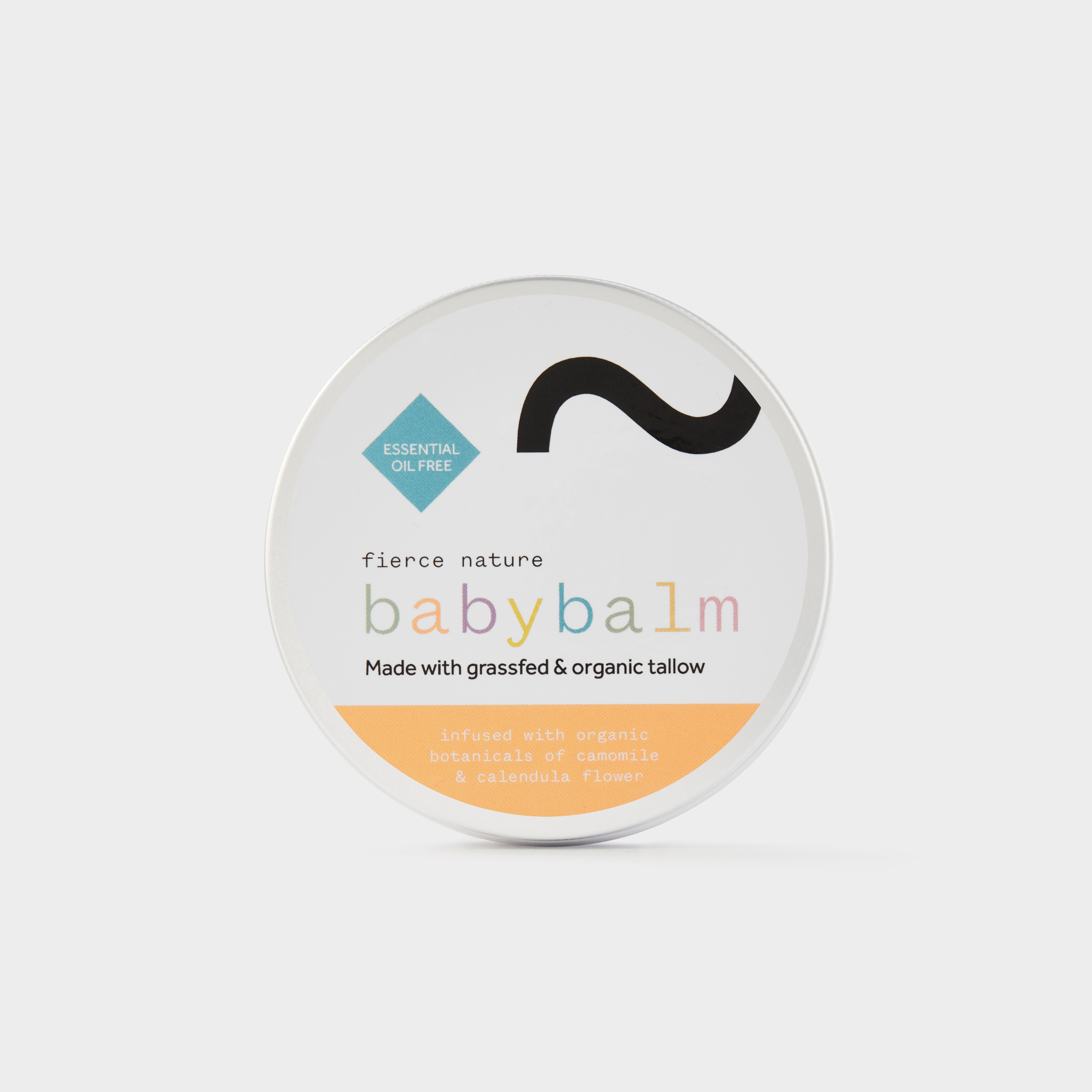
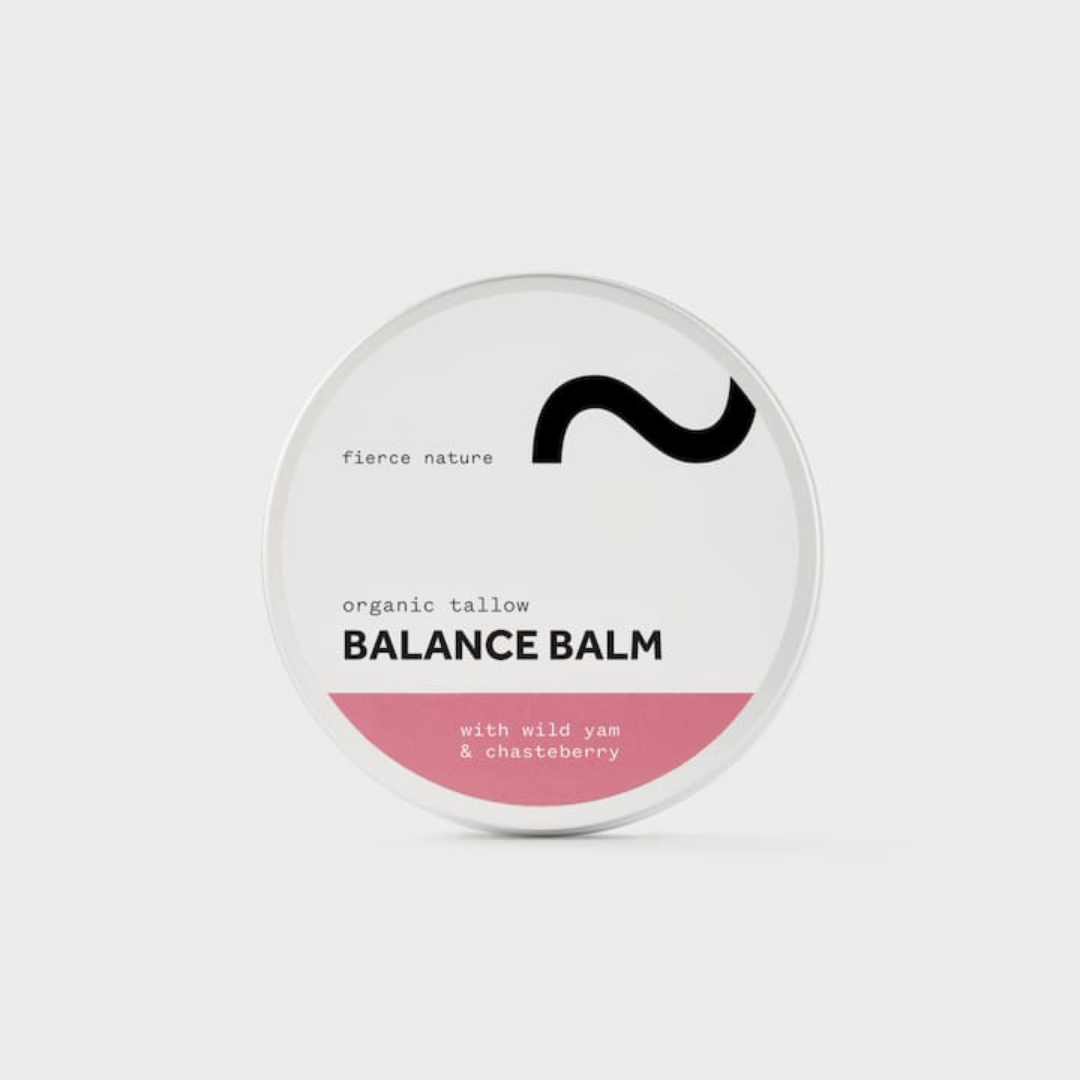
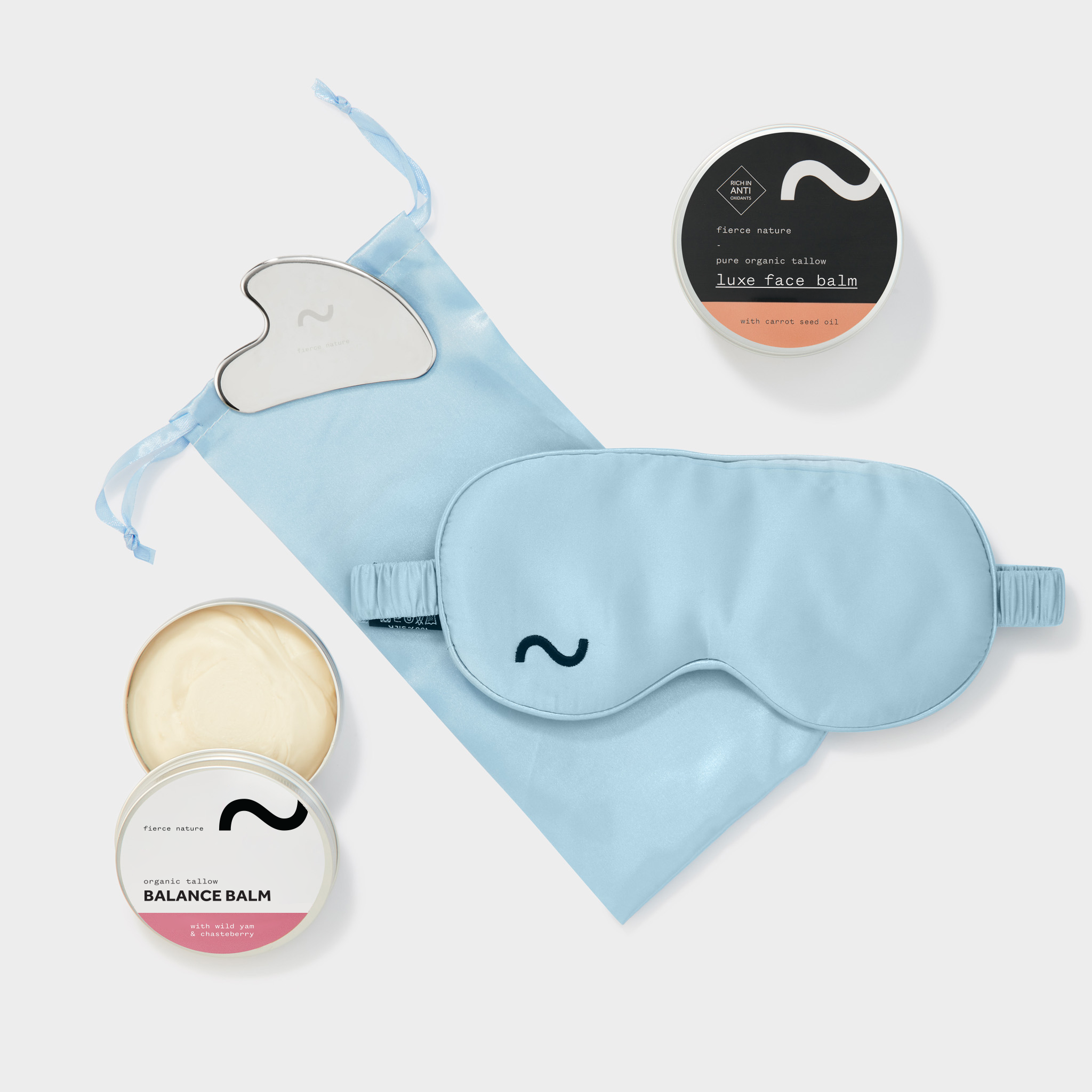
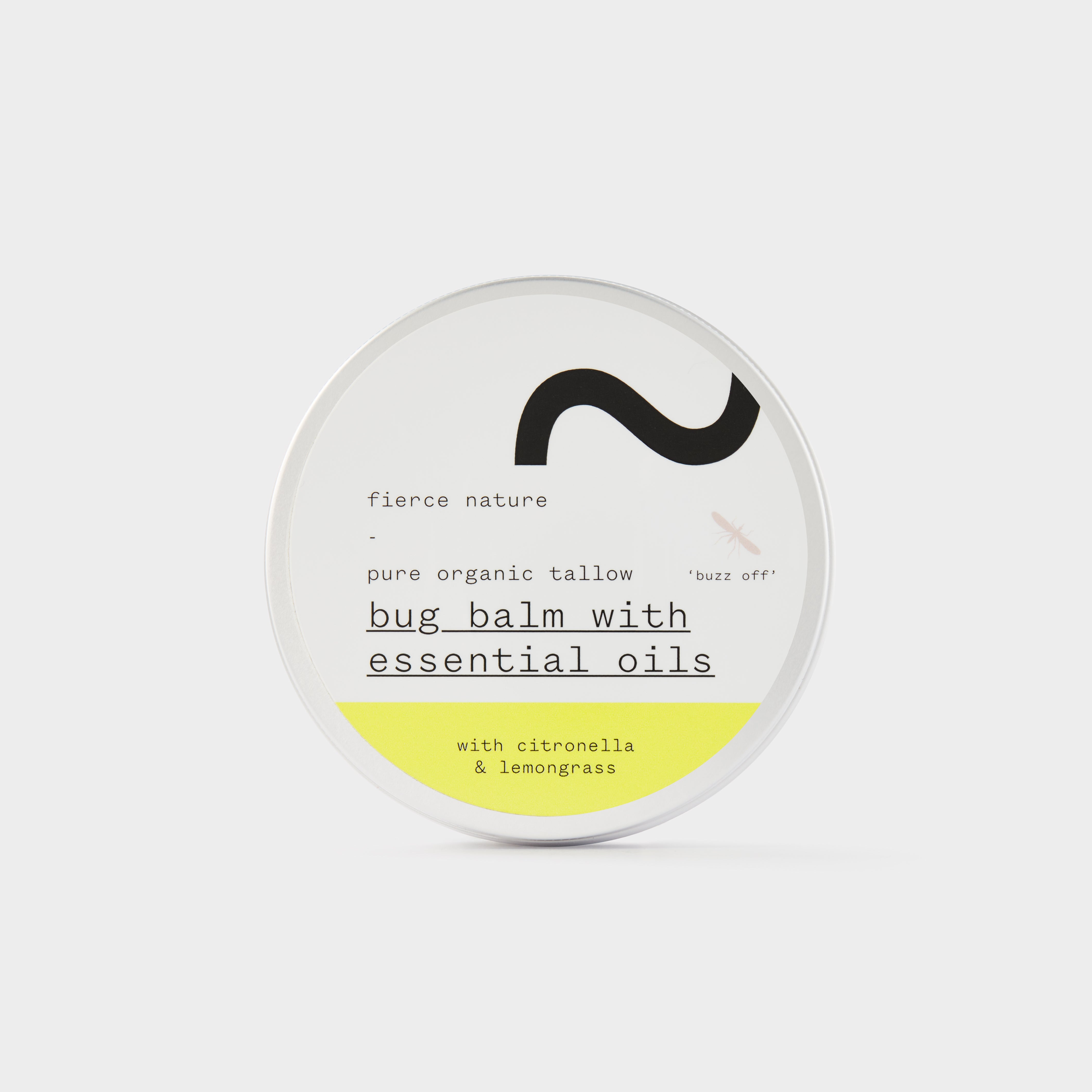
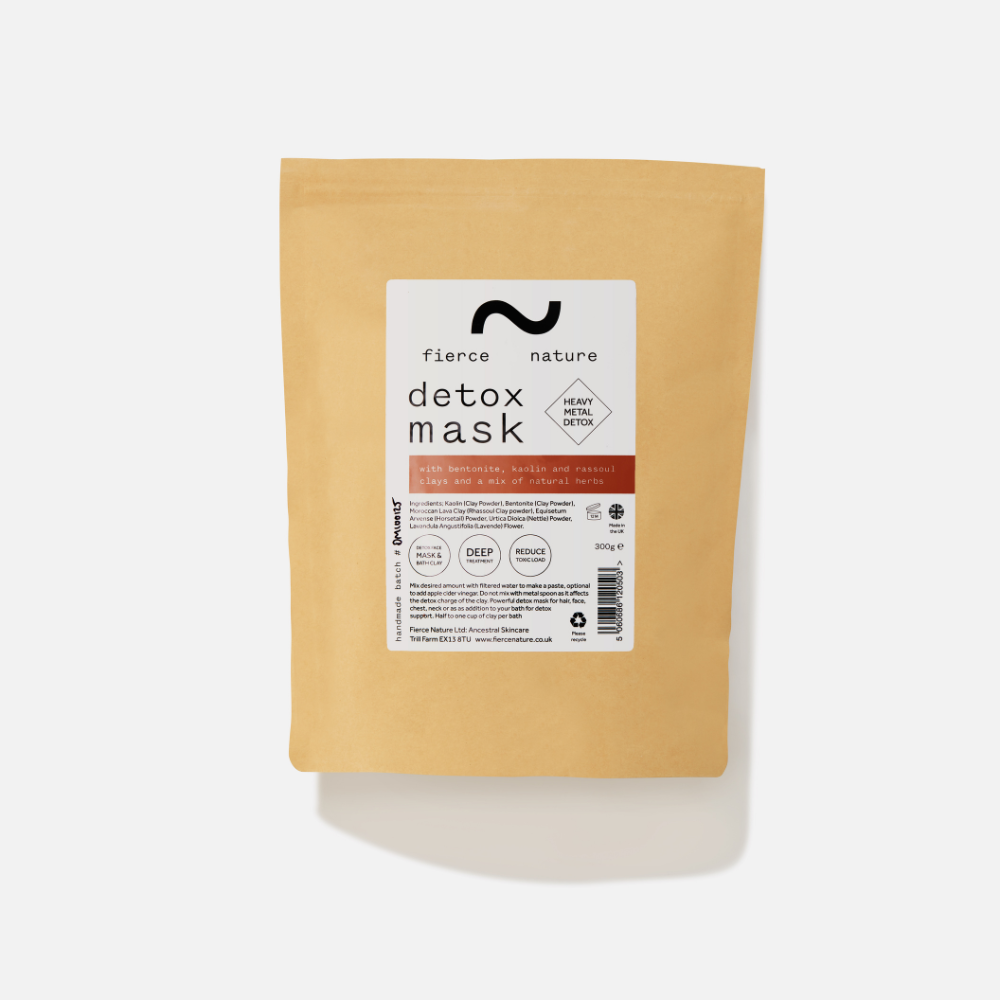
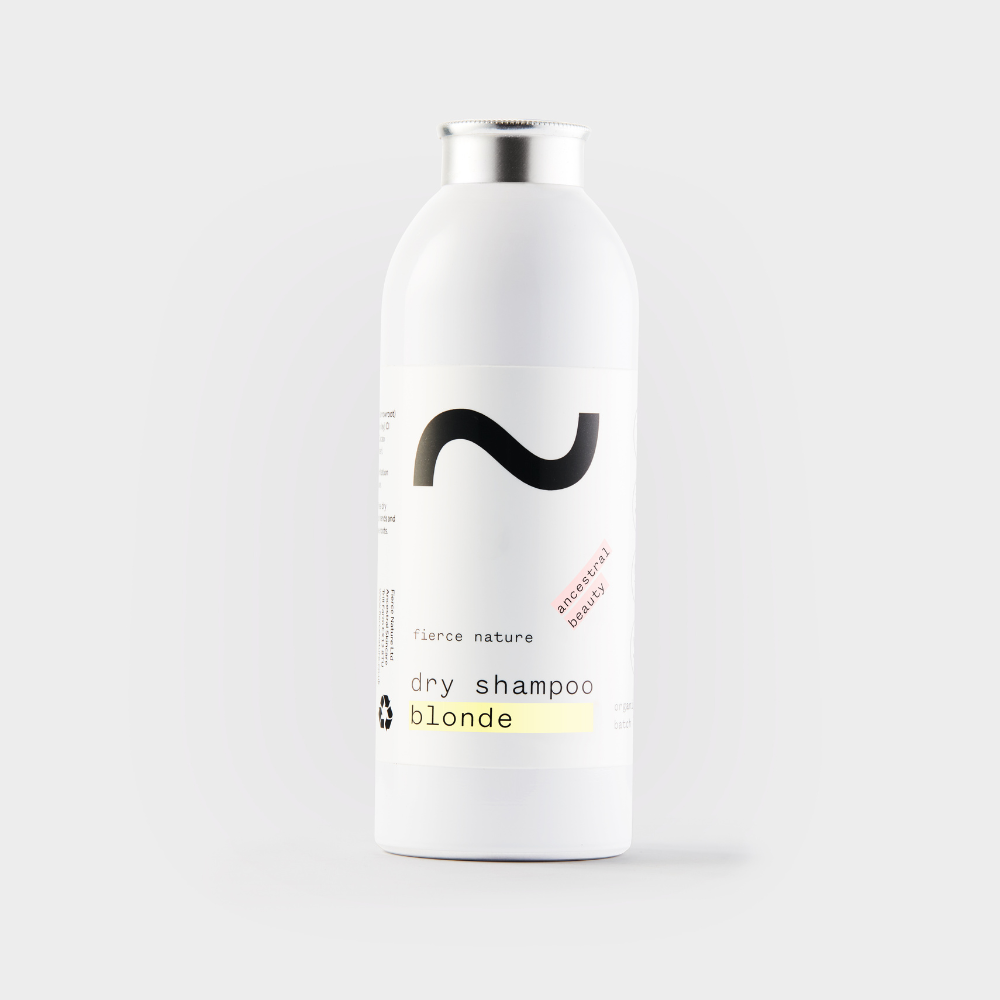
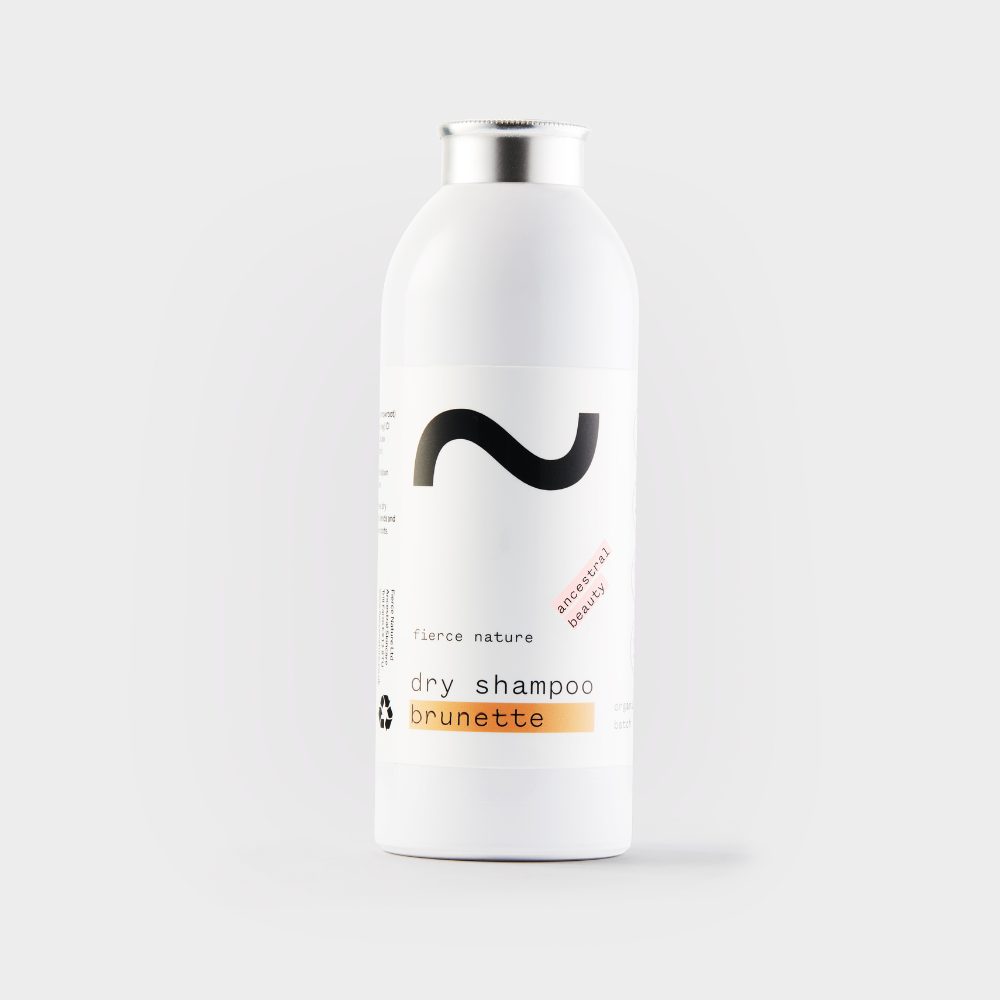
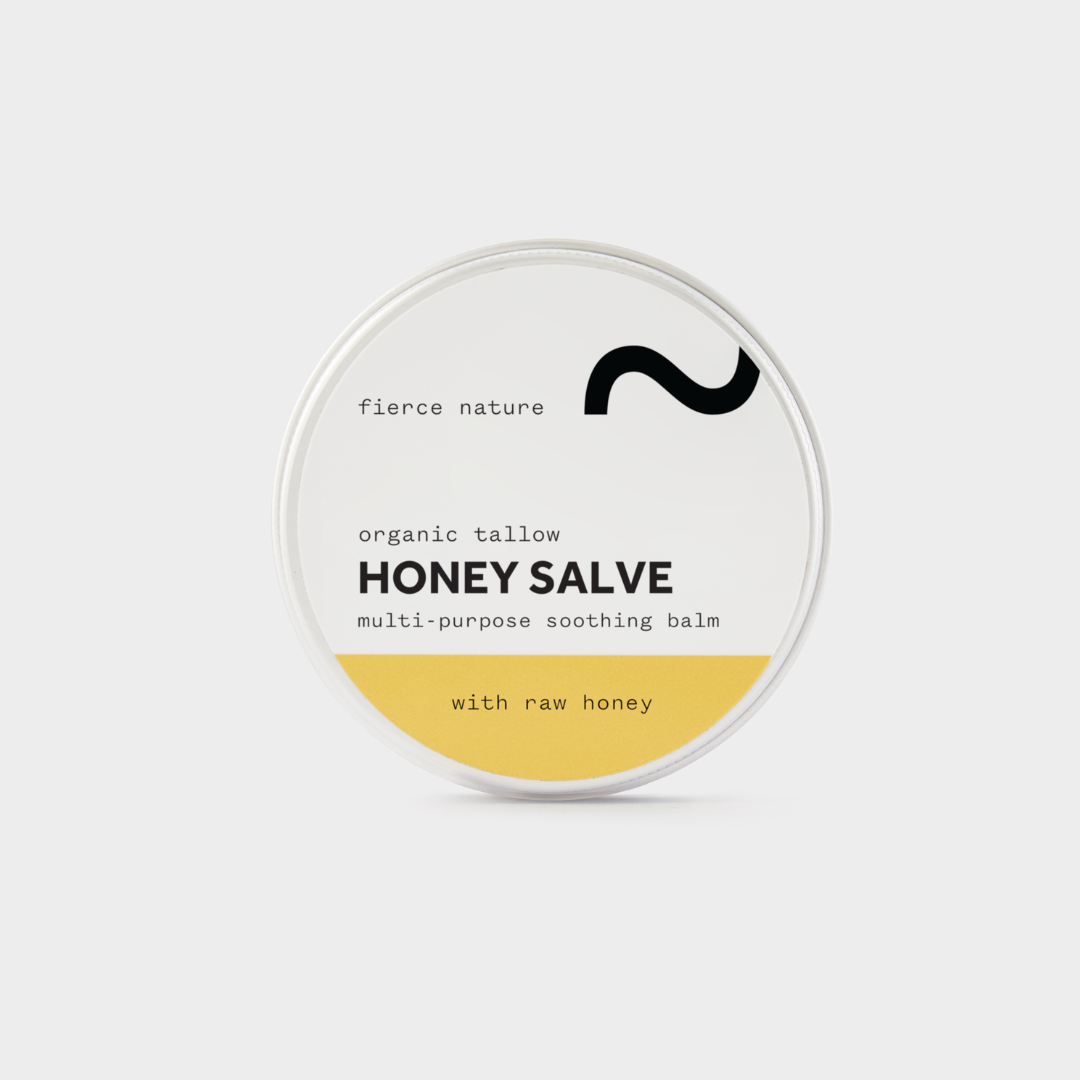
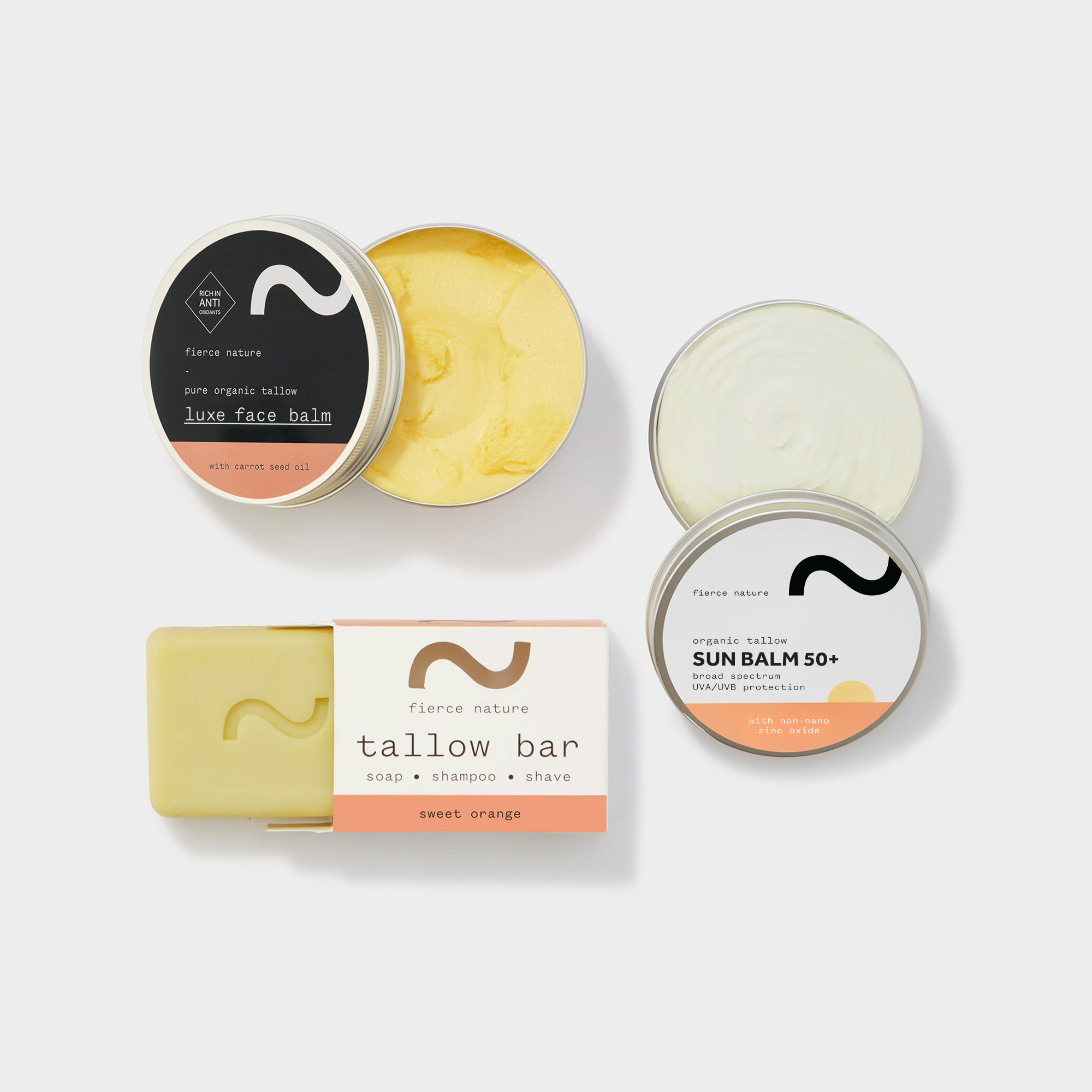
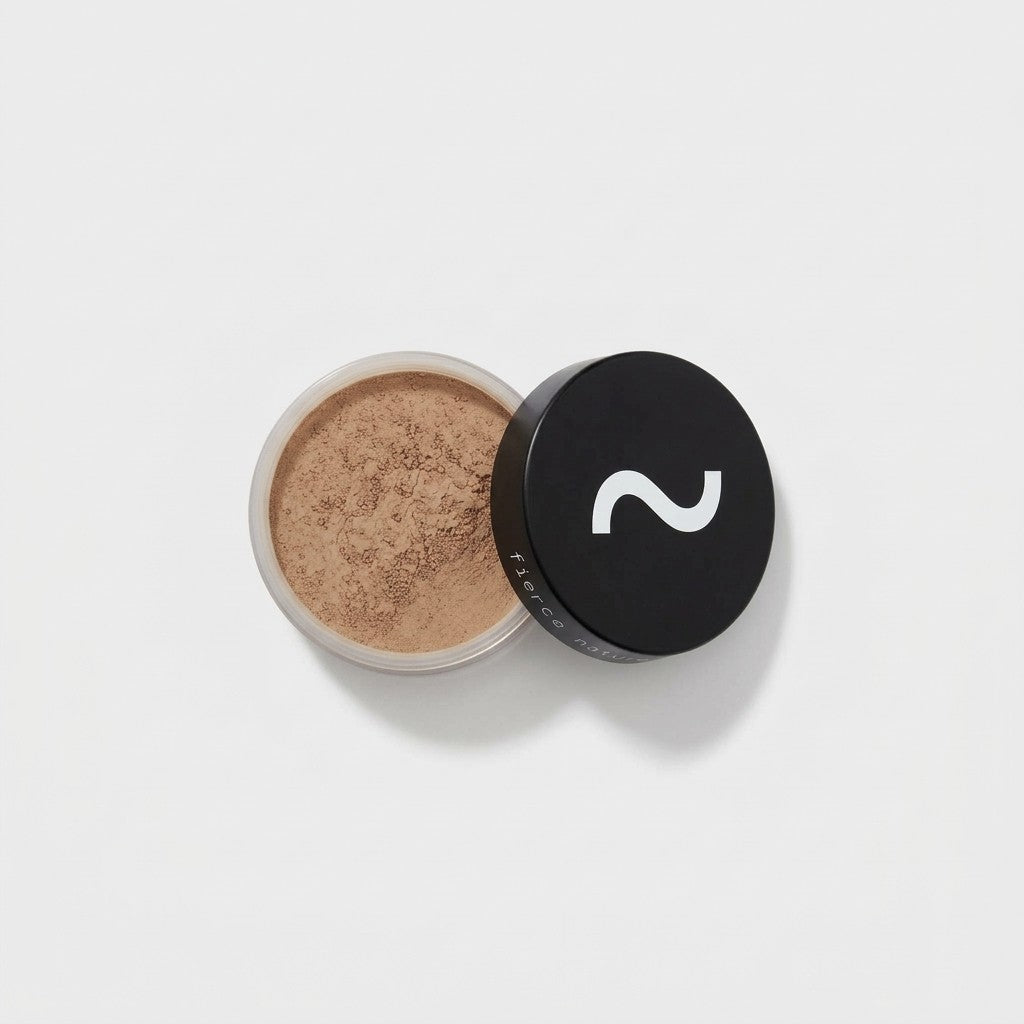
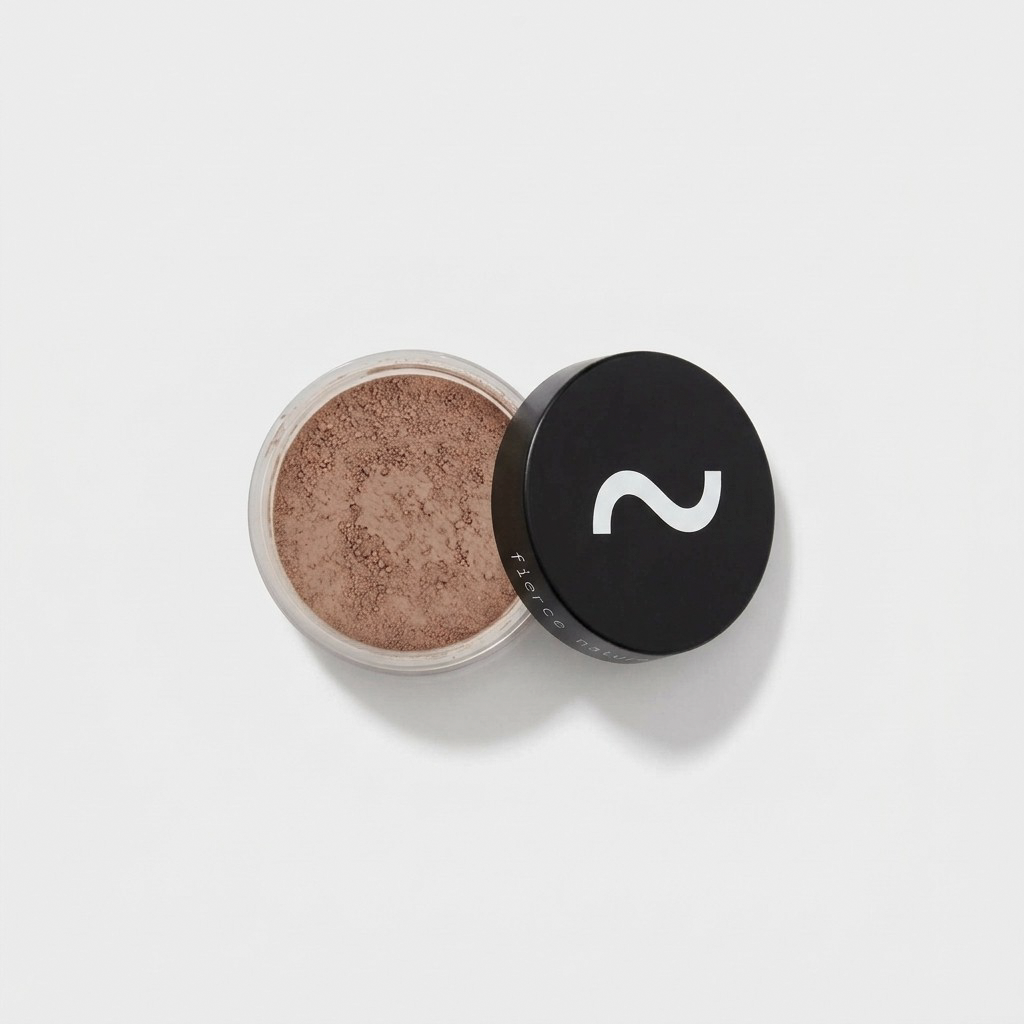
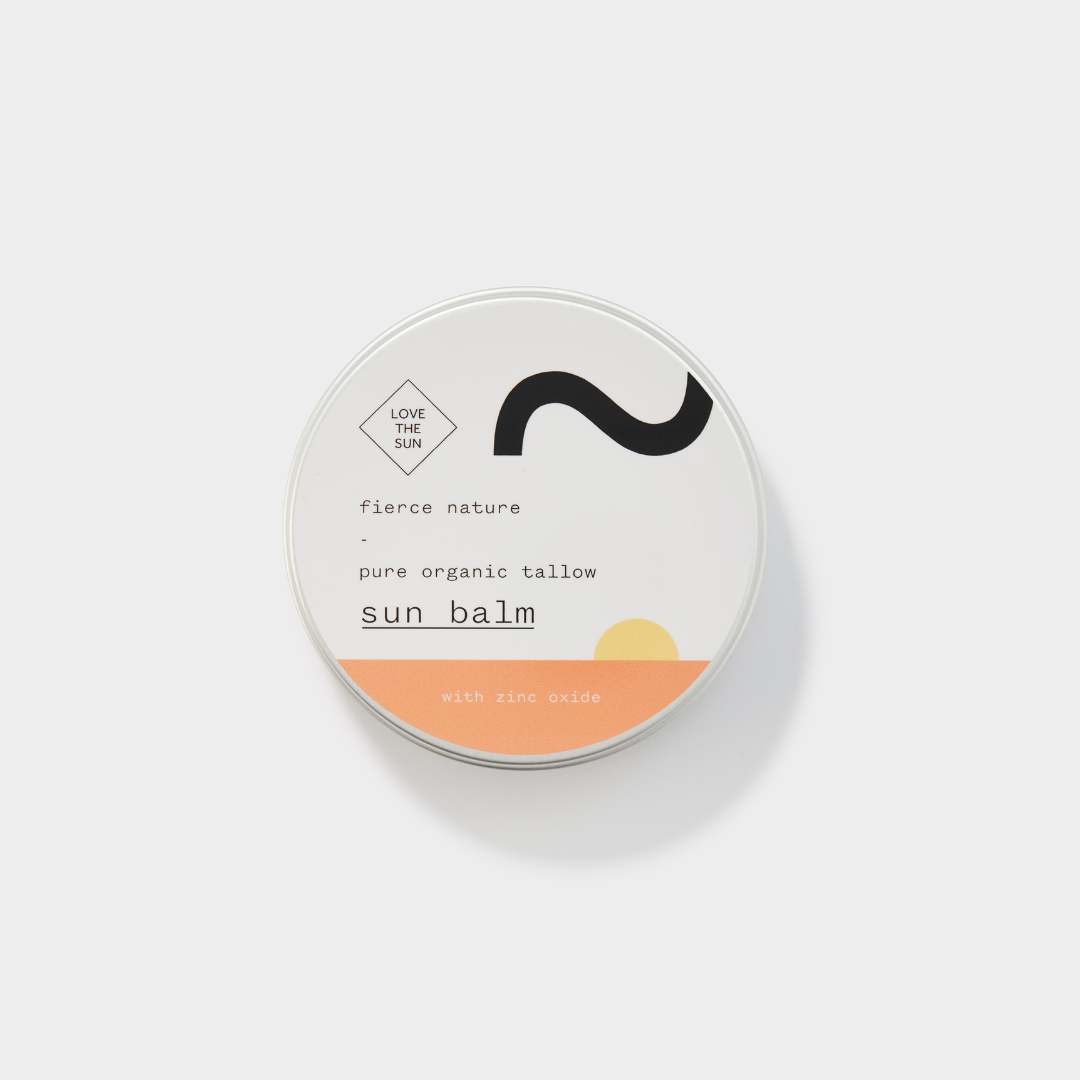
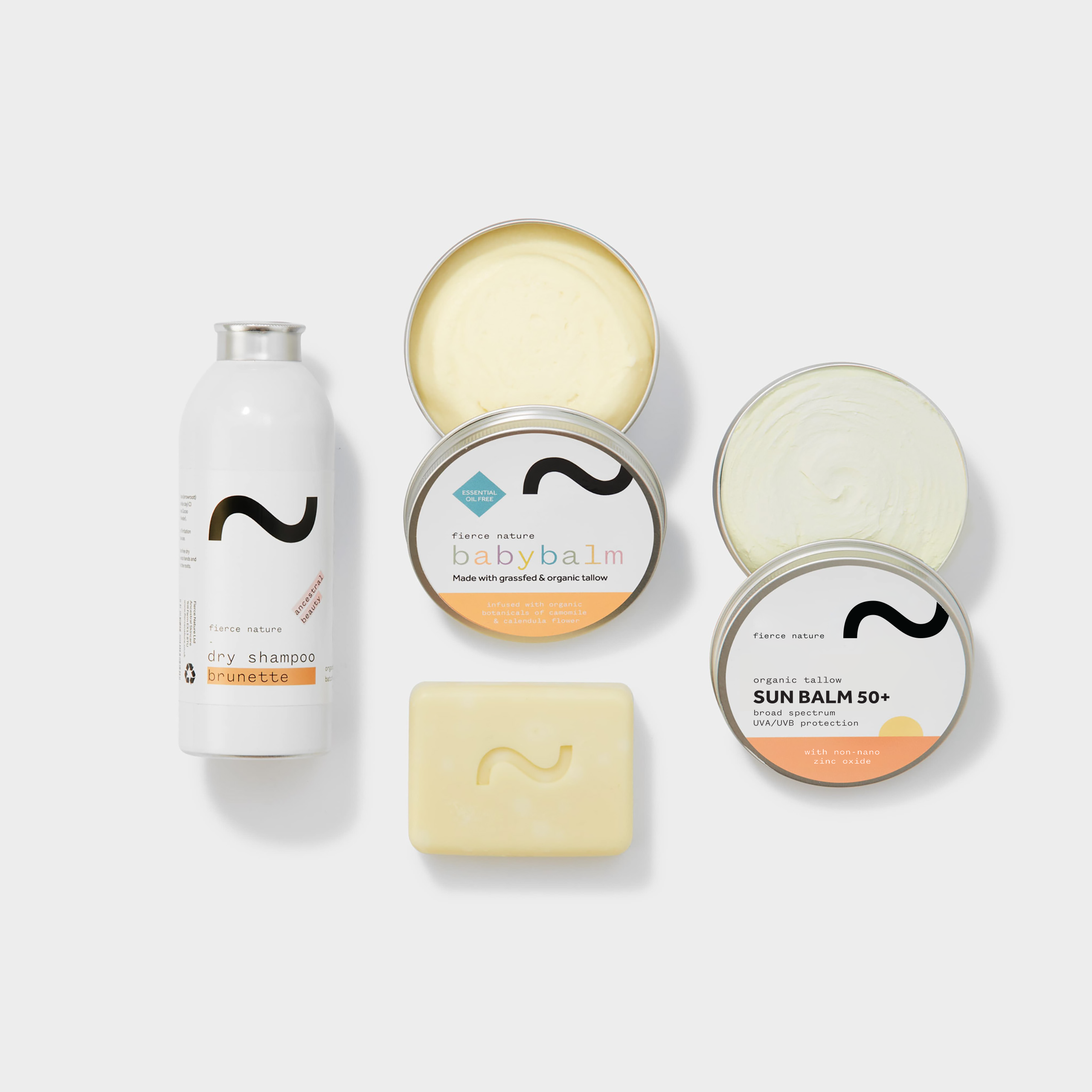
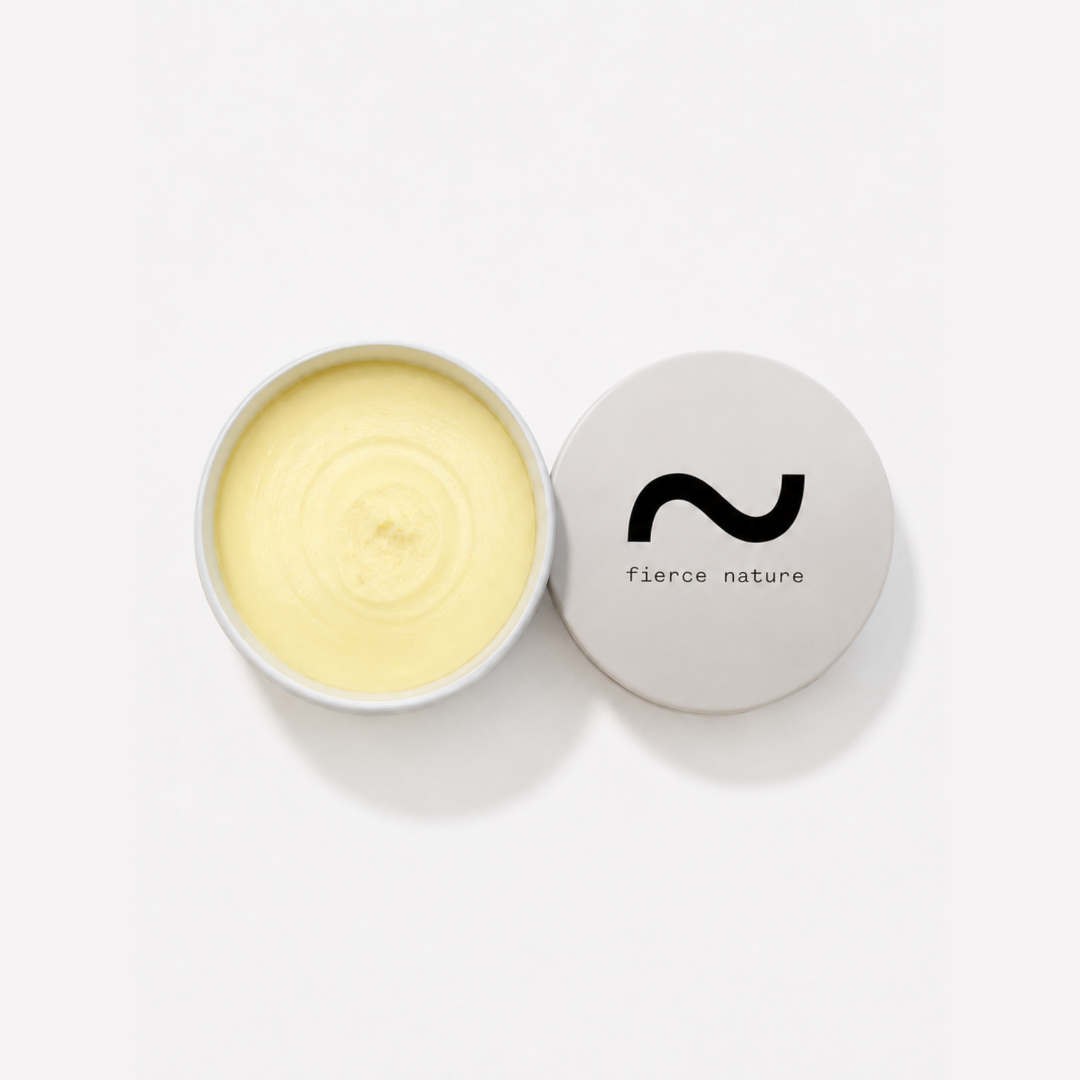
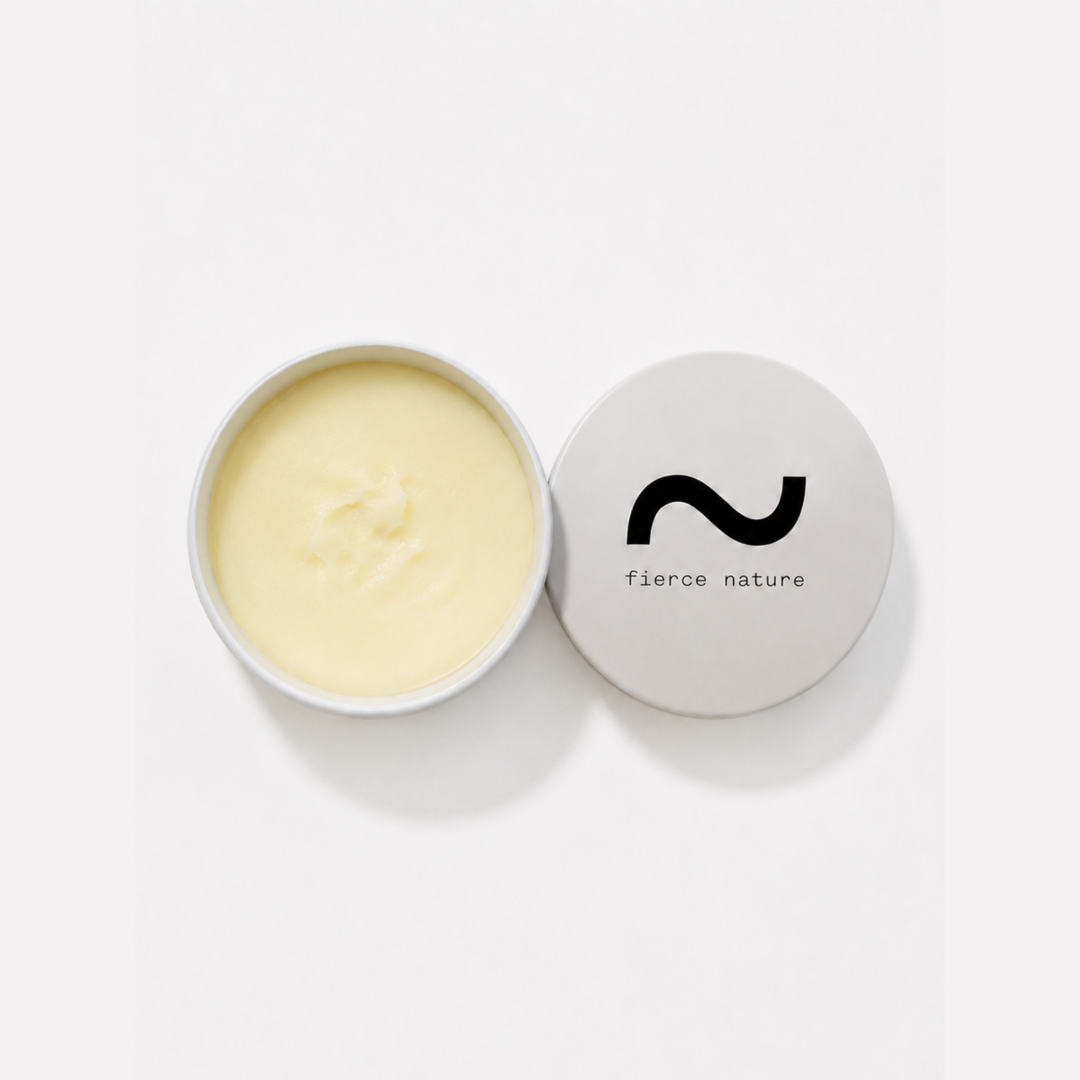
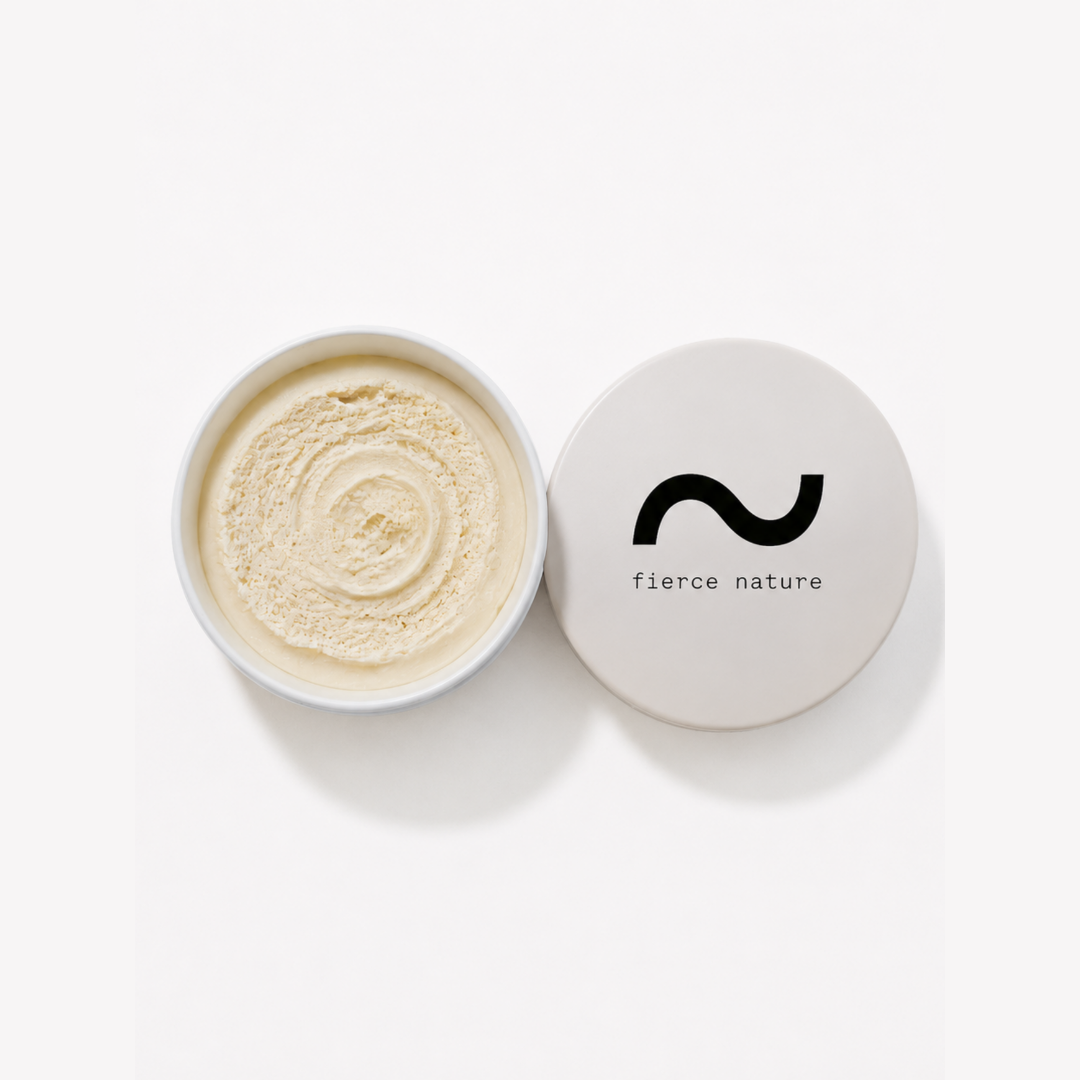
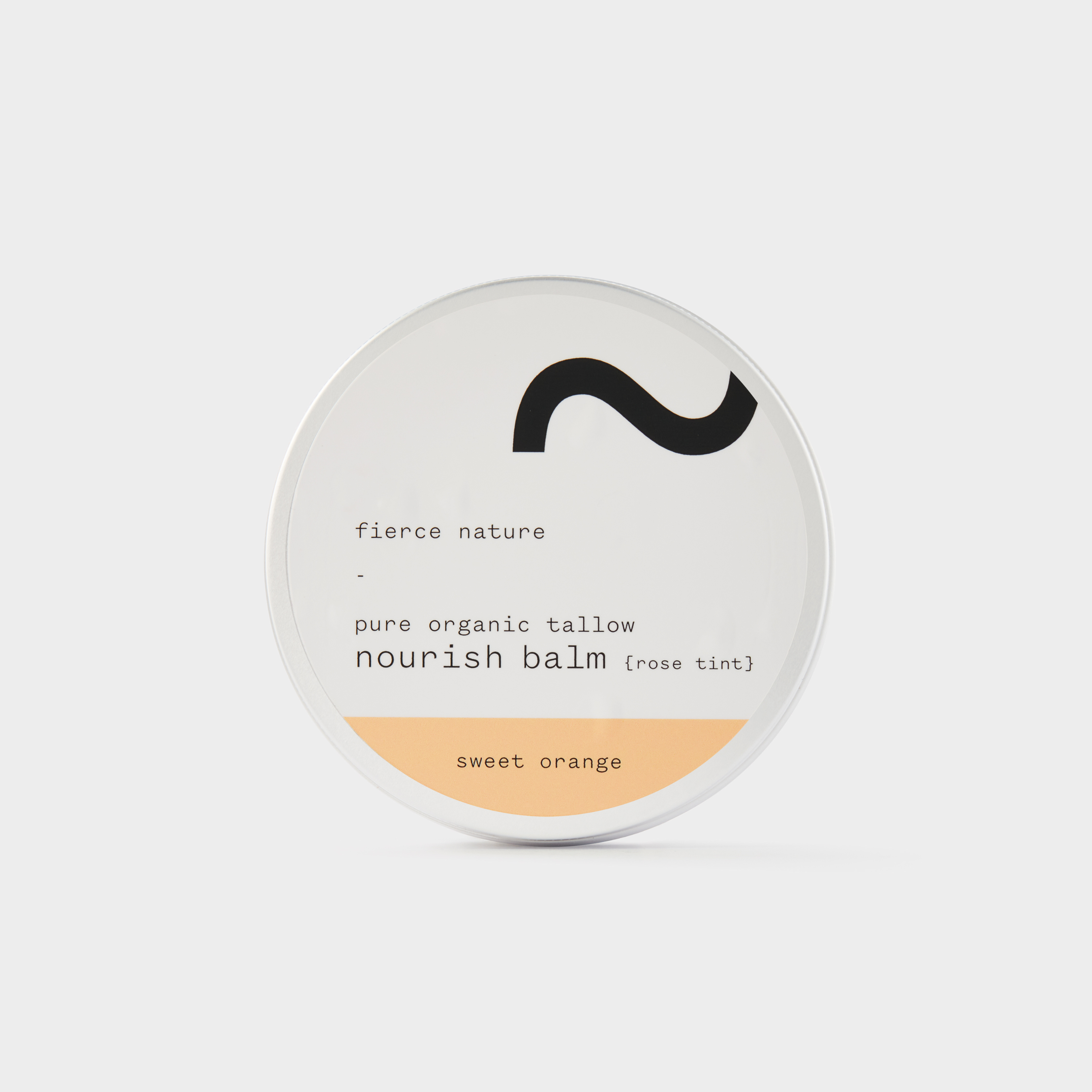

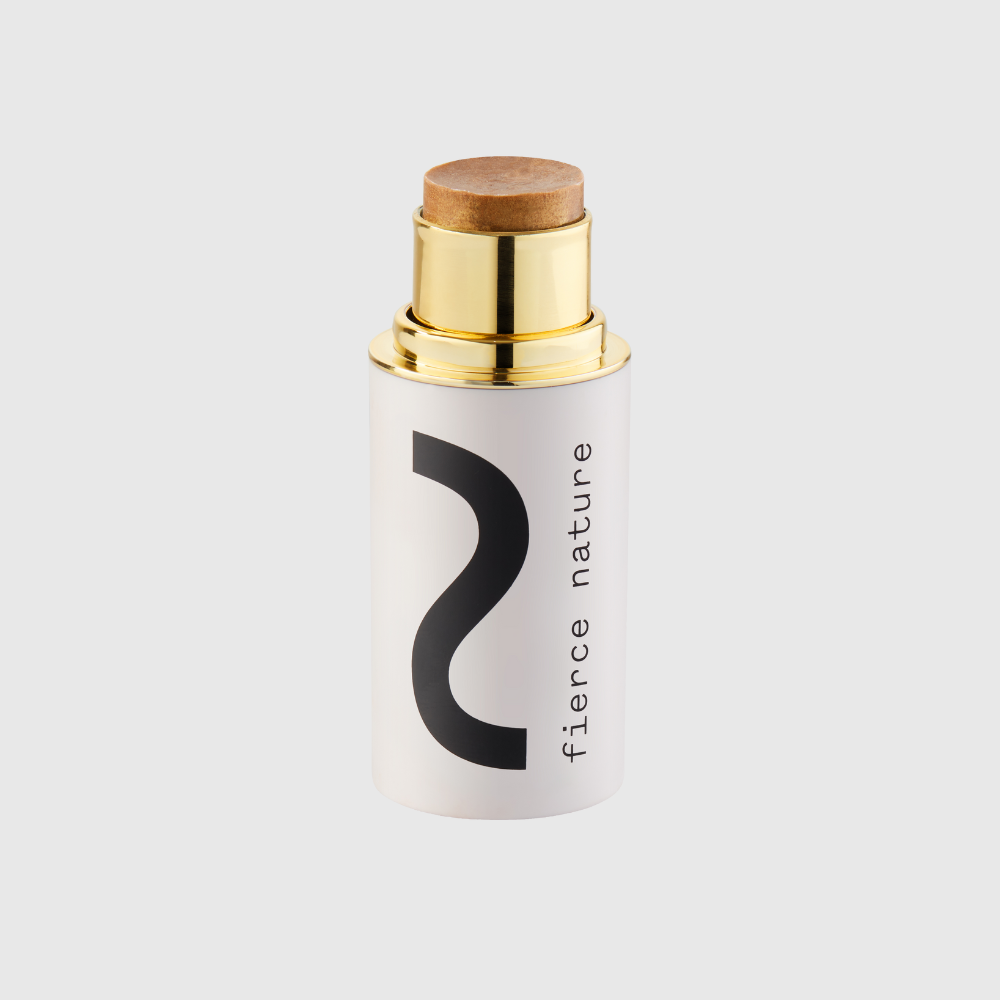
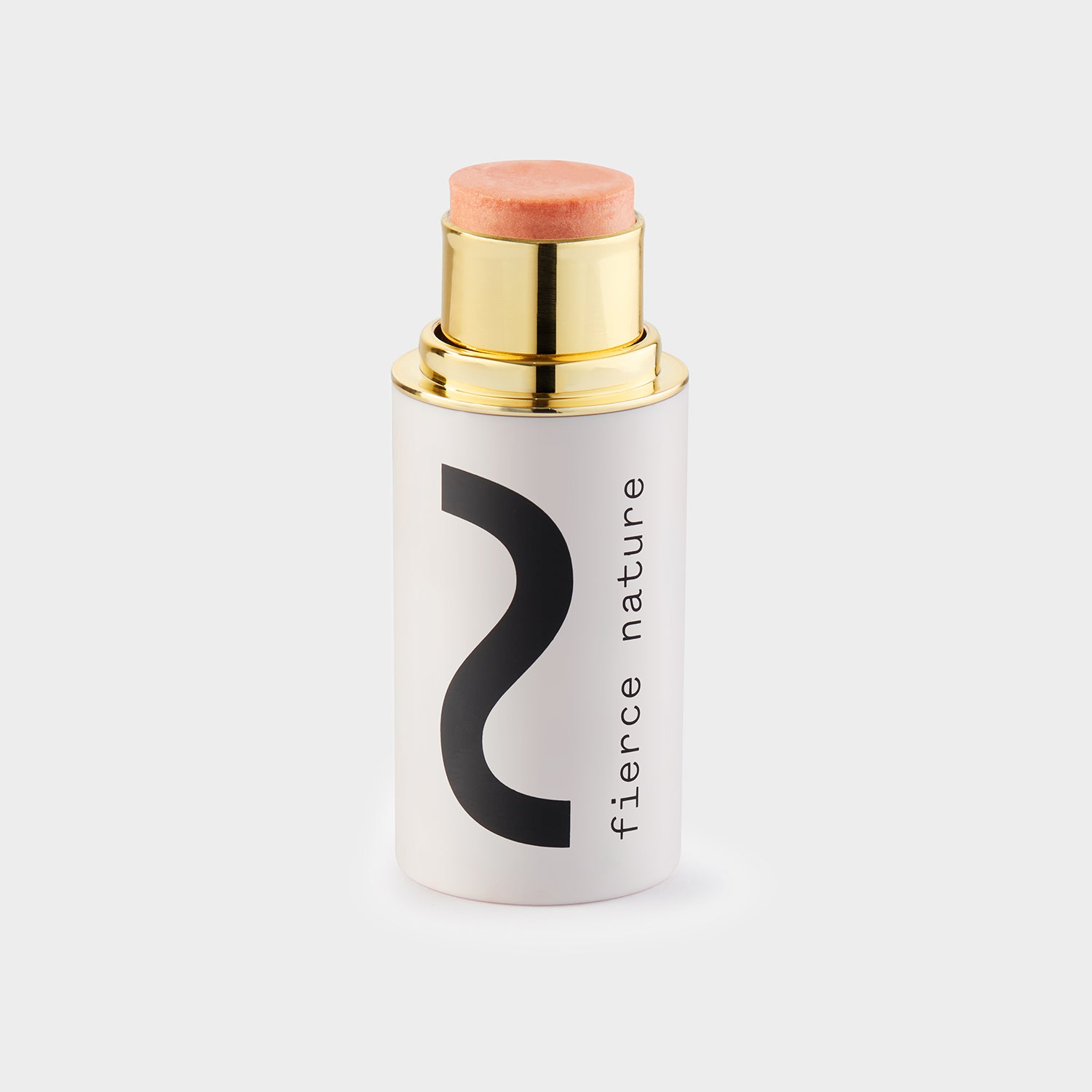
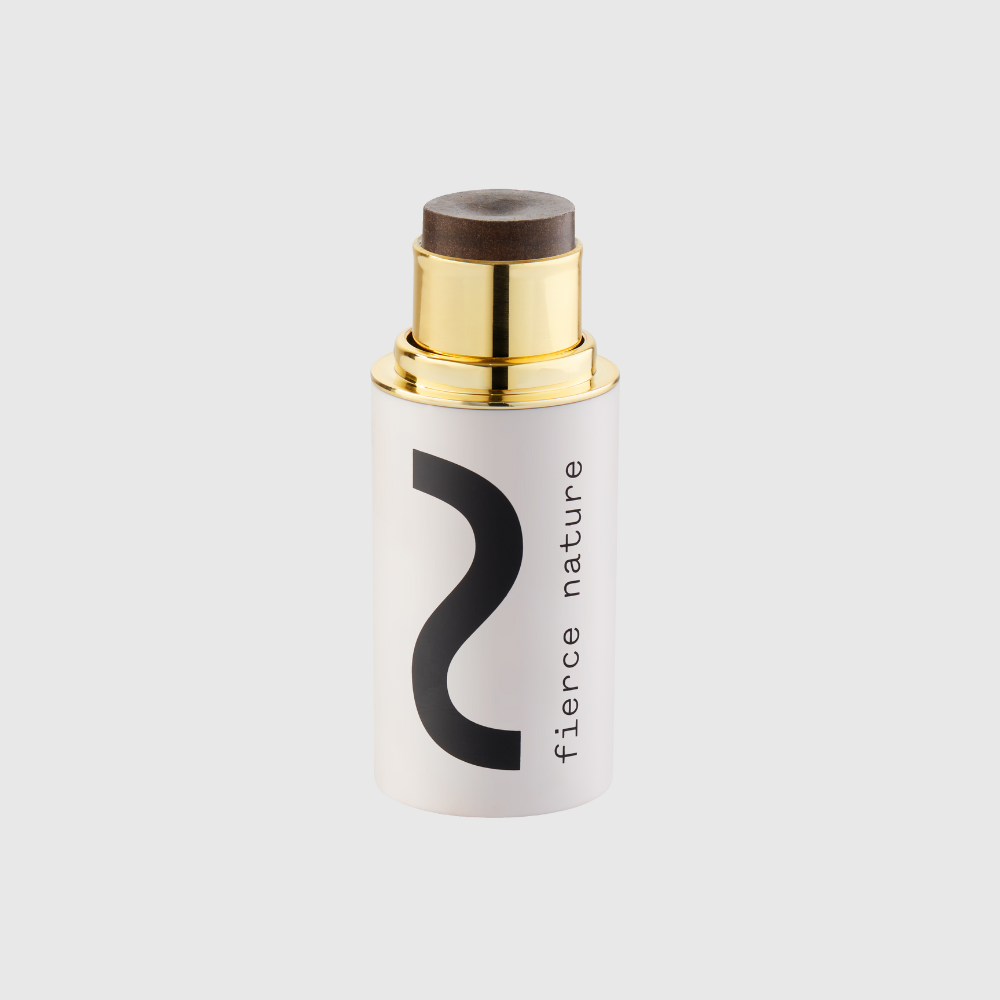
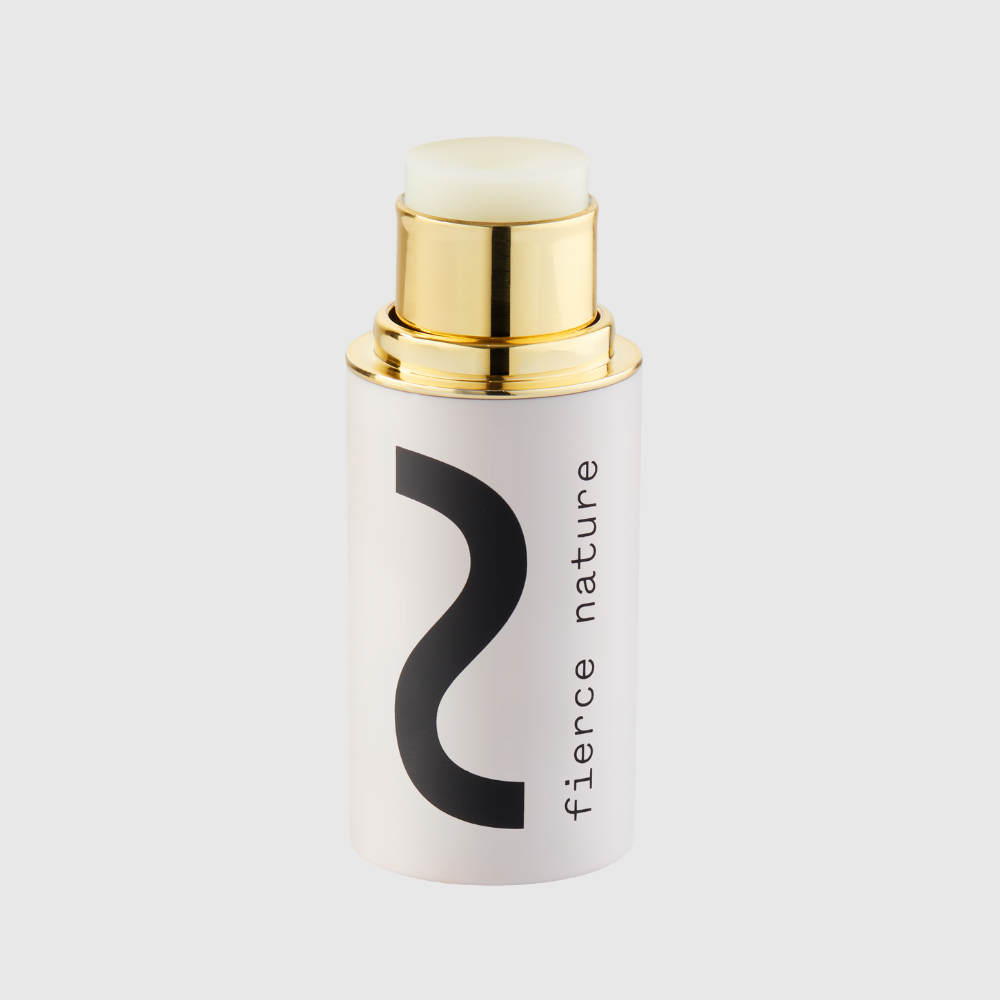
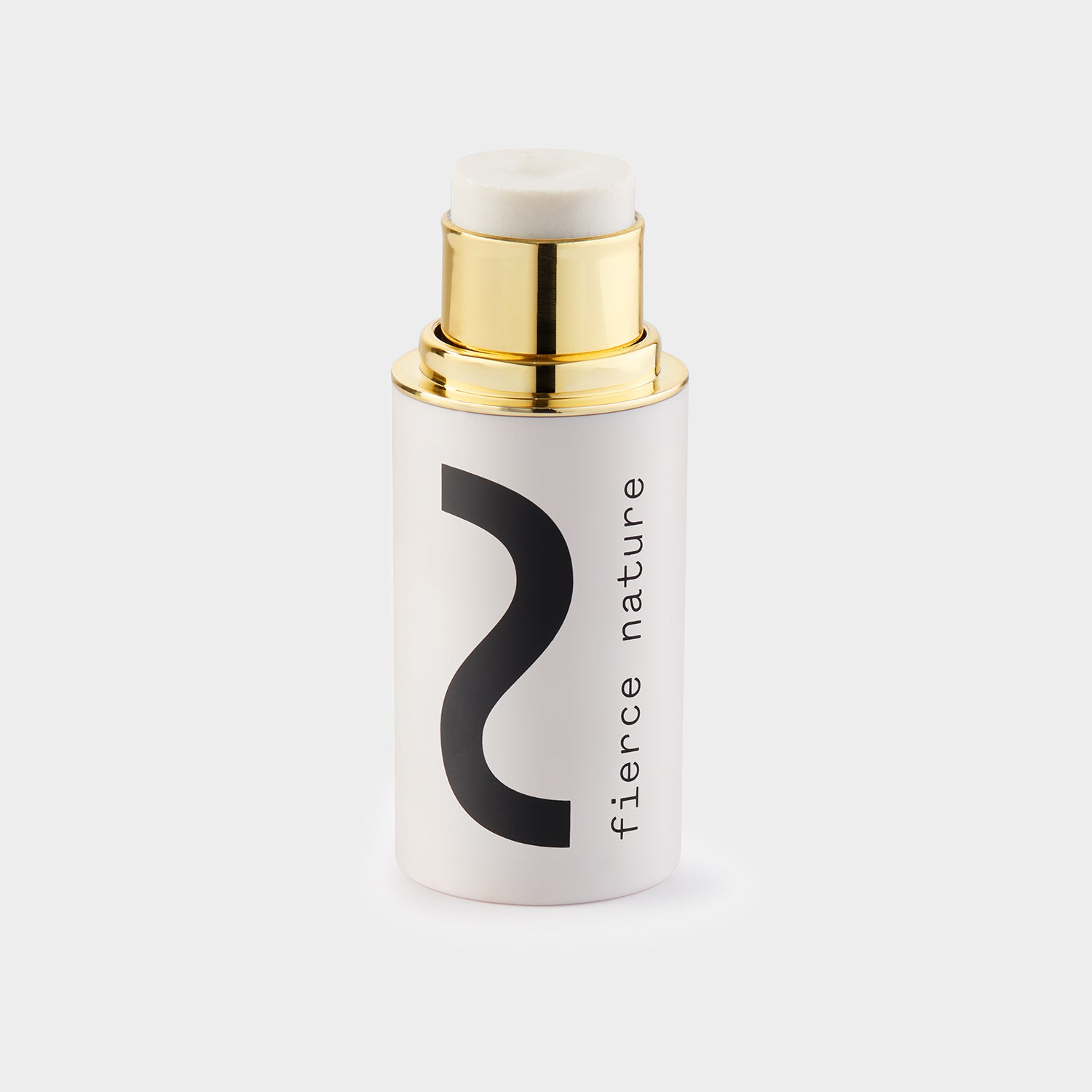
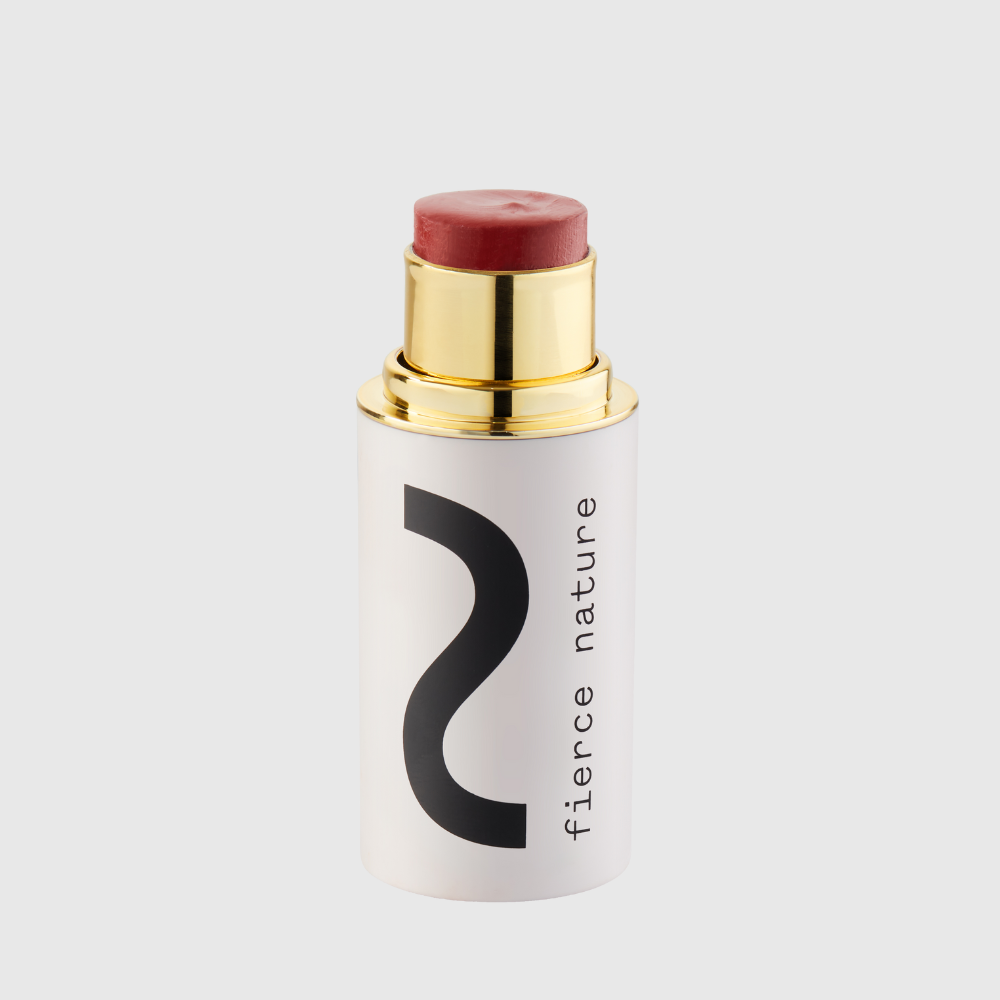
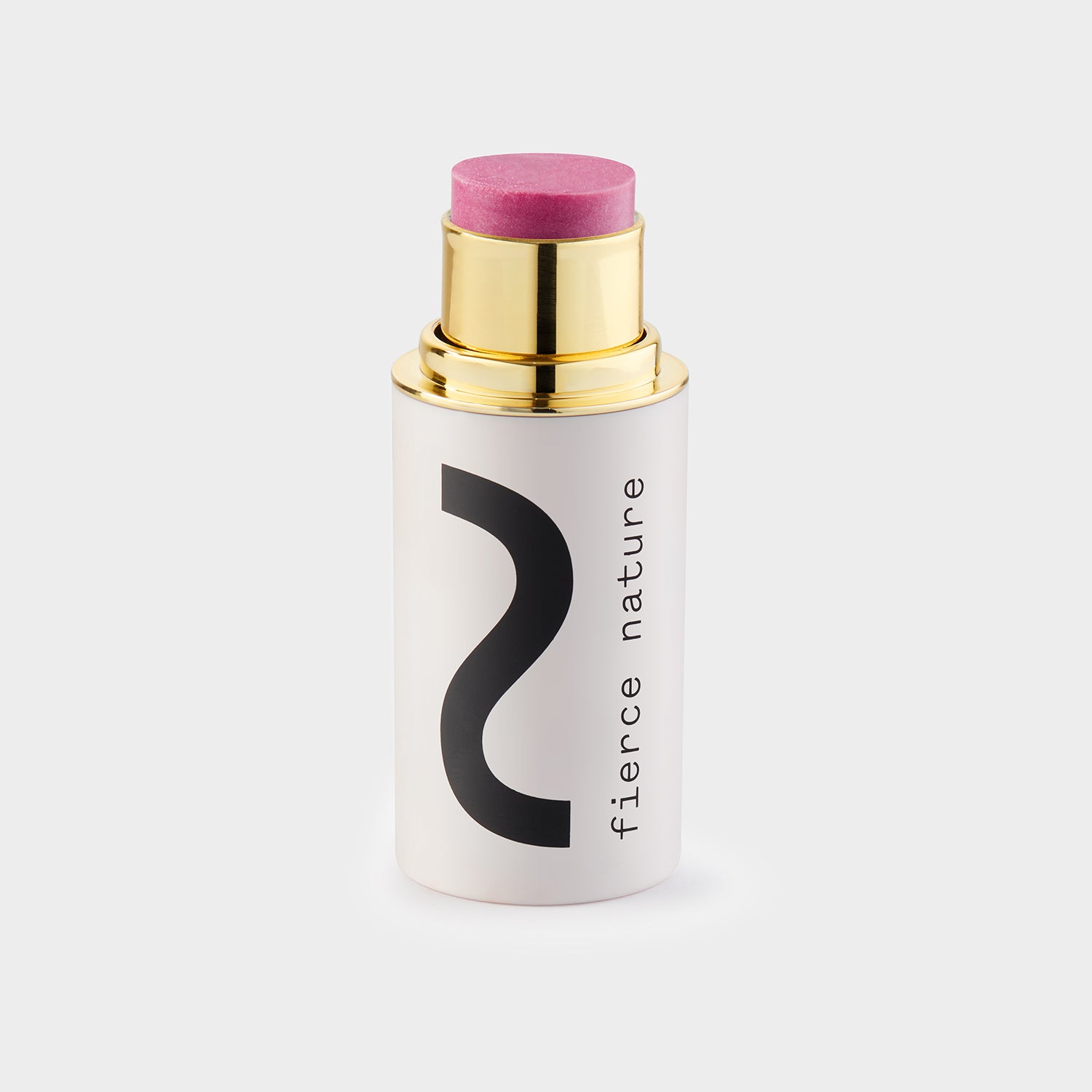
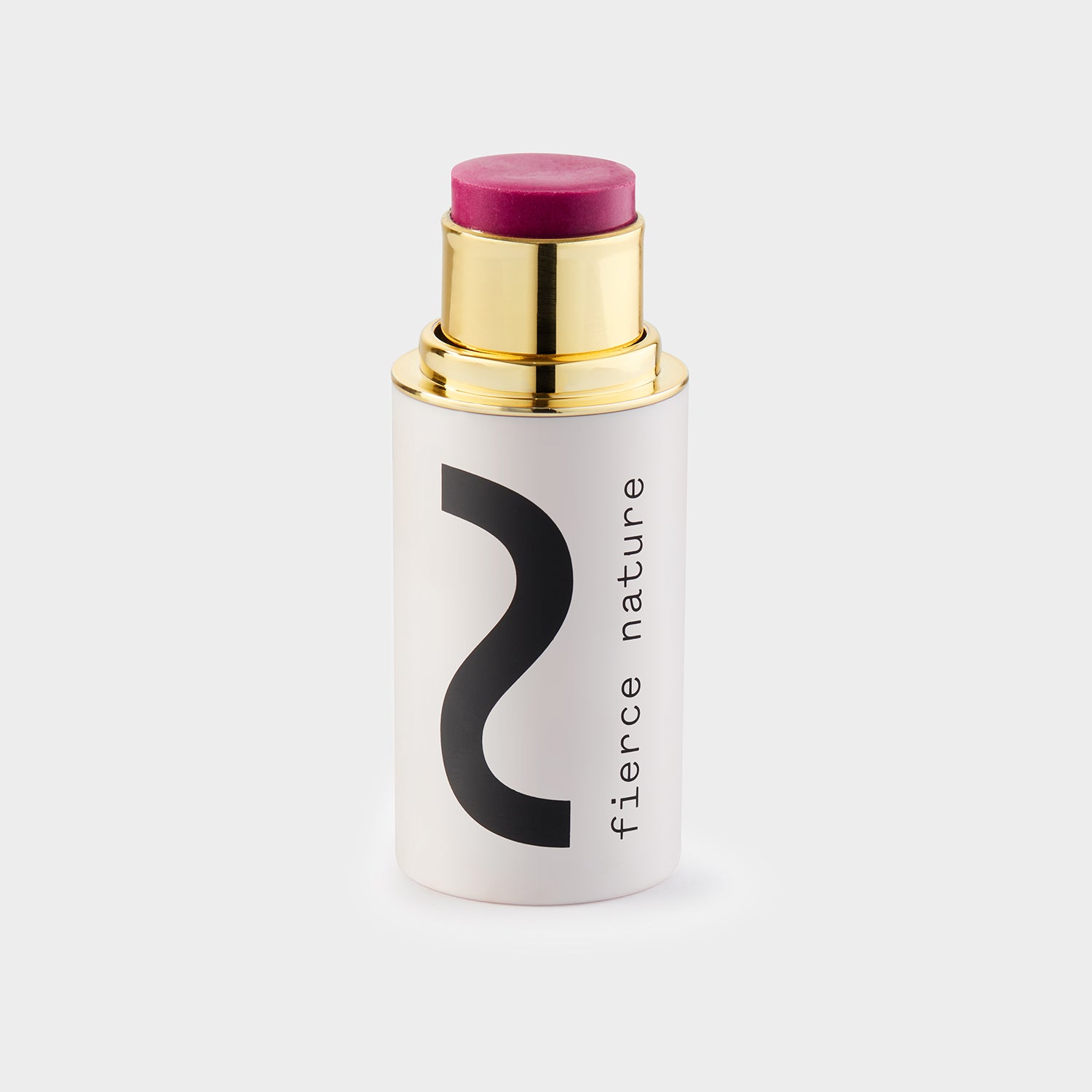
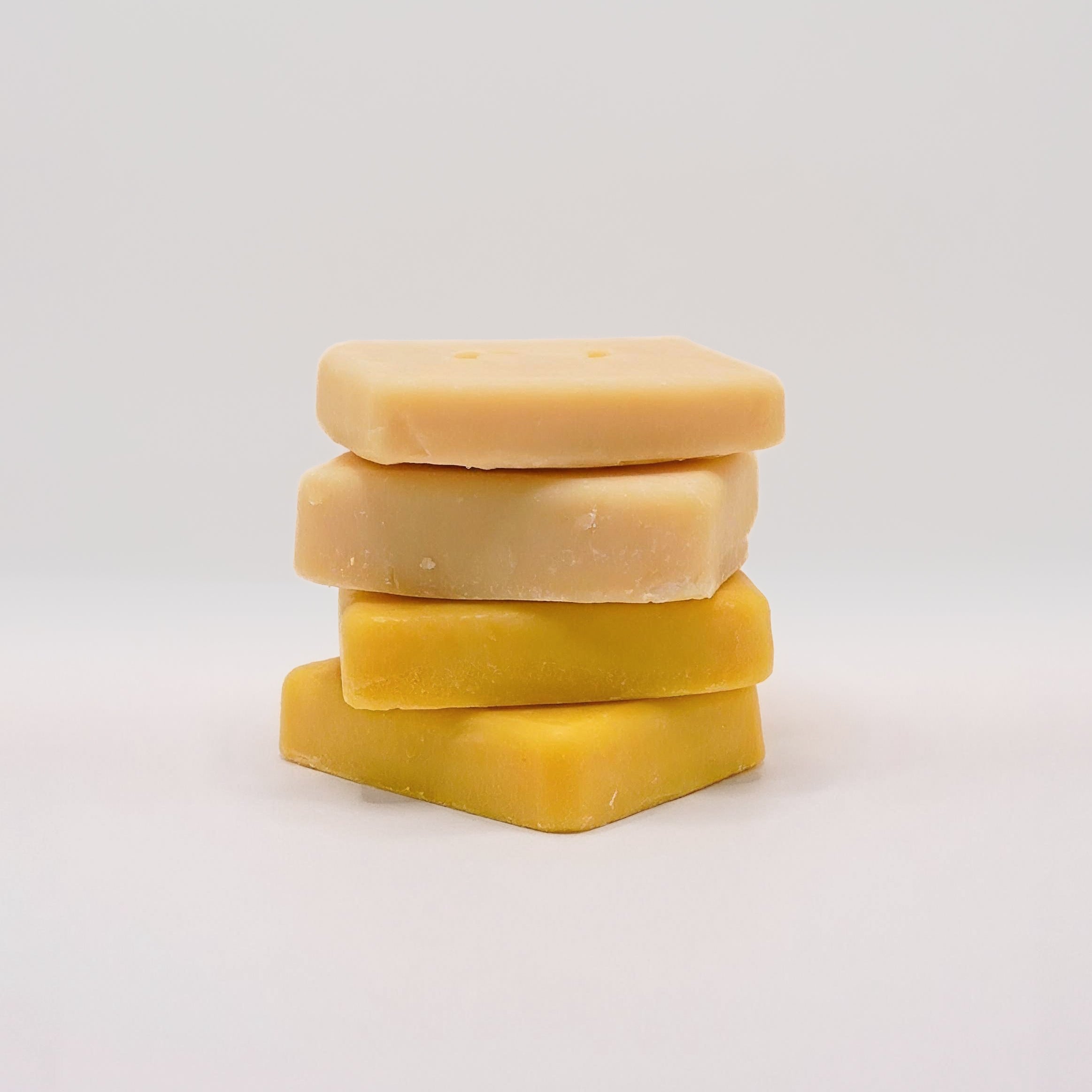




A stretch marks balm can soothe, hydrate and make new marks appear less noticeable, but it is not a guaranteed prevention or cure. The honest, evidence-aware move is to use a moisturising balm daily, choose one with pregnancy-safe labelling, and keep your expectations realistic. Our own picks for this job are three different balms, each suited to a slightly different skin need.
TL;DR:
Moisturizing balms provide comfort and hydration but have no conclusive evidence to prevent or fade stretch marks in pregnancy.
For best results, apply a small amount of balm to slightly damp skin daily for at least eight to twelve weeks, especially on fresh, red marks.
Ingredients like retinoids and certain active compounds are contraindicated during pregnancy and breastfeeding, requiring careful label checks and professional consultation.
Balms with rich, occlusive textures suit dry or sensitive skin, while lighter creams may appeal for daily, discreet use without sacrificing routine consistency.
Professional treatments such as laser therapy or microdermabrasion may improve the appearance of existing marks but do not guarantee complete removal.
What the research actually says about stretch mark balms and creams
How to choose a stretch marks balm: ingredients, labels and safety checks
Choosing between balms usually comes down to what your skin is asking for right now: everyday comfort, extra richness, or something that works a bit harder on tension and cramping alongside moisturisation. We built our range with those three needs in mind, rather than trying to make one formula do everything.
One balm is recommended for daily, all-round care during changing skin seasons, whether that’s pregnancy, postpartum recovery, or simply a stretch of drier months. It’s formulated to absorb well without leaving a heavy film, which matters when you’re applying it morning and night across a growing belly, hips or thighs. Think of it as the balm you reach for without thinking twice.
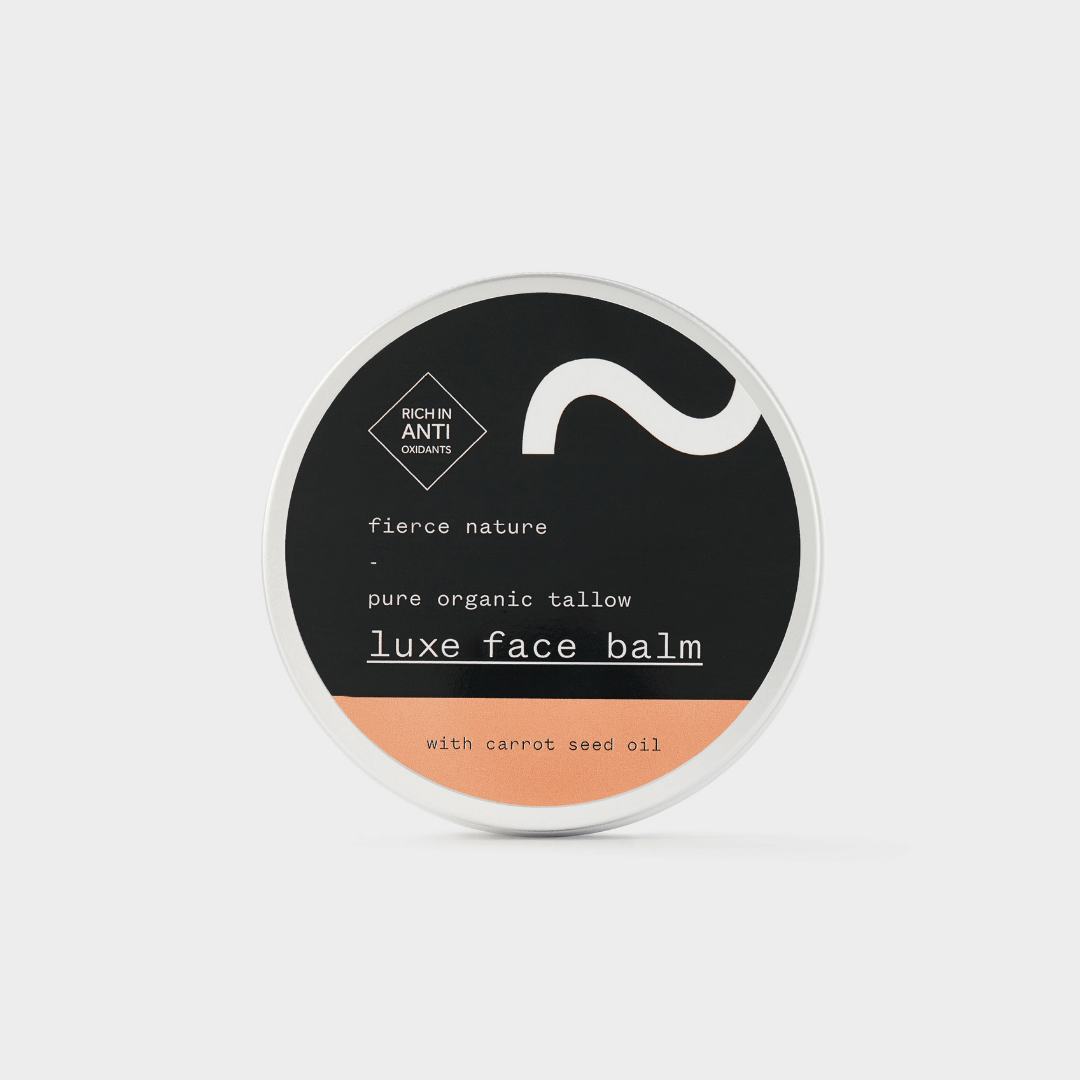
Another balm suits skin that wants a little more pampering, particularly if lighter lotions leave you feeling tight or under moisturised by evening. Its richer texture makes it a comforting choice for sensitive or reactive skin that reacts badly to synthetic fragrances or thin, watery creams. If your skin has ever flared up after trying a “miracle” stretch mark cream, this is worth a look.
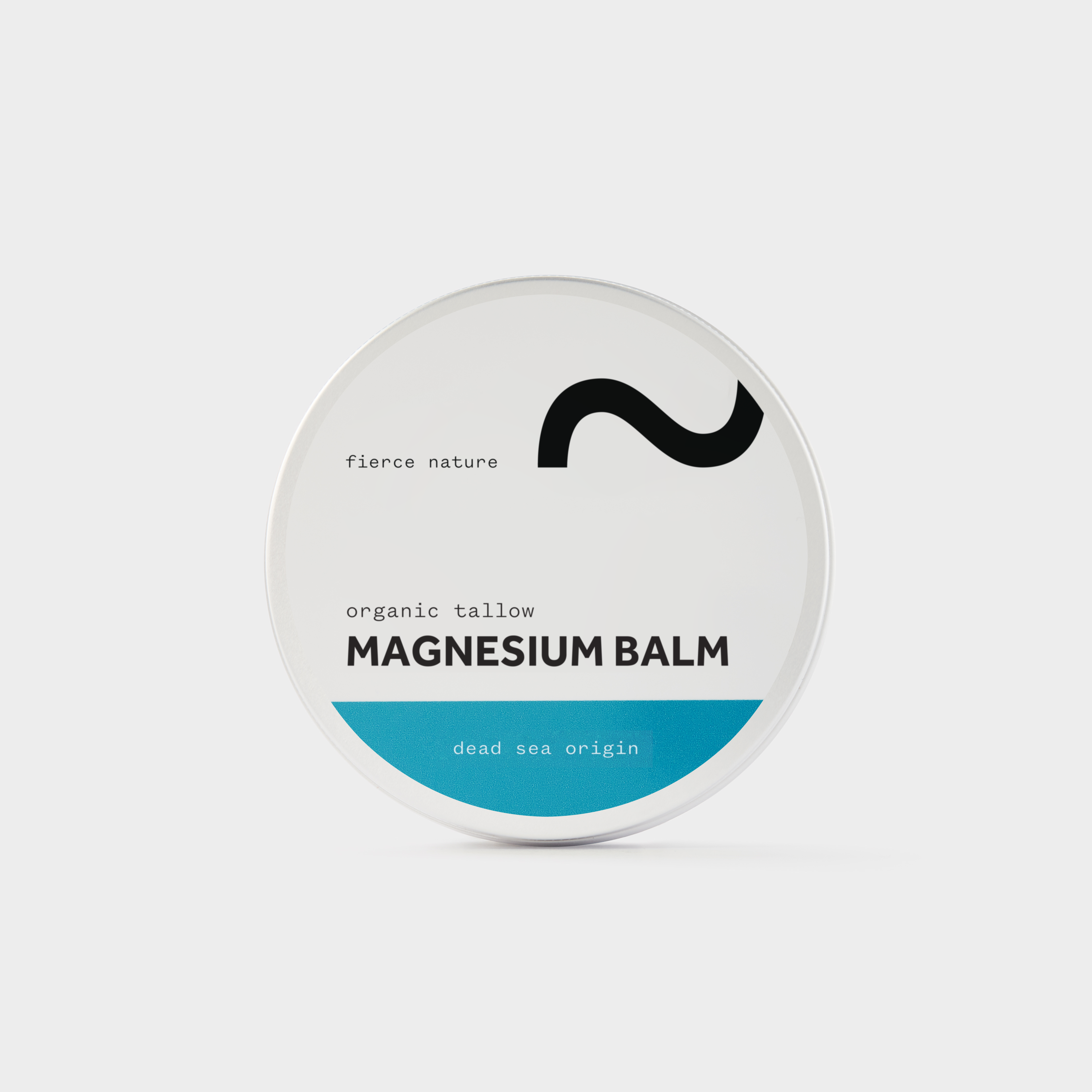
A third balm is for those who want moisturisation paired with topical magnesium, often used for restless legs, muscle cramps or general tension, common companions to late pregnancy and postpartum fatigue. It won’t outperform the others on pure hydration, but it earns its place for readers managing both skin comfort and muscular discomfort at once.
Beyond our own range, here’s how we’d think about matching any balm to your needs:
Comfort seekers: look for occlusive, butter-based formulas that create a barrier and reduce that tight, itchy feeling as skin stretches.
Sensitive skin: favour short ingredient lists, fragrance-free or naturally scented options, and always patch test first.
Extra minerals: consider a magnesium-enriched balm if cramping or restlessness is part of the picture, not just the marks themselves.
Budget-conscious buyers: a smaller sample size lets you trial texture and scent before committing to a full-size jar.
The evidence is more modest than most marketing suggests, and it’s worth knowing that before you spend a penny. A Cochrane review of six trials involving roughly 800 pregnant women found no high-quality evidence that topical preparations prevent stretch marks in pregnancy. The trials were small, used different products, and measured outcomes inconsistently, which makes strong claims about “prevention” hard to justify from the data available.
The honest reading of the research is this: moisturising a bump or thigh feels good and can ease the tight, itchy sensation that comes with rapidly stretching skin. What it hasn’t been shown to do, reliably, is stop marks forming in the first place.
The NHS guidance is similarly grounded. Stretch marks are common during pregnancy, affecting a large majority of pregnant women. They are harmless and often fade to paler, softer scars over time but may not disappear completely. The NHS also notes that laser or light treatment and microdermabrasion may improve appearance for some people, but these are not routinely available on the NHS and outcomes vary considerably from person to person.
The American Academy of Dermatology takes a slightly more optimistic angle for early marks specifically. Their guidance points to hyaluronic acid and prescription tretinoin as showing some benefit when applied to fresh, still-reddish stretch marks, before they’ve matured into paler, established lines. Tretinoin, though, is a retinoid, and retinoids are firmly off the table during pregnancy and breastfeeding. That caveat matters more than almost anything else in this article, so we’ll return to it.
Then there’s the marketing layer, which is where a lot of consumer confusion starts. UK advertising rules require brands to hold robust, product-specific clinical evidence before making efficacy claims, and to separate what a formula does from what massage alone might achieve. In practice, that means a jar promising to “banish stretch marks in weeks” is making a claim that regulators would expect to see backed by trial data specific to that exact product, not just to one ingredient it contains. Trials of popular home remedies, including almond oil, cocoa butter, olive oil and vitamin E, have generally failed to show they prevent or fade stretch marks either, despite their long-standing reputation as folk remedies.
None of this means balms are pointless. It means their real, defensible job is comfort and moisturisation, not miracle prevention.

Knowing what to look for on a label turns a confusing shopping trip into a quick, confident decision. Here’s the order we’d work through it in:
Favour occlusives and humectants for comfort. Butters, oils and emollients create a barrier that locks in moisture, while humectants like hyaluronic acid draw water into the skin. Together, they’re your best bet for easing the tight, itchy sensation of stretching skin, even without proven prevention benefits.
Treat vitamin E, cocoa butter and almond oil as comfort ingredients, not cures. They feel lovely and have decades of anecdotal use behind them, but the trial evidence doesn’t support claims that they stop marks forming.
Check for retinoids and prescription actives before buying, especially in pregnancy. Tretinoin and other retinoids may help early marks outside of pregnancy, but they are contraindicated for anyone pregnant or breastfeeding. If a product doesn’t clearly state its full ingredient list, that’s a red flag in itself.
Read the full ingredient list, not just the front-of-pack claims. Look for fragrance and allergen warnings if you have reactive skin, and check whether a smaller sample size is available before you buy full price.
Patch test on a small area first, particularly if you’ve had skin reactions to mainstream cosmetics before, and give it 24 to 48 hours before applying more widely.
Pro Tip: If you’re unsure whether an ingredient is pregnancy-safe, don’t rely on the product’s own marketing copy. A quick check with your midwife or GP takes minutes and settles the question properly.
Our tallow-based approach to skin comfort leans deliberately into the first category: rich, bioavailable emollients that support the skin barrier, rather than actives that need a pregnancy safety conversation.
Getting the routine right matters almost as much as the balm itself, because consistency is what gives any formula a fair chance to work. Here’s the sequence dermatology guidance and NHS advice both point towards:
Cleanse the area and apply to skin that’s still slightly damp, since damp skin absorbs balm more readily than dry skin.
Use a small amount, roughly a coin-sized dollop per area, rather than piling it on.
Massage in gentle, circular motions for around 60 seconds per area. This is where our body balm massage technique guide is worth a read if you’ve never done it properly.
Apply daily, ideally after a shower and again before bed, so it becomes part of a rhythm rather than an occasional afterthought.
Start as early as you comfortably can, whether that’s early pregnancy or the moment you notice new marks forming, because actives and massage both seem to have more influence on fresh, reddish marks than on ones that have already matured and faded. Give any routine at least eight to twelve weeks before judging whether it’s making a visible difference. Skin changes slowly, and a fortnight simply isn’t long enough to see anything meaningful.
To keep it consistent, tie application to something you already do daily, like your evening skincare or bedtime routine, and try a sample size first if you’re switching products. Stop immediately if you notice redness, itching or irritation that wasn’t there before.
Balms have a ceiling, and it’s worth knowing where that ceiling sits before you feel disappointed by a formula that was never going to remove established scarring on its own. Professional options exist for people who want to go further, though none of them offer guaranteed results.
Laser or light therapy can improve the appearance of stretch marks for some people, but results vary widely and it’s a private-pay service in the UK, not something offered on the NHS.
Microdermabrasion works by gently resurfacing the skin and may soften the look of marks, though again, outcomes aren’t consistent from person to person.
Chemical peels can help some established marks but typically need multiple sessions and carry a risk of irritation, particularly on sensitive skin.
Prescription tretinoin, used post-pregnancy and post-breastfeeding only, has some evidence behind it for early marks specifically, but it’s not an option while pregnant or nursing.
If you’re considering any clinic-based treatment, ask direct questions before booking: what evidence supports this specific device or peel, what improvement is realistic rather than best-case, how many sessions will you likely need, and what are the known side effects. A reputable clinic should answer all four without hesitation.
Fierce Nature was built on a fairly personal frustration: a childhood spent battling unexplained skin rashes and reactions to mainstream cosmetics, and years of professional work since then understanding how much of that comes down to toxic load and harsh, hidden chemicals in seductive packaging. That history shapes how we talk about stretch marks too. We’d rather tell you plainly that no balm has strong evidence behind preventing them than sell you a promise we can’t back up.
Our approach is to be honest about what naturally sourced skincare can realistically offer: comfort, nourishment and a formula with a transparent ingredient list, not miracle prevention.
Every product in our Functional Balm Collection is handmade in the UK, built on an organic tallow foundation chosen for its bioavailability and long history as a skin emollient. We’ll update this article with proprietary trial data and third-party certifications as they become available.
The format you choose affects how consistently you’ll actually use it, which matters more than any single ingredient. Balms tend to be thicker and more occlusive than creams, meaning they sit on the skin longer and create a stronger barrier against moisture loss. That makes them a solid choice for very dry or tight-feeling skin, particularly over a stretching bump or thighs where comfort is the priority.
Creams are typically lighter and absorb faster, which some people prefer for daytime use under clothing when a heavier balm might feel too rich. Oils sit somewhere in between: fast to apply, easy to massage in, but often less occlusive than a proper balm, so the moisturising effect may not last as long between applications.

None of these formats has been shown to outperform the others on actually preventing or fading stretch marks. The real difference is user experience. A balm you enjoy applying and massaging in daily will get used consistently. A cream that feels greasy under clothes or an oil that stains your sheets won’t, no matter how good its ingredient list looks on paper. Choose the format that fits your routine and skin feel, then commit to using it properly, since consistency does more heavy lifting here than formulation choice ever will.
Stretch marks are a normal, common part of how skin responds to growth, whether that’s pregnancy, puberty or simply a body changing shape over time. Around eight in ten pregnant women get them, and that’s not a flaw to fix, it’s just biology doing what it does.
We recommend moisturising balms because they genuinely make stretching, tight skin feel more comfortable, not because we believe they’ll erase every mark. Choosing a pregnancy-safe, evidence-aware formula is about caring for your skin as it changes, not chasing a version of your body that never had marks at all. Use these products for comfort, ritual and self-care. That’s a good enough reason on its own.
— Fierce Nature
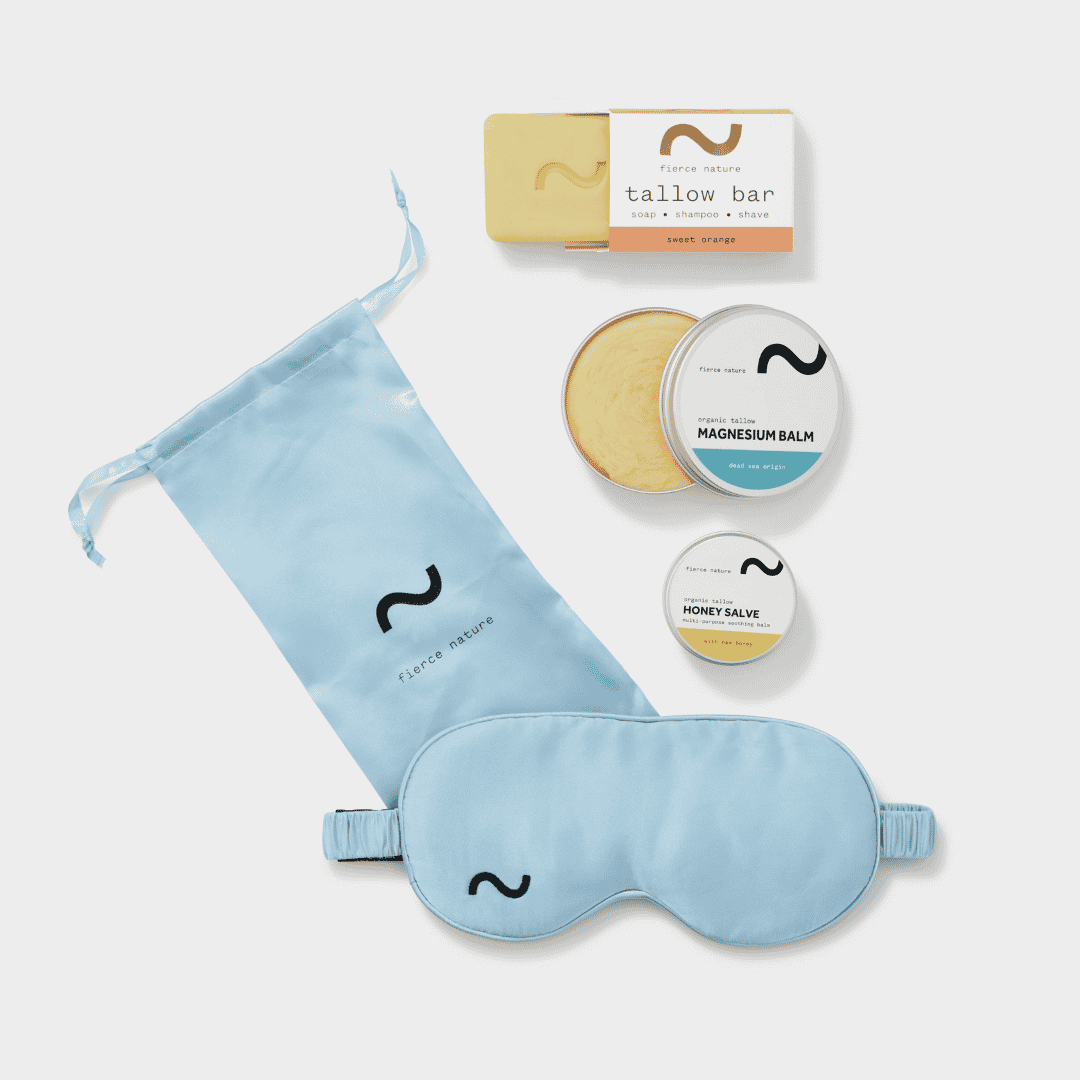
If daily comfort during changing skin is what you need, the Balance Balm is the sensible everyday pick, light enough for twice-daily use across a bump, hips or thighs without feeling heavy under clothing. For richer, more pampering care, particularly if your skin is sensitive or reactive to synthetic fragrance, the Luxe Balm offers a more indulgent texture that suits an evening ritual. And if you’re managing muscle tension or restlessness alongside skin changes, the Magnesium Balm pairs moisturisation with topical magnesium in one step.
All three are handmade in the UK on an organic tallow base, with full ingredient transparency so you can check what’s inside before you buy, an important step if you’re pregnant or breastfeeding and screening out retinoids and other prescription actives. If you’d rather browse the full range and compare textures side by side, our Face and Body Balms collection covers the complete line-up. Pick the one that matches your skin’s mood this week, add it to your routine, and give it the eight to twelve weeks that any fair trial needs.
NHS — , stretch marks guidance on prevalence, fading and treatment options including laser and microdermabrasion.
Cochrane — , systematic review of six trials on topical preparations for preventing stretch marks in pregnancy.
ASA/CAP — , UK advertising guidance on evidence standards for cosmetic efficacy claims.
This article is general information, not a substitute for advice from a qualified doctor. Consult a qualified healthcare professional about your own circumstances before acting on anything here.
They work well for comfort and moisturisation, easing the tight, itchy feeling of stretching skin, but a Cochrane review of six trials found no high-quality evidence that topical preparations prevent stretch marks in pregnancy. Think of them as skin comfort tools rather than prevention treatments.
Celebrity skincare routines are rarely backed by published clinical evidence specific to the products used, so we can’t verify or recommend based on individual celebrity claims. The safer approach is choosing a balm with a transparent ingredient list and pregnancy-safe labelling, then applying it consistently.
Daily massage with a moisturising balm on clean, slightly damp skin, done consistently for eight to twelve weeks, is the most evidence-aware natural approach available. Starting early on fresh marks, rather than waiting until they’ve matured, gives you the best realistic chance of a visible change in comfort and appearance.
No. Retinoids, including prescription tretinoin, have shown some benefit for early stretch marks in dermatology research, but they are contraindicated during pregnancy and breastfeeding. Always check the full ingredient list and speak to your midwife or GP if you’re unsure about any active ingredient.


