Cart
0
80% Also Added this






In the UK, sunscreens are cosmetic products and must meet UK Cosmetics Regulation requirements. Before placing a product on the market, you need a qualified safety assessor’s opinion, in-vivo SPF and UVA test data, and a complete product information file. You also need to check Annex VI for recent amendments, including benzophenone-3 limits, and follow the correct transitional dates for any restricted substances.
TL;DR:
- SPF claims require in vivo volunteer testing, and UVA protection must reach at least one third of the labelled SPF for the UVA circle.
- Benzophenone 3 stock placed on the market before January 21, 2026, may sell through July 21, 2026, but new production must meet revised limits.
- Keep the product information file and supporting records for ten years after the last batch enters the market, and organize them for prompt inspection.
- Water resistance claims require immersion tests that support the exact duration stated, either 40 or 80 minutes; brands must not round the tested duration upward.
- Northern Ireland follows a distinct transitional arrangement under the Windsor Framework, so brands selling there should check its rules separately from Great Britain.
Sunscreens sit squarely within the UK Cosmetics Regulation (UKCR), the retained version of Regulation 1223/2009. This single instrument covers every leave-on and rinse-off cosmetic sold in Great Britain, and sun protection products are treated the same way as a moisturiser or a shampoo in legal terms, even though the scrutiny they attract is considerably higher given the health claims involved.
The Secretary of State has the power to amend the regulation’s Annexes under Articles 31 and 32, which is how new restrictions or prohibitions on UV filters get written into law without a full new Act of Parliament. This matters because it means the list of permitted ingredients can and does change year on year, and brands that assume last year’s formulation is still compliant can find themselves wrong-footed.
Several statutory instruments have reshaped the UV filter landscape recently. The Cosmetic Products (Restriction of Chemical Substances) (No. 2) Regulations 2025 amend Annex VI to restrict benzophenone-3 concentrations by product type, with a transitional sell-through period allowed for stock already placed on the market before the introduction date, lasting several months thereafter. Further amendments due in 2026 and 2027 continue this pattern, removing or tightening limits on other filters. All of these instruments apply to Great Britain; Northern Ireland follows a related but distinct transitional arrangement under the Windsor Framework, which is worth checking separately if you distribute there.
Enforcement sits with the Office for Product Safety and Standards (OPSS) at a national level, working alongside local trading standards teams who handle day-to-day market surveillance and complaints. In practice, enforcement tends to follow one of three routes:
A finding of non-compliance can lead to a product recall, a sales ban, or in serious cases a prosecution under the Cosmetic Products Enforcement Regulations 2013. For a brand, the practical consequence is usually a forced withdrawal from sale and the reputational cost of explaining it to retailers and customers.
If you want the longer背景 on how UK law diverged from the EU version after Brexit, our piece on why UK skincare regulations differ walks through the retained law mechanism in more depth.
An SPF number on a label is a legal claim, not a marketing flourish, and it needs to be backed by in-vivo testing on human volunteers before it ever reaches a bottle. There is no shortcut version of this: in-vitro or computational estimates can support formulation work, but the figure on the pack has to trace back to a recognised in-vivo protocol, repeated across production batches to confirm consistency.
UVA protection works differently. Rather than a single number, UK and EU convention uses the UVA logo (a circle marked “UVA”) or a star rating from zero to five, and the underlying requirement is that the UVA protection factor must be at least one-third of the labelled SPF value. This “one-third rule” is the practical test that most labs and brands use to decide whether a formulation can legitimately carry the UVA circle. Some assessments also reference critical wavelength, a measure of how broadly the filters absorb across the UVA spectrum, as supporting evidence for broad-spectrum claims.
UK consumer guidance recommends a minimum SPF and UVA protection level for everyday sun protection, with NHS guidance advising a practical baseline level of protection.
Water resistance claims need their own evidence trail. A product cannot say “water resistant” or “very water resistant” without test data showing the SPF is maintained after specified periods of water immersion, typically 40 or 80 minutes depending on which claim is made. The same logic applies to any ancillary claim: “once a day” or “all day protection” needs its own substantiation file, not an assumption drawn from the SPF number alone.
For formulators working with mineral filters, our article on zinc oxide percentages and the SPF relationship breaks down how concentration and particle size interact with protection levels, which is useful background when briefing a testing lab.
Practical points to hold in your evidence file:
Pro Tip: Commission your SPF and UVA testing before you finalise packaging artwork. Changing a claimed SPF number after print has been ordered is an expensive mistake we see more often than it should happen.
Annex VI of the retained Regulation 1223/2009 is the definitive list of UV filters allowed in cosmetic products sold in Great Britain, and it sets out not just which substances are permitted but the maximum concentration allowed for each, often with different limits depending on the product type. Mineral filters such as titanium dioxide and zinc oxide carry their own conditions where used in nanomaterial form, including restrictions on spray applications because of inhalation concerns.
The most significant recent change is the restriction on benzophenone-3 (oxybenzone). The Cosmetic Products (Restriction of Chemical Substances) (No. 2) Regulations 2025 introduced lower concentration ceilings for this filter depending on product type, with the explanatory memorandum noting that the Secretary of State relied on SAG-CS safety advice to justify the change. If your existing formulation uses benzophenone-3 at a level above the new ceiling, you have a transitional window to work within rather than an immediate ban:
A second filter under scrutiny is 4-MBC (3-(4-Methylbenzylidene) camphor). SAG-CS opinions have fed into UK regulatory moves to remove this filter from Annex VI altogether, with the amendments landing across 2026 and 2027 instruments and carrying their own transitional sell-through windows. If 4-MBC appears anywhere in your current formulation, treat it as a near-term reformulation priority rather than a distant concern.
Points formulators and compliance leads should carry into product development meetings:
For a closer look at how these ingredient restrictions translate into everyday ingredient choices, our guide to sunscreen ingredients to avoid sets out safer alternatives worth considering alongside the Annex VI list itself.
A sunscreen label carries more legal weight than most people realise, and getting it wrong is one of the fastest routes to an enforcement letter. The Cosmetic Products (Safety) Regulations 2008 set out the baseline labelling requirements that still apply today, and they are unforgiving on detail.
Every pack needs, as a minimum:
SPF and UVA protection need to be shown in a way that matches what your test data actually supports. The SPF number sits prominently on the front of pack, usually alongside a protection category word such as “high” or “very high”, while UVA protection is shown through the UVA-in-a-circle logo once you have confirmed the one-third ratio against your SPF. You cannot use the UVA logo as a design flourish: it is a regulated claim, and using it without the underlying test data is a mislabelling risk.
“Water resistant” can only appear on pack when you hold the water immersion test data to support it, and the specific claim made, whether 40 minutes or 80 minutes, has to match what was actually tested rather than being rounded up for a cleaner label.
Pro Tip: Check your print proof against your product information file line by line before the first production run. A mismatched batch code or an outdated PAO symbol is a small error that still counts as a labelling breach.
Legibility matters as much as content. Text needs to be indelible and easily readable under normal conditions of purchase and use, which rules out ingredient lists shrunk so small they need a magnifying glass, however tempting that is on a compact tube. If you want a practical walkthrough of how to read and check an ingredient label against these requirements, our guide on reading cosmetic ingredient labels in the UK is a useful cross-check for your own packaging reviews.
Before a single unit of sunscreen reaches a UK shelf or a UK customer’s doorstep, three pieces of groundwork need to be in place: a named responsible person, a qualified safety assessor’s sign-off, and a complete product information file.

The responsible person is the legal entity accountable for the product’s compliance in Great Britain. If you manufacture in the UK, that is usually you. If you import from outside the UK, the importer typically takes on this role unless a UK-based distributor formally agrees to assume it. This is not a title to delegate casually: the responsible person carries legal liability if the product falls foul of the regulation.
The safety assessor must be a qualified professional, typically holding a relevant degree in pharmacy, toxicology, medicine or a related discipline, who reviews the full formulation and signs a safety assessment confirming the product is safe for its intended use. For sun protection products, this assessment needs to specifically address the UV filters used, their concentrations against Annex VI limits, and the evidence supporting the SPF and UVA claims.
The product information file (PIF) is the master compliance document, and it needs to be ready to produce on request, often within days, if a trading standards officer comes asking. A complete PIF includes:
There is no central UK notification portal for new cosmetic products in the way some other markets operate, but you do need a working internal system to track which products are on the market, when they were placed, and where their PIFs are held, because that record is exactly what you will need to rely on if a transitional exemption ever becomes relevant. Keep test reports and PIFs for a minimum of ten years after the last batch was placed on the market, which aligns with how long enforcement bodies may reasonably ask to see them.
Pulling the above into a working order of operations helps most product teams more than a wall of regulation text does. Treat the following as your pre-launch and post-launch rhythm.
Before you launch:
If your formulation uses a newly restricted filter:
After you launch:
Pro Tip: Assign one named person as your internal regulatory contact for sun protection products. Spreading responsibility across a team often means no one notices a transitional deadline until it has passed.
We treat safety assessment as a formulation decision, not a paperwork step added at the end. When we develop a sun protection product, the safety assessor’s input shapes filter choice and concentration from the start, which avoids the costly scenario of finishing a formulation only to discover it cannot be substantiated or labelled the way we intended.
For smaller UK brands doing this for the first time, a few operational habits make the process considerably smoother:
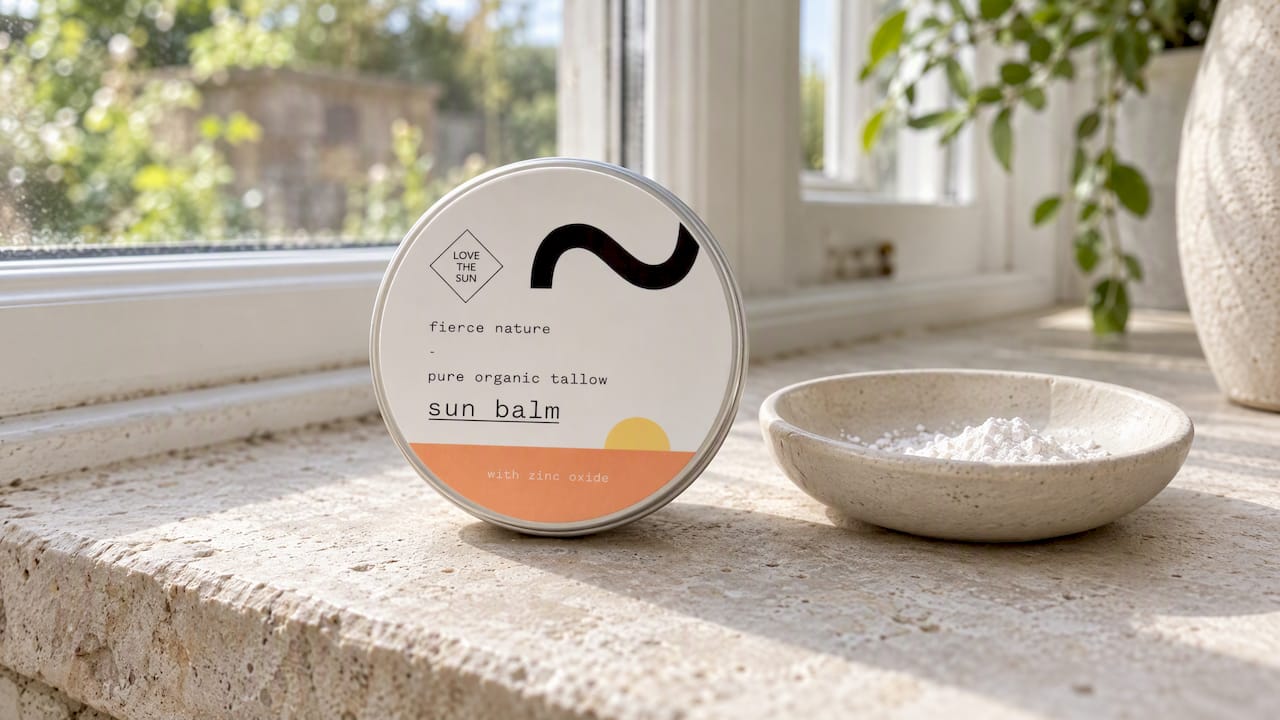
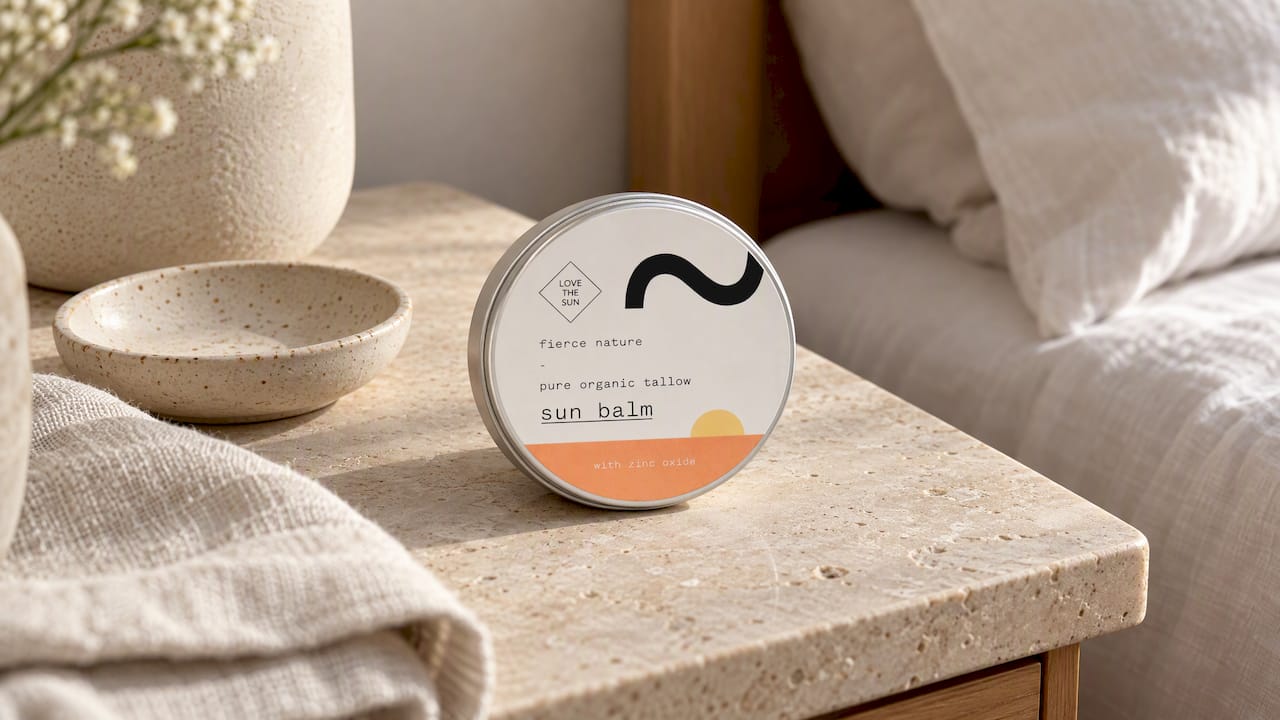
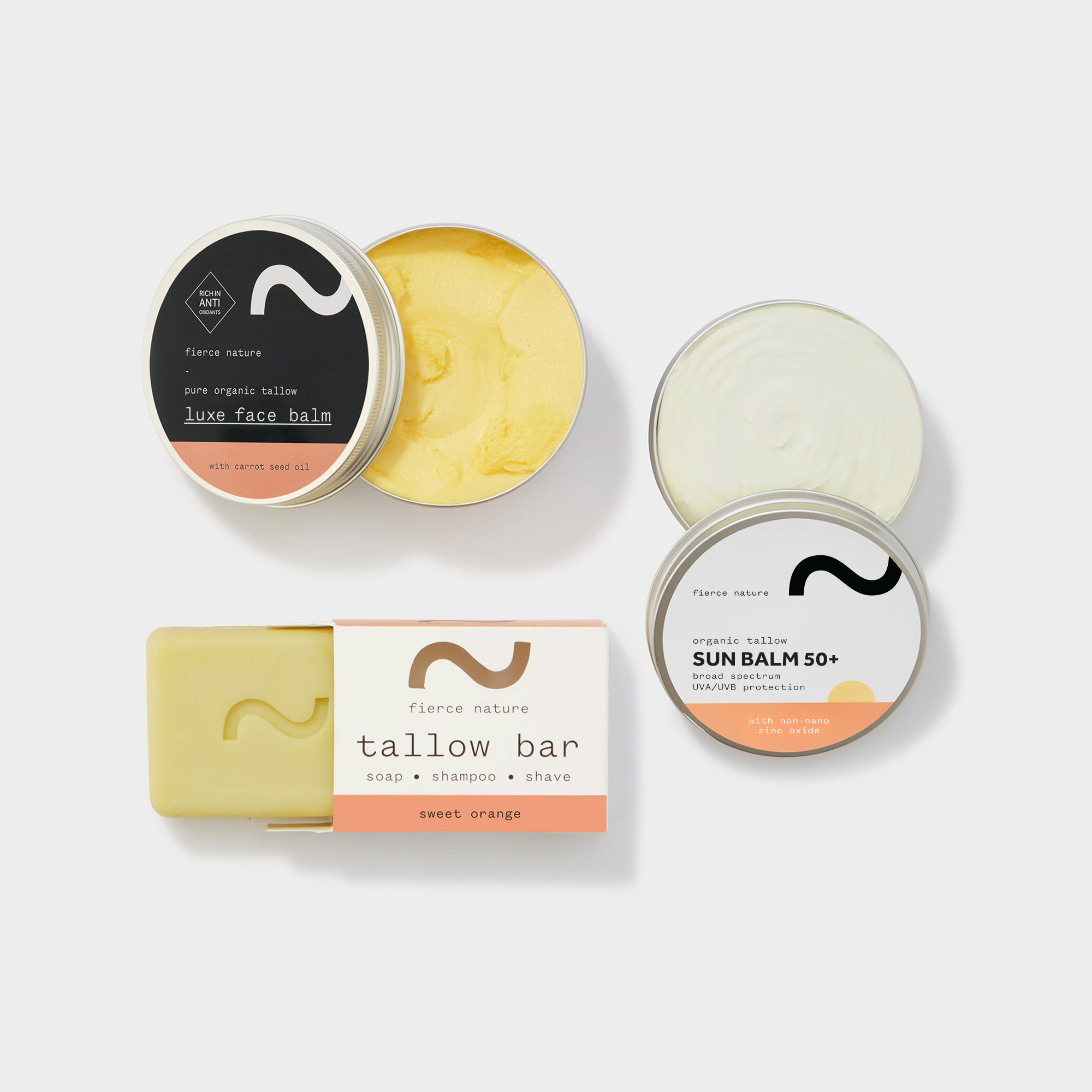
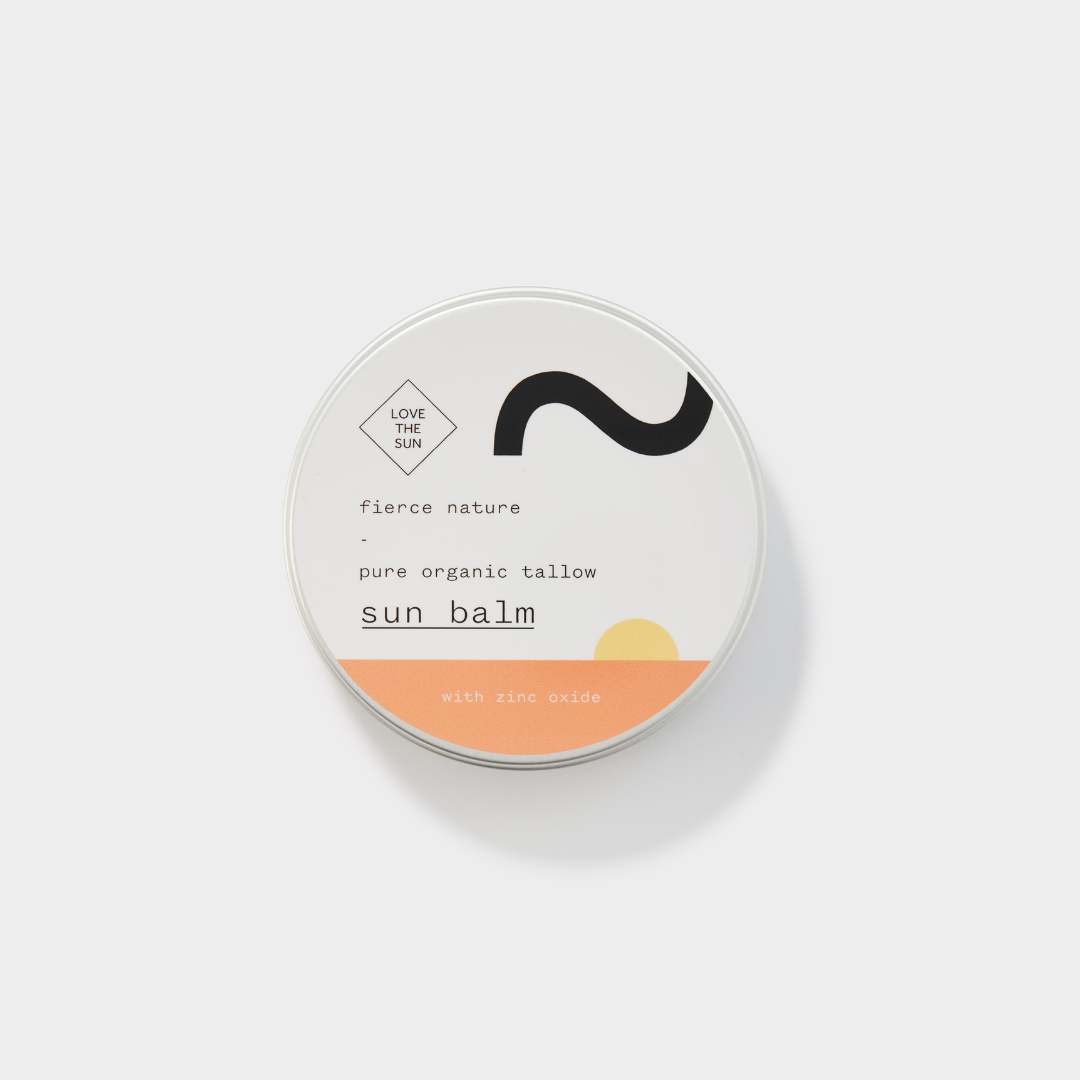
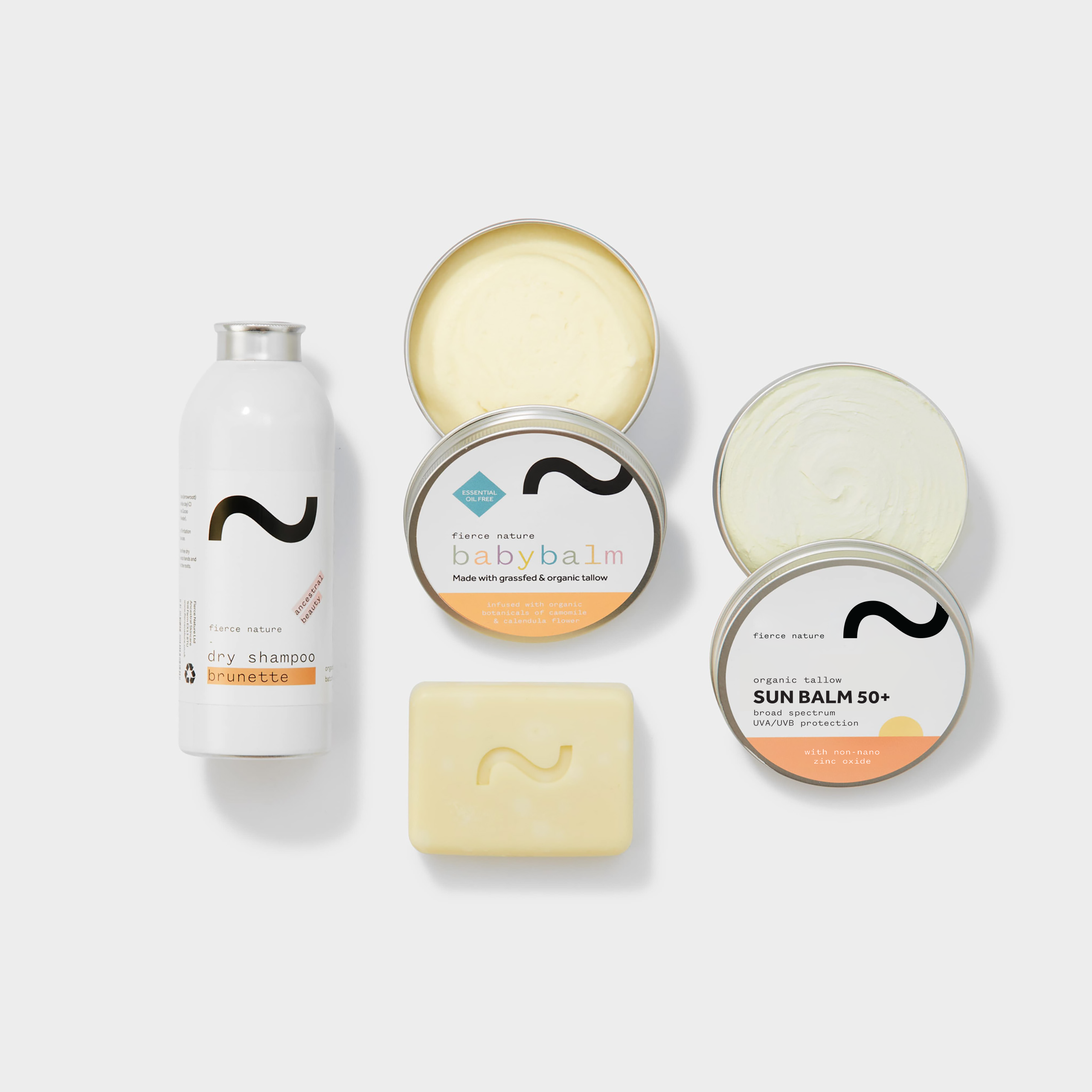
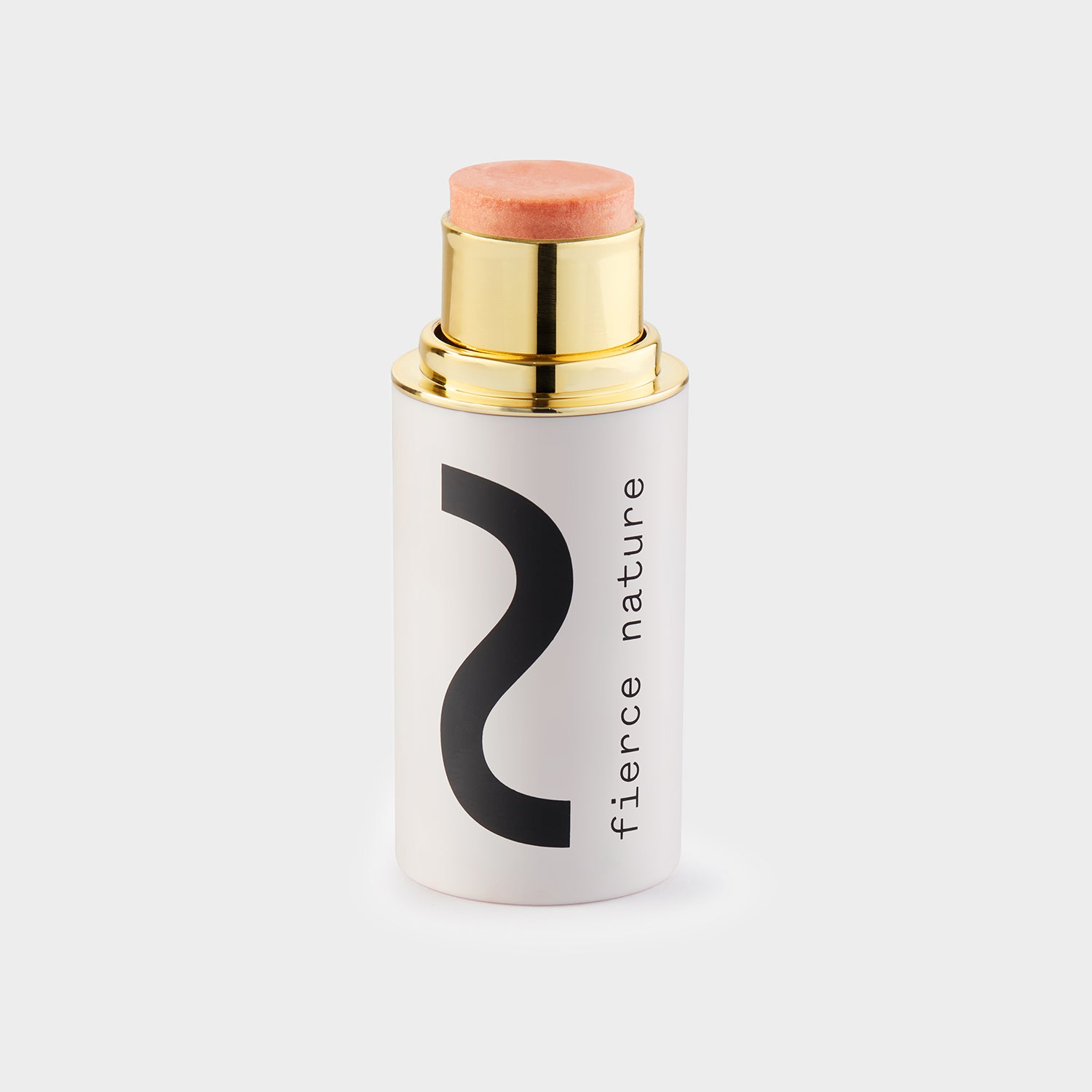
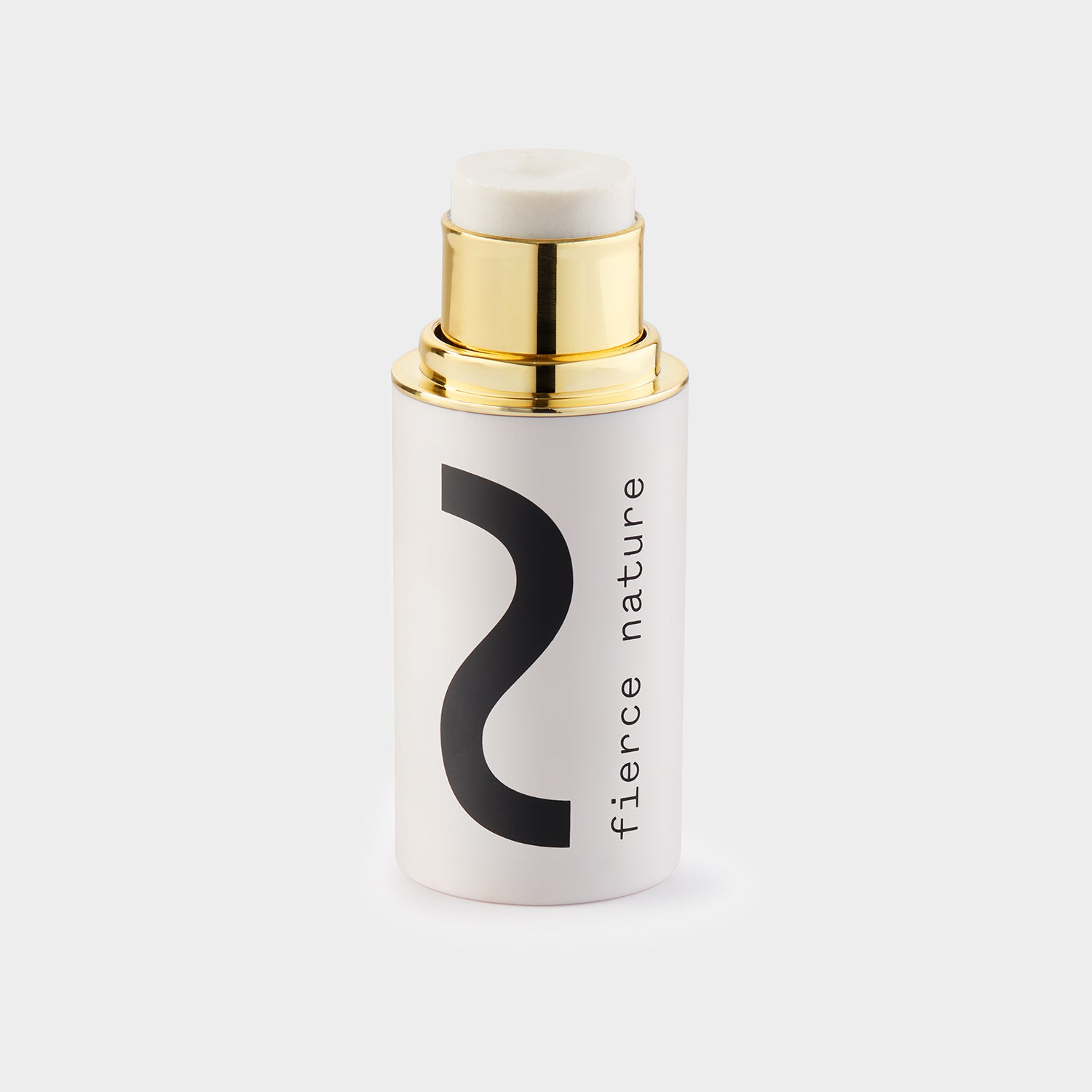
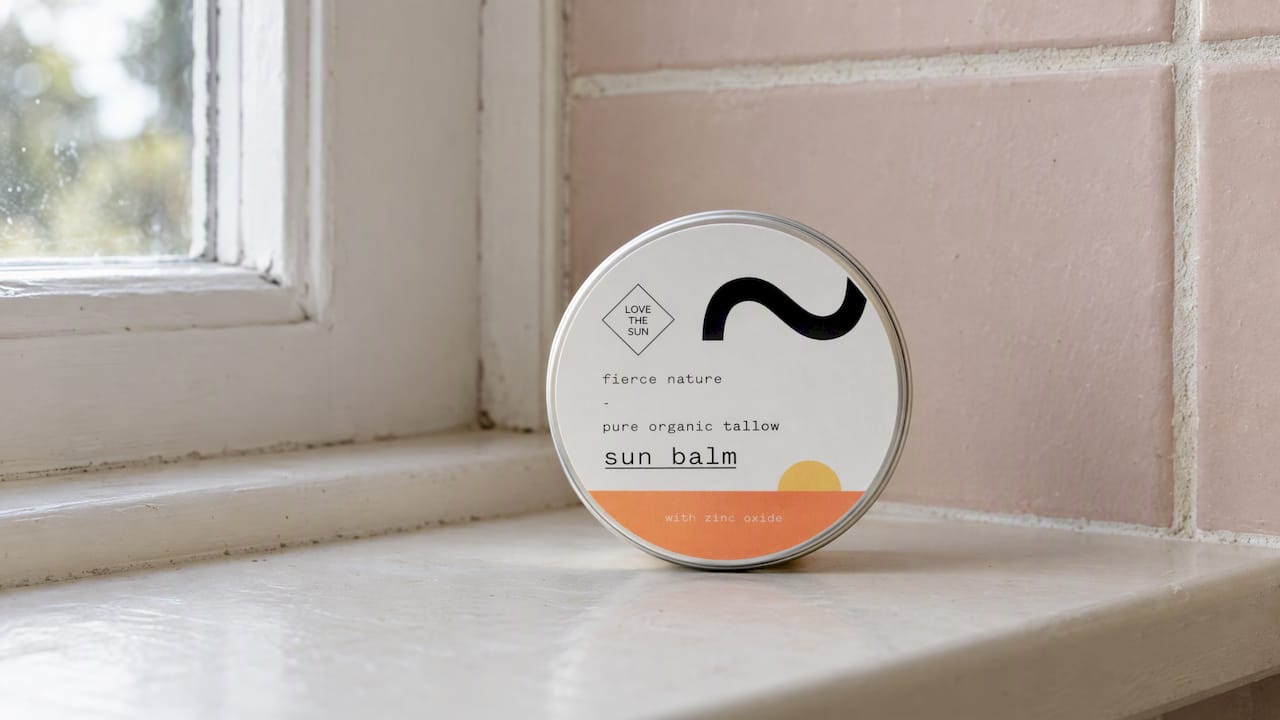
Our New Sun Balm SPF 50+ PA++++ product page is a useful reference point if you want to see how we present SPF, UVA and ingredient information together on a single label, built around the tallow-based formulation approach we use across our range.
— Fierce Nature
Labelling rules get most of the attention, but the packaging itself carries its own compliance considerations. The container needs to protect the formulation’s stability, since UV filters can degrade with light or air exposure, and a packaging choice that lets that happen undermines the very SPF claim on the front of pack.
Material safety matters too. Any packaging component in direct contact with the product needs to be assessed as part of the overall safety file, since migration of substances from plastic or metal into the formulation is a real consideration for a qualified safety assessor to review, not just a manufacturing afterthought.
Practical points worth building into your packaging brief:
If you are weighing environmental messaging alongside sun protection claims, our piece on what “reef safe” actually means for UK shoppers is a useful companion read on how to frame environmental claims without overstating them.
Annex VI has changed more in the past two years than in the previous decade, and that pace looks set to continue rather than settle. Regulators are clearly prioritising chemical safety review over leaving legacy filters untouched, which means the sensible assumption for any brand is that more amendments are coming, not that the current list is close to final.
The practical response is governance, not panic. Assign someone within your team to monitor Annex VI changes as a standing responsibility, and keep a reformulation contingency plan for your highest-risk filters so a new restriction becomes a scheduled task rather than an emergency.
A few habits make this far less painful when change does land:
Brands that treat compliance as a one-off project tend to find themselves scrambling at every Annex update. Brands that build it into ordinary operations find the same updates become a routine task on a checklist.
We developed our New Sun Balm SPF 50+ PA++++ as a tallow-based alternative to conventional sun protection, built with the same safety assessment and labelling discipline we have walked through in this guide. Every ingredient decision runs through our qualified safety assessor before it reaches a finished formulation, and our product information file is maintained as a living record rather than a one-off exercise at launch.
For cosmetic brands, manufacturers and importers who want a working example of how SPF, UVA and ingredient information come together on a single UK label, our product page shows the finished result of that process. We also welcome enquiries from other professionals in the natural skincare space who want to discuss formulation or compliance questions directly with us.
If sun protection sits alongside other areas of your range, our broader Face and Body Balms and Functional Balm Collection follow the same tallow-based, UK-handmade approach, and our Nourish Balms Collection applies similar sourcing principles to everyday skin nourishment.
Readers interested in hair and scalp sun protection as a complementary category may also find the CRISAN Beauty guide to sun protection for hair a useful reference alongside our own range.
To see label presentation and ingredient detail for yourself, visit the New Sun Balm SPF 50+ PA++++ product page directly.
This article is general information, not a substitute for advice from a qualified lawyer. Consult a qualified legal professional about your own circumstances before acting on anything here.
UV exposure drops significantly in the late afternoon and evening across most of the UK, but it does not disappear entirely, particularly in high summer when the sun remains strong into early evening. Whether you need continued protection depends on how long you are outdoors and the UV index that day rather than a fixed clock time.
UK guidance recommends a minimum of SPF30 with at least 4-star UVA protection for effective everyday sun protection, a benchmark set out in NHS guidance for UK consumers. SPF50 offers a higher margin of protection and suits those with fair skin, a history of sunburn, or extended outdoor exposure, but both figures only hold if the product is applied generously and reapplied as directed.
Specific product names and test results are not something we can state without a verified published source, and claims about named brands failing SPF tests should always be checked against the original testing body’s own published findings rather than secondhand reporting. If you are choosing a sunscreen, checking that the SPF and UVA figures are substantiated by in-vivo testing, as required under the UK Cosmetics Regulation, is the more reliable signal than relying on test headlines alone.
UK and EU sunscreen rules share the same origin in Regulation 1223/2009, but they have diverged since Brexit as each jurisdiction amends its own Annex VI independently through separate instruments. Neither system is simply “stricter” across the board: the two frameworks differ filter by filter, and the UK has introduced its own restrictions, such as the 2025 benzophenone-3 limits, on its own timetable.
A complete PIF includes the full product description and formulation, the method of manufacture with a good manufacturing practice statement, a signed safety assessment covering the UV filters and claims, and the in-vivo SPF and UVA test reports supporting every claim on the label. It needs to be ready to produce promptly if a trading standards officer requests it.