Cart
0
80% Also Added this


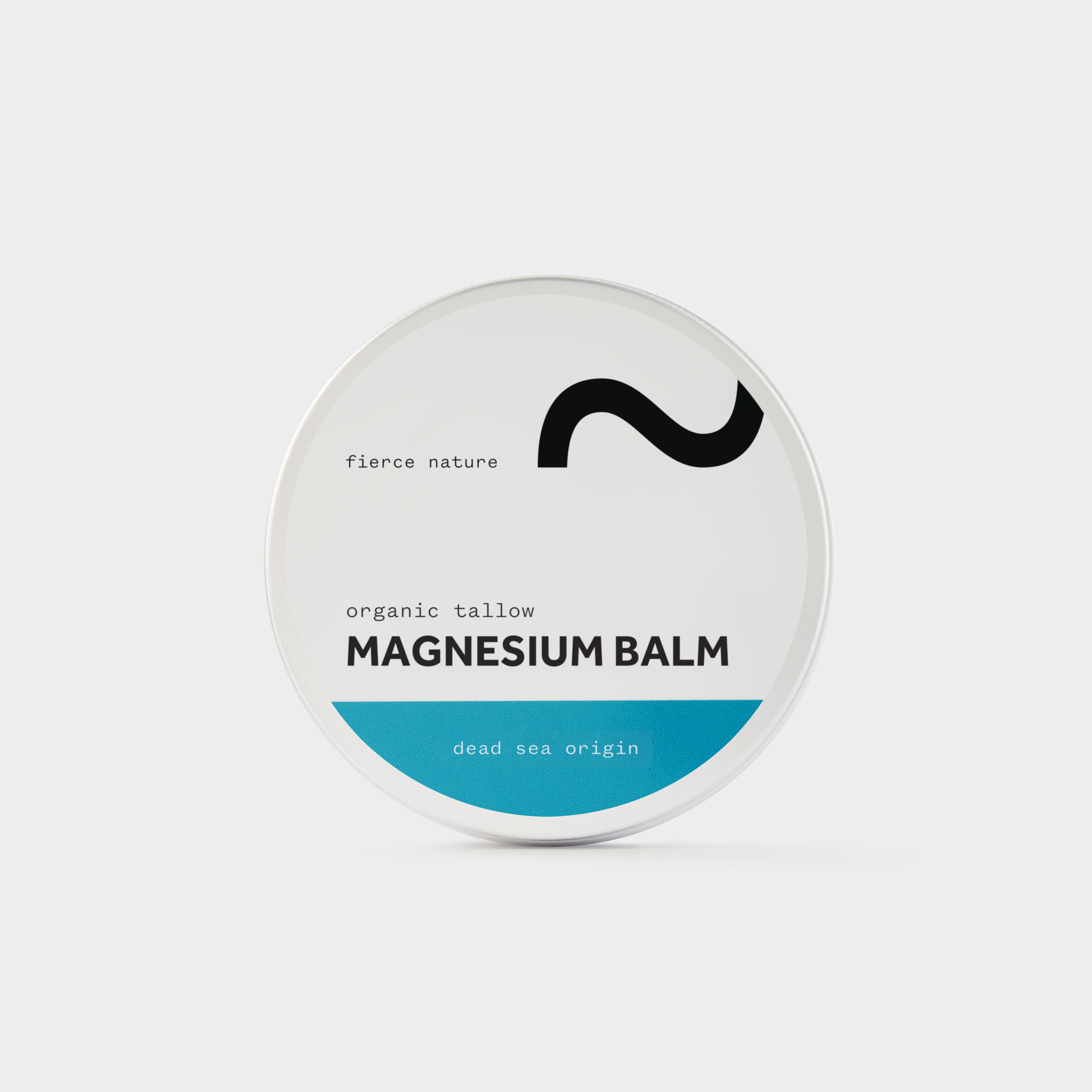
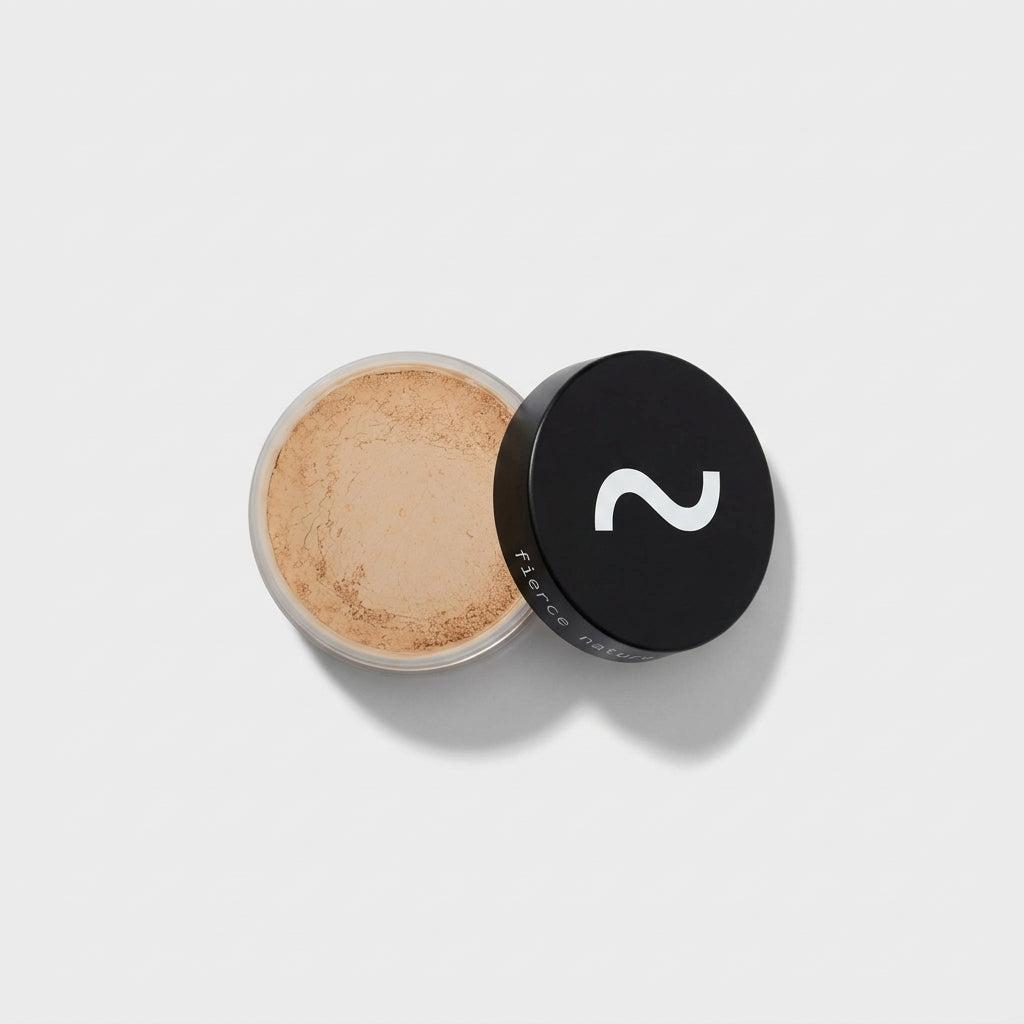
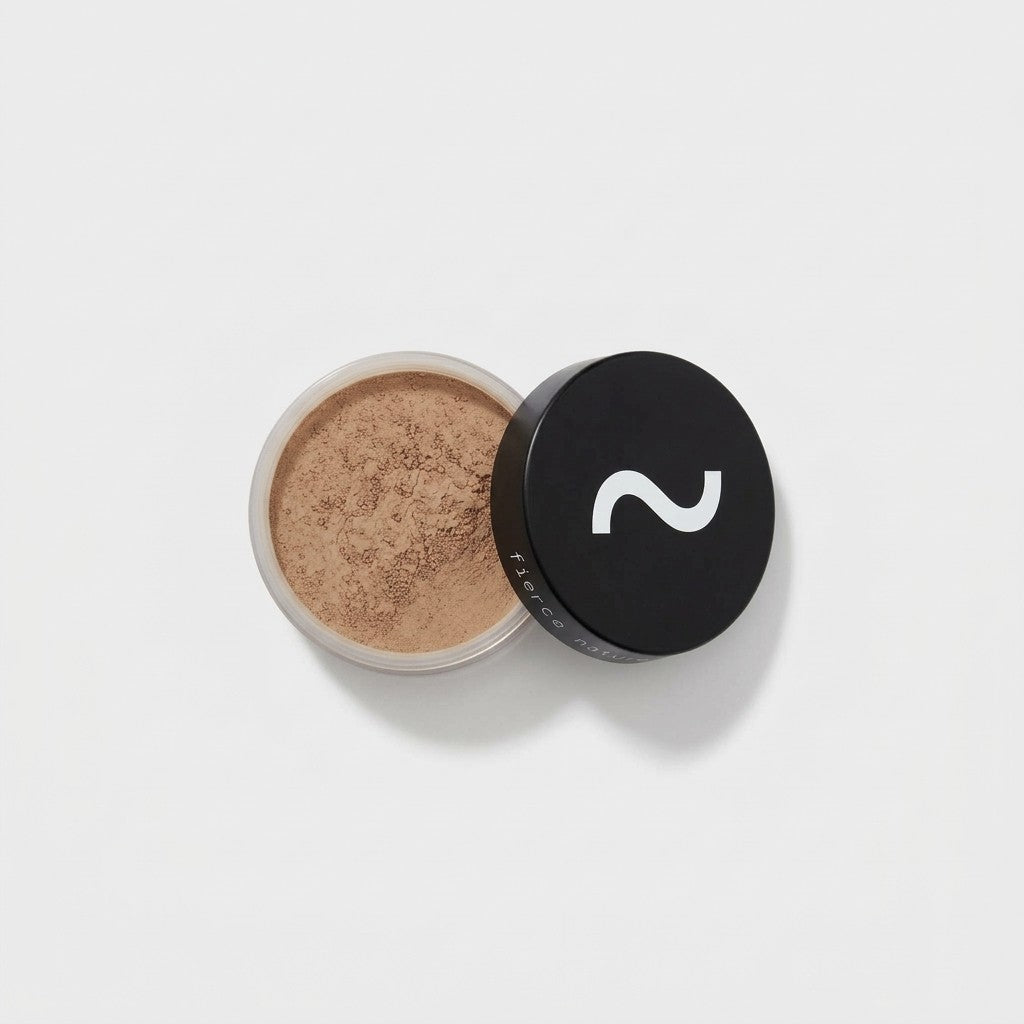
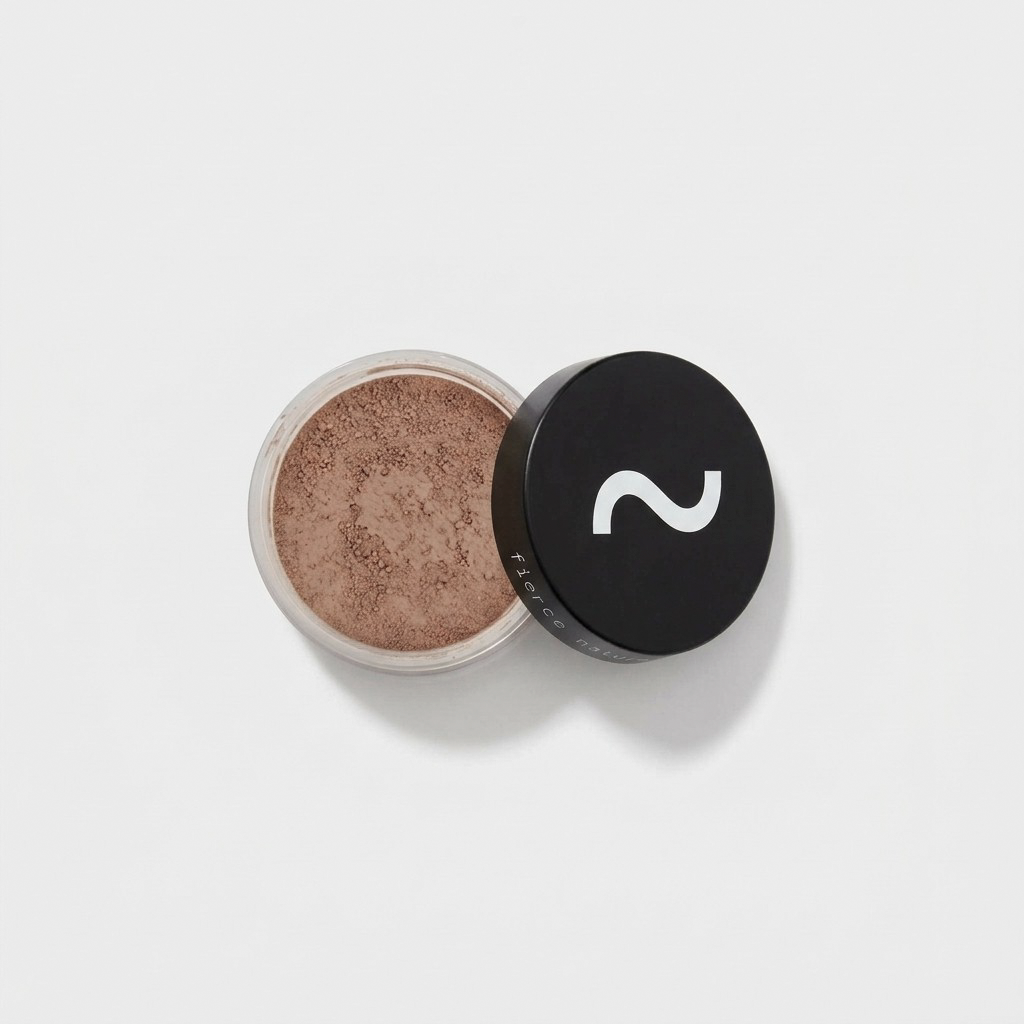
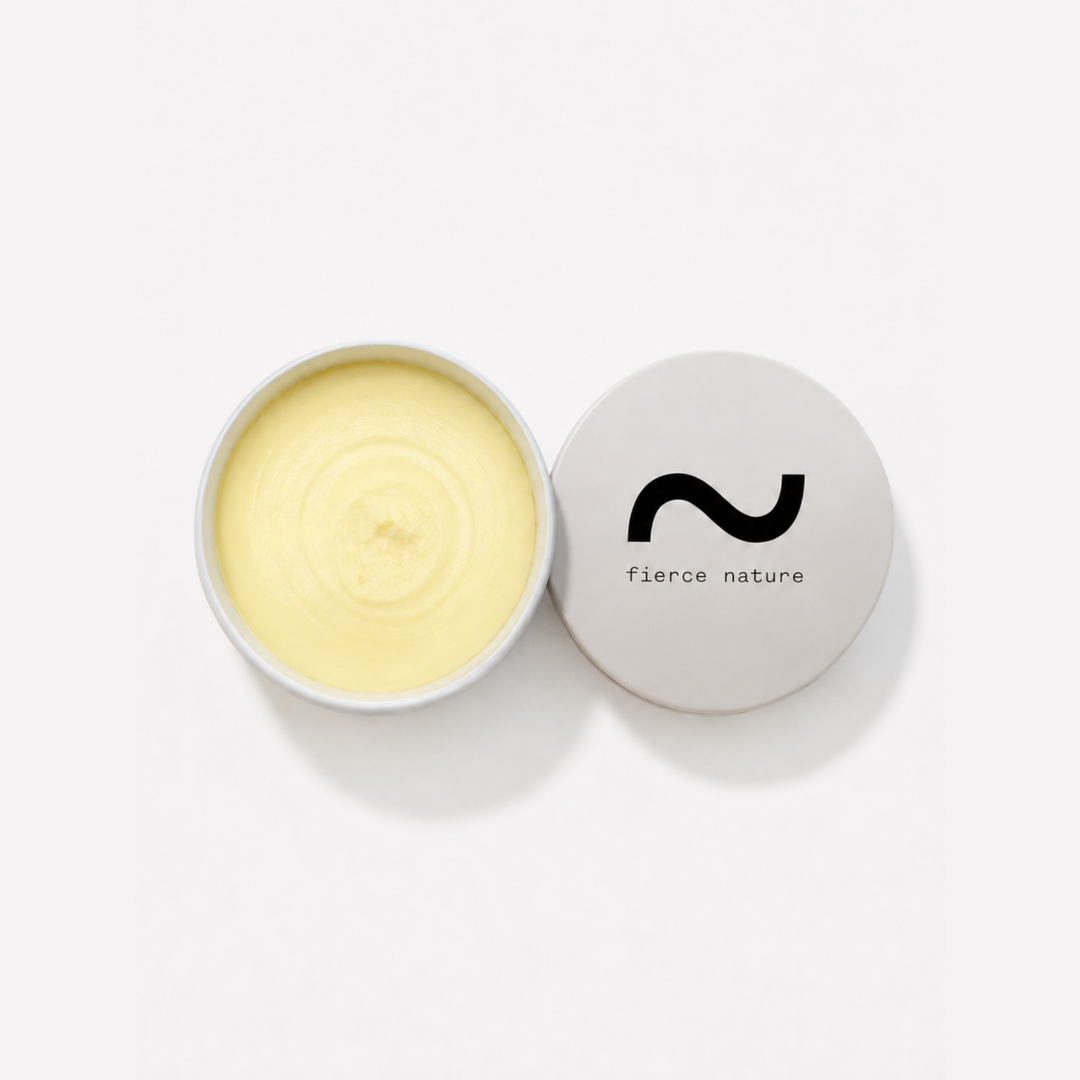
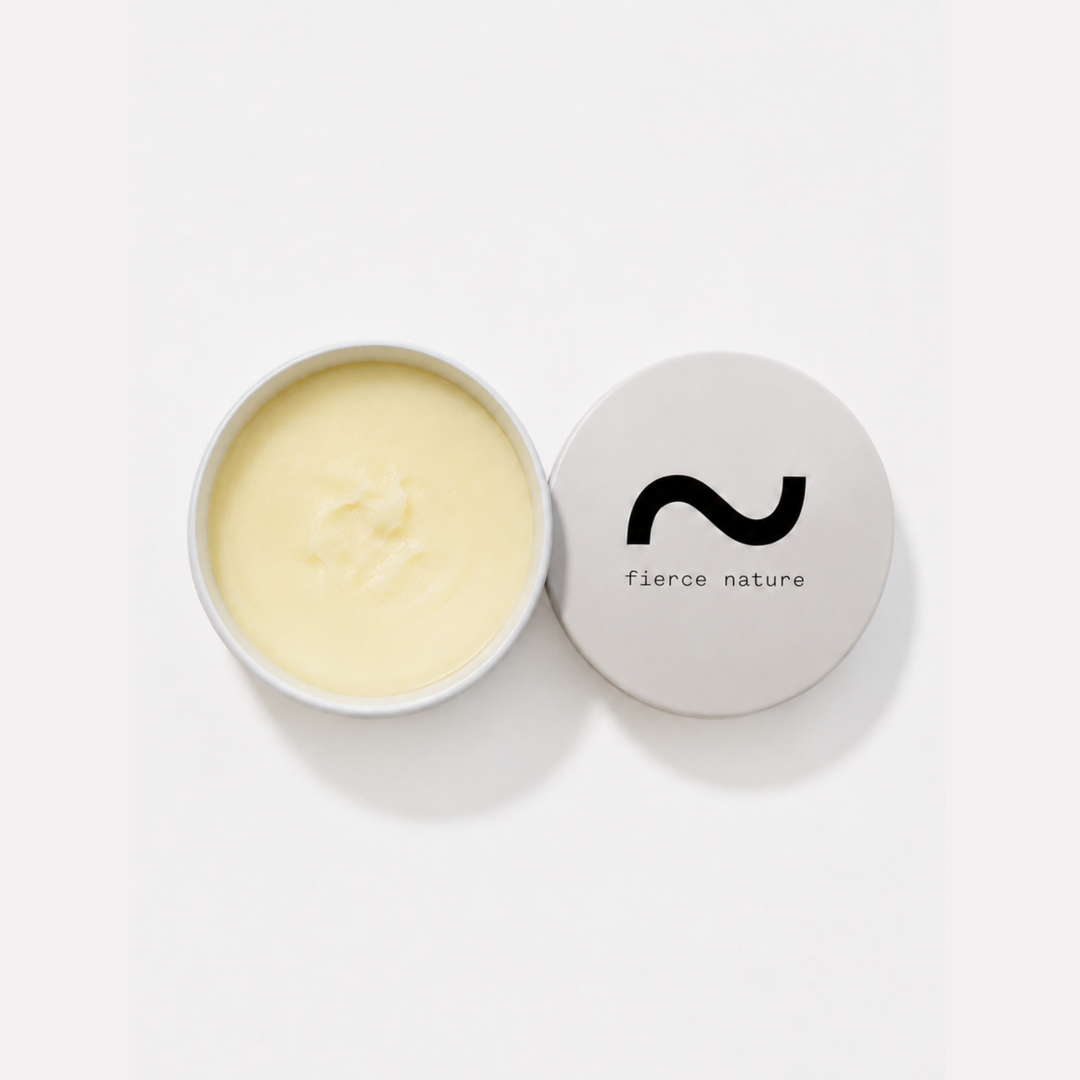
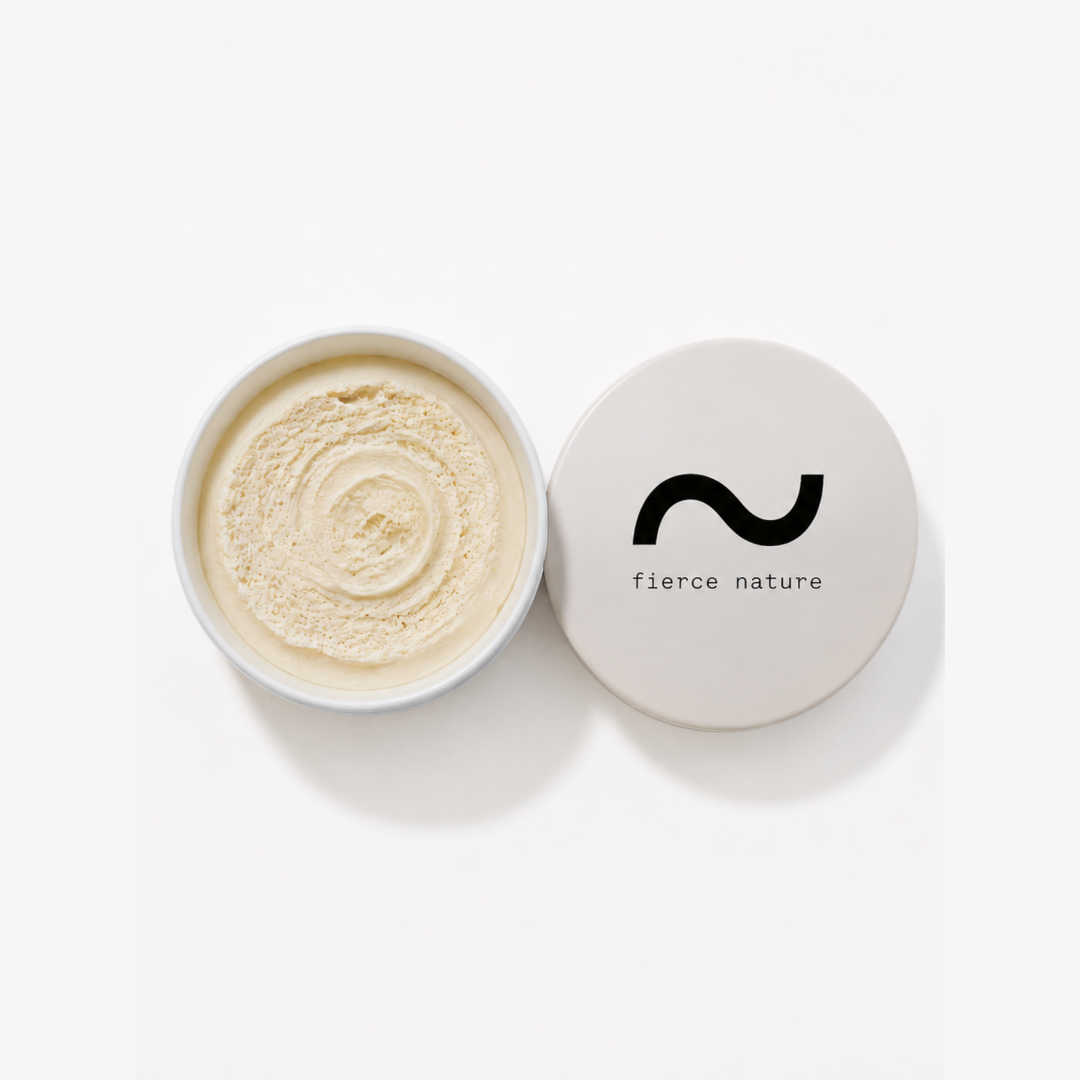
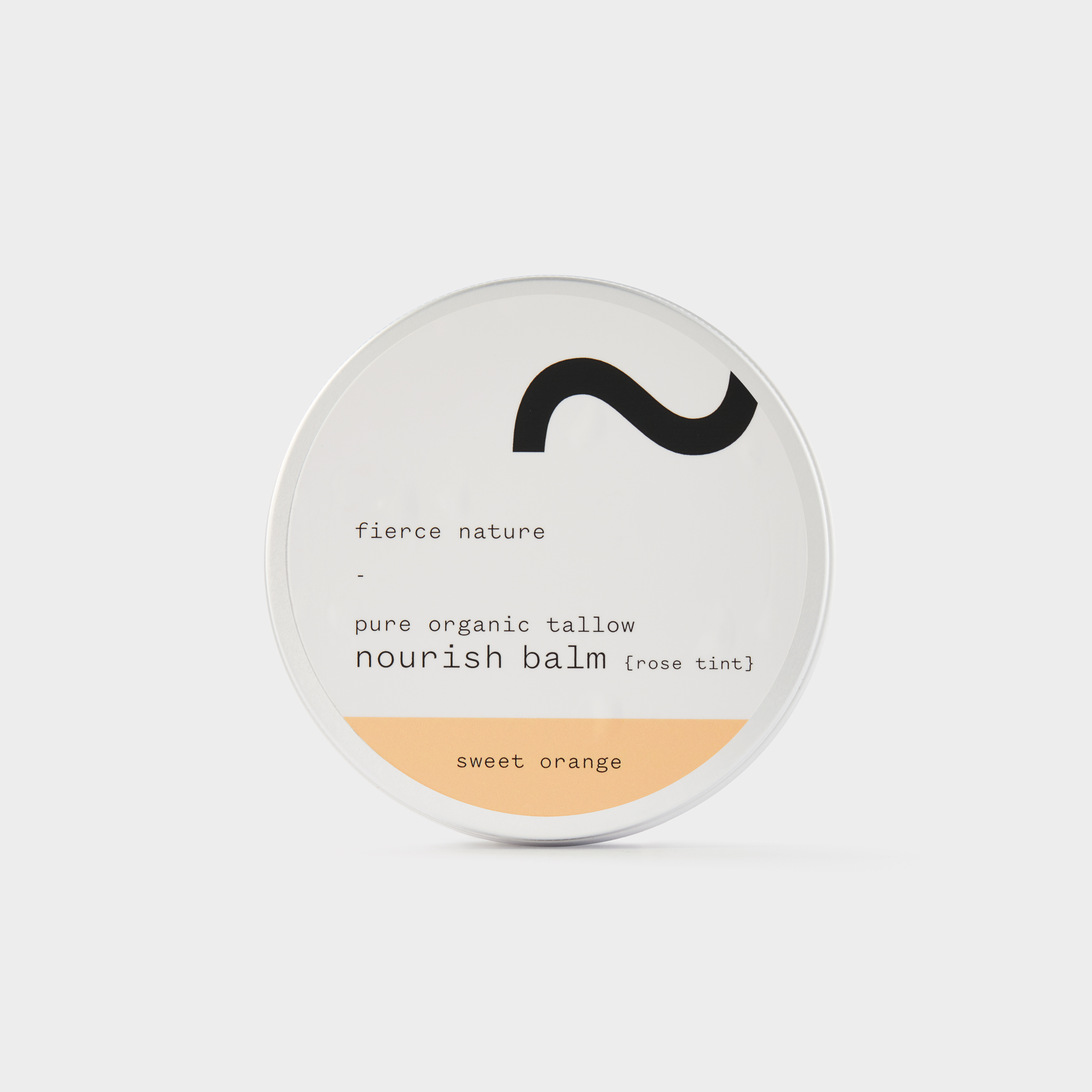

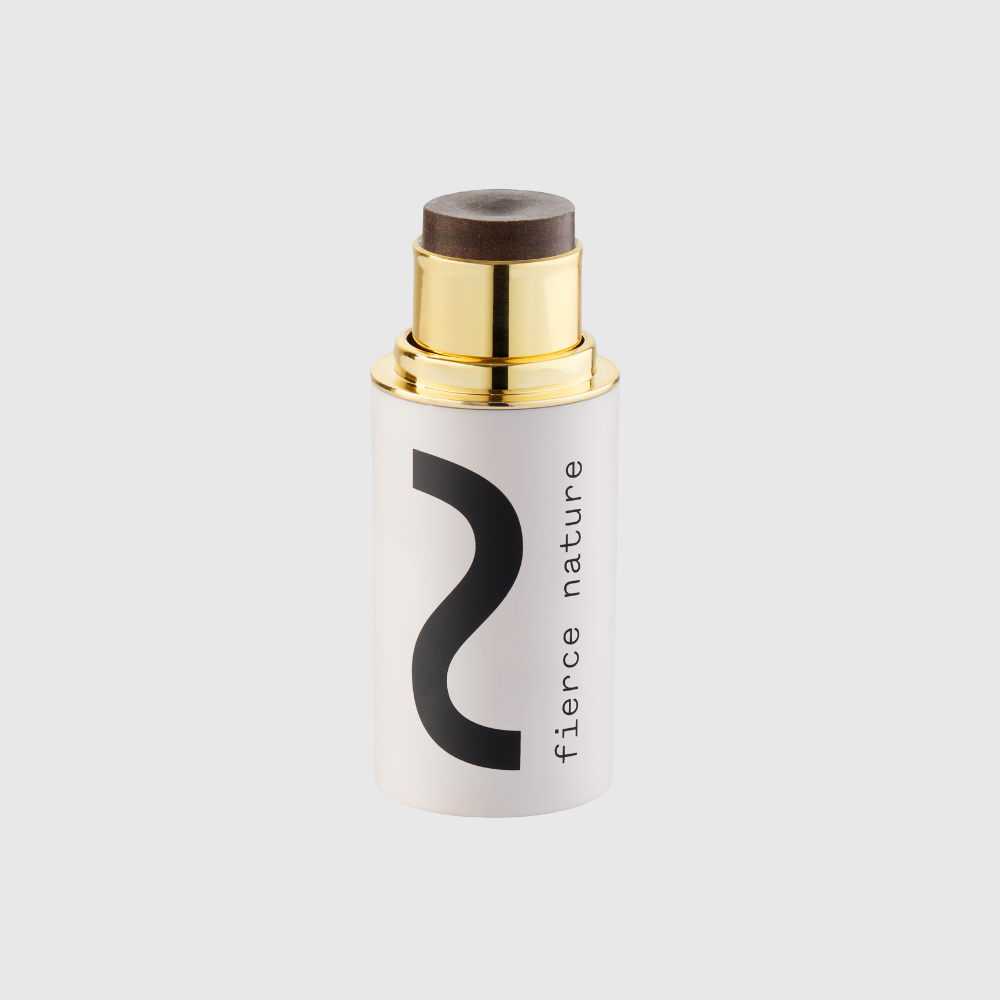
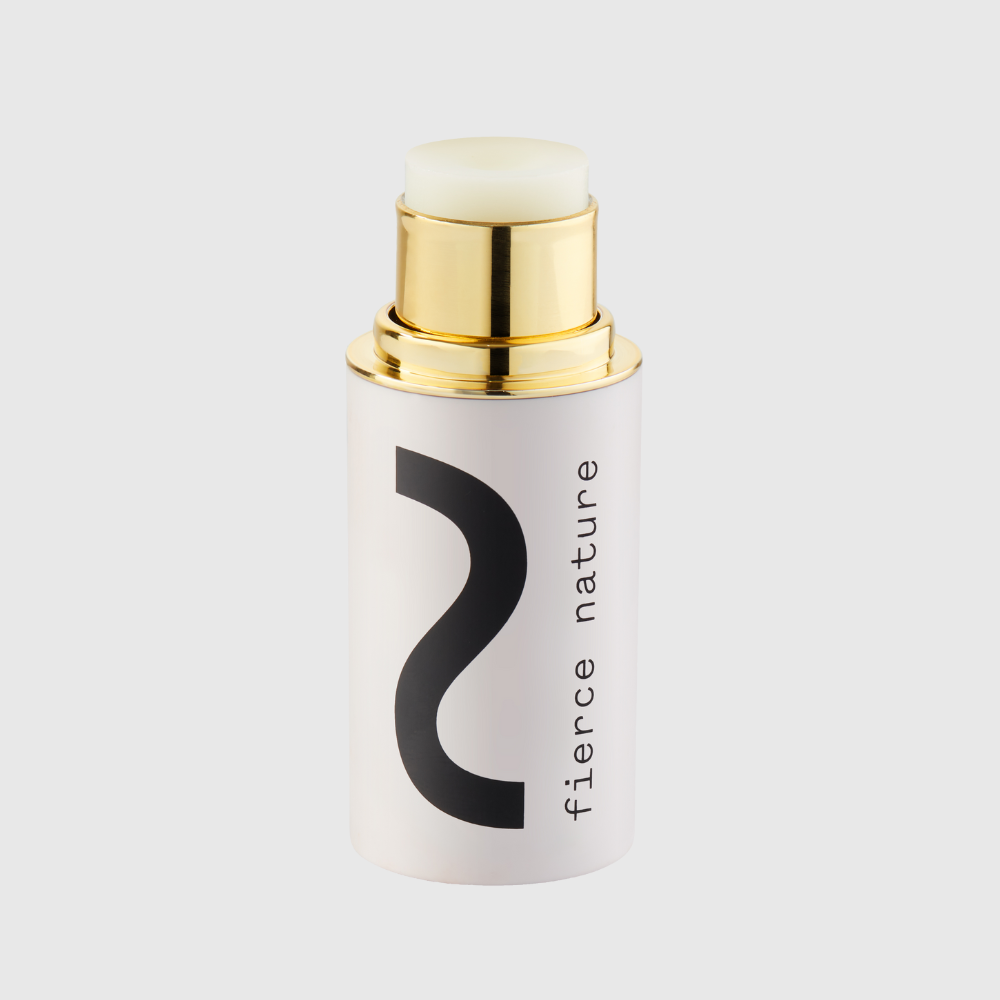
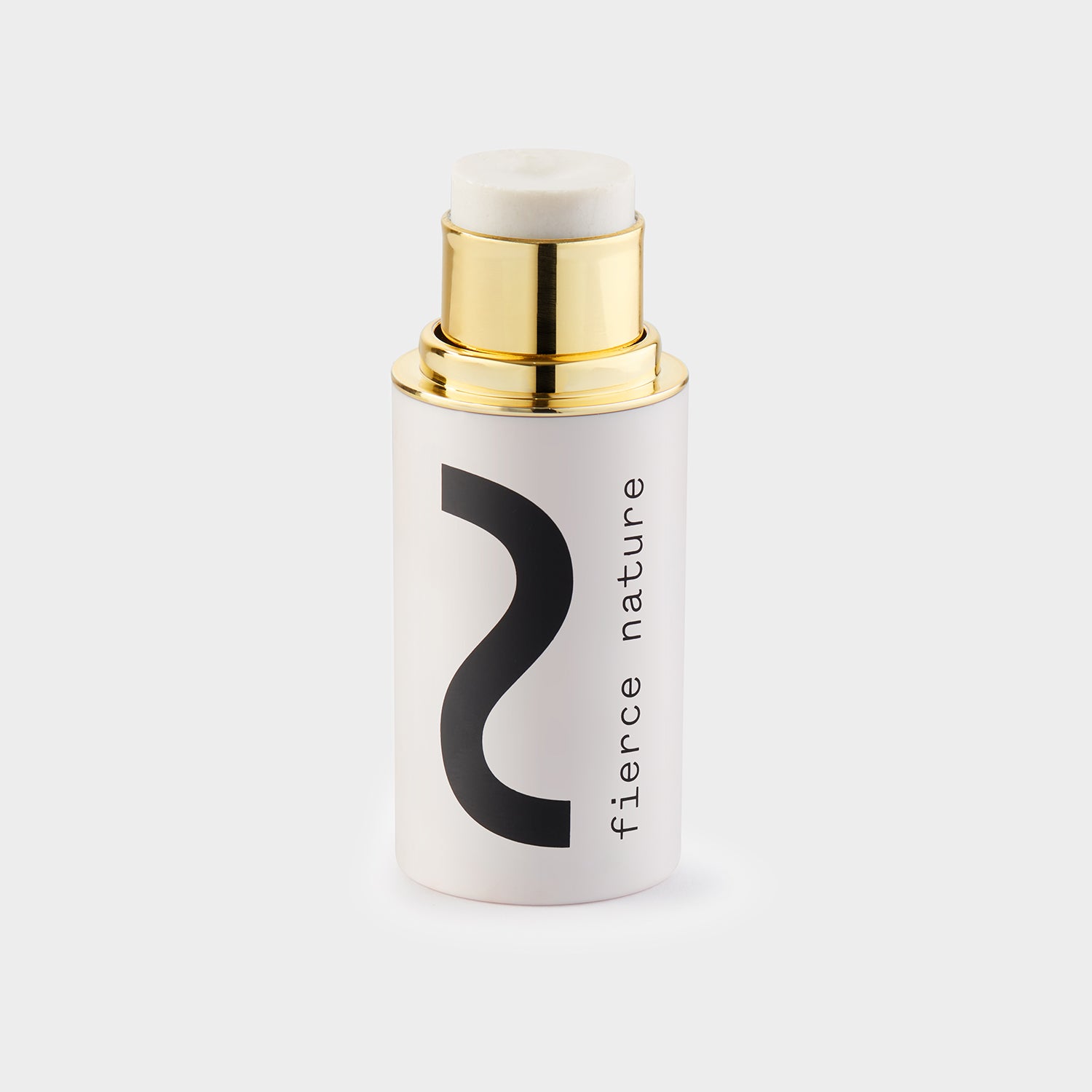
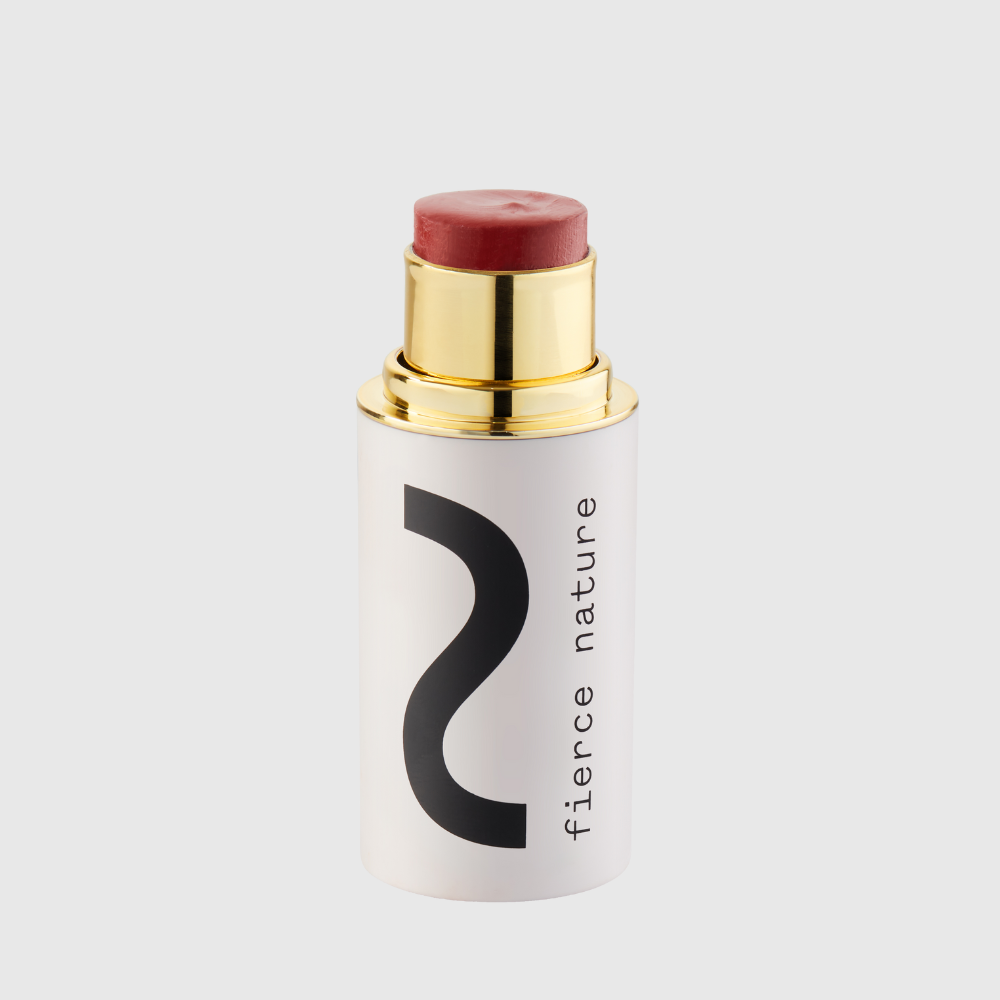
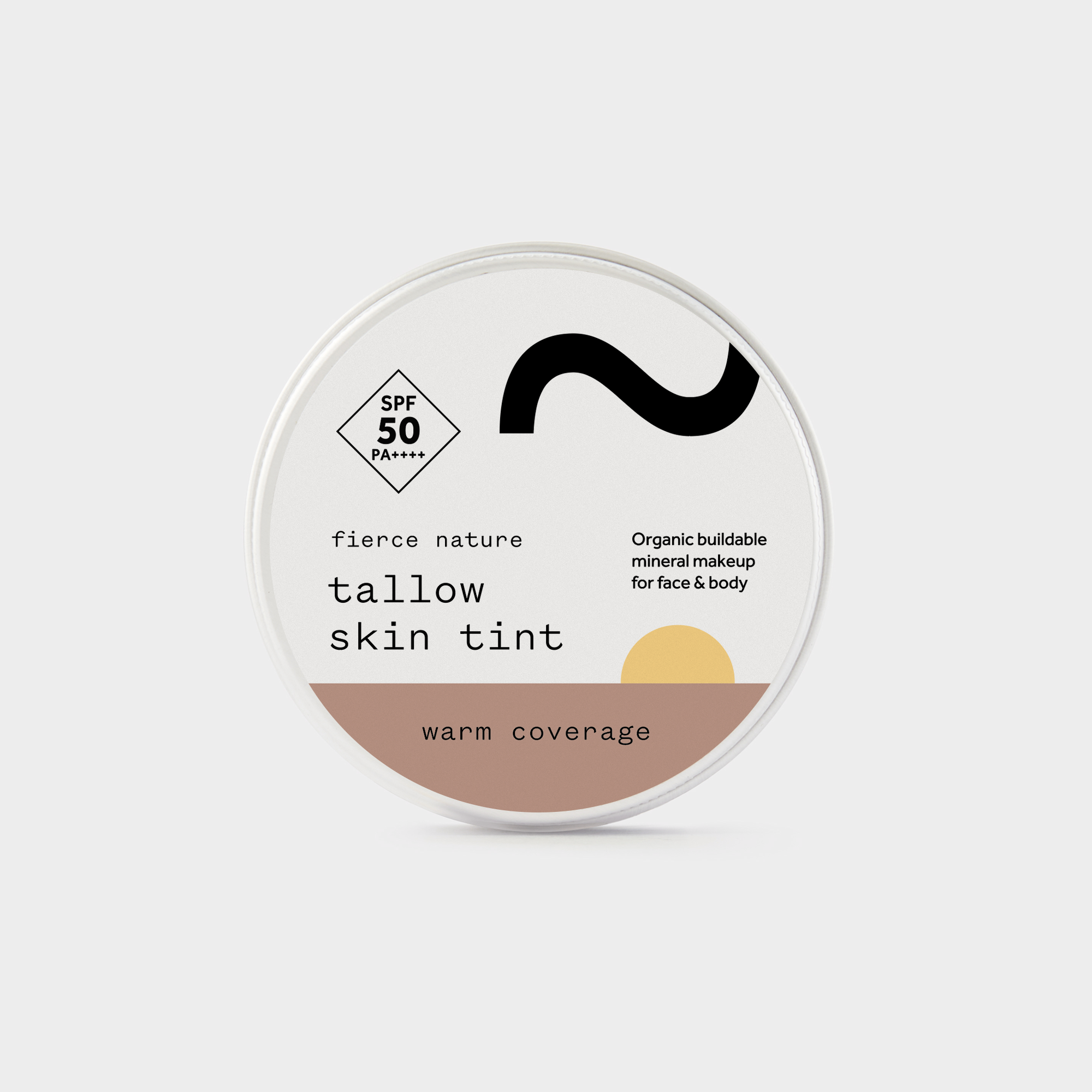
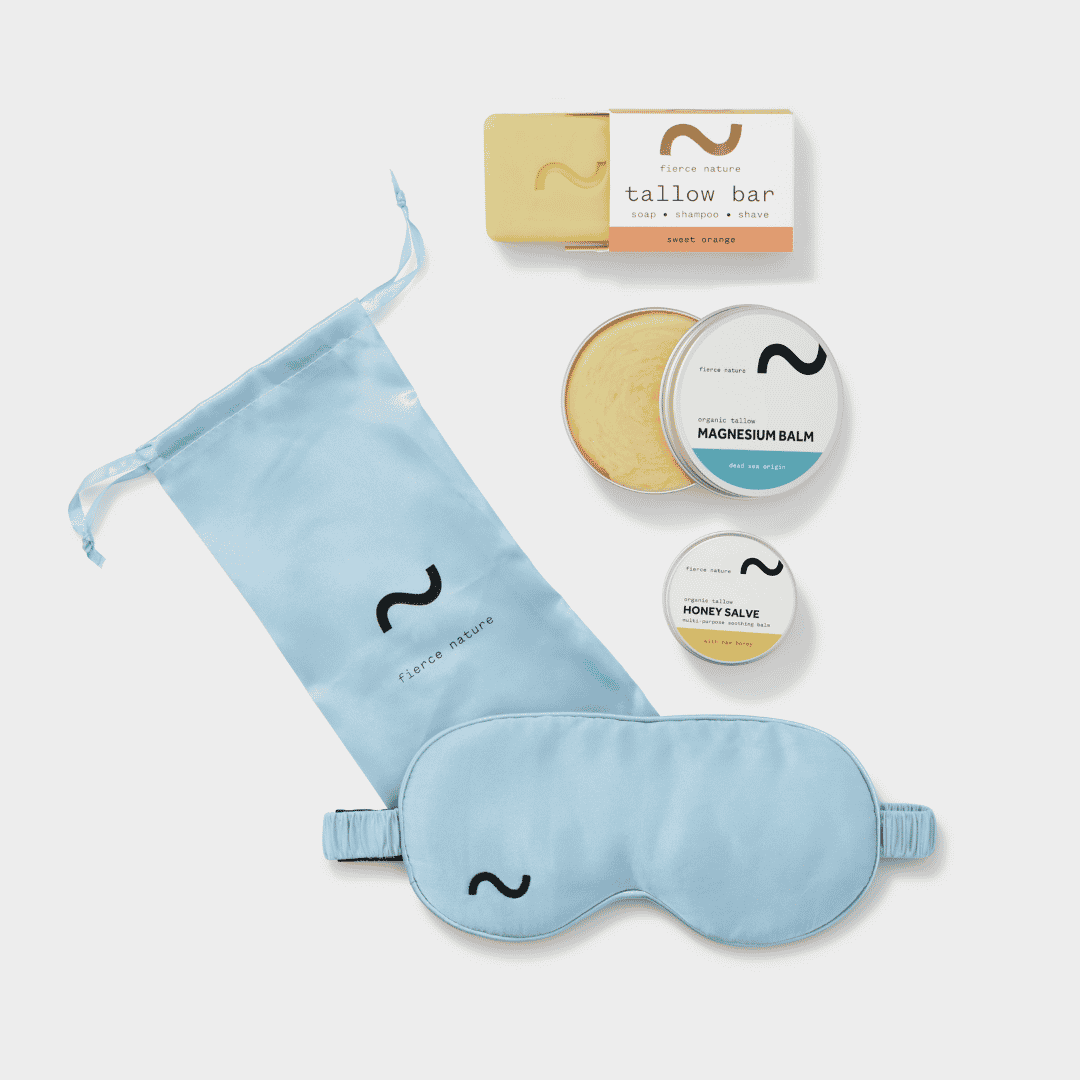




If your face feels tight, flaky or rough as soon as the temperature drops, you are not imagining it. Cold wind outside, central heating inside and long hot washes all strip away the natural oils that keep moisture in. The fix is rarely a complicated one: wash gently with warm water, apply a rich balm while your skin is still damp, and protect your skin from the things that dry it out. Below we explain why winter does this to your face, what helps, and how to build a routine you can stick to.
Your skin has a natural barrier made of oils (lipids) and dead skin cells. The Canadian Dermatology Association describes those lipids as a kind of mortar between the cells, helping to hold hydration in. When the mortar thins, water escapes more easily and the surface turns rough, tight and sometimes itchy.
Winter attacks that barrier from several directions at once.
Cold air holds less moisture, and wind speeds up the loss of what your skin does have. Your face is usually the one part of you left uncovered on the walk to work or the school run, so it takes the brunt. NHS Wales patient information on dry skin lists cold, windy weather among the common causes, alongside heating and frequent washing.
Step indoors and you swap one drying environment for another. Central heating, fan heaters and open fires all lower the humidity of the room. The same NHS Wales leaflet points to spending long periods close to a fire or fan heater as something that can make dry skin worse. Your face spends the evening in warm, dry air, then you go to bed in it too.
A steaming shower feels wonderful on a cold morning, and it is one of the most common reasons winter skin gets worse. According to the Canadian Dermatology Association, water and the detergents in soaps and cleansers reduce the skin’s surface oils, and warm water removes more of them than cool water. NHS Wales advice is simple: use warm rather than hot water, and avoid soap or bubble bath where your skin is dry.
The British Skin Foundation notes that many of us drink less water in winter and lean on hot, caffeinated drinks, which can act as diuretics. That may add to general dehydration and leave skin looking dull. It is not the whole story, because moisturising and protecting the barrier matter far more, but it is a small habit that is easy to improve.
The amount of oil your skin makes changes over time. The British Skin Foundation says sebum production drops dramatically around the age of 40, and the Canadian Dermatology Association adds that dry skin is more common in older adults because oil and sweat glands become fewer and less effective. That is why a face that coped fine with winter at 25 can feel very different later. If this sounds like you, our guide to menopause dry skin goes into what helps and why it happens.
You will often hear “dry” and “dehydrated” used interchangeably. Strictly, dry skin lacks oil, while dehydrated skin lacks water, and winter can bring both at once. In practice, the approach is the same: calm the barrier, replace some of the lost oils, and reduce what is stripping them.
Signs that winter dryness is the likely cause:
Signs that you should ask for help rather than keep experimenting:
NHS Wales advice is to ask your pharmacist for help if your dry skin does not improve with regular emollient use. A pharmacist can also help you choose a suitable product, and a GP can check for conditions such as eczema that look like simple dryness but need different treatment. Skincare is a support for healthy skin, not a replacement for medical advice.
Before adding anything new, it is worth looking at what you might be doing that dries your face out. Often a few small changes do as much as a new product.
If your face feels squeaky clean, it has probably lost more oil than it should have. Foaming washes and ordinary soap bars are designed to lift oil away, and that is exactly what dry winter skin cannot spare. The Canadian Dermatology Association also highlights that soaps with high alkalinity can disturb the skin’s naturally acidic surface and increase barrier damage. A gentle, oil-based or balm cleanser removes the day without leaving that tight feeling. We explain how this works in our piece on a cleansing balm for sensitive skin, and why a balm can beat a liquid oil in our guide to when a tallow cleansing balm beats an oil.
It is tempting to scrub away flakes. That usually backs fire, because you are removing the very layer that is trying to protect you. Dr Adil Sheraz of the British Skin Foundation suggests a gentle weekly exfoliation to clear the outermost layer of dead skin cells, which helps moisturisers penetrate better. Weekly and gentle are the key words. If your skin stings or looks pink afterwards, you have done too much.
Retinol and similar ingredients can be wonderful for skin, but they can also dry it. Cleveland Clinic’s Dr Lucas advises balancing a drying anti-ageing routine with hydrating products. In winter, many people do well to use actives less often, or pause them during a cold snap, and put the focus on comfort.
NHS Wales lists woollen or rough clothing as something that can aggravate dry skin. Patient.info adds that low humidity combined with wool next to the skin can cause redness, irritation and itching. A scratchy scarf around the chin and jaw is a classic cause of winter patches. Soft cotton or silky linings next to the skin make a real difference.
The sofa next to the radiator or fire is cosy, and it is hard on your skin. Move back a little if you can, and see the section on your home environment below.
You do not need ten steps. You need a gentle routine you will actually do, morning and night. Here is the one we suggest.
Offer your skin a little extra care. A gentle exfoliation, as the British Skin Foundation suggests, followed by a generous layer of balm, gives your moisturiser a better surface to work on. Skip it if your skin is sore, cracked or inflamed.
NHS Wales advice is to use emollient as often as needed, even every two to three hours if skin is very dry. You do not need to treat your whole face each time. A small dab on the lips, the sides of the nose, the brow and anywhere that feels tight is plenty. Keep a small pot in your bag or desk drawer.
A balm differs from a lightweight lotion because it contains little or no water and relies on oils and butters to soften the skin and slow moisture loss. That is why many people with dry skin find balms feel more comforting in cold weather.
When comparing options, think about these points.
| What to consider | Why it matters in winter |
|---|---|
| Richness | Ointment-style textures are often best for dry skin, according to NHS Wales, and can be used at night |
| Ingredient list | A short, readable list makes it easier to spot anything that has irritated you before |
| Skin-friendly ingredients | Cleveland Clinic suggests looking for ceramides, hyaluronic acid or squalane in moisturisers |
| Fragrance and additives | Skin that is already dry and sensitive may react to strong perfume or harsh additives |
| How it is packaged | A pot is lovely, but use a clean spatula or clean hands so it stays fresh, as NHS Wales advises for emollient pots |
| How your skin responds | Comfort that lasts for hours is a good sign. Stinging, redness or new bumps are not |
If you are unsure, patch test any new product on a small area, such as behind the ear or on the inner forearm, for a day or two before using it on your face. A pharmacist can also help you pick something suitable.
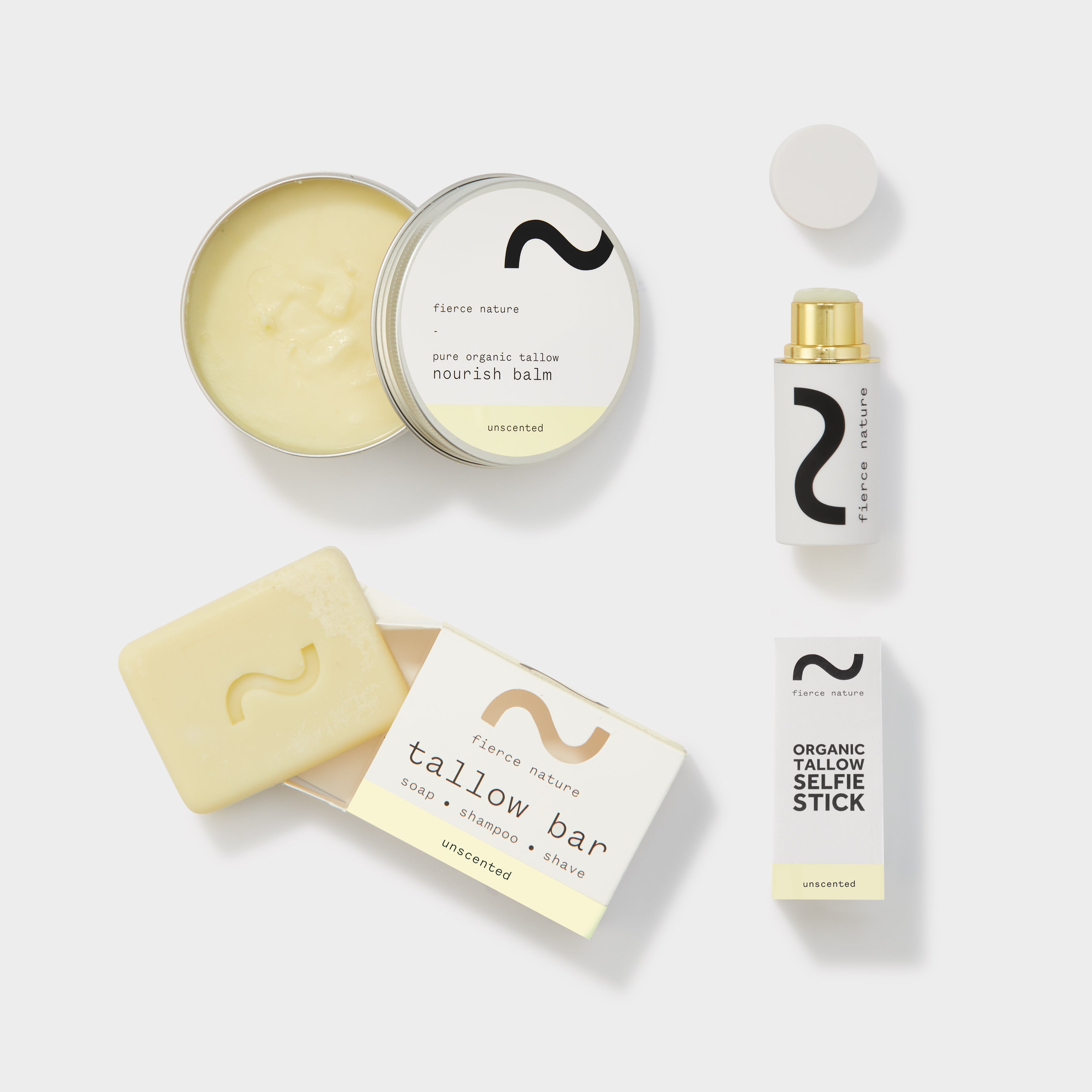
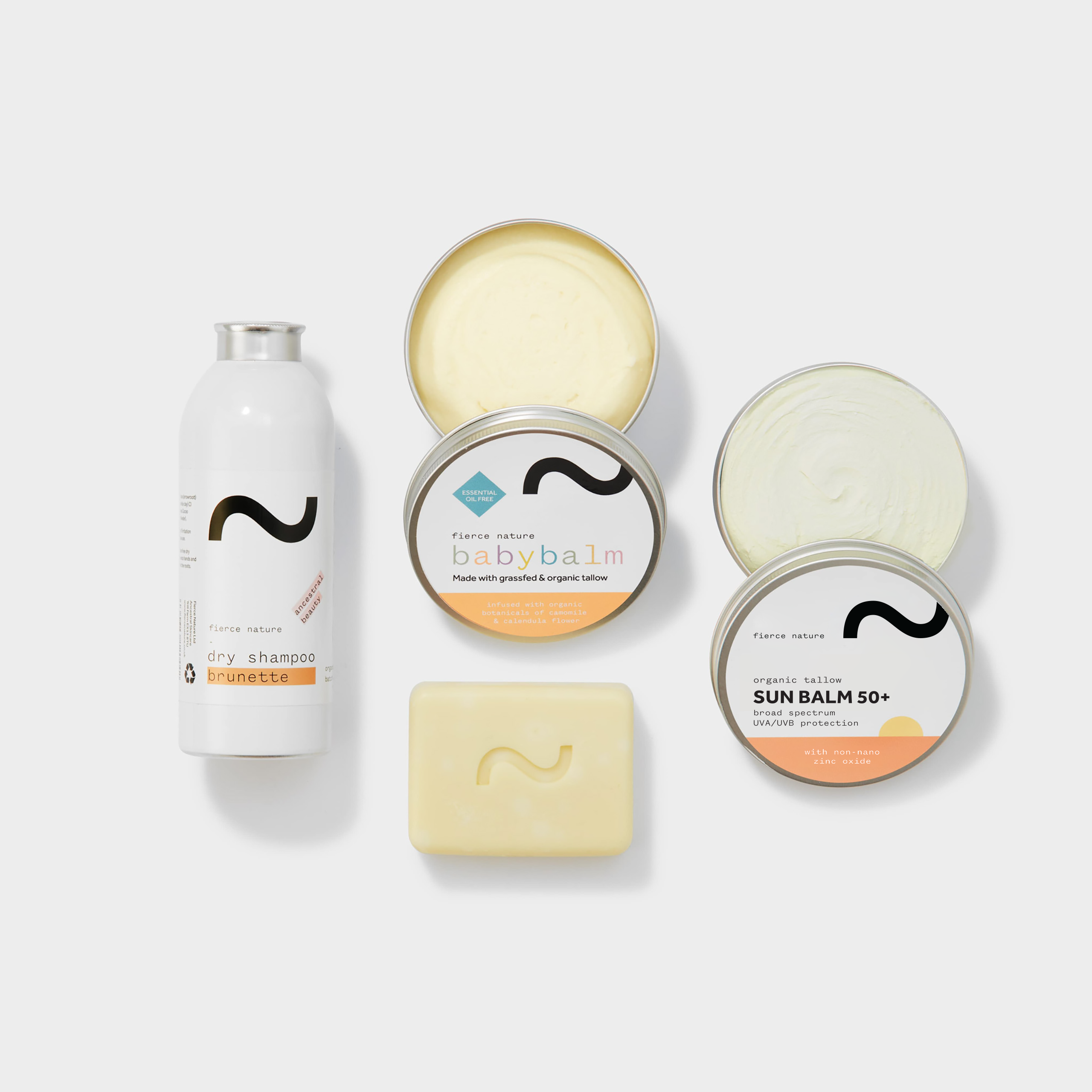
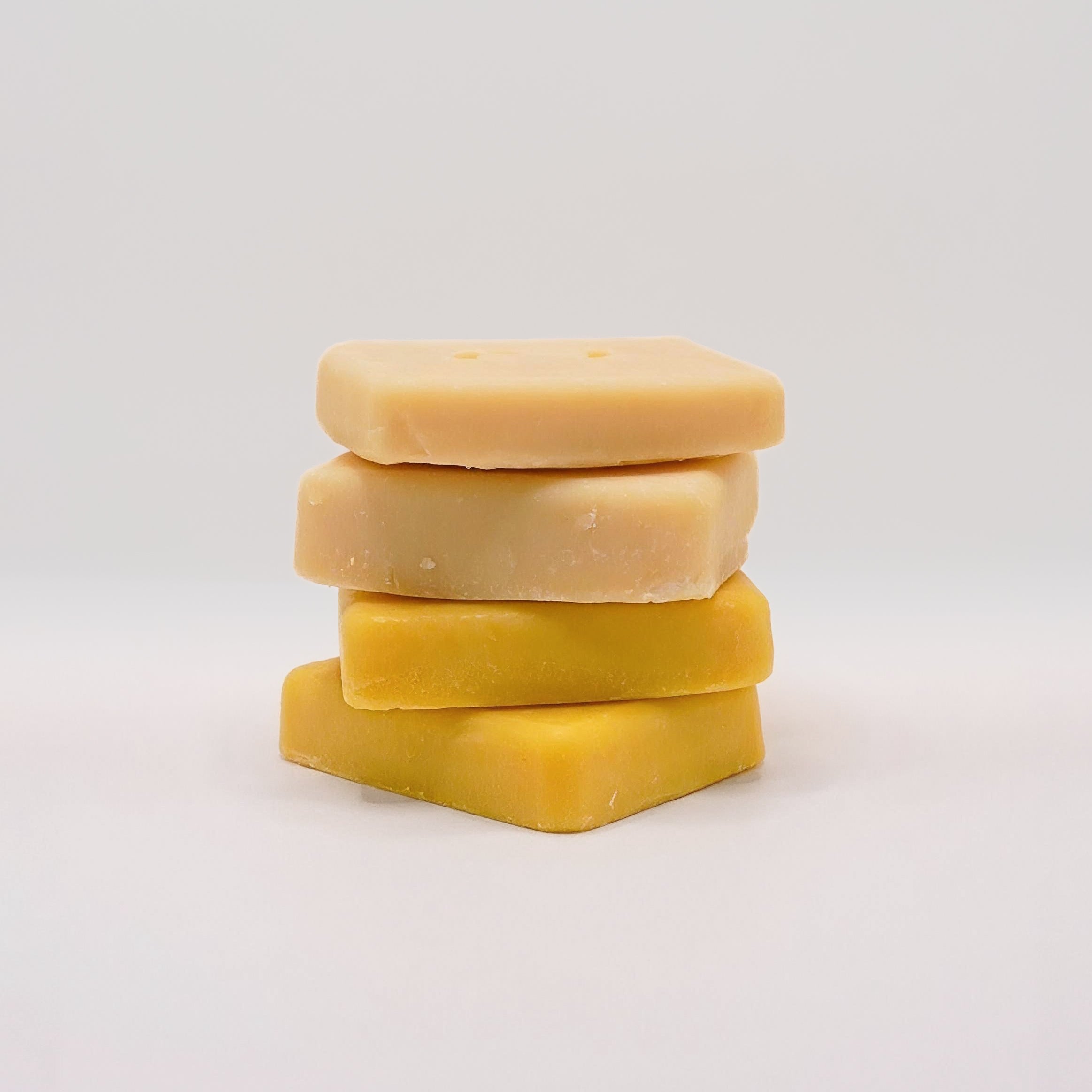
Tallow is rendered fat, and it has been used for centuries as a skin emollient and in soap making. Its fatty make-up is close to the natural oils of our own skin, which is why we believe it feels so nourishing, and we use grass-fed organic tallow as the foundation of our balms. If you would like to read more about it, why tallow suits winter skin explains our thinking. Tallow is an animal-derived ingredient, so it will not suit everyone, and as with any skincare, you should stop using a product if it irritates your skin.
I started Fierce Nature because I grew up in South Africa battling rashes and reactions from mainstream cosmetics, and I never understood why. Years of work around gut health and the toxic load our bodies carry made me look at skincare differently. We have been told for a long time that every problem needs a new product with a long list of ingredients and an even longer list of promises.
For winter dryness, we think the answer is quieter. Your skin already knows how to protect itself. Our job is to stop stripping it, and to give it something nourishing when it needs help. That means washing gently, moisturising while the skin is damp, and choosing products with ingredients you can read and understand. Our balms are handmade in the UK with premium, naturally sourced ingredients, and pure organic tallow at their heart.
We also believe winter is a time to slow down. A few minutes with your balm in the evening is a small ritual that can leave you feeling looked after as well as your skin.
— Fierce Nature
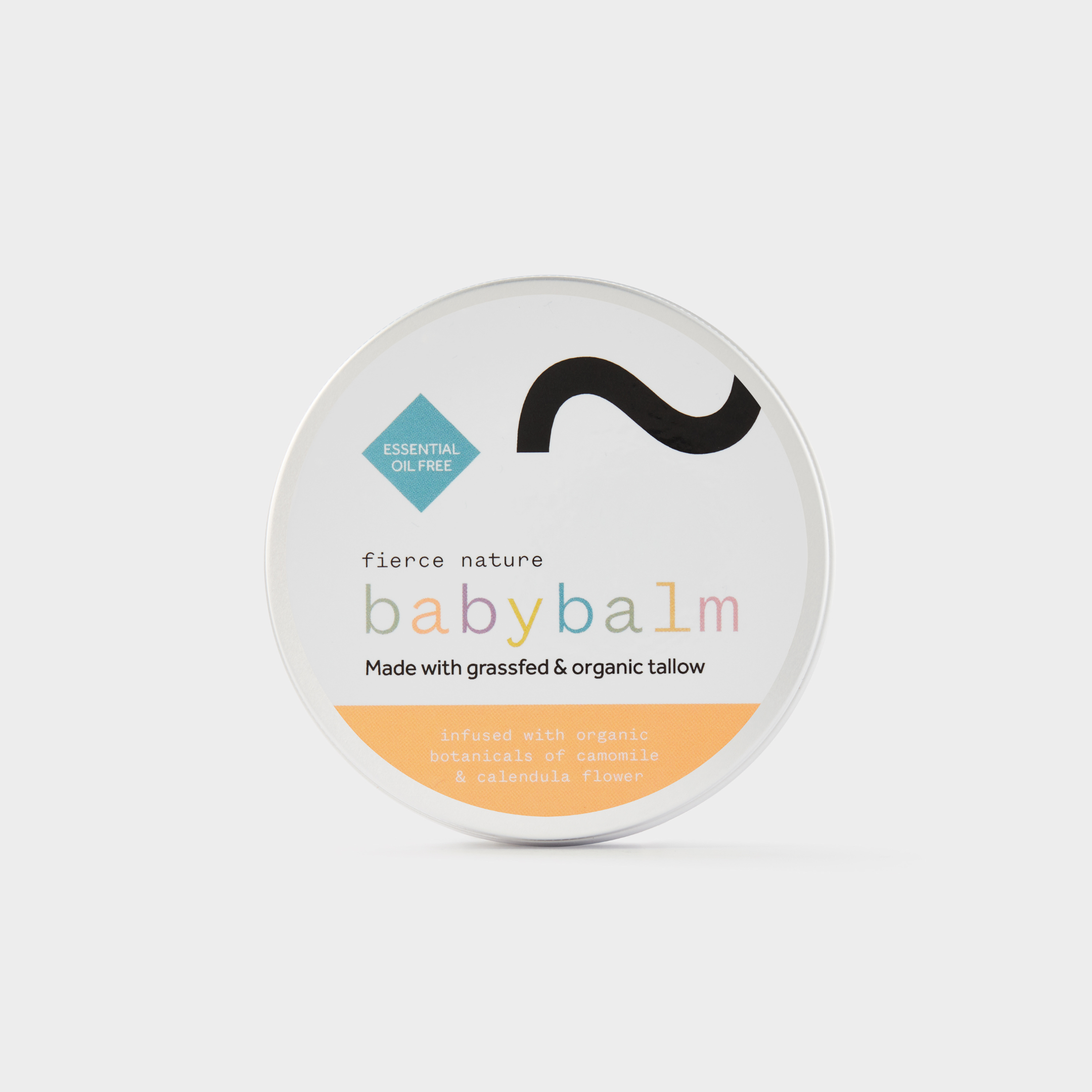
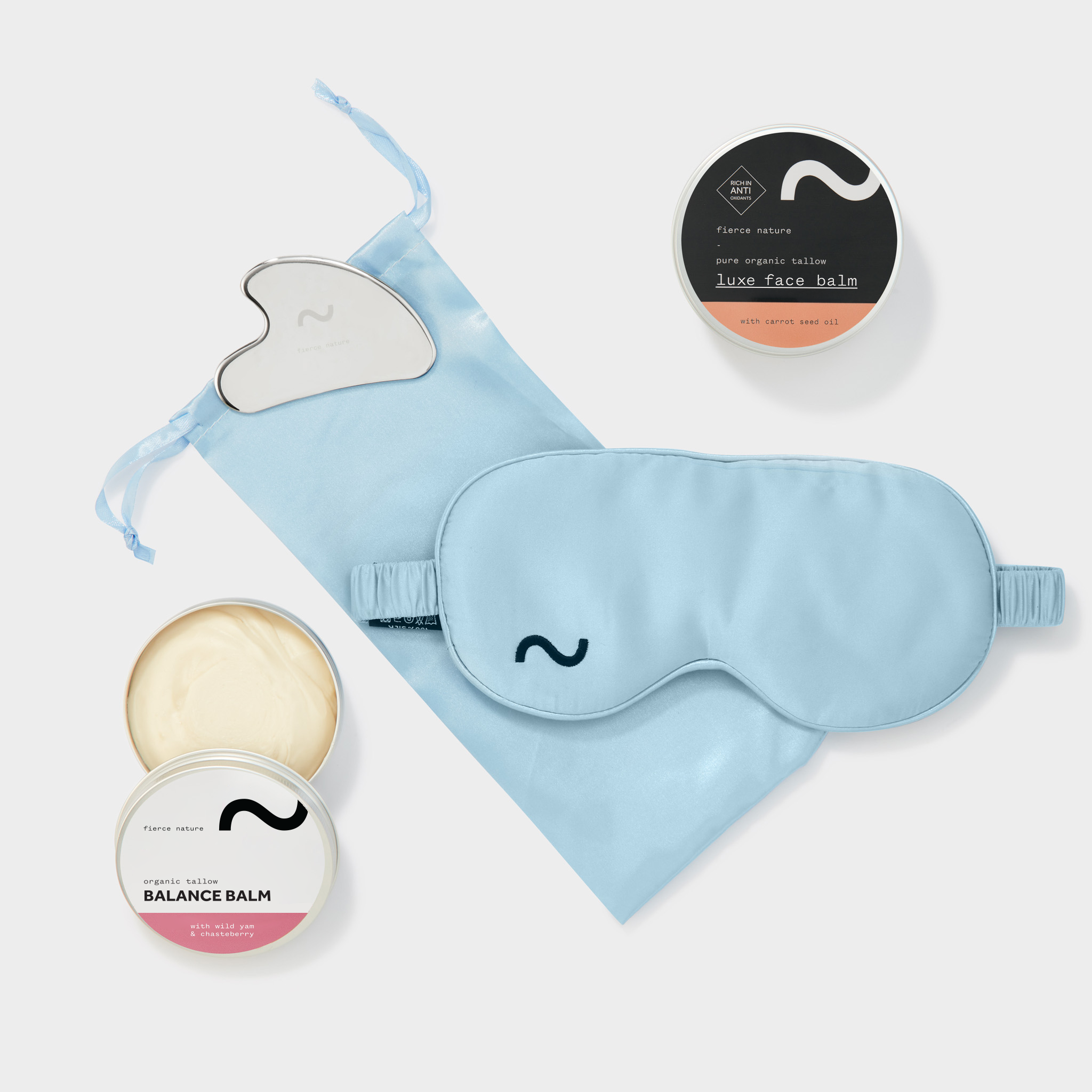
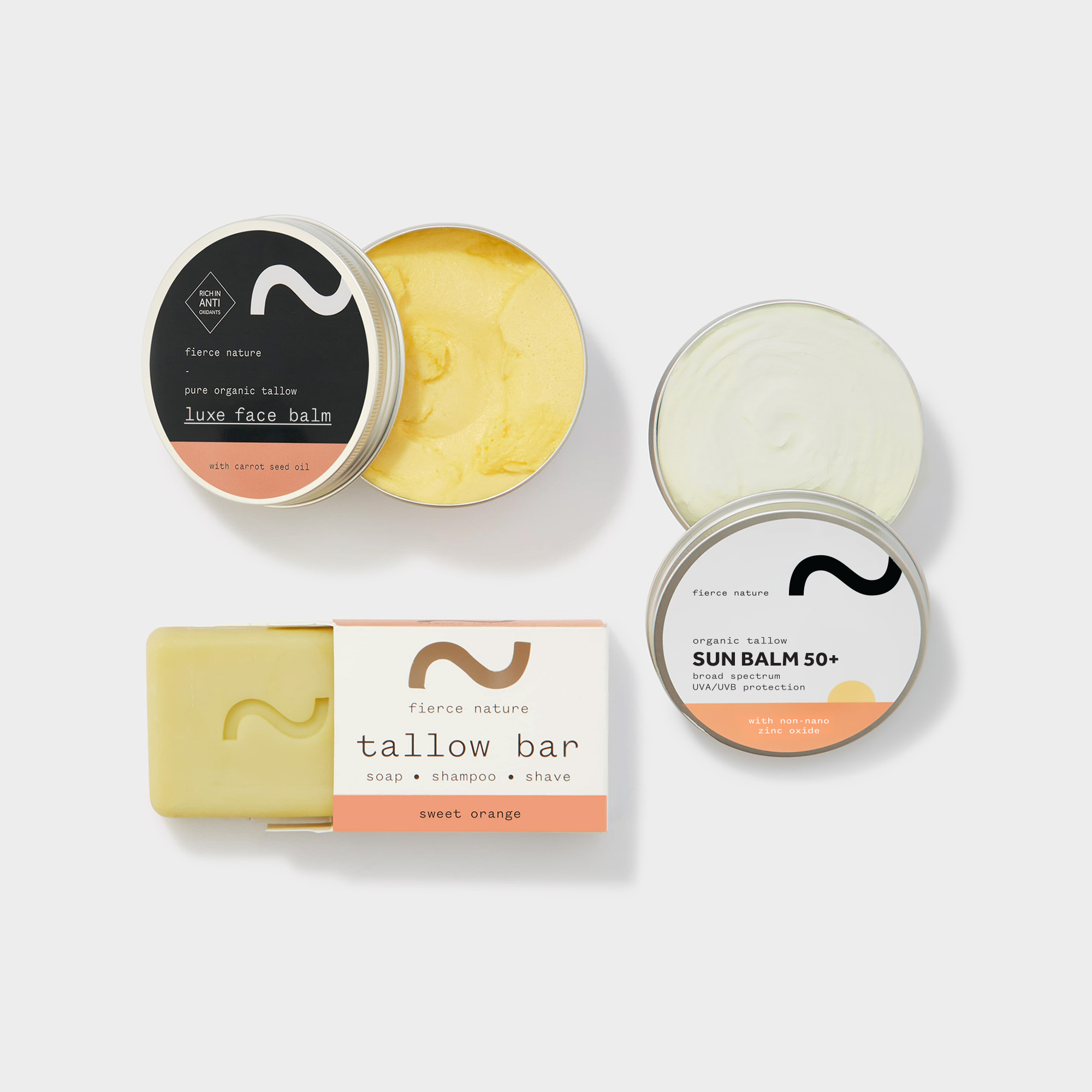
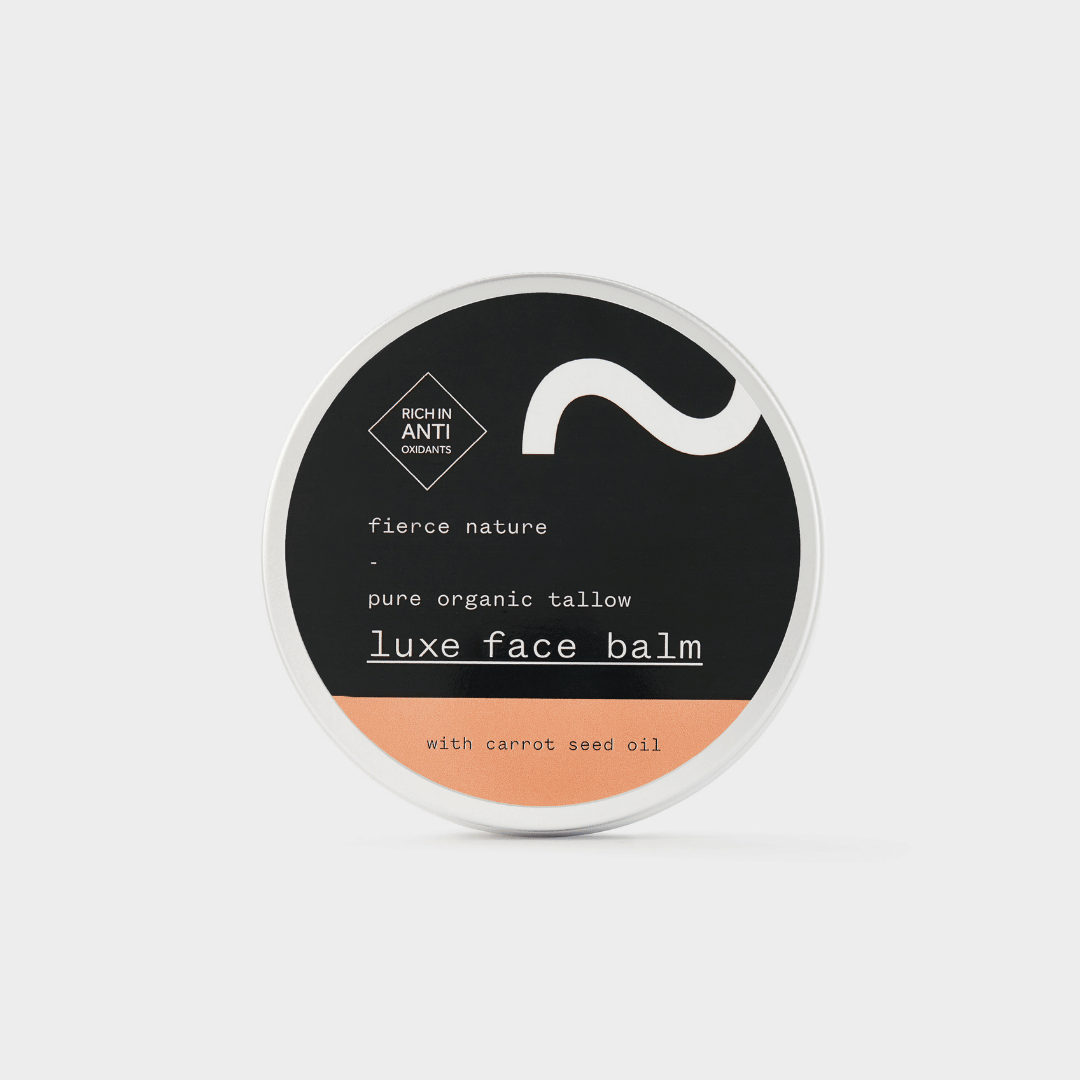
If you would like to try tallow for your face this winter, our Luxe Balm is a good place to begin. For a wider look at what we make, browse our face and body balms, our Nourish Balms Collection, or the Hydration Rescue Bundle if you want a ready-made set. New to us? The Fierce Nature Starter Bundle is a simple way to see how the range feels on your skin. For our full seasonal routine, read our winter skincare routine.
You can do everything right at the sink and still wake up with tight skin if the room is very dry.
Cleansing is the step many people overdo in winter. If your skin feels dry after washing, it is a sign to change what you use, not to wash more. Many dry-skinned people find that a balm cleanser lifts make-up, sunscreen and the day’s grime while leaving a protective layer of oil behind. If you are curious about the idea, our post on what a detox face balm is explains how it cleans the skin, and our article on choosing an organic face wash covers what to look for on a label.
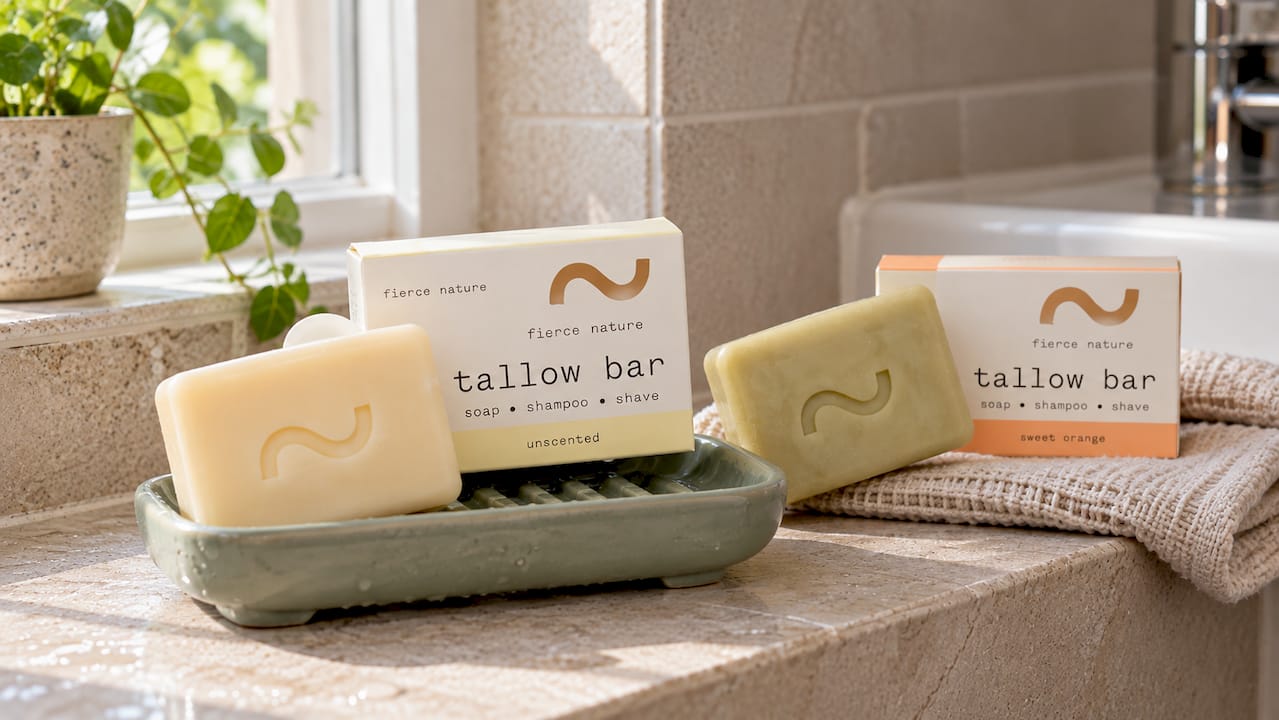
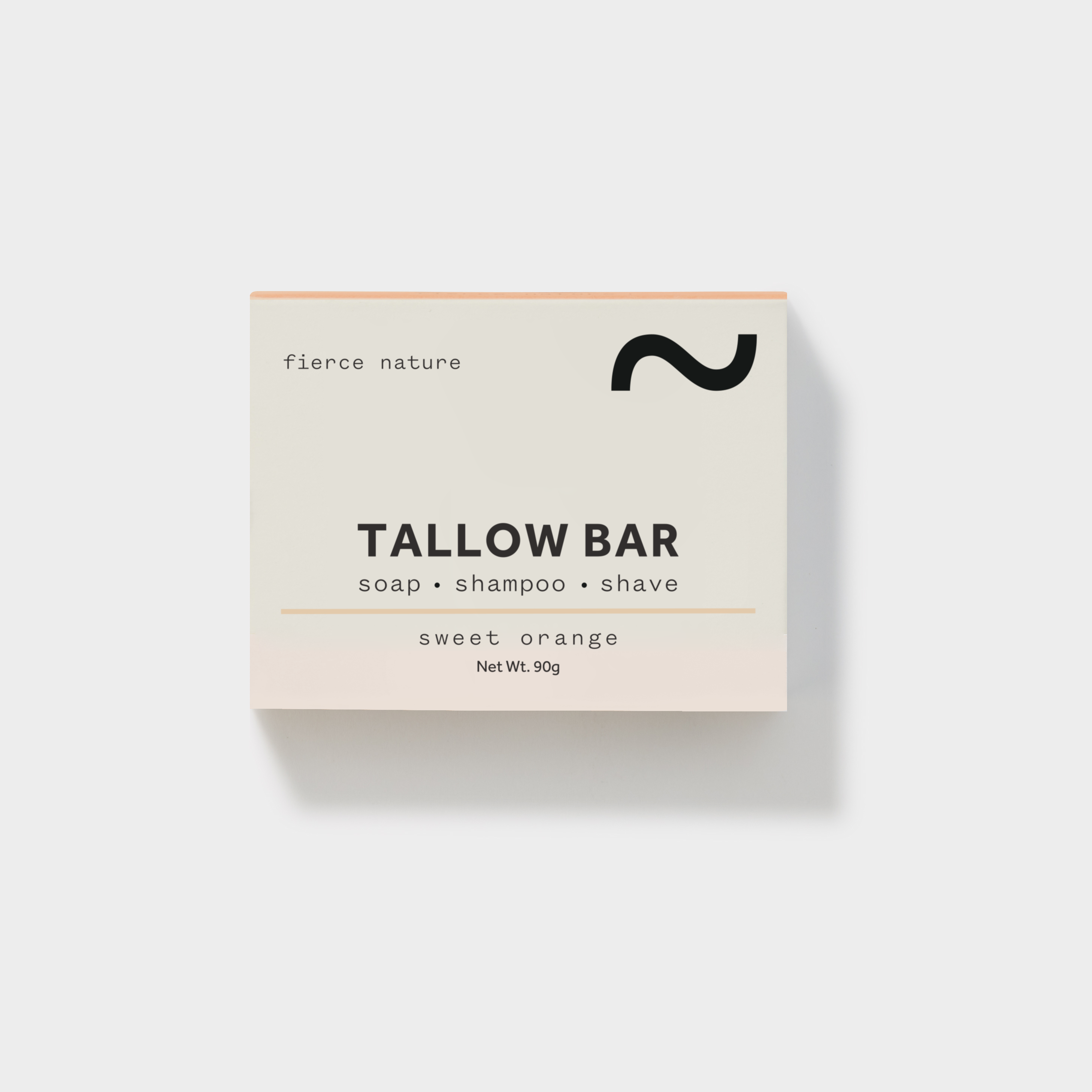
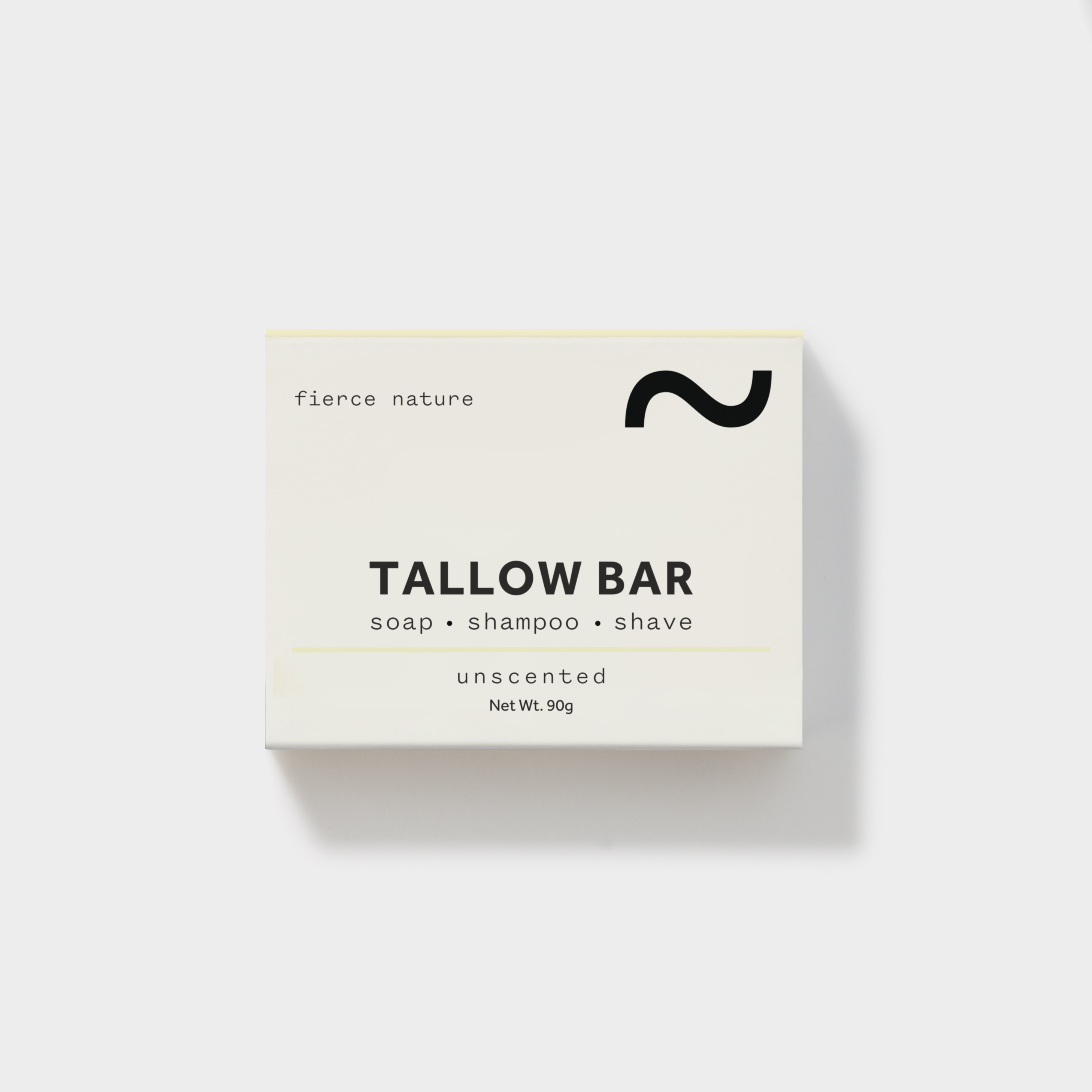
For the body, a gentle bar can be a good alternative to shower gels. We make tallow soaps, and you can read more about natural cleansing with tallow soap. Keep soap away from a very dry face, as NHS Wales advises avoiding soap where skin is dry, and choose a gentler cleansing method there.
To make this practical, here is how it might look for someone with a dry, windswept face who commutes on foot.

Monday to Friday mornings: Rinse with lukewarm water, pat gently, and press a thin layer of balm into slightly damp skin. Add a little extra to the cheeks and nose before leaving the house.
Weekday evenings: Cleanse with a balm or a gentle cleanser, use warm water, and pat dry. Apply balm again to damp skin. Put a slightly thicker layer on the driest areas.
During the day: Keep a small pot at your desk. Dab on any patch that feels tight. Use a clean spatula or clean fingers each time.
Saturday: Gently exfoliate once, then use a generous layer of balm. Run a warm, not hot, bath and stay out only as long as you need.
Sunday: Give your skin a rest. Skip make-up if you can, keep the routine to cleanse and balm, and notice how your skin feels. Is it comfortable? If it is still tight or itchy after a couple of weeks of this, that is your cue to speak to a pharmacist.
The point is consistency. Dry winter skin usually responds to small, repeated acts of care more than to one dramatic treatment.
Wash with warm rather than hot water, avoid soap on your face, and apply a rich moisturiser or balm straight after, while your skin is still damp. NHS Wales advises using emollient as often as needed, as frequently as every two to three hours for very dry skin. If there is no improvement with regular use, ask your pharmacist for advice.
The best one is the one your skin tolerates and that stays comfortable for hours. Look for a rich texture and an ingredient list you understand, and patch test first. Our face and body balms are made with organic tallow as the base, and our Luxe Balm is a popular place to start for the face.
Both, if your skin is dry. Apply in the morning to protect you from wind and heating, and again in the evening so the balm can work overnight. NHS Wales notes that some people prefer to use thicker ointments at night.
Not on its own. The British Skin Foundation notes that drinking less water in winter may add to dehydration, so staying hydrated is sensible. The bigger gains come from protecting your skin barrier with gentle washing and regular moisturising.
See a pharmacist if dryness does not improve after regular moisturising, and a GP if skin is cracked, weeping, very sore or intensely itchy. These can be signs of eczema or another skin condition that needs specific treatment.