Cart
0
80% Also Added this





TL;DR:
- A non-toxic morning routine involves three simple steps: drinking filtered water immediately after waking and getting natural light while moving gently. It reduces chemical exposure and supports circadian health, with benefits including improved sleep quality. The routine can be done in as little as five minutes, emphasizing consistency over complexity.
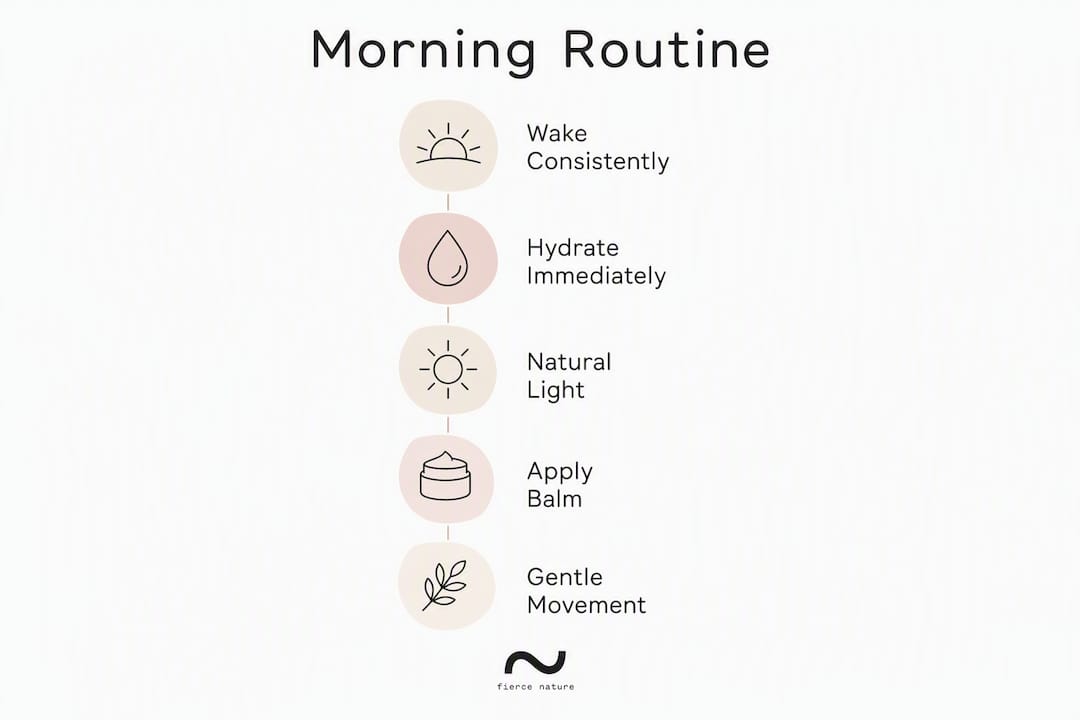
The simplest non-toxic morning routine you can start today takes three key actions: drink a glass of filtered water immediately upon waking, step into natural light while moving gently, and apply a clean, fragrance-free balm to your face and body. That is it. Everything else is optional depth.
Quick plan snapshot:
| Template | Total time | Core actions |
|---|---|---|
| 5-minute | 5 min | Hydrate, light at window, apply balm |
| 15-minute | 15 min | Hydrate, 10 min outside, breathwork, balm |
| 30-minute | 30 min | Hydrate, 15–20 min outdoors, movement, breakfast, skincare |

Circadian biology research, including guidance from thrive.md, confirms that a short routine capturing consistent wake time, morning light, and some movement delivers over 80% of measurable benefit. You do not need an hour.
A non-toxic morning routine is a sequence of morning habits that reduces avoidable chemical exposures while actively supporting nervous-system regulation and circadian health. The word “non-toxic” covers two things at once: the products you apply to your skin and the behavioural environment you create around waking. Both matter.
The benefits are grounded in physiology, not wellness marketing:
A UK-specific note on labelling and sourcing. UK cosmetics sold since 2021 are regulated under the UK Cosmetics Regulation, which requires full ingredient lists in INCI (International Nomenclature of Cosmetic Ingredients) format on all leave-on and rinse-off products. That means you can read every label and cross-reference ingredients before you buy. Small-batch UK makers, including independent tallow-based skincare brands, are increasingly transparent about sourcing and often list their full ingredient decks online. Buying from UK-based indie makers also shortens supply chains and reduces the packaging waste associated with imported products.
Pick the one that fits your morning today. You can always move up a template as the habit beds in.
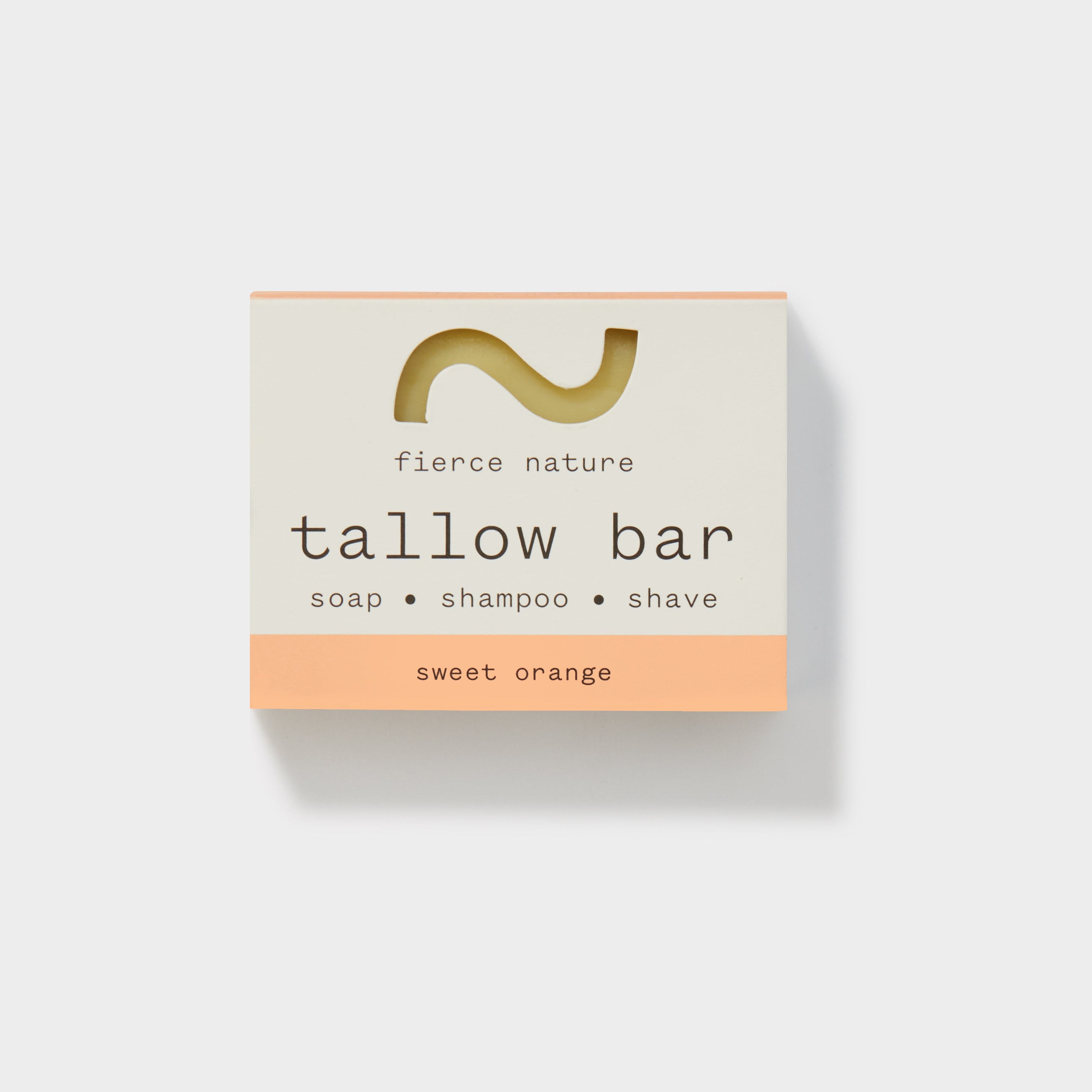
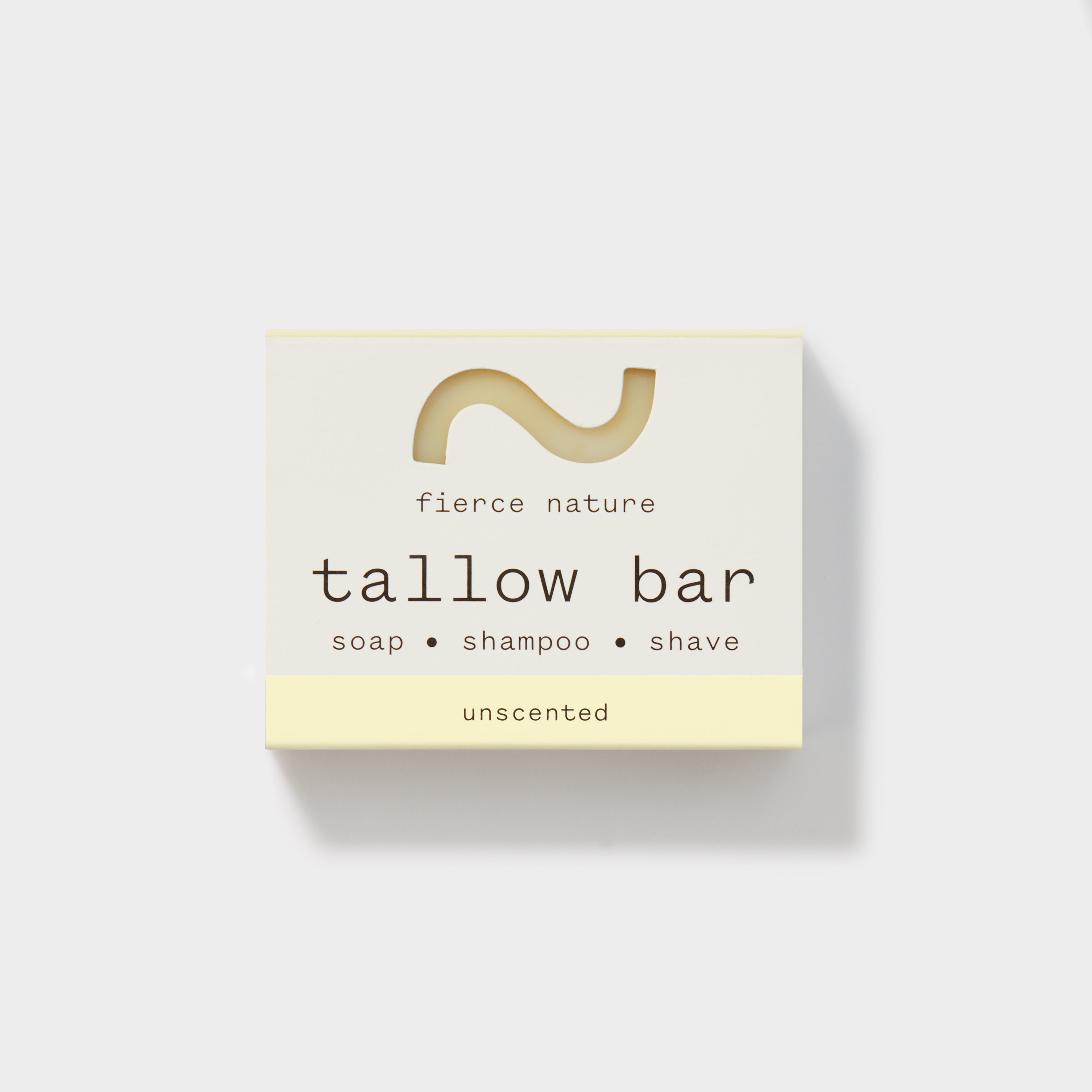
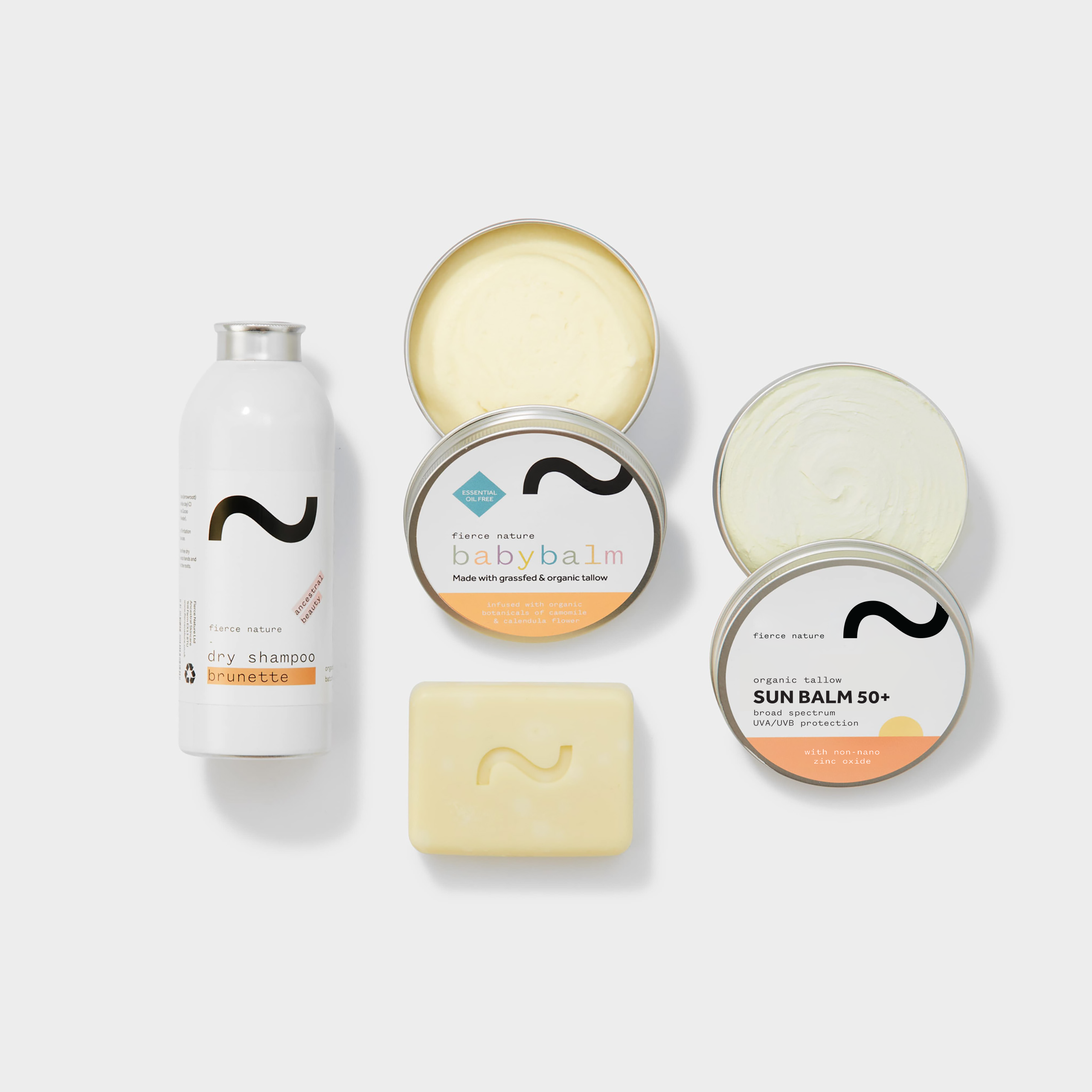
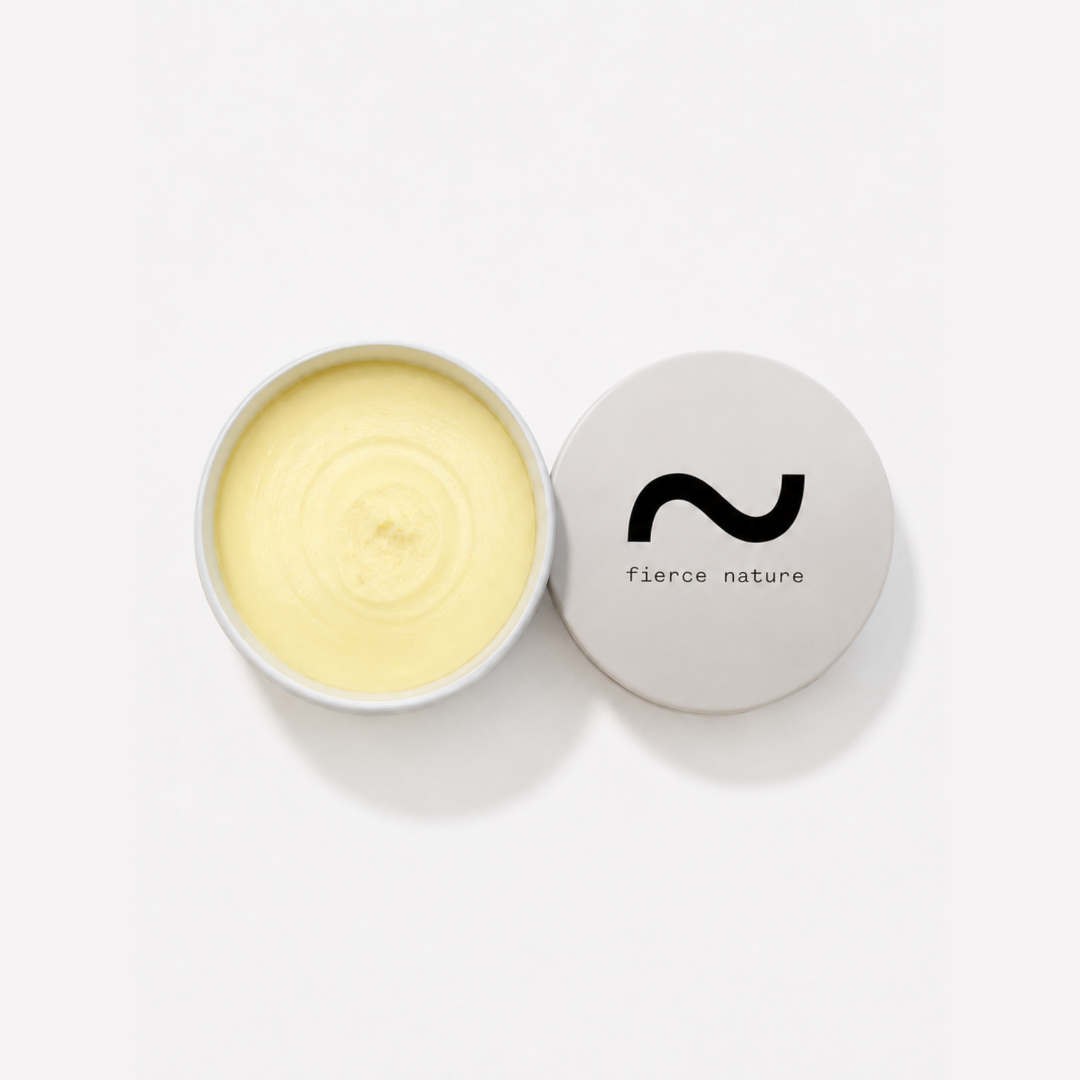
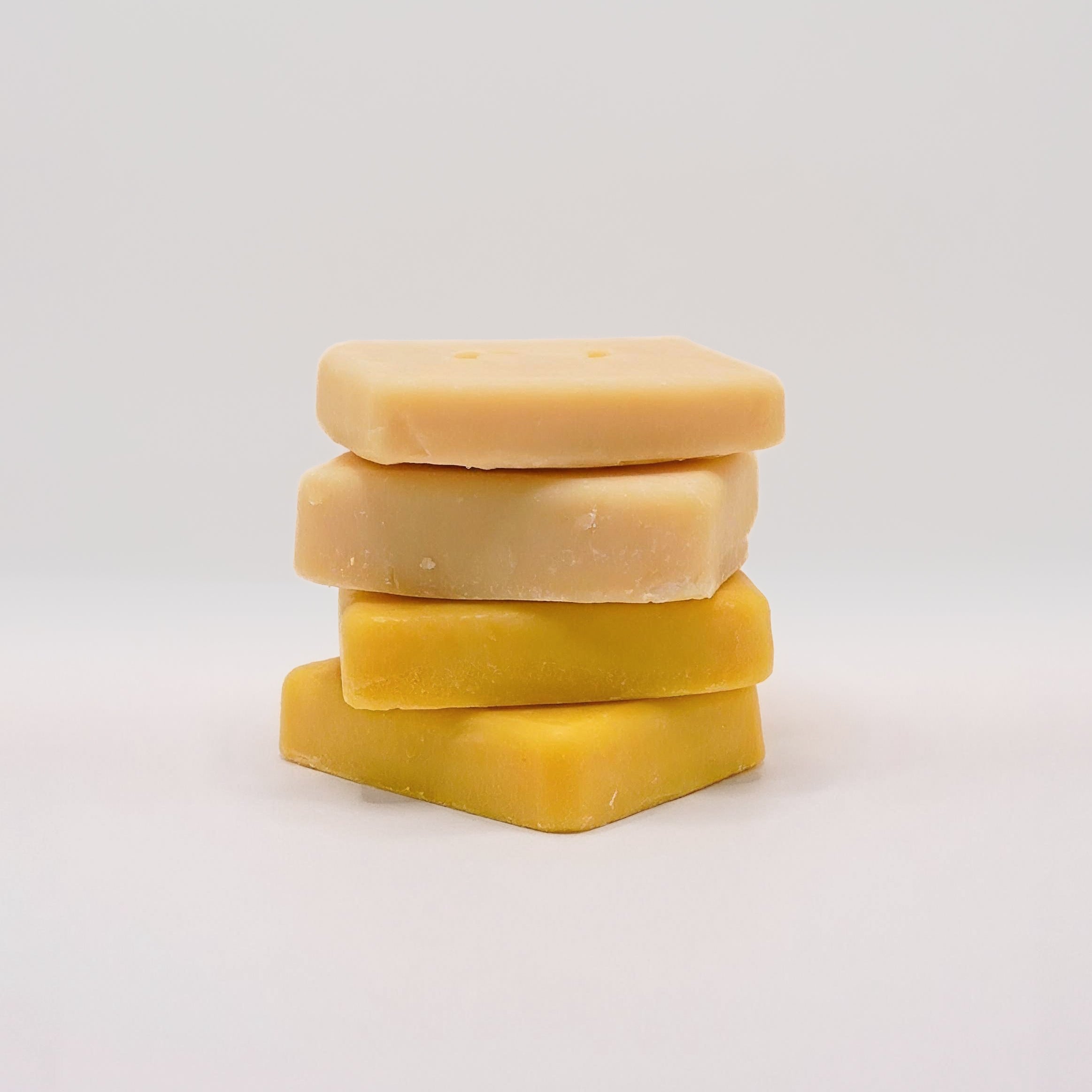
Pro Tip: Start with a single unscented, multi-use balm so you have one product doing the work of three. The Multi-Use Tallow Bar (Unscented) from Fierce Nature works as a face balm, lip treatment, and hand salve in one step.
Pro Tip: If you are transitioning from conventional products, swap your moisturiser before anything else. Leave-on products sit on your skin all day, so they carry the highest cumulative exposure. See Fierce Nature’s guide on 10 simple swaps for a cleaner beauty routine for affordable starting points.
Here is the full ordered sequence from waking to leaving the house, with the reasoning behind each step.
Wake at a consistent time. Your body’s circadian clock is set by light and timing cues. Waking at the same time every day, including weekends, is the single most powerful thing you can do for sleep quality and daytime energy. The American Heart Association includes consistent wake time as a foundational element of healthy sleep hygiene.
Drink filtered water immediately (1 min). Overnight, you lose fluid through breathing and perspiration. Rehydrating before coffee or screens supports cognitive function and digestive motility from the start. Wellness pharmacists consistently list this as the first step in a health-supporting morning.
Get morning light within 30–60 minutes of waking (10–20 min). Bright natural light suppresses residual melatonin and anchors your circadian rhythm. On a clear UK morning, stepping outside for 10 minutes is sufficient. On overcast days, stay outside longer or use a SAD lamp. The key is consistency, not perfection.
Brief movement or breathwork (5–10 min). You do not need a gym session. A short walk, five minutes of stretching, or two rounds of box breathing activates the parasympathetic nervous system and reduces cortisol reactivity. Experts, including those writing for The Guardian, caution against extreme morning rituals like ice baths or hour-long early workouts, which can spike stress hormones rather than regulate them.
Delay caffeine by 60–90 minutes (timing note). Cortisol peaks naturally in the first 30–45 minutes after waking. Drinking coffee during that window blunts the cortisol response and shifts your dependency to caffeine rather than your own biology. Waiting 60–90 minutes, as circadian research from thrive.md recommends, aligns your first coffee with the natural cortisol dip and tends to reduce afternoon energy crashes. Worth testing for a week.
Eat a protein-forward breakfast (5–10 min). Protein at breakfast supports steady blood sugar and reduces the likelihood of reaching for sugary snacks by mid-morning. Eggs, nuts, seeds, or full-fat yoghurt all work.
Keep screens away for the first 30–60 minutes. Checking your phone immediately on waking floods your nervous system with reactive information before it has had a chance to regulate. A 30–60 minute no-screen buffer, as guidance from Non Toxic Dad notes, measurably lowers cortisol reactivity and improves mood across the morning.
Pro Tip: During your skincare step, apply your balm slowly and deliberately. Pressing product into your skin with gentle, intentional touch activates calming nerve pathways and makes the whole step feel restorative rather than rushed. Pair it with three slow breaths.
Accessibility note: for those with mobility limitations, the movement step can be seated stretching or gentle arm circles. During pregnancy, avoid extreme temperature changes and check any new skincare ingredients with your midwife. For children, the light and hydration steps translate directly; keep skincare products age-appropriate and always patch test first.

The following ingredients appear in many mainstream UK skincare products and carry evidence-based concerns worth knowing:
For a full UK-specific breakdown of what to look for on labels, Fierce Nature’s guide to toxic chemicals in UK cosmetics is a practical starting point.
Short ingredient lists with recognisable names are a reliable signal of a cleaner product. Look for:
Apply a small amount of any new product to the inside of your wrist or behind your ear. Leave it for 24 hours without washing. If you notice redness, itching, or swelling, do not use the product on your face. For sensitive skin, extend the test to 48 hours. Always patch test before applying anything new to children.
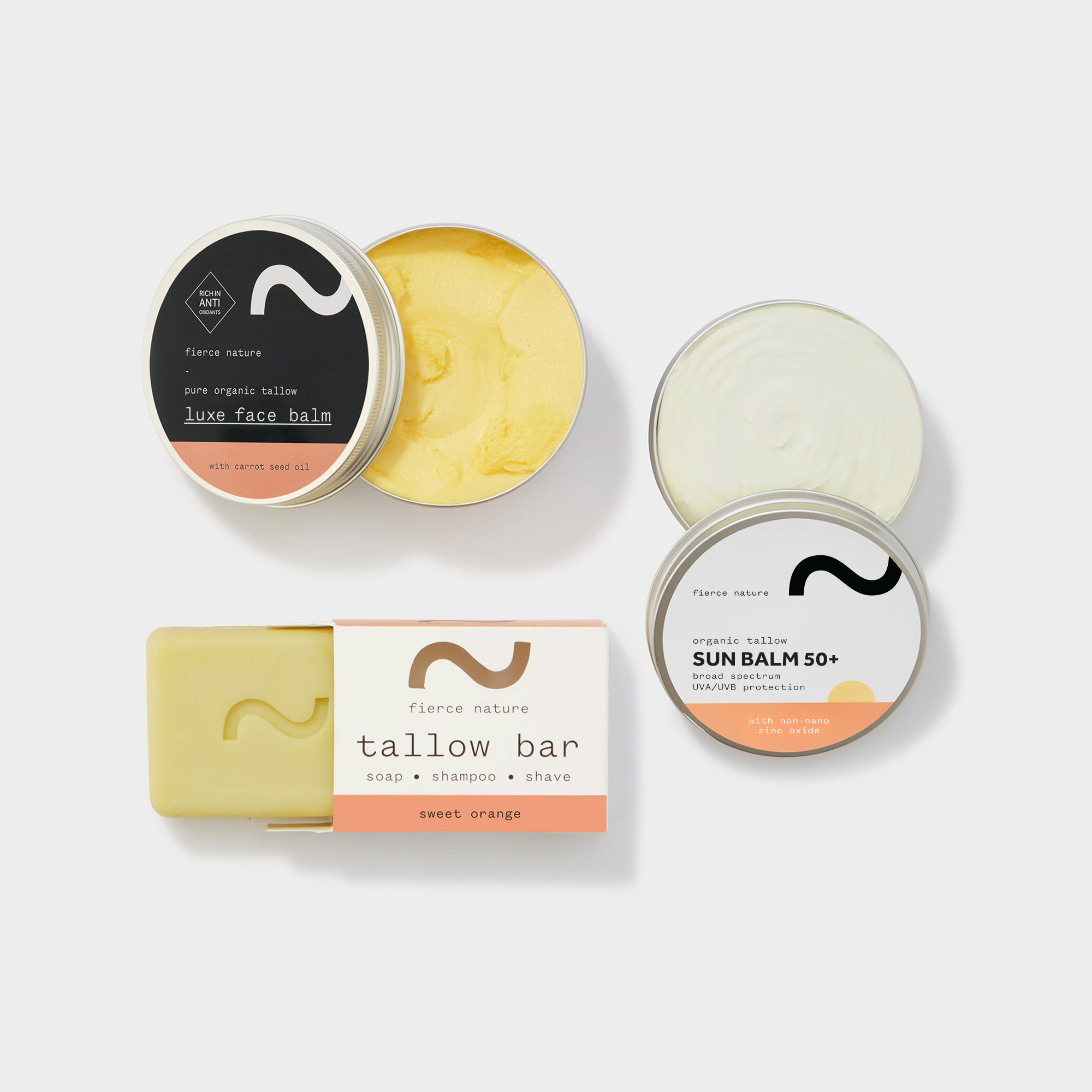
| Product | Best for | Routine fit |
|---|---|---|
| Multi-Use Tallow Bar (Unscented) | Sensitive, reactive skin; minimalists | 5-minute routine; face, lips, hands in one step |
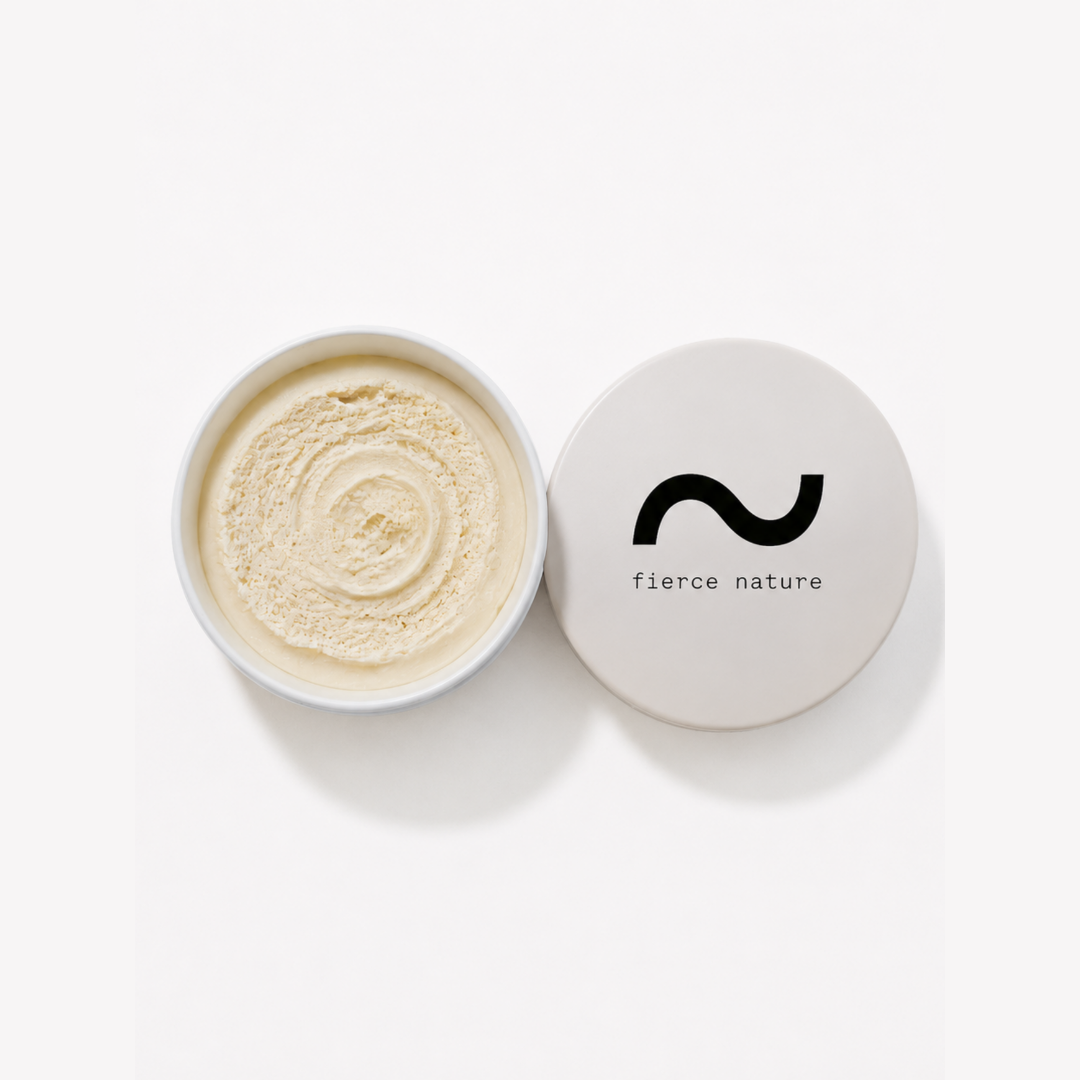
| Multi-Use Tallow Bar (Scented) | Those who enjoy a light natural scent | 5 or 15-minute routine; patch test first |
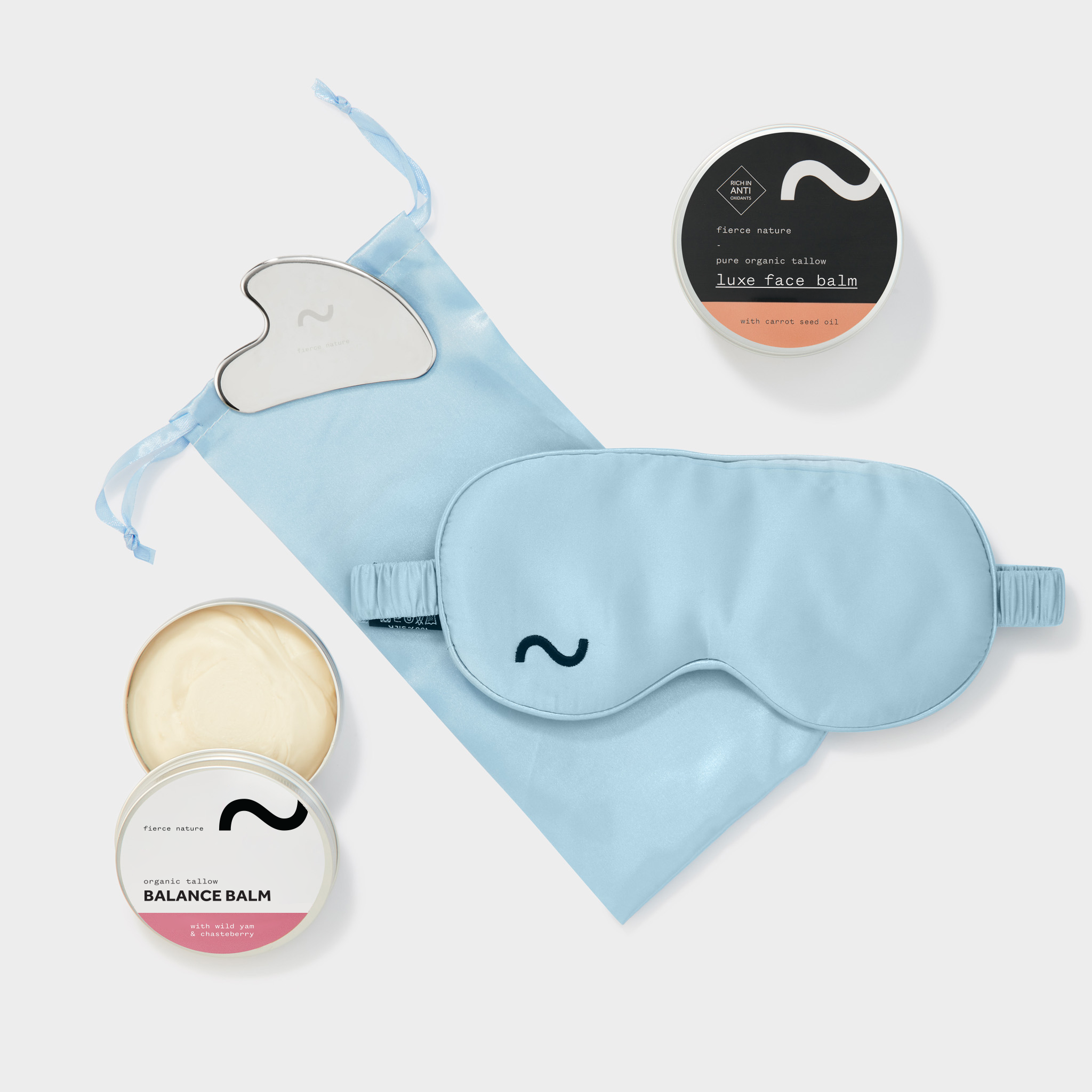
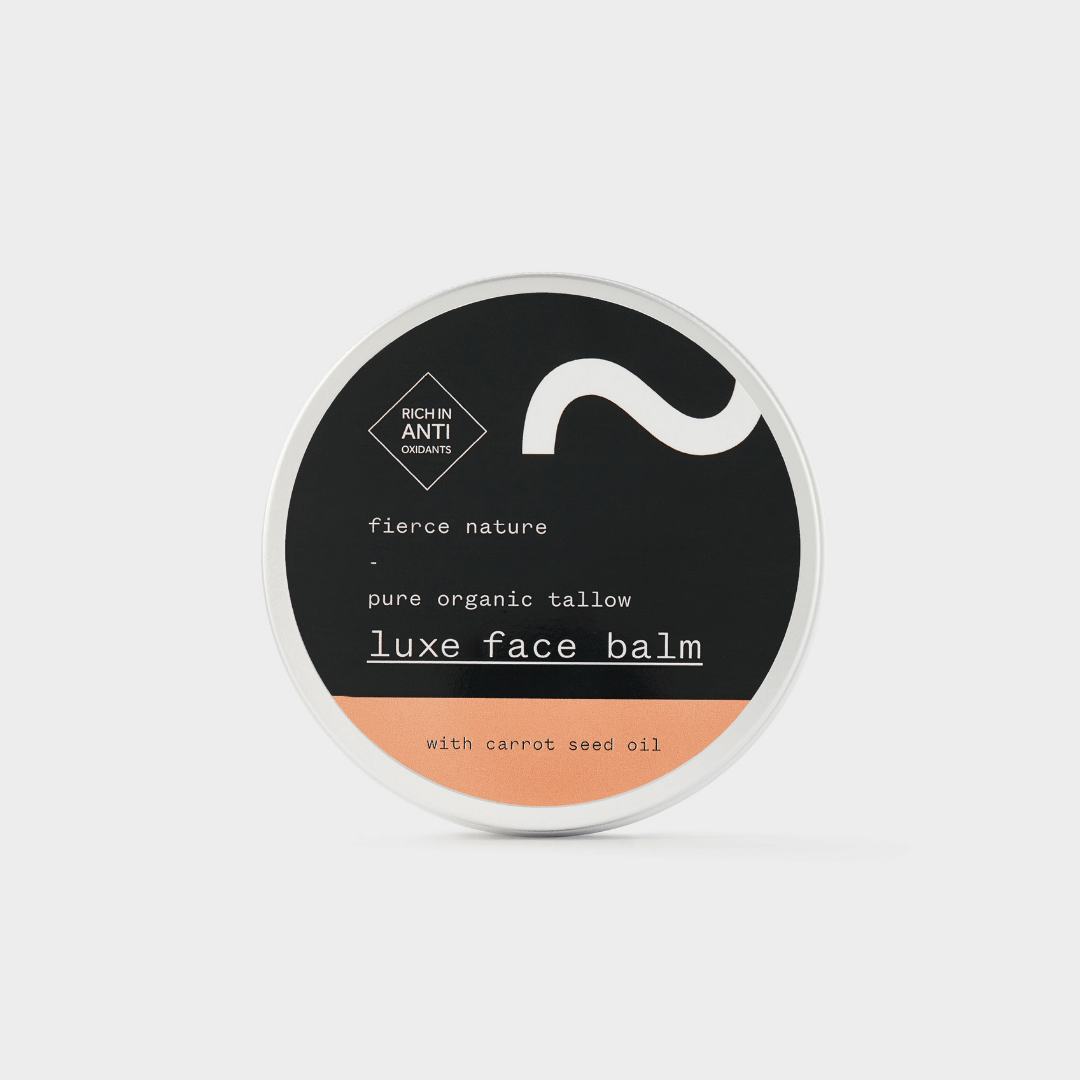
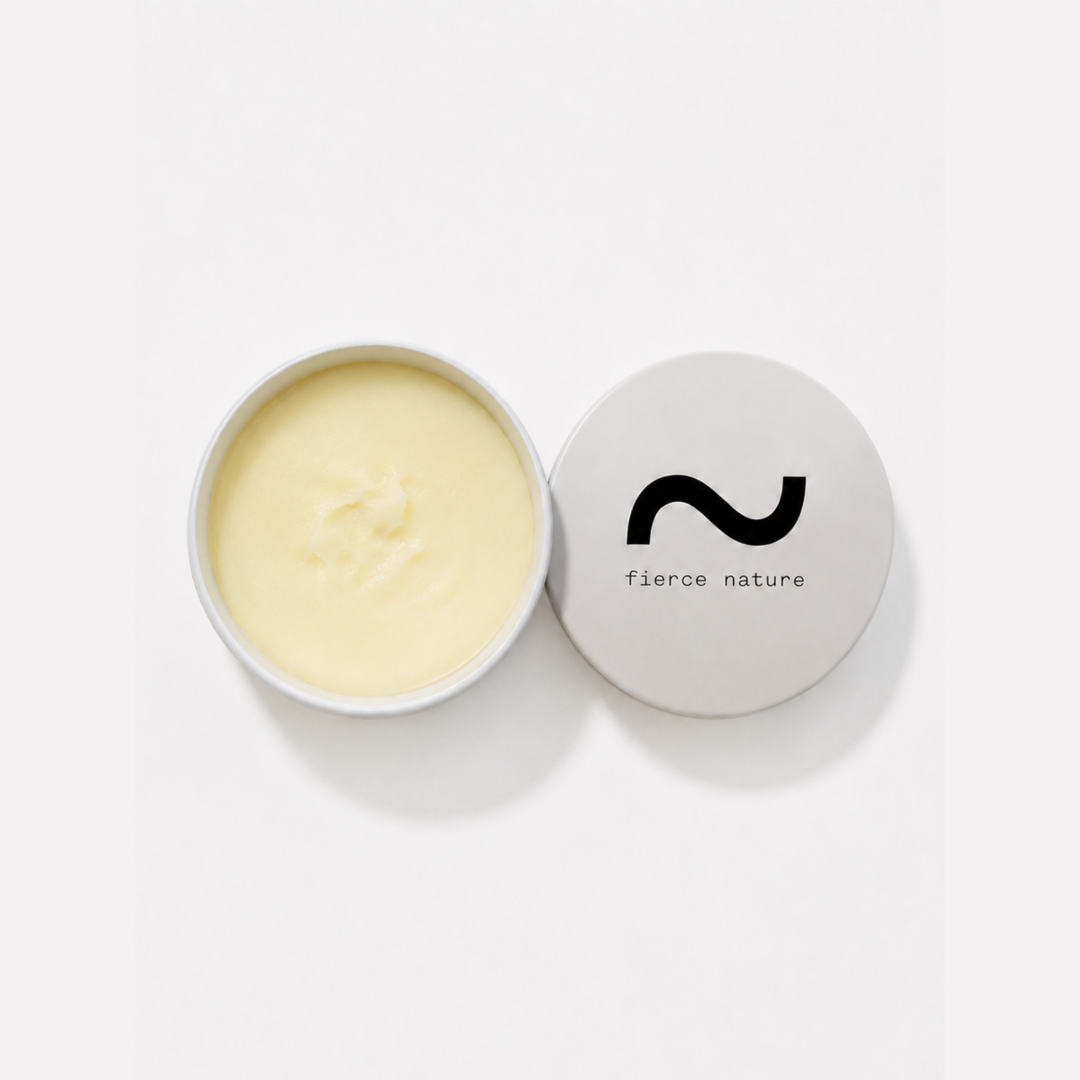
| Luxe Balm | Dry or mature skin needing richer moisture | 15 or 30-minute routine; deeper nourishment |
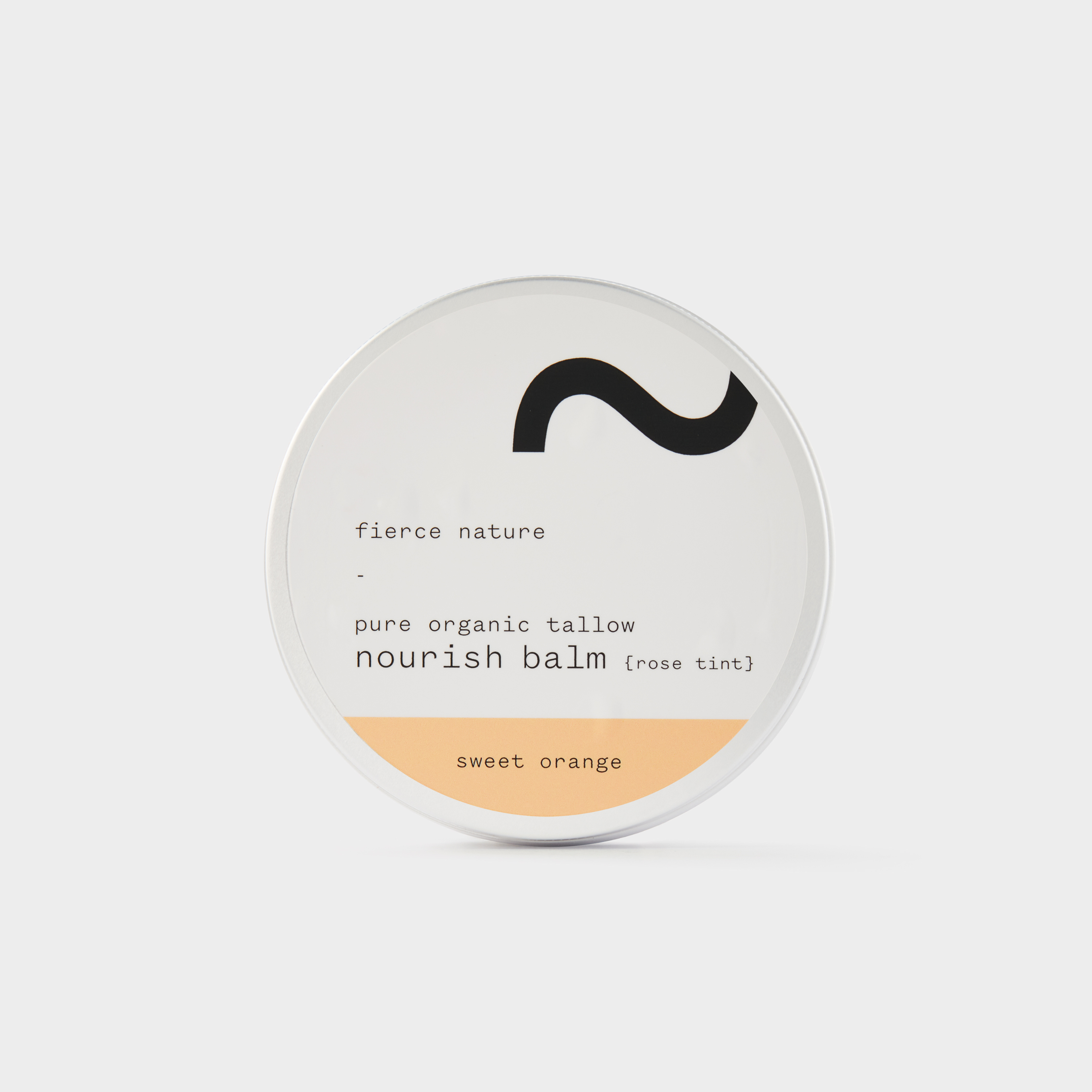
| Nourish Balm with Rose Tint (Sweet Orange) | Light coverage with a natural glow | 30-minute routine; replaces tinted moisturiser |
| Selfie Stick Natural | On-the-go touch-ups; travel | Any routine; pocket-sized for commuters |
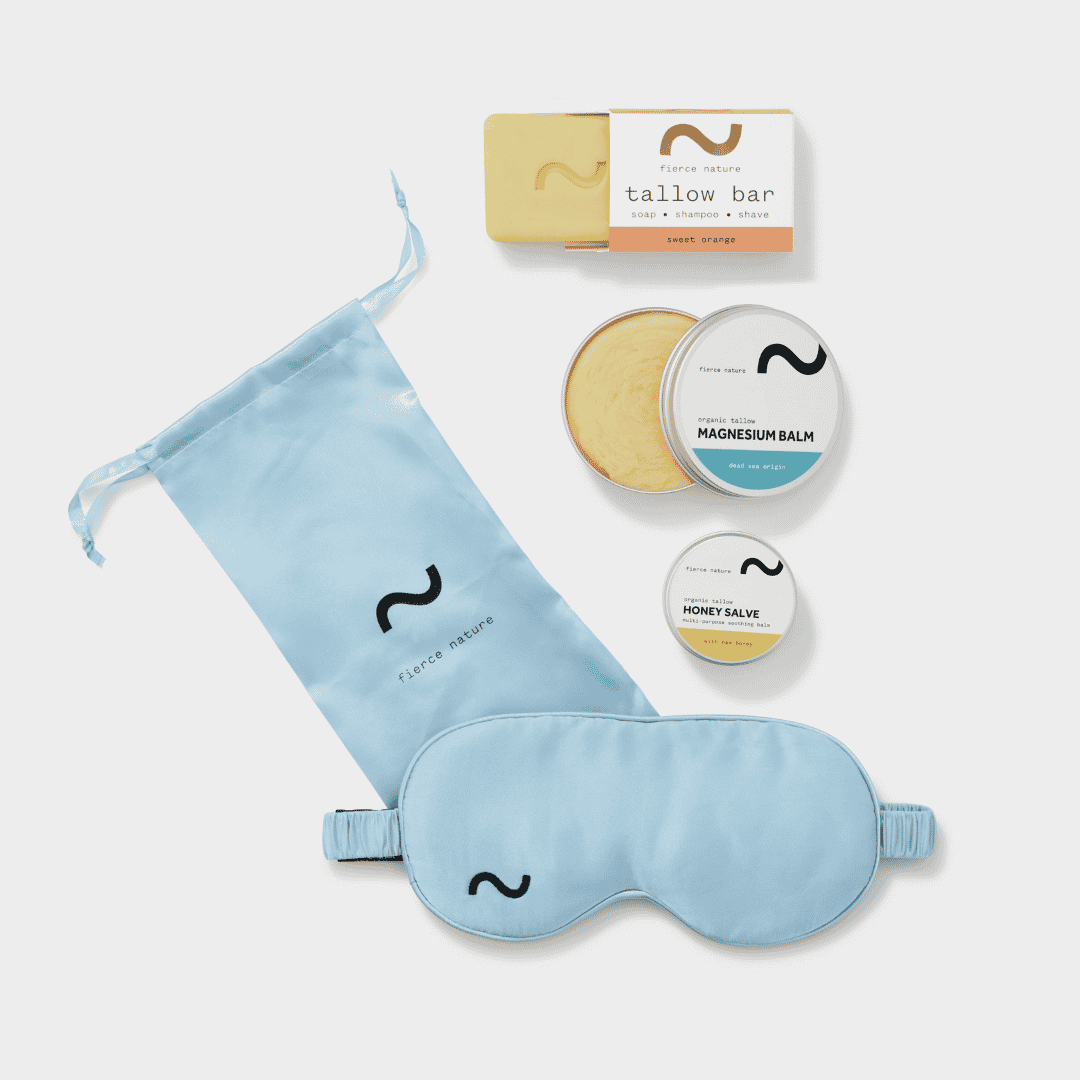
| Biohacking bundle | New adopters wanting a curated starter set | Any routine; removes the decision fatigue of choosing individually |
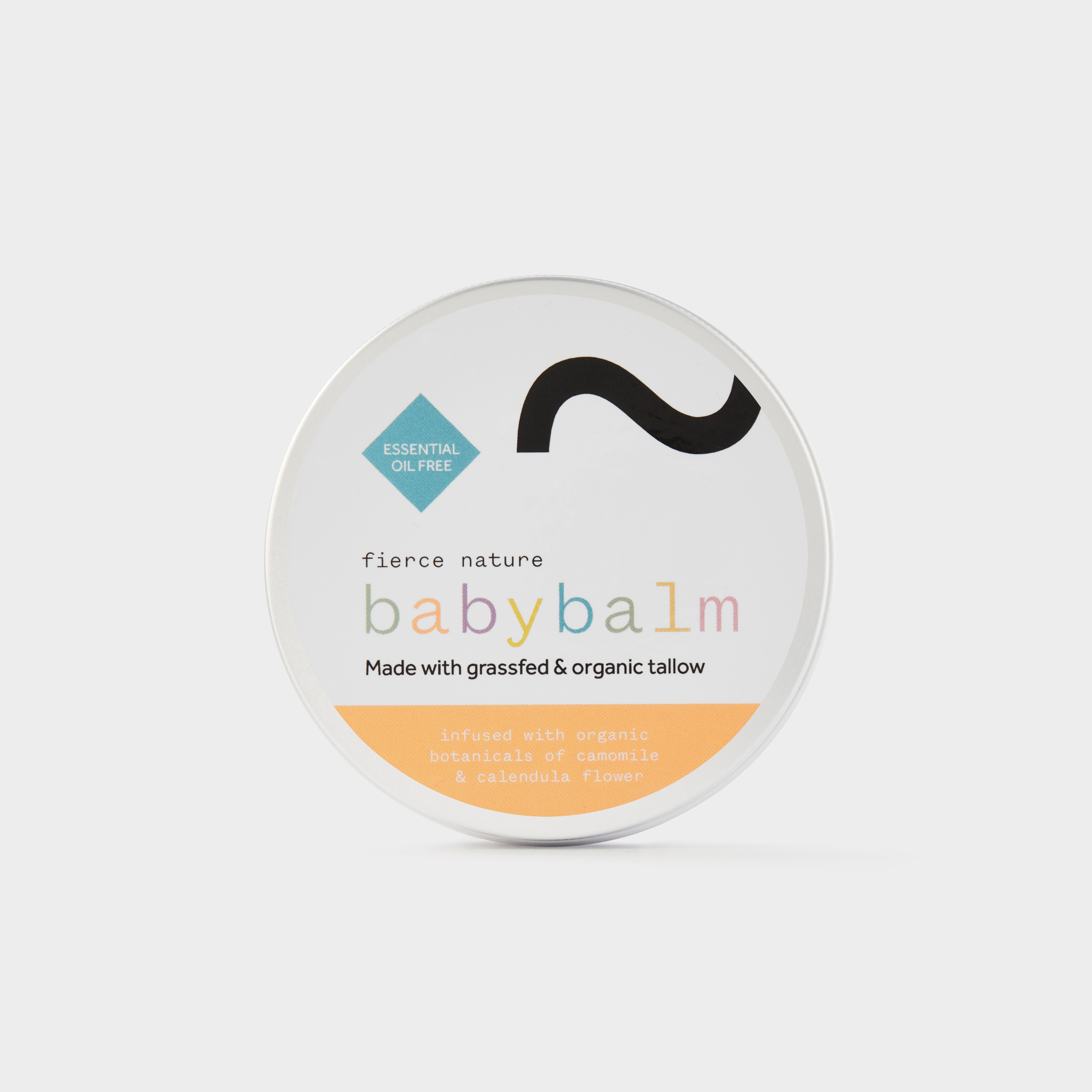
| Non-toxic Baby Skin Essentials | Infants and young children | Family routines; formulated for the most sensitive skin |
Pro Tip: If you are new to tallow-based skincare, start with the unscented bar. Tallow’s fatty acid profile closely mirrors the skin’s own sebum, which means it absorbs without the greasy residue many people expect from a balm. A pea-sized amount is usually enough for the whole face.
The most common reason people abandon a cleaner morning routine is that they try to change everything at once. Here is what to avoid, and how to make the transition genuinely sustainable.
Mistakes to avoid:
A realistic transition timeline:
Months 1–2: swap your daily moisturiser and lip balm for clean alternatives. These are your highest-exposure leave-on products. Months 3–4: replace your deodorant and any scented body lotion. Months 5–6: move to a cleaner body wash and, if relevant, a cleaner shampoo.
This paced approach keeps costs manageable, typically spreading the investment across several months rather than one large outlay, and dramatically improves adherence. Fierce Nature’s guide to reducing your toxic load walks through this prioritisation in detail.
Sustainability tips:
A non-toxic morning routine built on consistent wake time, morning light, immediate hydration, and one clean leave-on product delivers over 80% of the measurable benefit in 15 minutes or less.
| Point | Details |
|---|---|
| Anchor your wake time | Waking at the same time daily stabilises your circadian rhythm and improves sleep quality over time. |
| Prioritise morning light | Get bright natural light within 30–60 minutes of waking to regulate cortisol and energy across the day. |
| Hydrate before caffeine | Drink filtered water first; delay coffee by 60–90 minutes to align with your natural cortisol rhythm. |
| Swap leave-on products first | Moisturiser and deodorant carry the highest daily exposure; replace these before rinse-off products. |
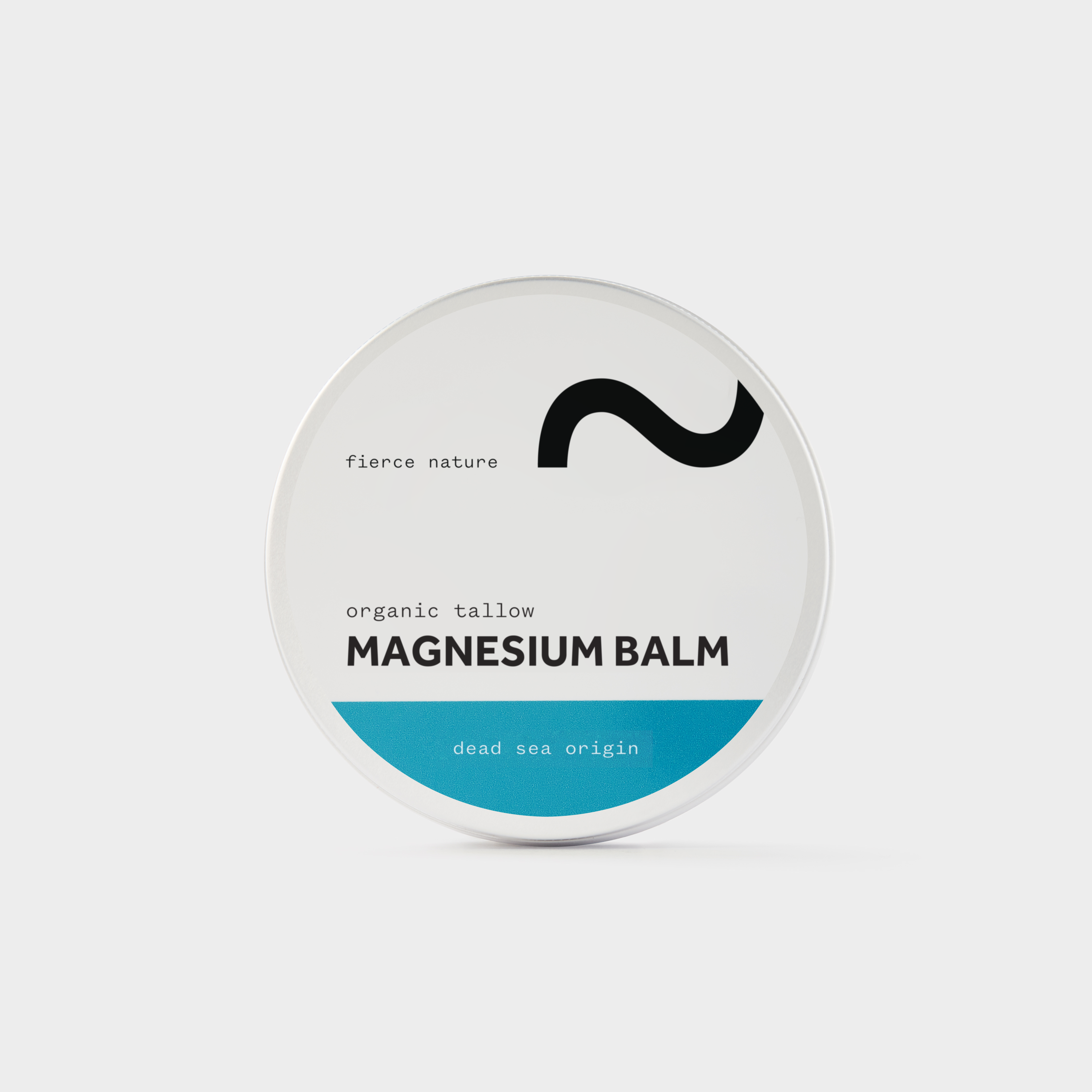
| Fierce Nature for clean skincare | The Multi-Use Tallow Bar (Unscented) and Luxe Balm are practical, UK-made starting points for any routine length. |
There is a version of the non-toxic morning routine that has become its own kind of performance: the 5 AM alarm, the cold plunge, the twelve-step skincare sequence filmed for social media. We understand the appeal. But at Fierce Nature, we have seen what actually works, and it is rarely the dramatic overhaul.
The founder of Fierce Nature grew up in South Africa using mainstream cosmetics from a young age, battling persistent skin rashes and reactions that no one could explain at the time. It took years of work in gut health and functional wellness to connect those reactions to the cumulative chemical load in everyday products. That experience shapes everything we make and every piece of guidance we offer.
What we know is this: the most powerful thing you can do for your skin and your nervous system is not a biohack. It is consistency. A two-minute skincare step done every morning with a clean, nourishing product will outperform an elaborate ten-step routine you abandon by Thursday. Morning light and a glass of water cost nothing and change how your whole day feels. The routine does not need to be impressive. It needs to be yours.
We also believe that non-toxicity is not just about what is in your products. It is about the pace at which you start your day, the absence of a screen in your first waking moments, and the small act of caring for your skin with something that actually nourishes it. That is the non-toxic morning skincare routine we think is worth building.
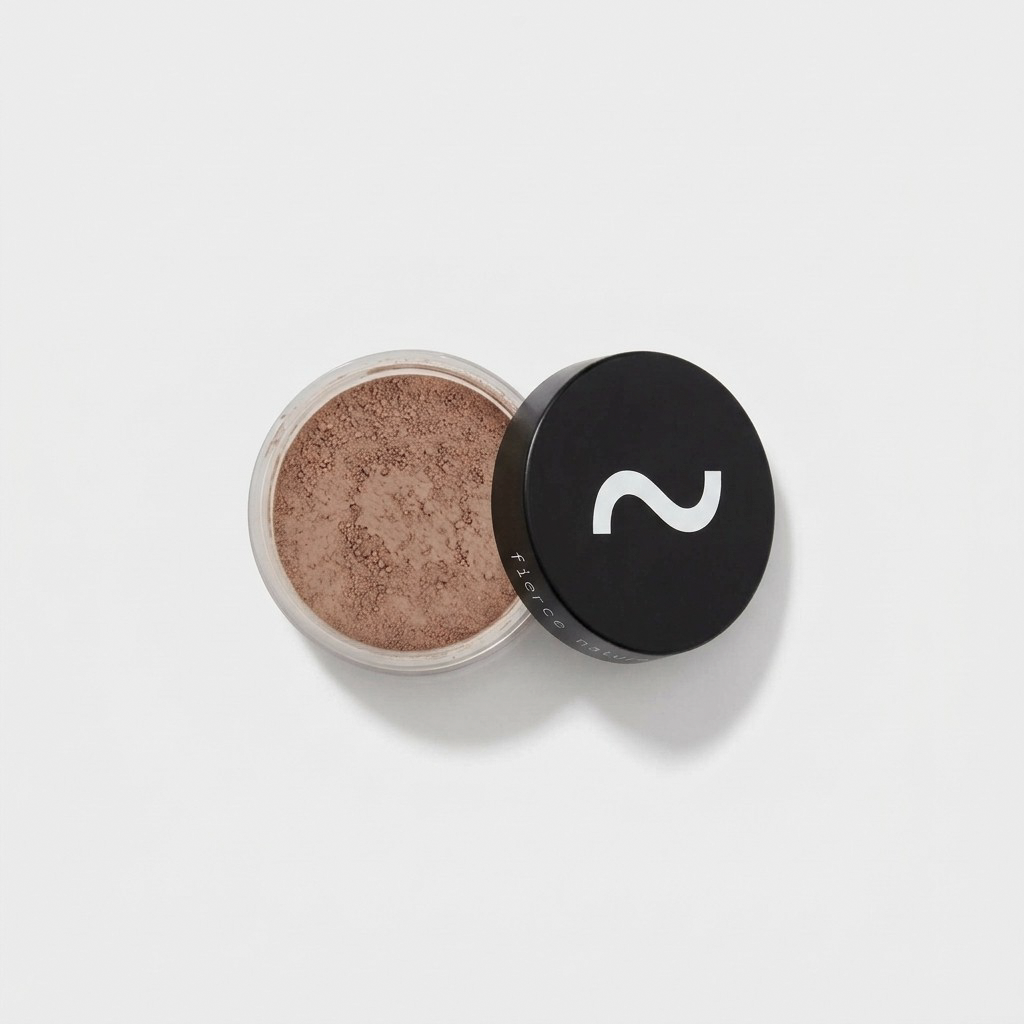
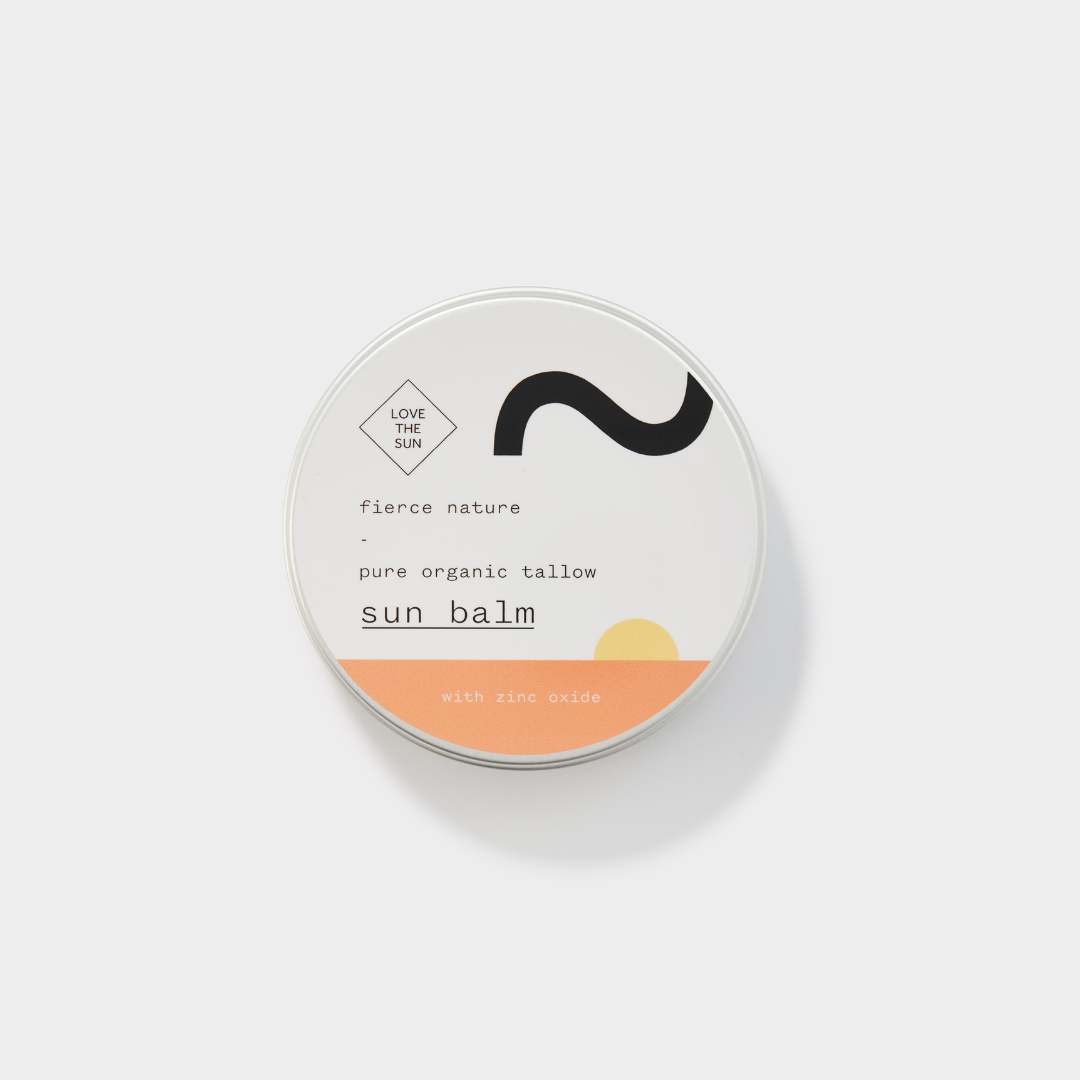
Every Fierce Nature product is handmade in the UK using organic tallow and naturally sourced ingredients, with no synthetic fragrance, parabens, or PEGs. For a 5-minute routine, the Multi-Use Tallow Bar (Unscented) does everything: face, lips, and hands in one step, with nothing your skin does not need. For a richer morning experience, the Luxe Balm suits drier skin types, while the Nourish Balm with Rose Tint (Sweet Orange) gives a light, natural glow without synthetic pigments. Families with young children will find the Non-toxic Baby Skin Essentials bundle formulated specifically for the most sensitive skin. Always patch test any new product for 24–48 hours before full use. Browse the full range and find the right starting point for your routine at Fierce Nature.
The healthiest morning routine combines a consistent wake time, immediate hydration, 10–20 minutes of bright natural light, and some gentle movement. Circadian research confirms these three habits deliver over 80% of the measurable benefit, even in a 15-minute window.
It can take as little as 5 minutes: one glass of water, two minutes at a bright window, and a clean balm applied to your face. A 15-minute version adds a short walk and breathwork and captures the majority of the circadian and nervous-system benefits.
Waiting 60–90 minutes after waking before drinking coffee aligns your caffeine intake with the natural cortisol dip, which tends to reduce mid-afternoon energy crashes. It is worth testing for a week to see how your energy responds.
Start with leave-on products: your daily moisturiser and deodorant carry the highest cumulative skin exposure. Replacing these before rinse-off products like body wash gives you the greatest reduction in daily chemical load for the lowest cost. The Fierce Nature Multi-Use Tallow Bar (Unscented) is a practical first swap for face and body.
Yes, with care. Children’s skin is more permeable than adult skin, making ingredient choices even more consequential. Look for short ingredient lists, no synthetic fragrance, and mineral rather than chemical UV filters. Fierce Nature’s Non-toxic Baby Skin Essentials bundle is formulated specifically for infant and young children’s skin; always patch test before full use.


Emma Ward —
A consistent morning routine built around hydration, natural light, and simple habits can make healthy choices easier throughout the day, including managing weight-loss costs through https://wegovypricecompare.com/discount-codes/.