Cart
0
80% Also Added this





Food can trigger eczema, but only in a minority of people, and most often in babies and young children with moderate to severe eczema that is not settling with standard treatment. For most adults, the bigger wins come from protecting the skin barrier, avoiding irritants and keeping up with emollients, not from cutting out food groups. In this guide we explain which foods are most often linked to flares, how to find out whether food is really a trigger for you or your child, and what to do before (or instead of) restricting what you eat.
It is easy to see why. Eczema flares seem to arrive out of nowhere, and what we eat is one of the few things we feel we can control. Search for “eczema diet” and you will find long lists of foods to avoid, often with confident promises that skipping dairy, gluten or nightshades will clear your skin.
The clinical picture is quieter than that. Atopic eczema is a condition of the skin barrier and the immune system, not a digestive disorder. NHS patient information on diet and eczema in children explains that only a small proportion of children with eczema improve with dietary changes, and that they still need good skin care alongside.
There is also a real link between eczema and food allergy, and it is worth understanding in the right order. NHS information from Oxford University Hospitals says that although some children with eczema also have a food allergy, fewer than 2 in 10 children with eczema develop one, and that our current understanding is that the eczema comes first. In other words, food allergy is more often a companion to eczema than its cause. The more severe the eczema, and the earlier it starts, the more likely a food allergy is to be part of the picture.
That is why we think the most useful starting point is not a list of banned foods. It is a question: is there any real evidence that food affects my skin?
If food does play a part, the same handful of culprits come up again and again. These are the common allergens, and they are the ones doctors look at first, particularly in children:
Read that list as “foods that commonly cause allergies in general”, not as “foods that cause eczema”. Having eczema raises the chance of food allergy, so the same foods appear. Being on the list does not mean any of them is a problem for you.
You will also see other foods named in online articles: tomatoes, citrus, avocado, soy sauce, dried fruit, gluten, “inflammatory” foods and, for a specific type called dyshidrotic eczema, foods high in nickel. Evidence for most of these is thin, and experiences vary a great deal from person to person. Treat them as things to notice, not rules to follow.
It helps to know that food can affect the skin in two different ways.
Immediate reactions usually appear within minutes to a couple of hours of eating. They might include hives, swelling of the lips or face, vomiting, a sudden itchy rash or, in serious cases, difficulty breathing. These are signs of a true allergy. If you ever see them, particularly swelling or breathing problems, seek urgent medical help (call 999 for breathing difficulty or collapse) and arrange allergy testing through your GP.
Delayed reactions can show up many hours or even a day or two later, as a worsening of existing eczema. These are much harder to spot, which is exactly why guessing is unreliable and why a structured approach, covered below, is recommended.
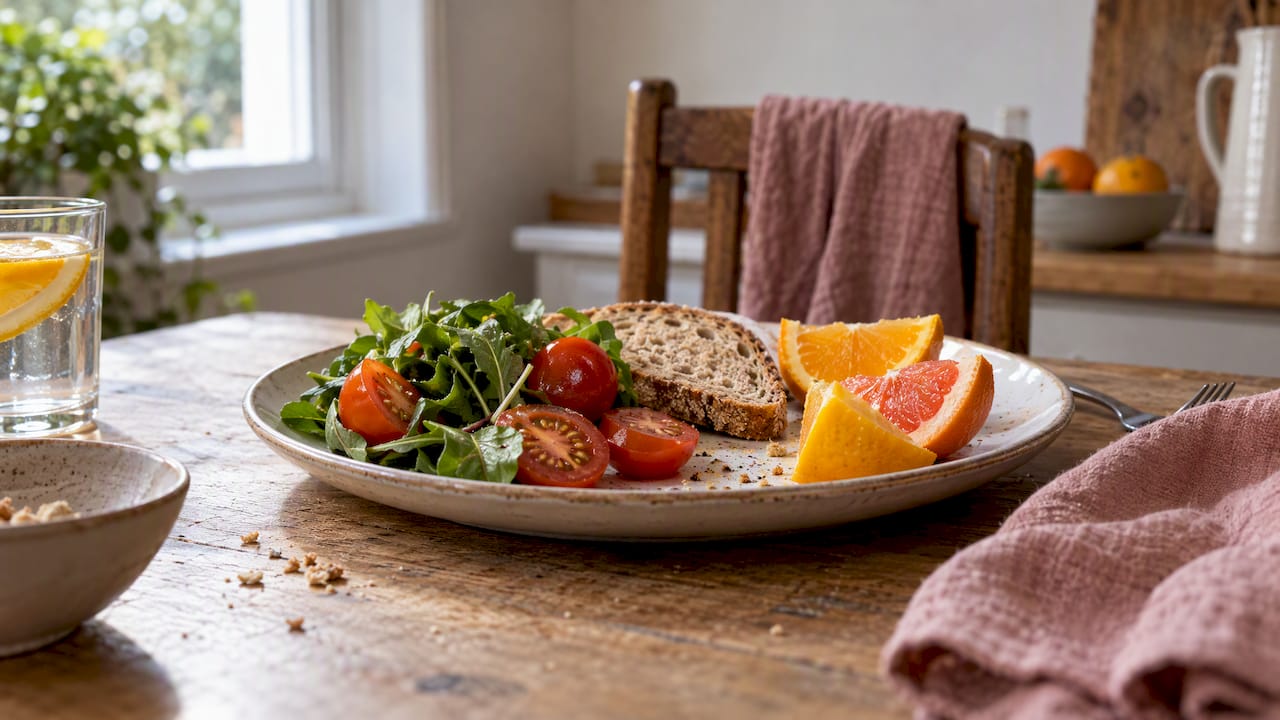
One of the most common false alarms involves acidic foods. Parents often notice red, sore patches around a toddler’s mouth and cheeks after tomatoes, citrus fruit or berries, and conclude that their child is allergic.
Often it is not. Guidance from the National Eczema Society’s diet and allergy information notes that these reactions are frequently simple contact irritation, where the acidic juice touches fragile skin, rather than an immune-mediated allergy. The redness stays around the mouth, appears quickly and fades.
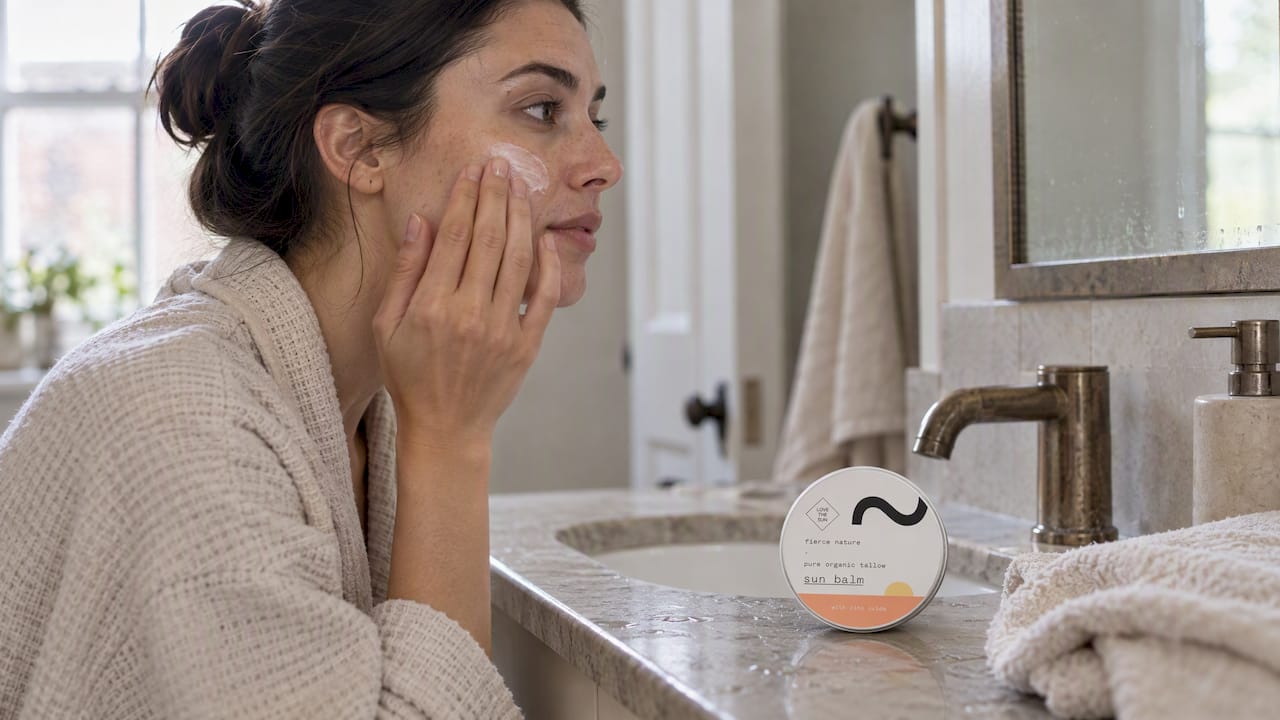
A practical fix is to protect the skin before the meal. A thin layer of a barrier balm around the mouth and on the cheeks before eating, then a gentle wipe with lukewarm water afterwards, can prevent a lot of discomfort. Keep eating the fruit, because stopping it is unnecessary if there is no allergy.
This is the point we most want you to take away. Dropping foods “just in case” is not harmless.
First, there is nutrition. Removing dairy, eggs or wheat without a plan can leave gaps in calcium, protein, iodine and other nutrients, a particular concern for growing children. NHS dietary guidance recommends involving a dietitian before any exclusion for exactly this reason.
Second, and less well known, there is tolerance. The Oxford University Hospitals information above explains that completely excluding a common food from a child’s diet over the long term can actually increase the chance of developing a worse, even life-threatening, allergy to it. If a food is not a confirmed trigger, eating small regular amounts helps the body stay used to it.
Third, there is distraction. Time and worry spent on food can pull attention from the things that reliably help: gentle washing, regular moisturising and treating flares promptly with the treatment your doctor has prescribed. The current European guidance on topical treatment and prevention advises identifying and avoiding individual triggers while keeping normal activity, and implementing elimination diets only after a formal diagnosis.

If you or your child have eczema that stays difficult despite good skin care, and you suspect a food, there is a sensible route. It is slower than a quick fix, but it gives you an answer you can trust.
Note what the process is for. A successful challenge does not cure eczema. It helps you reduce flares by avoiding a food that clearly worsens your skin, and it protects you from unnecessary restriction.
Babies with moderate or severe eczema are the group where food is most likely to matter, so it is understandable that parents worry. The advice is the same: speak to your GP, health visitor or an allergy service before removing foods from your baby’s diet, or from your own if you are breastfeeding. Our own guides on baby eczema and soothing infant skin and eczema in babies cover the skin side of care in more detail.
People who work with eczema every day tend to say the same thing: environment beats diet. NHS guidance written for teenagers, Live Your Life, notes that triggers vary from person to person, and encourages people to look at changes at home first. East Sussex NHS information lists the usual suspects: soap, washing detergent, pets, some fabrics, pollen, house dust mites, heat or temperature changes and skin infections, with certain foods being just one item on the list.
Here are the triggers we would look at before changing what is on your plate.
| Trigger | What to try |
|---|---|
| Soap, shower gels, bubble bath | Switch to a gentle, unscented wash and keep washing short and lukewarm |
| Laundry detergent and fabric conditioner | Use fragrance-free products and run an extra rinse |
| Heat and sweating | Keep the bedroom cool, wear soft breathable layers |
| Rough fabrics such as coarse wool | Choose soft cotton next to the skin |
| Perfumes and scented products | Go fragrance-free on skin, hair and home products |
| Pets and house dust mites | Keep pets out of the bedroom, wash bedding regularly |
| Pollen and seasonal changes | Shower after time outdoors in high-pollen seasons |
| Tobacco smoke | Keep smoke away from children and from your home |
| Stress and poor sleep | Build in calming routines, as itching and stress feed each other |
Animal dander from cats and dogs is a common airborne allergen. If you notice a clear pattern of skin flares after contact, the British Association of Dermatologists’ atopic eczema information recommends avoiding common airborne allergens in people who are sensitised and have a clear history of skin worsening. Practical steps include keeping pets out of bedrooms and off furniture, and grooming them regularly.
Swimming-pool chlorine is a well-known irritant that can dry the skin and weaken its barrier. Rinse thoroughly with fresh water after swimming and apply a generous layer of moisturiser straight away while the skin is still slightly damp. Research has also linked high chlorine levels and hard water in the home with a higher risk of eczema in infancy. A population-based study in early life examined that association. Much of the UK has hard water, which is another reason a consistent barrier routine matters.
Pregnancy can change how eczema behaves, and treatment choices need care. European guidance describes mid-potency topical corticosteroids as first-line anti-inflammatory treatment, with narrowband UVB phototherapy preferred if topical treatment is not enough, and some systemic drugs such as methotrexate being unsuitable. That is a decision for you and your dermatologist or GP, so please do not change medicines without advice. Dietary restriction in pregnancy is also not recommended as a way to prevent eczema in your baby unless your clinician advises it.
We started Fierce Nature because of our own experience of skin that reacted to almost everything. Growing up in South Africa, our founder battled rashes and reactions to mainstream shaving gels, hair removal creams and lipsticks, and could not understand why. Years of work around gut health and the toxic load our bodies carry led to a belief that what we put on our skin deserves the same scrutiny as what we put in our mouths.
So we understand the pull of the diet explanation. Food, gut health and skin are connected in how we think about wellbeing as a whole. But we are clear about what the clinical evidence supports: for most people with eczema, food is not the root of it, and strict elimination without a diagnosis can do more harm than good. Please follow your GP’s or dietitian’s advice on food, and do not treat anything we make as a replacement for prescribed treatment.
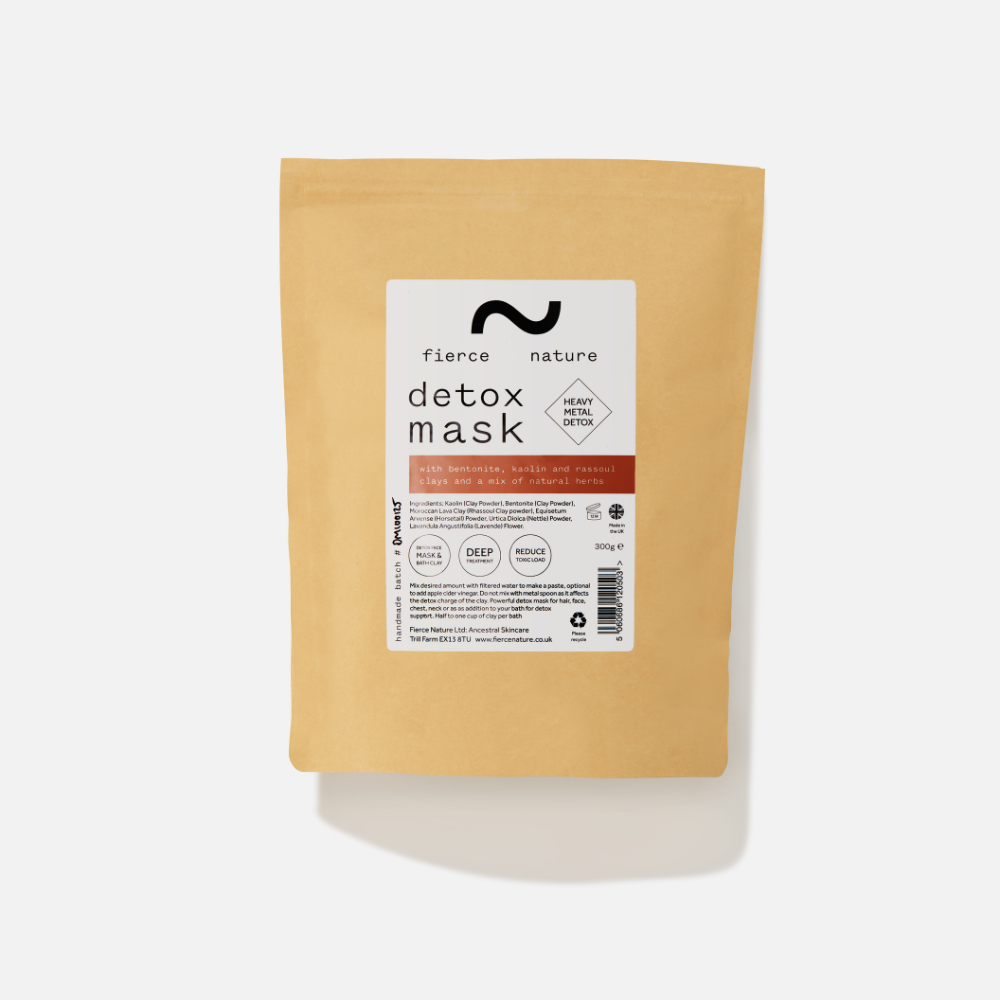
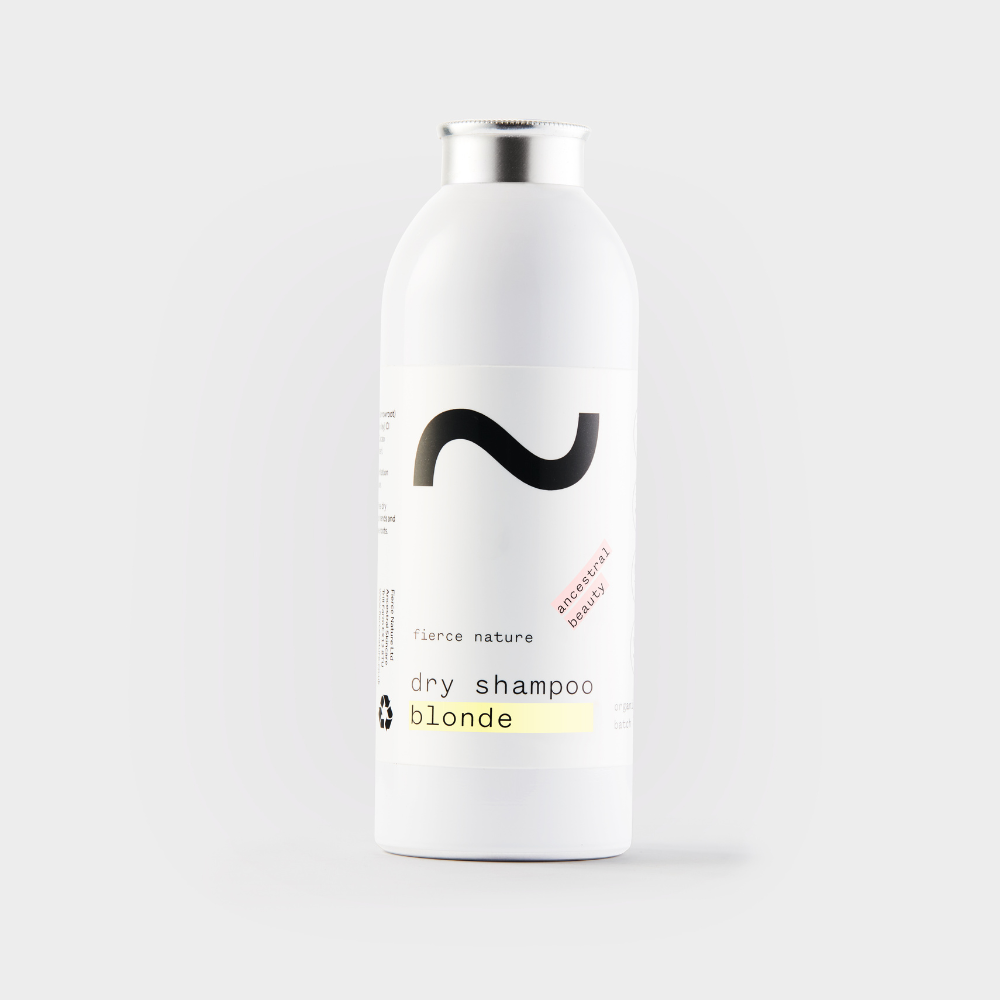
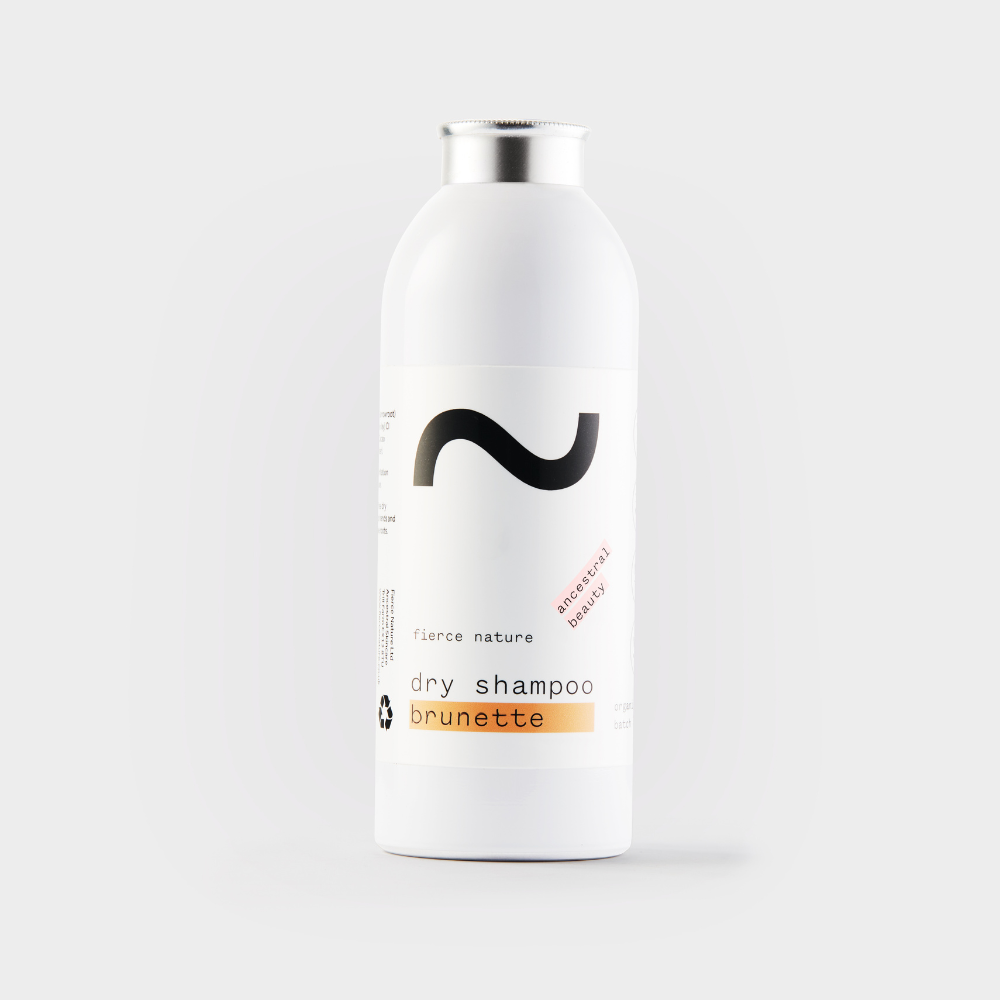
Where we can help is the part that is in your hands every single day. A stressed skin barrier needs consistent, gentle support, and that means thinking about everything that touches the skin:
Everyone’s skin is different, and what soothes one person may not suit another. If you are trying a new product, test it on a small patch first and speak to your doctor if your eczema is infected, weeping or worsening.
— Fierce Nature
Whether or not food turns out to be involved, these habits form the base of good eczema care. They are in line with NHS advice on emollients.
If you want a wider overview, our complete guide to skincare for eczema and eczema skin care tips go deeper into products and technique.
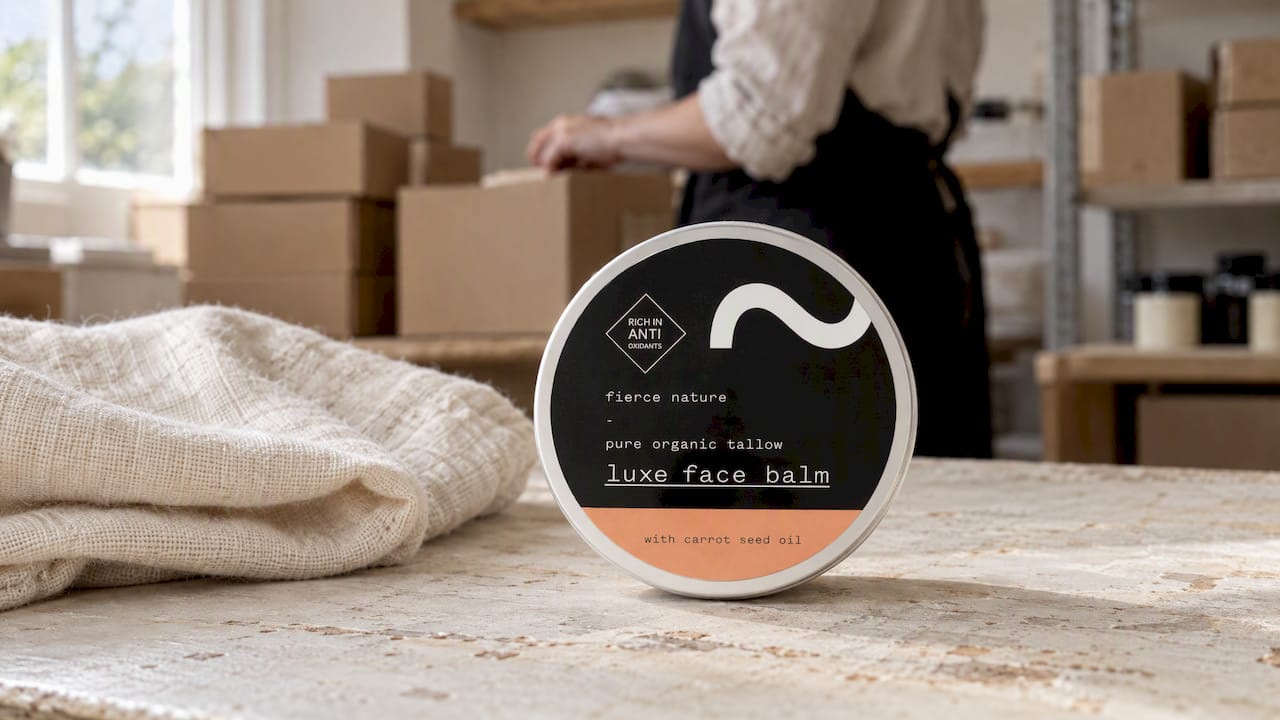
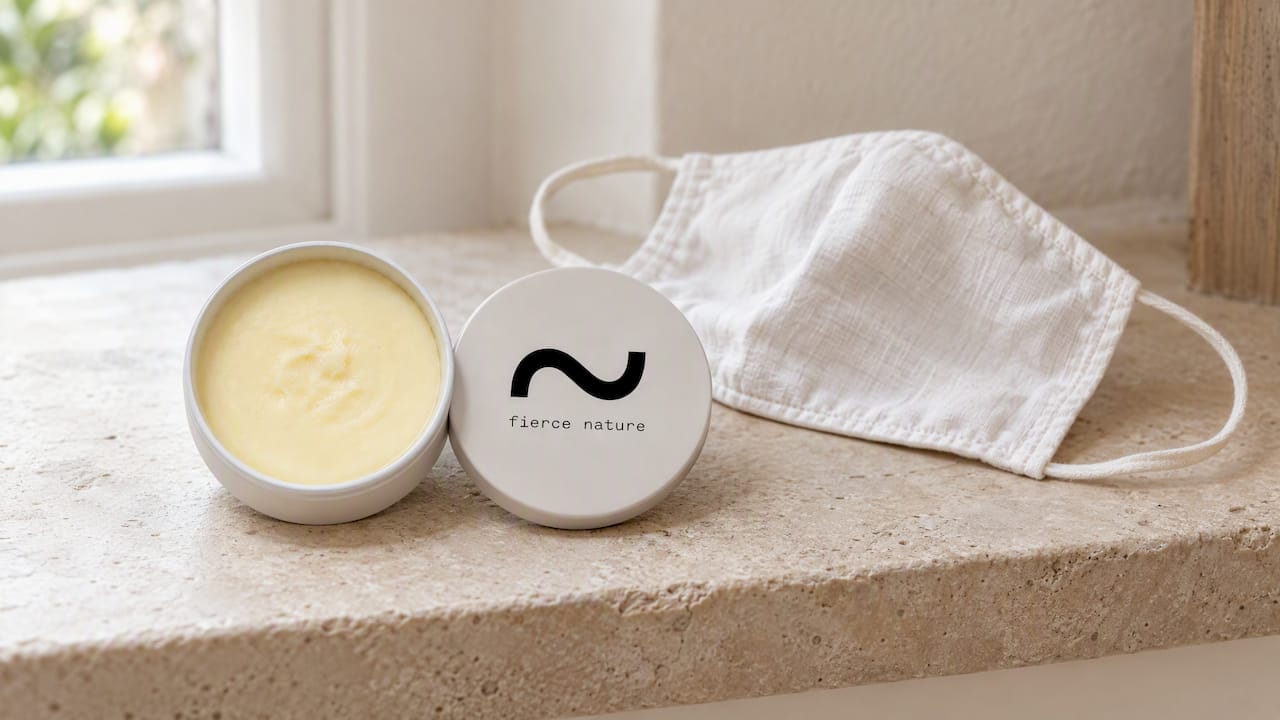
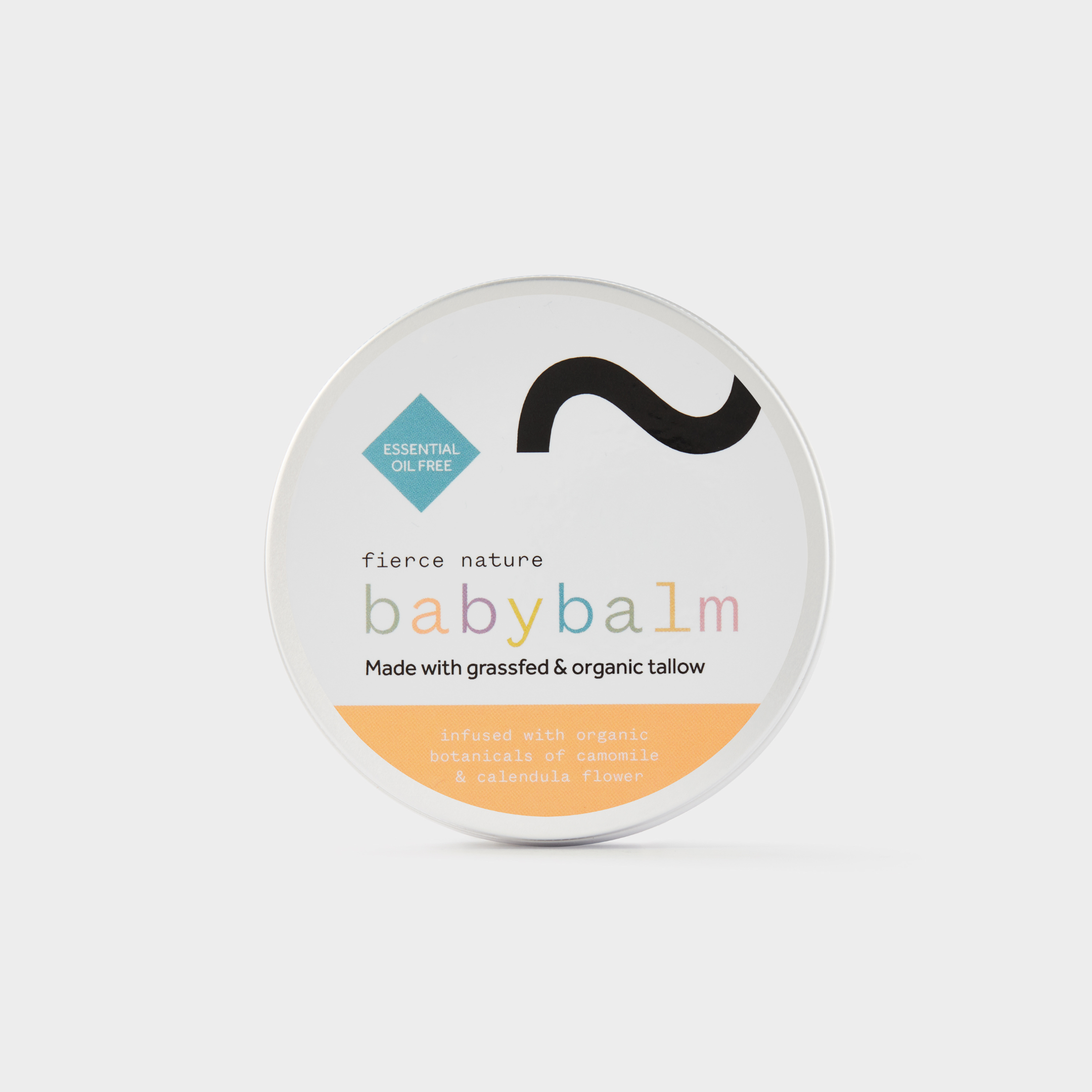
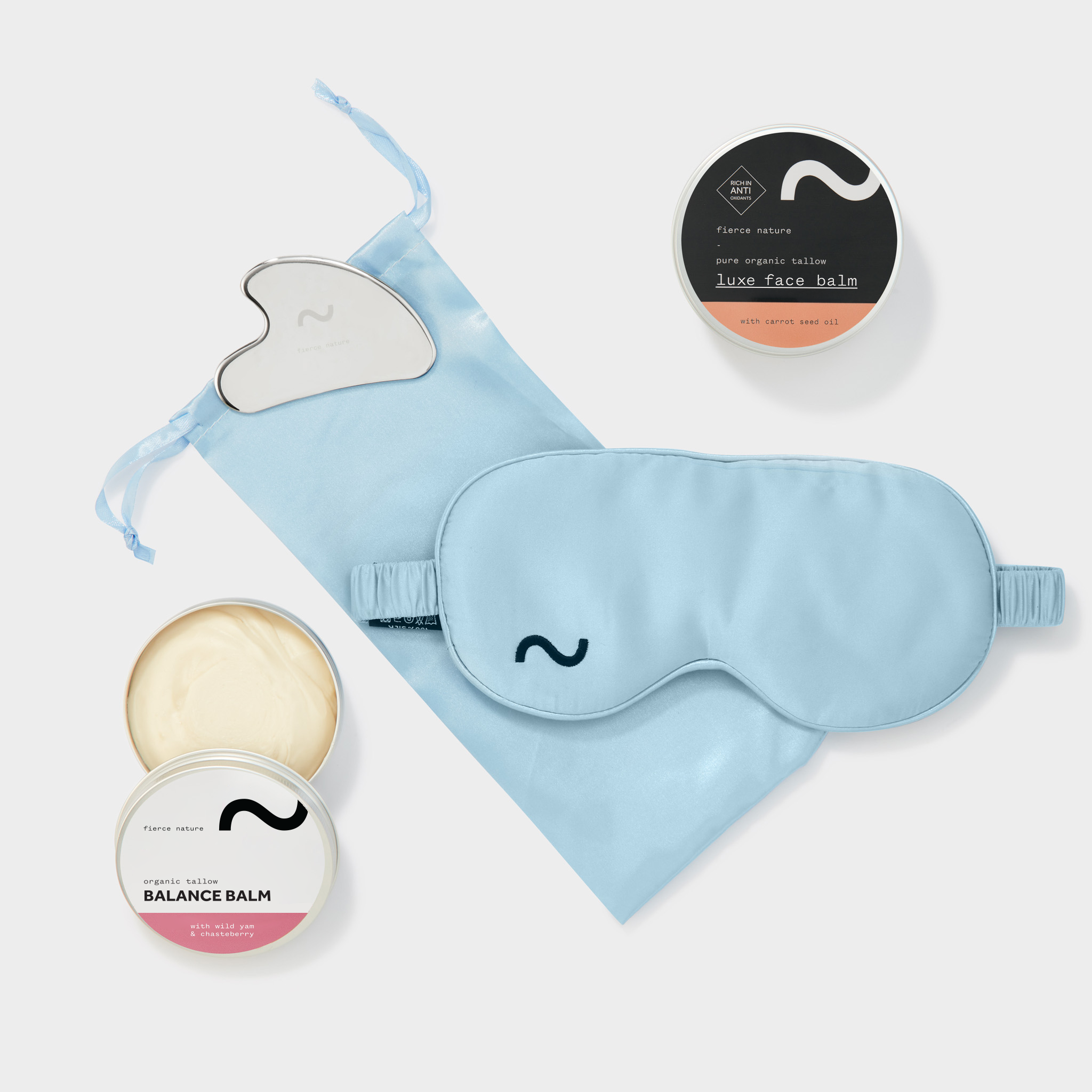
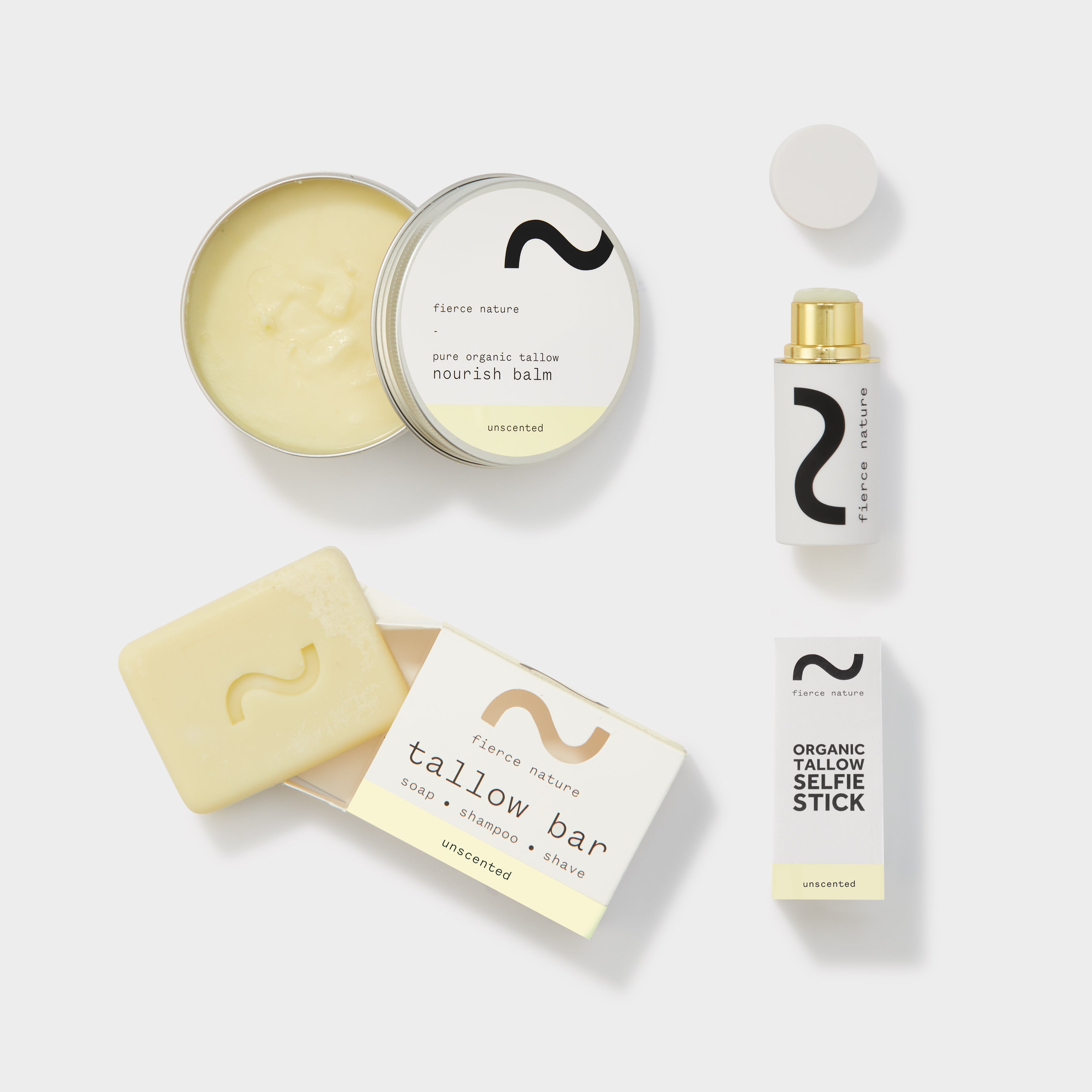
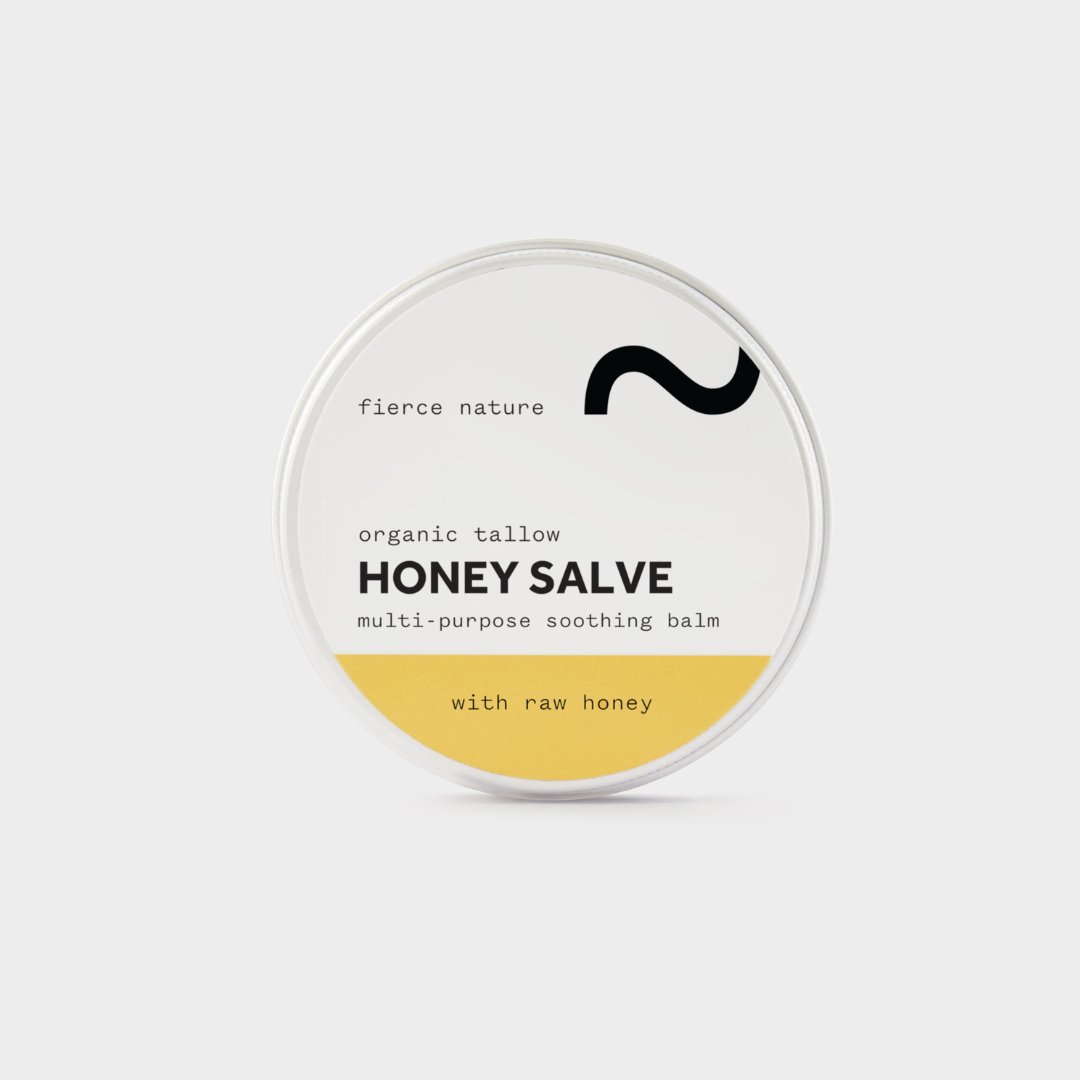
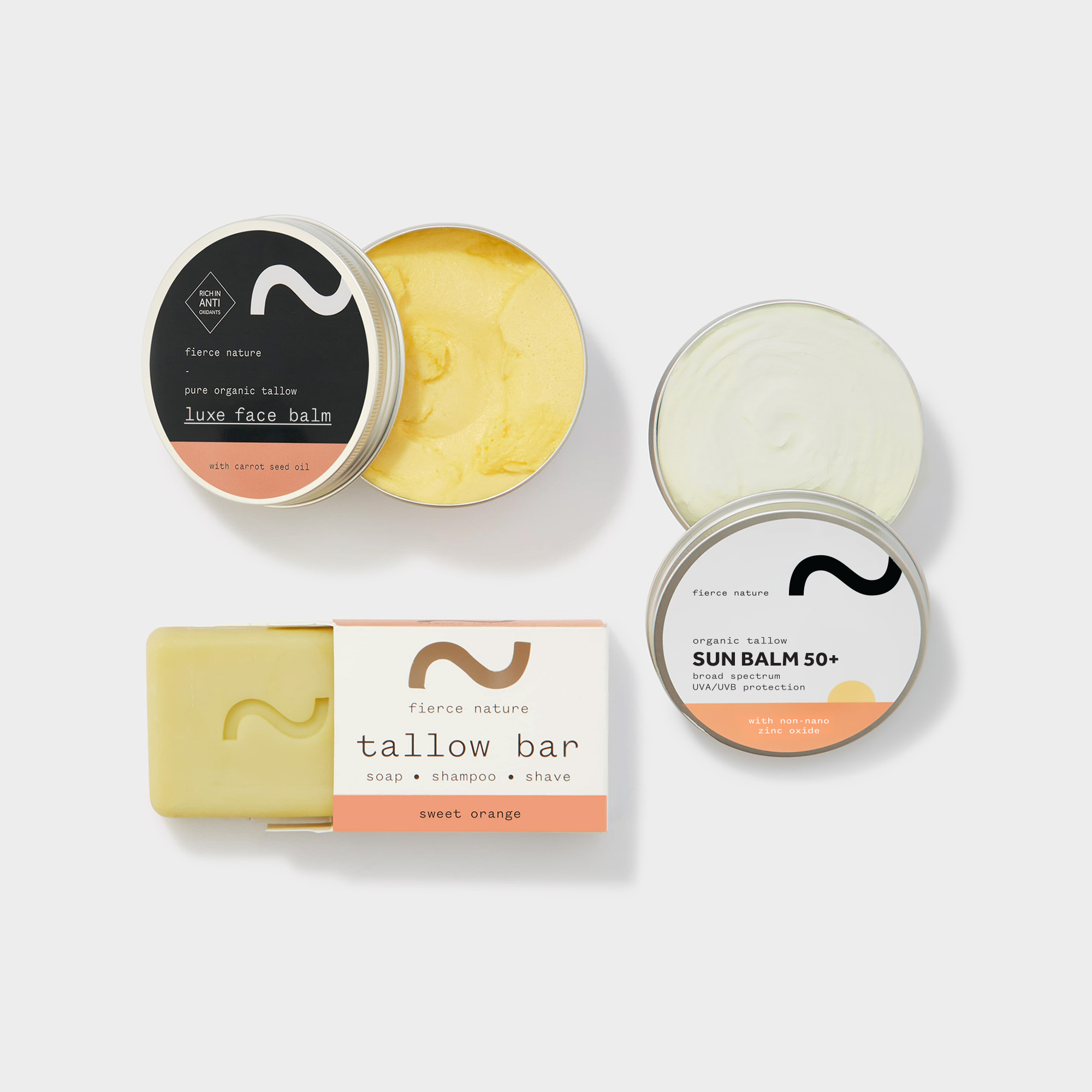
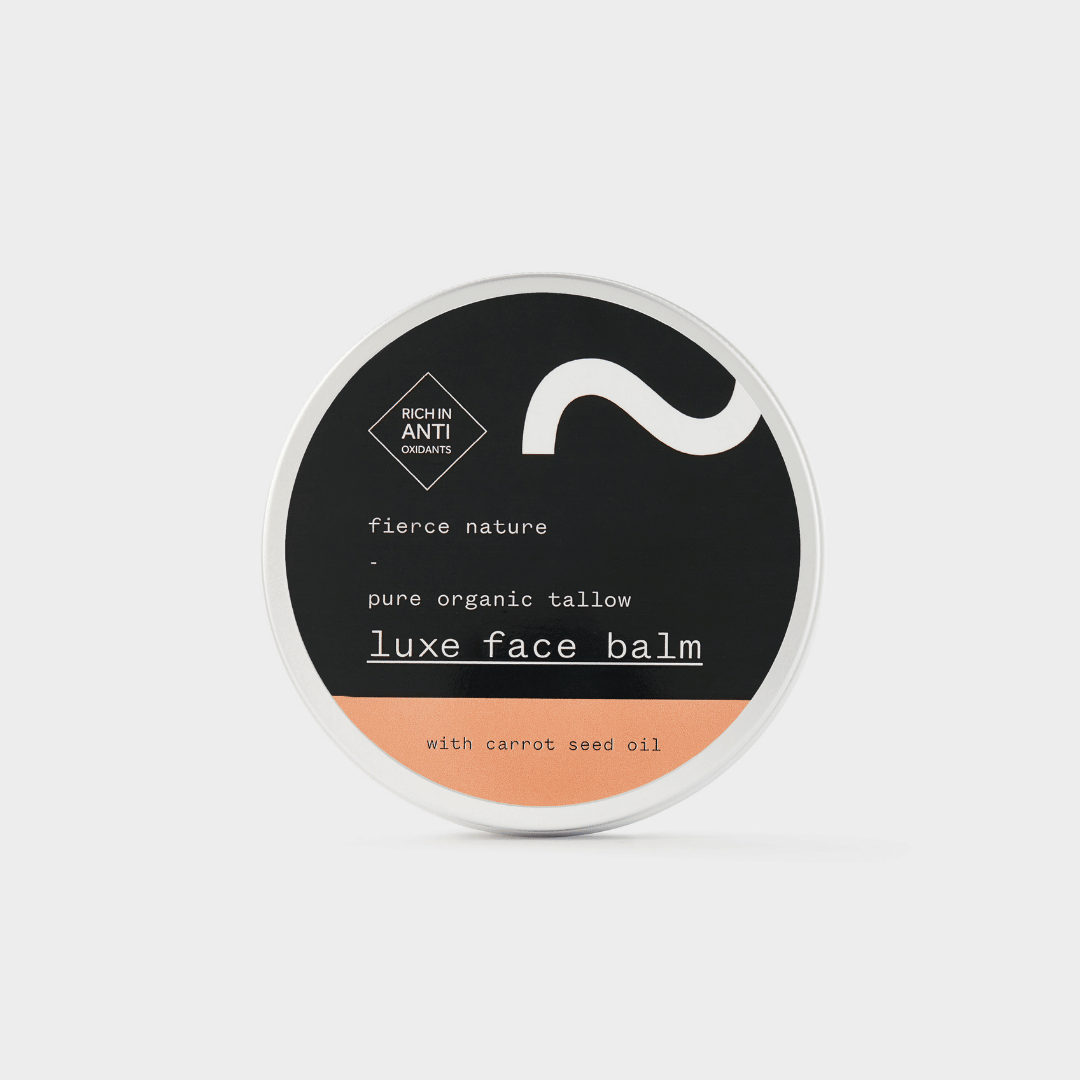
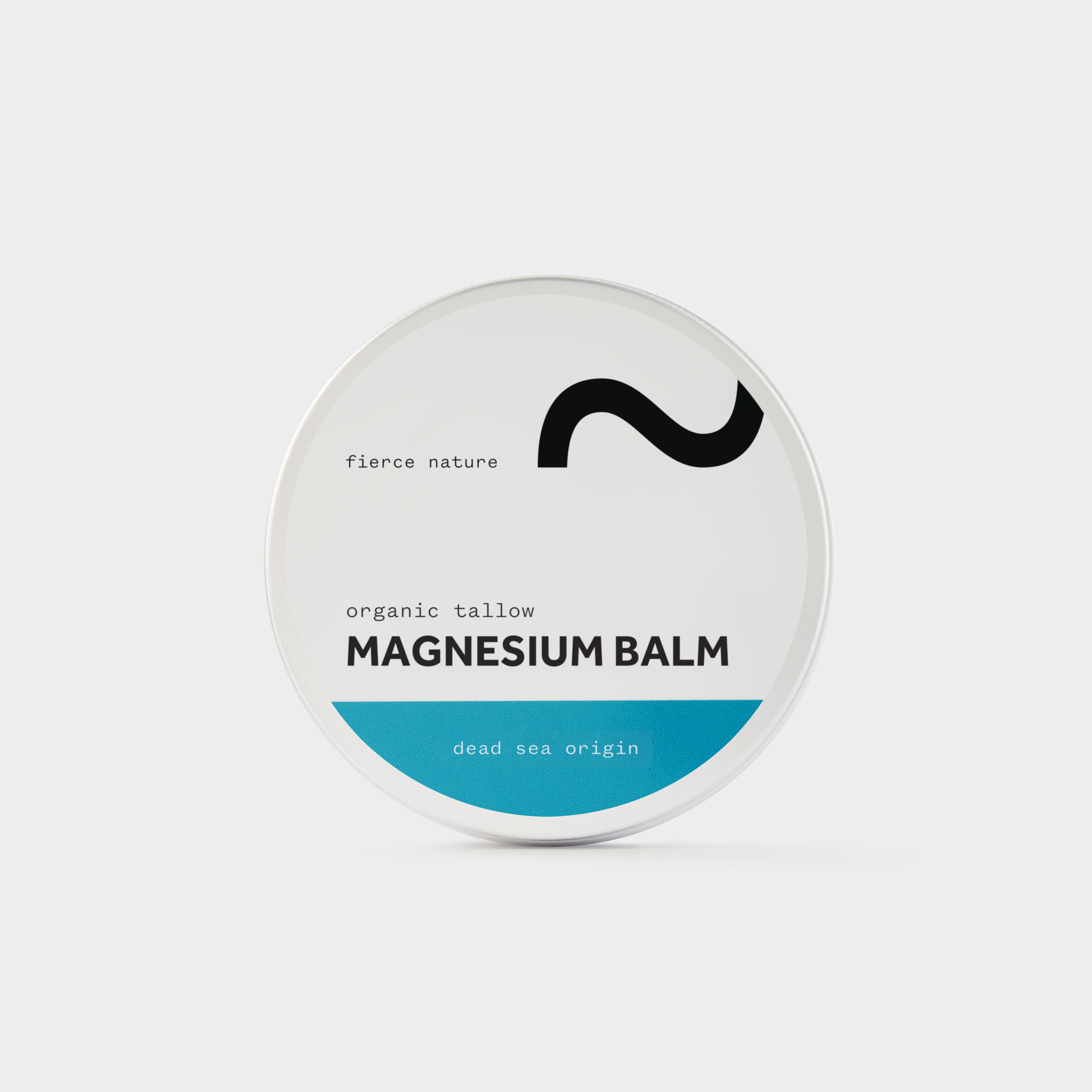
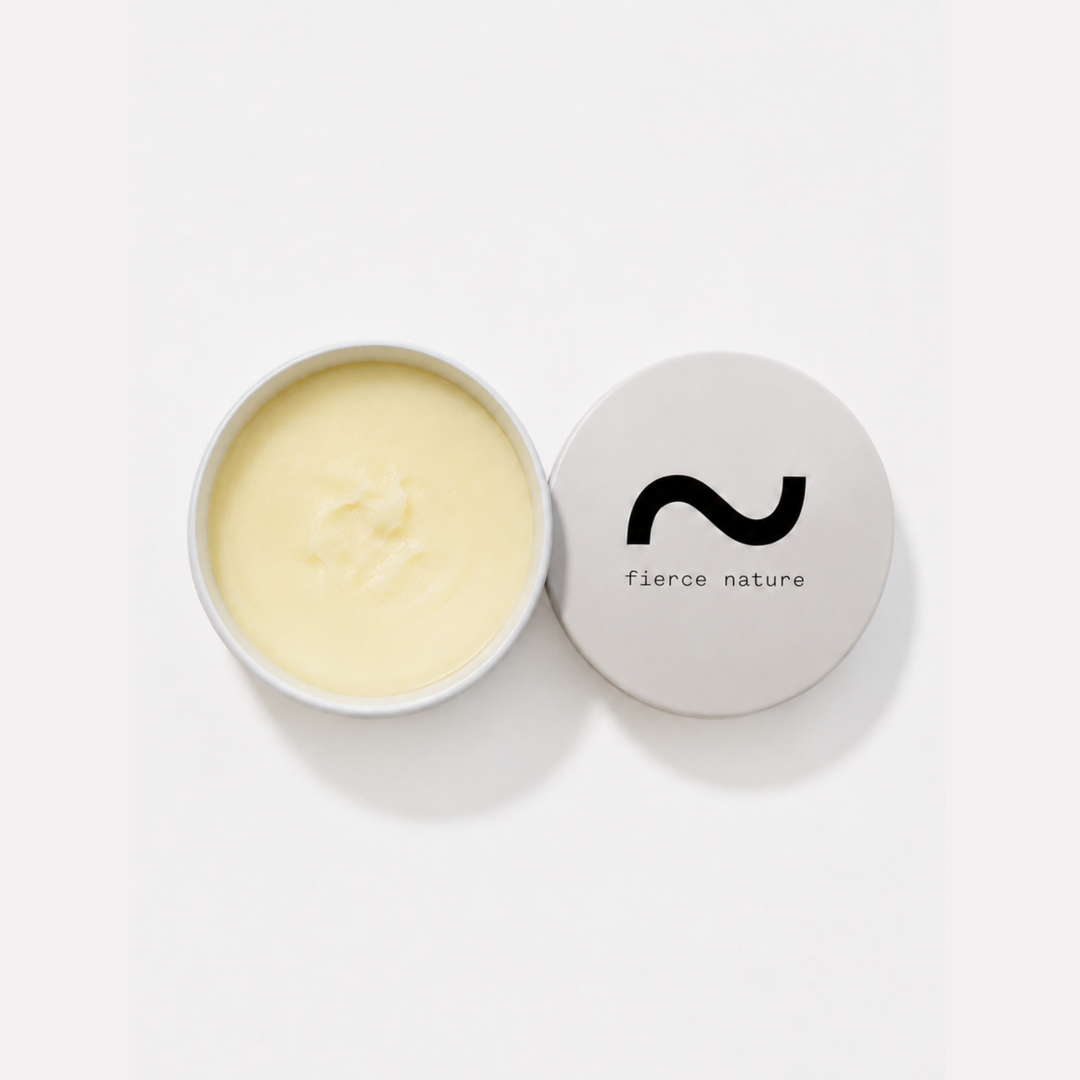
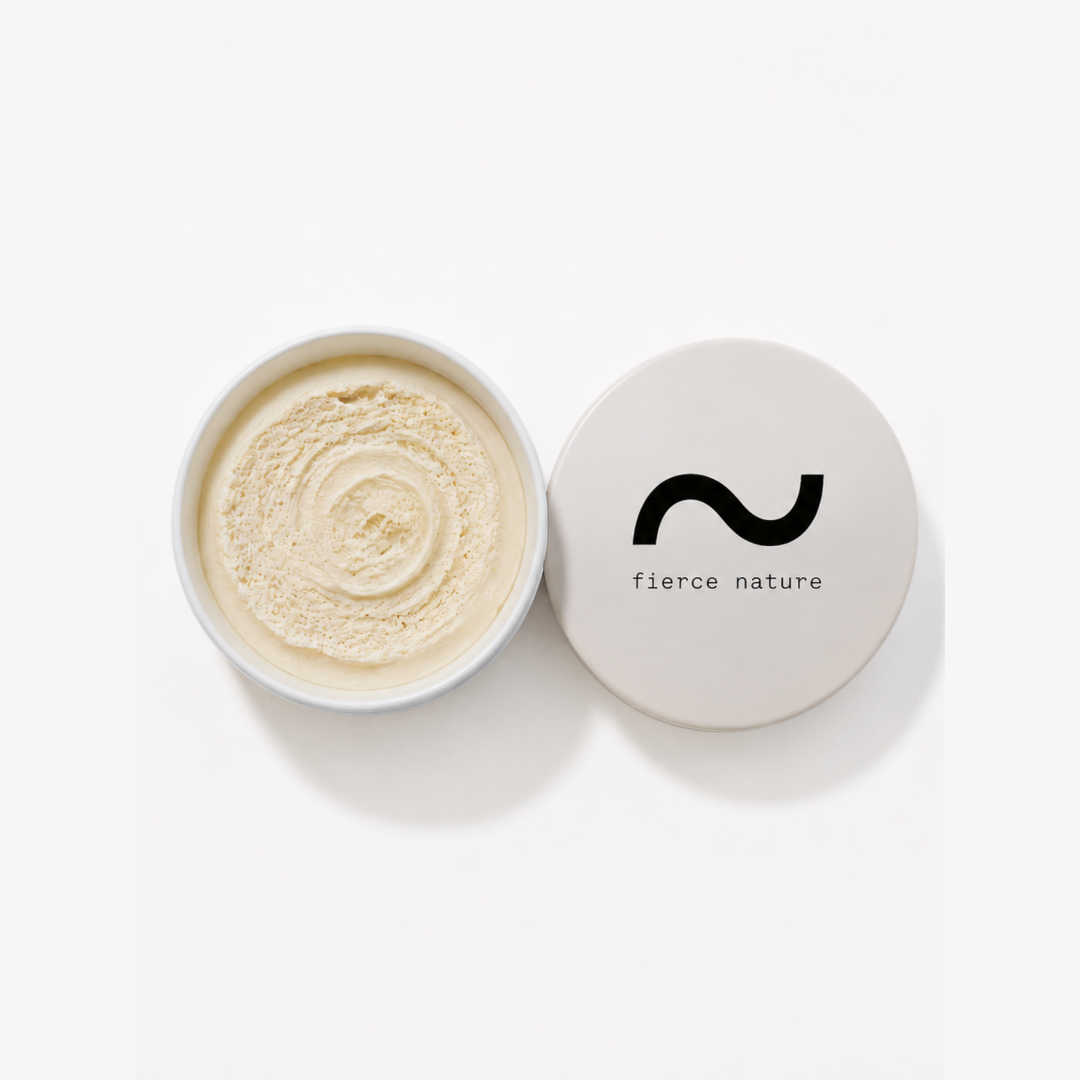
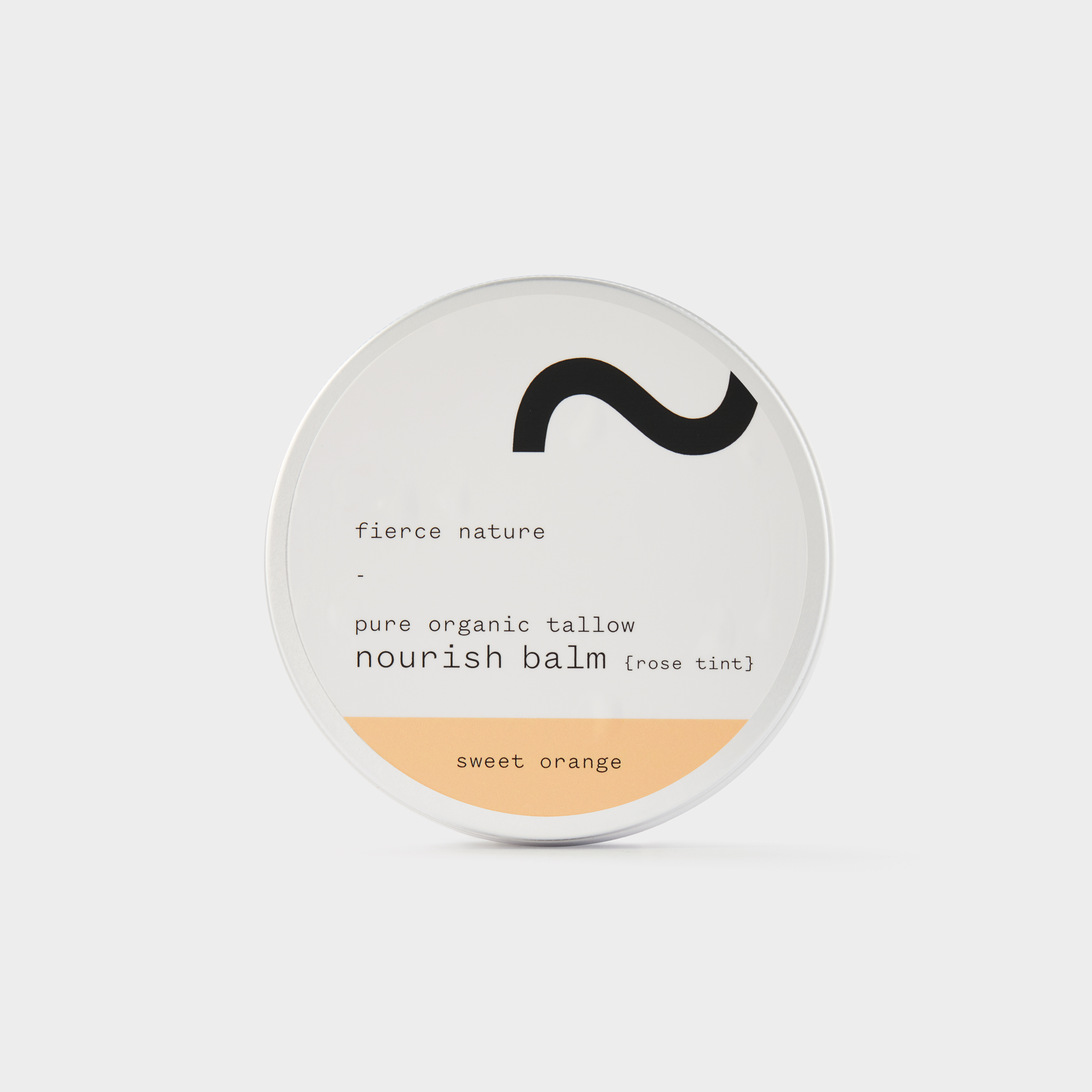
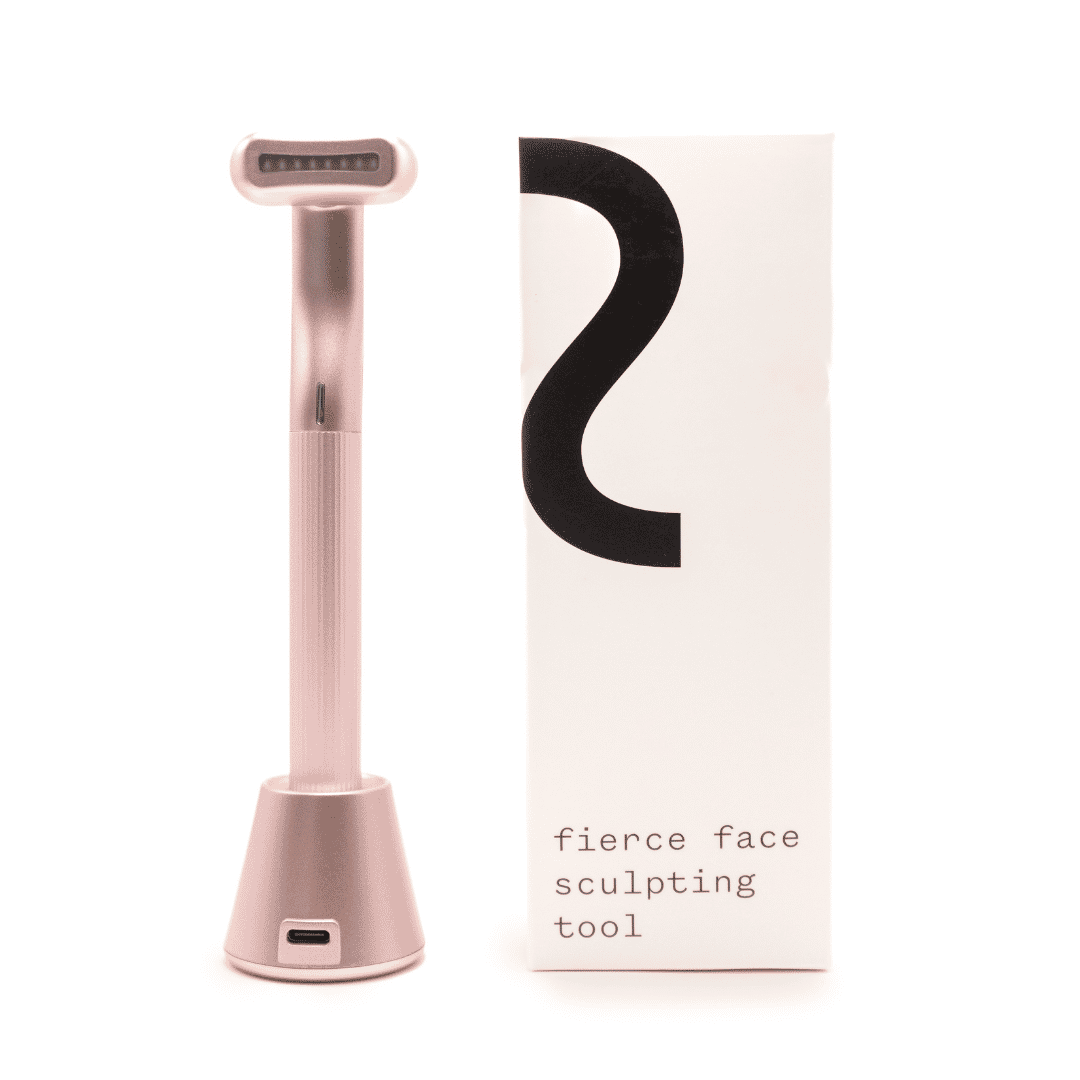
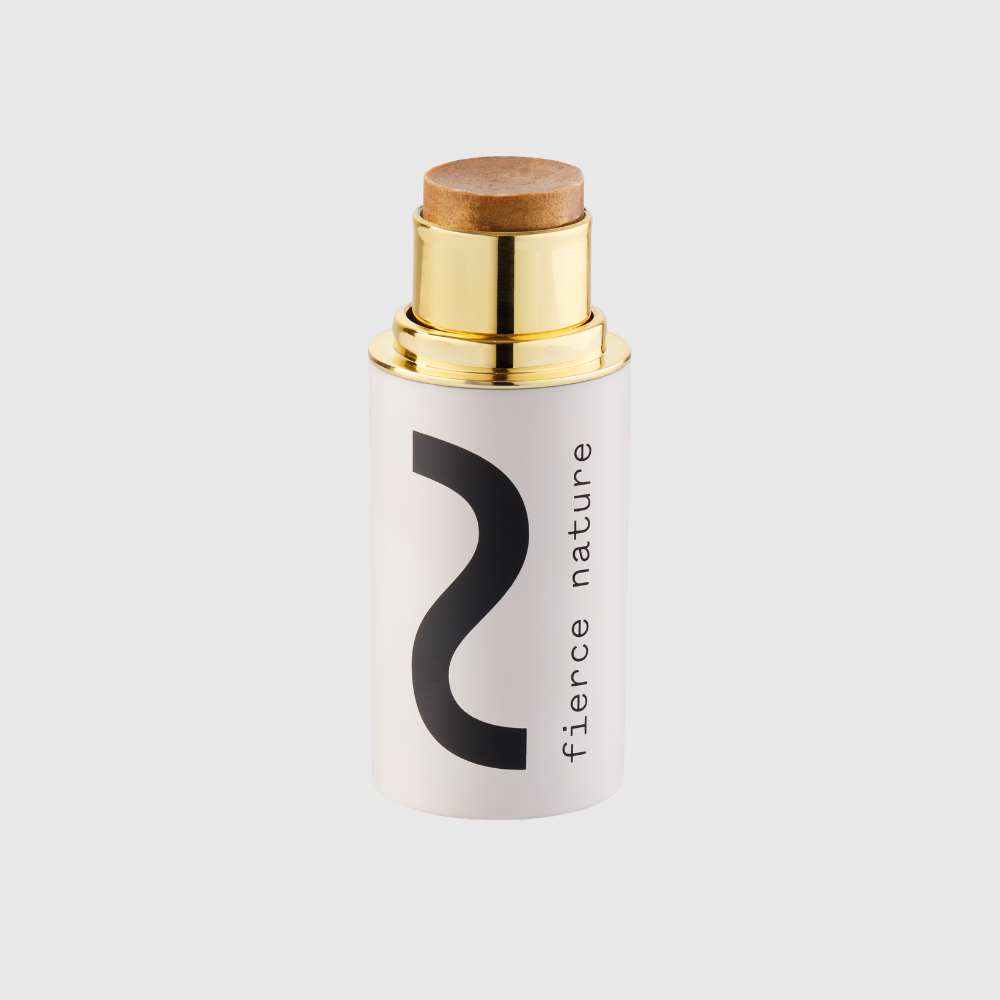
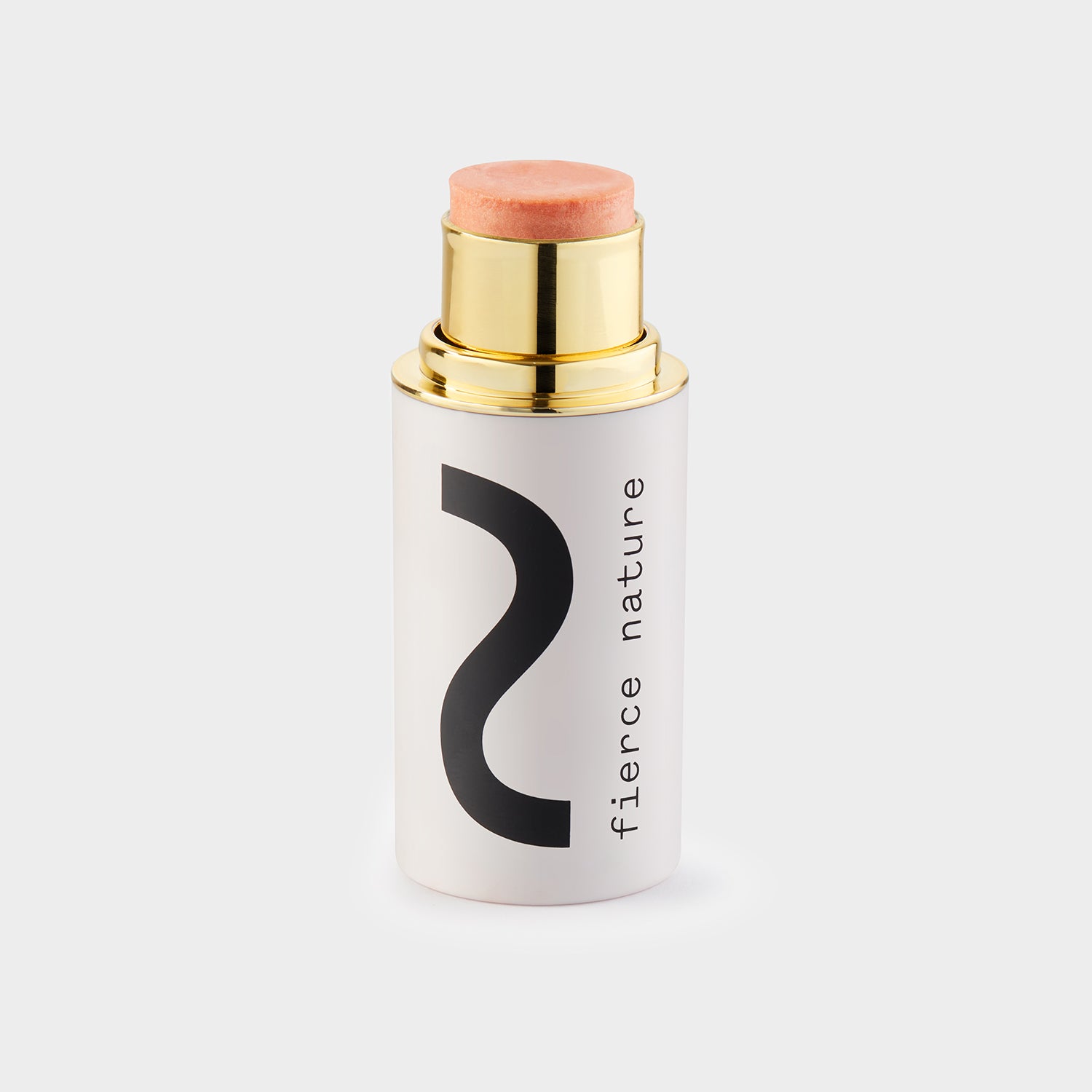
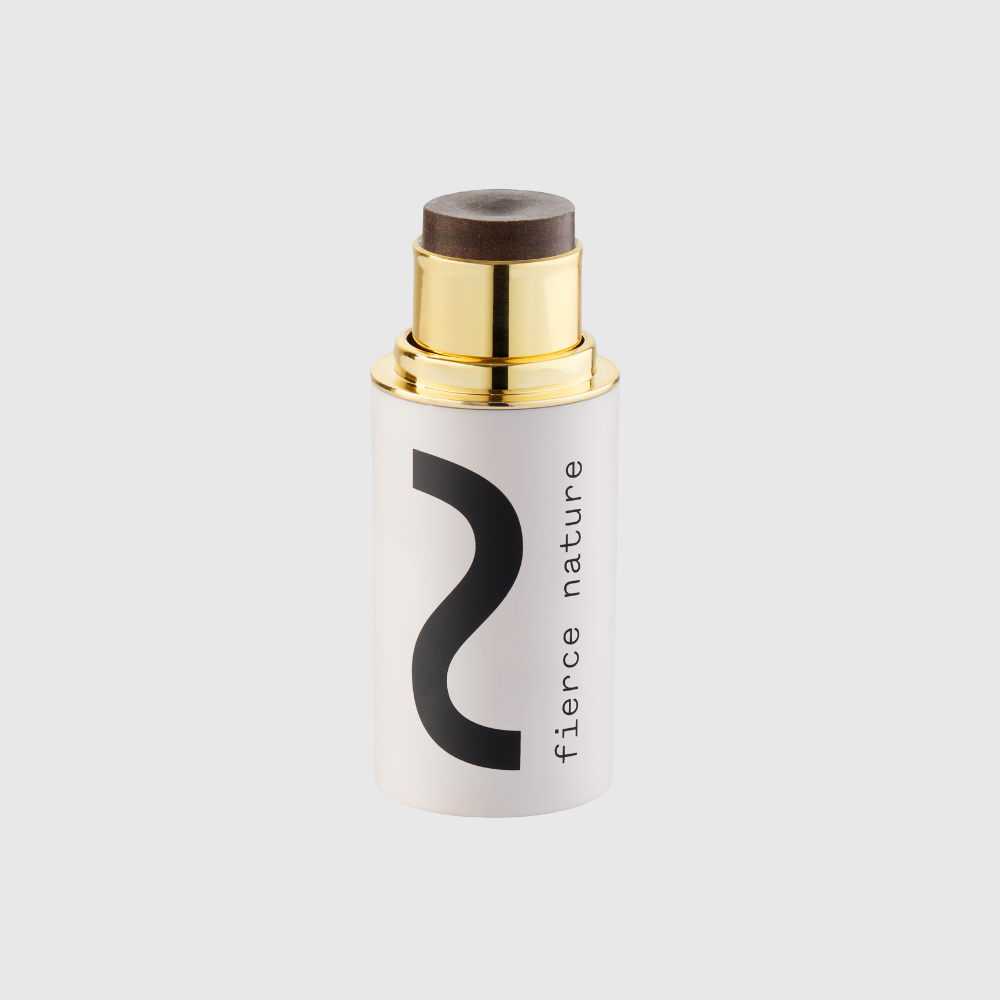
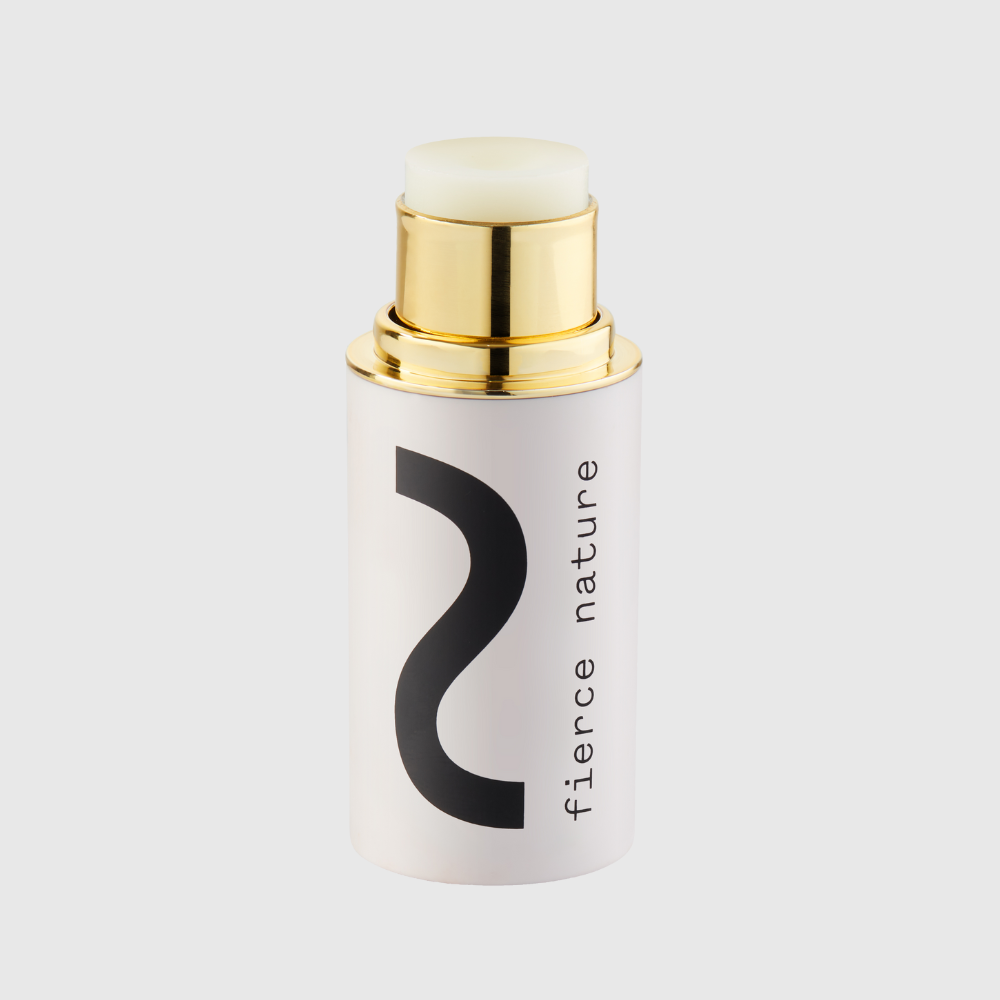
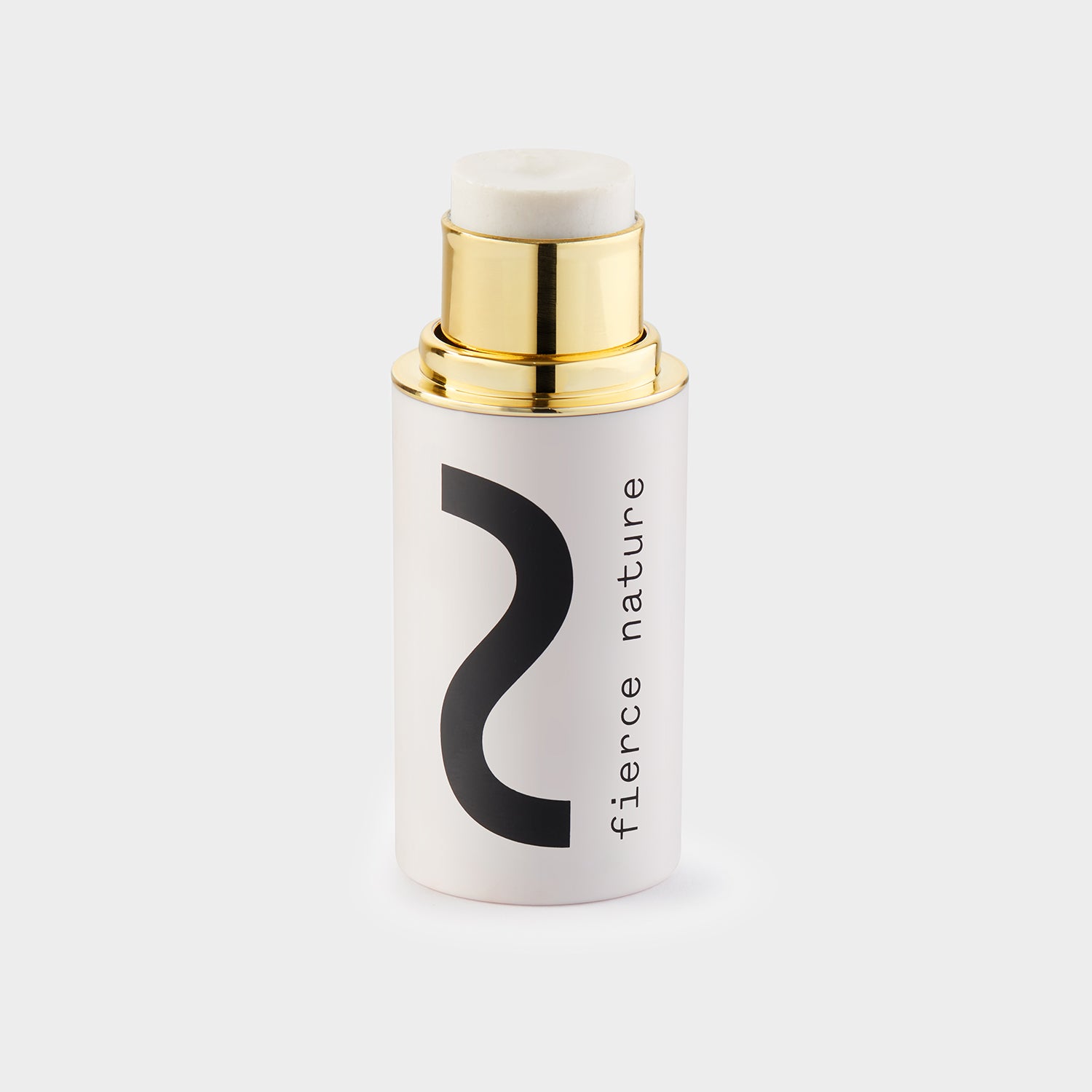
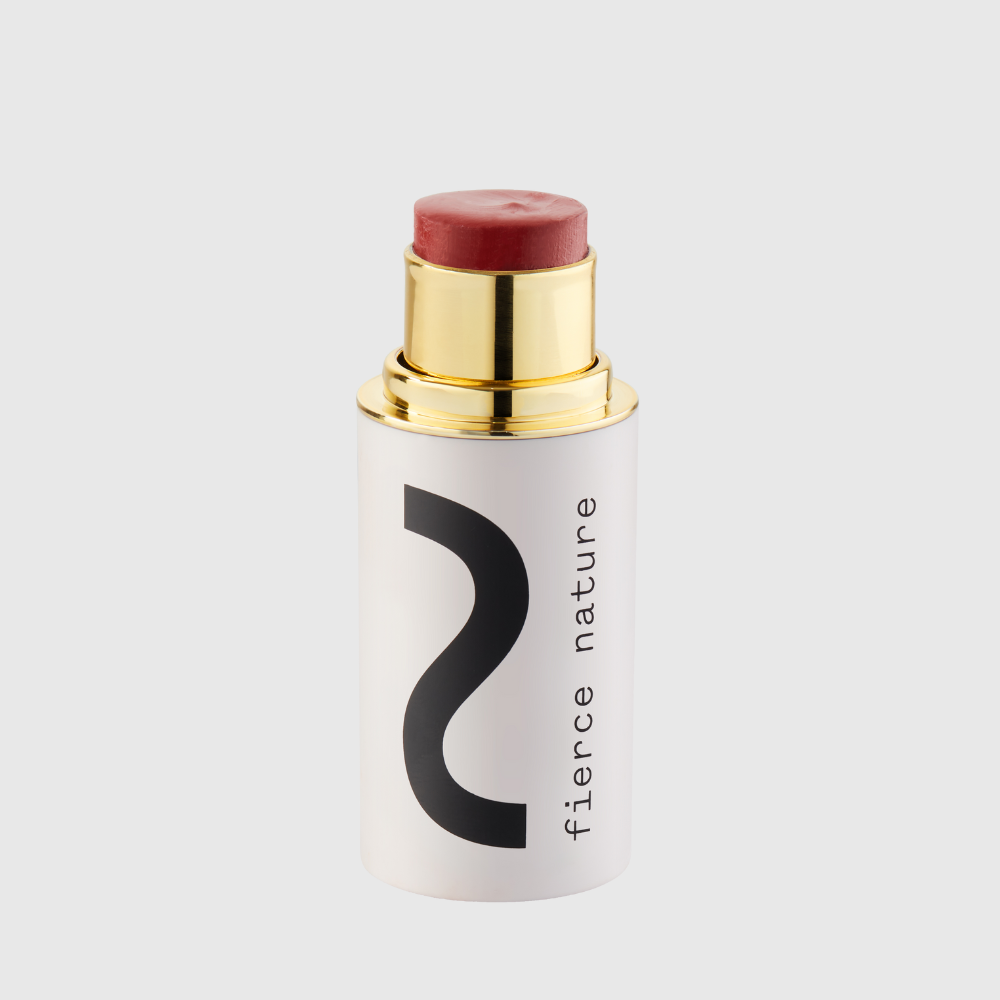
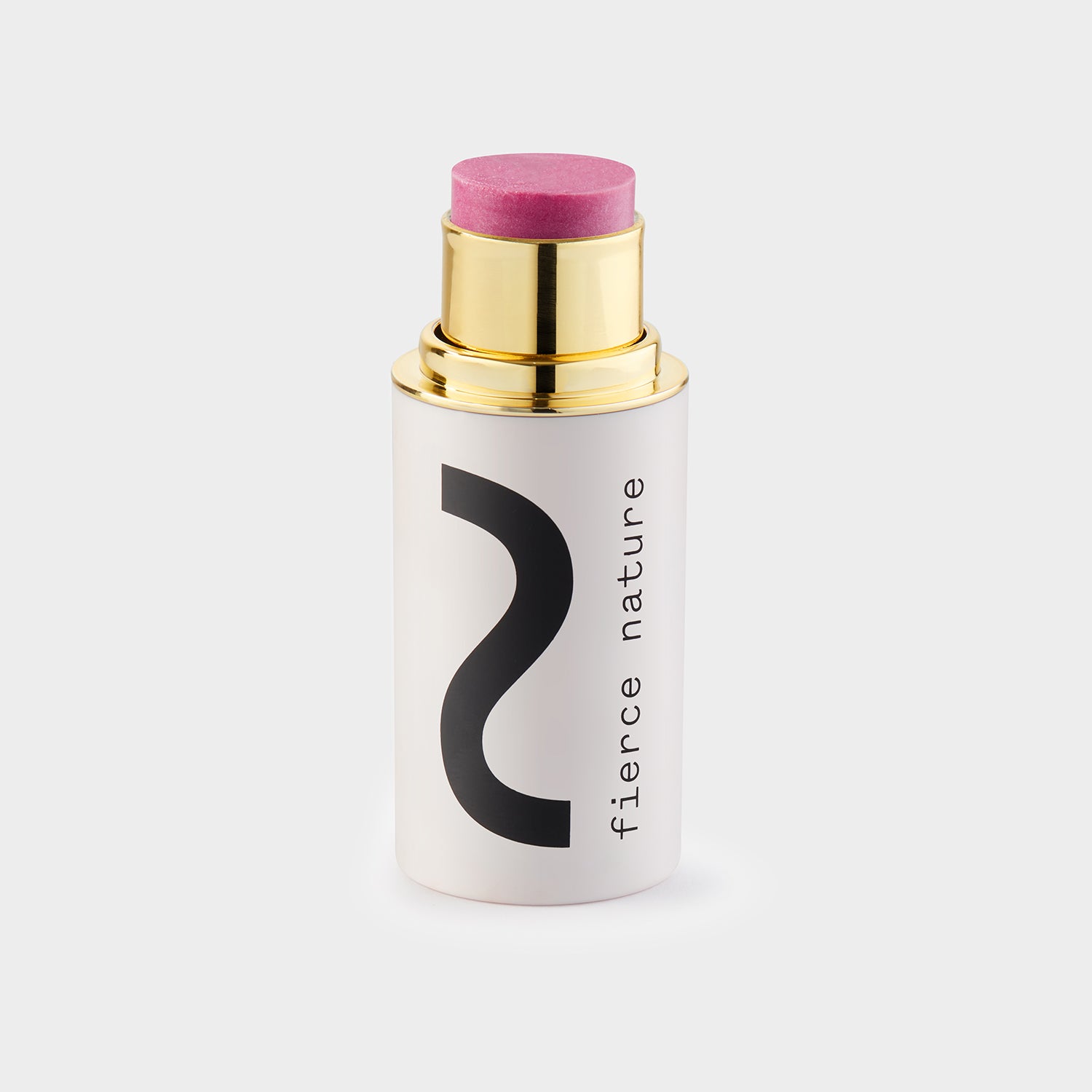
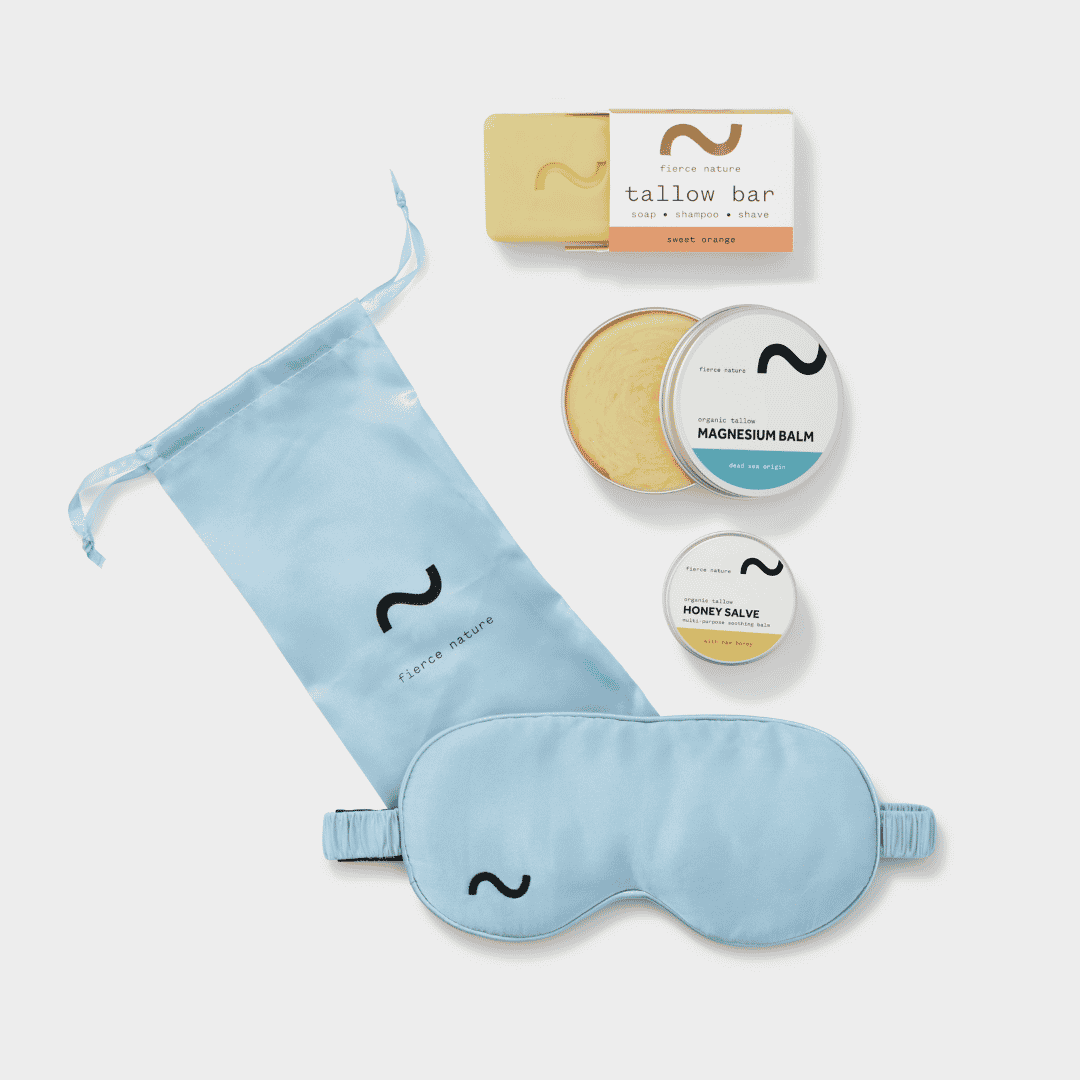
If your skin feels tight, dry and easily upset, a nourishing balm is one of the simplest things you can add. Our Nourish Balms Collection is made for everyday richness, and our Face and Body Balms are designed to be used on both, from a dry cheek to rough elbows. Each is handmade in the UK with grass-fed, organic tallow as its foundation.
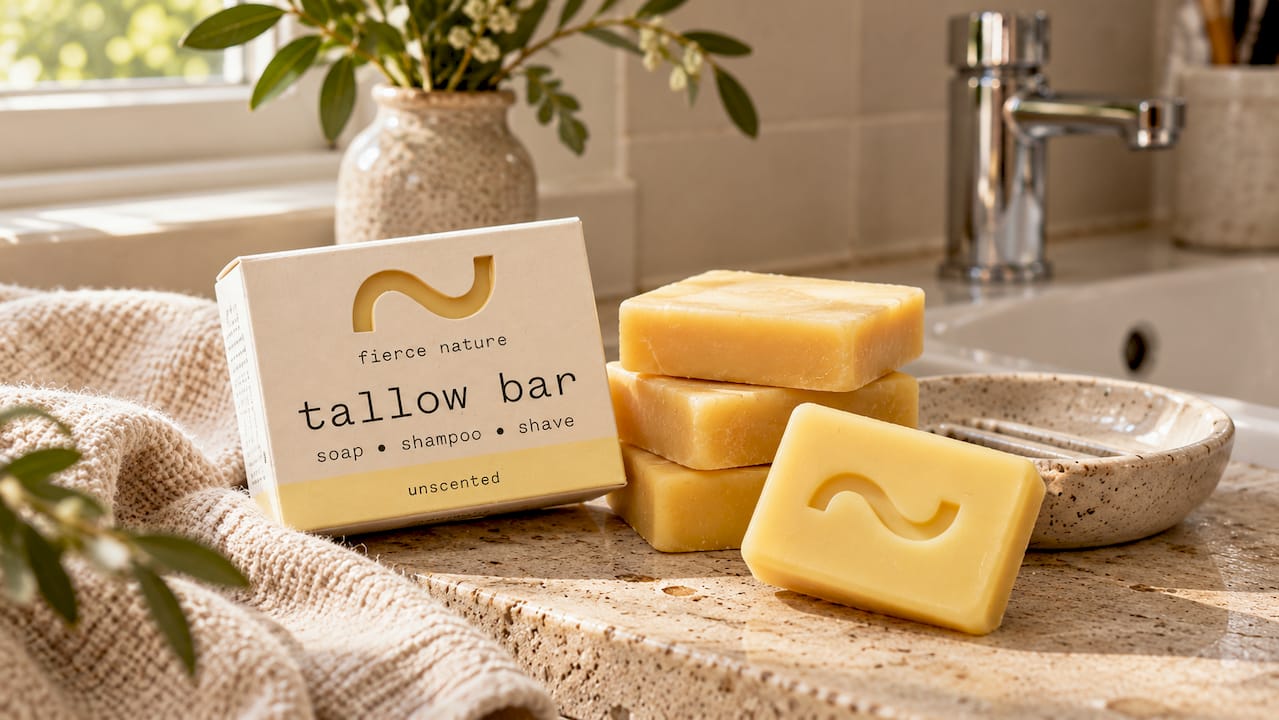
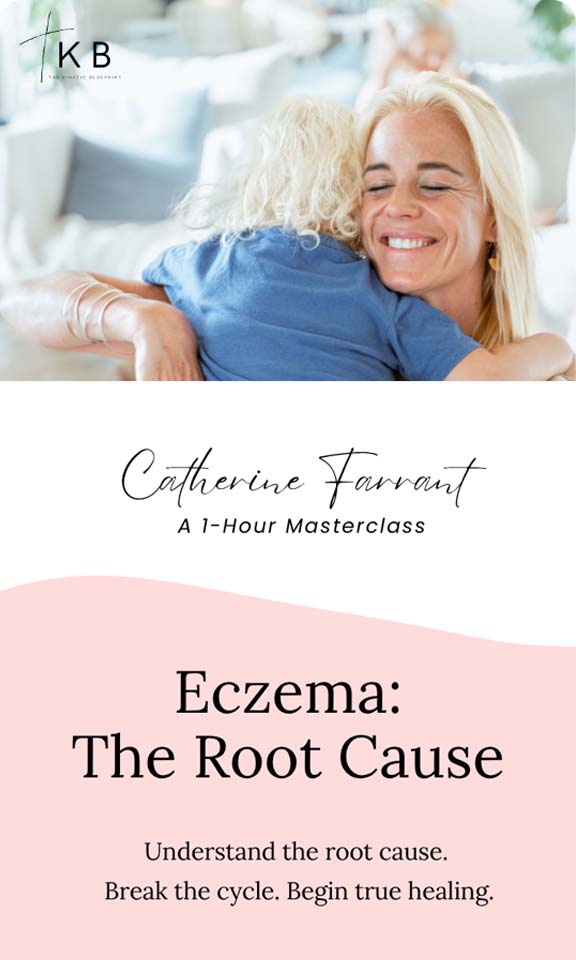
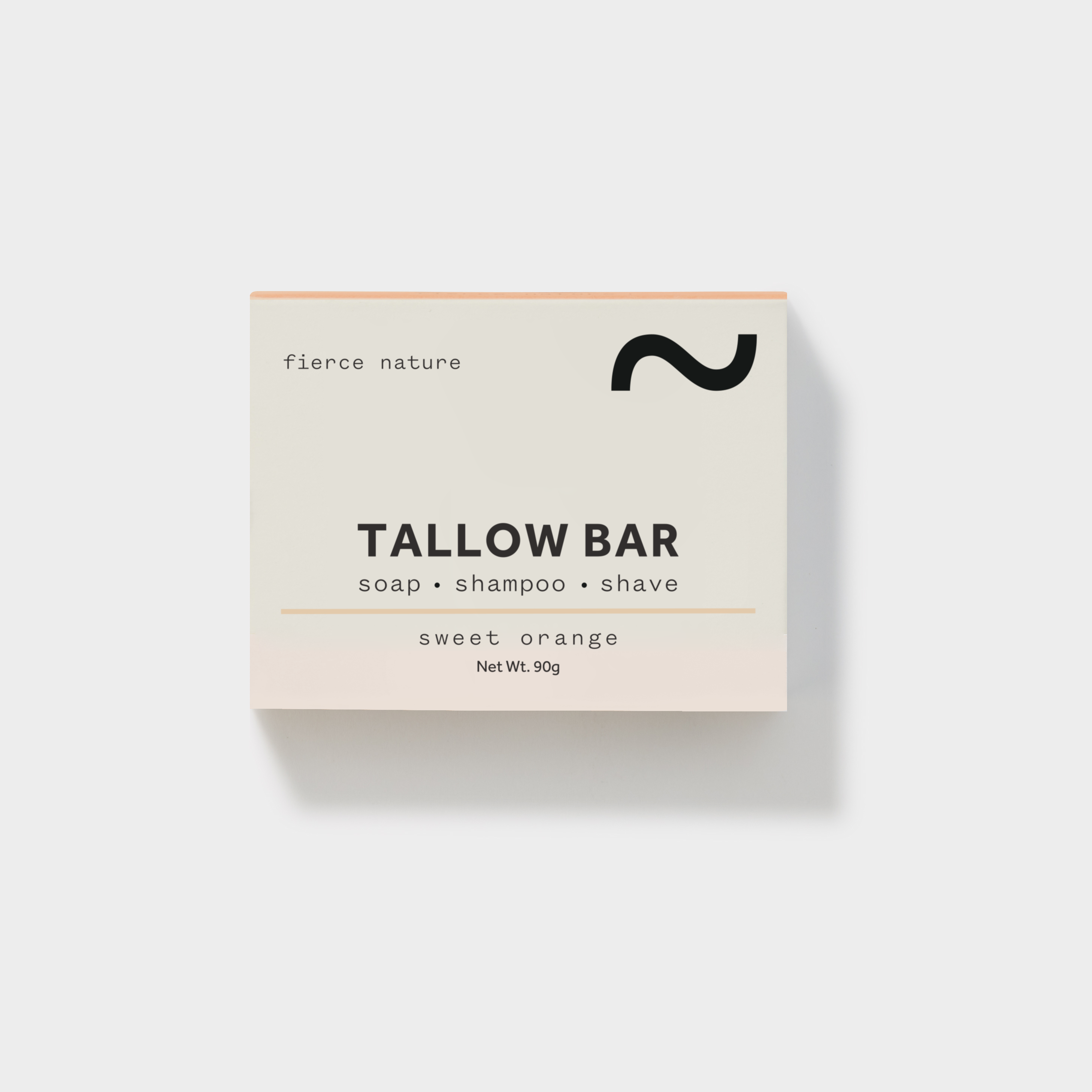
For washing, our Tallow Soaps offer a gentle, simple alternative to heavily fragranced bars and gels. If you are still working out what suits you, our Eczema: The Root Cause resource is a good place to begin. And if you would like to compare how natural care differs from conventional creams, read about tallow balm and steroid creams, including why the two are not interchangeable and when to speak to your doctor.
Book an appointment with your GP, or ask your health visitor if it concerns a baby, when:
Your GP can refer you to a dermatologist, an allergy clinic or a registered dietitian. For breathing difficulty, throat swelling or collapse after eating, call 999.
The foods most often linked to flares, mainly in children, are cows’ milk, egg, wheat, soy, peanut and fish. These are common allergens in general, and only a minority of people with eczema react to any of them. Do not remove them without medical advice.
Only with guidance from your GP, allergy specialist or a dietitian. Broad elimination diets offer no benefit without a confirmed food allergy and can lead to nutritional gaps. In children, long-term exclusion of a common food may also raise the risk of a worse allergy later.
Neither is a proven cause for most people. Dairy is a real trigger for some children with a confirmed cows’ milk allergy, and gluten matters if you have coeliac disease or a wheat allergy. If you do not, there is little evidence that cutting them out will clear your skin.
It is often contact irritation from acidic fruit juice such as tomato, citrus or berries touching delicate skin, rather than a true allergy. A barrier balm applied around the mouth before eating and a gentle wipe afterwards can help. If you also see hives, swelling or vomiting, speak to your GP.
Yes, for some people. Animal dander is a common airborne allergen, chlorine can dry and irritate the skin, and research links hard, chlorinated water with higher eczema risk in infancy. Rinse after swimming, moisturise straight away and keep pets out of the bedroom if you notice a clear pattern.