Cart
0
80% Also Added this

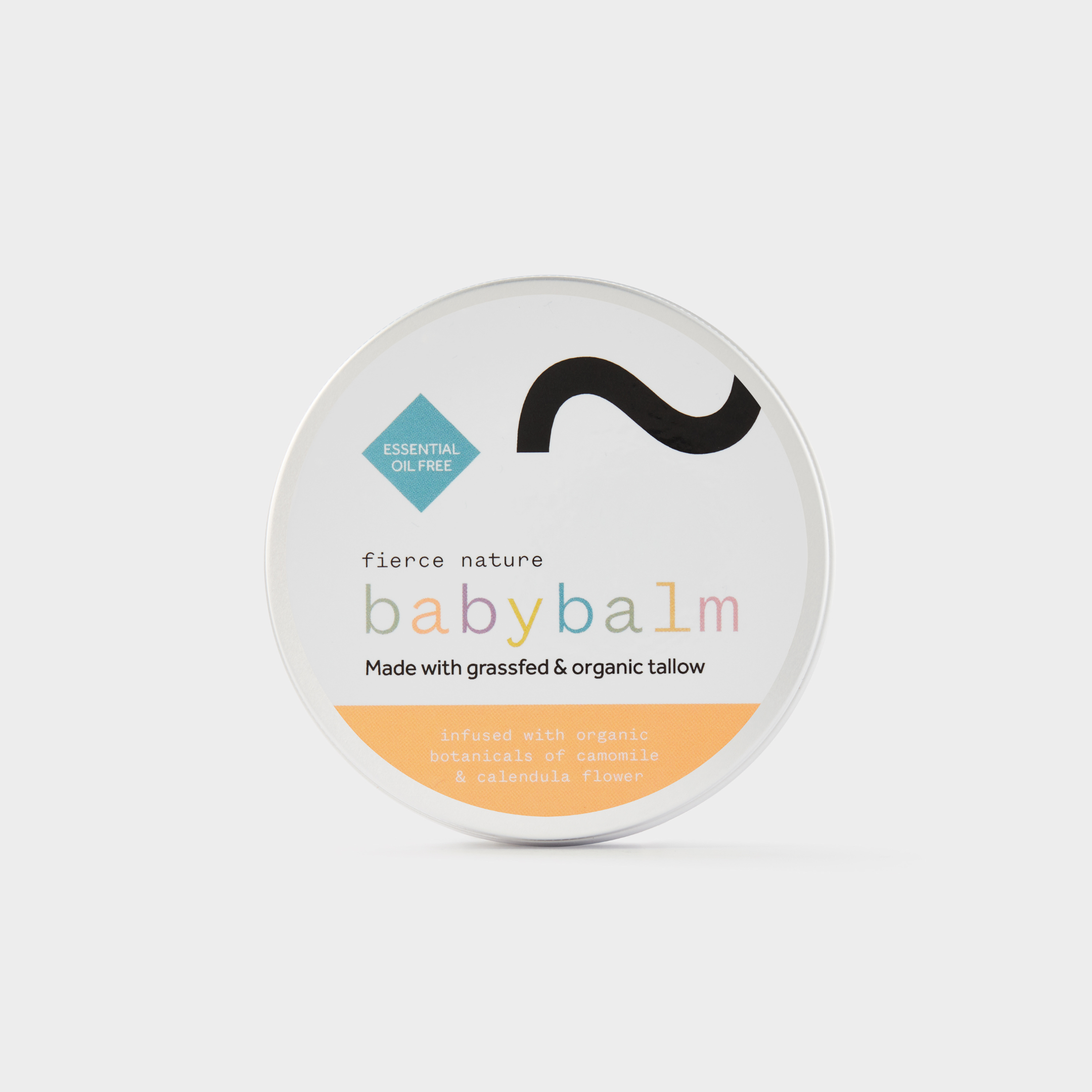
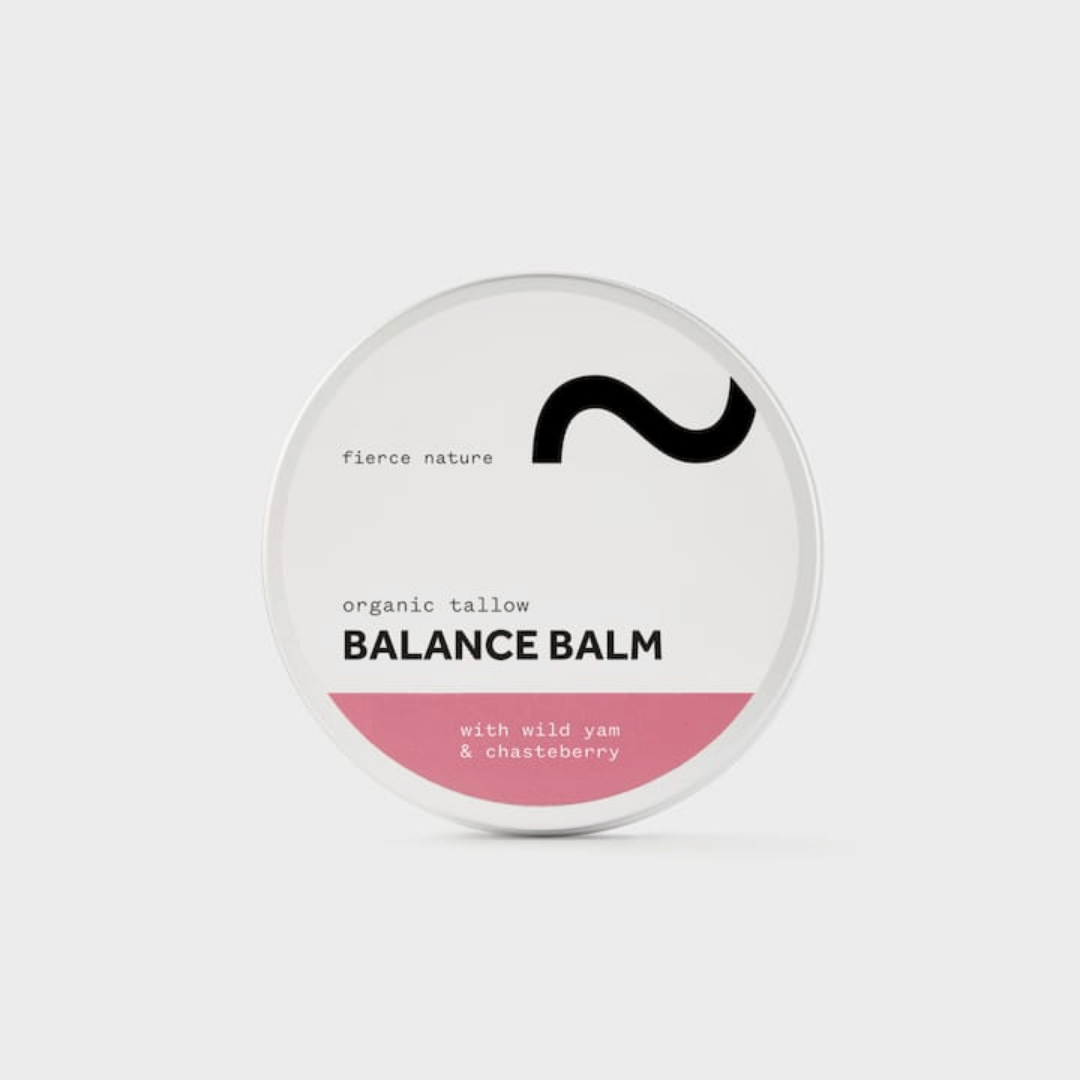
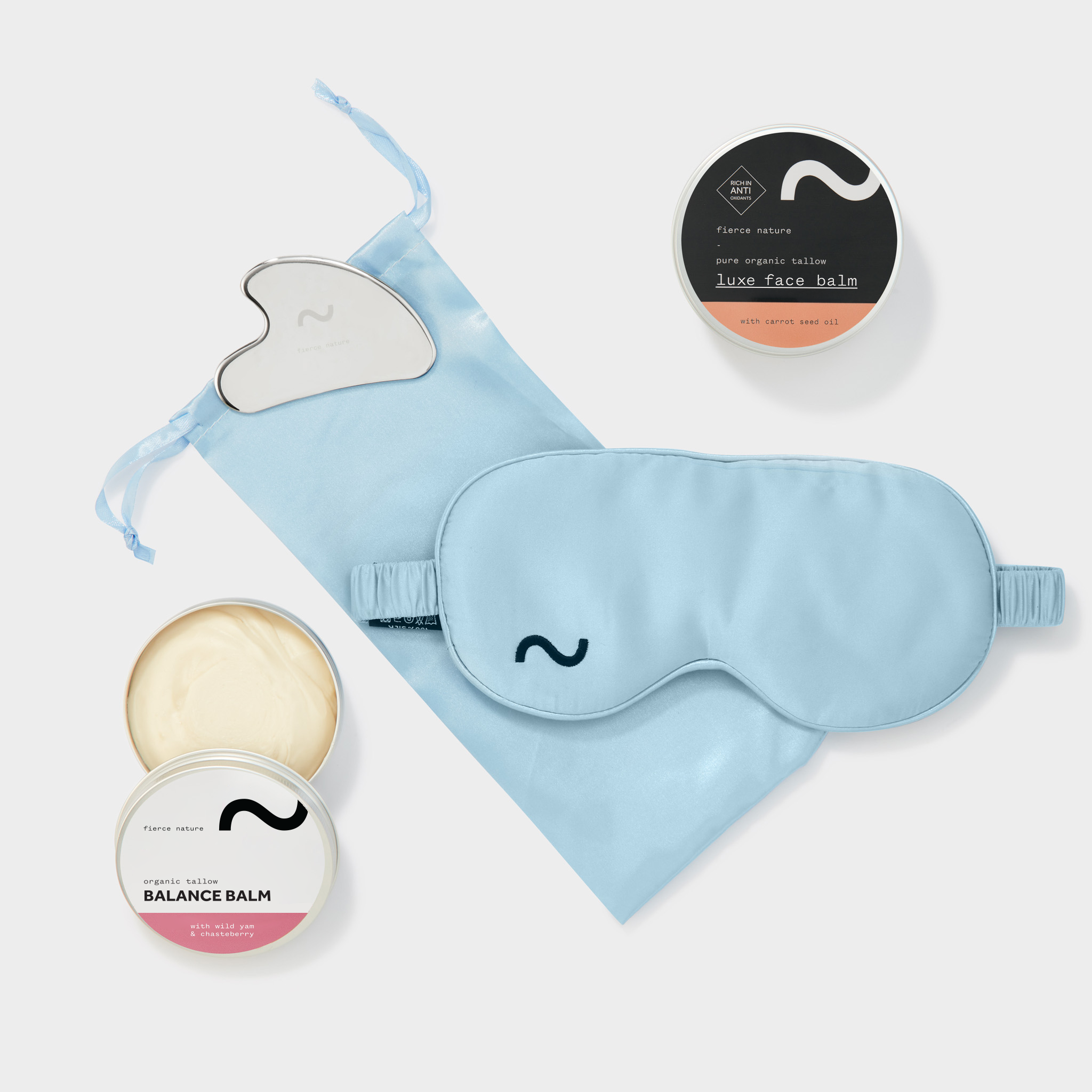
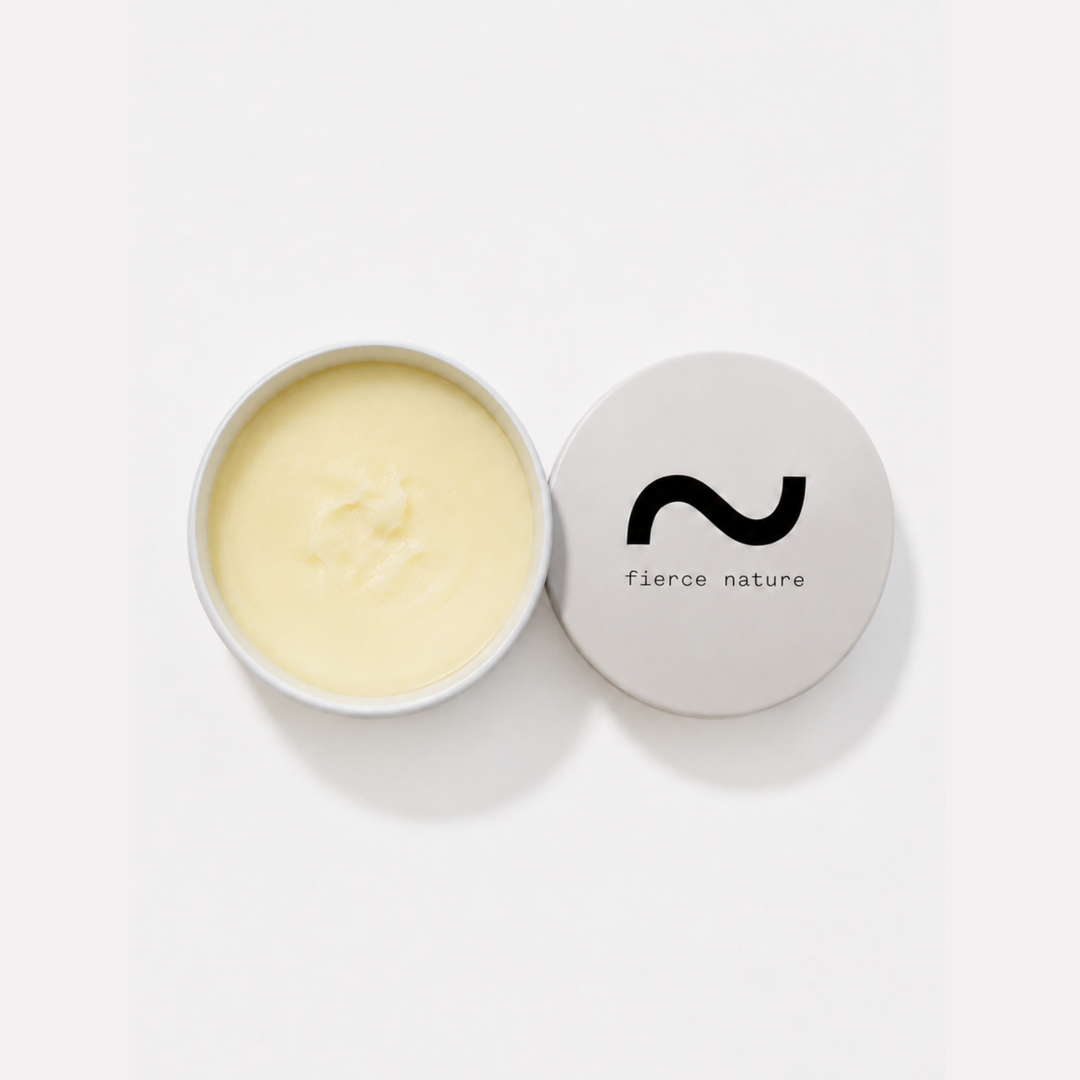
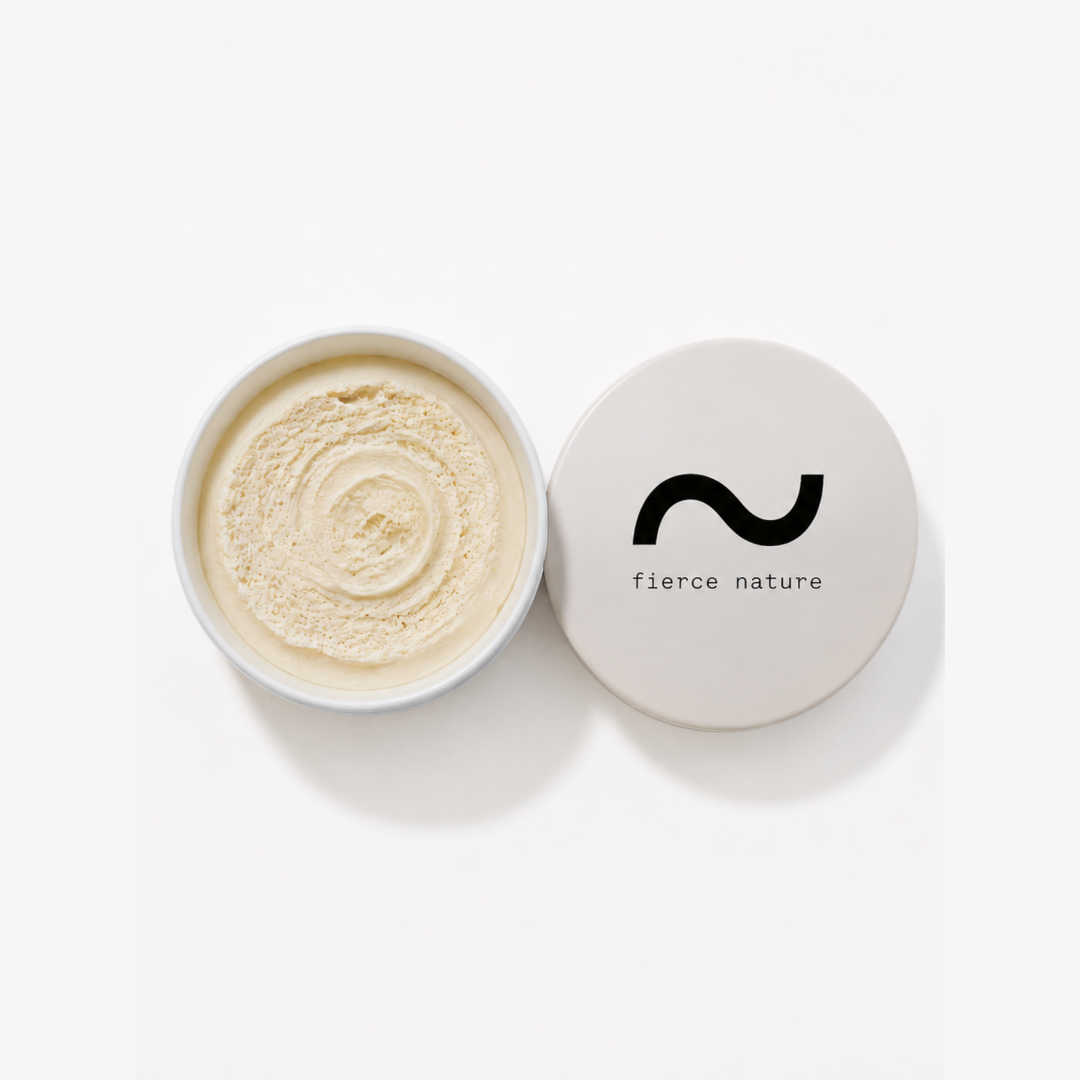
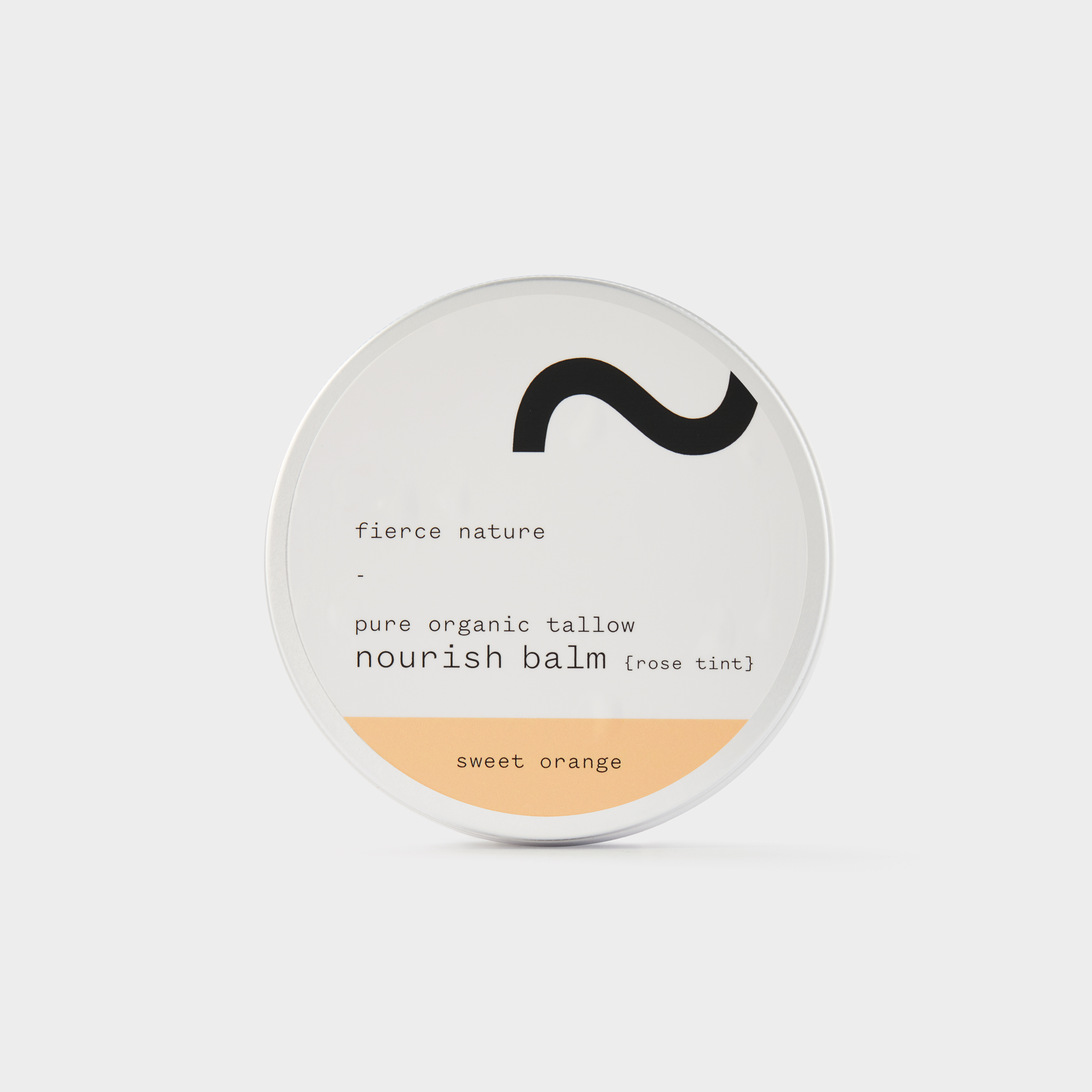

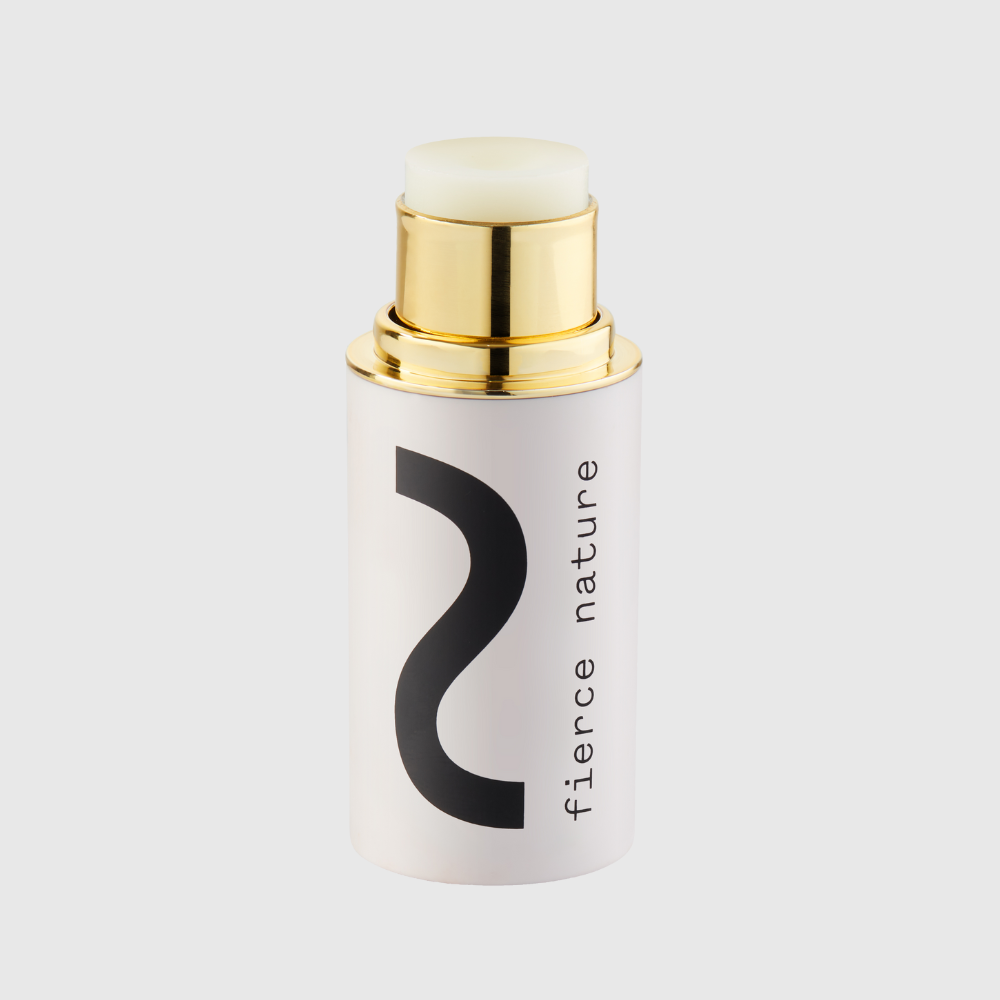
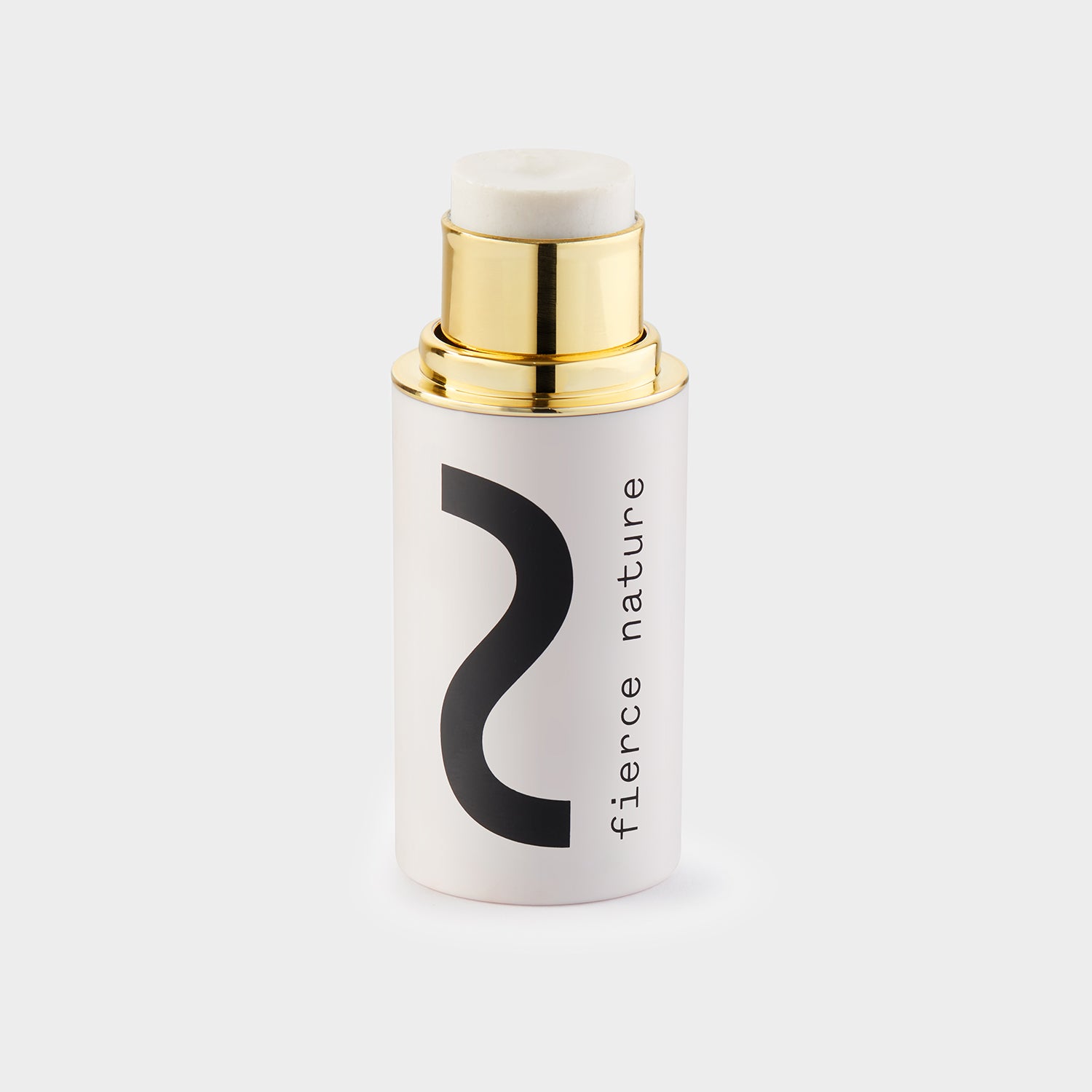
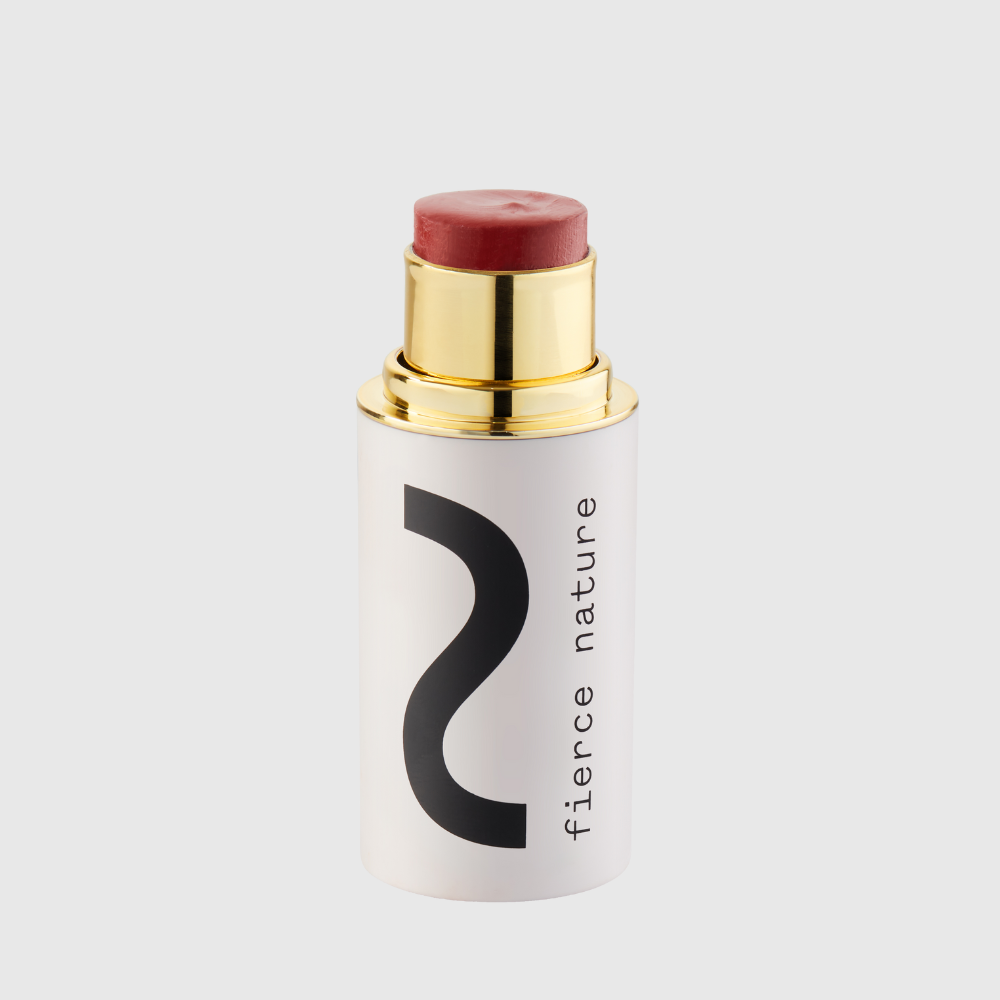
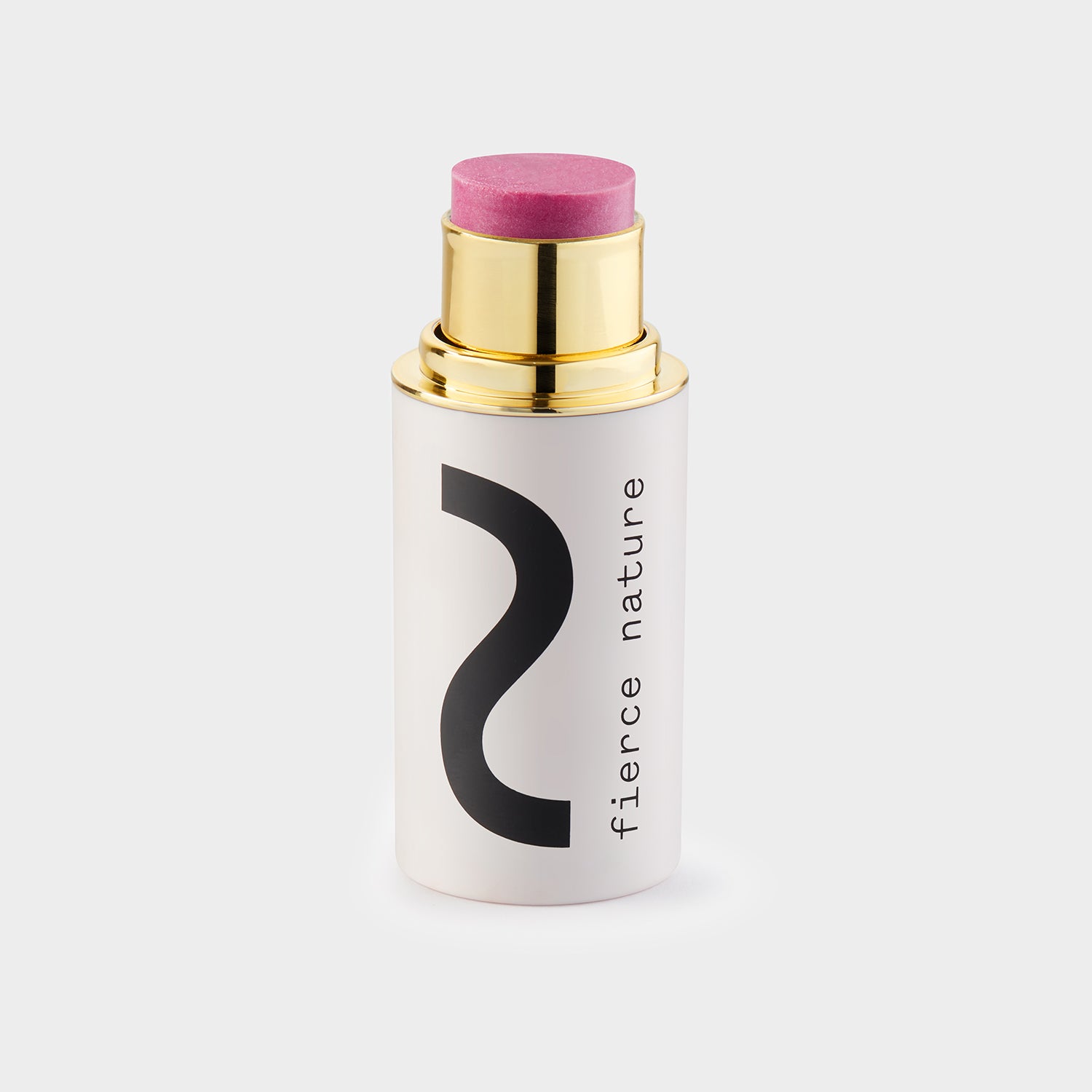


If your skin has turned tight, flaky or itchy during perimenopause or after menopause, you are not imagining it, and you are far from alone. Falling oestrogen changes how your skin makes oils, holds water and protects itself. The good news is that a gentle, consistent routine built around a rich balm can make a real difference to comfort. Some changes also deserve a conversation with your GP. Here is how to tell which is which.
Oestrogen is quietly busy in your skin. It supports the substances that keep moisture in, helps maintain collagen and elasticity, and influences how much oil your skin produces. When levels start to fluctuate in perimenopause and then fall after menopause, the effects show up in several ways at once.
A 2025 peer-reviewed narrative review of menopausal skin changes describes reduced hydration-supporting substances and lower sebum, which contribute to dryness, itch, scaliness, reduced elasticity and a weaker barrier. It reports that sebum declines by around 40% by the sixth decade. That figure refers to oil, not total skin moisture, but it helps explain why skin can feel so different from the way it did at 35.
Here is what is going on, in plain terms:
This is why a skincare routine that worked for years can suddenly stop working. Your skin has changed, so your routine may need to change with it. We cover the signs that it is time for a rethink in our guide to when to change your skincare routine.
Dryness shows up differently from person to person. Common experiences include:
DermNet, a respected dermatology resource, lists dryness, redness and scaling in postmenopausal asteatotic eczema among the skin features of menopause. That is a useful reminder that dryness can slide into something more than dryness. We will come back to that below.
You do not need to have had your last period for your skin to change. Hormones fluctuate through perimenopause, and many women notice dry, itchy or reactive skin years before their periods stop. If you are in your forties and your skin has turned unpredictable, perimenopause is a reasonable thing to consider, alongside other symptoms such as changes to your cycle, sleep or mood.
This is the part many articles skip. It is tempting to blame everything on menopause, but DermNet notes that itch can also be compounded by other things, including iron deficiency and thyroid disease. Persistent or unusually severe itch should not automatically be put down to hormones.
Book an appointment with your GP if:
The British Association of Dermatologists explains that inflamed, sore or very itchy skin may need treatment beyond moisturiser, for example an anti-inflammatory treatment prescribed by a clinician. A balm supports comfort and barrier function, but it will not cure an underlying inflammatory condition. Be honest with yourself about which one you are dealing with.
Dermatology guidance is remarkably consistent here: be kind to your skin, then lock moisture in. These steps draw on advice from the British Association of Dermatologists and the American Academy of Dermatology.

Swap ordinary soap or foaming wash for a mild, fragrance-free cleanser. Skin that is already losing oil does not need stripping further. The British Association of Dermatologists also points out that some emollients and washes containing SLS (sodium lauryl sulfate) may irritate, so check labels if your skin is reactive.
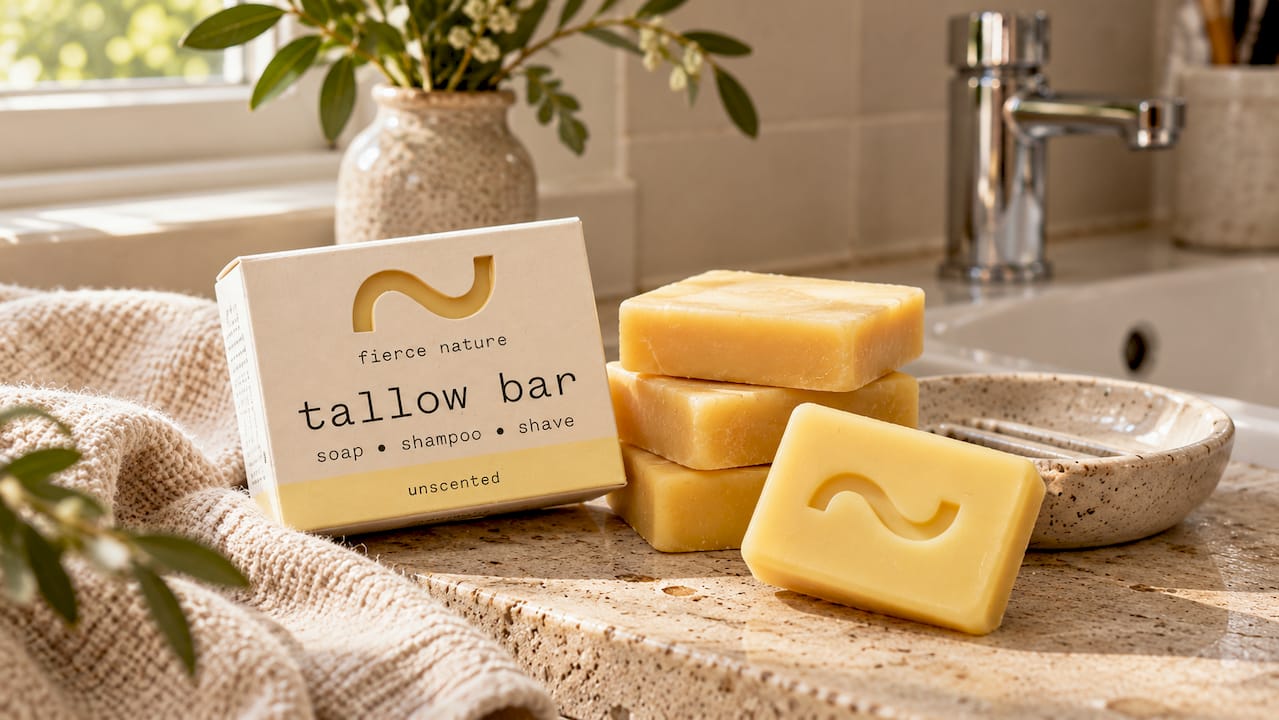
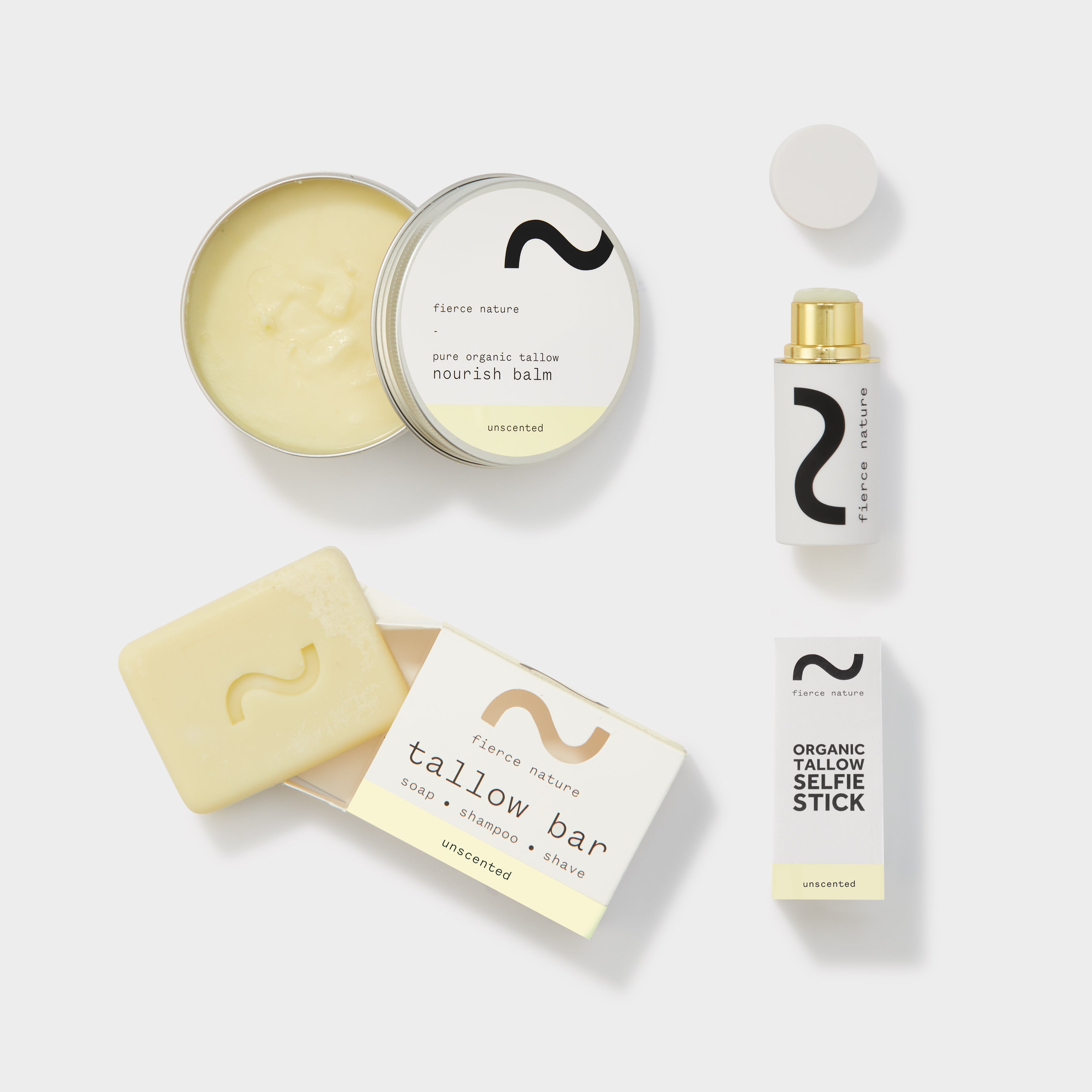
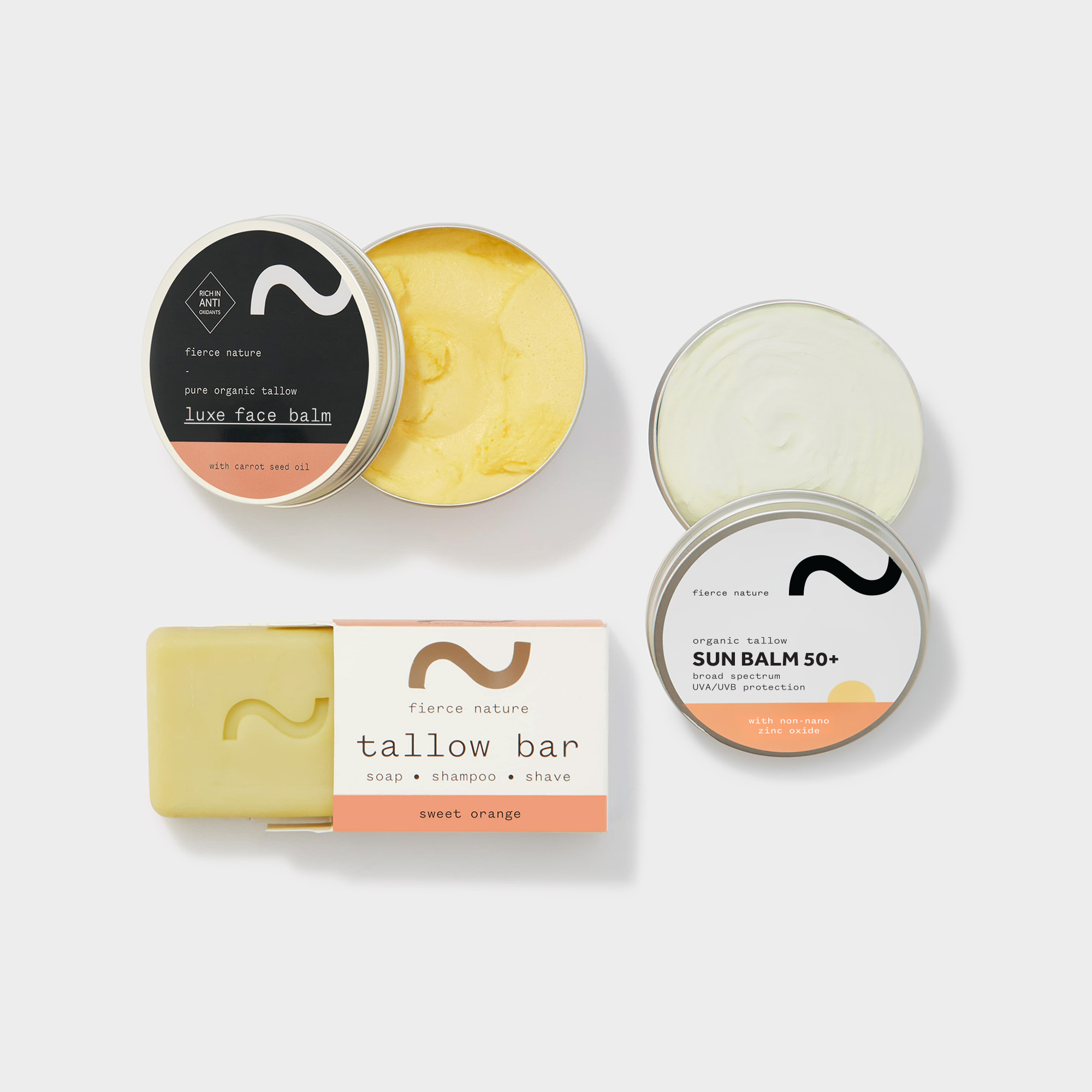
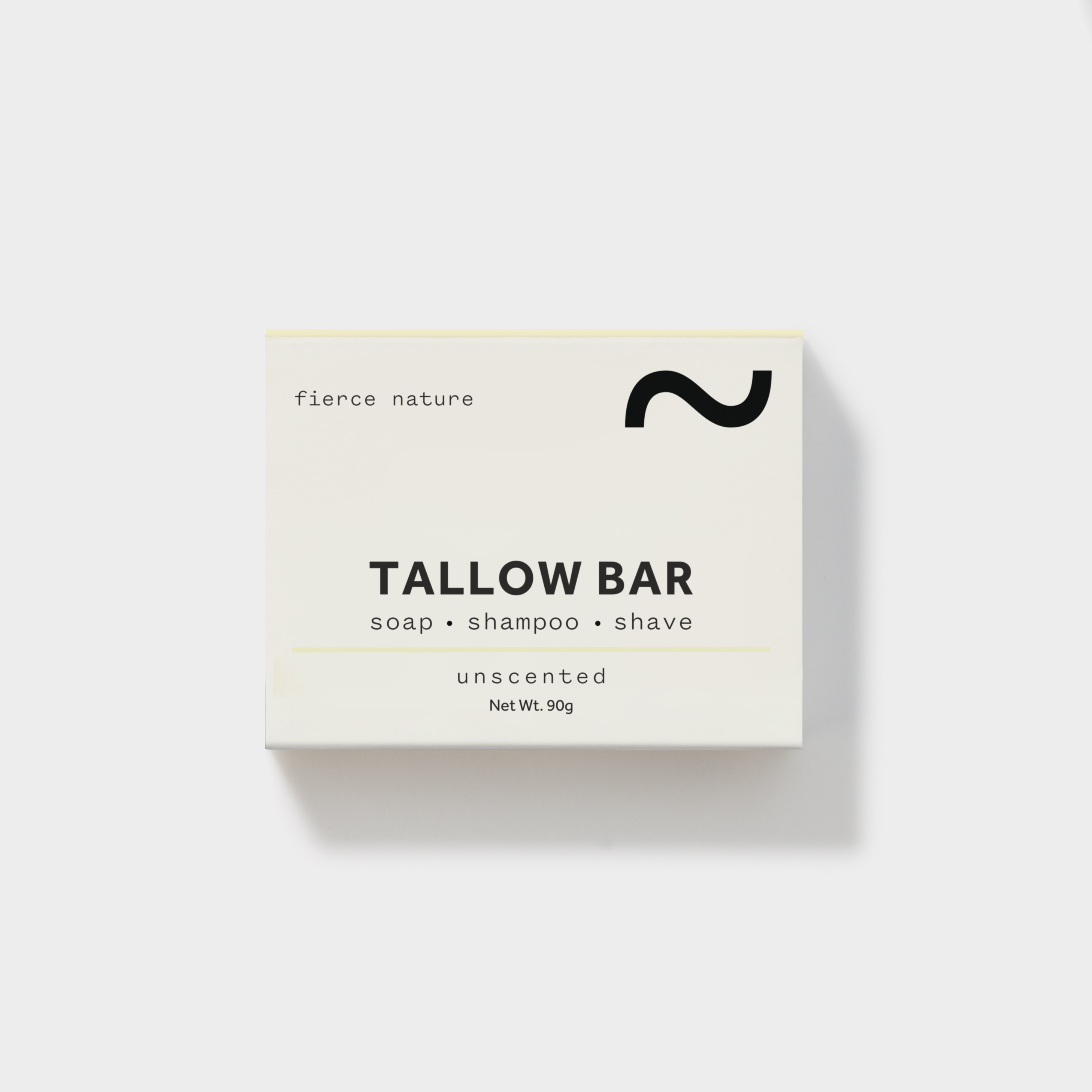
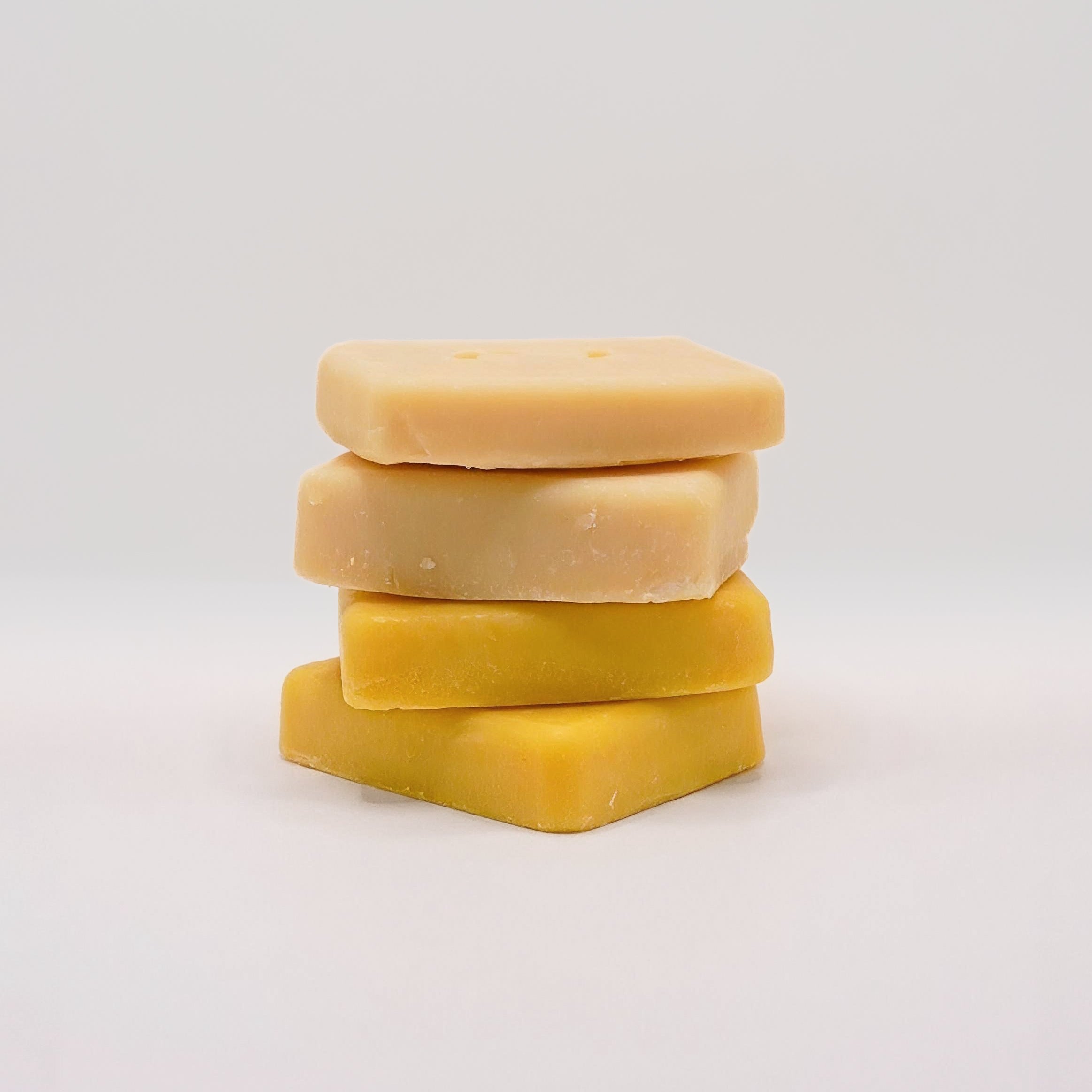
If you prefer a bar, choose one that is made to be kind to skin rather than a detergent-based bar. Our tallow soaps are handmade in the UK, and tallow has been used in soap making for centuries.
The American Academy of Dermatology advises limiting baths and showers to 5 to 10 minutes and using warm rather than hot water. A long, steaming shower feels lovely on a cold October evening, but it strips oil and leaves skin tighter afterwards.
Use a soft towel and pat. Leave the skin slightly damp, because this is the moment to moisturise.
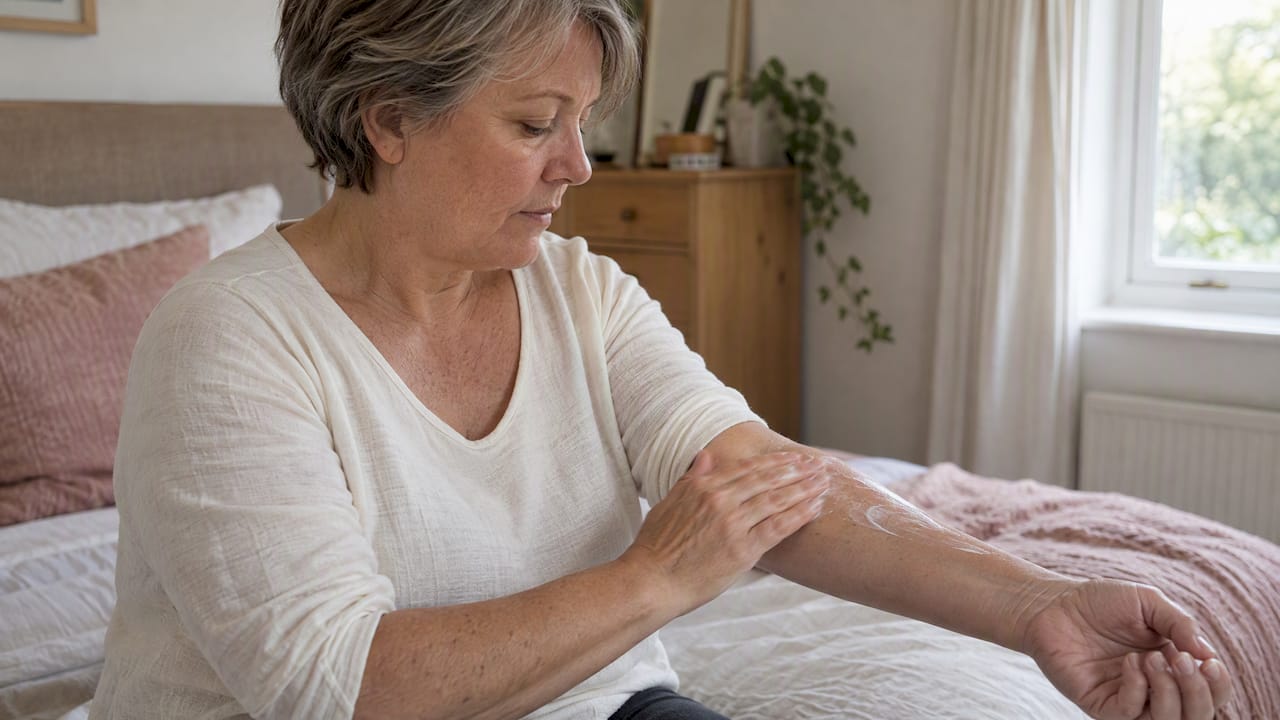
Dermatologists recommend applying moisturiser immediately after bathing and again whenever skin feels dry. Dermatology guidance suggests a balm or ointment works best when applied promptly after washing while skin is still slightly damp, then reapplied to persistently dry areas such as shins, elbows and hands.
The British Association of Dermatologists says emollients should be used every day for dry skin, and may be needed several times a day when dryness is more severe. If you are using other treatments for inflammation, it would be unusual to need an emollient more than three times daily.
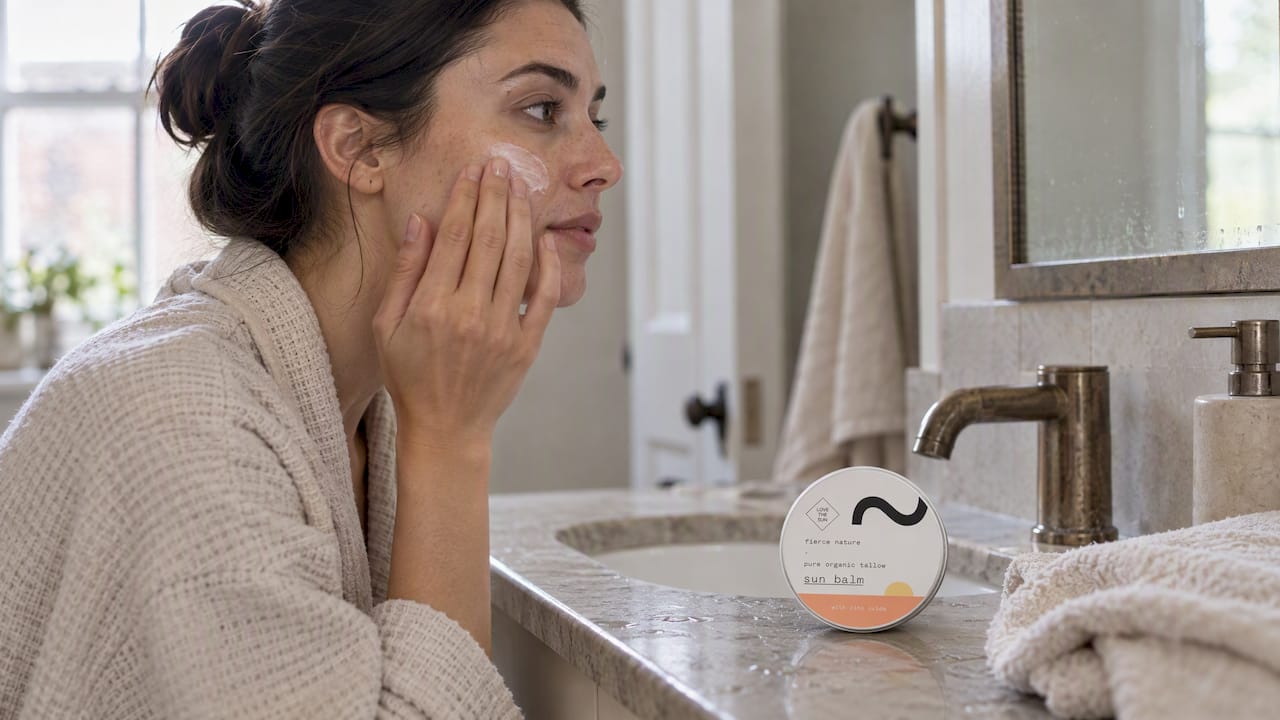
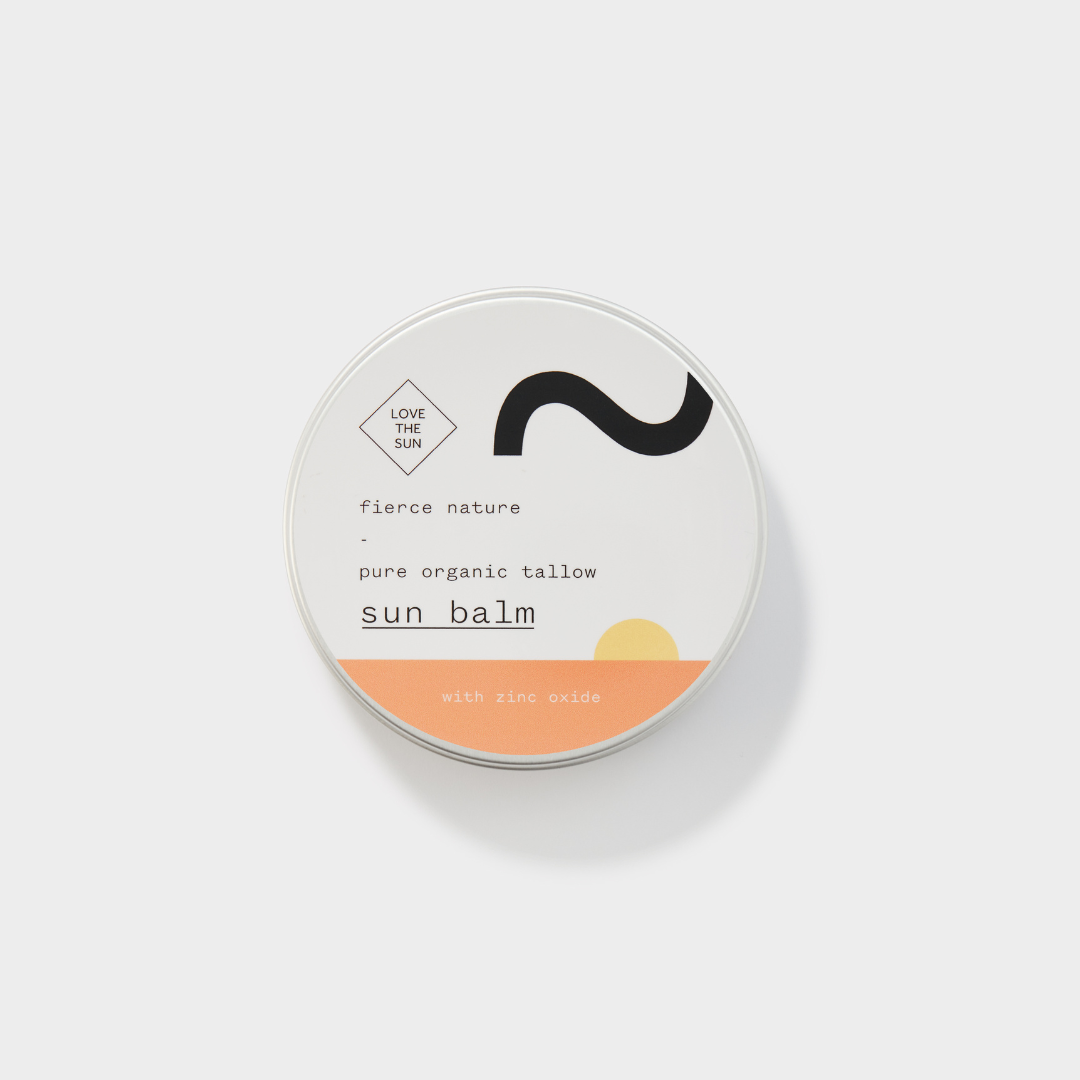
The American Academy of Dermatology recommends SPF 30 or higher. Menopausal skin can be more sensitive to ultraviolet light, and a weakened barrier makes sun irritation more likely. Our range includes a sun protection balm, and you can browse the full collection of face and body balms to see what suits your routine.
Central heating dries the air, and from October onwards many UK homes are running radiators daily. The American Academy of Dermatology suggests a clean humidifier when indoor air is dry. “Clean” matters, because a dirty humidifier can cause problems of its own.
The British Association of Dermatologists describes emollients as coming in several forms: ointments, creams, gels, sprays and lotions. Ointments are greasy because they contain oils. Creams are lighter. Lotions are lighter still and contain more water.
| Texture | Feel | Best for |
|---|---|---|
| Ointment or balm | Rich, thick, scoopable | Very dry, tight or flaky skin; hands, elbows, shins, feet |
| Cream | Softer, absorbs faster | Moderate dryness; daytime use under clothes |
| Lotion | Thin, watery, fast to spread | Mild dryness; hairy areas; warm weather |
The American Academy of Dermatology recommends creams or ointments rather than thin lotions for very dry skin. Dermatologist Erin Foster at OHSU suggests a thick moisturiser you can scoop from a container, because a richer product generally leaves more protective material on the skin than a watery pump lotion.
There is one caveat worth taking seriously. The British Association of Dermatologists stresses that different emollients suit different people, and that preservatives or particular textures can sting or trigger a rash. For sensitive menopausal skin, how well you tolerate a product and how consistently you use it matter more than picking the richest-feeling option automatically.
The American Academy of Dermatology suggests considering moisturisers containing hyaluronic acid or glycerin. Beyond that, a short ingredient list you can read and understand makes it far easier to spot what disagrees with you. This is something we care about deeply: we believe in full ingredient transparency, so you know exactly what you are putting on your skin.
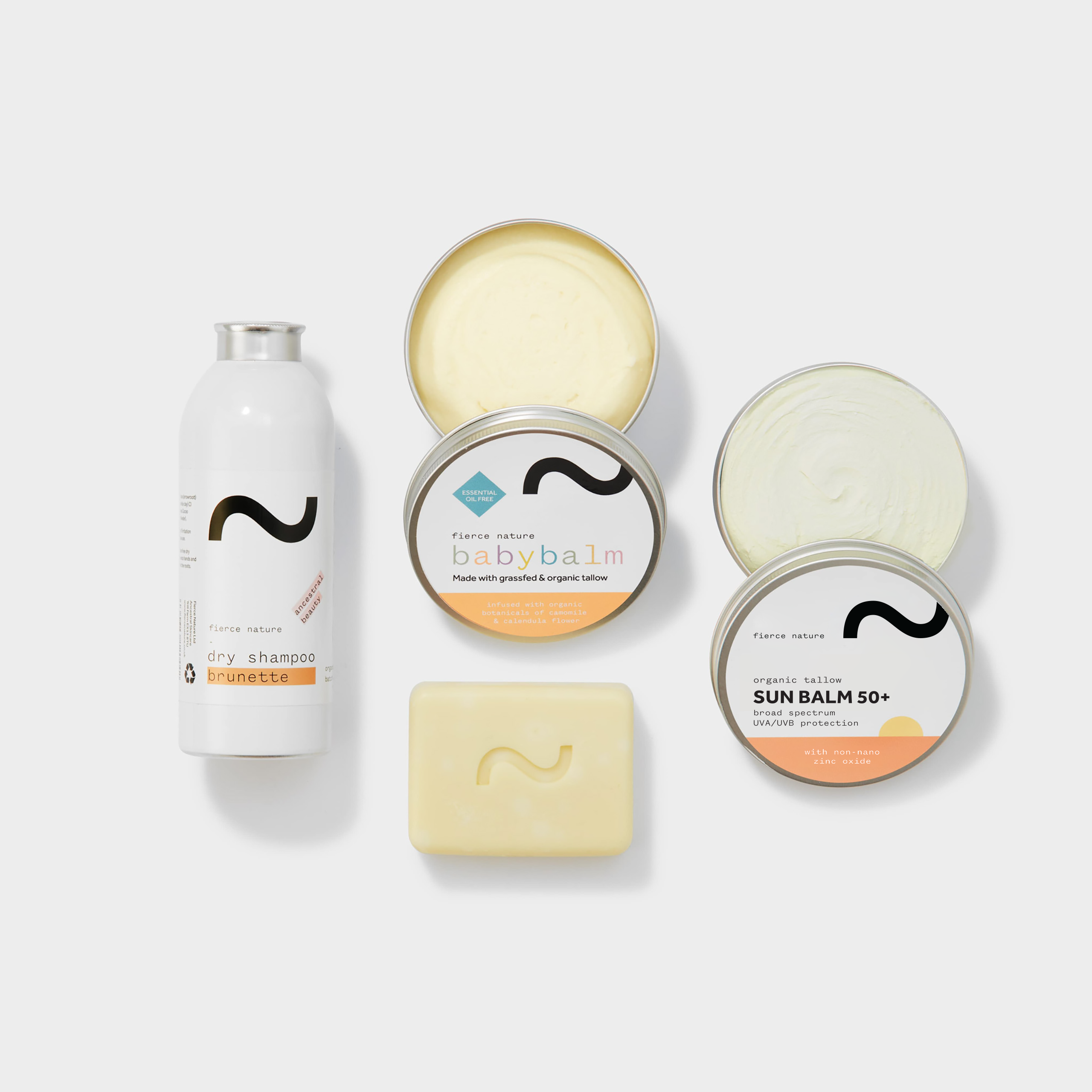
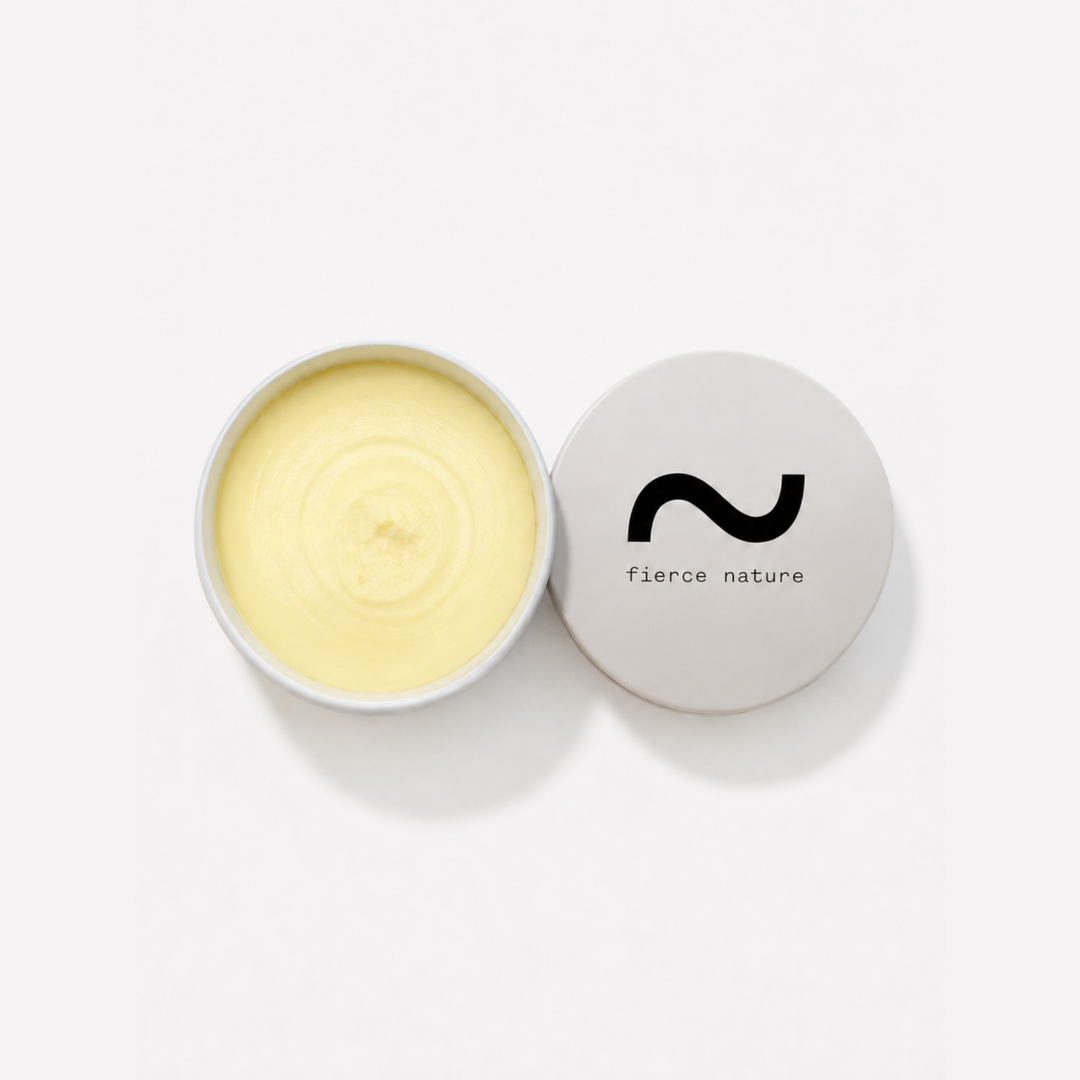
Tallow is rendered fat, and it has been used for centuries as a skin emollient. We use pure, organic, grass-fed tallow as the foundation of our balms because we find it works beautifully for deep nourishment. Tallow is also rich in fat-soluble vitamins, which is what we mean when we describe it as bioavailable: it is a skin food that looks like what skin naturally makes. If you want to dig into how a balm helps restore a stressed barrier, our article on skin barrier repair moisturiser for dry skin goes into detail.

Tallow is an animal-derived ingredient, so it will not suit everyone. If you follow a vegan lifestyle or have had a reaction to animal-derived products before, it is not the right choice for you, and patch testing is wise for everybody.
A few small habits make a big difference:
The British Association of Dermatologists notes that rubbing emollients against the direction of hair growth can contribute to follicular irritation or folliculitis. On your legs and arms, smooth downwards, with the hair.
Oil-containing emollients can make clothing and bedding more flammable, even after they have dried. The British Association of Dermatologists advises keeping them well away from flames and cigarettes. Wash bedding and clothing regularly, and take extra care if you smoke or cook over a naked flame.
If you want a simple step-by-step to follow, our three-step rescue routine for hydration takes the guesswork out, and our night-time routine for healthy skin is a lovely way to wind down. For mornings, there is also our non-toxic morning skincare routine.
What you do beyond the bathroom shelf matters too, although none of it is a proven standalone cure for menopausal dryness. Think of it as supporting your whole body while your skin care looks after the surface.
Drinking water is good for your whole body, and a lot of women find they notice dehydration more as they get older. It will not, on its own, reverse the barrier changes caused by falling oestrogen, so pair it with a good topical routine.
UK guidance recommends a balanced diet built around plenty of fruit and vegetables, high-fibre starchy foods, protein foods such as beans, pulses, fish and eggs, and dairy or alternatives, while limiting foods high in fat, salt and sugar. That is a sensible foundation for energy, bones and heart health during and after menopause, with a possible knock-on benefit for skin.
UK Chief Medical Officer guidance for older adults recommends at least 150 minutes of moderate activity a week, or 75 minutes of vigorous activity, plus strength, balance and flexibility work on at least two days a week. Movement helps with sleep and mood too, both of which can be shaky during menopause, and a good night’s sleep gives skin a better chance to recover.
Our founder grew up using mainstream cosmetics and battled rashes and reactions as a teenager. Her work in gut health later led her to think hard about the toxic load we put on our bodies. That personal story is why we make products with short, understandable ingredient lists. We would never claim a balm can fix a gut or a hormone imbalance, but we do believe in choosing fewer, simpler products when your skin is reactive.
Hormone replacement therapy (HRT) is a medical treatment, so we will keep this brief and point you to the right people.
A 2026 review in the journal Menopause and NHS-linked guidance both suggest HRT may improve some menopause-related skin changes. It is best discussed with a GP or menopause clinician as part of your overall symptoms and personal risks. It should not be started solely as a cosmetic moisturising treatment.
A few points from UK guidance are worth knowing:
One more caution: the 2026 Menopause review notes that safety has not been established for using topical vaginal oestrogen off-label on the face. Please do not borrow a prescription meant for another area of the body. If you are curious about hormonal options for your skin, ask your GP.
Whether or not you choose HRT, a good emollient routine still helps. The two approaches work on different levels, and the best plan is one tailored to your symptoms, risk profile and goals.
We started Fierce Nature because we believe the promises of mainstream beauty are often louder than the results. Many women come to us in their forties and fifties with skin that has suddenly become reactive, and they are tired of products that sting or leave them tight within the hour.
Here is what we have learned and what we stand behind:
We have also written about how a menopausal balm supports skin and mood, how the menopausal balm is explained and ways of navigating menopausal symptoms naturally, if you would like to read more of our thinking.
— Fierce Nature
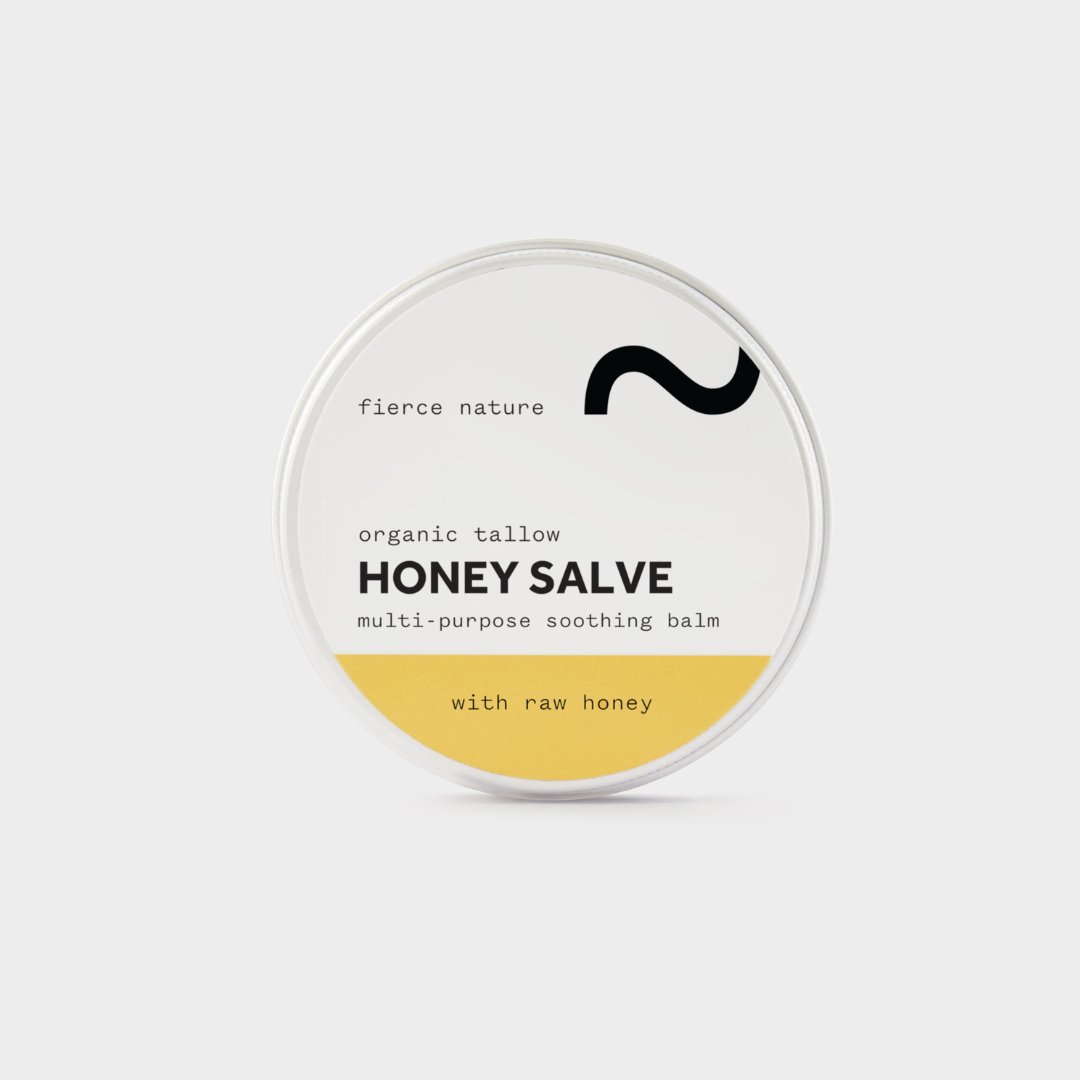
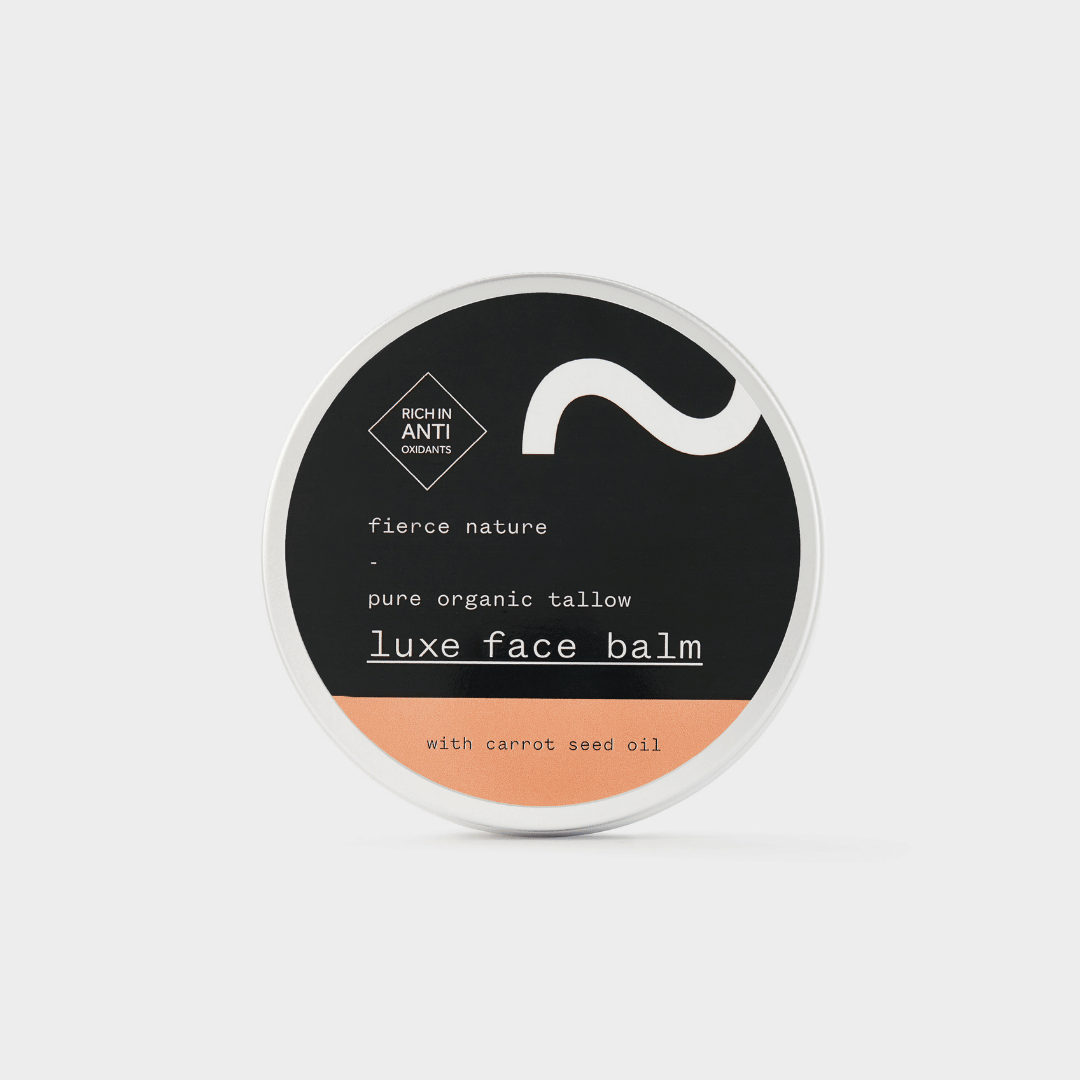
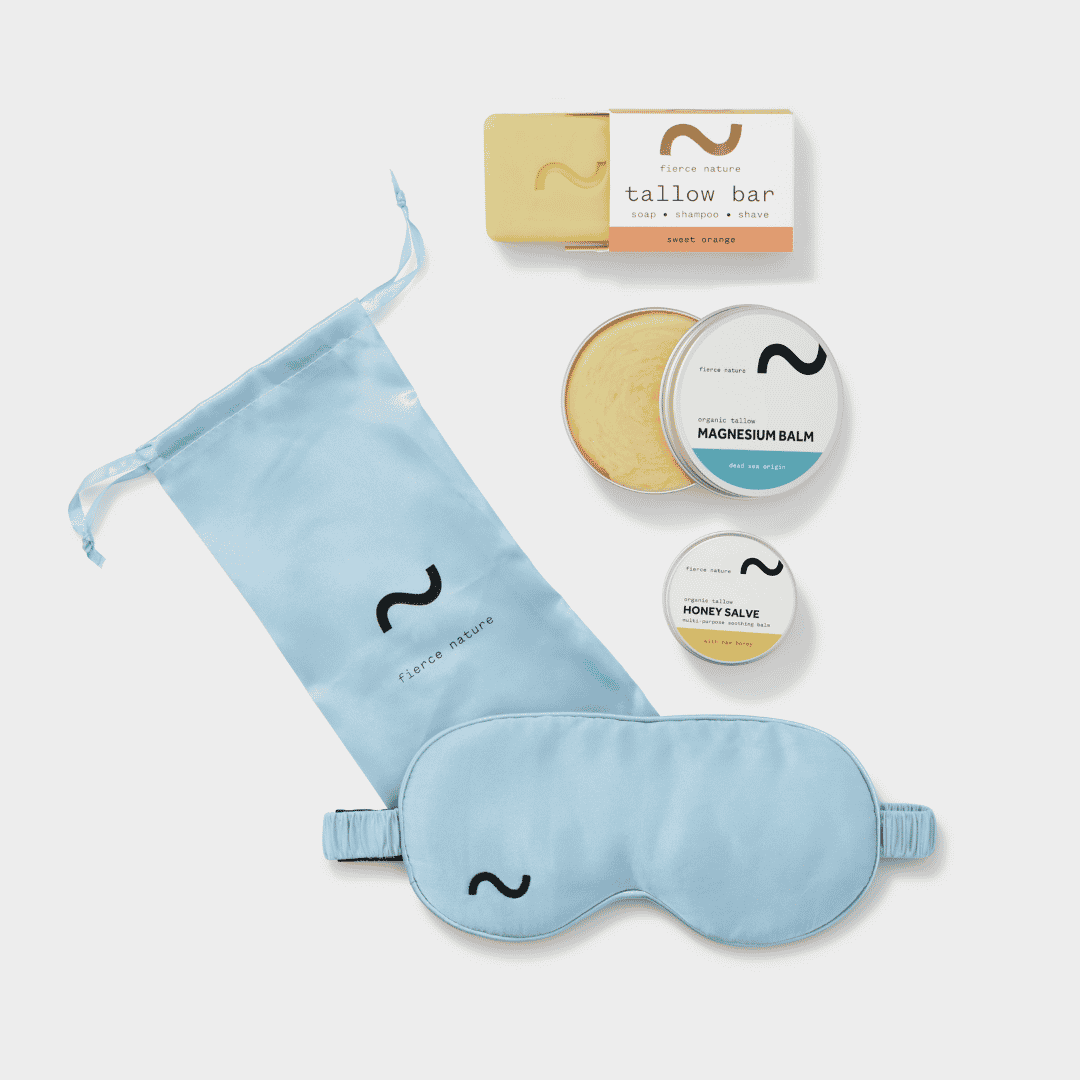
If your skin is dry, tight or itchy and you would like a richer, simpler routine, our Nourish Balms Collection is a good place to begin. Our Hydration Rescue Bundle brings together a step-by-step approach for skin that needs extra care. You can also browse our Functional Balm Collection or read about our Nourish balm made with grass-fed tallow for dry, itchy skin.
We are also developing a menopausal balm, and you can find out more on our presale page.
As with any new product, try a small patch on your inner forearm first and wait a day before using it more widely, particularly if your skin is reactive.
If all of this feels like a lot, begin with three changes and add more only when those feel natural:
After two weeks, notice how your skin feels. Is it less tight? Is the itch calmer? If you see improvement, carry on. If nothing changes, or things get worse, that is your cue to speak to your GP or pharmacist.
Small rituals add up. A few quiet minutes with a warm balm, morning and evening, is skin care and self-care in one, and it is something you can hold on to while everything else feels like it is changing.
Fluctuating oestrogen reduces the oils and moisture-holding substances in your skin, which weakens its barrier and lets water escape. That can cause dryness, tightness and itch even before your periods stop. If the itch is severe or persistent, see your GP, because iron deficiency and thyroid problems can also cause itching.
Dermatologists generally recommend creams or ointments rather than thin lotions for very dry skin, applied straight after washing while skin is slightly damp. Choose something fragrance-free that your skin tolerates well, and patch test first. If you have inflamed or very sore skin, ask your GP or pharmacist for advice before relying on moisturiser alone.
The British Association of Dermatologists advises using emollients every day for dry skin, and several times a day when dryness is more severe. A good rhythm is straight after bathing and again whenever skin feels dry, with extra layers on hands, shins and elbows. If you need far more than that, check with a clinician in case something else is going on.
HRT may improve some menopause-related skin changes, but it is prescribed for your overall menopausal symptoms and personal risks, not as a cosmetic moisturiser. Talk to your GP or a menopause clinician about whether it suits your medical history. Even if you take HRT, a gentle skin routine still helps.
A balanced diet and regular activity support your general health and may help you feel better overall, but they are not a proven standalone cure for menopausal dryness. Drinking enough water is sensible, though it will not replace a good topical routine. The most reliable changes are shorter warm showers, gentle cleansing and moisturising promptly after washing.