Cart
0
80% Also Added this

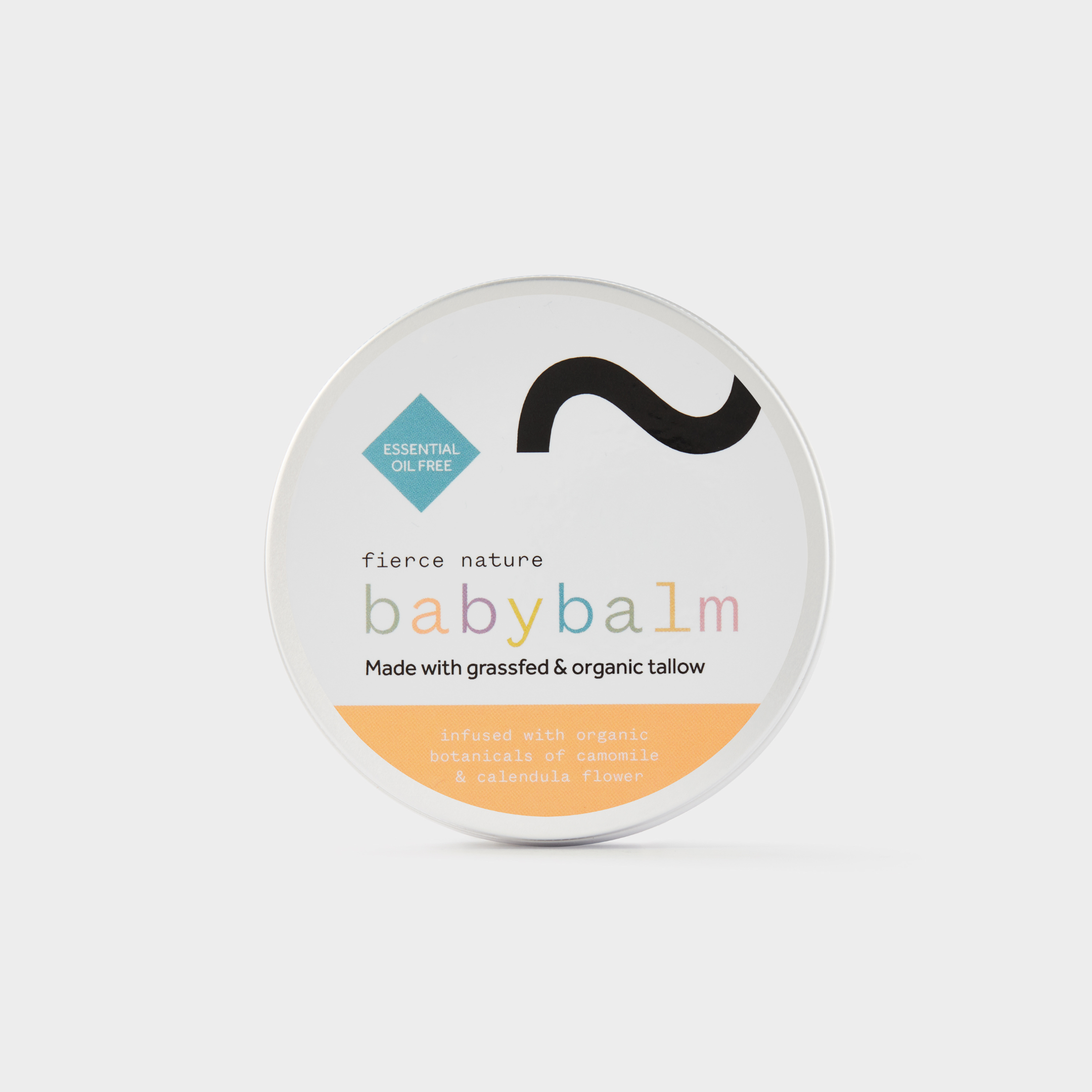
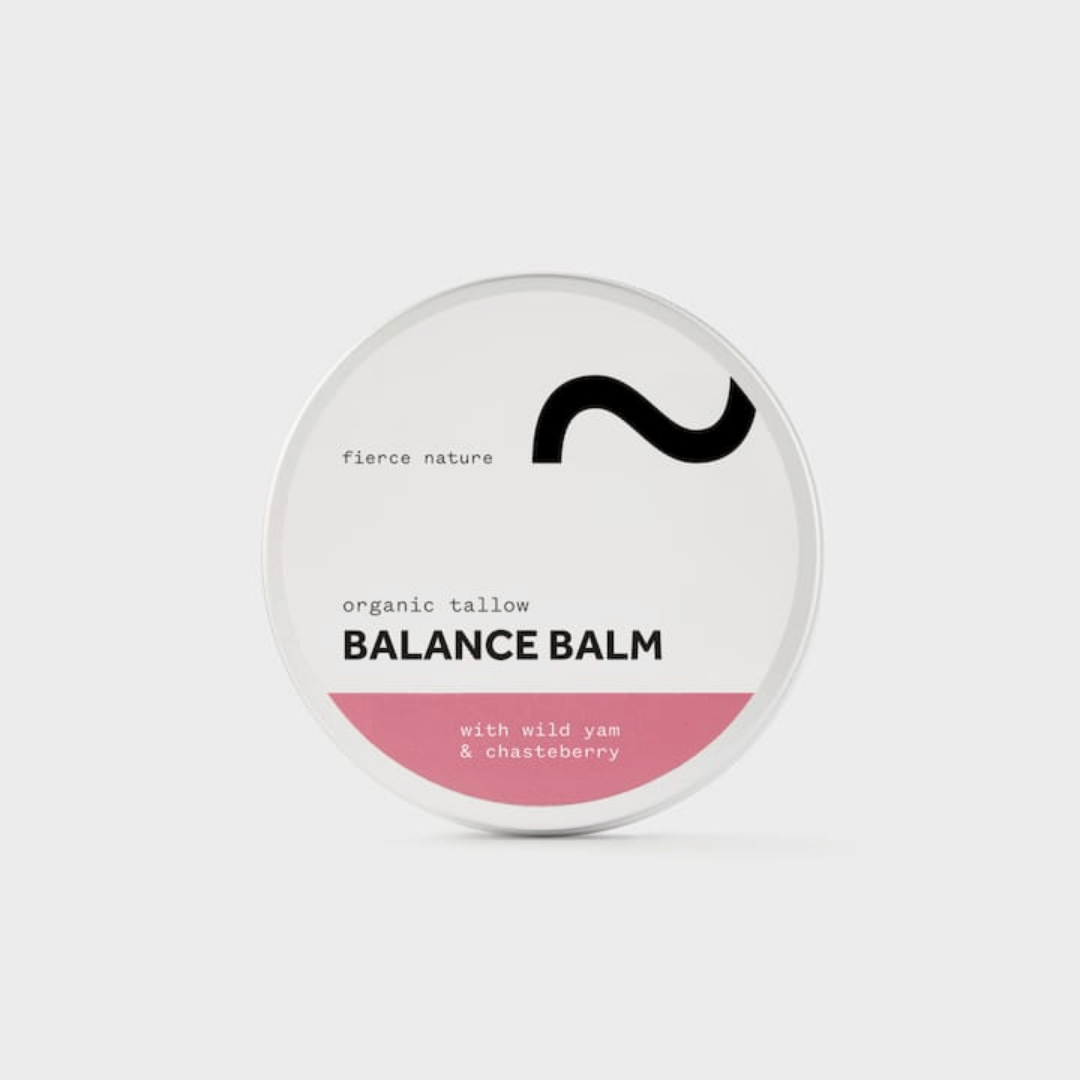
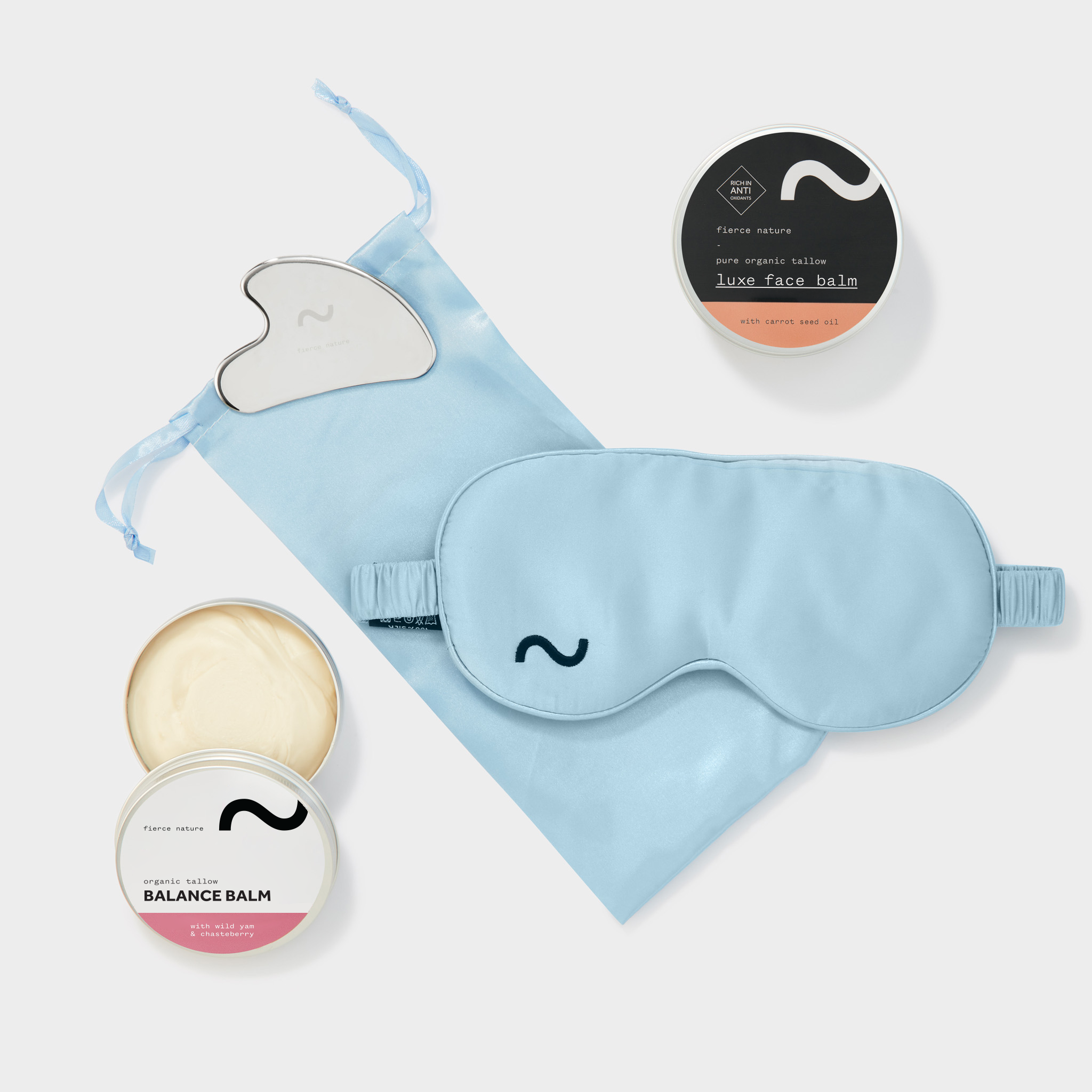
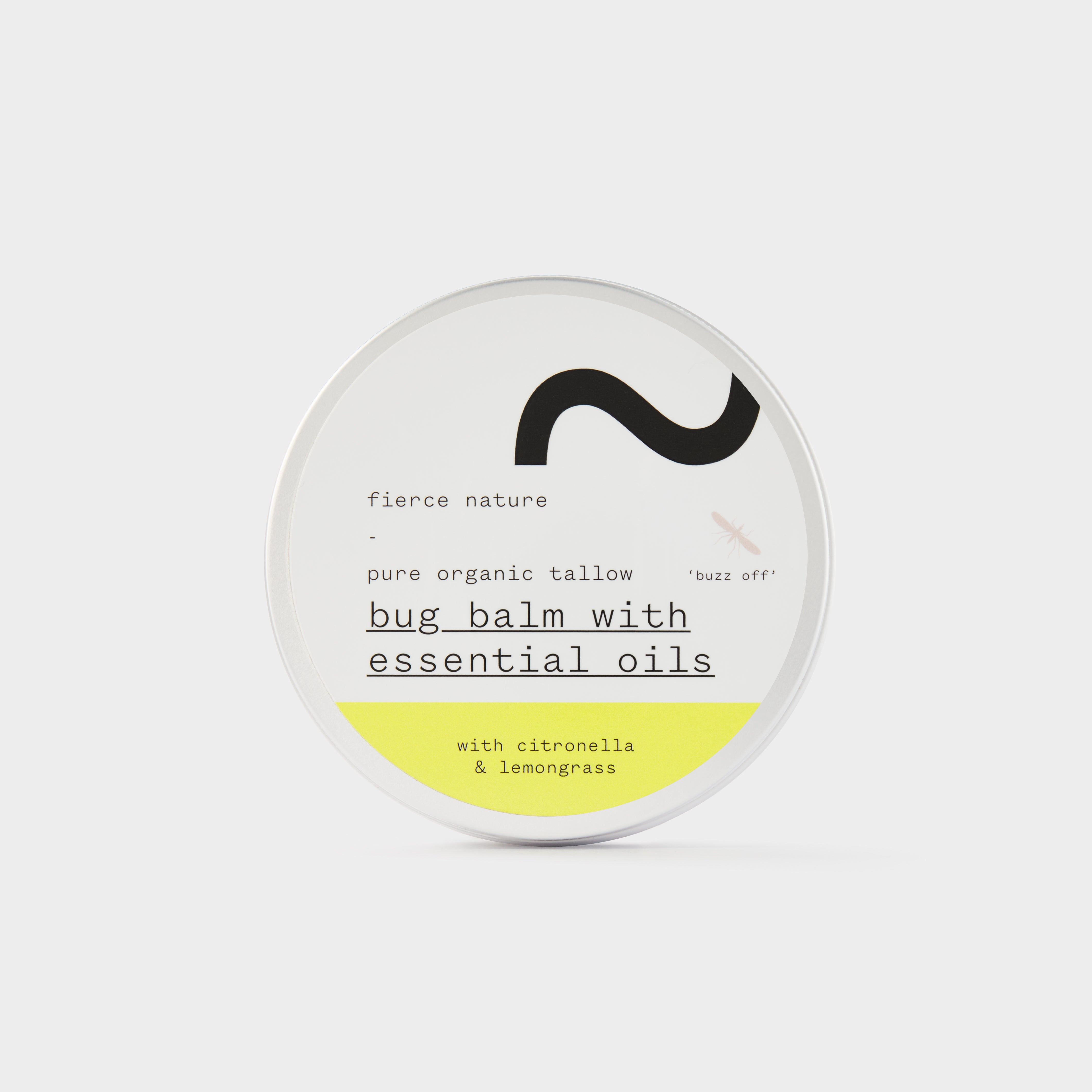




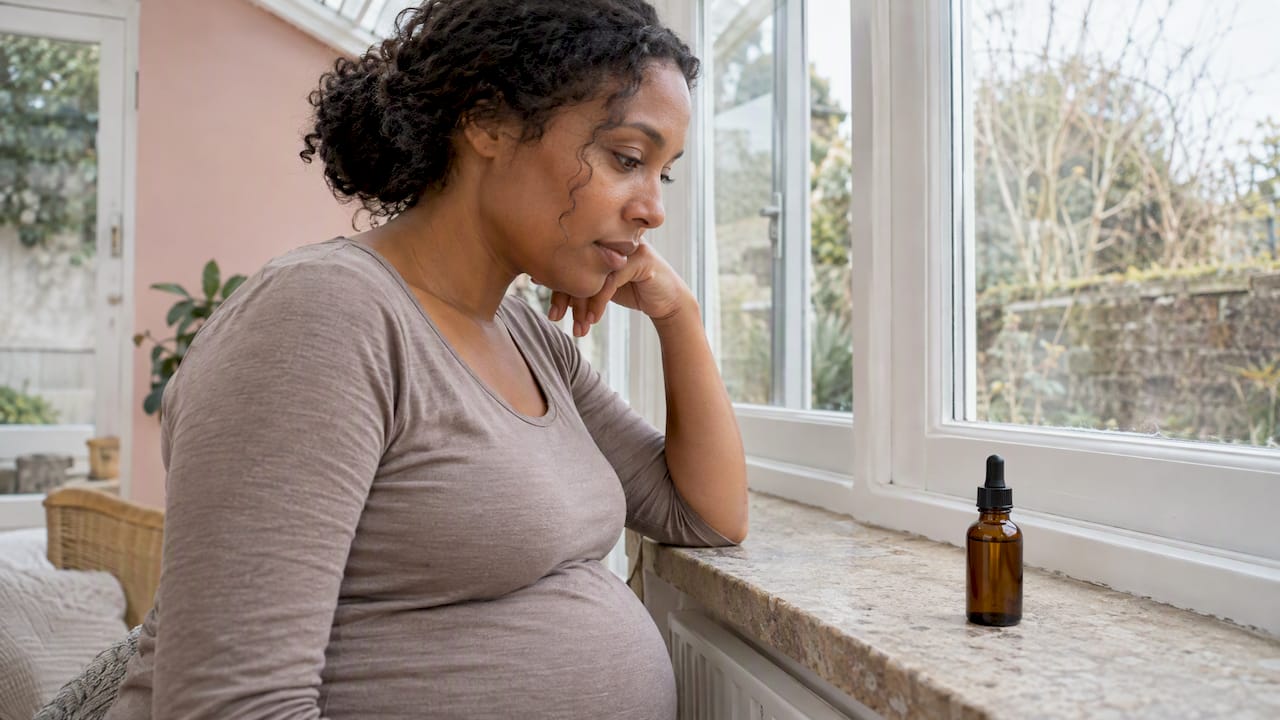
The honest answer is that there is no official list of essential oils proven safe in pregnancy. The UK Teratology Information Service (UKTIS) says there are no epidemiological or evidence-based studies on essential oil safety in pregnancy, only a small number of anecdotal case reports. What exists instead is cautious guidance from maternity units: avoid direct contact with essential oils in the first trimester, always dilute, never swallow them, and take extra care with a handful of oils such as clary sage. This guide pulls that guidance together in plain language, so you can decide what belongs in your routine and what can wait until after the baby arrives.
Essential oils are concentrated plant extracts, and “natural” does not mean “gentle”. A single drop can hold the active compounds of a large amount of plant material. That is why they are so effective as scents and so easy to overdo.
When it comes to pregnancy, the evidence is thin rather than alarming. UKTIS, the NHS-commissioned service that reviews medicines and chemicals in pregnancy, states that the published data are a small number of case reports. Two points from its monograph are worth holding on to:
So the difference between a body wash scented at a trace level and a home-made massage oil with 15 drops in a small bottle is real, and it is the concentration that deserves your attention.
Guidance elsewhere is more conservative still. A 2022 guideline from the French National College of Midwives recommends avoiding essential oils during the perinatal period, by expert consensus, because the safety of most oils has not been evaluated and some constituents may be toxic. You will therefore meet a range of advice, from “use carefully with dilution” to “skip them entirely”. Both come from the same honest gap in the research.
Most UK maternity guidance treats the first trimester as the time for the most caution. The Right Decisions midwifery aromatherapy guideline, which ranks highly for this search, advises avoidance in the first trimester because some essential oils are emmenagogic, meaning they can stimulate menstrual flow or uterine activity.
The Aneurin Bevan University Health Board guideline (NHS Wales, published June 2025) goes a step further and advises against direct contact with essential oils in the first trimester. It is a maternity unit’s policy for use in care, not a law, but it shows how careful professionals are.
In practice, for most people this means:
You do not need a dozen new products at any stage. Your skin may change in pregnancy, becoming drier, itchier or more reactive, but that is usually a reason to simplify, not to add more actives and scents.
No guideline we have read gives a complete, universally agreed list, so treat the following as the points of agreement in NHS maternity guidance, not a full catalogue.
Both the Aneurin Bevan and the Cardiff and Vale NHS Wales guidelines are clear: clary sage is a uterotonic oil, meaning it may stimulate the womb, and it should be avoided until at least 37 weeks of pregnancy. Clary sage is popular in “labour blends” and “pregnancy massage oils”, so check blend labels before you buy or accept a gift.
The Cardiff and Vale guideline warns that citrus oils can cause photosensitivity. Some cold-pressed citrus oils, bergamot being the best-known example, can make skin react to sunlight, leaving marks or burns. That matters in pregnancy, when many people already notice patchy pigmentation on the face. If you use a citrus-scented product on skin, keep it off areas that will be in strong sun.
Be wary of products making claims about balancing hormones, bringing on labour or supporting fertility. These claims are not backed by the sort of research that would make them safe to rely on, and the oils involved are often the very ones maternity units advise against.
The answer here is simply no. We cover ingestion in its own section below.
General caution applies to everyone, but some conditions mean maternity units exclude or restrict aromatherapy altogether. The Aneurin Bevan guideline lists epilepsy, major cardiac or hepatic disease, significant respiratory disease, coagulation (bleeding) disorders, thromboembolism, pre-term labour and several obstetric complications. The Cardiff and Vale guideline says people with heart disease, epilepsy, bleeding or premature labour should not use aromatherapy for childbirth. Allergies or sensitivities to the oils concerned are also grounds to avoid them.

If any of those apply to you, or if you are carrying twins, have been told your pregnancy is high risk or have had a previous premature birth, ask your midwife or obstetrician before using any scented oil product beyond ordinary toiletries.

If you and your midwife decide that a little aromatherapy is reasonable after the first trimester, dilution is the main safety control. North Tees and Hartlepool NHS Foundation Trust advises mixing most essential oils with a carrier oil rather than applying them directly to skin, to reduce irritation.
NHS Wales guidance gives a practical rule of thumb:
Here is a worked example. A 10 ml roller bottle of carrier oil needs 2 drops of a single essential oil to reach 1%. If you fill a 50 ml bottle, that is 10 drops. Many people find that this is a much smaller amount than they expected, and that is exactly the point.
A few practical habits help:
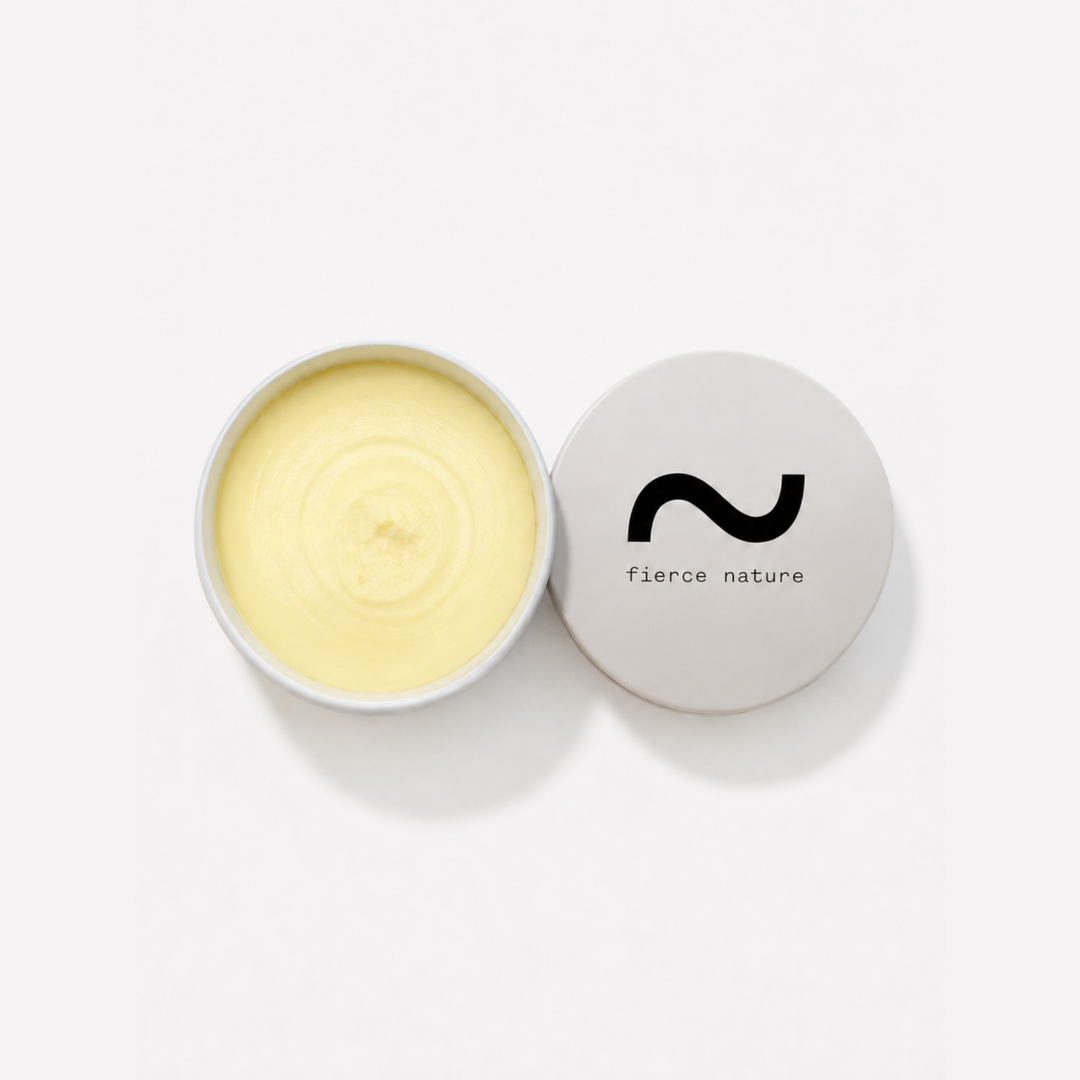
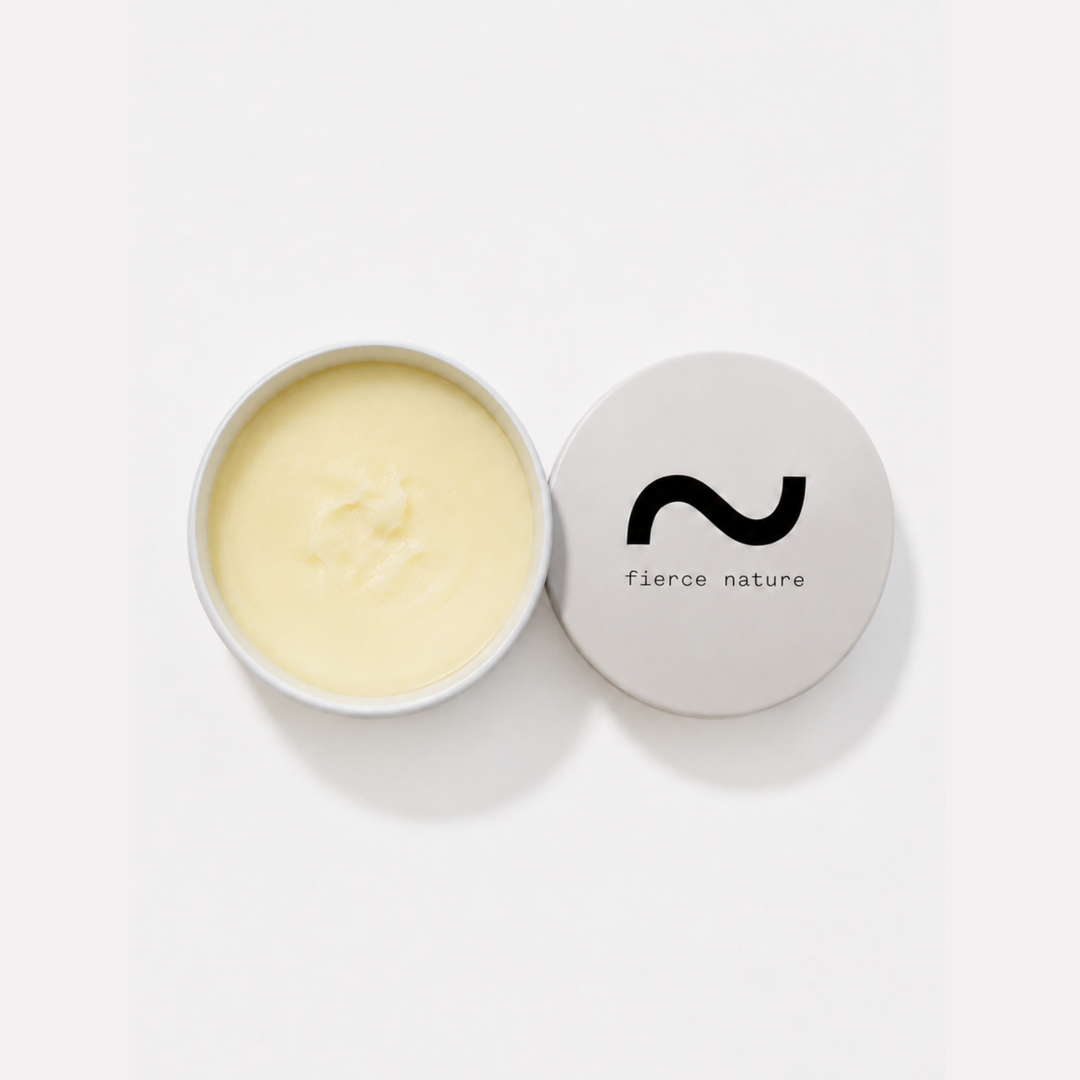
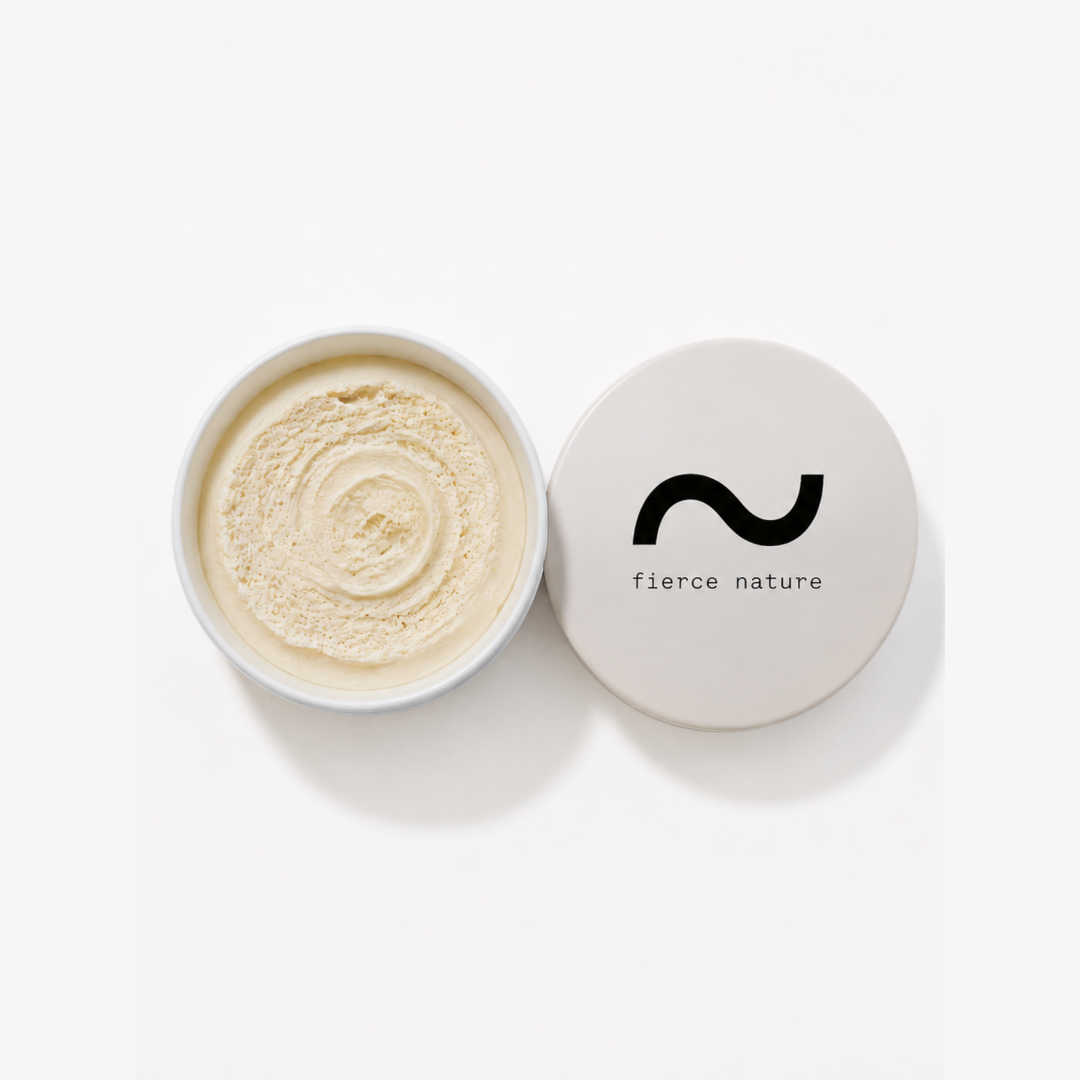
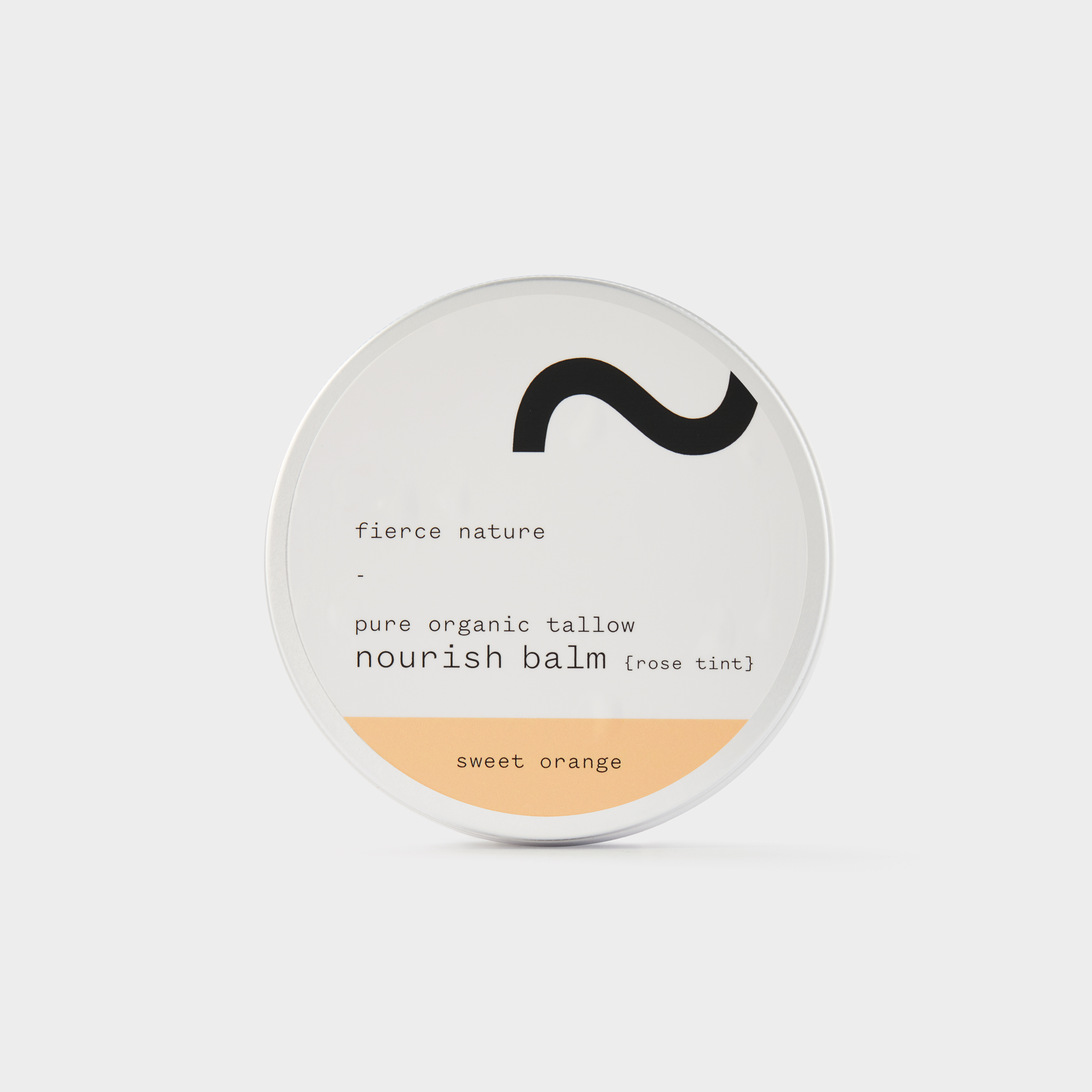
A balm is a simple formula, a fat base set into a solid, and any essential oil in it is already diluted. Whether it suits you in pregnancy depends on which oils it contains, how much, and whether you are in your first trimester. The sensible questions to ask of any balm are:
If the answers are unclear, a fragrance-free balm removes the question altogether.
People search for this because it appears in aromatherapy blogs, but it is not a safety rule. The “30/50/20” guideline used in blending divides the drops in a blend into 30% top notes, 50% middle notes and 20% base notes, which is a way to balance a fragrance. It says nothing about how strong a blend is on your skin, and it was not written with pregnancy in mind.
For safety, the figure that matters is the dilution: the total number of drops of essential oil relative to the carrier. In maternity guidance, that is the 1% described above. Using a perfumery ratio does not make a blend safe in pregnancy.
Some websites suggest adding essential oils to water, honey or capsules. In pregnancy, do not do this. The Cardiff and Vale guideline says essential oils are for external use only and should never be eaten or drunk.
UKTIS explains why: ingestion can cause maternal toxicity, and therefore fetal toxicity. Case reports describe contractions and miscarriage after ingestion, although it has not been proven that the oil itself was the cause. If someone has swallowed an essential oil in pregnancy, UKTIS advises that the case be managed as a poisoning, using current TOXBASE guidance or UKTIS advice, with enhanced fetal monitoring considered if the mother shows signs of toxicity.
If this happens to you, do not wait to see how you feel. Call NHS 111, or 999 if you feel seriously unwell, and have the bottle with you so the oil can be identified.
Essential oils are among the common causes of skin irritation and allergy in scented products. Milton Keynes University Hospital’s maternity guidance describes irritation as local inflammation, with burning, stinging, tingling and drying, and notes that all essential oils are potential sensitisers. Sensitisation can be delayed, so a reaction may appear hours or days after the first use. It can include a rash, headache, palpitations or shortness of breath.
What to do:
Tell your midwife what you used, and keep the packaging so the ingredients can be checked.
We started Fierce Nature because our founder grew up reacting to mainstream cosmetics and spent years learning how much of what we put on our skin ends up working against us. That experience shapes how we think about pregnancy skincare.
When the research on essential oils is this thin, we think the kindest advice is the simplest. You do not need a scented ritual to look after your skin. A short list of ingredients you can pronounce, a nourishing base and clear labelling will do more for dry, itchy or stretching skin than a cupboard of blends.
That is why we build our balms on organic tallow, a fat that has been used for centuries as a skin emollient, and why we put the ingredients on the page. Every formula is handmade in the UK. Because we cannot promise that any particular essential oil is risk-free in pregnancy, we encourage you to read each product’s ingredients, patch test, and speak to your midwife if you are unsure, especially in the first trimester.
Work with your skin, not against it. If a product makes it sting, tingle or flare, it is not for you right now, however natural the label says it is.
— Fierce Nature
If you would rather skip essential oils while you are pregnant, the swaps are easy:
| Instead of | Try | Why |
|---|---|---|
| Scented massage oil for your bump | A plain, fragrance-free balm | Fewer potential sensitisers on skin that is stretching and itching |
| Aromatherapy roll-on for nausea or sleep | Fresh air, ginger tea, a cool flannel, a regular bedtime routine | No essential oil exposure; ask your midwife about persistent nausea |
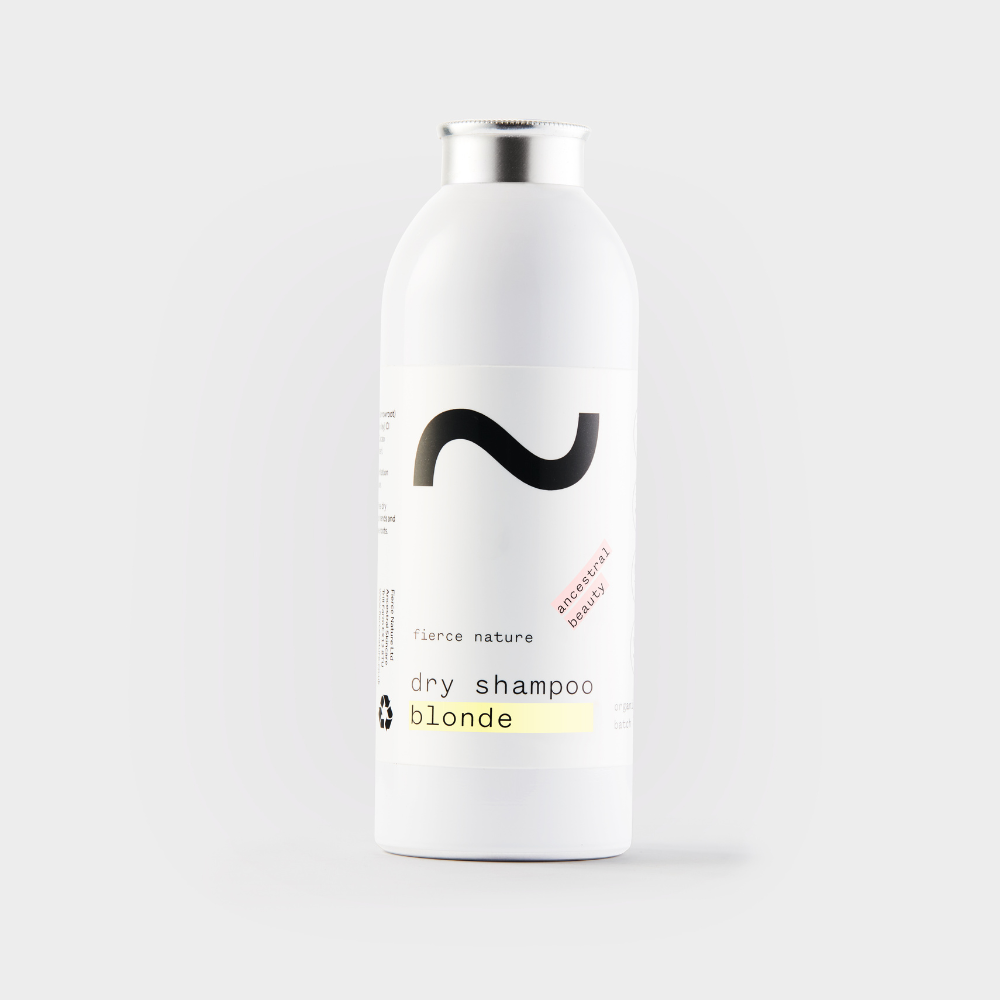
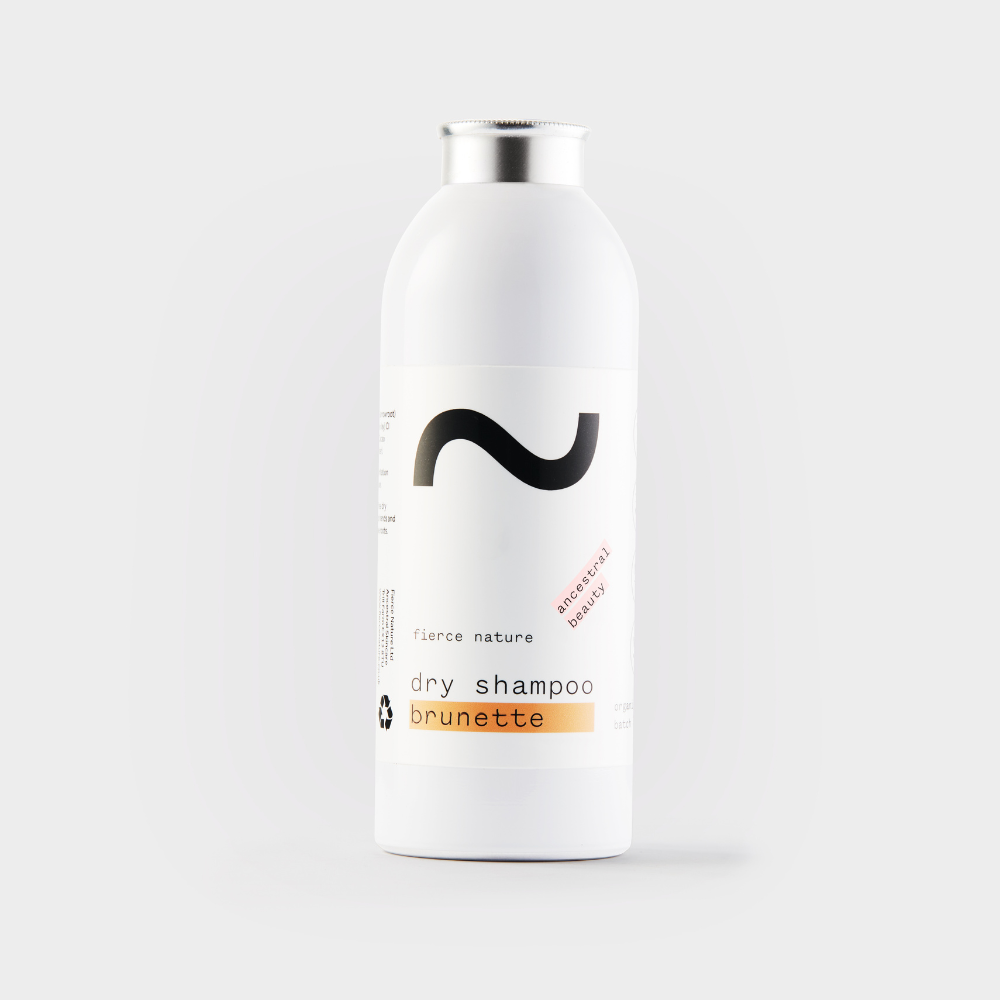
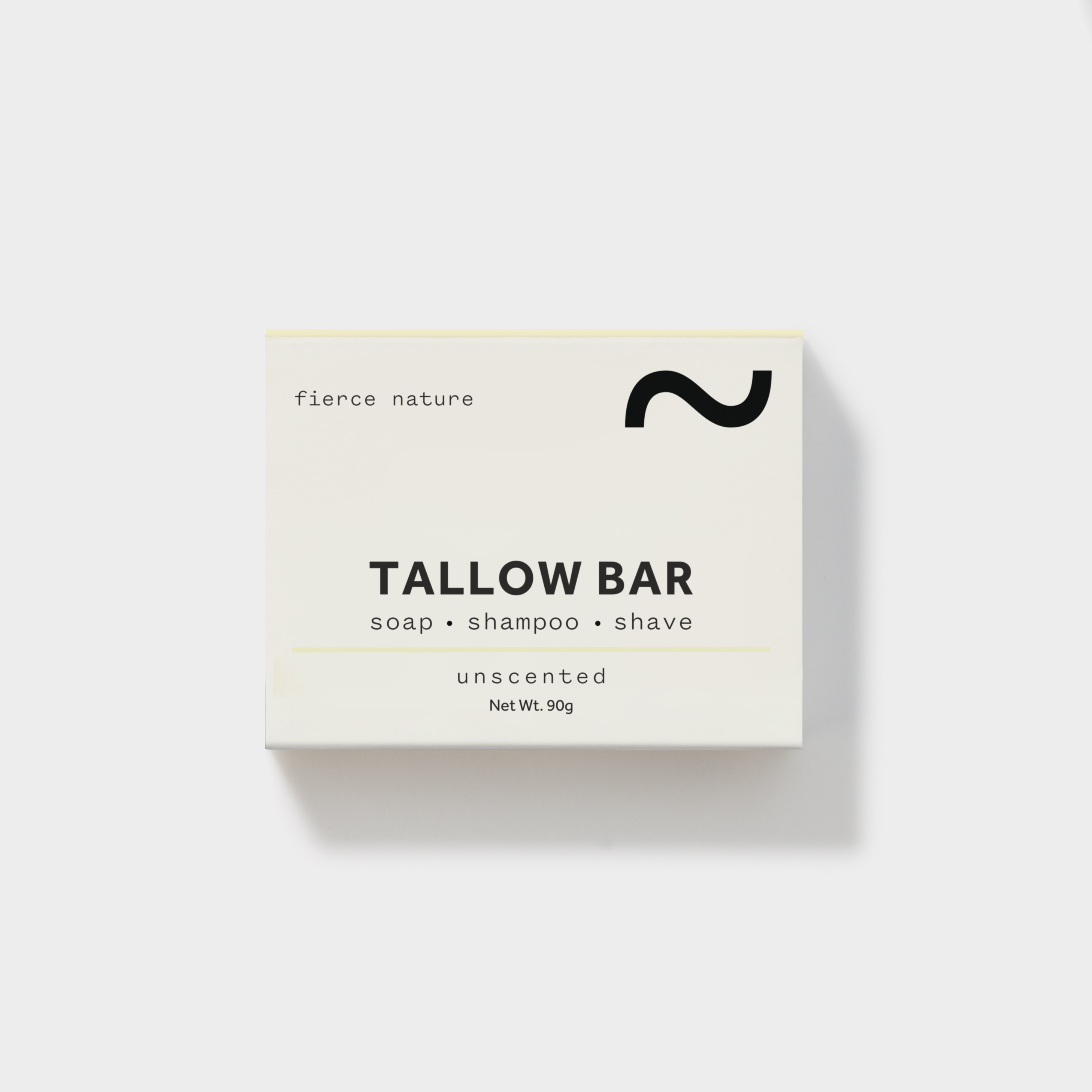
| Scented dry shampoo | A talc-free, fragrance-free starch dry shampoo | A simpler ingredients list near your face |
| Diffuser running all day | Short bursts in a ventilated room, or none | Reduces constant exposure; ask your midwife if you are unsure |
| “Pregnancy-safe” blends from unknown sellers | Products with full ingredient lists | You can check every ingredient yourself |
Our guides can help you with the details: see our advice on pregnancy-safe skincare ingredients and UK swaps for retinoids, our look at three pregnancy-safe balms, and our note on choosing a fragrance-free dry shampoo while you are expecting.
Most of the reasons people reach for essential oils in pregnancy, such as stretch marks, itching and dry patches, can be handled with a plain, nourishing routine:
No balm can promise to prevent stretch marks, which depend heavily on genetics and skin elasticity. What a good balm can do is keep your skin comfortable and well nourished while it changes.
If you have eczema-prone skin, our guide to a two-step eczema-friendly routine with unscented soap and a nourish balm shows how simple a routine can be.
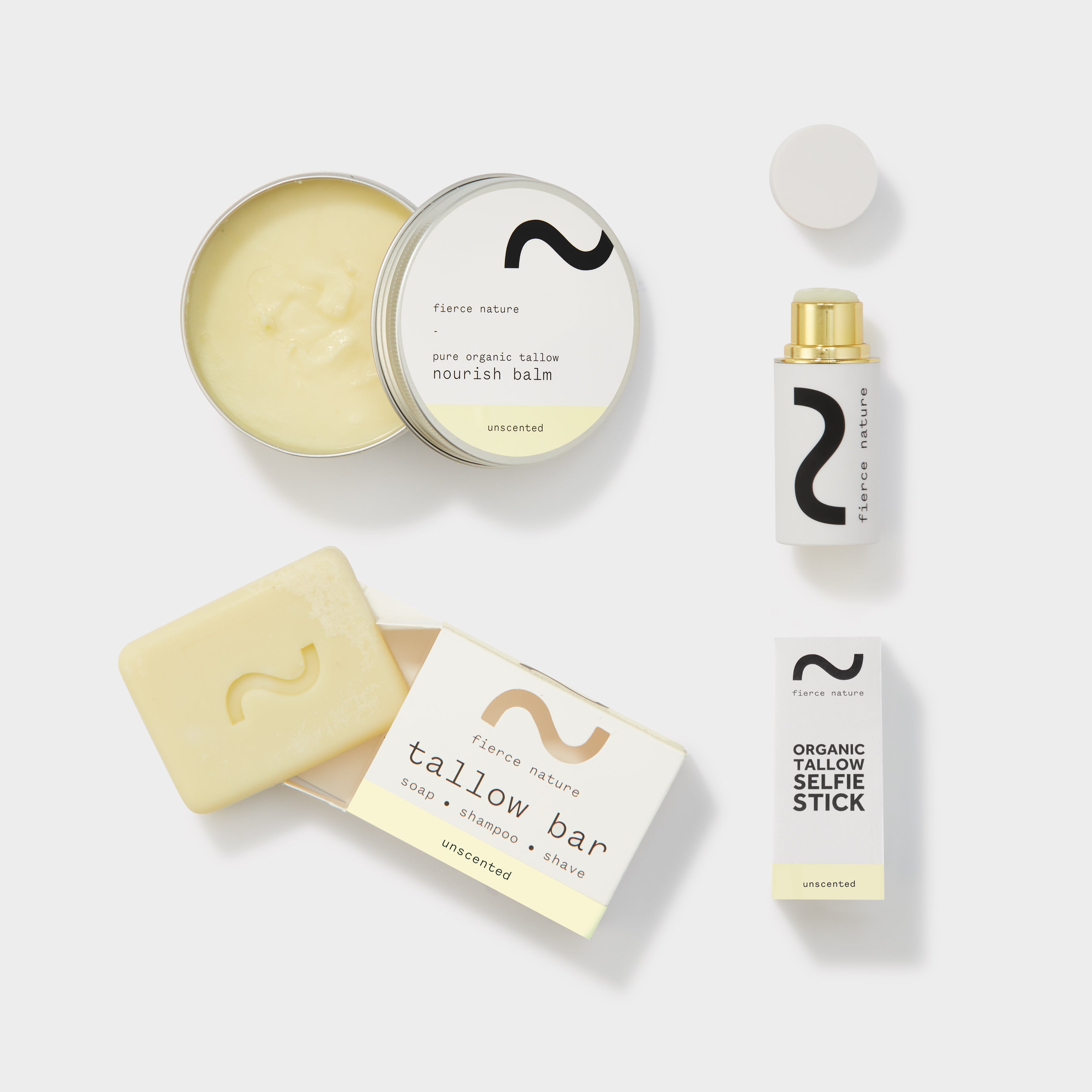
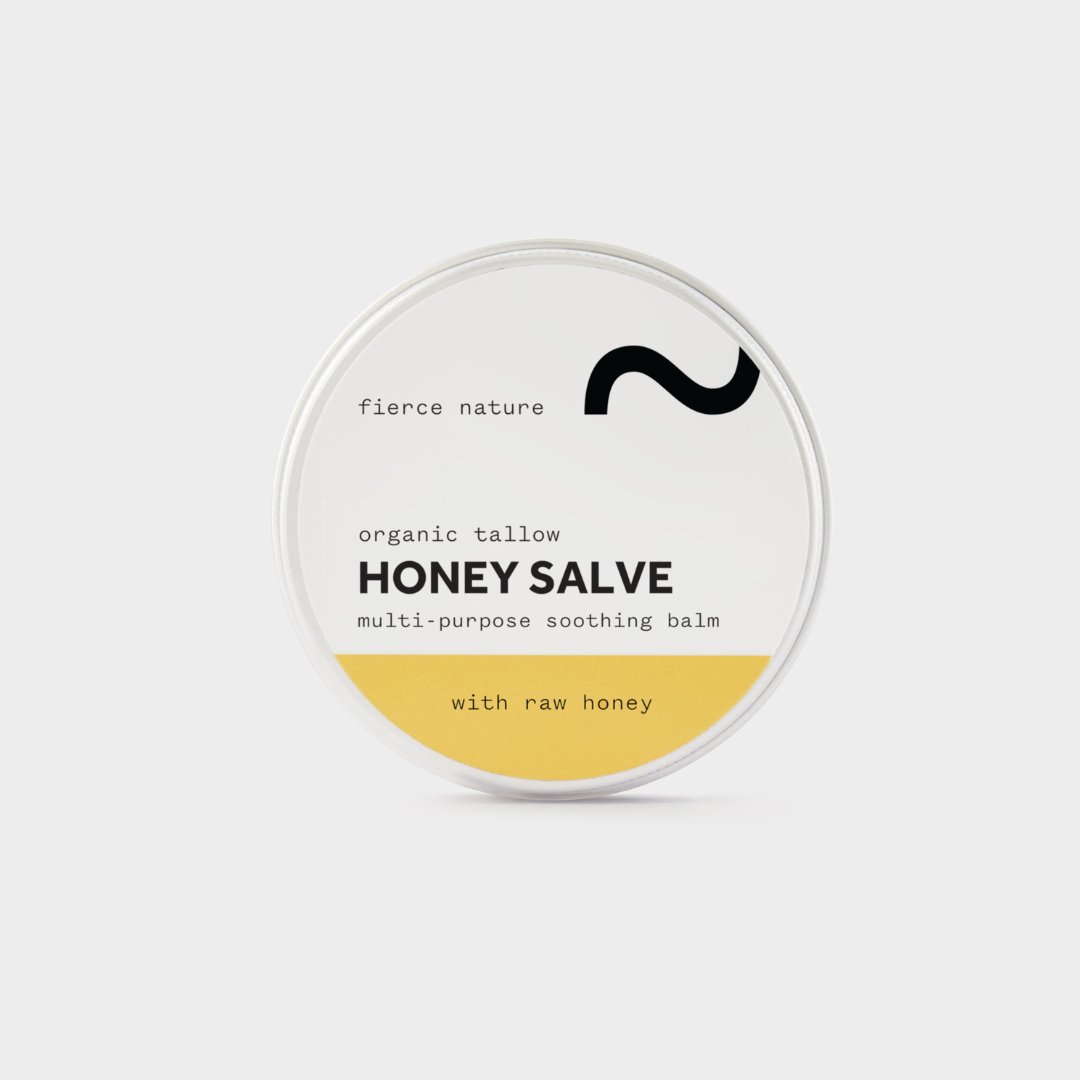
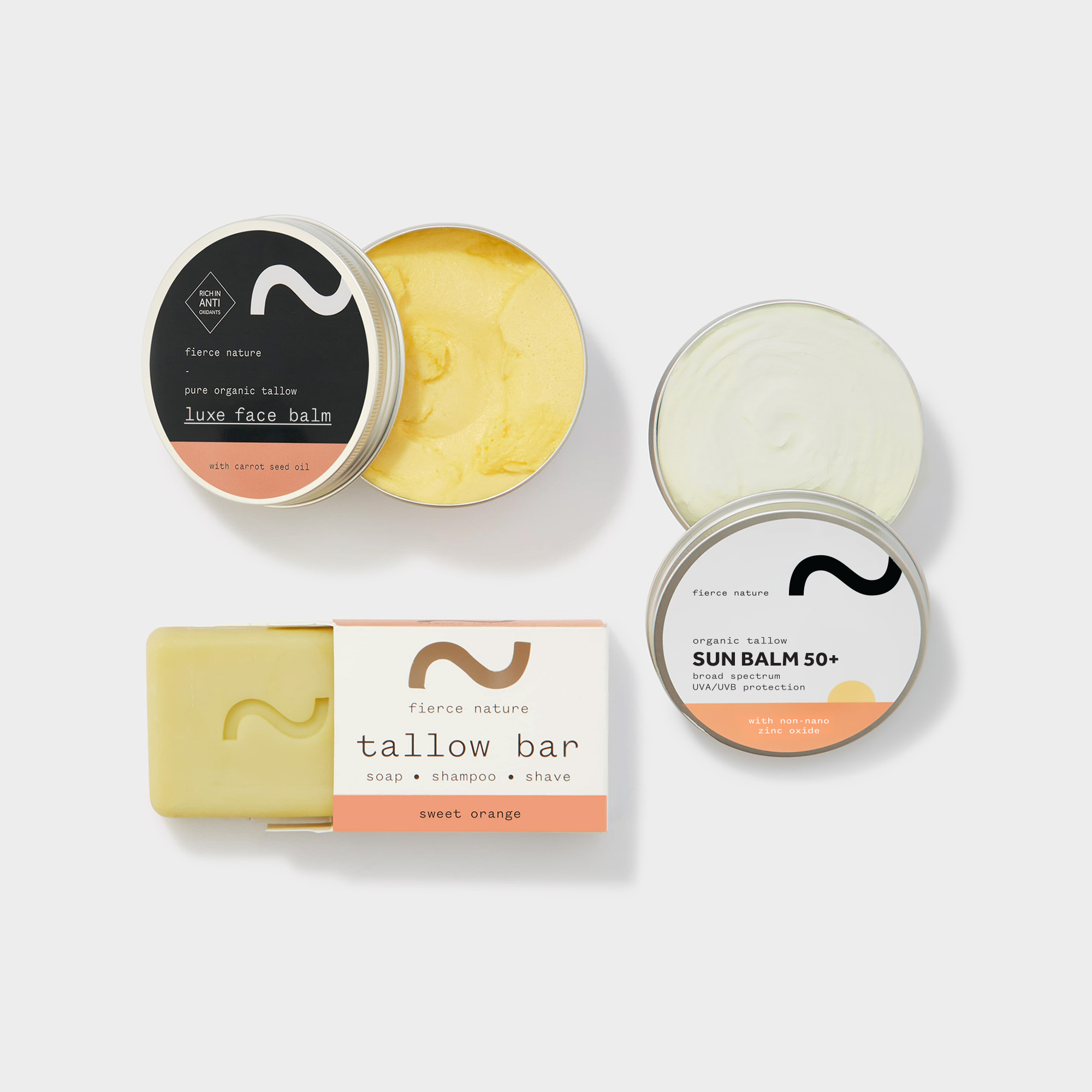
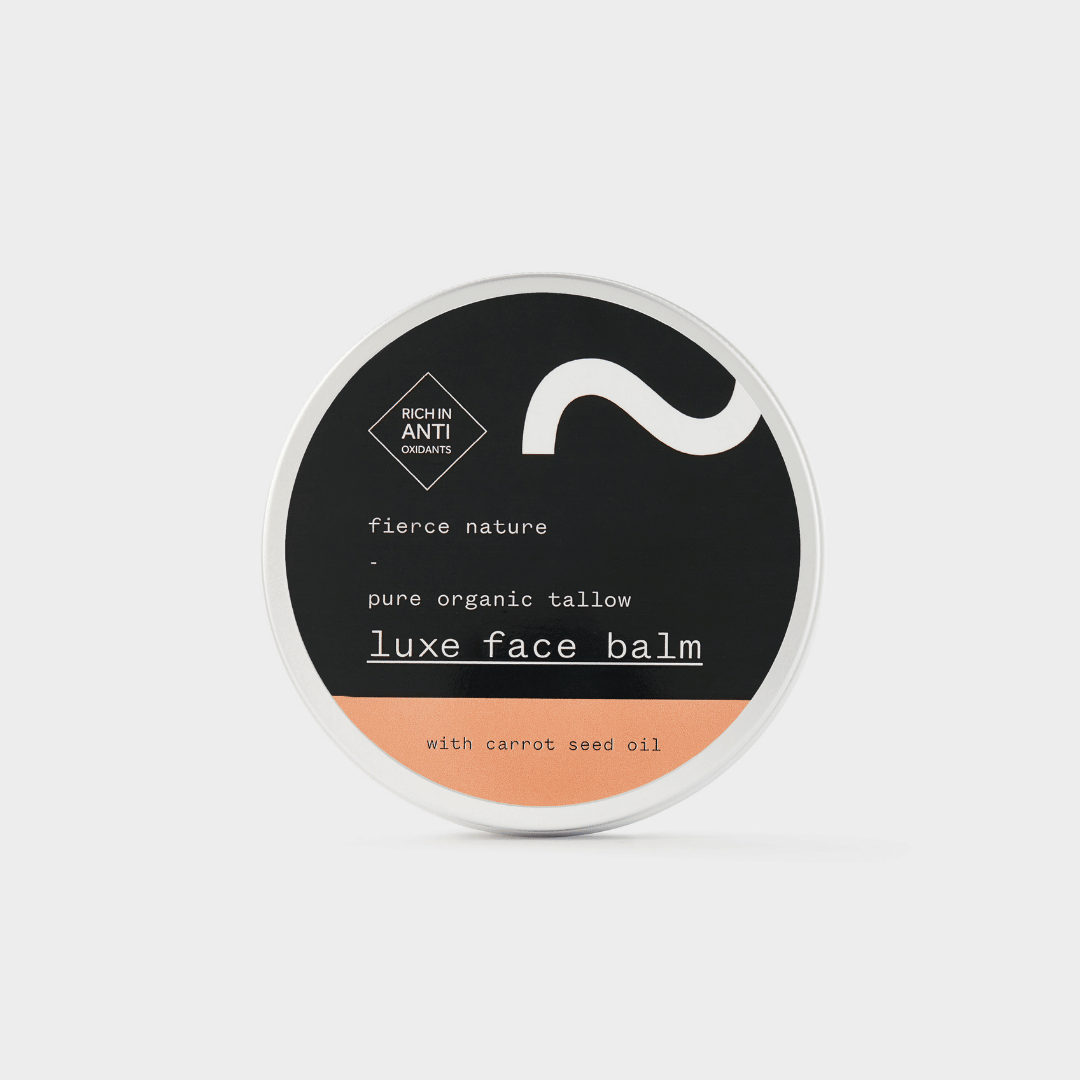
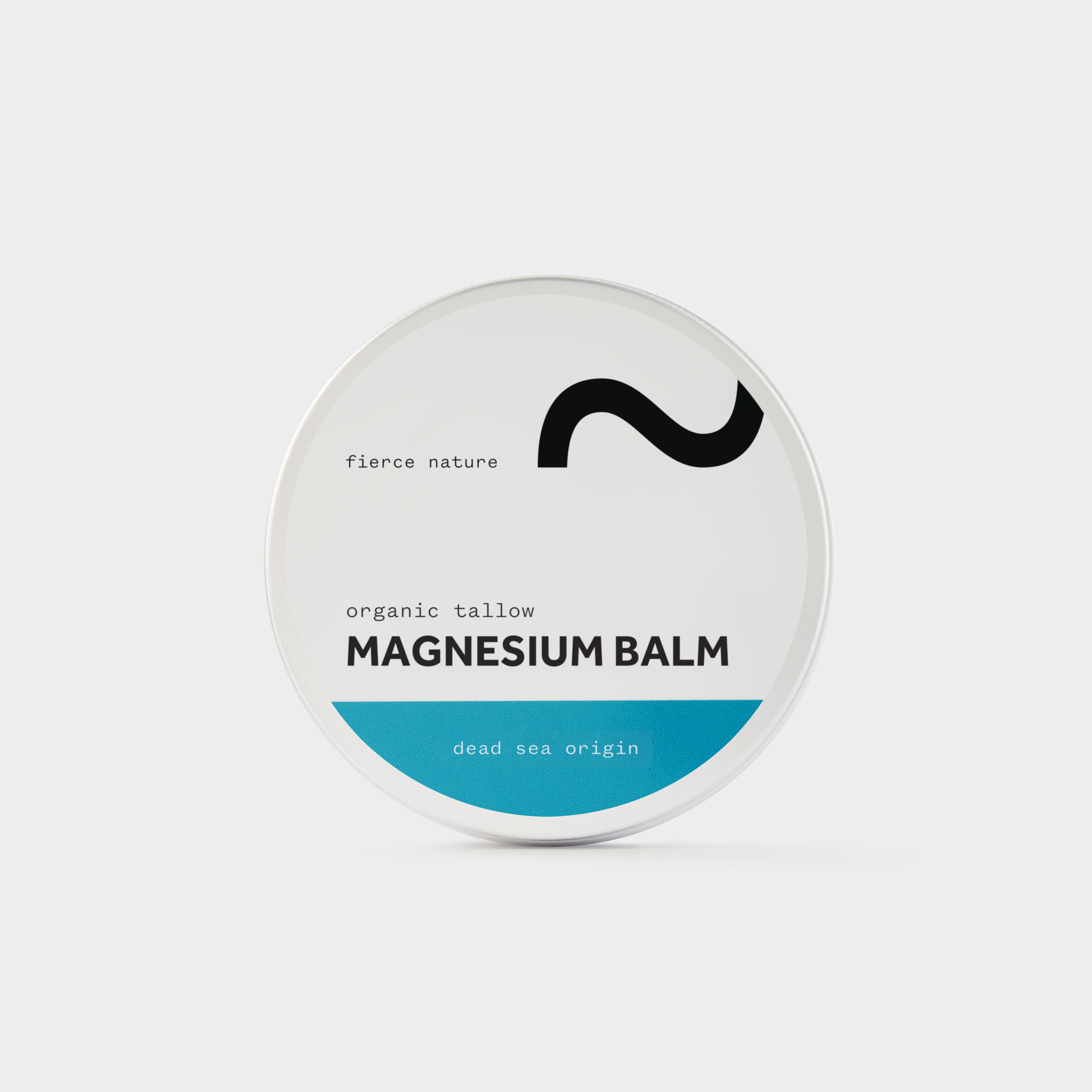
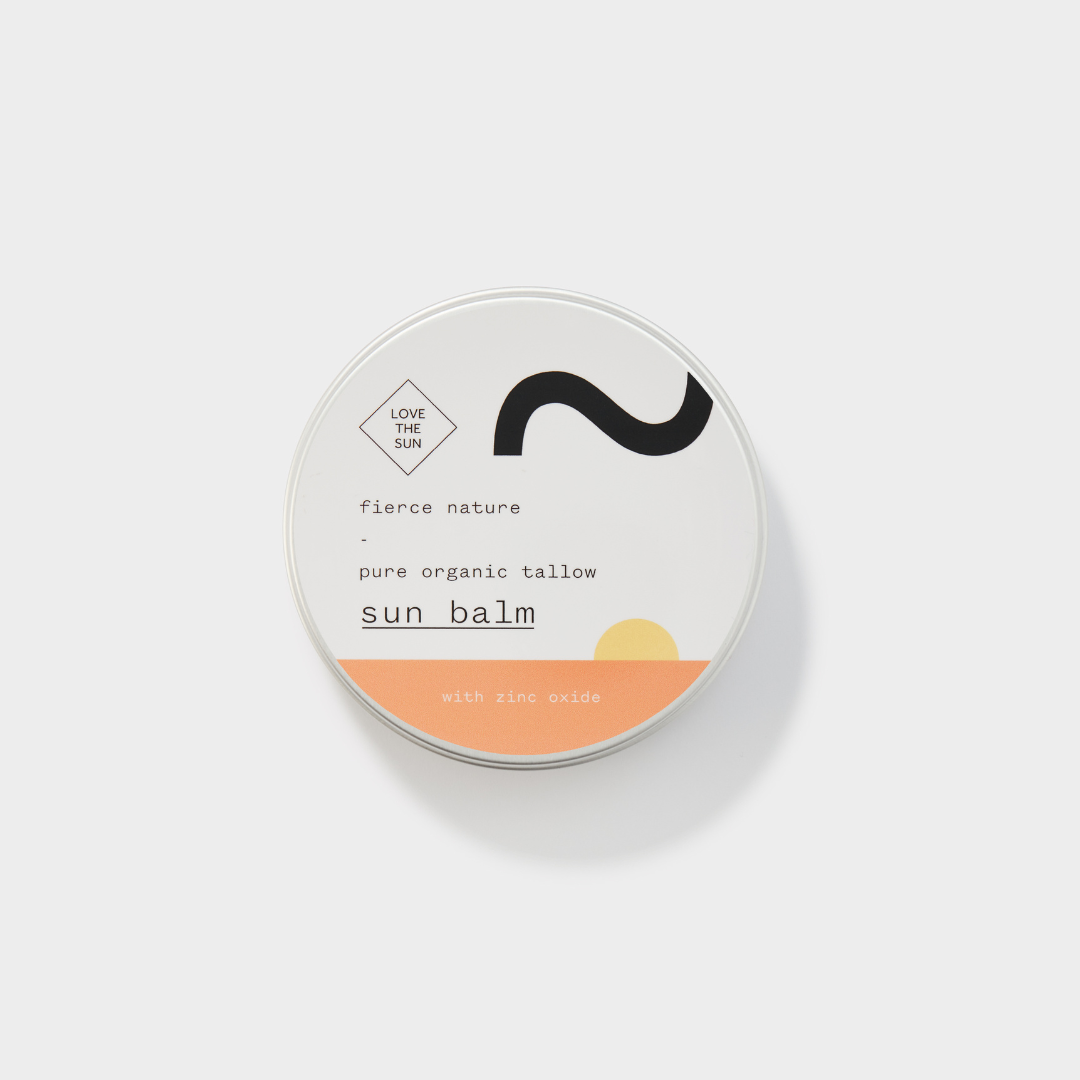
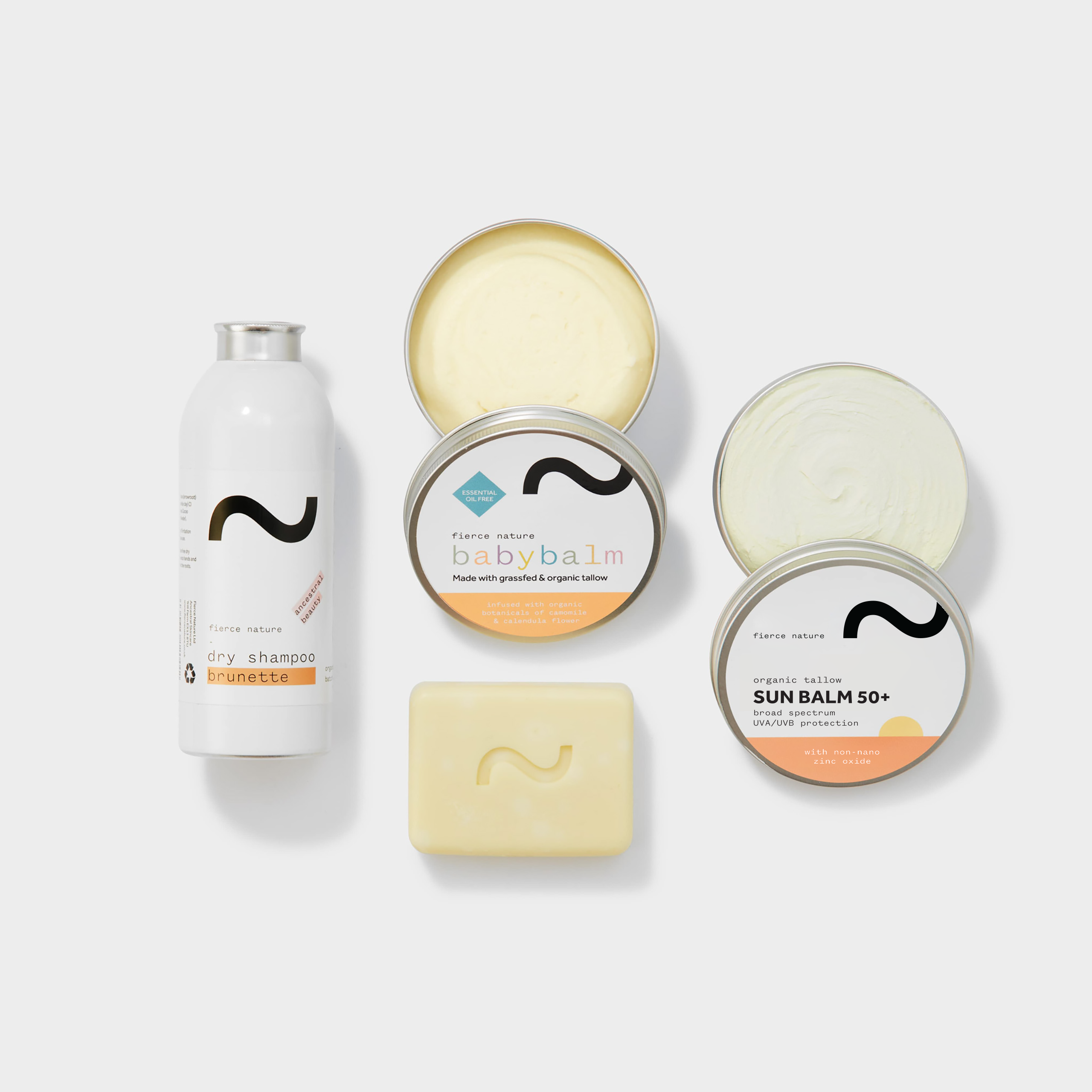
We make handmade, tallow-based face and body balms in the UK, using premium, grass-fed tallow and naturally sourced ingredients. You can browse our face and body balms, the Nourish Balms Collection for dry, thirsty skin, and our Tallow Soaps for a gentle wash. Each product page lists its ingredients, so you can check them against this guide, your own sensitivities and your midwife’s advice before you buy.
Once your baby arrives, our Baby Collection follows the same short-ingredient approach.
Bring up essential oils at your booking appointment or any antenatal check. In particular, ask before using them if:
Your midwife can also tell you whether your local trust has an aromatherapy service, as some NHS trusts do.
No essential oil has been proven safe in pregnancy, because the research has not been done. NHS maternity guidance generally advises avoiding direct contact in the first trimester and using only low dilutions, for external use, after that, ideally with advice from a midwife or a maternity-trained aromatherapist. Clary sage should be avoided until at least 37 weeks.
It is a blending guideline for fragrance, not a safety rule. It splits the drops in a blend into top, middle and base notes in proportions of 30%, 50% and 20%. For pregnancy, the figure that matters is dilution: NHS Wales guidance uses 1 drop of essential oil in 5 ml of carrier oil for a 1% blend.
The guidance we have drawn on covers skin application and aromatherapy in maternity care rather than all-day home diffusing, and there is little research on the latter. If you choose to diffuse, keep sessions short in a well-ventilated room, avoid clary sage, and stop if you feel headachy, nauseous or dizzy. If you have asthma, check with your midwife first.
UKTIS says commercial toiletries typically contain less than 0.01% essential oils, and that use as directed is not thought to increase the risk of adverse pregnancy outcomes. If you are sensitive, in your first trimester or simply prefer to be careful, choose fragrance-free products with a full ingredients list and patch test first.
If you have swallowed any amount, call NHS 111 straight away, or 999 if you feel seriously unwell, and keep the bottle. For a skin reaction, stop using the product, wash the area with soap and water, and contact your midwife or GP if it is more than mild or comes with headache, palpitations or breathlessness.


