Cart
0
You may also like



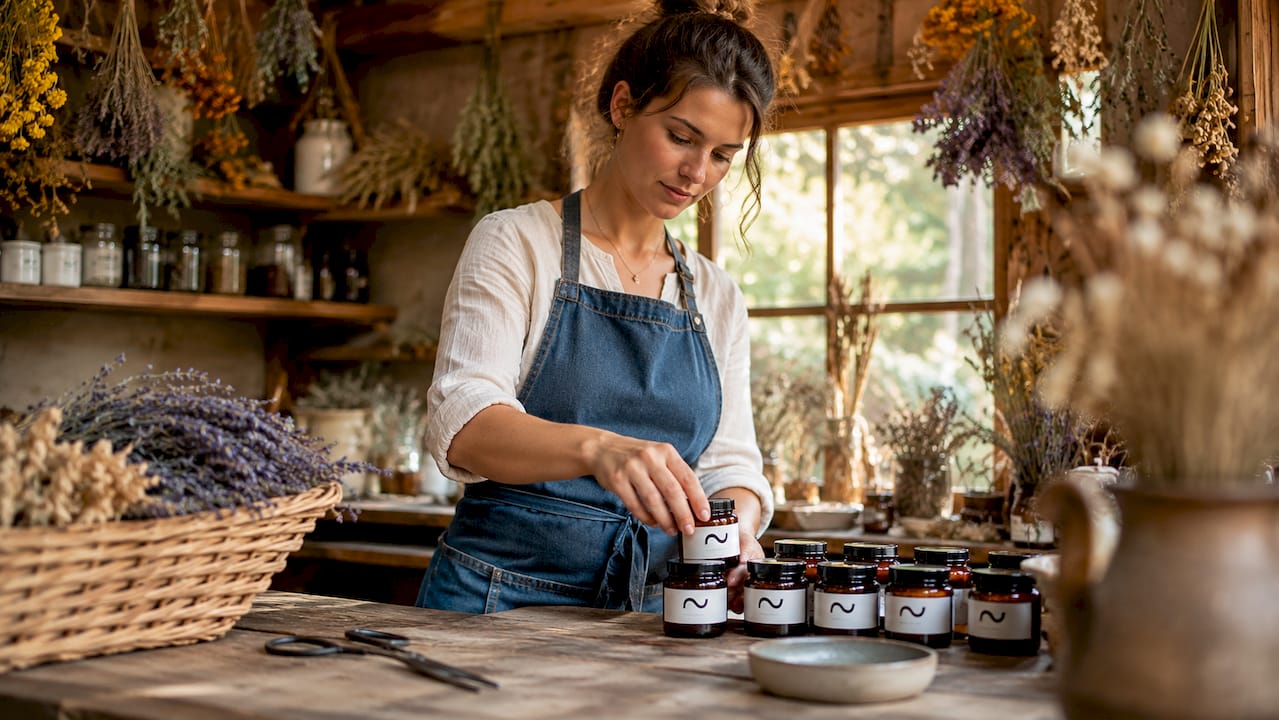
TL;DR:
- Proper storage of handmade tallow balm in cool, dark, airtight glass containers ensures its nourishing properties last 9 to 12 months. Maintaining a stable environment between 15 and 24°C, using clean utensils, and avoiding moisture prevent spoilage and preserve its effectiveness. Texture changes caused by temperature are normal and do not indicate spoilage; signs of actual deterioration include off odour, discolouration, or mould.
Storing handmade tallow balm properly is the single most important factor in preserving its nourishing properties, fresh scent, and skin-restorative texture. Tallow balm, known in cosmetic formulation as an anhydrous fat-based emollient, lasts 9 to 12 months at room temperature when stored correctly. Heat, moisture, and light are the three forces working against it. Get those three things right and your balm stays radiant, effective, and safe for your skin throughout its full shelf life. Whether you make tallow balm at home as a beginner or you have been using handmade products for years, the guidance below covers everything you need to keep your balm at its best.
The best way to keep tallow balm fresh is to store it in a cool, dry location away from direct sunlight and heat sources. A temperature range of roughly 15 to 24°C is ideal. This is cool enough to keep the fat stable without the need for refrigeration in most UK homes, and warm enough to prevent the balm from becoming so firm that it is difficult to scoop.
Heat is the most common enemy. Windowsills, bathroom shelves near showers, and spots close to radiators all expose your balm to warmth that accelerates fat breakdown. Heat and humidity speed up fat degradation and cause the balm to lose its fresh, nourishing character far sooner than necessary. A bedroom shelf, a cool kitchen cupboard, or a bedside drawer are all far better choices.
Bathrooms are particularly risky for storing homemade tallow balm. The repeated cycle of steam and cooling creates humidity fluctuations that introduce moisture into the jar every time you open it. Even a small amount of moisture can compromise a preservative-free product over time. If the bathroom is your only practical option, keep the balm in a sealed bag or a closed cabinet away from the shower.
Pro Tip: If you live somewhere with warm summers, consider moving your balm to the refrigerator door during the hottest months. It will firm up slightly but remains perfectly usable and the cool temperature protects its quality.
Container choice is where many people storing homemade tallow balm make their first mistake. The material, colour, and seal of your jar all affect how long the balm stays fresh and effective. Amber or cobalt glass jars with tight-fitting lids are the gold standard recommended by experienced formulators because they block light and minimise air exposure simultaneously.
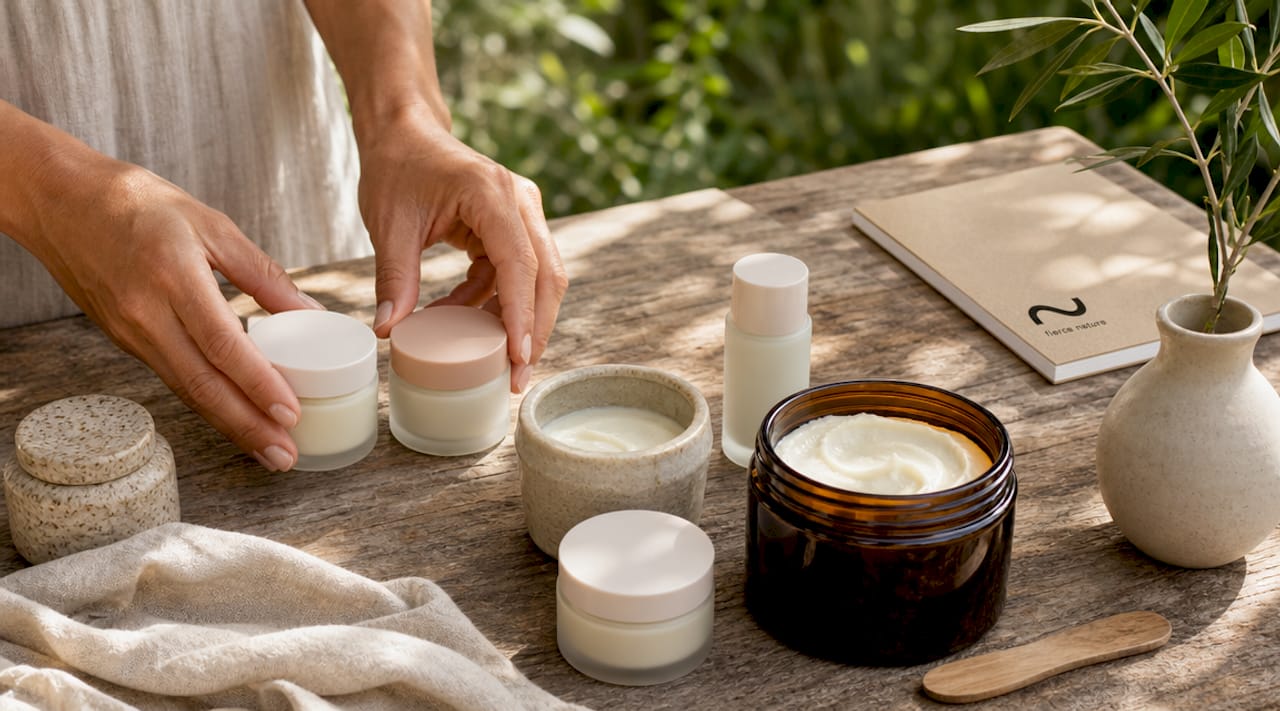
Glass is preferable to plastic for one clear reason: plastic can leach trace chemicals into fat-based products over time, particularly when stored in warm conditions. Tallow is a lipid, and lipids are effective solvents. They draw compounds out of their surroundings, which is precisely why tallow penetrates skin so deeply. That same bioavailability makes it worth protecting with inert, non-reactive glass.
Wide-mouth jars are the most practical choice for daily use at home. They allow you to scoop the balm cleanly without dragging your fingers along the sides of a narrow opening, which reduces contamination risk. Small metal tins are a reasonable alternative for travel because they are lightweight and shatterproof, though they offer less protection from light than amber glass. The table below compares the most common container options.
| Container type | Light protection | Air seal | Best use case | Drawback |
|---|---|---|---|---|
| Amber glass jar (wide-mouth) | Excellent | Excellent with tight lid | Home daily use | Heavier, breakable |
| Cobalt glass jar | Excellent | Excellent with tight lid | Home daily use | Heavier, breakable |
| Clear glass jar | Poor | Good with tight lid | Short-term use only | No UV protection |
| Metal tin (screw-top) | Good | Moderate | Travel, on-the-go | Can react with acidic additives |
| Plastic tub | Poor | Moderate | Not recommended | Risk of chemical leaching |
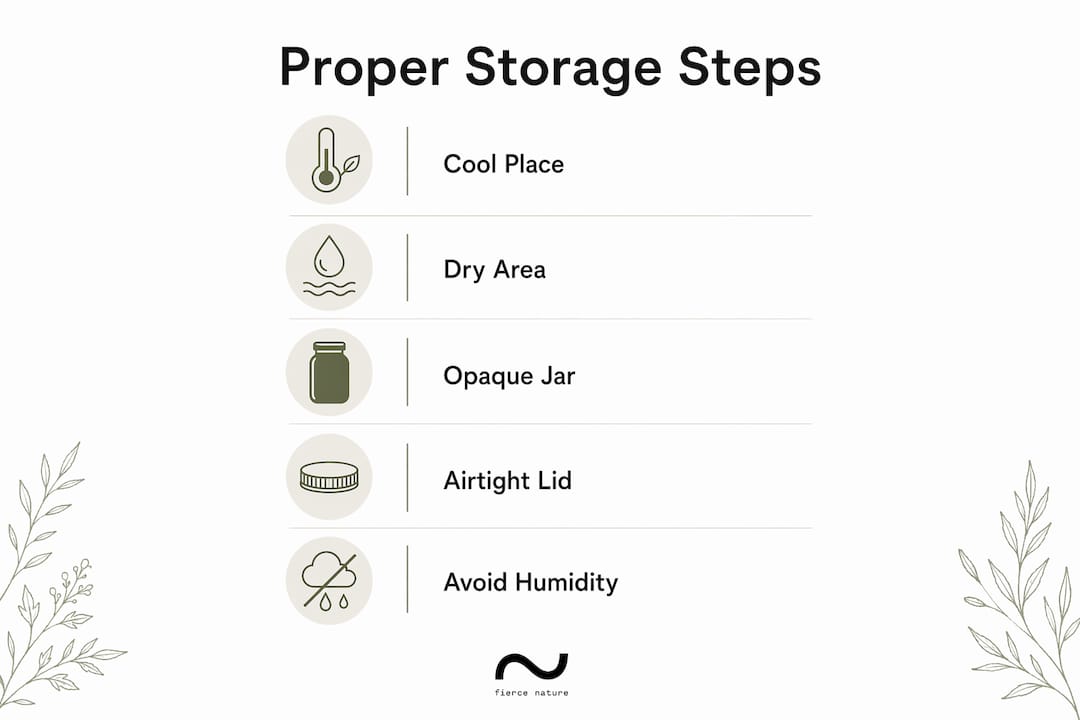
The lid matters as much as the jar itself. A loose or poorly fitting lid allows air to circulate around the balm continuously, which speeds up oxidation. When you are caring for handmade tallow balm over many months, a secure seal is not optional. It is the difference between a balm that smells clean and nourishing at month ten and one that has turned rancid by month four.
Proper handling is where the shelf life of tallow balm is most often shortened in practice. Tallow balm is anhydrous, meaning it contains no water, which is why it does not need preservatives. That is a genuine advantage. The trade-off is that any moisture you introduce from outside becomes a risk. Even tiny amounts of water can create microenvironments where microbial contamination begins, even in a fat-based product.
Repeated contamination from wet or dirty fingers is the most common reason preservative-free tallow balm fails before its time. The fix is straightforward but requires consistency. Follow these steps every time you use your balm.
Pro Tip: Keep a small dedicated cosmetic spatula inside a clean, dry pot next to your balm. It takes seconds to use and adds months to the life of your product. Fiercenature recommends this approach for all jar-format balms.
Vitamin E, which many formulators add to tallow balm, helps slow lipid oxidation from within the formula. Antioxidants like vitamin E mitigate oxidation but they are a supporting measure, not a substitute for good storage and handling. Think of them as your balm’s internal defence, with your storage habits as the outer layer of protection.
One of the most reassuring things to understand about tallow balm is that texture changes are almost always normal. Temperature swings cause firmness or softness changes but do not affect the nourishing properties of a well-made balm. A jar that has softened in summer heat or firmed up in a cool room is not spoiled. It is simply responding to its environment.
If your whipped or softened balm has melted from warmth, place it in the refrigerator for 20 to 30 minutes. Brief refrigeration re-firms melted balm without any loss of quality. Once it returns to a workable consistency, move it back to its regular cool, dry storage spot. You do not need to discard balm simply because it has changed texture from temperature exposure.
Graininess is another texture change that can appear in tallow balm, particularly in products that were cooled too slowly after formulation. Rapid, controlled cooling during formulation encourages uniform fat crystallisation and a smooth texture. If you make tallow balm at home, cooling your batch quickly in an ice bath before it sets can prevent this. Graininess in a stored balm does not indicate spoilage and melts on contact with skin.
The signs that genuinely indicate spoilage are distinct from texture changes. Watch for these:
Signs of spoilage include off odours, colour changes, or visible mould growth. If any of these appear, discard the balm immediately. Do not attempt to scoop around affected areas, as contamination in an anhydrous product spreads through the fat matrix.
If you are unsure, trust your nose. A fresh tallow balm smells clean, faintly fatty, and sometimes gently herbal if botanicals have been added. Anything sharp, sour, or stale is a clear signal to let it go. Your skin deserves only the best.
Storing handmade tallow balm properly requires airtight, opaque glass containers, a cool and dry environment, and consistently clean, dry hands or utensils every time you use it.
| Point | Details |
|---|---|
| Ideal storage temperature | Keep balm between 15 and 24°C, away from heat sources and direct sunlight. |
| Best container choice | Use amber or cobalt glass jars with tight-fitting lids to block light and air. |
| Handling hygiene | Always use clean, dry hands or a dedicated spatula to prevent moisture contamination. |
| Texture changes are normal | Softening or firming from temperature is reversible and does not indicate spoilage. |
| Shelf life expectation | Properly stored tallow balm lasts 9 to 12 months at room temperature. |
By Ralph Barrozo
Most storage guides tell you to keep your balm cool and dry, and then stop there. What they rarely mention is how much the container choice shapes your daily experience of the product, not just its longevity. I have used everything from wide-mouth amber jars to small metal tins, and the difference in how a balm feels to use, and how long it stays genuinely fresh, is significant.
The habit that made the biggest practical difference for me was keeping a small ceramic spatula next to every jar I use regularly. It sounds minor. In practice, it removes the temptation to dip in with damp hands after washing your face, which is exactly when most people reach for their balm. That single change extended the quality of my balms noticeably.
I also want to push back gently on the anxiety that texture changes tend to cause. Many people discard perfectly good balm because it has softened or developed a slightly grainy feel. Those are cosmetic shifts, not signs of failure. The real warning signs, rancid smell, visible mould, and unexpected discolouration, are unmistakable when you know what to look for. Learn to read those signals and you will stop wasting good product out of unnecessary caution.
One more thing worth saying: the quality of the balm you start with matters enormously. A well-formulated product made from clean, premium tallow, like the balms Fiercenature crafts in the UK, gives you a much more forgiving starting point. Good ingredients, stored well, are genuinely resilient. You can find more practical guidance on building a nourishing daily routine on the Fiercenature skin blog.
— Ralph Barrozo
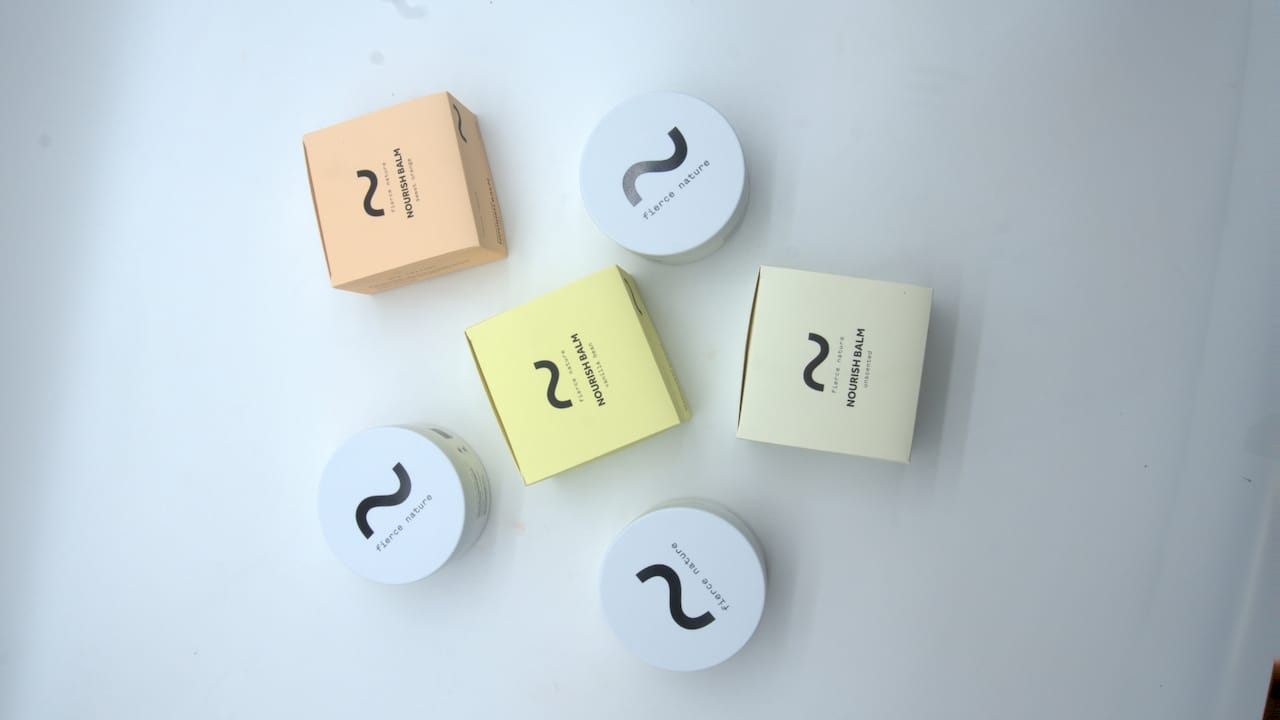
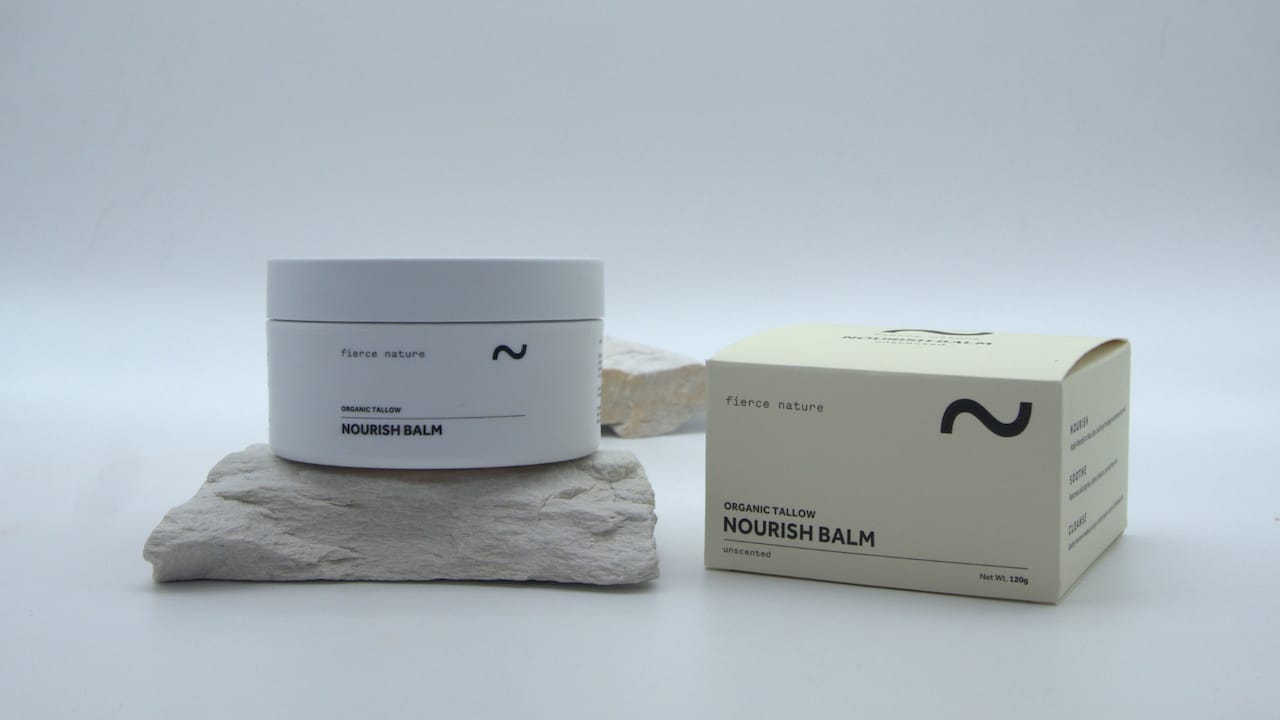
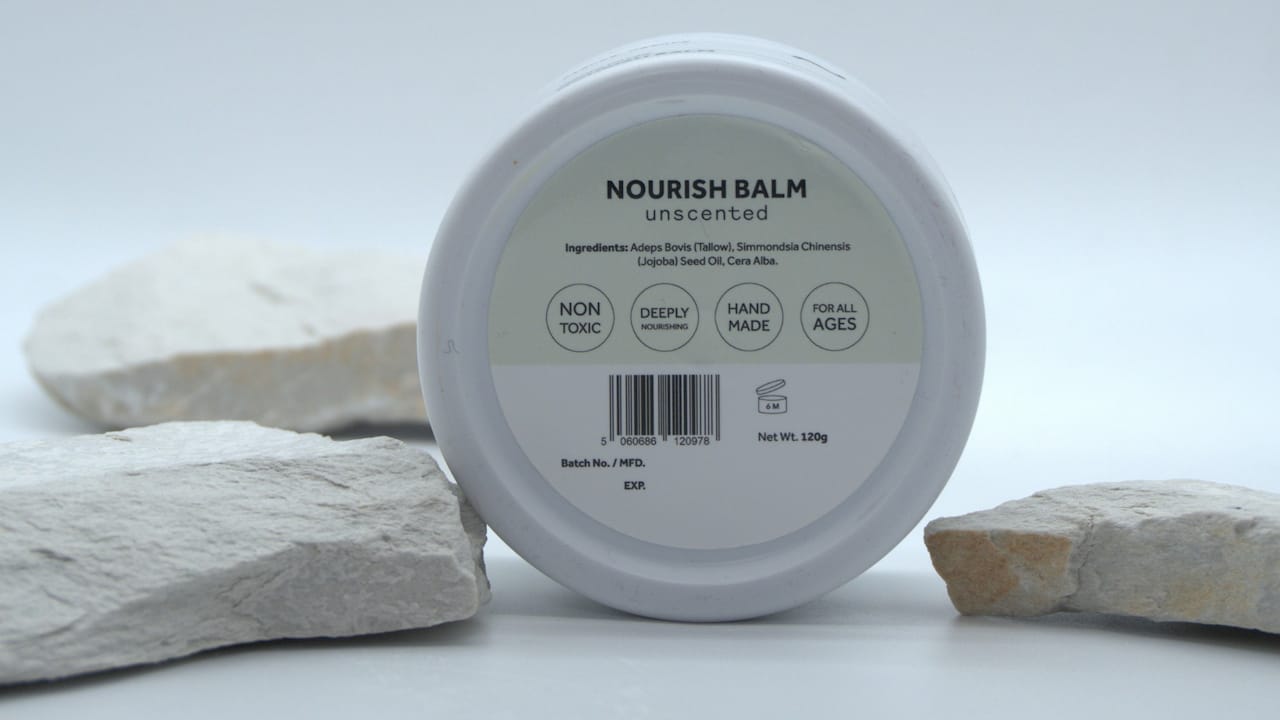
If you are ready to put these storage principles into practice with a balm worth protecting, Fiercenature’s range of handmade, non-toxic tallow balms is a natural place to start. Every product is crafted in the UK using pure organic tallow as its foundation, with no harsh chemicals or synthetic fillers. The unscented nourish balm is a favourite for those who prefer a clean, fragrance-free option that works beautifully on both face and body. For those who love a gentle citrus lift, the sweet orange variant brings a restorative warmth to your skincare ritual. Explore the full organic face and body balm collection and find the balm that fits your skin and your routine.
Properly stored tallow balm lasts 9 to 12 months at room temperature. Refrigeration can extend this further, though it will firm the texture.
Refrigeration is not required for most tallow balms stored at room temperature. It is a useful option during hot weather or to re-firm a balm that has softened, but a cool, dry cupboard is sufficient for everyday storage.
Graininess typically results from slow or uneven cooling during formulation rather than spoilage. The texture melts on contact with skin and does not affect the balm’s nourishing properties.
Bathrooms are not ideal for storing homemade tallow balm because steam and humidity fluctuations introduce moisture into the jar. A bedroom shelf or cool kitchen cupboard is a far better choice for maintaining freshness.
Signs of spoilage include a rancid or sour smell, unexpected colour changes, and visible mould growth. Texture changes from temperature alone are not a sign of spoilage.