Cart
0
You may also like



TL;DR:
Greenwashing in beauty involves misleading environmental claims about products that often lack credible evidence to support those promises.
Many brands use vague terms or unverified labels such as “natural,” “clean,” or “reef-safe,” which are increasingly scrutinized under upcoming 2026 regulations.
Greenwashing in beauty is defined as the practice of making misleading environmental or natural claims to sell products that do not live up to those promises. Brands like Garnier, Herbal Essences, and Supergoop have all faced scrutiny over claims such as “natural,” “clean,” and “reef-safe” that lack credible, independent backing. These are not isolated incidents. They represent a pattern of misleading eco-friendly claims that affects millions of UK shoppers every year. With EU and UK regulations tightening significantly in 2026, understanding real examples of greenwashed beauty products has never been more useful.
Herbal Essences is one of the most cited examples of misleading “natural” claims in the beauty industry. A lawsuit alleged that the brand’s high-percentage “natural origin” claims were misleading because many of those ingredients had been chemically modified beyond what most consumers would consider natural. The term “natural origin” can legally include substances that started as plant material but were then processed with petrochemicals. That gap between consumer expectation and technical definition is exactly where greenwashing in cosmetics thrives.

Garnier’s “Green Beauty” umbrella branding follows a similar pattern. The range uses green-tinted packaging and sustainability language while some products still contain sodium lauryl sulphate (SLS) and synthetic fragrances. The branding implies a holistic commitment to nature that the ingredient lists do not always support.
Key misleading tactics used in “natural” claims:
High percentage figures like “98% natural origin” that include chemically processed derivatives
Umbrella brand names like “Green Beauty” or “Pure” applied across an entire range regardless of individual product formulas
Vague terms like “plant-based” or “botanical” with no definition of what qualifies
Fine print that redefines “natural” in ways most shoppers never read
Pro Tip: When a product claims a high percentage of natural ingredients, look for the asterisk. If the definition of “natural” is buried in fine print or on a website rather than clearly on the label, treat the claim with scepticism.
Consumers’ reasonable interpretation of “natural” or “plant-based” rarely aligns with the technical definitions brands rely on in court. Regulators and courts are increasingly taking notice of this gap.
“Clean beauty” is a self-created marketing term with no legal definition in the UK or EU. Any brand can print it on a bottle without meeting a single external standard. This makes it one of the most widely misused phrases in the industry. Brands that self-create sustainability labels like “clean,” “green,” or “pure” without third-party certification are doing exactly what EU regulators have moved to ban from September 2026.
The problem is compounded when “clean” is used to imply that a product is free from all harmful ingredients, when in reality it may only exclude one or two commonly discussed chemicals. A shampoo marketed as “clean” because it excludes parabens may still contain synthetic fragrance, PEGs, or other ingredients that conscious consumers actively avoid. This selective exclusion framing is a well-documented greenwashing tactic.
Third-party certifications like the COSMOS standard (administered by the Soil Association in the UK), Ecocert, and the Leaping Bunny programme provide genuinely independent verification. Products carrying these marks have met defined criteria reviewed by an external body. A brand-invented “clean” badge carries none of that weight.
“Reef-safe” is not a regulated term in the UK or EU. Any brand can use it without meeting defined environmental standards, which makes it one of the most misleading eco-friendly claims in the sunscreen category. Supergoop’s Unseen Sunscreen has been examined under this lens, with investigators questioning whether the formulation genuinely protects marine ecosystems or simply avoids the two most commonly cited UV filters, oxybenzone and octinoxate.
The issue is that “reef-safe” has no agreed scientific definition. Removing two UV filters does not automatically make a sunscreen safe for coral reefs. Other ingredients in the formula may still cause environmental harm. Without third-party certification from a body like the Reef Safe Certified programme or independent marine toxicology testing, the claim is essentially decorative.
How to assess a “reef-safe” claim:
Check whether the brand cites independent marine toxicology testing, not just an internal formulation decision.
Look for third-party certification rather than a self-applied label.
Read the full ingredient list, not just the absence of oxybenzone or octinoxate.
Search for the brand’s environmental impact reports or supply chain disclosures.
Be aware that “reef-safe” claims warrant scepticism without verifiable evidence behind them.
Pro Tip: Mineral sunscreens using non-nano zinc oxide are generally considered a safer choice for marine environments, but even these should carry independent certification before you take the “reef-safe” label at face value.
No. 7 Beauty faced class-action litigation over wipes labelled as “biodegradable” that allegedly cannot biodegrade under typical household waste conditions. This is a critical distinction that most shoppers miss entirely. A product may pass industrial composting tests under controlled conditions of heat, moisture, and microbial activity. Those conditions do not exist in a household bin, a landfill, or a drain.
The complaint against No. 7 Beauty argued that the gap between industrial composting standards and real-world disposal environments made the “biodegradable” claim deceptive. Shoppers who bought the wipes believing they were making a more responsible choice were, in effect, paying a green premium for a product that behaved no differently from conventional wipes in practice.
This is a pattern across the wipes and single-use product category. Brands frequently cite certifications that apply only under industrial conditions without making that limitation clear on the packaging. The result is that consumers feel virtuous about a purchase that delivers no meaningful environmental benefit.
Percentage claims on beauty packaging are frequently accompanied by asterisks that lead to definitions most shoppers never read. Legal analysis by Rebecca Tushnet highlights that qualifying definitions hidden behind asterisks or accessible only via a website link create genuine ambiguity in consumer protection cases. The front of the pack says “97% natural.” The asterisk says “as defined by ISO 16128.” Most consumers do not know what ISO 16128 means, and they are not expected to.
ISO 16128 is an industry standard that allows chemically processed derivatives of natural substances to count as “natural origin” ingredients. Under this definition, a substance that began as a coconut but was processed into a surfactant using industrial chemistry still qualifies. The percentage figure is technically accurate under the standard but misleading under any ordinary reading of the word “natural.”
When you see a percentage natural claim on a product, always ask: natural by whose definition, and is that definition visible without a magnifying glass or a Google search?
Garnier’s “Green Beauty” is a textbook example of umbrella brand sustainability naming, where a sustainability-themed brand identity is applied across an entire product range regardless of individual product credentials. This practice is specifically targeted by the EU ECGT Directive, which bans vague environmental claims in cosmetics from 27 September 2026 unless they are fully substantiated at the product level.
The problem with umbrella naming is that it allows a brand to benefit from a sustainability halo without every product in the range earning that status. A consumer who buys into the “Green Beauty” positioning reasonably expects that all products under that name meet a consistent environmental standard. When they do not, the brand has used sustainability as a marketing device rather than a genuine commitment.
From 2026, EU law requires that environmental claims be specific, verifiable, and substantiated at the level of the individual product. Broad brand-level sustainability positioning without product-level evidence will no longer be legally acceptable in EU markets.
A product can arrive in recycled packaging and still contain a formula loaded with synthetic chemicals. This disconnect between packaging sustainability and formula sustainability is one of the most common forms of misleading marketing in beauty. Brands frequently lead with packaging credentials because they are visible, tangible, and easy to photograph for social media. The formula, which is where most of the environmental and health impact lies, receives far less attention.
UK guidance from the Competition and Markets Authority (CMA) is clear: environmental claims must be accurate across the full product lifecycle, not just the packaging. A brand that promotes recycled packaging while using synthetic fragrance, microplastics, or non-biodegradable preservatives in the formula is making a partial claim that creates a misleading overall impression.
Look at the full picture. Packaging is one part of a product’s environmental footprint. The formula, the supply chain, and the disposal method all matter equally.
The regulatory environment around green claims in beauty is changing substantially in 2026. The EU ECGT Directive, effective from 27 September 2026, bans vague environmental marketing terms in cosmetics including “natural,” “clean,” “eco,” and “green” unless they are fully substantiated with evidence. There is no grace period. Brands selling into EU markets must comply from that date.
In the UK, the CMA’s Green Claims Code requires that environmental claims be backed by robust, credible, relevant, and up-to-date evidence, often involving supply chain verification. The UK is also tightening cosmetics substance restrictions, with the prohibition of 4-MBC effective 15 July 2026 under SI 2026/23.
| Regulation | Key Requirement | Effective Date |
|---|---|---|
| EU ECGT Directive | Bans unsubstantiated “natural,” “clean,” “eco” claims | 27 September 2026 |
| UK CMA Green Claims Code | Requires supply chain evidence for all green claims | Ongoing enforcement |
| UK SI 2026/23 | Prohibits 4-MBC in cosmetics on the GB market | 15 July 2026 |
These changes mean that brands relying on vague sustainability language face real legal risk. For consumers, the regulations provide a useful benchmark: if a claim would not survive regulatory scrutiny, it probably does not deserve your trust.
Recognising misleading eco-friendly claims is a skill that gets sharper with practice. Here are the most reliable indicators that a beauty product’s green credentials deserve closer examination.
Vague language without certification. Words like “natural,” “clean,” “pure,” or “eco” on their own, without a recognised third-party certification mark, are marketing terms rather than verified claims.
Selective ingredient exclusions. “Free from parabens” or “no SLS” implies overall safety or sustainability but says nothing about the rest of the formula. One removed ingredient does not make a product genuinely clean.
Overuse of green aesthetics. Leaf motifs, brown kraft paper packaging, and green colour palettes are visual cues designed to trigger sustainability associations. They carry no factual weight.
Asterisks and fine print. Any claim qualified by an asterisk that leads to a definition buried in small print or online deserves scrutiny.
Biodegradability claims without disposal context. If a product claims to be biodegradable, check whether that applies under industrial composting conditions or in ordinary household disposal.
No supply chain transparency. Genuine sustainability requires evidence across the supply chain. Brands that cannot or will not share this information are unlikely to have it.
“The difference between genuine sustainability and greenwashing is the quality and verifiability of the evidence behind the claim.” — UK CMA Green Claims Guidance
Pro Tip: The UK CMA’s Green Claims Code is freely available online and sets out exactly what constitutes a credible environmental claim. Reading it once will permanently sharpen your ability to assess beauty marketing.
Building a genuinely natural skincare routine starts with understanding what is actually in the products you choose, not what the packaging suggests.
Greenwashing in beauty is defined by the gap between what a brand claims and what the evidence actually supports, and 2026 regulations in the UK and EU are closing that gap fast.
| Point | Details |
|---|---|
| “Natural” claims mislead | High percentage figures often include chemically processed derivatives that most consumers would not consider natural. |
| “Reef-safe” is unregulated | Any brand can use this term without meeting defined environmental standards or independent testing. |
| Biodegradable claims need context | Industrial composting certifications do not reflect typical household disposal, making many claims deceptive. |
| 2026 regulations ban vague terms | The EU ECGT Directive prohibits unsubstantiated use of “natural,” “clean,” and “eco” from 27 September 2026. |
| Certification is the key differentiator | Third-party marks like COSMOS and Ecocert provide genuine independent verification that brand-created labels cannot match. |
At Fierce Nature, we have watched the rise of “clean beauty” marketing with a mixture of frustration and recognition. Frustration because the term has been hollowed out by brands that use it as a sales device rather than a genuine commitment. Recognition because we understand the impulse behind it. Consumers are right to want products that are honest, nourishing, and free from unnecessary chemicals. The problem is that greenwashing exploits that desire.
We started Fierce Nature because we experienced firsthand what happens when your skin is exposed to years of synthetic chemicals disguised as beauty products. The rashes, the reactions, the confusion. When we finally understood the connection between toxic load and skin health, we could not go back to conventional formulations. That experience shapes everything we make.
What concerns us most about greenwashing is not just the individual misleading claim. It is the cumulative erosion of trust. When consumers discover that “natural” does not mean what they thought, or that “biodegradable” only applies under industrial conditions, they become cynical about all sustainability claims. That cynicism makes it harder for genuinely transparent brands to be heard.
The hopeful trend is that regulators are catching up. The 2026 EU and UK changes represent a meaningful shift. Brands that have built their positioning on vague language will need to either substantiate their claims or change them. For conscious consumers, that is genuinely good news.
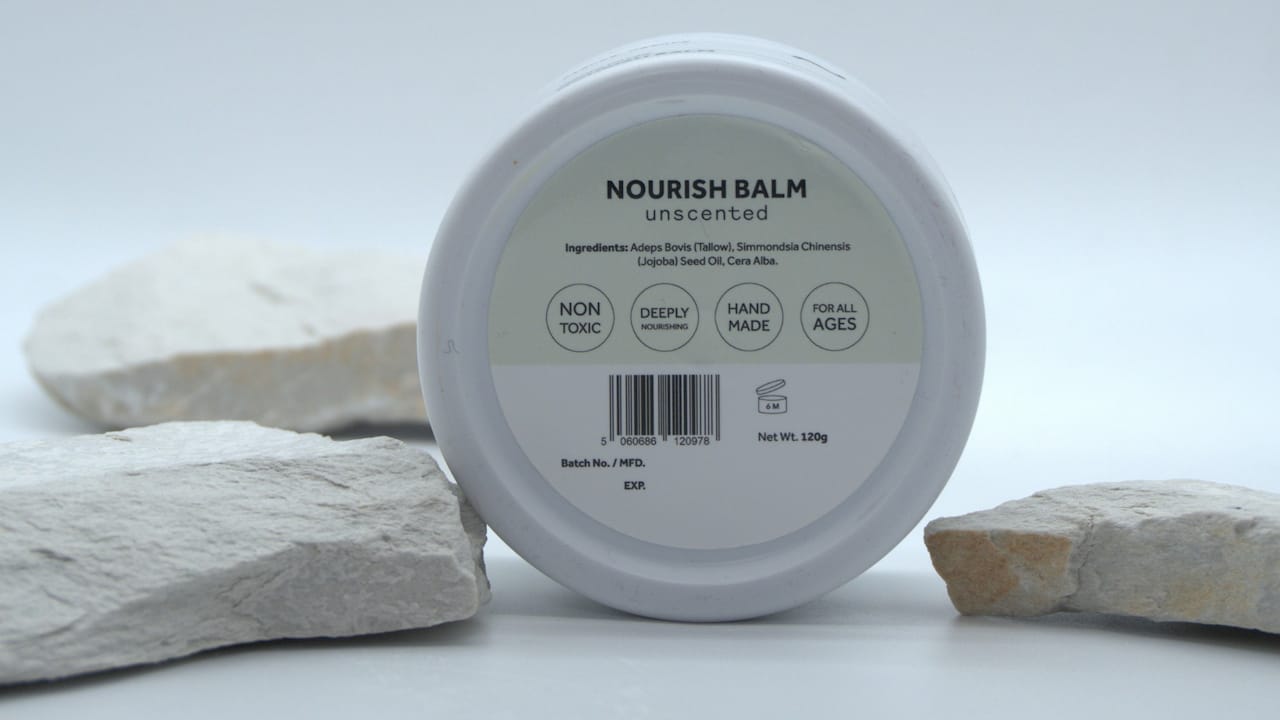
Our advice is to prioritise brands that show their working. Transparent ingredient lists, third-party certifications, and honest supply chain disclosures are the marks of a brand that takes its commitments seriously. A non-toxic, unscented product with a fully visible ingredient list tells you far more than a “clean beauty” badge ever could.
— Fierce Nature
At Fierce Nature, we believe you deserve to know exactly what you are putting on your skin. Every product we make is handcrafted in the UK using premium, naturally sourced ingredients with pure organic tallow as the foundation. There are no synthetic fragrances, no misleading percentage claims, and no self-created “clean” labels. Just honest, nourishing formulations that work with your skin, not against it.
If you are ready to move away from greenwashed products and towards something genuinely transparent, explore our natural skin tint range for radiant, nourishing coverage you can trust. For everyday skincare, our unscented tallow bar offers a simple, pure alternative to products that promise nature but deliver a laboratory.
Greenwashing in the beauty industry is the practice of making unsubstantiated or misleading environmental and natural claims to market products. Common examples include using terms like “natural,” “clean,” or “eco” without independent certification or credible evidence.
Herbal Essences, Garnier, No. 7 Beauty, and Supergoop have all faced scrutiny or litigation over claims including “natural origin” percentages, “Green Beauty” umbrella branding, “biodegradable” wipes, and “reef-safe” sunscreens.
No. “Reef-safe” is not a regulated term in the UK or EU, meaning any brand can use it without meeting defined environmental standards. Independent marine toxicology testing or third-party certification is the only reliable way to verify such a claim.
The EU ECGT Directive, effective 27 September 2026, bans the use of vague environmental terms like “natural,” “clean,” and “eco” in cosmetics unless fully substantiated. There is no grace period, and brands selling into EU markets must comply from that date.
Look for third-party certifications such as COSMOS, Ecocert, or Leaping Bunny rather than brand-created labels. Check that ingredient lists match the marketing claims, and verify that any biodegradability or environmental claims apply to real-world disposal conditions, not just industrial composting.