Cart
0
80% Also Added this


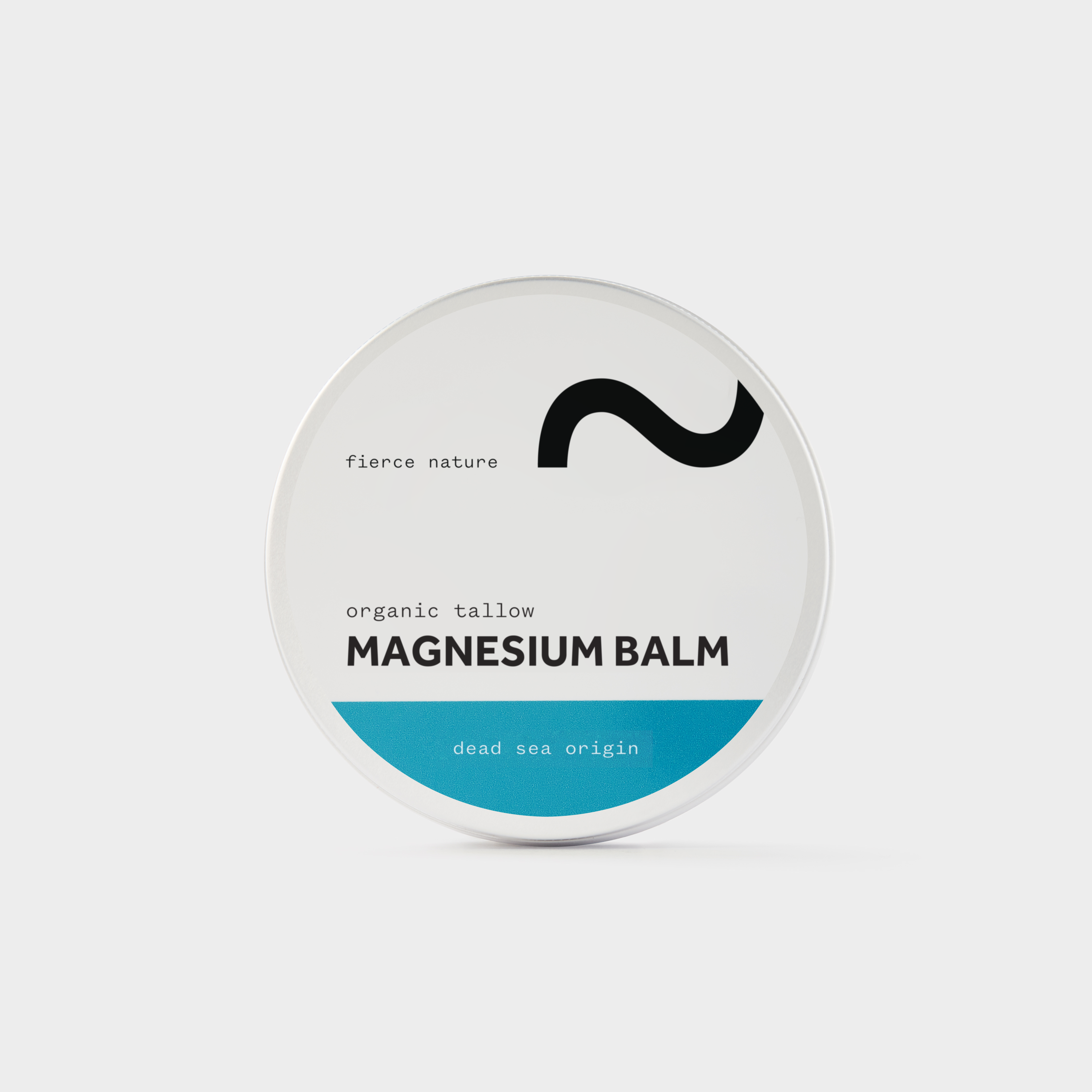
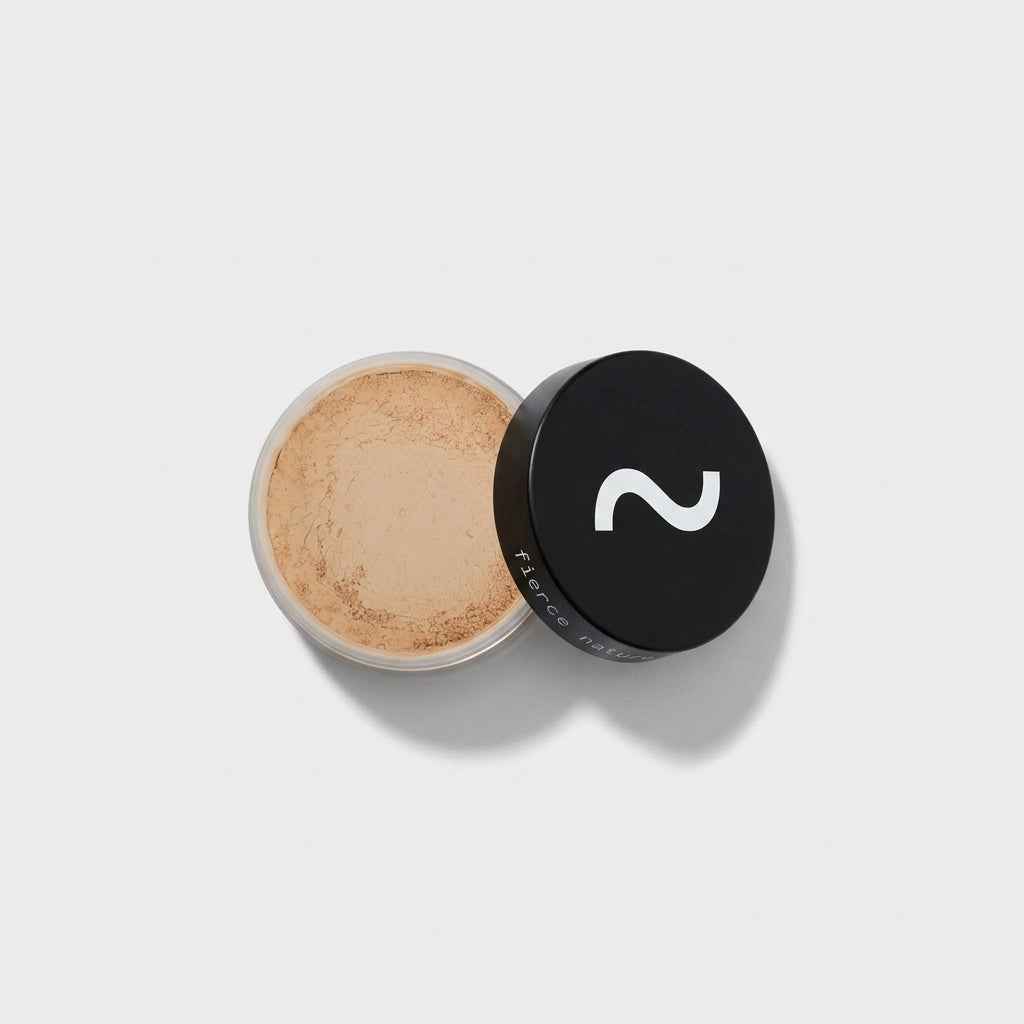
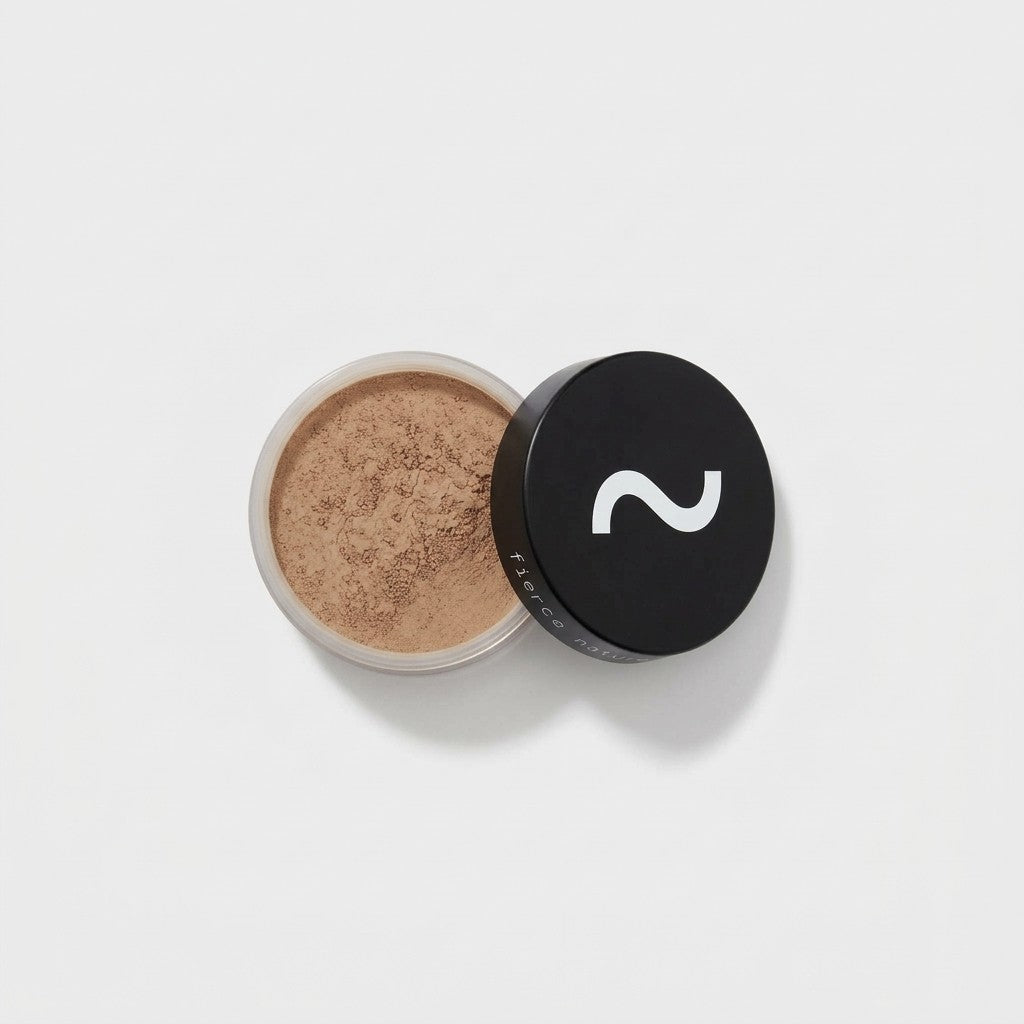
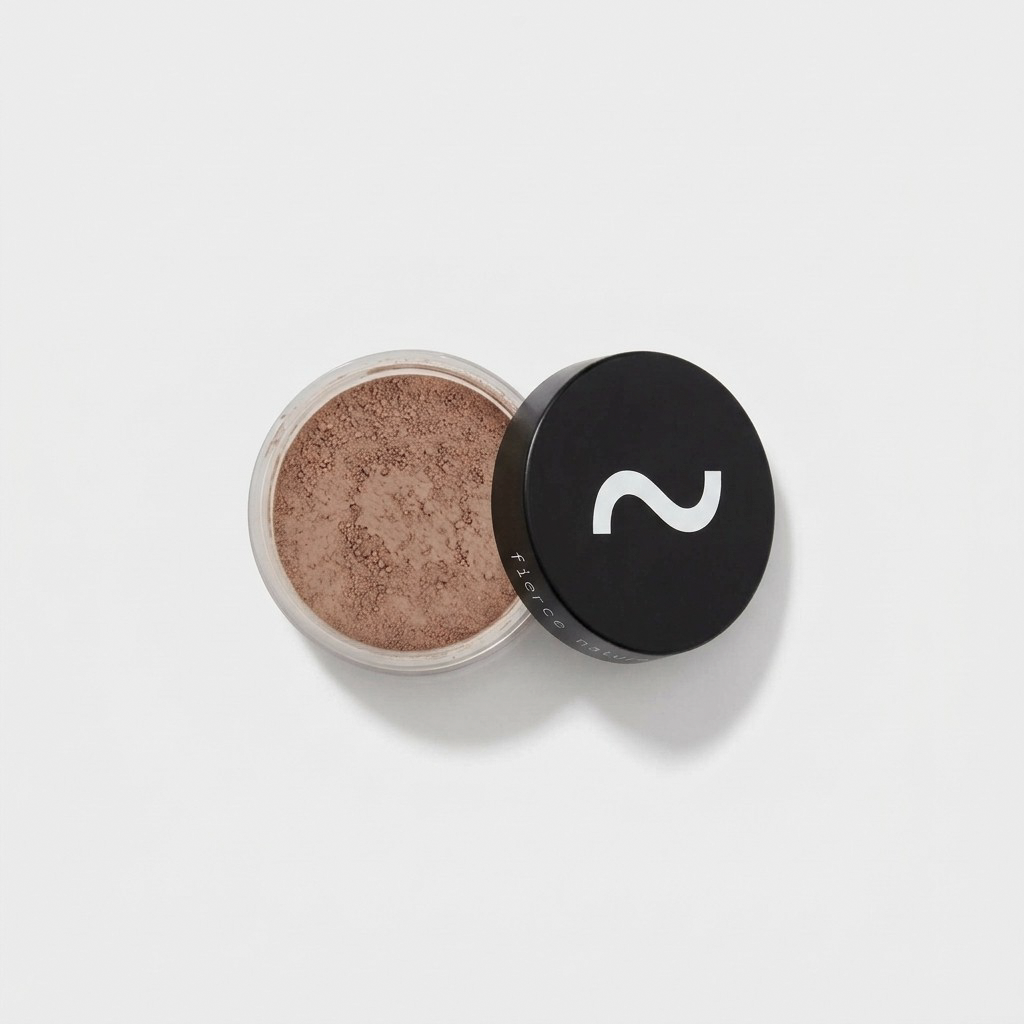
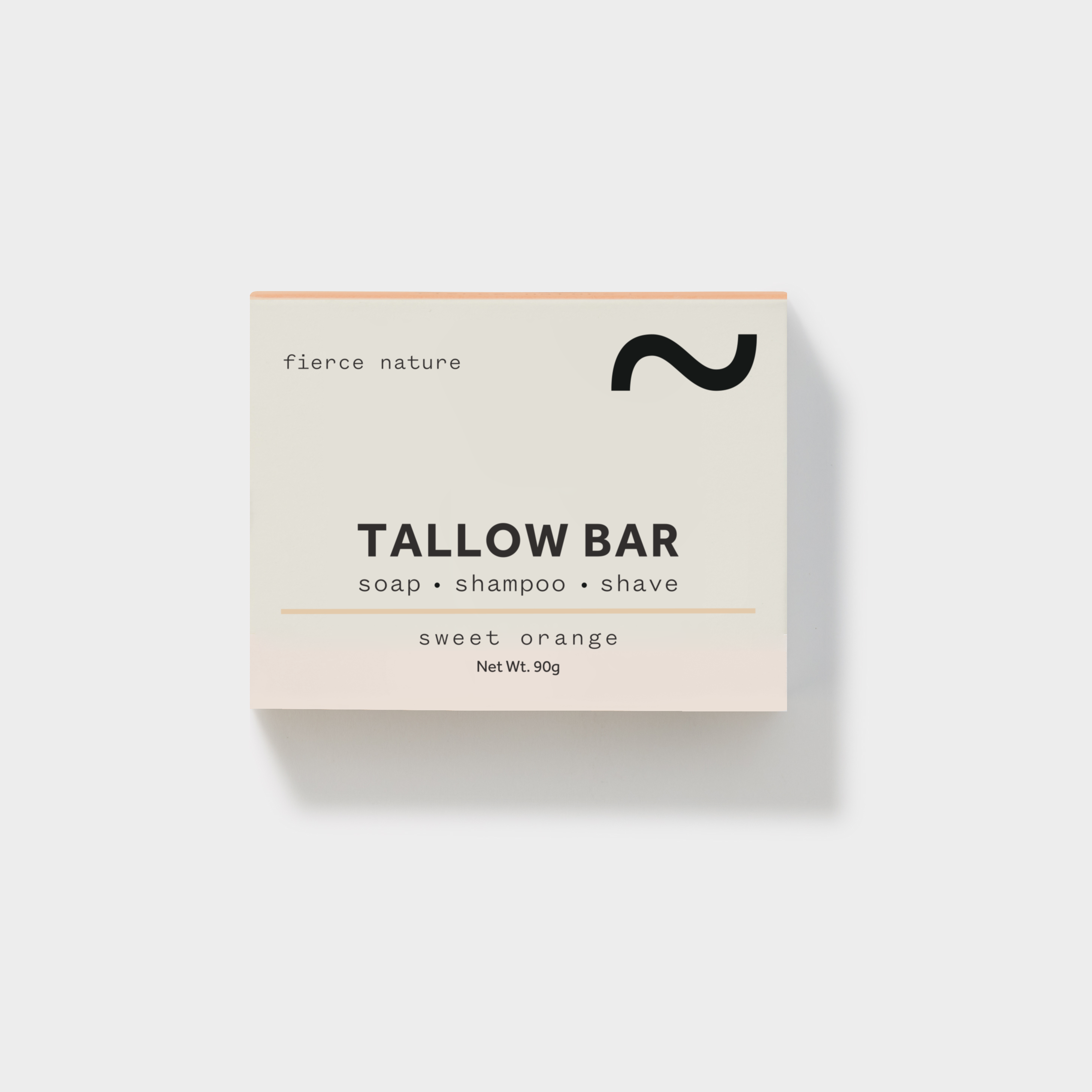
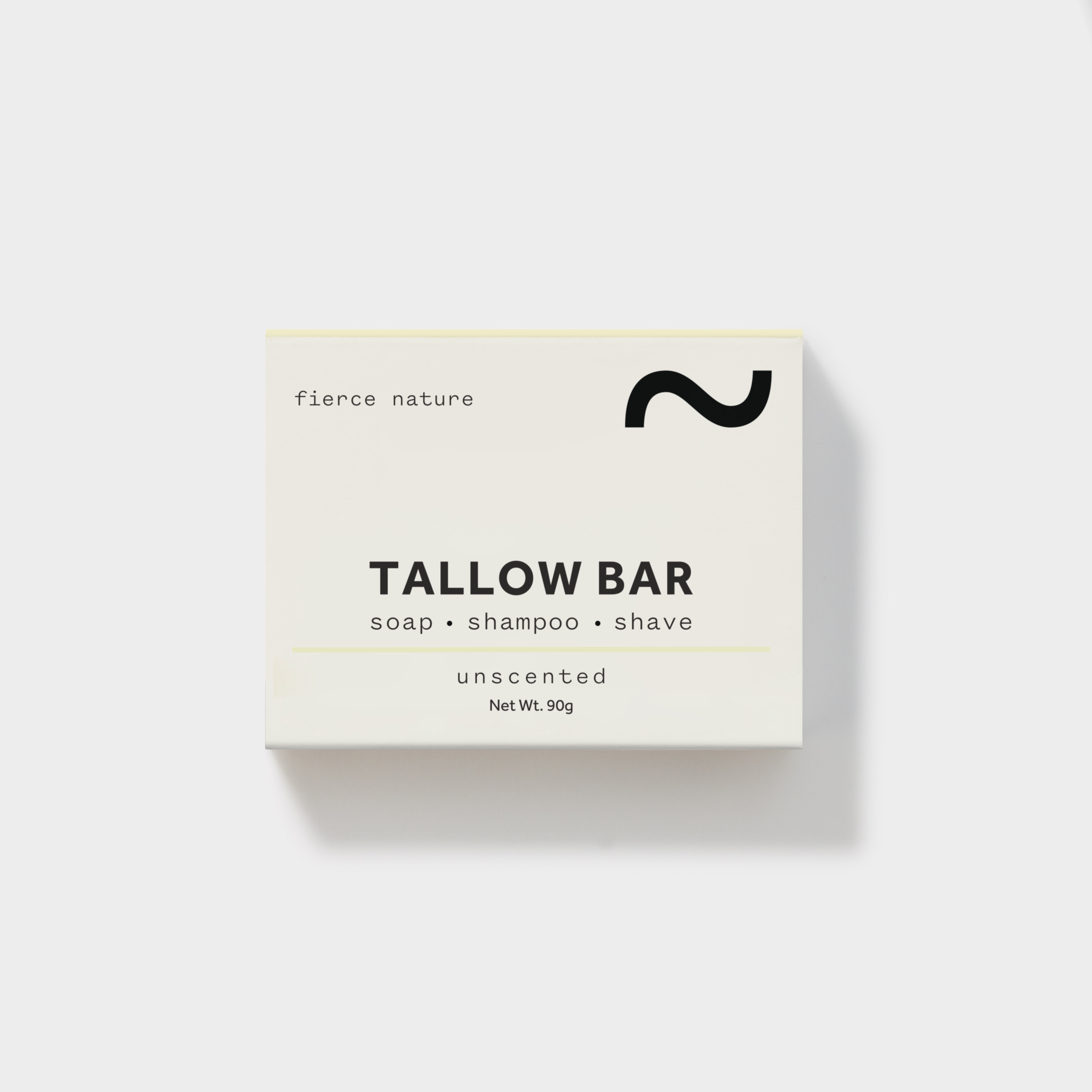
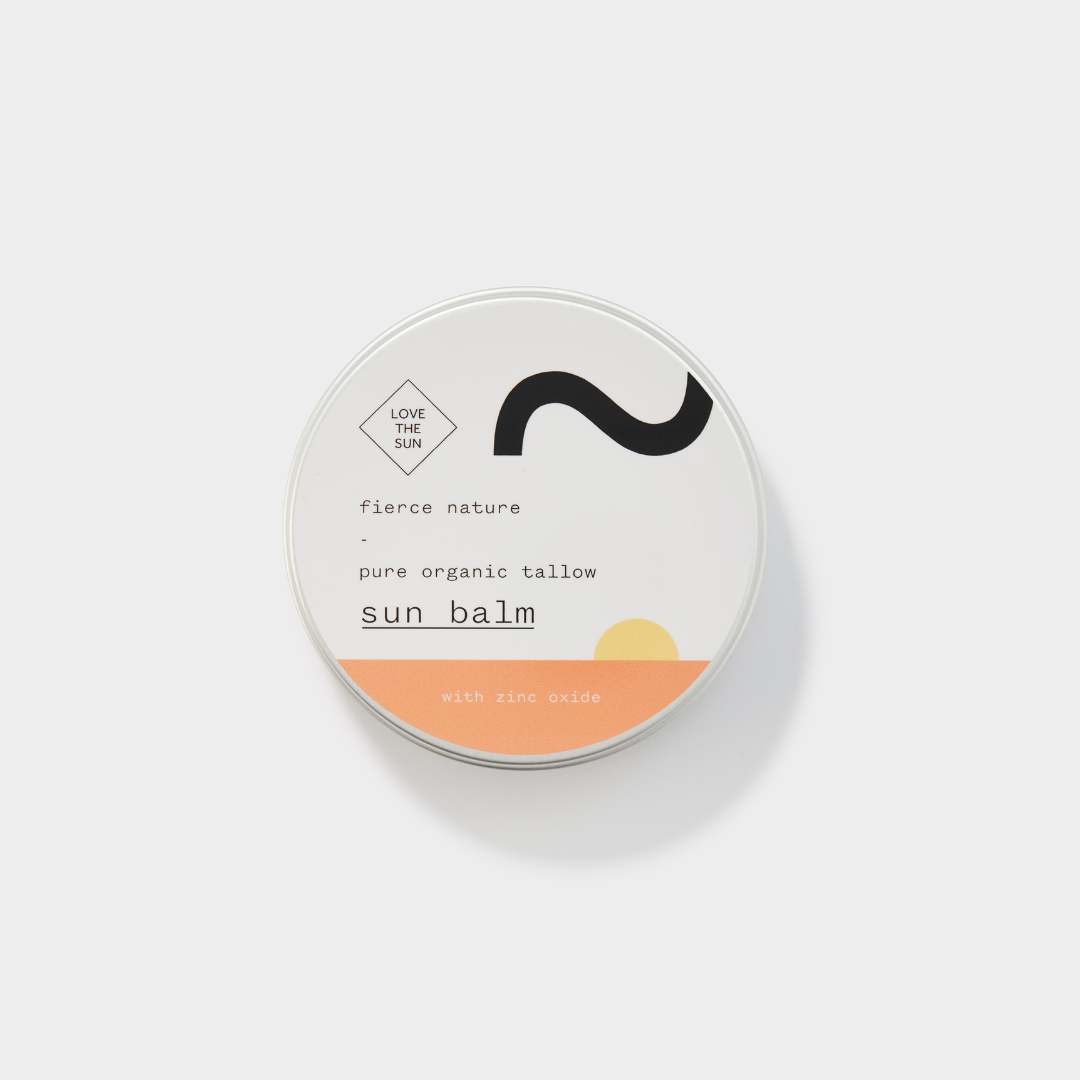
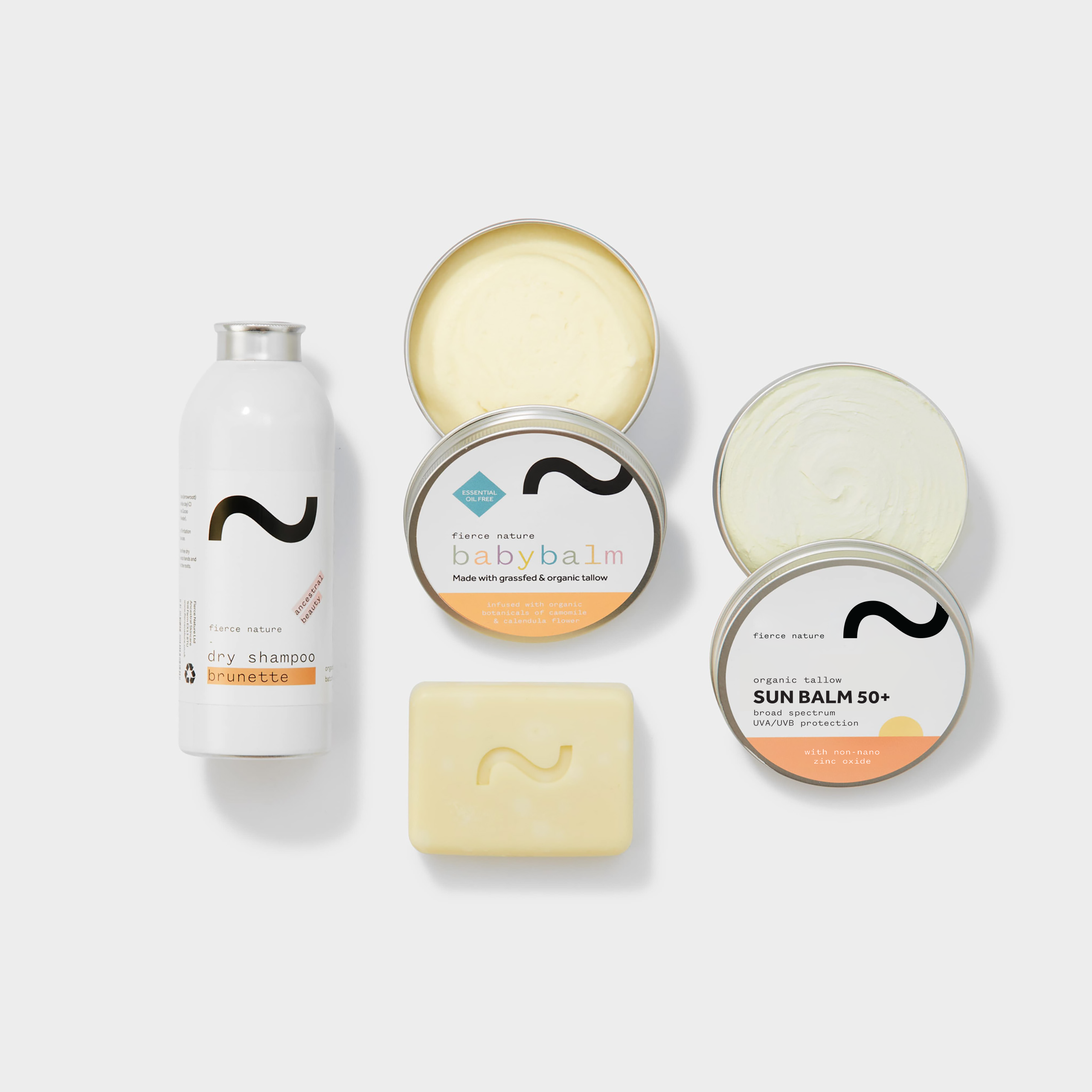

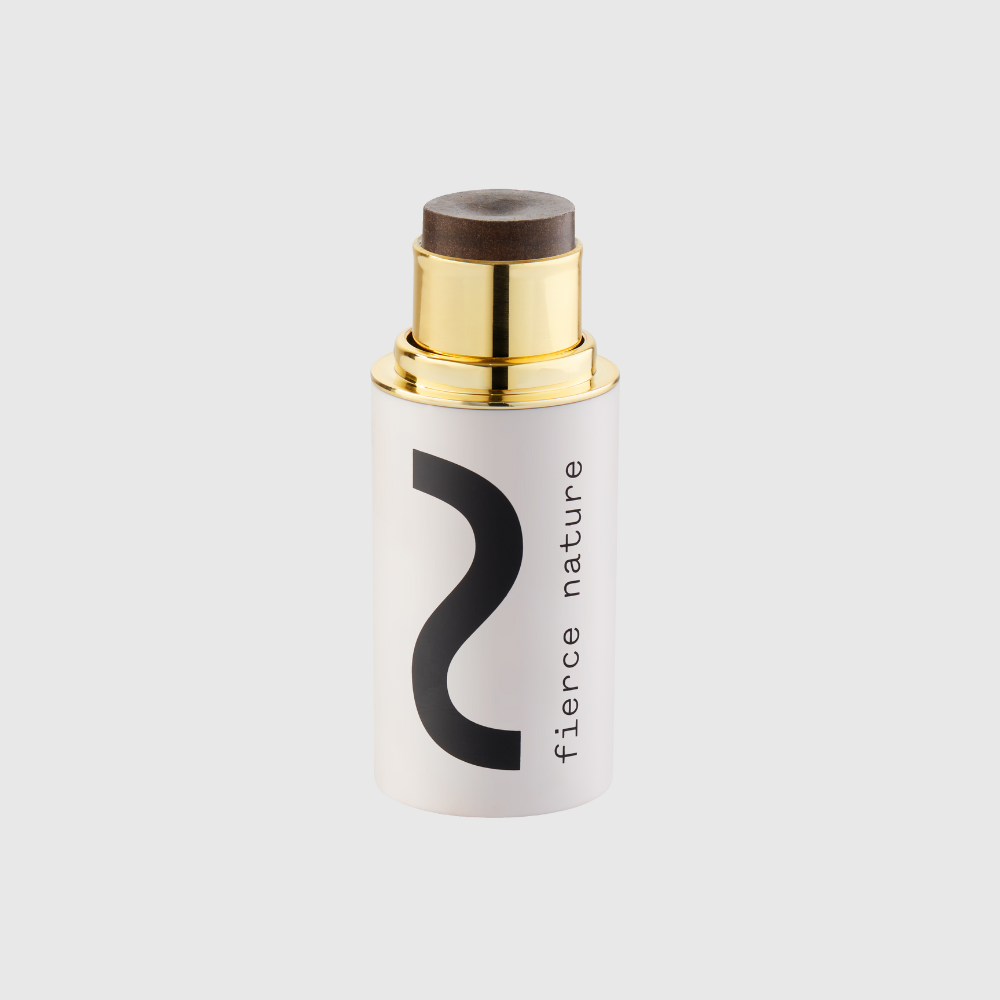
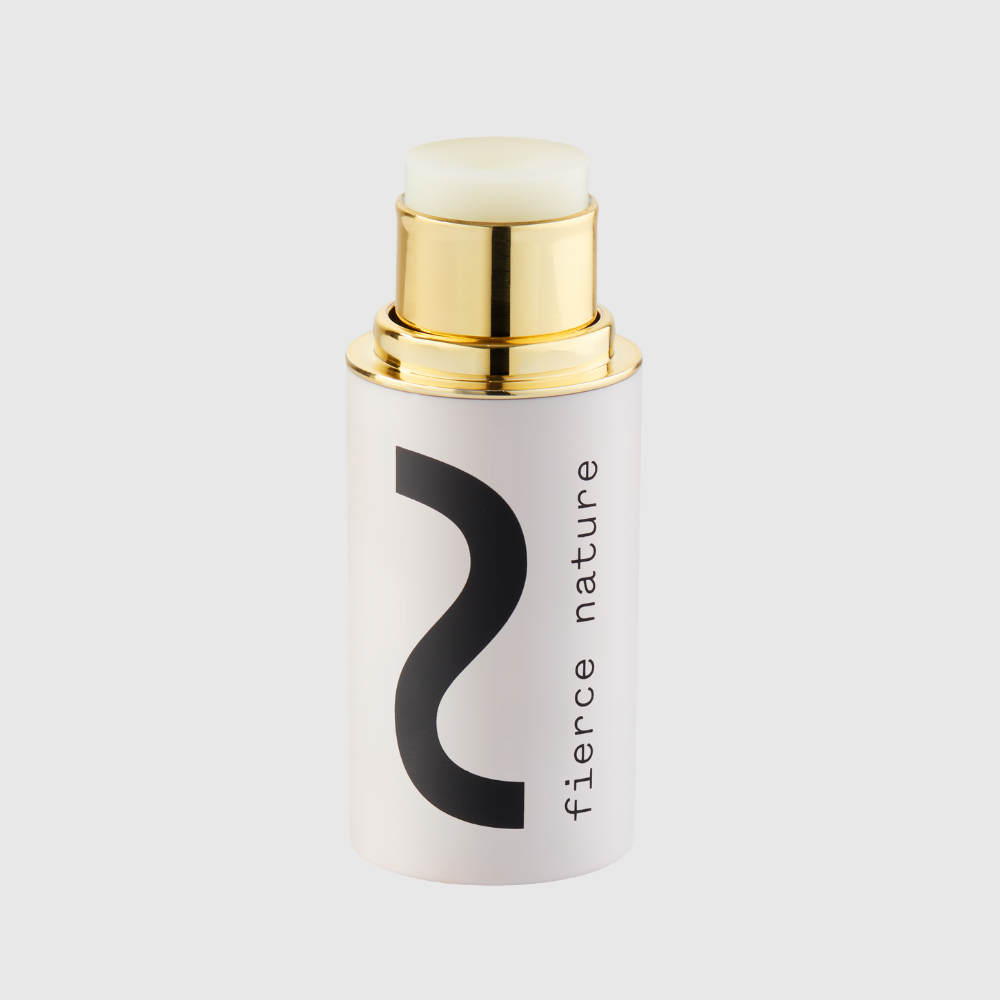
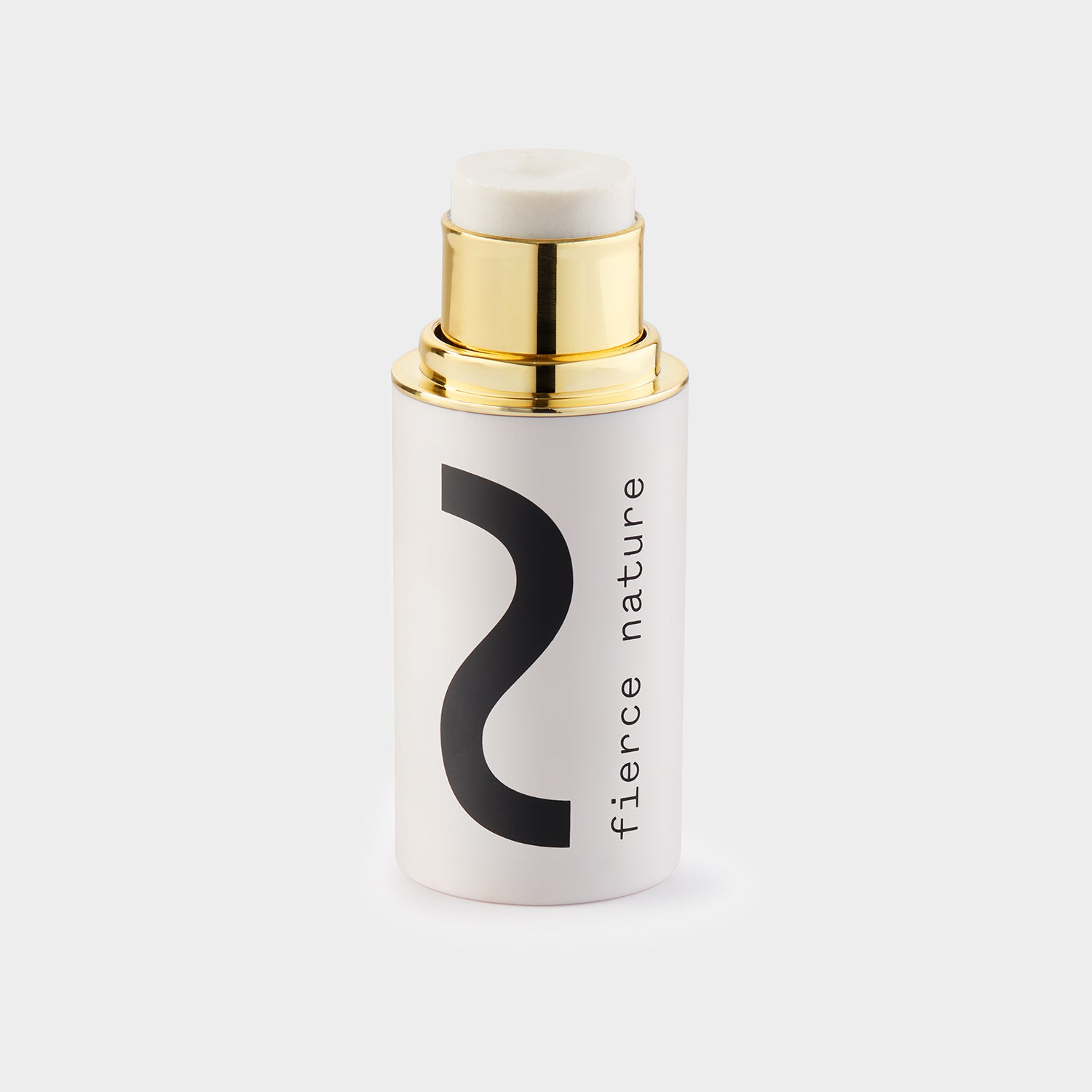
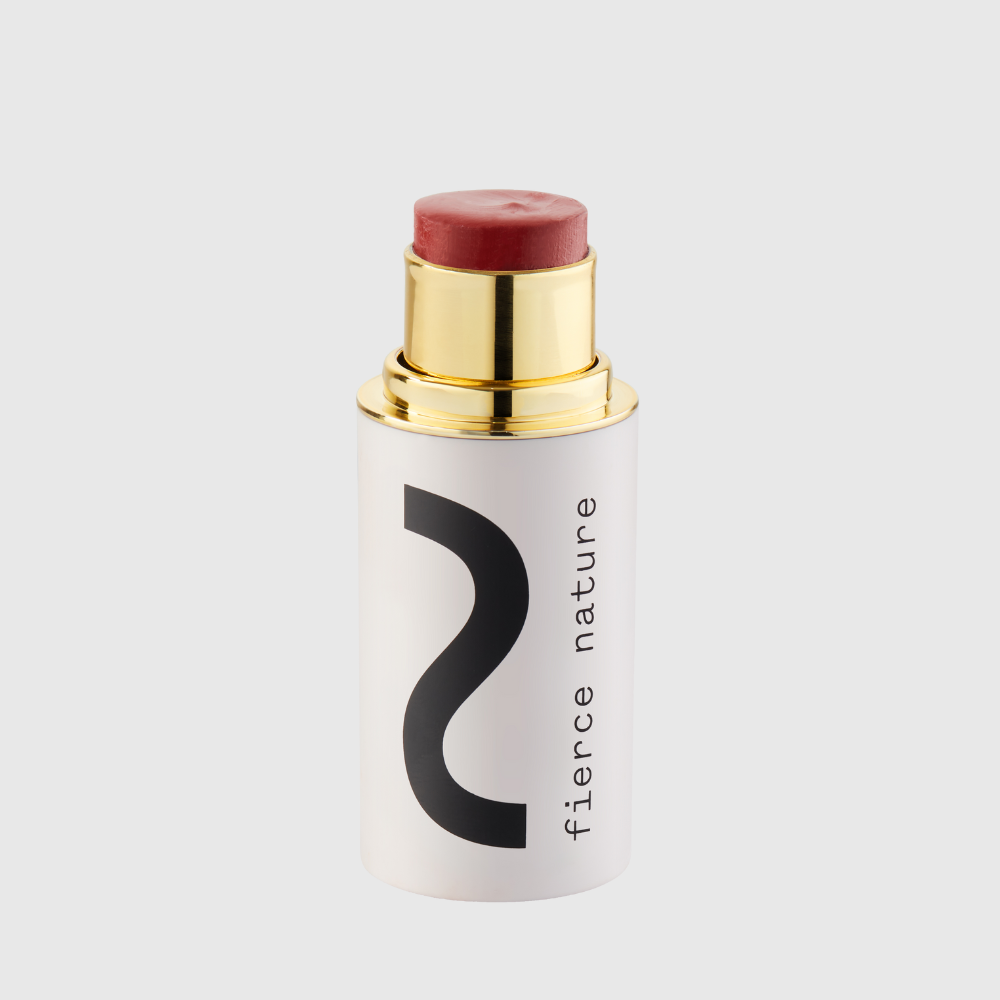



Organic skincare is defined as products formulated from naturally sourced, sustainably grown ingredients that are free from synthetic pesticides, parabens, and harmful chemical additives. If you want to choose organic skincare UK 2026 with confidence, you need to look beyond the marketing copy and understand what certifications, ingredients, and sustainability credentials actually mean. Brands like Weleda and OM Botanical are setting the standard this year, while emerging formats such as drinkable skincare from Mushus are reshaping what “organic beauty” looks like. This guide walks you through every step, from reading labels to building a restorative daily routine.
Certification is the single most reliable way to verify that an organic skincare product is what it claims to be. Without it, “natural” and “organic” are marketing words with no legal weight in the UK.
The two most trusted bodies are the Soil Association and ECOCERT. The Soil Association’s COSMOS certification requires a minimum percentage of organic ingredients and prohibits synthetic preservatives, parabens, and GM ingredients. ECOCERT operates under the same COSMOS standard and is widely recognised across Europe. When you see either logo on a product, you know the formulation has been independently audited.
Here is what to look for on any label before you buy:
Certified organic: The product has passed third-party auditing. Look for Soil Association, ECOCERT, or COSMOS logos.
Natural: A loosely regulated term. It does not guarantee the absence of synthetic ingredients.
Vegan and cruelty-free: These confirm no animal testing and no animal-derived ingredients, but say nothing about organic status.
Recyclable packaging: Look for specific percentages or certifications rather than vague claims. Weleda uses 77% recycled content in primary packaging, which is a concrete, verifiable figure.
Greenwashing is widespread in the beauty industry. A product labelled “contains organic ingredients” may include only one or two certified components while the rest of the formula is synthetic. The safest approach is to require a full certification logo, not just a claim.
Pro Tip: Scan the INCI (International Nomenclature of Cosmetic Ingredients) list on any product. Certified organic ingredients are typically listed with an asterisk and a footnote confirming organic origin. If you see no asterisk and no certification logo, the “organic” claim is likely unverified.
The most effective organic skincare products in 2026 are built on ingredients that work with your skin’s biology rather than overriding it. Understanding which botanicals and compounds genuinely nourish the skin helps you cut through the noise.
Plant oils and butters: Ingredients like rosehip oil, jojoba, and shea butter deliver absorbable vitamins A, C, and E directly to the skin barrier. They are rich, restorative, and far gentler than their synthetic counterparts.
Aloe vera: A proven anti-inflammatory that soothes reactive and sensitive skin. It hydrates without clogging pores and supports the skin’s natural repair process.
Raspberry seed oil: Used in OM Botanical’s Sheer Mineral Sunscreen SPF 40, this oil supports hydration and barrier health alongside non-nano zinc oxide. It is one of the most exciting functional ingredients in organic sun protection right now.
Fermented botanicals: OM Botanical’s microbiome-friendly formulations use fermented ingredients to enhance skin flora resilience. Fermentation increases bioavailability, meaning your skin absorbs more of the active compounds.
Vegan collagen peptides: Mushus skincare drinks contain 3g bioavailable vegan collagen peptides per serving, targeting both skin and gut health simultaneously. This reflects the growing understanding that skin health is an inside-out process.
“The future of organic skincare emphasises microbiome-friendly products that support natural skin flora while avoiding harsh chemicals.” This shift means the best formulations in 2026 are not just free from harm. They are actively building your skin’s resilience.
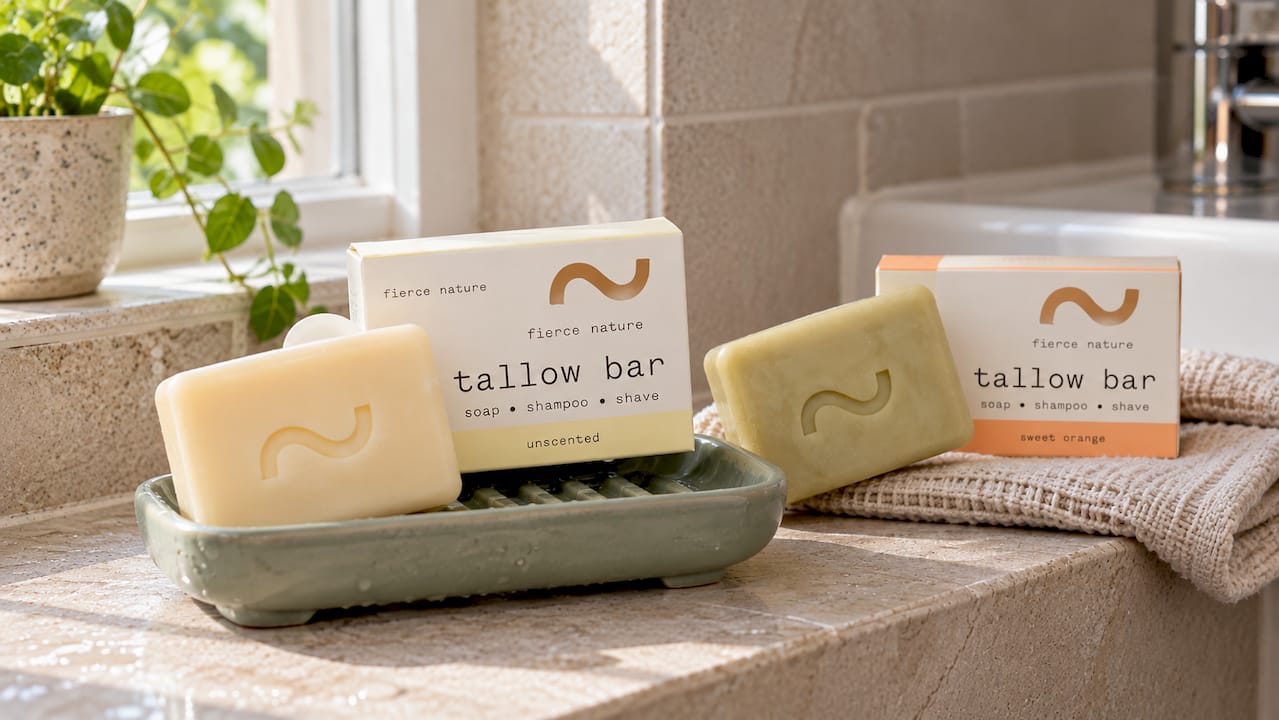
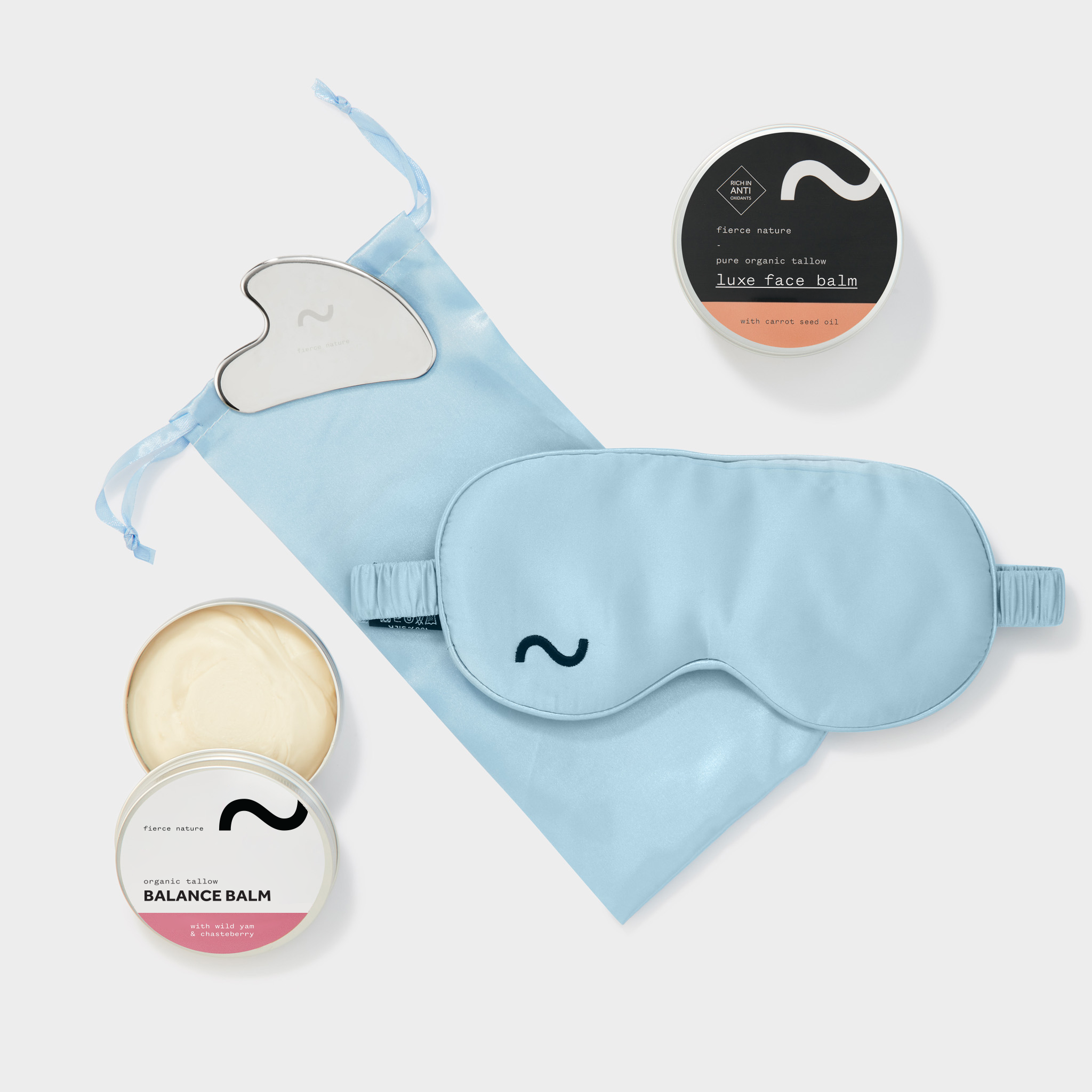
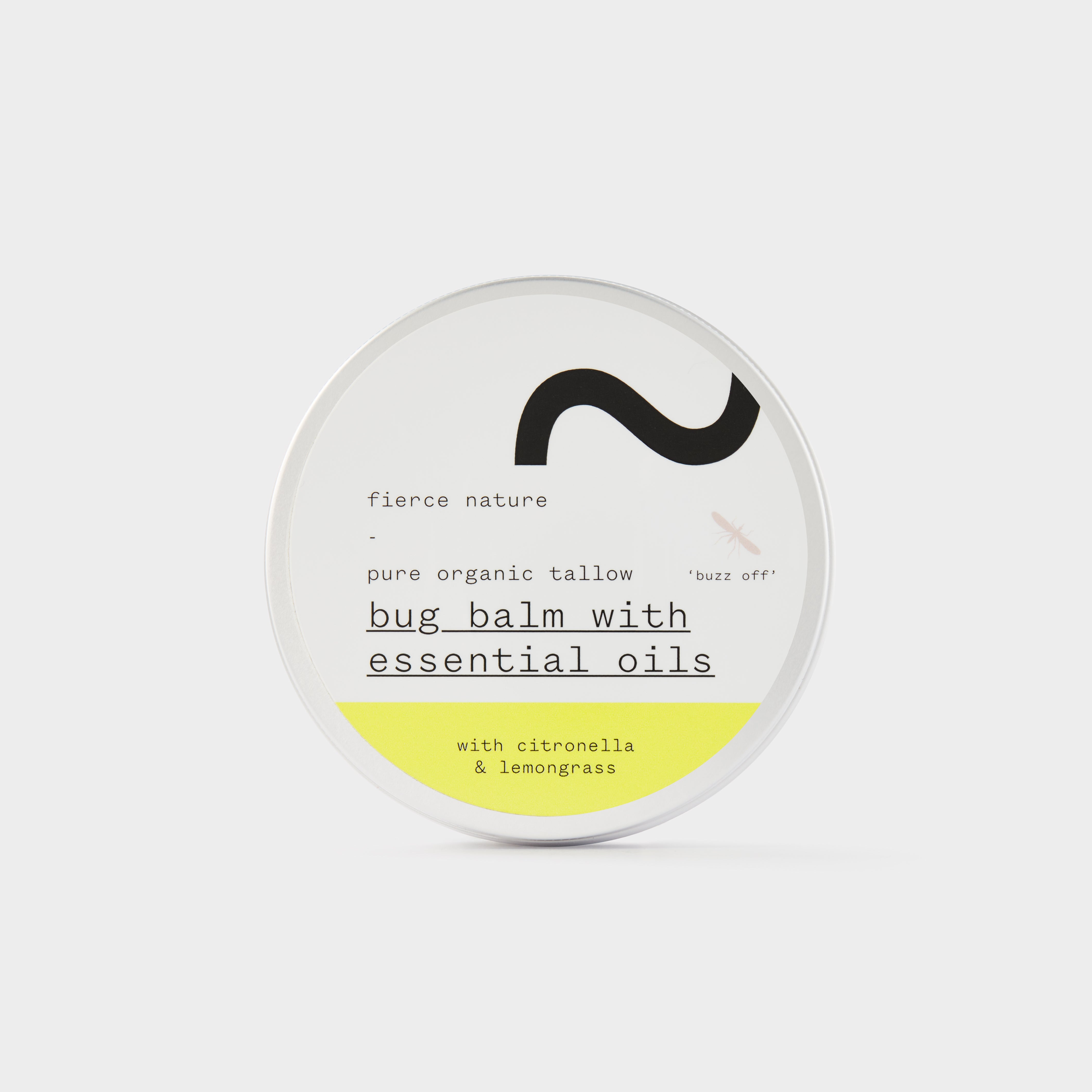
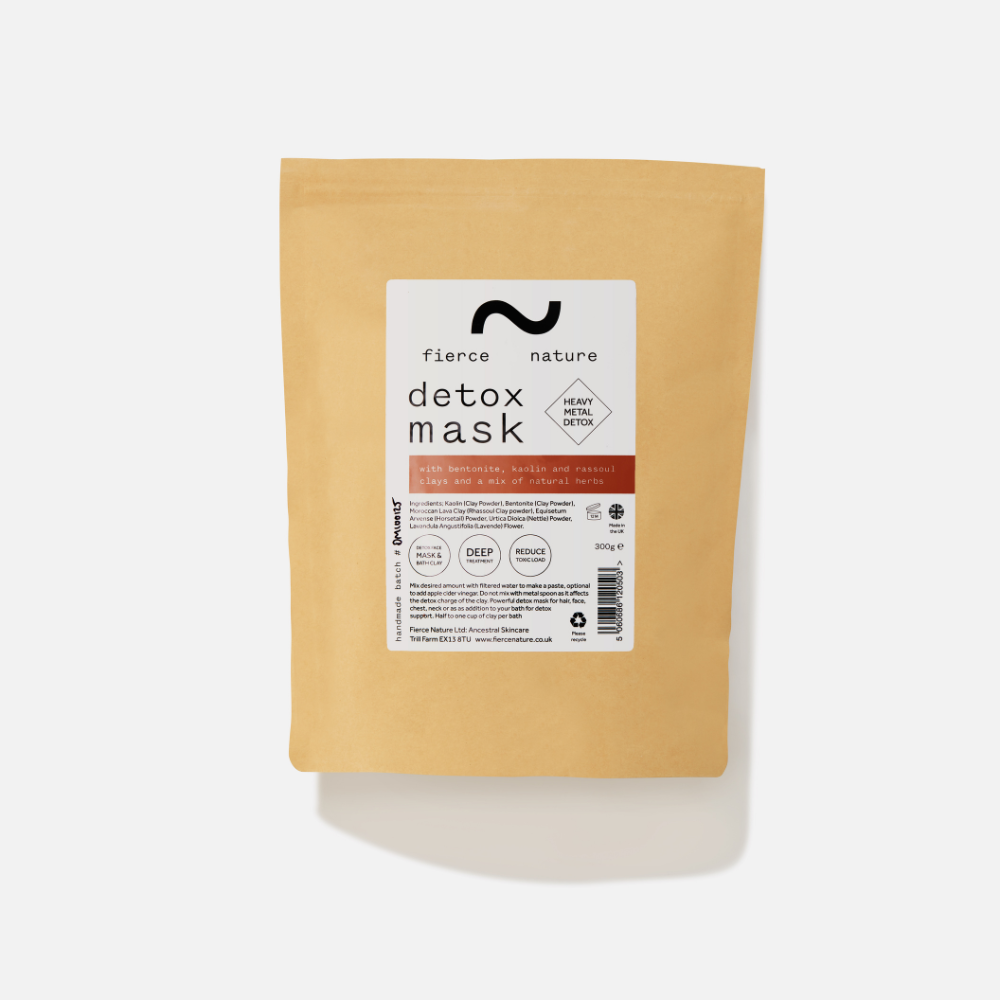
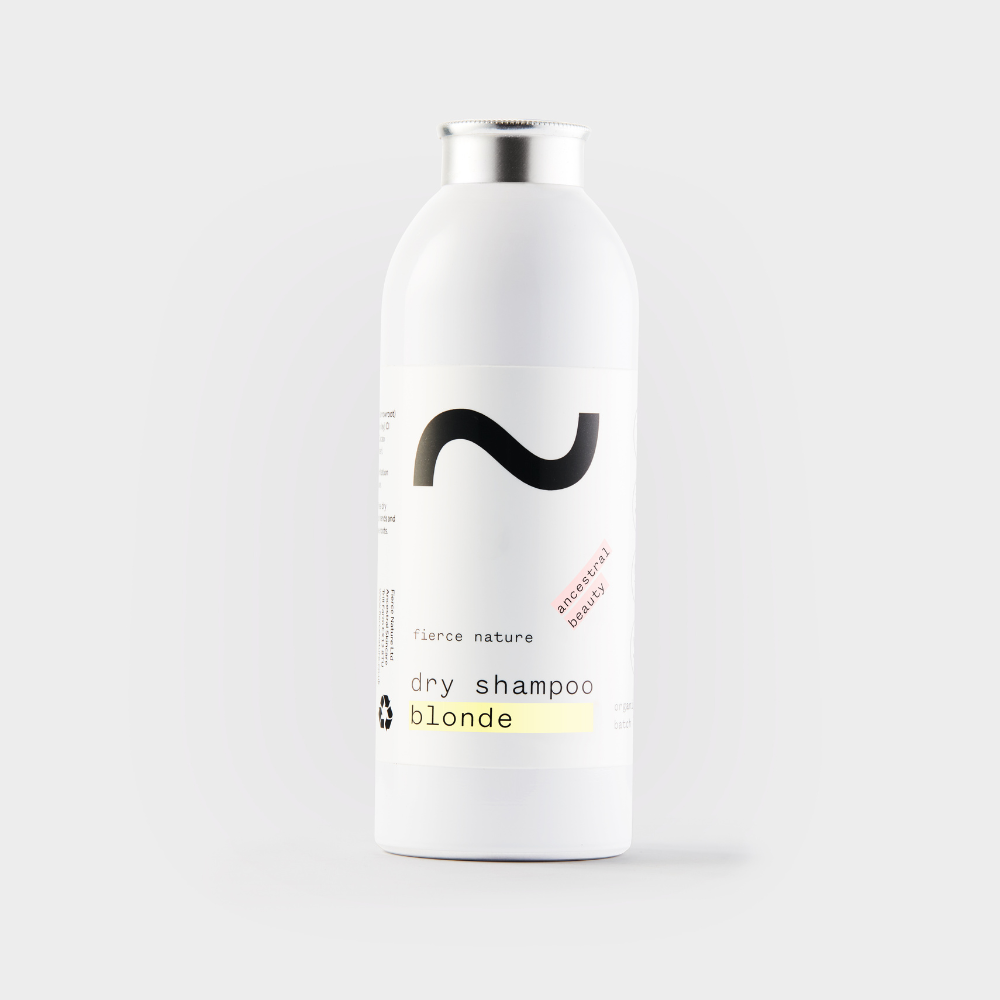
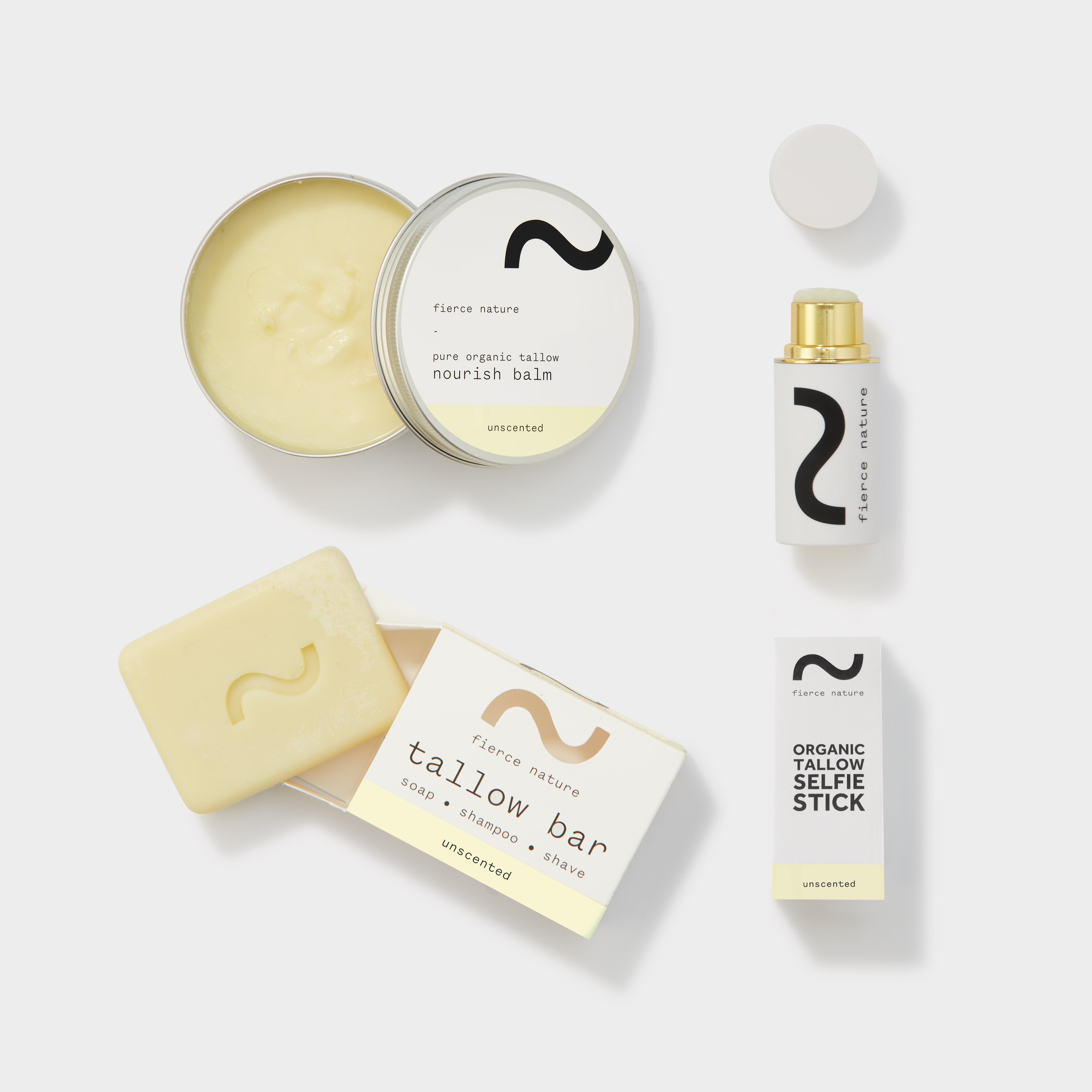
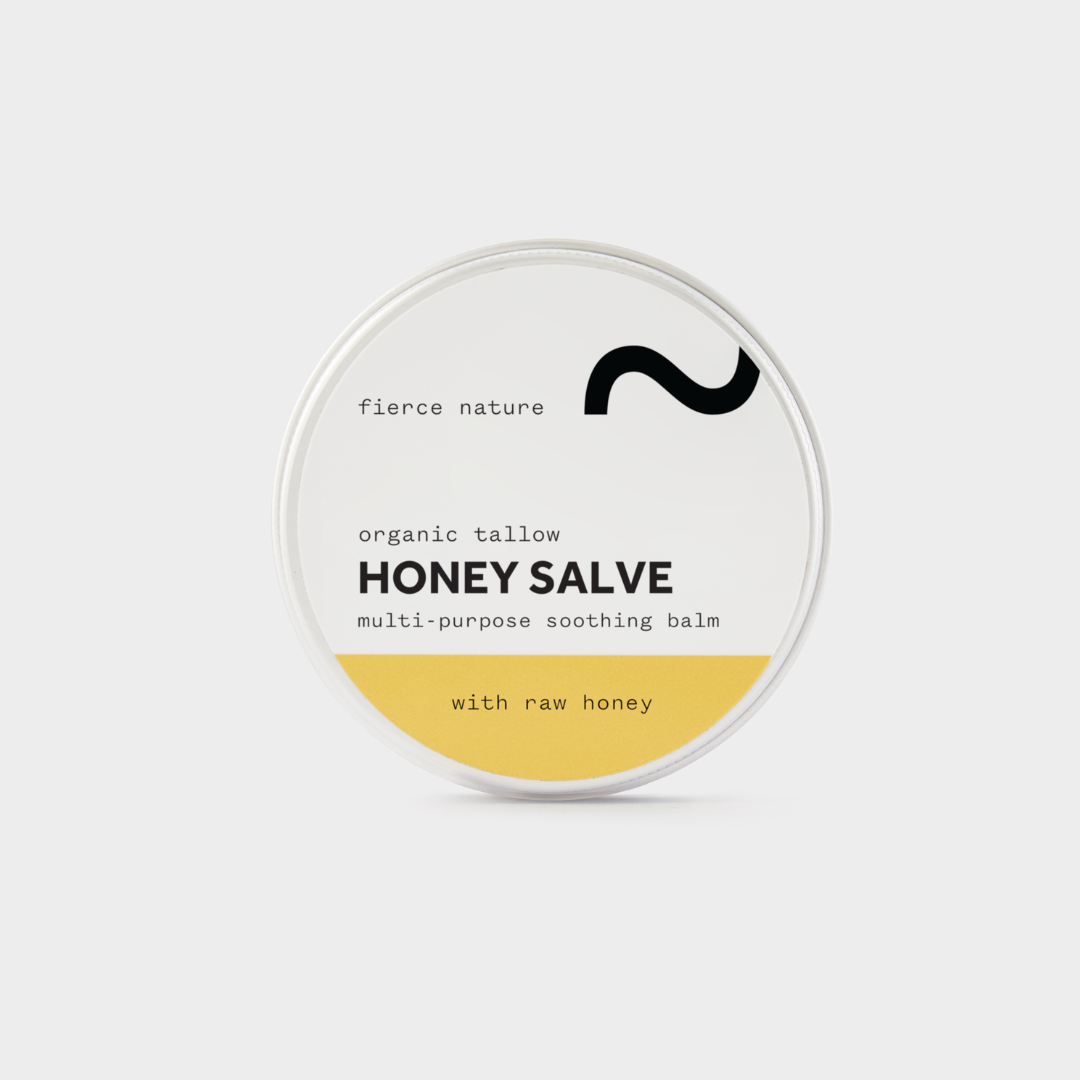
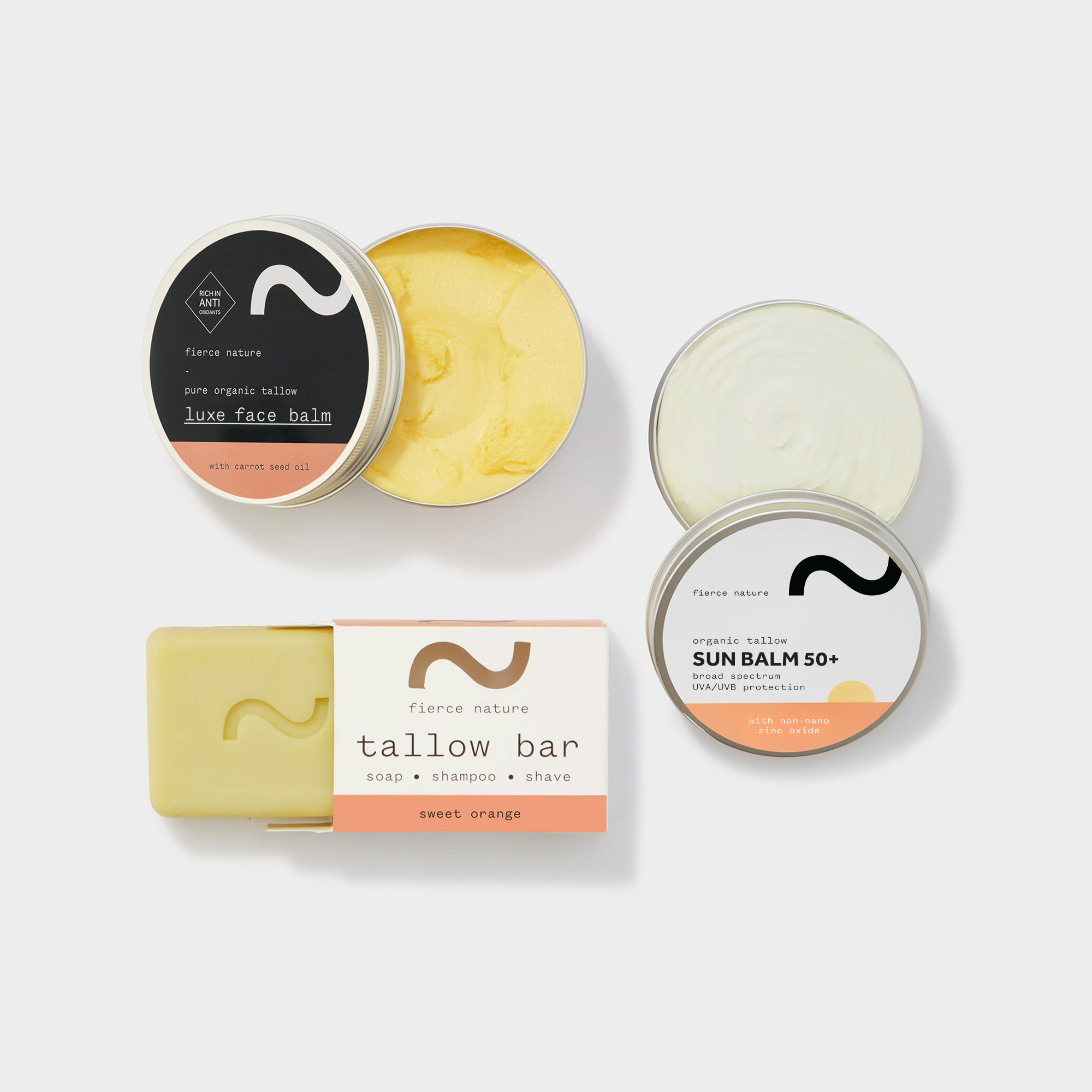
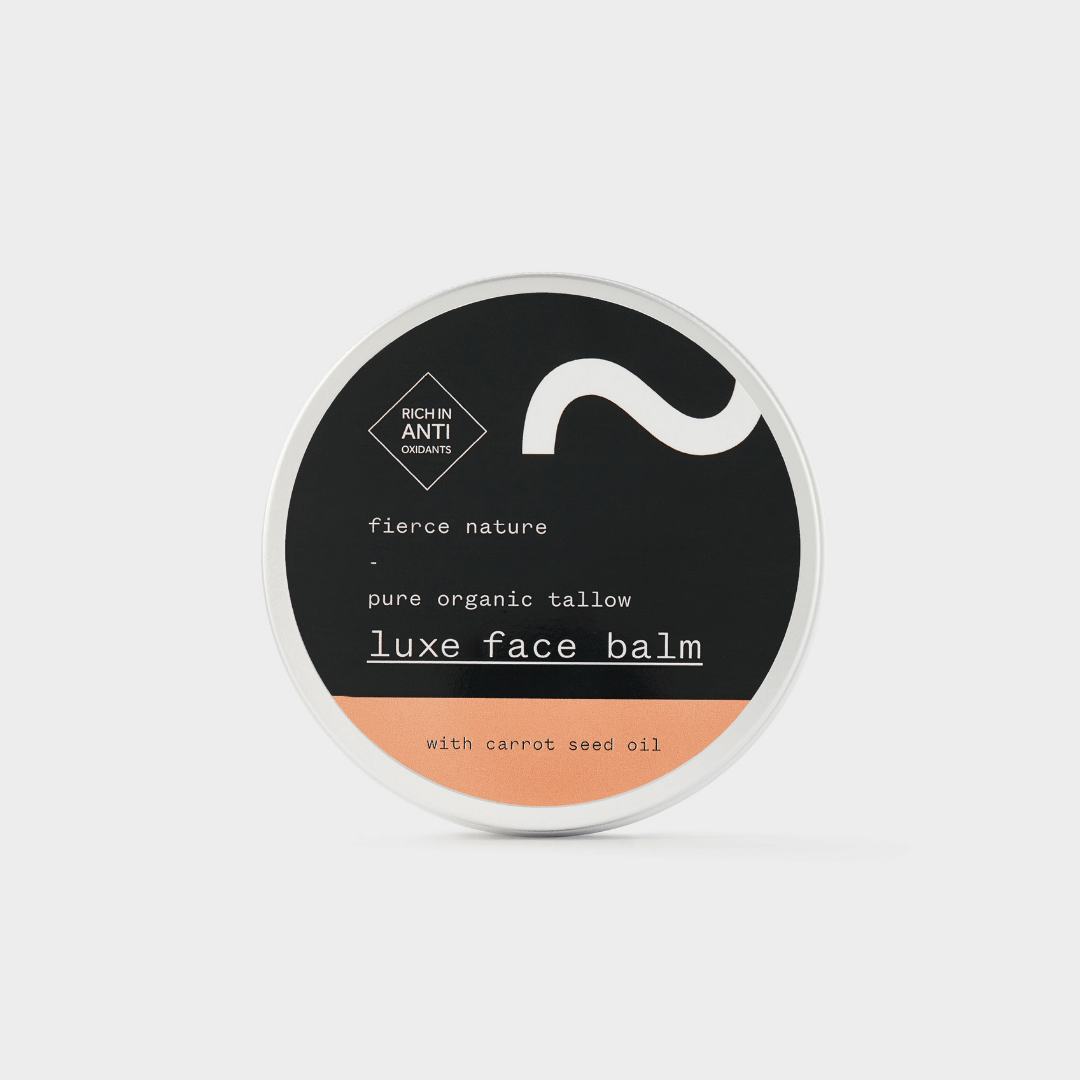
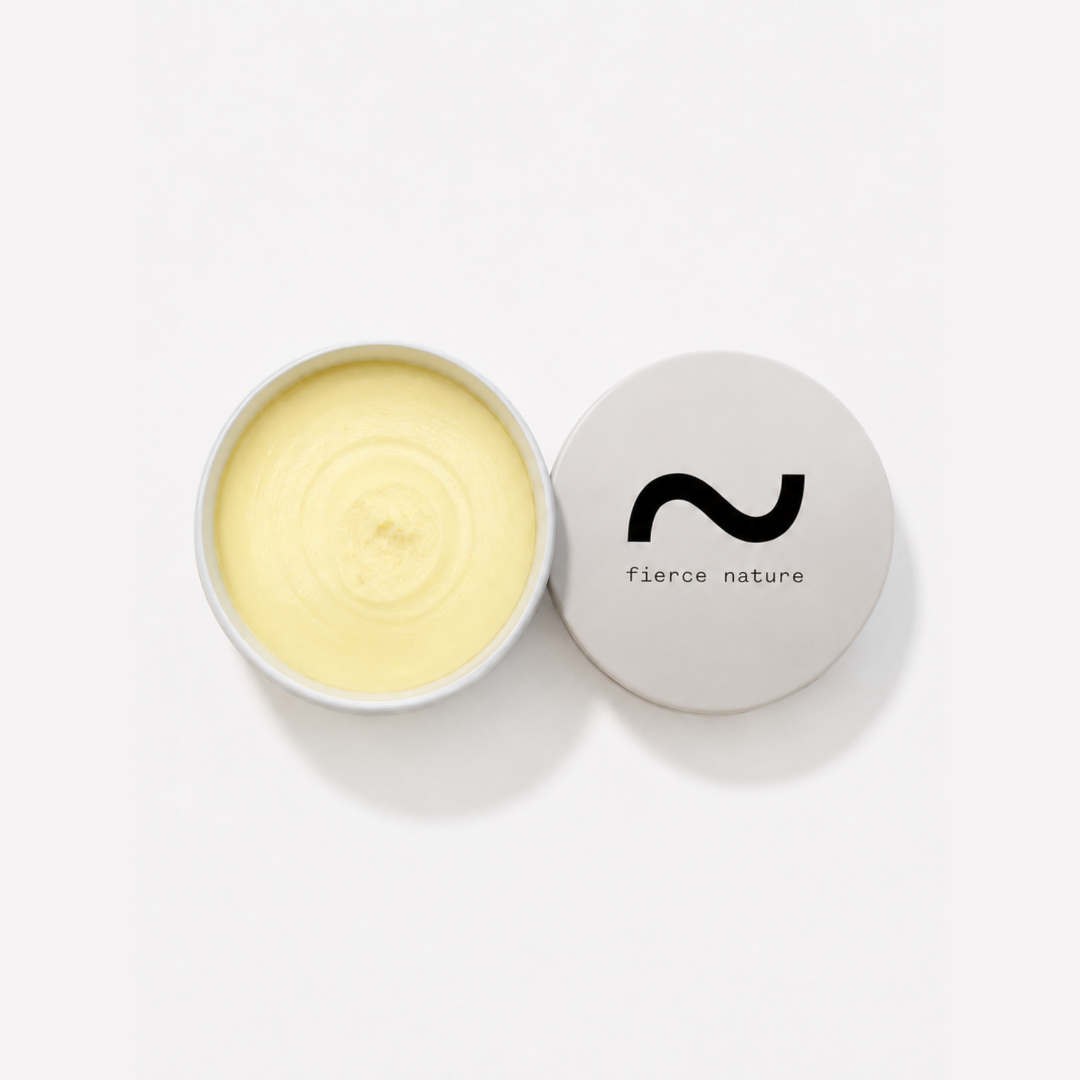
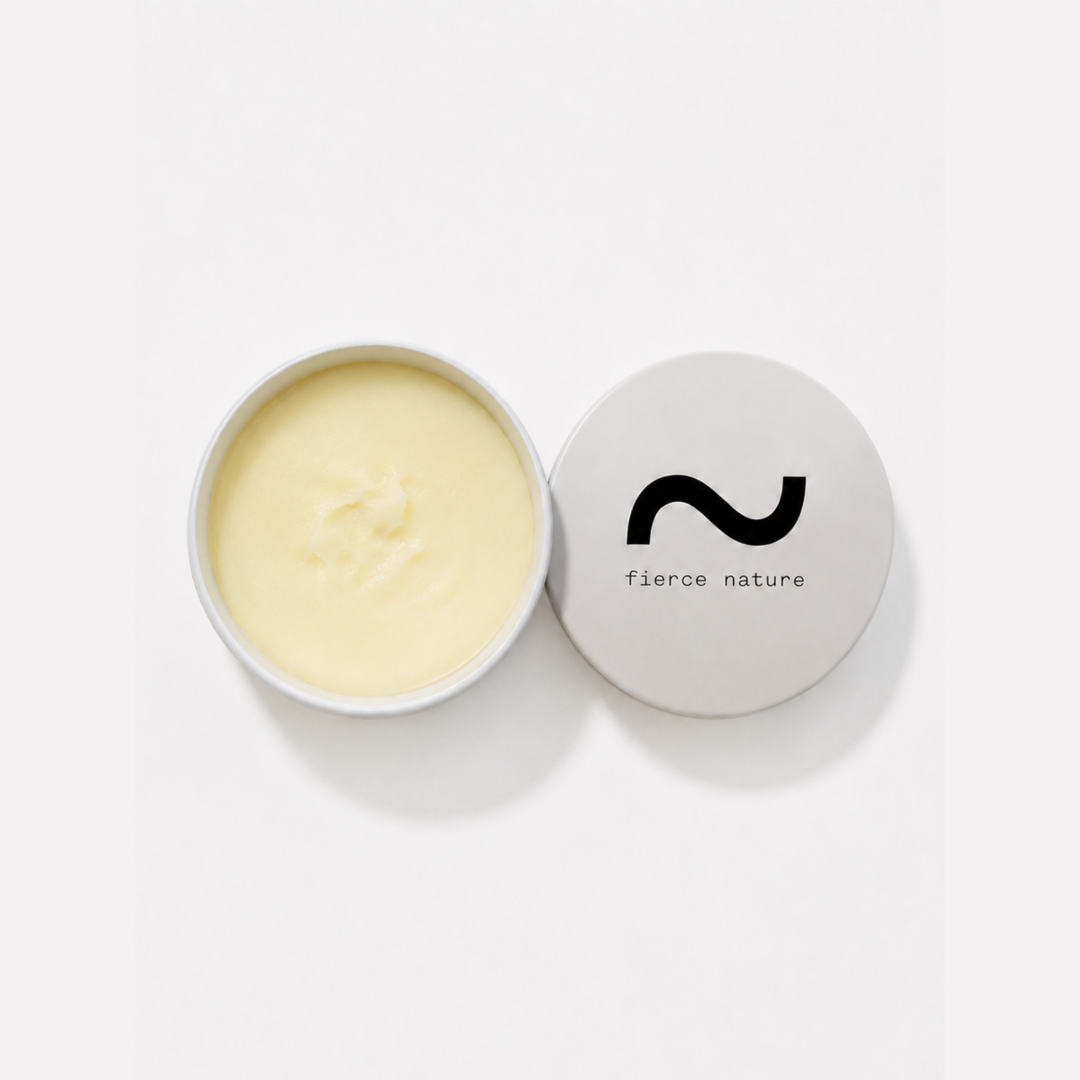
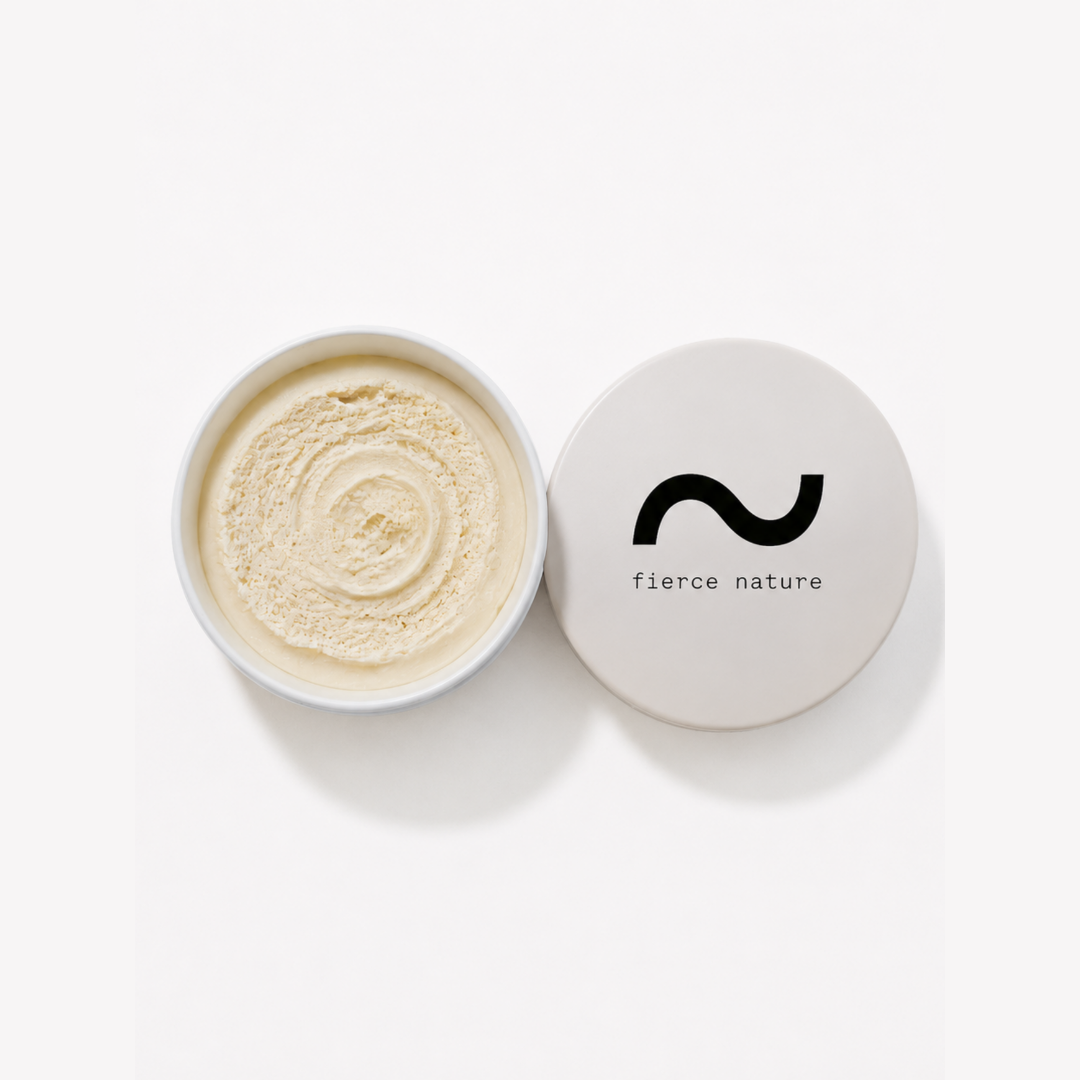
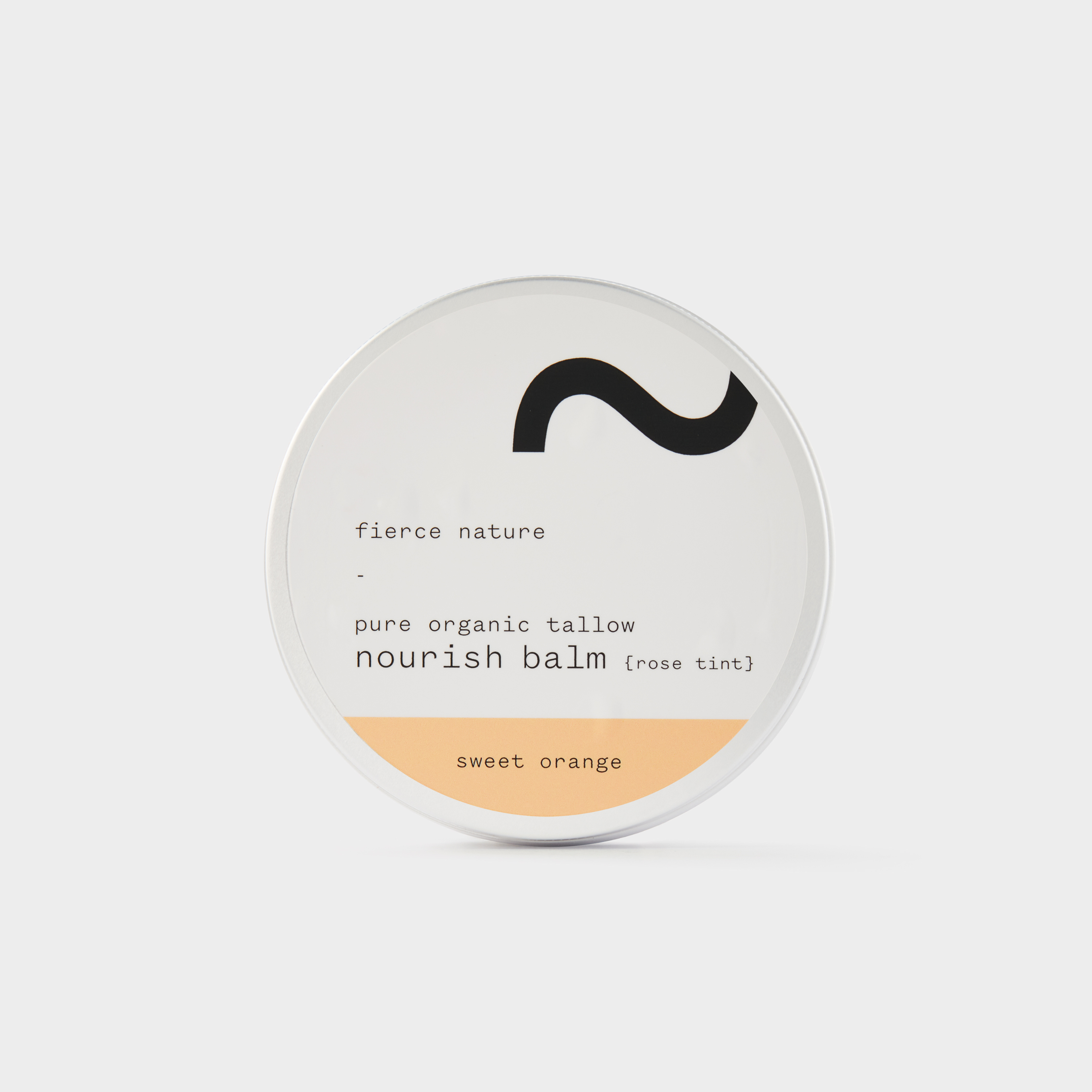
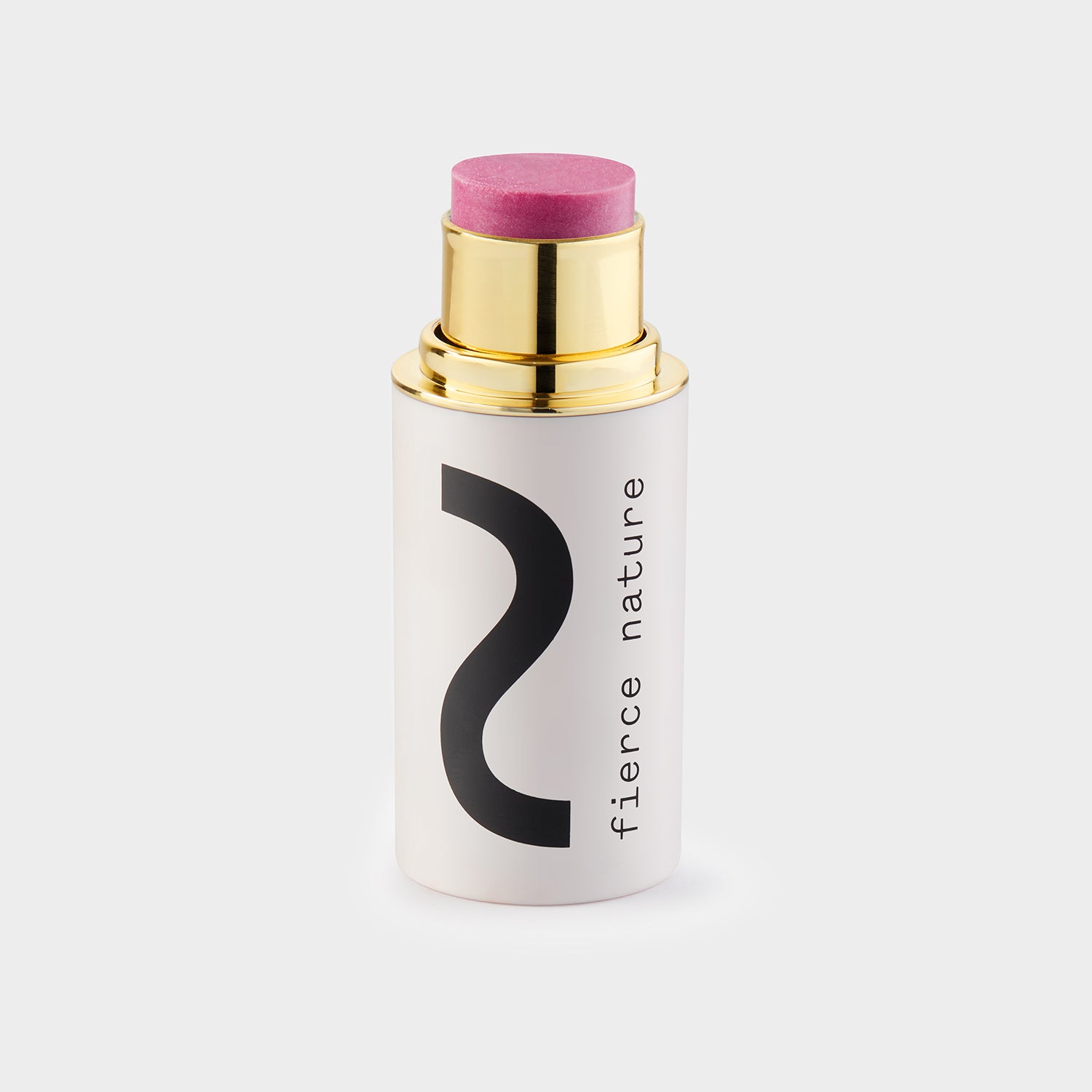
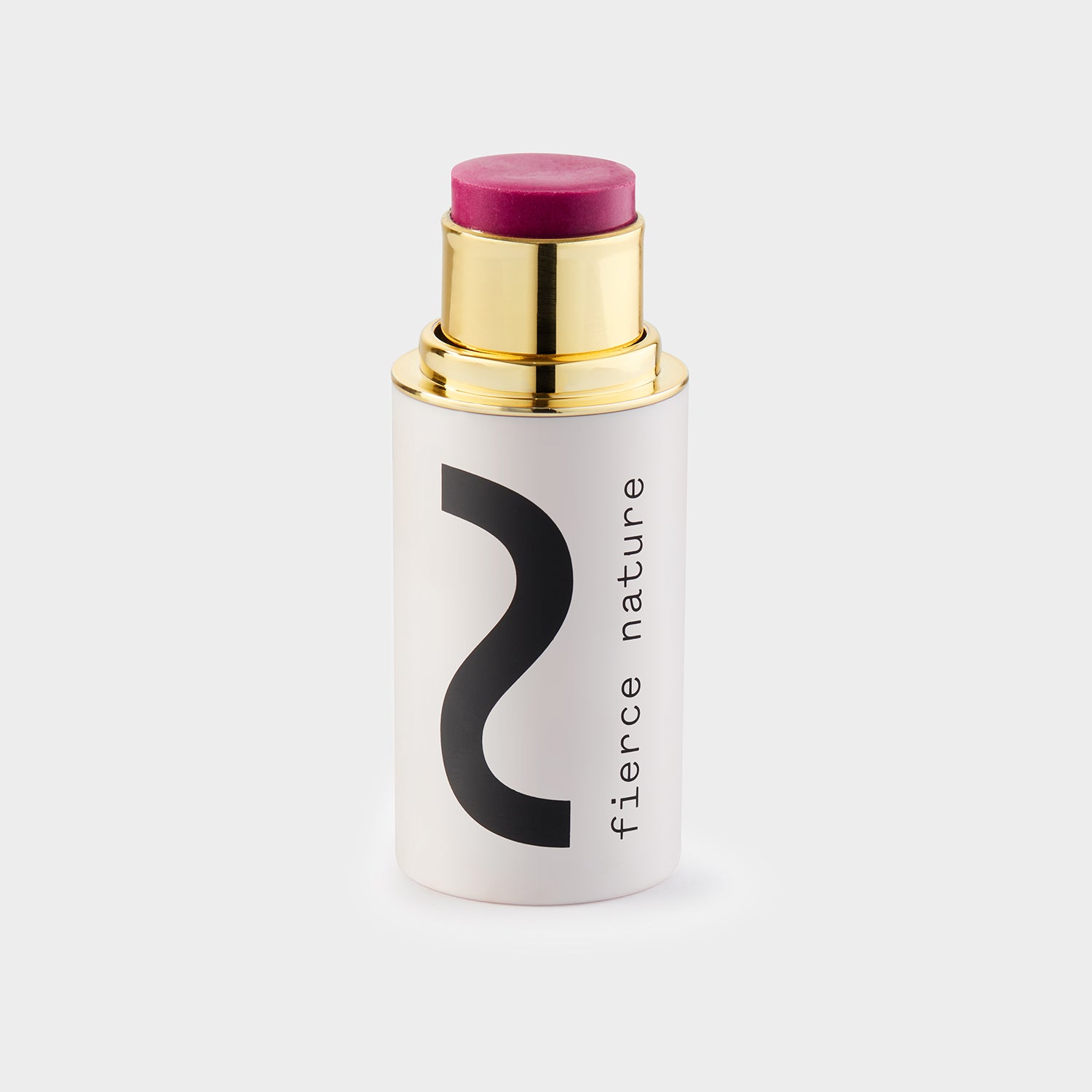
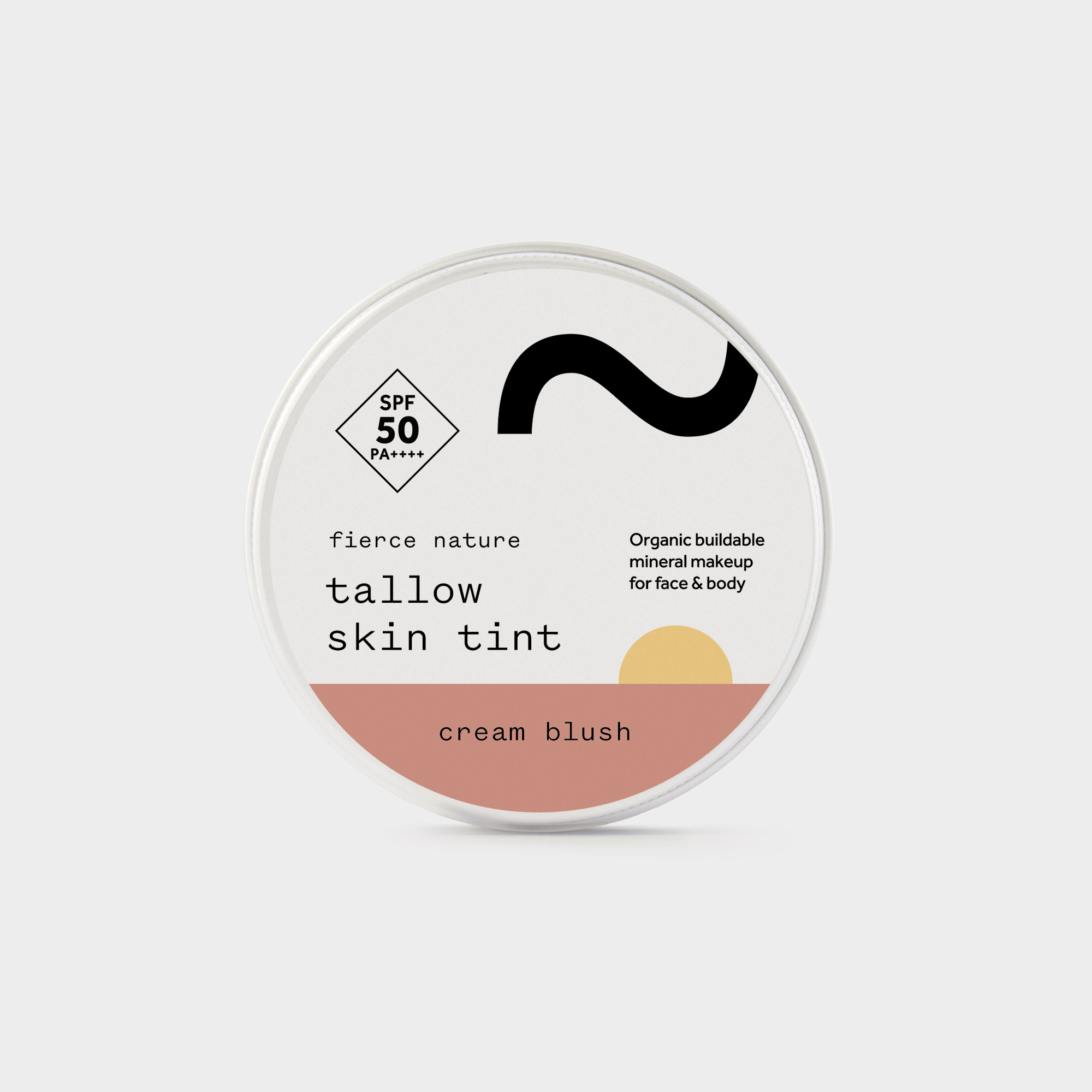
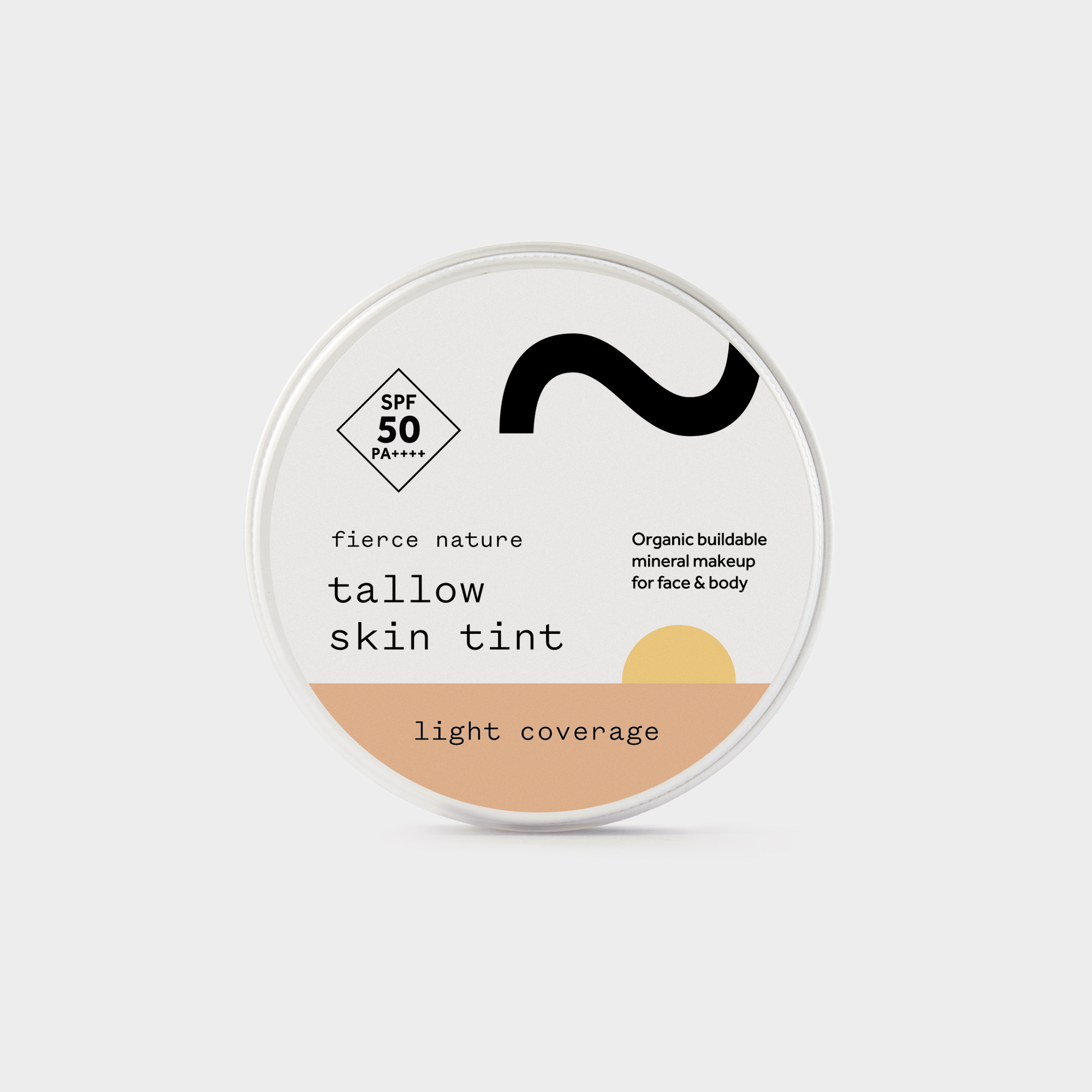
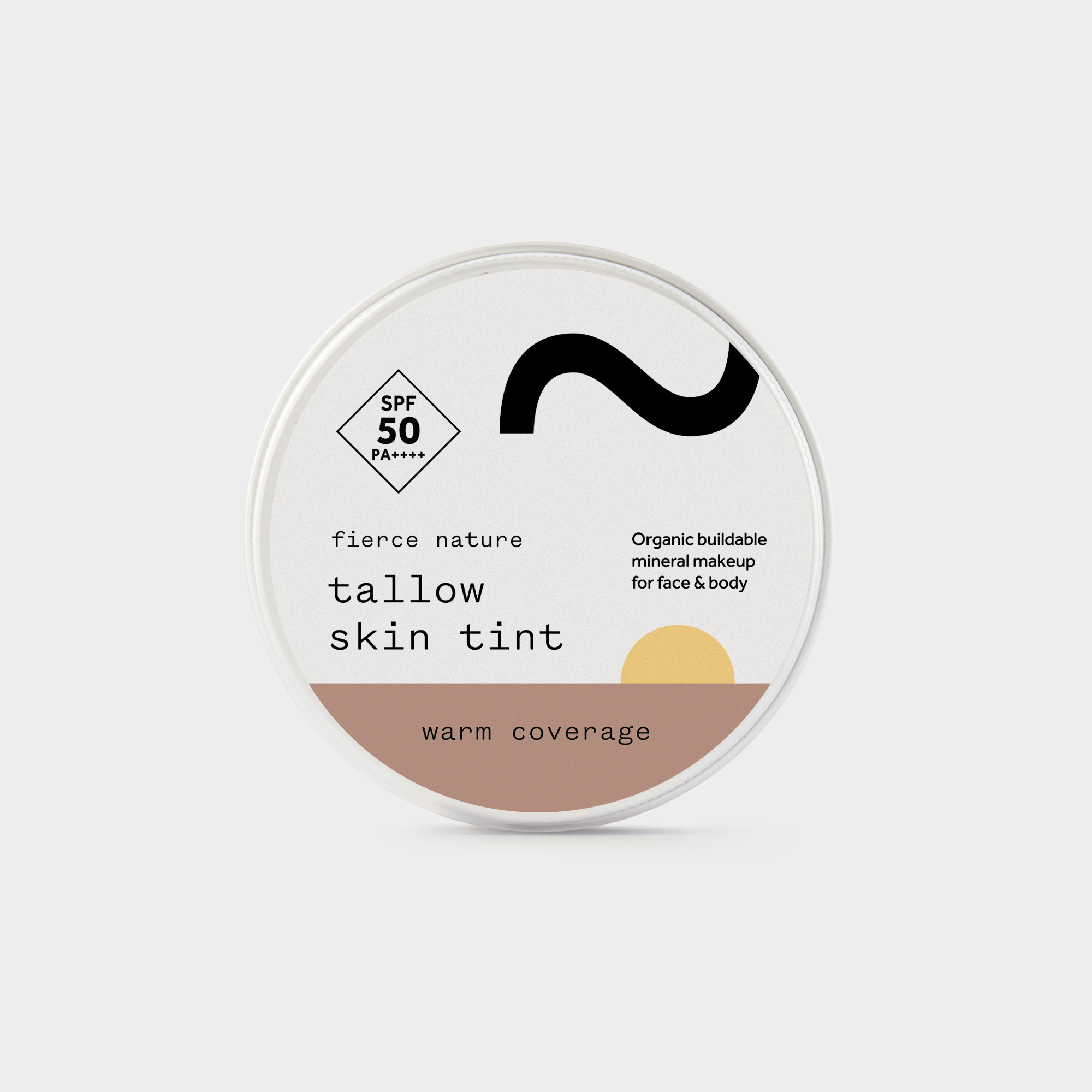
Organic skincare avoids parabens, sulfates, and synthetic fragrances that disrupt the skin barrier and contribute to long-term sensitivity. For anyone with reactive or eczema-prone skin, this is not a preference. It is a necessity. Tallow-based formulations, like those crafted by Fiercenature, offer exceptional bioavailability because tallow’s fatty acid profile closely mirrors the skin’s own lipid structure, making it a deeply nourishing and compatible ingredient.
Choosing between brands requires you to weigh certifications, ingredient transparency, price, and ethical practice together. No single brand excels at everything, but some come closer than others.

| Brand | Certification | Key strength | Price range | Sustainability |
|---|---|---|---|---|
| Weleda | COSMOS certified | Heritage formulas, biodynamic farming | £8 to £40 | 81% organic raw materials, 97% renewable energy |
| OM Botanical | Organic certified | Microbiome-friendly, mineral SPF | £20 to £55 | Non-nano zinc oxide, clean formulations |
| Fiercenature | Handmade, naturally sourced | Tallow-based bioavailability, non-toxic | £15 to £45 | UK-crafted, premium natural ingredients |
| Annmarie Skin Care | USDA organic ingredients | Wildcrafted botanicals | £30 to £90 | Ethical sourcing, glass packaging |
| True Botanicals | MADE SAFE certified | Clinically tested organic actives | £40 to £120 | Carbon-neutral shipping |
Weleda’s 100th anniversary Skin Food edition, priced at £19.26 to mark the year it was first introduced, is a reminder that longevity in organic skincare is earned through consistent formulation integrity, not trend-chasing. A brand that has maintained biodynamic farming practices for a century is demonstrating something no marketing campaign can manufacture.
When comparing top organic skincare products 2026, look beyond the front-of-pack claims. Brands like cocokind, Ursa Major, and Herbivore Botanicals each target different skin needs and price points, so matching the brand to your specific concerns matters more than choosing the most popular name.
Pro Tip: Request a full ingredient list before purchasing any new organic product. If a brand is reluctant to share it or buries it in small print, that tells you something important about their transparency.
Building an effective organic routine does not require a complete overhaul overnight. A phased approach lets your skin adjust and helps you identify which products are genuinely working.
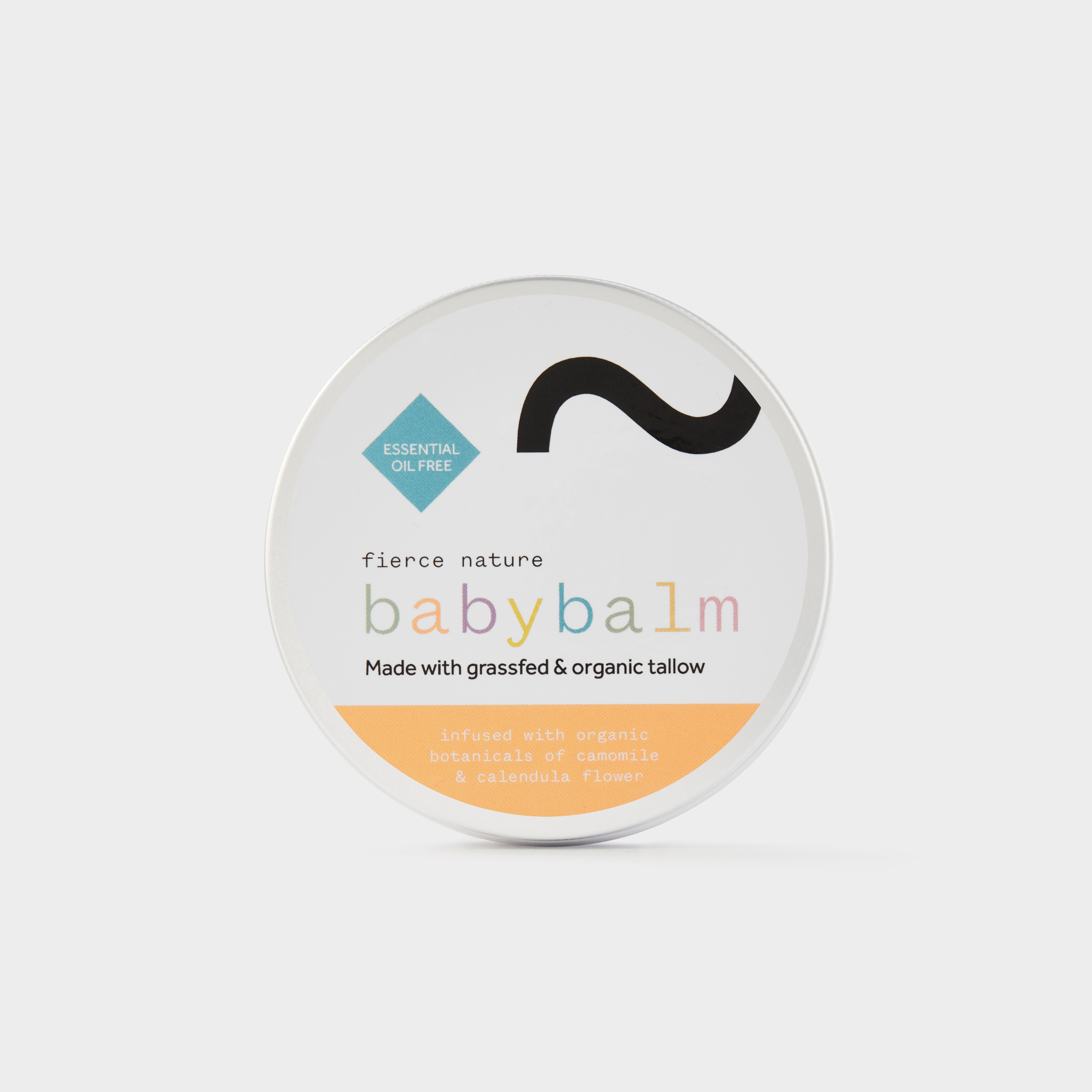
Step 1: Assess your skin type and concerns. Oily, dry, combination, and sensitive skin each respond differently to organic formulations. A tallow-based balm from Fiercenature suits dry and mature skin beautifully, while a lighter aloe-based gel suits oilier types.
Step 2: Start with the basics. A certified organic cleanser, a nourishing moisturiser, and a mineral SPF cover the foundation of any healthy routine. OM Botanical’s SPF 40 with non-nano zinc oxide is a strong choice for daily sun protection without synthetic filters.
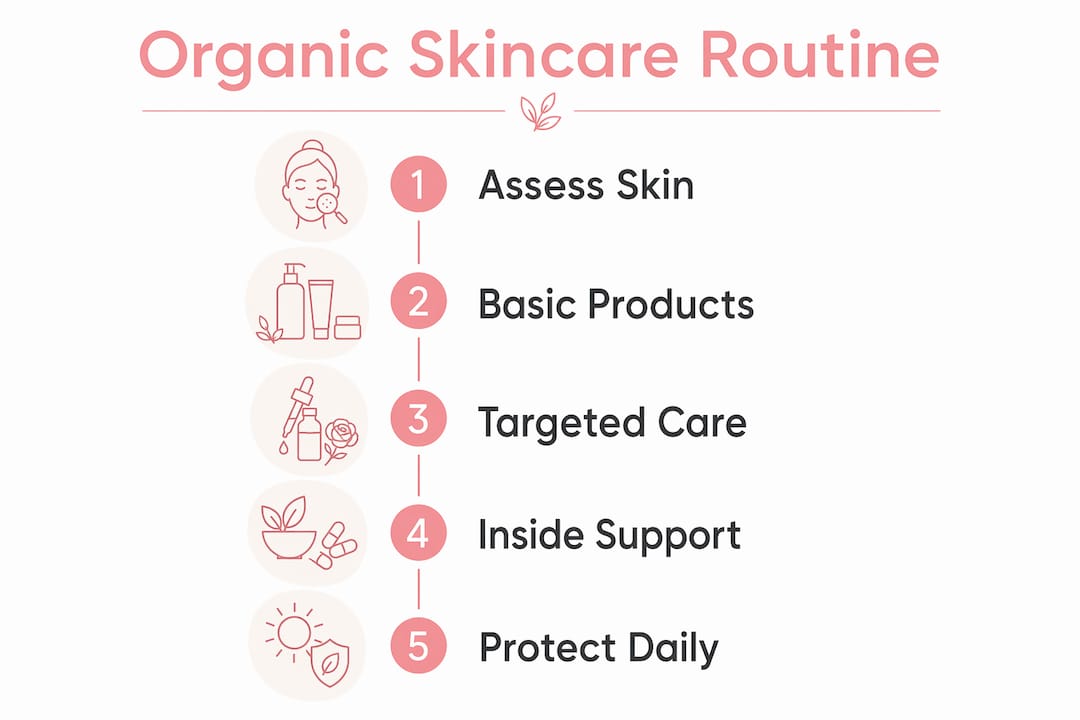
Step 3: Introduce targeted treatments gradually. Add one new product at a time, waiting at least two weeks before introducing another. This makes it easy to spot any reactions and understand what your skin genuinely loves.
Step 4: Consider inside-out support. Innovative formats like Mushus skincare drinks bring vegan collagen and gut health support into your daily routine alongside topical products. Skin health and gut health are deeply connected, and 2026 is the year this connection is becoming mainstream.
Step 5: Review and refine every season. Your skin’s needs shift with the seasons, particularly in the UK where winter dryness and summer humidity create very different conditions.
Common mistakes to avoid when switching to organic products:
Switching everything at once, which makes it impossible to identify reactions
Assuming “natural” means safe for all skin types. Even botanical ingredients can trigger sensitivity in some people
Ignoring expiry dates. Organic products without synthetic preservatives have shorter shelf lives
Overlooking SPF. Many people associate organic routines with moisturising and cleansing but skip sun protection entirely
Pro Tip: Build your natural skincare routine around three non-negotiables: cleanse, nourish, protect. Everything else is a welcome addition, not a requirement.
Choosing organic skincare in the UK in 2026 requires certification verification, ingredient literacy, and a phased approach to building your routine.
| Point | Details |
|---|---|
| Prioritise certification | Look for Soil Association or ECOCERT COSMOS logos, not just “natural” claims. |
| Know your ingredients | Fermented botanicals, plant oils, and bioavailable compounds like vegan collagen peptides define 2026’s best formulations. |
| Compare brands on transparency | Assess ingredient lists, sustainability data, and ethical sourcing before committing to a brand. |
| Build your routine gradually | Introduce one new product at a time to identify what genuinely works for your skin. |
| Think inside-out | Drinkable skincare formats and microbiome-friendly products reflect the growing understanding that skin health starts from within. |
We have watched the organic skincare space grow from a niche concern into a mainstream conversation, and we want to share something that does not always make it into the glossy guides. The biggest mistake health-conscious buyers make is treating certification as the finish line. It is the starting point.
A product can carry a Soil Association logo and still contain ingredients that do not suit your skin. Conversely, a handcrafted formulation using premium, naturally sourced ingredients may not carry a formal certification simply because the brand is small and the certification process is expensive and time-consuming. This does not make it less effective or less trustworthy. It means you need to read the ingredient list and understand what you are putting on your skin.
We are genuinely excited about the microbiome-friendly direction the industry is taking. Formulations that support your skin’s natural flora rather than stripping it back are a meaningful shift, not a trend. The same goes for inside-out approaches like drinkable collagen. These are not gimmicks. They reflect a more complete understanding of how skin health actually works.
What we would caution against is impulse purchasing driven by beautiful packaging and bold claims. Weleda’s century-long commitment to biodynamic farming is worth more than any new brand’s launch campaign. Sustainability credentials backed by renewable energy use and recycled packaging are worth seeking out. And brands that are transparent about their formulations, their sourcing, and their limitations deserve your loyalty far more than those that promise everything and explain nothing.
Choose slowly. Choose thoughtfully. Your skin will thank you for it.
— Fiercenature
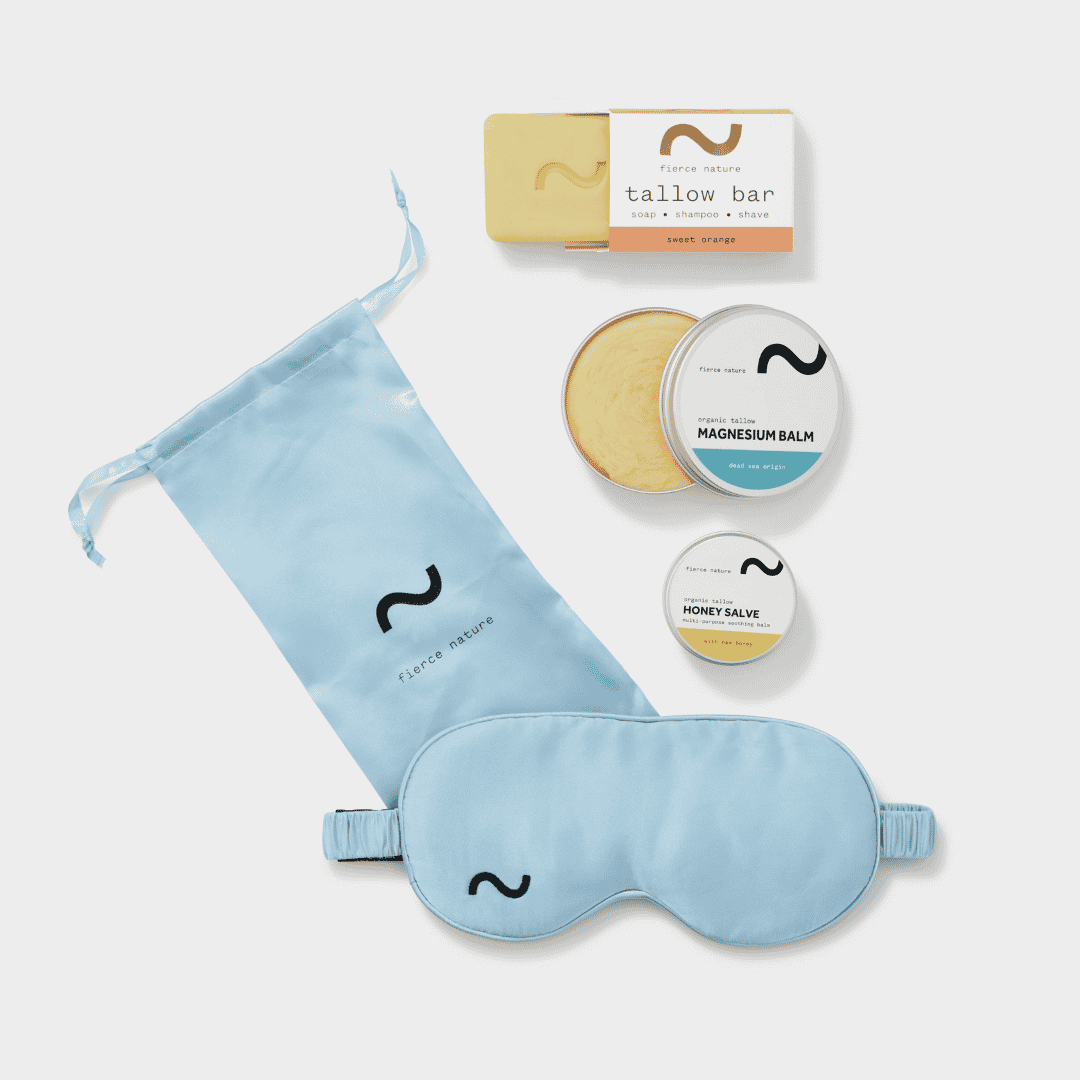
Fiercenature was built on one belief: that your skin deserves real nourishment, not a cocktail of synthetic chemicals dressed up in beautiful packaging. Every product is handmade in the UK using premium, naturally sourced ingredients, with pure organic tallow as the foundation.
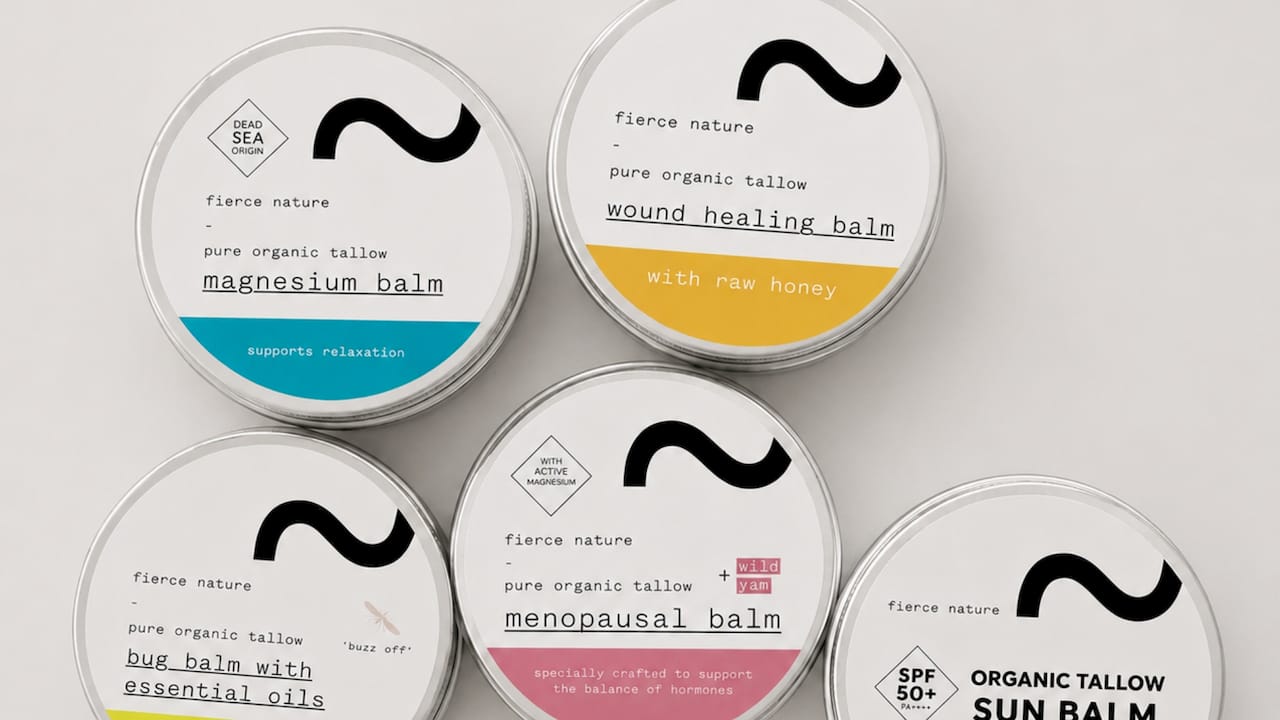
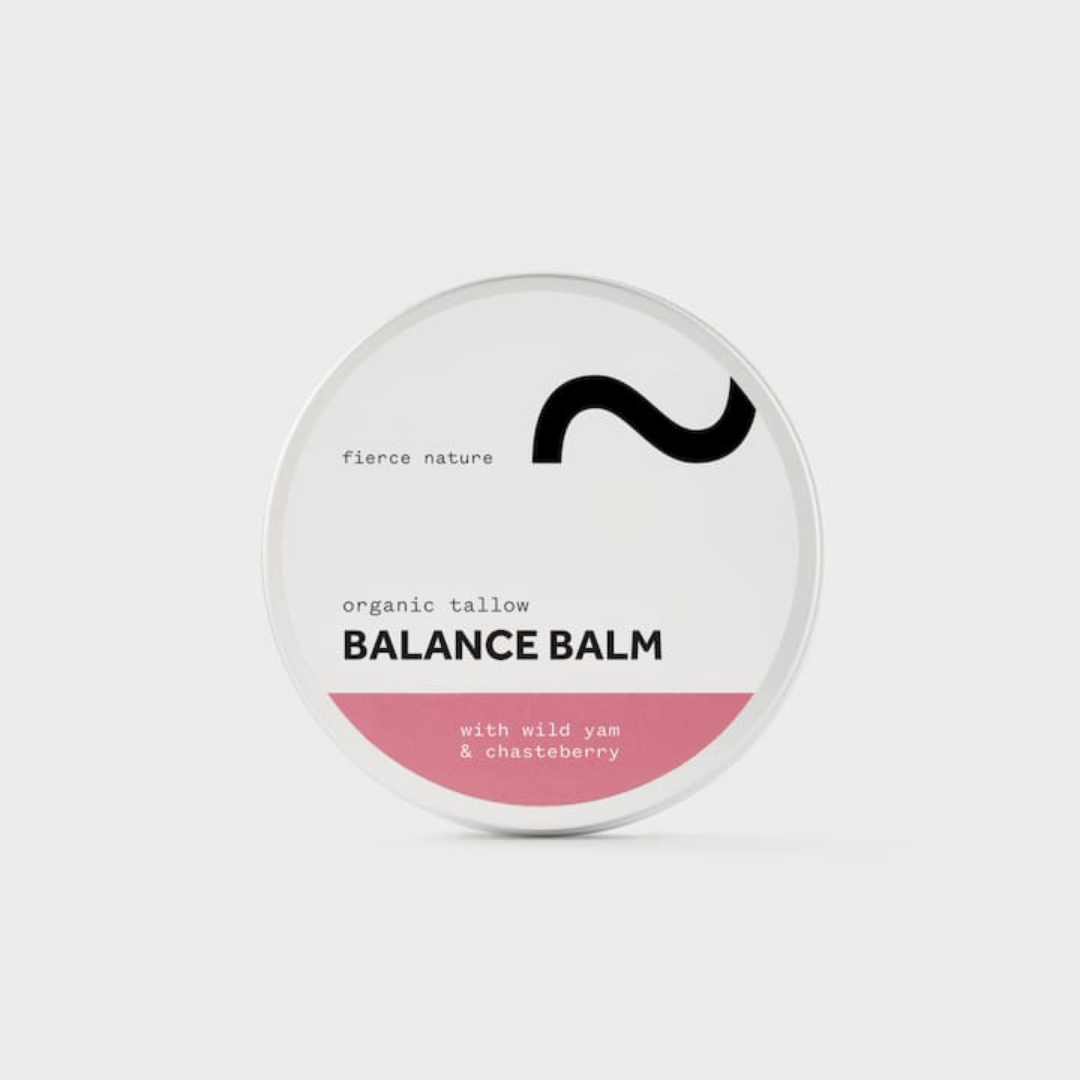
Whether you are building your first organic routine or refining one you have had for years, Fiercenature’s organic face and body balms offer deeply bioavailable nourishment that works with your skin’s own biology. For a complete starting point, explore the toxin-free skincare routine guide, which walks you through every step with products you can trust. Radiant, well-nourished skin is not a luxury. It is what happens when you stop fighting your skin and start feeding it properly.
Certified organic means the product has been independently audited by a recognised body such as the Soil Association or ECOCERT, confirming that a verified percentage of ingredients are organically grown and that the formulation excludes synthetic pesticides, parabens, and harmful preservatives.
Organic skincare products are generally well-suited to sensitive skin because they avoid parabens, sulfates, and synthetic fragrances that commonly trigger reactions. Always patch-test new products, as even natural botanicals can cause sensitivity in some individuals.
The most notable trending ingredients in 2026 include fermented botanicals for microbiome support, non-nano zinc oxide for clean mineral SPF, raspberry seed oil for barrier health, and bioavailable vegan collagen peptides found in formats like Mushus skincare drinks.
Look for a recognised certification logo such as Soil Association COSMOS rather than relying on front-of-pack claims like “natural” or “green.” Request the full INCI ingredient list and check for specific sustainability data, such as the recycled packaging percentages that Weleda publishes openly.
Tallow-based skincare uses animal-derived fat, which is not plant-based but can be naturally sourced and free from synthetic additives. Fiercenature uses pure organic tallow as a deeply nourishing base, valued for its bioavailability and its close compatibility with the skin’s own lipid structure.