Cart
0
80% Also Added this







TL;DR:
- Natural skin moisturizers fall into three categories: humectants, emollients, and occlusives, each serving a distinct role. Combining all three helps prevent water loss, replenish lipids, and deeply hydrate the skin. Properly layering these ingredients based on skin type enhances overall skin health and resilience.
Natural skin moisturisers fall into three functional categories: humectants, emollients, and occlusives. Each type plays a distinct role in keeping your skin hydrated, resilient, and radiant. Understanding these types of natural skin moisturisers helps you choose ingredients that genuinely work with your skin rather than simply sitting on its surface. The science is clear: effective moisturisers combine all three to prevent transepidermal water loss (TEWL), replenish lipids, and draw moisture deep into the skin. Whether you are building a DIY routine or selecting plant-based skin hydration products, knowing what each category does is the foundation of everything.
Humectants are water-attracting molecules that pull moisture into the outer layer of the skin, known as the stratum corneum. They work by binding to water molecules from both the environment and the deeper layers of your skin. The result is a plumping, softening effect that makes skin feel immediately more supple.
Popular natural humectants include:
Glycerin (vegetable-derived): one of the most studied and effective humectants available
Aloe vera gel: soothes and hydrates simultaneously, ideal for sensitive or reactive skin
Plant-fermented hyaluronic acid: holds up to 1,000 times its weight in water, making it exceptionally effective at retaining moisture
Raw honey: a natural humectant with antimicrobial properties, well suited to occasional use
Panthenol (provitamin B5): draws moisture in and supports skin repair
Humectants work best when layered under an emollient or occlusive. Used alone in dry climates, they can actually draw moisture out of the skin rather than from the air. This is the most common mistake people make with hyaluronic acid serums.
Pro Tip: Apply your humectant to slightly damp skin, then immediately follow with an emollient or occlusive to seal the moisture in. This single step dramatically improves results.
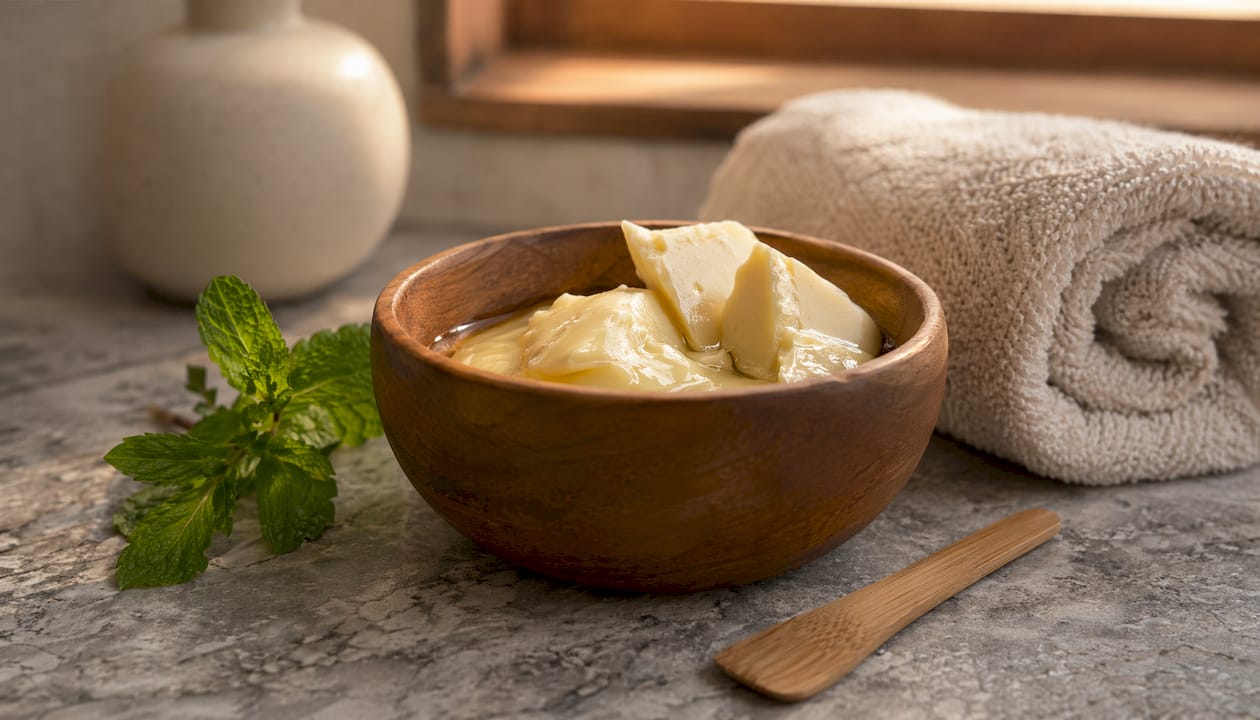
Emollients fill the microscopic gaps between skin cells, smoothing the surface and restoring flexibility to the skin barrier. They do not add water to the skin. Instead, they make the barrier more functional so that the skin retains the moisture it already holds.
Natural emollients worth knowing include:
Squalane (plant-derived, often from sugarcane or olives): closely mimics human sebum and absorbs without leaving a greasy residue
Jojoba oil: technically a liquid wax, structurally similar to the skin’s own sebum, and considered one of the least comedogenic natural oils
Argan oil: rich in oleic and linoleic acids, nourishing for dry and mature skin
Kukui oil: a lighter oil from Hawaii, traditionally used for sensitive and sun-damaged skin
Shea butter: a rich plant butter that doubles as both emollient and mild occlusive
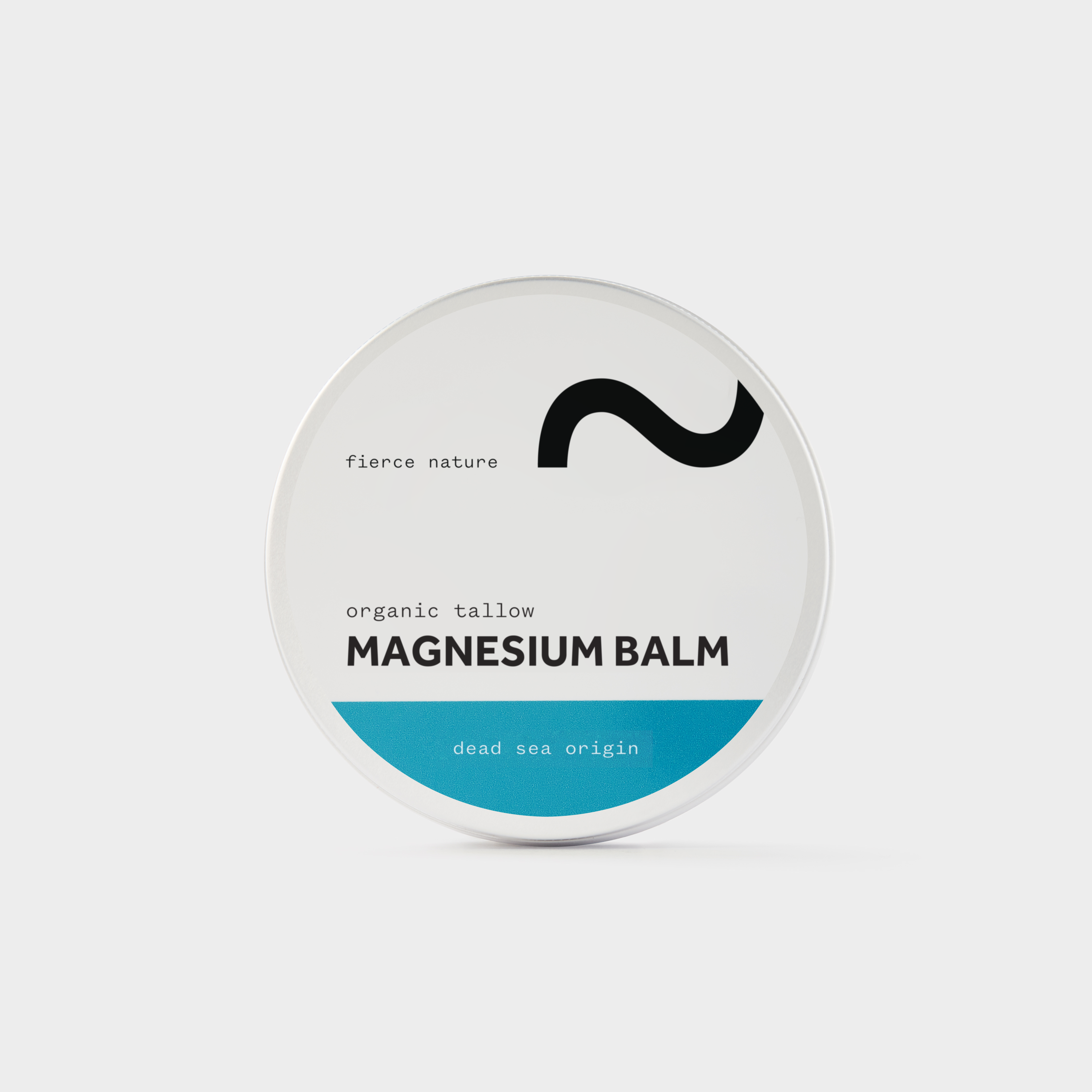
Tallow: a saturated animal fat with a fatty acid profile remarkably close to human skin lipids, offering deep nourishment and barrier support
One important distinction is stability. Saturated fats like tallow and shea butter provide longer-lasting, more stable moisturising barriers than many unsaturated plant oils, which are prone to oxidation. Oxidised oils can irritate the skin rather than nourish it. This is why shelf life matters when choosing natural emollients.
For oily or combination skin, lighter emollients like squalane or jojoba are the better choice. For dry or mature skin, richer options like argan oil, shea butter, or tallow deliver more substantial nourishment. Bio-ceramides are another category worth noting: they are lipid molecules that replenish the skin’s natural barrier structure, particularly useful for compromised or sensitive skin.
Pro Tip: If you are prone to breakouts, choose jojoba or squalane over coconut oil on your face. Coconut oil is highly comedogenic for many skin types, despite its natural credentials.
Occlusives form a physical barrier on the skin’s surface that slows water evaporation. They are the heaviest of the three moisturiser types and the most effective at reducing TEWL. Natural occlusives like beeswax and tallow can reduce transepidermal water loss by up to 99%, making them genuinely powerful barrier agents.
Common natural occlusives include:
Beeswax: a classic occlusive used in balms and salves, breathable and non-pore-blocking
Tallow: functions as both emollient and occlusive, providing a dual-action barrier
Shea butter: offers mild occlusive protection alongside its emollient benefits
Illipe butter: a lesser-known plant butter from Borneo, with a melting point close to body temperature and a silky finish
Candelilla wax (plant-based): a vegan alternative to beeswax, commonly used in natural balms
Occlusives are especially beneficial in cold or windy weather, overnight treatments, and for very dry or cracked skin. They are not ideal as standalone daytime products for oily or acne-prone skin, as heavy occlusion can trap sebum and contribute to congestion. The solution is to use them sparingly, or to choose a lighter occlusive like a thin layer of beeswax-based balm rather than a thick ointment.
Pro Tip: Use an occlusive as the final step in your evening routine. Apply it over a humectant and emollient while your skin is still slightly warm from cleansing. The warmth helps the barrier layer absorb more effectively.
Layering humectants, emollients, and occlusives in the correct order is more effective than using any single oil or butter alone. The principle is straightforward: start with the most water-like products and finish with the most occlusive.
The recommended layering order is:
Cleanse your skin and leave it slightly damp
Apply your humectant (glycerin serum, aloe vera gel, or hyaluronic acid) to damp skin
Follow with your emollient (jojoba oil, squalane, or argan oil) to smooth and nourish
Seal with your occlusive (beeswax balm, tallow balm, or shea butter) to lock everything in
This sequence works because each layer supports the next. The humectant draws water in. The emollient holds the skin cells together. The occlusive prevents evaporation. Skipping any step reduces the overall benefit.
Adapting this routine to your skin type makes a real difference:
Dry or mature skin: use all three layers generously, choosing richer emollients like tallow or argan oil
Oily or combination skin: use a lightweight humectant, a non-comedogenic emollient like squalane, and skip or minimise the occlusive during the day
Sensitive skin: patch test every new ingredient; stick to fragrance-free options and gentle humectants like aloe vera or panthenol; explore natural moisturisers for sensitive skin for tailored guidance
Combination skin: apply richer layers to dry zones (cheeks, around the eyes) and lighter layers to oilier areas (the T-zone)
Formulation bioavailability and adherence impact success more than any single ingredient. A well-layered routine with simple, stable ingredients outperforms an expensive single product used incorrectly. Ingredient stability also matters here: plant oils high in polyunsaturated fats (like rosehip or flaxseed oil) oxidise quickly and should be stored in dark, cool conditions and used within three to six months of opening.
Pro Tip: If you want to simplify your routine, look for a product that already combines all three moisturiser types. A well-formulated tallow balm, for example, acts as emollient and occlusive in one step. Add a glycerin or aloe vera serum underneath and you have a complete routine in two products.
For a deeper look at sequencing your natural products correctly, the guide on skincare layering order covers every step in detail.
Beyond the well-known oils and butters, a range of botanical ingredients offer genuine moisturising benefits that rarely get the attention they deserve.
Kukui oil is pressed from the nuts of the kukui tree, native to Hawaii. It is exceptionally lightweight and absorbs rapidly, making it one of the better natural moisturiser options for oily or acne-prone skin. It is rich in linoleic and alpha-linolenic acids, which support barrier repair.
Illipe butter melts at skin temperature, giving it a uniquely comfortable feel. It is less widely available than shea butter but offers similar emollient and mild occlusive properties. It is a good shea butter alternative for those who find shea too heavy.
Chamomile-infused oils are a simple homemade option. Steep dried chamomile flowers in a carrier oil (such as jojoba or sunflower) for four to six weeks, then strain and use the infused oil as an emollient. Chamomile contains bisabolol, a compound known to calm irritation and support skin repair.
A few safety and sourcing considerations:
Always patch test a new ingredient on your inner arm for 24 hours before applying it to your face
Store homemade preparations in dark glass bottles and use within three months
Choose cold-pressed, unrefined oils where possible; refining strips beneficial compounds
Look for organic certification when sourcing plant butters and waxes to avoid pesticide residues
Avoid applying undiluted essential oils directly to skin; they are highly concentrated and can cause sensitisation
Coconut oil is a popular DIY ingredient but is comedogenic for many people when used on the face; use it on the body instead
Understanding skin hydration at a deeper level helps you make better choices about which ingredients your skin genuinely needs versus which ones are simply trending.
Natural skin moisturisers work best when humectants, emollients, and occlusives are combined and layered in the correct order, with ingredient stability and skin type guiding every choice.
| Point | Details |
|---|---|
| Three functional types | Humectants attract water, emollients smooth the barrier, and occlusives seal moisture in. |
| Layering order matters | Apply humectant first, then emollient, then occlusive for the best hydration results. |
| Stability affects results | Saturated fats like tallow and shea butter resist oxidation better than most unsaturated plant oils. |
| Oily skin needs moisture too | Skipping moisturiser triggers excess sebum; use lightweight emollients like squalane or jojoba. |
| Patch test everything new | Always test homemade or unfamiliar ingredients on your inner arm before applying to your face. |
The most persistent myth in natural skincare is that a single oil can do everything. People reach for coconut oil, rosehip oil, or argan oil expecting complete hydration. What they get is partial results, because no single ingredient covers all three moisturising functions.
The second myth is that natural means safe for everyone. Essential oils, nut-derived butters, and even some plant waxes can trigger reactions in sensitive individuals. “Natural” describes origin, not suitability. Patch testing is not optional; it is the most important step in any new skincare routine.
Ingredient stability is the conversation the natural skincare world largely avoids. Unsaturated plant oils like rosehip, flaxseed, and evening primrose are genuinely beneficial, but they oxidise quickly. An oxidised oil applied to your skin is not nourishing; it is pro-inflammatory. This is why we at Fierce Nature build our formulations around tallow as the primary emollient and occlusive base. Tallow is a saturated fat. It is stable, deeply compatible with human skin, and has centuries of use behind it. We add antioxidants like Vitamin E to further protect the integrity of each product.
The final point worth making is about oily skin. Oily skin does not need less moisture; it needs the right kind. Skipping moisturiser causes sebum overproduction as a compensatory response. A lightweight emollient like squalane or jojoba, applied after a humectant, gives oily skin what it needs without congestion. The skin calms down. Breakouts reduce. This is one of the most consistent observations we have made working with people who previously avoided moisturiser altogether.
Choose your ingredients with intention. Let your skin’s actual needs guide you, not the ingredient of the moment.
— Fierce Nature
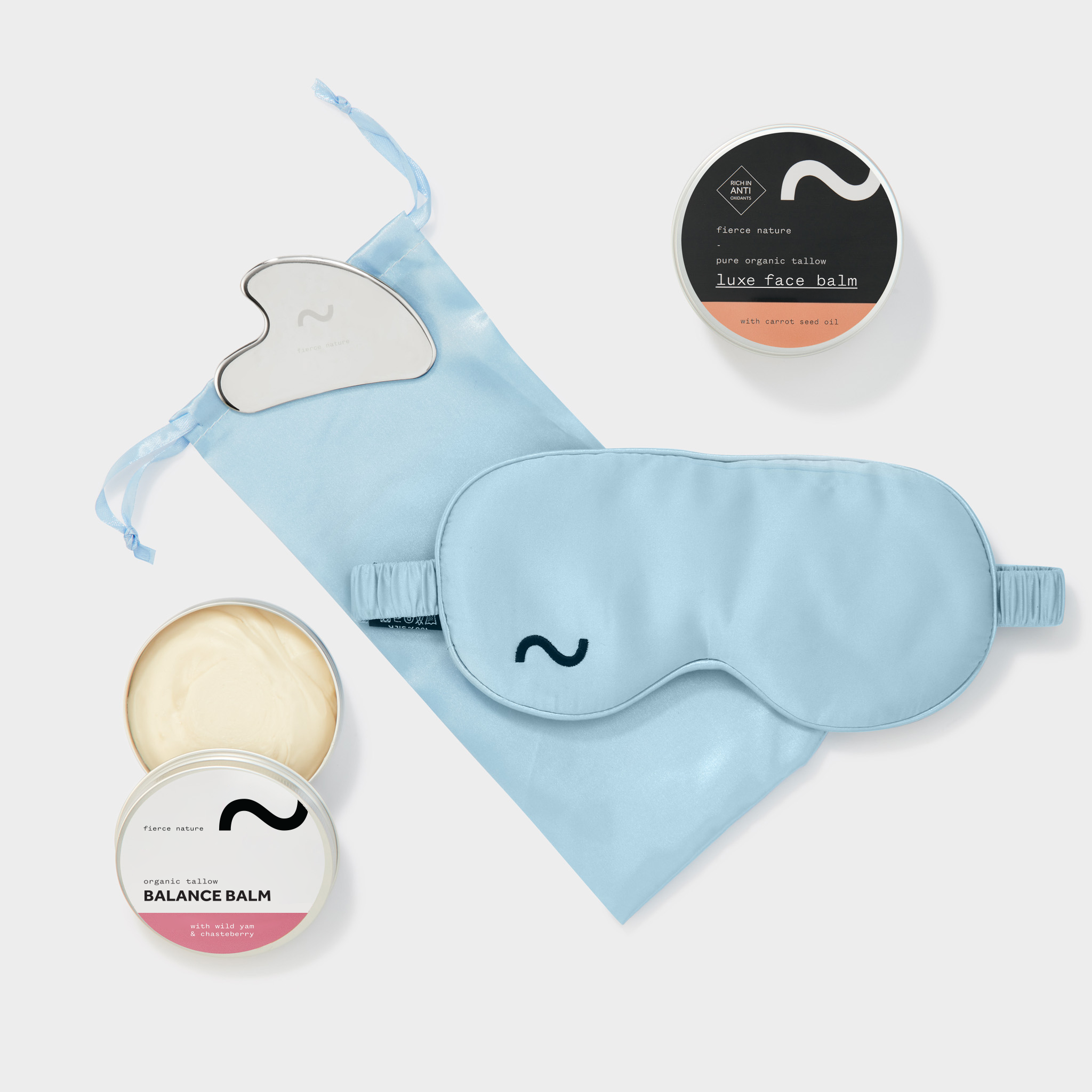
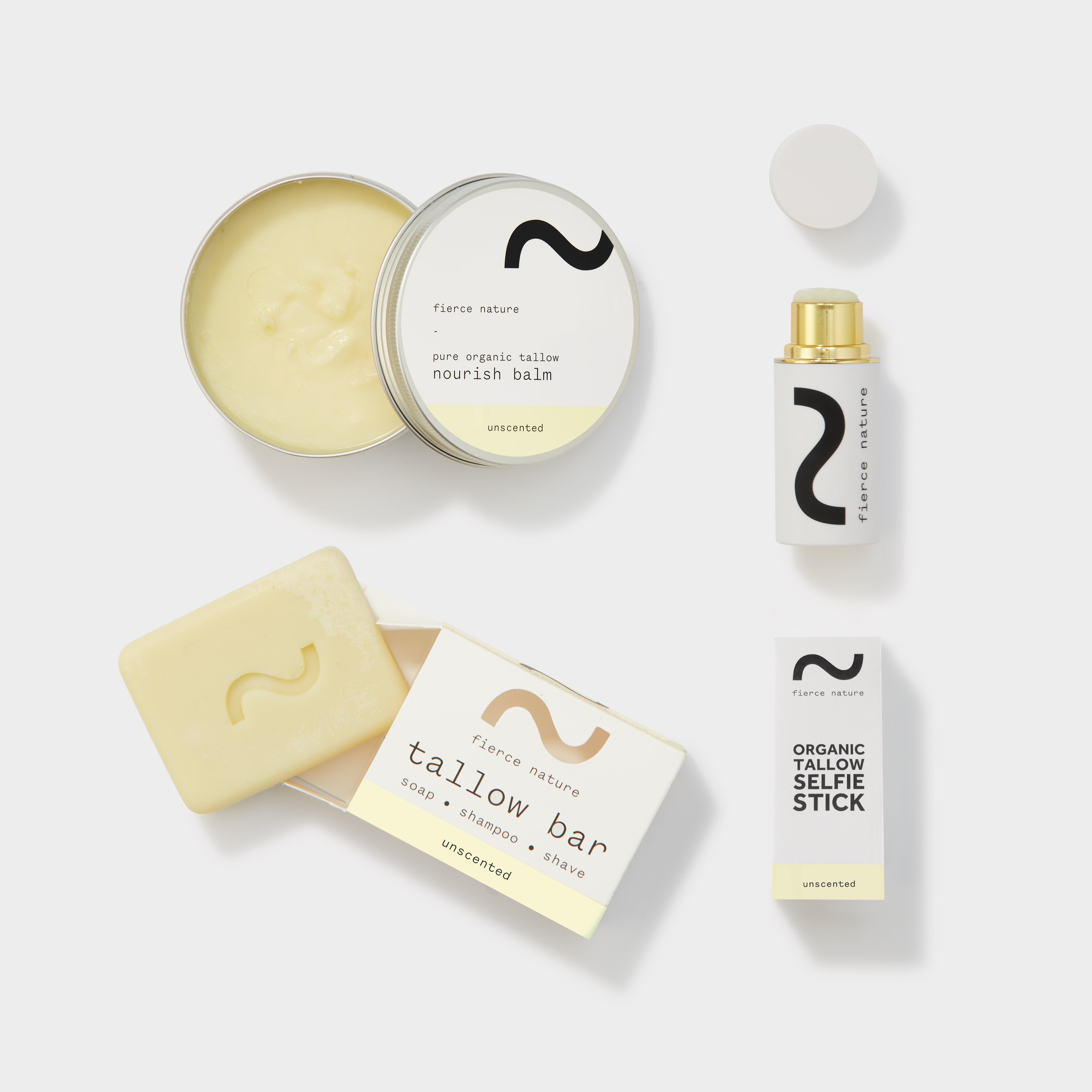
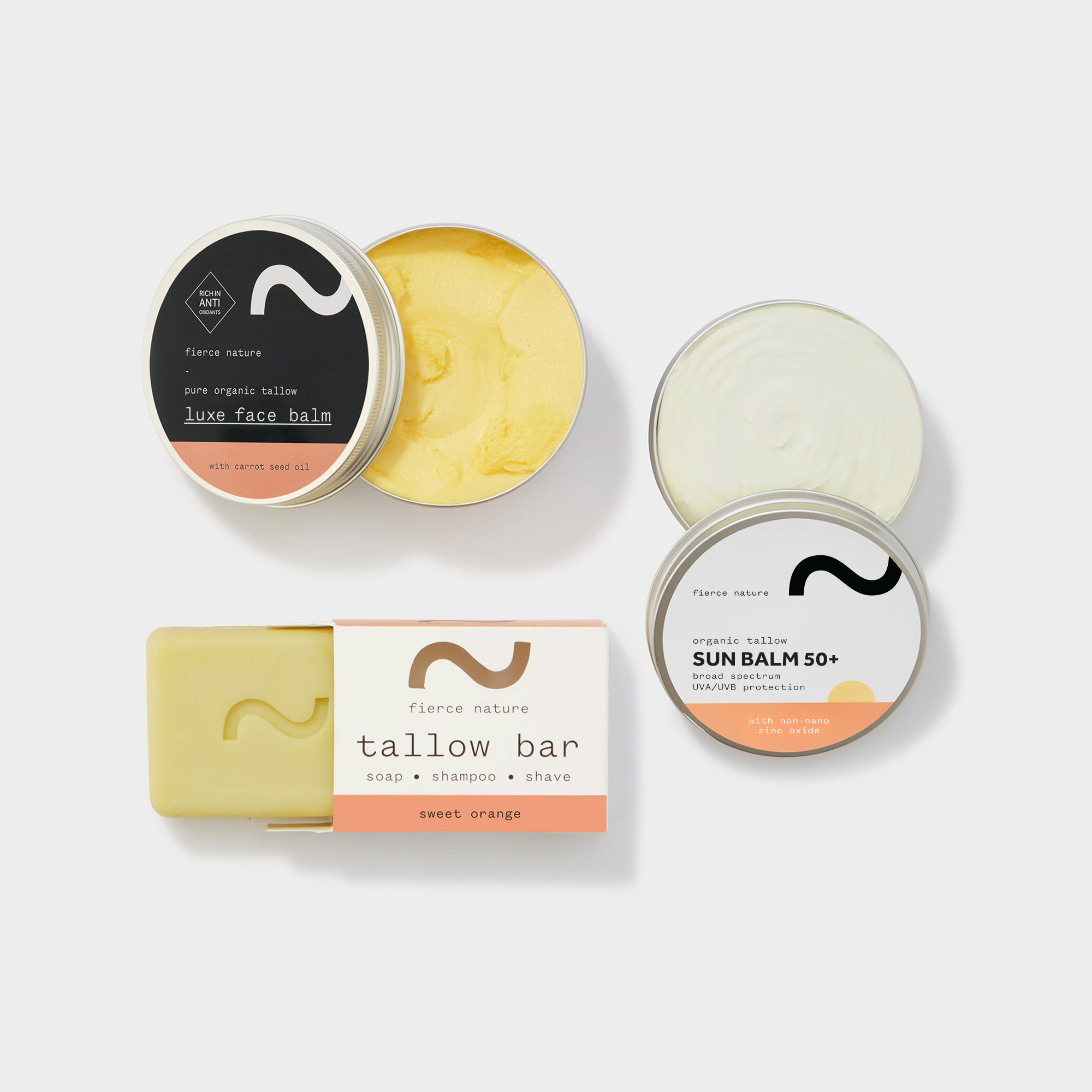
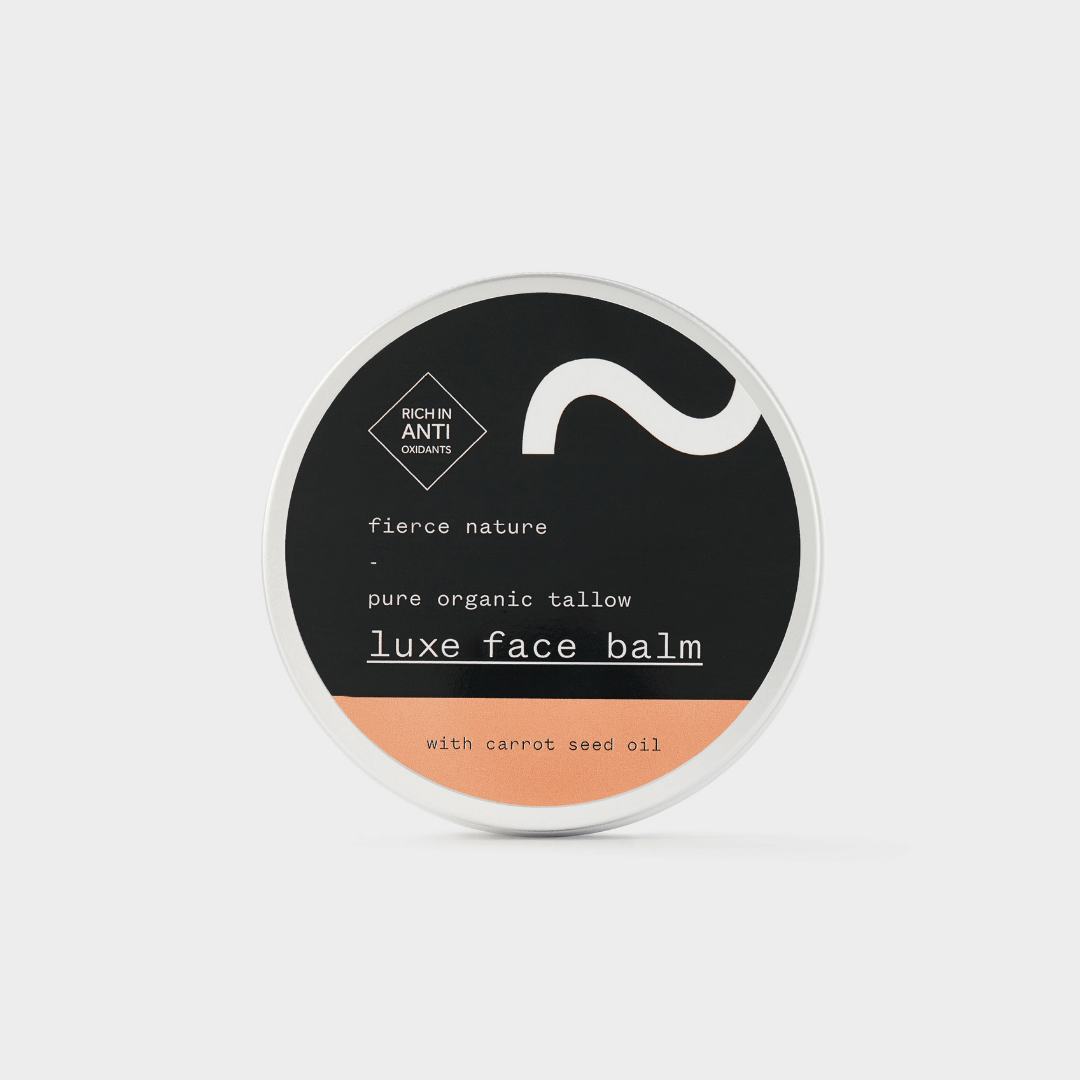
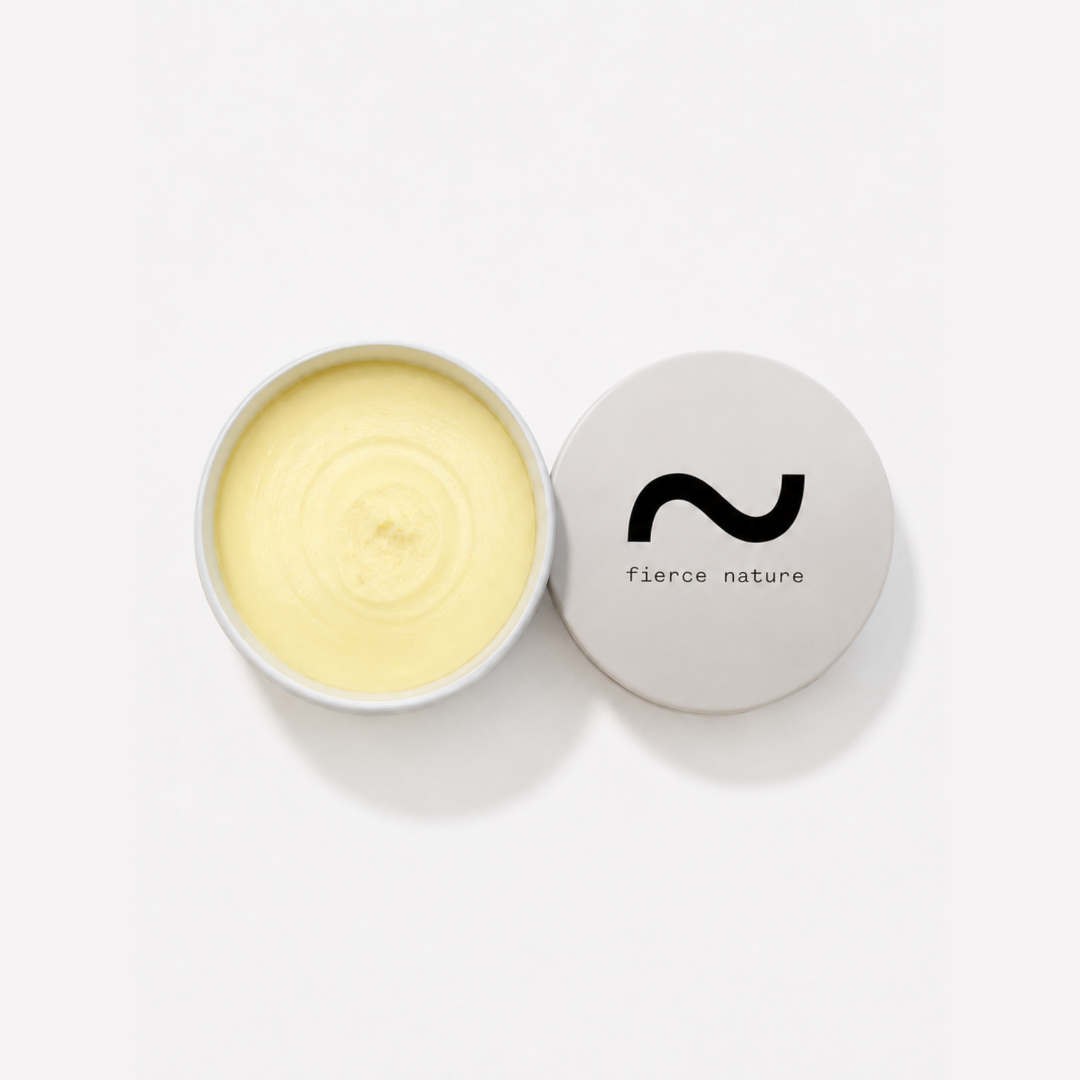
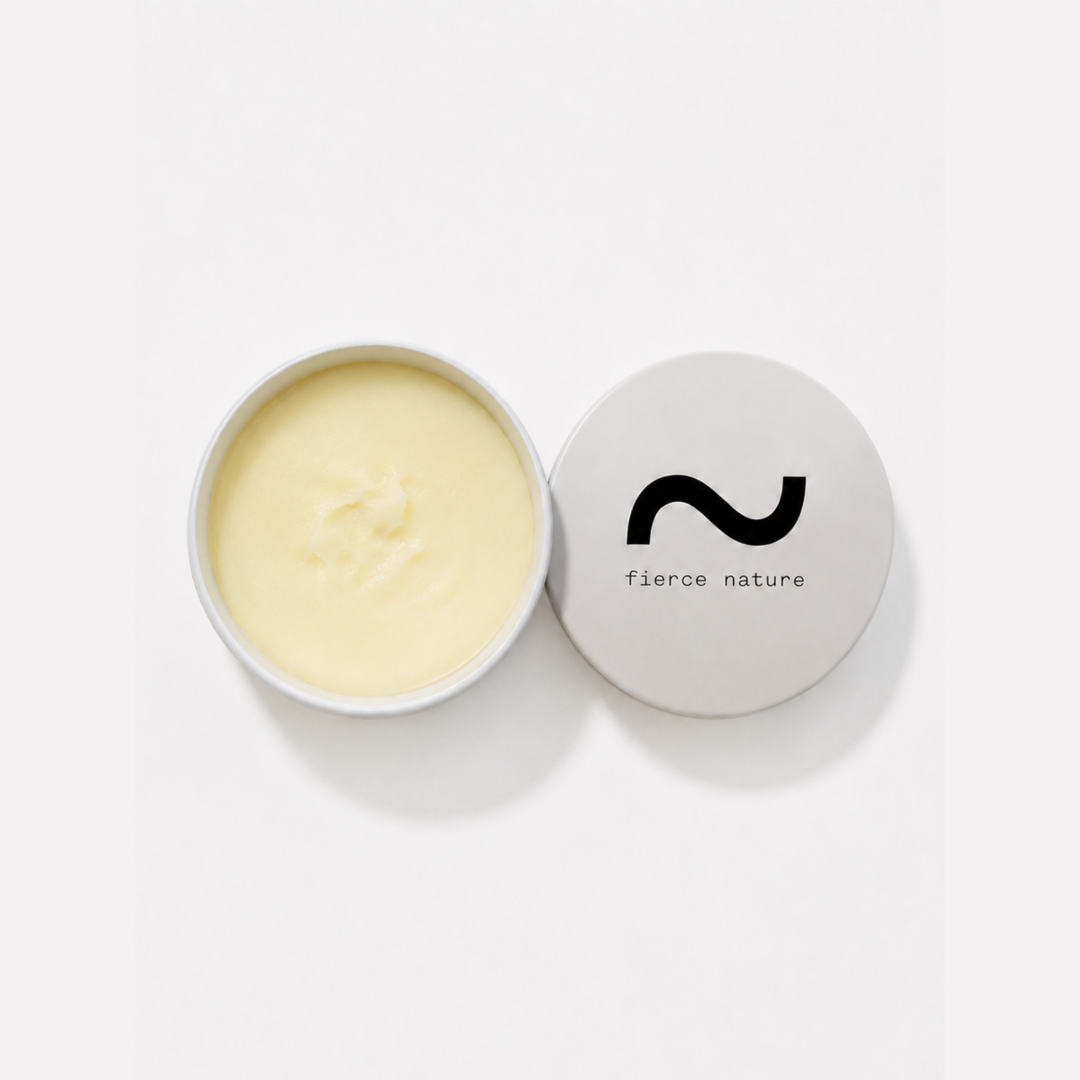
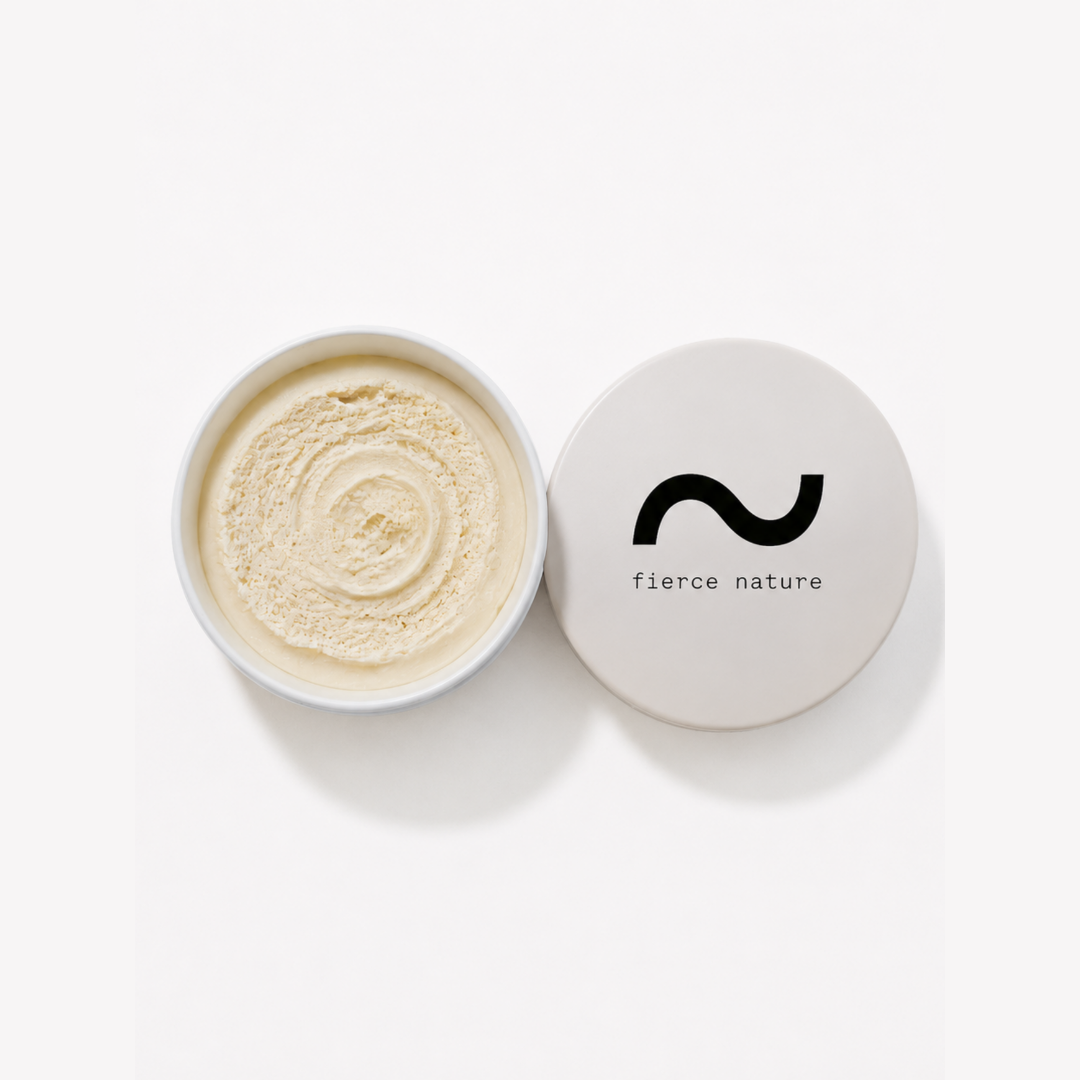
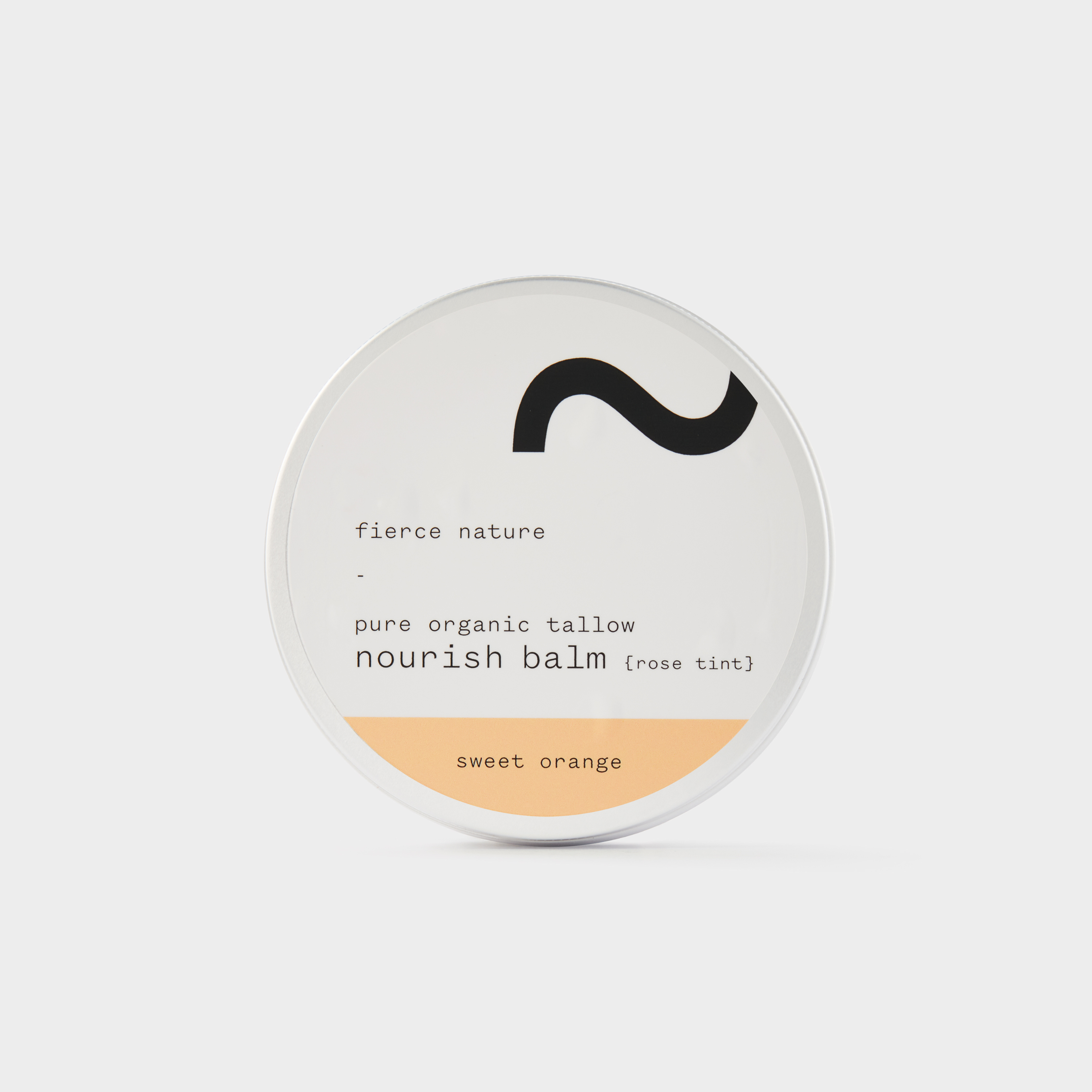
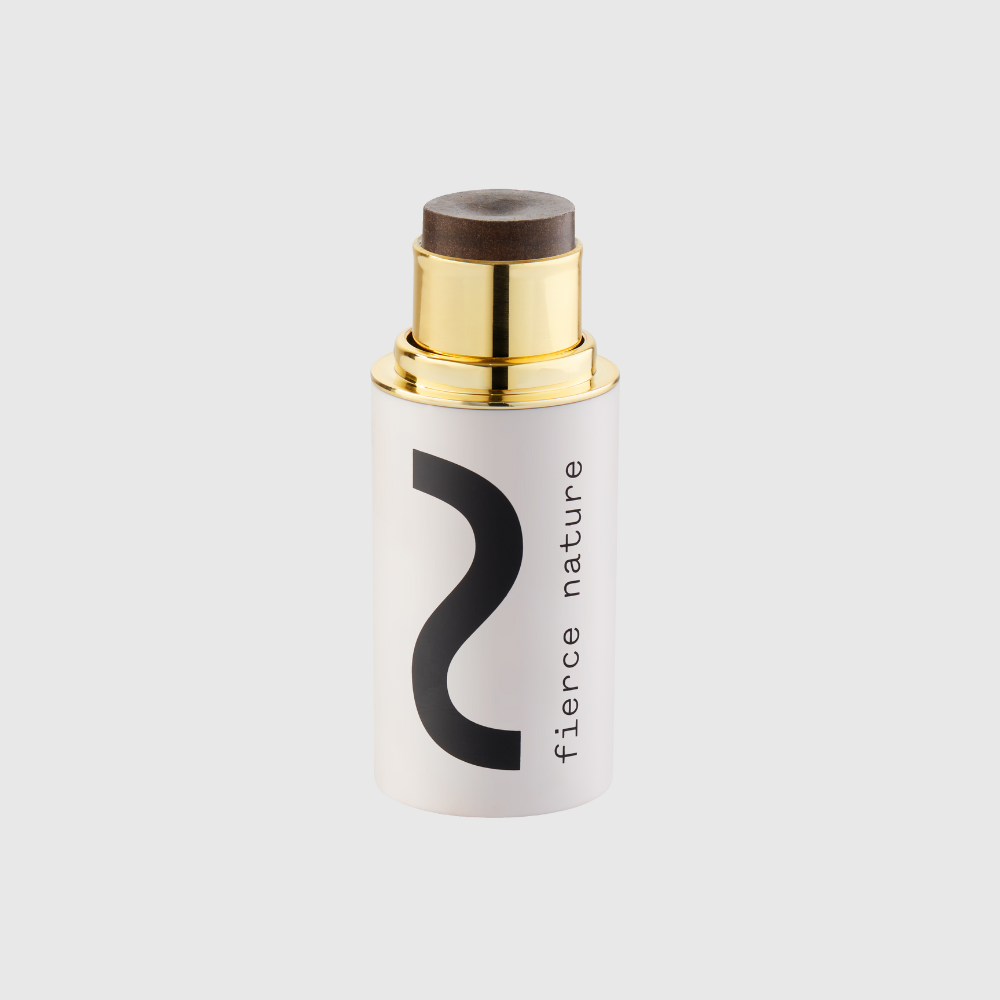
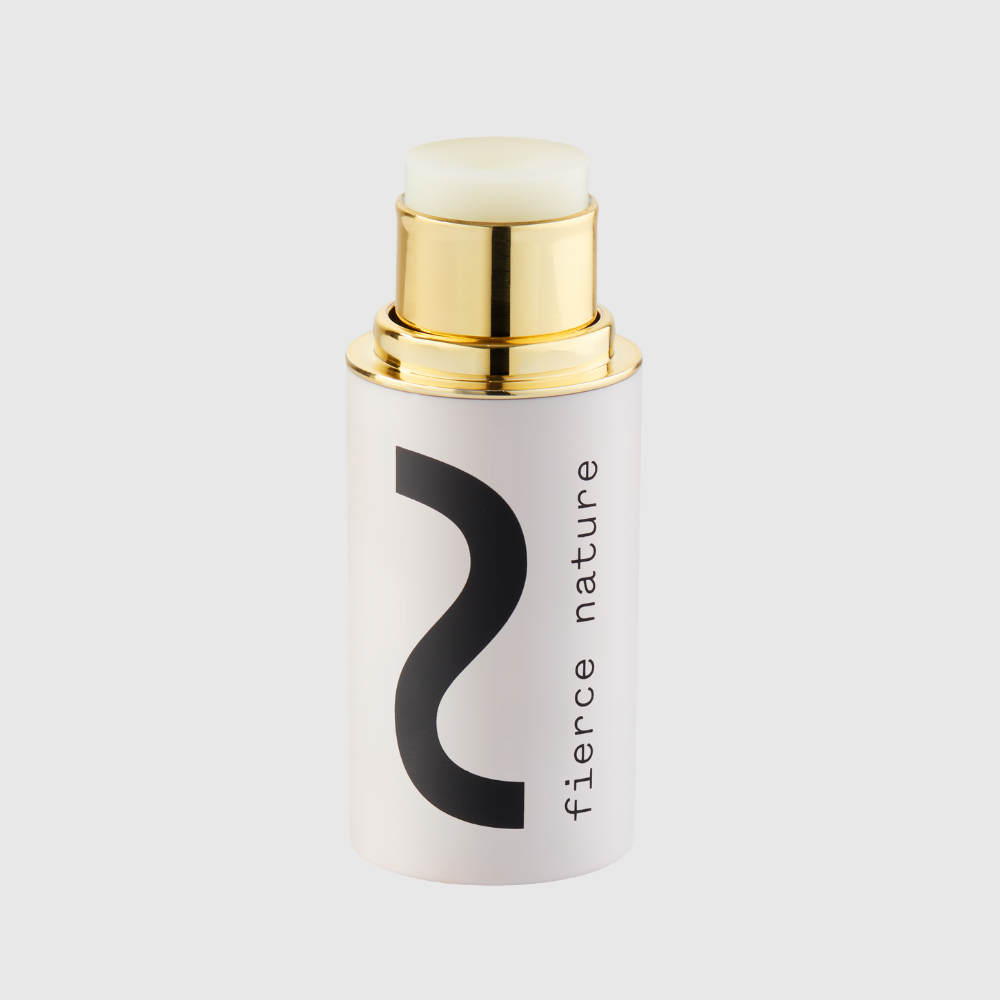
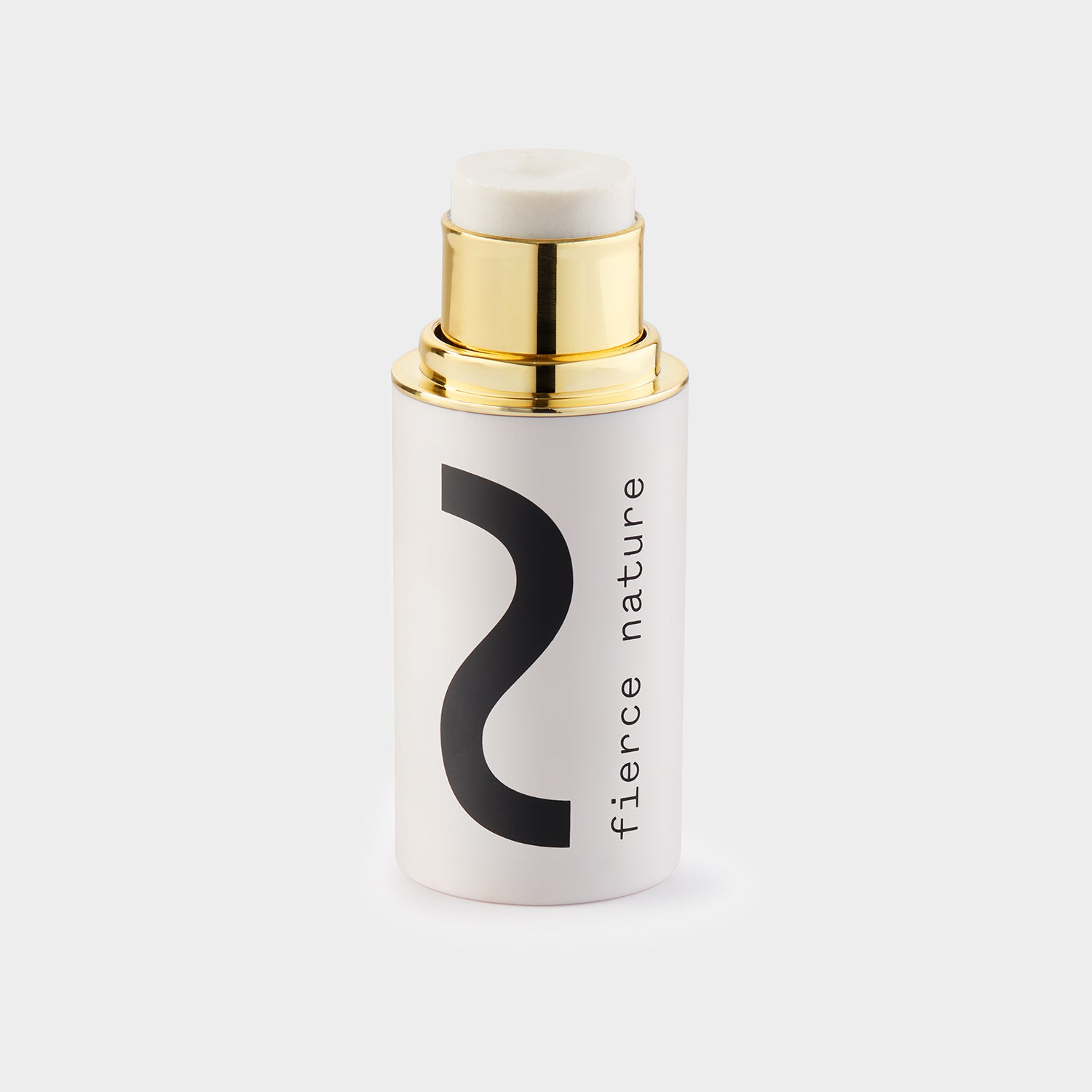
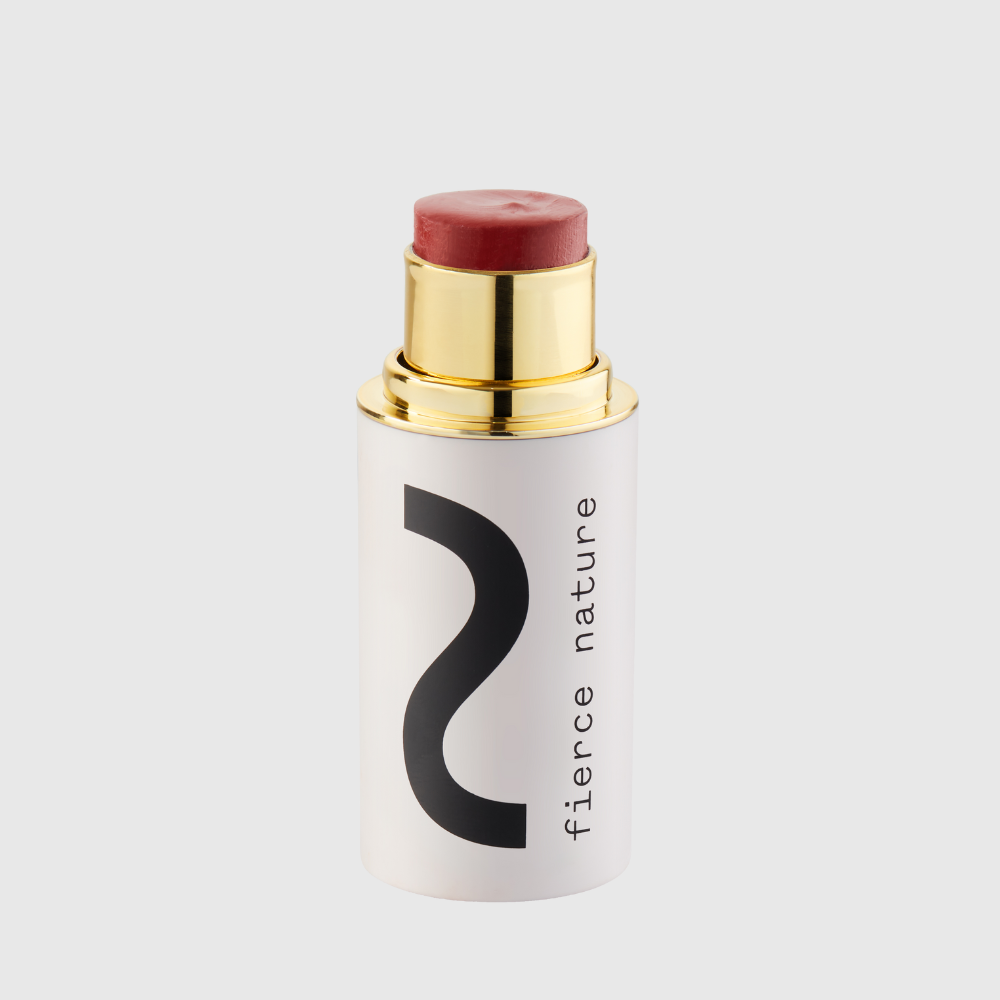
At Fierce Nature, every product is built around the three moisturiser types covered in this guide. The Selfie Stick Natural Unscented combines emollient and occlusive properties in a fragrance-free, skin-kind formula, making it ideal for sensitive or reactive skin. The Luxe Face Balm delivers rich nourishment for dry and mature skin, with tallow as its emollient and occlusive foundation. For a touch of colour alongside barrier support, the Nourish Balm with Rose Tint offers organic tallow-based care with a warm, natural finish. All products are handmade in the UK using premium, naturally sourced ingredients with no synthetic fillers.
The three types are humectants, emollients, and occlusives. Humectants attract water, emollients smooth and soften the skin barrier, and occlusives create a protective layer that prevents moisture from evaporating.
Yes. Oily skin still needs moisturisation. Skipping it can trigger excess sebum production. Choose lightweight, non-comedogenic emollients like squalane or jojoba oil, and use a minimal or no occlusive layer during the day.
Apply humectant first to damp skin, follow with an emollient, and finish with an occlusive. This sequence draws moisture in, smooths the barrier, and then seals everything in place.
Homemade moisturisers can be safe when made with stable, patch-tested ingredients. Store them in dark glass containers, use within three months, and avoid undiluted essential oils directly on the skin.
Oxidised plant oils are a common cause of irritation. Unsaturated oils like rosehip and flaxseed degrade quickly when exposed to light, heat, or air. Always store natural oils correctly and replace them regularly to avoid applying rancid product to your skin.