Cart
0
You may also like




Your daily moisturiser, lipstick, and shampoo may contain chemicals linked to hormone disruption, allergic reactions, and long-term health concerns. Here is the checklist we at Fierce Nature believe every UK consumer deserves to have before they shop.
Chemicals to check for and avoid:
On the packaging, check for:
Pro Tip: Ingredients are listed in descending order of concentration. If a concerning chemical appears in the first five ingredients, it makes up a meaningful portion of the formula. Scan the top of the list first, not just the bottom.
Learning to read cosmetic ingredient labels confidently is one of the most protective habits you can build.
Parabens, phthalates, and synthetic fragrances are linked to hormone disruption, carcinogenicity, and allergic reactions. These are not theoretical risks sitting in obscure research papers. Regulatory bodies across the UK and EU have acted on this evidence by restricting or banning many of these substances.

The mechanisms vary by chemical. Parabens mimic oestrogen in the body, potentially interfering with reproductive health. Formaldehyde releasers work by slowly breaking down and releasing formaldehyde gas onto the skin, which is a recognised carcinogen. BHA and BHT can accumulate in body tissue over time, and their hormone-disrupting properties have prompted restrictions in several product categories.
Microplastics present a different kind of concern. They have been found in human biological samples, raising questions about systemic toxicity that scientists are still working to fully understand. Their persistence in the environment compounds the problem beyond individual health.
A summary of key chemical effects:
Since 2026, sixteen new carcinogenic, mutagenic, or reproductive toxins have been banned in UK cosmetics, strengthening the legal framework around consumer protection. The full list of newly banned toxic chemicals is worth bookmarking.
The British Skin Foundation consistently highlights that skin conditions including contact dermatitis are frequently triggered by cosmetic ingredients, particularly preservatives and fragrances. Skin is not a barrier that stops everything. Many of these molecules are small enough to penetrate and enter the bloodstream.
Not all cosmetics carry equal risk. Certain product categories are more likely to contain problematic chemicals, either because of their formulation requirements or because they attract less regulatory scrutiny in some supply chains.
Skin-whitening creams and black spot treatments are regularly flagged in UK safety reports for containing banned substances, including mercury compounds and hydroquinone. These products are sometimes sold through informal channels or online marketplaces where compliance checks are weaker.
Product types to approach with particular care:
Pro Tip: Products sold via third-party online marketplaces may not meet UK cosmetic safety standards. Always buy from a brand’s own website or a verified UK retailer, and check that the Responsible Person’s address is clearly listed.
UK cosmetic products must display a named Responsible Person with a physical UK or EU address. This is a legal requirement, not a courtesy. Its absence is one of the clearest signals that a product has not been properly assessed for safety before reaching the market.
Since leaving the EU, the UK operates its own cosmetic regulations under the UK Cosmetics Regulation, which broadly mirrors the EU framework but is administered separately. Packaging must include a full ingredient list in English, use directions, any relevant warnings, a batch number, and country of origin. Products with a shelf life under 30 months must carry a best-before date.
Consumer protection checklist:
Understanding why UK skincare regulations differ from EU rules post-Brexit helps you spot products that may comply with one framework but not the other.
Pro Tip: The OPSS publishes product safety alerts and recalls. Searching a product name or brand there before purchasing takes under a minute and can save you from a harmful experience.
A single word on a label, “Parfum” or “Fragrance,” can conceal a blend of up to 300 individual chemicals. Many of these are allergens; others are endocrine disruptors or respiratory irritants. The term is a legal catch-all that gives manufacturers wide latitude to protect trade secrets, but it leaves consumers with very little information.
Common reactions to fragrance chemicals include allergic contact dermatitis, asthma flare-ups, and headaches. People with eczema or rosacea are particularly vulnerable, as fragrance is one of the most common triggers for flare-ups identified by dermatologists.
Fragrance-related ingredients to watch for:
Choosing fragrance-free products, or those scented only with clearly named essential oils at low concentrations, is the most reliable way to reduce fragrance-related risk. A product labelled “unscented” may still contain masking fragrances, so “fragrance-free” is the term to look for. For a reassuring example of transparent ingredient use, the Wren Go-To Balm is worth exploring for its clear approach to ingredient safety.
Patch testing is the simplest protective step you can take when trying any new product. Apply a small amount to the inside of your wrist or behind your ear, leave it for 24–48 hours, and watch for redness, itching, or swelling before using it more widely. It takes almost no time and can prevent days of discomfort.

Beyond patch testing, building a habit of reading labels carefully pays off quickly. Prioritise brands that list every ingredient clearly, name their Responsible Person, and avoid vague terms like “natural complex” or “botanical blend” without specifics. Transparency is one of the most honest signals a brand can give you.
Daily habits and safer ingredient alternatives:
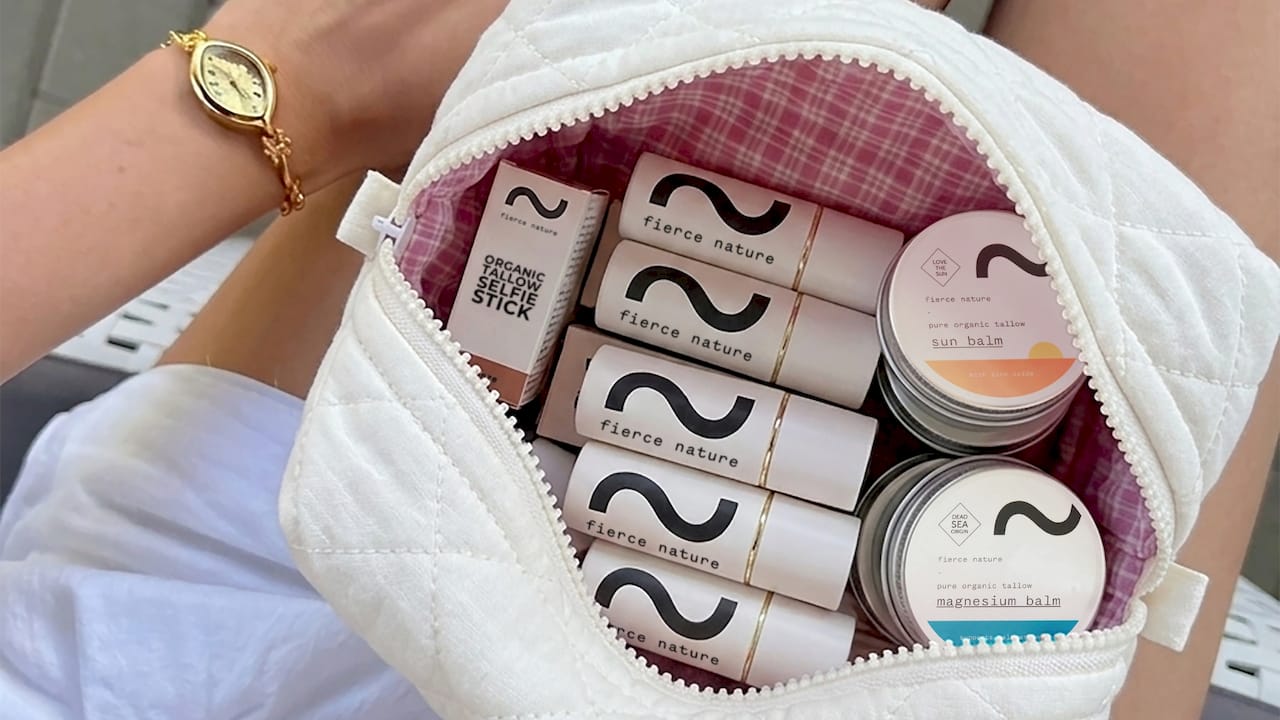
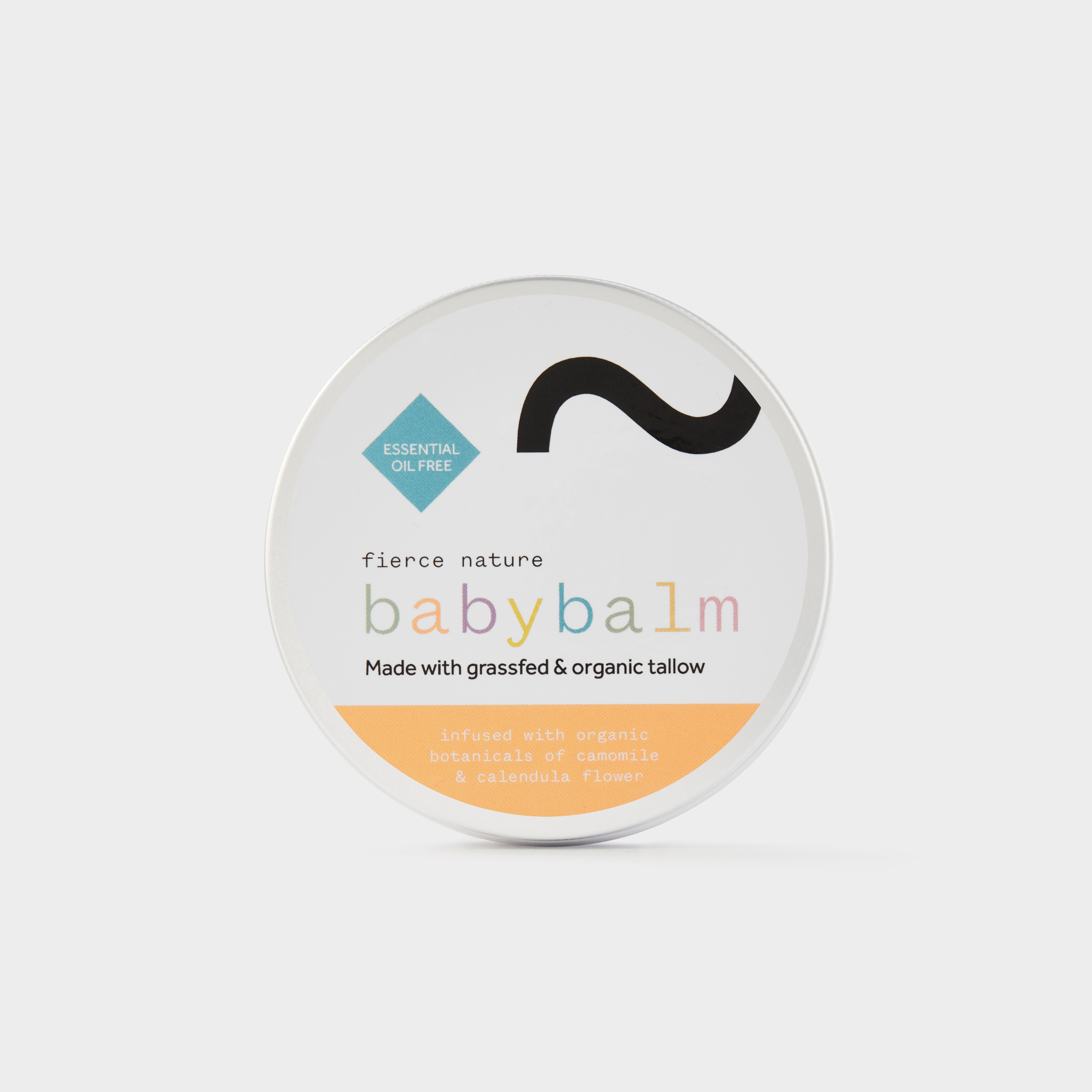
At Fierce Nature, we build every product around pure organic tallow and clearly named natural ingredients, with no hidden fragrance blends and no synthetic preservatives. Tallow’s bioavailability means it works with your skin, not against it, delivering nourishment that genuinely penetrates rather than sitting on the surface.
Pro Tip: Simplifying your routine to five or fewer products dramatically reduces your daily toxic load. Start by swapping the product you use most frequently, as that is where cumulative exposure is highest.
If you are ready to make a change, our non-toxic skincare range is a good place to start, including the Multi-Use Tallow Bar for those who want a genuinely clean, nourishing daily staple.
If you believe a cosmetic product has caused you harm or is non-compliant, you have clear routes to report it. The Office for Product Safety and Standards (OPSS) is the primary UK authority for cosmetic product safety. You can report unsafe products directly through the GOV.UK website, and the OPSS publishes recall notices and safety alerts that are publicly searchable.
The British Skin Foundation offers consumer resources on skin conditions triggered by cosmetic ingredients, including guidance on identifying allergens and when to seek dermatological advice. Their website is a reliable starting point if you are experiencing a reaction and want to understand its likely cause.
For ingredient research, CosmEthics and INCI Beauty are free tools that allow you to search any ingredient by its INCI name and see its safety rating, regulatory status, and known concerns. Neither replaces professional medical advice, but both give you a fast, informed starting point.
Trading Standards, accessible through your local council, handles complaints about mislabelled or fraudulently marketed cosmetics sold in the UK. If a product makes medical claims it cannot substantiate, or if labelling is in a language other than English with no translation, Trading Standards is the right body to contact.
Avoiding toxic cosmetics in the UK comes down to reading labels carefully, knowing which chemicals to refuse, and buying from brands that are transparent about every ingredient they use.
| Point | Details |
|---|---|
| Check for a Responsible Person | UK law requires a named individual with a physical address on every cosmetic product. |
| Avoid the top ten toxins | Parabens, phthalates, formaldehyde releasers, BHA/BHT, synthetic fragrances, and microplastics carry the highest documented risks. |
| High-risk product categories | Skin-whitening creams, hair relaxers, and nail varnishes are most frequently flagged in UK safety reports. |
| Several new bans since 2026 | Sixteen carcinogenic, mutagenic, or reproductive toxins were added to the UK banned list in 2026. |
| Patch test every new product | Apply to the wrist or behind the ear for 24–48 hours before full use to catch reactions early. |
The most important ones to avoid are parabens, phthalates, formaldehyde releasers, BHA, BHT, synthetic fragrances (listed as “Parfum”), microplastics, hydroquinone, mercury compounds, and coal tar dyes. These are linked to hormone disruption, carcinogenicity, and allergic reactions.
Check that the label carries a named Responsible Person with a physical UK or EU address, a full ingredient list in English, a batch number, and any required warnings. Products missing these details may not have passed the mandatory safety assessment.
Products labelled “fragrance-free” are generally safer for sensitive skin than those labelled “unscented,” which can still contain masking fragrances. Look for “fragrance-free” specifically, and cross-check the ingredient list for individual fragrance chemicals such as linalool or limonene.
Sixteen new carcinogenic, mutagenic, or reproductive toxins were banned in UK cosmetics in 2026, strengthening existing protections. The UK now administers its own cosmetics regulation separately from the EU, though the frameworks remain broadly aligned.
Report unsafe cosmetics to the Office for Product Safety and Standards (OPSS) via GOV.UK, or contact your local Trading Standards office for issues related to mislabelling or fraudulent marketing claims.