Cart
0
80% Also Added this






TL;DR:
- Bioavailable skincare ingredients are formulated to cross the skin’s barrier and deliver active benefits into the skin. Most actives fail because they cannot penetrate the stratum corneum without proper formulation, especially hydrophilic molecules. Encapsulation and lipid carriers improve delivery, making ingredients like tetrahexyldecyl ascorbate and nanoretinol truly effective.
Bioavailable skincare ingredients are compounds formulated to cross the skin’s natural barrier and deliver active benefits where they are needed most. Most actives fail not because they are ineffective, but because they never reach the dermis. The stratum corneum, the outermost layer of skin, blocks the majority of topically applied molecules, particularly hydrophilic ones. Understanding which examples of bioavailable skincare ingredients genuinely penetrate this barrier, and why, is the difference between a product that nourishes your skin and one that simply sits on top of it.
Bioavailability in skincare is a formulation engineering challenge, not just an ingredient selection exercise. An active compound must be the right size, the right polarity, and delivered in the right carrier to cross the stratum corneum effectively. Raw botanical extracts, however potent they sound, often fail this test entirely.
The skin barrier strongly limits hydrophilic molecule penetration, meaning water-loving ingredients like plain vitamin C or unmodified niacinamide struggle to reach the deeper skin layers where collagen and elastin live. Lipid-soluble molecules fare better because the stratum corneum is itself a lipid-rich environment. This is why formulation science matters as much as ingredient quality.
Several key characteristics determine whether an ingredient will actually reach your skin cells:
Molecular size: Smaller molecules penetrate more readily. Large polysaccharides, for example, work primarily on the skin’s surface.
Lipid solubility: Lipophilic actives pass through the stratum corneum’s fatty matrix far more efficiently than hydrophilic ones.
Stability: An ingredient that degrades before absorption delivers no benefit. Anhydrous lipid-based systems preserve bioactive integrity better than water-based formulations.
Delivery system: Nanocarriers, lipid nanoparticles, and encapsulation technologies physically carry actives through the barrier.
pH compatibility: Some actives require specific pH ranges to remain stable and effective on skin.
Pro Tip: Many consumers equate “natural” with “bioavailable,” but unprocessed natural extracts typically have limited skin permeability due to molecular size or polarity. Encapsulation and nanocarriers are what transform them into genuinely bioavailable compounds your skin can use.
Tetrahexyldecyl ascorbate (THD) is the most bioavailable form of vitamin C for topical skincare. Unlike L-ascorbic acid, which requires an acidic pH of 2.0–3.5 to remain stable and still struggles to penetrate the skin barrier, THD is lipid-soluble and stable at skin-friendly pH levels of 4–6.
THD delivers 232% greater collagen recovery compared to conventional retinol and L-ascorbic acid. That figure reflects a fundamental difference in how the ingredient interacts with dermal tissue, not just surface brightening. For anyone with sensitive or rosacea-prone skin, THD is particularly valuable because it does not require the harsh acidic environment that makes standard vitamin C serums so irritating.
The lipid tail modification on THD allows it to dissolve into the skin’s fatty matrix and travel to the dermis intact. Once there, it converts to active ascorbic acid and gets to work on collagen synthesis and antioxidant protection. This is a textbook example of how a small structural change transforms a poorly absorbed active into a genuinely effective one.
Conventional retinol is well-regarded for its anti-ageing effects, but its delivery to the dermis is inconsistent and often accompanied by irritation. Nanoretinol encapsulated in biomimetic lipid nanoparticles changes this picture entirely.
Lipid nanoparticles mimic skin membranes, which allows them to pass through the stratum corneum without disrupting the barrier. The retinol travels inside this protective shell and releases gradually in the deeper layers. The result is measurably better outcomes with less surface irritation.
Nanoretinol delivered this way yields 73% greater elastin recovery compared to conventional retinol formulations. Elastin is the protein responsible for skin’s snap and resilience, and it is notoriously difficult to restore once depleted. These figures make a strong case for choosing encapsulated retinoids over standard formulations, particularly for mature or reactive skin.
Niacinamide is one of the most studied ingredients in skincare, valued for reducing redness, regulating sebum, and strengthening the skin barrier. Its challenge is absorption. As a water-soluble vitamin, plain niacinamide faces the same barrier resistance as other hydrophilic actives.
Lipid nanoparticle encapsulation solves this directly. Encapsulated niacinamide enhances skin permeation by 39% and overall delivery by 22% compared to non-optimised formulations, with a 56% encapsulation efficiency. Those numbers represent a meaningful improvement in how much active ingredient actually reaches the skin cells that need it.
For acne-prone or combination skin, this matters enormously. Niacinamide’s sebum-regulating and anti-inflammatory properties are only as effective as the amount that penetrates. A well-encapsulated niacinamide product will outperform a higher-concentration standard formula every time.
Pro Tip: When reading a product label, look for terms like “lipid nanoparticles,” “encapsulated niacinamide,” or “nanocarrier delivery.” These signal that the formulation has been engineered for better absorption, not just ingredient inclusion.
Vitamin E, in the form of tocopherols, is naturally lipid-soluble, which makes it one of the most inherently bioavailable antioxidants in skincare. It does not need encapsulation to cross the stratum corneum because it is already chemically compatible with the skin’s fatty matrix.
Tocopherols function as bioavailable antioxidants that neutralise free radicals within the lipid layers of the skin, protecting cell membranes from oxidative damage. This is distinct from water-soluble antioxidants, which act primarily in the aqueous phase and cannot reach the same cellular targets. Vitamin E also supports the skin barrier by reinforcing its lipid structure, reducing transepidermal water loss.
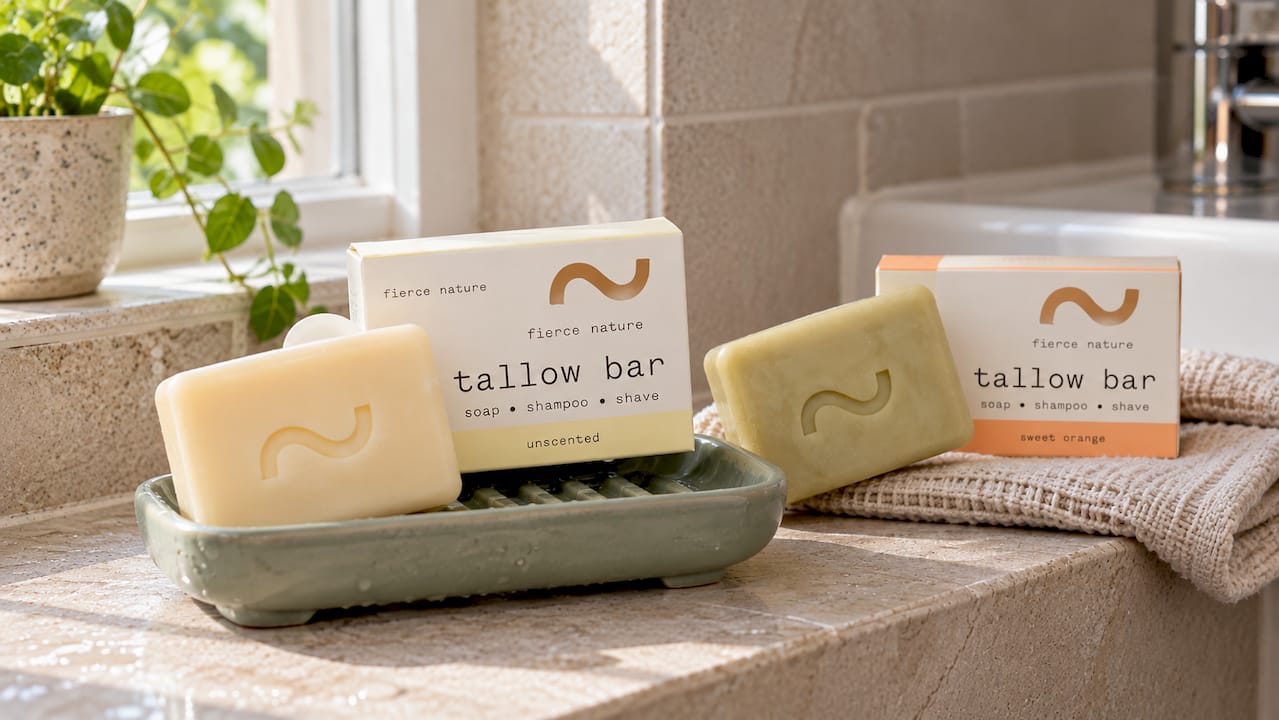
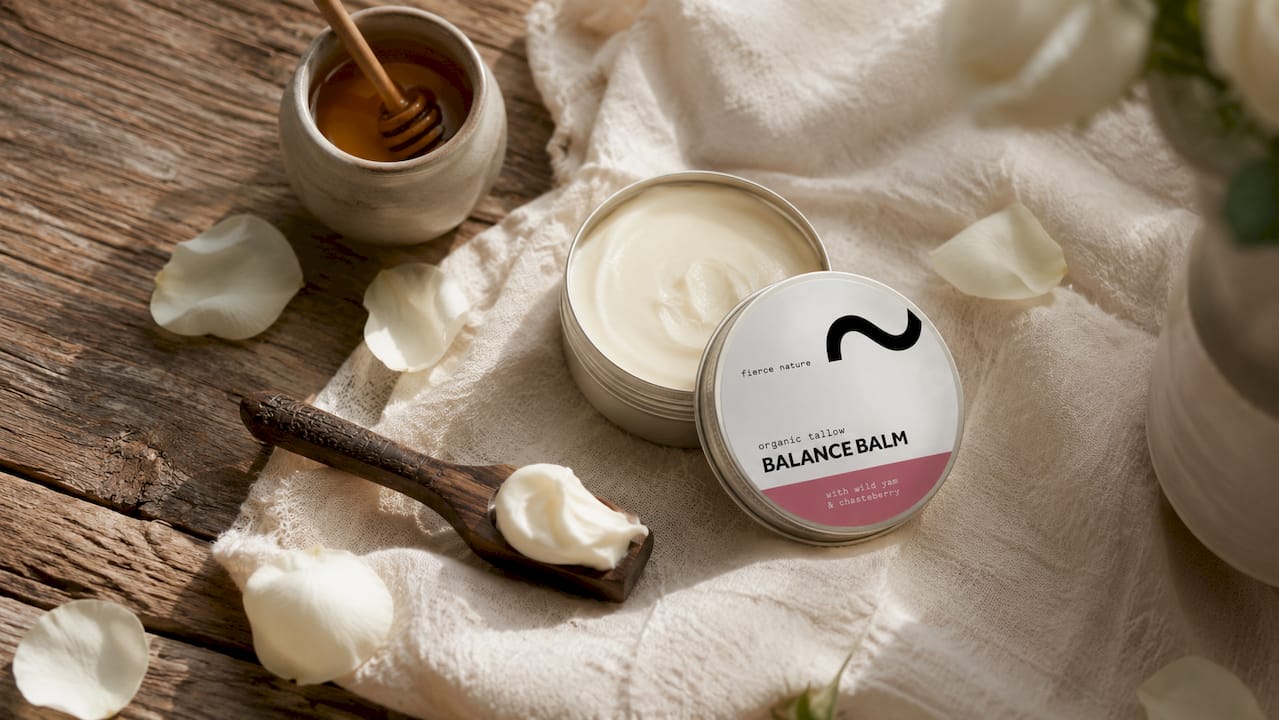
Tallow, the foundation of Fierce Nature’s formulations, is naturally rich in tocopherols. This is one reason tallow-based skincare has such a strong track record for nourishing and protecting skin. The lipid profile of tallow closely mirrors that of human sebum, giving it an inherent affinity for the stratum corneum.
Carotenoids, including beta-carotene and lycopene, are fat-soluble pigments found in plants that provide meaningful photoprotective and antioxidant benefits when applied topically. Their lipid solubility gives them a natural advantage in skin penetration compared to water-based actives.
Beta-carotene and lycopene both quench singlet oxygen, a reactive species generated by UV exposure that damages skin cells and accelerates ageing. When delivered in a lipid-rich carrier, carotenoids distribute into the skin’s fatty layers and provide sustained antioxidant activity. Encapsulation further improves their stability, since carotenoids are prone to oxidation when exposed to light and air.
Specialised plant metabolites, including carotenoids, provide antioxidant, anti-inflammatory, and photoprotective benefits that are significantly enhanced when extracted and delivered using advanced methods. This is why the quality of the carrier matters as much as the carotenoid source itself.
Flavonoids are a large family of plant-derived polyphenols with well-documented antioxidant and anti-inflammatory properties. Quercetin and catechins (found in green tea) are among the most studied for skincare applications.
The challenge with flavonoids is their molecular size and hydrophilicity. In their raw extracted form, they have limited skin permeability. Nanotechnology and encapsulation bridge this gap, transforming botanical extracts into bioavailable forms that can reach the viable epidermis. Quercetin encapsulated in lipid nanoparticles, for example, shows significantly improved cellular uptake compared to free quercetin.
For skin that is reactive, inflamed, or prone to redness, flavonoids offer a gentler alternative to synthetic anti-inflammatory actives. Their natural origin also means they tend to work with the skin’s own biology rather than overriding it.
Ferulic acid and caffeic acid are phenolic compounds found in plant cell walls. Both are recognised for their ability to neutralise UV-generated free radicals and stabilise other antioxidants, particularly vitamins C and E.
Ferulic acid is particularly valued in formulation science because it extends the efficacy of vitamin C and E combinations. When all three are present in a stable, lipid-compatible delivery system, the antioxidant protection is greater than any single ingredient alone. Caffeic acid contributes additional anti-inflammatory activity and supports skin repair processes.
These phenolic acids benefit from the same delivery advances as flavonoids. Advanced extraction methods improve their stability and bioavailability, making them genuinely effective rather than decorative label additions. Look for them in formulations that specify encapsulation or lipid-based delivery.
Plant-derived prebiotics represent a newer category of bioavailable skincare ingredients. Rather than acting directly on skin cells, they work by selectively feeding beneficial bacteria on the skin’s surface, which in turn supports barrier function, reduces inflammation, and improves overall skin health.
Flaxseed and garlic extracts are two well-researched examples. These botanicals selectively inhibit pathogenic skin bacteria while supporting beneficial microbiota, acting in a bio-responsive way. This means they adapt to the skin’s microbial environment rather than applying a blanket antimicrobial effect that could disrupt the microbiome.
The bioavailability question here is slightly different. These ingredients do not need to penetrate deeply; they need to remain active on the skin surface long enough to influence microbial populations. Stable, lipid-compatible formulations help them persist on the skin without degrading. For acne-prone skin, this microbiome-modulating approach offers a genuinely restorative alternative to harsh antimicrobial ingredients.
Standard hyaluronic acid is a large molecule that sits on the skin’s surface, providing temporary hydration through water retention. It does not penetrate the stratum corneum in its unmodified form. Modified derivatives change this.
Hyaluronic acid modified with methacrylic groups (HA-MA) functions as an emulsifier that encapsulates hydrophobic actives, improving their skin biodistribution and cellular internalisation. This approach allows hydrophobic actives to be carried deeper into the skin while the hyaluronic acid component supports surface hydration simultaneously. The result is a delivery system that addresses multiple skin needs at once.
Combined delivery systems like this represent the direction formulation science is moving. Rather than single-active products, multi-active encapsulated systems allow co-internalisation of complementary ingredients, amplifying the overall benefit. For dry or mature skin, this means deeper hydration alongside active repair.
The breadth of natural skincare ingredients with genuine bioavailability is wide, but their effectiveness depends almost entirely on how they are formulated and delivered.
| Compound | Category | Primary skin benefit | Delivery method |
|---|---|---|---|
| Tetrahexyldecyl ascorbate | Vitamin C derivative | Collagen synthesis, brightening | Lipid-soluble modification |
| Tocopherols (Vitamin E) | Lipid antioxidant | Barrier support, free radical protection | Inherently lipid-soluble |
| Beta-carotene / lycopene | Carotenoids | Photoprotection, antioxidant | Lipid carrier, encapsulation |
| Quercetin / catechins | Flavonoids | Anti-inflammatory, antioxidant | Lipid nanoparticle encapsulation |
| Ferulic acid / caffeic acid | Phenolic acids | UV protection, antioxidant synergy | Encapsulation, lipid-based systems |
| Flaxseed / garlic extracts | Plant prebiotics | Microbiome modulation | Surface-active, stable formulation |
The pattern across all these compounds is consistent. Raw or unmodified, most have limited skin permeability. Properly formulated, they become genuinely effective actives.
Not every bioavailable active suits every skin type. Matching the ingredient to your skin’s specific needs is as important as choosing a well-formulated product.
Sensitive or rosacea-prone skin: Choose lipid-soluble vitamin C derivatives like THD over L-ascorbic acid. THD does not require harsh acidic pH and is far less likely to trigger reactivity. Look for skin barrier repair formulations that prioritise lipid-rich carriers.
Acne-prone skin: Encapsulated niacinamide and plant-derived prebiotics are well-suited here. Niacinamide regulates sebum and reduces inflammation; prebiotics support a balanced skin microbiome without stripping. Explore natural solutions for acne-prone skin that use these actives in stable, non-comedogenic carriers.
Dry or mature skin: Nanoretinol in lipid nanoparticles, tocopherols, and encapsulated hyaluronic acid derivatives all address the collagen loss and barrier thinning that characterise mature skin. Lipid-rich anhydrous formulations provide the best environment for these actives.
Combination skin: Encapsulated niacinamide and flavonoids offer balanced benefits, addressing both oilier zones and drier areas without over-treating either.
When reading labels, terms like “lipid nanoparticles,” “encapsulated,” “nanocarrier,” or “liposomal” indicate that the formulation has been engineered for genuine absorption. A high concentration of an active with no delivery system is often less effective than a lower concentration in a well-designed carrier.
Bioavailable skincare ingredients require both the right active compound and the right delivery system to cross the stratum corneum and deliver measurable skin benefits.
| Point | Details |
|---|---|
| Delivery system is decisive | Lipid nanoparticles and encapsulation transform poorly absorbed actives into genuinely effective ones. |
| Lipid solubility aids penetration | Tocopherols and THD penetrate the stratum corneum naturally due to their lipid-compatible chemistry. |
| Encapsulated niacinamide outperforms standard | Lipid nanoparticle encapsulation improves niacinamide skin permeation by 39% over non-optimised formulas. |
| Natural does not mean bioavailable | Unprocessed botanical extracts often have limited skin permeability without encapsulation or modification. |
| Match ingredient to skin type | Sensitive skin benefits from THD; acne-prone skin responds well to encapsulated niacinamide and plant prebiotics. |
At Fierce Nature, we have spent years looking at why so many skincare products fail to deliver on their promises. The answer is almost never the ingredient itself. It is the gap between what an ingredient can do in a laboratory and what it actually does when applied to living skin.
We see this most clearly with vitamin C. Brands market L-ascorbic acid at high concentrations, but the acidic pH required to keep it stable is the same pH that irritates skin and compromises the barrier. THD solves this elegantly, yet it rarely gets the attention it deserves because it is harder to market than a simple “vitamin C serum” claim.
The same pattern repeats with retinol, niacinamide, and botanical extracts. The raw ingredient gets the headline; the delivery system does the actual work. We believe consumers deserve to understand this distinction. A product label that lists quercetin or ferulic acid without specifying how those compounds are delivered is telling you only half the story.
Our approach at Fierce Nature starts with tallow as a foundation precisely because its lipid profile is inherently compatible with the skin’s own chemistry. It does not need to fight the barrier. It works with it. That is the principle we apply to every ingredient we choose: not just what it does, but whether it can actually get there.
The cosmetic industry needs more clinical transparency around bioavailability claims. “Contains vitamin C” and “delivers vitamin C to the dermis” are not the same statement. Until labelling standards catch up, your best guide is understanding the delivery systems behind the ingredients, not just the ingredients themselves.
— Fierce Nature
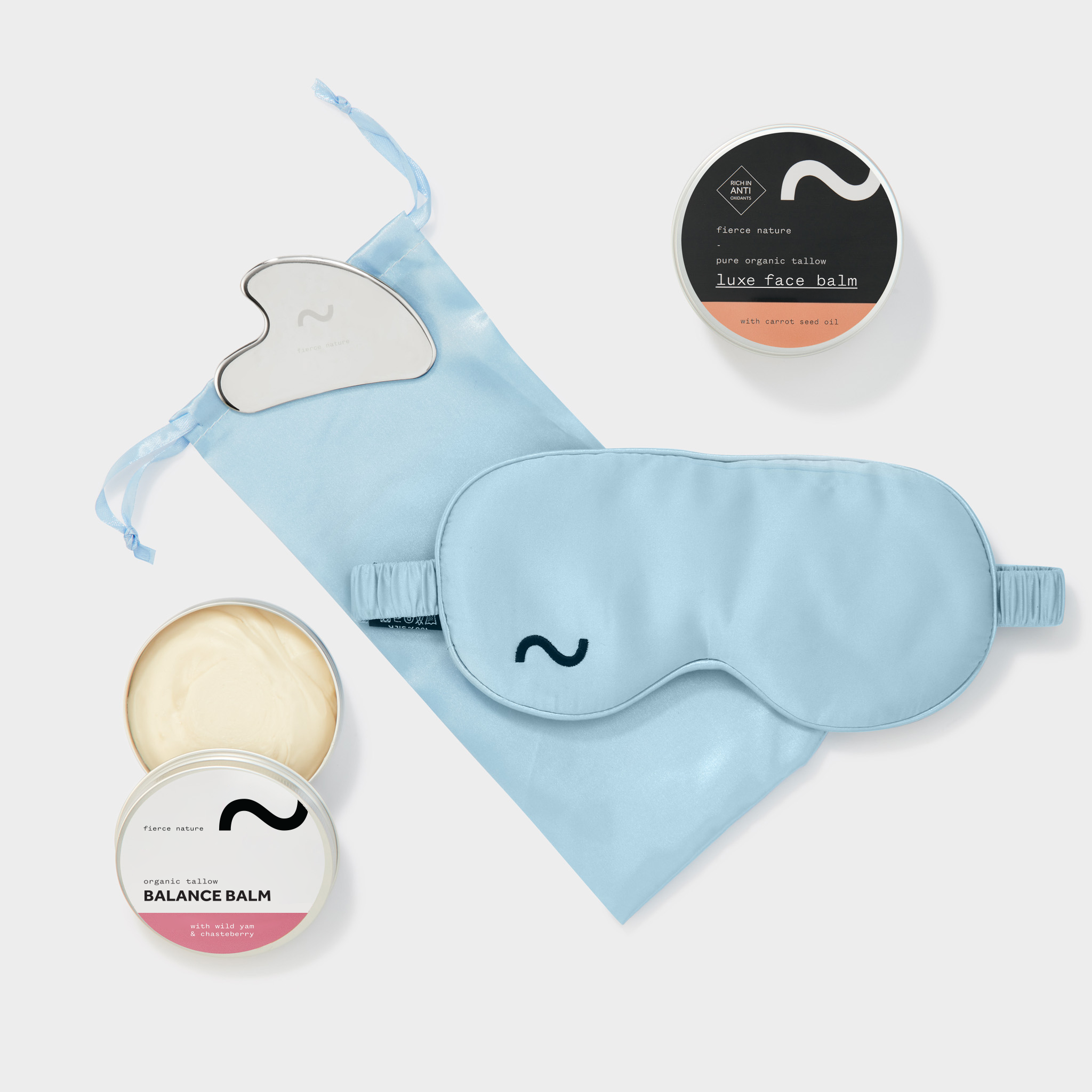
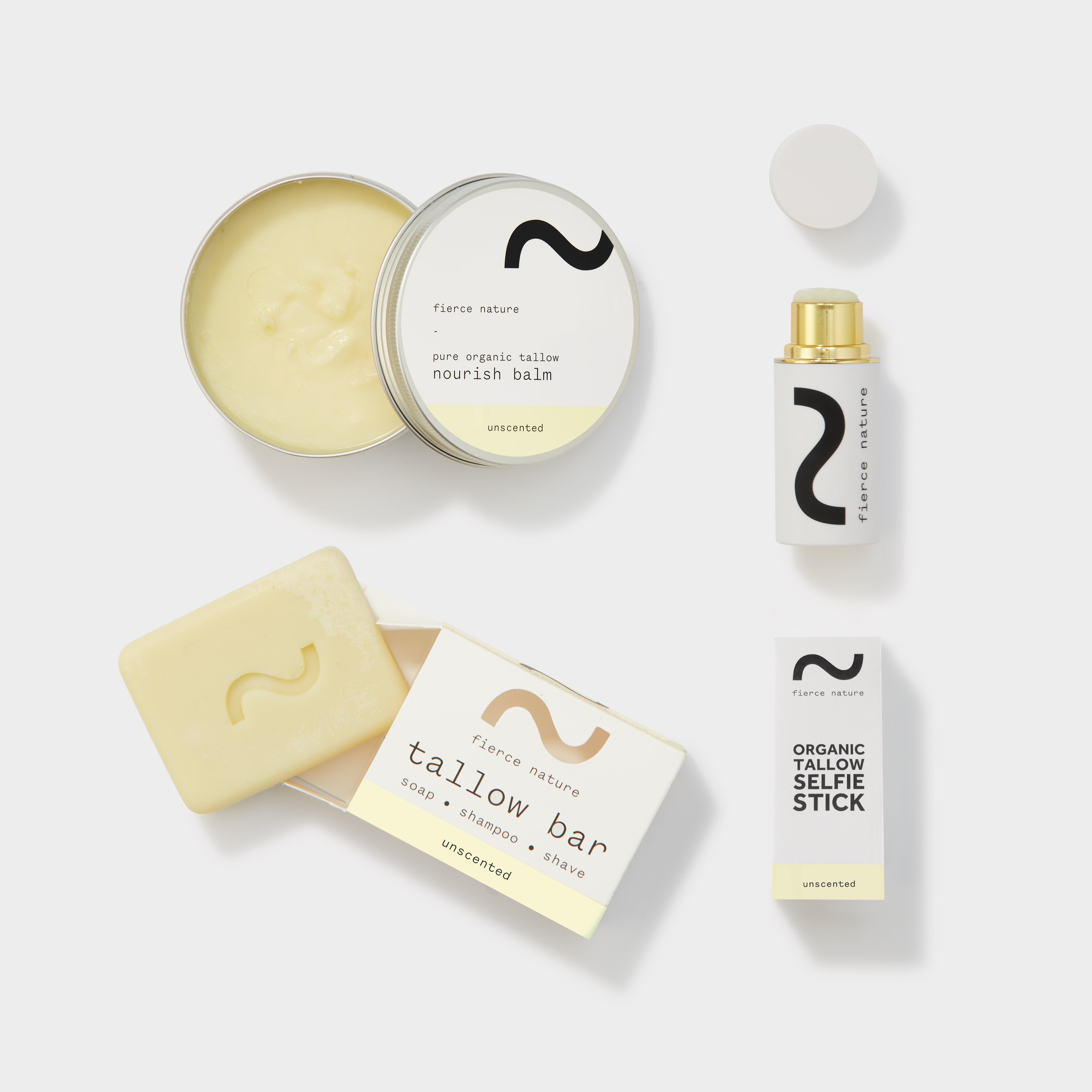
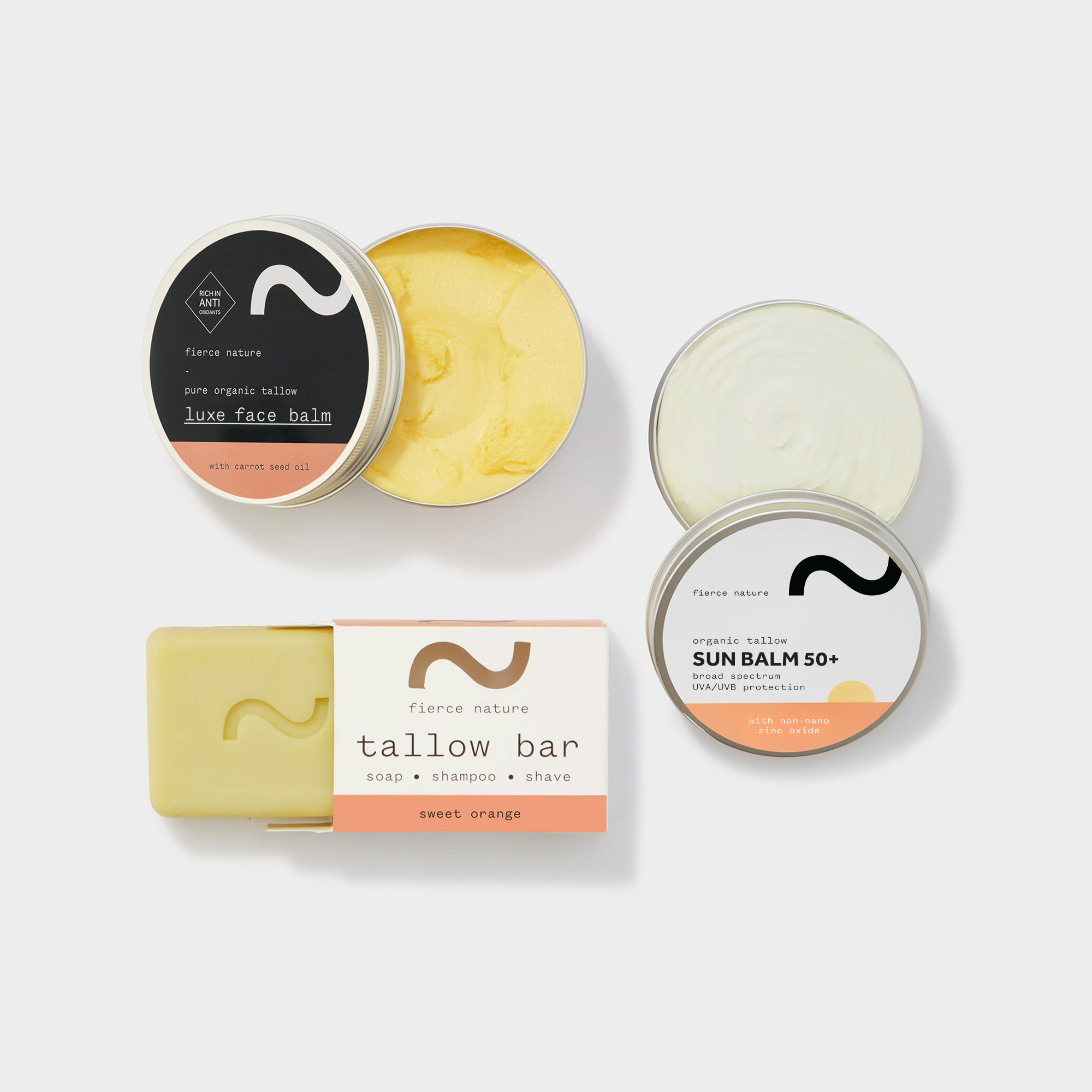
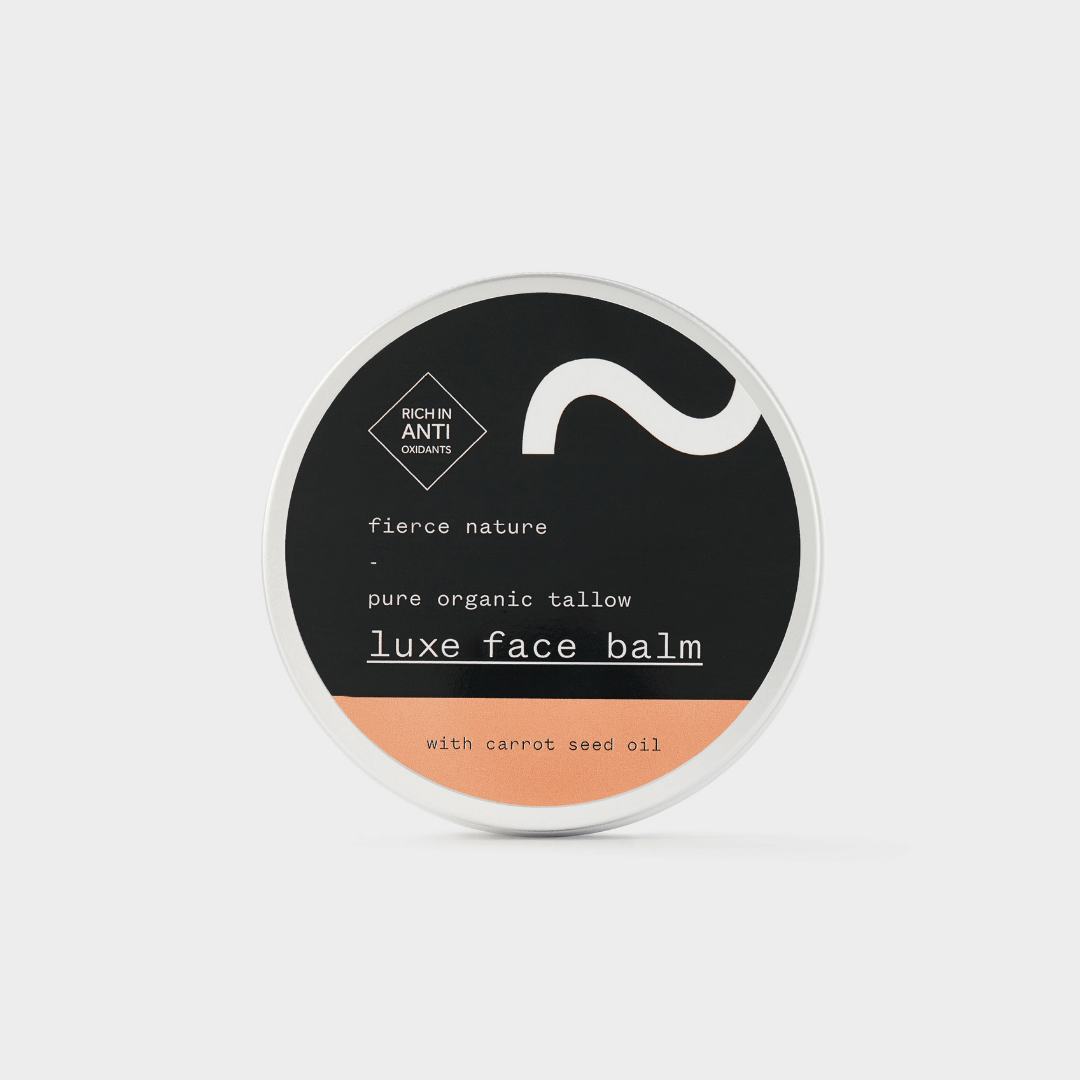
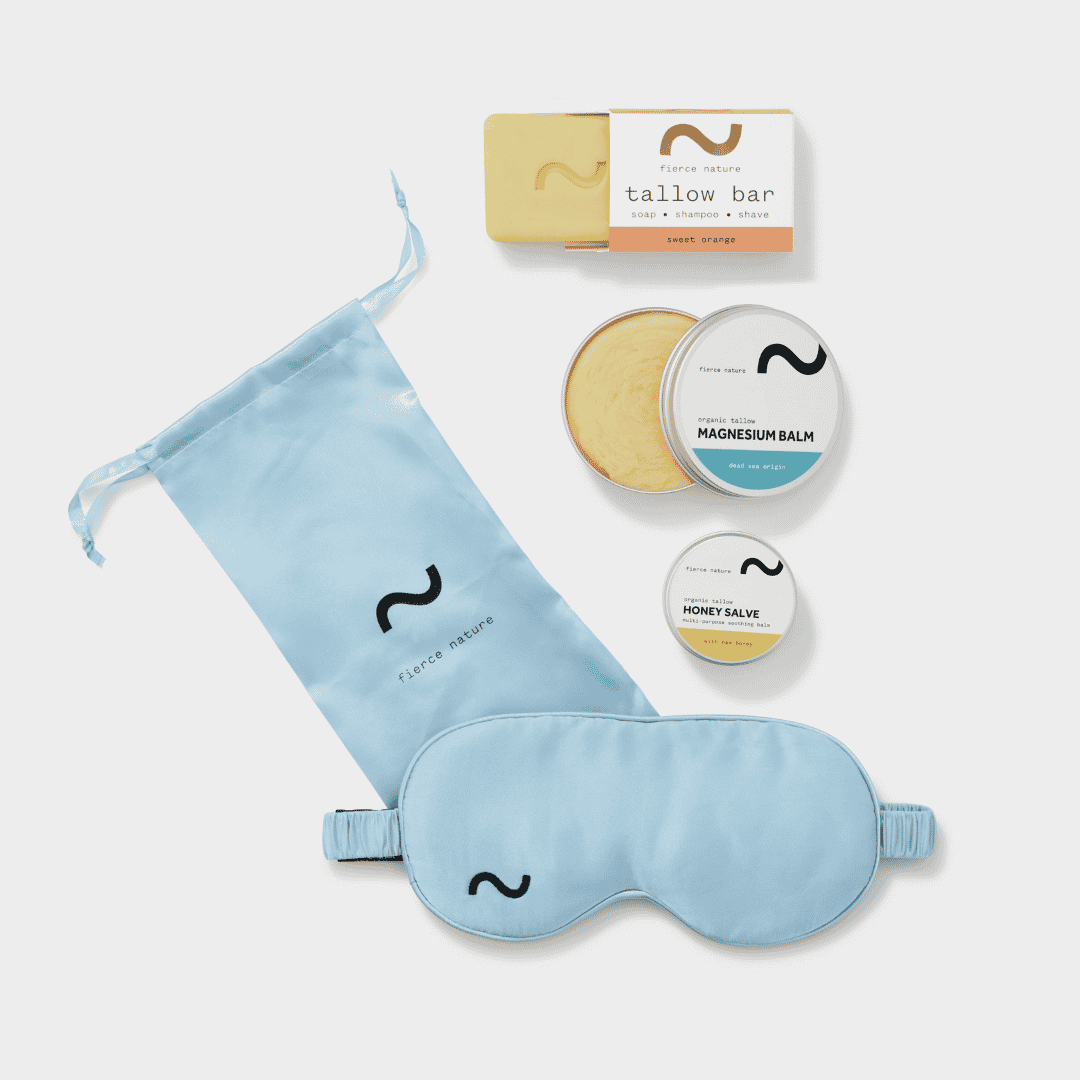
At Fierce Nature, every formulation starts with the question of whether an ingredient can genuinely reach the skin cells that need it. Our Biohacking bundle brings together actives chosen for their proven skin penetration and nourishing properties, built on a tallow base that mirrors the skin’s own lipid chemistry. The Luxe Face Balm features a rich blend of lipid-compatible ingredients designed to deeply nourish and protect, working with your skin’s natural barrier rather than sitting on top of it. If you are ready to move beyond ingredient lists and into formulations that actually deliver, these are the products we stand behind.
Bioavailable skincare ingredients are actives formulated to penetrate the stratum corneum and reach the viable skin layers where they deliver measurable benefits. Bioavailability depends on molecular size, lipid solubility, and the delivery system used.
The stratum corneum is a tightly packed layer of lipid-rich cells that blocks most hydrophilic molecules from entering the skin. Lipid-soluble actives and encapsulated compounds bypass this barrier more effectively than standard water-based formulations.
Tetrahexyldecyl ascorbate is more bioavailable than L-ascorbic acid for topical use. It is lipid-soluble, stable at skin-friendly pH levels, and delivers 232% greater collagen recovery compared to conventional vitamin C formulations.
Lipid nanoparticles mimic the skin’s own membrane structure, allowing them to carry actives through the stratum corneum without disrupting the barrier. Encapsulated niacinamide, for example, shows 39% greater skin permeation than non-encapsulated versions.
Some natural ingredients, such as tocopherols and carotenoids, are inherently lipid-soluble and penetrate the skin without modification. Most plant-derived actives, including flavonoids and phenolic acids, require encapsulation or nanotechnology to achieve meaningful skin penetration.