Cart
0
You may also like



TL;DR:
- A sustainable skincare routine for beginners focuses on three natural, certified products and mindful consumption. It emphasizes simple habits like reducing water use and proper recycling to support both skin health and the environment. Prioritizing concentrated formulas and gradual product introduction helps keep costs low and routines effective.
A sustainable skincare routine for beginners is one that combines gentle, natural products with mindful consumption to nurture your skin and the planet. Clean beauty, the industry’s recognised term for formulations free from harmful synthetics, sits at the heart of this approach. You do not need a shelf full of products to get glowing, healthy skin. A natural skincare routine built on three or four well-chosen items, ethical sourcing, and smart daily habits will take you further than any ten-step regime ever could. Certifications such as Leaping Bunny and PETA cruelty-free logos are your clearest signal that a brand supports ethical practices, so look for them on every label.
The foundation of any beginner skincare routine is three products: a gentle cleanser, a hydrating moisturiser, and a broad-spectrum sunscreen. Every other product is optional. Starting here keeps costs low, reduces packaging waste, and gives your skin time to settle before you introduce anything new.
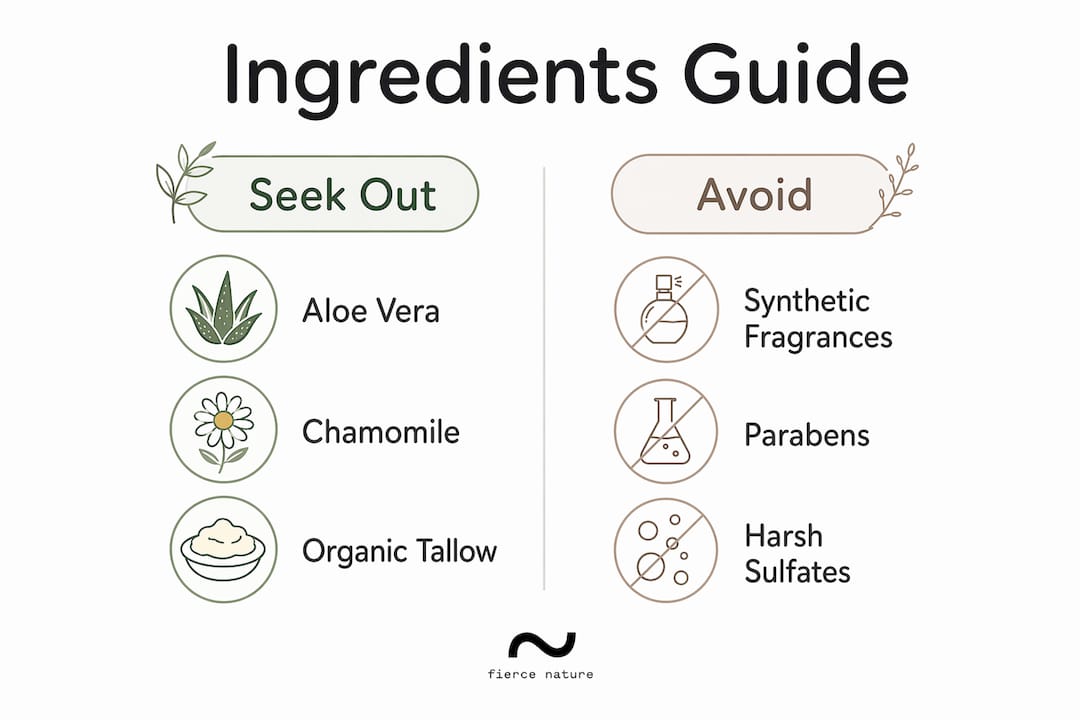
Natural ingredients like aloe vera and chamomile are gentler on skin and the environment than their synthetic counterparts. They soothe, hydrate, and support the skin barrier without disrupting the body’s natural balance. Parabens and sulphates, by contrast, are linked to skin irritation and environmental harm. Reading the INCI (International Nomenclature of Cosmetic Ingredients) list on any product takes less than a minute and tells you exactly what you are putting on your face.
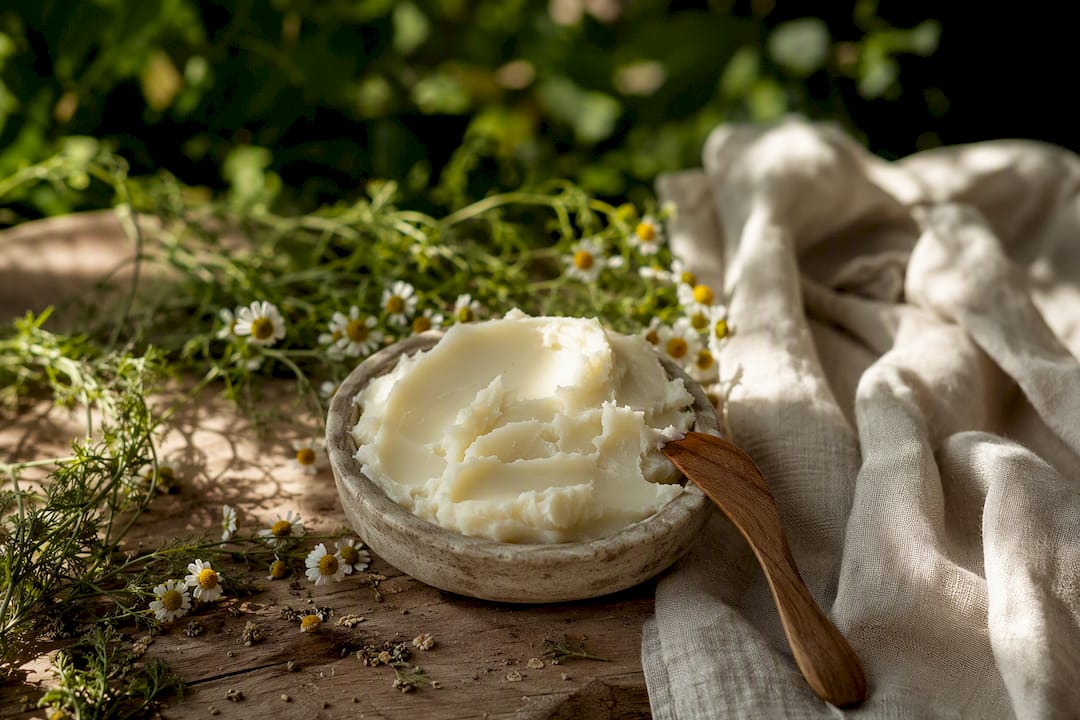
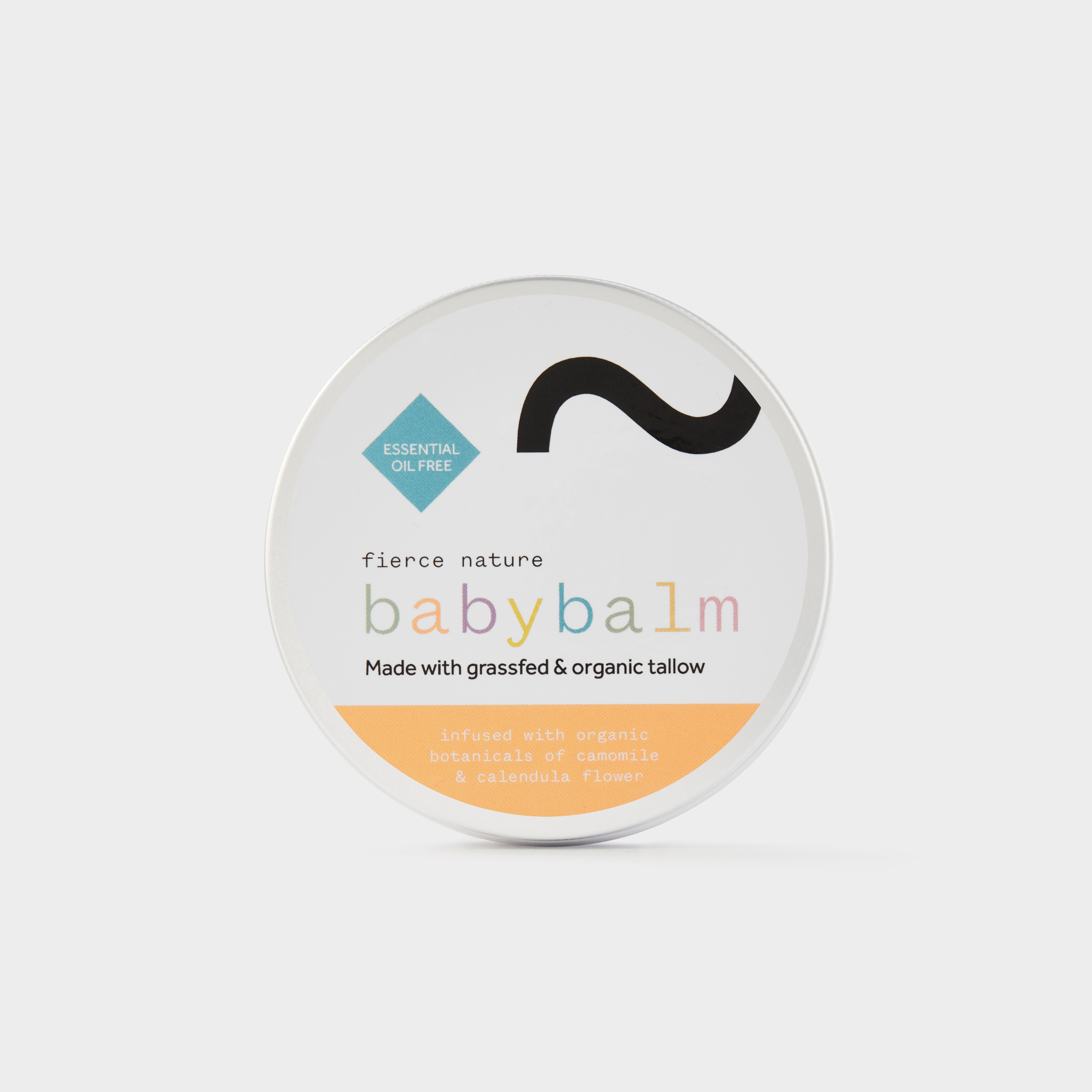
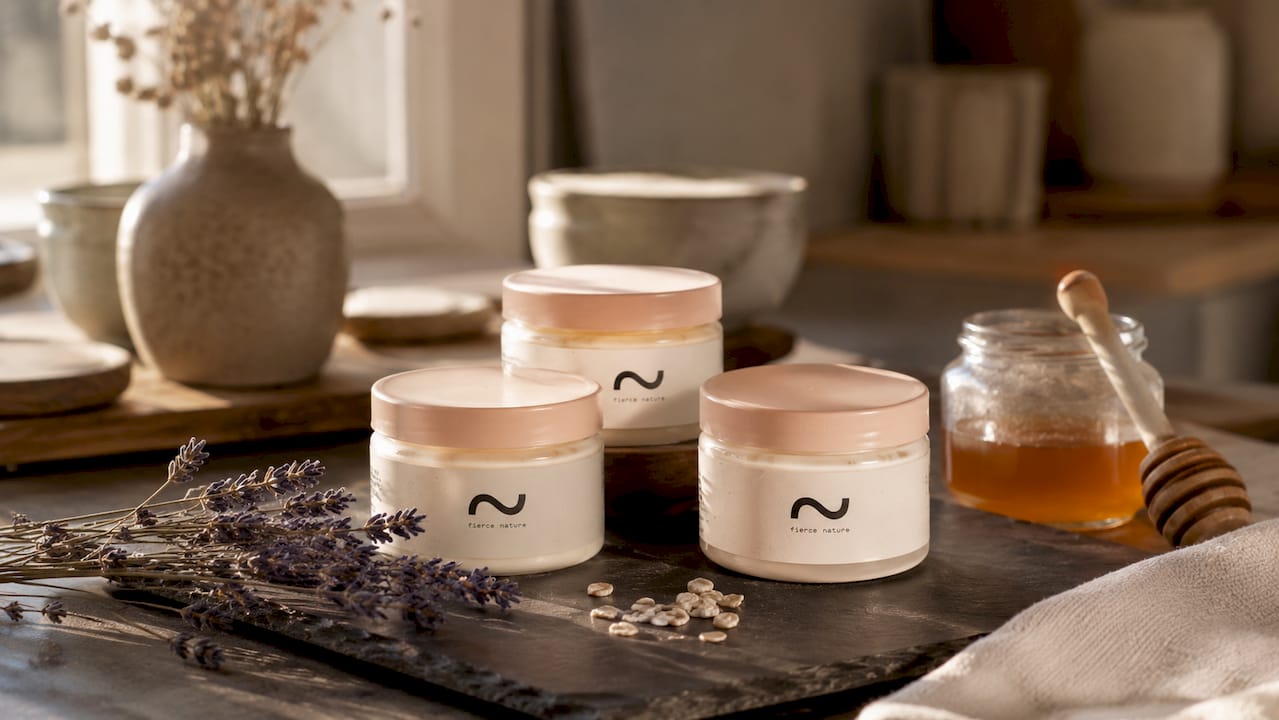
Tallow is one ingredient that deserves special attention. Fierce Nature uses pure organic tallow as the foundation of its formulations because its fatty acid profile closely mirrors the skin’s own sebum. That bioavailability means it penetrates deeply rather than sitting on the surface, delivering real nourishment rather than a temporary sheen.
Glass and metal packaging recycles more cleanly than plastic and avoids the downcycling problem where plastic is repeatedly degraded into lower-quality material. Refillable options go one step further by removing the need for new packaging entirely. When you are comparing products, check whether the brand offers a refill scheme or a returns programme for empty containers.
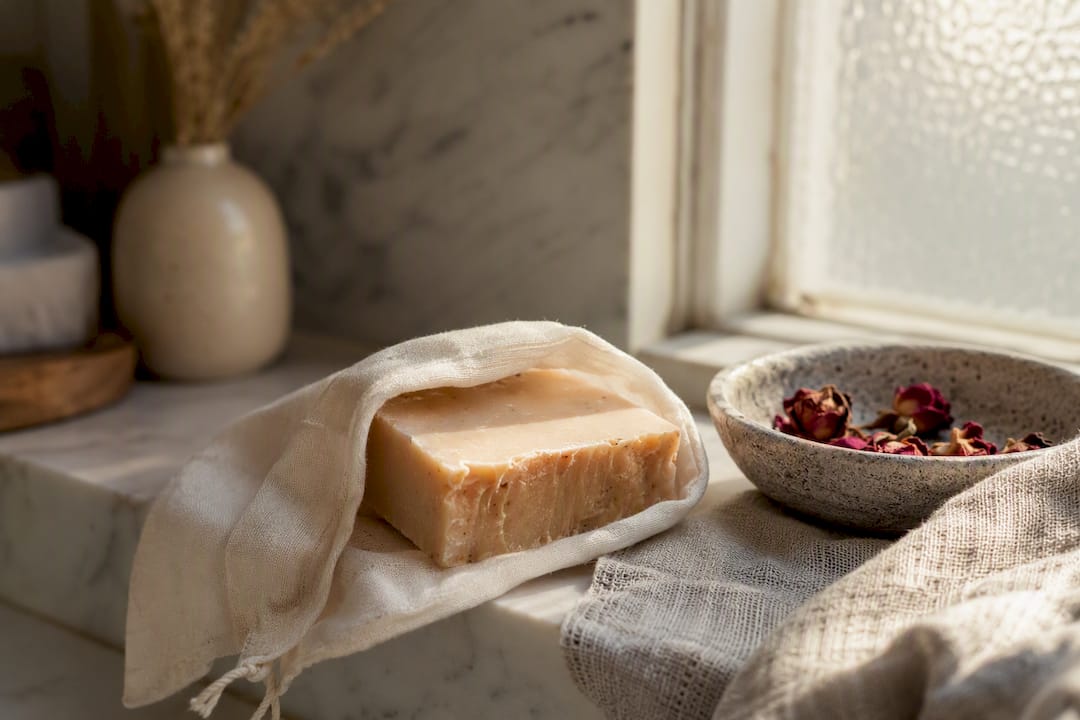
Gentle cleanser: Choose a soap bar or low-foam liquid free from sulphates and synthetic fragrance.
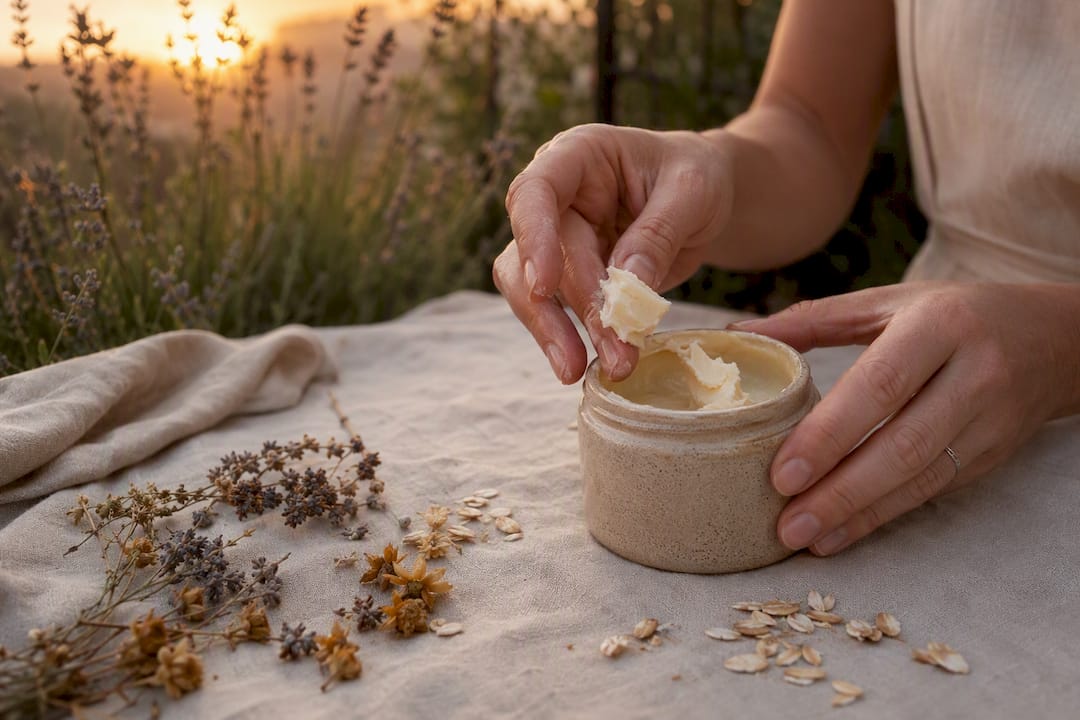
Moisturiser: Look for a multi-use balm or tallow-based product that works on face, hands, and body to cut down on the number of separate items you need.
Sunscreen: Opt for a mineral formula using zinc oxide, which is reef-safe and less irritating than chemical UV filters.
Packaging: Prioritise glass, metal, or refillable containers over single-use plastic.
Certifications: Look for Leaping Bunny, PETA cruelty-free, or Soil Association Organic logos.
Pro Tip: A multi-use tallow balm can replace your moisturiser, lip balm, and hand cream in one go. Fewer products means less packaging, less spending, and a simpler morning routine.
Fewer ingredients also mean fewer chances for irritation. Simplified formulations that focus on skin health outperform complex blends for most people. That is not a compromise. It is a smarter way to care for your skin.
Sustainability extends well beyond the products you buy. Mindful consumption habits such as turning off the tap while you cleanse and using the smallest effective amount of product reduce your environmental footprint without costing you anything. Beginners often overlook this side of green skincare, focusing entirely on product swaps while keeping wasteful habits in place.
The water you use during a two-minute cleanse adds up quickly over a year. Turning off the tap while you massage your cleanser in is one of the simplest eco-friendly skincare tips you can adopt today. Similarly, dispensing a pea-sized amount of moisturiser rather than a generous squeeze means your product lasts longer and you buy less over time.
Over-cleansing is a common beginner mistake. Washing your face more than twice a day strips the skin’s natural oils, which triggers more oil production and can lead to breakouts. Limiting to essentials and cleansing only morning and evening is better for your skin and reduces product consumption.
Responsible disposal matters too. Some beauty brands offer rewards for returning empty containers for recycling. Check whether your chosen brand runs a scheme before you put empties in the general bin.
Here is a practical checklist of daily habits to build into your routine:
Turn off the tap while cleansing and rinsing.
Use the minimum effective amount of each product.
Cleanse only twice daily to avoid stripping the skin.
Decant products into reusable travel containers rather than buying travel-sized versions.
Return empty containers to brand recycling programmes where available.
Choose refillable packaging options when restocking.
Pro Tip: Keep a small notepad near your skincare shelf and jot down when you open a new product. This tells you exactly how long each item lasts, which helps you calculate real cost-per-use and plan purchases without running out or over-buying.
Simplifying your routine to three or four steps also reduces the time, water, and energy spent on skincare each day. A shorter routine is easier to maintain consistently, which is the single biggest factor in seeing results.
Affordability is the concern we hear most often from people new to eco-friendly skincare. The assumption that sustainable beauty products always cost more is one of the most persistent myths in this space. Assessing cost by monthly usage rather than sticker price changes the picture entirely.
The formula is straightforward: divide the product price by the number of months it lasts. A £30 tallow balm that lasts four months costs £7.50 per month. A £12 synthetic moisturiser that runs out in six weeks costs £8 per month. The natural option is actually cheaper in daily use.
High-quality natural formulas are concentrated and long-lasting. Calculating your monthly cost before you buy is the single most reliable way to avoid overspending on sustainable skincare and to make genuinely informed choices.
Start with one product swap. Replace your current cleanser with a sulphate-free bar soap or gentle natural cleanser. Use it until it runs out before buying anything else.
Add a multi-use moisturiser. Choose a balm or tallow-based product that covers face, hands, and body. This replaces two or three separate items immediately.
Introduce sunscreen. A mineral zinc oxide formula is your third and final essential. At this point, your core routine is complete.
Review before adding anything new. Wait at least four weeks before introducing a new product. This gives your skin time to respond and prevents unnecessary spending.
Prioritise refills over new purchases. Once you find products that work, buy refills or larger sizes to reduce cost-per-use and packaging waste.
This phased method prevents the most common budget mistake: buying a full routine at once, finding one product does not suit your skin, and wasting money on items you cannot use. It also means you are never spending on products you have not yet tested.
Concentrated formulas deserve particular attention here. A small amount of a well-formulated tallow balm covers more surface area than a large dollop of a water-heavy cream. You use less, the product lasts longer, and the cost-per-use drops significantly. Exploring Ayurvedic skincare principles can also point you towards concentrated, plant-based ingredients with centuries of evidence behind them, many of which align well with a minimal, sustainable approach.
Avoid buying products marketed as “extras” until your core routine is working well. Serums, toners, and eye creams are not necessary for healthy skin and add cost and packaging waste without guaranteed benefit for beginners.
The most common obstacle is greenwashing: brands using words like “natural,” “clean,” or “eco” on packaging without any certification or ingredient transparency to back them up. A product labelled “natural” can still contain parabens, synthetic fragrance, or microplastics. The fix is straightforward: read the full ingredient list and look for third-party certifications rather than marketing language.
Here are the most frequent challenges and how to address each one:
Greenwashing confusion: Rely on certified logos (Leaping Bunny, Soil Association Organic, PETA cruelty-free) rather than front-of-pack claims. If a brand cannot point you to its certification, treat its claims with caution.
Skin overload from too many new products: Introduce one product at a time and wait four weeks before adding another. This makes it easy to identify what is helping and what is causing a reaction.
Difficulty finding products that suit your skin type: Start with fragrance-free, minimal-ingredient formulas. These suit the widest range of skin types and carry the lowest risk of irritation.
Seasonal skin changes: Your skin needs more moisture in winter and lighter coverage in summer. Review your routine at the start of each season and adjust one product at a time.
Routine fatigue: A three-step routine is far easier to maintain than a ten-step one. Consistency matters more than complexity. A routine you actually follow every day will always outperform a perfect routine you abandon after a fortnight.
Product inventory creep: Do a monthly check of what you have open. Finish one product before opening another of the same type. This prevents waste and keeps your routine genuinely minimal.
Transitioning to natural skincare gradually rather than all at once also protects your skin from the shock of multiple formula changes at the same time. Your skin has adapted to whatever you have been using. Give it time to adjust to each new product before moving on.
Choosing clean beauty brands with full ingredient transparency removes much of the guesswork. A brand that publishes its full INCI list and holds third-party certification has already done the hard work for you.
A sustainable skincare routine works best when it combines three essential products, certified natural ingredients, and mindful daily habits that reduce both waste and cost over time.
| Point | Details |
|---|---|
| Start with three products | A cleanser, moisturiser, and sunscreen form a complete and sustainable beginner routine. |
| Calculate monthly cost | Divide product price by months of use to find the true cost and avoid overspending. |
| Read ingredient lists | Look for Leaping Bunny and Soil Association Organic certifications rather than front-of-pack claims. |
| Build habits, not just a product shelf | Turning off the tap and using minimal amounts reduces environmental impact without extra spending. |
| Introduce products one at a time | Waiting four weeks between new additions protects your skin and prevents waste. |
At Fierce Nature, we have watched the clean beauty conversation grow louder every year. What strikes us most is how often beginners are told they need more: more steps, more serums, more “hero” ingredients. The pressure to build an elaborate routine is real, and it is largely driven by brands that profit from complexity.
Our experience tells a different story. The people who see the most consistent improvement in their skin are those who simplify. They choose two or three products with ingredients they can pronounce, they use them every day, and they stop chasing the next trend. That consistency, more than any single ingredient, is what produces radiant, well-nourished skin over time.
We also think the sustainability conversation needs to be more honest about imperfection. You will not get everything right from day one. You might buy a product that does not suit your skin, or choose packaging that is not as recyclable as you hoped. That is fine. The goal is gradual, informed progress, not a flawless routine from the first week. Every small swap you make adds up.
The most encouraging shift we see is people asking better questions before they buy: What is in this? How long will it last? What happens to the packaging? Those questions, more than any certification or trend, are what drive real change in the beauty industry. Keep asking them.
— Fierce Nature
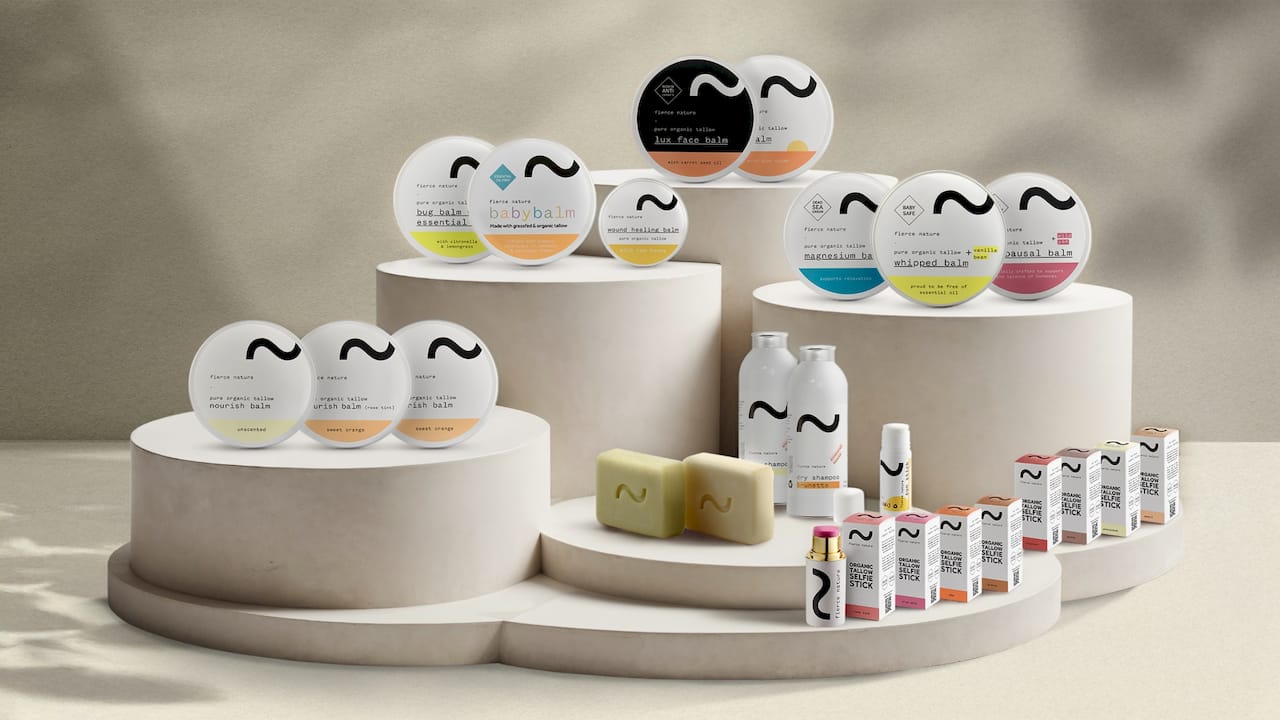
Fierce Nature handcrafts every product in the UK using organic tallow and naturally sourced ingredients, with no synthetic fillers or harmful chemicals. The Multi-Use Tallow Bar is the ideal starting point for a beginner routine: one product that moisturises face, hands, and body, reducing the number of items you need to buy and the packaging that comes with them. For those building a minimal, nourishing daily routine, the Nourish Balms Collection offers a curated selection of balms designed to work with your skin rather than against it. Each product is made to last, keeping your monthly cost low and your routine genuinely simple.
A sustainable skincare routine prioritises natural ingredients, eco-friendly packaging, and ethical sourcing to reduce environmental impact while supporting healthy skin. It typically centres on three core products: a cleanser, a moisturiser, and a sunscreen.
Not when you calculate cost by monthly usage rather than sticker price. High-quality natural formulas are concentrated and last longer, often making them more affordable per month than cheaper synthetic alternatives.
Look past front-of-pack claims like “natural” or “clean” and check the full ingredient list. Third-party certifications such as Leaping Bunny or Soil Association Organic are the most reliable indicators of genuine sustainability.
Three products cover everything a beginner needs: a gentle cleanser, a moisturiser, and a broad-spectrum sunscreen. Fewer ingredients mean less risk of irritation and a simpler, more consistent routine.
Check whether your brand runs a container returns or recycling programme. Glass and metal containers can go into standard recycling. Plastic should be rinsed, dried, and checked against your local council’s accepted materials before recycling.