Cart
0
80% Also Added this






TL;DR:
- Natural hair care in the UK emphasizes organic, plant-based products that support scalp health and hair vitality. Consumers increasingly demand transparent, biodegradable, and cruelty-free formulations tailored to different hair textures. Regular use of cold-pressed oils, avoiding harmful ingredients, and supporting internal nutrition promote healthier hair naturally.
Natural hair care in the UK is the practice of maintaining and enhancing hair health using organic, plant-derived products and mindful techniques that avoid synthetic chemicals and promote scalp and hair balance. The UK market has shifted decisively toward eco-conscious formulations, with consumers demanding transparency, biodegradability, and cruelty-free production. Plant oils rich in antioxidants, UK sustainability standards, and scalp health sit at the heart of this movement. Whether your hair is tightly coiled, loosely waved, or pin-straight, the principles remain the same: feed your hair from the outside in, protect your scalp, and choose ingredients that work with your biology rather than against it.
The most effective natural hair care products are built on cold-pressed plant oils, which preserve the full spectrum of fatty acids and antioxidants that heat-processed oils destroy. Cold-pressed oils like jojoba and pumpkin seed oil deliver scientifically backed benefits including scalp hydration and DHT-blocking properties. DHT is a hormone linked to hair thinning, so ingredients that naturally reduce its activity at the follicle level are genuinely useful, not just marketing language.
Argan oil and plum kernel oil are two further standouts. Argan is rich in oleic and linoleic acids, which soften the hair shaft and reduce breakage. Plum kernel oil absorbs quickly without leaving residue, making it ideal for fine or oily hair types. Multi-use silicone-free oils can serve hair, scalp, and skin simultaneously, which simplifies your routine and maximises ingredient value.
Knowing what to avoid is just as important as knowing what to seek out. Sulfates strip the scalp’s natural sebum, leaving hair brittle and prone to frizz. Silicones create a coating that initially feels smooth but builds up over time, blocking moisture from reaching the hair shaft. Parabens act as preservatives but disrupt hormonal function with repeated exposure. Choosing sulfate-free, silicone-free, and paraben-free formulations removes these barriers and allows your scalp to rebalance naturally.
Reading ingredient labels takes practice, but a few rules make it manageable:
Ingredients are listed in descending order of concentration. The first five ingredients make up the bulk of the product.
Look for INCI (International Nomenclature of Cosmetic Ingredients) names alongside common names. “Simmondsia chinensis” is jojoba oil. Recognising both builds confidence.
Avoid anything ending in “-paraben” (methylparaben, propylparaben) or “-cone” (dimethicone, cyclomethicone).
Fragrance listed as a single ingredient can hide dozens of synthetic chemicals. Opt for products scented with named essential oils instead.
Certifications from the Soil Association or COSMOS Organic provide a reliable quality marker for organic hair products in the UK.
Pro Tip: When testing a new oil or treatment, apply it to a small section of hair near the nape of your neck first. This lets you assess absorption, scent, and any scalp reaction before committing to a full application.
Hair texture determines how moisture moves through the hair shaft, and that single fact shapes every decision in your routine. Straight hair carries sebum from scalp to tip easily, so it tends toward oiliness and needs lighter products. Curly and coily hair types, particularly 4C, have a tightly wound structure that prevents sebum from travelling down the shaft. The result is chronic dryness at the ends, which is why moisture retention is the central challenge for textured hair.
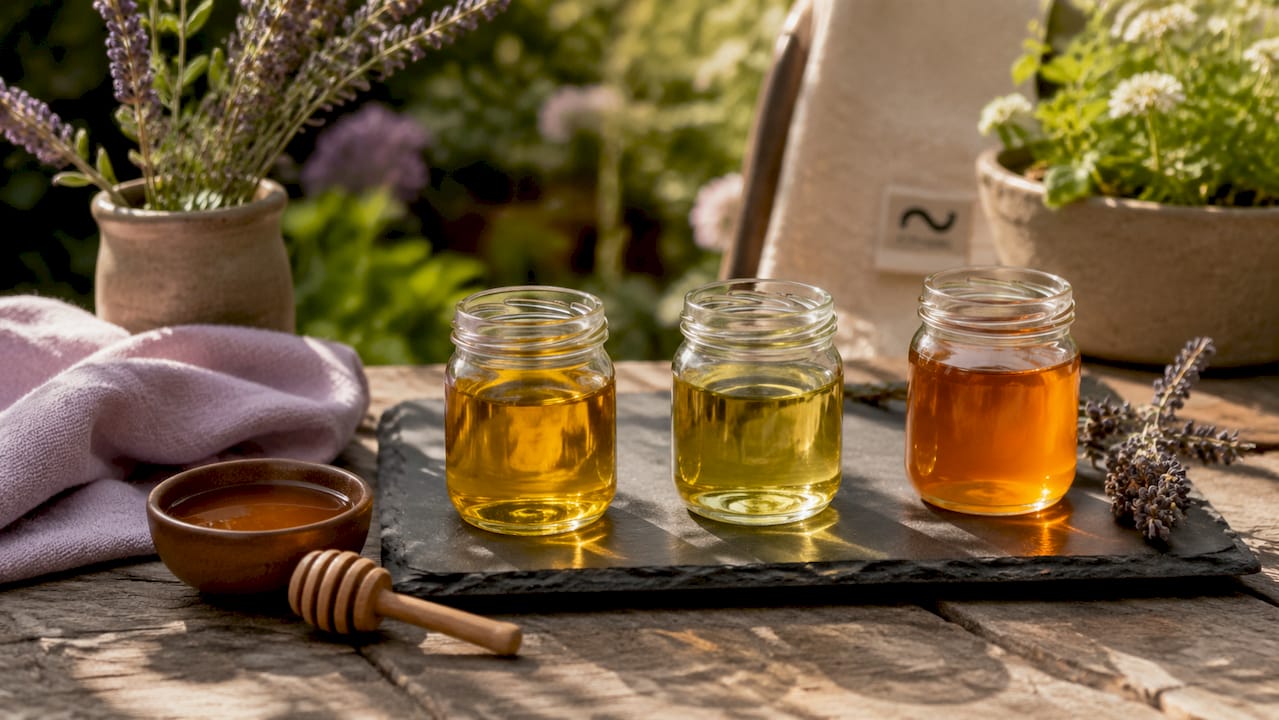
Applying natural oils on damp hair seals moisture into the hair shaft before it evaporates. This technique, often called the LOC method (Liquid, Oil, Cream), is especially effective for 4C and highly textured hair. The oil layer acts as a physical barrier, slowing water loss and keeping strands supple between wash days.
A practical routine for transitioning to natural hair care without damage:
Clarify first. Use a gentle clarifying wash to remove silicone and product buildup before introducing natural alternatives. This gives new products a clean surface to work on.
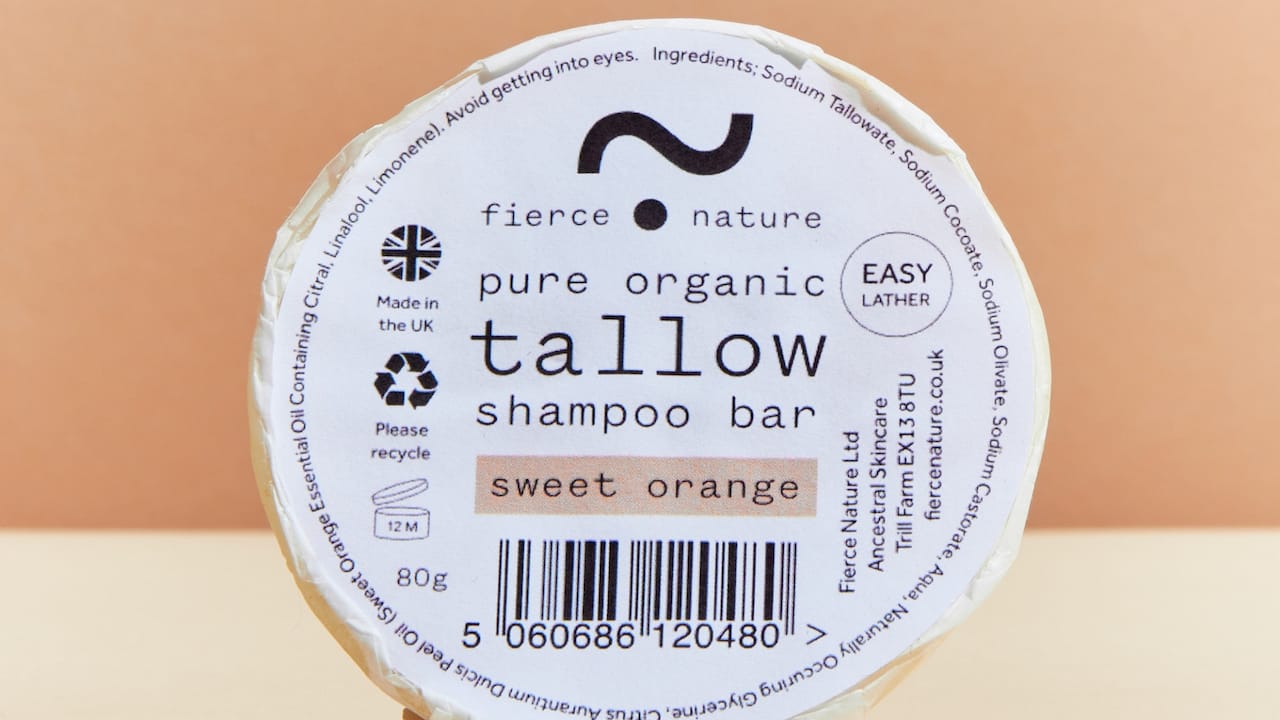
Switch to a pH-balanced shampoo bar. Soap-free shampoo bars require no transition period and suit all hair types, including textured and colour-treated hair. Their low-lather formula preserves scalp oils and avoids the waxy buildup common in conventional shampoos.
Apply oil to damp hair. After washing, towel-dry gently and apply your chosen plant oil while hair is still slightly damp. Work from mid-lengths to ends, then massage any excess into the scalp.
Section and treat the scalp separately. For 4C and coily hair, apply a pomade or balm directly to the clean scalp in sections. This stimulates circulation and reduces shedding over time.
Reduce wash frequency gradually. Most natural hair types thrive with less frequent washing. Moving from daily to every three or four days allows the scalp to regulate its own oil production.
Be patient with the adjustment period. The scalp takes time to restore its natural balance after years of synthetic product use. A temporary increase in oiliness or dryness is normal and settles within a few weeks.
For straight hair, the routine is simpler. A sulfate-free shampoo bar, a light application of jojoba or argan oil on the ends, and minimal product layering is usually sufficient. Straight hair benefits most from scalp massage and infrequent, thorough cleansing rather than daily washing.
Pro Tip: For curly hair, try “squishing” your conditioner or oil into wet hair by cupping sections and gently pressing upward. This encourages the curl pattern to form naturally and distributes product evenly without disturbing the curl structure.
Natural hair care does not require a large budget. Entry-level natural hair care products in the UK start from around £7.99, making them accessible to most budgets. The real saving comes from format efficiency: soap-free shampoo bars last 50–80 washes, which represents significantly better value than a standard 250ml liquid shampoo that typically lasts 20–30 washes.
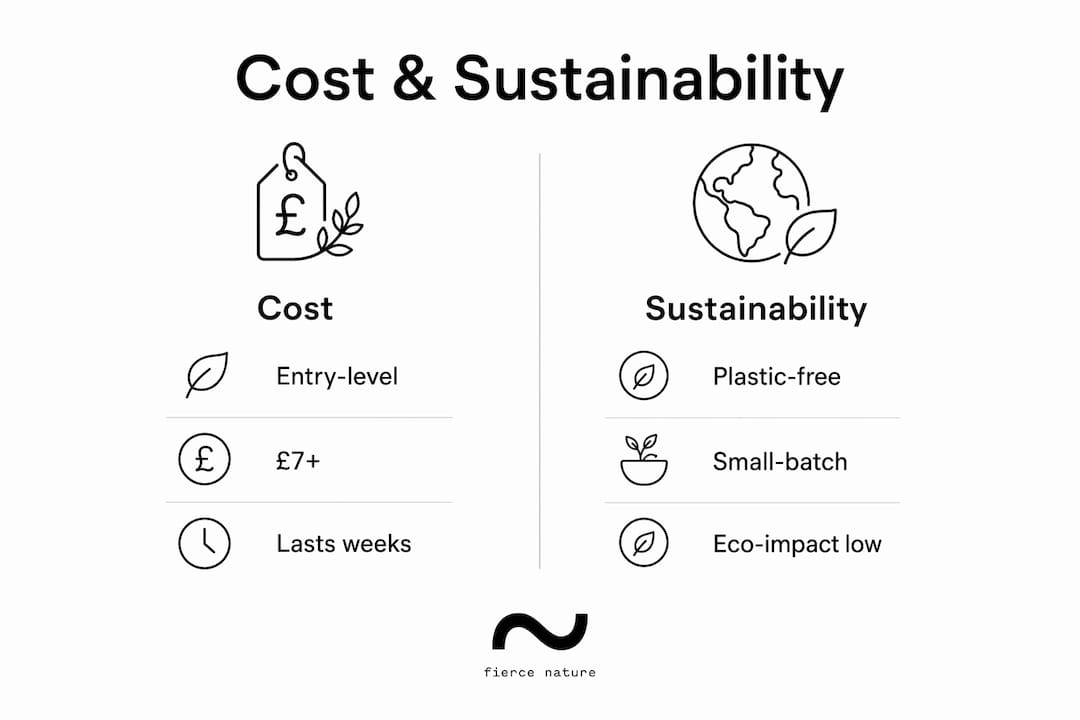
Sustainable production methods such as small-batch cold-process manufacturing and plastic-free packaging are now expected by UK consumers, not just appreciated. This shift means more brands are investing in compostable wrapping, refillable formats, and concentrated formulas that reduce transport emissions. Choosing these formats is both an environmental and an economic decision.
| Product type | Average longevity | Approximate price | Eco-impact |
|---|---|---|---|
| Liquid shampoo (250ml) | 20–30 washes | £6–£12 | Plastic bottle, water-heavy formula |
| Soap-free shampoo bar | 50–80 washes | £7–£14 | Plastic-free, concentrated formula |
| Cold-pressed plant oil (50ml) | 3–4 months | £8–£18 | Minimal packaging, multi-use |
| Synthetic conditioner (250ml) | 20–30 uses | £5–£10 | Plastic bottle, silicone content |
| Natural hair balm (60g) | 2–3 months | £9–£16 | Glass or tin packaging, biodegradable |
Multi-use oils deserve particular attention. A single bottle of cold-pressed black seed oil, for example, can condition the scalp, treat dry ends, and double as a skin moisturiser. Black seed oil has a long history of use in hair and skin care, valued for its anti-inflammatory properties and fatty acid content. Using one product across multiple purposes reduces both spending and packaging waste.
Choosing clean beauty brands with transparent ingredient sourcing also protects you from paying a premium for products that are “natural” in name only. Greenwashing remains common in the UK beauty market, so certifications and full ingredient disclosure are your most reliable guides.
Topical products address the hair shaft and scalp surface, but hair growth and strength begin inside the body. Omega-3, 6, and 9 fatty acids support internal scalp hydration, hormonal balance, and the structural integrity of hair strands from within. These fatty acids are not produced by the body in sufficient quantities, so dietary intake or supplementation is necessary for most people.
Systemic nutritional supplements provide fatty acids and antioxidants that support hair follicle function during growth phases, aiding overall hair strength. This means that even the best topical routine will underperform if the body is nutritionally depleted. Hair is not a vital organ, so the body diverts nutrients away from it first when resources are scarce.
Lifestyle habits that complement a natural hair routine:
Eat oily fish, flaxseed, and walnuts regularly. These are the most bioavailable sources of Omega-3 fatty acids for hair follicle support.
Manage stress actively. Elevated cortisol disrupts the hair growth cycle, pushing follicles into a resting phase prematurely. Regular movement, adequate sleep, and breathwork all reduce cortisol load.
Massage your scalp for five minutes daily. Scalp massage increases blood flow to follicles and has been shown to support hair thickness over time. Use your fingertips, not your nails, and work in small circular motions.
Handle hair gently. Detangle from ends to roots using a wide-tooth comb or your fingers. Avoid tight hairstyles that place sustained tension on the hairline and follicles.
Protect hair at night. A silk or satin pillowcase reduces friction and moisture loss while you sleep. This is particularly beneficial for curly and coily textures.
Stay hydrated. The scalp is skin, and skin health depends on adequate water intake. Dehydration shows up in the hair as dullness and increased brittleness.
Hormonal balance deserves its own mention. Conditions such as polycystic ovary syndrome (PCOS), thyroid dysfunction, and perimenopause directly affect hair density and texture. If you notice sudden or significant hair changes, addressing the underlying hormonal picture alongside your topical routine produces far better results than topical products alone.
Natural hair care in the UK works best when ingredient quality, texture-specific routines, and internal nutrition are addressed together rather than in isolation.
| Point | Details |
|---|---|
| Prioritise cold-pressed oils | Jojoba, argan, and pumpkin seed oil deliver fatty acids and antioxidants that synthetic alternatives cannot replicate. |
| Match your routine to your texture | Seal moisture on damp hair for coily types; use lighter oils and less frequent washing for straight hair. |
| Choose shampoo bars for value | Soap-free bars last 50–80 washes, cost from £7.99, and eliminate plastic packaging entirely. |
| Support hair from within | Omega-3, 6, and 9 supplementation and scalp massage address hair health at the follicle level. |
| Read labels with intention | Avoid sulfates, silicones, and parabens; look for Soil Association or COSMOS Organic certification for reliable quality. |
The most common misconception we hear is that natural products work more slowly than synthetic ones. The truth is more specific than that. Synthetic products often deliver an immediate cosmetic effect, a silkier feel, a shinier appearance, because they coat the hair shaft rather than nourish it. When you remove that coating, the hair can feel worse before it feels better. That temporary dip is not failure. It is the scalp recalibrating.
We have seen this pattern repeatedly at Fierce Nature. Customers who stick with plant-based formulations for six to eight weeks consistently report a shift: less scalp irritation, more defined curl patterns, and hair that holds moisture for longer between washes. The transition to natural skincare follows the same arc, and the patience required is the same.
What we find equally important is the environmental dimension of these choices. Every bottle of synthetic shampoo that goes down the drain carries surfactants and preservatives into the water system. Choosing biodegradable, plant-based formulations is not a small gesture. Across a lifetime of hair washing, it represents a meaningful reduction in chemical load, both on your body and on the environment.
The other thing worth saying plainly: your natural hair texture is not a problem to be managed. Coils, waves, and kinks are not defects requiring correction. The best natural hair care routine is one that works with your texture, not one that tries to alter it. Fierce Nature was built on exactly that belief: that the land provides everything we need, and that working with nature rather than against it produces the most restorative results.
— Fierce Nature
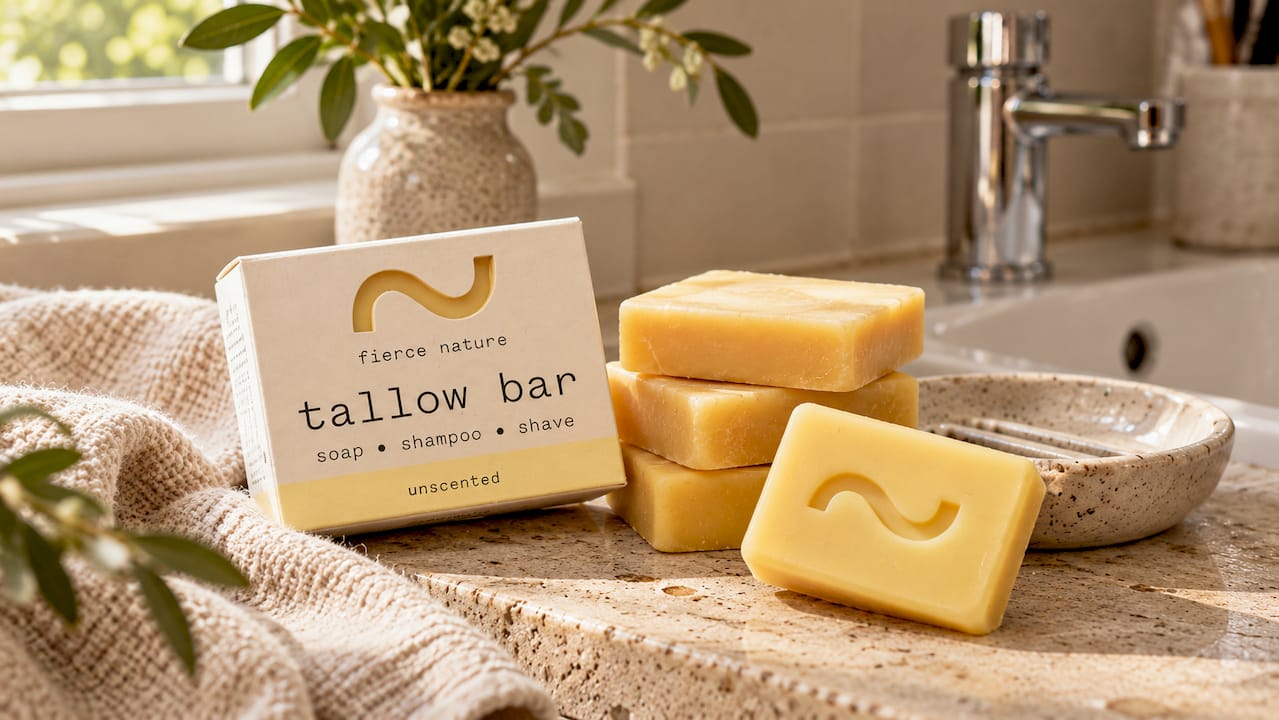
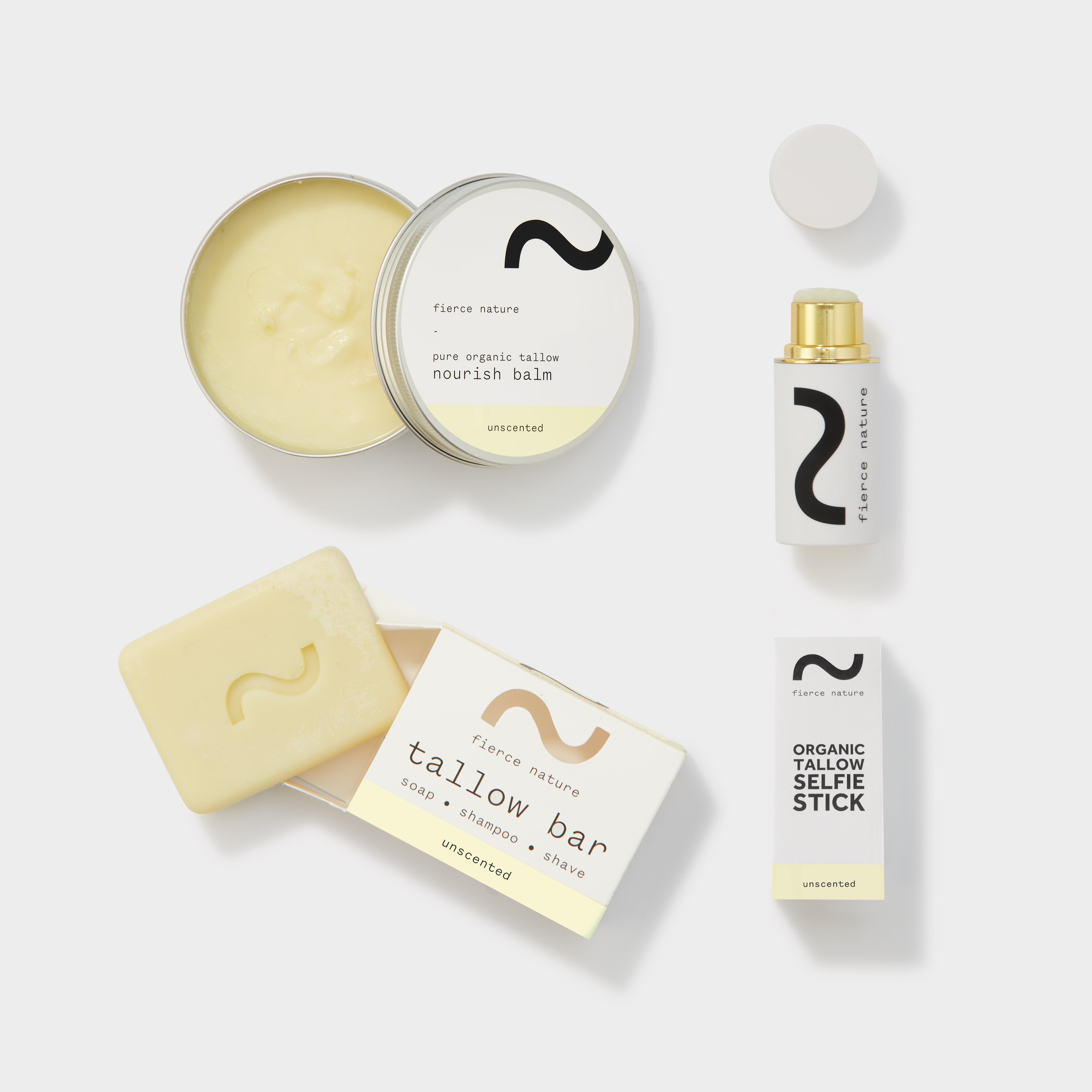
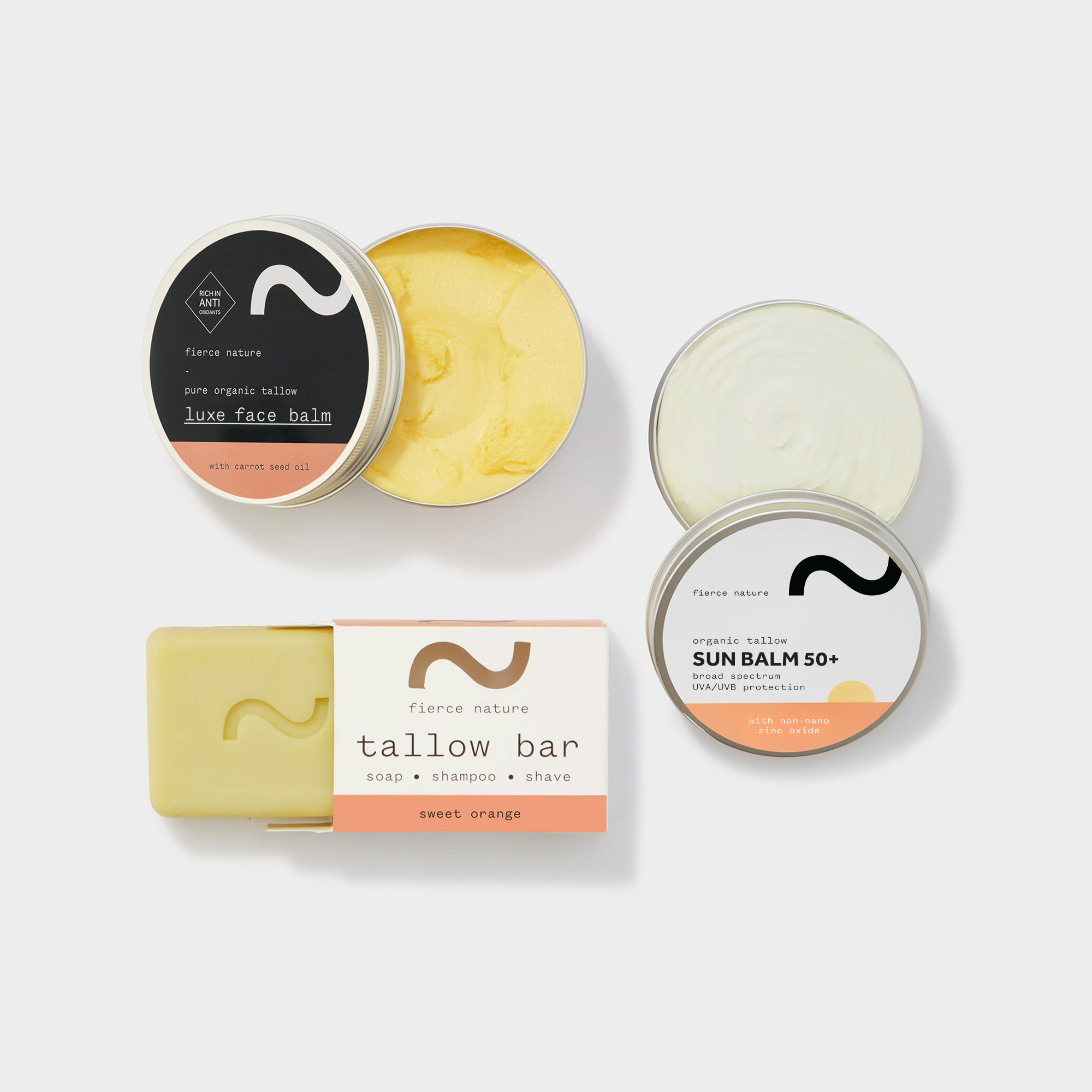
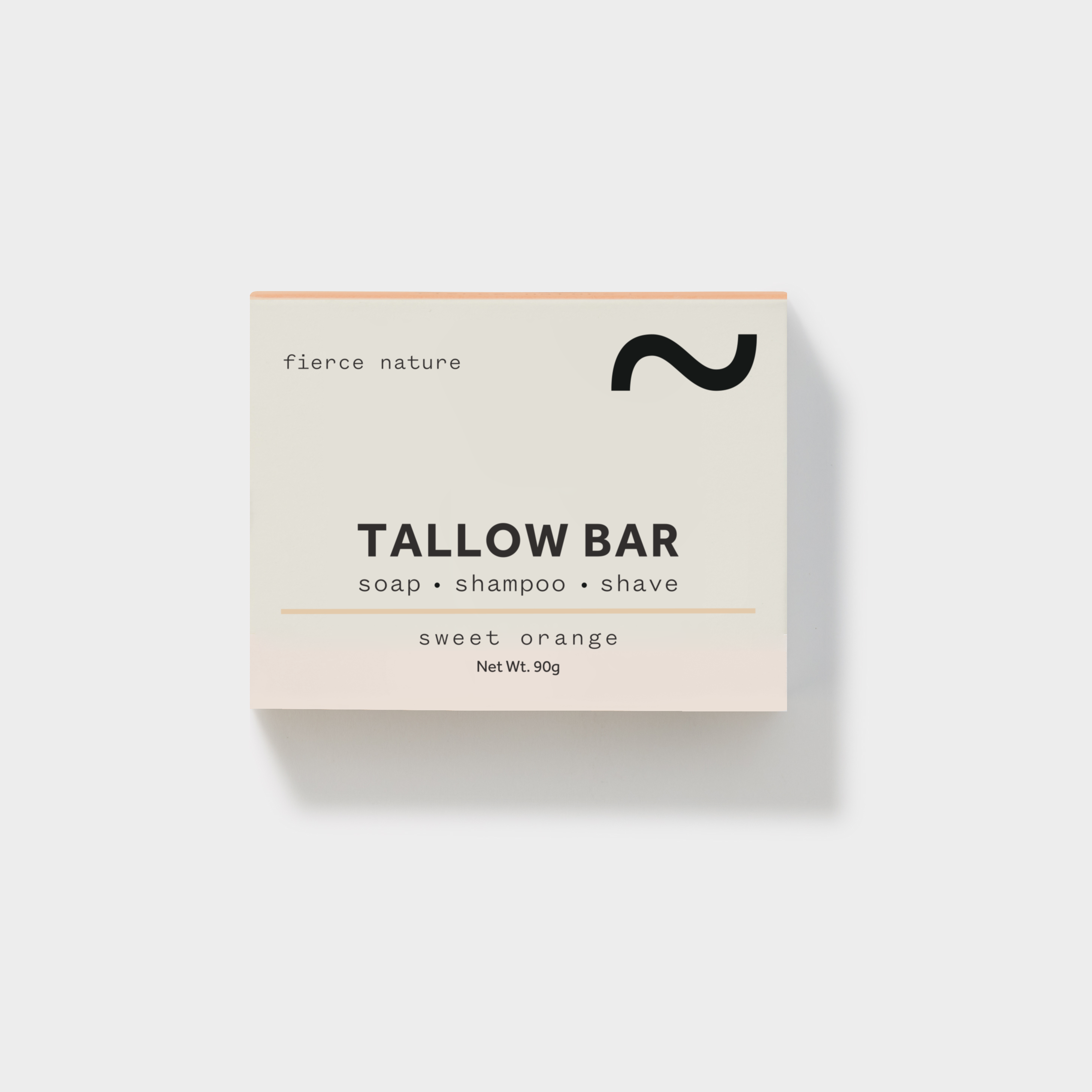
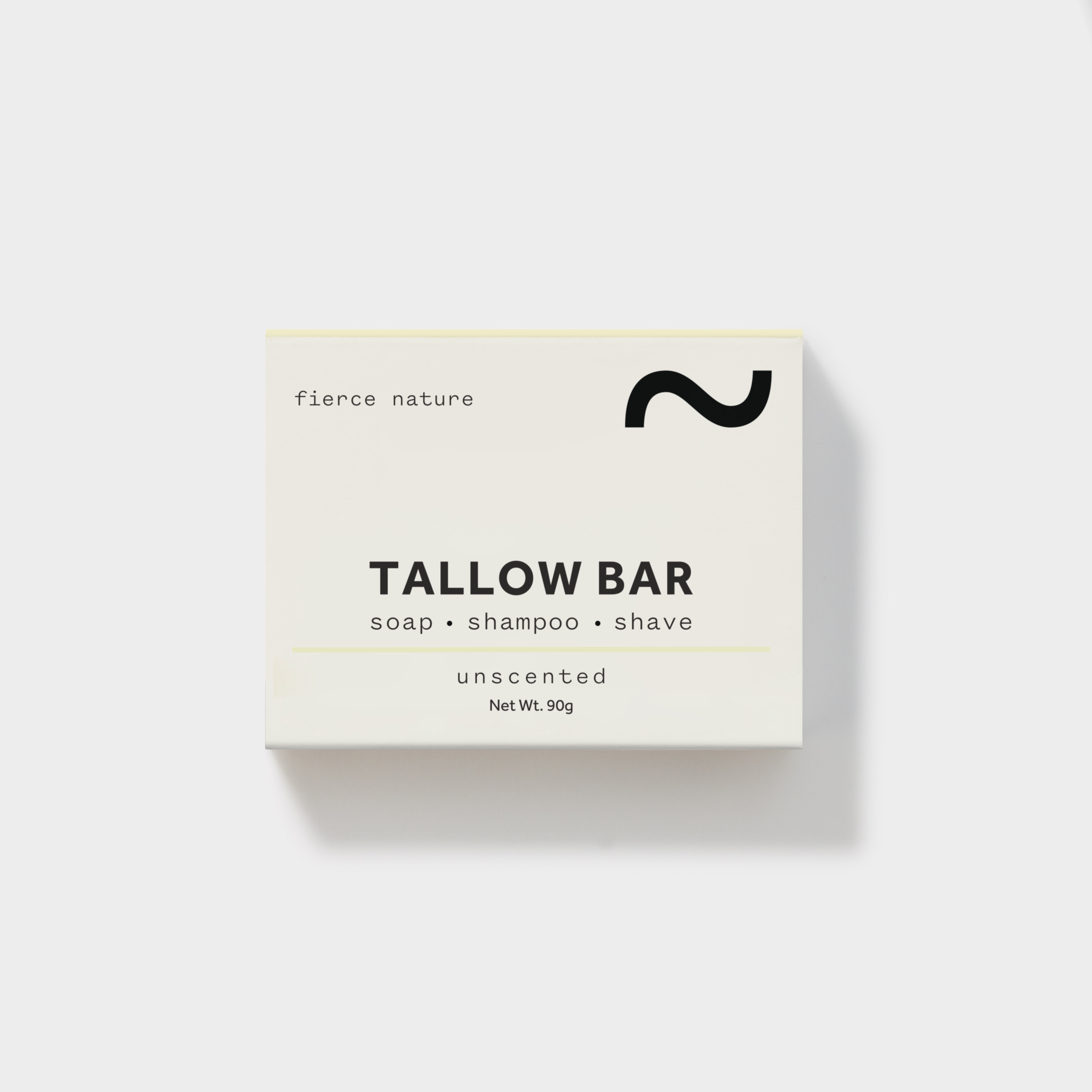
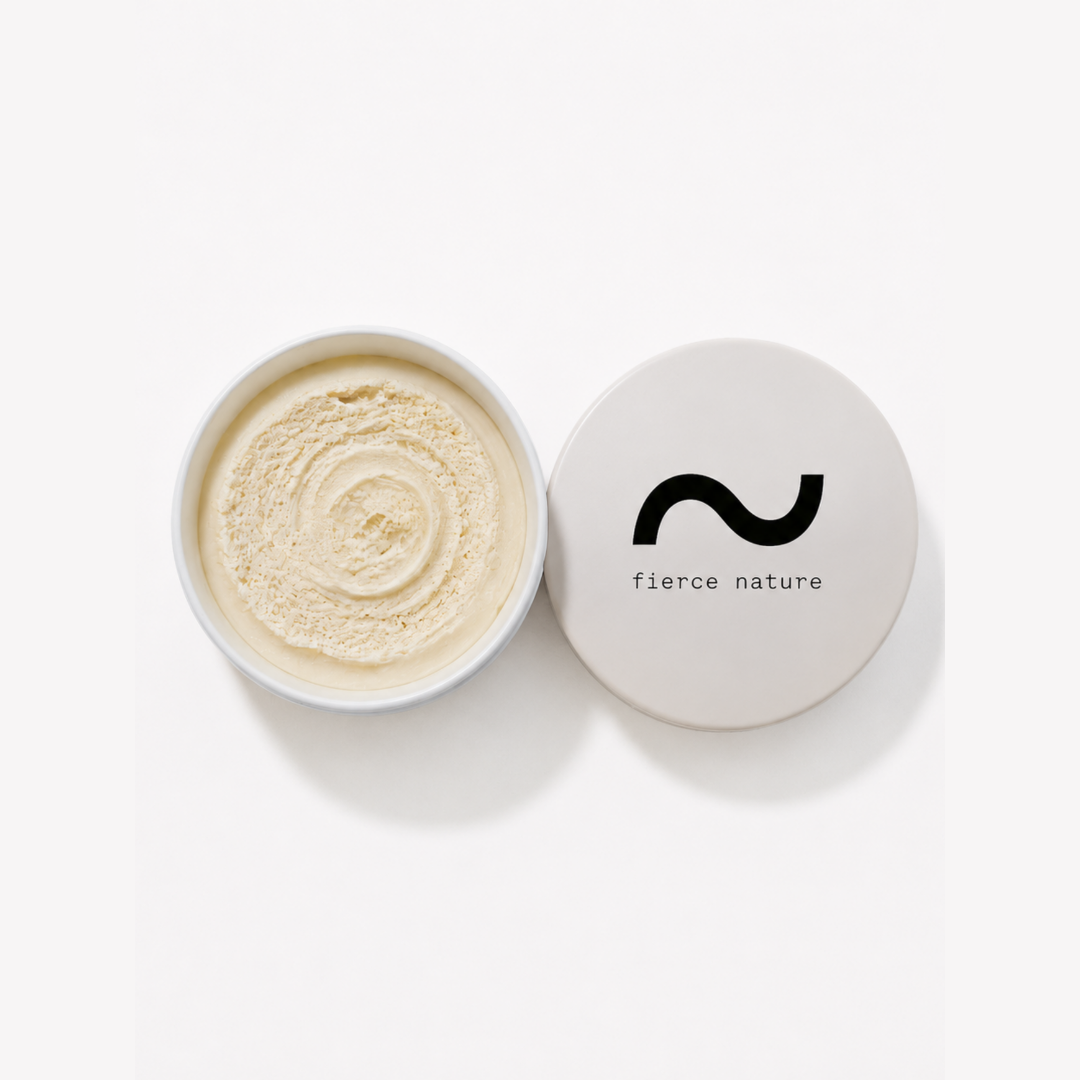
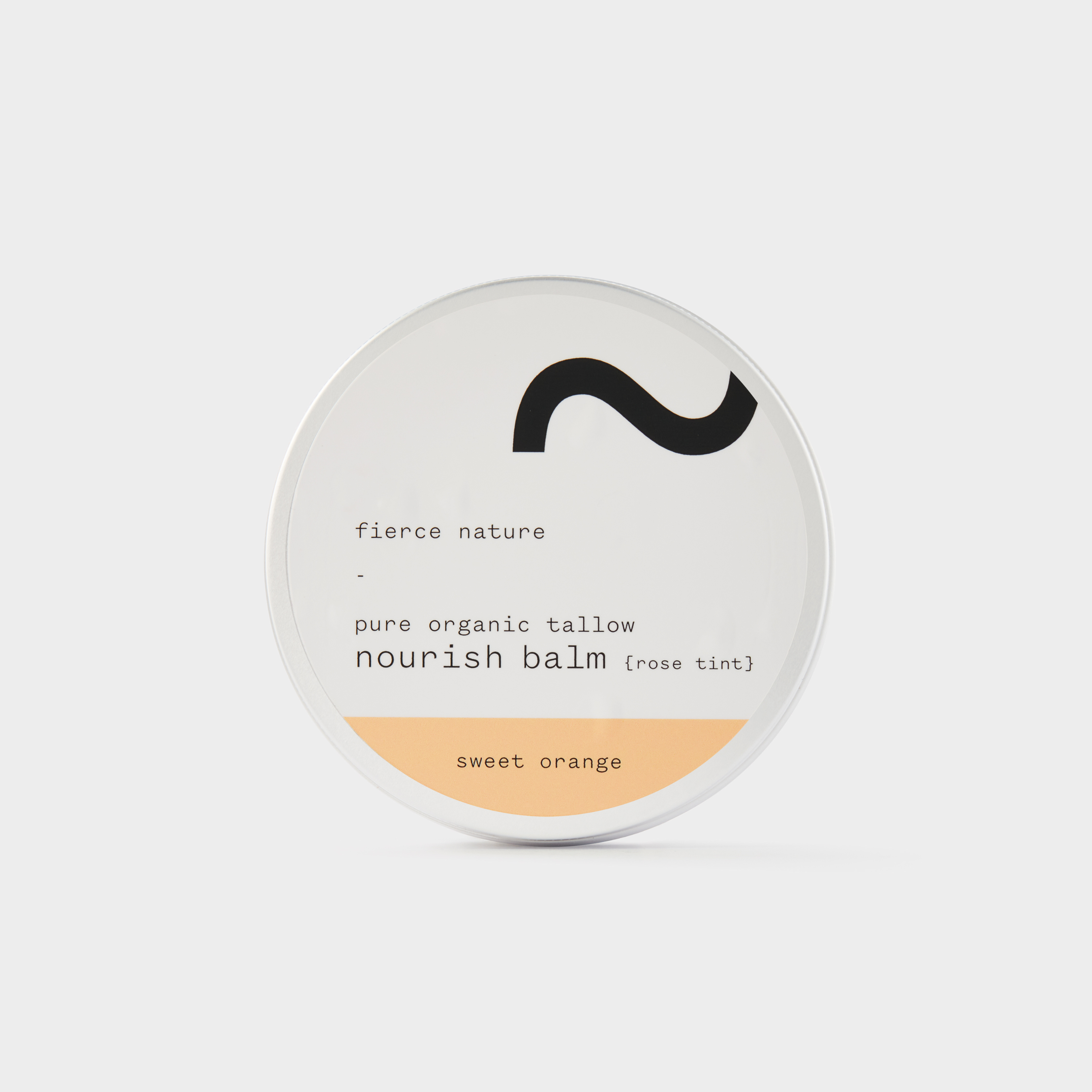
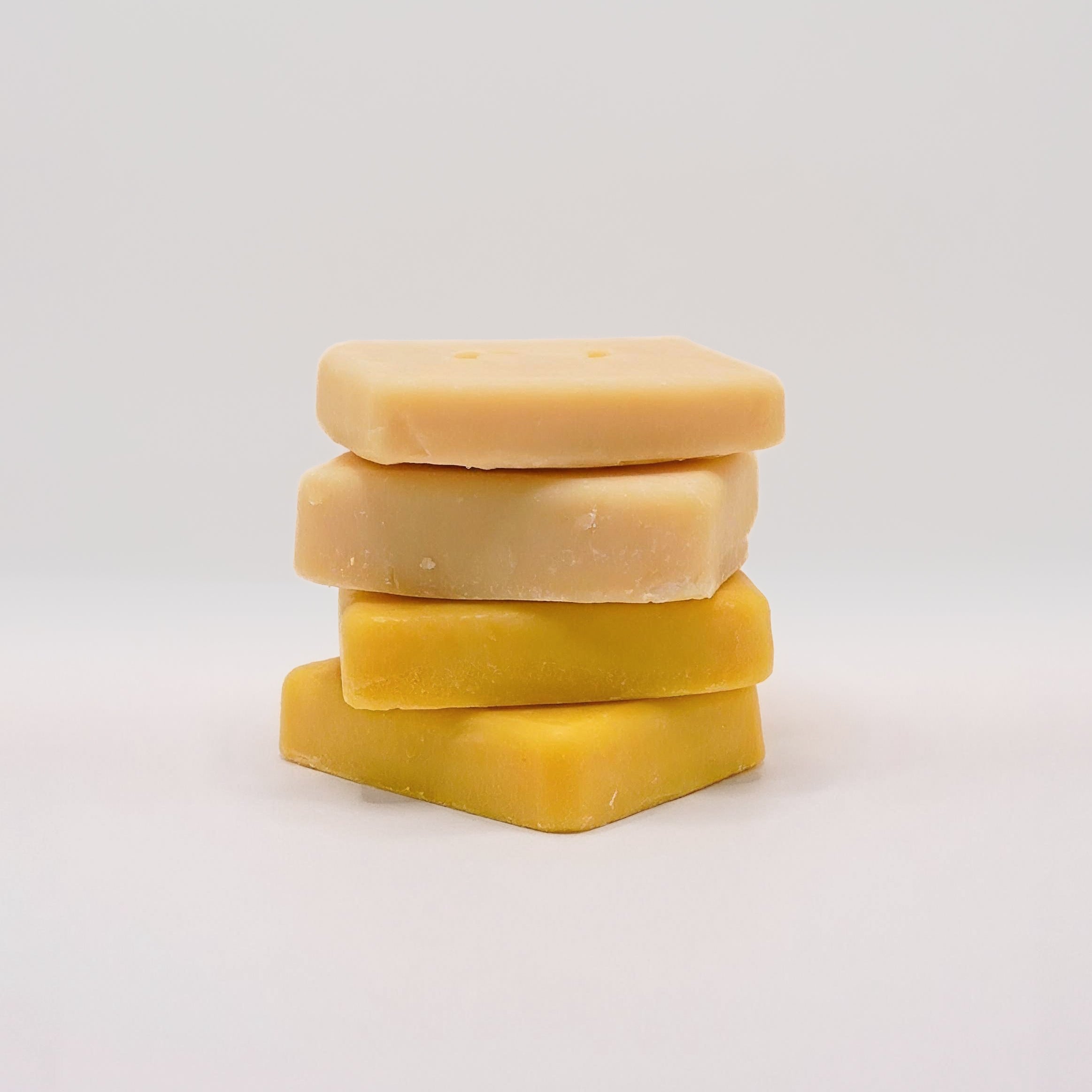
Fierce Nature handcrafts every product in the UK using naturally sourced, non-toxic ingredients. Our tallow-based hair care collection is built on the same philosophy that guides everything we make: ingredients from the land, nothing synthetic, nothing hidden. Tallow’s bioavailability means it penetrates deeply rather than sitting on the surface, making it genuinely nourishing rather than cosmetically flattering. If you are looking for a multi-use product that works across hair and skin, our unscented tallow bar is a practical starting point. Made in small batches, packaged without plastic, and free from sulfates, silicones, and parabens, it reflects exactly what natural hair care in the UK should look like in 2026.
Natural hair care refers to routines and products that use plant-derived, chemical-free ingredients to maintain scalp health and hair condition. The term covers everything from cold-pressed oils and shampoo bars to DIY treatments using kitchen ingredients.
Sulfate-free shampoos preserve the scalp’s natural oils and reduce irritation, making them beneficial for all hair types. They are particularly important for colour-treated, dry, or textured hair, where sulfates cause the most visible damage.
Most people notice a meaningful improvement in scalp balance and hair texture after six to eight weeks of consistent use. The initial adjustment period can involve temporary oiliness or dryness as the scalp recalibrates from synthetic product use.
Soap-free, pH-balanced shampoo bars work well for all hair types, including textured and colour-treated hair, and require no transition period. The key is choosing a soap-free formula rather than a traditional cold-process soap bar, which can be too alkaline for curly hair.
Omega-3, 6, and 9 fatty acids directly support hair follicle function, scalp hydration, and hormonal balance. A diet consistently low in these nutrients will limit the results of even the best topical hair care routine.