Cart
0
80% Also Added this






TL;DR:
- Skincare from the land uses plant oils, extracts, and minerals to nourish and protect the skin naturally. These ingredients offer antioxidant, barrier, and anti-inflammatory benefits, supporting skin health without synthetic chemicals. Combining botanical and clinical ingredients creates effective routines rooted in respect for land-based resources.
Skincare from the land is the practice of using botanical oils, plant extracts, and earth-derived minerals to nourish and protect the skin. The industry term for this approach is “botanical skincare” or “plant-based formulation,” and both phrases describe the same core idea: working with ingredients that the earth produces rather than those synthesised in a laboratory. Ingredients like rosehip oil, colloidal oatmeal, and Kawakawa leaf extract have been used across cultures for centuries, long before modern cosmetic chemistry existed. Fierce Nature was built on exactly this philosophy, drawing nourishment and inspiration directly from the land. Understanding which ingredients work, why they work, and how to use them well is the difference between a routine that genuinely feeds your skin and one that simply smells natural.
Earth-derived ingredients offer a range of well-documented skin benefits, from antioxidant protection to barrier repair. The key is knowing which ingredient does what, and why.
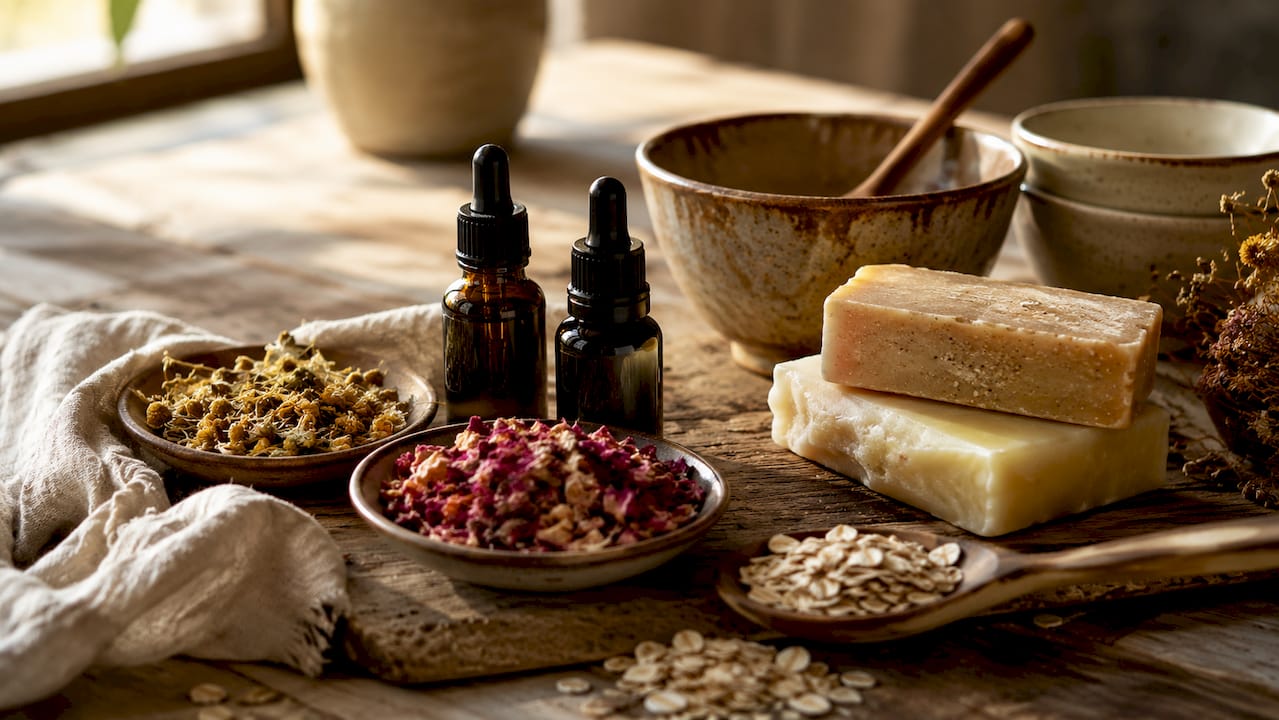
Antioxidant protection is one of the most studied benefits of botanical skincare. Plant-based antioxidants like green tea and vitamin E neutralise free radicals produced by UV exposure and pollution. These compounds protect the skin’s surface and slow visible signs of environmental ageing. They work with your skin, not against it, because they mirror the protective chemistry plants use to survive in the wild.
Barrier strengthening is where ingredients like colloidal oatmeal and seed oils genuinely shine. Rosehip oil contains around 80% omega fatty acids, which support the skin’s lipid barrier and reduce transepidermal water loss. A strong barrier means less sensitivity, less redness, and better moisture retention over time. For people with eczema or reactive skin, these ingredients can be genuinely restorative rather than merely cosmetic.
Anti-inflammatory effects are another area where botanical ingredients perform well. Calendula, chamomile, and certain seed oils calm irritated skin without the side effects associated with topical steroids. These are not fringe claims. Dermatologists regularly recommend plant-based anti-inflammatory ingredients for sensitive skin support as part of a considered routine.
Here is a summary of the most widely used botanical oils and their primary benefits:
Rosehip oil: Rich in omega 3, 6, and 9 fatty acids; supports barrier repair and skin tone evening
Jojoba oil: Structurally similar to the skin’s own sebum; balances oil production and hydrates without clogging pores
Calendula: Strongly anti-inflammatory; soothes redness, rashes, and post-procedure skin
Colloidal oatmeal: Clinically recognised for barrier support and itch relief in eczema-prone skin
Green tea extract: High in polyphenols; protects against UV-induced oxidative stress
Vitamin E (tocopherol): Fat-soluble antioxidant; stabilises formulations and supports skin repair
Eco-friendly skincare sourced from the land also carries environmental benefits. Sustainably harvested botanicals support biodiversity, reduce reliance on petrochemical feedstocks, and often come with lower carbon footprints when produced in small batches. Handmade, farm-grown formulations, such as those using calendula infused into oils and butters, connect both producer and user to a more conscious relationship with the land.
Pro Tip: When choosing botanical oils, look for those that list the omega fatty acid profile on the label. An oil standardised for omega content delivers more predictable results than one that simply states “natural.”
The natural versus synthetic debate is one of the most misunderstood conversations in skincare. The truth is that effectiveness depends on structure, concentration, and bioavailability, not on whether an ingredient grew in a field or was made in a lab. Origin alone tells you very little about how well something will work on your skin.
Botanical ingredients often provide gentle, broad-spectrum nourishment that synthetic alternatives struggle to replicate. A cold-pressed rosehip oil delivers a complex mix of fatty acids, carotenoids, and tocopherols in a single ingredient. A synthetic equivalent would require multiple separate compounds to achieve the same nutritional profile. For daily nourishment and barrier support, this complexity is an advantage.
Topical retinoids remain the gold standard for collagen renewal and wrinkle reduction. Plant-based alternatives like bakuchiol show promising results with less irritation, but the clinical evidence for retinoids is deeper and longer established. Bio-identical synthetic ingredients are also more predictable in formulation. They behave consistently across batches, which matters for product stability and safety testing.
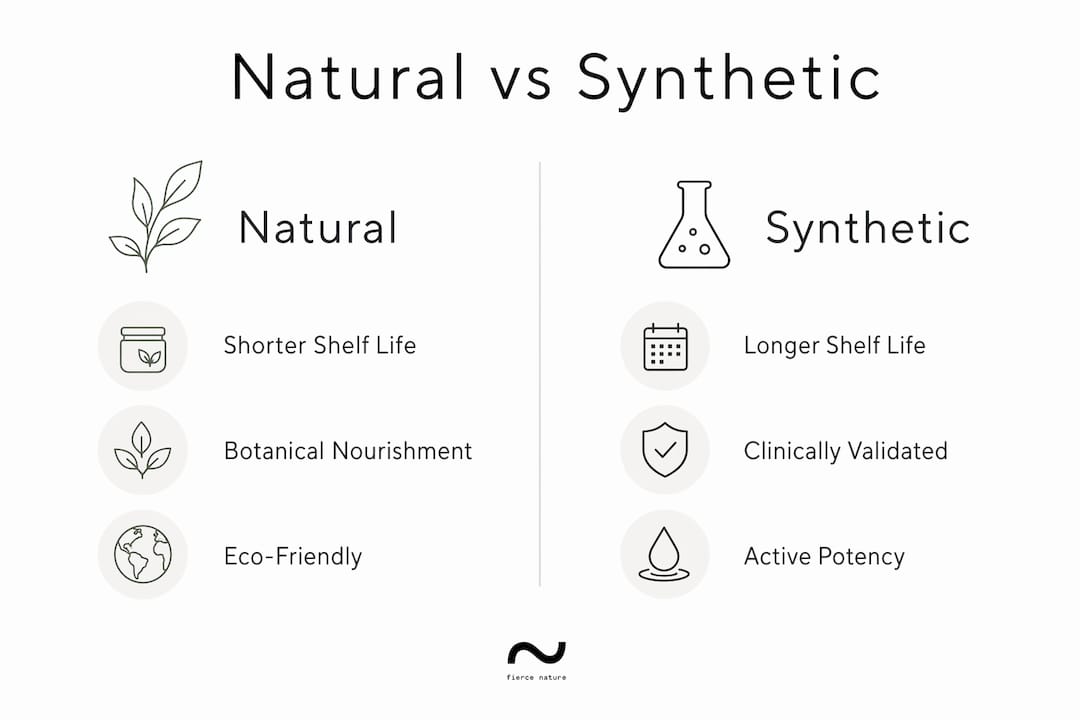
One practical difference between natural and synthetic products is longevity. Natural formulas typically last 6–12 months, while synthetic products often remain stable for 24 months or more. This is not a flaw in natural skincare. It reflects the absence of aggressive preservatives and the presence of active, unsaturated fatty acids that oxidise over time. It simply means you need to use natural products more attentively.
| Attribute | Natural formulations | Synthetic formulations |
|---|---|---|
| Shelf life | 6–12 months typically | 24+ months typically |
| Ingredient complexity | High (multiple actives per ingredient) | Precise and isolated |
| Clinical evidence | Strong for barrier and antioxidant support | Strongest for anti-ageing actives |
| Allergen risk | Present, especially from plant fragrances | Present, from synthetic fragrances |
| Environmental impact | Lower when sustainably sourced | Higher petrochemical dependency |
| Bioavailability | Variable by ingredient | More predictable |
A well-considered routine often blends both worlds. Combining botanical nourishment with clinically validated actives delivers the best outcomes for most skin types. The goal is not ideological purity. The goal is healthy, radiant skin.
Pro Tip: If you want to introduce a retinoid into a botanical routine, use it on alternate evenings and apply a nourishing plant oil like rosehip or jojoba afterwards to support the barrier.
Getting the most from organic skincare from nature requires a little more attention than using conventional products. The absence of synthetic preservatives is a feature, not a bug, but it does mean you need to store and use these products thoughtfully.
Store in a cool, dark place. Natural formulas without synthetic preservatives oxidise faster when exposed to heat and light. A bathroom cabinet away from the shower is better than a sunny windowsill. For oils high in unsaturated fatty acids, a cool drawer or even the fridge extends freshness significantly.
Use within the recommended period. Most natural skincare products carry a Period After Opening (PAO) symbol, a small jar icon with a number. Follow it. An oil that has turned rancid smells slightly off and may irritate rather than nourish.
Introduce new products one at a time. When transitioning to plant-based skincare, adding multiple new products simultaneously makes it impossible to identify what your skin is responding to. Introduce one product every two weeks and observe how your skin reacts.
Choose fragrance-free formulations for sensitive skin. 37% of natural products studied contained plant-derived fragrances, which are common irritants for eczema and rosacea. Natural does not mean hypoallergenic. Essential oils and botanical fragrance compounds can trigger the same immune responses as synthetic perfumes.
Pair natural products with complementary actives wisely. A vitamin C serum pairs well with a rosehip oil moisturiser because both support antioxidant defence. A niacinamide toner pairs well with a calendula balm because both calm inflammation. Think about what each product does, then layer accordingly.
Watch for signs of spoilage. Rancid oils smell musty or crayon-like. Emulsions that have separated or changed colour should be discarded. These are not just aesthetic issues. Degraded ingredients can irritate the skin barrier rather than support it.
Pro Tip: Keep a small notebook or phone note tracking when you opened each product. Natural skincare moves quickly, and it is easy to forget when a jar was first unsealed.
For a fuller guide on transitioning to natural skincare without unsettling your skin, Fierce Nature has a dedicated resource worth reading before you overhaul your entire routine.
Some botanical ingredients deserve more attention than they typically receive. Beyond the well-known oils, a handful of specialised plant extracts offer genuinely remarkable properties for specific skin concerns.
Kawakawa leaf extract: Revered in Māori tradition, Kawakawa contains Diayangambin, a natural anti-inflammatory compound that supports skin healing and repair. When combined with manuka oil, jojoba, blackcurrant, and grape seed oils, it creates a nourishing blend that reduces inflammation and supports recovery in stressed skin.
Manuka oil: Distinct from manuka honey, manuka oil is extracted from the leaves of the New Zealand tea tree. It carries antimicrobial and anti-inflammatory properties and is particularly useful for acne-prone or blemish-affected skin.
Rosehip oil: Standardised for omega 3, 6, and 9 content, rosehip oil is one of the most clinically studied botanical oils. It supports barrier repair, reduces the appearance of scarring, and provides antioxidant protection through its natural carotenoid content.
Jojoba oil: Technically a liquid wax rather than an oil, jojoba mimics the skin’s own sebum more closely than almost any other plant-derived ingredient. This makes it exceptionally well tolerated across skin types, including oily and combination skin.
Calendula: Grown widely across the UK and Europe, calendula flowers infused into carrier oils produce a deeply soothing ingredient for reactive, post-procedure, or baby skin. Its anti-inflammatory and wound-healing properties are well documented in herbal medicine traditions.
| Ingredient | Key active compounds | Primary skin benefit |
|---|---|---|
| Kawakawa leaf | Diayangambin | Anti-inflammatory, healing |
| Rosehip oil | Omega 3, 6, 9; carotenoids | Barrier repair, antioxidant |
| Jojoba oil | Liquid wax esters | Sebum-balancing, hydration |
| Calendula | Flavonoids, triterpenoids | Soothing, anti-inflammatory |
| Manuka oil | Triketones, sesquiterpenes | Antimicrobial, blemish support |
| Green tea extract | EGCG polyphenols | Antioxidant, UV protection |
Small-batch, handmade production matters here. When botanical ingredients are processed in smaller quantities, there is less heat exposure, less time between harvest and formulation, and greater attention to ingredient integrity. The benefits of organic skincare ingredients are most fully realised when the production process respects the fragility of the plant compounds involved. Industrial-scale processing can degrade the very actives that make these ingredients worth using.
The clean beauty movement has extended beyond skincare into adjacent categories. The same principles of ingredient transparency and natural sourcing that define botanical skincare now shape products like natural candles and home fragrance, where synthetic additives are similarly being questioned.
Earth-derived skincare works best when you understand each ingredient’s specific benefit, respect its shelf life, and build a routine that pairs botanical nourishment with targeted actives where needed.
| Point | Details |
|---|---|
| Ingredient specificity matters | Each botanical oil has a distinct benefit profile; choose based on your skin’s actual needs. |
| Shelf life is shorter | Natural formulas last 6–12 months; store in cool, dark conditions and track opening dates. |
| Natural is not hypoallergenic | Plant-derived fragrances trigger allergic reactions; choose fragrance-free for sensitive skin. |
| Blend natural and synthetic wisely | Botanical nourishment and clinically validated actives work better together than in isolation. |
| Small-batch production protects actives | Handmade, low-heat processing preserves the potency of plant compounds in formulations. |
The most common mistake people make with natural skincare is treating “natural” as a guarantee. It is not. A plant extract can be poorly sourced, badly formulated, or simply wrong for your skin type, and it will still carry a green label and a list of botanical names. We have seen this pattern repeatedly, and it is why Fierce Nature places as much emphasis on formulation quality and ingredient sourcing as on the ingredients themselves.
What we have found, through years of working with tallow, botanical oils, and plant extracts, is that the land offers extraordinary nourishment when you approach it with respect and knowledge. Tallow, for example, is not a trendy ingredient. It is one of the oldest skin foods in human history, and its bioavailability means it penetrates deeply rather than sitting on the surface. Paired with rosehip, calendula, or jojoba, it creates a formulation that genuinely feeds the skin rather than coating it.
We also believe that a natural skincare routine does not need to be rigid or purist. If a clinically validated synthetic active like niacinamide or a low-concentration retinoid serves your skin well, there is no reason to abandon it. The goal is skin that is healthy, calm, and well nourished. The land provides the foundation. You build the rest around it thoughtfully.
One thing we feel strongly about: storage and ritual are underrated. Taking a moment to apply a warm, hand-pressed balm in the evening is not just skincare. It is a conscious pause in a busy day. That connection to something real and earth-derived has value beyond the ingredient list.
— Fierce Nature
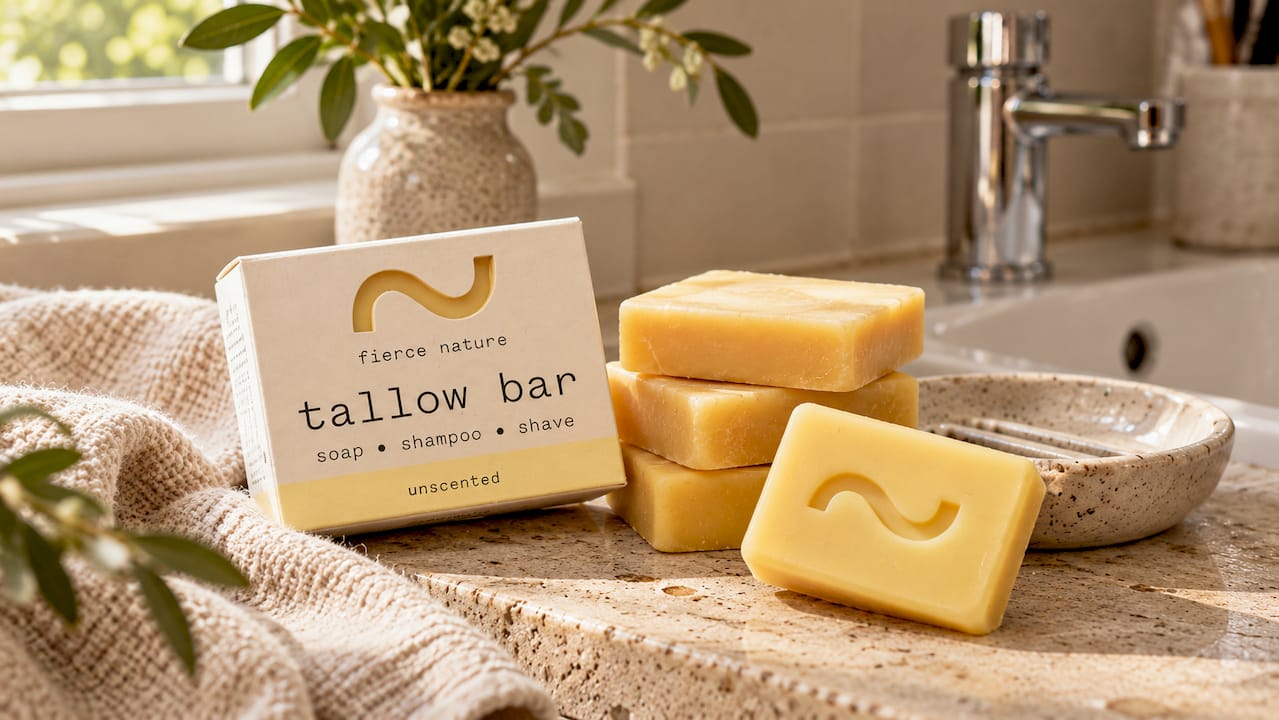
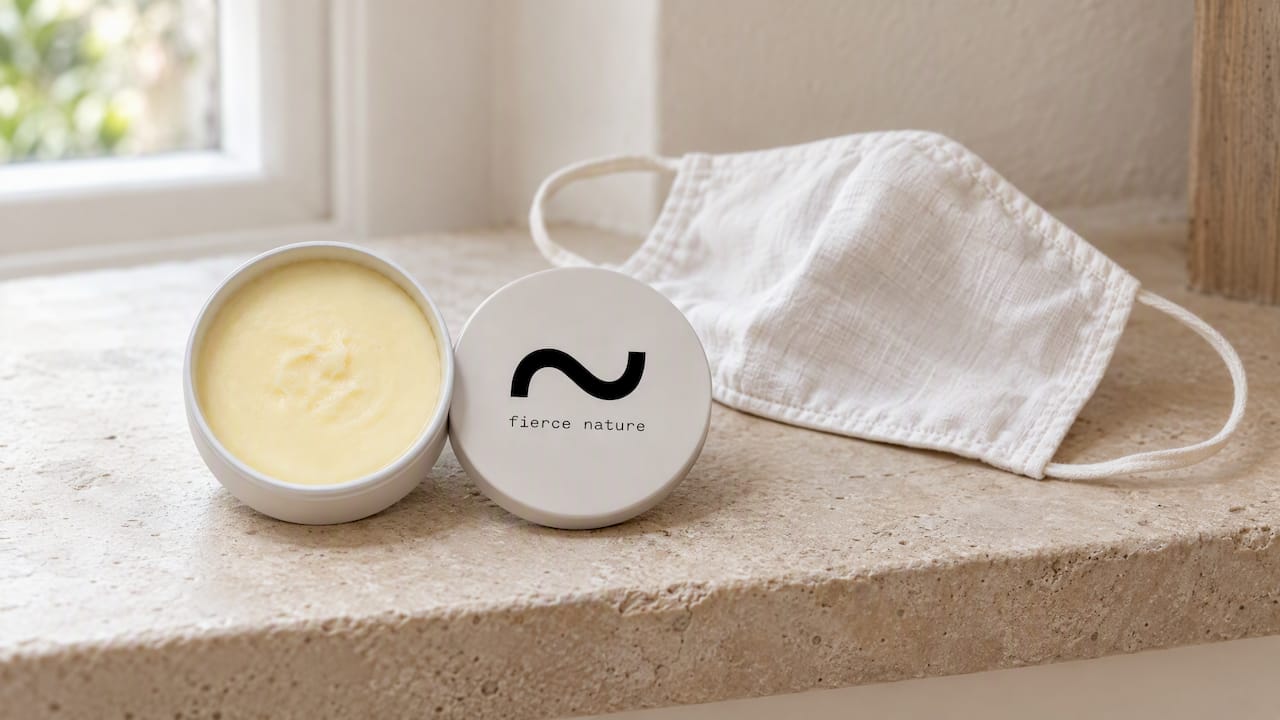
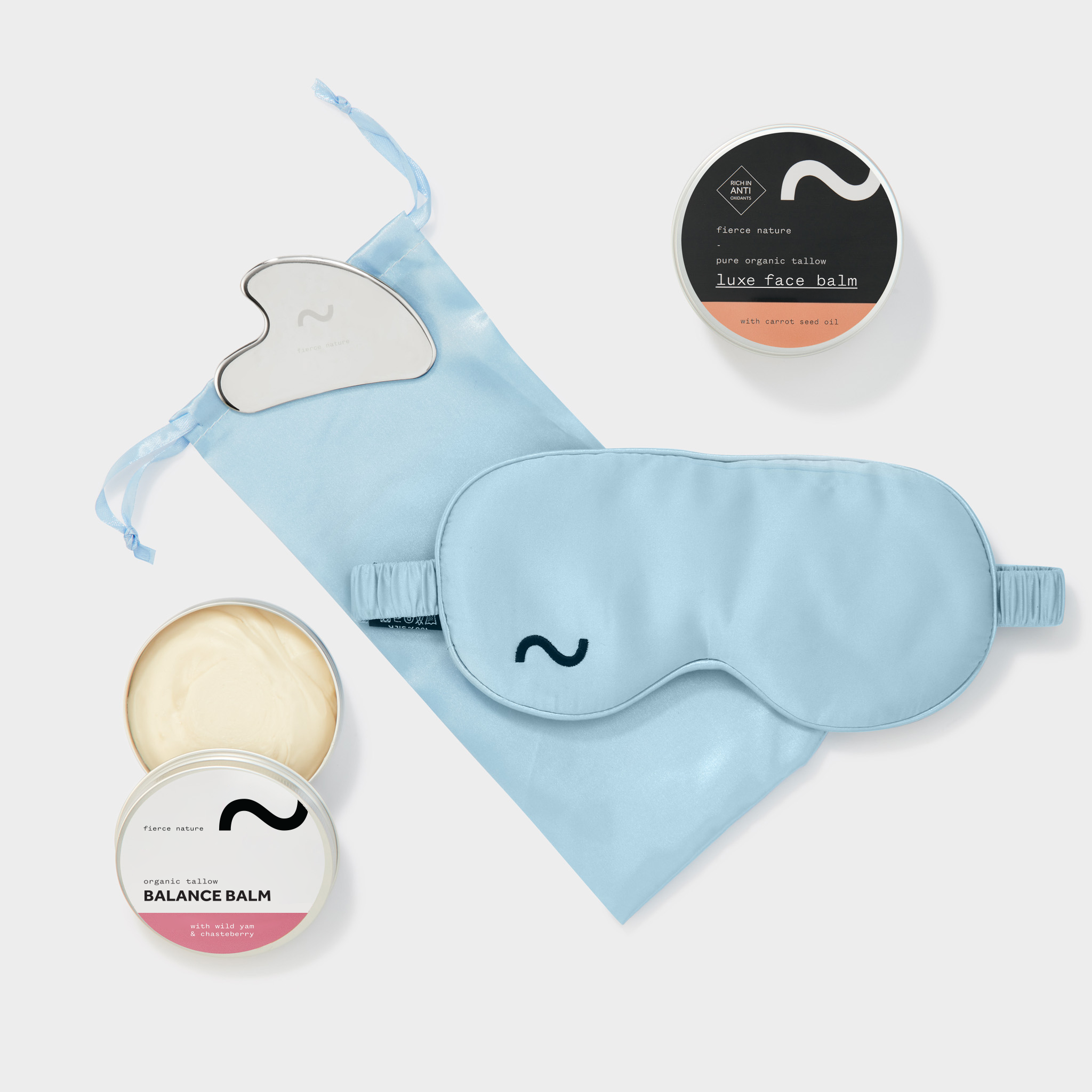
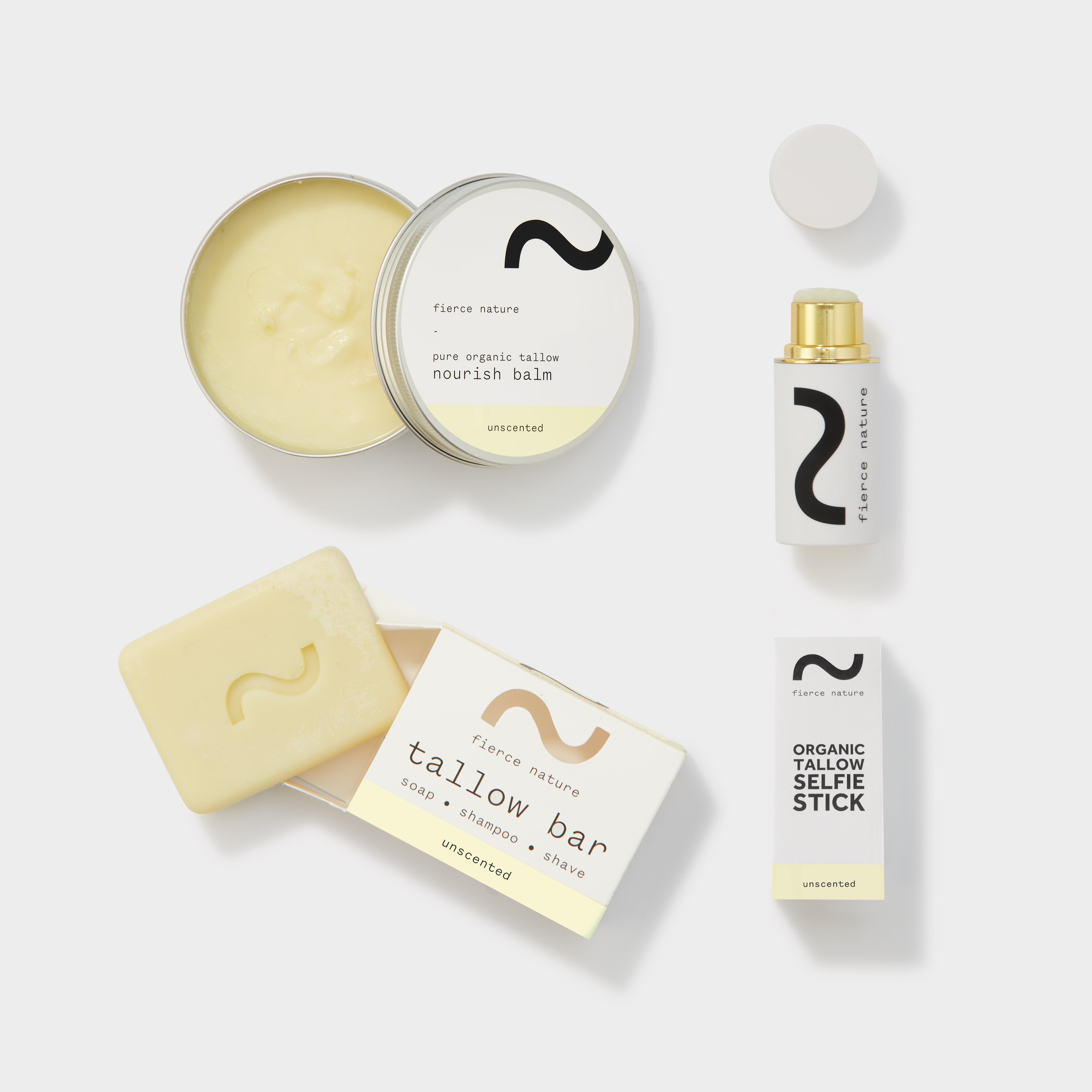
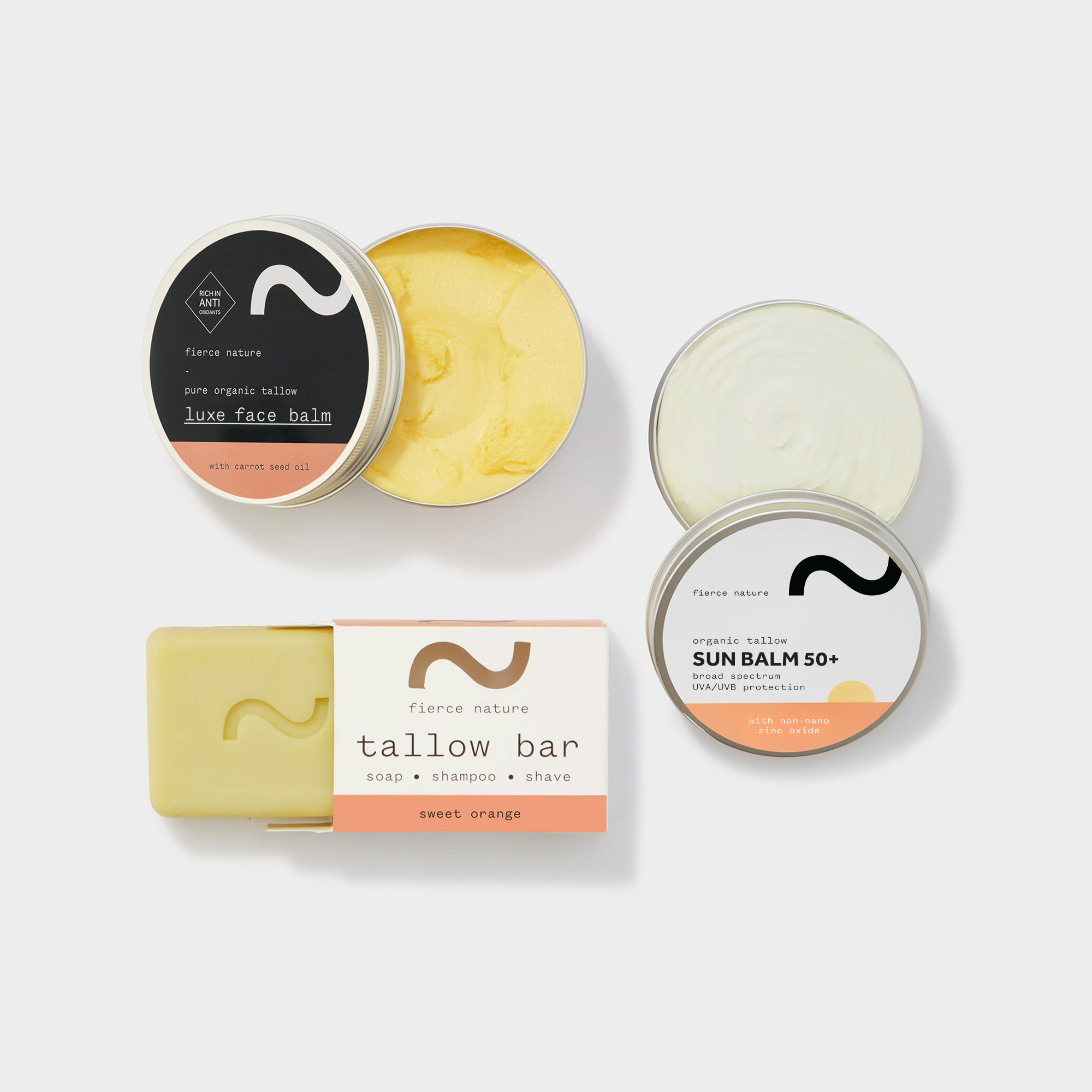
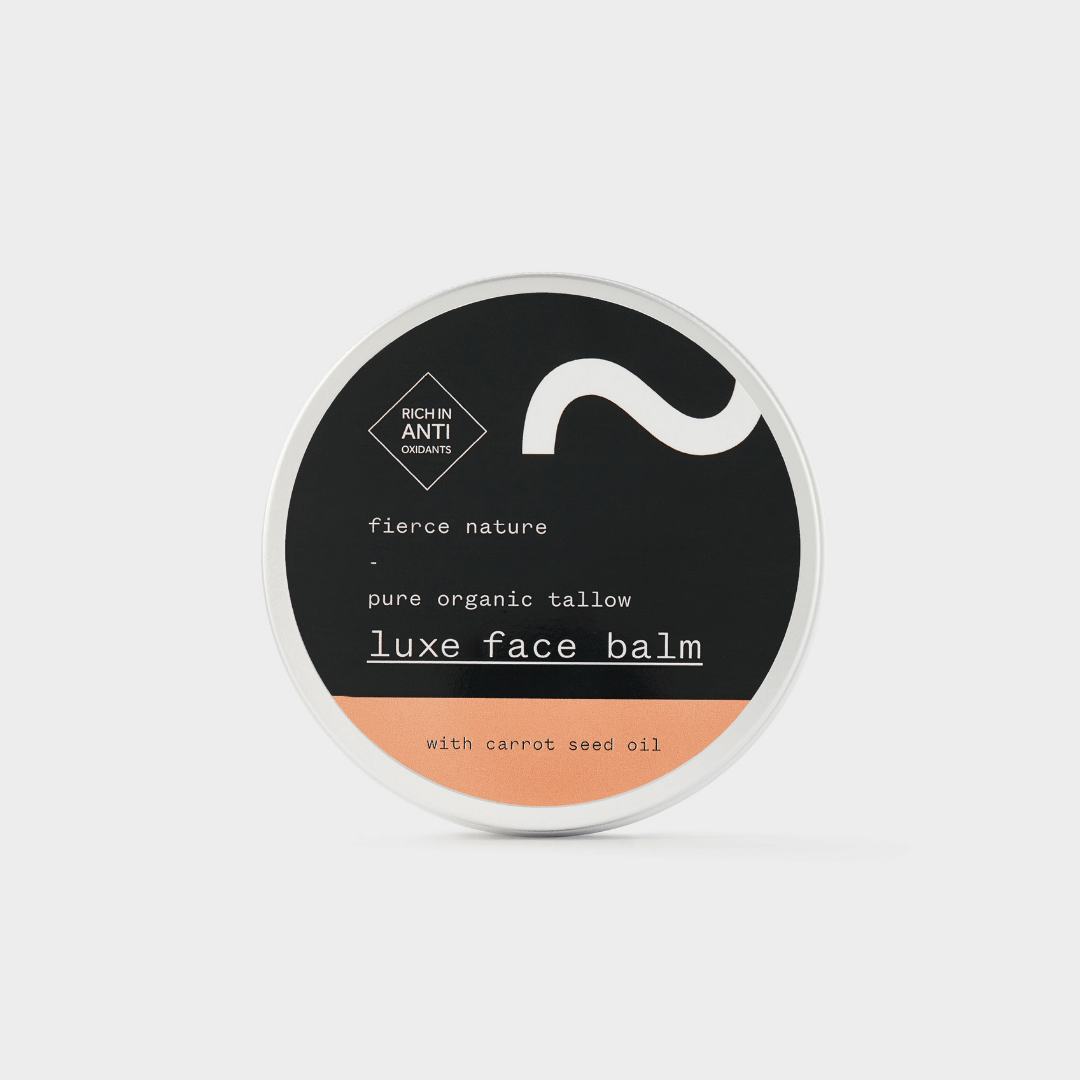
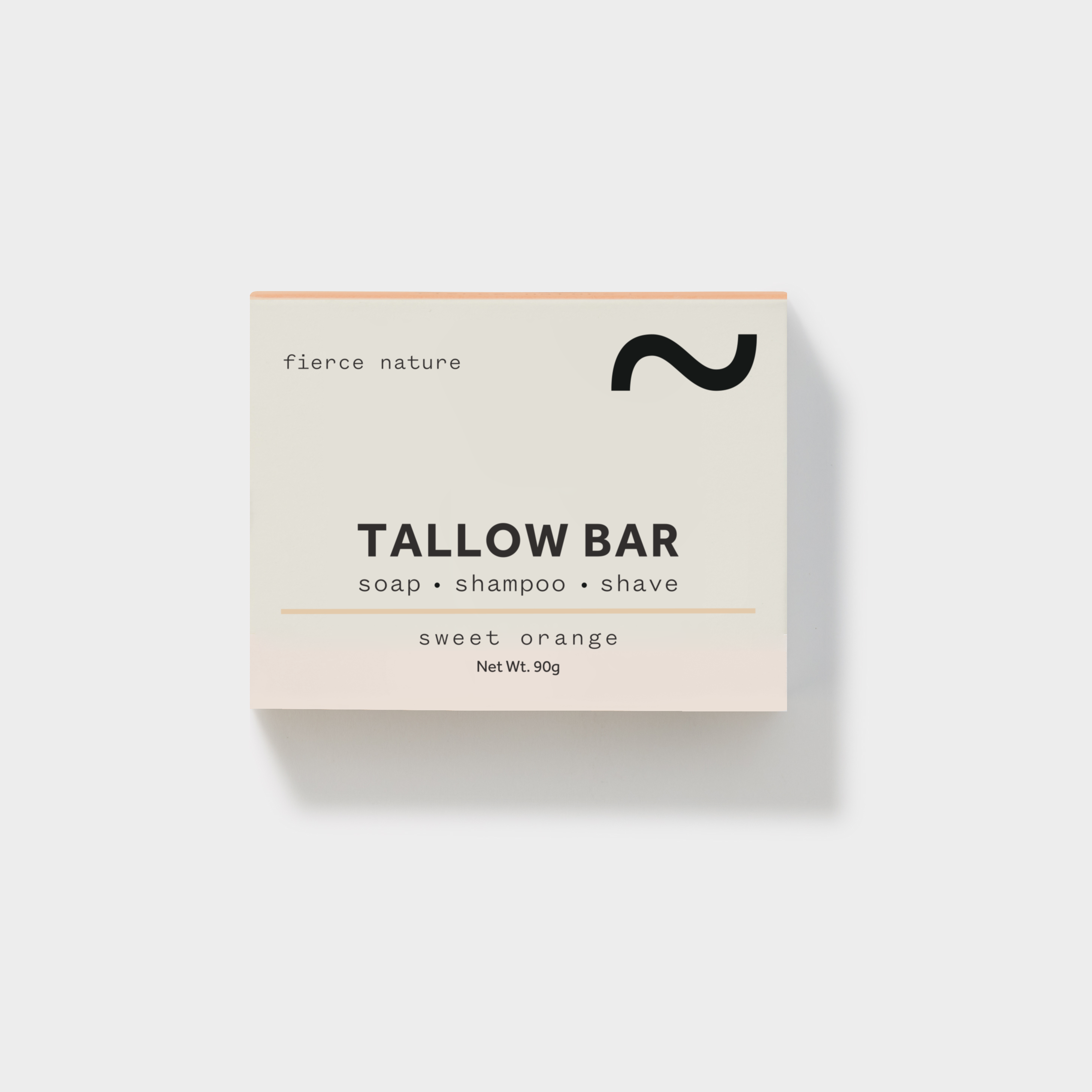
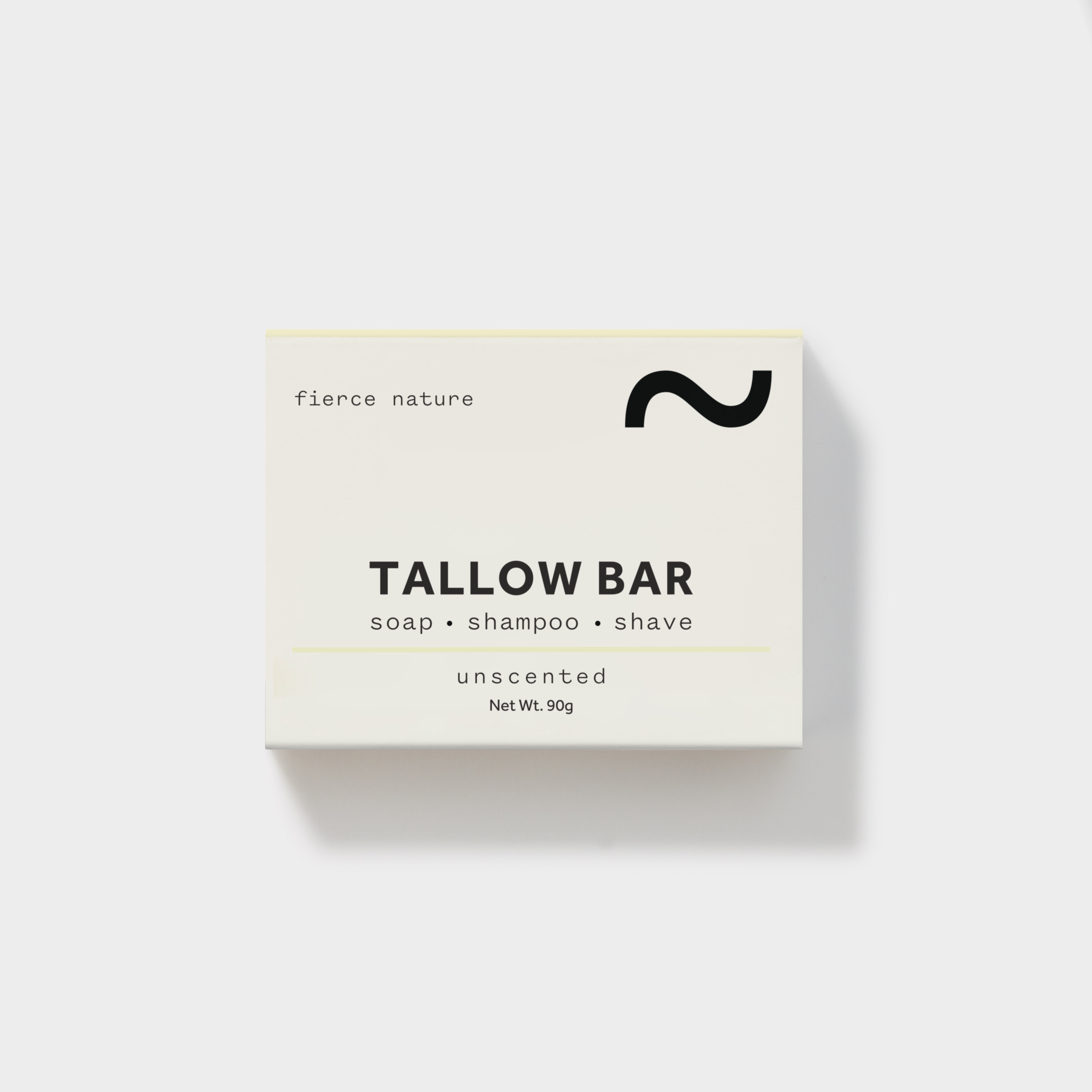
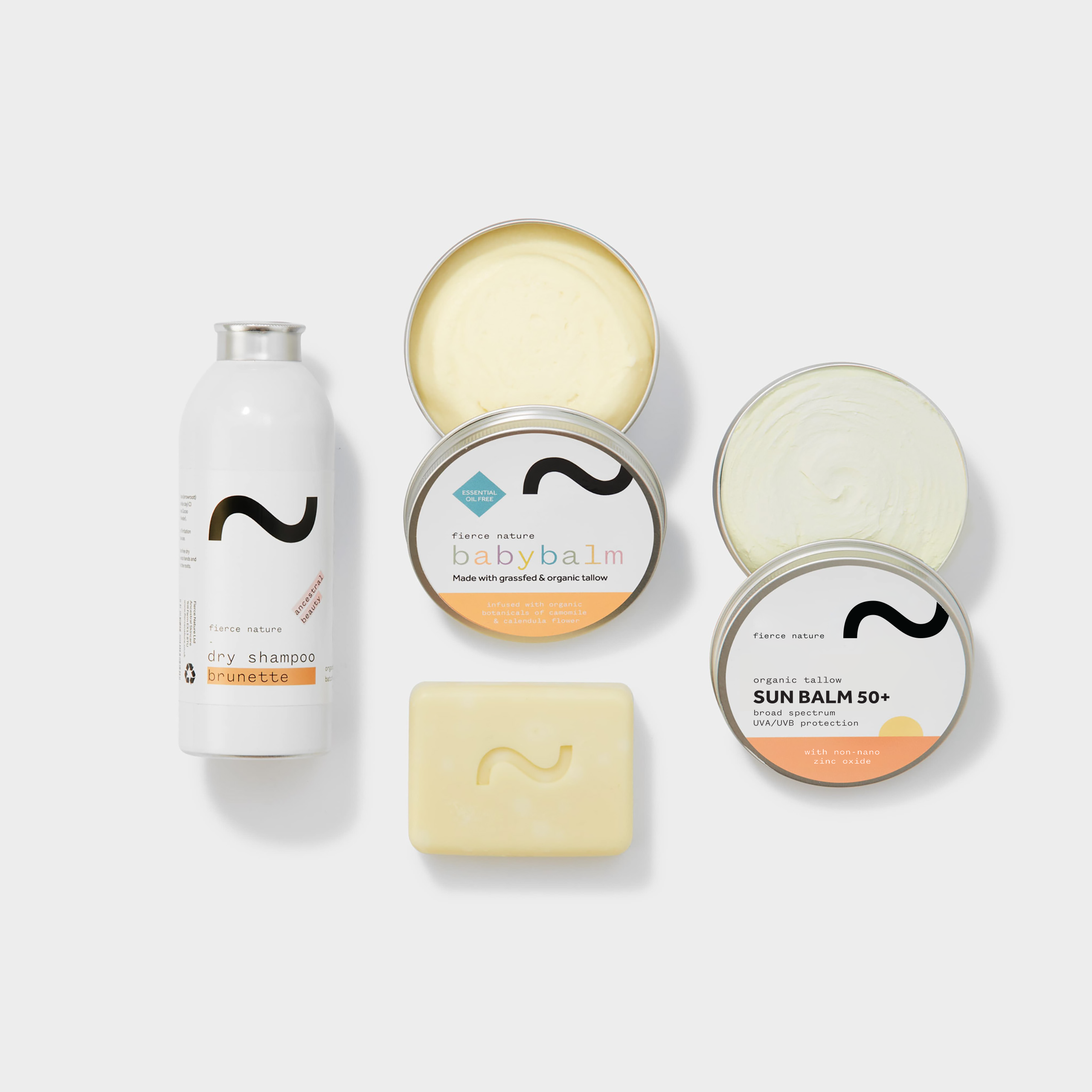
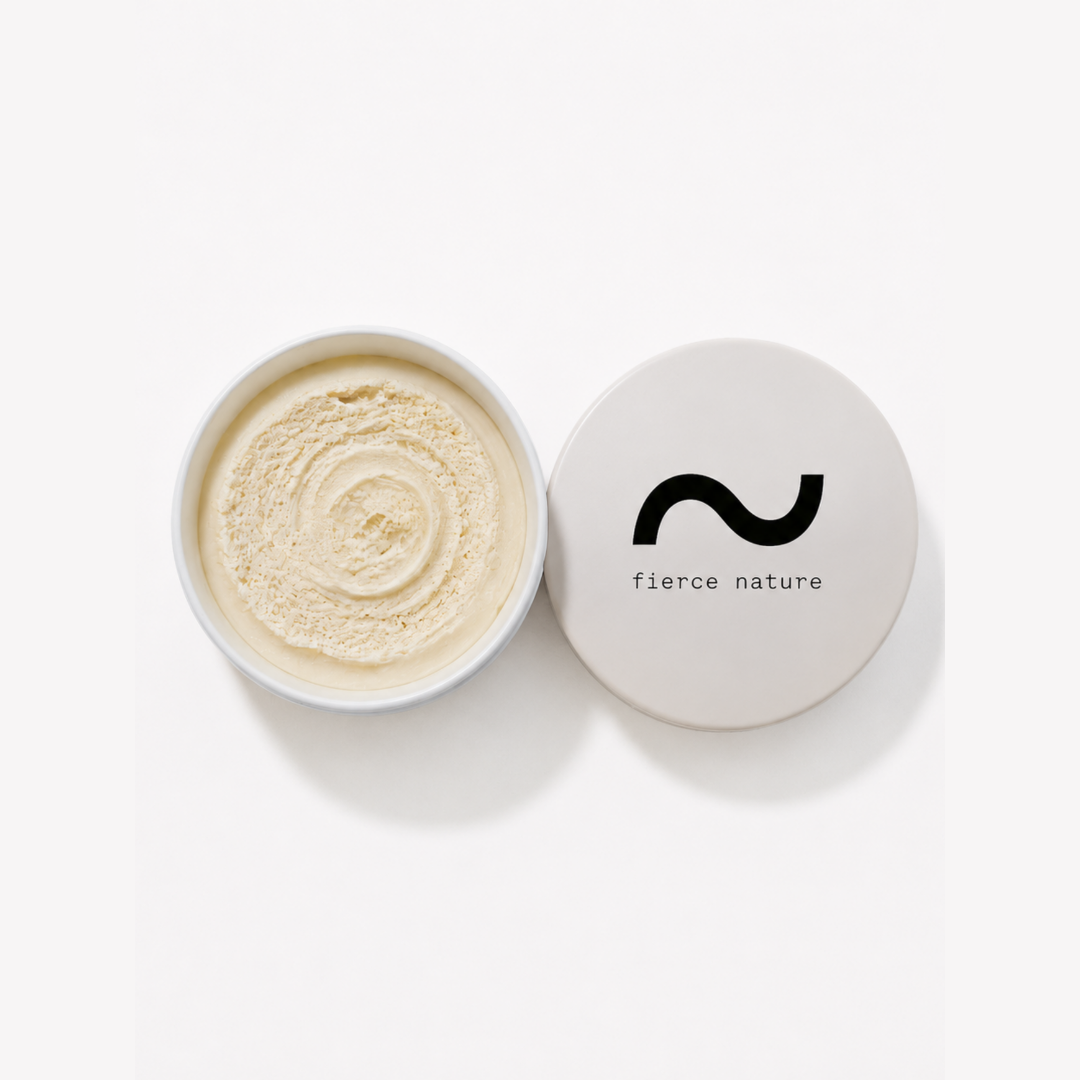
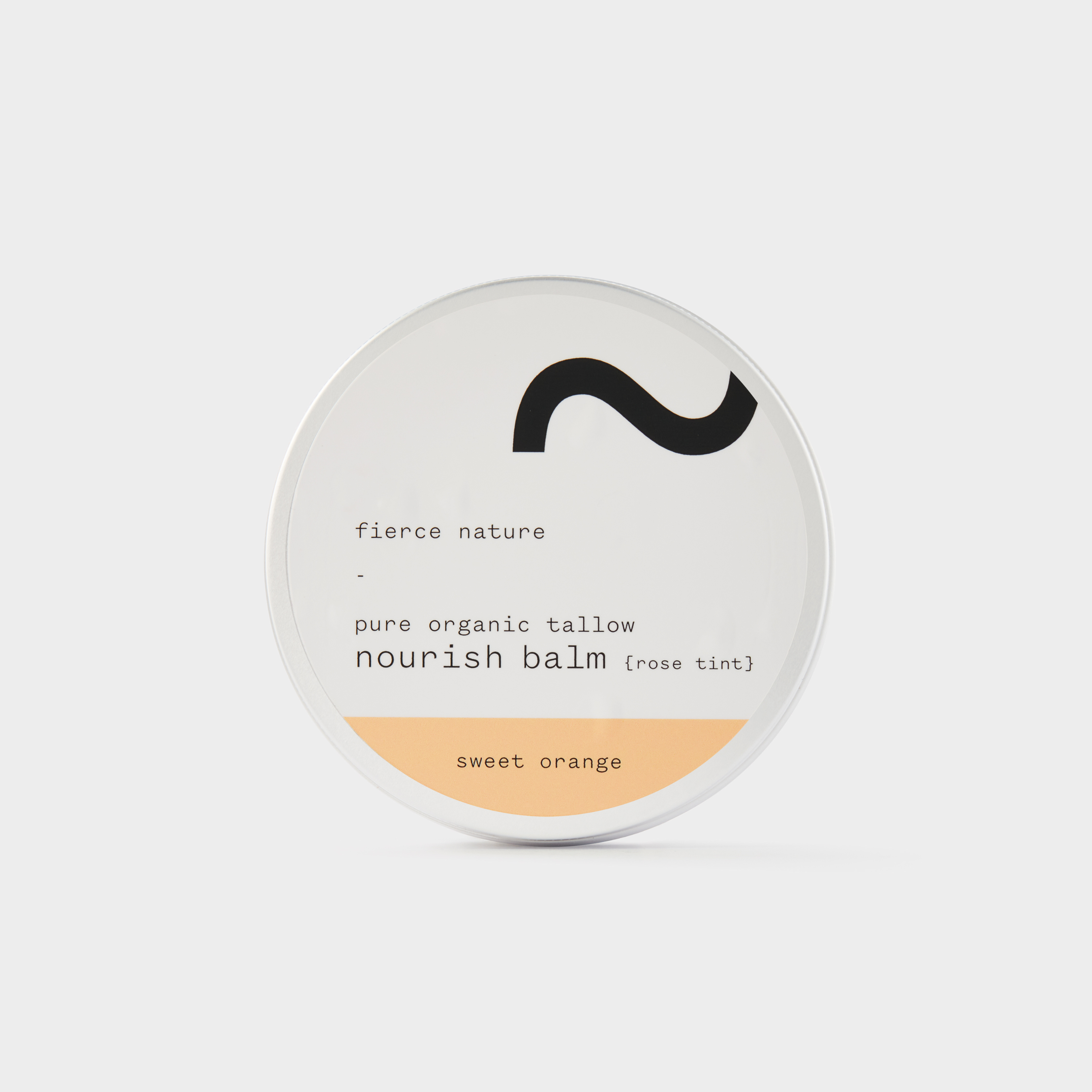
Fierce Nature handcrafts every product in the UK using organic, grass-fed tallow as the base, combined with carefully selected botanical oils and plant extracts. The Luxe Balm is a rich, deeply nourishing face balm built for people who want genuine skin food rather than a surface-level moisturiser. For those seeking a versatile daily option, the Multi-Use Tallow Bar (Unscented) suits sensitive skin beautifully, free from synthetic fragrance and unnecessary additives. Every formulation is non-toxic, made in small batches, and grounded in the belief that the land provides everything your skin truly needs.
Skincare from the land refers to the use of botanical oils, plant extracts, and earth-derived minerals in skincare formulations. The industry terms for this approach are botanical skincare and plant-based formulation.
Natural ingredients are not automatically safer. Plant-derived fragrances can trigger allergic contact dermatitis in the same way synthetic fragrances can, so ingredient selection and formulation quality matter more than origin.
Most natural skincare products last 6–12 months after opening. Store them in a cool, dark place and follow the Period After Opening guidance on the packaging to maintain efficacy.
Yes. Expert recommendations support combining gentle botanical ingredients with clinically validated synthetic actives for the best skin outcomes. A rosehip oil and a low-concentration retinoid, for example, complement each other well.
Tallow’s fatty acid profile closely mirrors that of human skin, giving it high bioavailability. It penetrates deeply rather than sitting on the skin’s surface, making it one of the most effective natural emollients available.