Cart
0
80% Also Added this






TL;DR:
- Reducing toxic load in skincare involves prioritizing leave-on products and replacing them gradually. Using the empty-and-replace method minimizes waste and helps lower chemical absorption quickly. Focus on products like body lotion, deodorant, and foundation for the greatest benefit.
Toxic load is defined as the cumulative burden of synthetic chemicals your body absorbs from skincare, food, air, and household products over time. When it comes to skincare alone, the average woman applies 114 unique ingredients daily across 13 products. That figure matters because skin is not a barrier in the way most people assume. It absorbs what you put on it, and leave-on products like moisturisers and body lotions deliver the highest chemical dose of all. The good news is that switching to cleaner alternatives works fast. Research shows that biomarkers for diethyl phthalate dropped by 22% and methylparaben by 30% in urine after just five days of using fewer conventional cosmetics. Knowing where to start is the key to making this shift without waste, confusion, or burnout.
Not all products carry equal risk. The two factors that determine how much a product adds to your chemical burden are how long it stays on your skin and how much surface area it covers.
Leave-on products are the highest priority. Body lotion covers roughly 90% of your skin’s surface area and is applied twice daily. Foundation can remain on your face for up to 12 hours. Deodorant sits in a sensitive, thin-skinned area all day. These products deliver the greatest chemical exposure because absorption is continuous, not brief.

Rinse-off products like shampoo, face wash, and body wash have a much lower impact. They contact skin for seconds to minutes before being washed away. That does not mean they are harmless, but they are a lower priority when you are building a toxic load reduction skincare checklist.
| Product type | Contact duration | Surface area covered | Priority for swapping |
|---|---|---|---|
| Body lotion | All day | Very large (full body) | High |
| Deodorant | All day | Small but sensitive | High |
| Foundation | Up to 12 hours | Face | High |
| Sunscreen | Several hours | Face and body | High |
| Face moisturiser | All day | Face | High |
| Shampoo | 1–3 minutes | Scalp | Lower |
| Body wash | Under 1 minute | Full body | Lower |
| Face wash | Under 1 minute | Face | Lower |
The table above shows clearly where your effort will have the greatest effect. Start with the products that stay on your skin the longest. That single decision does more for your chemical exposure than replacing every rinse-off product in your bathroom.
The skin’s absorption rate also varies by body region. The scalp, underarms, and groin absorb chemicals far more readily than the forearms or legs. This is why deodorant deserves a place near the top of your swap list, even though the surface area is small.
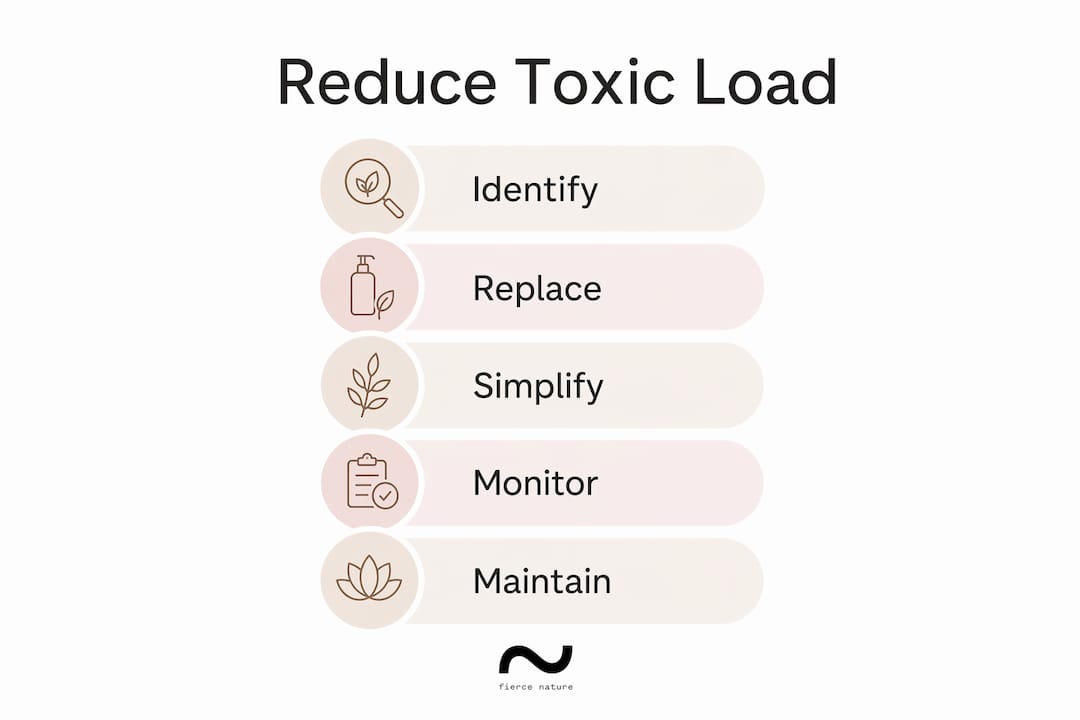
The most effective method for reducing chemical exposure in your skincare routine is the empty-and-replace approach. You use each product until it runs out, then replace it with a cleaner alternative. This prevents financial waste, avoids the guilt of throwing away half-used products, and keeps the process manageable.
Here is a practical, ordered plan to follow:
Audit your current routine. List every product you use daily, from morning to night. Note which ones are leave-on versus rinse-off. This gives you a clear picture of your starting point.
Rank by exposure time. Place body lotion, deodorant, face moisturiser, and foundation at the top of your list. These are your first targets for replacement.
Research cleaner alternatives before you run out. When a high-priority product is getting low, have its replacement ready. Use independent ingredient databases such as the Environmental Working Group’s Skin Deep database to check safety ratings before you buy.
Read labels carefully. Look for short ingredient lists with names you recognise. Ingredients are listed in descending order of concentration, so the first five matter most.
Patch test every new product. Apply a small amount to your inner arm for 24 hours before using it on your face or body. This is especially important if your skin is sensitive or reactive.
Replace rinse-off products last. Once your leave-on products are clean, work through shampoo, body wash, and face cleanser at their natural end of life.
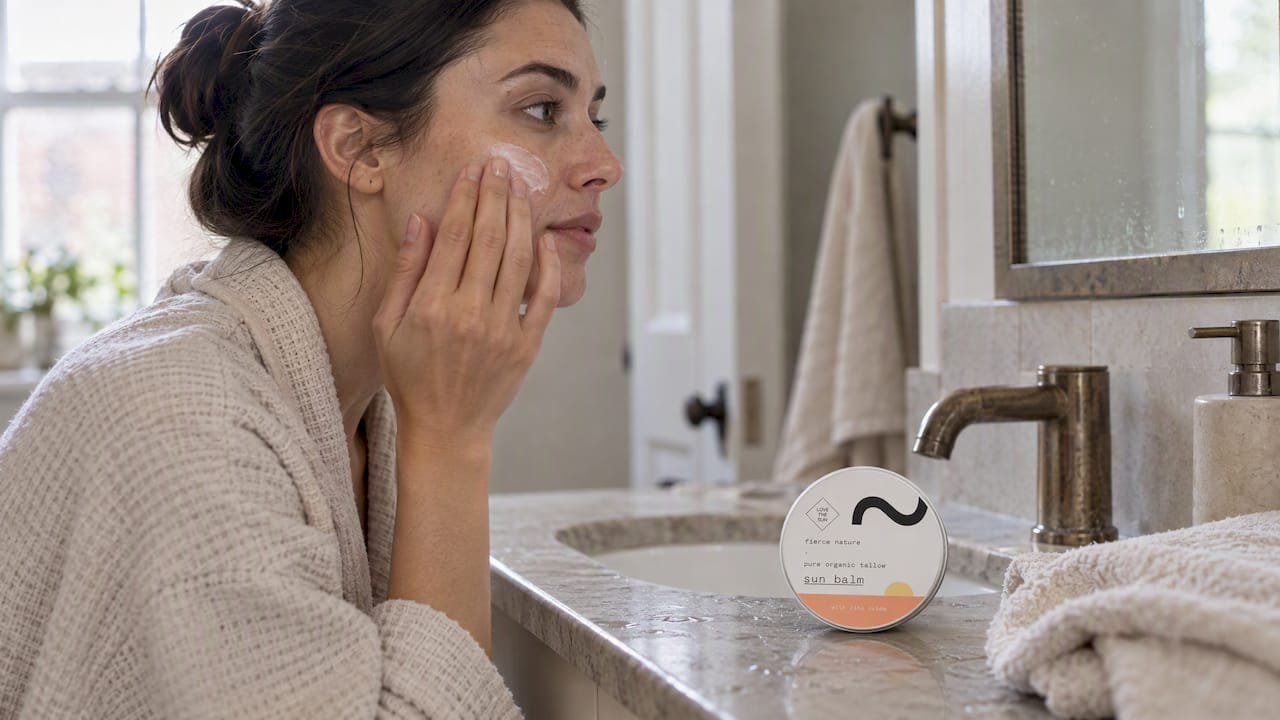
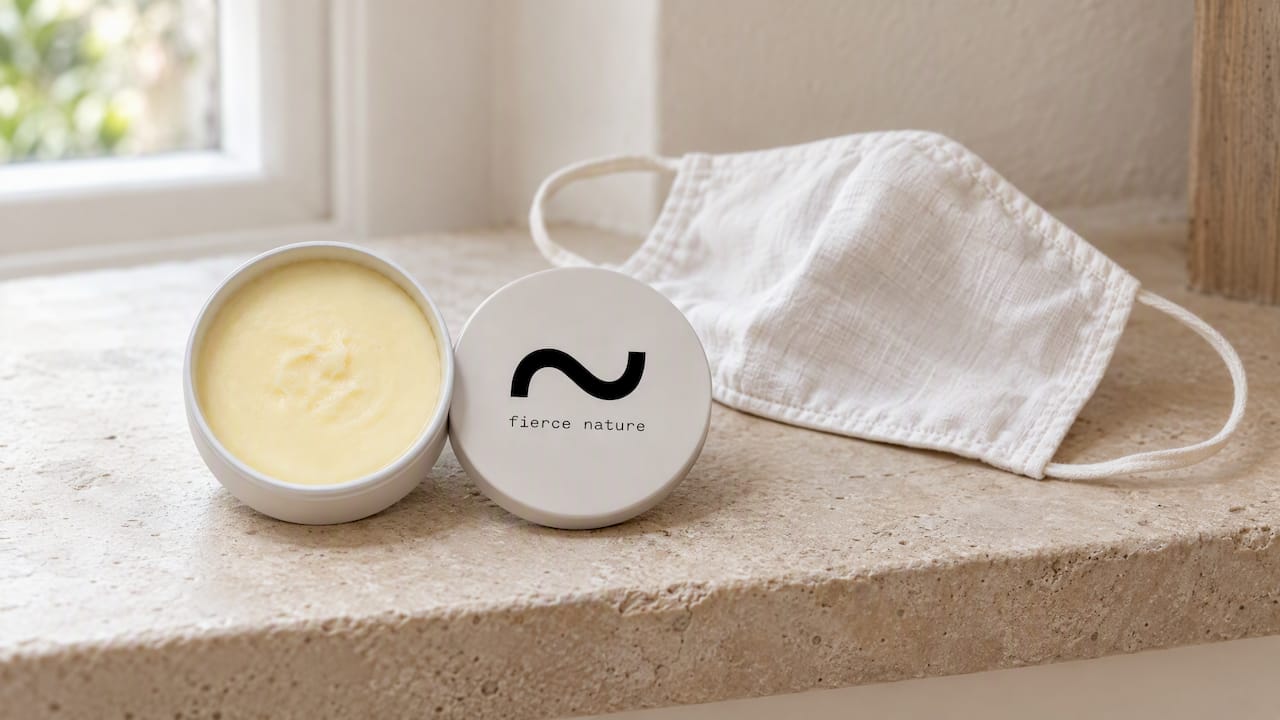
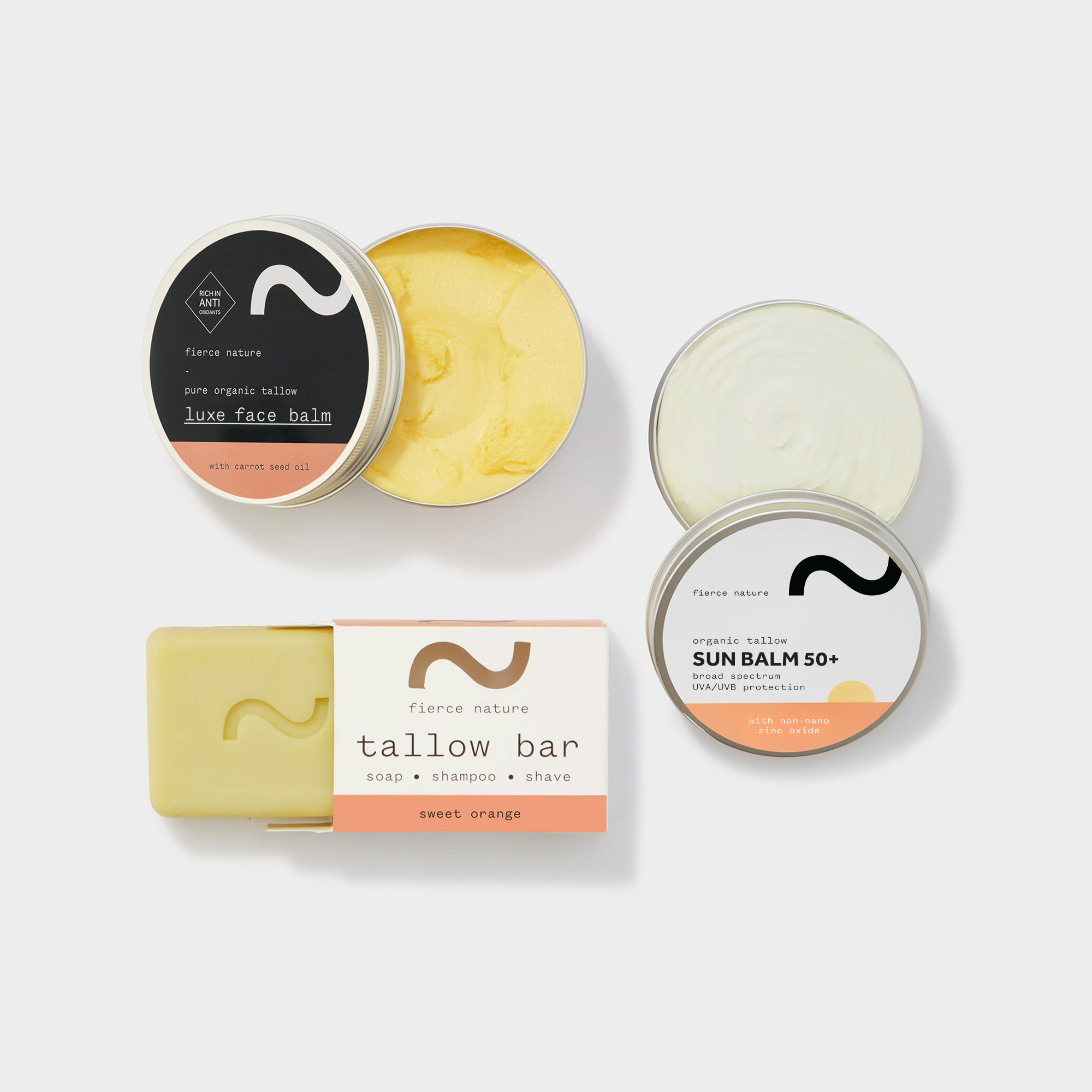
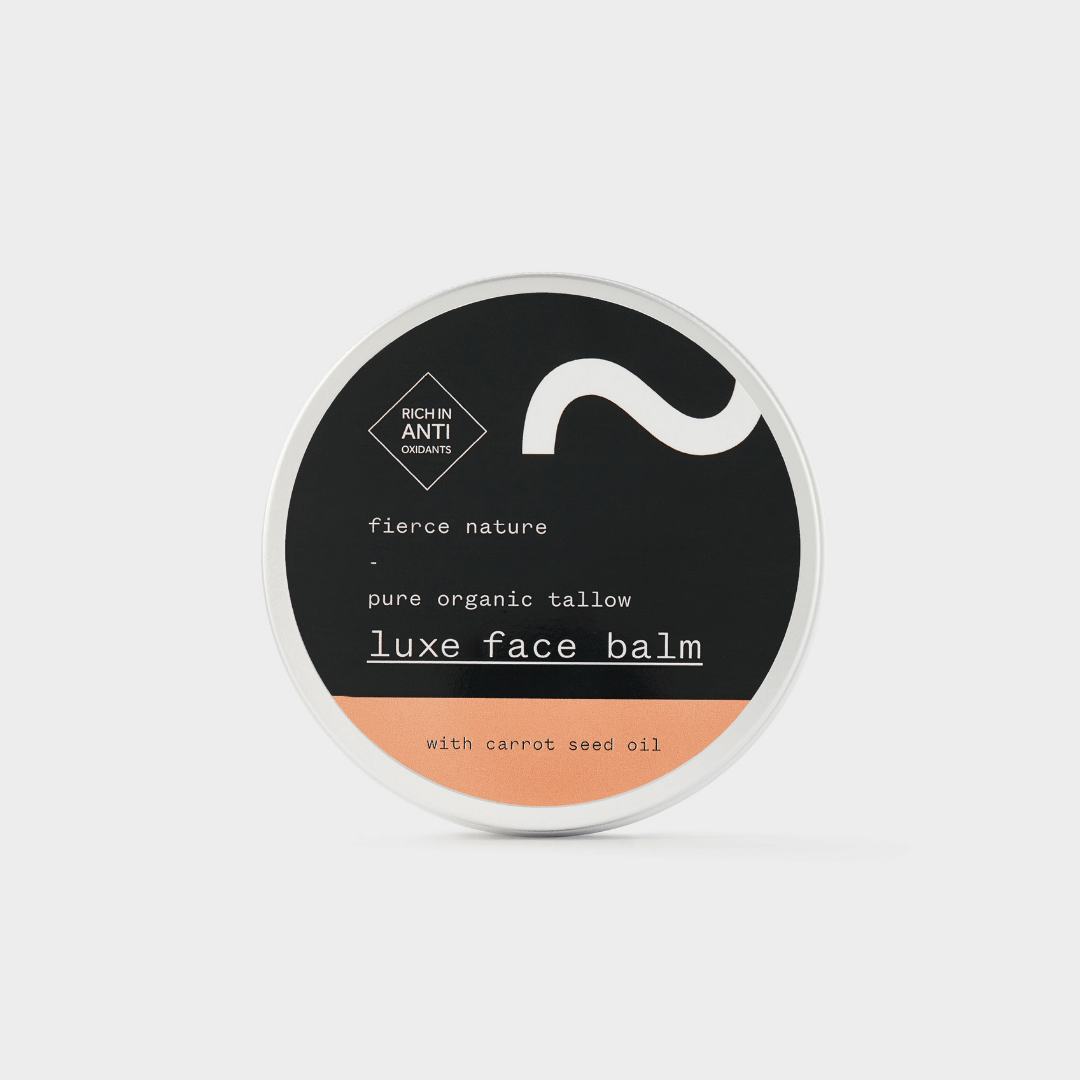
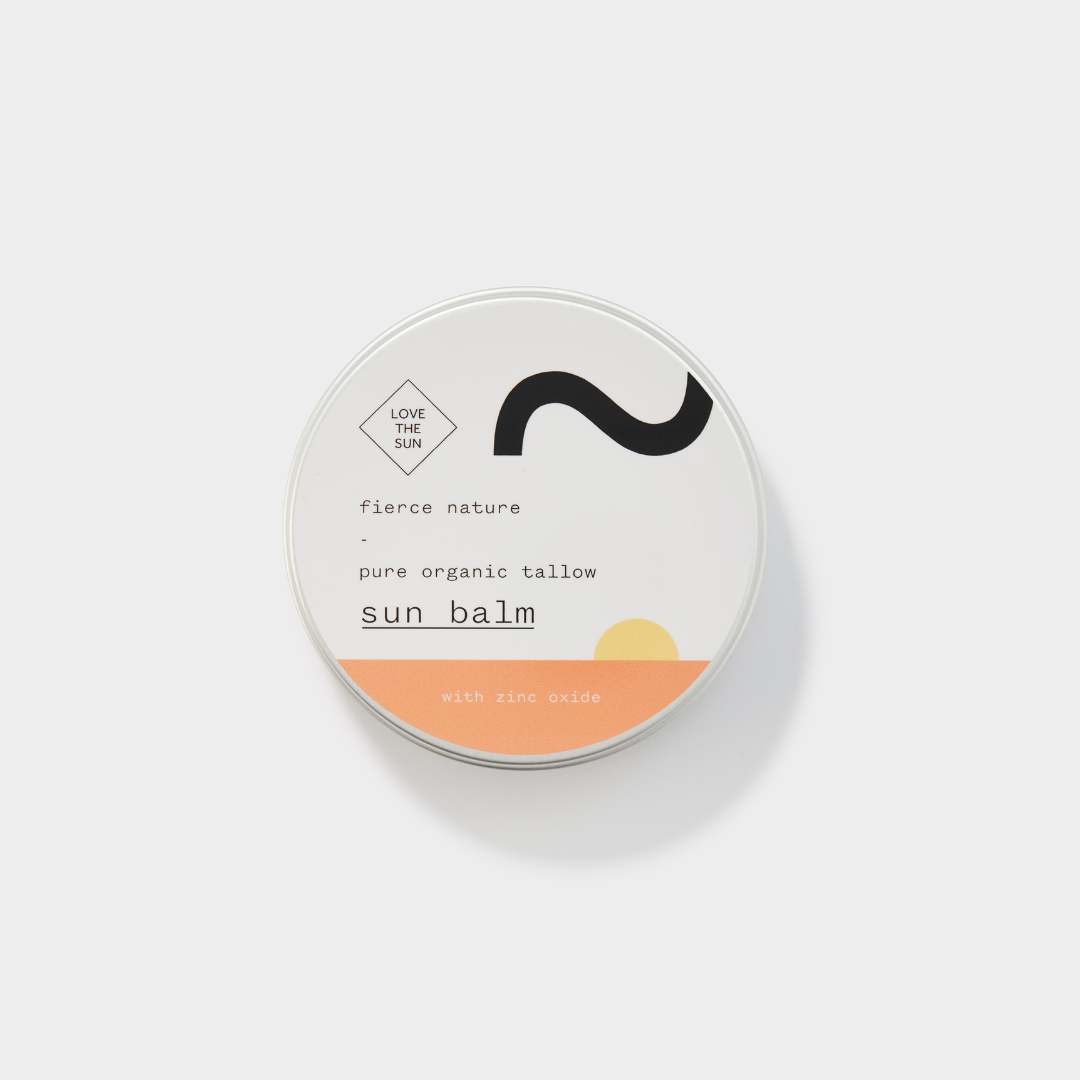
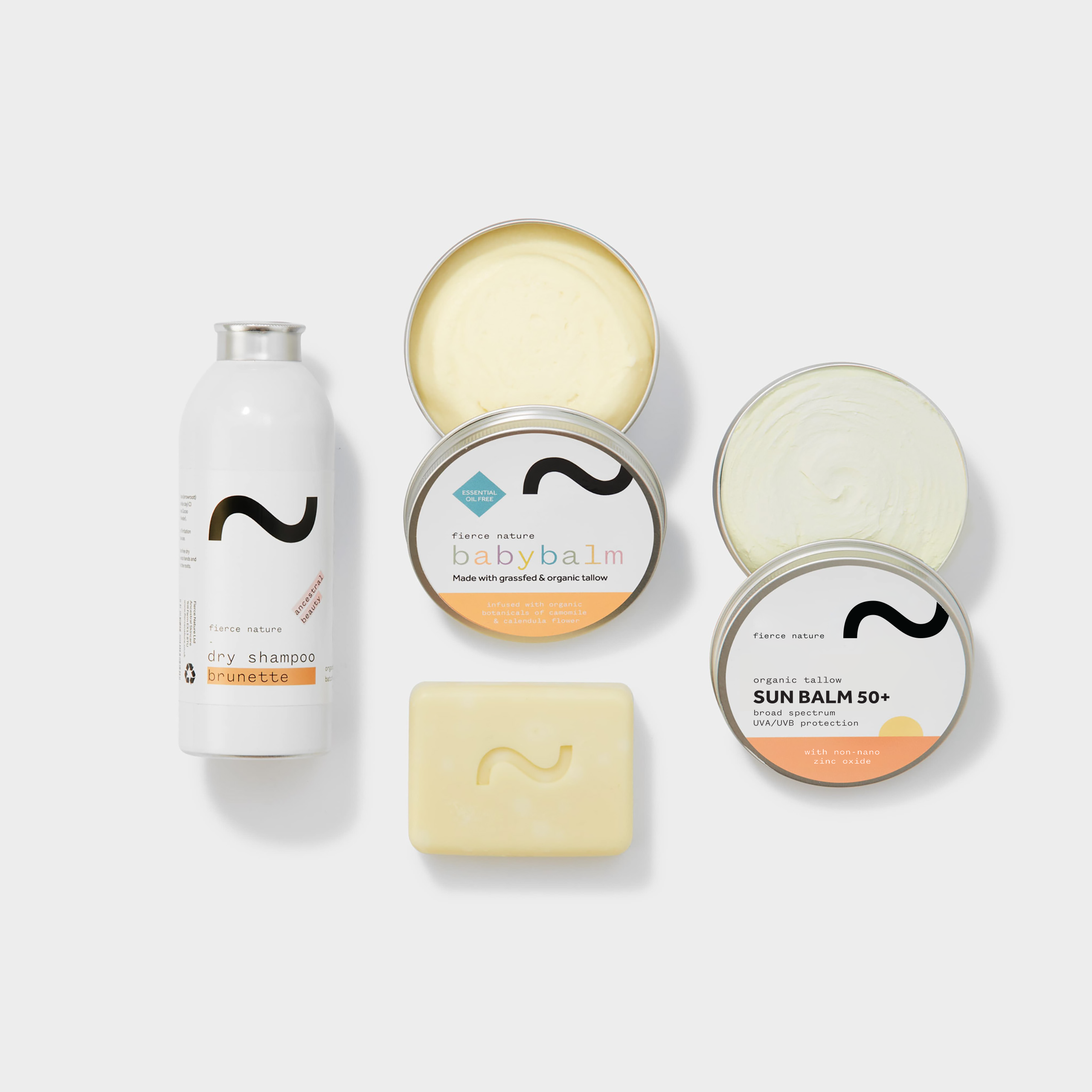
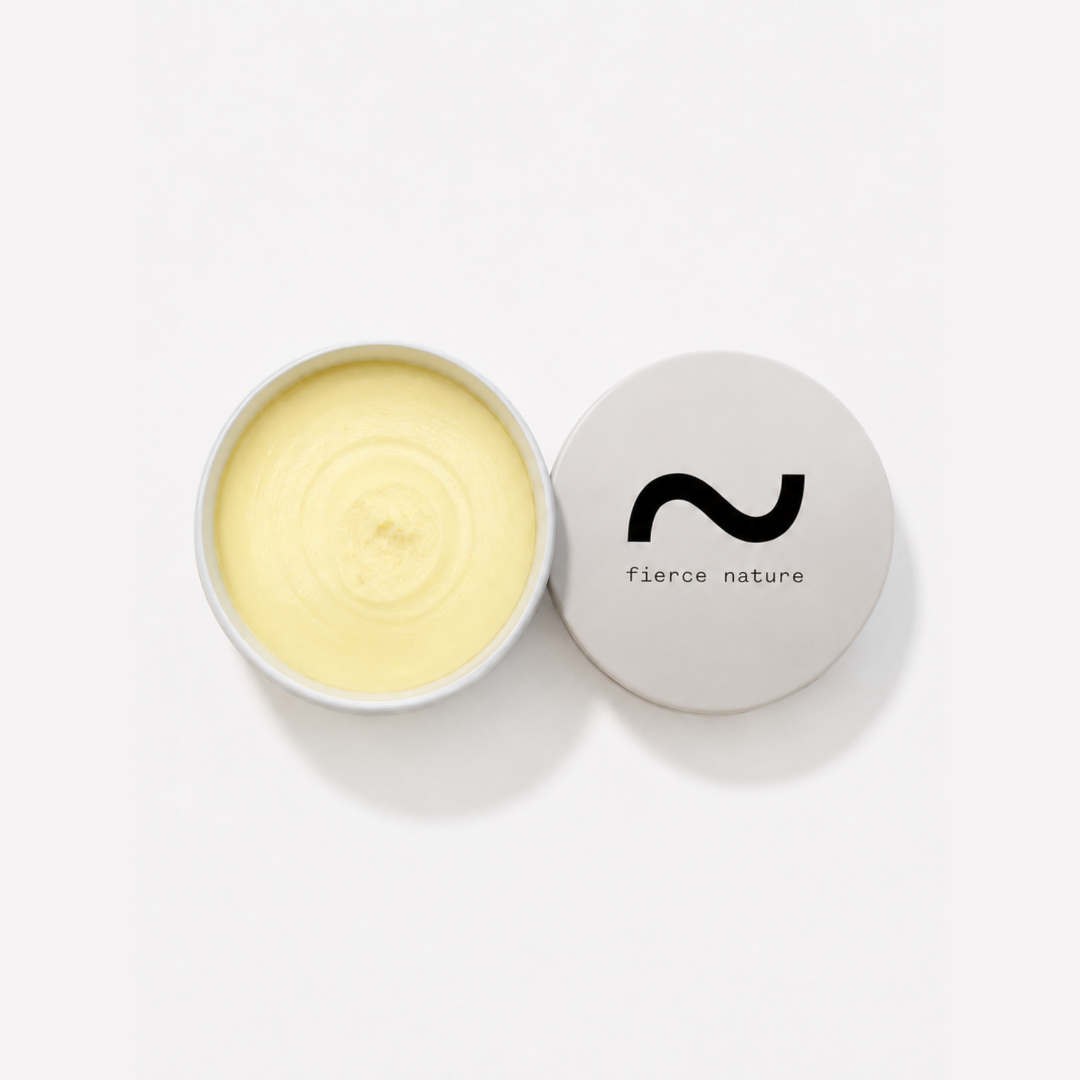
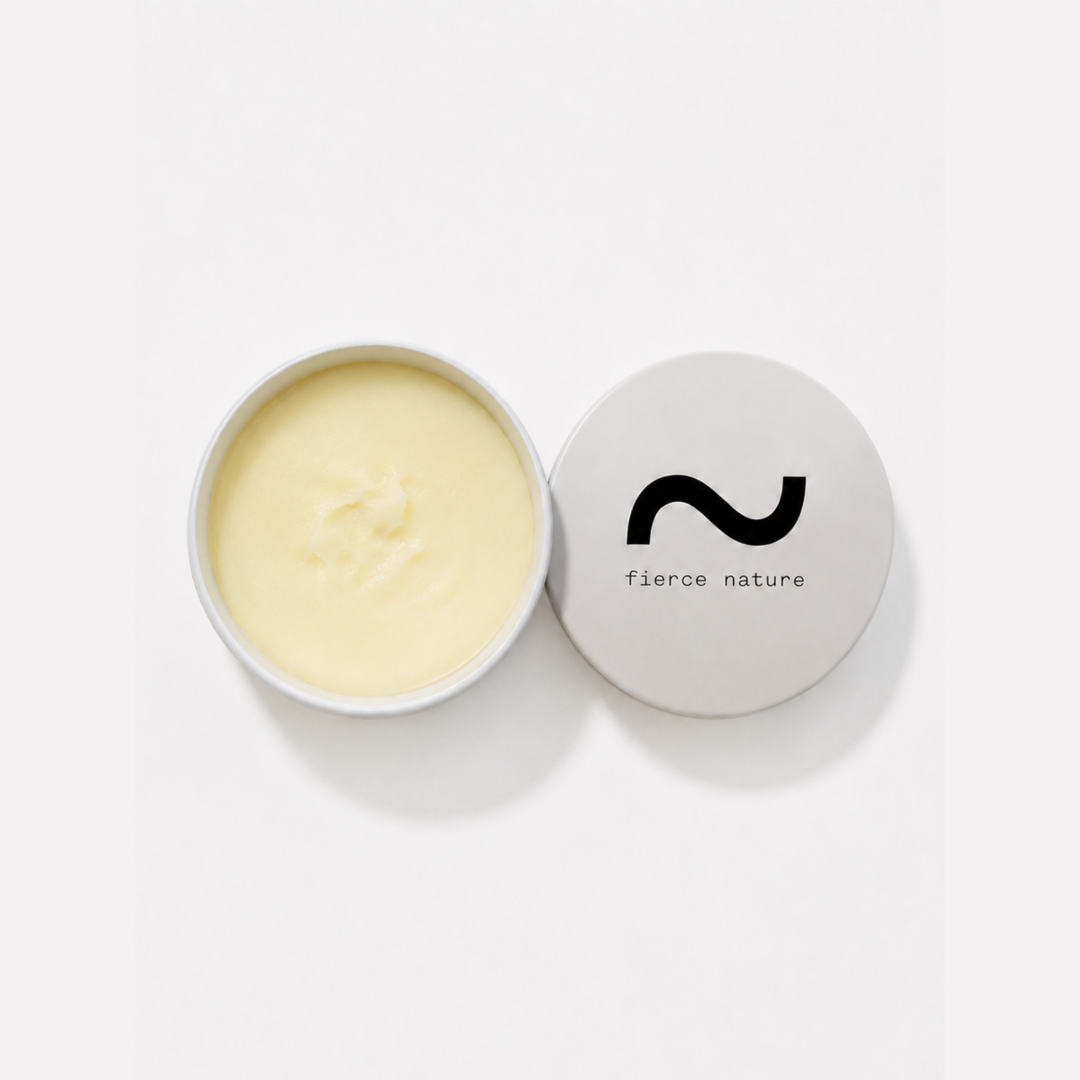
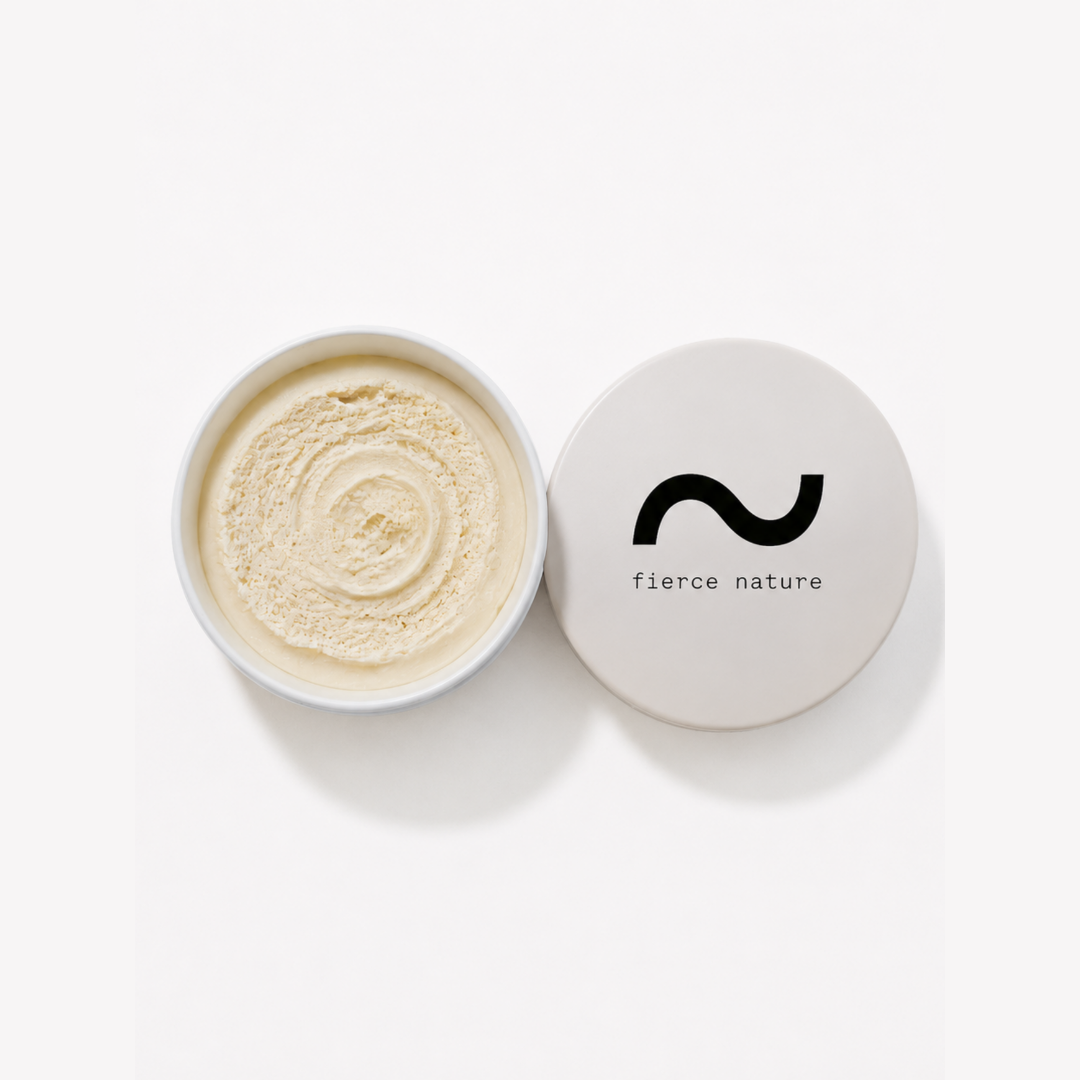
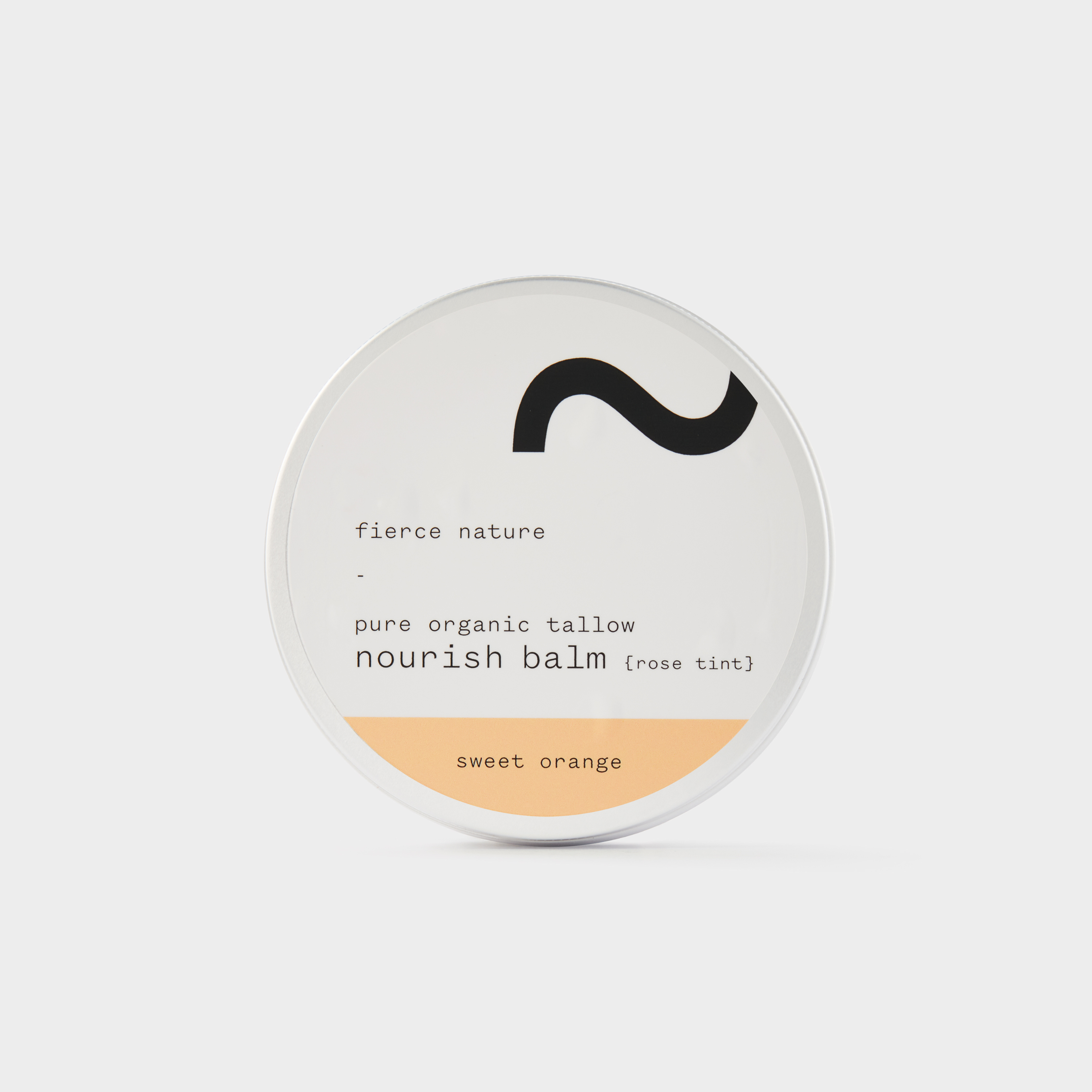
Simplify where possible. A shorter routine with fewer, better products reduces your toxic load more than a long routine of “natural-labelled” products. A single multi-use tallow balm, for example, can replace a separate face cream, body lotion, and hand cream.
Pro Tip: Keep a running note on your phone of the products you want to replace and their cleaner alternatives. When you are standing in a shop or browsing online, you will not have to rely on memory or make rushed decisions.
A simpler routine also benefits your skin barrier directly. Layering multiple products, even natural ones, can disrupt the skin’s natural pH and microbiome. Fewer products means less interference and more resilience over time. You can find practical ideas for building a toxin-free routine on a budget without starting from scratch.
Knowing which chemicals to avoid is the foundation of any natural skincare detox. The following ingredients appear in a wide range of mainstream products and are linked to hormone disruption, organ toxicity, and potential carcinogenicity.
Ingredients to avoid:
Parabens (methylparaben, propylparaben, butylparaben): synthetic preservatives that mimic oestrogen and disrupt hormonal balance.
Phthalates (often listed as “fragrance” or DBP, DEHP): plasticising chemicals used to make scent last longer; linked to reproductive harm.
Synthetic fragrances: a single “fragrance” listing can contain dozens of undisclosed chemicals, including phthalates and allergens.
PEGs (polyethylene glycols): used as emulsifiers and penetration enhancers; may be contaminated with carcinogenic compounds during manufacturing.
BHA and BHT: synthetic antioxidants used as preservatives; classified as possible human carcinogens by the International Agency for Research on Cancer.
Formaldehyde releasers (DMDM hydantoin, quaternium-15, imidazolidinyl urea): slowly release formaldehyde into the product over time; a known carcinogen.
Sodium lauryl sulphate (SLS): a harsh surfactant that strips the skin’s natural oils and compromises the skin barrier.
Nourishing ingredients to seek out:
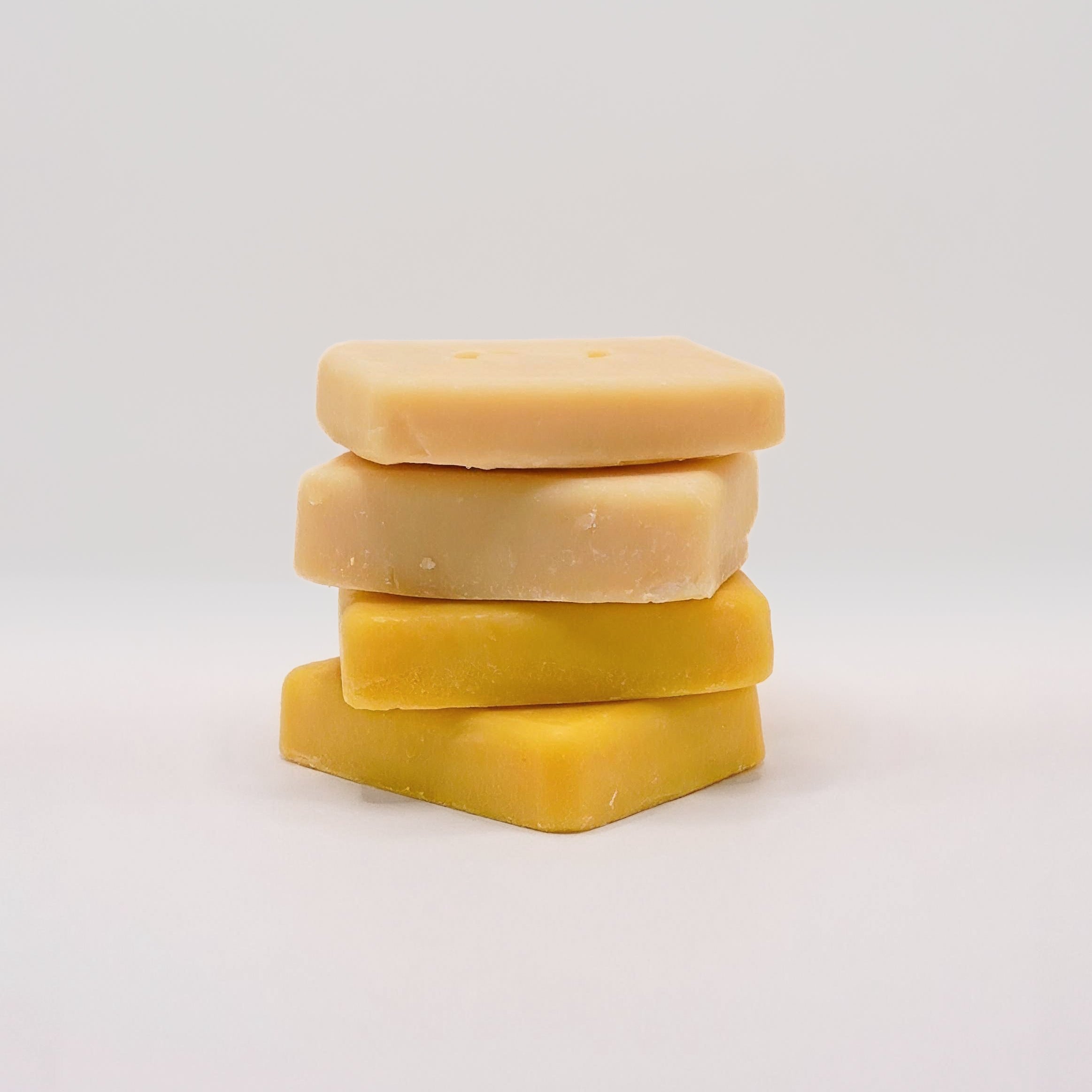
Tallow: rendered from grass-fed beef fat, tallow is rich in vitamins A, D, E, and K. Its fatty acid profile closely mirrors human sebum, making it deeply compatible with skin. Fierce Nature uses pure organic tallow as the foundation of its products precisely because of this bioavailability.
Shea butter: a plant-based fat with anti-inflammatory properties that supports the skin barrier.
Beeswax: a natural emollient that seals moisture without blocking pores.
Plant-based essential oils: lavender, frankincense, and rosehip oil each offer specific skin benefits without synthetic additives.
Jojoba oil: technically a liquid wax, jojoba closely resembles the skin’s own sebum and absorbs without leaving a greasy residue.
Marketing claims of “clean” or “non-toxic” are not always aligned with ingredient safety. A product labelled “natural” can still contain synthetic fragrances or PEGs. Always check the ingredient list rather than relying on front-of-pack claims. Resources like the Environmental Working Group’s Skin Deep database and the Think Dirty app allow you to search individual ingredients and products for safety ratings. You can also read Fierce Nature’s detailed guide to toxic chemicals in UK cosmetics for a current breakdown of what to watch for.
Understanding the benefits of natural cosmetics for your skin goes beyond avoiding harm. Ingredients sourced from nature tend to work with your skin’s biology rather than overriding it.
The biggest mistake people make when starting a natural skincare detox is doing too much at once. Replacing every product in a single week overwhelms both your budget and your skin. Gradual replacements reduce the risk of irritation and keep motivation high over the long term.
Common pitfalls and how to avoid them:
Purging products before they are empty. This wastes money and creates unnecessary pressure. Use the empty-and-replace method instead.
Switching too many products at once. If your skin reacts, you will not know which product caused it. Introduce one new product at a time.
Trusting labels over ingredient lists. “Dermatologist-tested,” “hypoallergenic,” and “natural” are marketing terms with no legal definition in the UK. Read the INCI list.
Expecting overnight results. Skin takes time to adjust to new products. Allow at least four weeks before judging whether something is working.
Ignoring internal factors. Reducing chemical exposure in skincare supports the body’s detox systems, but sleep, hydration, and diet also influence skin health. Reduced exposure helps skin barrier function and lowers inflammatory reactions, but the skin works best when the whole body is supported.
Pro Tip: Take a photo of your skin before you begin swapping products and again after 60 days. Visual evidence of improvement is one of the most powerful motivators for staying consistent with a cleaner routine.
Sensitive and reactive skin often responds well to a cleaner routine. Many people who have struggled with redness, breakouts, or rashes for years find that the culprit was a synthetic fragrance or preservative in a product they had used for a long time. Removing that ingredient can produce visible results within weeks.
Synthetic chemicals in conventional skincare mimic or block hormones, which can complicate weight management and hormonal symptoms. This is particularly relevant for people navigating perimenopause or thyroid conditions, where hormonal balance is already under pressure. Reducing your skincare’s chemical burden is one practical step that supports the body’s wider regulatory systems.
Monitoring your progress does not need to be complicated. Notice whether your skin feels calmer, less reactive, or more radiant after each swap. Track any changes in sensitivity or breakouts. Adjust your routine based on what your skin tells you, not on what a product promises.
For practical daily guidance, Fierce Nature’s non-toxic morning skincare tips offer a clear starting point for building a cleaner daily habit.
Reducing toxic load in skincare is most effective when you prioritise leave-on products first, use the empty-and-replace method, and choose ingredients that work with your skin’s biology rather than against it.
| Point | Details |
|---|---|
| Prioritise leave-on products | Body lotion, deodorant, and foundation deliver the highest chemical exposure and should be swapped first. |
| Use the empty-and-replace method | Replace products with cleaner alternatives only as they run out to avoid waste and burnout. |
| Read ingredient lists, not labels | Marketing terms like “natural” have no legal definition; always check the INCI list. |
| Results come quickly | Biomarkers for phthalates and parabens drop measurably within five days of switching to cleaner products. |
| Simplify your routine | Fewer, better products reduce chemical exposure more effectively than a long routine of mixed-quality alternatives. |
When I first started paying attention to what was in my skincare, the list of harmful ingredients felt endless. I grew up in South Africa using mainstream cosmetics without question, and I spent years dealing with skin rashes and reactions I could not explain. It was only when I began reading ingredient lists that the pattern became clear.
The empty-and-replace approach changed everything for me practically. I did not throw anything away. I simply stopped buying the same products when they ran out. That one decision removed the financial sting and the guilt entirely. Within a few months, my bathroom shelf looked very different, and so did my skin.
What surprised me most was how much simpler my routine became. I had assumed that cleaner skincare meant more products, more steps, more effort. The opposite was true. A single well-formulated tallow balm replaced three separate products. My skin became calmer, more even, and genuinely more resilient. The redness I had normalised for years faded without any dramatic intervention.
The emotional benefit of simplifying is real and often underestimated. There is something quietly nourishing about knowing exactly what you are putting on your skin and why. It removes a layer of low-level anxiety that most people do not even realise they are carrying. You do not need to be perfect. You just need to start, and then keep going, one product at a time.
— Fierce Nature
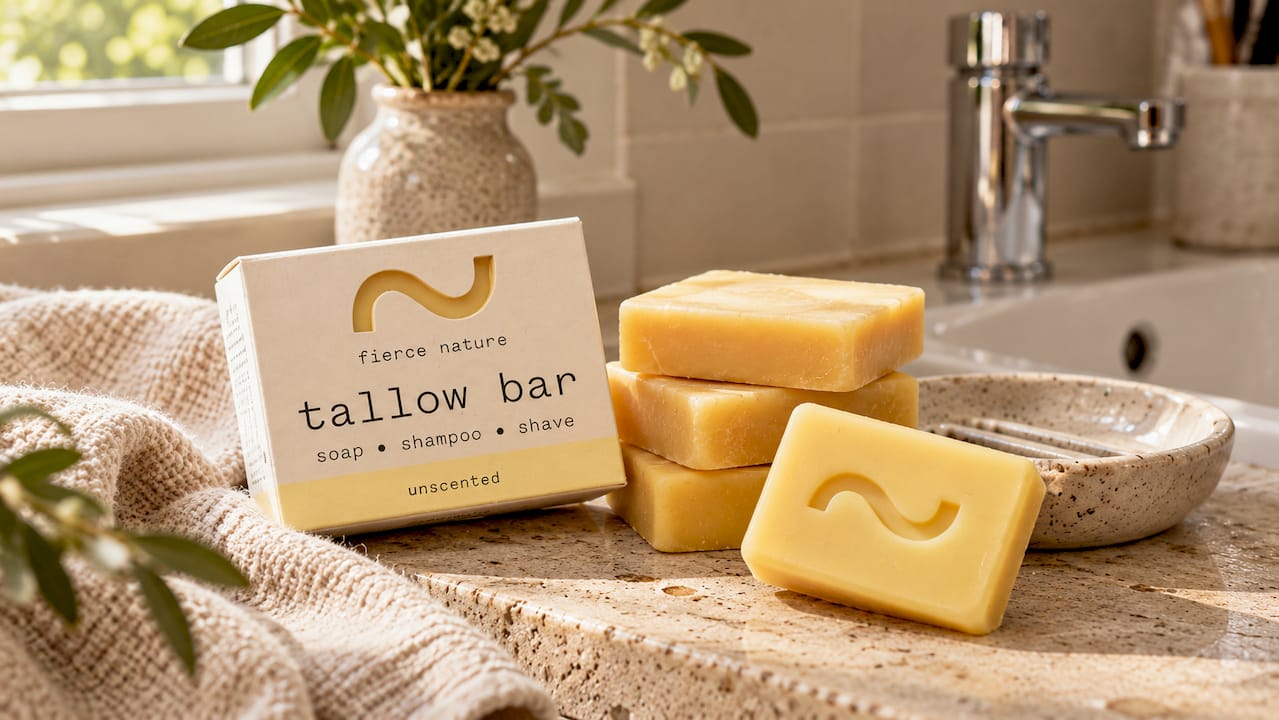
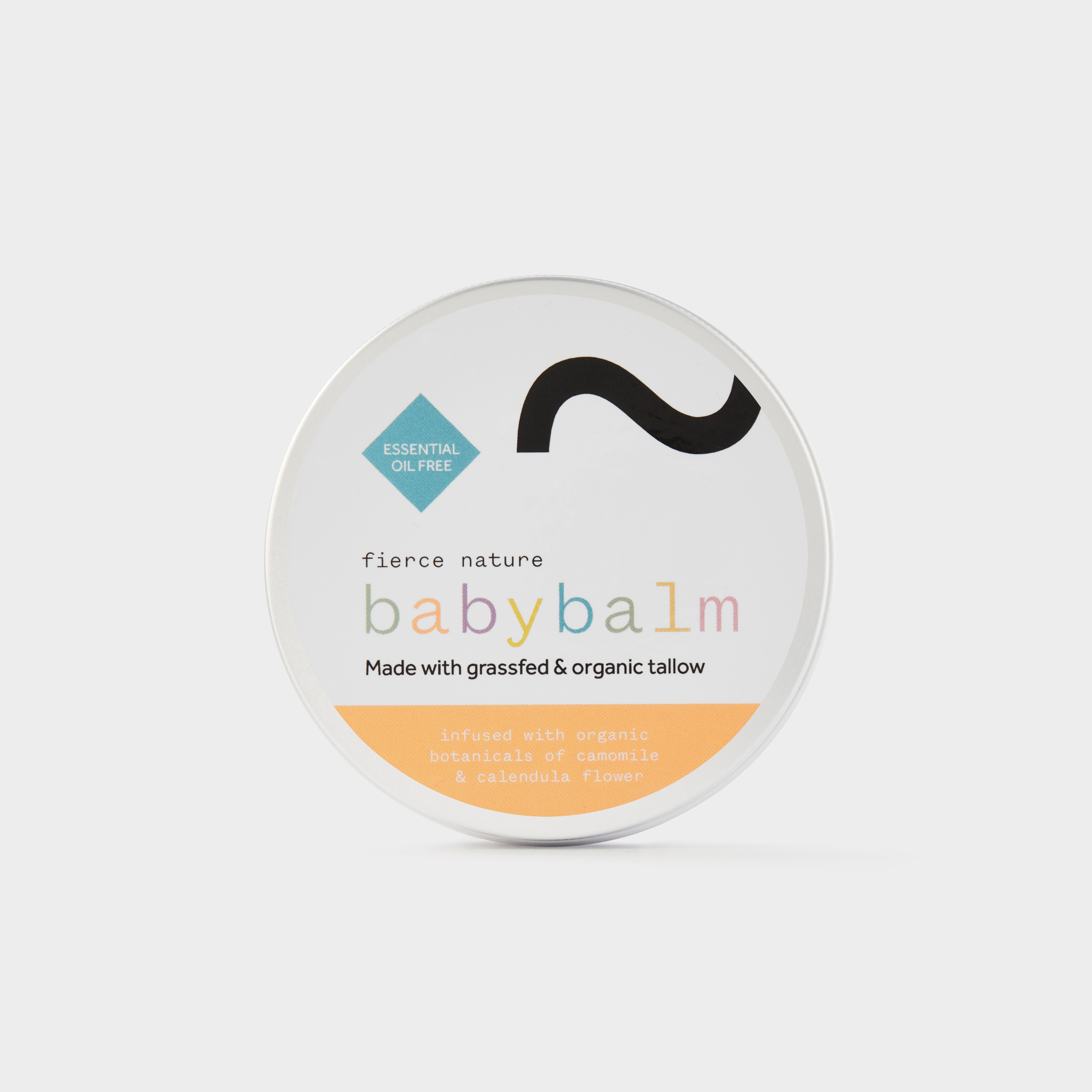
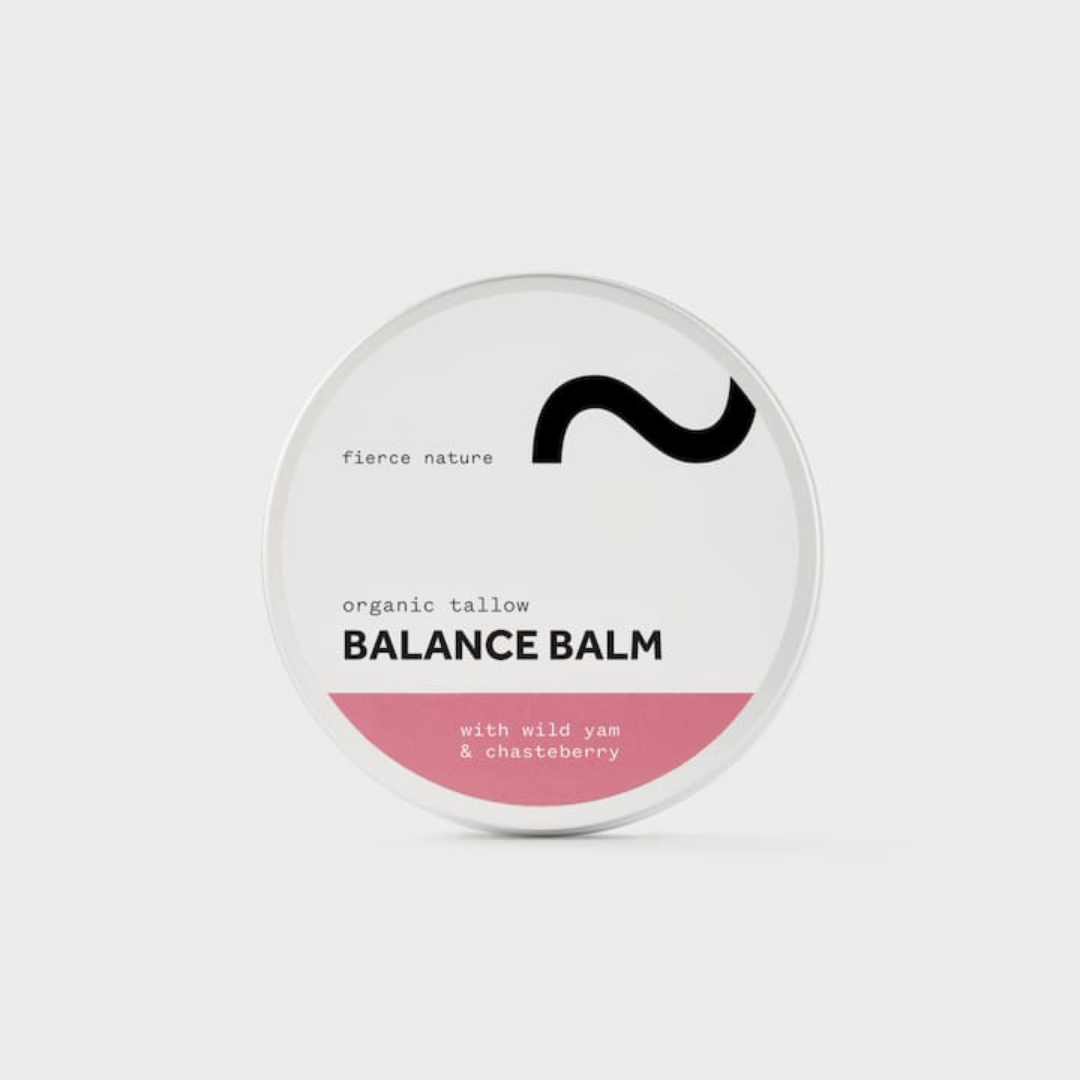
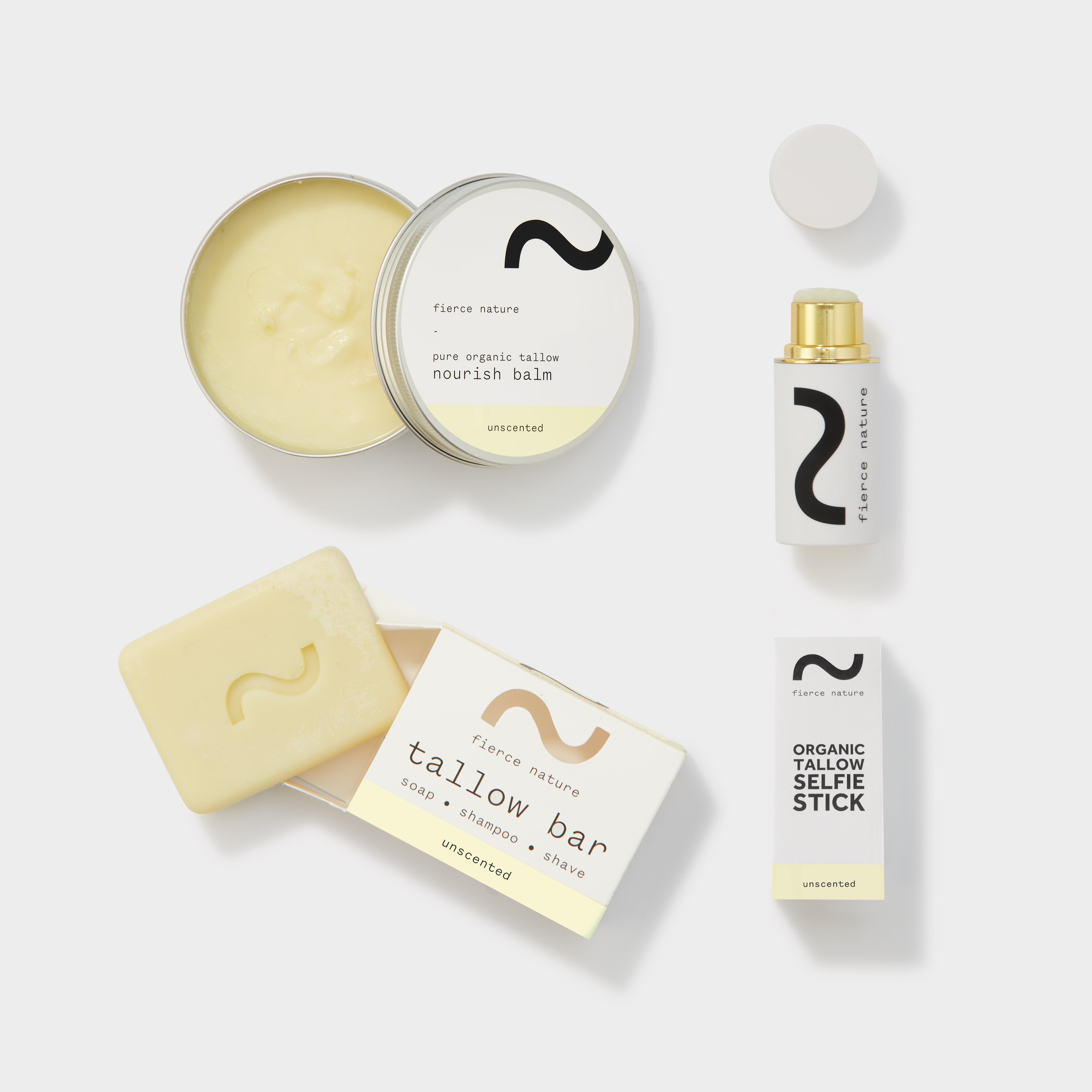
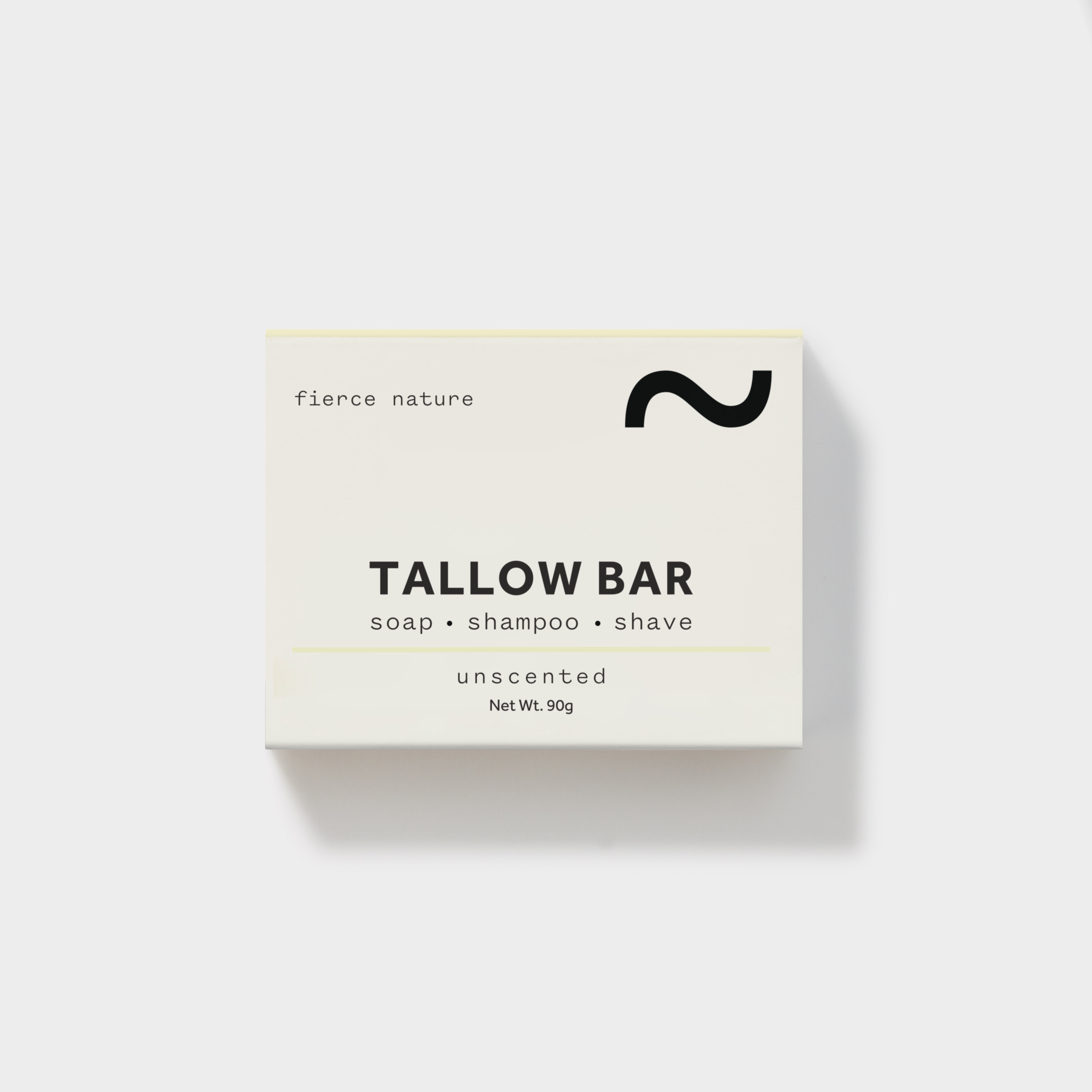
Fierce Nature handcrafts every product in the UK using naturally sourced ingredients, with pure organic tallow at the core. Tallow’s fatty acid profile mirrors human sebum closely, making it one of the most bioavailable skin foods available. It nourishes deeply without synthetic emulsifiers, fragrances, or preservatives. If you are ready to replace your highest-exposure products with something genuinely clean, the non-toxic baby skin essentials range is formulated for the most sensitive skin and works beautifully as a daily moisturiser for adults too. The unscented tallow bar is a multi-use leave-on product that replaces body lotion, face cream, and hand balm in one. Fewer products, better ingredients, and a routine your skin will thank you for.
Toxic load in skincare refers to the cumulative amount of synthetic chemicals your body absorbs from personal care products over time. The more products you use and the longer they remain on your skin, the higher your chemical burden.
Replace leave-on products first, starting with body lotion, deodorant, face moisturiser, and foundation. These products cover the most skin surface area and remain in contact with your skin for the longest time, making them the greatest contributors to chemical exposure.
Results can be measurable within days. Research shows that biomarkers for diethyl phthalate dropped by 22% and methylparaben by 30% in urine after just five days of switching to cleaner products.
No. Marketing terms like “natural,” “clean,” and “hypoallergenic” have no legal definition in the UK. Always read the full ingredient list and use independent databases to verify the safety of individual ingredients.
The empty-and-replace method is the most sustainable approach. Use each product until it runs out, then replace it with a cleaner alternative. Introduce one new product at a time and patch test before full use to avoid skin reactions and identify any sensitivities.