Cart
0
80% Also Added this






TL;DR:
Choosing a chemical-free face cleanser aims to protect your skin’s natural barrier by removing impurities without irritation.
Selecting gentle surfactants, barrier-supporting ingredients, and simple formulas helps maintain skin health for sensitive skin types.
A chemical-free face cleanser is defined as a product formulated without known skin irritants such as artificial fragrances, parabens, sulfates, and phthalates, with a simple, pH-balanced formula designed to protect your skin’s natural barrier. The industry term you will encounter most often is “non-toxic cleanser,” though “clean beauty” and “fragrance-free” are also widely used by dermatologists. When you choose a chemical-free face cleanser, the goal is not to strip your skin of everything. The goal is to remove impurities while keeping your skin barrier intact, nourished, and calm. Fierce Nature was built on exactly this principle: that your skin deserves ingredients drawn from the land, not a laboratory.
The surfactant in your cleanser does most of the work, and the type you choose matters more than any marketing claim on the front of the bottle. Sodium cocoyl isethionate is a coconut-derived surfactant widely recommended for sensitive skin. It lifts dirt and oil from the skin without disrupting the lipid barrier the way sodium lauryl sulphate does.
Surfactant choice is only part of the picture. Humectants and emollients work alongside cleansing agents to keep skin hydrated during and after washing. Look for these in the ingredient list:
Glycerin: draws moisture into the skin and supports a plump, comfortable feel after cleansing
Panthenol (pro-vitamin B5): actively conditions and soothes, with anti-inflammatory properties that go beyond passive hydration
Ceramides: lipid molecules that reinforce the skin’s natural barrier, reducing water loss
Squalane: a lightweight emollient derived from plant sources that mimics the skin’s own sebum
One ingredient category that catches many people off guard is fragrance. Natural essential oils frequently trigger irritation in sensitive skin, even when they come from plants. Lavender, citrus, and peppermint oils are among the most common culprits. A cleanser labelled “natural” can still cause a reaction if it contains these botanicals.
pH balance is the other factor that separates a genuinely gentle cleanser from one that simply avoids sulphates. pH-balanced formulations better preserve the skin’s natural lipid barrier, reducing dryness and irritation. Your skin sits at a pH of roughly 4.5–5.5. A cleanser that sits outside this range, even a “natural” soap bar with a high alkaline pH, can disrupt the barrier and leave skin tight and reactive.
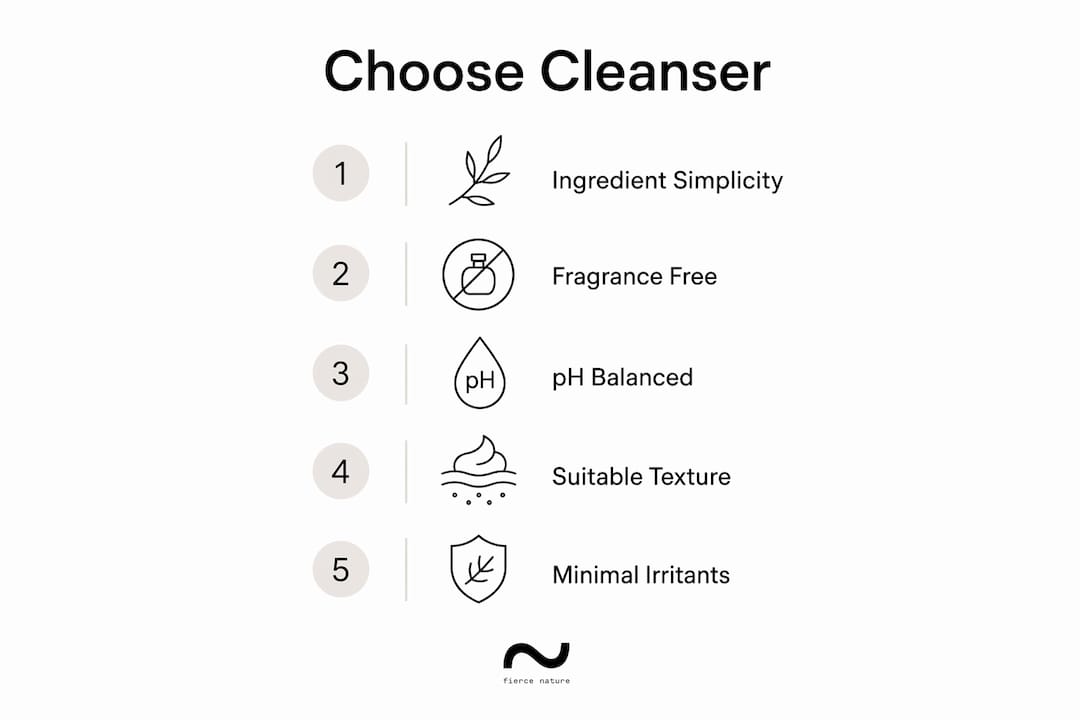
Pro Tip: Aim for cleansers with fewer than 12 ingredients. Minimalist formulas statistically reduce the risk of allergic and irritant reactions in sensitive skin. The shorter the list, the easier it is to identify what your skin does and does not tolerate.
Choosing the right cleanser format is just as important as choosing the right ingredients. The texture and delivery system of a cleanser affects how it interacts with your skin barrier, how much moisture it preserves, and how comfortable your skin feels afterwards.
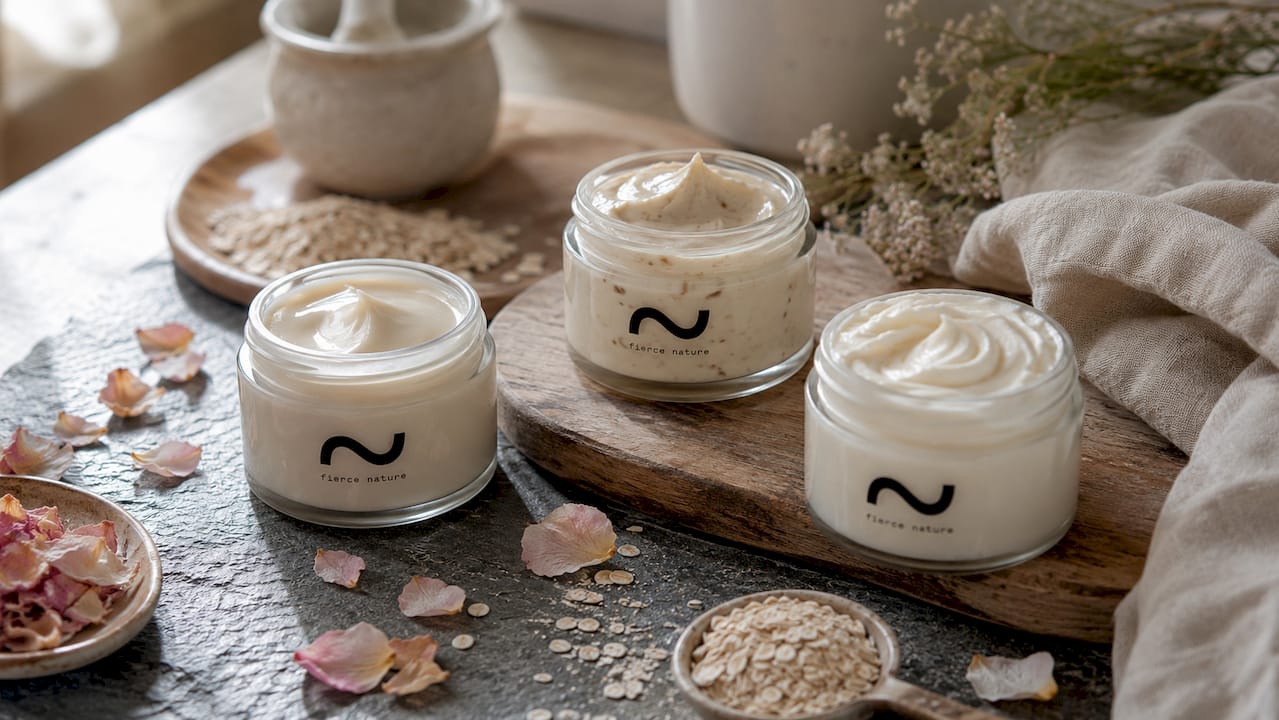
Cream and balm cleansers rich in emollients such as squalane and ceramides suit dry and sensitive skin best. They dissolve surface impurities without stripping the skin’s natural oils, and they leave a light protective film that supports barrier recovery. Balm cleansers in particular are excellent for skin that feels tight, flaky, or reactive, because they work with your skin rather than against it.
The table below matches common cleanser types to skin needs within a chemical-free framework:
| Cleanser type | Best suited for | Key chemical-free ingredients to look for |
|---|---|---|
| Cream cleanser | Dry, sensitive, mature skin | Glycerin, ceramides, panthenol |
| Balm cleanser | Very dry, reactive, or compromised skin | Squalane, tallow, plant waxes |
| Gel cleanser | Oily, combination, or acne-prone skin | Aloe vera, niacinamide, gentle surfactants |
| Oil cleanser | All skin types, especially dry | Jojoba oil, rosehip oil, no added fragrance |
| Micellar water | Sensitive skin, minimal cleansing needs | Glycerin, mild surfactant micelles |
Gel cleansers can work well for oily or combination skin, provided they use gentle surfactants rather than harsh detergents. The key is to check that the formula remains fragrance-free and avoids alcohol, which can strip the skin and trigger rebound oiliness.
Oil cleansers deserve a mention because they are often misunderstood. A well-formulated oil cleanser dissolves sebum, sunscreen, and light makeup without disrupting the barrier. The double-cleansing method, using an oil cleanser followed by a gentle cream or gel cleanser, is a respected approach in dermatological skincare. The caution is to avoid oil blends that include essential oils or synthetic fragrance.
One of the most persistent myths in skincare is that foam equals clean. Foam generation is a surfactant property unrelated to cleansing effectiveness. The absence of lather often signals a gentler interaction with the skin barrier. Many of the best non-toxic face cleansers produce little to no foam deliberately.
Pro Tip: If your skin feels tight or slightly stinging after cleansing, that is a sign the formula is too harsh, not that it is working. A well-chosen gentle cleanser should leave your skin feeling comfortable and balanced, not squeaky.
Reading an ingredient list is a skill, and once you know the structure, it becomes straightforward. Ingredients are listed in descending order of concentration. The first five to seven ingredients make up the bulk of the formula. If a harsh surfactant or artificial fragrance appears in the first third of the list, the product is likely to cause irritation regardless of what the front label claims.
Follow these steps when assessing a cleanser ingredient list:
Check the first five ingredients. These form the backbone of the formula. Look for water, glycerin, or a gentle surfactant like sodium cocoyl isethionate. If you see sodium lauryl sulphate or a synthetic fragrance here, put the product back.
Identify the surfactant type. Fragrance-free and soap-free formulations are better tolerated by sensitive skin. Gentle surfactants include sodium cocoyl isethionate, coco-glucoside, and decyl glucoside. Harsh ones include sodium lauryl sulphate and ammonium lauryl sulphate.
Scan for fragrance and essential oils. The word “fragrance” or “parfum” on an ingredient list is a red flag for sensitive skin. Essential oils such as lemon, eucalyptus, and clove can also trigger reactions, even in small amounts.
Look for barrier-supportive ingredients. Ceramides, niacinamide, panthenol, and squalane in the mid-to-lower section of the list add genuine skin benefit. Niacinamide and panthenol actively promote barrier repair during cleansing through anti-inflammatory and conditioning effects.
Check for parabens and phthalates. These preservatives and plasticisers appear under names like methylparaben, propylparaben, and diethyl phthalate. They are linked to skin barrier irritation and are best avoided in a non-toxic cleanser.
Look for certification seals. The National Eczema Association Seal of Acceptance is one of the most rigorous third-party endorsements for sensitive skin products. Certifications from organisations such as COSMOS Organic or the Soil Association also indicate transparent ingredient sourcing.
Patch test before committing. Apply a small amount to the inside of your wrist or behind your ear for 24–48 hours. This is the most reliable way to confirm compatibility before using a new cleanser on your face.
Pro Tip: Ingredient transparency is the clearest sign of a trustworthy brand. If a brand does not publish its full ingredient list online, that absence tells you something important.
A gentle cleanser is the foundation of a non-toxic skincare routine, but it works best when the products around it are equally considered. Over-cleansing is one of the most common mistakes people with sensitive skin make. Cleansing once in the evening is sufficient for most skin types. A morning rinse with cool water, or a very light micellar cleanse, is all most people need to start the day.
The products you apply after cleansing carry as much weight as the cleanser itself. A chemical-free skincare routine that supports barrier health includes:
A fragrance-free moisturiser containing ceramides and niacinamide applied immediately after cleansing while skin is still slightly damp
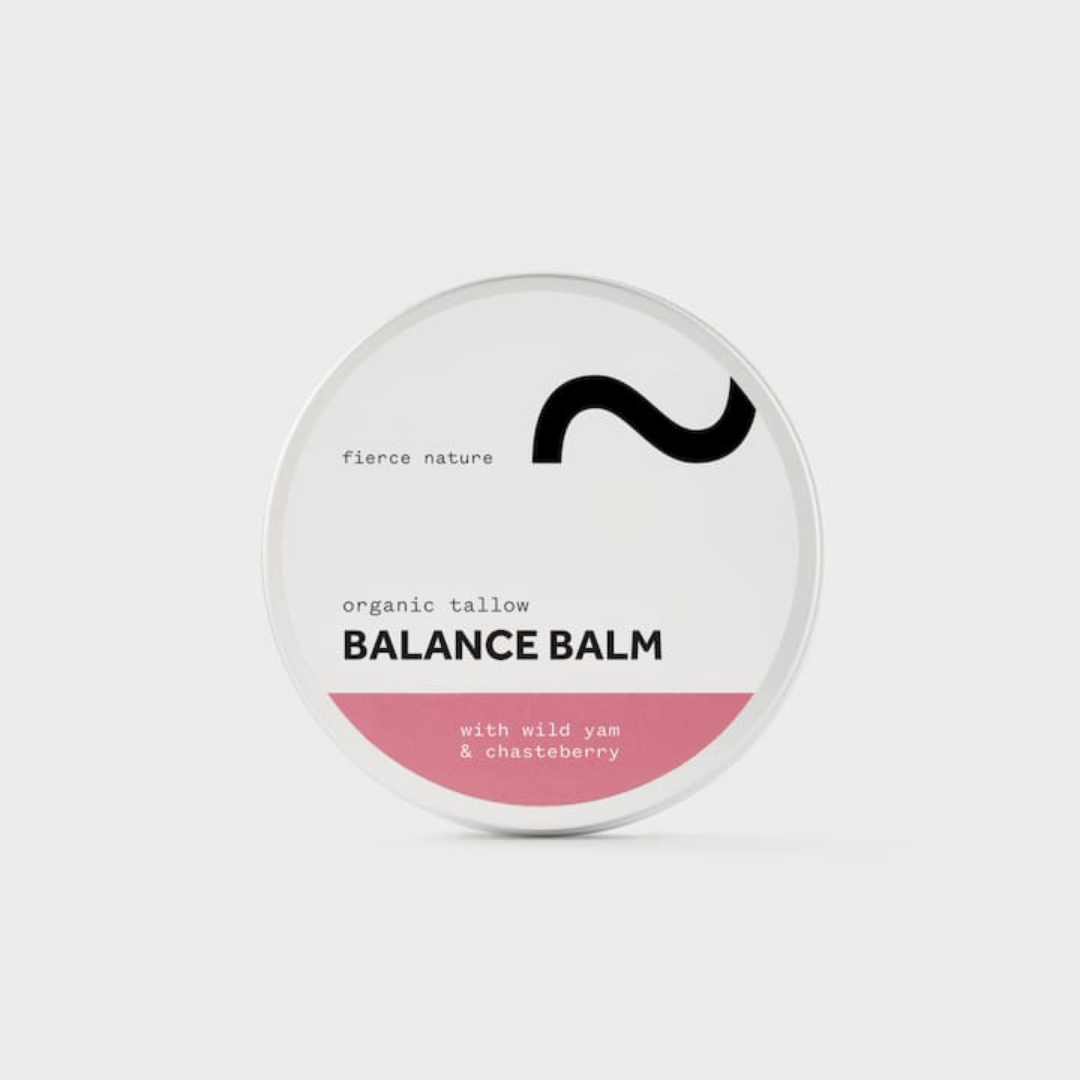
A barrier repair product such as a tallow balm or ceramide-rich cream for evenings when skin feels particularly dry or reactive
A mineral SPF during the day, chosen without chemical UV filters that can irritate sensitive skin
No more than three to four products in your routine at any one time, to reduce the risk of ingredient conflicts
Layering too many active ingredients is a common trigger for sensitivity flares. Niacinamide and ceramides work well together. Retinol and acids, however, should be introduced slowly and only once your barrier is stable. If your skin is currently reactive, focus entirely on cleansing and moisturising until it settles.
Environmental factors also affect how your skin responds to cleansing. Central heating, cold weather, and hard water all increase transepidermal water loss. If you live in a hard water area, consider using filtered or bottled water to rinse your cleanser, or choose a cleanser that can be removed with a soft damp cloth rather than rinsed. Building a routine that avoids irritant layering and integrates barrier repair moisturisers is the most reliable path to sustained skin health.
Consistency matters more than complexity. Stick with a simple routine for at least four to six weeks before assessing results. Skin barrier recovery takes time, and switching products frequently prevents you from identifying what is actually working.
Choosing a gentle, non-toxic cleanser means prioritising barrier preservation, ingredient simplicity, and fragrance-free formulations over marketing claims or foam production.
| Point | Details |
|---|---|
| Surfactant type defines gentleness | Choose sodium cocoyl isethionate or coco-glucoside over sodium lauryl sulphate for sensitive skin. |
| Fragrance-free includes essential oils | Natural botanicals like lavender and citrus can irritate sensitive skin as readily as synthetic fragrance. |
| Fewer ingredients reduce risk | Formulas with fewer than 12 ingredients lower the chance of allergic or irritant reactions. |
| Cleanser type should match skin condition | Balm and cream cleansers suit dry or reactive skin; gentle gel cleansers suit oily or combination skin. |
| Routine consistency supports barrier recovery | Stick with a simple, non-toxic routine for four to six weeks before making changes. |
The most common mistake I see is people assuming that “natural” automatically means safe for sensitive skin. It does not. When I was growing up in South Africa, I used products full of synthetic chemicals and could not understand why my skin reacted so badly. Years later, I discovered that some of the botanical ingredients in so-called natural products were causing just as much disruption. Lavender oil, tea tree, and citrus extracts are among the most frequent offenders for reactive skin.
What actually works is simplicity. A cleanser with five well-chosen ingredients will outperform a complex formula with twenty, every time. The skin does not need to be assaulted with actives during cleansing. It needs to be gently cleared of debris and then left in a state where it can repair itself overnight.
The other thing I have come to believe firmly is that pH matters more than most people realise. Traditional soap bars, even those made with beautiful natural oils, tend to sit at a high alkaline pH. That disrupts the acid mantle and leaves the barrier vulnerable. A well-formulated natural cleanser respects the skin’s natural pH and works within it.
Patch testing is not optional. I know it feels slow and inconvenient, but it is the only honest way to know whether a product suits your skin before you commit to using it on your face daily. Give every new product 48 hours on a small area of skin. Your skin will tell you the truth faster than any ingredient list.
— Fierce Nature
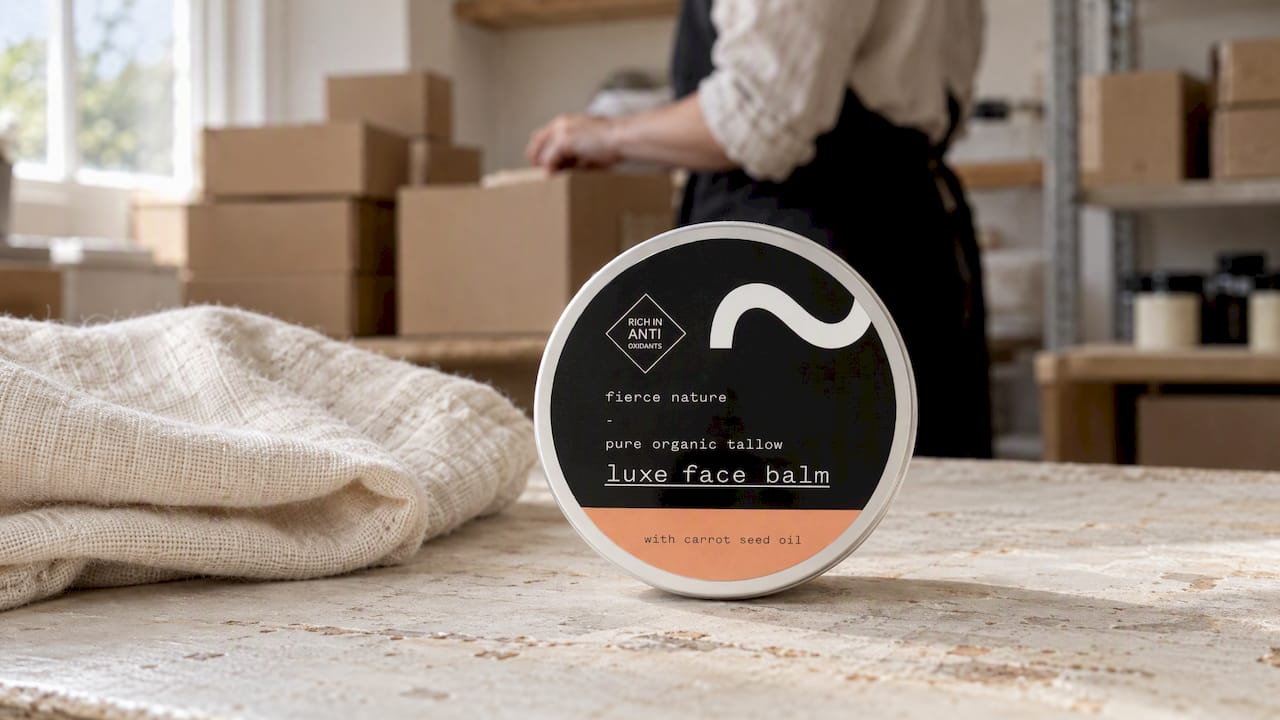
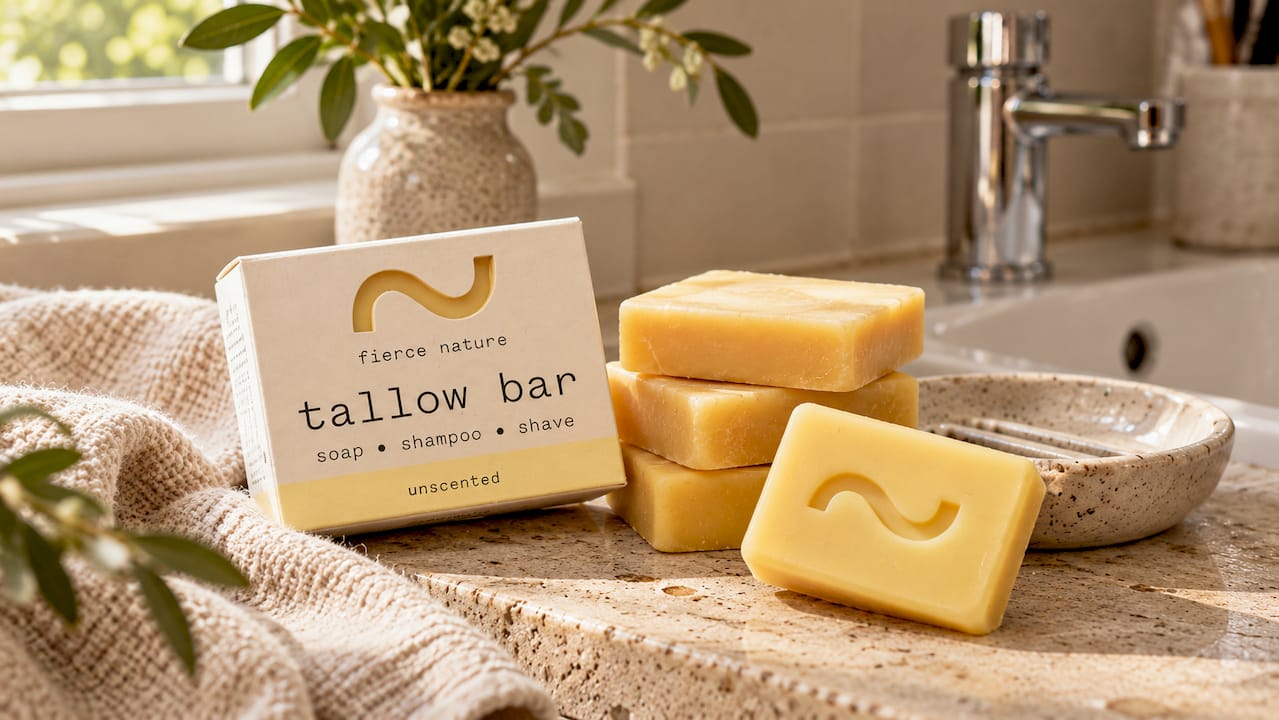
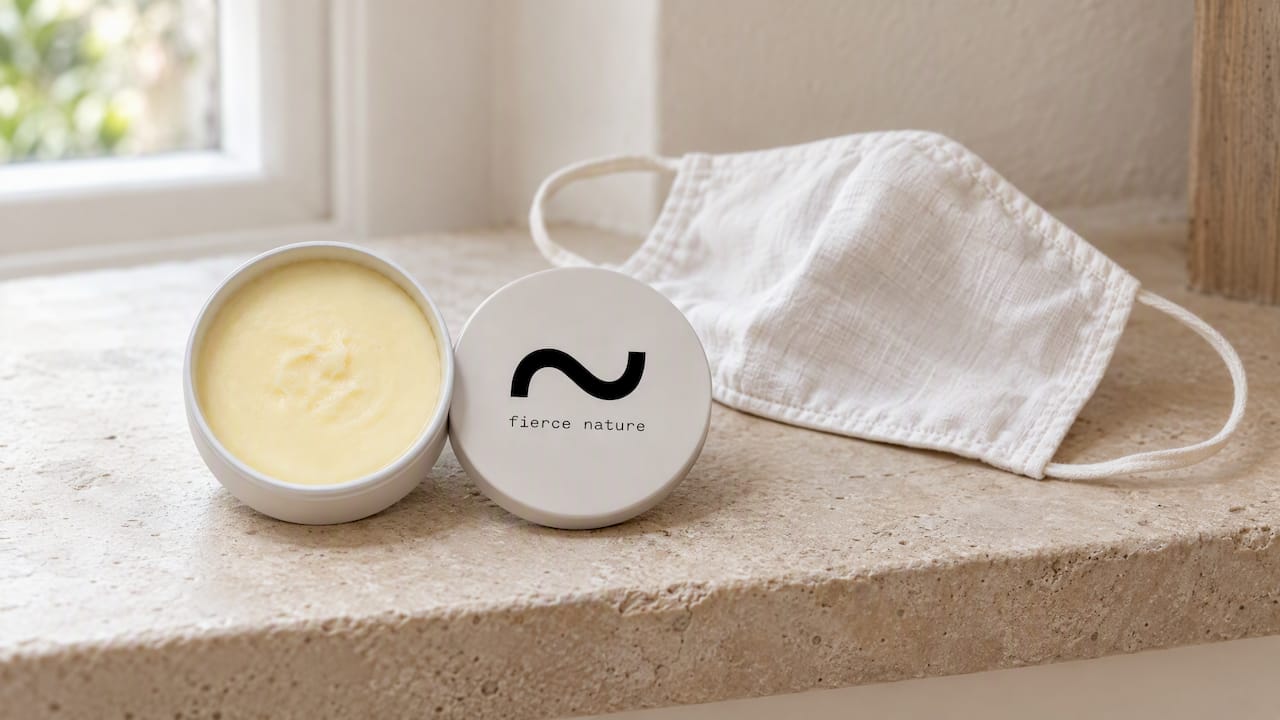
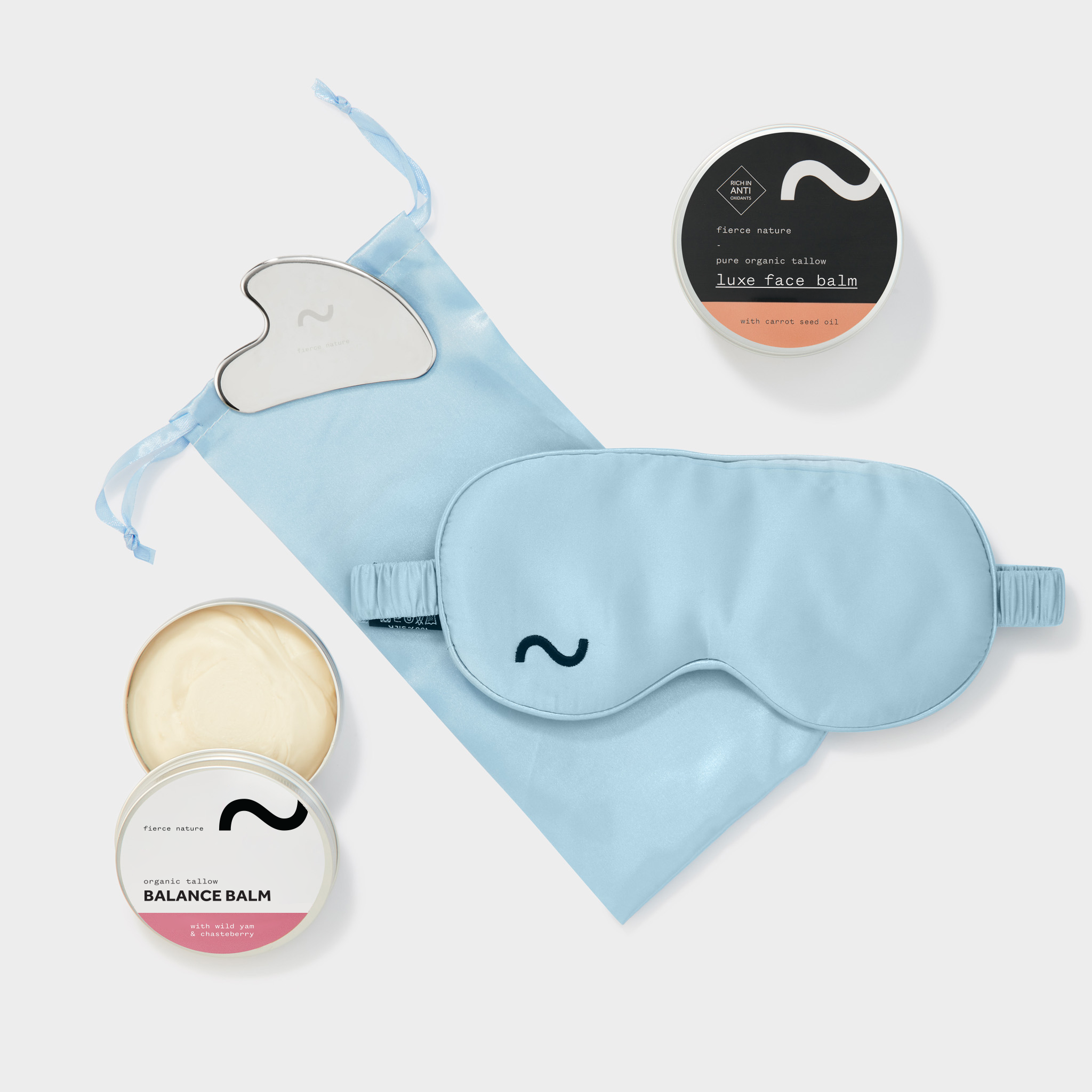
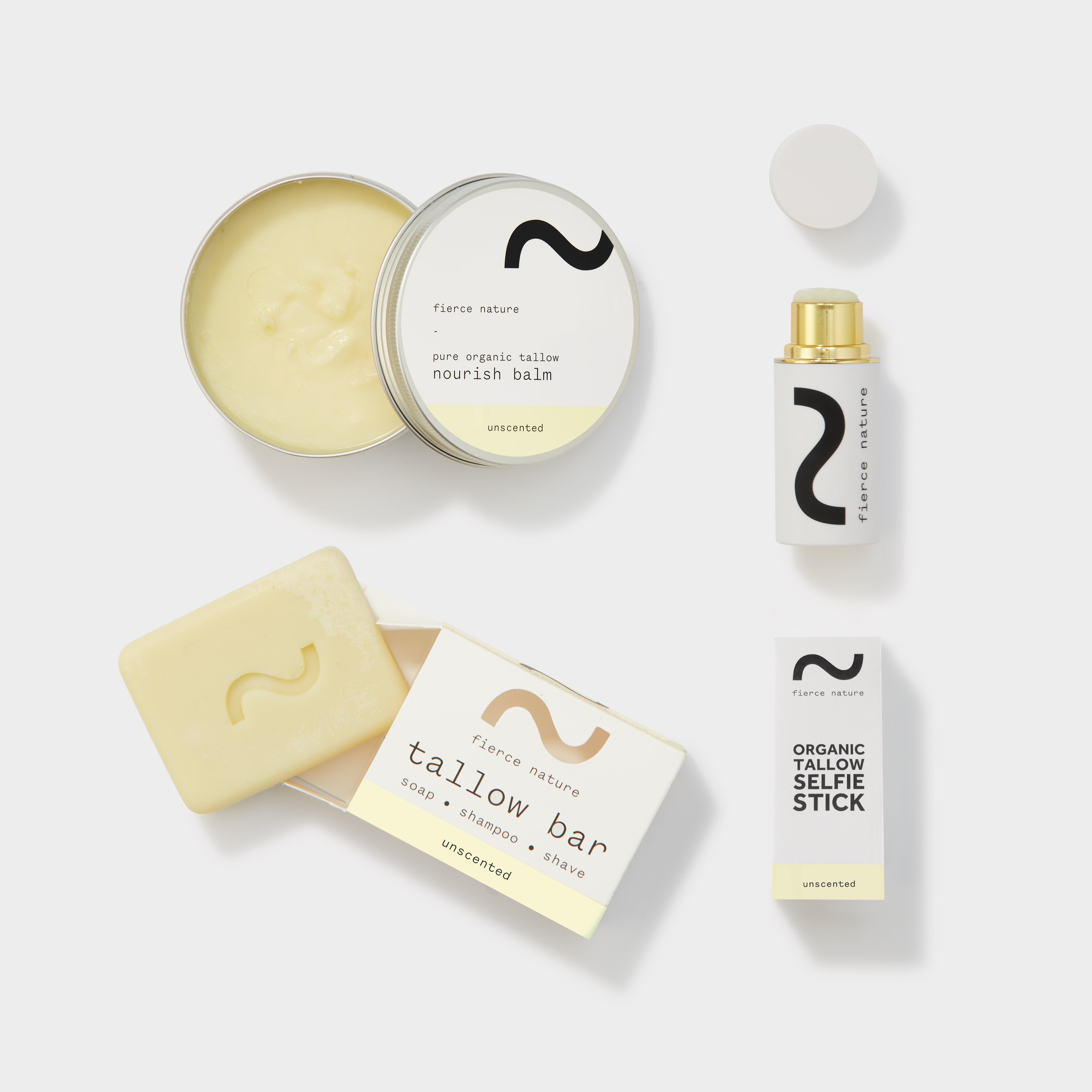
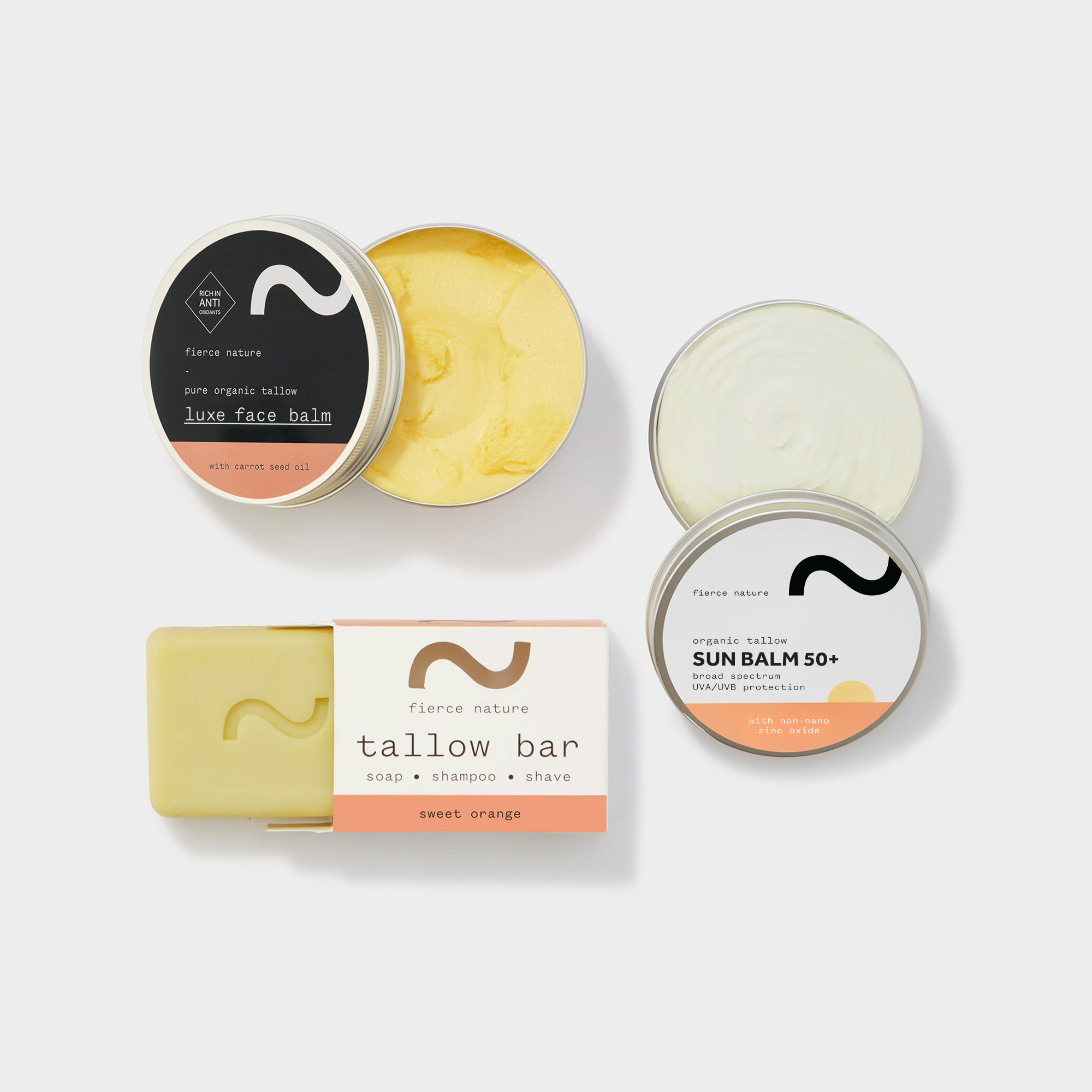
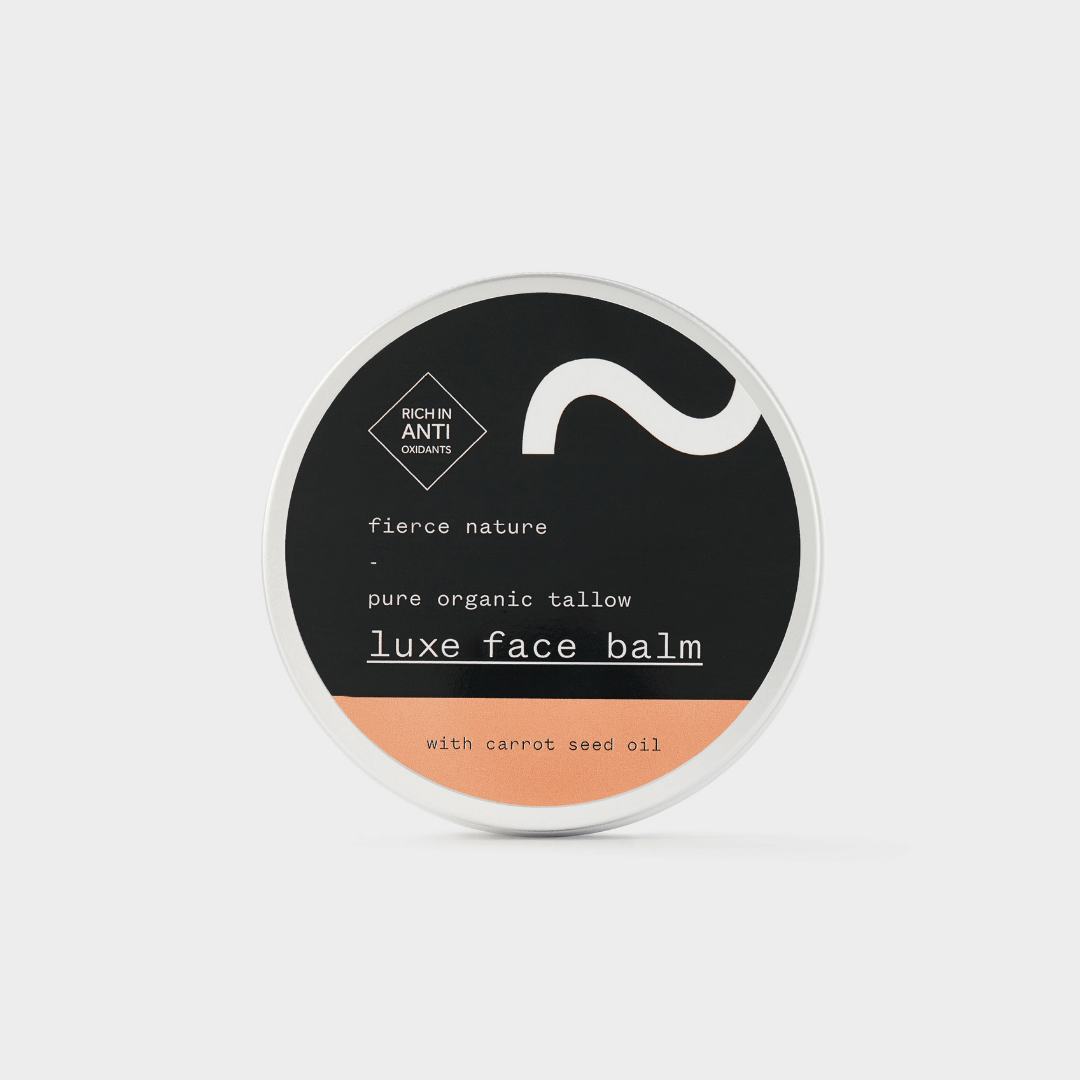
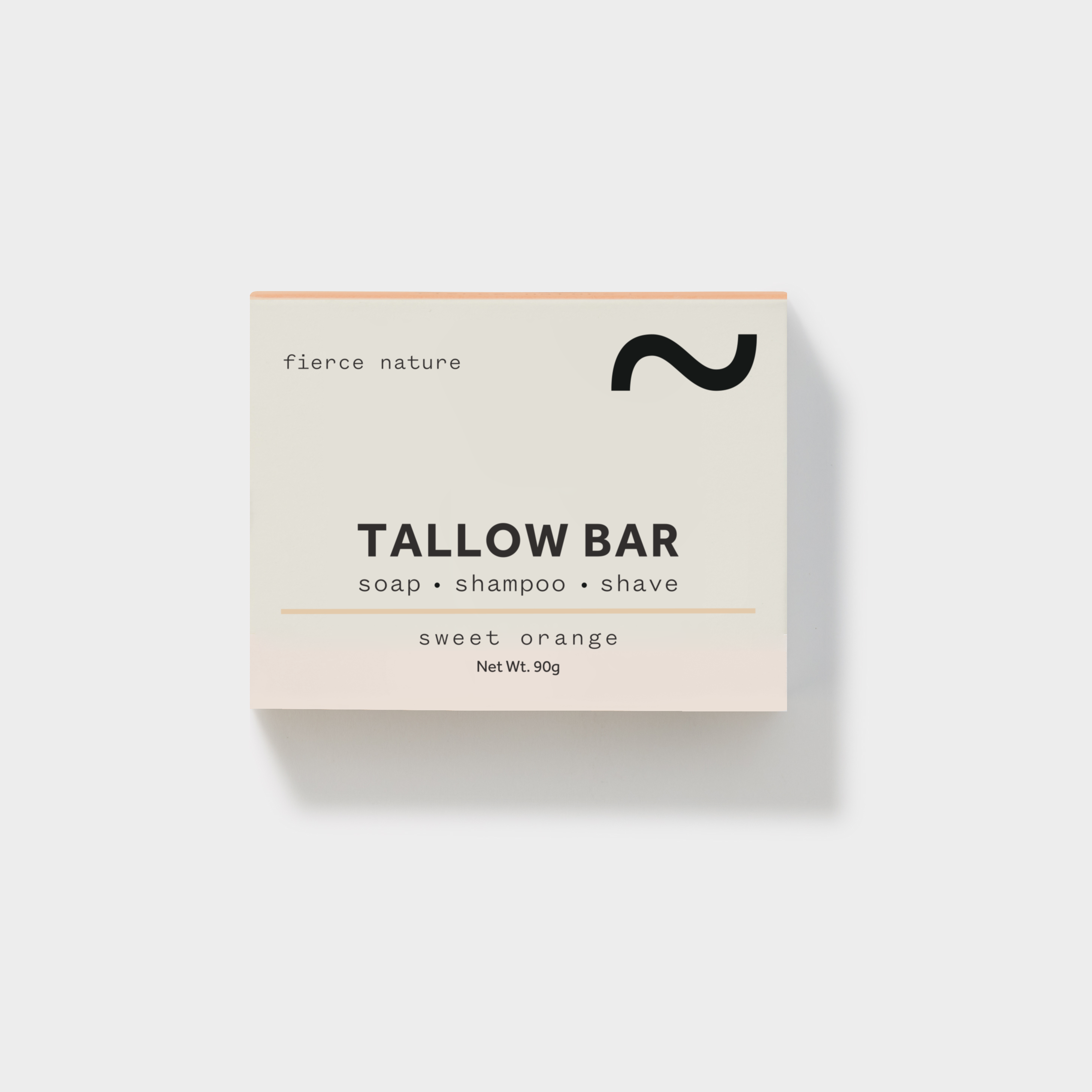
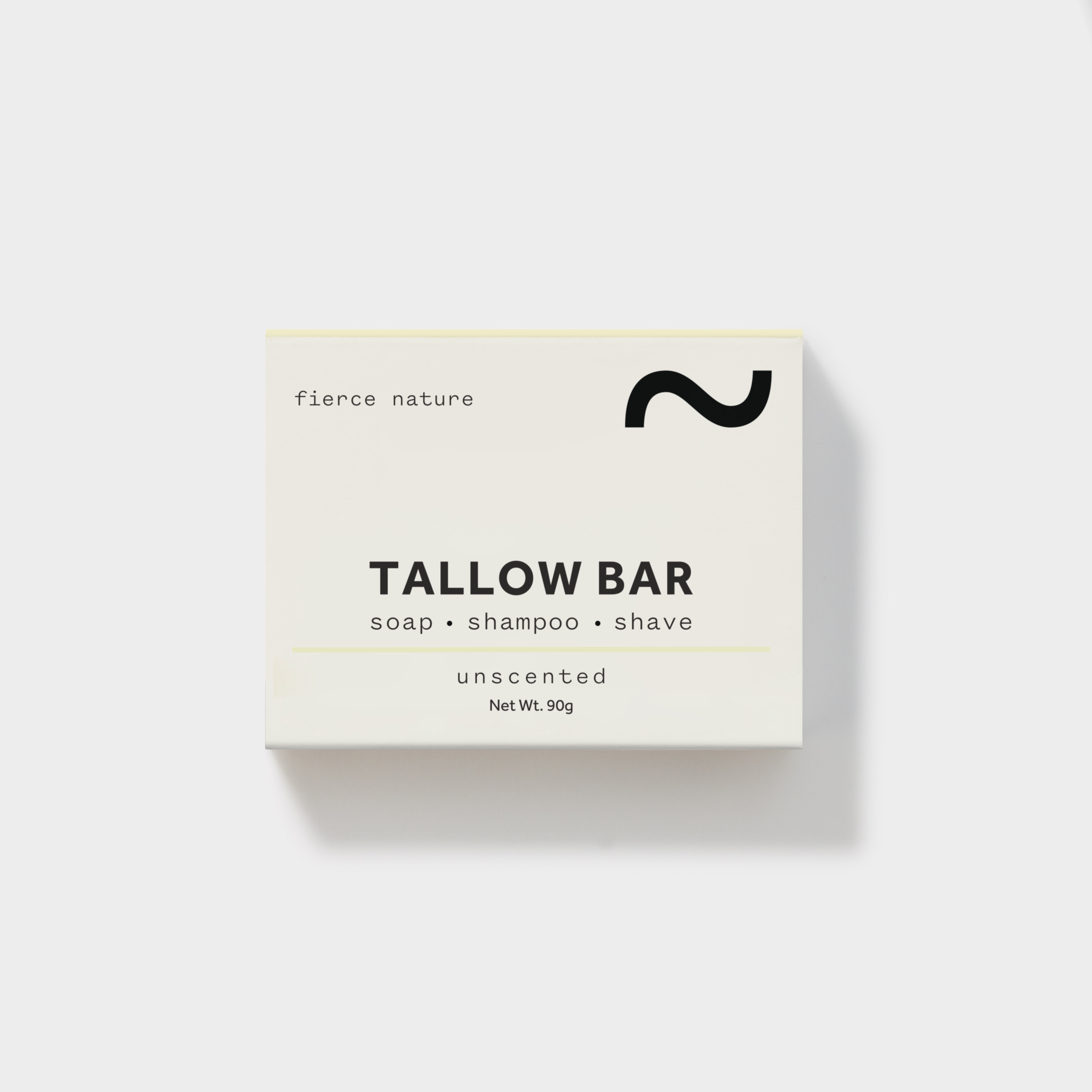
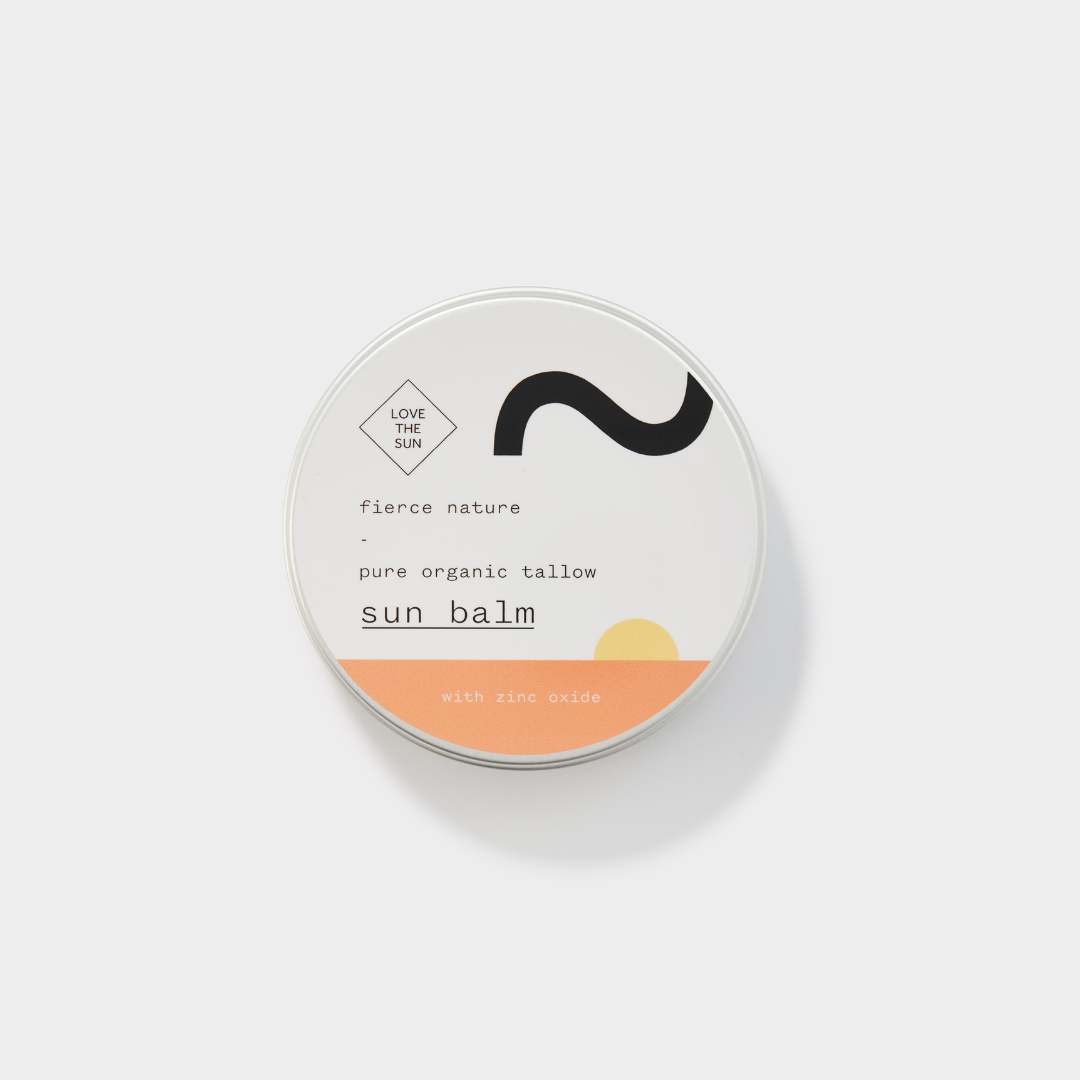
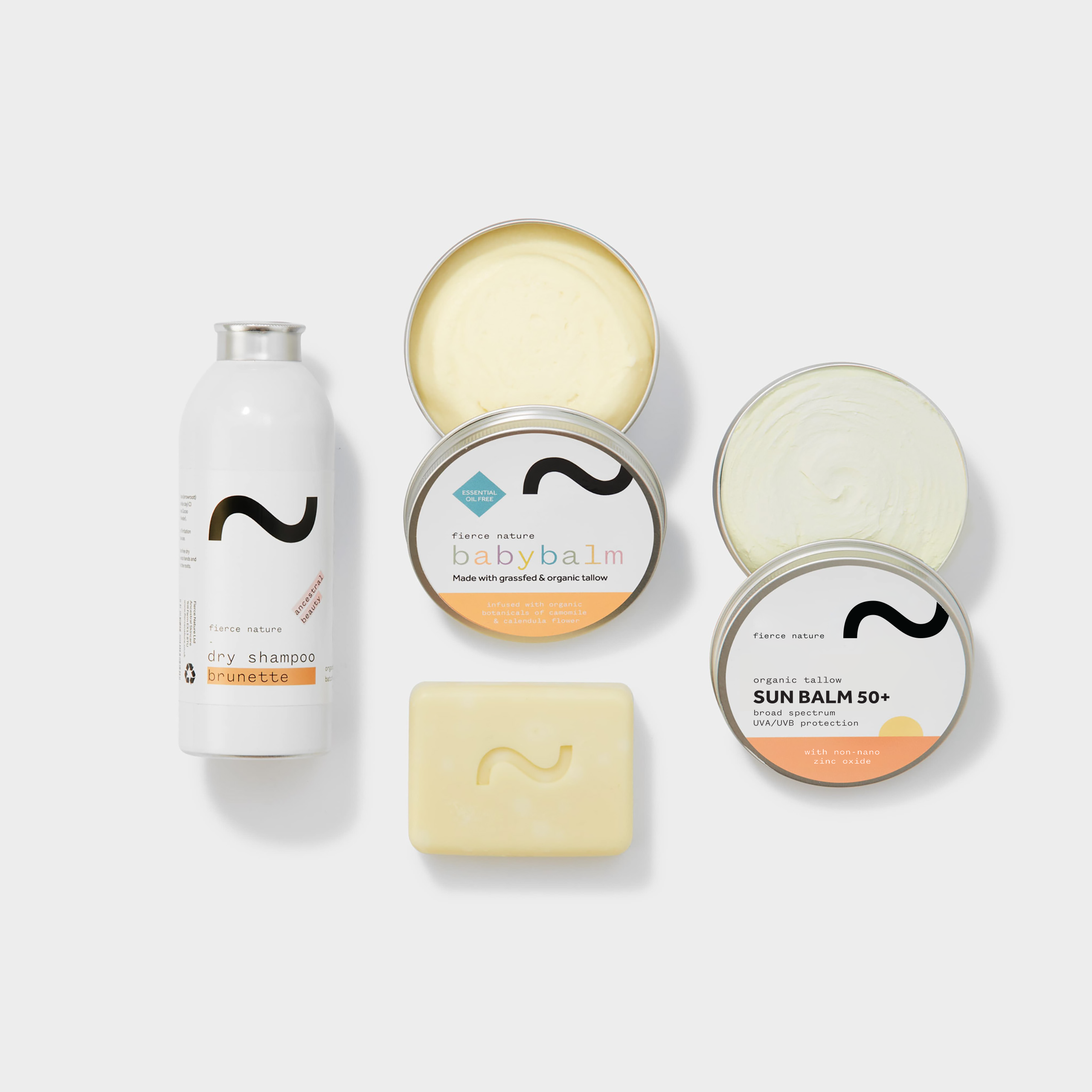
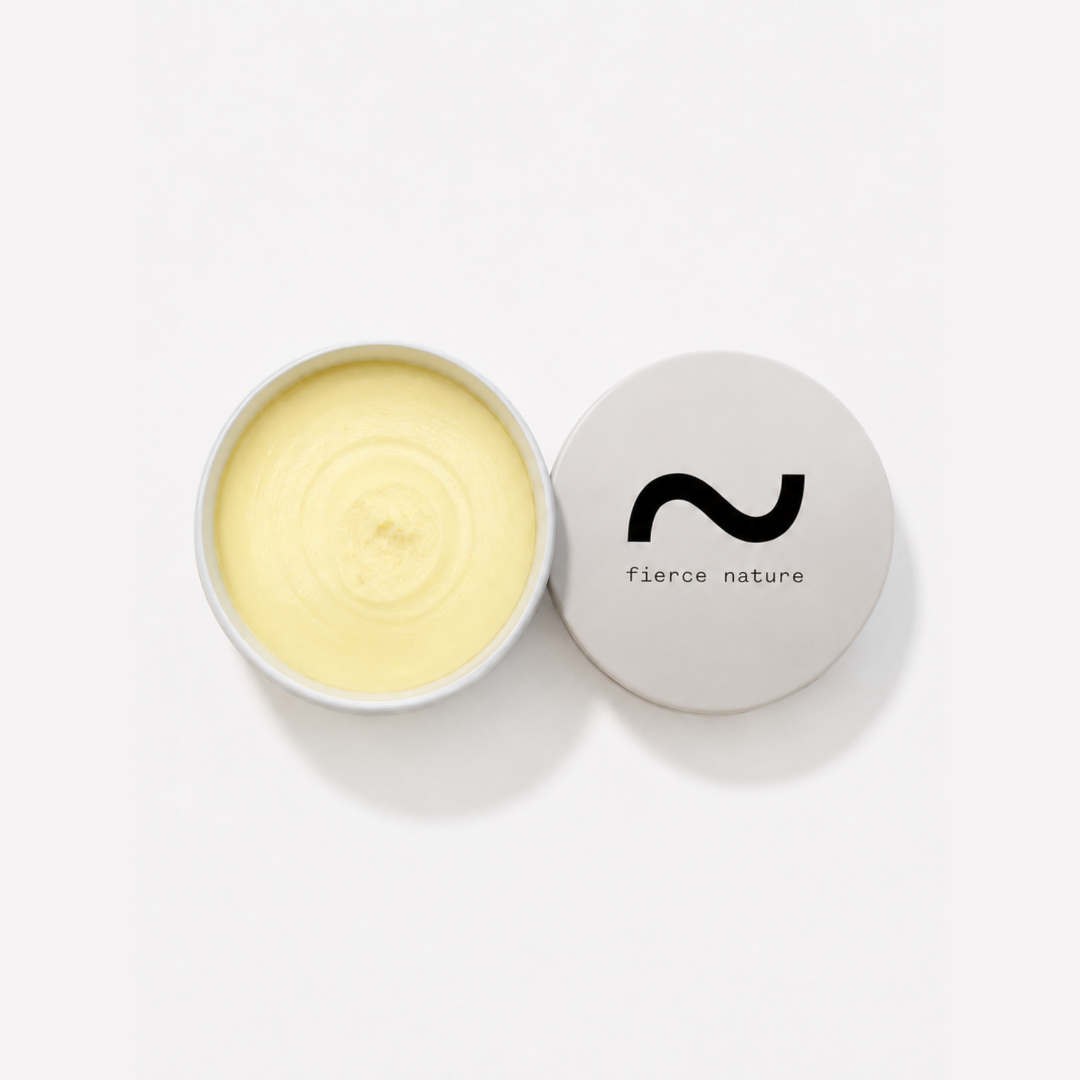
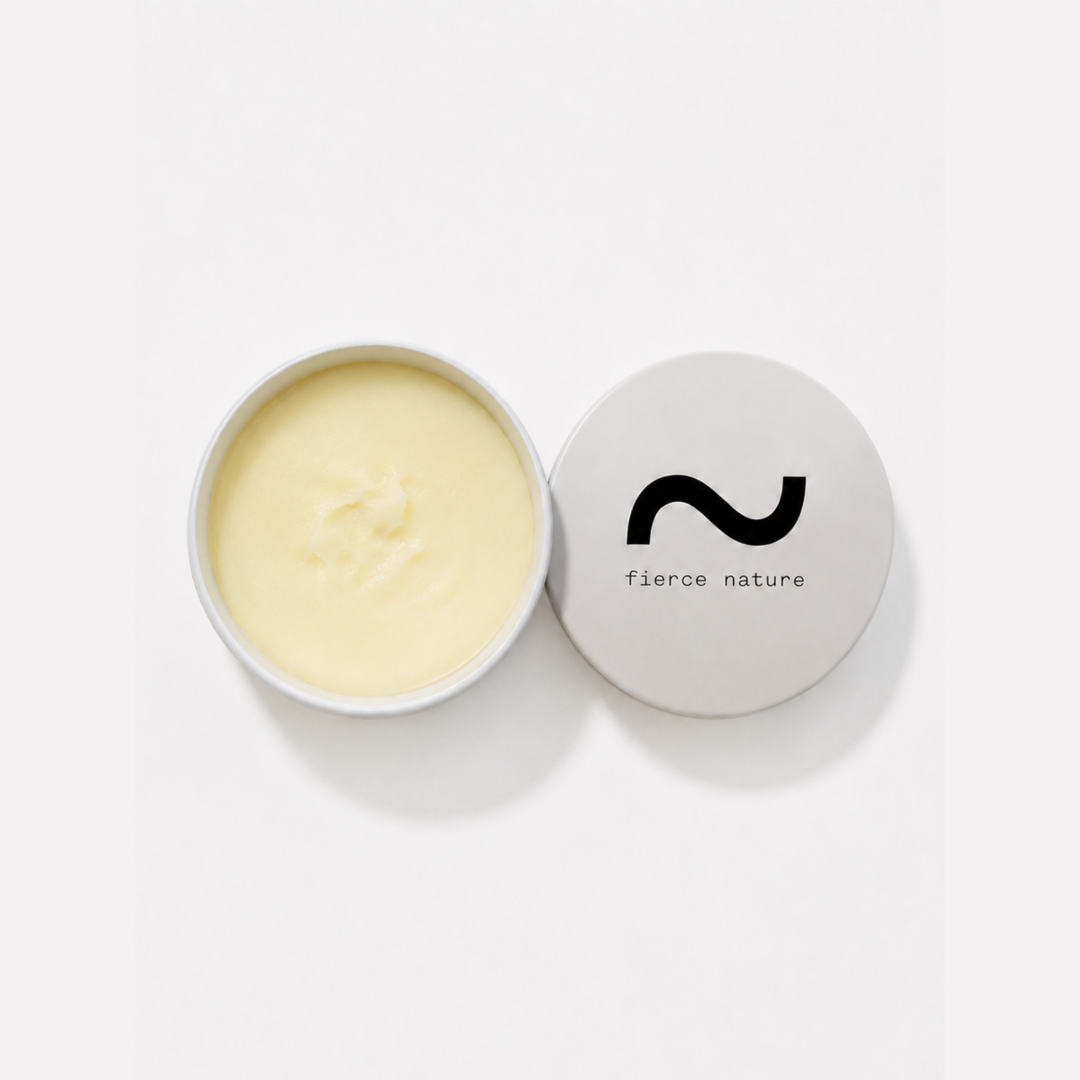
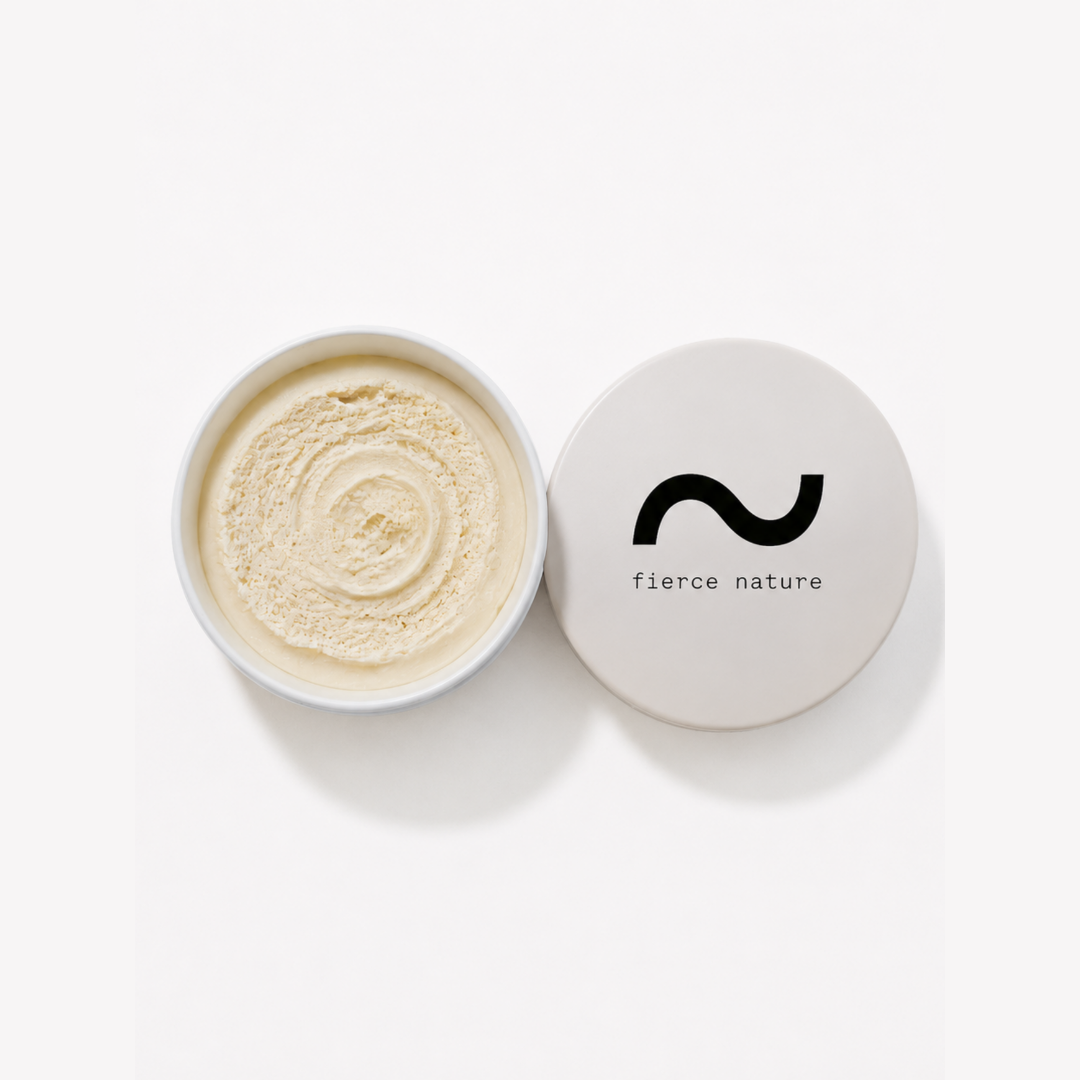
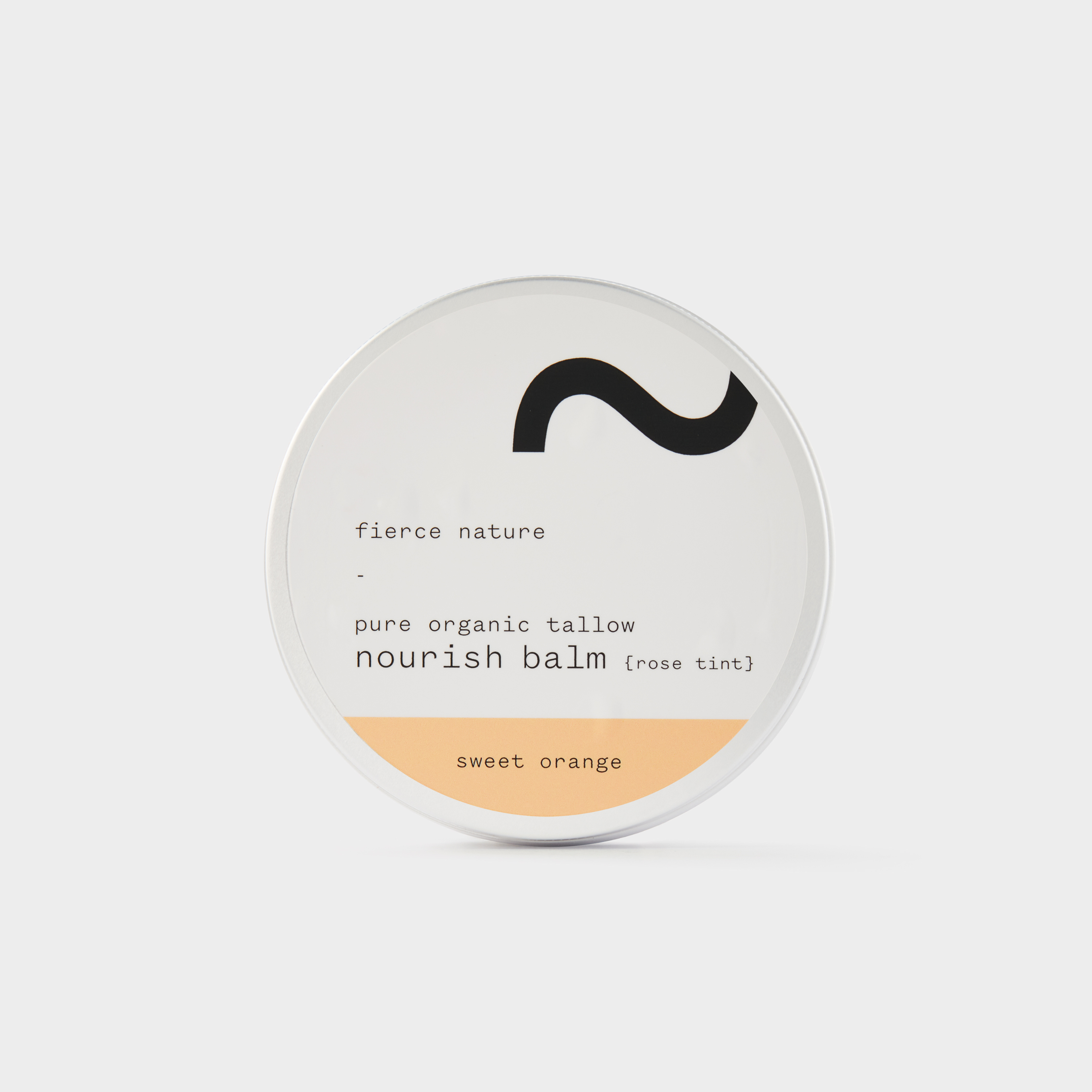
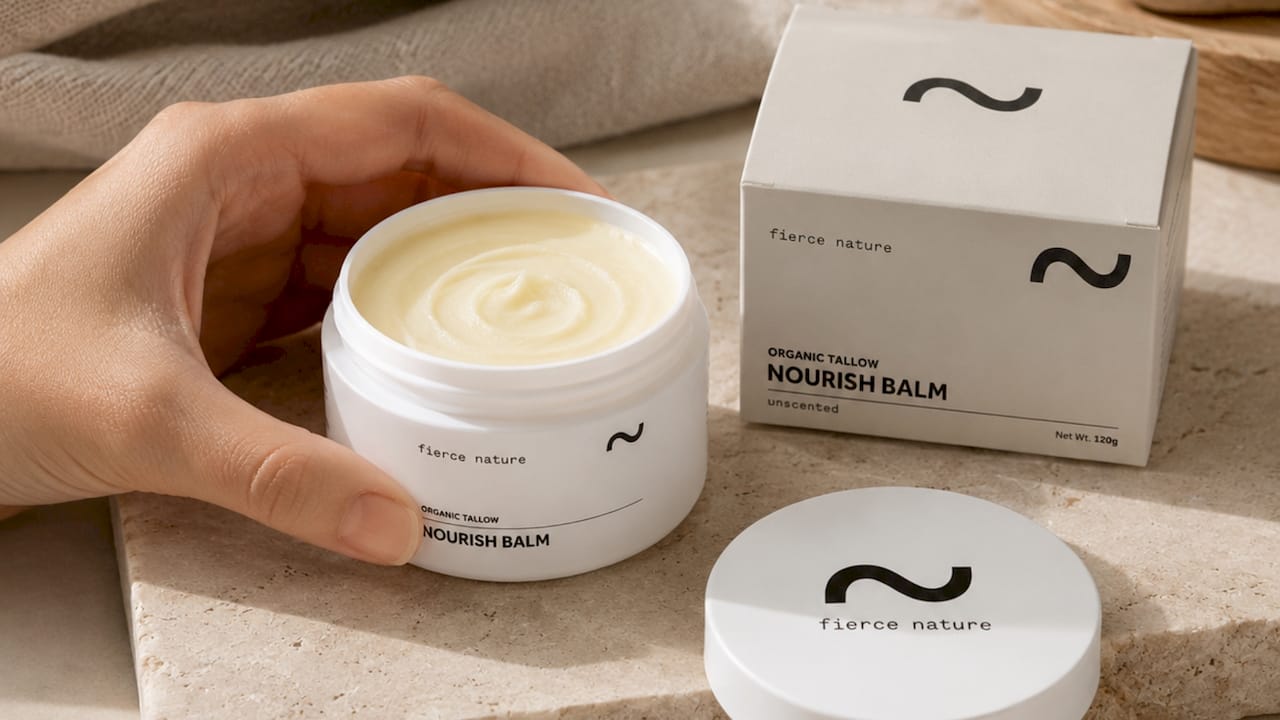
At Fierce Nature, every product starts with one question: does this ingredient serve your skin, or does it serve a marketing claim? Our formulations are handmade in the UK using naturally sourced ingredients, with pure organic tallow as the foundation. Tallow has been used for centuries as a skin emollient because its bioavailability allows it to penetrate deeply, delivering genuine nourishment rather than sitting on the surface. Our unscented tallow bar is fragrance-free, minimal in ingredients, and suited to sensitive and reactive skin. For those who want a richer cleansing and conditioning experience, the Luxe Balm offers deep nourishment without synthetic additives. Both reflect our belief that your skin thrives when you feed it from the land.
Chemical-free in skincare refers to formulations that exclude known irritants such as artificial fragrances, parabens, sulfates, and phthalates. The term is informal; the more precise industry language is “non-toxic” or “clean beauty.”
No. Fragrance-free means no fragrance compounds have been added. Unscented products may still contain masking fragrances to neutralise the natural smell of other ingredients, which can still irritate sensitive skin.
Yes. Board-certified dermatologists confirm that natural essential oils, including lavender, citrus, and eucalyptus, are among the most common triggers of irritant and allergic reactions in sensitive skin.
Once daily in the evening is sufficient for most people with sensitive skin. A light rinse with cool water in the morning preserves the skin’s natural oils and avoids over-stripping the barrier.
The National Eczema Association Seal of Acceptance, COSMOS Organic certification, and the Soil Association mark are reliable third-party indicators of ingredient transparency and formulation safety for sensitive skin.